Sarah Wright is KQED's Outdoors Engagement Reporter. Originally from Lake Tahoe, she completed a thru-hike of the Pacific Crest Trail in 2019 and was a U.S. Fulbright Program grantee to Argentina in 2023. Her journalism has appeared in The Guardian, The San Francisco Standard, The Palo Alto Weekly and the Half Moon Bay Review.
These 8 Camping Fears Are Real. Let Us Solve Them for You
What Passengers Should Know About Boat Safety on the San Francisco Bay
Want Access to New, Less-Crowded Bay Area Hiking Trails? A $10 EBMUD Permit Could Be the Answer
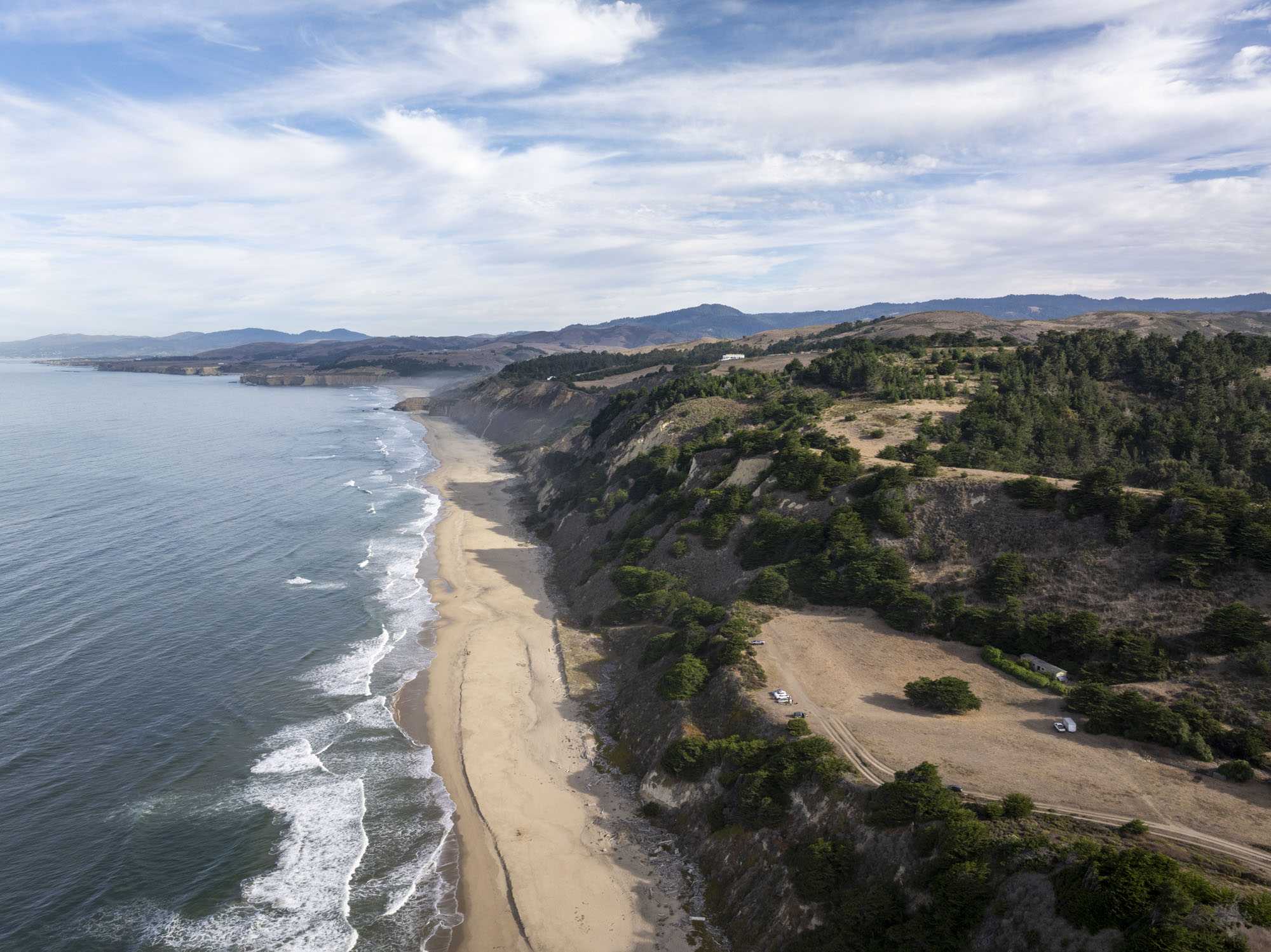
Historic San Mateo County Nude Beach to Become Part of New California State Park
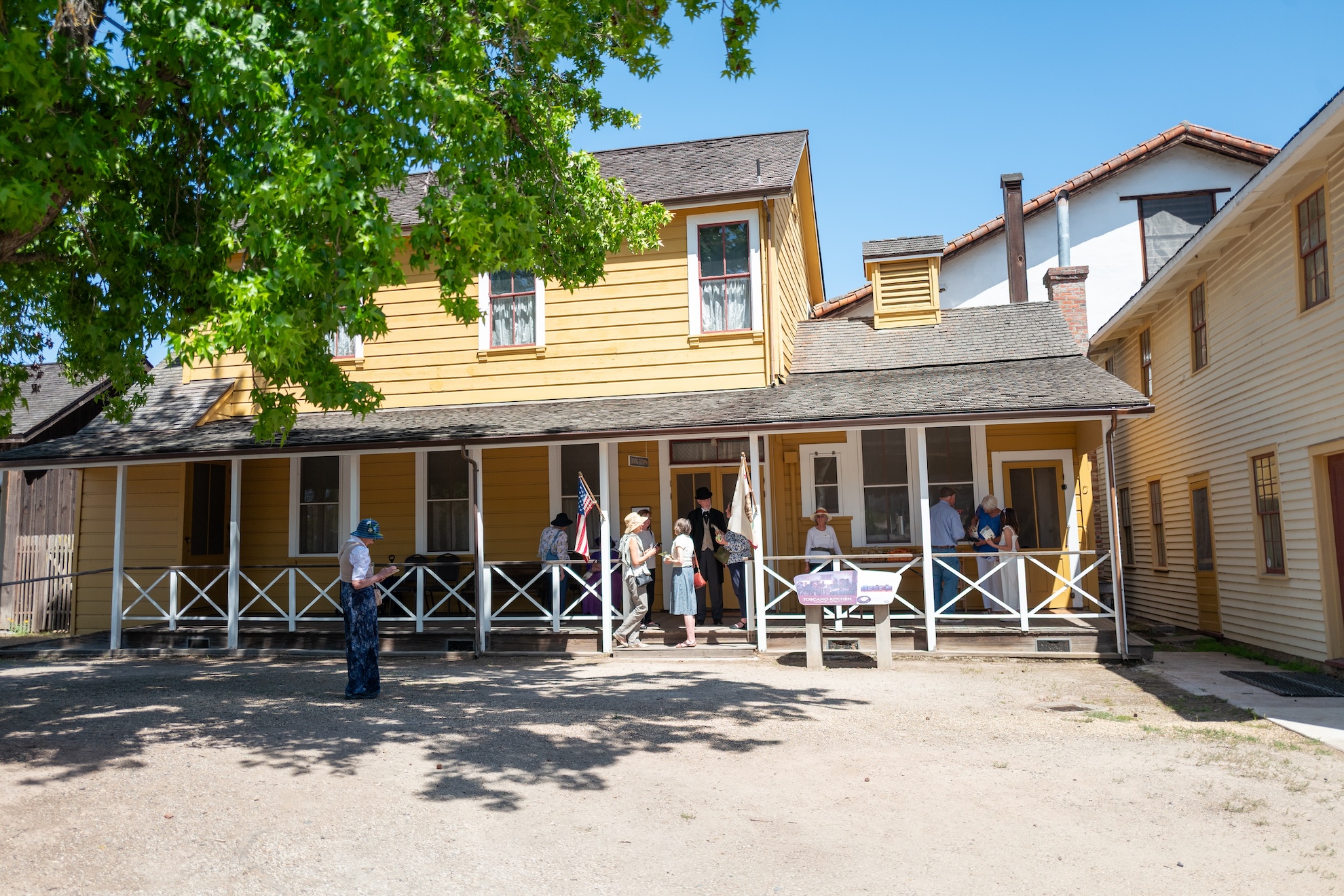
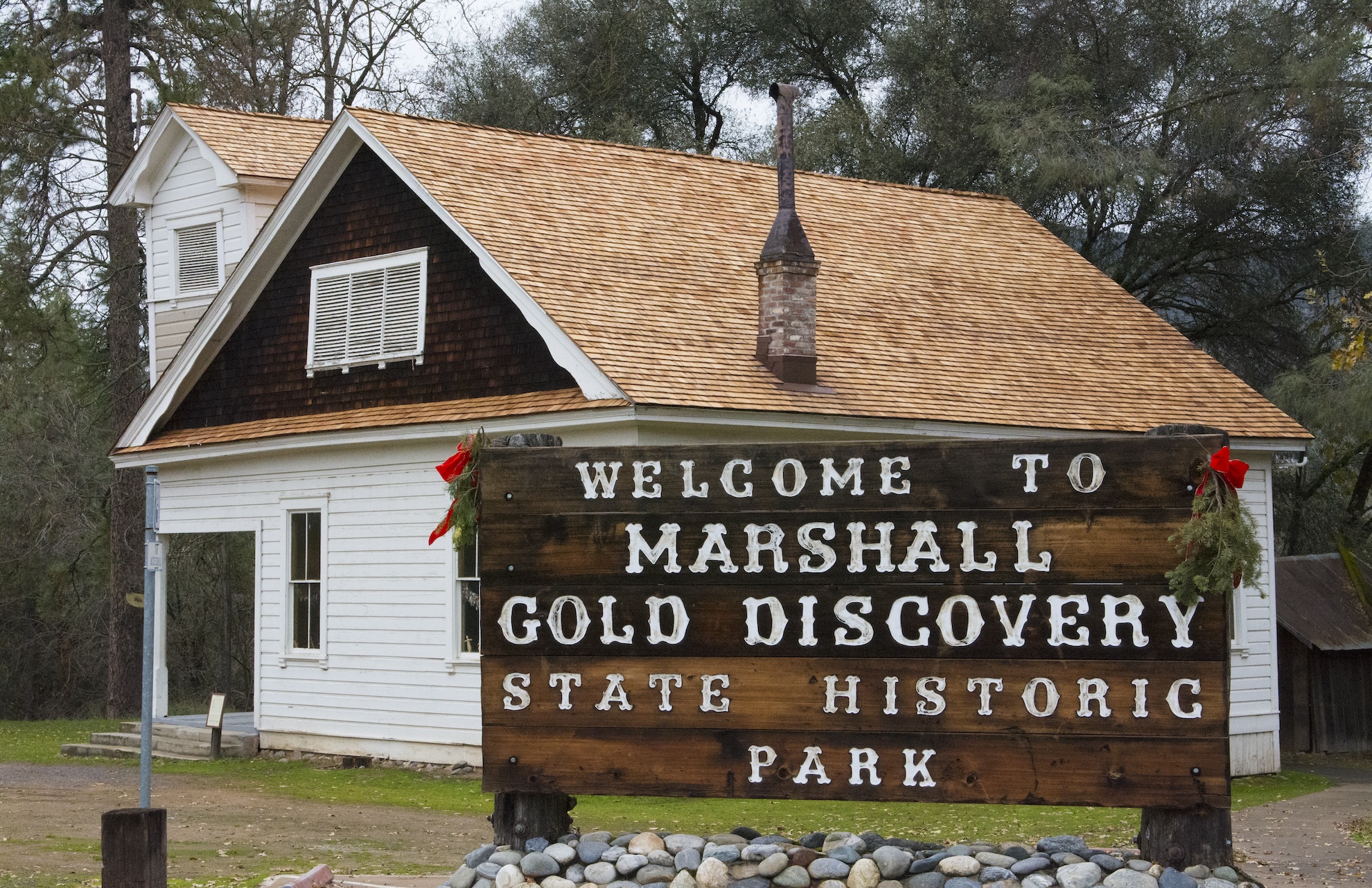
Monday’s Your Last Chance for a Free Pass to all State Historic Parks (Just Don’t Miss the Deadline)
Got Your Free State Historic Parks Pass? Here Are 3 Ideas for Where to Use It Near the Bay Area
Tahoe Might Get Snow This Weekend. Here’s How You Should Prepare
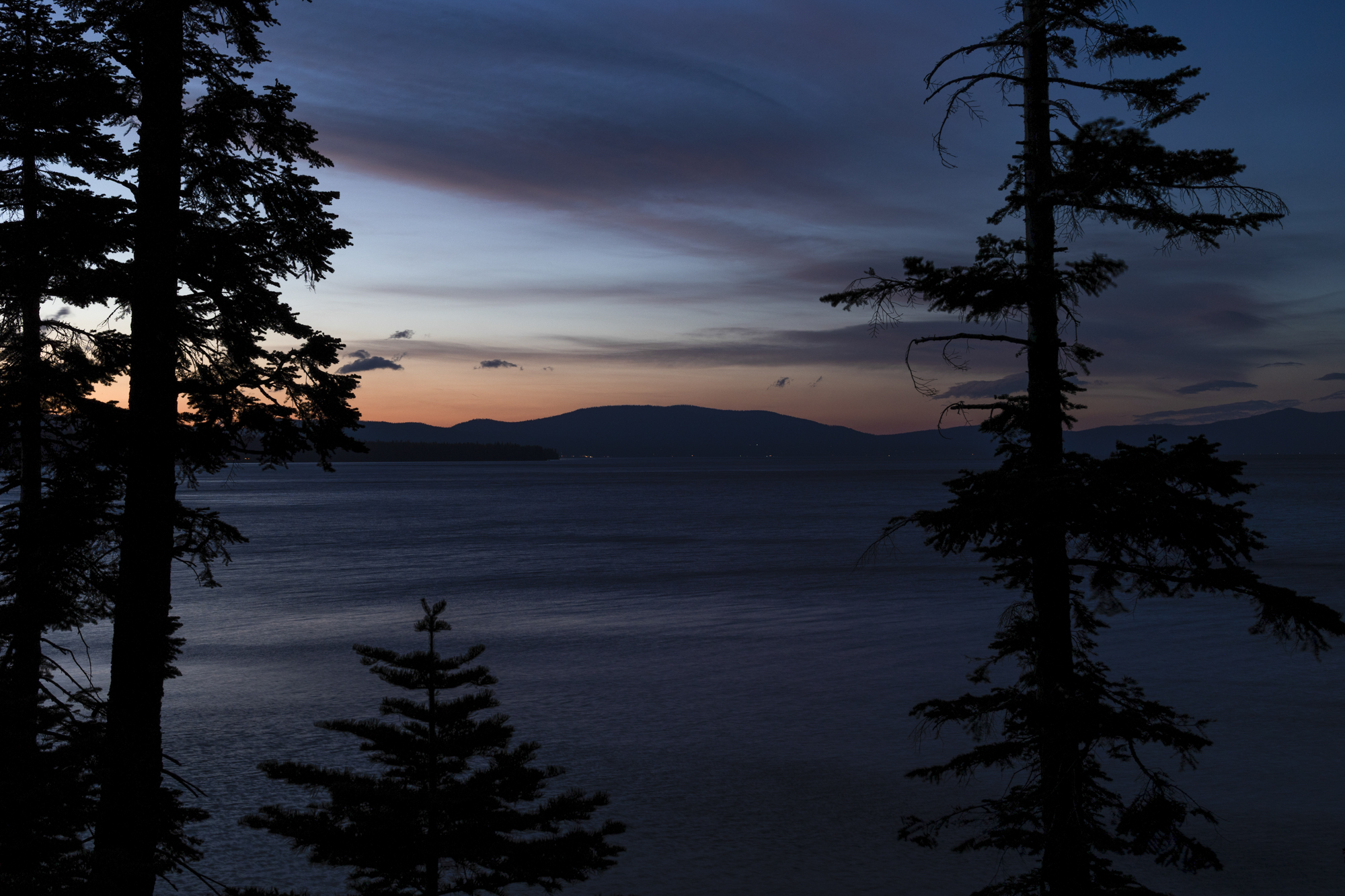
This Iconic Tahoe Campground Just Reopened. Here’s How to Make the Most of It
The Ultimate Annotated California Camping Checklist
What Is a Sneaker Wave? How to Avoid Bay Area Beaches’ Hidden, Deadly Hazards
Court Orders National Parks Signage, Including at Muir Woods, to Be Restored
Player sponsored by
window.__IS_SSR__=true
window.__INITIAL_STATE__={
"attachmentsReducer": {
"audio_0": {
"type": "attachments",
"id": "audio_0",
"imgSizes": {
"kqedFullSize": {
"file": "https://ww2.kqed.org/news/wp-content/themes/KQED-unified/img/audio_bgs/background0.jpg"
}
}
},
"audio_1": {
"type": "attachments",
"id": "audio_1",
"imgSizes": {
"kqedFullSize": {
"file": "https://ww2.kqed.org/news/wp-content/themes/KQED-unified/img/audio_bgs/background1.jpg"
}
}
},
"audio_2": {
"type": "attachments",
"id": "audio_2",
"imgSizes": {
"kqedFullSize": {
"file": "https://ww2.kqed.org/news/wp-content/themes/KQED-unified/img/audio_bgs/background2.jpg"
}
}
},
"audio_3": {
"type": "attachments",
"id": "audio_3",
"imgSizes": {
"kqedFullSize": {
"file": "https://ww2.kqed.org/news/wp-content/themes/KQED-unified/img/audio_bgs/background3.jpg"
}
}
},
"audio_4": {
"type": "attachments",
"id": "audio_4",
"imgSizes": {
"kqedFullSize": {
"file": "https://ww2.kqed.org/news/wp-content/themes/KQED-unified/img/audio_bgs/background4.jpg"
}
}
},
"placeholder": {
"type": "attachments",
"id": "placeholder",
"imgSizes": {
"thumbnail": {
"file": "https://cdn.kqed.org/wp-content/uploads/2024/12/KQED-Default-Image-816638274-2000x1333-1-160x107.jpg",
"width": 160,
"height": 107,
"mimeType": "image/jpeg"
},
"medium": {
"file": "https://cdn.kqed.org/wp-content/uploads/2024/12/KQED-Default-Image-816638274-2000x1333-1-800x533.jpg",
"width": 800,
"height": 533,
"mimeType": "image/jpeg"
},
"medium_large": {
"file": "https://cdn.kqed.org/wp-content/uploads/2024/12/KQED-Default-Image-816638274-2000x1333-1-768x512.jpg",
"width": 768,
"height": 512,
"mimeType": "image/jpeg"
},
"large": {
"file": "https://cdn.kqed.org/wp-content/uploads/2024/12/KQED-Default-Image-816638274-2000x1333-1-1020x680.jpg",
"width": 1020,
"height": 680,
"mimeType": "image/jpeg"
},
"1536x1536": {
"file": "https://cdn.kqed.org/wp-content/uploads/2024/12/KQED-Default-Image-816638274-2000x1333-1-1536x1024.jpg",
"width": 1536,
"height": 1024,
"mimeType": "image/jpeg"
},
"fd-lrg": {
"file": "https://cdn.kqed.org/wp-content/uploads/2024/12/KQED-Default-Image-816638274-2000x1333-1-1536x1024.jpg",
"width": 1536,
"height": 1024,
"mimeType": "image/jpeg"
},
"fd-med": {
"file": "https://cdn.kqed.org/wp-content/uploads/2024/12/KQED-Default-Image-816638274-2000x1333-1-1020x680.jpg",
"width": 1020,
"height": 680,
"mimeType": "image/jpeg"
},
"fd-sm": {
"file": "https://cdn.kqed.org/wp-content/uploads/2024/12/KQED-Default-Image-816638274-2000x1333-1-800x533.jpg",
"width": 800,
"height": 533,
"mimeType": "image/jpeg"
},
"post-thumbnail": {
"file": "https://cdn.kqed.org/wp-content/uploads/2024/12/KQED-Default-Image-816638274-2000x1333-1-672x372.jpg",
"width": 672,
"height": 372,
"mimeType": "image/jpeg"
},
"twentyfourteen-full-width": {
"file": "https://cdn.kqed.org/wp-content/uploads/2024/12/KQED-Default-Image-816638274-2000x1333-1-1038x576.jpg",
"width": 1038,
"height": 576,
"mimeType": "image/jpeg"
},
"xxsmall": {
"file": "https://cdn.kqed.org/wp-content/uploads/2024/12/KQED-Default-Image-816638274-2000x1333-1-160x107.jpg",
"width": 160,
"height": 107,
"mimeType": "image/jpeg"
},
"xsmall": {
"file": "https://cdn.kqed.org/wp-content/uploads/2024/12/KQED-Default-Image-816638274-2000x1333-1-672x372.jpg",
"width": 672,
"height": 372,
"mimeType": "image/jpeg"
},
"small": {
"file": "https://cdn.kqed.org/wp-content/uploads/2024/12/KQED-Default-Image-816638274-2000x1333-1-672x372.jpg",
"width": 672,
"height": 372,
"mimeType": "image/jpeg"
},
"xlarge": {
"file": "https://cdn.kqed.org/wp-content/uploads/2024/12/KQED-Default-Image-816638274-2000x1333-1-1020x680.jpg",
"width": 1020,
"height": 680,
"mimeType": "image/jpeg"
},
"full-width": {
"file": "https://cdn.kqed.org/wp-content/uploads/2024/12/KQED-Default-Image-816638274-2000x1333-1-1920x1280.jpg",
"width": 1920,
"height": 1280,
"mimeType": "image/jpeg"
},
"guest-author-32": {
"file": "https://cdn.kqed.org/wp-content/uploads/2025/01/KQED-Default-Image-816638274-1333x1333-1-160x160.jpg",
"width": 32,
"height": 32,
"mimeType": "image/jpeg"
},
"guest-author-50": {
"file": "https://cdn.kqed.org/wp-content/uploads/2025/01/KQED-Default-Image-816638274-1333x1333-1-160x160.jpg",
"width": 50,
"height": 50,
"mimeType": "image/jpeg"
},
"guest-author-64": {
"file": "https://cdn.kqed.org/wp-content/uploads/2025/01/KQED-Default-Image-816638274-1333x1333-1-160x160.jpg",
"width": 64,
"height": 64,
"mimeType": "image/jpeg"
},
"guest-author-96": {
"file": "https://cdn.kqed.org/wp-content/uploads/2025/01/KQED-Default-Image-816638274-1333x1333-1-160x160.jpg",
"width": 96,
"height": 96,
"mimeType": "image/jpeg"
},
"guest-author-128": {
"file": "https://cdn.kqed.org/wp-content/uploads/2025/01/KQED-Default-Image-816638274-1333x1333-1-160x160.jpg",
"width": 128,
"height": 128,
"mimeType": "image/jpeg"
},
"detail": {
"file": "https://cdn.kqed.org/wp-content/uploads/2025/01/KQED-Default-Image-816638274-1333x1333-1-160x160.jpg",
"width": 160,
"height": 160,
"mimeType": "image/jpeg"
},
"kqedFullSize": {
"file": "https://cdn.kqed.org/wp-content/uploads/2024/12/KQED-Default-Image-816638274-2000x1333-1.jpg",
"width": 2000,
"height": 1333
}
}
},
"news_12088701": {
"type": "attachments",
"id": "news_12088701",
"meta": {
"index": "attachments_1716263798",
"site": "news",
"id": "12088701",
"found": true
},
"title": "Search underway for young girl swept into big surf off Laguna Beach",
"publishDate": 1782321391,
"status": "inherit",
"parent": 12088673,
"modified": 1782321431,
"caption": "Waves crash on the rocks at Christmas Cove Beach in Laguna on Wednesday, June 10, 2026, as lifeguards were kept busy warning people that they could not go into the dangerous surf.",
"credit": "Mindy Schauer/MediaNewsGroup/Orange County Register via Getty Images",
"altTag": null,
"description": null,
"imgSizes": {
"thumbnail": {
"file": "https://cdn.kqed.org/wp-content/uploads/sites/10/2026/06/CaliforniaRipCurrentsGetty2-160x114.jpg",
"width": 160,
"height": 114,
"mimeType": "image/jpeg"
},
"1536x1536": {
"file": "https://cdn.kqed.org/wp-content/uploads/sites/10/2026/06/CaliforniaRipCurrentsGetty2-1536x1091.jpg",
"width": 1536,
"height": 1091,
"mimeType": "image/jpeg"
},
"post-thumbnail": {
"file": "https://cdn.kqed.org/wp-content/uploads/sites/10/2026/06/CaliforniaRipCurrentsGetty2-672x372.jpg",
"width": 672,
"height": 372,
"mimeType": "image/jpeg"
},
"twentyfourteen-full-width": {
"file": "https://cdn.kqed.org/wp-content/uploads/sites/10/2026/06/CaliforniaRipCurrentsGetty2-1038x576.jpg",
"width": 1038,
"height": 576,
"mimeType": "image/jpeg"
},
"npr-cds-wide": {
"file": "https://cdn.kqed.org/wp-content/uploads/sites/10/2026/06/CaliforniaRipCurrentsGetty2-1200x675.jpg",
"width": 1200,
"height": 675,
"mimeType": "image/jpeg"
},
"npr-cds-square": {
"file": "https://cdn.kqed.org/wp-content/uploads/sites/10/2026/06/CaliforniaRipCurrentsGetty2-600x600.jpg",
"width": 600,
"height": 600,
"mimeType": "image/jpeg"
},
"kqedFullSize": {
"file": "https://cdn.kqed.org/wp-content/uploads/sites/10/2026/06/CaliforniaRipCurrentsGetty2.jpg",
"width": 2000,
"height": 1420
}
},
"isLoading": false,
"fetchFailed": false
},
"news_12085510": {
"type": "attachments",
"id": "news_12085510",
"meta": {
"index": "attachments_1716263798",
"site": "news",
"id": "12085510",
"found": true
},
"title": "052626LAKE TAHOE _GH_008-KQED",
"publishDate": 1780076524,
"status": "inherit",
"parent": 12088718,
"modified": 1782326992,
"caption": "A camper at D.L. Bliss State Park calls out to a young black bear near the Beach Campground area on May 25, 2026, in the Lake Tahoe Basin.",
"credit": "Gustavo Hernandez/KQED",
"altTag": null,
"description": null,
"imgSizes": {
"thumbnail": {
"file": "https://cdn.kqed.org/wp-content/uploads/sites/10/2026/05/052626LAKE-TAHOE-_GH_008-KQED-160x107.jpg",
"width": 160,
"height": 107,
"mimeType": "image/jpeg"
},
"1536x1536": {
"file": "https://cdn.kqed.org/wp-content/uploads/sites/10/2026/05/052626LAKE-TAHOE-_GH_008-KQED-1536x1024.jpg",
"width": 1536,
"height": 1024,
"mimeType": "image/jpeg"
},
"post-thumbnail": {
"file": "https://cdn.kqed.org/wp-content/uploads/sites/10/2026/05/052626LAKE-TAHOE-_GH_008-KQED-672x372.jpg",
"width": 672,
"height": 372,
"mimeType": "image/jpeg"
},
"twentyfourteen-full-width": {
"file": "https://cdn.kqed.org/wp-content/uploads/sites/10/2026/05/052626LAKE-TAHOE-_GH_008-KQED-1038x576.jpg",
"width": 1038,
"height": 576,
"mimeType": "image/jpeg"
},
"npr-cds-wide": {
"file": "https://cdn.kqed.org/wp-content/uploads/sites/10/2026/05/052626LAKE-TAHOE-_GH_008-KQED-1200x675.jpg",
"width": 1200,
"height": 675,
"mimeType": "image/jpeg"
},
"npr-cds-square": {
"file": "https://cdn.kqed.org/wp-content/uploads/sites/10/2026/05/052626LAKE-TAHOE-_GH_008-KQED-600x600.jpg",
"width": 600,
"height": 600,
"mimeType": "image/jpeg"
},
"kqedFullSize": {
"file": "https://cdn.kqed.org/wp-content/uploads/sites/10/2026/05/052626LAKE-TAHOE-_GH_008-KQED.jpg",
"width": 2000,
"height": 1333
}
},
"isLoading": false,
"fetchFailed": false
},
"news_12091145": {
"type": "attachments",
"id": "news_12091145",
"meta": {
"index": "attachments_1716263798",
"site": "news",
"id": "12091145",
"found": true
},
"title": "260715-AlcatrazSearchUpdate-01-BL",
"publishDate": 1784139846,
"status": "inherit",
"parent": 12091098,
"modified": 1784139860,
"caption": "A San Francisco Fire Department boat pictured in the waters near Alcatraz on July 15, 2026.",
"credit": "Beth LaBerge/KQED",
"altTag": null,
"description": null,
"imgSizes": {
"thumbnail": {
"file": "https://cdn.kqed.org/wp-content/uploads/sites/10/2026/07/260715-AlcatrazSearchUpdate-01-BL-160x107.jpg",
"width": 160,
"height": 107,
"mimeType": "image/jpeg"
},
"1536x1536": {
"file": "https://cdn.kqed.org/wp-content/uploads/sites/10/2026/07/260715-AlcatrazSearchUpdate-01-BL-1536x1024.jpg",
"width": 1536,
"height": 1024,
"mimeType": "image/jpeg"
},
"post-thumbnail": {
"file": "https://cdn.kqed.org/wp-content/uploads/sites/10/2026/07/260715-AlcatrazSearchUpdate-01-BL-672x372.jpg",
"width": 672,
"height": 372,
"mimeType": "image/jpeg"
},
"twentyfourteen-full-width": {
"file": "https://cdn.kqed.org/wp-content/uploads/sites/10/2026/07/260715-AlcatrazSearchUpdate-01-BL-1038x576.jpg",
"width": 1038,
"height": 576,
"mimeType": "image/jpeg"
},
"npr-cds-wide": {
"file": "https://cdn.kqed.org/wp-content/uploads/sites/10/2026/07/260715-AlcatrazSearchUpdate-01-BL-1200x675.jpg",
"width": 1200,
"height": 675,
"mimeType": "image/jpeg"
},
"npr-cds-square": {
"file": "https://cdn.kqed.org/wp-content/uploads/sites/10/2026/07/260715-AlcatrazSearchUpdate-01-BL-600x600.jpg",
"width": 600,
"height": 600,
"mimeType": "image/jpeg"
},
"kqedFullSize": {
"file": "https://cdn.kqed.org/wp-content/uploads/sites/10/2026/07/260715-AlcatrazSearchUpdate-01-BL.jpg",
"width": 2000,
"height": 1333
}
},
"isLoading": false,
"fetchFailed": false
},
"news_12091160": {
"type": "attachments",
"id": "news_12091160",
"meta": {
"index": "attachments_1716263798",
"site": "news",
"id": "12091160",
"found": true
},
"title": "Rocky Ridge LoopTrail 3.jpg",
"publishDate": 1784141588,
"status": "inherit",
"parent": 12091135,
"modified": 1784143817,
"caption": "The Rocky Ridge Loop Trail in Moraga, one of the hikes that’s accessible with the EBMUD annual pass.",
"credit": "Courtesy of EBMUD",
"altTag": null,
"description": null,
"imgSizes": {
"thumbnail": {
"file": "https://cdn.kqed.org/wp-content/uploads/sites/10/2026/07/LEDE-Rocky_Ridge_LoopTrail_3-1-160x106.jpg",
"width": 160,
"height": 106,
"mimeType": "image/jpeg"
},
"1536x1536": {
"file": "https://cdn.kqed.org/wp-content/uploads/sites/10/2026/07/LEDE-Rocky_Ridge_LoopTrail_3-1-1536x1018.jpg",
"width": 1536,
"height": 1018,
"mimeType": "image/jpeg"
},
"post-thumbnail": {
"file": "https://cdn.kqed.org/wp-content/uploads/sites/10/2026/07/LEDE-Rocky_Ridge_LoopTrail_3-1-672x372.jpg",
"width": 672,
"height": 372,
"mimeType": "image/jpeg"
},
"twentyfourteen-full-width": {
"file": "https://cdn.kqed.org/wp-content/uploads/sites/10/2026/07/LEDE-Rocky_Ridge_LoopTrail_3-1-1038x576.jpg",
"width": 1038,
"height": 576,
"mimeType": "image/jpeg"
},
"npr-cds-wide": {
"file": "https://cdn.kqed.org/wp-content/uploads/sites/10/2026/07/LEDE-Rocky_Ridge_LoopTrail_3-1-1200x675.jpg",
"width": 1200,
"height": 675,
"mimeType": "image/jpeg"
},
"npr-cds-square": {
"file": "https://cdn.kqed.org/wp-content/uploads/sites/10/2026/07/LEDE-Rocky_Ridge_LoopTrail_3-1-600x600.jpg",
"width": 600,
"height": 600,
"mimeType": "image/jpeg"
},
"kqedFullSize": {
"file": "https://cdn.kqed.org/wp-content/uploads/sites/10/2026/07/LEDE-Rocky_Ridge_LoopTrail_3-1.jpg",
"width": 2000,
"height": 1326
}
},
"isLoading": false,
"fetchFailed": false
},
"news_12091010": {
"type": "attachments",
"id": "news_12091010",
"meta": {
"index": "attachments_1716263798",
"site": "news",
"id": "12091010",
"found": true
},
"title": null,
"publishDate": 1784061742,
"status": "inherit",
"parent": 0,
"modified": 1784062858,
"caption": "Formerly a nude beach, this slice of San Mateo County beach south of Half Moon Bay is set to become a state park. ",
"credit": "Courtesy of Teddy Miller for Peninsula Open Space Trust",
"altTag": null,
"description": null,
"imgSizes": {
"thumbnail": {
"file": "https://cdn.kqed.org/wp-content/uploads/sites/10/2026/07/SanMateoNudeBeach-KQED_2-160x120.jpg",
"width": 160,
"height": 120,
"mimeType": "image/jpeg"
},
"1536x1536": {
"file": "https://cdn.kqed.org/wp-content/uploads/sites/10/2026/07/SanMateoNudeBeach-KQED_2-1536x1150.jpg",
"width": 1536,
"height": 1150,
"mimeType": "image/jpeg"
},
"post-thumbnail": {
"file": "https://cdn.kqed.org/wp-content/uploads/sites/10/2026/07/SanMateoNudeBeach-KQED_2-672x372.jpg",
"width": 672,
"height": 372,
"mimeType": "image/jpeg"
},
"twentyfourteen-full-width": {
"file": "https://cdn.kqed.org/wp-content/uploads/sites/10/2026/07/SanMateoNudeBeach-KQED_2-1038x576.jpg",
"width": 1038,
"height": 576,
"mimeType": "image/jpeg"
},
"npr-cds-wide": {
"file": "https://cdn.kqed.org/wp-content/uploads/sites/10/2026/07/SanMateoNudeBeach-KQED_2-1200x675.jpg",
"width": 1200,
"height": 675,
"mimeType": "image/jpeg"
},
"npr-cds-square": {
"file": "https://cdn.kqed.org/wp-content/uploads/sites/10/2026/07/SanMateoNudeBeach-KQED_2-600x600.jpg",
"width": 600,
"height": 600,
"mimeType": "image/jpeg"
},
"kqedFullSize": {
"file": "https://cdn.kqed.org/wp-content/uploads/sites/10/2026/07/SanMateoNudeBeach-KQED_2.jpg",
"width": 2000,
"height": 1498
}
},
"isLoading": false,
"fetchFailed": false
},
"news_12088068": {
"type": "attachments",
"id": "news_12088068",
"meta": {
"index": "attachments_1716263798",
"site": "news",
"id": "12088068",
"found": true
},
"title": "Sonoma State Historic Park",
"publishDate": 1781799569,
"status": "inherit",
"parent": 12088039,
"modified": 1781799590,
"caption": "Historical buildings are visible at Sonoma State Historic Park, Sonoma, California, May 31, 2026. ",
"credit": "Smith Collection/Gado via Getty Images",
"altTag": null,
"description": null,
"imgSizes": {
"thumbnail": {
"file": "https://cdn.kqed.org/wp-content/uploads/sites/10/2026/06/GettyImages-2279689075-160x107.jpg",
"width": 160,
"height": 107,
"mimeType": "image/jpeg"
},
"1536x1536": {
"file": "https://cdn.kqed.org/wp-content/uploads/sites/10/2026/06/GettyImages-2279689075-1536x1024.jpg",
"width": 1536,
"height": 1024,
"mimeType": "image/jpeg"
},
"post-thumbnail": {
"file": "https://cdn.kqed.org/wp-content/uploads/sites/10/2026/06/GettyImages-2279689075-672x372.jpg",
"width": 672,
"height": 372,
"mimeType": "image/jpeg"
},
"twentyfourteen-full-width": {
"file": "https://cdn.kqed.org/wp-content/uploads/sites/10/2026/06/GettyImages-2279689075-1038x576.jpg",
"width": 1038,
"height": 576,
"mimeType": "image/jpeg"
},
"npr-cds-wide": {
"file": "https://cdn.kqed.org/wp-content/uploads/sites/10/2026/06/GettyImages-2279689075-1200x675.jpg",
"width": 1200,
"height": 675,
"mimeType": "image/jpeg"
},
"npr-cds-square": {
"file": "https://cdn.kqed.org/wp-content/uploads/sites/10/2026/06/GettyImages-2279689075-600x600.jpg",
"width": 600,
"height": 600,
"mimeType": "image/jpeg"
},
"kqedFullSize": {
"file": "https://cdn.kqed.org/wp-content/uploads/sites/10/2026/06/GettyImages-2279689075.jpg",
"width": 1980,
"height": 1320
}
},
"isLoading": false,
"fetchFailed": false
},
"news_12089378": {
"type": "attachments",
"id": "news_12089378",
"meta": {
"index": "attachments_1716263798",
"site": "news",
"id": "12089378",
"found": true
},
"title": "Marshall Gold Discovery State Park",
"publishDate": 1782845992,
"status": "inherit",
"parent": 12089221,
"modified": 1782847887,
"caption": "Coloma, California's Marshall Gold Discovery State Park, where gold was first discovered in 1885.",
"credit": "Education Images/Universal Images Group via Getty Images",
"altTag": null,
"description": null,
"imgSizes": {
"thumbnail": {
"file": "https://cdn.kqed.org/wp-content/uploads/sites/10/2026/06/GettyImages-614276824-160x104.jpg",
"width": 160,
"height": 104,
"mimeType": "image/jpeg"
},
"1536x1536": {
"file": "https://cdn.kqed.org/wp-content/uploads/sites/10/2026/06/GettyImages-614276824-1536x994.jpg",
"width": 1536,
"height": 994,
"mimeType": "image/jpeg"
},
"post-thumbnail": {
"file": "https://cdn.kqed.org/wp-content/uploads/sites/10/2026/06/GettyImages-614276824-672x372.jpg",
"width": 672,
"height": 372,
"mimeType": "image/jpeg"
},
"twentyfourteen-full-width": {
"file": "https://cdn.kqed.org/wp-content/uploads/sites/10/2026/06/GettyImages-614276824-1038x576.jpg",
"width": 1038,
"height": 576,
"mimeType": "image/jpeg"
},
"npr-cds-wide": {
"file": "https://cdn.kqed.org/wp-content/uploads/sites/10/2026/06/GettyImages-614276824-1200x675.jpg",
"width": 1200,
"height": 675,
"mimeType": "image/jpeg"
},
"npr-cds-square": {
"file": "https://cdn.kqed.org/wp-content/uploads/sites/10/2026/06/GettyImages-614276824-600x600.jpg",
"width": 600,
"height": 600,
"mimeType": "image/jpeg"
},
"kqedFullSize": {
"file": "https://cdn.kqed.org/wp-content/uploads/sites/10/2026/06/GettyImages-614276824.jpg",
"width": 1980,
"height": 1281
}
},
"isLoading": false,
"fetchFailed": false
},
"news_12085520": {
"type": "attachments",
"id": "news_12085520",
"meta": {
"index": "attachments_1716263798",
"site": "news",
"id": "12085520",
"found": true
},
"title": "052626LAKE TAHOE _GH_054-KQED",
"publishDate": 1780076574,
"status": "inherit",
"parent": 12088718,
"modified": 1782326764,
"caption": "Dusk falls over Lake Tahoe as seen from D.L. Bliss State Park on May 25, 2026.",
"credit": "Gustavo Hernandez/KQED",
"altTag": null,
"description": null,
"imgSizes": {
"thumbnail": {
"file": "https://cdn.kqed.org/wp-content/uploads/sites/10/2026/05/052626LAKE-TAHOE-_GH_054-KQED-160x107.jpg",
"width": 160,
"height": 107,
"mimeType": "image/jpeg"
},
"1536x1536": {
"file": "https://cdn.kqed.org/wp-content/uploads/sites/10/2026/05/052626LAKE-TAHOE-_GH_054-KQED-1536x1024.jpg",
"width": 1536,
"height": 1024,
"mimeType": "image/jpeg"
},
"post-thumbnail": {
"file": "https://cdn.kqed.org/wp-content/uploads/sites/10/2026/05/052626LAKE-TAHOE-_GH_054-KQED-672x372.jpg",
"width": 672,
"height": 372,
"mimeType": "image/jpeg"
},
"twentyfourteen-full-width": {
"file": "https://cdn.kqed.org/wp-content/uploads/sites/10/2026/05/052626LAKE-TAHOE-_GH_054-KQED-1038x576.jpg",
"width": 1038,
"height": 576,
"mimeType": "image/jpeg"
},
"npr-cds-wide": {
"file": "https://cdn.kqed.org/wp-content/uploads/sites/10/2026/05/052626LAKE-TAHOE-_GH_054-KQED-1200x675.jpg",
"width": 1200,
"height": 675,
"mimeType": "image/jpeg"
},
"npr-cds-square": {
"file": "https://cdn.kqed.org/wp-content/uploads/sites/10/2026/05/052626LAKE-TAHOE-_GH_054-KQED-600x600.jpg",
"width": 600,
"height": 600,
"mimeType": "image/jpeg"
},
"kqedFullSize": {
"file": "https://cdn.kqed.org/wp-content/uploads/sites/10/2026/05/052626LAKE-TAHOE-_GH_054-KQED.jpg",
"width": 2000,
"height": 1333
}
},
"isLoading": false,
"fetchFailed": false
},
"news_12085521": {
"type": "attachments",
"id": "news_12085521",
"meta": {
"index": "attachments_1716263798",
"site": "news",
"id": "12085521",
"found": true
},
"title": "052626LAKE TAHOE _GH_060-KQED",
"publishDate": 1780076579,
"status": "inherit",
"parent": 0,
"modified": 1780076615,
"caption": "A visitor sits on Calawee Cove Beach at D.L. Bliss State Park on May 26, 2026, in the Lake Tahoe Basin.",
"credit": "Gustavo Hernandez/KQED",
"altTag": null,
"description": null,
"imgSizes": {
"thumbnail": {
"file": "https://cdn.kqed.org/wp-content/uploads/sites/10/2026/05/052626LAKE-TAHOE-_GH_060-KQED-160x107.jpg",
"width": 160,
"height": 107,
"mimeType": "image/jpeg"
},
"1536x1536": {
"file": "https://cdn.kqed.org/wp-content/uploads/sites/10/2026/05/052626LAKE-TAHOE-_GH_060-KQED-1536x1024.jpg",
"width": 1536,
"height": 1024,
"mimeType": "image/jpeg"
},
"post-thumbnail": {
"file": "https://cdn.kqed.org/wp-content/uploads/sites/10/2026/05/052626LAKE-TAHOE-_GH_060-KQED-672x372.jpg",
"width": 672,
"height": 372,
"mimeType": "image/jpeg"
},
"twentyfourteen-full-width": {
"file": "https://cdn.kqed.org/wp-content/uploads/sites/10/2026/05/052626LAKE-TAHOE-_GH_060-KQED-1038x576.jpg",
"width": 1038,
"height": 576,
"mimeType": "image/jpeg"
},
"npr-cds-wide": {
"file": "https://cdn.kqed.org/wp-content/uploads/sites/10/2026/05/052626LAKE-TAHOE-_GH_060-KQED-1200x675.jpg",
"width": 1200,
"height": 675,
"mimeType": "image/jpeg"
},
"npr-cds-square": {
"file": "https://cdn.kqed.org/wp-content/uploads/sites/10/2026/05/052626LAKE-TAHOE-_GH_060-KQED-600x600.jpg",
"width": 600,
"height": 600,
"mimeType": "image/jpeg"
},
"kqedFullSize": {
"file": "https://cdn.kqed.org/wp-content/uploads/sites/10/2026/05/052626LAKE-TAHOE-_GH_060-KQED.jpg",
"width": 2000,
"height": 1333
}
},
"isLoading": false,
"fetchFailed": false
},
"news_12082559": {
"type": "attachments",
"id": "news_12082559",
"meta": {
"index": "attachments_1716263798",
"site": "news",
"id": "12082559",
"found": true
},
"title": "Cooking",
"publishDate": 1778094904,
"status": "inherit",
"parent": 12082396,
"modified": 1782157220,
"caption": "Campers at Anthony Chabot Regional Park cook hot dogs on a two-burner camping stove rented at Sports Basement on April 5, 2026.",
"credit": "Sarah Wright/KQED",
"altTag": null,
"description": null,
"imgSizes": {
"thumbnail": {
"file": "https://cdn.kqed.org/wp-content/uploads/sites/10/2026/05/Cooking-160x120.jpeg",
"width": 160,
"height": 120,
"mimeType": "image/jpeg"
},
"1536x1536": {
"file": "https://cdn.kqed.org/wp-content/uploads/sites/10/2026/05/Cooking-1536x1152.jpeg",
"width": 1536,
"height": 1152,
"mimeType": "image/jpeg"
},
"post-thumbnail": {
"file": "https://cdn.kqed.org/wp-content/uploads/sites/10/2026/05/Cooking-672x372.jpeg",
"width": 672,
"height": 372,
"mimeType": "image/jpeg"
},
"twentyfourteen-full-width": {
"file": "https://cdn.kqed.org/wp-content/uploads/sites/10/2026/05/Cooking-1038x576.jpeg",
"width": 1038,
"height": 576,
"mimeType": "image/jpeg"
},
"npr-cds-wide": {
"file": "https://cdn.kqed.org/wp-content/uploads/sites/10/2026/05/Cooking-1200x675.jpeg",
"width": 1200,
"height": 675,
"mimeType": "image/jpeg"
},
"npr-cds-square": {
"file": "https://cdn.kqed.org/wp-content/uploads/sites/10/2026/05/Cooking-600x600.jpeg",
"width": 600,
"height": 600,
"mimeType": "image/jpeg"
},
"kqedFullSize": {
"file": "https://cdn.kqed.org/wp-content/uploads/sites/10/2026/05/Cooking.jpeg",
"width": 2000,
"height": 1500
}
},
"isLoading": false,
"fetchFailed": false
},
"news_12088700": {
"type": "attachments",
"id": "news_12088700",
"meta": {
"index": "attachments_1716263798",
"site": "news",
"id": "12088700",
"found": true
},
"title": "Local Weather U.S.",
"publishDate": 1782321300,
"status": "inherit",
"parent": 12088673,
"modified": 1782322647,
"caption": "Visitors navigate breaking waves along the coastline of Windansea Beach in La Jolla on June 20, 2026, in San Diego, California. The National Weather Service issued a beach hazard statement for elevated surf and high risk for rip currents. ",
"credit": "Kevin Carter/Getty Images",
"altTag": null,
"description": null,
"imgSizes": {
"thumbnail": {
"file": "https://cdn.kqed.org/wp-content/uploads/sites/10/2026/06/CaliforniaRipCurrentsGetty-160x107.jpg",
"width": 160,
"height": 107,
"mimeType": "image/jpeg"
},
"1536x1536": {
"file": "https://cdn.kqed.org/wp-content/uploads/sites/10/2026/06/CaliforniaRipCurrentsGetty-1536x1024.jpg",
"width": 1536,
"height": 1024,
"mimeType": "image/jpeg"
},
"post-thumbnail": {
"file": "https://cdn.kqed.org/wp-content/uploads/sites/10/2026/06/CaliforniaRipCurrentsGetty-672x372.jpg",
"width": 672,
"height": 372,
"mimeType": "image/jpeg"
},
"twentyfourteen-full-width": {
"file": "https://cdn.kqed.org/wp-content/uploads/sites/10/2026/06/CaliforniaRipCurrentsGetty-1038x576.jpg",
"width": 1038,
"height": 576,
"mimeType": "image/jpeg"
},
"npr-cds-wide": {
"file": "https://cdn.kqed.org/wp-content/uploads/sites/10/2026/06/CaliforniaRipCurrentsGetty-1200x675.jpg",
"width": 1200,
"height": 675,
"mimeType": "image/jpeg"
},
"npr-cds-square": {
"file": "https://cdn.kqed.org/wp-content/uploads/sites/10/2026/06/CaliforniaRipCurrentsGetty-600x600.jpg",
"width": 600,
"height": 600,
"mimeType": "image/jpeg"
},
"kqedFullSize": {
"file": "https://cdn.kqed.org/wp-content/uploads/sites/10/2026/06/CaliforniaRipCurrentsGetty.jpg",
"width": 2000,
"height": 1333
}
},
"isLoading": false,
"fetchFailed": false
},
"news_12049457": {
"type": "attachments",
"id": "news_12049457",
"meta": {
"index": "attachments_1716263798",
"site": "news",
"id": "12049457",
"found": true
},
"title": "Muir Woods Exhibit (1)",
"publishDate": 1753310562,
"status": "inherit",
"parent": 12049405,
"modified": 1758226708,
"caption": "The Muir Woods 'History in Construction' Exhibit, which was put up in 2021 to honor previously undocumented contributions to the park's stewardship. Signs like this one were part of the Trump Administration's removal order.",
"credit": "Courtesy of NPS/Jace Ritchey",
"altTag": null,
"description": null,
"imgSizes": {
"thumbnail": {
"file": "https://cdn.kqed.org/wp-content/uploads/sites/10/2025/07/Muir-Woods-Exhibit-1-160x106.png",
"width": 160,
"height": 106,
"mimeType": "image/png"
},
"1536x1536": {
"file": "https://cdn.kqed.org/wp-content/uploads/sites/10/2025/07/Muir-Woods-Exhibit-1-1536x1022.png",
"width": 1536,
"height": 1022,
"mimeType": "image/png"
},
"post-thumbnail": {
"file": "https://cdn.kqed.org/wp-content/uploads/sites/10/2025/07/Muir-Woods-Exhibit-1-672x372.png",
"width": 672,
"height": 372,
"mimeType": "image/png"
},
"twentyfourteen-full-width": {
"file": "https://cdn.kqed.org/wp-content/uploads/sites/10/2025/07/Muir-Woods-Exhibit-1-1038x576.png",
"width": 1038,
"height": 576,
"mimeType": "image/png"
},
"kqedFullSize": {
"file": "https://cdn.kqed.org/wp-content/uploads/sites/10/2025/07/Muir-Woods-Exhibit-1.png",
"width": 1920,
"height": 1277
}
},
"isLoading": false,
"fetchFailed": false
}
},
"audioPlayerReducer": {
"postId": "stream_live",
"isPaused": true,
"isPlaying": false,
"pfsActive": false,
"pledgeModalIsOpen": true,
"playerDrawerIsOpen": false,
"liveAudioPlayStartedAt": 0,
"liveAudioPlayContext": ""
},
"authorsReducer": {
"sarahwright": {
"type": "authors",
"id": "11956",
"meta": {
"index": "authors_1716337520",
"id": "11956",
"found": true
},
"name": "Sarah Wright",
"firstName": "Sarah",
"lastName": "Wright",
"slug": "sarahwright",
"email": "swright@kqed.org",
"display_author_email": true,
"staff_mastheads": [],
"title": "Outdoors Engagement Reporter",
"bio": "Sarah Wright is KQED's Outdoors Engagement Reporter. Originally from Lake Tahoe, she completed a thru-hike of the Pacific Crest Trail in 2019 and was a U.S. Fulbright Program grantee to Argentina in 2023. Her journalism has appeared in The Guardian, The San Francisco Standard, The Palo Alto Weekly and the Half Moon Bay Review.",
"avatar": "https://secure.gravatar.com/avatar/c161a3d6441865cba25e6db4fa561099ad665799e9432e34da2b84d7e371524c?s=600&d=blank&r=g",
"twitter": null,
"bluesky": null,
"facebook": null,
"instagram": null,
"linkedin": null,
"sites": [
{
"site": "arts",
"roles": [
"editor"
]
},
{
"site": "news",
"roles": [
"editor"
]
},
{
"site": "science",
"roles": [
"contributor",
"author"
]
},
{
"site": "forum",
"roles": [
"editor"
]
}
],
"headData": {
"title": "Sarah Wright | KQED",
"description": "Outdoors Engagement Reporter",
"ogImgSrc": "https://secure.gravatar.com/avatar/c161a3d6441865cba25e6db4fa561099ad665799e9432e34da2b84d7e371524c?s=600&d=blank&r=g",
"twImgSrc": "https://secure.gravatar.com/avatar/c161a3d6441865cba25e6db4fa561099ad665799e9432e34da2b84d7e371524c?s=600&d=blank&r=g"
},
"isLoading": false,
"link": "/author/sarahwright"
},
"ecruzguevarra": {
"type": "authors",
"id": "8654",
"meta": {
"index": "authors_1716337520",
"id": "8654",
"found": true
},
"name": "Ericka Cruz Guevarra",
"firstName": "Ericka",
"lastName": "Cruz Guevarra",
"slug": "ecruzguevarra",
"email": "ecruzguevarra@kqed.org",
"display_author_email": true,
"staff_mastheads": [
"news"
],
"title": "Producer, The Bay Podcast",
"bio": "Ericka Cruz Guevarra is host of \u003ca href=\"https://www.kqed.org/podcasts/thebay\">\u003cem>The Bay\u003c/em>\u003c/a> podcast at KQED. Before host, she was the show’s producer. Her work in that capacity includes a three-part reported series on policing in Vallejo, which won a 2020 excellence in journalism award from the Society of Professional Journalists. Ericka has worked as a breaking news reporter at Oregon Public Broadcasting, helped produce the Code Switch podcast, and was KQED’s inaugural Raul Ramirez Diversity Fund intern. She’s also an alumna of NPR’s Next Generation Radio program. Send her an email if you have strong feelings about whether Fairfield and Suisun City are the Bay. Ericka is represented by SAG-AFTRA.",
"avatar": "https://secure.gravatar.com/avatar/accefc1de4bafc7e234b69bcb9b6f6536c130fd84709bc3069ef11a78787e1bb?s=600&d=blank&r=g",
"twitter": "NotoriousECG",
"bluesky": null,
"facebook": null,
"instagram": null,
"linkedin": null,
"sites": [
{
"site": "arts",
"roles": [
"subscriber"
]
},
{
"site": "news",
"roles": [
"editor",
"manage_categories"
]
},
{
"site": "futureofyou",
"roles": [
"subscriber"
]
},
{
"site": "stateofhealth",
"roles": [
"subscriber"
]
},
{
"site": "science",
"roles": [
"editor"
]
},
{
"site": "forum",
"roles": [
"subscriber"
]
}
],
"headData": {
"title": "Ericka Cruz Guevarra | KQED",
"description": "Producer, The Bay Podcast",
"ogImgSrc": "https://secure.gravatar.com/avatar/accefc1de4bafc7e234b69bcb9b6f6536c130fd84709bc3069ef11a78787e1bb?s=600&d=blank&r=g",
"twImgSrc": "https://secure.gravatar.com/avatar/accefc1de4bafc7e234b69bcb9b6f6536c130fd84709bc3069ef11a78787e1bb?s=600&d=blank&r=g"
},
"isLoading": false,
"link": "/author/ecruzguevarra"
},
"amontecillo": {
"type": "authors",
"id": "11649",
"meta": {
"index": "authors_1716337520",
"id": "11649",
"found": true
},
"name": "Alan Montecillo",
"firstName": "Alan",
"lastName": "Montecillo",
"slug": "amontecillo",
"email": "amontecillo@kqed.org",
"display_author_email": false,
"staff_mastheads": [
"news"
],
"title": "KQED Contributor",
"bio": "Alan Montecillo is the senior editor of \u003cem>\u003ca href=\"http://kqed.org/thebay\">The Bay\u003c/a>, \u003c/em> KQED's local news podcast. Before moving to the Bay Area, he worked as a senior talk show producer for WILL in Champaign-Urbana, Illinois and at Oregon Public Broadcasting in Portland, Oregon. He has won journalism awards from the Society of Professional Journalists Northern California, the Public Media Journalists Association, The Signal Awards, and has also received a regional Edward R. Murrow award. Alan is a Filipino American from Hong Kong and a graduate of Reed College.",
"avatar": "https://secure.gravatar.com/avatar/268f53a2066899ea9efdd8a5900218b17c822d9862cbc9326cccec53ef41d349?s=600&d=blank&r=g",
"twitter": "alanmontecillo",
"bluesky": null,
"facebook": null,
"instagram": null,
"linkedin": null,
"sites": [
{
"site": "",
"roles": [
"editor"
]
},
{
"site": "news",
"roles": [
"editor",
"manage_categories"
]
}
],
"headData": {
"title": "Alan Montecillo | KQED",
"description": "KQED Contributor",
"ogImgSrc": "https://secure.gravatar.com/avatar/268f53a2066899ea9efdd8a5900218b17c822d9862cbc9326cccec53ef41d349?s=600&d=blank&r=g",
"twImgSrc": "https://secure.gravatar.com/avatar/268f53a2066899ea9efdd8a5900218b17c822d9862cbc9326cccec53ef41d349?s=600&d=blank&r=g"
},
"isLoading": false,
"link": "/author/amontecillo"
},
"gglueck": {
"type": "authors",
"id": "11946",
"meta": {
"index": "authors_1716337520",
"id": "11946",
"found": true
},
"name": "Gabriela Glueck",
"firstName": "Gabriela",
"lastName": "Glueck",
"slug": "gglueck",
"email": "gglueck@kqed.org",
"display_author_email": false,
"staff_mastheads": [
"news"
],
"title": "KQED Contributor",
"bio": null,
"avatar": "https://secure.gravatar.com/avatar/ec62b7e3f7727ce1070cc7046dde80271d1e63cf2178d6194f68bb8d1440f841?s=600&d=blank&r=g",
"twitter": null,
"bluesky": null,
"facebook": null,
"instagram": null,
"linkedin": null,
"sites": [
{
"site": "news",
"roles": [
"editor"
]
}
],
"headData": {
"title": "Gabriela Glueck | KQED",
"description": "KQED Contributor",
"ogImgSrc": "https://secure.gravatar.com/avatar/ec62b7e3f7727ce1070cc7046dde80271d1e63cf2178d6194f68bb8d1440f841?s=600&d=blank&r=g",
"twImgSrc": "https://secure.gravatar.com/avatar/ec62b7e3f7727ce1070cc7046dde80271d1e63cf2178d6194f68bb8d1440f841?s=600&d=blank&r=g"
},
"isLoading": false,
"link": "/author/gglueck"
}
},
"pagesReducer": {
"author_sarahwright": {
"type": "pages",
"id": "11956",
"meta": {
"index": "authors_1716337520",
"id": "11956",
"score": 6.697857,
"site": "authors"
},
"name": "Sarah Wright",
"firstName": "Sarah",
"lastName": "Wright",
"slug": "sarahwright",
"email": "swright@kqed.org",
"display_author_email": true,
"staff_mastheads": [],
"title": "Outdoors Engagement Reporter",
"bio": "Sarah Wright is KQED's Outdoors Engagement Reporter. Originally from Lake Tahoe, she completed a thru-hike of the Pacific Crest Trail in 2019 and was a U.S. Fulbright Program grantee to Argentina in 2023. Her journalism has appeared in The Guardian, The San Francisco Standard, The Palo Alto Weekly and the Half Moon Bay Review.",
"avatar": "https://secure.gravatar.com/avatar/c161a3d6441865cba25e6db4fa561099ad665799e9432e34da2b84d7e371524c?s=600&d=blank&r=g",
"twitter": null,
"bluesky": null,
"facebook": null,
"instagram": null,
"linkedin": null,
"sites": [
{
"site": "arts",
"roles": [
"editor"
]
},
{
"site": "news",
"roles": [
"editor"
]
},
{
"site": "science",
"roles": [
"contributor",
"author"
]
},
{
"site": "forum",
"roles": [
"editor"
]
}
],
"headData": {
"title": "Sarah Wright | KQED",
"description": "Outdoors Engagement Reporter",
"ogImgSrc": "https://secure.gravatar.com/avatar/c161a3d6441865cba25e6db4fa561099ad665799e9432e34da2b84d7e371524c?s=600&d=blank&r=g",
"twImgSrc": "https://secure.gravatar.com/avatar/c161a3d6441865cba25e6db4fa561099ad665799e9432e34da2b84d7e371524c?s=600&d=blank&r=g"
},
"isLoading": false,
"hasAllInfo": true,
"blocks": [
{
"blockName": "kqed/staff-member",
"attrs": {
"author": {
"type": "authors",
"id": "11956",
"meta": {
"index": "authors_1716337520",
"id": "11956",
"score": 6.697857
},
"name": "Sarah Wright",
"firstName": "Sarah",
"lastName": "Wright",
"slug": "sarahwright",
"email": "swright@kqed.org",
"display_author_email": true,
"staff_mastheads": "[Circular]",
"title": "Outdoors Engagement Reporter",
"bio": "Sarah Wright is KQED's Outdoors Engagement Reporter. Originally from Lake Tahoe, she completed a thru-hike of the Pacific Crest Trail in 2019 and was a U.S. Fulbright Program grantee to Argentina in 2023. Her journalism has appeared in The Guardian, The San Francisco Standard, The Palo Alto Weekly and the Half Moon Bay Review.",
"avatar": "https://secure.gravatar.com/avatar/c161a3d6441865cba25e6db4fa561099ad665799e9432e34da2b84d7e371524c?s=600&d=blank&r=g",
"twitter": null,
"bluesky": null,
"facebook": null,
"instagram": null,
"linkedin": null,
"sites": "[Circular]",
"headData": {
"title": "Sarah Wright | KQED",
"description": "Outdoors Engagement Reporter",
"ogImgSrc": "https://secure.gravatar.com/avatar/c161a3d6441865cba25e6db4fa561099ad665799e9432e34da2b84d7e371524c?s=600&d=blank&r=g",
"twImgSrc": "https://secure.gravatar.com/avatar/c161a3d6441865cba25e6db4fa561099ad665799e9432e34da2b84d7e371524c?s=600&d=blank&r=g"
},
"isLoading": false,
"link": "/author/sarahwright",
"hasAllInfo": true
}
}
},
{
"blockName": "kqed/post-list",
"attrs": {
"query": "posts?author=11956&authorName=Sarah Wright",
"title": "By Sarah Wright",
"layout": "cardArticle2",
"className": "wp-block--nomargintop",
"seeMore": true
}
}
]
}
},
"pfsSessionReducer": {},
"postsReducer": {
"stream_live": {
"type": "live",
"id": "stream_live",
"audioUrl": "https://streams.kqed.org/kqedradio",
"title": "Live Stream",
"excerpt": "Live Stream information currently unavailable.",
"link": "/radio",
"featImg": "",
"label": {
"name": "KQED Live",
"link": "/"
}
},
"stream_kqedNewscast": {
"type": "posts",
"id": "stream_kqedNewscast",
"audioUrl": "https://www.kqed.org/.stream/anon/radio/RDnews/newscast.mp3?_=1",
"title": "KQED Newscast",
"featImg": "",
"label": {
"name": "88.5 FM",
"link": "/"
}
},
"news_12093358": {
"type": "posts",
"id": "news_12093358",
"meta": {
"index": "posts_1716263798",
"site": "news",
"id": "12093358",
"score": null,
"sort": [
1785751208000
]
},
"guestAuthors": [],
"slug": "going-to-the-beach-beware-of-sneaker-waves",
"title": "Going to the Beach? Beware of Sneaker Waves",
"publishDate": 1785751208,
"format": "audio",
"headTitle": "Going to the Beach? Beware of Sneaker Waves | KQED",
"labelTerm": {},
"content": "\u003cp>\u003cspan style=\"font-weight: 400\">Headed to the beach? Keep a watchful eye on the ocean for sneaker waves. They’re sudden, far-reaching waves that are notorious for catching beachgoers off-guard. Videos of Californians being swept away have gone viral, including a recent incident in Santa Cruz where a lifeguard saved a 10-year old from drowning.\u003c/span>\u003c/p>\n\n\n\n\u003cp>\u003cspan style=\"font-weight: 400\">KQED’s Sarah Wright explains what sneaker waves are, why they’re dangerous, and how to stay safe while still enjoying the ocean.\u003c/span>\u003c/p>\n\n\n\n\u003cfigure class=\"wp-block-embed is-type-wp-embed is-provider-megaphone wp-block-embed-megaphone\">\u003cdiv class=\"wp-block-embed__wrapper\">\nhttps://playlist.megaphone.fm?e=KQINC4489173346\n\u003c/div>\u003c/figure>\n\n\n\n\u003cp> \u003ci>\u003cspan style=\"font-weight: 400\">Some members of the KQED podcast team are represented by The Screen Actors Guild, American Federation of Television and Radio Artists, San Francisco-Northern California Local.\u003c/span>\u003c/i>\u003c/p>\n\n\n\n\u003ch3 class=\"wp-block-heading\">Episode transcript\u003c/h3>\n\n\n\n\u003cp>\u003cem>This transcript is computer-generated. While our team has reviewed it, there may be errors.\u003c/em>\u003c/p>\n\n\n\n\u003cp>\u003cstrong>Ericka Cruz Guevarra: \u003c/strong>I’m Ericka Cruz Guevarra and welcome to The Bay, local news to keep you rooted. Lilia Cadotte’s relationship with the ocean began when she was just a baby.\u003c/p>\n\n\n\n\u003cp>[ad fullwidth]\u003c/p>\n\u003cp>\u003cstrong>Lilia Cadotte: \u003c/strong>My father, he threw me in the water when I was nine months old and he said she’s gonna swim. Wow. And um, I was just swimming since then.\u003c/p>\n\n\n\n\u003cp>\u003cstrong>Ericka Cruz Guevarra: \u003c/strong>Cadotte grew up in Pacifica. Her large Filipino family would go fishing and crabbing almost every day. And today, fishing in the Bay is still part of her everyday life. And it was her elders who taught her about the water.\u003c/p>\n\n\n\n\u003cp>\u003cstrong>Lilia Cadotte: \u003c/strong>And they always told me, remain calm. If you ever get stuck in the water, don’t fight the waves. Be like a turtle. Just swim with the current.\u003c/p>\n\n\n\n\u003cp>\u003cstrong>Ericka Cruz Guevarra: \u003c/strong>Back in June, Cadotte was fishing at Sharp Park in Pacifica, a place she knows well, when suddenly she was consumed by a sneaker wave and then got caught in a dangerous riptide. Video footage shows Cadotte being hit by the wave before vanishing into the water.\u003c/p>\n\n\n\n\u003cp>\u003cstrong>Lilia Cadotte: \u003c/strong>When I saw it come towards me in a matter of feet, I knew that that was a strong wave and it was gonna take me. And that’s what it did. It took me like I was a fly getting sucked in by a frog’s tongue. And all I know is that the wave grabbed me. I fell on my back. I was now facing the sky. And then the wave just slurped me in and then it felt like I was in a washing machine. I prayed to God and I said, God, if this is your will, I understand, but please do not let me leave my son without a mother.\u003c/p>\n\n\n\n\u003cp>\u003cstrong>Ericka Cruz Guevarra: \u003c/strong>Cadotte disappeared for four minutes. Once it was safe, a friend went into the water to retrieve her, but when she was submerged, it was Cadotte’s understanding of the ocean, a lifetime of education from her elders that saved her life.\u003c/p>\n\n\n\n\u003cp>\u003cstrong>Lilia Cadotte: \u003c/strong>Everything that my father and my grandfather taught me about the water just kicked in. Don’t fight the rip current. Don’t fight the waves. Try to stay, you know, clear-minded. I have a lot more respect for the ocean. I, you know, when I was released out of the hospital, I went back to the ocean and I thanked her. I thanked for letting me live because not a lot of people are able to live from that experience. And I really wish that people, especially parents, educate themselves and visitors, educate themselves on rip currents. And you know the water looks beautiful, but do not underestimate its strength.\u003c/p>\n\n\n\n\u003cp>\u003cstrong>Ericka Cruz Guevarra: \u003c/strong>The National Weather Service has been issuing hazard warnings at beaches across the Bay Area coastline this summer because of the threat of these so-called sneaker waves. On social media, videos of people being pulled in by sneaker wave have gone viral, with some people living to tell the tale and some completely disappearing into the ocean. Today, living with sneaker waves in the Bay Area, and how to stay safe. All right, Sarah, well, just to dive in, my first question for you is, first of all, what is a sneaker wave and why is it called that?\u003c/p>\n\n\n\n\u003cp>\u003cstrong>Sarah Wright: \u003c/strong>So sneaker waves are these sort of unpredictable, long period waves that come in with a little more power than you might be expecting.\u003c/p>\n\n\n\n\u003cp>\u003cstrong>Ericka Cruz Guevarra: \u003c/strong>Sarah Wright covers the outdoors for KQED.\u003c/p>\n\n\n\n\u003cp>\u003cstrong>Sarah Wright: \u003c/strong>So you might be at the beach the tide is crashing at a predictable rhythm and place and then all of a sudden, you know one in every thousand waves kind of sneaks up on you and is twice as long, twice as big, twice as powerful and can really catch you off guard That’s why they’re called sneaker waves because you probably won’t see it coming. And if you’re anywhere near the shore, you might even get caught in it\u003c/p>\n\n\n\n\u003cp>\u003cstrong>Ericka Cruz Guevarra: \u003c/strong>They’re also kind of hard to predict as well, is that right?\u003c/p>\n\n\n\n\u003cp>\u003cstrong>Sarah Wright: \u003c/strong>Yeah, so I talked to an expert, Dylan Flynn, he’s a meteorologist at the National Weather Service Bay Area office, and he said that\u003c/p>\n\n\n\n\u003cp>\u003cstrong>Dylan Flynn: \u003c/strong>You wouldn’t be able to look a mile offshore and see a sneaker wave, it would look like every other wave.\u003c/p>\n\n\n\n\u003cp>\u003cstrong>Sarah Wright: \u003c/strong>You can’t predict any given sneaker wave, like there’s no way to know which wave is going to be a sneaker way.\u003c/p>\n\n\n\n\u003cp>\u003cstrong>Dylan Flynn: \u003c/strong>Like if you’re on a boat, you might not even notice them, but when they hit the beach, they have a long time to build up and then they take a long time to go back out and that can kind of create hazardous conditions on the beach.\u003c/p>\n\n\n\n\u003cp>\u003cstrong>Sarah Wright: \u003c/strong>They’re caused by these what are called long period swells. So these are bigger waves forming way out in the middle of the ocean that are just longer and bigger than others. The technology that the Weather Service has to monitor swells in general can pick up when there’s a higher danger of these, but it can’t pick up particular waves. So you can’t know like, oh, in five minutes there’s going to be a sneaker wave. So that’s what makes it so tricky for beachgoers because uou might know there’s an elevated danger, but you’re not gonna know exactly when that’ll happen.\u003c/p>\n\n\n\n\u003cp>\u003cstrong>Ericka Cruz Guevarra: \u003c/strong>My mom actually is like the queen of sending me videos on Instagram of, I mean, people getting caught up in these sneaker waves. It’s like one of her greatest fears, honestly. And I feel like, I feel like I’m seeing more and more of these videos but how common is this like actually?\u003c/p>\n\n\n\n\u003cp>\u003cstrong>Sarah Wright: \u003c/strong>Yeah, so it is real, like in the summer, right now, there have been lots of sneaker wave incidents. Up here in San Francisco, you know, Baker Beach, we’ve had a couple of incidents, a fisherman was swept out, and a mother and a young daughter who were walking out near the rocks at Baker Beach also ended up in the hospital. Scariest one that I saw this summer so far was in Santa Cruz two young women were on a beach down there and they were swept into the ocean and they did die. You know there was really recently a 10 year old who was drowning caught in a rip current and lifeguards saved them and that video, you know, it’s just really heart-wrenching.\u003c/p>\n\n\n\n\u003cp>\u003cstrong>Scott Vander Dussen: \u003c/strong>You know, when it first happened, it absolutely cleared out the water as if someone yelled shark.\u003c/p>\n\n\n\n\u003cp>\u003cstrong>Sarah Wright: \u003c/strong>Our colleague, Gabriela Glueck, actually spoke to Scott Vander Dussen. He happened to be on the shore taking photos and he caught a video of the incident.\u003c/p>\n\n\n\n\u003cp>\u003cstrong>Scott Vander Dussen: \u003c/strong>The time was compressed but with the intensity of what we are witnessing combined with the swing of emotions, it really felt like an eternity.\u003c/p>\n\n\n\n\u003cp>\u003cstrong>Ericka Cruz Guevarra: \u003c/strong>And perhaps we’re seeing more of them because there are just, it is the summertime and more people are at the beach.\u003c/p>\n\n\n\n\u003cp>\u003cstrong>Sarah Wright: \u003c/strong>Yeah, it’s been beautiful weather here, tis the season to be out on the beach. And I think in some ways, you know, people don’t necessarily know the dangers or they think that, you now, if they’re paying enough attention, this won’t happen to them. But the reality is that sneaker waves can sneak up on you no matter what.\u003c/p>\n\n\n\n\u003cp>\u003cstrong>Ericka Cruz Guevarra: \u003c/strong>And I mean, I feel like it’s not just these videos that seem to be especially prolific right now, but it seems like there have been many more beach hazard warnings this year.\u003c/p>\n\n\n\n\u003cp>\u003cstrong>Sarah Wright: \u003c/strong>Yes, so the beach hazard warning in June was one of the longest running that Dylan Flynn:, the meteorologist I spoke to, said that he’s ever seen.\u003c/p>\n\n\n\n\u003cp>\u003cstrong>Dylan Flynn: \u003c/strong>Typically a beach hazard statement goes out for like 2-3 days, so this is out of the ordinary.\u003c/p>\n\n\n\n\u003cp>\u003cstrong>Sarah Wright: \u003c/strong>Since then, they’ve been kind of on and off. The NWS issues them when there’s a high risk of sneaker waves and under toes and rip currents. And so this has been a sort of remarkably long stretch of beach hazards. And, you know, when I was kind of looking into this, what I found was that all of the danger kind of originates down in the tropics. Hurricane Genevieve is forming during this El Nino cycle. These weather events that are typical for the summer are gonna send our way, these long period swells that are gonna cause sneaker waves and rip currents as well are gonna be more common. And the combination of the two can be super dangerous. So that’s how these beach hazard statements are issued is by monitoring whether that’s happened, you know, four days ago, and that might be affecting us up here today.\u003c/p>\n\n\n\n\u003cp>\u003cstrong>Ericka Cruz Guevarra: \u003c/strong>And are these beach hazard warnings more common in the summer versus the winter?\u003c/p>\n\n\n\n\u003cp>\u003cstrong>Sarah Wright: \u003c/strong>Yeah, so what NWS meteorologists told me is that in the summer, they’re much more common for these south-facing beaches. So when the tropics are getting bad weather, like, you know, right now, that will hit Southern California especially hard, but it will also travel up here into Northern California. And so what catches people off guard is being on a south-facing beach. The Santa Cruz area is really a high risk area because it has so many south-facing beaches. And then if you look at the map at places like Half Moon Bay, Surfers Beach is south-facing. It’s in a protected sort of cove area, but many of these coves face south here in the Bay Area. That’s true also for areas of Point Reyes up north. Limantour beach is a great example of that. A south-facing beach that’s pretty exposed as well. So if you get pulled out, you are getting pulled out to the ocean. In the winter, the hazard is actually the north-facing beaches, because if you can imagine, you know, the weather forming up north in sort of those colder seas is also going to affect us here in California. So there’s different hazards in the winter. In the wind, the waves are much bigger. We get this bigger oscillation. And so going to the beach in general during high tide can be quite dangerous.\u003c/p>\n\n\n\n\u003cp>\u003cstrong>Ericka Cruz Guevarra: \u003c/strong>And as I understand it, like one of the main dangers of these sneaker waves too is that they often happen in conjunction with riptides. Can you explain just like how these two forces sort of work together and why they happen at the same time?\u003c/p>\n\n\n\n\u003cp>\u003cstrong>Sarah Wright: \u003c/strong>So they are both caused by this weather that’s forming by these long period swells that are basically gaining power and gaining steam as they’re moving across the ocean for days on end. And so basically, you know in a worst case scenario what could happen is there’s a riptide present on a beach you’re at, and then a sneaker wave comes and pulls you into that rip tide. You never would have been in the riptide in the first place. You’re beach combing, you’re spending time with your family on the beach. But you get in the water by accident because of the sneakerwave, and all of a sudden you find yourself kind of what feels like you’re really being pulled out or even just stuck in a part of the shore. And that makes it really hard to get back to land. The water is very cold. You’re probably panicking. It’s a really scary, scary moment and kind of a very quick, dangerous situation that can devolve very quickly.\u003c/p>\n\n\n\n\u003cp>\u003cstrong>Ericka Cruz Guevarra: \u003c/strong>So it sounds like it’s the sneaker wave that really pulls you into the ocean, and then it’s this riptide that really keeps you from actually getting out. So what should I do if I get caught by these two forces?\u003c/p>\n\n\n\n\u003cp>\u003cstrong>Sarah Wright: \u003c/strong>What happens to people often is they try to swim back to shore. But in reality, riptides are, you know, going to kind of keep you from being able to do that. So what you can do is, I know it sounds hard, but you can try to relax your body. You can try float. And once you’re ready to swim, try not to swim against the current straight back to the shore. Try to swim parallel to the beach. That will get you out of this narrow current that you’ve been caught in into the calmer part of the ocean and then you’ll be able to swim back to shore. And so I know that sounds scary, but hopefully there are also people on the shore who’ve seen what has happened and who are calling emergency responders.\u003c/p>\n\n\n\n\u003cp>\u003cstrong>Ericka Cruz Guevarra: \u003c/strong>And what if I witnessed someone getting pulled in by a sneaker wave and then caught up in a riptide? What should I do then?\u003c/p>\n\n\n\n\u003cp>\u003cstrong>Sarah Wright: \u003c/strong>Do not try to swim out there to help them. It’s extremely dangerous. You’re very likely to also put yourself in danger.\u003c/p>\n\n\n\n\u003cp>\u003cstrong>Dylan Flynn: \u003c/strong>We often see somebody get pulled into the water, we just end up with several people drowning.\u003c/p>\n\n\n\n\u003cp>\u003cstrong>Sarah Wright: \u003c/strong>And when I talked to National Weather Service meteorologist Dylan Flynn, he had some advice of his own.\u003c/p>\n\n\n\n\u003cp>\u003cstrong>Dylan Flynn: \u003c/strong>But it’s really, really dangerous to put more people in the water when this is happening. The best thing to do is just tell them to remain calm and swim perpendicular to the current.\u003c/p>\n\n\n\n\u003cp>\u003cstrong>Sarah Wright: \u003c/strong>What you can do is you can call emergency responders and you can also try to talk the person through what’s happening if you’re within earshot and help them swim parallel and find an out basically.\u003c/p>\n\n\n\n\u003cp>\u003cstrong>Ericka Cruz Guevarra: \u003c/strong>And I mean, it sounds like just by virtue of like living here in the Bay Area, we have all these beautiful beaches that we all want to be able to enjoy and that we’ll have access to, but there seems to be this level of like, you know, needing to really understand the ocean and learn how to really live with it in an educated way. And it seems like one way is by being aware of some of these danger warnings from the National Weather Service. I mean, do you have any tips on how to just like interpret those and really use those as like a lay person who is just trying to enjoy a summer day at the beach?\u003c/p>\n\n\n\n\u003cp>\u003cstrong>Sarah Wright: \u003c/strong>Yeah, absolutely. I mean, if you just go onto the National Weather Service website and put in your location, like right now, for me, the first thing that pops up is this beach hazard statement. So they do a really good job of giving you the most dangerous warnings first. You can click on them, you can read through it, it’ll tell you when it expires. You know, it will even tell you what to do. Like, never turn your back on the ocean, you know, remain out of the water. Um, stay off of piers and rocks, you know, that is just really good advice in general.\u003c/p>\n\n\n\n\u003cp>\u003cstrong>Dylan Flynn: \u003c/strong>I would say to just observe the water for five minutes or so before you commit to a spot to set up and see where the waves are breaking. But even if you do that, just know you can always get a sneaker wave that goes twice as high up the beach as everything else was. So always keep that threat in mind.\u003c/p>\n\n\n\n\u003cp>\u003cstrong>Sarah Wright: \u003c/strong>I wouldn’t say that the beach is 100% dangerous right now, or we’re in some sort of anomaly, but sneaker waves are prevalent every year and all year round, and it is definitely on the top of my mind as I go to the beach this summer as well. You know, what’s great is we also have Bayside beaches. And so if you’re just not feeling it that day and you’re worried about the power of the ocean, there are some really calm, beautiful beaches on the Bayside that are just as cold and offer that beautiful plunge if you want it, but typically without quite as much danger as the ocean side.\u003c/p>\n\n\n\n\u003cp>\u003cstrong>Ericka Cruz Guevarra: \u003c/strong>Thank you so much, Sarah, for chatting with me about this, I appreciate it.\u003c/p>\n\n\n\n\u003cp>\u003cstrong>Sarah Wright: \u003c/strong>No problem. Thanks for your interest in getting the word out about about dangers.\u003c/p>\n\n\n\n\u003cp>\u003cstrong>Ericka Cruz Guevarra: \u003c/strong>That was Sarah Wright:, an outdoors reporter for KQED. This episode was produced by me, senior editor, Alan Montecillo, and someone I’m super excited to introduce you to for the first time on this show. Gabriela Glueck is our new producer on The Bay. Welcome, Gabi.\u003c/p>\n\n\n\n\u003cp>\u003cstrong>Gabriela Glueck: \u003c/strong>Thank you, I’m so excited.\u003c/p>\n\n\n\n\u003cp>\u003cstrong>Ericka Cruz Guevarra: \u003c/strong>We’re so excited to have you with us. For those who don’t know who you are, Tell us a little bit about yourself.\u003c/p>\n\n\n\n\u003cp>\u003cstrong>Gabriela Glueck: \u003c/strong>Yeah, so I’ve actually been behind the scenes a little bit at KQED for about two years working on different podcasts, like Bay Curious, Close All Tabs, and filling in on The Bay. I’m from Maryland originally, moved to California, I guess two years ago now, and I’m having a lot of fun living in a beautiful place with a lot sun, with a lot of water.\u003c/p>\n\n\n\n\u003cp>\u003cstrong>Ericka Cruz Guevarra: \u003c/strong>Gabi, where in the Bay Area do you live and what’s it like livin’ out there?\u003c/p>\n\n\n\n\u003cp>\u003cstrong>Gabriela Glueck: \u003c/strong>The Peninsula! I like it, especially because even when you come to San Francisco and it’s foggy, like when I go home, it is sunny. And that’s kind of what I feel like I was promised when I moved to California. So I feel very satisfied by that.\u003c/p>\n\n\n\n\u003cp>\u003cstrong>Ericka Cruz Guevarra: \u003c/strong>A sunny warm beach, a sunny, warm beach allegedly. So Gabi, you’ve been covering the Bay area for a bit now before joining The Bay. What are some stories that you’ve covered about this region that you’re feeling proud of?\u003c/p>\n\n\n\n\u003cp>\u003cstrong>Gabriela Glueck: \u003c/strong>I did one about the Nimitz House, which is kind of a historic house under the Bay Bridge. It’s kind of connected to Yerba Buena Island’s Navy history. I also did a story about the Taco Bell in Pacifica, which I’ve gotten a lot of fun crowd feedback from just because so many people like to go there. So it was a little bit about the history of that Taco Bell, why you don’t see so many restaurants directly on the beach. So it was interesting to learn more about why this Taco Bell is so unique and then also what might happen to it in the future.\u003c/p>\n\n\n\n\u003cp>\u003cstrong>Ericka Cruz Guevarra: \u003c/strong>What’s your boba order?\u003c/p>\n\n\n\n\u003cp>\u003cstrong>Gabriela Glueck: \u003c/strong>I just got a new one because I was doing like basic milk tea for a long time, but then at the boba place near me, they have a special which is like green tea, passion fruit with peach cubes at the bottom, so it’s like sweet and then there’s passion fruit little things in it. So they like crackle too.\u003c/p>\n\n\n\n\u003cp>\u003cstrong>Ericka Cruz Guevarra: \u003c/strong>We’re super excited to work with you, Gabi, and our listeners will be hearing much more from you in the coming weeks, so thank you.\u003c/p>\n\n\n\n\u003cp>\u003cstrong>Gabriela Glueck: \u003c/strong>Cool.\u003c/p>\n\n\n\n\u003cp>\u003cstrong>Ericka Cruz Guevarra: \u003c/strong>If you want to get in touch with us here at The Bay, feel free to send us an email. We’re at thebay@kqed.org. The Bay is a production of listener-supported KQED public media. You can help power our show by becoming a KQED member at donate.kqed.org/podcasts. Support for The Bay’s provided in part by the Osher Production Fund. Some members of the KQED podcast team are represented by the Screen Actors Guild, American Federation of Television and Radio Artists, San Francisco, Northern California Local. And I’m Ericka Cruz Guevarra, thank you so much for listening. It’s great to be back.\u003c/p>\n\n\n\n\u003cp>\u003c/p>\n\n\n\n\u003cp>[ad floatright]\u003c/p>\n\u003cp>\u003c/p>\n\n",
"blocks": [
{
"blockName": "core/paragraph",
"attrs": [],
"innerHTML": "\n\u003cp>\u003cspan style=\"font-weight: 400\">Headed to the beach? Keep a watchful eye on the ocean for sneaker waves. They’re sudden, far-reaching waves that are notorious for catching beachgoers off-guard. Videos of Californians being swept away have gone viral, including a recent incident in Santa Cruz where a lifeguard saved a 10-year old from drowning.\u003c/span>\u003c/p>\n",
"innerContent": [
"\n\u003cp>\u003cspan style=\"font-weight: 400\">Headed to the beach? Keep a watchful eye on the ocean for sneaker waves. They’re sudden, far-reaching waves that are notorious for catching beachgoers off-guard. Videos of Californians being swept away have gone viral, including a recent incident in Santa Cruz where a lifeguard saved a 10-year old from drowning.\u003c/span>\u003c/p>\n"
],
"innerBlocks": []
},
{
"blockName": "core/paragraph",
"attrs": [],
"innerHTML": "\n\u003cp>\u003cspan style=\"font-weight: 400\">KQED’s Sarah Wright explains what sneaker waves are, why they’re dangerous, and how to stay safe while still enjoying the ocean.\u003c/span>\u003c/p>\n",
"innerContent": [
"\n\u003cp>\u003cspan style=\"font-weight: 400\">KQED’s Sarah Wright explains what sneaker waves are, why they’re dangerous, and how to stay safe while still enjoying the ocean.\u003c/span>\u003c/p>\n"
],
"innerBlocks": []
},
{
"blockName": "core/embed",
"attrs": {
"url": "https://playlist.megaphone.fm?e=KQINC4489173346",
"type": "wp-embed",
"providerNameSlug": "megaphone"
},
"innerHTML": "\n\u003cfigure class=\"wp-block-embed is-type-wp-embed is-provider-megaphone wp-block-embed-megaphone\">\u003cdiv class=\"wp-block-embed__wrapper\">\nhttps://playlist.megaphone.fm?e=KQINC4489173346\n\u003c/div>\u003c/figure>\n",
"innerContent": [
"\n\u003cfigure class=\"wp-block-embed is-type-wp-embed is-provider-megaphone wp-block-embed-megaphone\">\u003cdiv class=\"wp-block-embed__wrapper\">\nhttps://playlist.megaphone.fm?e=KQINC4489173346\n\u003c/div>\u003c/figure>\n"
],
"innerBlocks": []
},
{
"blockName": "core/paragraph",
"attrs": [],
"innerHTML": "\n\u003cp> \u003ci>\u003cspan style=\"font-weight: 400\">Some members of the KQED podcast team are represented by The Screen Actors Guild, American Federation of Television and Radio Artists, San Francisco-Northern California Local.\u003c/span>\u003c/i>\u003c/p>\n",
"innerContent": [
"\n\u003cp> \u003ci>\u003cspan style=\"font-weight: 400\">Some members of the KQED podcast team are represented by The Screen Actors Guild, American Federation of Television and Radio Artists, San Francisco-Northern California Local.\u003c/span>\u003c/i>\u003c/p>\n"
],
"innerBlocks": []
},
{
"blockName": "core/heading",
"attrs": {
"level": 3,
"text": "Episode transcript"
},
"innerHTML": "\n\u003ch3 class=\"wp-block-heading\">Episode transcript\u003c/h3>\n",
"innerContent": [
"\n\u003ch3 class=\"wp-block-heading\">Episode transcript\u003c/h3>\n"
],
"innerBlocks": []
},
{
"blockName": "core/paragraph",
"attrs": [],
"innerHTML": "\n\u003cp>\u003cem>This transcript is computer-generated. While our team has reviewed it, there may be errors.\u003c/em>\u003c/p>\n",
"innerContent": [
"\n\u003cp>\u003cem>This transcript is computer-generated. While our team has reviewed it, there may be errors.\u003c/em>\u003c/p>\n"
],
"innerBlocks": []
},
{
"blockName": "core/paragraph",
"attrs": [],
"innerHTML": "\n\u003cp>\u003cstrong>Ericka Cruz Guevarra: \u003c/strong>I’m Ericka Cruz Guevarra and welcome to The Bay, local news to keep you rooted. Lilia Cadotte’s relationship with the ocean began when she was just a baby.\u003c/p>\n",
"innerContent": [
"\n\u003cp>\u003cstrong>Ericka Cruz Guevarra: \u003c/strong>I’m Ericka Cruz Guevarra and welcome to The Bay, local news to keep you rooted. Lilia Cadotte’s relationship with the ocean began when she was just a baby.\u003c/p>\n"
],
"innerBlocks": []
},
{
"blockName": "kqed/ad",
"attrs": {
"format": "fullwidth"
},
"innerBlocks": [],
"innerHTML": "",
"innerContent": []
},
{
"blockName": "core/paragraph",
"attrs": [],
"innerHTML": "\n\u003cp>\u003cstrong>Lilia Cadotte: \u003c/strong>My father, he threw me in the water when I was nine months old and he said she’s gonna swim. Wow. And um, I was just swimming since then.\u003c/p>\n",
"innerContent": [
"\n\u003cp>\u003cstrong>Lilia Cadotte: \u003c/strong>My father, he threw me in the water when I was nine months old and he said she’s gonna swim. Wow. And um, I was just swimming since then.\u003c/p>\n"
],
"innerBlocks": []
},
{
"blockName": "core/paragraph",
"attrs": [],
"innerHTML": "\n\u003cp>\u003cstrong>Ericka Cruz Guevarra: \u003c/strong>Cadotte grew up in Pacifica. Her large Filipino family would go fishing and crabbing almost every day. And today, fishing in the Bay is still part of her everyday life. And it was her elders who taught her about the water.\u003c/p>\n",
"innerContent": [
"\n\u003cp>\u003cstrong>Ericka Cruz Guevarra: \u003c/strong>Cadotte grew up in Pacifica. Her large Filipino family would go fishing and crabbing almost every day. And today, fishing in the Bay is still part of her everyday life. And it was her elders who taught her about the water.\u003c/p>\n"
],
"innerBlocks": []
},
{
"blockName": "core/paragraph",
"attrs": [],
"innerHTML": "\n\u003cp>\u003cstrong>Lilia Cadotte: \u003c/strong>And they always told me, remain calm. If you ever get stuck in the water, don’t fight the waves. Be like a turtle. Just swim with the current.\u003c/p>\n",
"innerContent": [
"\n\u003cp>\u003cstrong>Lilia Cadotte: \u003c/strong>And they always told me, remain calm. If you ever get stuck in the water, don’t fight the waves. Be like a turtle. Just swim with the current.\u003c/p>\n"
],
"innerBlocks": []
},
{
"blockName": "core/paragraph",
"attrs": [],
"innerHTML": "\n\u003cp>\u003cstrong>Ericka Cruz Guevarra: \u003c/strong>Back in June, Cadotte was fishing at Sharp Park in Pacifica, a place she knows well, when suddenly she was consumed by a sneaker wave and then got caught in a dangerous riptide. Video footage shows Cadotte being hit by the wave before vanishing into the water.\u003c/p>\n",
"innerContent": [
"\n\u003cp>\u003cstrong>Ericka Cruz Guevarra: \u003c/strong>Back in June, Cadotte was fishing at Sharp Park in Pacifica, a place she knows well, when suddenly she was consumed by a sneaker wave and then got caught in a dangerous riptide. Video footage shows Cadotte being hit by the wave before vanishing into the water.\u003c/p>\n"
],
"innerBlocks": []
},
{
"blockName": "core/paragraph",
"attrs": [],
"innerHTML": "\n\u003cp>\u003cstrong>Lilia Cadotte: \u003c/strong>When I saw it come towards me in a matter of feet, I knew that that was a strong wave and it was gonna take me. And that’s what it did. It took me like I was a fly getting sucked in by a frog’s tongue. And all I know is that the wave grabbed me. I fell on my back. I was now facing the sky. And then the wave just slurped me in and then it felt like I was in a washing machine. I prayed to God and I said, God, if this is your will, I understand, but please do not let me leave my son without a mother.\u003c/p>\n",
"innerContent": [
"\n\u003cp>\u003cstrong>Lilia Cadotte: \u003c/strong>When I saw it come towards me in a matter of feet, I knew that that was a strong wave and it was gonna take me. And that’s what it did. It took me like I was a fly getting sucked in by a frog’s tongue. And all I know is that the wave grabbed me. I fell on my back. I was now facing the sky. And then the wave just slurped me in and then it felt like I was in a washing machine. I prayed to God and I said, God, if this is your will, I understand, but please do not let me leave my son without a mother.\u003c/p>\n"
],
"innerBlocks": []
},
{
"blockName": "core/paragraph",
"attrs": [],
"innerHTML": "\n\u003cp>\u003cstrong>Ericka Cruz Guevarra: \u003c/strong>Cadotte disappeared for four minutes. Once it was safe, a friend went into the water to retrieve her, but when she was submerged, it was Cadotte’s understanding of the ocean, a lifetime of education from her elders that saved her life.\u003c/p>\n",
"innerContent": [
"\n\u003cp>\u003cstrong>Ericka Cruz Guevarra: \u003c/strong>Cadotte disappeared for four minutes. Once it was safe, a friend went into the water to retrieve her, but when she was submerged, it was Cadotte’s understanding of the ocean, a lifetime of education from her elders that saved her life.\u003c/p>\n"
],
"innerBlocks": []
},
{
"blockName": "core/paragraph",
"attrs": [],
"innerHTML": "\n\u003cp>\u003cstrong>Lilia Cadotte: \u003c/strong>Everything that my father and my grandfather taught me about the water just kicked in. Don’t fight the rip current. Don’t fight the waves. Try to stay, you know, clear-minded. I have a lot more respect for the ocean. I, you know, when I was released out of the hospital, I went back to the ocean and I thanked her. I thanked for letting me live because not a lot of people are able to live from that experience. And I really wish that people, especially parents, educate themselves and visitors, educate themselves on rip currents. And you know the water looks beautiful, but do not underestimate its strength.\u003c/p>\n",
"innerContent": [
"\n\u003cp>\u003cstrong>Lilia Cadotte: \u003c/strong>Everything that my father and my grandfather taught me about the water just kicked in. Don’t fight the rip current. Don’t fight the waves. Try to stay, you know, clear-minded. I have a lot more respect for the ocean. I, you know, when I was released out of the hospital, I went back to the ocean and I thanked her. I thanked for letting me live because not a lot of people are able to live from that experience. And I really wish that people, especially parents, educate themselves and visitors, educate themselves on rip currents. And you know the water looks beautiful, but do not underestimate its strength.\u003c/p>\n"
],
"innerBlocks": []
},
{
"blockName": "core/paragraph",
"attrs": [],
"innerHTML": "\n\u003cp>\u003cstrong>Ericka Cruz Guevarra: \u003c/strong>The National Weather Service has been issuing hazard warnings at beaches across the Bay Area coastline this summer because of the threat of these so-called sneaker waves. On social media, videos of people being pulled in by sneaker wave have gone viral, with some people living to tell the tale and some completely disappearing into the ocean. Today, living with sneaker waves in the Bay Area, and how to stay safe. All right, Sarah, well, just to dive in, my first question for you is, first of all, what is a sneaker wave and why is it called that?\u003c/p>\n",
"innerContent": [
"\n\u003cp>\u003cstrong>Ericka Cruz Guevarra: \u003c/strong>The National Weather Service has been issuing hazard warnings at beaches across the Bay Area coastline this summer because of the threat of these so-called sneaker waves. On social media, videos of people being pulled in by sneaker wave have gone viral, with some people living to tell the tale and some completely disappearing into the ocean. Today, living with sneaker waves in the Bay Area, and how to stay safe. All right, Sarah, well, just to dive in, my first question for you is, first of all, what is a sneaker wave and why is it called that?\u003c/p>\n"
],
"innerBlocks": []
},
{
"blockName": "core/paragraph",
"attrs": [],
"innerHTML": "\n\u003cp>\u003cstrong>Sarah Wright: \u003c/strong>So sneaker waves are these sort of unpredictable, long period waves that come in with a little more power than you might be expecting.\u003c/p>\n",
"innerContent": [
"\n\u003cp>\u003cstrong>Sarah Wright: \u003c/strong>So sneaker waves are these sort of unpredictable, long period waves that come in with a little more power than you might be expecting.\u003c/p>\n"
],
"innerBlocks": []
},
{
"blockName": "core/paragraph",
"attrs": [],
"innerHTML": "\n\u003cp>\u003cstrong>Ericka Cruz Guevarra: \u003c/strong>Sarah Wright covers the outdoors for KQED.\u003c/p>\n",
"innerContent": [
"\n\u003cp>\u003cstrong>Ericka Cruz Guevarra: \u003c/strong>Sarah Wright covers the outdoors for KQED.\u003c/p>\n"
],
"innerBlocks": []
},
{
"blockName": "core/paragraph",
"attrs": [],
"innerHTML": "\n\u003cp>\u003cstrong>Sarah Wright: \u003c/strong>So you might be at the beach the tide is crashing at a predictable rhythm and place and then all of a sudden, you know one in every thousand waves kind of sneaks up on you and is twice as long, twice as big, twice as powerful and can really catch you off guard That’s why they’re called sneaker waves because you probably won’t see it coming. And if you’re anywhere near the shore, you might even get caught in it\u003c/p>\n",
"innerContent": [
"\n\u003cp>\u003cstrong>Sarah Wright: \u003c/strong>So you might be at the beach the tide is crashing at a predictable rhythm and place and then all of a sudden, you know one in every thousand waves kind of sneaks up on you and is twice as long, twice as big, twice as powerful and can really catch you off guard That’s why they’re called sneaker waves because you probably won’t see it coming. And if you’re anywhere near the shore, you might even get caught in it\u003c/p>\n"
],
"innerBlocks": []
},
{
"blockName": "core/paragraph",
"attrs": [],
"innerHTML": "\n\u003cp>\u003cstrong>Ericka Cruz Guevarra: \u003c/strong>They’re also kind of hard to predict as well, is that right?\u003c/p>\n",
"innerContent": [
"\n\u003cp>\u003cstrong>Ericka Cruz Guevarra: \u003c/strong>They’re also kind of hard to predict as well, is that right?\u003c/p>\n"
],
"innerBlocks": []
},
{
"blockName": "core/paragraph",
"attrs": [],
"innerHTML": "\n\u003cp>\u003cstrong>Sarah Wright: \u003c/strong>Yeah, so I talked to an expert, Dylan Flynn, he’s a meteorologist at the National Weather Service Bay Area office, and he said that\u003c/p>\n",
"innerContent": [
"\n\u003cp>\u003cstrong>Sarah Wright: \u003c/strong>Yeah, so I talked to an expert, Dylan Flynn, he’s a meteorologist at the National Weather Service Bay Area office, and he said that\u003c/p>\n"
],
"innerBlocks": []
},
{
"blockName": "core/paragraph",
"attrs": [],
"innerHTML": "\n\u003cp>\u003cstrong>Dylan Flynn: \u003c/strong>You wouldn’t be able to look a mile offshore and see a sneaker wave, it would look like every other wave.\u003c/p>\n",
"innerContent": [
"\n\u003cp>\u003cstrong>Dylan Flynn: \u003c/strong>You wouldn’t be able to look a mile offshore and see a sneaker wave, it would look like every other wave.\u003c/p>\n"
],
"innerBlocks": []
},
{
"blockName": "core/paragraph",
"attrs": [],
"innerHTML": "\n\u003cp>\u003cstrong>Sarah Wright: \u003c/strong>You can’t predict any given sneaker wave, like there’s no way to know which wave is going to be a sneaker way.\u003c/p>\n",
"innerContent": [
"\n\u003cp>\u003cstrong>Sarah Wright: \u003c/strong>You can’t predict any given sneaker wave, like there’s no way to know which wave is going to be a sneaker way.\u003c/p>\n"
],
"innerBlocks": []
},
{
"blockName": "core/paragraph",
"attrs": [],
"innerHTML": "\n\u003cp>\u003cstrong>Dylan Flynn: \u003c/strong>Like if you’re on a boat, you might not even notice them, but when they hit the beach, they have a long time to build up and then they take a long time to go back out and that can kind of create hazardous conditions on the beach.\u003c/p>\n",
"innerContent": [
"\n\u003cp>\u003cstrong>Dylan Flynn: \u003c/strong>Like if you’re on a boat, you might not even notice them, but when they hit the beach, they have a long time to build up and then they take a long time to go back out and that can kind of create hazardous conditions on the beach.\u003c/p>\n"
],
"innerBlocks": []
},
{
"blockName": "core/paragraph",
"attrs": [],
"innerHTML": "\n\u003cp>\u003cstrong>Sarah Wright: \u003c/strong>They’re caused by these what are called long period swells. So these are bigger waves forming way out in the middle of the ocean that are just longer and bigger than others. The technology that the Weather Service has to monitor swells in general can pick up when there’s a higher danger of these, but it can’t pick up particular waves. So you can’t know like, oh, in five minutes there’s going to be a sneaker wave. So that’s what makes it so tricky for beachgoers because uou might know there’s an elevated danger, but you’re not gonna know exactly when that’ll happen.\u003c/p>\n",
"innerContent": [
"\n\u003cp>\u003cstrong>Sarah Wright: \u003c/strong>They’re caused by these what are called long period swells. So these are bigger waves forming way out in the middle of the ocean that are just longer and bigger than others. The technology that the Weather Service has to monitor swells in general can pick up when there’s a higher danger of these, but it can’t pick up particular waves. So you can’t know like, oh, in five minutes there’s going to be a sneaker wave. So that’s what makes it so tricky for beachgoers because uou might know there’s an elevated danger, but you’re not gonna know exactly when that’ll happen.\u003c/p>\n"
],
"innerBlocks": []
},
{
"blockName": "core/paragraph",
"attrs": [],
"innerHTML": "\n\u003cp>\u003cstrong>Ericka Cruz Guevarra: \u003c/strong>My mom actually is like the queen of sending me videos on Instagram of, I mean, people getting caught up in these sneaker waves. It’s like one of her greatest fears, honestly. And I feel like, I feel like I’m seeing more and more of these videos but how common is this like actually?\u003c/p>\n",
"innerContent": [
"\n\u003cp>\u003cstrong>Ericka Cruz Guevarra: \u003c/strong>My mom actually is like the queen of sending me videos on Instagram of, I mean, people getting caught up in these sneaker waves. It’s like one of her greatest fears, honestly. And I feel like, I feel like I’m seeing more and more of these videos but how common is this like actually?\u003c/p>\n"
],
"innerBlocks": []
},
{
"blockName": "core/paragraph",
"attrs": [],
"innerHTML": "\n\u003cp>\u003cstrong>Sarah Wright: \u003c/strong>Yeah, so it is real, like in the summer, right now, there have been lots of sneaker wave incidents. Up here in San Francisco, you know, Baker Beach, we’ve had a couple of incidents, a fisherman was swept out, and a mother and a young daughter who were walking out near the rocks at Baker Beach also ended up in the hospital. Scariest one that I saw this summer so far was in Santa Cruz two young women were on a beach down there and they were swept into the ocean and they did die. You know there was really recently a 10 year old who was drowning caught in a rip current and lifeguards saved them and that video, you know, it’s just really heart-wrenching.\u003c/p>\n",
"innerContent": [
"\n\u003cp>\u003cstrong>Sarah Wright: \u003c/strong>Yeah, so it is real, like in the summer, right now, there have been lots of sneaker wave incidents. Up here in San Francisco, you know, Baker Beach, we’ve had a couple of incidents, a fisherman was swept out, and a mother and a young daughter who were walking out near the rocks at Baker Beach also ended up in the hospital. Scariest one that I saw this summer so far was in Santa Cruz two young women were on a beach down there and they were swept into the ocean and they did die. You know there was really recently a 10 year old who was drowning caught in a rip current and lifeguards saved them and that video, you know, it’s just really heart-wrenching.\u003c/p>\n"
],
"innerBlocks": []
},
{
"blockName": "core/paragraph",
"attrs": [],
"innerHTML": "\n\u003cp>\u003cstrong>Scott Vander Dussen: \u003c/strong>You know, when it first happened, it absolutely cleared out the water as if someone yelled shark.\u003c/p>\n",
"innerContent": [
"\n\u003cp>\u003cstrong>Scott Vander Dussen: \u003c/strong>You know, when it first happened, it absolutely cleared out the water as if someone yelled shark.\u003c/p>\n"
],
"innerBlocks": []
},
{
"blockName": "core/paragraph",
"attrs": [],
"innerHTML": "\n\u003cp>\u003cstrong>Sarah Wright: \u003c/strong>Our colleague, Gabriela Glueck, actually spoke to Scott Vander Dussen. He happened to be on the shore taking photos and he caught a video of the incident.\u003c/p>\n",
"innerContent": [
"\n\u003cp>\u003cstrong>Sarah Wright: \u003c/strong>Our colleague, Gabriela Glueck, actually spoke to Scott Vander Dussen. He happened to be on the shore taking photos and he caught a video of the incident.\u003c/p>\n"
],
"innerBlocks": []
},
{
"blockName": "core/paragraph",
"attrs": [],
"innerHTML": "\n\u003cp>\u003cstrong>Scott Vander Dussen: \u003c/strong>The time was compressed but with the intensity of what we are witnessing combined with the swing of emotions, it really felt like an eternity.\u003c/p>\n",
"innerContent": [
"\n\u003cp>\u003cstrong>Scott Vander Dussen: \u003c/strong>The time was compressed but with the intensity of what we are witnessing combined with the swing of emotions, it really felt like an eternity.\u003c/p>\n"
],
"innerBlocks": []
},
{
"blockName": "core/paragraph",
"attrs": [],
"innerHTML": "\n\u003cp>\u003cstrong>Ericka Cruz Guevarra: \u003c/strong>And perhaps we’re seeing more of them because there are just, it is the summertime and more people are at the beach.\u003c/p>\n",
"innerContent": [
"\n\u003cp>\u003cstrong>Ericka Cruz Guevarra: \u003c/strong>And perhaps we’re seeing more of them because there are just, it is the summertime and more people are at the beach.\u003c/p>\n"
],
"innerBlocks": []
},
{
"blockName": "core/paragraph",
"attrs": [],
"innerHTML": "\n\u003cp>\u003cstrong>Sarah Wright: \u003c/strong>Yeah, it’s been beautiful weather here, tis the season to be out on the beach. And I think in some ways, you know, people don’t necessarily know the dangers or they think that, you now, if they’re paying enough attention, this won’t happen to them. But the reality is that sneaker waves can sneak up on you no matter what.\u003c/p>\n",
"innerContent": [
"\n\u003cp>\u003cstrong>Sarah Wright: \u003c/strong>Yeah, it’s been beautiful weather here, tis the season to be out on the beach. And I think in some ways, you know, people don’t necessarily know the dangers or they think that, you now, if they’re paying enough attention, this won’t happen to them. But the reality is that sneaker waves can sneak up on you no matter what.\u003c/p>\n"
],
"innerBlocks": []
},
{
"blockName": "core/paragraph",
"attrs": [],
"innerHTML": "\n\u003cp>\u003cstrong>Ericka Cruz Guevarra: \u003c/strong>And I mean, I feel like it’s not just these videos that seem to be especially prolific right now, but it seems like there have been many more beach hazard warnings this year.\u003c/p>\n",
"innerContent": [
"\n\u003cp>\u003cstrong>Ericka Cruz Guevarra: \u003c/strong>And I mean, I feel like it’s not just these videos that seem to be especially prolific right now, but it seems like there have been many more beach hazard warnings this year.\u003c/p>\n"
],
"innerBlocks": []
},
{
"blockName": "core/paragraph",
"attrs": [],
"innerHTML": "\n\u003cp>\u003cstrong>Sarah Wright: \u003c/strong>Yes, so the beach hazard warning in June was one of the longest running that Dylan Flynn:, the meteorologist I spoke to, said that he’s ever seen.\u003c/p>\n",
"innerContent": [
"\n\u003cp>\u003cstrong>Sarah Wright: \u003c/strong>Yes, so the beach hazard warning in June was one of the longest running that Dylan Flynn:, the meteorologist I spoke to, said that he’s ever seen.\u003c/p>\n"
],
"innerBlocks": []
},
{
"blockName": "core/paragraph",
"attrs": [],
"innerHTML": "\n\u003cp>\u003cstrong>Dylan Flynn: \u003c/strong>Typically a beach hazard statement goes out for like 2-3 days, so this is out of the ordinary.\u003c/p>\n",
"innerContent": [
"\n\u003cp>\u003cstrong>Dylan Flynn: \u003c/strong>Typically a beach hazard statement goes out for like 2-3 days, so this is out of the ordinary.\u003c/p>\n"
],
"innerBlocks": []
},
{
"blockName": "core/paragraph",
"attrs": [],
"innerHTML": "\n\u003cp>\u003cstrong>Sarah Wright: \u003c/strong>Since then, they’ve been kind of on and off. The NWS issues them when there’s a high risk of sneaker waves and under toes and rip currents. And so this has been a sort of remarkably long stretch of beach hazards. And, you know, when I was kind of looking into this, what I found was that all of the danger kind of originates down in the tropics. Hurricane Genevieve is forming during this El Nino cycle. These weather events that are typical for the summer are gonna send our way, these long period swells that are gonna cause sneaker waves and rip currents as well are gonna be more common. And the combination of the two can be super dangerous. So that’s how these beach hazard statements are issued is by monitoring whether that’s happened, you know, four days ago, and that might be affecting us up here today.\u003c/p>\n",
"innerContent": [
"\n\u003cp>\u003cstrong>Sarah Wright: \u003c/strong>Since then, they’ve been kind of on and off. The NWS issues them when there’s a high risk of sneaker waves and under toes and rip currents. And so this has been a sort of remarkably long stretch of beach hazards. And, you know, when I was kind of looking into this, what I found was that all of the danger kind of originates down in the tropics. Hurricane Genevieve is forming during this El Nino cycle. These weather events that are typical for the summer are gonna send our way, these long period swells that are gonna cause sneaker waves and rip currents as well are gonna be more common. And the combination of the two can be super dangerous. So that’s how these beach hazard statements are issued is by monitoring whether that’s happened, you know, four days ago, and that might be affecting us up here today.\u003c/p>\n"
],
"innerBlocks": []
},
{
"blockName": "core/paragraph",
"attrs": [],
"innerHTML": "\n\u003cp>\u003cstrong>Ericka Cruz Guevarra: \u003c/strong>And are these beach hazard warnings more common in the summer versus the winter?\u003c/p>\n",
"innerContent": [
"\n\u003cp>\u003cstrong>Ericka Cruz Guevarra: \u003c/strong>And are these beach hazard warnings more common in the summer versus the winter?\u003c/p>\n"
],
"innerBlocks": []
},
{
"blockName": "core/paragraph",
"attrs": [],
"innerHTML": "\n\u003cp>\u003cstrong>Sarah Wright: \u003c/strong>Yeah, so what NWS meteorologists told me is that in the summer, they’re much more common for these south-facing beaches. So when the tropics are getting bad weather, like, you know, right now, that will hit Southern California especially hard, but it will also travel up here into Northern California. And so what catches people off guard is being on a south-facing beach. The Santa Cruz area is really a high risk area because it has so many south-facing beaches. And then if you look at the map at places like Half Moon Bay, Surfers Beach is south-facing. It’s in a protected sort of cove area, but many of these coves face south here in the Bay Area. That’s true also for areas of Point Reyes up north. Limantour beach is a great example of that. A south-facing beach that’s pretty exposed as well. So if you get pulled out, you are getting pulled out to the ocean. In the winter, the hazard is actually the north-facing beaches, because if you can imagine, you know, the weather forming up north in sort of those colder seas is also going to affect us here in California. So there’s different hazards in the winter. In the wind, the waves are much bigger. We get this bigger oscillation. And so going to the beach in general during high tide can be quite dangerous.\u003c/p>\n",
"innerContent": [
"\n\u003cp>\u003cstrong>Sarah Wright: \u003c/strong>Yeah, so what NWS meteorologists told me is that in the summer, they’re much more common for these south-facing beaches. So when the tropics are getting bad weather, like, you know, right now, that will hit Southern California especially hard, but it will also travel up here into Northern California. And so what catches people off guard is being on a south-facing beach. The Santa Cruz area is really a high risk area because it has so many south-facing beaches. And then if you look at the map at places like Half Moon Bay, Surfers Beach is south-facing. It’s in a protected sort of cove area, but many of these coves face south here in the Bay Area. That’s true also for areas of Point Reyes up north. Limantour beach is a great example of that. A south-facing beach that’s pretty exposed as well. So if you get pulled out, you are getting pulled out to the ocean. In the winter, the hazard is actually the north-facing beaches, because if you can imagine, you know, the weather forming up north in sort of those colder seas is also going to affect us here in California. So there’s different hazards in the winter. In the wind, the waves are much bigger. We get this bigger oscillation. And so going to the beach in general during high tide can be quite dangerous.\u003c/p>\n"
],
"innerBlocks": []
},
{
"blockName": "core/paragraph",
"attrs": [],
"innerHTML": "\n\u003cp>\u003cstrong>Ericka Cruz Guevarra: \u003c/strong>And as I understand it, like one of the main dangers of these sneaker waves too is that they often happen in conjunction with riptides. Can you explain just like how these two forces sort of work together and why they happen at the same time?\u003c/p>\n",
"innerContent": [
"\n\u003cp>\u003cstrong>Ericka Cruz Guevarra: \u003c/strong>And as I understand it, like one of the main dangers of these sneaker waves too is that they often happen in conjunction with riptides. Can you explain just like how these two forces sort of work together and why they happen at the same time?\u003c/p>\n"
],
"innerBlocks": []
},
{
"blockName": "core/paragraph",
"attrs": [],
"innerHTML": "\n\u003cp>\u003cstrong>Sarah Wright: \u003c/strong>So they are both caused by this weather that’s forming by these long period swells that are basically gaining power and gaining steam as they’re moving across the ocean for days on end. And so basically, you know in a worst case scenario what could happen is there’s a riptide present on a beach you’re at, and then a sneaker wave comes and pulls you into that rip tide. You never would have been in the riptide in the first place. You’re beach combing, you’re spending time with your family on the beach. But you get in the water by accident because of the sneakerwave, and all of a sudden you find yourself kind of what feels like you’re really being pulled out or even just stuck in a part of the shore. And that makes it really hard to get back to land. The water is very cold. You’re probably panicking. It’s a really scary, scary moment and kind of a very quick, dangerous situation that can devolve very quickly.\u003c/p>\n",
"innerContent": [
"\n\u003cp>\u003cstrong>Sarah Wright: \u003c/strong>So they are both caused by this weather that’s forming by these long period swells that are basically gaining power and gaining steam as they’re moving across the ocean for days on end. And so basically, you know in a worst case scenario what could happen is there’s a riptide present on a beach you’re at, and then a sneaker wave comes and pulls you into that rip tide. You never would have been in the riptide in the first place. You’re beach combing, you’re spending time with your family on the beach. But you get in the water by accident because of the sneakerwave, and all of a sudden you find yourself kind of what feels like you’re really being pulled out or even just stuck in a part of the shore. And that makes it really hard to get back to land. The water is very cold. You’re probably panicking. It’s a really scary, scary moment and kind of a very quick, dangerous situation that can devolve very quickly.\u003c/p>\n"
],
"innerBlocks": []
},
{
"blockName": "core/paragraph",
"attrs": [],
"innerHTML": "\n\u003cp>\u003cstrong>Ericka Cruz Guevarra: \u003c/strong>So it sounds like it’s the sneaker wave that really pulls you into the ocean, and then it’s this riptide that really keeps you from actually getting out. So what should I do if I get caught by these two forces?\u003c/p>\n",
"innerContent": [
"\n\u003cp>\u003cstrong>Ericka Cruz Guevarra: \u003c/strong>So it sounds like it’s the sneaker wave that really pulls you into the ocean, and then it’s this riptide that really keeps you from actually getting out. So what should I do if I get caught by these two forces?\u003c/p>\n"
],
"innerBlocks": []
},
{
"blockName": "core/paragraph",
"attrs": [],
"innerHTML": "\n\u003cp>\u003cstrong>Sarah Wright: \u003c/strong>What happens to people often is they try to swim back to shore. But in reality, riptides are, you know, going to kind of keep you from being able to do that. So what you can do is, I know it sounds hard, but you can try to relax your body. You can try float. And once you’re ready to swim, try not to swim against the current straight back to the shore. Try to swim parallel to the beach. That will get you out of this narrow current that you’ve been caught in into the calmer part of the ocean and then you’ll be able to swim back to shore. And so I know that sounds scary, but hopefully there are also people on the shore who’ve seen what has happened and who are calling emergency responders.\u003c/p>\n",
"innerContent": [
"\n\u003cp>\u003cstrong>Sarah Wright: \u003c/strong>What happens to people often is they try to swim back to shore. But in reality, riptides are, you know, going to kind of keep you from being able to do that. So what you can do is, I know it sounds hard, but you can try to relax your body. You can try float. And once you’re ready to swim, try not to swim against the current straight back to the shore. Try to swim parallel to the beach. That will get you out of this narrow current that you’ve been caught in into the calmer part of the ocean and then you’ll be able to swim back to shore. And so I know that sounds scary, but hopefully there are also people on the shore who’ve seen what has happened and who are calling emergency responders.\u003c/p>\n"
],
"innerBlocks": []
},
{
"blockName": "core/paragraph",
"attrs": [],
"innerHTML": "\n\u003cp>\u003cstrong>Ericka Cruz Guevarra: \u003c/strong>And what if I witnessed someone getting pulled in by a sneaker wave and then caught up in a riptide? What should I do then?\u003c/p>\n",
"innerContent": [
"\n\u003cp>\u003cstrong>Ericka Cruz Guevarra: \u003c/strong>And what if I witnessed someone getting pulled in by a sneaker wave and then caught up in a riptide? What should I do then?\u003c/p>\n"
],
"innerBlocks": []
},
{
"blockName": "core/paragraph",
"attrs": [],
"innerHTML": "\n\u003cp>\u003cstrong>Sarah Wright: \u003c/strong>Do not try to swim out there to help them. It’s extremely dangerous. You’re very likely to also put yourself in danger.\u003c/p>\n",
"innerContent": [
"\n\u003cp>\u003cstrong>Sarah Wright: \u003c/strong>Do not try to swim out there to help them. It’s extremely dangerous. You’re very likely to also put yourself in danger.\u003c/p>\n"
],
"innerBlocks": []
},
{
"blockName": "core/paragraph",
"attrs": [],
"innerHTML": "\n\u003cp>\u003cstrong>Dylan Flynn: \u003c/strong>We often see somebody get pulled into the water, we just end up with several people drowning.\u003c/p>\n",
"innerContent": [
"\n\u003cp>\u003cstrong>Dylan Flynn: \u003c/strong>We often see somebody get pulled into the water, we just end up with several people drowning.\u003c/p>\n"
],
"innerBlocks": []
},
{
"blockName": "core/paragraph",
"attrs": [],
"innerHTML": "\n\u003cp>\u003cstrong>Sarah Wright: \u003c/strong>And when I talked to National Weather Service meteorologist Dylan Flynn, he had some advice of his own.\u003c/p>\n",
"innerContent": [
"\n\u003cp>\u003cstrong>Sarah Wright: \u003c/strong>And when I talked to National Weather Service meteorologist Dylan Flynn, he had some advice of his own.\u003c/p>\n"
],
"innerBlocks": []
},
{
"blockName": "core/paragraph",
"attrs": [],
"innerHTML": "\n\u003cp>\u003cstrong>Dylan Flynn: \u003c/strong>But it’s really, really dangerous to put more people in the water when this is happening. The best thing to do is just tell them to remain calm and swim perpendicular to the current.\u003c/p>\n",
"innerContent": [
"\n\u003cp>\u003cstrong>Dylan Flynn: \u003c/strong>But it’s really, really dangerous to put more people in the water when this is happening. The best thing to do is just tell them to remain calm and swim perpendicular to the current.\u003c/p>\n"
],
"innerBlocks": []
},
{
"blockName": "core/paragraph",
"attrs": [],
"innerHTML": "\n\u003cp>\u003cstrong>Sarah Wright: \u003c/strong>What you can do is you can call emergency responders and you can also try to talk the person through what’s happening if you’re within earshot and help them swim parallel and find an out basically.\u003c/p>\n",
"innerContent": [
"\n\u003cp>\u003cstrong>Sarah Wright: \u003c/strong>What you can do is you can call emergency responders and you can also try to talk the person through what’s happening if you’re within earshot and help them swim parallel and find an out basically.\u003c/p>\n"
],
"innerBlocks": []
},
{
"blockName": "core/paragraph",
"attrs": [],
"innerHTML": "\n\u003cp>\u003cstrong>Ericka Cruz Guevarra: \u003c/strong>And I mean, it sounds like just by virtue of like living here in the Bay Area, we have all these beautiful beaches that we all want to be able to enjoy and that we’ll have access to, but there seems to be this level of like, you know, needing to really understand the ocean and learn how to really live with it in an educated way. And it seems like one way is by being aware of some of these danger warnings from the National Weather Service. I mean, do you have any tips on how to just like interpret those and really use those as like a lay person who is just trying to enjoy a summer day at the beach?\u003c/p>\n",
"innerContent": [
"\n\u003cp>\u003cstrong>Ericka Cruz Guevarra: \u003c/strong>And I mean, it sounds like just by virtue of like living here in the Bay Area, we have all these beautiful beaches that we all want to be able to enjoy and that we’ll have access to, but there seems to be this level of like, you know, needing to really understand the ocean and learn how to really live with it in an educated way. And it seems like one way is by being aware of some of these danger warnings from the National Weather Service. I mean, do you have any tips on how to just like interpret those and really use those as like a lay person who is just trying to enjoy a summer day at the beach?\u003c/p>\n"
],
"innerBlocks": []
},
{
"blockName": "core/paragraph",
"attrs": [],
"innerHTML": "\n\u003cp>\u003cstrong>Sarah Wright: \u003c/strong>Yeah, absolutely. I mean, if you just go onto the National Weather Service website and put in your location, like right now, for me, the first thing that pops up is this beach hazard statement. So they do a really good job of giving you the most dangerous warnings first. You can click on them, you can read through it, it’ll tell you when it expires. You know, it will even tell you what to do. Like, never turn your back on the ocean, you know, remain out of the water. Um, stay off of piers and rocks, you know, that is just really good advice in general.\u003c/p>\n",
"innerContent": [
"\n\u003cp>\u003cstrong>Sarah Wright: \u003c/strong>Yeah, absolutely. I mean, if you just go onto the National Weather Service website and put in your location, like right now, for me, the first thing that pops up is this beach hazard statement. So they do a really good job of giving you the most dangerous warnings first. You can click on them, you can read through it, it’ll tell you when it expires. You know, it will even tell you what to do. Like, never turn your back on the ocean, you know, remain out of the water. Um, stay off of piers and rocks, you know, that is just really good advice in general.\u003c/p>\n"
],
"innerBlocks": []
},
{
"blockName": "core/paragraph",
"attrs": [],
"innerHTML": "\n\u003cp>\u003cstrong>Dylan Flynn: \u003c/strong>I would say to just observe the water for five minutes or so before you commit to a spot to set up and see where the waves are breaking. But even if you do that, just know you can always get a sneaker wave that goes twice as high up the beach as everything else was. So always keep that threat in mind.\u003c/p>\n",
"innerContent": [
"\n\u003cp>\u003cstrong>Dylan Flynn: \u003c/strong>I would say to just observe the water for five minutes or so before you commit to a spot to set up and see where the waves are breaking. But even if you do that, just know you can always get a sneaker wave that goes twice as high up the beach as everything else was. So always keep that threat in mind.\u003c/p>\n"
],
"innerBlocks": []
},
{
"blockName": "core/paragraph",
"attrs": [],
"innerHTML": "\n\u003cp>\u003cstrong>Sarah Wright: \u003c/strong>I wouldn’t say that the beach is 100% dangerous right now, or we’re in some sort of anomaly, but sneaker waves are prevalent every year and all year round, and it is definitely on the top of my mind as I go to the beach this summer as well. You know, what’s great is we also have Bayside beaches. And so if you’re just not feeling it that day and you’re worried about the power of the ocean, there are some really calm, beautiful beaches on the Bayside that are just as cold and offer that beautiful plunge if you want it, but typically without quite as much danger as the ocean side.\u003c/p>\n",
"innerContent": [
"\n\u003cp>\u003cstrong>Sarah Wright: \u003c/strong>I wouldn’t say that the beach is 100% dangerous right now, or we’re in some sort of anomaly, but sneaker waves are prevalent every year and all year round, and it is definitely on the top of my mind as I go to the beach this summer as well. You know, what’s great is we also have Bayside beaches. And so if you’re just not feeling it that day and you’re worried about the power of the ocean, there are some really calm, beautiful beaches on the Bayside that are just as cold and offer that beautiful plunge if you want it, but typically without quite as much danger as the ocean side.\u003c/p>\n"
],
"innerBlocks": []
},
{
"blockName": "core/paragraph",
"attrs": [],
"innerHTML": "\n\u003cp>\u003cstrong>Ericka Cruz Guevarra: \u003c/strong>Thank you so much, Sarah, for chatting with me about this, I appreciate it.\u003c/p>\n",
"innerContent": [
"\n\u003cp>\u003cstrong>Ericka Cruz Guevarra: \u003c/strong>Thank you so much, Sarah, for chatting with me about this, I appreciate it.\u003c/p>\n"
],
"innerBlocks": []
},
{
"blockName": "core/paragraph",
"attrs": [],
"innerHTML": "\n\u003cp>\u003cstrong>Sarah Wright: \u003c/strong>No problem. Thanks for your interest in getting the word out about about dangers.\u003c/p>\n",
"innerContent": [
"\n\u003cp>\u003cstrong>Sarah Wright: \u003c/strong>No problem. Thanks for your interest in getting the word out about about dangers.\u003c/p>\n"
],
"innerBlocks": []
},
{
"blockName": "core/paragraph",
"attrs": [],
"innerHTML": "\n\u003cp>\u003cstrong>Ericka Cruz Guevarra: \u003c/strong>That was Sarah Wright:, an outdoors reporter for KQED. This episode was produced by me, senior editor, Alan Montecillo, and someone I’m super excited to introduce you to for the first time on this show. Gabriela Glueck is our new producer on The Bay. Welcome, Gabi.\u003c/p>\n",
"innerContent": [
"\n\u003cp>\u003cstrong>Ericka Cruz Guevarra: \u003c/strong>That was Sarah Wright:, an outdoors reporter for KQED. This episode was produced by me, senior editor, Alan Montecillo, and someone I’m super excited to introduce you to for the first time on this show. Gabriela Glueck is our new producer on The Bay. Welcome, Gabi.\u003c/p>\n"
],
"innerBlocks": []
},
{
"blockName": "core/paragraph",
"attrs": [],
"innerHTML": "\n\u003cp>\u003cstrong>Gabriela Glueck: \u003c/strong>Thank you, I’m so excited.\u003c/p>\n",
"innerContent": [
"\n\u003cp>\u003cstrong>Gabriela Glueck: \u003c/strong>Thank you, I’m so excited.\u003c/p>\n"
],
"innerBlocks": []
},
{
"blockName": "core/paragraph",
"attrs": [],
"innerHTML": "\n\u003cp>\u003cstrong>Ericka Cruz Guevarra: \u003c/strong>We’re so excited to have you with us. For those who don’t know who you are, Tell us a little bit about yourself.\u003c/p>\n",
"innerContent": [
"\n\u003cp>\u003cstrong>Ericka Cruz Guevarra: \u003c/strong>We’re so excited to have you with us. For those who don’t know who you are, Tell us a little bit about yourself.\u003c/p>\n"
],
"innerBlocks": []
},
{
"blockName": "core/paragraph",
"attrs": [],
"innerHTML": "\n\u003cp>\u003cstrong>Gabriela Glueck: \u003c/strong>Yeah, so I’ve actually been behind the scenes a little bit at KQED for about two years working on different podcasts, like Bay Curious, Close All Tabs, and filling in on The Bay. I’m from Maryland originally, moved to California, I guess two years ago now, and I’m having a lot of fun living in a beautiful place with a lot sun, with a lot of water.\u003c/p>\n",
"innerContent": [
"\n\u003cp>\u003cstrong>Gabriela Glueck: \u003c/strong>Yeah, so I’ve actually been behind the scenes a little bit at KQED for about two years working on different podcasts, like Bay Curious, Close All Tabs, and filling in on The Bay. I’m from Maryland originally, moved to California, I guess two years ago now, and I’m having a lot of fun living in a beautiful place with a lot sun, with a lot of water.\u003c/p>\n"
],
"innerBlocks": []
},
{
"blockName": "core/paragraph",
"attrs": [],
"innerHTML": "\n\u003cp>\u003cstrong>Ericka Cruz Guevarra: \u003c/strong>Gabi, where in the Bay Area do you live and what’s it like livin’ out there?\u003c/p>\n",
"innerContent": [
"\n\u003cp>\u003cstrong>Ericka Cruz Guevarra: \u003c/strong>Gabi, where in the Bay Area do you live and what’s it like livin’ out there?\u003c/p>\n"
],
"innerBlocks": []
},
{
"blockName": "core/paragraph",
"attrs": [],
"innerHTML": "\n\u003cp>\u003cstrong>Gabriela Glueck: \u003c/strong>The Peninsula! I like it, especially because even when you come to San Francisco and it’s foggy, like when I go home, it is sunny. And that’s kind of what I feel like I was promised when I moved to California. So I feel very satisfied by that.\u003c/p>\n",
"innerContent": [
"\n\u003cp>\u003cstrong>Gabriela Glueck: \u003c/strong>The Peninsula! I like it, especially because even when you come to San Francisco and it’s foggy, like when I go home, it is sunny. And that’s kind of what I feel like I was promised when I moved to California. So I feel very satisfied by that.\u003c/p>\n"
],
"innerBlocks": []
},
{
"blockName": "core/paragraph",
"attrs": [],
"innerHTML": "\n\u003cp>\u003cstrong>Ericka Cruz Guevarra: \u003c/strong>A sunny warm beach, a sunny, warm beach allegedly. So Gabi, you’ve been covering the Bay area for a bit now before joining The Bay. What are some stories that you’ve covered about this region that you’re feeling proud of?\u003c/p>\n",
"innerContent": [
"\n\u003cp>\u003cstrong>Ericka Cruz Guevarra: \u003c/strong>A sunny warm beach, a sunny, warm beach allegedly. So Gabi, you’ve been covering the Bay area for a bit now before joining The Bay. What are some stories that you’ve covered about this region that you’re feeling proud of?\u003c/p>\n"
],
"innerBlocks": []
},
{
"blockName": "core/paragraph",
"attrs": [],
"innerHTML": "\n\u003cp>\u003cstrong>Gabriela Glueck: \u003c/strong>I did one about the Nimitz House, which is kind of a historic house under the Bay Bridge. It’s kind of connected to Yerba Buena Island’s Navy history. I also did a story about the Taco Bell in Pacifica, which I’ve gotten a lot of fun crowd feedback from just because so many people like to go there. So it was a little bit about the history of that Taco Bell, why you don’t see so many restaurants directly on the beach. So it was interesting to learn more about why this Taco Bell is so unique and then also what might happen to it in the future.\u003c/p>\n",
"innerContent": [
"\n\u003cp>\u003cstrong>Gabriela Glueck: \u003c/strong>I did one about the Nimitz House, which is kind of a historic house under the Bay Bridge. It’s kind of connected to Yerba Buena Island’s Navy history. I also did a story about the Taco Bell in Pacifica, which I’ve gotten a lot of fun crowd feedback from just because so many people like to go there. So it was a little bit about the history of that Taco Bell, why you don’t see so many restaurants directly on the beach. So it was interesting to learn more about why this Taco Bell is so unique and then also what might happen to it in the future.\u003c/p>\n"
],
"innerBlocks": []
},
{
"blockName": "core/paragraph",
"attrs": [],
"innerHTML": "\n\u003cp>\u003cstrong>Ericka Cruz Guevarra: \u003c/strong>What’s your boba order?\u003c/p>\n",
"innerContent": [
"\n\u003cp>\u003cstrong>Ericka Cruz Guevarra: \u003c/strong>What’s your boba order?\u003c/p>\n"
],
"innerBlocks": []
},
{
"blockName": "core/paragraph",
"attrs": [],
"innerHTML": "\n\u003cp>\u003cstrong>Gabriela Glueck: \u003c/strong>I just got a new one because I was doing like basic milk tea for a long time, but then at the boba place near me, they have a special which is like green tea, passion fruit with peach cubes at the bottom, so it’s like sweet and then there’s passion fruit little things in it. So they like crackle too.\u003c/p>\n",
"innerContent": [
"\n\u003cp>\u003cstrong>Gabriela Glueck: \u003c/strong>I just got a new one because I was doing like basic milk tea for a long time, but then at the boba place near me, they have a special which is like green tea, passion fruit with peach cubes at the bottom, so it’s like sweet and then there’s passion fruit little things in it. So they like crackle too.\u003c/p>\n"
],
"innerBlocks": []
},
{
"blockName": "core/paragraph",
"attrs": [],
"innerHTML": "\n\u003cp>\u003cstrong>Ericka Cruz Guevarra: \u003c/strong>We’re super excited to work with you, Gabi, and our listeners will be hearing much more from you in the coming weeks, so thank you.\u003c/p>\n",
"innerContent": [
"\n\u003cp>\u003cstrong>Ericka Cruz Guevarra: \u003c/strong>We’re super excited to work with you, Gabi, and our listeners will be hearing much more from you in the coming weeks, so thank you.\u003c/p>\n"
],
"innerBlocks": []
},
{
"blockName": "core/paragraph",
"attrs": [],
"innerHTML": "\n\u003cp>\u003cstrong>Gabriela Glueck: \u003c/strong>Cool.\u003c/p>\n",
"innerContent": [
"\n\u003cp>\u003cstrong>Gabriela Glueck: \u003c/strong>Cool.\u003c/p>\n"
],
"innerBlocks": []
},
{
"blockName": "core/paragraph",
"attrs": [],
"innerHTML": "\n\u003cp>\u003cstrong>Ericka Cruz Guevarra: \u003c/strong>If you want to get in touch with us here at The Bay, feel free to send us an email. We’re at thebay@kqed.org. The Bay is a production of listener-supported KQED public media. You can help power our show by becoming a KQED member at donate.kqed.org/podcasts. Support for The Bay’s provided in part by the Osher Production Fund. Some members of the KQED podcast team are represented by the Screen Actors Guild, American Federation of Television and Radio Artists, San Francisco, Northern California Local. And I’m Ericka Cruz Guevarra, thank you so much for listening. It’s great to be back.\u003c/p>\n",
"innerContent": [
"\n\u003cp>\u003cstrong>Ericka Cruz Guevarra: \u003c/strong>If you want to get in touch with us here at The Bay, feel free to send us an email. We’re at thebay@kqed.org. The Bay is a production of listener-supported KQED public media. You can help power our show by becoming a KQED member at donate.kqed.org/podcasts. Support for The Bay’s provided in part by the Osher Production Fund. Some members of the KQED podcast team are represented by the Screen Actors Guild, American Federation of Television and Radio Artists, San Francisco, Northern California Local. And I’m Ericka Cruz Guevarra, thank you so much for listening. It’s great to be back.\u003c/p>\n"
],
"innerBlocks": []
},
{
"blockName": "kqed/ad",
"attrs": {
"format": "floatright"
},
"innerBlocks": [],
"innerHTML": "",
"innerContent": []
},
{
"blockName": "core/paragraph",
"attrs": [],
"innerHTML": "\n\u003cp>\u003c/p>\n",
"innerContent": [
"\n\u003cp>\u003c/p>\n"
],
"innerBlocks": []
},
{
"blockName": "core/paragraph",
"attrs": [],
"innerHTML": "\n\u003cp>\u003c/p>\n",
"innerContent": [
"\n\u003cp>\u003c/p>\n"
],
"innerBlocks": []
}
],
"excerpt": "Sneaker waves are notorious for catching beachgoers off-guard. How do you stay safe at the beach?\r\n",
"status": "publish",
"parent": 0,
"modified": 1785966541,
"stats": {
"hasAudio": false,
"hasVideo": false,
"hasChartOrMap": false,
"iframeSrcs": [],
"hasGoogleForm": false,
"hasGallery": false,
"hasHearkenModule": false,
"hasPolis": false,
"paragraphCount": 68,
"wordCount": 3702
},
"headData": {
"title": "Going to the Beach? Beware of Sneaker Waves | KQED",
"description": "Sneaker waves are notorious for catching beachgoers off-guard. How do you stay safe at the beach?\r\n",
"ogTitle": "",
"ogDescription": "",
"ogImgId": "",
"twTitle": "",
"twDescription": "",
"twImgId": "",
"schema": {
"@context": "https://schema.org",
"@type": "NewsArticle",
"headline": "Going to the Beach? Beware of Sneaker Waves",
"datePublished": "2026-08-03T03:00:08-07:00",
"dateModified": "2026-08-05T14:49:01-07:00",
"image": "https://cdn.kqed.org/wp-content/uploads/2020/02/KQED-OG-Image@1x.png",
"isAccessibleForFree": "True",
"publisher": {
"@type": "NewsMediaOrganization",
"@id": "https://www.kqed.org/#organization",
"name": "KQED",
"logo": "https://cdn.kqed.org/wp-content/uploads/2020/02/KQED-OG-Image@1x.png",
"url": "https://www.kqed.org",
"sameAs": [
"https://www.facebook.com/KQED",
"https://twitter.com/KQED",
"https://www.instagram.com/kqed/",
"https://www.tiktok.com/@kqedofficial",
"https://www.linkedin.com/company/kqed",
"https://www.youtube.com/channel/UCeC0IOo7i1P_61zVUWbJ4nw"
]
}
}
},
"primaryCategory": {
"termId": 33520,
"slug": "podcast",
"name": "Podcast"
},
"source": "The Bay",
"sourceUrl": "https://www.kqed.org/podcasts/thebay",
"audioUrl": "https://www.podtrac.com/pts/redirect.mp3/traffic.megaphone.fm/KQINC4489173346.mp3",
"sticky": false,
"nprStoryId": "kqed-12093358",
"templateType": "standard",
"featuredImageType": "standard",
"excludeFromSiteSearch": "Include",
"articleAge": "0",
"path": "/news/12093358/going-to-the-beach-beware-of-sneaker-waves",
"audioTrackLength": null,
"parsedContent": [
{
"type": "contentString",
"content": "\u003cdiv class=\"post-body\">\u003cp>\u003cp>\u003cspan style=\"font-weight: 400\">Headed to the beach? Keep a watchful eye on the ocean for sneaker waves. They’re sudden, far-reaching waves that are notorious for catching beachgoers off-guard. Videos of Californians being swept away have gone viral, including a recent incident in Santa Cruz where a lifeguard saved a 10-year old from drowning.\u003c/span>\u003c/p>\n\n\n\n\u003cp>\u003cspan style=\"font-weight: 400\">KQED’s Sarah Wright explains what sneaker waves are, why they’re dangerous, and how to stay safe while still enjoying the ocean.\u003c/span>\u003c/p>\n\n\n\n\u003cfigure class=\"wp-block-embed is-type-wp-embed is-provider-megaphone wp-block-embed-megaphone\">\u003cdiv class=\"wp-block-embed__wrapper\">\nhttps://playlist.megaphone.fm?e=KQINC4489173346\n\u003c/div>\u003c/figure>\n\n\n\n\u003cp> \u003ci>\u003cspan style=\"font-weight: 400\">Some members of the KQED podcast team are represented by The Screen Actors Guild, American Federation of Television and Radio Artists, San Francisco-Northern California Local.\u003c/span>\u003c/i>\u003c/p>\n\n\n\n\u003ch3 class=\"wp-block-heading\">Episode transcript\u003c/h3>\n\n\n\n\u003cp>\u003cem>This transcript is computer-generated. While our team has reviewed it, there may be errors.\u003c/em>\u003c/p>\n\n\n\n\u003cp>\u003cstrong>Ericka Cruz Guevarra: \u003c/strong>I’m Ericka Cruz Guevarra and welcome to The Bay, local news to keep you rooted. Lilia Cadotte’s relationship with the ocean began when she was just a baby.\u003c/p>\n\n\n\n\u003cp>\u003c/p>\u003c/div>",
"attributes": {
"named": {},
"numeric": []
}
},
{
"type": "component",
"content": "",
"name": "ad",
"attributes": {
"named": {
"label": "fullwidth"
},
"numeric": [
"fullwidth"
]
}
},
{
"type": "contentString",
"content": "\u003cdiv class=\"post-body\">\u003cp>\u003c/p>\n\u003cp>\u003cstrong>Lilia Cadotte: \u003c/strong>My father, he threw me in the water when I was nine months old and he said she’s gonna swim. Wow. And um, I was just swimming since then.\u003c/p>\n\n\n\n\u003cp>\u003cstrong>Ericka Cruz Guevarra: \u003c/strong>Cadotte grew up in Pacifica. Her large Filipino family would go fishing and crabbing almost every day. And today, fishing in the Bay is still part of her everyday life. And it was her elders who taught her about the water.\u003c/p>\n\n\n\n\u003cp>\u003cstrong>Lilia Cadotte: \u003c/strong>And they always told me, remain calm. If you ever get stuck in the water, don’t fight the waves. Be like a turtle. Just swim with the current.\u003c/p>\n\n\n\n\u003cp>\u003cstrong>Ericka Cruz Guevarra: \u003c/strong>Back in June, Cadotte was fishing at Sharp Park in Pacifica, a place she knows well, when suddenly she was consumed by a sneaker wave and then got caught in a dangerous riptide. Video footage shows Cadotte being hit by the wave before vanishing into the water.\u003c/p>\n\n\n\n\u003cp>\u003cstrong>Lilia Cadotte: \u003c/strong>When I saw it come towards me in a matter of feet, I knew that that was a strong wave and it was gonna take me. And that’s what it did. It took me like I was a fly getting sucked in by a frog’s tongue. And all I know is that the wave grabbed me. I fell on my back. I was now facing the sky. And then the wave just slurped me in and then it felt like I was in a washing machine. I prayed to God and I said, God, if this is your will, I understand, but please do not let me leave my son without a mother.\u003c/p>\n\n\n\n\u003cp>\u003cstrong>Ericka Cruz Guevarra: \u003c/strong>Cadotte disappeared for four minutes. Once it was safe, a friend went into the water to retrieve her, but when she was submerged, it was Cadotte’s understanding of the ocean, a lifetime of education from her elders that saved her life.\u003c/p>\n\n\n\n\u003cp>\u003cstrong>Lilia Cadotte: \u003c/strong>Everything that my father and my grandfather taught me about the water just kicked in. Don’t fight the rip current. Don’t fight the waves. Try to stay, you know, clear-minded. I have a lot more respect for the ocean. I, you know, when I was released out of the hospital, I went back to the ocean and I thanked her. I thanked for letting me live because not a lot of people are able to live from that experience. And I really wish that people, especially parents, educate themselves and visitors, educate themselves on rip currents. And you know the water looks beautiful, but do not underestimate its strength.\u003c/p>\n\n\n\n\u003cp>\u003cstrong>Ericka Cruz Guevarra: \u003c/strong>The National Weather Service has been issuing hazard warnings at beaches across the Bay Area coastline this summer because of the threat of these so-called sneaker waves. On social media, videos of people being pulled in by sneaker wave have gone viral, with some people living to tell the tale and some completely disappearing into the ocean. Today, living with sneaker waves in the Bay Area, and how to stay safe. All right, Sarah, well, just to dive in, my first question for you is, first of all, what is a sneaker wave and why is it called that?\u003c/p>\n\n\n\n\u003cp>\u003cstrong>Sarah Wright: \u003c/strong>So sneaker waves are these sort of unpredictable, long period waves that come in with a little more power than you might be expecting.\u003c/p>\n\n\n\n\u003cp>\u003cstrong>Ericka Cruz Guevarra: \u003c/strong>Sarah Wright covers the outdoors for KQED.\u003c/p>\n\n\n\n\u003cp>\u003cstrong>Sarah Wright: \u003c/strong>So you might be at the beach the tide is crashing at a predictable rhythm and place and then all of a sudden, you know one in every thousand waves kind of sneaks up on you and is twice as long, twice as big, twice as powerful and can really catch you off guard That’s why they’re called sneaker waves because you probably won’t see it coming. And if you’re anywhere near the shore, you might even get caught in it\u003c/p>\n\n\n\n\u003cp>\u003cstrong>Ericka Cruz Guevarra: \u003c/strong>They’re also kind of hard to predict as well, is that right?\u003c/p>\n\n\n\n\u003cp>\u003cstrong>Sarah Wright: \u003c/strong>Yeah, so I talked to an expert, Dylan Flynn, he’s a meteorologist at the National Weather Service Bay Area office, and he said that\u003c/p>\n\n\n\n\u003cp>\u003cstrong>Dylan Flynn: \u003c/strong>You wouldn’t be able to look a mile offshore and see a sneaker wave, it would look like every other wave.\u003c/p>\n\n\n\n\u003cp>\u003cstrong>Sarah Wright: \u003c/strong>You can’t predict any given sneaker wave, like there’s no way to know which wave is going to be a sneaker way.\u003c/p>\n\n\n\n\u003cp>\u003cstrong>Dylan Flynn: \u003c/strong>Like if you’re on a boat, you might not even notice them, but when they hit the beach, they have a long time to build up and then they take a long time to go back out and that can kind of create hazardous conditions on the beach.\u003c/p>\n\n\n\n\u003cp>\u003cstrong>Sarah Wright: \u003c/strong>They’re caused by these what are called long period swells. So these are bigger waves forming way out in the middle of the ocean that are just longer and bigger than others. The technology that the Weather Service has to monitor swells in general can pick up when there’s a higher danger of these, but it can’t pick up particular waves. So you can’t know like, oh, in five minutes there’s going to be a sneaker wave. So that’s what makes it so tricky for beachgoers because uou might know there’s an elevated danger, but you’re not gonna know exactly when that’ll happen.\u003c/p>\n\n\n\n\u003cp>\u003cstrong>Ericka Cruz Guevarra: \u003c/strong>My mom actually is like the queen of sending me videos on Instagram of, I mean, people getting caught up in these sneaker waves. It’s like one of her greatest fears, honestly. And I feel like, I feel like I’m seeing more and more of these videos but how common is this like actually?\u003c/p>\n\n\n\n\u003cp>\u003cstrong>Sarah Wright: \u003c/strong>Yeah, so it is real, like in the summer, right now, there have been lots of sneaker wave incidents. Up here in San Francisco, you know, Baker Beach, we’ve had a couple of incidents, a fisherman was swept out, and a mother and a young daughter who were walking out near the rocks at Baker Beach also ended up in the hospital. Scariest one that I saw this summer so far was in Santa Cruz two young women were on a beach down there and they were swept into the ocean and they did die. You know there was really recently a 10 year old who was drowning caught in a rip current and lifeguards saved them and that video, you know, it’s just really heart-wrenching.\u003c/p>\n\n\n\n\u003cp>\u003cstrong>Scott Vander Dussen: \u003c/strong>You know, when it first happened, it absolutely cleared out the water as if someone yelled shark.\u003c/p>\n\n\n\n\u003cp>\u003cstrong>Sarah Wright: \u003c/strong>Our colleague, Gabriela Glueck, actually spoke to Scott Vander Dussen. He happened to be on the shore taking photos and he caught a video of the incident.\u003c/p>\n\n\n\n\u003cp>\u003cstrong>Scott Vander Dussen: \u003c/strong>The time was compressed but with the intensity of what we are witnessing combined with the swing of emotions, it really felt like an eternity.\u003c/p>\n\n\n\n\u003cp>\u003cstrong>Ericka Cruz Guevarra: \u003c/strong>And perhaps we’re seeing more of them because there are just, it is the summertime and more people are at the beach.\u003c/p>\n\n\n\n\u003cp>\u003cstrong>Sarah Wright: \u003c/strong>Yeah, it’s been beautiful weather here, tis the season to be out on the beach. And I think in some ways, you know, people don’t necessarily know the dangers or they think that, you now, if they’re paying enough attention, this won’t happen to them. But the reality is that sneaker waves can sneak up on you no matter what.\u003c/p>\n\n\n\n\u003cp>\u003cstrong>Ericka Cruz Guevarra: \u003c/strong>And I mean, I feel like it’s not just these videos that seem to be especially prolific right now, but it seems like there have been many more beach hazard warnings this year.\u003c/p>\n\n\n\n\u003cp>\u003cstrong>Sarah Wright: \u003c/strong>Yes, so the beach hazard warning in June was one of the longest running that Dylan Flynn:, the meteorologist I spoke to, said that he’s ever seen.\u003c/p>\n\n\n\n\u003cp>\u003cstrong>Dylan Flynn: \u003c/strong>Typically a beach hazard statement goes out for like 2-3 days, so this is out of the ordinary.\u003c/p>\n\n\n\n\u003cp>\u003cstrong>Sarah Wright: \u003c/strong>Since then, they’ve been kind of on and off. The NWS issues them when there’s a high risk of sneaker waves and under toes and rip currents. And so this has been a sort of remarkably long stretch of beach hazards. And, you know, when I was kind of looking into this, what I found was that all of the danger kind of originates down in the tropics. Hurricane Genevieve is forming during this El Nino cycle. These weather events that are typical for the summer are gonna send our way, these long period swells that are gonna cause sneaker waves and rip currents as well are gonna be more common. And the combination of the two can be super dangerous. So that’s how these beach hazard statements are issued is by monitoring whether that’s happened, you know, four days ago, and that might be affecting us up here today.\u003c/p>\n\n\n\n\u003cp>\u003cstrong>Ericka Cruz Guevarra: \u003c/strong>And are these beach hazard warnings more common in the summer versus the winter?\u003c/p>\n\n\n\n\u003cp>\u003cstrong>Sarah Wright: \u003c/strong>Yeah, so what NWS meteorologists told me is that in the summer, they’re much more common for these south-facing beaches. So when the tropics are getting bad weather, like, you know, right now, that will hit Southern California especially hard, but it will also travel up here into Northern California. And so what catches people off guard is being on a south-facing beach. The Santa Cruz area is really a high risk area because it has so many south-facing beaches. And then if you look at the map at places like Half Moon Bay, Surfers Beach is south-facing. It’s in a protected sort of cove area, but many of these coves face south here in the Bay Area. That’s true also for areas of Point Reyes up north. Limantour beach is a great example of that. A south-facing beach that’s pretty exposed as well. So if you get pulled out, you are getting pulled out to the ocean. In the winter, the hazard is actually the north-facing beaches, because if you can imagine, you know, the weather forming up north in sort of those colder seas is also going to affect us here in California. So there’s different hazards in the winter. In the wind, the waves are much bigger. We get this bigger oscillation. And so going to the beach in general during high tide can be quite dangerous.\u003c/p>\n\n\n\n\u003cp>\u003cstrong>Ericka Cruz Guevarra: \u003c/strong>And as I understand it, like one of the main dangers of these sneaker waves too is that they often happen in conjunction with riptides. Can you explain just like how these two forces sort of work together and why they happen at the same time?\u003c/p>\n\n\n\n\u003cp>\u003cstrong>Sarah Wright: \u003c/strong>So they are both caused by this weather that’s forming by these long period swells that are basically gaining power and gaining steam as they’re moving across the ocean for days on end. And so basically, you know in a worst case scenario what could happen is there’s a riptide present on a beach you’re at, and then a sneaker wave comes and pulls you into that rip tide. You never would have been in the riptide in the first place. You’re beach combing, you’re spending time with your family on the beach. But you get in the water by accident because of the sneakerwave, and all of a sudden you find yourself kind of what feels like you’re really being pulled out or even just stuck in a part of the shore. And that makes it really hard to get back to land. The water is very cold. You’re probably panicking. It’s a really scary, scary moment and kind of a very quick, dangerous situation that can devolve very quickly.\u003c/p>\n\n\n\n\u003cp>\u003cstrong>Ericka Cruz Guevarra: \u003c/strong>So it sounds like it’s the sneaker wave that really pulls you into the ocean, and then it’s this riptide that really keeps you from actually getting out. So what should I do if I get caught by these two forces?\u003c/p>\n\n\n\n\u003cp>\u003cstrong>Sarah Wright: \u003c/strong>What happens to people often is they try to swim back to shore. But in reality, riptides are, you know, going to kind of keep you from being able to do that. So what you can do is, I know it sounds hard, but you can try to relax your body. You can try float. And once you’re ready to swim, try not to swim against the current straight back to the shore. Try to swim parallel to the beach. That will get you out of this narrow current that you’ve been caught in into the calmer part of the ocean and then you’ll be able to swim back to shore. And so I know that sounds scary, but hopefully there are also people on the shore who’ve seen what has happened and who are calling emergency responders.\u003c/p>\n\n\n\n\u003cp>\u003cstrong>Ericka Cruz Guevarra: \u003c/strong>And what if I witnessed someone getting pulled in by a sneaker wave and then caught up in a riptide? What should I do then?\u003c/p>\n\n\n\n\u003cp>\u003cstrong>Sarah Wright: \u003c/strong>Do not try to swim out there to help them. It’s extremely dangerous. You’re very likely to also put yourself in danger.\u003c/p>\n\n\n\n\u003cp>\u003cstrong>Dylan Flynn: \u003c/strong>We often see somebody get pulled into the water, we just end up with several people drowning.\u003c/p>\n\n\n\n\u003cp>\u003cstrong>Sarah Wright: \u003c/strong>And when I talked to National Weather Service meteorologist Dylan Flynn, he had some advice of his own.\u003c/p>\n\n\n\n\u003cp>\u003cstrong>Dylan Flynn: \u003c/strong>But it’s really, really dangerous to put more people in the water when this is happening. The best thing to do is just tell them to remain calm and swim perpendicular to the current.\u003c/p>\n\n\n\n\u003cp>\u003cstrong>Sarah Wright: \u003c/strong>What you can do is you can call emergency responders and you can also try to talk the person through what’s happening if you’re within earshot and help them swim parallel and find an out basically.\u003c/p>\n\n\n\n\u003cp>\u003cstrong>Ericka Cruz Guevarra: \u003c/strong>And I mean, it sounds like just by virtue of like living here in the Bay Area, we have all these beautiful beaches that we all want to be able to enjoy and that we’ll have access to, but there seems to be this level of like, you know, needing to really understand the ocean and learn how to really live with it in an educated way. And it seems like one way is by being aware of some of these danger warnings from the National Weather Service. I mean, do you have any tips on how to just like interpret those and really use those as like a lay person who is just trying to enjoy a summer day at the beach?\u003c/p>\n\n\n\n\u003cp>\u003cstrong>Sarah Wright: \u003c/strong>Yeah, absolutely. I mean, if you just go onto the National Weather Service website and put in your location, like right now, for me, the first thing that pops up is this beach hazard statement. So they do a really good job of giving you the most dangerous warnings first. You can click on them, you can read through it, it’ll tell you when it expires. You know, it will even tell you what to do. Like, never turn your back on the ocean, you know, remain out of the water. Um, stay off of piers and rocks, you know, that is just really good advice in general.\u003c/p>\n\n\n\n\u003cp>\u003cstrong>Dylan Flynn: \u003c/strong>I would say to just observe the water for five minutes or so before you commit to a spot to set up and see where the waves are breaking. But even if you do that, just know you can always get a sneaker wave that goes twice as high up the beach as everything else was. So always keep that threat in mind.\u003c/p>\n\n\n\n\u003cp>\u003cstrong>Sarah Wright: \u003c/strong>I wouldn’t say that the beach is 100% dangerous right now, or we’re in some sort of anomaly, but sneaker waves are prevalent every year and all year round, and it is definitely on the top of my mind as I go to the beach this summer as well. You know, what’s great is we also have Bayside beaches. And so if you’re just not feeling it that day and you’re worried about the power of the ocean, there are some really calm, beautiful beaches on the Bayside that are just as cold and offer that beautiful plunge if you want it, but typically without quite as much danger as the ocean side.\u003c/p>\n\n\n\n\u003cp>\u003cstrong>Ericka Cruz Guevarra: \u003c/strong>Thank you so much, Sarah, for chatting with me about this, I appreciate it.\u003c/p>\n\n\n\n\u003cp>\u003cstrong>Sarah Wright: \u003c/strong>No problem. Thanks for your interest in getting the word out about about dangers.\u003c/p>\n\n\n\n\u003cp>\u003cstrong>Ericka Cruz Guevarra: \u003c/strong>That was Sarah Wright:, an outdoors reporter for KQED. This episode was produced by me, senior editor, Alan Montecillo, and someone I’m super excited to introduce you to for the first time on this show. Gabriela Glueck is our new producer on The Bay. Welcome, Gabi.\u003c/p>\n\n\n\n\u003cp>\u003cstrong>Gabriela Glueck: \u003c/strong>Thank you, I’m so excited.\u003c/p>\n\n\n\n\u003cp>\u003cstrong>Ericka Cruz Guevarra: \u003c/strong>We’re so excited to have you with us. For those who don’t know who you are, Tell us a little bit about yourself.\u003c/p>\n\n\n\n\u003cp>\u003cstrong>Gabriela Glueck: \u003c/strong>Yeah, so I’ve actually been behind the scenes a little bit at KQED for about two years working on different podcasts, like Bay Curious, Close All Tabs, and filling in on The Bay. I’m from Maryland originally, moved to California, I guess two years ago now, and I’m having a lot of fun living in a beautiful place with a lot sun, with a lot of water.\u003c/p>\n\n\n\n\u003cp>\u003cstrong>Ericka Cruz Guevarra: \u003c/strong>Gabi, where in the Bay Area do you live and what’s it like livin’ out there?\u003c/p>\n\n\n\n\u003cp>\u003cstrong>Gabriela Glueck: \u003c/strong>The Peninsula! I like it, especially because even when you come to San Francisco and it’s foggy, like when I go home, it is sunny. And that’s kind of what I feel like I was promised when I moved to California. So I feel very satisfied by that.\u003c/p>\n\n\n\n\u003cp>\u003cstrong>Ericka Cruz Guevarra: \u003c/strong>A sunny warm beach, a sunny, warm beach allegedly. So Gabi, you’ve been covering the Bay area for a bit now before joining The Bay. What are some stories that you’ve covered about this region that you’re feeling proud of?\u003c/p>\n\n\n\n\u003cp>\u003cstrong>Gabriela Glueck: \u003c/strong>I did one about the Nimitz House, which is kind of a historic house under the Bay Bridge. It’s kind of connected to Yerba Buena Island’s Navy history. I also did a story about the Taco Bell in Pacifica, which I’ve gotten a lot of fun crowd feedback from just because so many people like to go there. So it was a little bit about the history of that Taco Bell, why you don’t see so many restaurants directly on the beach. So it was interesting to learn more about why this Taco Bell is so unique and then also what might happen to it in the future.\u003c/p>\n\n\n\n\u003cp>\u003cstrong>Ericka Cruz Guevarra: \u003c/strong>What’s your boba order?\u003c/p>\n\n\n\n\u003cp>\u003cstrong>Gabriela Glueck: \u003c/strong>I just got a new one because I was doing like basic milk tea for a long time, but then at the boba place near me, they have a special which is like green tea, passion fruit with peach cubes at the bottom, so it’s like sweet and then there’s passion fruit little things in it. So they like crackle too.\u003c/p>\n\n\n\n\u003cp>\u003cstrong>Ericka Cruz Guevarra: \u003c/strong>We’re super excited to work with you, Gabi, and our listeners will be hearing much more from you in the coming weeks, so thank you.\u003c/p>\n\n\n\n\u003cp>\u003cstrong>Gabriela Glueck: \u003c/strong>Cool.\u003c/p>\n\n\n\n\u003cp>\u003cstrong>Ericka Cruz Guevarra: \u003c/strong>If you want to get in touch with us here at The Bay, feel free to send us an email. We’re at thebay@kqed.org. The Bay is a production of listener-supported KQED public media. You can help power our show by becoming a KQED member at donate.kqed.org/podcasts. Support for The Bay’s provided in part by the Osher Production Fund. Some members of the KQED podcast team are represented by the Screen Actors Guild, American Federation of Television and Radio Artists, San Francisco, Northern California Local. And I’m Ericka Cruz Guevarra, thank you so much for listening. It’s great to be back.\u003c/p>\n\n\n\n\u003cp>\u003c/p>\n\n\n\n\u003cp>\u003c/p>\u003c/div>",
"attributes": {
"named": {},
"numeric": []
}
},
{
"type": "component",
"content": "",
"name": "ad",
"attributes": {
"named": {
"label": "floatright"
},
"numeric": [
"floatright"
]
}
},
{
"type": "contentString",
"content": "\u003cdiv class=\"post-body\">\u003cp>\u003c/p>\n\u003cp>\u003c/p>\n\n\u003c/div>\u003c/p>",
"attributes": {
"named": {},
"numeric": []
}
}
],
"link": "/news/12093358/going-to-the-beach-beware-of-sneaker-waves",
"authors": [
"8654",
"11956",
"11946",
"11649"
],
"categories": [
"news_8",
"news_33520"
],
"tags": [
"news_1386",
"news_3242",
"news_18538",
"news_20023",
"news_33812",
"news_22598"
],
"featImg": "news_12088701",
"label": "source_news_12093358"
},
"news_12091894": {
"type": "posts",
"id": "news_12091894",
"meta": {
"index": "posts_1716263798",
"site": "news",
"id": "12091894",
"score": null,
"sort": [
1784631600000
]
},
"guestAuthors": [],
"slug": "these-8-camping-fears-are-real-let-us-solve-them-for-you",
"title": "These 8 Camping Fears Are Real. Let Us Solve Them for You",
"publishDate": 1784631600,
"format": "standard",
"headTitle": "These 8 Camping Fears Are Real. Let Us Solve Them for You | KQED",
"labelTerm": {
"site": "news"
},
"content": "\u003cp>Taking off on your first-ever \u003ca href=\"https://www.kqed.org/news/12086426/the-ultimate-annotated-california-camping-checklist\">camping\u003c/a> or backpacking trip can be intimidating. You might be worried about spending the night in the woods, about wildlife or \u003ca href=\"https://www.kqed.org/news/12086178/campsites-are-hard-to-get-in-california-try-dispersed-camping-instead\">other factors\u003c/a> outside your control. \u003c/p>\n\n\n\n\u003cp>These emotions are super common, said Richard Bothwell, owner of Outdoor Adventure Club, a San Francisco-based guiding company that leads beginner trips all year long.\u003c/p>\n\n\n\n\u003cp>“Your concerns and fears are legitimate,” Bothwell said. \u003c/p>\n\n\n\n\u003cp>His biggest advice? “Start small and give yourself the grace to be a beginner.”\u003c/p>\n\n\n\n\u003cp>That could mean planning a short, easy trip to start, or hopping onto a guided trip if you’d like the hands-on help of experts. \u003c/p>\n\n\n\n\u003cfigure class=\"wp-block-image size-full\">\u003cimg loading=\"lazy\" decoding=\"async\" width=\"2000\" height=\"1333\" src=\"https://cdn.kqed.org/wp-content/uploads/sites/10/2026/04/040526CheapCamping_GH_017_qed.jpg\" alt=\"\" class=\"wp-image-12079261\" srcset=\"https://cdn.kqed.org/wp-content/uploads/sites/10/2026/04/040526CheapCamping_GH_017_qed.jpg 2000w, https://cdn.kqed.org/wp-content/uploads/sites/10/2026/04/040526CheapCamping_GH_017_qed-160x107.jpg 160w, https://cdn.kqed.org/wp-content/uploads/sites/10/2026/04/040526CheapCamping_GH_017_qed-1536x1024.jpg 1536w\" sizes=\"auto, (max-width: 2000px) 100vw, 2000px\">\u003cfigcaption class=\"wp-element-caption\">Josh Dillen and reporter Sarah Wright begin setting up a tent at a campsite at Anthony Chabot Family Campground on April 5, 2026, in Castro Valley, California. (Gustavo Hernandez/KQED)\u003c/figcaption>\u003c/figure>\n\n\n\n\u003cp>Regardless, start by trying to home in on your actual concern: \u003ca href=\"#bad-weather\">Is it the unpredictability of the weather?\u003c/a> \u003ca href=\"#equipment\">The gear that’s intimidating?\u003c/a> Or maybe you don’t know where to go or \u003ca href=\"#anyone-to-go-with\">who to go with?\u003c/a> \u003c/p>\n\n\n\n\u003cp>[ad fullwidth]\u003c/p>\n\u003cp>If any of those concerns ring true to you, keep reading, as we’ll break down eight common first-timer (or haven’t-been-since-I-was-a-kid) concerns and address them directly. Remember: No worry is too small or insignificant.\u003c/p>\n\n\n\n\u003cp>So, yes, you might mess up, make decisions you regret and have more questions than answers after your first trip out. \u003c/p>\n\n\n\n\u003cp>Or, as Bothwell puts it, “experience is a cruel teacher who gives the exam before the lesson.”\u003c/p>\n\n\n\n\u003cp>But once you break the ice and get out there, you’ll quickly learn what you’d change for next time. And you also might have more drive than ever to get back out and push your comfort level a bit more to get a bit farther into nature. \u003c/p>\n\n\n\n\u003ch2 class=\"wp-block-heading\">1. I don’t want to be dirty and am worried about hygiene\u003c/h2>\n\n\n\n\u003cp>The first thing Bothwell does on his guided trips is address the three Ps: peeing, pooping and periods. Yes, talking about any of these three realities of spending a night outdoors may be uncomfortable at first, but he said “There’s comfort in knowing you’re not the first person to go do this and you’re not the first to have this concern.”\u003c/p>\n\n\n\n\u003cp>That includes teaching students these \u003ca href=\"https://lnt.org/\">Leave No Trace\u003c/a> principles:\u003c/p>\n\n\n\n\u003col class=\"wp-block-list\">\n\u003cli>Peeing at least 200 feet from trails, campsites and water sources\u003c/li>\n\n\n\n\u003cli>Burying your poop in a cathole 6-8 inches deep and 4-6 inches in diameter and packing out your toilet paper\u003c/li>\n\n\n\n\u003cli>Packing out tampons or pads in a sealed plastic bag or emptying menstrual cups into catholes.\u003c/li>\n\u003c/ol>\n\n\n\n\u003cfigure class=\"wp-block-image size-full\">\u003cimg loading=\"lazy\" decoding=\"async\" width=\"2000\" height=\"1333\" src=\"https://cdn.kqed.org/wp-content/uploads/sites/10/2026/01/CampingGetty1.jpg\" alt=\"\" class=\"wp-image-12069168\" srcset=\"https://cdn.kqed.org/wp-content/uploads/sites/10/2026/01/CampingGetty1.jpg 2000w, https://cdn.kqed.org/wp-content/uploads/sites/10/2026/01/CampingGetty1-160x107.jpg 160w, https://cdn.kqed.org/wp-content/uploads/sites/10/2026/01/CampingGetty1-1536x1024.jpg 1536w\" sizes=\"auto, (max-width: 2000px) 100vw, 2000px\">\u003cfigcaption class=\"wp-element-caption\">A public campground near Camp Richardson is shown on Aug. 4, 2013, in South Lake Tahoe, California. (George Rose/Getty Images)\u003c/figcaption>\u003c/figure>\n\n\n\n\u003cp>Kirk McLaughlin, \u003ca href=\"https://campuslifeserviceshome.ucsf.edu/fitness-and-recreation/backpacking-and-camping\">UCSF’s outdoor program manager\u003c/a>, said he teaches his students that you can still have good hygiene in the outdoors. \u003c/p>\n\n\n\n\u003cp>On their camping trips, McLaughlin said he provides handwashing stations and, while backpacking, shows people how to take advantage of fresh water in any form. He said he even has fun teaching people how to use a “\u003ca href=\"https://thetrek.co/how-to-poop-in-a-wag-bag-the-wilderness-hygiene-guide-you-never-knew-you-needed/\">wag bag\u003c/a>” to pack out their waste. \u003c/p>\n\n\n\n\u003cp>“We can make the bathroom parts comfortable, too,” he said.\u003c/p>\n\n\n\n\u003cp>If the idea of being or looking dirty is a concern, Bothwell said he sometimes challenges his participants not to bring a change of clothes — and instead, focus on the bits of hygiene that are safety- rather than comfort-oriented.\u003c/p>\n\n\n\n\u003cp>“The clothes are going to get dirty, but when I’m cooking up pad thai for dinner tonight, you’re gonna see me wash my hands like four or five times through that process,” he said. \u003c/p>\n\n\n\n\u003ch2 class=\"wp-block-heading\">2. Hiking with all my stuff sounds difficult\u003c/h2>\n\n\n\n\u003cp>McLaughlin said the No. 1 thing first-timers on his trips are surprised by is “how they feel after one of our backpacking trips.”\u003c/p>\n\n\n\n\u003cp>Outdoor gear has come a long way in recent years, with new lightweight options for sleeping bags, tents and other gear that might have weighed twice as much when his students were kids. He said people often underestimate how reasonable and comfortable their backpacks can be. \u003c/p>\n\n\n\n\u003cp>“With the nice backpacks they find, ‘Wow, this is not nearly as painful as I thought it was gonna be,’” McLaughlin said.\u003c/p>\n\n\n\n\u003cfigure class=\"wp-block-image size-full\">\u003cimg loading=\"lazy\" decoding=\"async\" width=\"2000\" height=\"1500\" src=\"https://cdn.kqed.org/wp-content/uploads/sites/10/2025/07/IMG_1993-scaled-e1784577012119.jpg\" alt=\"\" class=\"wp-image-12047594\">\u003cfigcaption class=\"wp-element-caption\">Two hikers look out on a lake on the way up Bishop Pass in the Eastern Sierra on June 14, 2025. (Sarah Wright/KQED)\u003c/figcaption>\u003c/figure>\n\n\n\n\u003cp>Weight is a top concern that Bothwell fields, too. Lots of first-timers feel alone in their discomfort as compared to experienced hikers, he said.\u003c/p>\n\n\n\n\u003cp>“The difference may simply be that that person next to you knows that in an hour you’re gonna be at camp and everything is gonna be better and you’re gonna kick your shoes off and take your backpack off and just relax,” he said. \u003c/p>\n\n\n\n\u003cp>“In the end, you’re gonna remember the time by the campfire more than the aching feet,” he said. \u003c/p>\n\n\n\n\u003ch2 class=\"wp-block-heading\">3. Sleeping on the ground is uncomfortable\u003c/h2>\n\n\n\n\u003cp>The same goes for sleeping on the ground, McLaughlin said. For camping trips, he’s switched from mattresses to cots to bring even more comfort to camp. And for backpackers, participants carry down sleeping bags that are lightweight and warm. \u003c/p>\n\n\n\n\u003cp>“I tell folks, ‘In my youth, I suffered plenty so that they don’t have to,’” he said. “I used a boot for a pillow and slept in some really uncomfortable locations.”\u003c/p>\n\n\n\n\u003cp>High-quality sleeping gear, in particular, is getting more and more affordable and accessible, he said. (We can attest: Check out our \u003ca href=\"https://www.kqed.org/news/12082396/cheap-camping-near-bay-area-checklist-gear-cookware-tent-rental-sleeping-bag-pad\">guide to cheap camping\u003c/a> in the Bay Area here for ideas.)\u003c/p>\n\n\n\n\u003ch2 class=\"wp-block-heading\">4. I am afraid of wildlife\u003c/h2>\n\n\n\n\u003cp>Some first-timers are excited to see wildlife, and others are more afraid. Regardless, McLaughlin said he teaches people that it’s really the small mammals like raccoons, squirrels and ravens that tend to get into camp and raid people’s belongings far more often than big mammals like bears. \u003c/p>\n\n\n\n\u003cp>Bothwell said while fears about animals are legitimate, he likes to remind his participants that \u003ca href=\"https://www.kqed.org/news/12057419/bears-coyotes-moutain-lions-oh-my-what-to-do-when-you-encounter-wildlife-in-the-bay-area\">California bears\u003c/a> aren’t very dangerous. On the off-chance you do encounter a bear in the wilderness in California, you’ll quickly realize that all it takes to scare them off is to get big and yell. \u003c/p>\n\n\n\n\u003cp>“They want to eat your food,” he said. “They have really no interest in attacking you.”\u003c/p>\n\n\n\n\u003ch2 class=\"wp-block-heading\" id=\"anyone-to-go-with\">5. I don’t know where to go and don’t have anyone to go with\u003c/h2>\n\n\n\n\u003cp>If where to go is your main concern, we’ve got a \u003ca href=\"https://www.kqed.org/news/12052990/summer-camping-california-bay-area-weather-heat-wave-campsites\">couple \u003c/a>\u003ca href=\"https://www.kqed.org/news/12083697/how-to-find-dispersed-camping-california-near-san-francisco-bay-area-free-campsites-public-lands-national-forests-blm\">of \u003c/a>\u003ca href=\"https://www.kqed.org/news/12040242/start-backpacking-trails-bay-area-near-me-permits\">guides\u003c/a> for you. But if even after reading up on various options, you’re still nervous about striking out on your own, going with a guided trip can help. \u003c/p>\n\n\n\n\u003cp>That includes guide companies like the one Bothwell runs. Or you can check out your local university clubs, like \u003ca href=\"https://campuslifeserviceshome.ucsf.edu/fitness-and-recreation/backpacking-and-camping\">the one at UCSF\u003c/a> that McLaughlin manages, or other community organizations to see if they run trips. Here in the Bay Area, we have many \u003ca href=\"https://www.kqed.org/news/12087471/a-moment-under-the-sun-queer-led-groups-are-getting-outside-this-pride\">affinity groups\u003c/a> that organize outdoors-oriented trips all year round, most of which try to keep costs affordable for participants.\u003c/p>\n\n\n\n\u003cp>“Part of my role, like any outdoor coordinator, is securing campsites and lodging reservations a year in advance, the kind of thing that most people who are new to the outdoors wouldn’t even know where to start,” McLaughlin said. “Or by the time they figure it out, everything’s sold out, especially in California.”\u003c/p>\n\n\n\n\u003cfigure class=\"wp-block-image size-full\">\u003cimg loading=\"lazy\" decoding=\"async\" width=\"2000\" height=\"1334\" src=\"https://cdn.kqed.org/wp-content/uploads/sites/10/2024/01/GettyImages-566347731-scaled-e1784577412389.jpg\" alt=\"Tents in a big green meadow.\" class=\"wp-image-11973194\">\u003cfigcaption class=\"wp-element-caption\">Tents in the early morning, on a hill near the Point Reyes National Seashore, California. (Angelo DeSantis/Getty Images)\u003c/figcaption>\u003c/figure>\n\n\n\n\u003cp>His expertise allows him to secure highly in-demand spots like Curry Village in \u003ca href=\"https://www.kqed.org/news/12086272/yosemite-national-park-visitor-congestion-crowding-camping-reservations-where-to-visit-outside-yosemite-valley-yarts\">Yosemite\u003c/a> or the Steep Ravine Cabins in Marin County. One of his favorites is a quick overnight trip to Mendocino County for an unforgettable coastal kayaking trip. \u003c/p>\n\n\n\n\u003cp>Whether you’re planning your own itinerary or joining a group, just don’t bite off more than you can chew, McLaughlin said. He curates his UCSF trips with his clientele — busy, stressed graduate students — in mind. \u003c/p>\n\n\n\n\u003cp>“The main thing is creating an itinerary so that they don’t feel like they have to take a vacation from their vacation when they’re done,” he said. \u003c/p>\n\n\n\n\u003cp>That means taking care to design an itinerary that’s not too intense (and most importantly, is rewarded with a good meal and cozy camp setup — more on that below).\u003c/p>\n\n\n\n\u003cp>The same goes for backpacking, McLaughlin said. He takes first-time \u003ca href=\"https://www.kqed.org/news/12040242/start-backpacking-trails-bay-area-near-me-permits\">backpackers to places like Point Reyes\u003c/a>, where the mileage and elevation are low, but the views are rewarding. Those trips, he said, are most likely to leave participants more interested in the hobby than when they set out. \u003c/p>\n\n\n\n\u003ch2 class=\"wp-block-heading\">6. I don’t want to eat gross camping food\u003c/h2>\n\n\n\n\u003cp>If the image you have in your head of camping or backpacking is eating freeze-dried meals and protein bars all day, think again, McLaughlin said. \u003c/p>\n\n\n\n\u003cfigure class=\"wp-block-image size-full\">\u003cimg loading=\"lazy\" decoding=\"async\" width=\"2000\" height=\"1333\" src=\"https://cdn.kqed.org/wp-content/uploads/sites/10/2026/05/052626LAKE-TAHOE-_GH_035-KQED.jpg\" alt=\"\" class=\"wp-image-12085516\" srcset=\"https://cdn.kqed.org/wp-content/uploads/sites/10/2026/05/052626LAKE-TAHOE-_GH_035-KQED.jpg 2000w, https://cdn.kqed.org/wp-content/uploads/sites/10/2026/05/052626LAKE-TAHOE-_GH_035-KQED-160x107.jpg 160w, https://cdn.kqed.org/wp-content/uploads/sites/10/2026/05/052626LAKE-TAHOE-_GH_035-KQED-1536x1024.jpg 1536w\" sizes=\"auto, (max-width: 2000px) 100vw, 2000px\">\u003cfigcaption class=\"wp-element-caption\">KQED Outdoors Engagement Reporter Sarah Wright prepares a campsite meal at D.L. Bliss State Park on May 25, 2026, in the Lake Tahoe Basin. (Gustavo Hernandez/KQED)\u003c/figcaption>\u003c/figure>\n\n\n\n\u003cp>Eating fresh, filling and comforting meals while out camping isn’t as hard as it seems: On his guided trips, all it takes is bringing a box of pancake mix and a carton of blueberries, McLaughlin said.\u003c/p>\n\n\n\n\u003cp>“I’ve never had so many people be so excited for blueberry pancakes,” he said. \u003c/p>\n\n\n\n\u003ch2 class=\"wp-block-heading\" id=\"equipment\">7. I don’t know how to use my equipment\u003c/h2>\n\n\n\n\u003cp>If you’re going on a guided trip, don’t worry: someone will be there to help teach you how to use everything you need. If you’re going solo, be sure to test your gear ahead of time and only bring equipment that you have practiced using. \u003c/p>\n\n\n\n\u003cp>The reality of camping and backpacking, Bothwell said, is that you’re not going to get \u003ca href=\"https://www.kqed.org/news/12086426/the-ultimate-annotated-california-camping-checklist\">your packing list\u003c/a> right the first time — and that’s OK. \u003c/p>\n\n\n\n\u003cp>“The first time you do it, your system is going to be rough,” he said. That’ll be true for the second, third, fourth, fifth and sixth time, he said. But eventually, your changes will get smaller and smaller, and you’ll get more and more comfortable and confident. \u003c/p>\n\n\n\n\u003cp>If you do decide to go with a guided trip, use the opportunity to ask lots of questions, McLaughlin said. \u003c/p>\n\n\n\n\u003cp>“Ask about the gear, ask about destinations and utilize the amazing amount of knowledge that everybody who works in the business has,” McLaughlin said. “It’s really the best resource.”\u003c/p>\n\n\n\n\u003cp>And once you get home, Bothwell said, do a quick debrief, and ask yourself some simple questions: What equipment did you not use? What equipment did you not like and why? In what ways were you uncomfortable and how can you address that on your next trip?\u003c/p>\n\n\n\n\u003ch2 class=\"wp-block-heading\" id=\"bad-weather\">8. What if there is bad weather or an emergency?\u003c/h2>\n\n\n\n\u003cp>Going with a guided group can help allay fears about emergencies, Bothwell said. His company’s guides are trained in wilderness first aid, and they check in with someone not on the trip twice per day using satellite communications in case the group encounters any issues.\u003c/p>\n\n\n\n\u003cp>That person can also relay information back to the group in the backcountry about weather conditions or any other issues that might arise. \u003c/p>\n\n\n\n\n\n\u003cp>If you’re organizing a trip yourself, Bothwell suggested creating your own risk-mitigation plan that includes telling someone about where you’re planning on going and making sure you have some way to check in with them. It’s also not a bad idea to get some first aid training and make sure everyone on the trip is aligned on safety precautions.\u003c/p>\n\n\n\n\u003cp>“It cuts down on a lot of friction once you’re out in the woods,” he said.\u003c/p>\n\n\n\n\u003cp>Bothwell said some participants on his trips even use them as an opportunity to test out a self-sustaining kit of gear and their ability level before embarking on a solo trip. \u003c/p>\n\n\n\n\u003cp>“So if you figure out on day two of a four-day trip that you miscalculated or you don’t know how to repair your stove, you have support there,” he said. \u003c/p>\n\n\n\n\u003cp>McLaughlin, too, suggested planning your first few trips not too far from help or home. One of his favorites is camping on Mt. Diablo. \u003c/p>\n\n\n\n\u003cp>[ad floatright]\u003c/p>\n\u003cp>“It’s right in our backyard, and some of the campsites have the most amazing views on the planet,” he said. “Our activity is to get up and watch sunrise from the summit, and then ‘poof, 45 minutes later, you’re home.’”\u003c/p>\n\n",
"blocks": [
{
"blockName": "core/paragraph",
"attrs": [],
"innerHTML": "\n\u003cp>Taking off on your first-ever \u003ca href=\"https://www.kqed.org/news/12086426/the-ultimate-annotated-california-camping-checklist\">camping\u003c/a> or backpacking trip can be intimidating. You might be worried about spending the night in the woods, about wildlife or \u003ca href=\"https://www.kqed.org/news/12086178/campsites-are-hard-to-get-in-california-try-dispersed-camping-instead\">other factors\u003c/a> outside your control. \u003c/p>\n",
"innerContent": [
"\n\u003cp>Taking off on your first-ever \u003ca href=\"https://www.kqed.org/news/12086426/the-ultimate-annotated-california-camping-checklist\">camping\u003c/a> or backpacking trip can be intimidating. You might be worried about spending the night in the woods, about wildlife or \u003ca href=\"https://www.kqed.org/news/12086178/campsites-are-hard-to-get-in-california-try-dispersed-camping-instead\">other factors\u003c/a> outside your control. \u003c/p>\n"
],
"innerBlocks": []
},
{
"blockName": "core/paragraph",
"attrs": [],
"innerHTML": "\n\u003cp>These emotions are super common, said Richard Bothwell, owner of Outdoor Adventure Club, a San Francisco-based guiding company that leads beginner trips all year long.\u003c/p>\n",
"innerContent": [
"\n\u003cp>These emotions are super common, said Richard Bothwell, owner of Outdoor Adventure Club, a San Francisco-based guiding company that leads beginner trips all year long.\u003c/p>\n"
],
"innerBlocks": []
},
{
"blockName": "core/paragraph",
"attrs": [],
"innerHTML": "\n\u003cp>“Your concerns and fears are legitimate,” Bothwell said. \u003c/p>\n",
"innerContent": [
"\n\u003cp>“Your concerns and fears are legitimate,” Bothwell said. \u003c/p>\n"
],
"innerBlocks": []
},
{
"blockName": "core/paragraph",
"attrs": [],
"innerHTML": "\n\u003cp>His biggest advice? “Start small and give yourself the grace to be a beginner.”\u003c/p>\n",
"innerContent": [
"\n\u003cp>His biggest advice? “Start small and give yourself the grace to be a beginner.”\u003c/p>\n"
],
"innerBlocks": []
},
{
"blockName": "core/paragraph",
"attrs": [],
"innerHTML": "\n\u003cp>That could mean planning a short, easy trip to start, or hopping onto a guided trip if you’d like the hands-on help of experts. \u003c/p>\n",
"innerContent": [
"\n\u003cp>That could mean planning a short, easy trip to start, or hopping onto a guided trip if you’d like the hands-on help of experts. \u003c/p>\n"
],
"innerBlocks": []
},
{
"blockName": "core/image",
"attrs": {
"id": 12079261,
"sizeSlug": "full",
"linkDestination": "none",
"imageCredit": "Gustavo Hernandez/KQED",
"srcset": "https://cdn.kqed.org/wp-content/uploads/sites/10/2026/04/040526CheapCamping_GH_017_qed.jpg 2000w, https://cdn.kqed.org/wp-content/uploads/sites/10/2026/04/040526CheapCamping_GH_017_qed-160x107.jpg 160w, https://cdn.kqed.org/wp-content/uploads/sites/10/2026/04/040526CheapCamping_GH_017_qed-1536x1024.jpg 1536w",
"sizes": "(min-width: 992px) min(100vw, 1536px), (min-width: 768px) min(100vw, 1280px), min(100vw, 1020px)"
},
"innerHTML": "\n\u003cfigure class=\"wp-block-image size-full\">\u003cimg src=\"https://cdn.kqed.org/wp-content/uploads/sites/10/2026/04/040526CheapCamping_GH_017_qed.jpg\" alt=\"\" class=\"wp-image-12079261\" srcset=\"https://cdn.kqed.org/wp-content/uploads/sites/10/2026/04/040526CheapCamping_GH_017_qed.jpg 2000w, https://cdn.kqed.org/wp-content/uploads/sites/10/2026/04/040526CheapCamping_GH_017_qed-160x107.jpg 160w, https://cdn.kqed.org/wp-content/uploads/sites/10/2026/04/040526CheapCamping_GH_017_qed-1536x1024.jpg 1536w\" sizes=\"(min-width: 992px) min(100vw, 1536px), (min-width: 768px) min(100vw, 1280px), min(100vw, 1020px)\" />\u003cfigcaption class=\"wp-element-caption\">Josh Dillen and reporter Sarah Wright begin setting up a tent at a campsite at Anthony Chabot Family Campground on April 5, 2026, in Castro Valley, California.\u003c/figcaption>\u003c/figure>\n",
"innerContent": [
"\n\u003cfigure class=\"wp-block-image size-full\">\u003cimg src=\"https://cdn.kqed.org/wp-content/uploads/sites/10/2026/04/040526CheapCamping_GH_017_qed.jpg\" alt=\"\" class=\"wp-image-12079261\" />\u003cfigcaption class=\"wp-element-caption\">Josh Dillen and reporter Sarah Wright begin setting up a tent at a campsite at Anthony Chabot Family Campground on April 5, 2026, in Castro Valley, California.\u003c/figcaption>\u003c/figure>\n"
],
"innerBlocks": []
},
{
"blockName": "core/paragraph",
"attrs": [],
"innerHTML": "\n\u003cp>Regardless, start by trying to home in on your actual concern: \u003ca href=\"#bad-weather\">Is it the unpredictability of the weather?\u003c/a> \u003ca href=\"#equipment\">The gear that’s intimidating?\u003c/a> Or maybe you don’t know where to go or \u003ca href=\"#anyone-to-go-with\">who to go with?\u003c/a> \u003c/p>\n",
"innerContent": [
"\n\u003cp>Regardless, start by trying to home in on your actual concern: \u003ca href=\"#bad-weather\">Is it the unpredictability of the weather?\u003c/a> \u003ca href=\"#equipment\">The gear that’s intimidating?\u003c/a> Or maybe you don’t know where to go or \u003ca href=\"#anyone-to-go-with\">who to go with?\u003c/a> \u003c/p>\n"
],
"innerBlocks": []
},
{
"blockName": "kqed/ad",
"attrs": {
"format": "fullwidth"
},
"innerBlocks": [],
"innerHTML": "",
"innerContent": []
},
{
"blockName": "core/paragraph",
"attrs": [],
"innerHTML": "\n\u003cp>If any of those concerns ring true to you, keep reading, as we’ll break down eight common first-timer (or haven’t-been-since-I-was-a-kid) concerns and address them directly. Remember: No worry is too small or insignificant.\u003c/p>\n",
"innerContent": [
"\n\u003cp>If any of those concerns ring true to you, keep reading, as we’ll break down eight common first-timer (or haven’t-been-since-I-was-a-kid) concerns and address them directly. Remember: No worry is too small or insignificant.\u003c/p>\n"
],
"innerBlocks": []
},
{
"blockName": "core/paragraph",
"attrs": [],
"innerHTML": "\n\u003cp>So, yes, you might mess up, make decisions you regret and have more questions than answers after your first trip out. \u003c/p>\n",
"innerContent": [
"\n\u003cp>So, yes, you might mess up, make decisions you regret and have more questions than answers after your first trip out. \u003c/p>\n"
],
"innerBlocks": []
},
{
"blockName": "core/paragraph",
"attrs": [],
"innerHTML": "\n\u003cp>Or, as Bothwell puts it, “experience is a cruel teacher who gives the exam before the lesson.”\u003c/p>\n",
"innerContent": [
"\n\u003cp>Or, as Bothwell puts it, “experience is a cruel teacher who gives the exam before the lesson.”\u003c/p>\n"
],
"innerBlocks": []
},
{
"blockName": "core/paragraph",
"attrs": [],
"innerHTML": "\n\u003cp>But once you break the ice and get out there, you’ll quickly learn what you’d change for next time. And you also might have more drive than ever to get back out and push your comfort level a bit more to get a bit farther into nature. \u003c/p>\n",
"innerContent": [
"\n\u003cp>But once you break the ice and get out there, you’ll quickly learn what you’d change for next time. And you also might have more drive than ever to get back out and push your comfort level a bit more to get a bit farther into nature. \u003c/p>\n"
],
"innerBlocks": []
},
{
"blockName": "core/heading",
"attrs": {
"text": "1. I don’t want to be dirty and am worried about hygiene",
"level": 2
},
"innerHTML": "\n\u003ch2 class=\"wp-block-heading\">1. I don’t want to be dirty and am worried about hygiene\u003c/h2>\n",
"innerContent": [
"\n\u003ch2 class=\"wp-block-heading\">1. I don’t want to be dirty and am worried about hygiene\u003c/h2>\n"
],
"innerBlocks": []
},
{
"blockName": "core/paragraph",
"attrs": [],
"innerHTML": "\n\u003cp>The first thing Bothwell does on his guided trips is address the three Ps: peeing, pooping and periods. Yes, talking about any of these three realities of spending a night outdoors may be uncomfortable at first, but he said “There’s comfort in knowing you’re not the first person to go do this and you’re not the first to have this concern.”\u003c/p>\n",
"innerContent": [
"\n\u003cp>The first thing Bothwell does on his guided trips is address the three Ps: peeing, pooping and periods. Yes, talking about any of these three realities of spending a night outdoors may be uncomfortable at first, but he said “There’s comfort in knowing you’re not the first person to go do this and you’re not the first to have this concern.”\u003c/p>\n"
],
"innerBlocks": []
},
{
"blockName": "core/paragraph",
"attrs": [],
"innerHTML": "\n\u003cp>That includes teaching students these \u003ca href=\"https://lnt.org/\">Leave No Trace\u003c/a> principles:\u003c/p>\n",
"innerContent": [
"\n\u003cp>That includes teaching students these \u003ca href=\"https://lnt.org/\">Leave No Trace\u003c/a> principles:\u003c/p>\n"
],
"innerBlocks": []
},
{
"blockName": "core/list",
"attrs": {
"ordered": true,
"items": [
"Peeing at least 200 feet from trails, campsites and water sources",
"Burying your poop in a cathole 6-8 inches deep and 4-6 inches in diameter and packing out your toilet paper",
"Packing out tampons or pads in a sealed plastic bag or emptying menstrual cups into catholes."
]
},
"innerHTML": "\n\u003col class=\"wp-block-list\">\n\n\n\n\u003c/ol>\n",
"innerContent": [
"\n\u003col class=\"wp-block-list\">",
null,
"\n\n",
null,
"\n\n",
null,
"\u003c/ol>\n"
],
"innerBlocks": [
{
"blockName": "core/list-item",
"attrs": [],
"innerBlocks": [],
"innerHTML": "\n\u003cli>Peeing at least 200 feet from trails, campsites and water sources\u003c/li>\n",
"innerContent": [
"\n\u003cli>Peeing at least 200 feet from trails, campsites and water sources\u003c/li>\n"
]
},
{
"blockName": "core/list-item",
"attrs": [],
"innerBlocks": [],
"innerHTML": "\n\u003cli>Burying your poop in a cathole 6-8 inches deep and 4-6 inches in diameter and packing out your toilet paper\u003c/li>\n",
"innerContent": [
"\n\u003cli>Burying your poop in a cathole 6-8 inches deep and 4-6 inches in diameter and packing out your toilet paper\u003c/li>\n"
]
},
{
"blockName": "core/list-item",
"attrs": [],
"innerBlocks": [],
"innerHTML": "\n\u003cli>Packing out tampons or pads in a sealed plastic bag or emptying menstrual cups into catholes.\u003c/li>\n",
"innerContent": [
"\n\u003cli>Packing out tampons or pads in a sealed plastic bag or emptying menstrual cups into catholes.\u003c/li>\n"
]
}
]
},
{
"blockName": "core/image",
"attrs": {
"id": 12069168,
"sizeSlug": "full",
"linkDestination": "none",
"imageCredit": "George Rose/Getty Images",
"srcset": "https://cdn.kqed.org/wp-content/uploads/sites/10/2026/01/CampingGetty1.jpg 2000w, https://cdn.kqed.org/wp-content/uploads/sites/10/2026/01/CampingGetty1-160x107.jpg 160w, https://cdn.kqed.org/wp-content/uploads/sites/10/2026/01/CampingGetty1-1536x1024.jpg 1536w",
"sizes": "(min-width: 992px) min(100vw, 1536px), (min-width: 768px) min(100vw, 1280px), min(100vw, 1020px)"
},
"innerHTML": "\n\u003cfigure class=\"wp-block-image size-full\">\u003cimg src=\"https://cdn.kqed.org/wp-content/uploads/sites/10/2026/01/CampingGetty1.jpg\" alt=\"\" class=\"wp-image-12069168\" srcset=\"https://cdn.kqed.org/wp-content/uploads/sites/10/2026/01/CampingGetty1.jpg 2000w, https://cdn.kqed.org/wp-content/uploads/sites/10/2026/01/CampingGetty1-160x107.jpg 160w, https://cdn.kqed.org/wp-content/uploads/sites/10/2026/01/CampingGetty1-1536x1024.jpg 1536w\" sizes=\"(min-width: 992px) min(100vw, 1536px), (min-width: 768px) min(100vw, 1280px), min(100vw, 1020px)\" />\u003cfigcaption class=\"wp-element-caption\">A public campground near Camp Richardson is shown on Aug. 4, 2013, in South Lake Tahoe, California. \u003c/figcaption>\u003c/figure>\n",
"innerContent": [
"\n\u003cfigure class=\"wp-block-image size-full\">\u003cimg src=\"https://cdn.kqed.org/wp-content/uploads/sites/10/2026/01/CampingGetty1.jpg\" alt=\"\" class=\"wp-image-12069168\" />\u003cfigcaption class=\"wp-element-caption\">A public campground near Camp Richardson is shown on Aug. 4, 2013, in South Lake Tahoe, California. \u003c/figcaption>\u003c/figure>\n"
],
"innerBlocks": []
},
{
"blockName": "core/paragraph",
"attrs": [],
"innerHTML": "\n\u003cp>Kirk McLaughlin, \u003ca href=\"https://campuslifeserviceshome.ucsf.edu/fitness-and-recreation/backpacking-and-camping\">UCSF’s outdoor program manager\u003c/a>, said he teaches his students that you can still have good hygiene in the outdoors. \u003c/p>\n",
"innerContent": [
"\n\u003cp>Kirk McLaughlin, \u003ca href=\"https://campuslifeserviceshome.ucsf.edu/fitness-and-recreation/backpacking-and-camping\">UCSF’s outdoor program manager\u003c/a>, said he teaches his students that you can still have good hygiene in the outdoors. \u003c/p>\n"
],
"innerBlocks": []
},
{
"blockName": "core/paragraph",
"attrs": [],
"innerHTML": "\n\u003cp>On their camping trips, McLaughlin said he provides handwashing stations and, while backpacking, shows people how to take advantage of fresh water in any form. He said he even has fun teaching people how to use a “\u003ca href=\"https://thetrek.co/how-to-poop-in-a-wag-bag-the-wilderness-hygiene-guide-you-never-knew-you-needed/\">wag bag\u003c/a>” to pack out their waste. \u003c/p>\n",
"innerContent": [
"\n\u003cp>On their camping trips, McLaughlin said he provides handwashing stations and, while backpacking, shows people how to take advantage of fresh water in any form. He said he even has fun teaching people how to use a “\u003ca href=\"https://thetrek.co/how-to-poop-in-a-wag-bag-the-wilderness-hygiene-guide-you-never-knew-you-needed/\">wag bag\u003c/a>” to pack out their waste. \u003c/p>\n"
],
"innerBlocks": []
},
{
"blockName": "core/paragraph",
"attrs": [],
"innerHTML": "\n\u003cp>“We can make the bathroom parts comfortable, too,” he said.\u003c/p>\n",
"innerContent": [
"\n\u003cp>“We can make the bathroom parts comfortable, too,” he said.\u003c/p>\n"
],
"innerBlocks": []
},
{
"blockName": "core/paragraph",
"attrs": [],
"innerHTML": "\n\u003cp>If the idea of being or looking dirty is a concern, Bothwell said he sometimes challenges his participants not to bring a change of clothes — and instead, focus on the bits of hygiene that are safety- rather than comfort-oriented.\u003c/p>\n",
"innerContent": [
"\n\u003cp>If the idea of being or looking dirty is a concern, Bothwell said he sometimes challenges his participants not to bring a change of clothes — and instead, focus on the bits of hygiene that are safety- rather than comfort-oriented.\u003c/p>\n"
],
"innerBlocks": []
},
{
"blockName": "core/paragraph",
"attrs": [],
"innerHTML": "\n\u003cp>“The clothes are going to get dirty, but when I’m cooking up pad thai for dinner tonight, you’re gonna see me wash my hands like four or five times through that process,” he said. \u003c/p>\n",
"innerContent": [
"\n\u003cp>“The clothes are going to get dirty, but when I’m cooking up pad thai for dinner tonight, you’re gonna see me wash my hands like four or five times through that process,” he said. \u003c/p>\n"
],
"innerBlocks": []
},
{
"blockName": "core/heading",
"attrs": {
"text": "2. Hiking with all my stuff sounds difficult",
"level": 2
},
"innerHTML": "\n\u003ch2 class=\"wp-block-heading\">2. Hiking with all my stuff sounds difficult\u003c/h2>\n",
"innerContent": [
"\n\u003ch2 class=\"wp-block-heading\">2. Hiking with all my stuff sounds difficult\u003c/h2>\n"
],
"innerBlocks": []
},
{
"blockName": "core/paragraph",
"attrs": [],
"innerHTML": "\n\u003cp>McLaughlin said the No. 1 thing first-timers on his trips are surprised by is “how they feel after one of our backpacking trips.”\u003c/p>\n",
"innerContent": [
"\n\u003cp>McLaughlin said the No. 1 thing first-timers on his trips are surprised by is “how they feel after one of our backpacking trips.”\u003c/p>\n"
],
"innerBlocks": []
},
{
"blockName": "core/paragraph",
"attrs": [],
"innerHTML": "\n\u003cp>Outdoor gear has come a long way in recent years, with new lightweight options for sleeping bags, tents and other gear that might have weighed twice as much when his students were kids. He said people often underestimate how reasonable and comfortable their backpacks can be. \u003c/p>\n",
"innerContent": [
"\n\u003cp>Outdoor gear has come a long way in recent years, with new lightweight options for sleeping bags, tents and other gear that might have weighed twice as much when his students were kids. He said people often underestimate how reasonable and comfortable their backpacks can be. \u003c/p>\n"
],
"innerBlocks": []
},
{
"blockName": "core/paragraph",
"attrs": [],
"innerHTML": "\n\u003cp>“With the nice backpacks they find, ‘Wow, this is not nearly as painful as I thought it was gonna be,’” McLaughlin said.\u003c/p>\n",
"innerContent": [
"\n\u003cp>“With the nice backpacks they find, ‘Wow, this is not nearly as painful as I thought it was gonna be,’” McLaughlin said.\u003c/p>\n"
],
"innerBlocks": []
},
{
"blockName": "core/image",
"attrs": {
"id": 12047594,
"sizeSlug": "full",
"linkDestination": "none",
"imageCredit": "Sarah Wright/KQED"
},
"innerHTML": "\n\u003cfigure class=\"wp-block-image size-full\">\u003cimg src=\"https://cdn.kqed.org/wp-content/uploads/sites/10/2025/07/IMG_1993-scaled-e1784577012119.jpg\" alt=\"\" class=\"wp-image-12047594\" />\u003cfigcaption class=\"wp-element-caption\">Two hikers look out on a lake on the way up Bishop Pass in the Eastern Sierra on June 14, 2025.\u003c/figcaption>\u003c/figure>\n",
"innerContent": [
"\n\u003cfigure class=\"wp-block-image size-full\">\u003cimg src=\"https://cdn.kqed.org/wp-content/uploads/sites/10/2025/07/IMG_1993-scaled-e1784577012119.jpg\" alt=\"\" class=\"wp-image-12047594\" />\u003cfigcaption class=\"wp-element-caption\">Two hikers look out on a lake on the way up Bishop Pass in the Eastern Sierra on June 14, 2025.\u003c/figcaption>\u003c/figure>\n"
],
"innerBlocks": []
},
{
"blockName": "core/paragraph",
"attrs": [],
"innerHTML": "\n\u003cp>Weight is a top concern that Bothwell fields, too. Lots of first-timers feel alone in their discomfort as compared to experienced hikers, he said.\u003c/p>\n",
"innerContent": [
"\n\u003cp>Weight is a top concern that Bothwell fields, too. Lots of first-timers feel alone in their discomfort as compared to experienced hikers, he said.\u003c/p>\n"
],
"innerBlocks": []
},
{
"blockName": "core/paragraph",
"attrs": [],
"innerHTML": "\n\u003cp>“The difference may simply be that that person next to you knows that in an hour you’re gonna be at camp and everything is gonna be better and you’re gonna kick your shoes off and take your backpack off and just relax,” he said. \u003c/p>\n",
"innerContent": [
"\n\u003cp>“The difference may simply be that that person next to you knows that in an hour you’re gonna be at camp and everything is gonna be better and you’re gonna kick your shoes off and take your backpack off and just relax,” he said. \u003c/p>\n"
],
"innerBlocks": []
},
{
"blockName": "core/paragraph",
"attrs": [],
"innerHTML": "\n\u003cp>“In the end, you’re gonna remember the time by the campfire more than the aching feet,” he said. \u003c/p>\n",
"innerContent": [
"\n\u003cp>“In the end, you’re gonna remember the time by the campfire more than the aching feet,” he said. \u003c/p>\n"
],
"innerBlocks": []
},
{
"blockName": "core/heading",
"attrs": {
"text": "3. Sleeping on the ground is uncomfortable",
"level": 2
},
"innerHTML": "\n\u003ch2 class=\"wp-block-heading\">3. Sleeping on the ground is uncomfortable\u003c/h2>\n",
"innerContent": [
"\n\u003ch2 class=\"wp-block-heading\">3. Sleeping on the ground is uncomfortable\u003c/h2>\n"
],
"innerBlocks": []
},
{
"blockName": "core/paragraph",
"attrs": [],
"innerHTML": "\n\u003cp>The same goes for sleeping on the ground, McLaughlin said. For camping trips, he’s switched from mattresses to cots to bring even more comfort to camp. And for backpackers, participants carry down sleeping bags that are lightweight and warm. \u003c/p>\n",
"innerContent": [
"\n\u003cp>The same goes for sleeping on the ground, McLaughlin said. For camping trips, he’s switched from mattresses to cots to bring even more comfort to camp. And for backpackers, participants carry down sleeping bags that are lightweight and warm. \u003c/p>\n"
],
"innerBlocks": []
},
{
"blockName": "core/paragraph",
"attrs": [],
"innerHTML": "\n\u003cp>“I tell folks, ‘In my youth, I suffered plenty so that they don’t have to,’” he said. “I used a boot for a pillow and slept in some really uncomfortable locations.”\u003c/p>\n",
"innerContent": [
"\n\u003cp>“I tell folks, ‘In my youth, I suffered plenty so that they don’t have to,’” he said. “I used a boot for a pillow and slept in some really uncomfortable locations.”\u003c/p>\n"
],
"innerBlocks": []
},
{
"blockName": "core/paragraph",
"attrs": [],
"innerHTML": "\n\u003cp>High-quality sleeping gear, in particular, is getting more and more affordable and accessible, he said. (We can attest: Check out our \u003ca href=\"https://www.kqed.org/news/12082396/cheap-camping-near-bay-area-checklist-gear-cookware-tent-rental-sleeping-bag-pad\">guide to cheap camping\u003c/a> in the Bay Area here for ideas.)\u003c/p>\n",
"innerContent": [
"\n\u003cp>High-quality sleeping gear, in particular, is getting more and more affordable and accessible, he said. (We can attest: Check out our \u003ca href=\"https://www.kqed.org/news/12082396/cheap-camping-near-bay-area-checklist-gear-cookware-tent-rental-sleeping-bag-pad\">guide to cheap camping\u003c/a> in the Bay Area here for ideas.)\u003c/p>\n"
],
"innerBlocks": []
},
{
"blockName": "core/heading",
"attrs": {
"text": "4. I am afraid of wildlife",
"level": 2
},
"innerHTML": "\n\u003ch2 class=\"wp-block-heading\">4. I am afraid of wildlife\u003c/h2>\n",
"innerContent": [
"\n\u003ch2 class=\"wp-block-heading\">4. I am afraid of wildlife\u003c/h2>\n"
],
"innerBlocks": []
},
{
"blockName": "core/paragraph",
"attrs": [],
"innerHTML": "\n\u003cp>Some first-timers are excited to see wildlife, and others are more afraid. Regardless, McLaughlin said he teaches people that it’s really the small mammals like raccoons, squirrels and ravens that tend to get into camp and raid people’s belongings far more often than big mammals like bears. \u003c/p>\n",
"innerContent": [
"\n\u003cp>Some first-timers are excited to see wildlife, and others are more afraid. Regardless, McLaughlin said he teaches people that it’s really the small mammals like raccoons, squirrels and ravens that tend to get into camp and raid people’s belongings far more often than big mammals like bears. \u003c/p>\n"
],
"innerBlocks": []
},
{
"blockName": "core/paragraph",
"attrs": [],
"innerHTML": "\n\u003cp>Bothwell said while fears about animals are legitimate, he likes to remind his participants that \u003ca href=\"https://www.kqed.org/news/12057419/bears-coyotes-moutain-lions-oh-my-what-to-do-when-you-encounter-wildlife-in-the-bay-area\">California bears\u003c/a> aren’t very dangerous. On the off-chance you do encounter a bear in the wilderness in California, you’ll quickly realize that all it takes to scare them off is to get big and yell. \u003c/p>\n",
"innerContent": [
"\n\u003cp>Bothwell said while fears about animals are legitimate, he likes to remind his participants that \u003ca href=\"https://www.kqed.org/news/12057419/bears-coyotes-moutain-lions-oh-my-what-to-do-when-you-encounter-wildlife-in-the-bay-area\">California bears\u003c/a> aren’t very dangerous. On the off-chance you do encounter a bear in the wilderness in California, you’ll quickly realize that all it takes to scare them off is to get big and yell. \u003c/p>\n"
],
"innerBlocks": []
},
{
"blockName": "core/paragraph",
"attrs": [],
"innerHTML": "\n\u003cp>“They want to eat your food,” he said. “They have really no interest in attacking you.”\u003c/p>\n",
"innerContent": [
"\n\u003cp>“They want to eat your food,” he said. “They have really no interest in attacking you.”\u003c/p>\n"
],
"innerBlocks": []
},
{
"blockName": "core/heading",
"attrs": {
"text": "5. I don’t know where to go and don’t have anyone to go with",
"level": 2
},
"innerHTML": "\n\u003ch2 class=\"wp-block-heading\" id=\"anyone-to-go-with\">5. I don’t know where to go and don’t have anyone to go with\u003c/h2>\n",
"innerContent": [
"\n\u003ch2 class=\"wp-block-heading\" id=\"anyone-to-go-with\">5. I don’t know where to go and don’t have anyone to go with\u003c/h2>\n"
],
"innerBlocks": []
},
{
"blockName": "core/paragraph",
"attrs": [],
"innerHTML": "\n\u003cp>If where to go is your main concern, we’ve got a \u003ca href=\"https://www.kqed.org/news/12052990/summer-camping-california-bay-area-weather-heat-wave-campsites\">couple \u003c/a>\u003ca href=\"https://www.kqed.org/news/12083697/how-to-find-dispersed-camping-california-near-san-francisco-bay-area-free-campsites-public-lands-national-forests-blm\">of \u003c/a>\u003ca href=\"https://www.kqed.org/news/12040242/start-backpacking-trails-bay-area-near-me-permits\">guides\u003c/a> for you. But if even after reading up on various options, you’re still nervous about striking out on your own, going with a guided trip can help. \u003c/p>\n",
"innerContent": [
"\n\u003cp>If where to go is your main concern, we’ve got a \u003ca href=\"https://www.kqed.org/news/12052990/summer-camping-california-bay-area-weather-heat-wave-campsites\">couple \u003c/a>\u003ca href=\"https://www.kqed.org/news/12083697/how-to-find-dispersed-camping-california-near-san-francisco-bay-area-free-campsites-public-lands-national-forests-blm\">of \u003c/a>\u003ca href=\"https://www.kqed.org/news/12040242/start-backpacking-trails-bay-area-near-me-permits\">guides\u003c/a> for you. But if even after reading up on various options, you’re still nervous about striking out on your own, going with a guided trip can help. \u003c/p>\n"
],
"innerBlocks": []
},
{
"blockName": "core/paragraph",
"attrs": [],
"innerHTML": "\n\u003cp>That includes guide companies like the one Bothwell runs. Or you can check out your local university clubs, like \u003ca href=\"https://campuslifeserviceshome.ucsf.edu/fitness-and-recreation/backpacking-and-camping\">the one at UCSF\u003c/a> that McLaughlin manages, or other community organizations to see if they run trips. Here in the Bay Area, we have many \u003ca href=\"https://www.kqed.org/news/12087471/a-moment-under-the-sun-queer-led-groups-are-getting-outside-this-pride\">affinity groups\u003c/a> that organize outdoors-oriented trips all year round, most of which try to keep costs affordable for participants.\u003c/p>\n",
"innerContent": [
"\n\u003cp>That includes guide companies like the one Bothwell runs. Or you can check out your local university clubs, like \u003ca href=\"https://campuslifeserviceshome.ucsf.edu/fitness-and-recreation/backpacking-and-camping\">the one at UCSF\u003c/a> that McLaughlin manages, or other community organizations to see if they run trips. Here in the Bay Area, we have many \u003ca href=\"https://www.kqed.org/news/12087471/a-moment-under-the-sun-queer-led-groups-are-getting-outside-this-pride\">affinity groups\u003c/a> that organize outdoors-oriented trips all year round, most of which try to keep costs affordable for participants.\u003c/p>\n"
],
"innerBlocks": []
},
{
"blockName": "core/paragraph",
"attrs": [],
"innerHTML": "\n\u003cp>“Part of my role, like any outdoor coordinator, is securing campsites and lodging reservations a year in advance, the kind of thing that most people who are new to the outdoors wouldn’t even know where to start,” McLaughlin said. “Or by the time they figure it out, everything’s sold out, especially in California.”\u003c/p>\n",
"innerContent": [
"\n\u003cp>“Part of my role, like any outdoor coordinator, is securing campsites and lodging reservations a year in advance, the kind of thing that most people who are new to the outdoors wouldn’t even know where to start,” McLaughlin said. “Or by the time they figure it out, everything’s sold out, especially in California.”\u003c/p>\n"
],
"innerBlocks": []
},
{
"blockName": "core/image",
"attrs": {
"id": 11973194,
"sizeSlug": "full",
"linkDestination": "none",
"imageCredit": "Angelo DeSantis/Getty Images"
},
"innerHTML": "\n\u003cfigure class=\"wp-block-image size-full\">\u003cimg src=\"https://cdn.kqed.org/wp-content/uploads/sites/10/2024/01/GettyImages-566347731-scaled-e1784577412389.jpg\" alt=\"Tents in a big green meadow.\" class=\"wp-image-11973194\" />\u003cfigcaption class=\"wp-element-caption\">Tents in the early morning, on a hill near the Point Reyes National Seashore, California.\u003c/figcaption>\u003c/figure>\n",
"innerContent": [
"\n\u003cfigure class=\"wp-block-image size-full\">\u003cimg src=\"https://cdn.kqed.org/wp-content/uploads/sites/10/2024/01/GettyImages-566347731-scaled-e1784577412389.jpg\" alt=\"Tents in a big green meadow.\" class=\"wp-image-11973194\" />\u003cfigcaption class=\"wp-element-caption\">Tents in the early morning, on a hill near the Point Reyes National Seashore, California.\u003c/figcaption>\u003c/figure>\n"
],
"innerBlocks": []
},
{
"blockName": "core/paragraph",
"attrs": [],
"innerHTML": "\n\u003cp>His expertise allows him to secure highly in-demand spots like Curry Village in \u003ca href=\"https://www.kqed.org/news/12086272/yosemite-national-park-visitor-congestion-crowding-camping-reservations-where-to-visit-outside-yosemite-valley-yarts\">Yosemite\u003c/a> or the Steep Ravine Cabins in Marin County. One of his favorites is a quick overnight trip to Mendocino County for an unforgettable coastal kayaking trip. \u003c/p>\n",
"innerContent": [
"\n\u003cp>His expertise allows him to secure highly in-demand spots like Curry Village in \u003ca href=\"https://www.kqed.org/news/12086272/yosemite-national-park-visitor-congestion-crowding-camping-reservations-where-to-visit-outside-yosemite-valley-yarts\">Yosemite\u003c/a> or the Steep Ravine Cabins in Marin County. One of his favorites is a quick overnight trip to Mendocino County for an unforgettable coastal kayaking trip. \u003c/p>\n"
],
"innerBlocks": []
},
{
"blockName": "core/paragraph",
"attrs": [],
"innerHTML": "\n\u003cp>Whether you’re planning your own itinerary or joining a group, just don’t bite off more than you can chew, McLaughlin said. He curates his UCSF trips with his clientele — busy, stressed graduate students — in mind. \u003c/p>\n",
"innerContent": [
"\n\u003cp>Whether you’re planning your own itinerary or joining a group, just don’t bite off more than you can chew, McLaughlin said. He curates his UCSF trips with his clientele — busy, stressed graduate students — in mind. \u003c/p>\n"
],
"innerBlocks": []
},
{
"blockName": "core/paragraph",
"attrs": [],
"innerHTML": "\n\u003cp>“The main thing is creating an itinerary so that they don’t feel like they have to take a vacation from their vacation when they’re done,” he said. \u003c/p>\n",
"innerContent": [
"\n\u003cp>“The main thing is creating an itinerary so that they don’t feel like they have to take a vacation from their vacation when they’re done,” he said. \u003c/p>\n"
],
"innerBlocks": []
},
{
"blockName": "core/paragraph",
"attrs": [],
"innerHTML": "\n\u003cp>That means taking care to design an itinerary that’s not too intense (and most importantly, is rewarded with a good meal and cozy camp setup — more on that below).\u003c/p>\n",
"innerContent": [
"\n\u003cp>That means taking care to design an itinerary that’s not too intense (and most importantly, is rewarded with a good meal and cozy camp setup — more on that below).\u003c/p>\n"
],
"innerBlocks": []
},
{
"blockName": "core/paragraph",
"attrs": [],
"innerHTML": "\n\u003cp>The same goes for backpacking, McLaughlin said. He takes first-time \u003ca href=\"https://www.kqed.org/news/12040242/start-backpacking-trails-bay-area-near-me-permits\">backpackers to places like Point Reyes\u003c/a>, where the mileage and elevation are low, but the views are rewarding. Those trips, he said, are most likely to leave participants more interested in the hobby than when they set out. \u003c/p>\n",
"innerContent": [
"\n\u003cp>The same goes for backpacking, McLaughlin said. He takes first-time \u003ca href=\"https://www.kqed.org/news/12040242/start-backpacking-trails-bay-area-near-me-permits\">backpackers to places like Point Reyes\u003c/a>, where the mileage and elevation are low, but the views are rewarding. Those trips, he said, are most likely to leave participants more interested in the hobby than when they set out. \u003c/p>\n"
],
"innerBlocks": []
},
{
"blockName": "core/heading",
"attrs": {
"text": "6. I don’t want to eat gross camping food",
"level": 2
},
"innerHTML": "\n\u003ch2 class=\"wp-block-heading\">6. I don’t want to eat gross camping food\u003c/h2>\n",
"innerContent": [
"\n\u003ch2 class=\"wp-block-heading\">6. I don’t want to eat gross camping food\u003c/h2>\n"
],
"innerBlocks": []
},
{
"blockName": "core/paragraph",
"attrs": [],
"innerHTML": "\n\u003cp>If the image you have in your head of camping or backpacking is eating freeze-dried meals and protein bars all day, think again, McLaughlin said. \u003c/p>\n",
"innerContent": [
"\n\u003cp>If the image you have in your head of camping or backpacking is eating freeze-dried meals and protein bars all day, think again, McLaughlin said. \u003c/p>\n"
],
"innerBlocks": []
},
{
"blockName": "core/image",
"attrs": {
"id": 12085516,
"sizeSlug": "full",
"linkDestination": "none",
"imageCredit": "Gustavo Hernandez/KQED",
"srcset": "https://cdn.kqed.org/wp-content/uploads/sites/10/2026/05/052626LAKE-TAHOE-_GH_035-KQED.jpg 2000w, https://cdn.kqed.org/wp-content/uploads/sites/10/2026/05/052626LAKE-TAHOE-_GH_035-KQED-160x107.jpg 160w, https://cdn.kqed.org/wp-content/uploads/sites/10/2026/05/052626LAKE-TAHOE-_GH_035-KQED-1536x1024.jpg 1536w",
"sizes": "(min-width: 992px) min(100vw, 1536px), (min-width: 768px) min(100vw, 1280px), min(100vw, 1020px)"
},
"innerHTML": "\n\u003cfigure class=\"wp-block-image size-full\">\u003cimg src=\"https://cdn.kqed.org/wp-content/uploads/sites/10/2026/05/052626LAKE-TAHOE-_GH_035-KQED.jpg\" alt=\"\" class=\"wp-image-12085516\" srcset=\"https://cdn.kqed.org/wp-content/uploads/sites/10/2026/05/052626LAKE-TAHOE-_GH_035-KQED.jpg 2000w, https://cdn.kqed.org/wp-content/uploads/sites/10/2026/05/052626LAKE-TAHOE-_GH_035-KQED-160x107.jpg 160w, https://cdn.kqed.org/wp-content/uploads/sites/10/2026/05/052626LAKE-TAHOE-_GH_035-KQED-1536x1024.jpg 1536w\" sizes=\"(min-width: 992px) min(100vw, 1536px), (min-width: 768px) min(100vw, 1280px), min(100vw, 1020px)\" />\u003cfigcaption class=\"wp-element-caption\">KQED Outdoors Engagement Reporter Sarah Wright prepares a campsite meal at D.L. Bliss State Park on May 25, 2026, in the Lake Tahoe Basin.\u003c/figcaption>\u003c/figure>\n",
"innerContent": [
"\n\u003cfigure class=\"wp-block-image size-full\">\u003cimg src=\"https://cdn.kqed.org/wp-content/uploads/sites/10/2026/05/052626LAKE-TAHOE-_GH_035-KQED.jpg\" alt=\"\" class=\"wp-image-12085516\" />\u003cfigcaption class=\"wp-element-caption\">KQED Outdoors Engagement Reporter Sarah Wright prepares a campsite meal at D.L. Bliss State Park on May 25, 2026, in the Lake Tahoe Basin.\u003c/figcaption>\u003c/figure>\n"
],
"innerBlocks": []
},
{
"blockName": "core/paragraph",
"attrs": [],
"innerHTML": "\n\u003cp>Eating fresh, filling and comforting meals while out camping isn’t as hard as it seems: On his guided trips, all it takes is bringing a box of pancake mix and a carton of blueberries, McLaughlin said.\u003c/p>\n",
"innerContent": [
"\n\u003cp>Eating fresh, filling and comforting meals while out camping isn’t as hard as it seems: On his guided trips, all it takes is bringing a box of pancake mix and a carton of blueberries, McLaughlin said.\u003c/p>\n"
],
"innerBlocks": []
},
{
"blockName": "core/paragraph",
"attrs": [],
"innerHTML": "\n\u003cp>“I’ve never had so many people be so excited for blueberry pancakes,” he said. \u003c/p>\n",
"innerContent": [
"\n\u003cp>“I’ve never had so many people be so excited for blueberry pancakes,” he said. \u003c/p>\n"
],
"innerBlocks": []
},
{
"blockName": "core/heading",
"attrs": {
"text": "7. I don’t know how to use my equipment",
"level": 2
},
"innerHTML": "\n\u003ch2 class=\"wp-block-heading\" id=\"equipment\">7. I don’t know how to use my equipment\u003c/h2>\n",
"innerContent": [
"\n\u003ch2 class=\"wp-block-heading\" id=\"equipment\">7. I don’t know how to use my equipment\u003c/h2>\n"
],
"innerBlocks": []
},
{
"blockName": "core/paragraph",
"attrs": [],
"innerHTML": "\n\u003cp>If you’re going on a guided trip, don’t worry: someone will be there to help teach you how to use everything you need. If you’re going solo, be sure to test your gear ahead of time and only bring equipment that you have practiced using. \u003c/p>\n",
"innerContent": [
"\n\u003cp>If you’re going on a guided trip, don’t worry: someone will be there to help teach you how to use everything you need. If you’re going solo, be sure to test your gear ahead of time and only bring equipment that you have practiced using. \u003c/p>\n"
],
"innerBlocks": []
},
{
"blockName": "core/paragraph",
"attrs": [],
"innerHTML": "\n\u003cp>The reality of camping and backpacking, Bothwell said, is that you’re not going to get \u003ca href=\"https://www.kqed.org/news/12086426/the-ultimate-annotated-california-camping-checklist\">your packing list\u003c/a> right the first time — and that’s OK. \u003c/p>\n",
"innerContent": [
"\n\u003cp>The reality of camping and backpacking, Bothwell said, is that you’re not going to get \u003ca href=\"https://www.kqed.org/news/12086426/the-ultimate-annotated-california-camping-checklist\">your packing list\u003c/a> right the first time — and that’s OK. \u003c/p>\n"
],
"innerBlocks": []
},
{
"blockName": "core/paragraph",
"attrs": [],
"innerHTML": "\n\u003cp>“The first time you do it, your system is going to be rough,” he said. That’ll be true for the second, third, fourth, fifth and sixth time, he said. But eventually, your changes will get smaller and smaller, and you’ll get more and more comfortable and confident. \u003c/p>\n",
"innerContent": [
"\n\u003cp>“The first time you do it, your system is going to be rough,” he said. That’ll be true for the second, third, fourth, fifth and sixth time, he said. But eventually, your changes will get smaller and smaller, and you’ll get more and more comfortable and confident. \u003c/p>\n"
],
"innerBlocks": []
},
{
"blockName": "core/paragraph",
"attrs": [],
"innerHTML": "\n\u003cp>If you do decide to go with a guided trip, use the opportunity to ask lots of questions, McLaughlin said. \u003c/p>\n",
"innerContent": [
"\n\u003cp>If you do decide to go with a guided trip, use the opportunity to ask lots of questions, McLaughlin said. \u003c/p>\n"
],
"innerBlocks": []
},
{
"blockName": "core/paragraph",
"attrs": [],
"innerHTML": "\n\u003cp>“Ask about the gear, ask about destinations and utilize the amazing amount of knowledge that everybody who works in the business has,” McLaughlin said. “It’s really the best resource.”\u003c/p>\n",
"innerContent": [
"\n\u003cp>“Ask about the gear, ask about destinations and utilize the amazing amount of knowledge that everybody who works in the business has,” McLaughlin said. “It’s really the best resource.”\u003c/p>\n"
],
"innerBlocks": []
},
{
"blockName": "core/paragraph",
"attrs": [],
"innerHTML": "\n\u003cp>And once you get home, Bothwell said, do a quick debrief, and ask yourself some simple questions: What equipment did you not use? What equipment did you not like and why? In what ways were you uncomfortable and how can you address that on your next trip?\u003c/p>\n",
"innerContent": [
"\n\u003cp>And once you get home, Bothwell said, do a quick debrief, and ask yourself some simple questions: What equipment did you not use? What equipment did you not like and why? In what ways were you uncomfortable and how can you address that on your next trip?\u003c/p>\n"
],
"innerBlocks": []
},
{
"blockName": "core/heading",
"attrs": {
"text": "8. What if there is bad weather or an emergency?",
"level": 2
},
"innerHTML": "\n\u003ch2 class=\"wp-block-heading\" id=\"bad-weather\">8. What if there is bad weather or an emergency?\u003c/h2>\n",
"innerContent": [
"\n\u003ch2 class=\"wp-block-heading\" id=\"bad-weather\">8. What if there is bad weather or an emergency?\u003c/h2>\n"
],
"innerBlocks": []
},
{
"blockName": "core/paragraph",
"attrs": [],
"innerHTML": "\n\u003cp>Going with a guided group can help allay fears about emergencies, Bothwell said. His company’s guides are trained in wilderness first aid, and they check in with someone not on the trip twice per day using satellite communications in case the group encounters any issues.\u003c/p>\n",
"innerContent": [
"\n\u003cp>Going with a guided group can help allay fears about emergencies, Bothwell said. His company’s guides are trained in wilderness first aid, and they check in with someone not on the trip twice per day using satellite communications in case the group encounters any issues.\u003c/p>\n"
],
"innerBlocks": []
},
{
"blockName": "core/paragraph",
"attrs": [],
"innerHTML": "\n\u003cp>That person can also relay information back to the group in the backcountry about weather conditions or any other issues that might arise. \u003c/p>\n",
"innerContent": [
"\n\u003cp>That person can also relay information back to the group in the backcountry about weather conditions or any other issues that might arise. \u003c/p>\n"
],
"innerBlocks": []
},
{
"blockName": "kqed-v2/related-articles",
"attrs": {
"postIds": [
"news_12040242"
],
"label": "Related Articles",
"maxPosts": 1,
"showImages": false,
"heroImage": "https://cdn.kqed.org/wp-content/uploads/sites/10/2025/05/HENRY-COE-6-KQED.jpg"
},
"innerHTML": "",
"innerContent": [],
"innerBlocks": []
},
{
"blockName": "core/paragraph",
"attrs": [],
"innerHTML": "\n\u003cp>If you’re organizing a trip yourself, Bothwell suggested creating your own risk-mitigation plan that includes telling someone about where you’re planning on going and making sure you have some way to check in with them. It’s also not a bad idea to get some first aid training and make sure everyone on the trip is aligned on safety precautions.\u003c/p>\n",
"innerContent": [
"\n\u003cp>If you’re organizing a trip yourself, Bothwell suggested creating your own risk-mitigation plan that includes telling someone about where you’re planning on going and making sure you have some way to check in with them. It’s also not a bad idea to get some first aid training and make sure everyone on the trip is aligned on safety precautions.\u003c/p>\n"
],
"innerBlocks": []
},
{
"blockName": "core/paragraph",
"attrs": [],
"innerHTML": "\n\u003cp>“It cuts down on a lot of friction once you’re out in the woods,” he said.\u003c/p>\n",
"innerContent": [
"\n\u003cp>“It cuts down on a lot of friction once you’re out in the woods,” he said.\u003c/p>\n"
],
"innerBlocks": []
},
{
"blockName": "core/paragraph",
"attrs": [],
"innerHTML": "\n\u003cp>Bothwell said some participants on his trips even use them as an opportunity to test out a self-sustaining kit of gear and their ability level before embarking on a solo trip. \u003c/p>\n",
"innerContent": [
"\n\u003cp>Bothwell said some participants on his trips even use them as an opportunity to test out a self-sustaining kit of gear and their ability level before embarking on a solo trip. \u003c/p>\n"
],
"innerBlocks": []
},
{
"blockName": "core/paragraph",
"attrs": [],
"innerHTML": "\n\u003cp>“So if you figure out on day two of a four-day trip that you miscalculated or you don’t know how to repair your stove, you have support there,” he said. \u003c/p>\n",
"innerContent": [
"\n\u003cp>“So if you figure out on day two of a four-day trip that you miscalculated or you don’t know how to repair your stove, you have support there,” he said. \u003c/p>\n"
],
"innerBlocks": []
},
{
"blockName": "core/paragraph",
"attrs": [],
"innerHTML": "\n\u003cp>McLaughlin, too, suggested planning your first few trips not too far from help or home. One of his favorites is camping on Mt. Diablo. \u003c/p>\n",
"innerContent": [
"\n\u003cp>McLaughlin, too, suggested planning your first few trips not too far from help or home. One of his favorites is camping on Mt. Diablo. \u003c/p>\n"
],
"innerBlocks": []
},
{
"blockName": "kqed/ad",
"attrs": {
"format": "floatright"
},
"innerBlocks": [],
"innerHTML": "",
"innerContent": []
},
{
"blockName": "core/paragraph",
"attrs": [],
"innerHTML": "\n\u003cp>“It’s right in our backyard, and some of the campsites have the most amazing views on the planet,” he said. “Our activity is to get up and watch sunrise from the summit, and then ‘poof, 45 minutes later, you’re home.’”\u003c/p>\n",
"innerContent": [
"\n\u003cp>“It’s right in our backyard, and some of the campsites have the most amazing views on the planet,” he said. “Our activity is to get up and watch sunrise from the summit, and then ‘poof, 45 minutes later, you’re home.’”\u003c/p>\n"
],
"innerBlocks": []
}
],
"excerpt": "No matter what’s keeping you from taking the next step into exploring the outdoors, we’ll break it down for you.",
"status": "publish",
"parent": 0,
"modified": 1784582326,
"stats": {
"hasAudio": false,
"hasVideo": false,
"hasChartOrMap": false,
"iframeSrcs": [],
"hasGoogleForm": false,
"hasGallery": false,
"hasHearkenModule": false,
"hasPolis": false,
"paragraphCount": 56,
"wordCount": 2230
},
"headData": {
"title": "These 8 Camping Fears Are Real. Let Us Solve Them for You | KQED",
"description": "No matter what’s keeping you from taking the next step into exploring the outdoors, we’ll break it down for you.",
"ogTitle": "",
"ogDescription": "",
"ogImgId": "",
"twTitle": "",
"twDescription": "",
"twImgId": "",
"schema": {
"@context": "https://schema.org",
"@type": "NewsArticle",
"headline": "These 8 Camping Fears Are Real. Let Us Solve Them for You",
"datePublished": "2026-07-21T04:00:00-07:00",
"dateModified": "2026-07-20T14:18:46-07:00",
"image": "https://cdn.kqed.org/wp-content/uploads/2020/02/KQED-OG-Image@1x.png",
"isAccessibleForFree": "True",
"publisher": {
"@type": "NewsMediaOrganization",
"@id": "https://www.kqed.org/#organization",
"name": "KQED",
"logo": "https://cdn.kqed.org/wp-content/uploads/2020/02/KQED-OG-Image@1x.png",
"url": "https://www.kqed.org",
"sameAs": [
"https://www.facebook.com/KQED",
"https://twitter.com/KQED",
"https://www.instagram.com/kqed/",
"https://www.tiktok.com/@kqedofficial",
"https://www.linkedin.com/company/kqed",
"https://www.youtube.com/channel/UCeC0IOo7i1P_61zVUWbJ4nw"
]
}
}
},
"primaryCategory": {
"termId": 34168,
"slug": "guides-and-explainers",
"name": "Guides and Explainers"
},
"sticky": false,
"templateType": "standard",
"featuredImageType": "standard",
"excludeFromSiteSearch": "Include",
"articleAge": "0",
"path": "/news/12091894/these-8-camping-fears-are-real-let-us-solve-them-for-you",
"audioTrackLength": null,
"parsedContent": [
{
"type": "contentString",
"content": "\u003cdiv class=\"post-body\">\u003cp>\u003cp>Taking off on your first-ever \u003ca href=\"https://www.kqed.org/news/12086426/the-ultimate-annotated-california-camping-checklist\">camping\u003c/a> or backpacking trip can be intimidating. You might be worried about spending the night in the woods, about wildlife or \u003ca href=\"https://www.kqed.org/news/12086178/campsites-are-hard-to-get-in-california-try-dispersed-camping-instead\">other factors\u003c/a> outside your control. \u003c/p>\n\n\n\n\u003cp>These emotions are super common, said Richard Bothwell, owner of Outdoor Adventure Club, a San Francisco-based guiding company that leads beginner trips all year long.\u003c/p>\n\n\n\n\u003cp>“Your concerns and fears are legitimate,” Bothwell said. \u003c/p>\n\n\n\n\u003cp>His biggest advice? “Start small and give yourself the grace to be a beginner.”\u003c/p>\n\n\n\n\u003cp>That could mean planning a short, easy trip to start, or hopping onto a guided trip if you’d like the hands-on help of experts. \u003c/p>\n\n\n\n\u003cfigure class=\"wp-block-image size-full\">\u003cimg loading=\"lazy\" decoding=\"async\" width=\"2000\" height=\"1333\" src=\"https://cdn.kqed.org/wp-content/uploads/sites/10/2026/04/040526CheapCamping_GH_017_qed.jpg\" alt=\"\" class=\"wp-image-12079261\" srcset=\"https://cdn.kqed.org/wp-content/uploads/sites/10/2026/04/040526CheapCamping_GH_017_qed.jpg 2000w, https://cdn.kqed.org/wp-content/uploads/sites/10/2026/04/040526CheapCamping_GH_017_qed-160x107.jpg 160w, https://cdn.kqed.org/wp-content/uploads/sites/10/2026/04/040526CheapCamping_GH_017_qed-1536x1024.jpg 1536w\" sizes=\"auto, (max-width: 2000px) 100vw, 2000px\">\u003cfigcaption class=\"wp-element-caption\">Josh Dillen and reporter Sarah Wright begin setting up a tent at a campsite at Anthony Chabot Family Campground on April 5, 2026, in Castro Valley, California. (Gustavo Hernandez/KQED)\u003c/figcaption>\u003c/figure>\n\n\n\n\u003cp>Regardless, start by trying to home in on your actual concern: \u003ca href=\"#bad-weather\">Is it the unpredictability of the weather?\u003c/a> \u003ca href=\"#equipment\">The gear that’s intimidating?\u003c/a> Or maybe you don’t know where to go or \u003ca href=\"#anyone-to-go-with\">who to go with?\u003c/a> \u003c/p>\n\n\n\n\u003cp>\u003c/p>\u003c/div>",
"attributes": {
"named": {},
"numeric": []
}
},
{
"type": "component",
"content": "",
"name": "ad",
"attributes": {
"named": {
"label": "fullwidth"
},
"numeric": [
"fullwidth"
]
}
},
{
"type": "contentString",
"content": "\u003cdiv class=\"post-body\">\u003cp>\u003c/p>\n\u003cp>If any of those concerns ring true to you, keep reading, as we’ll break down eight common first-timer (or haven’t-been-since-I-was-a-kid) concerns and address them directly. Remember: No worry is too small or insignificant.\u003c/p>\n\n\n\n\u003cp>So, yes, you might mess up, make decisions you regret and have more questions than answers after your first trip out. \u003c/p>\n\n\n\n\u003cp>Or, as Bothwell puts it, “experience is a cruel teacher who gives the exam before the lesson.”\u003c/p>\n\n\n\n\u003cp>But once you break the ice and get out there, you’ll quickly learn what you’d change for next time. And you also might have more drive than ever to get back out and push your comfort level a bit more to get a bit farther into nature. \u003c/p>\n\n\n\n\u003ch2 class=\"wp-block-heading\">1. I don’t want to be dirty and am worried about hygiene\u003c/h2>\n\n\n\n\u003cp>The first thing Bothwell does on his guided trips is address the three Ps: peeing, pooping and periods. Yes, talking about any of these three realities of spending a night outdoors may be uncomfortable at first, but he said “There’s comfort in knowing you’re not the first person to go do this and you’re not the first to have this concern.”\u003c/p>\n\n\n\n\u003cp>That includes teaching students these \u003ca href=\"https://lnt.org/\">Leave No Trace\u003c/a> principles:\u003c/p>\n\n\n\n\u003col class=\"wp-block-list\">\n\u003cli>Peeing at least 200 feet from trails, campsites and water sources\u003c/li>\n\n\n\n\u003cli>Burying your poop in a cathole 6-8 inches deep and 4-6 inches in diameter and packing out your toilet paper\u003c/li>\n\n\n\n\u003cli>Packing out tampons or pads in a sealed plastic bag or emptying menstrual cups into catholes.\u003c/li>\n\u003c/ol>\n\n\n\n\u003cfigure class=\"wp-block-image size-full\">\u003cimg loading=\"lazy\" decoding=\"async\" width=\"2000\" height=\"1333\" src=\"https://cdn.kqed.org/wp-content/uploads/sites/10/2026/01/CampingGetty1.jpg\" alt=\"\" class=\"wp-image-12069168\" srcset=\"https://cdn.kqed.org/wp-content/uploads/sites/10/2026/01/CampingGetty1.jpg 2000w, https://cdn.kqed.org/wp-content/uploads/sites/10/2026/01/CampingGetty1-160x107.jpg 160w, https://cdn.kqed.org/wp-content/uploads/sites/10/2026/01/CampingGetty1-1536x1024.jpg 1536w\" sizes=\"auto, (max-width: 2000px) 100vw, 2000px\">\u003cfigcaption class=\"wp-element-caption\">A public campground near Camp Richardson is shown on Aug. 4, 2013, in South Lake Tahoe, California. (George Rose/Getty Images)\u003c/figcaption>\u003c/figure>\n\n\n\n\u003cp>Kirk McLaughlin, \u003ca href=\"https://campuslifeserviceshome.ucsf.edu/fitness-and-recreation/backpacking-and-camping\">UCSF’s outdoor program manager\u003c/a>, said he teaches his students that you can still have good hygiene in the outdoors. \u003c/p>\n\n\n\n\u003cp>On their camping trips, McLaughlin said he provides handwashing stations and, while backpacking, shows people how to take advantage of fresh water in any form. He said he even has fun teaching people how to use a “\u003ca href=\"https://thetrek.co/how-to-poop-in-a-wag-bag-the-wilderness-hygiene-guide-you-never-knew-you-needed/\">wag bag\u003c/a>” to pack out their waste. \u003c/p>\n\n\n\n\u003cp>“We can make the bathroom parts comfortable, too,” he said.\u003c/p>\n\n\n\n\u003cp>If the idea of being or looking dirty is a concern, Bothwell said he sometimes challenges his participants not to bring a change of clothes — and instead, focus on the bits of hygiene that are safety- rather than comfort-oriented.\u003c/p>\n\n\n\n\u003cp>“The clothes are going to get dirty, but when I’m cooking up pad thai for dinner tonight, you’re gonna see me wash my hands like four or five times through that process,” he said. \u003c/p>\n\n\n\n\u003ch2 class=\"wp-block-heading\">2. Hiking with all my stuff sounds difficult\u003c/h2>\n\n\n\n\u003cp>McLaughlin said the No. 1 thing first-timers on his trips are surprised by is “how they feel after one of our backpacking trips.”\u003c/p>\n\n\n\n\u003cp>Outdoor gear has come a long way in recent years, with new lightweight options for sleeping bags, tents and other gear that might have weighed twice as much when his students were kids. He said people often underestimate how reasonable and comfortable their backpacks can be. \u003c/p>\n\n\n\n\u003cp>“With the nice backpacks they find, ‘Wow, this is not nearly as painful as I thought it was gonna be,’” McLaughlin said.\u003c/p>\n\n\n\n\u003cfigure class=\"wp-block-image size-full\">\u003cimg loading=\"lazy\" decoding=\"async\" width=\"2000\" height=\"1500\" src=\"https://cdn.kqed.org/wp-content/uploads/sites/10/2025/07/IMG_1993-scaled-e1784577012119.jpg\" alt=\"\" class=\"wp-image-12047594\">\u003cfigcaption class=\"wp-element-caption\">Two hikers look out on a lake on the way up Bishop Pass in the Eastern Sierra on June 14, 2025. (Sarah Wright/KQED)\u003c/figcaption>\u003c/figure>\n\n\n\n\u003cp>Weight is a top concern that Bothwell fields, too. Lots of first-timers feel alone in their discomfort as compared to experienced hikers, he said.\u003c/p>\n\n\n\n\u003cp>“The difference may simply be that that person next to you knows that in an hour you’re gonna be at camp and everything is gonna be better and you’re gonna kick your shoes off and take your backpack off and just relax,” he said. \u003c/p>\n\n\n\n\u003cp>“In the end, you’re gonna remember the time by the campfire more than the aching feet,” he said. \u003c/p>\n\n\n\n\u003ch2 class=\"wp-block-heading\">3. Sleeping on the ground is uncomfortable\u003c/h2>\n\n\n\n\u003cp>The same goes for sleeping on the ground, McLaughlin said. For camping trips, he’s switched from mattresses to cots to bring even more comfort to camp. And for backpackers, participants carry down sleeping bags that are lightweight and warm. \u003c/p>\n\n\n\n\u003cp>“I tell folks, ‘In my youth, I suffered plenty so that they don’t have to,’” he said. “I used a boot for a pillow and slept in some really uncomfortable locations.”\u003c/p>\n\n\n\n\u003cp>High-quality sleeping gear, in particular, is getting more and more affordable and accessible, he said. (We can attest: Check out our \u003ca href=\"https://www.kqed.org/news/12082396/cheap-camping-near-bay-area-checklist-gear-cookware-tent-rental-sleeping-bag-pad\">guide to cheap camping\u003c/a> in the Bay Area here for ideas.)\u003c/p>\n\n\n\n\u003ch2 class=\"wp-block-heading\">4. I am afraid of wildlife\u003c/h2>\n\n\n\n\u003cp>Some first-timers are excited to see wildlife, and others are more afraid. Regardless, McLaughlin said he teaches people that it’s really the small mammals like raccoons, squirrels and ravens that tend to get into camp and raid people’s belongings far more often than big mammals like bears. \u003c/p>\n\n\n\n\u003cp>Bothwell said while fears about animals are legitimate, he likes to remind his participants that \u003ca href=\"https://www.kqed.org/news/12057419/bears-coyotes-moutain-lions-oh-my-what-to-do-when-you-encounter-wildlife-in-the-bay-area\">California bears\u003c/a> aren’t very dangerous. On the off-chance you do encounter a bear in the wilderness in California, you’ll quickly realize that all it takes to scare them off is to get big and yell. \u003c/p>\n\n\n\n\u003cp>“They want to eat your food,” he said. “They have really no interest in attacking you.”\u003c/p>\n\n\n\n\u003ch2 class=\"wp-block-heading\" id=\"anyone-to-go-with\">5. I don’t know where to go and don’t have anyone to go with\u003c/h2>\n\n\n\n\u003cp>If where to go is your main concern, we’ve got a \u003ca href=\"https://www.kqed.org/news/12052990/summer-camping-california-bay-area-weather-heat-wave-campsites\">couple \u003c/a>\u003ca href=\"https://www.kqed.org/news/12083697/how-to-find-dispersed-camping-california-near-san-francisco-bay-area-free-campsites-public-lands-national-forests-blm\">of \u003c/a>\u003ca href=\"https://www.kqed.org/news/12040242/start-backpacking-trails-bay-area-near-me-permits\">guides\u003c/a> for you. But if even after reading up on various options, you’re still nervous about striking out on your own, going with a guided trip can help. \u003c/p>\n\n\n\n\u003cp>That includes guide companies like the one Bothwell runs. Or you can check out your local university clubs, like \u003ca href=\"https://campuslifeserviceshome.ucsf.edu/fitness-and-recreation/backpacking-and-camping\">the one at UCSF\u003c/a> that McLaughlin manages, or other community organizations to see if they run trips. Here in the Bay Area, we have many \u003ca href=\"https://www.kqed.org/news/12087471/a-moment-under-the-sun-queer-led-groups-are-getting-outside-this-pride\">affinity groups\u003c/a> that organize outdoors-oriented trips all year round, most of which try to keep costs affordable for participants.\u003c/p>\n\n\n\n\u003cp>“Part of my role, like any outdoor coordinator, is securing campsites and lodging reservations a year in advance, the kind of thing that most people who are new to the outdoors wouldn’t even know where to start,” McLaughlin said. “Or by the time they figure it out, everything’s sold out, especially in California.”\u003c/p>\n\n\n\n\u003cfigure class=\"wp-block-image size-full\">\u003cimg loading=\"lazy\" decoding=\"async\" width=\"2000\" height=\"1334\" src=\"https://cdn.kqed.org/wp-content/uploads/sites/10/2024/01/GettyImages-566347731-scaled-e1784577412389.jpg\" alt=\"Tents in a big green meadow.\" class=\"wp-image-11973194\">\u003cfigcaption class=\"wp-element-caption\">Tents in the early morning, on a hill near the Point Reyes National Seashore, California. (Angelo DeSantis/Getty Images)\u003c/figcaption>\u003c/figure>\n\n\n\n\u003cp>His expertise allows him to secure highly in-demand spots like Curry Village in \u003ca href=\"https://www.kqed.org/news/12086272/yosemite-national-park-visitor-congestion-crowding-camping-reservations-where-to-visit-outside-yosemite-valley-yarts\">Yosemite\u003c/a> or the Steep Ravine Cabins in Marin County. One of his favorites is a quick overnight trip to Mendocino County for an unforgettable coastal kayaking trip. \u003c/p>\n\n\n\n\u003cp>Whether you’re planning your own itinerary or joining a group, just don’t bite off more than you can chew, McLaughlin said. He curates his UCSF trips with his clientele — busy, stressed graduate students — in mind. \u003c/p>\n\n\n\n\u003cp>“The main thing is creating an itinerary so that they don’t feel like they have to take a vacation from their vacation when they’re done,” he said. \u003c/p>\n\n\n\n\u003cp>That means taking care to design an itinerary that’s not too intense (and most importantly, is rewarded with a good meal and cozy camp setup — more on that below).\u003c/p>\n\n\n\n\u003cp>The same goes for backpacking, McLaughlin said. He takes first-time \u003ca href=\"https://www.kqed.org/news/12040242/start-backpacking-trails-bay-area-near-me-permits\">backpackers to places like Point Reyes\u003c/a>, where the mileage and elevation are low, but the views are rewarding. Those trips, he said, are most likely to leave participants more interested in the hobby than when they set out. \u003c/p>\n\n\n\n\u003ch2 class=\"wp-block-heading\">6. I don’t want to eat gross camping food\u003c/h2>\n\n\n\n\u003cp>If the image you have in your head of camping or backpacking is eating freeze-dried meals and protein bars all day, think again, McLaughlin said. \u003c/p>\n\n\n\n\u003cfigure class=\"wp-block-image size-full\">\u003cimg loading=\"lazy\" decoding=\"async\" width=\"2000\" height=\"1333\" src=\"https://cdn.kqed.org/wp-content/uploads/sites/10/2026/05/052626LAKE-TAHOE-_GH_035-KQED.jpg\" alt=\"\" class=\"wp-image-12085516\" srcset=\"https://cdn.kqed.org/wp-content/uploads/sites/10/2026/05/052626LAKE-TAHOE-_GH_035-KQED.jpg 2000w, https://cdn.kqed.org/wp-content/uploads/sites/10/2026/05/052626LAKE-TAHOE-_GH_035-KQED-160x107.jpg 160w, https://cdn.kqed.org/wp-content/uploads/sites/10/2026/05/052626LAKE-TAHOE-_GH_035-KQED-1536x1024.jpg 1536w\" sizes=\"auto, (max-width: 2000px) 100vw, 2000px\">\u003cfigcaption class=\"wp-element-caption\">KQED Outdoors Engagement Reporter Sarah Wright prepares a campsite meal at D.L. Bliss State Park on May 25, 2026, in the Lake Tahoe Basin. (Gustavo Hernandez/KQED)\u003c/figcaption>\u003c/figure>\n\n\n\n\u003cp>Eating fresh, filling and comforting meals while out camping isn’t as hard as it seems: On his guided trips, all it takes is bringing a box of pancake mix and a carton of blueberries, McLaughlin said.\u003c/p>\n\n\n\n\u003cp>“I’ve never had so many people be so excited for blueberry pancakes,” he said. \u003c/p>\n\n\n\n\u003ch2 class=\"wp-block-heading\" id=\"equipment\">7. I don’t know how to use my equipment\u003c/h2>\n\n\n\n\u003cp>If you’re going on a guided trip, don’t worry: someone will be there to help teach you how to use everything you need. If you’re going solo, be sure to test your gear ahead of time and only bring equipment that you have practiced using. \u003c/p>\n\n\n\n\u003cp>The reality of camping and backpacking, Bothwell said, is that you’re not going to get \u003ca href=\"https://www.kqed.org/news/12086426/the-ultimate-annotated-california-camping-checklist\">your packing list\u003c/a> right the first time — and that’s OK. \u003c/p>\n\n\n\n\u003cp>“The first time you do it, your system is going to be rough,” he said. That’ll be true for the second, third, fourth, fifth and sixth time, he said. But eventually, your changes will get smaller and smaller, and you’ll get more and more comfortable and confident. \u003c/p>\n\n\n\n\u003cp>If you do decide to go with a guided trip, use the opportunity to ask lots of questions, McLaughlin said. \u003c/p>\n\n\n\n\u003cp>“Ask about the gear, ask about destinations and utilize the amazing amount of knowledge that everybody who works in the business has,” McLaughlin said. “It’s really the best resource.”\u003c/p>\n\n\n\n\u003cp>And once you get home, Bothwell said, do a quick debrief, and ask yourself some simple questions: What equipment did you not use? What equipment did you not like and why? In what ways were you uncomfortable and how can you address that on your next trip?\u003c/p>\n\n\n\n\u003ch2 class=\"wp-block-heading\" id=\"bad-weather\">8. What if there is bad weather or an emergency?\u003c/h2>\n\n\n\n\u003cp>Going with a guided group can help allay fears about emergencies, Bothwell said. His company’s guides are trained in wilderness first aid, and they check in with someone not on the trip twice per day using satellite communications in case the group encounters any issues.\u003c/p>\n\n\n\n\u003cp>That person can also relay information back to the group in the backcountry about weather conditions or any other issues that might arise. \u003c/p>\n\n\n\n\n\n\u003cp>If you’re organizing a trip yourself, Bothwell suggested creating your own risk-mitigation plan that includes telling someone about where you’re planning on going and making sure you have some way to check in with them. It’s also not a bad idea to get some first aid training and make sure everyone on the trip is aligned on safety precautions.\u003c/p>\n\n\n\n\u003cp>“It cuts down on a lot of friction once you’re out in the woods,” he said.\u003c/p>\n\n\n\n\u003cp>Bothwell said some participants on his trips even use them as an opportunity to test out a self-sustaining kit of gear and their ability level before embarking on a solo trip. \u003c/p>\n\n\n\n\u003cp>“So if you figure out on day two of a four-day trip that you miscalculated or you don’t know how to repair your stove, you have support there,” he said. \u003c/p>\n\n\n\n\u003cp>McLaughlin, too, suggested planning your first few trips not too far from help or home. One of his favorites is camping on Mt. Diablo. \u003c/p>\n\n\n\n\u003cp>\u003c/p>\u003c/div>",
"attributes": {
"named": {},
"numeric": []
}
},
{
"type": "component",
"content": "",
"name": "ad",
"attributes": {
"named": {
"label": "floatright"
},
"numeric": [
"floatright"
]
}
},
{
"type": "contentString",
"content": "\u003cdiv class=\"post-body\">\u003cp>\u003c/p>\n\u003cp>“It’s right in our backyard, and some of the campsites have the most amazing views on the planet,” he said. “Our activity is to get up and watch sunrise from the summit, and then ‘poof, 45 minutes later, you’re home.’”\u003c/p>\n\n\u003c/div>\u003c/p>",
"attributes": {
"named": {},
"numeric": []
}
}
],
"link": "/news/12091894/these-8-camping-fears-are-real-let-us-solve-them-for-you",
"authors": [
"11956"
],
"categories": [
"news_31795",
"news_34168",
"news_8"
],
"tags": [
"news_32707",
"news_18538",
"news_24345",
"news_35888",
"news_27626",
"news_18543",
"news_36379",
"news_2905",
"news_1419"
],
"featImg": "news_12085510",
"label": "news"
},
"news_12091335": {
"type": "posts",
"id": "news_12091335",
"meta": {
"index": "posts_1716263798",
"site": "news",
"id": "12091335",
"score": null,
"sort": [
1784245575000
]
},
"guestAuthors": [],
"slug": "what-passengers-should-know-about-boat-safety-on-the-san-francisco-bay",
"title": "What Passengers Should Know About Boat Safety on the San Francisco Bay",
"publishDate": 1784245575,
"format": "standard",
"headTitle": "What Passengers Should Know About Boat Safety on the San Francisco Bay | KQED",
"labelTerm": {
"site": "news"
},
"content": "\u003cp>A deadly boating incident on the San Francisco Bay has killed at least one person, with three still missing as the \u003ca href=\"https://www.kqed.org/news/12091098/search-continues-for-3-missing-people-after-boat-sinks-near-alcatraz-1-dead\">search becomes a recovery mission. \u003c/a>The body of a person who has not been identified was \u003ca href=\"https://www.kqed.org/news/12091414/san-francisco-police-searching-for-sunken-vessel\">pulled from the water on Thursday afternoon\u003c/a>.\u003c/p>\n\n\n\n\u003cp>\u003ca href=\"https://www.kqed.org/news/12091098/search-continues-for-3-missing-people-after-boat-sinks-near-alcatraz-1-dead\">Early reports from the incident\u003c/a> suggest\u003ca href=\"https://www.kqed.org/news/12091126/total-chaos-bay-area-sailors-recall-rescue-of-boat-passengers-near-alcatraz\"> a wave\u003c/a> struck the three-story boat before rolling over and sinking a short way from Alcatraz Island. Conditions on the water on Tuesday were windy with rough seas, according to witnesses and first responders. \u003c/p>\n\n\n\n\u003cp>U.S. Coast Guard Petty Officer, 3rd Class, Kenneth Wiese said strong tides and afternoon wind in the bay can “get pretty turbulent out there.”\u003c/p>\n\n\n\n\u003cp>“It looks like a river when the tide is going in and out [at] certain times of day,” he said. \u003c/p>\n\n\n\n\u003cp>The bay tides are so tricky to navigate, in fact, that all ships over 750 gross tons are required to have \u003ca href=\"https://www.kqed.org/news/12089929/why-specialized-mariners-are-required-on-every-ship-sailing-into-san-francisco-bay\">a “bar pilot\u003c/a>”: a special mariner who knows the local conditions to help them enter and exit these waters. \u003c/p>\n\n\n\n\u003cfigure class=\"wp-block-image size-full\">\u003cimg loading=\"lazy\" decoding=\"async\" width=\"1999\" height=\"1333\" src=\"https://cdn.kqed.org/wp-content/uploads/sites/10/2026/07/260715-AlcatrazSearchUpdate-06-BL_qed.jpg\" alt=\"\" class=\"wp-image-12091156\" srcset=\"https://cdn.kqed.org/wp-content/uploads/sites/10/2026/07/260715-AlcatrazSearchUpdate-06-BL_qed.jpg 1999w, https://cdn.kqed.org/wp-content/uploads/sites/10/2026/07/260715-AlcatrazSearchUpdate-06-BL_qed-160x107.jpg 160w, https://cdn.kqed.org/wp-content/uploads/sites/10/2026/07/260715-AlcatrazSearchUpdate-06-BL_qed-1536x1024.jpg 1536w\" sizes=\"auto, (max-width: 1999px) 100vw, 1999px\">\u003cfigcaption class=\"wp-element-caption\">A U.S. Coast Guard helicopter team looks for three people missing on July 15, 2026, after a boat capsized in the San Francisco Bay on July 14. (Beth LaBerge/KQED)\u003c/figcaption>\u003c/figure>\n\n\n\n\u003cp>Even so, boating accidents — especially deadly ones — aren’t particularly common in the state. There were \u003ca href=\"https://dbw.parks.ca.gov/pages/28702/files/ADA%20Overview%20of%20the%20Boating%20Accident%20Program.pdf\">479 recreational boating incidents\u003c/a> in California in 2024, according to the California State Parks Division of Boating and Waterways. Those incidents, which span the coast and inland waterways like rivers and lakes, resulted in 214 injuries and 47 fatalities.\u003c/p>\n\n\n\n\u003cp>[ad fullwidth]\u003c/p>\n\u003cp>Compared to open coastal waters, fatalities from recreational boating accidents are relatively rare on the San Francisco Bay. Zero fatalities were reported on the San Francisco Bay from \u003ca href=\"https://dbw.parks.ca.gov/pages/28702/files/2019%20Recreational%20Boating%20Accident%20Statistics%20-%20Final.pdf\">boating accidents in 2019\u003c/a>, dipping from three \u003ca href=\"https://dbw.parks.ca.gov/pages/28702/files/2016DBW_AccidentStats_NorCal_050517.pdf\">deaths in 2015\u003c/a>.\u003c/p>\n\n\n\n\u003cp>For a boat of this size to capsize, “this is a really unusual circumstance,” said David McMurdie, co-founder of California Recovery Divers — a volunteer team that leads underwater search and recoveries in Northern and Central California. \u003c/p>\n\n\n\n\u003cp>Still, he said, a plunge in the bay’s cold, fast-moving waters can quickly become life-threatening to even the most experienced boaters. \u003c/p>\n\n\n\n\u003cp>“It can turn deadly instantly,” he said.\u003c/p>\n\n\n\n\u003cp>Here’s what you need to know about boating safety in the San Francisco Bay, whether you’re renting a boat or planning to be a passenger on a vessel.\u003c/p>\n\n\n\n\u003cul class=\"wp-block-list\">\n\u003cli>\u003cstrong>Jump straight to: \u003ca href=\"#boat-begins-to-sink\">What experts say you should do if you’re on a sinking boat\u003c/a>\u003c/strong>\u003c/li>\n\u003c/ul>\n\n\n\n\u003ch2 class=\"wp-block-heading\">Check the weather before you go out … and be prepared to cancel your plans\u003c/h2>\n\n\n\n\u003cp>First things first: Check the weather and water conditions. Wiese said the Coast Guard relies on forecasts and \u003ca href=\"https://www.ndbc.noaa.gov/data/Forecasts/FZUS56.KMTR.html\">real-time water conditions from NOAA. \u003c/a>\u003c/p>\n\n\n\n\u003cp>“If you’re worried, I’d say the best case is not to go out,” Wiese said. \u003c/p>\n\n\n\n\u003cp>Wiese also suggested bringing extra layers and, depending on the weather of the day and your itinerary, bringing or wearing a dry suit. You can also designate someone to be “lookout” on the vessel to watch for hazardous conditions like mounting waves or nearby boats, he said. \u003c/p>\n\n\n\n\u003ch2 class=\"wp-block-heading\">Get your vessel checked by the Coast Guard\u003c/h2>\n\n\n\n\u003cp>Before you head out on the water, it’s best to make sure all your safety gear is on board and hasn’t expired. \u003c/p>\n\n\n\n\u003cp>That includes items like life jackets, fire extinguishers, lights, \u003ca href=\"https://www.sarsat.noaa.gov/register-your-beacon/\">registered emergency beacons\u003c/a> and — as required on certain boats since 2021 — an \u003ca href=\"https://uscgboating.org/recreational-boaters/engine-cut-off-devices.php\">engine cut-off switch\u003c/a> that activates when the boat’s operator falls away from the boat. Wiese said it’s common to find boats with expired flares, for example. \u003c/p>\n\n\n\n\u003cfigure class=\"wp-block-image size-full\">\u003cimg loading=\"lazy\" decoding=\"async\" width=\"2000\" height=\"1333\" src=\"https://cdn.kqed.org/wp-content/uploads/sites/10/2026/07/260715-AlcatrazSearchUpdate-15-BL_qed.jpg\" alt=\"\" class=\"wp-image-12091228\" srcset=\"https://cdn.kqed.org/wp-content/uploads/sites/10/2026/07/260715-AlcatrazSearchUpdate-15-BL_qed.jpg 2000w, https://cdn.kqed.org/wp-content/uploads/sites/10/2026/07/260715-AlcatrazSearchUpdate-15-BL_qed-160x107.jpg 160w, https://cdn.kqed.org/wp-content/uploads/sites/10/2026/07/260715-AlcatrazSearchUpdate-15-BL_qed-1536x1024.jpg 1536w\" sizes=\"auto, (max-width: 2000px) 100vw, 2000px\">\u003cfigcaption class=\"wp-element-caption\">A U.S. Coast Guard boat participates in a search and rescue operation for three people missing on July 15, 2026, after a vessel carrying 20 passengers sank near Alcatraz in the San Francisco Bay on July 14. (Beth LaBerge/KQED)\u003c/figcaption>\u003c/figure>\n\n\n\n\u003cp>The Coast Guard Auxiliary offers free \u003ca href=\"https://www.cgaux.org/vsc/\">vessel safety checks\u003c/a> where volunteers will check your boat, without the possibility of punishment if you don’t pass — to ensure you have all your federally required equipment on board. \u003c/p>\n\n\n\n\u003cp>“Make sure you have everything on board according to federal regulations,” he said. “It could really save your life if the worst-case scenario happens and buy you time when we’re looking for you.”\u003c/p>\n\n\n\n\u003ch2 class=\"wp-block-heading\">Take a boating safety course\u003c/h2>\n\n\n\n\u003cp>According to the Coast Guard, in 2024, 69% of deaths occurred on boats where the operator had not received boating safety instruction. \u003c/p>\n\n\n\n\u003cp>The Coast Guard Auxiliary offers \u003ca href=\"https://www.cgaux.org/boatinged/\">boating safety courses\u003c/a> for a fee for anyone who wants to sign up, covering topics like boating law, safety operations and emergencies.\u003c/p>\n\n\n\n\u003cp>The \u003ca href=\"https://wow.uscgaux.info/content.php?unit=B-DEPT&category=for-boaters\">Coast Guard Auxiliary’s website\u003c/a> is rich with information for boaters if you’re looking for answers on equipment, regulations or statistics.\u003c/p>\n\n\n\n\u003ch2 class=\"wp-block-heading\">Listen to the onboard safety briefing\u003c/h2>\n\n\n\n\u003cp>The Coast Guard \u003ca href=\"https://www.law.cornell.edu/cfr/text/46/185.506\">requires commercial vessels\u003c/a> to give a safety briefing before the boat starts cruising. McMurdie said it’s important that you actually listen to it, so you know where the life jackets are located on the boat and any other need-to-know information. And if you’re just out with friends on a boat one of you owns, it’s still good practice to let everyone know where they can find emergency devices and life jackets. \u003c/p>\n\n\n\n\u003cp>While boarding the boat, you should also take mental note of all the escape routes from interior areas of the boat so you don’t have to figure them out in case of an emergency.\u003c/p>\n\n\n\n\u003cfigure class=\"wp-block-image size-full\">\u003cimg loading=\"lazy\" decoding=\"async\" width=\"2000\" height=\"1333\" src=\"https://cdn.kqed.org/wp-content/uploads/sites/10/2025/02/250212-ELKHORNSLOUGH-02-BL-KQED.jpg\" alt=\"\" class=\"wp-image-12026945\" srcset=\"https://cdn.kqed.org/wp-content/uploads/sites/10/2025/02/250212-ELKHORNSLOUGH-02-BL-KQED.jpg 2000w, https://cdn.kqed.org/wp-content/uploads/sites/10/2025/02/250212-ELKHORNSLOUGH-02-BL-KQED-800x533.jpg 800w, https://cdn.kqed.org/wp-content/uploads/sites/10/2025/02/250212-ELKHORNSLOUGH-02-BL-KQED-1020x680.jpg 1020w, https://cdn.kqed.org/wp-content/uploads/sites/10/2025/02/250212-ELKHORNSLOUGH-02-BL-KQED-160x107.jpg 160w, https://cdn.kqed.org/wp-content/uploads/sites/10/2025/02/250212-ELKHORNSLOUGH-02-BL-KQED-1536x1024.jpg 1536w, https://cdn.kqed.org/wp-content/uploads/sites/10/2025/02/250212-ELKHORNSLOUGH-02-BL-KQED-1920x1280.jpg 1920w\" sizes=\"auto, (max-width: 2000px) 100vw, 2000px\">\u003cfigcaption class=\"wp-element-caption\">Boats sit in the harbor in Moss Landing on Feb. 12, 2025. (Beth LaBerge/KQED)\u003c/figcaption>\u003c/figure>\n\n\n\n\u003cp>“It’s going to be really disorienting,” McMurdie said. “A boat topples over with you inside of it, and you’re getting tumbled around — and if you add water inside the cab, it’s probably going to be really dark.\u003c/p>\n\n\n\n\u003cp>“Just having that situational awareness might give you an extra chance of survival,” he said.\u003c/p>\n\n\n\n\u003ch2 class=\"wp-block-heading\">Always wear a life jacket\u003c/h2>\n\n\n\n\u003cp>The number one thing you should always do if you’re worried about safety on a boat is wear a life jacket, also called a personal flotation device or PFD.\u003c/p>\n\n\n\n\u003cp>“One of the guys I work with likes to say, ‘We’ve never recovered anybody wearing a PFD,’” said McMurdie, who leads and performs underwater search and recoveries for deceased boaters. \u003c/p>\n\n\n\n\u003cp>According to the \u003ca href=\"https://www.mycg.uscg.mil/News/Article/4487038/make-sure-youre-safe-on-the-water/\">Coast Guard\u003c/a>, around 75% of boating deaths annually are due to drowning, with 87% of victims not wearing a life jacket. \u003c/p>\n\n\n\n\u003ch2 class=\"wp-block-heading\">Create and follow a ‘float plan’\u003c/h2>\n\n\n\n\u003cp>Even if it’s a clear day, Wiese said creating and following a \u003ca href=\"https://floatplancentral.cgaux.org/\">float plan\u003c/a> is a way to let your family and friends know where you intend to go and what time you expect to be back, as well as leaving contact information for passengers in case of an emergency. \u003c/p>\n\n\n\n\u003cp>No boat nor journey is too small to take this precaution, the \u003ca href=\"https://floatplancentral.cgaux.org/classroom/floatplans.htm\">Coast Guard emphasizes.\u003c/a> A float plan is “equally effective for the owner of a 10-foot kayak or flat-bottom skiff as it is for a 48-foot express cruiser, or a 90-foot sport-fishing vessel or luxury yacht,” the agency said. \u003c/p>\n\n\n\n\u003ch2 class=\"wp-block-heading\">Don’t drink and boat\u003c/h2>\n\n\n\n\u003cp>According to the Coast Guard, \u003ca href=\"https://www.uscgboating.org/recreational-boaters/boating-under-the-influence.php\">alcohol is the single biggest contributing \u003c/a>factor to boating deaths. \u003c/p>\n\n\n\n\u003cp>Boating while under the influence is actually illegal and dangerous to you, your passengers and other boaters nearby. Plus, the marine environment — meaning the constant motion, vibration and engine noise of the boat itself plus the sun, wind and spray exposure — all accelerate impairment, the Coast Guard said. \u003c/p>\n\n\n\n\u003cp>“Alcohol is even more hazardous on the water than on land,” its website said. \u003c/p>\n\n\n\n\u003ch2 class=\"wp-block-heading\" id=\"boat-begins-to-sink\">What to know if your boat begins to sink\u003c/h2>\n\n\n\n\u003cp>If you are on a boat that begins to sink — or if you’re at all worried about going overboard for any reason — the best thing to do is immediately put on a life jacket, Wiese said. You can then start to assist others with their life jackets. \u003c/p>\n\n\n\n\u003cp>If you’re inside or below deck, quickly leave for the top deck via one of the escape routes you identified and consider whether others might be trapped inside, too.\u003c/p>\n\n\n\n\u003cp>Whether or not you should stay with the boat or swim away from it depends on how \u003cem>quickly \u003c/em>it’s sinking, he said. If it’s staying mostly afloat, it’s best to keep holding onto it so you don’t have to expend energy treading water. \u003c/p>\n\n\n\n\u003cp>“But if the boat is actively sinking and you know it’s going to go under, I suggest swimming away from it, looking out also for any entangling lines in the water that could wrap around you and take you down with it,” he said.\u003c/p>\n\n\n\n\n\n\u003cp>It’s easier said than done, but try to stay calm in this situation, Wiese said. \u003c/p>\n\n\n\n\u003cp>“There’s a tendency to get cold water shock with these water temperatures that we have in the Bay Area,” he said. “If you stay calm and relax, it’s hard for your muscles to tense up.”\u003c/p>\n\n\n\n\u003cp>If you’re able, try to get everyone together in the water, both to make sure everyone is accounted for — it’s easy to get separated with the strong currents in the San Francisco Bay — and for bodily warmth, he said. Form a circle, if you can, to help make floating easier and to conserve body heat between you. \u003c/p>\n\n\n\n\u003cp>While it might seem counterintuitive, Wiese advised against trying hard to swim: “It’s better to stay still if you can and wait for help,” he said. “Stay calm and try not to move around as much as possible, as the core temperature of your body can be seriously depleted by movement.”\u003c/p>\n\n\n\n\u003cp>“When you’re moving around in cold waters like we have in the bay here, all the body heat from your internal core will go to the outside to keep you warm, but you actually end up getting colder faster in the end,” he said. “And limiting movement will conserve a lot of that core body heat and allow your body to stay alive longer without experiencing the heightened symptoms of hypothermia.”\u003c/p>\n\n\n\n\u003cp>If you can find something floating to grab onto, try to do so. And if you have any means to call the Coast Guard for help or signal distress to nearby boaters, you should do that as well. \u003c/p>\n\n\n\n\u003ch2 class=\"wp-block-heading\">How to help someone else at risk of drowning\u003c/h2>\n\n\n\n\u003cp>If you’re on a boat in the bay and you see someone else in distress, you can immediately \u003ca href=\"https://www.pacificarea.uscg.mil/Our-Organization/Southwest-District/District-Units/Sector-San-Francisco/Contacts/\">reach out to the Coast Guard\u003c/a> at 415-399-3547 to alert its 24/7 hotline that will activate emergency responders. \u003c/p>\n\n\n\n\u003cp>You can also attempt to help them, but in general, \u003ca href=\"https://www.redcross.org/content/dam/redcross/training-services/whale-tales/pdfs/Lesson_8_FINAL.pdf?srsltid=AfmBOoo48gYiXZCe7XPMhQFI_-Qmbpk9GG5sFgi-PR7aiCFze2zIRXLM\">water safety experts advise\u003c/a> against jumping into the water yourself to save someone. Instead, toss them a flotation device, then attempt to pull them out of the water.\u003c/p>\n\n\n\n\u003cp>[ad floatright]\u003c/p>\n\u003cp>\u003cem>KQED’s \u003c/em>\u003ca href=\"https://www.kqed.org/author/sjohnson\">\u003cem>Sydney Johnson\u003c/em>\u003c/a>\u003cem> contributed to this report.\u003c/em>\u003c/p>\n\n",
"blocks": [
{
"blockName": "core/paragraph",
"attrs": [],
"innerHTML": "\n\u003cp>A deadly boating incident on the San Francisco Bay has killed at least one person, with three still missing as the \u003ca href=\"https://www.kqed.org/news/12091098/search-continues-for-3-missing-people-after-boat-sinks-near-alcatraz-1-dead\">search becomes a recovery mission. \u003c/a>The body of a person who has not been identified was \u003ca href=\"https://www.kqed.org/news/12091414/san-francisco-police-searching-for-sunken-vessel\">pulled from the water on Thursday afternoon\u003c/a>.\u003c/p>\n",
"innerContent": [
"\n\u003cp>A deadly boating incident on the San Francisco Bay has killed at least one person, with three still missing as the \u003ca href=\"https://www.kqed.org/news/12091098/search-continues-for-3-missing-people-after-boat-sinks-near-alcatraz-1-dead\">search becomes a recovery mission. \u003c/a>The body of a person who has not been identified was \u003ca href=\"https://www.kqed.org/news/12091414/san-francisco-police-searching-for-sunken-vessel\">pulled from the water on Thursday afternoon\u003c/a>.\u003c/p>\n"
],
"innerBlocks": []
},
{
"blockName": "core/paragraph",
"attrs": [],
"innerHTML": "\n\u003cp>\u003ca href=\"https://www.kqed.org/news/12091098/search-continues-for-3-missing-people-after-boat-sinks-near-alcatraz-1-dead\">Early reports from the incident\u003c/a> suggest\u003ca href=\"https://www.kqed.org/news/12091126/total-chaos-bay-area-sailors-recall-rescue-of-boat-passengers-near-alcatraz\"> a wave\u003c/a> struck the three-story boat before rolling over and sinking a short way from Alcatraz Island. Conditions on the water on Tuesday were windy with rough seas, according to witnesses and first responders. \u003c/p>\n",
"innerContent": [
"\n\u003cp>\u003ca href=\"https://www.kqed.org/news/12091098/search-continues-for-3-missing-people-after-boat-sinks-near-alcatraz-1-dead\">Early reports from the incident\u003c/a> suggest\u003ca href=\"https://www.kqed.org/news/12091126/total-chaos-bay-area-sailors-recall-rescue-of-boat-passengers-near-alcatraz\"> a wave\u003c/a> struck the three-story boat before rolling over and sinking a short way from Alcatraz Island. Conditions on the water on Tuesday were windy with rough seas, according to witnesses and first responders. \u003c/p>\n"
],
"innerBlocks": []
},
{
"blockName": "core/paragraph",
"attrs": [],
"innerHTML": "\n\u003cp>U.S. Coast Guard Petty Officer, 3rd Class, Kenneth Wiese said strong tides and afternoon wind in the bay can “get pretty turbulent out there.”\u003c/p>\n",
"innerContent": [
"\n\u003cp>U.S. Coast Guard Petty Officer, 3rd Class, Kenneth Wiese said strong tides and afternoon wind in the bay can “get pretty turbulent out there.”\u003c/p>\n"
],
"innerBlocks": []
},
{
"blockName": "core/paragraph",
"attrs": [],
"innerHTML": "\n\u003cp>“It looks like a river when the tide is going in and out [at] certain times of day,” he said. \u003c/p>\n",
"innerContent": [
"\n\u003cp>“It looks like a river when the tide is going in and out [at] certain times of day,” he said. \u003c/p>\n"
],
"innerBlocks": []
},
{
"blockName": "core/paragraph",
"attrs": [],
"innerHTML": "\n\u003cp>The bay tides are so tricky to navigate, in fact, that all ships over 750 gross tons are required to have \u003ca href=\"https://www.kqed.org/news/12089929/why-specialized-mariners-are-required-on-every-ship-sailing-into-san-francisco-bay\">a “bar pilot\u003c/a>”: a special mariner who knows the local conditions to help them enter and exit these waters. \u003c/p>\n",
"innerContent": [
"\n\u003cp>The bay tides are so tricky to navigate, in fact, that all ships over 750 gross tons are required to have \u003ca href=\"https://www.kqed.org/news/12089929/why-specialized-mariners-are-required-on-every-ship-sailing-into-san-francisco-bay\">a “bar pilot\u003c/a>”: a special mariner who knows the local conditions to help them enter and exit these waters. \u003c/p>\n"
],
"innerBlocks": []
},
{
"blockName": "core/image",
"attrs": {
"id": 12091156,
"sizeSlug": "full",
"linkDestination": "none",
"imageCredit": "Beth LaBerge/KQED",
"srcset": "https://cdn.kqed.org/wp-content/uploads/sites/10/2026/07/260715-AlcatrazSearchUpdate-06-BL_qed.jpg 1999w, https://cdn.kqed.org/wp-content/uploads/sites/10/2026/07/260715-AlcatrazSearchUpdate-06-BL_qed-160x107.jpg 160w, https://cdn.kqed.org/wp-content/uploads/sites/10/2026/07/260715-AlcatrazSearchUpdate-06-BL_qed-1536x1024.jpg 1536w",
"sizes": "(min-width: 992px) min(100vw, 1536px), (min-width: 768px) min(100vw, 1280px), min(100vw, 1020px)"
},
"innerHTML": "\n\u003cfigure class=\"wp-block-image size-full\">\u003cimg src=\"https://cdn.kqed.org/wp-content/uploads/sites/10/2026/07/260715-AlcatrazSearchUpdate-06-BL_qed.jpg\" alt=\"\" class=\"wp-image-12091156\" srcset=\"https://cdn.kqed.org/wp-content/uploads/sites/10/2026/07/260715-AlcatrazSearchUpdate-06-BL_qed.jpg 1999w, https://cdn.kqed.org/wp-content/uploads/sites/10/2026/07/260715-AlcatrazSearchUpdate-06-BL_qed-160x107.jpg 160w, https://cdn.kqed.org/wp-content/uploads/sites/10/2026/07/260715-AlcatrazSearchUpdate-06-BL_qed-1536x1024.jpg 1536w\" sizes=\"(min-width: 992px) min(100vw, 1536px), (min-width: 768px) min(100vw, 1280px), min(100vw, 1020px)\" />\u003cfigcaption class=\"wp-element-caption\">A U.S. Coast Guard helicopter team looks for three people missing on July 15, 2026, after a boat capsized in the San Francisco Bay on July 14.\u003c/figcaption>\u003c/figure>\n",
"innerContent": [
"\n\u003cfigure class=\"wp-block-image size-full\">\u003cimg src=\"https://cdn.kqed.org/wp-content/uploads/sites/10/2026/07/260715-AlcatrazSearchUpdate-06-BL_qed.jpg\" alt=\"\" class=\"wp-image-12091156\" />\u003cfigcaption class=\"wp-element-caption\">A U.S. Coast Guard helicopter team looks for three people missing on July 15, 2026, after a boat capsized in the San Francisco Bay on July 14.\u003c/figcaption>\u003c/figure>\n"
],
"innerBlocks": []
},
{
"blockName": "core/paragraph",
"attrs": [],
"innerHTML": "\n\u003cp>Even so, boating accidents — especially deadly ones — aren’t particularly common in the state. There were \u003ca href=\"https://dbw.parks.ca.gov/pages/28702/files/ADA%20Overview%20of%20the%20Boating%20Accident%20Program.pdf\">479 recreational boating incidents\u003c/a> in California in 2024, according to the California State Parks Division of Boating and Waterways. Those incidents, which span the coast and inland waterways like rivers and lakes, resulted in 214 injuries and 47 fatalities.\u003c/p>\n",
"innerContent": [
"\n\u003cp>Even so, boating accidents — especially deadly ones — aren’t particularly common in the state. There were \u003ca href=\"https://dbw.parks.ca.gov/pages/28702/files/ADA%20Overview%20of%20the%20Boating%20Accident%20Program.pdf\">479 recreational boating incidents\u003c/a> in California in 2024, according to the California State Parks Division of Boating and Waterways. Those incidents, which span the coast and inland waterways like rivers and lakes, resulted in 214 injuries and 47 fatalities.\u003c/p>\n"
],
"innerBlocks": []
},
{
"blockName": "kqed/ad",
"attrs": {
"format": "fullwidth"
},
"innerBlocks": [],
"innerHTML": "",
"innerContent": []
},
{
"blockName": "core/paragraph",
"attrs": [],
"innerHTML": "\n\u003cp>Compared to open coastal waters, fatalities from recreational boating accidents are relatively rare on the San Francisco Bay. Zero fatalities were reported on the San Francisco Bay from \u003ca href=\"https://dbw.parks.ca.gov/pages/28702/files/2019%20Recreational%20Boating%20Accident%20Statistics%20-%20Final.pdf\">boating accidents in 2019\u003c/a>, dipping from three \u003ca href=\"https://dbw.parks.ca.gov/pages/28702/files/2016DBW_AccidentStats_NorCal_050517.pdf\">deaths in 2015\u003c/a>.\u003c/p>\n",
"innerContent": [
"\n\u003cp>Compared to open coastal waters, fatalities from recreational boating accidents are relatively rare on the San Francisco Bay. Zero fatalities were reported on the San Francisco Bay from \u003ca href=\"https://dbw.parks.ca.gov/pages/28702/files/2019%20Recreational%20Boating%20Accident%20Statistics%20-%20Final.pdf\">boating accidents in 2019\u003c/a>, dipping from three \u003ca href=\"https://dbw.parks.ca.gov/pages/28702/files/2016DBW_AccidentStats_NorCal_050517.pdf\">deaths in 2015\u003c/a>.\u003c/p>\n"
],
"innerBlocks": []
},
{
"blockName": "core/paragraph",
"attrs": [],
"innerHTML": "\n\u003cp>For a boat of this size to capsize, “this is a really unusual circumstance,” said David McMurdie, co-founder of California Recovery Divers — a volunteer team that leads underwater search and recoveries in Northern and Central California. \u003c/p>\n",
"innerContent": [
"\n\u003cp>For a boat of this size to capsize, “this is a really unusual circumstance,” said David McMurdie, co-founder of California Recovery Divers — a volunteer team that leads underwater search and recoveries in Northern and Central California. \u003c/p>\n"
],
"innerBlocks": []
},
{
"blockName": "core/paragraph",
"attrs": [],
"innerHTML": "\n\u003cp>Still, he said, a plunge in the bay’s cold, fast-moving waters can quickly become life-threatening to even the most experienced boaters. \u003c/p>\n",
"innerContent": [
"\n\u003cp>Still, he said, a plunge in the bay’s cold, fast-moving waters can quickly become life-threatening to even the most experienced boaters. \u003c/p>\n"
],
"innerBlocks": []
},
{
"blockName": "core/paragraph",
"attrs": [],
"innerHTML": "\n\u003cp>“It can turn deadly instantly,” he said.\u003c/p>\n",
"innerContent": [
"\n\u003cp>“It can turn deadly instantly,” he said.\u003c/p>\n"
],
"innerBlocks": []
},
{
"blockName": "core/paragraph",
"attrs": [],
"innerHTML": "\n\u003cp>Here’s what you need to know about boating safety in the San Francisco Bay, whether you’re renting a boat or planning to be a passenger on a vessel.\u003c/p>\n",
"innerContent": [
"\n\u003cp>Here’s what you need to know about boating safety in the San Francisco Bay, whether you’re renting a boat or planning to be a passenger on a vessel.\u003c/p>\n"
],
"innerBlocks": []
},
{
"blockName": "core/list",
"attrs": {
"items": [
"Jump straight to: What experts say you should do if you’re on a sinking boat"
]
},
"innerHTML": "\n\u003cul class=\"wp-block-list\">\u003c/ul>\n",
"innerContent": [
"\n\u003cul class=\"wp-block-list\">",
null,
"\u003c/ul>\n"
],
"innerBlocks": [
{
"blockName": "core/list-item",
"attrs": [],
"innerBlocks": [],
"innerHTML": "\n\u003cli>\u003cstrong>Jump straight to: \u003ca href=\"#boat-begins-to-sink\">What experts say you should do if you’re on a sinking boat\u003c/a>\u003c/strong>\u003c/li>\n",
"innerContent": [
"\n\u003cli>\u003cstrong>Jump straight to: \u003ca href=\"#boat-begins-to-sink\">What experts say you should do if you’re on a sinking boat\u003c/a>\u003c/strong>\u003c/li>\n"
]
}
]
},
{
"blockName": "core/heading",
"attrs": {
"text": "Check the weather before you go out … and be prepared to cancel your plans",
"level": 2
},
"innerHTML": "\n\u003ch2 class=\"wp-block-heading\">Check the weather before you go out … and be prepared to cancel your plans\u003c/h2>\n",
"innerContent": [
"\n\u003ch2 class=\"wp-block-heading\">Check the weather before you go out … and be prepared to cancel your plans\u003c/h2>\n"
],
"innerBlocks": []
},
{
"blockName": "core/paragraph",
"attrs": [],
"innerHTML": "\n\u003cp>First things first: Check the weather and water conditions. Wiese said the Coast Guard relies on forecasts and \u003ca href=\"https://www.ndbc.noaa.gov/data/Forecasts/FZUS56.KMTR.html\">real-time water conditions from NOAA. \u003c/a>\u003c/p>\n",
"innerContent": [
"\n\u003cp>First things first: Check the weather and water conditions. Wiese said the Coast Guard relies on forecasts and \u003ca href=\"https://www.ndbc.noaa.gov/data/Forecasts/FZUS56.KMTR.html\">real-time water conditions from NOAA. \u003c/a>\u003c/p>\n"
],
"innerBlocks": []
},
{
"blockName": "core/paragraph",
"attrs": [],
"innerHTML": "\n\u003cp>“If you’re worried, I’d say the best case is not to go out,” Wiese said. \u003c/p>\n",
"innerContent": [
"\n\u003cp>“If you’re worried, I’d say the best case is not to go out,” Wiese said. \u003c/p>\n"
],
"innerBlocks": []
},
{
"blockName": "core/paragraph",
"attrs": [],
"innerHTML": "\n\u003cp>Wiese also suggested bringing extra layers and, depending on the weather of the day and your itinerary, bringing or wearing a dry suit. You can also designate someone to be “lookout” on the vessel to watch for hazardous conditions like mounting waves or nearby boats, he said. \u003c/p>\n",
"innerContent": [
"\n\u003cp>Wiese also suggested bringing extra layers and, depending on the weather of the day and your itinerary, bringing or wearing a dry suit. You can also designate someone to be “lookout” on the vessel to watch for hazardous conditions like mounting waves or nearby boats, he said. \u003c/p>\n"
],
"innerBlocks": []
},
{
"blockName": "core/heading",
"attrs": {
"text": "Get your vessel checked by the Coast Guard",
"level": 2
},
"innerHTML": "\n\u003ch2 class=\"wp-block-heading\">Get your vessel checked by the Coast Guard\u003c/h2>\n",
"innerContent": [
"\n\u003ch2 class=\"wp-block-heading\">Get your vessel checked by the Coast Guard\u003c/h2>\n"
],
"innerBlocks": []
},
{
"blockName": "core/paragraph",
"attrs": [],
"innerHTML": "\n\u003cp>Before you head out on the water, it’s best to make sure all your safety gear is on board and hasn’t expired. \u003c/p>\n",
"innerContent": [
"\n\u003cp>Before you head out on the water, it’s best to make sure all your safety gear is on board and hasn’t expired. \u003c/p>\n"
],
"innerBlocks": []
},
{
"blockName": "core/paragraph",
"attrs": [],
"innerHTML": "\n\u003cp>That includes items like life jackets, fire extinguishers, lights, \u003ca href=\"https://www.sarsat.noaa.gov/register-your-beacon/\">registered emergency beacons\u003c/a> and — as required on certain boats since 2021 — an \u003ca href=\"https://uscgboating.org/recreational-boaters/engine-cut-off-devices.php\">engine cut-off switch\u003c/a> that activates when the boat’s operator falls away from the boat. Wiese said it’s common to find boats with expired flares, for example. \u003c/p>\n",
"innerContent": [
"\n\u003cp>That includes items like life jackets, fire extinguishers, lights, \u003ca href=\"https://www.sarsat.noaa.gov/register-your-beacon/\">registered emergency beacons\u003c/a> and — as required on certain boats since 2021 — an \u003ca href=\"https://uscgboating.org/recreational-boaters/engine-cut-off-devices.php\">engine cut-off switch\u003c/a> that activates when the boat’s operator falls away from the boat. Wiese said it’s common to find boats with expired flares, for example. \u003c/p>\n"
],
"innerBlocks": []
},
{
"blockName": "core/image",
"attrs": {
"id": 12091228,
"sizeSlug": "full",
"linkDestination": "none",
"imageCredit": "Beth LaBerge/KQED",
"srcset": "https://cdn.kqed.org/wp-content/uploads/sites/10/2026/07/260715-AlcatrazSearchUpdate-15-BL_qed.jpg 2000w, https://cdn.kqed.org/wp-content/uploads/sites/10/2026/07/260715-AlcatrazSearchUpdate-15-BL_qed-160x107.jpg 160w, https://cdn.kqed.org/wp-content/uploads/sites/10/2026/07/260715-AlcatrazSearchUpdate-15-BL_qed-1536x1024.jpg 1536w",
"sizes": "(min-width: 992px) min(100vw, 1536px), (min-width: 768px) min(100vw, 1280px), min(100vw, 1020px)"
},
"innerHTML": "\n\u003cfigure class=\"wp-block-image size-full\">\u003cimg src=\"https://cdn.kqed.org/wp-content/uploads/sites/10/2026/07/260715-AlcatrazSearchUpdate-15-BL_qed.jpg\" alt=\"\" class=\"wp-image-12091228\" srcset=\"https://cdn.kqed.org/wp-content/uploads/sites/10/2026/07/260715-AlcatrazSearchUpdate-15-BL_qed.jpg 2000w, https://cdn.kqed.org/wp-content/uploads/sites/10/2026/07/260715-AlcatrazSearchUpdate-15-BL_qed-160x107.jpg 160w, https://cdn.kqed.org/wp-content/uploads/sites/10/2026/07/260715-AlcatrazSearchUpdate-15-BL_qed-1536x1024.jpg 1536w\" sizes=\"(min-width: 992px) min(100vw, 1536px), (min-width: 768px) min(100vw, 1280px), min(100vw, 1020px)\" />\u003cfigcaption class=\"wp-element-caption\">A U.S. Coast Guard boat participates in a search and rescue operation for three people missing on July 15, 2026, after a vessel carrying 20 passengers sank near Alcatraz in the San Francisco Bay on July 14.\u003c/figcaption>\u003c/figure>\n",
"innerContent": [
"\n\u003cfigure class=\"wp-block-image size-full\">\u003cimg src=\"https://cdn.kqed.org/wp-content/uploads/sites/10/2026/07/260715-AlcatrazSearchUpdate-15-BL_qed.jpg\" alt=\"\" class=\"wp-image-12091228\" />\u003cfigcaption class=\"wp-element-caption\">A U.S. Coast Guard boat participates in a search and rescue operation for three people missing on July 15, 2026, after a vessel carrying 20 passengers sank near Alcatraz in the San Francisco Bay on July 14.\u003c/figcaption>\u003c/figure>\n"
],
"innerBlocks": []
},
{
"blockName": "core/paragraph",
"attrs": [],
"innerHTML": "\n\u003cp>The Coast Guard Auxiliary offers free \u003ca href=\"https://www.cgaux.org/vsc/\">vessel safety checks\u003c/a> where volunteers will check your boat, without the possibility of punishment if you don’t pass — to ensure you have all your federally required equipment on board. \u003c/p>\n",
"innerContent": [
"\n\u003cp>The Coast Guard Auxiliary offers free \u003ca href=\"https://www.cgaux.org/vsc/\">vessel safety checks\u003c/a> where volunteers will check your boat, without the possibility of punishment if you don’t pass — to ensure you have all your federally required equipment on board. \u003c/p>\n"
],
"innerBlocks": []
},
{
"blockName": "core/paragraph",
"attrs": [],
"innerHTML": "\n\u003cp>“Make sure you have everything on board according to federal regulations,” he said. “It could really save your life if the worst-case scenario happens and buy you time when we’re looking for you.”\u003c/p>\n",
"innerContent": [
"\n\u003cp>“Make sure you have everything on board according to federal regulations,” he said. “It could really save your life if the worst-case scenario happens and buy you time when we’re looking for you.”\u003c/p>\n"
],
"innerBlocks": []
},
{
"blockName": "core/heading",
"attrs": {
"text": "Take a boating safety course",
"level": 2
},
"innerHTML": "\n\u003ch2 class=\"wp-block-heading\">Take a boating safety course\u003c/h2>\n",
"innerContent": [
"\n\u003ch2 class=\"wp-block-heading\">Take a boating safety course\u003c/h2>\n"
],
"innerBlocks": []
},
{
"blockName": "core/paragraph",
"attrs": [],
"innerHTML": "\n\u003cp>According to the Coast Guard, in 2024, 69% of deaths occurred on boats where the operator had not received boating safety instruction. \u003c/p>\n",
"innerContent": [
"\n\u003cp>According to the Coast Guard, in 2024, 69% of deaths occurred on boats where the operator had not received boating safety instruction. \u003c/p>\n"
],
"innerBlocks": []
},
{
"blockName": "core/paragraph",
"attrs": [],
"innerHTML": "\n\u003cp>The Coast Guard Auxiliary offers \u003ca href=\"https://www.cgaux.org/boatinged/\">boating safety courses\u003c/a> for a fee for anyone who wants to sign up, covering topics like boating law, safety operations and emergencies.\u003c/p>\n",
"innerContent": [
"\n\u003cp>The Coast Guard Auxiliary offers \u003ca href=\"https://www.cgaux.org/boatinged/\">boating safety courses\u003c/a> for a fee for anyone who wants to sign up, covering topics like boating law, safety operations and emergencies.\u003c/p>\n"
],
"innerBlocks": []
},
{
"blockName": "core/paragraph",
"attrs": [],
"innerHTML": "\n\u003cp>The \u003ca href=\"https://wow.uscgaux.info/content.php?unit=B-DEPT&category=for-boaters\">Coast Guard Auxiliary’s website\u003c/a> is rich with information for boaters if you’re looking for answers on equipment, regulations or statistics.\u003c/p>\n",
"innerContent": [
"\n\u003cp>The \u003ca href=\"https://wow.uscgaux.info/content.php?unit=B-DEPT&category=for-boaters\">Coast Guard Auxiliary’s website\u003c/a> is rich with information for boaters if you’re looking for answers on equipment, regulations or statistics.\u003c/p>\n"
],
"innerBlocks": []
},
{
"blockName": "core/heading",
"attrs": {
"text": "Listen to the onboard safety briefing",
"level": 2
},
"innerHTML": "\n\u003ch2 class=\"wp-block-heading\">Listen to the onboard safety briefing\u003c/h2>\n",
"innerContent": [
"\n\u003ch2 class=\"wp-block-heading\">Listen to the onboard safety briefing\u003c/h2>\n"
],
"innerBlocks": []
},
{
"blockName": "core/paragraph",
"attrs": [],
"innerHTML": "\n\u003cp>The Coast Guard \u003ca href=\"https://www.law.cornell.edu/cfr/text/46/185.506\">requires commercial vessels\u003c/a> to give a safety briefing before the boat starts cruising. McMurdie said it’s important that you actually listen to it, so you know where the life jackets are located on the boat and any other need-to-know information. And if you’re just out with friends on a boat one of you owns, it’s still good practice to let everyone know where they can find emergency devices and life jackets. \u003c/p>\n",
"innerContent": [
"\n\u003cp>The Coast Guard \u003ca href=\"https://www.law.cornell.edu/cfr/text/46/185.506\">requires commercial vessels\u003c/a> to give a safety briefing before the boat starts cruising. McMurdie said it’s important that you actually listen to it, so you know where the life jackets are located on the boat and any other need-to-know information. And if you’re just out with friends on a boat one of you owns, it’s still good practice to let everyone know where they can find emergency devices and life jackets. \u003c/p>\n"
],
"innerBlocks": []
},
{
"blockName": "core/paragraph",
"attrs": [],
"innerHTML": "\n\u003cp>While boarding the boat, you should also take mental note of all the escape routes from interior areas of the boat so you don’t have to figure them out in case of an emergency.\u003c/p>\n",
"innerContent": [
"\n\u003cp>While boarding the boat, you should also take mental note of all the escape routes from interior areas of the boat so you don’t have to figure them out in case of an emergency.\u003c/p>\n"
],
"innerBlocks": []
},
{
"blockName": "core/image",
"attrs": {
"id": 12026945,
"sizeSlug": "full",
"linkDestination": "none",
"imageCredit": "Beth LaBerge/KQED",
"srcset": "https://cdn.kqed.org/wp-content/uploads/sites/10/2025/02/250212-ELKHORNSLOUGH-02-BL-KQED.jpg 2000w, https://cdn.kqed.org/wp-content/uploads/sites/10/2025/02/250212-ELKHORNSLOUGH-02-BL-KQED-800x533.jpg 800w, https://cdn.kqed.org/wp-content/uploads/sites/10/2025/02/250212-ELKHORNSLOUGH-02-BL-KQED-1020x680.jpg 1020w, https://cdn.kqed.org/wp-content/uploads/sites/10/2025/02/250212-ELKHORNSLOUGH-02-BL-KQED-160x107.jpg 160w, https://cdn.kqed.org/wp-content/uploads/sites/10/2025/02/250212-ELKHORNSLOUGH-02-BL-KQED-1536x1024.jpg 1536w, https://cdn.kqed.org/wp-content/uploads/sites/10/2025/02/250212-ELKHORNSLOUGH-02-BL-KQED-1920x1280.jpg 1920w",
"sizes": "(min-width: 992px) min(100vw, 1536px), (min-width: 768px) min(100vw, 1280px), min(100vw, 1020px)"
},
"innerHTML": "\n\u003cfigure class=\"wp-block-image size-full\">\u003cimg src=\"https://cdn.kqed.org/wp-content/uploads/sites/10/2025/02/250212-ELKHORNSLOUGH-02-BL-KQED.jpg\" alt=\"\" class=\"wp-image-12026945\" srcset=\"https://cdn.kqed.org/wp-content/uploads/sites/10/2025/02/250212-ELKHORNSLOUGH-02-BL-KQED.jpg 2000w, https://cdn.kqed.org/wp-content/uploads/sites/10/2025/02/250212-ELKHORNSLOUGH-02-BL-KQED-800x533.jpg 800w, https://cdn.kqed.org/wp-content/uploads/sites/10/2025/02/250212-ELKHORNSLOUGH-02-BL-KQED-1020x680.jpg 1020w, https://cdn.kqed.org/wp-content/uploads/sites/10/2025/02/250212-ELKHORNSLOUGH-02-BL-KQED-160x107.jpg 160w, https://cdn.kqed.org/wp-content/uploads/sites/10/2025/02/250212-ELKHORNSLOUGH-02-BL-KQED-1536x1024.jpg 1536w, https://cdn.kqed.org/wp-content/uploads/sites/10/2025/02/250212-ELKHORNSLOUGH-02-BL-KQED-1920x1280.jpg 1920w\" sizes=\"(min-width: 992px) min(100vw, 1536px), (min-width: 768px) min(100vw, 1280px), min(100vw, 1020px)\" />\u003cfigcaption class=\"wp-element-caption\">Boats sit in the harbor in Moss Landing on Feb. 12, 2025.\u003c/figcaption>\u003c/figure>\n",
"innerContent": [
"\n\u003cfigure class=\"wp-block-image size-full\">\u003cimg src=\"https://cdn.kqed.org/wp-content/uploads/sites/10/2025/02/250212-ELKHORNSLOUGH-02-BL-KQED.jpg\" alt=\"\" class=\"wp-image-12026945\" />\u003cfigcaption class=\"wp-element-caption\">Boats sit in the harbor in Moss Landing on Feb. 12, 2025.\u003c/figcaption>\u003c/figure>\n"
],
"innerBlocks": []
},
{
"blockName": "core/paragraph",
"attrs": [],
"innerHTML": "\n\u003cp>“It’s going to be really disorienting,” McMurdie said. “A boat topples over with you inside of it, and you’re getting tumbled around — and if you add water inside the cab, it’s probably going to be really dark.\u003c/p>\n",
"innerContent": [
"\n\u003cp>“It’s going to be really disorienting,” McMurdie said. “A boat topples over with you inside of it, and you’re getting tumbled around — and if you add water inside the cab, it’s probably going to be really dark.\u003c/p>\n"
],
"innerBlocks": []
},
{
"blockName": "core/paragraph",
"attrs": [],
"innerHTML": "\n\u003cp>“Just having that situational awareness might give you an extra chance of survival,” he said.\u003c/p>\n",
"innerContent": [
"\n\u003cp>“Just having that situational awareness might give you an extra chance of survival,” he said.\u003c/p>\n"
],
"innerBlocks": []
},
{
"blockName": "core/heading",
"attrs": {
"text": "Always wear a life jacket",
"level": 2
},
"innerHTML": "\n\u003ch2 class=\"wp-block-heading\">Always wear a life jacket\u003c/h2>\n",
"innerContent": [
"\n\u003ch2 class=\"wp-block-heading\">Always wear a life jacket\u003c/h2>\n"
],
"innerBlocks": []
},
{
"blockName": "core/paragraph",
"attrs": [],
"innerHTML": "\n\u003cp>The number one thing you should always do if you’re worried about safety on a boat is wear a life jacket, also called a personal flotation device or PFD.\u003c/p>\n",
"innerContent": [
"\n\u003cp>The number one thing you should always do if you’re worried about safety on a boat is wear a life jacket, also called a personal flotation device or PFD.\u003c/p>\n"
],
"innerBlocks": []
},
{
"blockName": "core/paragraph",
"attrs": [],
"innerHTML": "\n\u003cp>“One of the guys I work with likes to say, ‘We’ve never recovered anybody wearing a PFD,’” said McMurdie, who leads and performs underwater search and recoveries for deceased boaters. \u003c/p>\n",
"innerContent": [
"\n\u003cp>“One of the guys I work with likes to say, ‘We’ve never recovered anybody wearing a PFD,’” said McMurdie, who leads and performs underwater search and recoveries for deceased boaters. \u003c/p>\n"
],
"innerBlocks": []
},
{
"blockName": "core/paragraph",
"attrs": [],
"innerHTML": "\n\u003cp>According to the \u003ca href=\"https://www.mycg.uscg.mil/News/Article/4487038/make-sure-youre-safe-on-the-water/\">Coast Guard\u003c/a>, around 75% of boating deaths annually are due to drowning, with 87% of victims not wearing a life jacket. \u003c/p>\n",
"innerContent": [
"\n\u003cp>According to the \u003ca href=\"https://www.mycg.uscg.mil/News/Article/4487038/make-sure-youre-safe-on-the-water/\">Coast Guard\u003c/a>, around 75% of boating deaths annually are due to drowning, with 87% of victims not wearing a life jacket. \u003c/p>\n"
],
"innerBlocks": []
},
{
"blockName": "core/heading",
"attrs": {
"text": "Create and follow a ‘float plan’",
"level": 2
},
"innerHTML": "\n\u003ch2 class=\"wp-block-heading\">Create and follow a ‘float plan’\u003c/h2>\n",
"innerContent": [
"\n\u003ch2 class=\"wp-block-heading\">Create and follow a ‘float plan’\u003c/h2>\n"
],
"innerBlocks": []
},
{
"blockName": "core/paragraph",
"attrs": [],
"innerHTML": "\n\u003cp>Even if it’s a clear day, Wiese said creating and following a \u003ca href=\"https://floatplancentral.cgaux.org/\">float plan\u003c/a> is a way to let your family and friends know where you intend to go and what time you expect to be back, as well as leaving contact information for passengers in case of an emergency. \u003c/p>\n",
"innerContent": [
"\n\u003cp>Even if it’s a clear day, Wiese said creating and following a \u003ca href=\"https://floatplancentral.cgaux.org/\">float plan\u003c/a> is a way to let your family and friends know where you intend to go and what time you expect to be back, as well as leaving contact information for passengers in case of an emergency. \u003c/p>\n"
],
"innerBlocks": []
},
{
"blockName": "core/paragraph",
"attrs": [],
"innerHTML": "\n\u003cp>No boat nor journey is too small to take this precaution, the \u003ca href=\"https://floatplancentral.cgaux.org/classroom/floatplans.htm\">Coast Guard emphasizes.\u003c/a> A float plan is “equally effective for the owner of a 10-foot kayak or flat-bottom skiff as it is for a 48-foot express cruiser, or a 90-foot sport-fishing vessel or luxury yacht,” the agency said. \u003c/p>\n",
"innerContent": [
"\n\u003cp>No boat nor journey is too small to take this precaution, the \u003ca href=\"https://floatplancentral.cgaux.org/classroom/floatplans.htm\">Coast Guard emphasizes.\u003c/a> A float plan is “equally effective for the owner of a 10-foot kayak or flat-bottom skiff as it is for a 48-foot express cruiser, or a 90-foot sport-fishing vessel or luxury yacht,” the agency said. \u003c/p>\n"
],
"innerBlocks": []
},
{
"blockName": "core/heading",
"attrs": {
"text": "Don’t drink and boat",
"level": 2
},
"innerHTML": "\n\u003ch2 class=\"wp-block-heading\">Don’t drink and boat\u003c/h2>\n",
"innerContent": [
"\n\u003ch2 class=\"wp-block-heading\">Don’t drink and boat\u003c/h2>\n"
],
"innerBlocks": []
},
{
"blockName": "core/paragraph",
"attrs": [],
"innerHTML": "\n\u003cp>According to the Coast Guard, \u003ca href=\"https://www.uscgboating.org/recreational-boaters/boating-under-the-influence.php\">alcohol is the single biggest contributing \u003c/a>factor to boating deaths. \u003c/p>\n",
"innerContent": [
"\n\u003cp>According to the Coast Guard, \u003ca href=\"https://www.uscgboating.org/recreational-boaters/boating-under-the-influence.php\">alcohol is the single biggest contributing \u003c/a>factor to boating deaths. \u003c/p>\n"
],
"innerBlocks": []
},
{
"blockName": "core/paragraph",
"attrs": [],
"innerHTML": "\n\u003cp>Boating while under the influence is actually illegal and dangerous to you, your passengers and other boaters nearby. Plus, the marine environment — meaning the constant motion, vibration and engine noise of the boat itself plus the sun, wind and spray exposure — all accelerate impairment, the Coast Guard said. \u003c/p>\n",
"innerContent": [
"\n\u003cp>Boating while under the influence is actually illegal and dangerous to you, your passengers and other boaters nearby. Plus, the marine environment — meaning the constant motion, vibration and engine noise of the boat itself plus the sun, wind and spray exposure — all accelerate impairment, the Coast Guard said. \u003c/p>\n"
],
"innerBlocks": []
},
{
"blockName": "core/paragraph",
"attrs": [],
"innerHTML": "\n\u003cp>“Alcohol is even more hazardous on the water than on land,” its website said. \u003c/p>\n",
"innerContent": [
"\n\u003cp>“Alcohol is even more hazardous on the water than on land,” its website said. \u003c/p>\n"
],
"innerBlocks": []
},
{
"blockName": "core/heading",
"attrs": {
"text": "What to know if your boat begins to sink",
"level": 2
},
"innerHTML": "\n\u003ch2 class=\"wp-block-heading\" id=\"boat-begins-to-sink\">What to know if your boat begins to sink\u003c/h2>\n",
"innerContent": [
"\n\u003ch2 class=\"wp-block-heading\" id=\"boat-begins-to-sink\">What to know if your boat begins to sink\u003c/h2>\n"
],
"innerBlocks": []
},
{
"blockName": "core/paragraph",
"attrs": [],
"innerHTML": "\n\u003cp>If you are on a boat that begins to sink — or if you’re at all worried about going overboard for any reason — the best thing to do is immediately put on a life jacket, Wiese said. You can then start to assist others with their life jackets. \u003c/p>\n",
"innerContent": [
"\n\u003cp>If you are on a boat that begins to sink — or if you’re at all worried about going overboard for any reason — the best thing to do is immediately put on a life jacket, Wiese said. You can then start to assist others with their life jackets. \u003c/p>\n"
],
"innerBlocks": []
},
{
"blockName": "core/paragraph",
"attrs": [],
"innerHTML": "\n\u003cp>If you’re inside or below deck, quickly leave for the top deck via one of the escape routes you identified and consider whether others might be trapped inside, too.\u003c/p>\n",
"innerContent": [
"\n\u003cp>If you’re inside or below deck, quickly leave for the top deck via one of the escape routes you identified and consider whether others might be trapped inside, too.\u003c/p>\n"
],
"innerBlocks": []
},
{
"blockName": "core/paragraph",
"attrs": [],
"innerHTML": "\n\u003cp>Whether or not you should stay with the boat or swim away from it depends on how \u003cem>quickly \u003c/em>it’s sinking, he said. If it’s staying mostly afloat, it’s best to keep holding onto it so you don’t have to expend energy treading water. \u003c/p>\n",
"innerContent": [
"\n\u003cp>Whether or not you should stay with the boat or swim away from it depends on how \u003cem>quickly \u003c/em>it’s sinking, he said. If it’s staying mostly afloat, it’s best to keep holding onto it so you don’t have to expend energy treading water. \u003c/p>\n"
],
"innerBlocks": []
},
{
"blockName": "core/paragraph",
"attrs": [],
"innerHTML": "\n\u003cp>“But if the boat is actively sinking and you know it’s going to go under, I suggest swimming away from it, looking out also for any entangling lines in the water that could wrap around you and take you down with it,” he said.\u003c/p>\n",
"innerContent": [
"\n\u003cp>“But if the boat is actively sinking and you know it’s going to go under, I suggest swimming away from it, looking out also for any entangling lines in the water that could wrap around you and take you down with it,” he said.\u003c/p>\n"
],
"innerBlocks": []
},
{
"blockName": "kqed-v2/related-articles",
"attrs": {
"postIds": [
"news_12091126"
],
"label": "Related Articles",
"maxPosts": 1,
"showImages": false,
"heroImage": "https://cdn.kqed.org/wp-content/uploads/sites/10/2026/07/260715-AlcatrazSearchUpdate-18-BL_qed.jpg"
},
"innerHTML": "",
"innerContent": [],
"innerBlocks": []
},
{
"blockName": "core/paragraph",
"attrs": [],
"innerHTML": "\n\u003cp>It’s easier said than done, but try to stay calm in this situation, Wiese said. \u003c/p>\n",
"innerContent": [
"\n\u003cp>It’s easier said than done, but try to stay calm in this situation, Wiese said. \u003c/p>\n"
],
"innerBlocks": []
},
{
"blockName": "core/paragraph",
"attrs": [],
"innerHTML": "\n\u003cp>“There’s a tendency to get cold water shock with these water temperatures that we have in the Bay Area,” he said. “If you stay calm and relax, it’s hard for your muscles to tense up.”\u003c/p>\n",
"innerContent": [
"\n\u003cp>“There’s a tendency to get cold water shock with these water temperatures that we have in the Bay Area,” he said. “If you stay calm and relax, it’s hard for your muscles to tense up.”\u003c/p>\n"
],
"innerBlocks": []
},
{
"blockName": "core/paragraph",
"attrs": [],
"innerHTML": "\n\u003cp>If you’re able, try to get everyone together in the water, both to make sure everyone is accounted for — it’s easy to get separated with the strong currents in the San Francisco Bay — and for bodily warmth, he said. Form a circle, if you can, to help make floating easier and to conserve body heat between you. \u003c/p>\n",
"innerContent": [
"\n\u003cp>If you’re able, try to get everyone together in the water, both to make sure everyone is accounted for — it’s easy to get separated with the strong currents in the San Francisco Bay — and for bodily warmth, he said. Form a circle, if you can, to help make floating easier and to conserve body heat between you. \u003c/p>\n"
],
"innerBlocks": []
},
{
"blockName": "core/paragraph",
"attrs": [],
"innerHTML": "\n\u003cp>While it might seem counterintuitive, Wiese advised against trying hard to swim: “It’s better to stay still if you can and wait for help,” he said. “Stay calm and try not to move around as much as possible, as the core temperature of your body can be seriously depleted by movement.”\u003c/p>\n",
"innerContent": [
"\n\u003cp>While it might seem counterintuitive, Wiese advised against trying hard to swim: “It’s better to stay still if you can and wait for help,” he said. “Stay calm and try not to move around as much as possible, as the core temperature of your body can be seriously depleted by movement.”\u003c/p>\n"
],
"innerBlocks": []
},
{
"blockName": "core/paragraph",
"attrs": [],
"innerHTML": "\n\u003cp>“When you’re moving around in cold waters like we have in the bay here, all the body heat from your internal core will go to the outside to keep you warm, but you actually end up getting colder faster in the end,” he said. “And limiting movement will conserve a lot of that core body heat and allow your body to stay alive longer without experiencing the heightened symptoms of hypothermia.”\u003c/p>\n",
"innerContent": [
"\n\u003cp>“When you’re moving around in cold waters like we have in the bay here, all the body heat from your internal core will go to the outside to keep you warm, but you actually end up getting colder faster in the end,” he said. “And limiting movement will conserve a lot of that core body heat and allow your body to stay alive longer without experiencing the heightened symptoms of hypothermia.”\u003c/p>\n"
],
"innerBlocks": []
},
{
"blockName": "core/paragraph",
"attrs": [],
"innerHTML": "\n\u003cp>If you can find something floating to grab onto, try to do so. And if you have any means to call the Coast Guard for help or signal distress to nearby boaters, you should do that as well. \u003c/p>\n",
"innerContent": [
"\n\u003cp>If you can find something floating to grab onto, try to do so. And if you have any means to call the Coast Guard for help or signal distress to nearby boaters, you should do that as well. \u003c/p>\n"
],
"innerBlocks": []
},
{
"blockName": "core/heading",
"attrs": {
"text": "How to help someone else at risk of drowning",
"level": 2
},
"innerHTML": "\n\u003ch2 class=\"wp-block-heading\">How to help someone else at risk of drowning\u003c/h2>\n",
"innerContent": [
"\n\u003ch2 class=\"wp-block-heading\">How to help someone else at risk of drowning\u003c/h2>\n"
],
"innerBlocks": []
},
{
"blockName": "core/paragraph",
"attrs": [],
"innerHTML": "\n\u003cp>If you’re on a boat in the bay and you see someone else in distress, you can immediately \u003ca href=\"https://www.pacificarea.uscg.mil/Our-Organization/Southwest-District/District-Units/Sector-San-Francisco/Contacts/\">reach out to the Coast Guard\u003c/a> at 415-399-3547 to alert its 24/7 hotline that will activate emergency responders. \u003c/p>\n",
"innerContent": [
"\n\u003cp>If you’re on a boat in the bay and you see someone else in distress, you can immediately \u003ca href=\"https://www.pacificarea.uscg.mil/Our-Organization/Southwest-District/District-Units/Sector-San-Francisco/Contacts/\">reach out to the Coast Guard\u003c/a> at 415-399-3547 to alert its 24/7 hotline that will activate emergency responders. \u003c/p>\n"
],
"innerBlocks": []
},
{
"blockName": "core/paragraph",
"attrs": [],
"innerHTML": "\n\u003cp>You can also attempt to help them, but in general, \u003ca href=\"https://www.redcross.org/content/dam/redcross/training-services/whale-tales/pdfs/Lesson_8_FINAL.pdf?srsltid=AfmBOoo48gYiXZCe7XPMhQFI_-Qmbpk9GG5sFgi-PR7aiCFze2zIRXLM\">water safety experts advise\u003c/a> against jumping into the water yourself to save someone. Instead, toss them a flotation device, then attempt to pull them out of the water.\u003c/p>\n",
"innerContent": [
"\n\u003cp>You can also attempt to help them, but in general, \u003ca href=\"https://www.redcross.org/content/dam/redcross/training-services/whale-tales/pdfs/Lesson_8_FINAL.pdf?srsltid=AfmBOoo48gYiXZCe7XPMhQFI_-Qmbpk9GG5sFgi-PR7aiCFze2zIRXLM\">water safety experts advise\u003c/a> against jumping into the water yourself to save someone. Instead, toss them a flotation device, then attempt to pull them out of the water.\u003c/p>\n"
],
"innerBlocks": []
},
{
"blockName": "kqed/ad",
"attrs": {
"format": "floatright"
},
"innerBlocks": [],
"innerHTML": "",
"innerContent": []
},
{
"blockName": "core/paragraph",
"attrs": [],
"innerHTML": "\n\u003cp>\u003cem>KQED’s \u003c/em>\u003ca href=\"https://www.kqed.org/author/sjohnson\">\u003cem>Sydney Johnson\u003c/em>\u003c/a>\u003cem> contributed to this report.\u003c/em>\u003c/p>\n",
"innerContent": [
"\n\u003cp>\u003cem>KQED’s \u003c/em>\u003ca href=\"https://www.kqed.org/author/sjohnson\">\u003cem>Sydney Johnson\u003c/em>\u003c/a>\u003cem> contributed to this report.\u003c/em>\u003c/p>\n"
],
"innerBlocks": []
}
],
"excerpt": "Tuesday’s deadly incident is a sobering reminder of the dangers of the bay.",
"status": "publish",
"parent": 0,
"modified": 1784248779,
"stats": {
"hasAudio": false,
"hasVideo": false,
"hasChartOrMap": false,
"iframeSrcs": [],
"hasGoogleForm": false,
"hasGallery": false,
"hasHearkenModule": false,
"hasPolis": false,
"paragraphCount": 48,
"wordCount": 1935
},
"headData": {
"title": "What Passengers Should Know About Boat Safety on the San Francisco Bay | KQED",
"description": "Tuesday’s deadly incident is a sobering reminder of the dangers of the bay.",
"ogTitle": "",
"ogDescription": "",
"ogImgId": "",
"twTitle": "",
"twDescription": "",
"twImgId": "",
"schema": {
"@context": "https://schema.org",
"@type": "NewsArticle",
"headline": "What Passengers Should Know About Boat Safety on the San Francisco Bay",
"datePublished": "2026-07-16T16:46:15-07:00",
"dateModified": "2026-07-16T17:39:39-07:00",
"image": "https://cdn.kqed.org/wp-content/uploads/2020/02/KQED-OG-Image@1x.png",
"isAccessibleForFree": "True",
"publisher": {
"@type": "NewsMediaOrganization",
"@id": "https://www.kqed.org/#organization",
"name": "KQED",
"logo": "https://cdn.kqed.org/wp-content/uploads/2020/02/KQED-OG-Image@1x.png",
"url": "https://www.kqed.org",
"sameAs": [
"https://www.facebook.com/KQED",
"https://twitter.com/KQED",
"https://www.instagram.com/kqed/",
"https://www.tiktok.com/@kqedofficial",
"https://www.linkedin.com/company/kqed",
"https://www.youtube.com/channel/UCeC0IOo7i1P_61zVUWbJ4nw"
]
}
}
},
"primaryCategory": {
"termId": 34168,
"slug": "guides-and-explainers",
"name": "Guides and Explainers"
},
"sticky": false,
"nprStoryId": "kqed-12091335",
"templateType": "standard",
"featuredImageType": "standard",
"excludeFromSiteSearch": "Include",
"articleAge": "0",
"path": "/news/12091335/what-passengers-should-know-about-boat-safety-on-the-san-francisco-bay",
"audioTrackLength": null,
"parsedContent": [
{
"type": "contentString",
"content": "\u003cdiv class=\"post-body\">\u003cp>\u003cp>A deadly boating incident on the San Francisco Bay has killed at least one person, with three still missing as the \u003ca href=\"https://www.kqed.org/news/12091098/search-continues-for-3-missing-people-after-boat-sinks-near-alcatraz-1-dead\">search becomes a recovery mission. \u003c/a>The body of a person who has not been identified was \u003ca href=\"https://www.kqed.org/news/12091414/san-francisco-police-searching-for-sunken-vessel\">pulled from the water on Thursday afternoon\u003c/a>.\u003c/p>\n\n\n\n\u003cp>\u003ca href=\"https://www.kqed.org/news/12091098/search-continues-for-3-missing-people-after-boat-sinks-near-alcatraz-1-dead\">Early reports from the incident\u003c/a> suggest\u003ca href=\"https://www.kqed.org/news/12091126/total-chaos-bay-area-sailors-recall-rescue-of-boat-passengers-near-alcatraz\"> a wave\u003c/a> struck the three-story boat before rolling over and sinking a short way from Alcatraz Island. Conditions on the water on Tuesday were windy with rough seas, according to witnesses and first responders. \u003c/p>\n\n\n\n\u003cp>U.S. Coast Guard Petty Officer, 3rd Class, Kenneth Wiese said strong tides and afternoon wind in the bay can “get pretty turbulent out there.”\u003c/p>\n\n\n\n\u003cp>“It looks like a river when the tide is going in and out [at] certain times of day,” he said. \u003c/p>\n\n\n\n\u003cp>The bay tides are so tricky to navigate, in fact, that all ships over 750 gross tons are required to have \u003ca href=\"https://www.kqed.org/news/12089929/why-specialized-mariners-are-required-on-every-ship-sailing-into-san-francisco-bay\">a “bar pilot\u003c/a>”: a special mariner who knows the local conditions to help them enter and exit these waters. \u003c/p>\n\n\n\n\u003cfigure class=\"wp-block-image size-full\">\u003cimg loading=\"lazy\" decoding=\"async\" width=\"1999\" height=\"1333\" src=\"https://cdn.kqed.org/wp-content/uploads/sites/10/2026/07/260715-AlcatrazSearchUpdate-06-BL_qed.jpg\" alt=\"\" class=\"wp-image-12091156\" srcset=\"https://cdn.kqed.org/wp-content/uploads/sites/10/2026/07/260715-AlcatrazSearchUpdate-06-BL_qed.jpg 1999w, https://cdn.kqed.org/wp-content/uploads/sites/10/2026/07/260715-AlcatrazSearchUpdate-06-BL_qed-160x107.jpg 160w, https://cdn.kqed.org/wp-content/uploads/sites/10/2026/07/260715-AlcatrazSearchUpdate-06-BL_qed-1536x1024.jpg 1536w\" sizes=\"auto, (max-width: 1999px) 100vw, 1999px\">\u003cfigcaption class=\"wp-element-caption\">A U.S. Coast Guard helicopter team looks for three people missing on July 15, 2026, after a boat capsized in the San Francisco Bay on July 14. (Beth LaBerge/KQED)\u003c/figcaption>\u003c/figure>\n\n\n\n\u003cp>Even so, boating accidents — especially deadly ones — aren’t particularly common in the state. There were \u003ca href=\"https://dbw.parks.ca.gov/pages/28702/files/ADA%20Overview%20of%20the%20Boating%20Accident%20Program.pdf\">479 recreational boating incidents\u003c/a> in California in 2024, according to the California State Parks Division of Boating and Waterways. Those incidents, which span the coast and inland waterways like rivers and lakes, resulted in 214 injuries and 47 fatalities.\u003c/p>\n\n\n\n\u003cp>\u003c/p>\u003c/div>",
"attributes": {
"named": {},
"numeric": []
}
},
{
"type": "component",
"content": "",
"name": "ad",
"attributes": {
"named": {
"label": "fullwidth"
},
"numeric": [
"fullwidth"
]
}
},
{
"type": "contentString",
"content": "\u003cdiv class=\"post-body\">\u003cp>\u003c/p>\n\u003cp>Compared to open coastal waters, fatalities from recreational boating accidents are relatively rare on the San Francisco Bay. Zero fatalities were reported on the San Francisco Bay from \u003ca href=\"https://dbw.parks.ca.gov/pages/28702/files/2019%20Recreational%20Boating%20Accident%20Statistics%20-%20Final.pdf\">boating accidents in 2019\u003c/a>, dipping from three \u003ca href=\"https://dbw.parks.ca.gov/pages/28702/files/2016DBW_AccidentStats_NorCal_050517.pdf\">deaths in 2015\u003c/a>.\u003c/p>\n\n\n\n\u003cp>For a boat of this size to capsize, “this is a really unusual circumstance,” said David McMurdie, co-founder of California Recovery Divers — a volunteer team that leads underwater search and recoveries in Northern and Central California. \u003c/p>\n\n\n\n\u003cp>Still, he said, a plunge in the bay’s cold, fast-moving waters can quickly become life-threatening to even the most experienced boaters. \u003c/p>\n\n\n\n\u003cp>“It can turn deadly instantly,” he said.\u003c/p>\n\n\n\n\u003cp>Here’s what you need to know about boating safety in the San Francisco Bay, whether you’re renting a boat or planning to be a passenger on a vessel.\u003c/p>\n\n\n\n\u003cul class=\"wp-block-list\">\n\u003cli>\u003cstrong>Jump straight to: \u003ca href=\"#boat-begins-to-sink\">What experts say you should do if you’re on a sinking boat\u003c/a>\u003c/strong>\u003c/li>\n\u003c/ul>\n\n\n\n\u003ch2 class=\"wp-block-heading\">Check the weather before you go out … and be prepared to cancel your plans\u003c/h2>\n\n\n\n\u003cp>First things first: Check the weather and water conditions. Wiese said the Coast Guard relies on forecasts and \u003ca href=\"https://www.ndbc.noaa.gov/data/Forecasts/FZUS56.KMTR.html\">real-time water conditions from NOAA. \u003c/a>\u003c/p>\n\n\n\n\u003cp>“If you’re worried, I’d say the best case is not to go out,” Wiese said. \u003c/p>\n\n\n\n\u003cp>Wiese also suggested bringing extra layers and, depending on the weather of the day and your itinerary, bringing or wearing a dry suit. You can also designate someone to be “lookout” on the vessel to watch for hazardous conditions like mounting waves or nearby boats, he said. \u003c/p>\n\n\n\n\u003ch2 class=\"wp-block-heading\">Get your vessel checked by the Coast Guard\u003c/h2>\n\n\n\n\u003cp>Before you head out on the water, it’s best to make sure all your safety gear is on board and hasn’t expired. \u003c/p>\n\n\n\n\u003cp>That includes items like life jackets, fire extinguishers, lights, \u003ca href=\"https://www.sarsat.noaa.gov/register-your-beacon/\">registered emergency beacons\u003c/a> and — as required on certain boats since 2021 — an \u003ca href=\"https://uscgboating.org/recreational-boaters/engine-cut-off-devices.php\">engine cut-off switch\u003c/a> that activates when the boat’s operator falls away from the boat. Wiese said it’s common to find boats with expired flares, for example. \u003c/p>\n\n\n\n\u003cfigure class=\"wp-block-image size-full\">\u003cimg loading=\"lazy\" decoding=\"async\" width=\"2000\" height=\"1333\" src=\"https://cdn.kqed.org/wp-content/uploads/sites/10/2026/07/260715-AlcatrazSearchUpdate-15-BL_qed.jpg\" alt=\"\" class=\"wp-image-12091228\" srcset=\"https://cdn.kqed.org/wp-content/uploads/sites/10/2026/07/260715-AlcatrazSearchUpdate-15-BL_qed.jpg 2000w, https://cdn.kqed.org/wp-content/uploads/sites/10/2026/07/260715-AlcatrazSearchUpdate-15-BL_qed-160x107.jpg 160w, https://cdn.kqed.org/wp-content/uploads/sites/10/2026/07/260715-AlcatrazSearchUpdate-15-BL_qed-1536x1024.jpg 1536w\" sizes=\"auto, (max-width: 2000px) 100vw, 2000px\">\u003cfigcaption class=\"wp-element-caption\">A U.S. Coast Guard boat participates in a search and rescue operation for three people missing on July 15, 2026, after a vessel carrying 20 passengers sank near Alcatraz in the San Francisco Bay on July 14. (Beth LaBerge/KQED)\u003c/figcaption>\u003c/figure>\n\n\n\n\u003cp>The Coast Guard Auxiliary offers free \u003ca href=\"https://www.cgaux.org/vsc/\">vessel safety checks\u003c/a> where volunteers will check your boat, without the possibility of punishment if you don’t pass — to ensure you have all your federally required equipment on board. \u003c/p>\n\n\n\n\u003cp>“Make sure you have everything on board according to federal regulations,” he said. “It could really save your life if the worst-case scenario happens and buy you time when we’re looking for you.”\u003c/p>\n\n\n\n\u003ch2 class=\"wp-block-heading\">Take a boating safety course\u003c/h2>\n\n\n\n\u003cp>According to the Coast Guard, in 2024, 69% of deaths occurred on boats where the operator had not received boating safety instruction. \u003c/p>\n\n\n\n\u003cp>The Coast Guard Auxiliary offers \u003ca href=\"https://www.cgaux.org/boatinged/\">boating safety courses\u003c/a> for a fee for anyone who wants to sign up, covering topics like boating law, safety operations and emergencies.\u003c/p>\n\n\n\n\u003cp>The \u003ca href=\"https://wow.uscgaux.info/content.php?unit=B-DEPT&category=for-boaters\">Coast Guard Auxiliary’s website\u003c/a> is rich with information for boaters if you’re looking for answers on equipment, regulations or statistics.\u003c/p>\n\n\n\n\u003ch2 class=\"wp-block-heading\">Listen to the onboard safety briefing\u003c/h2>\n\n\n\n\u003cp>The Coast Guard \u003ca href=\"https://www.law.cornell.edu/cfr/text/46/185.506\">requires commercial vessels\u003c/a> to give a safety briefing before the boat starts cruising. McMurdie said it’s important that you actually listen to it, so you know where the life jackets are located on the boat and any other need-to-know information. And if you’re just out with friends on a boat one of you owns, it’s still good practice to let everyone know where they can find emergency devices and life jackets. \u003c/p>\n\n\n\n\u003cp>While boarding the boat, you should also take mental note of all the escape routes from interior areas of the boat so you don’t have to figure them out in case of an emergency.\u003c/p>\n\n\n\n\u003cfigure class=\"wp-block-image size-full\">\u003cimg loading=\"lazy\" decoding=\"async\" width=\"2000\" height=\"1333\" src=\"https://cdn.kqed.org/wp-content/uploads/sites/10/2025/02/250212-ELKHORNSLOUGH-02-BL-KQED.jpg\" alt=\"\" class=\"wp-image-12026945\" srcset=\"https://cdn.kqed.org/wp-content/uploads/sites/10/2025/02/250212-ELKHORNSLOUGH-02-BL-KQED.jpg 2000w, https://cdn.kqed.org/wp-content/uploads/sites/10/2025/02/250212-ELKHORNSLOUGH-02-BL-KQED-800x533.jpg 800w, https://cdn.kqed.org/wp-content/uploads/sites/10/2025/02/250212-ELKHORNSLOUGH-02-BL-KQED-1020x680.jpg 1020w, https://cdn.kqed.org/wp-content/uploads/sites/10/2025/02/250212-ELKHORNSLOUGH-02-BL-KQED-160x107.jpg 160w, https://cdn.kqed.org/wp-content/uploads/sites/10/2025/02/250212-ELKHORNSLOUGH-02-BL-KQED-1536x1024.jpg 1536w, https://cdn.kqed.org/wp-content/uploads/sites/10/2025/02/250212-ELKHORNSLOUGH-02-BL-KQED-1920x1280.jpg 1920w\" sizes=\"auto, (max-width: 2000px) 100vw, 2000px\">\u003cfigcaption class=\"wp-element-caption\">Boats sit in the harbor in Moss Landing on Feb. 12, 2025. (Beth LaBerge/KQED)\u003c/figcaption>\u003c/figure>\n\n\n\n\u003cp>“It’s going to be really disorienting,” McMurdie said. “A boat topples over with you inside of it, and you’re getting tumbled around — and if you add water inside the cab, it’s probably going to be really dark.\u003c/p>\n\n\n\n\u003cp>“Just having that situational awareness might give you an extra chance of survival,” he said.\u003c/p>\n\n\n\n\u003ch2 class=\"wp-block-heading\">Always wear a life jacket\u003c/h2>\n\n\n\n\u003cp>The number one thing you should always do if you’re worried about safety on a boat is wear a life jacket, also called a personal flotation device or PFD.\u003c/p>\n\n\n\n\u003cp>“One of the guys I work with likes to say, ‘We’ve never recovered anybody wearing a PFD,’” said McMurdie, who leads and performs underwater search and recoveries for deceased boaters. \u003c/p>\n\n\n\n\u003cp>According to the \u003ca href=\"https://www.mycg.uscg.mil/News/Article/4487038/make-sure-youre-safe-on-the-water/\">Coast Guard\u003c/a>, around 75% of boating deaths annually are due to drowning, with 87% of victims not wearing a life jacket. \u003c/p>\n\n\n\n\u003ch2 class=\"wp-block-heading\">Create and follow a ‘float plan’\u003c/h2>\n\n\n\n\u003cp>Even if it’s a clear day, Wiese said creating and following a \u003ca href=\"https://floatplancentral.cgaux.org/\">float plan\u003c/a> is a way to let your family and friends know where you intend to go and what time you expect to be back, as well as leaving contact information for passengers in case of an emergency. \u003c/p>\n\n\n\n\u003cp>No boat nor journey is too small to take this precaution, the \u003ca href=\"https://floatplancentral.cgaux.org/classroom/floatplans.htm\">Coast Guard emphasizes.\u003c/a> A float plan is “equally effective for the owner of a 10-foot kayak or flat-bottom skiff as it is for a 48-foot express cruiser, or a 90-foot sport-fishing vessel or luxury yacht,” the agency said. \u003c/p>\n\n\n\n\u003ch2 class=\"wp-block-heading\">Don’t drink and boat\u003c/h2>\n\n\n\n\u003cp>According to the Coast Guard, \u003ca href=\"https://www.uscgboating.org/recreational-boaters/boating-under-the-influence.php\">alcohol is the single biggest contributing \u003c/a>factor to boating deaths. \u003c/p>\n\n\n\n\u003cp>Boating while under the influence is actually illegal and dangerous to you, your passengers and other boaters nearby. Plus, the marine environment — meaning the constant motion, vibration and engine noise of the boat itself plus the sun, wind and spray exposure — all accelerate impairment, the Coast Guard said. \u003c/p>\n\n\n\n\u003cp>“Alcohol is even more hazardous on the water than on land,” its website said. \u003c/p>\n\n\n\n\u003ch2 class=\"wp-block-heading\" id=\"boat-begins-to-sink\">What to know if your boat begins to sink\u003c/h2>\n\n\n\n\u003cp>If you are on a boat that begins to sink — or if you’re at all worried about going overboard for any reason — the best thing to do is immediately put on a life jacket, Wiese said. You can then start to assist others with their life jackets. \u003c/p>\n\n\n\n\u003cp>If you’re inside or below deck, quickly leave for the top deck via one of the escape routes you identified and consider whether others might be trapped inside, too.\u003c/p>\n\n\n\n\u003cp>Whether or not you should stay with the boat or swim away from it depends on how \u003cem>quickly \u003c/em>it’s sinking, he said. If it’s staying mostly afloat, it’s best to keep holding onto it so you don’t have to expend energy treading water. \u003c/p>\n\n\n\n\u003cp>“But if the boat is actively sinking and you know it’s going to go under, I suggest swimming away from it, looking out also for any entangling lines in the water that could wrap around you and take you down with it,” he said.\u003c/p>\n\n\n\n\n\n\u003cp>It’s easier said than done, but try to stay calm in this situation, Wiese said. \u003c/p>\n\n\n\n\u003cp>“There’s a tendency to get cold water shock with these water temperatures that we have in the Bay Area,” he said. “If you stay calm and relax, it’s hard for your muscles to tense up.”\u003c/p>\n\n\n\n\u003cp>If you’re able, try to get everyone together in the water, both to make sure everyone is accounted for — it’s easy to get separated with the strong currents in the San Francisco Bay — and for bodily warmth, he said. Form a circle, if you can, to help make floating easier and to conserve body heat between you. \u003c/p>\n\n\n\n\u003cp>While it might seem counterintuitive, Wiese advised against trying hard to swim: “It’s better to stay still if you can and wait for help,” he said. “Stay calm and try not to move around as much as possible, as the core temperature of your body can be seriously depleted by movement.”\u003c/p>\n\n\n\n\u003cp>“When you’re moving around in cold waters like we have in the bay here, all the body heat from your internal core will go to the outside to keep you warm, but you actually end up getting colder faster in the end,” he said. “And limiting movement will conserve a lot of that core body heat and allow your body to stay alive longer without experiencing the heightened symptoms of hypothermia.”\u003c/p>\n\n\n\n\u003cp>If you can find something floating to grab onto, try to do so. And if you have any means to call the Coast Guard for help or signal distress to nearby boaters, you should do that as well. \u003c/p>\n\n\n\n\u003ch2 class=\"wp-block-heading\">How to help someone else at risk of drowning\u003c/h2>\n\n\n\n\u003cp>If you’re on a boat in the bay and you see someone else in distress, you can immediately \u003ca href=\"https://www.pacificarea.uscg.mil/Our-Organization/Southwest-District/District-Units/Sector-San-Francisco/Contacts/\">reach out to the Coast Guard\u003c/a> at 415-399-3547 to alert its 24/7 hotline that will activate emergency responders. \u003c/p>\n\n\n\n\u003cp>You can also attempt to help them, but in general, \u003ca href=\"https://www.redcross.org/content/dam/redcross/training-services/whale-tales/pdfs/Lesson_8_FINAL.pdf?srsltid=AfmBOoo48gYiXZCe7XPMhQFI_-Qmbpk9GG5sFgi-PR7aiCFze2zIRXLM\">water safety experts advise\u003c/a> against jumping into the water yourself to save someone. Instead, toss them a flotation device, then attempt to pull them out of the water.\u003c/p>\n\n\n\n\u003cp>\u003c/p>\u003c/div>",
"attributes": {
"named": {},
"numeric": []
}
},
{
"type": "component",
"content": "",
"name": "ad",
"attributes": {
"named": {
"label": "floatright"
},
"numeric": [
"floatright"
]
}
},
{
"type": "contentString",
"content": "\u003cdiv class=\"post-body\">\u003cp>\u003c/p>\n\u003cp>\u003cem>KQED’s \u003c/em>\u003ca href=\"https://www.kqed.org/author/sjohnson\">\u003cem>Sydney Johnson\u003c/em>\u003c/a>\u003cem> contributed to this report.\u003c/em>\u003c/p>\n\n\u003c/div>\u003c/p>",
"attributes": {
"named": {},
"numeric": []
}
}
],
"link": "/news/12091335/what-passengers-should-know-about-boat-safety-on-the-san-francisco-bay",
"authors": [
"11956"
],
"categories": [
"news_34168",
"news_457",
"news_8"
],
"tags": [
"news_32707",
"news_1386",
"news_21130",
"news_35888",
"news_27626",
"news_22456",
"news_35836",
"news_38",
"news_1861",
"news_22923"
],
"featImg": "news_12091145",
"label": "news"
},
"news_12091135": {
"type": "posts",
"id": "news_12091135",
"meta": {
"index": "posts_1716263798",
"site": "news",
"id": "12091135",
"score": null,
"sort": [
1784199600000
]
},
"guestAuthors": [],
"slug": "want-access-to-new-less-crowded-bay-area-hiking-trails-a-10-ebmud-permit-could-be-the-answer",
"title": "Want Access to New, Less-Crowded Bay Area Hiking Trails? A $10 EBMUD Permit Could Be the Answer",
"publishDate": 1784199600,
"format": "standard",
"headTitle": "Want Access to New, Less-Crowded Bay Area Hiking Trails? A $10 EBMUD Permit Could Be the Answer | KQED",
"labelTerm": {
"site": "news"
},
"content": "\u003cp>If you’re a Bay Area hiker who feels like you’ve exhausted all of the region’s most scenic parks and trails — or are just getting tired of being surrounded by people on crowded trails when you’re looking for solitude — there might be a cost-effective solution. \u003c/p>\n\n\n\n\u003cp>That is, \u003ca href=\"https://www.ebmud.com/recreation/buy-trail-permit\">buying this $10 annual pass\u003c/a> to be able to enter 57,000 acres of East Bay Municipal Utility District land.\u003c/p>\n\n\n\n\u003cp>Bordering reservoirs in the \u003ca href=\"https://www.ebmud.com/recreation/east-bay/east-bay-trails\">East Bay\u003c/a> and the \u003ca href=\"http://ebmud.com/recreation/sierra-foothills/sierra-foothills-trails\">Sierra foothills\u003c/a>, EBMUD’s land includes the entire watershed the utility manages and is full of hiking, biking and even watersports opportunities that only people with an annual pass can access.\u003c/p>\n\n\n\n\u003cp>Why the $10 fee for the pass? Nelsy Rodriguez, spokesperson for EBMUD, said the agency asks for this paid yearly trail permit to cover trail and land maintenance, and also so the agency can monitor how many people are actually using its trails.\u003c/p>\n\n\n\n\u003cp>“For a very small fee, just so that we know who’s there, we can fund the maintenance of these trails,” she said. “There’s worlds of trails to explore out there.”\u003c/p>\n\n\n\n\u003cul class=\"wp-block-list\">\n\u003cli>\u003cstrong>Jump straight to: \u003ca href=\"#bay-area-hikes\">3 beautiful Bay Area hikes to explore with an EBMUD permit\u003c/a>\u003c/strong>\u003c/li>\n\u003c/ul>\n\n\n\n\u003ch2 class=\"wp-block-heading\">How the EBMUD permit works\u003c/h2>\n\n\n\n\u003cp>The permit, \u003ca href=\"https://trailpermits.ebmud.com/\">which you can purchase online\u003c/a>, costs $10 per year and includes access for you and your immediate family (with no limit on this number) — plus three other people. If you don’t want to commit to a year, you can buy a day permit for $3. EBMUD also offers 3-year permits for $20 and 5-year $30 permits, which may offer you even more value if you plan to use these lands over several years. \u003c/p>\n\n\n\n\u003cp>[ad fullwidth]\u003c/p>\n\u003cp>Rodriguez said when visiting an EBMUD trail, it’s best to keep your permit on you and sign the trail register at the start of your hike. \u003c/p>\n\n\n\n\u003cfigure class=\"wp-block-image size-full\">\u003cimg loading=\"lazy\" decoding=\"async\" width=\"2000\" height=\"1338\" src=\"https://cdn.kqed.org/wp-content/uploads/sites/10/2026/07/Riche_loop_2-1.jpg\" alt=\"\" class=\"wp-image-12091159\" srcset=\"https://cdn.kqed.org/wp-content/uploads/sites/10/2026/07/Riche_loop_2-1.jpg 2000w, https://cdn.kqed.org/wp-content/uploads/sites/10/2026/07/Riche_loop_2-1-160x107.jpg 160w, https://cdn.kqed.org/wp-content/uploads/sites/10/2026/07/Riche_loop_2-1-1536x1028.jpg 1536w\" sizes=\"auto, (max-width: 2000px) 100vw, 2000px\">\u003cfigcaption class=\"wp-element-caption\">The Riche Loop Trail in Moraga, one of the hikes that’s accessible with the EBMUD annual pass. (Courtesy of EBMUD)\u003c/figcaption>\u003c/figure>\n\n\n\n\u003cp>“That way, in case there’s any emergency, we can verify your identity,” she said.\u003c/p>\n\n\n\n\u003cp>While hiking on watershed land, stay on the trail, stay \u003ca href=\"https://www.kqed.org/news/12085282/ticks-lyme-disease-california-bay-area-what-to-do-tick-bite-dog-deer-how-to-avoid-ticks\">aware of ticks\u003c/a> and always carry water, Rodriguez said. Any form of fire is prohibited, she said.\u003c/p>\n\n\n\n\u003cp>As for the reservoirs themselves — from \u003ca href=\"https://www.ebmud.com/recreation/east-bay/san-pablo-reservoir\">San Pablo\u003c/a> all the way to \u003ca href=\"https://www.ebmud.com/recreation/sierra-foothills/pardee-reservoir\">Pardee \u003c/a>in the Sierra foothills — they’re open for recreation but not for swimming. That means visitors can hike around the water’s perimeter and sometimes fish, boat or kayak in the water. Just remember: these waterways provide drinking water for 1.4 million people in the Bay Area, so actual \u003ca href=\"https://www.kqed.org/news/11780692/why-cant-you-swim-in-most-of-the-bay-area-lakes\">body contact isn’t allowed.\u003c/a>\u003c/p>\n\n\n\n\u003cp>Keep reading for a few ideas on how to use a $10 annual EBMUD pass around the Bay Area. And if you still want more ideas, the utility has \u003ca href=\"https://webapps.ebmud.com/trailmap/\">its own interactive trail map\u003c/a> where you can filter by difficulty and other factors, and a \u003ca href=\"https://storymaps.arcgis.com/stories/f0b88ce7369c48279c0c4104f35e2182\">list of suggested Bay Area hikes.\u003c/a>\u003c/p>\n\n\n\n\u003ch2 class=\"wp-block-heading\" id=\"bay-area-hikes\">3 beautiful Bay Area hikes to explore with an EBMUD permit\u003c/h2>\n\n\n\n\u003cp>\u003ca href=\"https://www.alltrails.com/trail/us/california/oursan-trail-to-briones-dam\">\u003cstrong>Oursan Trail\u003c/strong>\u003c/a>\u003cstrong> to Bear Creek Trail along Briones Reservoir \u003c/strong>\u003c/p>\n\n\n\n\u003cp>This 13-mile loop, 10 miles of which is dog-friendly, can fill a full day of adventure — or simply make it an out-and-back and turn around when you’re ready. \u003c/p>\n\n\n\n\u003cp>Following unpaved fire trails with intermittent views of the reservoir, the trail is scattered with meadows, oak trees and lots of wildlife. Just be sure to keep your dog on leash at all times.\u003c/p>\n\n\n\n\u003cfigure class=\"wp-block-image size-full\">\u003cimg loading=\"lazy\" decoding=\"async\" width=\"2000\" height=\"1350\" src=\"https://cdn.kqed.org/wp-content/uploads/sites/10/2026/07/Rocky_Ridge_Loop_Trail_2-1.jpg\" alt=\"\" class=\"wp-image-12091158\" srcset=\"https://cdn.kqed.org/wp-content/uploads/sites/10/2026/07/Rocky_Ridge_Loop_Trail_2-1.jpg 2000w, https://cdn.kqed.org/wp-content/uploads/sites/10/2026/07/Rocky_Ridge_Loop_Trail_2-1-160x108.jpg 160w, https://cdn.kqed.org/wp-content/uploads/sites/10/2026/07/Rocky_Ridge_Loop_Trail_2-1-1536x1037.jpg 1536w\" sizes=\"auto, (max-width: 2000px) 100vw, 2000px\">\u003cfigcaption class=\"wp-element-caption\">The Rocky Ridge Loop Trail in Moraga, one of the hikes that’s accessible with the EBMUD annual pass. (Courtesy of EBMUD)\u003c/figcaption>\u003c/figure>\n\n\n\n\u003cp>\u003ca href=\"https://www.alltrails.com/trail/us/california/pinole-ridge-to-pinole-valley-trail\">\u003cstrong>Pinole Ridge and Valley Loop Trail\u003c/strong>\u003c/a>\u003c/p>\n\n\n\n\u003cp>Connect two trails together to form a 6.6-mile loop through the \u003ca href=\"https://ridgetrail.org/trail-section/pinole-watershed/\">Pinole Valley Watershed\u003c/a>, an especially quiet trail despite its expansive valley views. \u003c/p>\n\n\n\n\u003cp>This trail is best done in the shoulder season or on cool days as there is little shade. Dogs are not allowed.\u003c/p>\n\n\n\n\u003cp>\u003ca href=\"https://www.alltrails.com/trail/us/california/lafayette-reservoir-loop\">\u003cstrong>Lakeside Nature Trail\u003c/strong>\u003c/a>\u003cstrong> at Lafayette Reservoir\u003c/strong> \u003c/p>\n\n\n\n\u003cp>This paved, family-friendly trail can be hiked in an easy 1-hour loop, ideal for strollers, runners and dog walkers. \u003c/p>\n\n\n\n\u003cp>Enjoy constant views of the reservoir and plenty of picnic areas, benches and water fountains – and even a \u003ca href=\"https://www.ebmud.com/recreation/east-bay/lafayette-reservoir\">playground and boat rentals \u003c/a>for a full day of activities with kids. Dogs are allowed but must be on leash at all times.\u003c/p>\n\n\n\n\u003cp>\u003c/p>\n\u003cp>Note: There is a $7 parking fee (or $1 for every half-hour) at the Lafayette Reservoir.\u003c/p>\n\n",
"blocks": [
{
"blockName": "core/paragraph",
"attrs": [],
"innerHTML": "\n\u003cp>If you’re a Bay Area hiker who feels like you’ve exhausted all of the region’s most scenic parks and trails — or are just getting tired of being surrounded by people on crowded trails when you’re looking for solitude — there might be a cost-effective solution. \u003c/p>\n",
"innerContent": [
"\n\u003cp>If you’re a Bay Area hiker who feels like you’ve exhausted all of the region’s most scenic parks and trails — or are just getting tired of being surrounded by people on crowded trails when you’re looking for solitude — there might be a cost-effective solution. \u003c/p>\n"
],
"innerBlocks": []
},
{
"blockName": "core/paragraph",
"attrs": [],
"innerHTML": "\n\u003cp>That is, \u003ca href=\"https://www.ebmud.com/recreation/buy-trail-permit\">buying this $10 annual pass\u003c/a> to be able to enter 57,000 acres of East Bay Municipal Utility District land.\u003c/p>\n",
"innerContent": [
"\n\u003cp>That is, \u003ca href=\"https://www.ebmud.com/recreation/buy-trail-permit\">buying this $10 annual pass\u003c/a> to be able to enter 57,000 acres of East Bay Municipal Utility District land.\u003c/p>\n"
],
"innerBlocks": []
},
{
"blockName": "core/paragraph",
"attrs": [],
"innerHTML": "\n\u003cp>Bordering reservoirs in the \u003ca href=\"https://www.ebmud.com/recreation/east-bay/east-bay-trails\">East Bay\u003c/a> and the \u003ca href=\"http://ebmud.com/recreation/sierra-foothills/sierra-foothills-trails\">Sierra foothills\u003c/a>, EBMUD’s land includes the entire watershed the utility manages and is full of hiking, biking and even watersports opportunities that only people with an annual pass can access.\u003c/p>\n",
"innerContent": [
"\n\u003cp>Bordering reservoirs in the \u003ca href=\"https://www.ebmud.com/recreation/east-bay/east-bay-trails\">East Bay\u003c/a> and the \u003ca href=\"http://ebmud.com/recreation/sierra-foothills/sierra-foothills-trails\">Sierra foothills\u003c/a>, EBMUD’s land includes the entire watershed the utility manages and is full of hiking, biking and even watersports opportunities that only people with an annual pass can access.\u003c/p>\n"
],
"innerBlocks": []
},
{
"blockName": "core/paragraph",
"attrs": [],
"innerHTML": "\n\u003cp>Why the $10 fee for the pass? Nelsy Rodriguez, spokesperson for EBMUD, said the agency asks for this paid yearly trail permit to cover trail and land maintenance, and also so the agency can monitor how many people are actually using its trails.\u003c/p>\n",
"innerContent": [
"\n\u003cp>Why the $10 fee for the pass? Nelsy Rodriguez, spokesperson for EBMUD, said the agency asks for this paid yearly trail permit to cover trail and land maintenance, and also so the agency can monitor how many people are actually using its trails.\u003c/p>\n"
],
"innerBlocks": []
},
{
"blockName": "core/paragraph",
"attrs": [],
"innerHTML": "\n\u003cp>“For a very small fee, just so that we know who’s there, we can fund the maintenance of these trails,” she said. “There’s worlds of trails to explore out there.”\u003c/p>\n",
"innerContent": [
"\n\u003cp>“For a very small fee, just so that we know who’s there, we can fund the maintenance of these trails,” she said. “There’s worlds of trails to explore out there.”\u003c/p>\n"
],
"innerBlocks": []
},
{
"blockName": "core/list",
"attrs": {
"items": [
"Jump straight to: 3 beautiful Bay Area hikes to explore with an EBMUD permit"
]
},
"innerHTML": "\n\u003cul class=\"wp-block-list\">\u003c/ul>\n",
"innerContent": [
"\n\u003cul class=\"wp-block-list\">",
null,
"\u003c/ul>\n"
],
"innerBlocks": [
{
"blockName": "core/list-item",
"attrs": [],
"innerBlocks": [],
"innerHTML": "\n\u003cli>\u003cstrong>Jump straight to: \u003ca href=\"#bay-area-hikes\">3 beautiful Bay Area hikes to explore with an EBMUD permit\u003c/a>\u003c/strong>\u003c/li>\n",
"innerContent": [
"\n\u003cli>\u003cstrong>Jump straight to: \u003ca href=\"#bay-area-hikes\">3 beautiful Bay Area hikes to explore with an EBMUD permit\u003c/a>\u003c/strong>\u003c/li>\n"
]
}
]
},
{
"blockName": "core/heading",
"attrs": {
"text": "How the EBMUD permit works",
"level": 2
},
"innerHTML": "\n\u003ch2 class=\"wp-block-heading\">How the EBMUD permit works\u003c/h2>\n",
"innerContent": [
"\n\u003ch2 class=\"wp-block-heading\">How the EBMUD permit works\u003c/h2>\n"
],
"innerBlocks": []
},
{
"blockName": "core/paragraph",
"attrs": [],
"innerHTML": "\n\u003cp>The permit, \u003ca href=\"https://trailpermits.ebmud.com/\">which you can purchase online\u003c/a>, costs $10 per year and includes access for you and your immediate family (with no limit on this number) — plus three other people. If you don’t want to commit to a year, you can buy a day permit for $3. EBMUD also offers 3-year permits for $20 and 5-year $30 permits, which may offer you even more value if you plan to use these lands over several years. \u003c/p>\n",
"innerContent": [
"\n\u003cp>The permit, \u003ca href=\"https://trailpermits.ebmud.com/\">which you can purchase online\u003c/a>, costs $10 per year and includes access for you and your immediate family (with no limit on this number) — plus three other people. If you don’t want to commit to a year, you can buy a day permit for $3. EBMUD also offers 3-year permits for $20 and 5-year $30 permits, which may offer you even more value if you plan to use these lands over several years. \u003c/p>\n"
],
"innerBlocks": []
},
{
"blockName": "kqed/ad",
"attrs": {
"format": "fullwidth"
},
"innerBlocks": [],
"innerHTML": "",
"innerContent": []
},
{
"blockName": "core/paragraph",
"attrs": [],
"innerHTML": "\n\u003cp>Rodriguez said when visiting an EBMUD trail, it’s best to keep your permit on you and sign the trail register at the start of your hike. \u003c/p>\n",
"innerContent": [
"\n\u003cp>Rodriguez said when visiting an EBMUD trail, it’s best to keep your permit on you and sign the trail register at the start of your hike. \u003c/p>\n"
],
"innerBlocks": []
},
{
"blockName": "core/image",
"attrs": {
"id": 12091159,
"sizeSlug": "full",
"linkDestination": "none",
"imageCredit": "Courtesy of EBMUD",
"srcset": "https://cdn.kqed.org/wp-content/uploads/sites/10/2026/07/Riche_loop_2-1.jpg 2000w, https://cdn.kqed.org/wp-content/uploads/sites/10/2026/07/Riche_loop_2-1-160x107.jpg 160w, https://cdn.kqed.org/wp-content/uploads/sites/10/2026/07/Riche_loop_2-1-1536x1028.jpg 1536w",
"sizes": "(min-width: 992px) min(100vw, 1536px), (min-width: 768px) min(100vw, 1280px), min(100vw, 1020px)"
},
"innerHTML": "\n\u003cfigure class=\"wp-block-image size-full\">\u003cimg src=\"https://cdn.kqed.org/wp-content/uploads/sites/10/2026/07/Riche_loop_2-1.jpg\" alt=\"\" class=\"wp-image-12091159\" srcset=\"https://cdn.kqed.org/wp-content/uploads/sites/10/2026/07/Riche_loop_2-1.jpg 2000w, https://cdn.kqed.org/wp-content/uploads/sites/10/2026/07/Riche_loop_2-1-160x107.jpg 160w, https://cdn.kqed.org/wp-content/uploads/sites/10/2026/07/Riche_loop_2-1-1536x1028.jpg 1536w\" sizes=\"(min-width: 992px) min(100vw, 1536px), (min-width: 768px) min(100vw, 1280px), min(100vw, 1020px)\" />\u003cfigcaption class=\"wp-element-caption\">The Riche Loop Trail in Moraga, one of the hikes that’s accessible with the EBMUD annual pass.\u003c/figcaption>\u003c/figure>\n",
"innerContent": [
"\n\u003cfigure class=\"wp-block-image size-full\">\u003cimg src=\"https://cdn.kqed.org/wp-content/uploads/sites/10/2026/07/Riche_loop_2-1.jpg\" alt=\"\" class=\"wp-image-12091159\" />\u003cfigcaption class=\"wp-element-caption\">The Riche Loop Trail in Moraga, one of the hikes that’s accessible with the EBMUD annual pass.\u003c/figcaption>\u003c/figure>\n"
],
"innerBlocks": []
},
{
"blockName": "core/paragraph",
"attrs": [],
"innerHTML": "\n\u003cp>“That way, in case there’s any emergency, we can verify your identity,” she said.\u003c/p>\n",
"innerContent": [
"\n\u003cp>“That way, in case there’s any emergency, we can verify your identity,” she said.\u003c/p>\n"
],
"innerBlocks": []
},
{
"blockName": "core/paragraph",
"attrs": [],
"innerHTML": "\n\u003cp>While hiking on watershed land, stay on the trail, stay \u003ca href=\"https://www.kqed.org/news/12085282/ticks-lyme-disease-california-bay-area-what-to-do-tick-bite-dog-deer-how-to-avoid-ticks\">aware of ticks\u003c/a> and always carry water, Rodriguez said. Any form of fire is prohibited, she said.\u003c/p>\n",
"innerContent": [
"\n\u003cp>While hiking on watershed land, stay on the trail, stay \u003ca href=\"https://www.kqed.org/news/12085282/ticks-lyme-disease-california-bay-area-what-to-do-tick-bite-dog-deer-how-to-avoid-ticks\">aware of ticks\u003c/a> and always carry water, Rodriguez said. Any form of fire is prohibited, she said.\u003c/p>\n"
],
"innerBlocks": []
},
{
"blockName": "core/paragraph",
"attrs": [],
"innerHTML": "\n\u003cp>As for the reservoirs themselves — from \u003ca href=\"https://www.ebmud.com/recreation/east-bay/san-pablo-reservoir\">San Pablo\u003c/a> all the way to \u003ca href=\"https://www.ebmud.com/recreation/sierra-foothills/pardee-reservoir\">Pardee \u003c/a>in the Sierra foothills — they’re open for recreation but not for swimming. That means visitors can hike around the water’s perimeter and sometimes fish, boat or kayak in the water. Just remember: these waterways provide drinking water for 1.4 million people in the Bay Area, so actual \u003ca href=\"https://www.kqed.org/news/11780692/why-cant-you-swim-in-most-of-the-bay-area-lakes\">body contact isn’t allowed.\u003c/a>\u003c/p>\n",
"innerContent": [
"\n\u003cp>As for the reservoirs themselves — from \u003ca href=\"https://www.ebmud.com/recreation/east-bay/san-pablo-reservoir\">San Pablo\u003c/a> all the way to \u003ca href=\"https://www.ebmud.com/recreation/sierra-foothills/pardee-reservoir\">Pardee \u003c/a>in the Sierra foothills — they’re open for recreation but not for swimming. That means visitors can hike around the water’s perimeter and sometimes fish, boat or kayak in the water. Just remember: these waterways provide drinking water for 1.4 million people in the Bay Area, so actual \u003ca href=\"https://www.kqed.org/news/11780692/why-cant-you-swim-in-most-of-the-bay-area-lakes\">body contact isn’t allowed.\u003c/a>\u003c/p>\n"
],
"innerBlocks": []
},
{
"blockName": "core/paragraph",
"attrs": [],
"innerHTML": "\n\u003cp>Keep reading for a few ideas on how to use a $10 annual EBMUD pass around the Bay Area. And if you still want more ideas, the utility has \u003ca href=\"https://webapps.ebmud.com/trailmap/\">its own interactive trail map\u003c/a> where you can filter by difficulty and other factors, and a \u003ca href=\"https://storymaps.arcgis.com/stories/f0b88ce7369c48279c0c4104f35e2182\">list of suggested Bay Area hikes.\u003c/a>\u003c/p>\n",
"innerContent": [
"\n\u003cp>Keep reading for a few ideas on how to use a $10 annual EBMUD pass around the Bay Area. And if you still want more ideas, the utility has \u003ca href=\"https://webapps.ebmud.com/trailmap/\">its own interactive trail map\u003c/a> where you can filter by difficulty and other factors, and a \u003ca href=\"https://storymaps.arcgis.com/stories/f0b88ce7369c48279c0c4104f35e2182\">list of suggested Bay Area hikes.\u003c/a>\u003c/p>\n"
],
"innerBlocks": []
},
{
"blockName": "core/heading",
"attrs": {
"text": "3 beautiful Bay Area hikes to explore with an EBMUD permit",
"level": 2
},
"innerHTML": "\n\u003ch2 class=\"wp-block-heading\" id=\"bay-area-hikes\">3 beautiful Bay Area hikes to explore with an EBMUD permit\u003c/h2>\n",
"innerContent": [
"\n\u003ch2 class=\"wp-block-heading\" id=\"bay-area-hikes\">3 beautiful Bay Area hikes to explore with an EBMUD permit\u003c/h2>\n"
],
"innerBlocks": []
},
{
"blockName": "core/paragraph",
"attrs": [],
"innerHTML": "\n\u003cp>\u003ca href=\"https://www.alltrails.com/trail/us/california/oursan-trail-to-briones-dam\">\u003cstrong>Oursan Trail\u003c/strong>\u003c/a>\u003cstrong> to Bear Creek Trail along Briones Reservoir \u003c/strong>\u003c/p>\n",
"innerContent": [
"\n\u003cp>\u003ca href=\"https://www.alltrails.com/trail/us/california/oursan-trail-to-briones-dam\">\u003cstrong>Oursan Trail\u003c/strong>\u003c/a>\u003cstrong> to Bear Creek Trail along Briones Reservoir \u003c/strong>\u003c/p>\n"
],
"innerBlocks": []
},
{
"blockName": "core/paragraph",
"attrs": [],
"innerHTML": "\n\u003cp>This 13-mile loop, 10 miles of which is dog-friendly, can fill a full day of adventure — or simply make it an out-and-back and turn around when you’re ready. \u003c/p>\n",
"innerContent": [
"\n\u003cp>This 13-mile loop, 10 miles of which is dog-friendly, can fill a full day of adventure — or simply make it an out-and-back and turn around when you’re ready. \u003c/p>\n"
],
"innerBlocks": []
},
{
"blockName": "core/paragraph",
"attrs": [],
"innerHTML": "\n\u003cp>Following unpaved fire trails with intermittent views of the reservoir, the trail is scattered with meadows, oak trees and lots of wildlife. Just be sure to keep your dog on leash at all times.\u003c/p>\n",
"innerContent": [
"\n\u003cp>Following unpaved fire trails with intermittent views of the reservoir, the trail is scattered with meadows, oak trees and lots of wildlife. Just be sure to keep your dog on leash at all times.\u003c/p>\n"
],
"innerBlocks": []
},
{
"blockName": "core/image",
"attrs": {
"id": 12091158,
"sizeSlug": "full",
"linkDestination": "none",
"imageCredit": "Courtesy of EBMUD",
"srcset": "https://cdn.kqed.org/wp-content/uploads/sites/10/2026/07/Rocky_Ridge_Loop_Trail_2-1.jpg 2000w, https://cdn.kqed.org/wp-content/uploads/sites/10/2026/07/Rocky_Ridge_Loop_Trail_2-1-160x108.jpg 160w, https://cdn.kqed.org/wp-content/uploads/sites/10/2026/07/Rocky_Ridge_Loop_Trail_2-1-1536x1037.jpg 1536w",
"sizes": "(min-width: 992px) min(100vw, 1536px), (min-width: 768px) min(100vw, 1280px), min(100vw, 1020px)"
},
"innerHTML": "\n\u003cfigure class=\"wp-block-image size-full\">\u003cimg src=\"https://cdn.kqed.org/wp-content/uploads/sites/10/2026/07/Rocky_Ridge_Loop_Trail_2-1.jpg\" alt=\"\" class=\"wp-image-12091158\" srcset=\"https://cdn.kqed.org/wp-content/uploads/sites/10/2026/07/Rocky_Ridge_Loop_Trail_2-1.jpg 2000w, https://cdn.kqed.org/wp-content/uploads/sites/10/2026/07/Rocky_Ridge_Loop_Trail_2-1-160x108.jpg 160w, https://cdn.kqed.org/wp-content/uploads/sites/10/2026/07/Rocky_Ridge_Loop_Trail_2-1-1536x1037.jpg 1536w\" sizes=\"(min-width: 992px) min(100vw, 1536px), (min-width: 768px) min(100vw, 1280px), min(100vw, 1020px)\" />\u003cfigcaption class=\"wp-element-caption\">The Rocky Ridge Loop Trail in Moraga, one of the hikes that’s accessible with the EBMUD annual pass.\u003c/figcaption>\u003c/figure>\n",
"innerContent": [
"\n\u003cfigure class=\"wp-block-image size-full\">\u003cimg src=\"https://cdn.kqed.org/wp-content/uploads/sites/10/2026/07/Rocky_Ridge_Loop_Trail_2-1.jpg\" alt=\"\" class=\"wp-image-12091158\" />\u003cfigcaption class=\"wp-element-caption\">The Rocky Ridge Loop Trail in Moraga, one of the hikes that’s accessible with the EBMUD annual pass.\u003c/figcaption>\u003c/figure>\n"
],
"innerBlocks": []
},
{
"blockName": "core/paragraph",
"attrs": [],
"innerHTML": "\n\u003cp>\u003ca href=\"https://www.alltrails.com/trail/us/california/pinole-ridge-to-pinole-valley-trail\">\u003cstrong>Pinole Ridge and Valley Loop Trail\u003c/strong>\u003c/a>\u003c/p>\n",
"innerContent": [
"\n\u003cp>\u003ca href=\"https://www.alltrails.com/trail/us/california/pinole-ridge-to-pinole-valley-trail\">\u003cstrong>Pinole Ridge and Valley Loop Trail\u003c/strong>\u003c/a>\u003c/p>\n"
],
"innerBlocks": []
},
{
"blockName": "core/paragraph",
"attrs": [],
"innerHTML": "\n\u003cp>Connect two trails together to form a 6.6-mile loop through the \u003ca href=\"https://ridgetrail.org/trail-section/pinole-watershed/\">Pinole Valley Watershed\u003c/a>, an especially quiet trail despite its expansive valley views. \u003c/p>\n",
"innerContent": [
"\n\u003cp>Connect two trails together to form a 6.6-mile loop through the \u003ca href=\"https://ridgetrail.org/trail-section/pinole-watershed/\">Pinole Valley Watershed\u003c/a>, an especially quiet trail despite its expansive valley views. \u003c/p>\n"
],
"innerBlocks": []
},
{
"blockName": "core/paragraph",
"attrs": [],
"innerHTML": "\n\u003cp>This trail is best done in the shoulder season or on cool days as there is little shade. Dogs are not allowed.\u003c/p>\n",
"innerContent": [
"\n\u003cp>This trail is best done in the shoulder season or on cool days as there is little shade. Dogs are not allowed.\u003c/p>\n"
],
"innerBlocks": []
},
{
"blockName": "core/paragraph",
"attrs": [],
"innerHTML": "\n\u003cp>\u003ca href=\"https://www.alltrails.com/trail/us/california/lafayette-reservoir-loop\">\u003cstrong>Lakeside Nature Trail\u003c/strong>\u003c/a>\u003cstrong> at Lafayette Reservoir\u003c/strong> \u003c/p>\n",
"innerContent": [
"\n\u003cp>\u003ca href=\"https://www.alltrails.com/trail/us/california/lafayette-reservoir-loop\">\u003cstrong>Lakeside Nature Trail\u003c/strong>\u003c/a>\u003cstrong> at Lafayette Reservoir\u003c/strong> \u003c/p>\n"
],
"innerBlocks": []
},
{
"blockName": "core/paragraph",
"attrs": [],
"innerHTML": "\n\u003cp>This paved, family-friendly trail can be hiked in an easy 1-hour loop, ideal for strollers, runners and dog walkers. \u003c/p>\n",
"innerContent": [
"\n\u003cp>This paved, family-friendly trail can be hiked in an easy 1-hour loop, ideal for strollers, runners and dog walkers. \u003c/p>\n"
],
"innerBlocks": []
},
{
"blockName": "core/paragraph",
"attrs": [],
"innerHTML": "\n\u003cp>Enjoy constant views of the reservoir and plenty of picnic areas, benches and water fountains – and even a \u003ca href=\"https://www.ebmud.com/recreation/east-bay/lafayette-reservoir\">playground and boat rentals \u003c/a>for a full day of activities with kids. Dogs are allowed but must be on leash at all times.\u003c/p>\n",
"innerContent": [
"\n\u003cp>Enjoy constant views of the reservoir and plenty of picnic areas, benches and water fountains – and even a \u003ca href=\"https://www.ebmud.com/recreation/east-bay/lafayette-reservoir\">playground and boat rentals \u003c/a>for a full day of activities with kids. Dogs are allowed but must be on leash at all times.\u003c/p>\n"
],
"innerBlocks": []
},
{
"blockName": "kqed/ad",
"attrs": {
"format": "floatright"
},
"innerBlocks": [],
"innerHTML": "",
"innerContent": []
},
{
"blockName": "core/paragraph",
"attrs": [],
"innerHTML": "\n\u003cp>Note: There is a $7 parking fee (or $1 for every half-hour) at the Lafayette Reservoir.\u003c/p>\n",
"innerContent": [
"\n\u003cp>Note: There is a $7 parking fee (or $1 for every half-hour) at the Lafayette Reservoir.\u003c/p>\n"
],
"innerBlocks": []
}
],
"excerpt": "If you’re trying to get away from the crowds on the trail, here’s what a year's access to these East Bay trails and parks could get you.",
"status": "publish",
"parent": 0,
"modified": 1784330831,
"stats": {
"hasAudio": false,
"hasVideo": false,
"hasChartOrMap": false,
"iframeSrcs": [],
"hasGoogleForm": false,
"hasGallery": false,
"hasHearkenModule": false,
"hasPolis": false,
"paragraphCount": 23,
"wordCount": 776
},
"headData": {
"title": "Want Access to New, Less-Crowded Bay Area Hiking Trails? A $10 EBMUD Permit Could Be the Answer | KQED",
"description": "If you’re trying to get away from the crowds on the trail, here’s what a year's access to these East Bay trails and parks could get you.",
"ogTitle": "",
"ogDescription": "",
"ogImgId": "",
"twTitle": "",
"twDescription": "",
"twImgId": "",
"schema": {
"@context": "https://schema.org",
"@type": "NewsArticle",
"headline": "Want Access to New, Less-Crowded Bay Area Hiking Trails? A $10 EBMUD Permit Could Be the Answer",
"datePublished": "2026-07-16T04:00:00-07:00",
"dateModified": "2026-07-17T16:27:11-07:00",
"image": "https://cdn.kqed.org/wp-content/uploads/2020/02/KQED-OG-Image@1x.png",
"isAccessibleForFree": "True",
"publisher": {
"@type": "NewsMediaOrganization",
"@id": "https://www.kqed.org/#organization",
"name": "KQED",
"logo": "https://cdn.kqed.org/wp-content/uploads/2020/02/KQED-OG-Image@1x.png",
"url": "https://www.kqed.org",
"sameAs": [
"https://www.facebook.com/KQED",
"https://twitter.com/KQED",
"https://www.instagram.com/kqed/",
"https://www.tiktok.com/@kqedofficial",
"https://www.linkedin.com/company/kqed",
"https://www.youtube.com/channel/UCeC0IOo7i1P_61zVUWbJ4nw"
]
}
}
},
"primaryCategory": {
"termId": 34168,
"slug": "guides-and-explainers",
"name": "Guides and Explainers"
},
"sticky": false,
"nprStoryId": "kqed-12091135",
"templateType": "standard",
"featuredImageType": "standard",
"excludeFromSiteSearch": "Include",
"articleAge": "0",
"path": "/news/12091135/want-access-to-new-less-crowded-bay-area-hiking-trails-a-10-ebmud-permit-could-be-the-answer",
"audioTrackLength": null,
"parsedContent": [
{
"type": "contentString",
"content": "\u003cdiv class=\"post-body\">\u003cp>\u003cp>If you’re a Bay Area hiker who feels like you’ve exhausted all of the region’s most scenic parks and trails — or are just getting tired of being surrounded by people on crowded trails when you’re looking for solitude — there might be a cost-effective solution. \u003c/p>\n\n\n\n\u003cp>That is, \u003ca href=\"https://www.ebmud.com/recreation/buy-trail-permit\">buying this $10 annual pass\u003c/a> to be able to enter 57,000 acres of East Bay Municipal Utility District land.\u003c/p>\n\n\n\n\u003cp>Bordering reservoirs in the \u003ca href=\"https://www.ebmud.com/recreation/east-bay/east-bay-trails\">East Bay\u003c/a> and the \u003ca href=\"http://ebmud.com/recreation/sierra-foothills/sierra-foothills-trails\">Sierra foothills\u003c/a>, EBMUD’s land includes the entire watershed the utility manages and is full of hiking, biking and even watersports opportunities that only people with an annual pass can access.\u003c/p>\n\n\n\n\u003cp>Why the $10 fee for the pass? Nelsy Rodriguez, spokesperson for EBMUD, said the agency asks for this paid yearly trail permit to cover trail and land maintenance, and also so the agency can monitor how many people are actually using its trails.\u003c/p>\n\n\n\n\u003cp>“For a very small fee, just so that we know who’s there, we can fund the maintenance of these trails,” she said. “There’s worlds of trails to explore out there.”\u003c/p>\n\n\n\n\u003cul class=\"wp-block-list\">\n\u003cli>\u003cstrong>Jump straight to: \u003ca href=\"#bay-area-hikes\">3 beautiful Bay Area hikes to explore with an EBMUD permit\u003c/a>\u003c/strong>\u003c/li>\n\u003c/ul>\n\n\n\n\u003ch2 class=\"wp-block-heading\">How the EBMUD permit works\u003c/h2>\n\n\n\n\u003cp>The permit, \u003ca href=\"https://trailpermits.ebmud.com/\">which you can purchase online\u003c/a>, costs $10 per year and includes access for you and your immediate family (with no limit on this number) — plus three other people. If you don’t want to commit to a year, you can buy a day permit for $3. EBMUD also offers 3-year permits for $20 and 5-year $30 permits, which may offer you even more value if you plan to use these lands over several years. \u003c/p>\n\n\n\n\u003cp>\u003c/p>\u003c/div>",
"attributes": {
"named": {},
"numeric": []
}
},
{
"type": "component",
"content": "",
"name": "ad",
"attributes": {
"named": {
"label": "fullwidth"
},
"numeric": [
"fullwidth"
]
}
},
{
"type": "contentString",
"content": "\u003cdiv class=\"post-body\">\u003cp>\u003c/p>\n\u003cp>Rodriguez said when visiting an EBMUD trail, it’s best to keep your permit on you and sign the trail register at the start of your hike. \u003c/p>\n\n\n\n\u003cfigure class=\"wp-block-image size-full\">\u003cimg loading=\"lazy\" decoding=\"async\" width=\"2000\" height=\"1338\" src=\"https://cdn.kqed.org/wp-content/uploads/sites/10/2026/07/Riche_loop_2-1.jpg\" alt=\"\" class=\"wp-image-12091159\" srcset=\"https://cdn.kqed.org/wp-content/uploads/sites/10/2026/07/Riche_loop_2-1.jpg 2000w, https://cdn.kqed.org/wp-content/uploads/sites/10/2026/07/Riche_loop_2-1-160x107.jpg 160w, https://cdn.kqed.org/wp-content/uploads/sites/10/2026/07/Riche_loop_2-1-1536x1028.jpg 1536w\" sizes=\"auto, (max-width: 2000px) 100vw, 2000px\">\u003cfigcaption class=\"wp-element-caption\">The Riche Loop Trail in Moraga, one of the hikes that’s accessible with the EBMUD annual pass. (Courtesy of EBMUD)\u003c/figcaption>\u003c/figure>\n\n\n\n\u003cp>“That way, in case there’s any emergency, we can verify your identity,” she said.\u003c/p>\n\n\n\n\u003cp>While hiking on watershed land, stay on the trail, stay \u003ca href=\"https://www.kqed.org/news/12085282/ticks-lyme-disease-california-bay-area-what-to-do-tick-bite-dog-deer-how-to-avoid-ticks\">aware of ticks\u003c/a> and always carry water, Rodriguez said. Any form of fire is prohibited, she said.\u003c/p>\n\n\n\n\u003cp>As for the reservoirs themselves — from \u003ca href=\"https://www.ebmud.com/recreation/east-bay/san-pablo-reservoir\">San Pablo\u003c/a> all the way to \u003ca href=\"https://www.ebmud.com/recreation/sierra-foothills/pardee-reservoir\">Pardee \u003c/a>in the Sierra foothills — they’re open for recreation but not for swimming. That means visitors can hike around the water’s perimeter and sometimes fish, boat or kayak in the water. Just remember: these waterways provide drinking water for 1.4 million people in the Bay Area, so actual \u003ca href=\"https://www.kqed.org/news/11780692/why-cant-you-swim-in-most-of-the-bay-area-lakes\">body contact isn’t allowed.\u003c/a>\u003c/p>\n\n\n\n\u003cp>Keep reading for a few ideas on how to use a $10 annual EBMUD pass around the Bay Area. And if you still want more ideas, the utility has \u003ca href=\"https://webapps.ebmud.com/trailmap/\">its own interactive trail map\u003c/a> where you can filter by difficulty and other factors, and a \u003ca href=\"https://storymaps.arcgis.com/stories/f0b88ce7369c48279c0c4104f35e2182\">list of suggested Bay Area hikes.\u003c/a>\u003c/p>\n\n\n\n\u003ch2 class=\"wp-block-heading\" id=\"bay-area-hikes\">3 beautiful Bay Area hikes to explore with an EBMUD permit\u003c/h2>\n\n\n\n\u003cp>\u003ca href=\"https://www.alltrails.com/trail/us/california/oursan-trail-to-briones-dam\">\u003cstrong>Oursan Trail\u003c/strong>\u003c/a>\u003cstrong> to Bear Creek Trail along Briones Reservoir \u003c/strong>\u003c/p>\n\n\n\n\u003cp>This 13-mile loop, 10 miles of which is dog-friendly, can fill a full day of adventure — or simply make it an out-and-back and turn around when you’re ready. \u003c/p>\n\n\n\n\u003cp>Following unpaved fire trails with intermittent views of the reservoir, the trail is scattered with meadows, oak trees and lots of wildlife. Just be sure to keep your dog on leash at all times.\u003c/p>\n\n\n\n\u003cfigure class=\"wp-block-image size-full\">\u003cimg loading=\"lazy\" decoding=\"async\" width=\"2000\" height=\"1350\" src=\"https://cdn.kqed.org/wp-content/uploads/sites/10/2026/07/Rocky_Ridge_Loop_Trail_2-1.jpg\" alt=\"\" class=\"wp-image-12091158\" srcset=\"https://cdn.kqed.org/wp-content/uploads/sites/10/2026/07/Rocky_Ridge_Loop_Trail_2-1.jpg 2000w, https://cdn.kqed.org/wp-content/uploads/sites/10/2026/07/Rocky_Ridge_Loop_Trail_2-1-160x108.jpg 160w, https://cdn.kqed.org/wp-content/uploads/sites/10/2026/07/Rocky_Ridge_Loop_Trail_2-1-1536x1037.jpg 1536w\" sizes=\"auto, (max-width: 2000px) 100vw, 2000px\">\u003cfigcaption class=\"wp-element-caption\">The Rocky Ridge Loop Trail in Moraga, one of the hikes that’s accessible with the EBMUD annual pass. (Courtesy of EBMUD)\u003c/figcaption>\u003c/figure>\n\n\n\n\u003cp>\u003ca href=\"https://www.alltrails.com/trail/us/california/pinole-ridge-to-pinole-valley-trail\">\u003cstrong>Pinole Ridge and Valley Loop Trail\u003c/strong>\u003c/a>\u003c/p>\n\n\n\n\u003cp>Connect two trails together to form a 6.6-mile loop through the \u003ca href=\"https://ridgetrail.org/trail-section/pinole-watershed/\">Pinole Valley Watershed\u003c/a>, an especially quiet trail despite its expansive valley views. \u003c/p>\n\n\n\n\u003cp>This trail is best done in the shoulder season or on cool days as there is little shade. Dogs are not allowed.\u003c/p>\n\n\n\n\u003cp>\u003ca href=\"https://www.alltrails.com/trail/us/california/lafayette-reservoir-loop\">\u003cstrong>Lakeside Nature Trail\u003c/strong>\u003c/a>\u003cstrong> at Lafayette Reservoir\u003c/strong> \u003c/p>\n\n\n\n\u003cp>This paved, family-friendly trail can be hiked in an easy 1-hour loop, ideal for strollers, runners and dog walkers. \u003c/p>\n\n\n\n\u003cp>Enjoy constant views of the reservoir and plenty of picnic areas, benches and water fountains – and even a \u003ca href=\"https://www.ebmud.com/recreation/east-bay/lafayette-reservoir\">playground and boat rentals \u003c/a>for a full day of activities with kids. Dogs are allowed but must be on leash at all times.\u003c/p>\n\n\n\n\u003cp>\u003c/p>\n\u003cp>Note: There is a $7 parking fee (or $1 for every half-hour) at the Lafayette Reservoir.\u003c/p>\n\n\u003c/div>\u003c/p>",
"attributes": {
"named": {},
"numeric": []
}
}
],
"link": "/news/12091135/want-access-to-new-less-crowded-bay-area-hiking-trails-a-10-ebmud-permit-could-be-the-answer",
"authors": [
"11956"
],
"categories": [
"news_31795",
"news_34168",
"news_28250",
"news_8"
],
"tags": [
"news_32707",
"news_1386",
"news_18352",
"news_295",
"news_35888",
"news_27626",
"news_34054",
"news_36379"
],
"featImg": "news_12091160",
"label": "news"
},
"news_12091015": {
"type": "posts",
"id": "news_12091015",
"meta": {
"index": "posts_1716263798",
"site": "news",
"id": "12091015",
"score": null,
"sort": [
1784067728000
]
},
"guestAuthors": [],
"slug": "historic-san-mateo-county-nude-beach-to-become-part-of-new-california-state-park",
"title": "Historic San Mateo County Nude Beach to Become Part of New California State Park",
"publishDate": 1784067728,
"format": "standard",
"headTitle": "Historic San Mateo County Nude Beach to Become Part of New California State Park | KQED",
"labelTerm": {
"site": "news"
},
"content": "\u003cp>A stunning slice of \u003ca href=\"https://www.kqed.org/news/tag/san-mateo-county\">San Mateo County\u003c/a> coastline with a popular nude beach will be added to California State Parks later this year — though clothing will no longer be optional.\u003c/p>\n\n\n\n\u003cp>Nonprofit land trust Peninsula Open Space Trust, which \u003ca href=\"https://openspacetrust.org/post-news/post-and-ca-state-parks-announce-permanent-conservation-of-san-gregorio-ranch-and-park-expansion/\">purchased \u003c/a>the 238-acre property west of U.S. Highway 1 last spring, announced plans to donate the land to the state park system this year and will officially open the beach on July 29. \u003c/p>\n\n\n\n\u003cp>“We didn’t want to let that process get in the way of opening the property for public access,” POST President Gordon Clark said.\u003c/p>\n\n\n\n\u003cp>San Gregorio Ranch, just north of nearby San Gregorio State Beach, has sweeping ocean views, grasslands full of native plants and animals, a 3-acre pond, beach access and is “teeming with birds,” Clark said.\u003c/p>\n\n\n\n\u003cfigure class=\"wp-block-image size-full\">\u003cimg loading=\"lazy\" decoding=\"async\" width=\"2000\" height=\"1444\" src=\"https://cdn.kqed.org/wp-content/uploads/sites/10/2026/07/SanMateoNudeBeach-KQED_3.jpg\" alt=\"\" class=\"wp-image-12091011\" srcset=\"https://cdn.kqed.org/wp-content/uploads/sites/10/2026/07/SanMateoNudeBeach-KQED_3.jpg 2000w, https://cdn.kqed.org/wp-content/uploads/sites/10/2026/07/SanMateoNudeBeach-KQED_3-160x116.jpg 160w, https://cdn.kqed.org/wp-content/uploads/sites/10/2026/07/SanMateoNudeBeach-KQED_3-1536x1109.jpg 1536w\" sizes=\"auto, (max-width: 2000px) 100vw, 2000px\">\u003cfigcaption class=\"wp-element-caption\">San Gregorio Ranch, formerly a privately owned nude beach, will open to the public on July 29 under the management of Friends of Santa Cruz State Parks. (Courtesy of Teddy Miller for Peninsula Open Space Trust)\u003c/figcaption>\u003c/figure>\n\n\n\n\u003cp>The ranch is also considered one of the \u003ca href=\"https://thatsmypark.org/parks-and-beaches/san-gregorio-ranch-state-beach/\">first\u003c/a> nude beaches in the state, according to Friends of Santa Cruz State Parks, which will manage the day-to-day operations of the beach. \u003c/p>\n\n\n\n\u003cp>[ad fullwidth]\u003c/p>\n\u003cp>In general, nudity is not allowed at state parks, said Bonny Hawley, the group’s executive director. She said the parks system will educate the public about the rule change.\u003c/p>\n\n\n\n\u003cp>“As is the case for other beaches in California, the property line ends at the high-water mark,” Clark said.\u003c/p>\n\n\n\n\u003cp>The nonprofit has had its eye on the parcel since 1996, when the prior owner worked with POST to give up future development rights for conservation, Clark continued. \u003c/p>\n\n\n\n\n\n\u003cp>When the new owners of the property approached the nonprofit to sell, POST jumped on the chance to open up a new stretch of the San Mateo County coast.\u003c/p>\n\n\n\n\u003cp>“It’s a great opportunity to expand the existing state beach, and we’re just so excited for people to have the opportunity to get out there and to see it,” Clark said. \u003c/p>\n\n\n\n\u003cp>For the past year, the property has been closed for repairs and access improvements in preparation for its reopening. POST is also exploring future opportunities to route the \u003ca href=\"https://californiacoastaltrail.org/\">California Coastal Trail\u003c/a> through the property, Clark said.\u003c/p>\n\n\n\n\u003cp>“It’s still a long way off, but it’s something that we’ve had some conversations with state parks about,” he said.\u003c/p>\n\n\n\n\u003cp>This isn’t the only local state parks land the nonprofit has transferred this year. In April, the organization added 133 acres to nearby \u003ca href=\"https://openspacetrust.org/post-news/cloverdale-bluffs/\">Pigeon Point Light Station State Historic Park\u003c/a>, tripling the size of the park. \u003c/p>\n\n\n\n\u003cp>Both of the transfers were made simpler due to a \u003ca href=\"https://leginfo.legislature.ca.gov/faces/billNavClient.xhtml?bill_id=202520260SB630\">state law,\u003c/a> passed last year, that streamlines the process for state parks to acquire land adjacent to existing state parks, Clark said. \u003c/p>\n\n\n\n\u003cfigure class=\"wp-block-image size-full\">\u003cimg loading=\"lazy\" decoding=\"async\" width=\"2000\" height=\"1333\" src=\"https://cdn.kqed.org/wp-content/uploads/sites/10/2026/07/SanMateoNudeBeach-KQED.jpg\" alt=\"\" class=\"wp-image-12091013\" srcset=\"https://cdn.kqed.org/wp-content/uploads/sites/10/2026/07/SanMateoNudeBeach-KQED.jpg 2000w, https://cdn.kqed.org/wp-content/uploads/sites/10/2026/07/SanMateoNudeBeach-KQED-160x107.jpg 160w, https://cdn.kqed.org/wp-content/uploads/sites/10/2026/07/SanMateoNudeBeach-KQED-1536x1024.jpg 1536w\" sizes=\"auto, (max-width: 2000px) 100vw, 2000px\">\u003cfigcaption class=\"wp-element-caption\">Formerly a nude beach, this slice of San Mateo County beach south of Half Moon Bay is set to become a state park. (Courtesy of Friends of Santa Cruz State Parks)\u003c/figcaption>\u003c/figure>\n\n\n\n\u003cp>First-time visitors to this stretch of beach, he said, should always bring layers and “not assume that hot days in the valley mean that the weather is going to be hot on the coast.”\u003c/p>\n\n\n\n\u003cp>And he encouraged visitors to get out there, as it’s “rare to have opportunities to open up stretches of the San Mateo coast and California’s coast more generally.”\u003c/p>\n\n\n\n\u003cp>The beach’s hours will be 8 a.m. to sunset. Parking will cost $8. Dogs will not be allowed on the beach but will be allowed on leash on trails and in parking lots and picnic areas only, according to Friends of Santa Cruz State Beaches. \u003c/p>\n\n\n\n\u003cp>\u003c/p>\n\u003cp>“This is a spectacular property,” Hawley said. “The view from the cliff over to the ocean, the view up the coast toward Half Moon Bay, is just stunning.”\u003c/p>\n\n",
"blocks": [
{
"blockName": "core/paragraph",
"attrs": [],
"innerHTML": "\n\u003cp>A stunning slice of \u003ca href=\"https://www.kqed.org/news/tag/san-mateo-county\">San Mateo County\u003c/a> coastline with a popular nude beach will be added to California State Parks later this year — though clothing will no longer be optional.\u003c/p>\n",
"innerContent": [
"\n\u003cp>A stunning slice of \u003ca href=\"https://www.kqed.org/news/tag/san-mateo-county\">San Mateo County\u003c/a> coastline with a popular nude beach will be added to California State Parks later this year — though clothing will no longer be optional.\u003c/p>\n"
],
"innerBlocks": []
},
{
"blockName": "core/paragraph",
"attrs": [],
"innerHTML": "\n\u003cp>Nonprofit land trust Peninsula Open Space Trust, which \u003ca href=\"https://openspacetrust.org/post-news/post-and-ca-state-parks-announce-permanent-conservation-of-san-gregorio-ranch-and-park-expansion/\">purchased \u003c/a>the 238-acre property west of U.S. Highway 1 last spring, announced plans to donate the land to the state park system this year and will officially open the beach on July 29. \u003c/p>\n",
"innerContent": [
"\n\u003cp>Nonprofit land trust Peninsula Open Space Trust, which \u003ca href=\"https://openspacetrust.org/post-news/post-and-ca-state-parks-announce-permanent-conservation-of-san-gregorio-ranch-and-park-expansion/\">purchased \u003c/a>the 238-acre property west of U.S. Highway 1 last spring, announced plans to donate the land to the state park system this year and will officially open the beach on July 29. \u003c/p>\n"
],
"innerBlocks": []
},
{
"blockName": "core/paragraph",
"attrs": [],
"innerHTML": "\n\u003cp>“We didn’t want to let that process get in the way of opening the property for public access,” POST President Gordon Clark said.\u003c/p>\n",
"innerContent": [
"\n\u003cp>“We didn’t want to let that process get in the way of opening the property for public access,” POST President Gordon Clark said.\u003c/p>\n"
],
"innerBlocks": []
},
{
"blockName": "core/paragraph",
"attrs": [],
"innerHTML": "\n\u003cp>San Gregorio Ranch, just north of nearby San Gregorio State Beach, has sweeping ocean views, grasslands full of native plants and animals, a 3-acre pond, beach access and is “teeming with birds,” Clark said.\u003c/p>\n",
"innerContent": [
"\n\u003cp>San Gregorio Ranch, just north of nearby San Gregorio State Beach, has sweeping ocean views, grasslands full of native plants and animals, a 3-acre pond, beach access and is “teeming with birds,” Clark said.\u003c/p>\n"
],
"innerBlocks": []
},
{
"blockName": "core/image",
"attrs": {
"id": 12091011,
"sizeSlug": "full",
"linkDestination": "none",
"imageCredit": "Courtesy of Teddy Miller for Peninsula Open Space Trust",
"srcset": "https://cdn.kqed.org/wp-content/uploads/sites/10/2026/07/SanMateoNudeBeach-KQED_3.jpg 2000w, https://cdn.kqed.org/wp-content/uploads/sites/10/2026/07/SanMateoNudeBeach-KQED_3-160x116.jpg 160w, https://cdn.kqed.org/wp-content/uploads/sites/10/2026/07/SanMateoNudeBeach-KQED_3-1536x1109.jpg 1536w",
"sizes": "(min-width: 992px) min(100vw, 1536px), (min-width: 768px) min(100vw, 1280px), min(100vw, 1020px)"
},
"innerHTML": "\n\u003cfigure class=\"wp-block-image size-full\">\u003cimg src=\"https://cdn.kqed.org/wp-content/uploads/sites/10/2026/07/SanMateoNudeBeach-KQED_3.jpg\" alt=\"\" class=\"wp-image-12091011\" srcset=\"https://cdn.kqed.org/wp-content/uploads/sites/10/2026/07/SanMateoNudeBeach-KQED_3.jpg 2000w, https://cdn.kqed.org/wp-content/uploads/sites/10/2026/07/SanMateoNudeBeach-KQED_3-160x116.jpg 160w, https://cdn.kqed.org/wp-content/uploads/sites/10/2026/07/SanMateoNudeBeach-KQED_3-1536x1109.jpg 1536w\" sizes=\"(min-width: 992px) min(100vw, 1536px), (min-width: 768px) min(100vw, 1280px), min(100vw, 1020px)\" />\u003cfigcaption class=\"wp-element-caption\">San Gregorio Ranch, formerly a privately owned nude beach, will open to the public on July 29 under the management of Friends of Santa Cruz State Parks.\u003c/figcaption>\u003c/figure>\n",
"innerContent": [
"\n\u003cfigure class=\"wp-block-image size-full\">\u003cimg src=\"https://cdn.kqed.org/wp-content/uploads/sites/10/2026/07/SanMateoNudeBeach-KQED_3.jpg\" alt=\"\" class=\"wp-image-12091011\" />\u003cfigcaption class=\"wp-element-caption\">San Gregorio Ranch, formerly a privately owned nude beach, will open to the public on July 29 under the management of Friends of Santa Cruz State Parks.\u003c/figcaption>\u003c/figure>\n"
],
"innerBlocks": []
},
{
"blockName": "core/paragraph",
"attrs": [],
"innerHTML": "\n\u003cp>The ranch is also considered one of the \u003ca href=\"https://thatsmypark.org/parks-and-beaches/san-gregorio-ranch-state-beach/\">first\u003c/a> nude beaches in the state, according to Friends of Santa Cruz State Parks, which will manage the day-to-day operations of the beach. \u003c/p>\n",
"innerContent": [
"\n\u003cp>The ranch is also considered one of the \u003ca href=\"https://thatsmypark.org/parks-and-beaches/san-gregorio-ranch-state-beach/\">first\u003c/a> nude beaches in the state, according to Friends of Santa Cruz State Parks, which will manage the day-to-day operations of the beach. \u003c/p>\n"
],
"innerBlocks": []
},
{
"blockName": "kqed/ad",
"attrs": {
"format": "fullwidth"
},
"innerBlocks": [],
"innerHTML": "",
"innerContent": []
},
{
"blockName": "core/paragraph",
"attrs": [],
"innerHTML": "\n\u003cp>In general, nudity is not allowed at state parks, said Bonny Hawley, the group’s executive director. She said the parks system will educate the public about the rule change.\u003c/p>\n",
"innerContent": [
"\n\u003cp>In general, nudity is not allowed at state parks, said Bonny Hawley, the group’s executive director. She said the parks system will educate the public about the rule change.\u003c/p>\n"
],
"innerBlocks": []
},
{
"blockName": "core/paragraph",
"attrs": [],
"innerHTML": "\n\u003cp>“As is the case for other beaches in California, the property line ends at the high-water mark,” Clark said.\u003c/p>\n",
"innerContent": [
"\n\u003cp>“As is the case for other beaches in California, the property line ends at the high-water mark,” Clark said.\u003c/p>\n"
],
"innerBlocks": []
},
{
"blockName": "core/paragraph",
"attrs": [],
"innerHTML": "\n\u003cp>The nonprofit has had its eye on the parcel since 1996, when the prior owner worked with POST to give up future development rights for conservation, Clark continued. \u003c/p>\n",
"innerContent": [
"\n\u003cp>The nonprofit has had its eye on the parcel since 1996, when the prior owner worked with POST to give up future development rights for conservation, Clark continued. \u003c/p>\n"
],
"innerBlocks": []
},
{
"blockName": "kqed-v2/related-articles",
"attrs": {
"postIds": [
"news_12090877"
],
"label": "Related Articles",
"maxPosts": 1,
"showImages": false,
"heroImage": "https://cdn.kqed.org/wp-content/uploads/sites/10/2024/08/016_KQED_HeatWaveConcord_09082022_qed.jpg"
},
"innerHTML": "",
"innerContent": [],
"innerBlocks": []
},
{
"blockName": "core/paragraph",
"attrs": [],
"innerHTML": "\n\u003cp>When the new owners of the property approached the nonprofit to sell, POST jumped on the chance to open up a new stretch of the San Mateo County coast.\u003c/p>\n",
"innerContent": [
"\n\u003cp>When the new owners of the property approached the nonprofit to sell, POST jumped on the chance to open up a new stretch of the San Mateo County coast.\u003c/p>\n"
],
"innerBlocks": []
},
{
"blockName": "core/paragraph",
"attrs": [],
"innerHTML": "\n\u003cp>“It’s a great opportunity to expand the existing state beach, and we’re just so excited for people to have the opportunity to get out there and to see it,” Clark said. \u003c/p>\n",
"innerContent": [
"\n\u003cp>“It’s a great opportunity to expand the existing state beach, and we’re just so excited for people to have the opportunity to get out there and to see it,” Clark said. \u003c/p>\n"
],
"innerBlocks": []
},
{
"blockName": "core/paragraph",
"attrs": [],
"innerHTML": "\n\u003cp>For the past year, the property has been closed for repairs and access improvements in preparation for its reopening. POST is also exploring future opportunities to route the \u003ca href=\"https://californiacoastaltrail.org/\">California Coastal Trail\u003c/a> through the property, Clark said.\u003c/p>\n",
"innerContent": [
"\n\u003cp>For the past year, the property has been closed for repairs and access improvements in preparation for its reopening. POST is also exploring future opportunities to route the \u003ca href=\"https://californiacoastaltrail.org/\">California Coastal Trail\u003c/a> through the property, Clark said.\u003c/p>\n"
],
"innerBlocks": []
},
{
"blockName": "core/paragraph",
"attrs": [],
"innerHTML": "\n\u003cp>“It’s still a long way off, but it’s something that we’ve had some conversations with state parks about,” he said.\u003c/p>\n",
"innerContent": [
"\n\u003cp>“It’s still a long way off, but it’s something that we’ve had some conversations with state parks about,” he said.\u003c/p>\n"
],
"innerBlocks": []
},
{
"blockName": "core/paragraph",
"attrs": [],
"innerHTML": "\n\u003cp>This isn’t the only local state parks land the nonprofit has transferred this year. In April, the organization added 133 acres to nearby \u003ca href=\"https://openspacetrust.org/post-news/cloverdale-bluffs/\">Pigeon Point Light Station State Historic Park\u003c/a>, tripling the size of the park. \u003c/p>\n",
"innerContent": [
"\n\u003cp>This isn’t the only local state parks land the nonprofit has transferred this year. In April, the organization added 133 acres to nearby \u003ca href=\"https://openspacetrust.org/post-news/cloverdale-bluffs/\">Pigeon Point Light Station State Historic Park\u003c/a>, tripling the size of the park. \u003c/p>\n"
],
"innerBlocks": []
},
{
"blockName": "core/paragraph",
"attrs": [],
"innerHTML": "\n\u003cp>Both of the transfers were made simpler due to a \u003ca href=\"https://leginfo.legislature.ca.gov/faces/billNavClient.xhtml?bill_id=202520260SB630\">state law,\u003c/a> passed last year, that streamlines the process for state parks to acquire land adjacent to existing state parks, Clark said. \u003c/p>\n",
"innerContent": [
"\n\u003cp>Both of the transfers were made simpler due to a \u003ca href=\"https://leginfo.legislature.ca.gov/faces/billNavClient.xhtml?bill_id=202520260SB630\">state law,\u003c/a> passed last year, that streamlines the process for state parks to acquire land adjacent to existing state parks, Clark said. \u003c/p>\n"
],
"innerBlocks": []
},
{
"blockName": "core/image",
"attrs": {
"id": 12091013,
"sizeSlug": "full",
"linkDestination": "none",
"imageCredit": "Courtesy of Friends of Santa Cruz State Parks",
"srcset": "https://cdn.kqed.org/wp-content/uploads/sites/10/2026/07/SanMateoNudeBeach-KQED.jpg 2000w, https://cdn.kqed.org/wp-content/uploads/sites/10/2026/07/SanMateoNudeBeach-KQED-160x107.jpg 160w, https://cdn.kqed.org/wp-content/uploads/sites/10/2026/07/SanMateoNudeBeach-KQED-1536x1024.jpg 1536w",
"sizes": "(min-width: 992px) min(100vw, 1536px), (min-width: 768px) min(100vw, 1280px), min(100vw, 1020px)"
},
"innerHTML": "\n\u003cfigure class=\"wp-block-image size-full\">\u003cimg src=\"https://cdn.kqed.org/wp-content/uploads/sites/10/2026/07/SanMateoNudeBeach-KQED.jpg\" alt=\"\" class=\"wp-image-12091013\" srcset=\"https://cdn.kqed.org/wp-content/uploads/sites/10/2026/07/SanMateoNudeBeach-KQED.jpg 2000w, https://cdn.kqed.org/wp-content/uploads/sites/10/2026/07/SanMateoNudeBeach-KQED-160x107.jpg 160w, https://cdn.kqed.org/wp-content/uploads/sites/10/2026/07/SanMateoNudeBeach-KQED-1536x1024.jpg 1536w\" sizes=\"(min-width: 992px) min(100vw, 1536px), (min-width: 768px) min(100vw, 1280px), min(100vw, 1020px)\" />\u003cfigcaption class=\"wp-element-caption\">Formerly a nude beach, this slice of San Mateo County beach south of Half Moon Bay is set to become a state park. \u003c/figcaption>\u003c/figure>\n",
"innerContent": [
"\n\u003cfigure class=\"wp-block-image size-full\">\u003cimg src=\"https://cdn.kqed.org/wp-content/uploads/sites/10/2026/07/SanMateoNudeBeach-KQED.jpg\" alt=\"\" class=\"wp-image-12091013\" />\u003cfigcaption class=\"wp-element-caption\">Formerly a nude beach, this slice of San Mateo County beach south of Half Moon Bay is set to become a state park. \u003c/figcaption>\u003c/figure>\n"
],
"innerBlocks": []
},
{
"blockName": "core/paragraph",
"attrs": [],
"innerHTML": "\n\u003cp>First-time visitors to this stretch of beach, he said, should always bring layers and “not assume that hot days in the valley mean that the weather is going to be hot on the coast.”\u003c/p>\n",
"innerContent": [
"\n\u003cp>First-time visitors to this stretch of beach, he said, should always bring layers and “not assume that hot days in the valley mean that the weather is going to be hot on the coast.”\u003c/p>\n"
],
"innerBlocks": []
},
{
"blockName": "core/paragraph",
"attrs": [],
"innerHTML": "\n\u003cp>And he encouraged visitors to get out there, as it’s “rare to have opportunities to open up stretches of the San Mateo coast and California’s coast more generally.”\u003c/p>\n",
"innerContent": [
"\n\u003cp>And he encouraged visitors to get out there, as it’s “rare to have opportunities to open up stretches of the San Mateo coast and California’s coast more generally.”\u003c/p>\n"
],
"innerBlocks": []
},
{
"blockName": "core/paragraph",
"attrs": [],
"innerHTML": "\n\u003cp>The beach’s hours will be 8 a.m. to sunset. Parking will cost $8. Dogs will not be allowed on the beach but will be allowed on leash on trails and in parking lots and picnic areas only, according to Friends of Santa Cruz State Beaches. \u003c/p>\n",
"innerContent": [
"\n\u003cp>The beach’s hours will be 8 a.m. to sunset. Parking will cost $8. Dogs will not be allowed on the beach but will be allowed on leash on trails and in parking lots and picnic areas only, according to Friends of Santa Cruz State Beaches. \u003c/p>\n"
],
"innerBlocks": []
},
{
"blockName": "kqed/ad",
"attrs": {
"format": "floatright"
},
"innerBlocks": [],
"innerHTML": "",
"innerContent": []
},
{
"blockName": "core/paragraph",
"attrs": [],
"innerHTML": "\n\u003cp>“This is a spectacular property,” Hawley said. “The view from the cliff over to the ocean, the view up the coast toward Half Moon Bay, is just stunning.”\u003c/p>\n",
"innerContent": [
"\n\u003cp>“This is a spectacular property,” Hawley said. “The view from the cliff over to the ocean, the view up the coast toward Half Moon Bay, is just stunning.”\u003c/p>\n"
],
"innerBlocks": []
}
],
"excerpt": "San Gregorio Ranch State Beach is set to open to the public on July 29. Nudity, however, will no longer be allowed.",
"status": "publish",
"parent": 0,
"modified": 1784069170,
"stats": {
"hasAudio": false,
"hasVideo": false,
"hasChartOrMap": false,
"iframeSrcs": [],
"hasGoogleForm": false,
"hasGallery": false,
"hasHearkenModule": false,
"hasPolis": false,
"paragraphCount": 20,
"wordCount": 678
},
"headData": {
"title": "Historic San Mateo County Nude Beach to Become Part of New California State Park | KQED",
"description": "San Gregorio Ranch State Beach is set to open to the public on July 29. Nudity, however, will no longer be allowed.",
"ogTitle": "",
"ogDescription": "",
"ogImgId": "",
"twTitle": "",
"twDescription": "",
"twImgId": "",
"schema": {
"@context": "https://schema.org",
"@type": "NewsArticle",
"headline": "Historic San Mateo County Nude Beach to Become Part of New California State Park",
"datePublished": "2026-07-14T15:22:08-07:00",
"dateModified": "2026-07-14T15:46:10-07:00",
"image": "https://cdn.kqed.org/wp-content/uploads/2020/02/KQED-OG-Image@1x.png",
"isAccessibleForFree": "True",
"publisher": {
"@type": "NewsMediaOrganization",
"@id": "https://www.kqed.org/#organization",
"name": "KQED",
"logo": "https://cdn.kqed.org/wp-content/uploads/2020/02/KQED-OG-Image@1x.png",
"url": "https://www.kqed.org",
"sameAs": [
"https://www.facebook.com/KQED",
"https://twitter.com/KQED",
"https://www.instagram.com/kqed/",
"https://www.tiktok.com/@kqedofficial",
"https://www.linkedin.com/company/kqed",
"https://www.youtube.com/channel/UCeC0IOo7i1P_61zVUWbJ4nw"
]
}
}
},
"primaryCategory": {
"termId": 28250,
"slug": "local",
"name": "Local"
},
"sticky": false,
"nprStoryId": "kqed-12091015",
"templateType": "standard",
"featuredImageType": "standard",
"excludeFromSiteSearch": "Include",
"articleAge": "0",
"path": "/news/12091015/historic-san-mateo-county-nude-beach-to-become-part-of-new-california-state-park",
"audioTrackLength": null,
"parsedContent": [
{
"type": "contentString",
"content": "\u003cdiv class=\"post-body\">\u003cp>\u003cp>A stunning slice of \u003ca href=\"https://www.kqed.org/news/tag/san-mateo-county\">San Mateo County\u003c/a> coastline with a popular nude beach will be added to California State Parks later this year — though clothing will no longer be optional.\u003c/p>\n\n\n\n\u003cp>Nonprofit land trust Peninsula Open Space Trust, which \u003ca href=\"https://openspacetrust.org/post-news/post-and-ca-state-parks-announce-permanent-conservation-of-san-gregorio-ranch-and-park-expansion/\">purchased \u003c/a>the 238-acre property west of U.S. Highway 1 last spring, announced plans to donate the land to the state park system this year and will officially open the beach on July 29. \u003c/p>\n\n\n\n\u003cp>“We didn’t want to let that process get in the way of opening the property for public access,” POST President Gordon Clark said.\u003c/p>\n\n\n\n\u003cp>San Gregorio Ranch, just north of nearby San Gregorio State Beach, has sweeping ocean views, grasslands full of native plants and animals, a 3-acre pond, beach access and is “teeming with birds,” Clark said.\u003c/p>\n\n\n\n\u003cfigure class=\"wp-block-image size-full\">\u003cimg loading=\"lazy\" decoding=\"async\" width=\"2000\" height=\"1444\" src=\"https://cdn.kqed.org/wp-content/uploads/sites/10/2026/07/SanMateoNudeBeach-KQED_3.jpg\" alt=\"\" class=\"wp-image-12091011\" srcset=\"https://cdn.kqed.org/wp-content/uploads/sites/10/2026/07/SanMateoNudeBeach-KQED_3.jpg 2000w, https://cdn.kqed.org/wp-content/uploads/sites/10/2026/07/SanMateoNudeBeach-KQED_3-160x116.jpg 160w, https://cdn.kqed.org/wp-content/uploads/sites/10/2026/07/SanMateoNudeBeach-KQED_3-1536x1109.jpg 1536w\" sizes=\"auto, (max-width: 2000px) 100vw, 2000px\">\u003cfigcaption class=\"wp-element-caption\">San Gregorio Ranch, formerly a privately owned nude beach, will open to the public on July 29 under the management of Friends of Santa Cruz State Parks. (Courtesy of Teddy Miller for Peninsula Open Space Trust)\u003c/figcaption>\u003c/figure>\n\n\n\n\u003cp>The ranch is also considered one of the \u003ca href=\"https://thatsmypark.org/parks-and-beaches/san-gregorio-ranch-state-beach/\">first\u003c/a> nude beaches in the state, according to Friends of Santa Cruz State Parks, which will manage the day-to-day operations of the beach. \u003c/p>\n\n\n\n\u003cp>\u003c/p>\u003c/div>",
"attributes": {
"named": {},
"numeric": []
}
},
{
"type": "component",
"content": "",
"name": "ad",
"attributes": {
"named": {
"label": "fullwidth"
},
"numeric": [
"fullwidth"
]
}
},
{
"type": "contentString",
"content": "\u003cdiv class=\"post-body\">\u003cp>\u003c/p>\n\u003cp>In general, nudity is not allowed at state parks, said Bonny Hawley, the group’s executive director. She said the parks system will educate the public about the rule change.\u003c/p>\n\n\n\n\u003cp>“As is the case for other beaches in California, the property line ends at the high-water mark,” Clark said.\u003c/p>\n\n\n\n\u003cp>The nonprofit has had its eye on the parcel since 1996, when the prior owner worked with POST to give up future development rights for conservation, Clark continued. \u003c/p>\n\n\n\n\n\n\u003cp>When the new owners of the property approached the nonprofit to sell, POST jumped on the chance to open up a new stretch of the San Mateo County coast.\u003c/p>\n\n\n\n\u003cp>“It’s a great opportunity to expand the existing state beach, and we’re just so excited for people to have the opportunity to get out there and to see it,” Clark said. \u003c/p>\n\n\n\n\u003cp>For the past year, the property has been closed for repairs and access improvements in preparation for its reopening. POST is also exploring future opportunities to route the \u003ca href=\"https://californiacoastaltrail.org/\">California Coastal Trail\u003c/a> through the property, Clark said.\u003c/p>\n\n\n\n\u003cp>“It’s still a long way off, but it’s something that we’ve had some conversations with state parks about,” he said.\u003c/p>\n\n\n\n\u003cp>This isn’t the only local state parks land the nonprofit has transferred this year. In April, the organization added 133 acres to nearby \u003ca href=\"https://openspacetrust.org/post-news/cloverdale-bluffs/\">Pigeon Point Light Station State Historic Park\u003c/a>, tripling the size of the park. \u003c/p>\n\n\n\n\u003cp>Both of the transfers were made simpler due to a \u003ca href=\"https://leginfo.legislature.ca.gov/faces/billNavClient.xhtml?bill_id=202520260SB630\">state law,\u003c/a> passed last year, that streamlines the process for state parks to acquire land adjacent to existing state parks, Clark said. \u003c/p>\n\n\n\n\u003cfigure class=\"wp-block-image size-full\">\u003cimg loading=\"lazy\" decoding=\"async\" width=\"2000\" height=\"1333\" src=\"https://cdn.kqed.org/wp-content/uploads/sites/10/2026/07/SanMateoNudeBeach-KQED.jpg\" alt=\"\" class=\"wp-image-12091013\" srcset=\"https://cdn.kqed.org/wp-content/uploads/sites/10/2026/07/SanMateoNudeBeach-KQED.jpg 2000w, https://cdn.kqed.org/wp-content/uploads/sites/10/2026/07/SanMateoNudeBeach-KQED-160x107.jpg 160w, https://cdn.kqed.org/wp-content/uploads/sites/10/2026/07/SanMateoNudeBeach-KQED-1536x1024.jpg 1536w\" sizes=\"auto, (max-width: 2000px) 100vw, 2000px\">\u003cfigcaption class=\"wp-element-caption\">Formerly a nude beach, this slice of San Mateo County beach south of Half Moon Bay is set to become a state park. (Courtesy of Friends of Santa Cruz State Parks)\u003c/figcaption>\u003c/figure>\n\n\n\n\u003cp>First-time visitors to this stretch of beach, he said, should always bring layers and “not assume that hot days in the valley mean that the weather is going to be hot on the coast.”\u003c/p>\n\n\n\n\u003cp>And he encouraged visitors to get out there, as it’s “rare to have opportunities to open up stretches of the San Mateo coast and California’s coast more generally.”\u003c/p>\n\n\n\n\u003cp>The beach’s hours will be 8 a.m. to sunset. Parking will cost $8. Dogs will not be allowed on the beach but will be allowed on leash on trails and in parking lots and picnic areas only, according to Friends of Santa Cruz State Beaches. \u003c/p>\n\n\n\n\u003cp>\u003c/p>\n\u003cp>“This is a spectacular property,” Hawley said. “The view from the cliff over to the ocean, the view up the coast toward Half Moon Bay, is just stunning.”\u003c/p>\n\n\u003c/div>\u003c/p>",
"attributes": {
"named": {},
"numeric": []
}
}
],
"link": "/news/12091015/historic-san-mateo-county-nude-beach-to-become-part-of-new-california-state-park",
"authors": [
"11956"
],
"categories": [
"news_31795",
"news_28250",
"news_8"
],
"tags": [
"news_3242",
"news_24345",
"news_17996",
"news_2905",
"news_19192"
],
"featImg": "news_12091010",
"label": "news"
},
"news_12088039": {
"type": "posts",
"id": "news_12088039",
"meta": {
"index": "posts_1716263798",
"site": "news",
"id": "12088039",
"score": null,
"sort": [
1783359942000
]
},
"guestAuthors": [],
"slug": "california-now-offers-free-passes-to-state-historic-parks-just-dont-miss-the-deadline",
"title": "Monday’s Your Last Chance for a Free Pass to all State Historic Parks (Just Don’t Miss the Deadline)",
"publishDate": 1783359942,
"format": "standard",
"headTitle": "Monday’s Your Last Chance for a Free Pass to all State Historic Parks (Just Don’t Miss the Deadline) | KQED",
"labelTerm": {
"site": "news"
},
"content": "\u003cp>More than two dozen \u003ca href=\"https://www.kqed.org/news/11910495/how-to-get-free-entry-to-california-state-parks-with-your-library-card\">state historic parks\u003c/a> are free through the end of the year in honor of \u003ca href=\"https://www.kqed.org/arts/13990478/juneteenth-events-bay-area-guide-2026\">Juneteenth \u003c/a>— and the 250th anniversary of the signing of the Declaration of Independence.\u003c/p>\n\u003cp>Gov. Gavin Newsom announced the \u003ca href=\"https://www.parks.ca.gov/?page_id=30966\">free “special edition Historian Passport,”\u003c/a> which typically costs $50, as a rebuke to \u003ca href=\"https://www.kqed.org/news/12056140/trump-directs-national-parks-to-erase-histories-that-disparage-americans\">President Donald Trump’s attempts to “rewrite the past,\u003c/a>” according to \u003ca href=\"https://www.parks.ca.gov/NewsRelease/1533\">a news release by the governor’s office.\u003c/a>\u003c/p>\n\u003cp>Since his inauguration, \u003ca href=\"https://www.kqed.org/news/12055659/national-park-service-california-yosemite-muir-woods-trump-executive-order\">Trump has ordered\u003c/a> staff working at all National Park Service locations to remove any content that casts Americans in a negative light from parks, monuments and memorials.\u003c/p>\n\u003cp>[ad fullwidth]\u003c/p>\n\u003cp>“California doesn’t hide from hard truths and uncomfortable history — in fact, we embrace it and learn from it,” Newsom wrote.\u003c/p>\n\u003cp>Californians can \u003ca href=\"https://reservecalifornia.com/passes/advancepasses\">download the state historic park pass for free\u003c/a> and use it as many times as they want through the end of 2026 — as long as they download it before the deadline of Monday, July 6. The pass gives \u003ca href=\"https://www.kqed.org/news/12089221/got-your-free-state-historic-parks-pass-heres-three-ideas-for-where-to-use-it-near-the-bay-area\">free entry to state historic parks\u003c/a> for up to four people.\u003c/p>\n\u003cp> \u003c/p>\n\u003cp>\u003cstrong>Jump to: \u003c/strong>\u003c/p>\n\u003cul>\n\u003cli>\u003cstrong>\u003ca href=\"#Howtodownloadafreestatehistoricparkspass\"> How to download a free state historic parks pass\u003c/a>\u003c/strong>\u003c/li>\n\u003cli>\u003cstrong>\u003ca href=\"#StatehistoricparksneartheBayAreatovisitforfree\"> State historic parks near the Bay Area to visit for free \u003c/a>\u003c/strong>\u003c/li>\n\u003c/ul>\n\u003cp>The Historian Passport grants entry to more than 30 state historic parks, including parks like \u003ca href=\"https://www.parks.ca.gov/?page_id=465\">Olompali \u003c/a>and \u003ca href=\"https://www.parks.ca.gov/?page_id=494\">Malakoff Diggins\u003c/a> which, rather than just providing outdoor recreation, also have an educational emphasis on the state’s history.\u003c/p>\n\u003cfigure id=\"attachment_12086607\" class=\"wp-caption aligncenter\" style=\"max-width: 2000px\">\u003cimg loading=\"lazy\" decoding=\"async\" class=\"size-full wp-image-12086607\" src=\"https://cdn.kqed.org/wp-content/uploads/sites/10/2026/06/Jack-London-State-Historic-Park-Getty.jpg\" alt=\"\" width=\"2000\" height=\"1324\" srcset=\"https://cdn.kqed.org/wp-content/uploads/sites/10/2026/06/Jack-London-State-Historic-Park-Getty.jpg 2000w, https://cdn.kqed.org/wp-content/uploads/sites/10/2026/06/Jack-London-State-Historic-Park-Getty-160x106.jpg 160w, https://cdn.kqed.org/wp-content/uploads/sites/10/2026/06/Jack-London-State-Historic-Park-Getty-1536x1017.jpg 1536w\" sizes=\"auto, (max-width: 2000px) 100vw, 2000px\">\u003cfigcaption class=\"wp-caption-text\">Jack London State Historic Park in Napa Valley, California. \u003ccite>(Ablokhin via Getty Images)\u003c/cite>\u003c/figcaption>\u003c/figure>\n\u003cp>\u003ca href=\"https://www.parks.ca.gov/?page_id=25543\">Many of these parks tell the story of the state’s cultural or indigenous history\u003c/a>, from missions and museums to temples and the site that sparked the California Gold Rush.\u003c/p>\n\u003cp>Newsom made a \u003ca href=\"https://www.kqed.org/news/12070184/california-state-parks-are-free-this-mlk-day\">similar move to make state parks free for Martin Luther King Jr. Day\u003c/a> this year, in response to Trump’s decision to eliminate the holiday from the list of fee-free days at national parks across the country, replacing it with his birthday on Flag Day.\u003c/p>\n\u003ch2>\u003ca id=\"Howtodownloadafreestatehistoricparkspass\">\u003c/a>How to get your free Historian Passport for up to four people\u003c/h2>\n\u003cp>You must make an account with the state’s reservation site \u003ca href=\"http://reservecalifornia.com\">ReserveCalifornia.com\u003c/a> to obtain a Historian Pass before Monday’s deadline.[aside postID=news_12089221 hero='https://cdn.kqed.org/wp-content/uploads/sites/10/2026/06/GettyImages-614276824.jpg']Then, visit the site’s \u003ca href=\"https://reservecalifornia.com/passes/advancepasses\">Advance Passes page\u003c/a> and select “Special Edition Historian Passport” from the dropdown menu, which will show as costing $0. No payment information is required.\u003c/p>\n\u003cp>After checking out, you’ll receive an email with an attached PDF version of your Historian Passport.\u003c/p>\n\u003cp>The state recommends you print off this PDF to present at any California state historic park for free entry, although you may just be able to show the image on your phone too.\u003c/p>\n\u003cp>Bear in mind that cellphone service may be poor at many state historic parks, so it’s worth screenshotting the PDF to save it as an image on your phone in case you’re unable to search your email.\u003c/p>\n\u003cp>Looking for free entry to other state parks that aren’t included in the Historian Passport? \u003ca href=\"https://www.kqed.org/news/11910495/how-to-get-free-entry-to-california-state-parks-with-your-library-card\">Consider checking out a parks pass from your local library\u003c/a>, which provides these passes as part of the California State Library Parks Pass program.\u003c/p>\n\u003ch2>\u003ca id=\"StatehistoricparksneartheBayAreatovisitforfree\">\u003c/a>Northern California State Historic Parks to visit for free this year with a Historian Passport\u003c/h2>\n\u003cp>Take a look at our recommendations for \u003ca href=\"https://www.kqed.org/news/12089221/got-your-free-state-historic-parks-pass-heres-three-ideas-for-where-to-use-it-near-the-bay-area\">three great days out based around state historic parks\u003c/a> — all within driving distance of the Bay Area. Or choose from these state historic parks:\u003c/p>\n\u003cp>\u003cstrong>Bay Area\u003c/strong>\u003c/p>\n\u003cul>\n\u003cli>\u003ca href=\"https://www.parks.ca.gov/?page_id=482\">Bale Grist Mill State Historic Park\u003c/a> in St. Helena\u003c/li>\n\u003cli>\u003ca href=\"https://www.parks.ca.gov/?page_id=475\">Benicia Capitol State Historic Park\u003c/a> in Benicia\u003c/li>\n\u003cli>\u003ca href=\"https://www.parks.ca.gov/?page_id=478\">Jack London State Historic Park\u003c/a> in Glen Ellen\u003c/li>\n\u003cli>\u003ca href=\"https://www.parks.ca.gov/?page_id=465\">Olompali State Historic Park\u003c/a> in Novato\u003c/li>\n\u003cli>\u003ca href=\"https://www.parks.ca.gov/?page_id=474\">Petaluma Adobe State Historic Park\u003c/a> in Petaluma\u003c/li>\n\u003cli>\u003ca href=\"https://www.parks.ca.gov/?page_id=479\">Sonoma State Historic Park\u003c/a> in Sonoma\u003c/li>\n\u003c/ul>\n\u003cp>\u003cstrong>Sacramento area\u003c/strong>\u003c/p>\n\u003cul>\n\u003cli>\u003ca href=\"https://www.parks.ca.gov/?page_id=486\">State Indian Museum State Historic Park\u003c/a> in Sacramento\u003c/li>\n\u003cli>\u003ca href=\"https://www.parks.ca.gov/?page_id=485\">Sutter’s Fort State Historic Park\u003c/a> in Sacramento\u003c/li>\n\u003c/ul>\n\u003cp>\u003cstrong>Sierra foothills\u003c/strong>\u003c/p>\n\u003cul>\n\u003cli>\u003ca href=\"https://www.parks.ca.gov/?page_id=509\">Bodie State Historic Park\u003c/a> in Bridgeport\u003c/li>\n\u003cli>\u003ca href=\"https://www.parks.ca.gov/?page_id=588\">California State Mining and Mineral Museum\u003c/a> in Mariposa\u003c/li>\n\u003cli>\u003ca href=\"https://www.parks.ca.gov/?page_id=499\">Empire Mine State Historic Park\u003c/a> in Grass Valley\u003c/li>\n\u003cli>\u003ca href=\"https://www.parks.ca.gov/?page_id=553\">Indian Grinding Rock State Historic Park\u003c/a> in Jackson\u003c/li>\n\u003cli>\u003ca href=\"https://www.parks.ca.gov/?page_id=494\">Malakoff Diggins State Historic Park\u003c/a> in Nevada City\u003c/li>\n\u003cli>\u003ca href=\"https://www.parks.ca.gov/?page_id=484\">Marshall Gold Discovery State Historic Park\u003c/a> in Coloma\u003c/li>\n\u003c/ul>\n\u003cp>\u003cem>KQED’s \u003ca href=\"https://www.kqed.org/author/carlysevern\">Carly Severn\u003c/a> contributed to this report.\u003c/em>\u003c/p>\n\u003cp>\u003c/p>\n",
"blocks": [],
"excerpt": "An annual pass that’s usually $50 is free to download — but only through July 6.",
"status": "publish",
"parent": 0,
"modified": 1783359991,
"stats": {
"hasAudio": false,
"hasVideo": false,
"hasChartOrMap": false,
"iframeSrcs": [],
"hasGoogleForm": false,
"hasGallery": false,
"hasHearkenModule": false,
"hasPolis": false,
"paragraphCount": 21,
"wordCount": 727
},
"headData": {
"title": "Monday’s Your Last Chance for a Free Pass to all State Historic Parks (Just Don’t Miss the Deadline) | KQED",
"description": "An annual pass that’s usually $50 is free to download — but only through July 6.",
"ogTitle": "",
"ogDescription": "",
"ogImgId": "",
"twTitle": "",
"twDescription": "",
"twImgId": "",
"schema": {
"@context": "https://schema.org",
"@type": "NewsArticle",
"headline": "Monday’s Your Last Chance for a Free Pass to all State Historic Parks (Just Don’t Miss the Deadline)",
"datePublished": "2026-07-06T10:45:42-07:00",
"dateModified": "2026-07-06T10:46:31-07:00",
"image": "https://cdn.kqed.org/wp-content/uploads/2020/02/KQED-OG-Image@1x.png",
"isAccessibleForFree": "True",
"publisher": {
"@type": "NewsMediaOrganization",
"@id": "https://www.kqed.org/#organization",
"name": "KQED",
"logo": "https://cdn.kqed.org/wp-content/uploads/2020/02/KQED-OG-Image@1x.png",
"url": "https://www.kqed.org",
"sameAs": [
"https://www.facebook.com/KQED",
"https://twitter.com/KQED",
"https://www.instagram.com/kqed/",
"https://www.tiktok.com/@kqedofficial",
"https://www.linkedin.com/company/kqed",
"https://www.youtube.com/channel/UCeC0IOo7i1P_61zVUWbJ4nw"
]
}
}
},
"primaryCategory": {
"termId": 34168,
"slug": "guides-and-explainers",
"name": "Guides and Explainers"
},
"sticky": false,
"nprStoryId": "kqed-12088039",
"templateType": "standard",
"featuredImageType": "standard",
"excludeFromSiteSearch": "Include",
"articleAge": "0",
"path": "/news/12088039/california-now-offers-free-passes-to-state-historic-parks-just-dont-miss-the-deadline",
"audioTrackLength": null,
"parsedContent": [
{
"type": "contentString",
"content": "\u003cdiv class=\"post-body\">\u003cp>\u003cp>More than two dozen \u003ca href=\"https://www.kqed.org/news/11910495/how-to-get-free-entry-to-california-state-parks-with-your-library-card\">state historic parks\u003c/a> are free through the end of the year in honor of \u003ca href=\"https://www.kqed.org/arts/13990478/juneteenth-events-bay-area-guide-2026\">Juneteenth \u003c/a>— and the 250th anniversary of the signing of the Declaration of Independence.\u003c/p>\n\u003cp>Gov. Gavin Newsom announced the \u003ca href=\"https://www.parks.ca.gov/?page_id=30966\">free “special edition Historian Passport,”\u003c/a> which typically costs $50, as a rebuke to \u003ca href=\"https://www.kqed.org/news/12056140/trump-directs-national-parks-to-erase-histories-that-disparage-americans\">President Donald Trump’s attempts to “rewrite the past,\u003c/a>” according to \u003ca href=\"https://www.parks.ca.gov/NewsRelease/1533\">a news release by the governor’s office.\u003c/a>\u003c/p>\n\u003cp>Since his inauguration, \u003ca href=\"https://www.kqed.org/news/12055659/national-park-service-california-yosemite-muir-woods-trump-executive-order\">Trump has ordered\u003c/a> staff working at all National Park Service locations to remove any content that casts Americans in a negative light from parks, monuments and memorials.\u003c/p>\n\u003cp>\u003c/p>\u003c/div>",
"attributes": {
"named": {},
"numeric": []
}
},
{
"type": "component",
"content": "",
"name": "ad",
"attributes": {
"named": {
"label": "fullwidth"
},
"numeric": [
"fullwidth"
]
}
},
{
"type": "contentString",
"content": "\u003cdiv class=\"post-body\">\u003cp>\u003c/p>\n\u003cp>“California doesn’t hide from hard truths and uncomfortable history — in fact, we embrace it and learn from it,” Newsom wrote.\u003c/p>\n\u003cp>Californians can \u003ca href=\"https://reservecalifornia.com/passes/advancepasses\">download the state historic park pass for free\u003c/a> and use it as many times as they want through the end of 2026 — as long as they download it before the deadline of Monday, July 6. The pass gives \u003ca href=\"https://www.kqed.org/news/12089221/got-your-free-state-historic-parks-pass-heres-three-ideas-for-where-to-use-it-near-the-bay-area\">free entry to state historic parks\u003c/a> for up to four people.\u003c/p>\n\u003cp> \u003c/p>\n\u003cp>\u003cstrong>Jump to: \u003c/strong>\u003c/p>\n\u003cul>\n\u003cli>\u003cstrong>\u003ca href=\"#Howtodownloadafreestatehistoricparkspass\"> How to download a free state historic parks pass\u003c/a>\u003c/strong>\u003c/li>\n\u003cli>\u003cstrong>\u003ca href=\"#StatehistoricparksneartheBayAreatovisitforfree\"> State historic parks near the Bay Area to visit for free \u003c/a>\u003c/strong>\u003c/li>\n\u003c/ul>\n\u003cp>The Historian Passport grants entry to more than 30 state historic parks, including parks like \u003ca href=\"https://www.parks.ca.gov/?page_id=465\">Olompali \u003c/a>and \u003ca href=\"https://www.parks.ca.gov/?page_id=494\">Malakoff Diggins\u003c/a> which, rather than just providing outdoor recreation, also have an educational emphasis on the state’s history.\u003c/p>\n\u003cfigure id=\"attachment_12086607\" class=\"wp-caption aligncenter\" style=\"max-width: 2000px\">\u003cimg loading=\"lazy\" decoding=\"async\" class=\"size-full wp-image-12086607\" src=\"https://cdn.kqed.org/wp-content/uploads/sites/10/2026/06/Jack-London-State-Historic-Park-Getty.jpg\" alt=\"\" width=\"2000\" height=\"1324\" srcset=\"https://cdn.kqed.org/wp-content/uploads/sites/10/2026/06/Jack-London-State-Historic-Park-Getty.jpg 2000w, https://cdn.kqed.org/wp-content/uploads/sites/10/2026/06/Jack-London-State-Historic-Park-Getty-160x106.jpg 160w, https://cdn.kqed.org/wp-content/uploads/sites/10/2026/06/Jack-London-State-Historic-Park-Getty-1536x1017.jpg 1536w\" sizes=\"auto, (max-width: 2000px) 100vw, 2000px\">\u003cfigcaption class=\"wp-caption-text\">Jack London State Historic Park in Napa Valley, California. \u003ccite>(Ablokhin via Getty Images)\u003c/cite>\u003c/figcaption>\u003c/figure>\n\u003cp>\u003ca href=\"https://www.parks.ca.gov/?page_id=25543\">Many of these parks tell the story of the state’s cultural or indigenous history\u003c/a>, from missions and museums to temples and the site that sparked the California Gold Rush.\u003c/p>\n\u003cp>Newsom made a \u003ca href=\"https://www.kqed.org/news/12070184/california-state-parks-are-free-this-mlk-day\">similar move to make state parks free for Martin Luther King Jr. Day\u003c/a> this year, in response to Trump’s decision to eliminate the holiday from the list of fee-free days at national parks across the country, replacing it with his birthday on Flag Day.\u003c/p>\n\u003ch2>\u003ca id=\"Howtodownloadafreestatehistoricparkspass\">\u003c/a>How to get your free Historian Passport for up to four people\u003c/h2>\n\u003cp>You must make an account with the state’s reservation site \u003ca href=\"http://reservecalifornia.com\">ReserveCalifornia.com\u003c/a> to obtain a Historian Pass before Monday’s deadline.\u003c/p>\u003c/div>",
"attributes": {
"named": {},
"numeric": []
}
},
{
"type": "component",
"content": "",
"name": "aside",
"attributes": {
"named": {
"postid": "news_12089221",
"hero": "https://cdn.kqed.org/wp-content/uploads/sites/10/2026/06/GettyImages-614276824.jpg",
"label": ""
},
"numeric": []
}
},
{
"type": "contentString",
"content": "\u003cdiv class=\"post-body\">\u003cp>Then, visit the site’s \u003ca href=\"https://reservecalifornia.com/passes/advancepasses\">Advance Passes page\u003c/a> and select “Special Edition Historian Passport” from the dropdown menu, which will show as costing $0. No payment information is required.\u003c/p>\n\u003cp>After checking out, you’ll receive an email with an attached PDF version of your Historian Passport.\u003c/p>\n\u003cp>The state recommends you print off this PDF to present at any California state historic park for free entry, although you may just be able to show the image on your phone too.\u003c/p>\n\u003cp>Bear in mind that cellphone service may be poor at many state historic parks, so it’s worth screenshotting the PDF to save it as an image on your phone in case you’re unable to search your email.\u003c/p>\n\u003cp>Looking for free entry to other state parks that aren’t included in the Historian Passport? \u003ca href=\"https://www.kqed.org/news/11910495/how-to-get-free-entry-to-california-state-parks-with-your-library-card\">Consider checking out a parks pass from your local library\u003c/a>, which provides these passes as part of the California State Library Parks Pass program.\u003c/p>\n\u003ch2>\u003ca id=\"StatehistoricparksneartheBayAreatovisitforfree\">\u003c/a>Northern California State Historic Parks to visit for free this year with a Historian Passport\u003c/h2>\n\u003cp>Take a look at our recommendations for \u003ca href=\"https://www.kqed.org/news/12089221/got-your-free-state-historic-parks-pass-heres-three-ideas-for-where-to-use-it-near-the-bay-area\">three great days out based around state historic parks\u003c/a> — all within driving distance of the Bay Area. Or choose from these state historic parks:\u003c/p>\n\u003cp>\u003cstrong>Bay Area\u003c/strong>\u003c/p>\n\u003cul>\n\u003cli>\u003ca href=\"https://www.parks.ca.gov/?page_id=482\">Bale Grist Mill State Historic Park\u003c/a> in St. Helena\u003c/li>\n\u003cli>\u003ca href=\"https://www.parks.ca.gov/?page_id=475\">Benicia Capitol State Historic Park\u003c/a> in Benicia\u003c/li>\n\u003cli>\u003ca href=\"https://www.parks.ca.gov/?page_id=478\">Jack London State Historic Park\u003c/a> in Glen Ellen\u003c/li>\n\u003cli>\u003ca href=\"https://www.parks.ca.gov/?page_id=465\">Olompali State Historic Park\u003c/a> in Novato\u003c/li>\n\u003cli>\u003ca href=\"https://www.parks.ca.gov/?page_id=474\">Petaluma Adobe State Historic Park\u003c/a> in Petaluma\u003c/li>\n\u003cli>\u003ca href=\"https://www.parks.ca.gov/?page_id=479\">Sonoma State Historic Park\u003c/a> in Sonoma\u003c/li>\n\u003c/ul>\n\u003cp>\u003cstrong>Sacramento area\u003c/strong>\u003c/p>\n\u003cul>\n\u003cli>\u003ca href=\"https://www.parks.ca.gov/?page_id=486\">State Indian Museum State Historic Park\u003c/a> in Sacramento\u003c/li>\n\u003cli>\u003ca href=\"https://www.parks.ca.gov/?page_id=485\">Sutter’s Fort State Historic Park\u003c/a> in Sacramento\u003c/li>\n\u003c/ul>\n\u003cp>\u003cstrong>Sierra foothills\u003c/strong>\u003c/p>\n\u003cul>\n\u003cli>\u003ca href=\"https://www.parks.ca.gov/?page_id=509\">Bodie State Historic Park\u003c/a> in Bridgeport\u003c/li>\n\u003cli>\u003ca href=\"https://www.parks.ca.gov/?page_id=588\">California State Mining and Mineral Museum\u003c/a> in Mariposa\u003c/li>\n\u003cli>\u003ca href=\"https://www.parks.ca.gov/?page_id=499\">Empire Mine State Historic Park\u003c/a> in Grass Valley\u003c/li>\n\u003cli>\u003ca href=\"https://www.parks.ca.gov/?page_id=553\">Indian Grinding Rock State Historic Park\u003c/a> in Jackson\u003c/li>\n\u003cli>\u003ca href=\"https://www.parks.ca.gov/?page_id=494\">Malakoff Diggins State Historic Park\u003c/a> in Nevada City\u003c/li>\n\u003cli>\u003ca href=\"https://www.parks.ca.gov/?page_id=484\">Marshall Gold Discovery State Historic Park\u003c/a> in Coloma\u003c/li>\n\u003c/ul>\n\u003cp>\u003cem>KQED’s \u003ca href=\"https://www.kqed.org/author/carlysevern\">Carly Severn\u003c/a> contributed to this report.\u003c/em>\u003c/p>\n\u003cp>\u003c/p>\n\u003c/div>\u003c/p>",
"attributes": {
"named": {},
"numeric": []
}
}
],
"link": "/news/12088039/california-now-offers-free-passes-to-state-historic-parks-just-dont-miss-the-deadline",
"authors": [
"11956"
],
"categories": [
"news_31795",
"news_34168",
"news_28250",
"news_8"
],
"tags": [
"news_32707",
"news_24345",
"news_35888",
"news_27626",
"news_34236",
"news_23528",
"news_36379",
"news_2905"
],
"featImg": "news_12088068",
"label": "news"
},
"news_12089221": {
"type": "posts",
"id": "news_12089221",
"meta": {
"index": "posts_1716263798",
"site": "news",
"id": "12089221",
"score": null,
"sort": [
1782903601000
]
},
"guestAuthors": [],
"slug": "got-your-free-state-historic-parks-pass-heres-three-ideas-for-where-to-use-it-near-the-bay-area",
"title": "Got Your Free State Historic Parks Pass? Here Are 3 Ideas for Where to Use It Near the Bay Area",
"publishDate": 1782903601,
"format": "standard",
"headTitle": "Got Your Free State Historic Parks Pass? Here Are 3 Ideas for Where to Use It Near the Bay Area | KQED",
"labelTerm": {
"site": "news"
},
"content": "\u003cp>If you’re a California resident, the state is offering you\u003ca href=\"https://www.kqed.org/news/12088039/california-now-offers-free-passes-to-state-historic-parks-just-dont-miss-the-deadline\"> a free pass to all state historical parks\u003c/a> — usually worth $50 — that you can use for the rest of 2026.\u003c/p>\n\u003cp>The California State Parks \u003ca href=\"https://www.kqed.org/news/12088039/california-now-offers-free-passes-to-state-historic-parks-just-dont-miss-the-deadline\">Historian Passport\u003c/a> is available to download for free until July 6, and offers no-cost entry to more than 30 state historic parks — for up to four people — as many times as you like over the next six months.\u003c/p>\n\u003cp>If you’ve already downloaded your free pass from \u003ca href=\"http://reservecalifornia.com\">reservecalifornia.com\u003c/a>, you might be wondering which state historic parks to use it at.\u003c/p>\n\u003cp>[ad fullwidth]\u003c/p>\n\u003cp>That’s why we delved into three spots — each no more than a few hours from the Bay Area — where you can spend the whole day immersed in history, with a taste of outdoors exploration on the side.\u003c/p>\n\u003cp>That’s the main draw of these state historic parks, said Ryan Forbes, spokesperson for California State Parks. Visiting them is “both an adventure and a chance to learn a lot about our past.”\u003c/p>\n\u003cp>Keep reading for three ideas for where to use your free California State Parks Historian Passport. And if you haven’t downloaded yours yet, \u003ca href=\"https://www.kqed.org/news/12088039/california-now-offers-free-passes-to-state-historic-parks-just-dont-miss-the-deadline\">make sure you do so\u003c/a> before the state’s deadline on July 6.\u003c/p>\n\u003ch2>Idea 1: Marshall Gold Discovery State Historic Park, Sierra Foothills\u003c/h2>\n\u003cp>Nestled in the Sierra Foothills in the town of Coloma is \u003ca href=\"https://www.parks.ca.gov/?page_id=484\">Marshall Gold Discovery State Park\u003c/a>, the site of Sutter’s Mill where James Marshall first discovered gold, ushering in the California Gold Rush.\u003c/p>\n\u003cp>Holly Thane, an interpreter at the park, said the park shares this history, its subsequent effect on the indigenous people living in the area and on the natural environment and its agricultural future.\u003c/p>\n\u003cp>If you’ve never been to this state historic park before, Thane suggested taking a \u003ca href=\"https://www.marshallgold.com/gold-discovery-tour\">guided walking tour of the park\u003c/a>, exploring the museum and — if they’re open — popping into the old Coloma buildings.\u003c/p>\n\u003cfigure id=\"attachment_12089381\" class=\"wp-caption aligncenter\" style=\"max-width: 1980px\">\u003cimg loading=\"lazy\" decoding=\"async\" class=\"size-full wp-image-12089381\" src=\"https://cdn.kqed.org/wp-content/uploads/sites/10/2026/06/GettyImages-564090483.jpg\" alt=\"\" width=\"1980\" height=\"1321\" srcset=\"https://cdn.kqed.org/wp-content/uploads/sites/10/2026/06/GettyImages-564090483.jpg 1980w, https://cdn.kqed.org/wp-content/uploads/sites/10/2026/06/GettyImages-564090483-160x107.jpg 160w, https://cdn.kqed.org/wp-content/uploads/sites/10/2026/06/GettyImages-564090483-1536x1025.jpg 1536w\" sizes=\"auto, (max-width: 1980px) 100vw, 1980px\">\u003cfigcaption class=\"wp-caption-text\">The U.S. Post Office in Coloma on the south fork of the American River in El Dorado County, California. \u003ccite>(Carol M. Highsmith/Buyenlarge/Getty Images)\u003c/cite>\u003c/figcaption>\u003c/figure>\n\u003cp>You can also try your luck at panning for gold, either with an instructor in a prepared trough that’s been filled with real gold, fool’s gold and red garnets, which are gemstones or on your own in the South Fork of the American River at the park’s gold panning beach.\u003c/p>\n\u003cp>Just know ahead of time: The walking tour costs $3 per person, and the panning tour is $12 — costs that \u003cem>aren’t \u003c/em>included in your Historian Passport pass. Panning in the river is free, but unless you have one already, you will need to purchase a pan from the gift shop.\u003c/p>\n\u003cp>The plus side? You get to keep any gold you find.\u003c/p>\n\u003cp>Thane suggested coming to the park in the mornings during the summer, as later in the day can get both busy and hot — and staff doesn’t run the tours if the temperature gets above 95 degrees. If you’re heading to the river, Thane stressed that anyone planning to bathe or swim should absolutely use the lifejackets the park supplies, given \u003ca href=\"https://www.kqed.org/news/12045255/south-yuba-state-park-american-river-safety-2025-weather\">how quickly this cold river moves\u003c/a>.[aside postID=news_12088718 hero='https://cdn.kqed.org/wp-content/uploads/sites/10/2026/05/052626LAKE-TAHOE-_GH_060-KQED.jpg']Marshall Gold Discovery is an interactive park, but Thane said first-time visitors are often most surprised by the diversity of the people who came to the area in the 19th century in search of gold, “looking for that opportunity to better their lives, to provide for their families,” she said.\u003c/p>\n\u003cp>\u003cstrong>Want to make it a day trip? \u003c/strong>\u003c/p>\n\u003cp>Experience the South Fork of the American River yourself with a \u003ca href=\"https://www.blm.gov/visit/south-fork-american-river\">rafting trip, or snag a nearby spot\u003c/a> at one of the many campgrounds and make a weekend out of your trip. Thane also suggested visiting the nearby wineries for tastings or tours.\u003c/p>\n\u003ch2>Idea 2: Olompali State Historic Park, Marin\u003c/h2>\n\u003cp>Right here in the Bay Area is our own slice of state history at \u003ca href=\"https://www.parks.ca.gov/?page_id=465\">Olompali State Historic Park\u003c/a>, the site of the \u003ca href=\"https://www.parks.ca.gov/pages/465/files/OlompaliWebBrochure2011.pdf\">oldest surviving house north of the San Francisco Bay.\u003c/a> This structure was built by the head of the Olompali band of the Coast Miwok people, who would go on to become the only Native American to be given a land grant in northern \u003ca href=\"https://postalmuseum.si.edu/exhibition/celebrating-hispanic-heritage-settlements/alta-california\">Alta California\u003c/a>.\u003c/p>\n\u003cp>This place is also oft-overlooked, Forbes said, because it’s right off Highway 101 but easy to miss.\u003c/p>\n\u003cp>“Olompali is one of the places that I would call one of our little hidden treasures,” Forbes said. “Most people don’t think to go to it, but it is a site with probably some of the most rich history that you can find in any of our parks.”\u003c/p>\n\u003cfigure id=\"attachment_12089382\" class=\"wp-caption aligncenter\" style=\"max-width: 1980px\">\u003cimg loading=\"lazy\" decoding=\"async\" class=\"size-full wp-image-12089382\" src=\"https://cdn.kqed.org/wp-content/uploads/sites/10/2026/06/GettyImages-1392638826.jpg\" alt=\"\" width=\"1980\" height=\"1320\" srcset=\"https://cdn.kqed.org/wp-content/uploads/sites/10/2026/06/GettyImages-1392638826.jpg 1980w, https://cdn.kqed.org/wp-content/uploads/sites/10/2026/06/GettyImages-1392638826-160x107.jpg 160w, https://cdn.kqed.org/wp-content/uploads/sites/10/2026/06/GettyImages-1392638826-1536x1024.jpg 1536w\" sizes=\"auto, (max-width: 1980px) 100vw, 1980px\">\u003cfigcaption class=\"wp-caption-text\">Point San Pablo is seen from this drone view in Richmond, California, on Tuesday, March 22, 2022. \u003ccite>(Jane Tyska/Digital First Media/East Bay Times via Getty Images)\u003c/cite>\u003c/figcaption>\u003c/figure>\n\u003cp>People have been living in the area “almost continuously for 8,000 years,” Forbes said. It’s also the site of a brief battle during the \u003ca href=\"https://www.nps.gov/articles/bearflag.htm\">1846 Bear Flag Revolt\u003c/a> and would go on to have many renters and owners, including ranchers, Jesuit priests, the Grateful Dead and members of a hippie commune. “It’s a web of different stories,” Forbes said.\u003c/p>\n\u003cp>You may come to Olompali for the history, but you can stay for the excellent hiking. Once you’re done exploring the historic buildings, you can choose from a \u003ca href=\"https://www.alltrails.com/trail/us/california/olompali-trail\">three-mile loop trail\u003c/a> that meanders through oak woodlands and grassland before opening up onto views of San Pablo Bay or the \u003ca href=\"https://www.alltrails.com/trail/us/california/miwok-to-upper-mt-burdell-trail\">longer 9-mile out-and-back to the top of Mt. Burdell\u003c/a> for a bird’s-eye view of the Bay, “depending on how ambitious you feel,” Forbes said.\u003c/p>\n\u003cp>\u003cstrong>Want to make it a day trip? \u003c/strong>\u003c/p>\n\u003cp>Bring a cooler or bag lunch and set up for a picnic near the historic area, which Forbes said is particularly family-friendly. Or, if you and your family are more the adventurous type, a network of trails connects the state and local parks in this area — so you can explore even farther into Marin County Parks and beyond.\u003c/p>\n\u003ch2>Idea 3: Jack London State Historic Park, Sonoma\u003c/h2>\n\u003cp>Located in Glen Ellen off of Highway 12 between Sonoma and Santa Rosa, \u003ca href=\"https://www.parks.ca.gov/?page_id=478\">Jack London State Historic Park\u003c/a> memorializes the famous writer and the Sonoma Valley home he shared with his wife Charmain. The entire park is 1,400 acres, with more than 26 miles of trails to explore.\u003c/p>\n\u003cp>“It’s an incredibly well-preserved property with redwoods,” Forbes said.\u003c/p>\n\u003cp>For first-time visitors, Forbes suggested starting with the visitor center in “The House of Happy Walls” before heading down a short trail to Wolf House, a mansion the Londons had built but which burned down before they could enjoy it.\u003c/p>\n\u003cfigure id=\"attachment_12089383\" class=\"wp-caption aligncenter\" style=\"max-width: 1980px\">\u003cimg loading=\"lazy\" decoding=\"async\" class=\"size-full wp-image-12089383\" src=\"https://cdn.kqed.org/wp-content/uploads/sites/10/2026/06/GettyImages-1408721159.jpg\" alt=\"\" width=\"1980\" height=\"1275\" srcset=\"https://cdn.kqed.org/wp-content/uploads/sites/10/2026/06/GettyImages-1408721159.jpg 1980w, https://cdn.kqed.org/wp-content/uploads/sites/10/2026/06/GettyImages-1408721159-160x103.jpg 160w, https://cdn.kqed.org/wp-content/uploads/sites/10/2026/06/GettyImages-1408721159-1536x989.jpg 1536w\" sizes=\"auto, (max-width: 1980px) 100vw, 1980px\">\u003cfigcaption class=\"wp-caption-text\">The study where author Jack London did much of his writing is seen in Glen Ellen, California, on April 5, 2013. \u003ccite>(Paul Chinn/The San Francisco Chronicle via Getty Images)\u003c/cite>\u003c/figcaption>\u003c/figure>\n\u003cp>Along the way, you can explore Jack London’s grave before taking on any of the more rugged corners of the park — which has everything from creeks to orchards to meadows to redwood groves.\u003c/p>\n\u003cp>“Keep in mind, if you go to somewhere like Jack London, you might start in the museum and maybe end up on a hike out in the redwoods,” Forbes said. “So, prepare for not just history, but for a full adventure.” In other words, dress accordingly.\u003c/p>\n\u003cp>\u003cstrong>Want to make it a day trip?\u003c/strong>\u003c/p>\n\u003cp>While you’re out visiting Jack London, be sure to stop in the town of Sonoma on your way in, where you can grab lunch and also pop into Sonoma State Historic Park, which is also free under the historian pass.\u003c/p>\n\u003cp>If you’re looking for even more hiking, pop over to \u003ca href=\"https://www.parks.ca.gov/?page_id=481\">Sugarloaf Ridge State Park\u003c/a> or head north to \u003ca href=\"https://www.parks.ca.gov/?page_id=477\">Bothe-Napa Valley State Park,\u003c/a> all the way to \u003ca href=\"https://www.parks.ca.gov/?page_id=472\">Robert Louis Stevenson State Park\u003c/a>, where you can hike to the top of Mt. St. Helena and — on a clear day — see all the way to Mt. Shasta. Don’t forget to stop at the many wineries on the way to make a whole day out of it.\u003c/p>\n\u003ch2>Want even more ideas for state historic parks to visit for free?\u003c/h2>\n\u003cp>\u003ca href=\"https://www.parks.ca.gov/?page_id=485\">\u003cstrong>Sutter’s Fort State Historic Park\u003c/strong>\u003c/a>\u003c/p>\n\u003cp>The first permanent European colonial settlement in the Central Valley, now on display at Sutter’s Fort, is not just a celebration of the Gold Rush, but also a lesson in its founders’ exploits of Native American people and lands — and the ripple effects of the Gold Rush across the state.\u003c/p>\n\u003cp>\u003ca href=\"https://www.parks.ca.gov/?page_id=494\">\u003cstrong>Malakoff Diggins State Historic Park\u003c/strong>\u003c/a>\u003c/p>\n\u003cp>Home to the state’s largest hydraulic gold mine, Malakoff Diggins explores the boom and bust of the Gold Rush, as visitors can explore the historic ghost town of North Bloomfield (formerly known as Humbug) and its more than 20 miles of hiking. The park’s rustic cabins are also a great spot for \u003ca href=\"https://www.kqed.org/news/12044161/bay-area-camping-alternatives-glamping-yurts-cabins-big-sur\">glamping\u003c/a>.\u003c/p>\n\u003cp>\u003ca href=\"https://www.parks.ca.gov/?page_id=509\">\u003cstrong>Bodie State Historic Park\u003c/strong>\u003c/a>\u003c/p>\n\u003cp>This eerie park is a long way away from the Bay, but if ghost towns are your thing, look no further. Making the trek all the way to the Eastern Sierra is worth it to explore \u003ca href=\"https://www.kqed.org/news/11640709/how-this-ghost-towns-curse-backfired-on-park-rangers\">the deserted streets of Bodie\u003c/a>, a former Gold Rush boomtown of around 8,000 people that suffered from extreme population loss and fires and that’s now preserved in “arrested decay.”\u003c/p>\n\u003cp>[ad floatright]\u003c/p>\n",
"blocks": [],
"excerpt": "A free pass for all state historic parks is available to download until July 6 — and it’s good for the rest of the year.",
"status": "publish",
"parent": 0,
"modified": 1782926356,
"stats": {
"hasAudio": false,
"hasVideo": false,
"hasChartOrMap": false,
"iframeSrcs": [],
"hasGoogleForm": false,
"hasGallery": false,
"hasHearkenModule": false,
"hasPolis": false,
"paragraphCount": 38,
"wordCount": 1646
},
"headData": {
"title": "Got Your Free State Historic Parks Pass? Here Are 3 Ideas for Where to Use It Near the Bay Area | KQED",
"description": "A free pass for all state historic parks is available to download until July 6 — and it’s good for the rest of the year.",
"ogTitle": "",
"ogDescription": "",
"ogImgId": "",
"twTitle": "",
"twDescription": "",
"twImgId": "",
"schema": {
"@context": "https://schema.org",
"@type": "NewsArticle",
"headline": "Got Your Free State Historic Parks Pass? Here Are 3 Ideas for Where to Use It Near the Bay Area",
"datePublished": "2026-07-01T04:00:01-07:00",
"dateModified": "2026-07-01T10:19:16-07:00",
"image": "https://cdn.kqed.org/wp-content/uploads/2020/02/KQED-OG-Image@1x.png",
"isAccessibleForFree": "True",
"publisher": {
"@type": "NewsMediaOrganization",
"@id": "https://www.kqed.org/#organization",
"name": "KQED",
"logo": "https://cdn.kqed.org/wp-content/uploads/2020/02/KQED-OG-Image@1x.png",
"url": "https://www.kqed.org",
"sameAs": [
"https://www.facebook.com/KQED",
"https://twitter.com/KQED",
"https://www.instagram.com/kqed/",
"https://www.tiktok.com/@kqedofficial",
"https://www.linkedin.com/company/kqed",
"https://www.youtube.com/channel/UCeC0IOo7i1P_61zVUWbJ4nw"
]
}
}
},
"primaryCategory": {
"termId": 34168,
"slug": "guides-and-explainers",
"name": "Guides and Explainers"
},
"sticky": false,
"nprStoryId": "kqed-12089221",
"templateType": "standard",
"featuredImageType": "standard",
"excludeFromSiteSearch": "Include",
"articleAge": "0",
"path": "/news/12089221/got-your-free-state-historic-parks-pass-heres-three-ideas-for-where-to-use-it-near-the-bay-area",
"audioTrackLength": null,
"parsedContent": [
{
"type": "contentString",
"content": "\u003cdiv class=\"post-body\">\u003cp>\u003cp>If you’re a California resident, the state is offering you\u003ca href=\"https://www.kqed.org/news/12088039/california-now-offers-free-passes-to-state-historic-parks-just-dont-miss-the-deadline\"> a free pass to all state historical parks\u003c/a> — usually worth $50 — that you can use for the rest of 2026.\u003c/p>\n\u003cp>The California State Parks \u003ca href=\"https://www.kqed.org/news/12088039/california-now-offers-free-passes-to-state-historic-parks-just-dont-miss-the-deadline\">Historian Passport\u003c/a> is available to download for free until July 6, and offers no-cost entry to more than 30 state historic parks — for up to four people — as many times as you like over the next six months.\u003c/p>\n\u003cp>If you’ve already downloaded your free pass from \u003ca href=\"http://reservecalifornia.com\">reservecalifornia.com\u003c/a>, you might be wondering which state historic parks to use it at.\u003c/p>\n\u003cp>\u003c/p>\u003c/div>",
"attributes": {
"named": {},
"numeric": []
}
},
{
"type": "component",
"content": "",
"name": "ad",
"attributes": {
"named": {
"label": "fullwidth"
},
"numeric": [
"fullwidth"
]
}
},
{
"type": "contentString",
"content": "\u003cdiv class=\"post-body\">\u003cp>\u003c/p>\n\u003cp>That’s why we delved into three spots — each no more than a few hours from the Bay Area — where you can spend the whole day immersed in history, with a taste of outdoors exploration on the side.\u003c/p>\n\u003cp>That’s the main draw of these state historic parks, said Ryan Forbes, spokesperson for California State Parks. Visiting them is “both an adventure and a chance to learn a lot about our past.”\u003c/p>\n\u003cp>Keep reading for three ideas for where to use your free California State Parks Historian Passport. And if you haven’t downloaded yours yet, \u003ca href=\"https://www.kqed.org/news/12088039/california-now-offers-free-passes-to-state-historic-parks-just-dont-miss-the-deadline\">make sure you do so\u003c/a> before the state’s deadline on July 6.\u003c/p>\n\u003ch2>Idea 1: Marshall Gold Discovery State Historic Park, Sierra Foothills\u003c/h2>\n\u003cp>Nestled in the Sierra Foothills in the town of Coloma is \u003ca href=\"https://www.parks.ca.gov/?page_id=484\">Marshall Gold Discovery State Park\u003c/a>, the site of Sutter’s Mill where James Marshall first discovered gold, ushering in the California Gold Rush.\u003c/p>\n\u003cp>Holly Thane, an interpreter at the park, said the park shares this history, its subsequent effect on the indigenous people living in the area and on the natural environment and its agricultural future.\u003c/p>\n\u003cp>If you’ve never been to this state historic park before, Thane suggested taking a \u003ca href=\"https://www.marshallgold.com/gold-discovery-tour\">guided walking tour of the park\u003c/a>, exploring the museum and — if they’re open — popping into the old Coloma buildings.\u003c/p>\n\u003cfigure id=\"attachment_12089381\" class=\"wp-caption aligncenter\" style=\"max-width: 1980px\">\u003cimg loading=\"lazy\" decoding=\"async\" class=\"size-full wp-image-12089381\" src=\"https://cdn.kqed.org/wp-content/uploads/sites/10/2026/06/GettyImages-564090483.jpg\" alt=\"\" width=\"1980\" height=\"1321\" srcset=\"https://cdn.kqed.org/wp-content/uploads/sites/10/2026/06/GettyImages-564090483.jpg 1980w, https://cdn.kqed.org/wp-content/uploads/sites/10/2026/06/GettyImages-564090483-160x107.jpg 160w, https://cdn.kqed.org/wp-content/uploads/sites/10/2026/06/GettyImages-564090483-1536x1025.jpg 1536w\" sizes=\"auto, (max-width: 1980px) 100vw, 1980px\">\u003cfigcaption class=\"wp-caption-text\">The U.S. Post Office in Coloma on the south fork of the American River in El Dorado County, California. \u003ccite>(Carol M. Highsmith/Buyenlarge/Getty Images)\u003c/cite>\u003c/figcaption>\u003c/figure>\n\u003cp>You can also try your luck at panning for gold, either with an instructor in a prepared trough that’s been filled with real gold, fool’s gold and red garnets, which are gemstones or on your own in the South Fork of the American River at the park’s gold panning beach.\u003c/p>\n\u003cp>Just know ahead of time: The walking tour costs $3 per person, and the panning tour is $12 — costs that \u003cem>aren’t \u003c/em>included in your Historian Passport pass. Panning in the river is free, but unless you have one already, you will need to purchase a pan from the gift shop.\u003c/p>\n\u003cp>The plus side? You get to keep any gold you find.\u003c/p>\n\u003cp>Thane suggested coming to the park in the mornings during the summer, as later in the day can get both busy and hot — and staff doesn’t run the tours if the temperature gets above 95 degrees. If you’re heading to the river, Thane stressed that anyone planning to bathe or swim should absolutely use the lifejackets the park supplies, given \u003ca href=\"https://www.kqed.org/news/12045255/south-yuba-state-park-american-river-safety-2025-weather\">how quickly this cold river moves\u003c/a>.\u003c/p>\u003c/div>",
"attributes": {
"named": {},
"numeric": []
}
},
{
"type": "component",
"content": "",
"name": "aside",
"attributes": {
"named": {
"postid": "news_12088718",
"hero": "https://cdn.kqed.org/wp-content/uploads/sites/10/2026/05/052626LAKE-TAHOE-_GH_060-KQED.jpg",
"label": ""
},
"numeric": []
}
},
{
"type": "contentString",
"content": "\u003cdiv class=\"post-body\">\u003cp>Marshall Gold Discovery is an interactive park, but Thane said first-time visitors are often most surprised by the diversity of the people who came to the area in the 19th century in search of gold, “looking for that opportunity to better their lives, to provide for their families,” she said.\u003c/p>\n\u003cp>\u003cstrong>Want to make it a day trip? \u003c/strong>\u003c/p>\n\u003cp>Experience the South Fork of the American River yourself with a \u003ca href=\"https://www.blm.gov/visit/south-fork-american-river\">rafting trip, or snag a nearby spot\u003c/a> at one of the many campgrounds and make a weekend out of your trip. Thane also suggested visiting the nearby wineries for tastings or tours.\u003c/p>\n\u003ch2>Idea 2: Olompali State Historic Park, Marin\u003c/h2>\n\u003cp>Right here in the Bay Area is our own slice of state history at \u003ca href=\"https://www.parks.ca.gov/?page_id=465\">Olompali State Historic Park\u003c/a>, the site of the \u003ca href=\"https://www.parks.ca.gov/pages/465/files/OlompaliWebBrochure2011.pdf\">oldest surviving house north of the San Francisco Bay.\u003c/a> This structure was built by the head of the Olompali band of the Coast Miwok people, who would go on to become the only Native American to be given a land grant in northern \u003ca href=\"https://postalmuseum.si.edu/exhibition/celebrating-hispanic-heritage-settlements/alta-california\">Alta California\u003c/a>.\u003c/p>\n\u003cp>This place is also oft-overlooked, Forbes said, because it’s right off Highway 101 but easy to miss.\u003c/p>\n\u003cp>“Olompali is one of the places that I would call one of our little hidden treasures,” Forbes said. “Most people don’t think to go to it, but it is a site with probably some of the most rich history that you can find in any of our parks.”\u003c/p>\n\u003cfigure id=\"attachment_12089382\" class=\"wp-caption aligncenter\" style=\"max-width: 1980px\">\u003cimg loading=\"lazy\" decoding=\"async\" class=\"size-full wp-image-12089382\" src=\"https://cdn.kqed.org/wp-content/uploads/sites/10/2026/06/GettyImages-1392638826.jpg\" alt=\"\" width=\"1980\" height=\"1320\" srcset=\"https://cdn.kqed.org/wp-content/uploads/sites/10/2026/06/GettyImages-1392638826.jpg 1980w, https://cdn.kqed.org/wp-content/uploads/sites/10/2026/06/GettyImages-1392638826-160x107.jpg 160w, https://cdn.kqed.org/wp-content/uploads/sites/10/2026/06/GettyImages-1392638826-1536x1024.jpg 1536w\" sizes=\"auto, (max-width: 1980px) 100vw, 1980px\">\u003cfigcaption class=\"wp-caption-text\">Point San Pablo is seen from this drone view in Richmond, California, on Tuesday, March 22, 2022. \u003ccite>(Jane Tyska/Digital First Media/East Bay Times via Getty Images)\u003c/cite>\u003c/figcaption>\u003c/figure>\n\u003cp>People have been living in the area “almost continuously for 8,000 years,” Forbes said. It’s also the site of a brief battle during the \u003ca href=\"https://www.nps.gov/articles/bearflag.htm\">1846 Bear Flag Revolt\u003c/a> and would go on to have many renters and owners, including ranchers, Jesuit priests, the Grateful Dead and members of a hippie commune. “It’s a web of different stories,” Forbes said.\u003c/p>\n\u003cp>You may come to Olompali for the history, but you can stay for the excellent hiking. Once you’re done exploring the historic buildings, you can choose from a \u003ca href=\"https://www.alltrails.com/trail/us/california/olompali-trail\">three-mile loop trail\u003c/a> that meanders through oak woodlands and grassland before opening up onto views of San Pablo Bay or the \u003ca href=\"https://www.alltrails.com/trail/us/california/miwok-to-upper-mt-burdell-trail\">longer 9-mile out-and-back to the top of Mt. Burdell\u003c/a> for a bird’s-eye view of the Bay, “depending on how ambitious you feel,” Forbes said.\u003c/p>\n\u003cp>\u003cstrong>Want to make it a day trip? \u003c/strong>\u003c/p>\n\u003cp>Bring a cooler or bag lunch and set up for a picnic near the historic area, which Forbes said is particularly family-friendly. Or, if you and your family are more the adventurous type, a network of trails connects the state and local parks in this area — so you can explore even farther into Marin County Parks and beyond.\u003c/p>\n\u003ch2>Idea 3: Jack London State Historic Park, Sonoma\u003c/h2>\n\u003cp>Located in Glen Ellen off of Highway 12 between Sonoma and Santa Rosa, \u003ca href=\"https://www.parks.ca.gov/?page_id=478\">Jack London State Historic Park\u003c/a> memorializes the famous writer and the Sonoma Valley home he shared with his wife Charmain. The entire park is 1,400 acres, with more than 26 miles of trails to explore.\u003c/p>\n\u003cp>“It’s an incredibly well-preserved property with redwoods,” Forbes said.\u003c/p>\n\u003cp>For first-time visitors, Forbes suggested starting with the visitor center in “The House of Happy Walls” before heading down a short trail to Wolf House, a mansion the Londons had built but which burned down before they could enjoy it.\u003c/p>\n\u003cfigure id=\"attachment_12089383\" class=\"wp-caption aligncenter\" style=\"max-width: 1980px\">\u003cimg loading=\"lazy\" decoding=\"async\" class=\"size-full wp-image-12089383\" src=\"https://cdn.kqed.org/wp-content/uploads/sites/10/2026/06/GettyImages-1408721159.jpg\" alt=\"\" width=\"1980\" height=\"1275\" srcset=\"https://cdn.kqed.org/wp-content/uploads/sites/10/2026/06/GettyImages-1408721159.jpg 1980w, https://cdn.kqed.org/wp-content/uploads/sites/10/2026/06/GettyImages-1408721159-160x103.jpg 160w, https://cdn.kqed.org/wp-content/uploads/sites/10/2026/06/GettyImages-1408721159-1536x989.jpg 1536w\" sizes=\"auto, (max-width: 1980px) 100vw, 1980px\">\u003cfigcaption class=\"wp-caption-text\">The study where author Jack London did much of his writing is seen in Glen Ellen, California, on April 5, 2013. \u003ccite>(Paul Chinn/The San Francisco Chronicle via Getty Images)\u003c/cite>\u003c/figcaption>\u003c/figure>\n\u003cp>Along the way, you can explore Jack London’s grave before taking on any of the more rugged corners of the park — which has everything from creeks to orchards to meadows to redwood groves.\u003c/p>\n\u003cp>“Keep in mind, if you go to somewhere like Jack London, you might start in the museum and maybe end up on a hike out in the redwoods,” Forbes said. “So, prepare for not just history, but for a full adventure.” In other words, dress accordingly.\u003c/p>\n\u003cp>\u003cstrong>Want to make it a day trip?\u003c/strong>\u003c/p>\n\u003cp>While you’re out visiting Jack London, be sure to stop in the town of Sonoma on your way in, where you can grab lunch and also pop into Sonoma State Historic Park, which is also free under the historian pass.\u003c/p>\n\u003cp>If you’re looking for even more hiking, pop over to \u003ca href=\"https://www.parks.ca.gov/?page_id=481\">Sugarloaf Ridge State Park\u003c/a> or head north to \u003ca href=\"https://www.parks.ca.gov/?page_id=477\">Bothe-Napa Valley State Park,\u003c/a> all the way to \u003ca href=\"https://www.parks.ca.gov/?page_id=472\">Robert Louis Stevenson State Park\u003c/a>, where you can hike to the top of Mt. St. Helena and — on a clear day — see all the way to Mt. Shasta. Don’t forget to stop at the many wineries on the way to make a whole day out of it.\u003c/p>\n\u003ch2>Want even more ideas for state historic parks to visit for free?\u003c/h2>\n\u003cp>\u003ca href=\"https://www.parks.ca.gov/?page_id=485\">\u003cstrong>Sutter’s Fort State Historic Park\u003c/strong>\u003c/a>\u003c/p>\n\u003cp>The first permanent European colonial settlement in the Central Valley, now on display at Sutter’s Fort, is not just a celebration of the Gold Rush, but also a lesson in its founders’ exploits of Native American people and lands — and the ripple effects of the Gold Rush across the state.\u003c/p>\n\u003cp>\u003ca href=\"https://www.parks.ca.gov/?page_id=494\">\u003cstrong>Malakoff Diggins State Historic Park\u003c/strong>\u003c/a>\u003c/p>\n\u003cp>Home to the state’s largest hydraulic gold mine, Malakoff Diggins explores the boom and bust of the Gold Rush, as visitors can explore the historic ghost town of North Bloomfield (formerly known as Humbug) and its more than 20 miles of hiking. The park’s rustic cabins are also a great spot for \u003ca href=\"https://www.kqed.org/news/12044161/bay-area-camping-alternatives-glamping-yurts-cabins-big-sur\">glamping\u003c/a>.\u003c/p>\n\u003cp>\u003ca href=\"https://www.parks.ca.gov/?page_id=509\">\u003cstrong>Bodie State Historic Park\u003c/strong>\u003c/a>\u003c/p>\n\u003cp>This eerie park is a long way away from the Bay, but if ghost towns are your thing, look no further. Making the trek all the way to the Eastern Sierra is worth it to explore \u003ca href=\"https://www.kqed.org/news/11640709/how-this-ghost-towns-curse-backfired-on-park-rangers\">the deserted streets of Bodie\u003c/a>, a former Gold Rush boomtown of around 8,000 people that suffered from extreme population loss and fires and that’s now preserved in “arrested decay.”\u003c/p>\n\u003cp>\u003c/p>\u003c/div>",
"attributes": {
"named": {},
"numeric": []
}
},
{
"type": "component",
"content": "",
"name": "ad",
"attributes": {
"named": {
"label": "floatright"
},
"numeric": [
"floatright"
]
}
},
{
"type": "contentString",
"content": "\u003cdiv class=\"post-body\">\u003cp>\u003c/p>\n\u003c/div>\u003c/p>",
"attributes": {
"named": {},
"numeric": []
}
}
],
"link": "/news/12089221/got-your-free-state-historic-parks-pass-heres-three-ideas-for-where-to-use-it-near-the-bay-area",
"authors": [
"11956"
],
"categories": [
"news_31795",
"news_34168",
"news_28250",
"news_8"
],
"tags": [
"news_32707",
"news_1386",
"news_3631",
"news_18538",
"news_20397",
"news_24345",
"news_35888",
"news_27626",
"news_17925",
"news_36379",
"news_2905"
],
"featImg": "news_12089378",
"label": "news"
},
"news_12088842": {
"type": "posts",
"id": "news_12088842",
"meta": {
"index": "posts_1716263798",
"site": "news",
"id": "12088842",
"score": null,
"sort": [
1782406292000
]
},
"guestAuthors": [],
"slug": "tahoe-might-get-snow-this-weekend-heres-how-you-should-prepare",
"title": "Tahoe Might Get Snow This Weekend. Here’s How You Should Prepare",
"publishDate": 1782406292,
"format": "standard",
"headTitle": "Tahoe Might Get Snow This Weekend. Here’s How You Should Prepare | KQED",
"labelTerm": {
"site": "news"
},
"content": "\u003cp>A storm is rolling into \u003ca href=\"https://www.kqed.org/news/tag/lake-tahoe\">Lake Tahoe\u003c/a> this weekend — just in time to disrupt weekend plans for boaters and backcountry travelers, and a timely reminder of last year’s sudden June snowstorm that claimed multiple lives on the water.\u003c/p>\n\u003cp>A \u003ca href=\"https://forecast.weather.gov/showsigwx.php?warnzone=CAZ072&warncounty=CAC017&firewxzone=CAZ272&local_place1=South%20Lake%20Tahoe%20CA&product1=Lake+Wind+Advisory&lat=38.9481&lon=-119.968\">lake wind advisory is in effect\u003c/a> from Friday at 11 a.m. to Saturday at 2 a.m., but windy conditions are expected to persist around the lake throughout the day on Saturday, National Weather Service meteorologist Gigi Giralte said.\u003c/p>\n\u003cp>That could bring southwest winds of 15 to 25 mph on the lake, with gusts up to 40 mph and waves up to three feet tall on Friday.\u003c/p>\n\u003cp>[ad fullwidth]\u003c/p>\n\u003cp>“With those stronger winds, it is much easier for small boats and kayaks and other small crafts like that to be prone to capsizing,” Giralte said.\u003c/p>\n\u003cp>Last year, \u003ca href=\"https://www.kqed.org/news/12045531/lake-tahoe-boat-accidents-7th-victim-is-found-by-divers-1-person-still-missing\">eight people died on Lake Tahoe\u003c/a> in a boat accident during a rare June storm — three of them from the Bay Area.\u003c/p>\n\u003cp>The powerful storm flipped their boat near the southern reaches of the lake, in a sudden weather shift that took aback beachgoers on the shore, who were expecting a warm summer day out on the lake. The storm also dusted \u003ca href=\"https://www.powder.com/news/summer-snow-blankets-california-ski-resort\">nearby mountaintops with fresh snow\u003c/a>, taking hikers and backpackers by surprise.\u003c/p>\n\u003cblockquote class=\"tiktok-embed\" style=\"max-width: 605px;min-width: 325px\" cite=\"https://www.tiktok.com/@cnn/video/7519214997893942583\" data-video-id=\"7519214997893942583\">\n\u003csection>\u003ca title=\"@cnn\" href=\"https://www.tiktok.com/@cnn?refer=embed\" target=\"_blank\" rel=\"noopener\">@cnn\u003c/a>A sudden storm rolled in over Lake Tahoe causing extreme conditions while people were enjoying a sunny summer day.\u003ca title=\"♬ original sound - CNN\" href=\"https://www.tiktok.com/music/original-sound-7519215123274189581?refer=embed\" target=\"_blank\" rel=\"noopener\">♬ original sound – CNN\u003c/a>\u003c/section>\n\u003c/blockquote>\n\u003cp>[tiktok]\u003c/p>\n\u003cp>That 2025 storm, called a \u003ca href=\"https://www.weather.gov/bmx/outreach_microbursts\">microburst\u003c/a>, brought wind gusts up to 35 mph and created waves up to 10 feet high witnessed at the lake. And while that was a different type of storm than is coming this weekend, Giralte said, both weather events are unusual for June.\u003c/p>\n\u003cp>Data from monitoring stations in Tahoe City since 1910 compiled by Jan Null, certified consulting meteorologist for Golden Gate Weather Services, shows snow in Tahoe in June is uncommon. Nonetheless, it \u003cem>does \u003c/em>happen about once every five years.\u003c/p>\n\u003cp>Ridgetop winds in the Tahoe region are also expected to be high this weekend, with gusts of 70 to 80 mph predicted on Friday night, Giralte said.\u003c/p>\n\u003cp>North of I-80, outside of the Tahoe basin, there’s a 20% to 40% chance of precipitation on Saturday night into Sunday morning as temperatures are expected to drop into the 20s and snow levels could reach as low as 7500 feet — “and those chances could extend into the Tahoe basin, depending if this low-pressure system wobbles,” she said.\u003c/p>\n\u003cp>\u003c!-- iframe plugin v.4.3 wordpress.org/plugins/iframe/ -->\u003cbr>\n\u003ciframe loading=\"lazy\" title=\"June snowfall (in inches) in Tahoe City from 1910 to 2024\" aria-label=\"Column Chart\" id=\"datawrapper-chart-0mcZf\" src=\"https://datawrapper.dwcdn.net/0mcZf/1/\" scrolling=\"no\" frameborder=\"0\" style=\"border: none;\" width=\"800\" height=\"475\" data-external=\"1\" class=\"iframe-class\">\u003c/iframe>\u003c/p>\n\u003cp>That “could come as a shock for people that might be recreating or camping or starting out on an early morning hike,” Giralte said. “This is definitely more reminiscent of springtime weather. This is a little abnormal to see in late June.”\u003c/p>\n\u003cp>Last year, Oakland resident Matt Savener was out on a camping trip in Desolation Wilderness and called off his attempt to summit \u003ca href=\"https://www.peakbagger.com/peak.aspx?pid=2568\">Dick’s Peak \u003c/a>when the microburst storm rolled in.\u003c/p>\n\u003cp>“I’ve never seen anything like this,” Savener told KQED at the time. “And just with no warning whatsoever.”\u003c/p>\n\u003cp>If you’re set to visit the mountains this weekend, or have a summer Tahoe trip planned, here’s what you need to know to stay prepared for any weather event — especially if you never considered these types of storms could happen to you at this time of year.\u003c/p>\n\u003cp>Jump straight to:\u003c/p>\n\u003cul>\n\u003cli>\u003cstrong>\u003ca href=\"#Alwayschecktheforecastfirst\"> Always check the forecast first\u003c/a>\u003c/strong>\u003c/li>\n\u003cli>\u003cstrong>\u003ca href=\"#Whattoknowifyoureouthikingduringamicroburst\">What to know if you’re out hiking during a microburst\u003c/a>\u003c/strong>\u003c/li>\n\u003cli>\u003cstrong>\u003ca href=\"#Ifyouredrivingoveramountainpasshereswhattoknow\">If you’re driving over a mountain pass, here’s what to know\u003c/a>\u003c/strong>\u003c/li>\n\u003cli>\u003cstrong>\u003ca href=\"#Howtoprepareifyoureheadingoutonthewaterthissummer\">How to prepare if you’re heading out on the water this summer\u003c/a>\u003c/strong>\u003c/li>\n\u003c/ul>\n\u003ch2>\u003ca id=\"Alwayschecktheforecastfirst\">\u003c/a>Always check the forecast, but prepare for the worst\u003c/h2>\n\u003cp>Unlike last year, weekend travelers should have plenty of time to prepare for the coming cold and windy weather, Giralte said. She advises \u003ca href=\"https://forecast.weather.gov/MapClick.php?zoneid=CAZ072\">checking the forecast\u003c/a> carefully before you head out — and if you’re planning a water-based adventure, visit the\u003ca href=\"https://www.weather.gov/rev/lakes\"> lake forecasts \u003c/a>page for wind and wave information as well.\u003c/p>\n\u003cp>Last year, Coast Guard Petty Officer 3rd Class Hunter Schnabel said the weather conditions around Lake Tahoe deteriorated so rapidly and unexpectedly over the course of the day that “even if you were paying attention to the forecast, you probably would not have seen this coming,” he said. So, preparing for \u003cem>any\u003c/em> worst-case weather is key, Schnabel said.\u003c/p>\n\u003cp>“No matter what, when you’re headed out in the water, ensure you have all your safety equipment with you, you check the weather and have emergency plans,” he said. “Try to prepare for what you can with these incidents.”\u003c/p>\n\u003ch2>\u003ca id=\"Whattoknowifyoureouthikingduringamicroburst\">\u003c/a>If you’re out hiking, bring rain gear just in case\u003c/h2>\n\u003cp>\u003ca href=\"https://www.fs.usda.gov/r05/laketahoebasin/safety-ethics\">The U.S. Forest Service’s safety advice for Lake Tahoe visitors\u003c/a> is clear: Every hiker, whether you’re out for a couple of hours or a couple of days, should keep in mind that weather conditions can change rapidly.\u003c/p>\n\u003cp>“Bring plenty of layers,” Giralte said.\u003c/p>\n\u003cp>The site also advises travelers to carry a basic first aid kit, to try to save any dangerous travel for daylight hours and to check the weather before you go. Last June, Savener, who was using \u003ca href=\"https://www.alltrails.com/trail/us/california/bayview-trail-to-velma-lakes\">Lower Velma Lake\u003c/a> as his group’s camping spot for three nights in Desolation Wilderness, said he checked the forecast before heading out and knew there would be some cold weather coming in. “So we packed accordingly,” he said.\u003c/p>\n\u003cfigure id=\"attachment_12085512\" class=\"wp-caption aligncenter\" style=\"max-width: 2000px\">\u003cimg loading=\"lazy\" decoding=\"async\" class=\"size-full wp-image-12085512\" src=\"https://cdn.kqed.org/wp-content/uploads/sites/10/2026/05/052626LAKE-TAHOE-_GH_019-KQED.jpg\" alt=\"\" width=\"2000\" height=\"1333\" srcset=\"https://cdn.kqed.org/wp-content/uploads/sites/10/2026/05/052626LAKE-TAHOE-_GH_019-KQED.jpg 2000w, https://cdn.kqed.org/wp-content/uploads/sites/10/2026/05/052626LAKE-TAHOE-_GH_019-KQED-160x107.jpg 160w, https://cdn.kqed.org/wp-content/uploads/sites/10/2026/05/052626LAKE-TAHOE-_GH_019-KQED-1536x1024.jpg 1536w\" sizes=\"auto, (max-width: 2000px) 100vw, 2000px\">\u003cfigcaption class=\"wp-caption-text\">Visitors walk along the Rubicon Trail on May 25, 2026, in the Lake Tahoe Basin. \u003ccite>(Gustavo Hernandez/KQED)\u003c/cite>\u003c/figcaption>\u003c/figure>\n\u003cp>Even so, he was the only hiker of his group to actually bring a rain layer. All his other friends only had puffy jackets, which soak through easily.\u003c/p>\n\u003cp>And when Savener used his InReach satellite messaging device to get the weather forecast the morning of the storm, it showed 0% chance of precipitation, “so we weren’t worried about precipitation at all,” he said.\u003c/p>\n\u003cp>So with sunny skies overhead, he and his group headed out to summit Dick’s Peak. By the time they got up to the pass, where you can see \u003ca href=\"https://www.alltrails.com/trail/us/california/dicks-peak--2\">sweeping views of Lake Tahoe\u003c/a>, he saw the storm gathering and the rain beginning from afar.\u003c/p>\n\u003cp>Knowing how technical and exposed the terrain would be at the top, since summiting this peak requires some amount of rock scrambling, Savener decided to turn around just around 200 feet short of the top.\u003c/p>\n\u003cp>“The snow started shortly after we left Dick’s Pass and started to descend,” Savener said. “It snowed on us for a solid hour while we were hiking, and it collected quite a bit. There was probably about an inch of snow on the ground and on us.”\u003c/p>\n\u003cp>By the time they got back to camp, the weather had passed and the group “just enjoyed our luck, basically,” he said.\u003c/p>\n\u003cp>“If [the storm] had moved in any faster … that could have been super dangerous. That’s ‘fall and die’ kind of territory,” Savener said.\u003c/p>\n\u003cp>“The wilderness is humbling, and I learn something every time I go out there.”\u003c/p>\n\u003ch2>\u003ca id=\"Ifyouredrivingoveramountainpasshereswhattoknow\">\u003c/a>If you’re driving, go slow and stay aware\u003c/h2>\n\u003cp>If it does snow this weekend, it’s not likely to accumulate, Giralte said. But visibility could still be affected where any rain or snow hits.\u003c/p>\n\u003cp>Last year’s June snowstorm even caught drivers off guard, as the California Highway Patrol reported \u003ca href=\"https://x.com/CHP_Truckee/status/1936537204198666554\">multiple collisions over Donner Summit during the storm. \u003c/a>\u003c/p>\n\u003cp>https://twitter.com/CHP_Truckee/status/1936537708186472910\u003c/p>\n\u003cp>If you usually avoid Tahoe in the winter or aren’t comfortable driving in snow, \u003ca href=\"https://www.chp.ca.gov/programs-services/services-information/winter-driving-tips\">the California Highway Patrol publishes a helpful guide for navigating snow country in your car\u003c/a>. \u003ca href=\"https://www.kqed.org/news/11937204/lake-tahoe-weather-forecast-road-conditions-snow-chains\">KQED also has a guide to navigating winter driving\u003c/a>.\u003c/p>\n\u003cp>Some key things to keep in mind:\u003c/p>\n\u003cul>\n\u003cli>Move slowly, as the wetter the roads, the less safe you are at high speeds\u003c/li>\n\u003cli>Keep your gas tank full in case you have to change routes or have to turn around\u003c/li>\n\u003cli>Bring extra food, water and clothing in case of an emergency.\u003c/li>\n\u003c/ul>\n\u003cp>If bad weather rolls in, you can always \u003ca href=\"https://www.chp.ca.gov/news-alerts\">check road conditions on the CHP website\u003c/a>, \u003ca href=\"https://quickmap.dot.ca.gov/\">the Caltrans QuickMap app\u003c/a> or by calling the Caltrans hotline at 1-800-427-ROAD.\u003c/p>\n\u003ch2>\u003ca id=\"Howtoprepareifyoureheadingoutonthewaterthissummer\">\u003c/a>If you’re in a boat, wear a life jacket …\u003c/h2>\n\u003cp>While last year’s storm was unexpected, Schnabel said it’s important to stay prepared for any weather event when visiting Tahoe. That includes having and using life jackets, \u003ca href=\"https://laketahoewatertrail.org/boating-regulations/#:~:text=Carry%20or%20wear%20a%20Coast,during%20times%20of%20restricted%20visibility\">no matter what size boat you are on.\u003c/a>\u003c/p>\n\u003cp>“No matter what, when you’re headed out in the water, ensure you have all your safety equipment with you, you check the weather and have emergency plans,” Schnabel said.\u003c/p>\n\u003cfigure id=\"attachment_12085514\" class=\"wp-caption aligncenter\" style=\"max-width: 2000px\">\u003cimg loading=\"lazy\" decoding=\"async\" class=\"size-full wp-image-12085514\" src=\"https://cdn.kqed.org/wp-content/uploads/sites/10/2026/05/052626LAKE-TAHOE-_GH_020-KQED.jpg\" alt=\"\" width=\"2000\" height=\"1333\" srcset=\"https://cdn.kqed.org/wp-content/uploads/sites/10/2026/05/052626LAKE-TAHOE-_GH_020-KQED.jpg 2000w, https://cdn.kqed.org/wp-content/uploads/sites/10/2026/05/052626LAKE-TAHOE-_GH_020-KQED-160x107.jpg 160w, https://cdn.kqed.org/wp-content/uploads/sites/10/2026/05/052626LAKE-TAHOE-_GH_020-KQED-1536x1024.jpg 1536w\" sizes=\"auto, (max-width: 2000px) 100vw, 2000px\">\u003cfigcaption class=\"wp-caption-text\">Visitors gather at Vikingsholm Beach in Emerald Bay State Park on May 25, 2026, in the Lake Tahoe Basin. \u003ccite>(Gustavo Hernandez/KQED)\u003c/cite>\u003c/figcaption>\u003c/figure>\n\u003cp>You can also \u003ca href=\"https://tahoe.ucdavis.edu/lake-conditions\">check water conditions ahead of time\u003c/a>. The UC Davis Tahoe Environmental Research Center has 10 nearshore monitoring stations and four buoy-based stations that \u003ca href=\"https://tahoe.ucdavis.edu/real-time-conditions\">provide real-time information about conditions at the lake\u003c/a>, plus \u003ca href=\"https://tahoe.ucdavis.edu/modeled-conditions\">a three-day forecast\u003c/a>, which Cara Hollis, the communications and marketing specialist at TERC, said can help you prepare for any trip on the water.\u003c/p>\n\u003cp>“We can help you plan your trips based on water temperature, water currents, and wave heights,” Hollis said.\u003c/p>\n\u003ch2>… And watch for winds on the water\u003c/h2>\n\u003cp>In the case of last year, the day went from calm to not-so-calm very quickly, which can happen as a storm builds in the basin, Hollis said.\u003c/p>\n\u003cp>“Winds do typically come in from the west, but that’s going to be extremely variable as winds swirl and then, of course, as storm directions change,” Hollis said. TERC’s wave height monitors only measure up to 5 feet, so they didn’t capture the full extent of the conditions last year, Hollis said. But data from their monitors at some locations does \u003ca href=\"https://tahoe.ucdavis.edu/real-time-conditions\">show the sharp decrease in water temperatures\u003c/a> that the NWS reported.\u003c/p>\n\u003cp>“Typically, what happens when it’s very windy is you’ll get mixing, which will bring colder water up from deeper depths,” Hollis said. “That’s when you get those big temperature drops.”\u003c/p>\n\u003cfigure id=\"attachment_12085518\" class=\"wp-caption aligncenter\" style=\"max-width: 2000px\">\u003cimg loading=\"lazy\" decoding=\"async\" class=\"size-full wp-image-12085518\" src=\"https://cdn.kqed.org/wp-content/uploads/sites/10/2026/05/052626LAKE-TAHOE-_GH_043-KQED.jpg\" alt=\"\" width=\"2000\" height=\"1333\" srcset=\"https://cdn.kqed.org/wp-content/uploads/sites/10/2026/05/052626LAKE-TAHOE-_GH_043-KQED.jpg 2000w, https://cdn.kqed.org/wp-content/uploads/sites/10/2026/05/052626LAKE-TAHOE-_GH_043-KQED-160x107.jpg 160w, https://cdn.kqed.org/wp-content/uploads/sites/10/2026/05/052626LAKE-TAHOE-_GH_043-KQED-1536x1024.jpg 1536w\" sizes=\"auto, (max-width: 2000px) 100vw, 2000px\">\u003cfigcaption class=\"wp-caption-text\">KQED Outdoors Engagement Reporter Sarah Wright paddles a stand-up paddleboard on Lake Tahoe near Lester Beach in D.L. Bliss State Park on May 25, 2026. \u003ccite>(Gustavo Hernandez/KQED)\u003c/cite>\u003c/figcaption>\u003c/figure>\n\u003cp>Michael Cane, field lab director for TERC, said being able to recognize the signs of a storm coming in — and being ready to make decisions to keep yourself safe — is key.\u003c/p>\n\u003cp>“I’ll pay attention to large clouds falling over the mountains, which could signify thundershowers — or look in the distance to see if there’s \u003ca href=\"https://www.surfertoday.com/environment/what-are-whitecaps\">whitecaps\u003c/a> coming towards me,” Cane said.\u003c/p>\n\u003cp>“Don’t wait until [things] get so bad to where it’s actually a dangerous situation,” he said.\u003c/p>\n\u003cp>\u003cem>This story contains reporting by KQED’s \u003c/em>\u003ca href=\"https://www.kqed.org/author/kdebenedetti\">\u003cem>Katie DeBenedetti\u003c/em>\u003c/a>.\u003c/p>\n\u003cp>[ad floatright]\u003c/p>\n",
"blocks": [],
"excerpt": "Last year’s deadly summer snowstorm, which saw eight people die on Lake Tahoe, is a warning to travelers this weekend.",
"status": "publish",
"parent": 0,
"modified": 1782415448,
"stats": {
"hasAudio": false,
"hasVideo": false,
"hasChartOrMap": true,
"iframeSrcs": [
"https://datawrapper.dwcdn.net/0mcZf/1/"
],
"hasGoogleForm": false,
"hasGallery": false,
"hasHearkenModule": false,
"hasPolis": false,
"paragraphCount": 49,
"wordCount": 1886
},
"headData": {
"title": "Tahoe Might Get Snow This Weekend. Here’s How You Should Prepare | KQED",
"description": "Last year’s deadly summer snowstorm, which saw eight people die on Lake Tahoe, is a warning to travelers this weekend.",
"ogTitle": "",
"ogDescription": "",
"ogImgId": "",
"twTitle": "",
"twDescription": "",
"twImgId": "",
"schema": {
"@context": "https://schema.org",
"@type": "NewsArticle",
"headline": "Tahoe Might Get Snow This Weekend. Here’s How You Should Prepare",
"datePublished": "2026-06-25T09:51:32-07:00",
"dateModified": "2026-06-25T12:24:08-07:00",
"image": "https://cdn.kqed.org/wp-content/uploads/2020/02/KQED-OG-Image@1x.png",
"isAccessibleForFree": "True",
"publisher": {
"@type": "NewsMediaOrganization",
"@id": "https://www.kqed.org/#organization",
"name": "KQED",
"logo": "https://cdn.kqed.org/wp-content/uploads/2020/02/KQED-OG-Image@1x.png",
"url": "https://www.kqed.org",
"sameAs": [
"https://www.facebook.com/KQED",
"https://twitter.com/KQED",
"https://www.instagram.com/kqed/",
"https://www.tiktok.com/@kqedofficial",
"https://www.linkedin.com/company/kqed",
"https://www.youtube.com/channel/UCeC0IOo7i1P_61zVUWbJ4nw"
]
}
}
},
"primaryCategory": {
"termId": 34168,
"slug": "guides-and-explainers",
"name": "Guides and Explainers"
},
"sticky": false,
"nprStoryId": "kqed-12088842",
"templateType": "standard",
"featuredImageType": "standard",
"excludeFromSiteSearch": "Include",
"articleAge": "0",
"path": "/news/12088842/tahoe-might-get-snow-this-weekend-heres-how-you-should-prepare",
"audioTrackLength": null,
"parsedContent": [
{
"type": "contentString",
"content": "\u003cdiv class=\"post-body\">\u003cp>\u003cp>A storm is rolling into \u003ca href=\"https://www.kqed.org/news/tag/lake-tahoe\">Lake Tahoe\u003c/a> this weekend — just in time to disrupt weekend plans for boaters and backcountry travelers, and a timely reminder of last year’s sudden June snowstorm that claimed multiple lives on the water.\u003c/p>\n\u003cp>A \u003ca href=\"https://forecast.weather.gov/showsigwx.php?warnzone=CAZ072&warncounty=CAC017&firewxzone=CAZ272&local_place1=South%20Lake%20Tahoe%20CA&product1=Lake+Wind+Advisory&lat=38.9481&lon=-119.968\">lake wind advisory is in effect\u003c/a> from Friday at 11 a.m. to Saturday at 2 a.m., but windy conditions are expected to persist around the lake throughout the day on Saturday, National Weather Service meteorologist Gigi Giralte said.\u003c/p>\n\u003cp>That could bring southwest winds of 15 to 25 mph on the lake, with gusts up to 40 mph and waves up to three feet tall on Friday.\u003c/p>\n\u003cp>\u003c/p>\u003c/div>",
"attributes": {
"named": {},
"numeric": []
}
},
{
"type": "component",
"content": "",
"name": "ad",
"attributes": {
"named": {
"label": "fullwidth"
},
"numeric": [
"fullwidth"
]
}
},
{
"type": "contentString",
"content": "\u003cdiv class=\"post-body\">\u003cp>\u003c/p>\n\u003cp>“With those stronger winds, it is much easier for small boats and kayaks and other small crafts like that to be prone to capsizing,” Giralte said.\u003c/p>\n\u003cp>Last year, \u003ca href=\"https://www.kqed.org/news/12045531/lake-tahoe-boat-accidents-7th-victim-is-found-by-divers-1-person-still-missing\">eight people died on Lake Tahoe\u003c/a> in a boat accident during a rare June storm — three of them from the Bay Area.\u003c/p>\n\u003cp>The powerful storm flipped their boat near the southern reaches of the lake, in a sudden weather shift that took aback beachgoers on the shore, who were expecting a warm summer day out on the lake. The storm also dusted \u003ca href=\"https://www.powder.com/news/summer-snow-blankets-california-ski-resort\">nearby mountaintops with fresh snow\u003c/a>, taking hikers and backpackers by surprise.\u003c/p>\n\u003cblockquote class=\"tiktok-embed\" style=\"max-width: 605px;min-width: 325px\" cite=\"https://www.tiktok.com/@cnn/video/7519214997893942583\" data-video-id=\"7519214997893942583\">\n\u003csection>\u003ca title=\"@cnn\" href=\"https://www.tiktok.com/@cnn?refer=embed\" target=\"_blank\" rel=\"noopener\">@cnn\u003c/a>A sudden storm rolled in over Lake Tahoe causing extreme conditions while people were enjoying a sunny summer day.\u003ca title=\"♬ original sound - CNN\" href=\"https://www.tiktok.com/music/original-sound-7519215123274189581?refer=embed\" target=\"_blank\" rel=\"noopener\">♬ original sound – CNN\u003c/a>\u003c/section>\n\u003c/blockquote>\n\u003cp>\u003c/p>\u003c/div>",
"attributes": {
"named": {},
"numeric": []
}
},
{
"type": "component",
"content": "",
"name": "tiktok",
"attributes": {
"named": {
"label": ""
},
"numeric": []
}
},
{
"type": "contentString",
"content": "\u003cdiv class=\"post-body\">\u003cp>\u003c/p>\n\u003cp>That 2025 storm, called a \u003ca href=\"https://www.weather.gov/bmx/outreach_microbursts\">microburst\u003c/a>, brought wind gusts up to 35 mph and created waves up to 10 feet high witnessed at the lake. And while that was a different type of storm than is coming this weekend, Giralte said, both weather events are unusual for June.\u003c/p>\n\u003cp>Data from monitoring stations in Tahoe City since 1910 compiled by Jan Null, certified consulting meteorologist for Golden Gate Weather Services, shows snow in Tahoe in June is uncommon. Nonetheless, it \u003cem>does \u003c/em>happen about once every five years.\u003c/p>\n\u003cp>Ridgetop winds in the Tahoe region are also expected to be high this weekend, with gusts of 70 to 80 mph predicted on Friday night, Giralte said.\u003c/p>\n\u003cp>North of I-80, outside of the Tahoe basin, there’s a 20% to 40% chance of precipitation on Saturday night into Sunday morning as temperatures are expected to drop into the 20s and snow levels could reach as low as 7500 feet — “and those chances could extend into the Tahoe basin, depending if this low-pressure system wobbles,” she said.\u003c/p>\n\u003cp>\u003c!-- iframe plugin v.4.3 wordpress.org/plugins/iframe/ -->\u003cbr>\n\u003ciframe loading=\"lazy\" title=\"June snowfall (in inches) in Tahoe City from 1910 to 2024\" aria-label=\"Column Chart\" id=\"datawrapper-chart-0mcZf\" src=\"https://datawrapper.dwcdn.net/0mcZf/1/\" scrolling=\"no\" frameborder=\"0\" style=\"border: none;\" width=\"800\" height=\"475\" data-external=\"1\" class=\"iframe-class\">\u003c/iframe>\u003c/p>\n\u003cp>That “could come as a shock for people that might be recreating or camping or starting out on an early morning hike,” Giralte said. “This is definitely more reminiscent of springtime weather. This is a little abnormal to see in late June.”\u003c/p>\n\u003cp>Last year, Oakland resident Matt Savener was out on a camping trip in Desolation Wilderness and called off his attempt to summit \u003ca href=\"https://www.peakbagger.com/peak.aspx?pid=2568\">Dick’s Peak \u003c/a>when the microburst storm rolled in.\u003c/p>\n\u003cp>“I’ve never seen anything like this,” Savener told KQED at the time. “And just with no warning whatsoever.”\u003c/p>\n\u003cp>If you’re set to visit the mountains this weekend, or have a summer Tahoe trip planned, here’s what you need to know to stay prepared for any weather event — especially if you never considered these types of storms could happen to you at this time of year.\u003c/p>\n\u003cp>Jump straight to:\u003c/p>\n\u003cul>\n\u003cli>\u003cstrong>\u003ca href=\"#Alwayschecktheforecastfirst\"> Always check the forecast first\u003c/a>\u003c/strong>\u003c/li>\n\u003cli>\u003cstrong>\u003ca href=\"#Whattoknowifyoureouthikingduringamicroburst\">What to know if you’re out hiking during a microburst\u003c/a>\u003c/strong>\u003c/li>\n\u003cli>\u003cstrong>\u003ca href=\"#Ifyouredrivingoveramountainpasshereswhattoknow\">If you’re driving over a mountain pass, here’s what to know\u003c/a>\u003c/strong>\u003c/li>\n\u003cli>\u003cstrong>\u003ca href=\"#Howtoprepareifyoureheadingoutonthewaterthissummer\">How to prepare if you’re heading out on the water this summer\u003c/a>\u003c/strong>\u003c/li>\n\u003c/ul>\n\u003ch2>\u003ca id=\"Alwayschecktheforecastfirst\">\u003c/a>Always check the forecast, but prepare for the worst\u003c/h2>\n\u003cp>Unlike last year, weekend travelers should have plenty of time to prepare for the coming cold and windy weather, Giralte said. She advises \u003ca href=\"https://forecast.weather.gov/MapClick.php?zoneid=CAZ072\">checking the forecast\u003c/a> carefully before you head out — and if you’re planning a water-based adventure, visit the\u003ca href=\"https://www.weather.gov/rev/lakes\"> lake forecasts \u003c/a>page for wind and wave information as well.\u003c/p>\n\u003cp>Last year, Coast Guard Petty Officer 3rd Class Hunter Schnabel said the weather conditions around Lake Tahoe deteriorated so rapidly and unexpectedly over the course of the day that “even if you were paying attention to the forecast, you probably would not have seen this coming,” he said. So, preparing for \u003cem>any\u003c/em> worst-case weather is key, Schnabel said.\u003c/p>\n\u003cp>“No matter what, when you’re headed out in the water, ensure you have all your safety equipment with you, you check the weather and have emergency plans,” he said. “Try to prepare for what you can with these incidents.”\u003c/p>\n\u003ch2>\u003ca id=\"Whattoknowifyoureouthikingduringamicroburst\">\u003c/a>If you’re out hiking, bring rain gear just in case\u003c/h2>\n\u003cp>\u003ca href=\"https://www.fs.usda.gov/r05/laketahoebasin/safety-ethics\">The U.S. Forest Service’s safety advice for Lake Tahoe visitors\u003c/a> is clear: Every hiker, whether you’re out for a couple of hours or a couple of days, should keep in mind that weather conditions can change rapidly.\u003c/p>\n\u003cp>“Bring plenty of layers,” Giralte said.\u003c/p>\n\u003cp>The site also advises travelers to carry a basic first aid kit, to try to save any dangerous travel for daylight hours and to check the weather before you go. Last June, Savener, who was using \u003ca href=\"https://www.alltrails.com/trail/us/california/bayview-trail-to-velma-lakes\">Lower Velma Lake\u003c/a> as his group’s camping spot for three nights in Desolation Wilderness, said he checked the forecast before heading out and knew there would be some cold weather coming in. “So we packed accordingly,” he said.\u003c/p>\n\u003cfigure id=\"attachment_12085512\" class=\"wp-caption aligncenter\" style=\"max-width: 2000px\">\u003cimg loading=\"lazy\" decoding=\"async\" class=\"size-full wp-image-12085512\" src=\"https://cdn.kqed.org/wp-content/uploads/sites/10/2026/05/052626LAKE-TAHOE-_GH_019-KQED.jpg\" alt=\"\" width=\"2000\" height=\"1333\" srcset=\"https://cdn.kqed.org/wp-content/uploads/sites/10/2026/05/052626LAKE-TAHOE-_GH_019-KQED.jpg 2000w, https://cdn.kqed.org/wp-content/uploads/sites/10/2026/05/052626LAKE-TAHOE-_GH_019-KQED-160x107.jpg 160w, https://cdn.kqed.org/wp-content/uploads/sites/10/2026/05/052626LAKE-TAHOE-_GH_019-KQED-1536x1024.jpg 1536w\" sizes=\"auto, (max-width: 2000px) 100vw, 2000px\">\u003cfigcaption class=\"wp-caption-text\">Visitors walk along the Rubicon Trail on May 25, 2026, in the Lake Tahoe Basin. \u003ccite>(Gustavo Hernandez/KQED)\u003c/cite>\u003c/figcaption>\u003c/figure>\n\u003cp>Even so, he was the only hiker of his group to actually bring a rain layer. All his other friends only had puffy jackets, which soak through easily.\u003c/p>\n\u003cp>And when Savener used his InReach satellite messaging device to get the weather forecast the morning of the storm, it showed 0% chance of precipitation, “so we weren’t worried about precipitation at all,” he said.\u003c/p>\n\u003cp>So with sunny skies overhead, he and his group headed out to summit Dick’s Peak. By the time they got up to the pass, where you can see \u003ca href=\"https://www.alltrails.com/trail/us/california/dicks-peak--2\">sweeping views of Lake Tahoe\u003c/a>, he saw the storm gathering and the rain beginning from afar.\u003c/p>\n\u003cp>Knowing how technical and exposed the terrain would be at the top, since summiting this peak requires some amount of rock scrambling, Savener decided to turn around just around 200 feet short of the top.\u003c/p>\n\u003cp>“The snow started shortly after we left Dick’s Pass and started to descend,” Savener said. “It snowed on us for a solid hour while we were hiking, and it collected quite a bit. There was probably about an inch of snow on the ground and on us.”\u003c/p>\n\u003cp>By the time they got back to camp, the weather had passed and the group “just enjoyed our luck, basically,” he said.\u003c/p>\n\u003cp>“If [the storm] had moved in any faster … that could have been super dangerous. That’s ‘fall and die’ kind of territory,” Savener said.\u003c/p>\n\u003cp>“The wilderness is humbling, and I learn something every time I go out there.”\u003c/p>\n\u003ch2>\u003ca id=\"Ifyouredrivingoveramountainpasshereswhattoknow\">\u003c/a>If you’re driving, go slow and stay aware\u003c/h2>\n\u003cp>If it does snow this weekend, it’s not likely to accumulate, Giralte said. But visibility could still be affected where any rain or snow hits.\u003c/p>\n\u003cp>Last year’s June snowstorm even caught drivers off guard, as the California Highway Patrol reported \u003ca href=\"https://x.com/CHP_Truckee/status/1936537204198666554\">multiple collisions over Donner Summit during the storm. \u003c/a>\u003c/p>\u003c/p>\u003c/div>",
"attributes": {
"named": {},
"numeric": []
}
},
{
"type": "component",
"content": "",
"name": "singleTwitterStatus",
"attributes": {
"named": {
"id": "1936537708186472910"
},
"numeric": []
}
},
{
"type": "contentString",
"content": "\u003cdiv class=\"post-body\">\u003cp>\n\u003cp>If you usually avoid Tahoe in the winter or aren’t comfortable driving in snow, \u003ca href=\"https://www.chp.ca.gov/programs-services/services-information/winter-driving-tips\">the California Highway Patrol publishes a helpful guide for navigating snow country in your car\u003c/a>. \u003ca href=\"https://www.kqed.org/news/11937204/lake-tahoe-weather-forecast-road-conditions-snow-chains\">KQED also has a guide to navigating winter driving\u003c/a>.\u003c/p>\n\u003cp>Some key things to keep in mind:\u003c/p>\n\u003cul>\n\u003cli>Move slowly, as the wetter the roads, the less safe you are at high speeds\u003c/li>\n\u003cli>Keep your gas tank full in case you have to change routes or have to turn around\u003c/li>\n\u003cli>Bring extra food, water and clothing in case of an emergency.\u003c/li>\n\u003c/ul>\n\u003cp>If bad weather rolls in, you can always \u003ca href=\"https://www.chp.ca.gov/news-alerts\">check road conditions on the CHP website\u003c/a>, \u003ca href=\"https://quickmap.dot.ca.gov/\">the Caltrans QuickMap app\u003c/a> or by calling the Caltrans hotline at 1-800-427-ROAD.\u003c/p>\n\u003ch2>\u003ca id=\"Howtoprepareifyoureheadingoutonthewaterthissummer\">\u003c/a>If you’re in a boat, wear a life jacket …\u003c/h2>\n\u003cp>While last year’s storm was unexpected, Schnabel said it’s important to stay prepared for any weather event when visiting Tahoe. That includes having and using life jackets, \u003ca href=\"https://laketahoewatertrail.org/boating-regulations/#:~:text=Carry%20or%20wear%20a%20Coast,during%20times%20of%20restricted%20visibility\">no matter what size boat you are on.\u003c/a>\u003c/p>\n\u003cp>“No matter what, when you’re headed out in the water, ensure you have all your safety equipment with you, you check the weather and have emergency plans,” Schnabel said.\u003c/p>\n\u003cfigure id=\"attachment_12085514\" class=\"wp-caption aligncenter\" style=\"max-width: 2000px\">\u003cimg loading=\"lazy\" decoding=\"async\" class=\"size-full wp-image-12085514\" src=\"https://cdn.kqed.org/wp-content/uploads/sites/10/2026/05/052626LAKE-TAHOE-_GH_020-KQED.jpg\" alt=\"\" width=\"2000\" height=\"1333\" srcset=\"https://cdn.kqed.org/wp-content/uploads/sites/10/2026/05/052626LAKE-TAHOE-_GH_020-KQED.jpg 2000w, https://cdn.kqed.org/wp-content/uploads/sites/10/2026/05/052626LAKE-TAHOE-_GH_020-KQED-160x107.jpg 160w, https://cdn.kqed.org/wp-content/uploads/sites/10/2026/05/052626LAKE-TAHOE-_GH_020-KQED-1536x1024.jpg 1536w\" sizes=\"auto, (max-width: 2000px) 100vw, 2000px\">\u003cfigcaption class=\"wp-caption-text\">Visitors gather at Vikingsholm Beach in Emerald Bay State Park on May 25, 2026, in the Lake Tahoe Basin. \u003ccite>(Gustavo Hernandez/KQED)\u003c/cite>\u003c/figcaption>\u003c/figure>\n\u003cp>You can also \u003ca href=\"https://tahoe.ucdavis.edu/lake-conditions\">check water conditions ahead of time\u003c/a>. The UC Davis Tahoe Environmental Research Center has 10 nearshore monitoring stations and four buoy-based stations that \u003ca href=\"https://tahoe.ucdavis.edu/real-time-conditions\">provide real-time information about conditions at the lake\u003c/a>, plus \u003ca href=\"https://tahoe.ucdavis.edu/modeled-conditions\">a three-day forecast\u003c/a>, which Cara Hollis, the communications and marketing specialist at TERC, said can help you prepare for any trip on the water.\u003c/p>\n\u003cp>“We can help you plan your trips based on water temperature, water currents, and wave heights,” Hollis said.\u003c/p>\n\u003ch2>… And watch for winds on the water\u003c/h2>\n\u003cp>In the case of last year, the day went from calm to not-so-calm very quickly, which can happen as a storm builds in the basin, Hollis said.\u003c/p>\n\u003cp>“Winds do typically come in from the west, but that’s going to be extremely variable as winds swirl and then, of course, as storm directions change,” Hollis said. TERC’s wave height monitors only measure up to 5 feet, so they didn’t capture the full extent of the conditions last year, Hollis said. But data from their monitors at some locations does \u003ca href=\"https://tahoe.ucdavis.edu/real-time-conditions\">show the sharp decrease in water temperatures\u003c/a> that the NWS reported.\u003c/p>\n\u003cp>“Typically, what happens when it’s very windy is you’ll get mixing, which will bring colder water up from deeper depths,” Hollis said. “That’s when you get those big temperature drops.”\u003c/p>\n\u003cfigure id=\"attachment_12085518\" class=\"wp-caption aligncenter\" style=\"max-width: 2000px\">\u003cimg loading=\"lazy\" decoding=\"async\" class=\"size-full wp-image-12085518\" src=\"https://cdn.kqed.org/wp-content/uploads/sites/10/2026/05/052626LAKE-TAHOE-_GH_043-KQED.jpg\" alt=\"\" width=\"2000\" height=\"1333\" srcset=\"https://cdn.kqed.org/wp-content/uploads/sites/10/2026/05/052626LAKE-TAHOE-_GH_043-KQED.jpg 2000w, https://cdn.kqed.org/wp-content/uploads/sites/10/2026/05/052626LAKE-TAHOE-_GH_043-KQED-160x107.jpg 160w, https://cdn.kqed.org/wp-content/uploads/sites/10/2026/05/052626LAKE-TAHOE-_GH_043-KQED-1536x1024.jpg 1536w\" sizes=\"auto, (max-width: 2000px) 100vw, 2000px\">\u003cfigcaption class=\"wp-caption-text\">KQED Outdoors Engagement Reporter Sarah Wright paddles a stand-up paddleboard on Lake Tahoe near Lester Beach in D.L. Bliss State Park on May 25, 2026. \u003ccite>(Gustavo Hernandez/KQED)\u003c/cite>\u003c/figcaption>\u003c/figure>\n\u003cp>Michael Cane, field lab director for TERC, said being able to recognize the signs of a storm coming in — and being ready to make decisions to keep yourself safe — is key.\u003c/p>\n\u003cp>“I’ll pay attention to large clouds falling over the mountains, which could signify thundershowers — or look in the distance to see if there’s \u003ca href=\"https://www.surfertoday.com/environment/what-are-whitecaps\">whitecaps\u003c/a> coming towards me,” Cane said.\u003c/p>\n\u003cp>“Don’t wait until [things] get so bad to where it’s actually a dangerous situation,” he said.\u003c/p>\n\u003cp>\u003cem>This story contains reporting by KQED’s \u003c/em>\u003ca href=\"https://www.kqed.org/author/kdebenedetti\">\u003cem>Katie DeBenedetti\u003c/em>\u003c/a>.\u003c/p>\n\u003cp>\u003c/p>\u003c/div>",
"attributes": {
"named": {},
"numeric": []
}
},
{
"type": "component",
"content": "",
"name": "ad",
"attributes": {
"named": {
"label": "floatright"
},
"numeric": [
"floatright"
]
}
},
{
"type": "contentString",
"content": "\u003cdiv class=\"post-body\">\u003cp>\u003c/p>\n\u003c/div>\u003c/p>",
"attributes": {
"named": {},
"numeric": []
}
}
],
"link": "/news/12088842/tahoe-might-get-snow-this-weekend-heres-how-you-should-prepare",
"authors": [
"11956"
],
"categories": [
"news_19906",
"news_34168",
"news_8"
],
"tags": [
"news_32707",
"news_27017",
"news_35888",
"news_17925",
"news_1430"
],
"featImg": "news_12085520",
"label": "news"
},
"news_12088718": {
"type": "posts",
"id": "news_12088718",
"meta": {
"index": "posts_1716263798",
"site": "news",
"id": "12088718",
"score": null,
"sort": [
1782396059000
]
},
"guestAuthors": [],
"slug": "this-iconic-tahoe-campground-just-reopened-heres-how-to-make-the-most-of-it",
"title": "This Iconic Tahoe Campground Just Reopened. Here’s How to Make the Most of It",
"publishDate": 1782396059,
"format": "standard",
"headTitle": "This Iconic Tahoe Campground Just Reopened. Here’s How to Make the Most of It | KQED",
"labelTerm": {
"site": "news"
},
"content": "\u003cp>One of California’s most stunning state parks just reopened this summer after being closed for three years.\u003c/p>\n\u003cp>\u003ca href=\"https://www.parks.ca.gov/?page_id=505\">D.L. Bliss State Park\u003c/a>, on Lake Tahoe’s eastern shore, just a few minutes from Emerald Bay, is one of the most scenic places to enjoy all the lake has to offer — serene views, adventurous hikes like the famous Rubicon Trail and relaxing beaches.\u003c/p>\n\u003cp>Over Memorial Day weekend, its grand reopening, I was lucky enough to snag a campsite at this iconic park through the state parks’ online reservation system ReserveCalifornia.com. And it was worth every penny: A total of $53.35 (the $45 reservation plus $8.25 booking fee) for a premium site just steps from the beach, to be precise.\u003c/p>\n\u003cp>“Every outdoor recreation activity you could want to do in the Tahoe Basin, you can do here at D.L. Bliss,” said Kaytlen Jackson, spokesperson for the Sierra District of California State Parks, who lived in the park for around four years when she was a park aide. “You can go for a run on the Rubicon [Trail] or a hike, you can take your kayak or paddleboard out and then you can just chill on the beach if that’s more your vibe. So this park has it all.”\u003c/p>\n\u003cp>[ad fullwidth]\u003c/p>\n\u003ch2>Emerging from years of closure\u003c/h2>\n\u003cp>D.L. Bliss was \u003ca href=\"https://www.tahoedailytribune.com/news/d-l-bliss-state-park-celebrates-grand-reopening-with-ribbon-cutting-ceremony-after-three-year-closure/\">closed in May of 2023\u003c/a> so that state park workers could dig up and replace the water pipes throughout the entire park: All 2,000 acres of it.\u003c/p>\n\u003cp>The multimillion-dollar project would require tearing out almost three miles of roadway — and because of the limited construction season in Tahoe thanks to snow, this work could only be completed during the summers.\u003c/p>\n\u003cp>While the park was closed, California State Parks also took the opportunity to install new interpretive signs, renovate their visitor center, clean up and repair campsites and do some much-needed vegetation management in the park, like forest thinning and pile burning, Jackson said.\u003c/p>\n\u003cfigure id=\"attachment_12085512\" class=\"wp-caption aligncenter\" style=\"max-width: 2000px\">\u003cimg loading=\"lazy\" decoding=\"async\" class=\"size-full wp-image-12085512\" src=\"https://cdn.kqed.org/wp-content/uploads/sites/10/2026/05/052626LAKE-TAHOE-_GH_019-KQED.jpg\" alt=\"\" width=\"2000\" height=\"1333\" srcset=\"https://cdn.kqed.org/wp-content/uploads/sites/10/2026/05/052626LAKE-TAHOE-_GH_019-KQED.jpg 2000w, https://cdn.kqed.org/wp-content/uploads/sites/10/2026/05/052626LAKE-TAHOE-_GH_019-KQED-160x107.jpg 160w, https://cdn.kqed.org/wp-content/uploads/sites/10/2026/05/052626LAKE-TAHOE-_GH_019-KQED-1536x1024.jpg 1536w\" sizes=\"auto, (max-width: 2000px) 100vw, 2000px\">\u003cfigcaption class=\"wp-caption-text\">Visitors walk along the Rubicon Trail on May 25, 2026, in the Lake Tahoe Basin. \u003ccite>(Gustavo Hernandez/KQED)\u003c/cite>\u003c/figcaption>\u003c/figure>\n\u003cp>“Every summer we built upon what had been done the previous year until the project was completed in the fall of 2025,” she said.\u003c/p>\n\u003cp>The old 1930s water pipes were all removed in favor of new pipes, which can now more reliably bring potable water not just to the park’s many bathrooms, showers and spigots but also its fire hydrants — making the park more resilient should a wildfire come through. (I was delighted to find that my shower at the Beach Camp was both hot and high-pressure.)\u003c/p>\n\u003cp>“We’re getting more and more visitors every year, and the water line couldn’t keep up with the demand,” she said. “Making sure our system was up-to-date enough to protect our visitors and our neighbors in the Tahoe Basin was really important as well.”\u003c/p>\n\u003cfigure id=\"attachment_12085518\" class=\"wp-caption aligncenter\" style=\"max-width: 2000px\">\u003cimg loading=\"lazy\" decoding=\"async\" class=\"size-full wp-image-12085518\" src=\"https://cdn.kqed.org/wp-content/uploads/sites/10/2026/05/052626LAKE-TAHOE-_GH_043-KQED.jpg\" alt=\"\" width=\"2000\" height=\"1333\" srcset=\"https://cdn.kqed.org/wp-content/uploads/sites/10/2026/05/052626LAKE-TAHOE-_GH_043-KQED.jpg 2000w, https://cdn.kqed.org/wp-content/uploads/sites/10/2026/05/052626LAKE-TAHOE-_GH_043-KQED-160x107.jpg 160w, https://cdn.kqed.org/wp-content/uploads/sites/10/2026/05/052626LAKE-TAHOE-_GH_043-KQED-1536x1024.jpg 1536w\" sizes=\"auto, (max-width: 2000px) 100vw, 2000px\">\u003cfigcaption class=\"wp-caption-text\">KQED Outdoors Engagement Reporter Sarah Wright paddles a stand-up paddleboard on Lake Tahoe near Lester Beach in D.L. Bliss State Park on May 25, 2026. \u003ccite>(Gustavo Hernandez/KQED)\u003c/cite>\u003c/figcaption>\u003c/figure>\n\u003cp>The multiyear closure means that for a brief period in 2026, D. L. Bliss could remain somewhat under the radar as a recreation destination. So to make the most of your opportunity, read on for the can’t-miss spots and tips on visiting, many of which I road-tested myself during my Memorial Day visit.\u003c/p>\n\u003cp>One thing to note, though, before we get into it: If you don’t snag a campsite, parking near Lester Beach and the entrance to the Rubicon Trail can fill up very quickly.\u003c/p>\n\u003cp>“On the weekends, sometimes we’re closed for day parking by 9 a.m.,” Jackson said. “On a weekday, it can be a little bit later, but if you’re planning to come enjoy Lester Beach or Calloway Cove in the summer on a weekend, we recommend getting here as early as possible to make sure you have a parking spot.”\u003c/p>\n\u003ch2>Camping at D.L. Bliss State Park\u003c/h2>\n\u003cp>The park has 165 campsites in total, but it doesn’t feel crowded at all, in part because the campsites are scattered all over.\u003c/p>\n\u003cp>\u003ca href=\"https://www.parks.ca.gov/pages/505/files/BlissCampgroundMap061807.pdf\">There are five clusters\u003c/a> of campgrounds: the Upper and Lower Pines, the East and West Ridge and the Beach Camp. The entire park is set on a hill, so the pines campgrounds are farthest from the lake, followed by the ridge sites. Beach Camp, where I stayed, is just a short walk uphill from Lester Beach.\u003c/p>\n\u003cp>Despite their distance from the water, the Upper and Lower Pines Campgrounds are still totally worth staying at — many of the individual sites are set up on a steep slope, so they’re a bit more secluded than the relatively flat beach sites, and many have birds-eye views of the lake. Jackson pointed out site 162, in particular, which she said gets beautiful alpenglow colors at sunrise and sunset.\u003c/p>\n\u003cfigure id=\"attachment_12085519\" class=\"wp-caption aligncenter\" style=\"max-width: 2000px\">\u003cimg loading=\"lazy\" decoding=\"async\" class=\"size-full wp-image-12085519\" src=\"https://cdn.kqed.org/wp-content/uploads/sites/10/2026/05/052626LAKE-TAHOE-_GH_046-KQED.jpg\" alt=\"\" width=\"2000\" height=\"1333\" srcset=\"https://cdn.kqed.org/wp-content/uploads/sites/10/2026/05/052626LAKE-TAHOE-_GH_046-KQED.jpg 2000w, https://cdn.kqed.org/wp-content/uploads/sites/10/2026/05/052626LAKE-TAHOE-_GH_046-KQED-160x107.jpg 160w, https://cdn.kqed.org/wp-content/uploads/sites/10/2026/05/052626LAKE-TAHOE-_GH_046-KQED-1536x1024.jpg 1536w\" sizes=\"auto, (max-width: 2000px) 100vw, 2000px\">\u003cfigcaption class=\"wp-caption-text\">Charlie Gawley, left, and Kathy Gawley sit at their campsite with their Labrador retriever, Kona, at D.L. Bliss State Park on May 25, 2026, in the Lake Tahoe Basin. \u003ccite>(Gustavo Hernandez/KQED)\u003c/cite>\u003c/figcaption>\u003c/figure>\n\u003cp>After I was done setting up camp at site 151, I heard the soft strums of a ukulele nearby.\u003c/p>\n\u003cp>It was Charlie Gawley, signing a tune as his wife, Kathy, walked their 2-year-old dog, Kona. Gawley lives in Fairfield but is originally from San Francisco, and said he and Kathy were regular campers at D.L. Bliss before the closure.\u003c/p>\n\u003cp>“Every year during the renovation [Kathy] kept checking to see if it was going to be open,” he said. “This is the first time we’re really this close to the water.”\u003c/p>\n\u003cfigure id=\"attachment_12085511\" class=\"wp-caption aligncenter\" style=\"max-width: 2000px\">\u003cimg loading=\"lazy\" decoding=\"async\" class=\"size-full wp-image-12085511\" src=\"https://cdn.kqed.org/wp-content/uploads/sites/10/2026/05/052626LAKE-TAHOE-_GH_015-KQED.jpg\" alt=\"\" width=\"2000\" height=\"1333\" srcset=\"https://cdn.kqed.org/wp-content/uploads/sites/10/2026/05/052626LAKE-TAHOE-_GH_015-KQED.jpg 2000w, https://cdn.kqed.org/wp-content/uploads/sites/10/2026/05/052626LAKE-TAHOE-_GH_015-KQED-160x107.jpg 160w, https://cdn.kqed.org/wp-content/uploads/sites/10/2026/05/052626LAKE-TAHOE-_GH_015-KQED-1536x1024.jpg 1536w\" sizes=\"auto, (max-width: 2000px) 100vw, 2000px\">\u003cfigcaption class=\"wp-caption-text\">The Sierra Nevada mountains are seen from the Rubicon Trail at D.L. Bliss State Park on May 25, 2026, near Lake Tahoe. \u003ccite>(Gustavo Hernandez/KQED)\u003c/cite>\u003c/figcaption>\u003c/figure>\n\u003cp>What keeps the couple coming back to D.L. Bliss, they said, is the quiet — “it’s not a party place,” Kathy said. And this time, they said they feel especially lucky to be back the first weekend of the reopening.\u003c/p>\n\u003cp>“Everything’s still new, and maybe it’s a hidden little gem until everybody finds out about it,” Charlie said.\u003c/p>\n\u003cp>\u003cstrong>Pro tip: \u003c/strong>If beach time is your priority, it is more than worth it to shell out for the “premium” campsites at the Beach Campground down by Lester Beach. You’ll have clear lake views, and the shore itself is only a few hundred yards away from most of the sites. Plus, Calowee Cove and the start of the Rubicon Trail are only a few minutes’ walk away.\u003c/p>\n\u003ch2>Hiking at D.L. Bliss State Park\u003c/h2>\n\u003cp>The gem of D.L. Bliss is undeniably its access to the \u003ca href=\"https://www.alltrails.com/trail/us/california/dl-bliss-state-park-to-emerald-bay-state-park-via-rubicon-trail\">Rubicon Trail\u003c/a>, an around 8-mile lakeside jaunt that takes hikers from the state park along the water all the way to Eagle Point Campground in Emerald Bay.\u003c/p>\n\u003cp>During my visit, I hiked around 5 miles, leaving one car at the trailhead and another near the trail to \u003ca href=\"https://www.parks.ca.gov/?page_id=1158\">Vikingsholm\u003c/a>, a historic castle nestled inside Emerald Bay. The hike has a few ups and downs, but offers near-constant reward in the form of lake views and pristine forest.\u003c/p>\n\u003cfigure id=\"attachment_12085522\" class=\"wp-caption aligncenter\" style=\"max-width: 2000px\">\u003cimg loading=\"lazy\" decoding=\"async\" class=\"size-full wp-image-12085522\" src=\"https://cdn.kqed.org/wp-content/uploads/sites/10/2026/05/052626LAKE-TAHOE-_GH_062-KQED.jpg\" alt=\"\" width=\"2000\" height=\"1333\" srcset=\"https://cdn.kqed.org/wp-content/uploads/sites/10/2026/05/052626LAKE-TAHOE-_GH_062-KQED.jpg 2000w, https://cdn.kqed.org/wp-content/uploads/sites/10/2026/05/052626LAKE-TAHOE-_GH_062-KQED-160x107.jpg 160w, https://cdn.kqed.org/wp-content/uploads/sites/10/2026/05/052626LAKE-TAHOE-_GH_062-KQED-1536x1024.jpg 1536w\" sizes=\"auto, (max-width: 2000px) 100vw, 2000px\">\u003cfigcaption class=\"wp-caption-text\">Emerald Bay and Lake Tahoe are seen from D.L. Bliss State Park on May 26, 2026. \u003ccite>(Gustavo Hernandez/KQED)\u003c/cite>\u003c/figcaption>\u003c/figure>\n\u003cp>Along my way, I met Vicki Adams, who grew up in Tahoe and lives part-time here and in Seattle. She said she has been hiking this trail every single year for 40 or 50 years — except during the recent D.L. Bliss closure.\u003c/p>\n\u003cp>Now, “we’re celebrating the fact that it’s open,” she said.\u003c/p>\n\u003cp>During the closure, the Rubicon Trail remained technically open, Jackson said. But there was no parking in the park, making the trail difficult to access from the north.\u003c/p>\n\u003cfigure id=\"attachment_12085514\" class=\"wp-caption aligncenter\" style=\"max-width: 2000px\">\u003cimg loading=\"lazy\" decoding=\"async\" class=\"size-full wp-image-12085514\" src=\"https://cdn.kqed.org/wp-content/uploads/sites/10/2026/05/052626LAKE-TAHOE-_GH_020-KQED.jpg\" alt=\"\" width=\"2000\" height=\"1333\" srcset=\"https://cdn.kqed.org/wp-content/uploads/sites/10/2026/05/052626LAKE-TAHOE-_GH_020-KQED.jpg 2000w, https://cdn.kqed.org/wp-content/uploads/sites/10/2026/05/052626LAKE-TAHOE-_GH_020-KQED-160x107.jpg 160w, https://cdn.kqed.org/wp-content/uploads/sites/10/2026/05/052626LAKE-TAHOE-_GH_020-KQED-1536x1024.jpg 1536w\" sizes=\"auto, (max-width: 2000px) 100vw, 2000px\">\u003cfigcaption class=\"wp-caption-text\">Visitors gather at Vikingsholm Beach in Emerald Bay State Park on May 25, 2026, in the Lake Tahoe Basin. \u003ccite>(Gustavo Hernandez/KQED)\u003c/cite>\u003c/figcaption>\u003c/figure>\n\u003cp>Ruomu Jiang was out with his family, too, visiting from Stanford for their first time at D.L. Bliss.\u003c/p>\n\u003cp>“We heard they were just reopening this weekend, and I wanted to try our luck,” he said. “The scenery is amazing. I think this is definitely the most beautiful spot on this side of the lake.”\u003c/p>\n\u003cp>\u003cstrong>Pro tip: \u003c/strong>If you’re doing a car shuttle like we did, be extra aware of where you leave your vehicle on the highway and make sure it’s in a legal parking area or you will get towed. And if you park near Vikingsholm, know the last mile of your hike will be quite uphill. But you can always reward yourself with a stop at panoramic Eagle Falls to cool down.\u003c/p>\n\u003ch2>Soak up awesome sights at D.L. Bliss State Park\u003c/h2>\n\u003cp>While first-time visitors should absolutely hit the Rubicon Trail, it’s far from the only attraction in the park.\u003c/p>\n\u003cp>\u003ca href=\"https://www.lighthousefriends.com/light.asp?ID=1772\">Rubicon Point Lighthouse\u003c/a>, built in the early 1900s, is among the highest-elevation lighthouses in the country. These days, it’s nonfunctioning, but you can hike around a 2-mile loop to see it.\u003c/p>\n\u003cfigure id=\"attachment_12085517\" class=\"wp-caption aligncenter\" style=\"max-width: 2000px\">\u003cimg loading=\"lazy\" decoding=\"async\" class=\"size-full wp-image-12085517\" src=\"https://cdn.kqed.org/wp-content/uploads/sites/10/2026/05/052626LAKE-TAHOE-_GH_039-KQED.jpg\" alt=\"\" width=\"2000\" height=\"1333\" srcset=\"https://cdn.kqed.org/wp-content/uploads/sites/10/2026/05/052626LAKE-TAHOE-_GH_039-KQED.jpg 2000w, https://cdn.kqed.org/wp-content/uploads/sites/10/2026/05/052626LAKE-TAHOE-_GH_039-KQED-160x107.jpg 160w, https://cdn.kqed.org/wp-content/uploads/sites/10/2026/05/052626LAKE-TAHOE-_GH_039-KQED-1536x1024.jpg 1536w\" sizes=\"auto, (max-width: 2000px) 100vw, 2000px\">\u003cfigcaption class=\"wp-caption-text\">Campsites are seen at D.L. Bliss State Park on May 25, 2026, in the Lake Tahoe Basin. \u003ccite>(Gustavo Hernandez/KQED)\u003c/cite>\u003c/figcaption>\u003c/figure>\n\u003cp>Jackson said the granite features of the park also stand out — especially \u003ca href=\"https://www.parks.ca.gov/?page_id=505\">Balancing Rock\u003c/a>. At the entrance to the (very short) Balancing Rock Trail, greeting visitors is a \u003ca href=\"https://www.sustaintahoe.org/uploads/1/2/7/7/127782591/galis_dungal_article.pdf\">Galis Dungal\u003c/a>, which is a winter home of the indigenous Washoe people. Jackson said a tribal member built it out of incense cedar bark, which is pest- and fire-resistant.\u003c/p>\n\u003cp>The rock itself is giant — thousands of years of wind and water have carved into it, much like the arches found in places like Utah and Arizona. But instead of delicate sandstone, it’s made of solid 130-ton granite.\u003c/p>\n\u003cfigure id=\"attachment_12085516\" class=\"wp-caption aligncenter\" style=\"max-width: 2000px\">\u003cimg loading=\"lazy\" decoding=\"async\" class=\"size-full wp-image-12085516\" src=\"https://cdn.kqed.org/wp-content/uploads/sites/10/2026/05/052626LAKE-TAHOE-_GH_035-KQED.jpg\" alt=\"\" width=\"2000\" height=\"1333\" srcset=\"https://cdn.kqed.org/wp-content/uploads/sites/10/2026/05/052626LAKE-TAHOE-_GH_035-KQED.jpg 2000w, https://cdn.kqed.org/wp-content/uploads/sites/10/2026/05/052626LAKE-TAHOE-_GH_035-KQED-160x107.jpg 160w, https://cdn.kqed.org/wp-content/uploads/sites/10/2026/05/052626LAKE-TAHOE-_GH_035-KQED-1536x1024.jpg 1536w\" sizes=\"auto, (max-width: 2000px) 100vw, 2000px\">\u003cfigcaption class=\"wp-caption-text\">KQED Outdoors Engagement Reporter Sarah Wright prepares a campsite meal at D.L. Bliss State Park on May 25, 2026, in the Lake Tahoe Basin. \u003ccite>(Gustavo Hernandez/KQED)\u003c/cite>\u003c/figcaption>\u003c/figure>\n\u003cp>Similar granite boulders scattered all over the park make it an\u003ca href=\"https://www.mountainproject.com/area/106565355/bliss\"> excellent spot for climbers\u003c/a>, Jackson said.\u003c/p>\n\u003cp>“I have climbed a lot, but these put me to shame very easily,” she said. “There’s a lot of really tough bouldering in this park.”\u003c/p>\n\u003cp>\u003cstrong>Pro tip: \u003c/strong>Visit Balancing Rock at sunrise or sunset (and maybe bring a yoga mat for some meditation) for the most serene experience as you reflect on the precarity and strength of everything around you.\u003c/p>\n\u003ch2>A beach day at D.L. Bliss State Park\u003c/h2>\n\u003cp>Even if you’re not lucky enough to snag a beachfront campsite, \u003ca href=\"https://www.tahoepublicbeaches.org/beaches/d-l-blisslester-beach/\">Calawee Cove and Lester Beach\u003c/a> are worth visiting for a tranquil day soaking up sun and sand. Unlike many areas of the lake, these beaches are relatively protected and calm, making them ideal for families.\u003c/p>\n\u003cp>“You can go for a long swim because it stays shallow quite a ways,” Jackson said. “Especially here at Calawee Cove, it’s a little bit more protected, so we don’t have the massive waves the parts of the lake get.”\u003c/p>\n\u003cfigure id=\"attachment_12085520\" class=\"wp-caption aligncenter\" style=\"max-width: 2000px\">\u003cimg loading=\"lazy\" decoding=\"async\" class=\"size-full wp-image-12085520\" src=\"https://cdn.kqed.org/wp-content/uploads/sites/10/2026/05/052626LAKE-TAHOE-_GH_054-KQED.jpg\" alt=\"\" width=\"2000\" height=\"1333\" srcset=\"https://cdn.kqed.org/wp-content/uploads/sites/10/2026/05/052626LAKE-TAHOE-_GH_054-KQED.jpg 2000w, https://cdn.kqed.org/wp-content/uploads/sites/10/2026/05/052626LAKE-TAHOE-_GH_054-KQED-160x107.jpg 160w, https://cdn.kqed.org/wp-content/uploads/sites/10/2026/05/052626LAKE-TAHOE-_GH_054-KQED-1536x1024.jpg 1536w\" sizes=\"auto, (max-width: 2000px) 100vw, 2000px\">\u003cfigcaption class=\"wp-caption-text\">Dusk falls over Lake Tahoe as seen from D.L. Bliss State Park on May 25, 2026. \u003ccite>(Gustavo Hernandez/KQED)\u003c/cite>\u003c/figcaption>\u003c/figure>\n\u003cp>There are also opportunities for snorkelers and scuba divers to explore the granite features underwater. Right around the corner from the cove is a “massive drop off, like you’re cruising at this turquoise light water, and then all of a sudden it’s black, blue, deep water, right on the other side of that wall,” she said.\u003c/p>\n\u003cp>It’s all part of the \u003ca href=\"https://www.parks.ca.gov/?page_id=29931\">Emerald Bay Maritime Heritage Trail\u003c/a>, a newly designated underwater “trail” with access to historic dive sites and interpretive panels.\u003c/p>\n\u003cp>\u003cstrong>Pro tip: \u003c/strong>The park is also a stop on the \u003ca href=\"https://laketahoewatertrail.org/\">Lake Tahoe Water Trail\u003c/a>, an above-water paddling route that circumnavigates the entirety of Lake Tahoe, so if you book your beachfront campsites far enough in advance, you can even plan an uninterrupted voyage around the lake.\u003c/p>\n\u003ch2>Keep your eyes peeled for wildlife\u003c/h2>\n\u003cp>Kathy and Charlie Gawley told me that every single time they have come camping at D.L. Bliss, they’ve seen a bear.\u003c/p>\n\u003cp>And their luck would continue — not a few minutes later, while I was out paddleboarding on the lake during sunset, I heard car alarms and air horns going off up at the campsite. A large black bear had come down to our campsite, and campers did what they could to scare it away.\u003c/p>\n\u003cfigure id=\"attachment_12085509\" class=\"wp-caption aligncenter\" style=\"max-width: 2000px\">\u003cimg loading=\"lazy\" decoding=\"async\" class=\"size-full wp-image-12085509\" src=\"https://cdn.kqed.org/wp-content/uploads/sites/10/2026/05/052626LAKE-TAHOE-_GH_003-KQED.jpg\" alt=\"\" width=\"2000\" height=\"1333\" srcset=\"https://cdn.kqed.org/wp-content/uploads/sites/10/2026/05/052626LAKE-TAHOE-_GH_003-KQED.jpg 2000w, https://cdn.kqed.org/wp-content/uploads/sites/10/2026/05/052626LAKE-TAHOE-_GH_003-KQED-160x107.jpg 160w, https://cdn.kqed.org/wp-content/uploads/sites/10/2026/05/052626LAKE-TAHOE-_GH_003-KQED-1536x1024.jpg 1536w\" sizes=\"auto, (max-width: 2000px) 100vw, 2000px\">\u003cfigcaption class=\"wp-caption-text\">A Steller’s jay perches on a branch along the Rubicon Trail at D.L. Bliss State Park on May 25, 2026, near Lake Tahoe. \u003ccite>(Gustavo Hernandez/KQED)\u003c/cite>\u003c/figcaption>\u003c/figure>\n\u003cp>Jackson said D.L. Bliss gets so many bears because “they are looking for the most amount of calories for the least amount of work — and we can’t fault them for that,” she said.\u003c/p>\n\u003cp>That’s why, when you check in for your campsite, rangers go over a fairly \u003ca href=\"https://www.kqed.org/news/12002429/california-camping-tahoe-yosemite-bears-safety-what-to-do-bear-spray\">comprehensive set of instructions\u003c/a> on helping keep bears safe in the park. That includes not leaving food in your car or unattended at your campsite and instead using secure bear lockers.\u003c/p>\n\u003cp>The bottom line, Jackson said, is to keep all your food as contained as possible, “so that if a bear were to approach the campsite looking for food, you can quickly gather those items, put them in the bear box and then help us to haze the bear as much as you feel comfortable.”\u003c/p>\n\u003cfigure id=\"attachment_12085510\" class=\"wp-caption aligncenter\" style=\"max-width: 2000px\">\u003cimg loading=\"lazy\" decoding=\"async\" class=\"size-full wp-image-12085510\" src=\"https://cdn.kqed.org/wp-content/uploads/sites/10/2026/05/052626LAKE-TAHOE-_GH_008-KQED.jpg\" alt=\"\" width=\"2000\" height=\"1333\" srcset=\"https://cdn.kqed.org/wp-content/uploads/sites/10/2026/05/052626LAKE-TAHOE-_GH_008-KQED.jpg 2000w, https://cdn.kqed.org/wp-content/uploads/sites/10/2026/05/052626LAKE-TAHOE-_GH_008-KQED-160x107.jpg 160w, https://cdn.kqed.org/wp-content/uploads/sites/10/2026/05/052626LAKE-TAHOE-_GH_008-KQED-1536x1024.jpg 1536w\" sizes=\"auto, (max-width: 2000px) 100vw, 2000px\">\u003cfigcaption class=\"wp-caption-text\">A camper at D.L. Bliss State Park calls out to a young black bear near the Beach Campground area on May 25, 2026, in the Lake Tahoe Basin. \u003ccite>(Gustavo Hernandez/KQED)\u003c/cite>\u003c/figcaption>\u003c/figure>\n\u003cp>It’s not just the bears that are remarkable here. Jackson said that during the closure of the park, their game cameras caught even more animals than they’re used to, like bobcats, pine martens, snowshoe hares, coyotes, osprey, bald eagles, all kinds of songbirds, woodpeckers and more.\u003c/p>\n\u003cp>“That was another cool thing about the closure,” she said. “It kind of gave the park a rest from heavy visitorship.”\u003c/p>\n\u003cp>\u003cstrong>Pro tip: \u003c/strong>Bears aren’t the only animals that will steal your food. Be aware of chipmunks, birds and other animals you might be inadvertently feeding when you leave out snacks. And remember to review \u003ca href=\"https://www.parks.ca.gov/?page_id=29317\">bear safety practices \u003c/a>before you get out into the wilderness.\u003c/p>\n\u003cp>[ad floatright]\u003c/p>\n",
"blocks": [],
"excerpt": "Explore the newly opened D.L. Bliss State Park on the shores of Lake Tahoe now — before everyone else remembers it exists. ",
"status": "publish",
"parent": 0,
"modified": 1782333105,
"stats": {
"hasAudio": false,
"hasVideo": false,
"hasChartOrMap": false,
"iframeSrcs": [],
"hasGoogleForm": false,
"hasGallery": false,
"hasHearkenModule": false,
"hasPolis": false,
"paragraphCount": 52,
"wordCount": 2482
},
"headData": {
"title": "This Iconic Tahoe Campground Just Reopened. Here’s How to Make the Most of It | KQED",
"description": "Explore the newly opened D.L. Bliss State Park on the shores of Lake Tahoe now — before everyone else remembers it exists. ",
"ogTitle": "",
"ogDescription": "",
"ogImgId": "",
"twTitle": "",
"twDescription": "",
"twImgId": "",
"schema": {
"@context": "https://schema.org",
"@type": "NewsArticle",
"headline": "This Iconic Tahoe Campground Just Reopened. Here’s How to Make the Most of It",
"datePublished": "2026-06-25T07:00:59-07:00",
"dateModified": "2026-06-24T13:31:45-07:00",
"image": "https://cdn.kqed.org/wp-content/uploads/2020/02/KQED-OG-Image@1x.png",
"isAccessibleForFree": "True",
"publisher": {
"@type": "NewsMediaOrganization",
"@id": "https://www.kqed.org/#organization",
"name": "KQED",
"logo": "https://cdn.kqed.org/wp-content/uploads/2020/02/KQED-OG-Image@1x.png",
"url": "https://www.kqed.org",
"sameAs": [
"https://www.facebook.com/KQED",
"https://twitter.com/KQED",
"https://www.instagram.com/kqed/",
"https://www.tiktok.com/@kqedofficial",
"https://www.linkedin.com/company/kqed",
"https://www.youtube.com/channel/UCeC0IOo7i1P_61zVUWbJ4nw"
]
}
}
},
"primaryCategory": {
"termId": 34168,
"slug": "guides-and-explainers",
"name": "Guides and Explainers"
},
"sticky": false,
"templateType": "standard",
"featuredImageType": "standard",
"excludeFromSiteSearch": "Include",
"articleAge": "0",
"path": "/news/12088718/this-iconic-tahoe-campground-just-reopened-heres-how-to-make-the-most-of-it",
"audioTrackLength": null,
"parsedContent": [
{
"type": "contentString",
"content": "\u003cdiv class=\"post-body\">\u003cp>\u003cp>One of California’s most stunning state parks just reopened this summer after being closed for three years.\u003c/p>\n\u003cp>\u003ca href=\"https://www.parks.ca.gov/?page_id=505\">D.L. Bliss State Park\u003c/a>, on Lake Tahoe’s eastern shore, just a few minutes from Emerald Bay, is one of the most scenic places to enjoy all the lake has to offer — serene views, adventurous hikes like the famous Rubicon Trail and relaxing beaches.\u003c/p>\n\u003cp>Over Memorial Day weekend, its grand reopening, I was lucky enough to snag a campsite at this iconic park through the state parks’ online reservation system ReserveCalifornia.com. And it was worth every penny: A total of $53.35 (the $45 reservation plus $8.25 booking fee) for a premium site just steps from the beach, to be precise.\u003c/p>\n\u003cp>“Every outdoor recreation activity you could want to do in the Tahoe Basin, you can do here at D.L. Bliss,” said Kaytlen Jackson, spokesperson for the Sierra District of California State Parks, who lived in the park for around four years when she was a park aide. “You can go for a run on the Rubicon [Trail] or a hike, you can take your kayak or paddleboard out and then you can just chill on the beach if that’s more your vibe. So this park has it all.”\u003c/p>\n\u003cp>\u003c/p>\u003c/div>",
"attributes": {
"named": {},
"numeric": []
}
},
{
"type": "component",
"content": "",
"name": "ad",
"attributes": {
"named": {
"label": "fullwidth"
},
"numeric": [
"fullwidth"
]
}
},
{
"type": "contentString",
"content": "\u003cdiv class=\"post-body\">\u003cp>\u003c/p>\n\u003ch2>Emerging from years of closure\u003c/h2>\n\u003cp>D.L. Bliss was \u003ca href=\"https://www.tahoedailytribune.com/news/d-l-bliss-state-park-celebrates-grand-reopening-with-ribbon-cutting-ceremony-after-three-year-closure/\">closed in May of 2023\u003c/a> so that state park workers could dig up and replace the water pipes throughout the entire park: All 2,000 acres of it.\u003c/p>\n\u003cp>The multimillion-dollar project would require tearing out almost three miles of roadway — and because of the limited construction season in Tahoe thanks to snow, this work could only be completed during the summers.\u003c/p>\n\u003cp>While the park was closed, California State Parks also took the opportunity to install new interpretive signs, renovate their visitor center, clean up and repair campsites and do some much-needed vegetation management in the park, like forest thinning and pile burning, Jackson said.\u003c/p>\n\u003cfigure id=\"attachment_12085512\" class=\"wp-caption aligncenter\" style=\"max-width: 2000px\">\u003cimg loading=\"lazy\" decoding=\"async\" class=\"size-full wp-image-12085512\" src=\"https://cdn.kqed.org/wp-content/uploads/sites/10/2026/05/052626LAKE-TAHOE-_GH_019-KQED.jpg\" alt=\"\" width=\"2000\" height=\"1333\" srcset=\"https://cdn.kqed.org/wp-content/uploads/sites/10/2026/05/052626LAKE-TAHOE-_GH_019-KQED.jpg 2000w, https://cdn.kqed.org/wp-content/uploads/sites/10/2026/05/052626LAKE-TAHOE-_GH_019-KQED-160x107.jpg 160w, https://cdn.kqed.org/wp-content/uploads/sites/10/2026/05/052626LAKE-TAHOE-_GH_019-KQED-1536x1024.jpg 1536w\" sizes=\"auto, (max-width: 2000px) 100vw, 2000px\">\u003cfigcaption class=\"wp-caption-text\">Visitors walk along the Rubicon Trail on May 25, 2026, in the Lake Tahoe Basin. \u003ccite>(Gustavo Hernandez/KQED)\u003c/cite>\u003c/figcaption>\u003c/figure>\n\u003cp>“Every summer we built upon what had been done the previous year until the project was completed in the fall of 2025,” she said.\u003c/p>\n\u003cp>The old 1930s water pipes were all removed in favor of new pipes, which can now more reliably bring potable water not just to the park’s many bathrooms, showers and spigots but also its fire hydrants — making the park more resilient should a wildfire come through. (I was delighted to find that my shower at the Beach Camp was both hot and high-pressure.)\u003c/p>\n\u003cp>“We’re getting more and more visitors every year, and the water line couldn’t keep up with the demand,” she said. “Making sure our system was up-to-date enough to protect our visitors and our neighbors in the Tahoe Basin was really important as well.”\u003c/p>\n\u003cfigure id=\"attachment_12085518\" class=\"wp-caption aligncenter\" style=\"max-width: 2000px\">\u003cimg loading=\"lazy\" decoding=\"async\" class=\"size-full wp-image-12085518\" src=\"https://cdn.kqed.org/wp-content/uploads/sites/10/2026/05/052626LAKE-TAHOE-_GH_043-KQED.jpg\" alt=\"\" width=\"2000\" height=\"1333\" srcset=\"https://cdn.kqed.org/wp-content/uploads/sites/10/2026/05/052626LAKE-TAHOE-_GH_043-KQED.jpg 2000w, https://cdn.kqed.org/wp-content/uploads/sites/10/2026/05/052626LAKE-TAHOE-_GH_043-KQED-160x107.jpg 160w, https://cdn.kqed.org/wp-content/uploads/sites/10/2026/05/052626LAKE-TAHOE-_GH_043-KQED-1536x1024.jpg 1536w\" sizes=\"auto, (max-width: 2000px) 100vw, 2000px\">\u003cfigcaption class=\"wp-caption-text\">KQED Outdoors Engagement Reporter Sarah Wright paddles a stand-up paddleboard on Lake Tahoe near Lester Beach in D.L. Bliss State Park on May 25, 2026. \u003ccite>(Gustavo Hernandez/KQED)\u003c/cite>\u003c/figcaption>\u003c/figure>\n\u003cp>The multiyear closure means that for a brief period in 2026, D. L. Bliss could remain somewhat under the radar as a recreation destination. So to make the most of your opportunity, read on for the can’t-miss spots and tips on visiting, many of which I road-tested myself during my Memorial Day visit.\u003c/p>\n\u003cp>One thing to note, though, before we get into it: If you don’t snag a campsite, parking near Lester Beach and the entrance to the Rubicon Trail can fill up very quickly.\u003c/p>\n\u003cp>“On the weekends, sometimes we’re closed for day parking by 9 a.m.,” Jackson said. “On a weekday, it can be a little bit later, but if you’re planning to come enjoy Lester Beach or Calloway Cove in the summer on a weekend, we recommend getting here as early as possible to make sure you have a parking spot.”\u003c/p>\n\u003ch2>Camping at D.L. Bliss State Park\u003c/h2>\n\u003cp>The park has 165 campsites in total, but it doesn’t feel crowded at all, in part because the campsites are scattered all over.\u003c/p>\n\u003cp>\u003ca href=\"https://www.parks.ca.gov/pages/505/files/BlissCampgroundMap061807.pdf\">There are five clusters\u003c/a> of campgrounds: the Upper and Lower Pines, the East and West Ridge and the Beach Camp. The entire park is set on a hill, so the pines campgrounds are farthest from the lake, followed by the ridge sites. Beach Camp, where I stayed, is just a short walk uphill from Lester Beach.\u003c/p>\n\u003cp>Despite their distance from the water, the Upper and Lower Pines Campgrounds are still totally worth staying at — many of the individual sites are set up on a steep slope, so they’re a bit more secluded than the relatively flat beach sites, and many have birds-eye views of the lake. Jackson pointed out site 162, in particular, which she said gets beautiful alpenglow colors at sunrise and sunset.\u003c/p>\n\u003cfigure id=\"attachment_12085519\" class=\"wp-caption aligncenter\" style=\"max-width: 2000px\">\u003cimg loading=\"lazy\" decoding=\"async\" class=\"size-full wp-image-12085519\" src=\"https://cdn.kqed.org/wp-content/uploads/sites/10/2026/05/052626LAKE-TAHOE-_GH_046-KQED.jpg\" alt=\"\" width=\"2000\" height=\"1333\" srcset=\"https://cdn.kqed.org/wp-content/uploads/sites/10/2026/05/052626LAKE-TAHOE-_GH_046-KQED.jpg 2000w, https://cdn.kqed.org/wp-content/uploads/sites/10/2026/05/052626LAKE-TAHOE-_GH_046-KQED-160x107.jpg 160w, https://cdn.kqed.org/wp-content/uploads/sites/10/2026/05/052626LAKE-TAHOE-_GH_046-KQED-1536x1024.jpg 1536w\" sizes=\"auto, (max-width: 2000px) 100vw, 2000px\">\u003cfigcaption class=\"wp-caption-text\">Charlie Gawley, left, and Kathy Gawley sit at their campsite with their Labrador retriever, Kona, at D.L. Bliss State Park on May 25, 2026, in the Lake Tahoe Basin. \u003ccite>(Gustavo Hernandez/KQED)\u003c/cite>\u003c/figcaption>\u003c/figure>\n\u003cp>After I was done setting up camp at site 151, I heard the soft strums of a ukulele nearby.\u003c/p>\n\u003cp>It was Charlie Gawley, signing a tune as his wife, Kathy, walked their 2-year-old dog, Kona. Gawley lives in Fairfield but is originally from San Francisco, and said he and Kathy were regular campers at D.L. Bliss before the closure.\u003c/p>\n\u003cp>“Every year during the renovation [Kathy] kept checking to see if it was going to be open,” he said. “This is the first time we’re really this close to the water.”\u003c/p>\n\u003cfigure id=\"attachment_12085511\" class=\"wp-caption aligncenter\" style=\"max-width: 2000px\">\u003cimg loading=\"lazy\" decoding=\"async\" class=\"size-full wp-image-12085511\" src=\"https://cdn.kqed.org/wp-content/uploads/sites/10/2026/05/052626LAKE-TAHOE-_GH_015-KQED.jpg\" alt=\"\" width=\"2000\" height=\"1333\" srcset=\"https://cdn.kqed.org/wp-content/uploads/sites/10/2026/05/052626LAKE-TAHOE-_GH_015-KQED.jpg 2000w, https://cdn.kqed.org/wp-content/uploads/sites/10/2026/05/052626LAKE-TAHOE-_GH_015-KQED-160x107.jpg 160w, https://cdn.kqed.org/wp-content/uploads/sites/10/2026/05/052626LAKE-TAHOE-_GH_015-KQED-1536x1024.jpg 1536w\" sizes=\"auto, (max-width: 2000px) 100vw, 2000px\">\u003cfigcaption class=\"wp-caption-text\">The Sierra Nevada mountains are seen from the Rubicon Trail at D.L. Bliss State Park on May 25, 2026, near Lake Tahoe. \u003ccite>(Gustavo Hernandez/KQED)\u003c/cite>\u003c/figcaption>\u003c/figure>\n\u003cp>What keeps the couple coming back to D.L. Bliss, they said, is the quiet — “it’s not a party place,” Kathy said. And this time, they said they feel especially lucky to be back the first weekend of the reopening.\u003c/p>\n\u003cp>“Everything’s still new, and maybe it’s a hidden little gem until everybody finds out about it,” Charlie said.\u003c/p>\n\u003cp>\u003cstrong>Pro tip: \u003c/strong>If beach time is your priority, it is more than worth it to shell out for the “premium” campsites at the Beach Campground down by Lester Beach. You’ll have clear lake views, and the shore itself is only a few hundred yards away from most of the sites. Plus, Calowee Cove and the start of the Rubicon Trail are only a few minutes’ walk away.\u003c/p>\n\u003ch2>Hiking at D.L. Bliss State Park\u003c/h2>\n\u003cp>The gem of D.L. Bliss is undeniably its access to the \u003ca href=\"https://www.alltrails.com/trail/us/california/dl-bliss-state-park-to-emerald-bay-state-park-via-rubicon-trail\">Rubicon Trail\u003c/a>, an around 8-mile lakeside jaunt that takes hikers from the state park along the water all the way to Eagle Point Campground in Emerald Bay.\u003c/p>\n\u003cp>During my visit, I hiked around 5 miles, leaving one car at the trailhead and another near the trail to \u003ca href=\"https://www.parks.ca.gov/?page_id=1158\">Vikingsholm\u003c/a>, a historic castle nestled inside Emerald Bay. The hike has a few ups and downs, but offers near-constant reward in the form of lake views and pristine forest.\u003c/p>\n\u003cfigure id=\"attachment_12085522\" class=\"wp-caption aligncenter\" style=\"max-width: 2000px\">\u003cimg loading=\"lazy\" decoding=\"async\" class=\"size-full wp-image-12085522\" src=\"https://cdn.kqed.org/wp-content/uploads/sites/10/2026/05/052626LAKE-TAHOE-_GH_062-KQED.jpg\" alt=\"\" width=\"2000\" height=\"1333\" srcset=\"https://cdn.kqed.org/wp-content/uploads/sites/10/2026/05/052626LAKE-TAHOE-_GH_062-KQED.jpg 2000w, https://cdn.kqed.org/wp-content/uploads/sites/10/2026/05/052626LAKE-TAHOE-_GH_062-KQED-160x107.jpg 160w, https://cdn.kqed.org/wp-content/uploads/sites/10/2026/05/052626LAKE-TAHOE-_GH_062-KQED-1536x1024.jpg 1536w\" sizes=\"auto, (max-width: 2000px) 100vw, 2000px\">\u003cfigcaption class=\"wp-caption-text\">Emerald Bay and Lake Tahoe are seen from D.L. Bliss State Park on May 26, 2026. \u003ccite>(Gustavo Hernandez/KQED)\u003c/cite>\u003c/figcaption>\u003c/figure>\n\u003cp>Along my way, I met Vicki Adams, who grew up in Tahoe and lives part-time here and in Seattle. She said she has been hiking this trail every single year for 40 or 50 years — except during the recent D.L. Bliss closure.\u003c/p>\n\u003cp>Now, “we’re celebrating the fact that it’s open,” she said.\u003c/p>\n\u003cp>During the closure, the Rubicon Trail remained technically open, Jackson said. But there was no parking in the park, making the trail difficult to access from the north.\u003c/p>\n\u003cfigure id=\"attachment_12085514\" class=\"wp-caption aligncenter\" style=\"max-width: 2000px\">\u003cimg loading=\"lazy\" decoding=\"async\" class=\"size-full wp-image-12085514\" src=\"https://cdn.kqed.org/wp-content/uploads/sites/10/2026/05/052626LAKE-TAHOE-_GH_020-KQED.jpg\" alt=\"\" width=\"2000\" height=\"1333\" srcset=\"https://cdn.kqed.org/wp-content/uploads/sites/10/2026/05/052626LAKE-TAHOE-_GH_020-KQED.jpg 2000w, https://cdn.kqed.org/wp-content/uploads/sites/10/2026/05/052626LAKE-TAHOE-_GH_020-KQED-160x107.jpg 160w, https://cdn.kqed.org/wp-content/uploads/sites/10/2026/05/052626LAKE-TAHOE-_GH_020-KQED-1536x1024.jpg 1536w\" sizes=\"auto, (max-width: 2000px) 100vw, 2000px\">\u003cfigcaption class=\"wp-caption-text\">Visitors gather at Vikingsholm Beach in Emerald Bay State Park on May 25, 2026, in the Lake Tahoe Basin. \u003ccite>(Gustavo Hernandez/KQED)\u003c/cite>\u003c/figcaption>\u003c/figure>\n\u003cp>Ruomu Jiang was out with his family, too, visiting from Stanford for their first time at D.L. Bliss.\u003c/p>\n\u003cp>“We heard they were just reopening this weekend, and I wanted to try our luck,” he said. “The scenery is amazing. I think this is definitely the most beautiful spot on this side of the lake.”\u003c/p>\n\u003cp>\u003cstrong>Pro tip: \u003c/strong>If you’re doing a car shuttle like we did, be extra aware of where you leave your vehicle on the highway and make sure it’s in a legal parking area or you will get towed. And if you park near Vikingsholm, know the last mile of your hike will be quite uphill. But you can always reward yourself with a stop at panoramic Eagle Falls to cool down.\u003c/p>\n\u003ch2>Soak up awesome sights at D.L. Bliss State Park\u003c/h2>\n\u003cp>While first-time visitors should absolutely hit the Rubicon Trail, it’s far from the only attraction in the park.\u003c/p>\n\u003cp>\u003ca href=\"https://www.lighthousefriends.com/light.asp?ID=1772\">Rubicon Point Lighthouse\u003c/a>, built in the early 1900s, is among the highest-elevation lighthouses in the country. These days, it’s nonfunctioning, but you can hike around a 2-mile loop to see it.\u003c/p>\n\u003cfigure id=\"attachment_12085517\" class=\"wp-caption aligncenter\" style=\"max-width: 2000px\">\u003cimg loading=\"lazy\" decoding=\"async\" class=\"size-full wp-image-12085517\" src=\"https://cdn.kqed.org/wp-content/uploads/sites/10/2026/05/052626LAKE-TAHOE-_GH_039-KQED.jpg\" alt=\"\" width=\"2000\" height=\"1333\" srcset=\"https://cdn.kqed.org/wp-content/uploads/sites/10/2026/05/052626LAKE-TAHOE-_GH_039-KQED.jpg 2000w, https://cdn.kqed.org/wp-content/uploads/sites/10/2026/05/052626LAKE-TAHOE-_GH_039-KQED-160x107.jpg 160w, https://cdn.kqed.org/wp-content/uploads/sites/10/2026/05/052626LAKE-TAHOE-_GH_039-KQED-1536x1024.jpg 1536w\" sizes=\"auto, (max-width: 2000px) 100vw, 2000px\">\u003cfigcaption class=\"wp-caption-text\">Campsites are seen at D.L. Bliss State Park on May 25, 2026, in the Lake Tahoe Basin. \u003ccite>(Gustavo Hernandez/KQED)\u003c/cite>\u003c/figcaption>\u003c/figure>\n\u003cp>Jackson said the granite features of the park also stand out — especially \u003ca href=\"https://www.parks.ca.gov/?page_id=505\">Balancing Rock\u003c/a>. At the entrance to the (very short) Balancing Rock Trail, greeting visitors is a \u003ca href=\"https://www.sustaintahoe.org/uploads/1/2/7/7/127782591/galis_dungal_article.pdf\">Galis Dungal\u003c/a>, which is a winter home of the indigenous Washoe people. Jackson said a tribal member built it out of incense cedar bark, which is pest- and fire-resistant.\u003c/p>\n\u003cp>The rock itself is giant — thousands of years of wind and water have carved into it, much like the arches found in places like Utah and Arizona. But instead of delicate sandstone, it’s made of solid 130-ton granite.\u003c/p>\n\u003cfigure id=\"attachment_12085516\" class=\"wp-caption aligncenter\" style=\"max-width: 2000px\">\u003cimg loading=\"lazy\" decoding=\"async\" class=\"size-full wp-image-12085516\" src=\"https://cdn.kqed.org/wp-content/uploads/sites/10/2026/05/052626LAKE-TAHOE-_GH_035-KQED.jpg\" alt=\"\" width=\"2000\" height=\"1333\" srcset=\"https://cdn.kqed.org/wp-content/uploads/sites/10/2026/05/052626LAKE-TAHOE-_GH_035-KQED.jpg 2000w, https://cdn.kqed.org/wp-content/uploads/sites/10/2026/05/052626LAKE-TAHOE-_GH_035-KQED-160x107.jpg 160w, https://cdn.kqed.org/wp-content/uploads/sites/10/2026/05/052626LAKE-TAHOE-_GH_035-KQED-1536x1024.jpg 1536w\" sizes=\"auto, (max-width: 2000px) 100vw, 2000px\">\u003cfigcaption class=\"wp-caption-text\">KQED Outdoors Engagement Reporter Sarah Wright prepares a campsite meal at D.L. Bliss State Park on May 25, 2026, in the Lake Tahoe Basin. \u003ccite>(Gustavo Hernandez/KQED)\u003c/cite>\u003c/figcaption>\u003c/figure>\n\u003cp>Similar granite boulders scattered all over the park make it an\u003ca href=\"https://www.mountainproject.com/area/106565355/bliss\"> excellent spot for climbers\u003c/a>, Jackson said.\u003c/p>\n\u003cp>“I have climbed a lot, but these put me to shame very easily,” she said. “There’s a lot of really tough bouldering in this park.”\u003c/p>\n\u003cp>\u003cstrong>Pro tip: \u003c/strong>Visit Balancing Rock at sunrise or sunset (and maybe bring a yoga mat for some meditation) for the most serene experience as you reflect on the precarity and strength of everything around you.\u003c/p>\n\u003ch2>A beach day at D.L. Bliss State Park\u003c/h2>\n\u003cp>Even if you’re not lucky enough to snag a beachfront campsite, \u003ca href=\"https://www.tahoepublicbeaches.org/beaches/d-l-blisslester-beach/\">Calawee Cove and Lester Beach\u003c/a> are worth visiting for a tranquil day soaking up sun and sand. Unlike many areas of the lake, these beaches are relatively protected and calm, making them ideal for families.\u003c/p>\n\u003cp>“You can go for a long swim because it stays shallow quite a ways,” Jackson said. “Especially here at Calawee Cove, it’s a little bit more protected, so we don’t have the massive waves the parts of the lake get.”\u003c/p>\n\u003cfigure id=\"attachment_12085520\" class=\"wp-caption aligncenter\" style=\"max-width: 2000px\">\u003cimg loading=\"lazy\" decoding=\"async\" class=\"size-full wp-image-12085520\" src=\"https://cdn.kqed.org/wp-content/uploads/sites/10/2026/05/052626LAKE-TAHOE-_GH_054-KQED.jpg\" alt=\"\" width=\"2000\" height=\"1333\" srcset=\"https://cdn.kqed.org/wp-content/uploads/sites/10/2026/05/052626LAKE-TAHOE-_GH_054-KQED.jpg 2000w, https://cdn.kqed.org/wp-content/uploads/sites/10/2026/05/052626LAKE-TAHOE-_GH_054-KQED-160x107.jpg 160w, https://cdn.kqed.org/wp-content/uploads/sites/10/2026/05/052626LAKE-TAHOE-_GH_054-KQED-1536x1024.jpg 1536w\" sizes=\"auto, (max-width: 2000px) 100vw, 2000px\">\u003cfigcaption class=\"wp-caption-text\">Dusk falls over Lake Tahoe as seen from D.L. Bliss State Park on May 25, 2026. \u003ccite>(Gustavo Hernandez/KQED)\u003c/cite>\u003c/figcaption>\u003c/figure>\n\u003cp>There are also opportunities for snorkelers and scuba divers to explore the granite features underwater. Right around the corner from the cove is a “massive drop off, like you’re cruising at this turquoise light water, and then all of a sudden it’s black, blue, deep water, right on the other side of that wall,” she said.\u003c/p>\n\u003cp>It’s all part of the \u003ca href=\"https://www.parks.ca.gov/?page_id=29931\">Emerald Bay Maritime Heritage Trail\u003c/a>, a newly designated underwater “trail” with access to historic dive sites and interpretive panels.\u003c/p>\n\u003cp>\u003cstrong>Pro tip: \u003c/strong>The park is also a stop on the \u003ca href=\"https://laketahoewatertrail.org/\">Lake Tahoe Water Trail\u003c/a>, an above-water paddling route that circumnavigates the entirety of Lake Tahoe, so if you book your beachfront campsites far enough in advance, you can even plan an uninterrupted voyage around the lake.\u003c/p>\n\u003ch2>Keep your eyes peeled for wildlife\u003c/h2>\n\u003cp>Kathy and Charlie Gawley told me that every single time they have come camping at D.L. Bliss, they’ve seen a bear.\u003c/p>\n\u003cp>And their luck would continue — not a few minutes later, while I was out paddleboarding on the lake during sunset, I heard car alarms and air horns going off up at the campsite. A large black bear had come down to our campsite, and campers did what they could to scare it away.\u003c/p>\n\u003cfigure id=\"attachment_12085509\" class=\"wp-caption aligncenter\" style=\"max-width: 2000px\">\u003cimg loading=\"lazy\" decoding=\"async\" class=\"size-full wp-image-12085509\" src=\"https://cdn.kqed.org/wp-content/uploads/sites/10/2026/05/052626LAKE-TAHOE-_GH_003-KQED.jpg\" alt=\"\" width=\"2000\" height=\"1333\" srcset=\"https://cdn.kqed.org/wp-content/uploads/sites/10/2026/05/052626LAKE-TAHOE-_GH_003-KQED.jpg 2000w, https://cdn.kqed.org/wp-content/uploads/sites/10/2026/05/052626LAKE-TAHOE-_GH_003-KQED-160x107.jpg 160w, https://cdn.kqed.org/wp-content/uploads/sites/10/2026/05/052626LAKE-TAHOE-_GH_003-KQED-1536x1024.jpg 1536w\" sizes=\"auto, (max-width: 2000px) 100vw, 2000px\">\u003cfigcaption class=\"wp-caption-text\">A Steller’s jay perches on a branch along the Rubicon Trail at D.L. Bliss State Park on May 25, 2026, near Lake Tahoe. \u003ccite>(Gustavo Hernandez/KQED)\u003c/cite>\u003c/figcaption>\u003c/figure>\n\u003cp>Jackson said D.L. Bliss gets so many bears because “they are looking for the most amount of calories for the least amount of work — and we can’t fault them for that,” she said.\u003c/p>\n\u003cp>That’s why, when you check in for your campsite, rangers go over a fairly \u003ca href=\"https://www.kqed.org/news/12002429/california-camping-tahoe-yosemite-bears-safety-what-to-do-bear-spray\">comprehensive set of instructions\u003c/a> on helping keep bears safe in the park. That includes not leaving food in your car or unattended at your campsite and instead using secure bear lockers.\u003c/p>\n\u003cp>The bottom line, Jackson said, is to keep all your food as contained as possible, “so that if a bear were to approach the campsite looking for food, you can quickly gather those items, put them in the bear box and then help us to haze the bear as much as you feel comfortable.”\u003c/p>\n\u003cfigure id=\"attachment_12085510\" class=\"wp-caption aligncenter\" style=\"max-width: 2000px\">\u003cimg loading=\"lazy\" decoding=\"async\" class=\"size-full wp-image-12085510\" src=\"https://cdn.kqed.org/wp-content/uploads/sites/10/2026/05/052626LAKE-TAHOE-_GH_008-KQED.jpg\" alt=\"\" width=\"2000\" height=\"1333\" srcset=\"https://cdn.kqed.org/wp-content/uploads/sites/10/2026/05/052626LAKE-TAHOE-_GH_008-KQED.jpg 2000w, https://cdn.kqed.org/wp-content/uploads/sites/10/2026/05/052626LAKE-TAHOE-_GH_008-KQED-160x107.jpg 160w, https://cdn.kqed.org/wp-content/uploads/sites/10/2026/05/052626LAKE-TAHOE-_GH_008-KQED-1536x1024.jpg 1536w\" sizes=\"auto, (max-width: 2000px) 100vw, 2000px\">\u003cfigcaption class=\"wp-caption-text\">A camper at D.L. Bliss State Park calls out to a young black bear near the Beach Campground area on May 25, 2026, in the Lake Tahoe Basin. \u003ccite>(Gustavo Hernandez/KQED)\u003c/cite>\u003c/figcaption>\u003c/figure>\n\u003cp>It’s not just the bears that are remarkable here. Jackson said that during the closure of the park, their game cameras caught even more animals than they’re used to, like bobcats, pine martens, snowshoe hares, coyotes, osprey, bald eagles, all kinds of songbirds, woodpeckers and more.\u003c/p>\n\u003cp>“That was another cool thing about the closure,” she said. “It kind of gave the park a rest from heavy visitorship.”\u003c/p>\n\u003cp>\u003cstrong>Pro tip: \u003c/strong>Bears aren’t the only animals that will steal your food. Be aware of chipmunks, birds and other animals you might be inadvertently feeding when you leave out snacks. And remember to review \u003ca href=\"https://www.parks.ca.gov/?page_id=29317\">bear safety practices \u003c/a>before you get out into the wilderness.\u003c/p>\n\u003cp>\u003c/p>\u003c/div>",
"attributes": {
"named": {},
"numeric": []
}
},
{
"type": "component",
"content": "",
"name": "ad",
"attributes": {
"named": {
"label": "floatright"
},
"numeric": [
"floatright"
]
}
},
{
"type": "contentString",
"content": "\u003cdiv class=\"post-body\">\u003cp>\u003c/p>\n\u003c/div>\u003c/p>",
"attributes": {
"named": {},
"numeric": []
}
}
],
"link": "/news/12088718/this-iconic-tahoe-campground-just-reopened-heres-how-to-make-the-most-of-it",
"authors": [
"11956"
],
"categories": [
"news_31795",
"news_34168",
"news_8"
],
"tags": [
"news_32707",
"news_18538",
"news_24345",
"news_35888",
"news_17925",
"news_1430",
"news_36379",
"news_1419"
],
"featImg": "news_12085521",
"label": "news"
},
"news_12086426": {
"type": "posts",
"id": "news_12086426",
"meta": {
"index": "posts_1716263798",
"site": "news",
"id": "12086426",
"score": null,
"sort": [
1782385229000
]
},
"guestAuthors": [],
"slug": "the-ultimate-annotated-california-camping-checklist",
"title": "The Ultimate Annotated California Camping Checklist",
"publishDate": 1782385229,
"format": "standard",
"headTitle": "The Ultimate Annotated California Camping Checklist | KQED",
"labelTerm": {
"site": "news"
},
"content": "\u003cp>Living in the Bay Area means access to a wealth of scenic campgrounds on your doorstep \u003ca href=\"https://www.kqed.org/news/11973183/want-to-go-camping-near-the-bay-area-this-summer-make-your-reservations-now\">(if you can snag a reservation, that is)\u003c/a>.\u003c/p>\n\u003cp>But if you’re someone who wants to start camping a little more regularly — and investing in your own gear — it can be a real challenge to know exactly what you should pack for a successful trip, and identify the differences between “must-have” items versus little luxuries.\u003c/p>\n\u003cp>Or how to make sure you strike a balance between overloading your car and packing so minimally that you have to buy a ton of stuff you realize you should have brought along.\u003c/p>\n\u003cp>[ad fullwidth]\u003c/p>\n\u003cp>This is where I’d like to offer you my own ultimate camping checklist, based on my own experience as a thruhiker-turned-camper.\u003c/p>\n\u003cp>In 2019, I hiked all 2,650 miles of the Pacific Crest Trail, where I had quite a bit of time to think about what I \u003cem>really \u003c/em>needed while in the wilderness.\u003c/p>\n\u003cp>Now, I’ve adapted to the weekend warrior lifestyle, slowly adding back more and more comfort items the more trips I do. And for me, the bottom line is this: Bring what keeps you safe and makes you happy.\u003c/p>\n\u003cfigure id=\"attachment_12079258\" class=\"wp-caption aligncenter\" style=\"max-width: 1999px\">\u003cimg loading=\"lazy\" decoding=\"async\" class=\"size-full wp-image-12079258\" src=\"https://cdn.kqed.org/wp-content/uploads/sites/10/2026/04/040526CheapCamping_GH_005_qed.jpg\" alt=\"\" width=\"1999\" height=\"1333\" srcset=\"https://cdn.kqed.org/wp-content/uploads/sites/10/2026/04/040526CheapCamping_GH_005_qed.jpg 1999w, https://cdn.kqed.org/wp-content/uploads/sites/10/2026/04/040526CheapCamping_GH_005_qed-160x107.jpg 160w, https://cdn.kqed.org/wp-content/uploads/sites/10/2026/04/040526CheapCamping_GH_005_qed-1536x1024.jpg 1536w\" sizes=\"auto, (max-width: 1999px) 100vw, 1999px\">\u003cfigcaption class=\"wp-caption-text\">A view of Lake Chabot is seen from Anthony Chabot Family Campground, which sits about 1.5 miles above the lake, on April 5, 2026, in Castro Valley, California. \u003ccite>(Gustavo Hernandez/KQED)\u003c/cite>\u003c/figcaption>\u003c/figure>\n\u003cp>Don’t be put off by the sheer amount of stuff on this list: Most of it is optional, and camping \u003cem>can \u003c/em>be done on the cheap (plus we have a whole article about \u003ca href=\"https://www.kqed.org/news/12082396/cheap-camping-near-bay-area-checklist-gear-cookware-tent-rental-sleeping-bag-pad\">how to make camping as economical as possible\u003c/a>). To help sort through the noise, we’ve bolded any item that’s a must-bring.\u003c/p>\n\u003cp>As for where to store everything, heed this advice: Keep everything that will fit into one large storage bin,\u003ca href=\"https://www.homedepot.com/b/Storage-Organization-Storage-Containers-Storage-Bins/N-5yc1vZcl3z\"> like this\u003c/a>, so that you can “shop” it before each camping trip, checklist in hand, to decide what to bring.\u003c/p>\n\u003cp>Sometimes just seeing the item in the bin means I will remember to bring it — and you can always toss the entire bin into your car if that method is easier for you.\u003c/p>\n\u003ch2>Quick version: Your camping checklist, visualized\u003c/h2>\n\u003cp>You can either save the image below to your phone’s camera roll or \u003ca href=\"https://cdn.kqed.org/wp-content/uploads/sites/10/2026/06/IMG_1556-1.pdf\">print a PDF version\u003c/a> of our camping checklist.\u003c/p>\n\u003cp>Keep reading for more information and specific suggestions about your camping checklist, or jump straight to what to bring for:\u003c/p>\n\u003cul>\n\u003cli>\u003cstrong>\u003ca href=\"#Sleeping\">Sleeping\u003c/a>\u003c/strong>\u003c/li>\n\u003cli>\u003cstrong>\u003ca href=\"#Cooking\">Cooking\u003c/a>\u003c/strong>\u003c/li>\n\u003cli>\u003cstrong>\u003ca href=\"#Clothing\">Clothing\u003c/a>\u003c/strong>\u003c/li>\n\u003cli>\u003cstrong>\u003ca href=\"#Safety\">Safety\u003c/a>\u003c/strong>\u003c/li>\n\u003cli>\u003cstrong>\u003ca href=\"#Thefunstuff\">The fun stuff\u003c/a>\u003c/strong>\u003c/li>\n\u003c/ul>\n\u003ch2>\u003ca id=\"Sleeping\">\u003c/a>The essentials: Sleeping\u003c/h2>\n\u003cp>\u003cstrong>Your tent \u003c/strong>\u003c/p>\n\u003cp>\u003ca href=\"https://www.rei.com/learn/expert-advice/family-base-camping-tent.html\">Which tent you choose\u003c/a> to buy (or rent) is ultimately going to depend on the types of trips you do — or that you’re hoping to do.\u003c/p>\n\u003cfigure id=\"attachment_12088347\" class=\"wp-caption alignright\" style=\"max-width: 1978px\">\u003cimg loading=\"lazy\" decoding=\"async\" class=\"size-full wp-image-12088347\" src=\"https://cdn.kqed.org/wp-content/uploads/sites/10/2026/06/IMG_1556-scaled.jpg\" alt=\"\" width=\"1978\" height=\"2560\" srcset=\"https://cdn.kqed.org/wp-content/uploads/sites/10/2026/06/IMG_1556-scaled.jpg 1978w, https://cdn.kqed.org/wp-content/uploads/sites/10/2026/06/IMG_1556-2000x2588.jpg 2000w, https://cdn.kqed.org/wp-content/uploads/sites/10/2026/06/IMG_1556-160x207.jpg 160w, https://cdn.kqed.org/wp-content/uploads/sites/10/2026/06/IMG_1556-1187x1536.jpg 1187w, https://cdn.kqed.org/wp-content/uploads/sites/10/2026/06/IMG_1556-1583x2048.jpg 1583w\" sizes=\"auto, (max-width: 1978px) 100vw, 1978px\">\u003cfigcaption class=\"wp-caption-text\">Your ultimate “camping in California” checklist, visualized. \u003ccite>(Anna Vignet/KQED)\u003c/cite>\u003c/figcaption>\u003c/figure>\n\u003cp>There are \u003ca href=\"https://www.outsideonline.com/outdoor-gear/hiking-gear/four-season-tent-information-recommendations/\">three-season and four-season tents\u003c/a>, \u003ca href=\"https://www.switchbacktravel.com/info/freestanding-vs-non-freestanding-backpacking-tents\">freestanding and trekking pole-supported\u003c/a>, tents for one to many people.\u003c/p>\n\u003cp>So be sure to think about how often, when and with whom you can see yourself typically camping with: Are you really going to be out \u003ca href=\"https://www.kqed.org/news/12064291/winter-camping-reservations-where-to-go-campsites-near-san-francisco-bay-area\">camping in the winter in the snow?\u003c/a>\u003c/p>\n\u003cp>If not, you probably only need a three-season tent. Most campers will use freestanding tents, but if you’re planning to backpack a lot, consider buying a trekking pole tent, which uses the poles you’re already carrying to hike as your tent poles.\u003c/p>\n\u003cp>If you’re car camping only, there’s no need to worry about weight, so get the comfiest, roomiest tent you want. The important thing, regardless of which tent you choose, is that you know how to use it properly \u003cem>before \u003c/em>heading out.\u003c/p>\n\u003cp>\u003cstrong>Your sleeping bag\u003c/strong>\u003c/p>\n\u003cp>Another place you don’t want to skimp is on your sleeping bag. Sleeping bags have \u003ca href=\"https://www.rei.com/learn/expert-advice/understanding-sleeping-bag-temperature-ratings.html\">ratings\u003c/a> that you’ll want to pay attention to, but not all rating systems are done the same way, and you keep a few things in mind:\u003c/p>\n\u003cul>\n\u003cli>They’re not always reliable\u003c/li>\n\u003cli>They’re often rounded to the nearest 5 degrees\u003c/li>\n\u003cli>They aren’t always tested on both women and men\u003c/li>\n\u003cli>You should assume the low-end number is the temperature at which the bag will keep you \u003cem>alive, not comfortable\u003c/em>\u003c/li>\n\u003c/ul>\n\u003cp>And if you want to make sure you’ll be extra warm (or keep the inside of your bag clean), you can always \u003ca href=\"https://www.sixmoondesigns.com/blogs/newsletter/why-you-should-consider-using-a-sleeping-bag-liner?srsltid=AfmBOoo4F7lK40bqbqOkSyNhw5QOnoNH8rMWOnXyPYJ6P0Ikhgwa9DUc\">bring a sleeping bag liner\u003c/a> or \u003ca href=\"https://www.homedepot.com/p/Ready-America-Emergency-Survival-Blanket-3100/202218041?g_store=1092&source=shoppingads&locale=en-US&fp=ggl\">emergency blanke\u003c/a>t which can up the temperature rating of your bag significantly. Pro tip: For down sleeping bags in particular, when you’re not heading out to camp, be sure to store them uncompressed, so they maintain their loft and warmth.\u003c/p>\n\u003cp>\u003cstrong>Your sleeping pad\u003c/strong>\u003c/p>\n\u003cp>Trust me:\u003ca href=\"https://www.rei.com/learn/expert-advice/sleeping-pads.html\"> Even the smallest, thinnest of pads creates a warm, insulated layer\u003c/a> between you and the cold ground. At the very least, you need a foldable foam pad to go under your sleeping bag in your tent.\u003c/p>\n\u003cp>At the most, you can even bring your own inflatable mattress or cot — \u003ca href=\"https://www.treelinereview.com/gearreviews/best-camping-cots\">they even make lightweight backpacking cots these days\u003c/a>, to raise you off the ground.\u003c/p>\n\u003cfigure id=\"attachment_12064294\" class=\"wp-caption aligncenter\" style=\"max-width: 2000px\">\u003cimg loading=\"lazy\" decoding=\"async\" class=\"size-full wp-image-12064294\" src=\"https://cdn.kqed.org/wp-content/uploads/sites/10/2025/11/SnowCampingGetty1.jpg\" alt=\"\" width=\"2000\" height=\"1330\" srcset=\"https://cdn.kqed.org/wp-content/uploads/sites/10/2025/11/SnowCampingGetty1.jpg 2000w, https://cdn.kqed.org/wp-content/uploads/sites/10/2025/11/SnowCampingGetty1-160x106.jpg 160w, https://cdn.kqed.org/wp-content/uploads/sites/10/2025/11/SnowCampingGetty1-1536x1021.jpg 1536w\" sizes=\"auto, (max-width: 2000px) 100vw, 2000px\">\u003cfigcaption class=\"wp-caption-text\">A tent under Ponderosa Pine during winter in Yosemite, California. \u003ccite>(Good is Love/Getty Images)\u003c/cite>\u003c/figcaption>\u003c/figure>\n\u003cp>And there’s \u003ca href=\"https://www.publiclands.com/blog/a/how-to-choose-the-best-sleeping-pad?srsltid=AfmBOopRe3BVyazTSDSUSptR9mBPPoyeDc4vHq1EtMTIBB4L9W6eZrAn\">a whole world of products in between\u003c/a> — slim, inflatable sleeping pads — sold by tons of outdoors companies.\u003c/p>\n\u003cp>The major factor to pay attention to is called the \u003ca href=\"https://www.switchbacktravel.com/info/sleeping-pad-r-value?utm_source=google&utm_medium=h5d&utm_campaign=h_sb_00042&gad_source=1&gad_campaignid=22476616982&gbraid=0AAAAA9zBTKW1vQiyuUyXPKZn0dDYSUqZK&gclid=Cj0KCQjw_IXQBhCkARIsADqELbLNFEtKLd_5XPvOS6w3747NCAPPz7Is7OGPGPjNPhVakYU4k5I6SEkaAtw6EALw_wcB\">R value\u003c/a>, which essentially tells you how warm it will keep you at night.\u003c/p>\n\u003cp>And if you do choose an inflatable kind of pad, don’t forget to clear the ground of sharp objects like sticks as best as you can before setting up your tent and always carry your patch kit with you.\u003c/p>\n\u003cp>The last thing you want is for your pad to pop and sadly deflate in the middle of the night.\u003c/p>\n\u003cp>In addition to these three essentials, the following accessories typically come with these items — but you’ll want to double-check you indeed have them with you before you head out:\u003c/p>\n\u003cul>\n\u003cli>\u003cstrong>Tent stakes: \u003c/strong>While you may not need them on calm nights, always bring at least six tent stakes so you can stake out your tent on windy nights. They are included with most tents\u003c/li>\n\u003cli>\u003cstrong>Ground sheet: \u003c/strong>This will protect the bottom of your tent from being ripped open by sharp items on the ground. Many tents come with this, typically called a “footprint,” or you can buy it separately. A tarp, piece of \u003cstrong>\u003ca href=\"https://www.walmart.com/ip/Campcovers-3-by-7-Foot-Tyvek-Homewrap-Sheet/5425511558?wmlspartner=wlpa&selectedSellerId=101110967&selectedOfferId=203F320D563D3B60A211D15F2D74AE49&conditionGroupCode=1\">Tyvek\u003c/a>\u003c/strong> or \u003cstrong>\u003ca href=\"https://www.garagegrowngear.com/products/footprint-polycro-by-six-moon-designs?variant=39885774127291&country=US¤cy=USD&utm_medium=product_sync&utm_source=google&utm_content=sag_organic&utm_campaign=sag_organic&gad_source=1&gad_campaignid=23631688771&gbraid=0AAAAADGkhm5O3jaz8c4wDPTBKSzQkJkCE&gclid=Cj0KCQjw_vnQBhCxARIsADcZyxL270ov4yFQhww5pm08ifinj4ktwTUncd3OvxOzPXkLKdcIPzaPnZIaAgp0EALw_wcB\">polycro\u003c/a>\u003c/strong> sheet work just as well\u003c/li>\n\u003cli>\u003cstrong>Rain fly: \u003c/strong>This should also come included with your tent — just don’t forget it, even if there’s no rain in the forecast\u003c/li>\n\u003cli>\u003cstrong>Poles: \u003c/strong>Your tent will either come with poles to set it up or, if you have a trekking pole tent, you’ll have to bring your own\u003c/li>\n\u003cli>\u003cstrong>Patch kit (for inflatable sleeping pad): \u003c/strong>This should come with your inflatable sleeping pad in case it pops. You can also try to use gear tape (below) in a pinch\u003c/li>\n\u003c/ul>\n\u003cfigure id=\"attachment_11920961\" class=\"wp-caption aligncenter\" style=\"max-width: 1920px\">\u003cimg loading=\"lazy\" decoding=\"async\" class=\"size-full wp-image-11920961\" src=\"https://cdn.kqed.org/wp-content/uploads/sites/10/2022/07/RS57479_pexels-anastassiya-golovko-8659561-qut.jpg\" alt=\"A forest scene with thin trees reaching into the sky, photographed from inside a yellow-orange tent.\" width=\"1920\" height=\"1280\" srcset=\"https://cdn.kqed.org/wp-content/uploads/sites/10/2022/07/RS57479_pexels-anastassiya-golovko-8659561-qut.jpg 1920w, https://cdn.kqed.org/wp-content/uploads/sites/10/2022/07/RS57479_pexels-anastassiya-golovko-8659561-qut-800x533.jpg 800w, https://cdn.kqed.org/wp-content/uploads/sites/10/2022/07/RS57479_pexels-anastassiya-golovko-8659561-qut-1020x680.jpg 1020w, https://cdn.kqed.org/wp-content/uploads/sites/10/2022/07/RS57479_pexels-anastassiya-golovko-8659561-qut-160x107.jpg 160w, https://cdn.kqed.org/wp-content/uploads/sites/10/2022/07/RS57479_pexels-anastassiya-golovko-8659561-qut-1536x1024.jpg 1536w\" sizes=\"auto, (max-width: 1920px) 100vw, 1920px\">\u003cfigcaption class=\"wp-caption-text\">Dispersed camping is a great way to stay in California’s national forests, and it’s free. \u003ccite>(Anastassiya Golovko/Pexels)\u003c/cite>\u003c/figcaption>\u003c/figure>\n\u003cp>Other non-essential sleep-related items to consider bringing:\u003c/p>\n\u003cul>\n\u003cli>Earplugs and/or eye mask for getting your snoozing in\u003c/li>\n\u003cli>Sleeping bag liner or emergency blanket if you’re worried about being cold at night\u003c/li>\n\u003cli>Pillow, either one from your home or bed, or you can get a specific \u003ca href=\"https://www.rei.com/c/camp-pillows\">camping-style pillow\u003c/a>\u003c/li>\n\u003cli>Electric pump for inflating your sleeping pad\u003c/li>\n\u003cli>Door mat and/or tent rug for making your tent feel more like home\u003c/li>\n\u003cli>Mallet for pounding tent stakes (a large rock also works well for this)\u003c/li>\n\u003cli>Gear repair tape (Duct tape works great; I have also used \u003ca href=\"https://www.gearaid.com/collections/tenacious-tape?srsltid=AfmBOoonXOHErV8kWwB0rbRP1YE1Jf-Tv7Aby4z1znFwD-xk6THEzgl5\">this brand\u003c/a> for a hole chewed through my tent by a mouse — it worked like a charm!)\u003c/li>\n\u003cli>Tent slippers or sleep socks\u003c/li>\n\u003cli>Battery-powered fan for hot nights\u003c/li>\n\u003c/ul>\n\u003ch2>\u003ca id=\"Cooking\">\u003c/a>The essentials: Cooking\u003c/h2>\n\u003cp>Now you’ve sorted your sleep setup; now let’s get to food. Here’s what I would recommend for a weekend in the woods:\u003c/p>\n\u003cul>\n\u003cli>\u003cstrong>Stove: \u003c/strong>If you mostly car camp, you may want to pick up \u003cstrong>\u003ca href=\"https://www.coleman.com/grills-stoves/camping-stoves/cascade-classic-camping-stove/SAP_2223509.html?utm_source=google&utm_medium=cpc&utm_campaign=oe_col_DTCSearch_2024&utm_term=conversion&gad_source=1&gad_campaignid=17603302210&gbraid=0AAAAAD0GYNqGNlRpDqnoi9TGnBozoAxYa&gclid=CjwKCAjwn4vQBhBsEiwAq3hhN3eMv1Lnrd4ejY96H-C_KXa5ODKxrIWuH88KfrNiv9qqyVRcrcG_WBoCzwYQAvD_BwE&actionPoint=Show\">one of these two-burner camping stoves\u003c/a>\u003c/strong> — but before you buy new, check if you can pick one up secondhand instead, as there are lots of these floating around on resale markets like Facebook Marketplace. If you’re more of a backpacker, \u003cstrong>\u003ca href=\"https://stepmassive.com/best-backpacking-stove-weekend-trips/\">a more compact stove\u003c/a>\u003c/strong> will heat up your meals just fine. And don’t forget: If you camp where campfires are allowed, you can always heat up some hot dogs on a fire\u003c/li>\n\u003cli>\u003cstrong>Fuel: \u003c/strong>If you’ve got a stove, you’ll need fuel — usually propane gas. Just be sure to double-check you’re bringing the right type for your stove and that you have enough for your trip\u003c/li>\n\u003cli>\u003cstrong>Pots and/or pans: \u003c/strong>You can bring these from home or use specialized camping pans\u003c/li>\n\u003cli>\u003cstrong>Lighter: \u003c/strong>Even if your stove is self-starting — usually with a switch that ignites the fuel — always bring a backup way to get it started\u003c/li>\n\u003cli>\u003cstrong>Bear and critter proof food storage: \u003c/strong>Be sure to check the local regulations of where you’re camping. Sometimes, leaving your food in your car is just fine — but other campgrounds will require you to use provided bear lockers or even bring your own bear-proof food storage\u003c/li>\n\u003cli>\u003cstrong>Bowl, plate and/or cup: \u003c/strong>Whatever you’ll need to enjoy your food — Tupperware also works great for this!\u003c/li>\n\u003cli>\u003cstrong>Eating utensils: \u003c/strong>Some people love a spork. Personally, I’d rather bring multiple \u003cem>useful \u003c/em>utensils instead of one subpar (to me) utensil\u003c/li>\n\u003cli>\u003cstrong>Trash bag: \u003c/strong>Don’t assume you’ll be able to toss your trash at the campground — you might need to collect it and take it with you\u003c/li>\n\u003cli>\u003cstrong>Firestarter:\u003c/strong> At the very least, have some newspaper or a paper grocery bag to help get the campfire started\u003c/li>\n\u003cli>\u003cstrong>Firewood: \u003c/strong>Again, double-check if campfires are allowed, and if you’re allowed to bring your own firewood or can purchase or collect it onsite. It’s also important to \u003cstrong>\u003ca href=\"https://smokeybear.com/campfire-safety\">know how to properly extinguish your fire\u003c/a>\u003c/strong>\u003c/li>\n\u003cli>\u003cstrong>Cooler and ice: \u003c/strong>Unless you have a very powerful cooler, any ice you bring with you will melt after a day. So check ahead of time to see if your campground sells ice if you’re going out for more than 24 hours\u003c/li>\n\u003cli>\u003cstrong>Can/bottle opener: \u003c/strong>Make sure you have a way to open every food item you’re bringing with you\u003c/li>\n\u003cli>\u003cstrong>Dish soap: \u003c/strong>Biodegradable soap is advised if you won’t have a sink/drain to wash dishes with\u003c/li>\n\u003cli>\u003cstrong>Sponge or rag: \u003c/strong>for doing the dishes\u003c/li>\n\u003cli>\u003cstrong>Cutting board and cooking utensils\u003c/strong>: The most important among which might be a knife, spatula and tongs\u003c/li>\n\u003c/ul>\n\u003cfigure id=\"attachment_12079262\" class=\"wp-caption aligncenter\" style=\"max-width: 2000px\">\u003cimg loading=\"lazy\" decoding=\"async\" class=\"size-full wp-image-12079262\" src=\"https://cdn.kqed.org/wp-content/uploads/sites/10/2026/04/040526CheapCamping_GH_018_qed.jpg\" alt=\"\" width=\"2000\" height=\"1333\" srcset=\"https://cdn.kqed.org/wp-content/uploads/sites/10/2026/04/040526CheapCamping_GH_018_qed.jpg 2000w, https://cdn.kqed.org/wp-content/uploads/sites/10/2026/04/040526CheapCamping_GH_018_qed-160x107.jpg 160w, https://cdn.kqed.org/wp-content/uploads/sites/10/2026/04/040526CheapCamping_GH_018_qed-1536x1024.jpg 1536w\" sizes=\"auto, (max-width: 2000px) 100vw, 2000px\">\u003cfigcaption class=\"wp-caption-text\">Used and borrowed coolers hold food at a campsite at Anthony Chabot Family Campground on April 5, 2026, in Castro Valley, California. Camper Ernesto Carmona said reusing gear is a key way to keep camping affordable. \u003ccite>(Gustavo Hernandez/KQED)\u003c/cite>\u003c/figcaption>\u003c/figure>\n\u003cp>Extras that you may not need but might find come in handy:\u003c/p>\n\u003cul>\n\u003cli>Tablecloth and clamps to keep it from flying away\u003c/li>\n\u003cli>Tin foil for cooking on the campfire\u003c/li>\n\u003cli>Ziplocks for food storage\u003c/li>\n\u003cli>Paper towels for cleanup\u003c/li>\n\u003cli>Your favorite mug\u003c/li>\n\u003cli>Extra fold-out table for meal prepping\u003c/li>\n\u003cli>Marshmallow roasting sticks\u003c/li>\n\u003cli>Dutch oven for cooking\u003c/li>\n\u003cli>Charcoal for grilling\u003c/li>\n\u003cli>Coffee maker: A French press, pour-over equipment or whatever strikes your fancy\u003c/li>\n\u003c/ul>\n\u003ch2>\u003ca id=\"Safety\">\u003c/a>The essentials: Safety\u003c/h2>\n\u003cp>Camping is, in general, very safe, but bringing these items will help you feel more secure if something does go awry.\u003c/p>\n\u003cul>\n\u003cli>\u003cstrong>Flashlight or headlamp: \u003c/strong>You’ll want to have some way to see at night\u003c/li>\n\u003cli>\u003cstrong>Bug spray and sunscreen: \u003c/strong>To stop your skin getting bitten or burned\u003c/li>\n\u003cli>\u003cstrong>Hand sanitizer, toilet paper and a trowel: \u003c/strong>Double-check your campsite has bathrooms; otherwise, you’ll need these items (although hand sanitizer can be good to have around camp regardless of the bathroom situation)\u003c/li>\n\u003cli>\u003cstrong>First aid kit and toiletries: \u003c/strong>This should include any prescription and nonprescription medications you might need. \u003cstrong>\u003ca href=\"https://www.redcross.org/take-a-class/resources/articles/camping-first-aid-kit-checklist?srsltid=AfmBOopF3UJNoxJi2XmRXqyO6js9suPv6KsNiPPbYxIgA8Qfa4DdV7d8\">These first-aid \u003c/a>\u003ca href=\"https://www.rei.com/learn/expert-advice/first-aid-checklist.html\">checklists\u003c/a>\u003c/strong> might be helpful, but remember: You should really know how to properly use everything in there, or it’s not worth bringing at all\u003c/li>\n\u003cli>\u003cstrong>Cash: \u003c/strong>For any camping fees or campground stores selling ice, firewood and other essentials\u003c/li>\n\u003cli>\u003cstrong>Water jugs and/or water filter:\u003c/strong> You may not need these, but be sure to double-check your campsite has potable water before heading out\u003c/li>\n\u003cli>\u003cstrong>Backup device charger and/or extra batteries: \u003c/strong>Especially if you’re relying on your phone for GPS navigation (or entertainment)\u003c/li>\n\u003cli>\u003cstrong>Backup maps: \u003c/strong>Make sure you know where you’re going and that you have at least two forms of digital or paper maps\u003c/li>\n\u003c/ul>\n\u003cfigure id=\"attachment_12079261\" class=\"wp-caption aligncenter\" style=\"max-width: 2000px\">\u003cimg loading=\"lazy\" decoding=\"async\" class=\"size-full wp-image-12079261\" src=\"https://cdn.kqed.org/wp-content/uploads/sites/10/2026/04/040526CheapCamping_GH_017_qed.jpg\" alt=\"\" width=\"2000\" height=\"1333\" srcset=\"https://cdn.kqed.org/wp-content/uploads/sites/10/2026/04/040526CheapCamping_GH_017_qed.jpg 2000w, https://cdn.kqed.org/wp-content/uploads/sites/10/2026/04/040526CheapCamping_GH_017_qed-160x107.jpg 160w, https://cdn.kqed.org/wp-content/uploads/sites/10/2026/04/040526CheapCamping_GH_017_qed-1536x1024.jpg 1536w\" sizes=\"auto, (max-width: 2000px) 100vw, 2000px\">\u003cfigcaption class=\"wp-caption-text\">Josh Dillen and reporter Sarah Wright begin setting up a tent at a campsite at Anthony Chabot Family Campground on April 5, 2026, in Castro Valley, California. \u003ccite>(Gustavo Hernandez/KQED)\u003c/cite>\u003c/figcaption>\u003c/figure>\n\u003cp>Extra safety/preparedness items that might help you sleep at night:\u003c/p>\n\u003cul>\n\u003cli>Cables to jump your car: Yes, my car has died while camping.\u003c/li>\n\u003cli>Multitool: These often have helpful items like scissors, knives, tweezers, corkscrews, etc.\u003c/li>\n\u003cli>Bungee cords, \u003ca href=\"https://theparacordstore.com/?srsltid=AfmBOortkjAceqMXbg-2X695_bhCMOcI1dt1PklSO5EgCuTRI_fGSARw\">paracord\u003c/a> and/or \u003ca href=\"https://ripstopbytheroll.com/products/shock-cord?srsltid=AfmBOoqLv_71evQMhtyvvCcpwRbgW858MJ98UBAoAtlY05TVgYqiEAlj\">shock cord\u003c/a>: Having a length of some kind of cord is great to have, both in case of major emergencies (some paracord is \u003ca href=\"https://www.paracordplanet.com/blog/paracord-what-is-it/\">strong enough\u003c/a> to haul a person up a cliffside) minor emergencies (it’s windy out, and you need to strap something down), and for convenience (like a DIY clothesline)\u003c/li>\n\u003c/ul>\n\u003ch2>\u003ca id=\"Clothing\">\u003c/a>The essentials: Clothing\u003c/h2>\n\u003cp>When it comes to clothing, bring whatever is most comfortable, but remember to bring enough layers to keep you warm around camp at night. Layers that are made of materials like wool, fleece and down will help with insulation.[aside postID=news_12086272 hero='https://cdn.kqed.org/wp-content/uploads/sites/10/2026/06/GettyImages-2276243121.jpg']\u003c/p>\n\u003cul>\n\u003cli>\u003cstrong>Walking/hiking shoes: \u003c/strong>for exploring during the day\u003c/li>\n\u003cli>\u003cstrong>Hat and/or sunglasses: \u003c/strong>for sun protection\u003c/li>\n\u003cli>\u003cstrong>Raincoat: \u003c/strong>Yes, even if there’s no rain in the forecast\u003c/li>\n\u003cli>\u003cstrong>Warm jacket: \u003c/strong>A ski jacket or puffer works great here\u003c/li>\n\u003cli>\u003cstrong>Warm sleep layers\u003c/strong>: Consider long-sleeved base layers made of wool or fleece\u003c/li>\n\u003c/ul>\n\u003cp>Extra clothing items you may not need but might enjoy:\u003c/p>\n\u003cul>\n\u003cli>Camp shoes: Having comfy shoes to change into after a hike or long day exploring makes camp feel more like home\u003c/li>\n\u003cli>Sandals: for river or lake exploration\u003c/li>\n\u003cli>Gloves: to make cold mornings not so painful\u003c/li>\n\u003cli>Warm beanie: for campfire hangouts\u003c/li>\n\u003cli>Balaclava or buff: This multipurpose item can act as a neckie for wind protection, a sweat guard for hiking, and even a bathing suit top in a pinch\u003c/li>\n\u003cli>Swimsuit: for taking a dip if you’re camping near swimmable water\u003c/li>\n\u003c/ul>\n\u003ch2>\u003ca id=\"Thefunstuff\">\u003c/a>The fun additions\u003c/h2>\n\u003cul>\n\u003cli>Beach or camp towel: Bring \u003ca href=\"https://www.rei.com/c/camp-towels/f/bu-travel?s_kwcid=PS_Google%7C21700000001699351_555158996306%7C154796288115%7Cbrand_flag%7C20594235815&gclsrc=aw.ds&gad_source=1&gad_campaignid=20594235815&gbraid=0AAAAAD_DTlwRibA8i2HkivRzWrPvzf5iU&gclid=CjwKCAjwn4vQBhBsEiwAq3hhN0uNrFtUgoMjQHb7ibHpZIQW06X1FpumxkAUOaVYgGiJHo7lnk6oVxoCqwAQAvD_BwE\">something like this\u003c/a> that’s quick-drying if you’re planning to shower, or a regular beach towel you’re not afraid to get dirty\u003c/li>\n\u003cli>Clothesline and pins: For hanging out any wet or sweaty clothes to dry\u003c/li>\n\u003cli>Camp chair: Most campsites have picnic tables, but bring these for sitting by a beach or around a campfire\u003c/li>\n\u003cli>Hammock for lounging around\u003c/li>\n\u003cli>Twinkle lights for atmosphere\u003c/li>\n\u003cli>Dustpan/broom for keeping your tent clean\u003c/li>\n\u003cli>Day pack for hiking\u003c/li>\n\u003cli>Portable speaker for daytime tunes\u003c/li>\n\u003cli>Board and card games for entertainment\u003c/li>\n\u003cli>Field games/sports equipment: Consider a frisbee, football, croquet set, or spikeball set\u003c/li>\n\u003cli>Binoculars for wildlife viewing\u003c/li>\n\u003cli>Field guide for flora and fauna identification\u003c/li>\n\u003cli>Book for relaxation\u003c/li>\n\u003cli>Art supplies like a sketchbook or watercolor paints\u003c/li>\n\u003c/ul>\n\u003cp>[ad floatright]\u003c/p>\n",
"blocks": [],
"excerpt": "Everything you need to bring, plus the little luxuries — so you’ll never forget something at home again.",
"status": "publish",
"parent": 0,
"modified": 1782157866,
"stats": {
"hasAudio": false,
"hasVideo": false,
"hasChartOrMap": false,
"iframeSrcs": [],
"hasGoogleForm": false,
"hasGallery": false,
"hasHearkenModule": false,
"hasPolis": false,
"paragraphCount": 37,
"wordCount": 2607
},
"headData": {
"title": "The Ultimate Annotated California Camping Checklist | KQED",
"description": "Everything you need to bring, plus the little luxuries — so you’ll never forget something at home again.",
"ogTitle": "",
"ogDescription": "",
"ogImgId": "",
"twTitle": "",
"twDescription": "",
"twImgId": "",
"schema": {
"@context": "https://schema.org",
"@type": "NewsArticle",
"headline": "The Ultimate Annotated California Camping Checklist",
"datePublished": "2026-06-25T04:00:29-07:00",
"dateModified": "2026-06-22T12:51:06-07:00",
"image": "https://cdn.kqed.org/wp-content/uploads/2020/02/KQED-OG-Image@1x.png",
"isAccessibleForFree": "True",
"publisher": {
"@type": "NewsMediaOrganization",
"@id": "https://www.kqed.org/#organization",
"name": "KQED",
"logo": "https://cdn.kqed.org/wp-content/uploads/2020/02/KQED-OG-Image@1x.png",
"url": "https://www.kqed.org",
"sameAs": [
"https://www.facebook.com/KQED",
"https://twitter.com/KQED",
"https://www.instagram.com/kqed/",
"https://www.tiktok.com/@kqedofficial",
"https://www.linkedin.com/company/kqed",
"https://www.youtube.com/channel/UCeC0IOo7i1P_61zVUWbJ4nw"
]
}
}
},
"primaryCategory": {
"termId": 34168,
"slug": "guides-and-explainers",
"name": "Guides and Explainers"
},
"sticky": false,
"templateType": "standard",
"featuredImageType": "standard",
"excludeFromSiteSearch": "Include",
"articleAge": "0",
"path": "/news/12086426/the-ultimate-annotated-california-camping-checklist",
"audioTrackLength": null,
"parsedContent": [
{
"type": "contentString",
"content": "\u003cdiv class=\"post-body\">\u003cp>\u003cp>Living in the Bay Area means access to a wealth of scenic campgrounds on your doorstep \u003ca href=\"https://www.kqed.org/news/11973183/want-to-go-camping-near-the-bay-area-this-summer-make-your-reservations-now\">(if you can snag a reservation, that is)\u003c/a>.\u003c/p>\n\u003cp>But if you’re someone who wants to start camping a little more regularly — and investing in your own gear — it can be a real challenge to know exactly what you should pack for a successful trip, and identify the differences between “must-have” items versus little luxuries.\u003c/p>\n\u003cp>Or how to make sure you strike a balance between overloading your car and packing so minimally that you have to buy a ton of stuff you realize you should have brought along.\u003c/p>\n\u003cp>\u003c/p>\u003c/div>",
"attributes": {
"named": {},
"numeric": []
}
},
{
"type": "component",
"content": "",
"name": "ad",
"attributes": {
"named": {
"label": "fullwidth"
},
"numeric": [
"fullwidth"
]
}
},
{
"type": "contentString",
"content": "\u003cdiv class=\"post-body\">\u003cp>\u003c/p>\n\u003cp>This is where I’d like to offer you my own ultimate camping checklist, based on my own experience as a thruhiker-turned-camper.\u003c/p>\n\u003cp>In 2019, I hiked all 2,650 miles of the Pacific Crest Trail, where I had quite a bit of time to think about what I \u003cem>really \u003c/em>needed while in the wilderness.\u003c/p>\n\u003cp>Now, I’ve adapted to the weekend warrior lifestyle, slowly adding back more and more comfort items the more trips I do. And for me, the bottom line is this: Bring what keeps you safe and makes you happy.\u003c/p>\n\u003cfigure id=\"attachment_12079258\" class=\"wp-caption aligncenter\" style=\"max-width: 1999px\">\u003cimg loading=\"lazy\" decoding=\"async\" class=\"size-full wp-image-12079258\" src=\"https://cdn.kqed.org/wp-content/uploads/sites/10/2026/04/040526CheapCamping_GH_005_qed.jpg\" alt=\"\" width=\"1999\" height=\"1333\" srcset=\"https://cdn.kqed.org/wp-content/uploads/sites/10/2026/04/040526CheapCamping_GH_005_qed.jpg 1999w, https://cdn.kqed.org/wp-content/uploads/sites/10/2026/04/040526CheapCamping_GH_005_qed-160x107.jpg 160w, https://cdn.kqed.org/wp-content/uploads/sites/10/2026/04/040526CheapCamping_GH_005_qed-1536x1024.jpg 1536w\" sizes=\"auto, (max-width: 1999px) 100vw, 1999px\">\u003cfigcaption class=\"wp-caption-text\">A view of Lake Chabot is seen from Anthony Chabot Family Campground, which sits about 1.5 miles above the lake, on April 5, 2026, in Castro Valley, California. \u003ccite>(Gustavo Hernandez/KQED)\u003c/cite>\u003c/figcaption>\u003c/figure>\n\u003cp>Don’t be put off by the sheer amount of stuff on this list: Most of it is optional, and camping \u003cem>can \u003c/em>be done on the cheap (plus we have a whole article about \u003ca href=\"https://www.kqed.org/news/12082396/cheap-camping-near-bay-area-checklist-gear-cookware-tent-rental-sleeping-bag-pad\">how to make camping as economical as possible\u003c/a>). To help sort through the noise, we’ve bolded any item that’s a must-bring.\u003c/p>\n\u003cp>As for where to store everything, heed this advice: Keep everything that will fit into one large storage bin,\u003ca href=\"https://www.homedepot.com/b/Storage-Organization-Storage-Containers-Storage-Bins/N-5yc1vZcl3z\"> like this\u003c/a>, so that you can “shop” it before each camping trip, checklist in hand, to decide what to bring.\u003c/p>\n\u003cp>Sometimes just seeing the item in the bin means I will remember to bring it — and you can always toss the entire bin into your car if that method is easier for you.\u003c/p>\n\u003ch2>Quick version: Your camping checklist, visualized\u003c/h2>\n\u003cp>You can either save the image below to your phone’s camera roll or \u003ca href=\"https://cdn.kqed.org/wp-content/uploads/sites/10/2026/06/IMG_1556-1.pdf\">print a PDF version\u003c/a> of our camping checklist.\u003c/p>\n\u003cp>Keep reading for more information and specific suggestions about your camping checklist, or jump straight to what to bring for:\u003c/p>\n\u003cul>\n\u003cli>\u003cstrong>\u003ca href=\"#Sleeping\">Sleeping\u003c/a>\u003c/strong>\u003c/li>\n\u003cli>\u003cstrong>\u003ca href=\"#Cooking\">Cooking\u003c/a>\u003c/strong>\u003c/li>\n\u003cli>\u003cstrong>\u003ca href=\"#Clothing\">Clothing\u003c/a>\u003c/strong>\u003c/li>\n\u003cli>\u003cstrong>\u003ca href=\"#Safety\">Safety\u003c/a>\u003c/strong>\u003c/li>\n\u003cli>\u003cstrong>\u003ca href=\"#Thefunstuff\">The fun stuff\u003c/a>\u003c/strong>\u003c/li>\n\u003c/ul>\n\u003ch2>\u003ca id=\"Sleeping\">\u003c/a>The essentials: Sleeping\u003c/h2>\n\u003cp>\u003cstrong>Your tent \u003c/strong>\u003c/p>\n\u003cp>\u003ca href=\"https://www.rei.com/learn/expert-advice/family-base-camping-tent.html\">Which tent you choose\u003c/a> to buy (or rent) is ultimately going to depend on the types of trips you do — or that you’re hoping to do.\u003c/p>\n\u003cfigure id=\"attachment_12088347\" class=\"wp-caption alignright\" style=\"max-width: 1978px\">\u003cimg loading=\"lazy\" decoding=\"async\" class=\"size-full wp-image-12088347\" src=\"https://cdn.kqed.org/wp-content/uploads/sites/10/2026/06/IMG_1556-scaled.jpg\" alt=\"\" width=\"1978\" height=\"2560\" srcset=\"https://cdn.kqed.org/wp-content/uploads/sites/10/2026/06/IMG_1556-scaled.jpg 1978w, https://cdn.kqed.org/wp-content/uploads/sites/10/2026/06/IMG_1556-2000x2588.jpg 2000w, https://cdn.kqed.org/wp-content/uploads/sites/10/2026/06/IMG_1556-160x207.jpg 160w, https://cdn.kqed.org/wp-content/uploads/sites/10/2026/06/IMG_1556-1187x1536.jpg 1187w, https://cdn.kqed.org/wp-content/uploads/sites/10/2026/06/IMG_1556-1583x2048.jpg 1583w\" sizes=\"auto, (max-width: 1978px) 100vw, 1978px\">\u003cfigcaption class=\"wp-caption-text\">Your ultimate “camping in California” checklist, visualized. \u003ccite>(Anna Vignet/KQED)\u003c/cite>\u003c/figcaption>\u003c/figure>\n\u003cp>There are \u003ca href=\"https://www.outsideonline.com/outdoor-gear/hiking-gear/four-season-tent-information-recommendations/\">three-season and four-season tents\u003c/a>, \u003ca href=\"https://www.switchbacktravel.com/info/freestanding-vs-non-freestanding-backpacking-tents\">freestanding and trekking pole-supported\u003c/a>, tents for one to many people.\u003c/p>\n\u003cp>So be sure to think about how often, when and with whom you can see yourself typically camping with: Are you really going to be out \u003ca href=\"https://www.kqed.org/news/12064291/winter-camping-reservations-where-to-go-campsites-near-san-francisco-bay-area\">camping in the winter in the snow?\u003c/a>\u003c/p>\n\u003cp>If not, you probably only need a three-season tent. Most campers will use freestanding tents, but if you’re planning to backpack a lot, consider buying a trekking pole tent, which uses the poles you’re already carrying to hike as your tent poles.\u003c/p>\n\u003cp>If you’re car camping only, there’s no need to worry about weight, so get the comfiest, roomiest tent you want. The important thing, regardless of which tent you choose, is that you know how to use it properly \u003cem>before \u003c/em>heading out.\u003c/p>\n\u003cp>\u003cstrong>Your sleeping bag\u003c/strong>\u003c/p>\n\u003cp>Another place you don’t want to skimp is on your sleeping bag. Sleeping bags have \u003ca href=\"https://www.rei.com/learn/expert-advice/understanding-sleeping-bag-temperature-ratings.html\">ratings\u003c/a> that you’ll want to pay attention to, but not all rating systems are done the same way, and you keep a few things in mind:\u003c/p>\n\u003cul>\n\u003cli>They’re not always reliable\u003c/li>\n\u003cli>They’re often rounded to the nearest 5 degrees\u003c/li>\n\u003cli>They aren’t always tested on both women and men\u003c/li>\n\u003cli>You should assume the low-end number is the temperature at which the bag will keep you \u003cem>alive, not comfortable\u003c/em>\u003c/li>\n\u003c/ul>\n\u003cp>And if you want to make sure you’ll be extra warm (or keep the inside of your bag clean), you can always \u003ca href=\"https://www.sixmoondesigns.com/blogs/newsletter/why-you-should-consider-using-a-sleeping-bag-liner?srsltid=AfmBOoo4F7lK40bqbqOkSyNhw5QOnoNH8rMWOnXyPYJ6P0Ikhgwa9DUc\">bring a sleeping bag liner\u003c/a> or \u003ca href=\"https://www.homedepot.com/p/Ready-America-Emergency-Survival-Blanket-3100/202218041?g_store=1092&source=shoppingads&locale=en-US&fp=ggl\">emergency blanke\u003c/a>t which can up the temperature rating of your bag significantly. Pro tip: For down sleeping bags in particular, when you’re not heading out to camp, be sure to store them uncompressed, so they maintain their loft and warmth.\u003c/p>\n\u003cp>\u003cstrong>Your sleeping pad\u003c/strong>\u003c/p>\n\u003cp>Trust me:\u003ca href=\"https://www.rei.com/learn/expert-advice/sleeping-pads.html\"> Even the smallest, thinnest of pads creates a warm, insulated layer\u003c/a> between you and the cold ground. At the very least, you need a foldable foam pad to go under your sleeping bag in your tent.\u003c/p>\n\u003cp>At the most, you can even bring your own inflatable mattress or cot — \u003ca href=\"https://www.treelinereview.com/gearreviews/best-camping-cots\">they even make lightweight backpacking cots these days\u003c/a>, to raise you off the ground.\u003c/p>\n\u003cfigure id=\"attachment_12064294\" class=\"wp-caption aligncenter\" style=\"max-width: 2000px\">\u003cimg loading=\"lazy\" decoding=\"async\" class=\"size-full wp-image-12064294\" src=\"https://cdn.kqed.org/wp-content/uploads/sites/10/2025/11/SnowCampingGetty1.jpg\" alt=\"\" width=\"2000\" height=\"1330\" srcset=\"https://cdn.kqed.org/wp-content/uploads/sites/10/2025/11/SnowCampingGetty1.jpg 2000w, https://cdn.kqed.org/wp-content/uploads/sites/10/2025/11/SnowCampingGetty1-160x106.jpg 160w, https://cdn.kqed.org/wp-content/uploads/sites/10/2025/11/SnowCampingGetty1-1536x1021.jpg 1536w\" sizes=\"auto, (max-width: 2000px) 100vw, 2000px\">\u003cfigcaption class=\"wp-caption-text\">A tent under Ponderosa Pine during winter in Yosemite, California. \u003ccite>(Good is Love/Getty Images)\u003c/cite>\u003c/figcaption>\u003c/figure>\n\u003cp>And there’s \u003ca href=\"https://www.publiclands.com/blog/a/how-to-choose-the-best-sleeping-pad?srsltid=AfmBOopRe3BVyazTSDSUSptR9mBPPoyeDc4vHq1EtMTIBB4L9W6eZrAn\">a whole world of products in between\u003c/a> — slim, inflatable sleeping pads — sold by tons of outdoors companies.\u003c/p>\n\u003cp>The major factor to pay attention to is called the \u003ca href=\"https://www.switchbacktravel.com/info/sleeping-pad-r-value?utm_source=google&utm_medium=h5d&utm_campaign=h_sb_00042&gad_source=1&gad_campaignid=22476616982&gbraid=0AAAAA9zBTKW1vQiyuUyXPKZn0dDYSUqZK&gclid=Cj0KCQjw_IXQBhCkARIsADqELbLNFEtKLd_5XPvOS6w3747NCAPPz7Is7OGPGPjNPhVakYU4k5I6SEkaAtw6EALw_wcB\">R value\u003c/a>, which essentially tells you how warm it will keep you at night.\u003c/p>\n\u003cp>And if you do choose an inflatable kind of pad, don’t forget to clear the ground of sharp objects like sticks as best as you can before setting up your tent and always carry your patch kit with you.\u003c/p>\n\u003cp>The last thing you want is for your pad to pop and sadly deflate in the middle of the night.\u003c/p>\n\u003cp>In addition to these three essentials, the following accessories typically come with these items — but you’ll want to double-check you indeed have them with you before you head out:\u003c/p>\n\u003cul>\n\u003cli>\u003cstrong>Tent stakes: \u003c/strong>While you may not need them on calm nights, always bring at least six tent stakes so you can stake out your tent on windy nights. They are included with most tents\u003c/li>\n\u003cli>\u003cstrong>Ground sheet: \u003c/strong>This will protect the bottom of your tent from being ripped open by sharp items on the ground. Many tents come with this, typically called a “footprint,” or you can buy it separately. A tarp, piece of \u003cstrong>\u003ca href=\"https://www.walmart.com/ip/Campcovers-3-by-7-Foot-Tyvek-Homewrap-Sheet/5425511558?wmlspartner=wlpa&selectedSellerId=101110967&selectedOfferId=203F320D563D3B60A211D15F2D74AE49&conditionGroupCode=1\">Tyvek\u003c/a>\u003c/strong> or \u003cstrong>\u003ca href=\"https://www.garagegrowngear.com/products/footprint-polycro-by-six-moon-designs?variant=39885774127291&country=US¤cy=USD&utm_medium=product_sync&utm_source=google&utm_content=sag_organic&utm_campaign=sag_organic&gad_source=1&gad_campaignid=23631688771&gbraid=0AAAAADGkhm5O3jaz8c4wDPTBKSzQkJkCE&gclid=Cj0KCQjw_vnQBhCxARIsADcZyxL270ov4yFQhww5pm08ifinj4ktwTUncd3OvxOzPXkLKdcIPzaPnZIaAgp0EALw_wcB\">polycro\u003c/a>\u003c/strong> sheet work just as well\u003c/li>\n\u003cli>\u003cstrong>Rain fly: \u003c/strong>This should also come included with your tent — just don’t forget it, even if there’s no rain in the forecast\u003c/li>\n\u003cli>\u003cstrong>Poles: \u003c/strong>Your tent will either come with poles to set it up or, if you have a trekking pole tent, you’ll have to bring your own\u003c/li>\n\u003cli>\u003cstrong>Patch kit (for inflatable sleeping pad): \u003c/strong>This should come with your inflatable sleeping pad in case it pops. You can also try to use gear tape (below) in a pinch\u003c/li>\n\u003c/ul>\n\u003cfigure id=\"attachment_11920961\" class=\"wp-caption aligncenter\" style=\"max-width: 1920px\">\u003cimg loading=\"lazy\" decoding=\"async\" class=\"size-full wp-image-11920961\" src=\"https://cdn.kqed.org/wp-content/uploads/sites/10/2022/07/RS57479_pexels-anastassiya-golovko-8659561-qut.jpg\" alt=\"A forest scene with thin trees reaching into the sky, photographed from inside a yellow-orange tent.\" width=\"1920\" height=\"1280\" srcset=\"https://cdn.kqed.org/wp-content/uploads/sites/10/2022/07/RS57479_pexels-anastassiya-golovko-8659561-qut.jpg 1920w, https://cdn.kqed.org/wp-content/uploads/sites/10/2022/07/RS57479_pexels-anastassiya-golovko-8659561-qut-800x533.jpg 800w, https://cdn.kqed.org/wp-content/uploads/sites/10/2022/07/RS57479_pexels-anastassiya-golovko-8659561-qut-1020x680.jpg 1020w, https://cdn.kqed.org/wp-content/uploads/sites/10/2022/07/RS57479_pexels-anastassiya-golovko-8659561-qut-160x107.jpg 160w, https://cdn.kqed.org/wp-content/uploads/sites/10/2022/07/RS57479_pexels-anastassiya-golovko-8659561-qut-1536x1024.jpg 1536w\" sizes=\"auto, (max-width: 1920px) 100vw, 1920px\">\u003cfigcaption class=\"wp-caption-text\">Dispersed camping is a great way to stay in California’s national forests, and it’s free. \u003ccite>(Anastassiya Golovko/Pexels)\u003c/cite>\u003c/figcaption>\u003c/figure>\n\u003cp>Other non-essential sleep-related items to consider bringing:\u003c/p>\n\u003cul>\n\u003cli>Earplugs and/or eye mask for getting your snoozing in\u003c/li>\n\u003cli>Sleeping bag liner or emergency blanket if you’re worried about being cold at night\u003c/li>\n\u003cli>Pillow, either one from your home or bed, or you can get a specific \u003ca href=\"https://www.rei.com/c/camp-pillows\">camping-style pillow\u003c/a>\u003c/li>\n\u003cli>Electric pump for inflating your sleeping pad\u003c/li>\n\u003cli>Door mat and/or tent rug for making your tent feel more like home\u003c/li>\n\u003cli>Mallet for pounding tent stakes (a large rock also works well for this)\u003c/li>\n\u003cli>Gear repair tape (Duct tape works great; I have also used \u003ca href=\"https://www.gearaid.com/collections/tenacious-tape?srsltid=AfmBOoonXOHErV8kWwB0rbRP1YE1Jf-Tv7Aby4z1znFwD-xk6THEzgl5\">this brand\u003c/a> for a hole chewed through my tent by a mouse — it worked like a charm!)\u003c/li>\n\u003cli>Tent slippers or sleep socks\u003c/li>\n\u003cli>Battery-powered fan for hot nights\u003c/li>\n\u003c/ul>\n\u003ch2>\u003ca id=\"Cooking\">\u003c/a>The essentials: Cooking\u003c/h2>\n\u003cp>Now you’ve sorted your sleep setup; now let’s get to food. Here’s what I would recommend for a weekend in the woods:\u003c/p>\n\u003cul>\n\u003cli>\u003cstrong>Stove: \u003c/strong>If you mostly car camp, you may want to pick up \u003cstrong>\u003ca href=\"https://www.coleman.com/grills-stoves/camping-stoves/cascade-classic-camping-stove/SAP_2223509.html?utm_source=google&utm_medium=cpc&utm_campaign=oe_col_DTCSearch_2024&utm_term=conversion&gad_source=1&gad_campaignid=17603302210&gbraid=0AAAAAD0GYNqGNlRpDqnoi9TGnBozoAxYa&gclid=CjwKCAjwn4vQBhBsEiwAq3hhN3eMv1Lnrd4ejY96H-C_KXa5ODKxrIWuH88KfrNiv9qqyVRcrcG_WBoCzwYQAvD_BwE&actionPoint=Show\">one of these two-burner camping stoves\u003c/a>\u003c/strong> — but before you buy new, check if you can pick one up secondhand instead, as there are lots of these floating around on resale markets like Facebook Marketplace. If you’re more of a backpacker, \u003cstrong>\u003ca href=\"https://stepmassive.com/best-backpacking-stove-weekend-trips/\">a more compact stove\u003c/a>\u003c/strong> will heat up your meals just fine. And don’t forget: If you camp where campfires are allowed, you can always heat up some hot dogs on a fire\u003c/li>\n\u003cli>\u003cstrong>Fuel: \u003c/strong>If you’ve got a stove, you’ll need fuel — usually propane gas. Just be sure to double-check you’re bringing the right type for your stove and that you have enough for your trip\u003c/li>\n\u003cli>\u003cstrong>Pots and/or pans: \u003c/strong>You can bring these from home or use specialized camping pans\u003c/li>\n\u003cli>\u003cstrong>Lighter: \u003c/strong>Even if your stove is self-starting — usually with a switch that ignites the fuel — always bring a backup way to get it started\u003c/li>\n\u003cli>\u003cstrong>Bear and critter proof food storage: \u003c/strong>Be sure to check the local regulations of where you’re camping. Sometimes, leaving your food in your car is just fine — but other campgrounds will require you to use provided bear lockers or even bring your own bear-proof food storage\u003c/li>\n\u003cli>\u003cstrong>Bowl, plate and/or cup: \u003c/strong>Whatever you’ll need to enjoy your food — Tupperware also works great for this!\u003c/li>\n\u003cli>\u003cstrong>Eating utensils: \u003c/strong>Some people love a spork. Personally, I’d rather bring multiple \u003cem>useful \u003c/em>utensils instead of one subpar (to me) utensil\u003c/li>\n\u003cli>\u003cstrong>Trash bag: \u003c/strong>Don’t assume you’ll be able to toss your trash at the campground — you might need to collect it and take it with you\u003c/li>\n\u003cli>\u003cstrong>Firestarter:\u003c/strong> At the very least, have some newspaper or a paper grocery bag to help get the campfire started\u003c/li>\n\u003cli>\u003cstrong>Firewood: \u003c/strong>Again, double-check if campfires are allowed, and if you’re allowed to bring your own firewood or can purchase or collect it onsite. It’s also important to \u003cstrong>\u003ca href=\"https://smokeybear.com/campfire-safety\">know how to properly extinguish your fire\u003c/a>\u003c/strong>\u003c/li>\n\u003cli>\u003cstrong>Cooler and ice: \u003c/strong>Unless you have a very powerful cooler, any ice you bring with you will melt after a day. So check ahead of time to see if your campground sells ice if you’re going out for more than 24 hours\u003c/li>\n\u003cli>\u003cstrong>Can/bottle opener: \u003c/strong>Make sure you have a way to open every food item you’re bringing with you\u003c/li>\n\u003cli>\u003cstrong>Dish soap: \u003c/strong>Biodegradable soap is advised if you won’t have a sink/drain to wash dishes with\u003c/li>\n\u003cli>\u003cstrong>Sponge or rag: \u003c/strong>for doing the dishes\u003c/li>\n\u003cli>\u003cstrong>Cutting board and cooking utensils\u003c/strong>: The most important among which might be a knife, spatula and tongs\u003c/li>\n\u003c/ul>\n\u003cfigure id=\"attachment_12079262\" class=\"wp-caption aligncenter\" style=\"max-width: 2000px\">\u003cimg loading=\"lazy\" decoding=\"async\" class=\"size-full wp-image-12079262\" src=\"https://cdn.kqed.org/wp-content/uploads/sites/10/2026/04/040526CheapCamping_GH_018_qed.jpg\" alt=\"\" width=\"2000\" height=\"1333\" srcset=\"https://cdn.kqed.org/wp-content/uploads/sites/10/2026/04/040526CheapCamping_GH_018_qed.jpg 2000w, https://cdn.kqed.org/wp-content/uploads/sites/10/2026/04/040526CheapCamping_GH_018_qed-160x107.jpg 160w, https://cdn.kqed.org/wp-content/uploads/sites/10/2026/04/040526CheapCamping_GH_018_qed-1536x1024.jpg 1536w\" sizes=\"auto, (max-width: 2000px) 100vw, 2000px\">\u003cfigcaption class=\"wp-caption-text\">Used and borrowed coolers hold food at a campsite at Anthony Chabot Family Campground on April 5, 2026, in Castro Valley, California. Camper Ernesto Carmona said reusing gear is a key way to keep camping affordable. \u003ccite>(Gustavo Hernandez/KQED)\u003c/cite>\u003c/figcaption>\u003c/figure>\n\u003cp>Extras that you may not need but might find come in handy:\u003c/p>\n\u003cul>\n\u003cli>Tablecloth and clamps to keep it from flying away\u003c/li>\n\u003cli>Tin foil for cooking on the campfire\u003c/li>\n\u003cli>Ziplocks for food storage\u003c/li>\n\u003cli>Paper towels for cleanup\u003c/li>\n\u003cli>Your favorite mug\u003c/li>\n\u003cli>Extra fold-out table for meal prepping\u003c/li>\n\u003cli>Marshmallow roasting sticks\u003c/li>\n\u003cli>Dutch oven for cooking\u003c/li>\n\u003cli>Charcoal for grilling\u003c/li>\n\u003cli>Coffee maker: A French press, pour-over equipment or whatever strikes your fancy\u003c/li>\n\u003c/ul>\n\u003ch2>\u003ca id=\"Safety\">\u003c/a>The essentials: Safety\u003c/h2>\n\u003cp>Camping is, in general, very safe, but bringing these items will help you feel more secure if something does go awry.\u003c/p>\n\u003cul>\n\u003cli>\u003cstrong>Flashlight or headlamp: \u003c/strong>You’ll want to have some way to see at night\u003c/li>\n\u003cli>\u003cstrong>Bug spray and sunscreen: \u003c/strong>To stop your skin getting bitten or burned\u003c/li>\n\u003cli>\u003cstrong>Hand sanitizer, toilet paper and a trowel: \u003c/strong>Double-check your campsite has bathrooms; otherwise, you’ll need these items (although hand sanitizer can be good to have around camp regardless of the bathroom situation)\u003c/li>\n\u003cli>\u003cstrong>First aid kit and toiletries: \u003c/strong>This should include any prescription and nonprescription medications you might need. \u003cstrong>\u003ca href=\"https://www.redcross.org/take-a-class/resources/articles/camping-first-aid-kit-checklist?srsltid=AfmBOopF3UJNoxJi2XmRXqyO6js9suPv6KsNiPPbYxIgA8Qfa4DdV7d8\">These first-aid \u003c/a>\u003ca href=\"https://www.rei.com/learn/expert-advice/first-aid-checklist.html\">checklists\u003c/a>\u003c/strong> might be helpful, but remember: You should really know how to properly use everything in there, or it’s not worth bringing at all\u003c/li>\n\u003cli>\u003cstrong>Cash: \u003c/strong>For any camping fees or campground stores selling ice, firewood and other essentials\u003c/li>\n\u003cli>\u003cstrong>Water jugs and/or water filter:\u003c/strong> You may not need these, but be sure to double-check your campsite has potable water before heading out\u003c/li>\n\u003cli>\u003cstrong>Backup device charger and/or extra batteries: \u003c/strong>Especially if you’re relying on your phone for GPS navigation (or entertainment)\u003c/li>\n\u003cli>\u003cstrong>Backup maps: \u003c/strong>Make sure you know where you’re going and that you have at least two forms of digital or paper maps\u003c/li>\n\u003c/ul>\n\u003cfigure id=\"attachment_12079261\" class=\"wp-caption aligncenter\" style=\"max-width: 2000px\">\u003cimg loading=\"lazy\" decoding=\"async\" class=\"size-full wp-image-12079261\" src=\"https://cdn.kqed.org/wp-content/uploads/sites/10/2026/04/040526CheapCamping_GH_017_qed.jpg\" alt=\"\" width=\"2000\" height=\"1333\" srcset=\"https://cdn.kqed.org/wp-content/uploads/sites/10/2026/04/040526CheapCamping_GH_017_qed.jpg 2000w, https://cdn.kqed.org/wp-content/uploads/sites/10/2026/04/040526CheapCamping_GH_017_qed-160x107.jpg 160w, https://cdn.kqed.org/wp-content/uploads/sites/10/2026/04/040526CheapCamping_GH_017_qed-1536x1024.jpg 1536w\" sizes=\"auto, (max-width: 2000px) 100vw, 2000px\">\u003cfigcaption class=\"wp-caption-text\">Josh Dillen and reporter Sarah Wright begin setting up a tent at a campsite at Anthony Chabot Family Campground on April 5, 2026, in Castro Valley, California. \u003ccite>(Gustavo Hernandez/KQED)\u003c/cite>\u003c/figcaption>\u003c/figure>\n\u003cp>Extra safety/preparedness items that might help you sleep at night:\u003c/p>\n\u003cul>\n\u003cli>Cables to jump your car: Yes, my car has died while camping.\u003c/li>\n\u003cli>Multitool: These often have helpful items like scissors, knives, tweezers, corkscrews, etc.\u003c/li>\n\u003cli>Bungee cords, \u003ca href=\"https://theparacordstore.com/?srsltid=AfmBOortkjAceqMXbg-2X695_bhCMOcI1dt1PklSO5EgCuTRI_fGSARw\">paracord\u003c/a> and/or \u003ca href=\"https://ripstopbytheroll.com/products/shock-cord?srsltid=AfmBOoqLv_71evQMhtyvvCcpwRbgW858MJ98UBAoAtlY05TVgYqiEAlj\">shock cord\u003c/a>: Having a length of some kind of cord is great to have, both in case of major emergencies (some paracord is \u003ca href=\"https://www.paracordplanet.com/blog/paracord-what-is-it/\">strong enough\u003c/a> to haul a person up a cliffside) minor emergencies (it’s windy out, and you need to strap something down), and for convenience (like a DIY clothesline)\u003c/li>\n\u003c/ul>\n\u003ch2>\u003ca id=\"Clothing\">\u003c/a>The essentials: Clothing\u003c/h2>\n\u003cp>When it comes to clothing, bring whatever is most comfortable, but remember to bring enough layers to keep you warm around camp at night. Layers that are made of materials like wool, fleece and down will help with insulation.\u003c/p>\u003c/div>",
"attributes": {
"named": {},
"numeric": []
}
},
{
"type": "component",
"content": "",
"name": "aside",
"attributes": {
"named": {
"postid": "news_12086272",
"hero": "https://cdn.kqed.org/wp-content/uploads/sites/10/2026/06/GettyImages-2276243121.jpg",
"label": ""
},
"numeric": []
}
},
{
"type": "contentString",
"content": "\u003cdiv class=\"post-body\">\u003cp>\u003c/p>\n\u003cul>\n\u003cli>\u003cstrong>Walking/hiking shoes: \u003c/strong>for exploring during the day\u003c/li>\n\u003cli>\u003cstrong>Hat and/or sunglasses: \u003c/strong>for sun protection\u003c/li>\n\u003cli>\u003cstrong>Raincoat: \u003c/strong>Yes, even if there’s no rain in the forecast\u003c/li>\n\u003cli>\u003cstrong>Warm jacket: \u003c/strong>A ski jacket or puffer works great here\u003c/li>\n\u003cli>\u003cstrong>Warm sleep layers\u003c/strong>: Consider long-sleeved base layers made of wool or fleece\u003c/li>\n\u003c/ul>\n\u003cp>Extra clothing items you may not need but might enjoy:\u003c/p>\n\u003cul>\n\u003cli>Camp shoes: Having comfy shoes to change into after a hike or long day exploring makes camp feel more like home\u003c/li>\n\u003cli>Sandals: for river or lake exploration\u003c/li>\n\u003cli>Gloves: to make cold mornings not so painful\u003c/li>\n\u003cli>Warm beanie: for campfire hangouts\u003c/li>\n\u003cli>Balaclava or buff: This multipurpose item can act as a neckie for wind protection, a sweat guard for hiking, and even a bathing suit top in a pinch\u003c/li>\n\u003cli>Swimsuit: for taking a dip if you’re camping near swimmable water\u003c/li>\n\u003c/ul>\n\u003ch2>\u003ca id=\"Thefunstuff\">\u003c/a>The fun additions\u003c/h2>\n\u003cul>\n\u003cli>Beach or camp towel: Bring \u003ca href=\"https://www.rei.com/c/camp-towels/f/bu-travel?s_kwcid=PS_Google%7C21700000001699351_555158996306%7C154796288115%7Cbrand_flag%7C20594235815&gclsrc=aw.ds&gad_source=1&gad_campaignid=20594235815&gbraid=0AAAAAD_DTlwRibA8i2HkivRzWrPvzf5iU&gclid=CjwKCAjwn4vQBhBsEiwAq3hhN0uNrFtUgoMjQHb7ibHpZIQW06X1FpumxkAUOaVYgGiJHo7lnk6oVxoCqwAQAvD_BwE\">something like this\u003c/a> that’s quick-drying if you’re planning to shower, or a regular beach towel you’re not afraid to get dirty\u003c/li>\n\u003cli>Clothesline and pins: For hanging out any wet or sweaty clothes to dry\u003c/li>\n\u003cli>Camp chair: Most campsites have picnic tables, but bring these for sitting by a beach or around a campfire\u003c/li>\n\u003cli>Hammock for lounging around\u003c/li>\n\u003cli>Twinkle lights for atmosphere\u003c/li>\n\u003cli>Dustpan/broom for keeping your tent clean\u003c/li>\n\u003cli>Day pack for hiking\u003c/li>\n\u003cli>Portable speaker for daytime tunes\u003c/li>\n\u003cli>Board and card games for entertainment\u003c/li>\n\u003cli>Field games/sports equipment: Consider a frisbee, football, croquet set, or spikeball set\u003c/li>\n\u003cli>Binoculars for wildlife viewing\u003c/li>\n\u003cli>Field guide for flora and fauna identification\u003c/li>\n\u003cli>Book for relaxation\u003c/li>\n\u003cli>Art supplies like a sketchbook or watercolor paints\u003c/li>\n\u003c/ul>\n\u003cp>\u003c/p>\u003c/div>",
"attributes": {
"named": {},
"numeric": []
}
},
{
"type": "component",
"content": "",
"name": "ad",
"attributes": {
"named": {
"label": "floatright"
},
"numeric": [
"floatright"
]
}
},
{
"type": "contentString",
"content": "\u003cdiv class=\"post-body\">\u003cp>\u003c/p>\n\u003c/div>\u003c/p>",
"attributes": {
"named": {},
"numeric": []
}
}
],
"link": "/news/12086426/the-ultimate-annotated-california-camping-checklist",
"authors": [
"11956"
],
"categories": [
"news_31795",
"news_34168",
"news_8"
],
"tags": [
"news_32707",
"news_18538",
"news_35888",
"news_27626",
"news_36379"
],
"featImg": "news_12082559",
"label": "news"
},
"news_12088673": {
"type": "posts",
"id": "news_12088673",
"meta": {
"index": "posts_1716263798",
"site": "news",
"id": "12088673",
"score": null,
"sort": [
1782321960000
]
},
"guestAuthors": [],
"slug": "what-is-a-sneaker-wave-how-to-avoid-bay-area-beaches-hidden-deadly-hazards",
"title": "What Is a Sneaker Wave? How to Avoid Bay Area Beaches’ Hidden, Deadly Hazards",
"publishDate": 1782321960,
"format": "standard",
"headTitle": "What Is a Sneaker Wave? How to Avoid Bay Area Beaches’ Hidden, Deadly Hazards | KQED",
"labelTerm": {
"site": "news"
},
"content": "\u003cp>One of the longest-running \u003ca href=\"https://forecast.weather.gov/showsigwx.php?warnzone=CAZ006&warncounty=CAC075&firewxzone=CAZ006&local_place1=San%20Francisco%20CA&product1=Beach+Hazards+Statement&lat=37.7771&lon=-122.4197\">danger advisories\u003c/a> for Northern California’s beaches is still in effect this week, warning of life-threatening conditions on Bay Area beaches.\u003c/p>\n\u003cp>This month, a sneaker wave — a sudden, far-reaching kind of wave that’s notorious for catching beachgoers unawares — could have contributed to the deaths of \u003ca href=\"https://abc7news.com/post/2-bay-area-college-students-fremont-attended-uc-berkeley-sjsu-die-being-swept-santa-cruz-surf/19306719/\">two women who were swept into the water in Santa Cruz\u003c/a>, according to officials.\u003c/p>\n\u003cp>Dylan Flynn, meteorologist at the National Weather Service’s Bay Area office, said the increased risk of sneaker waves and strong rip currents along the coast from Sonoma County all the way down to Big Sur has been ongoing for the past month.\u003c/p>\n\u003cp>[ad fullwidth]\u003c/p>\n\u003cp>And while “the worst of it looks like it’s behind us,” Flynn said he “wouldn’t be surprised at all if we end up extending this at least to the end of this week.”\u003c/p>\n\u003cp>“Typically, a beach hazard statement goes out for like two, three days,” he said. “So this is out of the ordinary.”\u003c/p>\n\u003cp>https://youtu.be/cHul5XbkjxY?si=pvtVWt-Nv_48evk7\u003c/p>\n\u003cp>Flynn said sneaker waves are especially common at Bay Area beaches, so read on for his top tips on staying safe by the water this week and through the summer.\u003c/p>\n\u003cp>Or jump straight to:\u003c/p>\n\u003cul>\n\u003cli>\u003cstrong>\u003ca href=\"#BeachesintheBayAreawithsneakerwaverisks\">Beaches in the Bay Area with sneaker wave risks\u003c/a>\u003c/strong>\u003c/li>\n\u003cli>\u003cstrong>\u003ca href=\"#Howtostaysafefromsneakerwaves\">How to stay safe from sneaker waves\u003c/a>\u003c/strong>\u003c/li>\n\u003cli>\u003cstrong>\u003ca href=\"#Whattodoifyouorsomeoneyouseegetssweptout\">What to do if you or someone you see gets swept out\u003c/a>\u003c/strong>\u003c/li>\n\u003c/ul>\n\u003ch2>What causes sneaker waves, and how can they be predicted?\u003c/h2>\n\u003cp>Flynn explained that sneaker waves come from ocean swells that are spaced far apart from one another, called “long period swells.” Over time and distance as they head from the middle of the ocean toward a beach, these swells build up speed and power, which creates bigger waves and stronger currents, and increases the risk of sneaker waves.\u003c/p>\n\u003cp>In this case, the long-period swells are being caused by strong trade winds in the tropics, near the equator, Flynn said. “So these waves were generated days ago, and it’s just been really persistent,” he said.\u003c/p>\n\u003cp>The National Weather Service monitors these conditions with buoys in the ocean and satellites that measure wind speed and wave height. They also look at weather models to predict average wave heights.\u003c/p>\n\u003cp>https://youtu.be/rNY7EJJafPA?si=FaogHdxRQYhH3j2i\u003c/p>\n\u003cp>But despite this technology, individual sneaker waves can’t be forecasted and might “look like every other wave” to someone on the beach, Flynn explained. So their power and distance — sometimes traveling twice as far upshore as the rest of the waves — often take people by surprise.\u003c/p>\n\u003cp>“If you’re in a boat, you might not even notice them, but when they hit the beach, they have a long time to build up and then they take a long time to go back out,” he said — “and that can create hazardous conditions on the beach.”\u003c/p>\n\u003cp>Eventually, Flynn said, the winds should stop or change direction, but the risk of sneaker waves won’t immediately be reduced because of the delay in the time between when the waves are generated and when they hit the coast.\u003c/p>\n\u003cp>“We just have to wait for the ones that are still out there in the ocean to hit the coast, and we’ll go back to normal conditions,” he said.\u003c/p>\n\u003ch2>\u003ca id=\"BeachesintheBayAreawithsneakerwaverisks\">\u003c/a>What types of beaches have sneaker waves?\u003c/h2>\n\u003cp>This depends on the direction the swell is coming from, Flynn said. Right now, as is common during the summer months, the swell is coming from the south and southwest from strong trade winds in the tropics, so it’s likely to affect south- or southwest-facing beaches the most. Around the Bay Area, that would include beaches like:\u003c/p>\n\u003cul>\n\u003cli>Limantour Beach in Point Reyes\u003c/li>\n\u003cli>Surfers Beach in Half Moon Bay\u003c/li>\n\u003cli>Several beaches in the Santa Cruz area.\u003c/li>\n\u003c/ul>\n\u003cp>Conversely, in winter, north-facing beaches are a bigger risk, Flynn said. But this can change, and the unpredictability of these waves means that they “can come from any direction — and then that would change where the highest threat level is,” he said.\u003c/p>\n\u003cp>The slope of the beach itself matters, too, Flynn said: A flatter beach gives the swell a runway to travel extra high up the beach, but may be less of a risk of dangerous breaking waves. A steeper beach, on the other hand, can cause breaking waves to build higher and higher — “so the hazards shift,” he said.\u003c/p>\n\u003ch2>\u003ca id=\"Howtostaysafefromsneakerwaves\">\u003c/a>What should you do to avoid sneaker waves?\u003c/h2>\n\u003cp>First, don’t ever turn your back to the ocean, Flynn said.\u003c/p>\n\u003cp>“If you’re going to be close to the water line, make sure you at least have one eye on the water to see if one of these things is coming,” he said.\u003c/p>\n\u003cp>You can also be prepared by keeping an eye on \u003ca href=\"https://tidesandcurrents.noaa.gov/noaatidepredictions.html?id=9414290&legacy=1\">the tide tables\u003c/a>, he recommended — and know that low tide is more dangerous than high tide because it catches people off guard.\u003c/p>\n\u003cfigure id=\"attachment_12088701\" class=\"wp-caption aligncenter\" style=\"max-width: 2000px\">\u003cimg loading=\"lazy\" decoding=\"async\" class=\"size-full wp-image-12088701\" src=\"https://cdn.kqed.org/wp-content/uploads/sites/10/2026/06/CaliforniaRipCurrentsGetty2.jpg\" alt=\"\" width=\"2000\" height=\"1420\" srcset=\"https://cdn.kqed.org/wp-content/uploads/sites/10/2026/06/CaliforniaRipCurrentsGetty2.jpg 2000w, https://cdn.kqed.org/wp-content/uploads/sites/10/2026/06/CaliforniaRipCurrentsGetty2-160x114.jpg 160w, https://cdn.kqed.org/wp-content/uploads/sites/10/2026/06/CaliforniaRipCurrentsGetty2-1536x1091.jpg 1536w\" sizes=\"auto, (max-width: 2000px) 100vw, 2000px\">\u003cfigcaption class=\"wp-caption-text\">Waves crash on the rocks at Christmas Cove Beach in Laguna on Wednesday, June 10, 2026, as lifeguards were kept busy warning people that they could not go into the dangerous surf. \u003ccite>(Mindy Schauer/MediaNewsGroup/Orange County Register via Getty Images)\u003c/cite>\u003c/figcaption>\u003c/figure>\n\u003cp>“High tide is more hazardous in terms of total water; the water will push further up, but it’s usually not as much of a surprise at high tide as it is at low tide,” he said.\u003c/p>\n\u003cp>So, at low tide, “be extra cautious if you’re going to set up your blanket or your chairs,” he said. “Even if you seem well set back currently, the tide could rise six or seven feet over a couple of hours.”\u003c/p>\n\u003cp>When you first get to the beach, Flynn advises standing and watching the water for around five minutes before picking a spot to post up. But remember: “Even if you do that, just know you can always get a sneaker wave that goes twice as high up the beach as everything else was,” he said. “So always keep that threat in mind.”\u003c/p>\n\u003ch2>\u003ca id=\"Whattodoifyouorsomeoneyouseegetssweptout\">\u003c/a>What happens if you get caught in a sneaker wave or if someone near you does?\u003c/h2>\n\u003cp>Most of the time, Flynn said, a sneaker wave will wash ashore higher than expected, flow up and over your knees and soak your things — maybe even knocking you over.\u003c/p>\n\u003cp>But there is the occasional wave that will pull people fully into the water.[aside postID=news_12086933 hero='https://cdn.kqed.org/wp-content/uploads/sites/10/2026/06/260610-RISKYWX00337_TV-KQED.jpg']It’s easier said than done, Flynn said, but the most important thing to do if this happens is to “remain calm.”\u003c/p>\n\u003cp>That’s because the real danger lies in the rip current that keeps people out in the water and away from shore, “that drags you deeper and deeper, and that rip current is stronger than you can swim,” he said.\u003c/p>\n\u003cp>“The only way to safely navigate it is not to fight it,” he said.\u003c/p>\n\u003cp>So here’s what you should do if a sneaker wave pulls you into the ocean:\u003c/p>\n\u003col>\n\u003cli>Relax your body\u003c/li>\n\u003cli>Just try to float\u003c/li>\n\u003cli>When you’re calm, don’t swim against the current and instead\u003ca href=\"https://www.nesdis.noaa.gov/about/k-12-education/oceans-coasts/how-do-i-escape-rip-currents\"> try swimming parallel to the shore\u003c/a> to get out of the current\u003c/li>\n\u003cli>Once you stop feeling the pull of the water, make your way back to the beach.\u003c/li>\n\u003c/ol>\n\u003cp>If you are on the shore and see someone else get pulled out into the water, “stay on the shore,” Flynn said. Too often, people will try to swim out to save a dog or person and get caught in the current, too, creating an even more risky situation.\u003c/p>\n\u003cp>What you \u003cem>can \u003c/em>do to help is shout out to the person the instructions above, get the help of a lifeguard or call 911.\u003c/p>\n\u003cp>\u003cem>This story has been updated to clarify the direction you should swim if you’re caught by a sneaker wave or in a rip current. You should always swim parallel to the shore.\u003c/em>\u003c/p>\n\u003cp>[ad floatright]\u003c/p>\n",
"blocks": [],
"excerpt": "Don’t turn your back to the ocean — and don’t ever go in after someone who has gotten swept out.",
"status": "publish",
"parent": 0,
"modified": 1782404790,
"stats": {
"hasAudio": false,
"hasVideo": false,
"hasChartOrMap": false,
"iframeSrcs": [],
"hasGoogleForm": false,
"hasGallery": false,
"hasHearkenModule": false,
"hasPolis": false,
"paragraphCount": 33,
"wordCount": 1399
},
"headData": {
"title": "What Is a Sneaker Wave? How to Avoid Bay Area Beaches’ Hidden, Deadly Hazards | KQED",
"description": "Don’t turn your back to the ocean — and don’t ever go in after someone who has gotten swept out.",
"ogTitle": "",
"ogDescription": "",
"ogImgId": "",
"twTitle": "",
"twDescription": "",
"twImgId": "",
"schema": {
"@context": "https://schema.org",
"@type": "NewsArticle",
"headline": "What Is a Sneaker Wave? How to Avoid Bay Area Beaches’ Hidden, Deadly Hazards",
"datePublished": "2026-06-24T10:26:00-07:00",
"dateModified": "2026-06-25T09:26:30-07:00",
"image": "https://cdn.kqed.org/wp-content/uploads/2020/02/KQED-OG-Image@1x.png",
"isAccessibleForFree": "True",
"publisher": {
"@type": "NewsMediaOrganization",
"@id": "https://www.kqed.org/#organization",
"name": "KQED",
"logo": "https://cdn.kqed.org/wp-content/uploads/2020/02/KQED-OG-Image@1x.png",
"url": "https://www.kqed.org",
"sameAs": [
"https://www.facebook.com/KQED",
"https://twitter.com/KQED",
"https://www.instagram.com/kqed/",
"https://www.tiktok.com/@kqedofficial",
"https://www.linkedin.com/company/kqed",
"https://www.youtube.com/channel/UCeC0IOo7i1P_61zVUWbJ4nw"
]
}
}
},
"primaryCategory": {
"termId": 34168,
"slug": "guides-and-explainers",
"name": "Guides and Explainers"
},
"sticky": false,
"nprStoryId": "kqed-12088673",
"templateType": "standard",
"featuredImageType": "standard",
"excludeFromSiteSearch": "Include",
"articleAge": "0",
"path": "/news/12088673/what-is-a-sneaker-wave-how-to-avoid-bay-area-beaches-hidden-deadly-hazards",
"audioTrackLength": null,
"parsedContent": [
{
"type": "contentString",
"content": "\u003cdiv class=\"post-body\">\u003cp>\u003cp>One of the longest-running \u003ca href=\"https://forecast.weather.gov/showsigwx.php?warnzone=CAZ006&warncounty=CAC075&firewxzone=CAZ006&local_place1=San%20Francisco%20CA&product1=Beach+Hazards+Statement&lat=37.7771&lon=-122.4197\">danger advisories\u003c/a> for Northern California’s beaches is still in effect this week, warning of life-threatening conditions on Bay Area beaches.\u003c/p>\n\u003cp>This month, a sneaker wave — a sudden, far-reaching kind of wave that’s notorious for catching beachgoers unawares — could have contributed to the deaths of \u003ca href=\"https://abc7news.com/post/2-bay-area-college-students-fremont-attended-uc-berkeley-sjsu-die-being-swept-santa-cruz-surf/19306719/\">two women who were swept into the water in Santa Cruz\u003c/a>, according to officials.\u003c/p>\n\u003cp>Dylan Flynn, meteorologist at the National Weather Service’s Bay Area office, said the increased risk of sneaker waves and strong rip currents along the coast from Sonoma County all the way down to Big Sur has been ongoing for the past month.\u003c/p>\n\u003cp>\u003c/p>\u003c/div>",
"attributes": {
"named": {},
"numeric": []
}
},
{
"type": "component",
"content": "",
"name": "ad",
"attributes": {
"named": {
"label": "fullwidth"
},
"numeric": [
"fullwidth"
]
}
},
{
"type": "contentString",
"content": "\u003cdiv class=\"post-body\">\u003cp>\u003c/p>\n\u003cp>And while “the worst of it looks like it’s behind us,” Flynn said he “wouldn’t be surprised at all if we end up extending this at least to the end of this week.”\u003c/p>\n\u003cp>“Typically, a beach hazard statement goes out for like two, three days,” he said. “So this is out of the ordinary.”\u003c/p>\u003c/p>\u003cp>\u003cspan class='utils-parseShortcode-shortcodes-__youtubeShortcode__embedYoutube'>\n \u003cspan class='utils-parseShortcode-shortcodes-__youtubeShortcode__embedYoutubeInside'>\n \u003ciframe\n loading='lazy'\n class='utils-parseShortcode-shortcodes-__youtubeShortcode__youtubePlayer'\n type='text/html'\n src='//www.youtube.com/embed/cHul5XbkjxY'\n title='//www.youtube.com/embed/cHul5XbkjxY'\n allowfullscreen='true'\n style='border:0;'>\u003c/iframe>\n \u003c/span>\n \u003c/span>\u003c/p>\u003cp>\u003cp>Flynn said sneaker waves are especially common at Bay Area beaches, so read on for his top tips on staying safe by the water this week and through the summer.\u003c/p>\n\u003cp>Or jump straight to:\u003c/p>\n\u003cul>\n\u003cli>\u003cstrong>\u003ca href=\"#BeachesintheBayAreawithsneakerwaverisks\">Beaches in the Bay Area with sneaker wave risks\u003c/a>\u003c/strong>\u003c/li>\n\u003cli>\u003cstrong>\u003ca href=\"#Howtostaysafefromsneakerwaves\">How to stay safe from sneaker waves\u003c/a>\u003c/strong>\u003c/li>\n\u003cli>\u003cstrong>\u003ca href=\"#Whattodoifyouorsomeoneyouseegetssweptout\">What to do if you or someone you see gets swept out\u003c/a>\u003c/strong>\u003c/li>\n\u003c/ul>\n\u003ch2>What causes sneaker waves, and how can they be predicted?\u003c/h2>\n\u003cp>Flynn explained that sneaker waves come from ocean swells that are spaced far apart from one another, called “long period swells.” Over time and distance as they head from the middle of the ocean toward a beach, these swells build up speed and power, which creates bigger waves and stronger currents, and increases the risk of sneaker waves.\u003c/p>\n\u003cp>In this case, the long-period swells are being caused by strong trade winds in the tropics, near the equator, Flynn said. “So these waves were generated days ago, and it’s just been really persistent,” he said.\u003c/p>\n\u003cp>The National Weather Service monitors these conditions with buoys in the ocean and satellites that measure wind speed and wave height. They also look at weather models to predict average wave heights.\u003c/p>\u003c/p>\u003cp>\u003cspan class='utils-parseShortcode-shortcodes-__youtubeShortcode__embedYoutube'>\n \u003cspan class='utils-parseShortcode-shortcodes-__youtubeShortcode__embedYoutubeInside'>\n \u003ciframe\n loading='lazy'\n class='utils-parseShortcode-shortcodes-__youtubeShortcode__youtubePlayer'\n type='text/html'\n src='//www.youtube.com/embed/rNY7EJJafPA'\n title='//www.youtube.com/embed/rNY7EJJafPA'\n allowfullscreen='true'\n style='border:0;'>\u003c/iframe>\n \u003c/span>\n \u003c/span>\u003c/p>\u003cp>\u003cp>But despite this technology, individual sneaker waves can’t be forecasted and might “look like every other wave” to someone on the beach, Flynn explained. So their power and distance — sometimes traveling twice as far upshore as the rest of the waves — often take people by surprise.\u003c/p>\n\u003cp>“If you’re in a boat, you might not even notice them, but when they hit the beach, they have a long time to build up and then they take a long time to go back out,” he said — “and that can create hazardous conditions on the beach.”\u003c/p>\n\u003cp>Eventually, Flynn said, the winds should stop or change direction, but the risk of sneaker waves won’t immediately be reduced because of the delay in the time between when the waves are generated and when they hit the coast.\u003c/p>\n\u003cp>“We just have to wait for the ones that are still out there in the ocean to hit the coast, and we’ll go back to normal conditions,” he said.\u003c/p>\n\u003ch2>\u003ca id=\"BeachesintheBayAreawithsneakerwaverisks\">\u003c/a>What types of beaches have sneaker waves?\u003c/h2>\n\u003cp>This depends on the direction the swell is coming from, Flynn said. Right now, as is common during the summer months, the swell is coming from the south and southwest from strong trade winds in the tropics, so it’s likely to affect south- or southwest-facing beaches the most. Around the Bay Area, that would include beaches like:\u003c/p>\n\u003cul>\n\u003cli>Limantour Beach in Point Reyes\u003c/li>\n\u003cli>Surfers Beach in Half Moon Bay\u003c/li>\n\u003cli>Several beaches in the Santa Cruz area.\u003c/li>\n\u003c/ul>\n\u003cp>Conversely, in winter, north-facing beaches are a bigger risk, Flynn said. But this can change, and the unpredictability of these waves means that they “can come from any direction — and then that would change where the highest threat level is,” he said.\u003c/p>\n\u003cp>The slope of the beach itself matters, too, Flynn said: A flatter beach gives the swell a runway to travel extra high up the beach, but may be less of a risk of dangerous breaking waves. A steeper beach, on the other hand, can cause breaking waves to build higher and higher — “so the hazards shift,” he said.\u003c/p>\n\u003ch2>\u003ca id=\"Howtostaysafefromsneakerwaves\">\u003c/a>What should you do to avoid sneaker waves?\u003c/h2>\n\u003cp>First, don’t ever turn your back to the ocean, Flynn said.\u003c/p>\n\u003cp>“If you’re going to be close to the water line, make sure you at least have one eye on the water to see if one of these things is coming,” he said.\u003c/p>\n\u003cp>You can also be prepared by keeping an eye on \u003ca href=\"https://tidesandcurrents.noaa.gov/noaatidepredictions.html?id=9414290&legacy=1\">the tide tables\u003c/a>, he recommended — and know that low tide is more dangerous than high tide because it catches people off guard.\u003c/p>\n\u003cfigure id=\"attachment_12088701\" class=\"wp-caption aligncenter\" style=\"max-width: 2000px\">\u003cimg loading=\"lazy\" decoding=\"async\" class=\"size-full wp-image-12088701\" src=\"https://cdn.kqed.org/wp-content/uploads/sites/10/2026/06/CaliforniaRipCurrentsGetty2.jpg\" alt=\"\" width=\"2000\" height=\"1420\" srcset=\"https://cdn.kqed.org/wp-content/uploads/sites/10/2026/06/CaliforniaRipCurrentsGetty2.jpg 2000w, https://cdn.kqed.org/wp-content/uploads/sites/10/2026/06/CaliforniaRipCurrentsGetty2-160x114.jpg 160w, https://cdn.kqed.org/wp-content/uploads/sites/10/2026/06/CaliforniaRipCurrentsGetty2-1536x1091.jpg 1536w\" sizes=\"auto, (max-width: 2000px) 100vw, 2000px\">\u003cfigcaption class=\"wp-caption-text\">Waves crash on the rocks at Christmas Cove Beach in Laguna on Wednesday, June 10, 2026, as lifeguards were kept busy warning people that they could not go into the dangerous surf. \u003ccite>(Mindy Schauer/MediaNewsGroup/Orange County Register via Getty Images)\u003c/cite>\u003c/figcaption>\u003c/figure>\n\u003cp>“High tide is more hazardous in terms of total water; the water will push further up, but it’s usually not as much of a surprise at high tide as it is at low tide,” he said.\u003c/p>\n\u003cp>So, at low tide, “be extra cautious if you’re going to set up your blanket or your chairs,” he said. “Even if you seem well set back currently, the tide could rise six or seven feet over a couple of hours.”\u003c/p>\n\u003cp>When you first get to the beach, Flynn advises standing and watching the water for around five minutes before picking a spot to post up. But remember: “Even if you do that, just know you can always get a sneaker wave that goes twice as high up the beach as everything else was,” he said. “So always keep that threat in mind.”\u003c/p>\n\u003ch2>\u003ca id=\"Whattodoifyouorsomeoneyouseegetssweptout\">\u003c/a>What happens if you get caught in a sneaker wave or if someone near you does?\u003c/h2>\n\u003cp>Most of the time, Flynn said, a sneaker wave will wash ashore higher than expected, flow up and over your knees and soak your things — maybe even knocking you over.\u003c/p>\n\u003cp>But there is the occasional wave that will pull people fully into the water.\u003c/p>\u003c/div>",
"attributes": {
"named": {},
"numeric": []
}
},
{
"type": "component",
"content": "",
"name": "aside",
"attributes": {
"named": {
"postid": "news_12086933",
"hero": "https://cdn.kqed.org/wp-content/uploads/sites/10/2026/06/260610-RISKYWX00337_TV-KQED.jpg",
"label": ""
},
"numeric": []
}
},
{
"type": "contentString",
"content": "\u003cdiv class=\"post-body\">\u003cp>It’s easier said than done, Flynn said, but the most important thing to do if this happens is to “remain calm.”\u003c/p>\n\u003cp>That’s because the real danger lies in the rip current that keeps people out in the water and away from shore, “that drags you deeper and deeper, and that rip current is stronger than you can swim,” he said.\u003c/p>\n\u003cp>“The only way to safely navigate it is not to fight it,” he said.\u003c/p>\n\u003cp>So here’s what you should do if a sneaker wave pulls you into the ocean:\u003c/p>\n\u003col>\n\u003cli>Relax your body\u003c/li>\n\u003cli>Just try to float\u003c/li>\n\u003cli>When you’re calm, don’t swim against the current and instead\u003ca href=\"https://www.nesdis.noaa.gov/about/k-12-education/oceans-coasts/how-do-i-escape-rip-currents\"> try swimming parallel to the shore\u003c/a> to get out of the current\u003c/li>\n\u003cli>Once you stop feeling the pull of the water, make your way back to the beach.\u003c/li>\n\u003c/ol>\n\u003cp>If you are on the shore and see someone else get pulled out into the water, “stay on the shore,” Flynn said. Too often, people will try to swim out to save a dog or person and get caught in the current, too, creating an even more risky situation.\u003c/p>\n\u003cp>What you \u003cem>can \u003c/em>do to help is shout out to the person the instructions above, get the help of a lifeguard or call 911.\u003c/p>\n\u003cp>\u003cem>This story has been updated to clarify the direction you should swim if you’re caught by a sneaker wave or in a rip current. You should always swim parallel to the shore.\u003c/em>\u003c/p>\n\u003cp>\u003c/p>\u003c/div>",
"attributes": {
"named": {},
"numeric": []
}
},
{
"type": "component",
"content": "",
"name": "ad",
"attributes": {
"named": {
"label": "floatright"
},
"numeric": [
"floatright"
]
}
},
{
"type": "contentString",
"content": "\u003cdiv class=\"post-body\">\u003cp>\u003c/p>\n\u003c/div>\u003c/p>",
"attributes": {
"named": {},
"numeric": []
}
}
],
"link": "/news/12088673/what-is-a-sneaker-wave-how-to-avoid-bay-area-beaches-hidden-deadly-hazards",
"authors": [
"11956"
],
"categories": [
"news_31795",
"news_34165",
"news_34168",
"news_28250",
"news_8"
],
"tags": [
"news_32707",
"news_1386",
"news_3242",
"news_18538",
"news_34076",
"news_19204",
"news_22434",
"news_35888",
"news_28199",
"news_22531",
"news_36379",
"news_22456",
"news_3187",
"news_566",
"news_35698"
],
"featImg": "news_12088700",
"label": "news"
},
"news_12087610": {
"type": "posts",
"id": "news_12087610",
"meta": {
"index": "posts_1716263798",
"site": "news",
"id": "12087610",
"score": null,
"sort": [
1781557223000
]
},
"guestAuthors": [],
"slug": "court-orders-national-parks-signage-including-at-muir-woods-to-be-restored",
"title": "Court Orders National Parks Signage, Including at Muir Woods, to Be Restored",
"publishDate": 1781557223,
"format": "standard",
"headTitle": "Court Orders National Parks Signage, Including at Muir Woods, to Be Restored | KQED",
"labelTerm": {
"site": "news"
},
"content": "\u003cp>A U.S. District Court ruling issued Friday ordered the Trump administration to restore \u003ca href=\"https://www.kqed.org/news/12055659/national-park-service-california-yosemite-muir-woods-trump-executive-order\">signage at national parks that was taken down last year\u003c/a>. That includes a sign at \u003ca href=\"https://www.kqed.org/news/12049405/muir-woods-national-monument-exhibit-removal-trump-executive-order-national-parks-history-under-construction-sticky-notes\">Muir Woods National Monument\u003c/a> in Marin County that documented the contributions of women and Indigenous people to the founding of the park.\u003c/p>\n\u003cp>The signage, which was removed as part of a 2025 \u003ca href=\"https://www.doi.gov/document-library/secretary-order/so-3431-restoring-truth-and-sanity-american-history\">executive order\u003c/a>, includes anything on display that the administration deemed would “inappropriately disparage Americans past or living.”\u003c/p>\n\u003cp>In \u003ca href=\"https://democracyforward.org/wp-content/uploads/2026/06/Parks-PI-Order.pdf\">her 63-page ruling\u003c/a>, Judge Angel Kelley documented exhibits on slavery, climate change and history that were taken down by leaders in President Donald Trump’s White House, who she said: “seek to rewrite the nation’s history with a white-out pen.”\u003c/p>\n\u003cp>[ad fullwidth]\u003c/p>\n\u003cp>Parks advocacy groups, which filed a \u003ca href=\"https://apnews.com/article/slavery-exhibit-climate-national-parks-trump-cb443d3d61c0df9613bc6dd37f7b0f07\">February lawsuit\u003c/a> challenging the order, celebrated the decision, especially amid the 250th anniversary of the founding of the United States.\u003c/p>\n\u003cp>“Today’s court ruling will help protect national parks from the administration’s unprecedented campaign to erase history and science at these one-of-a-kind places,” wrote Alan Spears, senior director for cultural resources at the National Parks Conservation Association, one of the plaintiff organizations. “National parks belong to the American people and censorship of any kind goes against the values these places represent. Americans count on national parks to help us understand our full, rich history.”\u003c/p>\n\u003cp>A Department of the Interior spokesperson told KQED in an email that it is weighing an appeal given the ruling is “from a [President] Biden-appointed judge.”\u003c/p>\n\u003cfigure id=\"attachment_12087613\" class=\"wp-caption aligncenter\" style=\"max-width: 2000px\">\u003cimg loading=\"lazy\" decoding=\"async\" class=\"size-full wp-image-12087613\" src=\"https://cdn.kqed.org/wp-content/uploads/sites/10/2026/06/NPSGetty.jpg\" alt=\"\" width=\"2000\" height=\"1277\" srcset=\"https://cdn.kqed.org/wp-content/uploads/sites/10/2026/06/NPSGetty.jpg 2000w, https://cdn.kqed.org/wp-content/uploads/sites/10/2026/06/NPSGetty-160x102.jpg 160w, https://cdn.kqed.org/wp-content/uploads/sites/10/2026/06/NPSGetty-1536x981.jpg 1536w\" sizes=\"auto, (max-width: 2000px) 100vw, 2000px\">\u003cfigcaption class=\"wp-caption-text\">Staff with the National Parks Service replace the plaques that were part of the ‘Freedom and Slavery in the Making of a New Nation’ exhibit at the President’s house on Feb. 19, 2026, in Philadelphia, Pennsylvania. On Jan. 22, 2926, the exhibit was removed as part of the Trump administration’s policies, and on President’s Day, U.S. District Judge Cynthia Rufe ordered the exhibit’s restoration. \u003ccite>(Matthew Hatcher/Getty Images)\u003c/cite>\u003c/figcaption>\u003c/figure>\n\u003cp>Jon Jarvis, former director of the National Park Service under President Barack Obama, said he anticipates an appeal, but even without one, it’s unlikely the administration will take immediate action to restore removed signs like the one at Muir Woods.\u003c/p>\n\u003cp>This administration’s NPS has been “kind of a mess,” and has a “pattern of ignoring court decisions,” he said. “And I think implementation of this order will also be very messy.”\u003c/p>\n\u003cp>The \u003ca href=\"https://www.kqed.org/news/12055659/national-park-service-california-yosemite-muir-woods-trump-executive-order\">removal process itself has been chaotic\u003c/a> since it was announced last year, Jarvis said.[aside postID=news_12087471 hero='https://cdn.kqed.org/wp-content/uploads/sites/10/2026/06/Trailhead-Gays-LEDE.jpg']“There haven’t been a wholesale and comprehensive set of decisions made from [the executive order],” he said. “There have been some places that have been, let’s say, more aggressive about it … but in many cases, nothing’s ever actually been done to remove or adjust the signs.” Jarvis praised Kelley’s ruling as “well-justified.” He said it “will go in the sort of annals of park service legal lore,” in particular noting its focus on the park service’s education mission.\u003c/p>\n\u003cp>“It’s an affirmation of the park services, not only its mission and responsibilities, but its policy and its responsibility to tell America’s story authentically and to ensure that no one gets left out of that story,” Jarvis said.\u003c/p>\n\u003cp>Parks advocacy groups nationwide have been\u003ca href=\"https://sites.google.com/umn.edu/save-our-signs/home\"> documenting what has been taken down\u003c/a> both physically and digitally on government websites as a result of the executive order. At sites across the state, including at Manzanar National Historic Site in Inyo County, where Japanese Americans were incarcerated during World War II, QR codes were posted soliciting public input on what should be taken down.\u003c/p>\n\u003cp>“The park service took down or revised a lot of signs, and they put them in storage, and they’ll come back out,” he said. “They’re either going to come back now, or they’re going to come back in a few years.”\u003c/p>\n\u003cp>\u003c/p>\n",
"blocks": [],
"excerpt": "The interior department is considering an appeal as parks advocacy organizations celebrate the win.",
"status": "publish",
"parent": 0,
"modified": 1781559067,
"stats": {
"hasAudio": false,
"hasVideo": false,
"hasChartOrMap": false,
"iframeSrcs": [],
"hasGoogleForm": false,
"hasGallery": false,
"hasHearkenModule": false,
"hasPolis": false,
"paragraphCount": 14,
"wordCount": 718
},
"headData": {
"title": "Court Orders National Parks Signage, Including at Muir Woods, to Be Restored | KQED",
"description": "The interior department is considering an appeal as parks advocacy organizations celebrate the win.",
"ogTitle": "",
"ogDescription": "",
"ogImgId": "",
"twTitle": "",
"twDescription": "",
"twImgId": "",
"schema": {
"@context": "https://schema.org",
"@type": "NewsArticle",
"headline": "Court Orders National Parks Signage, Including at Muir Woods, to Be Restored",
"datePublished": "2026-06-15T14:00:23-07:00",
"dateModified": "2026-06-15T14:31:07-07:00",
"image": "https://cdn.kqed.org/wp-content/uploads/2020/02/KQED-OG-Image@1x.png",
"isAccessibleForFree": "True",
"publisher": {
"@type": "NewsMediaOrganization",
"@id": "https://www.kqed.org/#organization",
"name": "KQED",
"logo": "https://cdn.kqed.org/wp-content/uploads/2020/02/KQED-OG-Image@1x.png",
"url": "https://www.kqed.org",
"sameAs": [
"https://www.facebook.com/KQED",
"https://twitter.com/KQED",
"https://www.instagram.com/kqed/",
"https://www.tiktok.com/@kqedofficial",
"https://www.linkedin.com/company/kqed",
"https://www.youtube.com/channel/UCeC0IOo7i1P_61zVUWbJ4nw"
]
}
}
},
"primaryCategory": {
"termId": 31795,
"slug": "california",
"name": "California"
},
"sticky": false,
"nprStoryId": "kqed-12087610",
"templateType": "standard",
"featuredImageType": "standard",
"excludeFromSiteSearch": "Include",
"articleAge": "0",
"path": "/news/12087610/court-orders-national-parks-signage-including-at-muir-woods-to-be-restored",
"audioTrackLength": null,
"parsedContent": [
{
"type": "contentString",
"content": "\u003cdiv class=\"post-body\">\u003cp>\u003cp>A U.S. District Court ruling issued Friday ordered the Trump administration to restore \u003ca href=\"https://www.kqed.org/news/12055659/national-park-service-california-yosemite-muir-woods-trump-executive-order\">signage at national parks that was taken down last year\u003c/a>. That includes a sign at \u003ca href=\"https://www.kqed.org/news/12049405/muir-woods-national-monument-exhibit-removal-trump-executive-order-national-parks-history-under-construction-sticky-notes\">Muir Woods National Monument\u003c/a> in Marin County that documented the contributions of women and Indigenous people to the founding of the park.\u003c/p>\n\u003cp>The signage, which was removed as part of a 2025 \u003ca href=\"https://www.doi.gov/document-library/secretary-order/so-3431-restoring-truth-and-sanity-american-history\">executive order\u003c/a>, includes anything on display that the administration deemed would “inappropriately disparage Americans past or living.”\u003c/p>\n\u003cp>In \u003ca href=\"https://democracyforward.org/wp-content/uploads/2026/06/Parks-PI-Order.pdf\">her 63-page ruling\u003c/a>, Judge Angel Kelley documented exhibits on slavery, climate change and history that were taken down by leaders in President Donald Trump’s White House, who she said: “seek to rewrite the nation’s history with a white-out pen.”\u003c/p>\n\u003cp>\u003c/p>\u003c/div>",
"attributes": {
"named": {},
"numeric": []
}
},
{
"type": "component",
"content": "",
"name": "ad",
"attributes": {
"named": {
"label": "fullwidth"
},
"numeric": [
"fullwidth"
]
}
},
{
"type": "contentString",
"content": "\u003cdiv class=\"post-body\">\u003cp>\u003c/p>\n\u003cp>Parks advocacy groups, which filed a \u003ca href=\"https://apnews.com/article/slavery-exhibit-climate-national-parks-trump-cb443d3d61c0df9613bc6dd37f7b0f07\">February lawsuit\u003c/a> challenging the order, celebrated the decision, especially amid the 250th anniversary of the founding of the United States.\u003c/p>\n\u003cp>“Today’s court ruling will help protect national parks from the administration’s unprecedented campaign to erase history and science at these one-of-a-kind places,” wrote Alan Spears, senior director for cultural resources at the National Parks Conservation Association, one of the plaintiff organizations. “National parks belong to the American people and censorship of any kind goes against the values these places represent. Americans count on national parks to help us understand our full, rich history.”\u003c/p>\n\u003cp>A Department of the Interior spokesperson told KQED in an email that it is weighing an appeal given the ruling is “from a [President] Biden-appointed judge.”\u003c/p>\n\u003cfigure id=\"attachment_12087613\" class=\"wp-caption aligncenter\" style=\"max-width: 2000px\">\u003cimg loading=\"lazy\" decoding=\"async\" class=\"size-full wp-image-12087613\" src=\"https://cdn.kqed.org/wp-content/uploads/sites/10/2026/06/NPSGetty.jpg\" alt=\"\" width=\"2000\" height=\"1277\" srcset=\"https://cdn.kqed.org/wp-content/uploads/sites/10/2026/06/NPSGetty.jpg 2000w, https://cdn.kqed.org/wp-content/uploads/sites/10/2026/06/NPSGetty-160x102.jpg 160w, https://cdn.kqed.org/wp-content/uploads/sites/10/2026/06/NPSGetty-1536x981.jpg 1536w\" sizes=\"auto, (max-width: 2000px) 100vw, 2000px\">\u003cfigcaption class=\"wp-caption-text\">Staff with the National Parks Service replace the plaques that were part of the ‘Freedom and Slavery in the Making of a New Nation’ exhibit at the President’s house on Feb. 19, 2026, in Philadelphia, Pennsylvania. On Jan. 22, 2926, the exhibit was removed as part of the Trump administration’s policies, and on President’s Day, U.S. District Judge Cynthia Rufe ordered the exhibit’s restoration. \u003ccite>(Matthew Hatcher/Getty Images)\u003c/cite>\u003c/figcaption>\u003c/figure>\n\u003cp>Jon Jarvis, former director of the National Park Service under President Barack Obama, said he anticipates an appeal, but even without one, it’s unlikely the administration will take immediate action to restore removed signs like the one at Muir Woods.\u003c/p>\n\u003cp>This administration’s NPS has been “kind of a mess,” and has a “pattern of ignoring court decisions,” he said. “And I think implementation of this order will also be very messy.”\u003c/p>\n\u003cp>The \u003ca href=\"https://www.kqed.org/news/12055659/national-park-service-california-yosemite-muir-woods-trump-executive-order\">removal process itself has been chaotic\u003c/a> since it was announced last year, Jarvis said.\u003c/p>\u003c/div>",
"attributes": {
"named": {},
"numeric": []
}
},
{
"type": "component",
"content": "",
"name": "aside",
"attributes": {
"named": {
"postid": "news_12087471",
"hero": "https://cdn.kqed.org/wp-content/uploads/sites/10/2026/06/Trailhead-Gays-LEDE.jpg",
"label": ""
},
"numeric": []
}
},
{
"type": "contentString",
"content": "\u003cdiv class=\"post-body\">\u003cp>“There haven’t been a wholesale and comprehensive set of decisions made from [the executive order],” he said. “There have been some places that have been, let’s say, more aggressive about it … but in many cases, nothing’s ever actually been done to remove or adjust the signs.” Jarvis praised Kelley’s ruling as “well-justified.” He said it “will go in the sort of annals of park service legal lore,” in particular noting its focus on the park service’s education mission.\u003c/p>\n\u003cp>“It’s an affirmation of the park services, not only its mission and responsibilities, but its policy and its responsibility to tell America’s story authentically and to ensure that no one gets left out of that story,” Jarvis said.\u003c/p>\n\u003cp>Parks advocacy groups nationwide have been\u003ca href=\"https://sites.google.com/umn.edu/save-our-signs/home\"> documenting what has been taken down\u003c/a> both physically and digitally on government websites as a result of the executive order. At sites across the state, including at Manzanar National Historic Site in Inyo County, where Japanese Americans were incarcerated during World War II, QR codes were posted soliciting public input on what should be taken down.\u003c/p>\n\u003cp>“The park service took down or revised a lot of signs, and they put them in storage, and they’ll come back out,” he said. “They’re either going to come back now, or they’re going to come back in a few years.”\u003c/p>\n\u003cp>\u003c/p>\n\u003c/div>\u003c/p>",
"attributes": {
"named": {},
"numeric": []
}
}
],
"link": "/news/12087610/court-orders-national-parks-signage-including-at-muir-woods-to-be-restored",
"authors": [
"11956"
],
"categories": [
"news_31795",
"news_34168",
"news_34551",
"news_8",
"news_13"
],
"tags": [
"news_32707",
"news_18538",
"news_24345",
"news_32395",
"news_1323",
"news_20013",
"news_19904",
"news_2715",
"news_35725",
"news_36379",
"news_17968",
"news_19216",
"news_28497"
],
"featImg": "news_12049457",
"label": "news"
}
},
"podcastsReducer": {
"isFetching": false,
"fetchFailed": false,
"hasFetched": false,
"podcasts": {}
},
"radioProgramsReducer": {
"isFetching": false,
"fetchFailed": false,
"hasFetched": false,
"radioPrograms": {}
},
"radioSearchSegmentsReducer": {},
"programsReducer": {
"all-things-considered": {
"id": "all-things-considered",
"title": "All Things Considered",
"info": "Every weekday, \u003cem>All Things Considered\u003c/em> hosts Robert Siegel, Audie Cornish, Ari Shapiro, and Kelly McEvers present the program's trademark mix of news, interviews, commentaries, reviews, and offbeat features. Michel Martin hosts on the weekends.",
"airtime": "MON-FRI 1pm-2pm, 4:30pm-6:30pm\u003cbr />SAT-SUN 5pm-6pm",
"imageSrc": "https://cdn.kqed.org/wp-content/uploads/2024/04/All-Things-Considered-Podcast-Tile-360x360-1.jpg",
"officialWebsiteLink": "https://www.npr.org/programs/all-things-considered/",
"meta": {
"site": "news",
"source": "npr"
},
"link": "/radio/program/all-things-considered"
},
"american-suburb-podcast": {
"id": "american-suburb-podcast",
"title": "American Suburb: The Podcast",
"tagline": "The flip side of gentrification, told through one town",
"info": "Gentrification is changing cities across America, forcing people from neighborhoods they have long called home. Call them the displaced. Now those priced out of the Bay Area are looking for a better life in an unlikely place. American Suburb follows this migration to one California town along the Delta, 45 miles from San Francisco. But is this once sleepy suburb ready for them?",
"imageSrc": "https://cdn.kqed.org/wp-content/uploads/2024/04/American-Suburb-Podcast-Tile-703x703-1.jpg",
"officialWebsiteLink": "/news/series/american-suburb-podcast",
"meta": {
"site": "news",
"source": "kqed",
"order": 19
},
"link": "/news/series/american-suburb-podcast/",
"subscribe": {
"npr": "https://rpb3r.app.goo.gl/RBrW",
"apple": "https://itunes.apple.com/WebObjects/MZStore.woa/wa/viewPodcast?mt=2&id=1287748328",
"tuneIn": "https://tunein.com/radio/American-Suburb-p1086805/",
"rss": "https://ww2.kqed.org/news/series/american-suburb-podcast/feed/podcast",
"google": "https://podcasts.google.com/feed/aHR0cHM6Ly9mZWVkcy5tZWdhcGhvbmUuZm0vS1FJTkMzMDExODgxNjA5"
}
},
"baycurious": {
"id": "baycurious",
"title": "Bay Curious",
"tagline": "Exploring the Bay Area, one question at a time",
"info": "KQED’s new podcast, Bay Curious, gets to the bottom of the mysteries — both profound and peculiar — that give the Bay Area its unique identity. And we’ll do it with your help! You ask the questions. You decide what Bay Curious investigates. And you join us on the journey to find the answers.",
"imageSrc": "https://cdn.kqed.org/wp-content/uploads/2024/04/Bay-Curious-Podcast-Tile-703x703-1.jpg",
"imageAlt": "KQED Bay Curious",
"officialWebsiteLink": "/news/series/baycurious",
"meta": {
"site": "news",
"source": "kqed",
"order": 3
},
"link": "/podcasts/baycurious",
"subscribe": {
"apple": "https://podcasts.apple.com/us/podcast/bay-curious/id1172473406",
"npr": "https://www.npr.org/podcasts/500557090/bay-curious",
"rss": "https://ww2.kqed.org/news/category/bay-curious-podcast/feed/podcast",
"amazon": "https://music.amazon.com/podcasts/9a90d476-aa04-455d-9a4c-0871ed6216d4/bay-curious",
"stitcher": "https://www.stitcher.com/podcast/kqed/bay-curious",
"spotify": "https://open.spotify.com/show/6O76IdmhixfijmhTZLIJ8k"
}
},
"bbc-world-service": {
"id": "bbc-world-service",
"title": "BBC World Service",
"info": "The day's top stories from BBC News compiled twice daily in the week, once at weekends.",
"airtime": "MON-FRI 9pm-10pm, TUE-FRI 1am-2am",
"imageSrc": "https://cdn.kqed.org/wp-content/uploads/2024/04/BBC-World-Service-Podcast-Tile-360x360-1.jpg",
"officialWebsiteLink": "https://www.bbc.co.uk/sounds/play/live:bbc_world_service",
"meta": {
"site": "news",
"source": "BBC World Service"
},
"link": "/radio/program/bbc-world-service",
"subscribe": {
"apple": "https://itunes.apple.com/us/podcast/global-news-podcast/id135067274?mt=2",
"tuneIn": "https://tunein.com/radio/BBC-World-Service-p455581/",
"rss": "https://podcasts.files.bbci.co.uk/p02nq0gn.rss"
}
},
"californiareport": {
"id": "californiareport",
"title": "The California Report",
"tagline": "California, day by day",
"info": "KQED’s statewide radio news program providing daily coverage of issues, trends and public policy decisions.",
"imageSrc": "https://cdn.kqed.org/wp-content/uploads/2024/04/The-California-Report-Podcast-Tile-703x703-1.jpg",
"imageAlt": "KQED The California Report",
"officialWebsiteLink": "/californiareport",
"meta": {
"site": "news",
"source": "kqed",
"order": 8
},
"link": "/californiareport",
"subscribe": {
"apple": "https://podcasts.apple.com/us/podcast/kqeds-the-california-report/id79681292",
"amazon": "https://music.amazon.com/podcasts/26099305-72af-4542-9dde-ac1807fe36d5/kqed-s-the-california-report",
"npr": "https://www.npr.org/podcasts/432285393/the-california-report",
"stitcher": "https://www.stitcher.com/podcast/kqedfm-kqeds-the-california-report-podcast-8838",
"rss": "https://ww2.kqed.org/news/tag/tcram/feed/podcast"
}
},
"californiareportmagazine": {
"id": "californiareportmagazine",
"title": "The California Report Magazine",
"tagline": "Your state, your stories",
"info": "Every week, The California Report Magazine takes you on a road trip for the ears: to visit the places and meet the people who make California unique. The in-depth storytelling podcast from the California Report.",
"airtime": "FRI 4:30pm-5pm, 6:30pm-7pm, 11pm-11:30pm",
"imageSrc": "https://cdn.kqed.org/wp-content/uploads/2024/04/The-California-Report-Magazine-Podcast-Tile-703x703-1.jpg",
"imageAlt": "KQED The California Report Magazine",
"officialWebsiteLink": "/californiareportmagazine",
"meta": {
"site": "news",
"source": "kqed",
"order": 10
},
"link": "/californiareportmagazine",
"subscribe": {
"apple": "https://podcasts.apple.com/us/podcast/the-california-report-magazine/id1314750545",
"google": "https://podcasts.google.com/feed/aHR0cHM6Ly9mZWVkcy5tZWdhcGhvbmUuZm0vS1FJTkM3NjkwNjk1OTAz",
"npr": "https://www.npr.org/podcasts/564733126/the-california-report-magazine",
"stitcher": "https://www.stitcher.com/podcast/kqed/the-california-report-magazine",
"rss": "https://ww2.kqed.org/news/tag/tcrmag/feed/podcast"
}
},
"city-arts": {
"id": "city-arts",
"title": "City Arts & Lectures",
"info": "A one-hour radio program to hear celebrated writers, artists and thinkers address contemporary ideas and values, often discussing the creative process. Please note: tapes or transcripts are not available",
"imageSrc": "https://ww2.kqed.org/radio/wp-content/uploads/sites/50/2018/05/cityartsandlecture-300x300.jpg",
"officialWebsiteLink": "https://www.cityarts.net/",
"airtime": "SUN 1pm-2pm, TUE 10pm, WED 1am",
"meta": {
"site": "news",
"source": "City Arts & Lectures"
},
"link": "https://www.cityarts.net",
"subscribe": {
"tuneIn": "https://tunein.com/radio/City-Arts-and-Lectures-p692/",
"rss": "https://www.cityarts.net/feed/"
}
},
"closealltabs": {
"id": "closealltabs",
"title": "Close All Tabs",
"tagline": "Your irreverent guide to the trends redefining our world",
"info": "Close All Tabs breaks down how digital culture shapes our world through thoughtful insights and irreverent humor.",
"imageSrc": "https://cdn.kqed.org/wp-content/uploads/2025/02/CAT_2_Tile-scaled.jpg",
"imageAlt": "KQED Close All Tabs",
"officialWebsiteLink": "/podcasts/closealltabs",
"meta": {
"site": "news",
"source": "kqed",
"order": 1
},
"link": "/podcasts/closealltabs",
"subscribe": {
"apple": "https://podcasts.apple.com/us/podcast/close-all-tabs/id214663465",
"rss": "https://feeds.megaphone.fm/KQINC6993880386",
"amazon": "https://music.amazon.com/podcasts/92d9d4ac-67a3-4eed-b10a-fb45d45b1ef2/close-all-tabs",
"spotify": "https://open.spotify.com/show/6LAJFHnGK1pYXYzv6SIol6?si=deb0cae19813417c"
}
},
"code-switch-life-kit": {
"id": "code-switch-life-kit",
"title": "Code Switch / Life Kit",
"info": "\u003cem>Code Switch\u003c/em>, which listeners will hear in the first part of the hour, has fearless and much-needed conversations about race. Hosted by journalists of color, the show tackles the subject of race head-on, exploring how it impacts every part of society — from politics and pop culture to history, sports and more.\u003cbr />\u003cbr />\u003cem>Life Kit\u003c/em>, which will be in the second part of the hour, guides you through spaces and feelings no one prepares you for — from finances to mental health, from workplace microaggressions to imposter syndrome, from relationships to parenting. The show features experts with real world experience and shares their knowledge. Because everyone needs a little help being human.\u003cbr />\u003cbr />\u003ca href=\"https://www.npr.org/podcasts/510312/codeswitch\">\u003cem>Code Switch\u003c/em> offical site and podcast\u003c/a>\u003cbr />\u003ca href=\"https://www.npr.org/lifekit\">\u003cem>Life Kit\u003c/em> offical site and podcast\u003c/a>\u003cbr />",
"airtime": "SUN 9pm-10pm",
"imageSrc": "https://cdn.kqed.org/wp-content/uploads/2024/04/Code-Switch-Life-Kit-Podcast-Tile-360x360-1.jpg",
"meta": {
"site": "radio",
"source": "npr"
},
"link": "/radio/program/code-switch-life-kit",
"subscribe": {
"apple": "https://podcasts.apple.com/podcast/1112190608?mt=2&at=11l79Y&ct=nprdirectory",
"google": "https://podcasts.google.com/feed/aHR0cHM6Ly93d3cubnByLm9yZy9yc3MvcG9kY2FzdC5waHA_aWQ9NTEwMzEy",
"spotify": "https://open.spotify.com/show/3bExJ9JQpkwNhoHvaIIuyV",
"rss": "https://feeds.npr.org/510312/podcast.xml"
}
},
"commonwealth-club": {
"id": "commonwealth-club",
"title": "Commonwealth Club of California Podcast",
"info": "The Commonwealth Club of California is the nation's oldest and largest public affairs forum. As a non-partisan forum, The Club brings to the public airwaves diverse viewpoints on important topics. The Club's weekly radio broadcast - the oldest in the U.S., dating back to 1924 - is carried across the nation on public radio stations and is now podcasting. Our website archive features audio of our recent programs, as well as selected speeches from our long and distinguished history. This podcast feed is usually updated twice a week and is always un-edited.",
"airtime": "THU 10pm, FRI 1am",
"imageSrc": "https://cdn.kqed.org/wp-content/uploads/2024/04/Commonwealth-Club-Podcast-Tile-360x360-1.jpg",
"officialWebsiteLink": "https://www.commonwealthclub.org/podcasts",
"meta": {
"site": "news",
"source": "Commonwealth Club of California"
},
"link": "/radio/program/commonwealth-club",
"subscribe": {
"apple": "https://itunes.apple.com/us/podcast/commonwealth-club-of-california-podcast/id976334034?mt=2",
"google": "https://podcasts.google.com/feed/aHR0cDovL3d3dy5jb21tb253ZWFsdGhjbHViLm9yZy9hdWRpby9wb2RjYXN0L3dlZWtseS54bWw",
"tuneIn": "https://tunein.com/radio/Commonwealth-Club-of-California-p1060/"
}
},
"forum": {
"id": "forum",
"title": "Forum",
"tagline": "The conversation starts here",
"info": "KQED’s live call-in program discussing local, state, national and international issues, as well as in-depth interviews.",
"airtime": "MON-FRI 9am-11am, 10pm-11pm",
"imageSrc": "https://cdn.kqed.org/wp-content/uploads/2024/04/Forum-Podcast-Tile-703x703-1.jpg",
"imageAlt": "KQED Forum with Mina Kim and Alexis Madrigal",
"officialWebsiteLink": "/forum",
"meta": {
"site": "news",
"source": "kqed",
"order": 9
},
"link": "/forum",
"subscribe": {
"apple": "https://podcasts.apple.com/us/podcast/kqeds-forum/id73329719",
"google": "https://podcasts.google.com/feed/aHR0cHM6Ly9mZWVkcy5tZWdhcGhvbmUuZm0vS1FJTkM5NTU3MzgxNjMz",
"npr": "https://www.npr.org/podcasts/432307980/forum",
"stitcher": "https://www.stitcher.com/podcast/kqedfm-kqeds-forum-podcast",
"rss": "https://feeds.megaphone.fm/KQINC9557381633"
}
},
"freakonomics-radio": {
"id": "freakonomics-radio",
"title": "Freakonomics Radio",
"info": "Freakonomics Radio is a one-hour award-winning podcast and public-radio project hosted by Stephen Dubner, with co-author Steve Levitt as a regular guest. It is produced in partnership with WNYC.",
"imageSrc": "https://ww2.kqed.org/news/wp-content/uploads/sites/10/2018/05/freakonomicsRadio.png",
"officialWebsiteLink": "http://freakonomics.com/",
"airtime": "SUN 1am-2am, SAT 3pm-4pm",
"meta": {
"site": "radio",
"source": "WNYC"
},
"link": "/radio/program/freakonomics-radio",
"subscribe": {
"npr": "https://rpb3r.app.goo.gl/4s8b",
"apple": "https://itunes.apple.com/us/podcast/freakonomics-radio/id354668519",
"tuneIn": "https://tunein.com/podcasts/WNYC-Podcasts/Freakonomics-Radio-p272293/",
"rss": "https://feeds.feedburner.com/freakonomicsradio"
}
},
"fresh-air": {
"id": "fresh-air",
"title": "Fresh Air",
"info": "Hosted by Terry Gross, \u003cem>Fresh Air from WHYY\u003c/em> is the Peabody Award-winning weekday magazine of contemporary arts and issues. One of public radio's most popular programs, Fresh Air features intimate conversations with today's biggest luminaries.",
"airtime": "MON-FRI 7pm-8pm",
"imageSrc": "https://cdn.kqed.org/wp-content/uploads/2024/04/Fresh-Air-Podcast-Tile-360x360-1.jpg",
"officialWebsiteLink": "https://www.npr.org/programs/fresh-air/",
"meta": {
"site": "radio",
"source": "npr"
},
"link": "/radio/program/fresh-air",
"subscribe": {
"npr": "https://rpb3r.app.goo.gl/4s8b",
"apple": "https://itunes.apple.com/WebObjects/MZStore.woa/wa/viewPodcast?s=143441&mt=2&id=214089682&at=11l79Y&ct=nprdirectory",
"tuneIn": "https://tunein.com/radio/Fresh-Air-p17/",
"rss": "https://feeds.npr.org/381444908/podcast.xml"
}
},
"here-and-now": {
"id": "here-and-now",
"title": "Here & Now",
"info": "A live production of NPR and WBUR Boston, in collaboration with stations across the country, Here & Now reflects the fluid world of news as it's happening in the middle of the day, with timely, in-depth news, interviews and conversation. Hosted by Robin Young, Jeremy Hobson and Tonya Mosley.",
"airtime": "MON-THU 11am-12pm",
"imageSrc": "https://cdn.kqed.org/wp-content/uploads/2024/04/Here-And-Now-Podcast-Tile-360x360-1.jpg",
"officialWebsiteLink": "http://www.wbur.org/hereandnow",
"meta": {
"site": "news",
"source": "npr"
},
"link": "/radio/program/here-and-now",
"subsdcribe": {
"apple": "https://itunes.apple.com/WebObjects/MZStore.woa/wa/viewPodcast?mt=2&id=426698661",
"tuneIn": "https://tunein.com/radio/Here--Now-p211/",
"rss": "https://feeds.npr.org/510051/podcast.xml"
}
},
"hidden-brain": {
"id": "hidden-brain",
"title": "Hidden Brain",
"info": "Shankar Vedantam uses science and storytelling to reveal the unconscious patterns that drive human behavior, shape our choices and direct our relationships.",
"imageSrc": "https://ww2.kqed.org/radio/wp-content/uploads/sites/50/2018/05/hiddenbrain.jpg",
"officialWebsiteLink": "https://www.npr.org/series/423302056/hidden-brain",
"airtime": "SUN 7pm-8pm",
"meta": {
"site": "news",
"source": "NPR"
},
"link": "/radio/program/hidden-brain",
"subscribe": {
"apple": "https://itunes.apple.com/us/podcast/hidden-brain/id1028908750?mt=2",
"tuneIn": "https://tunein.com/podcasts/Science-Podcasts/Hidden-Brain-p787503/",
"rss": "https://feeds.npr.org/510308/podcast.xml"
}
},
"how-i-built-this": {
"id": "how-i-built-this",
"title": "How I Built This with Guy Raz",
"info": "Guy Raz dives into the stories behind some of the world's best known companies. How I Built This weaves a narrative journey about innovators, entrepreneurs and idealists—and the movements they built.",
"imageSrc": "https://ww2.kqed.org/news/wp-content/uploads/sites/10/2018/05/howIBuiltThis.png",
"officialWebsiteLink": "https://www.npr.org/podcasts/510313/how-i-built-this",
"airtime": "SUN 7:30pm-8pm",
"meta": {
"site": "news",
"source": "npr"
},
"link": "/radio/program/how-i-built-this",
"subscribe": {
"npr": "https://rpb3r.app.goo.gl/3zxy",
"apple": "https://itunes.apple.com/us/podcast/how-i-built-this-with-guy-raz/id1150510297?mt=2",
"tuneIn": "https://tunein.com/podcasts/Arts--Culture-Podcasts/How-I-Built-This-p910896/",
"rss": "https://feeds.npr.org/510313/podcast.xml"
}
},
"hyphenacion": {
"id": "hyphenacion",
"title": "Hyphenación",
"tagline": "Where conversation and cultura meet",
"info": "What kind of no sabo word is Hyphenación? For us, it’s about living within a hyphenation. Like being a third-gen Mexican-American from the Texas border now living that Bay Area Chicano life. Like Xorje! Each week we bring together a couple of hyphenated Latinos to talk all about personal life choices: family, careers, relationships, belonging … everything is on the table. ",
"imageSrc": "https://cdn.kqed.org/wp-content/uploads/2025/03/Hyphenacion_FinalAssets_PodcastTile.png",
"imageAlt": "KQED Hyphenación",
"officialWebsiteLink": "/podcasts/hyphenacion",
"meta": {
"site": "news",
"source": "kqed",
"order": 15
},
"link": "/podcasts/hyphenacion",
"subscribe": {
"apple": "https://podcasts.apple.com/us/podcast/hyphenaci%C3%B3n/id1191591838",
"spotify": "https://open.spotify.com/show/2p3Fifq96nw9BPcmFdIq0o?si=39209f7b25774f38",
"youtube": "https://www.youtube.com/c/kqedarts",
"amazon": "https://music.amazon.com/podcasts/6c3dd23c-93fb-4aab-97ba-1725fa6315f1/hyphenaci%C3%B3n",
"rss": "https://feeds.megaphone.fm/KQINC2275451163"
}
},
"jerrybrown": {
"id": "jerrybrown",
"title": "The Political Mind of Jerry Brown",
"tagline": "Lessons from a lifetime in politics",
"info": "The Political Mind of Jerry Brown brings listeners the wisdom of the former Governor, Mayor, and presidential candidate. Scott Shafer interviewed Brown for more than 40 hours, covering the former governor's life and half-century in the political game – and Brown has some lessons he'd like to share. ",
"imageSrc": "https://cdn.kqed.org/wp-content/uploads/2024/04/The-Political-Mind-of-Jerry-Brown-Podcast-Tile-703x703-1.jpg",
"imageAlt": "KQED The Political Mind of Jerry Brown",
"officialWebsiteLink": "/podcasts/jerrybrown",
"meta": {
"site": "news",
"source": "kqed",
"order": 18
},
"link": "/podcasts/jerrybrown",
"subscribe": {
"npr": "https://www.npr.org/podcasts/790253322/the-political-mind-of-jerry-brown",
"apple": "https://itunes.apple.com/us/podcast/id1492194549",
"rss": "https://ww2.kqed.org/news/series/jerrybrown/feed/podcast/",
"tuneIn": "http://tun.in/pjGcK",
"stitcher": "https://www.stitcher.com/podcast/kqed/the-political-mind-of-jerry-brown",
"spotify": "https://open.spotify.com/show/54C1dmuyFyKMFttY6X2j6r?si=K8SgRCoISNK6ZbjpXrX5-w",
"amazon": "https://music.amazon.com/podcasts/44420f75-3b0e-4301-ab3b-16da6b09e543/the-political-mind-of-jerry-brown"
}
},
"latino-usa": {
"id": "latino-usa",
"title": "Latino USA",
"airtime": "MON 1am-2am, SUN 6pm-7pm",
"info": "Latino USA, the radio journal of news and culture, is the only national, English-language radio program produced from a Latino perspective.",
"imageSrc": "https://ww2.kqed.org/radio/wp-content/uploads/sites/50/2018/04/latinoUsa.jpg",
"officialWebsiteLink": "http://latinousa.org/",
"meta": {
"site": "news",
"source": "npr"
},
"link": "/radio/program/latino-usa",
"subscribe": {
"npr": "https://rpb3r.app.goo.gl/xtTd",
"apple": "https://itunes.apple.com/WebObjects/MZStore.woa/wa/viewPodcast?s=143441&mt=2&id=79681317&at=11l79Y&ct=nprdirectory",
"tuneIn": "https://tunein.com/radio/Latino-USA-p621/",
"rss": "https://feeds.npr.org/510016/podcast.xml"
}
},
"marketplace": {
"id": "marketplace",
"title": "Marketplace",
"info": "Our flagship program, helmed by Kai Ryssdal, examines what the day in money delivered, through stories, conversations, newsworthy numbers and more. Updated Monday through Friday at about 3:30 p.m. PT.",
"airtime": "MON-FRI 4pm-4:30pm, MON-WED 6:30pm-7pm",
"imageSrc": "https://cdn.kqed.org/wp-content/uploads/2024/04/Marketplace-Podcast-Tile-360x360-1.jpg",
"officialWebsiteLink": "https://www.marketplace.org/",
"meta": {
"site": "news",
"source": "American Public Media"
},
"link": "/radio/program/marketplace",
"subscribe": {
"apple": "https://itunes.apple.com/WebObjects/MZStore.woa/wa/viewPodcast?s=143441&mt=2&id=201853034&at=11l79Y&ct=nprdirectory",
"tuneIn": "https://tunein.com/radio/APM-Marketplace-p88/",
"rss": "https://feeds.publicradio.org/public_feeds/marketplace-pm/rss/rss"
}
},
"masters-of-scale": {
"id": "masters-of-scale",
"title": "Masters of Scale",
"info": "Masters of Scale is an original podcast in which LinkedIn co-founder and Greylock Partner Reid Hoffman sets out to describe and prove theories that explain how great entrepreneurs take their companies from zero to a gazillion in ingenious fashion.",
"airtime": "Every other Wednesday June 12 through October 16 at 8pm (repeats Thursdays at 2am)",
"imageSrc": "https://cdn.kqed.org/wp-content/uploads/2024/04/Masters-of-Scale-Podcast-Tile-360x360-1.jpg",
"officialWebsiteLink": "https://mastersofscale.com/",
"meta": {
"site": "radio",
"source": "WaitWhat"
},
"link": "/radio/program/masters-of-scale",
"subscribe": {
"apple": "http://mastersofscale.app.link/",
"rss": "https://rss.art19.com/masters-of-scale"
}
},
"mindshift": {
"id": "mindshift",
"title": "MindShift",
"tagline": "A podcast about the future of learning and how we raise our kids",
"info": "The MindShift podcast explores the innovations in education that are shaping how kids learn. Hosts Ki Sung and Katrina Schwartz introduce listeners to educators, researchers, parents and students who are developing effective ways to improve how kids learn. We cover topics like how fed-up administrators are developing surprising tactics to deal with classroom disruptions; how listening to podcasts are helping kids develop reading skills; the consequences of overparenting; and why interdisciplinary learning can engage students on all ends of the traditional achievement spectrum. This podcast is part of the MindShift education site, a division of KQED News. KQED is an NPR/PBS member station based in San Francisco. You can also visit the MindShift website for episodes and supplemental blog posts or tweet us \u003ca href=\"https://twitter.com/MindShiftKQED\">@MindShiftKQED\u003c/a> or visit us at \u003ca href=\"/mindshift\">MindShift.KQED.org\u003c/a>",
"imageSrc": "https://cdn.kqed.org/wp-content/uploads/2024/04/Mindshift-Podcast-Tile-703x703-1.jpg",
"imageAlt": "KQED MindShift: How We Will Learn",
"officialWebsiteLink": "/mindshift/",
"meta": {
"site": "news",
"source": "kqed",
"order": 12
},
"link": "/podcasts/mindshift",
"subscribe": {
"apple": "https://podcasts.apple.com/us/podcast/mindshift-podcast/id1078765985",
"google": "https://podcasts.google.com/feed/aHR0cHM6Ly9mZWVkcy5tZWdhcGhvbmUuZm0vS1FJTkM1NzY0NjAwNDI5",
"npr": "https://www.npr.org/podcasts/464615685/mind-shift-podcast",
"stitcher": "https://www.stitcher.com/podcast/kqed/stories-teachers-share",
"spotify": "https://open.spotify.com/show/0MxSpNYZKNprFLCl7eEtyx"
}
},
"morning-edition": {
"id": "morning-edition",
"title": "Morning Edition",
"info": "\u003cem>Morning Edition\u003c/em> takes listeners around the country and the world with multi-faceted stories and commentaries every weekday. Hosts Steve Inskeep, David Greene and Rachel Martin bring you the latest breaking news and features to prepare you for the day.",
"airtime": "MON-FRI 3am-9am",
"imageSrc": "https://cdn.kqed.org/wp-content/uploads/2024/04/Morning-Edition-Podcast-Tile-360x360-1.jpg",
"officialWebsiteLink": "https://www.npr.org/programs/morning-edition/",
"meta": {
"site": "news",
"source": "npr"
},
"link": "/radio/program/morning-edition"
},
"onourwatch": {
"id": "onourwatch",
"title": "On Our Watch",
"tagline": "Deeply-reported investigative journalism",
"info": "For decades, the process for how police police themselves has been inconsistent – if not opaque. In some states, like California, these proceedings were completely hidden. After a new police transparency law unsealed scores of internal affairs files, our reporters set out to examine these cases and the shadow world of police discipline. On Our Watch brings listeners into the rooms where officers are questioned and witnesses are interrogated to find out who this system is really protecting. Is it the officers, or the public they've sworn to serve?",
"imageSrc": "https://cdn.kqed.org/wp-content/uploads/2024/04/On-Our-Watch-Podcast-Tile-703x703-1.jpg",
"imageAlt": "On Our Watch from NPR and KQED",
"officialWebsiteLink": "/podcasts/onourwatch",
"meta": {
"site": "news",
"source": "kqed",
"order": 11
},
"link": "/podcasts/onourwatch",
"subscribe": {
"apple": "https://podcasts.apple.com/podcast/id1567098962",
"google": "https://podcasts.google.com/feed/aHR0cHM6Ly9mZWVkcy5ucHIub3JnLzUxMDM2MC9wb2RjYXN0LnhtbD9zYz1nb29nbGVwb2RjYXN0cw",
"npr": "https://rpb3r.app.goo.gl/onourwatch",
"spotify": "https://open.spotify.com/show/0OLWoyizopu6tY1XiuX70x",
"tuneIn": "https://tunein.com/radio/On-Our-Watch-p1436229/",
"stitcher": "https://www.stitcher.com/show/on-our-watch",
"rss": "https://feeds.npr.org/510360/podcast.xml"
}
},
"on-the-media": {
"id": "on-the-media",
"title": "On The Media",
"info": "Our weekly podcast explores how the media 'sausage' is made, casts an incisive eye on fluctuations in the marketplace of ideas, and examines threats to the freedom of information and expression in America and abroad. For one hour a week, the show tries to lift the veil from the process of \"making media,\" especially news media, because it's through that lens that we see the world and the world sees us",
"airtime": "SUN 2pm-3pm, MON 12am-1am",
"imageSrc": "https://ww2.kqed.org/radio/wp-content/uploads/sites/50/2018/04/onTheMedia.png",
"officialWebsiteLink": "https://www.wnycstudios.org/shows/otm",
"meta": {
"site": "news",
"source": "wnyc"
},
"link": "/radio/program/on-the-media",
"subscribe": {
"apple": "https://itunes.apple.com/us/podcast/on-the-media/id73330715?mt=2",
"tuneIn": "https://tunein.com/radio/On-the-Media-p69/",
"rss": "http://feeds.wnyc.org/onthemedia"
}
},
"pbs-newshour": {
"id": "pbs-newshour",
"title": "PBS NewsHour",
"info": "Analysis, background reports and updates from the PBS NewsHour putting today's news in context.",
"airtime": "MON-FRI 3pm-4pm",
"imageSrc": "https://cdn.kqed.org/wp-content/uploads/2024/04/PBS-News-Hour-Podcast-Tile-360x360-1.jpg",
"officialWebsiteLink": "https://www.pbs.org/newshour/",
"meta": {
"site": "news",
"source": "pbs"
},
"link": "/radio/program/pbs-newshour",
"subscribe": {
"apple": "https://itunes.apple.com/us/podcast/pbs-newshour-full-show/id394432287?mt=2",
"tuneIn": "https://tunein.com/radio/PBS-NewsHour---Full-Show-p425698/",
"rss": "https://www.pbs.org/newshour/feeds/rss/podcasts/show"
}
},
"perspectives": {
"id": "perspectives",
"title": "Perspectives",
"tagline": "KQED's series of daily listener commentaries since 1991",
"info": "KQED's series of daily listener commentaries since 1991.",
"imageSrc": "https://cdn.kqed.org/wp-content/uploads/2025/01/Perspectives_Tile_Final.jpg",
"imageAlt": "KQED Perspectives",
"officialWebsiteLink": "/perspectives/",
"meta": {
"site": "radio",
"source": "kqed",
"order": 14
},
"link": "/perspectives",
"subscribe": {
"apple": "https://podcasts.apple.com/us/podcast/id73801135",
"npr": "https://www.npr.org/podcasts/432309616/perspectives",
"rss": "https://ww2.kqed.org/perspectives/category/perspectives/feed/",
"google": "https://podcasts.google.com/feed/aHR0cHM6Ly93dzIua3FlZC5vcmcvcGVyc3BlY3RpdmVzL2NhdGVnb3J5L3BlcnNwZWN0aXZlcy9mZWVkLw"
}
},
"planet-money": {
"id": "planet-money",
"title": "Planet Money",
"info": "The economy explained. Imagine you could call up a friend and say, Meet me at the bar and tell me what's going on with the economy. Now imagine that's actually a fun evening.",
"airtime": "SUN 3pm-4pm",
"imageSrc": "https://ww2.kqed.org/radio/wp-content/uploads/sites/50/2018/04/planetmoney.jpg",
"officialWebsiteLink": "https://www.npr.org/sections/money/",
"meta": {
"site": "news",
"source": "npr"
},
"link": "/radio/program/planet-money",
"subscribe": {
"npr": "https://rpb3r.app.goo.gl/M4f5",
"apple": "https://itunes.apple.com/us/podcast/planet-money/id290783428?mt=2",
"tuneIn": "https://tunein.com/podcasts/Business--Economics-Podcasts/Planet-Money-p164680/",
"rss": "https://feeds.npr.org/510289/podcast.xml"
}
},
"politicalbreakdown": {
"id": "politicalbreakdown",
"title": "Political Breakdown",
"tagline": "Politics from a personal perspective",
"info": "Political Breakdown is a new series that explores the political intersection of California and the nation. Each week hosts Scott Shafer and Marisa Lagos are joined with a new special guest to unpack politics -- with personality — and offer an insider’s glimpse at how politics happens.",
"airtime": "THU 6:30pm-7pm",
"imageSrc": "https://cdn.kqed.org/wp-content/uploads/2024/04/Political-Breakdown-2024-Podcast-Tile-703x703-1.jpg",
"imageAlt": "KQED Political Breakdown",
"officialWebsiteLink": "/podcasts/politicalbreakdown",
"meta": {
"site": "radio",
"source": "kqed",
"order": 5
},
"link": "/podcasts/politicalbreakdown",
"subscribe": {
"apple": "https://podcasts.apple.com/us/podcast/political-breakdown/id1327641087",
"amazon": "https://music.amazon.com/podcasts/e0c2d153-ad36-4c8d-901d-f1da6a724824/political-breakdown",
"npr": "https://www.npr.org/podcasts/572155894/political-breakdown",
"stitcher": "https://www.stitcher.com/podcast/kqed/political-breakdown",
"spotify": "https://open.spotify.com/show/07RVyIjIdk2WDuVehvBMoN",
"rss": "https://ww2.kqed.org/news/tag/political-breakdown/feed/podcast"
}
},
"possible": {
"id": "possible",
"title": "Possible",
"info": "Possible is hosted by entrepreneur Reid Hoffman and writer Aria Finger. Together in Possible, Hoffman and Finger lead enlightening discussions about building a brighter collective future. The show features interviews with visionary guests like Trevor Noah, Sam Altman and Janette Sadik-Khan. Possible paints an optimistic portrait of the world we can create through science, policy, business, art and our shared humanity. It asks: What if everything goes right for once? How can we get there? Each episode also includes a short fiction story generated by advanced AI GPT-4, serving as a thought-provoking springboard to speculate how humanity could leverage technology for good.",
"airtime": "SUN 2pm",
"imageSrc": "https://cdn.kqed.org/wp-content/uploads/2024/04/Possible-Podcast-Tile-360x360-1.jpg",
"officialWebsiteLink": "https://www.possible.fm/",
"meta": {
"site": "news",
"source": "Possible"
},
"link": "/radio/program/possible",
"subscribe": {
"apple": "https://podcasts.apple.com/us/podcast/possible/id1677184070",
"spotify": "https://open.spotify.com/show/730YpdUSNlMyPQwNnyjp4k"
}
},
"pri-the-world": {
"id": "pri-the-world",
"title": "PRI's The World: Latest Edition",
"info": "Each weekday, host Marco Werman and his team of producers bring you the world's most interesting stories in an hour of radio that reminds us just how small our planet really is.",
"airtime": "MON-FRI 2pm-3pm",
"imageSrc": "https://cdn.kqed.org/wp-content/uploads/2024/04/The-World-Podcast-Tile-360x360-1.jpg",
"officialWebsiteLink": "https://www.pri.org/programs/the-world",
"meta": {
"site": "news",
"source": "PRI"
},
"link": "/radio/program/pri-the-world",
"subscribe": {
"apple": "https://itunes.apple.com/us/podcast/pris-the-world-latest-edition/id278196007?mt=2",
"tuneIn": "https://tunein.com/podcasts/News--Politics-Podcasts/PRIs-The-World-p24/",
"rss": "http://feeds.feedburner.com/pri/theworld"
}
},
"radiolab": {
"id": "radiolab",
"title": "Radiolab",
"info": "A two-time Peabody Award-winner, Radiolab is an investigation told through sounds and stories, and centered around one big idea. In the Radiolab world, information sounds like music and science and culture collide. Hosted by Jad Abumrad and Robert Krulwich, the show is designed for listeners who demand skepticism, but appreciate wonder. WNYC Studios is the producer of other leading podcasts including Freakonomics Radio, Death, Sex & Money, On the Media and many more.",
"airtime": "SUN 12am-1am, SAT 2pm-3pm",
"imageSrc": "https://ww2.kqed.org/radio/wp-content/uploads/sites/50/2018/04/radiolab1400.png",
"officialWebsiteLink": "https://www.wnycstudios.org/shows/radiolab/",
"meta": {
"site": "science",
"source": "WNYC"
},
"link": "/radio/program/radiolab",
"subscribe": {
"apple": "https://itunes.apple.com/us/podcast/radiolab/id152249110?mt=2",
"tuneIn": "https://tunein.com/radio/RadioLab-p68032/",
"rss": "https://feeds.wnyc.org/radiolab"
}
},
"reveal": {
"id": "reveal",
"title": "Reveal",
"info": "Created by The Center for Investigative Reporting and PRX, Reveal is public radios first one-hour weekly radio show and podcast dedicated to investigative reporting. Credible, fact based and without a partisan agenda, Reveal combines the power and artistry of driveway moment storytelling with data-rich reporting on critically important issues. The result is stories that inform and inspire, arming our listeners with information to right injustices, hold the powerful accountable and improve lives.Reveal is hosted by Al Letson and showcases the award-winning work of CIR and newsrooms large and small across the nation. In a radio and podcast market crowded with choices, Reveal focuses on important and often surprising stories that illuminate the world for our listeners.",
"airtime": "SAT 4pm-5pm",
"imageSrc": "https://ww2.kqed.org/radio/wp-content/uploads/sites/50/2018/04/reveal300px.png",
"officialWebsiteLink": "https://www.revealnews.org/episodes/",
"meta": {
"site": "news",
"source": "npr"
},
"link": "/radio/program/reveal",
"subscribe": {
"apple": "https://itunes.apple.com/us/podcast/reveal/id886009669",
"tuneIn": "https://tunein.com/radio/Reveal-p679597/",
"rss": "http://feeds.revealradio.org/revealpodcast"
}
},
"rightnowish": {
"id": "rightnowish",
"title": "Rightnowish",
"tagline": "Art is where you find it",
"info": "Rightnowish digs into life in the Bay Area right now… ish. Journalist Pendarvis Harshaw takes us to galleries painted on the sides of liquor stores in West Oakland. We'll dance in warehouses in the Bayview, make smoothies with kids in South Berkeley, and listen to classical music in a 1984 Cutlass Supreme in Richmond. Every week, Pen talks to movers and shakers about how the Bay Area shapes what they create, and how they shape the place we call home.",
"imageSrc": "https://cdn.kqed.org/wp-content/uploads/2024/04/Rightnowish-Podcast-Tile-500x500-1.jpg",
"imageAlt": "KQED Rightnowish with Pendarvis Harshaw",
"officialWebsiteLink": "/podcasts/rightnowish",
"meta": {
"site": "arts",
"source": "kqed",
"order": 16
},
"link": "/podcasts/rightnowish",
"subscribe": {
"npr": "https://www.npr.org/podcasts/721590300/rightnowish",
"rss": "https://ww2.kqed.org/arts/programs/rightnowish/feed/podcast",
"apple": "https://podcasts.apple.com/us/podcast/rightnowish/id1482187648",
"stitcher": "https://www.stitcher.com/podcast/kqed/rightnowish",
"google": "https://podcasts.google.com/feed/aHR0cHM6Ly9mZWVkcy5tZWdhcGhvbmUuZm0vS1FJTkMxMjU5MTY3NDc4",
"spotify": "https://open.spotify.com/show/7kEJuafTzTVan7B78ttz1I"
}
},
"science-friday": {
"id": "science-friday",
"title": "Science Friday",
"info": "Science Friday is a weekly science talk show, broadcast live over public radio stations nationwide. Each week, the show focuses on science topics that are in the news and tries to bring an educated, balanced discussion to bear on the scientific issues at hand. Panels of expert guests join host Ira Flatow, a veteran science journalist, to discuss science and to take questions from listeners during the call-in portion of the program.",
"airtime": "FRI 11am-1pm",
"imageSrc": "https://cdn.kqed.org/wp-content/uploads/2024/04/Science-Friday-Podcast-Tile-360x360-1.jpg",
"officialWebsiteLink": "https://www.wnycstudios.org/shows/science-friday",
"meta": {
"site": "news",
"source": "npr"
},
"link": "/radio/program/science-friday",
"subscribe": {
"apple": "https://itunes.apple.com/WebObjects/MZStore.woa/wa/viewPodcast?s=143441&mt=2&id=73329284&at=11l79Y&ct=nprdirectory",
"tuneIn": "https://tunein.com/radio/Science-Friday-p394/",
"rss": "http://feeds.wnyc.org/science-friday"
}
},
"snap-judgment": {
"id": "snap-judgment",
"title": "Snap Judgment",
"tagline": "Real stories with killer beats",
"info": "The Snap Judgment radio show and podcast mixes real stories with killer beats to produce cinematic, dramatic radio. Snap's musical brand of storytelling dares listeners to see the world through the eyes of another. This is storytelling... with a BEAT!! Snap first aired on public radio stations nationwide in July 2010. Today, Snap Judgment airs on over 450 public radio stations and is brought to the airwaves by KQED & PRX.",
"airtime": "SAT 1pm-2pm, 9pm-10pm",
"imageSrc": "https://cdn.kqed.org/wp-content/uploads/2024/05/Snap-Judgment-Podcast-Tile-703x703-1.jpg",
"imageAlt": "KQED Snap Judgment",
"officialWebsiteLink": "https://snapjudgment.org",
"meta": {
"site": "arts",
"source": "kqed",
"order": 4
},
"link": "https://snapjudgment.org",
"subscribe": {
"apple": "https://podcasts.apple.com/us/podcast/snap-judgment/id283657561",
"npr": "https://www.npr.org/podcasts/449018144/snap-judgment",
"stitcher": "https://www.pandora.com/podcast/snap-judgment/PC:241?source=stitcher-sunset",
"spotify": "https://open.spotify.com/show/3Cct7ZWmxHNAtLgBTqjC5v",
"rss": "https://snap.feed.snapjudgment.org/"
}
},
"soldout": {
"id": "soldout",
"title": "SOLD OUT: Rethinking Housing in America",
"tagline": "A new future for housing",
"info": "Sold Out: Rethinking Housing in America",
"imageSrc": "https://cdn.kqed.org/wp-content/uploads/2024/04/Sold-Out-Podcast-Tile-703x703-1.jpg",
"imageAlt": "KQED Sold Out: Rethinking Housing in America",
"officialWebsiteLink": "/podcasts/soldout",
"meta": {
"site": "news",
"source": "kqed",
"order": 13
},
"link": "/podcasts/soldout",
"subscribe": {
"npr": "https://www.npr.org/podcasts/911586047/s-o-l-d-o-u-t-a-new-future-for-housing",
"apple": "https://podcasts.apple.com/us/podcast/introducing-sold-out-rethinking-housing-in-america/id1531354937",
"rss": "https://feeds.megaphone.fm/soldout",
"spotify": "https://open.spotify.com/show/38dTBSk2ISFoPiyYNoKn1X",
"stitcher": "https://www.stitcher.com/podcast/kqed/sold-out-rethinking-housing-in-america",
"tunein": "https://tunein.com/radio/SOLD-OUT-Rethinking-Housing-in-America-p1365871/"
}
},
"spooked": {
"id": "spooked",
"title": "Spooked",
"tagline": "True-life supernatural stories",
"info": "",
"imageSrc": "https://cdn.kqed.org/wp-content/uploads/2024/10/Spooked-Podcast-Tile-703x703-1.jpg",
"imageAlt": "KQED Spooked",
"officialWebsiteLink": "https://spookedpodcast.org/",
"meta": {
"site": "news",
"source": "kqed",
"order": 7
},
"link": "https://spookedpodcast.org/",
"subscribe": {
"apple": "https://podcasts.apple.com/us/podcast/spooked/id1279361017",
"npr": "https://www.npr.org/podcasts/549547848/snap-judgment-presents-spooked",
"spotify": "https://open.spotify.com/show/76571Rfl3m7PLJQZKQIGCT",
"rss": "https://feeds.simplecast.com/TBotaapn"
}
},
"tech-nation": {
"id": "tech-nation",
"title": "Tech Nation Radio Podcast",
"info": "Tech Nation is a weekly public radio program, hosted by Dr. Moira Gunn. Founded in 1993, it has grown from a simple interview show to a multi-faceted production, featuring conversations with noted technology and science leaders, and a weekly science and technology-related commentary.",
"airtime": "FRI 10pm",
"imageSrc": "https://cdn.kqed.org/wp-content/uploads/2024/04/Tech-Nation-Radio-Podcast-Tile-360x360-1.jpg",
"officialWebsiteLink": "http://technation.podomatic.com/",
"meta": {
"site": "science",
"source": "Tech Nation Media"
},
"link": "/radio/program/tech-nation",
"subscribe": {
"rss": "https://technation.podomatic.com/rss2.xml"
}
},
"ted-radio-hour": {
"id": "ted-radio-hour",
"title": "TED Radio Hour",
"info": "The TED Radio Hour is a journey through fascinating ideas, astonishing inventions, fresh approaches to old problems, and new ways to think and create.",
"airtime": "SUN 3pm-4pm, SAT 10pm-11pm",
"imageSrc": "https://ww2.kqed.org/radio/wp-content/uploads/sites/50/2018/04/tedRadioHour.jpg",
"officialWebsiteLink": "https://www.npr.org/programs/ted-radio-hour/?showDate=2018-06-22",
"meta": {
"site": "news",
"source": "npr"
},
"link": "/radio/program/ted-radio-hour",
"subscribe": {
"npr": "https://rpb3r.app.goo.gl/8vsS",
"apple": "https://itunes.apple.com/WebObjects/MZStore.woa/wa/viewPodcast?s=143441&mt=2&id=523121474&at=11l79Y&ct=nprdirectory",
"tuneIn": "https://tunein.com/radio/TED-Radio-Hour-p418021/",
"rss": "https://feeds.npr.org/510298/podcast.xml"
}
},
"thebay": {
"id": "thebay",
"title": "The Bay",
"tagline": "Local news to keep you rooted",
"info": "Host Devin Katayama walks you through the biggest story of the day with reporters and newsmakers.",
"imageSrc": "https://cdn.kqed.org/wp-content/uploads/2024/04/The-Bay-Podcast-Tile-703x703-1.jpg",
"imageAlt": "KQED The Bay",
"officialWebsiteLink": "/podcasts/thebay",
"meta": {
"site": "radio",
"source": "kqed",
"order": 2
},
"link": "/podcasts/thebay",
"subscribe": {
"apple": "https://podcasts.apple.com/us/podcast/the-bay/id1350043452",
"amazon": "https://music.amazon.com/podcasts/d800ea4c-7a2c-42f2-b861-edaf78a5db0b/the-bay",
"npr": "https://www.npr.org/podcasts/586725995/the-bay",
"stitcher": "https://www.stitcher.com/podcast/kqed/the-bay",
"spotify": "https://open.spotify.com/show/4BIKBKIujizLHlIlBNaAqQ",
"rss": "https://feeds.megaphone.fm/KQINC8259786327"
}
},
"thelatest": {
"id": "thelatest",
"title": "The Latest",
"tagline": "Trusted local news in real time",
"info": "",
"imageSrc": "https://cdn.kqed.org/wp-content/uploads/2025/05/The-Latest-2025-Podcast-Tile-703x703-1.jpg",
"imageAlt": "KQED The Latest",
"officialWebsiteLink": "/thelatest",
"meta": {
"site": "news",
"source": "kqed",
"order": 6
},
"link": "/thelatest",
"subscribe": {
"apple": "https://podcasts.apple.com/us/podcast/the-latest-from-kqed/id1197721799",
"npr": "https://www.npr.org/podcasts/1257949365/the-latest-from-k-q-e-d",
"spotify": "https://open.spotify.com/show/5KIIXMgM9GTi5AepwOYvIZ?si=bd3053fec7244dba",
"rss": "https://feeds.megaphone.fm/KQINC9137121918"
}
},
"theleap": {
"id": "theleap",
"title": "The Leap",
"tagline": "What if you closed your eyes, and jumped?",
"info": "Stories about people making dramatic, risky changes, told by award-winning public radio reporter Judy Campbell.",
"imageSrc": "https://cdn.kqed.org/wp-content/uploads/2024/04/The-Leap-Podcast-Tile-703x703-1.jpg",
"imageAlt": "KQED The Leap",
"officialWebsiteLink": "/podcasts/theleap",
"meta": {
"site": "news",
"source": "kqed",
"order": 17
},
"link": "/podcasts/theleap",
"subscribe": {
"apple": "https://podcasts.apple.com/us/podcast/the-leap/id1046668171",
"npr": "https://www.npr.org/podcasts/447248267/the-leap",
"stitcher": "https://www.stitcher.com/podcast/kqed/the-leap",
"spotify": "https://open.spotify.com/show/3sSlVHHzU0ytLwuGs1SD1U",
"rss": "https://ww2.kqed.org/news/programs/the-leap/feed/podcast"
}
},
"the-moth-radio-hour": {
"id": "the-moth-radio-hour",
"title": "The Moth Radio Hour",
"info": "Since its launch in 1997, The Moth has presented thousands of true stories, told live and without notes, to standing-room-only crowds worldwide. Moth storytellers stand alone, under a spotlight, with only a microphone and a roomful of strangers. The storyteller and the audience embark on a high-wire act of shared experience which is both terrifying and exhilarating. Since 2008, The Moth podcast has featured many of our favorite stories told live on Moth stages around the country. For information on all of our programs and live events, visit themoth.org.",
"airtime": "SAT 8pm-9pm and SUN 11am-12pm",
"imageSrc": "https://ww2.kqed.org/radio/wp-content/uploads/sites/50/2018/04/theMoth.jpg",
"officialWebsiteLink": "https://themoth.org/",
"meta": {
"site": "arts",
"source": "prx"
},
"link": "/radio/program/the-moth-radio-hour",
"subscribe": {
"apple": "https://itunes.apple.com/us/podcast/the-moth-podcast/id275699983?mt=2",
"tuneIn": "https://tunein.com/radio/The-Moth-p273888/",
"rss": "http://feeds.themoth.org/themothpodcast"
}
},
"the-new-yorker-radio-hour": {
"id": "the-new-yorker-radio-hour",
"title": "The New Yorker Radio Hour",
"info": "The New Yorker Radio Hour is a weekly program presented by the magazine's editor, David Remnick, and produced by WNYC Studios and The New Yorker. Each episode features a diverse mix of interviews, profiles, storytelling, and an occasional burst of humor inspired by the magazine, and shaped by its writers, artists, and editors. This isn't a radio version of a magazine, but something all its own, reflecting the rich possibilities of audio storytelling and conversation. Theme music for the show was composed and performed by Merrill Garbus of tUnE-YArDs.",
"airtime": "SAT 10am-11am",
"imageSrc": "https://cdn.kqed.org/wp-content/uploads/2024/04/The-New-Yorker-Podcast-Tile-360x360-1.jpg",
"officialWebsiteLink": "https://www.wnycstudios.org/shows/tnyradiohour",
"meta": {
"site": "arts",
"source": "WNYC"
},
"link": "/radio/program/the-new-yorker-radio-hour",
"subscribe": {
"apple": "https://itunes.apple.com/us/podcast/id1050430296",
"tuneIn": "https://tunein.com/podcasts/WNYC-Podcasts/New-Yorker-Radio-Hour-p803804/",
"rss": "https://feeds.feedburner.com/newyorkerradiohour"
}
},
"the-sam-sanders-show": {
"id": "the-sam-sanders-show",
"title": "The Sam Sanders Show",
"info": "One of public radio's most dynamic voices, Sam Sanders helped launch The NPR Politics Podcast and hosted NPR's hit show It's Been A Minute. Now, the award-winning host returns with something brand new, The Sam Sanders Show. Every week, Sam Sanders and friends dig into the culture that shapes our lives: what's driving the biggest trends, how artists really think, and even the memes you can't stop scrolling past. Sam is beloved for his way of unpacking the world and bringing you up close to fresh currents and engaging conversations. The Sam Sanders Show is smart, funny and always a good time.",
"airtime": "FRI 12-1pm AND SAT 11am-12pm",
"imageSrc": "https://cdn.kqed.org/wp-content/uploads/2025/11/The-Sam-Sanders-Show-Podcast-Tile-400x400-1.jpg",
"officialWebsiteLink": "https://www.kcrw.com/shows/the-sam-sanders-show/latest",
"meta": {
"site": "arts",
"source": "KCRW"
},
"link": "https://www.kcrw.com/shows/the-sam-sanders-show/latest",
"subscribe": {
"rss": "https://feed.cdnstream1.com/zjb/feed/download/ac/28/59/ac28594c-e1d0-4231-8728-61865cdc80e8.xml"
}
},
"the-splendid-table": {
"id": "the-splendid-table",
"title": "The Splendid Table",
"info": "\u003cem>The Splendid Table\u003c/em> hosts our nation's conversations about cooking, sustainability and food culture.",
"imageSrc": "https://cdn.kqed.org/wp-content/uploads/2024/04/The-Splendid-Table-Podcast-Tile-360x360-1.jpg",
"officialWebsiteLink": "https://www.splendidtable.org/",
"airtime": "SUN 10-11 pm",
"meta": {
"site": "radio",
"source": "npr"
},
"link": "/radio/program/the-splendid-table"
},
"this-american-life": {
"id": "this-american-life",
"title": "This American Life",
"info": "This American Life is a weekly public radio show, heard by 2.2 million people on more than 500 stations. Another 2.5 million people download the weekly podcast. It is hosted by Ira Glass, produced in collaboration with Chicago Public Media, delivered to stations by PRX The Public Radio Exchange, and has won all of the major broadcasting awards.",
"airtime": "SAT 12pm-1pm, 7pm-8pm",
"imageSrc": "https://ww2.kqed.org/radio/wp-content/uploads/sites/50/2018/04/thisAmericanLife.png",
"officialWebsiteLink": "https://www.thisamericanlife.org/",
"meta": {
"site": "news",
"source": "wbez"
},
"link": "/radio/program/this-american-life",
"subscribe": {
"apple": "https://itunes.apple.com/WebObjects/MZStore.woa/wa/viewPodcast?s=143441&mt=2&id=201671138&at=11l79Y&ct=nprdirectory",
"rss": "https://www.thisamericanlife.org/podcast/rss.xml"
}
},
"tinydeskradio": {
"id": "tinydeskradio",
"title": "Tiny Desk Radio",
"info": "We're bringing the best of Tiny Desk to the airwaves, only on public radio.",
"airtime": "SUN 8pm and SAT 9pm",
"imageSrc": "https://cdn.kqed.org/wp-content/uploads/2025/04/300x300-For-Member-Station-Logo-Tiny-Desk-Radio-@2x.png",
"officialWebsiteLink": "https://www.npr.org/series/g-s1-52030/tiny-desk-radio",
"meta": {
"site": "news",
"source": "npr"
},
"link": "/radio/program/tinydeskradio",
"subscribe": {
"rss": "https://feeds.npr.org/g-s1-52030/rss.xml"
}
},
"wait-wait-dont-tell-me": {
"id": "wait-wait-dont-tell-me",
"title": "Wait Wait... Don't Tell Me!",
"info": "Peter Sagal and Bill Kurtis host the weekly NPR News quiz show alongside some of the best and brightest news and entertainment personalities.",
"airtime": "SUN 10am-11am, SAT 11am-12pm, SAT 6pm-7pm",
"imageSrc": "https://cdn.kqed.org/wp-content/uploads/2024/04/Wait-Wait-Podcast-Tile-300x300-1.jpg",
"officialWebsiteLink": "https://www.npr.org/programs/wait-wait-dont-tell-me/",
"meta": {
"site": "news",
"source": "npr"
},
"link": "/radio/program/wait-wait-dont-tell-me",
"subscribe": {
"npr": "https://rpb3r.app.goo.gl/Xogv",
"apple": "https://itunes.apple.com/WebObjects/MZStore.woa/wa/viewPodcast?s=143441&mt=2&id=121493804&at=11l79Y&ct=nprdirectory",
"tuneIn": "https://tunein.com/radio/Wait-Wait-Dont-Tell-Me-p46/",
"rss": "https://feeds.npr.org/344098539/podcast.xml"
}
},
"weekend-edition-saturday": {
"id": "weekend-edition-saturday",
"title": "Weekend Edition Saturday",
"info": "Weekend Edition Saturday wraps up the week's news and offers a mix of analysis and features on a wide range of topics, including arts, sports, entertainment, and human interest stories. The two-hour program is hosted by NPR's Peabody Award-winning Scott Simon.",
"airtime": "SAT 5am-10am",
"imageSrc": "https://cdn.kqed.org/wp-content/uploads/2024/04/Weekend-Edition-Podcast-Tile-360x360-1.jpg",
"officialWebsiteLink": "https://www.npr.org/programs/weekend-edition-saturday/",
"meta": {
"site": "news",
"source": "npr"
},
"link": "/radio/program/weekend-edition-saturday"
},
"weekend-edition-sunday": {
"id": "weekend-edition-sunday",
"title": "Weekend Edition Sunday",
"info": "Weekend Edition Sunday features interviews with newsmakers, artists, scientists, politicians, musicians, writers, theologians and historians. The program has covered news events from Nelson Mandela's 1990 release from a South African prison to the capture of Saddam Hussein.",
"airtime": "SUN 5am-10am",
"imageSrc": "https://cdn.kqed.org/wp-content/uploads/2024/04/Weekend-Edition-Podcast-Tile-360x360-1.jpg",
"officialWebsiteLink": "https://www.npr.org/programs/weekend-edition-sunday/",
"meta": {
"site": "news",
"source": "npr"
},
"link": "/radio/program/weekend-edition-sunday"
}
},
"racesReducer": {},
"racesGenElectionReducer": {},
"racesGenElection2026Reducer": {},
"radioSchedulesReducer": {},
"listsReducer": {
"posts?author=11956&authorName=Sarah Wright": {
"isFetching": false,
"latestQuery": {
"from": 0,
"size": 12
},
"vitalsOnly": false,
"totalRequested": 12,
"isLoading": false,
"isLoadingMore": true,
"total": {
"value": 130,
"relation": "eq"
},
"items": [
"news_12093358",
"news_12091894",
"news_12091335",
"news_12091135",
"news_12091015",
"news_12088039",
"news_12089221",
"news_12088842",
"news_12088718",
"news_12086426",
"news_12088673",
"news_12087610"
],
"complete": true
}
},
"recallGuideReducer": {
"intros": {},
"policy": {},
"candidates": {}
},
"savedArticleReducer": {
"articles": [],
"status": {}
},
"newslettersReducer": {
"isFetching": false,
"fetchFailed": false,
"hasFetched": false,
"newsletters": {},
"isSubscribing": false,
"isUnsubscribing": false,
"subscribedNewsletters": {}
},
"termsReducer": {
"about": {
"name": "About",
"type": "terms",
"id": "about",
"slug": "about",
"link": "/about",
"taxonomy": "site"
},
"arts": {
"name": "Arts & Culture",
"grouping": [
"arts",
"pop",
"trulyca"
],
"description": "KQED Arts provides daily in-depth coverage of the Bay Area's music, art, film, performing arts, literature and arts news, as well as cultural commentary and criticism.",
"type": "terms",
"id": "arts",
"slug": "arts",
"link": "/arts",
"taxonomy": "site"
},
"artschool": {
"name": "Art School",
"parent": "arts",
"type": "terms",
"id": "artschool",
"slug": "artschool",
"link": "/artschool",
"taxonomy": "site"
},
"bayareabites": {
"name": "KQED food",
"grouping": [
"food",
"bayareabites",
"checkplease"
],
"parent": "food",
"type": "terms",
"id": "bayareabites",
"slug": "bayareabites",
"link": "/food",
"taxonomy": "site"
},
"bayareahiphop": {
"name": "Bay Area Hiphop",
"type": "terms",
"id": "bayareahiphop",
"slug": "bayareahiphop",
"link": "/bayareahiphop",
"taxonomy": "site"
},
"campaign21": {
"name": "Campaign 21",
"type": "terms",
"id": "campaign21",
"slug": "campaign21",
"link": "/campaign21",
"taxonomy": "site"
},
"careers": {
"name": "Careers",
"type": "terms",
"id": "careers",
"slug": "careers",
"link": "/careers",
"taxonomy": "site"
},
"checkplease": {
"name": "KQED food",
"grouping": [
"food",
"bayareabites",
"checkplease"
],
"parent": "food",
"type": "terms",
"id": "checkplease",
"slug": "checkplease",
"link": "/food",
"taxonomy": "site"
},
"education": {
"name": "Education",
"grouping": [
"education"
],
"type": "terms",
"id": "education",
"slug": "education",
"link": "/education",
"taxonomy": "site"
},
"elections": {
"name": "Elections",
"type": "terms",
"id": "elections",
"slug": "elections",
"link": "/elections",
"taxonomy": "site"
},
"events": {
"name": "Events",
"type": "terms",
"id": "events",
"slug": "events",
"link": "/events",
"taxonomy": "site"
},
"event": {
"name": "Event",
"alias": "events",
"type": "terms",
"id": "event",
"slug": "event",
"link": "/event",
"taxonomy": "site"
},
"filmschoolshorts": {
"name": "Film School Shorts",
"type": "terms",
"id": "filmschoolshorts",
"slug": "filmschoolshorts",
"link": "/filmschoolshorts",
"taxonomy": "site"
},
"food": {
"name": "KQED food",
"grouping": [
"food",
"bayareabites",
"checkplease"
],
"type": "terms",
"id": "food",
"slug": "food",
"link": "/food",
"taxonomy": "site"
},
"forum": {
"name": "Forum",
"relatedContentQuery": "posts/forum?",
"parent": "news",
"type": "terms",
"id": "forum",
"slug": "forum",
"link": "/forum",
"taxonomy": "site"
},
"futureofyou": {
"name": "Future of You",
"grouping": [
"science",
"futureofyou"
],
"parent": "science",
"type": "terms",
"id": "futureofyou",
"slug": "futureofyou",
"link": "/futureofyou",
"taxonomy": "site"
},
"jpepinheart": {
"name": "KQED food",
"relatedContentQuery": "posts/food,bayareabites,checkplease",
"parent": "food",
"type": "terms",
"id": "jpepinheart",
"slug": "jpepinheart",
"link": "/food",
"taxonomy": "site"
},
"liveblog": {
"name": "Live Blog",
"type": "terms",
"id": "liveblog",
"slug": "liveblog",
"link": "/liveblog",
"taxonomy": "site"
},
"livetv": {
"name": "Live TV",
"parent": "tv",
"type": "terms",
"id": "livetv",
"slug": "livetv",
"link": "/livetv",
"taxonomy": "site"
},
"lowdown": {
"name": "The Lowdown",
"relatedContentQuery": "posts/lowdown?",
"parent": "news",
"type": "terms",
"id": "lowdown",
"slug": "lowdown",
"link": "/lowdown",
"taxonomy": "site"
},
"mindshift": {
"name": "Mindshift",
"parent": "news",
"description": "MindShift explores the future of education by highlighting the innovative – and sometimes counterintuitive – ways educators and parents are helping all children succeed.",
"type": "terms",
"id": "mindshift",
"slug": "mindshift",
"link": "/mindshift",
"taxonomy": "site"
},
"news": {
"name": "News",
"grouping": [
"news",
"forum"
],
"type": "terms",
"id": "news",
"slug": "news",
"link": "/news",
"taxonomy": "site"
},
"newsletters": {
"name": "newsletters",
"type": "terms",
"id": "newsletters",
"slug": "newsletters",
"link": "/newsletters",
"taxonomy": "site"
},
"perspectives": {
"name": "Perspectives",
"parent": "radio",
"type": "terms",
"id": "perspectives",
"slug": "perspectives",
"link": "/perspectives",
"taxonomy": "site"
},
"podcasts": {
"name": "Podcasts",
"type": "terms",
"id": "podcasts",
"slug": "podcasts",
"link": "/podcasts",
"taxonomy": "site"
},
"pop": {
"name": "Pop",
"parent": "arts",
"type": "terms",
"id": "pop",
"slug": "pop",
"link": "/pop",
"taxonomy": "site"
},
"pressroom": {
"name": "Pressroom",
"type": "terms",
"id": "pressroom",
"slug": "pressroom",
"link": "/pressroom",
"taxonomy": "site"
},
"quest": {
"name": "Quest",
"parent": "science",
"type": "terms",
"id": "quest",
"slug": "quest",
"link": "/quest",
"taxonomy": "site"
},
"radio": {
"name": "Radio",
"grouping": [
"forum",
"perspectives"
],
"description": "Listen to KQED Public Radio – home of Forum and The California Report – on 88.5 FM in San Francisco, 89.3 FM in Sacramento, 88.3 FM in Santa Rosa and 88.1 FM in Martinez.",
"type": "terms",
"id": "radio",
"slug": "radio",
"link": "/radio",
"taxonomy": "site"
},
"root": {
"name": "KQED",
"image": "https://ww2.kqed.org/app/uploads/2020/02/KQED-OG-Image@1x.png",
"imageWidth": 1200,
"imageHeight": 630,
"headData": {
"title": "KQED | News, Radio, Podcasts, TV | Public Media for Northern California",
"description": "KQED provides public radio, television, and independent reporting on issues that matter to the Bay Area. We’re the NPR and PBS member station for Northern California."
},
"type": "terms",
"id": "root",
"slug": "root",
"link": "/root",
"taxonomy": "site"
},
"science": {
"name": "Science",
"grouping": [
"science",
"futureofyou"
],
"description": "KQED Science brings you award-winning science and environment coverage from the Bay Area and beyond.",
"type": "terms",
"id": "science",
"slug": "science",
"link": "/science",
"taxonomy": "site"
},
"stateofhealth": {
"name": "State of Health",
"parent": "science",
"type": "terms",
"id": "stateofhealth",
"slug": "stateofhealth",
"link": "/stateofhealth",
"taxonomy": "site"
},
"support": {
"name": "Support",
"type": "terms",
"id": "support",
"slug": "support",
"link": "/support",
"taxonomy": "site"
},
"thedolist": {
"name": "The Do List",
"parent": "arts",
"type": "terms",
"id": "thedolist",
"slug": "thedolist",
"link": "/thedolist",
"taxonomy": "site"
},
"trulyca": {
"name": "Truly CA",
"grouping": [
"arts",
"pop",
"trulyca"
],
"parent": "arts",
"type": "terms",
"id": "trulyca",
"slug": "trulyca",
"link": "/trulyca",
"taxonomy": "site"
},
"tv": {
"name": "TV",
"type": "terms",
"id": "tv",
"slug": "tv",
"link": "/tv",
"taxonomy": "site"
},
"voterguide": {
"name": "Voter Guide",
"parent": "elections",
"alias": "elections",
"type": "terms",
"id": "voterguide",
"slug": "voterguide",
"link": "/voterguide",
"taxonomy": "site"
},
"guiaelectoral": {
"name": "Guia Electoral",
"parent": "elections",
"alias": "elections",
"type": "terms",
"id": "guiaelectoral",
"slug": "guiaelectoral",
"link": "/guiaelectoral",
"taxonomy": "site"
},
"source_news_12093358": {
"type": "terms",
"id": "source_news_12093358",
"meta": {
"override": true
},
"name": "The Bay",
"link": "https://www.kqed.org/podcasts/thebay",
"isLoading": false
},
"news_8": {
"type": "terms",
"id": "news_8",
"meta": {
"index": "terms_1716263798",
"site": "news",
"id": "8",
"found": true
},
"relationships": {},
"featImg": null,
"name": "News",
"description": null,
"taxonomy": "category",
"headData": {
"twImgId": null,
"twTitle": null,
"ogTitle": null,
"ogImgId": null,
"twDescription": null,
"description": null,
"title": "News Archives | KQED News",
"ogDescription": null
},
"ttid": 8,
"slug": "news",
"isLoading": false,
"link": "/news/category/news"
},
"news_33520": {
"type": "terms",
"id": "news_33520",
"meta": {
"index": "terms_1716263798",
"site": "news",
"id": "33520",
"found": true
},
"relationships": {},
"featImg": null,
"name": "Podcast",
"description": null,
"taxonomy": "category",
"headData": {
"twImgId": null,
"twTitle": null,
"ogTitle": null,
"ogImgId": null,
"twDescription": null,
"description": null,
"title": "Podcast Archives | KQED News",
"ogDescription": null
},
"ttid": 33537,
"slug": "podcast",
"isLoading": false,
"link": "/news/category/podcast"
},
"news_1386": {
"type": "terms",
"id": "news_1386",
"meta": {
"index": "terms_1716263798",
"site": "news",
"id": "1386",
"found": true
},
"relationships": {},
"featImg": null,
"name": "Bay Area",
"description": null,
"taxonomy": "tag",
"headData": {
"twImgId": null,
"twTitle": null,
"ogTitle": null,
"ogImgId": null,
"twDescription": null,
"description": null,
"title": "Bay Area Archives | KQED News",
"ogDescription": null
},
"ttid": 1398,
"slug": "bay-area",
"isLoading": false,
"link": "/news/tag/bay-area"
},
"news_3242": {
"type": "terms",
"id": "news_3242",
"meta": {
"index": "terms_1716263798",
"site": "news",
"id": "3242",
"found": true
},
"relationships": {},
"featImg": null,
"name": "beaches",
"description": null,
"taxonomy": "tag",
"headData": {
"twImgId": null,
"twTitle": null,
"ogTitle": null,
"ogImgId": null,
"twDescription": null,
"description": null,
"title": "beaches Archives | KQED News",
"ogDescription": null
},
"ttid": 3260,
"slug": "beaches",
"isLoading": false,
"link": "/news/tag/beaches"
},
"news_18538": {
"type": "terms",
"id": "news_18538",
"meta": {
"index": "terms_1716263798",
"site": "news",
"id": "18538",
"found": true
},
"relationships": {},
"featImg": null,
"name": "California",
"description": null,
"taxonomy": "tag",
"headData": {
"twImgId": null,
"twTitle": null,
"ogTitle": null,
"ogImgId": null,
"twDescription": null,
"description": null,
"title": "California Archives | KQED News",
"ogDescription": null
},
"ttid": 31,
"slug": "california",
"isLoading": false,
"link": "/news/tag/california"
},
"news_20023": {
"type": "terms",
"id": "news_20023",
"meta": {
"index": "terms_1716263798",
"site": "news",
"id": "20023",
"found": true
},
"relationships": {},
"featImg": null,
"name": "environment",
"description": null,
"taxonomy": "tag",
"headData": {
"twImgId": null,
"twTitle": null,
"ogTitle": null,
"ogImgId": null,
"twDescription": null,
"description": null,
"title": "environment Archives | KQED News",
"ogDescription": null
},
"ttid": 20040,
"slug": "environment",
"isLoading": false,
"link": "/news/tag/environment"
},
"news_33812": {
"type": "terms",
"id": "news_33812",
"meta": {
"index": "terms_1716263798",
"site": "news",
"id": "33812",
"found": true
},
"relationships": {},
"featImg": null,
"name": "Interests",
"description": null,
"taxonomy": "tag",
"headData": {
"twImgId": null,
"twTitle": null,
"ogTitle": null,
"ogImgId": null,
"twDescription": null,
"description": null,
"title": "Interests Archives | KQED News",
"ogDescription": null
},
"ttid": 33829,
"slug": "interests",
"isLoading": false,
"link": "/news/tag/interests"
},
"news_22598": {
"type": "terms",
"id": "news_22598",
"meta": {
"index": "terms_1716263798",
"site": "news",
"id": "22598",
"found": true
},
"relationships": {},
"featImg": null,
"name": "The Bay",
"description": "\u003cimg class=\"alignnone size-medium wp-image-11638190\" src=\"https://ww2.kqed.org/news/wp-content/uploads/sites/10/2018/02/TheBay_1200x6301.png\" alt=\"\" />\r\n\u003cbr/>\r\n\r\nEvery good story starts local. So that’s where we start. \u003ci>The Bay\u003c/i> is storytelling for daily news. KQED host Devin Katayama talks with reporters to help us make sense of what’s happening in the Bay Area. One story. One conversation. One idea.\r\n\r\n\u003cstrong>Subscribe to The Bay:\u003c/strong>\r\n\r\n\u003ca href=\"https://itunes.apple.com/us/podcast/the-bay/id1350043452?mt=2\">\u003cimg src=\"https://ww2.kqed.org/news/wp-content/uploads/sites/10/2018/01/Listen_on_Apple_Podcasts_sRGB_US-e1515635079510.png\" />\u003c/a>",
"taxonomy": "tag",
"headData": {
"twImgId": null,
"twTitle": null,
"ogTitle": null,
"ogImgId": null,
"twDescription": null,
"description": "Every good story starts local. So that’s where we start. The Bay is storytelling for daily news. KQED host Devin Katayama talks with reporters to help us make sense of what’s happening in the Bay Area. One story. One conversation. One idea. Subscribe to The Bay:",
"title": "The Bay Archives | KQED News",
"ogDescription": null
},
"ttid": 22615,
"slug": "the-bay",
"isLoading": false,
"link": "/news/tag/the-bay"
},
"news_31795": {
"type": "terms",
"id": "news_31795",
"meta": {
"index": "terms_1716263798",
"site": "news",
"id": "31795",
"found": true
},
"relationships": {},
"featImg": null,
"name": "California",
"description": null,
"taxonomy": "category",
"headData": {
"twImgId": null,
"twTitle": null,
"ogTitle": null,
"ogImgId": null,
"twDescription": null,
"description": null,
"title": "California Archives | KQED News",
"ogDescription": null
},
"ttid": 31812,
"slug": "california",
"isLoading": false,
"link": "/news/category/california"
},
"news_34168": {
"type": "terms",
"id": "news_34168",
"meta": {
"index": "terms_1716263798",
"site": "news",
"id": "34168",
"found": true
},
"relationships": {},
"name": "Guides and Explainers",
"slug": "guides-and-explainers",
"taxonomy": "category",
"description": null,
"featImg": null,
"headData": {
"title": "Guides and Explainers Archives | KQED News",
"description": null,
"ogTitle": null,
"ogDescription": null,
"ogImgId": null,
"twTitle": null,
"twDescription": null,
"twImgId": null
},
"ttid": 34185,
"isLoading": false,
"link": "/news/category/guides-and-explainers"
},
"news_32707": {
"type": "terms",
"id": "news_32707",
"meta": {
"index": "terms_1716263798",
"site": "news",
"id": "32707",
"found": true
},
"relationships": {},
"featImg": null,
"name": "audience-news",
"description": null,
"taxonomy": "tag",
"headData": {
"twImgId": null,
"twTitle": null,
"ogTitle": null,
"ogImgId": null,
"twDescription": null,
"description": null,
"title": "audience-news Archives | KQED News",
"ogDescription": null
},
"ttid": 32724,
"slug": "audience-news",
"isLoading": false,
"link": "/news/tag/audience-news"
},
"news_24345": {
"type": "terms",
"id": "news_24345",
"meta": {
"index": "terms_1716263798",
"site": "news",
"id": "24345",
"found": true
},
"relationships": {},
"featImg": null,
"name": "California State Parks",
"description": null,
"taxonomy": "tag",
"headData": {
"twImgId": null,
"twTitle": null,
"ogTitle": null,
"ogImgId": null,
"twDescription": null,
"description": null,
"title": "California State Parks Archives | KQED News",
"ogDescription": null
},
"ttid": 24362,
"slug": "california-state-parks",
"isLoading": false,
"link": "/news/tag/california-state-parks"
},
"news_35888": {
"type": "terms",
"id": "news_35888",
"meta": {
"index": "terms_1716263798",
"site": "news",
"id": "35888",
"found": true
},
"relationships": {},
"name": "featured-audience-news",
"slug": "featured-audience-news",
"taxonomy": "tag",
"description": null,
"featImg": null,
"headData": {
"title": "featured-audience-news | KQED News",
"description": null,
"ogTitle": null,
"ogDescription": null,
"ogImgId": null,
"twTitle": null,
"twDescription": null,
"twImgId": null
},
"ttid": 35905,
"isLoading": false,
"link": "/news/tag/featured-audience-news"
},
"news_27626": {
"type": "terms",
"id": "news_27626",
"meta": {
"index": "terms_1716263798",
"site": "news",
"id": "27626",
"found": true
},
"relationships": {},
"featImg": null,
"name": "featured-news",
"description": null,
"taxonomy": "tag",
"headData": {
"twImgId": null,
"twTitle": null,
"ogTitle": null,
"ogImgId": null,
"twDescription": null,
"description": null,
"title": "featured-news Archives | KQED News",
"ogDescription": null
},
"ttid": 27643,
"slug": "featured-news",
"isLoading": false,
"link": "/news/tag/featured-news"
},
"news_18543": {
"type": "terms",
"id": "news_18543",
"meta": {
"index": "terms_1716263798",
"site": "news",
"id": "18543",
"found": true
},
"relationships": {},
"featImg": null,
"name": "Health",
"description": null,
"taxonomy": "tag",
"headData": {
"twImgId": null,
"twTitle": null,
"ogTitle": null,
"ogImgId": null,
"twDescription": null,
"description": null,
"title": "Health Archives | KQED News",
"ogDescription": null
},
"ttid": 466,
"slug": "health",
"isLoading": false,
"link": "/news/tag/health"
},
"news_36379": {
"type": "terms",
"id": "news_36379",
"meta": {
"index": "terms_1716263798",
"site": "news",
"id": "36379",
"found": true
},
"relationships": {},
"name": "outdoors",
"slug": "outdoors",
"taxonomy": "tag",
"description": null,
"featImg": null,
"headData": {
"title": "outdoors | KQED News",
"description": null,
"ogTitle": null,
"ogDescription": null,
"ogImgId": null,
"twTitle": null,
"twDescription": null,
"twImgId": null
},
"ttid": 36396,
"isLoading": false,
"link": "/news/tag/outdoors"
},
"news_2905": {
"type": "terms",
"id": "news_2905",
"meta": {
"index": "terms_1716263798",
"site": "news",
"id": "2905",
"found": true
},
"relationships": {},
"featImg": null,
"name": "parks",
"description": null,
"taxonomy": "tag",
"headData": {
"twImgId": null,
"twTitle": null,
"ogTitle": null,
"ogImgId": null,
"twDescription": null,
"description": null,
"title": "parks Archives | KQED News",
"ogDescription": null
},
"ttid": 2923,
"slug": "parks",
"isLoading": false,
"link": "/news/tag/parks"
},
"news_1419": {
"type": "terms",
"id": "news_1419",
"meta": {
"index": "terms_1716263798",
"site": "news",
"id": "1419",
"found": true
},
"relationships": {},
"featImg": null,
"name": "state parks",
"description": null,
"taxonomy": "tag",
"headData": {
"twImgId": null,
"twTitle": null,
"ogTitle": null,
"ogImgId": null,
"twDescription": null,
"description": null,
"title": "state parks Archives | KQED News",
"ogDescription": null
},
"ttid": 1431,
"slug": "state-parks",
"isLoading": false,
"link": "/news/tag/state-parks"
},
"news_33738": {
"type": "terms",
"id": "news_33738",
"meta": {
"index": "terms_1716263798",
"site": "news",
"id": "33738",
"found": true
},
"relationships": {},
"featImg": null,
"name": "California",
"description": null,
"taxonomy": "interest",
"headData": {
"twImgId": null,
"twTitle": null,
"ogTitle": null,
"ogImgId": null,
"twDescription": null,
"description": null,
"title": "California Archives | KQED News",
"ogDescription": null
},
"ttid": 33755,
"slug": "california",
"isLoading": false,
"link": "/news/interest/california"
},
"news_33747": {
"type": "terms",
"id": "news_33747",
"meta": {
"index": "terms_1716263798",
"site": "news",
"id": "33747",
"found": true
},
"relationships": {},
"featImg": null,
"name": "Health",
"description": null,
"taxonomy": "interest",
"headData": {
"twImgId": null,
"twTitle": null,
"ogTitle": null,
"ogImgId": null,
"twDescription": null,
"description": null,
"title": "Health Archives | KQED News",
"ogDescription": null
},
"ttid": 33764,
"slug": "health",
"isLoading": false,
"link": "/news/interest/health"
},
"news_33733": {
"type": "terms",
"id": "news_33733",
"meta": {
"index": "terms_1716263798",
"site": "news",
"id": "33733",
"found": true
},
"relationships": {},
"featImg": null,
"name": "News",
"description": null,
"taxonomy": "interest",
"headData": {
"twImgId": null,
"twTitle": null,
"ogTitle": null,
"ogImgId": null,
"twDescription": null,
"description": null,
"title": "News Archives | KQED News",
"ogDescription": null
},
"ttid": 33750,
"slug": "news",
"isLoading": false,
"link": "/news/interest/news"
},
"news_457": {
"type": "terms",
"id": "news_457",
"meta": {
"index": "terms_1716263798",
"site": "news",
"id": "457",
"found": true
},
"relationships": {},
"featImg": null,
"name": "Health",
"description": null,
"taxonomy": "category",
"headData": {
"twImgId": null,
"twTitle": null,
"ogTitle": null,
"ogImgId": null,
"twDescription": null,
"description": null,
"title": "Health Archives | KQED News",
"ogDescription": null
},
"ttid": 16998,
"slug": "health",
"isLoading": false,
"link": "/news/category/health"
},
"news_21130": {
"type": "terms",
"id": "news_21130",
"meta": {
"index": "terms_1716263798",
"site": "news",
"id": "21130",
"found": true
},
"relationships": {},
"name": "Coast Guard",
"slug": "coast-guard",
"taxonomy": "tag",
"description": null,
"featImg": null,
"headData": {
"title": "Coast Guard | KQED News",
"description": null,
"ogTitle": null,
"ogDescription": null,
"ogImgId": null,
"twTitle": null,
"twDescription": null,
"twImgId": null,
"metaRobotsNoIndex": "noindex"
},
"ttid": 21147,
"isLoading": false,
"link": "/news/tag/coast-guard"
},
"news_22456": {
"type": "terms",
"id": "news_22456",
"meta": {
"index": "terms_1716263798",
"site": "news",
"id": "22456",
"found": true
},
"relationships": {},
"featImg": null,
"name": "public safety",
"description": null,
"taxonomy": "tag",
"headData": {
"twImgId": null,
"twTitle": null,
"ogTitle": null,
"ogImgId": null,
"twDescription": null,
"description": null,
"title": "public safety Archives | KQED News",
"ogDescription": null
},
"ttid": 22473,
"slug": "public-safety",
"isLoading": false,
"link": "/news/tag/public-safety"
},
"news_35836": {
"type": "terms",
"id": "news_35836",
"meta": {
"index": "terms_1716263798",
"site": "news",
"id": "35836",
"found": true
},
"relationships": {},
"name": "safety",
"slug": "safety",
"taxonomy": "tag",
"description": null,
"featImg": null,
"headData": {
"title": "safety | KQED News",
"description": null,
"ogTitle": null,
"ogDescription": null,
"ogImgId": null,
"twTitle": null,
"twDescription": null,
"twImgId": null
},
"ttid": 35853,
"isLoading": false,
"link": "/news/tag/safety"
},
"news_38": {
"type": "terms",
"id": "news_38",
"meta": {
"index": "terms_1716263798",
"site": "news",
"id": "38",
"found": true
},
"relationships": {},
"featImg": null,
"name": "San Francisco",
"description": null,
"taxonomy": "tag",
"headData": {
"twImgId": null,
"twTitle": null,
"ogTitle": null,
"ogImgId": null,
"twDescription": null,
"description": null,
"title": "San Francisco Archives | KQED News",
"ogDescription": null
},
"ttid": 58,
"slug": "san-francisco",
"isLoading": false,
"link": "/news/tag/san-francisco"
},
"news_1861": {
"type": "terms",
"id": "news_1861",
"meta": {
"index": "terms_1716263798",
"site": "news",
"id": "1861",
"found": true
},
"relationships": {},
"featImg": null,
"name": "San Francisco Bay",
"description": null,
"taxonomy": "tag",
"headData": {
"twImgId": null,
"twTitle": null,
"ogTitle": null,
"ogImgId": null,
"twDescription": null,
"description": null,
"title": "San Francisco Bay Archives | KQED News",
"ogDescription": null
},
"ttid": 1876,
"slug": "san-francisco-bay",
"isLoading": false,
"link": "/news/tag/san-francisco-bay"
},
"news_22923": {
"type": "terms",
"id": "news_22923",
"meta": {
"index": "terms_1716263798",
"site": "news",
"id": "22923",
"found": true
},
"relationships": {},
"name": "U.S. Coast Guard",
"slug": "u-s-coast-guard",
"taxonomy": "tag",
"description": null,
"featImg": null,
"headData": {
"title": "U.S. Coast Guard | KQED News",
"description": null,
"ogTitle": null,
"ogDescription": null,
"ogImgId": null,
"twTitle": null,
"twDescription": null,
"twImgId": null,
"metaRobotsNoIndex": "noindex"
},
"ttid": 22940,
"isLoading": false,
"link": "/news/tag/u-s-coast-guard"
},
"news_33729": {
"type": "terms",
"id": "news_33729",
"meta": {
"index": "terms_1716263798",
"site": "news",
"id": "33729",
"found": true
},
"relationships": {},
"featImg": null,
"name": "San Francisco",
"description": null,
"taxonomy": "interest",
"headData": {
"twImgId": null,
"twTitle": null,
"ogTitle": null,
"ogImgId": null,
"twDescription": null,
"description": null,
"title": "San Francisco Archives | KQED News",
"ogDescription": null
},
"ttid": 33746,
"slug": "san-francisco",
"isLoading": false,
"link": "/news/interest/san-francisco"
},
"news_28250": {
"type": "terms",
"id": "news_28250",
"meta": {
"index": "terms_1716263798",
"site": "news",
"id": "28250",
"found": true
},
"relationships": {},
"featImg": null,
"name": "Local",
"description": null,
"taxonomy": "category",
"headData": {
"twImgId": null,
"twTitle": null,
"ogTitle": null,
"ogImgId": null,
"twDescription": null,
"description": null,
"title": "Local Archives | KQED News",
"ogDescription": null
},
"ttid": 28267,
"slug": "local",
"isLoading": false,
"link": "/news/category/local"
},
"news_18352": {
"type": "terms",
"id": "news_18352",
"meta": {
"index": "terms_1716263798",
"site": "news",
"id": "18352",
"found": true
},
"relationships": {},
"featImg": null,
"name": "East Bay",
"description": null,
"taxonomy": "tag",
"headData": {
"twImgId": null,
"twTitle": null,
"ogTitle": null,
"ogImgId": null,
"twDescription": null,
"description": null,
"title": "East Bay Archives | KQED News",
"ogDescription": null
},
"ttid": 18386,
"slug": "east-bay",
"isLoading": false,
"link": "/news/tag/east-bay"
},
"news_295": {
"type": "terms",
"id": "news_295",
"meta": {
"index": "terms_1716263798",
"site": "news",
"id": "295",
"found": true
},
"relationships": {},
"featImg": null,
"name": "EBMUD",
"description": null,
"taxonomy": "tag",
"headData": {
"twImgId": null,
"twTitle": null,
"ogTitle": null,
"ogImgId": null,
"twDescription": null,
"description": null,
"title": "EBMUD Archives | KQED News",
"ogDescription": null
},
"ttid": 303,
"slug": "ebmud",
"isLoading": false,
"link": "/news/tag/ebmud"
},
"news_34054": {
"type": "terms",
"id": "news_34054",
"meta": {
"index": "terms_1716263798",
"site": "news",
"id": "34054",
"found": true
},
"relationships": {},
"featImg": null,
"name": "oakland",
"description": null,
"taxonomy": "tag",
"headData": {
"twImgId": null,
"twTitle": null,
"ogTitle": null,
"ogImgId": null,
"twDescription": null,
"description": null,
"title": "oakland Archives | KQED News",
"ogDescription": null
},
"ttid": 34071,
"slug": "oakland",
"isLoading": false,
"link": "/news/tag/oakland"
},
"news_33741": {
"type": "terms",
"id": "news_33741",
"meta": {
"index": "terms_1716263798",
"site": "news",
"id": "33741",
"found": true
},
"relationships": {},
"featImg": null,
"name": "East Bay",
"description": null,
"taxonomy": "interest",
"headData": {
"twImgId": null,
"twTitle": null,
"ogTitle": null,
"ogImgId": null,
"twDescription": null,
"description": null,
"title": "East Bay Archives | KQED News",
"ogDescription": null
},
"ttid": 33758,
"slug": "east-bay",
"isLoading": false,
"link": "/news/interest/east-bay"
},
"news_17996": {
"type": "terms",
"id": "news_17996",
"meta": {
"index": "terms_1716263798",
"site": "news",
"id": "17996",
"found": true
},
"relationships": {},
"featImg": null,
"name": "News",
"description": null,
"taxonomy": "tag",
"headData": {
"twImgId": null,
"twTitle": null,
"ogTitle": null,
"ogImgId": null,
"twDescription": null,
"description": null,
"title": "News Archives | KQED News",
"ogDescription": null
},
"ttid": 18030,
"slug": "news",
"isLoading": false,
"link": "/news/tag/news"
},
"news_19192": {
"type": "terms",
"id": "news_19192",
"meta": {
"index": "terms_1716263798",
"site": "news",
"id": "19192",
"found": true
},
"relationships": {},
"featImg": null,
"name": "San Mateo",
"description": null,
"taxonomy": "tag",
"headData": {
"twImgId": null,
"twTitle": null,
"ogTitle": null,
"ogImgId": null,
"twDescription": null,
"description": null,
"title": "San Mateo Archives | KQED News",
"ogDescription": null
},
"ttid": 19209,
"slug": "san-mateo",
"isLoading": false,
"link": "/news/tag/san-mateo"
},
"news_33744": {
"type": "terms",
"id": "news_33744",
"meta": {
"index": "terms_1716263798",
"site": "news",
"id": "33744",
"found": true
},
"relationships": {},
"featImg": null,
"name": "Peninsula",
"description": null,
"taxonomy": "interest",
"headData": {
"twImgId": null,
"twTitle": null,
"ogTitle": null,
"ogImgId": null,
"twDescription": null,
"description": null,
"title": "Peninsula Archives | KQED News",
"ogDescription": null
},
"ttid": 33761,
"slug": "peninsula",
"isLoading": false,
"link": "/news/interest/peninsula"
},
"news_34236": {
"type": "terms",
"id": "news_34236",
"meta": {
"index": "terms_1716263798",
"site": "news",
"id": "34236",
"found": true
},
"relationships": {},
"name": "June",
"slug": "june",
"taxonomy": "tag",
"description": null,
"featImg": null,
"headData": {
"title": "June Archives | KQED News",
"description": null,
"ogTitle": null,
"ogDescription": null,
"ogImgId": null,
"twTitle": null,
"twDescription": null,
"twImgId": null
},
"ttid": 34253,
"isLoading": false,
"link": "/news/tag/june"
},
"news_23528": {
"type": "terms",
"id": "news_23528",
"meta": {
"index": "terms_1716263798",
"site": "news",
"id": "23528",
"found": true
},
"relationships": {},
"featImg": null,
"name": "Juneteenth",
"description": null,
"taxonomy": "tag",
"headData": {
"twImgId": null,
"twTitle": null,
"ogTitle": null,
"ogImgId": null,
"twDescription": null,
"description": null,
"title": "Juneteenth Archives | KQED News",
"ogDescription": null
},
"ttid": 23545,
"slug": "juneteenth",
"isLoading": false,
"link": "/news/tag/juneteenth"
},
"news_33749": {
"type": "terms",
"id": "news_33749",
"meta": {
"index": "terms_1716263798",
"site": "news",
"id": "33749",
"found": true
},
"relationships": {},
"featImg": null,
"name": "Entertainment",
"description": null,
"taxonomy": "interest",
"headData": {
"twImgId": null,
"twTitle": null,
"ogTitle": null,
"ogImgId": null,
"twDescription": null,
"description": null,
"title": "Entertainment Archives | KQED News",
"ogDescription": null
},
"ttid": 33766,
"slug": "entertainment",
"isLoading": false,
"link": "/news/interest/entertainment"
},
"news_33740": {
"type": "terms",
"id": "news_33740",
"meta": {
"index": "terms_1716263798",
"site": "news",
"id": "33740",
"found": true
},
"relationships": {},
"featImg": null,
"name": "Events",
"description": null,
"taxonomy": "interest",
"headData": {
"twImgId": null,
"twTitle": null,
"ogTitle": null,
"ogImgId": null,
"twDescription": null,
"description": null,
"title": "Events Archives | KQED News",
"ogDescription": null
},
"ttid": 33757,
"slug": "events",
"isLoading": false,
"link": "/news/interest/events"
},
"news_3631": {
"type": "terms",
"id": "news_3631",
"meta": {
"index": "terms_1716263798",
"site": "news",
"id": "3631",
"found": true
},
"relationships": {},
"featImg": null,
"name": "Bay Area History",
"description": null,
"taxonomy": "tag",
"headData": {
"twImgId": null,
"twTitle": null,
"ogTitle": null,
"ogImgId": null,
"twDescription": null,
"description": null,
"title": "Bay Area History Archives | KQED News",
"ogDescription": null
},
"ttid": 3649,
"slug": "bay-area-history",
"isLoading": false,
"link": "/news/tag/bay-area-history"
},
"news_20397": {
"type": "terms",
"id": "news_20397",
"meta": {
"index": "terms_1716263798",
"site": "news",
"id": "20397",
"found": true
},
"relationships": {},
"featImg": null,
"name": "California history",
"description": null,
"taxonomy": "tag",
"headData": {
"twImgId": null,
"twTitle": null,
"ogTitle": null,
"ogImgId": null,
"twDescription": null,
"description": null,
"title": "California history Archives | KQED News",
"ogDescription": null
},
"ttid": 20414,
"slug": "california-history",
"isLoading": false,
"link": "/news/tag/california-history"
},
"news_17925": {
"type": "terms",
"id": "news_17925",
"meta": {
"index": "terms_1716263798",
"site": "news",
"id": "17925",
"found": true
},
"relationships": {},
"featImg": null,
"name": "hiking",
"description": null,
"taxonomy": "tag",
"headData": {
"twImgId": null,
"twTitle": null,
"ogTitle": null,
"ogImgId": null,
"twDescription": null,
"description": null,
"title": "hiking Archives | KQED News",
"ogDescription": null
},
"ttid": 17959,
"slug": "hiking",
"isLoading": false,
"link": "/news/tag/hiking"
},
"news_19906": {
"type": "terms",
"id": "news_19906",
"meta": {
"index": "terms_1716263798",
"site": "news",
"id": "19906",
"found": true
},
"relationships": {},
"featImg": null,
"name": "Environment",
"description": null,
"taxonomy": "category",
"headData": {
"twImgId": null,
"twTitle": null,
"ogTitle": null,
"ogImgId": null,
"twDescription": null,
"description": null,
"title": "Environment Archives | KQED News",
"ogDescription": null
},
"ttid": 19923,
"slug": "environment",
"isLoading": false,
"link": "/news/category/environment"
},
"news_27017": {
"type": "terms",
"id": "news_27017",
"meta": {
"index": "terms_1716263798",
"site": "news",
"id": "27017",
"found": true
},
"relationships": {},
"featImg": null,
"name": "emergency preparedness",
"description": null,
"taxonomy": "tag",
"headData": {
"twImgId": null,
"twTitle": null,
"ogTitle": null,
"ogImgId": null,
"twDescription": null,
"description": null,
"title": "emergency preparedness Archives | KQED News",
"ogDescription": null
},
"ttid": 27034,
"slug": "emergency-preparedness",
"isLoading": false,
"link": "/news/tag/emergency-preparedness"
},
"news_1430": {
"type": "terms",
"id": "news_1430",
"meta": {
"index": "terms_1716263798",
"site": "news",
"id": "1430",
"found": true
},
"relationships": {},
"featImg": null,
"name": "Lake Tahoe",
"description": null,
"taxonomy": "tag",
"headData": {
"twImgId": null,
"twTitle": null,
"ogTitle": null,
"ogImgId": null,
"twDescription": null,
"description": null,
"title": "Lake Tahoe Archives | KQED News",
"ogDescription": null
},
"ttid": 1442,
"slug": "lake-tahoe",
"isLoading": false,
"link": "/news/tag/lake-tahoe"
},
"news_34165": {
"type": "terms",
"id": "news_34165",
"meta": {
"index": "terms_1716263798",
"site": "news",
"id": "34165",
"found": true
},
"relationships": {},
"name": "Climate",
"slug": "climate",
"taxonomy": "category",
"description": null,
"featImg": null,
"headData": {
"title": "Climate Archives | KQED News",
"description": null,
"ogTitle": null,
"ogDescription": null,
"ogImgId": null,
"twTitle": null,
"twDescription": null,
"twImgId": null
},
"ttid": 34182,
"isLoading": false,
"link": "/news/category/climate"
},
"news_34076": {
"type": "terms",
"id": "news_34076",
"meta": {
"index": "terms_1716263798",
"site": "news",
"id": "34076",
"found": true
},
"relationships": {},
"featImg": null,
"name": "California coast",
"description": null,
"taxonomy": "tag",
"headData": {
"twImgId": null,
"twTitle": null,
"ogTitle": null,
"ogImgId": null,
"twDescription": null,
"description": null,
"title": "California coast Archives | KQED News",
"ogDescription": null
},
"ttid": 34093,
"slug": "california-coast",
"isLoading": false,
"link": "/news/tag/california-coast"
},
"news_19204": {
"type": "terms",
"id": "news_19204",
"meta": {
"index": "terms_1716263798",
"site": "news",
"id": "19204",
"found": true
},
"relationships": {},
"featImg": null,
"name": "climate",
"description": null,
"taxonomy": "tag",
"headData": {
"twImgId": null,
"twTitle": null,
"ogTitle": null,
"ogImgId": null,
"twDescription": null,
"description": null,
"title": "climate Archives | KQED News",
"ogDescription": null
},
"ttid": 19221,
"slug": "climate",
"isLoading": false,
"link": "/news/tag/climate"
},
"news_22434": {
"type": "terms",
"id": "news_22434",
"meta": {
"index": "terms_1716263798",
"site": "news",
"id": "22434",
"found": true
},
"relationships": {},
"featImg": null,
"name": "death",
"description": null,
"taxonomy": "tag",
"headData": {
"twImgId": null,
"twTitle": null,
"ogTitle": null,
"ogImgId": null,
"twDescription": null,
"description": null,
"title": "death Archives | KQED News",
"ogDescription": null
},
"ttid": 22451,
"slug": "death",
"isLoading": false,
"link": "/news/tag/death"
},
"news_28199": {
"type": "terms",
"id": "news_28199",
"meta": {
"index": "terms_1716263798",
"site": "news",
"id": "28199",
"found": true
},
"relationships": {},
"featImg": null,
"name": "featured-science",
"description": null,
"taxonomy": "tag",
"headData": {
"twImgId": null,
"twTitle": null,
"ogTitle": null,
"ogImgId": null,
"twDescription": null,
"description": null,
"title": "featured-science Archives | KQED News",
"ogDescription": null
},
"ttid": 28216,
"slug": "featured-science",
"isLoading": false,
"link": "/news/tag/featured-science"
},
"news_22531": {
"type": "terms",
"id": "news_22531",
"meta": {
"index": "terms_1716263798",
"site": "news",
"id": "22531",
"found": true
},
"relationships": {},
"featImg": null,
"name": "oceans",
"description": null,
"taxonomy": "tag",
"headData": {
"twImgId": null,
"twTitle": null,
"ogTitle": null,
"ogImgId": null,
"twDescription": null,
"description": null,
"title": "oceans Archives | KQED News",
"ogDescription": null
},
"ttid": 22548,
"slug": "oceans",
"isLoading": false,
"link": "/news/tag/oceans"
},
"news_3187": {
"type": "terms",
"id": "news_3187",
"meta": {
"index": "terms_1716263798",
"site": "news",
"id": "3187",
"found": true
},
"relationships": {},
"featImg": null,
"name": "science",
"description": null,
"taxonomy": "tag",
"headData": {
"twImgId": null,
"twTitle": null,
"ogTitle": null,
"ogImgId": null,
"twDescription": null,
"description": null,
"title": "science Archives | KQED News",
"ogDescription": null
},
"ttid": 3205,
"slug": "science-2",
"isLoading": false,
"link": "/news/tag/science-2"
},
"news_566": {
"type": "terms",
"id": "news_566",
"meta": {
"index": "terms_1716263798",
"site": "news",
"id": "566",
"found": true
},
"relationships": {},
"featImg": null,
"name": "Tourism",
"description": null,
"taxonomy": "tag",
"headData": {
"twImgId": null,
"twTitle": null,
"ogTitle": null,
"ogImgId": null,
"twDescription": null,
"description": null,
"title": "Tourism Archives | KQED News",
"ogDescription": null
},
"ttid": 575,
"slug": "tourism",
"isLoading": false,
"link": "/news/tag/tourism"
},
"news_35698": {
"type": "terms",
"id": "news_35698",
"meta": {
"index": "terms_1716263798",
"site": "news",
"id": "35698",
"found": true
},
"relationships": {},
"name": "waves",
"slug": "waves",
"taxonomy": "tag",
"description": null,
"featImg": null,
"headData": {
"title": "waves | KQED News",
"description": null,
"ogTitle": null,
"ogDescription": null,
"ogImgId": null,
"twTitle": null,
"twDescription": null,
"twImgId": null
},
"ttid": 35715,
"isLoading": false,
"link": "/news/tag/waves"
},
"news_33750": {
"type": "terms",
"id": "news_33750",
"meta": {
"index": "terms_1716263798",
"site": "news",
"id": "33750",
"found": true
},
"relationships": {},
"featImg": null,
"name": "Climate",
"description": null,
"taxonomy": "interest",
"headData": {
"twImgId": null,
"twTitle": null,
"ogTitle": null,
"ogImgId": null,
"twDescription": null,
"description": null,
"title": "Climate Archives | KQED News",
"ogDescription": null
},
"ttid": 33767,
"slug": "climate",
"isLoading": false,
"link": "/news/interest/climate"
},
"news_34551": {
"type": "terms",
"id": "news_34551",
"meta": {
"index": "terms_1716263798",
"site": "news",
"id": "34551",
"found": true
},
"relationships": {},
"name": "Labor",
"slug": "labor",
"taxonomy": "category",
"description": "We examine worker safety, workplace regulation, employment trends and union organizing.",
"featImg": null,
"headData": {
"title": "Labor | KQED News",
"description": "We examine worker safety, workplace regulation, employment trends and union organizing.",
"ogTitle": null,
"ogDescription": null,
"ogImgId": null,
"twTitle": null,
"twDescription": null,
"twImgId": null
},
"ttid": 34568,
"isLoading": false,
"link": "/news/category/labor"
},
"news_13": {
"type": "terms",
"id": "news_13",
"meta": {
"index": "terms_1716263798",
"site": "news",
"id": "13",
"found": true
},
"relationships": {},
"name": "Politics",
"slug": "politics",
"taxonomy": "category",
"description": null,
"featImg": null,
"headData": {
"title": "Politics | KQED News",
"description": null,
"ogTitle": null,
"ogDescription": null,
"ogImgId": null,
"twTitle": null,
"twDescription": null,
"twImgId": null
},
"ttid": 13,
"isLoading": false,
"link": "/news/category/politics"
},
"news_32395": {
"type": "terms",
"id": "news_32395",
"meta": {
"index": "terms_1716263798",
"site": "news",
"id": "32395",
"found": true
},
"relationships": {},
"featImg": null,
"name": "DEI",
"description": null,
"taxonomy": "tag",
"headData": {
"twImgId": null,
"twTitle": null,
"ogTitle": null,
"ogImgId": null,
"twDescription": null,
"description": null,
"title": "DEI Archives | KQED News",
"ogDescription": null
},
"ttid": 32412,
"slug": "dei",
"isLoading": false,
"link": "/news/tag/dei"
},
"news_1323": {
"type": "terms",
"id": "news_1323",
"meta": {
"index": "terms_1716263798",
"site": "news",
"id": "1323",
"found": true
},
"relationships": {},
"featImg": null,
"name": "Donald Trump",
"description": null,
"taxonomy": "tag",
"headData": {
"twImgId": null,
"twTitle": null,
"ogTitle": null,
"ogImgId": null,
"twDescription": null,
"description": null,
"title": "Donald Trump Archives | KQED News",
"ogDescription": null
},
"ttid": 1335,
"slug": "donald-trump",
"isLoading": false,
"link": "/news/tag/donald-trump"
},
"news_20013": {
"type": "terms",
"id": "news_20013",
"meta": {
"index": "terms_1716263798",
"site": "news",
"id": "20013",
"found": true
},
"relationships": {},
"featImg": null,
"name": "education",
"description": null,
"taxonomy": "tag",
"headData": {
"twImgId": null,
"twTitle": null,
"ogTitle": null,
"ogImgId": null,
"twDescription": null,
"description": null,
"title": "education Archives | KQED News",
"ogDescription": null
},
"ttid": 20030,
"slug": "education",
"isLoading": false,
"link": "/news/tag/education"
},
"news_19904": {
"type": "terms",
"id": "news_19904",
"meta": {
"index": "terms_1716263798",
"site": "news",
"id": "19904",
"found": true
},
"relationships": {},
"name": "Labor",
"slug": "labor",
"taxonomy": "tag",
"description": null,
"featImg": null,
"headData": {
"title": "Labor | KQED News",
"description": null,
"ogTitle": null,
"ogDescription": null,
"ogImgId": null,
"twTitle": null,
"twDescription": null,
"twImgId": null
},
"ttid": 19921,
"isLoading": false,
"link": "/news/tag/labor"
},
"news_2715": {
"type": "terms",
"id": "news_2715",
"meta": {
"index": "terms_1716263798",
"site": "news",
"id": "2715",
"found": true
},
"relationships": {},
"featImg": null,
"name": "national parks",
"description": null,
"taxonomy": "tag",
"headData": {
"twImgId": null,
"twTitle": null,
"ogTitle": null,
"ogImgId": null,
"twDescription": null,
"description": null,
"title": "national parks Archives | KQED News",
"ogDescription": null
},
"ttid": 2733,
"slug": "national-parks",
"isLoading": false,
"link": "/news/tag/national-parks"
},
"news_35725": {
"type": "terms",
"id": "news_35725",
"meta": {
"index": "terms_1716263798",
"site": "news",
"id": "35725",
"found": true
},
"relationships": {},
"name": "National Parks Service",
"slug": "national-parks-service",
"taxonomy": "tag",
"description": null,
"featImg": null,
"headData": {
"title": "National Parks Service | KQED News",
"description": null,
"ogTitle": null,
"ogDescription": null,
"ogImgId": null,
"twTitle": null,
"twDescription": null,
"twImgId": null
},
"ttid": 35742,
"isLoading": false,
"link": "/news/tag/national-parks-service"
},
"news_17968": {
"type": "terms",
"id": "news_17968",
"meta": {
"index": "terms_1716263798",
"site": "news",
"id": "17968",
"found": true
},
"relationships": {},
"name": "Politics",
"slug": "politics",
"taxonomy": "tag",
"description": null,
"featImg": null,
"headData": {
"title": "Politics | KQED News",
"description": null,
"ogTitle": null,
"ogDescription": null,
"ogImgId": null,
"twTitle": null,
"twDescription": null,
"twImgId": null
},
"ttid": 18002,
"isLoading": false,
"link": "/news/tag/politics"
},
"news_19216": {
"type": "terms",
"id": "news_19216",
"meta": {
"index": "terms_1716263798",
"site": "news",
"id": "19216",
"found": true
},
"relationships": {},
"featImg": null,
"name": "racism",
"description": null,
"taxonomy": "tag",
"headData": {
"twImgId": null,
"twTitle": null,
"ogTitle": null,
"ogImgId": null,
"twDescription": null,
"description": null,
"title": "racism Archives | KQED News",
"ogDescription": null
},
"ttid": 19233,
"slug": "racism",
"isLoading": false,
"link": "/news/tag/racism"
},
"news_28497": {
"type": "terms",
"id": "news_28497",
"meta": {
"index": "terms_1716263798",
"site": "news",
"id": "28497",
"found": true
},
"relationships": {},
"featImg": null,
"name": "systemic racism",
"description": null,
"taxonomy": "tag",
"headData": {
"twImgId": null,
"twTitle": null,
"ogTitle": null,
"ogImgId": null,
"twDescription": null,
"description": null,
"title": "systemic racism Archives | KQED News",
"ogDescription": null
},
"ttid": 28514,
"slug": "systemic-racism",
"isLoading": false,
"link": "/news/tag/systemic-racism"
},
"news_33734": {
"type": "terms",
"id": "news_33734",
"meta": {
"index": "terms_1716263798",
"site": "news",
"id": "33734",
"found": true
},
"relationships": {},
"featImg": null,
"name": "Local Politics",
"description": null,
"taxonomy": "interest",
"headData": {
"twImgId": null,
"twTitle": null,
"ogTitle": null,
"ogImgId": null,
"twDescription": null,
"description": null,
"title": "Local Politics Archives | KQED News",
"ogDescription": null
},
"ttid": 33751,
"slug": "local-politics",
"isLoading": false,
"link": "/news/interest/local-politics"
}
},
"userPermissionsReducer": {
"wpLoggedIn": false
},
"eventsReducer": {},
"fssReducer": {},
"tvDailyScheduleReducer": {},
"tvWeeklyScheduleReducer": {},
"tvPrimetimeScheduleReducer": {},
"tvMonthlyScheduleReducer": {},
"userAccountReducer": {
"user": {
"email": null,
"emailStatus": "EMAIL_UNVALIDATED",
"loggedStatus": "LOGGED_OUT",
"loggingChecked": false,
"articles": [],
"firstName": null,
"lastName": null,
"phoneNumber": null,
"fetchingMembership": false,
"membershipError": false,
"memberships": [
{
"id": null,
"startDate": null,
"firstName": null,
"lastName": null,
"familyNumber": null,
"memberNumber": null,
"memberSince": null,
"expirationDate": null,
"pfsEligible": false,
"isSustaining": false,
"membershipLevel": "Prospect",
"membershipStatus": "Non Member",
"lastGiftDate": null,
"renewalDate": null,
"lastDonationAmount": null
}
]
},
"authModal": {
"isOpen": false,
"view": "LANDING_VIEW"
},
"error": null
},
"youthMediaReducer": {},
"checkPleaseReducer": {
"filterData": {
"region": {
"key": "Restaurant Region",
"filters": [
"Any Region"
]
},
"cuisine": {
"key": "Restaurant Cuisine",
"filters": [
"Any Cuisine"
]
}
},
"restaurantDataById": {},
"restaurantIdsSorted": [],
"error": null
},
"userAgentReducer": {
"userAgent": "Mozilla/4.5 (compatible; HTTrack 3.0x; Windows 98)",
"isBot": true
}
}