window.__IS_SSR__=true
window.__INITIAL_STATE__={
"attachmentsReducer": {
"audio_0": {
"type": "attachments",
"id": "audio_0",
"imgSizes": {
"kqedFullSize": {
"file": "https://ww2.kqed.org/news/wp-content/themes/KQED-unified/img/audio_bgs/background0.jpg"
}
}
},
"audio_1": {
"type": "attachments",
"id": "audio_1",
"imgSizes": {
"kqedFullSize": {
"file": "https://ww2.kqed.org/news/wp-content/themes/KQED-unified/img/audio_bgs/background1.jpg"
}
}
},
"audio_2": {
"type": "attachments",
"id": "audio_2",
"imgSizes": {
"kqedFullSize": {
"file": "https://ww2.kqed.org/news/wp-content/themes/KQED-unified/img/audio_bgs/background2.jpg"
}
}
},
"audio_3": {
"type": "attachments",
"id": "audio_3",
"imgSizes": {
"kqedFullSize": {
"file": "https://ww2.kqed.org/news/wp-content/themes/KQED-unified/img/audio_bgs/background3.jpg"
}
}
},
"audio_4": {
"type": "attachments",
"id": "audio_4",
"imgSizes": {
"kqedFullSize": {
"file": "https://ww2.kqed.org/news/wp-content/themes/KQED-unified/img/audio_bgs/background4.jpg"
}
}
},
"placeholder": {
"type": "attachments",
"id": "placeholder",
"imgSizes": {
"thumbnail": {
"file": "https://cdn.kqed.org/wp-content/uploads/2024/12/KQED-Default-Image-816638274-2000x1333-1-160x107.jpg",
"width": 160,
"height": 107,
"mimeType": "image/jpeg"
},
"medium": {
"file": "https://cdn.kqed.org/wp-content/uploads/2024/12/KQED-Default-Image-816638274-2000x1333-1-800x533.jpg",
"width": 800,
"height": 533,
"mimeType": "image/jpeg"
},
"medium_large": {
"file": "https://cdn.kqed.org/wp-content/uploads/2024/12/KQED-Default-Image-816638274-2000x1333-1-768x512.jpg",
"width": 768,
"height": 512,
"mimeType": "image/jpeg"
},
"large": {
"file": "https://cdn.kqed.org/wp-content/uploads/2024/12/KQED-Default-Image-816638274-2000x1333-1-1020x680.jpg",
"width": 1020,
"height": 680,
"mimeType": "image/jpeg"
},
"1536x1536": {
"file": "https://cdn.kqed.org/wp-content/uploads/2024/12/KQED-Default-Image-816638274-2000x1333-1-1536x1024.jpg",
"width": 1536,
"height": 1024,
"mimeType": "image/jpeg"
},
"fd-lrg": {
"file": "https://cdn.kqed.org/wp-content/uploads/2024/12/KQED-Default-Image-816638274-2000x1333-1-1536x1024.jpg",
"width": 1536,
"height": 1024,
"mimeType": "image/jpeg"
},
"fd-med": {
"file": "https://cdn.kqed.org/wp-content/uploads/2024/12/KQED-Default-Image-816638274-2000x1333-1-1020x680.jpg",
"width": 1020,
"height": 680,
"mimeType": "image/jpeg"
},
"fd-sm": {
"file": "https://cdn.kqed.org/wp-content/uploads/2024/12/KQED-Default-Image-816638274-2000x1333-1-800x533.jpg",
"width": 800,
"height": 533,
"mimeType": "image/jpeg"
},
"post-thumbnail": {
"file": "https://cdn.kqed.org/wp-content/uploads/2024/12/KQED-Default-Image-816638274-2000x1333-1-672x372.jpg",
"width": 672,
"height": 372,
"mimeType": "image/jpeg"
},
"twentyfourteen-full-width": {
"file": "https://cdn.kqed.org/wp-content/uploads/2024/12/KQED-Default-Image-816638274-2000x1333-1-1038x576.jpg",
"width": 1038,
"height": 576,
"mimeType": "image/jpeg"
},
"xxsmall": {
"file": "https://cdn.kqed.org/wp-content/uploads/2024/12/KQED-Default-Image-816638274-2000x1333-1-160x107.jpg",
"width": 160,
"height": 107,
"mimeType": "image/jpeg"
},
"xsmall": {
"file": "https://cdn.kqed.org/wp-content/uploads/2024/12/KQED-Default-Image-816638274-2000x1333-1-672x372.jpg",
"width": 672,
"height": 372,
"mimeType": "image/jpeg"
},
"small": {
"file": "https://cdn.kqed.org/wp-content/uploads/2024/12/KQED-Default-Image-816638274-2000x1333-1-672x372.jpg",
"width": 672,
"height": 372,
"mimeType": "image/jpeg"
},
"xlarge": {
"file": "https://cdn.kqed.org/wp-content/uploads/2024/12/KQED-Default-Image-816638274-2000x1333-1-1020x680.jpg",
"width": 1020,
"height": 680,
"mimeType": "image/jpeg"
},
"full-width": {
"file": "https://cdn.kqed.org/wp-content/uploads/2024/12/KQED-Default-Image-816638274-2000x1333-1-1920x1280.jpg",
"width": 1920,
"height": 1280,
"mimeType": "image/jpeg"
},
"guest-author-32": {
"file": "https://cdn.kqed.org/wp-content/uploads/2025/01/KQED-Default-Image-816638274-1333x1333-1-160x160.jpg",
"width": 32,
"height": 32,
"mimeType": "image/jpeg"
},
"guest-author-50": {
"file": "https://cdn.kqed.org/wp-content/uploads/2025/01/KQED-Default-Image-816638274-1333x1333-1-160x160.jpg",
"width": 50,
"height": 50,
"mimeType": "image/jpeg"
},
"guest-author-64": {
"file": "https://cdn.kqed.org/wp-content/uploads/2025/01/KQED-Default-Image-816638274-1333x1333-1-160x160.jpg",
"width": 64,
"height": 64,
"mimeType": "image/jpeg"
},
"guest-author-96": {
"file": "https://cdn.kqed.org/wp-content/uploads/2025/01/KQED-Default-Image-816638274-1333x1333-1-160x160.jpg",
"width": 96,
"height": 96,
"mimeType": "image/jpeg"
},
"guest-author-128": {
"file": "https://cdn.kqed.org/wp-content/uploads/2025/01/KQED-Default-Image-816638274-1333x1333-1-160x160.jpg",
"width": 128,
"height": 128,
"mimeType": "image/jpeg"
},
"detail": {
"file": "https://cdn.kqed.org/wp-content/uploads/2025/01/KQED-Default-Image-816638274-1333x1333-1-160x160.jpg",
"width": 160,
"height": 160,
"mimeType": "image/jpeg"
},
"kqedFullSize": {
"file": "https://cdn.kqed.org/wp-content/uploads/2024/12/KQED-Default-Image-816638274-2000x1333-1.jpg",
"width": 2000,
"height": 1333
}
}
},
"news_12095945": {
"type": "attachments",
"id": "news_12095945",
"meta": {
"index": "attachments_1716263798",
"site": "news",
"id": "12095945",
"found": true
},
"title": "Pokemon_World_Championships_ACC (1)",
"publishDate": 1787156295,
"status": "inherit",
"parent": 12095943,
"modified": 1787161062,
"caption": "The 2025 Pokémon World Championships in Anaheim, California on Aug. 15, 2025. Here's what to know about the championships, how to get involved and how your commute could be impacted by street closures around SOMA.",
"credit": "Courtesy of The Pokémon Company International",
"altTag": null,
"description": null,
"imgSizes": {
"thumbnail": {
"file": "https://cdn.kqed.org/wp-content/uploads/sites/10/2026/08/Pokemon_World_Championships_ACC-1-1-160x107.jpg",
"width": 160,
"height": 107,
"mimeType": "image/jpeg"
},
"1536x1536": {
"file": "https://cdn.kqed.org/wp-content/uploads/sites/10/2026/08/Pokemon_World_Championships_ACC-1-1-1536x1024.jpg",
"width": 1536,
"height": 1024,
"mimeType": "image/jpeg"
},
"post-thumbnail": {
"file": "https://cdn.kqed.org/wp-content/uploads/sites/10/2026/08/Pokemon_World_Championships_ACC-1-1-672x372.jpg",
"width": 672,
"height": 372,
"mimeType": "image/jpeg"
},
"twentyfourteen-full-width": {
"file": "https://cdn.kqed.org/wp-content/uploads/sites/10/2026/08/Pokemon_World_Championships_ACC-1-1-1038x576.jpg",
"width": 1038,
"height": 576,
"mimeType": "image/jpeg"
},
"npr-cds-wide": {
"file": "https://cdn.kqed.org/wp-content/uploads/sites/10/2026/08/Pokemon_World_Championships_ACC-1-1-1200x675.jpg",
"width": 1200,
"height": 675,
"mimeType": "image/jpeg"
},
"npr-cds-square": {
"file": "https://cdn.kqed.org/wp-content/uploads/sites/10/2026/08/Pokemon_World_Championships_ACC-1-1-600x600.jpg",
"width": 600,
"height": 600,
"mimeType": "image/jpeg"
},
"kqedFullSize": {
"file": "https://cdn.kqed.org/wp-content/uploads/sites/10/2026/08/Pokemon_World_Championships_ACC-1-1.jpg",
"width": 1980,
"height": 1320
}
},
"isLoading": false,
"fetchFailed": false
},
"news_12095776": {
"type": "attachments",
"id": "news_12095776",
"meta": {
"index": "attachments_1716263798",
"site": "news",
"id": "12095776",
"found": true
},
"title": "240423-SanJoseLicensePlateReaders-JG-12",
"publishDate": 1787076602,
"status": "inherit",
"parent": 12095764,
"modified": 1787077309,
"caption": "A Flock Safety worker holds up a new Automated License Plate Reader that was being installed in East San Jose on Tuesday, April 23, 2024.",
"credit": "Joseph Geha/KQED",
"altTag": "A worker in a high visibility vest holds up a black camera.",
"description": null,
"imgSizes": {
"thumbnail": {
"file": "https://cdn.kqed.org/wp-content/uploads/sites/10/2026/08/240423-SanJoseLicensePlateReaders-JG-12-160x107.jpg",
"width": 160,
"height": 107,
"mimeType": "image/jpeg"
},
"1536x1536": {
"file": "https://cdn.kqed.org/wp-content/uploads/sites/10/2026/08/240423-SanJoseLicensePlateReaders-JG-12-1536x1024.jpg",
"width": 1536,
"height": 1024,
"mimeType": "image/jpeg"
},
"post-thumbnail": {
"file": "https://cdn.kqed.org/wp-content/uploads/sites/10/2026/08/240423-SanJoseLicensePlateReaders-JG-12-672x372.jpg",
"width": 672,
"height": 372,
"mimeType": "image/jpeg"
},
"twentyfourteen-full-width": {
"file": "https://cdn.kqed.org/wp-content/uploads/sites/10/2026/08/240423-SanJoseLicensePlateReaders-JG-12-1038x576.jpg",
"width": 1038,
"height": 576,
"mimeType": "image/jpeg"
},
"npr-cds-wide": {
"file": "https://cdn.kqed.org/wp-content/uploads/sites/10/2026/08/240423-SanJoseLicensePlateReaders-JG-12-1200x675.jpg",
"width": 1200,
"height": 675,
"mimeType": "image/jpeg"
},
"npr-cds-square": {
"file": "https://cdn.kqed.org/wp-content/uploads/sites/10/2026/08/240423-SanJoseLicensePlateReaders-JG-12-600x600.jpg",
"width": 600,
"height": 600,
"mimeType": "image/jpeg"
},
"kqedFullSize": {
"file": "https://cdn.kqed.org/wp-content/uploads/sites/10/2026/08/240423-SanJoseLicensePlateReaders-JG-12.jpg",
"width": 2000,
"height": 1333
}
},
"isLoading": false,
"fetchFailed": false
},
"news_12095995": {
"type": "attachments",
"id": "news_12095995",
"meta": {
"index": "attachments_1716263798",
"site": "news",
"id": "12095995",
"found": true
},
"title": "260819-MetaTrialSketch1_VB",
"publishDate": 1787162895,
"status": "inherit",
"parent": 0,
"modified": 1787179672,
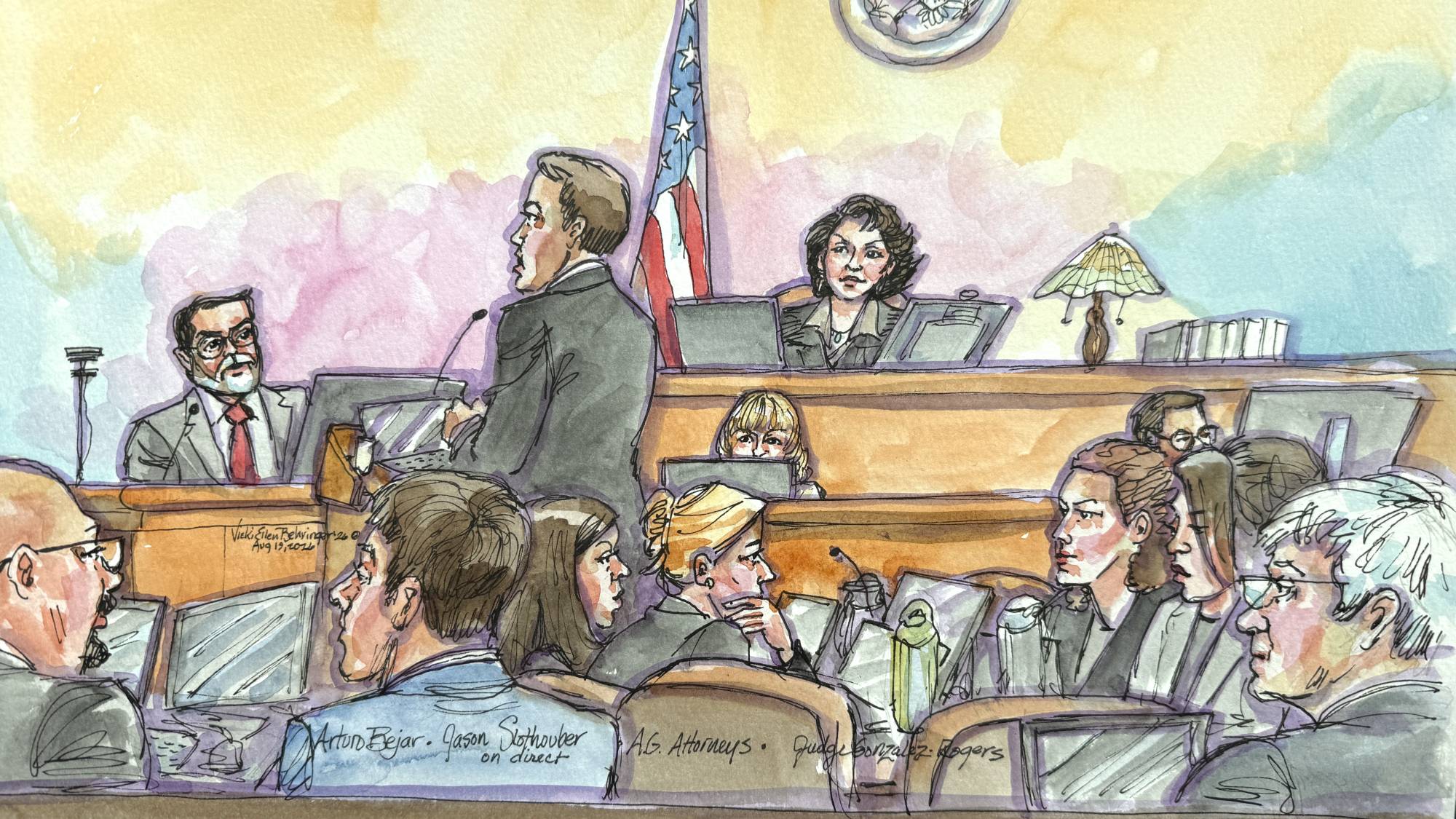
"caption": "Arturo Béjar, a former Meta staffer and whistleblower, testified in court in Oakland, California, on Wednesday, Aug. 19, 2026.",
"credit": "Vicki Behringer for KQED",
"altTag": null,
"description": null,
"imgSizes": {
"medium": {
"file": "https://cdn.kqed.org/wp-content/uploads/sites/10/2026/08/260819-MetaTrialSketch1_VB-2000x1125.jpg",
"width": 2000,
"height": 1125,
"mimeType": "image/jpeg"
},
"large": {
"file": "https://cdn.kqed.org/wp-content/uploads/sites/10/2026/08/260819-MetaTrialSketch1_VB-2000x1125.jpg",
"width": 2000,
"height": 1125,
"mimeType": "image/jpeg"
},
"thumbnail": {
"file": "https://cdn.kqed.org/wp-content/uploads/sites/10/2026/08/260819-MetaTrialSketch1_VB-160x90.jpg",
"width": 160,
"height": 90,
"mimeType": "image/jpeg"
},
"1536x1536": {
"file": "https://cdn.kqed.org/wp-content/uploads/sites/10/2026/08/260819-MetaTrialSketch1_VB-1536x864.jpg",
"width": 1536,
"height": 864,
"mimeType": "image/jpeg"
},
"2048x2048": {
"file": "https://cdn.kqed.org/wp-content/uploads/sites/10/2026/08/260819-MetaTrialSketch1_VB-2048x1152.jpg",
"width": 2048,
"height": 1152,
"mimeType": "image/jpeg"
},
"post-thumbnail": {
"file": "https://cdn.kqed.org/wp-content/uploads/sites/10/2026/08/260819-MetaTrialSketch1_VB-672x372.jpg",
"width": 672,
"height": 372,
"mimeType": "image/jpeg"
},
"twentyfourteen-full-width": {
"file": "https://cdn.kqed.org/wp-content/uploads/sites/10/2026/08/260819-MetaTrialSketch1_VB-1038x576.jpg",
"width": 1038,
"height": 576,
"mimeType": "image/jpeg"
},
"full-width": {
"file": "https://cdn.kqed.org/wp-content/uploads/sites/10/2026/08/260819-MetaTrialSketch1_VB-2000x1125.jpg",
"width": 2000,
"height": 1125,
"mimeType": "image/jpeg"
},
"npr-cds-wide": {
"file": "https://cdn.kqed.org/wp-content/uploads/sites/10/2026/08/260819-MetaTrialSketch1_VB-1200x675.jpg",
"width": 1200,
"height": 675,
"mimeType": "image/jpeg"
},
"npr-cds-square": {
"file": "https://cdn.kqed.org/wp-content/uploads/sites/10/2026/08/260819-MetaTrialSketch1_VB-600x600.jpg",
"width": 600,
"height": 600,
"mimeType": "image/jpeg"
},
"kqedFullSize": {
"file": "https://cdn.kqed.org/wp-content/uploads/sites/10/2026/08/260819-MetaTrialSketch1_VB-scaled.jpg",
"width": 2560,
"height": 1440
}
},
"isLoading": false,
"fetchFailed": false
},
"news_12095720": {
"type": "attachments",
"id": "news_12095720",
"meta": {
"index": "attachments_1716263798",
"site": "news",
"id": "12095720",
"found": true
},
"title": "USSAbrahamLincolnGetty",
"publishDate": 1787072280,
"status": "inherit",
"parent": 12095712,
"modified": 1787072405,
"caption": "The USS Abraham Lincoln conducts U.S. blockade operations related to the Strait of Hormuz on April 16, 2026, in the Arabian Sea. ",
"credit": "Courtesy of the U.S. Navy via Getty Images",
"altTag": null,
"description": null,
"imgSizes": {
"thumbnail": {
"file": "https://cdn.kqed.org/wp-content/uploads/sites/10/2026/08/USSAbrahamLincolnGetty-160x107.jpg",
"width": 160,
"height": 107,
"mimeType": "image/jpeg"
},
"1536x1536": {
"file": "https://cdn.kqed.org/wp-content/uploads/sites/10/2026/08/USSAbrahamLincolnGetty-1536x1024.jpg",
"width": 1536,
"height": 1024,
"mimeType": "image/jpeg"
},
"post-thumbnail": {
"file": "https://cdn.kqed.org/wp-content/uploads/sites/10/2026/08/USSAbrahamLincolnGetty-672x372.jpg",
"width": 672,
"height": 372,
"mimeType": "image/jpeg"
},
"twentyfourteen-full-width": {
"file": "https://cdn.kqed.org/wp-content/uploads/sites/10/2026/08/USSAbrahamLincolnGetty-1038x576.jpg",
"width": 1038,
"height": 576,
"mimeType": "image/jpeg"
},
"npr-cds-wide": {
"file": "https://cdn.kqed.org/wp-content/uploads/sites/10/2026/08/USSAbrahamLincolnGetty-1200x675.jpg",
"width": 1200,
"height": 675,
"mimeType": "image/jpeg"
},
"npr-cds-square": {
"file": "https://cdn.kqed.org/wp-content/uploads/sites/10/2026/08/USSAbrahamLincolnGetty-600x600.jpg",
"width": 600,
"height": 600,
"mimeType": "image/jpeg"
},
"kqedFullSize": {
"file": "https://cdn.kqed.org/wp-content/uploads/sites/10/2026/08/USSAbrahamLincolnGetty.jpg",
"width": 2000,
"height": 1333
}
},
"isLoading": false,
"fetchFailed": false
},
"news_11989313": {
"type": "attachments",
"id": "news_11989313",
"meta": {
"index": "attachments_1716263798",
"site": "news",
"id": "11989313",
"found": true
},
"title": "Tech AI Illustrations",
"publishDate": 1717711326,
"status": "inherit",
"parent": 11989308,
"modified": 1787170163,
"caption": "The ChatGPT logo is displayed on an iPhone in New York, May 18, 2023. ",
"credit": "Jaap Arriens/NurPhoto via Getty Images",
"altTag": null,
"description": null,
"imgSizes": {
"medium": {
"file": "https://cdn.kqed.org/wp-content/uploads/sites/10/2024/06/GettyImages-2155035557-800x533.jpg",
"width": 800,
"height": 533,
"mimeType": "image/jpeg"
},
"large": {
"file": "https://cdn.kqed.org/wp-content/uploads/sites/10/2024/06/GettyImages-2155035557-1020x680.jpg",
"width": 1020,
"height": 680,
"mimeType": "image/jpeg"
},
"thumbnail": {
"file": "https://cdn.kqed.org/wp-content/uploads/sites/10/2024/06/GettyImages-2155035557-160x107.jpg",
"width": 160,
"height": 107,
"mimeType": "image/jpeg"
},
"1536x1536": {
"file": "https://cdn.kqed.org/wp-content/uploads/sites/10/2024/06/GettyImages-2155035557-1536x1024.jpg",
"width": 1536,
"height": 1024,
"mimeType": "image/jpeg"
},
"2048x2048": {
"file": "https://cdn.kqed.org/wp-content/uploads/sites/10/2024/06/GettyImages-2155035557-2048x1365.jpg",
"width": 2048,
"height": 1365,
"mimeType": "image/jpeg"
},
"post-thumbnail": {
"file": "https://cdn.kqed.org/wp-content/uploads/sites/10/2024/06/GettyImages-2155035557-672x372.jpg",
"width": 672,
"height": 372,
"mimeType": "image/jpeg"
},
"twentyfourteen-full-width": {
"file": "https://cdn.kqed.org/wp-content/uploads/sites/10/2024/06/GettyImages-2155035557-1038x576.jpg",
"width": 1038,
"height": 576,
"mimeType": "image/jpeg"
},
"full-width": {
"file": "https://cdn.kqed.org/wp-content/uploads/sites/10/2024/06/GettyImages-2155035557-1920x1280.jpg",
"width": 1920,
"height": 1280,
"mimeType": "image/jpeg"
},
"kqedFullSize": {
"file": "https://cdn.kqed.org/wp-content/uploads/sites/10/2024/06/GettyImages-2155035557-scaled-e1760733694503.jpg",
"width": 2000,
"height": 1334
}
},
"isLoading": false,
"fetchFailed": false
},
"news_12074330": {
"type": "attachments",
"id": "news_12074330",
"meta": {
"index": "attachments_1716263798",
"site": "news",
"id": "12074330",
"found": true
},
"title": "260223-PLEASANTHILLSDEV-09-BL-KQED",
"publishDate": 1771893285,
"status": "inherit",
"parent": 12074738,
"modified": 1772219782,
"caption": "An open grassy area at the former Pleasant Hills Golf Course in San José on Feb. 23, 2026. The golf course closed in 2004, and the site has since been the focus of redevelopment proposals that include housing and open space.",
"credit": "Beth LaBerge/KQED",
"altTag": null,
"description": null,
"imgSizes": {
"thumbnail": {
"file": "https://cdn.kqed.org/wp-content/uploads/sites/10/2026/02/260223-PLEASANTHILLSDEV-09-BL-KQED-160x107.jpg",
"width": 160,
"height": 107,
"mimeType": "image/jpeg"
},
"1536x1536": {
"file": "https://cdn.kqed.org/wp-content/uploads/sites/10/2026/02/260223-PLEASANTHILLSDEV-09-BL-KQED-1536x1025.jpg",
"width": 1536,
"height": 1025,
"mimeType": "image/jpeg"
},
"post-thumbnail": {
"file": "https://cdn.kqed.org/wp-content/uploads/sites/10/2026/02/260223-PLEASANTHILLSDEV-09-BL-KQED-672x372.jpg",
"width": 672,
"height": 372,
"mimeType": "image/jpeg"
},
"twentyfourteen-full-width": {
"file": "https://cdn.kqed.org/wp-content/uploads/sites/10/2026/02/260223-PLEASANTHILLSDEV-09-BL-KQED-1038x576.jpg",
"width": 1038,
"height": 576,
"mimeType": "image/jpeg"
},
"npr-cds-wide": {
"file": "https://cdn.kqed.org/wp-content/uploads/sites/10/2026/02/260223-PLEASANTHILLSDEV-09-BL-KQED-1200x675.jpg",
"width": 1200,
"height": 675,
"mimeType": "image/jpeg"
},
"kqedFullSize": {
"file": "https://cdn.kqed.org/wp-content/uploads/sites/10/2026/02/260223-PLEASANTHILLSDEV-09-BL-KQED.jpg",
"width": 2000,
"height": 1334
}
},
"isLoading": false,
"fetchFailed": false
},
"news_11922603": {
"type": "attachments",
"id": "news_11922603",
"meta": {
"index": "attachments_1716263798",
"site": "news",
"id": "11922603",
"found": true
},
"parent": 11922513,
"imgSizes": {
"twentyfourteen-full-width": {
"file": "https://ww2.kqed.org/app/uploads/sites/10/2022/08/POSTOFFICEBQ3A8073-1038x576.jpg",
"width": 1038,
"mimeType": "image/jpeg",
"height": 576
},
"thumbnail": {
"file": "https://ww2.kqed.org/app/uploads/sites/10/2022/08/POSTOFFICEBQ3A8073-160x107.jpg",
"width": 160,
"mimeType": "image/jpeg",
"height": 107
},
"post-thumbnail": {
"file": "https://ww2.kqed.org/app/uploads/sites/10/2022/08/POSTOFFICEBQ3A8073-672x372.jpg",
"width": 672,
"mimeType": "image/jpeg",
"height": 372
},
"kqedFullSize": {
"file": "https://ww2.kqed.org/app/uploads/sites/10/2022/08/POSTOFFICEBQ3A8073.jpg",
"width": 2000,
"height": 1334
},
"large": {
"file": "https://ww2.kqed.org/app/uploads/sites/10/2022/08/POSTOFFICEBQ3A8073-1020x680.jpg",
"width": 1020,
"mimeType": "image/jpeg",
"height": 680
},
"1536x1536": {
"file": "https://ww2.kqed.org/app/uploads/sites/10/2022/08/POSTOFFICEBQ3A8073-1536x1025.jpg",
"width": 1536,
"mimeType": "image/jpeg",
"height": 1025
},
"full-width": {
"file": "https://ww2.kqed.org/app/uploads/sites/10/2022/08/POSTOFFICEBQ3A8073-1920x1281.jpg",
"width": 1920,
"mimeType": "image/jpeg",
"height": 1281
},
"medium": {
"file": "https://ww2.kqed.org/app/uploads/sites/10/2022/08/POSTOFFICEBQ3A8073-800x534.jpg",
"width": 800,
"mimeType": "image/jpeg",
"height": 534
}
},
"publishDate": 1660604704,
"modified": 1660604996,
"caption": "Nearly a year after the Caldor Fire, the Grizzly Flats Post Office remains a rubble pile, Thursday, August 4, 2022. ",
"description": "Nearly a year after the Caldor Fire, the Grizzly Flats Post Office remains a rubble pile, Thursday, August 4, 2022. ",
"title": "grizzly flat",
"credit": "Andrew Nixon/CapRadio",
"status": "inherit",
"altTag": "An American flag flies atop a sliver pole at the corner of a cement pad covered by burnt and rusted metal. A row of burnt trees are in the background.",
"isLoading": false,
"fetchFailed": false
},
"news_12092732": {
"type": "attachments",
"id": "news_12092732",
"meta": {
"index": "attachments_1716263798",
"site": "news",
"id": "12092732",
"found": true
},
"title": "072526-YouthSports-36-MC-KQED",
"publishDate": 1785178826,
"status": "inherit",
"parent": 0,
"modified": 1785178859,
"caption": "Tyler Yu prepares his swing at the hitting station during the Oakland Baseball Foundation MLB Pitch Hit and Run competition at Bushrod Park in Oakland on July 23, 2026.",
"credit": "Miles Cull/KQED",
"altTag": null,
"description": null,
"imgSizes": {
"thumbnail": {
"file": "https://cdn.kqed.org/wp-content/uploads/sites/10/2026/07/072526-YouthSports-36-MC-KQED-160x107.jpg",
"width": 160,
"height": 107,
"mimeType": "image/jpeg"
},
"1536x1536": {
"file": "https://cdn.kqed.org/wp-content/uploads/sites/10/2026/07/072526-YouthSports-36-MC-KQED-1536x1024.jpg",
"width": 1536,
"height": 1024,
"mimeType": "image/jpeg"
},
"post-thumbnail": {
"file": "https://cdn.kqed.org/wp-content/uploads/sites/10/2026/07/072526-YouthSports-36-MC-KQED-672x372.jpg",
"width": 672,
"height": 372,
"mimeType": "image/jpeg"
},
"twentyfourteen-full-width": {
"file": "https://cdn.kqed.org/wp-content/uploads/sites/10/2026/07/072526-YouthSports-36-MC-KQED-1038x576.jpg",
"width": 1038,
"height": 576,
"mimeType": "image/jpeg"
},
"npr-cds-wide": {
"file": "https://cdn.kqed.org/wp-content/uploads/sites/10/2026/07/072526-YouthSports-36-MC-KQED-1200x675.jpg",
"width": 1200,
"height": 675,
"mimeType": "image/jpeg"
},
"npr-cds-square": {
"file": "https://cdn.kqed.org/wp-content/uploads/sites/10/2026/07/072526-YouthSports-36-MC-KQED-600x600.jpg",
"width": 600,
"height": 600,
"mimeType": "image/jpeg"
},
"kqedFullSize": {
"file": "https://cdn.kqed.org/wp-content/uploads/sites/10/2026/07/072526-YouthSports-36-MC-KQED.jpg",
"width": 2000,
"height": 1333
}
},
"isLoading": false,
"fetchFailed": false
},
"news_12095745": {
"type": "attachments",
"id": "news_12095745",
"meta": {
"index": "attachments_1716263798",
"site": "news",
"id": "12095745",
"found": true
},
"title": "251030-BayAreaVoters-06-BL_qed",
"publishDate": 1787073143,
"status": "inherit",
"parent": 12095741,
"modified": 1787073155,
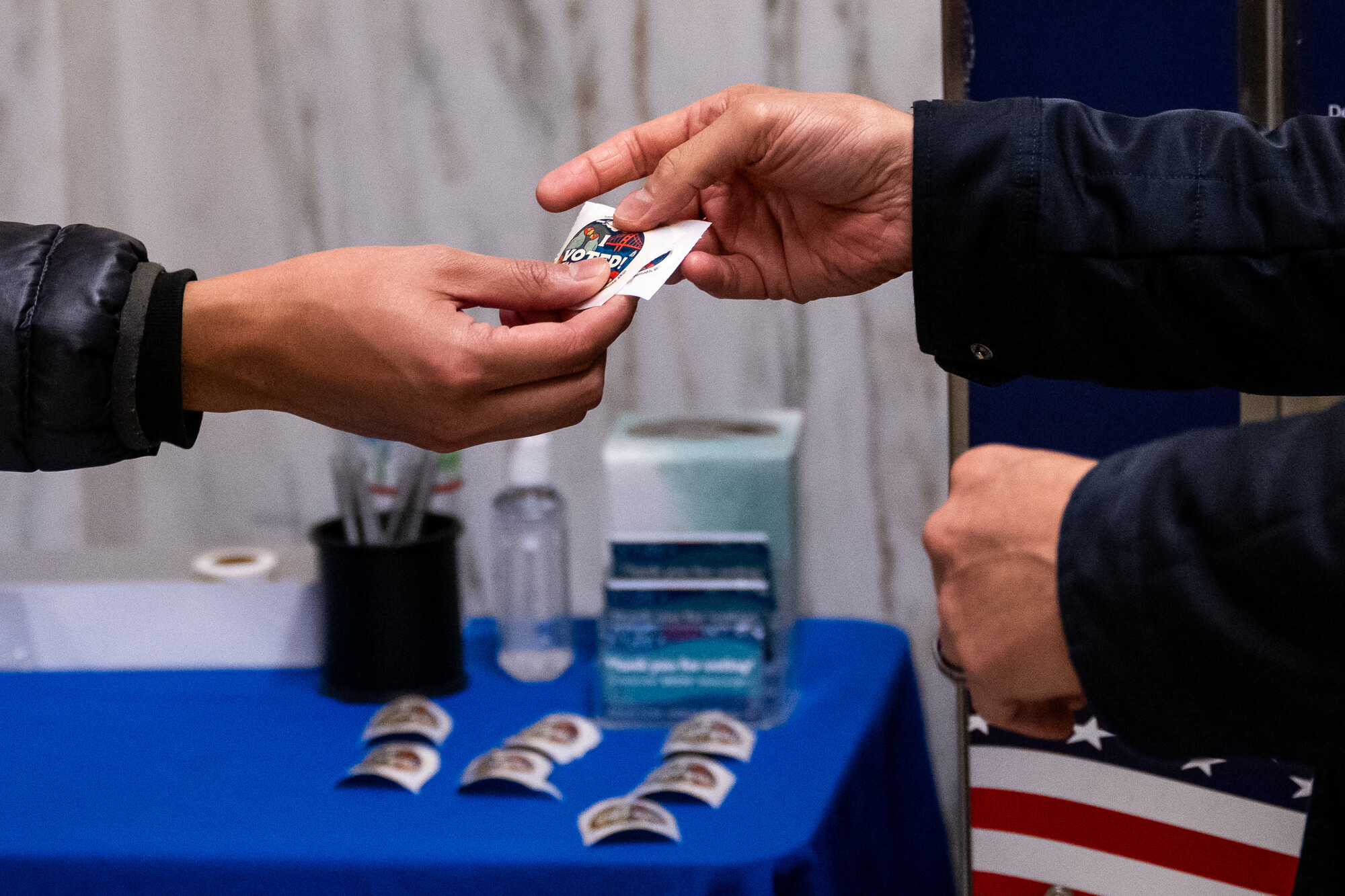
"caption": "A voter is given a sticker after dropping his ballot at City Hall in San Francisco on Oct. 30, 2025, ahead of the statewide special election.",
"credit": "Beth LaBerge/KQED",
"altTag": null,
"description": null,
"imgSizes": {
"thumbnail": {
"file": "https://cdn.kqed.org/wp-content/uploads/sites/10/2026/08/251030-BayAreaVoters-06-BL_qed-160x107.jpg",
"width": 160,
"height": 107,
"mimeType": "image/jpeg"
},
"1536x1536": {
"file": "https://cdn.kqed.org/wp-content/uploads/sites/10/2026/08/251030-BayAreaVoters-06-BL_qed-1536x1024.jpg",
"width": 1536,
"height": 1024,
"mimeType": "image/jpeg"
},
"post-thumbnail": {
"file": "https://cdn.kqed.org/wp-content/uploads/sites/10/2026/08/251030-BayAreaVoters-06-BL_qed-672x372.jpg",
"width": 672,
"height": 372,
"mimeType": "image/jpeg"
},
"twentyfourteen-full-width": {
"file": "https://cdn.kqed.org/wp-content/uploads/sites/10/2026/08/251030-BayAreaVoters-06-BL_qed-1038x576.jpg",
"width": 1038,
"height": 576,
"mimeType": "image/jpeg"
},
"npr-cds-wide": {
"file": "https://cdn.kqed.org/wp-content/uploads/sites/10/2026/08/251030-BayAreaVoters-06-BL_qed-1200x675.jpg",
"width": 1200,
"height": 675,
"mimeType": "image/jpeg"
},
"npr-cds-square": {
"file": "https://cdn.kqed.org/wp-content/uploads/sites/10/2026/08/251030-BayAreaVoters-06-BL_qed-600x600.jpg",
"width": 600,
"height": 600,
"mimeType": "image/jpeg"
},
"kqedFullSize": {
"file": "https://cdn.kqed.org/wp-content/uploads/sites/10/2026/08/251030-BayAreaVoters-06-BL_qed.jpg",
"width": 2000,
"height": 1333
}
},
"isLoading": false,
"fetchFailed": false
},
"news_12095869": {
"type": "attachments",
"id": "news_12095869",
"meta": {
"index": "attachments_1716263798",
"site": "news",
"id": "12095869",
"found": true
},
"title": "260818-Hernandez Wahab-MD-01-KQED",
"publishDate": 1787093425,
"status": "inherit",
"parent": 0,
"modified": 1787100521,
"caption": "BART Board President Melissa Hernandez (left) and state Sen. Aisha Wahab (right) are facing off in a special election to fill the House seat vacated by Eric Swalwell.",
"credit": "Courtesy of Melissa Hernandez; Tayfun Coskun/Anadolu Agency via Getty Images",
"altTag": null,
"description": null,
"imgSizes": {
"thumbnail": {
"file": "https://cdn.kqed.org/wp-content/uploads/sites/10/2026/08/260818-Hernandez-Wahab-MD-01-KQED-160x107.jpg",
"width": 160,
"height": 107,
"mimeType": "image/jpeg"
},
"1536x1536": {
"file": "https://cdn.kqed.org/wp-content/uploads/sites/10/2026/08/260818-Hernandez-Wahab-MD-01-KQED-1536x1025.jpg",
"width": 1536,
"height": 1025,
"mimeType": "image/jpeg"
},
"post-thumbnail": {
"file": "https://cdn.kqed.org/wp-content/uploads/sites/10/2026/08/260818-Hernandez-Wahab-MD-01-KQED-672x372.jpg",
"width": 672,
"height": 372,
"mimeType": "image/jpeg"
},
"twentyfourteen-full-width": {
"file": "https://cdn.kqed.org/wp-content/uploads/sites/10/2026/08/260818-Hernandez-Wahab-MD-01-KQED-1038x576.jpg",
"width": 1038,
"height": 576,
"mimeType": "image/jpeg"
},
"npr-cds-wide": {
"file": "https://cdn.kqed.org/wp-content/uploads/sites/10/2026/08/260818-Hernandez-Wahab-MD-01-KQED-1200x675.jpg",
"width": 1200,
"height": 675,
"mimeType": "image/jpeg"
},
"npr-cds-square": {
"file": "https://cdn.kqed.org/wp-content/uploads/sites/10/2026/08/260818-Hernandez-Wahab-MD-01-KQED-600x600.jpg",
"width": 600,
"height": 600,
"mimeType": "image/jpeg"
},
"kqedFullSize": {
"file": "https://cdn.kqed.org/wp-content/uploads/sites/10/2026/08/260818-Hernandez-Wahab-MD-01-KQED.jpg",
"width": 2000,
"height": 1334
}
},
"isLoading": false,
"fetchFailed": false
},
"news_12095894": {
"type": "attachments",
"id": "news_12095894",
"meta": {
"index": "attachments_1716263798",
"site": "news",
"id": "12095894",
"found": true
},
"title": "GettyImages-1342327252",
"publishDate": 1787095653,
"status": "inherit",
"parent": 12095893,
"modified": 1787095653,
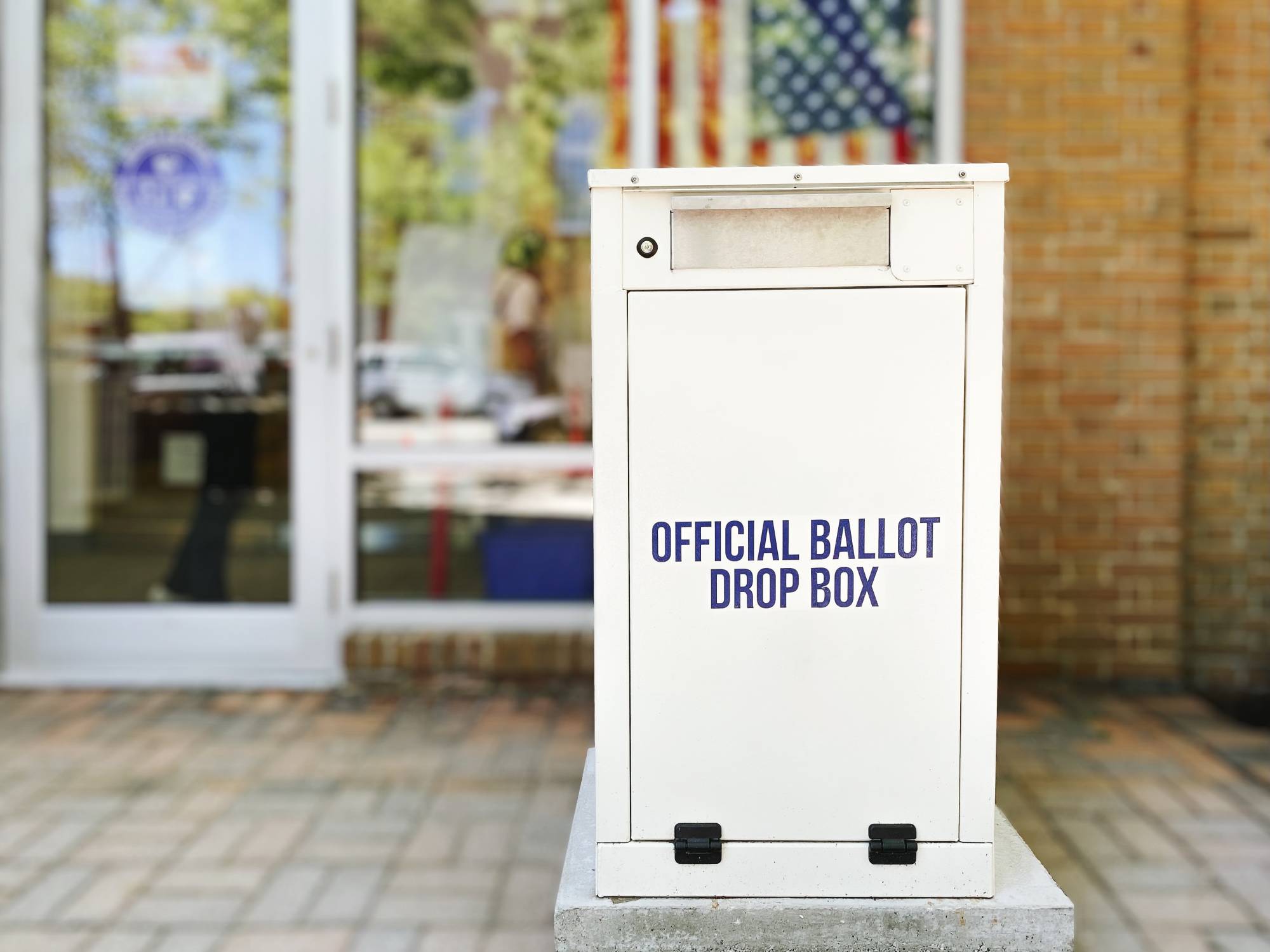
"caption": "Close-up of ballot drop box outside of polling place",
"credit": null,
"altTag": null,
"description": null,
"imgSizes": {
"medium": {
"file": "https://cdn.kqed.org/wp-content/uploads/sites/10/2026/08/GettyImages-1342327252-2000x1500.jpg",
"width": 2000,
"height": 1500,
"mimeType": "image/jpeg"
},
"large": {
"file": "https://cdn.kqed.org/wp-content/uploads/sites/10/2026/08/GettyImages-1342327252-2000x1500.jpg",
"width": 2000,
"height": 1500,
"mimeType": "image/jpeg"
},
"thumbnail": {
"file": "https://cdn.kqed.org/wp-content/uploads/sites/10/2026/08/GettyImages-1342327252-160x120.jpg",
"width": 160,
"height": 120,
"mimeType": "image/jpeg"
},
"1536x1536": {
"file": "https://cdn.kqed.org/wp-content/uploads/sites/10/2026/08/GettyImages-1342327252-1536x1152.jpg",
"width": 1536,
"height": 1152,
"mimeType": "image/jpeg"
},
"2048x2048": {
"file": "https://cdn.kqed.org/wp-content/uploads/sites/10/2026/08/GettyImages-1342327252-2048x1536.jpg",
"width": 2048,
"height": 1536,
"mimeType": "image/jpeg"
},
"post-thumbnail": {
"file": "https://cdn.kqed.org/wp-content/uploads/sites/10/2026/08/GettyImages-1342327252-672x372.jpg",
"width": 672,
"height": 372,
"mimeType": "image/jpeg"
},
"twentyfourteen-full-width": {
"file": "https://cdn.kqed.org/wp-content/uploads/sites/10/2026/08/GettyImages-1342327252-1038x576.jpg",
"width": 1038,
"height": 576,
"mimeType": "image/jpeg"
},
"full-width": {
"file": "https://cdn.kqed.org/wp-content/uploads/sites/10/2026/08/GettyImages-1342327252-2000x1500.jpg",
"width": 2000,
"height": 1500,
"mimeType": "image/jpeg"
},
"npr-cds-wide": {
"file": "https://cdn.kqed.org/wp-content/uploads/sites/10/2026/08/GettyImages-1342327252-1200x675.jpg",
"width": 1200,
"height": 675,
"mimeType": "image/jpeg"
},
"npr-cds-square": {
"file": "https://cdn.kqed.org/wp-content/uploads/sites/10/2026/08/GettyImages-1342327252-600x600.jpg",
"width": 600,
"height": 600,
"mimeType": "image/jpeg"
},
"kqedFullSize": {
"file": "https://cdn.kqed.org/wp-content/uploads/sites/10/2026/08/GettyImages-1342327252-scaled.jpg",
"width": 2560,
"height": 1920
}
},
"isLoading": false,
"fetchFailed": false
},
"news_12095836": {
"type": "attachments",
"id": "news_12095836",
"meta": {
"index": "attachments_1716263798",
"site": "news",
"id": "12095836",
"found": true
},
"title": "MetaTrialSketch2_VB-KQED",
"publishDate": 1787084065,
"status": "inherit",
"parent": 0,
"modified": 1787094453,
"caption": "Meta's lead attorney Paul Schmidt delivers his opening statements for Meta on Aug. 18, 2026, in Oakland. Schmidt told the court that the company doesn’t deny that “some teens struggle to manage their time on social media,\" and some people “post negative things.”",
"credit": "Vicki Behringer for KQED",
"altTag": null,
"description": null,
"imgSizes": {
"thumbnail": {
"file": "https://cdn.kqed.org/wp-content/uploads/sites/10/2026/08/MetaTrialSketch2_VB-KQED-160x90.jpg",
"width": 160,
"height": 90,
"mimeType": "image/jpeg"
},
"1536x1536": {
"file": "https://cdn.kqed.org/wp-content/uploads/sites/10/2026/08/MetaTrialSketch2_VB-KQED-1536x864.jpg",
"width": 1536,
"height": 864,
"mimeType": "image/jpeg"
},
"post-thumbnail": {
"file": "https://cdn.kqed.org/wp-content/uploads/sites/10/2026/08/MetaTrialSketch2_VB-KQED-672x372.jpg",
"width": 672,
"height": 372,
"mimeType": "image/jpeg"
},
"twentyfourteen-full-width": {
"file": "https://cdn.kqed.org/wp-content/uploads/sites/10/2026/08/MetaTrialSketch2_VB-KQED-1038x576.jpg",
"width": 1038,
"height": 576,
"mimeType": "image/jpeg"
},
"npr-cds-wide": {
"file": "https://cdn.kqed.org/wp-content/uploads/sites/10/2026/08/MetaTrialSketch2_VB-KQED-1200x675.jpg",
"width": 1200,
"height": 675,
"mimeType": "image/jpeg"
},
"npr-cds-square": {
"file": "https://cdn.kqed.org/wp-content/uploads/sites/10/2026/08/MetaTrialSketch2_VB-KQED-600x600.jpg",
"width": 600,
"height": 600,
"mimeType": "image/jpeg"
},
"kqedFullSize": {
"file": "https://cdn.kqed.org/wp-content/uploads/sites/10/2026/08/MetaTrialSketch2_VB-KQED.jpg",
"width": 2000,
"height": 1125
}
},
"isLoading": false,
"fetchFailed": false
}
},
"audioPlayerReducer": {
"postId": "stream_live",
"isPaused": true,
"isPlaying": false,
"pfsActive": false,
"pledgeModalIsOpen": true,
"playerDrawerIsOpen": false,
"liveAudioPlayStartedAt": 0,
"liveAudioPlayContext": ""
},
"authorsReducer": {
"byline_news_12096019": {
"type": "authors",
"id": "byline_news_12096019",
"meta": {
"override": true
},
"slug": "byline_news_12096019",
"name": "Barbara Ortutay and Kaitlyn Huamani, AP Technology ",
"isLoading": false
},
"gmarzorati": {
"type": "authors",
"id": "227",
"meta": {
"index": "authors_1716337520",
"id": "227",
"found": true
},
"name": "Guy Marzorati",
"firstName": "Guy",
"lastName": "Marzorati",
"slug": "gmarzorati",
"email": "gmarzorati@KQED.org",
"display_author_email": true,
"staff_mastheads": [
"news"
],
"title": "Correspondent",
"bio": "Guy Marzorati is a correspondent on KQED's California Politics and Government Desk, based in San Jose. A graduate of Santa Clara University, Guy joined KQED in 2013. He reports on state and local politics and produces KQED's digital voter guide.",
"avatar": "https://secure.gravatar.com/avatar/e7038b8dbfd55b104369b76b1cd0b9de?s=600&d=blank&r=g",
"twitter": "guymarzorati",
"facebook": null,
"instagram": null,
"linkedin": null,
"sites": [
{
"site": "",
"roles": [
"editor"
]
},
{
"site": "news",
"roles": [
"editor"
]
},
{
"site": "science",
"roles": [
"editor"
]
},
{
"site": "forum",
"roles": [
"editor"
]
},
{
"site": "elections",
"roles": [
"editor"
]
},
{
"site": "liveblog",
"roles": [
"editor"
]
}
],
"headData": {
"title": "Guy Marzorati | KQED",
"description": "Correspondent",
"ogImgSrc": "https://secure.gravatar.com/avatar/e7038b8dbfd55b104369b76b1cd0b9de?s=600&d=blank&r=g",
"twImgSrc": "https://secure.gravatar.com/avatar/e7038b8dbfd55b104369b76b1cd0b9de?s=600&d=blank&r=g"
},
"isLoading": false,
"link": "/author/gmarzorati"
},
"kqed": {
"type": "authors",
"id": "236",
"meta": {
"index": "authors_1716337520",
"id": "236",
"found": true
},
"name": "KQED News Staff",
"firstName": "KQED News Staff",
"lastName": null,
"slug": "kqed",
"email": "faq@kqed.org",
"display_author_email": false,
"staff_mastheads": [],
"title": null,
"bio": null,
"avatar": "https://secure.gravatar.com/avatar/ef0e801a68c4c54afa9180db14084167?s=600&d=blank&r=g",
"twitter": null,
"facebook": null,
"instagram": null,
"linkedin": null,
"sites": [
{
"site": "arts",
"roles": [
"contributor"
]
},
{
"site": "news",
"roles": [
"editor"
]
},
{
"site": "futureofyou",
"roles": [
"author"
]
}
],
"headData": {
"title": "KQED News Staff | KQED",
"description": null,
"ogImgSrc": "https://secure.gravatar.com/avatar/ef0e801a68c4c54afa9180db14084167?s=600&d=blank&r=g",
"twImgSrc": "https://secure.gravatar.com/avatar/ef0e801a68c4c54afa9180db14084167?s=600&d=blank&r=g"
},
"isLoading": false,
"link": "/author/kqed"
},
"rachael-myrow": {
"type": "authors",
"id": "251",
"meta": {
"index": "authors_1716337520",
"id": "251",
"found": true
},
"name": "Rachael Myrow",
"firstName": "Rachael",
"lastName": "Myrow",
"slug": "rachael-myrow",
"email": "rmyrow@kqed.org",
"display_author_email": true,
"staff_mastheads": [
"news"
],
"title": "Senior Editor of KQED's Silicon Valley News Desk",
"bio": "• I write and edit stories about how Silicon Valley power and policies shape everyday life in California. I’m also passionate about making Bay Area history and culture more accessible to a broad public. • I’ve been a journalist for most of my life, starting in high school with The Franklin Press in Los Angeles, where I grew up. While earning my first degree in English at UC Berkeley, I got my start in public radio at KALX-FM. After completing a second degree in journalism at Cal, I landed my first professional job at Marketplace, then moved on to KPCC (now LAist), and then KQED, where I hosted The California Report for more than seven years. • My reporting has appeared on NPR, The World, WBUR’s \u003ci>Here & Now\u003c/i>, and the BBC. I also guest host for KQED’s \u003ci>Forum\u003c/i>, as well as the Commonwealth Club in San Francisco. • I speak periodically on media, democracy and technology issues, and do voiceover work for documentaries and educational video projects. • Outside of the studio, you'll find me hiking Bay Area trails and whipping up Insta-ready meals in my kitchen. • I do not accept gifts, money, or favors from anyone connected to my reporting, I don't pay people for information, and I do not support or donate to political causes. • I strive to treat the people I report on with fairness, honesty, and respect. I also recognize there are often multiple sides to a story and work to verify information through multiple sources and documentation. If I get something wrong, I correct it.",
"avatar": "https://secure.gravatar.com/avatar/3ed8a3c5f26025e4a805ba634cda8cd764906b97438a6d9ce216b044e340da4e?s=600&d=blank&r=g",
"twitter": "rachaelmyrow",
"bluesky": null,
"facebook": null,
"instagram": null,
"linkedin": "https://www.linkedin.com/in/rachaelmyrow/",
"sites": [
{
"site": "arts",
"roles": [
"administrator"
]
},
{
"site": "news",
"roles": [
"edit_others_posts",
"editor"
]
},
{
"site": "futureofyou",
"roles": [
"editor"
]
},
{
"site": "bayareabites",
"roles": [
"editor"
]
},
{
"site": "stateofhealth",
"roles": [
"editor"
]
},
{
"site": "science",
"roles": [
"editor"
]
},
{
"site": "food",
"roles": [
"editor"
]
},
{
"site": "forum",
"roles": [
"editor"
]
},
{
"site": "liveblog",
"roles": [
"author"
]
}
],
"headData": {
"title": "Rachael Myrow | KQED",
"description": "Senior Editor of KQED's Silicon Valley News Desk",
"ogImgSrc": "https://secure.gravatar.com/avatar/3ed8a3c5f26025e4a805ba634cda8cd764906b97438a6d9ce216b044e340da4e?s=600&d=blank&r=g",
"twImgSrc": "https://secure.gravatar.com/avatar/3ed8a3c5f26025e4a805ba634cda8cd764906b97438a6d9ce216b044e340da4e?s=600&d=blank&r=g"
},
"isLoading": false,
"link": "/author/rachael-myrow"
},
"mlagos": {
"type": "authors",
"id": "3239",
"meta": {
"index": "authors_1716337520",
"id": "3239",
"found": true
},
"name": "Marisa Lagos",
"firstName": "Marisa",
"lastName": "Lagos",
"slug": "mlagos",
"email": "mlagos@kqed.org",
"display_author_email": false,
"staff_mastheads": [
"news"
],
"title": "KQED Contributor",
"bio": "Marisa Lagos is a correspondent for KQED’s California Politics and Government Desk and co-hosts the award-winning show and podcast, Political Breakdown. At KQED, Lagos also conducts reporting, analysis and investigations into state, local and national politics for radio, TV, online and onstage. In 2022, she and co-host, Scott Shafer, moderated the only gubernatorial debate in California. In 2020, the \u003ci>Washington Post\u003c/i> named her one of the top political journalists in California; she was nominated for a Peabody and won several other awards for her work investigating the 2017 California wildfires. She has worked at the \u003ci>San Francisco Chronicle\u003c/i>, \u003ci>San Francisco Examiner\u003c/i> and \u003ci>Los Angeles Times\u003c/i>. A UC Santa Barbara graduate, she lives in San Francisco with her two sons and husband.",
"avatar": "https://secure.gravatar.com/avatar/a261a0d3696fc066871ef96b85b5e7d2?s=600&d=blank&r=g",
"twitter": "@mlagos",
"facebook": null,
"instagram": null,
"linkedin": null,
"sites": [
{
"site": "arts",
"roles": [
"author"
]
},
{
"site": "news",
"roles": [
"editor"
]
},
{
"site": "science",
"roles": [
"editor"
]
},
{
"site": "forum",
"roles": [
"author"
]
},
{
"site": "liveblog",
"roles": [
"author"
]
}
],
"headData": {
"title": "Marisa Lagos | KQED",
"description": "KQED Contributor",
"ogImgSrc": "https://secure.gravatar.com/avatar/a261a0d3696fc066871ef96b85b5e7d2?s=600&d=blank&r=g",
"twImgSrc": "https://secure.gravatar.com/avatar/a261a0d3696fc066871ef96b85b5e7d2?s=600&d=blank&r=g"
},
"isLoading": false,
"link": "/author/mlagos"
},
"carlysevern": {
"type": "authors",
"id": "3243",
"meta": {
"index": "authors_1716337520",
"id": "3243",
"found": true
},
"name": "Carly Severn",
"firstName": "Carly",
"lastName": "Severn",
"slug": "carlysevern",
"email": "csevern@kqed.org",
"display_author_email": false,
"staff_mastheads": [
"news"
],
"title": "Senior Editor, Audience News ",
"bio": "Carly is KQED's Senior Editor of Audience News on the Digital News team, and has reported for the California Report Magazine, Bay Curious and KQED Arts. She's formerly the host of \u003ca href=\"http://ww2.kqed.org/pop/category/the-cooler/\" rel=\"noopener noreferrer\">The Cooler\u003c/a> podcast.",
"avatar": "https://secure.gravatar.com/avatar/2d8d6765f186e64c798cf7f0c8088a41?s=600&d=blank&r=g",
"twitter": "teacupinthebay",
"facebook": null,
"instagram": null,
"linkedin": null,
"sites": [
{
"site": "",
"roles": [
"editor"
]
},
{
"site": "arts",
"roles": [
"editor"
]
},
{
"site": "news",
"roles": [
"administrator"
]
},
{
"site": "pop",
"roles": [
"editor"
]
},
{
"site": "futureofyou",
"roles": [
"editor"
]
},
{
"site": "about",
"roles": [
"administrator"
]
},
{
"site": "mindshift",
"roles": [
"editor"
]
},
{
"site": "bayareabites",
"roles": [
"editor"
]
},
{
"site": "stateofhealth",
"roles": [
"editor"
]
},
{
"site": "science",
"roles": [
"editor"
]
},
{
"site": "food",
"roles": [
"contributor"
]
},
{
"site": "forum",
"roles": [
"editor"
]
},
{
"site": "perspectives",
"roles": [
"administrator"
]
},
{
"site": "liveblog",
"roles": [
"editor"
]
}
],
"headData": {
"title": "Carly Severn | KQED",
"description": "Senior Editor, Audience News ",
"ogImgSrc": "https://secure.gravatar.com/avatar/2d8d6765f186e64c798cf7f0c8088a41?s=600&d=blank&r=g",
"twImgSrc": "https://secure.gravatar.com/avatar/2d8d6765f186e64c798cf7f0c8088a41?s=600&d=blank&r=g"
},
"isLoading": false,
"link": "/author/carlysevern"
},
"ccabreralomeli": {
"type": "authors",
"id": "11708",
"meta": {
"index": "authors_1716337520",
"id": "11708",
"found": true
},
"name": "Carlos Cabrera-Lomelí",
"firstName": "Carlos",
"lastName": "Cabrera-Lomelí",
"slug": "ccabreralomeli",
"email": "ccabreralomeli@KQED.org",
"display_author_email": true,
"staff_mastheads": [
"news"
],
"title": "Community Reporter",
"bio": "Carlos Cabrera-Lomelí is a community reporter with KQED's digital engagement team. He also reports and co-produces for KQED's bilingual news hub KQED en Español. He grew up in San Francisco's Mission District and has previously worked with Univision, 48 Hills and REFORMA in Mexico City.",
"avatar": "https://secure.gravatar.com/avatar/c309be9665e484f887b818c89e273ecc673004f426f36b24d00a4d813a2e0518?s=600&d=blank&r=g",
"twitter": "@LomeliCabrera",
"bluesky": null,
"facebook": null,
"instagram": null,
"linkedin": null,
"sites": [
{
"site": "arts",
"roles": [
"editor"
]
},
{
"site": "news",
"roles": [
"editor"
]
},
{
"site": "about",
"roles": [
"editor"
]
},
{
"site": "science",
"roles": [
"editor"
]
},
{
"site": "perspectives",
"roles": [
"editor"
]
},
{
"site": "elections",
"roles": [
"editor"
]
},
{
"site": "liveblog",
"roles": [
"contributor"
]
}
],
"headData": {
"title": "Carlos Cabrera-Lomelí | KQED",
"description": "Community Reporter",
"ogImgSrc": "https://secure.gravatar.com/avatar/c309be9665e484f887b818c89e273ecc673004f426f36b24d00a4d813a2e0518?s=600&d=blank&r=g",
"twImgSrc": "https://secure.gravatar.com/avatar/c309be9665e484f887b818c89e273ecc673004f426f36b24d00a4d813a2e0518?s=600&d=blank&r=g"
},
"isLoading": false,
"link": "/author/ccabreralomeli"
},
"calam": {
"type": "authors",
"id": "11834",
"meta": {
"index": "authors_1716337520",
"id": "11834",
"found": true
},
"name": "Christopher Alam",
"firstName": "Christopher",
"lastName": "Alam",
"slug": "calam",
"email": "calam@kqed.org",
"display_author_email": true,
"staff_mastheads": [
"news"
],
"title": "KQED Contributor",
"bio": "Christopher Alam is a radio newscast intern working on local news and general assignment reporting. Before joining KQED he was active in college radio and journalism at UC Davis, where he received a bachelor's degree in English and professional writing in 2021. He is also a creative writer and does freelance work. Born in Fresno, he is now based in San Francisco and Oakland.",
"avatar": "https://secure.gravatar.com/avatar/b3a8308c5aaa97024a7274f0a617bd7083c2b6c50039ea7d1c08f831158d1951?s=600&d=blank&r=g",
"twitter": "_chrisalam",
"bluesky": null,
"facebook": null,
"instagram": "christopher_alam",
"linkedin": null,
"sites": [
{
"site": "arts",
"roles": [
"editor"
]
},
{
"site": "news",
"roles": [
"editor"
]
}
],
"headData": {
"title": "Christopher Alam | KQED",
"description": "KQED Contributor",
"ogImgSrc": "https://secure.gravatar.com/avatar/b3a8308c5aaa97024a7274f0a617bd7083c2b6c50039ea7d1c08f831158d1951?s=600&d=blank&r=g",
"twImgSrc": "https://secure.gravatar.com/avatar/b3a8308c5aaa97024a7274f0a617bd7083c2b6c50039ea7d1c08f831158d1951?s=600&d=blank&r=g"
},
"isLoading": false,
"link": "/author/calam"
},
"jgeha": {
"type": "authors",
"id": "11906",
"meta": {
"index": "authors_1716337520",
"id": "11906",
"found": true
},
"name": "Joseph Geha",
"firstName": "Joseph",
"lastName": "Geha",
"slug": "jgeha",
"email": "jgeha@kqed.org",
"display_author_email": false,
"staff_mastheads": [
"news",
"science"
],
"title": "KQED Contributor",
"bio": null,
"avatar": "https://secure.gravatar.com/avatar/ea84d2b6dd93d6369d453edf19dd583f117cd1759d2d9c9c92f9de77017354fe?s=600&d=blank&r=g",
"twitter": null,
"bluesky": null,
"facebook": null,
"instagram": null,
"linkedin": null,
"sites": [
{
"site": "news",
"roles": [
"editor"
]
},
{
"site": "liveblog",
"roles": [
"author"
]
}
],
"headData": {
"title": "Joseph Geha | KQED",
"description": "KQED Contributor",
"ogImgSrc": "https://secure.gravatar.com/avatar/ea84d2b6dd93d6369d453edf19dd583f117cd1759d2d9c9c92f9de77017354fe?s=600&d=blank&r=g",
"twImgSrc": "https://secure.gravatar.com/avatar/ea84d2b6dd93d6369d453edf19dd583f117cd1759d2d9c9c92f9de77017354fe?s=600&d=blank&r=g"
},
"isLoading": false,
"link": "/author/jgeha"
},
"kdebenedetti": {
"type": "authors",
"id": "11913",
"meta": {
"index": "authors_1716337520",
"id": "11913",
"found": true
},
"name": "Katie DeBenedetti",
"firstName": "Katie",
"lastName": "DeBenedetti",
"slug": "kdebenedetti",
"email": "kdebenedetti@kqed.org",
"display_author_email": false,
"staff_mastheads": [
"news",
"science"
],
"title": "KQED Contributor",
"bio": "Katie DeBenedetti is a digital reporter covering daily news for the Express Desk. Prior to joining KQED as a culture reporting intern in January 2024, she covered education and city government for the Napa Valley Register.",
"avatar": "https://secure.gravatar.com/avatar/6e31073cb8f7e4214ab03f42771d0f45?s=600&d=blank&r=g",
"twitter": null,
"facebook": null,
"instagram": null,
"linkedin": null,
"sites": [
{
"site": "news",
"roles": [
"author"
]
},
{
"site": "science",
"roles": [
"author"
]
},
{
"site": "liveblog",
"roles": [
"author"
]
}
],
"headData": {
"title": "Katie DeBenedetti | KQED",
"description": "KQED Contributor",
"ogImgSrc": "https://secure.gravatar.com/avatar/6e31073cb8f7e4214ab03f42771d0f45?s=600&d=blank&r=g",
"twImgSrc": "https://secure.gravatar.com/avatar/6e31073cb8f7e4214ab03f42771d0f45?s=600&d=blank&r=g"
},
"isLoading": false,
"link": "/author/kdebenedetti"
},
"aaliahmad": {
"type": "authors",
"id": "11986",
"meta": {
"index": "authors_1716337520",
"id": "11986",
"found": true
},
"name": "Ayah Ali-Ahmad",
"firstName": "Ayah",
"lastName": "Ali-Ahmad",
"slug": "aaliahmad",
"email": "aaliahmad@KQED.org",
"display_author_email": false,
"staff_mastheads": [],
"title": "KQED Contributor",
"bio": null,
"avatar": "https://secure.gravatar.com/avatar/7f340465c69a2c816f6c07000137a3ee?s=600&d=blank&r=g",
"twitter": "ayahaliahmad",
"bluesky": null,
"facebook": null,
"instagram": null,
"linkedin": null,
"sites": [
{
"site": "news",
"roles": [
"author"
]
}
],
"headData": {
"title": "Ayah Ali-Ahmad | KQED",
"description": "KQED Contributor",
"ogImgSrc": "https://secure.gravatar.com/avatar/7f340465c69a2c816f6c07000137a3ee?s=600&d=blank&r=g",
"twImgSrc": "https://secure.gravatar.com/avatar/7f340465c69a2c816f6c07000137a3ee?s=600&d=blank&r=g"
},
"isLoading": false,
"link": "/author/aaliahmad"
},
"ejackson": {
"type": "authors",
"id": "12003",
"meta": {
"index": "authors_1716337520",
"id": "12003",
"found": true
},
"name": "Ella Jackson",
"firstName": "Ella",
"lastName": "Jackson",
"slug": "ejackson",
"email": "ejackson@kqed.org",
"display_author_email": false,
"staff_mastheads": [],
"title": "KQED Contributor",
"bio": null,
"avatar": "https://secure.gravatar.com/avatar/3c688edc62aec1dcae096e1475956d245f72bde99cff316455871c9b22a7205b?s=600&d=blank&r=g",
"twitter": null,
"bluesky": null,
"facebook": null,
"instagram": null,
"linkedin": null,
"sites": [
{
"site": "news",
"roles": [
"author"
]
}
],
"headData": {
"title": "Ella Jackson | KQED",
"description": "KQED Contributor",
"ogImgSrc": "https://secure.gravatar.com/avatar/3c688edc62aec1dcae096e1475956d245f72bde99cff316455871c9b22a7205b?s=600&d=blank&r=g",
"twImgSrc": "https://secure.gravatar.com/avatar/3c688edc62aec1dcae096e1475956d245f72bde99cff316455871c9b22a7205b?s=600&d=blank&r=g"
},
"isLoading": false,
"link": "/author/ejackson"
}
},
"pagesReducer": {
"news_category_news": {
"type": "terms",
"id": "news_8",
"meta": {
"index": "terms_1716263798",
"site": "news",
"id": "8",
"score": 10.811564
},
"featImg": null,
"name": "News",
"description": null,
"taxonomy": "category",
"headData": {
"twImgId": null,
"twTitle": null,
"ogTitle": null,
"ogImgId": null,
"twDescription": null,
"description": null,
"title": "News Archives | KQED News",
"ogDescription": null
},
"ttid": 8,
"slug": "news",
"isLoading": false,
"title": "News",
"pageMeta": {
"site": "news",
"WpPageTemplate": "page-topic-editorial",
"currentPage": 1
},
"blocks": [
{
"blockName": "kqed/post-list",
"attrs": {
"layout": "cardArticle2",
"query": "posts/news?category=news",
"seeMore": false,
"paginated": true,
"page": 1
}
},
{
"blockName": "kqed/ad"
}
]
}
},
"pfsSessionReducer": {},
"postsReducer": {
"stream_live": {
"type": "live",
"id": "stream_live",
"audioUrl": "https://streams.kqed.org/kqedradio",
"title": "Live Stream",
"excerpt": "Live Stream information currently unavailable.",
"link": "/radio",
"featImg": "",
"label": {
"name": "KQED Live",
"link": "/"
}
},
"stream_kqedNewscast": {
"type": "posts",
"id": "stream_kqedNewscast",
"audioUrl": "https://www.kqed.org/.stream/anon/radio/RDnews/newscast.mp3?_=1",
"title": "KQED Newscast",
"featImg": "",
"label": {
"name": "88.5 FM",
"link": "/"
}
},
"news_12095943": {
"type": "posts",
"id": "news_12095943",
"meta": {
"index": "posts_1716263798",
"site": "news",
"id": "12095943",
"score": null,
"sort": [
1787234400000
]
},
"guestAuthors": [],
"slug": "san-francisco-pokemon-championships-pokemonxp-badges-tickets-sold-out-giants-street-closures-moscone",
"title": "What Are the Pokémon World Championships in San Francisco — and Can I Watch?",
"publishDate": 1787234400,
"format": "standard",
"headTitle": "What Are the Pokémon World Championships in San Francisco — and Can I Watch? | KQED",
"labelTerm": {
"site": "news"
},
"content": "\u003cp>Next week, \u003ca href=\"https://www.kqed.org/news/tag/san-francisco\">San Francisco\u003c/a> will host the 2026 Pokémon World Championships — along with the inaugural PokémonXP fan convention — from Friday, Aug. 28, through Sunday, Aug. 30.\u003c/p>\n\n\n\n\u003cp>Organizers are expecting more than 50,000 people to descend on Moscone Convention Center throughout the weekend, which will include \u003ca href=\"https://registration.pokemon.com/flow/pokemon/26sanfrancisco/landing/page/dailyschedule\">events \u003c/a>like scavenger hunts, opportunities to trade pins and playing cards, DJ booths playing classic Pokémon tracks and even panels featuring the minds behind this decades-spanning, globe-trotting franchise.\u003c/p>\n\n\n\n\u003cp>It’s only \u003ca href=\"https://en.wikipedia.org/wiki/Pok%C3%A9mon_World_Championships\">the second time ever \u003c/a>that San Francisco has hosted this super-popular annual event, and die-hard Pokémon players — known as trainers — and fans have been eagerly awaiting the \u003ca href=\"https://registration.pokemon.com/flow/pokemon/26sanfrancisco/landing/page/dailyschedule\">weekend’s events\u003c/a> for months. \u003c/p>\n\n\n\n\u003cfigure class=\"wp-block-image size-full\">\u003cimg loading=\"lazy\" decoding=\"async\" width=\"1980\" height=\"1320\" src=\"https://cdn.kqed.org/wp-content/uploads/sites/10/2026/08/Pokemon_World_Championships_Competitors.jpg\" alt=\"\" class=\"wp-image-12095947\" srcset=\"https://cdn.kqed.org/wp-content/uploads/sites/10/2026/08/Pokemon_World_Championships_Competitors.jpg 1980w, https://cdn.kqed.org/wp-content/uploads/sites/10/2026/08/Pokemon_World_Championships_Competitors-160x107.jpg 160w, https://cdn.kqed.org/wp-content/uploads/sites/10/2026/08/Pokemon_World_Championships_Competitors-1536x1024.jpg 1536w\" sizes=\"auto, (max-width: 1980px) 100vw, 1980px\">\u003cfigcaption class=\"wp-element-caption\">The 2025 Pokémon World Championships on Aug. 15, 2025, in Anaheim, California. (Courtesy of The Pokémon Company International)\u003c/figcaption>\u003c/figure>\n\n\n\n\u003cp>Keep reading for what to know about the championships, how to get involved and how street closures around SOMA could impact your commute.\u003c/p>\n\n\n\n\u003cul class=\"wp-block-list\">\n\u003cli>\u003cstrong>Jump straight to: \u003ca href=\"#road-closures\">Street closures in downtown San Francisco around the 2026 Pokémon World Championships \u003c/a>\u003c/strong>\u003c/li>\n\u003c/ul>\n\n\n\n\u003ch2 class=\"wp-block-heading\">Who competes in the Pokémon World Championships, and how does the tournament work?\u003c/h2>\n\n\n\n\u003cp>First launched as a video game for the Game Boy console in 1996, Pokémon has since expanded to include movies, television, manga, trading cards, clothing and theme parks. \u003c/p>\n\n\n\n\u003cp>[ad fullwidth]\u003c/p>\n\u003cp>And the franchise will be celebrating its 30th birthday — along with 10 years since the launch of the hit mobile app Pokémon GO — as part of the big weekend in San Francisco. \u003c/p>\n\n\n\n\u003cp>The Pokémon World Championships — also known as “Worlds” — feature the best trainers across different Pokémon platforms, including the Trading Card Game, Pokémon GO, UNITE and the newly released Pokémon Champions video game.\u003c/p>\n\n\n\n\u003cfigure class=\"wp-block-image size-full\">\u003cimg loading=\"lazy\" decoding=\"async\" width=\"1980\" height=\"1320\" src=\"https://cdn.kqed.org/wp-content/uploads/sites/10/2026/08/Pokemon_World_Championships_Crowd.jpg\" alt=\"\" class=\"wp-image-12095948\" srcset=\"https://cdn.kqed.org/wp-content/uploads/sites/10/2026/08/Pokemon_World_Championships_Crowd.jpg 1980w, https://cdn.kqed.org/wp-content/uploads/sites/10/2026/08/Pokemon_World_Championships_Crowd-160x107.jpg 160w, https://cdn.kqed.org/wp-content/uploads/sites/10/2026/08/Pokemon_World_Championships_Crowd-1536x1024.jpg 1536w\" sizes=\"auto, (max-width: 1980px) 100vw, 1980px\">\u003cfigcaption class=\"wp-element-caption\">The 2025 Pokémon World Championships on Aug. 15, 2025, in Anaheim, California. (Courtesy of The Pokémon Company International)\u003c/figcaption>\u003c/figure>\n\n\n\n\u003cp>“This is really the cream of the crop — the best of the best,” said Nick Salazar, from The Pokémon Company International’s public relations team.\u003c/p>\n\n\n\n\u003cp>To get an invitation to compete at Worlds, someone has to earn a certain amount of points, Salazar said. “You can earn points at your local hobby shop,” he said, adding that you can earn more points by competing at regional or international tournaments held year-round.\u003c/p>\n\n\n\n\u003cp>Most of the 2026 Pokémon World Championships will be held at Moscone, but the final matches will be at Chase Center on Sunday.\u003c/p>\n\n\n\n\u003cp>At Worlds, both kids and adults compete in their own age-specific categories. The youngest category, junior, features players 12 or younger. \u003c/p>\n\n\n\n\u003ch2 class=\"wp-block-heading\">Can I go check out the 2026 Pokémon World Championships myself?\u003c/h2>\n\n\n\n\u003cp>Sign-ups for the 2026 Pokémon World Championships’ “interest lists” for badge purchases began months ago, and the last available sign-up list — for single-day access — recently closed.\u003c/p>\n\n\n\n\u003cp>So unfortunately, all that buzz means that if you were hoping to casually check out the festivities as a spectator, entry badges for both the Pokémon World Championships and PokémonXP fan convention are \u003ca href=\"https://registration.pokemon.com/flow/pokemon/26sanfrancisco/landing/page/main\">completely sold out \u003c/a>— and you can’t enter Moscone Center next weekend without one.\u003c/p>\n\n\n\n\u003cfigure class=\"wp-block-image size-full\">\u003cimg loading=\"lazy\" decoding=\"async\" width=\"1980\" height=\"1320\" src=\"https://cdn.kqed.org/wp-content/uploads/sites/10/2026/08/Pokemon_World_Championships_Pikachu.jpg\" alt=\"\" class=\"wp-image-12095949\" srcset=\"https://cdn.kqed.org/wp-content/uploads/sites/10/2026/08/Pokemon_World_Championships_Pikachu.jpg 1980w, https://cdn.kqed.org/wp-content/uploads/sites/10/2026/08/Pokemon_World_Championships_Pikachu-160x107.jpg 160w, https://cdn.kqed.org/wp-content/uploads/sites/10/2026/08/Pokemon_World_Championships_Pikachu-1536x1024.jpg 1536w\" sizes=\"auto, (max-width: 1980px) 100vw, 1980px\">\u003cfigcaption class=\"wp-element-caption\">The 2025 Pokémon World Championships on Aug. 15, 2025, in Anaheim, California. (Courtesy of The Pokémon Company International)\u003c/figcaption>\u003c/figure>\n\n\n\n\u003cp>Thinking about buying a badge from someone else online? Keep in mind that this comes with big risks. \u003c/p>\n\n\n\n\u003cp>If someone bought a badge, that’s linked to both their name and their Pokémon Trainer Central account. When you show up to Moscone Center, you will have to show a government-issued ID to pick up your badge.\u003c/p>\n\n\n\n\u003cp>On Reddit, users \u003ca href=\"https://www.reddit.com/r/pokemon/comments/1t6kvzg/pokemon_2026_world_championship_arena_pass_sold/\">have cautioned\u003c/a> against paying money for someone else’s badge, with some saying it’s very likely that you would fall for a scam.\u003c/p>\n\n\n\n\u003ch2 class=\"wp-block-heading\">If I can’t go in person, how else can I get involved with the 2026 Pokémon World Championships?\u003c/h2>\n\n\n\n\u003cp>You can watch livestreams of the competitions, panels and award ceremonies for free on \u003ca href=\"http://pokemonxp.com\">PokemonXP.com\u003c/a>. \u003c/p>\n\n\n\n\u003cp>Ahead of the big weekend, the San Francisco Giants will be hosting a \u003ca href=\"https://www.mlb.com/giants/tickets/specials/pokemon-worlds-night\">Pokémon Worlds Night\u003c/a> — which includes Pokémon GO activations around Oracle Park and a themed drone show — during their game against the Arizona Diamondbacks on Thursday, Aug. 27. \u003c/p>\n\n\n\n\u003cfigure class=\"wp-block-image size-full\">\u003cimg loading=\"lazy\" decoding=\"async\" width=\"1980\" height=\"1337\" src=\"https://cdn.kqed.org/wp-content/uploads/sites/10/2026/07/GettyImages-2208881091.jpg\" alt=\"\" class=\"wp-image-12090146\" srcset=\"https://cdn.kqed.org/wp-content/uploads/sites/10/2026/07/GettyImages-2208881091.jpg 1980w, https://cdn.kqed.org/wp-content/uploads/sites/10/2026/07/GettyImages-2208881091-160x108.jpg 160w, https://cdn.kqed.org/wp-content/uploads/sites/10/2026/07/GettyImages-2208881091-1536x1037.jpg 1536w\" sizes=\"auto, (max-width: 1980px) 100vw, 1980px\">\u003cfigcaption class=\"wp-element-caption\">Mike Yastrzemski and Heliot Ramos of the San Francisco Giants celebrate after Yastrzemski hit a three-run home run against the Seattle Mariners in the bottom of the fourth inning at Oracle Park on April 6, 2025 in San Francisco, California. (Thearon W. Henderson/Getty Images)\u003c/figcaption>\u003c/figure>\n\n\n\n\u003cp>While tickets for Pokémon Worlds Night itself are currently \u003ca href=\"https://www.mlb.com/giants/tickets/specials/drone-show\">sold out\u003c/a>, single-game tickets \u003ca href=\"https://www.mlb.com/giants/tickets/single-game-tickets#game=823179\">are still available\u003c/a> for the Giants-Diamondbacks game — and according to the Giants’ site, you can stay to watch the drone show afterward. \u003c/p>\n\n\n\n\u003cp>But if you were hoping to snag a special Worlds Pikachu Jersey designed for the occasion, bad news: the item has sold out already. \u003c/p>\n\n\n\n\u003ch2 class=\"wp-block-heading\" id=\"road-closures\">Will the 2026 Pokémon World Championships mean any road closures in San Francisco?\u003c/h2>\n\n\n\n\u003cp>Yes: According to the San Francisco Municipal Transportation Agency, the event will spell street closures and traffic detours in the SOMA neighborhood around the Moscone Center — not just during the Aug. 28-30 event period, but starting Tuesday, Aug. 19, and lasting into Tuesday, Sept. 1.\u003c/p>\n\n\n\n\u003cp>The biggest closures will be:\u003c/p>\n\n\n\n\u003cul class=\"wp-block-list\">\n\u003cli>A full closure of Howard Street between Third and Fourth streets (starts 6 a.m. Wednesday, Aug. 19, ends 6 p.m. Tuesday, Sept. 1.)\u003c/li>\n\n\n\n\u003cli>A full closure of a stretch of Minna Street by Fourth Street (from 6 a.m. to 9 p.m. daily from Tuesday, Aug. 25, to Sunday, Aug. 30)\u003c/li>\n\u003c/ul>\n\n\n\n\u003cp>\u003ca href=\"https://www.sfmta.com/travel-updates/2026-pok%C3%A9mon-world-championship-friday-sunday-august-28-30-2026\">See the full list of street closures for the 2026 Pokémon World Championships.\u003c/a>\u003c/p>\n\n\n\n\u003cp>\u003c/p>\n\u003cp>Parking garages in the area will remain fully open to the public during the 2026 Pokémon World Championships. And while there’ll be no impact on Muni service, SFMTA warns that “some minor delays may be possible in the area.”\u003c/p>\n\n",
"blocks": [
{
"blockName": "core/paragraph",
"attrs": {
"dropCap": false
},
"innerHTML": "\n\u003cp>Next week, \u003ca href=\"https://www.kqed.org/news/tag/san-francisco\">San Francisco\u003c/a> will host the 2026 Pokémon World Championships — along with the inaugural PokémonXP fan convention — from Friday, Aug. 28, through Sunday, Aug. 30.\u003c/p>\n",
"innerContent": [
"\n\u003cp>Next week, \u003ca href=\"https://www.kqed.org/news/tag/san-francisco\">San Francisco\u003c/a> will host the 2026 Pokémon World Championships — along with the inaugural PokémonXP fan convention — from Friday, Aug. 28, through Sunday, Aug. 30.\u003c/p>\n"
],
"innerBlocks": []
},
{
"blockName": "core/paragraph",
"attrs": {
"dropCap": false
},
"innerHTML": "\n\u003cp>Organizers are expecting more than 50,000 people to descend on Moscone Convention Center throughout the weekend, which will include \u003ca href=\"https://registration.pokemon.com/flow/pokemon/26sanfrancisco/landing/page/dailyschedule\">events \u003c/a>like scavenger hunts, opportunities to trade pins and playing cards, DJ booths playing classic Pokémon tracks and even panels featuring the minds behind this decades-spanning, globe-trotting franchise.\u003c/p>\n",
"innerContent": [
"\n\u003cp>Organizers are expecting more than 50,000 people to descend on Moscone Convention Center throughout the weekend, which will include \u003ca href=\"https://registration.pokemon.com/flow/pokemon/26sanfrancisco/landing/page/dailyschedule\">events \u003c/a>like scavenger hunts, opportunities to trade pins and playing cards, DJ booths playing classic Pokémon tracks and even panels featuring the minds behind this decades-spanning, globe-trotting franchise.\u003c/p>\n"
],
"innerBlocks": []
},
{
"blockName": "core/paragraph",
"attrs": {
"dropCap": false
},
"innerHTML": "\n\u003cp>It’s only \u003ca href=\"https://en.wikipedia.org/wiki/Pok%C3%A9mon_World_Championships\">the second time ever \u003c/a>that San Francisco has hosted this super-popular annual event, and die-hard Pokémon players — known as trainers — and fans have been eagerly awaiting the \u003ca href=\"https://registration.pokemon.com/flow/pokemon/26sanfrancisco/landing/page/dailyschedule\">weekend’s events\u003c/a> for months. \u003c/p>\n",
"innerContent": [
"\n\u003cp>It’s only \u003ca href=\"https://en.wikipedia.org/wiki/Pok%C3%A9mon_World_Championships\">the second time ever \u003c/a>that San Francisco has hosted this super-popular annual event, and die-hard Pokémon players — known as trainers — and fans have been eagerly awaiting the \u003ca href=\"https://registration.pokemon.com/flow/pokemon/26sanfrancisco/landing/page/dailyschedule\">weekend’s events\u003c/a> for months. \u003c/p>\n"
],
"innerBlocks": []
},
{
"blockName": "core/image",
"attrs": {
"id": 12095947,
"sizeSlug": "full",
"linkDestination": "none",
"imageCredit": "Courtesy of The Pokémon Company International",
"srcset": "https://cdn.kqed.org/wp-content/uploads/sites/10/2026/08/Pokemon_World_Championships_Competitors.jpg 1980w, https://cdn.kqed.org/wp-content/uploads/sites/10/2026/08/Pokemon_World_Championships_Competitors-160x107.jpg 160w, https://cdn.kqed.org/wp-content/uploads/sites/10/2026/08/Pokemon_World_Championships_Competitors-1536x1024.jpg 1536w",
"sizes": "(min-width: 992px) min(100vw, 1536px), (min-width: 768px) min(100vw, 1280px), min(100vw, 1020px)",
"alt": ""
},
"innerHTML": "\n\u003cfigure class=\"wp-block-image size-full\">\u003cimg src=\"https://cdn.kqed.org/wp-content/uploads/sites/10/2026/08/Pokemon_World_Championships_Competitors.jpg\" alt=\"\" class=\"wp-image-12095947\" srcset=\"https://cdn.kqed.org/wp-content/uploads/sites/10/2026/08/Pokemon_World_Championships_Competitors.jpg 1980w, https://cdn.kqed.org/wp-content/uploads/sites/10/2026/08/Pokemon_World_Championships_Competitors-160x107.jpg 160w, https://cdn.kqed.org/wp-content/uploads/sites/10/2026/08/Pokemon_World_Championships_Competitors-1536x1024.jpg 1536w\" sizes=\"(min-width: 992px) min(100vw, 1536px), (min-width: 768px) min(100vw, 1280px), min(100vw, 1020px)\" />\u003cfigcaption class=\"wp-element-caption\">The 2025 Pokémon World Championships on Aug. 15, 2025, in Anaheim, California.\u003c/figcaption>\u003c/figure>\n",
"innerContent": [
"\n\u003cfigure class=\"wp-block-image size-full\">\u003cimg src=\"https://cdn.kqed.org/wp-content/uploads/sites/10/2026/08/Pokemon_World_Championships_Competitors.jpg\" alt=\"\" class=\"wp-image-12095947\" />\u003cfigcaption class=\"wp-element-caption\">The 2025 Pokémon World Championships on Aug. 15, 2025, in Anaheim, California.\u003c/figcaption>\u003c/figure>\n"
],
"innerBlocks": []
},
{
"blockName": "core/paragraph",
"attrs": {
"dropCap": false
},
"innerHTML": "\n\u003cp>Keep reading for what to know about the championships, how to get involved and how street closures around SOMA could impact your commute.\u003c/p>\n",
"innerContent": [
"\n\u003cp>Keep reading for what to know about the championships, how to get involved and how street closures around SOMA could impact your commute.\u003c/p>\n"
],
"innerBlocks": []
},
{
"blockName": "core/list",
"attrs": {
"items": [
"Jump straight to: Street closures in downtown San Francisco around the 2026 Pokémon World Championships "
],
"ordered": false,
"values": ""
},
"innerHTML": "\n\u003cul class=\"wp-block-list\">\u003c/ul>\n",
"innerContent": [
"\n\u003cul class=\"wp-block-list\">",
null,
"\u003c/ul>\n"
],
"innerBlocks": [
{
"blockName": "core/list-item",
"attrs": [],
"innerBlocks": [],
"innerHTML": "\n\u003cli>\u003cstrong>Jump straight to: \u003ca href=\"#road-closures\">Street closures in downtown San Francisco around the 2026 Pokémon World Championships \u003c/a>\u003c/strong>\u003c/li>\n",
"innerContent": [
"\n\u003cli>\u003cstrong>Jump straight to: \u003ca href=\"#road-closures\">Street closures in downtown San Francisco around the 2026 Pokémon World Championships \u003c/a>\u003c/strong>\u003c/li>\n"
]
}
]
},
{
"blockName": "core/heading",
"attrs": {
"text": "Who competes in the Pokémon World Championships, and how does the tournament work?",
"level": 2
},
"innerHTML": "\n\u003ch2 class=\"wp-block-heading\">Who competes in the Pokémon World Championships, and how does the tournament work?\u003c/h2>\n",
"innerContent": [
"\n\u003ch2 class=\"wp-block-heading\">Who competes in the Pokémon World Championships, and how does the tournament work?\u003c/h2>\n"
],
"innerBlocks": []
},
{
"blockName": "core/paragraph",
"attrs": {
"dropCap": false
},
"innerHTML": "\n\u003cp>First launched as a video game for the Game Boy console in 1996, Pokémon has since expanded to include movies, television, manga, trading cards, clothing and theme parks. \u003c/p>\n",
"innerContent": [
"\n\u003cp>First launched as a video game for the Game Boy console in 1996, Pokémon has since expanded to include movies, television, manga, trading cards, clothing and theme parks. \u003c/p>\n"
],
"innerBlocks": []
},
{
"blockName": "kqed/ad",
"attrs": {
"format": "fullwidth"
},
"innerBlocks": [],
"innerHTML": "",
"innerContent": []
},
{
"blockName": "core/paragraph",
"attrs": {
"dropCap": false
},
"innerHTML": "\n\u003cp>And the franchise will be celebrating its 30th birthday — along with 10 years since the launch of the hit mobile app Pokémon GO — as part of the big weekend in San Francisco. \u003c/p>\n",
"innerContent": [
"\n\u003cp>And the franchise will be celebrating its 30th birthday — along with 10 years since the launch of the hit mobile app Pokémon GO — as part of the big weekend in San Francisco. \u003c/p>\n"
],
"innerBlocks": []
},
{
"blockName": "core/paragraph",
"attrs": {
"dropCap": false
},
"innerHTML": "\n\u003cp>The Pokémon World Championships — also known as “Worlds” — feature the best trainers across different Pokémon platforms, including the Trading Card Game, Pokémon GO, UNITE and the newly released Pokémon Champions video game.\u003c/p>\n",
"innerContent": [
"\n\u003cp>The Pokémon World Championships — also known as “Worlds” — feature the best trainers across different Pokémon platforms, including the Trading Card Game, Pokémon GO, UNITE and the newly released Pokémon Champions video game.\u003c/p>\n"
],
"innerBlocks": []
},
{
"blockName": "core/image",
"attrs": {
"id": 12095948,
"sizeSlug": "full",
"linkDestination": "none",
"imageCredit": "Courtesy of The Pokémon Company International",
"srcset": "https://cdn.kqed.org/wp-content/uploads/sites/10/2026/08/Pokemon_World_Championships_Crowd.jpg 1980w, https://cdn.kqed.org/wp-content/uploads/sites/10/2026/08/Pokemon_World_Championships_Crowd-160x107.jpg 160w, https://cdn.kqed.org/wp-content/uploads/sites/10/2026/08/Pokemon_World_Championships_Crowd-1536x1024.jpg 1536w",
"sizes": "(min-width: 992px) min(100vw, 1536px), (min-width: 768px) min(100vw, 1280px), min(100vw, 1020px)",
"alt": ""
},
"innerHTML": "\n\u003cfigure class=\"wp-block-image size-full\">\u003cimg src=\"https://cdn.kqed.org/wp-content/uploads/sites/10/2026/08/Pokemon_World_Championships_Crowd.jpg\" alt=\"\" class=\"wp-image-12095948\" srcset=\"https://cdn.kqed.org/wp-content/uploads/sites/10/2026/08/Pokemon_World_Championships_Crowd.jpg 1980w, https://cdn.kqed.org/wp-content/uploads/sites/10/2026/08/Pokemon_World_Championships_Crowd-160x107.jpg 160w, https://cdn.kqed.org/wp-content/uploads/sites/10/2026/08/Pokemon_World_Championships_Crowd-1536x1024.jpg 1536w\" sizes=\"(min-width: 992px) min(100vw, 1536px), (min-width: 768px) min(100vw, 1280px), min(100vw, 1020px)\" />\u003cfigcaption class=\"wp-element-caption\">The 2025 Pokémon World Championships on Aug. 15, 2025, in Anaheim, California.\u003c/figcaption>\u003c/figure>\n",
"innerContent": [
"\n\u003cfigure class=\"wp-block-image size-full\">\u003cimg src=\"https://cdn.kqed.org/wp-content/uploads/sites/10/2026/08/Pokemon_World_Championships_Crowd.jpg\" alt=\"\" class=\"wp-image-12095948\" />\u003cfigcaption class=\"wp-element-caption\">The 2025 Pokémon World Championships on Aug. 15, 2025, in Anaheim, California.\u003c/figcaption>\u003c/figure>\n"
],
"innerBlocks": []
},
{
"blockName": "core/paragraph",
"attrs": {
"dropCap": false
},
"innerHTML": "\n\u003cp>“This is really the cream of the crop — the best of the best,” said Nick Salazar, from The Pokémon Company International’s public relations team.\u003c/p>\n",
"innerContent": [
"\n\u003cp>“This is really the cream of the crop — the best of the best,” said Nick Salazar, from The Pokémon Company International’s public relations team.\u003c/p>\n"
],
"innerBlocks": []
},
{
"blockName": "core/paragraph",
"attrs": {
"dropCap": false
},
"innerHTML": "\n\u003cp>To get an invitation to compete at Worlds, someone has to earn a certain amount of points, Salazar said. “You can earn points at your local hobby shop,” he said, adding that you can earn more points by competing at regional or international tournaments held year-round.\u003c/p>\n",
"innerContent": [
"\n\u003cp>To get an invitation to compete at Worlds, someone has to earn a certain amount of points, Salazar said. “You can earn points at your local hobby shop,” he said, adding that you can earn more points by competing at regional or international tournaments held year-round.\u003c/p>\n"
],
"innerBlocks": []
},
{
"blockName": "core/paragraph",
"attrs": {
"dropCap": false
},
"innerHTML": "\n\u003cp>Most of the 2026 Pokémon World Championships will be held at Moscone, but the final matches will be at Chase Center on Sunday.\u003c/p>\n",
"innerContent": [
"\n\u003cp>Most of the 2026 Pokémon World Championships will be held at Moscone, but the final matches will be at Chase Center on Sunday.\u003c/p>\n"
],
"innerBlocks": []
},
{
"blockName": "core/paragraph",
"attrs": {
"dropCap": false
},
"innerHTML": "\n\u003cp>At Worlds, both kids and adults compete in their own age-specific categories. The youngest category, junior, features players 12 or younger. \u003c/p>\n",
"innerContent": [
"\n\u003cp>At Worlds, both kids and adults compete in their own age-specific categories. The youngest category, junior, features players 12 or younger. \u003c/p>\n"
],
"innerBlocks": []
},
{
"blockName": "core/heading",
"attrs": {
"text": "Can I go check out the 2026 Pokémon World Championships myself?",
"level": 2
},
"innerHTML": "\n\u003ch2 class=\"wp-block-heading\">Can I go check out the 2026 Pokémon World Championships myself?\u003c/h2>\n",
"innerContent": [
"\n\u003ch2 class=\"wp-block-heading\">Can I go check out the 2026 Pokémon World Championships myself?\u003c/h2>\n"
],
"innerBlocks": []
},
{
"blockName": "core/paragraph",
"attrs": {
"dropCap": false
},
"innerHTML": "\n\u003cp>Sign-ups for the 2026 Pokémon World Championships’ “interest lists” for badge purchases began months ago, and the last available sign-up list — for single-day access — recently closed.\u003c/p>\n",
"innerContent": [
"\n\u003cp>Sign-ups for the 2026 Pokémon World Championships’ “interest lists” for badge purchases began months ago, and the last available sign-up list — for single-day access — recently closed.\u003c/p>\n"
],
"innerBlocks": []
},
{
"blockName": "core/paragraph",
"attrs": {
"dropCap": false
},
"innerHTML": "\n\u003cp>So unfortunately, all that buzz means that if you were hoping to casually check out the festivities as a spectator, entry badges for both the Pokémon World Championships and PokémonXP fan convention are \u003ca href=\"https://registration.pokemon.com/flow/pokemon/26sanfrancisco/landing/page/main\">completely sold out \u003c/a>— and you can’t enter Moscone Center next weekend without one.\u003c/p>\n",
"innerContent": [
"\n\u003cp>So unfortunately, all that buzz means that if you were hoping to casually check out the festivities as a spectator, entry badges for both the Pokémon World Championships and PokémonXP fan convention are \u003ca href=\"https://registration.pokemon.com/flow/pokemon/26sanfrancisco/landing/page/main\">completely sold out \u003c/a>— and you can’t enter Moscone Center next weekend without one.\u003c/p>\n"
],
"innerBlocks": []
},
{
"blockName": "core/image",
"attrs": {
"id": 12095949,
"sizeSlug": "full",
"linkDestination": "none",
"imageCredit": "Courtesy of The Pokémon Company International",
"srcset": "https://cdn.kqed.org/wp-content/uploads/sites/10/2026/08/Pokemon_World_Championships_Pikachu.jpg 1980w, https://cdn.kqed.org/wp-content/uploads/sites/10/2026/08/Pokemon_World_Championships_Pikachu-160x107.jpg 160w, https://cdn.kqed.org/wp-content/uploads/sites/10/2026/08/Pokemon_World_Championships_Pikachu-1536x1024.jpg 1536w",
"sizes": "(min-width: 992px) min(100vw, 1536px), (min-width: 768px) min(100vw, 1280px), min(100vw, 1020px)",
"alt": ""
},
"innerHTML": "\n\u003cfigure class=\"wp-block-image size-full\">\u003cimg src=\"https://cdn.kqed.org/wp-content/uploads/sites/10/2026/08/Pokemon_World_Championships_Pikachu.jpg\" alt=\"\" class=\"wp-image-12095949\" srcset=\"https://cdn.kqed.org/wp-content/uploads/sites/10/2026/08/Pokemon_World_Championships_Pikachu.jpg 1980w, https://cdn.kqed.org/wp-content/uploads/sites/10/2026/08/Pokemon_World_Championships_Pikachu-160x107.jpg 160w, https://cdn.kqed.org/wp-content/uploads/sites/10/2026/08/Pokemon_World_Championships_Pikachu-1536x1024.jpg 1536w\" sizes=\"(min-width: 992px) min(100vw, 1536px), (min-width: 768px) min(100vw, 1280px), min(100vw, 1020px)\" />\u003cfigcaption class=\"wp-element-caption\">The 2025 Pokémon World Championships on Aug. 15, 2025, in Anaheim, California.\u003c/figcaption>\u003c/figure>\n",
"innerContent": [
"\n\u003cfigure class=\"wp-block-image size-full\">\u003cimg src=\"https://cdn.kqed.org/wp-content/uploads/sites/10/2026/08/Pokemon_World_Championships_Pikachu.jpg\" alt=\"\" class=\"wp-image-12095949\" />\u003cfigcaption class=\"wp-element-caption\">The 2025 Pokémon World Championships on Aug. 15, 2025, in Anaheim, California.\u003c/figcaption>\u003c/figure>\n"
],
"innerBlocks": []
},
{
"blockName": "core/paragraph",
"attrs": {
"dropCap": false
},
"innerHTML": "\n\u003cp>Thinking about buying a badge from someone else online? Keep in mind that this comes with big risks. \u003c/p>\n",
"innerContent": [
"\n\u003cp>Thinking about buying a badge from someone else online? Keep in mind that this comes with big risks. \u003c/p>\n"
],
"innerBlocks": []
},
{
"blockName": "core/paragraph",
"attrs": {
"dropCap": false
},
"innerHTML": "\n\u003cp>If someone bought a badge, that’s linked to both their name and their Pokémon Trainer Central account. When you show up to Moscone Center, you will have to show a government-issued ID to pick up your badge.\u003c/p>\n",
"innerContent": [
"\n\u003cp>If someone bought a badge, that’s linked to both their name and their Pokémon Trainer Central account. When you show up to Moscone Center, you will have to show a government-issued ID to pick up your badge.\u003c/p>\n"
],
"innerBlocks": []
},
{
"blockName": "core/paragraph",
"attrs": {
"dropCap": false
},
"innerHTML": "\n\u003cp>On Reddit, users \u003ca href=\"https://www.reddit.com/r/pokemon/comments/1t6kvzg/pokemon_2026_world_championship_arena_pass_sold/\">have cautioned\u003c/a> against paying money for someone else’s badge, with some saying it’s very likely that you would fall for a scam.\u003c/p>\n",
"innerContent": [
"\n\u003cp>On Reddit, users \u003ca href=\"https://www.reddit.com/r/pokemon/comments/1t6kvzg/pokemon_2026_world_championship_arena_pass_sold/\">have cautioned\u003c/a> against paying money for someone else’s badge, with some saying it’s very likely that you would fall for a scam.\u003c/p>\n"
],
"innerBlocks": []
},
{
"blockName": "core/heading",
"attrs": {
"text": "If I can’t go in person, how else can I get involved with the 2026 Pokémon World Championships?",
"level": 2
},
"innerHTML": "\n\u003ch2 class=\"wp-block-heading\">If I can’t go in person, how else can I get involved with the 2026 Pokémon World Championships?\u003c/h2>\n",
"innerContent": [
"\n\u003ch2 class=\"wp-block-heading\">If I can’t go in person, how else can I get involved with the 2026 Pokémon World Championships?\u003c/h2>\n"
],
"innerBlocks": []
},
{
"blockName": "core/paragraph",
"attrs": {
"dropCap": false
},
"innerHTML": "\n\u003cp>You can watch livestreams of the competitions, panels and award ceremonies for free on \u003ca href=\"http://pokemonxp.com\">PokemonXP.com\u003c/a>. \u003c/p>\n",
"innerContent": [
"\n\u003cp>You can watch livestreams of the competitions, panels and award ceremonies for free on \u003ca href=\"http://pokemonxp.com\">PokemonXP.com\u003c/a>. \u003c/p>\n"
],
"innerBlocks": []
},
{
"blockName": "core/paragraph",
"attrs": {
"dropCap": false
},
"innerHTML": "\n\u003cp>Ahead of the big weekend, the San Francisco Giants will be hosting a \u003ca href=\"https://www.mlb.com/giants/tickets/specials/pokemon-worlds-night\">Pokémon Worlds Night\u003c/a> — which includes Pokémon GO activations around Oracle Park and a themed drone show — during their game against the Arizona Diamondbacks on Thursday, Aug. 27. \u003c/p>\n",
"innerContent": [
"\n\u003cp>Ahead of the big weekend, the San Francisco Giants will be hosting a \u003ca href=\"https://www.mlb.com/giants/tickets/specials/pokemon-worlds-night\">Pokémon Worlds Night\u003c/a> — which includes Pokémon GO activations around Oracle Park and a themed drone show — during their game against the Arizona Diamondbacks on Thursday, Aug. 27. \u003c/p>\n"
],
"innerBlocks": []
},
{
"blockName": "core/image",
"attrs": {
"id": 12090146,
"sizeSlug": "full",
"linkDestination": "none",
"imageCredit": "Thearon W. Henderson/Getty Images",
"srcset": "https://cdn.kqed.org/wp-content/uploads/sites/10/2026/07/GettyImages-2208881091.jpg 1980w, https://cdn.kqed.org/wp-content/uploads/sites/10/2026/07/GettyImages-2208881091-160x108.jpg 160w, https://cdn.kqed.org/wp-content/uploads/sites/10/2026/07/GettyImages-2208881091-1536x1037.jpg 1536w",
"sizes": "(min-width: 992px) min(100vw, 1536px), (min-width: 768px) min(100vw, 1280px), min(100vw, 1020px)",
"alt": ""
},
"innerHTML": "\n\u003cfigure class=\"wp-block-image size-full\">\u003cimg src=\"https://cdn.kqed.org/wp-content/uploads/sites/10/2026/07/GettyImages-2208881091.jpg\" alt=\"\" class=\"wp-image-12090146\" srcset=\"https://cdn.kqed.org/wp-content/uploads/sites/10/2026/07/GettyImages-2208881091.jpg 1980w, https://cdn.kqed.org/wp-content/uploads/sites/10/2026/07/GettyImages-2208881091-160x108.jpg 160w, https://cdn.kqed.org/wp-content/uploads/sites/10/2026/07/GettyImages-2208881091-1536x1037.jpg 1536w\" sizes=\"(min-width: 992px) min(100vw, 1536px), (min-width: 768px) min(100vw, 1280px), min(100vw, 1020px)\" />\u003cfigcaption class=\"wp-element-caption\">Mike Yastrzemski and Heliot Ramos of the San Francisco Giants celebrate after Yastrzemski hit a three-run home run against the Seattle Mariners in the bottom of the fourth inning at Oracle Park on April 6, 2025 in San Francisco, California. \u003c/figcaption>\u003c/figure>\n",
"innerContent": [
"\n\u003cfigure class=\"wp-block-image size-full\">\u003cimg src=\"https://cdn.kqed.org/wp-content/uploads/sites/10/2026/07/GettyImages-2208881091.jpg\" alt=\"\" class=\"wp-image-12090146\" />\u003cfigcaption class=\"wp-element-caption\">Mike Yastrzemski and Heliot Ramos of the San Francisco Giants celebrate after Yastrzemski hit a three-run home run against the Seattle Mariners in the bottom of the fourth inning at Oracle Park on April 6, 2025 in San Francisco, California. \u003c/figcaption>\u003c/figure>\n"
],
"innerBlocks": []
},
{
"blockName": "core/paragraph",
"attrs": {
"dropCap": false
},
"innerHTML": "\n\u003cp>While tickets for Pokémon Worlds Night itself are currently \u003ca href=\"https://www.mlb.com/giants/tickets/specials/drone-show\">sold out\u003c/a>, single-game tickets \u003ca href=\"https://www.mlb.com/giants/tickets/single-game-tickets#game=823179\">are still available\u003c/a> for the Giants-Diamondbacks game — and according to the Giants’ site, you can stay to watch the drone show afterward. \u003c/p>\n",
"innerContent": [
"\n\u003cp>While tickets for Pokémon Worlds Night itself are currently \u003ca href=\"https://www.mlb.com/giants/tickets/specials/drone-show\">sold out\u003c/a>, single-game tickets \u003ca href=\"https://www.mlb.com/giants/tickets/single-game-tickets#game=823179\">are still available\u003c/a> for the Giants-Diamondbacks game — and according to the Giants’ site, you can stay to watch the drone show afterward. \u003c/p>\n"
],
"innerBlocks": []
},
{
"blockName": "core/paragraph",
"attrs": {
"dropCap": false
},
"innerHTML": "\n\u003cp>But if you were hoping to snag a special Worlds Pikachu Jersey designed for the occasion, bad news: the item has sold out already. \u003c/p>\n",
"innerContent": [
"\n\u003cp>But if you were hoping to snag a special Worlds Pikachu Jersey designed for the occasion, bad news: the item has sold out already. \u003c/p>\n"
],
"innerBlocks": []
},
{
"blockName": "core/heading",
"attrs": {
"text": "Will the 2026 Pokémon World Championships mean any road closures in San Francisco?",
"level": 2
},
"innerHTML": "\n\u003ch2 class=\"wp-block-heading\" id=\"road-closures\">Will the 2026 Pokémon World Championships mean any road closures in San Francisco?\u003c/h2>\n",
"innerContent": [
"\n\u003ch2 class=\"wp-block-heading\" id=\"road-closures\">Will the 2026 Pokémon World Championships mean any road closures in San Francisco?\u003c/h2>\n"
],
"innerBlocks": []
},
{
"blockName": "core/paragraph",
"attrs": {
"dropCap": false
},
"innerHTML": "\n\u003cp>Yes: According to the San Francisco Municipal Transportation Agency, the event will spell street closures and traffic detours in the SOMA neighborhood around the Moscone Center — not just during the Aug. 28-30 event period, but starting Tuesday, Aug. 19, and lasting into Tuesday, Sept. 1.\u003c/p>\n",
"innerContent": [
"\n\u003cp>Yes: According to the San Francisco Municipal Transportation Agency, the event will spell street closures and traffic detours in the SOMA neighborhood around the Moscone Center — not just during the Aug. 28-30 event period, but starting Tuesday, Aug. 19, and lasting into Tuesday, Sept. 1.\u003c/p>\n"
],
"innerBlocks": []
},
{
"blockName": "core/paragraph",
"attrs": {
"dropCap": false
},
"innerHTML": "\n\u003cp>The biggest closures will be:\u003c/p>\n",
"innerContent": [
"\n\u003cp>The biggest closures will be:\u003c/p>\n"
],
"innerBlocks": []
},
{
"blockName": "core/list",
"attrs": {
"items": [
"A full closure of Howard Street between Third and Fourth streets (starts 6 a.m. Wednesday, Aug. 19, ends 6 p.m. Tuesday, Sept. 1.)",
"A full closure of a stretch of Minna Street by Fourth Street (from 6 a.m. to 9 p.m. daily from Tuesday, Aug. 25, to Sunday, Aug. 30)"
],
"ordered": false,
"values": ""
},
"innerHTML": "\n\u003cul class=\"wp-block-list\">\n\n\u003c/ul>\n",
"innerContent": [
"\n\u003cul class=\"wp-block-list\">",
null,
"\n\n",
null,
"\u003c/ul>\n"
],
"innerBlocks": [
{
"blockName": "core/list-item",
"attrs": [],
"innerBlocks": [],
"innerHTML": "\n\u003cli>A full closure of Howard Street between Third and Fourth streets (starts 6 a.m. Wednesday, Aug. 19, ends 6 p.m. Tuesday, Sept. 1.)\u003c/li>\n",
"innerContent": [
"\n\u003cli>A full closure of Howard Street between Third and Fourth streets (starts 6 a.m. Wednesday, Aug. 19, ends 6 p.m. Tuesday, Sept. 1.)\u003c/li>\n"
]
},
{
"blockName": "core/list-item",
"attrs": [],
"innerBlocks": [],
"innerHTML": "\n\u003cli>A full closure of a stretch of Minna Street by Fourth Street (from 6 a.m. to 9 p.m. daily from Tuesday, Aug. 25, to Sunday, Aug. 30)\u003c/li>\n",
"innerContent": [
"\n\u003cli>A full closure of a stretch of Minna Street by Fourth Street (from 6 a.m. to 9 p.m. daily from Tuesday, Aug. 25, to Sunday, Aug. 30)\u003c/li>\n"
]
}
]
},
{
"blockName": "core/paragraph",
"attrs": {
"dropCap": false
},
"innerHTML": "\n\u003cp>\u003ca href=\"https://www.sfmta.com/travel-updates/2026-pok%C3%A9mon-world-championship-friday-sunday-august-28-30-2026\">See the full list of street closures for the 2026 Pokémon World Championships.\u003c/a>\u003c/p>\n",
"innerContent": [
"\n\u003cp>\u003ca href=\"https://www.sfmta.com/travel-updates/2026-pok%C3%A9mon-world-championship-friday-sunday-august-28-30-2026\">See the full list of street closures for the 2026 Pokémon World Championships.\u003c/a>\u003c/p>\n"
],
"innerBlocks": []
},
{
"blockName": "kqed/ad",
"attrs": {
"format": "floatright"
},
"innerBlocks": [],
"innerHTML": "",
"innerContent": []
},
{
"blockName": "core/paragraph",
"attrs": {
"dropCap": false
},
"innerHTML": "\n\u003cp>Parking garages in the area will remain fully open to the public during the 2026 Pokémon World Championships. And while there’ll be no impact on Muni service, SFMTA warns that “some minor delays may be possible in the area.”\u003c/p>\n",
"innerContent": [
"\n\u003cp>Parking garages in the area will remain fully open to the public during the 2026 Pokémon World Championships. And while there’ll be no impact on Muni service, SFMTA warns that “some minor delays may be possible in the area.”\u003c/p>\n"
],
"innerBlocks": []
}
],
"excerpt": "What to know about the incredibly popular annual event coming to the Bay Area next weekend, how you can participate and street closures to know.",
"status": "publish",
"parent": 0,
"modified": 1787161076,
"stats": {
"hasAudio": false,
"hasVideo": false,
"hasChartOrMap": false,
"iframeSrcs": [],
"hasGoogleForm": false,
"hasGallery": false,
"hasHearkenModule": false,
"hasPolis": false,
"paragraphCount": 26,
"wordCount": 1061
},
"headData": {
"title": "What Are the Pokémon World Championships in San Francisco — and Can I Watch? | KQED",
"description": "What to know about the incredibly popular annual event coming to the Bay Area next weekend, how you can participate and street closures to know.",
"ogTitle": "",
"ogDescription": "",
"ogImgId": "",
"twTitle": "",
"twDescription": "",
"twImgId": "",
"schema": {
"@context": "https://schema.org",
"@type": "NewsArticle",
"headline": "What Are the Pokémon World Championships in San Francisco — and Can I Watch?",
"datePublished": "2026-08-20T07:00:00-07:00",
"dateModified": "2026-08-19T10:37:56-07:00",
"image": "https://cdn.kqed.org/wp-content/uploads/2020/02/KQED-OG-Image@1x.png",
"isAccessibleForFree": "True",
"publisher": {
"@type": "NewsMediaOrganization",
"@id": "https://www.kqed.org/#organization",
"name": "KQED",
"logo": "https://cdn.kqed.org/wp-content/uploads/2020/02/KQED-OG-Image@1x.png",
"url": "https://www.kqed.org",
"sameAs": [
"https://www.facebook.com/KQED",
"https://twitter.com/KQED",
"https://www.instagram.com/kqed/",
"https://www.tiktok.com/@kqedofficial",
"https://www.linkedin.com/company/kqed",
"https://www.youtube.com/channel/UCeC0IOo7i1P_61zVUWbJ4nw"
]
}
}
},
"primaryCategory": {
"termId": 34168,
"slug": "guides-and-explainers",
"name": "Guides and Explainers"
},
"sticky": false,
"templateType": "standard",
"featuredImageType": "standard",
"excludeFromSiteSearch": "Include",
"articleAge": "0",
"path": "/news/12095943/san-francisco-pokemon-championships-pokemonxp-badges-tickets-sold-out-giants-street-closures-moscone",
"audioTrackLength": null,
"parsedContent": [
{
"type": "contentString",
"content": "\u003cdiv class=\"post-body\">\u003cp>\u003cp>Next week, \u003ca href=\"https://www.kqed.org/news/tag/san-francisco\">San Francisco\u003c/a> will host the 2026 Pokémon World Championships — along with the inaugural PokémonXP fan convention — from Friday, Aug. 28, through Sunday, Aug. 30.\u003c/p>\n\n\n\n\u003cp>Organizers are expecting more than 50,000 people to descend on Moscone Convention Center throughout the weekend, which will include \u003ca href=\"https://registration.pokemon.com/flow/pokemon/26sanfrancisco/landing/page/dailyschedule\">events \u003c/a>like scavenger hunts, opportunities to trade pins and playing cards, DJ booths playing classic Pokémon tracks and even panels featuring the minds behind this decades-spanning, globe-trotting franchise.\u003c/p>\n\n\n\n\u003cp>It’s only \u003ca href=\"https://en.wikipedia.org/wiki/Pok%C3%A9mon_World_Championships\">the second time ever \u003c/a>that San Francisco has hosted this super-popular annual event, and die-hard Pokémon players — known as trainers — and fans have been eagerly awaiting the \u003ca href=\"https://registration.pokemon.com/flow/pokemon/26sanfrancisco/landing/page/dailyschedule\">weekend’s events\u003c/a> for months. \u003c/p>\n\n\n\n\u003cfigure class=\"wp-block-image size-full\">\u003cimg loading=\"lazy\" decoding=\"async\" width=\"1980\" height=\"1320\" src=\"https://cdn.kqed.org/wp-content/uploads/sites/10/2026/08/Pokemon_World_Championships_Competitors.jpg\" alt=\"\" class=\"wp-image-12095947\" srcset=\"https://cdn.kqed.org/wp-content/uploads/sites/10/2026/08/Pokemon_World_Championships_Competitors.jpg 1980w, https://cdn.kqed.org/wp-content/uploads/sites/10/2026/08/Pokemon_World_Championships_Competitors-160x107.jpg 160w, https://cdn.kqed.org/wp-content/uploads/sites/10/2026/08/Pokemon_World_Championships_Competitors-1536x1024.jpg 1536w\" sizes=\"auto, (max-width: 1980px) 100vw, 1980px\">\u003cfigcaption class=\"wp-element-caption\">The 2025 Pokémon World Championships on Aug. 15, 2025, in Anaheim, California. (Courtesy of The Pokémon Company International)\u003c/figcaption>\u003c/figure>\n\n\n\n\u003cp>Keep reading for what to know about the championships, how to get involved and how street closures around SOMA could impact your commute.\u003c/p>\n\n\n\n\u003cul class=\"wp-block-list\">\n\u003cli>\u003cstrong>Jump straight to: \u003ca href=\"#road-closures\">Street closures in downtown San Francisco around the 2026 Pokémon World Championships \u003c/a>\u003c/strong>\u003c/li>\n\u003c/ul>\n\n\n\n\u003ch2 class=\"wp-block-heading\">Who competes in the Pokémon World Championships, and how does the tournament work?\u003c/h2>\n\n\n\n\u003cp>First launched as a video game for the Game Boy console in 1996, Pokémon has since expanded to include movies, television, manga, trading cards, clothing and theme parks. \u003c/p>\n\n\n\n\u003cp>\u003c/p>\u003c/div>",
"attributes": {
"named": {},
"numeric": []
}
},
{
"type": "component",
"content": "",
"name": "ad",
"attributes": {
"named": {
"label": "fullwidth"
},
"numeric": [
"fullwidth"
]
}
},
{
"type": "contentString",
"content": "\u003cdiv class=\"post-body\">\u003cp>\u003c/p>\n\u003cp>And the franchise will be celebrating its 30th birthday — along with 10 years since the launch of the hit mobile app Pokémon GO — as part of the big weekend in San Francisco. \u003c/p>\n\n\n\n\u003cp>The Pokémon World Championships — also known as “Worlds” — feature the best trainers across different Pokémon platforms, including the Trading Card Game, Pokémon GO, UNITE and the newly released Pokémon Champions video game.\u003c/p>\n\n\n\n\u003cfigure class=\"wp-block-image size-full\">\u003cimg loading=\"lazy\" decoding=\"async\" width=\"1980\" height=\"1320\" src=\"https://cdn.kqed.org/wp-content/uploads/sites/10/2026/08/Pokemon_World_Championships_Crowd.jpg\" alt=\"\" class=\"wp-image-12095948\" srcset=\"https://cdn.kqed.org/wp-content/uploads/sites/10/2026/08/Pokemon_World_Championships_Crowd.jpg 1980w, https://cdn.kqed.org/wp-content/uploads/sites/10/2026/08/Pokemon_World_Championships_Crowd-160x107.jpg 160w, https://cdn.kqed.org/wp-content/uploads/sites/10/2026/08/Pokemon_World_Championships_Crowd-1536x1024.jpg 1536w\" sizes=\"auto, (max-width: 1980px) 100vw, 1980px\">\u003cfigcaption class=\"wp-element-caption\">The 2025 Pokémon World Championships on Aug. 15, 2025, in Anaheim, California. (Courtesy of The Pokémon Company International)\u003c/figcaption>\u003c/figure>\n\n\n\n\u003cp>“This is really the cream of the crop — the best of the best,” said Nick Salazar, from The Pokémon Company International’s public relations team.\u003c/p>\n\n\n\n\u003cp>To get an invitation to compete at Worlds, someone has to earn a certain amount of points, Salazar said. “You can earn points at your local hobby shop,” he said, adding that you can earn more points by competing at regional or international tournaments held year-round.\u003c/p>\n\n\n\n\u003cp>Most of the 2026 Pokémon World Championships will be held at Moscone, but the final matches will be at Chase Center on Sunday.\u003c/p>\n\n\n\n\u003cp>At Worlds, both kids and adults compete in their own age-specific categories. The youngest category, junior, features players 12 or younger. \u003c/p>\n\n\n\n\u003ch2 class=\"wp-block-heading\">Can I go check out the 2026 Pokémon World Championships myself?\u003c/h2>\n\n\n\n\u003cp>Sign-ups for the 2026 Pokémon World Championships’ “interest lists” for badge purchases began months ago, and the last available sign-up list — for single-day access — recently closed.\u003c/p>\n\n\n\n\u003cp>So unfortunately, all that buzz means that if you were hoping to casually check out the festivities as a spectator, entry badges for both the Pokémon World Championships and PokémonXP fan convention are \u003ca href=\"https://registration.pokemon.com/flow/pokemon/26sanfrancisco/landing/page/main\">completely sold out \u003c/a>— and you can’t enter Moscone Center next weekend without one.\u003c/p>\n\n\n\n\u003cfigure class=\"wp-block-image size-full\">\u003cimg loading=\"lazy\" decoding=\"async\" width=\"1980\" height=\"1320\" src=\"https://cdn.kqed.org/wp-content/uploads/sites/10/2026/08/Pokemon_World_Championships_Pikachu.jpg\" alt=\"\" class=\"wp-image-12095949\" srcset=\"https://cdn.kqed.org/wp-content/uploads/sites/10/2026/08/Pokemon_World_Championships_Pikachu.jpg 1980w, https://cdn.kqed.org/wp-content/uploads/sites/10/2026/08/Pokemon_World_Championships_Pikachu-160x107.jpg 160w, https://cdn.kqed.org/wp-content/uploads/sites/10/2026/08/Pokemon_World_Championships_Pikachu-1536x1024.jpg 1536w\" sizes=\"auto, (max-width: 1980px) 100vw, 1980px\">\u003cfigcaption class=\"wp-element-caption\">The 2025 Pokémon World Championships on Aug. 15, 2025, in Anaheim, California. (Courtesy of The Pokémon Company International)\u003c/figcaption>\u003c/figure>\n\n\n\n\u003cp>Thinking about buying a badge from someone else online? Keep in mind that this comes with big risks. \u003c/p>\n\n\n\n\u003cp>If someone bought a badge, that’s linked to both their name and their Pokémon Trainer Central account. When you show up to Moscone Center, you will have to show a government-issued ID to pick up your badge.\u003c/p>\n\n\n\n\u003cp>On Reddit, users \u003ca href=\"https://www.reddit.com/r/pokemon/comments/1t6kvzg/pokemon_2026_world_championship_arena_pass_sold/\">have cautioned\u003c/a> against paying money for someone else’s badge, with some saying it’s very likely that you would fall for a scam.\u003c/p>\n\n\n\n\u003ch2 class=\"wp-block-heading\">If I can’t go in person, how else can I get involved with the 2026 Pokémon World Championships?\u003c/h2>\n\n\n\n\u003cp>You can watch livestreams of the competitions, panels and award ceremonies for free on \u003ca href=\"http://pokemonxp.com\">PokemonXP.com\u003c/a>. \u003c/p>\n\n\n\n\u003cp>Ahead of the big weekend, the San Francisco Giants will be hosting a \u003ca href=\"https://www.mlb.com/giants/tickets/specials/pokemon-worlds-night\">Pokémon Worlds Night\u003c/a> — which includes Pokémon GO activations around Oracle Park and a themed drone show — during their game against the Arizona Diamondbacks on Thursday, Aug. 27. \u003c/p>\n\n\n\n\u003cfigure class=\"wp-block-image size-full\">\u003cimg loading=\"lazy\" decoding=\"async\" width=\"1980\" height=\"1337\" src=\"https://cdn.kqed.org/wp-content/uploads/sites/10/2026/07/GettyImages-2208881091.jpg\" alt=\"\" class=\"wp-image-12090146\" srcset=\"https://cdn.kqed.org/wp-content/uploads/sites/10/2026/07/GettyImages-2208881091.jpg 1980w, https://cdn.kqed.org/wp-content/uploads/sites/10/2026/07/GettyImages-2208881091-160x108.jpg 160w, https://cdn.kqed.org/wp-content/uploads/sites/10/2026/07/GettyImages-2208881091-1536x1037.jpg 1536w\" sizes=\"auto, (max-width: 1980px) 100vw, 1980px\">\u003cfigcaption class=\"wp-element-caption\">Mike Yastrzemski and Heliot Ramos of the San Francisco Giants celebrate after Yastrzemski hit a three-run home run against the Seattle Mariners in the bottom of the fourth inning at Oracle Park on April 6, 2025 in San Francisco, California. (Thearon W. Henderson/Getty Images)\u003c/figcaption>\u003c/figure>\n\n\n\n\u003cp>While tickets for Pokémon Worlds Night itself are currently \u003ca href=\"https://www.mlb.com/giants/tickets/specials/drone-show\">sold out\u003c/a>, single-game tickets \u003ca href=\"https://www.mlb.com/giants/tickets/single-game-tickets#game=823179\">are still available\u003c/a> for the Giants-Diamondbacks game — and according to the Giants’ site, you can stay to watch the drone show afterward. \u003c/p>\n\n\n\n\u003cp>But if you were hoping to snag a special Worlds Pikachu Jersey designed for the occasion, bad news: the item has sold out already. \u003c/p>\n\n\n\n\u003ch2 class=\"wp-block-heading\" id=\"road-closures\">Will the 2026 Pokémon World Championships mean any road closures in San Francisco?\u003c/h2>\n\n\n\n\u003cp>Yes: According to the San Francisco Municipal Transportation Agency, the event will spell street closures and traffic detours in the SOMA neighborhood around the Moscone Center — not just during the Aug. 28-30 event period, but starting Tuesday, Aug. 19, and lasting into Tuesday, Sept. 1.\u003c/p>\n\n\n\n\u003cp>The biggest closures will be:\u003c/p>\n\n\n\n\u003cul class=\"wp-block-list\">\n\u003cli>A full closure of Howard Street between Third and Fourth streets (starts 6 a.m. Wednesday, Aug. 19, ends 6 p.m. Tuesday, Sept. 1.)\u003c/li>\n\n\n\n\u003cli>A full closure of a stretch of Minna Street by Fourth Street (from 6 a.m. to 9 p.m. daily from Tuesday, Aug. 25, to Sunday, Aug. 30)\u003c/li>\n\u003c/ul>\n\n\n\n\u003cp>\u003ca href=\"https://www.sfmta.com/travel-updates/2026-pok%C3%A9mon-world-championship-friday-sunday-august-28-30-2026\">See the full list of street closures for the 2026 Pokémon World Championships.\u003c/a>\u003c/p>\n\n\n\n\u003cp>\u003c/p>\n\u003cp>Parking garages in the area will remain fully open to the public during the 2026 Pokémon World Championships. And while there’ll be no impact on Muni service, SFMTA warns that “some minor delays may be possible in the area.”\u003c/p>\n\n\u003c/div>\u003c/p>",
"attributes": {
"named": {},
"numeric": []
}
}
],
"link": "/news/12095943/san-francisco-pokemon-championships-pokemonxp-badges-tickets-sold-out-giants-street-closures-moscone",
"authors": [
"11708",
"3243"
],
"categories": [
"news_223",
"news_34168",
"news_28250",
"news_8"
],
"tags": [
"news_32707",
"news_34081",
"news_35888",
"news_27626",
"news_17762",
"news_2621",
"news_38",
"news_6544",
"news_5702"
],
"featImg": "news_12095945",
"label": "news"
},
"news_12095764": {
"type": "posts",
"id": "news_12095764",
"meta": {
"index": "posts_1716263798",
"site": "news",
"id": "12095764",
"score": null,
"sort": [
1787220000000
]
},
"guestAuthors": [],
"slug": "why-is-flock-safety-so-controversial-in-the-bay-area",
"title": "Why Is Flock Safety So Controversial in the Bay Area?",
"publishDate": 1787220000,
"format": "standard",
"headTitle": "Why Is Flock Safety So Controversial in the Bay Area? | KQED",
"labelTerm": {
"term": 33523,
"site": "news"
},
"content": "\u003cp>Flock Safety automated license plate readers have proliferated across the Bay Area over the past several years. But as residents learn more about the type of data captured and how it can be used by law enforcement agencies across the country, pushback has grown. Proponents of the system say it helps make our streets safer. Opponents worry it violates our Fourth Amendment right to privacy. Morgan Sung from KQED’s Close All Tabs podcast \u003ca href=\"https://www.kqed.org/news/12090103/get-the-flock-out-the-heated-debate-over-license-plate-readers\">dug into these questions\u003c/a>.\u003c/p>\n\n\n\n\u003cp>\u003c/p>\n\n\n\n\u003cfigure class=\"wp-block-embed is-type-wp-embed is-provider-megaphone wp-block-embed-megaphone\">\u003cdiv class=\"wp-block-embed__wrapper\">\nhttps://playlist.megaphone.fm?e=KQINC1473065417&light=true\n\u003c/div>\u003c/figure>\n\n\n\n\u003cp>\u003cstrong>Further Reading:\u003c/strong>\u003c/p>\n\n\n\n\u003cul class=\"wp-block-list\">\n\u003cli>\u003ca href=\"https://www.kqed.org/news/12090103/get-the-flock-out-the-heated-debate-over-license-plate-readers\">‘Get the Flock Out’: The Fight Over License-Plate Readers Heats Up\u003c/a>\u003c/li>\n\n\n\n\u003cli>\u003ca href=\"https://www.kqed.org/news/12088076/san-francisco-police-audit-shows-feds-accessed-license-plate-data-hundreds-of-times\">San Francisco Police Audit Shows Feds ‘Improperly’ Accessed License Plate Data Hundreds of Times\u003c/a>\u003c/li>\n\n\n\n\u003cli>\u003ca href=\"https://www.kqed.org/news/12094101/stanford-cuts-ties-with-flock-safety-shifts-to-new-surveillance-vendor\">Stanford Cuts Ties With Flock Safety, Shifts to New Surveillance Vendor\u003c/a>\u003c/li>\n\u003c/ul>\n\n\n\n\u003ch2 class=\"wp-block-heading\">Episode Transcript:\u003c/h2>\n\n\n\n\u003cp>\u003c/p>\n\n\n\n\u003cp>\u003cstrong>Olivia Allen-Price: \u003c/strong>In April, Bay Area residents crowded into the downtown Oakland Administration building for what was supposed to be a routine budget meeting for the Alameda County Board of Supervisors. But it was unusually packed, because of one meaty agenda item: approving a contract extension for Flock Safety cameras. \u003c/p>\n\n\n\n\u003cp>[ad fullwidth]\u003c/p>\n\u003cp>Resident after resident came to the mic during public comment …\u003cstrong>\u003cbr>\u003c/strong>\u003cstrong>\u003cbr>\u003c/strong>\u003cstrong>Bay Area Resident: \u003c/strong>Having Flock cameras will not keep us safe. These cameras will go up in the neighborhoods where people of color live and we can be damn sure that this information will be taken by the feds and shared with ICE.\u003c/p>\n\n\n\n\u003cp>\u003cstrong>Olivia Allen-Price: \u003c/strong>Flock is a controversial surveillance company that runs AI-powered license plate readers. \u003c/p>\n\n\n\n\u003cp>\u003cstrong>Robert Battinich:\u003c/strong> I own property in San Leandro and I’ve been robbed 24 times. Recently, they put Flock cameras in San Leandro, and it seems to be that they haven’t been breaking in. So, please vote “yes” on renewing the contract with the Flock cameras. \u003c/p>\n\n\n\n\u003cp>\u003cstrong>Olivia Allen-Price: \u003c/strong>On one side of the debate: law enforcement and their supporters, who say the cameras reduce crime and improve public safety. On the other: residents and advocates who are concerned about a creeping surveillance state, an erosion of privacy, and the security issues Flock has been exposed for.\u003cbr>\u003cbr>\u003cstrong>Narayan: \u003c/strong>Good evening. I urge you to reject Flock’s $854,000 contract extension. This isn’t a camera system, it’s a mass surveillance network. You guys say you care about immigrant communities, but this system puts them directly in danger. \u003c/p>\n\n\n\n\u003cp>\u003cstrong>\u003cbr>\u003c/strong>\u003cstrong>Olivia Allen-Price: \u003c/strong>The budget meeting lasted hours — and in the end, the board of supervisors voted 3-2 in favor of extending the contract. Protests broke out. \u003c/p>\n\n\n\n\u003cp>\u003cstrong>[Protesters outside of budget meeting]: \u003c/strong>Get Flock off our block! Get Flock off our block! Get Flock off our block! \u003c/p>\n\n\n\n\u003cp>Olivia Allen-Price: Since that April meeting, the Flock contract was extended in Alameda County again through the end of 2027 to the tune of $2.4 million. And it’s against this backdrop that listener Dennis Riley wrote in to Bay Curious…\u003cbr>\u003cbr>\u003cstrong>Dennis Riley: \u003c/strong>I’ve seen flock cameras all around the city, all around the Bay Area. .. there’s really no escape from them. I don’t really know what information they record. Um, how much I’m documented on camera.\u003cbr>\u003cbr>\u003cstrong>Olivia Allen-Price: \u003c/strong>He wants to know what Flock is doing with the information they record…\u003c/p>\n\n\n\n\u003cp>\u003cstrong>Dennis Riley: \u003c/strong>Who are they selling it to? What are they recording? What is this information being used for? It really unsettles me how much I’m being tracked by private companies.\u003c/p>\n\n\n\n\u003cp>\u003cstrong>Olivia Allen-Price: \u003c/strong>To answer this one we turn to Morgan Sung, a tech journalist and the host of KQED’s Close All Tabs podcast, who recently took on this topic…\u003c/p>\n\n\n\n\u003cp>\u003cstrong>Morgan Sung:\u003c/strong> Automated license plate readers, or ALPRs, have been rapidly rolled out by cities and communities around the country, with Flock Safety’s tech at the lead. Before we get any deeper into this, we need to talk about what Flock actually is — and how it was adopted so quickly.\u003c/p>\n\n\n\n\u003cp>Let’s get into the origin story. So, Flock Safety is based in Atlanta, Georgia. It operates a whole host of surveillance devices: cameras, drones, and, importantly, for this story, ALPRs. Back in 2017, this Georgia Tech alum, Garrett Langley, noticed the uptake in break-ins around his Atlanta neighborhood. Police told him that grainy surveillance camera footage was actually unhelpful, and what they really needed to find perpetrators were license plates.\u003c/p>\n\n\n\n\u003cp>So, Garrett called up two of his college buddies. Together, they worked on a prototype camera that could record and share what he called “evidence,” not just footage. Here he is speaking to Forbes last year. \u003c/p>\n\n\n\n\u003cp>\u003cstrong>[Clip of Garrett’s interview with @Forbes on YouTube]: \u003c/strong>Yeah, it’s pretty wild. At the end of ’17, we were sitting at my dining room table in Atlanta, building cameras by hand. And now, today, we’re in a roughly 100,000 square foot facility building cameras, building trailers, building drones — all right here in Georgia, which is pretty fun. \u003c/p>\n\n\n\n\u003cp>\u003cstrong>Morgan Sung:\u003c/strong> “Fun” is certainly one way to put it. This entrepreneurial, neighborly concern has grown into an operation of at least 90,000 cameras nationwide, scanning over 20 billion license plates per month. Over 1,000 private businesses have also installed the cameras, adding to Flock’s massive surveillance database.\u003c/p>\n\n\n\n\u003cp>In Oakland, the push for installing Flock’s ALPRs was fueled by local frustration over BIP-ing — you know, breaking into a parked car and looting whatever’s inside. Here’s Roselyn Romero, a reporter for the independent local news outlet, The Oaklandside. She’s been covering Flock Safety cameras for the region. \u003c/p>\n\n\n\n\u003cp>\u003cstrong>Roselyn Romero: \u003c/strong>BIP-ing, or car break-ins, were also understandably making a lot of residents angry. \u003c/p>\n\n\n\n\u003cp>\u003cstrong>Morgan Sung:\u003c/strong> The city took action around 2024. \u003c/p>\n\n\n\n\u003cp>\u003cstrong>Roselyn Romero:\u003c/strong> The Oakland Police Department eventually signed a contract with Flock Safety for cameras to be installed throughout the city, primarily on freeway entrances and exits. And right now, today, there are 293 Flock cameras in Oakland — specifically, automated license plate readers. \u003c/p>\n\n\n\n\u003cp>\u003cstrong>Morgan Sung:\u003c/strong> Flock’s ALPRs go way further than the standard traffic cam that tickets drivers for speeding. The cameras automatically capture the license plate of every car that drives by — as well as 6 to 12 images of other identifying information. All of this is used to create what Flock calls: a vehicle fingerprint. \u003c/p>\n\n\n\n\u003cp>\u003cstrong>Roselyn Romero:\u003c/strong> The make and the model of that vehicle, if there is a scrape on the bumper, or if there are bumper stickers on the car — Flock keeps a database of all of that information of every car that passes by the ALPRs. And that database can be used by the law enforcement agencies that contract with Flock to investigate crimes. \u003c/p>\n\n\n\n\u003cp>\u003cstrong>Morgan Sung: \u003c/strong>Flock will send officers alerts when a camera captures a vehicle that’s been marked stolen or wanted. Or, the police can search the database to trace a specific vehicle’s movements across the country. Car break-ins in San Francisco have plummeted since 2023.\u003c/p>\n\n\n\n\u003cp>But whether Flock has any part in that is dubious. The city started cracking down on car break-ins long before it adopted Flock cameras. Still, supporters say that Flock is necessary to prevent crime and catch those who do it. Now, the company says its devices are not equipped to track individual people — but recent expansions have residents concerned. \u003c/p>\n\n\n\n\u003cp>\u003cstrong>Roselyn Romero: \u003c/strong>Flock also has cameras that are called pan, tilt, and zoom cameras. Those cameras, which are currently being used by the Alameda County Sheriff’s Office, can be used to track pedestrians in addition to vehicles. \u003c/p>\n\n\n\n\u003cp>\u003cstrong>Morgan Sung:\u003c/strong> All of the data collected by Flock cameras around the country is shared and stored in a massive aggregated database, which can be accessed by anyone in the network. That means that police in Texas can hunt a woman who travels out of state for an abortion, or that ICE agents can ask local police in Illinois to track undocumented families.\u003c/p>\n\n\n\n\u003cp>Both of these scenarios are real. They’ve already happened. Privacy activists and civil liberties groups are especially worried. Given the Trump administration’s recent immigration crackdown. \u003c/p>\n\n\n\n\u003cp>Roselyn Romero: People are scared — even putting Flock cameras aside, many immigrants are afraid of immigration enforcement knocking on their doors. We’re hearing a lot of newly arrived immigrants, refugee and asylum seekers, and other vulnerable populations say that they don’t even want to go outside anymore. They don’t even want to go grocery shopping or send their children to school because they’re afraid of ICE coming in and taking them away from their families.\u003c/p>\n\n\n\n\u003cp>We’ve been seeing reports of law enforcement agencies and police departments in places outside of California that have shared data with Border Patrol, with U.S. Customs and Immigration Enforcement, and other federal law enforcement agencies that deal with deporting people.\u003c/p>\n\n\n\n\u003cp>And so a lot of people are understandably afraid. And really concerned about, well, if this technology is continued here in Alameda County, who’s to say that that data is gonna end up in the wrong hands? \u003c/p>\n\n\n\n\u003cp>A big part of the concern is around data privacy. Flock says it deletes all the information after 30 days. But the company isn’t very transparent about how they handle all of this data. \u003c/p>\n\n\n\n\u003cp>\u003cstrong>Roselyn Romero:\u003c/strong> There have been a lot of concerns from community members I’ve interviewed who say, you know, even if this data is stored in this database for 30 days, what happens after those 30 days? There have just been a whole host of concerns about the type of data that is stored, for how long it’s stored, and who has access to that data before and after it’s retained. \u003c/p>\n\n\n\n\u003cp>\u003cstrong>Morgan Sung: \u003c/strong>Flock also says all of this data, and their camera feeds, are encrypted. These assurances fall flat, though. Around the U.S., amateur hackers have been able to get around the company’s security systems. Tech YouTuber Benn Jordan explained how he did it in a video posted last year. \u003c/p>\n\n\n\n\u003cp>\u003cstrong>[Clip from @BennJordan on YouTube]:\u003c/strong> You may remember me from this video, where I told you about 40,000 of these things that your tax dollars pay for that are tracking your every move and repurposing data collected about you every time that you drive past them. Upon further investigation, it turns out that there are over 80,000 of them — and, um, we got some, and we hacked them. \u003c/p>\n\n\n\n\u003cp>\u003cstrong>Morgan Sung: \u003c/strong>With the help of a cybersecurity expert, Benn was able to hack Flock safety cameras in a whopping 30 seconds. \u003c/p>\n\n\n\n\u003cp>\u003cstrong>[Clip from @BennJordan on YouTube]:\u003c/strong> First thing you’re going to want to do is go ahead and press the button to turn on that police camera. Then press the button on the back a number of times I can’t disclose in this video. There she is: the Flock wireless access point. Go on and connect. Send a command to enable ADB. Connect. And now you can connect to the Flock Safety device and access its data. Or install whatever the hell you want on it. Have fun! \u003c/p>\n\n\n\n\u003cp>\u003cstrong>Morgan Sung: \u003c/strong>Apparently, hacking a Flock camera really is that easy. At least, it was when that video was published. And once you’re in, there’s a lot you can do. \u003c/p>\n\n\n\n\u003cp>\u003cstrong>[Clip from @BennJordan on YouTube]: \u003c/strong>You can clone or decompile the apps. You could send the video stream data to a remote server. You could use it as a botnet client for malware. You could have it capture Wi-Fi handshake credentials and do middleman or honeypot attacks — or replace or modify captured footage or images. And if that is the case, this could bring into question the integrity of the data being used as admissible evidence in court, like, in general. \u003c/p>\n\n\n\n\u003cp>\u003cstrong>Roselyn Romero:\u003c/strong> When these cameras can be hacked and used to spy on people or watch kids, watch everyday people, it really makes you think: how comfortable are we with this type of mass surveillance in our communities? \u003c/p>\n\n\n\n\u003cp>\u003cstrong>Morgan Sung:\u003c/strong> In a follow-up video, Benn showed how easy it was to find the control panels for Flock’s cameras. 404 Media confirmed that at least 60 of Flock’s Condor cameras — the ones that can pan, zoom, and tilt — were left unsecured on the open internet. That means that the live streams and administrator panels could be accessed by anyone with the right link — no login credentials needed. With the panels, anyone could download 30 days of archive footage, manually control the cameras, and run diagnostics.\u003c/p>\n\n\n\n\u003cp>So, if Flock cameras can be easily hacked or are left totally unsecured, what does it mean for the troves of data? All the photos, the live feeds, the vehicle fingerprints that are stored on Flock’s cloud servers — how is this data being used, authorized or not? Who can access it? That’s a new tab: How is Flock being misused? \u003c/p>\n\n\n\n\u003cp>\u003cstrong>Roselyn Romero: \u003c/strong>There have been a lot of red flags raised by privacy experts and technology experts who say that Flock doesn’t have enough data privacy safeguards to protect itself from liability, as well as protect community members who may be vulnerable to civil immigration enforcement, or enforcement as it relates to seeking abortions or reproductive health care in states where it’s illegal. \u003c/p>\n\n\n\n\u003cp>\u003cstrong>Morgan Sung: \u003c/strong>There have been reports of law enforcement using Flock data for both of these purposes — as well as more… personal uses. \u003c/p>\n\n\n\n\u003cp>\u003cstrong>Roselyn Romero: \u003c/strong>We’ve seen reports from other parts of the country where police officers have used Flock’s database to track down their ex-girlfriends and stalk them. \u003c/p>\n\n\n\n\u003cp>\u003cstrong>Morgan Sung:\u003c/strong> A Wisconsin cop used Flock to stalk his ex-girlfriend and her partner. He submitted 179 database searches for their license plates. In fact, multiple officers have been accused of using Flock’s database to stalk romantic interests — there are at least 21 reported incidents of this in recent years. \u003c/p>\n\n\n\n\u003cp>\u003cstrong>Roselyn Romero:\u003c/strong> So, even though we have Flock and law enforcement saying one thing about Flock cameras’ original intent and purpose, there’s always the potential for something to happen where this technology is used beyond its original intent. \u003c/p>\n\n\n\n\u003cp>\u003cstrong>Morgan Sung:\u003c/strong> And that’s all assuming that technology is working correctly. What if Flock’s vehicle fingerprint is wrong? Just a few months ago, police stopped a 62-year-old woman in Oakland who was driving to her job at a nursing home. Flock had connected her plates to a “serious crime.” \u003c/p>\n\n\n\n\u003cp>\u003cstrong>Roselyn Romero:\u003c/strong> So, she exited the vehicle with her hands up, her car registration was in her hand, and she saw these sheriff’s deputies pointing their guns at her — and she was really confused.\u003c/p>\n\n\n\n\u003cp>And so, eventually the sheriff’s deputies told her, “Oh, you might not be the suspect we’re looking for because the license plate reader tracked down your license plate. And we essentially connected your license plate number to a crime that had been committed not that long ago.”\u003c/p>\n\n\n\n\u003cp>\u003cstrong>Morgan Sung:\u003c/strong> What the woman didn’t know was that her plates had been stolen, and replaced with the ones associated with the crime. \u003c/p>\n\n\n\n\u003cp>\u003cstrong>Roselyn Romero: \u003c/strong>She came to the realization, “I’m being treated like I’m a violent criminal.” That could have gone so much worse than it did, right? \u003c/p>\n\n\n\n\u003cp>\u003cstrong>Morgan Sung: \u003c/strong>But here’s the thing: Flock flagged a black Honda Civic. This woman drove a silver car. Flock’s “vehicle fingerprint” is supposed to be holistic, taking into account way more details about a car than just its license plates. Were these other details checked before officers made the stop? \u003c/p>\n\n\n\n\u003cp>\u003cstrong>Roselyn Romero:\u003c/strong> It opens up this scary question of: can this happen to me? Can this happen to someone I love, someone I know — completely unsuspecting — who may have had their license plate stolen?\u003c/p>\n\n\n\n\u003cp>\u003cstrong>Morgan Sung:\u003c/strong> And here’s another issue with this technology: racial bias. Black and Brown communities are already more likely to be overpoliced and are disproportionately targeted for traffic stops. The existing bias is evident in Flock’s search records — law enforcement officials still use racist and derogatory language when they search through Flock’s ALPR database.\u003c/p>\n\n\n\n\u003cp>And as one study showed, Flock Safety cameras have been found to surveil predominantly Black communities more intensely than white ones. In Virginia’s Hampton Roads area, neighborhoods where at least 50% of residents are Black have four times the number of Flock cameras as majority-white neighborhoods. One of the highest concentrations of cameras is around the only HBCU in the area. \u003c/p>\n\n\n\n\u003cp>\u003cstrong>Roselyn Romero:\u003c/strong> In neighborhoods where Black and Brown people are already overly policed, overly surveilled, and overly criminalized, these cameras can play a big role in terms of the types of enforcement actions police take against these communities. \u003c/p>\n\n\n\n\u003cp>\u003cstrong>Morgan Sung:\u003c/strong> And, the company has been long-resistant to efforts to track and log its devices, like in the case of a project called DeFlock. It’s an open-source, community-run tool that identifies and maps the locations of Flock’s cameras. Flock CEO and Co-Founder Garrett Langley is not a fan. Here he is speaking to Forbes again. \u003c/p>\n\n\n\n\u003cp>\u003cstrong>[Clip of Garrett’s interview with @Forbes on YouTube]: \u003c/strong>Unfortunately, there’s terroristic organizations like DeFlock, whose primary motivation is chaos. They are closer to Antifa than they are anything else. And that, I think, is unfortunate — because we don’t want chaos, or I don’t want chaos. I like law and order, I like a society that has a bedrock of safety. \u003c/p>\n\n\n\n\u003cp>\u003cstrong>Morgan Sung:\u003c/strong> That interview is from September of last year. A few months later, he sent an unsolicited email to all Flock law enforcement clients. \u003c/p>\n\n\n\n\u003cp>\u003cstrong>Roselyn Romero: \u003c/strong>And in that email, the CEO attacked activist groups who were against Flock. He said that they wanted to normalize lawlessness and let murderers go free. The CEO also called these activists, quote, “terrorists.” \u003c/p>\n\n\n\n\u003cp>\u003cstrong>Morgan Sung: \u003c/strong>This prompted the city of Staunton, Virginia, as well as several others, to officially terminate their contracts. \u003c/p>\n\n\n\n\u003cp>\u003cstrong>Roselyn Romero:\u003c/strong> And in a press release, the police chief of Staunton, Virginia, basically was like, “We will not tolerate this type of rhetoric.” They said, quote, “The city of Staunton wants to make it clear that the Flock Safety CEO’s narrative does not reflect the city’s values.” \u003c/p>\n\n\n\n\u003cp>\u003cstrong>Morgan Sung: \u003c/strong>Langley’s comments also came amid intense debate over local police sharing Flock data with ICE, which is a violation of city policy in some places. Altogether, it was a PR disaster. As of March, at least 30 localities have canceled their contracts with Flock, or deactivated the ALPRs. The city of Dayton, Ohio is still deciding whether to turn off their cameras — so, while they deliberate, they covered them up with trash bags.\u003c/p>\n\n\n\n\u003cp>Despite all the vocal opposition, Flock has a lot of support from businesses looking to improve public safety around their buildings — whether it’s private companies trying to protect employees in downtown corporate offices, or mom-and-pop shops trying to protect their storefronts. \u003c/p>\n\n\n\n\u003cp>\u003cstrong>Roselyn Romero: \u003c/strong>Flock Safety cameras have been used by many business leaders and commercial districts throughout the Bay Area to address crime, prevent crime, track down people who may have broken into restaurants, vandalized businesses. So there’s just been a lot of support from large corporations, in addition to local business leaders, who argue that Flock cameras have actually been a really good thing for business, and for the safety of their employees, and customers. \u003c/p>\n\n\n\n\u003cp>\u003cstrong>Morgan Sung:\u003c/strong> But residents are becoming more vocal about their distrust in Flock — in part, because it’s unclear who exactly has access to Flock’s data once it’s collected. \u003c/p>\n\n\n\n\u003cp>\u003cstrong>Roselyn Romero:\u003c/strong> Who’s to say that these law enforcement agencies from other states can also use data from California law enforcement agencies? \u003c/p>\n\n\n\n\u003cp>\u003cstrong>Morgan Sung:\u003c/strong> How far is this data being shared? Is Flock breaking local laws? One reporter in Palo Alto uncovered a slew of Flock search requests that violated the city’s own policies. We’re getting into that after this break.\u003c/p>\n\n\n\n\u003cp>\u003cstrong>Olivia Allen-Price:\u003c/strong> Stay with us.\u003c/p>\n\n\n\n\u003cp>\u003cem>Sponsor message\u003c/em>\u003c/p>\n\n\n\n\u003cp>\u003cbr>\u003cstrong>Olivia Allen-Price: \u003c/strong>One huge concern for advocates is how Flock data is being shared. Reporter and Podcast Host Morgan Sung digs in on a scandal that broke out in Palo Alto.\u003cbr>\u003c/p>\n\n\n\n\u003cp>\u003cstrong>Riley Cooke:\u003c/strong> People were just as fired up about a pickleball debate a couple of weeks ago in Palo Alto — so there are certain issues that definitely get people to turn out, whether it’s converting a pickleball court or, you know, cameras that are watching your every move when you’re moving about the city. \u003c/p>\n\n\n\n\u003cp>\u003cstrong>Morgan Sung: \u003c/strong>Riley Cooke is a City Hall reporter at Palo Alto Weekly. Earlier this year, a publication in nearby Mountain View had discovered that the city’s Flock data had been accessed by a slew of outside entities. Riley wanted to find out if the same thing was happening in Palo Alto. \u003c/p>\n\n\n\n\u003cp>\u003cstrong>Riley Cooke: \u003c/strong>So what I did is I filed a records request for these search audits that Flock and the police department maintain. So, every time a search is conducted, whether by a local officer or by an out-of-state agency, or outside agency at all into Palo Alto — that’s logged in a giant spreadsheet with the time, the date, and the reason for the search. \u003c/p>\n\n\n\n\u003cp>\u003cstrong>Morgan Sung:\u003c/strong> The request was approved, but at first, the police chief didn’t hand over the specific documents that Riley was looking for. \u003c/p>\n\n\n\n\u003cp>\u003cstrong>Riley Cooke:\u003c/strong> So, I reopened the request and said, “Hey, I actually want these spreadsheets.” And eventually they gave them to me in March. And my editor was- he was out on some, like, coffee chat with a source, and so I was blowing up his texts, like, “We got the ALPR records, we’ve got them.” And it’s thousands and thousands of pages that detail every single search: the time, the date, who conducted it. \u003c/p>\n\n\n\n\u003cp>\u003cstrong>Morgan Sung:\u003c/strong> The search records revealed that police departments from all over the country were also searching Palo Alto’s Flock data, without the permission of the city, or the Palo Alto Police Department. \u003c/p>\n\n\n\n\u003cp>\u003cstrong>Riley Cooke:\u003c/strong> The police department told me that they didn’t actually access any of the data or download it, but Palo Alto’s cameras still appeared in search results from, you know, Mississippi, Illinois — basically all 50 states, including some federal agencies, such as the ATF. \u003c/p>\n\n\n\n\u003cp>\u003cstrong>Morgan Sung: \u003c/strong>ATF is short for the Bureau of Alcohol, Tobacco, Firearms, and Explosives. Riley’s reporting shows that, for about a year and a half, tens of thousands of searches from outside agencies were performed in Palo Alto. \u003c/p>\n\n\n\n\u003cp>\u003cstrong>Riley Cooke:\u003c/strong> I think my hope with doing that was to sort of beg the question of: what do these agencies have anything to do with Palo Alto? Or why is Palo Alto’s ALPR data appearing in search results by, you know, police departments from halfway across the country? \u003c/p>\n\n\n\n\u003cp>\u003cstrong>Morgan Sung:\u003c/strong> This is actually super illegal. California law prohibits the sharing of ALPR data with out-of-state and federal agencies — and this has been the case since 2016. The Palo Alto Police Department told Riley that they didn’t know the city had been opted into the national lookup feature. \u003c/p>\n\n\n\n\u003cp>\u003cstrong>Riley Cooke:\u003c/strong> And, they went above and beyond existing California law about not sharing with any out-of-state or federal agencies. And, what my reporting shows is that Flock was still able to bypass those without telling anybody. They didn’t tell the police department, they didn’t tell city officials, they just quietly rolled out this nationwide data-sharing effort, which completely went past local and California regulations.\u003c/p>\n\n\n\n\u003cp>I think city officials were really confident at first that they had enacted these protections, that they were protecting residents and heeding those surveillance concerns. And yet, at the end of the day, the company still did what they wanted to do. \u003c/p>\n\n\n\n\u003cp>\u003cstrong>Morgan Sung:\u003c/strong> It begs the question: why did Flock bypass the police department and make this data available nationwide? And what is the point of privacy protections if Flock can just access the data and share it anyway? \u003c/p>\n\n\n\n\u003cp>\u003cstrong>Riley Cooke:\u003c/strong> Recently there’s been hundreds of people turning out to city government meetings to protest the Flock contract and urging Palo Alto to do what neighboring cities have done, which is to shut down the cameras or terminate their contract with Flock. \u003c/p>\n\n\n\n\u003cp>\u003cstrong>Morgan Sung:\u003c/strong> Now, thanks to Riley’s reporting, the Palo Alto Police Department is proactively sharing license plate search logs on its website. \u003c/p>\n\n\n\n\u003cp>\u003cstrong>Riley Cooke: \u003c/strong>So, everyone’s able to go and find that information on their own, and can verify that no out-of-state or illegal searches are being performed. I don’t know any other city that’s currently doing that by practically publishing those, so I think that’s pretty cool. And Palo Alto is also auditing its Flock contract. \u003c/p>\n\n\n\n\u003cp>\u003cstrong>Morgan Sung:\u003c/strong> The consulting firm in charge of the Flock audit — called the OIR Group — has managed to hold Palo Alto’s cops accountable in the past — like standardizing bodycam usage. Will these data protections do anything, though? Riley says that residents are concerned that Flock could easily disregard them and go over the city again, like it did in Mountain View. \u003c/p>\n\n\n\n\u003cp>\u003cstrong>Riley Cooke:\u003c/strong> They don’t like that they were lied to. And so, I think a lot of residents had their suspicions about this, couldn’t exactly confirm that it was happening in Palo Alto, and my reporting was just — again, that confirmation that they were looking for. \u003c/p>\n\n\n\n\u003cp>\u003cstrong>Morgan Sung:\u003c/strong> Riley said the Palo Alto Police Department will probably listen to resident demands for greater transparency around Flock. But, even if the city gets rid of Flock cameras, law enforcement will likely still use ALPRs. If not Flock’s, then another company’s. There’s nationwide pushback against Flock — are these community efforts going anywhere though? Let’s open one last tab: can Flock be stopped?\u003c/p>\n\n\n\n\u003cp>We’re heading back to Alameda County, where Oakland is partnering with Flock to operate nearly 300 ALPRs throughout the city. But organizers remain committed to protesting the contracts. Roselyn Romero, the Oaklandside reporter from earlier, pointed out that Alameda County has a history of social movements. \u003c/p>\n\n\n\n\u003cp>\u003cstrong>Roselyn Romero:\u003c/strong> Because of Alameda County’s location, situated where all of these technological and AI advancements are originated, and the fact that Alameda County is home to many social justice movements over the years — I’m thinking about the Black Panther Party in Oakland, right?\u003c/p>\n\n\n\n\u003cp>A lot of these social justice movements, racial justice movements, and activists are also on the side of: we shouldn’t have Flock in our communities, and why are we continuing to expand these sorts of police technologies in our neighborhoods, when there are already so many community members who are vulnerable and afraid?\u003c/p>\n\n\n\n\u003cp>So I think it speaks to this crucial moment in Alameda County of: everybody agrees that Flock Safety’s cameras are really powerful. It’s just- now, the debate is: what to use that power for, how comfortable we are with that power, and where we see our society going with this type of powerful tool in our communities. \u003c/p>\n\n\n\n\u003cp>\u003cstrong>Morgan Sung:\u003c/strong> In California, organizers have actually made real progress in stopping Flock — or getting it removed. Santa Cruz was the first city to turn off its cameras. Mountain View, South Pasadena, El Cerrito, Campbell, Oxnard, and other California cities followed. And, like we talked about earlier, some residents have taken matters into their own hands. \u003c/p>\n\n\n\n\u003cp>\u003cstrong>Roselyn Romero:\u003c/strong> In Oakland, we’ve seen people paintbombing these Flock cameras, where cameras in Oakland have just been splashed with paint and vandalized, if you will. \u003c/p>\n\n\n\n\u003cp>\u003cstrong>Morgan Sung:\u003c/strong> And beyond the concerns about Flock’s capabilities, the company’s services are expensive. Flock contracts add up to millions of dollars. And this has many residents questioning how else this funding could be used. \u003c/p>\n\n\n\n\u003cp>\u003cstrong>Roselyn Romero:\u003c/strong> When crime is at near historic lows, why are we continuing to put more money and more power into these powerful technologies? Right now, the Oakland City Council is debating its budget for the next fiscal year. And, we’re seeing all of these programs for violence prevention and for other community events being cut.\u003c/p>\n\n\n\n\u003cp>A lot of community members are saying, “Why are we continuing to invest in police technologies and surveillance tools when we could instead allocate that money toward, say, health care or childhood education — early childhood education — more social programs for people who really need it during the summertime, or homelessness services?”\u003c/p>\n\n\n\n\u003cp>It’s a really interesting and seemingly endless debate that we’re seeing in Oakland and Alameda County and across the country. \u003c/p>\n\n\n\n\u003cp>\u003cstrong>Alameda County Supervisor David Haubert: \u003c/strong>[bangs gavel] We have to take a vote on this. \u003c/p>\n\n\n\n\u003cp>\u003cstrong>Morgan Sung:\u003c/strong> Back in April, at the Alameda Board of Supervisors meeting, the board voted in favor of extending the Flock contract until July 1st. That’s despite the vocal pushback from residents. \u003c/p>\n\n\n\n\u003cp>[Protesters outside of budget meeting]: Get Flock off our block! Get Flock off our block! Get Flock off our block! \u003c/p>\n\n\n\n\u003cp>\u003cstrong>Morgan Sung:\u003c/strong> Last Tuesday — the day before the contract expired —the Alameda Board of Supervisors once again voted to extend Flock’s contract… This time, until the end of next year. \u003c/p>\n\n\n\n\u003cp>\u003cstrong>Alameda County Supervisor David Haubert:\u003c/strong> So that motion passes. We’re not entertaining comments from the gallery. \u003c/p>\n\n\n\n\u003cp>\u003cstrong>Morgan Sung:\u003c/strong> Once that’s up, the County Sheriff’s Office will have the opportunity to look for alternative vendors: surveillance tech companies that offer the same services as Flock. There are about a dozen or so competitors that could replace Flock cameras.\u003c/p>\n\n\n\n\u003cp>So, even if the board votes to end its contract, this larger question still exists: Does mass surveillance of people who aren’t suspected of a crime violate their Fourth Amendment right to privacy? Is that worth giving up in the name of public safety? \u003c/p>\n\n\n\n\u003cp>\u003cstrong>Roselyn Romero:\u003c/strong> This debate is not unique to the Bay Area. We’re seeing — at the federal level — President Donald Trump’s mass deportation agenda playing out in full force. What does that say about the type of surveillance, technology, and society that we want to have here in the Bay Area? What does that say about the types of companies and values we want to support and continue funding, not just at the national level, but even here, in our own communities. \u003c/p>\n\n\n\n\u003cp>\u003cstrong>Morgan Sung: \u003c/strong>This debate gets at the heart of the right to privacy, guaranteed by the Constitution, but chipped away at every year. Communities across the country have made it clear that they oppose the partnerships between surveillance tech companies and the government. Will city leaders listen? Who knows? But paintbombing Flock cameras is a growing trend. And, as we’ve seen from other incidents across the country, people will find alternative — and creative —ways to make their anger heard.\u003c/p>\n\n\n\n\u003cp>\u003cstrong>Olivia Allen-Price: \u003c/strong>That was KQED tech journalist Morgan Sung who reported on this for the Close All Tabs podcast, which she hosts. Their team includes Maya Cueva, Chris Egusa, Chris Hambrick and Brendan Willard.\u003c/p>\n\n\n\n\u003cp>Thanks to Dennis Riley, for asking this week’s question.\u003c/p>\n\n\n\n\u003cp>Bay Curious is produced in SF at member-supported KQED.\u003c/p>\n\n\n\n\u003cp>Our show is produced by Katrina Schwartz, Christopher Beale and me, Olivia Allen-Price.\u003c/p>\n\n\n\n\u003cp>With extra support from Maha Sanad, Katie Sprenger, Jen Chien, Ethan Toven-Lindsey and everyone on team KQED.\u003c/p>\n\n\n\n\u003cp>Some members of the KQED Podcast team are represented by the Screen Actors Guild, American Federation of Television and Radio Artists, San Francisco, Northern California Local.\u003c/p>\n\n\n\n\u003cp>[ad floatright]\u003c/p>\n\u003cp>I’m Olivia Allen-Price. Have a great week.\u003c/p>\n\n",
"blocks": [
{
"blockName": "core/paragraph",
"attrs": {
"dropCap": false
},
"innerHTML": "\n\u003cp>Flock Safety automated license plate readers have proliferated across the Bay Area over the past several years. But as residents learn more about the type of data captured and how it can be used by law enforcement agencies across the country, pushback has grown. Proponents of the system say it helps make our streets safer. Opponents worry it violates our Fourth Amendment right to privacy. Morgan Sung from KQED’s Close All Tabs podcast \u003ca href=\"https://www.kqed.org/news/12090103/get-the-flock-out-the-heated-debate-over-license-plate-readers\">dug into these questions\u003c/a>.\u003c/p>\n",
"innerContent": [
"\n\u003cp>Flock Safety automated license plate readers have proliferated across the Bay Area over the past several years. But as residents learn more about the type of data captured and how it can be used by law enforcement agencies across the country, pushback has grown. Proponents of the system say it helps make our streets safer. Opponents worry it violates our Fourth Amendment right to privacy. Morgan Sung from KQED’s Close All Tabs podcast \u003ca href=\"https://www.kqed.org/news/12090103/get-the-flock-out-the-heated-debate-over-license-plate-readers\">dug into these questions\u003c/a>.\u003c/p>\n"
],
"innerBlocks": []
},
{
"blockName": "core/paragraph",
"attrs": {
"dropCap": false
},
"innerHTML": "\n\u003cp>\u003c/p>\n",
"innerContent": [
"\n\u003cp>\u003c/p>\n"
],
"innerBlocks": []
},
{
"blockName": "core/embed",
"attrs": {
"url": "https://playlist.megaphone.fm?e=KQINC1473065417&light=true",
"type": "wp-embed",
"providerNameSlug": "megaphone",
"allowResponsive": true,
"responsive": false,
"previewable": true
},
"innerHTML": "\n\u003cfigure class=\"wp-block-embed is-type-wp-embed is-provider-megaphone wp-block-embed-megaphone\">\u003cdiv class=\"wp-block-embed__wrapper\">\nhttps://playlist.megaphone.fm?e=KQINC1473065417&light=true\n\u003c/div>\u003c/figure>\n",
"innerContent": [
"\n\u003cfigure class=\"wp-block-embed is-type-wp-embed is-provider-megaphone wp-block-embed-megaphone\">\u003cdiv class=\"wp-block-embed__wrapper\">\nhttps://playlist.megaphone.fm?e=KQINC1473065417&light=true\n\u003c/div>\u003c/figure>\n"
],
"innerBlocks": []
},
{
"blockName": "core/paragraph",
"attrs": {
"dropCap": false
},
"innerHTML": "\n\u003cp>\u003cstrong>Further Reading:\u003c/strong>\u003c/p>\n",
"innerContent": [
"\n\u003cp>\u003cstrong>Further Reading:\u003c/strong>\u003c/p>\n"
],
"innerBlocks": []
},
{
"blockName": "core/list",
"attrs": {
"items": [
"‘Get the Flock Out’: The Fight Over License-Plate Readers Heats Up",
"San Francisco Police Audit Shows Feds ‘Improperly’ Accessed License Plate Data Hundreds of Times",
"Stanford Cuts Ties With Flock Safety, Shifts to New Surveillance Vendor"
],
"ordered": false,
"values": ""
},
"innerHTML": "\n\u003cul class=\"wp-block-list\">\n\n\n\n\u003c/ul>\n",
"innerContent": [
"\n\u003cul class=\"wp-block-list\">",
null,
"\n\n",
null,
"\n\n",
null,
"\u003c/ul>\n"
],
"innerBlocks": [
{
"blockName": "core/list-item",
"attrs": [],
"innerBlocks": [],
"innerHTML": "\n\u003cli>\u003ca href=\"https://www.kqed.org/news/12090103/get-the-flock-out-the-heated-debate-over-license-plate-readers\">‘Get the Flock Out’: The Fight Over License-Plate Readers Heats Up\u003c/a>\u003c/li>\n",
"innerContent": [
"\n\u003cli>\u003ca href=\"https://www.kqed.org/news/12090103/get-the-flock-out-the-heated-debate-over-license-plate-readers\">‘Get the Flock Out’: The Fight Over License-Plate Readers Heats Up\u003c/a>\u003c/li>\n"
]
},
{
"blockName": "core/list-item",
"attrs": [],
"innerBlocks": [],
"innerHTML": "\n\u003cli>\u003ca href=\"https://www.kqed.org/news/12088076/san-francisco-police-audit-shows-feds-accessed-license-plate-data-hundreds-of-times\">San Francisco Police Audit Shows Feds ‘Improperly’ Accessed License Plate Data Hundreds of Times\u003c/a>\u003c/li>\n",
"innerContent": [
"\n\u003cli>\u003ca href=\"https://www.kqed.org/news/12088076/san-francisco-police-audit-shows-feds-accessed-license-plate-data-hundreds-of-times\">San Francisco Police Audit Shows Feds ‘Improperly’ Accessed License Plate Data Hundreds of Times\u003c/a>\u003c/li>\n"
]
},
{
"blockName": "core/list-item",
"attrs": [],
"innerBlocks": [],
"innerHTML": "\n\u003cli>\u003ca href=\"https://www.kqed.org/news/12094101/stanford-cuts-ties-with-flock-safety-shifts-to-new-surveillance-vendor\">Stanford Cuts Ties With Flock Safety, Shifts to New Surveillance Vendor\u003c/a>\u003c/li>\n",
"innerContent": [
"\n\u003cli>\u003ca href=\"https://www.kqed.org/news/12094101/stanford-cuts-ties-with-flock-safety-shifts-to-new-surveillance-vendor\">Stanford Cuts Ties With Flock Safety, Shifts to New Surveillance Vendor\u003c/a>\u003c/li>\n"
]
}
]
},
{
"blockName": "core/heading",
"attrs": {
"text": "Episode Transcript:",
"level": 2
},
"innerHTML": "\n\u003ch2 class=\"wp-block-heading\">Episode Transcript:\u003c/h2>\n",
"innerContent": [
"\n\u003ch2 class=\"wp-block-heading\">Episode Transcript:\u003c/h2>\n"
],
"innerBlocks": []
},
{
"blockName": "core/paragraph",
"attrs": {
"dropCap": false
},
"innerHTML": "\n\u003cp>\u003c/p>\n",
"innerContent": [
"\n\u003cp>\u003c/p>\n"
],
"innerBlocks": []
},
{
"blockName": "core/paragraph",
"attrs": {
"dropCap": false
},
"innerHTML": "\n\u003cp>\u003cstrong>Olivia Allen-Price: \u003c/strong>In April, Bay Area residents crowded into the downtown Oakland Administration building for what was supposed to be a routine budget meeting for the Alameda County Board of Supervisors. But it was unusually packed, because of one meaty agenda item: approving a contract extension for Flock Safety cameras. \u003c/p>\n",
"innerContent": [
"\n\u003cp>\u003cstrong>Olivia Allen-Price: \u003c/strong>In April, Bay Area residents crowded into the downtown Oakland Administration building for what was supposed to be a routine budget meeting for the Alameda County Board of Supervisors. But it was unusually packed, because of one meaty agenda item: approving a contract extension for Flock Safety cameras. \u003c/p>\n"
],
"innerBlocks": []
},
{
"blockName": "kqed/ad",
"attrs": {
"format": "fullwidth"
},
"innerBlocks": [],
"innerHTML": "",
"innerContent": []
},
{
"blockName": "core/paragraph",
"attrs": {
"dropCap": false
},
"innerHTML": "\n\u003cp>Resident after resident came to the mic during public comment …\u003cstrong>\u003cbr>\u003c/strong>\u003cstrong>\u003cbr>\u003c/strong>\u003cstrong>Bay Area Resident: \u003c/strong>Having Flock cameras will not keep us safe. These cameras will go up in the neighborhoods where people of color live and we can be damn sure that this information will be taken by the feds and shared with ICE.\u003c/p>\n",
"innerContent": [
"\n\u003cp>Resident after resident came to the mic during public comment …\u003cstrong>\u003cbr>\u003c/strong>\u003cstrong>\u003cbr>\u003c/strong>\u003cstrong>Bay Area Resident: \u003c/strong>Having Flock cameras will not keep us safe. These cameras will go up in the neighborhoods where people of color live and we can be damn sure that this information will be taken by the feds and shared with ICE.\u003c/p>\n"
],
"innerBlocks": []
},
{
"blockName": "core/paragraph",
"attrs": {
"dropCap": false
},
"innerHTML": "\n\u003cp>\u003cstrong>Olivia Allen-Price: \u003c/strong>Flock is a controversial surveillance company that runs AI-powered license plate readers. \u003c/p>\n",
"innerContent": [
"\n\u003cp>\u003cstrong>Olivia Allen-Price: \u003c/strong>Flock is a controversial surveillance company that runs AI-powered license plate readers. \u003c/p>\n"
],
"innerBlocks": []
},
{
"blockName": "core/paragraph",
"attrs": {
"dropCap": false
},
"innerHTML": "\n\u003cp>\u003cstrong>Robert Battinich:\u003c/strong> I own property in San Leandro and I’ve been robbed 24 times. Recently, they put Flock cameras in San Leandro, and it seems to be that they haven’t been breaking in. So, please vote “yes” on renewing the contract with the Flock cameras. \u003c/p>\n",
"innerContent": [
"\n\u003cp>\u003cstrong>Robert Battinich:\u003c/strong> I own property in San Leandro and I’ve been robbed 24 times. Recently, they put Flock cameras in San Leandro, and it seems to be that they haven’t been breaking in. So, please vote “yes” on renewing the contract with the Flock cameras. \u003c/p>\n"
],
"innerBlocks": []
},
{
"blockName": "core/paragraph",
"attrs": {
"dropCap": false
},
"innerHTML": "\n\u003cp>\u003cstrong>Olivia Allen-Price: \u003c/strong>On one side of the debate: law enforcement and their supporters, who say the cameras reduce crime and improve public safety. On the other: residents and advocates who are concerned about a creeping surveillance state, an erosion of privacy, and the security issues Flock has been exposed for.\u003cbr>\u003cbr>\u003cstrong>Narayan: \u003c/strong>Good evening. I urge you to reject Flock’s $854,000 contract extension. This isn’t a camera system, it’s a mass surveillance network. You guys say you care about immigrant communities, but this system puts them directly in danger. \u003c/p>\n",
"innerContent": [
"\n\u003cp>\u003cstrong>Olivia Allen-Price: \u003c/strong>On one side of the debate: law enforcement and their supporters, who say the cameras reduce crime and improve public safety. On the other: residents and advocates who are concerned about a creeping surveillance state, an erosion of privacy, and the security issues Flock has been exposed for.\u003cbr>\u003cbr>\u003cstrong>Narayan: \u003c/strong>Good evening. I urge you to reject Flock’s $854,000 contract extension. This isn’t a camera system, it’s a mass surveillance network. You guys say you care about immigrant communities, but this system puts them directly in danger. \u003c/p>\n"
],
"innerBlocks": []
},
{
"blockName": "core/paragraph",
"attrs": {
"dropCap": false
},
"innerHTML": "\n\u003cp>\u003cstrong>\u003cbr>\u003c/strong>\u003cstrong>Olivia Allen-Price: \u003c/strong>The budget meeting lasted hours — and in the end, the board of supervisors voted 3-2 in favor of extending the contract. Protests broke out. \u003c/p>\n",
"innerContent": [
"\n\u003cp>\u003cstrong>\u003cbr>\u003c/strong>\u003cstrong>Olivia Allen-Price: \u003c/strong>The budget meeting lasted hours — and in the end, the board of supervisors voted 3-2 in favor of extending the contract. Protests broke out. \u003c/p>\n"
],
"innerBlocks": []
},
{
"blockName": "core/paragraph",
"attrs": {
"dropCap": false
},
"innerHTML": "\n\u003cp>\u003cstrong>[Protesters outside of budget meeting]: \u003c/strong>Get Flock off our block! Get Flock off our block! Get Flock off our block! \u003c/p>\n",
"innerContent": [
"\n\u003cp>\u003cstrong>[Protesters outside of budget meeting]: \u003c/strong>Get Flock off our block! Get Flock off our block! Get Flock off our block! \u003c/p>\n"
],
"innerBlocks": []
},
{
"blockName": "core/paragraph",
"attrs": {
"dropCap": false
},
"innerHTML": "\n\u003cp>Olivia Allen-Price: Since that April meeting, the Flock contract was extended in Alameda County again through the end of 2027 to the tune of $2.4 million. And it’s against this backdrop that listener Dennis Riley wrote in to Bay Curious…\u003cbr>\u003cbr>\u003cstrong>Dennis Riley: \u003c/strong>I’ve seen flock cameras all around the city, all around the Bay Area. .. there’s really no escape from them. I don’t really know what information they record. Um, how much I’m documented on camera.\u003cbr>\u003cbr>\u003cstrong>Olivia Allen-Price: \u003c/strong>He wants to know what Flock is doing with the information they record…\u003c/p>\n",
"innerContent": [
"\n\u003cp>Olivia Allen-Price: Since that April meeting, the Flock contract was extended in Alameda County again through the end of 2027 to the tune of $2.4 million. And it’s against this backdrop that listener Dennis Riley wrote in to Bay Curious…\u003cbr>\u003cbr>\u003cstrong>Dennis Riley: \u003c/strong>I’ve seen flock cameras all around the city, all around the Bay Area. .. there’s really no escape from them. I don’t really know what information they record. Um, how much I’m documented on camera.\u003cbr>\u003cbr>\u003cstrong>Olivia Allen-Price: \u003c/strong>He wants to know what Flock is doing with the information they record…\u003c/p>\n"
],
"innerBlocks": []
},
{
"blockName": "core/paragraph",
"attrs": {
"dropCap": false
},
"innerHTML": "\n\u003cp>\u003cstrong>Dennis Riley: \u003c/strong>Who are they selling it to? What are they recording? What is this information being used for? It really unsettles me how much I’m being tracked by private companies.\u003c/p>\n",
"innerContent": [
"\n\u003cp>\u003cstrong>Dennis Riley: \u003c/strong>Who are they selling it to? What are they recording? What is this information being used for? It really unsettles me how much I’m being tracked by private companies.\u003c/p>\n"
],
"innerBlocks": []
},
{
"blockName": "core/paragraph",
"attrs": {
"dropCap": false
},
"innerHTML": "\n\u003cp>\u003cstrong>Olivia Allen-Price: \u003c/strong>To answer this one we turn to Morgan Sung, a tech journalist and the host of KQED’s Close All Tabs podcast, who recently took on this topic…\u003c/p>\n",
"innerContent": [
"\n\u003cp>\u003cstrong>Olivia Allen-Price: \u003c/strong>To answer this one we turn to Morgan Sung, a tech journalist and the host of KQED’s Close All Tabs podcast, who recently took on this topic…\u003c/p>\n"
],
"innerBlocks": []
},
{
"blockName": "core/paragraph",
"attrs": {
"dropCap": false
},
"innerHTML": "\n\u003cp>\u003cstrong>Morgan Sung:\u003c/strong> Automated license plate readers, or ALPRs, have been rapidly rolled out by cities and communities around the country, with Flock Safety’s tech at the lead. Before we get any deeper into this, we need to talk about what Flock actually is — and how it was adopted so quickly.\u003c/p>\n",
"innerContent": [
"\n\u003cp>\u003cstrong>Morgan Sung:\u003c/strong> Automated license plate readers, or ALPRs, have been rapidly rolled out by cities and communities around the country, with Flock Safety’s tech at the lead. Before we get any deeper into this, we need to talk about what Flock actually is — and how it was adopted so quickly.\u003c/p>\n"
],
"innerBlocks": []
},
{
"blockName": "core/paragraph",
"attrs": {
"dropCap": false
},
"innerHTML": "\n\u003cp>Let’s get into the origin story. So, Flock Safety is based in Atlanta, Georgia. It operates a whole host of surveillance devices: cameras, drones, and, importantly, for this story, ALPRs. Back in 2017, this Georgia Tech alum, Garrett Langley, noticed the uptake in break-ins around his Atlanta neighborhood. Police told him that grainy surveillance camera footage was actually unhelpful, and what they really needed to find perpetrators were license plates.\u003c/p>\n",
"innerContent": [
"\n\u003cp>Let’s get into the origin story. So, Flock Safety is based in Atlanta, Georgia. It operates a whole host of surveillance devices: cameras, drones, and, importantly, for this story, ALPRs. Back in 2017, this Georgia Tech alum, Garrett Langley, noticed the uptake in break-ins around his Atlanta neighborhood. Police told him that grainy surveillance camera footage was actually unhelpful, and what they really needed to find perpetrators were license plates.\u003c/p>\n"
],
"innerBlocks": []
},
{
"blockName": "core/paragraph",
"attrs": {
"dropCap": false
},
"innerHTML": "\n\u003cp>So, Garrett called up two of his college buddies. Together, they worked on a prototype camera that could record and share what he called “evidence,” not just footage. Here he is speaking to Forbes last year. \u003c/p>\n",
"innerContent": [
"\n\u003cp>So, Garrett called up two of his college buddies. Together, they worked on a prototype camera that could record and share what he called “evidence,” not just footage. Here he is speaking to Forbes last year. \u003c/p>\n"
],
"innerBlocks": []
},
{
"blockName": "core/paragraph",
"attrs": {
"dropCap": false
},
"innerHTML": "\n\u003cp>\u003cstrong>[Clip of Garrett’s interview with @Forbes on YouTube]: \u003c/strong>Yeah, it’s pretty wild. At the end of ’17, we were sitting at my dining room table in Atlanta, building cameras by hand. And now, today, we’re in a roughly 100,000 square foot facility building cameras, building trailers, building drones — all right here in Georgia, which is pretty fun. \u003c/p>\n",
"innerContent": [
"\n\u003cp>\u003cstrong>[Clip of Garrett’s interview with @Forbes on YouTube]: \u003c/strong>Yeah, it’s pretty wild. At the end of ’17, we were sitting at my dining room table in Atlanta, building cameras by hand. And now, today, we’re in a roughly 100,000 square foot facility building cameras, building trailers, building drones — all right here in Georgia, which is pretty fun. \u003c/p>\n"
],
"innerBlocks": []
},
{
"blockName": "core/paragraph",
"attrs": {
"dropCap": false
},
"innerHTML": "\n\u003cp>\u003cstrong>Morgan Sung:\u003c/strong> “Fun” is certainly one way to put it. This entrepreneurial, neighborly concern has grown into an operation of at least 90,000 cameras nationwide, scanning over 20 billion license plates per month. Over 1,000 private businesses have also installed the cameras, adding to Flock’s massive surveillance database.\u003c/p>\n",
"innerContent": [
"\n\u003cp>\u003cstrong>Morgan Sung:\u003c/strong> “Fun” is certainly one way to put it. This entrepreneurial, neighborly concern has grown into an operation of at least 90,000 cameras nationwide, scanning over 20 billion license plates per month. Over 1,000 private businesses have also installed the cameras, adding to Flock’s massive surveillance database.\u003c/p>\n"
],
"innerBlocks": []
},
{
"blockName": "core/paragraph",
"attrs": {
"dropCap": false
},
"innerHTML": "\n\u003cp>In Oakland, the push for installing Flock’s ALPRs was fueled by local frustration over BIP-ing — you know, breaking into a parked car and looting whatever’s inside. Here’s Roselyn Romero, a reporter for the independent local news outlet, The Oaklandside. She’s been covering Flock Safety cameras for the region. \u003c/p>\n",
"innerContent": [
"\n\u003cp>In Oakland, the push for installing Flock’s ALPRs was fueled by local frustration over BIP-ing — you know, breaking into a parked car and looting whatever’s inside. Here’s Roselyn Romero, a reporter for the independent local news outlet, The Oaklandside. She’s been covering Flock Safety cameras for the region. \u003c/p>\n"
],
"innerBlocks": []
},
{
"blockName": "core/paragraph",
"attrs": {
"dropCap": false
},
"innerHTML": "\n\u003cp>\u003cstrong>Roselyn Romero: \u003c/strong>BIP-ing, or car break-ins, were also understandably making a lot of residents angry. \u003c/p>\n",
"innerContent": [
"\n\u003cp>\u003cstrong>Roselyn Romero: \u003c/strong>BIP-ing, or car break-ins, were also understandably making a lot of residents angry. \u003c/p>\n"
],
"innerBlocks": []
},
{
"blockName": "core/paragraph",
"attrs": {
"dropCap": false
},
"innerHTML": "\n\u003cp>\u003cstrong>Morgan Sung:\u003c/strong> The city took action around 2024. \u003c/p>\n",
"innerContent": [
"\n\u003cp>\u003cstrong>Morgan Sung:\u003c/strong> The city took action around 2024. \u003c/p>\n"
],
"innerBlocks": []
},
{
"blockName": "core/paragraph",
"attrs": {
"dropCap": false
},
"innerHTML": "\n\u003cp>\u003cstrong>Roselyn Romero:\u003c/strong> The Oakland Police Department eventually signed a contract with Flock Safety for cameras to be installed throughout the city, primarily on freeway entrances and exits. And right now, today, there are 293 Flock cameras in Oakland — specifically, automated license plate readers. \u003c/p>\n",
"innerContent": [
"\n\u003cp>\u003cstrong>Roselyn Romero:\u003c/strong> The Oakland Police Department eventually signed a contract with Flock Safety for cameras to be installed throughout the city, primarily on freeway entrances and exits. And right now, today, there are 293 Flock cameras in Oakland — specifically, automated license plate readers. \u003c/p>\n"
],
"innerBlocks": []
},
{
"blockName": "core/paragraph",
"attrs": {
"dropCap": false
},
"innerHTML": "\n\u003cp>\u003cstrong>Morgan Sung:\u003c/strong> Flock’s ALPRs go way further than the standard traffic cam that tickets drivers for speeding. The cameras automatically capture the license plate of every car that drives by — as well as 6 to 12 images of other identifying information. All of this is used to create what Flock calls: a vehicle fingerprint. \u003c/p>\n",
"innerContent": [
"\n\u003cp>\u003cstrong>Morgan Sung:\u003c/strong> Flock’s ALPRs go way further than the standard traffic cam that tickets drivers for speeding. The cameras automatically capture the license plate of every car that drives by — as well as 6 to 12 images of other identifying information. All of this is used to create what Flock calls: a vehicle fingerprint. \u003c/p>\n"
],
"innerBlocks": []
},
{
"blockName": "core/paragraph",
"attrs": {
"dropCap": false
},
"innerHTML": "\n\u003cp>\u003cstrong>Roselyn Romero:\u003c/strong> The make and the model of that vehicle, if there is a scrape on the bumper, or if there are bumper stickers on the car — Flock keeps a database of all of that information of every car that passes by the ALPRs. And that database can be used by the law enforcement agencies that contract with Flock to investigate crimes. \u003c/p>\n",
"innerContent": [
"\n\u003cp>\u003cstrong>Roselyn Romero:\u003c/strong> The make and the model of that vehicle, if there is a scrape on the bumper, or if there are bumper stickers on the car — Flock keeps a database of all of that information of every car that passes by the ALPRs. And that database can be used by the law enforcement agencies that contract with Flock to investigate crimes. \u003c/p>\n"
],
"innerBlocks": []
},
{
"blockName": "core/paragraph",
"attrs": {
"dropCap": false
},
"innerHTML": "\n\u003cp>\u003cstrong>Morgan Sung: \u003c/strong>Flock will send officers alerts when a camera captures a vehicle that’s been marked stolen or wanted. Or, the police can search the database to trace a specific vehicle’s movements across the country. Car break-ins in San Francisco have plummeted since 2023.\u003c/p>\n",
"innerContent": [
"\n\u003cp>\u003cstrong>Morgan Sung: \u003c/strong>Flock will send officers alerts when a camera captures a vehicle that’s been marked stolen or wanted. Or, the police can search the database to trace a specific vehicle’s movements across the country. Car break-ins in San Francisco have plummeted since 2023.\u003c/p>\n"
],
"innerBlocks": []
},
{
"blockName": "core/paragraph",
"attrs": {
"dropCap": false
},
"innerHTML": "\n\u003cp>But whether Flock has any part in that is dubious. The city started cracking down on car break-ins long before it adopted Flock cameras. Still, supporters say that Flock is necessary to prevent crime and catch those who do it. Now, the company says its devices are not equipped to track individual people — but recent expansions have residents concerned. \u003c/p>\n",
"innerContent": [
"\n\u003cp>But whether Flock has any part in that is dubious. The city started cracking down on car break-ins long before it adopted Flock cameras. Still, supporters say that Flock is necessary to prevent crime and catch those who do it. Now, the company says its devices are not equipped to track individual people — but recent expansions have residents concerned. \u003c/p>\n"
],
"innerBlocks": []
},
{
"blockName": "core/paragraph",
"attrs": {
"dropCap": false
},
"innerHTML": "\n\u003cp>\u003cstrong>Roselyn Romero: \u003c/strong>Flock also has cameras that are called pan, tilt, and zoom cameras. Those cameras, which are currently being used by the Alameda County Sheriff’s Office, can be used to track pedestrians in addition to vehicles. \u003c/p>\n",
"innerContent": [
"\n\u003cp>\u003cstrong>Roselyn Romero: \u003c/strong>Flock also has cameras that are called pan, tilt, and zoom cameras. Those cameras, which are currently being used by the Alameda County Sheriff’s Office, can be used to track pedestrians in addition to vehicles. \u003c/p>\n"
],
"innerBlocks": []
},
{
"blockName": "core/paragraph",
"attrs": {
"dropCap": false
},
"innerHTML": "\n\u003cp>\u003cstrong>Morgan Sung:\u003c/strong> All of the data collected by Flock cameras around the country is shared and stored in a massive aggregated database, which can be accessed by anyone in the network. That means that police in Texas can hunt a woman who travels out of state for an abortion, or that ICE agents can ask local police in Illinois to track undocumented families.\u003c/p>\n",
"innerContent": [
"\n\u003cp>\u003cstrong>Morgan Sung:\u003c/strong> All of the data collected by Flock cameras around the country is shared and stored in a massive aggregated database, which can be accessed by anyone in the network. That means that police in Texas can hunt a woman who travels out of state for an abortion, or that ICE agents can ask local police in Illinois to track undocumented families.\u003c/p>\n"
],
"innerBlocks": []
},
{
"blockName": "core/paragraph",
"attrs": {
"dropCap": false
},
"innerHTML": "\n\u003cp>Both of these scenarios are real. They’ve already happened. Privacy activists and civil liberties groups are especially worried. Given the Trump administration’s recent immigration crackdown. \u003c/p>\n",
"innerContent": [
"\n\u003cp>Both of these scenarios are real. They’ve already happened. Privacy activists and civil liberties groups are especially worried. Given the Trump administration’s recent immigration crackdown. \u003c/p>\n"
],
"innerBlocks": []
},
{
"blockName": "core/paragraph",
"attrs": {
"dropCap": false
},
"innerHTML": "\n\u003cp>Roselyn Romero: People are scared — even putting Flock cameras aside, many immigrants are afraid of immigration enforcement knocking on their doors. We’re hearing a lot of newly arrived immigrants, refugee and asylum seekers, and other vulnerable populations say that they don’t even want to go outside anymore. They don’t even want to go grocery shopping or send their children to school because they’re afraid of ICE coming in and taking them away from their families.\u003c/p>\n",
"innerContent": [
"\n\u003cp>Roselyn Romero: People are scared — even putting Flock cameras aside, many immigrants are afraid of immigration enforcement knocking on their doors. We’re hearing a lot of newly arrived immigrants, refugee and asylum seekers, and other vulnerable populations say that they don’t even want to go outside anymore. They don’t even want to go grocery shopping or send their children to school because they’re afraid of ICE coming in and taking them away from their families.\u003c/p>\n"
],
"innerBlocks": []
},
{
"blockName": "core/paragraph",
"attrs": {
"dropCap": false
},
"innerHTML": "\n\u003cp>We’ve been seeing reports of law enforcement agencies and police departments in places outside of California that have shared data with Border Patrol, with U.S. Customs and Immigration Enforcement, and other federal law enforcement agencies that deal with deporting people.\u003c/p>\n",
"innerContent": [
"\n\u003cp>We’ve been seeing reports of law enforcement agencies and police departments in places outside of California that have shared data with Border Patrol, with U.S. Customs and Immigration Enforcement, and other federal law enforcement agencies that deal with deporting people.\u003c/p>\n"
],
"innerBlocks": []
},
{
"blockName": "core/paragraph",
"attrs": {
"dropCap": false
},
"innerHTML": "\n\u003cp>And so a lot of people are understandably afraid. And really concerned about, well, if this technology is continued here in Alameda County, who’s to say that that data is gonna end up in the wrong hands? \u003c/p>\n",
"innerContent": [
"\n\u003cp>And so a lot of people are understandably afraid. And really concerned about, well, if this technology is continued here in Alameda County, who’s to say that that data is gonna end up in the wrong hands? \u003c/p>\n"
],
"innerBlocks": []
},
{
"blockName": "core/paragraph",
"attrs": {
"dropCap": false
},
"innerHTML": "\n\u003cp>A big part of the concern is around data privacy. Flock says it deletes all the information after 30 days. But the company isn’t very transparent about how they handle all of this data. \u003c/p>\n",
"innerContent": [
"\n\u003cp>A big part of the concern is around data privacy. Flock says it deletes all the information after 30 days. But the company isn’t very transparent about how they handle all of this data. \u003c/p>\n"
],
"innerBlocks": []
},
{
"blockName": "core/paragraph",
"attrs": {
"dropCap": false
},
"innerHTML": "\n\u003cp>\u003cstrong>Roselyn Romero:\u003c/strong> There have been a lot of concerns from community members I’ve interviewed who say, you know, even if this data is stored in this database for 30 days, what happens after those 30 days? There have just been a whole host of concerns about the type of data that is stored, for how long it’s stored, and who has access to that data before and after it’s retained. \u003c/p>\n",
"innerContent": [
"\n\u003cp>\u003cstrong>Roselyn Romero:\u003c/strong> There have been a lot of concerns from community members I’ve interviewed who say, you know, even if this data is stored in this database for 30 days, what happens after those 30 days? There have just been a whole host of concerns about the type of data that is stored, for how long it’s stored, and who has access to that data before and after it’s retained. \u003c/p>\n"
],
"innerBlocks": []
},
{
"blockName": "core/paragraph",
"attrs": {
"dropCap": false
},
"innerHTML": "\n\u003cp>\u003cstrong>Morgan Sung: \u003c/strong>Flock also says all of this data, and their camera feeds, are encrypted. These assurances fall flat, though. Around the U.S., amateur hackers have been able to get around the company’s security systems. Tech YouTuber Benn Jordan explained how he did it in a video posted last year. \u003c/p>\n",
"innerContent": [
"\n\u003cp>\u003cstrong>Morgan Sung: \u003c/strong>Flock also says all of this data, and their camera feeds, are encrypted. These assurances fall flat, though. Around the U.S., amateur hackers have been able to get around the company’s security systems. Tech YouTuber Benn Jordan explained how he did it in a video posted last year. \u003c/p>\n"
],
"innerBlocks": []
},
{
"blockName": "core/paragraph",
"attrs": {
"dropCap": false
},
"innerHTML": "\n\u003cp>\u003cstrong>[Clip from @BennJordan on YouTube]:\u003c/strong> You may remember me from this video, where I told you about 40,000 of these things that your tax dollars pay for that are tracking your every move and repurposing data collected about you every time that you drive past them. Upon further investigation, it turns out that there are over 80,000 of them — and, um, we got some, and we hacked them. \u003c/p>\n",
"innerContent": [
"\n\u003cp>\u003cstrong>[Clip from @BennJordan on YouTube]:\u003c/strong> You may remember me from this video, where I told you about 40,000 of these things that your tax dollars pay for that are tracking your every move and repurposing data collected about you every time that you drive past them. Upon further investigation, it turns out that there are over 80,000 of them — and, um, we got some, and we hacked them. \u003c/p>\n"
],
"innerBlocks": []
},
{
"blockName": "core/paragraph",
"attrs": {
"dropCap": false
},
"innerHTML": "\n\u003cp>\u003cstrong>Morgan Sung: \u003c/strong>With the help of a cybersecurity expert, Benn was able to hack Flock safety cameras in a whopping 30 seconds. \u003c/p>\n",
"innerContent": [
"\n\u003cp>\u003cstrong>Morgan Sung: \u003c/strong>With the help of a cybersecurity expert, Benn was able to hack Flock safety cameras in a whopping 30 seconds. \u003c/p>\n"
],
"innerBlocks": []
},
{
"blockName": "core/paragraph",
"attrs": {
"dropCap": false
},
"innerHTML": "\n\u003cp>\u003cstrong>[Clip from @BennJordan on YouTube]:\u003c/strong> First thing you’re going to want to do is go ahead and press the button to turn on that police camera. Then press the button on the back a number of times I can’t disclose in this video. There she is: the Flock wireless access point. Go on and connect. Send a command to enable ADB. Connect. And now you can connect to the Flock Safety device and access its data. Or install whatever the hell you want on it. Have fun! \u003c/p>\n",
"innerContent": [
"\n\u003cp>\u003cstrong>[Clip from @BennJordan on YouTube]:\u003c/strong> First thing you’re going to want to do is go ahead and press the button to turn on that police camera. Then press the button on the back a number of times I can’t disclose in this video. There she is: the Flock wireless access point. Go on and connect. Send a command to enable ADB. Connect. And now you can connect to the Flock Safety device and access its data. Or install whatever the hell you want on it. Have fun! \u003c/p>\n"
],
"innerBlocks": []
},
{
"blockName": "core/paragraph",
"attrs": {
"dropCap": false
},
"innerHTML": "\n\u003cp>\u003cstrong>Morgan Sung: \u003c/strong>Apparently, hacking a Flock camera really is that easy. At least, it was when that video was published. And once you’re in, there’s a lot you can do. \u003c/p>\n",
"innerContent": [
"\n\u003cp>\u003cstrong>Morgan Sung: \u003c/strong>Apparently, hacking a Flock camera really is that easy. At least, it was when that video was published. And once you’re in, there’s a lot you can do. \u003c/p>\n"
],
"innerBlocks": []
},
{
"blockName": "core/paragraph",
"attrs": {
"dropCap": false
},
"innerHTML": "\n\u003cp>\u003cstrong>[Clip from @BennJordan on YouTube]: \u003c/strong>You can clone or decompile the apps. You could send the video stream data to a remote server. You could use it as a botnet client for malware. You could have it capture Wi-Fi handshake credentials and do middleman or honeypot attacks — or replace or modify captured footage or images. And if that is the case, this could bring into question the integrity of the data being used as admissible evidence in court, like, in general. \u003c/p>\n",
"innerContent": [
"\n\u003cp>\u003cstrong>[Clip from @BennJordan on YouTube]: \u003c/strong>You can clone or decompile the apps. You could send the video stream data to a remote server. You could use it as a botnet client for malware. You could have it capture Wi-Fi handshake credentials and do middleman or honeypot attacks — or replace or modify captured footage or images. And if that is the case, this could bring into question the integrity of the data being used as admissible evidence in court, like, in general. \u003c/p>\n"
],
"innerBlocks": []
},
{
"blockName": "core/paragraph",
"attrs": {
"dropCap": false
},
"innerHTML": "\n\u003cp>\u003cstrong>Roselyn Romero:\u003c/strong> When these cameras can be hacked and used to spy on people or watch kids, watch everyday people, it really makes you think: how comfortable are we with this type of mass surveillance in our communities? \u003c/p>\n",
"innerContent": [
"\n\u003cp>\u003cstrong>Roselyn Romero:\u003c/strong> When these cameras can be hacked and used to spy on people or watch kids, watch everyday people, it really makes you think: how comfortable are we with this type of mass surveillance in our communities? \u003c/p>\n"
],
"innerBlocks": []
},
{
"blockName": "core/paragraph",
"attrs": {
"dropCap": false
},
"innerHTML": "\n\u003cp>\u003cstrong>Morgan Sung:\u003c/strong> In a follow-up video, Benn showed how easy it was to find the control panels for Flock’s cameras. 404 Media confirmed that at least 60 of Flock’s Condor cameras — the ones that can pan, zoom, and tilt — were left unsecured on the open internet. That means that the live streams and administrator panels could be accessed by anyone with the right link — no login credentials needed. With the panels, anyone could download 30 days of archive footage, manually control the cameras, and run diagnostics.\u003c/p>\n",
"innerContent": [
"\n\u003cp>\u003cstrong>Morgan Sung:\u003c/strong> In a follow-up video, Benn showed how easy it was to find the control panels for Flock’s cameras. 404 Media confirmed that at least 60 of Flock’s Condor cameras — the ones that can pan, zoom, and tilt — were left unsecured on the open internet. That means that the live streams and administrator panels could be accessed by anyone with the right link — no login credentials needed. With the panels, anyone could download 30 days of archive footage, manually control the cameras, and run diagnostics.\u003c/p>\n"
],
"innerBlocks": []
},
{
"blockName": "core/paragraph",
"attrs": {
"dropCap": false
},
"innerHTML": "\n\u003cp>So, if Flock cameras can be easily hacked or are left totally unsecured, what does it mean for the troves of data? All the photos, the live feeds, the vehicle fingerprints that are stored on Flock’s cloud servers — how is this data being used, authorized or not? Who can access it? That’s a new tab: How is Flock being misused? \u003c/p>\n",
"innerContent": [
"\n\u003cp>So, if Flock cameras can be easily hacked or are left totally unsecured, what does it mean for the troves of data? All the photos, the live feeds, the vehicle fingerprints that are stored on Flock’s cloud servers — how is this data being used, authorized or not? Who can access it? That’s a new tab: How is Flock being misused? \u003c/p>\n"
],
"innerBlocks": []
},
{
"blockName": "core/paragraph",
"attrs": {
"dropCap": false
},
"innerHTML": "\n\u003cp>\u003cstrong>Roselyn Romero: \u003c/strong>There have been a lot of red flags raised by privacy experts and technology experts who say that Flock doesn’t have enough data privacy safeguards to protect itself from liability, as well as protect community members who may be vulnerable to civil immigration enforcement, or enforcement as it relates to seeking abortions or reproductive health care in states where it’s illegal. \u003c/p>\n",
"innerContent": [
"\n\u003cp>\u003cstrong>Roselyn Romero: \u003c/strong>There have been a lot of red flags raised by privacy experts and technology experts who say that Flock doesn’t have enough data privacy safeguards to protect itself from liability, as well as protect community members who may be vulnerable to civil immigration enforcement, or enforcement as it relates to seeking abortions or reproductive health care in states where it’s illegal. \u003c/p>\n"
],
"innerBlocks": []
},
{
"blockName": "core/paragraph",
"attrs": {
"dropCap": false
},
"innerHTML": "\n\u003cp>\u003cstrong>Morgan Sung: \u003c/strong>There have been reports of law enforcement using Flock data for both of these purposes — as well as more… personal uses. \u003c/p>\n",
"innerContent": [
"\n\u003cp>\u003cstrong>Morgan Sung: \u003c/strong>There have been reports of law enforcement using Flock data for both of these purposes — as well as more… personal uses. \u003c/p>\n"
],
"innerBlocks": []
},
{
"blockName": "core/paragraph",
"attrs": {
"dropCap": false
},
"innerHTML": "\n\u003cp>\u003cstrong>Roselyn Romero: \u003c/strong>We’ve seen reports from other parts of the country where police officers have used Flock’s database to track down their ex-girlfriends and stalk them. \u003c/p>\n",
"innerContent": [
"\n\u003cp>\u003cstrong>Roselyn Romero: \u003c/strong>We’ve seen reports from other parts of the country where police officers have used Flock’s database to track down their ex-girlfriends and stalk them. \u003c/p>\n"
],
"innerBlocks": []
},
{
"blockName": "core/paragraph",
"attrs": {
"dropCap": false
},
"innerHTML": "\n\u003cp>\u003cstrong>Morgan Sung:\u003c/strong> A Wisconsin cop used Flock to stalk his ex-girlfriend and her partner. He submitted 179 database searches for their license plates. In fact, multiple officers have been accused of using Flock’s database to stalk romantic interests — there are at least 21 reported incidents of this in recent years. \u003c/p>\n",
"innerContent": [
"\n\u003cp>\u003cstrong>Morgan Sung:\u003c/strong> A Wisconsin cop used Flock to stalk his ex-girlfriend and her partner. He submitted 179 database searches for their license plates. In fact, multiple officers have been accused of using Flock’s database to stalk romantic interests — there are at least 21 reported incidents of this in recent years. \u003c/p>\n"
],
"innerBlocks": []
},
{
"blockName": "core/paragraph",
"attrs": {
"dropCap": false
},
"innerHTML": "\n\u003cp>\u003cstrong>Roselyn Romero:\u003c/strong> So, even though we have Flock and law enforcement saying one thing about Flock cameras’ original intent and purpose, there’s always the potential for something to happen where this technology is used beyond its original intent. \u003c/p>\n",
"innerContent": [
"\n\u003cp>\u003cstrong>Roselyn Romero:\u003c/strong> So, even though we have Flock and law enforcement saying one thing about Flock cameras’ original intent and purpose, there’s always the potential for something to happen where this technology is used beyond its original intent. \u003c/p>\n"
],
"innerBlocks": []
},
{
"blockName": "core/paragraph",
"attrs": {
"dropCap": false
},
"innerHTML": "\n\u003cp>\u003cstrong>Morgan Sung:\u003c/strong> And that’s all assuming that technology is working correctly. What if Flock’s vehicle fingerprint is wrong? Just a few months ago, police stopped a 62-year-old woman in Oakland who was driving to her job at a nursing home. Flock had connected her plates to a “serious crime.” \u003c/p>\n",
"innerContent": [
"\n\u003cp>\u003cstrong>Morgan Sung:\u003c/strong> And that’s all assuming that technology is working correctly. What if Flock’s vehicle fingerprint is wrong? Just a few months ago, police stopped a 62-year-old woman in Oakland who was driving to her job at a nursing home. Flock had connected her plates to a “serious crime.” \u003c/p>\n"
],
"innerBlocks": []
},
{
"blockName": "core/paragraph",
"attrs": {
"dropCap": false
},
"innerHTML": "\n\u003cp>\u003cstrong>Roselyn Romero:\u003c/strong> So, she exited the vehicle with her hands up, her car registration was in her hand, and she saw these sheriff’s deputies pointing their guns at her — and she was really confused.\u003c/p>\n",
"innerContent": [
"\n\u003cp>\u003cstrong>Roselyn Romero:\u003c/strong> So, she exited the vehicle with her hands up, her car registration was in her hand, and she saw these sheriff’s deputies pointing their guns at her — and she was really confused.\u003c/p>\n"
],
"innerBlocks": []
},
{
"blockName": "core/paragraph",
"attrs": {
"dropCap": false
},
"innerHTML": "\n\u003cp>And so, eventually the sheriff’s deputies told her, “Oh, you might not be the suspect we’re looking for because the license plate reader tracked down your license plate. And we essentially connected your license plate number to a crime that had been committed not that long ago.”\u003c/p>\n",
"innerContent": [
"\n\u003cp>And so, eventually the sheriff’s deputies told her, “Oh, you might not be the suspect we’re looking for because the license plate reader tracked down your license plate. And we essentially connected your license plate number to a crime that had been committed not that long ago.”\u003c/p>\n"
],
"innerBlocks": []
},
{
"blockName": "core/paragraph",
"attrs": {
"dropCap": false
},
"innerHTML": "\n\u003cp>\u003cstrong>Morgan Sung:\u003c/strong> What the woman didn’t know was that her plates had been stolen, and replaced with the ones associated with the crime. \u003c/p>\n",
"innerContent": [
"\n\u003cp>\u003cstrong>Morgan Sung:\u003c/strong> What the woman didn’t know was that her plates had been stolen, and replaced with the ones associated with the crime. \u003c/p>\n"
],
"innerBlocks": []
},
{
"blockName": "core/paragraph",
"attrs": {
"dropCap": false
},
"innerHTML": "\n\u003cp>\u003cstrong>Roselyn Romero: \u003c/strong>She came to the realization, “I’m being treated like I’m a violent criminal.” That could have gone so much worse than it did, right? \u003c/p>\n",
"innerContent": [
"\n\u003cp>\u003cstrong>Roselyn Romero: \u003c/strong>She came to the realization, “I’m being treated like I’m a violent criminal.” That could have gone so much worse than it did, right? \u003c/p>\n"
],
"innerBlocks": []
},
{
"blockName": "core/paragraph",
"attrs": {
"dropCap": false
},
"innerHTML": "\n\u003cp>\u003cstrong>Morgan Sung: \u003c/strong>But here’s the thing: Flock flagged a black Honda Civic. This woman drove a silver car. Flock’s “vehicle fingerprint” is supposed to be holistic, taking into account way more details about a car than just its license plates. Were these other details checked before officers made the stop? \u003c/p>\n",
"innerContent": [
"\n\u003cp>\u003cstrong>Morgan Sung: \u003c/strong>But here’s the thing: Flock flagged a black Honda Civic. This woman drove a silver car. Flock’s “vehicle fingerprint” is supposed to be holistic, taking into account way more details about a car than just its license plates. Were these other details checked before officers made the stop? \u003c/p>\n"
],
"innerBlocks": []
},
{
"blockName": "core/paragraph",
"attrs": {
"dropCap": false
},
"innerHTML": "\n\u003cp>\u003cstrong>Roselyn Romero:\u003c/strong> It opens up this scary question of: can this happen to me? Can this happen to someone I love, someone I know — completely unsuspecting — who may have had their license plate stolen?\u003c/p>\n",
"innerContent": [
"\n\u003cp>\u003cstrong>Roselyn Romero:\u003c/strong> It opens up this scary question of: can this happen to me? Can this happen to someone I love, someone I know — completely unsuspecting — who may have had their license plate stolen?\u003c/p>\n"
],
"innerBlocks": []
},
{
"blockName": "core/paragraph",
"attrs": {
"dropCap": false
},
"innerHTML": "\n\u003cp>\u003cstrong>Morgan Sung:\u003c/strong> And here’s another issue with this technology: racial bias. Black and Brown communities are already more likely to be overpoliced and are disproportionately targeted for traffic stops. The existing bias is evident in Flock’s search records — law enforcement officials still use racist and derogatory language when they search through Flock’s ALPR database.\u003c/p>\n",
"innerContent": [
"\n\u003cp>\u003cstrong>Morgan Sung:\u003c/strong> And here’s another issue with this technology: racial bias. Black and Brown communities are already more likely to be overpoliced and are disproportionately targeted for traffic stops. The existing bias is evident in Flock’s search records — law enforcement officials still use racist and derogatory language when they search through Flock’s ALPR database.\u003c/p>\n"
],
"innerBlocks": []
},
{
"blockName": "core/paragraph",
"attrs": {
"dropCap": false
},
"innerHTML": "\n\u003cp>And as one study showed, Flock Safety cameras have been found to surveil predominantly Black communities more intensely than white ones. In Virginia’s Hampton Roads area, neighborhoods where at least 50% of residents are Black have four times the number of Flock cameras as majority-white neighborhoods. One of the highest concentrations of cameras is around the only HBCU in the area. \u003c/p>\n",
"innerContent": [
"\n\u003cp>And as one study showed, Flock Safety cameras have been found to surveil predominantly Black communities more intensely than white ones. In Virginia’s Hampton Roads area, neighborhoods where at least 50% of residents are Black have four times the number of Flock cameras as majority-white neighborhoods. One of the highest concentrations of cameras is around the only HBCU in the area. \u003c/p>\n"
],
"innerBlocks": []
},
{
"blockName": "core/paragraph",
"attrs": {
"dropCap": false
},
"innerHTML": "\n\u003cp>\u003cstrong>Roselyn Romero:\u003c/strong> In neighborhoods where Black and Brown people are already overly policed, overly surveilled, and overly criminalized, these cameras can play a big role in terms of the types of enforcement actions police take against these communities. \u003c/p>\n",
"innerContent": [
"\n\u003cp>\u003cstrong>Roselyn Romero:\u003c/strong> In neighborhoods where Black and Brown people are already overly policed, overly surveilled, and overly criminalized, these cameras can play a big role in terms of the types of enforcement actions police take against these communities. \u003c/p>\n"
],
"innerBlocks": []
},
{
"blockName": "core/paragraph",
"attrs": {
"dropCap": false
},
"innerHTML": "\n\u003cp>\u003cstrong>Morgan Sung:\u003c/strong> And, the company has been long-resistant to efforts to track and log its devices, like in the case of a project called DeFlock. It’s an open-source, community-run tool that identifies and maps the locations of Flock’s cameras. Flock CEO and Co-Founder Garrett Langley is not a fan. Here he is speaking to Forbes again. \u003c/p>\n",
"innerContent": [
"\n\u003cp>\u003cstrong>Morgan Sung:\u003c/strong> And, the company has been long-resistant to efforts to track and log its devices, like in the case of a project called DeFlock. It’s an open-source, community-run tool that identifies and maps the locations of Flock’s cameras. Flock CEO and Co-Founder Garrett Langley is not a fan. Here he is speaking to Forbes again. \u003c/p>\n"
],
"innerBlocks": []
},
{
"blockName": "core/paragraph",
"attrs": {
"dropCap": false
},
"innerHTML": "\n\u003cp>\u003cstrong>[Clip of Garrett’s interview with @Forbes on YouTube]: \u003c/strong>Unfortunately, there’s terroristic organizations like DeFlock, whose primary motivation is chaos. They are closer to Antifa than they are anything else. And that, I think, is unfortunate — because we don’t want chaos, or I don’t want chaos. I like law and order, I like a society that has a bedrock of safety. \u003c/p>\n",
"innerContent": [
"\n\u003cp>\u003cstrong>[Clip of Garrett’s interview with @Forbes on YouTube]: \u003c/strong>Unfortunately, there’s terroristic organizations like DeFlock, whose primary motivation is chaos. They are closer to Antifa than they are anything else. And that, I think, is unfortunate — because we don’t want chaos, or I don’t want chaos. I like law and order, I like a society that has a bedrock of safety. \u003c/p>\n"
],
"innerBlocks": []
},
{
"blockName": "core/paragraph",
"attrs": {
"dropCap": false
},
"innerHTML": "\n\u003cp>\u003cstrong>Morgan Sung:\u003c/strong> That interview is from September of last year. A few months later, he sent an unsolicited email to all Flock law enforcement clients. \u003c/p>\n",
"innerContent": [
"\n\u003cp>\u003cstrong>Morgan Sung:\u003c/strong> That interview is from September of last year. A few months later, he sent an unsolicited email to all Flock law enforcement clients. \u003c/p>\n"
],
"innerBlocks": []
},
{
"blockName": "core/paragraph",
"attrs": {
"dropCap": false
},
"innerHTML": "\n\u003cp>\u003cstrong>Roselyn Romero: \u003c/strong>And in that email, the CEO attacked activist groups who were against Flock. He said that they wanted to normalize lawlessness and let murderers go free. The CEO also called these activists, quote, “terrorists.” \u003c/p>\n",
"innerContent": [
"\n\u003cp>\u003cstrong>Roselyn Romero: \u003c/strong>And in that email, the CEO attacked activist groups who were against Flock. He said that they wanted to normalize lawlessness and let murderers go free. The CEO also called these activists, quote, “terrorists.” \u003c/p>\n"
],
"innerBlocks": []
},
{
"blockName": "core/paragraph",
"attrs": {
"dropCap": false
},
"innerHTML": "\n\u003cp>\u003cstrong>Morgan Sung: \u003c/strong>This prompted the city of Staunton, Virginia, as well as several others, to officially terminate their contracts. \u003c/p>\n",
"innerContent": [
"\n\u003cp>\u003cstrong>Morgan Sung: \u003c/strong>This prompted the city of Staunton, Virginia, as well as several others, to officially terminate their contracts. \u003c/p>\n"
],
"innerBlocks": []
},
{
"blockName": "core/paragraph",
"attrs": {
"dropCap": false
},
"innerHTML": "\n\u003cp>\u003cstrong>Roselyn Romero:\u003c/strong> And in a press release, the police chief of Staunton, Virginia, basically was like, “We will not tolerate this type of rhetoric.” They said, quote, “The city of Staunton wants to make it clear that the Flock Safety CEO’s narrative does not reflect the city’s values.” \u003c/p>\n",
"innerContent": [
"\n\u003cp>\u003cstrong>Roselyn Romero:\u003c/strong> And in a press release, the police chief of Staunton, Virginia, basically was like, “We will not tolerate this type of rhetoric.” They said, quote, “The city of Staunton wants to make it clear that the Flock Safety CEO’s narrative does not reflect the city’s values.” \u003c/p>\n"
],
"innerBlocks": []
},
{
"blockName": "core/paragraph",
"attrs": {
"dropCap": false
},
"innerHTML": "\n\u003cp>\u003cstrong>Morgan Sung: \u003c/strong>Langley’s comments also came amid intense debate over local police sharing Flock data with ICE, which is a violation of city policy in some places. Altogether, it was a PR disaster. As of March, at least 30 localities have canceled their contracts with Flock, or deactivated the ALPRs. The city of Dayton, Ohio is still deciding whether to turn off their cameras — so, while they deliberate, they covered them up with trash bags.\u003c/p>\n",
"innerContent": [
"\n\u003cp>\u003cstrong>Morgan Sung: \u003c/strong>Langley’s comments also came amid intense debate over local police sharing Flock data with ICE, which is a violation of city policy in some places. Altogether, it was a PR disaster. As of March, at least 30 localities have canceled their contracts with Flock, or deactivated the ALPRs. The city of Dayton, Ohio is still deciding whether to turn off their cameras — so, while they deliberate, they covered them up with trash bags.\u003c/p>\n"
],
"innerBlocks": []
},
{
"blockName": "core/paragraph",
"attrs": {
"dropCap": false
},
"innerHTML": "\n\u003cp>Despite all the vocal opposition, Flock has a lot of support from businesses looking to improve public safety around their buildings — whether it’s private companies trying to protect employees in downtown corporate offices, or mom-and-pop shops trying to protect their storefronts. \u003c/p>\n",
"innerContent": [
"\n\u003cp>Despite all the vocal opposition, Flock has a lot of support from businesses looking to improve public safety around their buildings — whether it’s private companies trying to protect employees in downtown corporate offices, or mom-and-pop shops trying to protect their storefronts. \u003c/p>\n"
],
"innerBlocks": []
},
{
"blockName": "core/paragraph",
"attrs": {
"dropCap": false
},
"innerHTML": "\n\u003cp>\u003cstrong>Roselyn Romero: \u003c/strong>Flock Safety cameras have been used by many business leaders and commercial districts throughout the Bay Area to address crime, prevent crime, track down people who may have broken into restaurants, vandalized businesses. So there’s just been a lot of support from large corporations, in addition to local business leaders, who argue that Flock cameras have actually been a really good thing for business, and for the safety of their employees, and customers. \u003c/p>\n",
"innerContent": [
"\n\u003cp>\u003cstrong>Roselyn Romero: \u003c/strong>Flock Safety cameras have been used by many business leaders and commercial districts throughout the Bay Area to address crime, prevent crime, track down people who may have broken into restaurants, vandalized businesses. So there’s just been a lot of support from large corporations, in addition to local business leaders, who argue that Flock cameras have actually been a really good thing for business, and for the safety of their employees, and customers. \u003c/p>\n"
],
"innerBlocks": []
},
{
"blockName": "core/paragraph",
"attrs": {
"dropCap": false
},
"innerHTML": "\n\u003cp>\u003cstrong>Morgan Sung:\u003c/strong> But residents are becoming more vocal about their distrust in Flock — in part, because it’s unclear who exactly has access to Flock’s data once it’s collected. \u003c/p>\n",
"innerContent": [
"\n\u003cp>\u003cstrong>Morgan Sung:\u003c/strong> But residents are becoming more vocal about their distrust in Flock — in part, because it’s unclear who exactly has access to Flock’s data once it’s collected. \u003c/p>\n"
],
"innerBlocks": []
},
{
"blockName": "core/paragraph",
"attrs": {
"dropCap": false
},
"innerHTML": "\n\u003cp>\u003cstrong>Roselyn Romero:\u003c/strong> Who’s to say that these law enforcement agencies from other states can also use data from California law enforcement agencies? \u003c/p>\n",
"innerContent": [
"\n\u003cp>\u003cstrong>Roselyn Romero:\u003c/strong> Who’s to say that these law enforcement agencies from other states can also use data from California law enforcement agencies? \u003c/p>\n"
],
"innerBlocks": []
},
{
"blockName": "core/paragraph",
"attrs": {
"dropCap": false
},
"innerHTML": "\n\u003cp>\u003cstrong>Morgan Sung:\u003c/strong> How far is this data being shared? Is Flock breaking local laws? One reporter in Palo Alto uncovered a slew of Flock search requests that violated the city’s own policies. We’re getting into that after this break.\u003c/p>\n",
"innerContent": [
"\n\u003cp>\u003cstrong>Morgan Sung:\u003c/strong> How far is this data being shared? Is Flock breaking local laws? One reporter in Palo Alto uncovered a slew of Flock search requests that violated the city’s own policies. We’re getting into that after this break.\u003c/p>\n"
],
"innerBlocks": []
},
{
"blockName": "core/paragraph",
"attrs": {
"dropCap": false
},
"innerHTML": "\n\u003cp>\u003cstrong>Olivia Allen-Price:\u003c/strong> Stay with us.\u003c/p>\n",
"innerContent": [
"\n\u003cp>\u003cstrong>Olivia Allen-Price:\u003c/strong> Stay with us.\u003c/p>\n"
],
"innerBlocks": []
},
{
"blockName": "core/paragraph",
"attrs": {
"dropCap": false
},
"innerHTML": "\n\u003cp>\u003cem>Sponsor message\u003c/em>\u003c/p>\n",
"innerContent": [
"\n\u003cp>\u003cem>Sponsor message\u003c/em>\u003c/p>\n"
],
"innerBlocks": []
},
{
"blockName": "core/paragraph",
"attrs": {
"dropCap": false
},
"innerHTML": "\n\u003cp>\u003cbr>\u003cstrong>Olivia Allen-Price: \u003c/strong>One huge concern for advocates is how Flock data is being shared. Reporter and Podcast Host Morgan Sung digs in on a scandal that broke out in Palo Alto.\u003cbr>\u003c/p>\n",
"innerContent": [
"\n\u003cp>\u003cbr>\u003cstrong>Olivia Allen-Price: \u003c/strong>One huge concern for advocates is how Flock data is being shared. Reporter and Podcast Host Morgan Sung digs in on a scandal that broke out in Palo Alto.\u003cbr>\u003c/p>\n"
],
"innerBlocks": []
},
{
"blockName": "core/paragraph",
"attrs": {
"dropCap": false
},
"innerHTML": "\n\u003cp>\u003cstrong>Riley Cooke:\u003c/strong> People were just as fired up about a pickleball debate a couple of weeks ago in Palo Alto — so there are certain issues that definitely get people to turn out, whether it’s converting a pickleball court or, you know, cameras that are watching your every move when you’re moving about the city. \u003c/p>\n",
"innerContent": [
"\n\u003cp>\u003cstrong>Riley Cooke:\u003c/strong> People were just as fired up about a pickleball debate a couple of weeks ago in Palo Alto — so there are certain issues that definitely get people to turn out, whether it’s converting a pickleball court or, you know, cameras that are watching your every move when you’re moving about the city. \u003c/p>\n"
],
"innerBlocks": []
},
{
"blockName": "core/paragraph",
"attrs": {
"dropCap": false
},
"innerHTML": "\n\u003cp>\u003cstrong>Morgan Sung: \u003c/strong>Riley Cooke is a City Hall reporter at Palo Alto Weekly. Earlier this year, a publication in nearby Mountain View had discovered that the city’s Flock data had been accessed by a slew of outside entities. Riley wanted to find out if the same thing was happening in Palo Alto. \u003c/p>\n",
"innerContent": [
"\n\u003cp>\u003cstrong>Morgan Sung: \u003c/strong>Riley Cooke is a City Hall reporter at Palo Alto Weekly. Earlier this year, a publication in nearby Mountain View had discovered that the city’s Flock data had been accessed by a slew of outside entities. Riley wanted to find out if the same thing was happening in Palo Alto. \u003c/p>\n"
],
"innerBlocks": []
},
{
"blockName": "core/paragraph",
"attrs": {
"dropCap": false
},
"innerHTML": "\n\u003cp>\u003cstrong>Riley Cooke: \u003c/strong>So what I did is I filed a records request for these search audits that Flock and the police department maintain. So, every time a search is conducted, whether by a local officer or by an out-of-state agency, or outside agency at all into Palo Alto — that’s logged in a giant spreadsheet with the time, the date, and the reason for the search. \u003c/p>\n",
"innerContent": [
"\n\u003cp>\u003cstrong>Riley Cooke: \u003c/strong>So what I did is I filed a records request for these search audits that Flock and the police department maintain. So, every time a search is conducted, whether by a local officer or by an out-of-state agency, or outside agency at all into Palo Alto — that’s logged in a giant spreadsheet with the time, the date, and the reason for the search. \u003c/p>\n"
],
"innerBlocks": []
},
{
"blockName": "core/paragraph",
"attrs": {
"dropCap": false
},
"innerHTML": "\n\u003cp>\u003cstrong>Morgan Sung:\u003c/strong> The request was approved, but at first, the police chief didn’t hand over the specific documents that Riley was looking for. \u003c/p>\n",
"innerContent": [
"\n\u003cp>\u003cstrong>Morgan Sung:\u003c/strong> The request was approved, but at first, the police chief didn’t hand over the specific documents that Riley was looking for. \u003c/p>\n"
],
"innerBlocks": []
},
{
"blockName": "core/paragraph",
"attrs": {
"dropCap": false
},
"innerHTML": "\n\u003cp>\u003cstrong>Riley Cooke:\u003c/strong> So, I reopened the request and said, “Hey, I actually want these spreadsheets.” And eventually they gave them to me in March. And my editor was- he was out on some, like, coffee chat with a source, and so I was blowing up his texts, like, “We got the ALPR records, we’ve got them.” And it’s thousands and thousands of pages that detail every single search: the time, the date, who conducted it. \u003c/p>\n",
"innerContent": [
"\n\u003cp>\u003cstrong>Riley Cooke:\u003c/strong> So, I reopened the request and said, “Hey, I actually want these spreadsheets.” And eventually they gave them to me in March. And my editor was- he was out on some, like, coffee chat with a source, and so I was blowing up his texts, like, “We got the ALPR records, we’ve got them.” And it’s thousands and thousands of pages that detail every single search: the time, the date, who conducted it. \u003c/p>\n"
],
"innerBlocks": []
},
{
"blockName": "core/paragraph",
"attrs": {
"dropCap": false
},
"innerHTML": "\n\u003cp>\u003cstrong>Morgan Sung:\u003c/strong> The search records revealed that police departments from all over the country were also searching Palo Alto’s Flock data, without the permission of the city, or the Palo Alto Police Department. \u003c/p>\n",
"innerContent": [
"\n\u003cp>\u003cstrong>Morgan Sung:\u003c/strong> The search records revealed that police departments from all over the country were also searching Palo Alto’s Flock data, without the permission of the city, or the Palo Alto Police Department. \u003c/p>\n"
],
"innerBlocks": []
},
{
"blockName": "core/paragraph",
"attrs": {
"dropCap": false
},
"innerHTML": "\n\u003cp>\u003cstrong>Riley Cooke:\u003c/strong> The police department told me that they didn’t actually access any of the data or download it, but Palo Alto’s cameras still appeared in search results from, you know, Mississippi, Illinois — basically all 50 states, including some federal agencies, such as the ATF. \u003c/p>\n",
"innerContent": [
"\n\u003cp>\u003cstrong>Riley Cooke:\u003c/strong> The police department told me that they didn’t actually access any of the data or download it, but Palo Alto’s cameras still appeared in search results from, you know, Mississippi, Illinois — basically all 50 states, including some federal agencies, such as the ATF. \u003c/p>\n"
],
"innerBlocks": []
},
{
"blockName": "core/paragraph",
"attrs": {
"dropCap": false
},
"innerHTML": "\n\u003cp>\u003cstrong>Morgan Sung: \u003c/strong>ATF is short for the Bureau of Alcohol, Tobacco, Firearms, and Explosives. Riley’s reporting shows that, for about a year and a half, tens of thousands of searches from outside agencies were performed in Palo Alto. \u003c/p>\n",
"innerContent": [
"\n\u003cp>\u003cstrong>Morgan Sung: \u003c/strong>ATF is short for the Bureau of Alcohol, Tobacco, Firearms, and Explosives. Riley’s reporting shows that, for about a year and a half, tens of thousands of searches from outside agencies were performed in Palo Alto. \u003c/p>\n"
],
"innerBlocks": []
},
{
"blockName": "core/paragraph",
"attrs": {
"dropCap": false
},
"innerHTML": "\n\u003cp>\u003cstrong>Riley Cooke:\u003c/strong> I think my hope with doing that was to sort of beg the question of: what do these agencies have anything to do with Palo Alto? Or why is Palo Alto’s ALPR data appearing in search results by, you know, police departments from halfway across the country? \u003c/p>\n",
"innerContent": [
"\n\u003cp>\u003cstrong>Riley Cooke:\u003c/strong> I think my hope with doing that was to sort of beg the question of: what do these agencies have anything to do with Palo Alto? Or why is Palo Alto’s ALPR data appearing in search results by, you know, police departments from halfway across the country? \u003c/p>\n"
],
"innerBlocks": []
},
{
"blockName": "core/paragraph",
"attrs": {
"dropCap": false
},
"innerHTML": "\n\u003cp>\u003cstrong>Morgan Sung:\u003c/strong> This is actually super illegal. California law prohibits the sharing of ALPR data with out-of-state and federal agencies — and this has been the case since 2016. The Palo Alto Police Department told Riley that they didn’t know the city had been opted into the national lookup feature. \u003c/p>\n",
"innerContent": [
"\n\u003cp>\u003cstrong>Morgan Sung:\u003c/strong> This is actually super illegal. California law prohibits the sharing of ALPR data with out-of-state and federal agencies — and this has been the case since 2016. The Palo Alto Police Department told Riley that they didn’t know the city had been opted into the national lookup feature. \u003c/p>\n"
],
"innerBlocks": []
},
{
"blockName": "core/paragraph",
"attrs": {
"dropCap": false
},
"innerHTML": "\n\u003cp>\u003cstrong>Riley Cooke:\u003c/strong> And, they went above and beyond existing California law about not sharing with any out-of-state or federal agencies. And, what my reporting shows is that Flock was still able to bypass those without telling anybody. They didn’t tell the police department, they didn’t tell city officials, they just quietly rolled out this nationwide data-sharing effort, which completely went past local and California regulations.\u003c/p>\n",
"innerContent": [
"\n\u003cp>\u003cstrong>Riley Cooke:\u003c/strong> And, they went above and beyond existing California law about not sharing with any out-of-state or federal agencies. And, what my reporting shows is that Flock was still able to bypass those without telling anybody. They didn’t tell the police department, they didn’t tell city officials, they just quietly rolled out this nationwide data-sharing effort, which completely went past local and California regulations.\u003c/p>\n"
],
"innerBlocks": []
},
{
"blockName": "core/paragraph",
"attrs": {
"dropCap": false
},
"innerHTML": "\n\u003cp>I think city officials were really confident at first that they had enacted these protections, that they were protecting residents and heeding those surveillance concerns. And yet, at the end of the day, the company still did what they wanted to do. \u003c/p>\n",
"innerContent": [
"\n\u003cp>I think city officials were really confident at first that they had enacted these protections, that they were protecting residents and heeding those surveillance concerns. And yet, at the end of the day, the company still did what they wanted to do. \u003c/p>\n"
],
"innerBlocks": []
},
{
"blockName": "core/paragraph",
"attrs": {
"dropCap": false
},
"innerHTML": "\n\u003cp>\u003cstrong>Morgan Sung:\u003c/strong> It begs the question: why did Flock bypass the police department and make this data available nationwide? And what is the point of privacy protections if Flock can just access the data and share it anyway? \u003c/p>\n",
"innerContent": [
"\n\u003cp>\u003cstrong>Morgan Sung:\u003c/strong> It begs the question: why did Flock bypass the police department and make this data available nationwide? And what is the point of privacy protections if Flock can just access the data and share it anyway? \u003c/p>\n"
],
"innerBlocks": []
},
{
"blockName": "core/paragraph",
"attrs": {
"dropCap": false
},
"innerHTML": "\n\u003cp>\u003cstrong>Riley Cooke:\u003c/strong> Recently there’s been hundreds of people turning out to city government meetings to protest the Flock contract and urging Palo Alto to do what neighboring cities have done, which is to shut down the cameras or terminate their contract with Flock. \u003c/p>\n",
"innerContent": [
"\n\u003cp>\u003cstrong>Riley Cooke:\u003c/strong> Recently there’s been hundreds of people turning out to city government meetings to protest the Flock contract and urging Palo Alto to do what neighboring cities have done, which is to shut down the cameras or terminate their contract with Flock. \u003c/p>\n"
],
"innerBlocks": []
},
{
"blockName": "core/paragraph",
"attrs": {
"dropCap": false
},
"innerHTML": "\n\u003cp>\u003cstrong>Morgan Sung:\u003c/strong> Now, thanks to Riley’s reporting, the Palo Alto Police Department is proactively sharing license plate search logs on its website. \u003c/p>\n",
"innerContent": [
"\n\u003cp>\u003cstrong>Morgan Sung:\u003c/strong> Now, thanks to Riley’s reporting, the Palo Alto Police Department is proactively sharing license plate search logs on its website. \u003c/p>\n"
],
"innerBlocks": []
},
{
"blockName": "core/paragraph",
"attrs": {
"dropCap": false
},
"innerHTML": "\n\u003cp>\u003cstrong>Riley Cooke: \u003c/strong>So, everyone’s able to go and find that information on their own, and can verify that no out-of-state or illegal searches are being performed. I don’t know any other city that’s currently doing that by practically publishing those, so I think that’s pretty cool. And Palo Alto is also auditing its Flock contract. \u003c/p>\n",
"innerContent": [
"\n\u003cp>\u003cstrong>Riley Cooke: \u003c/strong>So, everyone’s able to go and find that information on their own, and can verify that no out-of-state or illegal searches are being performed. I don’t know any other city that’s currently doing that by practically publishing those, so I think that’s pretty cool. And Palo Alto is also auditing its Flock contract. \u003c/p>\n"
],
"innerBlocks": []
},
{
"blockName": "core/paragraph",
"attrs": {
"dropCap": false
},
"innerHTML": "\n\u003cp>\u003cstrong>Morgan Sung:\u003c/strong> The consulting firm in charge of the Flock audit — called the OIR Group — has managed to hold Palo Alto’s cops accountable in the past — like standardizing bodycam usage. Will these data protections do anything, though? Riley says that residents are concerned that Flock could easily disregard them and go over the city again, like it did in Mountain View. \u003c/p>\n",
"innerContent": [
"\n\u003cp>\u003cstrong>Morgan Sung:\u003c/strong> The consulting firm in charge of the Flock audit — called the OIR Group — has managed to hold Palo Alto’s cops accountable in the past — like standardizing bodycam usage. Will these data protections do anything, though? Riley says that residents are concerned that Flock could easily disregard them and go over the city again, like it did in Mountain View. \u003c/p>\n"
],
"innerBlocks": []
},
{
"blockName": "core/paragraph",
"attrs": {
"dropCap": false
},
"innerHTML": "\n\u003cp>\u003cstrong>Riley Cooke:\u003c/strong> They don’t like that they were lied to. And so, I think a lot of residents had their suspicions about this, couldn’t exactly confirm that it was happening in Palo Alto, and my reporting was just — again, that confirmation that they were looking for. \u003c/p>\n",
"innerContent": [
"\n\u003cp>\u003cstrong>Riley Cooke:\u003c/strong> They don’t like that they were lied to. And so, I think a lot of residents had their suspicions about this, couldn’t exactly confirm that it was happening in Palo Alto, and my reporting was just — again, that confirmation that they were looking for. \u003c/p>\n"
],
"innerBlocks": []
},
{
"blockName": "core/paragraph",
"attrs": {
"dropCap": false
},
"innerHTML": "\n\u003cp>\u003cstrong>Morgan Sung:\u003c/strong> Riley said the Palo Alto Police Department will probably listen to resident demands for greater transparency around Flock. But, even if the city gets rid of Flock cameras, law enforcement will likely still use ALPRs. If not Flock’s, then another company’s. There’s nationwide pushback against Flock — are these community efforts going anywhere though? Let’s open one last tab: can Flock be stopped?\u003c/p>\n",
"innerContent": [
"\n\u003cp>\u003cstrong>Morgan Sung:\u003c/strong> Riley said the Palo Alto Police Department will probably listen to resident demands for greater transparency around Flock. But, even if the city gets rid of Flock cameras, law enforcement will likely still use ALPRs. If not Flock’s, then another company’s. There’s nationwide pushback against Flock — are these community efforts going anywhere though? Let’s open one last tab: can Flock be stopped?\u003c/p>\n"
],
"innerBlocks": []
},
{
"blockName": "core/paragraph",
"attrs": {
"dropCap": false
},
"innerHTML": "\n\u003cp>We’re heading back to Alameda County, where Oakland is partnering with Flock to operate nearly 300 ALPRs throughout the city. But organizers remain committed to protesting the contracts. Roselyn Romero, the Oaklandside reporter from earlier, pointed out that Alameda County has a history of social movements. \u003c/p>\n",
"innerContent": [
"\n\u003cp>We’re heading back to Alameda County, where Oakland is partnering with Flock to operate nearly 300 ALPRs throughout the city. But organizers remain committed to protesting the contracts. Roselyn Romero, the Oaklandside reporter from earlier, pointed out that Alameda County has a history of social movements. \u003c/p>\n"
],
"innerBlocks": []
},
{
"blockName": "core/paragraph",
"attrs": {
"dropCap": false
},
"innerHTML": "\n\u003cp>\u003cstrong>Roselyn Romero:\u003c/strong> Because of Alameda County’s location, situated where all of these technological and AI advancements are originated, and the fact that Alameda County is home to many social justice movements over the years — I’m thinking about the Black Panther Party in Oakland, right?\u003c/p>\n",
"innerContent": [
"\n\u003cp>\u003cstrong>Roselyn Romero:\u003c/strong> Because of Alameda County’s location, situated where all of these technological and AI advancements are originated, and the fact that Alameda County is home to many social justice movements over the years — I’m thinking about the Black Panther Party in Oakland, right?\u003c/p>\n"
],
"innerBlocks": []
},
{
"blockName": "core/paragraph",
"attrs": {
"dropCap": false
},
"innerHTML": "\n\u003cp>A lot of these social justice movements, racial justice movements, and activists are also on the side of: we shouldn’t have Flock in our communities, and why are we continuing to expand these sorts of police technologies in our neighborhoods, when there are already so many community members who are vulnerable and afraid?\u003c/p>\n",
"innerContent": [
"\n\u003cp>A lot of these social justice movements, racial justice movements, and activists are also on the side of: we shouldn’t have Flock in our communities, and why are we continuing to expand these sorts of police technologies in our neighborhoods, when there are already so many community members who are vulnerable and afraid?\u003c/p>\n"
],
"innerBlocks": []
},
{
"blockName": "core/paragraph",
"attrs": {
"dropCap": false
},
"innerHTML": "\n\u003cp>So I think it speaks to this crucial moment in Alameda County of: everybody agrees that Flock Safety’s cameras are really powerful. It’s just- now, the debate is: what to use that power for, how comfortable we are with that power, and where we see our society going with this type of powerful tool in our communities. \u003c/p>\n",
"innerContent": [
"\n\u003cp>So I think it speaks to this crucial moment in Alameda County of: everybody agrees that Flock Safety’s cameras are really powerful. It’s just- now, the debate is: what to use that power for, how comfortable we are with that power, and where we see our society going with this type of powerful tool in our communities. \u003c/p>\n"
],
"innerBlocks": []
},
{
"blockName": "core/paragraph",
"attrs": {
"dropCap": false
},
"innerHTML": "\n\u003cp>\u003cstrong>Morgan Sung:\u003c/strong> In California, organizers have actually made real progress in stopping Flock — or getting it removed. Santa Cruz was the first city to turn off its cameras. Mountain View, South Pasadena, El Cerrito, Campbell, Oxnard, and other California cities followed. And, like we talked about earlier, some residents have taken matters into their own hands. \u003c/p>\n",
"innerContent": [
"\n\u003cp>\u003cstrong>Morgan Sung:\u003c/strong> In California, organizers have actually made real progress in stopping Flock — or getting it removed. Santa Cruz was the first city to turn off its cameras. Mountain View, South Pasadena, El Cerrito, Campbell, Oxnard, and other California cities followed. And, like we talked about earlier, some residents have taken matters into their own hands. \u003c/p>\n"
],
"innerBlocks": []
},
{
"blockName": "core/paragraph",
"attrs": {
"dropCap": false
},
"innerHTML": "\n\u003cp>\u003cstrong>Roselyn Romero:\u003c/strong> In Oakland, we’ve seen people paintbombing these Flock cameras, where cameras in Oakland have just been splashed with paint and vandalized, if you will. \u003c/p>\n",
"innerContent": [
"\n\u003cp>\u003cstrong>Roselyn Romero:\u003c/strong> In Oakland, we’ve seen people paintbombing these Flock cameras, where cameras in Oakland have just been splashed with paint and vandalized, if you will. \u003c/p>\n"
],
"innerBlocks": []
},
{
"blockName": "core/paragraph",
"attrs": {
"dropCap": false
},
"innerHTML": "\n\u003cp>\u003cstrong>Morgan Sung:\u003c/strong> And beyond the concerns about Flock’s capabilities, the company’s services are expensive. Flock contracts add up to millions of dollars. And this has many residents questioning how else this funding could be used. \u003c/p>\n",
"innerContent": [
"\n\u003cp>\u003cstrong>Morgan Sung:\u003c/strong> And beyond the concerns about Flock’s capabilities, the company’s services are expensive. Flock contracts add up to millions of dollars. And this has many residents questioning how else this funding could be used. \u003c/p>\n"
],
"innerBlocks": []
},
{
"blockName": "core/paragraph",
"attrs": {
"dropCap": false
},
"innerHTML": "\n\u003cp>\u003cstrong>Roselyn Romero:\u003c/strong> When crime is at near historic lows, why are we continuing to put more money and more power into these powerful technologies? Right now, the Oakland City Council is debating its budget for the next fiscal year. And, we’re seeing all of these programs for violence prevention and for other community events being cut.\u003c/p>\n",
"innerContent": [
"\n\u003cp>\u003cstrong>Roselyn Romero:\u003c/strong> When crime is at near historic lows, why are we continuing to put more money and more power into these powerful technologies? Right now, the Oakland City Council is debating its budget for the next fiscal year. And, we’re seeing all of these programs for violence prevention and for other community events being cut.\u003c/p>\n"
],
"innerBlocks": []
},
{
"blockName": "core/paragraph",
"attrs": {
"dropCap": false
},
"innerHTML": "\n\u003cp>A lot of community members are saying, “Why are we continuing to invest in police technologies and surveillance tools when we could instead allocate that money toward, say, health care or childhood education — early childhood education — more social programs for people who really need it during the summertime, or homelessness services?”\u003c/p>\n",
"innerContent": [
"\n\u003cp>A lot of community members are saying, “Why are we continuing to invest in police technologies and surveillance tools when we could instead allocate that money toward, say, health care or childhood education — early childhood education — more social programs for people who really need it during the summertime, or homelessness services?”\u003c/p>\n"
],
"innerBlocks": []
},
{
"blockName": "core/paragraph",
"attrs": {
"dropCap": false
},
"innerHTML": "\n\u003cp>It’s a really interesting and seemingly endless debate that we’re seeing in Oakland and Alameda County and across the country. \u003c/p>\n",
"innerContent": [
"\n\u003cp>It’s a really interesting and seemingly endless debate that we’re seeing in Oakland and Alameda County and across the country. \u003c/p>\n"
],
"innerBlocks": []
},
{
"blockName": "core/paragraph",
"attrs": {
"dropCap": false
},
"innerHTML": "\n\u003cp>\u003cstrong>Alameda County Supervisor David Haubert: \u003c/strong>[bangs gavel] We have to take a vote on this. \u003c/p>\n",
"innerContent": [
"\n\u003cp>\u003cstrong>Alameda County Supervisor David Haubert: \u003c/strong>[bangs gavel] We have to take a vote on this. \u003c/p>\n"
],
"innerBlocks": []
},
{
"blockName": "core/paragraph",
"attrs": {
"dropCap": false
},
"innerHTML": "\n\u003cp>\u003cstrong>Morgan Sung:\u003c/strong> Back in April, at the Alameda Board of Supervisors meeting, the board voted in favor of extending the Flock contract until July 1st. That’s despite the vocal pushback from residents. \u003c/p>\n",
"innerContent": [
"\n\u003cp>\u003cstrong>Morgan Sung:\u003c/strong> Back in April, at the Alameda Board of Supervisors meeting, the board voted in favor of extending the Flock contract until July 1st. That’s despite the vocal pushback from residents. \u003c/p>\n"
],
"innerBlocks": []
},
{
"blockName": "core/paragraph",
"attrs": {
"dropCap": false
},
"innerHTML": "\n\u003cp>[Protesters outside of budget meeting]: Get Flock off our block! Get Flock off our block! Get Flock off our block! \u003c/p>\n",
"innerContent": [
"\n\u003cp>[Protesters outside of budget meeting]: Get Flock off our block! Get Flock off our block! Get Flock off our block! \u003c/p>\n"
],
"innerBlocks": []
},
{
"blockName": "core/paragraph",
"attrs": {
"dropCap": false
},
"innerHTML": "\n\u003cp>\u003cstrong>Morgan Sung:\u003c/strong> Last Tuesday — the day before the contract expired —the Alameda Board of Supervisors once again voted to extend Flock’s contract… This time, until the end of next year. \u003c/p>\n",
"innerContent": [
"\n\u003cp>\u003cstrong>Morgan Sung:\u003c/strong> Last Tuesday — the day before the contract expired —the Alameda Board of Supervisors once again voted to extend Flock’s contract… This time, until the end of next year. \u003c/p>\n"
],
"innerBlocks": []
},
{
"blockName": "core/paragraph",
"attrs": {
"dropCap": false
},
"innerHTML": "\n\u003cp>\u003cstrong>Alameda County Supervisor David Haubert:\u003c/strong> So that motion passes. We’re not entertaining comments from the gallery. \u003c/p>\n",
"innerContent": [
"\n\u003cp>\u003cstrong>Alameda County Supervisor David Haubert:\u003c/strong> So that motion passes. We’re not entertaining comments from the gallery. \u003c/p>\n"
],
"innerBlocks": []
},
{
"blockName": "core/paragraph",
"attrs": {
"dropCap": false
},
"innerHTML": "\n\u003cp>\u003cstrong>Morgan Sung:\u003c/strong> Once that’s up, the County Sheriff’s Office will have the opportunity to look for alternative vendors: surveillance tech companies that offer the same services as Flock. There are about a dozen or so competitors that could replace Flock cameras.\u003c/p>\n",
"innerContent": [
"\n\u003cp>\u003cstrong>Morgan Sung:\u003c/strong> Once that’s up, the County Sheriff’s Office will have the opportunity to look for alternative vendors: surveillance tech companies that offer the same services as Flock. There are about a dozen or so competitors that could replace Flock cameras.\u003c/p>\n"
],
"innerBlocks": []
},
{
"blockName": "core/paragraph",
"attrs": {
"dropCap": false
},
"innerHTML": "\n\u003cp>So, even if the board votes to end its contract, this larger question still exists: Does mass surveillance of people who aren’t suspected of a crime violate their Fourth Amendment right to privacy? Is that worth giving up in the name of public safety? \u003c/p>\n",
"innerContent": [
"\n\u003cp>So, even if the board votes to end its contract, this larger question still exists: Does mass surveillance of people who aren’t suspected of a crime violate their Fourth Amendment right to privacy? Is that worth giving up in the name of public safety? \u003c/p>\n"
],
"innerBlocks": []
},
{
"blockName": "core/paragraph",
"attrs": {
"dropCap": false
},
"innerHTML": "\n\u003cp>\u003cstrong>Roselyn Romero:\u003c/strong> This debate is not unique to the Bay Area. We’re seeing — at the federal level — President Donald Trump’s mass deportation agenda playing out in full force. What does that say about the type of surveillance, technology, and society that we want to have here in the Bay Area? What does that say about the types of companies and values we want to support and continue funding, not just at the national level, but even here, in our own communities. \u003c/p>\n",
"innerContent": [
"\n\u003cp>\u003cstrong>Roselyn Romero:\u003c/strong> This debate is not unique to the Bay Area. We’re seeing — at the federal level — President Donald Trump’s mass deportation agenda playing out in full force. What does that say about the type of surveillance, technology, and society that we want to have here in the Bay Area? What does that say about the types of companies and values we want to support and continue funding, not just at the national level, but even here, in our own communities. \u003c/p>\n"
],
"innerBlocks": []
},
{
"blockName": "core/paragraph",
"attrs": {
"dropCap": false
},
"innerHTML": "\n\u003cp>\u003cstrong>Morgan Sung: \u003c/strong>This debate gets at the heart of the right to privacy, guaranteed by the Constitution, but chipped away at every year. Communities across the country have made it clear that they oppose the partnerships between surveillance tech companies and the government. Will city leaders listen? Who knows? But paintbombing Flock cameras is a growing trend. And, as we’ve seen from other incidents across the country, people will find alternative — and creative —ways to make their anger heard.\u003c/p>\n",
"innerContent": [
"\n\u003cp>\u003cstrong>Morgan Sung: \u003c/strong>This debate gets at the heart of the right to privacy, guaranteed by the Constitution, but chipped away at every year. Communities across the country have made it clear that they oppose the partnerships between surveillance tech companies and the government. Will city leaders listen? Who knows? But paintbombing Flock cameras is a growing trend. And, as we’ve seen from other incidents across the country, people will find alternative — and creative —ways to make their anger heard.\u003c/p>\n"
],
"innerBlocks": []
},
{
"blockName": "core/paragraph",
"attrs": {
"dropCap": false
},
"innerHTML": "\n\u003cp>\u003cstrong>Olivia Allen-Price: \u003c/strong>That was KQED tech journalist Morgan Sung who reported on this for the Close All Tabs podcast, which she hosts. Their team includes Maya Cueva, Chris Egusa, Chris Hambrick and Brendan Willard.\u003c/p>\n",
"innerContent": [
"\n\u003cp>\u003cstrong>Olivia Allen-Price: \u003c/strong>That was KQED tech journalist Morgan Sung who reported on this for the Close All Tabs podcast, which she hosts. Their team includes Maya Cueva, Chris Egusa, Chris Hambrick and Brendan Willard.\u003c/p>\n"
],
"innerBlocks": []
},
{
"blockName": "core/paragraph",
"attrs": {
"dropCap": false
},
"innerHTML": "\n\u003cp>Thanks to Dennis Riley, for asking this week’s question.\u003c/p>\n",
"innerContent": [
"\n\u003cp>Thanks to Dennis Riley, for asking this week’s question.\u003c/p>\n"
],
"innerBlocks": []
},
{
"blockName": "core/paragraph",
"attrs": {
"dropCap": false
},
"innerHTML": "\n\u003cp>Bay Curious is produced in SF at member-supported KQED.\u003c/p>\n",
"innerContent": [
"\n\u003cp>Bay Curious is produced in SF at member-supported KQED.\u003c/p>\n"
],
"innerBlocks": []
},
{
"blockName": "core/paragraph",
"attrs": {
"dropCap": false
},
"innerHTML": "\n\u003cp>Our show is produced by Katrina Schwartz, Christopher Beale and me, Olivia Allen-Price.\u003c/p>\n",
"innerContent": [
"\n\u003cp>Our show is produced by Katrina Schwartz, Christopher Beale and me, Olivia Allen-Price.\u003c/p>\n"
],
"innerBlocks": []
},
{
"blockName": "core/paragraph",
"attrs": {
"dropCap": false
},
"innerHTML": "\n\u003cp>With extra support from Maha Sanad, Katie Sprenger, Jen Chien, Ethan Toven-Lindsey and everyone on team KQED.\u003c/p>\n",
"innerContent": [
"\n\u003cp>With extra support from Maha Sanad, Katie Sprenger, Jen Chien, Ethan Toven-Lindsey and everyone on team KQED.\u003c/p>\n"
],
"innerBlocks": []
},
{
"blockName": "core/paragraph",
"attrs": {
"dropCap": false
},
"innerHTML": "\n\u003cp>Some members of the KQED Podcast team are represented by the Screen Actors Guild, American Federation of Television and Radio Artists, San Francisco, Northern California Local.\u003c/p>\n",
"innerContent": [
"\n\u003cp>Some members of the KQED Podcast team are represented by the Screen Actors Guild, American Federation of Television and Radio Artists, San Francisco, Northern California Local.\u003c/p>\n"
],
"innerBlocks": []
},
{
"blockName": "kqed/ad",
"attrs": {
"format": "floatright"
},
"innerBlocks": [],
"innerHTML": "",
"innerContent": []
},
{
"blockName": "core/paragraph",
"attrs": {
"dropCap": false
},
"innerHTML": "\n\u003cp>I’m Olivia Allen-Price. Have a great week.\u003c/p>\n",
"innerContent": [
"\n\u003cp>I’m Olivia Allen-Price. Have a great week.\u003c/p>\n"
],
"innerBlocks": []
}
],
"excerpt": "Flock Safety technology has been implemented by cities across the Bay Area. Are they here to stay? ",
"status": "publish",
"parent": 0,
"modified": 1787182783,
"stats": {
"hasAudio": false,
"hasVideo": false,
"hasChartOrMap": false,
"iframeSrcs": [],
"hasGoogleForm": false,
"hasGallery": false,
"hasHearkenModule": false,
"hasPolis": false,
"paragraphCount": 121,
"wordCount": 5576
},
"headData": {
"title": "Why Is Flock Safety So Controversial in the Bay Area? | KQED",
"description": "Flock Safety technology has been implemented by cities across the Bay Area. Are they here to stay? ",
"ogTitle": "",
"ogDescription": "",
"ogImgId": "",
"twTitle": "",
"twDescription": "",
"twImgId": "",
"schema": {
"@context": "https://schema.org",
"@type": "NewsArticle",
"headline": "Why Is Flock Safety So Controversial in the Bay Area?",
"datePublished": "2026-08-20T03:00:00-07:00",
"dateModified": "2026-08-19T16:39:43-07:00",
"image": "https://cdn.kqed.org/wp-content/uploads/2020/02/KQED-OG-Image@1x.png",
"isAccessibleForFree": "True",
"publisher": {
"@type": "NewsMediaOrganization",
"@id": "https://www.kqed.org/#organization",
"name": "KQED",
"logo": "https://cdn.kqed.org/wp-content/uploads/2020/02/KQED-OG-Image@1x.png",
"url": "https://www.kqed.org",
"sameAs": [
"https://www.facebook.com/KQED",
"https://twitter.com/KQED",
"https://www.instagram.com/kqed/",
"https://www.tiktok.com/@kqedofficial",
"https://www.linkedin.com/company/kqed",
"https://www.youtube.com/channel/UCeC0IOo7i1P_61zVUWbJ4nw"
]
}
}
},
"primaryCategory": {
"termId": 8,
"slug": "news",
"name": "News"
},
"sticky": false,
"templateType": "standard",
"featuredImageType": "standard",
"excludeFromSiteSearch": "Include",
"articleAge": "0",
"path": "/news/12095764/why-is-flock-safety-so-controversial-in-the-bay-area",
"audioTrackLength": null,
"parsedContent": [
{
"type": "contentString",
"content": "\u003cdiv class=\"post-body\">\u003cp>\u003cp>Flock Safety automated license plate readers have proliferated across the Bay Area over the past several years. But as residents learn more about the type of data captured and how it can be used by law enforcement agencies across the country, pushback has grown. Proponents of the system say it helps make our streets safer. Opponents worry it violates our Fourth Amendment right to privacy. Morgan Sung from KQED’s Close All Tabs podcast \u003ca href=\"https://www.kqed.org/news/12090103/get-the-flock-out-the-heated-debate-over-license-plate-readers\">dug into these questions\u003c/a>.\u003c/p>\n\n\n\n\u003cp>\u003c/p>\n\n\n\n\u003cfigure class=\"wp-block-embed is-type-wp-embed is-provider-megaphone wp-block-embed-megaphone\">\u003cdiv class=\"wp-block-embed__wrapper\">\nhttps://playlist.megaphone.fm?e=KQINC1473065417&light=true\n\u003c/div>\u003c/figure>\n\n\n\n\u003cp>\u003cstrong>Further Reading:\u003c/strong>\u003c/p>\n\n\n\n\u003cul class=\"wp-block-list\">\n\u003cli>\u003ca href=\"https://www.kqed.org/news/12090103/get-the-flock-out-the-heated-debate-over-license-plate-readers\">‘Get the Flock Out’: The Fight Over License-Plate Readers Heats Up\u003c/a>\u003c/li>\n\n\n\n\u003cli>\u003ca href=\"https://www.kqed.org/news/12088076/san-francisco-police-audit-shows-feds-accessed-license-plate-data-hundreds-of-times\">San Francisco Police Audit Shows Feds ‘Improperly’ Accessed License Plate Data Hundreds of Times\u003c/a>\u003c/li>\n\n\n\n\u003cli>\u003ca href=\"https://www.kqed.org/news/12094101/stanford-cuts-ties-with-flock-safety-shifts-to-new-surveillance-vendor\">Stanford Cuts Ties With Flock Safety, Shifts to New Surveillance Vendor\u003c/a>\u003c/li>\n\u003c/ul>\n\n\n\n\u003ch2 class=\"wp-block-heading\">Episode Transcript:\u003c/h2>\n\n\n\n\u003cp>\u003c/p>\n\n\n\n\u003cp>\u003cstrong>Olivia Allen-Price: \u003c/strong>In April, Bay Area residents crowded into the downtown Oakland Administration building for what was supposed to be a routine budget meeting for the Alameda County Board of Supervisors. But it was unusually packed, because of one meaty agenda item: approving a contract extension for Flock Safety cameras. \u003c/p>\n\n\n\n\u003cp>\u003c/p>\u003c/div>",
"attributes": {
"named": {},
"numeric": []
}
},
{
"type": "component",
"content": "",
"name": "ad",
"attributes": {
"named": {
"label": "fullwidth"
},
"numeric": [
"fullwidth"
]
}
},
{
"type": "contentString",
"content": "\u003cdiv class=\"post-body\">\u003cp>\u003c/p>\n\u003cp>Resident after resident came to the mic during public comment …\u003cstrong>\u003cbr>\u003c/strong>\u003cstrong>\u003cbr>\u003c/strong>\u003cstrong>Bay Area Resident: \u003c/strong>Having Flock cameras will not keep us safe. These cameras will go up in the neighborhoods where people of color live and we can be damn sure that this information will be taken by the feds and shared with ICE.\u003c/p>\n\n\n\n\u003cp>\u003cstrong>Olivia Allen-Price: \u003c/strong>Flock is a controversial surveillance company that runs AI-powered license plate readers. \u003c/p>\n\n\n\n\u003cp>\u003cstrong>Robert Battinich:\u003c/strong> I own property in San Leandro and I’ve been robbed 24 times. Recently, they put Flock cameras in San Leandro, and it seems to be that they haven’t been breaking in. So, please vote “yes” on renewing the contract with the Flock cameras. \u003c/p>\n\n\n\n\u003cp>\u003cstrong>Olivia Allen-Price: \u003c/strong>On one side of the debate: law enforcement and their supporters, who say the cameras reduce crime and improve public safety. On the other: residents and advocates who are concerned about a creeping surveillance state, an erosion of privacy, and the security issues Flock has been exposed for.\u003cbr>\u003cbr>\u003cstrong>Narayan: \u003c/strong>Good evening. I urge you to reject Flock’s $854,000 contract extension. This isn’t a camera system, it’s a mass surveillance network. You guys say you care about immigrant communities, but this system puts them directly in danger. \u003c/p>\n\n\n\n\u003cp>\u003cstrong>\u003cbr>\u003c/strong>\u003cstrong>Olivia Allen-Price: \u003c/strong>The budget meeting lasted hours — and in the end, the board of supervisors voted 3-2 in favor of extending the contract. Protests broke out. \u003c/p>\n\n\n\n\u003cp>\u003cstrong>[Protesters outside of budget meeting]: \u003c/strong>Get Flock off our block! Get Flock off our block! Get Flock off our block! \u003c/p>\n\n\n\n\u003cp>Olivia Allen-Price: Since that April meeting, the Flock contract was extended in Alameda County again through the end of 2027 to the tune of $2.4 million. And it’s against this backdrop that listener Dennis Riley wrote in to Bay Curious…\u003cbr>\u003cbr>\u003cstrong>Dennis Riley: \u003c/strong>I’ve seen flock cameras all around the city, all around the Bay Area. .. there’s really no escape from them. I don’t really know what information they record. Um, how much I’m documented on camera.\u003cbr>\u003cbr>\u003cstrong>Olivia Allen-Price: \u003c/strong>He wants to know what Flock is doing with the information they record…\u003c/p>\n\n\n\n\u003cp>\u003cstrong>Dennis Riley: \u003c/strong>Who are they selling it to? What are they recording? What is this information being used for? It really unsettles me how much I’m being tracked by private companies.\u003c/p>\n\n\n\n\u003cp>\u003cstrong>Olivia Allen-Price: \u003c/strong>To answer this one we turn to Morgan Sung, a tech journalist and the host of KQED’s Close All Tabs podcast, who recently took on this topic…\u003c/p>\n\n\n\n\u003cp>\u003cstrong>Morgan Sung:\u003c/strong> Automated license plate readers, or ALPRs, have been rapidly rolled out by cities and communities around the country, with Flock Safety’s tech at the lead. Before we get any deeper into this, we need to talk about what Flock actually is — and how it was adopted so quickly.\u003c/p>\n\n\n\n\u003cp>Let’s get into the origin story. So, Flock Safety is based in Atlanta, Georgia. It operates a whole host of surveillance devices: cameras, drones, and, importantly, for this story, ALPRs. Back in 2017, this Georgia Tech alum, Garrett Langley, noticed the uptake in break-ins around his Atlanta neighborhood. Police told him that grainy surveillance camera footage was actually unhelpful, and what they really needed to find perpetrators were license plates.\u003c/p>\n\n\n\n\u003cp>So, Garrett called up two of his college buddies. Together, they worked on a prototype camera that could record and share what he called “evidence,” not just footage. Here he is speaking to Forbes last year. \u003c/p>\n\n\n\n\u003cp>\u003cstrong>[Clip of Garrett’s interview with @Forbes on YouTube]: \u003c/strong>Yeah, it’s pretty wild. At the end of ’17, we were sitting at my dining room table in Atlanta, building cameras by hand. And now, today, we’re in a roughly 100,000 square foot facility building cameras, building trailers, building drones — all right here in Georgia, which is pretty fun. \u003c/p>\n\n\n\n\u003cp>\u003cstrong>Morgan Sung:\u003c/strong> “Fun” is certainly one way to put it. This entrepreneurial, neighborly concern has grown into an operation of at least 90,000 cameras nationwide, scanning over 20 billion license plates per month. Over 1,000 private businesses have also installed the cameras, adding to Flock’s massive surveillance database.\u003c/p>\n\n\n\n\u003cp>In Oakland, the push for installing Flock’s ALPRs was fueled by local frustration over BIP-ing — you know, breaking into a parked car and looting whatever’s inside. Here’s Roselyn Romero, a reporter for the independent local news outlet, The Oaklandside. She’s been covering Flock Safety cameras for the region. \u003c/p>\n\n\n\n\u003cp>\u003cstrong>Roselyn Romero: \u003c/strong>BIP-ing, or car break-ins, were also understandably making a lot of residents angry. \u003c/p>\n\n\n\n\u003cp>\u003cstrong>Morgan Sung:\u003c/strong> The city took action around 2024. \u003c/p>\n\n\n\n\u003cp>\u003cstrong>Roselyn Romero:\u003c/strong> The Oakland Police Department eventually signed a contract with Flock Safety for cameras to be installed throughout the city, primarily on freeway entrances and exits. And right now, today, there are 293 Flock cameras in Oakland — specifically, automated license plate readers. \u003c/p>\n\n\n\n\u003cp>\u003cstrong>Morgan Sung:\u003c/strong> Flock’s ALPRs go way further than the standard traffic cam that tickets drivers for speeding. The cameras automatically capture the license plate of every car that drives by — as well as 6 to 12 images of other identifying information. All of this is used to create what Flock calls: a vehicle fingerprint. \u003c/p>\n\n\n\n\u003cp>\u003cstrong>Roselyn Romero:\u003c/strong> The make and the model of that vehicle, if there is a scrape on the bumper, or if there are bumper stickers on the car — Flock keeps a database of all of that information of every car that passes by the ALPRs. And that database can be used by the law enforcement agencies that contract with Flock to investigate crimes. \u003c/p>\n\n\n\n\u003cp>\u003cstrong>Morgan Sung: \u003c/strong>Flock will send officers alerts when a camera captures a vehicle that’s been marked stolen or wanted. Or, the police can search the database to trace a specific vehicle’s movements across the country. Car break-ins in San Francisco have plummeted since 2023.\u003c/p>\n\n\n\n\u003cp>But whether Flock has any part in that is dubious. The city started cracking down on car break-ins long before it adopted Flock cameras. Still, supporters say that Flock is necessary to prevent crime and catch those who do it. Now, the company says its devices are not equipped to track individual people — but recent expansions have residents concerned. \u003c/p>\n\n\n\n\u003cp>\u003cstrong>Roselyn Romero: \u003c/strong>Flock also has cameras that are called pan, tilt, and zoom cameras. Those cameras, which are currently being used by the Alameda County Sheriff’s Office, can be used to track pedestrians in addition to vehicles. \u003c/p>\n\n\n\n\u003cp>\u003cstrong>Morgan Sung:\u003c/strong> All of the data collected by Flock cameras around the country is shared and stored in a massive aggregated database, which can be accessed by anyone in the network. That means that police in Texas can hunt a woman who travels out of state for an abortion, or that ICE agents can ask local police in Illinois to track undocumented families.\u003c/p>\n\n\n\n\u003cp>Both of these scenarios are real. They’ve already happened. Privacy activists and civil liberties groups are especially worried. Given the Trump administration’s recent immigration crackdown. \u003c/p>\n\n\n\n\u003cp>Roselyn Romero: People are scared — even putting Flock cameras aside, many immigrants are afraid of immigration enforcement knocking on their doors. We’re hearing a lot of newly arrived immigrants, refugee and asylum seekers, and other vulnerable populations say that they don’t even want to go outside anymore. They don’t even want to go grocery shopping or send their children to school because they’re afraid of ICE coming in and taking them away from their families.\u003c/p>\n\n\n\n\u003cp>We’ve been seeing reports of law enforcement agencies and police departments in places outside of California that have shared data with Border Patrol, with U.S. Customs and Immigration Enforcement, and other federal law enforcement agencies that deal with deporting people.\u003c/p>\n\n\n\n\u003cp>And so a lot of people are understandably afraid. And really concerned about, well, if this technology is continued here in Alameda County, who’s to say that that data is gonna end up in the wrong hands? \u003c/p>\n\n\n\n\u003cp>A big part of the concern is around data privacy. Flock says it deletes all the information after 30 days. But the company isn’t very transparent about how they handle all of this data. \u003c/p>\n\n\n\n\u003cp>\u003cstrong>Roselyn Romero:\u003c/strong> There have been a lot of concerns from community members I’ve interviewed who say, you know, even if this data is stored in this database for 30 days, what happens after those 30 days? There have just been a whole host of concerns about the type of data that is stored, for how long it’s stored, and who has access to that data before and after it’s retained. \u003c/p>\n\n\n\n\u003cp>\u003cstrong>Morgan Sung: \u003c/strong>Flock also says all of this data, and their camera feeds, are encrypted. These assurances fall flat, though. Around the U.S., amateur hackers have been able to get around the company’s security systems. Tech YouTuber Benn Jordan explained how he did it in a video posted last year. \u003c/p>\n\n\n\n\u003cp>\u003cstrong>[Clip from @BennJordan on YouTube]:\u003c/strong> You may remember me from this video, where I told you about 40,000 of these things that your tax dollars pay for that are tracking your every move and repurposing data collected about you every time that you drive past them. Upon further investigation, it turns out that there are over 80,000 of them — and, um, we got some, and we hacked them. \u003c/p>\n\n\n\n\u003cp>\u003cstrong>Morgan Sung: \u003c/strong>With the help of a cybersecurity expert, Benn was able to hack Flock safety cameras in a whopping 30 seconds. \u003c/p>\n\n\n\n\u003cp>\u003cstrong>[Clip from @BennJordan on YouTube]:\u003c/strong> First thing you’re going to want to do is go ahead and press the button to turn on that police camera. Then press the button on the back a number of times I can’t disclose in this video. There she is: the Flock wireless access point. Go on and connect. Send a command to enable ADB. Connect. And now you can connect to the Flock Safety device and access its data. Or install whatever the hell you want on it. Have fun! \u003c/p>\n\n\n\n\u003cp>\u003cstrong>Morgan Sung: \u003c/strong>Apparently, hacking a Flock camera really is that easy. At least, it was when that video was published. And once you’re in, there’s a lot you can do. \u003c/p>\n\n\n\n\u003cp>\u003cstrong>[Clip from @BennJordan on YouTube]: \u003c/strong>You can clone or decompile the apps. You could send the video stream data to a remote server. You could use it as a botnet client for malware. You could have it capture Wi-Fi handshake credentials and do middleman or honeypot attacks — or replace or modify captured footage or images. And if that is the case, this could bring into question the integrity of the data being used as admissible evidence in court, like, in general. \u003c/p>\n\n\n\n\u003cp>\u003cstrong>Roselyn Romero:\u003c/strong> When these cameras can be hacked and used to spy on people or watch kids, watch everyday people, it really makes you think: how comfortable are we with this type of mass surveillance in our communities? \u003c/p>\n\n\n\n\u003cp>\u003cstrong>Morgan Sung:\u003c/strong> In a follow-up video, Benn showed how easy it was to find the control panels for Flock’s cameras. 404 Media confirmed that at least 60 of Flock’s Condor cameras — the ones that can pan, zoom, and tilt — were left unsecured on the open internet. That means that the live streams and administrator panels could be accessed by anyone with the right link — no login credentials needed. With the panels, anyone could download 30 days of archive footage, manually control the cameras, and run diagnostics.\u003c/p>\n\n\n\n\u003cp>So, if Flock cameras can be easily hacked or are left totally unsecured, what does it mean for the troves of data? All the photos, the live feeds, the vehicle fingerprints that are stored on Flock’s cloud servers — how is this data being used, authorized or not? Who can access it? That’s a new tab: How is Flock being misused? \u003c/p>\n\n\n\n\u003cp>\u003cstrong>Roselyn Romero: \u003c/strong>There have been a lot of red flags raised by privacy experts and technology experts who say that Flock doesn’t have enough data privacy safeguards to protect itself from liability, as well as protect community members who may be vulnerable to civil immigration enforcement, or enforcement as it relates to seeking abortions or reproductive health care in states where it’s illegal. \u003c/p>\n\n\n\n\u003cp>\u003cstrong>Morgan Sung: \u003c/strong>There have been reports of law enforcement using Flock data for both of these purposes — as well as more… personal uses. \u003c/p>\n\n\n\n\u003cp>\u003cstrong>Roselyn Romero: \u003c/strong>We’ve seen reports from other parts of the country where police officers have used Flock’s database to track down their ex-girlfriends and stalk them. \u003c/p>\n\n\n\n\u003cp>\u003cstrong>Morgan Sung:\u003c/strong> A Wisconsin cop used Flock to stalk his ex-girlfriend and her partner. He submitted 179 database searches for their license plates. In fact, multiple officers have been accused of using Flock’s database to stalk romantic interests — there are at least 21 reported incidents of this in recent years. \u003c/p>\n\n\n\n\u003cp>\u003cstrong>Roselyn Romero:\u003c/strong> So, even though we have Flock and law enforcement saying one thing about Flock cameras’ original intent and purpose, there’s always the potential for something to happen where this technology is used beyond its original intent. \u003c/p>\n\n\n\n\u003cp>\u003cstrong>Morgan Sung:\u003c/strong> And that’s all assuming that technology is working correctly. What if Flock’s vehicle fingerprint is wrong? Just a few months ago, police stopped a 62-year-old woman in Oakland who was driving to her job at a nursing home. Flock had connected her plates to a “serious crime.” \u003c/p>\n\n\n\n\u003cp>\u003cstrong>Roselyn Romero:\u003c/strong> So, she exited the vehicle with her hands up, her car registration was in her hand, and she saw these sheriff’s deputies pointing their guns at her — and she was really confused.\u003c/p>\n\n\n\n\u003cp>And so, eventually the sheriff’s deputies told her, “Oh, you might not be the suspect we’re looking for because the license plate reader tracked down your license plate. And we essentially connected your license plate number to a crime that had been committed not that long ago.”\u003c/p>\n\n\n\n\u003cp>\u003cstrong>Morgan Sung:\u003c/strong> What the woman didn’t know was that her plates had been stolen, and replaced with the ones associated with the crime. \u003c/p>\n\n\n\n\u003cp>\u003cstrong>Roselyn Romero: \u003c/strong>She came to the realization, “I’m being treated like I’m a violent criminal.” That could have gone so much worse than it did, right? \u003c/p>\n\n\n\n\u003cp>\u003cstrong>Morgan Sung: \u003c/strong>But here’s the thing: Flock flagged a black Honda Civic. This woman drove a silver car. Flock’s “vehicle fingerprint” is supposed to be holistic, taking into account way more details about a car than just its license plates. Were these other details checked before officers made the stop? \u003c/p>\n\n\n\n\u003cp>\u003cstrong>Roselyn Romero:\u003c/strong> It opens up this scary question of: can this happen to me? Can this happen to someone I love, someone I know — completely unsuspecting — who may have had their license plate stolen?\u003c/p>\n\n\n\n\u003cp>\u003cstrong>Morgan Sung:\u003c/strong> And here’s another issue with this technology: racial bias. Black and Brown communities are already more likely to be overpoliced and are disproportionately targeted for traffic stops. The existing bias is evident in Flock’s search records — law enforcement officials still use racist and derogatory language when they search through Flock’s ALPR database.\u003c/p>\n\n\n\n\u003cp>And as one study showed, Flock Safety cameras have been found to surveil predominantly Black communities more intensely than white ones. In Virginia’s Hampton Roads area, neighborhoods where at least 50% of residents are Black have four times the number of Flock cameras as majority-white neighborhoods. One of the highest concentrations of cameras is around the only HBCU in the area. \u003c/p>\n\n\n\n\u003cp>\u003cstrong>Roselyn Romero:\u003c/strong> In neighborhoods where Black and Brown people are already overly policed, overly surveilled, and overly criminalized, these cameras can play a big role in terms of the types of enforcement actions police take against these communities. \u003c/p>\n\n\n\n\u003cp>\u003cstrong>Morgan Sung:\u003c/strong> And, the company has been long-resistant to efforts to track and log its devices, like in the case of a project called DeFlock. It’s an open-source, community-run tool that identifies and maps the locations of Flock’s cameras. Flock CEO and Co-Founder Garrett Langley is not a fan. Here he is speaking to Forbes again. \u003c/p>\n\n\n\n\u003cp>\u003cstrong>[Clip of Garrett’s interview with @Forbes on YouTube]: \u003c/strong>Unfortunately, there’s terroristic organizations like DeFlock, whose primary motivation is chaos. They are closer to Antifa than they are anything else. And that, I think, is unfortunate — because we don’t want chaos, or I don’t want chaos. I like law and order, I like a society that has a bedrock of safety. \u003c/p>\n\n\n\n\u003cp>\u003cstrong>Morgan Sung:\u003c/strong> That interview is from September of last year. A few months later, he sent an unsolicited email to all Flock law enforcement clients. \u003c/p>\n\n\n\n\u003cp>\u003cstrong>Roselyn Romero: \u003c/strong>And in that email, the CEO attacked activist groups who were against Flock. He said that they wanted to normalize lawlessness and let murderers go free. The CEO also called these activists, quote, “terrorists.” \u003c/p>\n\n\n\n\u003cp>\u003cstrong>Morgan Sung: \u003c/strong>This prompted the city of Staunton, Virginia, as well as several others, to officially terminate their contracts. \u003c/p>\n\n\n\n\u003cp>\u003cstrong>Roselyn Romero:\u003c/strong> And in a press release, the police chief of Staunton, Virginia, basically was like, “We will not tolerate this type of rhetoric.” They said, quote, “The city of Staunton wants to make it clear that the Flock Safety CEO’s narrative does not reflect the city’s values.” \u003c/p>\n\n\n\n\u003cp>\u003cstrong>Morgan Sung: \u003c/strong>Langley’s comments also came amid intense debate over local police sharing Flock data with ICE, which is a violation of city policy in some places. Altogether, it was a PR disaster. As of March, at least 30 localities have canceled their contracts with Flock, or deactivated the ALPRs. The city of Dayton, Ohio is still deciding whether to turn off their cameras — so, while they deliberate, they covered them up with trash bags.\u003c/p>\n\n\n\n\u003cp>Despite all the vocal opposition, Flock has a lot of support from businesses looking to improve public safety around their buildings — whether it’s private companies trying to protect employees in downtown corporate offices, or mom-and-pop shops trying to protect their storefronts. \u003c/p>\n\n\n\n\u003cp>\u003cstrong>Roselyn Romero: \u003c/strong>Flock Safety cameras have been used by many business leaders and commercial districts throughout the Bay Area to address crime, prevent crime, track down people who may have broken into restaurants, vandalized businesses. So there’s just been a lot of support from large corporations, in addition to local business leaders, who argue that Flock cameras have actually been a really good thing for business, and for the safety of their employees, and customers. \u003c/p>\n\n\n\n\u003cp>\u003cstrong>Morgan Sung:\u003c/strong> But residents are becoming more vocal about their distrust in Flock — in part, because it’s unclear who exactly has access to Flock’s data once it’s collected. \u003c/p>\n\n\n\n\u003cp>\u003cstrong>Roselyn Romero:\u003c/strong> Who’s to say that these law enforcement agencies from other states can also use data from California law enforcement agencies? \u003c/p>\n\n\n\n\u003cp>\u003cstrong>Morgan Sung:\u003c/strong> How far is this data being shared? Is Flock breaking local laws? One reporter in Palo Alto uncovered a slew of Flock search requests that violated the city’s own policies. We’re getting into that after this break.\u003c/p>\n\n\n\n\u003cp>\u003cstrong>Olivia Allen-Price:\u003c/strong> Stay with us.\u003c/p>\n\n\n\n\u003cp>\u003cem>Sponsor message\u003c/em>\u003c/p>\n\n\n\n\u003cp>\u003cbr>\u003cstrong>Olivia Allen-Price: \u003c/strong>One huge concern for advocates is how Flock data is being shared. Reporter and Podcast Host Morgan Sung digs in on a scandal that broke out in Palo Alto.\u003cbr>\u003c/p>\n\n\n\n\u003cp>\u003cstrong>Riley Cooke:\u003c/strong> People were just as fired up about a pickleball debate a couple of weeks ago in Palo Alto — so there are certain issues that definitely get people to turn out, whether it’s converting a pickleball court or, you know, cameras that are watching your every move when you’re moving about the city. \u003c/p>\n\n\n\n\u003cp>\u003cstrong>Morgan Sung: \u003c/strong>Riley Cooke is a City Hall reporter at Palo Alto Weekly. Earlier this year, a publication in nearby Mountain View had discovered that the city’s Flock data had been accessed by a slew of outside entities. Riley wanted to find out if the same thing was happening in Palo Alto. \u003c/p>\n\n\n\n\u003cp>\u003cstrong>Riley Cooke: \u003c/strong>So what I did is I filed a records request for these search audits that Flock and the police department maintain. So, every time a search is conducted, whether by a local officer or by an out-of-state agency, or outside agency at all into Palo Alto — that’s logged in a giant spreadsheet with the time, the date, and the reason for the search. \u003c/p>\n\n\n\n\u003cp>\u003cstrong>Morgan Sung:\u003c/strong> The request was approved, but at first, the police chief didn’t hand over the specific documents that Riley was looking for. \u003c/p>\n\n\n\n\u003cp>\u003cstrong>Riley Cooke:\u003c/strong> So, I reopened the request and said, “Hey, I actually want these spreadsheets.” And eventually they gave them to me in March. And my editor was- he was out on some, like, coffee chat with a source, and so I was blowing up his texts, like, “We got the ALPR records, we’ve got them.” And it’s thousands and thousands of pages that detail every single search: the time, the date, who conducted it. \u003c/p>\n\n\n\n\u003cp>\u003cstrong>Morgan Sung:\u003c/strong> The search records revealed that police departments from all over the country were also searching Palo Alto’s Flock data, without the permission of the city, or the Palo Alto Police Department. \u003c/p>\n\n\n\n\u003cp>\u003cstrong>Riley Cooke:\u003c/strong> The police department told me that they didn’t actually access any of the data or download it, but Palo Alto’s cameras still appeared in search results from, you know, Mississippi, Illinois — basically all 50 states, including some federal agencies, such as the ATF. \u003c/p>\n\n\n\n\u003cp>\u003cstrong>Morgan Sung: \u003c/strong>ATF is short for the Bureau of Alcohol, Tobacco, Firearms, and Explosives. Riley’s reporting shows that, for about a year and a half, tens of thousands of searches from outside agencies were performed in Palo Alto. \u003c/p>\n\n\n\n\u003cp>\u003cstrong>Riley Cooke:\u003c/strong> I think my hope with doing that was to sort of beg the question of: what do these agencies have anything to do with Palo Alto? Or why is Palo Alto’s ALPR data appearing in search results by, you know, police departments from halfway across the country? \u003c/p>\n\n\n\n\u003cp>\u003cstrong>Morgan Sung:\u003c/strong> This is actually super illegal. California law prohibits the sharing of ALPR data with out-of-state and federal agencies — and this has been the case since 2016. The Palo Alto Police Department told Riley that they didn’t know the city had been opted into the national lookup feature. \u003c/p>\n\n\n\n\u003cp>\u003cstrong>Riley Cooke:\u003c/strong> And, they went above and beyond existing California law about not sharing with any out-of-state or federal agencies. And, what my reporting shows is that Flock was still able to bypass those without telling anybody. They didn’t tell the police department, they didn’t tell city officials, they just quietly rolled out this nationwide data-sharing effort, which completely went past local and California regulations.\u003c/p>\n\n\n\n\u003cp>I think city officials were really confident at first that they had enacted these protections, that they were protecting residents and heeding those surveillance concerns. And yet, at the end of the day, the company still did what they wanted to do. \u003c/p>\n\n\n\n\u003cp>\u003cstrong>Morgan Sung:\u003c/strong> It begs the question: why did Flock bypass the police department and make this data available nationwide? And what is the point of privacy protections if Flock can just access the data and share it anyway? \u003c/p>\n\n\n\n\u003cp>\u003cstrong>Riley Cooke:\u003c/strong> Recently there’s been hundreds of people turning out to city government meetings to protest the Flock contract and urging Palo Alto to do what neighboring cities have done, which is to shut down the cameras or terminate their contract with Flock. \u003c/p>\n\n\n\n\u003cp>\u003cstrong>Morgan Sung:\u003c/strong> Now, thanks to Riley’s reporting, the Palo Alto Police Department is proactively sharing license plate search logs on its website. \u003c/p>\n\n\n\n\u003cp>\u003cstrong>Riley Cooke: \u003c/strong>So, everyone’s able to go and find that information on their own, and can verify that no out-of-state or illegal searches are being performed. I don’t know any other city that’s currently doing that by practically publishing those, so I think that’s pretty cool. And Palo Alto is also auditing its Flock contract. \u003c/p>\n\n\n\n\u003cp>\u003cstrong>Morgan Sung:\u003c/strong> The consulting firm in charge of the Flock audit — called the OIR Group — has managed to hold Palo Alto’s cops accountable in the past — like standardizing bodycam usage. Will these data protections do anything, though? Riley says that residents are concerned that Flock could easily disregard them and go over the city again, like it did in Mountain View. \u003c/p>\n\n\n\n\u003cp>\u003cstrong>Riley Cooke:\u003c/strong> They don’t like that they were lied to. And so, I think a lot of residents had their suspicions about this, couldn’t exactly confirm that it was happening in Palo Alto, and my reporting was just — again, that confirmation that they were looking for. \u003c/p>\n\n\n\n\u003cp>\u003cstrong>Morgan Sung:\u003c/strong> Riley said the Palo Alto Police Department will probably listen to resident demands for greater transparency around Flock. But, even if the city gets rid of Flock cameras, law enforcement will likely still use ALPRs. If not Flock’s, then another company’s. There’s nationwide pushback against Flock — are these community efforts going anywhere though? Let’s open one last tab: can Flock be stopped?\u003c/p>\n\n\n\n\u003cp>We’re heading back to Alameda County, where Oakland is partnering with Flock to operate nearly 300 ALPRs throughout the city. But organizers remain committed to protesting the contracts. Roselyn Romero, the Oaklandside reporter from earlier, pointed out that Alameda County has a history of social movements. \u003c/p>\n\n\n\n\u003cp>\u003cstrong>Roselyn Romero:\u003c/strong> Because of Alameda County’s location, situated where all of these technological and AI advancements are originated, and the fact that Alameda County is home to many social justice movements over the years — I’m thinking about the Black Panther Party in Oakland, right?\u003c/p>\n\n\n\n\u003cp>A lot of these social justice movements, racial justice movements, and activists are also on the side of: we shouldn’t have Flock in our communities, and why are we continuing to expand these sorts of police technologies in our neighborhoods, when there are already so many community members who are vulnerable and afraid?\u003c/p>\n\n\n\n\u003cp>So I think it speaks to this crucial moment in Alameda County of: everybody agrees that Flock Safety’s cameras are really powerful. It’s just- now, the debate is: what to use that power for, how comfortable we are with that power, and where we see our society going with this type of powerful tool in our communities. \u003c/p>\n\n\n\n\u003cp>\u003cstrong>Morgan Sung:\u003c/strong> In California, organizers have actually made real progress in stopping Flock — or getting it removed. Santa Cruz was the first city to turn off its cameras. Mountain View, South Pasadena, El Cerrito, Campbell, Oxnard, and other California cities followed. And, like we talked about earlier, some residents have taken matters into their own hands. \u003c/p>\n\n\n\n\u003cp>\u003cstrong>Roselyn Romero:\u003c/strong> In Oakland, we’ve seen people paintbombing these Flock cameras, where cameras in Oakland have just been splashed with paint and vandalized, if you will. \u003c/p>\n\n\n\n\u003cp>\u003cstrong>Morgan Sung:\u003c/strong> And beyond the concerns about Flock’s capabilities, the company’s services are expensive. Flock contracts add up to millions of dollars. And this has many residents questioning how else this funding could be used. \u003c/p>\n\n\n\n\u003cp>\u003cstrong>Roselyn Romero:\u003c/strong> When crime is at near historic lows, why are we continuing to put more money and more power into these powerful technologies? Right now, the Oakland City Council is debating its budget for the next fiscal year. And, we’re seeing all of these programs for violence prevention and for other community events being cut.\u003c/p>\n\n\n\n\u003cp>A lot of community members are saying, “Why are we continuing to invest in police technologies and surveillance tools when we could instead allocate that money toward, say, health care or childhood education — early childhood education — more social programs for people who really need it during the summertime, or homelessness services?”\u003c/p>\n\n\n\n\u003cp>It’s a really interesting and seemingly endless debate that we’re seeing in Oakland and Alameda County and across the country. \u003c/p>\n\n\n\n\u003cp>\u003cstrong>Alameda County Supervisor David Haubert: \u003c/strong>[bangs gavel] We have to take a vote on this. \u003c/p>\n\n\n\n\u003cp>\u003cstrong>Morgan Sung:\u003c/strong> Back in April, at the Alameda Board of Supervisors meeting, the board voted in favor of extending the Flock contract until July 1st. That’s despite the vocal pushback from residents. \u003c/p>\n\n\n\n\u003cp>[Protesters outside of budget meeting]: Get Flock off our block! Get Flock off our block! Get Flock off our block! \u003c/p>\n\n\n\n\u003cp>\u003cstrong>Morgan Sung:\u003c/strong> Last Tuesday — the day before the contract expired —the Alameda Board of Supervisors once again voted to extend Flock’s contract… This time, until the end of next year. \u003c/p>\n\n\n\n\u003cp>\u003cstrong>Alameda County Supervisor David Haubert:\u003c/strong> So that motion passes. We’re not entertaining comments from the gallery. \u003c/p>\n\n\n\n\u003cp>\u003cstrong>Morgan Sung:\u003c/strong> Once that’s up, the County Sheriff’s Office will have the opportunity to look for alternative vendors: surveillance tech companies that offer the same services as Flock. There are about a dozen or so competitors that could replace Flock cameras.\u003c/p>\n\n\n\n\u003cp>So, even if the board votes to end its contract, this larger question still exists: Does mass surveillance of people who aren’t suspected of a crime violate their Fourth Amendment right to privacy? Is that worth giving up in the name of public safety? \u003c/p>\n\n\n\n\u003cp>\u003cstrong>Roselyn Romero:\u003c/strong> This debate is not unique to the Bay Area. We’re seeing — at the federal level — President Donald Trump’s mass deportation agenda playing out in full force. What does that say about the type of surveillance, technology, and society that we want to have here in the Bay Area? What does that say about the types of companies and values we want to support and continue funding, not just at the national level, but even here, in our own communities. \u003c/p>\n\n\n\n\u003cp>\u003cstrong>Morgan Sung: \u003c/strong>This debate gets at the heart of the right to privacy, guaranteed by the Constitution, but chipped away at every year. Communities across the country have made it clear that they oppose the partnerships between surveillance tech companies and the government. Will city leaders listen? Who knows? But paintbombing Flock cameras is a growing trend. And, as we’ve seen from other incidents across the country, people will find alternative — and creative —ways to make their anger heard.\u003c/p>\n\n\n\n\u003cp>\u003cstrong>Olivia Allen-Price: \u003c/strong>That was KQED tech journalist Morgan Sung who reported on this for the Close All Tabs podcast, which she hosts. Their team includes Maya Cueva, Chris Egusa, Chris Hambrick and Brendan Willard.\u003c/p>\n\n\n\n\u003cp>Thanks to Dennis Riley, for asking this week’s question.\u003c/p>\n\n\n\n\u003cp>Bay Curious is produced in SF at member-supported KQED.\u003c/p>\n\n\n\n\u003cp>Our show is produced by Katrina Schwartz, Christopher Beale and me, Olivia Allen-Price.\u003c/p>\n\n\n\n\u003cp>With extra support from Maha Sanad, Katie Sprenger, Jen Chien, Ethan Toven-Lindsey and everyone on team KQED.\u003c/p>\n\n\n\n\u003cp>Some members of the KQED Podcast team are represented by the Screen Actors Guild, American Federation of Television and Radio Artists, San Francisco, Northern California Local.\u003c/p>\n\n\n\n\u003cp>\u003c/p>\u003c/div>",
"attributes": {
"named": {},
"numeric": []
}
},
{
"type": "component",
"content": "",
"name": "ad",
"attributes": {
"named": {
"label": "floatright"
},
"numeric": [
"floatright"
]
}
},
{
"type": "contentString",
"content": "\u003cdiv class=\"post-body\">\u003cp>\u003c/p>\n\u003cp>I’m Olivia Allen-Price. Have a great week.\u003c/p>\n\n\u003c/div>\u003c/p>",
"attributes": {
"named": {},
"numeric": []
}
}
],
"link": "/news/12095764/why-is-flock-safety-so-controversial-in-the-bay-area",
"authors": [
"236"
],
"programs": [
"news_33523"
],
"series": [
"news_17986"
],
"categories": [
"news_8"
],
"featImg": "news_12095776",
"label": "news_33523"
},
"news_12095886": {
"type": "posts",
"id": "news_12095886",
"meta": {
"index": "posts_1716263798",
"site": "news",
"id": "12095886",
"score": null,
"sort": [
1787179186000
]
},
"guestAuthors": [],
"slug": "former-meta-engineer-arturo-bejar-testifies-mark-zuckerberg-put-profits-over-child-safety",
"title": "Former Meta Engineer Arturo Béjar Testifies Mark Zuckerberg Put Profits Over Child Safety",
"publishDate": 1787179186,
"format": "standard",
"headTitle": "Former Meta Engineer Arturo Béjar Testifies Mark Zuckerberg Put Profits Over Child Safety | KQED",
"labelTerm": {
"site": "news"
},
"content": "\u003cp>Mark Zuckerberg created a company culture that made it “practically impossible” to address safety and well-being issues in its products, Meta whistleblower Arturo Béjar said in a federal courtroom in Oakland on Wednesday during the \u003ca href=\"https://www.kqed.org/news/12095583/meta-hooked-kids-federal-trial-against-tech-giant-kicks-off-in-oakland\">landmark child safety trial\u003c/a> against the tech company. \u003c/p>\n\n\n\n\u003cp>The former Meta safety engineer said that features the company built to support mental health and counter social media addiction were “designed to fail.”\u003c/p>\n\n\n\n\u003cp>“It’s like [if] you have a car and they give you some brakes, but the brakes are in the trunk,” he said. “You have to go look for it and install it before you turn it on.” \u003c/p>\n\n\n\n\u003cfigure class=\"wp-block-image size-full\">\u003cimg loading=\"lazy\" decoding=\"async\" width=\"2560\" height=\"1440\" src=\"https://cdn.kqed.org/wp-content/uploads/sites/10/2026/08/260819-MetaTrialSketch3_VB-scaled.jpg\" alt=\"\" class=\"wp-image-12096038\" srcset=\"https://cdn.kqed.org/wp-content/uploads/sites/10/2026/08/260819-MetaTrialSketch3_VB-scaled.jpg 2560w, https://cdn.kqed.org/wp-content/uploads/sites/10/2026/08/260819-MetaTrialSketch3_VB-2000x1125.jpg 2000w, https://cdn.kqed.org/wp-content/uploads/sites/10/2026/08/260819-MetaTrialSketch3_VB-160x90.jpg 160w, https://cdn.kqed.org/wp-content/uploads/sites/10/2026/08/260819-MetaTrialSketch3_VB-1536x864.jpg 1536w, https://cdn.kqed.org/wp-content/uploads/sites/10/2026/08/260819-MetaTrialSketch3_VB-2048x1152.jpg 2048w, https://cdn.kqed.org/wp-content/uploads/sites/10/2026/08/260819-MetaTrialSketch3_VB-1200x675.jpg 1200w\" sizes=\"auto, (max-width: 2560px) 100vw, 2560px\">\u003cfigcaption class=\"wp-element-caption\">Chris Lewis, commissioner of consumer and senior protection of the Kentucky Attorney General’s Office, cross-examines psychology professor Jean Twenge on Aug. 19, 2026, in an Oakland courtroom. (Vicki Behringer for KQED)\u003c/figcaption>\u003c/figure>\n\n\n\n\u003cp>Béjar was the first witness called by the attorneys general of California, Colorado, Kentucky and New Jersey, who allege that the largest social media company in the world knowingly designed its products in ways that could harm children. \u003c/p>\n\n\n\n\u003cp>Meta, which owns Instagram, Facebook and WhatsApp, has denied the allegations.\u003c/p>\n\n\n\n\u003cp>[ad fullwidth]\u003c/p>\n\u003cp>The company has acknowledged that it has a role to play in addressing teen well-being, and that some teens struggle to manage their time on social media, but said that it acts on those issues. \u003c/p>\n\n\n\n\n\n\u003cp>Meta also said in a statement via email that it emphasized ongoing feedback, research and learning to improve safety features.\u003c/p>\n\n\n\n\u003cp>In his second day on the stand, Béjar said the company’s goal was to get products into users’ hands quickly. \u003c/p>\n\n\n\n\u003cp>While Béjar worked at Meta, leading Facebook’s Protect and Care team for six years in the 2010s, and as a consultant on Instagram’s well-being team from 2019 to 2021, he said office walls featured posters of Zuckerberg saying “Move Fast and Break Things.”\u003c/p>\n\n\n\n\u003cp>“Most of the time, safety and security was an afterthought,” Béjar said. \u003c/p>\n\n\n\n\u003cp>Béjar said during his first stint with the company, he felt that it cared about safety. When he returned between 2019 and 2021, though, he said he was not proud of the well-being products Instagram was sending. \u003c/p>\n\n\n\n\u003cp>Béjar said features that Instagram introduced over the years, advertised as helping users manage the amount of time they spent on the apps, were intentionally ineffective. \u003c/p>\n\n\n\n\u003cfigure class=\"wp-block-image size-full\">\u003cimg loading=\"lazy\" decoding=\"async\" width=\"2000\" height=\"1125\" src=\"https://cdn.kqed.org/wp-content/uploads/sites/10/2026/08/260819-MetaTrialSketch2_VB-KQED.jpg\" alt=\"\" class=\"wp-image-12096013\" srcset=\"https://cdn.kqed.org/wp-content/uploads/sites/10/2026/08/260819-MetaTrialSketch2_VB-KQED.jpg 2000w, https://cdn.kqed.org/wp-content/uploads/sites/10/2026/08/260819-MetaTrialSketch2_VB-KQED-160x90.jpg 160w, https://cdn.kqed.org/wp-content/uploads/sites/10/2026/08/260819-MetaTrialSketch2_VB-KQED-1536x864.jpg 1536w, https://cdn.kqed.org/wp-content/uploads/sites/10/2026/08/260819-MetaTrialSketch2_VB-KQED-1200x675.jpg 1200w\" sizes=\"auto, (max-width: 2000px) 100vw, 2000px\">\u003cfigcaption class=\"wp-element-caption\">Meta Attorney Brian Stekloff cross-examined Meta whistleblower Arturo Béjar on Aug. 19, 2026, in an Oakland courtroom. (Vicki Behringer for KQED)\u003c/figcaption>\u003c/figure>\n\n\n\n\u003cp>He pointed specifically to “Quiet Mode,” which pauses notifications and sets an account’s status as “away,” and a “Take a Break” button, a full-screen pop-up that gives users a nudge to close the app after a certain amount of continuous scrolling time. \u003c/p>\n\n\n\n\u003cp>Both are optional and user-initiated. They can also be ignored. \u003c/p>\n\n\n\n\u003cp>“If ‘Take a Break’ was designed to be effective, it would have been designed and measured by how effective it was to getting people to stop using the product,” Béjar said. \u003c/p>\n\n\n\n\u003cp>Under cross-examination, Meta attorney Brian Stekloff got Béjar to affirm his belief that there are benefits to social media, including for teens. \u003c/p>\n\n\n\n\u003cp>Béjar said that Meta hired highly educated and well-qualified people to work on safety, many of whom remained at the company after he left, and that during his first, full-time role, Zuckerberg and other executives would work to correct issues when they found them. Both times he departed the company were on good terms, Béjar said.\u003c/p>\n\n\n\n\u003cp>But the company hid evidence of the psychological harm it caused children behind euphemistic language and misleading metrics, Béjar said. \u003c/p>\n\n\n\n\u003cfigure class=\"wp-block-image size-full\">\u003cimg loading=\"lazy\" decoding=\"async\" width=\"2000\" height=\"1125\" src=\"https://cdn.kqed.org/wp-content/uploads/sites/10/2026/08/MetaTrialSketch1_VB-KQED-1.jpg\" alt=\"\" class=\"wp-image-12096040\" srcset=\"https://cdn.kqed.org/wp-content/uploads/sites/10/2026/08/MetaTrialSketch1_VB-KQED-1.jpg 2000w, https://cdn.kqed.org/wp-content/uploads/sites/10/2026/08/MetaTrialSketch1_VB-KQED-1-160x90.jpg 160w, https://cdn.kqed.org/wp-content/uploads/sites/10/2026/08/MetaTrialSketch1_VB-KQED-1-1536x864.jpg 1536w, https://cdn.kqed.org/wp-content/uploads/sites/10/2026/08/MetaTrialSketch1_VB-KQED-1-1200x675.jpg 1200w\" sizes=\"auto, (max-width: 2000px) 100vw, 2000px\">\u003cfigcaption class=\"wp-element-caption\">California Deputy Attorney General Megan O’Neill delivered her opening statement in the state’s case against Meta on Aug. 18, 2026, in Oakland. O’Neill accused Meta of hiding its own research that showed children were being harmed by its platforms. Opening arguments began Tuesday in the federal suit brought by four attorneys general against Meta. (Vicki Behringer for KQED)\u003c/figcaption>\u003c/figure>\n\n\n\n\u003cp>“It was the company culture that made it near impossible to deliver things that would have been invaluable to learn about harm so that you could reduce it,” Béjar said, adding that he “tried to do it the first year” he returned as a consultant. \u003c/p>\n\n\n\n\u003cp>He said that when Meta was accused of harming children, it responded with data showing that more kids benefited.\u003c/p>\n\n\n\n\u003cp>“If we make, out of 100 kids, 31 kids less anxious and 30 kids more anxious … [that to Meta is] more good than harm,” he said. “It’s like math with harm.\u003c/p>\n\n\n\n\u003cp>\u003c/p>\n\u003cp>“The work should be to protect the good … while bringing the harm as close to zero as possible,” Béjar said.\u003c/p>\n\n",
"blocks": [
{
"blockName": "core/paragraph",
"attrs": {
"dropCap": false
},
"innerHTML": "\n\u003cp>Mark Zuckerberg created a company culture that made it “practically impossible” to address safety and well-being issues in its products, Meta whistleblower Arturo Béjar said in a federal courtroom in Oakland on Wednesday during the \u003ca href=\"https://www.kqed.org/news/12095583/meta-hooked-kids-federal-trial-against-tech-giant-kicks-off-in-oakland\">landmark child safety trial\u003c/a> against the tech company. \u003c/p>\n",
"innerContent": [
"\n\u003cp>Mark Zuckerberg created a company culture that made it “practically impossible” to address safety and well-being issues in its products, Meta whistleblower Arturo Béjar said in a federal courtroom in Oakland on Wednesday during the \u003ca href=\"https://www.kqed.org/news/12095583/meta-hooked-kids-federal-trial-against-tech-giant-kicks-off-in-oakland\">landmark child safety trial\u003c/a> against the tech company. \u003c/p>\n"
],
"innerBlocks": []
},
{
"blockName": "core/paragraph",
"attrs": {
"dropCap": false
},
"innerHTML": "\n\u003cp>The former Meta safety engineer said that features the company built to support mental health and counter social media addiction were “designed to fail.”\u003c/p>\n",
"innerContent": [
"\n\u003cp>The former Meta safety engineer said that features the company built to support mental health and counter social media addiction were “designed to fail.”\u003c/p>\n"
],
"innerBlocks": []
},
{
"blockName": "core/paragraph",
"attrs": {
"dropCap": false
},
"innerHTML": "\n\u003cp>“It’s like [if] you have a car and they give you some brakes, but the brakes are in the trunk,” he said. “You have to go look for it and install it before you turn it on.” \u003c/p>\n",
"innerContent": [
"\n\u003cp>“It’s like [if] you have a car and they give you some brakes, but the brakes are in the trunk,” he said. “You have to go look for it and install it before you turn it on.” \u003c/p>\n"
],
"innerBlocks": []
},
{
"blockName": "core/image",
"attrs": {
"id": 12096038,
"sizeSlug": "full",
"linkDestination": "none",
"imageCredit": "Vicki Behringer for KQED",
"srcset": "https://cdn.kqed.org/wp-content/uploads/sites/10/2026/08/260819-MetaTrialSketch3_VB-scaled.jpg 2560w, https://cdn.kqed.org/wp-content/uploads/sites/10/2026/08/260819-MetaTrialSketch3_VB-2000x1125.jpg 2000w, https://cdn.kqed.org/wp-content/uploads/sites/10/2026/08/260819-MetaTrialSketch3_VB-160x90.jpg 160w, https://cdn.kqed.org/wp-content/uploads/sites/10/2026/08/260819-MetaTrialSketch3_VB-1536x864.jpg 1536w, https://cdn.kqed.org/wp-content/uploads/sites/10/2026/08/260819-MetaTrialSketch3_VB-2048x1152.jpg 2048w, https://cdn.kqed.org/wp-content/uploads/sites/10/2026/08/260819-MetaTrialSketch3_VB-1200x675.jpg 1200w",
"sizes": "(min-width: 992px) min(100vw, 1536px), (min-width: 768px) min(100vw, 1280px), min(100vw, 1020px)",
"alt": ""
},
"innerHTML": "\n\u003cfigure class=\"wp-block-image size-full\">\u003cimg src=\"https://cdn.kqed.org/wp-content/uploads/sites/10/2026/08/260819-MetaTrialSketch3_VB-scaled.jpg\" alt=\"\" class=\"wp-image-12096038\" srcset=\"https://cdn.kqed.org/wp-content/uploads/sites/10/2026/08/260819-MetaTrialSketch3_VB-scaled.jpg 2560w, https://cdn.kqed.org/wp-content/uploads/sites/10/2026/08/260819-MetaTrialSketch3_VB-2000x1125.jpg 2000w, https://cdn.kqed.org/wp-content/uploads/sites/10/2026/08/260819-MetaTrialSketch3_VB-160x90.jpg 160w, https://cdn.kqed.org/wp-content/uploads/sites/10/2026/08/260819-MetaTrialSketch3_VB-1536x864.jpg 1536w, https://cdn.kqed.org/wp-content/uploads/sites/10/2026/08/260819-MetaTrialSketch3_VB-2048x1152.jpg 2048w, https://cdn.kqed.org/wp-content/uploads/sites/10/2026/08/260819-MetaTrialSketch3_VB-1200x675.jpg 1200w\" sizes=\"(min-width: 992px) min(100vw, 1536px), (min-width: 768px) min(100vw, 1280px), min(100vw, 1020px)\" />\u003cfigcaption class=\"wp-element-caption\">Chris Lewis, commissioner of consumer and senior protection of the Kentucky Attorney General’s Office, cross-examines psychology professor Jean Twenge on Aug. 19, 2026, in an Oakland courtroom.\u003c/figcaption>\u003c/figure>\n",
"innerContent": [
"\n\u003cfigure class=\"wp-block-image size-full\">\u003cimg src=\"https://cdn.kqed.org/wp-content/uploads/sites/10/2026/08/260819-MetaTrialSketch3_VB-scaled.jpg\" alt=\"\" class=\"wp-image-12096038\" />\u003cfigcaption class=\"wp-element-caption\">Chris Lewis, commissioner of consumer and senior protection of the Kentucky Attorney General’s Office, cross-examines psychology professor Jean Twenge on Aug. 19, 2026, in an Oakland courtroom.\u003c/figcaption>\u003c/figure>\n"
],
"innerBlocks": []
},
{
"blockName": "core/paragraph",
"attrs": {
"dropCap": false
},
"innerHTML": "\n\u003cp>Béjar was the first witness called by the attorneys general of California, Colorado, Kentucky and New Jersey, who allege that the largest social media company in the world knowingly designed its products in ways that could harm children. \u003c/p>\n",
"innerContent": [
"\n\u003cp>Béjar was the first witness called by the attorneys general of California, Colorado, Kentucky and New Jersey, who allege that the largest social media company in the world knowingly designed its products in ways that could harm children. \u003c/p>\n"
],
"innerBlocks": []
},
{
"blockName": "core/paragraph",
"attrs": {
"dropCap": false
},
"innerHTML": "\n\u003cp>Meta, which owns Instagram, Facebook and WhatsApp, has denied the allegations.\u003c/p>\n",
"innerContent": [
"\n\u003cp>Meta, which owns Instagram, Facebook and WhatsApp, has denied the allegations.\u003c/p>\n"
],
"innerBlocks": []
},
{
"blockName": "kqed/ad",
"attrs": {
"format": "fullwidth"
},
"innerBlocks": [],
"innerHTML": "",
"innerContent": []
},
{
"blockName": "core/paragraph",
"attrs": {
"dropCap": false
},
"innerHTML": "\n\u003cp>The company has acknowledged that it has a role to play in addressing teen well-being, and that some teens struggle to manage their time on social media, but said that it acts on those issues. \u003c/p>\n",
"innerContent": [
"\n\u003cp>The company has acknowledged that it has a role to play in addressing teen well-being, and that some teens struggle to manage their time on social media, but said that it acts on those issues. \u003c/p>\n"
],
"innerBlocks": []
},
{
"blockName": "kqed-v2/related-articles",
"attrs": {
"postIds": [
"news_12095583"
],
"label": "Related Articles",
"maxPosts": 1,
"showImages": false,
"heroImage": "https://cdn.kqed.org/wp-content/uploads/sites/10/2026/08/MetaTrialSketch2_VB-KQED.jpg",
"query": "",
"labelWasCleared": false,
"heroImageAlt": "",
"heroImageLink": "",
"labelLink": "",
"alignment": "right",
"target": "_self",
"manualLinks": [],
"posts": []
},
"innerHTML": "",
"innerContent": [],
"innerBlocks": []
},
{
"blockName": "core/paragraph",
"attrs": {
"dropCap": false
},
"innerHTML": "\n\u003cp>Meta also said in a statement via email that it emphasized ongoing feedback, research and learning to improve safety features.\u003c/p>\n",
"innerContent": [
"\n\u003cp>Meta also said in a statement via email that it emphasized ongoing feedback, research and learning to improve safety features.\u003c/p>\n"
],
"innerBlocks": []
},
{
"blockName": "core/paragraph",
"attrs": {
"dropCap": false
},
"innerHTML": "\n\u003cp>In his second day on the stand, Béjar said the company’s goal was to get products into users’ hands quickly. \u003c/p>\n",
"innerContent": [
"\n\u003cp>In his second day on the stand, Béjar said the company’s goal was to get products into users’ hands quickly. \u003c/p>\n"
],
"innerBlocks": []
},
{
"blockName": "core/paragraph",
"attrs": {
"dropCap": false
},
"innerHTML": "\n\u003cp>While Béjar worked at Meta, leading Facebook’s Protect and Care team for six years in the 2010s, and as a consultant on Instagram’s well-being team from 2019 to 2021, he said office walls featured posters of Zuckerberg saying “Move Fast and Break Things.”\u003c/p>\n",
"innerContent": [
"\n\u003cp>While Béjar worked at Meta, leading Facebook’s Protect and Care team for six years in the 2010s, and as a consultant on Instagram’s well-being team from 2019 to 2021, he said office walls featured posters of Zuckerberg saying “Move Fast and Break Things.”\u003c/p>\n"
],
"innerBlocks": []
},
{
"blockName": "core/paragraph",
"attrs": {
"dropCap": false
},
"innerHTML": "\n\u003cp>“Most of the time, safety and security was an afterthought,” Béjar said. \u003c/p>\n",
"innerContent": [
"\n\u003cp>“Most of the time, safety and security was an afterthought,” Béjar said. \u003c/p>\n"
],
"innerBlocks": []
},
{
"blockName": "core/paragraph",
"attrs": {
"dropCap": false
},
"innerHTML": "\n\u003cp>Béjar said during his first stint with the company, he felt that it cared about safety. When he returned between 2019 and 2021, though, he said he was not proud of the well-being products Instagram was sending. \u003c/p>\n",
"innerContent": [
"\n\u003cp>Béjar said during his first stint with the company, he felt that it cared about safety. When he returned between 2019 and 2021, though, he said he was not proud of the well-being products Instagram was sending. \u003c/p>\n"
],
"innerBlocks": []
},
{
"blockName": "core/paragraph",
"attrs": {
"dropCap": false
},
"innerHTML": "\n\u003cp>Béjar said features that Instagram introduced over the years, advertised as helping users manage the amount of time they spent on the apps, were intentionally ineffective. \u003c/p>\n",
"innerContent": [
"\n\u003cp>Béjar said features that Instagram introduced over the years, advertised as helping users manage the amount of time they spent on the apps, were intentionally ineffective. \u003c/p>\n"
],
"innerBlocks": []
},
{
"blockName": "core/image",
"attrs": {
"id": 12096013,
"sizeSlug": "full",
"linkDestination": "none",
"imageCredit": "Vicki Behringer for KQED",
"srcset": "https://cdn.kqed.org/wp-content/uploads/sites/10/2026/08/260819-MetaTrialSketch2_VB-KQED.jpg 2000w, https://cdn.kqed.org/wp-content/uploads/sites/10/2026/08/260819-MetaTrialSketch2_VB-KQED-160x90.jpg 160w, https://cdn.kqed.org/wp-content/uploads/sites/10/2026/08/260819-MetaTrialSketch2_VB-KQED-1536x864.jpg 1536w, https://cdn.kqed.org/wp-content/uploads/sites/10/2026/08/260819-MetaTrialSketch2_VB-KQED-1200x675.jpg 1200w",
"sizes": "(min-width: 992px) min(100vw, 1536px), (min-width: 768px) min(100vw, 1280px), min(100vw, 1020px)",
"alt": ""
},
"innerHTML": "\n\u003cfigure class=\"wp-block-image size-full\">\u003cimg src=\"https://cdn.kqed.org/wp-content/uploads/sites/10/2026/08/260819-MetaTrialSketch2_VB-KQED.jpg\" alt=\"\" class=\"wp-image-12096013\" srcset=\"https://cdn.kqed.org/wp-content/uploads/sites/10/2026/08/260819-MetaTrialSketch2_VB-KQED.jpg 2000w, https://cdn.kqed.org/wp-content/uploads/sites/10/2026/08/260819-MetaTrialSketch2_VB-KQED-160x90.jpg 160w, https://cdn.kqed.org/wp-content/uploads/sites/10/2026/08/260819-MetaTrialSketch2_VB-KQED-1536x864.jpg 1536w, https://cdn.kqed.org/wp-content/uploads/sites/10/2026/08/260819-MetaTrialSketch2_VB-KQED-1200x675.jpg 1200w\" sizes=\"(min-width: 992px) min(100vw, 1536px), (min-width: 768px) min(100vw, 1280px), min(100vw, 1020px)\" />\u003cfigcaption class=\"wp-element-caption\">Meta Attorney Brian Stekloff cross-examined Meta whistleblower Arturo Béjar on Aug. 19, 2026, in an Oakland courtroom.\u003c/figcaption>\u003c/figure>\n",
"innerContent": [
"\n\u003cfigure class=\"wp-block-image size-full\">\u003cimg src=\"https://cdn.kqed.org/wp-content/uploads/sites/10/2026/08/260819-MetaTrialSketch2_VB-KQED.jpg\" alt=\"\" class=\"wp-image-12096013\" />\u003cfigcaption class=\"wp-element-caption\">Meta Attorney Brian Stekloff cross-examined Meta whistleblower Arturo Béjar on Aug. 19, 2026, in an Oakland courtroom.\u003c/figcaption>\u003c/figure>\n"
],
"innerBlocks": []
},
{
"blockName": "core/paragraph",
"attrs": {
"dropCap": false
},
"innerHTML": "\n\u003cp>He pointed specifically to “Quiet Mode,” which pauses notifications and sets an account’s status as “away,” and a “Take a Break” button, a full-screen pop-up that gives users a nudge to close the app after a certain amount of continuous scrolling time. \u003c/p>\n",
"innerContent": [
"\n\u003cp>He pointed specifically to “Quiet Mode,” which pauses notifications and sets an account’s status as “away,” and a “Take a Break” button, a full-screen pop-up that gives users a nudge to close the app after a certain amount of continuous scrolling time. \u003c/p>\n"
],
"innerBlocks": []
},
{
"blockName": "core/paragraph",
"attrs": {
"dropCap": false
},
"innerHTML": "\n\u003cp>Both are optional and user-initiated. They can also be ignored. \u003c/p>\n",
"innerContent": [
"\n\u003cp>Both are optional and user-initiated. They can also be ignored. \u003c/p>\n"
],
"innerBlocks": []
},
{
"blockName": "core/paragraph",
"attrs": {
"dropCap": false
},
"innerHTML": "\n\u003cp>“If ‘Take a Break’ was designed to be effective, it would have been designed and measured by how effective it was to getting people to stop using the product,” Béjar said. \u003c/p>\n",
"innerContent": [
"\n\u003cp>“If ‘Take a Break’ was designed to be effective, it would have been designed and measured by how effective it was to getting people to stop using the product,” Béjar said. \u003c/p>\n"
],
"innerBlocks": []
},
{
"blockName": "core/paragraph",
"attrs": {
"dropCap": false
},
"innerHTML": "\n\u003cp>Under cross-examination, Meta attorney Brian Stekloff got Béjar to affirm his belief that there are benefits to social media, including for teens. \u003c/p>\n",
"innerContent": [
"\n\u003cp>Under cross-examination, Meta attorney Brian Stekloff got Béjar to affirm his belief that there are benefits to social media, including for teens. \u003c/p>\n"
],
"innerBlocks": []
},
{
"blockName": "core/paragraph",
"attrs": {
"dropCap": false
},
"innerHTML": "\n\u003cp>Béjar said that Meta hired highly educated and well-qualified people to work on safety, many of whom remained at the company after he left, and that during his first, full-time role, Zuckerberg and other executives would work to correct issues when they found them. Both times he departed the company were on good terms, Béjar said.\u003c/p>\n",
"innerContent": [
"\n\u003cp>Béjar said that Meta hired highly educated and well-qualified people to work on safety, many of whom remained at the company after he left, and that during his first, full-time role, Zuckerberg and other executives would work to correct issues when they found them. Both times he departed the company were on good terms, Béjar said.\u003c/p>\n"
],
"innerBlocks": []
},
{
"blockName": "core/paragraph",
"attrs": {
"dropCap": false
},
"innerHTML": "\n\u003cp>But the company hid evidence of the psychological harm it caused children behind euphemistic language and misleading metrics, Béjar said. \u003c/p>\n",
"innerContent": [
"\n\u003cp>But the company hid evidence of the psychological harm it caused children behind euphemistic language and misleading metrics, Béjar said. \u003c/p>\n"
],
"innerBlocks": []
},
{
"blockName": "core/image",
"attrs": {
"id": 12096040,
"sizeSlug": "full",
"linkDestination": "none",
"imageCredit": "Vicki Behringer for KQED",
"srcset": "https://cdn.kqed.org/wp-content/uploads/sites/10/2026/08/MetaTrialSketch1_VB-KQED-1.jpg 2000w, https://cdn.kqed.org/wp-content/uploads/sites/10/2026/08/MetaTrialSketch1_VB-KQED-1-160x90.jpg 160w, https://cdn.kqed.org/wp-content/uploads/sites/10/2026/08/MetaTrialSketch1_VB-KQED-1-1536x864.jpg 1536w, https://cdn.kqed.org/wp-content/uploads/sites/10/2026/08/MetaTrialSketch1_VB-KQED-1-1200x675.jpg 1200w",
"sizes": "(min-width: 992px) min(100vw, 1536px), (min-width: 768px) min(100vw, 1280px), min(100vw, 1020px)",
"alt": ""
},
"innerHTML": "\n\u003cfigure class=\"wp-block-image size-full\">\u003cimg src=\"https://cdn.kqed.org/wp-content/uploads/sites/10/2026/08/MetaTrialSketch1_VB-KQED-1.jpg\" alt=\"\" class=\"wp-image-12096040\" srcset=\"https://cdn.kqed.org/wp-content/uploads/sites/10/2026/08/MetaTrialSketch1_VB-KQED-1.jpg 2000w, https://cdn.kqed.org/wp-content/uploads/sites/10/2026/08/MetaTrialSketch1_VB-KQED-1-160x90.jpg 160w, https://cdn.kqed.org/wp-content/uploads/sites/10/2026/08/MetaTrialSketch1_VB-KQED-1-1536x864.jpg 1536w, https://cdn.kqed.org/wp-content/uploads/sites/10/2026/08/MetaTrialSketch1_VB-KQED-1-1200x675.jpg 1200w\" sizes=\"(min-width: 992px) min(100vw, 1536px), (min-width: 768px) min(100vw, 1280px), min(100vw, 1020px)\" />\u003cfigcaption class=\"wp-element-caption\">California Deputy Attorney General Megan O’Neill delivered her opening statement in the state’s case against Meta on Aug. 18, 2026, in Oakland. O’Neill accused Meta of hiding its own research that showed children were being harmed by its platforms. Opening arguments began Tuesday in the federal suit brought by four attorneys general against Meta. \u003c/figcaption>\u003c/figure>\n",
"innerContent": [
"\n\u003cfigure class=\"wp-block-image size-full\">\u003cimg src=\"https://cdn.kqed.org/wp-content/uploads/sites/10/2026/08/MetaTrialSketch1_VB-KQED-1.jpg\" alt=\"\" class=\"wp-image-12096040\" />\u003cfigcaption class=\"wp-element-caption\">California Deputy Attorney General Megan O’Neill delivered her opening statement in the state’s case against Meta on Aug. 18, 2026, in Oakland. O’Neill accused Meta of hiding its own research that showed children were being harmed by its platforms. Opening arguments began Tuesday in the federal suit brought by four attorneys general against Meta. \u003c/figcaption>\u003c/figure>\n"
],
"innerBlocks": []
},
{
"blockName": "core/paragraph",
"attrs": {
"dropCap": false
},
"innerHTML": "\n\u003cp>“It was the company culture that made it near impossible to deliver things that would have been invaluable to learn about harm so that you could reduce it,” Béjar said, adding that he “tried to do it the first year” he returned as a consultant. \u003c/p>\n",
"innerContent": [
"\n\u003cp>“It was the company culture that made it near impossible to deliver things that would have been invaluable to learn about harm so that you could reduce it,” Béjar said, adding that he “tried to do it the first year” he returned as a consultant. \u003c/p>\n"
],
"innerBlocks": []
},
{
"blockName": "core/paragraph",
"attrs": {
"dropCap": false
},
"innerHTML": "\n\u003cp>He said that when Meta was accused of harming children, it responded with data showing that more kids benefited.\u003c/p>\n",
"innerContent": [
"\n\u003cp>He said that when Meta was accused of harming children, it responded with data showing that more kids benefited.\u003c/p>\n"
],
"innerBlocks": []
},
{
"blockName": "core/paragraph",
"attrs": {
"dropCap": false
},
"innerHTML": "\n\u003cp>“If we make, out of 100 kids, 31 kids less anxious and 30 kids more anxious … [that to Meta is] more good than harm,” he said. “It’s like math with harm.\u003c/p>\n",
"innerContent": [
"\n\u003cp>“If we make, out of 100 kids, 31 kids less anxious and 30 kids more anxious … [that to Meta is] more good than harm,” he said. “It’s like math with harm.\u003c/p>\n"
],
"innerBlocks": []
},
{
"blockName": "kqed/ad",
"attrs": {
"format": "floatright"
},
"innerBlocks": [],
"innerHTML": "",
"innerContent": []
},
{
"blockName": "core/paragraph",
"attrs": {
"dropCap": false
},
"innerHTML": "\n\u003cp>“The work should be to protect the good … while bringing the harm as close to zero as possible,” Béjar said.\u003c/p>\n",
"innerContent": [
"\n\u003cp>“The work should be to protect the good … while bringing the harm as close to zero as possible,” Béjar said.\u003c/p>\n"
],
"innerBlocks": []
}
],
"excerpt": "Meta has been sued by California and a coalition of states that accuse it of intentionally designing products to hook kids and teens.",
"status": "publish",
"parent": 0,
"modified": 1787180737,
"stats": {
"hasAudio": false,
"hasVideo": false,
"hasChartOrMap": false,
"iframeSrcs": [],
"hasGoogleForm": false,
"hasGallery": false,
"hasHearkenModule": false,
"hasPolis": false,
"paragraphCount": 24,
"wordCount": 864
},
"headData": {
"title": "Former Meta Engineer Arturo Béjar Testifies Mark Zuckerberg Put Profits Over Child Safety | KQED",
"description": "Meta has been sued by California and a coalition of states that accuse it of intentionally designing products to hook kids and teens.",
"ogTitle": "",
"ogDescription": "",
"ogImgId": "",
"twTitle": "",
"twDescription": "",
"twImgId": "",
"schema": {
"@context": "https://schema.org",
"@type": "NewsArticle",
"headline": "Former Meta Engineer Arturo Béjar Testifies Mark Zuckerberg Put Profits Over Child Safety",
"datePublished": "2026-08-19T15:39:46-07:00",
"dateModified": "2026-08-19T16:05:37-07:00",
"image": "https://cdn.kqed.org/wp-content/uploads/2020/02/KQED-OG-Image@1x.png",
"isAccessibleForFree": "True",
"publisher": {
"@type": "NewsMediaOrganization",
"@id": "https://www.kqed.org/#organization",
"name": "KQED",
"logo": "https://cdn.kqed.org/wp-content/uploads/2020/02/KQED-OG-Image@1x.png",
"url": "https://www.kqed.org",
"sameAs": [
"https://www.facebook.com/KQED",
"https://twitter.com/KQED",
"https://www.instagram.com/kqed/",
"https://www.tiktok.com/@kqedofficial",
"https://www.linkedin.com/company/kqed",
"https://www.youtube.com/channel/UCeC0IOo7i1P_61zVUWbJ4nw"
]
}
}
},
"primaryCategory": {
"termId": 248,
"slug": "technology",
"name": "Technology"
},
"sticky": false,
"nprStoryId": "kqed-12095886",
"templateType": "standard",
"featuredImageType": "standard",
"excludeFromSiteSearch": "Include",
"articleAge": "0",
"path": "/news/12095886/former-meta-engineer-arturo-bejar-testifies-mark-zuckerberg-put-profits-over-child-safety",
"audioTrackLength": null,
"parsedContent": [
{
"type": "contentString",
"content": "\u003cdiv class=\"post-body\">\u003cp>\u003cp>Mark Zuckerberg created a company culture that made it “practically impossible” to address safety and well-being issues in its products, Meta whistleblower Arturo Béjar said in a federal courtroom in Oakland on Wednesday during the \u003ca href=\"https://www.kqed.org/news/12095583/meta-hooked-kids-federal-trial-against-tech-giant-kicks-off-in-oakland\">landmark child safety trial\u003c/a> against the tech company. \u003c/p>\n\n\n\n\u003cp>The former Meta safety engineer said that features the company built to support mental health and counter social media addiction were “designed to fail.”\u003c/p>\n\n\n\n\u003cp>“It’s like [if] you have a car and they give you some brakes, but the brakes are in the trunk,” he said. “You have to go look for it and install it before you turn it on.” \u003c/p>\n\n\n\n\u003cfigure class=\"wp-block-image size-full\">\u003cimg loading=\"lazy\" decoding=\"async\" width=\"2560\" height=\"1440\" src=\"https://cdn.kqed.org/wp-content/uploads/sites/10/2026/08/260819-MetaTrialSketch3_VB-scaled.jpg\" alt=\"\" class=\"wp-image-12096038\" srcset=\"https://cdn.kqed.org/wp-content/uploads/sites/10/2026/08/260819-MetaTrialSketch3_VB-scaled.jpg 2560w, https://cdn.kqed.org/wp-content/uploads/sites/10/2026/08/260819-MetaTrialSketch3_VB-2000x1125.jpg 2000w, https://cdn.kqed.org/wp-content/uploads/sites/10/2026/08/260819-MetaTrialSketch3_VB-160x90.jpg 160w, https://cdn.kqed.org/wp-content/uploads/sites/10/2026/08/260819-MetaTrialSketch3_VB-1536x864.jpg 1536w, https://cdn.kqed.org/wp-content/uploads/sites/10/2026/08/260819-MetaTrialSketch3_VB-2048x1152.jpg 2048w, https://cdn.kqed.org/wp-content/uploads/sites/10/2026/08/260819-MetaTrialSketch3_VB-1200x675.jpg 1200w\" sizes=\"auto, (max-width: 2560px) 100vw, 2560px\">\u003cfigcaption class=\"wp-element-caption\">Chris Lewis, commissioner of consumer and senior protection of the Kentucky Attorney General’s Office, cross-examines psychology professor Jean Twenge on Aug. 19, 2026, in an Oakland courtroom. (Vicki Behringer for KQED)\u003c/figcaption>\u003c/figure>\n\n\n\n\u003cp>Béjar was the first witness called by the attorneys general of California, Colorado, Kentucky and New Jersey, who allege that the largest social media company in the world knowingly designed its products in ways that could harm children. \u003c/p>\n\n\n\n\u003cp>Meta, which owns Instagram, Facebook and WhatsApp, has denied the allegations.\u003c/p>\n\n\n\n\u003cp>\u003c/p>\u003c/div>",
"attributes": {
"named": {},
"numeric": []
}
},
{
"type": "component",
"content": "",
"name": "ad",
"attributes": {
"named": {
"label": "fullwidth"
},
"numeric": [
"fullwidth"
]
}
},
{
"type": "contentString",
"content": "\u003cdiv class=\"post-body\">\u003cp>\u003c/p>\n\u003cp>The company has acknowledged that it has a role to play in addressing teen well-being, and that some teens struggle to manage their time on social media, but said that it acts on those issues. \u003c/p>\n\n\n\n\n\n\u003cp>Meta also said in a statement via email that it emphasized ongoing feedback, research and learning to improve safety features.\u003c/p>\n\n\n\n\u003cp>In his second day on the stand, Béjar said the company’s goal was to get products into users’ hands quickly. \u003c/p>\n\n\n\n\u003cp>While Béjar worked at Meta, leading Facebook’s Protect and Care team for six years in the 2010s, and as a consultant on Instagram’s well-being team from 2019 to 2021, he said office walls featured posters of Zuckerberg saying “Move Fast and Break Things.”\u003c/p>\n\n\n\n\u003cp>“Most of the time, safety and security was an afterthought,” Béjar said. \u003c/p>\n\n\n\n\u003cp>Béjar said during his first stint with the company, he felt that it cared about safety. When he returned between 2019 and 2021, though, he said he was not proud of the well-being products Instagram was sending. \u003c/p>\n\n\n\n\u003cp>Béjar said features that Instagram introduced over the years, advertised as helping users manage the amount of time they spent on the apps, were intentionally ineffective. \u003c/p>\n\n\n\n\u003cfigure class=\"wp-block-image size-full\">\u003cimg loading=\"lazy\" decoding=\"async\" width=\"2000\" height=\"1125\" src=\"https://cdn.kqed.org/wp-content/uploads/sites/10/2026/08/260819-MetaTrialSketch2_VB-KQED.jpg\" alt=\"\" class=\"wp-image-12096013\" srcset=\"https://cdn.kqed.org/wp-content/uploads/sites/10/2026/08/260819-MetaTrialSketch2_VB-KQED.jpg 2000w, https://cdn.kqed.org/wp-content/uploads/sites/10/2026/08/260819-MetaTrialSketch2_VB-KQED-160x90.jpg 160w, https://cdn.kqed.org/wp-content/uploads/sites/10/2026/08/260819-MetaTrialSketch2_VB-KQED-1536x864.jpg 1536w, https://cdn.kqed.org/wp-content/uploads/sites/10/2026/08/260819-MetaTrialSketch2_VB-KQED-1200x675.jpg 1200w\" sizes=\"auto, (max-width: 2000px) 100vw, 2000px\">\u003cfigcaption class=\"wp-element-caption\">Meta Attorney Brian Stekloff cross-examined Meta whistleblower Arturo Béjar on Aug. 19, 2026, in an Oakland courtroom. (Vicki Behringer for KQED)\u003c/figcaption>\u003c/figure>\n\n\n\n\u003cp>He pointed specifically to “Quiet Mode,” which pauses notifications and sets an account’s status as “away,” and a “Take a Break” button, a full-screen pop-up that gives users a nudge to close the app after a certain amount of continuous scrolling time. \u003c/p>\n\n\n\n\u003cp>Both are optional and user-initiated. They can also be ignored. \u003c/p>\n\n\n\n\u003cp>“If ‘Take a Break’ was designed to be effective, it would have been designed and measured by how effective it was to getting people to stop using the product,” Béjar said. \u003c/p>\n\n\n\n\u003cp>Under cross-examination, Meta attorney Brian Stekloff got Béjar to affirm his belief that there are benefits to social media, including for teens. \u003c/p>\n\n\n\n\u003cp>Béjar said that Meta hired highly educated and well-qualified people to work on safety, many of whom remained at the company after he left, and that during his first, full-time role, Zuckerberg and other executives would work to correct issues when they found them. Both times he departed the company were on good terms, Béjar said.\u003c/p>\n\n\n\n\u003cp>But the company hid evidence of the psychological harm it caused children behind euphemistic language and misleading metrics, Béjar said. \u003c/p>\n\n\n\n\u003cfigure class=\"wp-block-image size-full\">\u003cimg loading=\"lazy\" decoding=\"async\" width=\"2000\" height=\"1125\" src=\"https://cdn.kqed.org/wp-content/uploads/sites/10/2026/08/MetaTrialSketch1_VB-KQED-1.jpg\" alt=\"\" class=\"wp-image-12096040\" srcset=\"https://cdn.kqed.org/wp-content/uploads/sites/10/2026/08/MetaTrialSketch1_VB-KQED-1.jpg 2000w, https://cdn.kqed.org/wp-content/uploads/sites/10/2026/08/MetaTrialSketch1_VB-KQED-1-160x90.jpg 160w, https://cdn.kqed.org/wp-content/uploads/sites/10/2026/08/MetaTrialSketch1_VB-KQED-1-1536x864.jpg 1536w, https://cdn.kqed.org/wp-content/uploads/sites/10/2026/08/MetaTrialSketch1_VB-KQED-1-1200x675.jpg 1200w\" sizes=\"auto, (max-width: 2000px) 100vw, 2000px\">\u003cfigcaption class=\"wp-element-caption\">California Deputy Attorney General Megan O’Neill delivered her opening statement in the state’s case against Meta on Aug. 18, 2026, in Oakland. O’Neill accused Meta of hiding its own research that showed children were being harmed by its platforms. Opening arguments began Tuesday in the federal suit brought by four attorneys general against Meta. (Vicki Behringer for KQED)\u003c/figcaption>\u003c/figure>\n\n\n\n\u003cp>“It was the company culture that made it near impossible to deliver things that would have been invaluable to learn about harm so that you could reduce it,” Béjar said, adding that he “tried to do it the first year” he returned as a consultant. \u003c/p>\n\n\n\n\u003cp>He said that when Meta was accused of harming children, it responded with data showing that more kids benefited.\u003c/p>\n\n\n\n\u003cp>“If we make, out of 100 kids, 31 kids less anxious and 30 kids more anxious … [that to Meta is] more good than harm,” he said. “It’s like math with harm.\u003c/p>\n\n\n\n\u003cp>\u003c/p>\n\u003cp>“The work should be to protect the good … while bringing the harm as close to zero as possible,” Béjar said.\u003c/p>\n\n\u003c/div>\u003c/p>",
"attributes": {
"named": {},
"numeric": []
}
}
],
"link": "/news/12095886/former-meta-engineer-arturo-bejar-testifies-mark-zuckerberg-put-profits-over-child-safety",
"authors": [
"11913",
"251"
],
"categories": [
"news_6188",
"news_28250",
"news_8",
"news_248"
],
"tags": [
"news_21434",
"news_2043",
"news_249",
"news_27626",
"news_2451",
"news_19954",
"news_250",
"news_2109",
"news_30214",
"news_34054",
"news_34586",
"news_1089",
"news_1631",
"news_20385"
],
"featImg": "news_12095995",
"label": "news"
},
"news_12095712": {
"type": "posts",
"id": "news_12095712",
"meta": {
"index": "posts_1716263798",
"site": "news",
"id": "12095712",
"score": null,
"sort": [
1787176057000
]
},
"guestAuthors": [],
"slug": "bay-area-lawmakers-raise-alarm-over-reported-conditions-aboard-uss-lincoln",
"title": "Bay Area Lawmakers Raise Alarm Over Reported Conditions Aboard USS Lincoln",
"publishDate": 1787176057,
"format": "standard",
"headTitle": "Bay Area Lawmakers Raise Alarm Over Reported Conditions Aboard USS Lincoln | KQED",
"labelTerm": {
"site": "news"
},
"content": "\u003cp>Bay Area lawmakers are asking the \u003ca href=\"https://www.kqed.org/news/tag/u-s-navy\">Navy\u003c/a> to answer for conditions aboard the USS Abraham Lincoln, an aircraft carrier with a crew of 5,000 sailors that was deployed over eight months ago in the U.S. war against Iran.\u003c/p>\n\n\n\n\u003cp>Reps. John Garamendi, Ro Khanna, Mark DeSaulnier and Mike Thompson were among 52 House Democrats who on Friday \u003ca href=\"https://courtney.house.gov/sites/evo-subsites/courtney-evo.house.gov/files/evo-media-document/081426-letter-to-secnav-on-uss-lincoln-conditions-and-readiness.pdf\">signed a letter\u003c/a> addressed to Acting Navy Secretary Hung Cao, citing allegations from sailors’ families of food shortages, hygiene problems and mental health strain.\u003c/p>\n\n\n\n\u003cp>The Lincoln departed from San Diego on Nov. 21, originally slated to return in May. The letter said the deployment has been extended twice and remains in a combat zone three months past that date, “with no anticipated redeployment date in sight.” The ship has pulled into port twice since deploying — once in December and once for a single day in July — a 208-day stretch that the crew called a “modern record.”\u003c/p>\n\n\n\n\u003cp>Garamendi, who leads Democrats on the House Armed Services Readiness Subcommittee, told KQED that the war has been “nothing but a disaster for our service members,” whom he said are contending with shifting objectives and little clarity about the mission. Garamendi said he would use his subcommittee role to press for answers. \u003c/p>\n\n\n\n\u003cfigure class=\"wp-block-image size-full\">\u003cimg loading=\"lazy\" decoding=\"async\" width=\"2000\" height=\"1332\" src=\"https://cdn.kqed.org/wp-content/uploads/sites/10/2026/03/John-Garamendi-Getty.jpg\" alt=\"\" class=\"wp-image-12076926\" srcset=\"https://cdn.kqed.org/wp-content/uploads/sites/10/2026/03/John-Garamendi-Getty.jpg 2000w, https://cdn.kqed.org/wp-content/uploads/sites/10/2026/03/John-Garamendi-Getty-160x107.jpg 160w, https://cdn.kqed.org/wp-content/uploads/sites/10/2026/03/John-Garamendi-Getty-1536x1023.jpg 1536w\" sizes=\"auto, (max-width: 2000px) 100vw, 2000px\">\u003cfigcaption class=\"wp-element-caption\">Rep. John Garamendi, D-California, at the U.S. Capitol after the last votes of the week on June 16, 2022. (Tom Williams/CQ-Roll Call, Inc via Getty Images)\u003c/figcaption>\u003c/figure>\n\n\n\n\u003cp>DeSaulnier told KQED that President Donald Trump started the war “in a way that didn’t consult with Congress sufficiently and was very thoughtless.” He said he is primarily concerned for the young sailors sent into a war zone.\u003c/p>\n\n\n\n\u003cp>[ad fullwidth]\u003c/p>\n\u003cp>“You’re sending people out into a war zone that we created,” he said. “You’re exposing them to very difficult risks.” \u003c/p>\n\n\n\n\u003cp>DeSaulnier said the purpose of the letter was to ask the administration directly whether the deployment’s extension had been thought through.\u003c/p>\n\n\n\n\u003cp>“These reports are not political conjecture; they come from sailors’ worried family members,” the members wrote. They say numerous sailors have reportedly tried to go overboard, citing an Aug. 11 \u003ca href=\"https://www.navytimes.com/news/your-military/2026/08/11/multiple-uss-abraham-lincoln-sailors-have-tried-to-go-overboard-amid-extended-deployment-families-say/\">Navy Times report\u003c/a>, and that since April, families have raised concerns about food quality. Those grievances culminated in what the letter calls a “fever pitch” at an \u003ca href=\"https://www.stripes.com/theaters/us/2026-08-11/abraham-lincoln-middle-east-mental-health-town-hall-meeting-22506344.html\">Aug. 6 town hall\u003c/a> in San Diego, where families addressed Cao directly.\u003c/p>\n\n\n\n\u003cp>\u003cem>MS NOW \u003c/em>\u003ca href=\"https://www.ms.now/news/conditions-safety-uss-lincoln-iran-war\">interviewed a dozen\u003c/a> relatives of sailors and Marines aboard the ship this month. Family members described moldy showers, broken laundry facilities, stretches without hot water, and the ship’s store frequently running out of basic toiletries. One mother said her son had spent days subsisting on rationed portions. \u003c/p>\n\n\n\n\n\n\u003cp>A spokesperson for the Navy’s 5th Fleet, Cmdr. Joseph Hontz, told \u003cem>MS NOW\u003c/em> that supplies had run low only briefly and that the ship and others in the region have enough food to sustain operations, with fresh produce being the most difficult item to deliver before it spoils. He said the crew has access to mental health and chaplain teams and to fitness facilities, and disputed accounts of damage to the flight deck.\u003c/p>\n\n\n\n\u003cp>The Pentagon completely disputes the families’ accounts. Defense Secretary Pete Hegseth \u003ca href=\"https://www.reuters.com/world/us/hegseth-says-reports-about-poor-conditions-aboard-carrier-are-misrepresented-2026-08-13/\">said\u003c/a> the reports had been “completely misrepresented.” U.S. Central Command \u003ca href=\"https://x.com/centcom/status/2088049195080880337?s=46\">posted\u003c/a> that claims of a spike in suicidal ideation are false, insisting that the Lincoln has among the highest reenlistment rates in the carrier fleet and that a sailor who went overboard Aug. 3 was recovered safely.\u003c/p>\n\n\n\n\u003cp>Trump was dismissive when asked about the deployment on Friday, \u003ca href=\"https://www.pbs.org/newshour/politics/watch-trump-says-uss-lincolns-deployment-was-not-nearly-long-enough\">saying\u003c/a> the ship would be replaced “with another very similar ship.”\u003c/p>\n\n\n\n\u003cp>Responding to the denials from Hegseth and CENTCOM, DeSaulnier said the burden is on them. “They’re calling the families liars,” he told KQED. He said the Pentagon should demonstrate that the extended deployment has not produced the consequences which families are describing.\u003c/p>\n\n\n\n\u003cp>The letter also asks how the Navy would hold its position in the Indo-Pacific if the USS George Washington is dispatched to relieve the Lincoln.\u003c/p>\n\n\n\n\u003cp>\u003c/p>\n\u003cp>Garamendi’s office said it has not confirmed whether any of his constituents are aboard the Lincoln.\u003c/p>\n\n",
"blocks": [
{
"blockName": "core/paragraph",
"attrs": {
"dropCap": false
},
"innerHTML": "\n\u003cp>Bay Area lawmakers are asking the \u003ca href=\"https://www.kqed.org/news/tag/u-s-navy\">Navy\u003c/a> to answer for conditions aboard the USS Abraham Lincoln, an aircraft carrier with a crew of 5,000 sailors that was deployed over eight months ago in the U.S. war against Iran.\u003c/p>\n",
"innerContent": [
"\n\u003cp>Bay Area lawmakers are asking the \u003ca href=\"https://www.kqed.org/news/tag/u-s-navy\">Navy\u003c/a> to answer for conditions aboard the USS Abraham Lincoln, an aircraft carrier with a crew of 5,000 sailors that was deployed over eight months ago in the U.S. war against Iran.\u003c/p>\n"
],
"innerBlocks": []
},
{
"blockName": "core/paragraph",
"attrs": {
"dropCap": false
},
"innerHTML": "\n\u003cp>Reps. John Garamendi, Ro Khanna, Mark DeSaulnier and Mike Thompson were among 52 House Democrats who on Friday \u003ca href=\"https://courtney.house.gov/sites/evo-subsites/courtney-evo.house.gov/files/evo-media-document/081426-letter-to-secnav-on-uss-lincoln-conditions-and-readiness.pdf\">signed a letter\u003c/a> addressed to Acting Navy Secretary Hung Cao, citing allegations from sailors’ families of food shortages, hygiene problems and mental health strain.\u003c/p>\n",
"innerContent": [
"\n\u003cp>Reps. John Garamendi, Ro Khanna, Mark DeSaulnier and Mike Thompson were among 52 House Democrats who on Friday \u003ca href=\"https://courtney.house.gov/sites/evo-subsites/courtney-evo.house.gov/files/evo-media-document/081426-letter-to-secnav-on-uss-lincoln-conditions-and-readiness.pdf\">signed a letter\u003c/a> addressed to Acting Navy Secretary Hung Cao, citing allegations from sailors’ families of food shortages, hygiene problems and mental health strain.\u003c/p>\n"
],
"innerBlocks": []
},
{
"blockName": "core/paragraph",
"attrs": {
"dropCap": false
},
"innerHTML": "\n\u003cp>The Lincoln departed from San Diego on Nov. 21, originally slated to return in May. The letter said the deployment has been extended twice and remains in a combat zone three months past that date, “with no anticipated redeployment date in sight.” The ship has pulled into port twice since deploying — once in December and once for a single day in July — a 208-day stretch that the crew called a “modern record.”\u003c/p>\n",
"innerContent": [
"\n\u003cp>The Lincoln departed from San Diego on Nov. 21, originally slated to return in May. The letter said the deployment has been extended twice and remains in a combat zone three months past that date, “with no anticipated redeployment date in sight.” The ship has pulled into port twice since deploying — once in December and once for a single day in July — a 208-day stretch that the crew called a “modern record.”\u003c/p>\n"
],
"innerBlocks": []
},
{
"blockName": "core/paragraph",
"attrs": {
"dropCap": false
},
"innerHTML": "\n\u003cp>Garamendi, who leads Democrats on the House Armed Services Readiness Subcommittee, told KQED that the war has been “nothing but a disaster for our service members,” whom he said are contending with shifting objectives and little clarity about the mission. Garamendi said he would use his subcommittee role to press for answers. \u003c/p>\n",
"innerContent": [
"\n\u003cp>Garamendi, who leads Democrats on the House Armed Services Readiness Subcommittee, told KQED that the war has been “nothing but a disaster for our service members,” whom he said are contending with shifting objectives and little clarity about the mission. Garamendi said he would use his subcommittee role to press for answers. \u003c/p>\n"
],
"innerBlocks": []
},
{
"blockName": "core/image",
"attrs": {
"id": 12076926,
"sizeSlug": "full",
"linkDestination": "none",
"imageCredit": "Tom Williams/CQ-Roll Call, Inc via Getty Images",
"srcset": "https://cdn.kqed.org/wp-content/uploads/sites/10/2026/03/John-Garamendi-Getty.jpg 2000w, https://cdn.kqed.org/wp-content/uploads/sites/10/2026/03/John-Garamendi-Getty-160x107.jpg 160w, https://cdn.kqed.org/wp-content/uploads/sites/10/2026/03/John-Garamendi-Getty-1536x1023.jpg 1536w",
"sizes": "(min-width: 992px) min(100vw, 1536px), (min-width: 768px) min(100vw, 1280px), min(100vw, 1020px)",
"alt": ""
},
"innerHTML": "\n\u003cfigure class=\"wp-block-image size-full\">\u003cimg src=\"https://cdn.kqed.org/wp-content/uploads/sites/10/2026/03/John-Garamendi-Getty.jpg\" alt=\"\" class=\"wp-image-12076926\" srcset=\"https://cdn.kqed.org/wp-content/uploads/sites/10/2026/03/John-Garamendi-Getty.jpg 2000w, https://cdn.kqed.org/wp-content/uploads/sites/10/2026/03/John-Garamendi-Getty-160x107.jpg 160w, https://cdn.kqed.org/wp-content/uploads/sites/10/2026/03/John-Garamendi-Getty-1536x1023.jpg 1536w\" sizes=\"(min-width: 992px) min(100vw, 1536px), (min-width: 768px) min(100vw, 1280px), min(100vw, 1020px)\" />\u003cfigcaption class=\"wp-element-caption\">Rep. John Garamendi, D-California, at the U.S. Capitol after the last votes of the week on June 16, 2022. \u003c/figcaption>\u003c/figure>\n",
"innerContent": [
"\n\u003cfigure class=\"wp-block-image size-full\">\u003cimg src=\"https://cdn.kqed.org/wp-content/uploads/sites/10/2026/03/John-Garamendi-Getty.jpg\" alt=\"\" class=\"wp-image-12076926\" />\u003cfigcaption class=\"wp-element-caption\">Rep. John Garamendi, D-California, at the U.S. Capitol after the last votes of the week on June 16, 2022. \u003c/figcaption>\u003c/figure>\n"
],
"innerBlocks": []
},
{
"blockName": "core/paragraph",
"attrs": {
"dropCap": false
},
"innerHTML": "\n\u003cp>DeSaulnier told KQED that President Donald Trump started the war “in a way that didn’t consult with Congress sufficiently and was very thoughtless.” He said he is primarily concerned for the young sailors sent into a war zone.\u003c/p>\n",
"innerContent": [
"\n\u003cp>DeSaulnier told KQED that President Donald Trump started the war “in a way that didn’t consult with Congress sufficiently and was very thoughtless.” He said he is primarily concerned for the young sailors sent into a war zone.\u003c/p>\n"
],
"innerBlocks": []
},
{
"blockName": "kqed/ad",
"attrs": {
"format": "fullwidth"
},
"innerBlocks": [],
"innerHTML": "",
"innerContent": []
},
{
"blockName": "core/paragraph",
"attrs": {
"dropCap": false
},
"innerHTML": "\n\u003cp>“You’re sending people out into a war zone that we created,” he said. “You’re exposing them to very difficult risks.” \u003c/p>\n",
"innerContent": [
"\n\u003cp>“You’re sending people out into a war zone that we created,” he said. “You’re exposing them to very difficult risks.” \u003c/p>\n"
],
"innerBlocks": []
},
{
"blockName": "core/paragraph",
"attrs": {
"dropCap": false
},
"innerHTML": "\n\u003cp>DeSaulnier said the purpose of the letter was to ask the administration directly whether the deployment’s extension had been thought through.\u003c/p>\n",
"innerContent": [
"\n\u003cp>DeSaulnier said the purpose of the letter was to ask the administration directly whether the deployment’s extension had been thought through.\u003c/p>\n"
],
"innerBlocks": []
},
{
"blockName": "core/paragraph",
"attrs": {
"dropCap": false
},
"innerHTML": "\n\u003cp>“These reports are not political conjecture; they come from sailors’ worried family members,” the members wrote. They say numerous sailors have reportedly tried to go overboard, citing an Aug. 11 \u003ca href=\"https://www.navytimes.com/news/your-military/2026/08/11/multiple-uss-abraham-lincoln-sailors-have-tried-to-go-overboard-amid-extended-deployment-families-say/\">Navy Times report\u003c/a>, and that since April, families have raised concerns about food quality. Those grievances culminated in what the letter calls a “fever pitch” at an \u003ca href=\"https://www.stripes.com/theaters/us/2026-08-11/abraham-lincoln-middle-east-mental-health-town-hall-meeting-22506344.html\">Aug. 6 town hall\u003c/a> in San Diego, where families addressed Cao directly.\u003c/p>\n",
"innerContent": [
"\n\u003cp>“These reports are not political conjecture; they come from sailors’ worried family members,” the members wrote. They say numerous sailors have reportedly tried to go overboard, citing an Aug. 11 \u003ca href=\"https://www.navytimes.com/news/your-military/2026/08/11/multiple-uss-abraham-lincoln-sailors-have-tried-to-go-overboard-amid-extended-deployment-families-say/\">Navy Times report\u003c/a>, and that since April, families have raised concerns about food quality. Those grievances culminated in what the letter calls a “fever pitch” at an \u003ca href=\"https://www.stripes.com/theaters/us/2026-08-11/abraham-lincoln-middle-east-mental-health-town-hall-meeting-22506344.html\">Aug. 6 town hall\u003c/a> in San Diego, where families addressed Cao directly.\u003c/p>\n"
],
"innerBlocks": []
},
{
"blockName": "core/paragraph",
"attrs": {
"dropCap": false
},
"innerHTML": "\n\u003cp>\u003cem>MS NOW \u003c/em>\u003ca href=\"https://www.ms.now/news/conditions-safety-uss-lincoln-iran-war\">interviewed a dozen\u003c/a> relatives of sailors and Marines aboard the ship this month. Family members described moldy showers, broken laundry facilities, stretches without hot water, and the ship’s store frequently running out of basic toiletries. One mother said her son had spent days subsisting on rationed portions. \u003c/p>\n",
"innerContent": [
"\n\u003cp>\u003cem>MS NOW \u003c/em>\u003ca href=\"https://www.ms.now/news/conditions-safety-uss-lincoln-iran-war\">interviewed a dozen\u003c/a> relatives of sailors and Marines aboard the ship this month. Family members described moldy showers, broken laundry facilities, stretches without hot water, and the ship’s store frequently running out of basic toiletries. One mother said her son had spent days subsisting on rationed portions. \u003c/p>\n"
],
"innerBlocks": []
},
{
"blockName": "kqed-v2/related-articles",
"attrs": {
"postIds": [
"news_12095116"
],
"label": "Related Articles",
"maxPosts": 1,
"showImages": false,
"heroImage": "https://cdn.kqed.org/wp-content/uploads/sites/10/2026/08/20260602_Primary2026CD4_GC-19_qed.jpg",
"query": "",
"labelWasCleared": false,
"heroImageAlt": "",
"heroImageLink": "",
"labelLink": "",
"alignment": "right",
"target": "_self",
"manualLinks": [],
"posts": []
},
"innerHTML": "",
"innerContent": [],
"innerBlocks": []
},
{
"blockName": "core/paragraph",
"attrs": {
"dropCap": false
},
"innerHTML": "\n\u003cp>A spokesperson for the Navy’s 5th Fleet, Cmdr. Joseph Hontz, told \u003cem>MS NOW\u003c/em> that supplies had run low only briefly and that the ship and others in the region have enough food to sustain operations, with fresh produce being the most difficult item to deliver before it spoils. He said the crew has access to mental health and chaplain teams and to fitness facilities, and disputed accounts of damage to the flight deck.\u003c/p>\n",
"innerContent": [
"\n\u003cp>A spokesperson for the Navy’s 5th Fleet, Cmdr. Joseph Hontz, told \u003cem>MS NOW\u003c/em> that supplies had run low only briefly and that the ship and others in the region have enough food to sustain operations, with fresh produce being the most difficult item to deliver before it spoils. He said the crew has access to mental health and chaplain teams and to fitness facilities, and disputed accounts of damage to the flight deck.\u003c/p>\n"
],
"innerBlocks": []
},
{
"blockName": "core/paragraph",
"attrs": {
"dropCap": false
},
"innerHTML": "\n\u003cp>The Pentagon completely disputes the families’ accounts. Defense Secretary Pete Hegseth \u003ca href=\"https://www.reuters.com/world/us/hegseth-says-reports-about-poor-conditions-aboard-carrier-are-misrepresented-2026-08-13/\">said\u003c/a> the reports had been “completely misrepresented.” U.S. Central Command \u003ca href=\"https://x.com/centcom/status/2088049195080880337?s=46\">posted\u003c/a> that claims of a spike in suicidal ideation are false, insisting that the Lincoln has among the highest reenlistment rates in the carrier fleet and that a sailor who went overboard Aug. 3 was recovered safely.\u003c/p>\n",
"innerContent": [
"\n\u003cp>The Pentagon completely disputes the families’ accounts. Defense Secretary Pete Hegseth \u003ca href=\"https://www.reuters.com/world/us/hegseth-says-reports-about-poor-conditions-aboard-carrier-are-misrepresented-2026-08-13/\">said\u003c/a> the reports had been “completely misrepresented.” U.S. Central Command \u003ca href=\"https://x.com/centcom/status/2088049195080880337?s=46\">posted\u003c/a> that claims of a spike in suicidal ideation are false, insisting that the Lincoln has among the highest reenlistment rates in the carrier fleet and that a sailor who went overboard Aug. 3 was recovered safely.\u003c/p>\n"
],
"innerBlocks": []
},
{
"blockName": "core/paragraph",
"attrs": {
"dropCap": false
},
"innerHTML": "\n\u003cp>Trump was dismissive when asked about the deployment on Friday, \u003ca href=\"https://www.pbs.org/newshour/politics/watch-trump-says-uss-lincolns-deployment-was-not-nearly-long-enough\">saying\u003c/a> the ship would be replaced “with another very similar ship.”\u003c/p>\n",
"innerContent": [
"\n\u003cp>Trump was dismissive when asked about the deployment on Friday, \u003ca href=\"https://www.pbs.org/newshour/politics/watch-trump-says-uss-lincolns-deployment-was-not-nearly-long-enough\">saying\u003c/a> the ship would be replaced “with another very similar ship.”\u003c/p>\n"
],
"innerBlocks": []
},
{
"blockName": "core/paragraph",
"attrs": {
"dropCap": false
},
"innerHTML": "\n\u003cp>Responding to the denials from Hegseth and CENTCOM, DeSaulnier said the burden is on them. “They’re calling the families liars,” he told KQED. He said the Pentagon should demonstrate that the extended deployment has not produced the consequences which families are describing.\u003c/p>\n",
"innerContent": [
"\n\u003cp>Responding to the denials from Hegseth and CENTCOM, DeSaulnier said the burden is on them. “They’re calling the families liars,” he told KQED. He said the Pentagon should demonstrate that the extended deployment has not produced the consequences which families are describing.\u003c/p>\n"
],
"innerBlocks": []
},
{
"blockName": "core/paragraph",
"attrs": {
"dropCap": false
},
"innerHTML": "\n\u003cp>The letter also asks how the Navy would hold its position in the Indo-Pacific if the USS George Washington is dispatched to relieve the Lincoln.\u003c/p>\n",
"innerContent": [
"\n\u003cp>The letter also asks how the Navy would hold its position in the Indo-Pacific if the USS George Washington is dispatched to relieve the Lincoln.\u003c/p>\n"
],
"innerBlocks": []
},
{
"blockName": "kqed/ad",
"attrs": {
"format": "floatright"
},
"innerBlocks": [],
"innerHTML": "",
"innerContent": []
},
{
"blockName": "core/paragraph",
"attrs": {
"dropCap": false
},
"innerHTML": "\n\u003cp>Garamendi’s office said it has not confirmed whether any of his constituents are aboard the Lincoln.\u003c/p>\n",
"innerContent": [
"\n\u003cp>Garamendi’s office said it has not confirmed whether any of his constituents are aboard the Lincoln.\u003c/p>\n"
],
"innerBlocks": []
}
],
"excerpt": "Four Bay Area representatives signed a letter demanding the Navy respond to reports of food shortages and mental health strain aboard the USS Abraham Lincoln.",
"status": "publish",
"parent": 0,
"modified": 1787176064,
"stats": {
"hasAudio": false,
"hasVideo": false,
"hasChartOrMap": false,
"iframeSrcs": [],
"hasGoogleForm": false,
"hasGallery": false,
"hasHearkenModule": false,
"hasPolis": false,
"paragraphCount": 17,
"wordCount": 718
},
"headData": {
"title": "Bay Area Lawmakers Raise Alarm Over Reported Conditions Aboard USS Lincoln | KQED",
"description": "Four Bay Area representatives signed a letter demanding the Navy respond to reports of food shortages and mental health strain aboard the USS Abraham Lincoln.",
"ogTitle": "",
"ogDescription": "",
"ogImgId": "",
"twTitle": "",
"twDescription": "",
"twImgId": "",
"schema": {
"@context": "https://schema.org",
"@type": "NewsArticle",
"headline": "Bay Area Lawmakers Raise Alarm Over Reported Conditions Aboard USS Lincoln",
"datePublished": "2026-08-19T14:47:37-07:00",
"dateModified": "2026-08-19T14:47:44-07:00",
"image": "https://cdn.kqed.org/wp-content/uploads/2020/02/KQED-OG-Image@1x.png",
"isAccessibleForFree": "True",
"publisher": {
"@type": "NewsMediaOrganization",
"@id": "https://www.kqed.org/#organization",
"name": "KQED",
"logo": "https://cdn.kqed.org/wp-content/uploads/2020/02/KQED-OG-Image@1x.png",
"url": "https://www.kqed.org",
"sameAs": [
"https://www.facebook.com/KQED",
"https://twitter.com/KQED",
"https://www.instagram.com/kqed/",
"https://www.tiktok.com/@kqedofficial",
"https://www.linkedin.com/company/kqed",
"https://www.youtube.com/channel/UCeC0IOo7i1P_61zVUWbJ4nw"
]
}
}
},
"primaryCategory": {
"termId": 13,
"slug": "politics",
"name": "Politics"
},
"sticky": false,
"nprStoryId": "kqed-12095712",
"templateType": "standard",
"featuredImageType": "standard",
"excludeFromSiteSearch": "Include",
"articleAge": "0",
"path": "/news/12095712/bay-area-lawmakers-raise-alarm-over-reported-conditions-aboard-uss-lincoln",
"audioTrackLength": null,
"parsedContent": [
{
"type": "contentString",
"content": "\u003cdiv class=\"post-body\">\u003cp>\u003cp>Bay Area lawmakers are asking the \u003ca href=\"https://www.kqed.org/news/tag/u-s-navy\">Navy\u003c/a> to answer for conditions aboard the USS Abraham Lincoln, an aircraft carrier with a crew of 5,000 sailors that was deployed over eight months ago in the U.S. war against Iran.\u003c/p>\n\n\n\n\u003cp>Reps. John Garamendi, Ro Khanna, Mark DeSaulnier and Mike Thompson were among 52 House Democrats who on Friday \u003ca href=\"https://courtney.house.gov/sites/evo-subsites/courtney-evo.house.gov/files/evo-media-document/081426-letter-to-secnav-on-uss-lincoln-conditions-and-readiness.pdf\">signed a letter\u003c/a> addressed to Acting Navy Secretary Hung Cao, citing allegations from sailors’ families of food shortages, hygiene problems and mental health strain.\u003c/p>\n\n\n\n\u003cp>The Lincoln departed from San Diego on Nov. 21, originally slated to return in May. The letter said the deployment has been extended twice and remains in a combat zone three months past that date, “with no anticipated redeployment date in sight.” The ship has pulled into port twice since deploying — once in December and once for a single day in July — a 208-day stretch that the crew called a “modern record.”\u003c/p>\n\n\n\n\u003cp>Garamendi, who leads Democrats on the House Armed Services Readiness Subcommittee, told KQED that the war has been “nothing but a disaster for our service members,” whom he said are contending with shifting objectives and little clarity about the mission. Garamendi said he would use his subcommittee role to press for answers. \u003c/p>\n\n\n\n\u003cfigure class=\"wp-block-image size-full\">\u003cimg loading=\"lazy\" decoding=\"async\" width=\"2000\" height=\"1332\" src=\"https://cdn.kqed.org/wp-content/uploads/sites/10/2026/03/John-Garamendi-Getty.jpg\" alt=\"\" class=\"wp-image-12076926\" srcset=\"https://cdn.kqed.org/wp-content/uploads/sites/10/2026/03/John-Garamendi-Getty.jpg 2000w, https://cdn.kqed.org/wp-content/uploads/sites/10/2026/03/John-Garamendi-Getty-160x107.jpg 160w, https://cdn.kqed.org/wp-content/uploads/sites/10/2026/03/John-Garamendi-Getty-1536x1023.jpg 1536w\" sizes=\"auto, (max-width: 2000px) 100vw, 2000px\">\u003cfigcaption class=\"wp-element-caption\">Rep. John Garamendi, D-California, at the U.S. Capitol after the last votes of the week on June 16, 2022. (Tom Williams/CQ-Roll Call, Inc via Getty Images)\u003c/figcaption>\u003c/figure>\n\n\n\n\u003cp>DeSaulnier told KQED that President Donald Trump started the war “in a way that didn’t consult with Congress sufficiently and was very thoughtless.” He said he is primarily concerned for the young sailors sent into a war zone.\u003c/p>\n\n\n\n\u003cp>\u003c/p>\u003c/div>",
"attributes": {
"named": {},
"numeric": []
}
},
{
"type": "component",
"content": "",
"name": "ad",
"attributes": {
"named": {
"label": "fullwidth"
},
"numeric": [
"fullwidth"
]
}
},
{
"type": "contentString",
"content": "\u003cdiv class=\"post-body\">\u003cp>\u003c/p>\n\u003cp>“You’re sending people out into a war zone that we created,” he said. “You’re exposing them to very difficult risks.” \u003c/p>\n\n\n\n\u003cp>DeSaulnier said the purpose of the letter was to ask the administration directly whether the deployment’s extension had been thought through.\u003c/p>\n\n\n\n\u003cp>“These reports are not political conjecture; they come from sailors’ worried family members,” the members wrote. They say numerous sailors have reportedly tried to go overboard, citing an Aug. 11 \u003ca href=\"https://www.navytimes.com/news/your-military/2026/08/11/multiple-uss-abraham-lincoln-sailors-have-tried-to-go-overboard-amid-extended-deployment-families-say/\">Navy Times report\u003c/a>, and that since April, families have raised concerns about food quality. Those grievances culminated in what the letter calls a “fever pitch” at an \u003ca href=\"https://www.stripes.com/theaters/us/2026-08-11/abraham-lincoln-middle-east-mental-health-town-hall-meeting-22506344.html\">Aug. 6 town hall\u003c/a> in San Diego, where families addressed Cao directly.\u003c/p>\n\n\n\n\u003cp>\u003cem>MS NOW \u003c/em>\u003ca href=\"https://www.ms.now/news/conditions-safety-uss-lincoln-iran-war\">interviewed a dozen\u003c/a> relatives of sailors and Marines aboard the ship this month. Family members described moldy showers, broken laundry facilities, stretches without hot water, and the ship’s store frequently running out of basic toiletries. One mother said her son had spent days subsisting on rationed portions. \u003c/p>\n\n\n\n\n\n\u003cp>A spokesperson for the Navy’s 5th Fleet, Cmdr. Joseph Hontz, told \u003cem>MS NOW\u003c/em> that supplies had run low only briefly and that the ship and others in the region have enough food to sustain operations, with fresh produce being the most difficult item to deliver before it spoils. He said the crew has access to mental health and chaplain teams and to fitness facilities, and disputed accounts of damage to the flight deck.\u003c/p>\n\n\n\n\u003cp>The Pentagon completely disputes the families’ accounts. Defense Secretary Pete Hegseth \u003ca href=\"https://www.reuters.com/world/us/hegseth-says-reports-about-poor-conditions-aboard-carrier-are-misrepresented-2026-08-13/\">said\u003c/a> the reports had been “completely misrepresented.” U.S. Central Command \u003ca href=\"https://x.com/centcom/status/2088049195080880337?s=46\">posted\u003c/a> that claims of a spike in suicidal ideation are false, insisting that the Lincoln has among the highest reenlistment rates in the carrier fleet and that a sailor who went overboard Aug. 3 was recovered safely.\u003c/p>\n\n\n\n\u003cp>Trump was dismissive when asked about the deployment on Friday, \u003ca href=\"https://www.pbs.org/newshour/politics/watch-trump-says-uss-lincolns-deployment-was-not-nearly-long-enough\">saying\u003c/a> the ship would be replaced “with another very similar ship.”\u003c/p>\n\n\n\n\u003cp>Responding to the denials from Hegseth and CENTCOM, DeSaulnier said the burden is on them. “They’re calling the families liars,” he told KQED. He said the Pentagon should demonstrate that the extended deployment has not produced the consequences which families are describing.\u003c/p>\n\n\n\n\u003cp>The letter also asks how the Navy would hold its position in the Indo-Pacific if the USS George Washington is dispatched to relieve the Lincoln.\u003c/p>\n\n\n\n\u003cp>\u003c/p>\n\u003cp>Garamendi’s office said it has not confirmed whether any of his constituents are aboard the Lincoln.\u003c/p>\n\n\u003c/div>\u003c/p>",
"attributes": {
"named": {},
"numeric": []
}
}
],
"link": "/news/12095712/bay-area-lawmakers-raise-alarm-over-reported-conditions-aboard-uss-lincoln",
"authors": [
"11986"
],
"categories": [
"news_31795",
"news_8",
"news_13"
],
"tags": [
"news_1386",
"news_18538",
"news_1323",
"news_27626",
"news_34377",
"news_339",
"news_36628",
"news_80",
"news_17968",
"news_35544"
],
"featImg": "news_12095720",
"label": "news"
},
"news_12096019": {
"type": "posts",
"id": "news_12096019",
"meta": {
"index": "posts_1716263798",
"site": "news",
"id": "12096019",
"score": null,
"sort": [
1787174767000
]
},
"guestAuthors": [],
"slug": "openai-introduces-chatgpt-for-teens-promising-a-more-age-appropriate-chatbot",
"title": "OpenAI Introduces ChatGPT for Teens, Promising a More Age-Appropriate Chatbot",
"publishDate": 1787174767,
"format": "standard",
"headTitle": "OpenAI Introduces ChatGPT for Teens, Promising a More Age-Appropriate Chatbot | KQED",
"labelTerm": {},
"content": "\u003cp> OpenAI on Tuesday introduced a version of ChatGPT designed for teenagers — the first generation to grow up \u003ca href=\"https://www.kqed.org/news/tag/artificial-intelligence\">with artificial intelligence\u003c/a> — who are already using it for schoolwork, questions about daily life and even companionship.\u003c/p>\n\n\n\n\u003cp>The San Francisco-based company says ChatGPT for Teens is tailored for kids ages 13 to 17 with stronger protections including content restrictions around things like suicide, self-harm and romantic or sexual chats. It also provides homework and study support designed to help students learn rather than \u003ca href=\"https://www.kqed.org/news/12095554/most-teens-use-ai-for-homework-even-if-some-think-theyre-missing-out-on-learning\">spit out answers\u003c/a> and school essays.\u003c/p>\n\n\n\n\u003cp>The idea is to guide teens toward healthy AI use in an age-appropriate environment, the company said.\u003c/p>\n\n\n\n\u003cfigure class=\"wp-block-image size-full\">\u003cimg loading=\"lazy\" decoding=\"async\" width=\"2000\" height=\"1334\" src=\"https://cdn.kqed.org/wp-content/uploads/sites/10/2026/08/MetaTeensGetty.jpg\" alt=\"\" class=\"wp-image-12094819\" srcset=\"https://cdn.kqed.org/wp-content/uploads/sites/10/2026/08/MetaTeensGetty.jpg 2000w, https://cdn.kqed.org/wp-content/uploads/sites/10/2026/08/MetaTeensGetty-160x107.jpg 160w, https://cdn.kqed.org/wp-content/uploads/sites/10/2026/08/MetaTeensGetty-1536x1025.jpg 1536w\" sizes=\"auto, (max-width: 2000px) 100vw, 2000px\">\u003cfigcaption class=\"wp-element-caption\">Three teenage boys look at their smartphone screens on April 11, 2026. In the U.S., more than 70% of teens are turning to \u003ca href=\"https://www.kqed.org/news/12038154/kids-talking-ai-companion-chatbots-stanford-researchers-say-thats-bad-idea\">AI chatbots for companionship\u003c/a> and half use AI companions regularly, according to a 2025 study from Common Sense Media. (Matt Cardy/Getty Images)\u003c/figcaption>\u003c/figure>\n\n\n\n\u003cp>“We want to treat teens like teens, which means that we have to make sure that we’re showing up with the right developmental stage when we’re not either talking down to them or treating them like kids, but we’re also making sure that they’re not exposed to material that they shouldn’t be exposed to,” said Ann O’Leary, vice president of global policy at OpenAI.\u003c/p>\n\n\n\n\u003cp>The effectiveness of the safeguards remains to be seen, said Brendan Bouffard, associate general counsel for AI and privacy at children’s advocacy group Fairplay. He said it is unclear whether OpenAI’s actions are enough to address young users’ compulsive use of and emotional dependence on chatbots.\u003c/p>\n\n\n\n\u003cp>[ad fullwidth]\u003c/p>\n\u003cp>“Announcements like these can be seen as a step in the right direction,” he said. “But I also would caution against parents being lured into this false sense of safety based on the announcement.”\u003c/p>\n\n\n\n\u003ch2 class=\"wp-block-heading\">Risks abound in widespread teen usage of AI chatbots\u003c/h2>\n\n\n\n\u003cp>Parents, educators and child development experts have been sounding alarms over children’s use of AI chatbots, which have been blamed for facilitating cheating on schoolwork and even \u003ca href=\"https://apnews.com/article/ai-chatbot-teens-congress-chatgpt-character-ce3959b6a3ea1a4997bf1ccabb4f0de2\">suicide\u003c/a>. While even adults can fall victim to anthropomorphizing AI and developing unhealthy relationships with it, teenagers’ brains are not yet fully developed and they can be particularly vulnerable.\u003c/p>\n\n\n\n\u003cp>Last year, research from a watchdog group found that \u003ca href=\"https://www.kqed.org/news/12048270/teens-under-the-influence-of-chatbots\">ChatGPT would tell 13-year-olds\u003c/a> how to get drunk and high, instruct them on how to conceal eating disorders and even compose a heartbreaking suicide letter to their parents if asked. \u003c/p>\n\n\n\n\u003cp>In interactions with researchers posing as vulnerable teens, ChatGPT typically warned against risky activity but went on to deliver startlingly detailed and personalized plans for drug use, calorie-restricted diets or self-injury.\u003c/p>\n\n\n\n\u003cfigure class=\"wp-block-image size-full\">\u003cimg loading=\"lazy\" decoding=\"async\" width=\"2000\" height=\"1333\" src=\"https://cdn.kqed.org/wp-content/uploads/sites/10/2024/08/ChatGPTGetty.jpg\" alt=\"\" class=\"wp-image-11998856\" srcset=\"https://cdn.kqed.org/wp-content/uploads/sites/10/2024/08/ChatGPTGetty.jpg 2000w, https://cdn.kqed.org/wp-content/uploads/sites/10/2024/08/ChatGPTGetty-800x533.jpg 800w, https://cdn.kqed.org/wp-content/uploads/sites/10/2024/08/ChatGPTGetty-1020x680.jpg 1020w, https://cdn.kqed.org/wp-content/uploads/sites/10/2024/08/ChatGPTGetty-160x107.jpg 160w, https://cdn.kqed.org/wp-content/uploads/sites/10/2024/08/ChatGPTGetty-1536x1024.jpg 1536w, https://cdn.kqed.org/wp-content/uploads/sites/10/2024/08/ChatGPTGetty-1920x1280.jpg 1920w\" sizes=\"auto, (max-width: 2000px) 100vw, 2000px\">\u003cfigcaption class=\"wp-element-caption\">Several bills addressing generative artificial intelligence are moving through the state Legislature in California’s piecemeal approach to regulation. (Jaque Silva/SOPA Images/LightRocket via Getty Images)\u003c/figcaption>\u003c/figure>\n\n\n\n\u003cp>In the U.S., more than 70% of teens are turning to \u003ca href=\"https://www.kqed.org/news/12038154/kids-talking-ai-companion-chatbots-stanford-researchers-say-thats-bad-idea\">AI chatbots for companionship\u003c/a> and half use AI companions regularly, according to a 2025 study from Common Sense Media, a group that studies and advocates for using digital media sensibly.\u003c/p>\n\n\n\n\u003cp>OpenAI CEO Sam Altman has said the company is trying to study “emotional overreliance” on the technology, describing it last year as a “really common thing” with young people.\u003c/p>\n\n\n\n\u003cp>For users of ChatGPT for Teens, the chatbot is prevented from suggesting it has personal feelings toward the user or implying that it is conscious or experiences emotions, according to OpenAI. That’s in addition to blocking romantic or sexual chats.\u003c/p>\n\n\n\n\u003cp>“We went through and identified what are the hypothetical cues that a model could give that might make a teenager kind of develop a relationship to it,” said Allison Mishkin, head of child development at OpenAI.\u003c/p>\n\n\n\n\u003ch2 class=\"wp-block-heading\">A new version of the chatbot expands safety protections\u003c/h2>\n\n\n\n\u003cp>OpenAI doesn’t verify users’ ages, but it already uses age assurance to estimate if someone is under 18 based on factors such as their types of queries. \u003c/p>\n\n\n\n\u003cp>If someone is identified or identifies themselves as a minor, they are automatically placed into the teen version of the chatbot. \u003c/p>\n\n\n\n\u003cp>This is similar to Meta’s approach to \u003ca href=\"https://apnews.com/article/instagram-meta-teen-accounts-kids-425a05cc37f81b6ff2b7439d3884c54a\">teen accounts on Instagram\u003c/a>, which have stricter content, chat and privacy restrictions than regular accounts.\u003c/p>\n\n\n\n\u003cfigure class=\"wp-block-image size-full\">\u003cimg loading=\"lazy\" decoding=\"async\" width=\"2000\" height=\"1333\" src=\"https://cdn.kqed.org/wp-content/uploads/sites/10/2025/04/MetaGetty2.jpg\" alt=\"\" class=\"wp-image-12036125\" srcset=\"https://cdn.kqed.org/wp-content/uploads/sites/10/2025/04/MetaGetty2.jpg 2000w, https://cdn.kqed.org/wp-content/uploads/sites/10/2025/04/MetaGetty2-800x533.jpg 800w, https://cdn.kqed.org/wp-content/uploads/sites/10/2025/04/MetaGetty2-1020x680.jpg 1020w, https://cdn.kqed.org/wp-content/uploads/sites/10/2025/04/MetaGetty2-160x107.jpg 160w, https://cdn.kqed.org/wp-content/uploads/sites/10/2025/04/MetaGetty2-1536x1024.jpg 1536w, https://cdn.kqed.org/wp-content/uploads/sites/10/2025/04/MetaGetty2-1920x1280.jpg 1920w\" sizes=\"auto, (max-width: 2000px) 100vw, 2000px\">\u003cfigcaption class=\"wp-element-caption\">The Meta, Facebook, Instagram, WhatsApp, Messenger and Threads logos are screened on a mobile phone on Jan. 25, 2025. (Beata Zawrzel/NurPhoto via Getty Images)\u003c/figcaption>\u003c/figure>\n\n\n\n\u003cp>To use parental controls, both the teen user and their parent or guardian have to opt in. But O’Leary said the idea with the teen chatbot is to “make sure that this is safe, even if you don’t use parental controls.” \u003c/p>\n\n\n\n\u003cp>Parents with linked teen accounts can set “quiet hours” when their teen can’t access ChatGPT, and receive safety notifications in limited high-risk situations, such as the possibility of a user hurting themself.\u003c/p>\n\n\n\n\u003cp>“We are adding additional notifications related to eating disorders, while limiting what is shared and focusing on moments when offline support may matter most,” OpenAI said.\u003c/p>\n\n\n\n\n\n\u003cp>Bouffard of Fairplay said some of what he would consider to be the most important safeguards, such as restricting ChatGPT’s long-term memory, are not in place by default in the teen accounts and would require the intervention of parental controls. \u003c/p>\n\n\n\n\u003cp>That creates “a major gap in safety” despite the default protections around content and other areas of concern, he said.\u003c/p>\n\n\n\n\u003cp>For homework help, OpenAI said the teen chatbot is designed to guide students to come up with answers on their own. \u003c/p>\n\n\n\n\u003cp>The company already offers a version of ChatGPT for teachers, and tailoring a model to help kids with studying and homework could give OpenAI more ways to bring its product to schools.\u003c/p>\n\n\n\n\u003cp>\u003c/p>\n\u003cp>“We continue to also invest in expanding interactive learning because research shows that people learn more effectively when they actively engage and struggle with concepts,” Mishkin said.\u003c/p>\n\n",
"blocks": [
{
"blockName": "core/paragraph",
"attrs": {
"dropCap": false
},
"innerHTML": "\n\u003cp> OpenAI on Tuesday introduced a version of ChatGPT designed for teenagers — the first generation to grow up \u003ca href=\"https://www.kqed.org/news/tag/artificial-intelligence\">with artificial intelligence\u003c/a> — who are already using it for schoolwork, questions about daily life and even companionship.\u003c/p>\n",
"innerContent": [
"\n\u003cp> OpenAI on Tuesday introduced a version of ChatGPT designed for teenagers — the first generation to grow up \u003ca href=\"https://www.kqed.org/news/tag/artificial-intelligence\">with artificial intelligence\u003c/a> — who are already using it for schoolwork, questions about daily life and even companionship.\u003c/p>\n"
],
"innerBlocks": []
},
{
"blockName": "core/paragraph",
"attrs": {
"dropCap": false
},
"innerHTML": "\n\u003cp>The San Francisco-based company says ChatGPT for Teens is tailored for kids ages 13 to 17 with stronger protections including content restrictions around things like suicide, self-harm and romantic or sexual chats. It also provides homework and study support designed to help students learn rather than \u003ca href=\"https://www.kqed.org/news/12095554/most-teens-use-ai-for-homework-even-if-some-think-theyre-missing-out-on-learning\">spit out answers\u003c/a> and school essays.\u003c/p>\n",
"innerContent": [
"\n\u003cp>The San Francisco-based company says ChatGPT for Teens is tailored for kids ages 13 to 17 with stronger protections including content restrictions around things like suicide, self-harm and romantic or sexual chats. It also provides homework and study support designed to help students learn rather than \u003ca href=\"https://www.kqed.org/news/12095554/most-teens-use-ai-for-homework-even-if-some-think-theyre-missing-out-on-learning\">spit out answers\u003c/a> and school essays.\u003c/p>\n"
],
"innerBlocks": []
},
{
"blockName": "core/paragraph",
"attrs": {
"dropCap": false
},
"innerHTML": "\n\u003cp>The idea is to guide teens toward healthy AI use in an age-appropriate environment, the company said.\u003c/p>\n",
"innerContent": [
"\n\u003cp>The idea is to guide teens toward healthy AI use in an age-appropriate environment, the company said.\u003c/p>\n"
],
"innerBlocks": []
},
{
"blockName": "core/image",
"attrs": {
"id": 12094819,
"sizeSlug": "full",
"linkDestination": "none",
"imageCredit": "Matt Cardy/Getty Images",
"srcset": "https://cdn.kqed.org/wp-content/uploads/sites/10/2026/08/MetaTeensGetty.jpg 2000w, https://cdn.kqed.org/wp-content/uploads/sites/10/2026/08/MetaTeensGetty-160x107.jpg 160w, https://cdn.kqed.org/wp-content/uploads/sites/10/2026/08/MetaTeensGetty-1536x1025.jpg 1536w",
"sizes": "(min-width: 992px) min(100vw, 1536px), (min-width: 768px) min(100vw, 1280px), min(100vw, 1020px)",
"alt": ""
},
"innerHTML": "\n\u003cfigure class=\"wp-block-image size-full\">\u003cimg src=\"https://cdn.kqed.org/wp-content/uploads/sites/10/2026/08/MetaTeensGetty.jpg\" alt=\"\" class=\"wp-image-12094819\" srcset=\"https://cdn.kqed.org/wp-content/uploads/sites/10/2026/08/MetaTeensGetty.jpg 2000w, https://cdn.kqed.org/wp-content/uploads/sites/10/2026/08/MetaTeensGetty-160x107.jpg 160w, https://cdn.kqed.org/wp-content/uploads/sites/10/2026/08/MetaTeensGetty-1536x1025.jpg 1536w\" sizes=\"(min-width: 992px) min(100vw, 1536px), (min-width: 768px) min(100vw, 1280px), min(100vw, 1020px)\"/>\u003cfigcaption class=\"wp-element-caption\">Three teenage boys look at their smartphone screens on April 11, 2026. In the U.S., more than 70% of teens are turning to \u003ca href=\"https://www.kqed.org/news/12038154/kids-talking-ai-companion-chatbots-stanford-researchers-say-thats-bad-idea\">AI chatbots for companionship\u003c/a> and half use AI companions regularly, according to a 2025 study from Common Sense Media.\u003c/figcaption>\u003c/figure>\n",
"innerContent": [
"\n\u003cfigure class=\"wp-block-image size-full\">\u003cimg src=\"https://cdn.kqed.org/wp-content/uploads/sites/10/2026/08/MetaTeensGetty.jpg\" alt=\"\" class=\"wp-image-12094819\"/>\u003cfigcaption class=\"wp-element-caption\">Three teenage boys look at their smartphone screens on April 11, 2026. In the U.S., more than 70% of teens are turning to \u003ca href=\"https://www.kqed.org/news/12038154/kids-talking-ai-companion-chatbots-stanford-researchers-say-thats-bad-idea\">AI chatbots for companionship\u003c/a> and half use AI companions regularly, according to a 2025 study from Common Sense Media.\u003c/figcaption>\u003c/figure>\n"
],
"innerBlocks": []
},
{
"blockName": "core/paragraph",
"attrs": {
"dropCap": false
},
"innerHTML": "\n\u003cp>“We want to treat teens like teens, which means that we have to make sure that we’re showing up with the right developmental stage when we’re not either talking down to them or treating them like kids, but we’re also making sure that they’re not exposed to material that they shouldn’t be exposed to,” said Ann O’Leary, vice president of global policy at OpenAI.\u003c/p>\n",
"innerContent": [
"\n\u003cp>“We want to treat teens like teens, which means that we have to make sure that we’re showing up with the right developmental stage when we’re not either talking down to them or treating them like kids, but we’re also making sure that they’re not exposed to material that they shouldn’t be exposed to,” said Ann O’Leary, vice president of global policy at OpenAI.\u003c/p>\n"
],
"innerBlocks": []
},
{
"blockName": "core/paragraph",
"attrs": {
"dropCap": false
},
"innerHTML": "\n\u003cp>The effectiveness of the safeguards remains to be seen, said Brendan Bouffard, associate general counsel for AI and privacy at children’s advocacy group Fairplay. He said it is unclear whether OpenAI’s actions are enough to address young users’ compulsive use of and emotional dependence on chatbots.\u003c/p>\n",
"innerContent": [
"\n\u003cp>The effectiveness of the safeguards remains to be seen, said Brendan Bouffard, associate general counsel for AI and privacy at children’s advocacy group Fairplay. He said it is unclear whether OpenAI’s actions are enough to address young users’ compulsive use of and emotional dependence on chatbots.\u003c/p>\n"
],
"innerBlocks": []
},
{
"blockName": "kqed/ad",
"attrs": {
"format": "fullwidth"
},
"innerBlocks": [],
"innerHTML": "",
"innerContent": []
},
{
"blockName": "core/paragraph",
"attrs": {
"dropCap": false
},
"innerHTML": "\n\u003cp>“Announcements like these can be seen as a step in the right direction,” he said. “But I also would caution against parents being lured into this false sense of safety based on the announcement.”\u003c/p>\n",
"innerContent": [
"\n\u003cp>“Announcements like these can be seen as a step in the right direction,” he said. “But I also would caution against parents being lured into this false sense of safety based on the announcement.”\u003c/p>\n"
],
"innerBlocks": []
},
{
"blockName": "core/heading",
"attrs": {
"text": "Risks abound in widespread teen usage of AI chatbots",
"level": 2
},
"innerHTML": "\n\u003ch2 class=\"wp-block-heading\">Risks abound in widespread teen usage of AI chatbots\u003c/h2>\n",
"innerContent": [
"\n\u003ch2 class=\"wp-block-heading\">Risks abound in widespread teen usage of AI chatbots\u003c/h2>\n"
],
"innerBlocks": []
},
{
"blockName": "core/paragraph",
"attrs": {
"dropCap": false
},
"innerHTML": "\n\u003cp>Parents, educators and child development experts have been sounding alarms over children’s use of AI chatbots, which have been blamed for facilitating cheating on schoolwork and even \u003ca href=\"https://apnews.com/article/ai-chatbot-teens-congress-chatgpt-character-ce3959b6a3ea1a4997bf1ccabb4f0de2\">suicide\u003c/a>. While even adults can fall victim to anthropomorphizing AI and developing unhealthy relationships with it, teenagers’ brains are not yet fully developed and they can be particularly vulnerable.\u003c/p>\n",
"innerContent": [
"\n\u003cp>Parents, educators and child development experts have been sounding alarms over children’s use of AI chatbots, which have been blamed for facilitating cheating on schoolwork and even \u003ca href=\"https://apnews.com/article/ai-chatbot-teens-congress-chatgpt-character-ce3959b6a3ea1a4997bf1ccabb4f0de2\">suicide\u003c/a>. While even adults can fall victim to anthropomorphizing AI and developing unhealthy relationships with it, teenagers’ brains are not yet fully developed and they can be particularly vulnerable.\u003c/p>\n"
],
"innerBlocks": []
},
{
"blockName": "core/paragraph",
"attrs": {
"dropCap": false
},
"innerHTML": "\n\u003cp>Last year, research from a watchdog group found that \u003ca href=\"https://www.kqed.org/news/12048270/teens-under-the-influence-of-chatbots\">ChatGPT would tell 13-year-olds\u003c/a> how to get drunk and high, instruct them on how to conceal eating disorders and even compose a heartbreaking suicide letter to their parents if asked. \u003c/p>\n",
"innerContent": [
"\n\u003cp>Last year, research from a watchdog group found that \u003ca href=\"https://www.kqed.org/news/12048270/teens-under-the-influence-of-chatbots\">ChatGPT would tell 13-year-olds\u003c/a> how to get drunk and high, instruct them on how to conceal eating disorders and even compose a heartbreaking suicide letter to their parents if asked. \u003c/p>\n"
],
"innerBlocks": []
},
{
"blockName": "core/paragraph",
"attrs": {
"dropCap": false
},
"innerHTML": "\n\u003cp>In interactions with researchers posing as vulnerable teens, ChatGPT typically warned against risky activity but went on to deliver startlingly detailed and personalized plans for drug use, calorie-restricted diets or self-injury.\u003c/p>\n",
"innerContent": [
"\n\u003cp>In interactions with researchers posing as vulnerable teens, ChatGPT typically warned against risky activity but went on to deliver startlingly detailed and personalized plans for drug use, calorie-restricted diets or self-injury.\u003c/p>\n"
],
"innerBlocks": []
},
{
"blockName": "core/image",
"attrs": {
"id": 11998856,
"sizeSlug": "full",
"linkDestination": "none",
"imageCredit": "Jaque Silva/SOPA Images/LightRocket via Getty Images",
"srcset": "https://cdn.kqed.org/wp-content/uploads/sites/10/2024/08/ChatGPTGetty.jpg 2000w, https://cdn.kqed.org/wp-content/uploads/sites/10/2024/08/ChatGPTGetty-800x533.jpg 800w, https://cdn.kqed.org/wp-content/uploads/sites/10/2024/08/ChatGPTGetty-1020x680.jpg 1020w, https://cdn.kqed.org/wp-content/uploads/sites/10/2024/08/ChatGPTGetty-160x107.jpg 160w, https://cdn.kqed.org/wp-content/uploads/sites/10/2024/08/ChatGPTGetty-1536x1024.jpg 1536w, https://cdn.kqed.org/wp-content/uploads/sites/10/2024/08/ChatGPTGetty-1920x1280.jpg 1920w",
"sizes": "(min-width: 992px) min(100vw, 1536px), (min-width: 768px) min(100vw, 1280px), min(100vw, 1020px)",
"alt": ""
},
"innerHTML": "\n\u003cfigure class=\"wp-block-image size-full\">\u003cimg src=\"https://cdn.kqed.org/wp-content/uploads/sites/10/2024/08/ChatGPTGetty.jpg\" alt=\"\" class=\"wp-image-11998856\" srcset=\"https://cdn.kqed.org/wp-content/uploads/sites/10/2024/08/ChatGPTGetty.jpg 2000w, https://cdn.kqed.org/wp-content/uploads/sites/10/2024/08/ChatGPTGetty-800x533.jpg 800w, https://cdn.kqed.org/wp-content/uploads/sites/10/2024/08/ChatGPTGetty-1020x680.jpg 1020w, https://cdn.kqed.org/wp-content/uploads/sites/10/2024/08/ChatGPTGetty-160x107.jpg 160w, https://cdn.kqed.org/wp-content/uploads/sites/10/2024/08/ChatGPTGetty-1536x1024.jpg 1536w, https://cdn.kqed.org/wp-content/uploads/sites/10/2024/08/ChatGPTGetty-1920x1280.jpg 1920w\" sizes=\"(min-width: 992px) min(100vw, 1536px), (min-width: 768px) min(100vw, 1280px), min(100vw, 1020px)\"/>\u003cfigcaption class=\"wp-element-caption\">Several bills addressing generative artificial intelligence are moving through the state Legislature in California’s piecemeal approach to regulation.\u003c/figcaption>\u003c/figure>\n",
"innerContent": [
"\n\u003cfigure class=\"wp-block-image size-full\">\u003cimg src=\"https://cdn.kqed.org/wp-content/uploads/sites/10/2024/08/ChatGPTGetty.jpg\" alt=\"\" class=\"wp-image-11998856\"/>\u003cfigcaption class=\"wp-element-caption\">Several bills addressing generative artificial intelligence are moving through the state Legislature in California’s piecemeal approach to regulation.\u003c/figcaption>\u003c/figure>\n"
],
"innerBlocks": []
},
{
"blockName": "core/paragraph",
"attrs": {
"dropCap": false
},
"innerHTML": "\n\u003cp>In the U.S., more than 70% of teens are turning to \u003ca href=\"https://www.kqed.org/news/12038154/kids-talking-ai-companion-chatbots-stanford-researchers-say-thats-bad-idea\">AI chatbots for companionship\u003c/a> and half use AI companions regularly, according to a 2025 study from Common Sense Media, a group that studies and advocates for using digital media sensibly.\u003c/p>\n",
"innerContent": [
"\n\u003cp>In the U.S., more than 70% of teens are turning to \u003ca href=\"https://www.kqed.org/news/12038154/kids-talking-ai-companion-chatbots-stanford-researchers-say-thats-bad-idea\">AI chatbots for companionship\u003c/a> and half use AI companions regularly, according to a 2025 study from Common Sense Media, a group that studies and advocates for using digital media sensibly.\u003c/p>\n"
],
"innerBlocks": []
},
{
"blockName": "core/paragraph",
"attrs": {
"dropCap": false
},
"innerHTML": "\n\u003cp>OpenAI CEO Sam Altman has said the company is trying to study “emotional overreliance” on the technology, describing it last year as a “really common thing” with young people.\u003c/p>\n",
"innerContent": [
"\n\u003cp>OpenAI CEO Sam Altman has said the company is trying to study “emotional overreliance” on the technology, describing it last year as a “really common thing” with young people.\u003c/p>\n"
],
"innerBlocks": []
},
{
"blockName": "core/paragraph",
"attrs": {
"dropCap": false
},
"innerHTML": "\n\u003cp>For users of ChatGPT for Teens, the chatbot is prevented from suggesting it has personal feelings toward the user or implying that it is conscious or experiences emotions, according to OpenAI. That’s in addition to blocking romantic or sexual chats.\u003c/p>\n",
"innerContent": [
"\n\u003cp>For users of ChatGPT for Teens, the chatbot is prevented from suggesting it has personal feelings toward the user or implying that it is conscious or experiences emotions, according to OpenAI. That’s in addition to blocking romantic or sexual chats.\u003c/p>\n"
],
"innerBlocks": []
},
{
"blockName": "core/paragraph",
"attrs": {
"dropCap": false
},
"innerHTML": "\n\u003cp>“We went through and identified what are the hypothetical cues that a model could give that might make a teenager kind of develop a relationship to it,” said Allison Mishkin, head of child development at OpenAI.\u003c/p>\n",
"innerContent": [
"\n\u003cp>“We went through and identified what are the hypothetical cues that a model could give that might make a teenager kind of develop a relationship to it,” said Allison Mishkin, head of child development at OpenAI.\u003c/p>\n"
],
"innerBlocks": []
},
{
"blockName": "core/heading",
"attrs": {
"text": "A new version of the chatbot expands safety protections",
"level": 2
},
"innerHTML": "\n\u003ch2 class=\"wp-block-heading\">A new version of the chatbot expands safety protections\u003c/h2>\n",
"innerContent": [
"\n\u003ch2 class=\"wp-block-heading\">A new version of the chatbot expands safety protections\u003c/h2>\n"
],
"innerBlocks": []
},
{
"blockName": "core/paragraph",
"attrs": {
"dropCap": false
},
"innerHTML": "\n\u003cp>OpenAI doesn’t verify users’ ages, but it already uses age assurance to estimate if someone is under 18 based on factors such as their types of queries. \u003c/p>\n",
"innerContent": [
"\n\u003cp>OpenAI doesn’t verify users’ ages, but it already uses age assurance to estimate if someone is under 18 based on factors such as their types of queries. \u003c/p>\n"
],
"innerBlocks": []
},
{
"blockName": "core/paragraph",
"attrs": {
"dropCap": false
},
"innerHTML": "\n\u003cp>If someone is identified or identifies themselves as a minor, they are automatically placed into the teen version of the chatbot. \u003c/p>\n",
"innerContent": [
"\n\u003cp>If someone is identified or identifies themselves as a minor, they are automatically placed into the teen version of the chatbot. \u003c/p>\n"
],
"innerBlocks": []
},
{
"blockName": "core/paragraph",
"attrs": {
"dropCap": false
},
"innerHTML": "\n\u003cp>This is similar to Meta’s approach to \u003ca href=\"https://apnews.com/article/instagram-meta-teen-accounts-kids-425a05cc37f81b6ff2b7439d3884c54a\">teen accounts on Instagram\u003c/a>, which have stricter content, chat and privacy restrictions than regular accounts.\u003c/p>\n",
"innerContent": [
"\n\u003cp>This is similar to Meta’s approach to \u003ca href=\"https://apnews.com/article/instagram-meta-teen-accounts-kids-425a05cc37f81b6ff2b7439d3884c54a\">teen accounts on Instagram\u003c/a>, which have stricter content, chat and privacy restrictions than regular accounts.\u003c/p>\n"
],
"innerBlocks": []
},
{
"blockName": "core/image",
"attrs": {
"id": 12036125,
"sizeSlug": "full",
"linkDestination": "none",
"imageCredit": "Beata Zawrzel/NurPhoto via Getty Images",
"srcset": "https://cdn.kqed.org/wp-content/uploads/sites/10/2025/04/MetaGetty2.jpg 2000w, https://cdn.kqed.org/wp-content/uploads/sites/10/2025/04/MetaGetty2-800x533.jpg 800w, https://cdn.kqed.org/wp-content/uploads/sites/10/2025/04/MetaGetty2-1020x680.jpg 1020w, https://cdn.kqed.org/wp-content/uploads/sites/10/2025/04/MetaGetty2-160x107.jpg 160w, https://cdn.kqed.org/wp-content/uploads/sites/10/2025/04/MetaGetty2-1536x1024.jpg 1536w, https://cdn.kqed.org/wp-content/uploads/sites/10/2025/04/MetaGetty2-1920x1280.jpg 1920w",
"sizes": "(min-width: 992px) min(100vw, 1536px), (min-width: 768px) min(100vw, 1280px), min(100vw, 1020px)",
"alt": ""
},
"innerHTML": "\n\u003cfigure class=\"wp-block-image size-full\">\u003cimg src=\"https://cdn.kqed.org/wp-content/uploads/sites/10/2025/04/MetaGetty2.jpg\" alt=\"\" class=\"wp-image-12036125\" srcset=\"https://cdn.kqed.org/wp-content/uploads/sites/10/2025/04/MetaGetty2.jpg 2000w, https://cdn.kqed.org/wp-content/uploads/sites/10/2025/04/MetaGetty2-800x533.jpg 800w, https://cdn.kqed.org/wp-content/uploads/sites/10/2025/04/MetaGetty2-1020x680.jpg 1020w, https://cdn.kqed.org/wp-content/uploads/sites/10/2025/04/MetaGetty2-160x107.jpg 160w, https://cdn.kqed.org/wp-content/uploads/sites/10/2025/04/MetaGetty2-1536x1024.jpg 1536w, https://cdn.kqed.org/wp-content/uploads/sites/10/2025/04/MetaGetty2-1920x1280.jpg 1920w\" sizes=\"(min-width: 992px) min(100vw, 1536px), (min-width: 768px) min(100vw, 1280px), min(100vw, 1020px)\"/>\u003cfigcaption class=\"wp-element-caption\">The Meta, Facebook, Instagram, WhatsApp, Messenger and Threads logos are screened on a mobile phone on Jan. 25, 2025. \u003c/figcaption>\u003c/figure>\n",
"innerContent": [
"\n\u003cfigure class=\"wp-block-image size-full\">\u003cimg src=\"https://cdn.kqed.org/wp-content/uploads/sites/10/2025/04/MetaGetty2.jpg\" alt=\"\" class=\"wp-image-12036125\"/>\u003cfigcaption class=\"wp-element-caption\">The Meta, Facebook, Instagram, WhatsApp, Messenger and Threads logos are screened on a mobile phone on Jan. 25, 2025. \u003c/figcaption>\u003c/figure>\n"
],
"innerBlocks": []
},
{
"blockName": "core/paragraph",
"attrs": {
"dropCap": false
},
"innerHTML": "\n\u003cp>To use parental controls, both the teen user and their parent or guardian have to opt in. But O’Leary said the idea with the teen chatbot is to “make sure that this is safe, even if you don’t use parental controls.” \u003c/p>\n",
"innerContent": [
"\n\u003cp>To use parental controls, both the teen user and their parent or guardian have to opt in. But O’Leary said the idea with the teen chatbot is to “make sure that this is safe, even if you don’t use parental controls.” \u003c/p>\n"
],
"innerBlocks": []
},
{
"blockName": "core/paragraph",
"attrs": {
"dropCap": false
},
"innerHTML": "\n\u003cp>Parents with linked teen accounts can set “quiet hours” when their teen can’t access ChatGPT, and receive safety notifications in limited high-risk situations, such as the possibility of a user hurting themself.\u003c/p>\n",
"innerContent": [
"\n\u003cp>Parents with linked teen accounts can set “quiet hours” when their teen can’t access ChatGPT, and receive safety notifications in limited high-risk situations, such as the possibility of a user hurting themself.\u003c/p>\n"
],
"innerBlocks": []
},
{
"blockName": "core/paragraph",
"attrs": {
"dropCap": false
},
"innerHTML": "\n\u003cp>“We are adding additional notifications related to eating disorders, while limiting what is shared and focusing on moments when offline support may matter most,” OpenAI said.\u003c/p>\n",
"innerContent": [
"\n\u003cp>“We are adding additional notifications related to eating disorders, while limiting what is shared and focusing on moments when offline support may matter most,” OpenAI said.\u003c/p>\n"
],
"innerBlocks": []
},
{
"blockName": "kqed-v2/related-articles",
"attrs": {
"postIds": [
"news_12095554"
],
"label": "Related Articles",
"maxPosts": 1,
"showImages": false,
"heroImage": "https://ww2.kqed.org/app/uploads/sites/10/2023/04/RS64554_005_KQED_ChatGPTBalboaHS_04172023-qut.jpg",
"query": "",
"labelWasCleared": false,
"heroImageAlt": "",
"heroImageLink": "",
"labelLink": "",
"alignment": "right",
"target": "_self",
"manualLinks": [],
"posts": []
},
"innerHTML": "",
"innerContent": [],
"innerBlocks": []
},
{
"blockName": "core/paragraph",
"attrs": {
"dropCap": false
},
"innerHTML": "\n\u003cp>Bouffard of Fairplay said some of what he would consider to be the most important safeguards, such as restricting ChatGPT’s long-term memory, are not in place by default in the teen accounts and would require the intervention of parental controls. \u003c/p>\n",
"innerContent": [
"\n\u003cp>Bouffard of Fairplay said some of what he would consider to be the most important safeguards, such as restricting ChatGPT’s long-term memory, are not in place by default in the teen accounts and would require the intervention of parental controls. \u003c/p>\n"
],
"innerBlocks": []
},
{
"blockName": "core/paragraph",
"attrs": {
"dropCap": false
},
"innerHTML": "\n\u003cp>That creates “a major gap in safety” despite the default protections around content and other areas of concern, he said.\u003c/p>\n",
"innerContent": [
"\n\u003cp>That creates “a major gap in safety” despite the default protections around content and other areas of concern, he said.\u003c/p>\n"
],
"innerBlocks": []
},
{
"blockName": "core/paragraph",
"attrs": {
"dropCap": false
},
"innerHTML": "\n\u003cp>For homework help, OpenAI said the teen chatbot is designed to guide students to come up with answers on their own. \u003c/p>\n",
"innerContent": [
"\n\u003cp>For homework help, OpenAI said the teen chatbot is designed to guide students to come up with answers on their own. \u003c/p>\n"
],
"innerBlocks": []
},
{
"blockName": "core/paragraph",
"attrs": {
"dropCap": false
},
"innerHTML": "\n\u003cp>The company already offers a version of ChatGPT for teachers, and tailoring a model to help kids with studying and homework could give OpenAI more ways to bring its product to schools.\u003c/p>\n",
"innerContent": [
"\n\u003cp>The company already offers a version of ChatGPT for teachers, and tailoring a model to help kids with studying and homework could give OpenAI more ways to bring its product to schools.\u003c/p>\n"
],
"innerBlocks": []
},
{
"blockName": "kqed/ad",
"attrs": {
"format": "floatright"
},
"innerBlocks": [],
"innerHTML": "",
"innerContent": []
},
{
"blockName": "core/paragraph",
"attrs": {
"dropCap": false
},
"innerHTML": "\n\u003cp>“We continue to also invest in expanding interactive learning because research shows that people learn more effectively when they actively engage and struggle with concepts,” Mishkin said.\u003c/p>\n",
"innerContent": [
"\n\u003cp>“We continue to also invest in expanding interactive learning because research shows that people learn more effectively when they actively engage and struggle with concepts,” Mishkin said.\u003c/p>\n"
],
"innerBlocks": []
}
],
"excerpt": "The idea is to guide teens toward healthy AI use in an age-appropriate environment, the San Francisco-based company said.",
"status": "publish",
"parent": 0,
"modified": 1787174775,
"stats": {
"hasAudio": false,
"hasVideo": false,
"hasChartOrMap": false,
"iframeSrcs": [],
"hasGoogleForm": false,
"hasGallery": false,
"hasHearkenModule": false,
"hasPolis": false,
"paragraphCount": 25,
"wordCount": 1030
},
"headData": {
"title": "OpenAI Introduces ChatGPT for Teens, Promising a More Age-Appropriate Chatbot | KQED",
"description": "The idea is to guide teens toward healthy AI use in an age-appropriate environment, the San Francisco-based company said.",
"ogTitle": "",
"ogDescription": "",
"ogImgId": "",
"twTitle": "",
"twDescription": "",
"twImgId": "",
"schema": {
"@context": "https://schema.org",
"@type": "NewsArticle",
"headline": "OpenAI Introduces ChatGPT for Teens, Promising a More Age-Appropriate Chatbot",
"datePublished": "2026-08-19T14:26:07-07:00",
"dateModified": "2026-08-19T14:26:15-07:00",
"image": "https://cdn.kqed.org/wp-content/uploads/2020/02/KQED-OG-Image@1x.png",
"isAccessibleForFree": "True",
"publisher": {
"@type": "NewsMediaOrganization",
"@id": "https://www.kqed.org/#organization",
"name": "KQED",
"logo": "https://cdn.kqed.org/wp-content/uploads/2020/02/KQED-OG-Image@1x.png",
"url": "https://www.kqed.org",
"sameAs": [
"https://www.facebook.com/KQED",
"https://twitter.com/KQED",
"https://www.instagram.com/kqed/",
"https://www.tiktok.com/@kqedofficial",
"https://www.linkedin.com/company/kqed",
"https://www.youtube.com/channel/UCeC0IOo7i1P_61zVUWbJ4nw"
]
}
}
},
"primaryCategory": {
"termId": 248,
"slug": "technology",
"name": "Technology"
},
"source": "The Associated Press",
"sticky": false,
"nprByline": "Barbara Ortutay and Kaitlyn Huamani, AP Technology ",
"nprStoryId": "kqed-12096019",
"templateType": "standard",
"featuredImageType": "standard",
"excludeFromSiteSearch": "Include",
"showOnAuthorArchivePages": "No",
"articleAge": "0",
"path": "/news/12096019/openai-introduces-chatgpt-for-teens-promising-a-more-age-appropriate-chatbot",
"audioTrackLength": null,
"parsedContent": [
{
"type": "contentString",
"content": "\u003cdiv class=\"post-body\">\u003cp>\u003cp> OpenAI on Tuesday introduced a version of ChatGPT designed for teenagers — the first generation to grow up \u003ca href=\"https://www.kqed.org/news/tag/artificial-intelligence\">with artificial intelligence\u003c/a> — who are already using it for schoolwork, questions about daily life and even companionship.\u003c/p>\n\n\n\n\u003cp>The San Francisco-based company says ChatGPT for Teens is tailored for kids ages 13 to 17 with stronger protections including content restrictions around things like suicide, self-harm and romantic or sexual chats. It also provides homework and study support designed to help students learn rather than \u003ca href=\"https://www.kqed.org/news/12095554/most-teens-use-ai-for-homework-even-if-some-think-theyre-missing-out-on-learning\">spit out answers\u003c/a> and school essays.\u003c/p>\n\n\n\n\u003cp>The idea is to guide teens toward healthy AI use in an age-appropriate environment, the company said.\u003c/p>\n\n\n\n\u003cfigure class=\"wp-block-image size-full\">\u003cimg loading=\"lazy\" decoding=\"async\" width=\"2000\" height=\"1334\" src=\"https://cdn.kqed.org/wp-content/uploads/sites/10/2026/08/MetaTeensGetty.jpg\" alt=\"\" class=\"wp-image-12094819\" srcset=\"https://cdn.kqed.org/wp-content/uploads/sites/10/2026/08/MetaTeensGetty.jpg 2000w, https://cdn.kqed.org/wp-content/uploads/sites/10/2026/08/MetaTeensGetty-160x107.jpg 160w, https://cdn.kqed.org/wp-content/uploads/sites/10/2026/08/MetaTeensGetty-1536x1025.jpg 1536w\" sizes=\"auto, (max-width: 2000px) 100vw, 2000px\">\u003cfigcaption class=\"wp-element-caption\">Three teenage boys look at their smartphone screens on April 11, 2026. In the U.S., more than 70% of teens are turning to \u003ca href=\"https://www.kqed.org/news/12038154/kids-talking-ai-companion-chatbots-stanford-researchers-say-thats-bad-idea\">AI chatbots for companionship\u003c/a> and half use AI companions regularly, according to a 2025 study from Common Sense Media. (Matt Cardy/Getty Images)\u003c/figcaption>\u003c/figure>\n\n\n\n\u003cp>“We want to treat teens like teens, which means that we have to make sure that we’re showing up with the right developmental stage when we’re not either talking down to them or treating them like kids, but we’re also making sure that they’re not exposed to material that they shouldn’t be exposed to,” said Ann O’Leary, vice president of global policy at OpenAI.\u003c/p>\n\n\n\n\u003cp>The effectiveness of the safeguards remains to be seen, said Brendan Bouffard, associate general counsel for AI and privacy at children’s advocacy group Fairplay. He said it is unclear whether OpenAI’s actions are enough to address young users’ compulsive use of and emotional dependence on chatbots.\u003c/p>\n\n\n\n\u003cp>\u003c/p>\u003c/div>",
"attributes": {
"named": {},
"numeric": []
}
},
{
"type": "component",
"content": "",
"name": "ad",
"attributes": {
"named": {
"label": "fullwidth"
},
"numeric": [
"fullwidth"
]
}
},
{
"type": "contentString",
"content": "\u003cdiv class=\"post-body\">\u003cp>\u003c/p>\n\u003cp>“Announcements like these can be seen as a step in the right direction,” he said. “But I also would caution against parents being lured into this false sense of safety based on the announcement.”\u003c/p>\n\n\n\n\u003ch2 class=\"wp-block-heading\">Risks abound in widespread teen usage of AI chatbots\u003c/h2>\n\n\n\n\u003cp>Parents, educators and child development experts have been sounding alarms over children’s use of AI chatbots, which have been blamed for facilitating cheating on schoolwork and even \u003ca href=\"https://apnews.com/article/ai-chatbot-teens-congress-chatgpt-character-ce3959b6a3ea1a4997bf1ccabb4f0de2\">suicide\u003c/a>. While even adults can fall victim to anthropomorphizing AI and developing unhealthy relationships with it, teenagers’ brains are not yet fully developed and they can be particularly vulnerable.\u003c/p>\n\n\n\n\u003cp>Last year, research from a watchdog group found that \u003ca href=\"https://www.kqed.org/news/12048270/teens-under-the-influence-of-chatbots\">ChatGPT would tell 13-year-olds\u003c/a> how to get drunk and high, instruct them on how to conceal eating disorders and even compose a heartbreaking suicide letter to their parents if asked. \u003c/p>\n\n\n\n\u003cp>In interactions with researchers posing as vulnerable teens, ChatGPT typically warned against risky activity but went on to deliver startlingly detailed and personalized plans for drug use, calorie-restricted diets or self-injury.\u003c/p>\n\n\n\n\u003cfigure class=\"wp-block-image size-full\">\u003cimg loading=\"lazy\" decoding=\"async\" width=\"2000\" height=\"1333\" src=\"https://cdn.kqed.org/wp-content/uploads/sites/10/2024/08/ChatGPTGetty.jpg\" alt=\"\" class=\"wp-image-11998856\" srcset=\"https://cdn.kqed.org/wp-content/uploads/sites/10/2024/08/ChatGPTGetty.jpg 2000w, https://cdn.kqed.org/wp-content/uploads/sites/10/2024/08/ChatGPTGetty-800x533.jpg 800w, https://cdn.kqed.org/wp-content/uploads/sites/10/2024/08/ChatGPTGetty-1020x680.jpg 1020w, https://cdn.kqed.org/wp-content/uploads/sites/10/2024/08/ChatGPTGetty-160x107.jpg 160w, https://cdn.kqed.org/wp-content/uploads/sites/10/2024/08/ChatGPTGetty-1536x1024.jpg 1536w, https://cdn.kqed.org/wp-content/uploads/sites/10/2024/08/ChatGPTGetty-1920x1280.jpg 1920w\" sizes=\"auto, (max-width: 2000px) 100vw, 2000px\">\u003cfigcaption class=\"wp-element-caption\">Several bills addressing generative artificial intelligence are moving through the state Legislature in California’s piecemeal approach to regulation. (Jaque Silva/SOPA Images/LightRocket via Getty Images)\u003c/figcaption>\u003c/figure>\n\n\n\n\u003cp>In the U.S., more than 70% of teens are turning to \u003ca href=\"https://www.kqed.org/news/12038154/kids-talking-ai-companion-chatbots-stanford-researchers-say-thats-bad-idea\">AI chatbots for companionship\u003c/a> and half use AI companions regularly, according to a 2025 study from Common Sense Media, a group that studies and advocates for using digital media sensibly.\u003c/p>\n\n\n\n\u003cp>OpenAI CEO Sam Altman has said the company is trying to study “emotional overreliance” on the technology, describing it last year as a “really common thing” with young people.\u003c/p>\n\n\n\n\u003cp>For users of ChatGPT for Teens, the chatbot is prevented from suggesting it has personal feelings toward the user or implying that it is conscious or experiences emotions, according to OpenAI. That’s in addition to blocking romantic or sexual chats.\u003c/p>\n\n\n\n\u003cp>“We went through and identified what are the hypothetical cues that a model could give that might make a teenager kind of develop a relationship to it,” said Allison Mishkin, head of child development at OpenAI.\u003c/p>\n\n\n\n\u003ch2 class=\"wp-block-heading\">A new version of the chatbot expands safety protections\u003c/h2>\n\n\n\n\u003cp>OpenAI doesn’t verify users’ ages, but it already uses age assurance to estimate if someone is under 18 based on factors such as their types of queries. \u003c/p>\n\n\n\n\u003cp>If someone is identified or identifies themselves as a minor, they are automatically placed into the teen version of the chatbot. \u003c/p>\n\n\n\n\u003cp>This is similar to Meta’s approach to \u003ca href=\"https://apnews.com/article/instagram-meta-teen-accounts-kids-425a05cc37f81b6ff2b7439d3884c54a\">teen accounts on Instagram\u003c/a>, which have stricter content, chat and privacy restrictions than regular accounts.\u003c/p>\n\n\n\n\u003cfigure class=\"wp-block-image size-full\">\u003cimg loading=\"lazy\" decoding=\"async\" width=\"2000\" height=\"1333\" src=\"https://cdn.kqed.org/wp-content/uploads/sites/10/2025/04/MetaGetty2.jpg\" alt=\"\" class=\"wp-image-12036125\" srcset=\"https://cdn.kqed.org/wp-content/uploads/sites/10/2025/04/MetaGetty2.jpg 2000w, https://cdn.kqed.org/wp-content/uploads/sites/10/2025/04/MetaGetty2-800x533.jpg 800w, https://cdn.kqed.org/wp-content/uploads/sites/10/2025/04/MetaGetty2-1020x680.jpg 1020w, https://cdn.kqed.org/wp-content/uploads/sites/10/2025/04/MetaGetty2-160x107.jpg 160w, https://cdn.kqed.org/wp-content/uploads/sites/10/2025/04/MetaGetty2-1536x1024.jpg 1536w, https://cdn.kqed.org/wp-content/uploads/sites/10/2025/04/MetaGetty2-1920x1280.jpg 1920w\" sizes=\"auto, (max-width: 2000px) 100vw, 2000px\">\u003cfigcaption class=\"wp-element-caption\">The Meta, Facebook, Instagram, WhatsApp, Messenger and Threads logos are screened on a mobile phone on Jan. 25, 2025. (Beata Zawrzel/NurPhoto via Getty Images)\u003c/figcaption>\u003c/figure>\n\n\n\n\u003cp>To use parental controls, both the teen user and their parent or guardian have to opt in. But O’Leary said the idea with the teen chatbot is to “make sure that this is safe, even if you don’t use parental controls.” \u003c/p>\n\n\n\n\u003cp>Parents with linked teen accounts can set “quiet hours” when their teen can’t access ChatGPT, and receive safety notifications in limited high-risk situations, such as the possibility of a user hurting themself.\u003c/p>\n\n\n\n\u003cp>“We are adding additional notifications related to eating disorders, while limiting what is shared and focusing on moments when offline support may matter most,” OpenAI said.\u003c/p>\n\n\n\n\n\n\u003cp>Bouffard of Fairplay said some of what he would consider to be the most important safeguards, such as restricting ChatGPT’s long-term memory, are not in place by default in the teen accounts and would require the intervention of parental controls. \u003c/p>\n\n\n\n\u003cp>That creates “a major gap in safety” despite the default protections around content and other areas of concern, he said.\u003c/p>\n\n\n\n\u003cp>For homework help, OpenAI said the teen chatbot is designed to guide students to come up with answers on their own. \u003c/p>\n\n\n\n\u003cp>The company already offers a version of ChatGPT for teachers, and tailoring a model to help kids with studying and homework could give OpenAI more ways to bring its product to schools.\u003c/p>\n\n\n\n\u003cp>\u003c/p>\n\u003cp>“We continue to also invest in expanding interactive learning because research shows that people learn more effectively when they actively engage and struggle with concepts,” Mishkin said.\u003c/p>\n\n\u003c/div>\u003c/p>",
"attributes": {
"named": {},
"numeric": []
}
}
],
"link": "/news/12096019/openai-introduces-chatgpt-for-teens-promising-a-more-age-appropriate-chatbot",
"authors": [
"byline_news_12096019"
],
"categories": [
"news_31795",
"news_8",
"news_248"
],
"tags": [
"news_34755",
"news_18538",
"news_36279",
"news_32668",
"news_17996",
"news_33542",
"news_35836",
"news_38",
"news_35940"
],
"featImg": "news_11989313",
"label": "source_news_12096019"
},
"news_12095568": {
"type": "posts",
"id": "news_12095568",
"meta": {
"index": "posts_1716263798",
"site": "news",
"id": "12095568",
"score": null,
"sort": [
1787161014000
]
},
"guestAuthors": [],
"slug": "san-jose-leaders-eying-more-multifamily-homes-in-single-family-neighborhoods",
"title": "San José Leaders Eying More Multifamily Homes in Single-Family Neighborhoods",
"publishDate": 1787161014,
"format": "standard",
"headTitle": "San José Leaders Eying More Multifamily Homes in Single-Family Neighborhoods | KQED",
"labelTerm": {
"site": "news"
},
"content": "\u003cp>The San José City Council this week signaled support for big shifts in single-family home neighborhoods Tuesday that could eventually allow for much denser housing in \u003ca href=\"https://www.kqed.org/news/12078615/how-skyrocketing-housing-costs-and-policy-choices-reshaped-the-bay-area\">large swaths of the city\u003c/a> that have long been shielded from major change. \u003c/p>\n\n\n\n\u003cp>The council voted 8-3 Tuesday to have city staff craft zoning changes that, if finalized late next year, could help encourage more apartment buildings, triplexes and fourplexes in San José’s low-density single-family neighborhoods. \u003c/p>\n\n\n\n\u003cp>The outcome of the changes supported by the council could boost the city’s residential neighborhood density from its current 8 units of housing per acre to as high as 32 units of housing per acre, among a series of other proposed zoning changes in other areas of the city. \u003c/p>\n\n\n\n\u003cp>The vote came after several hours of debate, discussion and public comment, with well over 100 people sharing their thoughts, including many residents who were staunchly opposed to the changes, which they said will “destroy” whole neighborhoods. \u003c/p>\n\n\n\n\u003cp>Single-family neighborhoods currently make up about 85% of San José’s total residential area. Councilmembers in support of the changes and planning officials said building more and different types of homes in those areas will be necessary to ensure the city can meet ambitious housing goals set by the state. \u003c/p>\n\n\n\n\u003cfigure class=\"wp-block-image size-full\">\u003cimg loading=\"lazy\" decoding=\"async\" width=\"1999\" height=\"1333\" src=\"https://cdn.kqed.org/wp-content/uploads/sites/10/2025/11/250512-DAY-WITHOUT-CHILDCARE-MD-06_qed.jpg\" alt=\"\" class=\"wp-image-12063652\" srcset=\"https://cdn.kqed.org/wp-content/uploads/sites/10/2025/11/250512-DAY-WITHOUT-CHILDCARE-MD-06_qed.jpg 1999w, https://cdn.kqed.org/wp-content/uploads/sites/10/2025/11/250512-DAY-WITHOUT-CHILDCARE-MD-06_qed-160x107.jpg 160w, https://cdn.kqed.org/wp-content/uploads/sites/10/2025/11/250512-DAY-WITHOUT-CHILDCARE-MD-06_qed-1536x1024.jpg 1536w\" sizes=\"auto, (max-width: 1999px) 100vw, 1999px\">\u003cfigcaption class=\"wp-element-caption\">San José City Councilmember Pamela Campos speaks the the Day Without Childcare rally in front of the Federal Building in San José on May 12, 2025. (Martin do Nascimento/KQED)\u003c/figcaption>\u003c/figure>\n\n\n\n\u003cp>“We have not built enough housing for decades,” said councilmember Pamela Campos, whose district encompasses southern parts of the city. “Costs have increased so much that most of the housing in San José is not affordable.”\u003c/p>\n\n\n\n\u003cp>[ad fullwidth]\u003c/p>\n\u003cp>Councilmembers George Casey, Domingo Candelas and Bien Doan voted against the proposed changes, citing concerns that the revamped densities across the city were not thoughtful enough. \u003c/p>\n\n\n\n\u003cp>Candelas, who represents the Evergreen area and a large swath of East San José, said he was not opposed to more housing in the city. \u003c/p>\n\n\n\n\u003cp>“It’s opposition to what appears to be careless housing policy and the unintended consequences that may create,” he said. “I think we deserve a thoughtful approach that respects the differences between our neighborhoods, and recognizes that once density rights are granted…we can’t take it back.” \u003c/p>\n\n\n\n\u003cp>City planners and leaders have been eyeing ways to \u003ca href=\"https://www.kqed.org/news/12074738/housing-advocates-call-this-big-plot-of-san-jose-land-the-most-important-in-a-century\">foster more housing\u003c/a> overall to help comply with stringent state oversight of housing production, and to bring in more “missing-middle” housing, aimed at lowering the \u003ca href=\"https://www.kqed.org/news/11966342/how-the-bay-areas-biggest-city-wants-to-overcome-its-sprawl\">sky-high cost of homeownership\u003c/a> for people earning middle incomes. The median home sale price in Santa Clara County is about $2 million, and residents need an income of nearly $500,000 to purchase one, according to the \u003ca href=\"https://www.car.org/aboutus/mediacenter/newsreleases/2026releases/1qtr2026hai\">California Association of Realtors\u003c/a>. \u003c/p>\n\n\n\n\n\n\u003cp>“We have to strike a balance between allowing the city to change and evolve so that it can create space for our kids and grandkids on the one hand, and really thinking holistically about the built environment and things like access to transit and the walkability of community-serving amenities,” Mayor Matt Mahan said in an interview. \u003c/p>\n\n\n\n\u003cp>The proposed changes approved by council will be brought back for review by the Planning Commission and City Council around December 2027, according to city staff reports, so single-family neighborhoods are unlikely to transform anytime soon. Anyone seeking to build denser housing would also have to contend with high construction costs, which have for years affected the pace of residential development in the city. \u003c/p>\n\n\n\n\u003cp>The changes are supported by several pro-housing organizations and city leaders, but have sparked significant concern for some residents and longtime advocates of protecting established neighborhoods.\u003c/p>\n\n\n\n\u003cp>“The reality is San José has always built the lion’s share of housing, and it shouldn’t alter single-family home neighborhoods across the city permanently,” Pierluigi Oliverio, a city planning commissioner and former councilmember, said in an interview. \u003c/p>\n\n\n\n\u003cp>“The changes are radical. They would impact any city block in a city. Immediately, an entire block could change just by one house being converted to 16 units with no parking,” he said. “Most people would think that’s completely outrageous.” \u003c/p>\n\n\n\n\u003cp>Another planning commissioner, Michael Young, spoke to the council as a resident on Tuesday in support of more density. \u003c/p>\n\n\n\n\u003cfigure class=\"wp-block-image size-full\">\u003cimg loading=\"lazy\" decoding=\"async\" width=\"1999\" height=\"1333\" src=\"https://cdn.kqed.org/wp-content/uploads/sites/10/2026/03/20230801-SJCityHall-21-JY_qed.jpg\" alt=\"\" class=\"wp-image-12075969\" srcset=\"https://cdn.kqed.org/wp-content/uploads/sites/10/2026/03/20230801-SJCityHall-21-JY_qed.jpg 1999w, https://cdn.kqed.org/wp-content/uploads/sites/10/2026/03/20230801-SJCityHall-21-JY_qed-160x107.jpg 160w, https://cdn.kqed.org/wp-content/uploads/sites/10/2026/03/20230801-SJCityHall-21-JY_qed-1536x1024.jpg 1536w\" sizes=\"auto, (max-width: 1999px) 100vw, 1999px\">\u003cfigcaption class=\"wp-element-caption\">Pedestrians walk past City Hall in San José, California, on Aug. 1, 2023. (Juliana Yamada/KQED)\u003c/figcaption>\u003c/figure>\n\n\n\n\u003cp>“I feel as a resident in a single-family neighborhood, I need to give back and the best way I can give back is to be open to some changes,” he said. \u003c/p>\n\n\n\n\u003cp>Elva Wilson said she is worried about unintended consequences. \u003c/p>\n\n\n\n\u003cp>“Aggressively and dramatically increasing unmandated levels of density will have greater negative impacts in lower-income East San José,” she told the council. “We know it will be a fresh tool for predatory landlords to exploit vulnerable tenants by cramming even more renters into tiny cramped spaces to house people like cattle.” \u003c/p>\n\n\n\n\u003cp>The changes supported by the council would alter the city’s baseline standards for such neighborhoods, which officials say would create uniformity, simplicity and equity for homeowners or developers looking to change a housing plot, and allow the city to guide some development standards and consider individual neighborhood needs. \u003c/p>\n\n\n\n\u003cp>Under a patchwork of hundreds of state housing laws that have gone into effect over the past several years, such as SB 9, most single-family residential parcels in the city can already be legally altered to allow anywhere from two to 10 units, or possibly more, depending on the size of the lot and its location relevant to transit. \u003c/p>\n\n\n\n\n\n\u003cp>“And that I think is something that the community is not necessarily aware of,” Mahan said. “The question is, do we simply allow developers to buy properties and initiate redevelopment under SB 9 up to four units to the parcel today, or do we impose some local control and put more shape around what gets built?”\u003c/p>\n\n\n\n\u003cp>Lynn Repetsky, a resident who spoke during the meeting, said the council should have rejected the changes because the state laws have already opened the door for enough housing. \u003c/p>\n\n\n\n\u003cp>“As we implement these missing-middle guidelines, we need to evaluate their impact on parking, traffic and tree canopy and the use of services before we jump into more dramatic changes,” she said. \u003c/p>\n\n\n\n\u003cp>The council supported a memo from Mahan and four other councilmembers that asked city staff to evaluate a range of potential density increases for the council to consider in the future, and to ensure there are minimum amounts of parking required in areas of the city with low access to transit.\u003c/p>\n\n\n\n\u003cp>“We can encourage the creation of new homeownership housing, such as row homes, with parking,” the memo said. \u003c/p>\n\n\n\n\u003cp>However, Chris Burton, the city’s planning director, said during the meeting that density levels at 16 units per acre would likely not be enough to meet the needs the city has committed to under state guidance. \u003c/p>\n\n\n\n\u003cp>In dozens of emails from opposed residents to city leaders, the loss of character, parking space and the city’s tree canopy were raised as concerns, as well as doubts about whether newly built homes would be affordable. \u003c/p>\n\n\n\n\u003cfigure class=\"wp-block-image size-full\">\u003cimg loading=\"lazy\" decoding=\"async\" width=\"2000\" height=\"1333\" src=\"https://cdn.kqed.org/wp-content/uploads/sites/10/2025/06/20230801-SJCityHall-15-JY_qed.jpg\" alt=\"\" class=\"wp-image-12044177\" srcset=\"https://cdn.kqed.org/wp-content/uploads/sites/10/2025/06/20230801-SJCityHall-15-JY_qed.jpg 2000w, https://cdn.kqed.org/wp-content/uploads/sites/10/2025/06/20230801-SJCityHall-15-JY_qed-160x107.jpg 160w, https://cdn.kqed.org/wp-content/uploads/sites/10/2025/06/20230801-SJCityHall-15-JY_qed-1536x1024.jpg 1536w\" sizes=\"auto, (max-width: 2000px) 100vw, 2000px\">\u003cfigcaption class=\"wp-element-caption\">Pedestrians walk past City Hall in San José, California, on Aug. 1, 2023. (Juliana Yamada/KQED)\u003c/figcaption>\u003c/figure>\n\n\n\n\u003cp>But Luisiana Garcia, a resident who grew up in the city, told the council the changes are needed to help people like her have a better chance at remaining in San José. \u003c/p>\n\n\n\n\u003cp>“It’s really disheartening to hear how many homeowners — who I would one day love to be — don’t want more housing to be built,” Garcia said. \u003c/p>\n\n\n\n\u003cp>“I am commuting three hours a day to save up for what? If there is no housing, I will not be able to live here once I’m able to afford a home.” \u003c/p>\n\n\n\n\u003cp>The council also supported increasing density in mixed-use neighborhood areas from a maximum of 30 units per acre to a range of anywhere from 20 to 50 units per acre, and increasing allowable height from four to five stories. For far denser neighborhoods considered urban residential, such as downtown, the council supported raising them from their current 30 units per acre up to a new minimum of 50 units per acre, with the maximum staying at 95. \u003c/p>\n\n\n\n\u003cp>The council also supported making it easier for affordable housing to be built on public or quasi-public lands such as schools and churches. \u003c/p>\n\n\n\n\u003cp>[ad floatright]\u003c/p>\n\u003cp>\u003c/p>\n\n",
"blocks": [
{
"blockName": "core/paragraph",
"attrs": {
"dropCap": false
},
"innerHTML": "\n\u003cp>The San José City Council this week signaled support for big shifts in single-family home neighborhoods Tuesday that could eventually allow for much denser housing in \u003ca href=\"https://www.kqed.org/news/12078615/how-skyrocketing-housing-costs-and-policy-choices-reshaped-the-bay-area\">large swaths of the city\u003c/a> that have long been shielded from major change. \u003c/p>\n",
"innerContent": [
"\n\u003cp>The San José City Council this week signaled support for big shifts in single-family home neighborhoods Tuesday that could eventually allow for much denser housing in \u003ca href=\"https://www.kqed.org/news/12078615/how-skyrocketing-housing-costs-and-policy-choices-reshaped-the-bay-area\">large swaths of the city\u003c/a> that have long been shielded from major change. \u003c/p>\n"
],
"innerBlocks": []
},
{
"blockName": "core/paragraph",
"attrs": {
"dropCap": false
},
"innerHTML": "\n\u003cp>The council voted 8-3 Tuesday to have city staff craft zoning changes that, if finalized late next year, could help encourage more apartment buildings, triplexes and fourplexes in San José’s low-density single-family neighborhoods. \u003c/p>\n",
"innerContent": [
"\n\u003cp>The council voted 8-3 Tuesday to have city staff craft zoning changes that, if finalized late next year, could help encourage more apartment buildings, triplexes and fourplexes in San José’s low-density single-family neighborhoods. \u003c/p>\n"
],
"innerBlocks": []
},
{
"blockName": "core/paragraph",
"attrs": {
"dropCap": false
},
"innerHTML": "\n\u003cp>The outcome of the changes supported by the council could boost the city’s residential neighborhood density from its current 8 units of housing per acre to as high as 32 units of housing per acre, among a series of other proposed zoning changes in other areas of the city. \u003c/p>\n",
"innerContent": [
"\n\u003cp>The outcome of the changes supported by the council could boost the city’s residential neighborhood density from its current 8 units of housing per acre to as high as 32 units of housing per acre, among a series of other proposed zoning changes in other areas of the city. \u003c/p>\n"
],
"innerBlocks": []
},
{
"blockName": "core/paragraph",
"attrs": {
"dropCap": false
},
"innerHTML": "\n\u003cp>The vote came after several hours of debate, discussion and public comment, with well over 100 people sharing their thoughts, including many residents who were staunchly opposed to the changes, which they said will “destroy” whole neighborhoods. \u003c/p>\n",
"innerContent": [
"\n\u003cp>The vote came after several hours of debate, discussion and public comment, with well over 100 people sharing their thoughts, including many residents who were staunchly opposed to the changes, which they said will “destroy” whole neighborhoods. \u003c/p>\n"
],
"innerBlocks": []
},
{
"blockName": "core/paragraph",
"attrs": {
"dropCap": false
},
"innerHTML": "\n\u003cp>Single-family neighborhoods currently make up about 85% of San José’s total residential area. Councilmembers in support of the changes and planning officials said building more and different types of homes in those areas will be necessary to ensure the city can meet ambitious housing goals set by the state. \u003c/p>\n",
"innerContent": [
"\n\u003cp>Single-family neighborhoods currently make up about 85% of San José’s total residential area. Councilmembers in support of the changes and planning officials said building more and different types of homes in those areas will be necessary to ensure the city can meet ambitious housing goals set by the state. \u003c/p>\n"
],
"innerBlocks": []
},
{
"blockName": "core/image",
"attrs": {
"id": 12063652,
"sizeSlug": "full",
"linkDestination": "none",
"imageCredit": "Martin do Nascimento/KQED",
"srcset": "https://cdn.kqed.org/wp-content/uploads/sites/10/2025/11/250512-DAY-WITHOUT-CHILDCARE-MD-06_qed.jpg 1999w, https://cdn.kqed.org/wp-content/uploads/sites/10/2025/11/250512-DAY-WITHOUT-CHILDCARE-MD-06_qed-160x107.jpg 160w, https://cdn.kqed.org/wp-content/uploads/sites/10/2025/11/250512-DAY-WITHOUT-CHILDCARE-MD-06_qed-1536x1024.jpg 1536w",
"sizes": "(min-width: 992px) min(100vw, 1536px), (min-width: 768px) min(100vw, 1280px), min(100vw, 1020px)",
"alt": ""
},
"innerHTML": "\n\u003cfigure class=\"wp-block-image size-full\">\u003cimg src=\"https://cdn.kqed.org/wp-content/uploads/sites/10/2025/11/250512-DAY-WITHOUT-CHILDCARE-MD-06_qed.jpg\" alt=\"\" class=\"wp-image-12063652\" srcset=\"https://cdn.kqed.org/wp-content/uploads/sites/10/2025/11/250512-DAY-WITHOUT-CHILDCARE-MD-06_qed.jpg 1999w, https://cdn.kqed.org/wp-content/uploads/sites/10/2025/11/250512-DAY-WITHOUT-CHILDCARE-MD-06_qed-160x107.jpg 160w, https://cdn.kqed.org/wp-content/uploads/sites/10/2025/11/250512-DAY-WITHOUT-CHILDCARE-MD-06_qed-1536x1024.jpg 1536w\" sizes=\"(min-width: 992px) min(100vw, 1536px), (min-width: 768px) min(100vw, 1280px), min(100vw, 1020px)\"/>\u003cfigcaption class=\"wp-element-caption\">San José City Councilmember Pamela Campos speaks the the Day Without Childcare rally in front of the Federal Building in San José on May 12, 2025.\u003c/figcaption>\u003c/figure>\n",
"innerContent": [
"\n\u003cfigure class=\"wp-block-image size-full\">\u003cimg src=\"https://cdn.kqed.org/wp-content/uploads/sites/10/2025/11/250512-DAY-WITHOUT-CHILDCARE-MD-06_qed.jpg\" alt=\"\" class=\"wp-image-12063652\"/>\u003cfigcaption class=\"wp-element-caption\">San José City Councilmember Pamela Campos speaks the the Day Without Childcare rally in front of the Federal Building in San José on May 12, 2025.\u003c/figcaption>\u003c/figure>\n"
],
"innerBlocks": []
},
{
"blockName": "core/paragraph",
"attrs": {
"dropCap": false
},
"innerHTML": "\n\u003cp>“We have not built enough housing for decades,” said councilmember Pamela Campos, whose district encompasses southern parts of the city. “Costs have increased so much that most of the housing in San José is not affordable.”\u003c/p>\n",
"innerContent": [
"\n\u003cp>“We have not built enough housing for decades,” said councilmember Pamela Campos, whose district encompasses southern parts of the city. “Costs have increased so much that most of the housing in San José is not affordable.”\u003c/p>\n"
],
"innerBlocks": []
},
{
"blockName": "kqed/ad",
"attrs": {
"format": "fullwidth"
},
"innerBlocks": [],
"innerHTML": "",
"innerContent": []
},
{
"blockName": "core/paragraph",
"attrs": {
"dropCap": false
},
"innerHTML": "\n\u003cp>Councilmembers George Casey, Domingo Candelas and Bien Doan voted against the proposed changes, citing concerns that the revamped densities across the city were not thoughtful enough. \u003c/p>\n",
"innerContent": [
"\n\u003cp>Councilmembers George Casey, Domingo Candelas and Bien Doan voted against the proposed changes, citing concerns that the revamped densities across the city were not thoughtful enough. \u003c/p>\n"
],
"innerBlocks": []
},
{
"blockName": "core/paragraph",
"attrs": {
"dropCap": false
},
"innerHTML": "\n\u003cp>Candelas, who represents the Evergreen area and a large swath of East San José, said he was not opposed to more housing in the city. \u003c/p>\n",
"innerContent": [
"\n\u003cp>Candelas, who represents the Evergreen area and a large swath of East San José, said he was not opposed to more housing in the city. \u003c/p>\n"
],
"innerBlocks": []
},
{
"blockName": "core/paragraph",
"attrs": {
"dropCap": false
},
"innerHTML": "\n\u003cp>“It’s opposition to what appears to be careless housing policy and the unintended consequences that may create,” he said. “I think we deserve a thoughtful approach that respects the differences between our neighborhoods, and recognizes that once density rights are granted…we can’t take it back.” \u003c/p>\n",
"innerContent": [
"\n\u003cp>“It’s opposition to what appears to be careless housing policy and the unintended consequences that may create,” he said. “I think we deserve a thoughtful approach that respects the differences between our neighborhoods, and recognizes that once density rights are granted…we can’t take it back.” \u003c/p>\n"
],
"innerBlocks": []
},
{
"blockName": "core/paragraph",
"attrs": {
"dropCap": false
},
"innerHTML": "\n\u003cp>City planners and leaders have been eyeing ways to \u003ca href=\"https://www.kqed.org/news/12074738/housing-advocates-call-this-big-plot-of-san-jose-land-the-most-important-in-a-century\">foster more housing\u003c/a> overall to help comply with stringent state oversight of housing production, and to bring in more “missing-middle” housing, aimed at lowering the \u003ca href=\"https://www.kqed.org/news/11966342/how-the-bay-areas-biggest-city-wants-to-overcome-its-sprawl\">sky-high cost of homeownership\u003c/a> for people earning middle incomes. The median home sale price in Santa Clara County is about $2 million, and residents need an income of nearly $500,000 to purchase one, according to the \u003ca href=\"https://www.car.org/aboutus/mediacenter/newsreleases/2026releases/1qtr2026hai\">California Association of Realtors\u003c/a>. \u003c/p>\n",
"innerContent": [
"\n\u003cp>City planners and leaders have been eyeing ways to \u003ca href=\"https://www.kqed.org/news/12074738/housing-advocates-call-this-big-plot-of-san-jose-land-the-most-important-in-a-century\">foster more housing\u003c/a> overall to help comply with stringent state oversight of housing production, and to bring in more “missing-middle” housing, aimed at lowering the \u003ca href=\"https://www.kqed.org/news/11966342/how-the-bay-areas-biggest-city-wants-to-overcome-its-sprawl\">sky-high cost of homeownership\u003c/a> for people earning middle incomes. The median home sale price in Santa Clara County is about $2 million, and residents need an income of nearly $500,000 to purchase one, according to the \u003ca href=\"https://www.car.org/aboutus/mediacenter/newsreleases/2026releases/1qtr2026hai\">California Association of Realtors\u003c/a>. \u003c/p>\n"
],
"innerBlocks": []
},
{
"blockName": "kqed-v2/related-articles",
"attrs": {
"postIds": [
"news_12090688"
],
"label": "Related Articles",
"maxPosts": 1,
"showImages": false,
"heroImage": "https://cdn.kqed.org/wp-content/uploads/sites/10/2026/03/260116-NewsomLuriePresser-33-BL_qed.jpg",
"query": "",
"labelWasCleared": false,
"heroImageAlt": "",
"heroImageLink": "",
"labelLink": "",
"alignment": "right",
"target": "_self",
"manualLinks": [],
"posts": []
},
"innerHTML": "",
"innerContent": [],
"innerBlocks": []
},
{
"blockName": "core/paragraph",
"attrs": {
"dropCap": false
},
"innerHTML": "\n\u003cp>“We have to strike a balance between allowing the city to change and evolve so that it can create space for our kids and grandkids on the one hand, and really thinking holistically about the built environment and things like access to transit and the walkability of community-serving amenities,” Mayor Matt Mahan said in an interview. \u003c/p>\n",
"innerContent": [
"\n\u003cp>“We have to strike a balance between allowing the city to change and evolve so that it can create space for our kids and grandkids on the one hand, and really thinking holistically about the built environment and things like access to transit and the walkability of community-serving amenities,” Mayor Matt Mahan said in an interview. \u003c/p>\n"
],
"innerBlocks": []
},
{
"blockName": "core/paragraph",
"attrs": {
"dropCap": false
},
"innerHTML": "\n\u003cp>The proposed changes approved by council will be brought back for review by the Planning Commission and City Council around December 2027, according to city staff reports, so single-family neighborhoods are unlikely to transform anytime soon. Anyone seeking to build denser housing would also have to contend with high construction costs, which have for years affected the pace of residential development in the city. \u003c/p>\n",
"innerContent": [
"\n\u003cp>The proposed changes approved by council will be brought back for review by the Planning Commission and City Council around December 2027, according to city staff reports, so single-family neighborhoods are unlikely to transform anytime soon. Anyone seeking to build denser housing would also have to contend with high construction costs, which have for years affected the pace of residential development in the city. \u003c/p>\n"
],
"innerBlocks": []
},
{
"blockName": "core/paragraph",
"attrs": {
"dropCap": false
},
"innerHTML": "\n\u003cp>The changes are supported by several pro-housing organizations and city leaders, but have sparked significant concern for some residents and longtime advocates of protecting established neighborhoods.\u003c/p>\n",
"innerContent": [
"\n\u003cp>The changes are supported by several pro-housing organizations and city leaders, but have sparked significant concern for some residents and longtime advocates of protecting established neighborhoods.\u003c/p>\n"
],
"innerBlocks": []
},
{
"blockName": "core/paragraph",
"attrs": {
"dropCap": false
},
"innerHTML": "\n\u003cp>“The reality is San José has always built the lion’s share of housing, and it shouldn’t alter single-family home neighborhoods across the city permanently,” Pierluigi Oliverio, a city planning commissioner and former councilmember, said in an interview. \u003c/p>\n",
"innerContent": [
"\n\u003cp>“The reality is San José has always built the lion’s share of housing, and it shouldn’t alter single-family home neighborhoods across the city permanently,” Pierluigi Oliverio, a city planning commissioner and former councilmember, said in an interview. \u003c/p>\n"
],
"innerBlocks": []
},
{
"blockName": "core/paragraph",
"attrs": {
"dropCap": false
},
"innerHTML": "\n\u003cp>“The changes are radical. They would impact any city block in a city. Immediately, an entire block could change just by one house being converted to 16 units with no parking,” he said. “Most people would think that’s completely outrageous.” \u003c/p>\n",
"innerContent": [
"\n\u003cp>“The changes are radical. They would impact any city block in a city. Immediately, an entire block could change just by one house being converted to 16 units with no parking,” he said. “Most people would think that’s completely outrageous.” \u003c/p>\n"
],
"innerBlocks": []
},
{
"blockName": "core/paragraph",
"attrs": {
"dropCap": false
},
"innerHTML": "\n\u003cp>Another planning commissioner, Michael Young, spoke to the council as a resident on Tuesday in support of more density. \u003c/p>\n",
"innerContent": [
"\n\u003cp>Another planning commissioner, Michael Young, spoke to the council as a resident on Tuesday in support of more density. \u003c/p>\n"
],
"innerBlocks": []
},
{
"blockName": "core/image",
"attrs": {
"id": 12075969,
"sizeSlug": "full",
"linkDestination": "none",
"imageCredit": "Juliana Yamada/KQED",
"srcset": "https://cdn.kqed.org/wp-content/uploads/sites/10/2026/03/20230801-SJCityHall-21-JY_qed.jpg 1999w, https://cdn.kqed.org/wp-content/uploads/sites/10/2026/03/20230801-SJCityHall-21-JY_qed-160x107.jpg 160w, https://cdn.kqed.org/wp-content/uploads/sites/10/2026/03/20230801-SJCityHall-21-JY_qed-1536x1024.jpg 1536w",
"sizes": "(min-width: 992px) min(100vw, 1536px), (min-width: 768px) min(100vw, 1280px), min(100vw, 1020px)",
"alt": ""
},
"innerHTML": "\n\u003cfigure class=\"wp-block-image size-full\">\u003cimg src=\"https://cdn.kqed.org/wp-content/uploads/sites/10/2026/03/20230801-SJCityHall-21-JY_qed.jpg\" alt=\"\" class=\"wp-image-12075969\" srcset=\"https://cdn.kqed.org/wp-content/uploads/sites/10/2026/03/20230801-SJCityHall-21-JY_qed.jpg 1999w, https://cdn.kqed.org/wp-content/uploads/sites/10/2026/03/20230801-SJCityHall-21-JY_qed-160x107.jpg 160w, https://cdn.kqed.org/wp-content/uploads/sites/10/2026/03/20230801-SJCityHall-21-JY_qed-1536x1024.jpg 1536w\" sizes=\"(min-width: 992px) min(100vw, 1536px), (min-width: 768px) min(100vw, 1280px), min(100vw, 1020px)\"/>\u003cfigcaption class=\"wp-element-caption\">Pedestrians walk past City Hall in San José, California, on Aug. 1, 2023.\u003c/figcaption>\u003c/figure>\n",
"innerContent": [
"\n\u003cfigure class=\"wp-block-image size-full\">\u003cimg src=\"https://cdn.kqed.org/wp-content/uploads/sites/10/2026/03/20230801-SJCityHall-21-JY_qed.jpg\" alt=\"\" class=\"wp-image-12075969\"/>\u003cfigcaption class=\"wp-element-caption\">Pedestrians walk past City Hall in San José, California, on Aug. 1, 2023.\u003c/figcaption>\u003c/figure>\n"
],
"innerBlocks": []
},
{
"blockName": "core/paragraph",
"attrs": {
"dropCap": false
},
"innerHTML": "\n\u003cp>“I feel as a resident in a single-family neighborhood, I need to give back and the best way I can give back is to be open to some changes,” he said. \u003c/p>\n",
"innerContent": [
"\n\u003cp>“I feel as a resident in a single-family neighborhood, I need to give back and the best way I can give back is to be open to some changes,” he said. \u003c/p>\n"
],
"innerBlocks": []
},
{
"blockName": "core/paragraph",
"attrs": {
"dropCap": false
},
"innerHTML": "\n\u003cp>Elva Wilson said she is worried about unintended consequences. \u003c/p>\n",
"innerContent": [
"\n\u003cp>Elva Wilson said she is worried about unintended consequences. \u003c/p>\n"
],
"innerBlocks": []
},
{
"blockName": "core/paragraph",
"attrs": {
"dropCap": false
},
"innerHTML": "\n\u003cp>“Aggressively and dramatically increasing unmandated levels of density will have greater negative impacts in lower-income East San José,” she told the council. “We know it will be a fresh tool for predatory landlords to exploit vulnerable tenants by cramming even more renters into tiny cramped spaces to house people like cattle.” \u003c/p>\n",
"innerContent": [
"\n\u003cp>“Aggressively and dramatically increasing unmandated levels of density will have greater negative impacts in lower-income East San José,” she told the council. “We know it will be a fresh tool for predatory landlords to exploit vulnerable tenants by cramming even more renters into tiny cramped spaces to house people like cattle.” \u003c/p>\n"
],
"innerBlocks": []
},
{
"blockName": "core/paragraph",
"attrs": {
"dropCap": false
},
"innerHTML": "\n\u003cp>The changes supported by the council would alter the city’s baseline standards for such neighborhoods, which officials say would create uniformity, simplicity and equity for homeowners or developers looking to change a housing plot, and allow the city to guide some development standards and consider individual neighborhood needs. \u003c/p>\n",
"innerContent": [
"\n\u003cp>The changes supported by the council would alter the city’s baseline standards for such neighborhoods, which officials say would create uniformity, simplicity and equity for homeowners or developers looking to change a housing plot, and allow the city to guide some development standards and consider individual neighborhood needs. \u003c/p>\n"
],
"innerBlocks": []
},
{
"blockName": "core/paragraph",
"attrs": {
"dropCap": false
},
"innerHTML": "\n\u003cp>Under a patchwork of hundreds of state housing laws that have gone into effect over the past several years, such as SB 9, most single-family residential parcels in the city can already be legally altered to allow anywhere from two to 10 units, or possibly more, depending on the size of the lot and its location relevant to transit. \u003c/p>\n",
"innerContent": [
"\n\u003cp>Under a patchwork of hundreds of state housing laws that have gone into effect over the past several years, such as SB 9, most single-family residential parcels in the city can already be legally altered to allow anywhere from two to 10 units, or possibly more, depending on the size of the lot and its location relevant to transit. \u003c/p>\n"
],
"innerBlocks": []
},
{
"blockName": "kqed-v2/related-articles",
"attrs": {
"postIds": [
"news_12095536"
],
"label": "Related Articles",
"maxPosts": 1,
"showImages": false,
"heroImage": "https://cdn.kqed.org/wp-content/uploads/sites/10/2026/08/081426-RENTALSCAM-15-MC-KQED.jpg",
"query": "",
"labelWasCleared": false,
"heroImageAlt": "",
"heroImageLink": "",
"labelLink": "",
"alignment": "right",
"target": "_self",
"manualLinks": [],
"posts": []
},
"innerHTML": "",
"innerContent": [],
"innerBlocks": []
},
{
"blockName": "core/paragraph",
"attrs": {
"dropCap": false
},
"innerHTML": "\n\u003cp>“And that I think is something that the community is not necessarily aware of,” Mahan said. “The question is, do we simply allow developers to buy properties and initiate redevelopment under SB 9 up to four units to the parcel today, or do we impose some local control and put more shape around what gets built?”\u003c/p>\n",
"innerContent": [
"\n\u003cp>“And that I think is something that the community is not necessarily aware of,” Mahan said. “The question is, do we simply allow developers to buy properties and initiate redevelopment under SB 9 up to four units to the parcel today, or do we impose some local control and put more shape around what gets built?”\u003c/p>\n"
],
"innerBlocks": []
},
{
"blockName": "core/paragraph",
"attrs": {
"dropCap": false
},
"innerHTML": "\n\u003cp>Lynn Repetsky, a resident who spoke during the meeting, said the council should have rejected the changes because the state laws have already opened the door for enough housing. \u003c/p>\n",
"innerContent": [
"\n\u003cp>Lynn Repetsky, a resident who spoke during the meeting, said the council should have rejected the changes because the state laws have already opened the door for enough housing. \u003c/p>\n"
],
"innerBlocks": []
},
{
"blockName": "core/paragraph",
"attrs": {
"dropCap": false
},
"innerHTML": "\n\u003cp>“As we implement these missing-middle guidelines, we need to evaluate their impact on parking, traffic and tree canopy and the use of services before we jump into more dramatic changes,” she said. \u003c/p>\n",
"innerContent": [
"\n\u003cp>“As we implement these missing-middle guidelines, we need to evaluate their impact on parking, traffic and tree canopy and the use of services before we jump into more dramatic changes,” she said. \u003c/p>\n"
],
"innerBlocks": []
},
{
"blockName": "core/paragraph",
"attrs": {
"dropCap": false
},
"innerHTML": "\n\u003cp>The council supported a memo from Mahan and four other councilmembers that asked city staff to evaluate a range of potential density increases for the council to consider in the future, and to ensure there are minimum amounts of parking required in areas of the city with low access to transit.\u003c/p>\n",
"innerContent": [
"\n\u003cp>The council supported a memo from Mahan and four other councilmembers that asked city staff to evaluate a range of potential density increases for the council to consider in the future, and to ensure there are minimum amounts of parking required in areas of the city with low access to transit.\u003c/p>\n"
],
"innerBlocks": []
},
{
"blockName": "core/paragraph",
"attrs": {
"dropCap": false
},
"innerHTML": "\n\u003cp>“We can encourage the creation of new homeownership housing, such as row homes, with parking,” the memo said. \u003c/p>\n",
"innerContent": [
"\n\u003cp>“We can encourage the creation of new homeownership housing, such as row homes, with parking,” the memo said. \u003c/p>\n"
],
"innerBlocks": []
},
{
"blockName": "core/paragraph",
"attrs": {
"dropCap": false
},
"innerHTML": "\n\u003cp>However, Chris Burton, the city’s planning director, said during the meeting that density levels at 16 units per acre would likely not be enough to meet the needs the city has committed to under state guidance. \u003c/p>\n",
"innerContent": [
"\n\u003cp>However, Chris Burton, the city’s planning director, said during the meeting that density levels at 16 units per acre would likely not be enough to meet the needs the city has committed to under state guidance. \u003c/p>\n"
],
"innerBlocks": []
},
{
"blockName": "core/paragraph",
"attrs": {
"dropCap": false
},
"innerHTML": "\n\u003cp>In dozens of emails from opposed residents to city leaders, the loss of character, parking space and the city’s tree canopy were raised as concerns, as well as doubts about whether newly built homes would be affordable. \u003c/p>\n",
"innerContent": [
"\n\u003cp>In dozens of emails from opposed residents to city leaders, the loss of character, parking space and the city’s tree canopy were raised as concerns, as well as doubts about whether newly built homes would be affordable. \u003c/p>\n"
],
"innerBlocks": []
},
{
"blockName": "core/image",
"attrs": {
"id": 12044177,
"sizeSlug": "full",
"linkDestination": "none",
"imageCredit": "Juliana Yamada/KQED",
"srcset": "https://cdn.kqed.org/wp-content/uploads/sites/10/2025/06/20230801-SJCityHall-15-JY_qed.jpg 2000w, https://cdn.kqed.org/wp-content/uploads/sites/10/2025/06/20230801-SJCityHall-15-JY_qed-160x107.jpg 160w, https://cdn.kqed.org/wp-content/uploads/sites/10/2025/06/20230801-SJCityHall-15-JY_qed-1536x1024.jpg 1536w",
"sizes": "(min-width: 992px) min(100vw, 1536px), (min-width: 768px) min(100vw, 1280px), min(100vw, 1020px)",
"alt": ""
},
"innerHTML": "\n\u003cfigure class=\"wp-block-image size-full\">\u003cimg src=\"https://cdn.kqed.org/wp-content/uploads/sites/10/2025/06/20230801-SJCityHall-15-JY_qed.jpg\" alt=\"\" class=\"wp-image-12044177\" srcset=\"https://cdn.kqed.org/wp-content/uploads/sites/10/2025/06/20230801-SJCityHall-15-JY_qed.jpg 2000w, https://cdn.kqed.org/wp-content/uploads/sites/10/2025/06/20230801-SJCityHall-15-JY_qed-160x107.jpg 160w, https://cdn.kqed.org/wp-content/uploads/sites/10/2025/06/20230801-SJCityHall-15-JY_qed-1536x1024.jpg 1536w\" sizes=\"(min-width: 992px) min(100vw, 1536px), (min-width: 768px) min(100vw, 1280px), min(100vw, 1020px)\"/>\u003cfigcaption class=\"wp-element-caption\">Pedestrians walk past City Hall in San José, California, on Aug. 1, 2023.\u003c/figcaption>\u003c/figure>\n",
"innerContent": [
"\n\u003cfigure class=\"wp-block-image size-full\">\u003cimg src=\"https://cdn.kqed.org/wp-content/uploads/sites/10/2025/06/20230801-SJCityHall-15-JY_qed.jpg\" alt=\"\" class=\"wp-image-12044177\"/>\u003cfigcaption class=\"wp-element-caption\">Pedestrians walk past City Hall in San José, California, on Aug. 1, 2023.\u003c/figcaption>\u003c/figure>\n"
],
"innerBlocks": []
},
{
"blockName": "core/paragraph",
"attrs": {
"dropCap": false
},
"innerHTML": "\n\u003cp>But Luisiana Garcia, a resident who grew up in the city, told the council the changes are needed to help people like her have a better chance at remaining in San José. \u003c/p>\n",
"innerContent": [
"\n\u003cp>But Luisiana Garcia, a resident who grew up in the city, told the council the changes are needed to help people like her have a better chance at remaining in San José. \u003c/p>\n"
],
"innerBlocks": []
},
{
"blockName": "core/paragraph",
"attrs": {
"dropCap": false
},
"innerHTML": "\n\u003cp>“It’s really disheartening to hear how many homeowners — who I would one day love to be — don’t want more housing to be built,” Garcia said. \u003c/p>\n",
"innerContent": [
"\n\u003cp>“It’s really disheartening to hear how many homeowners — who I would one day love to be — don’t want more housing to be built,” Garcia said. \u003c/p>\n"
],
"innerBlocks": []
},
{
"blockName": "core/paragraph",
"attrs": {
"dropCap": false
},
"innerHTML": "\n\u003cp>“I am commuting three hours a day to save up for what? If there is no housing, I will not be able to live here once I’m able to afford a home.” \u003c/p>\n",
"innerContent": [
"\n\u003cp>“I am commuting three hours a day to save up for what? If there is no housing, I will not be able to live here once I’m able to afford a home.” \u003c/p>\n"
],
"innerBlocks": []
},
{
"blockName": "core/paragraph",
"attrs": {
"dropCap": false
},
"innerHTML": "\n\u003cp>The council also supported increasing density in mixed-use neighborhood areas from a maximum of 30 units per acre to a range of anywhere from 20 to 50 units per acre, and increasing allowable height from four to five stories. For far denser neighborhoods considered urban residential, such as downtown, the council supported raising them from their current 30 units per acre up to a new minimum of 50 units per acre, with the maximum staying at 95. \u003c/p>\n",
"innerContent": [
"\n\u003cp>The council also supported increasing density in mixed-use neighborhood areas from a maximum of 30 units per acre to a range of anywhere from 20 to 50 units per acre, and increasing allowable height from four to five stories. For far denser neighborhoods considered urban residential, such as downtown, the council supported raising them from their current 30 units per acre up to a new minimum of 50 units per acre, with the maximum staying at 95. \u003c/p>\n"
],
"innerBlocks": []
},
{
"blockName": "core/paragraph",
"attrs": {
"dropCap": false
},
"innerHTML": "\n\u003cp>The council also supported making it easier for affordable housing to be built on public or quasi-public lands such as schools and churches. \u003c/p>\n",
"innerContent": [
"\n\u003cp>The council also supported making it easier for affordable housing to be built on public or quasi-public lands such as schools and churches. \u003c/p>\n"
],
"innerBlocks": []
},
{
"blockName": "kqed/ad",
"attrs": {
"format": "floatright"
},
"innerBlocks": [],
"innerHTML": "",
"innerContent": []
},
{
"blockName": "core/paragraph",
"attrs": {
"dropCap": false
},
"innerHTML": "\n\u003cp>\u003c/p>\n",
"innerContent": [
"\n\u003cp>\u003c/p>\n"
],
"innerBlocks": []
}
],
"excerpt": "City leaders are considering allowing more density in single-family neighborhoods, which make up the bulk of the city’s residential space.",
"status": "publish",
"parent": 0,
"modified": 1787161104,
"stats": {
"hasAudio": false,
"hasVideo": false,
"hasChartOrMap": false,
"iframeSrcs": [],
"hasGoogleForm": false,
"hasGallery": false,
"hasHearkenModule": false,
"hasPolis": false,
"paragraphCount": 36,
"wordCount": 1499
},
"headData": {
"title": "San José Leaders Eying More Multifamily Homes in Single-Family Neighborhoods | KQED",
"description": "City leaders are considering allowing more density in single-family neighborhoods, which make up the bulk of the city’s residential space.",
"ogTitle": "",
"ogDescription": "",
"ogImgId": "",
"twTitle": "",
"twDescription": "",
"twImgId": "",
"schema": {
"@context": "https://schema.org",
"@type": "NewsArticle",
"headline": "San José Leaders Eying More Multifamily Homes in Single-Family Neighborhoods",
"datePublished": "2026-08-19T10:36:54-07:00",
"dateModified": "2026-08-19T10:38:24-07:00",
"image": "https://cdn.kqed.org/wp-content/uploads/2020/02/KQED-OG-Image@1x.png",
"isAccessibleForFree": "True",
"publisher": {
"@type": "NewsMediaOrganization",
"@id": "https://www.kqed.org/#organization",
"name": "KQED",
"logo": "https://cdn.kqed.org/wp-content/uploads/2020/02/KQED-OG-Image@1x.png",
"url": "https://www.kqed.org",
"sameAs": [
"https://www.facebook.com/KQED",
"https://twitter.com/KQED",
"https://www.instagram.com/kqed/",
"https://www.tiktok.com/@kqedofficial",
"https://www.linkedin.com/company/kqed",
"https://www.youtube.com/channel/UCeC0IOo7i1P_61zVUWbJ4nw"
]
}
}
},
"primaryCategory": {
"termId": 6266,
"slug": "housing",
"name": "Housing"
},
"sticky": false,
"nprStoryId": "kqed-12095568",
"templateType": "standard",
"featuredImageType": "standard",
"excludeFromSiteSearch": "Include",
"articleAge": "0",
"path": "/news/12095568/san-jose-leaders-eying-more-multifamily-homes-in-single-family-neighborhoods",
"audioTrackLength": null,
"parsedContent": [
{
"type": "contentString",
"content": "\u003cdiv class=\"post-body\">\u003cp>\u003cp>The San José City Council this week signaled support for big shifts in single-family home neighborhoods Tuesday that could eventually allow for much denser housing in \u003ca href=\"https://www.kqed.org/news/12078615/how-skyrocketing-housing-costs-and-policy-choices-reshaped-the-bay-area\">large swaths of the city\u003c/a> that have long been shielded from major change. \u003c/p>\n\n\n\n\u003cp>The council voted 8-3 Tuesday to have city staff craft zoning changes that, if finalized late next year, could help encourage more apartment buildings, triplexes and fourplexes in San José’s low-density single-family neighborhoods. \u003c/p>\n\n\n\n\u003cp>The outcome of the changes supported by the council could boost the city’s residential neighborhood density from its current 8 units of housing per acre to as high as 32 units of housing per acre, among a series of other proposed zoning changes in other areas of the city. \u003c/p>\n\n\n\n\u003cp>The vote came after several hours of debate, discussion and public comment, with well over 100 people sharing their thoughts, including many residents who were staunchly opposed to the changes, which they said will “destroy” whole neighborhoods. \u003c/p>\n\n\n\n\u003cp>Single-family neighborhoods currently make up about 85% of San José’s total residential area. Councilmembers in support of the changes and planning officials said building more and different types of homes in those areas will be necessary to ensure the city can meet ambitious housing goals set by the state. \u003c/p>\n\n\n\n\u003cfigure class=\"wp-block-image size-full\">\u003cimg loading=\"lazy\" decoding=\"async\" width=\"1999\" height=\"1333\" src=\"https://cdn.kqed.org/wp-content/uploads/sites/10/2025/11/250512-DAY-WITHOUT-CHILDCARE-MD-06_qed.jpg\" alt=\"\" class=\"wp-image-12063652\" srcset=\"https://cdn.kqed.org/wp-content/uploads/sites/10/2025/11/250512-DAY-WITHOUT-CHILDCARE-MD-06_qed.jpg 1999w, https://cdn.kqed.org/wp-content/uploads/sites/10/2025/11/250512-DAY-WITHOUT-CHILDCARE-MD-06_qed-160x107.jpg 160w, https://cdn.kqed.org/wp-content/uploads/sites/10/2025/11/250512-DAY-WITHOUT-CHILDCARE-MD-06_qed-1536x1024.jpg 1536w\" sizes=\"auto, (max-width: 1999px) 100vw, 1999px\">\u003cfigcaption class=\"wp-element-caption\">San José City Councilmember Pamela Campos speaks the the Day Without Childcare rally in front of the Federal Building in San José on May 12, 2025. (Martin do Nascimento/KQED)\u003c/figcaption>\u003c/figure>\n\n\n\n\u003cp>“We have not built enough housing for decades,” said councilmember Pamela Campos, whose district encompasses southern parts of the city. “Costs have increased so much that most of the housing in San José is not affordable.”\u003c/p>\n\n\n\n\u003cp>\u003c/p>\u003c/div>",
"attributes": {
"named": {},
"numeric": []
}
},
{
"type": "component",
"content": "",
"name": "ad",
"attributes": {
"named": {
"label": "fullwidth"
},
"numeric": [
"fullwidth"
]
}
},
{
"type": "contentString",
"content": "\u003cdiv class=\"post-body\">\u003cp>\u003c/p>\n\u003cp>Councilmembers George Casey, Domingo Candelas and Bien Doan voted against the proposed changes, citing concerns that the revamped densities across the city were not thoughtful enough. \u003c/p>\n\n\n\n\u003cp>Candelas, who represents the Evergreen area and a large swath of East San José, said he was not opposed to more housing in the city. \u003c/p>\n\n\n\n\u003cp>“It’s opposition to what appears to be careless housing policy and the unintended consequences that may create,” he said. “I think we deserve a thoughtful approach that respects the differences between our neighborhoods, and recognizes that once density rights are granted…we can’t take it back.” \u003c/p>\n\n\n\n\u003cp>City planners and leaders have been eyeing ways to \u003ca href=\"https://www.kqed.org/news/12074738/housing-advocates-call-this-big-plot-of-san-jose-land-the-most-important-in-a-century\">foster more housing\u003c/a> overall to help comply with stringent state oversight of housing production, and to bring in more “missing-middle” housing, aimed at lowering the \u003ca href=\"https://www.kqed.org/news/11966342/how-the-bay-areas-biggest-city-wants-to-overcome-its-sprawl\">sky-high cost of homeownership\u003c/a> for people earning middle incomes. The median home sale price in Santa Clara County is about $2 million, and residents need an income of nearly $500,000 to purchase one, according to the \u003ca href=\"https://www.car.org/aboutus/mediacenter/newsreleases/2026releases/1qtr2026hai\">California Association of Realtors\u003c/a>. \u003c/p>\n\n\n\n\n\n\u003cp>“We have to strike a balance between allowing the city to change and evolve so that it can create space for our kids and grandkids on the one hand, and really thinking holistically about the built environment and things like access to transit and the walkability of community-serving amenities,” Mayor Matt Mahan said in an interview. \u003c/p>\n\n\n\n\u003cp>The proposed changes approved by council will be brought back for review by the Planning Commission and City Council around December 2027, according to city staff reports, so single-family neighborhoods are unlikely to transform anytime soon. Anyone seeking to build denser housing would also have to contend with high construction costs, which have for years affected the pace of residential development in the city. \u003c/p>\n\n\n\n\u003cp>The changes are supported by several pro-housing organizations and city leaders, but have sparked significant concern for some residents and longtime advocates of protecting established neighborhoods.\u003c/p>\n\n\n\n\u003cp>“The reality is San José has always built the lion’s share of housing, and it shouldn’t alter single-family home neighborhoods across the city permanently,” Pierluigi Oliverio, a city planning commissioner and former councilmember, said in an interview. \u003c/p>\n\n\n\n\u003cp>“The changes are radical. They would impact any city block in a city. Immediately, an entire block could change just by one house being converted to 16 units with no parking,” he said. “Most people would think that’s completely outrageous.” \u003c/p>\n\n\n\n\u003cp>Another planning commissioner, Michael Young, spoke to the council as a resident on Tuesday in support of more density. \u003c/p>\n\n\n\n\u003cfigure class=\"wp-block-image size-full\">\u003cimg loading=\"lazy\" decoding=\"async\" width=\"1999\" height=\"1333\" src=\"https://cdn.kqed.org/wp-content/uploads/sites/10/2026/03/20230801-SJCityHall-21-JY_qed.jpg\" alt=\"\" class=\"wp-image-12075969\" srcset=\"https://cdn.kqed.org/wp-content/uploads/sites/10/2026/03/20230801-SJCityHall-21-JY_qed.jpg 1999w, https://cdn.kqed.org/wp-content/uploads/sites/10/2026/03/20230801-SJCityHall-21-JY_qed-160x107.jpg 160w, https://cdn.kqed.org/wp-content/uploads/sites/10/2026/03/20230801-SJCityHall-21-JY_qed-1536x1024.jpg 1536w\" sizes=\"auto, (max-width: 1999px) 100vw, 1999px\">\u003cfigcaption class=\"wp-element-caption\">Pedestrians walk past City Hall in San José, California, on Aug. 1, 2023. (Juliana Yamada/KQED)\u003c/figcaption>\u003c/figure>\n\n\n\n\u003cp>“I feel as a resident in a single-family neighborhood, I need to give back and the best way I can give back is to be open to some changes,” he said. \u003c/p>\n\n\n\n\u003cp>Elva Wilson said she is worried about unintended consequences. \u003c/p>\n\n\n\n\u003cp>“Aggressively and dramatically increasing unmandated levels of density will have greater negative impacts in lower-income East San José,” she told the council. “We know it will be a fresh tool for predatory landlords to exploit vulnerable tenants by cramming even more renters into tiny cramped spaces to house people like cattle.” \u003c/p>\n\n\n\n\u003cp>The changes supported by the council would alter the city’s baseline standards for such neighborhoods, which officials say would create uniformity, simplicity and equity for homeowners or developers looking to change a housing plot, and allow the city to guide some development standards and consider individual neighborhood needs. \u003c/p>\n\n\n\n\u003cp>Under a patchwork of hundreds of state housing laws that have gone into effect over the past several years, such as SB 9, most single-family residential parcels in the city can already be legally altered to allow anywhere from two to 10 units, or possibly more, depending on the size of the lot and its location relevant to transit. \u003c/p>\n\n\n\n\n\n\u003cp>“And that I think is something that the community is not necessarily aware of,” Mahan said. “The question is, do we simply allow developers to buy properties and initiate redevelopment under SB 9 up to four units to the parcel today, or do we impose some local control and put more shape around what gets built?”\u003c/p>\n\n\n\n\u003cp>Lynn Repetsky, a resident who spoke during the meeting, said the council should have rejected the changes because the state laws have already opened the door for enough housing. \u003c/p>\n\n\n\n\u003cp>“As we implement these missing-middle guidelines, we need to evaluate their impact on parking, traffic and tree canopy and the use of services before we jump into more dramatic changes,” she said. \u003c/p>\n\n\n\n\u003cp>The council supported a memo from Mahan and four other councilmembers that asked city staff to evaluate a range of potential density increases for the council to consider in the future, and to ensure there are minimum amounts of parking required in areas of the city with low access to transit.\u003c/p>\n\n\n\n\u003cp>“We can encourage the creation of new homeownership housing, such as row homes, with parking,” the memo said. \u003c/p>\n\n\n\n\u003cp>However, Chris Burton, the city’s planning director, said during the meeting that density levels at 16 units per acre would likely not be enough to meet the needs the city has committed to under state guidance. \u003c/p>\n\n\n\n\u003cp>In dozens of emails from opposed residents to city leaders, the loss of character, parking space and the city’s tree canopy were raised as concerns, as well as doubts about whether newly built homes would be affordable. \u003c/p>\n\n\n\n\u003cfigure class=\"wp-block-image size-full\">\u003cimg loading=\"lazy\" decoding=\"async\" width=\"2000\" height=\"1333\" src=\"https://cdn.kqed.org/wp-content/uploads/sites/10/2025/06/20230801-SJCityHall-15-JY_qed.jpg\" alt=\"\" class=\"wp-image-12044177\" srcset=\"https://cdn.kqed.org/wp-content/uploads/sites/10/2025/06/20230801-SJCityHall-15-JY_qed.jpg 2000w, https://cdn.kqed.org/wp-content/uploads/sites/10/2025/06/20230801-SJCityHall-15-JY_qed-160x107.jpg 160w, https://cdn.kqed.org/wp-content/uploads/sites/10/2025/06/20230801-SJCityHall-15-JY_qed-1536x1024.jpg 1536w\" sizes=\"auto, (max-width: 2000px) 100vw, 2000px\">\u003cfigcaption class=\"wp-element-caption\">Pedestrians walk past City Hall in San José, California, on Aug. 1, 2023. (Juliana Yamada/KQED)\u003c/figcaption>\u003c/figure>\n\n\n\n\u003cp>But Luisiana Garcia, a resident who grew up in the city, told the council the changes are needed to help people like her have a better chance at remaining in San José. \u003c/p>\n\n\n\n\u003cp>“It’s really disheartening to hear how many homeowners — who I would one day love to be — don’t want more housing to be built,” Garcia said. \u003c/p>\n\n\n\n\u003cp>“I am commuting three hours a day to save up for what? If there is no housing, I will not be able to live here once I’m able to afford a home.” \u003c/p>\n\n\n\n\u003cp>The council also supported increasing density in mixed-use neighborhood areas from a maximum of 30 units per acre to a range of anywhere from 20 to 50 units per acre, and increasing allowable height from four to five stories. For far denser neighborhoods considered urban residential, such as downtown, the council supported raising them from their current 30 units per acre up to a new minimum of 50 units per acre, with the maximum staying at 95. \u003c/p>\n\n\n\n\u003cp>The council also supported making it easier for affordable housing to be built on public or quasi-public lands such as schools and churches. \u003c/p>\n\n\n\n\u003cp>\u003c/p>\u003c/div>",
"attributes": {
"named": {},
"numeric": []
}
},
{
"type": "component",
"content": "",
"name": "ad",
"attributes": {
"named": {
"label": "floatright"
},
"numeric": [
"floatright"
]
}
},
{
"type": "contentString",
"content": "\u003cdiv class=\"post-body\">\u003cp>\u003c/p>\n\u003cp>\u003c/p>\n\n\u003c/div>\u003c/p>",
"attributes": {
"named": {},
"numeric": []
}
}
],
"link": "/news/12095568/san-jose-leaders-eying-more-multifamily-homes-in-single-family-neighborhoods",
"authors": [
"11906"
],
"categories": [
"news_1758",
"news_6266",
"news_28250",
"news_8",
"news_13"
],
"tags": [
"news_26598",
"news_3921",
"news_23333",
"news_1775",
"news_27208",
"news_34417",
"news_17968",
"news_18541",
"news_21285",
"news_92",
"news_25372"
],
"featImg": "news_12074330",
"label": "news"
},
"news_12095934": {
"type": "posts",
"id": "news_12095934",
"meta": {
"index": "posts_1716263798",
"site": "news",
"id": "12095934",
"score": null,
"sort": [
1787154674000
]
},
"guestAuthors": [],
"slug": "grizzly-flats-residents-still-struggle-to-recover-five-years-after-wildfire",
"title": "Grizzly Flats Residents Still Struggle to Recover 5 Years After Wildfire",
"publishDate": 1787154674,
"format": "audio",
"headTitle": "Grizzly Flats Residents Still Struggle to Recover 5 Years After Wildfire | KQED",
"labelTerm": {},
"content": "\u003cp>\u003cstrong>Here are the morning’s top stories on Wednesday, August 19, 2026\u003c/strong>\u003c/p>\n\n\n\n\u003cul class=\"wp-block-list\">\n\u003cli>It’s been five years since the Caldor Fire nearly burned down the entire community of Grizzly Flats… a remote canyon town nestled in El Dorado County. Since then, \u003ca href=\"https://www.capradio.org/articles/2026/08/18/after-5-years-caldor-fire-turns-town-of-grizzly-flats-into-community-of-haves-and-have-nots/\">residents say\u003c/a> they’ve received little to no help from the federal government and the community is working to become whole again.\u003c/li>\n\n\n\n\u003cli>A federal judge in Oakland has heard opening statements \u003ca href=\"https://www.npr.org/2026/08/18/nx-s1-5935348/four-states-and-meta-face-off-in-court-as-a-landmark-child-safety-trial-begins\">in a lawsuit\u003c/a> brought by four states against Meta. \u003c/li>\n\n\n\n\u003cli>A national survey by a California advocacy group found that 70 percent of teenagers are using Artificial Intelligence to complete their schoolwork.\u003c/li>\n\u003c/ul>\n\n\n\n\u003ch2 class=\"wp-block-heading\">\u003cstrong>\u003ca href=\"https://www.capradio.org/articles/2026/08/18/after-5-years-caldor-fire-turns-town-of-grizzly-flats-into-community-of-haves-and-have-nots/\">Displaced Residents Finding Ways to Rebuild\u003c/a> \u003c/strong>\u003c/h2>\n\n\n\n\u003cp>The 200,000 acre Caldor Fire blazed five years ago, taking 400 of the 600 homes in Grizzly Flats with it. \u003c/p>\n\n\n\n\u003cp>Kim Gustafson and her son, almost 13, are growing tired of sharing their cramped trailer. \u003c/p>\n\n\n\n\u003cp>“I’m going to have motion sickness probably for the rest of my life,” she said. “I always feel like there’s an earthquake going on. There’s no privacy really whatsoever.” \u003c/p>\n\n\n\n\u003cp>Five years after the fire, Gustafson still hasn’t been able to afford to rebuild. Allstate Insurance dropped Gustafson a year before the fire. She received a small business loan to rebuild, but the money expired before she had a chance to return a year after.\u003c/p>\n\n\n\n\u003cp>[ad fullwidth]\u003c/p>\n\u003cp>The federal government also left residents hanging. The Federal Emergency Management Agency (FEMA) told CapRadio it helped with public infrastructure grants, but denied individual assistance to residents like Gustafson. \u003c/p>\n\n\n\n\u003cp>El Dorado County Supervisor George Turnboo tried to get answers for residents to no avail. \u003c/p>\n\n\n\n\u003cp>“President Biden promised that he was gonna take care of the residents in Grizzly Flat, and he never did,” Turnboo said. “I wrote several letters to try to get individual assistance for these people out there and was denied several times by FEMA.”\u003c/p>\n\n\n\n\u003cp>The most recent denial letter from FEMA is dated December 10, 2025. It notes that Governor Gavin Newsom requested a major disaster declaration in 2021 as well as individual assistance, public assistance, and funding through the Hazard Mitigation Grant Program. \u003c/p>\n\n\n\n\u003cp>“When evaluating the Governor’s request for a disaster declaration, FEMA considers several factors,” the letter reads. “Including the severity and magnitude of the incident, the number of insured primary residences impacted, effects on individuals and public infrastructure, and the State’s capacity to respond and recover. In this case, the criteria were not met and the IA (individual assistance) was not not authorized.” \u003c/p>\n\n\n\n\u003cp>Where the federal government has faltered, Turnboo, HomeAid Sacramento and residents have come together to try and get fire survivors back into homes through the creation of Caldor Fire Grizzly Flats Homeowner Rebuild Program.\u003c/p>\n\n\n\n\u003cp id=\"__mcenewimg\">The program allows fire victims to build Title 25 homes, which are 750 square feet and have reduced regulatory requirements to make them cost effective. The homes don’t require things such as a sprinkler system, which can easily add $20,000 or more in construction costs. \u003c/p>\n\n\n\n\u003cp>The housing program is funded through the county and HomeAid. They currently are in the process of building 12 homes. Fire survivors are asked to pay half the cost, but forgivable loans funded by developers are also available for those who can’t pay. \u003c/p>\n\n\n\n\u003cp>Gustafson is on the waitlist for one. Once they’re able to finally move, she and her son Chris Gustafson have struck a deal. \u003c/p>\n\n\n\n\u003cp>“We’re going to get new kitties,” she said. “He wants a ginger.”\u003c/p>\n\n\n\n\u003cp>Rebuilding the community is happening slowly but surely. The community center is currently in the permitting process, and the first Title 25 home – the kind Gustafson hopes to get – had a ribbon cutting August 17. \u003c/p>\n\n\n\n\u003cp>Grizzly Flats is going through a metamorphosis. Some are finally getting some semblance of normalcy, some remain in the middle, and some live in the same house they always did. New pine trees are sprouting up from the dirt. \u003c/p>\n\n\n\n\u003cp>In the case of fire survivors, resident Robin Kelley said that day five years ago was just the beginning.\u003c/p>\n\n\n\n\u003cp>“ When I see a fire now, like Lahaina or Palisades, I know this isn’t their worst day,” she said. “That is to come, all the horrible things that they’re gonna have to go through just to try to come home.”\u003c/p>\n\n\n\n\u003ch2 class=\"wp-block-heading\">\u003cstrong>\u003ca href=\"https://www.npr.org/2026/08/18/nx-s1-5935348/four-states-and-meta-face-off-in-court-as-a-landmark-child-safety-trial-begins\">Landmark Child Safety Trial Against Meta Begins \u003c/a>\u003c/strong>\u003c/h2>\n\n\n\n\u003cp>In court, Megan O’Neill, deputy attorney general for California, argued that Meta deliberately designed Facebook and Instagram to be addictive, aimed them at children, and lied to the public about the risks. \u003c/p>\n\n\n\n\u003cp>“We have proof that Meta knows,” said AG Rob Bonta outside the courthouse. “Meta knows that Instagram is harmful to a significant percentage of teenagers, especially teen girls.”\u003c/p>\n\n\n\n\u003cp>Colorado, Kentucky and New Jersey join California in the suit. \u003c/p>\n\n\n\n\u003cp>Meta’s attorney Paul Schmidt argued the states found extreme cases – proverbial needles in the haystack of billions of user experiences. He acknowledged there’s no dispute that some teens struggle to manage their time on social media, that kids can lie about their ages to get around Meta’s 13-and-over age policy, and that some people post negative things — but that’s something Meta takes seriously and tries to act on, he said. \u003c/p>\n\n\n\n\u003cp>The trial comes amid thousands of personal injury and consumer protection lawsuits against social media companies filed by states, school districts, individuals. All these cases claim in some form that the platforms are addictive to children and designed to be that way – similar to the legal playbook used against Big Tobacco in the 1990s. \u003c/p>\n\n\n\n\u003cp>Social media platform developers have long argued successfully that federal law protects them from claims made on free speech grounds, but plaintiffs are drawing blood at the state level with the new consumer product cases like those brought against tobacco companies. Judges in both New Mexico and Los Angeles have already ordered big damages. Appeals are pending.\u003c/p>\n\n\n\n\u003cp>The case against Meta is expected to last into early October.\u003c/p>\n\n\n\n\u003cp>\u003c/p>\n\n\n\n\u003cp>\u003c/p>\n\n\n\n\u003cp>\u003c/p>\n\n\n\n\u003cp>\u003c/p>\n\n\n\n\u003cp>\u003c/p>\n\n\n\n\u003cp>\u003c/p>\n\u003cp>\u003c/p>\n\n",
"blocks": [
{
"blockName": "core/paragraph",
"attrs": {
"dropCap": false
},
"innerHTML": "\n\u003cp>\u003cstrong>Here are the morning’s top stories on Wednesday, August 19, 2026\u003c/strong>\u003c/p>\n",
"innerContent": [
"\n\u003cp>\u003cstrong>Here are the morning’s top stories on Wednesday, August 19, 2026\u003c/strong>\u003c/p>\n"
],
"innerBlocks": []
},
{
"blockName": "core/list",
"attrs": {
"items": [
"It’s been five years since the Caldor Fire nearly burned down the entire community of Grizzly Flats… a remote canyon town nestled in El Dorado County. Since then, residents say they’ve received little to no help from the federal government and the community is working to become whole again.",
"A federal judge in Oakland has heard opening statements in a lawsuit brought by four states against Meta.",
"A national survey by a California advocacy group found that 70 percent of teenagers are using Artificial Intelligence to complete their schoolwork."
],
"ordered": false,
"values": ""
},
"innerHTML": "\n\u003cul class=\"wp-block-list\">\n\n\n\n\u003c/ul>\n",
"innerContent": [
"\n\u003cul class=\"wp-block-list\">",
null,
"\n\n",
null,
"\n\n",
null,
"\u003c/ul>\n"
],
"innerBlocks": [
{
"blockName": "core/list-item",
"attrs": [],
"innerBlocks": [],
"innerHTML": "\n\u003cli>It’s been five years since the Caldor Fire nearly burned down the entire community of Grizzly Flats… a remote canyon town nestled in El Dorado County. Since then, \u003ca href=\"https://www.capradio.org/articles/2026/08/18/after-5-years-caldor-fire-turns-town-of-grizzly-flats-into-community-of-haves-and-have-nots/\">residents say\u003c/a> they’ve received little to no help from the federal government and the community is working to become whole again.\u003c/li>\n",
"innerContent": [
"\n\u003cli>It’s been five years since the Caldor Fire nearly burned down the entire community of Grizzly Flats… a remote canyon town nestled in El Dorado County. Since then, \u003ca href=\"https://www.capradio.org/articles/2026/08/18/after-5-years-caldor-fire-turns-town-of-grizzly-flats-into-community-of-haves-and-have-nots/\">residents say\u003c/a> they’ve received little to no help from the federal government and the community is working to become whole again.\u003c/li>\n"
]
},
{
"blockName": "core/list-item",
"attrs": [],
"innerBlocks": [],
"innerHTML": "\n\u003cli>A federal judge in Oakland has heard opening statements \u003ca href=\"https://www.npr.org/2026/08/18/nx-s1-5935348/four-states-and-meta-face-off-in-court-as-a-landmark-child-safety-trial-begins\">in a lawsuit\u003c/a> brought by four states against Meta. \u003c/li>\n",
"innerContent": [
"\n\u003cli>A federal judge in Oakland has heard opening statements \u003ca href=\"https://www.npr.org/2026/08/18/nx-s1-5935348/four-states-and-meta-face-off-in-court-as-a-landmark-child-safety-trial-begins\">in a lawsuit\u003c/a> brought by four states against Meta. \u003c/li>\n"
]
},
{
"blockName": "core/list-item",
"attrs": [],
"innerBlocks": [],
"innerHTML": "\n\u003cli>A national survey by a California advocacy group found that 70 percent of teenagers are using Artificial Intelligence to complete their schoolwork.\u003c/li>\n",
"innerContent": [
"\n\u003cli>A national survey by a California advocacy group found that 70 percent of teenagers are using Artificial Intelligence to complete their schoolwork.\u003c/li>\n"
]
}
]
},
{
"blockName": "core/heading",
"attrs": {
"text": "Displaced Residents Finding Ways to Rebuild",
"level": 2
},
"innerHTML": "\n\u003ch2 class=\"wp-block-heading\">\u003cstrong>\u003ca href=\"https://www.capradio.org/articles/2026/08/18/after-5-years-caldor-fire-turns-town-of-grizzly-flats-into-community-of-haves-and-have-nots/\">Displaced Residents Finding Ways to Rebuild\u003c/a> \u003c/strong>\u003c/h2>\n",
"innerContent": [
"\n\u003ch2 class=\"wp-block-heading\">\u003cstrong>\u003ca href=\"https://www.capradio.org/articles/2026/08/18/after-5-years-caldor-fire-turns-town-of-grizzly-flats-into-community-of-haves-and-have-nots/\">Displaced Residents Finding Ways to Rebuild\u003c/a> \u003c/strong>\u003c/h2>\n"
],
"innerBlocks": []
},
{
"blockName": "core/paragraph",
"attrs": {
"dropCap": false
},
"innerHTML": "\n\u003cp>The 200,000 acre Caldor Fire blazed five years ago, taking 400 of the 600 homes in Grizzly Flats with it. \u003c/p>\n",
"innerContent": [
"\n\u003cp>The 200,000 acre Caldor Fire blazed five years ago, taking 400 of the 600 homes in Grizzly Flats with it. \u003c/p>\n"
],
"innerBlocks": []
},
{
"blockName": "core/paragraph",
"attrs": {
"dropCap": false
},
"innerHTML": "\n\u003cp>Kim Gustafson and her son, almost 13, are growing tired of sharing their cramped trailer. \u003c/p>\n",
"innerContent": [
"\n\u003cp>Kim Gustafson and her son, almost 13, are growing tired of sharing their cramped trailer. \u003c/p>\n"
],
"innerBlocks": []
},
{
"blockName": "core/paragraph",
"attrs": {
"dropCap": false
},
"innerHTML": "\n\u003cp>“I’m going to have motion sickness probably for the rest of my life,” she said. “I always feel like there’s an earthquake going on. There’s no privacy really whatsoever.” \u003c/p>\n",
"innerContent": [
"\n\u003cp>“I’m going to have motion sickness probably for the rest of my life,” she said. “I always feel like there’s an earthquake going on. There’s no privacy really whatsoever.” \u003c/p>\n"
],
"innerBlocks": []
},
{
"blockName": "core/paragraph",
"attrs": {
"dropCap": false
},
"innerHTML": "\n\u003cp>Five years after the fire, Gustafson still hasn’t been able to afford to rebuild. Allstate Insurance dropped Gustafson a year before the fire. She received a small business loan to rebuild, but the money expired before she had a chance to return a year after.\u003c/p>\n",
"innerContent": [
"\n\u003cp>Five years after the fire, Gustafson still hasn’t been able to afford to rebuild. Allstate Insurance dropped Gustafson a year before the fire. She received a small business loan to rebuild, but the money expired before she had a chance to return a year after.\u003c/p>\n"
],
"innerBlocks": []
},
{
"blockName": "kqed/ad",
"attrs": {
"format": "fullwidth"
},
"innerBlocks": [],
"innerHTML": "",
"innerContent": []
},
{
"blockName": "core/paragraph",
"attrs": {
"dropCap": false
},
"innerHTML": "\n\u003cp>The federal government also left residents hanging. The Federal Emergency Management Agency (FEMA) told CapRadio it helped with public infrastructure grants, but denied individual assistance to residents like Gustafson. \u003c/p>\n",
"innerContent": [
"\n\u003cp>The federal government also left residents hanging. The Federal Emergency Management Agency (FEMA) told CapRadio it helped with public infrastructure grants, but denied individual assistance to residents like Gustafson. \u003c/p>\n"
],
"innerBlocks": []
},
{
"blockName": "core/paragraph",
"attrs": {
"dropCap": false
},
"innerHTML": "\n\u003cp>El Dorado County Supervisor George Turnboo tried to get answers for residents to no avail. \u003c/p>\n",
"innerContent": [
"\n\u003cp>El Dorado County Supervisor George Turnboo tried to get answers for residents to no avail. \u003c/p>\n"
],
"innerBlocks": []
},
{
"blockName": "core/paragraph",
"attrs": {
"dropCap": false
},
"innerHTML": "\n\u003cp>“President Biden promised that he was gonna take care of the residents in Grizzly Flat, and he never did,” Turnboo said. “I wrote several letters to try to get individual assistance for these people out there and was denied several times by FEMA.”\u003c/p>\n",
"innerContent": [
"\n\u003cp>“President Biden promised that he was gonna take care of the residents in Grizzly Flat, and he never did,” Turnboo said. “I wrote several letters to try to get individual assistance for these people out there and was denied several times by FEMA.”\u003c/p>\n"
],
"innerBlocks": []
},
{
"blockName": "core/paragraph",
"attrs": {
"dropCap": false
},
"innerHTML": "\n\u003cp>The most recent denial letter from FEMA is dated December 10, 2025. It notes that Governor Gavin Newsom requested a major disaster declaration in 2021 as well as individual assistance, public assistance, and funding through the Hazard Mitigation Grant Program. \u003c/p>\n",
"innerContent": [
"\n\u003cp>The most recent denial letter from FEMA is dated December 10, 2025. It notes that Governor Gavin Newsom requested a major disaster declaration in 2021 as well as individual assistance, public assistance, and funding through the Hazard Mitigation Grant Program. \u003c/p>\n"
],
"innerBlocks": []
},
{
"blockName": "core/paragraph",
"attrs": {
"dropCap": false
},
"innerHTML": "\n\u003cp>“When evaluating the Governor’s request for a disaster declaration, FEMA considers several factors,” the letter reads. “Including the severity and magnitude of the incident, the number of insured primary residences impacted, effects on individuals and public infrastructure, and the State’s capacity to respond and recover. In this case, the criteria were not met and the IA (individual assistance) was not not authorized.” \u003c/p>\n",
"innerContent": [
"\n\u003cp>“When evaluating the Governor’s request for a disaster declaration, FEMA considers several factors,” the letter reads. “Including the severity and magnitude of the incident, the number of insured primary residences impacted, effects on individuals and public infrastructure, and the State’s capacity to respond and recover. In this case, the criteria were not met and the IA (individual assistance) was not not authorized.” \u003c/p>\n"
],
"innerBlocks": []
},
{
"blockName": "core/paragraph",
"attrs": {
"dropCap": false
},
"innerHTML": "\n\u003cp>Where the federal government has faltered, Turnboo, HomeAid Sacramento and residents have come together to try and get fire survivors back into homes through the creation of Caldor Fire Grizzly Flats Homeowner Rebuild Program.\u003c/p>\n",
"innerContent": [
"\n\u003cp>Where the federal government has faltered, Turnboo, HomeAid Sacramento and residents have come together to try and get fire survivors back into homes through the creation of Caldor Fire Grizzly Flats Homeowner Rebuild Program.\u003c/p>\n"
],
"innerBlocks": []
},
{
"blockName": "core/paragraph",
"attrs": {
"dropCap": false
},
"innerHTML": "\n\u003cp id=\"__mcenewimg\">The program allows fire victims to build Title 25 homes, which are 750 square feet and have reduced regulatory requirements to make them cost effective. The homes don’t require things such as a sprinkler system, which can easily add $20,000 or more in construction costs. \u003c/p>\n",
"innerContent": [
"\n\u003cp id=\"__mcenewimg\">The program allows fire victims to build Title 25 homes, which are 750 square feet and have reduced regulatory requirements to make them cost effective. The homes don’t require things such as a sprinkler system, which can easily add $20,000 or more in construction costs. \u003c/p>\n"
],
"innerBlocks": []
},
{
"blockName": "core/paragraph",
"attrs": {
"dropCap": false
},
"innerHTML": "\n\u003cp>The housing program is funded through the county and HomeAid. They currently are in the process of building 12 homes. Fire survivors are asked to pay half the cost, but forgivable loans funded by developers are also available for those who can’t pay. \u003c/p>\n",
"innerContent": [
"\n\u003cp>The housing program is funded through the county and HomeAid. They currently are in the process of building 12 homes. Fire survivors are asked to pay half the cost, but forgivable loans funded by developers are also available for those who can’t pay. \u003c/p>\n"
],
"innerBlocks": []
},
{
"blockName": "core/paragraph",
"attrs": {
"dropCap": false
},
"innerHTML": "\n\u003cp>Gustafson is on the waitlist for one. Once they’re able to finally move, she and her son Chris Gustafson have struck a deal. \u003c/p>\n",
"innerContent": [
"\n\u003cp>Gustafson is on the waitlist for one. Once they’re able to finally move, she and her son Chris Gustafson have struck a deal. \u003c/p>\n"
],
"innerBlocks": []
},
{
"blockName": "core/paragraph",
"attrs": {
"dropCap": false
},
"innerHTML": "\n\u003cp>“We’re going to get new kitties,” she said. “He wants a ginger.”\u003c/p>\n",
"innerContent": [
"\n\u003cp>“We’re going to get new kitties,” she said. “He wants a ginger.”\u003c/p>\n"
],
"innerBlocks": []
},
{
"blockName": "core/paragraph",
"attrs": {
"dropCap": false
},
"innerHTML": "\n\u003cp>Rebuilding the community is happening slowly but surely. The community center is currently in the permitting process, and the first Title 25 home – the kind Gustafson hopes to get – had a ribbon cutting August 17. \u003c/p>\n",
"innerContent": [
"\n\u003cp>Rebuilding the community is happening slowly but surely. The community center is currently in the permitting process, and the first Title 25 home – the kind Gustafson hopes to get – had a ribbon cutting August 17. \u003c/p>\n"
],
"innerBlocks": []
},
{
"blockName": "core/paragraph",
"attrs": {
"dropCap": false
},
"innerHTML": "\n\u003cp>Grizzly Flats is going through a metamorphosis. Some are finally getting some semblance of normalcy, some remain in the middle, and some live in the same house they always did. New pine trees are sprouting up from the dirt. \u003c/p>\n",
"innerContent": [
"\n\u003cp>Grizzly Flats is going through a metamorphosis. Some are finally getting some semblance of normalcy, some remain in the middle, and some live in the same house they always did. New pine trees are sprouting up from the dirt. \u003c/p>\n"
],
"innerBlocks": []
},
{
"blockName": "core/paragraph",
"attrs": {
"dropCap": false
},
"innerHTML": "\n\u003cp>In the case of fire survivors, resident Robin Kelley said that day five years ago was just the beginning.\u003c/p>\n",
"innerContent": [
"\n\u003cp>In the case of fire survivors, resident Robin Kelley said that day five years ago was just the beginning.\u003c/p>\n"
],
"innerBlocks": []
},
{
"blockName": "core/paragraph",
"attrs": {
"dropCap": false
},
"innerHTML": "\n\u003cp>“ When I see a fire now, like Lahaina or Palisades, I know this isn’t their worst day,” she said. “That is to come, all the horrible things that they’re gonna have to go through just to try to come home.”\u003c/p>\n",
"innerContent": [
"\n\u003cp>“ When I see a fire now, like Lahaina or Palisades, I know this isn’t their worst day,” she said. “That is to come, all the horrible things that they’re gonna have to go through just to try to come home.”\u003c/p>\n"
],
"innerBlocks": []
},
{
"blockName": "core/heading",
"attrs": {
"text": "Landmark Child Safety Trial Against Meta Begins",
"level": 2
},
"innerHTML": "\n\u003ch2 class=\"wp-block-heading\">\u003cstrong>\u003ca href=\"https://www.npr.org/2026/08/18/nx-s1-5935348/four-states-and-meta-face-off-in-court-as-a-landmark-child-safety-trial-begins\">Landmark Child Safety Trial Against Meta Begins \u003c/a>\u003c/strong>\u003c/h2>\n",
"innerContent": [
"\n\u003ch2 class=\"wp-block-heading\">\u003cstrong>\u003ca href=\"https://www.npr.org/2026/08/18/nx-s1-5935348/four-states-and-meta-face-off-in-court-as-a-landmark-child-safety-trial-begins\">Landmark Child Safety Trial Against Meta Begins \u003c/a>\u003c/strong>\u003c/h2>\n"
],
"innerBlocks": []
},
{
"blockName": "core/paragraph",
"attrs": {
"dropCap": false
},
"innerHTML": "\n\u003cp>In court, Megan O’Neill, deputy attorney general for California, argued that Meta deliberately designed Facebook and Instagram to be addictive, aimed them at children, and lied to the public about the risks. \u003c/p>\n",
"innerContent": [
"\n\u003cp>In court, Megan O’Neill, deputy attorney general for California, argued that Meta deliberately designed Facebook and Instagram to be addictive, aimed them at children, and lied to the public about the risks. \u003c/p>\n"
],
"innerBlocks": []
},
{
"blockName": "core/paragraph",
"attrs": {
"dropCap": false
},
"innerHTML": "\n\u003cp>“We have proof that Meta knows,” said AG Rob Bonta outside the courthouse. “Meta knows that Instagram is harmful to a significant percentage of teenagers, especially teen girls.”\u003c/p>\n",
"innerContent": [
"\n\u003cp>“We have proof that Meta knows,” said AG Rob Bonta outside the courthouse. “Meta knows that Instagram is harmful to a significant percentage of teenagers, especially teen girls.”\u003c/p>\n"
],
"innerBlocks": []
},
{
"blockName": "core/paragraph",
"attrs": {
"dropCap": false
},
"innerHTML": "\n\u003cp>Colorado, Kentucky and New Jersey join California in the suit. \u003c/p>\n",
"innerContent": [
"\n\u003cp>Colorado, Kentucky and New Jersey join California in the suit. \u003c/p>\n"
],
"innerBlocks": []
},
{
"blockName": "core/paragraph",
"attrs": {
"dropCap": false
},
"innerHTML": "\n\u003cp>Meta’s attorney Paul Schmidt argued the states found extreme cases – proverbial needles in the haystack of billions of user experiences. He acknowledged there’s no dispute that some teens struggle to manage their time on social media, that kids can lie about their ages to get around Meta’s 13-and-over age policy, and that some people post negative things — but that’s something Meta takes seriously and tries to act on, he said. \u003c/p>\n",
"innerContent": [
"\n\u003cp>Meta’s attorney Paul Schmidt argued the states found extreme cases – proverbial needles in the haystack of billions of user experiences. He acknowledged there’s no dispute that some teens struggle to manage their time on social media, that kids can lie about their ages to get around Meta’s 13-and-over age policy, and that some people post negative things — but that’s something Meta takes seriously and tries to act on, he said. \u003c/p>\n"
],
"innerBlocks": []
},
{
"blockName": "core/paragraph",
"attrs": {
"dropCap": false
},
"innerHTML": "\n\u003cp>The trial comes amid thousands of personal injury and consumer protection lawsuits against social media companies filed by states, school districts, individuals. All these cases claim in some form that the platforms are addictive to children and designed to be that way – similar to the legal playbook used against Big Tobacco in the 1990s. \u003c/p>\n",
"innerContent": [
"\n\u003cp>The trial comes amid thousands of personal injury and consumer protection lawsuits against social media companies filed by states, school districts, individuals. All these cases claim in some form that the platforms are addictive to children and designed to be that way – similar to the legal playbook used against Big Tobacco in the 1990s. \u003c/p>\n"
],
"innerBlocks": []
},
{
"blockName": "core/paragraph",
"attrs": {
"dropCap": false
},
"innerHTML": "\n\u003cp>Social media platform developers have long argued successfully that federal law protects them from claims made on free speech grounds, but plaintiffs are drawing blood at the state level with the new consumer product cases like those brought against tobacco companies. Judges in both New Mexico and Los Angeles have already ordered big damages. Appeals are pending.\u003c/p>\n",
"innerContent": [
"\n\u003cp>Social media platform developers have long argued successfully that federal law protects them from claims made on free speech grounds, but plaintiffs are drawing blood at the state level with the new consumer product cases like those brought against tobacco companies. Judges in both New Mexico and Los Angeles have already ordered big damages. Appeals are pending.\u003c/p>\n"
],
"innerBlocks": []
},
{
"blockName": "core/paragraph",
"attrs": {
"dropCap": false
},
"innerHTML": "\n\u003cp>The case against Meta is expected to last into early October.\u003c/p>\n",
"innerContent": [
"\n\u003cp>The case against Meta is expected to last into early October.\u003c/p>\n"
],
"innerBlocks": []
},
{
"blockName": "kqed/ad",
"attrs": {
"format": "floatright"
},
"innerBlocks": [],
"innerHTML": "",
"innerContent": []
},
{
"blockName": "core/paragraph",
"attrs": {
"dropCap": false
},
"innerHTML": "\n\u003cp>\u003c/p>\n",
"innerContent": [
"\n\u003cp>\u003c/p>\n"
],
"innerBlocks": []
},
{
"blockName": "core/paragraph",
"attrs": {
"dropCap": false
},
"innerHTML": "\n\u003cp>\u003c/p>\n",
"innerContent": [
"\n\u003cp>\u003c/p>\n"
],
"innerBlocks": []
},
{
"blockName": "core/paragraph",
"attrs": {
"dropCap": false
},
"innerHTML": "\n\u003cp>\u003c/p>\n",
"innerContent": [
"\n\u003cp>\u003c/p>\n"
],
"innerBlocks": []
},
{
"blockName": "core/paragraph",
"attrs": {
"dropCap": false
},
"innerHTML": "\n\u003cp>\u003c/p>\n",
"innerContent": [
"\n\u003cp>\u003c/p>\n"
],
"innerBlocks": []
},
{
"blockName": "core/paragraph",
"attrs": {
"dropCap": false
},
"innerHTML": "\n\u003cp>\u003c/p>\n",
"innerContent": [
"\n\u003cp>\u003c/p>\n"
],
"innerBlocks": []
},
{
"blockName": "core/paragraph",
"attrs": {
"dropCap": false
},
"innerHTML": "\n\u003cp>\u003c/p>\n",
"innerContent": [
"\n\u003cp>\u003c/p>\n"
],
"innerBlocks": []
}
],
"excerpt": "People are still displaced by the blaze, and say they've received little help from the federal government",
"status": "publish",
"parent": 0,
"modified": 1787160022,
"stats": {
"hasAudio": false,
"hasVideo": false,
"hasChartOrMap": false,
"iframeSrcs": [],
"hasGoogleForm": false,
"hasGallery": false,
"hasHearkenModule": false,
"hasPolis": false,
"paragraphCount": 33,
"wordCount": 1053
},
"headData": {
"title": "Grizzly Flats Residents Still Struggle to Recover 5 Years After Wildfire | KQED",
"description": "People are still displaced by the blaze, and say they've received little help from the federal government",
"ogTitle": "",
"ogDescription": "",
"ogImgId": "",
"twTitle": "",
"twDescription": "",
"twImgId": "",
"schema": {
"@context": "https://schema.org",
"@type": "NewsArticle",
"headline": "Grizzly Flats Residents Still Struggle to Recover 5 Years After Wildfire",
"datePublished": "2026-08-19T08:51:14-07:00",
"dateModified": "2026-08-19T10:20:22-07:00",
"image": "https://cdn.kqed.org/wp-content/uploads/2020/02/KQED-OG-Image@1x.png",
"isAccessibleForFree": "True",
"publisher": {
"@type": "NewsMediaOrganization",
"@id": "https://www.kqed.org/#organization",
"name": "KQED",
"logo": "https://cdn.kqed.org/wp-content/uploads/2020/02/KQED-OG-Image@1x.png",
"url": "https://www.kqed.org",
"sameAs": [
"https://www.facebook.com/KQED",
"https://twitter.com/KQED",
"https://www.instagram.com/kqed/",
"https://www.tiktok.com/@kqedofficial",
"https://www.linkedin.com/company/kqed",
"https://www.youtube.com/channel/UCeC0IOo7i1P_61zVUWbJ4nw"
]
}
}
},
"primaryCategory": {
"termId": 8,
"slug": "news",
"name": "News"
},
"source": "The California Report ",
"sourceUrl": "https://www.kqed.org/news/tag/tcrarchive/",
"audioUrl": "https://www.podtrac.com/pts/redirect.mp3/traffic.megaphone.fm/KQINC8762146914.mp3",
"sticky": false,
"nprStoryId": "kqed-12095934",
"templateType": "standard",
"featuredImageType": "standard",
"excludeFromSiteSearch": "Include",
"articleAge": "0",
"path": "/news/12095934/grizzly-flats-residents-still-struggle-to-recover-five-years-after-wildfire",
"audioTrackLength": null,
"parsedContent": [
{
"type": "contentString",
"content": "\u003cdiv class=\"post-body\">\u003cp>\u003cp>\u003cstrong>Here are the morning’s top stories on Wednesday, August 19, 2026\u003c/strong>\u003c/p>\n\n\n\n\u003cul class=\"wp-block-list\">\n\u003cli>It’s been five years since the Caldor Fire nearly burned down the entire community of Grizzly Flats… a remote canyon town nestled in El Dorado County. Since then, \u003ca href=\"https://www.capradio.org/articles/2026/08/18/after-5-years-caldor-fire-turns-town-of-grizzly-flats-into-community-of-haves-and-have-nots/\">residents say\u003c/a> they’ve received little to no help from the federal government and the community is working to become whole again.\u003c/li>\n\n\n\n\u003cli>A federal judge in Oakland has heard opening statements \u003ca href=\"https://www.npr.org/2026/08/18/nx-s1-5935348/four-states-and-meta-face-off-in-court-as-a-landmark-child-safety-trial-begins\">in a lawsuit\u003c/a> brought by four states against Meta. \u003c/li>\n\n\n\n\u003cli>A national survey by a California advocacy group found that 70 percent of teenagers are using Artificial Intelligence to complete their schoolwork.\u003c/li>\n\u003c/ul>\n\n\n\n\u003ch2 class=\"wp-block-heading\">\u003cstrong>\u003ca href=\"https://www.capradio.org/articles/2026/08/18/after-5-years-caldor-fire-turns-town-of-grizzly-flats-into-community-of-haves-and-have-nots/\">Displaced Residents Finding Ways to Rebuild\u003c/a> \u003c/strong>\u003c/h2>\n\n\n\n\u003cp>The 200,000 acre Caldor Fire blazed five years ago, taking 400 of the 600 homes in Grizzly Flats with it. \u003c/p>\n\n\n\n\u003cp>Kim Gustafson and her son, almost 13, are growing tired of sharing their cramped trailer. \u003c/p>\n\n\n\n\u003cp>“I’m going to have motion sickness probably for the rest of my life,” she said. “I always feel like there’s an earthquake going on. There’s no privacy really whatsoever.” \u003c/p>\n\n\n\n\u003cp>Five years after the fire, Gustafson still hasn’t been able to afford to rebuild. Allstate Insurance dropped Gustafson a year before the fire. She received a small business loan to rebuild, but the money expired before she had a chance to return a year after.\u003c/p>\n\n\n\n\u003cp>\u003c/p>\u003c/div>",
"attributes": {
"named": {},
"numeric": []
}
},
{
"type": "component",
"content": "",
"name": "ad",
"attributes": {
"named": {
"label": "fullwidth"
},
"numeric": [
"fullwidth"
]
}
},
{
"type": "contentString",
"content": "\u003cdiv class=\"post-body\">\u003cp>\u003c/p>\n\u003cp>The federal government also left residents hanging. The Federal Emergency Management Agency (FEMA) told CapRadio it helped with public infrastructure grants, but denied individual assistance to residents like Gustafson. \u003c/p>\n\n\n\n\u003cp>El Dorado County Supervisor George Turnboo tried to get answers for residents to no avail. \u003c/p>\n\n\n\n\u003cp>“President Biden promised that he was gonna take care of the residents in Grizzly Flat, and he never did,” Turnboo said. “I wrote several letters to try to get individual assistance for these people out there and was denied several times by FEMA.”\u003c/p>\n\n\n\n\u003cp>The most recent denial letter from FEMA is dated December 10, 2025. It notes that Governor Gavin Newsom requested a major disaster declaration in 2021 as well as individual assistance, public assistance, and funding through the Hazard Mitigation Grant Program. \u003c/p>\n\n\n\n\u003cp>“When evaluating the Governor’s request for a disaster declaration, FEMA considers several factors,” the letter reads. “Including the severity and magnitude of the incident, the number of insured primary residences impacted, effects on individuals and public infrastructure, and the State’s capacity to respond and recover. In this case, the criteria were not met and the IA (individual assistance) was not not authorized.” \u003c/p>\n\n\n\n\u003cp>Where the federal government has faltered, Turnboo, HomeAid Sacramento and residents have come together to try and get fire survivors back into homes through the creation of Caldor Fire Grizzly Flats Homeowner Rebuild Program.\u003c/p>\n\n\n\n\u003cp id=\"__mcenewimg\">The program allows fire victims to build Title 25 homes, which are 750 square feet and have reduced regulatory requirements to make them cost effective. The homes don’t require things such as a sprinkler system, which can easily add $20,000 or more in construction costs. \u003c/p>\n\n\n\n\u003cp>The housing program is funded through the county and HomeAid. They currently are in the process of building 12 homes. Fire survivors are asked to pay half the cost, but forgivable loans funded by developers are also available for those who can’t pay. \u003c/p>\n\n\n\n\u003cp>Gustafson is on the waitlist for one. Once they’re able to finally move, she and her son Chris Gustafson have struck a deal. \u003c/p>\n\n\n\n\u003cp>“We’re going to get new kitties,” she said. “He wants a ginger.”\u003c/p>\n\n\n\n\u003cp>Rebuilding the community is happening slowly but surely. The community center is currently in the permitting process, and the first Title 25 home – the kind Gustafson hopes to get – had a ribbon cutting August 17. \u003c/p>\n\n\n\n\u003cp>Grizzly Flats is going through a metamorphosis. Some are finally getting some semblance of normalcy, some remain in the middle, and some live in the same house they always did. New pine trees are sprouting up from the dirt. \u003c/p>\n\n\n\n\u003cp>In the case of fire survivors, resident Robin Kelley said that day five years ago was just the beginning.\u003c/p>\n\n\n\n\u003cp>“ When I see a fire now, like Lahaina or Palisades, I know this isn’t their worst day,” she said. “That is to come, all the horrible things that they’re gonna have to go through just to try to come home.”\u003c/p>\n\n\n\n\u003ch2 class=\"wp-block-heading\">\u003cstrong>\u003ca href=\"https://www.npr.org/2026/08/18/nx-s1-5935348/four-states-and-meta-face-off-in-court-as-a-landmark-child-safety-trial-begins\">Landmark Child Safety Trial Against Meta Begins \u003c/a>\u003c/strong>\u003c/h2>\n\n\n\n\u003cp>In court, Megan O’Neill, deputy attorney general for California, argued that Meta deliberately designed Facebook and Instagram to be addictive, aimed them at children, and lied to the public about the risks. \u003c/p>\n\n\n\n\u003cp>“We have proof that Meta knows,” said AG Rob Bonta outside the courthouse. “Meta knows that Instagram is harmful to a significant percentage of teenagers, especially teen girls.”\u003c/p>\n\n\n\n\u003cp>Colorado, Kentucky and New Jersey join California in the suit. \u003c/p>\n\n\n\n\u003cp>Meta’s attorney Paul Schmidt argued the states found extreme cases – proverbial needles in the haystack of billions of user experiences. He acknowledged there’s no dispute that some teens struggle to manage their time on social media, that kids can lie about their ages to get around Meta’s 13-and-over age policy, and that some people post negative things — but that’s something Meta takes seriously and tries to act on, he said. \u003c/p>\n\n\n\n\u003cp>The trial comes amid thousands of personal injury and consumer protection lawsuits against social media companies filed by states, school districts, individuals. All these cases claim in some form that the platforms are addictive to children and designed to be that way – similar to the legal playbook used against Big Tobacco in the 1990s. \u003c/p>\n\n\n\n\u003cp>Social media platform developers have long argued successfully that federal law protects them from claims made on free speech grounds, but plaintiffs are drawing blood at the state level with the new consumer product cases like those brought against tobacco companies. Judges in both New Mexico and Los Angeles have already ordered big damages. Appeals are pending.\u003c/p>\n\n\n\n\u003cp>The case against Meta is expected to last into early October.\u003c/p>\n\n\n\n\u003cp>\u003c/p>\n\n\n\n\u003cp>\u003c/p>\n\n\n\n\u003cp>\u003c/p>\n\n\n\n\u003cp>\u003c/p>\n\n\n\n\u003cp>\u003c/p>\n\n\n\n\u003cp>\u003c/p>\n\u003cp>\u003c/p>\n\n\u003c/div>\u003c/p>",
"attributes": {
"named": {},
"numeric": []
}
}
],
"link": "/news/12095934/grizzly-flats-residents-still-struggle-to-recover-five-years-after-wildfire",
"authors": [
"11834"
],
"programs": [
"news_72"
],
"categories": [
"news_8",
"news_33520"
],
"tags": [
"news_21998",
"news_21268",
"news_4463"
],
"featImg": "news_11922603",
"label": "source_news_12095934"
},
"news_12095587": {
"type": "posts",
"id": "news_12095587",
"meta": {
"index": "posts_1716263798",
"site": "news",
"id": "12095587",
"score": null,
"sort": [
1787148000000
]
},
"guestAuthors": [],
"slug": "is-your-kid-maybe-a-baseball-prodigy-thatll-cost-thousands-of-dollars",
"title": "Is Your Kid Maybe a Baseball Prodigy? That’ll Cost Thousands of Dollars",
"publishDate": 1787148000,
"format": "standard",
"headTitle": "Is Your Kid Maybe a Baseball Prodigy? That’ll Cost Thousands of Dollars | KQED",
"labelTerm": {
"site": "news"
},
"content": "\u003cp>\u003cem>This story is part of How We Get By, a KQED series exploring how people are coping with rising costs in the Bay Area and California. Find the \u003c/em>\u003ca href=\"https://www.kqed.org/affordability\">\u003cem>full series here\u003c/em>\u003c/a>\u003cem>.\u003c/em> \u003c/p>\n\n\n\n\u003cp>Theo Steele, 13, has been playing baseball for nearly half of his life. Like a lot of kids, he began with an \u003ca href=\"https://www.kqed.org/news/tag/oakland\">Oakland\u003c/a> team at the Little League level, which is meant to be recreational. Fun over foul balls. \u003c/p>\n\n\n\n\u003cp>But a year ago, he wanted to step up his game after batting two home runs during a home run derby. \u003c/p>\n\n\n\n\u003cp>“That’s like when I thought I was actually pretty good at baseball,” Theo said.\u003c/p>\n\n\n\n\u003cp>Theo’s mom, Jonna Prinzing, enjoyed the low-stakes experience. Little League isn’t a huge time commitment, and the costs can be manageable. But when Theo asked to join a travel baseball team — the next rung in the aspiring youth athlete ladder — Prinzing hesitated.\u003c/p>\n\n\n\n\u003cp>[ad fullwidth]\u003c/p>\n\u003cp>“You pay per tournament, as well as a fee to be part of the team,” she said, as she cheered on her son during a recent Major League Baseball-sponsored skills competition in Oakland. The teams have multiple practices a week and tournaments most weekends. “All of that was what held us back from joining sooner.” \u003c/p>\n\n\n\u003cdiv class=\"wp-block-image\">\n\u003cfigure class=\"aligncenter size-full\">\u003cimg loading=\"lazy\" decoding=\"async\" width=\"2000\" height=\"1334\" src=\"https://cdn.kqed.org/wp-content/uploads/sites/10/2026/07/072526-YouthSports-21-MC-KQED.jpg\" alt=\"\" class=\"wp-image-12092729\" srcset=\"https://cdn.kqed.org/wp-content/uploads/sites/10/2026/07/072526-YouthSports-21-MC-KQED.jpg 2000w, https://cdn.kqed.org/wp-content/uploads/sites/10/2026/07/072526-YouthSports-21-MC-KQED-160x107.jpg 160w, https://cdn.kqed.org/wp-content/uploads/sites/10/2026/07/072526-YouthSports-21-MC-KQED-1536x1025.jpg 1536w\" sizes=\"auto, (max-width: 2000px) 100vw, 2000px\">\u003cfigcaption class=\"wp-element-caption\">Theodore Steele follows through on his pitch at the pitching event during the Oakland Baseball Foundation MLB Pitch Hit and Run competition at Bushrod Park in Oakland on July 23, 2026. (Miles Cull/KQED)\u003c/figcaption>\u003c/figure>\n\u003c/div>\n\n\n\u003cfigure class=\"wp-block-gallery has-nested-images columns-default is-cropped wp-block-gallery-5 is-layout-flex wp-block-gallery-is-layout-flex\">\n\u003cfigure class=\"wp-block-image size-large\">\u003cimg loading=\"lazy\" decoding=\"async\" width=\"2000\" height=\"1333\" data-id=\"12092731\" src=\"https://cdn.kqed.org/wp-content/uploads/sites/10/2026/07/072526-YouthSports-33-MC-KQED.jpg\" alt=\"\" class=\"wp-image-12092731\" srcset=\"https://cdn.kqed.org/wp-content/uploads/sites/10/2026/07/072526-YouthSports-33-MC-KQED.jpg 2000w, https://cdn.kqed.org/wp-content/uploads/sites/10/2026/07/072526-YouthSports-33-MC-KQED-160x107.jpg 160w, https://cdn.kqed.org/wp-content/uploads/sites/10/2026/07/072526-YouthSports-33-MC-KQED-1536x1024.jpg 1536w\" sizes=\"auto, (max-width: 2000px) 100vw, 2000px\">\u003cfigcaption class=\"wp-element-caption\">A volunteer scores a ball that flew all the way to zone 3 of the outfield during the Oakland Baseball Foundation MLB Pitch Hit and Run competition at Bushrod Park in Oakland on July 23, 2026. (Miles Cull/KQED)\u003c/figcaption>\u003c/figure>\n\n\n\n\u003cfigure class=\"wp-block-image size-large\">\u003cimg loading=\"lazy\" decoding=\"async\" width=\"2000\" height=\"1333\" data-id=\"12092728\" src=\"https://cdn.kqed.org/wp-content/uploads/sites/10/2026/07/072526-YouthSports-20-MC-KQED.jpg\" alt=\"\" class=\"wp-image-12092728\" srcset=\"https://cdn.kqed.org/wp-content/uploads/sites/10/2026/07/072526-YouthSports-20-MC-KQED.jpg 2000w, https://cdn.kqed.org/wp-content/uploads/sites/10/2026/07/072526-YouthSports-20-MC-KQED-160x107.jpg 160w, https://cdn.kqed.org/wp-content/uploads/sites/10/2026/07/072526-YouthSports-20-MC-KQED-1536x1024.jpg 1536w\" sizes=\"auto, (max-width: 2000px) 100vw, 2000px\">\u003cfigcaption class=\"wp-element-caption\">Balls lay in wait for the next competitor at the pitching station during the Oakland Baseball Foundation MLB Pitch Hit and Run competition at Bushrod Park in Oakland on July 23, 2026. (Miles Cull/KQED)\u003c/figcaption>\u003c/figure>\n\u003c/figure>\n\n\n\n\u003cp>A growing number of kids are pursuing competitive sports as young as elementary school. Since the 1980s, competitive club and travel teams have exploded into a \u003ca href=\"https://www.rwbaird.com/siteassets/gib/pdf/organized-sports-whitepaper.pdf\">$40 billion industry\u003c/a>, and many parents feel an enormous pressure to pay so that their kids can play. \u003c/p>\n\n\n\n\u003cp>According to a \u003ca href=\"https://rais.education/wp-content/uploads/0563.pdf\">2025 report\u003c/a> by the Research Association for Interdisciplinary Studies, since 2010, spending on youth sports has increased more than 55%, and nearly 60% of families are financially strained by their children’s sports — while 11% reported that they planned to take on debt.\u003c/p>\n\n\n\n\u003cp>According to \u003ca href=\"https://www.dataforadifference.com/ignite/pay-to-play-youth-sports-cost-bay-area-families-5610\">\u003cem>Data for a Difference\u003c/em>\u003c/a>\u003cem>,\u003c/em> on average, Bay Area families spend nearly $2,000 annually for one child to play one club sport.\u003c/p>\n\n\n\n\u003cp>Prinzing ultimately signed up her son for Future Stars Baseball, which \u003ca href=\"https://futurestarbaseball.com/travel-ball/\">charges\u003c/a> a $600 team fee for the upcoming fall season. Every tournament players attend costs another $125, and extra intramural games are $35 a piece. Plus, families are expected to buy uniforms, priced at $125 a year, along with gear, such as cleats, gloves and bats.\u003c/p>\n\n\n\n\u003cp>“People want to do the best things they can for the kids, so when opportunities come up to play baseball, parents are willing to pay,” said Joe Oh, co-founder of the Oakland Baseball Foundation, a nonprofit that runs baseball travel teams and camps. The organization is part of a growing movement attempting to keep costs lower than similar teams. \u003c/p>\n\n\n\n\u003ch2 class=\"wp-block-heading\">A changing youth sports landscape\u003c/h2>\n\n\n\n\u003cp>These efforts aim to counterbalance the \u003ca href=\"https://www.youtube.com/watch?v=zEOeQQ019aA\">rise in private equity firms\u003c/a> that invest in sports complexes and teams — raising costs for families along the way.\u003c/p>\n\n\n\n\u003cp>In 2024, Josh Harris, the co-founder of Apollo Global Management, and David Blitzer, a chairman at Blackstone and owner of multiple professional sports teams, launched a youth athletics holding company called Unrivaled Sports that owns sports camps, leagues and venues. They started with a portfolio of 12 facilities and now have 15. \u003c/p>\n\n\n\u003cdiv class=\"wp-block-image\">\n\u003cfigure class=\"aligncenter size-full\">\u003cimg loading=\"lazy\" decoding=\"async\" width=\"2000\" height=\"1334\" src=\"https://cdn.kqed.org/wp-content/uploads/sites/10/2026/07/072526-YOUTHSPORTS-25-MC-KQED.jpg\" alt=\"\" class=\"wp-image-12092876\" srcset=\"https://cdn.kqed.org/wp-content/uploads/sites/10/2026/07/072526-YOUTHSPORTS-25-MC-KQED.jpg 2000w, https://cdn.kqed.org/wp-content/uploads/sites/10/2026/07/072526-YOUTHSPORTS-25-MC-KQED-160x107.jpg 160w, https://cdn.kqed.org/wp-content/uploads/sites/10/2026/07/072526-YOUTHSPORTS-25-MC-KQED-1536x1025.jpg 1536w\" sizes=\"auto, (max-width: 2000px) 100vw, 2000px\">\u003cfigcaption class=\"wp-element-caption\">Orion Mitchell swings for the fences at the hitting station during the Oakland Baseball Foundation MLB Pitch Hit and Run competition on July 23, 2026, at Bushrod Park in Oakland. (Miles Cull/KQED)\u003c/figcaption>\u003c/figure>\n\u003c/div>\n\n\n\u003cp>In 2025, they acquired the \u003ca href=\"https://www.prnewswire.com/news-releases/unrivaled-sports-announces-long-term-investment-in-twin-creeks-sports-complex-302636796.html\">Twin Creeks Sports Complex\u003c/a> in Sunnyvale and Big League Dreams in Manteca.\u003c/p>\n\n\n\n\u003cp>Oh said tournament fees have increased significantly at Unrivaled Sports-owned properties. The teams’ entry fee for an upcoming two-day \u003ca href=\"https://cabaseball.usssa.com/event/summer-heat-south-bay/\">Twin Creeks tournament\u003c/a> is $930 — plus a $399 gate fee that teams pay upfront to help cover spectator admission. The \u003ca href=\"https://tprbaseball.com/tournaments/item/super-labor-day-weekend?category_id=38\">tournament fee\u003c/a> for a TPR Baseball event at Mistlin Fields later this month is $855.\u003c/p>\n\n\n\n\u003cp>“What the private equity firms realized was, ‘There’s an opportunity to capitalize on the fields, the uniforms, the equipment, the coaching — all the opportunities that come along with this,’” Oh said.\u003c/p>\n\n\n\n\u003ch2 class=\"wp-block-heading\">\u003cstrong>‘We don’t have thousands to spare’\u003c/strong>\u003c/h2>\n\n\n\n\u003cp>The percentage of children who participate in organized youth sports is significantly correlated with household income, according to the Aspen Institute’s most recent \u003ca href=\"https://projectplay.org/state-of-play-2025/introduction\">State of Play survey\u003c/a>. \u003c/p>\n\n\n\n\u003cp>In 2023, about 37% of kids in households with incomes below the national poverty level participated in \u003ca href=\"https://projectplay.org/state-of-play-2025/participation-trends#5\">organized youth sports\u003c/a>, compared to about 73% of kids in households whose income was four times the national poverty level. The data found that children from homes earning $100,000 or more are twice as likely to play travel sports than those in homes making under $50,000.\u003c/p>\n\n\n\u003cdiv class=\"wp-block-image\">\n\u003cfigure class=\"aligncenter size-full\">\u003cimg loading=\"lazy\" decoding=\"async\" width=\"2000\" height=\"1382\" src=\"https://cdn.kqed.org/wp-content/uploads/sites/10/2026/07/072526-YouthSports-09-MC-KQED.jpg\" alt=\"\" class=\"wp-image-12092727\" srcset=\"https://cdn.kqed.org/wp-content/uploads/sites/10/2026/07/072526-YouthSports-09-MC-KQED.jpg 2000w, https://cdn.kqed.org/wp-content/uploads/sites/10/2026/07/072526-YouthSports-09-MC-KQED-160x111.jpg 160w, https://cdn.kqed.org/wp-content/uploads/sites/10/2026/07/072526-YouthSports-09-MC-KQED-1536x1061.jpg 1536w\" sizes=\"auto, (max-width: 2000px) 100vw, 2000px\">\u003cfigcaption class=\"wp-element-caption\">Kids in the 7 to 8 age division wait their turn at the pitching station during the Oakland Baseball Foundation MLB Pitch Hit and Run competition at Bushrod Park in Oakland on July 23, 2026. (Miles Cull/KQED)\u003c/figcaption>\u003c/figure>\n\u003c/div>\n\n\n\u003cfigure class=\"wp-block-gallery has-nested-images columns-default is-cropped wp-block-gallery-6 is-layout-flex wp-block-gallery-is-layout-flex\">\n\u003cfigure class=\"wp-block-image size-large\">\u003cimg loading=\"lazy\" decoding=\"async\" width=\"2000\" height=\"1334\" data-id=\"12092730\" src=\"https://cdn.kqed.org/wp-content/uploads/sites/10/2026/07/072526-YouthSports-30-MC-KQED.jpg\" alt=\"\" class=\"wp-image-12092730\" srcset=\"https://cdn.kqed.org/wp-content/uploads/sites/10/2026/07/072526-YouthSports-30-MC-KQED.jpg 2000w, https://cdn.kqed.org/wp-content/uploads/sites/10/2026/07/072526-YouthSports-30-MC-KQED-160x107.jpg 160w, https://cdn.kqed.org/wp-content/uploads/sites/10/2026/07/072526-YouthSports-30-MC-KQED-1536x1025.jpg 1536w\" sizes=\"auto, (max-width: 2000px) 100vw, 2000px\">\u003cfigcaption class=\"wp-element-caption\">Matteo Mendoza returns with a ball as Kenny Lofton III watches on at warmups during the Oakland Baseball Foundation MLB Pitch Hit and Run competition at Bushrod Park in Oakland on July 23, 2026. (Miles Cull/KQED)\u003c/figcaption>\u003c/figure>\n\n\n\n\u003cfigure class=\"wp-block-image size-large\">\u003cimg loading=\"lazy\" decoding=\"async\" width=\"2000\" height=\"1323\" data-id=\"12092725\" src=\"https://cdn.kqed.org/wp-content/uploads/sites/10/2026/07/072526-YouthSports-04-MC-KQED.jpg\" alt=\"\" class=\"wp-image-12092725\" srcset=\"https://cdn.kqed.org/wp-content/uploads/sites/10/2026/07/072526-YouthSports-04-MC-KQED.jpg 2000w, https://cdn.kqed.org/wp-content/uploads/sites/10/2026/07/072526-YouthSports-04-MC-KQED-160x106.jpg 160w, https://cdn.kqed.org/wp-content/uploads/sites/10/2026/07/072526-YouthSports-04-MC-KQED-1536x1016.jpg 1536w\" sizes=\"auto, (max-width: 2000px) 100vw, 2000px\">\u003cfigcaption class=\"wp-element-caption\">Kids in the 7 to 8 age division listen to Ryland Henke as he lays down the rules of the event during the Oakland Baseball Foundation MLB Pitch Hit and Run competition at Bushrod Park in Oakland on July 23, 2026. (Miles Cull/KQED)\u003c/figcaption>\u003c/figure>\n\u003c/figure>\n\n\n\n\u003cp>Homero Espinosa, a board member for the Oakland Baseball Foundation, said that while not joining a club team doesn’t necessarily mean that a kid won’t play their sport at a high level, it does put them at a disadvantage.\u003c/p>\n\n\n\n\u003cp>“Kids who have access to the travel ball teams, who are playing a lot more baseball a lot more competitively, obviously are going to have a leg up,” he said. “It’s expensive, it limits access, but that’s how you get to start playing more and more competitively.”\u003c/p>\n\n\n\n\u003cp>There are low-cost and low-commitment options. Many elementary and middle schools have various team sports, and seasonal Little League, Pop Warner Football and AYSO soccer remain popular.\u003c/p>\n\n\n\n\n\n\u003cp>“That’s accessible. It’s a good entry point for beginner kids,” Espinosa said. “But for the kids who want to compete and want to further their opportunities, [that] is where the travel ball teams come into play.”\u003c/p>\n\n\n\n\u003cp>Emmalene Maile’s son has played in San Lorenzo’s Little League, which costs about $250 a season, for a few years. He loves baseball, but Maile said her family hasn’t considered travel ball yet. \u003c/p>\n\n\n\n\u003cp>“I heard it was a lot of money from another parent,” she said. “She did say that there was a payment plan, but like thousands of dollars. We don’t have thousands of dollars to spare.”\u003c/p>\n\n\n\n\u003cp>She said her son has asked about playing travel ball, but he hasn’t pushed for it yet. \u003c/p>\n\n\n\n\u003cp>“I know for sure as he gets older he’s definitely going to want to play,” Maile said. \u003c/p>\n\n\n\n\u003cp>“We’d do our best to save up for it,” she said. “Hopefully we would be able to afford it. It is a big expense.”\u003c/p>\n\n\n\n\u003ch2 class=\"wp-block-heading\">Expanding access\u003c/h2>\n\n\n\n\u003cp>Oh said travel ball is marketed to parents as essential if they want their kid to play at collegiate level. He said that’s not always the case, but “what was evident to us is that we are diminishing the number of kids who have the opportunity to at least even try.”\u003c/p>\n\n\n\n\u003cp>“The point of this organization is to create as much opportunity as possible, and then let the kids decide if they want to play,” Oh said. “Let us create an infrastructure where anyone who wants to play and shows the willingness to want to learn [can] be trained under high-level coaches.”\u003c/p>\n\n\n\n\u003cp>In the case of Oakland Baseball Foundation, its estimated costs are about $5,000 a year, compared with between $10,000 and $15,000 for some teams. A quarter of Foundation players receive scholarships, and they put profits into restoring city fields, like the one at Bushrod Park, where they hosted the recent MLB event.\u003c/p>\n\n\n\u003cdiv class=\"wp-block-image\">\n\u003cfigure class=\"aligncenter size-full\">\u003cimg loading=\"lazy\" decoding=\"async\" width=\"2000\" height=\"1385\" src=\"https://cdn.kqed.org/wp-content/uploads/sites/10/2026/07/072526-YouthSports-07-MC-KQED.jpg\" alt=\"\" class=\"wp-image-12092726\" srcset=\"https://cdn.kqed.org/wp-content/uploads/sites/10/2026/07/072526-YouthSports-07-MC-KQED.jpg 2000w, https://cdn.kqed.org/wp-content/uploads/sites/10/2026/07/072526-YouthSports-07-MC-KQED-160x111.jpg 160w, https://cdn.kqed.org/wp-content/uploads/sites/10/2026/07/072526-YouthSports-07-MC-KQED-1536x1064.jpg 1536w\" sizes=\"auto, (max-width: 2000px) 100vw, 2000px\">\u003cfigcaption class=\"wp-element-caption\">Matthias Hicks prepares his throw at the pitching station during the Oakland Baseball Foundation MLB Pitch Hit and Run competition at Bushrod Park in Oakland on July 23, 2026. (Miles Cull/KQED)\u003c/figcaption>\u003c/figure>\n\u003c/div>\n\n\n\u003cp>Other organizations, like the Volo Kids Foundation, aim to fill similar gaps outside of the competitive arena.\u003c/p>\n\n\n\n\u003cp>Becca Beltramo has registered her foster daughter for the organization’s free six-week sports programs consistently over the last year. \u003c/p>\n\n\n\n\u003cp>“I’m a single parent, so when looking online at the different leagues or the different opportunities for her, it’s a big cost for us and our family,” she said. “I’m on a single income, and it’s hard to make all those things happen for her, but I don’t want to limit her possibilities because of our finances.”\u003c/p>\n\n\n\n\u003cp>Beltramo’s foster daughter has played Volo soccer over the last year. The once-a-week programming includes a warmup, focused skills work and a scrimmage or a structured activity. They also provide T-shirts and the equipment required for the specific sport. \u003c/p>\n\n\n\n\u003cp>[ad floatright]\u003c/p>\n\u003cp>“Volo is a great middle ground for us,” Beltramo said. She said for now, club sports “come with a lot of hidden costs, I’ve found out, that I’m not sure that our family is ready to take on.”\u003c/p>\n\n",
"blocks": [
{
"blockName": "core/paragraph",
"attrs": {
"dropCap": false
},
"innerHTML": "\n\u003cp>\u003cem>This story is part of How We Get By, a KQED series exploring how people are coping with rising costs in the Bay Area and California. Find the \u003c/em>\u003ca href=\"https://www.kqed.org/affordability\">\u003cem>full series here\u003c/em>\u003c/a>\u003cem>.\u003c/em> \u003c/p>\n",
"innerContent": [
"\n\u003cp>\u003cem>This story is part of How We Get By, a KQED series exploring how people are coping with rising costs in the Bay Area and California. Find the \u003c/em>\u003ca href=\"https://www.kqed.org/affordability\">\u003cem>full series here\u003c/em>\u003c/a>\u003cem>.\u003c/em> \u003c/p>\n"
],
"innerBlocks": []
},
{
"blockName": "core/paragraph",
"attrs": {
"dropCap": false
},
"innerHTML": "\n\u003cp>Theo Steele, 13, has been playing baseball for nearly half of his life. Like a lot of kids, he began with an \u003ca href=\"https://www.kqed.org/news/tag/oakland\">Oakland\u003c/a> team at the Little League level, which is meant to be recreational. Fun over foul balls. \u003c/p>\n",
"innerContent": [
"\n\u003cp>Theo Steele, 13, has been playing baseball for nearly half of his life. Like a lot of kids, he began with an \u003ca href=\"https://www.kqed.org/news/tag/oakland\">Oakland\u003c/a> team at the Little League level, which is meant to be recreational. Fun over foul balls. \u003c/p>\n"
],
"innerBlocks": []
},
{
"blockName": "core/paragraph",
"attrs": {
"dropCap": false
},
"innerHTML": "\n\u003cp>But a year ago, he wanted to step up his game after batting two home runs during a home run derby. \u003c/p>\n",
"innerContent": [
"\n\u003cp>But a year ago, he wanted to step up his game after batting two home runs during a home run derby. \u003c/p>\n"
],
"innerBlocks": []
},
{
"blockName": "core/paragraph",
"attrs": {
"dropCap": false
},
"innerHTML": "\n\u003cp>“That’s like when I thought I was actually pretty good at baseball,” Theo said.\u003c/p>\n",
"innerContent": [
"\n\u003cp>“That’s like when I thought I was actually pretty good at baseball,” Theo said.\u003c/p>\n"
],
"innerBlocks": []
},
{
"blockName": "core/paragraph",
"attrs": {
"dropCap": false
},
"innerHTML": "\n\u003cp>Theo’s mom, Jonna Prinzing, enjoyed the low-stakes experience. Little League isn’t a huge time commitment, and the costs can be manageable. But when Theo asked to join a travel baseball team — the next rung in the aspiring youth athlete ladder — Prinzing hesitated.\u003c/p>\n",
"innerContent": [
"\n\u003cp>Theo’s mom, Jonna Prinzing, enjoyed the low-stakes experience. Little League isn’t a huge time commitment, and the costs can be manageable. But when Theo asked to join a travel baseball team — the next rung in the aspiring youth athlete ladder — Prinzing hesitated.\u003c/p>\n"
],
"innerBlocks": []
},
{
"blockName": "kqed/ad",
"attrs": {
"format": "fullwidth"
},
"innerBlocks": [],
"innerHTML": "",
"innerContent": []
},
{
"blockName": "core/paragraph",
"attrs": {
"dropCap": false
},
"innerHTML": "\n\u003cp>“You pay per tournament, as well as a fee to be part of the team,” she said, as she cheered on her son during a recent Major League Baseball-sponsored skills competition in Oakland. The teams have multiple practices a week and tournaments most weekends. “All of that was what held us back from joining sooner.” \u003c/p>\n",
"innerContent": [
"\n\u003cp>“You pay per tournament, as well as a fee to be part of the team,” she said, as she cheered on her son during a recent Major League Baseball-sponsored skills competition in Oakland. The teams have multiple practices a week and tournaments most weekends. “All of that was what held us back from joining sooner.” \u003c/p>\n"
],
"innerBlocks": []
},
{
"blockName": "core/image",
"attrs": {
"id": 12092729,
"sizeSlug": "full",
"linkDestination": "none",
"align": "center",
"imageCredit": "Miles Cull/KQED",
"srcset": "https://cdn.kqed.org/wp-content/uploads/sites/10/2026/07/072526-YouthSports-21-MC-KQED.jpg 2000w, https://cdn.kqed.org/wp-content/uploads/sites/10/2026/07/072526-YouthSports-21-MC-KQED-160x107.jpg 160w, https://cdn.kqed.org/wp-content/uploads/sites/10/2026/07/072526-YouthSports-21-MC-KQED-1536x1025.jpg 1536w",
"sizes": "(min-width: 992px) min(100vw, 1536px), (min-width: 768px) min(100vw, 1280px), min(100vw, 1020px)",
"alt": ""
},
"innerHTML": "\n\u003cfigure class=\"wp-block-image aligncenter size-full\">\u003cimg src=\"https://cdn.kqed.org/wp-content/uploads/sites/10/2026/07/072526-YouthSports-21-MC-KQED.jpg\" alt=\"\" class=\"wp-image-12092729\" srcset=\"https://cdn.kqed.org/wp-content/uploads/sites/10/2026/07/072526-YouthSports-21-MC-KQED.jpg 2000w, https://cdn.kqed.org/wp-content/uploads/sites/10/2026/07/072526-YouthSports-21-MC-KQED-160x107.jpg 160w, https://cdn.kqed.org/wp-content/uploads/sites/10/2026/07/072526-YouthSports-21-MC-KQED-1536x1025.jpg 1536w\" sizes=\"(min-width: 992px) min(100vw, 1536px), (min-width: 768px) min(100vw, 1280px), min(100vw, 1020px)\" />\u003cfigcaption class=\"wp-element-caption\">Theodore Steele follows through on his pitch at the pitching event during the Oakland Baseball Foundation MLB Pitch Hit and Run competition at Bushrod Park in Oakland on July 23, 2026.\u003c/figcaption>\u003c/figure>\n",
"innerContent": [
"\n\u003cfigure class=\"wp-block-image aligncenter size-full\">\u003cimg src=\"https://cdn.kqed.org/wp-content/uploads/sites/10/2026/07/072526-YouthSports-21-MC-KQED.jpg\" alt=\"\" class=\"wp-image-12092729\" />\u003cfigcaption class=\"wp-element-caption\">Theodore Steele follows through on his pitch at the pitching event during the Oakland Baseball Foundation MLB Pitch Hit and Run competition at Bushrod Park in Oakland on July 23, 2026.\u003c/figcaption>\u003c/figure>\n"
],
"innerBlocks": []
},
{
"blockName": "core/gallery",
"attrs": {
"linkTo": "none",
"images": [],
"ids": [],
"shortCodeTransforms": [],
"imageCrop": true,
"randomOrder": false,
"fixedHeight": true,
"sizeSlug": "large",
"allowResize": false,
"aspectRatio": "auto"
},
"innerHTML": "\n\u003cfigure class=\"wp-block-gallery has-nested-images columns-default is-cropped\">\n\n\u003c/figure>\n",
"innerContent": [
"\n\u003cfigure class=\"wp-block-gallery has-nested-images columns-default is-cropped\">",
null,
"\n\n",
null,
"\u003c/figure>\n"
],
"innerBlocks": [
{
"blockName": "core/image",
"attrs": {
"id": 12092731,
"sizeSlug": "large",
"linkDestination": "none",
"alt": ""
},
"innerBlocks": [],
"innerHTML": "\n\u003cfigure class=\"wp-block-image size-large\">\u003cimg src=\"https://cdn.kqed.org/wp-content/uploads/sites/10/2026/07/072526-YouthSports-33-MC-KQED.jpg\" alt=\"\" class=\"wp-image-12092731\" />\u003cfigcaption class=\"wp-element-caption\">A volunteer scores a ball that flew all the way to zone 3 of the outfield during the Oakland Baseball Foundation MLB Pitch Hit and Run competition at Bushrod Park in Oakland on July 23, 2026.\u003c/figcaption>\u003c/figure>\n",
"innerContent": [
"\n\u003cfigure class=\"wp-block-image size-large\">\u003cimg src=\"https://cdn.kqed.org/wp-content/uploads/sites/10/2026/07/072526-YouthSports-33-MC-KQED.jpg\" alt=\"\" class=\"wp-image-12092731\" />\u003cfigcaption class=\"wp-element-caption\">A volunteer scores a ball that flew all the way to zone 3 of the outfield during the Oakland Baseball Foundation MLB Pitch Hit and Run competition at Bushrod Park in Oakland on July 23, 2026.\u003c/figcaption>\u003c/figure>\n"
]
},
{
"blockName": "core/image",
"attrs": {
"id": 12092728,
"sizeSlug": "large",
"linkDestination": "none",
"alt": ""
},
"innerBlocks": [],
"innerHTML": "\n\u003cfigure class=\"wp-block-image size-large\">\u003cimg src=\"https://cdn.kqed.org/wp-content/uploads/sites/10/2026/07/072526-YouthSports-20-MC-KQED.jpg\" alt=\"\" class=\"wp-image-12092728\" />\u003cfigcaption class=\"wp-element-caption\">Balls lay in wait for the next competitor at the pitching station during the Oakland Baseball Foundation MLB Pitch Hit and Run competition at Bushrod Park in Oakland on July 23, 2026.\u003c/figcaption>\u003c/figure>\n",
"innerContent": [
"\n\u003cfigure class=\"wp-block-image size-large\">\u003cimg src=\"https://cdn.kqed.org/wp-content/uploads/sites/10/2026/07/072526-YouthSports-20-MC-KQED.jpg\" alt=\"\" class=\"wp-image-12092728\" />\u003cfigcaption class=\"wp-element-caption\">Balls lay in wait for the next competitor at the pitching station during the Oakland Baseball Foundation MLB Pitch Hit and Run competition at Bushrod Park in Oakland on July 23, 2026.\u003c/figcaption>\u003c/figure>\n"
]
}
]
},
{
"blockName": "core/paragraph",
"attrs": {
"dropCap": false
},
"innerHTML": "\n\u003cp>A growing number of kids are pursuing competitive sports as young as elementary school. Since the 1980s, competitive club and travel teams have exploded into a \u003ca href=\"https://www.rwbaird.com/siteassets/gib/pdf/organized-sports-whitepaper.pdf\">$40 billion industry\u003c/a>, and many parents feel an enormous pressure to pay so that their kids can play. \u003c/p>\n",
"innerContent": [
"\n\u003cp>A growing number of kids are pursuing competitive sports as young as elementary school. Since the 1980s, competitive club and travel teams have exploded into a \u003ca href=\"https://www.rwbaird.com/siteassets/gib/pdf/organized-sports-whitepaper.pdf\">$40 billion industry\u003c/a>, and many parents feel an enormous pressure to pay so that their kids can play. \u003c/p>\n"
],
"innerBlocks": []
},
{
"blockName": "core/paragraph",
"attrs": {
"dropCap": false
},
"innerHTML": "\n\u003cp>According to a \u003ca href=\"https://rais.education/wp-content/uploads/0563.pdf\">2025 report\u003c/a> by the Research Association for Interdisciplinary Studies, since 2010, spending on youth sports has increased more than 55%, and nearly 60% of families are financially strained by their children’s sports — while 11% reported that they planned to take on debt.\u003c/p>\n",
"innerContent": [
"\n\u003cp>According to a \u003ca href=\"https://rais.education/wp-content/uploads/0563.pdf\">2025 report\u003c/a> by the Research Association for Interdisciplinary Studies, since 2010, spending on youth sports has increased more than 55%, and nearly 60% of families are financially strained by their children’s sports — while 11% reported that they planned to take on debt.\u003c/p>\n"
],
"innerBlocks": []
},
{
"blockName": "core/paragraph",
"attrs": {
"dropCap": false
},
"innerHTML": "\n\u003cp>According to \u003ca href=\"https://www.dataforadifference.com/ignite/pay-to-play-youth-sports-cost-bay-area-families-5610\">\u003cem>Data for a Difference\u003c/em>\u003c/a>\u003cem>,\u003c/em> on average, Bay Area families spend nearly $2,000 annually for one child to play one club sport.\u003c/p>\n",
"innerContent": [
"\n\u003cp>According to \u003ca href=\"https://www.dataforadifference.com/ignite/pay-to-play-youth-sports-cost-bay-area-families-5610\">\u003cem>Data for a Difference\u003c/em>\u003c/a>\u003cem>,\u003c/em> on average, Bay Area families spend nearly $2,000 annually for one child to play one club sport.\u003c/p>\n"
],
"innerBlocks": []
},
{
"blockName": "core/paragraph",
"attrs": {
"dropCap": false
},
"innerHTML": "\n\u003cp>Prinzing ultimately signed up her son for Future Stars Baseball, which \u003ca href=\"https://futurestarbaseball.com/travel-ball/\">charges\u003c/a> a $600 team fee for the upcoming fall season. Every tournament players attend costs another $125, and extra intramural games are $35 a piece. Plus, families are expected to buy uniforms, priced at $125 a year, along with gear, such as cleats, gloves and bats.\u003c/p>\n",
"innerContent": [
"\n\u003cp>Prinzing ultimately signed up her son for Future Stars Baseball, which \u003ca href=\"https://futurestarbaseball.com/travel-ball/\">charges\u003c/a> a $600 team fee for the upcoming fall season. Every tournament players attend costs another $125, and extra intramural games are $35 a piece. Plus, families are expected to buy uniforms, priced at $125 a year, along with gear, such as cleats, gloves and bats.\u003c/p>\n"
],
"innerBlocks": []
},
{
"blockName": "core/paragraph",
"attrs": {
"dropCap": false
},
"innerHTML": "\n\u003cp>“People want to do the best things they can for the kids, so when opportunities come up to play baseball, parents are willing to pay,” said Joe Oh, co-founder of the Oakland Baseball Foundation, a nonprofit that runs baseball travel teams and camps. The organization is part of a growing movement attempting to keep costs lower than similar teams. \u003c/p>\n",
"innerContent": [
"\n\u003cp>“People want to do the best things they can for the kids, so when opportunities come up to play baseball, parents are willing to pay,” said Joe Oh, co-founder of the Oakland Baseball Foundation, a nonprofit that runs baseball travel teams and camps. The organization is part of a growing movement attempting to keep costs lower than similar teams. \u003c/p>\n"
],
"innerBlocks": []
},
{
"blockName": "core/heading",
"attrs": {
"text": "A changing youth sports landscape",
"level": 2
},
"innerHTML": "\n\u003ch2 class=\"wp-block-heading\">A changing youth sports landscape\u003c/h2>\n",
"innerContent": [
"\n\u003ch2 class=\"wp-block-heading\">A changing youth sports landscape\u003c/h2>\n"
],
"innerBlocks": []
},
{
"blockName": "core/paragraph",
"attrs": {
"dropCap": false
},
"innerHTML": "\n\u003cp>These efforts aim to counterbalance the \u003ca href=\"https://www.youtube.com/watch?v=zEOeQQ019aA\">rise in private equity firms\u003c/a> that invest in sports complexes and teams — raising costs for families along the way.\u003c/p>\n",
"innerContent": [
"\n\u003cp>These efforts aim to counterbalance the \u003ca href=\"https://www.youtube.com/watch?v=zEOeQQ019aA\">rise in private equity firms\u003c/a> that invest in sports complexes and teams — raising costs for families along the way.\u003c/p>\n"
],
"innerBlocks": []
},
{
"blockName": "core/paragraph",
"attrs": {
"dropCap": false
},
"innerHTML": "\n\u003cp>In 2024, Josh Harris, the co-founder of Apollo Global Management, and David Blitzer, a chairman at Blackstone and owner of multiple professional sports teams, launched a youth athletics holding company called Unrivaled Sports that owns sports camps, leagues and venues. They started with a portfolio of 12 facilities and now have 15. \u003c/p>\n",
"innerContent": [
"\n\u003cp>In 2024, Josh Harris, the co-founder of Apollo Global Management, and David Blitzer, a chairman at Blackstone and owner of multiple professional sports teams, launched a youth athletics holding company called Unrivaled Sports that owns sports camps, leagues and venues. They started with a portfolio of 12 facilities and now have 15. \u003c/p>\n"
],
"innerBlocks": []
},
{
"blockName": "core/image",
"attrs": {
"id": 12092876,
"sizeSlug": "full",
"linkDestination": "none",
"align": "center",
"imageCredit": "Miles Cull/KQED",
"srcset": "https://cdn.kqed.org/wp-content/uploads/sites/10/2026/07/072526-YOUTHSPORTS-25-MC-KQED.jpg 2000w, https://cdn.kqed.org/wp-content/uploads/sites/10/2026/07/072526-YOUTHSPORTS-25-MC-KQED-160x107.jpg 160w, https://cdn.kqed.org/wp-content/uploads/sites/10/2026/07/072526-YOUTHSPORTS-25-MC-KQED-1536x1025.jpg 1536w",
"sizes": "(min-width: 992px) min(100vw, 1536px), (min-width: 768px) min(100vw, 1280px), min(100vw, 1020px)",
"alt": ""
},
"innerHTML": "\n\u003cfigure class=\"wp-block-image aligncenter size-full\">\u003cimg src=\"https://cdn.kqed.org/wp-content/uploads/sites/10/2026/07/072526-YOUTHSPORTS-25-MC-KQED.jpg\" alt=\"\" class=\"wp-image-12092876\" srcset=\"https://cdn.kqed.org/wp-content/uploads/sites/10/2026/07/072526-YOUTHSPORTS-25-MC-KQED.jpg 2000w, https://cdn.kqed.org/wp-content/uploads/sites/10/2026/07/072526-YOUTHSPORTS-25-MC-KQED-160x107.jpg 160w, https://cdn.kqed.org/wp-content/uploads/sites/10/2026/07/072526-YOUTHSPORTS-25-MC-KQED-1536x1025.jpg 1536w\" sizes=\"(min-width: 992px) min(100vw, 1536px), (min-width: 768px) min(100vw, 1280px), min(100vw, 1020px)\" />\u003cfigcaption class=\"wp-element-caption\">Orion Mitchell swings for the fences at the hitting station during the Oakland Baseball Foundation MLB Pitch Hit and Run competition on July 23, 2026, at Bushrod Park in Oakland.\u003c/figcaption>\u003c/figure>\n",
"innerContent": [
"\n\u003cfigure class=\"wp-block-image aligncenter size-full\">\u003cimg src=\"https://cdn.kqed.org/wp-content/uploads/sites/10/2026/07/072526-YOUTHSPORTS-25-MC-KQED.jpg\" alt=\"\" class=\"wp-image-12092876\" />\u003cfigcaption class=\"wp-element-caption\">Orion Mitchell swings for the fences at the hitting station during the Oakland Baseball Foundation MLB Pitch Hit and Run competition on July 23, 2026, at Bushrod Park in Oakland.\u003c/figcaption>\u003c/figure>\n"
],
"innerBlocks": []
},
{
"blockName": "core/paragraph",
"attrs": {
"dropCap": false
},
"innerHTML": "\n\u003cp>In 2025, they acquired the \u003ca href=\"https://www.prnewswire.com/news-releases/unrivaled-sports-announces-long-term-investment-in-twin-creeks-sports-complex-302636796.html\">Twin Creeks Sports Complex\u003c/a> in Sunnyvale and Big League Dreams in Manteca.\u003c/p>\n",
"innerContent": [
"\n\u003cp>In 2025, they acquired the \u003ca href=\"https://www.prnewswire.com/news-releases/unrivaled-sports-announces-long-term-investment-in-twin-creeks-sports-complex-302636796.html\">Twin Creeks Sports Complex\u003c/a> in Sunnyvale and Big League Dreams in Manteca.\u003c/p>\n"
],
"innerBlocks": []
},
{
"blockName": "core/paragraph",
"attrs": {
"dropCap": false
},
"innerHTML": "\n\u003cp>Oh said tournament fees have increased significantly at Unrivaled Sports-owned properties. The teams’ entry fee for an upcoming two-day \u003ca href=\"https://cabaseball.usssa.com/event/summer-heat-south-bay/\">Twin Creeks tournament\u003c/a> is $930 — plus a $399 gate fee that teams pay upfront to help cover spectator admission. The \u003ca href=\"https://tprbaseball.com/tournaments/item/super-labor-day-weekend?category_id=38\">tournament fee\u003c/a> for a TPR Baseball event at Mistlin Fields later this month is $855.\u003c/p>\n",
"innerContent": [
"\n\u003cp>Oh said tournament fees have increased significantly at Unrivaled Sports-owned properties. The teams’ entry fee for an upcoming two-day \u003ca href=\"https://cabaseball.usssa.com/event/summer-heat-south-bay/\">Twin Creeks tournament\u003c/a> is $930 — plus a $399 gate fee that teams pay upfront to help cover spectator admission. The \u003ca href=\"https://tprbaseball.com/tournaments/item/super-labor-day-weekend?category_id=38\">tournament fee\u003c/a> for a TPR Baseball event at Mistlin Fields later this month is $855.\u003c/p>\n"
],
"innerBlocks": []
},
{
"blockName": "core/paragraph",
"attrs": {
"dropCap": false
},
"innerHTML": "\n\u003cp>“What the private equity firms realized was, ‘There’s an opportunity to capitalize on the fields, the uniforms, the equipment, the coaching — all the opportunities that come along with this,’” Oh said.\u003c/p>\n",
"innerContent": [
"\n\u003cp>“What the private equity firms realized was, ‘There’s an opportunity to capitalize on the fields, the uniforms, the equipment, the coaching — all the opportunities that come along with this,’” Oh said.\u003c/p>\n"
],
"innerBlocks": []
},
{
"blockName": "core/heading",
"attrs": {
"text": "‘We don’t have thousands to spare’",
"level": 2
},
"innerHTML": "\n\u003ch2 class=\"wp-block-heading\">\u003cstrong>‘We don’t have thousands to spare’\u003c/strong>\u003c/h2>\n",
"innerContent": [
"\n\u003ch2 class=\"wp-block-heading\">\u003cstrong>‘We don’t have thousands to spare’\u003c/strong>\u003c/h2>\n"
],
"innerBlocks": []
},
{
"blockName": "core/paragraph",
"attrs": {
"dropCap": false
},
"innerHTML": "\n\u003cp>The percentage of children who participate in organized youth sports is significantly correlated with household income, according to the Aspen Institute’s most recent \u003ca href=\"https://projectplay.org/state-of-play-2025/introduction\">State of Play survey\u003c/a>. \u003c/p>\n",
"innerContent": [
"\n\u003cp>The percentage of children who participate in organized youth sports is significantly correlated with household income, according to the Aspen Institute’s most recent \u003ca href=\"https://projectplay.org/state-of-play-2025/introduction\">State of Play survey\u003c/a>. \u003c/p>\n"
],
"innerBlocks": []
},
{
"blockName": "core/paragraph",
"attrs": {
"dropCap": false
},
"innerHTML": "\n\u003cp>In 2023, about 37% of kids in households with incomes below the national poverty level participated in \u003ca href=\"https://projectplay.org/state-of-play-2025/participation-trends#5\">organized youth sports\u003c/a>, compared to about 73% of kids in households whose income was four times the national poverty level. The data found that children from homes earning $100,000 or more are twice as likely to play travel sports than those in homes making under $50,000.\u003c/p>\n",
"innerContent": [
"\n\u003cp>In 2023, about 37% of kids in households with incomes below the national poverty level participated in \u003ca href=\"https://projectplay.org/state-of-play-2025/participation-trends#5\">organized youth sports\u003c/a>, compared to about 73% of kids in households whose income was four times the national poverty level. The data found that children from homes earning $100,000 or more are twice as likely to play travel sports than those in homes making under $50,000.\u003c/p>\n"
],
"innerBlocks": []
},
{
"blockName": "core/image",
"attrs": {
"id": 12092727,
"sizeSlug": "full",
"linkDestination": "none",
"align": "center",
"imageCredit": "Miles Cull/KQED",
"srcset": "https://cdn.kqed.org/wp-content/uploads/sites/10/2026/07/072526-YouthSports-09-MC-KQED.jpg 2000w, https://cdn.kqed.org/wp-content/uploads/sites/10/2026/07/072526-YouthSports-09-MC-KQED-160x111.jpg 160w, https://cdn.kqed.org/wp-content/uploads/sites/10/2026/07/072526-YouthSports-09-MC-KQED-1536x1061.jpg 1536w",
"sizes": "(min-width: 992px) min(100vw, 1536px), (min-width: 768px) min(100vw, 1280px), min(100vw, 1020px)",
"alt": ""
},
"innerHTML": "\n\u003cfigure class=\"wp-block-image aligncenter size-full\">\u003cimg src=\"https://cdn.kqed.org/wp-content/uploads/sites/10/2026/07/072526-YouthSports-09-MC-KQED.jpg\" alt=\"\" class=\"wp-image-12092727\" srcset=\"https://cdn.kqed.org/wp-content/uploads/sites/10/2026/07/072526-YouthSports-09-MC-KQED.jpg 2000w, https://cdn.kqed.org/wp-content/uploads/sites/10/2026/07/072526-YouthSports-09-MC-KQED-160x111.jpg 160w, https://cdn.kqed.org/wp-content/uploads/sites/10/2026/07/072526-YouthSports-09-MC-KQED-1536x1061.jpg 1536w\" sizes=\"(min-width: 992px) min(100vw, 1536px), (min-width: 768px) min(100vw, 1280px), min(100vw, 1020px)\" />\u003cfigcaption class=\"wp-element-caption\">Kids in the 7 to 8 age division wait their turn at the pitching station during the Oakland Baseball Foundation MLB Pitch Hit and Run competition at Bushrod Park in Oakland on July 23, 2026.\u003c/figcaption>\u003c/figure>\n",
"innerContent": [
"\n\u003cfigure class=\"wp-block-image aligncenter size-full\">\u003cimg src=\"https://cdn.kqed.org/wp-content/uploads/sites/10/2026/07/072526-YouthSports-09-MC-KQED.jpg\" alt=\"\" class=\"wp-image-12092727\" />\u003cfigcaption class=\"wp-element-caption\">Kids in the 7 to 8 age division wait their turn at the pitching station during the Oakland Baseball Foundation MLB Pitch Hit and Run competition at Bushrod Park in Oakland on July 23, 2026.\u003c/figcaption>\u003c/figure>\n"
],
"innerBlocks": []
},
{
"blockName": "core/gallery",
"attrs": {
"linkTo": "none",
"images": [],
"ids": [],
"shortCodeTransforms": [],
"imageCrop": true,
"randomOrder": false,
"fixedHeight": true,
"sizeSlug": "large",
"allowResize": false,
"aspectRatio": "auto"
},
"innerHTML": "\n\u003cfigure class=\"wp-block-gallery has-nested-images columns-default is-cropped\">\n\n\u003c/figure>\n",
"innerContent": [
"\n\u003cfigure class=\"wp-block-gallery has-nested-images columns-default is-cropped\">",
null,
"\n\n",
null,
"\u003c/figure>\n"
],
"innerBlocks": [
{
"blockName": "core/image",
"attrs": {
"id": 12092730,
"sizeSlug": "large",
"linkDestination": "none",
"alt": ""
},
"innerBlocks": [],
"innerHTML": "\n\u003cfigure class=\"wp-block-image size-large\">\u003cimg src=\"https://cdn.kqed.org/wp-content/uploads/sites/10/2026/07/072526-YouthSports-30-MC-KQED.jpg\" alt=\"\" class=\"wp-image-12092730\" />\u003cfigcaption class=\"wp-element-caption\">Matteo Mendoza returns with a ball as Kenny Lofton III watches on at warmups during the Oakland Baseball Foundation MLB Pitch Hit and Run competition at Bushrod Park in Oakland on July 23, 2026.\u003c/figcaption>\u003c/figure>\n",
"innerContent": [
"\n\u003cfigure class=\"wp-block-image size-large\">\u003cimg src=\"https://cdn.kqed.org/wp-content/uploads/sites/10/2026/07/072526-YouthSports-30-MC-KQED.jpg\" alt=\"\" class=\"wp-image-12092730\" />\u003cfigcaption class=\"wp-element-caption\">Matteo Mendoza returns with a ball as Kenny Lofton III watches on at warmups during the Oakland Baseball Foundation MLB Pitch Hit and Run competition at Bushrod Park in Oakland on July 23, 2026.\u003c/figcaption>\u003c/figure>\n"
]
},
{
"blockName": "core/image",
"attrs": {
"id": 12092725,
"sizeSlug": "large",
"linkDestination": "none",
"alt": ""
},
"innerBlocks": [],
"innerHTML": "\n\u003cfigure class=\"wp-block-image size-large\">\u003cimg src=\"https://cdn.kqed.org/wp-content/uploads/sites/10/2026/07/072526-YouthSports-04-MC-KQED.jpg\" alt=\"\" class=\"wp-image-12092725\" />\u003cfigcaption class=\"wp-element-caption\">Kids in the 7 to 8 age division listen to Ryland Henke as he lays down the rules of the event during the Oakland Baseball Foundation MLB Pitch Hit and Run competition at Bushrod Park in Oakland on July 23, 2026.\u003c/figcaption>\u003c/figure>\n",
"innerContent": [
"\n\u003cfigure class=\"wp-block-image size-large\">\u003cimg src=\"https://cdn.kqed.org/wp-content/uploads/sites/10/2026/07/072526-YouthSports-04-MC-KQED.jpg\" alt=\"\" class=\"wp-image-12092725\" />\u003cfigcaption class=\"wp-element-caption\">Kids in the 7 to 8 age division listen to Ryland Henke as he lays down the rules of the event during the Oakland Baseball Foundation MLB Pitch Hit and Run competition at Bushrod Park in Oakland on July 23, 2026.\u003c/figcaption>\u003c/figure>\n"
]
}
]
},
{
"blockName": "core/paragraph",
"attrs": {
"dropCap": false
},
"innerHTML": "\n\u003cp>Homero Espinosa, a board member for the Oakland Baseball Foundation, said that while not joining a club team doesn’t necessarily mean that a kid won’t play their sport at a high level, it does put them at a disadvantage.\u003c/p>\n",
"innerContent": [
"\n\u003cp>Homero Espinosa, a board member for the Oakland Baseball Foundation, said that while not joining a club team doesn’t necessarily mean that a kid won’t play their sport at a high level, it does put them at a disadvantage.\u003c/p>\n"
],
"innerBlocks": []
},
{
"blockName": "core/paragraph",
"attrs": {
"dropCap": false
},
"innerHTML": "\n\u003cp>“Kids who have access to the travel ball teams, who are playing a lot more baseball a lot more competitively, obviously are going to have a leg up,” he said. “It’s expensive, it limits access, but that’s how you get to start playing more and more competitively.”\u003c/p>\n",
"innerContent": [
"\n\u003cp>“Kids who have access to the travel ball teams, who are playing a lot more baseball a lot more competitively, obviously are going to have a leg up,” he said. “It’s expensive, it limits access, but that’s how you get to start playing more and more competitively.”\u003c/p>\n"
],
"innerBlocks": []
},
{
"blockName": "core/paragraph",
"attrs": {
"dropCap": false
},
"innerHTML": "\n\u003cp>There are low-cost and low-commitment options. Many elementary and middle schools have various team sports, and seasonal Little League, Pop Warner Football and AYSO soccer remain popular.\u003c/p>\n",
"innerContent": [
"\n\u003cp>There are low-cost and low-commitment options. Many elementary and middle schools have various team sports, and seasonal Little League, Pop Warner Football and AYSO soccer remain popular.\u003c/p>\n"
],
"innerBlocks": []
},
{
"blockName": "kqed-v2/related-articles",
"attrs": {
"postIds": [
"news_12094257"
],
"label": "Related Articles",
"maxPosts": 1,
"showImages": false,
"heroImage": "https://ww2.kqed.org/app/uploads/sites/10/2030/05/018_KQED_EachOneTeachOneChildCare_04262023.jpg",
"query": "",
"labelWasCleared": false,
"heroImageAlt": "",
"heroImageLink": "",
"labelLink": "",
"alignment": "right",
"target": "_self",
"manualLinks": [],
"posts": []
},
"innerHTML": "",
"innerContent": [],
"innerBlocks": []
},
{
"blockName": "core/paragraph",
"attrs": {
"dropCap": false
},
"innerHTML": "\n\u003cp>“That’s accessible. It’s a good entry point for beginner kids,” Espinosa said. “But for the kids who want to compete and want to further their opportunities, [that] is where the travel ball teams come into play.”\u003c/p>\n",
"innerContent": [
"\n\u003cp>“That’s accessible. It’s a good entry point for beginner kids,” Espinosa said. “But for the kids who want to compete and want to further their opportunities, [that] is where the travel ball teams come into play.”\u003c/p>\n"
],
"innerBlocks": []
},
{
"blockName": "core/paragraph",
"attrs": {
"dropCap": false
},
"innerHTML": "\n\u003cp>Emmalene Maile’s son has played in San Lorenzo’s Little League, which costs about $250 a season, for a few years. He loves baseball, but Maile said her family hasn’t considered travel ball yet. \u003c/p>\n",
"innerContent": [
"\n\u003cp>Emmalene Maile’s son has played in San Lorenzo’s Little League, which costs about $250 a season, for a few years. He loves baseball, but Maile said her family hasn’t considered travel ball yet. \u003c/p>\n"
],
"innerBlocks": []
},
{
"blockName": "core/paragraph",
"attrs": {
"dropCap": false
},
"innerHTML": "\n\u003cp>“I heard it was a lot of money from another parent,” she said. “She did say that there was a payment plan, but like thousands of dollars. We don’t have thousands of dollars to spare.”\u003c/p>\n",
"innerContent": [
"\n\u003cp>“I heard it was a lot of money from another parent,” she said. “She did say that there was a payment plan, but like thousands of dollars. We don’t have thousands of dollars to spare.”\u003c/p>\n"
],
"innerBlocks": []
},
{
"blockName": "core/paragraph",
"attrs": {
"dropCap": false
},
"innerHTML": "\n\u003cp>She said her son has asked about playing travel ball, but he hasn’t pushed for it yet. \u003c/p>\n",
"innerContent": [
"\n\u003cp>She said her son has asked about playing travel ball, but he hasn’t pushed for it yet. \u003c/p>\n"
],
"innerBlocks": []
},
{
"blockName": "core/paragraph",
"attrs": {
"dropCap": false
},
"innerHTML": "\n\u003cp>“I know for sure as he gets older he’s definitely going to want to play,” Maile said. \u003c/p>\n",
"innerContent": [
"\n\u003cp>“I know for sure as he gets older he’s definitely going to want to play,” Maile said. \u003c/p>\n"
],
"innerBlocks": []
},
{
"blockName": "core/paragraph",
"attrs": {
"dropCap": false
},
"innerHTML": "\n\u003cp>“We’d do our best to save up for it,” she said. “Hopefully we would be able to afford it. It is a big expense.”\u003c/p>\n",
"innerContent": [
"\n\u003cp>“We’d do our best to save up for it,” she said. “Hopefully we would be able to afford it. It is a big expense.”\u003c/p>\n"
],
"innerBlocks": []
},
{
"blockName": "core/heading",
"attrs": {
"text": "Expanding access",
"level": 2
},
"innerHTML": "\n\u003ch2 class=\"wp-block-heading\">Expanding access\u003c/h2>\n",
"innerContent": [
"\n\u003ch2 class=\"wp-block-heading\">Expanding access\u003c/h2>\n"
],
"innerBlocks": []
},
{
"blockName": "core/paragraph",
"attrs": {
"dropCap": false
},
"innerHTML": "\n\u003cp>Oh said travel ball is marketed to parents as essential if they want their kid to play at collegiate level. He said that’s not always the case, but “what was evident to us is that we are diminishing the number of kids who have the opportunity to at least even try.”\u003c/p>\n",
"innerContent": [
"\n\u003cp>Oh said travel ball is marketed to parents as essential if they want their kid to play at collegiate level. He said that’s not always the case, but “what was evident to us is that we are diminishing the number of kids who have the opportunity to at least even try.”\u003c/p>\n"
],
"innerBlocks": []
},
{
"blockName": "core/paragraph",
"attrs": {
"dropCap": false
},
"innerHTML": "\n\u003cp>“The point of this organization is to create as much opportunity as possible, and then let the kids decide if they want to play,” Oh said. “Let us create an infrastructure where anyone who wants to play and shows the willingness to want to learn [can] be trained under high-level coaches.”\u003c/p>\n",
"innerContent": [
"\n\u003cp>“The point of this organization is to create as much opportunity as possible, and then let the kids decide if they want to play,” Oh said. “Let us create an infrastructure where anyone who wants to play and shows the willingness to want to learn [can] be trained under high-level coaches.”\u003c/p>\n"
],
"innerBlocks": []
},
{
"blockName": "core/paragraph",
"attrs": {
"dropCap": false
},
"innerHTML": "\n\u003cp>In the case of Oakland Baseball Foundation, its estimated costs are about $5,000 a year, compared with between $10,000 and $15,000 for some teams. A quarter of Foundation players receive scholarships, and they put profits into restoring city fields, like the one at Bushrod Park, where they hosted the recent MLB event.\u003c/p>\n",
"innerContent": [
"\n\u003cp>In the case of Oakland Baseball Foundation, its estimated costs are about $5,000 a year, compared with between $10,000 and $15,000 for some teams. A quarter of Foundation players receive scholarships, and they put profits into restoring city fields, like the one at Bushrod Park, where they hosted the recent MLB event.\u003c/p>\n"
],
"innerBlocks": []
},
{
"blockName": "core/image",
"attrs": {
"id": 12092726,
"sizeSlug": "full",
"linkDestination": "none",
"align": "center",
"imageCredit": "Miles Cull/KQED",
"srcset": "https://cdn.kqed.org/wp-content/uploads/sites/10/2026/07/072526-YouthSports-07-MC-KQED.jpg 2000w, https://cdn.kqed.org/wp-content/uploads/sites/10/2026/07/072526-YouthSports-07-MC-KQED-160x111.jpg 160w, https://cdn.kqed.org/wp-content/uploads/sites/10/2026/07/072526-YouthSports-07-MC-KQED-1536x1064.jpg 1536w",
"sizes": "(min-width: 992px) min(100vw, 1536px), (min-width: 768px) min(100vw, 1280px), min(100vw, 1020px)",
"alt": ""
},
"innerHTML": "\n\u003cfigure class=\"wp-block-image aligncenter size-full\">\u003cimg src=\"https://cdn.kqed.org/wp-content/uploads/sites/10/2026/07/072526-YouthSports-07-MC-KQED.jpg\" alt=\"\" class=\"wp-image-12092726\" srcset=\"https://cdn.kqed.org/wp-content/uploads/sites/10/2026/07/072526-YouthSports-07-MC-KQED.jpg 2000w, https://cdn.kqed.org/wp-content/uploads/sites/10/2026/07/072526-YouthSports-07-MC-KQED-160x111.jpg 160w, https://cdn.kqed.org/wp-content/uploads/sites/10/2026/07/072526-YouthSports-07-MC-KQED-1536x1064.jpg 1536w\" sizes=\"(min-width: 992px) min(100vw, 1536px), (min-width: 768px) min(100vw, 1280px), min(100vw, 1020px)\" />\u003cfigcaption class=\"wp-element-caption\">Matthias Hicks prepares his throw at the pitching station during the Oakland Baseball Foundation MLB Pitch Hit and Run competition at Bushrod Park in Oakland on July 23, 2026.\u003c/figcaption>\u003c/figure>\n",
"innerContent": [
"\n\u003cfigure class=\"wp-block-image aligncenter size-full\">\u003cimg src=\"https://cdn.kqed.org/wp-content/uploads/sites/10/2026/07/072526-YouthSports-07-MC-KQED.jpg\" alt=\"\" class=\"wp-image-12092726\" />\u003cfigcaption class=\"wp-element-caption\">Matthias Hicks prepares his throw at the pitching station during the Oakland Baseball Foundation MLB Pitch Hit and Run competition at Bushrod Park in Oakland on July 23, 2026.\u003c/figcaption>\u003c/figure>\n"
],
"innerBlocks": []
},
{
"blockName": "core/paragraph",
"attrs": {
"dropCap": false
},
"innerHTML": "\n\u003cp>Other organizations, like the Volo Kids Foundation, aim to fill similar gaps outside of the competitive arena.\u003c/p>\n",
"innerContent": [
"\n\u003cp>Other organizations, like the Volo Kids Foundation, aim to fill similar gaps outside of the competitive arena.\u003c/p>\n"
],
"innerBlocks": []
},
{
"blockName": "core/paragraph",
"attrs": {
"dropCap": false
},
"innerHTML": "\n\u003cp>Becca Beltramo has registered her foster daughter for the organization’s free six-week sports programs consistently over the last year. \u003c/p>\n",
"innerContent": [
"\n\u003cp>Becca Beltramo has registered her foster daughter for the organization’s free six-week sports programs consistently over the last year. \u003c/p>\n"
],
"innerBlocks": []
},
{
"blockName": "core/paragraph",
"attrs": {
"dropCap": false
},
"innerHTML": "\n\u003cp>“I’m a single parent, so when looking online at the different leagues or the different opportunities for her, it’s a big cost for us and our family,” she said. “I’m on a single income, and it’s hard to make all those things happen for her, but I don’t want to limit her possibilities because of our finances.”\u003c/p>\n",
"innerContent": [
"\n\u003cp>“I’m a single parent, so when looking online at the different leagues or the different opportunities for her, it’s a big cost for us and our family,” she said. “I’m on a single income, and it’s hard to make all those things happen for her, but I don’t want to limit her possibilities because of our finances.”\u003c/p>\n"
],
"innerBlocks": []
},
{
"blockName": "core/paragraph",
"attrs": {
"dropCap": false
},
"innerHTML": "\n\u003cp>Beltramo’s foster daughter has played Volo soccer over the last year. The once-a-week programming includes a warmup, focused skills work and a scrimmage or a structured activity. They also provide T-shirts and the equipment required for the specific sport. \u003c/p>\n",
"innerContent": [
"\n\u003cp>Beltramo’s foster daughter has played Volo soccer over the last year. The once-a-week programming includes a warmup, focused skills work and a scrimmage or a structured activity. They also provide T-shirts and the equipment required for the specific sport. \u003c/p>\n"
],
"innerBlocks": []
},
{
"blockName": "kqed/ad",
"attrs": {
"format": "floatright"
},
"innerBlocks": [],
"innerHTML": "",
"innerContent": []
},
{
"blockName": "core/paragraph",
"attrs": {
"dropCap": false
},
"innerHTML": "\n\u003cp>“Volo is a great middle ground for us,” Beltramo said. She said for now, club sports “come with a lot of hidden costs, I’ve found out, that I’m not sure that our family is ready to take on.”\u003c/p>\n",
"innerContent": [
"\n\u003cp>“Volo is a great middle ground for us,” Beltramo said. She said for now, club sports “come with a lot of hidden costs, I’ve found out, that I’m not sure that our family is ready to take on.”\u003c/p>\n"
],
"innerBlocks": []
}
],
"excerpt": "Families are willing to take on debt so their kids can develop in expensive club teams. Those who can’t afford it worry their children could be left behind.",
"status": "publish",
"parent": 0,
"modified": 1787160521,
"stats": {
"hasAudio": false,
"hasVideo": false,
"hasChartOrMap": false,
"iframeSrcs": [],
"hasGoogleForm": false,
"hasGallery": false,
"hasHearkenModule": false,
"hasPolis": false,
"paragraphCount": 37,
"wordCount": 1753
},
"headData": {
"title": "Is Your Kid Maybe a Baseball Prodigy? That’ll Cost Thousands of Dollars | KQED",
"description": "Families are willing to take on debt so their kids can develop in expensive club teams. Those who can’t afford it worry their children could be left behind.",
"ogTitle": "",
"ogDescription": "",
"ogImgId": "",
"twTitle": "",
"twDescription": "",
"twImgId": "",
"schema": {
"@context": "https://schema.org",
"@type": "NewsArticle",
"headline": "Is Your Kid Maybe a Baseball Prodigy? That’ll Cost Thousands of Dollars",
"datePublished": "2026-08-19T07:00:00-07:00",
"dateModified": "2026-08-19T10:28:41-07:00",
"image": "https://cdn.kqed.org/wp-content/uploads/2020/02/KQED-OG-Image@1x.png",
"isAccessibleForFree": "True",
"publisher": {
"@type": "NewsMediaOrganization",
"@id": "https://www.kqed.org/#organization",
"name": "KQED",
"logo": "https://cdn.kqed.org/wp-content/uploads/2020/02/KQED-OG-Image@1x.png",
"url": "https://www.kqed.org",
"sameAs": [
"https://www.facebook.com/KQED",
"https://twitter.com/KQED",
"https://www.instagram.com/kqed/",
"https://www.tiktok.com/@kqedofficial",
"https://www.linkedin.com/company/kqed",
"https://www.youtube.com/channel/UCeC0IOo7i1P_61zVUWbJ4nw"
]
}
}
},
"primaryCategory": {
"termId": 10,
"slug": "sports",
"name": "Sports"
},
"audioUrl": "https://traffic.omny.fm/d/clips/0af137ef-751e-4b19-a055-aaef00d2d578/ffca7e9f-6831-41c5-bcaf-aaef00f5a073/6e7237d4-0628-42b2-af20-b4ab0115a886/audio.mp3",
"sticky": false,
"nprStoryId": "kqed-12095587",
"templateType": "standard",
"featuredImageType": "standard",
"excludeFromSiteSearch": "Include",
"articleAge": "0",
"path": "/news/12095587/is-your-kid-maybe-a-baseball-prodigy-thatll-cost-thousands-of-dollars",
"audioTrackLength": null,
"parsedContent": [
{
"type": "contentString",
"content": "\u003cdiv class=\"post-body\">\u003cp>\u003cp>\u003cem>This story is part of How We Get By, a KQED series exploring how people are coping with rising costs in the Bay Area and California. Find the \u003c/em>\u003ca href=\"https://www.kqed.org/affordability\">\u003cem>full series here\u003c/em>\u003c/a>\u003cem>.\u003c/em> \u003c/p>\n\n\n\n\u003cp>Theo Steele, 13, has been playing baseball for nearly half of his life. Like a lot of kids, he began with an \u003ca href=\"https://www.kqed.org/news/tag/oakland\">Oakland\u003c/a> team at the Little League level, which is meant to be recreational. Fun over foul balls. \u003c/p>\n\n\n\n\u003cp>But a year ago, he wanted to step up his game after batting two home runs during a home run derby. \u003c/p>\n\n\n\n\u003cp>“That’s like when I thought I was actually pretty good at baseball,” Theo said.\u003c/p>\n\n\n\n\u003cp>Theo’s mom, Jonna Prinzing, enjoyed the low-stakes experience. Little League isn’t a huge time commitment, and the costs can be manageable. But when Theo asked to join a travel baseball team — the next rung in the aspiring youth athlete ladder — Prinzing hesitated.\u003c/p>\n\n\n\n\u003cp>\u003c/p>\u003c/div>",
"attributes": {
"named": {},
"numeric": []
}
},
{
"type": "component",
"content": "",
"name": "ad",
"attributes": {
"named": {
"label": "fullwidth"
},
"numeric": [
"fullwidth"
]
}
},
{
"type": "contentString",
"content": "\u003cdiv class=\"post-body\">\u003cp>\u003c/p>\n\u003cp>“You pay per tournament, as well as a fee to be part of the team,” she said, as she cheered on her son during a recent Major League Baseball-sponsored skills competition in Oakland. The teams have multiple practices a week and tournaments most weekends. “All of that was what held us back from joining sooner.” \u003c/p>\n\n\n\u003cdiv class=\"wp-block-image\">\n\u003cfigure class=\"aligncenter size-full\">\u003cimg loading=\"lazy\" decoding=\"async\" width=\"2000\" height=\"1334\" src=\"https://cdn.kqed.org/wp-content/uploads/sites/10/2026/07/072526-YouthSports-21-MC-KQED.jpg\" alt=\"\" class=\"wp-image-12092729\" srcset=\"https://cdn.kqed.org/wp-content/uploads/sites/10/2026/07/072526-YouthSports-21-MC-KQED.jpg 2000w, https://cdn.kqed.org/wp-content/uploads/sites/10/2026/07/072526-YouthSports-21-MC-KQED-160x107.jpg 160w, https://cdn.kqed.org/wp-content/uploads/sites/10/2026/07/072526-YouthSports-21-MC-KQED-1536x1025.jpg 1536w\" sizes=\"auto, (max-width: 2000px) 100vw, 2000px\">\u003cfigcaption class=\"wp-element-caption\">Theodore Steele follows through on his pitch at the pitching event during the Oakland Baseball Foundation MLB Pitch Hit and Run competition at Bushrod Park in Oakland on July 23, 2026. (Miles Cull/KQED)\u003c/figcaption>\u003c/figure>\n\u003c/div>\n\n\n\u003cfigure class=\"wp-block-gallery has-nested-images columns-default is-cropped wp-block-gallery-5 is-layout-flex wp-block-gallery-is-layout-flex\">\n\u003cfigure class=\"wp-block-image size-large\">\u003cimg loading=\"lazy\" decoding=\"async\" width=\"2000\" height=\"1333\" data-id=\"12092731\" src=\"https://cdn.kqed.org/wp-content/uploads/sites/10/2026/07/072526-YouthSports-33-MC-KQED.jpg\" alt=\"\" class=\"wp-image-12092731\" srcset=\"https://cdn.kqed.org/wp-content/uploads/sites/10/2026/07/072526-YouthSports-33-MC-KQED.jpg 2000w, https://cdn.kqed.org/wp-content/uploads/sites/10/2026/07/072526-YouthSports-33-MC-KQED-160x107.jpg 160w, https://cdn.kqed.org/wp-content/uploads/sites/10/2026/07/072526-YouthSports-33-MC-KQED-1536x1024.jpg 1536w\" sizes=\"auto, (max-width: 2000px) 100vw, 2000px\">\u003cfigcaption class=\"wp-element-caption\">A volunteer scores a ball that flew all the way to zone 3 of the outfield during the Oakland Baseball Foundation MLB Pitch Hit and Run competition at Bushrod Park in Oakland on July 23, 2026. (Miles Cull/KQED)\u003c/figcaption>\u003c/figure>\n\n\n\n\u003cfigure class=\"wp-block-image size-large\">\u003cimg loading=\"lazy\" decoding=\"async\" width=\"2000\" height=\"1333\" data-id=\"12092728\" src=\"https://cdn.kqed.org/wp-content/uploads/sites/10/2026/07/072526-YouthSports-20-MC-KQED.jpg\" alt=\"\" class=\"wp-image-12092728\" srcset=\"https://cdn.kqed.org/wp-content/uploads/sites/10/2026/07/072526-YouthSports-20-MC-KQED.jpg 2000w, https://cdn.kqed.org/wp-content/uploads/sites/10/2026/07/072526-YouthSports-20-MC-KQED-160x107.jpg 160w, https://cdn.kqed.org/wp-content/uploads/sites/10/2026/07/072526-YouthSports-20-MC-KQED-1536x1024.jpg 1536w\" sizes=\"auto, (max-width: 2000px) 100vw, 2000px\">\u003cfigcaption class=\"wp-element-caption\">Balls lay in wait for the next competitor at the pitching station during the Oakland Baseball Foundation MLB Pitch Hit and Run competition at Bushrod Park in Oakland on July 23, 2026. (Miles Cull/KQED)\u003c/figcaption>\u003c/figure>\n\u003c/figure>\n\n\n\n\u003cp>A growing number of kids are pursuing competitive sports as young as elementary school. Since the 1980s, competitive club and travel teams have exploded into a \u003ca href=\"https://www.rwbaird.com/siteassets/gib/pdf/organized-sports-whitepaper.pdf\">$40 billion industry\u003c/a>, and many parents feel an enormous pressure to pay so that their kids can play. \u003c/p>\n\n\n\n\u003cp>According to a \u003ca href=\"https://rais.education/wp-content/uploads/0563.pdf\">2025 report\u003c/a> by the Research Association for Interdisciplinary Studies, since 2010, spending on youth sports has increased more than 55%, and nearly 60% of families are financially strained by their children’s sports — while 11% reported that they planned to take on debt.\u003c/p>\n\n\n\n\u003cp>According to \u003ca href=\"https://www.dataforadifference.com/ignite/pay-to-play-youth-sports-cost-bay-area-families-5610\">\u003cem>Data for a Difference\u003c/em>\u003c/a>\u003cem>,\u003c/em> on average, Bay Area families spend nearly $2,000 annually for one child to play one club sport.\u003c/p>\n\n\n\n\u003cp>Prinzing ultimately signed up her son for Future Stars Baseball, which \u003ca href=\"https://futurestarbaseball.com/travel-ball/\">charges\u003c/a> a $600 team fee for the upcoming fall season. Every tournament players attend costs another $125, and extra intramural games are $35 a piece. Plus, families are expected to buy uniforms, priced at $125 a year, along with gear, such as cleats, gloves and bats.\u003c/p>\n\n\n\n\u003cp>“People want to do the best things they can for the kids, so when opportunities come up to play baseball, parents are willing to pay,” said Joe Oh, co-founder of the Oakland Baseball Foundation, a nonprofit that runs baseball travel teams and camps. The organization is part of a growing movement attempting to keep costs lower than similar teams. \u003c/p>\n\n\n\n\u003ch2 class=\"wp-block-heading\">A changing youth sports landscape\u003c/h2>\n\n\n\n\u003cp>These efforts aim to counterbalance the \u003ca href=\"https://www.youtube.com/watch?v=zEOeQQ019aA\">rise in private equity firms\u003c/a> that invest in sports complexes and teams — raising costs for families along the way.\u003c/p>\n\n\n\n\u003cp>In 2024, Josh Harris, the co-founder of Apollo Global Management, and David Blitzer, a chairman at Blackstone and owner of multiple professional sports teams, launched a youth athletics holding company called Unrivaled Sports that owns sports camps, leagues and venues. They started with a portfolio of 12 facilities and now have 15. \u003c/p>\n\n\n\u003cdiv class=\"wp-block-image\">\n\u003cfigure class=\"aligncenter size-full\">\u003cimg loading=\"lazy\" decoding=\"async\" width=\"2000\" height=\"1334\" src=\"https://cdn.kqed.org/wp-content/uploads/sites/10/2026/07/072526-YOUTHSPORTS-25-MC-KQED.jpg\" alt=\"\" class=\"wp-image-12092876\" srcset=\"https://cdn.kqed.org/wp-content/uploads/sites/10/2026/07/072526-YOUTHSPORTS-25-MC-KQED.jpg 2000w, https://cdn.kqed.org/wp-content/uploads/sites/10/2026/07/072526-YOUTHSPORTS-25-MC-KQED-160x107.jpg 160w, https://cdn.kqed.org/wp-content/uploads/sites/10/2026/07/072526-YOUTHSPORTS-25-MC-KQED-1536x1025.jpg 1536w\" sizes=\"auto, (max-width: 2000px) 100vw, 2000px\">\u003cfigcaption class=\"wp-element-caption\">Orion Mitchell swings for the fences at the hitting station during the Oakland Baseball Foundation MLB Pitch Hit and Run competition on July 23, 2026, at Bushrod Park in Oakland. (Miles Cull/KQED)\u003c/figcaption>\u003c/figure>\n\u003c/div>\n\n\n\u003cp>In 2025, they acquired the \u003ca href=\"https://www.prnewswire.com/news-releases/unrivaled-sports-announces-long-term-investment-in-twin-creeks-sports-complex-302636796.html\">Twin Creeks Sports Complex\u003c/a> in Sunnyvale and Big League Dreams in Manteca.\u003c/p>\n\n\n\n\u003cp>Oh said tournament fees have increased significantly at Unrivaled Sports-owned properties. The teams’ entry fee for an upcoming two-day \u003ca href=\"https://cabaseball.usssa.com/event/summer-heat-south-bay/\">Twin Creeks tournament\u003c/a> is $930 — plus a $399 gate fee that teams pay upfront to help cover spectator admission. The \u003ca href=\"https://tprbaseball.com/tournaments/item/super-labor-day-weekend?category_id=38\">tournament fee\u003c/a> for a TPR Baseball event at Mistlin Fields later this month is $855.\u003c/p>\n\n\n\n\u003cp>“What the private equity firms realized was, ‘There’s an opportunity to capitalize on the fields, the uniforms, the equipment, the coaching — all the opportunities that come along with this,’” Oh said.\u003c/p>\n\n\n\n\u003ch2 class=\"wp-block-heading\">\u003cstrong>‘We don’t have thousands to spare’\u003c/strong>\u003c/h2>\n\n\n\n\u003cp>The percentage of children who participate in organized youth sports is significantly correlated with household income, according to the Aspen Institute’s most recent \u003ca href=\"https://projectplay.org/state-of-play-2025/introduction\">State of Play survey\u003c/a>. \u003c/p>\n\n\n\n\u003cp>In 2023, about 37% of kids in households with incomes below the national poverty level participated in \u003ca href=\"https://projectplay.org/state-of-play-2025/participation-trends#5\">organized youth sports\u003c/a>, compared to about 73% of kids in households whose income was four times the national poverty level. The data found that children from homes earning $100,000 or more are twice as likely to play travel sports than those in homes making under $50,000.\u003c/p>\n\n\n\u003cdiv class=\"wp-block-image\">\n\u003cfigure class=\"aligncenter size-full\">\u003cimg loading=\"lazy\" decoding=\"async\" width=\"2000\" height=\"1382\" src=\"https://cdn.kqed.org/wp-content/uploads/sites/10/2026/07/072526-YouthSports-09-MC-KQED.jpg\" alt=\"\" class=\"wp-image-12092727\" srcset=\"https://cdn.kqed.org/wp-content/uploads/sites/10/2026/07/072526-YouthSports-09-MC-KQED.jpg 2000w, https://cdn.kqed.org/wp-content/uploads/sites/10/2026/07/072526-YouthSports-09-MC-KQED-160x111.jpg 160w, https://cdn.kqed.org/wp-content/uploads/sites/10/2026/07/072526-YouthSports-09-MC-KQED-1536x1061.jpg 1536w\" sizes=\"auto, (max-width: 2000px) 100vw, 2000px\">\u003cfigcaption class=\"wp-element-caption\">Kids in the 7 to 8 age division wait their turn at the pitching station during the Oakland Baseball Foundation MLB Pitch Hit and Run competition at Bushrod Park in Oakland on July 23, 2026. (Miles Cull/KQED)\u003c/figcaption>\u003c/figure>\n\u003c/div>\n\n\n\u003cfigure class=\"wp-block-gallery has-nested-images columns-default is-cropped wp-block-gallery-6 is-layout-flex wp-block-gallery-is-layout-flex\">\n\u003cfigure class=\"wp-block-image size-large\">\u003cimg loading=\"lazy\" decoding=\"async\" width=\"2000\" height=\"1334\" data-id=\"12092730\" src=\"https://cdn.kqed.org/wp-content/uploads/sites/10/2026/07/072526-YouthSports-30-MC-KQED.jpg\" alt=\"\" class=\"wp-image-12092730\" srcset=\"https://cdn.kqed.org/wp-content/uploads/sites/10/2026/07/072526-YouthSports-30-MC-KQED.jpg 2000w, https://cdn.kqed.org/wp-content/uploads/sites/10/2026/07/072526-YouthSports-30-MC-KQED-160x107.jpg 160w, https://cdn.kqed.org/wp-content/uploads/sites/10/2026/07/072526-YouthSports-30-MC-KQED-1536x1025.jpg 1536w\" sizes=\"auto, (max-width: 2000px) 100vw, 2000px\">\u003cfigcaption class=\"wp-element-caption\">Matteo Mendoza returns with a ball as Kenny Lofton III watches on at warmups during the Oakland Baseball Foundation MLB Pitch Hit and Run competition at Bushrod Park in Oakland on July 23, 2026. (Miles Cull/KQED)\u003c/figcaption>\u003c/figure>\n\n\n\n\u003cfigure class=\"wp-block-image size-large\">\u003cimg loading=\"lazy\" decoding=\"async\" width=\"2000\" height=\"1323\" data-id=\"12092725\" src=\"https://cdn.kqed.org/wp-content/uploads/sites/10/2026/07/072526-YouthSports-04-MC-KQED.jpg\" alt=\"\" class=\"wp-image-12092725\" srcset=\"https://cdn.kqed.org/wp-content/uploads/sites/10/2026/07/072526-YouthSports-04-MC-KQED.jpg 2000w, https://cdn.kqed.org/wp-content/uploads/sites/10/2026/07/072526-YouthSports-04-MC-KQED-160x106.jpg 160w, https://cdn.kqed.org/wp-content/uploads/sites/10/2026/07/072526-YouthSports-04-MC-KQED-1536x1016.jpg 1536w\" sizes=\"auto, (max-width: 2000px) 100vw, 2000px\">\u003cfigcaption class=\"wp-element-caption\">Kids in the 7 to 8 age division listen to Ryland Henke as he lays down the rules of the event during the Oakland Baseball Foundation MLB Pitch Hit and Run competition at Bushrod Park in Oakland on July 23, 2026. (Miles Cull/KQED)\u003c/figcaption>\u003c/figure>\n\u003c/figure>\n\n\n\n\u003cp>Homero Espinosa, a board member for the Oakland Baseball Foundation, said that while not joining a club team doesn’t necessarily mean that a kid won’t play their sport at a high level, it does put them at a disadvantage.\u003c/p>\n\n\n\n\u003cp>“Kids who have access to the travel ball teams, who are playing a lot more baseball a lot more competitively, obviously are going to have a leg up,” he said. “It’s expensive, it limits access, but that’s how you get to start playing more and more competitively.”\u003c/p>\n\n\n\n\u003cp>There are low-cost and low-commitment options. Many elementary and middle schools have various team sports, and seasonal Little League, Pop Warner Football and AYSO soccer remain popular.\u003c/p>\n\n\n\n\n\n\u003cp>“That’s accessible. It’s a good entry point for beginner kids,” Espinosa said. “But for the kids who want to compete and want to further their opportunities, [that] is where the travel ball teams come into play.”\u003c/p>\n\n\n\n\u003cp>Emmalene Maile’s son has played in San Lorenzo’s Little League, which costs about $250 a season, for a few years. He loves baseball, but Maile said her family hasn’t considered travel ball yet. \u003c/p>\n\n\n\n\u003cp>“I heard it was a lot of money from another parent,” she said. “She did say that there was a payment plan, but like thousands of dollars. We don’t have thousands of dollars to spare.”\u003c/p>\n\n\n\n\u003cp>She said her son has asked about playing travel ball, but he hasn’t pushed for it yet. \u003c/p>\n\n\n\n\u003cp>“I know for sure as he gets older he’s definitely going to want to play,” Maile said. \u003c/p>\n\n\n\n\u003cp>“We’d do our best to save up for it,” she said. “Hopefully we would be able to afford it. It is a big expense.”\u003c/p>\n\n\n\n\u003ch2 class=\"wp-block-heading\">Expanding access\u003c/h2>\n\n\n\n\u003cp>Oh said travel ball is marketed to parents as essential if they want their kid to play at collegiate level. He said that’s not always the case, but “what was evident to us is that we are diminishing the number of kids who have the opportunity to at least even try.”\u003c/p>\n\n\n\n\u003cp>“The point of this organization is to create as much opportunity as possible, and then let the kids decide if they want to play,” Oh said. “Let us create an infrastructure where anyone who wants to play and shows the willingness to want to learn [can] be trained under high-level coaches.”\u003c/p>\n\n\n\n\u003cp>In the case of Oakland Baseball Foundation, its estimated costs are about $5,000 a year, compared with between $10,000 and $15,000 for some teams. A quarter of Foundation players receive scholarships, and they put profits into restoring city fields, like the one at Bushrod Park, where they hosted the recent MLB event.\u003c/p>\n\n\n\u003cdiv class=\"wp-block-image\">\n\u003cfigure class=\"aligncenter size-full\">\u003cimg loading=\"lazy\" decoding=\"async\" width=\"2000\" height=\"1385\" src=\"https://cdn.kqed.org/wp-content/uploads/sites/10/2026/07/072526-YouthSports-07-MC-KQED.jpg\" alt=\"\" class=\"wp-image-12092726\" srcset=\"https://cdn.kqed.org/wp-content/uploads/sites/10/2026/07/072526-YouthSports-07-MC-KQED.jpg 2000w, https://cdn.kqed.org/wp-content/uploads/sites/10/2026/07/072526-YouthSports-07-MC-KQED-160x111.jpg 160w, https://cdn.kqed.org/wp-content/uploads/sites/10/2026/07/072526-YouthSports-07-MC-KQED-1536x1064.jpg 1536w\" sizes=\"auto, (max-width: 2000px) 100vw, 2000px\">\u003cfigcaption class=\"wp-element-caption\">Matthias Hicks prepares his throw at the pitching station during the Oakland Baseball Foundation MLB Pitch Hit and Run competition at Bushrod Park in Oakland on July 23, 2026. (Miles Cull/KQED)\u003c/figcaption>\u003c/figure>\n\u003c/div>\n\n\n\u003cp>Other organizations, like the Volo Kids Foundation, aim to fill similar gaps outside of the competitive arena.\u003c/p>\n\n\n\n\u003cp>Becca Beltramo has registered her foster daughter for the organization’s free six-week sports programs consistently over the last year. \u003c/p>\n\n\n\n\u003cp>“I’m a single parent, so when looking online at the different leagues or the different opportunities for her, it’s a big cost for us and our family,” she said. “I’m on a single income, and it’s hard to make all those things happen for her, but I don’t want to limit her possibilities because of our finances.”\u003c/p>\n\n\n\n\u003cp>Beltramo’s foster daughter has played Volo soccer over the last year. The once-a-week programming includes a warmup, focused skills work and a scrimmage or a structured activity. They also provide T-shirts and the equipment required for the specific sport. \u003c/p>\n\n\n\n\u003cp>\u003c/p>\u003c/div>",
"attributes": {
"named": {},
"numeric": []
}
},
{
"type": "component",
"content": "",
"name": "ad",
"attributes": {
"named": {
"label": "floatright"
},
"numeric": [
"floatright"
]
}
},
{
"type": "contentString",
"content": "\u003cdiv class=\"post-body\">\u003cp>\u003c/p>\n\u003cp>“Volo is a great middle ground for us,” Beltramo said. She said for now, club sports “come with a lot of hidden costs, I’ve found out, that I’m not sure that our family is ready to take on.”\u003c/p>\n\n\u003c/div>\u003c/p>",
"attributes": {
"named": {},
"numeric": []
}
}
],
"link": "/news/12095587/is-your-kid-maybe-a-baseball-prodigy-thatll-cost-thousands-of-dollars",
"authors": [
"11913"
],
"categories": [
"news_28250",
"news_8",
"news_10"
],
"tags": [
"news_26598",
"news_1386",
"news_36350",
"news_27626",
"news_34078",
"news_98"
],
"featImg": "news_12092732",
"label": "news"
},
"news_12095741": {
"type": "posts",
"id": "news_12095741",
"meta": {
"index": "posts_1716263798",
"site": "news",
"id": "12095741",
"score": null,
"sort": [
1787137200000
]
},
"guestAuthors": [],
"slug": "bay-area-lawmakers-call-metas-content-moderation-inadequate-ahead-of-2026-midterms",
"title": "Bay Area Lawmakers Call Meta’s Content Moderation ‘Inadequate’ Ahead of 2026 Midterms",
"publishDate": 1787137200,
"format": "standard",
"headTitle": "Bay Area Lawmakers Call Meta’s Content Moderation ‘Inadequate’ Ahead of 2026 Midterms | KQED",
"labelTerm": {
"site": "news"
},
"content": "\u003cp>Rep. Kevin Mullin, D-San Mateo, sent a letter to Mark Zuckerberg on Tuesday raising concerns about \u003ca href=\"https://www.kqed.org/news/tag/meta\">Meta’s content moderation policies\u003c/a> — including fact-checking rollbacks, the automation of risk review and the spread of content generated by artificial intelligence across its platforms. \u003c/p>\n\n\n\n\u003cp>With a \u003ca href=\"https://www.pewresearch.org/journalism/fact-sheet/social-media-and-news-fact-sheet/\">majority\u003c/a> of Americans getting at least some of their news from social media, Mullin told KQED he is “deeply concerned” and wants to know how Meta plans to combat deepfakes and manage AI-generated misinformation ahead of the 2026 election. \u003c/p>\n\n\n\n\u003cp>“While Meta is just one company, it runs some of the largest social media platforms in the world: Facebook, Instagram, Threads and WhatsApp,” Mullin said. “Its decisions have a major impact on what Americans see every single day. American voters have a right to know whether what they are seeing online about candidates and elections is real or fake.” \u003c/p>\n\n\n\n\u003cfigure class=\"wp-block-image size-full\">\u003cimg loading=\"lazy\" decoding=\"async\" width=\"2000\" height=\"1333\" src=\"https://cdn.kqed.org/wp-content/uploads/sites/10/2025/10/251002-pelosishutdown_00078_TV_qed.jpg\" alt=\"\" class=\"wp-image-12058425\" srcset=\"https://cdn.kqed.org/wp-content/uploads/sites/10/2025/10/251002-pelosishutdown_00078_TV_qed.jpg 2000w, https://cdn.kqed.org/wp-content/uploads/sites/10/2025/10/251002-pelosishutdown_00078_TV_qed-160x107.jpg 160w, https://cdn.kqed.org/wp-content/uploads/sites/10/2025/10/251002-pelosishutdown_00078_TV_qed-1536x1024.jpg 1536w\" sizes=\"auto, (max-width: 2000px) 100vw, 2000px\">\u003cfigcaption class=\"wp-element-caption\">Congressman Kevin Mullin speaks at North East Medical Services on the second day since the government shutdown in San Francisco on Oct. 2, 2025. (Tâm Vũ/KQED)\u003c/figcaption>\u003c/figure>\n\n\n\n\u003cp>Eighteen lawmakers, including Rep. Nancy Pelosi, D-San Francisco, and Rep. Lateefah Simon, D-Oakland, signed the letter alongside Mullin.\u003c/p>\n\n\n\n\u003cp>Generative AI has already impacted political campaigns, according to the letter. A 22-year-old user in India created a fake conservative influencer named “Emily Hart” that espoused anti-abortion and anti-immigration views, and amassed millions of views before Instagram removed the account, Mullin wrote. \u003c/p>\n\n\n\n\u003cp>[ad fullwidth]\u003c/p>\n\u003cp>Ahead of the 2026 midterms, multiple deepfakes have circulated across Senate races in Texas and Georgia, featuring false videos of candidates speaking to the camera. \u003c/p>\n\n\n\n\n\n\u003cp>Meta posted its \u003ca href=\"https://www.meta.com/sr/meta-2026-us-elections/\">2026 election strategy\u003c/a> in February, the company said in an email. This includes blocking new political ads in the final week of the election, requiring AI disclosures for political ads, running an Election Operation Center and relying on \u003ca href=\"https://www.meta.com/technologies/community-notes/\">Community Notes\u003c/a> instead of fact checkers, which it used until \u003ca href=\"https://www.npr.org/2025/01/07/nx-s1-5251151/meta-fact-checking-mark-zuckerberg-trump\">2025\u003c/a>. \u003c/p>\n\n\n\n\u003cp>Last week, KQED \u003ca href=\"https://www.kqed.org/news/12095020/aisha-wahab-to-file-fec-complaint-over-alleged-election-interference-in-race-for-swalwell-seat\">reported\u003c/a> that State Sen. Aisha Wahab, D-Hayward, planned to file a complaint with the Federal Election Commission over interference on social media, including a “surge of suspicious accounts, bot-like activity,” in the race to fill the seat formerly held by Eric Swalwell. \u003c/p>\n\n\n\n\u003cp>“Meta has a responsibility to make sure voters are talking to real people and making decisions based on real information,” Wahab told KQED on Tuesday. “Political campaigns can’t be cyber investigators with the capabilities to figure out whether coordinated fake accounts are manipulating an election. That is Meta’s job.” \u003c/p>\n\n\n\n\u003cp>Daniel Kreiss, a professor of political communication at the University of North Carolina, said that AI has made it cheaper both to produce creative content — like social media videos — and to target that content at key voting blocks using large data sets, including polling data.\u003c/p>\n\n\n\n\u003cp>“Individual bad actors, or collective bad actors, can do a lot more with a lot less,” Kreiss said. \u003c/p>\n\n\n\n\u003cp>This new reality means that Meta has a heightened responsibility to ensure that electoral institutions can function properly, Kreiss continued. \u003c/p>\n\n\n\n\u003cp>“These companies benefit from being in democracies,” Kreiss said. “They have an interest in protecting the very institutions and freedoms that enabled them to become profitable global companies.” \u003c/p>\n\n\n\n\u003cfigure class=\"wp-block-image size-full\">\u003cimg loading=\"lazy\" decoding=\"async\" width=\"2000\" height=\"1333\" src=\"https://cdn.kqed.org/wp-content/uploads/sites/10/2025/04/MetaGetty.jpg\" alt=\"\" class=\"wp-image-12035915\" srcset=\"https://cdn.kqed.org/wp-content/uploads/sites/10/2025/04/MetaGetty.jpg 2000w, https://cdn.kqed.org/wp-content/uploads/sites/10/2025/04/MetaGetty-800x533.jpg 800w, https://cdn.kqed.org/wp-content/uploads/sites/10/2025/04/MetaGetty-1020x680.jpg 1020w, https://cdn.kqed.org/wp-content/uploads/sites/10/2025/04/MetaGetty-160x107.jpg 160w, https://cdn.kqed.org/wp-content/uploads/sites/10/2025/04/MetaGetty-1536x1024.jpg 1536w, https://cdn.kqed.org/wp-content/uploads/sites/10/2025/04/MetaGetty-1920x1280.jpg 1920w\" sizes=\"auto, (max-width: 2000px) 100vw, 2000px\">\u003cfigcaption class=\"wp-element-caption\">CEO of Meta, Mark Zuckerberg (center), attends the inauguration ceremony of Donald Trump as he swears in as the 47th U.S. President in the U.S. Capitol Rotunda in Washington, D.C., on Jan. 20, 2025. (Kenny Holston/AFP via Getty Images)\u003c/figcaption>\u003c/figure>\n\n\n\n\u003cp>While Meta has started \u003ca href=\"https://www.meta.com/help/artificial-intelligence/355108217670024/\">flagging\u003c/a> the use of AI in advertisements, the platform’s design makes endorsement or sponsorship disclosure more opaque than traditional television ads — ultimately making it more difficult for voters to see what money is behind the speech circulating online. \u003c/p>\n\n\n\n\u003cp>“There’s a massive political influencer economy that takes shape on these platforms that is not disclosed to the public,” Kreiss said. \u003c/p>\n\n\n\n\u003cp>Even though California passed a law requiring content creators to disclose political ads in 2023, these disclosures are difficult to enforce, the \u003ca href=\"https://apnews.com/article/california-influencers-content-creators-paid-political-ads-531fced44944908eba1dbbef0c00fdc4\">\u003cem>Associated Press\u003c/em>\u003c/a> reported. Users may not always know who is behind the content they’re seeing.\u003c/p>\n\n\n\n\u003cp>Mullin gave Meta until Sept. 18 to respond to nine questions outlined in Tuesday’s letter. He asked the company to report back on a range of questions, from staffing plans and budget for election integrity teams to the company’s current ad disclosure requirements. \u003c/p>\n\n\n\n\u003cp>\u003c/p>\n\u003cp>\u003cem>KQED’s \u003c/em>\u003ca href=\"https://www.kqed.org/author/skennedy\">\u003cem>Samantha Kennedy \u003c/em>\u003c/a>\u003cem>contributed to this report.\u003c/em>\u003c/p>\n\n",
"blocks": [
{
"blockName": "core/paragraph",
"attrs": {
"dropCap": false
},
"innerHTML": "\n\u003cp>Rep. Kevin Mullin, D-San Mateo, sent a letter to Mark Zuckerberg on Tuesday raising concerns about \u003ca href=\"https://www.kqed.org/news/tag/meta\">Meta’s content moderation policies\u003c/a> — including fact-checking rollbacks, the automation of risk review and the spread of content generated by artificial intelligence across its platforms. \u003c/p>\n",
"innerContent": [
"\n\u003cp>Rep. Kevin Mullin, D-San Mateo, sent a letter to Mark Zuckerberg on Tuesday raising concerns about \u003ca href=\"https://www.kqed.org/news/tag/meta\">Meta’s content moderation policies\u003c/a> — including fact-checking rollbacks, the automation of risk review and the spread of content generated by artificial intelligence across its platforms. \u003c/p>\n"
],
"innerBlocks": []
},
{
"blockName": "core/paragraph",
"attrs": {
"dropCap": false
},
"innerHTML": "\n\u003cp>With a \u003ca href=\"https://www.pewresearch.org/journalism/fact-sheet/social-media-and-news-fact-sheet/\">majority\u003c/a> of Americans getting at least some of their news from social media, Mullin told KQED he is “deeply concerned” and wants to know how Meta plans to combat deepfakes and manage AI-generated misinformation ahead of the 2026 election. \u003c/p>\n",
"innerContent": [
"\n\u003cp>With a \u003ca href=\"https://www.pewresearch.org/journalism/fact-sheet/social-media-and-news-fact-sheet/\">majority\u003c/a> of Americans getting at least some of their news from social media, Mullin told KQED he is “deeply concerned” and wants to know how Meta plans to combat deepfakes and manage AI-generated misinformation ahead of the 2026 election. \u003c/p>\n"
],
"innerBlocks": []
},
{
"blockName": "core/paragraph",
"attrs": {
"dropCap": false
},
"innerHTML": "\n\u003cp>“While Meta is just one company, it runs some of the largest social media platforms in the world: Facebook, Instagram, Threads and WhatsApp,” Mullin said. “Its decisions have a major impact on what Americans see every single day. American voters have a right to know whether what they are seeing online about candidates and elections is real or fake.” \u003c/p>\n",
"innerContent": [
"\n\u003cp>“While Meta is just one company, it runs some of the largest social media platforms in the world: Facebook, Instagram, Threads and WhatsApp,” Mullin said. “Its decisions have a major impact on what Americans see every single day. American voters have a right to know whether what they are seeing online about candidates and elections is real or fake.” \u003c/p>\n"
],
"innerBlocks": []
},
{
"blockName": "core/image",
"attrs": {
"id": 12058425,
"sizeSlug": "full",
"linkDestination": "none",
"imageCredit": "Tâm Vũ/KQED",
"srcset": "https://cdn.kqed.org/wp-content/uploads/sites/10/2025/10/251002-pelosishutdown_00078_TV_qed.jpg 2000w, https://cdn.kqed.org/wp-content/uploads/sites/10/2025/10/251002-pelosishutdown_00078_TV_qed-160x107.jpg 160w, https://cdn.kqed.org/wp-content/uploads/sites/10/2025/10/251002-pelosishutdown_00078_TV_qed-1536x1024.jpg 1536w",
"sizes": "(min-width: 992px) min(100vw, 1536px), (min-width: 768px) min(100vw, 1280px), min(100vw, 1020px)",
"alt": ""
},
"innerHTML": "\n\u003cfigure class=\"wp-block-image size-full\">\u003cimg src=\"https://cdn.kqed.org/wp-content/uploads/sites/10/2025/10/251002-pelosishutdown_00078_TV_qed.jpg\" alt=\"\" class=\"wp-image-12058425\" srcset=\"https://cdn.kqed.org/wp-content/uploads/sites/10/2025/10/251002-pelosishutdown_00078_TV_qed.jpg 2000w, https://cdn.kqed.org/wp-content/uploads/sites/10/2025/10/251002-pelosishutdown_00078_TV_qed-160x107.jpg 160w, https://cdn.kqed.org/wp-content/uploads/sites/10/2025/10/251002-pelosishutdown_00078_TV_qed-1536x1024.jpg 1536w\" sizes=\"(min-width: 992px) min(100vw, 1536px), (min-width: 768px) min(100vw, 1280px), min(100vw, 1020px)\" />\u003cfigcaption class=\"wp-element-caption\">Congressman Kevin Mullin speaks at North East Medical Services on the second day since the government shutdown in San Francisco on Oct. 2, 2025. \u003c/figcaption>\u003c/figure>\n",
"innerContent": [
"\n\u003cfigure class=\"wp-block-image size-full\">\u003cimg src=\"https://cdn.kqed.org/wp-content/uploads/sites/10/2025/10/251002-pelosishutdown_00078_TV_qed.jpg\" alt=\"\" class=\"wp-image-12058425\" />\u003cfigcaption class=\"wp-element-caption\">Congressman Kevin Mullin speaks at North East Medical Services on the second day since the government shutdown in San Francisco on Oct. 2, 2025. \u003c/figcaption>\u003c/figure>\n"
],
"innerBlocks": []
},
{
"blockName": "core/paragraph",
"attrs": {
"dropCap": false
},
"innerHTML": "\n\u003cp>Eighteen lawmakers, including Rep. Nancy Pelosi, D-San Francisco, and Rep. Lateefah Simon, D-Oakland, signed the letter alongside Mullin.\u003c/p>\n",
"innerContent": [
"\n\u003cp>Eighteen lawmakers, including Rep. Nancy Pelosi, D-San Francisco, and Rep. Lateefah Simon, D-Oakland, signed the letter alongside Mullin.\u003c/p>\n"
],
"innerBlocks": []
},
{
"blockName": "core/paragraph",
"attrs": {
"dropCap": false
},
"innerHTML": "\n\u003cp>Generative AI has already impacted political campaigns, according to the letter. A 22-year-old user in India created a fake conservative influencer named “Emily Hart” that espoused anti-abortion and anti-immigration views, and amassed millions of views before Instagram removed the account, Mullin wrote. \u003c/p>\n",
"innerContent": [
"\n\u003cp>Generative AI has already impacted political campaigns, according to the letter. A 22-year-old user in India created a fake conservative influencer named “Emily Hart” that espoused anti-abortion and anti-immigration views, and amassed millions of views before Instagram removed the account, Mullin wrote. \u003c/p>\n"
],
"innerBlocks": []
},
{
"blockName": "kqed/ad",
"attrs": {
"format": "fullwidth"
},
"innerBlocks": [],
"innerHTML": "",
"innerContent": []
},
{
"blockName": "core/paragraph",
"attrs": {
"dropCap": false
},
"innerHTML": "\n\u003cp>Ahead of the 2026 midterms, multiple deepfakes have circulated across Senate races in Texas and Georgia, featuring false videos of candidates speaking to the camera. \u003c/p>\n",
"innerContent": [
"\n\u003cp>Ahead of the 2026 midterms, multiple deepfakes have circulated across Senate races in Texas and Georgia, featuring false videos of candidates speaking to the camera. \u003c/p>\n"
],
"innerBlocks": []
},
{
"blockName": "kqed-v2/related-articles",
"attrs": {
"postIds": [
"news_12095408"
],
"label": "Related Articles",
"maxPosts": 1,
"showImages": false,
"heroImage": "https://cdn.kqed.org/wp-content/uploads/sites/10/2026/08/GettyImages-2274165178-scaled.jpg",
"query": "",
"labelWasCleared": false,
"heroImageAlt": "",
"heroImageLink": "",
"labelLink": "",
"alignment": "right",
"target": "_self",
"manualLinks": [],
"posts": []
},
"innerHTML": "",
"innerContent": [],
"innerBlocks": []
},
{
"blockName": "core/paragraph",
"attrs": {
"dropCap": false
},
"innerHTML": "\n\u003cp>Meta posted its \u003ca href=\"https://www.meta.com/sr/meta-2026-us-elections/\">2026 election strategy\u003c/a> in February, the company said in an email. This includes blocking new political ads in the final week of the election, requiring AI disclosures for political ads, running an Election Operation Center and relying on \u003ca href=\"https://www.meta.com/technologies/community-notes/\">Community Notes\u003c/a> instead of fact checkers, which it used until \u003ca href=\"https://www.npr.org/2025/01/07/nx-s1-5251151/meta-fact-checking-mark-zuckerberg-trump\">2025\u003c/a>. \u003c/p>\n",
"innerContent": [
"\n\u003cp>Meta posted its \u003ca href=\"https://www.meta.com/sr/meta-2026-us-elections/\">2026 election strategy\u003c/a> in February, the company said in an email. This includes blocking new political ads in the final week of the election, requiring AI disclosures for political ads, running an Election Operation Center and relying on \u003ca href=\"https://www.meta.com/technologies/community-notes/\">Community Notes\u003c/a> instead of fact checkers, which it used until \u003ca href=\"https://www.npr.org/2025/01/07/nx-s1-5251151/meta-fact-checking-mark-zuckerberg-trump\">2025\u003c/a>. \u003c/p>\n"
],
"innerBlocks": []
},
{
"blockName": "core/paragraph",
"attrs": {
"dropCap": false
},
"innerHTML": "\n\u003cp>Last week, KQED \u003ca href=\"https://www.kqed.org/news/12095020/aisha-wahab-to-file-fec-complaint-over-alleged-election-interference-in-race-for-swalwell-seat\">reported\u003c/a> that State Sen. Aisha Wahab, D-Hayward, planned to file a complaint with the Federal Election Commission over interference on social media, including a “surge of suspicious accounts, bot-like activity,” in the race to fill the seat formerly held by Eric Swalwell. \u003c/p>\n",
"innerContent": [
"\n\u003cp>Last week, KQED \u003ca href=\"https://www.kqed.org/news/12095020/aisha-wahab-to-file-fec-complaint-over-alleged-election-interference-in-race-for-swalwell-seat\">reported\u003c/a> that State Sen. Aisha Wahab, D-Hayward, planned to file a complaint with the Federal Election Commission over interference on social media, including a “surge of suspicious accounts, bot-like activity,” in the race to fill the seat formerly held by Eric Swalwell. \u003c/p>\n"
],
"innerBlocks": []
},
{
"blockName": "core/paragraph",
"attrs": {
"dropCap": false
},
"innerHTML": "\n\u003cp>“Meta has a responsibility to make sure voters are talking to real people and making decisions based on real information,” Wahab told KQED on Tuesday. “Political campaigns can’t be cyber investigators with the capabilities to figure out whether coordinated fake accounts are manipulating an election. That is Meta’s job.” \u003c/p>\n",
"innerContent": [
"\n\u003cp>“Meta has a responsibility to make sure voters are talking to real people and making decisions based on real information,” Wahab told KQED on Tuesday. “Political campaigns can’t be cyber investigators with the capabilities to figure out whether coordinated fake accounts are manipulating an election. That is Meta’s job.” \u003c/p>\n"
],
"innerBlocks": []
},
{
"blockName": "core/paragraph",
"attrs": {
"dropCap": false
},
"innerHTML": "\n\u003cp>Daniel Kreiss, a professor of political communication at the University of North Carolina, said that AI has made it cheaper both to produce creative content — like social media videos — and to target that content at key voting blocks using large data sets, including polling data.\u003c/p>\n",
"innerContent": [
"\n\u003cp>Daniel Kreiss, a professor of political communication at the University of North Carolina, said that AI has made it cheaper both to produce creative content — like social media videos — and to target that content at key voting blocks using large data sets, including polling data.\u003c/p>\n"
],
"innerBlocks": []
},
{
"blockName": "core/paragraph",
"attrs": {
"dropCap": false
},
"innerHTML": "\n\u003cp>“Individual bad actors, or collective bad actors, can do a lot more with a lot less,” Kreiss said. \u003c/p>\n",
"innerContent": [
"\n\u003cp>“Individual bad actors, or collective bad actors, can do a lot more with a lot less,” Kreiss said. \u003c/p>\n"
],
"innerBlocks": []
},
{
"blockName": "core/paragraph",
"attrs": {
"dropCap": false
},
"innerHTML": "\n\u003cp>This new reality means that Meta has a heightened responsibility to ensure that electoral institutions can function properly, Kreiss continued. \u003c/p>\n",
"innerContent": [
"\n\u003cp>This new reality means that Meta has a heightened responsibility to ensure that electoral institutions can function properly, Kreiss continued. \u003c/p>\n"
],
"innerBlocks": []
},
{
"blockName": "core/paragraph",
"attrs": {
"dropCap": false
},
"innerHTML": "\n\u003cp>“These companies benefit from being in democracies,” Kreiss said. “They have an interest in protecting the very institutions and freedoms that enabled them to become profitable global companies.” \u003c/p>\n",
"innerContent": [
"\n\u003cp>“These companies benefit from being in democracies,” Kreiss said. “They have an interest in protecting the very institutions and freedoms that enabled them to become profitable global companies.” \u003c/p>\n"
],
"innerBlocks": []
},
{
"blockName": "core/image",
"attrs": {
"id": 12035915,
"sizeSlug": "full",
"linkDestination": "none",
"imageCredit": "Kenny Holston/AFP via Getty Images",
"srcset": "https://cdn.kqed.org/wp-content/uploads/sites/10/2025/04/MetaGetty.jpg 2000w, https://cdn.kqed.org/wp-content/uploads/sites/10/2025/04/MetaGetty-800x533.jpg 800w, https://cdn.kqed.org/wp-content/uploads/sites/10/2025/04/MetaGetty-1020x680.jpg 1020w, https://cdn.kqed.org/wp-content/uploads/sites/10/2025/04/MetaGetty-160x107.jpg 160w, https://cdn.kqed.org/wp-content/uploads/sites/10/2025/04/MetaGetty-1536x1024.jpg 1536w, https://cdn.kqed.org/wp-content/uploads/sites/10/2025/04/MetaGetty-1920x1280.jpg 1920w",
"sizes": "(min-width: 992px) min(100vw, 1536px), (min-width: 768px) min(100vw, 1280px), min(100vw, 1020px)",
"alt": ""
},
"innerHTML": "\n\u003cfigure class=\"wp-block-image size-full\">\u003cimg src=\"https://cdn.kqed.org/wp-content/uploads/sites/10/2025/04/MetaGetty.jpg\" alt=\"\" class=\"wp-image-12035915\" srcset=\"https://cdn.kqed.org/wp-content/uploads/sites/10/2025/04/MetaGetty.jpg 2000w, https://cdn.kqed.org/wp-content/uploads/sites/10/2025/04/MetaGetty-800x533.jpg 800w, https://cdn.kqed.org/wp-content/uploads/sites/10/2025/04/MetaGetty-1020x680.jpg 1020w, https://cdn.kqed.org/wp-content/uploads/sites/10/2025/04/MetaGetty-160x107.jpg 160w, https://cdn.kqed.org/wp-content/uploads/sites/10/2025/04/MetaGetty-1536x1024.jpg 1536w, https://cdn.kqed.org/wp-content/uploads/sites/10/2025/04/MetaGetty-1920x1280.jpg 1920w\" sizes=\"(min-width: 992px) min(100vw, 1536px), (min-width: 768px) min(100vw, 1280px), min(100vw, 1020px)\" />\u003cfigcaption class=\"wp-element-caption\">CEO of Meta, Mark Zuckerberg (center), attends the inauguration ceremony of Donald Trump as he swears in as the 47th U.S. President in the U.S. Capitol Rotunda in Washington, D.C., on Jan. 20, 2025.\u003c/figcaption>\u003c/figure>\n",
"innerContent": [
"\n\u003cfigure class=\"wp-block-image size-full\">\u003cimg src=\"https://cdn.kqed.org/wp-content/uploads/sites/10/2025/04/MetaGetty.jpg\" alt=\"\" class=\"wp-image-12035915\" />\u003cfigcaption class=\"wp-element-caption\">CEO of Meta, Mark Zuckerberg (center), attends the inauguration ceremony of Donald Trump as he swears in as the 47th U.S. President in the U.S. Capitol Rotunda in Washington, D.C., on Jan. 20, 2025.\u003c/figcaption>\u003c/figure>\n"
],
"innerBlocks": []
},
{
"blockName": "core/paragraph",
"attrs": {
"dropCap": false
},
"innerHTML": "\n\u003cp>While Meta has started \u003ca href=\"https://www.meta.com/help/artificial-intelligence/355108217670024/\">flagging\u003c/a> the use of AI in advertisements, the platform’s design makes endorsement or sponsorship disclosure more opaque than traditional television ads — ultimately making it more difficult for voters to see what money is behind the speech circulating online. \u003c/p>\n",
"innerContent": [
"\n\u003cp>While Meta has started \u003ca href=\"https://www.meta.com/help/artificial-intelligence/355108217670024/\">flagging\u003c/a> the use of AI in advertisements, the platform’s design makes endorsement or sponsorship disclosure more opaque than traditional television ads — ultimately making it more difficult for voters to see what money is behind the speech circulating online. \u003c/p>\n"
],
"innerBlocks": []
},
{
"blockName": "core/paragraph",
"attrs": {
"dropCap": false
},
"innerHTML": "\n\u003cp>“There’s a massive political influencer economy that takes shape on these platforms that is not disclosed to the public,” Kreiss said. \u003c/p>\n",
"innerContent": [
"\n\u003cp>“There’s a massive political influencer economy that takes shape on these platforms that is not disclosed to the public,” Kreiss said. \u003c/p>\n"
],
"innerBlocks": []
},
{
"blockName": "core/paragraph",
"attrs": {
"dropCap": false
},
"innerHTML": "\n\u003cp>Even though California passed a law requiring content creators to disclose political ads in 2023, these disclosures are difficult to enforce, the \u003ca href=\"https://apnews.com/article/california-influencers-content-creators-paid-political-ads-531fced44944908eba1dbbef0c00fdc4\">\u003cem>Associated Press\u003c/em>\u003c/a> reported. Users may not always know who is behind the content they’re seeing.\u003c/p>\n",
"innerContent": [
"\n\u003cp>Even though California passed a law requiring content creators to disclose political ads in 2023, these disclosures are difficult to enforce, the \u003ca href=\"https://apnews.com/article/california-influencers-content-creators-paid-political-ads-531fced44944908eba1dbbef0c00fdc4\">\u003cem>Associated Press\u003c/em>\u003c/a> reported. Users may not always know who is behind the content they’re seeing.\u003c/p>\n"
],
"innerBlocks": []
},
{
"blockName": "core/paragraph",
"attrs": {
"dropCap": false
},
"innerHTML": "\n\u003cp>Mullin gave Meta until Sept. 18 to respond to nine questions outlined in Tuesday’s letter. He asked the company to report back on a range of questions, from staffing plans and budget for election integrity teams to the company’s current ad disclosure requirements. \u003c/p>\n",
"innerContent": [
"\n\u003cp>Mullin gave Meta until Sept. 18 to respond to nine questions outlined in Tuesday’s letter. He asked the company to report back on a range of questions, from staffing plans and budget for election integrity teams to the company’s current ad disclosure requirements. \u003c/p>\n"
],
"innerBlocks": []
},
{
"blockName": "kqed/ad",
"attrs": {
"format": "floatright"
},
"innerBlocks": [],
"innerHTML": "",
"innerContent": []
},
{
"blockName": "core/paragraph",
"attrs": {
"dropCap": false
},
"innerHTML": "\n\u003cp>\u003cem>KQED’s \u003c/em>\u003ca href=\"https://www.kqed.org/author/skennedy\">\u003cem>Samantha Kennedy \u003c/em>\u003c/a>\u003cem>contributed to this report.\u003c/em>\u003c/p>\n",
"innerContent": [
"\n\u003cp>\u003cem>KQED’s \u003c/em>\u003ca href=\"https://www.kqed.org/author/skennedy\">\u003cem>Samantha Kennedy \u003c/em>\u003c/a>\u003cem>contributed to this report.\u003c/em>\u003c/p>\n"
],
"innerBlocks": []
}
],
"excerpt": "AI makes it easier than ever to spread election misinformation. Lawmakers want to know what Meta plans to do about it.",
"status": "publish",
"parent": 0,
"modified": 1787234847,
"stats": {
"hasAudio": false,
"hasVideo": false,
"hasChartOrMap": false,
"iframeSrcs": [],
"hasGoogleForm": false,
"hasGallery": false,
"hasHearkenModule": false,
"hasPolis": false,
"paragraphCount": 20,
"wordCount": 775
},
"headData": {
"title": "Bay Area Lawmakers Call Meta’s Content Moderation ‘Inadequate’ Ahead of 2026 Midterms | KQED",
"description": "AI makes it easier than ever to spread election misinformation. Lawmakers want to know what Meta plans to do about it.",
"ogTitle": "",
"ogDescription": "",
"ogImgId": "",
"twTitle": "",
"twDescription": "",
"twImgId": "",
"schema": {
"@context": "https://schema.org",
"@type": "NewsArticle",
"headline": "Bay Area Lawmakers Call Meta’s Content Moderation ‘Inadequate’ Ahead of 2026 Midterms",
"datePublished": "2026-08-19T04:00:00-07:00",
"dateModified": "2026-08-20T07:07:27-07:00",
"image": "https://cdn.kqed.org/wp-content/uploads/2020/02/KQED-OG-Image@1x.png",
"isAccessibleForFree": "True",
"publisher": {
"@type": "NewsMediaOrganization",
"@id": "https://www.kqed.org/#organization",
"name": "KQED",
"logo": "https://cdn.kqed.org/wp-content/uploads/2020/02/KQED-OG-Image@1x.png",
"url": "https://www.kqed.org",
"sameAs": [
"https://www.facebook.com/KQED",
"https://twitter.com/KQED",
"https://www.instagram.com/kqed/",
"https://www.tiktok.com/@kqedofficial",
"https://www.linkedin.com/company/kqed",
"https://www.youtube.com/channel/UCeC0IOo7i1P_61zVUWbJ4nw"
]
}
}
},
"primaryCategory": {
"termId": 248,
"slug": "technology",
"name": "Technology"
},
"sticky": false,
"nprStoryId": "kqed-12095741",
"templateType": "standard",
"featuredImageType": "standard",
"excludeFromSiteSearch": "Include",
"articleAge": "0",
"path": "/news/12095741/bay-area-lawmakers-call-metas-content-moderation-inadequate-ahead-of-2026-midterms",
"audioTrackLength": null,
"parsedContent": [
{
"type": "contentString",
"content": "\u003cdiv class=\"post-body\">\u003cp>\u003cp>Rep. Kevin Mullin, D-San Mateo, sent a letter to Mark Zuckerberg on Tuesday raising concerns about \u003ca href=\"https://www.kqed.org/news/tag/meta\">Meta’s content moderation policies\u003c/a> — including fact-checking rollbacks, the automation of risk review and the spread of content generated by artificial intelligence across its platforms. \u003c/p>\n\n\n\n\u003cp>With a \u003ca href=\"https://www.pewresearch.org/journalism/fact-sheet/social-media-and-news-fact-sheet/\">majority\u003c/a> of Americans getting at least some of their news from social media, Mullin told KQED he is “deeply concerned” and wants to know how Meta plans to combat deepfakes and manage AI-generated misinformation ahead of the 2026 election. \u003c/p>\n\n\n\n\u003cp>“While Meta is just one company, it runs some of the largest social media platforms in the world: Facebook, Instagram, Threads and WhatsApp,” Mullin said. “Its decisions have a major impact on what Americans see every single day. American voters have a right to know whether what they are seeing online about candidates and elections is real or fake.” \u003c/p>\n\n\n\n\u003cfigure class=\"wp-block-image size-full\">\u003cimg loading=\"lazy\" decoding=\"async\" width=\"2000\" height=\"1333\" src=\"https://cdn.kqed.org/wp-content/uploads/sites/10/2025/10/251002-pelosishutdown_00078_TV_qed.jpg\" alt=\"\" class=\"wp-image-12058425\" srcset=\"https://cdn.kqed.org/wp-content/uploads/sites/10/2025/10/251002-pelosishutdown_00078_TV_qed.jpg 2000w, https://cdn.kqed.org/wp-content/uploads/sites/10/2025/10/251002-pelosishutdown_00078_TV_qed-160x107.jpg 160w, https://cdn.kqed.org/wp-content/uploads/sites/10/2025/10/251002-pelosishutdown_00078_TV_qed-1536x1024.jpg 1536w\" sizes=\"auto, (max-width: 2000px) 100vw, 2000px\">\u003cfigcaption class=\"wp-element-caption\">Congressman Kevin Mullin speaks at North East Medical Services on the second day since the government shutdown in San Francisco on Oct. 2, 2025. (Tâm Vũ/KQED)\u003c/figcaption>\u003c/figure>\n\n\n\n\u003cp>Eighteen lawmakers, including Rep. Nancy Pelosi, D-San Francisco, and Rep. Lateefah Simon, D-Oakland, signed the letter alongside Mullin.\u003c/p>\n\n\n\n\u003cp>Generative AI has already impacted political campaigns, according to the letter. A 22-year-old user in India created a fake conservative influencer named “Emily Hart” that espoused anti-abortion and anti-immigration views, and amassed millions of views before Instagram removed the account, Mullin wrote. \u003c/p>\n\n\n\n\u003cp>\u003c/p>\u003c/div>",
"attributes": {
"named": {},
"numeric": []
}
},
{
"type": "component",
"content": "",
"name": "ad",
"attributes": {
"named": {
"label": "fullwidth"
},
"numeric": [
"fullwidth"
]
}
},
{
"type": "contentString",
"content": "\u003cdiv class=\"post-body\">\u003cp>\u003c/p>\n\u003cp>Ahead of the 2026 midterms, multiple deepfakes have circulated across Senate races in Texas and Georgia, featuring false videos of candidates speaking to the camera. \u003c/p>\n\n\n\n\n\n\u003cp>Meta posted its \u003ca href=\"https://www.meta.com/sr/meta-2026-us-elections/\">2026 election strategy\u003c/a> in February, the company said in an email. This includes blocking new political ads in the final week of the election, requiring AI disclosures for political ads, running an Election Operation Center and relying on \u003ca href=\"https://www.meta.com/technologies/community-notes/\">Community Notes\u003c/a> instead of fact checkers, which it used until \u003ca href=\"https://www.npr.org/2025/01/07/nx-s1-5251151/meta-fact-checking-mark-zuckerberg-trump\">2025\u003c/a>. \u003c/p>\n\n\n\n\u003cp>Last week, KQED \u003ca href=\"https://www.kqed.org/news/12095020/aisha-wahab-to-file-fec-complaint-over-alleged-election-interference-in-race-for-swalwell-seat\">reported\u003c/a> that State Sen. Aisha Wahab, D-Hayward, planned to file a complaint with the Federal Election Commission over interference on social media, including a “surge of suspicious accounts, bot-like activity,” in the race to fill the seat formerly held by Eric Swalwell. \u003c/p>\n\n\n\n\u003cp>“Meta has a responsibility to make sure voters are talking to real people and making decisions based on real information,” Wahab told KQED on Tuesday. “Political campaigns can’t be cyber investigators with the capabilities to figure out whether coordinated fake accounts are manipulating an election. That is Meta’s job.” \u003c/p>\n\n\n\n\u003cp>Daniel Kreiss, a professor of political communication at the University of North Carolina, said that AI has made it cheaper both to produce creative content — like social media videos — and to target that content at key voting blocks using large data sets, including polling data.\u003c/p>\n\n\n\n\u003cp>“Individual bad actors, or collective bad actors, can do a lot more with a lot less,” Kreiss said. \u003c/p>\n\n\n\n\u003cp>This new reality means that Meta has a heightened responsibility to ensure that electoral institutions can function properly, Kreiss continued. \u003c/p>\n\n\n\n\u003cp>“These companies benefit from being in democracies,” Kreiss said. “They have an interest in protecting the very institutions and freedoms that enabled them to become profitable global companies.” \u003c/p>\n\n\n\n\u003cfigure class=\"wp-block-image size-full\">\u003cimg loading=\"lazy\" decoding=\"async\" width=\"2000\" height=\"1333\" src=\"https://cdn.kqed.org/wp-content/uploads/sites/10/2025/04/MetaGetty.jpg\" alt=\"\" class=\"wp-image-12035915\" srcset=\"https://cdn.kqed.org/wp-content/uploads/sites/10/2025/04/MetaGetty.jpg 2000w, https://cdn.kqed.org/wp-content/uploads/sites/10/2025/04/MetaGetty-800x533.jpg 800w, https://cdn.kqed.org/wp-content/uploads/sites/10/2025/04/MetaGetty-1020x680.jpg 1020w, https://cdn.kqed.org/wp-content/uploads/sites/10/2025/04/MetaGetty-160x107.jpg 160w, https://cdn.kqed.org/wp-content/uploads/sites/10/2025/04/MetaGetty-1536x1024.jpg 1536w, https://cdn.kqed.org/wp-content/uploads/sites/10/2025/04/MetaGetty-1920x1280.jpg 1920w\" sizes=\"auto, (max-width: 2000px) 100vw, 2000px\">\u003cfigcaption class=\"wp-element-caption\">CEO of Meta, Mark Zuckerberg (center), attends the inauguration ceremony of Donald Trump as he swears in as the 47th U.S. President in the U.S. Capitol Rotunda in Washington, D.C., on Jan. 20, 2025. (Kenny Holston/AFP via Getty Images)\u003c/figcaption>\u003c/figure>\n\n\n\n\u003cp>While Meta has started \u003ca href=\"https://www.meta.com/help/artificial-intelligence/355108217670024/\">flagging\u003c/a> the use of AI in advertisements, the platform’s design makes endorsement or sponsorship disclosure more opaque than traditional television ads — ultimately making it more difficult for voters to see what money is behind the speech circulating online. \u003c/p>\n\n\n\n\u003cp>“There’s a massive political influencer economy that takes shape on these platforms that is not disclosed to the public,” Kreiss said. \u003c/p>\n\n\n\n\u003cp>Even though California passed a law requiring content creators to disclose political ads in 2023, these disclosures are difficult to enforce, the \u003ca href=\"https://apnews.com/article/california-influencers-content-creators-paid-political-ads-531fced44944908eba1dbbef0c00fdc4\">\u003cem>Associated Press\u003c/em>\u003c/a> reported. Users may not always know who is behind the content they’re seeing.\u003c/p>\n\n\n\n\u003cp>Mullin gave Meta until Sept. 18 to respond to nine questions outlined in Tuesday’s letter. He asked the company to report back on a range of questions, from staffing plans and budget for election integrity teams to the company’s current ad disclosure requirements. \u003c/p>\n\n\n\n\u003cp>\u003c/p>\n\u003cp>\u003cem>KQED’s \u003c/em>\u003ca href=\"https://www.kqed.org/author/skennedy\">\u003cem>Samantha Kennedy \u003c/em>\u003c/a>\u003cem>contributed to this report.\u003c/em>\u003c/p>\n\n\u003c/div>\u003c/p>",
"attributes": {
"named": {},
"numeric": []
}
}
],
"link": "/news/12095741/bay-area-lawmakers-call-metas-content-moderation-inadequate-ahead-of-2026-midterms",
"authors": [
"12003"
],
"categories": [
"news_31795",
"news_8",
"news_13",
"news_248"
],
"tags": [
"news_25184",
"news_34755",
"news_36336",
"news_27626",
"news_250",
"news_30214",
"news_26264",
"news_17968",
"news_34586",
"news_1089",
"news_1631"
],
"featImg": "news_12095745",
"label": "news"
},
"news_12095863": {
"type": "posts",
"id": "news_12095863",
"meta": {
"index": "posts_1716263798",
"site": "news",
"id": "12095863",
"score": null,
"sort": [
1787100716000
]
},
"guestAuthors": [],
"slug": "contentious-east-bay-special-election-for-congress-comes-to-a-close",
"title": "Wahab Leads Hernandez in Contentious East Bay Special Election for Congress",
"publishDate": 1787100716,
"format": "standard",
"headTitle": "Wahab Leads Hernandez in Contentious East Bay Special Election for Congress | KQED",
"labelTerm": {
"site": "news"
},
"content": "\u003cp>State Sen. Aisha Wahab narrowly leads BART board director Melissa Hernandez in a fractious special election for Congress in the East Bay that will decide who will temporarily fill the seat formerly held by disgraced Rep. \u003ca href=\"https://www.kqed.org/news/tag/eric-swalwell\">Eric Swalwell\u003c/a>. \u003c/p>\n\n\n\n\u003cp>The race between \u003ca href=\"https://www.kqed.org/news/tag/aisha-wahab\">Wahab\u003c/a> and Hernandez, both Democrats, interrupted the typically sleepy summer months for voters in Fremont, Hayward and the Tri-Valley. Though Wahab topped a June primary field by a wide margin, \u003ca href=\"https://www.kqed.org/news/12095020/aisha-wahab-to-file-fec-complaint-over-alleged-election-interference-in-race-for-swalwell-seat\">millions of dollars of outside spending\u003c/a> have poured into the district — throwing Democratic divisions over Israel and party leadership into stark relief.\u003c/p>\n\n\n\n\u003cp>In initial returns on Tuesday night, Wahab was ahead of Hernandez 51% to 49% — a lead of fewer than 2,000 votes.\u003c/p>\n\n\n\n\u003cp>“I’m very proud of this district for not listening to the hate-mongering and really knowing and believing the work that I’ve done,” Wahab told KQED. “We believe that the numbers and the lead will just only grow.” \u003c/p>\n\n\n\n\u003cp>The infighting is unlikely to end with this week’s results. While the winner of the special election will complete Swalwell’s term through the end of the year, Wahab and Hernandez will again face off on the November general election ballot for a full two-year term. \u003c/p>\n\n\n\n\u003cfigure class=\"wp-block-image size-full\">\u003cimg loading=\"lazy\" decoding=\"async\" width=\"1980\" height=\"1393\" src=\"https://cdn.kqed.org/wp-content/uploads/sites/10/2026/08/GettyImages-2263914577.jpg\" alt=\"\" class=\"wp-image-12095858\" srcset=\"https://cdn.kqed.org/wp-content/uploads/sites/10/2026/08/GettyImages-2263914577.jpg 1980w, https://cdn.kqed.org/wp-content/uploads/sites/10/2026/08/GettyImages-2263914577-160x113.jpg 160w, https://cdn.kqed.org/wp-content/uploads/sites/10/2026/08/GettyImages-2263914577-1536x1081.jpg 1536w\" sizes=\"auto, (max-width: 1980px) 100vw, 1980px\">\u003cfigcaption class=\"wp-element-caption\">Sen. Aisha Wahab attends a press conference with Gov. Gavin Newsom about new statewide accountability and funding for homelessness and mental health in Hayward, California, on March 2, 2026. (Tayfun Coskun/Anadolu via Getty Images)\u003c/figcaption>\u003c/figure>\n\n\n\n\u003cp>In an interview, Hernandez said she was still looking forward to seeing more results — and was heartened by the gains she made since finishing well behind Wahab in the special election primary.\u003cbr>\u003cbr>“Initially we had a lot of folks in the race … now it’s only us two,” Hernandez said. “So it’s really folks getting to know who I am.” \u003c/p>\n\n\n\n\u003cp>[ad fullwidth]\u003c/p>\n\u003cp>In the nine-week sprint since the primary, the race has turned into a proxy war for larger divides between moderate and progressive Democrats, said David McCuan, political science professor at Sonoma State University. \u003c/p>\n\n\n\n\u003cp>“You see a lot of outside money, a lot of outside influences, and you see a battle between two seasoned, smart politicians that isn’t settled this week,” McCuan said. \u003c/p>\n\n\n\n\u003cp>Wahab, a former Hayward City Council member, has represented the area in the state Senate since 2023. In her run for Congress, she has the backing of the California Democratic Party, the California Federation of Labor Unions and the progressive advocacy group Our Revolution. \u003c/p>\n\n\n\n\u003cp>Before serving on BART’s board of directors, Hernandez was a councilmember in Dublin and mayor until 2024. She has been endorsed by NewDems, a political group that works to elect moderate Democrats, and nearly a dozen members of California’s Democratic congressional delegation. \u003c/p>\n\n\n\n\n\n\u003cp>The chair of the delegation, Rep. Zoe Lofgren, criticized Wahab this week for her decision not to bow out of the special election in favor of a caretaker candidate. Lofgren said other Democrats had agreed to step aside and back a single candidate — who could have won a majority of votes in the June 16 special election primary and taken office immediately in the closely divided Congress. Wahab has derided the process of picking a caretaker as heavy-handed and out of touch with the district. \u003c/p>\n\n\n\n\u003cp>In the \u003ca href=\"https://www.kqed.org/news/12087582/polls-close-tonight-in-special-election-for-swalwells-former-seat\">special election primary\u003c/a>, Wahab received 43% of the vote, with Hernandez in second at 17%. \u003c/p>\n\n\n\n\u003cp>The runoff is much closer, in part the result of a torrent of outside spending in support of Hernandez, much of it from United Democracy Project, the political arm of the American Israel Public Affairs Committee (AIPAC). \u003c/p>\n\n\n\n\u003cp>The pro-Israel group has become a flashpoint in Democratic primaries throughout the country. Neither Wahab nor Hernandez has focused their campaign on America’s relationship with Israel — although in a candidate forum this spring, Wahab said she believed what was happening to the Palestinian people constituted a genocide. \u003c/p>\n\n\n\n\u003cp>Hernandez responded to the yes-or-no question by saying she believed that Israel had a right to defend itself after Hamas’ attacks on Oct. 7, 2023, but that the subsequent destruction in Gaza has gone too far. \u003c/p>\n\n\n\n\u003cfigure class=\"wp-block-image size-full\">\u003cimg loading=\"lazy\" decoding=\"async\" width=\"2000\" height=\"1333\" src=\"https://cdn.kqed.org/wp-content/uploads/sites/10/2026/08/GH26_95996.jpg\" alt=\"\" class=\"wp-image-12095919\" srcset=\"https://cdn.kqed.org/wp-content/uploads/sites/10/2026/08/GH26_95996.jpg 2000w, https://cdn.kqed.org/wp-content/uploads/sites/10/2026/08/GH26_95996-160x107.jpg 160w, https://cdn.kqed.org/wp-content/uploads/sites/10/2026/08/GH26_95996-1536x1024.jpg 1536w\" sizes=\"auto, (max-width: 2000px) 100vw, 2000px\">\u003cfigcaption class=\"wp-element-caption\">BART board director Melissa Hernandez. (Courtesy of Melissa Hernandez)\u003c/figcaption>\u003c/figure>\n\n\n\n\u003cp>United Democracy Project, which cannot coordinate directly with Hernandez’s campaign, has spent $2.4 million to boost Hernandez and sink Wahab. The group has also sent money to BOLD America, another super PAC that has spent over $2 million to help Hernandez. \u003c/p>\n\n\n\n\u003cp>As she cast her ballot on Tuesday in Castro Valley, Leslie Hall bemoaned the polarizing political moment. \u003c/p>\n\n\n\n\u003cp>“The divisiveness that we have right now is mind-blowing,” Hall said. “What happened to love?”\u003c/p>\n\n\n\n\u003cp>\u003c/p>\n\u003cp>\u003cem>KQED’s Jose Velazquez contributed to this report.\u003c/em>\u003c/p>\n\n",
"blocks": [
{
"blockName": "core/paragraph",
"attrs": {
"dropCap": false
},
"innerHTML": "\n\u003cp>State Sen. Aisha Wahab narrowly leads BART board director Melissa Hernandez in a fractious special election for Congress in the East Bay that will decide who will temporarily fill the seat formerly held by disgraced Rep. \u003ca href=\"https://www.kqed.org/news/tag/eric-swalwell\">Eric Swalwell\u003c/a>. \u003c/p>\n",
"innerContent": [
"\n\u003cp>State Sen. Aisha Wahab narrowly leads BART board director Melissa Hernandez in a fractious special election for Congress in the East Bay that will decide who will temporarily fill the seat formerly held by disgraced Rep. \u003ca href=\"https://www.kqed.org/news/tag/eric-swalwell\">Eric Swalwell\u003c/a>. \u003c/p>\n"
],
"innerBlocks": []
},
{
"blockName": "core/paragraph",
"attrs": {
"dropCap": false
},
"innerHTML": "\n\u003cp>The race between \u003ca href=\"https://www.kqed.org/news/tag/aisha-wahab\">Wahab\u003c/a> and Hernandez, both Democrats, interrupted the typically sleepy summer months for voters in Fremont, Hayward and the Tri-Valley. Though Wahab topped a June primary field by a wide margin, \u003ca href=\"https://www.kqed.org/news/12095020/aisha-wahab-to-file-fec-complaint-over-alleged-election-interference-in-race-for-swalwell-seat\">millions of dollars of outside spending\u003c/a> have poured into the district — throwing Democratic divisions over Israel and party leadership into stark relief.\u003c/p>\n",
"innerContent": [
"\n\u003cp>The race between \u003ca href=\"https://www.kqed.org/news/tag/aisha-wahab\">Wahab\u003c/a> and Hernandez, both Democrats, interrupted the typically sleepy summer months for voters in Fremont, Hayward and the Tri-Valley. Though Wahab topped a June primary field by a wide margin, \u003ca href=\"https://www.kqed.org/news/12095020/aisha-wahab-to-file-fec-complaint-over-alleged-election-interference-in-race-for-swalwell-seat\">millions of dollars of outside spending\u003c/a> have poured into the district — throwing Democratic divisions over Israel and party leadership into stark relief.\u003c/p>\n"
],
"innerBlocks": []
},
{
"blockName": "core/paragraph",
"attrs": {
"dropCap": false
},
"innerHTML": "\n\u003cp>In initial returns on Tuesday night, Wahab was ahead of Hernandez 51% to 49% — a lead of fewer than 2,000 votes.\u003c/p>\n",
"innerContent": [
"\n\u003cp>In initial returns on Tuesday night, Wahab was ahead of Hernandez 51% to 49% — a lead of fewer than 2,000 votes.\u003c/p>\n"
],
"innerBlocks": []
},
{
"blockName": "core/paragraph",
"attrs": {
"dropCap": false
},
"innerHTML": "\n\u003cp>“I’m very proud of this district for not listening to the hate-mongering and really knowing and believing the work that I’ve done,” Wahab told KQED. “We believe that the numbers and the lead will just only grow.” \u003c/p>\n",
"innerContent": [
"\n\u003cp>“I’m very proud of this district for not listening to the hate-mongering and really knowing and believing the work that I’ve done,” Wahab told KQED. “We believe that the numbers and the lead will just only grow.” \u003c/p>\n"
],
"innerBlocks": []
},
{
"blockName": "core/paragraph",
"attrs": {
"dropCap": false
},
"innerHTML": "\n\u003cp>The infighting is unlikely to end with this week’s results. While the winner of the special election will complete Swalwell’s term through the end of the year, Wahab and Hernandez will again face off on the November general election ballot for a full two-year term. \u003c/p>\n",
"innerContent": [
"\n\u003cp>The infighting is unlikely to end with this week’s results. While the winner of the special election will complete Swalwell’s term through the end of the year, Wahab and Hernandez will again face off on the November general election ballot for a full two-year term. \u003c/p>\n"
],
"innerBlocks": []
},
{
"blockName": "core/image",
"attrs": {
"id": 12095858,
"sizeSlug": "full",
"linkDestination": "none",
"imageCredit": "Tayfun Coskun/Anadolu via Getty Images",
"srcset": "https://cdn.kqed.org/wp-content/uploads/sites/10/2026/08/GettyImages-2263914577.jpg 1980w, https://cdn.kqed.org/wp-content/uploads/sites/10/2026/08/GettyImages-2263914577-160x113.jpg 160w, https://cdn.kqed.org/wp-content/uploads/sites/10/2026/08/GettyImages-2263914577-1536x1081.jpg 1536w",
"sizes": "(min-width: 992px) min(100vw, 1536px), (min-width: 768px) min(100vw, 1280px), min(100vw, 1020px)",
"alt": ""
},
"innerHTML": "\n\u003cfigure class=\"wp-block-image size-full\">\u003cimg src=\"https://cdn.kqed.org/wp-content/uploads/sites/10/2026/08/GettyImages-2263914577.jpg\" alt=\"\" class=\"wp-image-12095858\" srcset=\"https://cdn.kqed.org/wp-content/uploads/sites/10/2026/08/GettyImages-2263914577.jpg 1980w, https://cdn.kqed.org/wp-content/uploads/sites/10/2026/08/GettyImages-2263914577-160x113.jpg 160w, https://cdn.kqed.org/wp-content/uploads/sites/10/2026/08/GettyImages-2263914577-1536x1081.jpg 1536w\" sizes=\"(min-width: 992px) min(100vw, 1536px), (min-width: 768px) min(100vw, 1280px), min(100vw, 1020px)\" />\u003cfigcaption class=\"wp-element-caption\">Sen. Aisha Wahab attends a press conference with Gov. Gavin Newsom about new statewide accountability and funding for homelessness and mental health in Hayward, California, on March 2, 2026. \u003c/figcaption>\u003c/figure>\n",
"innerContent": [
"\n\u003cfigure class=\"wp-block-image size-full\">\u003cimg src=\"https://cdn.kqed.org/wp-content/uploads/sites/10/2026/08/GettyImages-2263914577.jpg\" alt=\"\" class=\"wp-image-12095858\" />\u003cfigcaption class=\"wp-element-caption\">Sen. Aisha Wahab attends a press conference with Gov. Gavin Newsom about new statewide accountability and funding for homelessness and mental health in Hayward, California, on March 2, 2026. \u003c/figcaption>\u003c/figure>\n"
],
"innerBlocks": []
},
{
"blockName": "core/paragraph",
"attrs": {
"dropCap": false
},
"innerHTML": "\n\u003cp>In an interview, Hernandez said she was still looking forward to seeing more results — and was heartened by the gains she made since finishing well behind Wahab in the special election primary.\u003cbr>\u003cbr>“Initially we had a lot of folks in the race … now it’s only us two,” Hernandez said. “So it’s really folks getting to know who I am.” \u003c/p>\n",
"innerContent": [
"\n\u003cp>In an interview, Hernandez said she was still looking forward to seeing more results — and was heartened by the gains she made since finishing well behind Wahab in the special election primary.\u003cbr>\u003cbr>“Initially we had a lot of folks in the race … now it’s only us two,” Hernandez said. “So it’s really folks getting to know who I am.” \u003c/p>\n"
],
"innerBlocks": []
},
{
"blockName": "kqed/ad",
"attrs": {
"format": "fullwidth"
},
"innerBlocks": [],
"innerHTML": "",
"innerContent": []
},
{
"blockName": "core/paragraph",
"attrs": {
"dropCap": false
},
"innerHTML": "\n\u003cp>In the nine-week sprint since the primary, the race has turned into a proxy war for larger divides between moderate and progressive Democrats, said David McCuan, political science professor at Sonoma State University. \u003c/p>\n",
"innerContent": [
"\n\u003cp>In the nine-week sprint since the primary, the race has turned into a proxy war for larger divides between moderate and progressive Democrats, said David McCuan, political science professor at Sonoma State University. \u003c/p>\n"
],
"innerBlocks": []
},
{
"blockName": "core/paragraph",
"attrs": {
"dropCap": false
},
"innerHTML": "\n\u003cp>“You see a lot of outside money, a lot of outside influences, and you see a battle between two seasoned, smart politicians that isn’t settled this week,” McCuan said. \u003c/p>\n",
"innerContent": [
"\n\u003cp>“You see a lot of outside money, a lot of outside influences, and you see a battle between two seasoned, smart politicians that isn’t settled this week,” McCuan said. \u003c/p>\n"
],
"innerBlocks": []
},
{
"blockName": "core/paragraph",
"attrs": {
"dropCap": false
},
"innerHTML": "\n\u003cp>Wahab, a former Hayward City Council member, has represented the area in the state Senate since 2023. In her run for Congress, she has the backing of the California Democratic Party, the California Federation of Labor Unions and the progressive advocacy group Our Revolution. \u003c/p>\n",
"innerContent": [
"\n\u003cp>Wahab, a former Hayward City Council member, has represented the area in the state Senate since 2023. In her run for Congress, she has the backing of the California Democratic Party, the California Federation of Labor Unions and the progressive advocacy group Our Revolution. \u003c/p>\n"
],
"innerBlocks": []
},
{
"blockName": "core/paragraph",
"attrs": {
"dropCap": false
},
"innerHTML": "\n\u003cp>Before serving on BART’s board of directors, Hernandez was a councilmember in Dublin and mayor until 2024. She has been endorsed by NewDems, a political group that works to elect moderate Democrats, and nearly a dozen members of California’s Democratic congressional delegation. \u003c/p>\n",
"innerContent": [
"\n\u003cp>Before serving on BART’s board of directors, Hernandez was a councilmember in Dublin and mayor until 2024. She has been endorsed by NewDems, a political group that works to elect moderate Democrats, and nearly a dozen members of California’s Democratic congressional delegation. \u003c/p>\n"
],
"innerBlocks": []
},
{
"blockName": "kqed-v2/related-articles",
"attrs": {
"postIds": [
"news_12095616"
],
"label": "Related Articles",
"maxPosts": 1,
"showImages": false,
"heroImage": "https://cdn.kqed.org/wp-content/uploads/sites/10/2026/08/003_KQED_SanFrancisco_Muni_04062020_qed.jpg",
"query": "",
"labelWasCleared": false,
"heroImageAlt": "",
"heroImageLink": "",
"labelLink": "",
"alignment": "right",
"target": "_self",
"manualLinks": [],
"posts": []
},
"innerHTML": "",
"innerContent": [],
"innerBlocks": []
},
{
"blockName": "core/paragraph",
"attrs": {
"dropCap": false
},
"innerHTML": "\n\u003cp>The chair of the delegation, Rep. Zoe Lofgren, criticized Wahab this week for her decision not to bow out of the special election in favor of a caretaker candidate. Lofgren said other Democrats had agreed to step aside and back a single candidate — who could have won a majority of votes in the June 16 special election primary and taken office immediately in the closely divided Congress. Wahab has derided the process of picking a caretaker as heavy-handed and out of touch with the district. \u003c/p>\n",
"innerContent": [
"\n\u003cp>The chair of the delegation, Rep. Zoe Lofgren, criticized Wahab this week for her decision not to bow out of the special election in favor of a caretaker candidate. Lofgren said other Democrats had agreed to step aside and back a single candidate — who could have won a majority of votes in the June 16 special election primary and taken office immediately in the closely divided Congress. Wahab has derided the process of picking a caretaker as heavy-handed and out of touch with the district. \u003c/p>\n"
],
"innerBlocks": []
},
{
"blockName": "core/paragraph",
"attrs": {
"dropCap": false
},
"innerHTML": "\n\u003cp>In the \u003ca href=\"https://www.kqed.org/news/12087582/polls-close-tonight-in-special-election-for-swalwells-former-seat\">special election primary\u003c/a>, Wahab received 43% of the vote, with Hernandez in second at 17%. \u003c/p>\n",
"innerContent": [
"\n\u003cp>In the \u003ca href=\"https://www.kqed.org/news/12087582/polls-close-tonight-in-special-election-for-swalwells-former-seat\">special election primary\u003c/a>, Wahab received 43% of the vote, with Hernandez in second at 17%. \u003c/p>\n"
],
"innerBlocks": []
},
{
"blockName": "core/paragraph",
"attrs": {
"dropCap": false
},
"innerHTML": "\n\u003cp>The runoff is much closer, in part the result of a torrent of outside spending in support of Hernandez, much of it from United Democracy Project, the political arm of the American Israel Public Affairs Committee (AIPAC). \u003c/p>\n",
"innerContent": [
"\n\u003cp>The runoff is much closer, in part the result of a torrent of outside spending in support of Hernandez, much of it from United Democracy Project, the political arm of the American Israel Public Affairs Committee (AIPAC). \u003c/p>\n"
],
"innerBlocks": []
},
{
"blockName": "core/paragraph",
"attrs": {
"dropCap": false
},
"innerHTML": "\n\u003cp>The pro-Israel group has become a flashpoint in Democratic primaries throughout the country. Neither Wahab nor Hernandez has focused their campaign on America’s relationship with Israel — although in a candidate forum this spring, Wahab said she believed what was happening to the Palestinian people constituted a genocide. \u003c/p>\n",
"innerContent": [
"\n\u003cp>The pro-Israel group has become a flashpoint in Democratic primaries throughout the country. Neither Wahab nor Hernandez has focused their campaign on America’s relationship with Israel — although in a candidate forum this spring, Wahab said she believed what was happening to the Palestinian people constituted a genocide. \u003c/p>\n"
],
"innerBlocks": []
},
{
"blockName": "core/paragraph",
"attrs": {
"dropCap": false
},
"innerHTML": "\n\u003cp>Hernandez responded to the yes-or-no question by saying she believed that Israel had a right to defend itself after Hamas’ attacks on Oct. 7, 2023, but that the subsequent destruction in Gaza has gone too far. \u003c/p>\n",
"innerContent": [
"\n\u003cp>Hernandez responded to the yes-or-no question by saying she believed that Israel had a right to defend itself after Hamas’ attacks on Oct. 7, 2023, but that the subsequent destruction in Gaza has gone too far. \u003c/p>\n"
],
"innerBlocks": []
},
{
"blockName": "core/image",
"attrs": {
"id": 12095919,
"sizeSlug": "full",
"linkDestination": "none",
"imageCredit": "Courtesy of Melissa Hernandez",
"srcset": "https://cdn.kqed.org/wp-content/uploads/sites/10/2026/08/GH26_95996.jpg 2000w, https://cdn.kqed.org/wp-content/uploads/sites/10/2026/08/GH26_95996-160x107.jpg 160w, https://cdn.kqed.org/wp-content/uploads/sites/10/2026/08/GH26_95996-1536x1024.jpg 1536w",
"sizes": "(min-width: 992px) min(100vw, 1536px), (min-width: 768px) min(100vw, 1280px), min(100vw, 1020px)",
"alt": ""
},
"innerHTML": "\n\u003cfigure class=\"wp-block-image size-full\">\u003cimg src=\"https://cdn.kqed.org/wp-content/uploads/sites/10/2026/08/GH26_95996.jpg\" alt=\"\" class=\"wp-image-12095919\" srcset=\"https://cdn.kqed.org/wp-content/uploads/sites/10/2026/08/GH26_95996.jpg 2000w, https://cdn.kqed.org/wp-content/uploads/sites/10/2026/08/GH26_95996-160x107.jpg 160w, https://cdn.kqed.org/wp-content/uploads/sites/10/2026/08/GH26_95996-1536x1024.jpg 1536w\" sizes=\"(min-width: 992px) min(100vw, 1536px), (min-width: 768px) min(100vw, 1280px), min(100vw, 1020px)\" />\u003cfigcaption class=\"wp-element-caption\">BART board director Melissa Hernandez.\u003c/figcaption>\u003c/figure>\n",
"innerContent": [
"\n\u003cfigure class=\"wp-block-image size-full\">\u003cimg src=\"https://cdn.kqed.org/wp-content/uploads/sites/10/2026/08/GH26_95996.jpg\" alt=\"\" class=\"wp-image-12095919\" />\u003cfigcaption class=\"wp-element-caption\">BART board director Melissa Hernandez.\u003c/figcaption>\u003c/figure>\n"
],
"innerBlocks": []
},
{
"blockName": "core/paragraph",
"attrs": {
"dropCap": false
},
"innerHTML": "\n\u003cp>United Democracy Project, which cannot coordinate directly with Hernandez’s campaign, has spent $2.4 million to boost Hernandez and sink Wahab. The group has also sent money to BOLD America, another super PAC that has spent over $2 million to help Hernandez. \u003c/p>\n",
"innerContent": [
"\n\u003cp>United Democracy Project, which cannot coordinate directly with Hernandez’s campaign, has spent $2.4 million to boost Hernandez and sink Wahab. The group has also sent money to BOLD America, another super PAC that has spent over $2 million to help Hernandez. \u003c/p>\n"
],
"innerBlocks": []
},
{
"blockName": "core/paragraph",
"attrs": {
"dropCap": false
},
"innerHTML": "\n\u003cp>As she cast her ballot on Tuesday in Castro Valley, Leslie Hall bemoaned the polarizing political moment. \u003c/p>\n",
"innerContent": [
"\n\u003cp>As she cast her ballot on Tuesday in Castro Valley, Leslie Hall bemoaned the polarizing political moment. \u003c/p>\n"
],
"innerBlocks": []
},
{
"blockName": "core/paragraph",
"attrs": {
"dropCap": false
},
"innerHTML": "\n\u003cp>“The divisiveness that we have right now is mind-blowing,” Hall said. “What happened to love?”\u003c/p>\n",
"innerContent": [
"\n\u003cp>“The divisiveness that we have right now is mind-blowing,” Hall said. “What happened to love?”\u003c/p>\n"
],
"innerBlocks": []
},
{
"blockName": "kqed/ad",
"attrs": {
"format": "floatright"
},
"innerBlocks": [],
"innerHTML": "",
"innerContent": []
},
{
"blockName": "core/paragraph",
"attrs": {
"dropCap": false
},
"innerHTML": "\n\u003cp>\u003cem>KQED’s Jose Velazquez contributed to this report.\u003c/em>\u003c/p>\n",
"innerContent": [
"\n\u003cp>\u003cem>KQED’s Jose Velazquez contributed to this report.\u003c/em>\u003c/p>\n"
],
"innerBlocks": []
}
],
"excerpt": "State Sen. Aisha Wahab and BART board director Melissa Hernandez face off in the 14th District race to complete Eric Swalwell’s term, which has divided Democrats. ",
"status": "publish",
"parent": 0,
"modified": 1787116950,
"stats": {
"hasAudio": false,
"hasVideo": false,
"hasChartOrMap": false,
"iframeSrcs": [],
"hasGoogleForm": false,
"hasGallery": false,
"hasHearkenModule": false,
"hasPolis": false,
"paragraphCount": 21,
"wordCount": 822
},
"headData": {
"title": "Wahab Leads Hernandez in Contentious East Bay Special Election for Congress | KQED",
"description": "State Sen. Aisha Wahab and BART board director Melissa Hernandez face off in the 14th District race to complete Eric Swalwell’s term, which has divided Democrats. ",
"ogTitle": "",
"ogDescription": "",
"ogImgId": "",
"twTitle": "",
"twDescription": "",
"twImgId": "",
"schema": {
"@context": "https://schema.org",
"@type": "NewsArticle",
"headline": "Wahab Leads Hernandez in Contentious East Bay Special Election for Congress",
"datePublished": "2026-08-18T17:51:56-07:00",
"dateModified": "2026-08-18T22:22:30-07:00",
"image": "https://cdn.kqed.org/wp-content/uploads/2020/02/KQED-OG-Image@1x.png",
"isAccessibleForFree": "True",
"publisher": {
"@type": "NewsMediaOrganization",
"@id": "https://www.kqed.org/#organization",
"name": "KQED",
"logo": "https://cdn.kqed.org/wp-content/uploads/2020/02/KQED-OG-Image@1x.png",
"url": "https://www.kqed.org",
"sameAs": [
"https://www.facebook.com/KQED",
"https://twitter.com/KQED",
"https://www.instagram.com/kqed/",
"https://www.tiktok.com/@kqedofficial",
"https://www.linkedin.com/company/kqed",
"https://www.youtube.com/channel/UCeC0IOo7i1P_61zVUWbJ4nw"
]
}
}
},
"primaryCategory": {
"termId": 13,
"slug": "politics",
"name": "Politics"
},
"sticky": false,
"nprStoryId": "kqed-12095863",
"templateType": "standard",
"featuredImageType": "standard",
"excludeFromSiteSearch": "Include",
"articleAge": "0",
"path": "/news/12095863/contentious-east-bay-special-election-for-congress-comes-to-a-close",
"audioTrackLength": null,
"parsedContent": [
{
"type": "contentString",
"content": "\u003cdiv class=\"post-body\">\u003cp>\u003cp>State Sen. Aisha Wahab narrowly leads BART board director Melissa Hernandez in a fractious special election for Congress in the East Bay that will decide who will temporarily fill the seat formerly held by disgraced Rep. \u003ca href=\"https://www.kqed.org/news/tag/eric-swalwell\">Eric Swalwell\u003c/a>. \u003c/p>\n\n\n\n\u003cp>The race between \u003ca href=\"https://www.kqed.org/news/tag/aisha-wahab\">Wahab\u003c/a> and Hernandez, both Democrats, interrupted the typically sleepy summer months for voters in Fremont, Hayward and the Tri-Valley. Though Wahab topped a June primary field by a wide margin, \u003ca href=\"https://www.kqed.org/news/12095020/aisha-wahab-to-file-fec-complaint-over-alleged-election-interference-in-race-for-swalwell-seat\">millions of dollars of outside spending\u003c/a> have poured into the district — throwing Democratic divisions over Israel and party leadership into stark relief.\u003c/p>\n\n\n\n\u003cp>In initial returns on Tuesday night, Wahab was ahead of Hernandez 51% to 49% — a lead of fewer than 2,000 votes.\u003c/p>\n\n\n\n\u003cp>“I’m very proud of this district for not listening to the hate-mongering and really knowing and believing the work that I’ve done,” Wahab told KQED. “We believe that the numbers and the lead will just only grow.” \u003c/p>\n\n\n\n\u003cp>The infighting is unlikely to end with this week’s results. While the winner of the special election will complete Swalwell’s term through the end of the year, Wahab and Hernandez will again face off on the November general election ballot for a full two-year term. \u003c/p>\n\n\n\n\u003cfigure class=\"wp-block-image size-full\">\u003cimg loading=\"lazy\" decoding=\"async\" width=\"1980\" height=\"1393\" src=\"https://cdn.kqed.org/wp-content/uploads/sites/10/2026/08/GettyImages-2263914577.jpg\" alt=\"\" class=\"wp-image-12095858\" srcset=\"https://cdn.kqed.org/wp-content/uploads/sites/10/2026/08/GettyImages-2263914577.jpg 1980w, https://cdn.kqed.org/wp-content/uploads/sites/10/2026/08/GettyImages-2263914577-160x113.jpg 160w, https://cdn.kqed.org/wp-content/uploads/sites/10/2026/08/GettyImages-2263914577-1536x1081.jpg 1536w\" sizes=\"auto, (max-width: 1980px) 100vw, 1980px\">\u003cfigcaption class=\"wp-element-caption\">Sen. Aisha Wahab attends a press conference with Gov. Gavin Newsom about new statewide accountability and funding for homelessness and mental health in Hayward, California, on March 2, 2026. (Tayfun Coskun/Anadolu via Getty Images)\u003c/figcaption>\u003c/figure>\n\n\n\n\u003cp>In an interview, Hernandez said she was still looking forward to seeing more results — and was heartened by the gains she made since finishing well behind Wahab in the special election primary.\u003cbr>\u003cbr>“Initially we had a lot of folks in the race … now it’s only us two,” Hernandez said. “So it’s really folks getting to know who I am.” \u003c/p>\n\n\n\n\u003cp>\u003c/p>\u003c/div>",
"attributes": {
"named": {},
"numeric": []
}
},
{
"type": "component",
"content": "",
"name": "ad",
"attributes": {
"named": {
"label": "fullwidth"
},
"numeric": [
"fullwidth"
]
}
},
{
"type": "contentString",
"content": "\u003cdiv class=\"post-body\">\u003cp>\u003c/p>\n\u003cp>In the nine-week sprint since the primary, the race has turned into a proxy war for larger divides between moderate and progressive Democrats, said David McCuan, political science professor at Sonoma State University. \u003c/p>\n\n\n\n\u003cp>“You see a lot of outside money, a lot of outside influences, and you see a battle between two seasoned, smart politicians that isn’t settled this week,” McCuan said. \u003c/p>\n\n\n\n\u003cp>Wahab, a former Hayward City Council member, has represented the area in the state Senate since 2023. In her run for Congress, she has the backing of the California Democratic Party, the California Federation of Labor Unions and the progressive advocacy group Our Revolution. \u003c/p>\n\n\n\n\u003cp>Before serving on BART’s board of directors, Hernandez was a councilmember in Dublin and mayor until 2024. She has been endorsed by NewDems, a political group that works to elect moderate Democrats, and nearly a dozen members of California’s Democratic congressional delegation. \u003c/p>\n\n\n\n\n\n\u003cp>The chair of the delegation, Rep. Zoe Lofgren, criticized Wahab this week for her decision not to bow out of the special election in favor of a caretaker candidate. Lofgren said other Democrats had agreed to step aside and back a single candidate — who could have won a majority of votes in the June 16 special election primary and taken office immediately in the closely divided Congress. Wahab has derided the process of picking a caretaker as heavy-handed and out of touch with the district. \u003c/p>\n\n\n\n\u003cp>In the \u003ca href=\"https://www.kqed.org/news/12087582/polls-close-tonight-in-special-election-for-swalwells-former-seat\">special election primary\u003c/a>, Wahab received 43% of the vote, with Hernandez in second at 17%. \u003c/p>\n\n\n\n\u003cp>The runoff is much closer, in part the result of a torrent of outside spending in support of Hernandez, much of it from United Democracy Project, the political arm of the American Israel Public Affairs Committee (AIPAC). \u003c/p>\n\n\n\n\u003cp>The pro-Israel group has become a flashpoint in Democratic primaries throughout the country. Neither Wahab nor Hernandez has focused their campaign on America’s relationship with Israel — although in a candidate forum this spring, Wahab said she believed what was happening to the Palestinian people constituted a genocide. \u003c/p>\n\n\n\n\u003cp>Hernandez responded to the yes-or-no question by saying she believed that Israel had a right to defend itself after Hamas’ attacks on Oct. 7, 2023, but that the subsequent destruction in Gaza has gone too far. \u003c/p>\n\n\n\n\u003cfigure class=\"wp-block-image size-full\">\u003cimg loading=\"lazy\" decoding=\"async\" width=\"2000\" height=\"1333\" src=\"https://cdn.kqed.org/wp-content/uploads/sites/10/2026/08/GH26_95996.jpg\" alt=\"\" class=\"wp-image-12095919\" srcset=\"https://cdn.kqed.org/wp-content/uploads/sites/10/2026/08/GH26_95996.jpg 2000w, https://cdn.kqed.org/wp-content/uploads/sites/10/2026/08/GH26_95996-160x107.jpg 160w, https://cdn.kqed.org/wp-content/uploads/sites/10/2026/08/GH26_95996-1536x1024.jpg 1536w\" sizes=\"auto, (max-width: 2000px) 100vw, 2000px\">\u003cfigcaption class=\"wp-element-caption\">BART board director Melissa Hernandez. (Courtesy of Melissa Hernandez)\u003c/figcaption>\u003c/figure>\n\n\n\n\u003cp>United Democracy Project, which cannot coordinate directly with Hernandez’s campaign, has spent $2.4 million to boost Hernandez and sink Wahab. The group has also sent money to BOLD America, another super PAC that has spent over $2 million to help Hernandez. \u003c/p>\n\n\n\n\u003cp>As she cast her ballot on Tuesday in Castro Valley, Leslie Hall bemoaned the polarizing political moment. \u003c/p>\n\n\n\n\u003cp>“The divisiveness that we have right now is mind-blowing,” Hall said. “What happened to love?”\u003c/p>\n\n\n\n\u003cp>\u003c/p>\n\u003cp>\u003cem>KQED’s Jose Velazquez contributed to this report.\u003c/em>\u003c/p>\n\n\u003c/div>\u003c/p>",
"attributes": {
"named": {},
"numeric": []
}
}
],
"link": "/news/12095863/contentious-east-bay-special-election-for-congress-comes-to-a-close",
"authors": [
"227"
],
"categories": [
"news_31795",
"news_8",
"news_13"
],
"tags": [
"news_34056",
"news_24191",
"news_1386",
"news_18538",
"news_20156",
"news_20251",
"news_18352",
"news_20910",
"news_27626",
"news_34377",
"news_17968",
"news_36045"
],
"featImg": "news_12095869",
"label": "news"
},
"news_12095893": {
"type": "posts",
"id": "news_12095893",
"meta": {
"index": "posts_1716263798",
"site": "news",
"id": "12095893",
"score": null,
"sort": [
1787098200000
]
},
"guestAuthors": [],
"slug": "prop-43-would-make-it-harder-to-raise-local-taxes-can-it-pass",
"title": "Prop. 43 Would Make It Harder to Raise Local Taxes. Can It Pass? ",
"publishDate": 1787098200,
"format": "audio",
"headTitle": "Prop. 43 Would Make It Harder to Raise Local Taxes. Can It Pass? | KQED",
"labelTerm": {},
"content": "\u003cp>This November, California voters will consider Proposition 43 — a measure aimed at making it harder for cities and counties to raise local taxes. It’s sponsored by the Howard Jarvis Taxpayers Association. That’s the anti-tax group that brought California Proposition 13 in 1978, a landmark ballot measure limiting property tax increases.\u003c/p>\n\n\n\n\u003cp>Marisa sits down with the President of the Howard Jarvis Taxpayers Association, Jon Coupal. They discuss Prop. 43 and California’s broader tax system. \u003c/p>\n\n\n\n\u003cp>Check out \u003ca href=\"https://www.kqed.org/newsletters/political-breakdown\">Political Breakdown’s weekly newsletter\u003c/a>, delivered straight to your inbox.\u003c/p>\n\n\n\n\u003cp>\u003c/p>\n\u003cp>[ad fullwidth]\u003c/p>\u003cp>\u003c/p>\n",
"blocks": [
{
"blockName": "core/paragraph",
"attrs": {
"dropCap": false
},
"innerHTML": "\n\u003cp>This November, California voters will consider Proposition 43 — a measure aimed at making it harder for cities and counties to raise local taxes. It’s sponsored by the Howard Jarvis Taxpayers Association. That’s the anti-tax group that brought California Proposition 13 in 1978, a landmark ballot measure limiting property tax increases.\u003c/p>\n",
"innerContent": [
"\n\u003cp>This November, California voters will consider Proposition 43 — a measure aimed at making it harder for cities and counties to raise local taxes. It’s sponsored by the Howard Jarvis Taxpayers Association. That’s the anti-tax group that brought California Proposition 13 in 1978, a landmark ballot measure limiting property tax increases.\u003c/p>\n"
],
"innerBlocks": []
},
{
"blockName": "core/paragraph",
"attrs": {
"dropCap": false
},
"innerHTML": "\n\u003cp>Marisa sits down with the President of the Howard Jarvis Taxpayers Association, Jon Coupal. They discuss Prop. 43 and California’s broader tax system. \u003c/p>\n",
"innerContent": [
"\n\u003cp>Marisa sits down with the President of the Howard Jarvis Taxpayers Association, Jon Coupal. They discuss Prop. 43 and California’s broader tax system. \u003c/p>\n"
],
"innerBlocks": []
},
{
"blockName": "core/paragraph",
"attrs": {
"dropCap": false
},
"innerHTML": "\n\u003cp>Check out \u003ca href=\"https://www.kqed.org/newsletters/political-breakdown\">Political Breakdown’s weekly newsletter\u003c/a>, delivered straight to your inbox.\u003c/p>\n",
"innerContent": [
"\n\u003cp>Check out \u003ca href=\"https://www.kqed.org/newsletters/political-breakdown\">Political Breakdown’s weekly newsletter\u003c/a>, delivered straight to your inbox.\u003c/p>\n"
],
"innerBlocks": []
},
{
"blockName": "core/paragraph",
"attrs": {
"dropCap": false
},
"innerHTML": "\n\u003cp>\u003c/p>\n",
"innerContent": [
"\n\u003cp>\u003c/p>\n"
],
"innerBlocks": []
},
{
"blockName": "kqed/ad",
"attrs": {
"format": "fullwidth"
},
"innerBlocks": [],
"innerHTML": "",
"innerContent": []
}
],
"excerpt": "The Howard Jarvis Taxpayers Association, an anti-tax group who brought California the landmark Proposition 13, is now sponsoring Proposition 43 — a measure to make it harder for cities and counties to raise local taxes. ",
"status": "publish",
"parent": 0,
"modified": 1787100866,
"stats": {
"hasAudio": false,
"hasVideo": false,
"hasChartOrMap": false,
"iframeSrcs": [],
"hasGoogleForm": false,
"hasGallery": false,
"hasHearkenModule": false,
"hasPolis": false,
"paragraphCount": 6,
"wordCount": 97
},
"headData": {
"title": "Prop. 43 Would Make It Harder to Raise Local Taxes. Can It Pass? | KQED",
"description": "The Howard Jarvis Taxpayers Association, an anti-tax group who brought California the landmark Proposition 13, is now sponsoring Proposition 43 — a measure to make it harder for cities and counties to raise local taxes. ",
"ogTitle": "",
"ogDescription": "",
"ogImgId": "",
"twTitle": "",
"twDescription": "",
"twImgId": "",
"schema": {
"@context": "https://schema.org",
"@type": "NewsArticle",
"headline": "Prop. 43 Would Make It Harder to Raise Local Taxes. Can It Pass? ",
"datePublished": "2026-08-18T17:10:00-07:00",
"dateModified": "2026-08-18T17:54:26-07:00",
"image": "https://cdn.kqed.org/wp-content/uploads/2020/02/KQED-OG-Image@1x.png",
"isAccessibleForFree": "True",
"publisher": {
"@type": "NewsMediaOrganization",
"@id": "https://www.kqed.org/#organization",
"name": "KQED",
"logo": "https://cdn.kqed.org/wp-content/uploads/2020/02/KQED-OG-Image@1x.png",
"url": "https://www.kqed.org",
"sameAs": [
"https://www.facebook.com/KQED",
"https://twitter.com/KQED",
"https://www.instagram.com/kqed/",
"https://www.tiktok.com/@kqedofficial",
"https://www.linkedin.com/company/kqed",
"https://www.youtube.com/channel/UCeC0IOo7i1P_61zVUWbJ4nw"
]
}
}
},
"primaryCategory": {
"termId": 33520,
"slug": "podcast",
"name": "Podcast"
},
"source": "Political Breakdown",
"audioUrl": "https://www.podtrac.com/pts/redirect.mp3/traffic.megaphone.fm/KQINC2970996287.mp3",
"sticky": false,
"nprStoryId": "kqed-12095893",
"templateType": "standard",
"featuredImageType": "standard",
"excludeFromSiteSearch": "Include",
"articleAge": "0",
"path": "/news/12095893/prop-43-would-make-it-harder-to-raise-local-taxes-can-it-pass",
"audioTrackLength": null,
"parsedContent": [
{
"type": "contentString",
"content": "\u003cdiv class=\"post-body\">\u003cp>\u003cp>This November, California voters will consider Proposition 43 — a measure aimed at making it harder for cities and counties to raise local taxes. It’s sponsored by the Howard Jarvis Taxpayers Association. That’s the anti-tax group that brought California Proposition 13 in 1978, a landmark ballot measure limiting property tax increases.\u003c/p>\n\n\n\n\u003cp>Marisa sits down with the President of the Howard Jarvis Taxpayers Association, Jon Coupal. They discuss Prop. 43 and California’s broader tax system. \u003c/p>\n\n\n\n\u003cp>Check out \u003ca href=\"https://www.kqed.org/newsletters/political-breakdown\">Political Breakdown’s weekly newsletter\u003c/a>, delivered straight to your inbox.\u003c/p>\n\n\n\n\u003cp>\u003c/p>\n\u003cp>\u003c/p>\u003c/div>",
"attributes": {
"named": {},
"numeric": []
}
},
{
"type": "component",
"content": "",
"name": "ad",
"attributes": {
"named": {
"label": "fullwidth"
},
"numeric": [
"fullwidth"
]
}
},
{
"type": "contentString",
"content": "\u003cdiv class=\"post-body\">\u003cp>\u003c/p>\u003cp>\u003c/p>\n\u003c/div>\u003c/p>",
"attributes": {
"named": {},
"numeric": []
}
}
],
"link": "/news/12095893/prop-43-would-make-it-harder-to-raise-local-taxes-can-it-pass",
"authors": [
"3239"
],
"programs": [
"news_33544"
],
"categories": [
"news_8",
"news_33520",
"news_13"
],
"tags": [
"news_34377",
"news_22235",
"news_17968"
],
"featImg": "news_12095894",
"label": "source_news_12095893"
},
"news_12095583": {
"type": "posts",
"id": "news_12095583",
"meta": {
"index": "posts_1716263798",
"site": "news",
"id": "12095583",
"score": null,
"sort": [
1787093808000
]
},
"guestAuthors": [],
"slug": "meta-hooked-kids-federal-trial-against-tech-giant-kicks-off-in-oakland",
"title": "‘Meta Hooked Kids’: Federal Trial Against Tech Giant Kicks Off in Oakland",
"publishDate": 1787093808,
"format": "standard",
"headTitle": "‘Meta Hooked Kids’: Federal Trial Against Tech Giant Kicks Off in Oakland | KQED",
"labelTerm": {
"site": "news"
},
"content": "\u003cp>A \u003ca href=\"https://www.kqed.org/news/12094595/meta-faces-up-to-1-4-trillion-reckoning-as-youth-addiction-trial-opens-in-oakland\">landmark trial against Meta\u003c/a> opened in Oakland on Tuesday, with California leading a coalition of states accusing the largest social media company in the world of knowingly designing its products in ways that could harm children.\u003c/p>\n\n\n\n\u003cp>“What you’re going to hear in this trial is how Meta hooked kids on its platforms. How it designed those platforms so that kids kept coming back,” Megan O’Neill, a deputy attorney general for California, told the court during her opening statement on Tuesday morning. \u003c/p>\n\n\n\n\u003cp>“Meta had its own research showing how kids had bad, even traumatic, experiences on its apps,” O’Neill said. \u003c/p>\n\n\n\n\u003cp>If the states succeed, Meta could be held liable for up to $1.4 trillion in damages — roughly what the company is worth on Wall Street — and required to make changes to how it runs Instagram and Facebook platforms.\u003c/p>\n\n\n\n\u003cfigure class=\"wp-block-image size-full\">\u003cimg loading=\"lazy\" decoding=\"async\" width=\"2000\" height=\"1125\" src=\"https://cdn.kqed.org/wp-content/uploads/sites/10/2026/08/MetaTrialSketch1_VB-KQED.jpg\" alt=\"\" class=\"wp-image-12095798\" srcset=\"https://cdn.kqed.org/wp-content/uploads/sites/10/2026/08/MetaTrialSketch1_VB-KQED.jpg 2000w, https://cdn.kqed.org/wp-content/uploads/sites/10/2026/08/MetaTrialSketch1_VB-KQED-160x90.jpg 160w, https://cdn.kqed.org/wp-content/uploads/sites/10/2026/08/MetaTrialSketch1_VB-KQED-1536x864.jpg 1536w, https://cdn.kqed.org/wp-content/uploads/sites/10/2026/08/MetaTrialSketch1_VB-KQED-1200x675.jpg 1200w\" sizes=\"auto, (max-width: 2000px) 100vw, 2000px\">\u003cfigcaption class=\"wp-element-caption\">California Deputy Attorney General Megan O’Neill delivered her opening statement in the state’s case against Meta on Aug. 18, 2026, in Oakland. O’Neill accused Meta of hiding its own research that showed children were being harmed by its platforms. Opening arguments began Tuesday in the federal suit brought by four attorneys general against Meta. (Vicki Behringer for KQED)\u003c/figcaption>\u003c/figure>\n\n\n\n\u003cp>In recent years, Meta and other social media companies have been slammed with thousands of lawsuits brought by families and school districts, claiming social media addiction has harmed children’s mental health.\u003c/p>\n\n\n\n\u003cp>[ad fullwidth]\u003c/p>\n\u003cp>Over several decades, the companies have been able to defeat many lawsuits, arguing federal law protects platforms from being held liable for the content users publish on their sites. \u003c/p>\n\n\n\n\u003cp>But states, school districts and individuals have begun employing a different strategy that led to Meta losses in district courts in Los Angeles and New Mexico in recent years: arguing that social media platforms like Meta have deliberately engineered products to be addictive, even or especially for children, and misled the public about their behavior and the risks in order to make money and increase its customer base. \u003c/p>\n\n\n\n\u003cp>Tens of millions of teens and children under 13 have Instagram and Facebook accounts, earning Meta ad revenue and allowing it to harvest emails, phone numbers, images of kids’ faces and other personal information.\u003c/p>\n\n\n\n\u003cp>“Time and time again, profits won,” O’Neill said. \u003c/p>\n\n\n\n\u003cp>The federal suit — brought by the attorneys general of California, Colorado, Kentucky and New Jersey and joined by 29 others, whose cases will go to trial at a later time — argues that Meta built features that it knew would hook young people and did little to remove children under 13 from its platforms, while telling parents and regulators otherwise. \u003c/p>\n\n\n\n\n\n\u003cp>“We are not here to hold Meta responsible for the fact that there are bad people out there who post bad things that may harm kids,” O’Neill said. “We are holding Meta responsible for its own conduct. What Meta said and didn’t say, what Meta did and didn’t do. The choices that Meta made.”\u003c/p>\n\n\n\n\u003cp>Internal company documents and whistleblowers, including Arturo Béjar, the former leader of Integrity and Care Facebook, have revealed that Instagram aimed to increase the minutes that teen users spent on their platform each year, and that the company hid its own research showing the negative impacts its apps had on teens. The company also knew, they allege, that millions of children under the age of 13, barred from Facebook and Instagram in the company’s terms and conditions, were users. \u003c/p>\n\n\n\n\u003cp>Béjar testified that the company “has taken a ‘Don’t ask, don’t tell’ approach” to children under 13 using its platforms.\u003c/p>\n\n\n\n\u003cp>“Coco was 12 when she opened Instagram for the first time in 2017, four years before the world learned what Meta already knew: Instagram was harming teenage girls,” mom Julianna Arnold said outside the Oakland courtroom. There, advocates gathered to pay tribute to nearly 400 deceased young people who were allegedly lured into sexual exploitation through Facebook, or served content that made them feel worse about themselves and their bodies.\u003c/p>\n\n\n\n\u003cp>“By her teens, [Coco] could not look away. Her scrolling became depression, then anxiety she couldn’t escape,” Arnold said.\u003c/p>\n\n\n\n\u003cp>She said her daughter was groomed by a man on Instagram, who sold her what she thought was Percocet, but turned out to be a fatal dose of fentanyl, when she was 17. \u003c/p>\n\n\n\n\u003cp>“Coco’s story was not an accident. We know it was the predictable outcome of a platform Meta knew harmed children,” Arnold said. \u003c/p>\n\n\n\n\u003cfigure class=\"wp-block-image size-full\">\u003cimg loading=\"lazy\" decoding=\"async\" width=\"2000\" height=\"1125\" src=\"https://cdn.kqed.org/wp-content/uploads/sites/10/2026/08/MetaTrialSketch3_VB-KQED.jpg\" alt=\"\" class=\"wp-image-12095855\" srcset=\"https://cdn.kqed.org/wp-content/uploads/sites/10/2026/08/MetaTrialSketch3_VB-KQED.jpg 2000w, https://cdn.kqed.org/wp-content/uploads/sites/10/2026/08/MetaTrialSketch3_VB-KQED-160x90.jpg 160w, https://cdn.kqed.org/wp-content/uploads/sites/10/2026/08/MetaTrialSketch3_VB-KQED-1536x864.jpg 1536w, https://cdn.kqed.org/wp-content/uploads/sites/10/2026/08/MetaTrialSketch3_VB-KQED-1200x675.jpg 1200w\" sizes=\"auto, (max-width: 2000px) 100vw, 2000px\">\u003cfigcaption class=\"wp-element-caption\">Arturo Béjar, a security consultant who formerly worked for Meta, testified on Aug. 18, 2026, in a federal courthouse in Oakland. Béjar testified before the Senate in 2023 that the company knew about harms its platforms caused to children and teens, but failed to act. (Vicki Behringer for KQED)\u003c/figcaption>\u003c/figure>\n\n\n\n\u003cp>Meta has repeatedly denied that its platforms are responsible for this harm. \u003c/p>\n\n\n\n\u003cp>The company’s lead attorney, Paul Schmidt, told the court during his opening statement that Meta doesn’t deny that “some teens struggle to manage their time on social media, and some people “post negative things.\u003c/p>\n\n\n\n\u003cp>“That’s something Meta takes seriously, and tries to act on,” he said. \u003c/p>\n\n\n\n\u003cp>He said the whistleblower accounts and data shared by the states lacked context and were needles picked out of the haystack of employee and user statements over many years. \u003c/p>\n\n\n\n\u003cp>According to one internal report, one in five teens said Instagram made them feel worse about themselves, a statistic O’Neill quoted in her opening statement before the advisory jury in Oakland. Schmidt said that the same report noted 40% of those surveyed said they felt better, and 41% felt no different. In other internal documents, employees discussed making a product that “intentionally promotes wellbeing.”\u003c/p>\n\n\n\n\n\n\u003cp>Schmidt also said there are “real challenges in verifying age,” but that Meta has always required users to be at least 13, and has more recently developed detection tools to identify accounts belonging to children. \u003c/p>\n\n\n\n\u003cp>Meta said in a statement that it was “confident the evidence will show our longstanding commitment to supporting young people,” but parents and advocates at the courthouse on Tuesday said they believe the company will be held accountable in the coming weeks. \u003c/p>\n\n\n\n\u003cp>“We’re going to make history here,” said Erin Popolo, whose daughter Emily died by suicide after being cyberbullied and harassed. “This is going to be a groundbreaking trial. They’re going to be found liable for what they are doing to people.”\u003c/p>\n\n\n\n\u003cp>The trial is expected to go on for weeks and feature testimony from high-level Meta executives, including founder Mark Zuckerberg, who wasn’t present in the courtroom on Tuesday, as well as state health and education officials.\u003c/p>\n\n\n\n\u003cp>The jury will provide an advisory verdict, but Judge Yvonne Gonzalez Rogers — who has a track record of presiding over blockbuster tech industry cases, including this spring’s trial between \u003ca href=\"https://www.kqed.org/news/12081290/how-to-unscramble-an-omelet-in-silicon-valley-the-musk-v-altman-trial-that-will-try\">Sam Altman and Elon Musk\u003c/a> — will decide the civil penalties and any changes Meta will be required to make, if it is found liable.\u003c/p>\n\n\n\n\u003cp>[ad floatright]\u003c/p>\n\u003cp>“Meta, one of the largest, most powerful companies in the world, carried out a campaign to deceive, to mislead its users, legislators, teachers and parents,” O’Neill said. “At the end of this trial, we’re going to ask you to hold Meta accountable.”\u003c/p>\n\n",
"blocks": [
{
"blockName": "core/paragraph",
"attrs": {
"dropCap": false
},
"innerHTML": "\n\u003cp>A \u003ca href=\"https://www.kqed.org/news/12094595/meta-faces-up-to-1-4-trillion-reckoning-as-youth-addiction-trial-opens-in-oakland\">landmark trial against Meta\u003c/a> opened in Oakland on Tuesday, with California leading a coalition of states accusing the largest social media company in the world of knowingly designing its products in ways that could harm children.\u003c/p>\n",
"innerContent": [
"\n\u003cp>A \u003ca href=\"https://www.kqed.org/news/12094595/meta-faces-up-to-1-4-trillion-reckoning-as-youth-addiction-trial-opens-in-oakland\">landmark trial against Meta\u003c/a> opened in Oakland on Tuesday, with California leading a coalition of states accusing the largest social media company in the world of knowingly designing its products in ways that could harm children.\u003c/p>\n"
],
"innerBlocks": []
},
{
"blockName": "core/paragraph",
"attrs": {
"dropCap": false
},
"innerHTML": "\n\u003cp>“What you’re going to hear in this trial is how Meta hooked kids on its platforms. How it designed those platforms so that kids kept coming back,” Megan O’Neill, a deputy attorney general for California, told the court during her opening statement on Tuesday morning. \u003c/p>\n",
"innerContent": [
"\n\u003cp>“What you’re going to hear in this trial is how Meta hooked kids on its platforms. How it designed those platforms so that kids kept coming back,” Megan O’Neill, a deputy attorney general for California, told the court during her opening statement on Tuesday morning. \u003c/p>\n"
],
"innerBlocks": []
},
{
"blockName": "core/paragraph",
"attrs": {
"dropCap": false
},
"innerHTML": "\n\u003cp>“Meta had its own research showing how kids had bad, even traumatic, experiences on its apps,” O’Neill said. \u003c/p>\n",
"innerContent": [
"\n\u003cp>“Meta had its own research showing how kids had bad, even traumatic, experiences on its apps,” O’Neill said. \u003c/p>\n"
],
"innerBlocks": []
},
{
"blockName": "core/paragraph",
"attrs": {
"dropCap": false
},
"innerHTML": "\n\u003cp>If the states succeed, Meta could be held liable for up to $1.4 trillion in damages — roughly what the company is worth on Wall Street — and required to make changes to how it runs Instagram and Facebook platforms.\u003c/p>\n",
"innerContent": [
"\n\u003cp>If the states succeed, Meta could be held liable for up to $1.4 trillion in damages — roughly what the company is worth on Wall Street — and required to make changes to how it runs Instagram and Facebook platforms.\u003c/p>\n"
],
"innerBlocks": []
},
{
"blockName": "core/image",
"attrs": {
"id": 12095798,
"sizeSlug": "full",
"linkDestination": "none",
"imageCredit": "Vicki Behringer for KQED",
"srcset": "https://cdn.kqed.org/wp-content/uploads/sites/10/2026/08/MetaTrialSketch1_VB-KQED.jpg 2000w, https://cdn.kqed.org/wp-content/uploads/sites/10/2026/08/MetaTrialSketch1_VB-KQED-160x90.jpg 160w, https://cdn.kqed.org/wp-content/uploads/sites/10/2026/08/MetaTrialSketch1_VB-KQED-1536x864.jpg 1536w, https://cdn.kqed.org/wp-content/uploads/sites/10/2026/08/MetaTrialSketch1_VB-KQED-1200x675.jpg 1200w",
"sizes": "(min-width: 992px) min(100vw, 1536px), (min-width: 768px) min(100vw, 1280px), min(100vw, 1020px)",
"alt": ""
},
"innerHTML": "\n\u003cfigure class=\"wp-block-image size-full\">\u003cimg src=\"https://cdn.kqed.org/wp-content/uploads/sites/10/2026/08/MetaTrialSketch1_VB-KQED.jpg\" alt=\"\" class=\"wp-image-12095798\" srcset=\"https://cdn.kqed.org/wp-content/uploads/sites/10/2026/08/MetaTrialSketch1_VB-KQED.jpg 2000w, https://cdn.kqed.org/wp-content/uploads/sites/10/2026/08/MetaTrialSketch1_VB-KQED-160x90.jpg 160w, https://cdn.kqed.org/wp-content/uploads/sites/10/2026/08/MetaTrialSketch1_VB-KQED-1536x864.jpg 1536w, https://cdn.kqed.org/wp-content/uploads/sites/10/2026/08/MetaTrialSketch1_VB-KQED-1200x675.jpg 1200w\" sizes=\"(min-width: 992px) min(100vw, 1536px), (min-width: 768px) min(100vw, 1280px), min(100vw, 1020px)\" />\u003cfigcaption class=\"wp-element-caption\">California Deputy Attorney General Megan O’Neill delivered her opening statement in the state’s case against Meta on Aug. 18, 2026, in Oakland. O’Neill accused Meta of hiding its own research that showed children were being harmed by its platforms. Opening arguments began Tuesday in the federal suit brought by four attorneys general against Meta.\u003c/figcaption>\u003c/figure>\n",
"innerContent": [
"\n\u003cfigure class=\"wp-block-image size-full\">\u003cimg src=\"https://cdn.kqed.org/wp-content/uploads/sites/10/2026/08/MetaTrialSketch1_VB-KQED.jpg\" alt=\"\" class=\"wp-image-12095798\" />\u003cfigcaption class=\"wp-element-caption\">California Deputy Attorney General Megan O’Neill delivered her opening statement in the state’s case against Meta on Aug. 18, 2026, in Oakland. O’Neill accused Meta of hiding its own research that showed children were being harmed by its platforms. Opening arguments began Tuesday in the federal suit brought by four attorneys general against Meta.\u003c/figcaption>\u003c/figure>\n"
],
"innerBlocks": []
},
{
"blockName": "core/paragraph",
"attrs": {
"dropCap": false
},
"innerHTML": "\n\u003cp>In recent years, Meta and other social media companies have been slammed with thousands of lawsuits brought by families and school districts, claiming social media addiction has harmed children’s mental health.\u003c/p>\n",
"innerContent": [
"\n\u003cp>In recent years, Meta and other social media companies have been slammed with thousands of lawsuits brought by families and school districts, claiming social media addiction has harmed children’s mental health.\u003c/p>\n"
],
"innerBlocks": []
},
{
"blockName": "kqed/ad",
"attrs": {
"format": "fullwidth"
},
"innerBlocks": [],
"innerHTML": "",
"innerContent": []
},
{
"blockName": "core/paragraph",
"attrs": {
"dropCap": false
},
"innerHTML": "\n\u003cp>Over several decades, the companies have been able to defeat many lawsuits, arguing federal law protects platforms from being held liable for the content users publish on their sites. \u003c/p>\n",
"innerContent": [
"\n\u003cp>Over several decades, the companies have been able to defeat many lawsuits, arguing federal law protects platforms from being held liable for the content users publish on their sites. \u003c/p>\n"
],
"innerBlocks": []
},
{
"blockName": "core/paragraph",
"attrs": {
"dropCap": false
},
"innerHTML": "\n\u003cp>But states, school districts and individuals have begun employing a different strategy that led to Meta losses in district courts in Los Angeles and New Mexico in recent years: arguing that social media platforms like Meta have deliberately engineered products to be addictive, even or especially for children, and misled the public about their behavior and the risks in order to make money and increase its customer base. \u003c/p>\n",
"innerContent": [
"\n\u003cp>But states, school districts and individuals have begun employing a different strategy that led to Meta losses in district courts in Los Angeles and New Mexico in recent years: arguing that social media platforms like Meta have deliberately engineered products to be addictive, even or especially for children, and misled the public about their behavior and the risks in order to make money and increase its customer base. \u003c/p>\n"
],
"innerBlocks": []
},
{
"blockName": "core/paragraph",
"attrs": {
"dropCap": false
},
"innerHTML": "\n\u003cp>Tens of millions of teens and children under 13 have Instagram and Facebook accounts, earning Meta ad revenue and allowing it to harvest emails, phone numbers, images of kids’ faces and other personal information.\u003c/p>\n",
"innerContent": [
"\n\u003cp>Tens of millions of teens and children under 13 have Instagram and Facebook accounts, earning Meta ad revenue and allowing it to harvest emails, phone numbers, images of kids’ faces and other personal information.\u003c/p>\n"
],
"innerBlocks": []
},
{
"blockName": "core/paragraph",
"attrs": {
"dropCap": false
},
"innerHTML": "\n\u003cp>“Time and time again, profits won,” O’Neill said. \u003c/p>\n",
"innerContent": [
"\n\u003cp>“Time and time again, profits won,” O’Neill said. \u003c/p>\n"
],
"innerBlocks": []
},
{
"blockName": "core/paragraph",
"attrs": {
"dropCap": false
},
"innerHTML": "\n\u003cp>The federal suit — brought by the attorneys general of California, Colorado, Kentucky and New Jersey and joined by 29 others, whose cases will go to trial at a later time — argues that Meta built features that it knew would hook young people and did little to remove children under 13 from its platforms, while telling parents and regulators otherwise. \u003c/p>\n",
"innerContent": [
"\n\u003cp>The federal suit — brought by the attorneys general of California, Colorado, Kentucky and New Jersey and joined by 29 others, whose cases will go to trial at a later time — argues that Meta built features that it knew would hook young people and did little to remove children under 13 from its platforms, while telling parents and regulators otherwise. \u003c/p>\n"
],
"innerBlocks": []
},
{
"blockName": "kqed-v2/related-articles",
"attrs": {
"postIds": [
"news_12094595"
],
"label": "Related Articles",
"maxPosts": 1,
"showImages": false,
"heroImage": "https://cdn.kqed.org/wp-content/uploads/sites/10/2026/08/MetaTeensGetty.jpg",
"query": "",
"labelWasCleared": false,
"heroImageAlt": "",
"heroImageLink": "",
"labelLink": "",
"alignment": "right",
"target": "_self",
"manualLinks": [],
"posts": []
},
"innerHTML": "",
"innerContent": [],
"innerBlocks": []
},
{
"blockName": "core/paragraph",
"attrs": {
"dropCap": false
},
"innerHTML": "\n\u003cp>“We are not here to hold Meta responsible for the fact that there are bad people out there who post bad things that may harm kids,” O’Neill said. “We are holding Meta responsible for its own conduct. What Meta said and didn’t say, what Meta did and didn’t do. The choices that Meta made.”\u003c/p>\n",
"innerContent": [
"\n\u003cp>“We are not here to hold Meta responsible for the fact that there are bad people out there who post bad things that may harm kids,” O’Neill said. “We are holding Meta responsible for its own conduct. What Meta said and didn’t say, what Meta did and didn’t do. The choices that Meta made.”\u003c/p>\n"
],
"innerBlocks": []
},
{
"blockName": "core/paragraph",
"attrs": {
"dropCap": false
},
"innerHTML": "\n\u003cp>Internal company documents and whistleblowers, including Arturo Béjar, the former leader of Integrity and Care Facebook, have revealed that Instagram aimed to increase the minutes that teen users spent on their platform each year, and that the company hid its own research showing the negative impacts its apps had on teens. The company also knew, they allege, that millions of children under the age of 13, barred from Facebook and Instagram in the company’s terms and conditions, were users. \u003c/p>\n",
"innerContent": [
"\n\u003cp>Internal company documents and whistleblowers, including Arturo Béjar, the former leader of Integrity and Care Facebook, have revealed that Instagram aimed to increase the minutes that teen users spent on their platform each year, and that the company hid its own research showing the negative impacts its apps had on teens. The company also knew, they allege, that millions of children under the age of 13, barred from Facebook and Instagram in the company’s terms and conditions, were users. \u003c/p>\n"
],
"innerBlocks": []
},
{
"blockName": "core/paragraph",
"attrs": {
"dropCap": false
},
"innerHTML": "\n\u003cp>Béjar testified that the company “has taken a ‘Don’t ask, don’t tell’ approach” to children under 13 using its platforms.\u003c/p>\n",
"innerContent": [
"\n\u003cp>Béjar testified that the company “has taken a ‘Don’t ask, don’t tell’ approach” to children under 13 using its platforms.\u003c/p>\n"
],
"innerBlocks": []
},
{
"blockName": "core/paragraph",
"attrs": {
"dropCap": false
},
"innerHTML": "\n\u003cp>“Coco was 12 when she opened Instagram for the first time in 2017, four years before the world learned what Meta already knew: Instagram was harming teenage girls,” mom Julianna Arnold said outside the Oakland courtroom. There, advocates gathered to pay tribute to nearly 400 deceased young people who were allegedly lured into sexual exploitation through Facebook, or served content that made them feel worse about themselves and their bodies.\u003c/p>\n",
"innerContent": [
"\n\u003cp>“Coco was 12 when she opened Instagram for the first time in 2017, four years before the world learned what Meta already knew: Instagram was harming teenage girls,” mom Julianna Arnold said outside the Oakland courtroom. There, advocates gathered to pay tribute to nearly 400 deceased young people who were allegedly lured into sexual exploitation through Facebook, or served content that made them feel worse about themselves and their bodies.\u003c/p>\n"
],
"innerBlocks": []
},
{
"blockName": "core/paragraph",
"attrs": {
"dropCap": false
},
"innerHTML": "\n\u003cp>“By her teens, [Coco] could not look away. Her scrolling became depression, then anxiety she couldn’t escape,” Arnold said.\u003c/p>\n",
"innerContent": [
"\n\u003cp>“By her teens, [Coco] could not look away. Her scrolling became depression, then anxiety she couldn’t escape,” Arnold said.\u003c/p>\n"
],
"innerBlocks": []
},
{
"blockName": "core/paragraph",
"attrs": {
"dropCap": false
},
"innerHTML": "\n\u003cp>She said her daughter was groomed by a man on Instagram, who sold her what she thought was Percocet, but turned out to be a fatal dose of fentanyl, when she was 17. \u003c/p>\n",
"innerContent": [
"\n\u003cp>She said her daughter was groomed by a man on Instagram, who sold her what she thought was Percocet, but turned out to be a fatal dose of fentanyl, when she was 17. \u003c/p>\n"
],
"innerBlocks": []
},
{
"blockName": "core/paragraph",
"attrs": {
"dropCap": false
},
"innerHTML": "\n\u003cp>“Coco’s story was not an accident. We know it was the predictable outcome of a platform Meta knew harmed children,” Arnold said. \u003c/p>\n",
"innerContent": [
"\n\u003cp>“Coco’s story was not an accident. We know it was the predictable outcome of a platform Meta knew harmed children,” Arnold said. \u003c/p>\n"
],
"innerBlocks": []
},
{
"blockName": "core/image",
"attrs": {
"id": 12095855,
"sizeSlug": "full",
"linkDestination": "none",
"imageCredit": "Vicki Behringer for KQED",
"srcset": "https://cdn.kqed.org/wp-content/uploads/sites/10/2026/08/MetaTrialSketch3_VB-KQED.jpg 2000w, https://cdn.kqed.org/wp-content/uploads/sites/10/2026/08/MetaTrialSketch3_VB-KQED-160x90.jpg 160w, https://cdn.kqed.org/wp-content/uploads/sites/10/2026/08/MetaTrialSketch3_VB-KQED-1536x864.jpg 1536w, https://cdn.kqed.org/wp-content/uploads/sites/10/2026/08/MetaTrialSketch3_VB-KQED-1200x675.jpg 1200w",
"sizes": "(min-width: 992px) min(100vw, 1536px), (min-width: 768px) min(100vw, 1280px), min(100vw, 1020px)",
"alt": ""
},
"innerHTML": "\n\u003cfigure class=\"wp-block-image size-full\">\u003cimg src=\"https://cdn.kqed.org/wp-content/uploads/sites/10/2026/08/MetaTrialSketch3_VB-KQED.jpg\" alt=\"\" class=\"wp-image-12095855\" srcset=\"https://cdn.kqed.org/wp-content/uploads/sites/10/2026/08/MetaTrialSketch3_VB-KQED.jpg 2000w, https://cdn.kqed.org/wp-content/uploads/sites/10/2026/08/MetaTrialSketch3_VB-KQED-160x90.jpg 160w, https://cdn.kqed.org/wp-content/uploads/sites/10/2026/08/MetaTrialSketch3_VB-KQED-1536x864.jpg 1536w, https://cdn.kqed.org/wp-content/uploads/sites/10/2026/08/MetaTrialSketch3_VB-KQED-1200x675.jpg 1200w\" sizes=\"(min-width: 992px) min(100vw, 1536px), (min-width: 768px) min(100vw, 1280px), min(100vw, 1020px)\" />\u003cfigcaption class=\"wp-element-caption\">Arturo Béjar, a security consultant who formerly worked for Meta, testified on Aug. 18, 2026, in a federal courthouse in Oakland. Béjar testified before the Senate in 2023 that the company knew about harms its platforms caused to children and teens, but failed to act.\u003c/figcaption>\u003c/figure>\n",
"innerContent": [
"\n\u003cfigure class=\"wp-block-image size-full\">\u003cimg src=\"https://cdn.kqed.org/wp-content/uploads/sites/10/2026/08/MetaTrialSketch3_VB-KQED.jpg\" alt=\"\" class=\"wp-image-12095855\" />\u003cfigcaption class=\"wp-element-caption\">Arturo Béjar, a security consultant who formerly worked for Meta, testified on Aug. 18, 2026, in a federal courthouse in Oakland. Béjar testified before the Senate in 2023 that the company knew about harms its platforms caused to children and teens, but failed to act.\u003c/figcaption>\u003c/figure>\n"
],
"innerBlocks": []
},
{
"blockName": "core/paragraph",
"attrs": {
"dropCap": false
},
"innerHTML": "\n\u003cp>Meta has repeatedly denied that its platforms are responsible for this harm. \u003c/p>\n",
"innerContent": [
"\n\u003cp>Meta has repeatedly denied that its platforms are responsible for this harm. \u003c/p>\n"
],
"innerBlocks": []
},
{
"blockName": "core/paragraph",
"attrs": {
"dropCap": false
},
"innerHTML": "\n\u003cp>The company’s lead attorney, Paul Schmidt, told the court during his opening statement that Meta doesn’t deny that “some teens struggle to manage their time on social media, and some people “post negative things.\u003c/p>\n",
"innerContent": [
"\n\u003cp>The company’s lead attorney, Paul Schmidt, told the court during his opening statement that Meta doesn’t deny that “some teens struggle to manage their time on social media, and some people “post negative things.\u003c/p>\n"
],
"innerBlocks": []
},
{
"blockName": "core/paragraph",
"attrs": {
"dropCap": false
},
"innerHTML": "\n\u003cp>“That’s something Meta takes seriously, and tries to act on,” he said. \u003c/p>\n",
"innerContent": [
"\n\u003cp>“That’s something Meta takes seriously, and tries to act on,” he said. \u003c/p>\n"
],
"innerBlocks": []
},
{
"blockName": "core/paragraph",
"attrs": {
"dropCap": false
},
"innerHTML": "\n\u003cp>He said the whistleblower accounts and data shared by the states lacked context and were needles picked out of the haystack of employee and user statements over many years. \u003c/p>\n",
"innerContent": [
"\n\u003cp>He said the whistleblower accounts and data shared by the states lacked context and were needles picked out of the haystack of employee and user statements over many years. \u003c/p>\n"
],
"innerBlocks": []
},
{
"blockName": "core/paragraph",
"attrs": {
"dropCap": false
},
"innerHTML": "\n\u003cp>According to one internal report, one in five teens said Instagram made them feel worse about themselves, a statistic O’Neill quoted in her opening statement before the advisory jury in Oakland. Schmidt said that the same report noted 40% of those surveyed said they felt better, and 41% felt no different. In other internal documents, employees discussed making a product that “intentionally promotes wellbeing.”\u003c/p>\n",
"innerContent": [
"\n\u003cp>According to one internal report, one in five teens said Instagram made them feel worse about themselves, a statistic O’Neill quoted in her opening statement before the advisory jury in Oakland. Schmidt said that the same report noted 40% of those surveyed said they felt better, and 41% felt no different. In other internal documents, employees discussed making a product that “intentionally promotes wellbeing.”\u003c/p>\n"
],
"innerBlocks": []
},
{
"blockName": "kqed-v2/related-articles",
"attrs": {
"postIds": [
"news_12084499"
],
"label": "Related Articles",
"maxPosts": 1,
"showImages": false,
"heroImage": "https://cdn.kqed.org/wp-content/uploads/sites/10/2026/05/TeenagersMetaSocialMediaGetty.jpg",
"query": "",
"labelWasCleared": false,
"heroImageAlt": "",
"heroImageLink": "",
"labelLink": "",
"alignment": "right",
"target": "_self",
"manualLinks": [],
"posts": []
},
"innerHTML": "",
"innerContent": [],
"innerBlocks": []
},
{
"blockName": "core/paragraph",
"attrs": {
"dropCap": false
},
"innerHTML": "\n\u003cp>Schmidt also said there are “real challenges in verifying age,” but that Meta has always required users to be at least 13, and has more recently developed detection tools to identify accounts belonging to children. \u003c/p>\n",
"innerContent": [
"\n\u003cp>Schmidt also said there are “real challenges in verifying age,” but that Meta has always required users to be at least 13, and has more recently developed detection tools to identify accounts belonging to children. \u003c/p>\n"
],
"innerBlocks": []
},
{
"blockName": "core/paragraph",
"attrs": {
"dropCap": false
},
"innerHTML": "\n\u003cp>Meta said in a statement that it was “confident the evidence will show our longstanding commitment to supporting young people,” but parents and advocates at the courthouse on Tuesday said they believe the company will be held accountable in the coming weeks. \u003c/p>\n",
"innerContent": [
"\n\u003cp>Meta said in a statement that it was “confident the evidence will show our longstanding commitment to supporting young people,” but parents and advocates at the courthouse on Tuesday said they believe the company will be held accountable in the coming weeks. \u003c/p>\n"
],
"innerBlocks": []
},
{
"blockName": "core/paragraph",
"attrs": {
"dropCap": false
},
"innerHTML": "\n\u003cp>“We’re going to make history here,” said Erin Popolo, whose daughter Emily died by suicide after being cyberbullied and harassed. “This is going to be a groundbreaking trial. They’re going to be found liable for what they are doing to people.”\u003c/p>\n",
"innerContent": [
"\n\u003cp>“We’re going to make history here,” said Erin Popolo, whose daughter Emily died by suicide after being cyberbullied and harassed. “This is going to be a groundbreaking trial. They’re going to be found liable for what they are doing to people.”\u003c/p>\n"
],
"innerBlocks": []
},
{
"blockName": "core/paragraph",
"attrs": {
"dropCap": false
},
"innerHTML": "\n\u003cp>The trial is expected to go on for weeks and feature testimony from high-level Meta executives, including founder Mark Zuckerberg, who wasn’t present in the courtroom on Tuesday, as well as state health and education officials.\u003c/p>\n",
"innerContent": [
"\n\u003cp>The trial is expected to go on for weeks and feature testimony from high-level Meta executives, including founder Mark Zuckerberg, who wasn’t present in the courtroom on Tuesday, as well as state health and education officials.\u003c/p>\n"
],
"innerBlocks": []
},
{
"blockName": "core/paragraph",
"attrs": {
"dropCap": false
},
"innerHTML": "\n\u003cp>The jury will provide an advisory verdict, but Judge Yvonne Gonzalez Rogers — who has a track record of presiding over blockbuster tech industry cases, including this spring’s trial between \u003ca href=\"https://www.kqed.org/news/12081290/how-to-unscramble-an-omelet-in-silicon-valley-the-musk-v-altman-trial-that-will-try\">Sam Altman and Elon Musk\u003c/a> — will decide the civil penalties and any changes Meta will be required to make, if it is found liable.\u003c/p>\n",
"innerContent": [
"\n\u003cp>The jury will provide an advisory verdict, but Judge Yvonne Gonzalez Rogers — who has a track record of presiding over blockbuster tech industry cases, including this spring’s trial between \u003ca href=\"https://www.kqed.org/news/12081290/how-to-unscramble-an-omelet-in-silicon-valley-the-musk-v-altman-trial-that-will-try\">Sam Altman and Elon Musk\u003c/a> — will decide the civil penalties and any changes Meta will be required to make, if it is found liable.\u003c/p>\n"
],
"innerBlocks": []
},
{
"blockName": "kqed/ad",
"attrs": {
"format": "floatright"
},
"innerBlocks": [],
"innerHTML": "",
"innerContent": []
},
{
"blockName": "core/paragraph",
"attrs": {
"dropCap": false
},
"innerHTML": "\n\u003cp>“Meta, one of the largest, most powerful companies in the world, carried out a campaign to deceive, to mislead its users, legislators, teachers and parents,” O’Neill said. “At the end of this trial, we’re going to ask you to hold Meta accountable.”\u003c/p>\n",
"innerContent": [
"\n\u003cp>“Meta, one of the largest, most powerful companies in the world, carried out a campaign to deceive, to mislead its users, legislators, teachers and parents,” O’Neill said. “At the end of this trial, we’re going to ask you to hold Meta accountable.”\u003c/p>\n"
],
"innerBlocks": []
}
],
"excerpt": "California and other states allege that the company hid its social media addiction research to protect its bottom line, which Meta disputes.",
"status": "publish",
"parent": 0,
"modified": 1787164752,
"stats": {
"hasAudio": false,
"hasVideo": false,
"hasChartOrMap": false,
"iframeSrcs": [],
"hasGoogleForm": false,
"hasGallery": false,
"hasHearkenModule": false,
"hasPolis": false,
"paragraphCount": 30,
"wordCount": 1296
},
"headData": {
"title": "‘Meta Hooked Kids’: Federal Trial Against Tech Giant Kicks Off in Oakland | KQED",
"description": "California and other states allege that the company hid its social media addiction research to protect its bottom line, which Meta disputes.",
"ogTitle": "",
"ogDescription": "",
"ogImgId": "",
"twTitle": "",
"twDescription": "",
"twImgId": "",
"schema": {
"@context": "https://schema.org",
"@type": "NewsArticle",
"headline": "‘Meta Hooked Kids’: Federal Trial Against Tech Giant Kicks Off in Oakland",
"datePublished": "2026-08-18T15:56:48-07:00",
"dateModified": "2026-08-19T11:39:12-07:00",
"image": "https://cdn.kqed.org/wp-content/uploads/2020/02/KQED-OG-Image@1x.png",
"isAccessibleForFree": "True",
"publisher": {
"@type": "NewsMediaOrganization",
"@id": "https://www.kqed.org/#organization",
"name": "KQED",
"logo": "https://cdn.kqed.org/wp-content/uploads/2020/02/KQED-OG-Image@1x.png",
"url": "https://www.kqed.org",
"sameAs": [
"https://www.facebook.com/KQED",
"https://twitter.com/KQED",
"https://www.instagram.com/kqed/",
"https://www.tiktok.com/@kqedofficial",
"https://www.linkedin.com/company/kqed",
"https://www.youtube.com/channel/UCeC0IOo7i1P_61zVUWbJ4nw"
]
}
}
},
"primaryCategory": {
"termId": 248,
"slug": "technology",
"name": "Technology"
},
"audioUrl": "https://traffic.omny.fm/d/clips/0af137ef-751e-4b19-a055-aaef00d2d578/ffca7e9f-6831-41c5-bcaf-aaef00f5a073/5068f27f-dfc4-4352-8384-b4ab0115a885/audio.mp3",
"sticky": false,
"nprStoryId": "kqed-12095583",
"templateType": "standard",
"featuredImageType": "standard",
"excludeFromSiteSearch": "Include",
"articleAge": "0",
"path": "/news/12095583/meta-hooked-kids-federal-trial-against-tech-giant-kicks-off-in-oakland",
"audioTrackLength": null,
"parsedContent": [
{
"type": "contentString",
"content": "\u003cdiv class=\"post-body\">\u003cp>\u003cp>A \u003ca href=\"https://www.kqed.org/news/12094595/meta-faces-up-to-1-4-trillion-reckoning-as-youth-addiction-trial-opens-in-oakland\">landmark trial against Meta\u003c/a> opened in Oakland on Tuesday, with California leading a coalition of states accusing the largest social media company in the world of knowingly designing its products in ways that could harm children.\u003c/p>\n\n\n\n\u003cp>“What you’re going to hear in this trial is how Meta hooked kids on its platforms. How it designed those platforms so that kids kept coming back,” Megan O’Neill, a deputy attorney general for California, told the court during her opening statement on Tuesday morning. \u003c/p>\n\n\n\n\u003cp>“Meta had its own research showing how kids had bad, even traumatic, experiences on its apps,” O’Neill said. \u003c/p>\n\n\n\n\u003cp>If the states succeed, Meta could be held liable for up to $1.4 trillion in damages — roughly what the company is worth on Wall Street — and required to make changes to how it runs Instagram and Facebook platforms.\u003c/p>\n\n\n\n\u003cfigure class=\"wp-block-image size-full\">\u003cimg loading=\"lazy\" decoding=\"async\" width=\"2000\" height=\"1125\" src=\"https://cdn.kqed.org/wp-content/uploads/sites/10/2026/08/MetaTrialSketch1_VB-KQED.jpg\" alt=\"\" class=\"wp-image-12095798\" srcset=\"https://cdn.kqed.org/wp-content/uploads/sites/10/2026/08/MetaTrialSketch1_VB-KQED.jpg 2000w, https://cdn.kqed.org/wp-content/uploads/sites/10/2026/08/MetaTrialSketch1_VB-KQED-160x90.jpg 160w, https://cdn.kqed.org/wp-content/uploads/sites/10/2026/08/MetaTrialSketch1_VB-KQED-1536x864.jpg 1536w, https://cdn.kqed.org/wp-content/uploads/sites/10/2026/08/MetaTrialSketch1_VB-KQED-1200x675.jpg 1200w\" sizes=\"auto, (max-width: 2000px) 100vw, 2000px\">\u003cfigcaption class=\"wp-element-caption\">California Deputy Attorney General Megan O’Neill delivered her opening statement in the state’s case against Meta on Aug. 18, 2026, in Oakland. O’Neill accused Meta of hiding its own research that showed children were being harmed by its platforms. Opening arguments began Tuesday in the federal suit brought by four attorneys general against Meta. (Vicki Behringer for KQED)\u003c/figcaption>\u003c/figure>\n\n\n\n\u003cp>In recent years, Meta and other social media companies have been slammed with thousands of lawsuits brought by families and school districts, claiming social media addiction has harmed children’s mental health.\u003c/p>\n\n\n\n\u003cp>\u003c/p>\u003c/div>",
"attributes": {
"named": {},
"numeric": []
}
},
{
"type": "component",
"content": "",
"name": "ad",
"attributes": {
"named": {
"label": "fullwidth"
},
"numeric": [
"fullwidth"
]
}
},
{
"type": "contentString",
"content": "\u003cdiv class=\"post-body\">\u003cp>\u003c/p>\n\u003cp>Over several decades, the companies have been able to defeat many lawsuits, arguing federal law protects platforms from being held liable for the content users publish on their sites. \u003c/p>\n\n\n\n\u003cp>But states, school districts and individuals have begun employing a different strategy that led to Meta losses in district courts in Los Angeles and New Mexico in recent years: arguing that social media platforms like Meta have deliberately engineered products to be addictive, even or especially for children, and misled the public about their behavior and the risks in order to make money and increase its customer base. \u003c/p>\n\n\n\n\u003cp>Tens of millions of teens and children under 13 have Instagram and Facebook accounts, earning Meta ad revenue and allowing it to harvest emails, phone numbers, images of kids’ faces and other personal information.\u003c/p>\n\n\n\n\u003cp>“Time and time again, profits won,” O’Neill said. \u003c/p>\n\n\n\n\u003cp>The federal suit — brought by the attorneys general of California, Colorado, Kentucky and New Jersey and joined by 29 others, whose cases will go to trial at a later time — argues that Meta built features that it knew would hook young people and did little to remove children under 13 from its platforms, while telling parents and regulators otherwise. \u003c/p>\n\n\n\n\n\n\u003cp>“We are not here to hold Meta responsible for the fact that there are bad people out there who post bad things that may harm kids,” O’Neill said. “We are holding Meta responsible for its own conduct. What Meta said and didn’t say, what Meta did and didn’t do. The choices that Meta made.”\u003c/p>\n\n\n\n\u003cp>Internal company documents and whistleblowers, including Arturo Béjar, the former leader of Integrity and Care Facebook, have revealed that Instagram aimed to increase the minutes that teen users spent on their platform each year, and that the company hid its own research showing the negative impacts its apps had on teens. The company also knew, they allege, that millions of children under the age of 13, barred from Facebook and Instagram in the company’s terms and conditions, were users. \u003c/p>\n\n\n\n\u003cp>Béjar testified that the company “has taken a ‘Don’t ask, don’t tell’ approach” to children under 13 using its platforms.\u003c/p>\n\n\n\n\u003cp>“Coco was 12 when she opened Instagram for the first time in 2017, four years before the world learned what Meta already knew: Instagram was harming teenage girls,” mom Julianna Arnold said outside the Oakland courtroom. There, advocates gathered to pay tribute to nearly 400 deceased young people who were allegedly lured into sexual exploitation through Facebook, or served content that made them feel worse about themselves and their bodies.\u003c/p>\n\n\n\n\u003cp>“By her teens, [Coco] could not look away. Her scrolling became depression, then anxiety she couldn’t escape,” Arnold said.\u003c/p>\n\n\n\n\u003cp>She said her daughter was groomed by a man on Instagram, who sold her what she thought was Percocet, but turned out to be a fatal dose of fentanyl, when she was 17. \u003c/p>\n\n\n\n\u003cp>“Coco’s story was not an accident. We know it was the predictable outcome of a platform Meta knew harmed children,” Arnold said. \u003c/p>\n\n\n\n\u003cfigure class=\"wp-block-image size-full\">\u003cimg loading=\"lazy\" decoding=\"async\" width=\"2000\" height=\"1125\" src=\"https://cdn.kqed.org/wp-content/uploads/sites/10/2026/08/MetaTrialSketch3_VB-KQED.jpg\" alt=\"\" class=\"wp-image-12095855\" srcset=\"https://cdn.kqed.org/wp-content/uploads/sites/10/2026/08/MetaTrialSketch3_VB-KQED.jpg 2000w, https://cdn.kqed.org/wp-content/uploads/sites/10/2026/08/MetaTrialSketch3_VB-KQED-160x90.jpg 160w, https://cdn.kqed.org/wp-content/uploads/sites/10/2026/08/MetaTrialSketch3_VB-KQED-1536x864.jpg 1536w, https://cdn.kqed.org/wp-content/uploads/sites/10/2026/08/MetaTrialSketch3_VB-KQED-1200x675.jpg 1200w\" sizes=\"auto, (max-width: 2000px) 100vw, 2000px\">\u003cfigcaption class=\"wp-element-caption\">Arturo Béjar, a security consultant who formerly worked for Meta, testified on Aug. 18, 2026, in a federal courthouse in Oakland. Béjar testified before the Senate in 2023 that the company knew about harms its platforms caused to children and teens, but failed to act. (Vicki Behringer for KQED)\u003c/figcaption>\u003c/figure>\n\n\n\n\u003cp>Meta has repeatedly denied that its platforms are responsible for this harm. \u003c/p>\n\n\n\n\u003cp>The company’s lead attorney, Paul Schmidt, told the court during his opening statement that Meta doesn’t deny that “some teens struggle to manage their time on social media, and some people “post negative things.\u003c/p>\n\n\n\n\u003cp>“That’s something Meta takes seriously, and tries to act on,” he said. \u003c/p>\n\n\n\n\u003cp>He said the whistleblower accounts and data shared by the states lacked context and were needles picked out of the haystack of employee and user statements over many years. \u003c/p>\n\n\n\n\u003cp>According to one internal report, one in five teens said Instagram made them feel worse about themselves, a statistic O’Neill quoted in her opening statement before the advisory jury in Oakland. Schmidt said that the same report noted 40% of those surveyed said they felt better, and 41% felt no different. In other internal documents, employees discussed making a product that “intentionally promotes wellbeing.”\u003c/p>\n\n\n\n\n\n\u003cp>Schmidt also said there are “real challenges in verifying age,” but that Meta has always required users to be at least 13, and has more recently developed detection tools to identify accounts belonging to children. \u003c/p>\n\n\n\n\u003cp>Meta said in a statement that it was “confident the evidence will show our longstanding commitment to supporting young people,” but parents and advocates at the courthouse on Tuesday said they believe the company will be held accountable in the coming weeks. \u003c/p>\n\n\n\n\u003cp>“We’re going to make history here,” said Erin Popolo, whose daughter Emily died by suicide after being cyberbullied and harassed. “This is going to be a groundbreaking trial. They’re going to be found liable for what they are doing to people.”\u003c/p>\n\n\n\n\u003cp>The trial is expected to go on for weeks and feature testimony from high-level Meta executives, including founder Mark Zuckerberg, who wasn’t present in the courtroom on Tuesday, as well as state health and education officials.\u003c/p>\n\n\n\n\u003cp>The jury will provide an advisory verdict, but Judge Yvonne Gonzalez Rogers — who has a track record of presiding over blockbuster tech industry cases, including this spring’s trial between \u003ca href=\"https://www.kqed.org/news/12081290/how-to-unscramble-an-omelet-in-silicon-valley-the-musk-v-altman-trial-that-will-try\">Sam Altman and Elon Musk\u003c/a> — will decide the civil penalties and any changes Meta will be required to make, if it is found liable.\u003c/p>\n\n\n\n\u003cp>\u003c/p>\u003c/div>",
"attributes": {
"named": {},
"numeric": []
}
},
{
"type": "component",
"content": "",
"name": "ad",
"attributes": {
"named": {
"label": "floatright"
},
"numeric": [
"floatright"
]
}
},
{
"type": "contentString",
"content": "\u003cdiv class=\"post-body\">\u003cp>\u003c/p>\n\u003cp>“Meta, one of the largest, most powerful companies in the world, carried out a campaign to deceive, to mislead its users, legislators, teachers and parents,” O’Neill said. “At the end of this trial, we’re going to ask you to hold Meta accountable.”\u003c/p>\n\n\u003c/div>\u003c/p>",
"attributes": {
"named": {},
"numeric": []
}
}
],
"link": "/news/12095583/meta-hooked-kids-federal-trial-against-tech-giant-kicks-off-in-oakland",
"authors": [
"11913",
"251"
],
"categories": [
"news_6188",
"news_28250",
"news_8",
"news_248"
],
"tags": [
"news_21434",
"news_18538",
"news_2043",
"news_249",
"news_27626",
"news_2451",
"news_19954",
"news_250",
"news_30214",
"news_34054",
"news_34586",
"news_1089",
"news_1631"
],
"featImg": "news_12095836",
"label": "news"
}
},
"podcastsReducer": {
"isFetching": false,
"fetchFailed": false,
"hasFetched": false,
"podcasts": {}
},
"radioProgramsReducer": {
"isFetching": false,
"fetchFailed": false,
"hasFetched": false,
"radioPrograms": {}
},
"radioSearchSegmentsReducer": {},
"programsReducer": {
"all-things-considered": {
"id": "all-things-considered",
"title": "All Things Considered",
"info": "Every weekday, \u003cem>All Things Considered\u003c/em> hosts Robert Siegel, Audie Cornish, Ari Shapiro, and Kelly McEvers present the program's trademark mix of news, interviews, commentaries, reviews, and offbeat features. Michel Martin hosts on the weekends.",
"airtime": "MON-FRI 1pm-2pm, 4:30pm-6:30pm\u003cbr />SAT-SUN 5pm-6pm",
"imageSrc": "https://cdn.kqed.org/wp-content/uploads/2024/04/All-Things-Considered-Podcast-Tile-360x360-1.jpg",
"officialWebsiteLink": "https://www.npr.org/programs/all-things-considered/",
"meta": {
"site": "news",
"source": "npr"
},
"link": "/radio/program/all-things-considered"
},
"american-suburb-podcast": {
"id": "american-suburb-podcast",
"title": "American Suburb: The Podcast",
"tagline": "The flip side of gentrification, told through one town",
"info": "Gentrification is changing cities across America, forcing people from neighborhoods they have long called home. Call them the displaced. Now those priced out of the Bay Area are looking for a better life in an unlikely place. American Suburb follows this migration to one California town along the Delta, 45 miles from San Francisco. But is this once sleepy suburb ready for them?",
"imageSrc": "https://cdn.kqed.org/wp-content/uploads/2024/04/American-Suburb-Podcast-Tile-703x703-1.jpg",
"officialWebsiteLink": "/news/series/american-suburb-podcast",
"meta": {
"site": "news",
"source": "kqed",
"order": 19
},
"link": "/news/series/american-suburb-podcast/",
"subscribe": {
"npr": "https://rpb3r.app.goo.gl/RBrW",
"apple": "https://itunes.apple.com/WebObjects/MZStore.woa/wa/viewPodcast?mt=2&id=1287748328",
"tuneIn": "https://tunein.com/radio/American-Suburb-p1086805/",
"rss": "https://ww2.kqed.org/news/series/american-suburb-podcast/feed/podcast",
"google": "https://podcasts.google.com/feed/aHR0cHM6Ly9mZWVkcy5tZWdhcGhvbmUuZm0vS1FJTkMzMDExODgxNjA5"
}
},
"baycurious": {
"id": "baycurious",
"title": "Bay Curious",
"tagline": "Exploring the Bay Area, one question at a time",
"info": "KQED’s new podcast, Bay Curious, gets to the bottom of the mysteries — both profound and peculiar — that give the Bay Area its unique identity. And we’ll do it with your help! You ask the questions. You decide what Bay Curious investigates. And you join us on the journey to find the answers.",
"imageSrc": "https://cdn.kqed.org/wp-content/uploads/2024/04/Bay-Curious-Podcast-Tile-703x703-1.jpg",
"imageAlt": "KQED Bay Curious",
"officialWebsiteLink": "/news/series/baycurious",
"meta": {
"site": "news",
"source": "kqed",
"order": 3
},
"link": "/podcasts/baycurious",
"subscribe": {
"apple": "https://podcasts.apple.com/us/podcast/bay-curious/id1172473406",
"npr": "https://www.npr.org/podcasts/500557090/bay-curious",
"rss": "https://ww2.kqed.org/news/category/bay-curious-podcast/feed/podcast",
"amazon": "https://music.amazon.com/podcasts/9a90d476-aa04-455d-9a4c-0871ed6216d4/bay-curious",
"stitcher": "https://www.stitcher.com/podcast/kqed/bay-curious",
"spotify": "https://open.spotify.com/show/6O76IdmhixfijmhTZLIJ8k"
}
},
"bbc-world-service": {
"id": "bbc-world-service",
"title": "BBC World Service",
"info": "The day's top stories from BBC News compiled twice daily in the week, once at weekends.",
"airtime": "MON-FRI 9pm-10pm, TUE-FRI 1am-2am",
"imageSrc": "https://cdn.kqed.org/wp-content/uploads/2024/04/BBC-World-Service-Podcast-Tile-360x360-1.jpg",
"officialWebsiteLink": "https://www.bbc.co.uk/sounds/play/live:bbc_world_service",
"meta": {
"site": "news",
"source": "BBC World Service"
},
"link": "/radio/program/bbc-world-service",
"subscribe": {
"apple": "https://itunes.apple.com/us/podcast/global-news-podcast/id135067274?mt=2",
"tuneIn": "https://tunein.com/radio/BBC-World-Service-p455581/",
"rss": "https://podcasts.files.bbci.co.uk/p02nq0gn.rss"
}
},
"californiareport": {
"id": "californiareport",
"title": "The California Report",
"tagline": "California, day by day",
"info": "KQED’s statewide radio news program providing daily coverage of issues, trends and public policy decisions.",
"imageSrc": "https://cdn.kqed.org/wp-content/uploads/2024/04/The-California-Report-Podcast-Tile-703x703-1.jpg",
"imageAlt": "KQED The California Report",
"officialWebsiteLink": "/californiareport",
"meta": {
"site": "news",
"source": "kqed",
"order": 8
},
"link": "/californiareport",
"subscribe": {
"apple": "https://podcasts.apple.com/us/podcast/kqeds-the-california-report/id79681292",
"amazon": "https://music.amazon.com/podcasts/26099305-72af-4542-9dde-ac1807fe36d5/kqed-s-the-california-report",
"npr": "https://www.npr.org/podcasts/432285393/the-california-report",
"stitcher": "https://www.stitcher.com/podcast/kqedfm-kqeds-the-california-report-podcast-8838",
"rss": "https://ww2.kqed.org/news/tag/tcram/feed/podcast"
}
},
"californiareportmagazine": {
"id": "californiareportmagazine",
"title": "The California Report Magazine",
"tagline": "Your state, your stories",
"info": "Every week, The California Report Magazine takes you on a road trip for the ears: to visit the places and meet the people who make California unique. The in-depth storytelling podcast from the California Report.",
"airtime": "FRI 4:30pm-5pm, 6:30pm-7pm, 11pm-11:30pm",
"imageSrc": "https://cdn.kqed.org/wp-content/uploads/2024/04/The-California-Report-Magazine-Podcast-Tile-703x703-1.jpg",
"imageAlt": "KQED The California Report Magazine",
"officialWebsiteLink": "/californiareportmagazine",
"meta": {
"site": "news",
"source": "kqed",
"order": 10
},
"link": "/californiareportmagazine",
"subscribe": {
"apple": "https://podcasts.apple.com/us/podcast/the-california-report-magazine/id1314750545",
"google": "https://podcasts.google.com/feed/aHR0cHM6Ly9mZWVkcy5tZWdhcGhvbmUuZm0vS1FJTkM3NjkwNjk1OTAz",
"npr": "https://www.npr.org/podcasts/564733126/the-california-report-magazine",
"stitcher": "https://www.stitcher.com/podcast/kqed/the-california-report-magazine",
"rss": "https://ww2.kqed.org/news/tag/tcrmag/feed/podcast"
}
},
"city-arts": {
"id": "city-arts",
"title": "City Arts & Lectures",
"info": "A one-hour radio program to hear celebrated writers, artists and thinkers address contemporary ideas and values, often discussing the creative process. Please note: tapes or transcripts are not available",
"imageSrc": "https://ww2.kqed.org/radio/wp-content/uploads/sites/50/2018/05/cityartsandlecture-300x300.jpg",
"officialWebsiteLink": "https://www.cityarts.net/",
"airtime": "SUN 1pm-2pm, TUE 10pm, WED 1am",
"meta": {
"site": "news",
"source": "City Arts & Lectures"
},
"link": "https://www.cityarts.net",
"subscribe": {
"tuneIn": "https://tunein.com/radio/City-Arts-and-Lectures-p692/",
"rss": "https://www.cityarts.net/feed/"
}
},
"closealltabs": {
"id": "closealltabs",
"title": "Close All Tabs",
"tagline": "Your irreverent guide to the trends redefining our world",
"info": "Close All Tabs breaks down how digital culture shapes our world through thoughtful insights and irreverent humor.",
"imageSrc": "https://cdn.kqed.org/wp-content/uploads/2025/02/CAT_2_Tile-scaled.jpg",
"imageAlt": "KQED Close All Tabs",
"officialWebsiteLink": "/podcasts/closealltabs",
"meta": {
"site": "news",
"source": "kqed",
"order": 1
},
"link": "/podcasts/closealltabs",
"subscribe": {
"apple": "https://podcasts.apple.com/us/podcast/close-all-tabs/id214663465",
"rss": "https://feeds.megaphone.fm/KQINC6993880386",
"amazon": "https://music.amazon.com/podcasts/92d9d4ac-67a3-4eed-b10a-fb45d45b1ef2/close-all-tabs",
"spotify": "https://open.spotify.com/show/6LAJFHnGK1pYXYzv6SIol6?si=deb0cae19813417c"
}
},
"code-switch-life-kit": {
"id": "code-switch-life-kit",
"title": "Code Switch / Life Kit",
"info": "\u003cem>Code Switch\u003c/em>, which listeners will hear in the first part of the hour, has fearless and much-needed conversations about race. Hosted by journalists of color, the show tackles the subject of race head-on, exploring how it impacts every part of society — from politics and pop culture to history, sports and more.\u003cbr />\u003cbr />\u003cem>Life Kit\u003c/em>, which will be in the second part of the hour, guides you through spaces and feelings no one prepares you for — from finances to mental health, from workplace microaggressions to imposter syndrome, from relationships to parenting. The show features experts with real world experience and shares their knowledge. Because everyone needs a little help being human.\u003cbr />\u003cbr />\u003ca href=\"https://www.npr.org/podcasts/510312/codeswitch\">\u003cem>Code Switch\u003c/em> offical site and podcast\u003c/a>\u003cbr />\u003ca href=\"https://www.npr.org/lifekit\">\u003cem>Life Kit\u003c/em> offical site and podcast\u003c/a>\u003cbr />",
"airtime": "SUN 9pm-10pm",
"imageSrc": "https://cdn.kqed.org/wp-content/uploads/2024/04/Code-Switch-Life-Kit-Podcast-Tile-360x360-1.jpg",
"meta": {
"site": "radio",
"source": "npr"
},
"link": "/radio/program/code-switch-life-kit",
"subscribe": {
"apple": "https://podcasts.apple.com/podcast/1112190608?mt=2&at=11l79Y&ct=nprdirectory",
"google": "https://podcasts.google.com/feed/aHR0cHM6Ly93d3cubnByLm9yZy9yc3MvcG9kY2FzdC5waHA_aWQ9NTEwMzEy",
"spotify": "https://open.spotify.com/show/3bExJ9JQpkwNhoHvaIIuyV",
"rss": "https://feeds.npr.org/510312/podcast.xml"
}
},
"commonwealth-club": {
"id": "commonwealth-club",
"title": "Commonwealth Club of California Podcast",
"info": "The Commonwealth Club of California is the nation's oldest and largest public affairs forum. As a non-partisan forum, The Club brings to the public airwaves diverse viewpoints on important topics. The Club's weekly radio broadcast - the oldest in the U.S., dating back to 1924 - is carried across the nation on public radio stations and is now podcasting. Our website archive features audio of our recent programs, as well as selected speeches from our long and distinguished history. This podcast feed is usually updated twice a week and is always un-edited.",
"airtime": "THU 10pm, FRI 1am",
"imageSrc": "https://cdn.kqed.org/wp-content/uploads/2024/04/Commonwealth-Club-Podcast-Tile-360x360-1.jpg",
"officialWebsiteLink": "https://www.commonwealthclub.org/podcasts",
"meta": {
"site": "news",
"source": "Commonwealth Club of California"
},
"link": "/radio/program/commonwealth-club",
"subscribe": {
"apple": "https://itunes.apple.com/us/podcast/commonwealth-club-of-california-podcast/id976334034?mt=2",
"google": "https://podcasts.google.com/feed/aHR0cDovL3d3dy5jb21tb253ZWFsdGhjbHViLm9yZy9hdWRpby9wb2RjYXN0L3dlZWtseS54bWw",
"tuneIn": "https://tunein.com/radio/Commonwealth-Club-of-California-p1060/"
}
},
"forum": {
"id": "forum",
"title": "Forum",
"tagline": "The conversation starts here",
"info": "KQED’s live call-in program discussing local, state, national and international issues, as well as in-depth interviews.",
"airtime": "MON-FRI 9am-11am, 10pm-11pm",
"imageSrc": "https://cdn.kqed.org/wp-content/uploads/2024/04/Forum-Podcast-Tile-703x703-1.jpg",
"imageAlt": "KQED Forum with Mina Kim and Alexis Madrigal",
"officialWebsiteLink": "/forum",
"meta": {
"site": "news",
"source": "kqed",
"order": 9
},
"link": "/forum",
"subscribe": {
"apple": "https://podcasts.apple.com/us/podcast/kqeds-forum/id73329719",
"google": "https://podcasts.google.com/feed/aHR0cHM6Ly9mZWVkcy5tZWdhcGhvbmUuZm0vS1FJTkM5NTU3MzgxNjMz",
"npr": "https://www.npr.org/podcasts/432307980/forum",
"stitcher": "https://www.stitcher.com/podcast/kqedfm-kqeds-forum-podcast",
"rss": "https://feeds.megaphone.fm/KQINC9557381633"
}
},
"freakonomics-radio": {
"id": "freakonomics-radio",
"title": "Freakonomics Radio",
"info": "Freakonomics Radio is a one-hour award-winning podcast and public-radio project hosted by Stephen Dubner, with co-author Steve Levitt as a regular guest. It is produced in partnership with WNYC.",
"imageSrc": "https://ww2.kqed.org/news/wp-content/uploads/sites/10/2018/05/freakonomicsRadio.png",
"officialWebsiteLink": "http://freakonomics.com/",
"airtime": "SUN 1am-2am, SAT 3pm-4pm",
"meta": {
"site": "radio",
"source": "WNYC"
},
"link": "/radio/program/freakonomics-radio",
"subscribe": {
"npr": "https://rpb3r.app.goo.gl/4s8b",
"apple": "https://itunes.apple.com/us/podcast/freakonomics-radio/id354668519",
"tuneIn": "https://tunein.com/podcasts/WNYC-Podcasts/Freakonomics-Radio-p272293/",
"rss": "https://feeds.feedburner.com/freakonomicsradio"
}
},
"fresh-air": {
"id": "fresh-air",
"title": "Fresh Air",
"info": "Hosted by Terry Gross, \u003cem>Fresh Air from WHYY\u003c/em> is the Peabody Award-winning weekday magazine of contemporary arts and issues. One of public radio's most popular programs, Fresh Air features intimate conversations with today's biggest luminaries.",
"airtime": "MON-FRI 7pm-8pm",
"imageSrc": "https://cdn.kqed.org/wp-content/uploads/2024/04/Fresh-Air-Podcast-Tile-360x360-1.jpg",
"officialWebsiteLink": "https://www.npr.org/programs/fresh-air/",
"meta": {
"site": "radio",
"source": "npr"
},
"link": "/radio/program/fresh-air",
"subscribe": {
"npr": "https://rpb3r.app.goo.gl/4s8b",
"apple": "https://itunes.apple.com/WebObjects/MZStore.woa/wa/viewPodcast?s=143441&mt=2&id=214089682&at=11l79Y&ct=nprdirectory",
"tuneIn": "https://tunein.com/radio/Fresh-Air-p17/",
"rss": "https://feeds.npr.org/381444908/podcast.xml"
}
},
"here-and-now": {
"id": "here-and-now",
"title": "Here & Now",
"info": "A live production of NPR and WBUR Boston, in collaboration with stations across the country, Here & Now reflects the fluid world of news as it's happening in the middle of the day, with timely, in-depth news, interviews and conversation. Hosted by Robin Young, Jeremy Hobson and Tonya Mosley.",
"airtime": "MON-THU 11am-12pm",
"imageSrc": "https://cdn.kqed.org/wp-content/uploads/2024/04/Here-And-Now-Podcast-Tile-360x360-1.jpg",
"officialWebsiteLink": "http://www.wbur.org/hereandnow",
"meta": {
"site": "news",
"source": "npr"
},
"link": "/radio/program/here-and-now",
"subsdcribe": {
"apple": "https://itunes.apple.com/WebObjects/MZStore.woa/wa/viewPodcast?mt=2&id=426698661",
"tuneIn": "https://tunein.com/radio/Here--Now-p211/",
"rss": "https://feeds.npr.org/510051/podcast.xml"
}
},
"hidden-brain": {
"id": "hidden-brain",
"title": "Hidden Brain",
"info": "Shankar Vedantam uses science and storytelling to reveal the unconscious patterns that drive human behavior, shape our choices and direct our relationships.",
"imageSrc": "https://ww2.kqed.org/radio/wp-content/uploads/sites/50/2018/05/hiddenbrain.jpg",
"officialWebsiteLink": "https://www.npr.org/series/423302056/hidden-brain",
"airtime": "SUN 7pm-8pm",
"meta": {
"site": "news",
"source": "NPR"
},
"link": "/radio/program/hidden-brain",
"subscribe": {
"apple": "https://itunes.apple.com/us/podcast/hidden-brain/id1028908750?mt=2",
"tuneIn": "https://tunein.com/podcasts/Science-Podcasts/Hidden-Brain-p787503/",
"rss": "https://feeds.npr.org/510308/podcast.xml"
}
},
"how-i-built-this": {
"id": "how-i-built-this",
"title": "How I Built This with Guy Raz",
"info": "Guy Raz dives into the stories behind some of the world's best known companies. How I Built This weaves a narrative journey about innovators, entrepreneurs and idealists—and the movements they built.",
"imageSrc": "https://ww2.kqed.org/news/wp-content/uploads/sites/10/2018/05/howIBuiltThis.png",
"officialWebsiteLink": "https://www.npr.org/podcasts/510313/how-i-built-this",
"airtime": "SUN 7:30pm-8pm",
"meta": {
"site": "news",
"source": "npr"
},
"link": "/radio/program/how-i-built-this",
"subscribe": {
"npr": "https://rpb3r.app.goo.gl/3zxy",
"apple": "https://itunes.apple.com/us/podcast/how-i-built-this-with-guy-raz/id1150510297?mt=2",
"tuneIn": "https://tunein.com/podcasts/Arts--Culture-Podcasts/How-I-Built-This-p910896/",
"rss": "https://feeds.npr.org/510313/podcast.xml"
}
},
"hyphenacion": {
"id": "hyphenacion",
"title": "Hyphenación",
"tagline": "Where conversation and cultura meet",
"info": "What kind of no sabo word is Hyphenación? For us, it’s about living within a hyphenation. Like being a third-gen Mexican-American from the Texas border now living that Bay Area Chicano life. Like Xorje! Each week we bring together a couple of hyphenated Latinos to talk all about personal life choices: family, careers, relationships, belonging … everything is on the table. ",
"imageSrc": "https://cdn.kqed.org/wp-content/uploads/2025/03/Hyphenacion_FinalAssets_PodcastTile.png",
"imageAlt": "KQED Hyphenación",
"officialWebsiteLink": "/podcasts/hyphenacion",
"meta": {
"site": "news",
"source": "kqed",
"order": 15
},
"link": "/podcasts/hyphenacion",
"subscribe": {
"apple": "https://podcasts.apple.com/us/podcast/hyphenaci%C3%B3n/id1191591838",
"spotify": "https://open.spotify.com/show/2p3Fifq96nw9BPcmFdIq0o?si=39209f7b25774f38",
"youtube": "https://www.youtube.com/c/kqedarts",
"amazon": "https://music.amazon.com/podcasts/6c3dd23c-93fb-4aab-97ba-1725fa6315f1/hyphenaci%C3%B3n",
"rss": "https://feeds.megaphone.fm/KQINC2275451163"
}
},
"jerrybrown": {
"id": "jerrybrown",
"title": "The Political Mind of Jerry Brown",
"tagline": "Lessons from a lifetime in politics",
"info": "The Political Mind of Jerry Brown brings listeners the wisdom of the former Governor, Mayor, and presidential candidate. Scott Shafer interviewed Brown for more than 40 hours, covering the former governor's life and half-century in the political game – and Brown has some lessons he'd like to share. ",
"imageSrc": "https://cdn.kqed.org/wp-content/uploads/2024/04/The-Political-Mind-of-Jerry-Brown-Podcast-Tile-703x703-1.jpg",
"imageAlt": "KQED The Political Mind of Jerry Brown",
"officialWebsiteLink": "/podcasts/jerrybrown",
"meta": {
"site": "news",
"source": "kqed",
"order": 18
},
"link": "/podcasts/jerrybrown",
"subscribe": {
"npr": "https://www.npr.org/podcasts/790253322/the-political-mind-of-jerry-brown",
"apple": "https://itunes.apple.com/us/podcast/id1492194549",
"rss": "https://ww2.kqed.org/news/series/jerrybrown/feed/podcast/",
"tuneIn": "http://tun.in/pjGcK",
"stitcher": "https://www.stitcher.com/podcast/kqed/the-political-mind-of-jerry-brown",
"spotify": "https://open.spotify.com/show/54C1dmuyFyKMFttY6X2j6r?si=K8SgRCoISNK6ZbjpXrX5-w",
"amazon": "https://music.amazon.com/podcasts/44420f75-3b0e-4301-ab3b-16da6b09e543/the-political-mind-of-jerry-brown"
}
},
"latino-usa": {
"id": "latino-usa",
"title": "Latino USA",
"airtime": "MON 1am-2am, SUN 6pm-7pm",
"info": "Latino USA, the radio journal of news and culture, is the only national, English-language radio program produced from a Latino perspective.",
"imageSrc": "https://ww2.kqed.org/radio/wp-content/uploads/sites/50/2018/04/latinoUsa.jpg",
"officialWebsiteLink": "http://latinousa.org/",
"meta": {
"site": "news",
"source": "npr"
},
"link": "/radio/program/latino-usa",
"subscribe": {
"npr": "https://rpb3r.app.goo.gl/xtTd",
"apple": "https://itunes.apple.com/WebObjects/MZStore.woa/wa/viewPodcast?s=143441&mt=2&id=79681317&at=11l79Y&ct=nprdirectory",
"tuneIn": "https://tunein.com/radio/Latino-USA-p621/",
"rss": "https://feeds.npr.org/510016/podcast.xml"
}
},
"marketplace": {
"id": "marketplace",
"title": "Marketplace",
"info": "Our flagship program, helmed by Kai Ryssdal, examines what the day in money delivered, through stories, conversations, newsworthy numbers and more. Updated Monday through Friday at about 3:30 p.m. PT.",
"airtime": "MON-FRI 4pm-4:30pm, MON-WED 6:30pm-7pm",
"imageSrc": "https://cdn.kqed.org/wp-content/uploads/2024/04/Marketplace-Podcast-Tile-360x360-1.jpg",
"officialWebsiteLink": "https://www.marketplace.org/",
"meta": {
"site": "news",
"source": "American Public Media"
},
"link": "/radio/program/marketplace",
"subscribe": {
"apple": "https://itunes.apple.com/WebObjects/MZStore.woa/wa/viewPodcast?s=143441&mt=2&id=201853034&at=11l79Y&ct=nprdirectory",
"tuneIn": "https://tunein.com/radio/APM-Marketplace-p88/",
"rss": "https://feeds.publicradio.org/public_feeds/marketplace-pm/rss/rss"
}
},
"masters-of-scale": {
"id": "masters-of-scale",
"title": "Masters of Scale",
"info": "Masters of Scale is an original podcast in which LinkedIn co-founder and Greylock Partner Reid Hoffman sets out to describe and prove theories that explain how great entrepreneurs take their companies from zero to a gazillion in ingenious fashion.",
"airtime": "Every other Wednesday June 12 through October 16 at 8pm (repeats Thursdays at 2am)",
"imageSrc": "https://cdn.kqed.org/wp-content/uploads/2024/04/Masters-of-Scale-Podcast-Tile-360x360-1.jpg",
"officialWebsiteLink": "https://mastersofscale.com/",
"meta": {
"site": "radio",
"source": "WaitWhat"
},
"link": "/radio/program/masters-of-scale",
"subscribe": {
"apple": "http://mastersofscale.app.link/",
"rss": "https://rss.art19.com/masters-of-scale"
}
},
"mindshift": {
"id": "mindshift",
"title": "MindShift",
"tagline": "A podcast about the future of learning and how we raise our kids",
"info": "The MindShift podcast explores the innovations in education that are shaping how kids learn. Hosts Ki Sung and Katrina Schwartz introduce listeners to educators, researchers, parents and students who are developing effective ways to improve how kids learn. We cover topics like how fed-up administrators are developing surprising tactics to deal with classroom disruptions; how listening to podcasts are helping kids develop reading skills; the consequences of overparenting; and why interdisciplinary learning can engage students on all ends of the traditional achievement spectrum. This podcast is part of the MindShift education site, a division of KQED News. KQED is an NPR/PBS member station based in San Francisco. You can also visit the MindShift website for episodes and supplemental blog posts or tweet us \u003ca href=\"https://twitter.com/MindShiftKQED\">@MindShiftKQED\u003c/a> or visit us at \u003ca href=\"/mindshift\">MindShift.KQED.org\u003c/a>",
"imageSrc": "https://cdn.kqed.org/wp-content/uploads/2024/04/Mindshift-Podcast-Tile-703x703-1.jpg",
"imageAlt": "KQED MindShift: How We Will Learn",
"officialWebsiteLink": "/mindshift/",
"meta": {
"site": "news",
"source": "kqed",
"order": 12
},
"link": "/podcasts/mindshift",
"subscribe": {
"apple": "https://podcasts.apple.com/us/podcast/mindshift-podcast/id1078765985",
"google": "https://podcasts.google.com/feed/aHR0cHM6Ly9mZWVkcy5tZWdhcGhvbmUuZm0vS1FJTkM1NzY0NjAwNDI5",
"npr": "https://www.npr.org/podcasts/464615685/mind-shift-podcast",
"stitcher": "https://www.stitcher.com/podcast/kqed/stories-teachers-share",
"spotify": "https://open.spotify.com/show/0MxSpNYZKNprFLCl7eEtyx"
}
},
"morning-edition": {
"id": "morning-edition",
"title": "Morning Edition",
"info": "\u003cem>Morning Edition\u003c/em> takes listeners around the country and the world with multi-faceted stories and commentaries every weekday. Hosts Steve Inskeep, David Greene and Rachel Martin bring you the latest breaking news and features to prepare you for the day.",
"airtime": "MON-FRI 3am-9am",
"imageSrc": "https://cdn.kqed.org/wp-content/uploads/2024/04/Morning-Edition-Podcast-Tile-360x360-1.jpg",
"officialWebsiteLink": "https://www.npr.org/programs/morning-edition/",
"meta": {
"site": "news",
"source": "npr"
},
"link": "/radio/program/morning-edition"
},
"onourwatch": {
"id": "onourwatch",
"title": "On Our Watch",
"tagline": "Deeply-reported investigative journalism",
"info": "For decades, the process for how police police themselves has been inconsistent – if not opaque. In some states, like California, these proceedings were completely hidden. After a new police transparency law unsealed scores of internal affairs files, our reporters set out to examine these cases and the shadow world of police discipline. On Our Watch brings listeners into the rooms where officers are questioned and witnesses are interrogated to find out who this system is really protecting. Is it the officers, or the public they've sworn to serve?",
"imageSrc": "https://cdn.kqed.org/wp-content/uploads/2024/04/On-Our-Watch-Podcast-Tile-703x703-1.jpg",
"imageAlt": "On Our Watch from NPR and KQED",
"officialWebsiteLink": "/podcasts/onourwatch",
"meta": {
"site": "news",
"source": "kqed",
"order": 11
},
"link": "/podcasts/onourwatch",
"subscribe": {
"apple": "https://podcasts.apple.com/podcast/id1567098962",
"google": "https://podcasts.google.com/feed/aHR0cHM6Ly9mZWVkcy5ucHIub3JnLzUxMDM2MC9wb2RjYXN0LnhtbD9zYz1nb29nbGVwb2RjYXN0cw",
"npr": "https://rpb3r.app.goo.gl/onourwatch",
"spotify": "https://open.spotify.com/show/0OLWoyizopu6tY1XiuX70x",
"tuneIn": "https://tunein.com/radio/On-Our-Watch-p1436229/",
"stitcher": "https://www.stitcher.com/show/on-our-watch",
"rss": "https://feeds.npr.org/510360/podcast.xml"
}
},
"on-the-media": {
"id": "on-the-media",
"title": "On The Media",
"info": "Our weekly podcast explores how the media 'sausage' is made, casts an incisive eye on fluctuations in the marketplace of ideas, and examines threats to the freedom of information and expression in America and abroad. For one hour a week, the show tries to lift the veil from the process of \"making media,\" especially news media, because it's through that lens that we see the world and the world sees us",
"airtime": "SUN 2pm-3pm, MON 12am-1am",
"imageSrc": "https://ww2.kqed.org/radio/wp-content/uploads/sites/50/2018/04/onTheMedia.png",
"officialWebsiteLink": "https://www.wnycstudios.org/shows/otm",
"meta": {
"site": "news",
"source": "wnyc"
},
"link": "/radio/program/on-the-media",
"subscribe": {
"apple": "https://itunes.apple.com/us/podcast/on-the-media/id73330715?mt=2",
"tuneIn": "https://tunein.com/radio/On-the-Media-p69/",
"rss": "http://feeds.wnyc.org/onthemedia"
}
},
"pbs-newshour": {
"id": "pbs-newshour",
"title": "PBS NewsHour",
"info": "Analysis, background reports and updates from the PBS NewsHour putting today's news in context.",
"airtime": "MON-FRI 3pm-4pm",
"imageSrc": "https://cdn.kqed.org/wp-content/uploads/2024/04/PBS-News-Hour-Podcast-Tile-360x360-1.jpg",
"officialWebsiteLink": "https://www.pbs.org/newshour/",
"meta": {
"site": "news",
"source": "pbs"
},
"link": "/radio/program/pbs-newshour",
"subscribe": {
"apple": "https://itunes.apple.com/us/podcast/pbs-newshour-full-show/id394432287?mt=2",
"tuneIn": "https://tunein.com/radio/PBS-NewsHour---Full-Show-p425698/",
"rss": "https://www.pbs.org/newshour/feeds/rss/podcasts/show"
}
},
"perspectives": {
"id": "perspectives",
"title": "Perspectives",
"tagline": "KQED's series of daily listener commentaries since 1991",
"info": "KQED's series of daily listener commentaries since 1991.",
"imageSrc": "https://cdn.kqed.org/wp-content/uploads/2025/01/Perspectives_Tile_Final.jpg",
"imageAlt": "KQED Perspectives",
"officialWebsiteLink": "/perspectives/",
"meta": {
"site": "radio",
"source": "kqed",
"order": 14
},
"link": "/perspectives",
"subscribe": {
"apple": "https://podcasts.apple.com/us/podcast/id73801135",
"npr": "https://www.npr.org/podcasts/432309616/perspectives",
"rss": "https://ww2.kqed.org/perspectives/category/perspectives/feed/",
"google": "https://podcasts.google.com/feed/aHR0cHM6Ly93dzIua3FlZC5vcmcvcGVyc3BlY3RpdmVzL2NhdGVnb3J5L3BlcnNwZWN0aXZlcy9mZWVkLw"
}
},
"planet-money": {
"id": "planet-money",
"title": "Planet Money",
"info": "The economy explained. Imagine you could call up a friend and say, Meet me at the bar and tell me what's going on with the economy. Now imagine that's actually a fun evening.",
"airtime": "SUN 3pm-4pm",
"imageSrc": "https://ww2.kqed.org/radio/wp-content/uploads/sites/50/2018/04/planetmoney.jpg",
"officialWebsiteLink": "https://www.npr.org/sections/money/",
"meta": {
"site": "news",
"source": "npr"
},
"link": "/radio/program/planet-money",
"subscribe": {
"npr": "https://rpb3r.app.goo.gl/M4f5",
"apple": "https://itunes.apple.com/us/podcast/planet-money/id290783428?mt=2",
"tuneIn": "https://tunein.com/podcasts/Business--Economics-Podcasts/Planet-Money-p164680/",
"rss": "https://feeds.npr.org/510289/podcast.xml"
}
},
"politicalbreakdown": {
"id": "politicalbreakdown",
"title": "Political Breakdown",
"tagline": "Politics from a personal perspective",
"info": "Political Breakdown is a new series that explores the political intersection of California and the nation. Each week hosts Scott Shafer and Marisa Lagos are joined with a new special guest to unpack politics -- with personality — and offer an insider’s glimpse at how politics happens.",
"airtime": "THU 6:30pm-7pm",
"imageSrc": "https://cdn.kqed.org/wp-content/uploads/2024/04/Political-Breakdown-2024-Podcast-Tile-703x703-1.jpg",
"imageAlt": "KQED Political Breakdown",
"officialWebsiteLink": "/podcasts/politicalbreakdown",
"meta": {
"site": "radio",
"source": "kqed",
"order": 5
},
"link": "/podcasts/politicalbreakdown",
"subscribe": {
"apple": "https://podcasts.apple.com/us/podcast/political-breakdown/id1327641087",
"amazon": "https://music.amazon.com/podcasts/e0c2d153-ad36-4c8d-901d-f1da6a724824/political-breakdown",
"npr": "https://www.npr.org/podcasts/572155894/political-breakdown",
"stitcher": "https://www.stitcher.com/podcast/kqed/political-breakdown",
"spotify": "https://open.spotify.com/show/07RVyIjIdk2WDuVehvBMoN",
"rss": "https://ww2.kqed.org/news/tag/political-breakdown/feed/podcast"
}
},
"possible": {
"id": "possible",
"title": "Possible",
"info": "Possible is hosted by entrepreneur Reid Hoffman and writer Aria Finger. Together in Possible, Hoffman and Finger lead enlightening discussions about building a brighter collective future. The show features interviews with visionary guests like Trevor Noah, Sam Altman and Janette Sadik-Khan. Possible paints an optimistic portrait of the world we can create through science, policy, business, art and our shared humanity. It asks: What if everything goes right for once? How can we get there? Each episode also includes a short fiction story generated by advanced AI GPT-4, serving as a thought-provoking springboard to speculate how humanity could leverage technology for good.",
"airtime": "SUN 2pm",
"imageSrc": "https://cdn.kqed.org/wp-content/uploads/2024/04/Possible-Podcast-Tile-360x360-1.jpg",
"officialWebsiteLink": "https://www.possible.fm/",
"meta": {
"site": "news",
"source": "Possible"
},
"link": "/radio/program/possible",
"subscribe": {
"apple": "https://podcasts.apple.com/us/podcast/possible/id1677184070",
"spotify": "https://open.spotify.com/show/730YpdUSNlMyPQwNnyjp4k"
}
},
"pri-the-world": {
"id": "pri-the-world",
"title": "PRI's The World: Latest Edition",
"info": "Each weekday, host Marco Werman and his team of producers bring you the world's most interesting stories in an hour of radio that reminds us just how small our planet really is.",
"airtime": "MON-FRI 2pm-3pm",
"imageSrc": "https://cdn.kqed.org/wp-content/uploads/2024/04/The-World-Podcast-Tile-360x360-1.jpg",
"officialWebsiteLink": "https://www.pri.org/programs/the-world",
"meta": {
"site": "news",
"source": "PRI"
},
"link": "/radio/program/pri-the-world",
"subscribe": {
"apple": "https://itunes.apple.com/us/podcast/pris-the-world-latest-edition/id278196007?mt=2",
"tuneIn": "https://tunein.com/podcasts/News--Politics-Podcasts/PRIs-The-World-p24/",
"rss": "http://feeds.feedburner.com/pri/theworld"
}
},
"radiolab": {
"id": "radiolab",
"title": "Radiolab",
"info": "A two-time Peabody Award-winner, Radiolab is an investigation told through sounds and stories, and centered around one big idea. In the Radiolab world, information sounds like music and science and culture collide. Hosted by Jad Abumrad and Robert Krulwich, the show is designed for listeners who demand skepticism, but appreciate wonder. WNYC Studios is the producer of other leading podcasts including Freakonomics Radio, Death, Sex & Money, On the Media and many more.",
"airtime": "SUN 12am-1am, SAT 2pm-3pm",
"imageSrc": "https://ww2.kqed.org/radio/wp-content/uploads/sites/50/2018/04/radiolab1400.png",
"officialWebsiteLink": "https://www.wnycstudios.org/shows/radiolab/",
"meta": {
"site": "science",
"source": "WNYC"
},
"link": "/radio/program/radiolab",
"subscribe": {
"apple": "https://itunes.apple.com/us/podcast/radiolab/id152249110?mt=2",
"tuneIn": "https://tunein.com/radio/RadioLab-p68032/",
"rss": "https://feeds.wnyc.org/radiolab"
}
},
"reveal": {
"id": "reveal",
"title": "Reveal",
"info": "Created by The Center for Investigative Reporting and PRX, Reveal is public radios first one-hour weekly radio show and podcast dedicated to investigative reporting. Credible, fact based and without a partisan agenda, Reveal combines the power and artistry of driveway moment storytelling with data-rich reporting on critically important issues. The result is stories that inform and inspire, arming our listeners with information to right injustices, hold the powerful accountable and improve lives.Reveal is hosted by Al Letson and showcases the award-winning work of CIR and newsrooms large and small across the nation. In a radio and podcast market crowded with choices, Reveal focuses on important and often surprising stories that illuminate the world for our listeners.",
"airtime": "SAT 4pm-5pm",
"imageSrc": "https://ww2.kqed.org/radio/wp-content/uploads/sites/50/2018/04/reveal300px.png",
"officialWebsiteLink": "https://www.revealnews.org/episodes/",
"meta": {
"site": "news",
"source": "npr"
},
"link": "/radio/program/reveal",
"subscribe": {
"apple": "https://itunes.apple.com/us/podcast/reveal/id886009669",
"tuneIn": "https://tunein.com/radio/Reveal-p679597/",
"rss": "http://feeds.revealradio.org/revealpodcast"
}
},
"rightnowish": {
"id": "rightnowish",
"title": "Rightnowish",
"tagline": "Art is where you find it",
"info": "Rightnowish digs into life in the Bay Area right now… ish. Journalist Pendarvis Harshaw takes us to galleries painted on the sides of liquor stores in West Oakland. We'll dance in warehouses in the Bayview, make smoothies with kids in South Berkeley, and listen to classical music in a 1984 Cutlass Supreme in Richmond. Every week, Pen talks to movers and shakers about how the Bay Area shapes what they create, and how they shape the place we call home.",
"imageSrc": "https://cdn.kqed.org/wp-content/uploads/2024/04/Rightnowish-Podcast-Tile-500x500-1.jpg",
"imageAlt": "KQED Rightnowish with Pendarvis Harshaw",
"officialWebsiteLink": "/podcasts/rightnowish",
"meta": {
"site": "arts",
"source": "kqed",
"order": 16
},
"link": "/podcasts/rightnowish",
"subscribe": {
"npr": "https://www.npr.org/podcasts/721590300/rightnowish",
"rss": "https://ww2.kqed.org/arts/programs/rightnowish/feed/podcast",
"apple": "https://podcasts.apple.com/us/podcast/rightnowish/id1482187648",
"stitcher": "https://www.stitcher.com/podcast/kqed/rightnowish",
"google": "https://podcasts.google.com/feed/aHR0cHM6Ly9mZWVkcy5tZWdhcGhvbmUuZm0vS1FJTkMxMjU5MTY3NDc4",
"spotify": "https://open.spotify.com/show/7kEJuafTzTVan7B78ttz1I"
}
},
"science-friday": {
"id": "science-friday",
"title": "Science Friday",
"info": "Science Friday is a weekly science talk show, broadcast live over public radio stations nationwide. Each week, the show focuses on science topics that are in the news and tries to bring an educated, balanced discussion to bear on the scientific issues at hand. Panels of expert guests join host Ira Flatow, a veteran science journalist, to discuss science and to take questions from listeners during the call-in portion of the program.",
"airtime": "FRI 11am-1pm",
"imageSrc": "https://cdn.kqed.org/wp-content/uploads/2024/04/Science-Friday-Podcast-Tile-360x360-1.jpg",
"officialWebsiteLink": "https://www.wnycstudios.org/shows/science-friday",
"meta": {
"site": "news",
"source": "npr"
},
"link": "/radio/program/science-friday",
"subscribe": {
"apple": "https://itunes.apple.com/WebObjects/MZStore.woa/wa/viewPodcast?s=143441&mt=2&id=73329284&at=11l79Y&ct=nprdirectory",
"tuneIn": "https://tunein.com/radio/Science-Friday-p394/",
"rss": "http://feeds.wnyc.org/science-friday"
}
},
"snap-judgment": {
"id": "snap-judgment",
"title": "Snap Judgment",
"tagline": "Real stories with killer beats",
"info": "The Snap Judgment radio show and podcast mixes real stories with killer beats to produce cinematic, dramatic radio. Snap's musical brand of storytelling dares listeners to see the world through the eyes of another. This is storytelling... with a BEAT!! Snap first aired on public radio stations nationwide in July 2010. Today, Snap Judgment airs on over 450 public radio stations and is brought to the airwaves by KQED & PRX.",
"airtime": "SAT 1pm-2pm, 9pm-10pm",
"imageSrc": "https://cdn.kqed.org/wp-content/uploads/2024/05/Snap-Judgment-Podcast-Tile-703x703-1.jpg",
"imageAlt": "KQED Snap Judgment",
"officialWebsiteLink": "https://snapjudgment.org",
"meta": {
"site": "arts",
"source": "kqed",
"order": 4
},
"link": "https://snapjudgment.org",
"subscribe": {
"apple": "https://podcasts.apple.com/us/podcast/snap-judgment/id283657561",
"npr": "https://www.npr.org/podcasts/449018144/snap-judgment",
"stitcher": "https://www.pandora.com/podcast/snap-judgment/PC:241?source=stitcher-sunset",
"spotify": "https://open.spotify.com/show/3Cct7ZWmxHNAtLgBTqjC5v",
"rss": "https://snap.feed.snapjudgment.org/"
}
},
"soldout": {
"id": "soldout",
"title": "SOLD OUT: Rethinking Housing in America",
"tagline": "A new future for housing",
"info": "Sold Out: Rethinking Housing in America",
"imageSrc": "https://cdn.kqed.org/wp-content/uploads/2024/04/Sold-Out-Podcast-Tile-703x703-1.jpg",
"imageAlt": "KQED Sold Out: Rethinking Housing in America",
"officialWebsiteLink": "/podcasts/soldout",
"meta": {
"site": "news",
"source": "kqed",
"order": 13
},
"link": "/podcasts/soldout",
"subscribe": {
"npr": "https://www.npr.org/podcasts/911586047/s-o-l-d-o-u-t-a-new-future-for-housing",
"apple": "https://podcasts.apple.com/us/podcast/introducing-sold-out-rethinking-housing-in-america/id1531354937",
"rss": "https://feeds.megaphone.fm/soldout",
"spotify": "https://open.spotify.com/show/38dTBSk2ISFoPiyYNoKn1X",
"stitcher": "https://www.stitcher.com/podcast/kqed/sold-out-rethinking-housing-in-america",
"tunein": "https://tunein.com/radio/SOLD-OUT-Rethinking-Housing-in-America-p1365871/"
}
},
"spooked": {
"id": "spooked",
"title": "Spooked",
"tagline": "True-life supernatural stories",
"info": "",
"imageSrc": "https://cdn.kqed.org/wp-content/uploads/2024/10/Spooked-Podcast-Tile-703x703-1.jpg",
"imageAlt": "KQED Spooked",
"officialWebsiteLink": "https://spookedpodcast.org/",
"meta": {
"site": "news",
"source": "kqed",
"order": 7
},
"link": "https://spookedpodcast.org/",
"subscribe": {
"apple": "https://podcasts.apple.com/us/podcast/spooked/id1279361017",
"npr": "https://www.npr.org/podcasts/549547848/snap-judgment-presents-spooked",
"spotify": "https://open.spotify.com/show/76571Rfl3m7PLJQZKQIGCT",
"rss": "https://feeds.simplecast.com/TBotaapn"
}
},
"tech-nation": {
"id": "tech-nation",
"title": "Tech Nation Radio Podcast",
"info": "Tech Nation is a weekly public radio program, hosted by Dr. Moira Gunn. Founded in 1993, it has grown from a simple interview show to a multi-faceted production, featuring conversations with noted technology and science leaders, and a weekly science and technology-related commentary.",
"airtime": "FRI 10pm",
"imageSrc": "https://cdn.kqed.org/wp-content/uploads/2024/04/Tech-Nation-Radio-Podcast-Tile-360x360-1.jpg",
"officialWebsiteLink": "http://technation.podomatic.com/",
"meta": {
"site": "science",
"source": "Tech Nation Media"
},
"link": "/radio/program/tech-nation",
"subscribe": {
"rss": "https://technation.podomatic.com/rss2.xml"
}
},
"ted-radio-hour": {
"id": "ted-radio-hour",
"title": "TED Radio Hour",
"info": "The TED Radio Hour is a journey through fascinating ideas, astonishing inventions, fresh approaches to old problems, and new ways to think and create.",
"airtime": "SUN 3pm-4pm, SAT 10pm-11pm",
"imageSrc": "https://ww2.kqed.org/radio/wp-content/uploads/sites/50/2018/04/tedRadioHour.jpg",
"officialWebsiteLink": "https://www.npr.org/programs/ted-radio-hour/?showDate=2018-06-22",
"meta": {
"site": "news",
"source": "npr"
},
"link": "/radio/program/ted-radio-hour",
"subscribe": {
"npr": "https://rpb3r.app.goo.gl/8vsS",
"apple": "https://itunes.apple.com/WebObjects/MZStore.woa/wa/viewPodcast?s=143441&mt=2&id=523121474&at=11l79Y&ct=nprdirectory",
"tuneIn": "https://tunein.com/radio/TED-Radio-Hour-p418021/",
"rss": "https://feeds.npr.org/510298/podcast.xml"
}
},
"thebay": {
"id": "thebay",
"title": "The Bay",
"tagline": "Local news to keep you rooted",
"info": "Host Devin Katayama walks you through the biggest story of the day with reporters and newsmakers.",
"imageSrc": "https://cdn.kqed.org/wp-content/uploads/2024/04/The-Bay-Podcast-Tile-703x703-1.jpg",
"imageAlt": "KQED The Bay",
"officialWebsiteLink": "/podcasts/thebay",
"meta": {
"site": "radio",
"source": "kqed",
"order": 2
},
"link": "/podcasts/thebay",
"subscribe": {
"apple": "https://podcasts.apple.com/us/podcast/the-bay/id1350043452",
"amazon": "https://music.amazon.com/podcasts/d800ea4c-7a2c-42f2-b861-edaf78a5db0b/the-bay",
"npr": "https://www.npr.org/podcasts/586725995/the-bay",
"stitcher": "https://www.stitcher.com/podcast/kqed/the-bay",
"spotify": "https://open.spotify.com/show/4BIKBKIujizLHlIlBNaAqQ",
"rss": "https://feeds.megaphone.fm/KQINC8259786327"
}
},
"thelatest": {
"id": "thelatest",
"title": "The Latest",
"tagline": "Trusted local news in real time",
"info": "",
"imageSrc": "https://cdn.kqed.org/wp-content/uploads/2025/05/The-Latest-2025-Podcast-Tile-703x703-1.jpg",
"imageAlt": "KQED The Latest",
"officialWebsiteLink": "/thelatest",
"meta": {
"site": "news",
"source": "kqed",
"order": 6
},
"link": "/thelatest",
"subscribe": {
"apple": "https://podcasts.apple.com/us/podcast/the-latest-from-kqed/id1197721799",
"npr": "https://www.npr.org/podcasts/1257949365/the-latest-from-k-q-e-d",
"spotify": "https://open.spotify.com/show/5KIIXMgM9GTi5AepwOYvIZ?si=bd3053fec7244dba",
"rss": "https://feeds.megaphone.fm/KQINC9137121918"
}
},
"theleap": {
"id": "theleap",
"title": "The Leap",
"tagline": "What if you closed your eyes, and jumped?",
"info": "Stories about people making dramatic, risky changes, told by award-winning public radio reporter Judy Campbell.",
"imageSrc": "https://cdn.kqed.org/wp-content/uploads/2024/04/The-Leap-Podcast-Tile-703x703-1.jpg",
"imageAlt": "KQED The Leap",
"officialWebsiteLink": "/podcasts/theleap",
"meta": {
"site": "news",
"source": "kqed",
"order": 17
},
"link": "/podcasts/theleap",
"subscribe": {
"apple": "https://podcasts.apple.com/us/podcast/the-leap/id1046668171",
"npr": "https://www.npr.org/podcasts/447248267/the-leap",
"stitcher": "https://www.stitcher.com/podcast/kqed/the-leap",
"spotify": "https://open.spotify.com/show/3sSlVHHzU0ytLwuGs1SD1U",
"rss": "https://ww2.kqed.org/news/programs/the-leap/feed/podcast"
}
},
"the-moth-radio-hour": {
"id": "the-moth-radio-hour",
"title": "The Moth Radio Hour",
"info": "Since its launch in 1997, The Moth has presented thousands of true stories, told live and without notes, to standing-room-only crowds worldwide. Moth storytellers stand alone, under a spotlight, with only a microphone and a roomful of strangers. The storyteller and the audience embark on a high-wire act of shared experience which is both terrifying and exhilarating. Since 2008, The Moth podcast has featured many of our favorite stories told live on Moth stages around the country. For information on all of our programs and live events, visit themoth.org.",
"airtime": "SAT 8pm-9pm and SUN 11am-12pm",
"imageSrc": "https://ww2.kqed.org/radio/wp-content/uploads/sites/50/2018/04/theMoth.jpg",
"officialWebsiteLink": "https://themoth.org/",
"meta": {
"site": "arts",
"source": "prx"
},
"link": "/radio/program/the-moth-radio-hour",
"subscribe": {
"apple": "https://itunes.apple.com/us/podcast/the-moth-podcast/id275699983?mt=2",
"tuneIn": "https://tunein.com/radio/The-Moth-p273888/",
"rss": "http://feeds.themoth.org/themothpodcast"
}
},
"the-new-yorker-radio-hour": {
"id": "the-new-yorker-radio-hour",
"title": "The New Yorker Radio Hour",
"info": "The New Yorker Radio Hour is a weekly program presented by the magazine's editor, David Remnick, and produced by WNYC Studios and The New Yorker. Each episode features a diverse mix of interviews, profiles, storytelling, and an occasional burst of humor inspired by the magazine, and shaped by its writers, artists, and editors. This isn't a radio version of a magazine, but something all its own, reflecting the rich possibilities of audio storytelling and conversation. Theme music for the show was composed and performed by Merrill Garbus of tUnE-YArDs.",
"airtime": "SAT 10am-11am",
"imageSrc": "https://cdn.kqed.org/wp-content/uploads/2024/04/The-New-Yorker-Podcast-Tile-360x360-1.jpg",
"officialWebsiteLink": "https://www.wnycstudios.org/shows/tnyradiohour",
"meta": {
"site": "arts",
"source": "WNYC"
},
"link": "/radio/program/the-new-yorker-radio-hour",
"subscribe": {
"apple": "https://itunes.apple.com/us/podcast/id1050430296",
"tuneIn": "https://tunein.com/podcasts/WNYC-Podcasts/New-Yorker-Radio-Hour-p803804/",
"rss": "https://feeds.feedburner.com/newyorkerradiohour"
}
},
"the-sam-sanders-show": {
"id": "the-sam-sanders-show",
"title": "The Sam Sanders Show",
"info": "One of public radio's most dynamic voices, Sam Sanders helped launch The NPR Politics Podcast and hosted NPR's hit show It's Been A Minute. Now, the award-winning host returns with something brand new, The Sam Sanders Show. Every week, Sam Sanders and friends dig into the culture that shapes our lives: what's driving the biggest trends, how artists really think, and even the memes you can't stop scrolling past. Sam is beloved for his way of unpacking the world and bringing you up close to fresh currents and engaging conversations. The Sam Sanders Show is smart, funny and always a good time.",
"airtime": "FRI 12-1pm AND SAT 11am-12pm",
"imageSrc": "https://cdn.kqed.org/wp-content/uploads/2025/11/The-Sam-Sanders-Show-Podcast-Tile-400x400-1.jpg",
"officialWebsiteLink": "https://www.kcrw.com/shows/the-sam-sanders-show/latest",
"meta": {
"site": "arts",
"source": "KCRW"
},
"link": "https://www.kcrw.com/shows/the-sam-sanders-show/latest",
"subscribe": {
"rss": "https://feed.cdnstream1.com/zjb/feed/download/ac/28/59/ac28594c-e1d0-4231-8728-61865cdc80e8.xml"
}
},
"the-splendid-table": {
"id": "the-splendid-table",
"title": "The Splendid Table",
"info": "\u003cem>The Splendid Table\u003c/em> hosts our nation's conversations about cooking, sustainability and food culture.",
"imageSrc": "https://cdn.kqed.org/wp-content/uploads/2024/04/The-Splendid-Table-Podcast-Tile-360x360-1.jpg",
"officialWebsiteLink": "https://www.splendidtable.org/",
"airtime": "SUN 10-11 pm",
"meta": {
"site": "radio",
"source": "npr"
},
"link": "/radio/program/the-splendid-table"
},
"this-american-life": {
"id": "this-american-life",
"title": "This American Life",
"info": "This American Life is a weekly public radio show, heard by 2.2 million people on more than 500 stations. Another 2.5 million people download the weekly podcast. It is hosted by Ira Glass, produced in collaboration with Chicago Public Media, delivered to stations by PRX The Public Radio Exchange, and has won all of the major broadcasting awards.",
"airtime": "SAT 12pm-1pm, 7pm-8pm",
"imageSrc": "https://ww2.kqed.org/radio/wp-content/uploads/sites/50/2018/04/thisAmericanLife.png",
"officialWebsiteLink": "https://www.thisamericanlife.org/",
"meta": {
"site": "news",
"source": "wbez"
},
"link": "/radio/program/this-american-life",
"subscribe": {
"apple": "https://itunes.apple.com/WebObjects/MZStore.woa/wa/viewPodcast?s=143441&mt=2&id=201671138&at=11l79Y&ct=nprdirectory",
"rss": "https://www.thisamericanlife.org/podcast/rss.xml"
}
},
"tinydeskradio": {
"id": "tinydeskradio",
"title": "Tiny Desk Radio",
"info": "We're bringing the best of Tiny Desk to the airwaves, only on public radio.",
"airtime": "SUN 8pm and SAT 9pm",
"imageSrc": "https://cdn.kqed.org/wp-content/uploads/2025/04/300x300-For-Member-Station-Logo-Tiny-Desk-Radio-@2x.png",
"officialWebsiteLink": "https://www.npr.org/series/g-s1-52030/tiny-desk-radio",
"meta": {
"site": "news",
"source": "npr"
},
"link": "/radio/program/tinydeskradio",
"subscribe": {
"rss": "https://feeds.npr.org/g-s1-52030/rss.xml"
}
},
"wait-wait-dont-tell-me": {
"id": "wait-wait-dont-tell-me",
"title": "Wait Wait... Don't Tell Me!",
"info": "Peter Sagal and Bill Kurtis host the weekly NPR News quiz show alongside some of the best and brightest news and entertainment personalities.",
"airtime": "SUN 10am-11am, SAT 11am-12pm, SAT 6pm-7pm",
"imageSrc": "https://cdn.kqed.org/wp-content/uploads/2024/04/Wait-Wait-Podcast-Tile-300x300-1.jpg",
"officialWebsiteLink": "https://www.npr.org/programs/wait-wait-dont-tell-me/",
"meta": {
"site": "news",
"source": "npr"
},
"link": "/radio/program/wait-wait-dont-tell-me",
"subscribe": {
"npr": "https://rpb3r.app.goo.gl/Xogv",
"apple": "https://itunes.apple.com/WebObjects/MZStore.woa/wa/viewPodcast?s=143441&mt=2&id=121493804&at=11l79Y&ct=nprdirectory",
"tuneIn": "https://tunein.com/radio/Wait-Wait-Dont-Tell-Me-p46/",
"rss": "https://feeds.npr.org/344098539/podcast.xml"
}
},
"weekend-edition-saturday": {
"id": "weekend-edition-saturday",
"title": "Weekend Edition Saturday",
"info": "Weekend Edition Saturday wraps up the week's news and offers a mix of analysis and features on a wide range of topics, including arts, sports, entertainment, and human interest stories. The two-hour program is hosted by NPR's Peabody Award-winning Scott Simon.",
"airtime": "SAT 5am-10am",
"imageSrc": "https://cdn.kqed.org/wp-content/uploads/2024/04/Weekend-Edition-Podcast-Tile-360x360-1.jpg",
"officialWebsiteLink": "https://www.npr.org/programs/weekend-edition-saturday/",
"meta": {
"site": "news",
"source": "npr"
},
"link": "/radio/program/weekend-edition-saturday"
},
"weekend-edition-sunday": {
"id": "weekend-edition-sunday",
"title": "Weekend Edition Sunday",
"info": "Weekend Edition Sunday features interviews with newsmakers, artists, scientists, politicians, musicians, writers, theologians and historians. The program has covered news events from Nelson Mandela's 1990 release from a South African prison to the capture of Saddam Hussein.",
"airtime": "SUN 5am-10am",
"imageSrc": "https://cdn.kqed.org/wp-content/uploads/2024/04/Weekend-Edition-Podcast-Tile-360x360-1.jpg",
"officialWebsiteLink": "https://www.npr.org/programs/weekend-edition-sunday/",
"meta": {
"site": "news",
"source": "npr"
},
"link": "/radio/program/weekend-edition-sunday"
}
},
"racesReducer": {},
"racesGenElectionReducer": {},
"racesGenElection2026Reducer": {},
"radioSchedulesReducer": {},
"listsReducer": {
"posts/news?category=news": {
"isFetching": false,
"latestQuery": {
"from": 0,
"size": 12
},
"vitalsOnly": false,
"totalRequested": 12,
"isLoading": false,
"isLoadingMore": true,
"total": {
"value": 10000,
"relation": "gte"
},
"items": [
"news_12095943",
"news_12095764",
"news_12095886",
"news_12095712",
"news_12096019",
"news_12095568",
"news_12095934",
"news_12095587",
"news_12095741",
"news_12095863",
"news_12095893",
"news_12095583"
],
"complete": true
}
},
"recallGuideReducer": {
"intros": {},
"policy": {},
"candidates": {}
},
"savedArticleReducer": {
"articles": [],
"status": {}
},
"newslettersReducer": {
"isFetching": false,
"fetchFailed": false,
"hasFetched": false,
"newsletters": {},
"isSubscribing": false,
"isUnsubscribing": false,
"subscribedNewsletters": {}
},
"termsReducer": {
"about": {
"name": "About",
"type": "terms",
"id": "about",
"slug": "about",
"link": "/about",
"taxonomy": "site"
},
"arts": {
"name": "Arts & Culture",
"grouping": [
"arts",
"pop",
"trulyca"
],
"description": "KQED Arts provides daily in-depth coverage of the Bay Area's music, art, film, performing arts, literature and arts news, as well as cultural commentary and criticism.",
"type": "terms",
"id": "arts",
"slug": "arts",
"link": "/arts",
"taxonomy": "site"
},
"artschool": {
"name": "Art School",
"parent": "arts",
"type": "terms",
"id": "artschool",
"slug": "artschool",
"link": "/artschool",
"taxonomy": "site"
},
"bayareabites": {
"name": "KQED food",
"grouping": [
"food",
"bayareabites",
"checkplease"
],
"parent": "food",
"type": "terms",
"id": "bayareabites",
"slug": "bayareabites",
"link": "/food",
"taxonomy": "site"
},
"bayareahiphop": {
"name": "Bay Area Hiphop",
"type": "terms",
"id": "bayareahiphop",
"slug": "bayareahiphop",
"link": "/bayareahiphop",
"taxonomy": "site"
},
"campaign21": {
"name": "Campaign 21",
"type": "terms",
"id": "campaign21",
"slug": "campaign21",
"link": "/campaign21",
"taxonomy": "site"
},
"careers": {
"name": "Careers",
"type": "terms",
"id": "careers",
"slug": "careers",
"link": "/careers",
"taxonomy": "site"
},
"checkplease": {
"name": "KQED food",
"grouping": [
"food",
"bayareabites",
"checkplease"
],
"parent": "food",
"type": "terms",
"id": "checkplease",
"slug": "checkplease",
"link": "/food",
"taxonomy": "site"
},
"education": {
"name": "Education",
"grouping": [
"education"
],
"type": "terms",
"id": "education",
"slug": "education",
"link": "/education",
"taxonomy": "site"
},
"elections": {
"name": "Elections",
"type": "terms",
"id": "elections",
"slug": "elections",
"link": "/elections",
"taxonomy": "site"
},
"events": {
"name": "Events",
"type": "terms",
"id": "events",
"slug": "events",
"link": "/events",
"taxonomy": "site"
},
"event": {
"name": "Event",
"alias": "events",
"type": "terms",
"id": "event",
"slug": "event",
"link": "/event",
"taxonomy": "site"
},
"filmschoolshorts": {
"name": "Film School Shorts",
"type": "terms",
"id": "filmschoolshorts",
"slug": "filmschoolshorts",
"link": "/filmschoolshorts",
"taxonomy": "site"
},
"food": {
"name": "KQED food",
"grouping": [
"food",
"bayareabites",
"checkplease"
],
"type": "terms",
"id": "food",
"slug": "food",
"link": "/food",
"taxonomy": "site"
},
"forum": {
"name": "Forum",
"relatedContentQuery": "posts/forum?",
"parent": "news",
"type": "terms",
"id": "forum",
"slug": "forum",
"link": "/forum",
"taxonomy": "site"
},
"futureofyou": {
"name": "Future of You",
"grouping": [
"science",
"futureofyou"
],
"parent": "science",
"type": "terms",
"id": "futureofyou",
"slug": "futureofyou",
"link": "/futureofyou",
"taxonomy": "site"
},
"jpepinheart": {
"name": "KQED food",
"relatedContentQuery": "posts/food,bayareabites,checkplease",
"parent": "food",
"type": "terms",
"id": "jpepinheart",
"slug": "jpepinheart",
"link": "/food",
"taxonomy": "site"
},
"liveblog": {
"name": "Live Blog",
"type": "terms",
"id": "liveblog",
"slug": "liveblog",
"link": "/liveblog",
"taxonomy": "site"
},
"livetv": {
"name": "Live TV",
"parent": "tv",
"type": "terms",
"id": "livetv",
"slug": "livetv",
"link": "/livetv",
"taxonomy": "site"
},
"lowdown": {
"name": "The Lowdown",
"relatedContentQuery": "posts/lowdown?",
"parent": "news",
"type": "terms",
"id": "lowdown",
"slug": "lowdown",
"link": "/lowdown",
"taxonomy": "site"
},
"mindshift": {
"name": "Mindshift",
"parent": "news",
"description": "MindShift explores the future of education by highlighting the innovative – and sometimes counterintuitive – ways educators and parents are helping all children succeed.",
"type": "terms",
"id": "mindshift",
"slug": "mindshift",
"link": "/mindshift",
"taxonomy": "site"
},
"news": {
"name": "News",
"grouping": [
"news",
"forum"
],
"type": "terms",
"id": "news",
"slug": "news",
"link": "/news",
"taxonomy": "site"
},
"newsletters": {
"name": "newsletters",
"type": "terms",
"id": "newsletters",
"slug": "newsletters",
"link": "/newsletters",
"taxonomy": "site"
},
"perspectives": {
"name": "Perspectives",
"parent": "radio",
"type": "terms",
"id": "perspectives",
"slug": "perspectives",
"link": "/perspectives",
"taxonomy": "site"
},
"podcasts": {
"name": "Podcasts",
"type": "terms",
"id": "podcasts",
"slug": "podcasts",
"link": "/podcasts",
"taxonomy": "site"
},
"pop": {
"name": "Pop",
"parent": "arts",
"type": "terms",
"id": "pop",
"slug": "pop",
"link": "/pop",
"taxonomy": "site"
},
"pressroom": {
"name": "Pressroom",
"type": "terms",
"id": "pressroom",
"slug": "pressroom",
"link": "/pressroom",
"taxonomy": "site"
},
"quest": {
"name": "Quest",
"parent": "science",
"type": "terms",
"id": "quest",
"slug": "quest",
"link": "/quest",
"taxonomy": "site"
},
"radio": {
"name": "Radio",
"grouping": [
"forum",
"perspectives"
],
"description": "Listen to KQED Public Radio – home of Forum and The California Report – on 88.5 FM in San Francisco, 89.3 FM in Sacramento, 88.3 FM in Santa Rosa and 88.1 FM in Martinez.",
"type": "terms",
"id": "radio",
"slug": "radio",
"link": "/radio",
"taxonomy": "site"
},
"root": {
"name": "KQED",
"image": "https://ww2.kqed.org/app/uploads/2020/02/KQED-OG-Image@1x.png",
"imageWidth": 1200,
"imageHeight": 630,
"headData": {
"title": "KQED | News, Radio, Podcasts, TV | Public Media for Northern California",
"description": "KQED provides public radio, television, and independent reporting on issues that matter to the Bay Area. We’re the NPR and PBS member station for Northern California."
},
"type": "terms",
"id": "root",
"slug": "root",
"link": "/root",
"taxonomy": "site"
},
"science": {
"name": "Science",
"grouping": [
"science",
"futureofyou"
],
"description": "KQED Science brings you award-winning science and environment coverage from the Bay Area and beyond.",
"type": "terms",
"id": "science",
"slug": "science",
"link": "/science",
"taxonomy": "site"
},
"stateofhealth": {
"name": "State of Health",
"parent": "science",
"type": "terms",
"id": "stateofhealth",
"slug": "stateofhealth",
"link": "/stateofhealth",
"taxonomy": "site"
},
"support": {
"name": "Support",
"type": "terms",
"id": "support",
"slug": "support",
"link": "/support",
"taxonomy": "site"
},
"thedolist": {
"name": "The Do List",
"parent": "arts",
"type": "terms",
"id": "thedolist",
"slug": "thedolist",
"link": "/thedolist",
"taxonomy": "site"
},
"trulyca": {
"name": "Truly CA",
"grouping": [
"arts",
"pop",
"trulyca"
],
"parent": "arts",
"type": "terms",
"id": "trulyca",
"slug": "trulyca",
"link": "/trulyca",
"taxonomy": "site"
},
"tv": {
"name": "TV",
"type": "terms",
"id": "tv",
"slug": "tv",
"link": "/tv",
"taxonomy": "site"
},
"voterguide": {
"name": "Voter Guide",
"parent": "elections",
"alias": "elections",
"type": "terms",
"id": "voterguide",
"slug": "voterguide",
"link": "/voterguide",
"taxonomy": "site"
},
"guiaelectoral": {
"name": "Guia Electoral",
"parent": "elections",
"alias": "elections",
"type": "terms",
"id": "guiaelectoral",
"slug": "guiaelectoral",
"link": "/guiaelectoral",
"taxonomy": "site"
},
"news_category_news": {
"isLoading": true
},
"news_8": {
"type": "terms",
"id": "news_8",
"meta": {
"index": "terms_1716263798",
"site": "news",
"id": "8",
"found": true
},
"relationships": {},
"featImg": null,
"name": "News",
"description": null,
"taxonomy": "category",
"headData": {
"twImgId": null,
"twTitle": null,
"ogTitle": null,
"ogImgId": null,
"twDescription": null,
"description": null,
"title": "News Archives | KQED News",
"ogDescription": null
},
"ttid": 8,
"slug": "news",
"isLoading": false,
"link": "/news/category/news"
},
"source_news_12096019": {
"type": "terms",
"id": "source_news_12096019",
"meta": {
"override": true
},
"name": "The Associated Press",
"isLoading": false
},
"source_news_12095934": {
"type": "terms",
"id": "source_news_12095934",
"meta": {
"override": true
},
"name": "The California Report ",
"link": "https://www.kqed.org/news/tag/tcrarchive/",
"isLoading": false
},
"source_news_12095893": {
"type": "terms",
"id": "source_news_12095893",
"meta": {
"override": true
},
"name": "Political Breakdown",
"isLoading": false
},
"news_223": {
"type": "terms",
"id": "news_223",
"meta": {
"index": "terms_1716263798",
"site": "news",
"id": "223",
"found": true
},
"relationships": {},
"featImg": null,
"name": "Arts and Culture",
"description": null,
"taxonomy": "category",
"headData": {
"twImgId": null,
"twTitle": null,
"ogTitle": null,
"ogImgId": null,
"twDescription": null,
"description": null,
"title": "Arts and Culture Archives | KQED News",
"ogDescription": null
},
"ttid": 231,
"slug": "arts-and-culture",
"isLoading": false,
"link": "/news/category/arts-and-culture"
},
"news_34168": {
"type": "terms",
"id": "news_34168",
"meta": {
"index": "terms_1716263798",
"site": "news",
"id": "34168",
"found": true
},
"relationships": {},
"name": "Guides and Explainers",
"slug": "guides-and-explainers",
"taxonomy": "category",
"description": null,
"featImg": null,
"headData": {
"title": "Guides and Explainers Archives | KQED News",
"description": null,
"ogTitle": null,
"ogDescription": null,
"ogImgId": null,
"twTitle": null,
"twDescription": null,
"twImgId": null
},
"ttid": 34185,
"isLoading": false,
"link": "/news/category/guides-and-explainers"
},
"news_28250": {
"type": "terms",
"id": "news_28250",
"meta": {
"index": "terms_1716263798",
"site": "news",
"id": "28250",
"found": true
},
"relationships": {},
"featImg": null,
"name": "Local",
"description": null,
"taxonomy": "category",
"headData": {
"twImgId": null,
"twTitle": null,
"ogTitle": null,
"ogImgId": null,
"twDescription": null,
"description": null,
"title": "Local Archives | KQED News",
"ogDescription": null
},
"ttid": 28267,
"slug": "local",
"isLoading": false,
"link": "/news/category/local"
},
"news_32707": {
"type": "terms",
"id": "news_32707",
"meta": {
"index": "terms_1716263798",
"site": "news",
"id": "32707",
"found": true
},
"relationships": {},
"featImg": null,
"name": "audience-news",
"description": null,
"taxonomy": "tag",
"headData": {
"twImgId": null,
"twTitle": null,
"ogTitle": null,
"ogImgId": null,
"twDescription": null,
"description": null,
"title": "audience-news Archives | KQED News",
"ogDescription": null
},
"ttid": 32724,
"slug": "audience-news",
"isLoading": false,
"link": "/news/tag/audience-news"
},
"news_34081": {
"type": "terms",
"id": "news_34081",
"meta": {
"index": "terms_1716263798",
"site": "news",
"id": "34081",
"found": true
},
"relationships": {},
"featImg": null,
"name": "events",
"description": null,
"taxonomy": "tag",
"headData": {
"twImgId": null,
"twTitle": null,
"ogTitle": null,
"ogImgId": null,
"twDescription": null,
"description": null,
"title": "events Archives | KQED News",
"ogDescription": null
},
"ttid": 34098,
"slug": "events",
"isLoading": false,
"link": "/news/tag/events"
},
"news_35888": {
"type": "terms",
"id": "news_35888",
"meta": {
"index": "terms_1716263798",
"site": "news",
"id": "35888",
"found": true
},
"relationships": {},
"name": "featured-audience-news",
"slug": "featured-audience-news",
"taxonomy": "tag",
"description": null,
"featImg": null,
"headData": {
"title": "featured-audience-news | KQED News",
"description": null,
"ogTitle": null,
"ogDescription": null,
"ogImgId": null,
"twTitle": null,
"twDescription": null,
"twImgId": null
},
"ttid": 35905,
"isLoading": false,
"link": "/news/tag/featured-audience-news"
},
"news_27626": {
"type": "terms",
"id": "news_27626",
"meta": {
"index": "terms_1716263798",
"site": "news",
"id": "27626",
"found": true
},
"relationships": {},
"featImg": null,
"name": "featured-news",
"description": null,
"taxonomy": "tag",
"headData": {
"twImgId": null,
"twTitle": null,
"ogTitle": null,
"ogImgId": null,
"twDescription": null,
"description": null,
"title": "featured-news Archives | KQED News",
"ogDescription": null
},
"ttid": 27643,
"slug": "featured-news",
"isLoading": false,
"link": "/news/tag/featured-news"
},
"news_17762": {
"type": "terms",
"id": "news_17762",
"meta": {
"index": "terms_1716263798",
"site": "news",
"id": "17762",
"found": true
},
"relationships": {},
"featImg": null,
"name": "kids",
"description": null,
"taxonomy": "tag",
"headData": {
"twImgId": null,
"twTitle": null,
"ogTitle": null,
"ogImgId": null,
"twDescription": null,
"description": null,
"title": "kids Archives | KQED News",
"ogDescription": null
},
"ttid": 17796,
"slug": "kids",
"isLoading": false,
"link": "/news/tag/kids"
},
"news_2621": {
"type": "terms",
"id": "news_2621",
"meta": {
"index": "terms_1716263798",
"site": "news",
"id": "2621",
"found": true
},
"relationships": {},
"name": "Moscone Center",
"slug": "moscone-center",
"taxonomy": "tag",
"description": null,
"featImg": null,
"headData": {
"title": "Moscone Center | KQED News",
"description": null,
"ogTitle": null,
"ogDescription": null,
"ogImgId": null,
"twTitle": null,
"twDescription": null,
"twImgId": null,
"metaRobotsNoIndex": "noindex"
},
"ttid": 2637,
"isLoading": false,
"link": "/news/tag/moscone-center"
},
"news_38": {
"type": "terms",
"id": "news_38",
"meta": {
"index": "terms_1716263798",
"site": "news",
"id": "38",
"found": true
},
"relationships": {},
"featImg": null,
"name": "San Francisco",
"description": null,
"taxonomy": "tag",
"headData": {
"twImgId": null,
"twTitle": null,
"ogTitle": null,
"ogImgId": null,
"twDescription": null,
"description": null,
"title": "San Francisco Archives | KQED News",
"ogDescription": null
},
"ttid": 58,
"slug": "san-francisco",
"isLoading": false,
"link": "/news/tag/san-francisco"
},
"news_6544": {
"type": "terms",
"id": "news_6544",
"meta": {
"index": "terms_1716263798",
"site": "news",
"id": "6544",
"found": true
},
"relationships": {},
"featImg": null,
"name": "SOMA",
"description": null,
"taxonomy": "tag",
"headData": {
"twImgId": null,
"twTitle": null,
"ogTitle": null,
"ogImgId": null,
"twDescription": null,
"description": null,
"title": "SOMA Archives | KQED News",
"ogDescription": null
},
"ttid": 6568,
"slug": "soma",
"isLoading": false,
"link": "/news/tag/soma"
},
"news_5702": {
"type": "terms",
"id": "news_5702",
"meta": {
"index": "terms_1716263798",
"site": "news",
"id": "5702",
"found": true
},
"relationships": {},
"featImg": null,
"name": "video games",
"description": null,
"taxonomy": "tag",
"headData": {
"twImgId": null,
"twTitle": null,
"ogTitle": null,
"ogImgId": null,
"twDescription": null,
"description": null,
"title": "video games Archives | KQED News",
"ogDescription": null
},
"ttid": 5726,
"slug": "video-games",
"isLoading": false,
"link": "/news/tag/video-games"
},
"news_33749": {
"type": "terms",
"id": "news_33749",
"meta": {
"index": "terms_1716263798",
"site": "news",
"id": "33749",
"found": true
},
"relationships": {},
"featImg": null,
"name": "Entertainment",
"description": null,
"taxonomy": "interest",
"headData": {
"twImgId": null,
"twTitle": null,
"ogTitle": null,
"ogImgId": null,
"twDescription": null,
"description": null,
"title": "Entertainment Archives | KQED News",
"ogDescription": null
},
"ttid": 33766,
"slug": "entertainment",
"isLoading": false,
"link": "/news/interest/entertainment"
},
"news_33740": {
"type": "terms",
"id": "news_33740",
"meta": {
"index": "terms_1716263798",
"site": "news",
"id": "33740",
"found": true
},
"relationships": {},
"featImg": null,
"name": "Events",
"description": null,
"taxonomy": "interest",
"headData": {
"twImgId": null,
"twTitle": null,
"ogTitle": null,
"ogImgId": null,
"twDescription": null,
"description": null,
"title": "Events Archives | KQED News",
"ogDescription": null
},
"ttid": 33757,
"slug": "events",
"isLoading": false,
"link": "/news/interest/events"
},
"news_33729": {
"type": "terms",
"id": "news_33729",
"meta": {
"index": "terms_1716263798",
"site": "news",
"id": "33729",
"found": true
},
"relationships": {},
"featImg": null,
"name": "San Francisco",
"description": null,
"taxonomy": "interest",
"headData": {
"twImgId": null,
"twTitle": null,
"ogTitle": null,
"ogImgId": null,
"twDescription": null,
"description": null,
"title": "San Francisco Archives | KQED News",
"ogDescription": null
},
"ttid": 33746,
"slug": "san-francisco",
"isLoading": false,
"link": "/news/interest/san-francisco"
},
"news_33523": {
"type": "terms",
"id": "news_33523",
"meta": {
"index": "terms_1716263798",
"site": "news",
"id": "33523",
"found": true
},
"relationships": {},
"featImg": null,
"name": "Bay Curious",
"description": null,
"taxonomy": "program",
"headData": {
"twImgId": null,
"twTitle": null,
"ogTitle": null,
"ogImgId": null,
"twDescription": null,
"description": null,
"title": "Bay Curious Archives | KQED News",
"ogDescription": null
},
"ttid": 33540,
"slug": "bay-curious",
"isLoading": false,
"link": "/news/program/bay-curious"
},
"news_17986": {
"type": "terms",
"id": "news_17986",
"meta": {
"index": "terms_1716263798",
"site": "news",
"id": "17986",
"found": true
},
"relationships": {},
"featImg": "https://ww2.kqed.org/app/uploads/sites/10/2016/11/BayCuriousLogoFinal01-e1493662037229.png",
"name": "Bay Curious",
"description": "\u003ch2>A podcast exploring the Bay Area one question at a time\u003c/h2>\r\n\r\n\u003caside>\r\n\u003cdiv style=\"width: 100%; padding-right: 20px;\">\r\n\r\nKQED’s \u003cstrong>Bay Curious\u003c/strong> gets to the bottom of the mysteries — both profound and peculiar — that give the Bay Area its unique identity. And we’ll do it with your help! You ask the questions. You decide what Bay Curious investigates. And you join us on the journey to find the answers.\r\n\u003cbr />\r\n\u003cspan class=\"alignleft\">\u003ca href=\"https://itunes.apple.com/us/podcast/id1172473406\">\u003cimg width=\"75px\" src=\"https://ww2.kqed.org/news/wp-content/uploads/sites/10/2016/11/DownloadOniTunes_100x100.png\">\u003c/a> \u003ca href=\"https://goo.gl/app/playmusic?ibi=com.google.PlayMusic&isi=691797987&ius=googleplaymusic&link=https://play.google.com/music/m/Ipi2mc5aqfen4nr2daayiziiyuy?t%3DBay_Curious\">\u003cimg width=\"75px\" src=\"https://ww2.kqed.org/news/wp-content/uploads/sites/10/2016/11/Google_Play_100x100.png\">\u003c/a>\u003c/span>\u003c/div>\r\n\u003c/aside> \r\n\u003ch2>What's your question?\u003c/h2>\r\n\u003cdiv id=\"huxq6\" class=\"curiosity-module\" data-pym-src=\"//modules.wearehearken.com/kqed/curiosity_modules/133\">\u003c/div>\r\n\u003cscript src=\"//assets.wearehearken.com/production/thirdparty/p.m.js\">\u003c/script>\r\n\u003ch2>Bay Curious monthly newsletter\u003c/h2>\r\nWe're launching it soon! \u003ca href=\"https://docs.google.com/forms/d/e/1FAIpQLSdEtzbyNbSQkRHCCAkKhoGiAl3Bd0zWxhk0ZseJ1KH_o_ZDjQ/viewform\" target=\"_blank\">Sign up\u003c/a> so you don't miss it when it drops.\r\n",
"taxonomy": "series",
"headData": {
"twImgId": null,
"twTitle": null,
"ogTitle": null,
"ogImgId": null,
"twDescription": null,
"description": "A podcast exploring the Bay Area one question at a time KQED’s Bay Curious gets to the bottom of the mysteries — both profound and peculiar — that give the Bay Area its unique identity. And we’ll do it with your help! You ask the questions. You decide what Bay Curious investigates. And you join us on the journey to find the answers. What's your question? Bay Curious monthly newsletter We're launching it soon! Sign up so you don't miss it when it drops.",
"title": "Bay Curious Archives | KQED News",
"ogDescription": null
},
"ttid": 18020,
"slug": "baycurious",
"isLoading": false,
"link": "/news/series/baycurious"
},
"news_33734": {
"type": "terms",
"id": "news_33734",
"meta": {
"index": "terms_1716263798",
"site": "news",
"id": "33734",
"found": true
},
"relationships": {},
"featImg": null,
"name": "Local Politics",
"description": null,
"taxonomy": "interest",
"headData": {
"twImgId": null,
"twTitle": null,
"ogTitle": null,
"ogImgId": null,
"twDescription": null,
"description": null,
"title": "Local Politics Archives | KQED News",
"ogDescription": null
},
"ttid": 33751,
"slug": "local-politics",
"isLoading": false,
"link": "/news/interest/local-politics"
},
"news_33732": {
"type": "terms",
"id": "news_33732",
"meta": {
"index": "terms_1716263798",
"site": "news",
"id": "33732",
"found": true
},
"relationships": {},
"featImg": null,
"name": "Technology",
"description": null,
"taxonomy": "interest",
"headData": {
"twImgId": null,
"twTitle": null,
"ogTitle": null,
"ogImgId": null,
"twDescription": null,
"description": null,
"title": "Technology Archives | KQED News",
"ogDescription": null
},
"ttid": 33749,
"slug": "technology",
"isLoading": false,
"link": "/news/interest/technology"
},
"news_6188": {
"type": "terms",
"id": "news_6188",
"meta": {
"index": "terms_1716263798",
"site": "news",
"id": "6188",
"found": true
},
"relationships": {},
"featImg": null,
"name": "Law and Justice",
"description": null,
"taxonomy": "category",
"headData": {
"twImgId": null,
"twTitle": null,
"ogTitle": null,
"ogImgId": null,
"twDescription": null,
"description": null,
"title": "Law and Justice Archives | KQED News",
"ogDescription": null
},
"ttid": 6212,
"slug": "law-and-justice",
"isLoading": false,
"link": "/news/category/law-and-justice"
},
"news_248": {
"type": "terms",
"id": "news_248",
"meta": {
"index": "terms_1716263798",
"site": "news",
"id": "248",
"found": true
},
"relationships": {},
"featImg": null,
"name": "Technology",
"description": null,
"taxonomy": "category",
"headData": {
"twImgId": null,
"twTitle": null,
"ogTitle": null,
"ogImgId": null,
"twDescription": null,
"description": null,
"title": "Technology Archives | KQED News",
"ogDescription": null
},
"ttid": 256,
"slug": "technology",
"isLoading": false,
"link": "/news/category/technology"
},
"news_21434": {
"type": "terms",
"id": "news_21434",
"meta": {
"index": "terms_1716263798",
"site": "news",
"id": "21434",
"found": true
},
"relationships": {},
"featImg": null,
"name": "addiction",
"description": null,
"taxonomy": "tag",
"headData": {
"twImgId": null,
"twTitle": null,
"ogTitle": null,
"ogImgId": null,
"twDescription": null,
"description": null,
"title": "addiction Archives | KQED News",
"ogDescription": null
},
"ttid": 21451,
"slug": "addiction",
"isLoading": false,
"link": "/news/tag/addiction"
},
"news_2043": {
"type": "terms",
"id": "news_2043",
"meta": {
"index": "terms_1716263798",
"site": "news",
"id": "2043",
"found": true
},
"relationships": {},
"featImg": null,
"name": "children",
"description": null,
"taxonomy": "tag",
"headData": {
"twImgId": null,
"twTitle": null,
"ogTitle": null,
"ogImgId": null,
"twDescription": null,
"description": null,
"title": "children Archives | KQED News",
"ogDescription": null
},
"ttid": 2058,
"slug": "children",
"isLoading": false,
"link": "/news/tag/children"
},
"news_249": {
"type": "terms",
"id": "news_249",
"meta": {
"index": "terms_1716263798",
"site": "news",
"id": "249",
"found": true
},
"relationships": {},
"featImg": null,
"name": "Facebook",
"description": null,
"taxonomy": "tag",
"headData": {
"twImgId": null,
"twTitle": null,
"ogTitle": null,
"ogImgId": null,
"twDescription": null,
"description": null,
"title": "Facebook Archives | KQED News",
"ogDescription": null
},
"ttid": 257,
"slug": "facebook",
"isLoading": false,
"link": "/news/tag/facebook"
},
"news_2451": {
"type": "terms",
"id": "news_2451",
"meta": {
"index": "terms_1716263798",
"site": "news",
"id": "2451",
"found": true
},
"relationships": {},
"featImg": null,
"name": "Instagram",
"description": null,
"taxonomy": "tag",
"headData": {
"twImgId": null,
"twTitle": null,
"ogTitle": null,
"ogImgId": null,
"twDescription": null,
"description": null,
"title": "Instagram Archives | KQED News",
"ogDescription": null
},
"ttid": 2466,
"slug": "instagram",
"isLoading": false,
"link": "/news/tag/instagram"
},
"news_19954": {
"type": "terms",
"id": "news_19954",
"meta": {
"index": "terms_1716263798",
"site": "news",
"id": "19954",
"found": true
},
"relationships": {},
"featImg": null,
"name": "Law and Justice",
"description": null,
"taxonomy": "tag",
"headData": {
"twImgId": null,
"twTitle": null,
"ogTitle": null,
"ogImgId": null,
"twDescription": null,
"description": null,
"title": "Law and Justice Archives | KQED News",
"ogDescription": null
},
"ttid": 19971,
"slug": "law-and-justice",
"isLoading": false,
"link": "/news/tag/law-and-justice"
},
"news_250": {
"type": "terms",
"id": "news_250",
"meta": {
"index": "terms_1716263798",
"site": "news",
"id": "250",
"found": true
},
"relationships": {},
"featImg": null,
"name": "Mark Zuckerberg",
"description": null,
"taxonomy": "tag",
"headData": {
"twImgId": null,
"twTitle": null,
"ogTitle": null,
"ogImgId": null,
"twDescription": null,
"description": null,
"title": "Mark Zuckerberg Archives | KQED News",
"ogDescription": null
},
"ttid": 258,
"slug": "mark-zuckerberg",
"isLoading": false,
"link": "/news/tag/mark-zuckerberg"
},
"news_2109": {
"type": "terms",
"id": "news_2109",
"meta": {
"index": "terms_1716263798",
"site": "news",
"id": "2109",
"found": true
},
"relationships": {},
"featImg": null,
"name": "mental health",
"description": null,
"taxonomy": "tag",
"headData": {
"twImgId": null,
"twTitle": null,
"ogTitle": null,
"ogImgId": null,
"twDescription": null,
"description": null,
"title": "mental health Archives | KQED News",
"ogDescription": null
},
"ttid": 2124,
"slug": "mental-health",
"isLoading": false,
"link": "/news/tag/mental-health"
},
"news_30214": {
"type": "terms",
"id": "news_30214",
"meta": {
"index": "terms_1716263798",
"site": "news",
"id": "30214",
"found": true
},
"relationships": {},
"featImg": null,
"name": "Meta",
"description": null,
"taxonomy": "tag",
"headData": {
"twImgId": null,
"twTitle": null,
"ogTitle": null,
"ogImgId": null,
"twDescription": null,
"description": null,
"title": "Meta Archives | KQED News",
"ogDescription": null
},
"ttid": 30231,
"slug": "meta",
"isLoading": false,
"link": "/news/tag/meta"
},
"news_34054": {
"type": "terms",
"id": "news_34054",
"meta": {
"index": "terms_1716263798",
"site": "news",
"id": "34054",
"found": true
},
"relationships": {},
"featImg": null,
"name": "oakland",
"description": null,
"taxonomy": "tag",
"headData": {
"twImgId": null,
"twTitle": null,
"ogTitle": null,
"ogImgId": null,
"twDescription": null,
"description": null,
"title": "oakland Archives | KQED News",
"ogDescription": null
},
"ttid": 34071,
"slug": "oakland",
"isLoading": false,
"link": "/news/tag/oakland"
},
"news_34586": {
"type": "terms",
"id": "news_34586",
"meta": {
"index": "terms_1716263798",
"site": "news",
"id": "34586",
"found": true
},
"relationships": {},
"name": "Silicon Valley",
"slug": "silicon-valley",
"taxonomy": "tag",
"description": null,
"featImg": null,
"headData": {
"title": "Silicon Valley | KQED News",
"description": null,
"ogTitle": null,
"ogDescription": null,
"ogImgId": null,
"twTitle": null,
"twDescription": null,
"twImgId": null
},
"ttid": 34603,
"isLoading": false,
"link": "/news/tag/silicon-valley"
},
"news_1089": {
"type": "terms",
"id": "news_1089",
"meta": {
"index": "terms_1716263798",
"site": "news",
"id": "1089",
"found": true
},
"relationships": {},
"featImg": null,
"name": "social media",
"description": null,
"taxonomy": "tag",
"headData": {
"twImgId": null,
"twTitle": null,
"ogTitle": null,
"ogImgId": null,
"twDescription": null,
"description": null,
"title": "social media Archives | KQED News",
"ogDescription": null
},
"ttid": 1100,
"slug": "social-media",
"isLoading": false,
"link": "/news/tag/social-media"
},
"news_1631": {
"type": "terms",
"id": "news_1631",
"meta": {
"index": "terms_1716263798",
"site": "news",
"id": "1631",
"found": true
},
"relationships": {},
"name": "Technology",
"slug": "technology",
"taxonomy": "tag",
"description": null,
"featImg": null,
"headData": {
"title": "Technology | KQED News",
"description": null,
"ogTitle": null,
"ogDescription": null,
"ogImgId": null,
"twTitle": null,
"twDescription": null,
"twImgId": null
},
"ttid": 1643,
"isLoading": false,
"link": "/news/tag/technology"
},
"news_20385": {
"type": "terms",
"id": "news_20385",
"meta": {
"index": "terms_1716263798",
"site": "news",
"id": "20385",
"found": true
},
"relationships": {},
"featImg": null,
"name": "teens",
"description": null,
"taxonomy": "tag",
"headData": {
"twImgId": null,
"twTitle": null,
"ogTitle": null,
"ogImgId": null,
"twDescription": null,
"description": null,
"title": "teens Archives | KQED News",
"ogDescription": null
},
"ttid": 20402,
"slug": "teens",
"isLoading": false,
"link": "/news/tag/teens"
},
"news_33733": {
"type": "terms",
"id": "news_33733",
"meta": {
"index": "terms_1716263798",
"site": "news",
"id": "33733",
"found": true
},
"relationships": {},
"featImg": null,
"name": "News",
"description": null,
"taxonomy": "interest",
"headData": {
"twImgId": null,
"twTitle": null,
"ogTitle": null,
"ogImgId": null,
"twDescription": null,
"description": null,
"title": "News Archives | KQED News",
"ogDescription": null
},
"ttid": 33750,
"slug": "news",
"isLoading": false,
"link": "/news/interest/news"
},
"news_33730": {
"type": "terms",
"id": "news_33730",
"meta": {
"index": "terms_1716263798",
"site": "news",
"id": "33730",
"found": true
},
"relationships": {},
"featImg": null,
"name": "Oakland",
"description": null,
"taxonomy": "interest",
"headData": {
"twImgId": null,
"twTitle": null,
"ogTitle": null,
"ogImgId": null,
"twDescription": null,
"description": null,
"title": "Oakland Archives | KQED News",
"ogDescription": null
},
"ttid": 33747,
"slug": "oakland",
"isLoading": false,
"link": "/news/interest/oakland"
},
"news_31795": {
"type": "terms",
"id": "news_31795",
"meta": {
"index": "terms_1716263798",
"site": "news",
"id": "31795",
"found": true
},
"relationships": {},
"featImg": null,
"name": "California",
"description": null,
"taxonomy": "category",
"headData": {
"twImgId": null,
"twTitle": null,
"ogTitle": null,
"ogImgId": null,
"twDescription": null,
"description": null,
"title": "California Archives | KQED News",
"ogDescription": null
},
"ttid": 31812,
"slug": "california",
"isLoading": false,
"link": "/news/category/california"
},
"news_13": {
"type": "terms",
"id": "news_13",
"meta": {
"index": "terms_1716263798",
"site": "news",
"id": "13",
"found": true
},
"relationships": {},
"name": "Politics",
"slug": "politics",
"taxonomy": "category",
"description": null,
"featImg": null,
"headData": {
"title": "Politics | KQED News",
"description": null,
"ogTitle": null,
"ogDescription": null,
"ogImgId": null,
"twTitle": null,
"twDescription": null,
"twImgId": null
},
"ttid": 13,
"isLoading": false,
"link": "/news/category/politics"
},
"news_1386": {
"type": "terms",
"id": "news_1386",
"meta": {
"index": "terms_1716263798",
"site": "news",
"id": "1386",
"found": true
},
"relationships": {},
"featImg": null,
"name": "Bay Area",
"description": null,
"taxonomy": "tag",
"headData": {
"twImgId": null,
"twTitle": null,
"ogTitle": null,
"ogImgId": null,
"twDescription": null,
"description": null,
"title": "Bay Area Archives | KQED News",
"ogDescription": null
},
"ttid": 1398,
"slug": "bay-area",
"isLoading": false,
"link": "/news/tag/bay-area"
},
"news_18538": {
"type": "terms",
"id": "news_18538",
"meta": {
"index": "terms_1716263798",
"site": "news",
"id": "18538",
"found": true
},
"relationships": {},
"featImg": null,
"name": "California",
"description": null,
"taxonomy": "tag",
"headData": {
"twImgId": null,
"twTitle": null,
"ogTitle": null,
"ogImgId": null,
"twDescription": null,
"description": null,
"title": "California Archives | KQED News",
"ogDescription": null
},
"ttid": 31,
"slug": "california",
"isLoading": false,
"link": "/news/tag/california"
},
"news_1323": {
"type": "terms",
"id": "news_1323",
"meta": {
"index": "terms_1716263798",
"site": "news",
"id": "1323",
"found": true
},
"relationships": {},
"featImg": null,
"name": "Donald Trump",
"description": null,
"taxonomy": "tag",
"headData": {
"twImgId": null,
"twTitle": null,
"ogTitle": null,
"ogImgId": null,
"twDescription": null,
"description": null,
"title": "Donald Trump Archives | KQED News",
"ogDescription": null
},
"ttid": 1335,
"slug": "donald-trump",
"isLoading": false,
"link": "/news/tag/donald-trump"
},
"news_34377": {
"type": "terms",
"id": "news_34377",
"meta": {
"index": "terms_1716263798",
"site": "news",
"id": "34377",
"found": true
},
"relationships": {},
"name": "featured-politics",
"slug": "featured-politics",
"taxonomy": "tag",
"description": null,
"featImg": null,
"headData": {
"title": "featured-politics Archives | KQED News",
"description": null,
"ogTitle": null,
"ogDescription": null,
"ogImgId": null,
"twTitle": null,
"twDescription": null,
"twImgId": null
},
"ttid": 34394,
"isLoading": false,
"link": "/news/tag/featured-politics"
},
"news_339": {
"type": "terms",
"id": "news_339",
"meta": {
"index": "terms_1716263798",
"site": "news",
"id": "339",
"found": true
},
"relationships": {},
"featImg": null,
"name": "Iran",
"description": null,
"taxonomy": "tag",
"headData": {
"twImgId": null,
"twTitle": null,
"ogTitle": null,
"ogImgId": null,
"twDescription": null,
"description": null,
"title": "Iran Archives | KQED News",
"ogDescription": null
},
"ttid": 347,
"slug": "iran",
"isLoading": false,
"link": "/news/tag/iran"
},
"news_36628": {
"type": "terms",
"id": "news_36628",
"meta": {
"index": "terms_1716263798",
"site": "news",
"id": "36628",
"found": true
},
"relationships": {},
"name": "Iran war",
"slug": "iran-war",
"taxonomy": "tag",
"description": null,
"featImg": null,
"headData": {
"title": "Iran war | KQED News",
"description": null,
"ogTitle": null,
"ogDescription": null,
"ogImgId": null,
"twTitle": null,
"twDescription": null,
"twImgId": null
},
"ttid": 36645,
"isLoading": false,
"link": "/news/tag/iran-war"
},
"news_80": {
"type": "terms",
"id": "news_80",
"meta": {
"index": "terms_1716263798",
"site": "news",
"id": "80",
"found": true
},
"relationships": {},
"featImg": null,
"name": "Military",
"description": null,
"taxonomy": "tag",
"headData": {
"twImgId": null,
"twTitle": null,
"ogTitle": null,
"ogImgId": null,
"twDescription": null,
"description": null,
"title": "Military Archives | KQED News",
"ogDescription": null
},
"ttid": 81,
"slug": "military",
"isLoading": false,
"link": "/news/tag/military"
},
"news_17968": {
"type": "terms",
"id": "news_17968",
"meta": {
"index": "terms_1716263798",
"site": "news",
"id": "17968",
"found": true
},
"relationships": {},
"name": "Politics",
"slug": "politics",
"taxonomy": "tag",
"description": null,
"featImg": null,
"headData": {
"title": "Politics | KQED News",
"description": null,
"ogTitle": null,
"ogDescription": null,
"ogImgId": null,
"twTitle": null,
"twDescription": null,
"twImgId": null
},
"ttid": 18002,
"isLoading": false,
"link": "/news/tag/politics"
},
"news_35544": {
"type": "terms",
"id": "news_35544",
"meta": {
"index": "terms_1716263798",
"site": "news",
"id": "35544",
"found": true
},
"relationships": {},
"name": "troops",
"slug": "troops",
"taxonomy": "tag",
"description": null,
"featImg": null,
"headData": {
"title": "troops | KQED News",
"description": null,
"ogTitle": null,
"ogDescription": null,
"ogImgId": null,
"twTitle": null,
"twDescription": null,
"twImgId": null
},
"ttid": 35561,
"isLoading": false,
"link": "/news/tag/troops"
},
"news_33738": {
"type": "terms",
"id": "news_33738",
"meta": {
"index": "terms_1716263798",
"site": "news",
"id": "33738",
"found": true
},
"relationships": {},
"featImg": null,
"name": "California",
"description": null,
"taxonomy": "interest",
"headData": {
"twImgId": null,
"twTitle": null,
"ogTitle": null,
"ogImgId": null,
"twDescription": null,
"description": null,
"title": "California Archives | KQED News",
"ogDescription": null
},
"ttid": 33755,
"slug": "california",
"isLoading": false,
"link": "/news/interest/california"
},
"news_34755": {
"type": "terms",
"id": "news_34755",
"meta": {
"index": "terms_1716263798",
"site": "news",
"id": "34755",
"found": true
},
"relationships": {},
"name": "artificial intelligence",
"slug": "artificial-intelligence",
"taxonomy": "tag",
"description": null,
"featImg": null,
"headData": {
"title": "artificial intelligence | KQED News",
"description": null,
"ogTitle": null,
"ogDescription": null,
"ogImgId": null,
"twTitle": null,
"twDescription": null,
"twImgId": null
},
"ttid": 34772,
"isLoading": false,
"link": "/news/tag/artificial-intelligence"
},
"news_36279": {
"type": "terms",
"id": "news_36279",
"meta": {
"index": "terms_1716263798",
"site": "news",
"id": "36279",
"found": true
},
"relationships": {},
"name": "chatbot",
"slug": "chatbot",
"taxonomy": "tag",
"description": null,
"featImg": null,
"headData": {
"title": "chatbot | KQED News",
"description": null,
"ogTitle": null,
"ogDescription": null,
"ogImgId": null,
"twTitle": null,
"twDescription": null,
"twImgId": null
},
"ttid": 36296,
"isLoading": false,
"link": "/news/tag/chatbot"
},
"news_32668": {
"type": "terms",
"id": "news_32668",
"meta": {
"index": "terms_1716263798",
"site": "news",
"id": "32668",
"found": true
},
"relationships": {},
"featImg": null,
"name": "ChatGPT",
"description": null,
"taxonomy": "tag",
"headData": {
"twImgId": null,
"twTitle": null,
"ogTitle": null,
"ogImgId": null,
"twDescription": null,
"description": null,
"title": "ChatGPT Archives | KQED News",
"ogDescription": null
},
"ttid": 32685,
"slug": "chatgpt",
"isLoading": false,
"link": "/news/tag/chatgpt"
},
"news_17996": {
"type": "terms",
"id": "news_17996",
"meta": {
"index": "terms_1716263798",
"site": "news",
"id": "17996",
"found": true
},
"relationships": {},
"featImg": null,
"name": "News",
"description": null,
"taxonomy": "tag",
"headData": {
"twImgId": null,
"twTitle": null,
"ogTitle": null,
"ogImgId": null,
"twDescription": null,
"description": null,
"title": "News Archives | KQED News",
"ogDescription": null
},
"ttid": 18030,
"slug": "news",
"isLoading": false,
"link": "/news/tag/news"
},
"news_33542": {
"type": "terms",
"id": "news_33542",
"meta": {
"index": "terms_1716263798",
"site": "news",
"id": "33542",
"found": true
},
"relationships": {},
"featImg": null,
"name": "OpenAI",
"description": null,
"taxonomy": "tag",
"headData": {
"twImgId": null,
"twTitle": null,
"ogTitle": null,
"ogImgId": null,
"twDescription": null,
"description": null,
"title": "OpenAI Archives | KQED News",
"ogDescription": null
},
"ttid": 33559,
"slug": "openai",
"isLoading": false,
"link": "/news/tag/openai"
},
"news_35836": {
"type": "terms",
"id": "news_35836",
"meta": {
"index": "terms_1716263798",
"site": "news",
"id": "35836",
"found": true
},
"relationships": {},
"name": "safety",
"slug": "safety",
"taxonomy": "tag",
"description": null,
"featImg": null,
"headData": {
"title": "safety | KQED News",
"description": null,
"ogTitle": null,
"ogDescription": null,
"ogImgId": null,
"twTitle": null,
"twDescription": null,
"twImgId": null
},
"ttid": 35853,
"isLoading": false,
"link": "/news/tag/safety"
},
"news_35940": {
"type": "terms",
"id": "news_35940",
"meta": {
"index": "terms_1716263798",
"site": "news",
"id": "35940",
"found": true
},
"relationships": {},
"name": "tech industry",
"slug": "tech-industry",
"taxonomy": "tag",
"description": null,
"featImg": null,
"headData": {
"title": "tech industry | KQED News",
"description": null,
"ogTitle": null,
"ogDescription": null,
"ogImgId": null,
"twTitle": null,
"twDescription": null,
"twImgId": null
},
"ttid": 35957,
"isLoading": false,
"link": "/news/tag/tech-industry"
},
"news_33737": {
"type": "terms",
"id": "news_33737",
"meta": {
"index": "terms_1716263798",
"site": "news",
"id": "33737",
"found": true
},
"relationships": {},
"featImg": null,
"name": "Science",
"description": null,
"taxonomy": "interest",
"headData": {
"twImgId": null,
"twTitle": null,
"ogTitle": null,
"ogImgId": null,
"twDescription": null,
"description": null,
"title": "Science Archives | KQED News",
"ogDescription": null
},
"ttid": 33754,
"slug": "science",
"isLoading": false,
"link": "/news/interest/science"
},
"news_1758": {
"type": "terms",
"id": "news_1758",
"meta": {
"index": "terms_1716263798",
"site": "news",
"id": "1758",
"found": true
},
"relationships": {},
"featImg": null,
"name": "Economy",
"description": null,
"taxonomy": "category",
"headData": {
"twImgId": null,
"twTitle": null,
"ogTitle": null,
"ogImgId": null,
"twDescription": null,
"description": "Full coverage of the economy",
"title": "Economy Archives | KQED News",
"ogDescription": null
},
"ttid": 2648,
"slug": "economy",
"isLoading": false,
"link": "/news/category/economy"
},
"news_6266": {
"type": "terms",
"id": "news_6266",
"meta": {
"index": "terms_1716263798",
"site": "news",
"id": "6266",
"found": true
},
"relationships": {},
"featImg": null,
"name": "Housing",
"description": null,
"taxonomy": "category",
"headData": {
"twImgId": null,
"twTitle": null,
"ogTitle": null,
"ogImgId": null,
"twDescription": null,
"description": null,
"title": "Housing Archives | KQED News",
"ogDescription": null
},
"ttid": 6290,
"slug": "housing",
"isLoading": false,
"link": "/news/category/housing"
},
"news_26598": {
"type": "terms",
"id": "news_26598",
"meta": {
"index": "terms_1716263798",
"site": "news",
"id": "26598",
"found": true
},
"relationships": {},
"name": "affordability",
"slug": "affordability",
"taxonomy": "tag",
"description": null,
"featImg": null,
"headData": {
"title": "affordability | KQED News",
"description": null,
"ogTitle": null,
"ogDescription": null,
"ogImgId": null,
"twTitle": null,
"twDescription": null,
"twImgId": null,
"metaRobotsNoIndex": "noindex"
},
"ttid": 26615,
"isLoading": false,
"link": "/news/tag/affordability"
},
"news_3921": {
"type": "terms",
"id": "news_3921",
"meta": {
"index": "terms_1716263798",
"site": "news",
"id": "3921",
"found": true
},
"relationships": {},
"featImg": null,
"name": "affordable housing",
"description": null,
"taxonomy": "tag",
"headData": {
"twImgId": null,
"twTitle": null,
"ogTitle": null,
"ogImgId": null,
"twDescription": null,
"description": null,
"title": "affordable housing Archives | KQED News",
"ogDescription": null
},
"ttid": 3940,
"slug": "affordable-housing",
"isLoading": false,
"link": "/news/tag/affordable-housing"
},
"news_23333": {
"type": "terms",
"id": "news_23333",
"meta": {
"index": "terms_1716263798",
"site": "news",
"id": "23333",
"found": true
},
"relationships": {},
"featImg": null,
"name": "families",
"description": null,
"taxonomy": "tag",
"headData": {
"twImgId": null,
"twTitle": null,
"ogTitle": null,
"ogImgId": null,
"twDescription": null,
"description": null,
"title": "families Archives | KQED News",
"ogDescription": null
},
"ttid": 23350,
"slug": "families",
"isLoading": false,
"link": "/news/tag/families"
},
"news_1775": {
"type": "terms",
"id": "news_1775",
"meta": {
"index": "terms_1716263798",
"site": "news",
"id": "1775",
"found": true
},
"relationships": {},
"featImg": null,
"name": "housing",
"description": null,
"taxonomy": "tag",
"headData": {
"twImgId": null,
"twTitle": null,
"ogTitle": null,
"ogImgId": null,
"twDescription": null,
"description": null,
"title": "housing Archives | KQED News",
"ogDescription": null
},
"ttid": 1790,
"slug": "housing",
"isLoading": false,
"link": "/news/tag/housing"
},
"news_27208": {
"type": "terms",
"id": "news_27208",
"meta": {
"index": "terms_1716263798",
"site": "news",
"id": "27208",
"found": true
},
"relationships": {},
"featImg": null,
"name": "housing affordability",
"description": null,
"taxonomy": "tag",
"headData": {
"twImgId": null,
"twTitle": null,
"ogTitle": null,
"ogImgId": null,
"twDescription": null,
"description": null,
"title": "housing affordability Archives | KQED News",
"ogDescription": null
},
"ttid": 27225,
"slug": "housing-affordability",
"isLoading": false,
"link": "/news/tag/housing-affordability"
},
"news_34417": {
"type": "terms",
"id": "news_34417",
"meta": {
"index": "terms_1716263798",
"site": "news",
"id": "34417",
"found": true
},
"relationships": {},
"name": "housing shortage",
"slug": "housing-shortage",
"taxonomy": "tag",
"description": null,
"featImg": null,
"headData": {
"title": "housing shortage | KQED News",
"description": null,
"ogTitle": null,
"ogDescription": null,
"ogImgId": null,
"twTitle": null,
"twDescription": null,
"twImgId": null
},
"ttid": 34434,
"isLoading": false,
"link": "/news/tag/housing-shortage"
},
"news_18541": {
"type": "terms",
"id": "news_18541",
"meta": {
"index": "terms_1716263798",
"site": "news",
"id": "18541",
"found": true
},
"relationships": {},
"featImg": null,
"name": "San Jose",
"description": null,
"taxonomy": "tag",
"headData": {
"twImgId": null,
"twTitle": null,
"ogTitle": null,
"ogImgId": null,
"twDescription": null,
"description": null,
"title": "San Jose Archives | KQED News",
"ogDescription": null
},
"ttid": 91,
"slug": "san-jose",
"isLoading": false,
"link": "/news/tag/san-jose"
},
"news_21285": {
"type": "terms",
"id": "news_21285",
"meta": {
"index": "terms_1716263798",
"site": "news",
"id": "21285",
"found": true
},
"relationships": {},
"featImg": null,
"name": "South Bay",
"description": null,
"taxonomy": "tag",
"headData": {
"twImgId": null,
"twTitle": null,
"ogTitle": null,
"ogImgId": null,
"twDescription": null,
"description": null,
"title": "South Bay Archives | KQED News",
"ogDescription": null
},
"ttid": 21302,
"slug": "south-bay",
"isLoading": false,
"link": "/news/tag/south-bay"
},
"news_92": {
"type": "terms",
"id": "news_92",
"meta": {
"index": "terms_1716263798",
"site": "news",
"id": "92",
"found": true
},
"relationships": {},
"featImg": null,
"name": "traffic",
"description": null,
"taxonomy": "tag",
"headData": {
"twImgId": null,
"twTitle": null,
"ogTitle": null,
"ogImgId": null,
"twDescription": null,
"description": null,
"title": "traffic Archives | KQED News",
"ogDescription": null
},
"ttid": 95,
"slug": "traffic",
"isLoading": false,
"link": "/news/tag/traffic"
},
"news_25372": {
"type": "terms",
"id": "news_25372",
"meta": {
"index": "terms_1716263798",
"site": "news",
"id": "25372",
"found": true
},
"relationships": {},
"featImg": null,
"name": "zoning",
"description": null,
"taxonomy": "tag",
"headData": {
"twImgId": null,
"twTitle": null,
"ogTitle": null,
"ogImgId": null,
"twDescription": null,
"description": null,
"title": "zoning Archives | KQED News",
"ogDescription": null
},
"ttid": 25389,
"slug": "zoning",
"isLoading": false,
"link": "/news/tag/zoning"
},
"news_33739": {
"type": "terms",
"id": "news_33739",
"meta": {
"index": "terms_1716263798",
"site": "news",
"id": "33739",
"found": true
},
"relationships": {},
"featImg": null,
"name": "Housing",
"description": null,
"taxonomy": "interest",
"headData": {
"twImgId": null,
"twTitle": null,
"ogTitle": null,
"ogImgId": null,
"twDescription": null,
"description": null,
"title": "Housing Archives | KQED News",
"ogDescription": null
},
"ttid": 33756,
"slug": "housing",
"isLoading": false,
"link": "/news/interest/housing"
},
"news_33731": {
"type": "terms",
"id": "news_33731",
"meta": {
"index": "terms_1716263798",
"site": "news",
"id": "33731",
"found": true
},
"relationships": {},
"featImg": null,
"name": "South Bay",
"description": null,
"taxonomy": "interest",
"headData": {
"twImgId": null,
"twTitle": null,
"ogTitle": null,
"ogImgId": null,
"twDescription": null,
"description": null,
"title": "South Bay Archives | KQED News",
"ogDescription": null
},
"ttid": 33748,
"slug": "south-bay",
"isLoading": false,
"link": "/news/interest/south-bay"
},
"news_72": {
"type": "terms",
"id": "news_72",
"meta": {
"index": "terms_1716263798",
"site": "news",
"id": "72",
"found": true
},
"relationships": {},
"featImg": "https://ww2.kqed.org/app/uploads/sites/10/2014/10/TCR-2-Logo-Web-Banners-03.png",
"name": "The California Report",
"description": null,
"taxonomy": "program",
"headData": {
"twImgId": null,
"twTitle": null,
"ogTitle": null,
"ogImgId": null,
"twDescription": null,
"description": null,
"title": "The California Report Archives | KQED News",
"ogDescription": null
},
"ttid": 6969,
"slug": "the-california-report",
"isLoading": false,
"link": "/news/program/the-california-report"
},
"news_33520": {
"type": "terms",
"id": "news_33520",
"meta": {
"index": "terms_1716263798",
"site": "news",
"id": "33520",
"found": true
},
"relationships": {},
"featImg": null,
"name": "Podcast",
"description": null,
"taxonomy": "category",
"headData": {
"twImgId": null,
"twTitle": null,
"ogTitle": null,
"ogImgId": null,
"twDescription": null,
"description": null,
"title": "Podcast Archives | KQED News",
"ogDescription": null
},
"ttid": 33537,
"slug": "podcast",
"isLoading": false,
"link": "/news/category/podcast"
},
"news_21998": {
"type": "terms",
"id": "news_21998",
"meta": {
"index": "terms_1716263798",
"site": "news",
"id": "21998",
"found": true
},
"relationships": {},
"featImg": null,
"name": "TCRAM",
"description": null,
"taxonomy": "tag",
"headData": {
"twImgId": null,
"twTitle": null,
"ogTitle": null,
"ogImgId": null,
"twDescription": null,
"description": null,
"title": "TCRAM Archives | KQED News",
"ogDescription": null
},
"ttid": 22015,
"slug": "tcram",
"isLoading": false,
"link": "/news/tag/tcram"
},
"news_21268": {
"type": "terms",
"id": "news_21268",
"meta": {
"index": "terms_1716263798",
"site": "news",
"id": "21268",
"found": true
},
"relationships": {},
"featImg": null,
"name": "tcrarchive",
"description": null,
"taxonomy": "tag",
"headData": {
"twImgId": null,
"twTitle": null,
"ogTitle": null,
"ogImgId": null,
"twDescription": null,
"description": null,
"title": "tcrarchive Archives | KQED News",
"ogDescription": null
},
"ttid": 21285,
"slug": "tcrarchive",
"isLoading": false,
"link": "/news/tag/tcrarchive"
},
"news_4463": {
"type": "terms",
"id": "news_4463",
"meta": {
"index": "terms_1716263798",
"site": "news",
"id": "4463",
"found": true
},
"relationships": {},
"featImg": null,
"name": "wildfires",
"description": null,
"taxonomy": "tag",
"headData": {
"twImgId": null,
"twTitle": null,
"ogTitle": null,
"ogImgId": null,
"twDescription": null,
"description": null,
"title": "wildfires Archives | KQED News",
"ogDescription": null
},
"ttid": 4482,
"slug": "wildfires",
"isLoading": false,
"link": "/news/tag/wildfires"
},
"news_10": {
"type": "terms",
"id": "news_10",
"meta": {
"index": "terms_1716263798",
"site": "news",
"id": "10",
"found": true
},
"relationships": {},
"featImg": null,
"name": "Sports",
"description": null,
"taxonomy": "category",
"headData": {
"twImgId": null,
"twTitle": null,
"ogTitle": null,
"ogImgId": null,
"twDescription": null,
"description": null,
"title": "Sports Archives | KQED News",
"ogDescription": null
},
"ttid": 10,
"slug": "sports",
"isLoading": false,
"link": "/news/category/sports"
},
"news_36350": {
"type": "terms",
"id": "news_36350",
"meta": {
"index": "terms_1716263798",
"site": "news",
"id": "36350",
"found": true
},
"relationships": {},
"name": "featured-affordability",
"slug": "featured-affordability",
"taxonomy": "tag",
"description": null,
"featImg": null,
"headData": {
"title": "featured-affordability | KQED News",
"description": null,
"ogTitle": null,
"ogDescription": null,
"ogImgId": null,
"twTitle": null,
"twDescription": null,
"twImgId": null
},
"ttid": 36367,
"isLoading": false,
"link": "/news/tag/featured-affordability"
},
"news_34078": {
"type": "terms",
"id": "news_34078",
"meta": {
"index": "terms_1716263798",
"site": "news",
"id": "34078",
"found": true
},
"relationships": {},
"featImg": null,
"name": "sports",
"description": null,
"taxonomy": "tag",
"headData": {
"twImgId": null,
"twTitle": null,
"ogTitle": null,
"ogImgId": null,
"twDescription": null,
"description": null,
"title": "sports Archives | KQED News",
"ogDescription": null
},
"ttid": 34095,
"slug": "sports",
"isLoading": false,
"link": "/news/tag/sports"
},
"news_98": {
"type": "terms",
"id": "news_98",
"meta": {
"index": "terms_1716263798",
"site": "news",
"id": "98",
"found": true
},
"relationships": {},
"featImg": null,
"name": "Youth",
"description": null,
"taxonomy": "tag",
"headData": {
"twImgId": null,
"twTitle": null,
"ogTitle": null,
"ogImgId": null,
"twDescription": null,
"description": null,
"title": "Youth Archives | KQED News",
"ogDescription": null
},
"ttid": 101,
"slug": "youth",
"isLoading": false,
"link": "/news/tag/youth"
},
"news_33746": {
"type": "terms",
"id": "news_33746",
"meta": {
"index": "terms_1716263798",
"site": "news",
"id": "33746",
"found": true
},
"relationships": {},
"featImg": null,
"name": "Education",
"description": null,
"taxonomy": "interest",
"headData": {
"twImgId": null,
"twTitle": null,
"ogTitle": null,
"ogImgId": null,
"twDescription": null,
"description": null,
"title": "Education Archives | KQED News",
"ogDescription": null
},
"ttid": 33763,
"slug": "education",
"isLoading": false,
"link": "/news/interest/education"
},
"news_25184": {
"type": "terms",
"id": "news_25184",
"meta": {
"index": "terms_1716263798",
"site": "news",
"id": "25184",
"found": true
},
"relationships": {},
"featImg": null,
"name": "AI",
"description": null,
"taxonomy": "tag",
"headData": {
"twImgId": null,
"twTitle": null,
"ogTitle": null,
"ogImgId": null,
"twDescription": null,
"description": null,
"title": "AI Archives | KQED News",
"ogDescription": null
},
"ttid": 25201,
"slug": "ai",
"isLoading": false,
"link": "/news/tag/ai"
},
"news_36336": {
"type": "terms",
"id": "news_36336",
"meta": {
"index": "terms_1716263798",
"site": "news",
"id": "36336",
"found": true
},
"relationships": {},
"name": "Election 2026",
"slug": "election-2026",
"taxonomy": "tag",
"description": null,
"featImg": null,
"headData": {
"title": "Election 2026 | KQED News",
"description": null,
"ogTitle": null,
"ogDescription": null,
"ogImgId": null,
"twTitle": null,
"twDescription": null,
"twImgId": null
},
"ttid": 36353,
"isLoading": false,
"link": "/news/tag/election-2026"
},
"news_26264": {
"type": "terms",
"id": "news_26264",
"meta": {
"index": "terms_1716263798",
"site": "news",
"id": "26264",
"found": true
},
"relationships": {},
"featImg": null,
"name": "misinformation",
"description": null,
"taxonomy": "tag",
"headData": {
"twImgId": null,
"twTitle": null,
"ogTitle": null,
"ogImgId": null,
"twDescription": null,
"description": null,
"title": "misinformation Archives | KQED News",
"ogDescription": null
},
"ttid": 26281,
"slug": "misinformation",
"isLoading": false,
"link": "/news/tag/misinformation"
},
"news_34056": {
"type": "terms",
"id": "news_34056",
"meta": {
"index": "terms_1716263798",
"site": "news",
"id": "34056",
"found": true
},
"relationships": {},
"name": "AIPAC",
"slug": "aipac",
"taxonomy": "tag",
"description": null,
"featImg": null,
"headData": {
"title": "AIPAC | KQED News",
"description": null,
"ogTitle": null,
"ogDescription": null,
"ogImgId": null,
"twTitle": null,
"twDescription": null,
"twImgId": null,
"metaRobotsNoIndex": "noindex"
},
"ttid": 34073,
"isLoading": false,
"link": "/news/tag/aipac"
},
"news_24191": {
"type": "terms",
"id": "news_24191",
"meta": {
"index": "terms_1716263798",
"site": "news",
"id": "24191",
"found": true
},
"relationships": {},
"name": "Aisha Wahab",
"slug": "aisha-wahab",
"taxonomy": "tag",
"description": null,
"featImg": null,
"headData": {
"title": "Aisha Wahab | KQED News",
"description": null,
"ogTitle": null,
"ogDescription": null,
"ogImgId": null,
"twTitle": null,
"twDescription": null,
"twImgId": null,
"metaRobotsNoIndex": "noindex"
},
"ttid": 24208,
"isLoading": false,
"link": "/news/tag/aisha-wahab"
},
"news_20156": {
"type": "terms",
"id": "news_20156",
"meta": {
"index": "terms_1716263798",
"site": "news",
"id": "20156",
"found": true
},
"relationships": {},
"featImg": null,
"name": "California Democratic Party",
"description": null,
"taxonomy": "tag",
"headData": {
"twImgId": null,
"twTitle": null,
"ogTitle": null,
"ogImgId": null,
"twDescription": null,
"description": null,
"title": "California Democratic Party Archives | KQED News",
"ogDescription": null
},
"ttid": 20173,
"slug": "california-democratic-party",
"isLoading": false,
"link": "/news/tag/california-democratic-party"
},
"news_20251": {
"type": "terms",
"id": "news_20251",
"meta": {
"index": "terms_1716263798",
"site": "news",
"id": "20251",
"found": true
},
"relationships": {},
"featImg": null,
"name": "California Democrats",
"description": null,
"taxonomy": "tag",
"headData": {
"twImgId": null,
"twTitle": null,
"ogTitle": null,
"ogImgId": null,
"twDescription": null,
"description": null,
"title": "California Democrats Archives | KQED News",
"ogDescription": null
},
"ttid": 20268,
"slug": "california-democrats",
"isLoading": false,
"link": "/news/tag/california-democrats"
},
"news_18352": {
"type": "terms",
"id": "news_18352",
"meta": {
"index": "terms_1716263798",
"site": "news",
"id": "18352",
"found": true
},
"relationships": {},
"featImg": null,
"name": "East Bay",
"description": null,
"taxonomy": "tag",
"headData": {
"twImgId": null,
"twTitle": null,
"ogTitle": null,
"ogImgId": null,
"twDescription": null,
"description": null,
"title": "East Bay Archives | KQED News",
"ogDescription": null
},
"ttid": 18386,
"slug": "east-bay",
"isLoading": false,
"link": "/news/tag/east-bay"
},
"news_20910": {
"type": "terms",
"id": "news_20910",
"meta": {
"index": "terms_1716263798",
"site": "news",
"id": "20910",
"found": true
},
"relationships": {},
"featImg": null,
"name": "Eric Swalwell",
"description": null,
"taxonomy": "tag",
"headData": {
"twImgId": null,
"twTitle": null,
"ogTitle": null,
"ogImgId": null,
"twDescription": null,
"description": null,
"title": "Eric Swalwell Archives | KQED News",
"ogDescription": null
},
"ttid": 20927,
"slug": "eric-swalwell",
"isLoading": false,
"link": "/news/tag/eric-swalwell"
},
"news_36045": {
"type": "terms",
"id": "news_36045",
"meta": {
"index": "terms_1716263798",
"site": "news",
"id": "36045",
"found": true
},
"relationships": {},
"name": "Special Election",
"slug": "special-election",
"taxonomy": "tag",
"description": null,
"featImg": null,
"headData": {
"title": "Special Election | KQED News",
"description": null,
"ogTitle": null,
"ogDescription": null,
"ogImgId": null,
"twTitle": null,
"twDescription": null,
"twImgId": null
},
"ttid": 36062,
"isLoading": false,
"link": "/news/tag/special-election"
},
"news_33544": {
"type": "terms",
"id": "news_33544",
"meta": {
"index": "terms_1716263798",
"site": "news",
"id": "33544",
"found": true
},
"relationships": {},
"featImg": null,
"name": "Political Breakdown",
"description": null,
"taxonomy": "program",
"headData": {
"twImgId": null,
"twTitle": null,
"ogTitle": null,
"ogImgId": null,
"twDescription": null,
"description": null,
"title": "Political Breakdown Archives | KQED News",
"ogDescription": null
},
"ttid": 33561,
"slug": "political-breakdown",
"isLoading": false,
"link": "/news/program/political-breakdown"
},
"news_22235": {
"type": "terms",
"id": "news_22235",
"meta": {
"index": "terms_1716263798",
"site": "news",
"id": "22235",
"found": true
},
"relationships": {},
"featImg": null,
"name": "Political Breakdown",
"description": "\u003cimg class=\"alignnone size-medium wp-image-11638190\" src=\"https://ww2.kqed.org/news/wp-content/uploads/sites/10/2018/01/PB-for-FB-links.png\" alt=\"\" />\r\n\r\nJoin hosts\u003cstrong> Scott Shafer\u003c/strong> and \u003cstrong>Marisa Lagos\u003c/strong> as they unpack the week in politics with a California perspective. Featuring interviews with reporters and other insiders involved in the craft of politics—including elected officials, candidates, pollsters, campaign managers, fundraisers, and other political players—\u003ci>Political Breakdown \u003c/i>pulls back the curtain to offer an insider’s glimpse at how politics works today.\r\n\r\n\u003ca href=\"https://itunes.apple.com/us/podcast/political-breakdown/id1327641087?mt=2\">\u003cimg src=\"https://ww2.kqed.org/news/wp-content/uploads/sites/10/2018/01/Listen_on_Apple_Podcasts_sRGB_US-e1515635079510.png\" />\u003c/a>",
"taxonomy": "tag",
"headData": {
"twImgId": null,
"twTitle": null,
"ogTitle": null,
"ogImgId": null,
"twDescription": null,
"description": "Join hosts Scott Shafer and Marisa Lagos as they unpack the week in politics with a California perspective. Featuring interviews with reporters and other insiders involved in the craft of politics—including elected officials, candidates, pollsters, campaign managers, fundraisers, and other political players—Political Breakdown pulls back the curtain to offer an insider’s glimpse at how politics works today.",
"title": "Political Breakdown Archives | KQED News",
"ogDescription": null
},
"ttid": 22252,
"slug": "political-breakdown",
"isLoading": false,
"link": "/news/tag/political-breakdown"
}
},
"userPermissionsReducer": {
"wpLoggedIn": false
},
"eventsReducer": {},
"fssReducer": {},
"tvDailyScheduleReducer": {},
"tvWeeklyScheduleReducer": {},
"tvPrimetimeScheduleReducer": {},
"tvMonthlyScheduleReducer": {},
"userAccountReducer": {
"user": {
"email": null,
"emailStatus": "EMAIL_UNVALIDATED",
"loggedStatus": "LOGGED_OUT",
"loggingChecked": false,
"articles": [],
"firstName": null,
"lastName": null,
"phoneNumber": null,
"fetchingMembership": false,
"membershipError": false,
"memberships": [
{
"id": null,
"startDate": null,
"firstName": null,
"lastName": null,
"familyNumber": null,
"memberNumber": null,
"memberSince": null,
"expirationDate": null,
"pfsEligible": false,
"isSustaining": false,
"membershipLevel": "Prospect",
"membershipStatus": "Non Member",
"lastGiftDate": null,
"renewalDate": null,
"lastDonationAmount": null
}
]
},
"authModal": {
"isOpen": false,
"view": "LANDING_VIEW"
},
"error": null
},
"youthMediaReducer": {},
"checkPleaseReducer": {
"filterData": {
"region": {
"key": "Restaurant Region",
"filters": [
"Any Region"
]
},
"cuisine": {
"key": "Restaurant Cuisine",
"filters": [
"Any Cuisine"
]
}
},
"restaurantDataById": {},
"restaurantIdsSorted": [],
"error": null
},
"userAgentReducer": {
"userAgent": "Mozilla/4.5 (compatible; HTTrack 3.0x; Windows 98)",
"isBot": true
}
}