‘Meta Hooked Kids’: Federal Trial Against Tech Giant Kicks Off in Oakland
A landmark trial against Meta opened in Oakland on Tuesday, with California leading a coalition of states accusing the largest social media company in the world of knowingly designing its products in ways that could harm children.
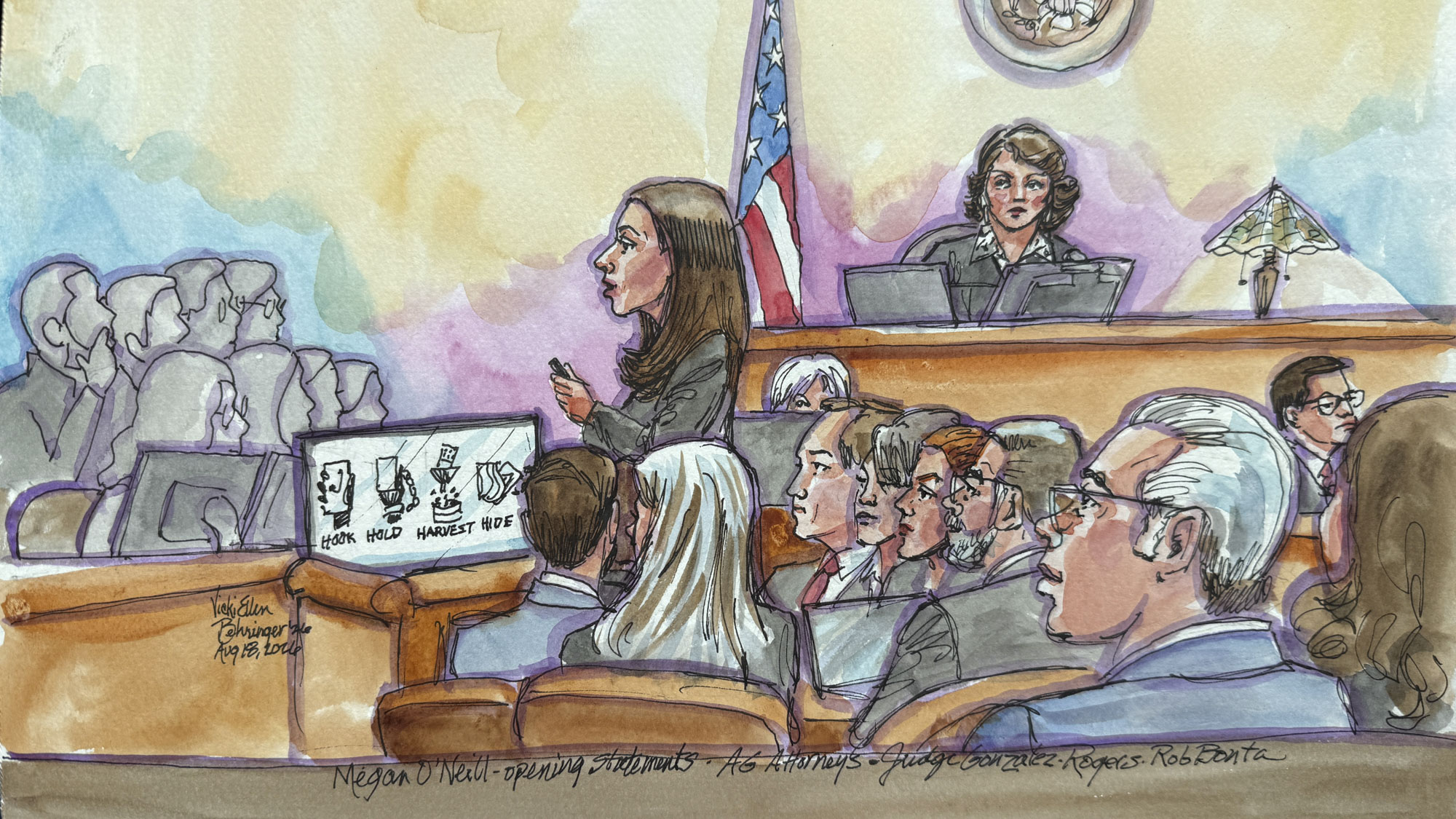
“What you’re going to hear in this trial is how Meta hooked kids on its platforms. How it designed those platforms so that kids kept coming back,” Megan O’Neill, a deputy attorney general for California, told the court during her opening statement on Tuesday morning.
“Meta had its own research showing how kids had bad, even traumatic, experiences on its apps,” O’Neill said.
If the states succeed, Meta could be held liable for up to $1.4 trillion in damages — roughly what the company is worth on Wall Street — and required to make changes to how it runs Instagram and Facebook platforms.
In recent years, Meta and other social media companies have been slammed with thousands of lawsuits brought by families and school districts, claiming social media addiction has harmed children’s mental health.
Over several decades, the companies have been able to defeat many lawsuits, arguing federal law protects platforms from being held liable for the content users publish on their sites.
But states, school districts and individuals have begun employing a different strategy that led to Meta losses in district courts in Los Angeles and New Mexico in recent years: arguing that social media platforms like Meta have deliberately engineered products to be addictive, even or especially for children, and misled the public about their behavior and the risks in order to make money and increase its customer base.
Tens of millions of teens and children under 13 have Instagram and Facebook accounts, earning Meta ad revenue and allowing it to harvest emails, phone numbers, images of kids’ faces and other personal information.
“Time and time again, profits won,” O’Neill said.
The federal suit — brought by the attorneys general of California, Colorado, Kentucky and New Jersey and joined by 29 others, whose cases will go to trial at a later time — argues that Meta built features that it knew would hook young people and did little to remove children under 13 from its platforms, while telling parents and regulators otherwise.

“We are not here to hold Meta responsible for the fact that there are bad people out there who post bad things that may harm kids,” O’Neill said. “We are holding Meta responsible for its own conduct. What Meta said and didn’t say, what Meta did and didn’t do. The choices that Meta made.”
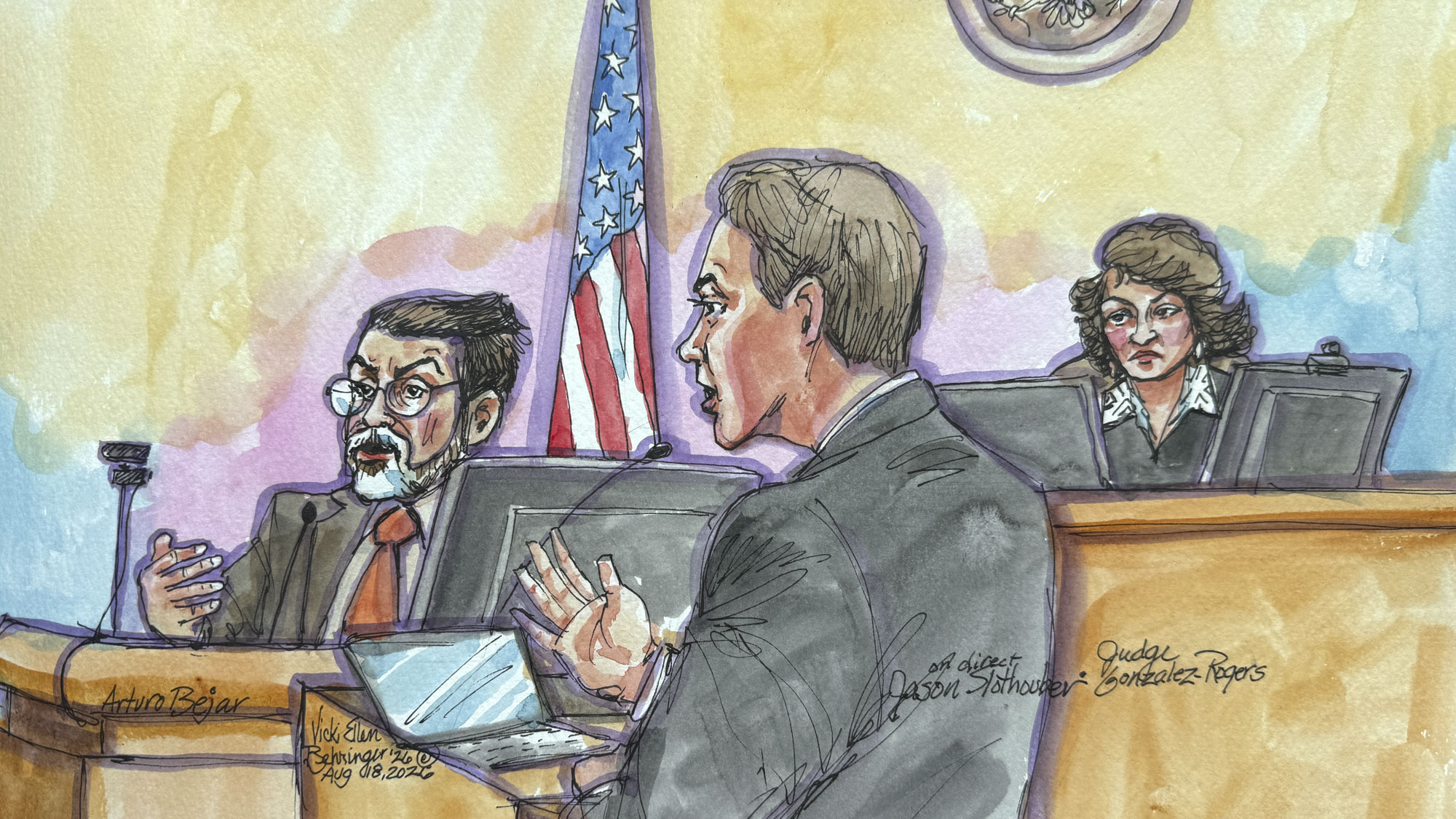
Internal company documents and whistleblowers, including Arturo Béjar, the former leader of Integrity and Care Facebook, have revealed that Instagram aimed to increase the minutes that teen users spent on their platform each year, and that the company hid its own research showing the negative impacts its apps had on teens. The company also knew, they allege, that millions of children under the age of 13, barred from Facebook and Instagram in the company’s terms and conditions, were users.
Béjar testified that the company “has taken a ‘Don’t ask, don’t tell’ approach” to children under 13 using its platforms.
“Coco was 12 when she opened Instagram for the first time in 2017, four years before the world learned what Meta already knew: Instagram was harming teenage girls,” mom Julianna Arnold said outside the Oakland courtroom. There, advocates gathered to pay tribute to nearly 400 deceased young people who were allegedly lured into sexual exploitation through Facebook, or served content that made them feel worse about themselves and their bodies.
“By her teens, [Coco] could not look away. Her scrolling became depression, then anxiety she couldn’t escape,” Arnold said.
She said her daughter was groomed by a man on Instagram, who sold her what she thought was Percocet, but turned out to be a fatal dose of fentanyl, when she was 17.
“Coco’s story was not an accident. We know it was the predictable outcome of a platform Meta knew harmed children,” Arnold said.
Meta has repeatedly denied that its platforms are responsible for this harm.
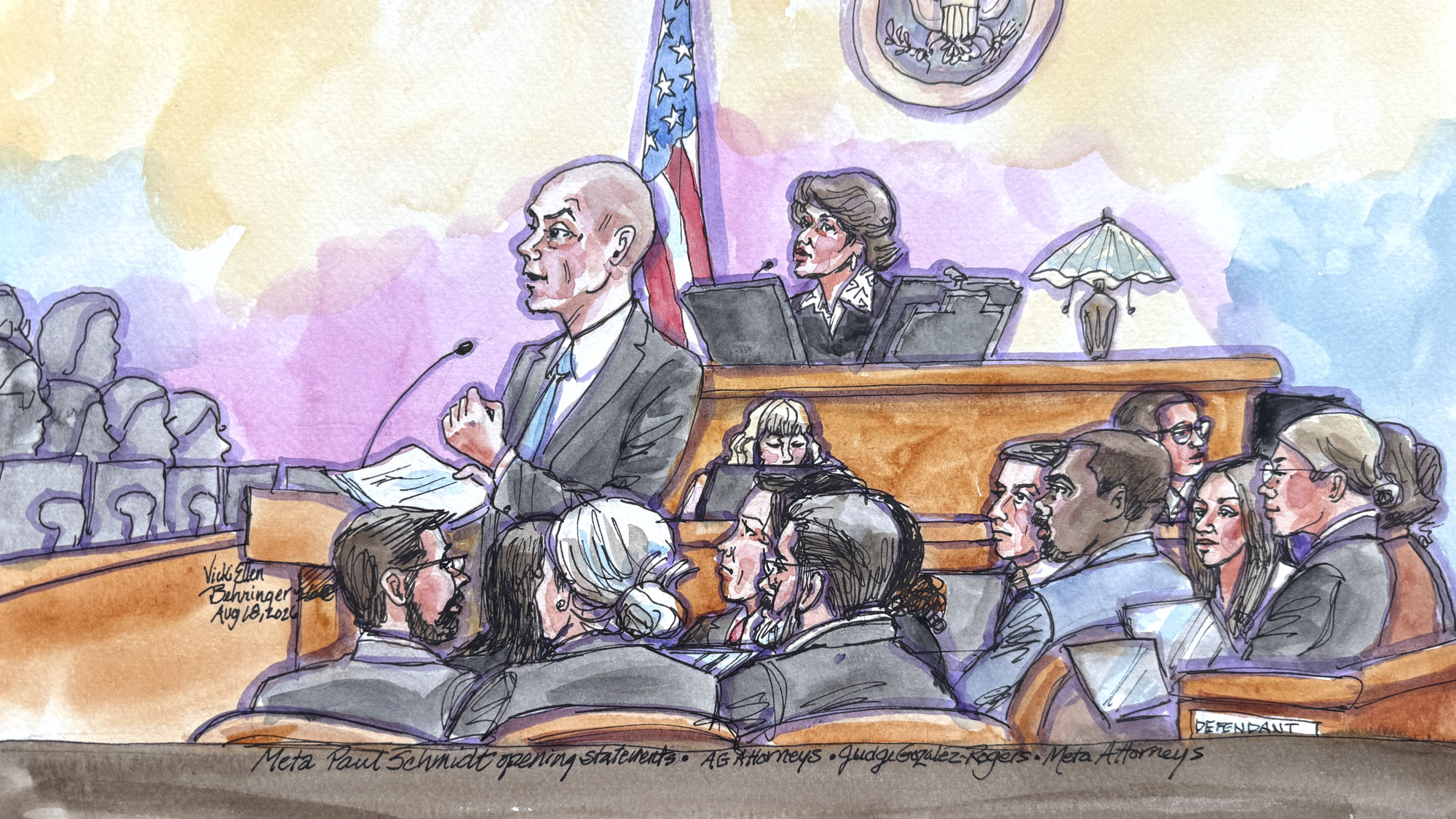
The company’s lead attorney, Paul Schmidt, told the court during his opening statement that Meta doesn’t deny that “some teens struggle to manage their time on social media, and some people “post negative things.
“That’s something Meta takes seriously, and tries to act on,” he said.
He said the whistleblower accounts and data shared by the states lacked context and were needles picked out of the haystack of employee and user statements over many years.
According to one internal report, one in five teens said Instagram made them feel worse about themselves, a statistic O’Neill quoted in her opening statement before the advisory jury in Oakland. Schmidt said that the same report noted 40% of those surveyed said they felt better, and 41% felt no different. In other internal documents, employees discussed making a product that “intentionally promotes wellbeing.”

Schmidt also said there are “real challenges in verifying age,” but that Meta has always required users to be at least 13, and has more recently developed detection tools to identify accounts belonging to children.
Meta said in a statement that it was “confident the evidence will show our longstanding commitment to supporting young people,” but parents and advocates at the courthouse on Tuesday said they believe the company will be held accountable in the coming weeks.
“We’re going to make history here,” said Erin Popolo, whose daughter Emily died by suicide after being cyberbullied and harassed. “This is going to be a groundbreaking trial. They’re going to be found liable for what they are doing to people.”
The trial is expected to go on for weeks and feature testimony from high-level Meta executives, including founder Mark Zuckerberg, who wasn’t present in the courtroom on Tuesday, as well as state health and education officials.
The jury will provide an advisory verdict, but Judge Yvonne Gonzalez Rogers — who has a track record of presiding over blockbuster tech industry cases, including this spring’s trial between Sam Altman and Elon Musk — will decide the civil penalties and any changes Meta will be required to make, if it is found liable.
“Meta, one of the largest, most powerful companies in the world, carried out a campaign to deceive, to mislead its users, legislators, teachers and parents,” O’Neill said. “At the end of this trial, we’re going to ask you to hold Meta accountable.”