Julie Small reports on criminal justice and immigration.
She was part of a team at KQED awarded a regional 2019 Edward R. Murrow award for continuing coverage of the Trump Administration's family separation policy.
The Society for Professional Journalists recognized Julie's 2018 reporting on the San Joaquin County Sheriff's interference in death investigations with an Excellence in Journalism Award for Ongoing Coverage.
Julie's reporting with Lisa Pickoff-White on the treatment of mentally ill offenders in California jails earned a 2017 regional Edward R. Murrow Award for news reporting and an investigative reporting award from the SPJ of Northern California.
Before joining KQED, Julie covered government and politics in Sacramento for Southern California Public Radio (SCPR). Her 2010 series on lapses in California’s prison medical care also won a regional Edward R. Murrow Award for investigative reporting and a Golden Mic Award from the RTNDA of Southern California.
Julie began her career in journalism in 2000 as the deputy foreign editor for public radio's Marketplace, while earning her master's degree in journalism from USC’s Annenberg School of Communication.
San Francisco Police Misread License Plate and Violently Arrested Driver, Watchdog Says
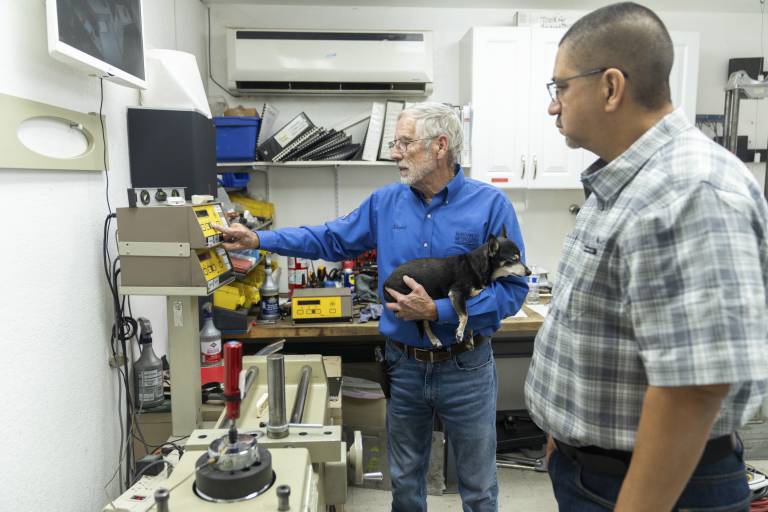
California’s Displaced Oil and Gas Workers’ Fund Is a Lifeline. Now Advocates Say It’s Time to Expand
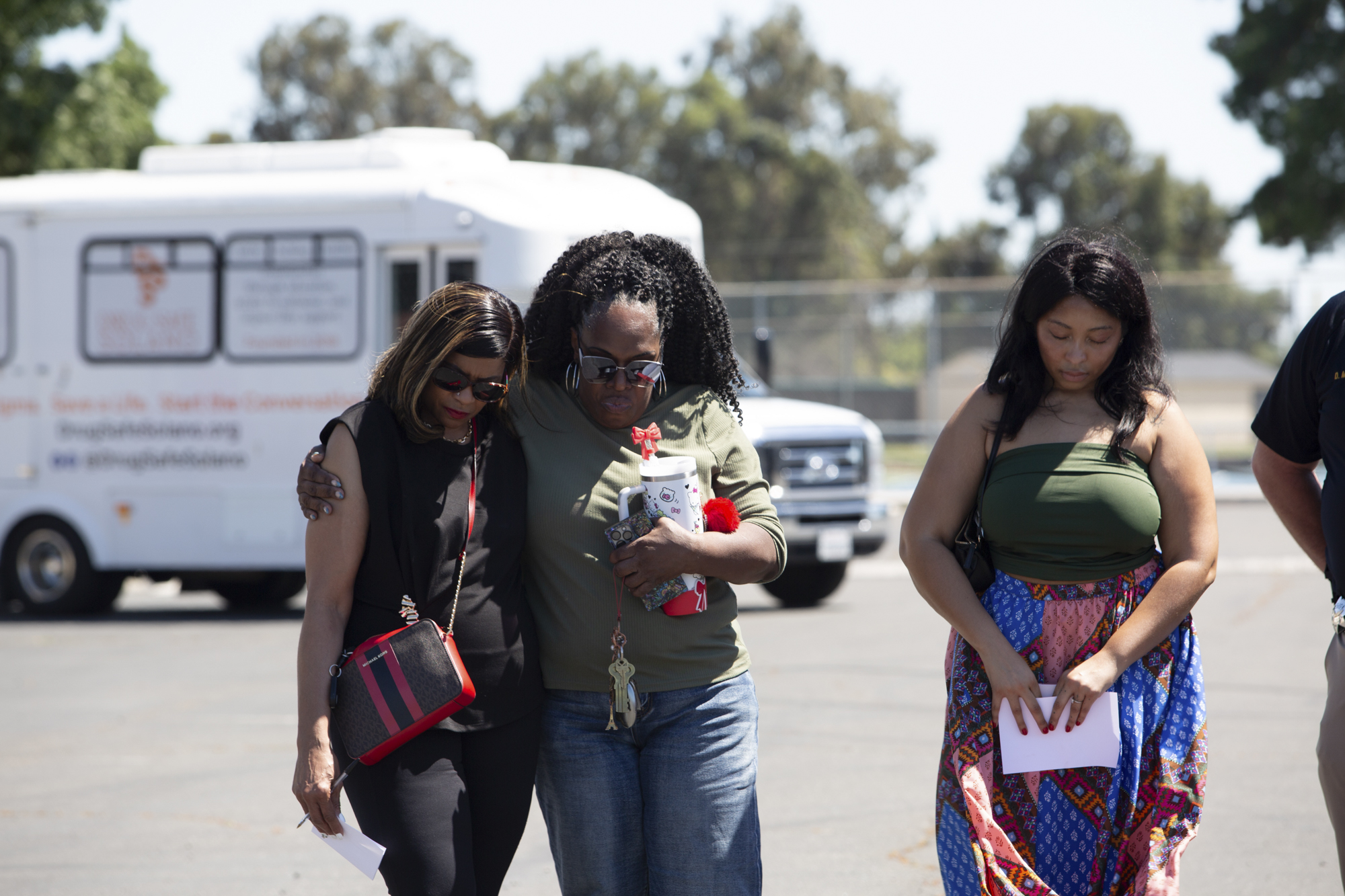
Fairfield Community Mourns After Deadly Grad Shooting
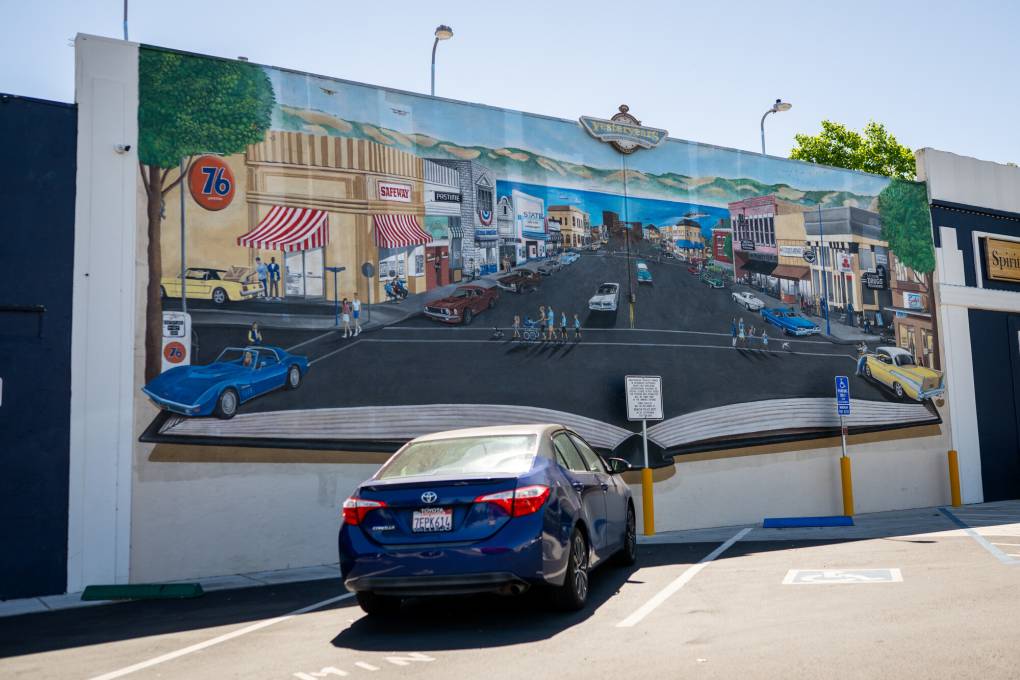
Benicia Wants to Be a Model for Life After a Refinery. Can It?
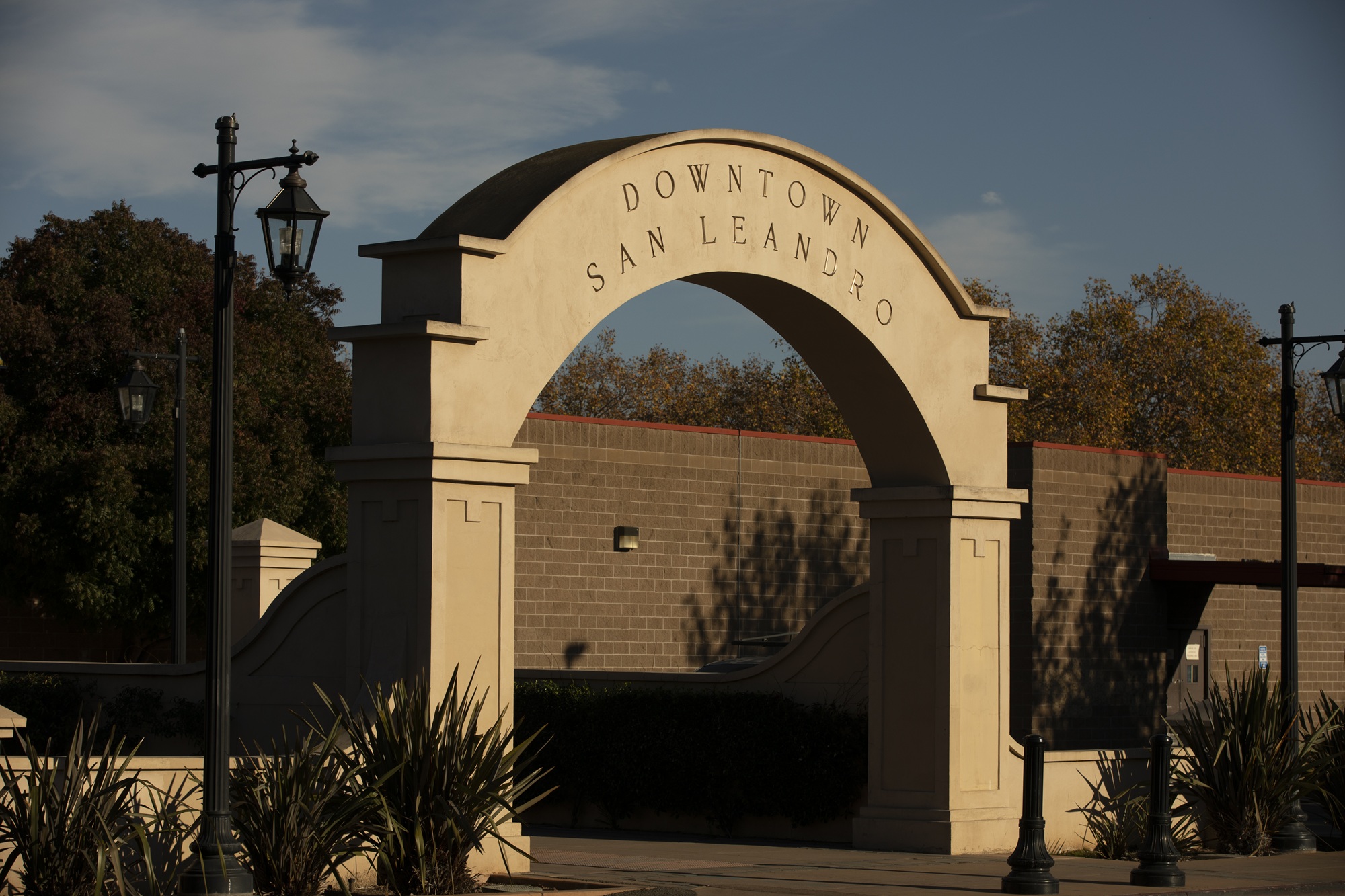
San Leandro Police Chief Placed on Leave, Denies I-580 Hit and Run
California’s Fuel Fears Threaten Benicia’s ‘Just Transition’ to Green Economy
Court Orders California Sheriff to Release Personnel Records in Watchdog Investigation
California Sues Trump Over Repeal of EPA’s Authority to Fight Climate Change
Major Bay Area Refinery to Pay $10 Million for Long Stretch of Violations
California Renews Push to Bring National Guard Back Under Newsom’s Command
Judge Upholds Firings, Pay Cuts for California Prison Guards Who Bullied Whistleblower
Leaked Subpoenas Shed Light on Shadowy Sonoma County Sheriff Whistleblower Case
Player sponsored by
window.__IS_SSR__=true
window.__INITIAL_STATE__={
"attachmentsReducer": {
"audio_0": {
"type": "attachments",
"id": "audio_0",
"imgSizes": {
"kqedFullSize": {
"file": "https://ww2.kqed.org/news/wp-content/themes/KQED-unified/img/audio_bgs/background0.jpg"
}
}
},
"audio_1": {
"type": "attachments",
"id": "audio_1",
"imgSizes": {
"kqedFullSize": {
"file": "https://ww2.kqed.org/news/wp-content/themes/KQED-unified/img/audio_bgs/background1.jpg"
}
}
},
"audio_2": {
"type": "attachments",
"id": "audio_2",
"imgSizes": {
"kqedFullSize": {
"file": "https://ww2.kqed.org/news/wp-content/themes/KQED-unified/img/audio_bgs/background2.jpg"
}
}
},
"audio_3": {
"type": "attachments",
"id": "audio_3",
"imgSizes": {
"kqedFullSize": {
"file": "https://ww2.kqed.org/news/wp-content/themes/KQED-unified/img/audio_bgs/background3.jpg"
}
}
},
"audio_4": {
"type": "attachments",
"id": "audio_4",
"imgSizes": {
"kqedFullSize": {
"file": "https://ww2.kqed.org/news/wp-content/themes/KQED-unified/img/audio_bgs/background4.jpg"
}
}
},
"placeholder": {
"type": "attachments",
"id": "placeholder",
"imgSizes": {
"thumbnail": {
"file": "https://cdn.kqed.org/wp-content/uploads/2024/12/KQED-Default-Image-816638274-2000x1333-1-160x107.jpg",
"width": 160,
"height": 107,
"mimeType": "image/jpeg"
},
"medium": {
"file": "https://cdn.kqed.org/wp-content/uploads/2024/12/KQED-Default-Image-816638274-2000x1333-1-800x533.jpg",
"width": 800,
"height": 533,
"mimeType": "image/jpeg"
},
"medium_large": {
"file": "https://cdn.kqed.org/wp-content/uploads/2024/12/KQED-Default-Image-816638274-2000x1333-1-768x512.jpg",
"width": 768,
"height": 512,
"mimeType": "image/jpeg"
},
"large": {
"file": "https://cdn.kqed.org/wp-content/uploads/2024/12/KQED-Default-Image-816638274-2000x1333-1-1020x680.jpg",
"width": 1020,
"height": 680,
"mimeType": "image/jpeg"
},
"1536x1536": {
"file": "https://cdn.kqed.org/wp-content/uploads/2024/12/KQED-Default-Image-816638274-2000x1333-1-1536x1024.jpg",
"width": 1536,
"height": 1024,
"mimeType": "image/jpeg"
},
"fd-lrg": {
"file": "https://cdn.kqed.org/wp-content/uploads/2024/12/KQED-Default-Image-816638274-2000x1333-1-1536x1024.jpg",
"width": 1536,
"height": 1024,
"mimeType": "image/jpeg"
},
"fd-med": {
"file": "https://cdn.kqed.org/wp-content/uploads/2024/12/KQED-Default-Image-816638274-2000x1333-1-1020x680.jpg",
"width": 1020,
"height": 680,
"mimeType": "image/jpeg"
},
"fd-sm": {
"file": "https://cdn.kqed.org/wp-content/uploads/2024/12/KQED-Default-Image-816638274-2000x1333-1-800x533.jpg",
"width": 800,
"height": 533,
"mimeType": "image/jpeg"
},
"post-thumbnail": {
"file": "https://cdn.kqed.org/wp-content/uploads/2024/12/KQED-Default-Image-816638274-2000x1333-1-672x372.jpg",
"width": 672,
"height": 372,
"mimeType": "image/jpeg"
},
"twentyfourteen-full-width": {
"file": "https://cdn.kqed.org/wp-content/uploads/2024/12/KQED-Default-Image-816638274-2000x1333-1-1038x576.jpg",
"width": 1038,
"height": 576,
"mimeType": "image/jpeg"
},
"xxsmall": {
"file": "https://cdn.kqed.org/wp-content/uploads/2024/12/KQED-Default-Image-816638274-2000x1333-1-160x107.jpg",
"width": 160,
"height": 107,
"mimeType": "image/jpeg"
},
"xsmall": {
"file": "https://cdn.kqed.org/wp-content/uploads/2024/12/KQED-Default-Image-816638274-2000x1333-1-672x372.jpg",
"width": 672,
"height": 372,
"mimeType": "image/jpeg"
},
"small": {
"file": "https://cdn.kqed.org/wp-content/uploads/2024/12/KQED-Default-Image-816638274-2000x1333-1-672x372.jpg",
"width": 672,
"height": 372,
"mimeType": "image/jpeg"
},
"xlarge": {
"file": "https://cdn.kqed.org/wp-content/uploads/2024/12/KQED-Default-Image-816638274-2000x1333-1-1020x680.jpg",
"width": 1020,
"height": 680,
"mimeType": "image/jpeg"
},
"full-width": {
"file": "https://cdn.kqed.org/wp-content/uploads/2024/12/KQED-Default-Image-816638274-2000x1333-1-1920x1280.jpg",
"width": 1920,
"height": 1280,
"mimeType": "image/jpeg"
},
"guest-author-32": {
"file": "https://cdn.kqed.org/wp-content/uploads/2025/01/KQED-Default-Image-816638274-1333x1333-1-160x160.jpg",
"width": 32,
"height": 32,
"mimeType": "image/jpeg"
},
"guest-author-50": {
"file": "https://cdn.kqed.org/wp-content/uploads/2025/01/KQED-Default-Image-816638274-1333x1333-1-160x160.jpg",
"width": 50,
"height": 50,
"mimeType": "image/jpeg"
},
"guest-author-64": {
"file": "https://cdn.kqed.org/wp-content/uploads/2025/01/KQED-Default-Image-816638274-1333x1333-1-160x160.jpg",
"width": 64,
"height": 64,
"mimeType": "image/jpeg"
},
"guest-author-96": {
"file": "https://cdn.kqed.org/wp-content/uploads/2025/01/KQED-Default-Image-816638274-1333x1333-1-160x160.jpg",
"width": 96,
"height": 96,
"mimeType": "image/jpeg"
},
"guest-author-128": {
"file": "https://cdn.kqed.org/wp-content/uploads/2025/01/KQED-Default-Image-816638274-1333x1333-1-160x160.jpg",
"width": 128,
"height": 128,
"mimeType": "image/jpeg"
},
"detail": {
"file": "https://cdn.kqed.org/wp-content/uploads/2025/01/KQED-Default-Image-816638274-1333x1333-1-160x160.jpg",
"width": 160,
"height": 160,
"mimeType": "image/jpeg"
},
"kqedFullSize": {
"file": "https://cdn.kqed.org/wp-content/uploads/2024/12/KQED-Default-Image-816638274-2000x1333-1.jpg",
"width": 2000,
"height": 1333
}
}
},
"news_12094748": {
"type": "attachments",
"id": "news_12094748",
"meta": {
"index": "attachments_1716263798",
"site": "news",
"id": "12094748",
"found": true
},
"title": "20170211_130621_qed",
"publishDate": 1786473243,
"status": "inherit",
"parent": 12094739,
"modified": 1786476941,
"caption": "A San Francisco Police Department cruiser on Feb. 11, 2017. Two San Francisco Police Department officers mistakenly arrested a man suspected of stealing a car during a traffic stop in downtown San Francisco.",
"credit": "Alex Emslie/KQED",
"altTag": null,
"description": null,
"imgSizes": {
"thumbnail": {
"file": "https://cdn.kqed.org/wp-content/uploads/sites/10/2026/08/20170211_130621_qed-160x120.jpg",
"width": 160,
"height": 120,
"mimeType": "image/jpeg"
},
"1536x1536": {
"file": "https://cdn.kqed.org/wp-content/uploads/sites/10/2026/08/20170211_130621_qed-1536x1152.jpg",
"width": 1536,
"height": 1152,
"mimeType": "image/jpeg"
},
"post-thumbnail": {
"file": "https://cdn.kqed.org/wp-content/uploads/sites/10/2026/08/20170211_130621_qed-672x372.jpg",
"width": 672,
"height": 372,
"mimeType": "image/jpeg"
},
"twentyfourteen-full-width": {
"file": "https://cdn.kqed.org/wp-content/uploads/sites/10/2026/08/20170211_130621_qed-1038x576.jpg",
"width": 1038,
"height": 576,
"mimeType": "image/jpeg"
},
"npr-cds-wide": {
"file": "https://cdn.kqed.org/wp-content/uploads/sites/10/2026/08/20170211_130621_qed-1200x675.jpg",
"width": 1200,
"height": 675,
"mimeType": "image/jpeg"
},
"npr-cds-square": {
"file": "https://cdn.kqed.org/wp-content/uploads/sites/10/2026/08/20170211_130621_qed-600x600.jpg",
"width": 600,
"height": 600,
"mimeType": "image/jpeg"
},
"kqedFullSize": {
"file": "https://cdn.kqed.org/wp-content/uploads/sites/10/2026/08/20170211_130621_qed.jpg",
"width": 1777,
"height": 1333
}
},
"isLoading": false,
"fetchFailed": false
},
"science_2001224": {
"type": "attachments",
"id": "science_2001224",
"meta": {
"index": "attachments_1716263798",
"site": "science",
"id": "2001224",
"found": true
},
"title": "052726_DISPLACEDOIL_9432-KQED",
"publishDate": 1780519769,
"status": "inherit",
"parent": 0,
"modified": 1784662035,
"caption": "Wayne Moule, Owner at Northwest Metrology, left, with new hire Joe Villarreal in Bakersfield on May 27, 2026.",
"credit": "Lauren Justice for KQED",
"altTag": null,
"description": null,
"imgSizes": {
"thumbnail": {
"file": "https://cdn.kqed.org/wp-content/uploads/sites/35/2026/06/052726_DISPLACEDOIL_9432-KQED-160x107.jpg",
"width": 160,
"height": 107,
"mimeType": "image/jpeg"
},
"medium_large": {
"file": "https://cdn.kqed.org/wp-content/uploads/sites/35/2026/06/052726_DISPLACEDOIL_9432-KQED-768x512.jpg",
"width": 768,
"height": 512,
"mimeType": "image/jpeg"
},
"1536x1536": {
"file": "https://cdn.kqed.org/wp-content/uploads/sites/35/2026/06/052726_DISPLACEDOIL_9432-KQED-1536x1024.jpg",
"width": 1536,
"height": 1024,
"mimeType": "image/jpeg"
},
"post-thumbnail": {
"file": "https://cdn.kqed.org/wp-content/uploads/sites/35/2026/06/052726_DISPLACEDOIL_9432-KQED-672x372.jpg",
"width": 672,
"height": 372,
"mimeType": "image/jpeg"
},
"twentyfourteen-full-width": {
"file": "https://cdn.kqed.org/wp-content/uploads/sites/35/2026/06/052726_DISPLACEDOIL_9432-KQED-1038x576.jpg",
"width": 1038,
"height": 576,
"mimeType": "image/jpeg"
},
"npr-cds-wide": {
"file": "https://cdn.kqed.org/wp-content/uploads/sites/35/2026/06/052726_DISPLACEDOIL_9432-KQED-1200x675.jpg",
"width": 1200,
"height": 675,
"mimeType": "image/jpeg"
},
"npr-cds-square": {
"file": "https://cdn.kqed.org/wp-content/uploads/sites/35/2026/06/052726_DISPLACEDOIL_9432-KQED-600x600.jpg",
"width": 600,
"height": 600,
"mimeType": "image/jpeg"
},
"kqedFullSize": {
"file": "https://cdn.kqed.org/wp-content/uploads/sites/35/2026/06/052726_DISPLACEDOIL_9432-KQED.jpg",
"width": 2000,
"height": 1333
}
},
"isLoading": false,
"fetchFailed": false
},
"news_12087497": {
"type": "attachments",
"id": "news_12087497",
"meta": {
"index": "attachments_1716263798",
"site": "news",
"id": "12087497",
"found": true
},
"title": "20260612_FAIRFIELDVIGIL_GC-1-KQED",
"publishDate": 1781308928,
"status": "inherit",
"parent": 0,
"modified": 1781308989,
"caption": "From left, Kalise Bennett, grandmother of Jamario, Ruthie Fisher, close family friend and Mykaela Goddard, aunt of Jamario, gather for A Moment of Blessing to honor 18-year-old Jamario Baker Jr., the victim of a deadly shooting at Sem Yeto High School’s graduation ceremony, at Fairfield High School in Fairfield on June 12, 2026.",
"credit": "Gina Castro for KQED",
"altTag": null,
"description": null,
"imgSizes": {
"thumbnail": {
"file": "https://cdn.kqed.org/wp-content/uploads/sites/10/2026/06/20260612_FAIRFIELDVIGIL_GC-1-KQED-160x107.jpg",
"width": 160,
"height": 107,
"mimeType": "image/jpeg"
},
"1536x1536": {
"file": "https://cdn.kqed.org/wp-content/uploads/sites/10/2026/06/20260612_FAIRFIELDVIGIL_GC-1-KQED-1536x1024.jpg",
"width": 1536,
"height": 1024,
"mimeType": "image/jpeg"
},
"post-thumbnail": {
"file": "https://cdn.kqed.org/wp-content/uploads/sites/10/2026/06/20260612_FAIRFIELDVIGIL_GC-1-KQED-672x372.jpg",
"width": 672,
"height": 372,
"mimeType": "image/jpeg"
},
"twentyfourteen-full-width": {
"file": "https://cdn.kqed.org/wp-content/uploads/sites/10/2026/06/20260612_FAIRFIELDVIGIL_GC-1-KQED-1038x576.jpg",
"width": 1038,
"height": 576,
"mimeType": "image/jpeg"
},
"npr-cds-wide": {
"file": "https://cdn.kqed.org/wp-content/uploads/sites/10/2026/06/20260612_FAIRFIELDVIGIL_GC-1-KQED-1200x675.jpg",
"width": 1200,
"height": 675,
"mimeType": "image/jpeg"
},
"npr-cds-square": {
"file": "https://cdn.kqed.org/wp-content/uploads/sites/10/2026/06/20260612_FAIRFIELDVIGIL_GC-1-KQED-600x600.jpg",
"width": 600,
"height": 600,
"mimeType": "image/jpeg"
},
"kqedFullSize": {
"file": "https://cdn.kqed.org/wp-content/uploads/sites/10/2026/06/20260612_FAIRFIELDVIGIL_GC-1-KQED.jpg",
"width": 2000,
"height": 1333
}
},
"isLoading": false,
"fetchFailed": false
},
"news_12039779": {
"type": "attachments",
"id": "news_12039779",
"meta": {
"index": "attachments_1716263798",
"site": "news",
"id": "12039779",
"found": true
},
"title": "A mural depicts downtown Benicia in the city on May 8, 2025.",
"publishDate": 1747078191,
"status": "inherit",
"parent": 12039505,
"modified": 1747078201,
"caption": "A mural depicts downtown Benicia in the city on May 8, 2025.",
"credit": "Beth LaBerge/KQED",
"altTag": null,
"description": null,
"imgSizes": {
"medium": {
"file": "https://cdn.kqed.org/wp-content/uploads/sites/10/2025/05/250509-BeniciaRefinery-60-BL_qed-800x533.jpg",
"width": 800,
"height": 533,
"mimeType": "image/jpeg"
},
"large": {
"file": "https://cdn.kqed.org/wp-content/uploads/sites/10/2025/05/250509-BeniciaRefinery-60-BL_qed-1020x680.jpg",
"width": 1020,
"height": 680,
"mimeType": "image/jpeg"
},
"thumbnail": {
"file": "https://cdn.kqed.org/wp-content/uploads/sites/10/2025/05/250509-BeniciaRefinery-60-BL_qed-160x107.jpg",
"width": 160,
"height": 107,
"mimeType": "image/jpeg"
},
"1536x1536": {
"file": "https://cdn.kqed.org/wp-content/uploads/sites/10/2025/05/250509-BeniciaRefinery-60-BL_qed-1536x1024.jpg",
"width": 1536,
"height": 1024,
"mimeType": "image/jpeg"
},
"post-thumbnail": {
"file": "https://cdn.kqed.org/wp-content/uploads/sites/10/2025/05/250509-BeniciaRefinery-60-BL_qed-672x372.jpg",
"width": 672,
"height": 372,
"mimeType": "image/jpeg"
},
"twentyfourteen-full-width": {
"file": "https://cdn.kqed.org/wp-content/uploads/sites/10/2025/05/250509-BeniciaRefinery-60-BL_qed-1038x576.jpg",
"width": 1038,
"height": 576,
"mimeType": "image/jpeg"
},
"full-width": {
"file": "https://cdn.kqed.org/wp-content/uploads/sites/10/2025/05/250509-BeniciaRefinery-60-BL_qed-1920x1280.jpg",
"width": 1920,
"height": 1280,
"mimeType": "image/jpeg"
},
"kqedFullSize": {
"file": "https://cdn.kqed.org/wp-content/uploads/sites/10/2025/05/250509-BeniciaRefinery-60-BL_qed.jpg",
"width": 2000,
"height": 1333
}
},
"isLoading": false,
"fetchFailed": false
},
"news_12052061": {
"type": "attachments",
"id": "news_12052061",
"meta": {
"index": "attachments_1716263798",
"site": "news",
"id": "12052061",
"found": true
},
"title": "San Leandro, California",
"publishDate": 1755119939,
"status": "inherit",
"parent": 12052003,
"modified": 1755119999,
"caption": "Downtown San Leandro on Nov. 17, 2021. ",
"credit": "Matt Gush/Getty Images",
"altTag": null,
"description": null,
"imgSizes": {
"thumbnail": {
"file": "https://cdn.kqed.org/wp-content/uploads/sites/10/2025/08/SanLeandroGetty-160x107.jpg",
"width": 160,
"height": 107,
"mimeType": "image/jpeg"
},
"1536x1536": {
"file": "https://cdn.kqed.org/wp-content/uploads/sites/10/2025/08/SanLeandroGetty-1536x1024.jpg",
"width": 1536,
"height": 1024,
"mimeType": "image/jpeg"
},
"post-thumbnail": {
"file": "https://cdn.kqed.org/wp-content/uploads/sites/10/2025/08/SanLeandroGetty-672x372.jpg",
"width": 672,
"height": 372,
"mimeType": "image/jpeg"
},
"twentyfourteen-full-width": {
"file": "https://cdn.kqed.org/wp-content/uploads/sites/10/2025/08/SanLeandroGetty-1038x576.jpg",
"width": 1038,
"height": 576,
"mimeType": "image/jpeg"
},
"kqedFullSize": {
"file": "https://cdn.kqed.org/wp-content/uploads/sites/10/2025/08/SanLeandroGetty.jpg",
"width": 2000,
"height": 1333
}
},
"isLoading": false,
"fetchFailed": false
},
"science_2000876": {
"type": "attachments",
"id": "science_2000876",
"meta": {
"index": "attachments_1716263798",
"site": "science",
"id": "2000876",
"found": true
},
"title": "The waterfront in Benicia on April 24, 2026.",
"publishDate": 1777482621,
"status": "inherit",
"parent": 0,
"modified": 1777482739,
"caption": "The waterfront in Benicia on April 24, 2026.",
"credit": "Martin do Nascimento/KQED",
"altTag": null,
"description": null,
"imgSizes": {
"thumbnail": {
"file": "https://cdn.kqed.org/wp-content/uploads/sites/35/2026/04/260424-BENICIA-DRONE-MD-03-KQED-160x107.jpg",
"width": 160,
"height": 107,
"mimeType": "image/jpeg"
},
"medium_large": {
"file": "https://cdn.kqed.org/wp-content/uploads/sites/35/2026/04/260424-BENICIA-DRONE-MD-03-KQED-768x512.jpg",
"width": 768,
"height": 512,
"mimeType": "image/jpeg"
},
"1536x1536": {
"file": "https://cdn.kqed.org/wp-content/uploads/sites/35/2026/04/260424-BENICIA-DRONE-MD-03-KQED-1536x1024.jpg",
"width": 1536,
"height": 1024,
"mimeType": "image/jpeg"
},
"post-thumbnail": {
"file": "https://cdn.kqed.org/wp-content/uploads/sites/35/2026/04/260424-BENICIA-DRONE-MD-03-KQED-672x372.jpg",
"width": 672,
"height": 372,
"mimeType": "image/jpeg"
},
"twentyfourteen-full-width": {
"file": "https://cdn.kqed.org/wp-content/uploads/sites/35/2026/04/260424-BENICIA-DRONE-MD-03-KQED-1038x576.jpg",
"width": 1038,
"height": 576,
"mimeType": "image/jpeg"
},
"npr-cds-wide": {
"file": "https://cdn.kqed.org/wp-content/uploads/sites/35/2026/04/260424-BENICIA-DRONE-MD-03-KQED-1200x675.jpg",
"width": 1200,
"height": 675,
"mimeType": "image/jpeg"
},
"npr-cds-square": {
"file": "https://cdn.kqed.org/wp-content/uploads/sites/35/2026/04/260424-BENICIA-DRONE-MD-03-KQED-600x600.jpg",
"width": 600,
"height": 600,
"mimeType": "image/jpeg"
},
"kqedFullSize": {
"file": "https://cdn.kqed.org/wp-content/uploads/sites/35/2026/04/260424-BENICIA-DRONE-MD-03-KQED.jpg",
"width": 2000,
"height": 1333
}
},
"isLoading": false,
"fetchFailed": false
},
"news_12057452": {
"type": "attachments",
"id": "news_12057452",
"meta": {
"index": "attachments_1716263798",
"site": "news",
"id": "12057452",
"found": true
},
"title": "20250924_SONOMACOUNTYSHERIFF_GC-6-KQED",
"publishDate": 1758741353,
"status": "inherit",
"parent": 0,
"modified": 1758741400,
"caption": "A Sonoma County Sheriff patrol car parked in front of the headquarters in Santa Rosa on Sept. 24, 2025.",
"credit": "Gina Castro/KQED",
"altTag": null,
"description": null,
"imgSizes": {
"thumbnail": {
"file": "https://cdn.kqed.org/wp-content/uploads/sites/10/2025/09/20250924_SONOMACOUNTYSHERIFF_GC-6-KQED-160x107.jpg",
"width": 160,
"height": 107,
"mimeType": "image/jpeg"
},
"1536x1536": {
"file": "https://cdn.kqed.org/wp-content/uploads/sites/10/2025/09/20250924_SONOMACOUNTYSHERIFF_GC-6-KQED-1536x1024.jpg",
"width": 1536,
"height": 1024,
"mimeType": "image/jpeg"
},
"post-thumbnail": {
"file": "https://cdn.kqed.org/wp-content/uploads/sites/10/2025/09/20250924_SONOMACOUNTYSHERIFF_GC-6-KQED-672x372.jpg",
"width": 672,
"height": 372,
"mimeType": "image/jpeg"
},
"twentyfourteen-full-width": {
"file": "https://cdn.kqed.org/wp-content/uploads/sites/10/2025/09/20250924_SONOMACOUNTYSHERIFF_GC-6-KQED-1038x576.jpg",
"width": 1038,
"height": 576,
"mimeType": "image/jpeg"
},
"kqedFullSize": {
"file": "https://cdn.kqed.org/wp-content/uploads/sites/10/2025/09/20250924_SONOMACOUNTYSHERIFF_GC-6-KQED.jpg",
"width": 2000,
"height": 1333
}
},
"isLoading": false,
"fetchFailed": false
},
"news_12043426": {
"type": "attachments",
"id": "news_12043426",
"meta": {
"index": "attachments_1716263798",
"site": "news",
"id": "12043426",
"found": true
},
"title": "California Governor Newsom Announces Lawsuit Challenging Trump Tariff Authority",
"publishDate": 1749506167,
"status": "inherit",
"parent": 12043314,
"modified": 1753920496,
"caption": "Gov. Gavin Newsom (right) speaks as Attorney General Rob Bonta looks on during a news conference on April 16, 2025, in Ceres, California. ",
"credit": "Justin Sullivan/Getty Images",
"altTag": null,
"description": null,
"imgSizes": {
"thumbnail": {
"file": "https://cdn.kqed.org/wp-content/uploads/sites/10/2025/06/GavinNewsomRobBontaGetty-160x119.jpg",
"width": 160,
"height": 119,
"mimeType": "image/jpeg"
},
"1536x1536": {
"file": "https://cdn.kqed.org/wp-content/uploads/sites/10/2025/06/GavinNewsomRobBontaGetty-1536x1145.jpg",
"width": 1536,
"height": 1145,
"mimeType": "image/jpeg"
},
"post-thumbnail": {
"file": "https://cdn.kqed.org/wp-content/uploads/sites/10/2025/06/GavinNewsomRobBontaGetty-672x372.jpg",
"width": 672,
"height": 372,
"mimeType": "image/jpeg"
},
"twentyfourteen-full-width": {
"file": "https://cdn.kqed.org/wp-content/uploads/sites/10/2025/06/GavinNewsomRobBontaGetty-1038x576.jpg",
"width": 1038,
"height": 576,
"mimeType": "image/jpeg"
},
"kqedFullSize": {
"file": "https://cdn.kqed.org/wp-content/uploads/sites/10/2025/06/GavinNewsomRobBontaGetty.jpg",
"width": 2000,
"height": 1491
}
},
"isLoading": false,
"fetchFailed": false
},
"news_12036967": {
"type": "attachments",
"id": "news_12036967",
"meta": {
"index": "attachments_1716263798",
"site": "news",
"id": "12036967",
"found": true
},
"title": "Martinez Refining Company in Martinez on Feb. 3, 2025.",
"publishDate": 1745267109,
"status": "inherit",
"parent": 12036965,
"modified": 1745267124,
"caption": "Martinez Refining Company in Martinez on Feb. 3, 2025.",
"credit": "Gina Castro/KQED",
"altTag": null,
"description": null,
"imgSizes": {
"medium": {
"file": "https://cdn.kqed.org/wp-content/uploads/sites/10/2025/04/20250203_MartinezRefineryFolo_GC-32_qed-800x533.jpg",
"width": 800,
"height": 533,
"mimeType": "image/jpeg"
},
"large": {
"file": "https://cdn.kqed.org/wp-content/uploads/sites/10/2025/04/20250203_MartinezRefineryFolo_GC-32_qed-1020x680.jpg",
"width": 1020,
"height": 680,
"mimeType": "image/jpeg"
},
"thumbnail": {
"file": "https://cdn.kqed.org/wp-content/uploads/sites/10/2025/04/20250203_MartinezRefineryFolo_GC-32_qed-160x107.jpg",
"width": 160,
"height": 107,
"mimeType": "image/jpeg"
},
"1536x1536": {
"file": "https://cdn.kqed.org/wp-content/uploads/sites/10/2025/04/20250203_MartinezRefineryFolo_GC-32_qed-1536x1024.jpg",
"width": 1536,
"height": 1024,
"mimeType": "image/jpeg"
},
"post-thumbnail": {
"file": "https://cdn.kqed.org/wp-content/uploads/sites/10/2025/04/20250203_MartinezRefineryFolo_GC-32_qed-672x372.jpg",
"width": 672,
"height": 372,
"mimeType": "image/jpeg"
},
"twentyfourteen-full-width": {
"file": "https://cdn.kqed.org/wp-content/uploads/sites/10/2025/04/20250203_MartinezRefineryFolo_GC-32_qed-1038x576.jpg",
"width": 1038,
"height": 576,
"mimeType": "image/jpeg"
},
"full-width": {
"file": "https://cdn.kqed.org/wp-content/uploads/sites/10/2025/04/20250203_MartinezRefineryFolo_GC-32_qed-1920x1280.jpg",
"width": 1920,
"height": 1280,
"mimeType": "image/jpeg"
},
"kqedFullSize": {
"file": "https://cdn.kqed.org/wp-content/uploads/sites/10/2025/04/20250203_MartinezRefineryFolo_GC-32_qed.jpg",
"width": 2000,
"height": 1333
}
},
"isLoading": false,
"fetchFailed": false
},
"news_12044826": {
"type": "attachments",
"id": "news_12044826",
"meta": {
"index": "attachments_1716263798",
"site": "news",
"id": "12044826",
"found": true
},
"title": "Protests Erupt In L.A. County Sparked By Federal Immigration Raids",
"publishDate": 1750202502,
"status": "inherit",
"parent": 12044637,
"modified": 1757026443,
"caption": "A police officer holds a less lethal rifle as protesters confront California National Guard soldiers and police outside of a federal building, as protests continue in Los Angeles following 3 days of clashes with police after a series of immigration raids on June 9, 2025. ",
"credit": "David McNew/Getty Images",
"altTag": null,
"description": null,
"imgSizes": {
"medium": {
"file": "https://cdn.kqed.org/wp-content/uploads/sites/10/2025/06/GettyImages-2219434485-2000x1333.jpg",
"width": 2000,
"height": 1333,
"mimeType": "image/jpeg"
},
"large": {
"file": "https://cdn.kqed.org/wp-content/uploads/sites/10/2025/06/GettyImages-2219434485-2000x1333.jpg",
"width": 2000,
"height": 1333,
"mimeType": "image/jpeg"
},
"thumbnail": {
"file": "https://cdn.kqed.org/wp-content/uploads/sites/10/2025/06/GettyImages-2219434485-160x107.jpg",
"width": 160,
"height": 107,
"mimeType": "image/jpeg"
},
"1536x1536": {
"file": "https://cdn.kqed.org/wp-content/uploads/sites/10/2025/06/GettyImages-2219434485-1536x1024.jpg",
"width": 1536,
"height": 1024,
"mimeType": "image/jpeg"
},
"2048x2048": {
"file": "https://cdn.kqed.org/wp-content/uploads/sites/10/2025/06/GettyImages-2219434485-2048x1365.jpg",
"width": 2048,
"height": 1365,
"mimeType": "image/jpeg"
},
"post-thumbnail": {
"file": "https://cdn.kqed.org/wp-content/uploads/sites/10/2025/06/GettyImages-2219434485-672x372.jpg",
"width": 672,
"height": 372,
"mimeType": "image/jpeg"
},
"twentyfourteen-full-width": {
"file": "https://cdn.kqed.org/wp-content/uploads/sites/10/2025/06/GettyImages-2219434485-1038x576.jpg",
"width": 1038,
"height": 576,
"mimeType": "image/jpeg"
},
"full-width": {
"file": "https://cdn.kqed.org/wp-content/uploads/sites/10/2025/06/GettyImages-2219434485-2000x1333.jpg",
"width": 2000,
"height": 1333,
"mimeType": "image/jpeg"
},
"kqedFullSize": {
"file": "https://cdn.kqed.org/wp-content/uploads/sites/10/2025/06/GettyImages-2219434485-scaled-e1753393070287.jpg",
"width": 2000,
"height": 1334
}
},
"isLoading": false,
"fetchFailed": false
},
"news_12017609": {
"type": "attachments",
"id": "news_12017609",
"meta": {
"index": "attachments_1716263798",
"site": "news",
"id": "12017609",
"found": true
},
"title": "258_KQED_NewFolsomPrisonSacramento_04132023",
"publishDate": 1733909832,
"status": "inherit",
"parent": 0,
"modified": 1759946740,
"caption": "The East Gate of old Folsom Prison in Sacramento, where Johnny Cash played in 1968. New Folsom, which was initially administered by old Folsom’s warden, opened in 1986.",
"credit": "Beth LaBerge/KQED",
"altTag": null,
"description": null,
"imgSizes": {
"medium": {
"file": "https://cdn.kqed.org/wp-content/uploads/sites/10/2024/12/258_KQED_NewFolsomPrisonSacramento_04132023-800x533.jpg",
"width": 800,
"height": 533,
"mimeType": "image/jpeg"
},
"large": {
"file": "https://cdn.kqed.org/wp-content/uploads/sites/10/2024/12/258_KQED_NewFolsomPrisonSacramento_04132023-1020x680.jpg",
"width": 1020,
"height": 680,
"mimeType": "image/jpeg"
},
"thumbnail": {
"file": "https://cdn.kqed.org/wp-content/uploads/sites/10/2024/12/258_KQED_NewFolsomPrisonSacramento_04132023-160x107.jpg",
"width": 160,
"height": 107,
"mimeType": "image/jpeg"
},
"1536x1536": {
"file": "https://cdn.kqed.org/wp-content/uploads/sites/10/2024/12/258_KQED_NewFolsomPrisonSacramento_04132023-1536x1024.jpg",
"width": 1536,
"height": 1024,
"mimeType": "image/jpeg"
},
"2048x2048": {
"file": "https://cdn.kqed.org/wp-content/uploads/sites/10/2024/12/258_KQED_NewFolsomPrisonSacramento_04132023-2048x1365.jpg",
"width": 2048,
"height": 1365,
"mimeType": "image/jpeg"
},
"post-thumbnail": {
"file": "https://cdn.kqed.org/wp-content/uploads/sites/10/2024/12/258_KQED_NewFolsomPrisonSacramento_04132023-672x372.jpg",
"width": 672,
"height": 372,
"mimeType": "image/jpeg"
},
"twentyfourteen-full-width": {
"file": "https://cdn.kqed.org/wp-content/uploads/sites/10/2024/12/258_KQED_NewFolsomPrisonSacramento_04132023-1038x576.jpg",
"width": 1038,
"height": 576,
"mimeType": "image/jpeg"
},
"full-width": {
"file": "https://cdn.kqed.org/wp-content/uploads/sites/10/2024/12/258_KQED_NewFolsomPrisonSacramento_04132023-1920x1280.jpg",
"width": 1920,
"height": 1280,
"mimeType": "image/jpeg"
},
"kqedFullSize": {
"file": "https://cdn.kqed.org/wp-content/uploads/sites/10/2024/12/258_KQED_NewFolsomPrisonSacramento_04132023-scaled-e1759946715876.jpg",
"width": 2000,
"height": 1334
}
},
"isLoading": false,
"fetchFailed": false
}
},
"audioPlayerReducer": {
"postId": "stream_live",
"isPaused": true,
"isPlaying": false,
"pfsActive": false,
"pledgeModalIsOpen": true,
"playerDrawerIsOpen": false,
"liveAudioPlayStartedAt": 0,
"liveAudioPlayContext": ""
},
"authorsReducer": {
"jsmall": {
"type": "authors",
"id": "6625",
"meta": {
"index": "authors_1716337520",
"id": "6625",
"found": true
},
"name": "Julie Small",
"firstName": "Julie",
"lastName": "Small",
"slug": "jsmall",
"email": "jsmall@kqed.org",
"display_author_email": true,
"staff_mastheads": [
"news"
],
"title": "KQED Contributor",
"bio": "Julie Small reports on criminal justice and immigration.\r\n\r\nShe was part of a team at KQED awarded a regional 2019 Edward R. Murrow award for continuing coverage of the Trump Administration's family separation policy.\r\n\r\nThe Society for Professional Journalists recognized Julie's 2018 \u003ca href=\"https://www.kqed.org/news/11636262/the-officer-tased-him-31-times-the-sheriff-called-his-death-an-accident\">reporting\u003c/a> on the San Joaquin County Sheriff's \u003ca href=\"https://www.kqed.org/news/11634689/autopsy-doctors-sheriff-overrode-death-findings-to-protect-law-enforcement\">interference\u003c/a> in death investigations with an Excellence in Journalism Award for Ongoing Coverage.\r\n\r\nJulie's\u003ca href=\"https://www.kqed.org/news/11039666/two-mentally-ill-inmates-died-one-month-in-santa-clara\"> reporting\u003c/a> with Lisa Pickoff-White on the treatment of mentally ill offenders in California jails earned a 2017 regional Edward R. Murrow Award for news reporting and an investigative reporting award from the SPJ of Northern California.\r\n\r\nBefore joining KQED, Julie covered government and politics in Sacramento for Southern California Public Radio (SCPR). Her 2010 \u003ca href=\"https://www.scpr.org/specials/prisonmedical/\">series\u003c/a> on lapses in California’s prison medical care also won a regional Edward R. Murrow Award for investigative reporting and a Golden Mic Award from the RTNDA of Southern California.\r\n\r\nJulie began her career in journalism in 2000 as the deputy foreign editor for public radio's \u003cem>Marketplace, \u003c/em>while earning her master's degree in journalism from USC’s Annenberg School of Communication.",
"avatar": "https://secure.gravatar.com/avatar/4baedf201468df97be97c2a9dd7585d0?s=600&d=blank&r=g",
"twitter": "@SmallRadio2",
"facebook": null,
"instagram": null,
"linkedin": null,
"sites": [
{
"site": "news",
"roles": [
"editor"
]
},
{
"site": "stateofhealth",
"roles": [
"author"
]
},
{
"site": "science",
"roles": [
"author"
]
}
],
"headData": {
"title": "Julie Small | KQED",
"description": "KQED Contributor",
"ogImgSrc": "https://secure.gravatar.com/avatar/4baedf201468df97be97c2a9dd7585d0?s=600&d=blank&r=g",
"twImgSrc": "https://secure.gravatar.com/avatar/4baedf201468df97be97c2a9dd7585d0?s=600&d=blank&r=g"
},
"isLoading": false,
"link": "/author/jsmall"
},
"ecruzguevarra": {
"type": "authors",
"id": "8654",
"meta": {
"index": "authors_1716337520",
"id": "8654",
"found": true
},
"name": "Ericka Cruz Guevarra",
"firstName": "Ericka",
"lastName": "Cruz Guevarra",
"slug": "ecruzguevarra",
"email": "ecruzguevarra@kqed.org",
"display_author_email": true,
"staff_mastheads": [
"news"
],
"title": "Producer, The Bay Podcast",
"bio": "Ericka Cruz Guevarra is host of \u003ca href=\"https://www.kqed.org/podcasts/thebay\">\u003cem>The Bay\u003c/em>\u003c/a> podcast at KQED. Before host, she was the show’s producer. Her work in that capacity includes a three-part reported series on policing in Vallejo, which won a 2020 excellence in journalism award from the Society of Professional Journalists. Ericka has worked as a breaking news reporter at Oregon Public Broadcasting, helped produce the Code Switch podcast, and was KQED’s inaugural Raul Ramirez Diversity Fund intern. She’s also an alumna of NPR’s Next Generation Radio program. Send her an email if you have strong feelings about whether Fairfield and Suisun City are the Bay. Ericka is represented by SAG-AFTRA.",
"avatar": "https://secure.gravatar.com/avatar/accefc1de4bafc7e234b69bcb9b6f6536c130fd84709bc3069ef11a78787e1bb?s=600&d=blank&r=g",
"twitter": "NotoriousECG",
"bluesky": null,
"facebook": null,
"instagram": null,
"linkedin": null,
"sites": [
{
"site": "arts",
"roles": [
"subscriber"
]
},
{
"site": "news",
"roles": [
"editor",
"manage_categories"
]
},
{
"site": "futureofyou",
"roles": [
"subscriber"
]
},
{
"site": "stateofhealth",
"roles": [
"subscriber"
]
},
{
"site": "science",
"roles": [
"editor"
]
},
{
"site": "forum",
"roles": [
"subscriber"
]
}
],
"headData": {
"title": "Ericka Cruz Guevarra | KQED",
"description": "Producer, The Bay Podcast",
"ogImgSrc": "https://secure.gravatar.com/avatar/accefc1de4bafc7e234b69bcb9b6f6536c130fd84709bc3069ef11a78787e1bb?s=600&d=blank&r=g",
"twImgSrc": "https://secure.gravatar.com/avatar/accefc1de4bafc7e234b69bcb9b6f6536c130fd84709bc3069ef11a78787e1bb?s=600&d=blank&r=g"
},
"isLoading": false,
"link": "/author/ecruzguevarra"
},
"amontecillo": {
"type": "authors",
"id": "11649",
"meta": {
"index": "authors_1716337520",
"id": "11649",
"found": true
},
"name": "Alan Montecillo",
"firstName": "Alan",
"lastName": "Montecillo",
"slug": "amontecillo",
"email": "amontecillo@kqed.org",
"display_author_email": false,
"staff_mastheads": [
"news"
],
"title": "KQED Contributor",
"bio": "Alan Montecillo is the senior editor of \u003cem>\u003ca href=\"http://kqed.org/thebay\">The Bay\u003c/a>, \u003c/em> KQED's local news podcast. Before moving to the Bay Area, he worked as a senior talk show producer for WILL in Champaign-Urbana, Illinois and at Oregon Public Broadcasting in Portland, Oregon. He has won journalism awards from the Society of Professional Journalists Northern California, the Public Media Journalists Association, The Signal Awards, and has also received a regional Edward R. Murrow award. Alan is a Filipino American from Hong Kong and a graduate of Reed College.",
"avatar": "https://secure.gravatar.com/avatar/268f53a2066899ea9efdd8a5900218b17c822d9862cbc9326cccec53ef41d349?s=600&d=blank&r=g",
"twitter": "alanmontecillo",
"bluesky": null,
"facebook": null,
"instagram": null,
"linkedin": null,
"sites": [
{
"site": "",
"roles": [
"editor"
]
},
{
"site": "news",
"roles": [
"editor",
"manage_categories"
]
}
],
"headData": {
"title": "Alan Montecillo | KQED",
"description": "KQED Contributor",
"ogImgSrc": "https://secure.gravatar.com/avatar/268f53a2066899ea9efdd8a5900218b17c822d9862cbc9326cccec53ef41d349?s=600&d=blank&r=g",
"twImgSrc": "https://secure.gravatar.com/avatar/268f53a2066899ea9efdd8a5900218b17c822d9862cbc9326cccec53ef41d349?s=600&d=blank&r=g"
},
"isLoading": false,
"link": "/author/amontecillo"
},
"jessicakariisa": {
"type": "authors",
"id": "11831",
"meta": {
"index": "authors_1716337520",
"id": "11831",
"found": true
},
"name": "Jessica Kariisa",
"firstName": "Jessica",
"lastName": "Kariisa",
"slug": "jessicakariisa",
"email": "jkariisa@kqed.org",
"display_author_email": false,
"staff_mastheads": [],
"title": "Producer, The Bay",
"bio": "Jessica Kariisa is the producer of The Bay. She first joined KQED as an intern for The California Report Magazine, after which she became an on-call producer. She reported a Bay Curious episode on the use of rap lyrics in criminal trials which won a Society of Professional Journalists award in 2023 for Excellence in Features Journalism and the 2023 Signal Award for Best Conversation Starter. She’s worked on podcasts for Snap Judgment and American Public Media. Before embarking on her audio career, she was a music journalist.\r\n\r\nJessica Kariisa is represented by SAG-AFTRA.",
"avatar": "https://secure.gravatar.com/avatar/522e97b28ac0b3d411621c0fde8f3419c7b71ea2c5c262c57c4bb600963f328c?s=600&d=blank&r=g",
"twitter": null,
"bluesky": null,
"facebook": null,
"instagram": null,
"linkedin": null,
"sites": [
{
"site": "arts",
"roles": [
"author"
]
},
{
"site": "news",
"roles": [
"editor",
"manage_categories"
]
}
],
"headData": {
"title": "Jessica Kariisa | KQED",
"description": "Producer, The Bay",
"ogImgSrc": "https://secure.gravatar.com/avatar/522e97b28ac0b3d411621c0fde8f3419c7b71ea2c5c262c57c4bb600963f328c?s=600&d=blank&r=g",
"twImgSrc": "https://secure.gravatar.com/avatar/522e97b28ac0b3d411621c0fde8f3419c7b71ea2c5c262c57c4bb600963f328c?s=600&d=blank&r=g"
},
"isLoading": false,
"link": "/author/jessicakariisa"
},
"kdebenedetti": {
"type": "authors",
"id": "11913",
"meta": {
"index": "authors_1716337520",
"id": "11913",
"found": true
},
"name": "Katie DeBenedetti",
"firstName": "Katie",
"lastName": "DeBenedetti",
"slug": "kdebenedetti",
"email": "kdebenedetti@kqed.org",
"display_author_email": false,
"staff_mastheads": [
"news",
"science"
],
"title": "KQED Contributor",
"bio": "Katie DeBenedetti is a digital reporter covering daily news for the Express Desk. Prior to joining KQED as a culture reporting intern in January 2024, she covered education and city government for the Napa Valley Register.",
"avatar": "https://secure.gravatar.com/avatar/6e31073cb8f7e4214ab03f42771d0f45?s=600&d=blank&r=g",
"twitter": null,
"facebook": null,
"instagram": null,
"linkedin": null,
"sites": [
{
"site": "news",
"roles": [
"author"
]
},
{
"site": "science",
"roles": [
"author"
]
},
{
"site": "liveblog",
"roles": [
"author"
]
}
],
"headData": {
"title": "Katie DeBenedetti | KQED",
"description": "KQED Contributor",
"ogImgSrc": "https://secure.gravatar.com/avatar/6e31073cb8f7e4214ab03f42771d0f45?s=600&d=blank&r=g",
"twImgSrc": "https://secure.gravatar.com/avatar/6e31073cb8f7e4214ab03f42771d0f45?s=600&d=blank&r=g"
},
"isLoading": false,
"link": "/author/kdebenedetti"
}
},
"pagesReducer": {
"author_jsmall": {
"type": "pages",
"id": "6625",
"meta": {
"index": "authors_1716337520",
"id": "6625",
"score": 6.697857,
"site": "authors"
},
"name": "Julie Small",
"firstName": "Julie",
"lastName": "Small",
"slug": "jsmall",
"email": "jsmall@kqed.org",
"display_author_email": true,
"staff_mastheads": [
"news"
],
"title": "KQED Contributor",
"bio": "Julie Small reports on criminal justice and immigration.\r\n\r\nShe was part of a team at KQED awarded a regional 2019 Edward R. Murrow award for continuing coverage of the Trump Administration's family separation policy.\r\n\r\nThe Society for Professional Journalists recognized Julie's 2018 \u003ca href=\"https://www.kqed.org/news/11636262/the-officer-tased-him-31-times-the-sheriff-called-his-death-an-accident\">reporting\u003c/a> on the San Joaquin County Sheriff's \u003ca href=\"https://www.kqed.org/news/11634689/autopsy-doctors-sheriff-overrode-death-findings-to-protect-law-enforcement\">interference\u003c/a> in death investigations with an Excellence in Journalism Award for Ongoing Coverage.\r\n\r\nJulie's\u003ca href=\"https://www.kqed.org/news/11039666/two-mentally-ill-inmates-died-one-month-in-santa-clara\"> reporting\u003c/a> with Lisa Pickoff-White on the treatment of mentally ill offenders in California jails earned a 2017 regional Edward R. Murrow Award for news reporting and an investigative reporting award from the SPJ of Northern California.\r\n\r\nBefore joining KQED, Julie covered government and politics in Sacramento for Southern California Public Radio (SCPR). Her 2010 \u003ca href=\"https://www.scpr.org/specials/prisonmedical/\">series\u003c/a> on lapses in California’s prison medical care also won a regional Edward R. Murrow Award for investigative reporting and a Golden Mic Award from the RTNDA of Southern California.\r\n\r\nJulie began her career in journalism in 2000 as the deputy foreign editor for public radio's \u003cem>Marketplace, \u003c/em>while earning her master's degree in journalism from USC’s Annenberg School of Communication.",
"avatar": "https://secure.gravatar.com/avatar/4baedf201468df97be97c2a9dd7585d0?s=600&d=blank&r=g",
"twitter": "@SmallRadio2",
"facebook": null,
"instagram": null,
"linkedin": null,
"sites": [
{
"site": "news",
"roles": [
"editor"
]
},
{
"site": "stateofhealth",
"roles": [
"author"
]
},
{
"site": "science",
"roles": [
"author"
]
}
],
"headData": {
"title": "Julie Small | KQED",
"description": "KQED Contributor",
"ogImgSrc": "https://secure.gravatar.com/avatar/4baedf201468df97be97c2a9dd7585d0?s=600&d=blank&r=g",
"twImgSrc": "https://secure.gravatar.com/avatar/4baedf201468df97be97c2a9dd7585d0?s=600&d=blank&r=g"
},
"isLoading": false,
"hasAllInfo": true,
"blocks": [
{
"blockName": "kqed/staff-member",
"attrs": {
"author": {
"type": "authors",
"id": "6625",
"meta": {
"index": "authors_1716337520",
"id": "6625",
"score": 6.697857
},
"name": "Julie Small",
"firstName": "Julie",
"lastName": "Small",
"slug": "jsmall",
"email": "jsmall@kqed.org",
"display_author_email": true,
"staff_mastheads": "[Circular]",
"title": "KQED Contributor",
"bio": "Julie Small reports on criminal justice and immigration.\r\n\r\nShe was part of a team at KQED awarded a regional 2019 Edward R. Murrow award for continuing coverage of the Trump Administration's family separation policy.\r\n\r\nThe Society for Professional Journalists recognized Julie's 2018 \u003ca href=\"https://www.kqed.org/news/11636262/the-officer-tased-him-31-times-the-sheriff-called-his-death-an-accident\">reporting\u003c/a> on the San Joaquin County Sheriff's \u003ca href=\"https://www.kqed.org/news/11634689/autopsy-doctors-sheriff-overrode-death-findings-to-protect-law-enforcement\">interference\u003c/a> in death investigations with an Excellence in Journalism Award for Ongoing Coverage.\r\n\r\nJulie's\u003ca href=\"https://www.kqed.org/news/11039666/two-mentally-ill-inmates-died-one-month-in-santa-clara\"> reporting\u003c/a> with Lisa Pickoff-White on the treatment of mentally ill offenders in California jails earned a 2017 regional Edward R. Murrow Award for news reporting and an investigative reporting award from the SPJ of Northern California.\r\n\r\nBefore joining KQED, Julie covered government and politics in Sacramento for Southern California Public Radio (SCPR). Her 2010 \u003ca href=\"https://www.scpr.org/specials/prisonmedical/\">series\u003c/a> on lapses in California’s prison medical care also won a regional Edward R. Murrow Award for investigative reporting and a Golden Mic Award from the RTNDA of Southern California.\r\n\r\nJulie began her career in journalism in 2000 as the deputy foreign editor for public radio's \u003cem>Marketplace, \u003c/em>while earning her master's degree in journalism from USC’s Annenberg School of Communication.",
"avatar": "https://secure.gravatar.com/avatar/4baedf201468df97be97c2a9dd7585d0?s=600&d=blank&r=g",
"twitter": "@SmallRadio2",
"facebook": null,
"instagram": null,
"linkedin": null,
"sites": "[Circular]",
"headData": {
"title": "Julie Small | KQED",
"description": "KQED Contributor",
"ogImgSrc": "https://secure.gravatar.com/avatar/4baedf201468df97be97c2a9dd7585d0?s=600&d=blank&r=g",
"twImgSrc": "https://secure.gravatar.com/avatar/4baedf201468df97be97c2a9dd7585d0?s=600&d=blank&r=g"
},
"isLoading": false,
"link": "/author/jsmall",
"hasAllInfo": true
}
}
},
{
"blockName": "kqed/post-list",
"attrs": {
"query": "posts?author=6625&authorName=Julie Small",
"title": "By Julie Small",
"layout": "cardArticle2",
"className": "wp-block--nomargintop",
"seeMore": true
}
}
]
}
},
"pfsSessionReducer": {},
"postsReducer": {
"stream_live": {
"type": "live",
"id": "stream_live",
"audioUrl": "https://streams.kqed.org/kqedradio",
"title": "Live Stream",
"excerpt": "Live Stream information currently unavailable.",
"link": "/radio",
"featImg": "",
"label": {
"name": "KQED Live",
"link": "/"
}
},
"stream_kqedNewscast": {
"type": "posts",
"id": "stream_kqedNewscast",
"audioUrl": "https://www.kqed.org/.stream/anon/radio/RDnews/newscast.mp3?_=1",
"title": "KQED Newscast",
"featImg": "",
"label": {
"name": "88.5 FM",
"link": "/"
}
},
"news_12094739": {
"type": "posts",
"id": "news_12094739",
"meta": {
"index": "posts_1716263798",
"site": "news",
"id": "12094739",
"score": null,
"sort": [
1786475953000
]
},
"guestAuthors": [],
"slug": "san-francisco-police-misread-license-plate-and-violently-arrested-driver-watchdog-says",
"title": "San Francisco Police Misread License Plate and Violently Arrested Driver, Watchdog Says",
"publishDate": 1786475953,
"format": "standard",
"headTitle": "San Francisco Police Misread License Plate and Violently Arrested Driver, Watchdog Says | KQED",
"labelTerm": {
"site": "news"
},
"content": "\u003cp>The \u003ca href=\"https://www.kqed.org/news/tag/san-francisco\">San Francisco\u003c/a> public defender’s office is demanding accountability after a watchdog agency \u003ca href=\"https://sfpublicdefender.org/wp-content/uploads/sites/16/2026/08/DPA-Ludwig-Findings.pdf\">found\u003c/a> two police officers used excessive force during a wrongful July 2024 arrest of a man they believed had stolen a car. \u003c/p>\n\n\n\n\u003cp>The man, Matthew Ludwig, was stopped at a traffic light in downtown San Francisco when Officer Vinesh Govindbhai smashed Ludwig’s driver’s side window with a baton, pulled him out of the car, pinned him down on the pavement and pepper-sprayed him in the face, according to a May 2025 complaint with the Department of Police Accountability.\u003c/p>\n\n\n\n\u003cp>“It was actually Mr. Ludwig who was trying to de-escalate the encounter,” said Brian Cox, integrity manager with the San Francisco public defender’s office, who analyzed the body camera footage of the incident and filed Ludwig’s \u003ca href=\"https://sfpublicdefender.org/wp-content/uploads/sites/16/2026/08/DPA-Complaint-Ludwig.pdf\">claim\u003c/a> with the DPA.\u003c/p>\n\n\n\n\u003cfigure class=\"wp-block-image size-full\">\u003cimg loading=\"lazy\" decoding=\"async\" width=\"2000\" height=\"1334\" src=\"https://cdn.kqed.org/wp-content/uploads/sites/10/2026/08/SFPDForce_1.jpg\" alt=\"\" class=\"wp-image-12094753\" srcset=\"https://cdn.kqed.org/wp-content/uploads/sites/10/2026/08/SFPDForce_1.jpg 2000w, https://cdn.kqed.org/wp-content/uploads/sites/10/2026/08/SFPDForce_1-160x107.jpg 160w, https://cdn.kqed.org/wp-content/uploads/sites/10/2026/08/SFPDForce_1-1536x1025.jpg 1536w\" sizes=\"auto, (max-width: 2000px) 100vw, 2000px\">\u003cfigcaption class=\"wp-element-caption\">Still from body-camera footage of the July 4, 2024, arrest of Matthew Ludwig by San Francisco Police Department officers. (Courtesy of SF Public Defender via YouTube)\u003c/figcaption>\u003c/figure>\n\n\n\n\u003cp>“He’s telling the cops, ‘Be cool.’ ‘Take it easy.’ But at each turn, it was the cops who escalated the situation,” Cox said. \u003c/p>\n\n\n\n\u003cp>In police reports, Govindbhai and Officer Jonathan Zepeda said they’d followed Ludwig’s Honda Accord for several miles because they believed it was stolen. Only later, after the officers handcuffed Ludwig, did they realize they had entered the wrong license plate number, which was for a Toyota, not a Honda, the agency found. \u003c/p>\n\n\n\n\u003cp>[ad fullwidth]\u003c/p>\n\u003cp>The SFPD declined to comment on the matter, citing ongoing litigation.\u003c/p>\n\n\n\n\u003cp>\u003ca href=\"https://www.youtube.com/shorts/2fBPUh_cREg\">Footage\u003c/a> shows Govindbhai opening the door and dragging Ludwig out by his hoodie as the driver protests.\u003c/p>\n\n\n\n\u003cp>After struggling to handcuff Ludwig, whose left hand was pinned under his body, Govindbhai said, “You’re about to get sprayed.” \u003c/p>\n\n\n\n\n\n\u003cp>He then pepper-sprayed Ludwig just inches from his face, a violation of department policy, which requires a minimum distance of 4.5 feet. \u003c/p>\n\n\n\n\u003cp>They referred Ludwig for charges of resisting arrest and impounded his car.\u003c/p>\n\n\n\n\u003cp>According to the public defender’s office, Ludwig couldn’t afford to pay the fee to get his car released, and it was auctioned off. He was also charged with resisting arrest.\u003c/p>\n\n\n\n\u003cp>The District Attorney’s office dropped the matter after Ludwig died in September 2025.\u003c/p>\n\n\n\n\u003cp>In March, the DPA report sustained allegations that the officers violated SFPD policy by conducting a traffic stop, using excessive force, pepper spraying Ludwig and issuing a citation — all without cause.\u003c/p>\n\n\n\n\u003cp>“ He was attacked and injured and ultimately charged and dragged through the criminal legal system,” Cox said, “because they got the license plate wrong.”\u003c/p>\n\n\n\n\u003cp>\u003c/p>\n\u003cp>Cox called for the officers to be disciplined and for an audit of the policies and information used to determine whether a car is stolen. That information currently is a black box, he said.\u003c/p>\n\n",
"blocks": [
{
"blockName": "core/paragraph",
"attrs": [],
"innerHTML": "\n\u003cp>The \u003ca href=\"https://www.kqed.org/news/tag/san-francisco\">San Francisco\u003c/a> public defender’s office is demanding accountability after a watchdog agency \u003ca href=\"https://sfpublicdefender.org/wp-content/uploads/sites/16/2026/08/DPA-Ludwig-Findings.pdf\">found\u003c/a> two police officers used excessive force during a wrongful July 2024 arrest of a man they believed had stolen a car. \u003c/p>\n",
"innerContent": [
"\n\u003cp>The \u003ca href=\"https://www.kqed.org/news/tag/san-francisco\">San Francisco\u003c/a> public defender’s office is demanding accountability after a watchdog agency \u003ca href=\"https://sfpublicdefender.org/wp-content/uploads/sites/16/2026/08/DPA-Ludwig-Findings.pdf\">found\u003c/a> two police officers used excessive force during a wrongful July 2024 arrest of a man they believed had stolen a car. \u003c/p>\n"
],
"innerBlocks": []
},
{
"blockName": "core/paragraph",
"attrs": [],
"innerHTML": "\n\u003cp>The man, Matthew Ludwig, was stopped at a traffic light in downtown San Francisco when Officer Vinesh Govindbhai smashed Ludwig’s driver’s side window with a baton, pulled him out of the car, pinned him down on the pavement and pepper-sprayed him in the face, according to a May 2025 complaint with the Department of Police Accountability.\u003c/p>\n",
"innerContent": [
"\n\u003cp>The man, Matthew Ludwig, was stopped at a traffic light in downtown San Francisco when Officer Vinesh Govindbhai smashed Ludwig’s driver’s side window with a baton, pulled him out of the car, pinned him down on the pavement and pepper-sprayed him in the face, according to a May 2025 complaint with the Department of Police Accountability.\u003c/p>\n"
],
"innerBlocks": []
},
{
"blockName": "core/paragraph",
"attrs": [],
"innerHTML": "\n\u003cp>“It was actually Mr. Ludwig who was trying to de-escalate the encounter,” said Brian Cox, integrity manager with the San Francisco public defender’s office, who analyzed the body camera footage of the incident and filed Ludwig’s \u003ca href=\"https://sfpublicdefender.org/wp-content/uploads/sites/16/2026/08/DPA-Complaint-Ludwig.pdf\">claim\u003c/a> with the DPA.\u003c/p>\n",
"innerContent": [
"\n\u003cp>“It was actually Mr. Ludwig who was trying to de-escalate the encounter,” said Brian Cox, integrity manager with the San Francisco public defender’s office, who analyzed the body camera footage of the incident and filed Ludwig’s \u003ca href=\"https://sfpublicdefender.org/wp-content/uploads/sites/16/2026/08/DPA-Complaint-Ludwig.pdf\">claim\u003c/a> with the DPA.\u003c/p>\n"
],
"innerBlocks": []
},
{
"blockName": "core/image",
"attrs": {
"id": 12094753,
"sizeSlug": "full",
"linkDestination": "none",
"imageCredit": "Courtesy of SF Public Defender via YouTube",
"srcset": "https://cdn.kqed.org/wp-content/uploads/sites/10/2026/08/SFPDForce_1.jpg 2000w, https://cdn.kqed.org/wp-content/uploads/sites/10/2026/08/SFPDForce_1-160x107.jpg 160w, https://cdn.kqed.org/wp-content/uploads/sites/10/2026/08/SFPDForce_1-1536x1025.jpg 1536w",
"sizes": "(min-width: 992px) min(100vw, 1536px), (min-width: 768px) min(100vw, 1280px), min(100vw, 1020px)"
},
"innerHTML": "\n\u003cfigure class=\"wp-block-image size-full\">\u003cimg src=\"https://cdn.kqed.org/wp-content/uploads/sites/10/2026/08/SFPDForce_1.jpg\" alt=\"\" class=\"wp-image-12094753\" srcset=\"https://cdn.kqed.org/wp-content/uploads/sites/10/2026/08/SFPDForce_1.jpg 2000w, https://cdn.kqed.org/wp-content/uploads/sites/10/2026/08/SFPDForce_1-160x107.jpg 160w, https://cdn.kqed.org/wp-content/uploads/sites/10/2026/08/SFPDForce_1-1536x1025.jpg 1536w\" sizes=\"(min-width: 992px) min(100vw, 1536px), (min-width: 768px) min(100vw, 1280px), min(100vw, 1020px)\" />\u003cfigcaption class=\"wp-element-caption\">Still from body-camera footage of the July 4, 2024, arrest of Matthew Ludwig by San Francisco Police Department officers. \u003c/figcaption>\u003c/figure>\n",
"innerContent": [
"\n\u003cfigure class=\"wp-block-image size-full\">\u003cimg src=\"https://cdn.kqed.org/wp-content/uploads/sites/10/2026/08/SFPDForce_1.jpg\" alt=\"\" class=\"wp-image-12094753\" />\u003cfigcaption class=\"wp-element-caption\">Still from body-camera footage of the July 4, 2024, arrest of Matthew Ludwig by San Francisco Police Department officers. \u003c/figcaption>\u003c/figure>\n"
],
"innerBlocks": []
},
{
"blockName": "core/paragraph",
"attrs": [],
"innerHTML": "\n\u003cp>“He’s telling the cops, ‘Be cool.’ ‘Take it easy.’ But at each turn, it was the cops who escalated the situation,” Cox said. \u003c/p>\n",
"innerContent": [
"\n\u003cp>“He’s telling the cops, ‘Be cool.’ ‘Take it easy.’ But at each turn, it was the cops who escalated the situation,” Cox said. \u003c/p>\n"
],
"innerBlocks": []
},
{
"blockName": "core/paragraph",
"attrs": [],
"innerHTML": "\n\u003cp>In police reports, Govindbhai and Officer Jonathan Zepeda said they’d followed Ludwig’s Honda Accord for several miles because they believed it was stolen. Only later, after the officers handcuffed Ludwig, did they realize they had entered the wrong license plate number, which was for a Toyota, not a Honda, the agency found. \u003c/p>\n",
"innerContent": [
"\n\u003cp>In police reports, Govindbhai and Officer Jonathan Zepeda said they’d followed Ludwig’s Honda Accord for several miles because they believed it was stolen. Only later, after the officers handcuffed Ludwig, did they realize they had entered the wrong license plate number, which was for a Toyota, not a Honda, the agency found. \u003c/p>\n"
],
"innerBlocks": []
},
{
"blockName": "kqed/ad",
"attrs": {
"format": "fullwidth"
},
"innerBlocks": [],
"innerHTML": "",
"innerContent": []
},
{
"blockName": "core/paragraph",
"attrs": [],
"innerHTML": "\n\u003cp>The SFPD declined to comment on the matter, citing ongoing litigation.\u003c/p>\n",
"innerContent": [
"\n\u003cp>The SFPD declined to comment on the matter, citing ongoing litigation.\u003c/p>\n"
],
"innerBlocks": []
},
{
"blockName": "core/paragraph",
"attrs": [],
"innerHTML": "\n\u003cp>\u003ca href=\"https://www.youtube.com/shorts/2fBPUh_cREg\">Footage\u003c/a> shows Govindbhai opening the door and dragging Ludwig out by his hoodie as the driver protests.\u003c/p>\n",
"innerContent": [
"\n\u003cp>\u003ca href=\"https://www.youtube.com/shorts/2fBPUh_cREg\">Footage\u003c/a> shows Govindbhai opening the door and dragging Ludwig out by his hoodie as the driver protests.\u003c/p>\n"
],
"innerBlocks": []
},
{
"blockName": "core/paragraph",
"attrs": [],
"innerHTML": "\n\u003cp>After struggling to handcuff Ludwig, whose left hand was pinned under his body, Govindbhai said, “You’re about to get sprayed.” \u003c/p>\n",
"innerContent": [
"\n\u003cp>After struggling to handcuff Ludwig, whose left hand was pinned under his body, Govindbhai said, “You’re about to get sprayed.” \u003c/p>\n"
],
"innerBlocks": []
},
{
"blockName": "kqed-v2/related-articles",
"attrs": {
"postIds": [
"news_12088076"
],
"label": "Related Articles",
"maxPosts": 1,
"showImages": false,
"heroImage": "https://cdn.kqed.org/wp-content/uploads/sites/10/2026/06/250418-SFPDFile-01-BL_qed.jpg"
},
"innerHTML": "",
"innerContent": [],
"innerBlocks": []
},
{
"blockName": "core/paragraph",
"attrs": [],
"innerHTML": "\n\u003cp>He then pepper-sprayed Ludwig just inches from his face, a violation of department policy, which requires a minimum distance of 4.5 feet. \u003c/p>\n",
"innerContent": [
"\n\u003cp>He then pepper-sprayed Ludwig just inches from his face, a violation of department policy, which requires a minimum distance of 4.5 feet. \u003c/p>\n"
],
"innerBlocks": []
},
{
"blockName": "core/paragraph",
"attrs": [],
"innerHTML": "\n\u003cp>They referred Ludwig for charges of resisting arrest and impounded his car.\u003c/p>\n",
"innerContent": [
"\n\u003cp>They referred Ludwig for charges of resisting arrest and impounded his car.\u003c/p>\n"
],
"innerBlocks": []
},
{
"blockName": "core/paragraph",
"attrs": [],
"innerHTML": "\n\u003cp>According to the public defender’s office, Ludwig couldn’t afford to pay the fee to get his car released, and it was auctioned off. He was also charged with resisting arrest.\u003c/p>\n",
"innerContent": [
"\n\u003cp>According to the public defender’s office, Ludwig couldn’t afford to pay the fee to get his car released, and it was auctioned off. He was also charged with resisting arrest.\u003c/p>\n"
],
"innerBlocks": []
},
{
"blockName": "core/paragraph",
"attrs": [],
"innerHTML": "\n\u003cp>The District Attorney’s office dropped the matter after Ludwig died in September 2025.\u003c/p>\n",
"innerContent": [
"\n\u003cp>The District Attorney’s office dropped the matter after Ludwig died in September 2025.\u003c/p>\n"
],
"innerBlocks": []
},
{
"blockName": "core/paragraph",
"attrs": [],
"innerHTML": "\n\u003cp>In March, the DPA report sustained allegations that the officers violated SFPD policy by conducting a traffic stop, using excessive force, pepper spraying Ludwig and issuing a citation — all without cause.\u003c/p>\n",
"innerContent": [
"\n\u003cp>In March, the DPA report sustained allegations that the officers violated SFPD policy by conducting a traffic stop, using excessive force, pepper spraying Ludwig and issuing a citation — all without cause.\u003c/p>\n"
],
"innerBlocks": []
},
{
"blockName": "core/paragraph",
"attrs": [],
"innerHTML": "\n\u003cp>“ He was attacked and injured and ultimately charged and dragged through the criminal legal system,” Cox said, “because they got the license plate wrong.”\u003c/p>\n",
"innerContent": [
"\n\u003cp>“ He was attacked and injured and ultimately charged and dragged through the criminal legal system,” Cox said, “because they got the license plate wrong.”\u003c/p>\n"
],
"innerBlocks": []
},
{
"blockName": "core/paragraph",
"attrs": [],
"innerHTML": "\n\u003cp>Cox called for the officers to be disciplined and for an audit of the policies and information used to determine whether a car is stolen. That information currently is a black box, he said.\u003c/p>\n",
"innerContent": [
"\n\u003cp>Cox called for the officers to be disciplined and for an audit of the policies and information used to determine whether a car is stolen. That information currently is a black box, he said.\u003c/p>\n"
],
"innerBlocks": []
}
],
"excerpt": "The city’s public defender has called for an audit of how and why officers can determine whether a car is stolen. ",
"status": "publish",
"parent": 0,
"modified": 1786477459,
"stats": {
"hasAudio": false,
"hasVideo": false,
"hasChartOrMap": false,
"iframeSrcs": [],
"hasGoogleForm": false,
"hasGallery": false,
"hasHearkenModule": false,
"hasPolis": false,
"paragraphCount": 17,
"wordCount": 498
},
"headData": {
"title": "San Francisco Police Misread License Plate and Violently Arrested Driver, Watchdog Says | KQED",
"description": "The city’s public defender has called for an audit of how and why officers can determine whether a car is stolen. ",
"ogTitle": "",
"ogDescription": "",
"ogImgId": "",
"twTitle": "",
"twDescription": "",
"twImgId": "",
"schema": {
"@context": "https://schema.org",
"@type": "NewsArticle",
"headline": "San Francisco Police Misread License Plate and Violently Arrested Driver, Watchdog Says",
"datePublished": "2026-08-11T12:19:13-07:00",
"dateModified": "2026-08-11T12:44:19-07:00",
"image": "https://cdn.kqed.org/wp-content/uploads/2020/02/KQED-OG-Image@1x.png",
"isAccessibleForFree": "True",
"publisher": {
"@type": "NewsMediaOrganization",
"@id": "https://www.kqed.org/#organization",
"name": "KQED",
"logo": "https://cdn.kqed.org/wp-content/uploads/2020/02/KQED-OG-Image@1x.png",
"url": "https://www.kqed.org",
"sameAs": [
"https://www.facebook.com/KQED",
"https://twitter.com/KQED",
"https://www.instagram.com/kqed/",
"https://www.tiktok.com/@kqedofficial",
"https://www.linkedin.com/company/kqed",
"https://www.youtube.com/channel/UCeC0IOo7i1P_61zVUWbJ4nw"
]
}
}
},
"primaryCategory": {
"termId": 34167,
"slug": "criminal-justice",
"name": "Criminal Justice"
},
"sticky": false,
"nprStoryId": "kqed-12094739",
"templateType": "standard",
"featuredImageType": "standard",
"excludeFromSiteSearch": "Include",
"articleAge": "0",
"path": "/news/12094739/san-francisco-police-misread-license-plate-and-violently-arrested-driver-watchdog-says",
"audioTrackLength": null,
"parsedContent": [
{
"type": "contentString",
"content": "\u003cdiv class=\"post-body\">\u003cp>\u003cp>The \u003ca href=\"https://www.kqed.org/news/tag/san-francisco\">San Francisco\u003c/a> public defender’s office is demanding accountability after a watchdog agency \u003ca href=\"https://sfpublicdefender.org/wp-content/uploads/sites/16/2026/08/DPA-Ludwig-Findings.pdf\">found\u003c/a> two police officers used excessive force during a wrongful July 2024 arrest of a man they believed had stolen a car. \u003c/p>\n\n\n\n\u003cp>The man, Matthew Ludwig, was stopped at a traffic light in downtown San Francisco when Officer Vinesh Govindbhai smashed Ludwig’s driver’s side window with a baton, pulled him out of the car, pinned him down on the pavement and pepper-sprayed him in the face, according to a May 2025 complaint with the Department of Police Accountability.\u003c/p>\n\n\n\n\u003cp>“It was actually Mr. Ludwig who was trying to de-escalate the encounter,” said Brian Cox, integrity manager with the San Francisco public defender’s office, who analyzed the body camera footage of the incident and filed Ludwig’s \u003ca href=\"https://sfpublicdefender.org/wp-content/uploads/sites/16/2026/08/DPA-Complaint-Ludwig.pdf\">claim\u003c/a> with the DPA.\u003c/p>\n\n\n\n\u003cfigure class=\"wp-block-image size-full\">\u003cimg loading=\"lazy\" decoding=\"async\" width=\"2000\" height=\"1334\" src=\"https://cdn.kqed.org/wp-content/uploads/sites/10/2026/08/SFPDForce_1.jpg\" alt=\"\" class=\"wp-image-12094753\" srcset=\"https://cdn.kqed.org/wp-content/uploads/sites/10/2026/08/SFPDForce_1.jpg 2000w, https://cdn.kqed.org/wp-content/uploads/sites/10/2026/08/SFPDForce_1-160x107.jpg 160w, https://cdn.kqed.org/wp-content/uploads/sites/10/2026/08/SFPDForce_1-1536x1025.jpg 1536w\" sizes=\"auto, (max-width: 2000px) 100vw, 2000px\">\u003cfigcaption class=\"wp-element-caption\">Still from body-camera footage of the July 4, 2024, arrest of Matthew Ludwig by San Francisco Police Department officers. (Courtesy of SF Public Defender via YouTube)\u003c/figcaption>\u003c/figure>\n\n\n\n\u003cp>“He’s telling the cops, ‘Be cool.’ ‘Take it easy.’ But at each turn, it was the cops who escalated the situation,” Cox said. \u003c/p>\n\n\n\n\u003cp>In police reports, Govindbhai and Officer Jonathan Zepeda said they’d followed Ludwig’s Honda Accord for several miles because they believed it was stolen. Only later, after the officers handcuffed Ludwig, did they realize they had entered the wrong license plate number, which was for a Toyota, not a Honda, the agency found. \u003c/p>\n\n\n\n\u003cp>\u003c/p>\u003c/div>",
"attributes": {
"named": {},
"numeric": []
}
},
{
"type": "component",
"content": "",
"name": "ad",
"attributes": {
"named": {
"label": "fullwidth"
},
"numeric": [
"fullwidth"
]
}
},
{
"type": "contentString",
"content": "\u003cdiv class=\"post-body\">\u003cp>\u003c/p>\n\u003cp>The SFPD declined to comment on the matter, citing ongoing litigation.\u003c/p>\n\n\n\n\u003cp>\u003ca href=\"https://www.youtube.com/shorts/2fBPUh_cREg\">Footage\u003c/a> shows Govindbhai opening the door and dragging Ludwig out by his hoodie as the driver protests.\u003c/p>\n\n\n\n\u003cp>After struggling to handcuff Ludwig, whose left hand was pinned under his body, Govindbhai said, “You’re about to get sprayed.” \u003c/p>\n\n\n\n\n\n\u003cp>He then pepper-sprayed Ludwig just inches from his face, a violation of department policy, which requires a minimum distance of 4.5 feet. \u003c/p>\n\n\n\n\u003cp>They referred Ludwig for charges of resisting arrest and impounded his car.\u003c/p>\n\n\n\n\u003cp>According to the public defender’s office, Ludwig couldn’t afford to pay the fee to get his car released, and it was auctioned off. He was also charged with resisting arrest.\u003c/p>\n\n\n\n\u003cp>The District Attorney’s office dropped the matter after Ludwig died in September 2025.\u003c/p>\n\n\n\n\u003cp>In March, the DPA report sustained allegations that the officers violated SFPD policy by conducting a traffic stop, using excessive force, pepper spraying Ludwig and issuing a citation — all without cause.\u003c/p>\n\n\n\n\u003cp>“ He was attacked and injured and ultimately charged and dragged through the criminal legal system,” Cox said, “because they got the license plate wrong.”\u003c/p>\n\n\n\n\u003cp>\u003c/p>\n\u003cp>Cox called for the officers to be disciplined and for an audit of the policies and information used to determine whether a car is stolen. That information currently is a black box, he said.\u003c/p>\n\n\u003c/div>\u003c/p>",
"attributes": {
"named": {},
"numeric": []
}
}
],
"link": "/news/12094739/san-francisco-police-misread-license-plate-and-violently-arrested-driver-watchdog-says",
"authors": [
"6625"
],
"categories": [
"news_34167",
"news_6188",
"news_28250",
"news_8"
],
"tags": [
"news_17725",
"news_19954",
"news_116",
"news_28780",
"news_22050",
"news_38",
"news_20331"
],
"featImg": "news_12094748",
"label": "news"
},
"science_2001488": {
"type": "posts",
"id": "science_2001488",
"meta": {
"index": "posts_1716263798",
"site": "science",
"id": "2001488",
"score": null,
"sort": [
1784728800000
]
},
"guestAuthors": [],
"slug": "californias-displaced-oil-and-gas-workers-fund-is-a-lifeline-now-advocates-say-its-time-to-expand",
"title": "California’s Displaced Oil and Gas Workers’ Fund Is a Lifeline. Now Advocates Say It’s Time to Expand",
"publishDate": 1784728800,
"format": "standard",
"headTitle": "California’s Displaced Oil and Gas Workers’ Fund Is a Lifeline. Now Advocates Say It’s Time to Expand | KQED",
"labelTerm": {},
"content": "\u003cp>\u003cem>This story is part of KQED’s series “Flipping the Switch,” examining California’s transition to clean energy and what it means for you. Find the series and more of our climate coverage \u003c/em>\u003ca href=\"https://www.kqed.org/climate\">\u003cem>here\u003c/em>\u003c/a>\u003cem>. \u003c/em>\u003c/p>\n\n\n\n\u003cp>Joe Villarreal spent his second day at Northwest Metrology honing a new skill: calibrating torque wrenches. The company’s Bakersfield headquarters is packed with pressure gauges, weights, and other specialized tools — all designed to ensure that everything from defibrillators to scales for weighing aircraft work without fail. \u003c/p>\n\n\n\n\u003cp>“We have an extensive client list,” said owner Wayne Moule, who has been serving hospitals, refineries and aerospace companies for decades.\u003c/p>\n\n\n\n\u003cp>Moule has a hard time finding employees who are a good fit for the painstaking work.\u003c/p>\n\n\n\n\u003cp>“People come in, give us resumes that look great,” Moule said, “but they just don’t have the work ethic. They don’t care about the accuracy. They say they calibrate a piece of equipment, and they don’t. And then I find out about it from a customer.”\u003c/p>\n\n\n\n\u003cfigure class=\"wp-block-image size-full\">\u003cimg loading=\"lazy\" decoding=\"async\" width=\"2000\" height=\"1333\" src=\"https://cdn.kqed.org/wp-content/uploads/sites/35/2026/06/052726_DISPLACEDOIL_9173-KQED.jpg\" alt=\"\" class=\"wp-image-2001220\" srcset=\"https://cdn.kqed.org/wp-content/uploads/sites/35/2026/06/052726_DISPLACEDOIL_9173-KQED.jpg 2000w, https://cdn.kqed.org/wp-content/uploads/sites/35/2026/06/052726_DISPLACEDOIL_9173-KQED-160x107.jpg 160w, https://cdn.kqed.org/wp-content/uploads/sites/35/2026/06/052726_DISPLACEDOIL_9173-KQED-768x512.jpg 768w, https://cdn.kqed.org/wp-content/uploads/sites/35/2026/06/052726_DISPLACEDOIL_9173-KQED-1536x1024.jpg 1536w\" sizes=\"auto, (max-width: 2000px) 100vw, 2000px\">\u003cfigcaption class=\"wp-element-caption\">Joe Villarreal’s second day in his new job at Northwest Metrology in Bakersfield on May 27, 2026. Villarreal was displaced as an oil worker and got connected to a program helping oil workers find new careers. (Lauren Justice for KQED)\u003c/figcaption>\u003c/figure>\n\n\n\n\u003cp>The work is highly technical, requiring up to three years of training and the ability to read and follow 2-inch-thick manuals with detailed instructions for using each piece of equipment.\u003c/p>\n\n\n\n\u003cp>[ad fullwidth]\u003c/p>\n\u003cp>“Do you know how hard it is to get somebody to read a manual?” Moule said. \u003c/p>\n\n\n\n\u003cp>But the job was a good fit for Villarreal, a 55-year-old father of three who spent 30 years working in the oil and gas industry.\u003c/p>\n\n\n\n\u003cp>In the early days of his career, he worked gritty, hands-on jobs in Bakersfield’s scorching hot oil fields, checking equipment for leaks.\u003c/p>\n\n\n\n\u003cp>Later, he switched to the administrative side, working out of the sun. In his final job as an engineering technician, Villarreal applied for new drilling permits, kept records and filed reports. He was laid off last year.\u003c/p>\n\n\n\n\u003cfigure class=\"wp-block-image size-full\">\u003cimg loading=\"lazy\" decoding=\"async\" width=\"2000\" height=\"1333\" src=\"https://cdn.kqed.org/wp-content/uploads/sites/35/2026/06/052726_DISPLACEDOIL_9441-KQED.jpg\" alt=\"\" class=\"wp-image-2001225\" srcset=\"https://cdn.kqed.org/wp-content/uploads/sites/35/2026/06/052726_DISPLACEDOIL_9441-KQED.jpg 2000w, https://cdn.kqed.org/wp-content/uploads/sites/35/2026/06/052726_DISPLACEDOIL_9441-KQED-160x107.jpg 160w, https://cdn.kqed.org/wp-content/uploads/sites/35/2026/06/052726_DISPLACEDOIL_9441-KQED-768x512.jpg 768w, https://cdn.kqed.org/wp-content/uploads/sites/35/2026/06/052726_DISPLACEDOIL_9441-KQED-1536x1024.jpg 1536w\" sizes=\"auto, (max-width: 2000px) 100vw, 2000px\">\u003cfigcaption class=\"wp-element-caption\">Joe Villarreal’s second day in his new job at Northwest Metrology in Bakersfield on May 27, 2026. Villarreal was displaced as an oil worker and got connected to a program helping oil workers find new careers. (Lauren Justice for KQED)\u003c/figcaption>\u003c/figure>\n\n\n\n\u003cp>“The oil industry has always had its up and downs,” Villarreal said. “I’m not really sure what happened this time … I thought we were doing good, the oil industry, and just, it just changed overnight for me.” \u003c/p>\n\n\n\n\u003cp>Villarreal landed his new job at Northwest Metrology in May through a state program designed to mitigate the impact on oil and gas workers as California transitions away from fossil fuels.\u003c/p>\n\n\n\n\u003cp>The program connected Villarreal with three case managers who invited him to weekly “job hubs” that featured presentations from employers looking to hire. With no experience in calibration, he was reluctant to apply for the job but decided, “I should at least go talk to them ’cause it don’t hurt.”\u003c/p>\n\n\n\n\u003cp>California’s goal to achieve net zero emissions by 2045 has accelerated the decline of the oil and gas industry, which employs an estimated 94,000 people in high-paying, often unionized jobs with benefits.\u003c/p>\n\n\n\n\u003cp>Since 2020, the closure or conversion of six refineries has eliminated roughly 2,000 jobs, dislodging highly skilled workers from decadeslong careers spent extracting and refining crude oil into gasoline, diesel, jet fuel, asphalt and petrochemicals.\u003c/p>\n\n\n\n\u003cfigure class=\"wp-block-image size-full\">\u003cimg loading=\"lazy\" decoding=\"async\" width=\"2000\" height=\"1333\" src=\"https://cdn.kqed.org/wp-content/uploads/sites/35/2026/06/052726_DISPLACEDOIL_9275-KQED.jpg\" alt=\"\" class=\"wp-image-2001222\" srcset=\"https://cdn.kqed.org/wp-content/uploads/sites/35/2026/06/052726_DISPLACEDOIL_9275-KQED.jpg 2000w, https://cdn.kqed.org/wp-content/uploads/sites/35/2026/06/052726_DISPLACEDOIL_9275-KQED-160x107.jpg 160w, https://cdn.kqed.org/wp-content/uploads/sites/35/2026/06/052726_DISPLACEDOIL_9275-KQED-768x512.jpg 768w, https://cdn.kqed.org/wp-content/uploads/sites/35/2026/06/052726_DISPLACEDOIL_9275-KQED-1536x1024.jpg 1536w\" sizes=\"auto, (max-width: 2000px) 100vw, 2000px\">\u003cfigcaption class=\"wp-element-caption\">Wayne Moule, Owner at Northwest Metrology, has utilized a program helping to employ displaced oil workers in new jobs in Bakersfield on May 27, 2026. (Lauren Justice for KQED)\u003c/figcaption>\u003c/figure>\n\n\n\n\u003cp>The Displaced Oil and Gas Workers Fund is California’s most tangible effort to help workers transition to comparable jobs in other industries. The $30 million fund, created through a state law in 2022, provides grants to local workforce development boards, unions, and other groups in the most affected areas of the state: Kern, Contra Costa and Los Angeles counties.\u003c/p>\n\n\n\n\u003cp>State records indicate the fund has helped more than 630 workers transition to new careers. And that could be an undercount, as grant recipients say they’ve helped closer to a thousand workers like Villarreal get training and find new jobs.\u003c/p>\n\n\n\n\u003cp>Even with its successes, proponents of the program say it’s falling short. They are urging the state to extend it beyond the current end date in 2027 and provide new benefits, including wage replacement during transitions, college credits for on-the-job experience and at least two years of financial support during apprenticeships.\u003c/p>\n\n\n\n\n\n\u003cp>Some of the biggest job losses from the energy transition are expected in Bakersfield, where the oil and gas industry employs an estimated 6100 people, according to a \u003ca href=\"https://www.ppic.org/publication/californias-energy-workforce-needs-and-opportunities/\">report\u003c/a> from the Public Policy Institute of California. The nonprofit think tank predicts that 40% of those jobs are likely to disappear in the next decade or so and warns that the city’s small labor market provides few new opportunities. \u003c/p>\n\n\n\n\u003cp>The Bakersfield office of the Kern and Inyo counties workforce development board received $11.3 million, the largest distribution from the state fund, and pledged to provide job search and placement services to 900 oil and gas workers. \u003c/p>\n\n\n\n\u003cp>By the end of May, more than 650 eligible people enrolled and nearly 200 found new jobs, according to Susana Vasquez, program manager for Kern County’s Employer Training Resource.\u003c/p>\n\n\n\n\u003cp>Eligible workers can receive $15,000 in state funding to pay for education, a certificate or licensing program, or on-the-job training. They can also get up to $2,500 for job-related costs, such as transportation, work clothes, tools or relocation.\u003c/p>\n\n\n\n\u003cp>Convincing workers to accept help, though, is not always easy. Many in the industry view California’s turn away from fossil fuel as inconceivable, and they doubt the state’s promise that new jobs will offer comparable pay and benefits.\u003c/p>\n\n\n\n\u003cfigure class=\"wp-block-image size-full\">\u003cimg loading=\"lazy\" decoding=\"async\" width=\"2000\" height=\"1333\" src=\"https://cdn.kqed.org/wp-content/uploads/sites/35/2026/06/052726_DISPLACEDOIL_0726-KQED.jpg\" alt=\"\" class=\"wp-image-2001217\" srcset=\"https://cdn.kqed.org/wp-content/uploads/sites/35/2026/06/052726_DISPLACEDOIL_0726-KQED.jpg 2000w, https://cdn.kqed.org/wp-content/uploads/sites/35/2026/06/052726_DISPLACEDOIL_0726-KQED-160x107.jpg 160w, https://cdn.kqed.org/wp-content/uploads/sites/35/2026/06/052726_DISPLACEDOIL_0726-KQED-768x512.jpg 768w, https://cdn.kqed.org/wp-content/uploads/sites/35/2026/06/052726_DISPLACEDOIL_0726-KQED-1536x1024.jpg 1536w\" sizes=\"auto, (max-width: 2000px) 100vw, 2000px\">\u003cfigcaption class=\"wp-element-caption\">Career Planner Francisco J. Avila works with Jose Vicente Arroyo, 58, as he navigates the next phase of his career in Bakersfield on May 27, 2026. (Lauren Justice for KQED)\u003c/figcaption>\u003c/figure>\n\n\n\n\u003cp>One morning in late May, a dozen men gathered at the job center in Bakersfield, where they listened with a mixture of skepticism and guarded hope as job counselor Francisco Avila described why California employers want to hire former oil and gas workers.\u003c/p>\n\n\n\n\u003cp>“They’re looking for you,” Avila said. “Your experience, your knowledge, your skill set, they want to apply that to their industry.” \u003c/p>\n\n\n\n\u003cp>Anthony Strauss, 45, worked for years mixing chemical mud, which makes it easier to extract oil from wells. He lost his job in 2025 when the company he worked for moved to another state.\u003c/p>\n\n\n\n\u003cp>“ When I was first laid off, they [the employer] had told me about this program,” said Strauss, who has been out of work for nearly a year. “However, in my personal life, I had taken on some other opportunities that didn’t pan out as well as what they said that they would provide. So I came back here.”\u003c/p>\n\n\n\n\u003ch2 class=\"wp-block-heading\">The wake-up call\u003c/h2>\n\n\n\n\u003cp>The idea for the Displaced Oil and Gas Workers Fund grew out of the abrupt 2020 closure of the Marathon Refinery in Contra Costa County.\u003c/p>\n\n\n\n\u003cp>Marathon gave employees just 60 days’ notice and prohibited them from transferring to their other refineries, according to a 2025 \u003ca href=\"https://laborcenter.berkeley.edu/fossil-fuel-layoff/\">report \u003c/a>by the UC Berkeley Labor Center.\u003c/p>\n\n\n\n\u003cp>The company laid off over 750 workers, including 345 unionized staff who received only short-term severance. A year after the layoff, UC Labor Center surveyed the union workers and found nearly a third had taken early withdrawals from their retirement accounts to sustain themselves.\u003c/p>\n\n\n\n\u003cfigure class=\"wp-block-image size-full\">\u003cimg loading=\"lazy\" decoding=\"async\" width=\"2000\" height=\"1333\" src=\"https://cdn.kqed.org/wp-content/uploads/sites/35/2026/06/052726_DISPLACEDOIL_9005-KQED.jpg\" alt=\"\" class=\"wp-image-2001218\" srcset=\"https://cdn.kqed.org/wp-content/uploads/sites/35/2026/06/052726_DISPLACEDOIL_9005-KQED.jpg 2000w, https://cdn.kqed.org/wp-content/uploads/sites/35/2026/06/052726_DISPLACEDOIL_9005-KQED-160x107.jpg 160w, https://cdn.kqed.org/wp-content/uploads/sites/35/2026/06/052726_DISPLACEDOIL_9005-KQED-768x512.jpg 768w, https://cdn.kqed.org/wp-content/uploads/sites/35/2026/06/052726_DISPLACEDOIL_9005-KQED-1536x1024.jpg 1536w\" sizes=\"auto, (max-width: 2000px) 100vw, 2000px\">\u003cfigcaption class=\"wp-element-caption\">Pamphlets and paperwork are seen at a presentation for displaced oil workers as they navigate the next phase of their careers in Bakersfield on May 27, 2026. (Lauren Justice for KQED)\u003c/figcaption>\u003c/figure>\n\n\n\n\u003cp>The United Steel Workers union, whose members comprise the majority of people employed by refineries in California, anticipated members would need help taking the next step. The union lobbied state lawmakers to establish the displaced workers fund, and created the California Oil and Refinery Workers Readiness Program, or CORP, to help members use the resources.\u003c/p>\n\n\n\n\u003cp>“We needed something that the members were gonna be able to grasp,” said Rosi Romo, program director for CORP.\u003c/p>\n\n\n\n\u003cp>CORP received $9 million of the new funds, enough to help at least 650 people, and recruited a handful of union members to act as navigators, who could help their coworkers consider their options and take action. \u003c/p>\n\n\n\n\u003cp>When Phillips 66 announced in October 2024 that it was closing its refineries in Carson and Wilmington, Romo said, “We were able to have them [navigators] on the ground talking to people, enrolling them, and so they were gaining momentum.”\u003c/p>\n\n\n\n\u003cp>Statewide, USW navigators have counseled 400 members, and by June, half of them were enrolled in courses paid for by the state. \u003c/p>\n\n\n\n\u003cfigure class=\"wp-block-image size-full\">\u003cimg loading=\"lazy\" decoding=\"async\" width=\"2000\" height=\"1333\" src=\"https://cdn.kqed.org/wp-content/uploads/sites/35/2026/06/052726_DISPLACEDOIL_0609-KQED.jpg\" alt=\"\" class=\"wp-image-2001215\" srcset=\"https://cdn.kqed.org/wp-content/uploads/sites/35/2026/06/052726_DISPLACEDOIL_0609-KQED.jpg 2000w, https://cdn.kqed.org/wp-content/uploads/sites/35/2026/06/052726_DISPLACEDOIL_0609-KQED-160x107.jpg 160w, https://cdn.kqed.org/wp-content/uploads/sites/35/2026/06/052726_DISPLACEDOIL_0609-KQED-768x512.jpg 768w, https://cdn.kqed.org/wp-content/uploads/sites/35/2026/06/052726_DISPLACEDOIL_0609-KQED-1536x1024.jpg 1536w\" sizes=\"auto, (max-width: 2000px) 100vw, 2000px\">\u003cfigcaption class=\"wp-element-caption\">Career Planner Francisco J. Avila leads a presentation and discussion with displaced oil workers as they navigate the next phase of their careers in Bakersfield on May 27, 2026. (Lauren Justice for KQED)\u003c/figcaption>\u003c/figure>\n\n\n\n\u003cp>Wilfredo Cruz, a 37-year-old industrial mechanic at the Phillips 66 Wilmington refinery, became a navigator. \u003c/p>\n\n\n\n\u003cp>“I could help myself and my coworkers to be able to find something new or at least get some sort of training, so we can find our next job,” said Cruz, who had seen his dad become a respiratory therapist after getting laid off from a refinery job.\u003c/p>\n\n\n\n\u003cp>Many asked Cruz if they should get started while still on the job. He told them to start as early as possible. \u003c/p>\n\n\n\n\u003cp>Some union members transitioned to careers in radiology, wastewater treatment and as EMTS. \u003c/p>\n\n\n\n\u003cp>Cruz enrolled in a cybersecurity program at UC San Diego while he worked at the refinery, listening to lectures while commuting. Though he was laid off in March 2026, months before he expected to complete his education, his wife works a good job, and they have been able to swing it so far.\u003c/p>\n\n\n\n\u003cfigure class=\"wp-block-image size-full\">\u003cimg loading=\"lazy\" decoding=\"async\" width=\"2000\" height=\"1333\" src=\"https://cdn.kqed.org/wp-content/uploads/sites/35/2026/06/052726_DISPLACEDOIL_0672-KQED.jpg\" alt=\"\" class=\"wp-image-2001216\" srcset=\"https://cdn.kqed.org/wp-content/uploads/sites/35/2026/06/052726_DISPLACEDOIL_0672-KQED.jpg 2000w, https://cdn.kqed.org/wp-content/uploads/sites/35/2026/06/052726_DISPLACEDOIL_0672-KQED-160x107.jpg 160w, https://cdn.kqed.org/wp-content/uploads/sites/35/2026/06/052726_DISPLACEDOIL_0672-KQED-768x512.jpg 768w, https://cdn.kqed.org/wp-content/uploads/sites/35/2026/06/052726_DISPLACEDOIL_0672-KQED-1536x1024.jpg 1536w\" sizes=\"auto, (max-width: 2000px) 100vw, 2000px\">\u003cfigcaption class=\"wp-element-caption\">Jose Vicente Arroyo, 58, left, and Anthony Strauss, 45, right, listen to a presentation for displaced oil workers as they navigate the next phase of their careers in Bakersfield on May 27, 2026. (Lauren Justice for KQED)\u003c/figcaption>\u003c/figure>\n\n\n\n\u003cp>As a navigator, Cruz heard his coworkers’ frustrations with the displaced workers’ program and its limitations.\u003c/p>\n\n\n\n\u003cp>Some who were working 12- to 16-hour days to wind down refinery operations did not have time for training programs.\u003c/p>\n\n\n\n\u003cp>Others who were sole breadwinners for their families faced a dilemma that forced them to consider a lower-paying job or one that doesn’t utilize their technical skills and knowledge. \u003c/p>\n\n\n\n\u003cp>“You kinda have to choose,” Cruz said. “Do I go to school? Or do I need a job now? It’s very hard to do both.”\u003c/p>\n\n\n\n\u003cp>A lot of workers over the age of 55 took early retirement, Cruz said. The prospect of going back to school and starting in a brand new industry didn’t seem worth it.\u003c/p>\n\n\n\n\n\n\u003cp>Laurie Wallace, another union navigator at the Wilmington refinery, has pressed state lawmakers to extend the lifetime of the fund to give oil and gas workers more time to transition. \u003c/p>\n\n\n\n\u003cp>As the 50-year-old process technician urged coworkers to take care of their medical check-ups and treatment before they lost their insurance, she did the same. That’s when her doctor told her she had breast cancer.\u003c/p>\n\n\n\n\u003cp>“I call it divine intervention,” Wallace said.\u003c/p>\n\n\n\n\u003cp>Early detection allowed her to undergo treatment and make a full recovery. She returned to work to help shut down the refinery and counsel her colleagues. \u003c/p>\n\n\n\n\u003cp>She said a lot of them were terrified about losing a career in an industry that had afforded them and their families a comfortable life.\u003cbr>\u003cbr>Wallace said she had a different reaction to the closure. “I felt relieved,” she said, excited about the possibilities of working in another industry.\u003c/p>\n\n\n\n\u003cp>The refinery laid her off in April. She has since started to earn an associate’s degree and is thinking about becoming a grant writer or driving a forklift.\u003c/p>\n\n\n\n\u003cp>“I always believe that when a door closes, a window opens,” Wallace said. “I just gotta figure out how to crawl through it.” \u003c/p>\n\n\n\n\u003ch2 class=\"wp-block-heading\">Lessons from Marathon’s refinery closure \u003c/h2>\n\n\n\n\u003cp>Refinery workers in Contra Costa County have also benefited from the Displaced Oil and Gas Workers Fund.\u003c/p>\n\n\n\n\u003cp>When Marathon closed its refinery there in 2020, existing benefits weren’t sufficient for laid-off employees, said Tamia Brown, executive director of the county’s workforce development board. \u003c/p>\n\n\n\n\u003cp>But by last year, when Valero announced it would close its Benicia refinery and lay off 282 nonunion employees, the county agency was ready to help with a \u003ca href=\"https://www.wdbccc.com/wp-content/uploads/2023/09/Laid-Off-Oil-Gas-Workers-Program-2_Fact-Sheet_ADA-Compliant.pdf\">grant \u003c/a>of $4.3 million from the fund. They met with roughly 50 Valero workers by June.\u003c/p>\n\n\n\n\u003cfigure class=\"wp-block-image size-full\">\u003cimg loading=\"lazy\" decoding=\"async\" width=\"2000\" height=\"1333\" src=\"https://cdn.kqed.org/wp-content/uploads/sites/35/2026/04/230921-VALERO-BENICIA-REFINERY-MD-01-KQED.jpg\" alt=\"\" class=\"wp-image-2000873\" srcset=\"https://cdn.kqed.org/wp-content/uploads/sites/35/2026/04/230921-VALERO-BENICIA-REFINERY-MD-01-KQED.jpg 2000w, https://cdn.kqed.org/wp-content/uploads/sites/35/2026/04/230921-VALERO-BENICIA-REFINERY-MD-01-KQED-160x107.jpg 160w, https://cdn.kqed.org/wp-content/uploads/sites/35/2026/04/230921-VALERO-BENICIA-REFINERY-MD-01-KQED-768x512.jpg 768w, https://cdn.kqed.org/wp-content/uploads/sites/35/2026/04/230921-VALERO-BENICIA-REFINERY-MD-01-KQED-1536x1024.jpg 1536w\" sizes=\"auto, (max-width: 2000px) 100vw, 2000px\">\u003cfigcaption class=\"wp-element-caption\">The Valero refinery in Benicia on Sept. 21, 2023. (Martin do Nascimento/KQED)\u003c/figcaption>\u003c/figure>\n\n\n\n\u003cp>Brown expects that number to climb as severance and unemployment benefits dwindle. But she said people don’t have to wait until that happens to access benefits and other resources. \u003c/p>\n\n\n\n\u003cp>She said the funds are a huge help but would be even more effective if they covered a longer transition, to allow people to pursue apprenticeships and degree programs, which can take at least two years.\u003c/p>\n\n\n\n\u003cp>“In order to get back to a comparable wage, a person may need to learn a new skill set or transfer to a different industry. That takes time,” she said. \u003c/p>\n\n\n\n\n\n\u003cp>Extending the benefits would cost the state more, Brown said, but she thinks it’s a worthwhile investment. \u003c/p>\n\n\n\n\u003cp>Of the original $30 million in the fund, $18 million has yet to be spent.\u003c/p>\n\n\n\n\u003cp>The fund is due to sunset in July of 2027, but advocates are urging lawmakers to extend it, as tens of thousands more industry jobs face elimination over the next decade.\u003c/p>\n\n\n\n\u003cp>“ There’s folks in our system who have been displaced or know that they are going to be displaced and are going through training programs,” Brown said. “We need to be able to continue to support them.” \u003c/p>\n\n\n\n\u003cp>A bill to make the fund permanent is moving through the state legislature. At a hearing in April, the bill’s author, State Assemblymember Damon Connolly, D-San Rafael, urged his colleagues to approve it. \u003c/p>\n\n\n\n\u003cp>“Providing support for these workers during their time of need should not be controversial. Simply put, it’s the right thing to do.”\u003c/p>\n\n\n\n\u003cimg loading=\"lazy\" decoding=\"async\" class=\"size-medium aligncenter\" style=\"width: 450px; margin: 20px auto 40px;\" src=\"https://cdn.kqed.org/wp-content/uploads/2026/06/KQED-membership-photo-laura-klivans-450x298@2x.jpg\" alt=\"Your support makes this work possible.\" width=\"900\" height=\"596\">\n\u003cp style=\"text-align: center; font-family: Georgia, serif; font-size: 110%; margin-bottom: 1em;\">\u003cem>From Laura Klivans, Climate Reporter at KQED:\u003c/em>\u003c/p>\n\u003cp style=\"text-align: center; font-family: Georgia, serif; font-size: 110%; margin-bottom: 1em;\">I know climate change is important to you. And it can feel overwhelming. This year, we want to empower the Bay Area to face our changing climate by bringing you stories about solutions.\u003c/p>\n\u003cp>[ad floatright]\u003c/p>\n\u003cp style=\"text-align: center; font-family: Georgia, serif; font-size: 110%; margin-bottom: 1em;\">If this story helped you today, please consider donating to support our work. It takes just a moment to make your tax-deductible donation, and your gift keeps articles like this from KQED accessible to everyone.\u003c/p>\n\u003ca href=\"https://donate.kqed.org/sojo?ms=W2510EANXXXX25\">\u003cimg loading=\"lazy\" decoding=\"async\" class=\"aligncenter\" style=\"width: 272px; margin: 40px auto;\" src=\"https://cdn.kqed.org/wp-content/uploads/2026/06/KQED-membership-support-kqed-journalism-272x57@2x.png\" alt=\"Button: Support KQED journalism\" width=\"544\" height=\"114\">\u003c/a>\n\n",
"blocks": [
{
"blockName": "core/paragraph",
"attrs": [],
"innerHTML": "\n\u003cp>\u003cem>This story is part of KQED’s series “Flipping the Switch,” examining California’s transition to clean energy and what it means for you. Find the series and more of our climate coverage \u003c/em>\u003ca href=\"https://www.kqed.org/climate\">\u003cem>here\u003c/em>\u003c/a>\u003cem>. \u003c/em>\u003c/p>\n",
"innerContent": [
"\n\u003cp>\u003cem>This story is part of KQED’s series “Flipping the Switch,” examining California’s transition to clean energy and what it means for you. Find the series and more of our climate coverage \u003c/em>\u003ca href=\"https://www.kqed.org/climate\">\u003cem>here\u003c/em>\u003c/a>\u003cem>. \u003c/em>\u003c/p>\n"
],
"innerBlocks": []
},
{
"blockName": "core/paragraph",
"attrs": [],
"innerHTML": "\n\u003cp>Joe Villarreal spent his second day at Northwest Metrology honing a new skill: calibrating torque wrenches. The company’s Bakersfield headquarters is packed with pressure gauges, weights, and other specialized tools — all designed to ensure that everything from defibrillators to scales for weighing aircraft work without fail. \u003c/p>\n",
"innerContent": [
"\n\u003cp>Joe Villarreal spent his second day at Northwest Metrology honing a new skill: calibrating torque wrenches. The company’s Bakersfield headquarters is packed with pressure gauges, weights, and other specialized tools — all designed to ensure that everything from defibrillators to scales for weighing aircraft work without fail. \u003c/p>\n"
],
"innerBlocks": []
},
{
"blockName": "core/paragraph",
"attrs": [],
"innerHTML": "\n\u003cp>“We have an extensive client list,” said owner Wayne Moule, who has been serving hospitals, refineries and aerospace companies for decades.\u003c/p>\n",
"innerContent": [
"\n\u003cp>“We have an extensive client list,” said owner Wayne Moule, who has been serving hospitals, refineries and aerospace companies for decades.\u003c/p>\n"
],
"innerBlocks": []
},
{
"blockName": "core/paragraph",
"attrs": [],
"innerHTML": "\n\u003cp>Moule has a hard time finding employees who are a good fit for the painstaking work.\u003c/p>\n",
"innerContent": [
"\n\u003cp>Moule has a hard time finding employees who are a good fit for the painstaking work.\u003c/p>\n"
],
"innerBlocks": []
},
{
"blockName": "core/paragraph",
"attrs": [],
"innerHTML": "\n\u003cp>“People come in, give us resumes that look great,” Moule said, “but they just don’t have the work ethic. They don’t care about the accuracy. They say they calibrate a piece of equipment, and they don’t. And then I find out about it from a customer.”\u003c/p>\n",
"innerContent": [
"\n\u003cp>“People come in, give us resumes that look great,” Moule said, “but they just don’t have the work ethic. They don’t care about the accuracy. They say they calibrate a piece of equipment, and they don’t. And then I find out about it from a customer.”\u003c/p>\n"
],
"innerBlocks": []
},
{
"blockName": "core/image",
"attrs": {
"id": 2001220,
"sizeSlug": "full",
"linkDestination": "none",
"imageCredit": "Lauren Justice for KQED",
"srcset": "https://cdn.kqed.org/wp-content/uploads/sites/35/2026/06/052726_DISPLACEDOIL_9173-KQED.jpg 2000w, https://cdn.kqed.org/wp-content/uploads/sites/35/2026/06/052726_DISPLACEDOIL_9173-KQED-160x107.jpg 160w, https://cdn.kqed.org/wp-content/uploads/sites/35/2026/06/052726_DISPLACEDOIL_9173-KQED-768x512.jpg 768w, https://cdn.kqed.org/wp-content/uploads/sites/35/2026/06/052726_DISPLACEDOIL_9173-KQED-1536x1024.jpg 1536w",
"sizes": "(min-width: 992px) min(100vw, 1536px), (min-width: 768px) min(100vw, 1280px), min(100vw, 1020px)"
},
"innerHTML": "\n\u003cfigure class=\"wp-block-image size-full\">\u003cimg src=\"https://cdn.kqed.org/wp-content/uploads/sites/35/2026/06/052726_DISPLACEDOIL_9173-KQED.jpg\" alt=\"\" class=\"wp-image-2001220\" srcset=\"https://cdn.kqed.org/wp-content/uploads/sites/35/2026/06/052726_DISPLACEDOIL_9173-KQED.jpg 2000w, https://cdn.kqed.org/wp-content/uploads/sites/35/2026/06/052726_DISPLACEDOIL_9173-KQED-160x107.jpg 160w, https://cdn.kqed.org/wp-content/uploads/sites/35/2026/06/052726_DISPLACEDOIL_9173-KQED-768x512.jpg 768w, https://cdn.kqed.org/wp-content/uploads/sites/35/2026/06/052726_DISPLACEDOIL_9173-KQED-1536x1024.jpg 1536w\" sizes=\"(min-width: 992px) min(100vw, 1536px), (min-width: 768px) min(100vw, 1280px), min(100vw, 1020px)\"/>\u003cfigcaption class=\"wp-element-caption\">Joe Villarreal’s second day in his new job at Northwest Metrology in Bakersfield on May 27, 2026. Villarreal was displaced as an oil worker and got connected to a program helping oil workers find new careers.\u003c/figcaption>\u003c/figure>\n",
"innerContent": [
"\n\u003cfigure class=\"wp-block-image size-full\">\u003cimg src=\"https://cdn.kqed.org/wp-content/uploads/sites/35/2026/06/052726_DISPLACEDOIL_9173-KQED.jpg\" alt=\"\" class=\"wp-image-2001220\"/>\u003cfigcaption class=\"wp-element-caption\">Joe Villarreal’s second day in his new job at Northwest Metrology in Bakersfield on May 27, 2026. Villarreal was displaced as an oil worker and got connected to a program helping oil workers find new careers.\u003c/figcaption>\u003c/figure>\n"
],
"innerBlocks": []
},
{
"blockName": "core/paragraph",
"attrs": [],
"innerHTML": "\n\u003cp>The work is highly technical, requiring up to three years of training and the ability to read and follow 2-inch-thick manuals with detailed instructions for using each piece of equipment.\u003c/p>\n",
"innerContent": [
"\n\u003cp>The work is highly technical, requiring up to three years of training and the ability to read and follow 2-inch-thick manuals with detailed instructions for using each piece of equipment.\u003c/p>\n"
],
"innerBlocks": []
},
{
"blockName": "kqed/ad",
"attrs": {
"format": "fullwidth"
},
"innerBlocks": [],
"innerHTML": "",
"innerContent": []
},
{
"blockName": "core/paragraph",
"attrs": [],
"innerHTML": "\n\u003cp>“Do you know how hard it is to get somebody to read a manual?” Moule said. \u003c/p>\n",
"innerContent": [
"\n\u003cp>“Do you know how hard it is to get somebody to read a manual?” Moule said. \u003c/p>\n"
],
"innerBlocks": []
},
{
"blockName": "core/paragraph",
"attrs": [],
"innerHTML": "\n\u003cp>But the job was a good fit for Villarreal, a 55-year-old father of three who spent 30 years working in the oil and gas industry.\u003c/p>\n",
"innerContent": [
"\n\u003cp>But the job was a good fit for Villarreal, a 55-year-old father of three who spent 30 years working in the oil and gas industry.\u003c/p>\n"
],
"innerBlocks": []
},
{
"blockName": "core/paragraph",
"attrs": [],
"innerHTML": "\n\u003cp>In the early days of his career, he worked gritty, hands-on jobs in Bakersfield’s scorching hot oil fields, checking equipment for leaks.\u003c/p>\n",
"innerContent": [
"\n\u003cp>In the early days of his career, he worked gritty, hands-on jobs in Bakersfield’s scorching hot oil fields, checking equipment for leaks.\u003c/p>\n"
],
"innerBlocks": []
},
{
"blockName": "core/paragraph",
"attrs": [],
"innerHTML": "\n\u003cp>Later, he switched to the administrative side, working out of the sun. In his final job as an engineering technician, Villarreal applied for new drilling permits, kept records and filed reports. He was laid off last year.\u003c/p>\n",
"innerContent": [
"\n\u003cp>Later, he switched to the administrative side, working out of the sun. In his final job as an engineering technician, Villarreal applied for new drilling permits, kept records and filed reports. He was laid off last year.\u003c/p>\n"
],
"innerBlocks": []
},
{
"blockName": "core/image",
"attrs": {
"id": 2001225,
"sizeSlug": "full",
"linkDestination": "none",
"imageCredit": "Lauren Justice for KQED",
"srcset": "https://cdn.kqed.org/wp-content/uploads/sites/35/2026/06/052726_DISPLACEDOIL_9441-KQED.jpg 2000w, https://cdn.kqed.org/wp-content/uploads/sites/35/2026/06/052726_DISPLACEDOIL_9441-KQED-160x107.jpg 160w, https://cdn.kqed.org/wp-content/uploads/sites/35/2026/06/052726_DISPLACEDOIL_9441-KQED-768x512.jpg 768w, https://cdn.kqed.org/wp-content/uploads/sites/35/2026/06/052726_DISPLACEDOIL_9441-KQED-1536x1024.jpg 1536w",
"sizes": "(min-width: 992px) min(100vw, 1536px), (min-width: 768px) min(100vw, 1280px), min(100vw, 1020px)"
},
"innerHTML": "\n\u003cfigure class=\"wp-block-image size-full\">\u003cimg src=\"https://cdn.kqed.org/wp-content/uploads/sites/35/2026/06/052726_DISPLACEDOIL_9441-KQED.jpg\" alt=\"\" class=\"wp-image-2001225\" srcset=\"https://cdn.kqed.org/wp-content/uploads/sites/35/2026/06/052726_DISPLACEDOIL_9441-KQED.jpg 2000w, https://cdn.kqed.org/wp-content/uploads/sites/35/2026/06/052726_DISPLACEDOIL_9441-KQED-160x107.jpg 160w, https://cdn.kqed.org/wp-content/uploads/sites/35/2026/06/052726_DISPLACEDOIL_9441-KQED-768x512.jpg 768w, https://cdn.kqed.org/wp-content/uploads/sites/35/2026/06/052726_DISPLACEDOIL_9441-KQED-1536x1024.jpg 1536w\" sizes=\"(min-width: 992px) min(100vw, 1536px), (min-width: 768px) min(100vw, 1280px), min(100vw, 1020px)\"/>\u003cfigcaption class=\"wp-element-caption\">Joe Villarreal’s second day in his new job at Northwest Metrology in Bakersfield on May 27, 2026. Villarreal was displaced as an oil worker and got connected to a program helping oil workers find new careers. \u003c/figcaption>\u003c/figure>\n",
"innerContent": [
"\n\u003cfigure class=\"wp-block-image size-full\">\u003cimg src=\"https://cdn.kqed.org/wp-content/uploads/sites/35/2026/06/052726_DISPLACEDOIL_9441-KQED.jpg\" alt=\"\" class=\"wp-image-2001225\"/>\u003cfigcaption class=\"wp-element-caption\">Joe Villarreal’s second day in his new job at Northwest Metrology in Bakersfield on May 27, 2026. Villarreal was displaced as an oil worker and got connected to a program helping oil workers find new careers. \u003c/figcaption>\u003c/figure>\n"
],
"innerBlocks": []
},
{
"blockName": "core/paragraph",
"attrs": [],
"innerHTML": "\n\u003cp>“The oil industry has always had its up and downs,” Villarreal said. “I’m not really sure what happened this time … I thought we were doing good, the oil industry, and just, it just changed overnight for me.” \u003c/p>\n",
"innerContent": [
"\n\u003cp>“The oil industry has always had its up and downs,” Villarreal said. “I’m not really sure what happened this time … I thought we were doing good, the oil industry, and just, it just changed overnight for me.” \u003c/p>\n"
],
"innerBlocks": []
},
{
"blockName": "core/paragraph",
"attrs": [],
"innerHTML": "\n\u003cp>Villarreal landed his new job at Northwest Metrology in May through a state program designed to mitigate the impact on oil and gas workers as California transitions away from fossil fuels.\u003c/p>\n",
"innerContent": [
"\n\u003cp>Villarreal landed his new job at Northwest Metrology in May through a state program designed to mitigate the impact on oil and gas workers as California transitions away from fossil fuels.\u003c/p>\n"
],
"innerBlocks": []
},
{
"blockName": "core/paragraph",
"attrs": [],
"innerHTML": "\n\u003cp>The program connected Villarreal with three case managers who invited him to weekly “job hubs” that featured presentations from employers looking to hire. With no experience in calibration, he was reluctant to apply for the job but decided, “I should at least go talk to them ’cause it don’t hurt.”\u003c/p>\n",
"innerContent": [
"\n\u003cp>The program connected Villarreal with three case managers who invited him to weekly “job hubs” that featured presentations from employers looking to hire. With no experience in calibration, he was reluctant to apply for the job but decided, “I should at least go talk to them ’cause it don’t hurt.”\u003c/p>\n"
],
"innerBlocks": []
},
{
"blockName": "core/paragraph",
"attrs": [],
"innerHTML": "\n\u003cp>California’s goal to achieve net zero emissions by 2045 has accelerated the decline of the oil and gas industry, which employs an estimated 94,000 people in high-paying, often unionized jobs with benefits.\u003c/p>\n",
"innerContent": [
"\n\u003cp>California’s goal to achieve net zero emissions by 2045 has accelerated the decline of the oil and gas industry, which employs an estimated 94,000 people in high-paying, often unionized jobs with benefits.\u003c/p>\n"
],
"innerBlocks": []
},
{
"blockName": "core/paragraph",
"attrs": [],
"innerHTML": "\n\u003cp>Since 2020, the closure or conversion of six refineries has eliminated roughly 2,000 jobs, dislodging highly skilled workers from decadeslong careers spent extracting and refining crude oil into gasoline, diesel, jet fuel, asphalt and petrochemicals.\u003c/p>\n",
"innerContent": [
"\n\u003cp>Since 2020, the closure or conversion of six refineries has eliminated roughly 2,000 jobs, dislodging highly skilled workers from decadeslong careers spent extracting and refining crude oil into gasoline, diesel, jet fuel, asphalt and petrochemicals.\u003c/p>\n"
],
"innerBlocks": []
},
{
"blockName": "core/image",
"attrs": {
"id": 2001222,
"sizeSlug": "full",
"linkDestination": "none",
"imageCredit": "Lauren Justice for KQED",
"srcset": "https://cdn.kqed.org/wp-content/uploads/sites/35/2026/06/052726_DISPLACEDOIL_9275-KQED.jpg 2000w, https://cdn.kqed.org/wp-content/uploads/sites/35/2026/06/052726_DISPLACEDOIL_9275-KQED-160x107.jpg 160w, https://cdn.kqed.org/wp-content/uploads/sites/35/2026/06/052726_DISPLACEDOIL_9275-KQED-768x512.jpg 768w, https://cdn.kqed.org/wp-content/uploads/sites/35/2026/06/052726_DISPLACEDOIL_9275-KQED-1536x1024.jpg 1536w",
"sizes": "(min-width: 992px) min(100vw, 1536px), (min-width: 768px) min(100vw, 1280px), min(100vw, 1020px)"
},
"innerHTML": "\n\u003cfigure class=\"wp-block-image size-full\">\u003cimg src=\"https://cdn.kqed.org/wp-content/uploads/sites/35/2026/06/052726_DISPLACEDOIL_9275-KQED.jpg\" alt=\"\" class=\"wp-image-2001222\" srcset=\"https://cdn.kqed.org/wp-content/uploads/sites/35/2026/06/052726_DISPLACEDOIL_9275-KQED.jpg 2000w, https://cdn.kqed.org/wp-content/uploads/sites/35/2026/06/052726_DISPLACEDOIL_9275-KQED-160x107.jpg 160w, https://cdn.kqed.org/wp-content/uploads/sites/35/2026/06/052726_DISPLACEDOIL_9275-KQED-768x512.jpg 768w, https://cdn.kqed.org/wp-content/uploads/sites/35/2026/06/052726_DISPLACEDOIL_9275-KQED-1536x1024.jpg 1536w\" sizes=\"(min-width: 992px) min(100vw, 1536px), (min-width: 768px) min(100vw, 1280px), min(100vw, 1020px)\"/>\u003cfigcaption class=\"wp-element-caption\">Wayne Moule, Owner at Northwest Metrology, has utilized a program helping to employ displaced oil workers in new jobs in Bakersfield on May 27, 2026.\u003c/figcaption>\u003c/figure>\n",
"innerContent": [
"\n\u003cfigure class=\"wp-block-image size-full\">\u003cimg src=\"https://cdn.kqed.org/wp-content/uploads/sites/35/2026/06/052726_DISPLACEDOIL_9275-KQED.jpg\" alt=\"\" class=\"wp-image-2001222\"/>\u003cfigcaption class=\"wp-element-caption\">Wayne Moule, Owner at Northwest Metrology, has utilized a program helping to employ displaced oil workers in new jobs in Bakersfield on May 27, 2026.\u003c/figcaption>\u003c/figure>\n"
],
"innerBlocks": []
},
{
"blockName": "core/paragraph",
"attrs": [],
"innerHTML": "\n\u003cp>The Displaced Oil and Gas Workers Fund is California’s most tangible effort to help workers transition to comparable jobs in other industries. The $30 million fund, created through a state law in 2022, provides grants to local workforce development boards, unions, and other groups in the most affected areas of the state: Kern, Contra Costa and Los Angeles counties.\u003c/p>\n",
"innerContent": [
"\n\u003cp>The Displaced Oil and Gas Workers Fund is California’s most tangible effort to help workers transition to comparable jobs in other industries. The $30 million fund, created through a state law in 2022, provides grants to local workforce development boards, unions, and other groups in the most affected areas of the state: Kern, Contra Costa and Los Angeles counties.\u003c/p>\n"
],
"innerBlocks": []
},
{
"blockName": "core/paragraph",
"attrs": [],
"innerHTML": "\n\u003cp>State records indicate the fund has helped more than 630 workers transition to new careers. And that could be an undercount, as grant recipients say they’ve helped closer to a thousand workers like Villarreal get training and find new jobs.\u003c/p>\n",
"innerContent": [
"\n\u003cp>State records indicate the fund has helped more than 630 workers transition to new careers. And that could be an undercount, as grant recipients say they’ve helped closer to a thousand workers like Villarreal get training and find new jobs.\u003c/p>\n"
],
"innerBlocks": []
},
{
"blockName": "core/paragraph",
"attrs": [],
"innerHTML": "\n\u003cp>Even with its successes, proponents of the program say it’s falling short. They are urging the state to extend it beyond the current end date in 2027 and provide new benefits, including wage replacement during transitions, college credits for on-the-job experience and at least two years of financial support during apprenticeships.\u003c/p>\n",
"innerContent": [
"\n\u003cp>Even with its successes, proponents of the program say it’s falling short. They are urging the state to extend it beyond the current end date in 2027 and provide new benefits, including wage replacement during transitions, college credits for on-the-job experience and at least two years of financial support during apprenticeships.\u003c/p>\n"
],
"innerBlocks": []
},
{
"blockName": "kqed-v2/related-articles",
"attrs": {
"postIds": [
"science_2001431"
],
"label": "Related Articles",
"maxPosts": 1,
"showImages": false,
"heroImage": "https://cdn.kqed.org/wp-content/uploads/sites/35/2026/06/2026_06_11_HEAT_PUMP_00005-KQED.jpg"
},
"innerHTML": "",
"innerContent": [],
"innerBlocks": []
},
{
"blockName": "core/paragraph",
"attrs": [],
"innerHTML": "\n\u003cp>Some of the biggest job losses from the energy transition are expected in Bakersfield, where the oil and gas industry employs an estimated 6100 people, according to a \u003ca href=\"https://www.ppic.org/publication/californias-energy-workforce-needs-and-opportunities/\">report\u003c/a> from the Public Policy Institute of California. The nonprofit think tank predicts that 40% of those jobs are likely to disappear in the next decade or so and warns that the city’s small labor market provides few new opportunities. \u003c/p>\n",
"innerContent": [
"\n\u003cp>Some of the biggest job losses from the energy transition are expected in Bakersfield, where the oil and gas industry employs an estimated 6100 people, according to a \u003ca href=\"https://www.ppic.org/publication/californias-energy-workforce-needs-and-opportunities/\">report\u003c/a> from the Public Policy Institute of California. The nonprofit think tank predicts that 40% of those jobs are likely to disappear in the next decade or so and warns that the city’s small labor market provides few new opportunities. \u003c/p>\n"
],
"innerBlocks": []
},
{
"blockName": "core/paragraph",
"attrs": [],
"innerHTML": "\n\u003cp>The Bakersfield office of the Kern and Inyo counties workforce development board received $11.3 million, the largest distribution from the state fund, and pledged to provide job search and placement services to 900 oil and gas workers. \u003c/p>\n",
"innerContent": [
"\n\u003cp>The Bakersfield office of the Kern and Inyo counties workforce development board received $11.3 million, the largest distribution from the state fund, and pledged to provide job search and placement services to 900 oil and gas workers. \u003c/p>\n"
],
"innerBlocks": []
},
{
"blockName": "core/paragraph",
"attrs": [],
"innerHTML": "\n\u003cp>By the end of May, more than 650 eligible people enrolled and nearly 200 found new jobs, according to Susana Vasquez, program manager for Kern County’s Employer Training Resource.\u003c/p>\n",
"innerContent": [
"\n\u003cp>By the end of May, more than 650 eligible people enrolled and nearly 200 found new jobs, according to Susana Vasquez, program manager for Kern County’s Employer Training Resource.\u003c/p>\n"
],
"innerBlocks": []
},
{
"blockName": "core/paragraph",
"attrs": [],
"innerHTML": "\n\u003cp>Eligible workers can receive $15,000 in state funding to pay for education, a certificate or licensing program, or on-the-job training. They can also get up to $2,500 for job-related costs, such as transportation, work clothes, tools or relocation.\u003c/p>\n",
"innerContent": [
"\n\u003cp>Eligible workers can receive $15,000 in state funding to pay for education, a certificate or licensing program, or on-the-job training. They can also get up to $2,500 for job-related costs, such as transportation, work clothes, tools or relocation.\u003c/p>\n"
],
"innerBlocks": []
},
{
"blockName": "core/paragraph",
"attrs": [],
"innerHTML": "\n\u003cp>Convincing workers to accept help, though, is not always easy. Many in the industry view California’s turn away from fossil fuel as inconceivable, and they doubt the state’s promise that new jobs will offer comparable pay and benefits.\u003c/p>\n",
"innerContent": [
"\n\u003cp>Convincing workers to accept help, though, is not always easy. Many in the industry view California’s turn away from fossil fuel as inconceivable, and they doubt the state’s promise that new jobs will offer comparable pay and benefits.\u003c/p>\n"
],
"innerBlocks": []
},
{
"blockName": "core/image",
"attrs": {
"id": 2001217,
"sizeSlug": "full",
"linkDestination": "none",
"imageCredit": "Lauren Justice for KQED",
"srcset": "https://cdn.kqed.org/wp-content/uploads/sites/35/2026/06/052726_DISPLACEDOIL_0726-KQED.jpg 2000w, https://cdn.kqed.org/wp-content/uploads/sites/35/2026/06/052726_DISPLACEDOIL_0726-KQED-160x107.jpg 160w, https://cdn.kqed.org/wp-content/uploads/sites/35/2026/06/052726_DISPLACEDOIL_0726-KQED-768x512.jpg 768w, https://cdn.kqed.org/wp-content/uploads/sites/35/2026/06/052726_DISPLACEDOIL_0726-KQED-1536x1024.jpg 1536w",
"sizes": "(min-width: 992px) min(100vw, 1536px), (min-width: 768px) min(100vw, 1280px), min(100vw, 1020px)"
},
"innerHTML": "\n\u003cfigure class=\"wp-block-image size-full\">\u003cimg src=\"https://cdn.kqed.org/wp-content/uploads/sites/35/2026/06/052726_DISPLACEDOIL_0726-KQED.jpg\" alt=\"\" class=\"wp-image-2001217\" srcset=\"https://cdn.kqed.org/wp-content/uploads/sites/35/2026/06/052726_DISPLACEDOIL_0726-KQED.jpg 2000w, https://cdn.kqed.org/wp-content/uploads/sites/35/2026/06/052726_DISPLACEDOIL_0726-KQED-160x107.jpg 160w, https://cdn.kqed.org/wp-content/uploads/sites/35/2026/06/052726_DISPLACEDOIL_0726-KQED-768x512.jpg 768w, https://cdn.kqed.org/wp-content/uploads/sites/35/2026/06/052726_DISPLACEDOIL_0726-KQED-1536x1024.jpg 1536w\" sizes=\"(min-width: 992px) min(100vw, 1536px), (min-width: 768px) min(100vw, 1280px), min(100vw, 1020px)\"/>\u003cfigcaption class=\"wp-element-caption\">Career Planner Francisco J. Avila works with Jose Vicente Arroyo, 58, as he navigates the next phase of his career in Bakersfield on May 27, 2026.\u003c/figcaption>\u003c/figure>\n",
"innerContent": [
"\n\u003cfigure class=\"wp-block-image size-full\">\u003cimg src=\"https://cdn.kqed.org/wp-content/uploads/sites/35/2026/06/052726_DISPLACEDOIL_0726-KQED.jpg\" alt=\"\" class=\"wp-image-2001217\"/>\u003cfigcaption class=\"wp-element-caption\">Career Planner Francisco J. Avila works with Jose Vicente Arroyo, 58, as he navigates the next phase of his career in Bakersfield on May 27, 2026.\u003c/figcaption>\u003c/figure>\n"
],
"innerBlocks": []
},
{
"blockName": "core/paragraph",
"attrs": [],
"innerHTML": "\n\u003cp>One morning in late May, a dozen men gathered at the job center in Bakersfield, where they listened with a mixture of skepticism and guarded hope as job counselor Francisco Avila described why California employers want to hire former oil and gas workers.\u003c/p>\n",
"innerContent": [
"\n\u003cp>One morning in late May, a dozen men gathered at the job center in Bakersfield, where they listened with a mixture of skepticism and guarded hope as job counselor Francisco Avila described why California employers want to hire former oil and gas workers.\u003c/p>\n"
],
"innerBlocks": []
},
{
"blockName": "core/paragraph",
"attrs": [],
"innerHTML": "\n\u003cp>“They’re looking for you,” Avila said. “Your experience, your knowledge, your skill set, they want to apply that to their industry.” \u003c/p>\n",
"innerContent": [
"\n\u003cp>“They’re looking for you,” Avila said. “Your experience, your knowledge, your skill set, they want to apply that to their industry.” \u003c/p>\n"
],
"innerBlocks": []
},
{
"blockName": "core/paragraph",
"attrs": [],
"innerHTML": "\n\u003cp>Anthony Strauss, 45, worked for years mixing chemical mud, which makes it easier to extract oil from wells. He lost his job in 2025 when the company he worked for moved to another state.\u003c/p>\n",
"innerContent": [
"\n\u003cp>Anthony Strauss, 45, worked for years mixing chemical mud, which makes it easier to extract oil from wells. He lost his job in 2025 when the company he worked for moved to another state.\u003c/p>\n"
],
"innerBlocks": []
},
{
"blockName": "core/paragraph",
"attrs": [],
"innerHTML": "\n\u003cp>“ When I was first laid off, they [the employer] had told me about this program,” said Strauss, who has been out of work for nearly a year. “However, in my personal life, I had taken on some other opportunities that didn’t pan out as well as what they said that they would provide. So I came back here.”\u003c/p>\n",
"innerContent": [
"\n\u003cp>“ When I was first laid off, they [the employer] had told me about this program,” said Strauss, who has been out of work for nearly a year. “However, in my personal life, I had taken on some other opportunities that didn’t pan out as well as what they said that they would provide. So I came back here.”\u003c/p>\n"
],
"innerBlocks": []
},
{
"blockName": "core/heading",
"attrs": {
"text": "The wake-up call",
"level": 2
},
"innerHTML": "\n\u003ch2 class=\"wp-block-heading\">The wake-up call\u003c/h2>\n",
"innerContent": [
"\n\u003ch2 class=\"wp-block-heading\">The wake-up call\u003c/h2>\n"
],
"innerBlocks": []
},
{
"blockName": "core/paragraph",
"attrs": [],
"innerHTML": "\n\u003cp>The idea for the Displaced Oil and Gas Workers Fund grew out of the abrupt 2020 closure of the Marathon Refinery in Contra Costa County.\u003c/p>\n",
"innerContent": [
"\n\u003cp>The idea for the Displaced Oil and Gas Workers Fund grew out of the abrupt 2020 closure of the Marathon Refinery in Contra Costa County.\u003c/p>\n"
],
"innerBlocks": []
},
{
"blockName": "core/paragraph",
"attrs": [],
"innerHTML": "\n\u003cp>Marathon gave employees just 60 days’ notice and prohibited them from transferring to their other refineries, according to a 2025 \u003ca href=\"https://laborcenter.berkeley.edu/fossil-fuel-layoff/\">report \u003c/a>by the UC Berkeley Labor Center.\u003c/p>\n",
"innerContent": [
"\n\u003cp>Marathon gave employees just 60 days’ notice and prohibited them from transferring to their other refineries, according to a 2025 \u003ca href=\"https://laborcenter.berkeley.edu/fossil-fuel-layoff/\">report \u003c/a>by the UC Berkeley Labor Center.\u003c/p>\n"
],
"innerBlocks": []
},
{
"blockName": "core/paragraph",
"attrs": [],
"innerHTML": "\n\u003cp>The company laid off over 750 workers, including 345 unionized staff who received only short-term severance. A year after the layoff, UC Labor Center surveyed the union workers and found nearly a third had taken early withdrawals from their retirement accounts to sustain themselves.\u003c/p>\n",
"innerContent": [
"\n\u003cp>The company laid off over 750 workers, including 345 unionized staff who received only short-term severance. A year after the layoff, UC Labor Center surveyed the union workers and found nearly a third had taken early withdrawals from their retirement accounts to sustain themselves.\u003c/p>\n"
],
"innerBlocks": []
},
{
"blockName": "core/image",
"attrs": {
"id": 2001218,
"sizeSlug": "full",
"linkDestination": "none",
"imageCredit": "Lauren Justice for KQED",
"srcset": "https://cdn.kqed.org/wp-content/uploads/sites/35/2026/06/052726_DISPLACEDOIL_9005-KQED.jpg 2000w, https://cdn.kqed.org/wp-content/uploads/sites/35/2026/06/052726_DISPLACEDOIL_9005-KQED-160x107.jpg 160w, https://cdn.kqed.org/wp-content/uploads/sites/35/2026/06/052726_DISPLACEDOIL_9005-KQED-768x512.jpg 768w, https://cdn.kqed.org/wp-content/uploads/sites/35/2026/06/052726_DISPLACEDOIL_9005-KQED-1536x1024.jpg 1536w",
"sizes": "(min-width: 992px) min(100vw, 1536px), (min-width: 768px) min(100vw, 1280px), min(100vw, 1020px)"
},
"innerHTML": "\n\u003cfigure class=\"wp-block-image size-full\">\u003cimg src=\"https://cdn.kqed.org/wp-content/uploads/sites/35/2026/06/052726_DISPLACEDOIL_9005-KQED.jpg\" alt=\"\" class=\"wp-image-2001218\" srcset=\"https://cdn.kqed.org/wp-content/uploads/sites/35/2026/06/052726_DISPLACEDOIL_9005-KQED.jpg 2000w, https://cdn.kqed.org/wp-content/uploads/sites/35/2026/06/052726_DISPLACEDOIL_9005-KQED-160x107.jpg 160w, https://cdn.kqed.org/wp-content/uploads/sites/35/2026/06/052726_DISPLACEDOIL_9005-KQED-768x512.jpg 768w, https://cdn.kqed.org/wp-content/uploads/sites/35/2026/06/052726_DISPLACEDOIL_9005-KQED-1536x1024.jpg 1536w\" sizes=\"(min-width: 992px) min(100vw, 1536px), (min-width: 768px) min(100vw, 1280px), min(100vw, 1020px)\"/>\u003cfigcaption class=\"wp-element-caption\">Pamphlets and paperwork are seen at a presentation for displaced oil workers as they navigate the next phase of their careers in Bakersfield on May 27, 2026.\u003c/figcaption>\u003c/figure>\n",
"innerContent": [
"\n\u003cfigure class=\"wp-block-image size-full\">\u003cimg src=\"https://cdn.kqed.org/wp-content/uploads/sites/35/2026/06/052726_DISPLACEDOIL_9005-KQED.jpg\" alt=\"\" class=\"wp-image-2001218\"/>\u003cfigcaption class=\"wp-element-caption\">Pamphlets and paperwork are seen at a presentation for displaced oil workers as they navigate the next phase of their careers in Bakersfield on May 27, 2026.\u003c/figcaption>\u003c/figure>\n"
],
"innerBlocks": []
},
{
"blockName": "core/paragraph",
"attrs": [],
"innerHTML": "\n\u003cp>The United Steel Workers union, whose members comprise the majority of people employed by refineries in California, anticipated members would need help taking the next step. The union lobbied state lawmakers to establish the displaced workers fund, and created the California Oil and Refinery Workers Readiness Program, or CORP, to help members use the resources.\u003c/p>\n",
"innerContent": [
"\n\u003cp>The United Steel Workers union, whose members comprise the majority of people employed by refineries in California, anticipated members would need help taking the next step. The union lobbied state lawmakers to establish the displaced workers fund, and created the California Oil and Refinery Workers Readiness Program, or CORP, to help members use the resources.\u003c/p>\n"
],
"innerBlocks": []
},
{
"blockName": "core/paragraph",
"attrs": [],
"innerHTML": "\n\u003cp>“We needed something that the members were gonna be able to grasp,” said Rosi Romo, program director for CORP.\u003c/p>\n",
"innerContent": [
"\n\u003cp>“We needed something that the members were gonna be able to grasp,” said Rosi Romo, program director for CORP.\u003c/p>\n"
],
"innerBlocks": []
},
{
"blockName": "core/paragraph",
"attrs": [],
"innerHTML": "\n\u003cp>CORP received $9 million of the new funds, enough to help at least 650 people, and recruited a handful of union members to act as navigators, who could help their coworkers consider their options and take action. \u003c/p>\n",
"innerContent": [
"\n\u003cp>CORP received $9 million of the new funds, enough to help at least 650 people, and recruited a handful of union members to act as navigators, who could help their coworkers consider their options and take action. \u003c/p>\n"
],
"innerBlocks": []
},
{
"blockName": "core/paragraph",
"attrs": [],
"innerHTML": "\n\u003cp>When Phillips 66 announced in October 2024 that it was closing its refineries in Carson and Wilmington, Romo said, “We were able to have them [navigators] on the ground talking to people, enrolling them, and so they were gaining momentum.”\u003c/p>\n",
"innerContent": [
"\n\u003cp>When Phillips 66 announced in October 2024 that it was closing its refineries in Carson and Wilmington, Romo said, “We were able to have them [navigators] on the ground talking to people, enrolling them, and so they were gaining momentum.”\u003c/p>\n"
],
"innerBlocks": []
},
{
"blockName": "core/paragraph",
"attrs": [],
"innerHTML": "\n\u003cp>Statewide, USW navigators have counseled 400 members, and by June, half of them were enrolled in courses paid for by the state. \u003c/p>\n",
"innerContent": [
"\n\u003cp>Statewide, USW navigators have counseled 400 members, and by June, half of them were enrolled in courses paid for by the state. \u003c/p>\n"
],
"innerBlocks": []
},
{
"blockName": "core/image",
"attrs": {
"id": 2001215,
"sizeSlug": "full",
"linkDestination": "none",
"imageCredit": "Lauren Justice for KQED",
"srcset": "https://cdn.kqed.org/wp-content/uploads/sites/35/2026/06/052726_DISPLACEDOIL_0609-KQED.jpg 2000w, https://cdn.kqed.org/wp-content/uploads/sites/35/2026/06/052726_DISPLACEDOIL_0609-KQED-160x107.jpg 160w, https://cdn.kqed.org/wp-content/uploads/sites/35/2026/06/052726_DISPLACEDOIL_0609-KQED-768x512.jpg 768w, https://cdn.kqed.org/wp-content/uploads/sites/35/2026/06/052726_DISPLACEDOIL_0609-KQED-1536x1024.jpg 1536w",
"sizes": "(min-width: 992px) min(100vw, 1536px), (min-width: 768px) min(100vw, 1280px), min(100vw, 1020px)"
},
"innerHTML": "\n\u003cfigure class=\"wp-block-image size-full\">\u003cimg src=\"https://cdn.kqed.org/wp-content/uploads/sites/35/2026/06/052726_DISPLACEDOIL_0609-KQED.jpg\" alt=\"\" class=\"wp-image-2001215\" srcset=\"https://cdn.kqed.org/wp-content/uploads/sites/35/2026/06/052726_DISPLACEDOIL_0609-KQED.jpg 2000w, https://cdn.kqed.org/wp-content/uploads/sites/35/2026/06/052726_DISPLACEDOIL_0609-KQED-160x107.jpg 160w, https://cdn.kqed.org/wp-content/uploads/sites/35/2026/06/052726_DISPLACEDOIL_0609-KQED-768x512.jpg 768w, https://cdn.kqed.org/wp-content/uploads/sites/35/2026/06/052726_DISPLACEDOIL_0609-KQED-1536x1024.jpg 1536w\" sizes=\"(min-width: 992px) min(100vw, 1536px), (min-width: 768px) min(100vw, 1280px), min(100vw, 1020px)\"/>\u003cfigcaption class=\"wp-element-caption\">Career Planner Francisco J. Avila leads a presentation and discussion with displaced oil workers as they navigate the next phase of their careers in Bakersfield on May 27, 2026.\u003c/figcaption>\u003c/figure>\n",
"innerContent": [
"\n\u003cfigure class=\"wp-block-image size-full\">\u003cimg src=\"https://cdn.kqed.org/wp-content/uploads/sites/35/2026/06/052726_DISPLACEDOIL_0609-KQED.jpg\" alt=\"\" class=\"wp-image-2001215\"/>\u003cfigcaption class=\"wp-element-caption\">Career Planner Francisco J. Avila leads a presentation and discussion with displaced oil workers as they navigate the next phase of their careers in Bakersfield on May 27, 2026.\u003c/figcaption>\u003c/figure>\n"
],
"innerBlocks": []
},
{
"blockName": "core/paragraph",
"attrs": [],
"innerHTML": "\n\u003cp>Wilfredo Cruz, a 37-year-old industrial mechanic at the Phillips 66 Wilmington refinery, became a navigator. \u003c/p>\n",
"innerContent": [
"\n\u003cp>Wilfredo Cruz, a 37-year-old industrial mechanic at the Phillips 66 Wilmington refinery, became a navigator. \u003c/p>\n"
],
"innerBlocks": []
},
{
"blockName": "core/paragraph",
"attrs": [],
"innerHTML": "\n\u003cp>“I could help myself and my coworkers to be able to find something new or at least get some sort of training, so we can find our next job,” said Cruz, who had seen his dad become a respiratory therapist after getting laid off from a refinery job.\u003c/p>\n",
"innerContent": [
"\n\u003cp>“I could help myself and my coworkers to be able to find something new or at least get some sort of training, so we can find our next job,” said Cruz, who had seen his dad become a respiratory therapist after getting laid off from a refinery job.\u003c/p>\n"
],
"innerBlocks": []
},
{
"blockName": "core/paragraph",
"attrs": [],
"innerHTML": "\n\u003cp>Many asked Cruz if they should get started while still on the job. He told them to start as early as possible. \u003c/p>\n",
"innerContent": [
"\n\u003cp>Many asked Cruz if they should get started while still on the job. He told them to start as early as possible. \u003c/p>\n"
],
"innerBlocks": []
},
{
"blockName": "core/paragraph",
"attrs": [],
"innerHTML": "\n\u003cp>Some union members transitioned to careers in radiology, wastewater treatment and as EMTS. \u003c/p>\n",
"innerContent": [
"\n\u003cp>Some union members transitioned to careers in radiology, wastewater treatment and as EMTS. \u003c/p>\n"
],
"innerBlocks": []
},
{
"blockName": "core/paragraph",
"attrs": [],
"innerHTML": "\n\u003cp>Cruz enrolled in a cybersecurity program at UC San Diego while he worked at the refinery, listening to lectures while commuting. Though he was laid off in March 2026, months before he expected to complete his education, his wife works a good job, and they have been able to swing it so far.\u003c/p>\n",
"innerContent": [
"\n\u003cp>Cruz enrolled in a cybersecurity program at UC San Diego while he worked at the refinery, listening to lectures while commuting. Though he was laid off in March 2026, months before he expected to complete his education, his wife works a good job, and they have been able to swing it so far.\u003c/p>\n"
],
"innerBlocks": []
},
{
"blockName": "core/image",
"attrs": {
"id": 2001216,
"sizeSlug": "full",
"linkDestination": "none",
"imageCredit": "Lauren Justice for KQED",
"srcset": "https://cdn.kqed.org/wp-content/uploads/sites/35/2026/06/052726_DISPLACEDOIL_0672-KQED.jpg 2000w, https://cdn.kqed.org/wp-content/uploads/sites/35/2026/06/052726_DISPLACEDOIL_0672-KQED-160x107.jpg 160w, https://cdn.kqed.org/wp-content/uploads/sites/35/2026/06/052726_DISPLACEDOIL_0672-KQED-768x512.jpg 768w, https://cdn.kqed.org/wp-content/uploads/sites/35/2026/06/052726_DISPLACEDOIL_0672-KQED-1536x1024.jpg 1536w",
"sizes": "(min-width: 992px) min(100vw, 1536px), (min-width: 768px) min(100vw, 1280px), min(100vw, 1020px)"
},
"innerHTML": "\n\u003cfigure class=\"wp-block-image size-full\">\u003cimg src=\"https://cdn.kqed.org/wp-content/uploads/sites/35/2026/06/052726_DISPLACEDOIL_0672-KQED.jpg\" alt=\"\" class=\"wp-image-2001216\" srcset=\"https://cdn.kqed.org/wp-content/uploads/sites/35/2026/06/052726_DISPLACEDOIL_0672-KQED.jpg 2000w, https://cdn.kqed.org/wp-content/uploads/sites/35/2026/06/052726_DISPLACEDOIL_0672-KQED-160x107.jpg 160w, https://cdn.kqed.org/wp-content/uploads/sites/35/2026/06/052726_DISPLACEDOIL_0672-KQED-768x512.jpg 768w, https://cdn.kqed.org/wp-content/uploads/sites/35/2026/06/052726_DISPLACEDOIL_0672-KQED-1536x1024.jpg 1536w\" sizes=\"(min-width: 992px) min(100vw, 1536px), (min-width: 768px) min(100vw, 1280px), min(100vw, 1020px)\"/>\u003cfigcaption class=\"wp-element-caption\">Jose Vicente Arroyo, 58, left, and Anthony Strauss, 45, right, listen to a presentation for displaced oil workers as they navigate the next phase of their careers in Bakersfield on May 27, 2026.\u003c/figcaption>\u003c/figure>\n",
"innerContent": [
"\n\u003cfigure class=\"wp-block-image size-full\">\u003cimg src=\"https://cdn.kqed.org/wp-content/uploads/sites/35/2026/06/052726_DISPLACEDOIL_0672-KQED.jpg\" alt=\"\" class=\"wp-image-2001216\"/>\u003cfigcaption class=\"wp-element-caption\">Jose Vicente Arroyo, 58, left, and Anthony Strauss, 45, right, listen to a presentation for displaced oil workers as they navigate the next phase of their careers in Bakersfield on May 27, 2026.\u003c/figcaption>\u003c/figure>\n"
],
"innerBlocks": []
},
{
"blockName": "core/paragraph",
"attrs": [],
"innerHTML": "\n\u003cp>As a navigator, Cruz heard his coworkers’ frustrations with the displaced workers’ program and its limitations.\u003c/p>\n",
"innerContent": [
"\n\u003cp>As a navigator, Cruz heard his coworkers’ frustrations with the displaced workers’ program and its limitations.\u003c/p>\n"
],
"innerBlocks": []
},
{
"blockName": "core/paragraph",
"attrs": [],
"innerHTML": "\n\u003cp>Some who were working 12- to 16-hour days to wind down refinery operations did not have time for training programs.\u003c/p>\n",
"innerContent": [
"\n\u003cp>Some who were working 12- to 16-hour days to wind down refinery operations did not have time for training programs.\u003c/p>\n"
],
"innerBlocks": []
},
{
"blockName": "core/paragraph",
"attrs": [],
"innerHTML": "\n\u003cp>Others who were sole breadwinners for their families faced a dilemma that forced them to consider a lower-paying job or one that doesn’t utilize their technical skills and knowledge. \u003c/p>\n",
"innerContent": [
"\n\u003cp>Others who were sole breadwinners for their families faced a dilemma that forced them to consider a lower-paying job or one that doesn’t utilize their technical skills and knowledge. \u003c/p>\n"
],
"innerBlocks": []
},
{
"blockName": "core/paragraph",
"attrs": [],
"innerHTML": "\n\u003cp>“You kinda have to choose,” Cruz said. “Do I go to school? Or do I need a job now? It’s very hard to do both.”\u003c/p>\n",
"innerContent": [
"\n\u003cp>“You kinda have to choose,” Cruz said. “Do I go to school? Or do I need a job now? It’s very hard to do both.”\u003c/p>\n"
],
"innerBlocks": []
},
{
"blockName": "core/paragraph",
"attrs": [],
"innerHTML": "\n\u003cp>A lot of workers over the age of 55 took early retirement, Cruz said. The prospect of going back to school and starting in a brand new industry didn’t seem worth it.\u003c/p>\n",
"innerContent": [
"\n\u003cp>A lot of workers over the age of 55 took early retirement, Cruz said. The prospect of going back to school and starting in a brand new industry didn’t seem worth it.\u003c/p>\n"
],
"innerBlocks": []
},
{
"blockName": "kqed-v2/related-articles",
"attrs": {
"postIds": [
"science_2001163"
],
"label": "Related Articles",
"maxPosts": 1,
"showImages": false,
"heroImage": "https://cdn.kqed.org/wp-content/uploads/sites/35/2026/06/20260531-RENTERSELECTRIFY-JY-15-KQED.jpg"
},
"innerHTML": "",
"innerContent": [],
"innerBlocks": []
},
{
"blockName": "core/paragraph",
"attrs": [],
"innerHTML": "\n\u003cp>Laurie Wallace, another union navigator at the Wilmington refinery, has pressed state lawmakers to extend the lifetime of the fund to give oil and gas workers more time to transition. \u003c/p>\n",
"innerContent": [
"\n\u003cp>Laurie Wallace, another union navigator at the Wilmington refinery, has pressed state lawmakers to extend the lifetime of the fund to give oil and gas workers more time to transition. \u003c/p>\n"
],
"innerBlocks": []
},
{
"blockName": "core/paragraph",
"attrs": [],
"innerHTML": "\n\u003cp>As the 50-year-old process technician urged coworkers to take care of their medical check-ups and treatment before they lost their insurance, she did the same. That’s when her doctor told her she had breast cancer.\u003c/p>\n",
"innerContent": [
"\n\u003cp>As the 50-year-old process technician urged coworkers to take care of their medical check-ups and treatment before they lost their insurance, she did the same. That’s when her doctor told her she had breast cancer.\u003c/p>\n"
],
"innerBlocks": []
},
{
"blockName": "core/paragraph",
"attrs": [],
"innerHTML": "\n\u003cp>“I call it divine intervention,” Wallace said.\u003c/p>\n",
"innerContent": [
"\n\u003cp>“I call it divine intervention,” Wallace said.\u003c/p>\n"
],
"innerBlocks": []
},
{
"blockName": "core/paragraph",
"attrs": [],
"innerHTML": "\n\u003cp>Early detection allowed her to undergo treatment and make a full recovery. She returned to work to help shut down the refinery and counsel her colleagues. \u003c/p>\n",
"innerContent": [
"\n\u003cp>Early detection allowed her to undergo treatment and make a full recovery. She returned to work to help shut down the refinery and counsel her colleagues. \u003c/p>\n"
],
"innerBlocks": []
},
{
"blockName": "core/paragraph",
"attrs": [],
"innerHTML": "\n\u003cp>She said a lot of them were terrified about losing a career in an industry that had afforded them and their families a comfortable life.\u003cbr>\u003cbr>Wallace said she had a different reaction to the closure. “I felt relieved,” she said, excited about the possibilities of working in another industry.\u003c/p>\n",
"innerContent": [
"\n\u003cp>She said a lot of them were terrified about losing a career in an industry that had afforded them and their families a comfortable life.\u003cbr>\u003cbr>Wallace said she had a different reaction to the closure. “I felt relieved,” she said, excited about the possibilities of working in another industry.\u003c/p>\n"
],
"innerBlocks": []
},
{
"blockName": "core/paragraph",
"attrs": [],
"innerHTML": "\n\u003cp>The refinery laid her off in April. She has since started to earn an associate’s degree and is thinking about becoming a grant writer or driving a forklift.\u003c/p>\n",
"innerContent": [
"\n\u003cp>The refinery laid her off in April. She has since started to earn an associate’s degree and is thinking about becoming a grant writer or driving a forklift.\u003c/p>\n"
],
"innerBlocks": []
},
{
"blockName": "core/paragraph",
"attrs": [],
"innerHTML": "\n\u003cp>“I always believe that when a door closes, a window opens,” Wallace said. “I just gotta figure out how to crawl through it.” \u003c/p>\n",
"innerContent": [
"\n\u003cp>“I always believe that when a door closes, a window opens,” Wallace said. “I just gotta figure out how to crawl through it.” \u003c/p>\n"
],
"innerBlocks": []
},
{
"blockName": "core/heading",
"attrs": {
"text": "Lessons from Marathon’s refinery closure ",
"level": 2
},
"innerHTML": "\n\u003ch2 class=\"wp-block-heading\">Lessons from Marathon’s refinery closure \u003c/h2>\n",
"innerContent": [
"\n\u003ch2 class=\"wp-block-heading\">Lessons from Marathon’s refinery closure \u003c/h2>\n"
],
"innerBlocks": []
},
{
"blockName": "core/paragraph",
"attrs": [],
"innerHTML": "\n\u003cp>Refinery workers in Contra Costa County have also benefited from the Displaced Oil and Gas Workers Fund.\u003c/p>\n",
"innerContent": [
"\n\u003cp>Refinery workers in Contra Costa County have also benefited from the Displaced Oil and Gas Workers Fund.\u003c/p>\n"
],
"innerBlocks": []
},
{
"blockName": "core/paragraph",
"attrs": [],
"innerHTML": "\n\u003cp>When Marathon closed its refinery there in 2020, existing benefits weren’t sufficient for laid-off employees, said Tamia Brown, executive director of the county’s workforce development board. \u003c/p>\n",
"innerContent": [
"\n\u003cp>When Marathon closed its refinery there in 2020, existing benefits weren’t sufficient for laid-off employees, said Tamia Brown, executive director of the county’s workforce development board. \u003c/p>\n"
],
"innerBlocks": []
},
{
"blockName": "core/paragraph",
"attrs": [],
"innerHTML": "\n\u003cp>But by last year, when Valero announced it would close its Benicia refinery and lay off 282 nonunion employees, the county agency was ready to help with a \u003ca href=\"https://www.wdbccc.com/wp-content/uploads/2023/09/Laid-Off-Oil-Gas-Workers-Program-2_Fact-Sheet_ADA-Compliant.pdf\">grant \u003c/a>of $4.3 million from the fund. They met with roughly 50 Valero workers by June.\u003c/p>\n",
"innerContent": [
"\n\u003cp>But by last year, when Valero announced it would close its Benicia refinery and lay off 282 nonunion employees, the county agency was ready to help with a \u003ca href=\"https://www.wdbccc.com/wp-content/uploads/2023/09/Laid-Off-Oil-Gas-Workers-Program-2_Fact-Sheet_ADA-Compliant.pdf\">grant \u003c/a>of $4.3 million from the fund. They met with roughly 50 Valero workers by June.\u003c/p>\n"
],
"innerBlocks": []
},
{
"blockName": "core/image",
"attrs": {
"id": 2000873,
"sizeSlug": "full",
"linkDestination": "none",
"imageCredit": "Martin do Nascimento/KQED",
"srcset": "https://cdn.kqed.org/wp-content/uploads/sites/35/2026/04/230921-VALERO-BENICIA-REFINERY-MD-01-KQED.jpg 2000w, https://cdn.kqed.org/wp-content/uploads/sites/35/2026/04/230921-VALERO-BENICIA-REFINERY-MD-01-KQED-160x107.jpg 160w, https://cdn.kqed.org/wp-content/uploads/sites/35/2026/04/230921-VALERO-BENICIA-REFINERY-MD-01-KQED-768x512.jpg 768w, https://cdn.kqed.org/wp-content/uploads/sites/35/2026/04/230921-VALERO-BENICIA-REFINERY-MD-01-KQED-1536x1024.jpg 1536w",
"sizes": "(min-width: 992px) min(100vw, 1536px), (min-width: 768px) min(100vw, 1280px), min(100vw, 1020px)"
},
"innerHTML": "\n\u003cfigure class=\"wp-block-image size-full\">\u003cimg src=\"https://cdn.kqed.org/wp-content/uploads/sites/35/2026/04/230921-VALERO-BENICIA-REFINERY-MD-01-KQED.jpg\" alt=\"\" class=\"wp-image-2000873\" srcset=\"https://cdn.kqed.org/wp-content/uploads/sites/35/2026/04/230921-VALERO-BENICIA-REFINERY-MD-01-KQED.jpg 2000w, https://cdn.kqed.org/wp-content/uploads/sites/35/2026/04/230921-VALERO-BENICIA-REFINERY-MD-01-KQED-160x107.jpg 160w, https://cdn.kqed.org/wp-content/uploads/sites/35/2026/04/230921-VALERO-BENICIA-REFINERY-MD-01-KQED-768x512.jpg 768w, https://cdn.kqed.org/wp-content/uploads/sites/35/2026/04/230921-VALERO-BENICIA-REFINERY-MD-01-KQED-1536x1024.jpg 1536w\" sizes=\"(min-width: 992px) min(100vw, 1536px), (min-width: 768px) min(100vw, 1280px), min(100vw, 1020px)\"/>\u003cfigcaption class=\"wp-element-caption\">The Valero refinery in Benicia on Sept. 21, 2023.\u003c/figcaption>\u003c/figure>\n",
"innerContent": [
"\n\u003cfigure class=\"wp-block-image size-full\">\u003cimg src=\"https://cdn.kqed.org/wp-content/uploads/sites/35/2026/04/230921-VALERO-BENICIA-REFINERY-MD-01-KQED.jpg\" alt=\"\" class=\"wp-image-2000873\"/>\u003cfigcaption class=\"wp-element-caption\">The Valero refinery in Benicia on Sept. 21, 2023.\u003c/figcaption>\u003c/figure>\n"
],
"innerBlocks": []
},
{
"blockName": "core/paragraph",
"attrs": [],
"innerHTML": "\n\u003cp>Brown expects that number to climb as severance and unemployment benefits dwindle. But she said people don’t have to wait until that happens to access benefits and other resources. \u003c/p>\n",
"innerContent": [
"\n\u003cp>Brown expects that number to climb as severance and unemployment benefits dwindle. But she said people don’t have to wait until that happens to access benefits and other resources. \u003c/p>\n"
],
"innerBlocks": []
},
{
"blockName": "core/paragraph",
"attrs": [],
"innerHTML": "\n\u003cp>She said the funds are a huge help but would be even more effective if they covered a longer transition, to allow people to pursue apprenticeships and degree programs, which can take at least two years.\u003c/p>\n",
"innerContent": [
"\n\u003cp>She said the funds are a huge help but would be even more effective if they covered a longer transition, to allow people to pursue apprenticeships and degree programs, which can take at least two years.\u003c/p>\n"
],
"innerBlocks": []
},
{
"blockName": "core/paragraph",
"attrs": [],
"innerHTML": "\n\u003cp>“In order to get back to a comparable wage, a person may need to learn a new skill set or transfer to a different industry. That takes time,” she said. \u003c/p>\n",
"innerContent": [
"\n\u003cp>“In order to get back to a comparable wage, a person may need to learn a new skill set or transfer to a different industry. That takes time,” she said. \u003c/p>\n"
],
"innerBlocks": []
},
{
"blockName": "kqed-v2/related-articles",
"attrs": {
"postIds": [
"science_2000962"
],
"label": "Related Articles",
"maxPosts": 1,
"showImages": false,
"heroImage": "https://cdn.kqed.org/wp-content/uploads/sites/35/2026/05/260429-CLIMATESOLUTIONSINDUCTION00012_TV-KQED.jpg"
},
"innerHTML": "",
"innerContent": [],
"innerBlocks": []
},
{
"blockName": "core/paragraph",
"attrs": [],
"innerHTML": "\n\u003cp>Extending the benefits would cost the state more, Brown said, but she thinks it’s a worthwhile investment. \u003c/p>\n",
"innerContent": [
"\n\u003cp>Extending the benefits would cost the state more, Brown said, but she thinks it’s a worthwhile investment. \u003c/p>\n"
],
"innerBlocks": []
},
{
"blockName": "core/paragraph",
"attrs": [],
"innerHTML": "\n\u003cp>Of the original $30 million in the fund, $18 million has yet to be spent.\u003c/p>\n",
"innerContent": [
"\n\u003cp>Of the original $30 million in the fund, $18 million has yet to be spent.\u003c/p>\n"
],
"innerBlocks": []
},
{
"blockName": "core/paragraph",
"attrs": [],
"innerHTML": "\n\u003cp>The fund is due to sunset in July of 2027, but advocates are urging lawmakers to extend it, as tens of thousands more industry jobs face elimination over the next decade.\u003c/p>\n",
"innerContent": [
"\n\u003cp>The fund is due to sunset in July of 2027, but advocates are urging lawmakers to extend it, as tens of thousands more industry jobs face elimination over the next decade.\u003c/p>\n"
],
"innerBlocks": []
},
{
"blockName": "core/paragraph",
"attrs": [],
"innerHTML": "\n\u003cp>“ There’s folks in our system who have been displaced or know that they are going to be displaced and are going through training programs,” Brown said. “We need to be able to continue to support them.” \u003c/p>\n",
"innerContent": [
"\n\u003cp>“ There’s folks in our system who have been displaced or know that they are going to be displaced and are going through training programs,” Brown said. “We need to be able to continue to support them.” \u003c/p>\n"
],
"innerBlocks": []
},
{
"blockName": "core/paragraph",
"attrs": [],
"innerHTML": "\n\u003cp>A bill to make the fund permanent is moving through the state legislature. At a hearing in April, the bill’s author, State Assemblymember Damon Connolly, D-San Rafael, urged his colleagues to approve it. \u003c/p>\n",
"innerContent": [
"\n\u003cp>A bill to make the fund permanent is moving through the state legislature. At a hearing in April, the bill’s author, State Assemblymember Damon Connolly, D-San Rafael, urged his colleagues to approve it. \u003c/p>\n"
],
"innerBlocks": []
},
{
"blockName": "kqed/ad",
"attrs": {
"format": "floatright"
},
"innerBlocks": [],
"innerHTML": "",
"innerContent": []
},
{
"blockName": "core/paragraph",
"attrs": [],
"innerHTML": "\n\u003cp>“Providing support for these workers during their time of need should not be controversial. Simply put, it’s the right thing to do.”\u003c/p>\n",
"innerContent": [
"\n\u003cp>“Providing support for these workers during their time of need should not be controversial. Simply put, it’s the right thing to do.”\u003c/p>\n"
],
"innerBlocks": []
},
{
"blockName": "core/html",
"attrs": [],
"innerHTML": "\n\u003cimg class=\"size-medium aligncenter\" style=\"width: 450px; margin: 20px auto 40px;\" src=\"https://cdn.kqed.org/wp-content/uploads/2026/06/KQED-membership-photo-laura-klivans-450x298@2x.jpg\" alt=\"Your support makes this work possible.\" width=\"900\" height=\"596\" />\n\u003cp style=\"text-align: center; font-family: Georgia, serif; font-size: 110%; margin-bottom: 1em;\">\u003cem>From Laura Klivans, Climate Reporter at KQED:\u003c/em>\u003c/p>\n\u003cp style=\"text-align: center; font-family: Georgia, serif; font-size: 110%; margin-bottom: 1em;\">I know climate change is important to you. And it can feel overwhelming. This year, we want to empower the Bay Area to face our changing climate by bringing you stories about solutions.\u003c/p>\n\u003cp style=\"text-align: center; font-family: Georgia, serif; font-size: 110%; margin-bottom: 1em;\">If this story helped you today, please consider donating to support our work. It takes just a moment to make your tax-deductible donation, and your gift keeps articles like this from KQED accessible to everyone.\u003c/p>\n\u003ca href=\"https://donate.kqed.org/sojo?ms=W2510EANXXXX25\">\u003cimg class=\"aligncenter\" style=\"width: 272px; margin: 40px auto;\" src=\"https://cdn.kqed.org/wp-content/uploads/2026/06/KQED-membership-support-kqed-journalism-272x57@2x.png\" alt=\"Button: Support KQED journalism\" width=\"544\" height=\"114\" />\u003c/a>\n",
"innerContent": [
"\n\u003cimg class=\"size-medium aligncenter\" style=\"width: 450px; margin: 20px auto 40px;\" src=\"https://cdn.kqed.org/wp-content/uploads/2026/06/KQED-membership-photo-laura-klivans-450x298@2x.jpg\" alt=\"Your support makes this work possible.\" width=\"900\" height=\"596\" />\n\u003cp style=\"text-align: center; font-family: Georgia, serif; font-size: 110%; margin-bottom: 1em;\">\u003cem>From Laura Klivans, Climate Reporter at KQED:\u003c/em>\u003c/p>\n\u003cp style=\"text-align: center; font-family: Georgia, serif; font-size: 110%; margin-bottom: 1em;\">I know climate change is important to you. And it can feel overwhelming. This year, we want to empower the Bay Area to face our changing climate by bringing you stories about solutions.\u003c/p>\n\u003cp style=\"text-align: center; font-family: Georgia, serif; font-size: 110%; margin-bottom: 1em;\">If this story helped you today, please consider donating to support our work. It takes just a moment to make your tax-deductible donation, and your gift keeps articles like this from KQED accessible to everyone.\u003c/p>\n\u003ca href=\"https://donate.kqed.org/sojo?ms=W2510EANXXXX25\">\u003cimg class=\"aligncenter\" style=\"width: 272px; margin: 40px auto;\" src=\"https://cdn.kqed.org/wp-content/uploads/2026/06/KQED-membership-support-kqed-journalism-272x57@2x.png\" alt=\"Button: Support KQED journalism\" width=\"544\" height=\"114\" />\u003c/a>\n"
],
"innerBlocks": []
}
],
"excerpt": "With more industry closures looming, labor leaders are urging lawmakers to expand the safety net that has helped more than 600 workers transition to new careers. ",
"status": "publish",
"parent": 0,
"modified": 1784671558,
"stats": {
"hasAudio": false,
"hasVideo": false,
"hasChartOrMap": false,
"iframeSrcs": [],
"hasGoogleForm": false,
"hasGallery": false,
"hasHearkenModule": false,
"hasPolis": false,
"paragraphCount": 66,
"wordCount": 2590
},
"headData": {
"title": "California’s Displaced Oil and Gas Workers’ Fund Is a Lifeline. Now Advocates Say It’s Time to Expand | KQED",
"description": "With more industry closures looming, labor leaders are urging lawmakers to expand the safety net that has helped more than 600 workers transition to new careers. ",
"ogTitle": "",
"ogDescription": "",
"ogImgId": "",
"twTitle": "",
"twDescription": "",
"twImgId": "",
"schema": {
"@context": "https://schema.org",
"@type": "Article",
"headline": "California’s Displaced Oil and Gas Workers’ Fund Is a Lifeline. Now Advocates Say It’s Time to Expand",
"datePublished": "2026-07-22T07:00:00-07:00",
"dateModified": "2026-07-21T15:05:58-07:00",
"image": "https://cdn.kqed.org/wp-content/uploads/2020/02/KQED-OG-Image@1x.png"
}
},
"primaryCategory": {
"termId": 31,
"slug": "climate",
"name": "Climate"
},
"source": "News",
"sticky": false,
"templateType": "standard",
"featuredImageType": "standard",
"excludeFromSiteSearch": "Include",
"articleAge": "0",
"path": "/science/2001488/californias-displaced-oil-and-gas-workers-fund-is-a-lifeline-now-advocates-say-its-time-to-expand",
"audioTrackLength": null,
"parsedContent": [
{
"type": "contentString",
"content": "\u003cdiv class=\"post-body\">\u003cp>\u003cp>\u003cem>This story is part of KQED’s series “Flipping the Switch,” examining California’s transition to clean energy and what it means for you. Find the series and more of our climate coverage \u003c/em>\u003ca href=\"https://www.kqed.org/climate\">\u003cem>here\u003c/em>\u003c/a>\u003cem>. \u003c/em>\u003c/p>\n\n\n\n\u003cp>Joe Villarreal spent his second day at Northwest Metrology honing a new skill: calibrating torque wrenches. The company’s Bakersfield headquarters is packed with pressure gauges, weights, and other specialized tools — all designed to ensure that everything from defibrillators to scales for weighing aircraft work without fail. \u003c/p>\n\n\n\n\u003cp>“We have an extensive client list,” said owner Wayne Moule, who has been serving hospitals, refineries and aerospace companies for decades.\u003c/p>\n\n\n\n\u003cp>Moule has a hard time finding employees who are a good fit for the painstaking work.\u003c/p>\n\n\n\n\u003cp>“People come in, give us resumes that look great,” Moule said, “but they just don’t have the work ethic. They don’t care about the accuracy. They say they calibrate a piece of equipment, and they don’t. And then I find out about it from a customer.”\u003c/p>\n\n\n\n\u003cfigure class=\"wp-block-image size-full\">\u003cimg loading=\"lazy\" decoding=\"async\" width=\"2000\" height=\"1333\" src=\"https://cdn.kqed.org/wp-content/uploads/sites/35/2026/06/052726_DISPLACEDOIL_9173-KQED.jpg\" alt=\"\" class=\"wp-image-2001220\" srcset=\"https://cdn.kqed.org/wp-content/uploads/sites/35/2026/06/052726_DISPLACEDOIL_9173-KQED.jpg 2000w, https://cdn.kqed.org/wp-content/uploads/sites/35/2026/06/052726_DISPLACEDOIL_9173-KQED-160x107.jpg 160w, https://cdn.kqed.org/wp-content/uploads/sites/35/2026/06/052726_DISPLACEDOIL_9173-KQED-768x512.jpg 768w, https://cdn.kqed.org/wp-content/uploads/sites/35/2026/06/052726_DISPLACEDOIL_9173-KQED-1536x1024.jpg 1536w\" sizes=\"auto, (max-width: 2000px) 100vw, 2000px\">\u003cfigcaption class=\"wp-element-caption\">Joe Villarreal’s second day in his new job at Northwest Metrology in Bakersfield on May 27, 2026. Villarreal was displaced as an oil worker and got connected to a program helping oil workers find new careers. (Lauren Justice for KQED)\u003c/figcaption>\u003c/figure>\n\n\n\n\u003cp>The work is highly technical, requiring up to three years of training and the ability to read and follow 2-inch-thick manuals with detailed instructions for using each piece of equipment.\u003c/p>\n\n\n\n\u003cp>\u003c/p>\u003c/div>",
"attributes": {
"named": {},
"numeric": []
}
},
{
"type": "component",
"content": "",
"name": "ad",
"attributes": {
"named": {
"label": "fullwidth"
},
"numeric": [
"fullwidth"
]
}
},
{
"type": "contentString",
"content": "\u003cdiv class=\"post-body\">\u003cp>\u003c/p>\n\u003cp>“Do you know how hard it is to get somebody to read a manual?” Moule said. \u003c/p>\n\n\n\n\u003cp>But the job was a good fit for Villarreal, a 55-year-old father of three who spent 30 years working in the oil and gas industry.\u003c/p>\n\n\n\n\u003cp>In the early days of his career, he worked gritty, hands-on jobs in Bakersfield’s scorching hot oil fields, checking equipment for leaks.\u003c/p>\n\n\n\n\u003cp>Later, he switched to the administrative side, working out of the sun. In his final job as an engineering technician, Villarreal applied for new drilling permits, kept records and filed reports. He was laid off last year.\u003c/p>\n\n\n\n\u003cfigure class=\"wp-block-image size-full\">\u003cimg loading=\"lazy\" decoding=\"async\" width=\"2000\" height=\"1333\" src=\"https://cdn.kqed.org/wp-content/uploads/sites/35/2026/06/052726_DISPLACEDOIL_9441-KQED.jpg\" alt=\"\" class=\"wp-image-2001225\" srcset=\"https://cdn.kqed.org/wp-content/uploads/sites/35/2026/06/052726_DISPLACEDOIL_9441-KQED.jpg 2000w, https://cdn.kqed.org/wp-content/uploads/sites/35/2026/06/052726_DISPLACEDOIL_9441-KQED-160x107.jpg 160w, https://cdn.kqed.org/wp-content/uploads/sites/35/2026/06/052726_DISPLACEDOIL_9441-KQED-768x512.jpg 768w, https://cdn.kqed.org/wp-content/uploads/sites/35/2026/06/052726_DISPLACEDOIL_9441-KQED-1536x1024.jpg 1536w\" sizes=\"auto, (max-width: 2000px) 100vw, 2000px\">\u003cfigcaption class=\"wp-element-caption\">Joe Villarreal’s second day in his new job at Northwest Metrology in Bakersfield on May 27, 2026. Villarreal was displaced as an oil worker and got connected to a program helping oil workers find new careers. (Lauren Justice for KQED)\u003c/figcaption>\u003c/figure>\n\n\n\n\u003cp>“The oil industry has always had its up and downs,” Villarreal said. “I’m not really sure what happened this time … I thought we were doing good, the oil industry, and just, it just changed overnight for me.” \u003c/p>\n\n\n\n\u003cp>Villarreal landed his new job at Northwest Metrology in May through a state program designed to mitigate the impact on oil and gas workers as California transitions away from fossil fuels.\u003c/p>\n\n\n\n\u003cp>The program connected Villarreal with three case managers who invited him to weekly “job hubs” that featured presentations from employers looking to hire. With no experience in calibration, he was reluctant to apply for the job but decided, “I should at least go talk to them ’cause it don’t hurt.”\u003c/p>\n\n\n\n\u003cp>California’s goal to achieve net zero emissions by 2045 has accelerated the decline of the oil and gas industry, which employs an estimated 94,000 people in high-paying, often unionized jobs with benefits.\u003c/p>\n\n\n\n\u003cp>Since 2020, the closure or conversion of six refineries has eliminated roughly 2,000 jobs, dislodging highly skilled workers from decadeslong careers spent extracting and refining crude oil into gasoline, diesel, jet fuel, asphalt and petrochemicals.\u003c/p>\n\n\n\n\u003cfigure class=\"wp-block-image size-full\">\u003cimg loading=\"lazy\" decoding=\"async\" width=\"2000\" height=\"1333\" src=\"https://cdn.kqed.org/wp-content/uploads/sites/35/2026/06/052726_DISPLACEDOIL_9275-KQED.jpg\" alt=\"\" class=\"wp-image-2001222\" srcset=\"https://cdn.kqed.org/wp-content/uploads/sites/35/2026/06/052726_DISPLACEDOIL_9275-KQED.jpg 2000w, https://cdn.kqed.org/wp-content/uploads/sites/35/2026/06/052726_DISPLACEDOIL_9275-KQED-160x107.jpg 160w, https://cdn.kqed.org/wp-content/uploads/sites/35/2026/06/052726_DISPLACEDOIL_9275-KQED-768x512.jpg 768w, https://cdn.kqed.org/wp-content/uploads/sites/35/2026/06/052726_DISPLACEDOIL_9275-KQED-1536x1024.jpg 1536w\" sizes=\"auto, (max-width: 2000px) 100vw, 2000px\">\u003cfigcaption class=\"wp-element-caption\">Wayne Moule, Owner at Northwest Metrology, has utilized a program helping to employ displaced oil workers in new jobs in Bakersfield on May 27, 2026. (Lauren Justice for KQED)\u003c/figcaption>\u003c/figure>\n\n\n\n\u003cp>The Displaced Oil and Gas Workers Fund is California’s most tangible effort to help workers transition to comparable jobs in other industries. The $30 million fund, created through a state law in 2022, provides grants to local workforce development boards, unions, and other groups in the most affected areas of the state: Kern, Contra Costa and Los Angeles counties.\u003c/p>\n\n\n\n\u003cp>State records indicate the fund has helped more than 630 workers transition to new careers. And that could be an undercount, as grant recipients say they’ve helped closer to a thousand workers like Villarreal get training and find new jobs.\u003c/p>\n\n\n\n\u003cp>Even with its successes, proponents of the program say it’s falling short. They are urging the state to extend it beyond the current end date in 2027 and provide new benefits, including wage replacement during transitions, college credits for on-the-job experience and at least two years of financial support during apprenticeships.\u003c/p>\n\n\n\n\n\n\u003cp>Some of the biggest job losses from the energy transition are expected in Bakersfield, where the oil and gas industry employs an estimated 6100 people, according to a \u003ca href=\"https://www.ppic.org/publication/californias-energy-workforce-needs-and-opportunities/\">report\u003c/a> from the Public Policy Institute of California. The nonprofit think tank predicts that 40% of those jobs are likely to disappear in the next decade or so and warns that the city’s small labor market provides few new opportunities. \u003c/p>\n\n\n\n\u003cp>The Bakersfield office of the Kern and Inyo counties workforce development board received $11.3 million, the largest distribution from the state fund, and pledged to provide job search and placement services to 900 oil and gas workers. \u003c/p>\n\n\n\n\u003cp>By the end of May, more than 650 eligible people enrolled and nearly 200 found new jobs, according to Susana Vasquez, program manager for Kern County’s Employer Training Resource.\u003c/p>\n\n\n\n\u003cp>Eligible workers can receive $15,000 in state funding to pay for education, a certificate or licensing program, or on-the-job training. They can also get up to $2,500 for job-related costs, such as transportation, work clothes, tools or relocation.\u003c/p>\n\n\n\n\u003cp>Convincing workers to accept help, though, is not always easy. Many in the industry view California’s turn away from fossil fuel as inconceivable, and they doubt the state’s promise that new jobs will offer comparable pay and benefits.\u003c/p>\n\n\n\n\u003cfigure class=\"wp-block-image size-full\">\u003cimg loading=\"lazy\" decoding=\"async\" width=\"2000\" height=\"1333\" src=\"https://cdn.kqed.org/wp-content/uploads/sites/35/2026/06/052726_DISPLACEDOIL_0726-KQED.jpg\" alt=\"\" class=\"wp-image-2001217\" srcset=\"https://cdn.kqed.org/wp-content/uploads/sites/35/2026/06/052726_DISPLACEDOIL_0726-KQED.jpg 2000w, https://cdn.kqed.org/wp-content/uploads/sites/35/2026/06/052726_DISPLACEDOIL_0726-KQED-160x107.jpg 160w, https://cdn.kqed.org/wp-content/uploads/sites/35/2026/06/052726_DISPLACEDOIL_0726-KQED-768x512.jpg 768w, https://cdn.kqed.org/wp-content/uploads/sites/35/2026/06/052726_DISPLACEDOIL_0726-KQED-1536x1024.jpg 1536w\" sizes=\"auto, (max-width: 2000px) 100vw, 2000px\">\u003cfigcaption class=\"wp-element-caption\">Career Planner Francisco J. Avila works with Jose Vicente Arroyo, 58, as he navigates the next phase of his career in Bakersfield on May 27, 2026. (Lauren Justice for KQED)\u003c/figcaption>\u003c/figure>\n\n\n\n\u003cp>One morning in late May, a dozen men gathered at the job center in Bakersfield, where they listened with a mixture of skepticism and guarded hope as job counselor Francisco Avila described why California employers want to hire former oil and gas workers.\u003c/p>\n\n\n\n\u003cp>“They’re looking for you,” Avila said. “Your experience, your knowledge, your skill set, they want to apply that to their industry.” \u003c/p>\n\n\n\n\u003cp>Anthony Strauss, 45, worked for years mixing chemical mud, which makes it easier to extract oil from wells. He lost his job in 2025 when the company he worked for moved to another state.\u003c/p>\n\n\n\n\u003cp>“ When I was first laid off, they [the employer] had told me about this program,” said Strauss, who has been out of work for nearly a year. “However, in my personal life, I had taken on some other opportunities that didn’t pan out as well as what they said that they would provide. So I came back here.”\u003c/p>\n\n\n\n\u003ch2 class=\"wp-block-heading\">The wake-up call\u003c/h2>\n\n\n\n\u003cp>The idea for the Displaced Oil and Gas Workers Fund grew out of the abrupt 2020 closure of the Marathon Refinery in Contra Costa County.\u003c/p>\n\n\n\n\u003cp>Marathon gave employees just 60 days’ notice and prohibited them from transferring to their other refineries, according to a 2025 \u003ca href=\"https://laborcenter.berkeley.edu/fossil-fuel-layoff/\">report \u003c/a>by the UC Berkeley Labor Center.\u003c/p>\n\n\n\n\u003cp>The company laid off over 750 workers, including 345 unionized staff who received only short-term severance. A year after the layoff, UC Labor Center surveyed the union workers and found nearly a third had taken early withdrawals from their retirement accounts to sustain themselves.\u003c/p>\n\n\n\n\u003cfigure class=\"wp-block-image size-full\">\u003cimg loading=\"lazy\" decoding=\"async\" width=\"2000\" height=\"1333\" src=\"https://cdn.kqed.org/wp-content/uploads/sites/35/2026/06/052726_DISPLACEDOIL_9005-KQED.jpg\" alt=\"\" class=\"wp-image-2001218\" srcset=\"https://cdn.kqed.org/wp-content/uploads/sites/35/2026/06/052726_DISPLACEDOIL_9005-KQED.jpg 2000w, https://cdn.kqed.org/wp-content/uploads/sites/35/2026/06/052726_DISPLACEDOIL_9005-KQED-160x107.jpg 160w, https://cdn.kqed.org/wp-content/uploads/sites/35/2026/06/052726_DISPLACEDOIL_9005-KQED-768x512.jpg 768w, https://cdn.kqed.org/wp-content/uploads/sites/35/2026/06/052726_DISPLACEDOIL_9005-KQED-1536x1024.jpg 1536w\" sizes=\"auto, (max-width: 2000px) 100vw, 2000px\">\u003cfigcaption class=\"wp-element-caption\">Pamphlets and paperwork are seen at a presentation for displaced oil workers as they navigate the next phase of their careers in Bakersfield on May 27, 2026. (Lauren Justice for KQED)\u003c/figcaption>\u003c/figure>\n\n\n\n\u003cp>The United Steel Workers union, whose members comprise the majority of people employed by refineries in California, anticipated members would need help taking the next step. The union lobbied state lawmakers to establish the displaced workers fund, and created the California Oil and Refinery Workers Readiness Program, or CORP, to help members use the resources.\u003c/p>\n\n\n\n\u003cp>“We needed something that the members were gonna be able to grasp,” said Rosi Romo, program director for CORP.\u003c/p>\n\n\n\n\u003cp>CORP received $9 million of the new funds, enough to help at least 650 people, and recruited a handful of union members to act as navigators, who could help their coworkers consider their options and take action. \u003c/p>\n\n\n\n\u003cp>When Phillips 66 announced in October 2024 that it was closing its refineries in Carson and Wilmington, Romo said, “We were able to have them [navigators] on the ground talking to people, enrolling them, and so they were gaining momentum.”\u003c/p>\n\n\n\n\u003cp>Statewide, USW navigators have counseled 400 members, and by June, half of them were enrolled in courses paid for by the state. \u003c/p>\n\n\n\n\u003cfigure class=\"wp-block-image size-full\">\u003cimg loading=\"lazy\" decoding=\"async\" width=\"2000\" height=\"1333\" src=\"https://cdn.kqed.org/wp-content/uploads/sites/35/2026/06/052726_DISPLACEDOIL_0609-KQED.jpg\" alt=\"\" class=\"wp-image-2001215\" srcset=\"https://cdn.kqed.org/wp-content/uploads/sites/35/2026/06/052726_DISPLACEDOIL_0609-KQED.jpg 2000w, https://cdn.kqed.org/wp-content/uploads/sites/35/2026/06/052726_DISPLACEDOIL_0609-KQED-160x107.jpg 160w, https://cdn.kqed.org/wp-content/uploads/sites/35/2026/06/052726_DISPLACEDOIL_0609-KQED-768x512.jpg 768w, https://cdn.kqed.org/wp-content/uploads/sites/35/2026/06/052726_DISPLACEDOIL_0609-KQED-1536x1024.jpg 1536w\" sizes=\"auto, (max-width: 2000px) 100vw, 2000px\">\u003cfigcaption class=\"wp-element-caption\">Career Planner Francisco J. Avila leads a presentation and discussion with displaced oil workers as they navigate the next phase of their careers in Bakersfield on May 27, 2026. (Lauren Justice for KQED)\u003c/figcaption>\u003c/figure>\n\n\n\n\u003cp>Wilfredo Cruz, a 37-year-old industrial mechanic at the Phillips 66 Wilmington refinery, became a navigator. \u003c/p>\n\n\n\n\u003cp>“I could help myself and my coworkers to be able to find something new or at least get some sort of training, so we can find our next job,” said Cruz, who had seen his dad become a respiratory therapist after getting laid off from a refinery job.\u003c/p>\n\n\n\n\u003cp>Many asked Cruz if they should get started while still on the job. He told them to start as early as possible. \u003c/p>\n\n\n\n\u003cp>Some union members transitioned to careers in radiology, wastewater treatment and as EMTS. \u003c/p>\n\n\n\n\u003cp>Cruz enrolled in a cybersecurity program at UC San Diego while he worked at the refinery, listening to lectures while commuting. Though he was laid off in March 2026, months before he expected to complete his education, his wife works a good job, and they have been able to swing it so far.\u003c/p>\n\n\n\n\u003cfigure class=\"wp-block-image size-full\">\u003cimg loading=\"lazy\" decoding=\"async\" width=\"2000\" height=\"1333\" src=\"https://cdn.kqed.org/wp-content/uploads/sites/35/2026/06/052726_DISPLACEDOIL_0672-KQED.jpg\" alt=\"\" class=\"wp-image-2001216\" srcset=\"https://cdn.kqed.org/wp-content/uploads/sites/35/2026/06/052726_DISPLACEDOIL_0672-KQED.jpg 2000w, https://cdn.kqed.org/wp-content/uploads/sites/35/2026/06/052726_DISPLACEDOIL_0672-KQED-160x107.jpg 160w, https://cdn.kqed.org/wp-content/uploads/sites/35/2026/06/052726_DISPLACEDOIL_0672-KQED-768x512.jpg 768w, https://cdn.kqed.org/wp-content/uploads/sites/35/2026/06/052726_DISPLACEDOIL_0672-KQED-1536x1024.jpg 1536w\" sizes=\"auto, (max-width: 2000px) 100vw, 2000px\">\u003cfigcaption class=\"wp-element-caption\">Jose Vicente Arroyo, 58, left, and Anthony Strauss, 45, right, listen to a presentation for displaced oil workers as they navigate the next phase of their careers in Bakersfield on May 27, 2026. (Lauren Justice for KQED)\u003c/figcaption>\u003c/figure>\n\n\n\n\u003cp>As a navigator, Cruz heard his coworkers’ frustrations with the displaced workers’ program and its limitations.\u003c/p>\n\n\n\n\u003cp>Some who were working 12- to 16-hour days to wind down refinery operations did not have time for training programs.\u003c/p>\n\n\n\n\u003cp>Others who were sole breadwinners for their families faced a dilemma that forced them to consider a lower-paying job or one that doesn’t utilize their technical skills and knowledge. \u003c/p>\n\n\n\n\u003cp>“You kinda have to choose,” Cruz said. “Do I go to school? Or do I need a job now? It’s very hard to do both.”\u003c/p>\n\n\n\n\u003cp>A lot of workers over the age of 55 took early retirement, Cruz said. The prospect of going back to school and starting in a brand new industry didn’t seem worth it.\u003c/p>\n\n\n\n\n\n\u003cp>Laurie Wallace, another union navigator at the Wilmington refinery, has pressed state lawmakers to extend the lifetime of the fund to give oil and gas workers more time to transition. \u003c/p>\n\n\n\n\u003cp>As the 50-year-old process technician urged coworkers to take care of their medical check-ups and treatment before they lost their insurance, she did the same. That’s when her doctor told her she had breast cancer.\u003c/p>\n\n\n\n\u003cp>“I call it divine intervention,” Wallace said.\u003c/p>\n\n\n\n\u003cp>Early detection allowed her to undergo treatment and make a full recovery. She returned to work to help shut down the refinery and counsel her colleagues. \u003c/p>\n\n\n\n\u003cp>She said a lot of them were terrified about losing a career in an industry that had afforded them and their families a comfortable life.\u003cbr>\u003cbr>Wallace said she had a different reaction to the closure. “I felt relieved,” she said, excited about the possibilities of working in another industry.\u003c/p>\n\n\n\n\u003cp>The refinery laid her off in April. She has since started to earn an associate’s degree and is thinking about becoming a grant writer or driving a forklift.\u003c/p>\n\n\n\n\u003cp>“I always believe that when a door closes, a window opens,” Wallace said. “I just gotta figure out how to crawl through it.” \u003c/p>\n\n\n\n\u003ch2 class=\"wp-block-heading\">Lessons from Marathon’s refinery closure \u003c/h2>\n\n\n\n\u003cp>Refinery workers in Contra Costa County have also benefited from the Displaced Oil and Gas Workers Fund.\u003c/p>\n\n\n\n\u003cp>When Marathon closed its refinery there in 2020, existing benefits weren’t sufficient for laid-off employees, said Tamia Brown, executive director of the county’s workforce development board. \u003c/p>\n\n\n\n\u003cp>But by last year, when Valero announced it would close its Benicia refinery and lay off 282 nonunion employees, the county agency was ready to help with a \u003ca href=\"https://www.wdbccc.com/wp-content/uploads/2023/09/Laid-Off-Oil-Gas-Workers-Program-2_Fact-Sheet_ADA-Compliant.pdf\">grant \u003c/a>of $4.3 million from the fund. They met with roughly 50 Valero workers by June.\u003c/p>\n\n\n\n\u003cfigure class=\"wp-block-image size-full\">\u003cimg loading=\"lazy\" decoding=\"async\" width=\"2000\" height=\"1333\" src=\"https://cdn.kqed.org/wp-content/uploads/sites/35/2026/04/230921-VALERO-BENICIA-REFINERY-MD-01-KQED.jpg\" alt=\"\" class=\"wp-image-2000873\" srcset=\"https://cdn.kqed.org/wp-content/uploads/sites/35/2026/04/230921-VALERO-BENICIA-REFINERY-MD-01-KQED.jpg 2000w, https://cdn.kqed.org/wp-content/uploads/sites/35/2026/04/230921-VALERO-BENICIA-REFINERY-MD-01-KQED-160x107.jpg 160w, https://cdn.kqed.org/wp-content/uploads/sites/35/2026/04/230921-VALERO-BENICIA-REFINERY-MD-01-KQED-768x512.jpg 768w, https://cdn.kqed.org/wp-content/uploads/sites/35/2026/04/230921-VALERO-BENICIA-REFINERY-MD-01-KQED-1536x1024.jpg 1536w\" sizes=\"auto, (max-width: 2000px) 100vw, 2000px\">\u003cfigcaption class=\"wp-element-caption\">The Valero refinery in Benicia on Sept. 21, 2023. (Martin do Nascimento/KQED)\u003c/figcaption>\u003c/figure>\n\n\n\n\u003cp>Brown expects that number to climb as severance and unemployment benefits dwindle. But she said people don’t have to wait until that happens to access benefits and other resources. \u003c/p>\n\n\n\n\u003cp>She said the funds are a huge help but would be even more effective if they covered a longer transition, to allow people to pursue apprenticeships and degree programs, which can take at least two years.\u003c/p>\n\n\n\n\u003cp>“In order to get back to a comparable wage, a person may need to learn a new skill set or transfer to a different industry. That takes time,” she said. \u003c/p>\n\n\n\n\n\n\u003cp>Extending the benefits would cost the state more, Brown said, but she thinks it’s a worthwhile investment. \u003c/p>\n\n\n\n\u003cp>Of the original $30 million in the fund, $18 million has yet to be spent.\u003c/p>\n\n\n\n\u003cp>The fund is due to sunset in July of 2027, but advocates are urging lawmakers to extend it, as tens of thousands more industry jobs face elimination over the next decade.\u003c/p>\n\n\n\n\u003cp>“ There’s folks in our system who have been displaced or know that they are going to be displaced and are going through training programs,” Brown said. “We need to be able to continue to support them.” \u003c/p>\n\n\n\n\u003cp>A bill to make the fund permanent is moving through the state legislature. At a hearing in April, the bill’s author, State Assemblymember Damon Connolly, D-San Rafael, urged his colleagues to approve it. \u003c/p>\n\n\n\n\u003cp>“Providing support for these workers during their time of need should not be controversial. Simply put, it’s the right thing to do.”\u003c/p>\n\n\n\n\u003cimg loading=\"lazy\" decoding=\"async\" class=\"size-medium aligncenter\" style=\"width: 450px; margin: 20px auto 40px;\" src=\"https://cdn.kqed.org/wp-content/uploads/2026/06/KQED-membership-photo-laura-klivans-450x298@2x.jpg\" alt=\"Your support makes this work possible.\" width=\"900\" height=\"596\">\n\u003cp style=\"text-align: center; font-family: Georgia, serif; font-size: 110%; margin-bottom: 1em;\">\u003cem>From Laura Klivans, Climate Reporter at KQED:\u003c/em>\u003c/p>\n\u003cp style=\"text-align: center; font-family: Georgia, serif; font-size: 110%; margin-bottom: 1em;\">I know climate change is important to you. And it can feel overwhelming. This year, we want to empower the Bay Area to face our changing climate by bringing you stories about solutions.\u003c/p>\n\u003cp>\u003c/p>\u003c/div>",
"attributes": {
"named": {},
"numeric": []
}
},
{
"type": "component",
"content": "",
"name": "ad",
"attributes": {
"named": {
"label": "floatright"
},
"numeric": [
"floatright"
]
}
},
{
"type": "contentString",
"content": "\u003cdiv class=\"post-body\">\u003cp>\u003c/p>\n\u003cp style=\"text-align: center; font-family: Georgia, serif; font-size: 110%; margin-bottom: 1em;\">If this story helped you today, please consider donating to support our work. It takes just a moment to make your tax-deductible donation, and your gift keeps articles like this from KQED accessible to everyone.\u003c/p>\n\u003ca href=\"https://donate.kqed.org/sojo?ms=W2510EANXXXX25\">\u003cimg loading=\"lazy\" decoding=\"async\" class=\"aligncenter\" style=\"width: 272px; margin: 40px auto;\" src=\"https://cdn.kqed.org/wp-content/uploads/2026/06/KQED-membership-support-kqed-journalism-272x57@2x.png\" alt=\"Button: Support KQED journalism\" width=\"544\" height=\"114\">\u003c/a>\n\n\u003c/div>\u003c/p>",
"attributes": {
"named": {},
"numeric": []
}
}
],
"link": "/science/2001488/californias-displaced-oil-and-gas-workers-fund-is-a-lifeline-now-advocates-say-its-time-to-expand",
"authors": [
"6625"
],
"categories": [
"science_31",
"science_4550",
"science_40",
"science_4450"
],
"tags": [
"science_5178",
"science_686",
"science_182",
"science_194",
"science_5492",
"science_4417",
"science_4414",
"science_1712"
],
"featImg": "science_2001224",
"label": "source_science_2001488"
},
"news_12087191": {
"type": "posts",
"id": "news_12087191",
"meta": {
"index": "posts_1716263798",
"site": "news",
"id": "12087191",
"score": null,
"sort": [
1781309313000
]
},
"guestAuthors": [],
"slug": "fairfield-community-mourns-after-deadly-grad-shooting",
"title": "Fairfield Community Mourns After Deadly Grad Shooting",
"publishDate": 1781309313,
"format": "standard",
"headTitle": "Fairfield Community Mourns After Deadly Grad Shooting | KQED",
"labelTerm": {
"site": "news"
},
"content": "\u003cp>More than a week after a fatal shooting left one dead and three injured following \u003ca href=\"https://www.kqed.org/news/12086235/teen-killed-3-wounded-at-fairfield-high-school-graduation-ceremony\">a graduation ceremony at Fairfield High School\u003c/a>, community members gathered Friday in the campus’s parking lot to grieve and honor the victims.\u003c/p>\n\u003cp>As information about the investigation remains sparse, the vigil, hosted by a coalition of faith leaders at the site of the tragedy, served as a time for residents to reclaim the space, according to Hope Christian Church minister Dennis Murphy.\u003c/p>\n\u003cp>“We will be praying for our hearts to grow beyond the tragedy that took place,” he said before the event. “What happened is tragic; it’s painful, [but] we will heal, and it doesn’t define us.”\u003c/p>\n\u003cp>[ad fullwidth]\u003c/p>\n\u003cp>On June 3, around 7:15 p.m., police responded to reports of a shooting after a graduation ceremony for Sem Yeto High School, a continuation school in the Fairfield-Suisun Unified School District co-located on Fairfield’s campus.\u003c/p>\n\u003cp>18-year-old Jamario Baker died of a gunshot wound on the scene, and three other victims — ages 11, 20 and 25 — were taken to a hospital, where they were treated for nonfatal injuries.\u003c/p>\n\u003cfigure id=\"attachment_12087500\" class=\"wp-caption aligncenter\" style=\"max-width: 2000px\">\u003cimg loading=\"lazy\" decoding=\"async\" class=\"size-full wp-image-12087500\" src=\"https://cdn.kqed.org/wp-content/uploads/sites/10/2026/06/20260612_FAIRFIELDVIGIL_GC-6-KQED.jpg\" alt=\"\" width=\"2000\" height=\"1333\" srcset=\"https://cdn.kqed.org/wp-content/uploads/sites/10/2026/06/20260612_FAIRFIELDVIGIL_GC-6-KQED.jpg 2000w, https://cdn.kqed.org/wp-content/uploads/sites/10/2026/06/20260612_FAIRFIELDVIGIL_GC-6-KQED-160x107.jpg 160w, https://cdn.kqed.org/wp-content/uploads/sites/10/2026/06/20260612_FAIRFIELDVIGIL_GC-6-KQED-1536x1024.jpg 1536w\" sizes=\"auto, (max-width: 2000px) 100vw, 2000px\">\u003cfigcaption class=\"wp-caption-text\">Community members and faith leaders gather for A Moment of Blessing to honor 18-year-old Jamario Baker Jr., the victim of a deadly shooting at Sem Yeto High School’s graduation ceremony, at Fairfield High School in Fairfield on June 12, 2026. \u003ccite>(Gina Castro for KQED)\u003c/cite>\u003c/figcaption>\u003c/figure>\n\u003cp>Murphy said the incident has shaken Fairfield. He said it seems like everyone in the fairly small community was within “six degrees of separation.”\u003c/p>\n\u003cp>“This should have been a graduation season. It doesn’t matter if you went to Sem Yeto or a different high school or even a junior high — [If] you have a graduating student, it’s in the back of your head as to how tragic things can turn,” he said.\u003c/p>\n\u003cp>Not knowing who is responsible can also make it more difficult for community members to heal, Murphy said.[aside postID=news_12086235 hero='https://cdn.kqed.org/wp-content/uploads/sites/10/2026/06/060126FAIRFIELD-HIGH-CLAIM_GH_008-KQED.jpg']Ten days after the shooting, there has not been any information released about a suspect in the case. Police said they’re interviewing hundreds of witnesses, and have asked people to share photos and videos from the graduation.\u003c/p>\n\u003cp>UCLA professor Ron Avi Astor, who studies school violence, said it’s atypical for so little to be known about the motive or suspect in such an incident.\u003c/p>\n\u003cp>The school had requested that police attend the graduation ahead of time, Fairfield police said in a \u003ca href=\"https://www.facebook.com/photo/?fbid=1387043996804821&set=a.238161435026422\">statement\u003c/a> last week. However, the request had been left as a voicemail on a line that is rarely checked, according to the \u003ca href=\"https://www.sfchronicle.com/crime/article/fairfield-graduation-police-request-22293119.php\">\u003cem>San Francisco Chronicle\u003c/em>\u003c/a>.\u003c/p>\n\u003cp>There have been multiple violent events on Fairfield High School’s campus in recent months — including another incident in the parking lot that escalated into \u003ca href=\"https://www.instagram.com/p/DOrr7XmD7Fm/?utm_source=ig_web_copy_link&igsh=NTc4MTIwNjQ2YQ==\">gunfire\u003c/a> in September, and a \u003ca href=\"https://www.kqed.org/news/12085704/family-of-teen-punched-by-fairfield-officer-files-claim-with-bay-area-civil-rights-attorneys\">fight that led police to violently arrest a student\u003c/a> last month.\u003c/p>\n\u003cp>During Friday’s ceremony, faith leaders will offer prayers and songs, and conduct a reclaiming ritual called a “moment of blessing.” The program includes calls to reject violence, and instead build a community that is “humane, compassionate and just.”\u003c/p>\n\u003cp>“When [gun violence] happens to our young people — in a graduation gown with a diploma in his hand — wow, that’s devastating,” acting mayor Pam Bertani said. “We lean on our faith community here in Fairfield on tough days like this.”\u003c/p>\n\u003cfigure id=\"attachment_12087501\" class=\"wp-caption aligncenter\" style=\"max-width: 2000px\">\u003cimg loading=\"lazy\" decoding=\"async\" class=\"size-full wp-image-12087501\" src=\"https://cdn.kqed.org/wp-content/uploads/sites/10/2026/06/20260612_FAIRFIELDVIGIL_GC-7-KQED.jpg\" alt=\"\" width=\"2000\" height=\"1321\" srcset=\"https://cdn.kqed.org/wp-content/uploads/sites/10/2026/06/20260612_FAIRFIELDVIGIL_GC-7-KQED.jpg 2000w, https://cdn.kqed.org/wp-content/uploads/sites/10/2026/06/20260612_FAIRFIELDVIGIL_GC-7-KQED-160x106.jpg 160w, https://cdn.kqed.org/wp-content/uploads/sites/10/2026/06/20260612_FAIRFIELDVIGIL_GC-7-KQED-1536x1015.jpg 1536w\" sizes=\"auto, (max-width: 2000px) 100vw, 2000px\">\u003cfigcaption class=\"wp-caption-text\">Dr. Sam Norris, Senior Pastor at BayNorth Church of Christ, center, speaks during A Moment of Blessing to honor 18-year-old Jamario Baker Jr., the victim of a deadly shooting at Sem Yeto High School’s graduation ceremony, at Fairfield High School in Fairfield on June 12, 2026. \u003ccite>(Gina Castro for KQED)\u003c/cite>\u003c/figcaption>\u003c/figure>\n\u003cp>Murphy and a coalition of pastors formed Faith Partners Against Crime more than a decade ago to hold these rituals when gun violence occurs.\u003c/p>\n\u003cp>Bertani said they’ll add Baker’s photograph and name to a commemorative banner with other shooting victims.\u003c/p>\n\u003cp>“Hopefully, the banner doesn’t get longer, but today it will, and it will have Jamario Baker’s name on it,” she said.\u003c/p>\n\u003cp>\u003c/p>\n",
"blocks": [],
"excerpt": "After a fatal shooting left one dead and three injured after a graduation ceremony at Fairfield High School, local faith leaders held a vigil to grieve and heal. ",
"status": "publish",
"parent": 0,
"modified": 1781340076,
"stats": {
"hasAudio": false,
"hasVideo": false,
"hasChartOrMap": false,
"iframeSrcs": [],
"hasGoogleForm": false,
"hasGallery": false,
"hasHearkenModule": false,
"hasPolis": false,
"paragraphCount": 18,
"wordCount": 738
},
"headData": {
"title": "Fairfield Community Mourns After Deadly Grad Shooting | KQED",
"description": "After a fatal shooting left one dead and three injured after a graduation ceremony at Fairfield High School, local faith leaders held a vigil to grieve and heal. ",
"ogTitle": "",
"ogDescription": "",
"ogImgId": "",
"twTitle": "",
"twDescription": "",
"twImgId": "",
"schema": {
"@context": "https://schema.org",
"@type": "NewsArticle",
"headline": "Fairfield Community Mourns After Deadly Grad Shooting",
"datePublished": "2026-06-12T17:08:33-07:00",
"dateModified": "2026-06-13T01:41:16-07:00",
"image": "https://cdn.kqed.org/wp-content/uploads/2020/02/KQED-OG-Image@1x.png",
"isAccessibleForFree": "True",
"publisher": {
"@type": "NewsMediaOrganization",
"@id": "https://www.kqed.org/#organization",
"name": "KQED",
"logo": "https://cdn.kqed.org/wp-content/uploads/2020/02/KQED-OG-Image@1x.png",
"url": "https://www.kqed.org",
"sameAs": [
"https://www.facebook.com/KQED",
"https://twitter.com/KQED",
"https://www.instagram.com/kqed/",
"https://www.tiktok.com/@kqedofficial",
"https://www.linkedin.com/company/kqed",
"https://www.youtube.com/channel/UCeC0IOo7i1P_61zVUWbJ4nw"
]
}
}
},
"primaryCategory": {
"termId": 34167,
"slug": "criminal-justice",
"name": "Criminal Justice"
},
"sticky": false,
"nprStoryId": "kqed-12087191",
"templateType": "standard",
"featuredImageType": "standard",
"excludeFromSiteSearch": "Include",
"articleAge": "0",
"path": "/news/12087191/fairfield-community-mourns-after-deadly-grad-shooting",
"audioTrackLength": null,
"parsedContent": [
{
"type": "contentString",
"content": "\u003cdiv class=\"post-body\">\u003cp>\u003cp>More than a week after a fatal shooting left one dead and three injured following \u003ca href=\"https://www.kqed.org/news/12086235/teen-killed-3-wounded-at-fairfield-high-school-graduation-ceremony\">a graduation ceremony at Fairfield High School\u003c/a>, community members gathered Friday in the campus’s parking lot to grieve and honor the victims.\u003c/p>\n\u003cp>As information about the investigation remains sparse, the vigil, hosted by a coalition of faith leaders at the site of the tragedy, served as a time for residents to reclaim the space, according to Hope Christian Church minister Dennis Murphy.\u003c/p>\n\u003cp>“We will be praying for our hearts to grow beyond the tragedy that took place,” he said before the event. “What happened is tragic; it’s painful, [but] we will heal, and it doesn’t define us.”\u003c/p>\n\u003cp>\u003c/p>\u003c/div>",
"attributes": {
"named": {},
"numeric": []
}
},
{
"type": "component",
"content": "",
"name": "ad",
"attributes": {
"named": {
"label": "fullwidth"
},
"numeric": [
"fullwidth"
]
}
},
{
"type": "contentString",
"content": "\u003cdiv class=\"post-body\">\u003cp>\u003c/p>\n\u003cp>On June 3, around 7:15 p.m., police responded to reports of a shooting after a graduation ceremony for Sem Yeto High School, a continuation school in the Fairfield-Suisun Unified School District co-located on Fairfield’s campus.\u003c/p>\n\u003cp>18-year-old Jamario Baker died of a gunshot wound on the scene, and three other victims — ages 11, 20 and 25 — were taken to a hospital, where they were treated for nonfatal injuries.\u003c/p>\n\u003cfigure id=\"attachment_12087500\" class=\"wp-caption aligncenter\" style=\"max-width: 2000px\">\u003cimg loading=\"lazy\" decoding=\"async\" class=\"size-full wp-image-12087500\" src=\"https://cdn.kqed.org/wp-content/uploads/sites/10/2026/06/20260612_FAIRFIELDVIGIL_GC-6-KQED.jpg\" alt=\"\" width=\"2000\" height=\"1333\" srcset=\"https://cdn.kqed.org/wp-content/uploads/sites/10/2026/06/20260612_FAIRFIELDVIGIL_GC-6-KQED.jpg 2000w, https://cdn.kqed.org/wp-content/uploads/sites/10/2026/06/20260612_FAIRFIELDVIGIL_GC-6-KQED-160x107.jpg 160w, https://cdn.kqed.org/wp-content/uploads/sites/10/2026/06/20260612_FAIRFIELDVIGIL_GC-6-KQED-1536x1024.jpg 1536w\" sizes=\"auto, (max-width: 2000px) 100vw, 2000px\">\u003cfigcaption class=\"wp-caption-text\">Community members and faith leaders gather for A Moment of Blessing to honor 18-year-old Jamario Baker Jr., the victim of a deadly shooting at Sem Yeto High School’s graduation ceremony, at Fairfield High School in Fairfield on June 12, 2026. \u003ccite>(Gina Castro for KQED)\u003c/cite>\u003c/figcaption>\u003c/figure>\n\u003cp>Murphy said the incident has shaken Fairfield. He said it seems like everyone in the fairly small community was within “six degrees of separation.”\u003c/p>\n\u003cp>“This should have been a graduation season. It doesn’t matter if you went to Sem Yeto or a different high school or even a junior high — [If] you have a graduating student, it’s in the back of your head as to how tragic things can turn,” he said.\u003c/p>\n\u003cp>Not knowing who is responsible can also make it more difficult for community members to heal, Murphy said.\u003c/p>\u003c/div>",
"attributes": {
"named": {},
"numeric": []
}
},
{
"type": "component",
"content": "",
"name": "aside",
"attributes": {
"named": {
"postid": "news_12086235",
"hero": "https://cdn.kqed.org/wp-content/uploads/sites/10/2026/06/060126FAIRFIELD-HIGH-CLAIM_GH_008-KQED.jpg",
"label": ""
},
"numeric": []
}
},
{
"type": "contentString",
"content": "\u003cdiv class=\"post-body\">\u003cp>Ten days after the shooting, there has not been any information released about a suspect in the case. Police said they’re interviewing hundreds of witnesses, and have asked people to share photos and videos from the graduation.\u003c/p>\n\u003cp>UCLA professor Ron Avi Astor, who studies school violence, said it’s atypical for so little to be known about the motive or suspect in such an incident.\u003c/p>\n\u003cp>The school had requested that police attend the graduation ahead of time, Fairfield police said in a \u003ca href=\"https://www.facebook.com/photo/?fbid=1387043996804821&set=a.238161435026422\">statement\u003c/a> last week. However, the request had been left as a voicemail on a line that is rarely checked, according to the \u003ca href=\"https://www.sfchronicle.com/crime/article/fairfield-graduation-police-request-22293119.php\">\u003cem>San Francisco Chronicle\u003c/em>\u003c/a>.\u003c/p>\n\u003cp>There have been multiple violent events on Fairfield High School’s campus in recent months — including another incident in the parking lot that escalated into \u003ca href=\"https://www.instagram.com/p/DOrr7XmD7Fm/?utm_source=ig_web_copy_link&igsh=NTc4MTIwNjQ2YQ==\">gunfire\u003c/a> in September, and a \u003ca href=\"https://www.kqed.org/news/12085704/family-of-teen-punched-by-fairfield-officer-files-claim-with-bay-area-civil-rights-attorneys\">fight that led police to violently arrest a student\u003c/a> last month.\u003c/p>\n\u003cp>During Friday’s ceremony, faith leaders will offer prayers and songs, and conduct a reclaiming ritual called a “moment of blessing.” The program includes calls to reject violence, and instead build a community that is “humane, compassionate and just.”\u003c/p>\n\u003cp>“When [gun violence] happens to our young people — in a graduation gown with a diploma in his hand — wow, that’s devastating,” acting mayor Pam Bertani said. “We lean on our faith community here in Fairfield on tough days like this.”\u003c/p>\n\u003cfigure id=\"attachment_12087501\" class=\"wp-caption aligncenter\" style=\"max-width: 2000px\">\u003cimg loading=\"lazy\" decoding=\"async\" class=\"size-full wp-image-12087501\" src=\"https://cdn.kqed.org/wp-content/uploads/sites/10/2026/06/20260612_FAIRFIELDVIGIL_GC-7-KQED.jpg\" alt=\"\" width=\"2000\" height=\"1321\" srcset=\"https://cdn.kqed.org/wp-content/uploads/sites/10/2026/06/20260612_FAIRFIELDVIGIL_GC-7-KQED.jpg 2000w, https://cdn.kqed.org/wp-content/uploads/sites/10/2026/06/20260612_FAIRFIELDVIGIL_GC-7-KQED-160x106.jpg 160w, https://cdn.kqed.org/wp-content/uploads/sites/10/2026/06/20260612_FAIRFIELDVIGIL_GC-7-KQED-1536x1015.jpg 1536w\" sizes=\"auto, (max-width: 2000px) 100vw, 2000px\">\u003cfigcaption class=\"wp-caption-text\">Dr. Sam Norris, Senior Pastor at BayNorth Church of Christ, center, speaks during A Moment of Blessing to honor 18-year-old Jamario Baker Jr., the victim of a deadly shooting at Sem Yeto High School’s graduation ceremony, at Fairfield High School in Fairfield on June 12, 2026. \u003ccite>(Gina Castro for KQED)\u003c/cite>\u003c/figcaption>\u003c/figure>\n\u003cp>Murphy and a coalition of pastors formed Faith Partners Against Crime more than a decade ago to hold these rituals when gun violence occurs.\u003c/p>\n\u003cp>Bertani said they’ll add Baker’s photograph and name to a commemorative banner with other shooting victims.\u003c/p>\n\u003cp>“Hopefully, the banner doesn’t get longer, but today it will, and it will have Jamario Baker’s name on it,” she said.\u003c/p>\n\u003cp>\u003c/p>\n\u003c/div>\u003c/p>",
"attributes": {
"named": {},
"numeric": []
}
}
],
"link": "/news/12087191/fairfield-community-mourns-after-deadly-grad-shooting",
"authors": [
"11913",
"6625"
],
"categories": [
"news_34167",
"news_6188",
"news_8"
],
"tags": [
"news_17725",
"news_22434",
"news_36914",
"news_27626",
"news_35784"
],
"featImg": "news_12087497",
"label": "news"
},
"news_12084374": {
"type": "posts",
"id": "news_12084374",
"meta": {
"index": "posts_1716263798",
"site": "news",
"id": "12084374",
"score": null,
"sort": [
1779271204000
]
},
"guestAuthors": [],
"slug": "can-benicia-be-the-poster-child-of-a-just-transition-away-from-fossil-fuels",
"title": "Benicia Wants to Be a Model for Life After a Refinery. Can It?",
"publishDate": 1779271204,
"format": "audio",
"headTitle": "Benicia Wants to Be a Model for Life After a Refinery. Can It? | KQED",
"labelTerm": {},
"content": "\u003cp>\u003cspan style=\"font-weight: 400\">Valero’s Benicia oil refinery employed hundreds of people and contributed millions in taxes to the local government for decades. Now, \u003ca href=\"https://www.kqed.org/news/12059271/urgent-need-benicia-braces-for-economic-future\">with the refinery on its way out\u003c/a>, local leaders hope Benicia can be a leading example for how cities transition away from the fossil fuel industry. \u003c/span>\u003cspan style=\"font-weight: 400\">But with tight city budgets and a global fuel crisis, that’s much easier said than done.\u003c/span>\u003c/p>\n\u003cp>\u003c!-- iframe plugin v.4.3 wordpress.org/plugins/iframe/ -->\u003cbr>\n\u003ciframe loading=\"lazy\" frameborder=\"0\" height=\"200\" scrolling=\"no\" src=\"https://playlist.megaphone.fm?e=KQINC6761828258&light=true\" width=\"100%\" class=\"iframe-class\">\u003c/iframe>\u003c/p>\n\u003cp>\u003cstrong>Links:\u003c/strong>\u003c/p>\n\u003cul>\n\u003cli style=\"font-weight: 400\">\u003ca href=\"https://www.kqed.org/science/2000877/californias-fuel-fears-threaten-benicias-just-transition-to-green-economy\">\u003cspan style=\"font-weight: 400\">California’s Fuel Fears Threaten Benicia’s ‘Just Transition’ to Green Economy\u003c/span>\u003c/a>\u003c/li>\n\u003c/ul>\n\u003ch3>\u003cstrong>Episode Transcript\u003c/strong>\u003c/h3>\n\u003cp>\u003cem>This is a computer-generated transcript. While our team has reviewed it, there may be errors.\u003c/em>\u003c/p>\n\u003cp>\u003cb>Ericka Cruz Guevarra: \u003c/b>\u003cem>[00:01:00] \u003c/em>I’m Ericka Cruz Guevara and welcome to The Bay, local news to keep you rooted. The city of Benicia has been thinking a lot about its future lately. With fewer than 30,000 residents, this 15.7-square-mile town along the Carquinez Strait has been shaped for decades by the Valero oil refinery, which propped up the local economy, employed hundreds of workers and contributed taxes that paid roughly 10% of the city’s budget. But last month, Valero officially stopped refining crude oil in Benicia. Now, city leaders hope Benicia can be the shining example of a so-called just transition, away from fossil fuels to renewable energy.\u003c/p>\n\u003cp>[ad fullwidth]\u003c/p>\n\u003cp>\u003cb>Mario Giuliani: \u003c/b>\u003cem>[00:01:59] \u003c/em>There are eight other communities in California that are home to a refinery, and it’s only a matter of when those communities are gonna have to go through what Benicia’s going through.\u003c/p>\n\u003cp>\u003cb>Ericka Cruz Guevarra: \u003c/b>\u003cem>[00:02:12] \u003c/em>Today, how Benicia is planning for a future without a refinery and why it’s easier said than done.\u003c/p>\n\u003cp>\u003cb>Ericka Cruz Guevarra: \u003c/b>\u003cem>[00:02:26] \u003c/em>So Julie, as I understand it, some people have referred to Benicia as a potential poster child for what a quote unquote just transition could look like. First, what is a just transition for those who don’t know what that is? And when did you first hear that in reference to Benicia?\u003c/p>\n\u003cp>\u003cb>Julie Small: \u003c/b>\u003cem>[00:02:49] \u003c/em>There’s a lot of definitions for just transition.\u003c/p>\n\u003cp>\u003cb>Ericka Cruz Guevarra: \u003c/b>\u003cem>[00:02:52] \u003c/em>Julie Small is a reporter for KQED.\u003c/p>\n\u003cp>\u003cb>Julie Small: \u003c/b>\u003cem>[00:02:55] \u003c/em>In this case, a just transition is a city moving off its reliance on a fossil fuel industry in such a way that increases the healthiness of the community and the overall standard of living for the community. And it does so in such way that the economy is sustained and diversified and reinvested into clean renewable energies and industries. The first time I heard that term being applied to Benicia was at this February town hall meeting. A hundred people packed into the city library to hear from the city manager, Mario Giuliani.\u003c/p>\n\u003cp>\u003cb>Mario Giuliani: \u003c/b>\u003cem>[00:03:43] \u003c/em>We have a great responsibility and honor to be the model community on how we transition\u003c/p>\n\u003cp>\u003cb>Julie Small: \u003c/b>\u003cem>[00:03:52] \u003c/em>He told them, you know, this is the plan for how we’re gonna make up for Valero’s departure. We are going to become that poster child for a just transition.\u003c/p>\n\u003cp>\u003cb>Mario Giuliani: \u003c/b>\u003cem>[00:04:02] \u003c/em>How do you protect a community that is home to a refinery? And so you don’t decimate that community, but you allow them to springboard to something else. And I think that we’re well positioned to kind of write that playbook\u003c/p>\n\u003cp>\u003cb>Ericka Cruz Guevarra: \u003c/b>\u003cem>[00:04:19] \u003c/em>Big words there from the city manager. And also I feel like a really big task, right? Because for context, Benicia’s, as I understand it, entire local economy and city budget relies very heavily on Valero, right?\u003cem> \u003c/em>\u003c/p>\n\u003cp>\u003cb>Julie Small: \u003c/b>\u003cem>[00:04:37] \u003c/em>I mean, we’re talking about 10% of the tax revenue that the city collects comes from the Valero refinery. And then there’s all the other industries in the area that build parts or provide services to the refineries. It’s also all the people in town, the restaurants, services leaning heavily on that income.\u003c/p>\n\u003cp>\u003cb>Ericka Cruz Guevarra: \u003c/b>\u003cem>[00:05:02] \u003c/em>Can you actually remind us, Julie, why Valero is leaving Benicia in the first place?\u003c/p>\n\u003cp>\u003cb>Julie Small: \u003c/b>\u003cem>[00:05:08] \u003c/em>The company says it’s leaving because demand for fossil fuel in California is declining, you know, with the rise of renewables and we’re, you know phasing out fossil fuel cars. We’re switching to electrical vehicles. At the same time, regulations on the oil industry are increasing in California as we’re trying to get a handle on controlling emissions and also controlling gas prices. Valero’s CEO has publicly complained about some recent bills that were passed in response to gas price spikes that would have penalized oil companies if they make excessive profits. You know, it’s important to emphasize that although Valero says that’s why they’re leaving, it is part of a trend we’re seeing across the country. Refineries are closing everywhere, so it’s not just unique to California, it not just because we have all these regulations. It’s that these are huge multinational global conglomerates that are maximizing their profit. If they can move their operations overseas where the labor’s cheaper and they have more demand, they’re gonna do it.\u003c/p>\n\u003cp>\u003cb>Ericka Cruz Guevarra: \u003c/b>\u003cem>[00:06:22] \u003c/em>As I guess Benicia’s preparing for Valero to leave, I imagine there’s been a lot of thinking and talking about what the city would look like without it. So what could a just transition look like in a town like Benicia?\u003c/p>\n\u003cp>\u003cb>Julie Small: \u003c/b>\u003cem>[00:06:39] \u003c/em>Well, they definitely want Venetia to be a cleaner town. They don’t want to have new industries come in that are polluting. So they’re looking to get away from this cycle of having to deal with emissions over decades and high asthma rates and high breast cancer rates. So looking for industries that, one, will diversify the economy, so they’re not so dependent on one big company, but also We’ll change the focus. We’ll be actually contributing to California’s goals to become carbon neutral.\u003c/p>\n\u003cp>\u003cb>Kari Bridseye: \u003c/b>\u003cem>[00:07:12] \u003c/em>We’re in a very precarious moment right now, but I’m filled with hope because of what we have here.\u003c/p>\n\u003cp>\u003cb>Julie Small: \u003c/b>\u003cem>[00:07:20] \u003c/em>I talked to Kari Birdseye, city council member at Benicia, and she’s actually by trade an environmental scientist.\u003c/p>\n\u003cp>\u003cb>Kari Bridseye: \u003c/b>\u003cem>[00:07:28] \u003c/em>Anybody that knows me knows that I always talk about the opportunity for the Port of Benicia being involved in standing up the offshore wind industry in California.\u003c/p>\n\u003cp>\u003cb>Julie Small: \u003c/b>\u003cem>[00:07:41] \u003c/em>So she’s really excited about the fact that the port in Benicia that is currently used by Valero to export pet coke, which is a byproduct of refining and polluting substance, using that instead as a place where you could manufacture and export parts for the nascent offshore wind industry in California.\u003c/p>\n\u003cp>\u003cb>Kari Bridseye: \u003c/b>\u003cem>[00:08:05] \u003c/em>And to me, that’s the perfect scenario for a just transition away from fossil fuels. Let’s be part of the solution instead of the problem.\u003c/p>\n\u003cp>\u003cb>Ericka Cruz Guevarra: \u003c/b>\u003cem>[00:08:16] \u003c/em>There’s also this question in the city about what to do with the land that the refinery is on as well, right? I mean, it covers like a huge swath of the city.\u003c/p>\n\u003cp>\u003cb>Julie Small: \u003c/b>\u003cem>[00:08:27] \u003c/em>Yeah, 900 acres of prime land right there overlooking the Carquinez Strait. It’s beautiful area. It is going to take a while before that land is usable. There’s a buffer zone around the refinery, it’s about 500 acres, that they’re hoping could be redeveloped sooner because it’s not as contaminated as the refineries site itself. They’d like to see that become, you know, housing or businesses that are catering to the local economy. Valero has actually hired a company to repurpose the land, redevelop the land for them. Those proposals are coming in the fall, so we don’t know exactly what that’s gonna be, but there’s a lot you could do with that land. And council member Kari Birdseye talks about this.\u003c/p>\n\u003cp>\u003cb>Kari Bridseye: \u003c/b>\u003cem>[00:09:23] \u003c/em>Centrally located, we have two interstates, a rail line, a port. We have so much potential here and it’s my vision to have a very diverse set of businesses and developers come in and be part of our community on the 900 acres that Valero owns right now.\u003c/p>\n\u003cp>\u003cb>Ericka Cruz Guevarra: \u003c/b>\u003cem>[00:09:53] \u003c/em>Coming up, why Valero’s departure from Benicia is more complicated than it sounds. Stay with us.\u003c/p>\n\u003cp>\u003cb>Ericka Cruz Guevarra: \u003c/b>\u003cem>[00:11:07] \u003c/em>It does seem like there is a lot of planning and daydreaming about what that future could look like in Benicia. So when exactly is the Valero refinery closing?\u003c/p>\n\u003cp>\u003cb>Julie Small: \u003c/b>\u003cem>[00:11:20] \u003c/em>That’s unclear at this moment. They’ve stopped refining. There’s nothing coming out of those stacks. But because of the global fuel crisis and California’s own problem of tightening supply between Valero and the Phillips 66 refinery in Southern California that closed last year, California lost 20% of the fuel that’s refined in the state. So California is looking to make that up. As soon as Valero said they were gonna leave, Governor Newsom, the California Energy Commission did everything they could to get Valero to stay. They couldn’t convince them to keep refining, but they did get them to agree to use their facilities to import refined fuels, store it, and then disperse it, using their pipes to get it to other parts of the state. In a community meeting, the Valero refinery manager said they thinks they probably won’t be there longer than two years, but that was like the only indication of a timeframe.\u003c/p>\n\u003cp>\u003cb>Ericka Cruz Guevarra: \u003c/b>\u003cem>[00:12:33] \u003c/em>It sounds like parts of the refinery are still being used because of the fact that we still, as a state and a country and I guess a world, still rely very heavily on oil and gas and that this is sort of being also pushed by this global fuel crisis that you’re just talking about. But what does that mean for Benicia? What does that means for the city’s ability to really plan for its future?\u003cem> \u003c/em>\u003c/p>\n\u003cp>\u003cb>Julie Small: \u003c/b>\u003cem>[00:13:03] \u003c/em>It makes it very difficult for them to plan. I mean, that’s all they can do at this point is say, well, let’s start planning. Let’s get investors in here. Let’s clean it up. There’s things they can now, like trying to figure out how much it’s gonna cost to clean it. But it really delays their ability to move forward with redevelopment, which is a big part of their financial plan. Having Valero stay in this capacity where they’re not refining. They’re not going to be paying the kind of taxes they were. They’re going to pay some small. So they’re not gonna be offering the benefit they used to, but they’re also gonna be kind of preventing the city from moving forward. And people there are understandably very concerned about that.\u003c/p>\n\u003cp>\u003cb>Christina Gilpin Hayes: \u003c/b>\u003cem>[00:13:50] \u003c/em>You know, it’s a catch-22. We might be better off, you know, environmentally, but not so much better off fiscally.\u003c/p>\n\u003cp>\u003cb>Julie Small: \u003c/b>\u003cem>[00:13:57] \u003c/em>And I talked to Christina Gilpin Hayes, she’s a resident, but she also serves on the city’s planning commission. She wasn’t like effusive, some people were really excited that Valera was leaving. She wasn’t one of those people. She’s like, look, we knew this was coming. And unfortunately, by them staying on like this, it really hamstrings the city.\u003c/p>\n\u003cp>\u003cb>Christina Gilpin Hayes: \u003c/b>\u003cem>[00:14:17] \u003c/em>It just prolongs what we need to happen, you know, either go or don’t, but if you continue to use it as a storage facility, it eliminates the ability for the city to move forward.\u003c/p>\n\u003cp>\u003cb>Ericka Cruz Guevarra: \u003c/b>\u003cem>[00:14:34] \u003c/em>That’s not even to mention that all of this redevelopment will require a lot of money, I imagine. And we talked at the top about how California more broadly is sort of leading the way and transitioning away from oil and gas and that Benicia isn’t the first city to even try and do it, but it still seems like it’s easier said than done. So what help does exist for cities that are making this transition, Julie?\u003c/p>\n\u003cp>\u003cb>Julie Small: \u003c/b>\u003cem>[00:15:07] \u003c/em>Well, one thing that the state has done, we’ll start with the positives, is that they have created this displaced oil and gas worker fund, which basically helps these workers that are being laid off at Valero transition into jobs that match their skill, their expertise, and also offer comparable wages in other industries. They’re also offering $25,000 grants to small businesses affected by the closure of Valero. That’s kind of what’s at the state level. Locally, there’s a lot more. One of the big things that Benicia is hoping to lean on is the Bay Area Air District. Our air regulator has started a new program. It’s taking fines against polluters like Valero and reinvesting those fines back into communities that were affected by emissions. They find Valero 82 million in 2024 for over a decade of excess emissions. And they’re making… 60 million of that available to Benicia and surrounding communities. Benicia’s not sure how much of that money they’re going to get awarded and they won’t know until the fall but they’re hoping to use that money to keep the city government afloat and keep services for the community consistent so that they can handle this transition and they’re pretty confident they’re gonna get a lot of support from the Air District.\u003c/p>\n\u003cp>\u003cb>\u003c/b>\u003cem>[00:16:29] \u003c/em>Is it enough for cities and towns like Benicia? Like, how do Benicia residents and officials feel about the support that’s coming from the state and air regulators?\u003c/p>\n\u003cp>\u003cb>Julie Small: \u003c/b>\u003cem>[00:16:40] \u003c/em>I think they feel pretty positive about what’s coming from the air regulators. At the state level, you know, they could use a lot more support.\u003c/p>\n\u003cp>\u003cb>Josh Sonnenfeld: \u003c/b>\u003cem>[00:16:49] \u003c/em>There’s a lot more that we can and should be doing at the same time.\u003c/p>\n\u003cp>\u003cb>Julie Small: \u003c/b>\u003cem>[00:16:52] \u003c/em>I talked to Josh Sonnenfeld with the UC Berkeley Labor Center, and he says most of the emphasis has been on how to show up the fuel supply and not nearly enough on how do we help these refinery towns actually transition.\u003c/p>\n\u003cp>\u003cb>Josh Sonnenfeld: \u003c/b>\u003cem>[00:17:09] \u003c/em>For example, California is one of the biggest markets for clean energy products, right? Whether that’s solar panels, EVs, heat pumps. And we have an opportunity to actually build these products in California as well. And so how can we make sure that the inequities of the past century of putting low-income housing and people of color and immigrants next to refineries. That we’re actually undoing some of that damage with the new economy that we are trying to build.\u003c/p>\n\u003cp>\u003cb>Julie Small: \u003c/b>\u003cem>[00:17:41] \u003c/em>He says, you know, the state should be doing both. They should be making sure that the fuel supply stays stable, but they could also be helping refinery towns by establishing a state office to facilitate and guide economic transitions, like which other states have done. And also he cited New York State, for example, created something called a tax revenue stabilization fund. It’s basically cash that the state provides to a refinery town to cope with the sudden drop and tax revenues.\u003c/p>\n\u003cp>\u003cb>Josh Sonnenfeld: \u003c/b>\u003cem>[00:18:11] \u003c/em>There is opportunity for us to develop something similar in California. But the key is, do it in a way where we’re really, we really need the feedback of local communities about how they wanna transition their economy.\u003c/p>\n\u003cp>\u003cb>Julie Small: \u003c/b>\u003cem>[00:18:24] \u003c/em>From my vantage point, I tried to find out what concretely they’re doing and I got just a lot of word salad. But, you know, other people in Benicia feel like they’re more involved in sort of the backroom discussions, feel that the state is with the town and will be helping more going forward.\u003c/p>\n\u003cp>\u003cb>Ericka Cruz Guevarra: \u003c/b>\u003cem>[00:18:46] \u003c/em>Well, what do you think, Julie, it will take for Benicia to, in fact, become the poster child of a just transition?\u003c/p>\n\u003cp>\u003cb>Julie Small: \u003c/b>\u003cem>[00:18:55] \u003c/em>It will take Valero’s departure, the final departure of Valero so that that land can be redeveloped. I really think that that’s the key to their future. I think it’s going to take more support from the state for displaced workers. And also just like Benicia on its own cannot create a new green economy. There’s a lot of effort regionally to create like these green economic zones, manufacturing zones for the green industry. It’s going take programs like that to provide a new identity for Benicia, a new economy. It takes ten years to decontaminate. Refinery site, according to state officials, you know, whose job is it is to do that. And that’s like probably a conservative number.\u003c/p>\n\u003cp>\u003cb>Ericka Cruz Guevarra: \u003c/b>\u003cem>[00:19:44] \u003c/em>What’s your sense of how city leaders are feeling in Benicia? You think they’re hopeful about their future?\u003c/p>\n\u003cp>\u003cb>Julie Small: \u003c/b>\u003cem>[00:19:51] \u003c/em>They are hopeful. I mean, it’s a really great community and it’s really politically active community. I mean in 2016, Valero wanted to bring in oil by rail and that really galvanized people. You know, I left that town hall feeling like a lot of other people probably did, which was like, yes, they can do it. I’ve since become a little more like, wait a minute, you know, they’re relying on a lot of aspects here that are tenuous. But they’re very driven and they have a lot of know-how and a lot chutzpah. Well, you have eight other refinery towns that are gonna be facing this, and having a blueprint that works is gonna make a big difference for them.\u003c/p>\n\u003cp>\u003cb>Ericka Cruz Guevarra: \u003c/b>\u003cem>[00:20:41] \u003c/em>Well, Julie Small, thank you so much for joining me. I appreciate it.\u003c/p>\n\u003cp>\u003cb>Julie Small: \u003c/b>\u003cem>[00:20:45] \u003c/em>Thank you, Ericka.\u003c/p>\n\u003cp>[ad floatright]\u003c/p>\n\u003cp>\u003ci>\u003cspan style=\"font-weight: 400\">Some members of the KQED podcast team are represented by The Screen Actors Guild, American Federation of Television and Radio Artists, San Francisco-Northern California Local.\u003c/span>\u003c/i>\u003c/p>\n\n",
"blocks": [],
"excerpt": "Local leaders hope Benicia can be a leading example for how cities transition away from the fossil fuel industry. But with tight city budgets and a global fuel crisis, that’s much easier said than done.",
"status": "publish",
"parent": 0,
"modified": 1779313033,
"stats": {
"hasAudio": true,
"hasVideo": false,
"hasChartOrMap": false,
"iframeSrcs": [],
"hasGoogleForm": false,
"hasGallery": false,
"hasHearkenModule": false,
"hasPolis": false,
"paragraphCount": 55,
"wordCount": 3265
},
"headData": {
"title": "Benicia Wants to Be a Model for Life After a Refinery. Can It? | KQED",
"description": "Local leaders hope Benicia can be a leading example for how cities transition away from the fossil fuel industry. But with tight city budgets and a global fuel crisis, that’s much easier said than done.",
"ogTitle": "",
"ogDescription": "",
"ogImgId": "",
"twTitle": "",
"twDescription": "",
"twImgId": "",
"schema": {
"@context": "https://schema.org",
"@type": "NewsArticle",
"headline": "Benicia Wants to Be a Model for Life After a Refinery. Can It?",
"datePublished": "2026-05-20T03:00:04-07:00",
"dateModified": "2026-05-20T14:37:13-07:00",
"image": "https://cdn.kqed.org/wp-content/uploads/2020/02/KQED-OG-Image@1x.png",
"isAccessibleForFree": "True",
"publisher": {
"@type": "NewsMediaOrganization",
"@id": "https://www.kqed.org/#organization",
"name": "KQED",
"logo": "https://cdn.kqed.org/wp-content/uploads/2020/02/KQED-OG-Image@1x.png",
"url": "https://www.kqed.org",
"sameAs": [
"https://www.facebook.com/KQED",
"https://twitter.com/KQED",
"https://www.instagram.com/kqed/",
"https://www.tiktok.com/@kqedofficial",
"https://www.linkedin.com/company/kqed",
"https://www.youtube.com/channel/UCeC0IOo7i1P_61zVUWbJ4nw"
]
}
}
},
"primaryCategory": {
"termId": 8,
"slug": "news",
"name": "News"
},
"source": "The Bay",
"sourceUrl": "https://www.kqed.org/podcasts/thebay",
"audioUrl": "https://www.podtrac.com/pts/redirect.mp3/traffic.megaphone.fm/KQINC6761828258.mp3",
"sticky": false,
"nprStoryId": "kqed-12084374",
"templateType": "standard",
"featuredImageType": "standard",
"excludeFromSiteSearch": "Include",
"articleAge": "0",
"path": "/news/12084374/can-benicia-be-the-poster-child-of-a-just-transition-away-from-fossil-fuels",
"audioTrackLength": null,
"parsedContent": [
{
"type": "contentString",
"content": "\u003cdiv class=\"post-body\">\u003cp>\u003cp>\u003cspan style=\"font-weight: 400\">Valero’s Benicia oil refinery employed hundreds of people and contributed millions in taxes to the local government for decades. Now, \u003ca href=\"https://www.kqed.org/news/12059271/urgent-need-benicia-braces-for-economic-future\">with the refinery on its way out\u003c/a>, local leaders hope Benicia can be a leading example for how cities transition away from the fossil fuel industry. \u003c/span>\u003cspan style=\"font-weight: 400\">But with tight city budgets and a global fuel crisis, that’s much easier said than done.\u003c/span>\u003c/p>\n\u003cp>\u003c!-- iframe plugin v.4.3 wordpress.org/plugins/iframe/ -->\u003cbr>\n\u003ciframe loading=\"lazy\" frameborder=\"0\" height=\"200\" scrolling=\"no\" src=\"https://playlist.megaphone.fm?e=KQINC6761828258&light=true\" width=\"100%\" class=\"iframe-class\">\u003c/iframe>\u003c/p>\n\u003cp>\u003cstrong>Links:\u003c/strong>\u003c/p>\n\u003cul>\n\u003cli style=\"font-weight: 400\">\u003ca href=\"https://www.kqed.org/science/2000877/californias-fuel-fears-threaten-benicias-just-transition-to-green-economy\">\u003cspan style=\"font-weight: 400\">California’s Fuel Fears Threaten Benicia’s ‘Just Transition’ to Green Economy\u003c/span>\u003c/a>\u003c/li>\n\u003c/ul>\n\u003ch3>\u003cstrong>Episode Transcript\u003c/strong>\u003c/h3>\n\u003cp>\u003cem>This is a computer-generated transcript. While our team has reviewed it, there may be errors.\u003c/em>\u003c/p>\n\u003cp>\u003cb>Ericka Cruz Guevarra: \u003c/b>\u003cem>[00:01:00] \u003c/em>I’m Ericka Cruz Guevara and welcome to The Bay, local news to keep you rooted. The city of Benicia has been thinking a lot about its future lately. With fewer than 30,000 residents, this 15.7-square-mile town along the Carquinez Strait has been shaped for decades by the Valero oil refinery, which propped up the local economy, employed hundreds of workers and contributed taxes that paid roughly 10% of the city’s budget. But last month, Valero officially stopped refining crude oil in Benicia. Now, city leaders hope Benicia can be the shining example of a so-called just transition, away from fossil fuels to renewable energy.\u003c/p>\n\u003cp>\u003c/p>\u003c/div>",
"attributes": {
"named": {},
"numeric": []
}
},
{
"type": "component",
"content": "",
"name": "ad",
"attributes": {
"named": {
"label": "fullwidth"
},
"numeric": [
"fullwidth"
]
}
},
{
"type": "contentString",
"content": "\u003cdiv class=\"post-body\">\u003cp>\u003c/p>\n\u003cp>\u003cb>Mario Giuliani: \u003c/b>\u003cem>[00:01:59] \u003c/em>There are eight other communities in California that are home to a refinery, and it’s only a matter of when those communities are gonna have to go through what Benicia’s going through.\u003c/p>\n\u003cp>\u003cb>Ericka Cruz Guevarra: \u003c/b>\u003cem>[00:02:12] \u003c/em>Today, how Benicia is planning for a future without a refinery and why it’s easier said than done.\u003c/p>\n\u003cp>\u003cb>Ericka Cruz Guevarra: \u003c/b>\u003cem>[00:02:26] \u003c/em>So Julie, as I understand it, some people have referred to Benicia as a potential poster child for what a quote unquote just transition could look like. First, what is a just transition for those who don’t know what that is? And when did you first hear that in reference to Benicia?\u003c/p>\n\u003cp>\u003cb>Julie Small: \u003c/b>\u003cem>[00:02:49] \u003c/em>There’s a lot of definitions for just transition.\u003c/p>\n\u003cp>\u003cb>Ericka Cruz Guevarra: \u003c/b>\u003cem>[00:02:52] \u003c/em>Julie Small is a reporter for KQED.\u003c/p>\n\u003cp>\u003cb>Julie Small: \u003c/b>\u003cem>[00:02:55] \u003c/em>In this case, a just transition is a city moving off its reliance on a fossil fuel industry in such a way that increases the healthiness of the community and the overall standard of living for the community. And it does so in such way that the economy is sustained and diversified and reinvested into clean renewable energies and industries. The first time I heard that term being applied to Benicia was at this February town hall meeting. A hundred people packed into the city library to hear from the city manager, Mario Giuliani.\u003c/p>\n\u003cp>\u003cb>Mario Giuliani: \u003c/b>\u003cem>[00:03:43] \u003c/em>We have a great responsibility and honor to be the model community on how we transition\u003c/p>\n\u003cp>\u003cb>Julie Small: \u003c/b>\u003cem>[00:03:52] \u003c/em>He told them, you know, this is the plan for how we’re gonna make up for Valero’s departure. We are going to become that poster child for a just transition.\u003c/p>\n\u003cp>\u003cb>Mario Giuliani: \u003c/b>\u003cem>[00:04:02] \u003c/em>How do you protect a community that is home to a refinery? And so you don’t decimate that community, but you allow them to springboard to something else. And I think that we’re well positioned to kind of write that playbook\u003c/p>\n\u003cp>\u003cb>Ericka Cruz Guevarra: \u003c/b>\u003cem>[00:04:19] \u003c/em>Big words there from the city manager. And also I feel like a really big task, right? Because for context, Benicia’s, as I understand it, entire local economy and city budget relies very heavily on Valero, right?\u003cem> \u003c/em>\u003c/p>\n\u003cp>\u003cb>Julie Small: \u003c/b>\u003cem>[00:04:37] \u003c/em>I mean, we’re talking about 10% of the tax revenue that the city collects comes from the Valero refinery. And then there’s all the other industries in the area that build parts or provide services to the refineries. It’s also all the people in town, the restaurants, services leaning heavily on that income.\u003c/p>\n\u003cp>\u003cb>Ericka Cruz Guevarra: \u003c/b>\u003cem>[00:05:02] \u003c/em>Can you actually remind us, Julie, why Valero is leaving Benicia in the first place?\u003c/p>\n\u003cp>\u003cb>Julie Small: \u003c/b>\u003cem>[00:05:08] \u003c/em>The company says it’s leaving because demand for fossil fuel in California is declining, you know, with the rise of renewables and we’re, you know phasing out fossil fuel cars. We’re switching to electrical vehicles. At the same time, regulations on the oil industry are increasing in California as we’re trying to get a handle on controlling emissions and also controlling gas prices. Valero’s CEO has publicly complained about some recent bills that were passed in response to gas price spikes that would have penalized oil companies if they make excessive profits. You know, it’s important to emphasize that although Valero says that’s why they’re leaving, it is part of a trend we’re seeing across the country. Refineries are closing everywhere, so it’s not just unique to California, it not just because we have all these regulations. It’s that these are huge multinational global conglomerates that are maximizing their profit. If they can move their operations overseas where the labor’s cheaper and they have more demand, they’re gonna do it.\u003c/p>\n\u003cp>\u003cb>Ericka Cruz Guevarra: \u003c/b>\u003cem>[00:06:22] \u003c/em>As I guess Benicia’s preparing for Valero to leave, I imagine there’s been a lot of thinking and talking about what the city would look like without it. So what could a just transition look like in a town like Benicia?\u003c/p>\n\u003cp>\u003cb>Julie Small: \u003c/b>\u003cem>[00:06:39] \u003c/em>Well, they definitely want Venetia to be a cleaner town. They don’t want to have new industries come in that are polluting. So they’re looking to get away from this cycle of having to deal with emissions over decades and high asthma rates and high breast cancer rates. So looking for industries that, one, will diversify the economy, so they’re not so dependent on one big company, but also We’ll change the focus. We’ll be actually contributing to California’s goals to become carbon neutral.\u003c/p>\n\u003cp>\u003cb>Kari Bridseye: \u003c/b>\u003cem>[00:07:12] \u003c/em>We’re in a very precarious moment right now, but I’m filled with hope because of what we have here.\u003c/p>\n\u003cp>\u003cb>Julie Small: \u003c/b>\u003cem>[00:07:20] \u003c/em>I talked to Kari Birdseye, city council member at Benicia, and she’s actually by trade an environmental scientist.\u003c/p>\n\u003cp>\u003cb>Kari Bridseye: \u003c/b>\u003cem>[00:07:28] \u003c/em>Anybody that knows me knows that I always talk about the opportunity for the Port of Benicia being involved in standing up the offshore wind industry in California.\u003c/p>\n\u003cp>\u003cb>Julie Small: \u003c/b>\u003cem>[00:07:41] \u003c/em>So she’s really excited about the fact that the port in Benicia that is currently used by Valero to export pet coke, which is a byproduct of refining and polluting substance, using that instead as a place where you could manufacture and export parts for the nascent offshore wind industry in California.\u003c/p>\n\u003cp>\u003cb>Kari Bridseye: \u003c/b>\u003cem>[00:08:05] \u003c/em>And to me, that’s the perfect scenario for a just transition away from fossil fuels. Let’s be part of the solution instead of the problem.\u003c/p>\n\u003cp>\u003cb>Ericka Cruz Guevarra: \u003c/b>\u003cem>[00:08:16] \u003c/em>There’s also this question in the city about what to do with the land that the refinery is on as well, right? I mean, it covers like a huge swath of the city.\u003c/p>\n\u003cp>\u003cb>Julie Small: \u003c/b>\u003cem>[00:08:27] \u003c/em>Yeah, 900 acres of prime land right there overlooking the Carquinez Strait. It’s beautiful area. It is going to take a while before that land is usable. There’s a buffer zone around the refinery, it’s about 500 acres, that they’re hoping could be redeveloped sooner because it’s not as contaminated as the refineries site itself. They’d like to see that become, you know, housing or businesses that are catering to the local economy. Valero has actually hired a company to repurpose the land, redevelop the land for them. Those proposals are coming in the fall, so we don’t know exactly what that’s gonna be, but there’s a lot you could do with that land. And council member Kari Birdseye talks about this.\u003c/p>\n\u003cp>\u003cb>Kari Bridseye: \u003c/b>\u003cem>[00:09:23] \u003c/em>Centrally located, we have two interstates, a rail line, a port. We have so much potential here and it’s my vision to have a very diverse set of businesses and developers come in and be part of our community on the 900 acres that Valero owns right now.\u003c/p>\n\u003cp>\u003cb>Ericka Cruz Guevarra: \u003c/b>\u003cem>[00:09:53] \u003c/em>Coming up, why Valero’s departure from Benicia is more complicated than it sounds. Stay with us.\u003c/p>\n\u003cp>\u003cb>Ericka Cruz Guevarra: \u003c/b>\u003cem>[00:11:07] \u003c/em>It does seem like there is a lot of planning and daydreaming about what that future could look like in Benicia. So when exactly is the Valero refinery closing?\u003c/p>\n\u003cp>\u003cb>Julie Small: \u003c/b>\u003cem>[00:11:20] \u003c/em>That’s unclear at this moment. They’ve stopped refining. There’s nothing coming out of those stacks. But because of the global fuel crisis and California’s own problem of tightening supply between Valero and the Phillips 66 refinery in Southern California that closed last year, California lost 20% of the fuel that’s refined in the state. So California is looking to make that up. As soon as Valero said they were gonna leave, Governor Newsom, the California Energy Commission did everything they could to get Valero to stay. They couldn’t convince them to keep refining, but they did get them to agree to use their facilities to import refined fuels, store it, and then disperse it, using their pipes to get it to other parts of the state. In a community meeting, the Valero refinery manager said they thinks they probably won’t be there longer than two years, but that was like the only indication of a timeframe.\u003c/p>\n\u003cp>\u003cb>Ericka Cruz Guevarra: \u003c/b>\u003cem>[00:12:33] \u003c/em>It sounds like parts of the refinery are still being used because of the fact that we still, as a state and a country and I guess a world, still rely very heavily on oil and gas and that this is sort of being also pushed by this global fuel crisis that you’re just talking about. But what does that mean for Benicia? What does that means for the city’s ability to really plan for its future?\u003cem> \u003c/em>\u003c/p>\n\u003cp>\u003cb>Julie Small: \u003c/b>\u003cem>[00:13:03] \u003c/em>It makes it very difficult for them to plan. I mean, that’s all they can do at this point is say, well, let’s start planning. Let’s get investors in here. Let’s clean it up. There’s things they can now, like trying to figure out how much it’s gonna cost to clean it. But it really delays their ability to move forward with redevelopment, which is a big part of their financial plan. Having Valero stay in this capacity where they’re not refining. They’re not going to be paying the kind of taxes they were. They’re going to pay some small. So they’re not gonna be offering the benefit they used to, but they’re also gonna be kind of preventing the city from moving forward. And people there are understandably very concerned about that.\u003c/p>\n\u003cp>\u003cb>Christina Gilpin Hayes: \u003c/b>\u003cem>[00:13:50] \u003c/em>You know, it’s a catch-22. We might be better off, you know, environmentally, but not so much better off fiscally.\u003c/p>\n\u003cp>\u003cb>Julie Small: \u003c/b>\u003cem>[00:13:57] \u003c/em>And I talked to Christina Gilpin Hayes, she’s a resident, but she also serves on the city’s planning commission. She wasn’t like effusive, some people were really excited that Valera was leaving. She wasn’t one of those people. She’s like, look, we knew this was coming. And unfortunately, by them staying on like this, it really hamstrings the city.\u003c/p>\n\u003cp>\u003cb>Christina Gilpin Hayes: \u003c/b>\u003cem>[00:14:17] \u003c/em>It just prolongs what we need to happen, you know, either go or don’t, but if you continue to use it as a storage facility, it eliminates the ability for the city to move forward.\u003c/p>\n\u003cp>\u003cb>Ericka Cruz Guevarra: \u003c/b>\u003cem>[00:14:34] \u003c/em>That’s not even to mention that all of this redevelopment will require a lot of money, I imagine. And we talked at the top about how California more broadly is sort of leading the way and transitioning away from oil and gas and that Benicia isn’t the first city to even try and do it, but it still seems like it’s easier said than done. So what help does exist for cities that are making this transition, Julie?\u003c/p>\n\u003cp>\u003cb>Julie Small: \u003c/b>\u003cem>[00:15:07] \u003c/em>Well, one thing that the state has done, we’ll start with the positives, is that they have created this displaced oil and gas worker fund, which basically helps these workers that are being laid off at Valero transition into jobs that match their skill, their expertise, and also offer comparable wages in other industries. They’re also offering $25,000 grants to small businesses affected by the closure of Valero. That’s kind of what’s at the state level. Locally, there’s a lot more. One of the big things that Benicia is hoping to lean on is the Bay Area Air District. Our air regulator has started a new program. It’s taking fines against polluters like Valero and reinvesting those fines back into communities that were affected by emissions. They find Valero 82 million in 2024 for over a decade of excess emissions. And they’re making… 60 million of that available to Benicia and surrounding communities. Benicia’s not sure how much of that money they’re going to get awarded and they won’t know until the fall but they’re hoping to use that money to keep the city government afloat and keep services for the community consistent so that they can handle this transition and they’re pretty confident they’re gonna get a lot of support from the Air District.\u003c/p>\n\u003cp>\u003cb>\u003c/b>\u003cem>[00:16:29] \u003c/em>Is it enough for cities and towns like Benicia? Like, how do Benicia residents and officials feel about the support that’s coming from the state and air regulators?\u003c/p>\n\u003cp>\u003cb>Julie Small: \u003c/b>\u003cem>[00:16:40] \u003c/em>I think they feel pretty positive about what’s coming from the air regulators. At the state level, you know, they could use a lot more support.\u003c/p>\n\u003cp>\u003cb>Josh Sonnenfeld: \u003c/b>\u003cem>[00:16:49] \u003c/em>There’s a lot more that we can and should be doing at the same time.\u003c/p>\n\u003cp>\u003cb>Julie Small: \u003c/b>\u003cem>[00:16:52] \u003c/em>I talked to Josh Sonnenfeld with the UC Berkeley Labor Center, and he says most of the emphasis has been on how to show up the fuel supply and not nearly enough on how do we help these refinery towns actually transition.\u003c/p>\n\u003cp>\u003cb>Josh Sonnenfeld: \u003c/b>\u003cem>[00:17:09] \u003c/em>For example, California is one of the biggest markets for clean energy products, right? Whether that’s solar panels, EVs, heat pumps. And we have an opportunity to actually build these products in California as well. And so how can we make sure that the inequities of the past century of putting low-income housing and people of color and immigrants next to refineries. That we’re actually undoing some of that damage with the new economy that we are trying to build.\u003c/p>\n\u003cp>\u003cb>Julie Small: \u003c/b>\u003cem>[00:17:41] \u003c/em>He says, you know, the state should be doing both. They should be making sure that the fuel supply stays stable, but they could also be helping refinery towns by establishing a state office to facilitate and guide economic transitions, like which other states have done. And also he cited New York State, for example, created something called a tax revenue stabilization fund. It’s basically cash that the state provides to a refinery town to cope with the sudden drop and tax revenues.\u003c/p>\n\u003cp>\u003cb>Josh Sonnenfeld: \u003c/b>\u003cem>[00:18:11] \u003c/em>There is opportunity for us to develop something similar in California. But the key is, do it in a way where we’re really, we really need the feedback of local communities about how they wanna transition their economy.\u003c/p>\n\u003cp>\u003cb>Julie Small: \u003c/b>\u003cem>[00:18:24] \u003c/em>From my vantage point, I tried to find out what concretely they’re doing and I got just a lot of word salad. But, you know, other people in Benicia feel like they’re more involved in sort of the backroom discussions, feel that the state is with the town and will be helping more going forward.\u003c/p>\n\u003cp>\u003cb>Ericka Cruz Guevarra: \u003c/b>\u003cem>[00:18:46] \u003c/em>Well, what do you think, Julie, it will take for Benicia to, in fact, become the poster child of a just transition?\u003c/p>\n\u003cp>\u003cb>Julie Small: \u003c/b>\u003cem>[00:18:55] \u003c/em>It will take Valero’s departure, the final departure of Valero so that that land can be redeveloped. I really think that that’s the key to their future. I think it’s going to take more support from the state for displaced workers. And also just like Benicia on its own cannot create a new green economy. There’s a lot of effort regionally to create like these green economic zones, manufacturing zones for the green industry. It’s going take programs like that to provide a new identity for Benicia, a new economy. It takes ten years to decontaminate. Refinery site, according to state officials, you know, whose job is it is to do that. And that’s like probably a conservative number.\u003c/p>\n\u003cp>\u003cb>Ericka Cruz Guevarra: \u003c/b>\u003cem>[00:19:44] \u003c/em>What’s your sense of how city leaders are feeling in Benicia? You think they’re hopeful about their future?\u003c/p>\n\u003cp>\u003cb>Julie Small: \u003c/b>\u003cem>[00:19:51] \u003c/em>They are hopeful. I mean, it’s a really great community and it’s really politically active community. I mean in 2016, Valero wanted to bring in oil by rail and that really galvanized people. You know, I left that town hall feeling like a lot of other people probably did, which was like, yes, they can do it. I’ve since become a little more like, wait a minute, you know, they’re relying on a lot of aspects here that are tenuous. But they’re very driven and they have a lot of know-how and a lot chutzpah. Well, you have eight other refinery towns that are gonna be facing this, and having a blueprint that works is gonna make a big difference for them.\u003c/p>\n\u003cp>\u003cb>Ericka Cruz Guevarra: \u003c/b>\u003cem>[00:20:41] \u003c/em>Well, Julie Small, thank you so much for joining me. I appreciate it.\u003c/p>\n\u003cp>\u003cb>Julie Small: \u003c/b>\u003cem>[00:20:45] \u003c/em>Thank you, Ericka.\u003c/p>\n\u003cp>\u003c/p>\u003c/div>",
"attributes": {
"named": {},
"numeric": []
}
},
{
"type": "component",
"content": "",
"name": "ad",
"attributes": {
"named": {
"label": "floatright"
},
"numeric": [
"floatright"
]
}
},
{
"type": "contentString",
"content": "\u003cdiv class=\"post-body\">\u003cp>\u003c/p>\n\u003cp>\u003ci>\u003cspan style=\"font-weight: 400\">Some members of the KQED podcast team are represented by The Screen Actors Guild, American Federation of Television and Radio Artists, San Francisco-Northern California Local.\u003c/span>\u003c/i>\u003c/p>\n\n\u003c/div>\u003c/p>",
"attributes": {
"named": {},
"numeric": []
}
}
],
"link": "/news/12084374/can-benicia-be-the-poster-child-of-a-just-transition-away-from-fossil-fuels",
"authors": [
"8654",
"6625",
"11831",
"11649"
],
"categories": [
"news_8"
],
"tags": [
"news_20628",
"news_20389",
"news_20902",
"news_19204",
"news_33812",
"news_23938",
"news_22598",
"news_21030"
],
"featImg": "news_12039779",
"label": "source_news_12084374"
},
"news_12083497": {
"type": "posts",
"id": "news_12083497",
"meta": {
"index": "posts_1716263798",
"site": "news",
"id": "12083497",
"score": null,
"sort": [
1778717195000
]
},
"guestAuthors": [],
"slug": "san-leandro-police-chief-placed-on-leave-denies-i-580-hit-and-run",
"title": "San Leandro Police Chief Placed on Leave, Denies I-580 Hit and Run",
"publishDate": 1778717195,
"format": "standard",
"headTitle": "San Leandro Police Chief Placed on Leave, Denies I-580 Hit and Run | KQED",
"labelTerm": {
"site": "news"
},
"content": "\u003cp>\u003ca href=\"https://www.kqed.org/news/tag/san-leandro\">San Leandro\u003c/a> Police Chief Angela Averiett was placed on paid leave on Wednesday, after Alameda County’s district attorney charged her with a misdemeanor earlier this week.\u003c/p>\n\u003cp>Assistant Police Chief Luis Torres will serve as acting chief, while the city works to identify an interim chief, the city said in a statement.\u003c/p>\n\u003cp>Averiett denied the allegations against her at a press conference on Wednesday.\u003c/p>\n\u003cp>[ad fullwidth]\u003c/p>\n\u003cp>“I want to be clear,” Averiett said. “I did not knowingly leave the scene of a collision. Given the minimal nature of the reported damage, a small scratch on the other vehicle’s side mirror, I had no indication at the time that any contact may have occurred.”\u003c/p>\n\u003cp>Just after Averiett’s statement, Alameda County District Attorney Ursula Jones Dickson said at a separate press conference that the victim of the alleged car crash suffered damage to their vehicle and was entitled to “restitution.”\u003c/p>\n\u003cfigure id=\"attachment_12083527\" class=\"wp-caption alignright\" style=\"max-width: 1710px\">\u003ca href=\"https://cdn.kqed.org/wp-content/uploads/sites/10/2026/05/AA.jpeg\">\u003cimg loading=\"lazy\" decoding=\"async\" class=\"size-full wp-image-12083527\" src=\"https://cdn.kqed.org/wp-content/uploads/sites/10/2026/05/AA.jpeg\" alt=\"\" width=\"1710\" height=\"2501\" srcset=\"https://cdn.kqed.org/wp-content/uploads/sites/10/2026/05/AA.jpeg 1710w, https://cdn.kqed.org/wp-content/uploads/sites/10/2026/05/AA-160x234.jpeg 160w, https://cdn.kqed.org/wp-content/uploads/sites/10/2026/05/AA-1050x1536.jpeg 1050w, https://cdn.kqed.org/wp-content/uploads/sites/10/2026/05/AA-1400x2048.jpeg 1400w\" sizes=\"auto, (max-width: 1710px) 100vw, 1710px\">\u003c/a>\u003cfigcaption class=\"wp-caption-text\">Angela Averiette was appointed Interim Police Chief in April 2024 and officially sworn in as Chief of Police on June 3, 2024. \u003ccite>(San Leandro Police Department)\u003c/cite>\u003c/figcaption>\u003c/figure>\n\u003cp>“This is absolutely a misdemeanor case,” Jones Dickson said. “There’s no allegation of injury, but the reason we’re here is because this did not come to us in the normal course of business.”\u003c/p>\n\u003cp>Jones Dickson called it “unusual” that the complaint was not escalated to her office, and that after launching her own investigation, she found “sufficient evidence to charge Chief Averiette with a hit and run.”\u003c/p>\n\u003cp>In March, ABC7 first reported the allegations against Averiett that a family driving home from a Giants game in San Francisco in May 2025 saw an unmarked police jeep with lights flashing driving down the median of Interstate 580.\u003c/p>\n\u003cp>The victim, identified by ABC7 as Daffani Ryan, said the vehicle swerved into her lane, hit the driver’s side mirror, and drove off. No one was injured.\u003c/p>\n\u003cp>Averiette said she was experiencing what she believed to be “a medical emergency,” at the time, though she did not specify. She also stated that the California Highway Patrol responded and conducted an investigation and did not find a cause to issue a citation.\u003c/p>\n\u003cp>According to ABC7, Ryan reported the vehicle license plate number to 911, and the operator said the vehicle was registered to the San Leandro Police Department.\u003c/p>\n\u003cp>But when Ryan called the department to complain, she said the watch commander, Lt. Antwinette Turner, initially denied that the vehicle belonged to the department, then called back offering to pay for repairs. She also asked Ryan not to file a report, ABC7 reported.\u003c/p>\n\u003cp>Ryan did not return KQED’s call for comment.\u003c/p>\n\u003cp>Turner, who is now the deputy chief of BART Police, already faces \u003ca href=\"https://www.kqed.org/news/12083352/bart-deputy-chief-called-to-resign-after-involvement-in-alleged-2024-assault\">calls to resign over her supervision\u003c/a> of the 2024 arrest of an unhoused Black man in San Leandro, who officers forcibly detained and later dumped seven miles away in Oakland, though he had committed no crime.\u003c/p>\n\u003cp>The incident and Turner’s involvement are detailed in a February 2025 complaint and request for investigation by San Leandro PD’s internal affairs Sgt. Michael Olivera, citing “Misconduct, Corruption and Systemic Failures” by Averiett, as well as SLPD’s Assistant Chief Luis Torres, Capt. Ali Khan and Human Resources Director Emily Hung.\u003c/p>\n\u003cp>Olivera’s attorney did not immediately return a request for comment.\u003c/p>\n\u003cp>\u003c/p>\n",
"blocks": [],
"excerpt": "Alameda County District Attorney Ursula Jones Dickson said she found “sufficient evidence to charge Chief Averiette” with a misdemeanor in her office’s investigation of a 2025 crash.",
"status": "publish",
"parent": 0,
"modified": 1778785415,
"stats": {
"hasAudio": false,
"hasVideo": false,
"hasChartOrMap": false,
"iframeSrcs": [],
"hasGoogleForm": false,
"hasGallery": false,
"hasHearkenModule": false,
"hasPolis": false,
"paragraphCount": 18,
"wordCount": 576
},
"headData": {
"title": "San Leandro Police Chief Placed on Leave, Denies I-580 Hit and Run | KQED",
"description": "Alameda County District Attorney Ursula Jones Dickson said she found “sufficient evidence to charge Chief Averiette” with a misdemeanor in her office’s investigation of a 2025 crash.",
"ogTitle": "",
"ogDescription": "",
"ogImgId": "",
"twTitle": "",
"twDescription": "",
"twImgId": "",
"schema": {
"@context": "https://schema.org",
"@type": "NewsArticle",
"headline": "San Leandro Police Chief Placed on Leave, Denies I-580 Hit and Run",
"datePublished": "2026-05-13T17:06:35-07:00",
"dateModified": "2026-05-14T12:03:35-07:00",
"image": "https://cdn.kqed.org/wp-content/uploads/2020/02/KQED-OG-Image@1x.png",
"isAccessibleForFree": "True",
"publisher": {
"@type": "NewsMediaOrganization",
"@id": "https://www.kqed.org/#organization",
"name": "KQED",
"logo": "https://cdn.kqed.org/wp-content/uploads/2020/02/KQED-OG-Image@1x.png",
"url": "https://www.kqed.org",
"sameAs": [
"https://www.facebook.com/KQED",
"https://twitter.com/KQED",
"https://www.instagram.com/kqed/",
"https://www.tiktok.com/@kqedofficial",
"https://www.linkedin.com/company/kqed",
"https://www.youtube.com/channel/UCeC0IOo7i1P_61zVUWbJ4nw"
]
}
}
},
"primaryCategory": {
"termId": 34167,
"slug": "criminal-justice",
"name": "Criminal Justice"
},
"sticky": false,
"nprStoryId": "kqed-12083497",
"templateType": "standard",
"featuredImageType": "standard",
"excludeFromSiteSearch": "Include",
"articleAge": "0",
"path": "/news/12083497/san-leandro-police-chief-placed-on-leave-denies-i-580-hit-and-run",
"audioTrackLength": null,
"parsedContent": [
{
"type": "contentString",
"content": "\u003cdiv class=\"post-body\">\u003cp>\u003cp>\u003ca href=\"https://www.kqed.org/news/tag/san-leandro\">San Leandro\u003c/a> Police Chief Angela Averiett was placed on paid leave on Wednesday, after Alameda County’s district attorney charged her with a misdemeanor earlier this week.\u003c/p>\n\u003cp>Assistant Police Chief Luis Torres will serve as acting chief, while the city works to identify an interim chief, the city said in a statement.\u003c/p>\n\u003cp>Averiett denied the allegations against her at a press conference on Wednesday.\u003c/p>\n\u003cp>\u003c/p>\u003c/div>",
"attributes": {
"named": {},
"numeric": []
}
},
{
"type": "component",
"content": "",
"name": "ad",
"attributes": {
"named": {
"label": "fullwidth"
},
"numeric": [
"fullwidth"
]
}
},
{
"type": "contentString",
"content": "\u003cdiv class=\"post-body\">\u003cp>\u003c/p>\n\u003cp>“I want to be clear,” Averiett said. “I did not knowingly leave the scene of a collision. Given the minimal nature of the reported damage, a small scratch on the other vehicle’s side mirror, I had no indication at the time that any contact may have occurred.”\u003c/p>\n\u003cp>Just after Averiett’s statement, Alameda County District Attorney Ursula Jones Dickson said at a separate press conference that the victim of the alleged car crash suffered damage to their vehicle and was entitled to “restitution.”\u003c/p>\n\u003cfigure id=\"attachment_12083527\" class=\"wp-caption alignright\" style=\"max-width: 1710px\">\u003ca href=\"https://cdn.kqed.org/wp-content/uploads/sites/10/2026/05/AA.jpeg\">\u003cimg loading=\"lazy\" decoding=\"async\" class=\"size-full wp-image-12083527\" src=\"https://cdn.kqed.org/wp-content/uploads/sites/10/2026/05/AA.jpeg\" alt=\"\" width=\"1710\" height=\"2501\" srcset=\"https://cdn.kqed.org/wp-content/uploads/sites/10/2026/05/AA.jpeg 1710w, https://cdn.kqed.org/wp-content/uploads/sites/10/2026/05/AA-160x234.jpeg 160w, https://cdn.kqed.org/wp-content/uploads/sites/10/2026/05/AA-1050x1536.jpeg 1050w, https://cdn.kqed.org/wp-content/uploads/sites/10/2026/05/AA-1400x2048.jpeg 1400w\" sizes=\"auto, (max-width: 1710px) 100vw, 1710px\">\u003c/a>\u003cfigcaption class=\"wp-caption-text\">Angela Averiette was appointed Interim Police Chief in April 2024 and officially sworn in as Chief of Police on June 3, 2024. \u003ccite>(San Leandro Police Department)\u003c/cite>\u003c/figcaption>\u003c/figure>\n\u003cp>“This is absolutely a misdemeanor case,” Jones Dickson said. “There’s no allegation of injury, but the reason we’re here is because this did not come to us in the normal course of business.”\u003c/p>\n\u003cp>Jones Dickson called it “unusual” that the complaint was not escalated to her office, and that after launching her own investigation, she found “sufficient evidence to charge Chief Averiette with a hit and run.”\u003c/p>\n\u003cp>In March, ABC7 first reported the allegations against Averiett that a family driving home from a Giants game in San Francisco in May 2025 saw an unmarked police jeep with lights flashing driving down the median of Interstate 580.\u003c/p>\n\u003cp>The victim, identified by ABC7 as Daffani Ryan, said the vehicle swerved into her lane, hit the driver’s side mirror, and drove off. No one was injured.\u003c/p>\n\u003cp>Averiette said she was experiencing what she believed to be “a medical emergency,” at the time, though she did not specify. She also stated that the California Highway Patrol responded and conducted an investigation and did not find a cause to issue a citation.\u003c/p>\n\u003cp>According to ABC7, Ryan reported the vehicle license plate number to 911, and the operator said the vehicle was registered to the San Leandro Police Department.\u003c/p>\n\u003cp>But when Ryan called the department to complain, she said the watch commander, Lt. Antwinette Turner, initially denied that the vehicle belonged to the department, then called back offering to pay for repairs. She also asked Ryan not to file a report, ABC7 reported.\u003c/p>\n\u003cp>Ryan did not return KQED’s call for comment.\u003c/p>\n\u003cp>Turner, who is now the deputy chief of BART Police, already faces \u003ca href=\"https://www.kqed.org/news/12083352/bart-deputy-chief-called-to-resign-after-involvement-in-alleged-2024-assault\">calls to resign over her supervision\u003c/a> of the 2024 arrest of an unhoused Black man in San Leandro, who officers forcibly detained and later dumped seven miles away in Oakland, though he had committed no crime.\u003c/p>\n\u003cp>The incident and Turner’s involvement are detailed in a February 2025 complaint and request for investigation by San Leandro PD’s internal affairs Sgt. Michael Olivera, citing “Misconduct, Corruption and Systemic Failures” by Averiett, as well as SLPD’s Assistant Chief Luis Torres, Capt. Ali Khan and Human Resources Director Emily Hung.\u003c/p>\n\u003cp>Olivera’s attorney did not immediately return a request for comment.\u003c/p>\n\u003cp>\u003c/p>\n\u003c/div>\u003c/p>",
"attributes": {
"named": {},
"numeric": []
}
}
],
"link": "/news/12083497/san-leandro-police-chief-placed-on-leave-denies-i-580-hit-and-run",
"authors": [
"6625"
],
"categories": [
"news_34167",
"news_28250",
"news_8"
],
"tags": [
"news_23318",
"news_17725",
"news_18352",
"news_27626",
"news_23276",
"news_35997"
],
"featImg": "news_12052061",
"label": "news"
},
"science_2000877": {
"type": "posts",
"id": "science_2000877",
"meta": {
"index": "posts_1716263798",
"site": "science",
"id": "2000877",
"score": null,
"sort": [
1777546848000
]
},
"guestAuthors": [],
"slug": "californias-fuel-fears-threaten-benicias-just-transition-to-green-economy",
"title": "California’s Fuel Fears Threaten Benicia’s ‘Just Transition’ to Green Economy",
"publishDate": 1777546848,
"format": "standard",
"headTitle": "California’s Fuel Fears Threaten Benicia’s ‘Just Transition’ to Green Economy | KQED",
"labelTerm": {},
"content": "\u003cp>In the city of Benicia on the bank of the Carquinez Strait, the view has fundamentally changed: smoke, steam, and black soot no longer spiral from the stacks of the Valero refinery, which stopped refining crude oil in April. So why are residents holding their breath?\u003c/p>\n\u003cp>With the shuttering of the refinery, Benicia became the latest test case for California’s promise of a “just transition” from fossil fuels to renewable energy that protects workers’wages and livelihoods, invests in economically disadvantaged communities and reduces pollution impacts on the most vulnerable communities. Many Benicians are optimistic they have the assets and the know-how to succeed. But in a politically charged environment where gasoline prices are spiraling higher, California’s shifting interests threaten to delay any rebirth of the city.\u003c/p>\n\u003cp>State leaders negotiated an agreement with Valero this year to use its idled Benicia facility to store and transport imported fuel, which brings little economic activity while freezing redevelopment plans.\u003c/p>\n\u003cp>[ad fullwidth]\u003c/p>\n\u003cp>For more than half a century, Benicia’s economy and identity have depended on oil production. Valero’s 400-plus employees, a quarter of whom lived in town, spent some of their paychecks at First Street’s bars and restaurants, which also served hundreds more workers contracted for maintenance each year. Local businesses provided equipment, parts and services to Valero and must find a new market — or pivot to make a new product. Benicia businesses expect the ripple effects of the refinery closure to devastate livelihoods.\u003c/p>\n\u003cp>The closure was expected. California established its goal to completely phase out fossil fuels to combat global warming more than a decade ago. But Benicia is losing its largest taxpayer much sooner than the city can afford.\u003c/p>\n\u003cp>Valero’s refinery shutdown will cost Benicia an estimated $10.8 million annually in tax revenues, about 13% of the city’s general fund budget. The city manager reassured residents at a packed February town hall that they could still count on city services funded by $3 million in cash reserves. The city planned to sell water that Valero used, half the city’s supply, to other businesses, and applied for millions of dollars worth of community grants from the Bay Area Air District to sustain staff.\u003c/p>\n\u003cfigure id=\"attachment_2000867\" class=\"wp-caption aligncenter\" style=\"max-width: 2000px\">\u003cimg loading=\"lazy\" decoding=\"async\" class=\"size-full wp-image-2000867\" src=\"https://cdn.kqed.org/wp-content/uploads/sites/35/2026/04/041326BENICIAVALERO_GH_007-KQED.jpg\" alt=\"\" width=\"2000\" height=\"1333\" srcset=\"https://cdn.kqed.org/wp-content/uploads/sites/35/2026/04/041326BENICIAVALERO_GH_007-KQED.jpg 2000w, https://cdn.kqed.org/wp-content/uploads/sites/35/2026/04/041326BENICIAVALERO_GH_007-KQED-160x107.jpg 160w, https://cdn.kqed.org/wp-content/uploads/sites/35/2026/04/041326BENICIAVALERO_GH_007-KQED-768x512.jpg 768w, https://cdn.kqed.org/wp-content/uploads/sites/35/2026/04/041326BENICIAVALERO_GH_007-KQED-1536x1024.jpg 1536w\" sizes=\"auto, (max-width: 2000px) 100vw, 2000px\">\u003cfigcaption class=\"wp-caption-text\">The Martinez Refining Company is seen across the Carquinez Strait from Benicia, on April 13, 2026, as regional refining operations face uncertainty amid California’s transition away from fossil fuels. \u003ccite>(Gustavo Hernandez/KQED)\u003c/cite>\u003c/figcaption>\u003c/figure>\n\u003cp>In the long term, Benecia’s leaders are banking on redevelopment of Valero’s 900 acres to bring new tax revenue and vitalize the local economy.\u003c/p>\n\u003cp>Nearly 500 of those acres were a buffer to mitigate risks of explosions, fires, emissions and other pollution. The land could be developed sooner than the land under the refinery itself, which state regulators expect could take ten years to clean up.\u003c/p>\n\u003cp>“I wanna see dismantling and movement into our future,” said Kari Birdseye, a Benicia city council member, “I’m not sure that’s the vision that the state has right now because of the precarious nature of our petroleum situation.”\u003c/p>\n\u003cp>California state leaders have primarily focused on stabilizing fuel supply and keeping gas prices from spiraling out of control.[aside postID=news_12036695 hero='https://cdn.kqed.org/wp-content/uploads/sites/10/2025/03/230921-VALERO-BENICIA-REFINERY-MD-01_qed-1020x680.jpg']On April 16, 2025, Valero announced it planned to idle, restructure, or cease refining operations in Benicia. This came six months after Phillips 66 declared its plans to stop refining in Wilmington, Los Angeles, by the year’s end.\u003c/p>\n\u003cp>At the time, these facilities comprised nearly 20% of California’s refining capacity. The closures threatened to push oil prices higher — a political and economic disaster in a state where gasoline historically costs $0.90 more per gallon than the national average, according to the \u003ca href=\"https://www.eia.gov/todayinenergy/detail.php?id=65184#:~:text=Data%20source:%20AAA,all%20states%20is%20%240.28/gal.\">U.S. Energy and Information Administration\u003c/a>.\u003c/p>\n\u003cp>Gov. Gavin Newsom responded to Valero’s announcement with a letter dated April 21 to the California Energy Commission, directing the state agency responsible for sustaining fuel supply to “redouble its efforts” with “high-level immediate engagement, to help ensure that Californians continue to have access to a safe, affordable, and reliable supply of transportation fuels.”\u003c/p>\n\u003cp>A month later, Siva Gunda, vice chair of the energy commission, recommended easing regulations to increase fuel imports and local production. Many of the suggestions were enacted with the passage of SB 237 in September.\u003c/p>\n\u003cp>Environmentalists criticized the legislative changes as an oil industry wish list. They waived California’s requirement to switch to a lower emission fuel in summer months, exempted some oil and gas well permits from final environmental review, and paused penalties on excessive oil profits that lawmakers created to prevent price gouging.\u003c/p>\n\u003cp>None of the changes persuaded Valero to keep refining in Benicia. However, in January, the company agreed to import gasoline to meet its obligations to the state.\u003c/p>\n\u003cfigure id=\"attachment_2000874\" class=\"wp-caption aligncenter\" style=\"max-width: 2000px\">\u003cimg loading=\"lazy\" decoding=\"async\" class=\"size-full wp-image-2000874\" src=\"https://cdn.kqed.org/wp-content/uploads/sites/35/2026/04/230921-VALERO-BENICIA-REFINERY-MD-02-KQED.jpg\" alt=\"\" width=\"2000\" height=\"1333\" srcset=\"https://cdn.kqed.org/wp-content/uploads/sites/35/2026/04/230921-VALERO-BENICIA-REFINERY-MD-02-KQED.jpg 2000w, https://cdn.kqed.org/wp-content/uploads/sites/35/2026/04/230921-VALERO-BENICIA-REFINERY-MD-02-KQED-160x107.jpg 160w, https://cdn.kqed.org/wp-content/uploads/sites/35/2026/04/230921-VALERO-BENICIA-REFINERY-MD-02-KQED-768x512.jpg 768w, https://cdn.kqed.org/wp-content/uploads/sites/35/2026/04/230921-VALERO-BENICIA-REFINERY-MD-02-KQED-1536x1024.jpg 1536w\" sizes=\"auto, (max-width: 2000px) 100vw, 2000px\">\u003cfigcaption class=\"wp-caption-text\">The Valero refinery in Benicia on Sept. 21, 2023. \u003ccite>(Martin do Nascimento/KQED)\u003c/cite>\u003c/figcaption>\u003c/figure>\n\u003cp>Benicia officials said they have not been in negotiations between the state and Valero. But Lauren Bird, the facilities general manager, told the Citizens’ Advisory Panel on April 17 that the refinery will import, store and transport gas and diesel for about two years, though it will no longer import jet fuel.\u003c/p>\n\u003cp>Using Valero’s facility for imports provides little economic benefit to Benicia and delays redevelopment of 900 acres of prime real estate.\u003c/p>\n\u003cp>“It basically eliminates our ability to have any new development on the property,” said Christina Gilpin-Hayes, a resident who serves on with the city’s planning commission. “Nobody’s gonna want it. Even the land that’s the buffer acres, nobody’s gonna want to develop there if [Valero] is still using it.”\u003c/p>\n\u003cp>An energy commission spokesperson could not discuss the talks due to industry confidentiality rules, but said in an email that the agency is working with Benicia and stakeholders on alternatives for the facility.\u003c/p>\n\u003cfigure id=\"attachment_2000871\" class=\"wp-caption aligncenter\" style=\"max-width: 2000px\">\u003cimg loading=\"lazy\" decoding=\"async\" class=\"size-full wp-image-2000871\" src=\"https://cdn.kqed.org/wp-content/uploads/sites/35/2026/04/042806BENICIA-AFTER-VALERO-PT.-2_GH_009-KQED.jpg\" alt=\"\" width=\"2000\" height=\"1333\" srcset=\"https://cdn.kqed.org/wp-content/uploads/sites/35/2026/04/042806BENICIA-AFTER-VALERO-PT.-2_GH_009-KQED.jpg 2000w, https://cdn.kqed.org/wp-content/uploads/sites/35/2026/04/042806BENICIA-AFTER-VALERO-PT.-2_GH_009-KQED-160x107.jpg 160w, https://cdn.kqed.org/wp-content/uploads/sites/35/2026/04/042806BENICIA-AFTER-VALERO-PT.-2_GH_009-KQED-768x512.jpg 768w, https://cdn.kqed.org/wp-content/uploads/sites/35/2026/04/042806BENICIA-AFTER-VALERO-PT.-2_GH_009-KQED-1536x1024.jpg 1536w\" sizes=\"auto, (max-width: 2000px) 100vw, 2000px\">\u003cfigcaption class=\"wp-caption-text\">A mural depicting historic downtown Benicia is seen along First Street on April 28, 2026, in Benicia. \u003ccite>(Gustavo Hernandez/KQED)\u003c/cite>\u003c/figcaption>\u003c/figure>\n\u003cp>Some residents have called it a back-door deal and said they worry imported gasoline is a fire safety risk.\u003c/p>\n\u003cp>“What is the state gonna do for us given that they’re imposing this?” said Marilyn Bardet, a member of the community advisory panel, at the February town hall.\u003c/p>\n\u003cp>Gunda declined KQED’s request for an interview. But said at a state Senate committee hearing on Feb. 18 that much of the energy commission’s work in the last year was aimed at keeping gasoline costs from rising above $5 a gallon, which worked until the U.S. war with Iran pushed up prices globally.\u003c/p>\n\u003cp>Gunda urged lawmakers to turn to mitigating the economic impacts of refinery closures.[aside postID=news_12059271 hero='https://cdn.kqed.org/wp-content/uploads/sites/10/2025/09/250509-BeniciaRefinery-32-BL_qed-1.jpg']“These unplanned, disruptive closures could have incredible impacts on the workers and the communities,” Gunda said. “It’s really important … to make sure we have the policies in place to support the transition in a way that we protect Californians.”\u003c/p>\n\u003cp>“ I’d like to think that some of these strategies are forthcoming,” said \u003ca href=\"https://laborcenter.berkeley.edu/people/josh-sonnenfeld/\">Josh Sonnenfeld\u003c/a>, a senior researcher at UC Berkeley Labor Center. “Given this is the sixth refinery closure or conversion [in six years], I think we need to pick up our pace here.”\u003c/p>\n\u003cp>Sonnenfeld previously worked for the Blue Green Alliance, which helped Contra Costa County mitigate the 2020 conversion of the Marathon Refinery to renewable diesel. That change cost 700 refinery workers well-paid union jobs. In response, state lawmakers established the Displaced Oil and Gas Workers Fund to help pay for training and job searches.\u003c/p>\n\u003cp>The Workforce Development Board of Solano County received $3 million from the fund last year to help laid-off Valero workers, and is offering up to $25,000 in \u003ca href=\"https://solanoemployment.org/funding/\">grants\u003c/a> to small businesses affected by the closure. Advocates have lobbied to extend and expand the fund, as its authorization sunsets in 2027.\u003c/p>\n\u003cp>Sonnefeld thinks California leaders should look to other states as examples. For instance, New York created a tax stabilization fund for refinery towns and cities to make up for the sudden loss of refinery dollars, while \u003ca href=\"https://www.michigan.gov/leo/bureaus-agencies/economic-transition\">Michigan \u003c/a>and \u003ca href=\"https://mn.gov/deed/programs-services/energy-transition/\">Minnesota\u003c/a> each established a community transition office.\u003c/p>\n\u003cp>“We haven’t set up that infrastructure yet in California around whose job is it to make sure that workers and communities are successfully transitioning,” Sonnenfeld said. “In California, we don’t want to acknowledge that they’re actually folks that are being hurt by the energy transition.”\u003c/p>\n\u003cfigure id=\"attachment_2000872\" class=\"wp-caption aligncenter\" style=\"max-width: 2000px\">\u003cimg loading=\"lazy\" decoding=\"async\" class=\"wp-image-2000872 size-full\" src=\"https://cdn.kqed.org/wp-content/uploads/sites/35/2026/04/042806BENICIA-AFTER-VALERO-PT.-2_GH_018-KQED.jpg\" alt=\"\" width=\"2000\" height=\"1333\" srcset=\"https://cdn.kqed.org/wp-content/uploads/sites/35/2026/04/042806BENICIA-AFTER-VALERO-PT.-2_GH_018-KQED.jpg 2000w, https://cdn.kqed.org/wp-content/uploads/sites/35/2026/04/042806BENICIA-AFTER-VALERO-PT.-2_GH_018-KQED-160x107.jpg 160w, https://cdn.kqed.org/wp-content/uploads/sites/35/2026/04/042806BENICIA-AFTER-VALERO-PT.-2_GH_018-KQED-768x512.jpg 768w, https://cdn.kqed.org/wp-content/uploads/sites/35/2026/04/042806BENICIA-AFTER-VALERO-PT.-2_GH_018-KQED-1536x1024.jpg 1536w\" sizes=\"auto, (max-width: 2000px) 100vw, 2000px\">\u003cfigcaption class=\"wp-caption-text\">A visitor walks along First Street near the waterfront on April 28, 2026, in Benicia. \u003ccite>(Gustavo Hernandez/KQED)\u003c/cite>\u003c/figcaption>\u003c/figure>\n\u003cp>Sonnenfeld said regional governments have shouldered more of the responsibility for mitigating the impact of refinery closures.\u003c/p>\n\u003cp>The Bay Area Air District launched a first-of-a-kind program this year where regulatory fines against polluters will be passed on to affected communities in the form of grants.\u003c/p>\n\u003cp>The air regulator issued $82 million in fines against Valero in 2024 for over a decade of excess emissions at the Benicia refinery, which will provide some $60 million in funding.\u003c/p>\n\u003cp>Benicia plans to seek up to $43 million of the grants, which are also open to local businesses. \u003ca href=\"https://www.baaqmd.gov/en/community-health/community-investments-office\">Applications are due in May\u003c/a>, and the awards are expected to be announced in September. That’s the same month that Signature Development, the company Valero hired to manage the sale of refinery land, is expected to present plans to repurpose the property to the city council for approval.\u003c/p>\n\u003cfigure id=\"attachment_2000875\" class=\"wp-caption aligncenter\" style=\"max-width: 2000px\">\u003cimg loading=\"lazy\" decoding=\"async\" class=\"size-full wp-image-2000875\" src=\"https://cdn.kqed.org/wp-content/uploads/sites/35/2026/04/260424-BENICIA-DRONE-MD-02-KQED.jpg\" alt=\"\" width=\"2000\" height=\"1333\" srcset=\"https://cdn.kqed.org/wp-content/uploads/sites/35/2026/04/260424-BENICIA-DRONE-MD-02-KQED.jpg 2000w, https://cdn.kqed.org/wp-content/uploads/sites/35/2026/04/260424-BENICIA-DRONE-MD-02-KQED-160x107.jpg 160w, https://cdn.kqed.org/wp-content/uploads/sites/35/2026/04/260424-BENICIA-DRONE-MD-02-KQED-768x512.jpg 768w, https://cdn.kqed.org/wp-content/uploads/sites/35/2026/04/260424-BENICIA-DRONE-MD-02-KQED-1536x1024.jpg 1536w\" sizes=\"auto, (max-width: 2000px) 100vw, 2000px\">\u003cfigcaption class=\"wp-caption-text\">The waterfront in Benicia on April 24, 2026. \u003ccite>(Martin do Nascimento/KQED)\u003c/cite>\u003c/figcaption>\u003c/figure>\n\u003cp>Until then, Benicia is on a white-knuckle transition trying to jumpstart a new, green economy without knowing when Valero will leave, or how long it will take to decontaminate and repurpose the refinery site.\u003c/p>\n\u003cp>The state legislature is considering a bill to help California’s eight remaining refinery towns plan better. \u003ca href=\"https://calmatters.digitaldemocracy.org/bills/ca_202520260sb1259\">SB 1259\u003c/a> would require refineries to plan for decommissioning and estimate the costs and timeline for cleaning up after a closure.\u003c/p>\n\u003cp>Birdseye said the legislation wouldn’t benefit Benicia.\u003c/p>\n\u003cp>“We’re in a very precarious moment,” Birdseye said. “ But I’m filled with hope because of what we have here.”\u003c/p>\n\u003cfigure id=\"attachment_2000866\" class=\"wp-caption aligncenter\" style=\"max-width: 2000px\">\u003cimg loading=\"lazy\" decoding=\"async\" class=\"size-full wp-image-2000866\" src=\"https://cdn.kqed.org/wp-content/uploads/sites/35/2026/04/041326BENICIAVALERO_GH_001-KQED.jpg\" alt=\"\" width=\"2000\" height=\"1333\" srcset=\"https://cdn.kqed.org/wp-content/uploads/sites/35/2026/04/041326BENICIAVALERO_GH_001-KQED.jpg 2000w, https://cdn.kqed.org/wp-content/uploads/sites/35/2026/04/041326BENICIAVALERO_GH_001-KQED-160x107.jpg 160w, https://cdn.kqed.org/wp-content/uploads/sites/35/2026/04/041326BENICIAVALERO_GH_001-KQED-768x512.jpg 768w, https://cdn.kqed.org/wp-content/uploads/sites/35/2026/04/041326BENICIAVALERO_GH_001-KQED-1536x1024.jpg 1536w\" sizes=\"auto, (max-width: 2000px) 100vw, 2000px\">\u003cfigcaption class=\"wp-caption-text\">Kari Birdseye, a Benicia City Council member, stands overlooking Benicia’s marine oil terminal near the site of the Benicia Clocktower, on April 13, 2026, in Benicia, as the city prepares for the closure of the Valero refinery and the loss of roughly 10 percent of its annual tax revenue. \u003ccite>(Gustavo Hernandez/KQED)\u003c/cite>\u003c/figcaption>\u003c/figure>\n\u003cp>Birdseye said businesses have inquired about moving to Benicia for its central location between two interstate highways, with a rail line and port.\u003c/p>\n\u003cp>From the city’s old clock tower, Birdseye gestured to a berth below, where Valero had exported petroleum coke, a black dust that’s a refining byproduct and a health hazard. She said a federal agency, the Bureau of Ocean Energy Management, has identified the port as a possible supply chain and manufacturing site for the nascent offshore wind industry in California.\u003c/p>\n\u003cp>“We can put these large pieces of equipment on ships that go out the Golden Gate and either go down to the Port of Long Beach, Morro Bay or up to Humboldt, where they can be assembled into wind turbines,” Birdseye said. “That’s the perfect scenario for a just transition away from fossil fuels.”\u003c/p>\n\u003cp>On a recent afternoon at Benicia’s waterfront, resident Stephen Golub said one thing lost in the economic discussions about Valero’s departure is the gains in environmental and public health.\u003c/p>\n\u003cfigure id=\"attachment_2000868\" class=\"wp-caption aligncenter\" style=\"max-width: 2000px\">\u003cimg loading=\"lazy\" decoding=\"async\" class=\"size-full wp-image-2000868\" src=\"https://cdn.kqed.org/wp-content/uploads/sites/35/2026/04/042806BENICIA-AFTER-VALERO-PT.-2_GH_003-KQED.jpg\" alt=\"\" width=\"2000\" height=\"1333\" srcset=\"https://cdn.kqed.org/wp-content/uploads/sites/35/2026/04/042806BENICIA-AFTER-VALERO-PT.-2_GH_003-KQED.jpg 2000w, https://cdn.kqed.org/wp-content/uploads/sites/35/2026/04/042806BENICIA-AFTER-VALERO-PT.-2_GH_003-KQED-160x107.jpg 160w, https://cdn.kqed.org/wp-content/uploads/sites/35/2026/04/042806BENICIA-AFTER-VALERO-PT.-2_GH_003-KQED-768x512.jpg 768w, https://cdn.kqed.org/wp-content/uploads/sites/35/2026/04/042806BENICIA-AFTER-VALERO-PT.-2_GH_003-KQED-1536x1024.jpg 1536w\" sizes=\"auto, (max-width: 2000px) 100vw, 2000px\">\u003cfigcaption class=\"wp-caption-text\">Stephen Golub, a Benicia resident, poses for a portrait along the waterfront on April 28, 2026, in Benicia. \u003ccite>(Gustavo Hernandez/KQED)\u003c/cite>\u003c/figcaption>\u003c/figure>\n\u003cp>“They were polluting our air again and again, sometimes secretly, sometimes more openly,” Golub said. “They were poisoning our politics by pouring massive funds into political campaigns.”\u003c/p>\n\u003cp>Golub said without a refinery, it’s easier to enjoy all that Benicia has to offer, including 28 public parks, stable political leadership, a vibrant art scene, good schools and safe streets.\u003c/p>\n\u003cp>“Down the line, maybe 10 or 20 years, people will talk about this thriving community with all it has to offer, and they’ll say, ‘Hey, did you know that there was once a refinery here?’” Golub said.“I really think that’s what’s in the city’s future.”\u003c/p>\n\u003cp>[ad floatright]\u003c/p>\n",
"blocks": [],
"excerpt": "State leaders negotiated an agreement with Valero this year to use its idled Benicia facility to store and transport imported fuel, which brings little economic activity while freezing redevelopment plans.",
"status": "publish",
"parent": 0,
"modified": 1777574803,
"stats": {
"hasAudio": false,
"hasVideo": false,
"hasChartOrMap": false,
"iframeSrcs": [],
"hasGoogleForm": false,
"hasGallery": false,
"hasHearkenModule": false,
"hasPolis": false,
"paragraphCount": 45,
"wordCount": 2163
},
"headData": {
"title": "California’s Fuel Fears Threaten Benicia’s ‘Just Transition’ to Green Economy | KQED",
"description": "State leaders negotiated an agreement with Valero this year to use its idled Benicia facility to store and transport imported fuel, which brings little economic activity while freezing redevelopment plans.",
"ogTitle": "",
"ogDescription": "",
"ogImgId": "",
"twTitle": "",
"twDescription": "",
"twImgId": "",
"schema": {
"@context": "https://schema.org",
"@type": "Article",
"headline": "California’s Fuel Fears Threaten Benicia’s ‘Just Transition’ to Green Economy",
"datePublished": "2026-04-30T04:00:48-07:00",
"dateModified": "2026-04-30T11:46:43-07:00",
"image": "https://cdn.kqed.org/wp-content/uploads/2020/02/KQED-OG-Image@1x.png"
}
},
"primaryCategory": {
"termId": 33,
"slug": "energy",
"name": "Energy"
},
"source": "News",
"audioUrl": "https://traffic.omny.fm/d/clips/0af137ef-751e-4b19-a055-aaef00d2d578/ffca7e9f-6831-41c5-bcaf-aaef00f5a073/efcb9ae4-dce8-45e0-87bc-b43c011b77a6/audio.mp3",
"sticky": false,
"nprStoryId": "kqed-2000877",
"templateType": "standard",
"featuredImageType": "standard",
"excludeFromSiteSearch": "Include",
"articleAge": "0",
"path": "/science/2000877/californias-fuel-fears-threaten-benicias-just-transition-to-green-economy",
"audioTrackLength": null,
"parsedContent": [
{
"type": "contentString",
"content": "\u003cdiv class=\"post-body\">\u003cp>\u003cp>In the city of Benicia on the bank of the Carquinez Strait, the view has fundamentally changed: smoke, steam, and black soot no longer spiral from the stacks of the Valero refinery, which stopped refining crude oil in April. So why are residents holding their breath?\u003c/p>\n\u003cp>With the shuttering of the refinery, Benicia became the latest test case for California’s promise of a “just transition” from fossil fuels to renewable energy that protects workers’wages and livelihoods, invests in economically disadvantaged communities and reduces pollution impacts on the most vulnerable communities. Many Benicians are optimistic they have the assets and the know-how to succeed. But in a politically charged environment where gasoline prices are spiraling higher, California’s shifting interests threaten to delay any rebirth of the city.\u003c/p>\n\u003cp>State leaders negotiated an agreement with Valero this year to use its idled Benicia facility to store and transport imported fuel, which brings little economic activity while freezing redevelopment plans.\u003c/p>\n\u003cp>\u003c/p>\u003c/div>",
"attributes": {
"named": {},
"numeric": []
}
},
{
"type": "component",
"content": "",
"name": "ad",
"attributes": {
"named": {
"label": "fullwidth"
},
"numeric": [
"fullwidth"
]
}
},
{
"type": "contentString",
"content": "\u003cdiv class=\"post-body\">\u003cp>\u003c/p>\n\u003cp>For more than half a century, Benicia’s economy and identity have depended on oil production. Valero’s 400-plus employees, a quarter of whom lived in town, spent some of their paychecks at First Street’s bars and restaurants, which also served hundreds more workers contracted for maintenance each year. Local businesses provided equipment, parts and services to Valero and must find a new market — or pivot to make a new product. Benicia businesses expect the ripple effects of the refinery closure to devastate livelihoods.\u003c/p>\n\u003cp>The closure was expected. California established its goal to completely phase out fossil fuels to combat global warming more than a decade ago. But Benicia is losing its largest taxpayer much sooner than the city can afford.\u003c/p>\n\u003cp>Valero’s refinery shutdown will cost Benicia an estimated $10.8 million annually in tax revenues, about 13% of the city’s general fund budget. The city manager reassured residents at a packed February town hall that they could still count on city services funded by $3 million in cash reserves. The city planned to sell water that Valero used, half the city’s supply, to other businesses, and applied for millions of dollars worth of community grants from the Bay Area Air District to sustain staff.\u003c/p>\n\u003cfigure id=\"attachment_2000867\" class=\"wp-caption aligncenter\" style=\"max-width: 2000px\">\u003cimg loading=\"lazy\" decoding=\"async\" class=\"size-full wp-image-2000867\" src=\"https://cdn.kqed.org/wp-content/uploads/sites/35/2026/04/041326BENICIAVALERO_GH_007-KQED.jpg\" alt=\"\" width=\"2000\" height=\"1333\" srcset=\"https://cdn.kqed.org/wp-content/uploads/sites/35/2026/04/041326BENICIAVALERO_GH_007-KQED.jpg 2000w, https://cdn.kqed.org/wp-content/uploads/sites/35/2026/04/041326BENICIAVALERO_GH_007-KQED-160x107.jpg 160w, https://cdn.kqed.org/wp-content/uploads/sites/35/2026/04/041326BENICIAVALERO_GH_007-KQED-768x512.jpg 768w, https://cdn.kqed.org/wp-content/uploads/sites/35/2026/04/041326BENICIAVALERO_GH_007-KQED-1536x1024.jpg 1536w\" sizes=\"auto, (max-width: 2000px) 100vw, 2000px\">\u003cfigcaption class=\"wp-caption-text\">The Martinez Refining Company is seen across the Carquinez Strait from Benicia, on April 13, 2026, as regional refining operations face uncertainty amid California’s transition away from fossil fuels. \u003ccite>(Gustavo Hernandez/KQED)\u003c/cite>\u003c/figcaption>\u003c/figure>\n\u003cp>In the long term, Benecia’s leaders are banking on redevelopment of Valero’s 900 acres to bring new tax revenue and vitalize the local economy.\u003c/p>\n\u003cp>Nearly 500 of those acres were a buffer to mitigate risks of explosions, fires, emissions and other pollution. The land could be developed sooner than the land under the refinery itself, which state regulators expect could take ten years to clean up.\u003c/p>\n\u003cp>“I wanna see dismantling and movement into our future,” said Kari Birdseye, a Benicia city council member, “I’m not sure that’s the vision that the state has right now because of the precarious nature of our petroleum situation.”\u003c/p>\n\u003cp>California state leaders have primarily focused on stabilizing fuel supply and keeping gas prices from spiraling out of control.\u003c/p>\u003c/div>",
"attributes": {
"named": {},
"numeric": []
}
},
{
"type": "component",
"content": "",
"name": "aside",
"attributes": {
"named": {
"postid": "news_12036695",
"hero": "https://cdn.kqed.org/wp-content/uploads/sites/10/2025/03/230921-VALERO-BENICIA-REFINERY-MD-01_qed-1020x680.jpg",
"label": ""
},
"numeric": []
}
},
{
"type": "contentString",
"content": "\u003cdiv class=\"post-body\">\u003cp>On April 16, 2025, Valero announced it planned to idle, restructure, or cease refining operations in Benicia. This came six months after Phillips 66 declared its plans to stop refining in Wilmington, Los Angeles, by the year’s end.\u003c/p>\n\u003cp>At the time, these facilities comprised nearly 20% of California’s refining capacity. The closures threatened to push oil prices higher — a political and economic disaster in a state where gasoline historically costs $0.90 more per gallon than the national average, according to the \u003ca href=\"https://www.eia.gov/todayinenergy/detail.php?id=65184#:~:text=Data%20source:%20AAA,all%20states%20is%20%240.28/gal.\">U.S. Energy and Information Administration\u003c/a>.\u003c/p>\n\u003cp>Gov. Gavin Newsom responded to Valero’s announcement with a letter dated April 21 to the California Energy Commission, directing the state agency responsible for sustaining fuel supply to “redouble its efforts” with “high-level immediate engagement, to help ensure that Californians continue to have access to a safe, affordable, and reliable supply of transportation fuels.”\u003c/p>\n\u003cp>A month later, Siva Gunda, vice chair of the energy commission, recommended easing regulations to increase fuel imports and local production. Many of the suggestions were enacted with the passage of SB 237 in September.\u003c/p>\n\u003cp>Environmentalists criticized the legislative changes as an oil industry wish list. They waived California’s requirement to switch to a lower emission fuel in summer months, exempted some oil and gas well permits from final environmental review, and paused penalties on excessive oil profits that lawmakers created to prevent price gouging.\u003c/p>\n\u003cp>None of the changes persuaded Valero to keep refining in Benicia. However, in January, the company agreed to import gasoline to meet its obligations to the state.\u003c/p>\n\u003cfigure id=\"attachment_2000874\" class=\"wp-caption aligncenter\" style=\"max-width: 2000px\">\u003cimg loading=\"lazy\" decoding=\"async\" class=\"size-full wp-image-2000874\" src=\"https://cdn.kqed.org/wp-content/uploads/sites/35/2026/04/230921-VALERO-BENICIA-REFINERY-MD-02-KQED.jpg\" alt=\"\" width=\"2000\" height=\"1333\" srcset=\"https://cdn.kqed.org/wp-content/uploads/sites/35/2026/04/230921-VALERO-BENICIA-REFINERY-MD-02-KQED.jpg 2000w, https://cdn.kqed.org/wp-content/uploads/sites/35/2026/04/230921-VALERO-BENICIA-REFINERY-MD-02-KQED-160x107.jpg 160w, https://cdn.kqed.org/wp-content/uploads/sites/35/2026/04/230921-VALERO-BENICIA-REFINERY-MD-02-KQED-768x512.jpg 768w, https://cdn.kqed.org/wp-content/uploads/sites/35/2026/04/230921-VALERO-BENICIA-REFINERY-MD-02-KQED-1536x1024.jpg 1536w\" sizes=\"auto, (max-width: 2000px) 100vw, 2000px\">\u003cfigcaption class=\"wp-caption-text\">The Valero refinery in Benicia on Sept. 21, 2023. \u003ccite>(Martin do Nascimento/KQED)\u003c/cite>\u003c/figcaption>\u003c/figure>\n\u003cp>Benicia officials said they have not been in negotiations between the state and Valero. But Lauren Bird, the facilities general manager, told the Citizens’ Advisory Panel on April 17 that the refinery will import, store and transport gas and diesel for about two years, though it will no longer import jet fuel.\u003c/p>\n\u003cp>Using Valero’s facility for imports provides little economic benefit to Benicia and delays redevelopment of 900 acres of prime real estate.\u003c/p>\n\u003cp>“It basically eliminates our ability to have any new development on the property,” said Christina Gilpin-Hayes, a resident who serves on with the city’s planning commission. “Nobody’s gonna want it. Even the land that’s the buffer acres, nobody’s gonna want to develop there if [Valero] is still using it.”\u003c/p>\n\u003cp>An energy commission spokesperson could not discuss the talks due to industry confidentiality rules, but said in an email that the agency is working with Benicia and stakeholders on alternatives for the facility.\u003c/p>\n\u003cfigure id=\"attachment_2000871\" class=\"wp-caption aligncenter\" style=\"max-width: 2000px\">\u003cimg loading=\"lazy\" decoding=\"async\" class=\"size-full wp-image-2000871\" src=\"https://cdn.kqed.org/wp-content/uploads/sites/35/2026/04/042806BENICIA-AFTER-VALERO-PT.-2_GH_009-KQED.jpg\" alt=\"\" width=\"2000\" height=\"1333\" srcset=\"https://cdn.kqed.org/wp-content/uploads/sites/35/2026/04/042806BENICIA-AFTER-VALERO-PT.-2_GH_009-KQED.jpg 2000w, https://cdn.kqed.org/wp-content/uploads/sites/35/2026/04/042806BENICIA-AFTER-VALERO-PT.-2_GH_009-KQED-160x107.jpg 160w, https://cdn.kqed.org/wp-content/uploads/sites/35/2026/04/042806BENICIA-AFTER-VALERO-PT.-2_GH_009-KQED-768x512.jpg 768w, https://cdn.kqed.org/wp-content/uploads/sites/35/2026/04/042806BENICIA-AFTER-VALERO-PT.-2_GH_009-KQED-1536x1024.jpg 1536w\" sizes=\"auto, (max-width: 2000px) 100vw, 2000px\">\u003cfigcaption class=\"wp-caption-text\">A mural depicting historic downtown Benicia is seen along First Street on April 28, 2026, in Benicia. \u003ccite>(Gustavo Hernandez/KQED)\u003c/cite>\u003c/figcaption>\u003c/figure>\n\u003cp>Some residents have called it a back-door deal and said they worry imported gasoline is a fire safety risk.\u003c/p>\n\u003cp>“What is the state gonna do for us given that they’re imposing this?” said Marilyn Bardet, a member of the community advisory panel, at the February town hall.\u003c/p>\n\u003cp>Gunda declined KQED’s request for an interview. But said at a state Senate committee hearing on Feb. 18 that much of the energy commission’s work in the last year was aimed at keeping gasoline costs from rising above $5 a gallon, which worked until the U.S. war with Iran pushed up prices globally.\u003c/p>\n\u003cp>Gunda urged lawmakers to turn to mitigating the economic impacts of refinery closures.\u003c/p>\u003c/div>",
"attributes": {
"named": {},
"numeric": []
}
},
{
"type": "component",
"content": "",
"name": "aside",
"attributes": {
"named": {
"postid": "news_12059271",
"hero": "https://cdn.kqed.org/wp-content/uploads/sites/10/2025/09/250509-BeniciaRefinery-32-BL_qed-1.jpg",
"label": ""
},
"numeric": []
}
},
{
"type": "contentString",
"content": "\u003cdiv class=\"post-body\">\u003cp>“These unplanned, disruptive closures could have incredible impacts on the workers and the communities,” Gunda said. “It’s really important … to make sure we have the policies in place to support the transition in a way that we protect Californians.”\u003c/p>\n\u003cp>“ I’d like to think that some of these strategies are forthcoming,” said \u003ca href=\"https://laborcenter.berkeley.edu/people/josh-sonnenfeld/\">Josh Sonnenfeld\u003c/a>, a senior researcher at UC Berkeley Labor Center. “Given this is the sixth refinery closure or conversion [in six years], I think we need to pick up our pace here.”\u003c/p>\n\u003cp>Sonnenfeld previously worked for the Blue Green Alliance, which helped Contra Costa County mitigate the 2020 conversion of the Marathon Refinery to renewable diesel. That change cost 700 refinery workers well-paid union jobs. In response, state lawmakers established the Displaced Oil and Gas Workers Fund to help pay for training and job searches.\u003c/p>\n\u003cp>The Workforce Development Board of Solano County received $3 million from the fund last year to help laid-off Valero workers, and is offering up to $25,000 in \u003ca href=\"https://solanoemployment.org/funding/\">grants\u003c/a> to small businesses affected by the closure. Advocates have lobbied to extend and expand the fund, as its authorization sunsets in 2027.\u003c/p>\n\u003cp>Sonnefeld thinks California leaders should look to other states as examples. For instance, New York created a tax stabilization fund for refinery towns and cities to make up for the sudden loss of refinery dollars, while \u003ca href=\"https://www.michigan.gov/leo/bureaus-agencies/economic-transition\">Michigan \u003c/a>and \u003ca href=\"https://mn.gov/deed/programs-services/energy-transition/\">Minnesota\u003c/a> each established a community transition office.\u003c/p>\n\u003cp>“We haven’t set up that infrastructure yet in California around whose job is it to make sure that workers and communities are successfully transitioning,” Sonnenfeld said. “In California, we don’t want to acknowledge that they’re actually folks that are being hurt by the energy transition.”\u003c/p>\n\u003cfigure id=\"attachment_2000872\" class=\"wp-caption aligncenter\" style=\"max-width: 2000px\">\u003cimg loading=\"lazy\" decoding=\"async\" class=\"wp-image-2000872 size-full\" src=\"https://cdn.kqed.org/wp-content/uploads/sites/35/2026/04/042806BENICIA-AFTER-VALERO-PT.-2_GH_018-KQED.jpg\" alt=\"\" width=\"2000\" height=\"1333\" srcset=\"https://cdn.kqed.org/wp-content/uploads/sites/35/2026/04/042806BENICIA-AFTER-VALERO-PT.-2_GH_018-KQED.jpg 2000w, https://cdn.kqed.org/wp-content/uploads/sites/35/2026/04/042806BENICIA-AFTER-VALERO-PT.-2_GH_018-KQED-160x107.jpg 160w, https://cdn.kqed.org/wp-content/uploads/sites/35/2026/04/042806BENICIA-AFTER-VALERO-PT.-2_GH_018-KQED-768x512.jpg 768w, https://cdn.kqed.org/wp-content/uploads/sites/35/2026/04/042806BENICIA-AFTER-VALERO-PT.-2_GH_018-KQED-1536x1024.jpg 1536w\" sizes=\"auto, (max-width: 2000px) 100vw, 2000px\">\u003cfigcaption class=\"wp-caption-text\">A visitor walks along First Street near the waterfront on April 28, 2026, in Benicia. \u003ccite>(Gustavo Hernandez/KQED)\u003c/cite>\u003c/figcaption>\u003c/figure>\n\u003cp>Sonnenfeld said regional governments have shouldered more of the responsibility for mitigating the impact of refinery closures.\u003c/p>\n\u003cp>The Bay Area Air District launched a first-of-a-kind program this year where regulatory fines against polluters will be passed on to affected communities in the form of grants.\u003c/p>\n\u003cp>The air regulator issued $82 million in fines against Valero in 2024 for over a decade of excess emissions at the Benicia refinery, which will provide some $60 million in funding.\u003c/p>\n\u003cp>Benicia plans to seek up to $43 million of the grants, which are also open to local businesses. \u003ca href=\"https://www.baaqmd.gov/en/community-health/community-investments-office\">Applications are due in May\u003c/a>, and the awards are expected to be announced in September. That’s the same month that Signature Development, the company Valero hired to manage the sale of refinery land, is expected to present plans to repurpose the property to the city council for approval.\u003c/p>\n\u003cfigure id=\"attachment_2000875\" class=\"wp-caption aligncenter\" style=\"max-width: 2000px\">\u003cimg loading=\"lazy\" decoding=\"async\" class=\"size-full wp-image-2000875\" src=\"https://cdn.kqed.org/wp-content/uploads/sites/35/2026/04/260424-BENICIA-DRONE-MD-02-KQED.jpg\" alt=\"\" width=\"2000\" height=\"1333\" srcset=\"https://cdn.kqed.org/wp-content/uploads/sites/35/2026/04/260424-BENICIA-DRONE-MD-02-KQED.jpg 2000w, https://cdn.kqed.org/wp-content/uploads/sites/35/2026/04/260424-BENICIA-DRONE-MD-02-KQED-160x107.jpg 160w, https://cdn.kqed.org/wp-content/uploads/sites/35/2026/04/260424-BENICIA-DRONE-MD-02-KQED-768x512.jpg 768w, https://cdn.kqed.org/wp-content/uploads/sites/35/2026/04/260424-BENICIA-DRONE-MD-02-KQED-1536x1024.jpg 1536w\" sizes=\"auto, (max-width: 2000px) 100vw, 2000px\">\u003cfigcaption class=\"wp-caption-text\">The waterfront in Benicia on April 24, 2026. \u003ccite>(Martin do Nascimento/KQED)\u003c/cite>\u003c/figcaption>\u003c/figure>\n\u003cp>Until then, Benicia is on a white-knuckle transition trying to jumpstart a new, green economy without knowing when Valero will leave, or how long it will take to decontaminate and repurpose the refinery site.\u003c/p>\n\u003cp>The state legislature is considering a bill to help California’s eight remaining refinery towns plan better. \u003ca href=\"https://calmatters.digitaldemocracy.org/bills/ca_202520260sb1259\">SB 1259\u003c/a> would require refineries to plan for decommissioning and estimate the costs and timeline for cleaning up after a closure.\u003c/p>\n\u003cp>Birdseye said the legislation wouldn’t benefit Benicia.\u003c/p>\n\u003cp>“We’re in a very precarious moment,” Birdseye said. “ But I’m filled with hope because of what we have here.”\u003c/p>\n\u003cfigure id=\"attachment_2000866\" class=\"wp-caption aligncenter\" style=\"max-width: 2000px\">\u003cimg loading=\"lazy\" decoding=\"async\" class=\"size-full wp-image-2000866\" src=\"https://cdn.kqed.org/wp-content/uploads/sites/35/2026/04/041326BENICIAVALERO_GH_001-KQED.jpg\" alt=\"\" width=\"2000\" height=\"1333\" srcset=\"https://cdn.kqed.org/wp-content/uploads/sites/35/2026/04/041326BENICIAVALERO_GH_001-KQED.jpg 2000w, https://cdn.kqed.org/wp-content/uploads/sites/35/2026/04/041326BENICIAVALERO_GH_001-KQED-160x107.jpg 160w, https://cdn.kqed.org/wp-content/uploads/sites/35/2026/04/041326BENICIAVALERO_GH_001-KQED-768x512.jpg 768w, https://cdn.kqed.org/wp-content/uploads/sites/35/2026/04/041326BENICIAVALERO_GH_001-KQED-1536x1024.jpg 1536w\" sizes=\"auto, (max-width: 2000px) 100vw, 2000px\">\u003cfigcaption class=\"wp-caption-text\">Kari Birdseye, a Benicia City Council member, stands overlooking Benicia’s marine oil terminal near the site of the Benicia Clocktower, on April 13, 2026, in Benicia, as the city prepares for the closure of the Valero refinery and the loss of roughly 10 percent of its annual tax revenue. \u003ccite>(Gustavo Hernandez/KQED)\u003c/cite>\u003c/figcaption>\u003c/figure>\n\u003cp>Birdseye said businesses have inquired about moving to Benicia for its central location between two interstate highways, with a rail line and port.\u003c/p>\n\u003cp>From the city’s old clock tower, Birdseye gestured to a berth below, where Valero had exported petroleum coke, a black dust that’s a refining byproduct and a health hazard. She said a federal agency, the Bureau of Ocean Energy Management, has identified the port as a possible supply chain and manufacturing site for the nascent offshore wind industry in California.\u003c/p>\n\u003cp>“We can put these large pieces of equipment on ships that go out the Golden Gate and either go down to the Port of Long Beach, Morro Bay or up to Humboldt, where they can be assembled into wind turbines,” Birdseye said. “That’s the perfect scenario for a just transition away from fossil fuels.”\u003c/p>\n\u003cp>On a recent afternoon at Benicia’s waterfront, resident Stephen Golub said one thing lost in the economic discussions about Valero’s departure is the gains in environmental and public health.\u003c/p>\n\u003cfigure id=\"attachment_2000868\" class=\"wp-caption aligncenter\" style=\"max-width: 2000px\">\u003cimg loading=\"lazy\" decoding=\"async\" class=\"size-full wp-image-2000868\" src=\"https://cdn.kqed.org/wp-content/uploads/sites/35/2026/04/042806BENICIA-AFTER-VALERO-PT.-2_GH_003-KQED.jpg\" alt=\"\" width=\"2000\" height=\"1333\" srcset=\"https://cdn.kqed.org/wp-content/uploads/sites/35/2026/04/042806BENICIA-AFTER-VALERO-PT.-2_GH_003-KQED.jpg 2000w, https://cdn.kqed.org/wp-content/uploads/sites/35/2026/04/042806BENICIA-AFTER-VALERO-PT.-2_GH_003-KQED-160x107.jpg 160w, https://cdn.kqed.org/wp-content/uploads/sites/35/2026/04/042806BENICIA-AFTER-VALERO-PT.-2_GH_003-KQED-768x512.jpg 768w, https://cdn.kqed.org/wp-content/uploads/sites/35/2026/04/042806BENICIA-AFTER-VALERO-PT.-2_GH_003-KQED-1536x1024.jpg 1536w\" sizes=\"auto, (max-width: 2000px) 100vw, 2000px\">\u003cfigcaption class=\"wp-caption-text\">Stephen Golub, a Benicia resident, poses for a portrait along the waterfront on April 28, 2026, in Benicia. \u003ccite>(Gustavo Hernandez/KQED)\u003c/cite>\u003c/figcaption>\u003c/figure>\n\u003cp>“They were polluting our air again and again, sometimes secretly, sometimes more openly,” Golub said. “They were poisoning our politics by pouring massive funds into political campaigns.”\u003c/p>\n\u003cp>Golub said without a refinery, it’s easier to enjoy all that Benicia has to offer, including 28 public parks, stable political leadership, a vibrant art scene, good schools and safe streets.\u003c/p>\n\u003cp>“Down the line, maybe 10 or 20 years, people will talk about this thriving community with all it has to offer, and they’ll say, ‘Hey, did you know that there was once a refinery here?’” Golub said.“I really think that’s what’s in the city’s future.”\u003c/p>\n\u003cp>\u003c/p>\u003c/div>",
"attributes": {
"named": {},
"numeric": []
}
},
{
"type": "component",
"content": "",
"name": "ad",
"attributes": {
"named": {
"label": "floatright"
},
"numeric": [
"floatright"
]
}
},
{
"type": "contentString",
"content": "\u003cdiv class=\"post-body\">\u003cp>\u003c/p>\n\u003c/div>\u003c/p>",
"attributes": {
"named": {},
"numeric": []
}
}
],
"link": "/science/2000877/californias-fuel-fears-threaten-benicias-just-transition-to-green-economy",
"authors": [
"6625"
],
"categories": [
"science_31",
"science_33",
"science_35",
"science_40"
],
"tags": [
"science_856",
"science_5178",
"science_182",
"science_4417",
"science_4414",
"science_3301",
"science_553"
],
"featImg": "science_2000876",
"label": "source_science_2000877"
},
"news_12078123": {
"type": "posts",
"id": "news_12078123",
"meta": {
"index": "posts_1716263798",
"site": "news",
"id": "12078123",
"score": null,
"sort": [
1774988599000
]
},
"guestAuthors": [],
"slug": "court-orders-california-sheriff-to-release-personnel-records-in-watchdog-investigation",
"title": "Court Orders California Sheriff to Release Personnel Records in Watchdog Investigation",
"publishDate": 1774988599,
"format": "standard",
"headTitle": "Court Orders California Sheriff to Release Personnel Records in Watchdog Investigation | KQED",
"labelTerm": {
"site": "news"
},
"content": "\u003cp>The \u003ca href=\"https://www.kqed.org/news/tag/sonoma-county\">Sonoma County\u003c/a> Sheriff’s Office must comply with subpoenas issued by the county’s civilian oversight board as part of a whistleblower investigation into alleged misconduct, a state appeals court ruled Thursday.\u003c/p>\n\u003cp>The First Appellate Court of California tossed out the sheriff’s office’s legal justification for refusing to turn over personnel records requested by the Independent Office of Law Enforcement Review and Outreach, or IOLERO, in 2024.\u003c/p>\n\u003cp>The ruling could have sweeping consequences in California, where multiple counties are seeking greater transparency and accountability of elected sheriffs and their staff.\u003c/p>\n\u003cp>[ad fullwidth]\u003c/p>\n\u003cp>“ We’re glad we can move forward now on the whistleblower investigations, as the voters intended,” IOLERO’s Director John Alden said.\u003c/p>\n\u003cp>While little is known about the whistleblower’s complaint, some\u003ca href=\"https://www.kqed.org/news/12057369/leaked-subpoenas-shed-light-on-shadowy-sonoma-county-sheriff-whistleblower-case\"> subpoenas accidentally leaked \u003c/a>last year by the Sonoma County Deputy Sheriffs’ Association sought the personnel files of four people who witnessed alleged misconduct. IOLERO also requested two years of records related to Sonoma County Sheriff Eddie Engram’s disciplinary decisions before he took office in 2023.\u003c/p>\n\u003cp>The three-judge ruling directed the Sonoma County Superior Court to issue a new order instructing Engram and his office to comply with the subpoenas.\u003c/p>\n\u003cfigure id=\"attachment_12057450\" class=\"wp-caption aligncenter\" style=\"max-width: 2000px\">\u003cimg loading=\"lazy\" decoding=\"async\" class=\"size-full wp-image-12057450\" src=\"https://cdn.kqed.org/wp-content/uploads/sites/10/2025/09/20250924_SONOMACOUNTYSHERIFF_GC-1-KQED.jpg\" alt=\"\" width=\"2000\" height=\"1333\" srcset=\"https://cdn.kqed.org/wp-content/uploads/sites/10/2025/09/20250924_SONOMACOUNTYSHERIFF_GC-1-KQED.jpg 2000w, https://cdn.kqed.org/wp-content/uploads/sites/10/2025/09/20250924_SONOMACOUNTYSHERIFF_GC-1-KQED-160x107.jpg 160w, https://cdn.kqed.org/wp-content/uploads/sites/10/2025/09/20250924_SONOMACOUNTYSHERIFF_GC-1-KQED-1536x1024.jpg 1536w\" sizes=\"auto, (max-width: 2000px) 100vw, 2000px\">\u003cfigcaption class=\"wp-caption-text\">The Sonoma County Sheriff’s Office headquarters in Santa Rosa on Sept. 24, 2025. \u003ccite>(Gina Castro/KQED)\u003c/cite>\u003c/figcaption>\u003c/figure>\n\u003cp>Engram declined to comment specifically on the ruling but, in an email, stated, “We appreciate that the courts continue to provide clarity, and we remain committed to moving forward in a way that is fair, lawful, transparent, and focused on serving both our community and the dedicated employees who serve it.”\u003c/p>\n\u003cp>Engram has repeatedly said that he supports transparency and accountability that can strengthen public trust in the sheriff’s office, but he is also bound to uphold employee rights, legal protections and negotiated agreements with employee unions that govern IOLERO’s investigations.\u003c/p>\n\u003cp>Attorneys for the Sonoma County Deputy Sheriff’s Association, which was also involved in the case, did not respond to a request to comment.\u003c/p>\n\u003cp>The Sonoma County Board of Supervisors established IOLERO in 2015, in the aftermath of a sheriff deputy’s fatal shooting of Santa Rosa 13-year-old \u003ca href=\"https://www.pressdemocrat.com/2020/02/28/the-need-for-sonoma-county-independent-office-of-law-enforcement-review-and-outreach-iolero/\">Andy Lopez\u003c/a>.\u003c/p>\n\u003cp>In 2022, Sonoma County voters expanded the watchdog’s mandate to include investigation of whistleblower complaints. But when IOLERO subpoenaed personnel records on four sheriff employees, the office refused.[aside postID=news_12072339 hero='https://cdn.kqed.org/wp-content/uploads/sites/10/2025/11/ICEGetty.jpg']IOLERO sued in \u003ca href=\"https://www.kqed.org/news/12006338/judges-ruling-thwarts-civilian-watchdogs-investigation-of-whistleblower-claim-against-sonoma-county-sheriff\">Sonoma County Superior Court\u003c/a>, but the judge sided with the Sheriff’s office, saying the oversight board had no authority to issue subpoenas related to whistleblower complaints.\u003c/p>\n\u003cp>Alden said the appeals court’s decision reversing the lower court ruling clarified important principles about \u003ca href=\"https://www.kqed.org/news/12013532/sonoma-countys-sheriff-oversight-agency-appeals-decision-limiting-its-authority\">civilian oversight of sheriffs\u003c/a> that apply statewide.\u003c/p>\n\u003cp>“ It establishes that throughout California, when counties set up inspectors general, they have subpoena power and that sheriffs have to comply,” Alden said. ”It also says it doesn’t matter what the title of your agency is, as long as it’s clear your Board of Supervisors was using this same code section to create you.”\u003c/p>\n\u003cp>In 2020, California lawmakers \u003ca href=\"https://leginfo.legislature.ca.gov/faces/codes_displaySection.xhtml?lawCode=GOV§ionNum=25303.7\">codified\u003c/a> the rights of civilian oversight boards to access “the personnel records of peace officers and custodial officers required for the performance of the commission’s oversight duties,” but must “maintain the confidentiality of such records.”\u003c/p>\n\u003cp>In his ruling, First Appellate District Justice Mark B. Simons reiterated those rights, stating “that statute grants the oversight entity subpoena powers.”\u003c/p>\n\u003cp>The court’s ruling also established that those powers apply to oversight entities by any other name, rejecting Sonoma County’s argument that IOLEROs could not be considered an inspector general’s office under the new government code.\u003c/p>\n\u003cp>“To find the Independent Office not covered by the statute simply because it is named the ‘Independent Office of Law Enforcement Review and Outreach’ instead of the ‘office of the inspector general’ would be to elevate form over substance,” Simons wrote, and “undermine” sheriff oversight entities’ ability “to perform meaningful oversight.”\u003c/p>\n\u003ch2>Subpoena power seen as key to oversight\u003c/h2>\n\u003cp>Sheriff’s watchdog supporters have long argued that without the power to subpoena witnesses and records, their role is reduced to window dressing.\u003c/p>\n\u003cp>“We hope that other counties will read this opinion and understand that if they create civilian oversight entities that they automatically have the subpoena authority under state law,” said Allyssa Victory, a senior staff attorney with the ACLU of Northern California.\u003c/p>\n\u003cp>The ACLU co-sponsored \u003ca href=\"https://www.kqed.org/news/11846850/what-measure-p-in-sonoma-county-says-about-police-accountability\">Measure P in Sonoma County\u003c/a>, the law that boosted IOLERO funding and authority to investigate whistleblower complaints, and has worked closely with a number of California counties initiating or expanding police oversight. That includes Alameda County, where supervisors approved the formation of a civilian sheriff oversight board in 2024, but are \u003ca href=\"https://omny.fm/shows/kqed-segmented-audio/civilian-oversight-of-sheriffs-has-varied-success?in_playlist=kqed-now!podcast\">still debating the scope\u003c/a> of its mission.\u003c/p>\n\u003cfigure id=\"attachment_11926889\" class=\"wp-caption aligncenter\" style=\"max-width: 1920px\">\u003cimg loading=\"lazy\" decoding=\"async\" class=\"wp-image-11926889 size-full\" src=\"https://cdn.kqed.org/wp-content/uploads/sites/10/2022/09/RS21434_IMG_4885-qut.jpg\" alt=\"A glass-paned wall that reads 'Alameda County Sheriff's Office.'\" width=\"1920\" height=\"1440\" srcset=\"https://cdn.kqed.org/wp-content/uploads/sites/10/2022/09/RS21434_IMG_4885-qut.jpg 1920w, https://cdn.kqed.org/wp-content/uploads/sites/10/2022/09/RS21434_IMG_4885-qut-800x600.jpg 800w, https://cdn.kqed.org/wp-content/uploads/sites/10/2022/09/RS21434_IMG_4885-qut-1020x765.jpg 1020w, https://cdn.kqed.org/wp-content/uploads/sites/10/2022/09/RS21434_IMG_4885-qut-160x120.jpg 160w, https://cdn.kqed.org/wp-content/uploads/sites/10/2022/09/RS21434_IMG_4885-qut-1536x1152.jpg 1536w\" sizes=\"auto, (max-width: 1920px) 100vw, 1920px\">\u003cfigcaption class=\"wp-caption-text\">The Alameda County Sheriff’s Office in Oakland. \u003ccite>(Alex Emslie/KQED)\u003c/cite>\u003c/figcaption>\u003c/figure>\n\u003cp>“A lot of these oversight agencies at the city and county levels have been prompted by horrific acts, by gross misconduct, by systemic failures, by lethal violence,” Victory said. “And there’s so many benefits that have already been documented over those counties and cities that started decades ago: of empowering the public, increasing public trust, increasing public transparency — all those things that ACLU values.”\u003c/p>\n\u003cp>The ACLU was a founding member of the\u003ca href=\"https://caforoversight.org/\"> California Coalition for Sheriff Oversight\u003c/a>, which also includes the League of Women Voters of California and organizations and people pushing for greater transparency and accountability in more than a dozen counties.[aside postID=news_12069782 hero='https://cdn.kqed.org/wp-content/uploads/sites/10/2025/09/USImmigrationCustomsEnforcementHQGetty.jpg']Even well-established oversight entities, such as the Citizen Law Enforcement Review Board in San Diego County and the Inspector General’s office in Los Angeles County, continue to struggle for access to records and witnesses.\u003c/p>\n\u003cp>The ruling could bolster more nascent efforts for sheriff oversight in other Bay Area counties, including \u003ca href=\"https://www.kqed.org/news/12014666/inaugural-member-of-sf-sheriffs-oversight-board-resigns-citing-agencys-general-dysfunction\">San Francisco\u003c/a>, San Mateo, and Marin.\u003c/p>\n\u003cp>“I am encouraged by Sonoma’s outcome,” Tara Evans, a Marin County resident, said in an email.\u003c/p>\n\u003cp>Evans served on a citizens committee advising the Marin County Board of Supervisors on how to create robust sheriff oversight. In 2021, Evans and other residents sued the sheriff’s office to challenge its policy of sharing data from license plate readers with federal agencies and won.\u003c/p>\n\u003cp>Evans said she hopes the ruling helps her county’s elected leaders to “stand firm” against efforts to weaken Marin County’s \u003ca href=\"https://apps.marincounty.gov/BosBoardsCommissions/BoardPage.aspx?BrdId=108&return=search.aspx\">Civilian Oversight Commission\u003c/a> “and ensure that transparency and accountability are not negotiable.”\u003c/p>\n\u003cp>The Sonoma County Sheriff and deputies’ union has until April 24 to petition the California Supreme Court for review.\u003c/p>\n\u003cp>\u003cspan style=\"font-weight: 400\">In a statement,\u003c/span>\u003ca href=\"https://www.calsheriffs.org/about-cssa/\"> \u003cspan style=\"font-weight: 400\">California State Sheriffs’ Association\u003c/span>\u003c/a>\u003cspan style=\"font-weight: 400\"> said, “The Opinion significantly restricts the discretion of counties across California, inhibits counties from negotiating labor agreements, outright prohibits certain provisions from being included in negotiated labor agreements, is in direct conflict with a prior opinion of the First Circuit Court of Appeals.” \u003c/span>\u003c/p>\n\u003cp>\u003cspan style=\"font-weight: 400\">The non-profit organization of California’s 58 county sheriffs said virtually all of its members would be affected and was considering what “action may be warranted.”\u003c/span>\u003c/p>\n\u003cp>\u003cspan style=\"font-weight: 400\">Given the high stakes for sheriffs’ departments throughout California, an appeal or other intervention seems likely.\u003c/span>\u003c/p>\n\u003cp>[ad floatright]\u003c/p>\n",
"blocks": [],
"excerpt": "An appellate court ruling compelling Sonoma County’s Sheriff to honor subpoenas could have broad implications for California police oversight.",
"status": "publish",
"parent": 0,
"modified": 1775005907,
"stats": {
"hasAudio": false,
"hasVideo": false,
"hasChartOrMap": false,
"iframeSrcs": [],
"hasGoogleForm": false,
"hasGallery": false,
"hasHearkenModule": false,
"hasPolis": false,
"paragraphCount": 32,
"wordCount": 1282
},
"headData": {
"title": "Court Orders California Sheriff to Release Personnel Records in Watchdog Investigation | KQED",
"description": "An appellate court ruling compelling Sonoma County’s Sheriff to honor subpoenas could have broad implications for California police oversight.",
"ogTitle": "",
"ogDescription": "",
"ogImgId": "",
"twTitle": "",
"twDescription": "",
"twImgId": "",
"schema": {
"@context": "https://schema.org",
"@type": "NewsArticle",
"headline": "Court Orders California Sheriff to Release Personnel Records in Watchdog Investigation",
"datePublished": "2026-03-31T13:23:19-07:00",
"dateModified": "2026-03-31T18:11:47-07:00",
"image": "https://cdn.kqed.org/wp-content/uploads/2020/02/KQED-OG-Image@1x.png",
"isAccessibleForFree": "True",
"publisher": {
"@type": "NewsMediaOrganization",
"@id": "https://www.kqed.org/#organization",
"name": "KQED",
"logo": "https://cdn.kqed.org/wp-content/uploads/2020/02/KQED-OG-Image@1x.png",
"url": "https://www.kqed.org",
"sameAs": [
"https://www.facebook.com/KQED",
"https://twitter.com/KQED",
"https://www.instagram.com/kqed/",
"https://www.tiktok.com/@kqedofficial",
"https://www.linkedin.com/company/kqed",
"https://www.youtube.com/channel/UCeC0IOo7i1P_61zVUWbJ4nw"
]
}
}
},
"primaryCategory": {
"termId": 6188,
"slug": "law-and-justice",
"name": "Law and Justice"
},
"sticky": false,
"nprStoryId": "kqed-12078123",
"templateType": "standard",
"featuredImageType": "standard",
"excludeFromSiteSearch": "Include",
"articleAge": "0",
"path": "/news/12078123/court-orders-california-sheriff-to-release-personnel-records-in-watchdog-investigation",
"audioTrackLength": null,
"parsedContent": [
{
"type": "contentString",
"content": "\u003cdiv class=\"post-body\">\u003cp>\u003cp>The \u003ca href=\"https://www.kqed.org/news/tag/sonoma-county\">Sonoma County\u003c/a> Sheriff’s Office must comply with subpoenas issued by the county’s civilian oversight board as part of a whistleblower investigation into alleged misconduct, a state appeals court ruled Thursday.\u003c/p>\n\u003cp>The First Appellate Court of California tossed out the sheriff’s office’s legal justification for refusing to turn over personnel records requested by the Independent Office of Law Enforcement Review and Outreach, or IOLERO, in 2024.\u003c/p>\n\u003cp>The ruling could have sweeping consequences in California, where multiple counties are seeking greater transparency and accountability of elected sheriffs and their staff.\u003c/p>\n\u003cp>\u003c/p>\u003c/div>",
"attributes": {
"named": {},
"numeric": []
}
},
{
"type": "component",
"content": "",
"name": "ad",
"attributes": {
"named": {
"label": "fullwidth"
},
"numeric": [
"fullwidth"
]
}
},
{
"type": "contentString",
"content": "\u003cdiv class=\"post-body\">\u003cp>\u003c/p>\n\u003cp>“ We’re glad we can move forward now on the whistleblower investigations, as the voters intended,” IOLERO’s Director John Alden said.\u003c/p>\n\u003cp>While little is known about the whistleblower’s complaint, some\u003ca href=\"https://www.kqed.org/news/12057369/leaked-subpoenas-shed-light-on-shadowy-sonoma-county-sheriff-whistleblower-case\"> subpoenas accidentally leaked \u003c/a>last year by the Sonoma County Deputy Sheriffs’ Association sought the personnel files of four people who witnessed alleged misconduct. IOLERO also requested two years of records related to Sonoma County Sheriff Eddie Engram’s disciplinary decisions before he took office in 2023.\u003c/p>\n\u003cp>The three-judge ruling directed the Sonoma County Superior Court to issue a new order instructing Engram and his office to comply with the subpoenas.\u003c/p>\n\u003cfigure id=\"attachment_12057450\" class=\"wp-caption aligncenter\" style=\"max-width: 2000px\">\u003cimg loading=\"lazy\" decoding=\"async\" class=\"size-full wp-image-12057450\" src=\"https://cdn.kqed.org/wp-content/uploads/sites/10/2025/09/20250924_SONOMACOUNTYSHERIFF_GC-1-KQED.jpg\" alt=\"\" width=\"2000\" height=\"1333\" srcset=\"https://cdn.kqed.org/wp-content/uploads/sites/10/2025/09/20250924_SONOMACOUNTYSHERIFF_GC-1-KQED.jpg 2000w, https://cdn.kqed.org/wp-content/uploads/sites/10/2025/09/20250924_SONOMACOUNTYSHERIFF_GC-1-KQED-160x107.jpg 160w, https://cdn.kqed.org/wp-content/uploads/sites/10/2025/09/20250924_SONOMACOUNTYSHERIFF_GC-1-KQED-1536x1024.jpg 1536w\" sizes=\"auto, (max-width: 2000px) 100vw, 2000px\">\u003cfigcaption class=\"wp-caption-text\">The Sonoma County Sheriff’s Office headquarters in Santa Rosa on Sept. 24, 2025. \u003ccite>(Gina Castro/KQED)\u003c/cite>\u003c/figcaption>\u003c/figure>\n\u003cp>Engram declined to comment specifically on the ruling but, in an email, stated, “We appreciate that the courts continue to provide clarity, and we remain committed to moving forward in a way that is fair, lawful, transparent, and focused on serving both our community and the dedicated employees who serve it.”\u003c/p>\n\u003cp>Engram has repeatedly said that he supports transparency and accountability that can strengthen public trust in the sheriff’s office, but he is also bound to uphold employee rights, legal protections and negotiated agreements with employee unions that govern IOLERO’s investigations.\u003c/p>\n\u003cp>Attorneys for the Sonoma County Deputy Sheriff’s Association, which was also involved in the case, did not respond to a request to comment.\u003c/p>\n\u003cp>The Sonoma County Board of Supervisors established IOLERO in 2015, in the aftermath of a sheriff deputy’s fatal shooting of Santa Rosa 13-year-old \u003ca href=\"https://www.pressdemocrat.com/2020/02/28/the-need-for-sonoma-county-independent-office-of-law-enforcement-review-and-outreach-iolero/\">Andy Lopez\u003c/a>.\u003c/p>\n\u003cp>In 2022, Sonoma County voters expanded the watchdog’s mandate to include investigation of whistleblower complaints. But when IOLERO subpoenaed personnel records on four sheriff employees, the office refused.\u003c/p>\u003c/div>",
"attributes": {
"named": {},
"numeric": []
}
},
{
"type": "component",
"content": "",
"name": "aside",
"attributes": {
"named": {
"postid": "news_12072339",
"hero": "https://cdn.kqed.org/wp-content/uploads/sites/10/2025/11/ICEGetty.jpg",
"label": ""
},
"numeric": []
}
},
{
"type": "contentString",
"content": "\u003cdiv class=\"post-body\">\u003cp>IOLERO sued in \u003ca href=\"https://www.kqed.org/news/12006338/judges-ruling-thwarts-civilian-watchdogs-investigation-of-whistleblower-claim-against-sonoma-county-sheriff\">Sonoma County Superior Court\u003c/a>, but the judge sided with the Sheriff’s office, saying the oversight board had no authority to issue subpoenas related to whistleblower complaints.\u003c/p>\n\u003cp>Alden said the appeals court’s decision reversing the lower court ruling clarified important principles about \u003ca href=\"https://www.kqed.org/news/12013532/sonoma-countys-sheriff-oversight-agency-appeals-decision-limiting-its-authority\">civilian oversight of sheriffs\u003c/a> that apply statewide.\u003c/p>\n\u003cp>“ It establishes that throughout California, when counties set up inspectors general, they have subpoena power and that sheriffs have to comply,” Alden said. ”It also says it doesn’t matter what the title of your agency is, as long as it’s clear your Board of Supervisors was using this same code section to create you.”\u003c/p>\n\u003cp>In 2020, California lawmakers \u003ca href=\"https://leginfo.legislature.ca.gov/faces/codes_displaySection.xhtml?lawCode=GOV§ionNum=25303.7\">codified\u003c/a> the rights of civilian oversight boards to access “the personnel records of peace officers and custodial officers required for the performance of the commission’s oversight duties,” but must “maintain the confidentiality of such records.”\u003c/p>\n\u003cp>In his ruling, First Appellate District Justice Mark B. Simons reiterated those rights, stating “that statute grants the oversight entity subpoena powers.”\u003c/p>\n\u003cp>The court’s ruling also established that those powers apply to oversight entities by any other name, rejecting Sonoma County’s argument that IOLEROs could not be considered an inspector general’s office under the new government code.\u003c/p>\n\u003cp>“To find the Independent Office not covered by the statute simply because it is named the ‘Independent Office of Law Enforcement Review and Outreach’ instead of the ‘office of the inspector general’ would be to elevate form over substance,” Simons wrote, and “undermine” sheriff oversight entities’ ability “to perform meaningful oversight.”\u003c/p>\n\u003ch2>Subpoena power seen as key to oversight\u003c/h2>\n\u003cp>Sheriff’s watchdog supporters have long argued that without the power to subpoena witnesses and records, their role is reduced to window dressing.\u003c/p>\n\u003cp>“We hope that other counties will read this opinion and understand that if they create civilian oversight entities that they automatically have the subpoena authority under state law,” said Allyssa Victory, a senior staff attorney with the ACLU of Northern California.\u003c/p>\n\u003cp>The ACLU co-sponsored \u003ca href=\"https://www.kqed.org/news/11846850/what-measure-p-in-sonoma-county-says-about-police-accountability\">Measure P in Sonoma County\u003c/a>, the law that boosted IOLERO funding and authority to investigate whistleblower complaints, and has worked closely with a number of California counties initiating or expanding police oversight. That includes Alameda County, where supervisors approved the formation of a civilian sheriff oversight board in 2024, but are \u003ca href=\"https://omny.fm/shows/kqed-segmented-audio/civilian-oversight-of-sheriffs-has-varied-success?in_playlist=kqed-now!podcast\">still debating the scope\u003c/a> of its mission.\u003c/p>\n\u003cfigure id=\"attachment_11926889\" class=\"wp-caption aligncenter\" style=\"max-width: 1920px\">\u003cimg loading=\"lazy\" decoding=\"async\" class=\"wp-image-11926889 size-full\" src=\"https://cdn.kqed.org/wp-content/uploads/sites/10/2022/09/RS21434_IMG_4885-qut.jpg\" alt=\"A glass-paned wall that reads 'Alameda County Sheriff's Office.'\" width=\"1920\" height=\"1440\" srcset=\"https://cdn.kqed.org/wp-content/uploads/sites/10/2022/09/RS21434_IMG_4885-qut.jpg 1920w, https://cdn.kqed.org/wp-content/uploads/sites/10/2022/09/RS21434_IMG_4885-qut-800x600.jpg 800w, https://cdn.kqed.org/wp-content/uploads/sites/10/2022/09/RS21434_IMG_4885-qut-1020x765.jpg 1020w, https://cdn.kqed.org/wp-content/uploads/sites/10/2022/09/RS21434_IMG_4885-qut-160x120.jpg 160w, https://cdn.kqed.org/wp-content/uploads/sites/10/2022/09/RS21434_IMG_4885-qut-1536x1152.jpg 1536w\" sizes=\"auto, (max-width: 1920px) 100vw, 1920px\">\u003cfigcaption class=\"wp-caption-text\">The Alameda County Sheriff’s Office in Oakland. \u003ccite>(Alex Emslie/KQED)\u003c/cite>\u003c/figcaption>\u003c/figure>\n\u003cp>“A lot of these oversight agencies at the city and county levels have been prompted by horrific acts, by gross misconduct, by systemic failures, by lethal violence,” Victory said. “And there’s so many benefits that have already been documented over those counties and cities that started decades ago: of empowering the public, increasing public trust, increasing public transparency — all those things that ACLU values.”\u003c/p>\n\u003cp>The ACLU was a founding member of the\u003ca href=\"https://caforoversight.org/\"> California Coalition for Sheriff Oversight\u003c/a>, which also includes the League of Women Voters of California and organizations and people pushing for greater transparency and accountability in more than a dozen counties.\u003c/p>\u003c/div>",
"attributes": {
"named": {},
"numeric": []
}
},
{
"type": "component",
"content": "",
"name": "aside",
"attributes": {
"named": {
"postid": "news_12069782",
"hero": "https://cdn.kqed.org/wp-content/uploads/sites/10/2025/09/USImmigrationCustomsEnforcementHQGetty.jpg",
"label": ""
},
"numeric": []
}
},
{
"type": "contentString",
"content": "\u003cdiv class=\"post-body\">\u003cp>Even well-established oversight entities, such as the Citizen Law Enforcement Review Board in San Diego County and the Inspector General’s office in Los Angeles County, continue to struggle for access to records and witnesses.\u003c/p>\n\u003cp>The ruling could bolster more nascent efforts for sheriff oversight in other Bay Area counties, including \u003ca href=\"https://www.kqed.org/news/12014666/inaugural-member-of-sf-sheriffs-oversight-board-resigns-citing-agencys-general-dysfunction\">San Francisco\u003c/a>, San Mateo, and Marin.\u003c/p>\n\u003cp>“I am encouraged by Sonoma’s outcome,” Tara Evans, a Marin County resident, said in an email.\u003c/p>\n\u003cp>Evans served on a citizens committee advising the Marin County Board of Supervisors on how to create robust sheriff oversight. In 2021, Evans and other residents sued the sheriff’s office to challenge its policy of sharing data from license plate readers with federal agencies and won.\u003c/p>\n\u003cp>Evans said she hopes the ruling helps her county’s elected leaders to “stand firm” against efforts to weaken Marin County’s \u003ca href=\"https://apps.marincounty.gov/BosBoardsCommissions/BoardPage.aspx?BrdId=108&return=search.aspx\">Civilian Oversight Commission\u003c/a> “and ensure that transparency and accountability are not negotiable.”\u003c/p>\n\u003cp>The Sonoma County Sheriff and deputies’ union has until April 24 to petition the California Supreme Court for review.\u003c/p>\n\u003cp>\u003cspan style=\"font-weight: 400\">In a statement,\u003c/span>\u003ca href=\"https://www.calsheriffs.org/about-cssa/\"> \u003cspan style=\"font-weight: 400\">California State Sheriffs’ Association\u003c/span>\u003c/a>\u003cspan style=\"font-weight: 400\"> said, “The Opinion significantly restricts the discretion of counties across California, inhibits counties from negotiating labor agreements, outright prohibits certain provisions from being included in negotiated labor agreements, is in direct conflict with a prior opinion of the First Circuit Court of Appeals.” \u003c/span>\u003c/p>\n\u003cp>\u003cspan style=\"font-weight: 400\">The non-profit organization of California’s 58 county sheriffs said virtually all of its members would be affected and was considering what “action may be warranted.”\u003c/span>\u003c/p>\n\u003cp>\u003cspan style=\"font-weight: 400\">Given the high stakes for sheriffs’ departments throughout California, an appeal or other intervention seems likely.\u003c/span>\u003c/p>\n\u003cp>\u003c/p>\u003c/div>",
"attributes": {
"named": {},
"numeric": []
}
},
{
"type": "component",
"content": "",
"name": "ad",
"attributes": {
"named": {
"label": "floatright"
},
"numeric": [
"floatright"
]
}
},
{
"type": "contentString",
"content": "\u003cdiv class=\"post-body\">\u003cp>\u003c/p>\n\u003c/div>\u003c/p>",
"attributes": {
"named": {},
"numeric": []
}
}
],
"link": "/news/12078123/court-orders-california-sheriff-to-release-personnel-records-in-watchdog-investigation",
"authors": [
"6625"
],
"categories": [
"news_31795",
"news_6188",
"news_8"
],
"tags": [
"news_18538",
"news_17725",
"news_19954",
"news_4981",
"news_4982"
],
"featImg": "news_12057452",
"label": "news"
},
"news_12077055": {
"type": "posts",
"id": "news_12077055",
"meta": {
"index": "posts_1716263798",
"site": "news",
"id": "12077055",
"score": null,
"sort": [
1773952698000
]
},
"guestAuthors": [],
"slug": "california-sues-trump-over-repeal-of-epas-authority-to-fight-climate-change",
"title": "California Sues Trump Over Repeal of EPA’s Authority to Fight Climate Change",
"publishDate": 1773952698,
"format": "standard",
"headTitle": "California Sues Trump Over Repeal of EPA’s Authority to Fight Climate Change | KQED",
"labelTerm": {
"site": "news"
},
"content": "\u003cp>\u003ca href=\"https://www.kqed.org/news/tag/california\">California\u003c/a>, along with a coalition of 23 other states and a dozen cities and counties, sued the U.S. Environmental Protection Agency on Thursday for rolling back \u003ca href=\"https://www.kqed.org/news/12073333/trump-scraps-a-cornerstone-climate-finding-as-california-prepares-for-court\">the scientific finding\u003c/a> requiring it to regulate greenhouse gas pollution.\u003c/p>\n\u003cp>“This isn’t a small technical change,” California Attorney General Rob Bonta said at a press conference in Sacramento. “It’s a sweeping decision that would increase pollution, worsen climate change, and put the health of millions of Americans at risk. And it’s not based on any credible science.”\u003c/p>\n\u003cp>[ad fullwidth]\u003c/p>\n\u003cp>The lawsuit, filed in the U.S. District Court of Appeals for the District of Columbia, seeks to reinstate a 2009 conclusion known as \u003ca href=\"https://www.epa.gov/regulations-emissions-vehicles-and-engines/final-rule-rescission-greenhouse-gas-endangerment\">the endangerment finding\u003c/a> — that carbon dioxide and other planet-warming gases threaten public health and welfare.\u003c/p>\n\u003cp>The climate rule served as the scientific basis for the agency’s ability to limit emissions under the Clean Air Act.[aside postID=news_12073333 hero='https://cdn.kqed.org/wp-content/uploads/sites/10/2026/02/TrucksCM1.jpg']The Trump administration finalized the repeal of the endangerment finding on Feb. 12. A \u003ca href=\"https://www.epa.gov/regulations-emissions-vehicles-and-engines/final-rule-rescission-greenhouse-gas-endangerment\">post\u003c/a> on the EPA’s website stated the change would also dissolve restrictions on vehicle emissions and save Americans $1.3 trillion.\u003c/p>\n\u003cp>“Denying the danger of climate change doesn’t make the fires less destructive, or the heatwaves less deadly,” California Air Resources Board Chair Lauren Sanchez said. “California will not stand by while this administration continues to dismantle critical public health protections.”\u003c/p>\n\u003cp>Sanchez said California’s authority to regulate greenhouse gas emissions under the landmark 2006 Global Warming Solutions Act, AB 32, signed into law by then Republican Gov. Arnold Schwarzenegger, “remains unchanged.”\u003c/p>\n\u003cp>Los Angeles, San Francisco and Santa Clara County were also parties to the suit.\u003c/p>\n\u003cp>\u003cem>KQED’s \u003c/em>\u003ca href=\"https://www.kqed.org/author/lklivans\">\u003cem>Laura Klivans\u003c/em>\u003c/a>\u003cem> contributed to this report.\u003c/em>\u003c/p>\n\u003cp>\u003c/p>\n",
"blocks": [],
"excerpt": "The lawsuit seeks to reinstate the 2009 conclusion that carbon dioxide and other planet-warming gases threaten public health and welfare.",
"status": "publish",
"parent": 0,
"modified": 1773958459,
"stats": {
"hasAudio": false,
"hasVideo": false,
"hasChartOrMap": false,
"iframeSrcs": [],
"hasGoogleForm": false,
"hasGallery": false,
"hasHearkenModule": false,
"hasPolis": false,
"paragraphCount": 10,
"wordCount": 317
},
"headData": {
"title": "California Sues Trump Over Repeal of EPA’s Authority to Fight Climate Change | KQED",
"description": "The lawsuit seeks to reinstate the 2009 conclusion that carbon dioxide and other planet-warming gases threaten public health and welfare.",
"ogTitle": "",
"ogDescription": "",
"ogImgId": "",
"twTitle": "",
"twDescription": "",
"twImgId": "",
"schema": {
"@context": "https://schema.org",
"@type": "NewsArticle",
"headline": "California Sues Trump Over Repeal of EPA’s Authority to Fight Climate Change",
"datePublished": "2026-03-19T13:38:18-07:00",
"dateModified": "2026-03-19T15:14:19-07:00",
"image": "https://cdn.kqed.org/wp-content/uploads/2020/02/KQED-OG-Image@1x.png",
"isAccessibleForFree": "True",
"publisher": {
"@type": "NewsMediaOrganization",
"@id": "https://www.kqed.org/#organization",
"name": "KQED",
"logo": "https://cdn.kqed.org/wp-content/uploads/2020/02/KQED-OG-Image@1x.png",
"url": "https://www.kqed.org",
"sameAs": [
"https://www.facebook.com/KQED",
"https://twitter.com/KQED",
"https://www.instagram.com/kqed/",
"https://www.tiktok.com/@kqedofficial",
"https://www.linkedin.com/company/kqed",
"https://www.youtube.com/channel/UCeC0IOo7i1P_61zVUWbJ4nw"
]
}
}
},
"primaryCategory": {
"termId": 13,
"slug": "politics",
"name": "Politics"
},
"sticky": false,
"nprStoryId": "kqed-12077055",
"templateType": "standard",
"featuredImageType": "standard",
"excludeFromSiteSearch": "Include",
"articleAge": "0",
"path": "/news/12077055/california-sues-trump-over-repeal-of-epas-authority-to-fight-climate-change",
"audioTrackLength": null,
"parsedContent": [
{
"type": "contentString",
"content": "\u003cdiv class=\"post-body\">\u003cp>\u003cp>\u003ca href=\"https://www.kqed.org/news/tag/california\">California\u003c/a>, along with a coalition of 23 other states and a dozen cities and counties, sued the U.S. Environmental Protection Agency on Thursday for rolling back \u003ca href=\"https://www.kqed.org/news/12073333/trump-scraps-a-cornerstone-climate-finding-as-california-prepares-for-court\">the scientific finding\u003c/a> requiring it to regulate greenhouse gas pollution.\u003c/p>\n\u003cp>“This isn’t a small technical change,” California Attorney General Rob Bonta said at a press conference in Sacramento. “It’s a sweeping decision that would increase pollution, worsen climate change, and put the health of millions of Americans at risk. And it’s not based on any credible science.”\u003c/p>\n\u003cp>\u003c/p>\u003c/div>",
"attributes": {
"named": {},
"numeric": []
}
},
{
"type": "component",
"content": "",
"name": "ad",
"attributes": {
"named": {
"label": "fullwidth"
},
"numeric": [
"fullwidth"
]
}
},
{
"type": "contentString",
"content": "\u003cdiv class=\"post-body\">\u003cp>\u003c/p>\n\u003cp>The lawsuit, filed in the U.S. District Court of Appeals for the District of Columbia, seeks to reinstate a 2009 conclusion known as \u003ca href=\"https://www.epa.gov/regulations-emissions-vehicles-and-engines/final-rule-rescission-greenhouse-gas-endangerment\">the endangerment finding\u003c/a> — that carbon dioxide and other planet-warming gases threaten public health and welfare.\u003c/p>\n\u003cp>The climate rule served as the scientific basis for the agency’s ability to limit emissions under the Clean Air Act.\u003c/p>\u003c/div>",
"attributes": {
"named": {},
"numeric": []
}
},
{
"type": "component",
"content": "",
"name": "aside",
"attributes": {
"named": {
"postid": "news_12073333",
"hero": "https://cdn.kqed.org/wp-content/uploads/sites/10/2026/02/TrucksCM1.jpg",
"label": ""
},
"numeric": []
}
},
{
"type": "contentString",
"content": "\u003cdiv class=\"post-body\">\u003cp>The Trump administration finalized the repeal of the endangerment finding on Feb. 12. A \u003ca href=\"https://www.epa.gov/regulations-emissions-vehicles-and-engines/final-rule-rescission-greenhouse-gas-endangerment\">post\u003c/a> on the EPA’s website stated the change would also dissolve restrictions on vehicle emissions and save Americans $1.3 trillion.\u003c/p>\n\u003cp>“Denying the danger of climate change doesn’t make the fires less destructive, or the heatwaves less deadly,” California Air Resources Board Chair Lauren Sanchez said. “California will not stand by while this administration continues to dismantle critical public health protections.”\u003c/p>\n\u003cp>Sanchez said California’s authority to regulate greenhouse gas emissions under the landmark 2006 Global Warming Solutions Act, AB 32, signed into law by then Republican Gov. Arnold Schwarzenegger, “remains unchanged.”\u003c/p>\n\u003cp>Los Angeles, San Francisco and Santa Clara County were also parties to the suit.\u003c/p>\n\u003cp>\u003cem>KQED’s \u003c/em>\u003ca href=\"https://www.kqed.org/author/lklivans\">\u003cem>Laura Klivans\u003c/em>\u003c/a>\u003cem> contributed to this report.\u003c/em>\u003c/p>\n\u003cp>\u003c/p>\n\u003c/div>\u003c/p>",
"attributes": {
"named": {},
"numeric": []
}
}
],
"link": "/news/12077055/california-sues-trump-over-repeal-of-epas-authority-to-fight-climate-change",
"authors": [
"6625"
],
"categories": [
"news_31795",
"news_19906",
"news_6188",
"news_8",
"news_13"
],
"tags": [
"news_2036",
"news_18538",
"news_19204",
"news_1323",
"news_16",
"news_21891",
"news_17968",
"news_2920",
"news_3674"
],
"featImg": "news_12043426",
"label": "news"
},
"news_12073784": {
"type": "posts",
"id": "news_12073784",
"meta": {
"index": "posts_1716263798",
"site": "news",
"id": "12073784",
"score": null,
"sort": [
1771524004000
]
},
"guestAuthors": [],
"slug": "major-bay-area-refinery-to-pay-10-million-for-long-stretch-of-violations",
"title": "Major Bay Area Refinery to Pay $10 Million for Long Stretch of Violations",
"publishDate": 1771524004,
"format": "standard",
"headTitle": "Major Bay Area Refinery to Pay $10 Million for Long Stretch of Violations | KQED",
"labelTerm": {
"site": "news"
},
"content": "\u003cp>The \u003ca href=\"https://www.kqed.org/news/tag/martinez-refinery\">Martinez Refining Company\u003c/a> will pay a $10 million fine for 163 violations over four years, the Contra Costa County district attorney and the Bay Area Air District announced Thursday morning.\u003c/p>\n\u003cp>The violations at MRC stretched from early 2020 to 2024, according to a press release, and included the Thanksgiving Day 2022 release of \u003ca href=\"https://www.kqed.org/news/11952517/martinez-refinery-chemical-release-poses-no-long-term-hazard-tests-find\">50,000 pounds of spent catalyst\u003c/a>, a toxic ash-like substance that settled over residents’ cars, gardens and houses.\u003c/p>\n\u003cp>Other violations included “illegal flaring, fires, leaking tanks, public nuisance-level odors in downtown Martinez,” and releases of a byproduct of petroleum production called “coke dust,” a black powdery substance that spread to properties near the refinery in 2023.\u003c/p>\n\u003cp>[ad fullwidth]\u003c/p>\n\u003cp>The Contra Costa County district attorney’s office and the Bay Area Air District jointly prosecuted the sprawling case against MRC. The refinery is one of the largest remaining producers of gasoline and jet fuel in the Bay Area, sitting on unincorporated lands abutting the city of Martinez, with roughly 37,000 residents.\u003c/p>\n\u003cp>“The residents of Martinez deserve clean air,” District Attorney Diana Becton said Thursday. “They deserve transparency and accountability. Today’s judgment sends a clear message. No company is above the law, and when conduct harms our communities and our environment, we will act. We will act firmly, lawfully, and in partnership to hold violators accountable.”\u003c/p>\n\u003cfigure id=\"attachment_12073878\" class=\"wp-caption aligncenter\" style=\"max-width: 2000px\">\u003ca href=\"https://cdn.kqed.org/wp-content/uploads/sites/10/2026/02/260219-MARTINEZ-REFINERY-SUIT-01-KQED.jpg\">\u003cimg loading=\"lazy\" decoding=\"async\" src=\"https://cdn.kqed.org/wp-content/uploads/sites/10/2026/02/260219-MARTINEZ-REFINERY-SUIT-01-KQED.jpg\" alt=\"\" width=\"2000\" height=\"1333\" class=\"size-full wp-image-12073878\" srcset=\"https://cdn.kqed.org/wp-content/uploads/sites/10/2026/02/260219-MARTINEZ-REFINERY-SUIT-01-KQED.jpg 2000w, https://cdn.kqed.org/wp-content/uploads/sites/10/2026/02/260219-MARTINEZ-REFINERY-SUIT-01-KQED-160x107.jpg 160w, https://cdn.kqed.org/wp-content/uploads/sites/10/2026/02/260219-MARTINEZ-REFINERY-SUIT-01-KQED-1536x1024.jpg 1536w\" sizes=\"auto, (max-width: 2000px) 100vw, 2000px\">\u003c/a>\u003cfigcaption class=\"wp-caption-text\">Contra Costa County District Attorney Diana Becton spoke at a press conference on Feb. 19, 2026, announcing the settlement with the Martinez Refining Company. \u003ccite>(Julie Small/KQED)\u003c/cite>\u003c/figcaption>\u003c/figure>\n\u003cp>“Many of the violations were not minor technical oversights,” Air District chief attorney Alexander Crockett said. “They involved repeated failures that impacted public health, environmental safety, and community trust.”\u003c/p>\n\u003cp>The ash falling from the sky in 2022 prompted community members to form an advocacy group called Healthy Martinez. \u003c/p>\n\u003cp>“My son wiped his hand across that white ash,” said Heidi Taylor, a resident and attorney who speaks for the group. “To this day, we don’t know the health consequences of that. [I was] walking outside in my backyard going, can I eat the oranges or not?”\u003c/p>\n\u003cp>Taylor said she appreciates the effort that air regulators and the district attorney put into getting the penalty against MRC but cautioned that the community needs to remain vigilant.[aside postID=news_12042553 hero='https://cdn.kqed.org/wp-content/uploads/sites/10/2025/02/475966196_17941090172958161_4612211217959910985_n-e1738464480621-1020x706.jpg']“Unless we continue to press this refinery to do the right thing, they won’t do the right thing. They prove that to us time and time again,” she said.\u003c/p>\n\u003cp>In a press release Thursday, the company said it was committed to safe, reliable, and environmentally responsible operations.\u003c/p>\n\u003cp> “MRC recognizes that we must earn the right to operate in Martinez and that we have a responsibility to be involved in and to give back to the Martinez community,” the company said by email. \u003c/p>\n\u003cp>The $10 million will be allocated to stakeholders:\u003c/p>\n\u003cul>\n\u003cli>$6.35 million of the penalty will be allocated to the Air District to fund community mitigation projects in Martinez and other affected communities.\u003c/li>\n\u003cli>$3.5 million of the penalty will support enforcement efforts at the district attorney’s office’s Environmental Unit.\u003c/li>\n\u003cli>Contra Costa County Health Services will receive $100,000, and California’s Department of Fish and Wildlife will get $50,000.\u003c/li>\n\u003c/ul>\n\u003cp>MRC will spend an additional $600,000 on improvements to bring the refinery into compliance with environmental regulations and on projects to mitigate the refinery’s effects on Martinez and surrounding communities, such as installing air filtration in public schools.\u003c/p>\n\u003cp>The company also agreed to keep emissions control equipment going during startups and shutdowns and to install enhanced air pollution monitoring equipment.\u003c/p>\n\u003cp>“Enforcement is not symbolic. It is one of the most powerful tools we have to drive compliance and prevent future harm,” Crockett continued. “When facilities violate air pollution laws, there are consequences. Communities living near heavy industry already face disproportionate environmental impacts. The Martinez area bore the burden of these violations.”\u003c/p>\n\u003cp>Contra Costa County Judge Benjamin Reyes II signed the final judgment on Wednesday, just days after the Martinez refinery resumed full production following \u003ca href=\"https://www.kqed.org/news/12026572/10-days-after-martinez-refinery-fire-new-details-toxic-chemicals-released\">a massive fire\u003c/a> on Feb. 1, 2025, that injured six workers and led to a partial shelter-in-place order. That fire was not included in the judgment; air regulators plan to address it in a separate civil action.\u003c/p>\n\u003cp>\u003c/p>\n",
"blocks": [],
"excerpt": "The Martinez Refining Company was hit with 163 violations from 2020 to 2024, including the Thanksgiving Day 2022 release of 50,000 pounds of spent catalyst.",
"status": "publish",
"parent": 0,
"modified": 1771539404,
"stats": {
"hasAudio": false,
"hasVideo": false,
"hasChartOrMap": false,
"iframeSrcs": [],
"hasGoogleForm": false,
"hasGallery": false,
"hasHearkenModule": false,
"hasPolis": false,
"paragraphCount": 18,
"wordCount": 756
},
"headData": {
"title": "Major Bay Area Refinery to Pay $10 Million for Long Stretch of Violations | KQED",
"description": "The Martinez Refining Company was hit with 163 violations from 2020 to 2024, including the Thanksgiving Day 2022 release of 50,000 pounds of spent catalyst.",
"ogTitle": "",
"ogDescription": "",
"ogImgId": "",
"twTitle": "",
"twDescription": "",
"twImgId": "",
"schema": {
"@context": "https://schema.org",
"@type": "NewsArticle",
"headline": "Major Bay Area Refinery to Pay $10 Million for Long Stretch of Violations",
"datePublished": "2026-02-19T10:00:04-08:00",
"dateModified": "2026-02-19T14:16:44-08:00",
"image": "https://cdn.kqed.org/wp-content/uploads/2020/02/KQED-OG-Image@1x.png",
"isAccessibleForFree": "True",
"publisher": {
"@type": "NewsMediaOrganization",
"@id": "https://www.kqed.org/#organization",
"name": "KQED",
"logo": "https://cdn.kqed.org/wp-content/uploads/2020/02/KQED-OG-Image@1x.png",
"url": "https://www.kqed.org",
"sameAs": [
"https://www.facebook.com/KQED",
"https://twitter.com/KQED",
"https://www.instagram.com/kqed/",
"https://www.tiktok.com/@kqedofficial",
"https://www.linkedin.com/company/kqed",
"https://www.youtube.com/channel/UCeC0IOo7i1P_61zVUWbJ4nw"
]
}
}
},
"primaryCategory": {
"termId": 8,
"slug": "news",
"name": "News"
},
"sticky": false,
"nprStoryId": "kqed-12073784",
"templateType": "standard",
"featuredImageType": "standard",
"excludeFromSiteSearch": "Include",
"articleAge": "0",
"path": "/news/12073784/major-bay-area-refinery-to-pay-10-million-for-long-stretch-of-violations",
"audioTrackLength": null,
"parsedContent": [
{
"type": "contentString",
"content": "\u003cdiv class=\"post-body\">\u003cp>\u003cp>The \u003ca href=\"https://www.kqed.org/news/tag/martinez-refinery\">Martinez Refining Company\u003c/a> will pay a $10 million fine for 163 violations over four years, the Contra Costa County district attorney and the Bay Area Air District announced Thursday morning.\u003c/p>\n\u003cp>The violations at MRC stretched from early 2020 to 2024, according to a press release, and included the Thanksgiving Day 2022 release of \u003ca href=\"https://www.kqed.org/news/11952517/martinez-refinery-chemical-release-poses-no-long-term-hazard-tests-find\">50,000 pounds of spent catalyst\u003c/a>, a toxic ash-like substance that settled over residents’ cars, gardens and houses.\u003c/p>\n\u003cp>Other violations included “illegal flaring, fires, leaking tanks, public nuisance-level odors in downtown Martinez,” and releases of a byproduct of petroleum production called “coke dust,” a black powdery substance that spread to properties near the refinery in 2023.\u003c/p>\n\u003cp>\u003c/p>\u003c/div>",
"attributes": {
"named": {},
"numeric": []
}
},
{
"type": "component",
"content": "",
"name": "ad",
"attributes": {
"named": {
"label": "fullwidth"
},
"numeric": [
"fullwidth"
]
}
},
{
"type": "contentString",
"content": "\u003cdiv class=\"post-body\">\u003cp>\u003c/p>\n\u003cp>The Contra Costa County district attorney’s office and the Bay Area Air District jointly prosecuted the sprawling case against MRC. The refinery is one of the largest remaining producers of gasoline and jet fuel in the Bay Area, sitting on unincorporated lands abutting the city of Martinez, with roughly 37,000 residents.\u003c/p>\n\u003cp>“The residents of Martinez deserve clean air,” District Attorney Diana Becton said Thursday. “They deserve transparency and accountability. Today’s judgment sends a clear message. No company is above the law, and when conduct harms our communities and our environment, we will act. We will act firmly, lawfully, and in partnership to hold violators accountable.”\u003c/p>\n\u003cfigure id=\"attachment_12073878\" class=\"wp-caption aligncenter\" style=\"max-width: 2000px\">\u003ca href=\"https://cdn.kqed.org/wp-content/uploads/sites/10/2026/02/260219-MARTINEZ-REFINERY-SUIT-01-KQED.jpg\">\u003cimg loading=\"lazy\" decoding=\"async\" src=\"https://cdn.kqed.org/wp-content/uploads/sites/10/2026/02/260219-MARTINEZ-REFINERY-SUIT-01-KQED.jpg\" alt=\"\" width=\"2000\" height=\"1333\" class=\"size-full wp-image-12073878\" srcset=\"https://cdn.kqed.org/wp-content/uploads/sites/10/2026/02/260219-MARTINEZ-REFINERY-SUIT-01-KQED.jpg 2000w, https://cdn.kqed.org/wp-content/uploads/sites/10/2026/02/260219-MARTINEZ-REFINERY-SUIT-01-KQED-160x107.jpg 160w, https://cdn.kqed.org/wp-content/uploads/sites/10/2026/02/260219-MARTINEZ-REFINERY-SUIT-01-KQED-1536x1024.jpg 1536w\" sizes=\"auto, (max-width: 2000px) 100vw, 2000px\">\u003c/a>\u003cfigcaption class=\"wp-caption-text\">Contra Costa County District Attorney Diana Becton spoke at a press conference on Feb. 19, 2026, announcing the settlement with the Martinez Refining Company. \u003ccite>(Julie Small/KQED)\u003c/cite>\u003c/figcaption>\u003c/figure>\n\u003cp>“Many of the violations were not minor technical oversights,” Air District chief attorney Alexander Crockett said. “They involved repeated failures that impacted public health, environmental safety, and community trust.”\u003c/p>\n\u003cp>The ash falling from the sky in 2022 prompted community members to form an advocacy group called Healthy Martinez. \u003c/p>\n\u003cp>“My son wiped his hand across that white ash,” said Heidi Taylor, a resident and attorney who speaks for the group. “To this day, we don’t know the health consequences of that. [I was] walking outside in my backyard going, can I eat the oranges or not?”\u003c/p>\n\u003cp>Taylor said she appreciates the effort that air regulators and the district attorney put into getting the penalty against MRC but cautioned that the community needs to remain vigilant.\u003c/p>\u003c/div>",
"attributes": {
"named": {},
"numeric": []
}
},
{
"type": "component",
"content": "",
"name": "aside",
"attributes": {
"named": {
"postid": "news_12042553",
"hero": "https://cdn.kqed.org/wp-content/uploads/sites/10/2025/02/475966196_17941090172958161_4612211217959910985_n-e1738464480621-1020x706.jpg",
"label": ""
},
"numeric": []
}
},
{
"type": "contentString",
"content": "\u003cdiv class=\"post-body\">\u003cp>“Unless we continue to press this refinery to do the right thing, they won’t do the right thing. They prove that to us time and time again,” she said.\u003c/p>\n\u003cp>In a press release Thursday, the company said it was committed to safe, reliable, and environmentally responsible operations.\u003c/p>\n\u003cp> “MRC recognizes that we must earn the right to operate in Martinez and that we have a responsibility to be involved in and to give back to the Martinez community,” the company said by email. \u003c/p>\n\u003cp>The $10 million will be allocated to stakeholders:\u003c/p>\n\u003cul>\n\u003cli>$6.35 million of the penalty will be allocated to the Air District to fund community mitigation projects in Martinez and other affected communities.\u003c/li>\n\u003cli>$3.5 million of the penalty will support enforcement efforts at the district attorney’s office’s Environmental Unit.\u003c/li>\n\u003cli>Contra Costa County Health Services will receive $100,000, and California’s Department of Fish and Wildlife will get $50,000.\u003c/li>\n\u003c/ul>\n\u003cp>MRC will spend an additional $600,000 on improvements to bring the refinery into compliance with environmental regulations and on projects to mitigate the refinery’s effects on Martinez and surrounding communities, such as installing air filtration in public schools.\u003c/p>\n\u003cp>The company also agreed to keep emissions control equipment going during startups and shutdowns and to install enhanced air pollution monitoring equipment.\u003c/p>\n\u003cp>“Enforcement is not symbolic. It is one of the most powerful tools we have to drive compliance and prevent future harm,” Crockett continued. “When facilities violate air pollution laws, there are consequences. Communities living near heavy industry already face disproportionate environmental impacts. The Martinez area bore the burden of these violations.”\u003c/p>\n\u003cp>Contra Costa County Judge Benjamin Reyes II signed the final judgment on Wednesday, just days after the Martinez refinery resumed full production following \u003ca href=\"https://www.kqed.org/news/12026572/10-days-after-martinez-refinery-fire-new-details-toxic-chemicals-released\">a massive fire\u003c/a> on Feb. 1, 2025, that injured six workers and led to a partial shelter-in-place order. That fire was not included in the judgment; air regulators plan to address it in a separate civil action.\u003c/p>\n\u003cp>\u003c/p>\n\u003c/div>\u003c/p>",
"attributes": {
"named": {},
"numeric": []
}
}
],
"link": "/news/12073784/major-bay-area-refinery-to-pay-10-million-for-long-stretch-of-violations",
"authors": [
"6625"
],
"categories": [
"news_19906",
"news_6188",
"news_28250",
"news_8"
],
"tags": [
"news_2036",
"news_1386",
"news_1467",
"news_227",
"news_20455",
"news_2920",
"news_19960",
"news_22456"
],
"featImg": "news_12036967",
"label": "news"
},
"news_12066202": {
"type": "posts",
"id": "news_12066202",
"meta": {
"index": "posts_1716263798",
"site": "news",
"id": "12066202",
"score": null,
"sort": [
1764984516000
]
},
"guestAuthors": [],
"slug": "california-renews-push-to-bring-national-guard-back-under-newsoms-command",
"title": "California Renews Push to Bring National Guard Back Under Newsom’s Command",
"publishDate": 1764984516,
"format": "standard",
"headTitle": "California Renews Push to Bring National Guard Back Under Newsom’s Command | KQED",
"labelTerm": {
"site": "news"
},
"content": "\u003cp>Lawyers for California and for the Trump administration returned to court on Friday to argue whether the president has the authority to extend the federal deployment of \u003ca href=\"https://www.kqed.org/news/12051954/judge-to-rule-whether-trumps-use-of-troops-in-la-violated-federal-law\">more than 300 members of the state’s National Guard\u003c/a> indefinitely.\u003c/p>\n\u003cp>In a U.S. District Court in San Francisco, Judge Charles Breyer spent the better part of an hour-and-a-half-long hearing asking the U.S. attorney to cite specific evidence to support the decision to federalize state troops during protests against immigration enforcement in Los Angeles.\u003c/p>\n\u003cp>“What evidence is there?” Breyer repeatedly asked Deputy Assistant Attorney General Eric Hamilton, who alleged threats to federal personnel and property.\u003c/p>\n\u003cp>[ad fullwidth]\u003c/p>\n\u003cp>Breyer then asked the U.S. attorney whether there are any checks on the president’s power to determine the length of a deployment.\u003c/p>\n\u003cp>“Is it your view that the president can keep troops federalized indefinitely without any judicial review?” Breyer asked.\u003c/p>\n\u003cp>https://www.youtube.com/watch?v=fV4Fyi2qwrU\u003c/p>\n\u003cp>“Yes,” Hamilton answered.\u003c/p>\n\u003cp>“In other words, like diamonds, it’s forever, right?” Breyer pressed. “As long as the president believes in his discretion that justifies the federalization of the National Guard, it’s forever.”\u003c/p>\n\u003cp>California challenged President Donald Trump’s ongoing deployment in a renewed \u003ca href=\"https://oag.ca.gov/news/press-releases/new-filing-attorney-general-bonta-and-governor-newsom-ask-court-block-renewed\">motion\u003c/a> in September, after the president extended the federalization of 300 troops through the November election, and again through Feb. 2.\u003c/p>\n\u003cp>“The federal government has taken the remarkable position that they can make decisions about the deployment of the National Guard, including here,” Bonta said after the hearing. “And judges can do nothing about it, that there is no check, that there is no balance, that there is no coequal branch of government called the judiciary to review their decision.”\u003c/p>\n\u003cp>Breyer did not immediately issue a ruling on Friday, but said one would come soon.\u003c/p>\n\u003cp>The judge previously ruled that the use of \u003ca href=\"https://www.kqed.org/news/12054322/judge-rules-trump-violated-law-by-sending-troops-to-los-angeles\">state troops \u003c/a>violated the Constitution and the Posse Comitatus Act and ordered the administration to cease using them for policing activities. However, because federal appeals court judges \u003ca href=\"https://storage.courtlistener.com/recap/gov.uscourts.ca9.33862d2f-fcee-484b-82e0-2aefd5de7aaa/gov.uscourts.ca9.33862d2f-fcee-484b-82e0-2aefd5de7aaa.7.0.pdf\">granted\u003c/a> the government’s request for a stay, the order never took effect.[aside postID=news_12060875 hero='https://cdn.kqed.org/wp-content/uploads/sites/10/2025/10/NationalGuardGetty.jpg']Defense Secretary Pete Hegseth initially federalized 4000 National Guard troops and more than 700 Marines to Los Angeles in early June.\u003c/p>\n\u003cp>“Violent protests threaten the security of and significant damage to Federal immigration detention facilities and other Federal property,” Trump said in a June 7 memo. “To the extent that protests or acts of violence directly inhibit the execution of the laws, they constitute a form of rebellion.”\u003c/p>\n\u003cp>The necessity of that deployment has been the center of a see-sawing legal battle between California and the Trump administration, and has become the model for mobilizations throughout the country.\u003c/p>\n\u003cp>In October, the Trump administration redeployed 214 California National Guard troops to Portland, an action ultimately prevented by \u003ca href=\"https://www.kqed.org/news/12059205/sf-appeals-court-appears-reluctant-to-block-trumps-national-guard-deployment-to-portland\">a federal judge in Oregon\u003c/a>. Those guards remained outside the city at a base until November, when the president released them from their mission. At this time, the troops are in the process of demobilizing at Fort Hood, Texas, according to a spokesperson for Northern Command, but are still under the federal government’s command.\u003c/p>\n\u003cp>The 100 troops in Los Angeles “remain staged at various locations” according to the U.S. government’s \u003ca href=\"https://cdn.kqed.org/wp-content/uploads/sites/10/2025/12/214.pdf\">court filings\u003c/a>, “to provide rapid response protection support to federal facilities, functions, and personnel.”\u003c/p>\n\u003cp>The state’s argument also drew attention to an \u003ca href=\"https://cdn.kqed.org/wp-content/uploads/sites/10/2025/12/212-2.pdf\">Aug. 25 presidential order\u003c/a> instructing “the Secretary of Defense [to] ensure the availability of a standing National Guard quick reaction force that shall be resourced, trained, and available for rapid nationwide deployment.”\u003c/p>\n\u003cp>As the administration’s justification for the initial mobilization in Los Angeles remained the subject of fierce national debate over the limits of presidential power, California argued that the continued federalization of the 100 troops could no longer be rationalized by any measure.\u003c/p>\n\u003cp>“The lack of any violence or other justifying events in Los Angeles and Defendants’ choice to remove most of those troops from Los Angeles confirms it,” Bonta asserted in \u003ca href=\"https://cdn.kqed.org/wp-content/uploads/sites/10/2025/12/Renewed-Motion.pdf\">court filings\u003c/a> urging the court to “enjoin any continued federalization and deployment of National Guard troops in and around Los Angeles, and end this unlawful federalization now.”\u003c/p>\n\u003cp>California has also argued that the Trump administration’s federalization of the state’s National Guard has become a blueprint in a war against blue states and cities.\u003c/p>\n\u003cp>“Defendants began to implement in other parts of the country the model of military occupation that began in Los Angeles,” attorneys wrote in court filings.\u003c/p>\n\u003cp>It remained unclear, however, what effect a ruling on California’s renewed motion would have, given other cases challenging the federalization of state’s national guard moving through the courts. That includes Trump v. Illinois, which is on the emergency docket before the U.S. Supreme Court.\u003c/p>\n\u003cp>After the hearing, Bonta said that all of the cases currently moving through the courts focus on the same component of the law that allows the president to deploy the National Guard if there’s an inability to execute the federal law with the regular forces.\u003c/p>\n\u003cp>“And that’s what the U.S. Supreme Court is going to look at, at least the aspect of what are regular forces and how you’re supposed to analyze that issue,” Bonta said.\u003c/p>\n\u003cp>\u003cem>KQED’s Amanda Hernandez contributed to this report. \u003c/em>\u003c/p>\n\u003cp>\u003c/p>\n",
"blocks": [],
"excerpt": "California Attorney General Rob Bonta said the state’s National Guard is not President Donald Trump’s “royal guard.” \r\n",
"status": "publish",
"parent": 0,
"modified": 1765232322,
"stats": {
"hasAudio": false,
"hasVideo": true,
"hasChartOrMap": false,
"iframeSrcs": [],
"hasGoogleForm": false,
"hasGallery": false,
"hasHearkenModule": false,
"hasPolis": false,
"paragraphCount": 26,
"wordCount": 948
},
"headData": {
"title": "California Renews Push to Bring National Guard Back Under Newsom’s Command | KQED",
"description": "California Attorney General Rob Bonta said the state’s National Guard is not President Donald Trump’s “royal guard.” \r\n",
"ogTitle": "",
"ogDescription": "",
"ogImgId": "",
"twTitle": "",
"twDescription": "",
"twImgId": "",
"schema": {
"@context": "https://schema.org",
"@type": "NewsArticle",
"headline": "California Renews Push to Bring National Guard Back Under Newsom’s Command",
"datePublished": "2025-12-05T17:28:36-08:00",
"dateModified": "2025-12-08T14:18:42-08:00",
"image": "https://cdn.kqed.org/wp-content/uploads/2020/02/KQED-OG-Image@1x.png",
"isAccessibleForFree": "True",
"publisher": {
"@type": "NewsMediaOrganization",
"@id": "https://www.kqed.org/#organization",
"name": "KQED",
"logo": "https://cdn.kqed.org/wp-content/uploads/2020/02/KQED-OG-Image@1x.png",
"url": "https://www.kqed.org",
"sameAs": [
"https://www.facebook.com/KQED",
"https://twitter.com/KQED",
"https://www.instagram.com/kqed/",
"https://www.tiktok.com/@kqedofficial",
"https://www.linkedin.com/company/kqed",
"https://www.youtube.com/channel/UCeC0IOo7i1P_61zVUWbJ4nw"
]
}
}
},
"primaryCategory": {
"termId": 31795,
"slug": "california",
"name": "California"
},
"sticky": false,
"nprStoryId": "kqed-12066202",
"templateType": "standard",
"featuredImageType": "standard",
"excludeFromSiteSearch": "Include",
"articleAge": "0",
"path": "/news/12066202/california-renews-push-to-bring-national-guard-back-under-newsoms-command",
"audioTrackLength": null,
"parsedContent": [
{
"type": "contentString",
"content": "\u003cdiv class=\"post-body\">\u003cp>\u003cp>Lawyers for California and for the Trump administration returned to court on Friday to argue whether the president has the authority to extend the federal deployment of \u003ca href=\"https://www.kqed.org/news/12051954/judge-to-rule-whether-trumps-use-of-troops-in-la-violated-federal-law\">more than 300 members of the state’s National Guard\u003c/a> indefinitely.\u003c/p>\n\u003cp>In a U.S. District Court in San Francisco, Judge Charles Breyer spent the better part of an hour-and-a-half-long hearing asking the U.S. attorney to cite specific evidence to support the decision to federalize state troops during protests against immigration enforcement in Los Angeles.\u003c/p>\n\u003cp>“What evidence is there?” Breyer repeatedly asked Deputy Assistant Attorney General Eric Hamilton, who alleged threats to federal personnel and property.\u003c/p>\n\u003cp>\u003c/p>\u003c/div>",
"attributes": {
"named": {},
"numeric": []
}
},
{
"type": "component",
"content": "",
"name": "ad",
"attributes": {
"named": {
"label": "fullwidth"
},
"numeric": [
"fullwidth"
]
}
},
{
"type": "contentString",
"content": "\u003cdiv class=\"post-body\">\u003cp>\u003c/p>\n\u003cp>Breyer then asked the U.S. attorney whether there are any checks on the president’s power to determine the length of a deployment.\u003c/p>\n\u003cp>“Is it your view that the president can keep troops federalized indefinitely without any judicial review?” Breyer asked.\u003c/p>\u003c/p>\u003cp>\u003cspan class='utils-parseShortcode-shortcodes-__youtubeShortcode__embedYoutube'>\n \u003cspan class='utils-parseShortcode-shortcodes-__youtubeShortcode__embedYoutubeInside'>\n \u003ciframe\n loading='lazy'\n class='utils-parseShortcode-shortcodes-__youtubeShortcode__youtubePlayer'\n type='text/html'\n src='//www.youtube.com/embed/fV4Fyi2qwrU'\n title='//www.youtube.com/embed/fV4Fyi2qwrU'\n allowfullscreen='true'\n style='border:0;'>\u003c/iframe>\n \u003c/span>\n \u003c/span>\u003c/p>\u003cp>\u003cp>“Yes,” Hamilton answered.\u003c/p>\n\u003cp>“In other words, like diamonds, it’s forever, right?” Breyer pressed. “As long as the president believes in his discretion that justifies the federalization of the National Guard, it’s forever.”\u003c/p>\n\u003cp>California challenged President Donald Trump’s ongoing deployment in a renewed \u003ca href=\"https://oag.ca.gov/news/press-releases/new-filing-attorney-general-bonta-and-governor-newsom-ask-court-block-renewed\">motion\u003c/a> in September, after the president extended the federalization of 300 troops through the November election, and again through Feb. 2.\u003c/p>\n\u003cp>“The federal government has taken the remarkable position that they can make decisions about the deployment of the National Guard, including here,” Bonta said after the hearing. “And judges can do nothing about it, that there is no check, that there is no balance, that there is no coequal branch of government called the judiciary to review their decision.”\u003c/p>\n\u003cp>Breyer did not immediately issue a ruling on Friday, but said one would come soon.\u003c/p>\n\u003cp>The judge previously ruled that the use of \u003ca href=\"https://www.kqed.org/news/12054322/judge-rules-trump-violated-law-by-sending-troops-to-los-angeles\">state troops \u003c/a>violated the Constitution and the Posse Comitatus Act and ordered the administration to cease using them for policing activities. However, because federal appeals court judges \u003ca href=\"https://storage.courtlistener.com/recap/gov.uscourts.ca9.33862d2f-fcee-484b-82e0-2aefd5de7aaa/gov.uscourts.ca9.33862d2f-fcee-484b-82e0-2aefd5de7aaa.7.0.pdf\">granted\u003c/a> the government’s request for a stay, the order never took effect.\u003c/p>\u003c/div>",
"attributes": {
"named": {},
"numeric": []
}
},
{
"type": "component",
"content": "",
"name": "aside",
"attributes": {
"named": {
"postid": "news_12060875",
"hero": "https://cdn.kqed.org/wp-content/uploads/sites/10/2025/10/NationalGuardGetty.jpg",
"label": ""
},
"numeric": []
}
},
{
"type": "contentString",
"content": "\u003cdiv class=\"post-body\">\u003cp>Defense Secretary Pete Hegseth initially federalized 4000 National Guard troops and more than 700 Marines to Los Angeles in early June.\u003c/p>\n\u003cp>“Violent protests threaten the security of and significant damage to Federal immigration detention facilities and other Federal property,” Trump said in a June 7 memo. “To the extent that protests or acts of violence directly inhibit the execution of the laws, they constitute a form of rebellion.”\u003c/p>\n\u003cp>The necessity of that deployment has been the center of a see-sawing legal battle between California and the Trump administration, and has become the model for mobilizations throughout the country.\u003c/p>\n\u003cp>In October, the Trump administration redeployed 214 California National Guard troops to Portland, an action ultimately prevented by \u003ca href=\"https://www.kqed.org/news/12059205/sf-appeals-court-appears-reluctant-to-block-trumps-national-guard-deployment-to-portland\">a federal judge in Oregon\u003c/a>. Those guards remained outside the city at a base until November, when the president released them from their mission. At this time, the troops are in the process of demobilizing at Fort Hood, Texas, according to a spokesperson for Northern Command, but are still under the federal government’s command.\u003c/p>\n\u003cp>The 100 troops in Los Angeles “remain staged at various locations” according to the U.S. government’s \u003ca href=\"https://cdn.kqed.org/wp-content/uploads/sites/10/2025/12/214.pdf\">court filings\u003c/a>, “to provide rapid response protection support to federal facilities, functions, and personnel.”\u003c/p>\n\u003cp>The state’s argument also drew attention to an \u003ca href=\"https://cdn.kqed.org/wp-content/uploads/sites/10/2025/12/212-2.pdf\">Aug. 25 presidential order\u003c/a> instructing “the Secretary of Defense [to] ensure the availability of a standing National Guard quick reaction force that shall be resourced, trained, and available for rapid nationwide deployment.”\u003c/p>\n\u003cp>As the administration’s justification for the initial mobilization in Los Angeles remained the subject of fierce national debate over the limits of presidential power, California argued that the continued federalization of the 100 troops could no longer be rationalized by any measure.\u003c/p>\n\u003cp>“The lack of any violence or other justifying events in Los Angeles and Defendants’ choice to remove most of those troops from Los Angeles confirms it,” Bonta asserted in \u003ca href=\"https://cdn.kqed.org/wp-content/uploads/sites/10/2025/12/Renewed-Motion.pdf\">court filings\u003c/a> urging the court to “enjoin any continued federalization and deployment of National Guard troops in and around Los Angeles, and end this unlawful federalization now.”\u003c/p>\n\u003cp>California has also argued that the Trump administration’s federalization of the state’s National Guard has become a blueprint in a war against blue states and cities.\u003c/p>\n\u003cp>“Defendants began to implement in other parts of the country the model of military occupation that began in Los Angeles,” attorneys wrote in court filings.\u003c/p>\n\u003cp>It remained unclear, however, what effect a ruling on California’s renewed motion would have, given other cases challenging the federalization of state’s national guard moving through the courts. That includes Trump v. Illinois, which is on the emergency docket before the U.S. Supreme Court.\u003c/p>\n\u003cp>After the hearing, Bonta said that all of the cases currently moving through the courts focus on the same component of the law that allows the president to deploy the National Guard if there’s an inability to execute the federal law with the regular forces.\u003c/p>\n\u003cp>“And that’s what the U.S. Supreme Court is going to look at, at least the aspect of what are regular forces and how you’re supposed to analyze that issue,” Bonta said.\u003c/p>\n\u003cp>\u003cem>KQED’s Amanda Hernandez contributed to this report. \u003c/em>\u003c/p>\n\u003cp>\u003c/p>\n\u003c/div>\u003c/p>",
"attributes": {
"named": {},
"numeric": []
}
}
],
"link": "/news/12066202/california-renews-push-to-bring-national-guard-back-under-newsoms-command",
"authors": [
"6625"
],
"categories": [
"news_31795",
"news_1169",
"news_6188",
"news_8",
"news_13"
],
"tags": [
"news_1386",
"news_18538",
"news_20098",
"news_1323",
"news_27626",
"news_34377",
"news_4",
"news_79",
"news_17968",
"news_38"
],
"featImg": "news_12044826",
"label": "news"
},
"news_12059022": {
"type": "posts",
"id": "news_12059022",
"meta": {
"index": "posts_1716263798",
"site": "news",
"id": "12059022",
"score": null,
"sort": [
1759963362000
]
},
"guestAuthors": [],
"slug": "judge-upholds-firings-pay-cuts-for-california-prison-guards-who-bullied-whistleblower",
"title": "Judge Upholds Firings, Pay Cuts for California Prison Guards Who Bullied Whistleblower",
"publishDate": 1759963362,
"format": "standard",
"headTitle": "Judge Upholds Firings, Pay Cuts for California Prison Guards Who Bullied Whistleblower | KQED",
"labelTerm": {
"site": "news"
},
"content": "\u003cp>Four correctional officers who worked in an elite investigative unit at a high-security Northern California prison lost their final bid this week to overturn disciplinary decisions arising from \u003ca href=\"https://www.kqed.org/news/12017652/how-to-kill-a-cop-death-despair-and-corruption-in-californias-most-violent-prison\">an investigation\u003c/a> into the 2020 death of a coworker.\u003c/p>\n\u003cp>The Sacramento County Superior Court on Monday affirmed earlier State Personnel Board findings that the four officers at California State Prison, Sacramento — colloquially known as New Folsom — had violated prohibitions against harassing, bullying and abusing others and using slurs and other derogatory language.\u003c/p>\n\u003cp>This included harassment of a former coworker in the Investigative Services Unit, Lt. Valentino Rodriguez Jr., a whistleblower who was found dead in his home just days after reporting misconduct within the unit to then-warden Jeff Lynch.\u003c/p>\n\u003cp>[ad fullwidth]\u003c/p>\n\u003cp>Judge Jennifer K. Rockwell’s 13-page ruling also affirmed that the California Department of Corrections and Rehabilitation had sufficient evidence of those violations to terminate former ISU officers Daniel Garland and Marcus Jordan and shave 10% of officers Martin Fong’s and Paul Bettencourt’s pay for 24 and 36 months, respectively.\u003c/p>\n\u003cp>“The Court’s inquiry is limited to whether substantial evidence supports the decision in light of the whole record,” Rockwell wrote in her ruling. “The Court does not reweigh the evidence.”\u003cem> \u003c/em>\u003c/p>\n\u003cfigure id=\"attachment_12017605\" class=\"wp-caption alignleft\" style=\"max-width: 683px\">\u003cimg loading=\"lazy\" decoding=\"async\" class=\"size-full wp-image-12017605\" src=\"https://cdn.kqed.org/wp-content/uploads/sites/10/2024/12/241113-OOW-VALENTINO-RODRIGUEZ-JR-04-KQED.jpg\" alt=\"\" width=\"683\" height=\"854\" srcset=\"https://cdn.kqed.org/wp-content/uploads/sites/10/2024/12/241113-OOW-VALENTINO-RODRIGUEZ-JR-04-KQED.jpg 683w, https://cdn.kqed.org/wp-content/uploads/sites/10/2024/12/241113-OOW-VALENTINO-RODRIGUEZ-JR-04-KQED-160x200.jpg 160w\" sizes=\"auto, (max-width: 683px) 100vw, 683px\">\u003cfigcaption class=\"wp-caption-text\">Valentino Rodriguez Jr. with his mother, Erma Rodriguez, at his graduation from CDCR’s officer academy in Galt, California, May 1, 2015. \u003ccite>(Courtesy of the Rodriguez Family)\u003c/cite>\u003c/figcaption>\u003c/figure>\n\u003cp>Much of that evidence came from the cellphone of Rodriguez, which contained thousands of texts between the officers. It also showed that he’d told senior officers that the group excluded and degraded him.\u003c/p>\n\u003cp>“I’m glad that the judge stuck to the decision, and that they’ve run out of appeals,” said his father, Valentino Rodriguez Sr. “I know for a fact that if he hadn’t been in that ISU, he’d be alive today.”\u003c/p>\n\u003cp>Rodriguez was promoted to the ISU in 2018 to fill in for another officer on administrative leave and became a permanent member before going on leave for stress in early 2020.\u003c/p>\n\u003cp>His efforts to cope with unrelenting hazing by fellow officers, the loss of his career and his ultimate death by an accidental overdose were chronicled in KQED’s eight-part podcast “\u003ca href=\"https://www.kqed.org/podcasts/onourwatch\">On Our Watch: New Folsom\u003c/a>.”\u003c/p>\n\u003cp>The multi-year investigation also told the story of ISU \u003ca href=\"https://www.kqed.org/news/12017652/how-to-kill-a-cop-death-despair-and-corruption-in-californias-most-violent-prison\">Sgt. Kevin Steele\u003c/a>, who urged the warden to investigate Rodriguez’s untimely death. Steele had also reported systemic abuse of inmates and allegations that guards’ negligence resulted in a homicide in a high-security lock-up at New Folsom. Steele died by suicide in 2021.\u003c/p>\n\u003cp>CDCR representatives have repeatedly said they could not comment on specific allegations made by Steele and Rodriguez before their deaths.\u003c/p>\n\u003cp>The internal affairs investigation into Rodriguez’s death resulted in the discipline of a number of employees, some of whom settled out of court. Just four officers pursued an appeal all the way to the Superior Court.[aside postID=news_12057486 hero='https://cdn.kqed.org/wp-content/uploads/sites/10/2025/04/230816-Dublin-Womens-Prison-Suit-MD-01_qed-1020x680.jpg']Garland and Jordan, who had used a racist slur and other derogatory language in the office, were cited for “Inexcusable Neglect of Duty, Discourteous Treatment of Public or Other Employees, Willful Disobedience, and Other Failure of Good Behavior” and dismissed from their jobs; Fong and Bettencourt, who repeatedly called Rodriguez “half patch” as a reminder of his temporary status on the unit and failed to report misconduct, received lengthy pay cuts, according to court filings.\u003c/p>\n\u003cp>At a Sept. 29 hearing with the judge, the attorney representing the four officers argued that the offensive language was commonly used as a way to cope with the stress of working in a maximum-security prison and that CDCR’s decisions were overly severe.\u003c/p>\n\u003cp>“There were no allegations of dishonesty, no allegations of insubordination, but we end up with this nuclear reaction in terms of discipline,” Lina Balciunas Cockrell said. “They communicated off-duty with each other, and they got fired and heavily disciplined for it.”\u003c/p>\n\u003cp>Timothy Knight, an attorney for CDCR, argued that the policies the officers violated “were in place to prevent exactly what occurred in this case: harassment of a coworker.”\u003c/p>\n\u003cp>Knight said the officers who didn’t use slurs and derogatory language \u003cstrong>“\u003c/strong>were repeatedly not reporting the misconduct that they knew about.”\u003c/p>\n\u003cp>In disciplinary decisions, he said, CDCR considers the likelihood that the employee would repeat the misconduct.\u003c/p>\n\u003cp>“These are not individuals that, looking back, have recognized the degree of their misconduct or feel any particular noteworthy responsibility for the mistakes they made,” Knight said.\u003c/p>\n\u003cp>CDCR dismissed Garland and Jordan in October 2021, according to a department spokesperson. Fong and Bettencourt still work for CDCR at other prisons. Their attorney could not comment in time for publication.\u003c/p>\n\u003cp>\u003c/p>\n",
"blocks": [],
"excerpt": "The case revealed a toxic culture of hazing among officers of an elite investigative unit at California State Prison, Sacramento — colloquially known as New Folsom. ",
"status": "publish",
"parent": 0,
"modified": 1759965007,
"stats": {
"hasAudio": false,
"hasVideo": false,
"hasChartOrMap": false,
"iframeSrcs": [],
"hasGoogleForm": false,
"hasGallery": false,
"hasHearkenModule": false,
"hasPolis": false,
"paragraphCount": 21,
"wordCount": 843
},
"headData": {
"title": "Judge Upholds Firings, Pay Cuts for California Prison Guards Who Bullied Whistleblower | KQED",
"description": "The case revealed a toxic culture of hazing among officers of an elite investigative unit at California State Prison, Sacramento — colloquially known as New Folsom. ",
"ogTitle": "",
"ogDescription": "",
"ogImgId": "",
"twTitle": "",
"twDescription": "",
"twImgId": "",
"schema": {
"@context": "https://schema.org",
"@type": "NewsArticle",
"headline": "Judge Upholds Firings, Pay Cuts for California Prison Guards Who Bullied Whistleblower",
"datePublished": "2025-10-08T15:42:42-07:00",
"dateModified": "2025-10-08T16:10:07-07:00",
"image": "https://cdn.kqed.org/wp-content/uploads/2020/02/KQED-OG-Image@1x.png",
"isAccessibleForFree": "True",
"publisher": {
"@type": "NewsMediaOrganization",
"@id": "https://www.kqed.org/#organization",
"name": "KQED",
"logo": "https://cdn.kqed.org/wp-content/uploads/2020/02/KQED-OG-Image@1x.png",
"url": "https://www.kqed.org",
"sameAs": [
"https://www.facebook.com/KQED",
"https://twitter.com/KQED",
"https://www.instagram.com/kqed/",
"https://www.tiktok.com/@kqedofficial",
"https://www.linkedin.com/company/kqed",
"https://www.youtube.com/channel/UCeC0IOo7i1P_61zVUWbJ4nw"
]
}
}
},
"primaryCategory": {
"termId": 34167,
"slug": "criminal-justice",
"name": "Criminal Justice"
},
"sticky": false,
"nprStoryId": "kqed-12059022",
"templateType": "standard",
"featuredImageType": "standard",
"excludeFromSiteSearch": "Include",
"articleAge": "0",
"path": "/news/12059022/judge-upholds-firings-pay-cuts-for-california-prison-guards-who-bullied-whistleblower",
"audioTrackLength": null,
"parsedContent": [
{
"type": "contentString",
"content": "\u003cdiv class=\"post-body\">\u003cp>\u003cp>Four correctional officers who worked in an elite investigative unit at a high-security Northern California prison lost their final bid this week to overturn disciplinary decisions arising from \u003ca href=\"https://www.kqed.org/news/12017652/how-to-kill-a-cop-death-despair-and-corruption-in-californias-most-violent-prison\">an investigation\u003c/a> into the 2020 death of a coworker.\u003c/p>\n\u003cp>The Sacramento County Superior Court on Monday affirmed earlier State Personnel Board findings that the four officers at California State Prison, Sacramento — colloquially known as New Folsom — had violated prohibitions against harassing, bullying and abusing others and using slurs and other derogatory language.\u003c/p>\n\u003cp>This included harassment of a former coworker in the Investigative Services Unit, Lt. Valentino Rodriguez Jr., a whistleblower who was found dead in his home just days after reporting misconduct within the unit to then-warden Jeff Lynch.\u003c/p>\n\u003cp>\u003c/p>\u003c/div>",
"attributes": {
"named": {},
"numeric": []
}
},
{
"type": "component",
"content": "",
"name": "ad",
"attributes": {
"named": {
"label": "fullwidth"
},
"numeric": [
"fullwidth"
]
}
},
{
"type": "contentString",
"content": "\u003cdiv class=\"post-body\">\u003cp>\u003c/p>\n\u003cp>Judge Jennifer K. Rockwell’s 13-page ruling also affirmed that the California Department of Corrections and Rehabilitation had sufficient evidence of those violations to terminate former ISU officers Daniel Garland and Marcus Jordan and shave 10% of officers Martin Fong’s and Paul Bettencourt’s pay for 24 and 36 months, respectively.\u003c/p>\n\u003cp>“The Court’s inquiry is limited to whether substantial evidence supports the decision in light of the whole record,” Rockwell wrote in her ruling. “The Court does not reweigh the evidence.”\u003cem> \u003c/em>\u003c/p>\n\u003cfigure id=\"attachment_12017605\" class=\"wp-caption alignleft\" style=\"max-width: 683px\">\u003cimg loading=\"lazy\" decoding=\"async\" class=\"size-full wp-image-12017605\" src=\"https://cdn.kqed.org/wp-content/uploads/sites/10/2024/12/241113-OOW-VALENTINO-RODRIGUEZ-JR-04-KQED.jpg\" alt=\"\" width=\"683\" height=\"854\" srcset=\"https://cdn.kqed.org/wp-content/uploads/sites/10/2024/12/241113-OOW-VALENTINO-RODRIGUEZ-JR-04-KQED.jpg 683w, https://cdn.kqed.org/wp-content/uploads/sites/10/2024/12/241113-OOW-VALENTINO-RODRIGUEZ-JR-04-KQED-160x200.jpg 160w\" sizes=\"auto, (max-width: 683px) 100vw, 683px\">\u003cfigcaption class=\"wp-caption-text\">Valentino Rodriguez Jr. with his mother, Erma Rodriguez, at his graduation from CDCR’s officer academy in Galt, California, May 1, 2015. \u003ccite>(Courtesy of the Rodriguez Family)\u003c/cite>\u003c/figcaption>\u003c/figure>\n\u003cp>Much of that evidence came from the cellphone of Rodriguez, which contained thousands of texts between the officers. It also showed that he’d told senior officers that the group excluded and degraded him.\u003c/p>\n\u003cp>“I’m glad that the judge stuck to the decision, and that they’ve run out of appeals,” said his father, Valentino Rodriguez Sr. “I know for a fact that if he hadn’t been in that ISU, he’d be alive today.”\u003c/p>\n\u003cp>Rodriguez was promoted to the ISU in 2018 to fill in for another officer on administrative leave and became a permanent member before going on leave for stress in early 2020.\u003c/p>\n\u003cp>His efforts to cope with unrelenting hazing by fellow officers, the loss of his career and his ultimate death by an accidental overdose were chronicled in KQED’s eight-part podcast “\u003ca href=\"https://www.kqed.org/podcasts/onourwatch\">On Our Watch: New Folsom\u003c/a>.”\u003c/p>\n\u003cp>The multi-year investigation also told the story of ISU \u003ca href=\"https://www.kqed.org/news/12017652/how-to-kill-a-cop-death-despair-and-corruption-in-californias-most-violent-prison\">Sgt. Kevin Steele\u003c/a>, who urged the warden to investigate Rodriguez’s untimely death. Steele had also reported systemic abuse of inmates and allegations that guards’ negligence resulted in a homicide in a high-security lock-up at New Folsom. Steele died by suicide in 2021.\u003c/p>\n\u003cp>CDCR representatives have repeatedly said they could not comment on specific allegations made by Steele and Rodriguez before their deaths.\u003c/p>\n\u003cp>The internal affairs investigation into Rodriguez’s death resulted in the discipline of a number of employees, some of whom settled out of court. Just four officers pursued an appeal all the way to the Superior Court.\u003c/p>\u003c/div>",
"attributes": {
"named": {},
"numeric": []
}
},
{
"type": "component",
"content": "",
"name": "aside",
"attributes": {
"named": {
"postid": "news_12057486",
"hero": "https://cdn.kqed.org/wp-content/uploads/sites/10/2025/04/230816-Dublin-Womens-Prison-Suit-MD-01_qed-1020x680.jpg",
"label": ""
},
"numeric": []
}
},
{
"type": "contentString",
"content": "\u003cdiv class=\"post-body\">\u003cp>Garland and Jordan, who had used a racist slur and other derogatory language in the office, were cited for “Inexcusable Neglect of Duty, Discourteous Treatment of Public or Other Employees, Willful Disobedience, and Other Failure of Good Behavior” and dismissed from their jobs; Fong and Bettencourt, who repeatedly called Rodriguez “half patch” as a reminder of his temporary status on the unit and failed to report misconduct, received lengthy pay cuts, according to court filings.\u003c/p>\n\u003cp>At a Sept. 29 hearing with the judge, the attorney representing the four officers argued that the offensive language was commonly used as a way to cope with the stress of working in a maximum-security prison and that CDCR’s decisions were overly severe.\u003c/p>\n\u003cp>“There were no allegations of dishonesty, no allegations of insubordination, but we end up with this nuclear reaction in terms of discipline,” Lina Balciunas Cockrell said. “They communicated off-duty with each other, and they got fired and heavily disciplined for it.”\u003c/p>\n\u003cp>Timothy Knight, an attorney for CDCR, argued that the policies the officers violated “were in place to prevent exactly what occurred in this case: harassment of a coworker.”\u003c/p>\n\u003cp>Knight said the officers who didn’t use slurs and derogatory language \u003cstrong>“\u003c/strong>were repeatedly not reporting the misconduct that they knew about.”\u003c/p>\n\u003cp>In disciplinary decisions, he said, CDCR considers the likelihood that the employee would repeat the misconduct.\u003c/p>\n\u003cp>“These are not individuals that, looking back, have recognized the degree of their misconduct or feel any particular noteworthy responsibility for the mistakes they made,” Knight said.\u003c/p>\n\u003cp>CDCR dismissed Garland and Jordan in October 2021, according to a department spokesperson. Fong and Bettencourt still work for CDCR at other prisons. Their attorney could not comment in time for publication.\u003c/p>\n\u003cp>\u003c/p>\n\u003c/div>\u003c/p>",
"attributes": {
"named": {},
"numeric": []
}
}
],
"link": "/news/12059022/judge-upholds-firings-pay-cuts-for-california-prison-guards-who-bullied-whistleblower",
"authors": [
"6625"
],
"categories": [
"news_31795",
"news_34167",
"news_8"
],
"tags": [
"news_616",
"news_17725",
"news_3148",
"news_30805",
"news_19954",
"news_5930"
],
"featImg": "news_12017609",
"label": "news"
},
"news_12057369": {
"type": "posts",
"id": "news_12057369",
"meta": {
"index": "posts_1716263798",
"site": "news",
"id": "12057369",
"score": null,
"sort": [
1758884444000
]
},
"guestAuthors": [],
"slug": "leaked-subpoenas-shed-light-on-shadowy-sonoma-county-sheriff-whistleblower-case",
"title": "Leaked Subpoenas Shed Light on Shadowy Sonoma County Sheriff Whistleblower Case",
"publishDate": 1758884444,
"format": "standard",
"headTitle": "Leaked Subpoenas Shed Light on Shadowy Sonoma County Sheriff Whistleblower Case | KQED",
"labelTerm": {
"site": "news"
},
"content": "\u003cp>Key details of a long-running investigation into a whistleblower complaint over alleged misconduct by \u003ca href=\"https://www.kqed.org/news/tag/sonoma-county\">Sonoma County\u003c/a> sheriff’s officers spilled into public view this week when attorneys for the deputies union accidentally released sealed subpoenas issued by the county’s independent law enforcement watchdog.\u003c/p>\n\u003cp>The documents, which sought information on personnel, promotions and the disciplinary process in the years before Sheriff Eddie Engram took office, are central to an ongoing legal battle between the county watchdog, Engram and the Deputy Sheriffs’ Association, which backed Engram’s campaign for sheriff.\u003c/p>\n\u003cp>They were sent to county supervisors Tuesday as part of a \u003ca href=\"https://www.kqed.org/news/12057115/sonoma-county-sheriffs-union-demands-probe-of-civilian-watchdog\">complaint against the watchdog agency\u003c/a>, known as the Independent Office of Law Enforcement Review and Outreach, for allegedly harassing and intimidating deputies in a \u003ca href=\"https://sonomacounty.gov/Main%20County%20Site/Administrative%20Support%20%26%20Fiscal%20Services/IOLERO/Documents/Audit%20Reports/IOLERO%20Final%20Report%20-tagged.pdf\">separate investigation\u003c/a> into a 2022 fatal shooting by a deputy. The complaint was attached to a press release that also accused IOLERO Executive Director John Alden of leaking information about the whistleblower case to the news media.\u003c/p>\n\u003cp>“A previous version of the attachment contains court-ordered sealed materials,” a spokesperson for the deputies union wrote in a follow-up email a few hours later. “The attorneys made an error in providing it and ask that you destroy the earlier attachment and use this redacted version.”\u003c/p>\n\u003cp>[ad fullwidth]\u003c/p>\n\u003cp>Jonathan Murphy, an attorney representing the Deputy Sheriffs’ Association, did not return a request for comment.\u003c/p>\n\u003cp>IOLERO issued the subpoenas last year for various records related to sheriff’s office staff members who witnessed the events alleged by the whistleblower, which remain confidential, along with a request for two years of records related to Engram’s disciplinary decisions before he took office in 2023.\u003c/p>\n\u003cp>Engram and attorneys representing the deputies union argued that IOLERO overstepped its authority by \u003ca href=\"https://www.kqed.org/news/12013532/sonoma-countys-sheriff-oversight-agency-appeals-decision-limiting-its-authority\">investigating the whistleblower complaint\u003c/a>, and the sheriff’s office refused to comply with the subpoenas. In July 2024, IOLERO sued in Sonoma County Superior Court and asked the judge to \u003ca href=\"https://www.kqed.org/news/12003512/judge-weighs-limits-of-sheriffs-oversight-in-sonoma-county\">seal the subpoenas\u003c/a>.[aside postID=news_12057115 hero='https://cdn.kqed.org/wp-content/uploads/sites/10/2025/09/20250924_SONOMACOUNTYSHERIFF_GC-1-KQED.jpg']Alden declined to comment on the content of the subpoenas because they are still under seal, but he said the release could undermine IOLERO’s efforts to protect the investigation, the privacy of sheriff’s office staff and the whistleblower, who has not been publicly identified.\u003c/p>\n\u003cp>The subject of the whistleblower complaint is also not publicly known. However, in an attempt to quash the subpoenas, Deputy Sheriffs’ Association attorney Murphy wrote to county counsel on May 10, 2024: “It appears possible, if not probable, that the subject of the complaint is the currently elected Sheriff, Eddie Engram” — in which case, Murphy argued, IOLERO has no jurisdiction to investigate.\u003c/p>\n\u003cp>The IOLERO subpoenas that were inadvertently released this week seek records related to three current sheriff’s office employees: Deputy Brandon Jones, Sgt. Kelly Burris and Lt. Anthony Diehm, as well as one former non-sworn employee, Misti Woods.\u003c/p>\n\u003cp>A public court filing described these staff as being “allegedly involved in events described by the whistleblower,” and said their personnel records allegedly document those events. Two of the sworn employees are the subjects of the whistleblower’s allegations, according to the same filing, but it is unknown which ones.\u003c/p>\n\u003cp>The subpoenas sought all records of internal affairs investigations that were initiated during 2019–2021 in which Burris and Jones were subjects, regardless of the findings.\u003c/p>\n\u003cfigure id=\"attachment_12033781\" class=\"wp-caption aligncenter\" style=\"max-width: 1760px\">\u003cimg loading=\"lazy\" decoding=\"async\" class=\"size-full wp-image-12033781\" src=\"https://cdn.kqed.org/wp-content/uploads/sites/10/2025/03/police-accountability-67ea99f206bba.jpg\" alt=\"\" width=\"1760\" height=\"1084\" srcset=\"https://cdn.kqed.org/wp-content/uploads/sites/10/2025/03/police-accountability-67ea99f206bba.jpg 1760w, https://cdn.kqed.org/wp-content/uploads/sites/10/2025/03/police-accountability-67ea99f206bba-800x493.jpg 800w, https://cdn.kqed.org/wp-content/uploads/sites/10/2025/03/police-accountability-67ea99f206bba-1020x628.jpg 1020w, https://cdn.kqed.org/wp-content/uploads/sites/10/2025/03/police-accountability-67ea99f206bba-160x99.jpg 160w, https://cdn.kqed.org/wp-content/uploads/sites/10/2025/03/police-accountability-67ea99f206bba-1536x946.jpg 1536w\" sizes=\"auto, (max-width: 1760px) 100vw, 1760px\">\u003cfigcaption class=\"wp-caption-text\">A sign outside of a California Commission on Peace Officer Standards and Training hearing in San Diego on March 6, 2025. \u003ccite>(Mike Damron/KPBS)\u003c/cite>\u003c/figcaption>\u003c/figure>\n\u003cp>The subpoenas show that IOLERO asked for detailed records related to the three officers’ most recent promotions and assignments, including Jones’ assignment to the position of background investigator, Burris’ assignment to the position of personnel sergeant and Diehm’s promotion to lieutenant.\u003c/p>\n\u003cp>The confidential documents also show that IOLERO subpoenaed the records of all hearings where Sheriff Engram acted as the Skelly officer, who hears appeals of public agencies’ disciplinary decisions before the disciplinary action is taken.\u003c/p>\n\u003cp>It also sought all disciplinary and non-disciplinary actions reported to the state’s Commission on Peace Officer Standards and Training from 2020 to 2022, the years immediately before Engram was sworn into office. In 2023, state lawmakers empowered POST, an accreditation agency for all law enforcement agencies in California, to decertify officers for serious misconduct. Participating agencies are required to notify POST of allegations of serious misconduct within 10 days.\u003c/p>\n\u003ch2>Watchdog questions sheriff’s disciplinary actions\u003c/h2>\n\u003cp>Publicly available filings show that IOLERO’s investigation reaches far beyond the individuals named in the subpoenas, extending to broad inquiries into dishonesty and disciplinary results over six years ending in 2022.\u003c/p>\n\u003cp>The subpoenas also seek information on Brady notifications — sustained findings of dishonesty that the sheriff’s office is required to share with the district attorney — and the notices of disciplinary action to POST.\u003c/p>\n\u003cp>These broader requests overlap with IOLERO’s repeated criticism of the Sonoma County Sheriff’s Office’s administrative reviews of shootings by its deputies — incidents of such great public concern in the county that voters \u003ca href=\"https://www.kqed.org/news/11846850/what-measure-p-in-sonoma-county-says-about-police-accountability\">overwhelmingly passed Measure P\u003c/a> in 2020 to give the civilian oversight board powers to investigate allegations of misconduct, including the power to subpoena records and witnesses.\u003c/p>\n\u003cp>“We’ve learned at IOLERO that in shooting cases, the Sonoma County Sheriff’s Office historically does not interview their own deputy sheriffs,” Alden said. “This is unlike almost every other agency in California, which does their own administrative interview to check to see if there are policy issues or violations or even strategic or tactical improvements that could be made.”\u003c/p>\n\u003cp>Engram was not available to comment for this report, but public information officer Sgt. Juan Valencia said the department follows a county protocol for shootings in which an outside agency first investigates whether officers broke any laws. The department then conducts its own administrative review, which would include interviewing staff if warranted.\u003c/p>\n\u003cp>“The outside agency that’s conducting the investigation, they ask questions of the deputy,” Valencia said. “If there’s something that comes out during the criminal investigation or during the investigation that it’s a policy violation, then yes, they’re going to be interviewed later for that policy violation.”\u003c/p>\n\u003cp>IOLERO has repeatedly criticized the sheriff for relying on criminal investigators’ interviews for administrative reviews.\u003c/p>\n\u003cp>An internal affairs investigator would ask very different questions in order to identify policy slips, or the need to reassess a policy that didn’t work in the field, Alden said.\u003c/p>\n\u003cp>“I don’t see how any law enforcement employer, like the Sonoma County Sheriff’s Office, could follow up on their duty to impose discipline where appropriate, put people on a Brady list or notify POST of misconduct if they’re not doing interviews of the personnel involved,” Alden said.\u003c/p>\n\u003cp>[ad floatright]\u003c/p>\n",
"blocks": [],
"excerpt": "Key details of the investigation into a whistleblower complaint were revealed when attorneys for the Sonoma County deputies union accidentally released sealed documents this week.",
"status": "publish",
"parent": 0,
"modified": 1758918449,
"stats": {
"hasAudio": false,
"hasVideo": false,
"hasChartOrMap": false,
"iframeSrcs": [],
"hasGoogleForm": false,
"hasGallery": false,
"hasHearkenModule": false,
"hasPolis": false,
"paragraphCount": 25,
"wordCount": 1189
},
"headData": {
"title": "Leaked Subpoenas Shed Light on Shadowy Sonoma County Sheriff Whistleblower Case | KQED",
"description": "Key details of the investigation into a whistleblower complaint were revealed when attorneys for the Sonoma County deputies union accidentally released sealed documents this week.",
"ogTitle": "",
"ogDescription": "",
"ogImgId": "",
"twTitle": "",
"twDescription": "",
"twImgId": "",
"schema": {
"@context": "https://schema.org",
"@type": "NewsArticle",
"headline": "Leaked Subpoenas Shed Light on Shadowy Sonoma County Sheriff Whistleblower Case",
"datePublished": "2025-09-26T04:00:44-07:00",
"dateModified": "2025-09-26T13:27:29-07:00",
"image": "https://cdn.kqed.org/wp-content/uploads/2020/02/KQED-OG-Image@1x.png",
"isAccessibleForFree": "True",
"publisher": {
"@type": "NewsMediaOrganization",
"@id": "https://www.kqed.org/#organization",
"name": "KQED",
"logo": "https://cdn.kqed.org/wp-content/uploads/2020/02/KQED-OG-Image@1x.png",
"url": "https://www.kqed.org",
"sameAs": [
"https://www.facebook.com/KQED",
"https://twitter.com/KQED",
"https://www.instagram.com/kqed/",
"https://www.tiktok.com/@kqedofficial",
"https://www.linkedin.com/company/kqed",
"https://www.youtube.com/channel/UCeC0IOo7i1P_61zVUWbJ4nw"
]
}
}
},
"primaryCategory": {
"termId": 6188,
"slug": "law-and-justice",
"name": "Law and Justice"
},
"sticky": false,
"nprStoryId": "kqed-12057369",
"templateType": "standard",
"featuredImageType": "standard",
"excludeFromSiteSearch": "Include",
"articleAge": "0",
"path": "/news/12057369/leaked-subpoenas-shed-light-on-shadowy-sonoma-county-sheriff-whistleblower-case",
"audioTrackLength": null,
"parsedContent": [
{
"type": "contentString",
"content": "\u003cdiv class=\"post-body\">\u003cp>\u003cp>Key details of a long-running investigation into a whistleblower complaint over alleged misconduct by \u003ca href=\"https://www.kqed.org/news/tag/sonoma-county\">Sonoma County\u003c/a> sheriff’s officers spilled into public view this week when attorneys for the deputies union accidentally released sealed subpoenas issued by the county’s independent law enforcement watchdog.\u003c/p>\n\u003cp>The documents, which sought information on personnel, promotions and the disciplinary process in the years before Sheriff Eddie Engram took office, are central to an ongoing legal battle between the county watchdog, Engram and the Deputy Sheriffs’ Association, which backed Engram’s campaign for sheriff.\u003c/p>\n\u003cp>They were sent to county supervisors Tuesday as part of a \u003ca href=\"https://www.kqed.org/news/12057115/sonoma-county-sheriffs-union-demands-probe-of-civilian-watchdog\">complaint against the watchdog agency\u003c/a>, known as the Independent Office of Law Enforcement Review and Outreach, for allegedly harassing and intimidating deputies in a \u003ca href=\"https://sonomacounty.gov/Main%20County%20Site/Administrative%20Support%20%26%20Fiscal%20Services/IOLERO/Documents/Audit%20Reports/IOLERO%20Final%20Report%20-tagged.pdf\">separate investigation\u003c/a> into a 2022 fatal shooting by a deputy. The complaint was attached to a press release that also accused IOLERO Executive Director John Alden of leaking information about the whistleblower case to the news media.\u003c/p>\n\u003cp>“A previous version of the attachment contains court-ordered sealed materials,” a spokesperson for the deputies union wrote in a follow-up email a few hours later. “The attorneys made an error in providing it and ask that you destroy the earlier attachment and use this redacted version.”\u003c/p>\n\u003cp>\u003c/p>\u003c/div>",
"attributes": {
"named": {},
"numeric": []
}
},
{
"type": "component",
"content": "",
"name": "ad",
"attributes": {
"named": {
"label": "fullwidth"
},
"numeric": [
"fullwidth"
]
}
},
{
"type": "contentString",
"content": "\u003cdiv class=\"post-body\">\u003cp>\u003c/p>\n\u003cp>Jonathan Murphy, an attorney representing the Deputy Sheriffs’ Association, did not return a request for comment.\u003c/p>\n\u003cp>IOLERO issued the subpoenas last year for various records related to sheriff’s office staff members who witnessed the events alleged by the whistleblower, which remain confidential, along with a request for two years of records related to Engram’s disciplinary decisions before he took office in 2023.\u003c/p>\n\u003cp>Engram and attorneys representing the deputies union argued that IOLERO overstepped its authority by \u003ca href=\"https://www.kqed.org/news/12013532/sonoma-countys-sheriff-oversight-agency-appeals-decision-limiting-its-authority\">investigating the whistleblower complaint\u003c/a>, and the sheriff’s office refused to comply with the subpoenas. In July 2024, IOLERO sued in Sonoma County Superior Court and asked the judge to \u003ca href=\"https://www.kqed.org/news/12003512/judge-weighs-limits-of-sheriffs-oversight-in-sonoma-county\">seal the subpoenas\u003c/a>.\u003c/p>\u003c/div>",
"attributes": {
"named": {},
"numeric": []
}
},
{
"type": "component",
"content": "",
"name": "aside",
"attributes": {
"named": {
"postid": "news_12057115",
"hero": "https://cdn.kqed.org/wp-content/uploads/sites/10/2025/09/20250924_SONOMACOUNTYSHERIFF_GC-1-KQED.jpg",
"label": ""
},
"numeric": []
}
},
{
"type": "contentString",
"content": "\u003cdiv class=\"post-body\">\u003cp>Alden declined to comment on the content of the subpoenas because they are still under seal, but he said the release could undermine IOLERO’s efforts to protect the investigation, the privacy of sheriff’s office staff and the whistleblower, who has not been publicly identified.\u003c/p>\n\u003cp>The subject of the whistleblower complaint is also not publicly known. However, in an attempt to quash the subpoenas, Deputy Sheriffs’ Association attorney Murphy wrote to county counsel on May 10, 2024: “It appears possible, if not probable, that the subject of the complaint is the currently elected Sheriff, Eddie Engram” — in which case, Murphy argued, IOLERO has no jurisdiction to investigate.\u003c/p>\n\u003cp>The IOLERO subpoenas that were inadvertently released this week seek records related to three current sheriff’s office employees: Deputy Brandon Jones, Sgt. Kelly Burris and Lt. Anthony Diehm, as well as one former non-sworn employee, Misti Woods.\u003c/p>\n\u003cp>A public court filing described these staff as being “allegedly involved in events described by the whistleblower,” and said their personnel records allegedly document those events. Two of the sworn employees are the subjects of the whistleblower’s allegations, according to the same filing, but it is unknown which ones.\u003c/p>\n\u003cp>The subpoenas sought all records of internal affairs investigations that were initiated during 2019–2021 in which Burris and Jones were subjects, regardless of the findings.\u003c/p>\n\u003cfigure id=\"attachment_12033781\" class=\"wp-caption aligncenter\" style=\"max-width: 1760px\">\u003cimg loading=\"lazy\" decoding=\"async\" class=\"size-full wp-image-12033781\" src=\"https://cdn.kqed.org/wp-content/uploads/sites/10/2025/03/police-accountability-67ea99f206bba.jpg\" alt=\"\" width=\"1760\" height=\"1084\" srcset=\"https://cdn.kqed.org/wp-content/uploads/sites/10/2025/03/police-accountability-67ea99f206bba.jpg 1760w, https://cdn.kqed.org/wp-content/uploads/sites/10/2025/03/police-accountability-67ea99f206bba-800x493.jpg 800w, https://cdn.kqed.org/wp-content/uploads/sites/10/2025/03/police-accountability-67ea99f206bba-1020x628.jpg 1020w, https://cdn.kqed.org/wp-content/uploads/sites/10/2025/03/police-accountability-67ea99f206bba-160x99.jpg 160w, https://cdn.kqed.org/wp-content/uploads/sites/10/2025/03/police-accountability-67ea99f206bba-1536x946.jpg 1536w\" sizes=\"auto, (max-width: 1760px) 100vw, 1760px\">\u003cfigcaption class=\"wp-caption-text\">A sign outside of a California Commission on Peace Officer Standards and Training hearing in San Diego on March 6, 2025. \u003ccite>(Mike Damron/KPBS)\u003c/cite>\u003c/figcaption>\u003c/figure>\n\u003cp>The subpoenas show that IOLERO asked for detailed records related to the three officers’ most recent promotions and assignments, including Jones’ assignment to the position of background investigator, Burris’ assignment to the position of personnel sergeant and Diehm’s promotion to lieutenant.\u003c/p>\n\u003cp>The confidential documents also show that IOLERO subpoenaed the records of all hearings where Sheriff Engram acted as the Skelly officer, who hears appeals of public agencies’ disciplinary decisions before the disciplinary action is taken.\u003c/p>\n\u003cp>It also sought all disciplinary and non-disciplinary actions reported to the state’s Commission on Peace Officer Standards and Training from 2020 to 2022, the years immediately before Engram was sworn into office. In 2023, state lawmakers empowered POST, an accreditation agency for all law enforcement agencies in California, to decertify officers for serious misconduct. Participating agencies are required to notify POST of allegations of serious misconduct within 10 days.\u003c/p>\n\u003ch2>Watchdog questions sheriff’s disciplinary actions\u003c/h2>\n\u003cp>Publicly available filings show that IOLERO’s investigation reaches far beyond the individuals named in the subpoenas, extending to broad inquiries into dishonesty and disciplinary results over six years ending in 2022.\u003c/p>\n\u003cp>The subpoenas also seek information on Brady notifications — sustained findings of dishonesty that the sheriff’s office is required to share with the district attorney — and the notices of disciplinary action to POST.\u003c/p>\n\u003cp>These broader requests overlap with IOLERO’s repeated criticism of the Sonoma County Sheriff’s Office’s administrative reviews of shootings by its deputies — incidents of such great public concern in the county that voters \u003ca href=\"https://www.kqed.org/news/11846850/what-measure-p-in-sonoma-county-says-about-police-accountability\">overwhelmingly passed Measure P\u003c/a> in 2020 to give the civilian oversight board powers to investigate allegations of misconduct, including the power to subpoena records and witnesses.\u003c/p>\n\u003cp>“We’ve learned at IOLERO that in shooting cases, the Sonoma County Sheriff’s Office historically does not interview their own deputy sheriffs,” Alden said. “This is unlike almost every other agency in California, which does their own administrative interview to check to see if there are policy issues or violations or even strategic or tactical improvements that could be made.”\u003c/p>\n\u003cp>Engram was not available to comment for this report, but public information officer Sgt. Juan Valencia said the department follows a county protocol for shootings in which an outside agency first investigates whether officers broke any laws. The department then conducts its own administrative review, which would include interviewing staff if warranted.\u003c/p>\n\u003cp>“The outside agency that’s conducting the investigation, they ask questions of the deputy,” Valencia said. “If there’s something that comes out during the criminal investigation or during the investigation that it’s a policy violation, then yes, they’re going to be interviewed later for that policy violation.”\u003c/p>\n\u003cp>IOLERO has repeatedly criticized the sheriff for relying on criminal investigators’ interviews for administrative reviews.\u003c/p>\n\u003cp>An internal affairs investigator would ask very different questions in order to identify policy slips, or the need to reassess a policy that didn’t work in the field, Alden said.\u003c/p>\n\u003cp>“I don’t see how any law enforcement employer, like the Sonoma County Sheriff’s Office, could follow up on their duty to impose discipline where appropriate, put people on a Brady list or notify POST of misconduct if they’re not doing interviews of the personnel involved,” Alden said.\u003c/p>\n\u003cp>\u003c/p>\u003c/div>",
"attributes": {
"named": {},
"numeric": []
}
},
{
"type": "component",
"content": "",
"name": "ad",
"attributes": {
"named": {
"label": "floatright"
},
"numeric": [
"floatright"
]
}
},
{
"type": "contentString",
"content": "\u003cdiv class=\"post-body\">\u003cp>\u003c/p>\n\u003c/div>\u003c/p>",
"attributes": {
"named": {},
"numeric": []
}
}
],
"link": "/news/12057369/leaked-subpoenas-shed-light-on-shadowy-sonoma-county-sheriff-whistleblower-case",
"authors": [
"6625"
],
"categories": [
"news_31795",
"news_6188",
"news_8"
],
"tags": [
"news_27626",
"news_35354",
"news_19903",
"news_17996",
"news_27858",
"news_4981",
"news_4982"
],
"featImg": "news_12057452",
"label": "news"
}
},
"podcastsReducer": {
"isFetching": false,
"fetchFailed": false,
"hasFetched": false,
"podcasts": {}
},
"radioProgramsReducer": {
"isFetching": false,
"fetchFailed": false,
"hasFetched": false,
"radioPrograms": {}
},
"radioSearchSegmentsReducer": {},
"programsReducer": {
"all-things-considered": {
"id": "all-things-considered",
"title": "All Things Considered",
"info": "Every weekday, \u003cem>All Things Considered\u003c/em> hosts Robert Siegel, Audie Cornish, Ari Shapiro, and Kelly McEvers present the program's trademark mix of news, interviews, commentaries, reviews, and offbeat features. Michel Martin hosts on the weekends.",
"airtime": "MON-FRI 1pm-2pm, 4:30pm-6:30pm\u003cbr />SAT-SUN 5pm-6pm",
"imageSrc": "https://cdn.kqed.org/wp-content/uploads/2024/04/All-Things-Considered-Podcast-Tile-360x360-1.jpg",
"officialWebsiteLink": "https://www.npr.org/programs/all-things-considered/",
"meta": {
"site": "news",
"source": "npr"
},
"link": "/radio/program/all-things-considered"
},
"american-suburb-podcast": {
"id": "american-suburb-podcast",
"title": "American Suburb: The Podcast",
"tagline": "The flip side of gentrification, told through one town",
"info": "Gentrification is changing cities across America, forcing people from neighborhoods they have long called home. Call them the displaced. Now those priced out of the Bay Area are looking for a better life in an unlikely place. American Suburb follows this migration to one California town along the Delta, 45 miles from San Francisco. But is this once sleepy suburb ready for them?",
"imageSrc": "https://cdn.kqed.org/wp-content/uploads/2024/04/American-Suburb-Podcast-Tile-703x703-1.jpg",
"officialWebsiteLink": "/news/series/american-suburb-podcast",
"meta": {
"site": "news",
"source": "kqed",
"order": 19
},
"link": "/news/series/american-suburb-podcast/",
"subscribe": {
"npr": "https://rpb3r.app.goo.gl/RBrW",
"apple": "https://itunes.apple.com/WebObjects/MZStore.woa/wa/viewPodcast?mt=2&id=1287748328",
"tuneIn": "https://tunein.com/radio/American-Suburb-p1086805/",
"rss": "https://ww2.kqed.org/news/series/american-suburb-podcast/feed/podcast",
"google": "https://podcasts.google.com/feed/aHR0cHM6Ly9mZWVkcy5tZWdhcGhvbmUuZm0vS1FJTkMzMDExODgxNjA5"
}
},
"baycurious": {
"id": "baycurious",
"title": "Bay Curious",
"tagline": "Exploring the Bay Area, one question at a time",
"info": "KQED’s new podcast, Bay Curious, gets to the bottom of the mysteries — both profound and peculiar — that give the Bay Area its unique identity. And we’ll do it with your help! You ask the questions. You decide what Bay Curious investigates. And you join us on the journey to find the answers.",
"imageSrc": "https://cdn.kqed.org/wp-content/uploads/2024/04/Bay-Curious-Podcast-Tile-703x703-1.jpg",
"imageAlt": "KQED Bay Curious",
"officialWebsiteLink": "/news/series/baycurious",
"meta": {
"site": "news",
"source": "kqed",
"order": 3
},
"link": "/podcasts/baycurious",
"subscribe": {
"apple": "https://podcasts.apple.com/us/podcast/bay-curious/id1172473406",
"npr": "https://www.npr.org/podcasts/500557090/bay-curious",
"rss": "https://ww2.kqed.org/news/category/bay-curious-podcast/feed/podcast",
"amazon": "https://music.amazon.com/podcasts/9a90d476-aa04-455d-9a4c-0871ed6216d4/bay-curious",
"stitcher": "https://www.stitcher.com/podcast/kqed/bay-curious",
"spotify": "https://open.spotify.com/show/6O76IdmhixfijmhTZLIJ8k"
}
},
"bbc-world-service": {
"id": "bbc-world-service",
"title": "BBC World Service",
"info": "The day's top stories from BBC News compiled twice daily in the week, once at weekends.",
"airtime": "MON-FRI 9pm-10pm, TUE-FRI 1am-2am",
"imageSrc": "https://cdn.kqed.org/wp-content/uploads/2024/04/BBC-World-Service-Podcast-Tile-360x360-1.jpg",
"officialWebsiteLink": "https://www.bbc.co.uk/sounds/play/live:bbc_world_service",
"meta": {
"site": "news",
"source": "BBC World Service"
},
"link": "/radio/program/bbc-world-service",
"subscribe": {
"apple": "https://itunes.apple.com/us/podcast/global-news-podcast/id135067274?mt=2",
"tuneIn": "https://tunein.com/radio/BBC-World-Service-p455581/",
"rss": "https://podcasts.files.bbci.co.uk/p02nq0gn.rss"
}
},
"californiareport": {
"id": "californiareport",
"title": "The California Report",
"tagline": "California, day by day",
"info": "KQED’s statewide radio news program providing daily coverage of issues, trends and public policy decisions.",
"imageSrc": "https://cdn.kqed.org/wp-content/uploads/2024/04/The-California-Report-Podcast-Tile-703x703-1.jpg",
"imageAlt": "KQED The California Report",
"officialWebsiteLink": "/californiareport",
"meta": {
"site": "news",
"source": "kqed",
"order": 8
},
"link": "/californiareport",
"subscribe": {
"apple": "https://podcasts.apple.com/us/podcast/kqeds-the-california-report/id79681292",
"amazon": "https://music.amazon.com/podcasts/26099305-72af-4542-9dde-ac1807fe36d5/kqed-s-the-california-report",
"npr": "https://www.npr.org/podcasts/432285393/the-california-report",
"stitcher": "https://www.stitcher.com/podcast/kqedfm-kqeds-the-california-report-podcast-8838",
"rss": "https://ww2.kqed.org/news/tag/tcram/feed/podcast"
}
},
"californiareportmagazine": {
"id": "californiareportmagazine",
"title": "The California Report Magazine",
"tagline": "Your state, your stories",
"info": "Every week, The California Report Magazine takes you on a road trip for the ears: to visit the places and meet the people who make California unique. The in-depth storytelling podcast from the California Report.",
"airtime": "FRI 4:30pm-5pm, 6:30pm-7pm, 11pm-11:30pm",
"imageSrc": "https://cdn.kqed.org/wp-content/uploads/2024/04/The-California-Report-Magazine-Podcast-Tile-703x703-1.jpg",
"imageAlt": "KQED The California Report Magazine",
"officialWebsiteLink": "/californiareportmagazine",
"meta": {
"site": "news",
"source": "kqed",
"order": 10
},
"link": "/californiareportmagazine",
"subscribe": {
"apple": "https://podcasts.apple.com/us/podcast/the-california-report-magazine/id1314750545",
"google": "https://podcasts.google.com/feed/aHR0cHM6Ly9mZWVkcy5tZWdhcGhvbmUuZm0vS1FJTkM3NjkwNjk1OTAz",
"npr": "https://www.npr.org/podcasts/564733126/the-california-report-magazine",
"stitcher": "https://www.stitcher.com/podcast/kqed/the-california-report-magazine",
"rss": "https://ww2.kqed.org/news/tag/tcrmag/feed/podcast"
}
},
"city-arts": {
"id": "city-arts",
"title": "City Arts & Lectures",
"info": "A one-hour radio program to hear celebrated writers, artists and thinkers address contemporary ideas and values, often discussing the creative process. Please note: tapes or transcripts are not available",
"imageSrc": "https://ww2.kqed.org/radio/wp-content/uploads/sites/50/2018/05/cityartsandlecture-300x300.jpg",
"officialWebsiteLink": "https://www.cityarts.net/",
"airtime": "SUN 1pm-2pm, TUE 10pm, WED 1am",
"meta": {
"site": "news",
"source": "City Arts & Lectures"
},
"link": "https://www.cityarts.net",
"subscribe": {
"tuneIn": "https://tunein.com/radio/City-Arts-and-Lectures-p692/",
"rss": "https://www.cityarts.net/feed/"
}
},
"closealltabs": {
"id": "closealltabs",
"title": "Close All Tabs",
"tagline": "Your irreverent guide to the trends redefining our world",
"info": "Close All Tabs breaks down how digital culture shapes our world through thoughtful insights and irreverent humor.",
"imageSrc": "https://cdn.kqed.org/wp-content/uploads/2025/02/CAT_2_Tile-scaled.jpg",
"imageAlt": "KQED Close All Tabs",
"officialWebsiteLink": "/podcasts/closealltabs",
"meta": {
"site": "news",
"source": "kqed",
"order": 1
},
"link": "/podcasts/closealltabs",
"subscribe": {
"apple": "https://podcasts.apple.com/us/podcast/close-all-tabs/id214663465",
"rss": "https://feeds.megaphone.fm/KQINC6993880386",
"amazon": "https://music.amazon.com/podcasts/92d9d4ac-67a3-4eed-b10a-fb45d45b1ef2/close-all-tabs",
"spotify": "https://open.spotify.com/show/6LAJFHnGK1pYXYzv6SIol6?si=deb0cae19813417c"
}
},
"code-switch-life-kit": {
"id": "code-switch-life-kit",
"title": "Code Switch / Life Kit",
"info": "\u003cem>Code Switch\u003c/em>, which listeners will hear in the first part of the hour, has fearless and much-needed conversations about race. Hosted by journalists of color, the show tackles the subject of race head-on, exploring how it impacts every part of society — from politics and pop culture to history, sports and more.\u003cbr />\u003cbr />\u003cem>Life Kit\u003c/em>, which will be in the second part of the hour, guides you through spaces and feelings no one prepares you for — from finances to mental health, from workplace microaggressions to imposter syndrome, from relationships to parenting. The show features experts with real world experience and shares their knowledge. Because everyone needs a little help being human.\u003cbr />\u003cbr />\u003ca href=\"https://www.npr.org/podcasts/510312/codeswitch\">\u003cem>Code Switch\u003c/em> offical site and podcast\u003c/a>\u003cbr />\u003ca href=\"https://www.npr.org/lifekit\">\u003cem>Life Kit\u003c/em> offical site and podcast\u003c/a>\u003cbr />",
"airtime": "SUN 9pm-10pm",
"imageSrc": "https://cdn.kqed.org/wp-content/uploads/2024/04/Code-Switch-Life-Kit-Podcast-Tile-360x360-1.jpg",
"meta": {
"site": "radio",
"source": "npr"
},
"link": "/radio/program/code-switch-life-kit",
"subscribe": {
"apple": "https://podcasts.apple.com/podcast/1112190608?mt=2&at=11l79Y&ct=nprdirectory",
"google": "https://podcasts.google.com/feed/aHR0cHM6Ly93d3cubnByLm9yZy9yc3MvcG9kY2FzdC5waHA_aWQ9NTEwMzEy",
"spotify": "https://open.spotify.com/show/3bExJ9JQpkwNhoHvaIIuyV",
"rss": "https://feeds.npr.org/510312/podcast.xml"
}
},
"commonwealth-club": {
"id": "commonwealth-club",
"title": "Commonwealth Club of California Podcast",
"info": "The Commonwealth Club of California is the nation's oldest and largest public affairs forum. As a non-partisan forum, The Club brings to the public airwaves diverse viewpoints on important topics. The Club's weekly radio broadcast - the oldest in the U.S., dating back to 1924 - is carried across the nation on public radio stations and is now podcasting. Our website archive features audio of our recent programs, as well as selected speeches from our long and distinguished history. This podcast feed is usually updated twice a week and is always un-edited.",
"airtime": "THU 10pm, FRI 1am",
"imageSrc": "https://cdn.kqed.org/wp-content/uploads/2024/04/Commonwealth-Club-Podcast-Tile-360x360-1.jpg",
"officialWebsiteLink": "https://www.commonwealthclub.org/podcasts",
"meta": {
"site": "news",
"source": "Commonwealth Club of California"
},
"link": "/radio/program/commonwealth-club",
"subscribe": {
"apple": "https://itunes.apple.com/us/podcast/commonwealth-club-of-california-podcast/id976334034?mt=2",
"google": "https://podcasts.google.com/feed/aHR0cDovL3d3dy5jb21tb253ZWFsdGhjbHViLm9yZy9hdWRpby9wb2RjYXN0L3dlZWtseS54bWw",
"tuneIn": "https://tunein.com/radio/Commonwealth-Club-of-California-p1060/"
}
},
"forum": {
"id": "forum",
"title": "Forum",
"tagline": "The conversation starts here",
"info": "KQED’s live call-in program discussing local, state, national and international issues, as well as in-depth interviews.",
"airtime": "MON-FRI 9am-11am, 10pm-11pm",
"imageSrc": "https://cdn.kqed.org/wp-content/uploads/2024/04/Forum-Podcast-Tile-703x703-1.jpg",
"imageAlt": "KQED Forum with Mina Kim and Alexis Madrigal",
"officialWebsiteLink": "/forum",
"meta": {
"site": "news",
"source": "kqed",
"order": 9
},
"link": "/forum",
"subscribe": {
"apple": "https://podcasts.apple.com/us/podcast/kqeds-forum/id73329719",
"google": "https://podcasts.google.com/feed/aHR0cHM6Ly9mZWVkcy5tZWdhcGhvbmUuZm0vS1FJTkM5NTU3MzgxNjMz",
"npr": "https://www.npr.org/podcasts/432307980/forum",
"stitcher": "https://www.stitcher.com/podcast/kqedfm-kqeds-forum-podcast",
"rss": "https://feeds.megaphone.fm/KQINC9557381633"
}
},
"freakonomics-radio": {
"id": "freakonomics-radio",
"title": "Freakonomics Radio",
"info": "Freakonomics Radio is a one-hour award-winning podcast and public-radio project hosted by Stephen Dubner, with co-author Steve Levitt as a regular guest. It is produced in partnership with WNYC.",
"imageSrc": "https://ww2.kqed.org/news/wp-content/uploads/sites/10/2018/05/freakonomicsRadio.png",
"officialWebsiteLink": "http://freakonomics.com/",
"airtime": "SUN 1am-2am, SAT 3pm-4pm",
"meta": {
"site": "radio",
"source": "WNYC"
},
"link": "/radio/program/freakonomics-radio",
"subscribe": {
"npr": "https://rpb3r.app.goo.gl/4s8b",
"apple": "https://itunes.apple.com/us/podcast/freakonomics-radio/id354668519",
"tuneIn": "https://tunein.com/podcasts/WNYC-Podcasts/Freakonomics-Radio-p272293/",
"rss": "https://feeds.feedburner.com/freakonomicsradio"
}
},
"fresh-air": {
"id": "fresh-air",
"title": "Fresh Air",
"info": "Hosted by Terry Gross, \u003cem>Fresh Air from WHYY\u003c/em> is the Peabody Award-winning weekday magazine of contemporary arts and issues. One of public radio's most popular programs, Fresh Air features intimate conversations with today's biggest luminaries.",
"airtime": "MON-FRI 7pm-8pm",
"imageSrc": "https://cdn.kqed.org/wp-content/uploads/2024/04/Fresh-Air-Podcast-Tile-360x360-1.jpg",
"officialWebsiteLink": "https://www.npr.org/programs/fresh-air/",
"meta": {
"site": "radio",
"source": "npr"
},
"link": "/radio/program/fresh-air",
"subscribe": {
"npr": "https://rpb3r.app.goo.gl/4s8b",
"apple": "https://itunes.apple.com/WebObjects/MZStore.woa/wa/viewPodcast?s=143441&mt=2&id=214089682&at=11l79Y&ct=nprdirectory",
"tuneIn": "https://tunein.com/radio/Fresh-Air-p17/",
"rss": "https://feeds.npr.org/381444908/podcast.xml"
}
},
"here-and-now": {
"id": "here-and-now",
"title": "Here & Now",
"info": "A live production of NPR and WBUR Boston, in collaboration with stations across the country, Here & Now reflects the fluid world of news as it's happening in the middle of the day, with timely, in-depth news, interviews and conversation. Hosted by Robin Young, Jeremy Hobson and Tonya Mosley.",
"airtime": "MON-THU 11am-12pm",
"imageSrc": "https://cdn.kqed.org/wp-content/uploads/2024/04/Here-And-Now-Podcast-Tile-360x360-1.jpg",
"officialWebsiteLink": "http://www.wbur.org/hereandnow",
"meta": {
"site": "news",
"source": "npr"
},
"link": "/radio/program/here-and-now",
"subsdcribe": {
"apple": "https://itunes.apple.com/WebObjects/MZStore.woa/wa/viewPodcast?mt=2&id=426698661",
"tuneIn": "https://tunein.com/radio/Here--Now-p211/",
"rss": "https://feeds.npr.org/510051/podcast.xml"
}
},
"hidden-brain": {
"id": "hidden-brain",
"title": "Hidden Brain",
"info": "Shankar Vedantam uses science and storytelling to reveal the unconscious patterns that drive human behavior, shape our choices and direct our relationships.",
"imageSrc": "https://ww2.kqed.org/radio/wp-content/uploads/sites/50/2018/05/hiddenbrain.jpg",
"officialWebsiteLink": "https://www.npr.org/series/423302056/hidden-brain",
"airtime": "SUN 7pm-8pm",
"meta": {
"site": "news",
"source": "NPR"
},
"link": "/radio/program/hidden-brain",
"subscribe": {
"apple": "https://itunes.apple.com/us/podcast/hidden-brain/id1028908750?mt=2",
"tuneIn": "https://tunein.com/podcasts/Science-Podcasts/Hidden-Brain-p787503/",
"rss": "https://feeds.npr.org/510308/podcast.xml"
}
},
"how-i-built-this": {
"id": "how-i-built-this",
"title": "How I Built This with Guy Raz",
"info": "Guy Raz dives into the stories behind some of the world's best known companies. How I Built This weaves a narrative journey about innovators, entrepreneurs and idealists—and the movements they built.",
"imageSrc": "https://ww2.kqed.org/news/wp-content/uploads/sites/10/2018/05/howIBuiltThis.png",
"officialWebsiteLink": "https://www.npr.org/podcasts/510313/how-i-built-this",
"airtime": "SUN 7:30pm-8pm",
"meta": {
"site": "news",
"source": "npr"
},
"link": "/radio/program/how-i-built-this",
"subscribe": {
"npr": "https://rpb3r.app.goo.gl/3zxy",
"apple": "https://itunes.apple.com/us/podcast/how-i-built-this-with-guy-raz/id1150510297?mt=2",
"tuneIn": "https://tunein.com/podcasts/Arts--Culture-Podcasts/How-I-Built-This-p910896/",
"rss": "https://feeds.npr.org/510313/podcast.xml"
}
},
"hyphenacion": {
"id": "hyphenacion",
"title": "Hyphenación",
"tagline": "Where conversation and cultura meet",
"info": "What kind of no sabo word is Hyphenación? For us, it’s about living within a hyphenation. Like being a third-gen Mexican-American from the Texas border now living that Bay Area Chicano life. Like Xorje! Each week we bring together a couple of hyphenated Latinos to talk all about personal life choices: family, careers, relationships, belonging … everything is on the table. ",
"imageSrc": "https://cdn.kqed.org/wp-content/uploads/2025/03/Hyphenacion_FinalAssets_PodcastTile.png",
"imageAlt": "KQED Hyphenación",
"officialWebsiteLink": "/podcasts/hyphenacion",
"meta": {
"site": "news",
"source": "kqed",
"order": 15
},
"link": "/podcasts/hyphenacion",
"subscribe": {
"apple": "https://podcasts.apple.com/us/podcast/hyphenaci%C3%B3n/id1191591838",
"spotify": "https://open.spotify.com/show/2p3Fifq96nw9BPcmFdIq0o?si=39209f7b25774f38",
"youtube": "https://www.youtube.com/c/kqedarts",
"amazon": "https://music.amazon.com/podcasts/6c3dd23c-93fb-4aab-97ba-1725fa6315f1/hyphenaci%C3%B3n",
"rss": "https://feeds.megaphone.fm/KQINC2275451163"
}
},
"jerrybrown": {
"id": "jerrybrown",
"title": "The Political Mind of Jerry Brown",
"tagline": "Lessons from a lifetime in politics",
"info": "The Political Mind of Jerry Brown brings listeners the wisdom of the former Governor, Mayor, and presidential candidate. Scott Shafer interviewed Brown for more than 40 hours, covering the former governor's life and half-century in the political game – and Brown has some lessons he'd like to share. ",
"imageSrc": "https://cdn.kqed.org/wp-content/uploads/2024/04/The-Political-Mind-of-Jerry-Brown-Podcast-Tile-703x703-1.jpg",
"imageAlt": "KQED The Political Mind of Jerry Brown",
"officialWebsiteLink": "/podcasts/jerrybrown",
"meta": {
"site": "news",
"source": "kqed",
"order": 18
},
"link": "/podcasts/jerrybrown",
"subscribe": {
"npr": "https://www.npr.org/podcasts/790253322/the-political-mind-of-jerry-brown",
"apple": "https://itunes.apple.com/us/podcast/id1492194549",
"rss": "https://ww2.kqed.org/news/series/jerrybrown/feed/podcast/",
"tuneIn": "http://tun.in/pjGcK",
"stitcher": "https://www.stitcher.com/podcast/kqed/the-political-mind-of-jerry-brown",
"spotify": "https://open.spotify.com/show/54C1dmuyFyKMFttY6X2j6r?si=K8SgRCoISNK6ZbjpXrX5-w",
"amazon": "https://music.amazon.com/podcasts/44420f75-3b0e-4301-ab3b-16da6b09e543/the-political-mind-of-jerry-brown"
}
},
"latino-usa": {
"id": "latino-usa",
"title": "Latino USA",
"airtime": "MON 1am-2am, SUN 6pm-7pm",
"info": "Latino USA, the radio journal of news and culture, is the only national, English-language radio program produced from a Latino perspective.",
"imageSrc": "https://ww2.kqed.org/radio/wp-content/uploads/sites/50/2018/04/latinoUsa.jpg",
"officialWebsiteLink": "http://latinousa.org/",
"meta": {
"site": "news",
"source": "npr"
},
"link": "/radio/program/latino-usa",
"subscribe": {
"npr": "https://rpb3r.app.goo.gl/xtTd",
"apple": "https://itunes.apple.com/WebObjects/MZStore.woa/wa/viewPodcast?s=143441&mt=2&id=79681317&at=11l79Y&ct=nprdirectory",
"tuneIn": "https://tunein.com/radio/Latino-USA-p621/",
"rss": "https://feeds.npr.org/510016/podcast.xml"
}
},
"marketplace": {
"id": "marketplace",
"title": "Marketplace",
"info": "Our flagship program, helmed by Kai Ryssdal, examines what the day in money delivered, through stories, conversations, newsworthy numbers and more. Updated Monday through Friday at about 3:30 p.m. PT.",
"airtime": "MON-FRI 4pm-4:30pm, MON-WED 6:30pm-7pm",
"imageSrc": "https://cdn.kqed.org/wp-content/uploads/2024/04/Marketplace-Podcast-Tile-360x360-1.jpg",
"officialWebsiteLink": "https://www.marketplace.org/",
"meta": {
"site": "news",
"source": "American Public Media"
},
"link": "/radio/program/marketplace",
"subscribe": {
"apple": "https://itunes.apple.com/WebObjects/MZStore.woa/wa/viewPodcast?s=143441&mt=2&id=201853034&at=11l79Y&ct=nprdirectory",
"tuneIn": "https://tunein.com/radio/APM-Marketplace-p88/",
"rss": "https://feeds.publicradio.org/public_feeds/marketplace-pm/rss/rss"
}
},
"masters-of-scale": {
"id": "masters-of-scale",
"title": "Masters of Scale",
"info": "Masters of Scale is an original podcast in which LinkedIn co-founder and Greylock Partner Reid Hoffman sets out to describe and prove theories that explain how great entrepreneurs take their companies from zero to a gazillion in ingenious fashion.",
"airtime": "Every other Wednesday June 12 through October 16 at 8pm (repeats Thursdays at 2am)",
"imageSrc": "https://cdn.kqed.org/wp-content/uploads/2024/04/Masters-of-Scale-Podcast-Tile-360x360-1.jpg",
"officialWebsiteLink": "https://mastersofscale.com/",
"meta": {
"site": "radio",
"source": "WaitWhat"
},
"link": "/radio/program/masters-of-scale",
"subscribe": {
"apple": "http://mastersofscale.app.link/",
"rss": "https://rss.art19.com/masters-of-scale"
}
},
"mindshift": {
"id": "mindshift",
"title": "MindShift",
"tagline": "A podcast about the future of learning and how we raise our kids",
"info": "The MindShift podcast explores the innovations in education that are shaping how kids learn. Hosts Ki Sung and Katrina Schwartz introduce listeners to educators, researchers, parents and students who are developing effective ways to improve how kids learn. We cover topics like how fed-up administrators are developing surprising tactics to deal with classroom disruptions; how listening to podcasts are helping kids develop reading skills; the consequences of overparenting; and why interdisciplinary learning can engage students on all ends of the traditional achievement spectrum. This podcast is part of the MindShift education site, a division of KQED News. KQED is an NPR/PBS member station based in San Francisco. You can also visit the MindShift website for episodes and supplemental blog posts or tweet us \u003ca href=\"https://twitter.com/MindShiftKQED\">@MindShiftKQED\u003c/a> or visit us at \u003ca href=\"/mindshift\">MindShift.KQED.org\u003c/a>",
"imageSrc": "https://cdn.kqed.org/wp-content/uploads/2024/04/Mindshift-Podcast-Tile-703x703-1.jpg",
"imageAlt": "KQED MindShift: How We Will Learn",
"officialWebsiteLink": "/mindshift/",
"meta": {
"site": "news",
"source": "kqed",
"order": 12
},
"link": "/podcasts/mindshift",
"subscribe": {
"apple": "https://podcasts.apple.com/us/podcast/mindshift-podcast/id1078765985",
"google": "https://podcasts.google.com/feed/aHR0cHM6Ly9mZWVkcy5tZWdhcGhvbmUuZm0vS1FJTkM1NzY0NjAwNDI5",
"npr": "https://www.npr.org/podcasts/464615685/mind-shift-podcast",
"stitcher": "https://www.stitcher.com/podcast/kqed/stories-teachers-share",
"spotify": "https://open.spotify.com/show/0MxSpNYZKNprFLCl7eEtyx"
}
},
"morning-edition": {
"id": "morning-edition",
"title": "Morning Edition",
"info": "\u003cem>Morning Edition\u003c/em> takes listeners around the country and the world with multi-faceted stories and commentaries every weekday. Hosts Steve Inskeep, David Greene and Rachel Martin bring you the latest breaking news and features to prepare you for the day.",
"airtime": "MON-FRI 3am-9am",
"imageSrc": "https://cdn.kqed.org/wp-content/uploads/2024/04/Morning-Edition-Podcast-Tile-360x360-1.jpg",
"officialWebsiteLink": "https://www.npr.org/programs/morning-edition/",
"meta": {
"site": "news",
"source": "npr"
},
"link": "/radio/program/morning-edition"
},
"onourwatch": {
"id": "onourwatch",
"title": "On Our Watch",
"tagline": "Deeply-reported investigative journalism",
"info": "For decades, the process for how police police themselves has been inconsistent – if not opaque. In some states, like California, these proceedings were completely hidden. After a new police transparency law unsealed scores of internal affairs files, our reporters set out to examine these cases and the shadow world of police discipline. On Our Watch brings listeners into the rooms where officers are questioned and witnesses are interrogated to find out who this system is really protecting. Is it the officers, or the public they've sworn to serve?",
"imageSrc": "https://cdn.kqed.org/wp-content/uploads/2024/04/On-Our-Watch-Podcast-Tile-703x703-1.jpg",
"imageAlt": "On Our Watch from NPR and KQED",
"officialWebsiteLink": "/podcasts/onourwatch",
"meta": {
"site": "news",
"source": "kqed",
"order": 11
},
"link": "/podcasts/onourwatch",
"subscribe": {
"apple": "https://podcasts.apple.com/podcast/id1567098962",
"google": "https://podcasts.google.com/feed/aHR0cHM6Ly9mZWVkcy5ucHIub3JnLzUxMDM2MC9wb2RjYXN0LnhtbD9zYz1nb29nbGVwb2RjYXN0cw",
"npr": "https://rpb3r.app.goo.gl/onourwatch",
"spotify": "https://open.spotify.com/show/0OLWoyizopu6tY1XiuX70x",
"tuneIn": "https://tunein.com/radio/On-Our-Watch-p1436229/",
"stitcher": "https://www.stitcher.com/show/on-our-watch",
"rss": "https://feeds.npr.org/510360/podcast.xml"
}
},
"on-the-media": {
"id": "on-the-media",
"title": "On The Media",
"info": "Our weekly podcast explores how the media 'sausage' is made, casts an incisive eye on fluctuations in the marketplace of ideas, and examines threats to the freedom of information and expression in America and abroad. For one hour a week, the show tries to lift the veil from the process of \"making media,\" especially news media, because it's through that lens that we see the world and the world sees us",
"airtime": "SUN 2pm-3pm, MON 12am-1am",
"imageSrc": "https://ww2.kqed.org/radio/wp-content/uploads/sites/50/2018/04/onTheMedia.png",
"officialWebsiteLink": "https://www.wnycstudios.org/shows/otm",
"meta": {
"site": "news",
"source": "wnyc"
},
"link": "/radio/program/on-the-media",
"subscribe": {
"apple": "https://itunes.apple.com/us/podcast/on-the-media/id73330715?mt=2",
"tuneIn": "https://tunein.com/radio/On-the-Media-p69/",
"rss": "http://feeds.wnyc.org/onthemedia"
}
},
"pbs-newshour": {
"id": "pbs-newshour",
"title": "PBS NewsHour",
"info": "Analysis, background reports and updates from the PBS NewsHour putting today's news in context.",
"airtime": "MON-FRI 3pm-4pm",
"imageSrc": "https://cdn.kqed.org/wp-content/uploads/2024/04/PBS-News-Hour-Podcast-Tile-360x360-1.jpg",
"officialWebsiteLink": "https://www.pbs.org/newshour/",
"meta": {
"site": "news",
"source": "pbs"
},
"link": "/radio/program/pbs-newshour",
"subscribe": {
"apple": "https://itunes.apple.com/us/podcast/pbs-newshour-full-show/id394432287?mt=2",
"tuneIn": "https://tunein.com/radio/PBS-NewsHour---Full-Show-p425698/",
"rss": "https://www.pbs.org/newshour/feeds/rss/podcasts/show"
}
},
"perspectives": {
"id": "perspectives",
"title": "Perspectives",
"tagline": "KQED's series of daily listener commentaries since 1991",
"info": "KQED's series of daily listener commentaries since 1991.",
"imageSrc": "https://cdn.kqed.org/wp-content/uploads/2025/01/Perspectives_Tile_Final.jpg",
"imageAlt": "KQED Perspectives",
"officialWebsiteLink": "/perspectives/",
"meta": {
"site": "radio",
"source": "kqed",
"order": 14
},
"link": "/perspectives",
"subscribe": {
"apple": "https://podcasts.apple.com/us/podcast/id73801135",
"npr": "https://www.npr.org/podcasts/432309616/perspectives",
"rss": "https://ww2.kqed.org/perspectives/category/perspectives/feed/",
"google": "https://podcasts.google.com/feed/aHR0cHM6Ly93dzIua3FlZC5vcmcvcGVyc3BlY3RpdmVzL2NhdGVnb3J5L3BlcnNwZWN0aXZlcy9mZWVkLw"
}
},
"planet-money": {
"id": "planet-money",
"title": "Planet Money",
"info": "The economy explained. Imagine you could call up a friend and say, Meet me at the bar and tell me what's going on with the economy. Now imagine that's actually a fun evening.",
"airtime": "SUN 3pm-4pm",
"imageSrc": "https://ww2.kqed.org/radio/wp-content/uploads/sites/50/2018/04/planetmoney.jpg",
"officialWebsiteLink": "https://www.npr.org/sections/money/",
"meta": {
"site": "news",
"source": "npr"
},
"link": "/radio/program/planet-money",
"subscribe": {
"npr": "https://rpb3r.app.goo.gl/M4f5",
"apple": "https://itunes.apple.com/us/podcast/planet-money/id290783428?mt=2",
"tuneIn": "https://tunein.com/podcasts/Business--Economics-Podcasts/Planet-Money-p164680/",
"rss": "https://feeds.npr.org/510289/podcast.xml"
}
},
"politicalbreakdown": {
"id": "politicalbreakdown",
"title": "Political Breakdown",
"tagline": "Politics from a personal perspective",
"info": "Political Breakdown is a new series that explores the political intersection of California and the nation. Each week hosts Scott Shafer and Marisa Lagos are joined with a new special guest to unpack politics -- with personality — and offer an insider’s glimpse at how politics happens.",
"airtime": "THU 6:30pm-7pm",
"imageSrc": "https://cdn.kqed.org/wp-content/uploads/2024/04/Political-Breakdown-2024-Podcast-Tile-703x703-1.jpg",
"imageAlt": "KQED Political Breakdown",
"officialWebsiteLink": "/podcasts/politicalbreakdown",
"meta": {
"site": "radio",
"source": "kqed",
"order": 5
},
"link": "/podcasts/politicalbreakdown",
"subscribe": {
"apple": "https://podcasts.apple.com/us/podcast/political-breakdown/id1327641087",
"amazon": "https://music.amazon.com/podcasts/e0c2d153-ad36-4c8d-901d-f1da6a724824/political-breakdown",
"npr": "https://www.npr.org/podcasts/572155894/political-breakdown",
"stitcher": "https://www.stitcher.com/podcast/kqed/political-breakdown",
"spotify": "https://open.spotify.com/show/07RVyIjIdk2WDuVehvBMoN",
"rss": "https://ww2.kqed.org/news/tag/political-breakdown/feed/podcast"
}
},
"possible": {
"id": "possible",
"title": "Possible",
"info": "Possible is hosted by entrepreneur Reid Hoffman and writer Aria Finger. Together in Possible, Hoffman and Finger lead enlightening discussions about building a brighter collective future. The show features interviews with visionary guests like Trevor Noah, Sam Altman and Janette Sadik-Khan. Possible paints an optimistic portrait of the world we can create through science, policy, business, art and our shared humanity. It asks: What if everything goes right for once? How can we get there? Each episode also includes a short fiction story generated by advanced AI GPT-4, serving as a thought-provoking springboard to speculate how humanity could leverage technology for good.",
"airtime": "SUN 2pm",
"imageSrc": "https://cdn.kqed.org/wp-content/uploads/2024/04/Possible-Podcast-Tile-360x360-1.jpg",
"officialWebsiteLink": "https://www.possible.fm/",
"meta": {
"site": "news",
"source": "Possible"
},
"link": "/radio/program/possible",
"subscribe": {
"apple": "https://podcasts.apple.com/us/podcast/possible/id1677184070",
"spotify": "https://open.spotify.com/show/730YpdUSNlMyPQwNnyjp4k"
}
},
"pri-the-world": {
"id": "pri-the-world",
"title": "PRI's The World: Latest Edition",
"info": "Each weekday, host Marco Werman and his team of producers bring you the world's most interesting stories in an hour of radio that reminds us just how small our planet really is.",
"airtime": "MON-FRI 2pm-3pm",
"imageSrc": "https://cdn.kqed.org/wp-content/uploads/2024/04/The-World-Podcast-Tile-360x360-1.jpg",
"officialWebsiteLink": "https://www.pri.org/programs/the-world",
"meta": {
"site": "news",
"source": "PRI"
},
"link": "/radio/program/pri-the-world",
"subscribe": {
"apple": "https://itunes.apple.com/us/podcast/pris-the-world-latest-edition/id278196007?mt=2",
"tuneIn": "https://tunein.com/podcasts/News--Politics-Podcasts/PRIs-The-World-p24/",
"rss": "http://feeds.feedburner.com/pri/theworld"
}
},
"radiolab": {
"id": "radiolab",
"title": "Radiolab",
"info": "A two-time Peabody Award-winner, Radiolab is an investigation told through sounds and stories, and centered around one big idea. In the Radiolab world, information sounds like music and science and culture collide. Hosted by Jad Abumrad and Robert Krulwich, the show is designed for listeners who demand skepticism, but appreciate wonder. WNYC Studios is the producer of other leading podcasts including Freakonomics Radio, Death, Sex & Money, On the Media and many more.",
"airtime": "SUN 12am-1am, SAT 2pm-3pm",
"imageSrc": "https://ww2.kqed.org/radio/wp-content/uploads/sites/50/2018/04/radiolab1400.png",
"officialWebsiteLink": "https://www.wnycstudios.org/shows/radiolab/",
"meta": {
"site": "science",
"source": "WNYC"
},
"link": "/radio/program/radiolab",
"subscribe": {
"apple": "https://itunes.apple.com/us/podcast/radiolab/id152249110?mt=2",
"tuneIn": "https://tunein.com/radio/RadioLab-p68032/",
"rss": "https://feeds.wnyc.org/radiolab"
}
},
"reveal": {
"id": "reveal",
"title": "Reveal",
"info": "Created by The Center for Investigative Reporting and PRX, Reveal is public radios first one-hour weekly radio show and podcast dedicated to investigative reporting. Credible, fact based and without a partisan agenda, Reveal combines the power and artistry of driveway moment storytelling with data-rich reporting on critically important issues. The result is stories that inform and inspire, arming our listeners with information to right injustices, hold the powerful accountable and improve lives.Reveal is hosted by Al Letson and showcases the award-winning work of CIR and newsrooms large and small across the nation. In a radio and podcast market crowded with choices, Reveal focuses on important and often surprising stories that illuminate the world for our listeners.",
"airtime": "SAT 4pm-5pm",
"imageSrc": "https://ww2.kqed.org/radio/wp-content/uploads/sites/50/2018/04/reveal300px.png",
"officialWebsiteLink": "https://www.revealnews.org/episodes/",
"meta": {
"site": "news",
"source": "npr"
},
"link": "/radio/program/reveal",
"subscribe": {
"apple": "https://itunes.apple.com/us/podcast/reveal/id886009669",
"tuneIn": "https://tunein.com/radio/Reveal-p679597/",
"rss": "http://feeds.revealradio.org/revealpodcast"
}
},
"rightnowish": {
"id": "rightnowish",
"title": "Rightnowish",
"tagline": "Art is where you find it",
"info": "Rightnowish digs into life in the Bay Area right now… ish. Journalist Pendarvis Harshaw takes us to galleries painted on the sides of liquor stores in West Oakland. We'll dance in warehouses in the Bayview, make smoothies with kids in South Berkeley, and listen to classical music in a 1984 Cutlass Supreme in Richmond. Every week, Pen talks to movers and shakers about how the Bay Area shapes what they create, and how they shape the place we call home.",
"imageSrc": "https://cdn.kqed.org/wp-content/uploads/2024/04/Rightnowish-Podcast-Tile-500x500-1.jpg",
"imageAlt": "KQED Rightnowish with Pendarvis Harshaw",
"officialWebsiteLink": "/podcasts/rightnowish",
"meta": {
"site": "arts",
"source": "kqed",
"order": 16
},
"link": "/podcasts/rightnowish",
"subscribe": {
"npr": "https://www.npr.org/podcasts/721590300/rightnowish",
"rss": "https://ww2.kqed.org/arts/programs/rightnowish/feed/podcast",
"apple": "https://podcasts.apple.com/us/podcast/rightnowish/id1482187648",
"stitcher": "https://www.stitcher.com/podcast/kqed/rightnowish",
"google": "https://podcasts.google.com/feed/aHR0cHM6Ly9mZWVkcy5tZWdhcGhvbmUuZm0vS1FJTkMxMjU5MTY3NDc4",
"spotify": "https://open.spotify.com/show/7kEJuafTzTVan7B78ttz1I"
}
},
"science-friday": {
"id": "science-friday",
"title": "Science Friday",
"info": "Science Friday is a weekly science talk show, broadcast live over public radio stations nationwide. Each week, the show focuses on science topics that are in the news and tries to bring an educated, balanced discussion to bear on the scientific issues at hand. Panels of expert guests join host Ira Flatow, a veteran science journalist, to discuss science and to take questions from listeners during the call-in portion of the program.",
"airtime": "FRI 11am-1pm",
"imageSrc": "https://cdn.kqed.org/wp-content/uploads/2024/04/Science-Friday-Podcast-Tile-360x360-1.jpg",
"officialWebsiteLink": "https://www.wnycstudios.org/shows/science-friday",
"meta": {
"site": "news",
"source": "npr"
},
"link": "/radio/program/science-friday",
"subscribe": {
"apple": "https://itunes.apple.com/WebObjects/MZStore.woa/wa/viewPodcast?s=143441&mt=2&id=73329284&at=11l79Y&ct=nprdirectory",
"tuneIn": "https://tunein.com/radio/Science-Friday-p394/",
"rss": "http://feeds.wnyc.org/science-friday"
}
},
"snap-judgment": {
"id": "snap-judgment",
"title": "Snap Judgment",
"tagline": "Real stories with killer beats",
"info": "The Snap Judgment radio show and podcast mixes real stories with killer beats to produce cinematic, dramatic radio. Snap's musical brand of storytelling dares listeners to see the world through the eyes of another. This is storytelling... with a BEAT!! Snap first aired on public radio stations nationwide in July 2010. Today, Snap Judgment airs on over 450 public radio stations and is brought to the airwaves by KQED & PRX.",
"airtime": "SAT 1pm-2pm, 9pm-10pm",
"imageSrc": "https://cdn.kqed.org/wp-content/uploads/2024/05/Snap-Judgment-Podcast-Tile-703x703-1.jpg",
"imageAlt": "KQED Snap Judgment",
"officialWebsiteLink": "https://snapjudgment.org",
"meta": {
"site": "arts",
"source": "kqed",
"order": 4
},
"link": "https://snapjudgment.org",
"subscribe": {
"apple": "https://podcasts.apple.com/us/podcast/snap-judgment/id283657561",
"npr": "https://www.npr.org/podcasts/449018144/snap-judgment",
"stitcher": "https://www.pandora.com/podcast/snap-judgment/PC:241?source=stitcher-sunset",
"spotify": "https://open.spotify.com/show/3Cct7ZWmxHNAtLgBTqjC5v",
"rss": "https://snap.feed.snapjudgment.org/"
}
},
"soldout": {
"id": "soldout",
"title": "SOLD OUT: Rethinking Housing in America",
"tagline": "A new future for housing",
"info": "Sold Out: Rethinking Housing in America",
"imageSrc": "https://cdn.kqed.org/wp-content/uploads/2024/04/Sold-Out-Podcast-Tile-703x703-1.jpg",
"imageAlt": "KQED Sold Out: Rethinking Housing in America",
"officialWebsiteLink": "/podcasts/soldout",
"meta": {
"site": "news",
"source": "kqed",
"order": 13
},
"link": "/podcasts/soldout",
"subscribe": {
"npr": "https://www.npr.org/podcasts/911586047/s-o-l-d-o-u-t-a-new-future-for-housing",
"apple": "https://podcasts.apple.com/us/podcast/introducing-sold-out-rethinking-housing-in-america/id1531354937",
"rss": "https://feeds.megaphone.fm/soldout",
"spotify": "https://open.spotify.com/show/38dTBSk2ISFoPiyYNoKn1X",
"stitcher": "https://www.stitcher.com/podcast/kqed/sold-out-rethinking-housing-in-america",
"tunein": "https://tunein.com/radio/SOLD-OUT-Rethinking-Housing-in-America-p1365871/"
}
},
"spooked": {
"id": "spooked",
"title": "Spooked",
"tagline": "True-life supernatural stories",
"info": "",
"imageSrc": "https://cdn.kqed.org/wp-content/uploads/2024/10/Spooked-Podcast-Tile-703x703-1.jpg",
"imageAlt": "KQED Spooked",
"officialWebsiteLink": "https://spookedpodcast.org/",
"meta": {
"site": "news",
"source": "kqed",
"order": 7
},
"link": "https://spookedpodcast.org/",
"subscribe": {
"apple": "https://podcasts.apple.com/us/podcast/spooked/id1279361017",
"npr": "https://www.npr.org/podcasts/549547848/snap-judgment-presents-spooked",
"spotify": "https://open.spotify.com/show/76571Rfl3m7PLJQZKQIGCT",
"rss": "https://feeds.simplecast.com/TBotaapn"
}
},
"tech-nation": {
"id": "tech-nation",
"title": "Tech Nation Radio Podcast",
"info": "Tech Nation is a weekly public radio program, hosted by Dr. Moira Gunn. Founded in 1993, it has grown from a simple interview show to a multi-faceted production, featuring conversations with noted technology and science leaders, and a weekly science and technology-related commentary.",
"airtime": "FRI 10pm",
"imageSrc": "https://cdn.kqed.org/wp-content/uploads/2024/04/Tech-Nation-Radio-Podcast-Tile-360x360-1.jpg",
"officialWebsiteLink": "http://technation.podomatic.com/",
"meta": {
"site": "science",
"source": "Tech Nation Media"
},
"link": "/radio/program/tech-nation",
"subscribe": {
"rss": "https://technation.podomatic.com/rss2.xml"
}
},
"ted-radio-hour": {
"id": "ted-radio-hour",
"title": "TED Radio Hour",
"info": "The TED Radio Hour is a journey through fascinating ideas, astonishing inventions, fresh approaches to old problems, and new ways to think and create.",
"airtime": "SUN 3pm-4pm, SAT 10pm-11pm",
"imageSrc": "https://ww2.kqed.org/radio/wp-content/uploads/sites/50/2018/04/tedRadioHour.jpg",
"officialWebsiteLink": "https://www.npr.org/programs/ted-radio-hour/?showDate=2018-06-22",
"meta": {
"site": "news",
"source": "npr"
},
"link": "/radio/program/ted-radio-hour",
"subscribe": {
"npr": "https://rpb3r.app.goo.gl/8vsS",
"apple": "https://itunes.apple.com/WebObjects/MZStore.woa/wa/viewPodcast?s=143441&mt=2&id=523121474&at=11l79Y&ct=nprdirectory",
"tuneIn": "https://tunein.com/radio/TED-Radio-Hour-p418021/",
"rss": "https://feeds.npr.org/510298/podcast.xml"
}
},
"thebay": {
"id": "thebay",
"title": "The Bay",
"tagline": "Local news to keep you rooted",
"info": "Host Devin Katayama walks you through the biggest story of the day with reporters and newsmakers.",
"imageSrc": "https://cdn.kqed.org/wp-content/uploads/2024/04/The-Bay-Podcast-Tile-703x703-1.jpg",
"imageAlt": "KQED The Bay",
"officialWebsiteLink": "/podcasts/thebay",
"meta": {
"site": "radio",
"source": "kqed",
"order": 2
},
"link": "/podcasts/thebay",
"subscribe": {
"apple": "https://podcasts.apple.com/us/podcast/the-bay/id1350043452",
"amazon": "https://music.amazon.com/podcasts/d800ea4c-7a2c-42f2-b861-edaf78a5db0b/the-bay",
"npr": "https://www.npr.org/podcasts/586725995/the-bay",
"stitcher": "https://www.stitcher.com/podcast/kqed/the-bay",
"spotify": "https://open.spotify.com/show/4BIKBKIujizLHlIlBNaAqQ",
"rss": "https://feeds.megaphone.fm/KQINC8259786327"
}
},
"thelatest": {
"id": "thelatest",
"title": "The Latest",
"tagline": "Trusted local news in real time",
"info": "",
"imageSrc": "https://cdn.kqed.org/wp-content/uploads/2025/05/The-Latest-2025-Podcast-Tile-703x703-1.jpg",
"imageAlt": "KQED The Latest",
"officialWebsiteLink": "/thelatest",
"meta": {
"site": "news",
"source": "kqed",
"order": 6
},
"link": "/thelatest",
"subscribe": {
"apple": "https://podcasts.apple.com/us/podcast/the-latest-from-kqed/id1197721799",
"npr": "https://www.npr.org/podcasts/1257949365/the-latest-from-k-q-e-d",
"spotify": "https://open.spotify.com/show/5KIIXMgM9GTi5AepwOYvIZ?si=bd3053fec7244dba",
"rss": "https://feeds.megaphone.fm/KQINC9137121918"
}
},
"theleap": {
"id": "theleap",
"title": "The Leap",
"tagline": "What if you closed your eyes, and jumped?",
"info": "Stories about people making dramatic, risky changes, told by award-winning public radio reporter Judy Campbell.",
"imageSrc": "https://cdn.kqed.org/wp-content/uploads/2024/04/The-Leap-Podcast-Tile-703x703-1.jpg",
"imageAlt": "KQED The Leap",
"officialWebsiteLink": "/podcasts/theleap",
"meta": {
"site": "news",
"source": "kqed",
"order": 17
},
"link": "/podcasts/theleap",
"subscribe": {
"apple": "https://podcasts.apple.com/us/podcast/the-leap/id1046668171",
"npr": "https://www.npr.org/podcasts/447248267/the-leap",
"stitcher": "https://www.stitcher.com/podcast/kqed/the-leap",
"spotify": "https://open.spotify.com/show/3sSlVHHzU0ytLwuGs1SD1U",
"rss": "https://ww2.kqed.org/news/programs/the-leap/feed/podcast"
}
},
"the-moth-radio-hour": {
"id": "the-moth-radio-hour",
"title": "The Moth Radio Hour",
"info": "Since its launch in 1997, The Moth has presented thousands of true stories, told live and without notes, to standing-room-only crowds worldwide. Moth storytellers stand alone, under a spotlight, with only a microphone and a roomful of strangers. The storyteller and the audience embark on a high-wire act of shared experience which is both terrifying and exhilarating. Since 2008, The Moth podcast has featured many of our favorite stories told live on Moth stages around the country. For information on all of our programs and live events, visit themoth.org.",
"airtime": "SAT 8pm-9pm and SUN 11am-12pm",
"imageSrc": "https://ww2.kqed.org/radio/wp-content/uploads/sites/50/2018/04/theMoth.jpg",
"officialWebsiteLink": "https://themoth.org/",
"meta": {
"site": "arts",
"source": "prx"
},
"link": "/radio/program/the-moth-radio-hour",
"subscribe": {
"apple": "https://itunes.apple.com/us/podcast/the-moth-podcast/id275699983?mt=2",
"tuneIn": "https://tunein.com/radio/The-Moth-p273888/",
"rss": "http://feeds.themoth.org/themothpodcast"
}
},
"the-new-yorker-radio-hour": {
"id": "the-new-yorker-radio-hour",
"title": "The New Yorker Radio Hour",
"info": "The New Yorker Radio Hour is a weekly program presented by the magazine's editor, David Remnick, and produced by WNYC Studios and The New Yorker. Each episode features a diverse mix of interviews, profiles, storytelling, and an occasional burst of humor inspired by the magazine, and shaped by its writers, artists, and editors. This isn't a radio version of a magazine, but something all its own, reflecting the rich possibilities of audio storytelling and conversation. Theme music for the show was composed and performed by Merrill Garbus of tUnE-YArDs.",
"airtime": "SAT 10am-11am",
"imageSrc": "https://cdn.kqed.org/wp-content/uploads/2024/04/The-New-Yorker-Podcast-Tile-360x360-1.jpg",
"officialWebsiteLink": "https://www.wnycstudios.org/shows/tnyradiohour",
"meta": {
"site": "arts",
"source": "WNYC"
},
"link": "/radio/program/the-new-yorker-radio-hour",
"subscribe": {
"apple": "https://itunes.apple.com/us/podcast/id1050430296",
"tuneIn": "https://tunein.com/podcasts/WNYC-Podcasts/New-Yorker-Radio-Hour-p803804/",
"rss": "https://feeds.feedburner.com/newyorkerradiohour"
}
},
"the-sam-sanders-show": {
"id": "the-sam-sanders-show",
"title": "The Sam Sanders Show",
"info": "One of public radio's most dynamic voices, Sam Sanders helped launch The NPR Politics Podcast and hosted NPR's hit show It's Been A Minute. Now, the award-winning host returns with something brand new, The Sam Sanders Show. Every week, Sam Sanders and friends dig into the culture that shapes our lives: what's driving the biggest trends, how artists really think, and even the memes you can't stop scrolling past. Sam is beloved for his way of unpacking the world and bringing you up close to fresh currents and engaging conversations. The Sam Sanders Show is smart, funny and always a good time.",
"airtime": "FRI 12-1pm AND SAT 11am-12pm",
"imageSrc": "https://cdn.kqed.org/wp-content/uploads/2025/11/The-Sam-Sanders-Show-Podcast-Tile-400x400-1.jpg",
"officialWebsiteLink": "https://www.kcrw.com/shows/the-sam-sanders-show/latest",
"meta": {
"site": "arts",
"source": "KCRW"
},
"link": "https://www.kcrw.com/shows/the-sam-sanders-show/latest",
"subscribe": {
"rss": "https://feed.cdnstream1.com/zjb/feed/download/ac/28/59/ac28594c-e1d0-4231-8728-61865cdc80e8.xml"
}
},
"the-splendid-table": {
"id": "the-splendid-table",
"title": "The Splendid Table",
"info": "\u003cem>The Splendid Table\u003c/em> hosts our nation's conversations about cooking, sustainability and food culture.",
"imageSrc": "https://cdn.kqed.org/wp-content/uploads/2024/04/The-Splendid-Table-Podcast-Tile-360x360-1.jpg",
"officialWebsiteLink": "https://www.splendidtable.org/",
"airtime": "SUN 10-11 pm",
"meta": {
"site": "radio",
"source": "npr"
},
"link": "/radio/program/the-splendid-table"
},
"this-american-life": {
"id": "this-american-life",
"title": "This American Life",
"info": "This American Life is a weekly public radio show, heard by 2.2 million people on more than 500 stations. Another 2.5 million people download the weekly podcast. It is hosted by Ira Glass, produced in collaboration with Chicago Public Media, delivered to stations by PRX The Public Radio Exchange, and has won all of the major broadcasting awards.",
"airtime": "SAT 12pm-1pm, 7pm-8pm",
"imageSrc": "https://ww2.kqed.org/radio/wp-content/uploads/sites/50/2018/04/thisAmericanLife.png",
"officialWebsiteLink": "https://www.thisamericanlife.org/",
"meta": {
"site": "news",
"source": "wbez"
},
"link": "/radio/program/this-american-life",
"subscribe": {
"apple": "https://itunes.apple.com/WebObjects/MZStore.woa/wa/viewPodcast?s=143441&mt=2&id=201671138&at=11l79Y&ct=nprdirectory",
"rss": "https://www.thisamericanlife.org/podcast/rss.xml"
}
},
"tinydeskradio": {
"id": "tinydeskradio",
"title": "Tiny Desk Radio",
"info": "We're bringing the best of Tiny Desk to the airwaves, only on public radio.",
"airtime": "SUN 8pm and SAT 9pm",
"imageSrc": "https://cdn.kqed.org/wp-content/uploads/2025/04/300x300-For-Member-Station-Logo-Tiny-Desk-Radio-@2x.png",
"officialWebsiteLink": "https://www.npr.org/series/g-s1-52030/tiny-desk-radio",
"meta": {
"site": "news",
"source": "npr"
},
"link": "/radio/program/tinydeskradio",
"subscribe": {
"rss": "https://feeds.npr.org/g-s1-52030/rss.xml"
}
},
"wait-wait-dont-tell-me": {
"id": "wait-wait-dont-tell-me",
"title": "Wait Wait... Don't Tell Me!",
"info": "Peter Sagal and Bill Kurtis host the weekly NPR News quiz show alongside some of the best and brightest news and entertainment personalities.",
"airtime": "SUN 10am-11am, SAT 11am-12pm, SAT 6pm-7pm",
"imageSrc": "https://cdn.kqed.org/wp-content/uploads/2024/04/Wait-Wait-Podcast-Tile-300x300-1.jpg",
"officialWebsiteLink": "https://www.npr.org/programs/wait-wait-dont-tell-me/",
"meta": {
"site": "news",
"source": "npr"
},
"link": "/radio/program/wait-wait-dont-tell-me",
"subscribe": {
"npr": "https://rpb3r.app.goo.gl/Xogv",
"apple": "https://itunes.apple.com/WebObjects/MZStore.woa/wa/viewPodcast?s=143441&mt=2&id=121493804&at=11l79Y&ct=nprdirectory",
"tuneIn": "https://tunein.com/radio/Wait-Wait-Dont-Tell-Me-p46/",
"rss": "https://feeds.npr.org/344098539/podcast.xml"
}
},
"weekend-edition-saturday": {
"id": "weekend-edition-saturday",
"title": "Weekend Edition Saturday",
"info": "Weekend Edition Saturday wraps up the week's news and offers a mix of analysis and features on a wide range of topics, including arts, sports, entertainment, and human interest stories. The two-hour program is hosted by NPR's Peabody Award-winning Scott Simon.",
"airtime": "SAT 5am-10am",
"imageSrc": "https://cdn.kqed.org/wp-content/uploads/2024/04/Weekend-Edition-Podcast-Tile-360x360-1.jpg",
"officialWebsiteLink": "https://www.npr.org/programs/weekend-edition-saturday/",
"meta": {
"site": "news",
"source": "npr"
},
"link": "/radio/program/weekend-edition-saturday"
},
"weekend-edition-sunday": {
"id": "weekend-edition-sunday",
"title": "Weekend Edition Sunday",
"info": "Weekend Edition Sunday features interviews with newsmakers, artists, scientists, politicians, musicians, writers, theologians and historians. The program has covered news events from Nelson Mandela's 1990 release from a South African prison to the capture of Saddam Hussein.",
"airtime": "SUN 5am-10am",
"imageSrc": "https://cdn.kqed.org/wp-content/uploads/2024/04/Weekend-Edition-Podcast-Tile-360x360-1.jpg",
"officialWebsiteLink": "https://www.npr.org/programs/weekend-edition-sunday/",
"meta": {
"site": "news",
"source": "npr"
},
"link": "/radio/program/weekend-edition-sunday"
}
},
"racesReducer": {},
"racesGenElectionReducer": {},
"racesGenElection2026Reducer": {},
"radioSchedulesReducer": {},
"listsReducer": {
"posts?author=6625&authorName=Julie Small": {
"isFetching": false,
"latestQuery": {
"from": 0,
"size": 12
},
"vitalsOnly": false,
"totalRequested": 12,
"isLoading": false,
"isLoadingMore": true,
"total": {
"value": 190,
"relation": "eq"
},
"items": [
"news_12094739",
"science_2001488",
"news_12087191",
"news_12084374",
"news_12083497",
"science_2000877",
"news_12078123",
"news_12077055",
"news_12073784",
"news_12066202",
"news_12059022",
"news_12057369"
],
"complete": true
}
},
"recallGuideReducer": {
"intros": {},
"policy": {},
"candidates": {}
},
"savedArticleReducer": {
"articles": [],
"status": {}
},
"newslettersReducer": {
"isFetching": false,
"fetchFailed": false,
"hasFetched": false,
"newsletters": {},
"isSubscribing": false,
"isUnsubscribing": false,
"subscribedNewsletters": {}
},
"termsReducer": {
"about": {
"name": "About",
"type": "terms",
"id": "about",
"slug": "about",
"link": "/about",
"taxonomy": "site"
},
"arts": {
"name": "Arts & Culture",
"grouping": [
"arts",
"pop",
"trulyca"
],
"description": "KQED Arts provides daily in-depth coverage of the Bay Area's music, art, film, performing arts, literature and arts news, as well as cultural commentary and criticism.",
"type": "terms",
"id": "arts",
"slug": "arts",
"link": "/arts",
"taxonomy": "site"
},
"artschool": {
"name": "Art School",
"parent": "arts",
"type": "terms",
"id": "artschool",
"slug": "artschool",
"link": "/artschool",
"taxonomy": "site"
},
"bayareabites": {
"name": "KQED food",
"grouping": [
"food",
"bayareabites",
"checkplease"
],
"parent": "food",
"type": "terms",
"id": "bayareabites",
"slug": "bayareabites",
"link": "/food",
"taxonomy": "site"
},
"bayareahiphop": {
"name": "Bay Area Hiphop",
"type": "terms",
"id": "bayareahiphop",
"slug": "bayareahiphop",
"link": "/bayareahiphop",
"taxonomy": "site"
},
"campaign21": {
"name": "Campaign 21",
"type": "terms",
"id": "campaign21",
"slug": "campaign21",
"link": "/campaign21",
"taxonomy": "site"
},
"careers": {
"name": "Careers",
"type": "terms",
"id": "careers",
"slug": "careers",
"link": "/careers",
"taxonomy": "site"
},
"checkplease": {
"name": "KQED food",
"grouping": [
"food",
"bayareabites",
"checkplease"
],
"parent": "food",
"type": "terms",
"id": "checkplease",
"slug": "checkplease",
"link": "/food",
"taxonomy": "site"
},
"education": {
"name": "Education",
"grouping": [
"education"
],
"type": "terms",
"id": "education",
"slug": "education",
"link": "/education",
"taxonomy": "site"
},
"elections": {
"name": "Elections",
"type": "terms",
"id": "elections",
"slug": "elections",
"link": "/elections",
"taxonomy": "site"
},
"events": {
"name": "Events",
"type": "terms",
"id": "events",
"slug": "events",
"link": "/events",
"taxonomy": "site"
},
"event": {
"name": "Event",
"alias": "events",
"type": "terms",
"id": "event",
"slug": "event",
"link": "/event",
"taxonomy": "site"
},
"filmschoolshorts": {
"name": "Film School Shorts",
"type": "terms",
"id": "filmschoolshorts",
"slug": "filmschoolshorts",
"link": "/filmschoolshorts",
"taxonomy": "site"
},
"food": {
"name": "KQED food",
"grouping": [
"food",
"bayareabites",
"checkplease"
],
"type": "terms",
"id": "food",
"slug": "food",
"link": "/food",
"taxonomy": "site"
},
"forum": {
"name": "Forum",
"relatedContentQuery": "posts/forum?",
"parent": "news",
"type": "terms",
"id": "forum",
"slug": "forum",
"link": "/forum",
"taxonomy": "site"
},
"futureofyou": {
"name": "Future of You",
"grouping": [
"science",
"futureofyou"
],
"parent": "science",
"type": "terms",
"id": "futureofyou",
"slug": "futureofyou",
"link": "/futureofyou",
"taxonomy": "site"
},
"jpepinheart": {
"name": "KQED food",
"relatedContentQuery": "posts/food,bayareabites,checkplease",
"parent": "food",
"type": "terms",
"id": "jpepinheart",
"slug": "jpepinheart",
"link": "/food",
"taxonomy": "site"
},
"liveblog": {
"name": "Live Blog",
"type": "terms",
"id": "liveblog",
"slug": "liveblog",
"link": "/liveblog",
"taxonomy": "site"
},
"livetv": {
"name": "Live TV",
"parent": "tv",
"type": "terms",
"id": "livetv",
"slug": "livetv",
"link": "/livetv",
"taxonomy": "site"
},
"lowdown": {
"name": "The Lowdown",
"relatedContentQuery": "posts/lowdown?",
"parent": "news",
"type": "terms",
"id": "lowdown",
"slug": "lowdown",
"link": "/lowdown",
"taxonomy": "site"
},
"mindshift": {
"name": "Mindshift",
"parent": "news",
"description": "MindShift explores the future of education by highlighting the innovative – and sometimes counterintuitive – ways educators and parents are helping all children succeed.",
"type": "terms",
"id": "mindshift",
"slug": "mindshift",
"link": "/mindshift",
"taxonomy": "site"
},
"news": {
"name": "News",
"grouping": [
"news",
"forum"
],
"type": "terms",
"id": "news",
"slug": "news",
"link": "/news",
"taxonomy": "site"
},
"newsletters": {
"name": "newsletters",
"type": "terms",
"id": "newsletters",
"slug": "newsletters",
"link": "/newsletters",
"taxonomy": "site"
},
"perspectives": {
"name": "Perspectives",
"parent": "radio",
"type": "terms",
"id": "perspectives",
"slug": "perspectives",
"link": "/perspectives",
"taxonomy": "site"
},
"podcasts": {
"name": "Podcasts",
"type": "terms",
"id": "podcasts",
"slug": "podcasts",
"link": "/podcasts",
"taxonomy": "site"
},
"pop": {
"name": "Pop",
"parent": "arts",
"type": "terms",
"id": "pop",
"slug": "pop",
"link": "/pop",
"taxonomy": "site"
},
"pressroom": {
"name": "Pressroom",
"type": "terms",
"id": "pressroom",
"slug": "pressroom",
"link": "/pressroom",
"taxonomy": "site"
},
"quest": {
"name": "Quest",
"parent": "science",
"type": "terms",
"id": "quest",
"slug": "quest",
"link": "/quest",
"taxonomy": "site"
},
"radio": {
"name": "Radio",
"grouping": [
"forum",
"perspectives"
],
"description": "Listen to KQED Public Radio – home of Forum and The California Report – on 88.5 FM in San Francisco, 89.3 FM in Sacramento, 88.3 FM in Santa Rosa and 88.1 FM in Martinez.",
"type": "terms",
"id": "radio",
"slug": "radio",
"link": "/radio",
"taxonomy": "site"
},
"root": {
"name": "KQED",
"image": "https://ww2.kqed.org/app/uploads/2020/02/KQED-OG-Image@1x.png",
"imageWidth": 1200,
"imageHeight": 630,
"headData": {
"title": "KQED | News, Radio, Podcasts, TV | Public Media for Northern California",
"description": "KQED provides public radio, television, and independent reporting on issues that matter to the Bay Area. We’re the NPR and PBS member station for Northern California."
},
"type": "terms",
"id": "root",
"slug": "root",
"link": "/root",
"taxonomy": "site"
},
"science": {
"name": "Science",
"grouping": [
"science",
"futureofyou"
],
"description": "KQED Science brings you award-winning science and environment coverage from the Bay Area and beyond.",
"type": "terms",
"id": "science",
"slug": "science",
"link": "/science",
"taxonomy": "site"
},
"stateofhealth": {
"name": "State of Health",
"parent": "science",
"type": "terms",
"id": "stateofhealth",
"slug": "stateofhealth",
"link": "/stateofhealth",
"taxonomy": "site"
},
"support": {
"name": "Support",
"type": "terms",
"id": "support",
"slug": "support",
"link": "/support",
"taxonomy": "site"
},
"thedolist": {
"name": "The Do List",
"parent": "arts",
"type": "terms",
"id": "thedolist",
"slug": "thedolist",
"link": "/thedolist",
"taxonomy": "site"
},
"trulyca": {
"name": "Truly CA",
"grouping": [
"arts",
"pop",
"trulyca"
],
"parent": "arts",
"type": "terms",
"id": "trulyca",
"slug": "trulyca",
"link": "/trulyca",
"taxonomy": "site"
},
"tv": {
"name": "TV",
"type": "terms",
"id": "tv",
"slug": "tv",
"link": "/tv",
"taxonomy": "site"
},
"voterguide": {
"name": "Voter Guide",
"parent": "elections",
"alias": "elections",
"type": "terms",
"id": "voterguide",
"slug": "voterguide",
"link": "/voterguide",
"taxonomy": "site"
},
"guiaelectoral": {
"name": "Guia Electoral",
"parent": "elections",
"alias": "elections",
"type": "terms",
"id": "guiaelectoral",
"slug": "guiaelectoral",
"link": "/guiaelectoral",
"taxonomy": "site"
},
"source_science_2001488": {
"type": "terms",
"id": "source_science_2001488",
"meta": {
"override": true
},
"name": "News",
"isLoading": false
},
"source_news_12084374": {
"type": "terms",
"id": "source_news_12084374",
"meta": {
"override": true
},
"name": "The Bay",
"link": "https://www.kqed.org/podcasts/thebay",
"isLoading": false
},
"source_science_2000877": {
"type": "terms",
"id": "source_science_2000877",
"meta": {
"override": true
},
"name": "News",
"isLoading": false
},
"news_34167": {
"type": "terms",
"id": "news_34167",
"meta": {
"index": "terms_1716263798",
"site": "news",
"id": "34167",
"found": true
},
"relationships": {},
"name": "Criminal Justice",
"slug": "criminal-justice",
"taxonomy": "category",
"description": null,
"featImg": null,
"headData": {
"title": "Criminal Justice Archives | KQED News",
"description": null,
"ogTitle": null,
"ogDescription": null,
"ogImgId": null,
"twTitle": null,
"twDescription": null,
"twImgId": null
},
"ttid": 34184,
"isLoading": false,
"link": "/news/category/criminal-justice"
},
"news_6188": {
"type": "terms",
"id": "news_6188",
"meta": {
"index": "terms_1716263798",
"site": "news",
"id": "6188",
"found": true
},
"relationships": {},
"featImg": null,
"name": "Law and Justice",
"description": null,
"taxonomy": "category",
"headData": {
"twImgId": null,
"twTitle": null,
"ogTitle": null,
"ogImgId": null,
"twDescription": null,
"description": null,
"title": "Law and Justice Archives | KQED News",
"ogDescription": null
},
"ttid": 6212,
"slug": "law-and-justice",
"isLoading": false,
"link": "/news/category/law-and-justice"
},
"news_28250": {
"type": "terms",
"id": "news_28250",
"meta": {
"index": "terms_1716263798",
"site": "news",
"id": "28250",
"found": true
},
"relationships": {},
"featImg": null,
"name": "Local",
"description": null,
"taxonomy": "category",
"headData": {
"twImgId": null,
"twTitle": null,
"ogTitle": null,
"ogImgId": null,
"twDescription": null,
"description": null,
"title": "Local Archives | KQED News",
"ogDescription": null
},
"ttid": 28267,
"slug": "local",
"isLoading": false,
"link": "/news/category/local"
},
"news_8": {
"type": "terms",
"id": "news_8",
"meta": {
"index": "terms_1716263798",
"site": "news",
"id": "8",
"found": true
},
"relationships": {},
"featImg": null,
"name": "News",
"description": null,
"taxonomy": "category",
"headData": {
"twImgId": null,
"twTitle": null,
"ogTitle": null,
"ogImgId": null,
"twDescription": null,
"description": null,
"title": "News Archives | KQED News",
"ogDescription": null
},
"ttid": 8,
"slug": "news",
"isLoading": false,
"link": "/news/category/news"
},
"news_17725": {
"type": "terms",
"id": "news_17725",
"meta": {
"index": "terms_1716263798",
"site": "news",
"id": "17725",
"found": true
},
"relationships": {},
"featImg": null,
"name": "criminal justice",
"description": null,
"taxonomy": "tag",
"headData": {
"twImgId": null,
"twTitle": null,
"ogTitle": null,
"ogImgId": null,
"twDescription": null,
"description": null,
"title": "criminal justice Archives | KQED News",
"ogDescription": null
},
"ttid": 17759,
"slug": "criminal-justice",
"isLoading": false,
"link": "/news/tag/criminal-justice"
},
"news_19954": {
"type": "terms",
"id": "news_19954",
"meta": {
"index": "terms_1716263798",
"site": "news",
"id": "19954",
"found": true
},
"relationships": {},
"featImg": null,
"name": "Law and Justice",
"description": null,
"taxonomy": "tag",
"headData": {
"twImgId": null,
"twTitle": null,
"ogTitle": null,
"ogImgId": null,
"twDescription": null,
"description": null,
"title": "Law and Justice Archives | KQED News",
"ogDescription": null
},
"ttid": 19971,
"slug": "law-and-justice",
"isLoading": false,
"link": "/news/tag/law-and-justice"
},
"news_116": {
"type": "terms",
"id": "news_116",
"meta": {
"index": "terms_1716263798",
"site": "news",
"id": "116",
"found": true
},
"relationships": {},
"featImg": null,
"name": "police",
"description": null,
"taxonomy": "tag",
"headData": {
"twImgId": null,
"twTitle": null,
"ogTitle": null,
"ogImgId": null,
"twDescription": null,
"description": null,
"title": "police Archives | KQED News",
"ogDescription": null
},
"ttid": 120,
"slug": "police",
"isLoading": false,
"link": "/news/tag/police"
},
"news_28780": {
"type": "terms",
"id": "news_28780",
"meta": {
"index": "terms_1716263798",
"site": "news",
"id": "28780",
"found": true
},
"relationships": {},
"featImg": null,
"name": "police accountability",
"description": null,
"taxonomy": "tag",
"headData": {
"twImgId": null,
"twTitle": null,
"ogTitle": null,
"ogImgId": null,
"twDescription": null,
"description": null,
"title": "police accountability Archives | KQED News",
"ogDescription": null
},
"ttid": 28797,
"slug": "police-accountability",
"isLoading": false,
"link": "/news/tag/police-accountability"
},
"news_22050": {
"type": "terms",
"id": "news_22050",
"meta": {
"index": "terms_1716263798",
"site": "news",
"id": "22050",
"found": true
},
"relationships": {},
"featImg": null,
"name": "police brutality",
"description": null,
"taxonomy": "tag",
"headData": {
"twImgId": null,
"twTitle": null,
"ogTitle": null,
"ogImgId": null,
"twDescription": null,
"description": null,
"title": "police brutality Archives | KQED News",
"ogDescription": null
},
"ttid": 22067,
"slug": "police-brutality",
"isLoading": false,
"link": "/news/tag/police-brutality"
},
"news_38": {
"type": "terms",
"id": "news_38",
"meta": {
"index": "terms_1716263798",
"site": "news",
"id": "38",
"found": true
},
"relationships": {},
"featImg": null,
"name": "San Francisco",
"description": null,
"taxonomy": "tag",
"headData": {
"twImgId": null,
"twTitle": null,
"ogTitle": null,
"ogImgId": null,
"twDescription": null,
"description": null,
"title": "San Francisco Archives | KQED News",
"ogDescription": null
},
"ttid": 58,
"slug": "san-francisco",
"isLoading": false,
"link": "/news/tag/san-francisco"
},
"news_20331": {
"type": "terms",
"id": "news_20331",
"meta": {
"index": "terms_1716263798",
"site": "news",
"id": "20331",
"found": true
},
"relationships": {},
"featImg": null,
"name": "SFPD",
"description": null,
"taxonomy": "tag",
"headData": {
"twImgId": null,
"twTitle": null,
"ogTitle": null,
"ogImgId": null,
"twDescription": null,
"description": null,
"title": "SFPD Archives | KQED News",
"ogDescription": null
},
"ttid": 20348,
"slug": "sfpd",
"isLoading": false,
"link": "/news/tag/sfpd"
},
"news_33745": {
"type": "terms",
"id": "news_33745",
"meta": {
"index": "terms_1716263798",
"site": "news",
"id": "33745",
"found": true
},
"relationships": {},
"featImg": null,
"name": "Criminal Justice",
"description": null,
"taxonomy": "interest",
"headData": {
"twImgId": null,
"twTitle": null,
"ogTitle": null,
"ogImgId": null,
"twDescription": null,
"description": null,
"title": "Criminal Justice Archives | KQED News",
"ogDescription": null
},
"ttid": 33762,
"slug": "criminal-justice",
"isLoading": false,
"link": "/news/interest/criminal-justice"
},
"news_33733": {
"type": "terms",
"id": "news_33733",
"meta": {
"index": "terms_1716263798",
"site": "news",
"id": "33733",
"found": true
},
"relationships": {},
"featImg": null,
"name": "News",
"description": null,
"taxonomy": "interest",
"headData": {
"twImgId": null,
"twTitle": null,
"ogTitle": null,
"ogImgId": null,
"twDescription": null,
"description": null,
"title": "News Archives | KQED News",
"ogDescription": null
},
"ttid": 33750,
"slug": "news",
"isLoading": false,
"link": "/news/interest/news"
},
"news_33729": {
"type": "terms",
"id": "news_33729",
"meta": {
"index": "terms_1716263798",
"site": "news",
"id": "33729",
"found": true
},
"relationships": {},
"featImg": null,
"name": "San Francisco",
"description": null,
"taxonomy": "interest",
"headData": {
"twImgId": null,
"twTitle": null,
"ogTitle": null,
"ogImgId": null,
"twDescription": null,
"description": null,
"title": "San Francisco Archives | KQED News",
"ogDescription": null
},
"ttid": 33746,
"slug": "san-francisco",
"isLoading": false,
"link": "/news/interest/san-francisco"
},
"science_31": {
"type": "terms",
"id": "science_31",
"meta": {
"index": "terms_1716263798",
"site": "science",
"id": "31",
"found": true
},
"relationships": {},
"featImg": null,
"name": "Climate",
"description": null,
"taxonomy": "category",
"headData": {
"twImgId": null,
"twTitle": null,
"ogTitle": null,
"ogImgId": null,
"twDescription": null,
"description": null,
"title": "Climate Archives | KQED Science",
"ogDescription": null
},
"ttid": 33,
"slug": "climate",
"isLoading": false,
"link": "/science/category/climate"
},
"science_4550": {
"type": "terms",
"id": "science_4550",
"meta": {
"index": "terms_1716263798",
"site": "science",
"id": "4550",
"found": true
},
"relationships": {},
"featImg": null,
"name": "Local",
"description": null,
"taxonomy": "category",
"headData": {
"twImgId": null,
"twTitle": null,
"ogTitle": null,
"ogImgId": null,
"twDescription": null,
"description": null,
"title": "Local Archives | KQED Science",
"ogDescription": null
},
"ttid": 4550,
"slug": "local",
"isLoading": false,
"link": "/science/category/local"
},
"science_40": {
"type": "terms",
"id": "science_40",
"meta": {
"index": "terms_1716263798",
"site": "science",
"id": "40",
"found": true
},
"relationships": {},
"featImg": null,
"name": "News",
"description": null,
"taxonomy": "category",
"headData": {
"twImgId": null,
"twTitle": null,
"ogTitle": null,
"ogImgId": null,
"twDescription": null,
"description": null,
"title": "News Archives | KQED Science",
"ogDescription": null
},
"ttid": 42,
"slug": "news",
"isLoading": false,
"link": "/science/category/news"
},
"science_4450": {
"type": "terms",
"id": "science_4450",
"meta": {
"index": "terms_1716263798",
"site": "science",
"id": "4450",
"found": true
},
"relationships": {},
"featImg": null,
"name": "Science",
"description": null,
"taxonomy": "category",
"headData": {
"twImgId": null,
"twTitle": null,
"ogTitle": null,
"ogImgId": null,
"twDescription": null,
"description": null,
"title": "Science Archives | KQED Science",
"ogDescription": null
},
"ttid": 4450,
"slug": "science",
"isLoading": false,
"link": "/science/category/science"
},
"science_5178": {
"type": "terms",
"id": "science_5178",
"meta": {
"index": "terms_1716263798",
"site": "science",
"id": "5178",
"found": true
},
"relationships": {},
"featImg": null,
"name": "California",
"description": null,
"taxonomy": "tag",
"headData": {
"twImgId": null,
"twTitle": null,
"ogTitle": null,
"ogImgId": null,
"twDescription": null,
"description": null,
"title": "California Archives | KQED Science",
"ogDescription": null
},
"ttid": 5178,
"slug": "california",
"isLoading": false,
"link": "/science/tag/california"
},
"science_686": {
"type": "terms",
"id": "science_686",
"meta": {
"index": "terms_1716263798",
"site": "science",
"id": "686",
"found": true
},
"relationships": {},
"featImg": null,
"name": "central valley",
"description": null,
"taxonomy": "tag",
"headData": {
"twImgId": null,
"twTitle": null,
"ogTitle": null,
"ogImgId": null,
"twDescription": null,
"description": null,
"title": "central valley Archives | KQED Science",
"ogDescription": null
},
"ttid": 693,
"slug": "central-valley",
"isLoading": false,
"link": "/science/tag/central-valley"
},
"science_182": {
"type": "terms",
"id": "science_182",
"meta": {
"index": "terms_1716263798",
"site": "science",
"id": "182",
"found": true
},
"relationships": {},
"featImg": null,
"name": "climate",
"description": null,
"taxonomy": "tag",
"headData": {
"twImgId": null,
"twTitle": null,
"ogTitle": null,
"ogImgId": null,
"twDescription": null,
"description": null,
"title": "climate Archives | KQED Science",
"ogDescription": null
},
"ttid": 186,
"slug": "climate-2",
"isLoading": false,
"link": "/science/tag/climate-2"
},
"science_194": {
"type": "terms",
"id": "science_194",
"meta": {
"index": "terms_1716263798",
"site": "science",
"id": "194",
"found": true
},
"relationships": {},
"featImg": null,
"name": "climate change",
"description": null,
"taxonomy": "tag",
"headData": {
"twImgId": null,
"twTitle": null,
"ogTitle": null,
"ogImgId": null,
"twDescription": null,
"description": null,
"title": "climate change Archives | KQED Science",
"ogDescription": null
},
"ttid": 198,
"slug": "climate-change",
"isLoading": false,
"link": "/science/tag/climate-change"
},
"science_5492": {
"type": "terms",
"id": "science_5492",
"meta": {
"index": "terms_1716263798",
"site": "science",
"id": "5492",
"found": true
},
"relationships": {},
"name": "climate solutions",
"slug": "climate-solutions",
"taxonomy": "tag",
"description": null,
"featImg": null,
"headData": {
"title": "climate solutions | KQED Science",
"description": null,
"ogTitle": null,
"ogDescription": null,
"ogImgId": null,
"twTitle": null,
"twDescription": null,
"twImgId": null
},
"ttid": 5492,
"isLoading": false,
"link": "/science/tag/climate-solutions"
},
"science_4417": {
"type": "terms",
"id": "science_4417",
"meta": {
"index": "terms_1716263798",
"site": "science",
"id": "4417",
"found": true
},
"relationships": {},
"featImg": null,
"name": "featured-news",
"description": null,
"taxonomy": "tag",
"headData": {
"twImgId": null,
"twTitle": null,
"ogTitle": null,
"ogImgId": null,
"twDescription": null,
"description": null,
"title": "featured-news Archives | KQED Science",
"ogDescription": null
},
"ttid": 4417,
"slug": "featured-news",
"isLoading": false,
"link": "/science/tag/featured-news"
},
"science_4414": {
"type": "terms",
"id": "science_4414",
"meta": {
"index": "terms_1716263798",
"site": "science",
"id": "4414",
"found": true
},
"relationships": {},
"featImg": null,
"name": "featured-science",
"description": null,
"taxonomy": "tag",
"headData": {
"twImgId": null,
"twTitle": null,
"ogTitle": null,
"ogImgId": null,
"twDescription": null,
"description": null,
"title": "featured-science Archives | KQED Science",
"ogDescription": null
},
"ttid": 4414,
"slug": "featured-science",
"isLoading": false,
"link": "/science/tag/featured-science"
},
"science_1712": {
"type": "terms",
"id": "science_1712",
"meta": {
"index": "terms_1716263798",
"site": "science",
"id": "1712",
"found": true
},
"relationships": {},
"featImg": null,
"name": "oil and gas production",
"description": null,
"taxonomy": "tag",
"headData": {
"twImgId": null,
"twTitle": null,
"ogTitle": null,
"ogImgId": null,
"twDescription": null,
"description": null,
"title": "oil and gas production Archives | KQED Science",
"ogDescription": null
},
"ttid": 1722,
"slug": "oil-and-gas-production",
"isLoading": false,
"link": "/science/tag/oil-and-gas-production"
},
"science_5217": {
"type": "terms",
"id": "science_5217",
"meta": {
"index": "terms_1716263798",
"site": "science",
"id": "5217",
"found": true
},
"relationships": {},
"featImg": null,
"name": "California",
"description": null,
"taxonomy": "interest",
"headData": {
"twImgId": null,
"twTitle": null,
"ogTitle": null,
"ogImgId": null,
"twDescription": null,
"description": null,
"title": "California Archives | KQED Science",
"ogDescription": null
},
"ttid": 5217,
"slug": "california",
"isLoading": false,
"link": "/science/interest/california"
},
"science_5229": {
"type": "terms",
"id": "science_5229",
"meta": {
"index": "terms_1716263798",
"site": "science",
"id": "5229",
"found": true
},
"relationships": {},
"featImg": null,
"name": "Climate",
"description": null,
"taxonomy": "interest",
"headData": {
"twImgId": null,
"twTitle": null,
"ogTitle": null,
"ogImgId": null,
"twDescription": null,
"description": null,
"title": "Climate Archives | KQED Science",
"ogDescription": null
},
"ttid": 5229,
"slug": "climate",
"isLoading": false,
"link": "/science/interest/climate"
},
"science_5212": {
"type": "terms",
"id": "science_5212",
"meta": {
"index": "terms_1716263798",
"site": "science",
"id": "5212",
"found": true
},
"relationships": {},
"featImg": null,
"name": "News",
"description": null,
"taxonomy": "interest",
"headData": {
"twImgId": null,
"twTitle": null,
"ogTitle": null,
"ogImgId": null,
"twDescription": null,
"description": null,
"title": "News Archives | KQED Science",
"ogDescription": null
},
"ttid": 5212,
"slug": "news",
"isLoading": false,
"link": "/science/interest/news"
},
"news_22434": {
"type": "terms",
"id": "news_22434",
"meta": {
"index": "terms_1716263798",
"site": "news",
"id": "22434",
"found": true
},
"relationships": {},
"featImg": null,
"name": "death",
"description": null,
"taxonomy": "tag",
"headData": {
"twImgId": null,
"twTitle": null,
"ogTitle": null,
"ogImgId": null,
"twDescription": null,
"description": null,
"title": "death Archives | KQED News",
"ogDescription": null
},
"ttid": 22451,
"slug": "death",
"isLoading": false,
"link": "/news/tag/death"
},
"news_36914": {
"type": "terms",
"id": "news_36914",
"meta": {
"index": "terms_1716263798",
"site": "news",
"id": "36914",
"found": true
},
"relationships": {},
"name": "fairfield",
"slug": "fairfield",
"taxonomy": "tag",
"description": null,
"featImg": null,
"headData": {
"title": "fairfield | KQED News",
"description": null,
"ogTitle": null,
"ogDescription": null,
"ogImgId": null,
"twTitle": null,
"twDescription": null,
"twImgId": null
},
"ttid": 36931,
"isLoading": false,
"link": "/news/tag/fairfield"
},
"news_27626": {
"type": "terms",
"id": "news_27626",
"meta": {
"index": "terms_1716263798",
"site": "news",
"id": "27626",
"found": true
},
"relationships": {},
"featImg": null,
"name": "featured-news",
"description": null,
"taxonomy": "tag",
"headData": {
"twImgId": null,
"twTitle": null,
"ogTitle": null,
"ogImgId": null,
"twDescription": null,
"description": null,
"title": "featured-news Archives | KQED News",
"ogDescription": null
},
"ttid": 27643,
"slug": "featured-news",
"isLoading": false,
"link": "/news/tag/featured-news"
},
"news_35784": {
"type": "terms",
"id": "news_35784",
"meta": {
"index": "terms_1716263798",
"site": "news",
"id": "35784",
"found": true
},
"relationships": {},
"name": "gun violence",
"slug": "gun-violence",
"taxonomy": "tag",
"description": null,
"featImg": null,
"headData": {
"title": "gun violence | KQED News",
"description": null,
"ogTitle": null,
"ogDescription": null,
"ogImgId": null,
"twTitle": null,
"twDescription": null,
"twImgId": null
},
"ttid": 35801,
"isLoading": false,
"link": "/news/tag/gun-violence"
},
"news_33741": {
"type": "terms",
"id": "news_33741",
"meta": {
"index": "terms_1716263798",
"site": "news",
"id": "33741",
"found": true
},
"relationships": {},
"featImg": null,
"name": "East Bay",
"description": null,
"taxonomy": "interest",
"headData": {
"twImgId": null,
"twTitle": null,
"ogTitle": null,
"ogImgId": null,
"twDescription": null,
"description": null,
"title": "East Bay Archives | KQED News",
"ogDescription": null
},
"ttid": 33758,
"slug": "east-bay",
"isLoading": false,
"link": "/news/interest/east-bay"
},
"news_20628": {
"type": "terms",
"id": "news_20628",
"meta": {
"index": "terms_1716263798",
"site": "news",
"id": "20628",
"found": true
},
"relationships": {},
"featImg": null,
"name": "Bay Area Air Quality Management District",
"description": null,
"taxonomy": "tag",
"headData": {
"twImgId": null,
"twTitle": null,
"ogTitle": null,
"ogImgId": null,
"twDescription": null,
"description": null,
"title": "Bay Area Air Quality Management District Archives | KQED News",
"ogDescription": null
},
"ttid": 20645,
"slug": "bay-area-air-quality-management-district",
"isLoading": false,
"link": "/news/tag/bay-area-air-quality-management-district"
},
"news_20389": {
"type": "terms",
"id": "news_20389",
"meta": {
"index": "terms_1716263798",
"site": "news",
"id": "20389",
"found": true
},
"relationships": {},
"featImg": null,
"name": "Bay Area refineries",
"description": null,
"taxonomy": "tag",
"headData": {
"twImgId": null,
"twTitle": null,
"ogTitle": null,
"ogImgId": null,
"twDescription": null,
"description": null,
"title": "Bay Area refineries Archives | KQED News",
"ogDescription": null
},
"ttid": 20406,
"slug": "bay-area-refineries",
"isLoading": false,
"link": "/news/tag/bay-area-refineries"
},
"news_20902": {
"type": "terms",
"id": "news_20902",
"meta": {
"index": "terms_1716263798",
"site": "news",
"id": "20902",
"found": true
},
"relationships": {},
"featImg": null,
"name": "Benicia",
"description": null,
"taxonomy": "tag",
"headData": {
"twImgId": null,
"twTitle": null,
"ogTitle": null,
"ogImgId": null,
"twDescription": null,
"description": null,
"title": "Benicia Archives | KQED News",
"ogDescription": null
},
"ttid": 20919,
"slug": "benicia",
"isLoading": false,
"link": "/news/tag/benicia"
},
"news_19204": {
"type": "terms",
"id": "news_19204",
"meta": {
"index": "terms_1716263798",
"site": "news",
"id": "19204",
"found": true
},
"relationships": {},
"featImg": null,
"name": "climate",
"description": null,
"taxonomy": "tag",
"headData": {
"twImgId": null,
"twTitle": null,
"ogTitle": null,
"ogImgId": null,
"twDescription": null,
"description": null,
"title": "climate Archives | KQED News",
"ogDescription": null
},
"ttid": 19221,
"slug": "climate",
"isLoading": false,
"link": "/news/tag/climate"
},
"news_33812": {
"type": "terms",
"id": "news_33812",
"meta": {
"index": "terms_1716263798",
"site": "news",
"id": "33812",
"found": true
},
"relationships": {},
"featImg": null,
"name": "Interests",
"description": null,
"taxonomy": "tag",
"headData": {
"twImgId": null,
"twTitle": null,
"ogTitle": null,
"ogImgId": null,
"twDescription": null,
"description": null,
"title": "Interests Archives | KQED News",
"ogDescription": null
},
"ttid": 33829,
"slug": "interests",
"isLoading": false,
"link": "/news/tag/interests"
},
"news_23938": {
"type": "terms",
"id": "news_23938",
"meta": {
"index": "terms_1716263798",
"site": "news",
"id": "23938",
"found": true
},
"relationships": {},
"featImg": null,
"name": "Solano County",
"description": null,
"taxonomy": "tag",
"headData": {
"twImgId": null,
"twTitle": null,
"ogTitle": null,
"ogImgId": null,
"twDescription": null,
"description": null,
"title": "Solano County Archives | KQED News",
"ogDescription": null
},
"ttid": 23955,
"slug": "solano-county",
"isLoading": false,
"link": "/news/tag/solano-county"
},
"news_22598": {
"type": "terms",
"id": "news_22598",
"meta": {
"index": "terms_1716263798",
"site": "news",
"id": "22598",
"found": true
},
"relationships": {},
"featImg": null,
"name": "The Bay",
"description": "\u003cimg class=\"alignnone size-medium wp-image-11638190\" src=\"https://ww2.kqed.org/news/wp-content/uploads/sites/10/2018/02/TheBay_1200x6301.png\" alt=\"\" />\r\n\u003cbr/>\r\n\r\nEvery good story starts local. So that’s where we start. \u003ci>The Bay\u003c/i> is storytelling for daily news. KQED host Devin Katayama talks with reporters to help us make sense of what’s happening in the Bay Area. One story. One conversation. One idea.\r\n\r\n\u003cstrong>Subscribe to The Bay:\u003c/strong>\r\n\r\n\u003ca href=\"https://itunes.apple.com/us/podcast/the-bay/id1350043452?mt=2\">\u003cimg src=\"https://ww2.kqed.org/news/wp-content/uploads/sites/10/2018/01/Listen_on_Apple_Podcasts_sRGB_US-e1515635079510.png\" />\u003c/a>",
"taxonomy": "tag",
"headData": {
"twImgId": null,
"twTitle": null,
"ogTitle": null,
"ogImgId": null,
"twDescription": null,
"description": "Every good story starts local. So that’s where we start. The Bay is storytelling for daily news. KQED host Devin Katayama talks with reporters to help us make sense of what’s happening in the Bay Area. One story. One conversation. One idea. Subscribe to The Bay:",
"title": "The Bay Archives | KQED News",
"ogDescription": null
},
"ttid": 22615,
"slug": "the-bay",
"isLoading": false,
"link": "/news/tag/the-bay"
},
"news_21030": {
"type": "terms",
"id": "news_21030",
"meta": {
"index": "terms_1716263798",
"site": "news",
"id": "21030",
"found": true
},
"relationships": {},
"featImg": null,
"name": "Valero Refinery",
"description": null,
"taxonomy": "tag",
"headData": {
"twImgId": null,
"twTitle": null,
"ogTitle": null,
"ogImgId": null,
"twDescription": null,
"description": null,
"title": "Valero Refinery Archives | KQED News",
"ogDescription": null
},
"ttid": 21047,
"slug": "valero-refinery",
"isLoading": false,
"link": "/news/tag/valero-refinery"
},
"news_23318": {
"type": "terms",
"id": "news_23318",
"meta": {
"index": "terms_1716263798",
"site": "news",
"id": "23318",
"found": true
},
"relationships": {},
"featImg": null,
"name": "Alameda County District Attorney's Office",
"description": null,
"taxonomy": "tag",
"headData": {
"twImgId": null,
"twTitle": null,
"ogTitle": null,
"ogImgId": null,
"twDescription": null,
"description": null,
"title": "Alameda County District Attorney's Office Archives | KQED News",
"ogDescription": null
},
"ttid": 23335,
"slug": "alameda-county-district-attorneys-office",
"isLoading": false,
"link": "/news/tag/alameda-county-district-attorneys-office"
},
"news_18352": {
"type": "terms",
"id": "news_18352",
"meta": {
"index": "terms_1716263798",
"site": "news",
"id": "18352",
"found": true
},
"relationships": {},
"featImg": null,
"name": "East Bay",
"description": null,
"taxonomy": "tag",
"headData": {
"twImgId": null,
"twTitle": null,
"ogTitle": null,
"ogImgId": null,
"twDescription": null,
"description": null,
"title": "East Bay Archives | KQED News",
"ogDescription": null
},
"ttid": 18386,
"slug": "east-bay",
"isLoading": false,
"link": "/news/tag/east-bay"
},
"news_23276": {
"type": "terms",
"id": "news_23276",
"meta": {
"index": "terms_1716263798",
"site": "news",
"id": "23276",
"found": true
},
"relationships": {},
"featImg": null,
"name": "San Leandro",
"description": null,
"taxonomy": "tag",
"headData": {
"twImgId": null,
"twTitle": null,
"ogTitle": null,
"ogImgId": null,
"twDescription": null,
"description": null,
"title": "San Leandro Archives | KQED News",
"ogDescription": null
},
"ttid": 23293,
"slug": "san-leandro",
"isLoading": false,
"link": "/news/tag/san-leandro"
},
"news_35997": {
"type": "terms",
"id": "news_35997",
"meta": {
"index": "terms_1716263798",
"site": "news",
"id": "35997",
"found": true
},
"relationships": {},
"name": "Ursula Jones Dickson",
"slug": "ursula-jones-dickson",
"taxonomy": "tag",
"description": null,
"featImg": null,
"headData": {
"title": "Ursula Jones Dickson | KQED News",
"description": null,
"ogTitle": null,
"ogDescription": null,
"ogImgId": null,
"twTitle": null,
"twDescription": null,
"twImgId": null
},
"ttid": 36014,
"isLoading": false,
"link": "/news/tag/ursula-jones-dickson"
},
"science_33": {
"type": "terms",
"id": "science_33",
"meta": {
"index": "terms_1716263798",
"site": "science",
"id": "33",
"found": true
},
"relationships": {},
"featImg": null,
"name": "Energy",
"description": null,
"taxonomy": "category",
"headData": {
"twImgId": null,
"twTitle": null,
"ogTitle": null,
"ogImgId": null,
"twDescription": null,
"description": null,
"title": "Energy Archives | KQED Science",
"ogDescription": null
},
"ttid": 35,
"slug": "energy",
"isLoading": false,
"link": "/science/category/energy"
},
"science_35": {
"type": "terms",
"id": "science_35",
"meta": {
"index": "terms_1716263798",
"site": "science",
"id": "35",
"found": true
},
"relationships": {},
"featImg": null,
"name": "Environment",
"description": null,
"taxonomy": "category",
"headData": {
"twImgId": null,
"twTitle": null,
"ogTitle": null,
"ogImgId": null,
"twDescription": null,
"description": null,
"title": "Environment Archives | KQED Science",
"ogDescription": null
},
"ttid": 37,
"slug": "environment",
"isLoading": false,
"link": "/science/category/environment"
},
"science_856": {
"type": "terms",
"id": "science_856",
"meta": {
"index": "terms_1716263798",
"site": "science",
"id": "856",
"found": true
},
"relationships": {},
"featImg": null,
"name": "bay area",
"description": null,
"taxonomy": "tag",
"headData": {
"twImgId": null,
"twTitle": null,
"ogTitle": null,
"ogImgId": null,
"twDescription": null,
"description": null,
"title": "bay area Archives | KQED Science",
"ogDescription": null
},
"ttid": 862,
"slug": "bay-area",
"isLoading": false,
"link": "/science/tag/bay-area"
},
"science_3301": {
"type": "terms",
"id": "science_3301",
"meta": {
"index": "terms_1716263798",
"site": "science",
"id": "3301",
"found": true
},
"relationships": {},
"featImg": null,
"name": "fossil fuels",
"description": null,
"taxonomy": "tag",
"headData": {
"twImgId": null,
"twTitle": null,
"ogTitle": null,
"ogImgId": null,
"twDescription": null,
"description": null,
"title": "fossil fuels Archives | KQED Science",
"ogDescription": null
},
"ttid": 3301,
"slug": "fossil-fuels",
"isLoading": false,
"link": "/science/tag/fossil-fuels"
},
"science_553": {
"type": "terms",
"id": "science_553",
"meta": {
"index": "terms_1716263798",
"site": "science",
"id": "553",
"found": true
},
"relationships": {},
"featImg": null,
"name": "refinery",
"description": null,
"taxonomy": "tag",
"headData": {
"twImgId": null,
"twTitle": null,
"ogTitle": null,
"ogImgId": null,
"twDescription": null,
"description": null,
"title": "refinery Archives | KQED Science",
"ogDescription": null
},
"ttid": 559,
"slug": "refinery",
"isLoading": false,
"link": "/science/tag/refinery"
},
"news_31795": {
"type": "terms",
"id": "news_31795",
"meta": {
"index": "terms_1716263798",
"site": "news",
"id": "31795",
"found": true
},
"relationships": {},
"featImg": null,
"name": "California",
"description": null,
"taxonomy": "category",
"headData": {
"twImgId": null,
"twTitle": null,
"ogTitle": null,
"ogImgId": null,
"twDescription": null,
"description": null,
"title": "California Archives | KQED News",
"ogDescription": null
},
"ttid": 31812,
"slug": "california",
"isLoading": false,
"link": "/news/category/california"
},
"news_18538": {
"type": "terms",
"id": "news_18538",
"meta": {
"index": "terms_1716263798",
"site": "news",
"id": "18538",
"found": true
},
"relationships": {},
"featImg": null,
"name": "California",
"description": null,
"taxonomy": "tag",
"headData": {
"twImgId": null,
"twTitle": null,
"ogTitle": null,
"ogImgId": null,
"twDescription": null,
"description": null,
"title": "California Archives | KQED News",
"ogDescription": null
},
"ttid": 31,
"slug": "california",
"isLoading": false,
"link": "/news/tag/california"
},
"news_4981": {
"type": "terms",
"id": "news_4981",
"meta": {
"index": "terms_1716263798",
"site": "news",
"id": "4981",
"found": true
},
"relationships": {},
"featImg": null,
"name": "Sonoma County",
"description": null,
"taxonomy": "tag",
"headData": {
"twImgId": null,
"twTitle": null,
"ogTitle": null,
"ogImgId": null,
"twDescription": null,
"description": null,
"title": "Sonoma County Archives | KQED News",
"ogDescription": null
},
"ttid": 5000,
"slug": "sonoma-county",
"isLoading": false,
"link": "/news/tag/sonoma-county"
},
"news_4982": {
"type": "terms",
"id": "news_4982",
"meta": {
"index": "terms_1716263798",
"site": "news",
"id": "4982",
"found": true
},
"relationships": {},
"featImg": null,
"name": "Sonoma County Sheriff's Office",
"description": null,
"taxonomy": "tag",
"headData": {
"twImgId": null,
"twTitle": null,
"ogTitle": null,
"ogImgId": null,
"twDescription": null,
"description": null,
"title": "Sonoma County Sheriff's Office Archives | KQED News",
"ogDescription": null
},
"ttid": 5001,
"slug": "sonoma-county-sheriffs-department",
"isLoading": false,
"link": "/news/tag/sonoma-county-sheriffs-department"
},
"news_33738": {
"type": "terms",
"id": "news_33738",
"meta": {
"index": "terms_1716263798",
"site": "news",
"id": "33738",
"found": true
},
"relationships": {},
"featImg": null,
"name": "California",
"description": null,
"taxonomy": "interest",
"headData": {
"twImgId": null,
"twTitle": null,
"ogTitle": null,
"ogImgId": null,
"twDescription": null,
"description": null,
"title": "California Archives | KQED News",
"ogDescription": null
},
"ttid": 33755,
"slug": "california",
"isLoading": false,
"link": "/news/interest/california"
},
"news_19906": {
"type": "terms",
"id": "news_19906",
"meta": {
"index": "terms_1716263798",
"site": "news",
"id": "19906",
"found": true
},
"relationships": {},
"featImg": null,
"name": "Environment",
"description": null,
"taxonomy": "category",
"headData": {
"twImgId": null,
"twTitle": null,
"ogTitle": null,
"ogImgId": null,
"twDescription": null,
"description": null,
"title": "Environment Archives | KQED News",
"ogDescription": null
},
"ttid": 19923,
"slug": "environment",
"isLoading": false,
"link": "/news/category/environment"
},
"news_13": {
"type": "terms",
"id": "news_13",
"meta": {
"index": "terms_1716263798",
"site": "news",
"id": "13",
"found": true
},
"relationships": {},
"name": "Politics",
"slug": "politics",
"taxonomy": "category",
"description": null,
"featImg": null,
"headData": {
"title": "Politics | KQED News",
"description": null,
"ogTitle": null,
"ogDescription": null,
"ogImgId": null,
"twTitle": null,
"twDescription": null,
"twImgId": null
},
"ttid": 13,
"isLoading": false,
"link": "/news/category/politics"
},
"news_2036": {
"type": "terms",
"id": "news_2036",
"meta": {
"index": "terms_1716263798",
"site": "news",
"id": "2036",
"found": true
},
"relationships": {},
"featImg": null,
"name": "air pollution",
"description": null,
"taxonomy": "tag",
"headData": {
"twImgId": null,
"twTitle": null,
"ogTitle": null,
"ogImgId": null,
"twDescription": null,
"description": null,
"title": "air pollution Archives | KQED News",
"ogDescription": null
},
"ttid": 2051,
"slug": "air-pollution",
"isLoading": false,
"link": "/news/tag/air-pollution"
},
"news_1323": {
"type": "terms",
"id": "news_1323",
"meta": {
"index": "terms_1716263798",
"site": "news",
"id": "1323",
"found": true
},
"relationships": {},
"featImg": null,
"name": "Donald Trump",
"description": null,
"taxonomy": "tag",
"headData": {
"twImgId": null,
"twTitle": null,
"ogTitle": null,
"ogImgId": null,
"twDescription": null,
"description": null,
"title": "Donald Trump Archives | KQED News",
"ogDescription": null
},
"ttid": 1335,
"slug": "donald-trump",
"isLoading": false,
"link": "/news/tag/donald-trump"
},
"news_16": {
"type": "terms",
"id": "news_16",
"meta": {
"index": "terms_1716263798",
"site": "news",
"id": "16",
"found": true
},
"relationships": {},
"featImg": null,
"name": "Gavin Newsom",
"description": null,
"taxonomy": "tag",
"headData": {
"twImgId": null,
"twTitle": null,
"ogTitle": null,
"ogImgId": null,
"twDescription": null,
"description": null,
"title": "Gavin Newsom Archives | KQED News",
"ogDescription": null
},
"ttid": 16,
"slug": "gavin-newsom",
"isLoading": false,
"link": "/news/tag/gavin-newsom"
},
"news_21891": {
"type": "terms",
"id": "news_21891",
"meta": {
"index": "terms_1716263798",
"site": "news",
"id": "21891",
"found": true
},
"relationships": {},
"featImg": null,
"name": "lawsuits",
"description": null,
"taxonomy": "tag",
"headData": {
"twImgId": null,
"twTitle": null,
"ogTitle": null,
"ogImgId": null,
"twDescription": null,
"description": null,
"title": "lawsuits Archives | KQED News",
"ogDescription": null
},
"ttid": 21908,
"slug": "lawsuits",
"isLoading": false,
"link": "/news/tag/lawsuits"
},
"news_17968": {
"type": "terms",
"id": "news_17968",
"meta": {
"index": "terms_1716263798",
"site": "news",
"id": "17968",
"found": true
},
"relationships": {},
"name": "Politics",
"slug": "politics",
"taxonomy": "tag",
"description": null,
"featImg": null,
"headData": {
"title": "Politics | KQED News",
"description": null,
"ogTitle": null,
"ogDescription": null,
"ogImgId": null,
"twTitle": null,
"twDescription": null,
"twImgId": null
},
"ttid": 18002,
"isLoading": false,
"link": "/news/tag/politics"
},
"news_2920": {
"type": "terms",
"id": "news_2920",
"meta": {
"index": "terms_1716263798",
"site": "news",
"id": "2920",
"found": true
},
"relationships": {},
"featImg": null,
"name": "pollution",
"description": null,
"taxonomy": "tag",
"headData": {
"twImgId": null,
"twTitle": null,
"ogTitle": null,
"ogImgId": null,
"twDescription": null,
"description": null,
"title": "pollution Archives | KQED News",
"ogDescription": null
},
"ttid": 2938,
"slug": "pollution",
"isLoading": false,
"link": "/news/tag/pollution"
},
"news_3674": {
"type": "terms",
"id": "news_3674",
"meta": {
"index": "terms_1716263798",
"site": "news",
"id": "3674",
"found": true
},
"relationships": {},
"featImg": null,
"name": "Rob Bonta",
"description": null,
"taxonomy": "tag",
"headData": {
"twImgId": null,
"twTitle": null,
"ogTitle": null,
"ogImgId": null,
"twDescription": null,
"description": null,
"title": "Rob Bonta Archives | KQED News",
"ogDescription": null
},
"ttid": 3692,
"slug": "rob-bonta",
"isLoading": false,
"link": "/news/tag/rob-bonta"
},
"news_33734": {
"type": "terms",
"id": "news_33734",
"meta": {
"index": "terms_1716263798",
"site": "news",
"id": "33734",
"found": true
},
"relationships": {},
"featImg": null,
"name": "Local Politics",
"description": null,
"taxonomy": "interest",
"headData": {
"twImgId": null,
"twTitle": null,
"ogTitle": null,
"ogImgId": null,
"twDescription": null,
"description": null,
"title": "Local Politics Archives | KQED News",
"ogDescription": null
},
"ttid": 33751,
"slug": "local-politics",
"isLoading": false,
"link": "/news/interest/local-politics"
},
"news_1386": {
"type": "terms",
"id": "news_1386",
"meta": {
"index": "terms_1716263798",
"site": "news",
"id": "1386",
"found": true
},
"relationships": {},
"featImg": null,
"name": "Bay Area",
"description": null,
"taxonomy": "tag",
"headData": {
"twImgId": null,
"twTitle": null,
"ogTitle": null,
"ogImgId": null,
"twDescription": null,
"description": null,
"title": "Bay Area Archives | KQED News",
"ogDescription": null
},
"ttid": 1398,
"slug": "bay-area",
"isLoading": false,
"link": "/news/tag/bay-area"
},
"news_1467": {
"type": "terms",
"id": "news_1467",
"meta": {
"index": "terms_1716263798",
"site": "news",
"id": "1467",
"found": true
},
"relationships": {},
"featImg": null,
"name": "Contra Costa County",
"description": null,
"taxonomy": "tag",
"headData": {
"twImgId": null,
"twTitle": null,
"ogTitle": null,
"ogImgId": null,
"twDescription": null,
"description": null,
"title": "Contra Costa County Archives | KQED News",
"ogDescription": null
},
"ttid": 1479,
"slug": "contra-costa-county",
"isLoading": false,
"link": "/news/tag/contra-costa-county"
},
"news_227": {
"type": "terms",
"id": "news_227",
"meta": {
"index": "terms_1716263798",
"site": "news",
"id": "227",
"found": true
},
"relationships": {},
"featImg": null,
"name": "Martinez",
"description": null,
"taxonomy": "tag",
"headData": {
"twImgId": null,
"twTitle": null,
"ogTitle": null,
"ogImgId": null,
"twDescription": null,
"description": null,
"title": "Martinez Archives | KQED News",
"ogDescription": null
},
"ttid": 235,
"slug": "martinez",
"isLoading": false,
"link": "/news/tag/martinez"
},
"news_20455": {
"type": "terms",
"id": "news_20455",
"meta": {
"index": "terms_1716263798",
"site": "news",
"id": "20455",
"found": true
},
"relationships": {},
"featImg": null,
"name": "Martinez Refinery",
"description": null,
"taxonomy": "tag",
"headData": {
"twImgId": null,
"twTitle": null,
"ogTitle": null,
"ogImgId": null,
"twDescription": null,
"description": null,
"title": "Martinez Refinery Archives | KQED News",
"ogDescription": null
},
"ttid": 20472,
"slug": "martinez-refinery",
"isLoading": false,
"link": "/news/tag/martinez-refinery"
},
"news_19960": {
"type": "terms",
"id": "news_19960",
"meta": {
"index": "terms_1716263798",
"site": "news",
"id": "19960",
"found": true
},
"relationships": {},
"featImg": null,
"name": "public health",
"description": null,
"taxonomy": "tag",
"headData": {
"twImgId": null,
"twTitle": null,
"ogTitle": null,
"ogImgId": null,
"twDescription": null,
"description": null,
"title": "public health Archives | KQED News",
"ogDescription": null
},
"ttid": 19977,
"slug": "public-health",
"isLoading": false,
"link": "/news/tag/public-health"
},
"news_22456": {
"type": "terms",
"id": "news_22456",
"meta": {
"index": "terms_1716263798",
"site": "news",
"id": "22456",
"found": true
},
"relationships": {},
"featImg": null,
"name": "public safety",
"description": null,
"taxonomy": "tag",
"headData": {
"twImgId": null,
"twTitle": null,
"ogTitle": null,
"ogImgId": null,
"twDescription": null,
"description": null,
"title": "public safety Archives | KQED News",
"ogDescription": null
},
"ttid": 22473,
"slug": "public-safety",
"isLoading": false,
"link": "/news/tag/public-safety"
},
"news_1169": {
"type": "terms",
"id": "news_1169",
"meta": {
"index": "terms_1716263798",
"site": "news",
"id": "1169",
"found": true
},
"relationships": {},
"featImg": null,
"name": "Immigration",
"description": null,
"taxonomy": "category",
"headData": {
"twImgId": null,
"twTitle": null,
"ogTitle": null,
"ogImgId": null,
"twDescription": null,
"description": null,
"title": "Immigration Archives | KQED News",
"ogDescription": null
},
"ttid": 1180,
"slug": "immigration",
"isLoading": false,
"link": "/news/category/immigration"
},
"news_20098": {
"type": "terms",
"id": "news_20098",
"meta": {
"index": "terms_1716263798",
"site": "news",
"id": "20098",
"found": true
},
"relationships": {},
"featImg": null,
"name": "California National Guard",
"description": null,
"taxonomy": "tag",
"headData": {
"twImgId": null,
"twTitle": null,
"ogTitle": null,
"ogImgId": null,
"twDescription": null,
"description": null,
"title": "California National Guard Archives | KQED News",
"ogDescription": null
},
"ttid": 20115,
"slug": "california-national-guard",
"isLoading": false,
"link": "/news/tag/california-national-guard"
},
"news_34377": {
"type": "terms",
"id": "news_34377",
"meta": {
"index": "terms_1716263798",
"site": "news",
"id": "34377",
"found": true
},
"relationships": {},
"name": "featured-politics",
"slug": "featured-politics",
"taxonomy": "tag",
"description": null,
"featImg": null,
"headData": {
"title": "featured-politics Archives | KQED News",
"description": null,
"ogTitle": null,
"ogDescription": null,
"ogImgId": null,
"twTitle": null,
"twDescription": null,
"twImgId": null
},
"ttid": 34394,
"isLoading": false,
"link": "/news/tag/featured-politics"
},
"news_4": {
"type": "terms",
"id": "news_4",
"meta": {
"index": "terms_1716263798",
"site": "news",
"id": "4",
"found": true
},
"relationships": {},
"featImg": null,
"name": "los angeles",
"description": null,
"taxonomy": "tag",
"headData": {
"twImgId": null,
"twTitle": null,
"ogTitle": null,
"ogImgId": null,
"twDescription": null,
"description": null,
"title": "los angeles Archives | KQED News",
"ogDescription": null
},
"ttid": 4,
"slug": "los-angeles",
"isLoading": false,
"link": "/news/tag/los-angeles"
},
"news_79": {
"type": "terms",
"id": "news_79",
"meta": {
"index": "terms_1716263798",
"site": "news",
"id": "79",
"found": true
},
"relationships": {},
"featImg": null,
"name": "National Guard",
"description": null,
"taxonomy": "tag",
"headData": {
"twImgId": null,
"twTitle": null,
"ogTitle": null,
"ogImgId": null,
"twDescription": null,
"description": null,
"title": "National Guard Archives | KQED News",
"ogDescription": null
},
"ttid": 80,
"slug": "national-guard",
"isLoading": false,
"link": "/news/tag/national-guard"
},
"news_33748": {
"type": "terms",
"id": "news_33748",
"meta": {
"index": "terms_1716263798",
"site": "news",
"id": "33748",
"found": true
},
"relationships": {},
"featImg": null,
"name": "Immigration",
"description": null,
"taxonomy": "interest",
"headData": {
"twImgId": null,
"twTitle": null,
"ogTitle": null,
"ogImgId": null,
"twDescription": null,
"description": null,
"title": "Immigration Archives | KQED News",
"ogDescription": null
},
"ttid": 33765,
"slug": "immigration",
"isLoading": false,
"link": "/news/interest/immigration"
},
"news_616": {
"type": "terms",
"id": "news_616",
"meta": {
"index": "terms_1716263798",
"site": "news",
"id": "616",
"found": true
},
"relationships": {},
"featImg": null,
"name": "California prisons",
"description": null,
"taxonomy": "tag",
"headData": {
"twImgId": null,
"twTitle": null,
"ogTitle": null,
"ogImgId": null,
"twDescription": null,
"description": null,
"title": "California prisons Archives | KQED News",
"ogDescription": null
},
"ttid": 625,
"slug": "california-prisons",
"isLoading": false,
"link": "/news/tag/california-prisons"
},
"news_3148": {
"type": "terms",
"id": "news_3148",
"meta": {
"index": "terms_1716263798",
"site": "news",
"id": "3148",
"found": true
},
"relationships": {},
"name": "Folsom",
"slug": "folsom",
"taxonomy": "tag",
"description": null,
"featImg": null,
"headData": {
"title": "Folsom | KQED News",
"description": null,
"ogTitle": null,
"ogDescription": null,
"ogImgId": null,
"twTitle": null,
"twDescription": null,
"twImgId": null,
"metaRobotsNoIndex": "noindex"
},
"ttid": 3166,
"isLoading": false,
"link": "/news/tag/folsom"
},
"news_30805": {
"type": "terms",
"id": "news_30805",
"meta": {
"index": "terms_1716263798",
"site": "news",
"id": "30805",
"found": true
},
"relationships": {},
"name": "Folsom State Prison",
"slug": "folsom-state-prison",
"taxonomy": "tag",
"description": null,
"featImg": null,
"headData": {
"title": "Folsom State Prison | KQED News",
"description": null,
"ogTitle": null,
"ogDescription": null,
"ogImgId": null,
"twTitle": null,
"twDescription": null,
"twImgId": null,
"metaRobotsNoIndex": "noindex"
},
"ttid": 30822,
"isLoading": false,
"link": "/news/tag/folsom-state-prison"
},
"news_5930": {
"type": "terms",
"id": "news_5930",
"meta": {
"index": "terms_1716263798",
"site": "news",
"id": "5930",
"found": true
},
"relationships": {},
"featImg": null,
"name": "Northern California",
"description": null,
"taxonomy": "tag",
"headData": {
"twImgId": null,
"twTitle": null,
"ogTitle": null,
"ogImgId": null,
"twDescription": null,
"description": null,
"title": "Northern California Archives | KQED News",
"ogDescription": null
},
"ttid": 5954,
"slug": "northern-california",
"isLoading": false,
"link": "/news/tag/northern-california"
},
"news_35354": {
"type": "terms",
"id": "news_35354",
"meta": {
"index": "terms_1716263798",
"site": "news",
"id": "35354",
"found": true
},
"relationships": {},
"name": "investigation",
"slug": "investigation",
"taxonomy": "tag",
"description": null,
"featImg": null,
"headData": {
"title": "investigation | KQED News",
"description": null,
"ogTitle": null,
"ogDescription": null,
"ogImgId": null,
"twTitle": null,
"twDescription": null,
"twImgId": null
},
"ttid": 35371,
"isLoading": false,
"link": "/news/tag/investigation"
},
"news_19903": {
"type": "terms",
"id": "news_19903",
"meta": {
"index": "terms_1716263798",
"site": "news",
"id": "19903",
"found": true
},
"relationships": {},
"featImg": null,
"name": "law enforcement",
"description": null,
"taxonomy": "tag",
"headData": {
"twImgId": null,
"twTitle": null,
"ogTitle": null,
"ogImgId": null,
"twDescription": null,
"description": null,
"title": "law enforcement Archives | KQED News",
"ogDescription": null
},
"ttid": 19920,
"slug": "law-enforcement",
"isLoading": false,
"link": "/news/tag/law-enforcement"
},
"news_17996": {
"type": "terms",
"id": "news_17996",
"meta": {
"index": "terms_1716263798",
"site": "news",
"id": "17996",
"found": true
},
"relationships": {},
"featImg": null,
"name": "News",
"description": null,
"taxonomy": "tag",
"headData": {
"twImgId": null,
"twTitle": null,
"ogTitle": null,
"ogImgId": null,
"twDescription": null,
"description": null,
"title": "News Archives | KQED News",
"ogDescription": null
},
"ttid": 18030,
"slug": "news",
"isLoading": false,
"link": "/news/tag/news"
},
"news_27858": {
"type": "terms",
"id": "news_27858",
"meta": {
"index": "terms_1716263798",
"site": "news",
"id": "27858",
"found": true
},
"relationships": {},
"featImg": null,
"name": "police use of force",
"description": null,
"taxonomy": "tag",
"headData": {
"twImgId": null,
"twTitle": null,
"ogTitle": null,
"ogImgId": null,
"twDescription": null,
"description": null,
"title": "police use of force Archives | KQED News",
"ogDescription": null
},
"ttid": 27875,
"slug": "police-use-of-force",
"isLoading": false,
"link": "/news/tag/police-use-of-force"
},
"news_33743": {
"type": "terms",
"id": "news_33743",
"meta": {
"index": "terms_1716263798",
"site": "news",
"id": "33743",
"found": true
},
"relationships": {},
"featImg": null,
"name": "North Bay",
"description": null,
"taxonomy": "interest",
"headData": {
"twImgId": null,
"twTitle": null,
"ogTitle": null,
"ogImgId": null,
"twDescription": null,
"description": null,
"title": "North Bay Archives | KQED News",
"ogDescription": null
},
"ttid": 33760,
"slug": "north-bay",
"isLoading": false,
"link": "/news/interest/north-bay"
}
},
"userPermissionsReducer": {
"wpLoggedIn": false
},
"eventsReducer": {},
"fssReducer": {},
"tvDailyScheduleReducer": {},
"tvWeeklyScheduleReducer": {},
"tvPrimetimeScheduleReducer": {},
"tvMonthlyScheduleReducer": {},
"userAccountReducer": {
"user": {
"email": null,
"emailStatus": "EMAIL_UNVALIDATED",
"loggedStatus": "LOGGED_OUT",
"loggingChecked": false,
"articles": [],
"firstName": null,
"lastName": null,
"phoneNumber": null,
"fetchingMembership": false,
"membershipError": false,
"memberships": [
{
"id": null,
"startDate": null,
"firstName": null,
"lastName": null,
"familyNumber": null,
"memberNumber": null,
"memberSince": null,
"expirationDate": null,
"pfsEligible": false,
"isSustaining": false,
"membershipLevel": "Prospect",
"membershipStatus": "Non Member",
"lastGiftDate": null,
"renewalDate": null,
"lastDonationAmount": null
}
]
},
"authModal": {
"isOpen": false,
"view": "LANDING_VIEW"
},
"error": null
},
"youthMediaReducer": {},
"checkPleaseReducer": {
"filterData": {
"region": {
"key": "Restaurant Region",
"filters": [
"Any Region"
]
},
"cuisine": {
"key": "Restaurant Cuisine",
"filters": [
"Any Cuisine"
]
}
},
"restaurantDataById": {},
"restaurantIdsSorted": [],
"error": null
},
"userAgentReducer": {
"userAgent": "Mozilla/4.5 (compatible; HTTrack 3.0x; Windows 98)",
"isBot": true
}
}