window.__IS_SSR__=true
window.__INITIAL_STATE__={
"attachmentsReducer": {
"audio_0": {
"type": "attachments",
"id": "audio_0",
"imgSizes": {
"kqedFullSize": {
"file": "https://ww2.kqed.org/news/wp-content/themes/KQED-unified/img/audio_bgs/background0.jpg"
}
}
},
"audio_1": {
"type": "attachments",
"id": "audio_1",
"imgSizes": {
"kqedFullSize": {
"file": "https://ww2.kqed.org/news/wp-content/themes/KQED-unified/img/audio_bgs/background1.jpg"
}
}
},
"audio_2": {
"type": "attachments",
"id": "audio_2",
"imgSizes": {
"kqedFullSize": {
"file": "https://ww2.kqed.org/news/wp-content/themes/KQED-unified/img/audio_bgs/background2.jpg"
}
}
},
"audio_3": {
"type": "attachments",
"id": "audio_3",
"imgSizes": {
"kqedFullSize": {
"file": "https://ww2.kqed.org/news/wp-content/themes/KQED-unified/img/audio_bgs/background3.jpg"
}
}
},
"audio_4": {
"type": "attachments",
"id": "audio_4",
"imgSizes": {
"kqedFullSize": {
"file": "https://ww2.kqed.org/news/wp-content/themes/KQED-unified/img/audio_bgs/background4.jpg"
}
}
},
"placeholder": {
"type": "attachments",
"id": "placeholder",
"imgSizes": {
"thumbnail": {
"file": "https://cdn.kqed.org/wp-content/uploads/2024/12/KQED-Default-Image-816638274-2000x1333-1-160x107.jpg",
"width": 160,
"height": 107,
"mimeType": "image/jpeg"
},
"medium": {
"file": "https://cdn.kqed.org/wp-content/uploads/2024/12/KQED-Default-Image-816638274-2000x1333-1-800x533.jpg",
"width": 800,
"height": 533,
"mimeType": "image/jpeg"
},
"medium_large": {
"file": "https://cdn.kqed.org/wp-content/uploads/2024/12/KQED-Default-Image-816638274-2000x1333-1-768x512.jpg",
"width": 768,
"height": 512,
"mimeType": "image/jpeg"
},
"large": {
"file": "https://cdn.kqed.org/wp-content/uploads/2024/12/KQED-Default-Image-816638274-2000x1333-1-1020x680.jpg",
"width": 1020,
"height": 680,
"mimeType": "image/jpeg"
},
"1536x1536": {
"file": "https://cdn.kqed.org/wp-content/uploads/2024/12/KQED-Default-Image-816638274-2000x1333-1-1536x1024.jpg",
"width": 1536,
"height": 1024,
"mimeType": "image/jpeg"
},
"fd-lrg": {
"file": "https://cdn.kqed.org/wp-content/uploads/2024/12/KQED-Default-Image-816638274-2000x1333-1-1536x1024.jpg",
"width": 1536,
"height": 1024,
"mimeType": "image/jpeg"
},
"fd-med": {
"file": "https://cdn.kqed.org/wp-content/uploads/2024/12/KQED-Default-Image-816638274-2000x1333-1-1020x680.jpg",
"width": 1020,
"height": 680,
"mimeType": "image/jpeg"
},
"fd-sm": {
"file": "https://cdn.kqed.org/wp-content/uploads/2024/12/KQED-Default-Image-816638274-2000x1333-1-800x533.jpg",
"width": 800,
"height": 533,
"mimeType": "image/jpeg"
},
"post-thumbnail": {
"file": "https://cdn.kqed.org/wp-content/uploads/2024/12/KQED-Default-Image-816638274-2000x1333-1-672x372.jpg",
"width": 672,
"height": 372,
"mimeType": "image/jpeg"
},
"twentyfourteen-full-width": {
"file": "https://cdn.kqed.org/wp-content/uploads/2024/12/KQED-Default-Image-816638274-2000x1333-1-1038x576.jpg",
"width": 1038,
"height": 576,
"mimeType": "image/jpeg"
},
"xxsmall": {
"file": "https://cdn.kqed.org/wp-content/uploads/2024/12/KQED-Default-Image-816638274-2000x1333-1-160x107.jpg",
"width": 160,
"height": 107,
"mimeType": "image/jpeg"
},
"xsmall": {
"file": "https://cdn.kqed.org/wp-content/uploads/2024/12/KQED-Default-Image-816638274-2000x1333-1-672x372.jpg",
"width": 672,
"height": 372,
"mimeType": "image/jpeg"
},
"small": {
"file": "https://cdn.kqed.org/wp-content/uploads/2024/12/KQED-Default-Image-816638274-2000x1333-1-672x372.jpg",
"width": 672,
"height": 372,
"mimeType": "image/jpeg"
},
"xlarge": {
"file": "https://cdn.kqed.org/wp-content/uploads/2024/12/KQED-Default-Image-816638274-2000x1333-1-1020x680.jpg",
"width": 1020,
"height": 680,
"mimeType": "image/jpeg"
},
"full-width": {
"file": "https://cdn.kqed.org/wp-content/uploads/2024/12/KQED-Default-Image-816638274-2000x1333-1-1920x1280.jpg",
"width": 1920,
"height": 1280,
"mimeType": "image/jpeg"
},
"guest-author-32": {
"file": "https://cdn.kqed.org/wp-content/uploads/2025/01/KQED-Default-Image-816638274-1333x1333-1-160x160.jpg",
"width": 32,
"height": 32,
"mimeType": "image/jpeg"
},
"guest-author-50": {
"file": "https://cdn.kqed.org/wp-content/uploads/2025/01/KQED-Default-Image-816638274-1333x1333-1-160x160.jpg",
"width": 50,
"height": 50,
"mimeType": "image/jpeg"
},
"guest-author-64": {
"file": "https://cdn.kqed.org/wp-content/uploads/2025/01/KQED-Default-Image-816638274-1333x1333-1-160x160.jpg",
"width": 64,
"height": 64,
"mimeType": "image/jpeg"
},
"guest-author-96": {
"file": "https://cdn.kqed.org/wp-content/uploads/2025/01/KQED-Default-Image-816638274-1333x1333-1-160x160.jpg",
"width": 96,
"height": 96,
"mimeType": "image/jpeg"
},
"guest-author-128": {
"file": "https://cdn.kqed.org/wp-content/uploads/2025/01/KQED-Default-Image-816638274-1333x1333-1-160x160.jpg",
"width": 128,
"height": 128,
"mimeType": "image/jpeg"
},
"detail": {
"file": "https://cdn.kqed.org/wp-content/uploads/2025/01/KQED-Default-Image-816638274-1333x1333-1-160x160.jpg",
"width": 160,
"height": 160,
"mimeType": "image/jpeg"
},
"kqedFullSize": {
"file": "https://cdn.kqed.org/wp-content/uploads/2024/12/KQED-Default-Image-816638274-2000x1333-1.jpg",
"width": 2000,
"height": 1333
}
}
},
"science_2001691": {
"type": "attachments",
"id": "science_2001691",
"meta": {
"index": "attachments_1716263798",
"site": "science",
"id": "2001691",
"found": true
},
"title": "The shoreline at Fort Point in San Francisco on July 21, 2026.",
"publishDate": 1786489527,
"status": "inherit",
"parent": 2001688,
"modified": 1786648414,
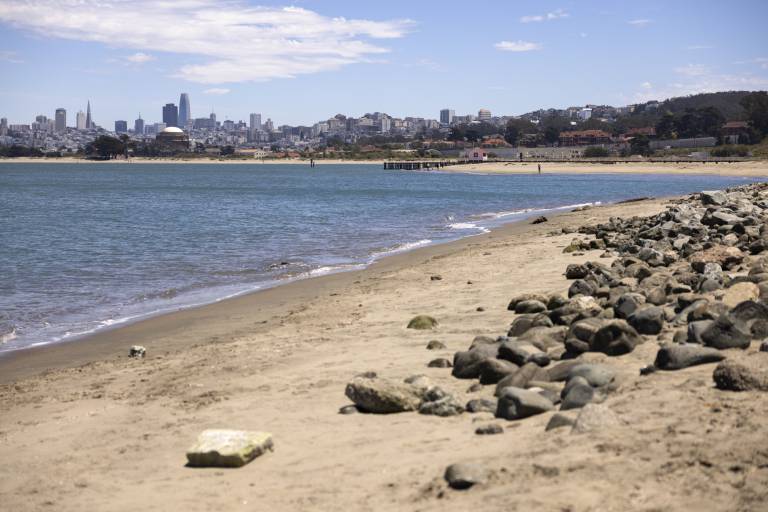
"caption": "Sea levels have risen by around 8 inches since the 1800s in the Bay Area, but scientists expect human-caused climate change to raise them by as much 6 feet by the end of the century.",
"credit": "Nina Glick/KQED",
"altTag": null,
"description": null,
"imgSizes": {
"thumbnail": {
"file": "https://cdn.kqed.org/wp-content/uploads/sites/35/2026/08/260721-ELNINOWORST-NG-155-KQED-160x107.jpg",
"width": 160,
"height": 107,
"mimeType": "image/jpeg"
},
"medium_large": {
"file": "https://cdn.kqed.org/wp-content/uploads/sites/35/2026/08/260721-ELNINOWORST-NG-155-KQED-768x512.jpg",
"width": 768,
"height": 512,
"mimeType": "image/jpeg"
},
"1536x1536": {
"file": "https://cdn.kqed.org/wp-content/uploads/sites/35/2026/08/260721-ELNINOWORST-NG-155-KQED-1536x1024.jpg",
"width": 1536,
"height": 1024,
"mimeType": "image/jpeg"
},
"post-thumbnail": {
"file": "https://cdn.kqed.org/wp-content/uploads/sites/35/2026/08/260721-ELNINOWORST-NG-155-KQED-672x372.jpg",
"width": 672,
"height": 372,
"mimeType": "image/jpeg"
},
"twentyfourteen-full-width": {
"file": "https://cdn.kqed.org/wp-content/uploads/sites/35/2026/08/260721-ELNINOWORST-NG-155-KQED-1038x576.jpg",
"width": 1038,
"height": 576,
"mimeType": "image/jpeg"
},
"npr-cds-wide": {
"file": "https://cdn.kqed.org/wp-content/uploads/sites/35/2026/08/260721-ELNINOWORST-NG-155-KQED-1200x675.jpg",
"width": 1200,
"height": 675,
"mimeType": "image/jpeg"
},
"npr-cds-square": {
"file": "https://cdn.kqed.org/wp-content/uploads/sites/35/2026/08/260721-ELNINOWORST-NG-155-KQED-600x600.jpg",
"width": 600,
"height": 600,
"mimeType": "image/jpeg"
},
"kqedFullSize": {
"file": "https://cdn.kqed.org/wp-content/uploads/sites/35/2026/08/260721-ELNINOWORST-NG-155-KQED.jpg",
"width": 2000,
"height": 1333
}
},
"isLoading": false,
"fetchFailed": false
},
"science_2001638": {
"type": "attachments",
"id": "science_2001638",
"meta": {
"index": "attachments_1716263798",
"site": "science",
"id": "2001638",
"found": true
},
"title": "Workers install solar panels",
"publishDate": 1786138053,
"status": "inherit",
"parent": 2001611,
"modified": 1786138263,
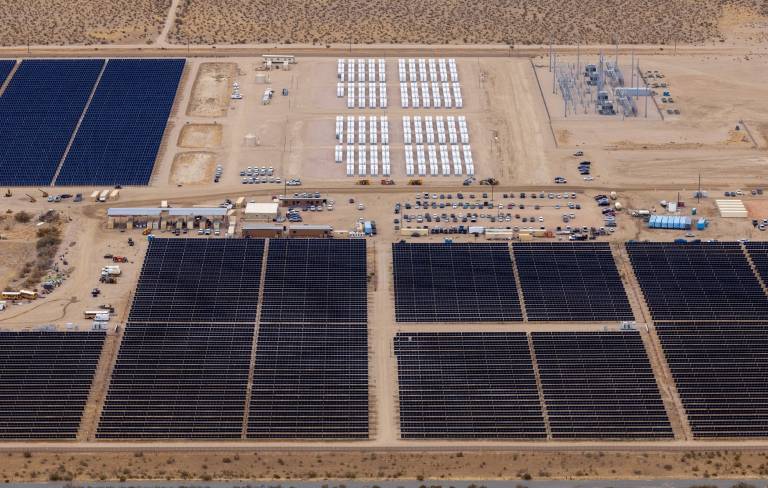
"caption": "The Los Angeles Department of Water and Power's biggest solar and battery storage plant, the Eland Solar and Storage Center, on Nov. 25, 2024, near California City, California.",
"credit": "Brian van der Brug/Los Angeles Times via Getty Images",
"altTag": null,
"description": null,
"imgSizes": {
"thumbnail": {
"file": "https://cdn.kqed.org/wp-content/uploads/sites/35/2026/08/ClimateSolutionsGetty-160x102.jpg",
"width": 160,
"height": 102,
"mimeType": "image/jpeg"
},
"medium_large": {
"file": "https://cdn.kqed.org/wp-content/uploads/sites/35/2026/08/ClimateSolutionsGetty-768x488.jpg",
"width": 768,
"height": 488,
"mimeType": "image/jpeg"
},
"1536x1536": {
"file": "https://cdn.kqed.org/wp-content/uploads/sites/35/2026/08/ClimateSolutionsGetty-1536x977.jpg",
"width": 1536,
"height": 977,
"mimeType": "image/jpeg"
},
"post-thumbnail": {
"file": "https://cdn.kqed.org/wp-content/uploads/sites/35/2026/08/ClimateSolutionsGetty-672x372.jpg",
"width": 672,
"height": 372,
"mimeType": "image/jpeg"
},
"twentyfourteen-full-width": {
"file": "https://cdn.kqed.org/wp-content/uploads/sites/35/2026/08/ClimateSolutionsGetty-1038x576.jpg",
"width": 1038,
"height": 576,
"mimeType": "image/jpeg"
},
"npr-cds-wide": {
"file": "https://cdn.kqed.org/wp-content/uploads/sites/35/2026/08/ClimateSolutionsGetty-1200x675.jpg",
"width": 1200,
"height": 675,
"mimeType": "image/jpeg"
},
"npr-cds-square": {
"file": "https://cdn.kqed.org/wp-content/uploads/sites/35/2026/08/ClimateSolutionsGetty-600x600.jpg",
"width": 600,
"height": 600,
"mimeType": "image/jpeg"
},
"kqedFullSize": {
"file": "https://cdn.kqed.org/wp-content/uploads/sites/35/2026/08/ClimateSolutionsGetty.jpg",
"width": 2000,
"height": 1272
}
},
"isLoading": false,
"fetchFailed": false
},
"science_1980251": {
"type": "attachments",
"id": "science_1980251",
"meta": {
"index": "attachments_1716263798",
"site": "science",
"id": "1980251",
"found": true
},
"parent": 1926793,
"imgSizes": {
"twentyfourteen-full-width": {
"file": "https://ww2.kqed.org/app/uploads/sites/35/2020/08/RS58543_GettyImages-1334977490-qut-1038x576.jpg",
"width": 1038,
"mimeType": "image/jpeg",
"height": 576
},
"thumbnail": {
"file": "https://ww2.kqed.org/app/uploads/sites/35/2020/08/RS58543_GettyImages-1334977490-qut-160x103.jpg",
"width": 160,
"mimeType": "image/jpeg",
"height": 103
},
"post-thumbnail": {
"file": "https://ww2.kqed.org/app/uploads/sites/35/2020/08/RS58543_GettyImages-1334977490-qut-672x372.jpg",
"width": 672,
"mimeType": "image/jpeg",
"height": 372
},
"kqedFullSize": {
"file": "https://ww2.kqed.org/app/uploads/sites/35/2020/08/RS58543_GettyImages-1334977490-qut.jpg",
"width": 1920,
"height": 1231
},
"large": {
"file": "https://ww2.kqed.org/app/uploads/sites/35/2020/08/RS58543_GettyImages-1334977490-qut-1020x654.jpg",
"width": 1020,
"mimeType": "image/jpeg",
"height": 654
},
"1536x1536": {
"file": "https://ww2.kqed.org/app/uploads/sites/35/2020/08/RS58543_GettyImages-1334977490-qut-1536x985.jpg",
"width": 1536,
"mimeType": "image/jpeg",
"height": 985
},
"medium": {
"file": "https://ww2.kqed.org/app/uploads/sites/35/2020/08/RS58543_GettyImages-1334977490-qut-800x513.jpg",
"width": 800,
"mimeType": "image/jpeg",
"height": 513
},
"medium_large": {
"file": "https://ww2.kqed.org/app/uploads/sites/35/2020/08/RS58543_GettyImages-1334977490-qut-768x492.jpg",
"width": 768,
"mimeType": "image/jpeg",
"height": 492
}
},
"publishDate": 1662752040,
"modified": 1662752152,
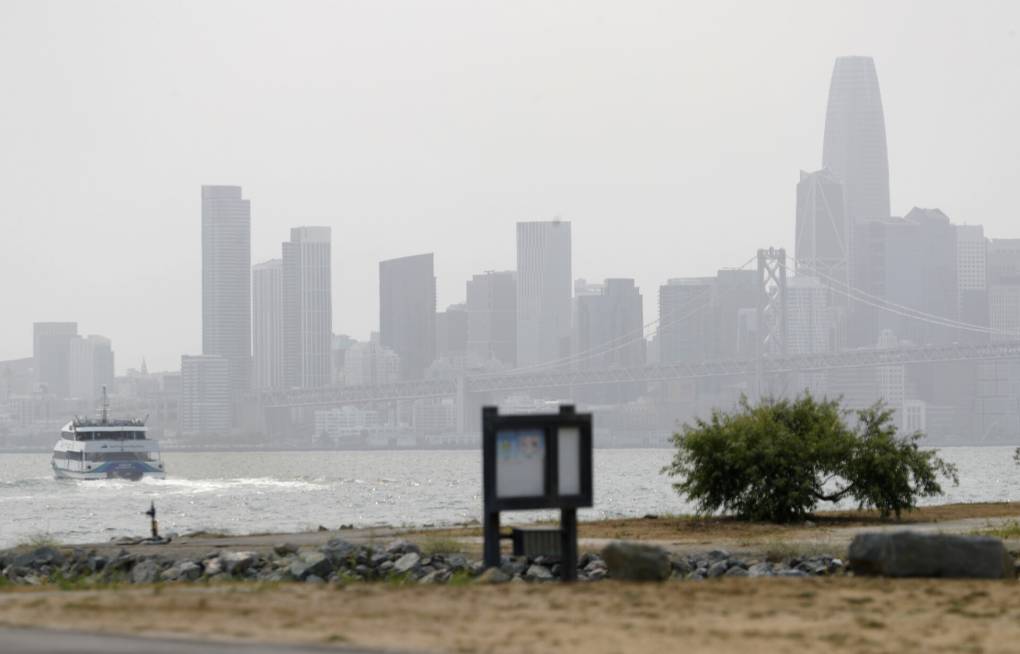
"caption": "Wildfire smoke hangs over the San Francisco skyline as a ferry boat makes its way across the bay, as seen from Middle Harbor Shoreline Park in Oakland on Aug. 18, 2021.",
"description": null,
"title": "San Francisco Bay Area Smoky Skies",
"credit": "Jane Tyska/Digital First Media/East Bay Times via Getty Images",
"status": "inherit",
"altTag": "hazy skyscrapers in the distance with a ferry boat in foreground",
"isLoading": false,
"fetchFailed": false
},
"science_1993849": {
"type": "attachments",
"id": "science_1993849",
"meta": {
"index": "attachments_1716263798",
"site": "science",
"id": "1993849",
"found": true
},
"title": "wildfire-smoke-bay-area-air-quality",
"publishDate": 1722882240,
"status": "inherit",
"parent": 1930023,
"modified": 1722882240,
"caption": null,
"credit": null,
"altTag": null,
"description": null,
"imgSizes": {
"medium": {
"file": "https://cdn.kqed.org/wp-content/uploads/sites/35/2023/09/wildfire-smoke-bay-area-air-quality-800x491.jpg",
"width": 800,
"height": 491,
"mimeType": "image/jpeg"
},
"large": {
"file": "https://cdn.kqed.org/wp-content/uploads/sites/35/2023/09/wildfire-smoke-bay-area-air-quality-1020x626.jpg",
"width": 1020,
"height": 626,
"mimeType": "image/jpeg"
},
"thumbnail": {
"file": "https://cdn.kqed.org/wp-content/uploads/sites/35/2023/09/wildfire-smoke-bay-area-air-quality-160x98.jpg",
"width": 160,
"height": 98,
"mimeType": "image/jpeg"
},
"medium_large": {
"file": "https://cdn.kqed.org/wp-content/uploads/sites/35/2023/09/wildfire-smoke-bay-area-air-quality-768x472.jpg",
"width": 768,
"height": 472,
"mimeType": "image/jpeg"
},
"1536x1536": {
"file": "https://cdn.kqed.org/wp-content/uploads/sites/35/2023/09/wildfire-smoke-bay-area-air-quality-1536x943.jpg",
"width": 1536,
"height": 943,
"mimeType": "image/jpeg"
},
"2048x2048": {
"file": "https://cdn.kqed.org/wp-content/uploads/sites/35/2023/09/wildfire-smoke-bay-area-air-quality-2048x1258.jpg",
"width": 2048,
"height": 1258,
"mimeType": "image/jpeg"
},
"post-thumbnail": {
"file": "https://cdn.kqed.org/wp-content/uploads/sites/35/2023/09/wildfire-smoke-bay-area-air-quality-672x372.jpg",
"width": 672,
"height": 372,
"mimeType": "image/jpeg"
},
"twentyfourteen-full-width": {
"file": "https://cdn.kqed.org/wp-content/uploads/sites/35/2023/09/wildfire-smoke-bay-area-air-quality-1038x576.jpg",
"width": 1038,
"height": 576,
"mimeType": "image/jpeg"
},
"full-width": {
"file": "https://cdn.kqed.org/wp-content/uploads/sites/35/2023/09/wildfire-smoke-bay-area-air-quality-1920x1179.jpg",
"width": 1920,
"height": 1179,
"mimeType": "image/jpeg"
},
"kqedFullSize": {
"file": "https://cdn.kqed.org/wp-content/uploads/sites/35/2023/09/wildfire-smoke-bay-area-air-quality.jpg",
"width": 2247,
"height": 1380
}
},
"isLoading": false,
"fetchFailed": false
},
"science_2001317": {
"type": "attachments",
"id": "science_2001317",
"meta": {
"index": "attachments_1716263798",
"site": "science",
"id": "2001317",
"found": true
},
"title": "2026_06_11_HEAT_PUMP_00005-KQED",
"publishDate": 1781546369,
"status": "inherit",
"parent": 0,
"modified": 1783978002,
"caption": "Carolina Segura cools her Van Nuys home with the heat pump she got for free via state incentives and an enterprising contractor.",
"credit": "Jules Hotz for KQED",
"altTag": null,
"description": null,
"imgSizes": {
"thumbnail": {
"file": "https://cdn.kqed.org/wp-content/uploads/sites/35/2026/06/2026_06_11_HEAT_PUMP_00005-KQED-160x107.jpg",
"width": 160,
"height": 107,
"mimeType": "image/jpeg"
},
"medium_large": {
"file": "https://cdn.kqed.org/wp-content/uploads/sites/35/2026/06/2026_06_11_HEAT_PUMP_00005-KQED-768x512.jpg",
"width": 768,
"height": 512,
"mimeType": "image/jpeg"
},
"1536x1536": {
"file": "https://cdn.kqed.org/wp-content/uploads/sites/35/2026/06/2026_06_11_HEAT_PUMP_00005-KQED-1536x1024.jpg",
"width": 1536,
"height": 1024,
"mimeType": "image/jpeg"
},
"post-thumbnail": {
"file": "https://cdn.kqed.org/wp-content/uploads/sites/35/2026/06/2026_06_11_HEAT_PUMP_00005-KQED-672x372.jpg",
"width": 672,
"height": 372,
"mimeType": "image/jpeg"
},
"twentyfourteen-full-width": {
"file": "https://cdn.kqed.org/wp-content/uploads/sites/35/2026/06/2026_06_11_HEAT_PUMP_00005-KQED-1038x576.jpg",
"width": 1038,
"height": 576,
"mimeType": "image/jpeg"
},
"npr-cds-wide": {
"file": "https://cdn.kqed.org/wp-content/uploads/sites/35/2026/06/2026_06_11_HEAT_PUMP_00005-KQED-1200x675.jpg",
"width": 1200,
"height": 675,
"mimeType": "image/jpeg"
},
"npr-cds-square": {
"file": "https://cdn.kqed.org/wp-content/uploads/sites/35/2026/06/2026_06_11_HEAT_PUMP_00005-KQED-600x600.jpg",
"width": 600,
"height": 600,
"mimeType": "image/jpeg"
},
"kqedFullSize": {
"file": "https://cdn.kqed.org/wp-content/uploads/sites/35/2026/06/2026_06_11_HEAT_PUMP_00005-KQED.jpg",
"width": 2000,
"height": 1333
}
},
"isLoading": false,
"fetchFailed": false
},
"science_2001545": {
"type": "attachments",
"id": "science_2001545",
"meta": {
"index": "attachments_1716263798",
"site": "science",
"id": "2001545",
"found": true
},
"title": "Water irrigation canal, Shafter",
"publishDate": 1785179544,
"status": "inherit",
"parent": 2001540,
"modified": 1785179561,
"caption": "Water irrigation canal, Shafter, Kern County, California, USA. ",
"credit": "Citizen of the Planet/UCG/Universal Images Group via Getty Images",
"altTag": null,
"description": null,
"imgSizes": {
"thumbnail": {
"file": "https://cdn.kqed.org/wp-content/uploads/sites/35/2026/07/GettyImages-1379450771-160x107.jpg",
"width": 160,
"height": 107,
"mimeType": "image/jpeg"
},
"medium_large": {
"file": "https://cdn.kqed.org/wp-content/uploads/sites/35/2026/07/GettyImages-1379450771-768x512.jpg",
"width": 768,
"height": 512,
"mimeType": "image/jpeg"
},
"1536x1536": {
"file": "https://cdn.kqed.org/wp-content/uploads/sites/35/2026/07/GettyImages-1379450771-1536x1024.jpg",
"width": 1536,
"height": 1024,
"mimeType": "image/jpeg"
},
"post-thumbnail": {
"file": "https://cdn.kqed.org/wp-content/uploads/sites/35/2026/07/GettyImages-1379450771-672x372.jpg",
"width": 672,
"height": 372,
"mimeType": "image/jpeg"
},
"twentyfourteen-full-width": {
"file": "https://cdn.kqed.org/wp-content/uploads/sites/35/2026/07/GettyImages-1379450771-1038x576.jpg",
"width": 1038,
"height": 576,
"mimeType": "image/jpeg"
},
"npr-cds-wide": {
"file": "https://cdn.kqed.org/wp-content/uploads/sites/35/2026/07/GettyImages-1379450771-1200x675.jpg",
"width": 1200,
"height": 675,
"mimeType": "image/jpeg"
},
"npr-cds-square": {
"file": "https://cdn.kqed.org/wp-content/uploads/sites/35/2026/07/GettyImages-1379450771-600x600.jpg",
"width": 600,
"height": 600,
"mimeType": "image/jpeg"
},
"kqedFullSize": {
"file": "https://cdn.kqed.org/wp-content/uploads/sites/35/2026/07/GettyImages-1379450771.jpg",
"width": 1980,
"height": 1320
}
},
"isLoading": false,
"fetchFailed": false
},
"science_2001224": {
"type": "attachments",
"id": "science_2001224",
"meta": {
"index": "attachments_1716263798",
"site": "science",
"id": "2001224",
"found": true
},
"title": "052726_DISPLACEDOIL_9432-KQED",
"publishDate": 1780519769,
"status": "inherit",
"parent": 0,
"modified": 1784662035,
"caption": "Wayne Moule, Owner at Northwest Metrology, left, with new hire Joe Villarreal in Bakersfield on May 27, 2026.",
"credit": "Lauren Justice for KQED",
"altTag": null,
"description": null,
"imgSizes": {
"thumbnail": {
"file": "https://cdn.kqed.org/wp-content/uploads/sites/35/2026/06/052726_DISPLACEDOIL_9432-KQED-160x107.jpg",
"width": 160,
"height": 107,
"mimeType": "image/jpeg"
},
"medium_large": {
"file": "https://cdn.kqed.org/wp-content/uploads/sites/35/2026/06/052726_DISPLACEDOIL_9432-KQED-768x512.jpg",
"width": 768,
"height": 512,
"mimeType": "image/jpeg"
},
"1536x1536": {
"file": "https://cdn.kqed.org/wp-content/uploads/sites/35/2026/06/052726_DISPLACEDOIL_9432-KQED-1536x1024.jpg",
"width": 1536,
"height": 1024,
"mimeType": "image/jpeg"
},
"post-thumbnail": {
"file": "https://cdn.kqed.org/wp-content/uploads/sites/35/2026/06/052726_DISPLACEDOIL_9432-KQED-672x372.jpg",
"width": 672,
"height": 372,
"mimeType": "image/jpeg"
},
"twentyfourteen-full-width": {
"file": "https://cdn.kqed.org/wp-content/uploads/sites/35/2026/06/052726_DISPLACEDOIL_9432-KQED-1038x576.jpg",
"width": 1038,
"height": 576,
"mimeType": "image/jpeg"
},
"npr-cds-wide": {
"file": "https://cdn.kqed.org/wp-content/uploads/sites/35/2026/06/052726_DISPLACEDOIL_9432-KQED-1200x675.jpg",
"width": 1200,
"height": 675,
"mimeType": "image/jpeg"
},
"npr-cds-square": {
"file": "https://cdn.kqed.org/wp-content/uploads/sites/35/2026/06/052726_DISPLACEDOIL_9432-KQED-600x600.jpg",
"width": 600,
"height": 600,
"mimeType": "image/jpeg"
},
"kqedFullSize": {
"file": "https://cdn.kqed.org/wp-content/uploads/sites/35/2026/06/052726_DISPLACEDOIL_9432-KQED.jpg",
"width": 2000,
"height": 1333
}
},
"isLoading": false,
"fetchFailed": false
},
"science_2001419": {
"type": "attachments",
"id": "science_2001419",
"meta": {
"index": "attachments_1716263798",
"site": "science",
"id": "2001419",
"found": true
},
"title": "260701-NATIVE OYSTER RESTORATION-MD-14-KQED-1",
"publishDate": 1783089161,
"status": "inherit",
"parent": 0,
"modified": 1783705432,
"caption": "Salvador Estrada stakes clamshells covered with hatchery-raised baby oysters into the mud in Elkhorn Slough in an effort to reintroduce the oysters to the ecosystem on July 1, 2026.",
"credit": "Martin do Nascimento/KQED",
"altTag": null,
"description": null,
"imgSizes": {
"thumbnail": {
"file": "https://cdn.kqed.org/wp-content/uploads/sites/35/2026/07/260701-NATIVE-OYSTER-RESTORATION-MD-14-KQED-1-160x107.jpg",
"width": 160,
"height": 107,
"mimeType": "image/jpeg"
},
"medium_large": {
"file": "https://cdn.kqed.org/wp-content/uploads/sites/35/2026/07/260701-NATIVE-OYSTER-RESTORATION-MD-14-KQED-1-768x512.jpg",
"width": 768,
"height": 512,
"mimeType": "image/jpeg"
},
"1536x1536": {
"file": "https://cdn.kqed.org/wp-content/uploads/sites/35/2026/07/260701-NATIVE-OYSTER-RESTORATION-MD-14-KQED-1-1536x1025.jpg",
"width": 1536,
"height": 1025,
"mimeType": "image/jpeg"
},
"post-thumbnail": {
"file": "https://cdn.kqed.org/wp-content/uploads/sites/35/2026/07/260701-NATIVE-OYSTER-RESTORATION-MD-14-KQED-1-672x372.jpg",
"width": 672,
"height": 372,
"mimeType": "image/jpeg"
},
"twentyfourteen-full-width": {
"file": "https://cdn.kqed.org/wp-content/uploads/sites/35/2026/07/260701-NATIVE-OYSTER-RESTORATION-MD-14-KQED-1-1038x576.jpg",
"width": 1038,
"height": 576,
"mimeType": "image/jpeg"
},
"npr-cds-wide": {
"file": "https://cdn.kqed.org/wp-content/uploads/sites/35/2026/07/260701-NATIVE-OYSTER-RESTORATION-MD-14-KQED-1-1200x675.jpg",
"width": 1200,
"height": 675,
"mimeType": "image/jpeg"
},
"npr-cds-square": {
"file": "https://cdn.kqed.org/wp-content/uploads/sites/35/2026/07/260701-NATIVE-OYSTER-RESTORATION-MD-14-KQED-1-600x600.jpg",
"width": 600,
"height": 600,
"mimeType": "image/jpeg"
},
"kqedFullSize": {
"file": "https://cdn.kqed.org/wp-content/uploads/sites/35/2026/07/260701-NATIVE-OYSTER-RESTORATION-MD-14-KQED-1.jpg",
"width": 2000,
"height": 1334
}
},
"isLoading": false,
"fetchFailed": false
},
"science_2001160": {
"type": "attachments",
"id": "science_2001160",
"meta": {
"index": "attachments_1716263798",
"site": "science",
"id": "2001160",
"found": true
},
"title": "20260531-RENTERSELECTRIFY-JY-15-KQED",
"publishDate": 1780320026,
"status": "inherit",
"parent": 0,
"modified": 1780510051,
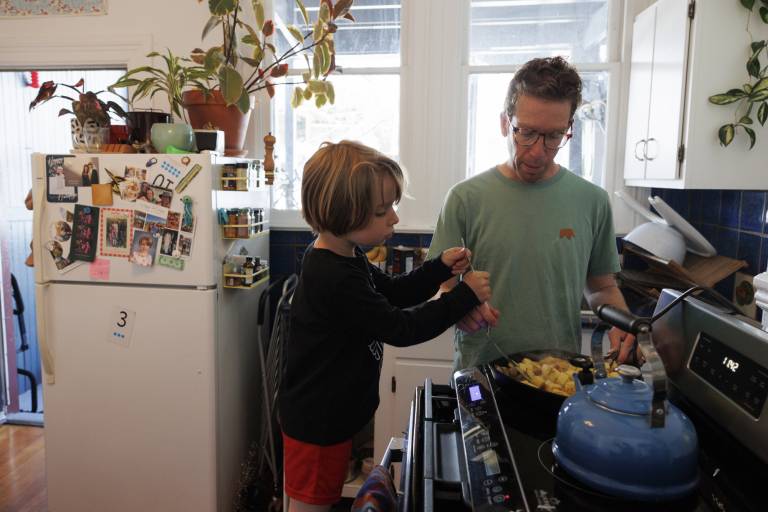
"caption": "Jason Wexler and his son Ezra van Schaardenburg, 5, cook potatoes for brunch together on an induction cooktop at their home in San Francisco on Sunday, May 31, 2026. Wexler and his wife Karina van Schaardenburg cut down the usage of fossil fuels in their home and use electric appliances in substitution.",
"credit": "Juliana Yamada for KQED",
"altTag": null,
"description": null,
"imgSizes": {
"thumbnail": {
"file": "https://cdn.kqed.org/wp-content/uploads/sites/35/2026/06/20260531-RENTERSELECTRIFY-JY-15-KQED-160x107.jpg",
"width": 160,
"height": 107,
"mimeType": "image/jpeg"
},
"medium_large": {
"file": "https://cdn.kqed.org/wp-content/uploads/sites/35/2026/06/20260531-RENTERSELECTRIFY-JY-15-KQED-768x512.jpg",
"width": 768,
"height": 512,
"mimeType": "image/jpeg"
},
"1536x1536": {
"file": "https://cdn.kqed.org/wp-content/uploads/sites/35/2026/06/20260531-RENTERSELECTRIFY-JY-15-KQED-1536x1024.jpg",
"width": 1536,
"height": 1024,
"mimeType": "image/jpeg"
},
"post-thumbnail": {
"file": "https://cdn.kqed.org/wp-content/uploads/sites/35/2026/06/20260531-RENTERSELECTRIFY-JY-15-KQED-672x372.jpg",
"width": 672,
"height": 372,
"mimeType": "image/jpeg"
},
"twentyfourteen-full-width": {
"file": "https://cdn.kqed.org/wp-content/uploads/sites/35/2026/06/20260531-RENTERSELECTRIFY-JY-15-KQED-1038x576.jpg",
"width": 1038,
"height": 576,
"mimeType": "image/jpeg"
},
"npr-cds-wide": {
"file": "https://cdn.kqed.org/wp-content/uploads/sites/35/2026/06/20260531-RENTERSELECTRIFY-JY-15-KQED-1200x675.jpg",
"width": 1200,
"height": 675,
"mimeType": "image/jpeg"
},
"npr-cds-square": {
"file": "https://cdn.kqed.org/wp-content/uploads/sites/35/2026/06/20260531-RENTERSELECTRIFY-JY-15-KQED-600x600.jpg",
"width": 600,
"height": 600,
"mimeType": "image/jpeg"
},
"kqedFullSize": {
"file": "https://cdn.kqed.org/wp-content/uploads/sites/35/2026/06/20260531-RENTERSELECTRIFY-JY-15-KQED.jpg",
"width": 2000,
"height": 1333
}
},
"isLoading": false,
"fetchFailed": false
},
"science_2001339": {
"type": "attachments",
"id": "science_2001339",
"meta": {
"index": "attachments_1716263798",
"site": "science",
"id": "2001339",
"found": true
},
"title": "260615-PACIFICAWAVE-12-BL-KQED",
"publishDate": 1781734839,
"status": "inherit",
"parent": 0,
"modified": 1781734882,
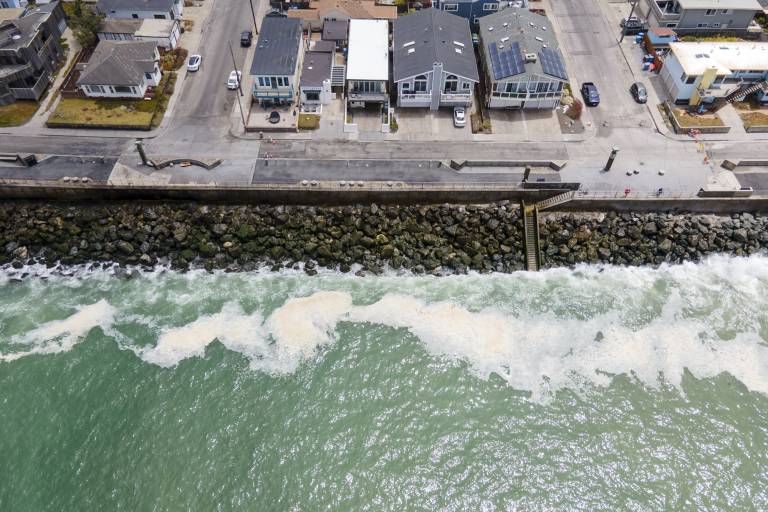
"caption": "The coastline in Pacifica on June 15, 2026, where erosion remains an ongoing concern.",
"credit": "Beth LaBerge/KQED",
"altTag": null,
"description": null,
"imgSizes": {
"thumbnail": {
"file": "https://cdn.kqed.org/wp-content/uploads/sites/35/2026/06/260615-PACIFICAWAVE-12-BL-KQED-160x107.jpg",
"width": 160,
"height": 107,
"mimeType": "image/jpeg"
},
"medium_large": {
"file": "https://cdn.kqed.org/wp-content/uploads/sites/35/2026/06/260615-PACIFICAWAVE-12-BL-KQED-768x512.jpg",
"width": 768,
"height": 512,
"mimeType": "image/jpeg"
},
"1536x1536": {
"file": "https://cdn.kqed.org/wp-content/uploads/sites/35/2026/06/260615-PACIFICAWAVE-12-BL-KQED-1536x1025.jpg",
"width": 1536,
"height": 1025,
"mimeType": "image/jpeg"
},
"post-thumbnail": {
"file": "https://cdn.kqed.org/wp-content/uploads/sites/35/2026/06/260615-PACIFICAWAVE-12-BL-KQED-672x372.jpg",
"width": 672,
"height": 372,
"mimeType": "image/jpeg"
},
"twentyfourteen-full-width": {
"file": "https://cdn.kqed.org/wp-content/uploads/sites/35/2026/06/260615-PACIFICAWAVE-12-BL-KQED-1038x576.jpg",
"width": 1038,
"height": 576,
"mimeType": "image/jpeg"
},
"npr-cds-wide": {
"file": "https://cdn.kqed.org/wp-content/uploads/sites/35/2026/06/260615-PACIFICAWAVE-12-BL-KQED-1200x675.jpg",
"width": 1200,
"height": 675,
"mimeType": "image/jpeg"
},
"npr-cds-square": {
"file": "https://cdn.kqed.org/wp-content/uploads/sites/35/2026/06/260615-PACIFICAWAVE-12-BL-KQED-600x600.jpg",
"width": 600,
"height": 600,
"mimeType": "image/jpeg"
},
"kqedFullSize": {
"file": "https://cdn.kqed.org/wp-content/uploads/sites/35/2026/06/260615-PACIFICAWAVE-12-BL-KQED.jpg",
"width": 2000,
"height": 1334
}
},
"isLoading": false,
"fetchFailed": false
},
"science_2001307": {
"type": "attachments",
"id": "science_2001307",
"meta": {
"index": "attachments_1716263798",
"site": "science",
"id": "2001307",
"found": true
},
"title": "Controlled Burns In California Aim To Mitigate Wildfire Spread",
"publishDate": 1781131074,
"status": "inherit",
"parent": 2001297,
"modified": 1781131115,
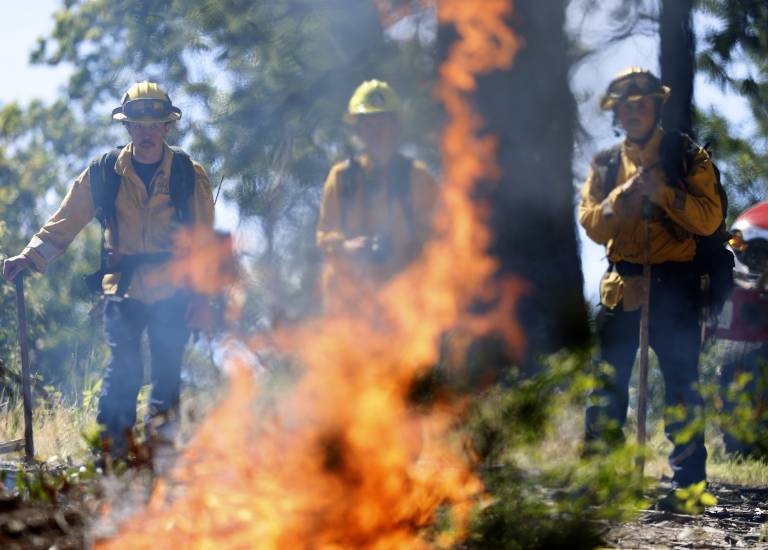
"caption": "Firefighters monitor a controlled burn at the Pacific Union College Forest on May 15, 2025, in Angwin, California. Napa Firewise, a county-wide nonprofit with a mission to reduce the risk and impacts of wildfires through fire fuel reduction and community education in Napa County, held a prescribed burn to train Prescribed Burn Association members and mitigate dry fuels that could advance wildfires in the area as fire season approaches. ",
"credit": "Justin Sullivan/Getty Images",
"altTag": null,
"description": null,
"imgSizes": {
"thumbnail": {
"file": "https://cdn.kqed.org/wp-content/uploads/sites/35/2026/06/ControlledBurnGetty1-160x114.jpg",
"width": 160,
"height": 114,
"mimeType": "image/jpeg"
},
"medium_large": {
"file": "https://cdn.kqed.org/wp-content/uploads/sites/35/2026/06/ControlledBurnGetty1-768x550.jpg",
"width": 768,
"height": 550,
"mimeType": "image/jpeg"
},
"1536x1536": {
"file": "https://cdn.kqed.org/wp-content/uploads/sites/35/2026/06/ControlledBurnGetty1-1536x1099.jpg",
"width": 1536,
"height": 1099,
"mimeType": "image/jpeg"
},
"post-thumbnail": {
"file": "https://cdn.kqed.org/wp-content/uploads/sites/35/2026/06/ControlledBurnGetty1-672x372.jpg",
"width": 672,
"height": 372,
"mimeType": "image/jpeg"
},
"twentyfourteen-full-width": {
"file": "https://cdn.kqed.org/wp-content/uploads/sites/35/2026/06/ControlledBurnGetty1-1038x576.jpg",
"width": 1038,
"height": 576,
"mimeType": "image/jpeg"
},
"npr-cds-wide": {
"file": "https://cdn.kqed.org/wp-content/uploads/sites/35/2026/06/ControlledBurnGetty1-1200x675.jpg",
"width": 1200,
"height": 675,
"mimeType": "image/jpeg"
},
"npr-cds-square": {
"file": "https://cdn.kqed.org/wp-content/uploads/sites/35/2026/06/ControlledBurnGetty1-600x600.jpg",
"width": 600,
"height": 600,
"mimeType": "image/jpeg"
},
"kqedFullSize": {
"file": "https://cdn.kqed.org/wp-content/uploads/sites/35/2026/06/ControlledBurnGetty1.jpg",
"width": 2000,
"height": 1431
}
},
"isLoading": false,
"fetchFailed": false
},
"science_2001277": {
"type": "attachments",
"id": "science_2001277",
"meta": {
"index": "attachments_1716263798",
"site": "science",
"id": "2001277",
"found": true
},
"title": "260609-PACIFICAPIERUPDATE-10-BL-KQED",
"publishDate": 1781041872,
"status": "inherit",
"parent": 0,
"modified": 1781041900,
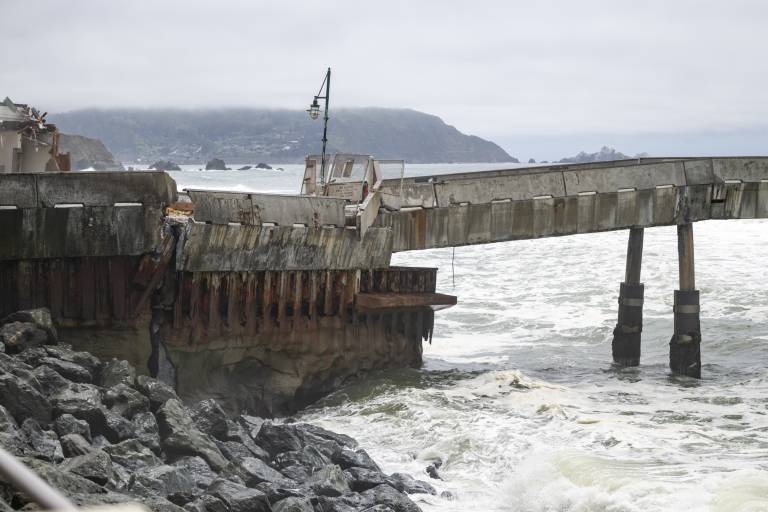
"caption": "Damage to the Pacifica Municipal Pier on June 9, 2026, after severe structural damage and widening cracks forced its closure.",
"credit": "Beth LaBerge/KQED",
"altTag": null,
"description": null,
"imgSizes": {
"thumbnail": {
"file": "https://cdn.kqed.org/wp-content/uploads/sites/35/2026/06/260609-PACIFICAPIERUPDATE-10-BL-KQED-160x107.jpg",
"width": 160,
"height": 107,
"mimeType": "image/jpeg"
},
"medium_large": {
"file": "https://cdn.kqed.org/wp-content/uploads/sites/35/2026/06/260609-PACIFICAPIERUPDATE-10-BL-KQED-768x512.jpg",
"width": 768,
"height": 512,
"mimeType": "image/jpeg"
},
"1536x1536": {
"file": "https://cdn.kqed.org/wp-content/uploads/sites/35/2026/06/260609-PACIFICAPIERUPDATE-10-BL-KQED-1536x1024.jpg",
"width": 1536,
"height": 1024,
"mimeType": "image/jpeg"
},
"post-thumbnail": {
"file": "https://cdn.kqed.org/wp-content/uploads/sites/35/2026/06/260609-PACIFICAPIERUPDATE-10-BL-KQED-672x372.jpg",
"width": 672,
"height": 372,
"mimeType": "image/jpeg"
},
"twentyfourteen-full-width": {
"file": "https://cdn.kqed.org/wp-content/uploads/sites/35/2026/06/260609-PACIFICAPIERUPDATE-10-BL-KQED-1038x576.jpg",
"width": 1038,
"height": 576,
"mimeType": "image/jpeg"
},
"npr-cds-wide": {
"file": "https://cdn.kqed.org/wp-content/uploads/sites/35/2026/06/260609-PACIFICAPIERUPDATE-10-BL-KQED-1200x675.jpg",
"width": 1200,
"height": 675,
"mimeType": "image/jpeg"
},
"npr-cds-square": {
"file": "https://cdn.kqed.org/wp-content/uploads/sites/35/2026/06/260609-PACIFICAPIERUPDATE-10-BL-KQED-600x600.jpg",
"width": 600,
"height": 600,
"mimeType": "image/jpeg"
},
"kqedFullSize": {
"file": "https://cdn.kqed.org/wp-content/uploads/sites/35/2026/06/260609-PACIFICAPIERUPDATE-10-BL-KQED.jpg",
"width": 2000,
"height": 1333
}
},
"isLoading": false,
"fetchFailed": false
}
},
"audioPlayerReducer": {
"postId": "stream_live",
"isPaused": true,
"isPlaying": false,
"pfsActive": false,
"pledgeModalIsOpen": true,
"playerDrawerIsOpen": false,
"liveAudioPlayStartedAt": 0,
"liveAudioPlayContext": ""
},
"authorsReducer": {
"dmarks": {
"type": "authors",
"id": "182",
"meta": {
"index": "authors_1716337520",
"id": "182",
"found": true
},
"name": "David Marks",
"firstName": "David",
"lastName": "Marks",
"slug": "dmarks",
"email": "dmarks@kqed.org",
"display_author_email": false,
"staff_mastheads": [],
"title": "KQED Editor",
"bio": "David Marks is a senior digital editor for KQED News. \u003c/a>Reach him at dmarks@kqed.org.",
"avatar": "https://secure.gravatar.com/avatar/b88bd6227ce6cb96ae33fefaf42b2a29?s=600&d=mm&r=g",
"twitter": "divadskram",
"facebook": null,
"instagram": null,
"linkedin": null,
"sites": [
{
"site": "news",
"roles": []
},
{
"site": "science",
"roles": []
},
{
"site": "perspectives",
"roles": []
},
{
"site": "liveblog",
"roles": []
}
],
"headData": {
"title": "David Marks | KQED",
"description": "KQED Editor",
"ogImgSrc": "https://secure.gravatar.com/avatar/b88bd6227ce6cb96ae33fefaf42b2a29?s=600&d=mm&r=g",
"twImgSrc": "https://secure.gravatar.com/avatar/b88bd6227ce6cb96ae33fefaf42b2a29?s=600&d=mm&r=g"
},
"isLoading": false,
"link": "/author/dmarks"
},
"matthewgreen": {
"type": "authors",
"id": "1263",
"meta": {
"index": "authors_1716337520",
"id": "1263",
"found": true
},
"name": "Matthew Green",
"firstName": "Matthew",
"lastName": "Green",
"slug": "matthewgreen",
"email": "mgreen@kqed.org",
"display_author_email": false,
"staff_mastheads": [],
"title": "KQED Editor/Reporter",
"bio": "Matthew Green is a digital media producer for KQED News. He previously produced \u003ca href=\"http://www.kqed.org/lowdown\">The Lowdown\u003c/a>, KQED’s multimedia news education blog. Matthew's written for numerous Bay Area publications, including the Oakland Tribune and San Francisco Chronicle. He also taught journalism classes at Fremont High School in East Oakland.\r\n\r\nEmail: mgreen@kqed.org; Twitter: @MGreenKQED",
"avatar": "https://secure.gravatar.com/avatar/3bf498d1267ca02c8494f33d8cfc575e?s=600&d=blank&r=g",
"twitter": "MGreenKQED",
"facebook": null,
"instagram": null,
"linkedin": null,
"sites": [
{
"site": "news",
"roles": []
},
{
"site": "lowdown",
"roles": []
},
{
"site": "science",
"roles": []
},
{
"site": "education",
"roles": []
},
{
"site": "quest",
"roles": []
},
{
"site": "liveblog",
"roles": []
}
],
"headData": {
"title": "Matthew Green | KQED",
"description": "KQED Editor/Reporter",
"ogImgSrc": "https://secure.gravatar.com/avatar/3bf498d1267ca02c8494f33d8cfc575e?s=600&d=blank&r=g",
"twImgSrc": "https://secure.gravatar.com/avatar/3bf498d1267ca02c8494f33d8cfc575e?s=600&d=blank&r=g"
},
"isLoading": false,
"link": "/author/matthewgreen"
},
"carlysevern": {
"type": "authors",
"id": "3243",
"meta": {
"index": "authors_1716337520",
"id": "3243",
"found": true
},
"name": "Carly Severn",
"firstName": "Carly",
"lastName": "Severn",
"slug": "carlysevern",
"email": "csevern@kqed.org",
"display_author_email": false,
"staff_mastheads": [
"news"
],
"title": "Senior Editor, Audience News ",
"bio": "Carly is KQED's Senior Editor of Audience News on the Digital News team, and has reported for the California Report Magazine, Bay Curious and KQED Arts. She's formerly the host of \u003ca href=\"http://ww2.kqed.org/pop/category/the-cooler/\" rel=\"noopener noreferrer\">The Cooler\u003c/a> podcast.",
"avatar": "https://secure.gravatar.com/avatar/2d8d6765f186e64c798cf7f0c8088a41?s=600&d=blank&r=g",
"twitter": "teacupinthebay",
"facebook": null,
"instagram": null,
"linkedin": null,
"sites": [
{
"site": "",
"roles": [
"editor"
]
},
{
"site": "arts",
"roles": [
"editor"
]
},
{
"site": "news",
"roles": [
"administrator"
]
},
{
"site": "pop",
"roles": [
"editor"
]
},
{
"site": "futureofyou",
"roles": [
"editor"
]
},
{
"site": "about",
"roles": [
"administrator"
]
},
{
"site": "mindshift",
"roles": [
"editor"
]
},
{
"site": "bayareabites",
"roles": [
"editor"
]
},
{
"site": "stateofhealth",
"roles": [
"editor"
]
},
{
"site": "science",
"roles": [
"editor"
]
},
{
"site": "food",
"roles": [
"contributor"
]
},
{
"site": "forum",
"roles": [
"editor"
]
},
{
"site": "perspectives",
"roles": [
"administrator"
]
},
{
"site": "liveblog",
"roles": [
"editor"
]
}
],
"headData": {
"title": "Carly Severn | KQED",
"description": "Senior Editor, Audience News ",
"ogImgSrc": "https://secure.gravatar.com/avatar/2d8d6765f186e64c798cf7f0c8088a41?s=600&d=blank&r=g",
"twImgSrc": "https://secure.gravatar.com/avatar/2d8d6765f186e64c798cf7f0c8088a41?s=600&d=blank&r=g"
},
"isLoading": false,
"link": "/author/carlysevern"
},
"jsmall": {
"type": "authors",
"id": "6625",
"meta": {
"index": "authors_1716337520",
"id": "6625",
"found": true
},
"name": "Julie Small",
"firstName": "Julie",
"lastName": "Small",
"slug": "jsmall",
"email": "jsmall@kqed.org",
"display_author_email": true,
"staff_mastheads": [
"news"
],
"title": "KQED Contributor",
"bio": "Julie Small reports on criminal justice and immigration.\r\n\r\nShe was part of a team at KQED awarded a regional 2019 Edward R. Murrow award for continuing coverage of the Trump Administration's family separation policy.\r\n\r\nThe Society for Professional Journalists recognized Julie's 2018 \u003ca href=\"https://www.kqed.org/news/11636262/the-officer-tased-him-31-times-the-sheriff-called-his-death-an-accident\">reporting\u003c/a> on the San Joaquin County Sheriff's \u003ca href=\"https://www.kqed.org/news/11634689/autopsy-doctors-sheriff-overrode-death-findings-to-protect-law-enforcement\">interference\u003c/a> in death investigations with an Excellence in Journalism Award for Ongoing Coverage.\r\n\r\nJulie's\u003ca href=\"https://www.kqed.org/news/11039666/two-mentally-ill-inmates-died-one-month-in-santa-clara\"> reporting\u003c/a> with Lisa Pickoff-White on the treatment of mentally ill offenders in California jails earned a 2017 regional Edward R. Murrow Award for news reporting and an investigative reporting award from the SPJ of Northern California.\r\n\r\nBefore joining KQED, Julie covered government and politics in Sacramento for Southern California Public Radio (SCPR). Her 2010 \u003ca href=\"https://www.scpr.org/specials/prisonmedical/\">series\u003c/a> on lapses in California’s prison medical care also won a regional Edward R. Murrow Award for investigative reporting and a Golden Mic Award from the RTNDA of Southern California.\r\n\r\nJulie began her career in journalism in 2000 as the deputy foreign editor for public radio's \u003cem>Marketplace, \u003c/em>while earning her master's degree in journalism from USC’s Annenberg School of Communication.",
"avatar": "https://secure.gravatar.com/avatar/4baedf201468df97be97c2a9dd7585d0?s=600&d=blank&r=g",
"twitter": "@SmallRadio2",
"facebook": null,
"instagram": null,
"linkedin": null,
"sites": [
{
"site": "news",
"roles": [
"editor"
]
},
{
"site": "stateofhealth",
"roles": [
"author"
]
},
{
"site": "science",
"roles": [
"author"
]
}
],
"headData": {
"title": "Julie Small | KQED",
"description": "KQED Contributor",
"ogImgSrc": "https://secure.gravatar.com/avatar/4baedf201468df97be97c2a9dd7585d0?s=600&d=blank&r=g",
"twImgSrc": "https://secure.gravatar.com/avatar/4baedf201468df97be97c2a9dd7585d0?s=600&d=blank&r=g"
},
"isLoading": false,
"link": "/author/jsmall"
},
"lklivans": {
"type": "authors",
"id": "8648",
"meta": {
"index": "authors_1716337520",
"id": "8648",
"found": true
},
"name": "Laura Klivans",
"firstName": "Laura",
"lastName": "Klivans",
"slug": "lklivans",
"email": "lklivans@kqed.org",
"display_author_email": true,
"staff_mastheads": [
"news",
"science"
],
"title": "Reporter",
"bio": "Laura Klivans is an award-winning science reporter for KQED News, where she covers climate change with an eye on both groundbreaking progress and gaps in action. She is the former host of KQED's blockbuster video series about tiny, amazing animals, \u003cem>Deep Look\u003c/em>. Her work reaches national audiences through NPR, \u003cem>Here & Now, \u003c/em>PRI, and other major outlets. \r\n\r\nLaura’s won five Northern California Area Emmy Awards for Deep Look and First Place in the Greater Bay Area Journalism Awards for a podcast exploring how one Oakland neighborhood teamed up to reduce planet-heating pollution.\r\n\r\nBeyond her reporting, she hosts and moderates events. In the past, she taught audio storytelling at the UC Berkeley Graduate School of Journalism, led international education programs, worked with immigrants and refugees along the Thai-Burmese border, taught high schoolers sex ed, and was an actress. \r\n\r\nShe's a former UC Berkeley Human Rights Fellow, USC Center for Health Journalism's California Fellow and Coro Fellow in Public Affairs. Laura has a master’s in journalism from UC Berkeley, a master’s in education from Harvard, and an undergraduate degree from Northwestern University.\r\n\r\nShe loves trying to riddle the meaning out of vanity license plates.",
"avatar": "https://secure.gravatar.com/avatar/af8e757bb8ce7b7fee6160ba66e37327?s=600&d=blank&r=g",
"twitter": "lauraklivans",
"facebook": null,
"instagram": null,
"linkedin": null,
"sites": [
{
"site": "news",
"roles": [
"editor"
]
},
{
"site": "stateofhealth",
"roles": [
"contributor",
"editor"
]
},
{
"site": "science",
"roles": [
"editor"
]
},
{
"site": "forum",
"roles": [
"editor"
]
}
],
"headData": {
"title": "Laura Klivans | KQED",
"description": "Reporter",
"ogImgSrc": "https://secure.gravatar.com/avatar/af8e757bb8ce7b7fee6160ba66e37327?s=600&d=blank&r=g",
"twImgSrc": "https://secure.gravatar.com/avatar/af8e757bb8ce7b7fee6160ba66e37327?s=600&d=blank&r=g"
},
"isLoading": false,
"link": "/author/lklivans"
},
"dventon": {
"type": "authors",
"id": "11088",
"meta": {
"index": "authors_1716337520",
"id": "11088",
"found": true
},
"name": "Danielle Venton",
"firstName": "Danielle",
"lastName": "Venton",
"slug": "dventon",
"email": "dventon@kqed.org",
"display_author_email": true,
"staff_mastheads": [
"science"
],
"title": "Science reporter",
"bio": "Danielle Venton is a reporter for KQED Science. She covers wildfires, space and oceans (though she is prone to sea sickness).\r\n\r\nBefore joining KQED in 2015, Danielle was a staff reporter at KRCB in Sonoma County and a freelancer. She studied science communication at UC Santa Cruz and formerly worked at CERN in Geneva, Switzerland where she wrote about computing. She lives in Sonoma County and enjoys backpacking.",
"avatar": "https://secure.gravatar.com/avatar/ebaf11ee6cfb7bb40329a143d463829e?s=600&d=blank&r=g",
"twitter": "DanielleVenton",
"facebook": null,
"instagram": null,
"linkedin": null,
"sites": [
{
"site": "arts",
"roles": [
"contributor"
]
},
{
"site": "news",
"roles": [
"editor"
]
},
{
"site": "futureofyou",
"roles": [
"editor"
]
},
{
"site": "science",
"roles": [
"editor"
]
},
{
"site": "liveblog",
"roles": [
"contributor"
]
}
],
"headData": {
"title": "Danielle Venton | KQED",
"description": "Science reporter",
"ogImgSrc": "https://secure.gravatar.com/avatar/ebaf11ee6cfb7bb40329a143d463829e?s=600&d=blank&r=g",
"twImgSrc": "https://secure.gravatar.com/avatar/ebaf11ee6cfb7bb40329a143d463829e?s=600&d=blank&r=g"
},
"isLoading": false,
"link": "/author/dventon"
},
"smohamad": {
"type": "authors",
"id": "11631",
"meta": {
"index": "authors_1716337520",
"id": "11631",
"found": true
},
"name": "Sarah Mohamad",
"firstName": "Sarah",
"lastName": "Mohamad",
"slug": "smohamad",
"email": "smohamad@KQED.org",
"display_author_email": true,
"staff_mastheads": [],
"title": "Engagement Producer and Reporter, KQED Science",
"bio": "Sarah Mohamad is an audience engagement reporter and producer for KQED Science. She reports on audience-focused science and environment stories and manages the team's social media, newsletter, and engagement efforts. Prior to this role, she played a key role as project manager for NSF's \u003ca href=\"https://www.kqed.org/crackingthecode\">\u003cem>Cracking the Code: Influencing Millennial Science Engagement\u003c/em> \u003c/a>audience research.",
"avatar": "https://secure.gravatar.com/avatar/e6224957cd82d015183756ddde1f928013a563d7ca2e4565f8c4de1ec64886c5?s=600&d=blank&r=g",
"twitter": "sarahkmohamad",
"bluesky": null,
"facebook": null,
"instagram": null,
"linkedin": null,
"sites": [
{
"site": "arts",
"roles": [
"editor"
]
},
{
"site": "news",
"roles": [
"editor"
]
},
{
"site": "about",
"roles": [
"editor"
]
},
{
"site": "science",
"roles": [
"editor"
]
}
],
"headData": {
"title": "Sarah Mohamad | KQED",
"description": "Engagement Producer and Reporter, KQED Science",
"ogImgSrc": "https://secure.gravatar.com/avatar/e6224957cd82d015183756ddde1f928013a563d7ca2e4565f8c4de1ec64886c5?s=600&d=blank&r=g",
"twImgSrc": "https://secure.gravatar.com/avatar/e6224957cd82d015183756ddde1f928013a563d7ca2e4565f8c4de1ec64886c5?s=600&d=blank&r=g"
},
"isLoading": false,
"link": "/author/smohamad"
},
"eromero": {
"type": "authors",
"id": "11746",
"meta": {
"index": "authors_1716337520",
"id": "11746",
"found": true
},
"name": "Ezra David Romero",
"firstName": "Ezra David",
"lastName": "Romero",
"slug": "eromero",
"email": "eromero@kqed.org",
"display_author_email": true,
"staff_mastheads": [
"news",
"science"
],
"title": "Climate Reporter",
"bio": "Ezra David Romero is a climate reporter for KQED News. He covers the absence and excess of water in the Bay Area — think sea level rise, flooding and drought. For nearly a decade he’s covered how warming temperatures are altering the lives of Californians. He’s reported on farmers worried their pistachio trees aren’t getting enough sleep, families desperate for water, scientists studying dying giant sequoias, and alongside firefighters containing wildfires. His work has appeared on local stations across California and nationally on public radio shows like Morning Edition, Here and Now, All Things Considered and Science Friday. ",
"avatar": "https://secure.gravatar.com/avatar/c76404d287c10ed40224227551ac36e24352c7306f106632caf6fead76f8801f?s=600&d=blank&r=g",
"twitter": "ezraromero",
"bluesky": null,
"facebook": null,
"instagram": null,
"linkedin": null,
"sites": [
{
"site": "arts",
"roles": [
"editor"
]
},
{
"site": "news",
"roles": [
"editor"
]
},
{
"site": "science",
"roles": [
"editor"
]
},
{
"site": "liveblog",
"roles": [
"author"
]
}
],
"headData": {
"title": "Ezra David Romero | KQED",
"description": "Climate Reporter",
"ogImgSrc": "https://secure.gravatar.com/avatar/c76404d287c10ed40224227551ac36e24352c7306f106632caf6fead76f8801f?s=600&d=blank&r=g",
"twImgSrc": "https://secure.gravatar.com/avatar/c76404d287c10ed40224227551ac36e24352c7306f106632caf6fead76f8801f?s=600&d=blank&r=g"
},
"isLoading": false,
"link": "/author/eromero"
}
},
"pagesReducer": {
"science_category_climate": {
"type": "terms",
"id": "science_31",
"meta": {
"index": "terms_1716263798",
"site": "science",
"id": "31",
"score": 11.060305
},
"featImg": null,
"name": "Climate",
"description": null,
"taxonomy": "category",
"headData": {
"twImgId": null,
"twTitle": null,
"ogTitle": null,
"ogImgId": null,
"twDescription": null,
"description": null,
"title": "Climate Archives | KQED Science",
"ogDescription": null
},
"ttid": 33,
"slug": "climate",
"isLoading": false,
"title": "Climate",
"pageMeta": {
"site": "science",
"WpPageTemplate": "page-topic-editorial",
"currentPage": 1
},
"blocks": [
{
"blockName": "kqed/post-list",
"attrs": {
"layout": "cardArticle2",
"query": "posts/science?category=climate",
"seeMore": false,
"paginated": true,
"page": 1
}
},
{
"blockName": "kqed/ad"
}
]
}
},
"pfsSessionReducer": {},
"postsReducer": {
"stream_live": {
"type": "live",
"id": "stream_live",
"audioUrl": "https://streams.kqed.org/kqedradio",
"title": "Live Stream",
"excerpt": "Live Stream information currently unavailable.",
"link": "/radio",
"featImg": "",
"label": {
"name": "KQED Live",
"link": "/"
}
},
"stream_kqedNewscast": {
"type": "posts",
"id": "stream_kqedNewscast",
"audioUrl": "https://www.kqed.org/.stream/anon/radio/RDnews/newscast.mp3?_=1",
"title": "KQED Newscast",
"featImg": "",
"label": {
"name": "88.5 FM",
"link": "/"
}
},
"science_2001688": {
"type": "posts",
"id": "science_2001688",
"meta": {
"index": "posts_1716263798",
"site": "science",
"id": "2001688",
"score": null,
"sort": [
1786645330000
]
},
"guestAuthors": [],
"slug": "strong-el-nino-may-bring-record-sea-level-and-coastal-flooding-to-bay-area",
"title": "Strong El Niño May Bring Record Sea Level and Coastal Flooding to Bay Area",
"publishDate": 1786645330,
"format": "standard",
"headTitle": "Strong El Niño May Bring Record Sea Level and Coastal Flooding to Bay Area | KQED",
"labelTerm": {
"site": "science"
},
"content": "\u003cp>Derek Bentley’s San Rafael karate studio \u003ca href=\"https://www.kqed.org/science/1999871/after-king-tides-swamp-marin-san-rafael-weighs-billion-dollar-defenses-against-the-bay\">flooded\u003c/a> in January, when a heavy storm hit during one of the highest tides of the year.\u003c/p>\n\n\n\n\u003cp>Several inches of water rose from under the foundation and filled the building from the inside, soaking the karate mats so thoroughly that they squirted water when Bentley stepped across them.\u003c/p>\n\n\n\n\u003cp>“We were closed for about a week after the flood,” Bentley said. “Then we opened, but we used air dryers and some of the mats were still wet, and we had no carpet for a couple months.”\u003c/p>\n\n\n\n\u003cp>Now he fears a bout of déjà vu could be in his future if very strong \u003ca href=\"https://www.kqed.org/news/12087122/el-nino-is-here-heres-what-it-could-mean-for-the-bay-area-this-winter\">El Niño\u003c/a> conditions steer strong storms toward the Bay Area and once again flood his dojo.\u003c/p>\n\n\n\n\u003cfigure class=\"wp-block-image size-full\">\u003cimg loading=\"lazy\" decoding=\"async\" width=\"2000\" height=\"1333\" src=\"https://cdn.kqed.org/wp-content/uploads/sites/35/2026/07/260721-ELNINOWORST-NG-77-KQED.jpg\" alt=\"\" class=\"wp-image-2001559\" srcset=\"https://cdn.kqed.org/wp-content/uploads/sites/35/2026/07/260721-ELNINOWORST-NG-77-KQED.jpg 2000w, https://cdn.kqed.org/wp-content/uploads/sites/35/2026/07/260721-ELNINOWORST-NG-77-KQED-160x107.jpg 160w, https://cdn.kqed.org/wp-content/uploads/sites/35/2026/07/260721-ELNINOWORST-NG-77-KQED-768x512.jpg 768w, https://cdn.kqed.org/wp-content/uploads/sites/35/2026/07/260721-ELNINOWORST-NG-77-KQED-1536x1024.jpg 1536w\" sizes=\"auto, (max-width: 2000px) 100vw, 2000px\">\u003cfigcaption class=\"wp-element-caption\">Kristina Hill, professor of landscape architecture and environmental planning and urban design at UC Berkeley, looks out at the South Richmond Marshes in Richmond on July 21, 2026. (Nina Glick/KQED)\u003c/figcaption>\u003c/figure>\n\n\n\n\u003cp>“My fear is we will lose this place because it’ll just be too much water,” Bentley said. He runs Taylor’s House of Karate a few yards away from a marina on San Rafael Creek in \u003ca href=\"https://www.kqed.org/news/12068644/marin-county-looked-like-a-lagoon-after-king-tides-heavy-rain\">Marin County\u003c/a>. “I’ve never seen us beat water around here.” \u003c/p>\n\n\n\n\u003cp>[ad fullwidth]\u003c/p>\n\u003cp>California is no stranger to the impacts of periodic warming of water in the tropical Pacific. These conditions, what researchers call El Niño, have been associated with some of California’s most powerful and punishing storms. \u003c/p>\n\n\n\n\u003cp>For many months, weather experts have warned of what could be one of the strongest El Niño events on record. Federal scientists \u003ca href=\"https://www.cpc.ncep.noaa.gov/products/analysis_monitoring/enso_advisory/ensodisc.shtml\">forecast \u003c/a>a greater than 90% % chance of a very strong El Niño this fall and winter. The forecast raises the possibility of a worst-case flooding scenario that Bay Area officials and climate scientists have long been concerned about — in part because warm water expands, raising sea levels.\u003c/p>\n\n\n\n\u003cp>In terms of emergency planning, you can think of it as the coastal flooding equivalent of “the Big One”, when the highest tides, biggest storms and largest waves all coincide on top of the elevated sea levels. That superimposition is possible in any given year, but warm water from El Niño will temporarily elevate sea levels this year.\u003c/p>\n\n\n\n\u003cfigure class=\"wp-block-image size-full\">\u003cimg loading=\"lazy\" decoding=\"async\" width=\"2000\" height=\"1333\" src=\"https://cdn.kqed.org/wp-content/uploads/sites/35/2026/08/260807-El-Nino-Worst-01-KQED.jpg\" alt=\"\" class=\"wp-image-2001619\" srcset=\"https://cdn.kqed.org/wp-content/uploads/sites/35/2026/08/260807-El-Nino-Worst-01-KQED.jpg 2000w, https://cdn.kqed.org/wp-content/uploads/sites/35/2026/08/260807-El-Nino-Worst-01-KQED-160x107.jpg 160w, https://cdn.kqed.org/wp-content/uploads/sites/35/2026/08/260807-El-Nino-Worst-01-KQED-768x512.jpg 768w, https://cdn.kqed.org/wp-content/uploads/sites/35/2026/08/260807-El-Nino-Worst-01-KQED-1536x1024.jpg 1536w\" sizes=\"auto, (max-width: 2000px) 100vw, 2000px\">\u003cfigcaption class=\"wp-element-caption\">Water floods the Embarcadero in San Francisco on March 17, 2026. (Courtesy of The Exploratorium)\u003c/figcaption>\u003c/figure>\n\n\n\n\u003cp>“We’re expecting likely the highest sea levels ever recorded on the California coast,” said Mark Merrifield, director of the Scripps Center for Climate Change Impacts and Adaptation, in a recent \u003ca href=\"https://www.youtube.com/watch?v=mmmXUkRp6-g\">virtual town hall\u003c/a> focused on El Niño. “As a sort of unlucky coincidence, the tidal cycle is also gonna be at a peak around the end of this year.”\u003c/p>\n\n\n\n\u003cp>El Niño forms when tropical trade winds weaken or reverse, allowing warm ocean water near Asia to slosh toward the Pacific Coast. That warming can reshape the jet stream and bring stormier weather while \u003ca href=\"https://www.kqed.org/science/2001047/scientists-worry-el-nino-could-supercharge-marine-heat-wave-roiling-coastal-california\">disrupting the ocean’s nutrient-rich upwelling\u003c/a>, heating coastal waters, raising sea levels and stressing marine life.\u003c/p>\n\n\n\n\u003cp>While El Niño is a natural cycle, human-caused climate change is \u003ca href=\"https://science.nasa.gov/earth/explore/the-ocean-and-climate-change/\">warming oceans\u003c/a>, with large-scale ramifications, including long-term changes in weather and rising seas. This monthslong window into higher tides offers a glimpse of the Bay Area’s climate-altered future.\u003c/p>\n\n\n\n\u003cp>“El Niño is a good opportunity to see where our vulnerabilities are throughout the state,” Merrifield said. “It also is a sobering look at what we could expect with climate change.”\u003c/p>\n\n\n\n\u003ch2 class=\"wp-block-heading\">‘The worst coastal flooding on record’\u003c/h2>\n\n\n\n\u003cp>Melissa Lunden, a climate scientist-in-residence at the Exploratorium in San Francisco, is building an exhibit at Pier 15 that features a chart showing how the bay’s water level has risen since 1890. Every few years there’s a really large spike. \u003c/p>\n\n\n\n\u003cp>“During El Niño years the water levels are often higher,” Lunden said. Not every El Niño results in higher-than-average water levels. “But overall, the trend is increasing over the decades.”\u003c/p>\n\n\n\n\u003cp>The temporary rise researchers anticipate this year may come from several forces stacking together. First, the water levels in San Francisco Bay have risen about 8 inches \u003ca href=\"https://url.us.m.mimecastprotect.com/s/0yfSCjRnyNIDGV2niWfAjhmEaue?domain=tidesandcurrents.noaa.gov\">since the 1890s\u003c/a>. State scientists project another foot or more by 2050.\u003c/p>\n\n\n\n\u003cfigure class=\"wp-block-image size-full\">\u003cimg loading=\"lazy\" decoding=\"async\" width=\"2560\" height=\"1069\" src=\"https://cdn.kqed.org/wp-content/uploads/sites/35/2026/08/FS_F.02.01_SeaLevelCylinder_v12-scaled.png\" alt=\"\" class=\"wp-image-2001620\" srcset=\"https://cdn.kqed.org/wp-content/uploads/sites/35/2026/08/FS_F.02.01_SeaLevelCylinder_v12-scaled.png 2560w, https://cdn.kqed.org/wp-content/uploads/sites/35/2026/08/FS_F.02.01_SeaLevelCylinder_v12-2000x835.png 2000w, https://cdn.kqed.org/wp-content/uploads/sites/35/2026/08/FS_F.02.01_SeaLevelCylinder_v12-160x67.png 160w, https://cdn.kqed.org/wp-content/uploads/sites/35/2026/08/FS_F.02.01_SeaLevelCylinder_v12-768x321.png 768w, https://cdn.kqed.org/wp-content/uploads/sites/35/2026/08/FS_F.02.01_SeaLevelCylinder_v12-1536x641.png 1536w, https://cdn.kqed.org/wp-content/uploads/sites/35/2026/08/FS_F.02.01_SeaLevelCylinder_v12-2048x855.png 2048w\" sizes=\"auto, (max-width: 2560px) 100vw, 2560px\">\u003cfigcaption class=\"wp-element-caption\">Sea levels have risen by around 8 inches since the 1800s in the Bay Area, but scientists expect human-caused climate change to raise them by as much as 6 feet by the end of the century. This graph showcases monthly tide levels over time, and the peaks often represent El Niño events. (Courtesy of The Exploratorium)\u003c/figcaption>\u003c/figure>\n\n\n\n\u003cp>Second, warm water piling up in the Pacific expands, raising sea levels by several inches. As that water slowly sloshes east, it eventually smacks into South America and forces “local ocean water to push against the coast instead of flowing westward,” flattening out into the Pacific, said Daniel Swain, a climate scientist with UC Agriculture and Natural Resources. \u003c/p>\n\n\n\n\u003cp>These Kelvin waves are the delivery system for warm water associated with El Niño, and Swain said this process can cause up to 9 inches or more of additional temporary sea level rise along the coast and San Francisco Bay over days or weeks. \u003c/p>\n\n\n\n\u003cp>That rise will be “felt all the way inland into the Delta and Stockton,” Swain said. This El Niño “now appears to be most likely to become the singularly strongest on record and so I think there’s a decent chance we actually break historical records.”\u003c/p>\n\n\n\n\n\n\u003cp>Add natural king tides, which will be among the highest on record in December, changes in pressure, storm surge and back-to-back storms, and some places could experience as much as 5-to-6 feet of temporary inundation above historical high tide levels, Swain said. \u003c/p>\n\n\n\n\u003cp>“We could get all of those stacked at once,” Swain said, noting that flooding could occur even if only a few of the potential impacts occur in tandem. \u003c/p>\n\n\n\n\u003cp>This short-term flooding “could be comparable to, or greater than, the worst coastal flooding on record in the San Francisco Bay region,” Swain said. “I foresee this being a major problem for the Bay Area this year.”\u003c/p>\n\n\n\n\u003cp>The high water anomaly has already begun. The tide gauge near the Golden Gate Bridge is running about \u003ca href=\"https://tidesandcurrents.noaa.gov/waterlevels.html?id=9414290\">6 inches higher\u003c/a> than where it typically is for this time of year, “and that’s partially because of El Niño,” said Sean Vitousek, a research oceanographer at the U.S. Geological Survey.\u003c/p>\n\n\n\n\u003cp>“Water levels are here to stay,” Vitousek said. “They will probably get larger in the winter as El Niño ramps up and we get more storm surge, waves and atmospheric pressure effects.”\u003c/p>\n\n\n\n\u003ch2 class=\"wp-block-heading\">‘Do the prep work’\u003c/h2>\n\n\n\n\u003cp>In preparation, the California Department of Water Resources is staging more than 200 shipping containers filled with flood-response supplies across the state. Officials have stockpiled 4.3 million sandbags, 55,000 super sacks that can be filled with rocks or sand, and 400,000 tons of rock for emergencies such as levee repairs.\u003c/p>\n\n\n\n\u003cp>“We preposition materials around the state to make it faster to have them deployed,” said Michael Anderson, the state climatologist. The department is also working with the Army Corps of Engineers to have pumps ready and has partnered with NOAA and the Scripps Institution of Oceanography on a \u003ca href=\"https://cw3e.ucsd.edu/aqpi/\">system of radar units\u003c/a> to help detect hazardous weather events. \u003c/p>\n\n\n\n\u003cfigure class=\"wp-block-image size-full\">\u003cimg loading=\"lazy\" decoding=\"async\" width=\"2000\" height=\"1333\" src=\"https://cdn.kqed.org/wp-content/uploads/sites/35/2026/07/260724-ELNINOWORST-NG-57-KQED.jpg\" alt=\"\" class=\"wp-image-2001571\" srcset=\"https://cdn.kqed.org/wp-content/uploads/sites/35/2026/07/260724-ELNINOWORST-NG-57-KQED.jpg 2000w, https://cdn.kqed.org/wp-content/uploads/sites/35/2026/07/260724-ELNINOWORST-NG-57-KQED-160x107.jpg 160w, https://cdn.kqed.org/wp-content/uploads/sites/35/2026/07/260724-ELNINOWORST-NG-57-KQED-768x512.jpg 768w, https://cdn.kqed.org/wp-content/uploads/sites/35/2026/07/260724-ELNINOWORST-NG-57-KQED-1536x1024.jpg 1536w\" sizes=\"auto, (max-width: 2000px) 100vw, 2000px\">\u003cfigcaption class=\"wp-element-caption\">A tide gauge in between Piers 15 and 17 next to the Exploratorium in San Francisco on July 24, 2026. The water level reached around 8 feet in January 2026. (Nina Glick/KQED)\u003c/figcaption>\u003c/figure>\n\n\n\n\u003cp>“That can really help communities know where the heavy rains are coming,” Anderson said. \u003c/p>\n\n\n\n\u003cp>Around the Bay Area, cities are also gearing up ahead of the year’s highest tides, which fall right around Thanksgiving and Christmas. \u003c/p>\n\n\n\n\u003cp>San Rafael, where high tides already flood streets and pumps weren’t designed for saltwater, is coordinating with critical agencies to improve communication so that roads can be closed quickly when it floods. \u003c/p>\n\n\n\n\u003cp>“That unfortunately doesn’t reduce the risk that those roads flood or those facilities are impacted,” said Kate Hagemann, a climate adaptation resilience planner with San Rafael.\u003c/p>\n\n\n\n\u003cp>Parts of Alameda, \u003ca href=\"https://www.kqed.org/science/2000377/for-this-bay-area-island-city-water-is-coming-from-all-sides\">a low-lying island city\u003c/a> with a shallow water table, often floods during high tides and storms. The city is preparing barricades and sandbags, readying pumps and clearing storm drains.\u003c/p>\n\n\n\n\u003cp>“We have a vacuum truck that’s able to quickly dislodge material that may prevent stormwater from flowing,” said Erin Smith, public works director for the City of Alameda. \u003c/p>\n\n\n\n\u003cfigure class=\"wp-block-image size-full\">\u003cimg loading=\"lazy\" decoding=\"async\" width=\"2000\" height=\"1333\" src=\"https://cdn.kqed.org/wp-content/uploads/sites/35/2026/07/260724-ELNINOWORST-NG-39-KQED.jpg\" alt=\"\" class=\"wp-image-2001569\" srcset=\"https://cdn.kqed.org/wp-content/uploads/sites/35/2026/07/260724-ELNINOWORST-NG-39-KQED.jpg 2000w, https://cdn.kqed.org/wp-content/uploads/sites/35/2026/07/260724-ELNINOWORST-NG-39-KQED-160x107.jpg 160w, https://cdn.kqed.org/wp-content/uploads/sites/35/2026/07/260724-ELNINOWORST-NG-39-KQED-768x512.jpg 768w, https://cdn.kqed.org/wp-content/uploads/sites/35/2026/07/260724-ELNINOWORST-NG-39-KQED-1536x1024.jpg 1536w\" sizes=\"auto, (max-width: 2000px) 100vw, 2000px\">\u003cfigcaption class=\"wp-element-caption\">Piers 15 and 17 in San Francisco on July 24, 2026. (Nina Glick/KQED)\u003c/figcaption>\u003c/figure>\n\n\n\n\u003cp>The \u003ca href=\"https://www.kqed.org/science/1997729/oysters-snails-and-a-wall-that-protects-against-climate-change-one-tile-at-a-time\">Port of San Francisco\u003c/a> is taking similar steps: clearing drains, planning traffic detours and staging pumps.\u003c/p>\n\n\n\n\u003cp>“King tides and these El Niño events are a glimpse into the future,” said Brad Benson, waterfront resilience program director for the Port. “In some of these areas, we have very important assets for the functioning of the city.”\u003c/p>\n\n\n\n\u003cp>One of Benson’s biggest concerns is the low-lying Muni tunnel entrance near the Ferry Building. About 60% of the city’s light rail fleet passes through it each night to reach the maintenance yard, making it critical to protect.\u003cbr>\u003cbr>Californians can sign up for emergency alerts and create disaster plans by visiting the state’s \u003ca href=\"https://www.listoscalifornia.org/\">Ready California\u003c/a> site. \u003c/p>\n\n\n\n\u003cp>“Do the prep work,” said Nate Ortiz, assistant director for planning and preparedness with the California Office of Emergency Services. He suggested creating a go bag with documents, cash, food, water, medication and clothing. “Even if you can just get it started and incrementally build that out, it’s a great way to be a bit more prepared\u003cem>.\u003c/em>”\u003c/p>\n\n\n\n\u003ch2 class=\"wp-block-heading\">‘We’ve been trying to fill the cracks in the bathtub’\u003c/h2>\n\n\n\n\u003cp>The dangerous conditions may expose the weaknesses in flood protections across Bay Area cities, said Kristina Hill, a professor in the College of Environmental Design at UC Berkeley who studies \u003ca href=\"https://www.kqed.org/forum/2010101912604/as-sea-levels-rise-what-will-it-take-to-protect-the-bay-area-from-flooding\">sea level rise\u003c/a>.\u003c/p>\n\n\n\n\u003cp>Many cities, including San Francisco, have treated their waterfronts like “a medieval town with a wall around them,” Hill said. Others, like San Rafael, have a patchwork of private levees. This winter will likely put those barriers to the test.\u003c/p>\n\n\n\n\u003cp>“We’ve been trying to fill the cracks in the bathtub by putting out little informal levees, and then occasionally a very big project like the \u003ca href=\"https://www.kqed.org/news/12018103/king-tides-foreshadow-far-wetter-future-sf-shoreline\">San Francisco seawall\u003c/a>,” Hill said. “We may see some of those informal things fail in surprising and important ways.”\u003c/p>\n\n\n\n\u003cfigure class=\"wp-block-image size-full\">\u003cimg loading=\"lazy\" decoding=\"async\" width=\"2000\" height=\"1333\" src=\"https://cdn.kqed.org/wp-content/uploads/sites/35/2026/07/260721-ELNINOWORST-NG-221-KQED.jpg\" alt=\"\" class=\"wp-image-2001566\" srcset=\"https://cdn.kqed.org/wp-content/uploads/sites/35/2026/07/260721-ELNINOWORST-NG-221-KQED.jpg 2000w, https://cdn.kqed.org/wp-content/uploads/sites/35/2026/07/260721-ELNINOWORST-NG-221-KQED-160x107.jpg 160w, https://cdn.kqed.org/wp-content/uploads/sites/35/2026/07/260721-ELNINOWORST-NG-221-KQED-768x512.jpg 768w, https://cdn.kqed.org/wp-content/uploads/sites/35/2026/07/260721-ELNINOWORST-NG-221-KQED-1536x1024.jpg 1536w\" sizes=\"auto, (max-width: 2000px) 100vw, 2000px\">\u003cfigcaption class=\"wp-element-caption\">Kristina Hill, professor of Landscape Architecture & Environmental Planning and Urban Design at UC Berkeley, poses for a photo at the San Rafael Yacht Harbor in San Rafael on July 21, 2026. (Nina Glick/KQED)\u003c/figcaption>\u003c/figure>\n\n\n\n\u003cp>Depending on the level of flooding, Hill said, it could show the region that it’s time “to do business differently” by building with more imagination and constructing buildings that are ready for higher seas. She dreams of floating buildings along the bay, like the Ferry Building, or entire blocks of housing as a way to live on the water. \u003c/p>\n\n\n\n\u003cp>“The things we’ve done in the past to prevent coastal flooding won’t work when that water doesn’t go back down again,” Hill said. \u003c/p>\n\n\n\n\u003cp>Bentley said that future — where the water doesn’t recede and daily tides inundate shorelines — is something he worries about at the dojo in San Rafael. From inside his practice, Bentley has a front-row view of the boats in the marina as they move up and down with the tide. He can tell when the water is rising. \u003c/p>\n\n\n\n\u003cp>“It was kind of crazy to drive in here and see the boats above you,” Bentley said. “Over the last three years I’ve noticed the boats are getting higher and higher and higher.”\u003c/p>\n\n\n\n\u003cp>And every time it rains, Bentley remembers the memory of the January flood that nearly shut down his practice.\u003c/p>\n\n\n\n\u003cp>[ad floatright]\u003c/p>\n\u003cp>“As someone who has lived and worked near water, I’ve only seen flooding get worse,” Bentley said. “We should just start preparing for it versus crossing our fingers.”\u003c/p>\n\n",
"blocks": [
{
"blockName": "core/paragraph",
"attrs": [],
"innerHTML": "\n\u003cp>Derek Bentley’s San Rafael karate studio \u003ca href=\"https://www.kqed.org/science/1999871/after-king-tides-swamp-marin-san-rafael-weighs-billion-dollar-defenses-against-the-bay\">flooded\u003c/a> in January, when a heavy storm hit during one of the highest tides of the year.\u003c/p>\n",
"innerContent": [
"\n\u003cp>Derek Bentley’s San Rafael karate studio \u003ca href=\"https://www.kqed.org/science/1999871/after-king-tides-swamp-marin-san-rafael-weighs-billion-dollar-defenses-against-the-bay\">flooded\u003c/a> in January, when a heavy storm hit during one of the highest tides of the year.\u003c/p>\n"
],
"innerBlocks": []
},
{
"blockName": "core/paragraph",
"attrs": [],
"innerHTML": "\n\u003cp>Several inches of water rose from under the foundation and filled the building from the inside, soaking the karate mats so thoroughly that they squirted water when Bentley stepped across them.\u003c/p>\n",
"innerContent": [
"\n\u003cp>Several inches of water rose from under the foundation and filled the building from the inside, soaking the karate mats so thoroughly that they squirted water when Bentley stepped across them.\u003c/p>\n"
],
"innerBlocks": []
},
{
"blockName": "core/paragraph",
"attrs": [],
"innerHTML": "\n\u003cp>“We were closed for about a week after the flood,” Bentley said. “Then we opened, but we used air dryers and some of the mats were still wet, and we had no carpet for a couple months.”\u003c/p>\n",
"innerContent": [
"\n\u003cp>“We were closed for about a week after the flood,” Bentley said. “Then we opened, but we used air dryers and some of the mats were still wet, and we had no carpet for a couple months.”\u003c/p>\n"
],
"innerBlocks": []
},
{
"blockName": "core/paragraph",
"attrs": [],
"innerHTML": "\n\u003cp>Now he fears a bout of déjà vu could be in his future if very strong \u003ca href=\"https://www.kqed.org/news/12087122/el-nino-is-here-heres-what-it-could-mean-for-the-bay-area-this-winter\">El Niño\u003c/a> conditions steer strong storms toward the Bay Area and once again flood his dojo.\u003c/p>\n",
"innerContent": [
"\n\u003cp>Now he fears a bout of déjà vu could be in his future if very strong \u003ca href=\"https://www.kqed.org/news/12087122/el-nino-is-here-heres-what-it-could-mean-for-the-bay-area-this-winter\">El Niño\u003c/a> conditions steer strong storms toward the Bay Area and once again flood his dojo.\u003c/p>\n"
],
"innerBlocks": []
},
{
"blockName": "core/image",
"attrs": {
"id": 2001559,
"sizeSlug": "full",
"linkDestination": "none",
"imageCredit": "Nina Glick/KQED",
"srcset": "https://cdn.kqed.org/wp-content/uploads/sites/35/2026/07/260721-ELNINOWORST-NG-77-KQED.jpg 2000w, https://cdn.kqed.org/wp-content/uploads/sites/35/2026/07/260721-ELNINOWORST-NG-77-KQED-160x107.jpg 160w, https://cdn.kqed.org/wp-content/uploads/sites/35/2026/07/260721-ELNINOWORST-NG-77-KQED-768x512.jpg 768w, https://cdn.kqed.org/wp-content/uploads/sites/35/2026/07/260721-ELNINOWORST-NG-77-KQED-1536x1024.jpg 1536w",
"sizes": "(min-width: 992px) min(100vw, 1536px), (min-width: 768px) min(100vw, 1280px), min(100vw, 1020px)"
},
"innerHTML": "\n\u003cfigure class=\"wp-block-image size-full\">\u003cimg src=\"https://cdn.kqed.org/wp-content/uploads/sites/35/2026/07/260721-ELNINOWORST-NG-77-KQED.jpg\" alt=\"\" class=\"wp-image-2001559\" srcset=\"https://cdn.kqed.org/wp-content/uploads/sites/35/2026/07/260721-ELNINOWORST-NG-77-KQED.jpg 2000w, https://cdn.kqed.org/wp-content/uploads/sites/35/2026/07/260721-ELNINOWORST-NG-77-KQED-160x107.jpg 160w, https://cdn.kqed.org/wp-content/uploads/sites/35/2026/07/260721-ELNINOWORST-NG-77-KQED-768x512.jpg 768w, https://cdn.kqed.org/wp-content/uploads/sites/35/2026/07/260721-ELNINOWORST-NG-77-KQED-1536x1024.jpg 1536w\" sizes=\"(min-width: 992px) min(100vw, 1536px), (min-width: 768px) min(100vw, 1280px), min(100vw, 1020px)\" />\u003cfigcaption class=\"wp-element-caption\">Kristina Hill, professor of landscape architecture and environmental planning and urban design at UC Berkeley, looks out at the South Richmond Marshes in Richmond on July 21, 2026.\u003c/figcaption>\u003c/figure>\n",
"innerContent": [
"\n\u003cfigure class=\"wp-block-image size-full\">\u003cimg src=\"https://cdn.kqed.org/wp-content/uploads/sites/35/2026/07/260721-ELNINOWORST-NG-77-KQED.jpg\" alt=\"\" class=\"wp-image-2001559\" />\u003cfigcaption class=\"wp-element-caption\">Kristina Hill, professor of landscape architecture and environmental planning and urban design at UC Berkeley, looks out at the South Richmond Marshes in Richmond on July 21, 2026.\u003c/figcaption>\u003c/figure>\n"
],
"innerBlocks": []
},
{
"blockName": "core/paragraph",
"attrs": [],
"innerHTML": "\n\u003cp>“My fear is we will lose this place because it’ll just be too much water,” Bentley said. He runs Taylor’s House of Karate a few yards away from a marina on San Rafael Creek in \u003ca href=\"https://www.kqed.org/news/12068644/marin-county-looked-like-a-lagoon-after-king-tides-heavy-rain\">Marin County\u003c/a>. “I’ve never seen us beat water around here.” \u003c/p>\n",
"innerContent": [
"\n\u003cp>“My fear is we will lose this place because it’ll just be too much water,” Bentley said. He runs Taylor’s House of Karate a few yards away from a marina on San Rafael Creek in \u003ca href=\"https://www.kqed.org/news/12068644/marin-county-looked-like-a-lagoon-after-king-tides-heavy-rain\">Marin County\u003c/a>. “I’ve never seen us beat water around here.” \u003c/p>\n"
],
"innerBlocks": []
},
{
"blockName": "kqed/ad",
"attrs": {
"format": "fullwidth"
},
"innerBlocks": [],
"innerHTML": "",
"innerContent": []
},
{
"blockName": "core/paragraph",
"attrs": [],
"innerHTML": "\n\u003cp>California is no stranger to the impacts of periodic warming of water in the tropical Pacific. These conditions, what researchers call El Niño, have been associated with some of California’s most powerful and punishing storms. \u003c/p>\n",
"innerContent": [
"\n\u003cp>California is no stranger to the impacts of periodic warming of water in the tropical Pacific. These conditions, what researchers call El Niño, have been associated with some of California’s most powerful and punishing storms. \u003c/p>\n"
],
"innerBlocks": []
},
{
"blockName": "core/paragraph",
"attrs": [],
"innerHTML": "\n\u003cp>For many months, weather experts have warned of what could be one of the strongest El Niño events on record. Federal scientists \u003ca href=\"https://www.cpc.ncep.noaa.gov/products/analysis_monitoring/enso_advisory/ensodisc.shtml\">forecast \u003c/a>a greater than 90% % chance of a very strong El Niño this fall and winter. The forecast raises the possibility of a worst-case flooding scenario that Bay Area officials and climate scientists have long been concerned about — in part because warm water expands, raising sea levels.\u003c/p>\n",
"innerContent": [
"\n\u003cp>For many months, weather experts have warned of what could be one of the strongest El Niño events on record. Federal scientists \u003ca href=\"https://www.cpc.ncep.noaa.gov/products/analysis_monitoring/enso_advisory/ensodisc.shtml\">forecast \u003c/a>a greater than 90% % chance of a very strong El Niño this fall and winter. The forecast raises the possibility of a worst-case flooding scenario that Bay Area officials and climate scientists have long been concerned about — in part because warm water expands, raising sea levels.\u003c/p>\n"
],
"innerBlocks": []
},
{
"blockName": "core/paragraph",
"attrs": [],
"innerHTML": "\n\u003cp>In terms of emergency planning, you can think of it as the coastal flooding equivalent of “the Big One”, when the highest tides, biggest storms and largest waves all coincide on top of the elevated sea levels. That superimposition is possible in any given year, but warm water from El Niño will temporarily elevate sea levels this year.\u003c/p>\n",
"innerContent": [
"\n\u003cp>In terms of emergency planning, you can think of it as the coastal flooding equivalent of “the Big One”, when the highest tides, biggest storms and largest waves all coincide on top of the elevated sea levels. That superimposition is possible in any given year, but warm water from El Niño will temporarily elevate sea levels this year.\u003c/p>\n"
],
"innerBlocks": []
},
{
"blockName": "core/image",
"attrs": {
"id": 2001619,
"sizeSlug": "full",
"linkDestination": "none",
"imageCredit": "Courtesy of The Exploratorium",
"srcset": "https://cdn.kqed.org/wp-content/uploads/sites/35/2026/08/260807-El-Nino-Worst-01-KQED.jpg 2000w, https://cdn.kqed.org/wp-content/uploads/sites/35/2026/08/260807-El-Nino-Worst-01-KQED-160x107.jpg 160w, https://cdn.kqed.org/wp-content/uploads/sites/35/2026/08/260807-El-Nino-Worst-01-KQED-768x512.jpg 768w, https://cdn.kqed.org/wp-content/uploads/sites/35/2026/08/260807-El-Nino-Worst-01-KQED-1536x1024.jpg 1536w",
"sizes": "(min-width: 992px) min(100vw, 1536px), (min-width: 768px) min(100vw, 1280px), min(100vw, 1020px)"
},
"innerHTML": "\n\u003cfigure class=\"wp-block-image size-full\">\u003cimg src=\"https://cdn.kqed.org/wp-content/uploads/sites/35/2026/08/260807-El-Nino-Worst-01-KQED.jpg\" alt=\"\" class=\"wp-image-2001619\" srcset=\"https://cdn.kqed.org/wp-content/uploads/sites/35/2026/08/260807-El-Nino-Worst-01-KQED.jpg 2000w, https://cdn.kqed.org/wp-content/uploads/sites/35/2026/08/260807-El-Nino-Worst-01-KQED-160x107.jpg 160w, https://cdn.kqed.org/wp-content/uploads/sites/35/2026/08/260807-El-Nino-Worst-01-KQED-768x512.jpg 768w, https://cdn.kqed.org/wp-content/uploads/sites/35/2026/08/260807-El-Nino-Worst-01-KQED-1536x1024.jpg 1536w\" sizes=\"(min-width: 992px) min(100vw, 1536px), (min-width: 768px) min(100vw, 1280px), min(100vw, 1020px)\" />\u003cfigcaption class=\"wp-element-caption\">Water floods the Embarcadero in San Francisco on March 17, 2026.\u003c/figcaption>\u003c/figure>\n",
"innerContent": [
"\n\u003cfigure class=\"wp-block-image size-full\">\u003cimg src=\"https://cdn.kqed.org/wp-content/uploads/sites/35/2026/08/260807-El-Nino-Worst-01-KQED.jpg\" alt=\"\" class=\"wp-image-2001619\" />\u003cfigcaption class=\"wp-element-caption\">Water floods the Embarcadero in San Francisco on March 17, 2026.\u003c/figcaption>\u003c/figure>\n"
],
"innerBlocks": []
},
{
"blockName": "core/paragraph",
"attrs": [],
"innerHTML": "\n\u003cp>“We’re expecting likely the highest sea levels ever recorded on the California coast,” said Mark Merrifield, director of the Scripps Center for Climate Change Impacts and Adaptation, in a recent \u003ca href=\"https://www.youtube.com/watch?v=mmmXUkRp6-g\">virtual town hall\u003c/a> focused on El Niño. “As a sort of unlucky coincidence, the tidal cycle is also gonna be at a peak around the end of this year.”\u003c/p>\n",
"innerContent": [
"\n\u003cp>“We’re expecting likely the highest sea levels ever recorded on the California coast,” said Mark Merrifield, director of the Scripps Center for Climate Change Impacts and Adaptation, in a recent \u003ca href=\"https://www.youtube.com/watch?v=mmmXUkRp6-g\">virtual town hall\u003c/a> focused on El Niño. “As a sort of unlucky coincidence, the tidal cycle is also gonna be at a peak around the end of this year.”\u003c/p>\n"
],
"innerBlocks": []
},
{
"blockName": "core/paragraph",
"attrs": [],
"innerHTML": "\n\u003cp>El Niño forms when tropical trade winds weaken or reverse, allowing warm ocean water near Asia to slosh toward the Pacific Coast. That warming can reshape the jet stream and bring stormier weather while \u003ca href=\"https://www.kqed.org/science/2001047/scientists-worry-el-nino-could-supercharge-marine-heat-wave-roiling-coastal-california\">disrupting the ocean’s nutrient-rich upwelling\u003c/a>, heating coastal waters, raising sea levels and stressing marine life.\u003c/p>\n",
"innerContent": [
"\n\u003cp>El Niño forms when tropical trade winds weaken or reverse, allowing warm ocean water near Asia to slosh toward the Pacific Coast. That warming can reshape the jet stream and bring stormier weather while \u003ca href=\"https://www.kqed.org/science/2001047/scientists-worry-el-nino-could-supercharge-marine-heat-wave-roiling-coastal-california\">disrupting the ocean’s nutrient-rich upwelling\u003c/a>, heating coastal waters, raising sea levels and stressing marine life.\u003c/p>\n"
],
"innerBlocks": []
},
{
"blockName": "core/paragraph",
"attrs": [],
"innerHTML": "\n\u003cp>While El Niño is a natural cycle, human-caused climate change is \u003ca href=\"https://science.nasa.gov/earth/explore/the-ocean-and-climate-change/\">warming oceans\u003c/a>, with large-scale ramifications, including long-term changes in weather and rising seas. This monthslong window into higher tides offers a glimpse of the Bay Area’s climate-altered future.\u003c/p>\n",
"innerContent": [
"\n\u003cp>While El Niño is a natural cycle, human-caused climate change is \u003ca href=\"https://science.nasa.gov/earth/explore/the-ocean-and-climate-change/\">warming oceans\u003c/a>, with large-scale ramifications, including long-term changes in weather and rising seas. This monthslong window into higher tides offers a glimpse of the Bay Area’s climate-altered future.\u003c/p>\n"
],
"innerBlocks": []
},
{
"blockName": "core/paragraph",
"attrs": [],
"innerHTML": "\n\u003cp>“El Niño is a good opportunity to see where our vulnerabilities are throughout the state,” Merrifield said. “It also is a sobering look at what we could expect with climate change.”\u003c/p>\n",
"innerContent": [
"\n\u003cp>“El Niño is a good opportunity to see where our vulnerabilities are throughout the state,” Merrifield said. “It also is a sobering look at what we could expect with climate change.”\u003c/p>\n"
],
"innerBlocks": []
},
{
"blockName": "core/heading",
"attrs": {
"text": "‘The worst coastal flooding on record’",
"level": 2
},
"innerHTML": "\n\u003ch2 class=\"wp-block-heading\">‘The worst coastal flooding on record’\u003c/h2>\n",
"innerContent": [
"\n\u003ch2 class=\"wp-block-heading\">‘The worst coastal flooding on record’\u003c/h2>\n"
],
"innerBlocks": []
},
{
"blockName": "core/paragraph",
"attrs": [],
"innerHTML": "\n\u003cp>Melissa Lunden, a climate scientist-in-residence at the Exploratorium in San Francisco, is building an exhibit at Pier 15 that features a chart showing how the bay’s water level has risen since 1890. Every few years there’s a really large spike. \u003c/p>\n",
"innerContent": [
"\n\u003cp>Melissa Lunden, a climate scientist-in-residence at the Exploratorium in San Francisco, is building an exhibit at Pier 15 that features a chart showing how the bay’s water level has risen since 1890. Every few years there’s a really large spike. \u003c/p>\n"
],
"innerBlocks": []
},
{
"blockName": "core/paragraph",
"attrs": [],
"innerHTML": "\n\u003cp>“During El Niño years the water levels are often higher,” Lunden said. Not every El Niño results in higher-than-average water levels. “But overall, the trend is increasing over the decades.”\u003c/p>\n",
"innerContent": [
"\n\u003cp>“During El Niño years the water levels are often higher,” Lunden said. Not every El Niño results in higher-than-average water levels. “But overall, the trend is increasing over the decades.”\u003c/p>\n"
],
"innerBlocks": []
},
{
"blockName": "core/paragraph",
"attrs": [],
"innerHTML": "\n\u003cp>The temporary rise researchers anticipate this year may come from several forces stacking together. First, the water levels in San Francisco Bay have risen about 8 inches \u003ca href=\"https://url.us.m.mimecastprotect.com/s/0yfSCjRnyNIDGV2niWfAjhmEaue?domain=tidesandcurrents.noaa.gov\">since the 1890s\u003c/a>. State scientists project another foot or more by 2050.\u003c/p>\n",
"innerContent": [
"\n\u003cp>The temporary rise researchers anticipate this year may come from several forces stacking together. First, the water levels in San Francisco Bay have risen about 8 inches \u003ca href=\"https://url.us.m.mimecastprotect.com/s/0yfSCjRnyNIDGV2niWfAjhmEaue?domain=tidesandcurrents.noaa.gov\">since the 1890s\u003c/a>. State scientists project another foot or more by 2050.\u003c/p>\n"
],
"innerBlocks": []
},
{
"blockName": "core/image",
"attrs": {
"id": 2001620,
"sizeSlug": "full",
"linkDestination": "none",
"imageCredit": "Courtesy of The Exploratorium",
"srcset": "https://cdn.kqed.org/wp-content/uploads/sites/35/2026/08/FS_F.02.01_SeaLevelCylinder_v12-scaled.png 2560w, https://cdn.kqed.org/wp-content/uploads/sites/35/2026/08/FS_F.02.01_SeaLevelCylinder_v12-2000x835.png 2000w, https://cdn.kqed.org/wp-content/uploads/sites/35/2026/08/FS_F.02.01_SeaLevelCylinder_v12-160x67.png 160w, https://cdn.kqed.org/wp-content/uploads/sites/35/2026/08/FS_F.02.01_SeaLevelCylinder_v12-768x321.png 768w, https://cdn.kqed.org/wp-content/uploads/sites/35/2026/08/FS_F.02.01_SeaLevelCylinder_v12-1536x641.png 1536w, https://cdn.kqed.org/wp-content/uploads/sites/35/2026/08/FS_F.02.01_SeaLevelCylinder_v12-2048x855.png 2048w",
"sizes": "(min-width: 992px) min(100vw, 1536px), (min-width: 768px) min(100vw, 1280px), min(100vw, 1020px)"
},
"innerHTML": "\n\u003cfigure class=\"wp-block-image size-full\">\u003cimg src=\"https://cdn.kqed.org/wp-content/uploads/sites/35/2026/08/FS_F.02.01_SeaLevelCylinder_v12-scaled.png\" alt=\"\" class=\"wp-image-2001620\" srcset=\"https://cdn.kqed.org/wp-content/uploads/sites/35/2026/08/FS_F.02.01_SeaLevelCylinder_v12-scaled.png 2560w, https://cdn.kqed.org/wp-content/uploads/sites/35/2026/08/FS_F.02.01_SeaLevelCylinder_v12-2000x835.png 2000w, https://cdn.kqed.org/wp-content/uploads/sites/35/2026/08/FS_F.02.01_SeaLevelCylinder_v12-160x67.png 160w, https://cdn.kqed.org/wp-content/uploads/sites/35/2026/08/FS_F.02.01_SeaLevelCylinder_v12-768x321.png 768w, https://cdn.kqed.org/wp-content/uploads/sites/35/2026/08/FS_F.02.01_SeaLevelCylinder_v12-1536x641.png 1536w, https://cdn.kqed.org/wp-content/uploads/sites/35/2026/08/FS_F.02.01_SeaLevelCylinder_v12-2048x855.png 2048w\" sizes=\"(min-width: 992px) min(100vw, 1536px), (min-width: 768px) min(100vw, 1280px), min(100vw, 1020px)\" />\u003cfigcaption class=\"wp-element-caption\">Sea levels have risen by around 8 inches since the 1800s in the Bay Area, but scientists expect human-caused climate change to raise them by as much as 6 feet by the end of the century. This graph showcases monthly tide levels over time, and the peaks often represent El Niño events.\u003c/figcaption>\u003c/figure>\n",
"innerContent": [
"\n\u003cfigure class=\"wp-block-image size-full\">\u003cimg src=\"https://cdn.kqed.org/wp-content/uploads/sites/35/2026/08/FS_F.02.01_SeaLevelCylinder_v12-scaled.png\" alt=\"\" class=\"wp-image-2001620\" />\u003cfigcaption class=\"wp-element-caption\">Sea levels have risen by around 8 inches since the 1800s in the Bay Area, but scientists expect human-caused climate change to raise them by as much as 6 feet by the end of the century. This graph showcases monthly tide levels over time, and the peaks often represent El Niño events.\u003c/figcaption>\u003c/figure>\n"
],
"innerBlocks": []
},
{
"blockName": "core/paragraph",
"attrs": [],
"innerHTML": "\n\u003cp>Second, warm water piling up in the Pacific expands, raising sea levels by several inches. As that water slowly sloshes east, it eventually smacks into South America and forces “local ocean water to push against the coast instead of flowing westward,” flattening out into the Pacific, said Daniel Swain, a climate scientist with UC Agriculture and Natural Resources. \u003c/p>\n",
"innerContent": [
"\n\u003cp>Second, warm water piling up in the Pacific expands, raising sea levels by several inches. As that water slowly sloshes east, it eventually smacks into South America and forces “local ocean water to push against the coast instead of flowing westward,” flattening out into the Pacific, said Daniel Swain, a climate scientist with UC Agriculture and Natural Resources. \u003c/p>\n"
],
"innerBlocks": []
},
{
"blockName": "core/paragraph",
"attrs": [],
"innerHTML": "\n\u003cp>These Kelvin waves are the delivery system for warm water associated with El Niño, and Swain said this process can cause up to 9 inches or more of additional temporary sea level rise along the coast and San Francisco Bay over days or weeks. \u003c/p>\n",
"innerContent": [
"\n\u003cp>These Kelvin waves are the delivery system for warm water associated with El Niño, and Swain said this process can cause up to 9 inches or more of additional temporary sea level rise along the coast and San Francisco Bay over days or weeks. \u003c/p>\n"
],
"innerBlocks": []
},
{
"blockName": "core/paragraph",
"attrs": [],
"innerHTML": "\n\u003cp>That rise will be “felt all the way inland into the Delta and Stockton,” Swain said. This El Niño “now appears to be most likely to become the singularly strongest on record and so I think there’s a decent chance we actually break historical records.”\u003c/p>\n",
"innerContent": [
"\n\u003cp>That rise will be “felt all the way inland into the Delta and Stockton,” Swain said. This El Niño “now appears to be most likely to become the singularly strongest on record and so I think there’s a decent chance we actually break historical records.”\u003c/p>\n"
],
"innerBlocks": []
},
{
"blockName": "kqed-v2/related-articles",
"attrs": {
"postIds": [
"news_12078198"
],
"label": "Related Articles",
"maxPosts": 1
},
"innerHTML": "",
"innerContent": [],
"innerBlocks": []
},
{
"blockName": "core/paragraph",
"attrs": [],
"innerHTML": "\n\u003cp>Add natural king tides, which will be among the highest on record in December, changes in pressure, storm surge and back-to-back storms, and some places could experience as much as 5-to-6 feet of temporary inundation above historical high tide levels, Swain said. \u003c/p>\n",
"innerContent": [
"\n\u003cp>Add natural king tides, which will be among the highest on record in December, changes in pressure, storm surge and back-to-back storms, and some places could experience as much as 5-to-6 feet of temporary inundation above historical high tide levels, Swain said. \u003c/p>\n"
],
"innerBlocks": []
},
{
"blockName": "core/paragraph",
"attrs": [],
"innerHTML": "\n\u003cp>“We could get all of those stacked at once,” Swain said, noting that flooding could occur even if only a few of the potential impacts occur in tandem. \u003c/p>\n",
"innerContent": [
"\n\u003cp>“We could get all of those stacked at once,” Swain said, noting that flooding could occur even if only a few of the potential impacts occur in tandem. \u003c/p>\n"
],
"innerBlocks": []
},
{
"blockName": "core/paragraph",
"attrs": [],
"innerHTML": "\n\u003cp>This short-term flooding “could be comparable to, or greater than, the worst coastal flooding on record in the San Francisco Bay region,” Swain said. “I foresee this being a major problem for the Bay Area this year.”\u003c/p>\n",
"innerContent": [
"\n\u003cp>This short-term flooding “could be comparable to, or greater than, the worst coastal flooding on record in the San Francisco Bay region,” Swain said. “I foresee this being a major problem for the Bay Area this year.”\u003c/p>\n"
],
"innerBlocks": []
},
{
"blockName": "core/paragraph",
"attrs": [],
"innerHTML": "\n\u003cp>The high water anomaly has already begun. The tide gauge near the Golden Gate Bridge is running about \u003ca href=\"https://tidesandcurrents.noaa.gov/waterlevels.html?id=9414290\">6 inches higher\u003c/a> than where it typically is for this time of year, “and that’s partially because of El Niño,” said Sean Vitousek, a research oceanographer at the U.S. Geological Survey.\u003c/p>\n",
"innerContent": [
"\n\u003cp>The high water anomaly has already begun. The tide gauge near the Golden Gate Bridge is running about \u003ca href=\"https://tidesandcurrents.noaa.gov/waterlevels.html?id=9414290\">6 inches higher\u003c/a> than where it typically is for this time of year, “and that’s partially because of El Niño,” said Sean Vitousek, a research oceanographer at the U.S. Geological Survey.\u003c/p>\n"
],
"innerBlocks": []
},
{
"blockName": "core/paragraph",
"attrs": [],
"innerHTML": "\n\u003cp>“Water levels are here to stay,” Vitousek said. “They will probably get larger in the winter as El Niño ramps up and we get more storm surge, waves and atmospheric pressure effects.”\u003c/p>\n",
"innerContent": [
"\n\u003cp>“Water levels are here to stay,” Vitousek said. “They will probably get larger in the winter as El Niño ramps up and we get more storm surge, waves and atmospheric pressure effects.”\u003c/p>\n"
],
"innerBlocks": []
},
{
"blockName": "core/heading",
"attrs": {
"text": "‘Do the prep work’",
"level": 2
},
"innerHTML": "\n\u003ch2 class=\"wp-block-heading\">‘Do the prep work’\u003c/h2>\n",
"innerContent": [
"\n\u003ch2 class=\"wp-block-heading\">‘Do the prep work’\u003c/h2>\n"
],
"innerBlocks": []
},
{
"blockName": "core/paragraph",
"attrs": [],
"innerHTML": "\n\u003cp>In preparation, the California Department of Water Resources is staging more than 200 shipping containers filled with flood-response supplies across the state. Officials have stockpiled 4.3 million sandbags, 55,000 super sacks that can be filled with rocks or sand, and 400,000 tons of rock for emergencies such as levee repairs.\u003c/p>\n",
"innerContent": [
"\n\u003cp>In preparation, the California Department of Water Resources is staging more than 200 shipping containers filled with flood-response supplies across the state. Officials have stockpiled 4.3 million sandbags, 55,000 super sacks that can be filled with rocks or sand, and 400,000 tons of rock for emergencies such as levee repairs.\u003c/p>\n"
],
"innerBlocks": []
},
{
"blockName": "core/paragraph",
"attrs": [],
"innerHTML": "\n\u003cp>“We preposition materials around the state to make it faster to have them deployed,” said Michael Anderson, the state climatologist. The department is also working with the Army Corps of Engineers to have pumps ready and has partnered with NOAA and the Scripps Institution of Oceanography on a \u003ca href=\"https://cw3e.ucsd.edu/aqpi/\">system of radar units\u003c/a> to help detect hazardous weather events. \u003c/p>\n",
"innerContent": [
"\n\u003cp>“We preposition materials around the state to make it faster to have them deployed,” said Michael Anderson, the state climatologist. The department is also working with the Army Corps of Engineers to have pumps ready and has partnered with NOAA and the Scripps Institution of Oceanography on a \u003ca href=\"https://cw3e.ucsd.edu/aqpi/\">system of radar units\u003c/a> to help detect hazardous weather events. \u003c/p>\n"
],
"innerBlocks": []
},
{
"blockName": "core/image",
"attrs": {
"id": 2001571,
"sizeSlug": "full",
"linkDestination": "none",
"imageCredit": "Nina Glick/KQED",
"srcset": "https://cdn.kqed.org/wp-content/uploads/sites/35/2026/07/260724-ELNINOWORST-NG-57-KQED.jpg 2000w, https://cdn.kqed.org/wp-content/uploads/sites/35/2026/07/260724-ELNINOWORST-NG-57-KQED-160x107.jpg 160w, https://cdn.kqed.org/wp-content/uploads/sites/35/2026/07/260724-ELNINOWORST-NG-57-KQED-768x512.jpg 768w, https://cdn.kqed.org/wp-content/uploads/sites/35/2026/07/260724-ELNINOWORST-NG-57-KQED-1536x1024.jpg 1536w",
"sizes": "(min-width: 992px) min(100vw, 1536px), (min-width: 768px) min(100vw, 1280px), min(100vw, 1020px)"
},
"innerHTML": "\n\u003cfigure class=\"wp-block-image size-full\">\u003cimg src=\"https://cdn.kqed.org/wp-content/uploads/sites/35/2026/07/260724-ELNINOWORST-NG-57-KQED.jpg\" alt=\"\" class=\"wp-image-2001571\" srcset=\"https://cdn.kqed.org/wp-content/uploads/sites/35/2026/07/260724-ELNINOWORST-NG-57-KQED.jpg 2000w, https://cdn.kqed.org/wp-content/uploads/sites/35/2026/07/260724-ELNINOWORST-NG-57-KQED-160x107.jpg 160w, https://cdn.kqed.org/wp-content/uploads/sites/35/2026/07/260724-ELNINOWORST-NG-57-KQED-768x512.jpg 768w, https://cdn.kqed.org/wp-content/uploads/sites/35/2026/07/260724-ELNINOWORST-NG-57-KQED-1536x1024.jpg 1536w\" sizes=\"(min-width: 992px) min(100vw, 1536px), (min-width: 768px) min(100vw, 1280px), min(100vw, 1020px)\" />\u003cfigcaption class=\"wp-element-caption\">A tide gauge in between Piers 15 and 17 next to the Exploratorium in San Francisco on July 24, 2026. The water level reached around 8 feet in January 2026.\u003c/figcaption>\u003c/figure>\n",
"innerContent": [
"\n\u003cfigure class=\"wp-block-image size-full\">\u003cimg src=\"https://cdn.kqed.org/wp-content/uploads/sites/35/2026/07/260724-ELNINOWORST-NG-57-KQED.jpg\" alt=\"\" class=\"wp-image-2001571\" />\u003cfigcaption class=\"wp-element-caption\">A tide gauge in between Piers 15 and 17 next to the Exploratorium in San Francisco on July 24, 2026. The water level reached around 8 feet in January 2026.\u003c/figcaption>\u003c/figure>\n"
],
"innerBlocks": []
},
{
"blockName": "core/paragraph",
"attrs": [],
"innerHTML": "\n\u003cp>“That can really help communities know where the heavy rains are coming,” Anderson said. \u003c/p>\n",
"innerContent": [
"\n\u003cp>“That can really help communities know where the heavy rains are coming,” Anderson said. \u003c/p>\n"
],
"innerBlocks": []
},
{
"blockName": "core/paragraph",
"attrs": [],
"innerHTML": "\n\u003cp>Around the Bay Area, cities are also gearing up ahead of the year’s highest tides, which fall right around Thanksgiving and Christmas. \u003c/p>\n",
"innerContent": [
"\n\u003cp>Around the Bay Area, cities are also gearing up ahead of the year’s highest tides, which fall right around Thanksgiving and Christmas. \u003c/p>\n"
],
"innerBlocks": []
},
{
"blockName": "core/paragraph",
"attrs": [],
"innerHTML": "\n\u003cp>San Rafael, where high tides already flood streets and pumps weren’t designed for saltwater, is coordinating with critical agencies to improve communication so that roads can be closed quickly when it floods. \u003c/p>\n",
"innerContent": [
"\n\u003cp>San Rafael, where high tides already flood streets and pumps weren’t designed for saltwater, is coordinating with critical agencies to improve communication so that roads can be closed quickly when it floods. \u003c/p>\n"
],
"innerBlocks": []
},
{
"blockName": "core/paragraph",
"attrs": [],
"innerHTML": "\n\u003cp>“That unfortunately doesn’t reduce the risk that those roads flood or those facilities are impacted,” said Kate Hagemann, a climate adaptation resilience planner with San Rafael.\u003c/p>\n",
"innerContent": [
"\n\u003cp>“That unfortunately doesn’t reduce the risk that those roads flood or those facilities are impacted,” said Kate Hagemann, a climate adaptation resilience planner with San Rafael.\u003c/p>\n"
],
"innerBlocks": []
},
{
"blockName": "core/paragraph",
"attrs": [],
"innerHTML": "\n\u003cp>Parts of Alameda, \u003ca href=\"https://www.kqed.org/science/2000377/for-this-bay-area-island-city-water-is-coming-from-all-sides\">a low-lying island city\u003c/a> with a shallow water table, often floods during high tides and storms. The city is preparing barricades and sandbags, readying pumps and clearing storm drains.\u003c/p>\n",
"innerContent": [
"\n\u003cp>Parts of Alameda, \u003ca href=\"https://www.kqed.org/science/2000377/for-this-bay-area-island-city-water-is-coming-from-all-sides\">a low-lying island city\u003c/a> with a shallow water table, often floods during high tides and storms. The city is preparing barricades and sandbags, readying pumps and clearing storm drains.\u003c/p>\n"
],
"innerBlocks": []
},
{
"blockName": "core/paragraph",
"attrs": [],
"innerHTML": "\n\u003cp>“We have a vacuum truck that’s able to quickly dislodge material that may prevent stormwater from flowing,” said Erin Smith, public works director for the City of Alameda. \u003c/p>\n",
"innerContent": [
"\n\u003cp>“We have a vacuum truck that’s able to quickly dislodge material that may prevent stormwater from flowing,” said Erin Smith, public works director for the City of Alameda. \u003c/p>\n"
],
"innerBlocks": []
},
{
"blockName": "core/image",
"attrs": {
"id": 2001569,
"sizeSlug": "full",
"linkDestination": "none",
"imageCredit": "Nina Glick/KQED",
"srcset": "https://cdn.kqed.org/wp-content/uploads/sites/35/2026/07/260724-ELNINOWORST-NG-39-KQED.jpg 2000w, https://cdn.kqed.org/wp-content/uploads/sites/35/2026/07/260724-ELNINOWORST-NG-39-KQED-160x107.jpg 160w, https://cdn.kqed.org/wp-content/uploads/sites/35/2026/07/260724-ELNINOWORST-NG-39-KQED-768x512.jpg 768w, https://cdn.kqed.org/wp-content/uploads/sites/35/2026/07/260724-ELNINOWORST-NG-39-KQED-1536x1024.jpg 1536w",
"sizes": "(min-width: 992px) min(100vw, 1536px), (min-width: 768px) min(100vw, 1280px), min(100vw, 1020px)"
},
"innerHTML": "\n\u003cfigure class=\"wp-block-image size-full\">\u003cimg src=\"https://cdn.kqed.org/wp-content/uploads/sites/35/2026/07/260724-ELNINOWORST-NG-39-KQED.jpg\" alt=\"\" class=\"wp-image-2001569\" srcset=\"https://cdn.kqed.org/wp-content/uploads/sites/35/2026/07/260724-ELNINOWORST-NG-39-KQED.jpg 2000w, https://cdn.kqed.org/wp-content/uploads/sites/35/2026/07/260724-ELNINOWORST-NG-39-KQED-160x107.jpg 160w, https://cdn.kqed.org/wp-content/uploads/sites/35/2026/07/260724-ELNINOWORST-NG-39-KQED-768x512.jpg 768w, https://cdn.kqed.org/wp-content/uploads/sites/35/2026/07/260724-ELNINOWORST-NG-39-KQED-1536x1024.jpg 1536w\" sizes=\"(min-width: 992px) min(100vw, 1536px), (min-width: 768px) min(100vw, 1280px), min(100vw, 1020px)\" />\u003cfigcaption class=\"wp-element-caption\">Piers 15 and 17 in San Francisco on July 24, 2026.\u003c/figcaption>\u003c/figure>\n",
"innerContent": [
"\n\u003cfigure class=\"wp-block-image size-full\">\u003cimg src=\"https://cdn.kqed.org/wp-content/uploads/sites/35/2026/07/260724-ELNINOWORST-NG-39-KQED.jpg\" alt=\"\" class=\"wp-image-2001569\" />\u003cfigcaption class=\"wp-element-caption\">Piers 15 and 17 in San Francisco on July 24, 2026.\u003c/figcaption>\u003c/figure>\n"
],
"innerBlocks": []
},
{
"blockName": "core/paragraph",
"attrs": [],
"innerHTML": "\n\u003cp>The \u003ca href=\"https://www.kqed.org/science/1997729/oysters-snails-and-a-wall-that-protects-against-climate-change-one-tile-at-a-time\">Port of San Francisco\u003c/a> is taking similar steps: clearing drains, planning traffic detours and staging pumps.\u003c/p>\n",
"innerContent": [
"\n\u003cp>The \u003ca href=\"https://www.kqed.org/science/1997729/oysters-snails-and-a-wall-that-protects-against-climate-change-one-tile-at-a-time\">Port of San Francisco\u003c/a> is taking similar steps: clearing drains, planning traffic detours and staging pumps.\u003c/p>\n"
],
"innerBlocks": []
},
{
"blockName": "core/paragraph",
"attrs": [],
"innerHTML": "\n\u003cp>“King tides and these El Niño events are a glimpse into the future,” said Brad Benson, waterfront resilience program director for the Port. “In some of these areas, we have very important assets for the functioning of the city.”\u003c/p>\n",
"innerContent": [
"\n\u003cp>“King tides and these El Niño events are a glimpse into the future,” said Brad Benson, waterfront resilience program director for the Port. “In some of these areas, we have very important assets for the functioning of the city.”\u003c/p>\n"
],
"innerBlocks": []
},
{
"blockName": "core/paragraph",
"attrs": [],
"innerHTML": "\n\u003cp>One of Benson’s biggest concerns is the low-lying Muni tunnel entrance near the Ferry Building. About 60% of the city’s light rail fleet passes through it each night to reach the maintenance yard, making it critical to protect.\u003cbr>\u003cbr>Californians can sign up for emergency alerts and create disaster plans by visiting the state’s \u003ca href=\"https://www.listoscalifornia.org/\">Ready California\u003c/a> site. \u003c/p>\n",
"innerContent": [
"\n\u003cp>One of Benson’s biggest concerns is the low-lying Muni tunnel entrance near the Ferry Building. About 60% of the city’s light rail fleet passes through it each night to reach the maintenance yard, making it critical to protect.\u003cbr>\u003cbr>Californians can sign up for emergency alerts and create disaster plans by visiting the state’s \u003ca href=\"https://www.listoscalifornia.org/\">Ready California\u003c/a> site. \u003c/p>\n"
],
"innerBlocks": []
},
{
"blockName": "core/paragraph",
"attrs": [],
"innerHTML": "\n\u003cp>“Do the prep work,” said Nate Ortiz, assistant director for planning and preparedness with the California Office of Emergency Services. He suggested creating a go bag with documents, cash, food, water, medication and clothing. “Even if you can just get it started and incrementally build that out, it’s a great way to be a bit more prepared\u003cem>.\u003c/em>”\u003c/p>\n",
"innerContent": [
"\n\u003cp>“Do the prep work,” said Nate Ortiz, assistant director for planning and preparedness with the California Office of Emergency Services. He suggested creating a go bag with documents, cash, food, water, medication and clothing. “Even if you can just get it started and incrementally build that out, it’s a great way to be a bit more prepared\u003cem>.\u003c/em>”\u003c/p>\n"
],
"innerBlocks": []
},
{
"blockName": "core/heading",
"attrs": {
"text": "‘We’ve been trying to fill the cracks in the bathtub’",
"level": 2
},
"innerHTML": "\n\u003ch2 class=\"wp-block-heading\">‘We’ve been trying to fill the cracks in the bathtub’\u003c/h2>\n",
"innerContent": [
"\n\u003ch2 class=\"wp-block-heading\">‘We’ve been trying to fill the cracks in the bathtub’\u003c/h2>\n"
],
"innerBlocks": []
},
{
"blockName": "core/paragraph",
"attrs": [],
"innerHTML": "\n\u003cp>The dangerous conditions may expose the weaknesses in flood protections across Bay Area cities, said Kristina Hill, a professor in the College of Environmental Design at UC Berkeley who studies \u003ca href=\"https://www.kqed.org/forum/2010101912604/as-sea-levels-rise-what-will-it-take-to-protect-the-bay-area-from-flooding\">sea level rise\u003c/a>.\u003c/p>\n",
"innerContent": [
"\n\u003cp>The dangerous conditions may expose the weaknesses in flood protections across Bay Area cities, said Kristina Hill, a professor in the College of Environmental Design at UC Berkeley who studies \u003ca href=\"https://www.kqed.org/forum/2010101912604/as-sea-levels-rise-what-will-it-take-to-protect-the-bay-area-from-flooding\">sea level rise\u003c/a>.\u003c/p>\n"
],
"innerBlocks": []
},
{
"blockName": "core/paragraph",
"attrs": [],
"innerHTML": "\n\u003cp>Many cities, including San Francisco, have treated their waterfronts like “a medieval town with a wall around them,” Hill said. Others, like San Rafael, have a patchwork of private levees. This winter will likely put those barriers to the test.\u003c/p>\n",
"innerContent": [
"\n\u003cp>Many cities, including San Francisco, have treated their waterfronts like “a medieval town with a wall around them,” Hill said. Others, like San Rafael, have a patchwork of private levees. This winter will likely put those barriers to the test.\u003c/p>\n"
],
"innerBlocks": []
},
{
"blockName": "core/paragraph",
"attrs": [],
"innerHTML": "\n\u003cp>“We’ve been trying to fill the cracks in the bathtub by putting out little informal levees, and then occasionally a very big project like the \u003ca href=\"https://www.kqed.org/news/12018103/king-tides-foreshadow-far-wetter-future-sf-shoreline\">San Francisco seawall\u003c/a>,” Hill said. “We may see some of those informal things fail in surprising and important ways.”\u003c/p>\n",
"innerContent": [
"\n\u003cp>“We’ve been trying to fill the cracks in the bathtub by putting out little informal levees, and then occasionally a very big project like the \u003ca href=\"https://www.kqed.org/news/12018103/king-tides-foreshadow-far-wetter-future-sf-shoreline\">San Francisco seawall\u003c/a>,” Hill said. “We may see some of those informal things fail in surprising and important ways.”\u003c/p>\n"
],
"innerBlocks": []
},
{
"blockName": "core/image",
"attrs": {
"id": 2001566,
"sizeSlug": "full",
"linkDestination": "none",
"imageCredit": "Nina Glick/KQED",
"srcset": "https://cdn.kqed.org/wp-content/uploads/sites/35/2026/07/260721-ELNINOWORST-NG-221-KQED.jpg 2000w, https://cdn.kqed.org/wp-content/uploads/sites/35/2026/07/260721-ELNINOWORST-NG-221-KQED-160x107.jpg 160w, https://cdn.kqed.org/wp-content/uploads/sites/35/2026/07/260721-ELNINOWORST-NG-221-KQED-768x512.jpg 768w, https://cdn.kqed.org/wp-content/uploads/sites/35/2026/07/260721-ELNINOWORST-NG-221-KQED-1536x1024.jpg 1536w",
"sizes": "(min-width: 992px) min(100vw, 1536px), (min-width: 768px) min(100vw, 1280px), min(100vw, 1020px)"
},
"innerHTML": "\n\u003cfigure class=\"wp-block-image size-full\">\u003cimg src=\"https://cdn.kqed.org/wp-content/uploads/sites/35/2026/07/260721-ELNINOWORST-NG-221-KQED.jpg\" alt=\"\" class=\"wp-image-2001566\" srcset=\"https://cdn.kqed.org/wp-content/uploads/sites/35/2026/07/260721-ELNINOWORST-NG-221-KQED.jpg 2000w, https://cdn.kqed.org/wp-content/uploads/sites/35/2026/07/260721-ELNINOWORST-NG-221-KQED-160x107.jpg 160w, https://cdn.kqed.org/wp-content/uploads/sites/35/2026/07/260721-ELNINOWORST-NG-221-KQED-768x512.jpg 768w, https://cdn.kqed.org/wp-content/uploads/sites/35/2026/07/260721-ELNINOWORST-NG-221-KQED-1536x1024.jpg 1536w\" sizes=\"(min-width: 992px) min(100vw, 1536px), (min-width: 768px) min(100vw, 1280px), min(100vw, 1020px)\" />\u003cfigcaption class=\"wp-element-caption\">Kristina Hill, professor of Landscape Architecture & Environmental Planning and Urban Design at UC Berkeley, poses for a photo at the San Rafael Yacht Harbor in San Rafael on July 21, 2026.\u003c/figcaption>\u003c/figure>\n",
"innerContent": [
"\n\u003cfigure class=\"wp-block-image size-full\">\u003cimg src=\"https://cdn.kqed.org/wp-content/uploads/sites/35/2026/07/260721-ELNINOWORST-NG-221-KQED.jpg\" alt=\"\" class=\"wp-image-2001566\" />\u003cfigcaption class=\"wp-element-caption\">Kristina Hill, professor of Landscape Architecture & Environmental Planning and Urban Design at UC Berkeley, poses for a photo at the San Rafael Yacht Harbor in San Rafael on July 21, 2026.\u003c/figcaption>\u003c/figure>\n"
],
"innerBlocks": []
},
{
"blockName": "core/paragraph",
"attrs": [],
"innerHTML": "\n\u003cp>Depending on the level of flooding, Hill said, it could show the region that it’s time “to do business differently” by building with more imagination and constructing buildings that are ready for higher seas. She dreams of floating buildings along the bay, like the Ferry Building, or entire blocks of housing as a way to live on the water. \u003c/p>\n",
"innerContent": [
"\n\u003cp>Depending on the level of flooding, Hill said, it could show the region that it’s time “to do business differently” by building with more imagination and constructing buildings that are ready for higher seas. She dreams of floating buildings along the bay, like the Ferry Building, or entire blocks of housing as a way to live on the water. \u003c/p>\n"
],
"innerBlocks": []
},
{
"blockName": "core/paragraph",
"attrs": [],
"innerHTML": "\n\u003cp>“The things we’ve done in the past to prevent coastal flooding won’t work when that water doesn’t go back down again,” Hill said. \u003c/p>\n",
"innerContent": [
"\n\u003cp>“The things we’ve done in the past to prevent coastal flooding won’t work when that water doesn’t go back down again,” Hill said. \u003c/p>\n"
],
"innerBlocks": []
},
{
"blockName": "core/paragraph",
"attrs": [],
"innerHTML": "\n\u003cp>Bentley said that future — where the water doesn’t recede and daily tides inundate shorelines — is something he worries about at the dojo in San Rafael. From inside his practice, Bentley has a front-row view of the boats in the marina as they move up and down with the tide. He can tell when the water is rising. \u003c/p>\n",
"innerContent": [
"\n\u003cp>Bentley said that future — where the water doesn’t recede and daily tides inundate shorelines — is something he worries about at the dojo in San Rafael. From inside his practice, Bentley has a front-row view of the boats in the marina as they move up and down with the tide. He can tell when the water is rising. \u003c/p>\n"
],
"innerBlocks": []
},
{
"blockName": "core/paragraph",
"attrs": [],
"innerHTML": "\n\u003cp>“It was kind of crazy to drive in here and see the boats above you,” Bentley said. “Over the last three years I’ve noticed the boats are getting higher and higher and higher.”\u003c/p>\n",
"innerContent": [
"\n\u003cp>“It was kind of crazy to drive in here and see the boats above you,” Bentley said. “Over the last three years I’ve noticed the boats are getting higher and higher and higher.”\u003c/p>\n"
],
"innerBlocks": []
},
{
"blockName": "core/paragraph",
"attrs": [],
"innerHTML": "\n\u003cp>And every time it rains, Bentley remembers the memory of the January flood that nearly shut down his practice.\u003c/p>\n",
"innerContent": [
"\n\u003cp>And every time it rains, Bentley remembers the memory of the January flood that nearly shut down his practice.\u003c/p>\n"
],
"innerBlocks": []
},
{
"blockName": "kqed/ad",
"attrs": {
"format": "floatright"
},
"innerBlocks": [],
"innerHTML": "",
"innerContent": []
},
{
"blockName": "core/paragraph",
"attrs": [],
"innerHTML": "\n\u003cp>“As someone who has lived and worked near water, I’ve only seen flooding get worse,” Bentley said. “We should just start preparing for it versus crossing our fingers.”\u003c/p>\n",
"innerContent": [
"\n\u003cp>“As someone who has lived and worked near water, I’ve only seen flooding get worse,” Bentley said. “We should just start preparing for it versus crossing our fingers.”\u003c/p>\n"
],
"innerBlocks": []
}
],
"excerpt": "El Niño conditions temporarily layer tomorrow’s Bay Area sea levels onto today’s and offer a glimpse of a wetter future. ",
"status": "publish",
"parent": 0,
"modified": 1786650611,
"stats": {
"hasAudio": false,
"hasVideo": false,
"hasChartOrMap": false,
"iframeSrcs": [],
"hasGoogleForm": false,
"hasGallery": false,
"hasHearkenModule": false,
"hasPolis": false,
"paragraphCount": 46,
"wordCount": 2145
},
"headData": {
"title": "Strong El Niño May Bring Record Sea Level and Coastal Flooding to Bay Area | KQED",
"description": "El Niño conditions temporarily layer tomorrow’s Bay Area sea levels onto today’s and offer a glimpse of a wetter future. ",
"ogTitle": "",
"ogDescription": "",
"ogImgId": "",
"twTitle": "",
"twDescription": "",
"twImgId": "",
"schema": {
"@context": "https://schema.org",
"@type": "Article",
"headline": "Strong El Niño May Bring Record Sea Level and Coastal Flooding to Bay Area",
"datePublished": "2026-08-13T11:22:10-07:00",
"dateModified": "2026-08-13T12:50:11-07:00",
"image": "https://cdn.kqed.org/wp-content/uploads/2020/02/KQED-OG-Image@1x.png"
}
},
"primaryCategory": {
"termId": 31,
"slug": "climate",
"name": "Climate"
},
"audioUrl": "https://traffic.omny.fm/d/clips/0af137ef-751e-4b19-a055-aaef00d2d578/ffca7e9f-6831-41c5-bcaf-aaef00f5a073/925c31d0-ee3b-44bd-9663-b4a5011315dc/audio.mp3",
"sticky": false,
"nprStoryId": "kqed-2001688",
"templateType": "standard",
"featuredImageType": "standard",
"excludeFromSiteSearch": "Include",
"articleAge": "0",
"path": "/science/2001688/strong-el-nino-may-bring-record-sea-level-and-coastal-flooding-to-bay-area",
"audioTrackLength": null,
"parsedContent": [
{
"type": "contentString",
"content": "\u003cdiv class=\"post-body\">\u003cp>\u003cp>Derek Bentley’s San Rafael karate studio \u003ca href=\"https://www.kqed.org/science/1999871/after-king-tides-swamp-marin-san-rafael-weighs-billion-dollar-defenses-against-the-bay\">flooded\u003c/a> in January, when a heavy storm hit during one of the highest tides of the year.\u003c/p>\n\n\n\n\u003cp>Several inches of water rose from under the foundation and filled the building from the inside, soaking the karate mats so thoroughly that they squirted water when Bentley stepped across them.\u003c/p>\n\n\n\n\u003cp>“We were closed for about a week after the flood,” Bentley said. “Then we opened, but we used air dryers and some of the mats were still wet, and we had no carpet for a couple months.”\u003c/p>\n\n\n\n\u003cp>Now he fears a bout of déjà vu could be in his future if very strong \u003ca href=\"https://www.kqed.org/news/12087122/el-nino-is-here-heres-what-it-could-mean-for-the-bay-area-this-winter\">El Niño\u003c/a> conditions steer strong storms toward the Bay Area and once again flood his dojo.\u003c/p>\n\n\n\n\u003cfigure class=\"wp-block-image size-full\">\u003cimg loading=\"lazy\" decoding=\"async\" width=\"2000\" height=\"1333\" src=\"https://cdn.kqed.org/wp-content/uploads/sites/35/2026/07/260721-ELNINOWORST-NG-77-KQED.jpg\" alt=\"\" class=\"wp-image-2001559\" srcset=\"https://cdn.kqed.org/wp-content/uploads/sites/35/2026/07/260721-ELNINOWORST-NG-77-KQED.jpg 2000w, https://cdn.kqed.org/wp-content/uploads/sites/35/2026/07/260721-ELNINOWORST-NG-77-KQED-160x107.jpg 160w, https://cdn.kqed.org/wp-content/uploads/sites/35/2026/07/260721-ELNINOWORST-NG-77-KQED-768x512.jpg 768w, https://cdn.kqed.org/wp-content/uploads/sites/35/2026/07/260721-ELNINOWORST-NG-77-KQED-1536x1024.jpg 1536w\" sizes=\"auto, (max-width: 2000px) 100vw, 2000px\">\u003cfigcaption class=\"wp-element-caption\">Kristina Hill, professor of landscape architecture and environmental planning and urban design at UC Berkeley, looks out at the South Richmond Marshes in Richmond on July 21, 2026. (Nina Glick/KQED)\u003c/figcaption>\u003c/figure>\n\n\n\n\u003cp>“My fear is we will lose this place because it’ll just be too much water,” Bentley said. He runs Taylor’s House of Karate a few yards away from a marina on San Rafael Creek in \u003ca href=\"https://www.kqed.org/news/12068644/marin-county-looked-like-a-lagoon-after-king-tides-heavy-rain\">Marin County\u003c/a>. “I’ve never seen us beat water around here.” \u003c/p>\n\n\n\n\u003cp>\u003c/p>\u003c/div>",
"attributes": {
"named": {},
"numeric": []
}
},
{
"type": "component",
"content": "",
"name": "ad",
"attributes": {
"named": {
"label": "fullwidth"
},
"numeric": [
"fullwidth"
]
}
},
{
"type": "contentString",
"content": "\u003cdiv class=\"post-body\">\u003cp>\u003c/p>\n\u003cp>California is no stranger to the impacts of periodic warming of water in the tropical Pacific. These conditions, what researchers call El Niño, have been associated with some of California’s most powerful and punishing storms. \u003c/p>\n\n\n\n\u003cp>For many months, weather experts have warned of what could be one of the strongest El Niño events on record. Federal scientists \u003ca href=\"https://www.cpc.ncep.noaa.gov/products/analysis_monitoring/enso_advisory/ensodisc.shtml\">forecast \u003c/a>a greater than 90% % chance of a very strong El Niño this fall and winter. The forecast raises the possibility of a worst-case flooding scenario that Bay Area officials and climate scientists have long been concerned about — in part because warm water expands, raising sea levels.\u003c/p>\n\n\n\n\u003cp>In terms of emergency planning, you can think of it as the coastal flooding equivalent of “the Big One”, when the highest tides, biggest storms and largest waves all coincide on top of the elevated sea levels. That superimposition is possible in any given year, but warm water from El Niño will temporarily elevate sea levels this year.\u003c/p>\n\n\n\n\u003cfigure class=\"wp-block-image size-full\">\u003cimg loading=\"lazy\" decoding=\"async\" width=\"2000\" height=\"1333\" src=\"https://cdn.kqed.org/wp-content/uploads/sites/35/2026/08/260807-El-Nino-Worst-01-KQED.jpg\" alt=\"\" class=\"wp-image-2001619\" srcset=\"https://cdn.kqed.org/wp-content/uploads/sites/35/2026/08/260807-El-Nino-Worst-01-KQED.jpg 2000w, https://cdn.kqed.org/wp-content/uploads/sites/35/2026/08/260807-El-Nino-Worst-01-KQED-160x107.jpg 160w, https://cdn.kqed.org/wp-content/uploads/sites/35/2026/08/260807-El-Nino-Worst-01-KQED-768x512.jpg 768w, https://cdn.kqed.org/wp-content/uploads/sites/35/2026/08/260807-El-Nino-Worst-01-KQED-1536x1024.jpg 1536w\" sizes=\"auto, (max-width: 2000px) 100vw, 2000px\">\u003cfigcaption class=\"wp-element-caption\">Water floods the Embarcadero in San Francisco on March 17, 2026. (Courtesy of The Exploratorium)\u003c/figcaption>\u003c/figure>\n\n\n\n\u003cp>“We’re expecting likely the highest sea levels ever recorded on the California coast,” said Mark Merrifield, director of the Scripps Center for Climate Change Impacts and Adaptation, in a recent \u003ca href=\"https://www.youtube.com/watch?v=mmmXUkRp6-g\">virtual town hall\u003c/a> focused on El Niño. “As a sort of unlucky coincidence, the tidal cycle is also gonna be at a peak around the end of this year.”\u003c/p>\n\n\n\n\u003cp>El Niño forms when tropical trade winds weaken or reverse, allowing warm ocean water near Asia to slosh toward the Pacific Coast. That warming can reshape the jet stream and bring stormier weather while \u003ca href=\"https://www.kqed.org/science/2001047/scientists-worry-el-nino-could-supercharge-marine-heat-wave-roiling-coastal-california\">disrupting the ocean’s nutrient-rich upwelling\u003c/a>, heating coastal waters, raising sea levels and stressing marine life.\u003c/p>\n\n\n\n\u003cp>While El Niño is a natural cycle, human-caused climate change is \u003ca href=\"https://science.nasa.gov/earth/explore/the-ocean-and-climate-change/\">warming oceans\u003c/a>, with large-scale ramifications, including long-term changes in weather and rising seas. This monthslong window into higher tides offers a glimpse of the Bay Area’s climate-altered future.\u003c/p>\n\n\n\n\u003cp>“El Niño is a good opportunity to see where our vulnerabilities are throughout the state,” Merrifield said. “It also is a sobering look at what we could expect with climate change.”\u003c/p>\n\n\n\n\u003ch2 class=\"wp-block-heading\">‘The worst coastal flooding on record’\u003c/h2>\n\n\n\n\u003cp>Melissa Lunden, a climate scientist-in-residence at the Exploratorium in San Francisco, is building an exhibit at Pier 15 that features a chart showing how the bay’s water level has risen since 1890. Every few years there’s a really large spike. \u003c/p>\n\n\n\n\u003cp>“During El Niño years the water levels are often higher,” Lunden said. Not every El Niño results in higher-than-average water levels. “But overall, the trend is increasing over the decades.”\u003c/p>\n\n\n\n\u003cp>The temporary rise researchers anticipate this year may come from several forces stacking together. First, the water levels in San Francisco Bay have risen about 8 inches \u003ca href=\"https://url.us.m.mimecastprotect.com/s/0yfSCjRnyNIDGV2niWfAjhmEaue?domain=tidesandcurrents.noaa.gov\">since the 1890s\u003c/a>. State scientists project another foot or more by 2050.\u003c/p>\n\n\n\n\u003cfigure class=\"wp-block-image size-full\">\u003cimg loading=\"lazy\" decoding=\"async\" width=\"2560\" height=\"1069\" src=\"https://cdn.kqed.org/wp-content/uploads/sites/35/2026/08/FS_F.02.01_SeaLevelCylinder_v12-scaled.png\" alt=\"\" class=\"wp-image-2001620\" srcset=\"https://cdn.kqed.org/wp-content/uploads/sites/35/2026/08/FS_F.02.01_SeaLevelCylinder_v12-scaled.png 2560w, https://cdn.kqed.org/wp-content/uploads/sites/35/2026/08/FS_F.02.01_SeaLevelCylinder_v12-2000x835.png 2000w, https://cdn.kqed.org/wp-content/uploads/sites/35/2026/08/FS_F.02.01_SeaLevelCylinder_v12-160x67.png 160w, https://cdn.kqed.org/wp-content/uploads/sites/35/2026/08/FS_F.02.01_SeaLevelCylinder_v12-768x321.png 768w, https://cdn.kqed.org/wp-content/uploads/sites/35/2026/08/FS_F.02.01_SeaLevelCylinder_v12-1536x641.png 1536w, https://cdn.kqed.org/wp-content/uploads/sites/35/2026/08/FS_F.02.01_SeaLevelCylinder_v12-2048x855.png 2048w\" sizes=\"auto, (max-width: 2560px) 100vw, 2560px\">\u003cfigcaption class=\"wp-element-caption\">Sea levels have risen by around 8 inches since the 1800s in the Bay Area, but scientists expect human-caused climate change to raise them by as much as 6 feet by the end of the century. This graph showcases monthly tide levels over time, and the peaks often represent El Niño events. (Courtesy of The Exploratorium)\u003c/figcaption>\u003c/figure>\n\n\n\n\u003cp>Second, warm water piling up in the Pacific expands, raising sea levels by several inches. As that water slowly sloshes east, it eventually smacks into South America and forces “local ocean water to push against the coast instead of flowing westward,” flattening out into the Pacific, said Daniel Swain, a climate scientist with UC Agriculture and Natural Resources. \u003c/p>\n\n\n\n\u003cp>These Kelvin waves are the delivery system for warm water associated with El Niño, and Swain said this process can cause up to 9 inches or more of additional temporary sea level rise along the coast and San Francisco Bay over days or weeks. \u003c/p>\n\n\n\n\u003cp>That rise will be “felt all the way inland into the Delta and Stockton,” Swain said. This El Niño “now appears to be most likely to become the singularly strongest on record and so I think there’s a decent chance we actually break historical records.”\u003c/p>\n\n\n\n\n\n\u003cp>Add natural king tides, which will be among the highest on record in December, changes in pressure, storm surge and back-to-back storms, and some places could experience as much as 5-to-6 feet of temporary inundation above historical high tide levels, Swain said. \u003c/p>\n\n\n\n\u003cp>“We could get all of those stacked at once,” Swain said, noting that flooding could occur even if only a few of the potential impacts occur in tandem. \u003c/p>\n\n\n\n\u003cp>This short-term flooding “could be comparable to, or greater than, the worst coastal flooding on record in the San Francisco Bay region,” Swain said. “I foresee this being a major problem for the Bay Area this year.”\u003c/p>\n\n\n\n\u003cp>The high water anomaly has already begun. The tide gauge near the Golden Gate Bridge is running about \u003ca href=\"https://tidesandcurrents.noaa.gov/waterlevels.html?id=9414290\">6 inches higher\u003c/a> than where it typically is for this time of year, “and that’s partially because of El Niño,” said Sean Vitousek, a research oceanographer at the U.S. Geological Survey.\u003c/p>\n\n\n\n\u003cp>“Water levels are here to stay,” Vitousek said. “They will probably get larger in the winter as El Niño ramps up and we get more storm surge, waves and atmospheric pressure effects.”\u003c/p>\n\n\n\n\u003ch2 class=\"wp-block-heading\">‘Do the prep work’\u003c/h2>\n\n\n\n\u003cp>In preparation, the California Department of Water Resources is staging more than 200 shipping containers filled with flood-response supplies across the state. Officials have stockpiled 4.3 million sandbags, 55,000 super sacks that can be filled with rocks or sand, and 400,000 tons of rock for emergencies such as levee repairs.\u003c/p>\n\n\n\n\u003cp>“We preposition materials around the state to make it faster to have them deployed,” said Michael Anderson, the state climatologist. The department is also working with the Army Corps of Engineers to have pumps ready and has partnered with NOAA and the Scripps Institution of Oceanography on a \u003ca href=\"https://cw3e.ucsd.edu/aqpi/\">system of radar units\u003c/a> to help detect hazardous weather events. \u003c/p>\n\n\n\n\u003cfigure class=\"wp-block-image size-full\">\u003cimg loading=\"lazy\" decoding=\"async\" width=\"2000\" height=\"1333\" src=\"https://cdn.kqed.org/wp-content/uploads/sites/35/2026/07/260724-ELNINOWORST-NG-57-KQED.jpg\" alt=\"\" class=\"wp-image-2001571\" srcset=\"https://cdn.kqed.org/wp-content/uploads/sites/35/2026/07/260724-ELNINOWORST-NG-57-KQED.jpg 2000w, https://cdn.kqed.org/wp-content/uploads/sites/35/2026/07/260724-ELNINOWORST-NG-57-KQED-160x107.jpg 160w, https://cdn.kqed.org/wp-content/uploads/sites/35/2026/07/260724-ELNINOWORST-NG-57-KQED-768x512.jpg 768w, https://cdn.kqed.org/wp-content/uploads/sites/35/2026/07/260724-ELNINOWORST-NG-57-KQED-1536x1024.jpg 1536w\" sizes=\"auto, (max-width: 2000px) 100vw, 2000px\">\u003cfigcaption class=\"wp-element-caption\">A tide gauge in between Piers 15 and 17 next to the Exploratorium in San Francisco on July 24, 2026. The water level reached around 8 feet in January 2026. (Nina Glick/KQED)\u003c/figcaption>\u003c/figure>\n\n\n\n\u003cp>“That can really help communities know where the heavy rains are coming,” Anderson said. \u003c/p>\n\n\n\n\u003cp>Around the Bay Area, cities are also gearing up ahead of the year’s highest tides, which fall right around Thanksgiving and Christmas. \u003c/p>\n\n\n\n\u003cp>San Rafael, where high tides already flood streets and pumps weren’t designed for saltwater, is coordinating with critical agencies to improve communication so that roads can be closed quickly when it floods. \u003c/p>\n\n\n\n\u003cp>“That unfortunately doesn’t reduce the risk that those roads flood or those facilities are impacted,” said Kate Hagemann, a climate adaptation resilience planner with San Rafael.\u003c/p>\n\n\n\n\u003cp>Parts of Alameda, \u003ca href=\"https://www.kqed.org/science/2000377/for-this-bay-area-island-city-water-is-coming-from-all-sides\">a low-lying island city\u003c/a> with a shallow water table, often floods during high tides and storms. The city is preparing barricades and sandbags, readying pumps and clearing storm drains.\u003c/p>\n\n\n\n\u003cp>“We have a vacuum truck that’s able to quickly dislodge material that may prevent stormwater from flowing,” said Erin Smith, public works director for the City of Alameda. \u003c/p>\n\n\n\n\u003cfigure class=\"wp-block-image size-full\">\u003cimg loading=\"lazy\" decoding=\"async\" width=\"2000\" height=\"1333\" src=\"https://cdn.kqed.org/wp-content/uploads/sites/35/2026/07/260724-ELNINOWORST-NG-39-KQED.jpg\" alt=\"\" class=\"wp-image-2001569\" srcset=\"https://cdn.kqed.org/wp-content/uploads/sites/35/2026/07/260724-ELNINOWORST-NG-39-KQED.jpg 2000w, https://cdn.kqed.org/wp-content/uploads/sites/35/2026/07/260724-ELNINOWORST-NG-39-KQED-160x107.jpg 160w, https://cdn.kqed.org/wp-content/uploads/sites/35/2026/07/260724-ELNINOWORST-NG-39-KQED-768x512.jpg 768w, https://cdn.kqed.org/wp-content/uploads/sites/35/2026/07/260724-ELNINOWORST-NG-39-KQED-1536x1024.jpg 1536w\" sizes=\"auto, (max-width: 2000px) 100vw, 2000px\">\u003cfigcaption class=\"wp-element-caption\">Piers 15 and 17 in San Francisco on July 24, 2026. (Nina Glick/KQED)\u003c/figcaption>\u003c/figure>\n\n\n\n\u003cp>The \u003ca href=\"https://www.kqed.org/science/1997729/oysters-snails-and-a-wall-that-protects-against-climate-change-one-tile-at-a-time\">Port of San Francisco\u003c/a> is taking similar steps: clearing drains, planning traffic detours and staging pumps.\u003c/p>\n\n\n\n\u003cp>“King tides and these El Niño events are a glimpse into the future,” said Brad Benson, waterfront resilience program director for the Port. “In some of these areas, we have very important assets for the functioning of the city.”\u003c/p>\n\n\n\n\u003cp>One of Benson’s biggest concerns is the low-lying Muni tunnel entrance near the Ferry Building. About 60% of the city’s light rail fleet passes through it each night to reach the maintenance yard, making it critical to protect.\u003cbr>\u003cbr>Californians can sign up for emergency alerts and create disaster plans by visiting the state’s \u003ca href=\"https://www.listoscalifornia.org/\">Ready California\u003c/a> site. \u003c/p>\n\n\n\n\u003cp>“Do the prep work,” said Nate Ortiz, assistant director for planning and preparedness with the California Office of Emergency Services. He suggested creating a go bag with documents, cash, food, water, medication and clothing. “Even if you can just get it started and incrementally build that out, it’s a great way to be a bit more prepared\u003cem>.\u003c/em>”\u003c/p>\n\n\n\n\u003ch2 class=\"wp-block-heading\">‘We’ve been trying to fill the cracks in the bathtub’\u003c/h2>\n\n\n\n\u003cp>The dangerous conditions may expose the weaknesses in flood protections across Bay Area cities, said Kristina Hill, a professor in the College of Environmental Design at UC Berkeley who studies \u003ca href=\"https://www.kqed.org/forum/2010101912604/as-sea-levels-rise-what-will-it-take-to-protect-the-bay-area-from-flooding\">sea level rise\u003c/a>.\u003c/p>\n\n\n\n\u003cp>Many cities, including San Francisco, have treated their waterfronts like “a medieval town with a wall around them,” Hill said. Others, like San Rafael, have a patchwork of private levees. This winter will likely put those barriers to the test.\u003c/p>\n\n\n\n\u003cp>“We’ve been trying to fill the cracks in the bathtub by putting out little informal levees, and then occasionally a very big project like the \u003ca href=\"https://www.kqed.org/news/12018103/king-tides-foreshadow-far-wetter-future-sf-shoreline\">San Francisco seawall\u003c/a>,” Hill said. “We may see some of those informal things fail in surprising and important ways.”\u003c/p>\n\n\n\n\u003cfigure class=\"wp-block-image size-full\">\u003cimg loading=\"lazy\" decoding=\"async\" width=\"2000\" height=\"1333\" src=\"https://cdn.kqed.org/wp-content/uploads/sites/35/2026/07/260721-ELNINOWORST-NG-221-KQED.jpg\" alt=\"\" class=\"wp-image-2001566\" srcset=\"https://cdn.kqed.org/wp-content/uploads/sites/35/2026/07/260721-ELNINOWORST-NG-221-KQED.jpg 2000w, https://cdn.kqed.org/wp-content/uploads/sites/35/2026/07/260721-ELNINOWORST-NG-221-KQED-160x107.jpg 160w, https://cdn.kqed.org/wp-content/uploads/sites/35/2026/07/260721-ELNINOWORST-NG-221-KQED-768x512.jpg 768w, https://cdn.kqed.org/wp-content/uploads/sites/35/2026/07/260721-ELNINOWORST-NG-221-KQED-1536x1024.jpg 1536w\" sizes=\"auto, (max-width: 2000px) 100vw, 2000px\">\u003cfigcaption class=\"wp-element-caption\">Kristina Hill, professor of Landscape Architecture & Environmental Planning and Urban Design at UC Berkeley, poses for a photo at the San Rafael Yacht Harbor in San Rafael on July 21, 2026. (Nina Glick/KQED)\u003c/figcaption>\u003c/figure>\n\n\n\n\u003cp>Depending on the level of flooding, Hill said, it could show the region that it’s time “to do business differently” by building with more imagination and constructing buildings that are ready for higher seas. She dreams of floating buildings along the bay, like the Ferry Building, or entire blocks of housing as a way to live on the water. \u003c/p>\n\n\n\n\u003cp>“The things we’ve done in the past to prevent coastal flooding won’t work when that water doesn’t go back down again,” Hill said. \u003c/p>\n\n\n\n\u003cp>Bentley said that future — where the water doesn’t recede and daily tides inundate shorelines — is something he worries about at the dojo in San Rafael. From inside his practice, Bentley has a front-row view of the boats in the marina as they move up and down with the tide. He can tell when the water is rising. \u003c/p>\n\n\n\n\u003cp>“It was kind of crazy to drive in here and see the boats above you,” Bentley said. “Over the last three years I’ve noticed the boats are getting higher and higher and higher.”\u003c/p>\n\n\n\n\u003cp>And every time it rains, Bentley remembers the memory of the January flood that nearly shut down his practice.\u003c/p>\n\n\n\n\u003cp>\u003c/p>\u003c/div>",
"attributes": {
"named": {},
"numeric": []
}
},
{
"type": "component",
"content": "",
"name": "ad",
"attributes": {
"named": {
"label": "floatright"
},
"numeric": [
"floatright"
]
}
},
{
"type": "contentString",
"content": "\u003cdiv class=\"post-body\">\u003cp>\u003c/p>\n\u003cp>“As someone who has lived and worked near water, I’ve only seen flooding get worse,” Bentley said. “We should just start preparing for it versus crossing our fingers.”\u003c/p>\n\n\u003c/div>\u003c/p>",
"attributes": {
"named": {},
"numeric": []
}
}
],
"link": "/science/2001688/strong-el-nino-may-bring-record-sea-level-and-coastal-flooding-to-bay-area",
"authors": [
"11746"
],
"categories": [
"science_31",
"science_35",
"science_40",
"science_4450"
],
"tags": [
"science_5178",
"science_5527",
"science_182",
"science_194",
"science_371",
"science_4414",
"science_2114",
"science_309"
],
"featImg": "science_2001691",
"label": "science"
},
"science_2001611": {
"type": "posts",
"id": "science_2001611",
"meta": {
"index": "posts_1716263798",
"site": "science",
"id": "2001611",
"score": null,
"sort": [
1786456800000
]
},
"guestAuthors": [],
"slug": "californias-solar-and-battery-boom-is-transforming-the-power-grid",
"title": "California’s Solar and Battery Boom Is Transforming the Power Grid",
"publishDate": 1786456800,
"format": "standard",
"headTitle": "California’s Solar and Battery Boom Is Transforming the Power Grid | KQED",
"labelTerm": {},
"content": "\u003cp>\u003cem>This story is part of KQED’s series “Flipping the Switch,” examining California’s transition to clean energy and what it means for you. Find the series and more of our climate coverage \u003c/em>\u003ca href=\"https://www.kqed.org/climate\">\u003cem>here\u003c/em>\u003c/a>\u003cem>. \u003c/em>\u003c/p>\n\n\n\n\u003cp>California’s electric grid is cleaner today than it has ever been, thanks to renewable energy sources like solar power. \u003c/p>\n\n\n\n\u003cp>These sources of carbon-free power, including wind, hydroelectric power, geothermal and nuclear, \u003ca href=\"https://www.energy.ca.gov/data-reports/energy-almanac/california-electricity-data/2024-total-system-electric-generation\">provided 62% of California’s electricity in 2024\u003c/a>, according to the California Energy Commission. This is up from \u003ca href=\"https://www.energy.ca.gov/data-reports/energy-almanac/california-electricity-data/2023-total-system-electric-generation\">58% in 2023\u003c/a>, largely due to more electricity coming from solar. \u003c/p>\n\n\n\n\u003cp>Solar is now the state’s largest renewable source, though natural gas remains one of the single largest sources of electricity, particularly after sunset. \u003c/p>\n\n\n\n\u003cp>Although that is changing with explosive growth this decade in California’s ability to store power in large batteries. \u003c/p>\n\n\n\n\u003cfigure class=\"wp-block-image size-full\">\u003cimg loading=\"lazy\" decoding=\"async\" width=\"1536\" height=\"1092\" src=\"https://cdn.kqed.org/wp-content/uploads/sites/35/2026/08/Estimated-Annual-Clean-Energy-1536x1092-1.jpg\" alt=\"\" class=\"wp-image-2001644\" srcset=\"https://cdn.kqed.org/wp-content/uploads/sites/35/2026/08/Estimated-Annual-Clean-Energy-1536x1092-1.jpg 1536w, https://cdn.kqed.org/wp-content/uploads/sites/35/2026/08/Estimated-Annual-Clean-Energy-1536x1092-1-160x114.jpg 160w, https://cdn.kqed.org/wp-content/uploads/sites/35/2026/08/Estimated-Annual-Clean-Energy-1536x1092-1-768x546.jpg 768w\" sizes=\"auto, (max-width: 1536px) 100vw, 1536px\">\u003cfigcaption class=\"wp-element-caption\">Renewable and carbon-free sources — including solar, wind, hydroelectric and nuclear power — make up the majority of California’s electricity mix. (Courtesy of California Energy Commission)\u003c/figcaption>\u003c/figure>\n\n\n\n\u003cp>The state is now home to one of the world’s largest battery fleets, capable of punching through enough electricity to power more than fifteen San Franciscos at the time of day the city needs it the most. \u003c/p>\n\n\n\n\u003cp>[ad fullwidth]\u003c/p>\n\u003cp>“It’s very steadily and significantly becoming more green,” said Andrew Campbell, executive director of the Energy Institute at UC Berkeley Haas. “The big change over the last 10 years is the dramatic growth in utility-scale solar and the growth of battery storage.\u003c/p>\n\n\n\n\u003cp>“California has more batteries installed than any other state or country at this point,” Campbell said. “The batteries alone could probably satisfy about a quarter of the state’s demand at peak times and maybe even half the demand at off-peak times.”\u003c/p>\n\n\n\n\u003cp>Batteries have transformed how California uses renewable energy. They store excess electricity generated during the day, when production exceeds demand, and discharge it in the evening after the sun sets, when more people use electricity.\u003c/p>\n\n\n\n\u003ch2 class=\"wp-block-heading\">California’s electricity has changed dramatically in just one decade\u003c/h2>\n\n\n\n\u003cp>A \u003ca href=\"https://www.energy.ca.gov/data-reports/energy-almanac/california-electricity-data/2021-total-system-electric-generation/2016\">decade ago, natural gas was the main source of California’s electricity supply\u003c/a>, with solar providing just 8% of the energy mix. In 2024, solar’s share had more than doubled to 20%.\u003c/p>\n\n\n\n\u003cp>Large solar farm projects have cropped up across California, and \u003ca href=\"https://environmentamerica.org/california/articles/2026-solar-strong-priorities-for-california/\">more than 2 million homes now have rooftop solar\u003c/a>. Geothermal sources and \u003ca href=\"https://www.kqed.org/science/2000835/the-view-inside-californias-last-nuclear-power-plant\">Diablo Canyon nuclear plant\u003c/a> continue providing carbon-free electricity around the clock. \u003c/p>\n\n\n\n\u003cp>California now has the largest fleet of batteries in the country, producing roughly \u003ca href=\"https://www.energy.ca.gov/news/2026-08/california-surpasses-21000-megawatts-battery-resources-supporting-states\">21,000 megawatts\u003c/a> of power. Just five years ago, that number was only a fraction of today’s capacity.\u003c/p>\n\n\n\n\u003cfigure class=\"wp-block-image size-full\">\u003cimg loading=\"lazy\" decoding=\"async\" width=\"2000\" height=\"1125\" src=\"https://cdn.kqed.org/wp-content/uploads/sites/35/2026/08/Total-California-Power-Mix-08102026.jpg\" alt=\"\" class=\"wp-image-2001679\" srcset=\"https://cdn.kqed.org/wp-content/uploads/sites/35/2026/08/Total-California-Power-Mix-08102026.jpg 2000w, https://cdn.kqed.org/wp-content/uploads/sites/35/2026/08/Total-California-Power-Mix-08102026-160x90.jpg 160w, https://cdn.kqed.org/wp-content/uploads/sites/35/2026/08/Total-California-Power-Mix-08102026-768x432.jpg 768w, https://cdn.kqed.org/wp-content/uploads/sites/35/2026/08/Total-California-Power-Mix-08102026-1536x864.jpg 1536w, https://cdn.kqed.org/wp-content/uploads/sites/35/2026/08/Total-California-Power-Mix-08102026-1200x675.jpg 1200w\" sizes=\"auto, (max-width: 2000px) 100vw, 2000px\">\u003cfigcaption class=\"wp-element-caption\">California’s electricity mix in 2014 and 2024. Data for 2024 are the latest available from the California Energy Commission. (Source: California Energy Commission. Credit: Sarah Mohamad/KQED)\u003c/figcaption>\u003c/figure>\n\n\n\n\u003cp>“The grid has been transformed not just by solar, but really coupled with the growth of battery projects,” Campbell said. \u003c/p>\n\n\n\n\u003cp>Last year, California ran on 100% clean energy for 1,856 hours — that’s up from 147 hours in 2022, according to the \u003ca href=\"https://www.energy.ca.gov/data-reports/clean-energy-serving-california/tracking-progress-toward-100-clean-energy\">Energy Commission\u003c/a>. \u003c/p>\n\n\n\n\u003cp>During that time, solar, wind and other renewables collectively generated enough electricity to meet statewide demand, although some natural gas plants are still operating and helping to keep the grid stable. \u003c/p>\n\n\n\n\u003cp>This illustrates how rapidly renewable energy and storage have changed grid operations.\u003c/p>\n\n\n\n\u003ch2 class=\"wp-block-heading\">Why the state’s energy mix changes throughout the day\u003c/h2>\n\n\n\n\u003cp>California’s electricity mix changes minute by minute.\u003c/p>\n\n\n\n\u003cp>Keeping electricity flowing 24 hours a day means the state still relies on natural gas, imports power from neighboring states and constantly balances supply and demand in real time.\u003c/p>\n\n\n\u003cdiv class=\"wp-block-image\">\n\u003cfigure class=\"alignleft size-full\">\u003cimg loading=\"lazy\" decoding=\"async\" width=\"668\" height=\"426\" src=\"https://cdn.kqed.org/wp-content/uploads/sites/35/2026/08/Duck-Curve.png\" alt=\"\" class=\"wp-image-2001652\" srcset=\"https://cdn.kqed.org/wp-content/uploads/sites/35/2026/08/Duck-Curve.png 668w, https://cdn.kqed.org/wp-content/uploads/sites/35/2026/08/Duck-Curve-160x102.png 160w\" sizes=\"auto, (max-width: 668px) 100vw, 668px\">\u003cfigcaption class=\"wp-element-caption\">The duck curve shows how solar generation peaks during the day, then drops as people return home and electricity demand rises. (Credit: U.S. Department of Energy)\u003c/figcaption>\u003c/figure>\n\u003c/div>\n\n\n\u003cp>The California Independent System Operator (CAISO), which manages about 80% of the state’s power grid, constantly adjusts which power plants, batteries and imports are supplying electricity to match demand.\u003c/p>\n\n\n\n\u003cp>Around midday, solar panels across California produce enormous amounts of electricity. \u003c/p>\n\n\n\n\u003cp>Then the sun begins to set. Between about 5 p.m. and 9 p.m., solar production falls rapidly as millions of Californians return home, cook dinner, charge electric vehicles, and turn on air conditioners.\u003c/p>\n\n\n\n\u003cp>Grid operators call this the \u003ca href=\"https://www.energy.gov/cmei/solar/articles/confronting-duck-curve-how-address-over-generation-solar-energy\">Duck Curve\u003c/a>, the famous phenomenon in which solar generation spikes during the day but drops off just as evening energy demand peaks.\u003c/p>\n\n\n\n\u003cp>For years, natural gas plants have covered that steep evening spike in demand for energy. Today, batteries increasingly do.\u003c/p>\n\n\n\n\u003ch2 class=\"wp-block-heading\">What role do batteries play for a greener grid?\u003c/h2>\n\n\n\n\u003cp>Batteries now provide more than 60% of the power to cover the evening surge in demand during hot months as people get home and turn on their appliances, according to CAISO.\u003c/p>\n\n\n\n\u003cp>That doesn’t mean natural gas has disappeared.\u003c/p>\n\n\n\n\u003cp>While California relies less on natural gas on a normal day because the state uses more wind and solar, “gas plants are still essential for meeting energy needs during,” [the busiest times] said Stacey Shepard, a senior information officer at the California Energy Commission. \u003c/p>\n\n\n\n\u003cp>Battery storage has dramatically reduced how often gas plants are needed, but they are still needed during prolonged heat waves, cloudy periods, wildfire-related power outages and other emergencies. \u003c/p>\n\n\n\n\u003ch2 class=\"wp-block-heading\">What happens when there’s too much solar power\u003c/h2>\n\n\n\n\u003cp>On some sunny afternoons, California generates more solar power than it can use. Thanks to batteries, that energy can be stored for later use in the evening.\u003cbr>\u003cbr>“That energy is then put back onto the grid in the evenings after the sun sets,” Campbell said. \u003c/p>\n\n\n\n\u003cp>California also exports extra energy to neighboring states. “It can be a positive thing where California is essentially making money by selling electricity to [for example] Arizona when the weather may be hot there,” Campbell said. \u003c/p>\n\n\n\n\u003cp>Over the course of a year, California imports more electricity than it exports. \u003c/p>\n\n\n\n\u003cfigure class=\"wp-block-image size-full\">\u003cimg loading=\"lazy\" decoding=\"async\" width=\"1992\" height=\"1504\" src=\"https://cdn.kqed.org/wp-content/uploads/sites/35/2023/12/GettyImages-812546100.jpeg\" alt=\"Solar panels and wind turbines in desert with mountains in the distance.\" class=\"wp-image-1985612\" srcset=\"https://cdn.kqed.org/wp-content/uploads/sites/35/2023/12/GettyImages-812546100.jpeg 1992w, https://cdn.kqed.org/wp-content/uploads/sites/35/2023/12/GettyImages-812546100-800x604.jpeg 800w, https://cdn.kqed.org/wp-content/uploads/sites/35/2023/12/GettyImages-812546100-1020x770.jpeg 1020w, https://cdn.kqed.org/wp-content/uploads/sites/35/2023/12/GettyImages-812546100-160x121.jpeg 160w, https://cdn.kqed.org/wp-content/uploads/sites/35/2023/12/GettyImages-812546100-768x580.jpeg 768w, https://cdn.kqed.org/wp-content/uploads/sites/35/2023/12/GettyImages-812546100-1536x1160.jpeg 1536w, https://cdn.kqed.org/wp-content/uploads/sites/35/2023/12/GettyImages-812546100-1920x1450.jpeg 1920w\" sizes=\"auto, (max-width: 1992px) 100vw, 1992px\">\u003cfigcaption class=\"wp-element-caption\">A solar and wind farm in Palm Springs that generates 100% renewable energy. (Murat Taner/Getty Images)\u003c/figcaption>\u003c/figure>\n\n\n\n\u003cp>The state often sends out electricity in the middle of a spring or summer day before bringing power in again in the evening. \u003c/p>\n\n\n\n\u003cp>The negative of having too much solar energy is that CAISO asks solar and wind farms to shut down or back off to avoid overloading the system; what the grid operator calls “curtailment.” \u003c/p>\n\n\n\n\u003cp>In 2024, \u003ca href=\"https://www.eia.gov/todayinenergy/detail.php?id=65364\">CAISO curtailed \u003c/a>29% more output from these farms than in the previous year.\u003c/p>\n\n\n\n\u003cp>“[Electricity] supply and demand have to be precisely equal at all times. What’s happening more and more is that some of these big [wind and solar] plants are being turned off,” Campbell said. \u003c/p>\n\n\n\n\u003ch2 class=\"wp-block-heading\">If renewable energy is so cheap, why are electric bills in California still so high?\u003c/h2>\n\n\n\n\u003cp>While solar and wind are some of the cheapest sources of electricity ever built, utilities have spent billions upgrading poles, wires and substations, expanding transmission lines and making all this equipment more secure and less likely to touch off a destructive wildfire. \u003c/p>\n\n\n\n\u003cp>“[High costs are] entirely related to the distribution grid,” Campbell said. Investments in the network that delivers electricity to homes and businesses are one of the \u003ca href=\"https://www.kqed.org/science/1999400/bay-area-electricity-bills-are-some-of-the-highest-where-does-your-money-go\">biggest drivers of California’s electric rates\u003c/a>, which are the \u003ca href=\"https://www.eia.gov/electricity/monthly/epm_table_grapher.php?t=epmt_5_6_a\">highest in the country\u003c/a> outside of Hawaii.\u003c/p>\n\n\n\n\u003cp>The Energy Commission said it’s trying to reduce future costs by focusing on improving energy efficiency, investing in emerging technologies and identifying the lowest-cost clean energy mix.\u003c/p>\n\n\n\n\u003ch2 class=\"wp-block-heading\">What about AI and data centers? \u003c/h2>\n\n\n\n\u003cp>Electricity demand is expected to grow substantially over the next two decades because of electric vehicles, building electrification and AI data centers. \u003c/p>\n\n\n\n\n\n\u003cp>California already has \u003ca href=\"https://www.energy.ca.gov/programs-and-topics/topics/data-centers\">more than 200 data centers\u003c/a>, and the state forecasts power demand from those facilities to more than quadruple by 2040.\u003c/p>\n\n\n\n\u003cp>Whether that raises consumer electricity bills depends largely on policy.\u003c/p>\n\n\n\n\u003cp>Campbell said the best outcome is for data centers to pay the full cost of connecting to the grid, which could actually help spread infrastructure costs across more customers and reduce the cost for everyone. \u003c/p>\n\n\n\n\u003cp>If they don’t, existing ratepayers may shoulder more of those expenses.\u003c/p>\n\n\n\n\u003ch2 class=\"wp-block-heading\">What can Californians do to help?\u003c/h2>\n\n\n\n\u003cp>When you use electricity increasingly matters as much as how much you use.\u003c/p>\n\n\n\n\u003cp>“Twenty years ago, using electricity in the middle of the day was a very bad idea,” Campbell said, referencing the energy crisis in the early 2000s when the grid relied on fossil fuels. “Now it’s entirely different. The middle of the day is the best time to use electricity.”\u003c/p>\n\n\n\n\u003cp>Power generation from solar panels peaks in the middle of the day. When you charge an electric vehicle, run the dishwasher or do laundry during sunny hours, you are using abundant solar power. \u003ca href=\"https://www.kqed.org/news/12023805/pge-bills-keep-rising-what-can-you-do-to-potentially-lower-your-bills\">Rates are also lower during this time.\u003c/a>\u003c/p>\n\n\n\n\u003cp>[ad floatright]\u003c/p>\n\u003cp>As California builds more renewable energy and batteries, residents shifting the time they use appliances is one of the easiest ways they can help make the grid greener.\u003c/p>\n\n\n\n\u003cimg loading=\"lazy\" decoding=\"async\" class=\"size-medium aligncenter\" style=\"width: 500px;margin: 80px auto 40px\" src=\"https://cdn.kqed.org/wp-content/uploads/2026/06/KQED-membership-your-support-makes-this-work-possible-500x353@2x.png\" alt=\"Your support makes this work possible.\" width=\"1000\" height=\"706\">\n\nFrom KQED’s Climate desk, “Flipping the Switch” documents California’s transition to clean energy and what it means for you. What works? What doesn’t? How much does it cost? Help us find these answers and more by donating today.\n\n\u003ca href=\"https://donate.kqed.org/sojo?ms=W2510EANXXXX26\" target=\"_blank\" rel=\"noopener\">\u003cimg loading=\"lazy\" decoding=\"async\" class=\"aligncenter\" style=\"width: 272px;margin: 40px auto\" src=\"https://cdn.kqed.org/wp-content/uploads/2026/06/KQED-membership-support-kqed-journalism-272x57@2x.png\" alt=\"Button: Support KQED journalism\" width=\"544\" height=\"114\">\u003c/a>\n\n",
"blocks": [
{
"blockName": "core/paragraph",
"attrs": {
"dropCap": false
},
"innerHTML": "\n\u003cp>\u003cem>This story is part of KQED’s series “Flipping the Switch,” examining California’s transition to clean energy and what it means for you. Find the series and more of our climate coverage \u003c/em>\u003ca href=\"https://www.kqed.org/climate\">\u003cem>here\u003c/em>\u003c/a>\u003cem>. \u003c/em>\u003c/p>\n",
"innerContent": [
"\n\u003cp>\u003cem>This story is part of KQED’s series “Flipping the Switch,” examining California’s transition to clean energy and what it means for you. Find the series and more of our climate coverage \u003c/em>\u003ca href=\"https://www.kqed.org/climate\">\u003cem>here\u003c/em>\u003c/a>\u003cem>. \u003c/em>\u003c/p>\n"
],
"innerBlocks": []
},
{
"blockName": "core/paragraph",
"attrs": {
"dropCap": false
},
"innerHTML": "\n\u003cp>California’s electric grid is cleaner today than it has ever been, thanks to renewable energy sources like solar power. \u003c/p>\n",
"innerContent": [
"\n\u003cp>California’s electric grid is cleaner today than it has ever been, thanks to renewable energy sources like solar power. \u003c/p>\n"
],
"innerBlocks": []
},
{
"blockName": "core/paragraph",
"attrs": {
"dropCap": false
},
"innerHTML": "\n\u003cp>These sources of carbon-free power, including wind, hydroelectric power, geothermal and nuclear, \u003ca href=\"https://www.energy.ca.gov/data-reports/energy-almanac/california-electricity-data/2024-total-system-electric-generation\">provided 62% of California’s electricity in 2024\u003c/a>, according to the California Energy Commission. This is up from \u003ca href=\"https://www.energy.ca.gov/data-reports/energy-almanac/california-electricity-data/2023-total-system-electric-generation\">58% in 2023\u003c/a>, largely due to more electricity coming from solar. \u003c/p>\n",
"innerContent": [
"\n\u003cp>These sources of carbon-free power, including wind, hydroelectric power, geothermal and nuclear, \u003ca href=\"https://www.energy.ca.gov/data-reports/energy-almanac/california-electricity-data/2024-total-system-electric-generation\">provided 62% of California’s electricity in 2024\u003c/a>, according to the California Energy Commission. This is up from \u003ca href=\"https://www.energy.ca.gov/data-reports/energy-almanac/california-electricity-data/2023-total-system-electric-generation\">58% in 2023\u003c/a>, largely due to more electricity coming from solar. \u003c/p>\n"
],
"innerBlocks": []
},
{
"blockName": "core/paragraph",
"attrs": {
"dropCap": false
},
"innerHTML": "\n\u003cp>Solar is now the state’s largest renewable source, though natural gas remains one of the single largest sources of electricity, particularly after sunset. \u003c/p>\n",
"innerContent": [
"\n\u003cp>Solar is now the state’s largest renewable source, though natural gas remains one of the single largest sources of electricity, particularly after sunset. \u003c/p>\n"
],
"innerBlocks": []
},
{
"blockName": "core/paragraph",
"attrs": {
"dropCap": false
},
"innerHTML": "\n\u003cp>Although that is changing with explosive growth this decade in California’s ability to store power in large batteries. \u003c/p>\n",
"innerContent": [
"\n\u003cp>Although that is changing with explosive growth this decade in California’s ability to store power in large batteries. \u003c/p>\n"
],
"innerBlocks": []
},
{
"blockName": "core/image",
"attrs": {
"id": 2001644,
"sizeSlug": "full",
"linkDestination": "none",
"imageCredit": "Courtesy of California Energy Commission",
"srcset": "https://cdn.kqed.org/wp-content/uploads/sites/35/2026/08/Estimated-Annual-Clean-Energy-1536x1092-1.jpg 1536w, https://cdn.kqed.org/wp-content/uploads/sites/35/2026/08/Estimated-Annual-Clean-Energy-1536x1092-1-160x114.jpg 160w, https://cdn.kqed.org/wp-content/uploads/sites/35/2026/08/Estimated-Annual-Clean-Energy-1536x1092-1-768x546.jpg 768w",
"sizes": "(min-width: 992px) min(100vw, 1536px), (min-width: 768px) min(100vw, 1280px), min(100vw, 1020px)",
"alt": ""
},
"innerHTML": "\n\u003cfigure class=\"wp-block-image size-full\">\u003cimg src=\"https://cdn.kqed.org/wp-content/uploads/sites/35/2026/08/Estimated-Annual-Clean-Energy-1536x1092-1.jpg\" alt=\"\" class=\"wp-image-2001644\" srcset=\"https://cdn.kqed.org/wp-content/uploads/sites/35/2026/08/Estimated-Annual-Clean-Energy-1536x1092-1.jpg 1536w, https://cdn.kqed.org/wp-content/uploads/sites/35/2026/08/Estimated-Annual-Clean-Energy-1536x1092-1-160x114.jpg 160w, https://cdn.kqed.org/wp-content/uploads/sites/35/2026/08/Estimated-Annual-Clean-Energy-1536x1092-1-768x546.jpg 768w\" sizes=\"(min-width: 992px) min(100vw, 1536px), (min-width: 768px) min(100vw, 1280px), min(100vw, 1020px)\" />\u003cfigcaption class=\"wp-element-caption\">Renewable and carbon-free sources — including solar, wind, hydroelectric and nuclear power — make up the majority of California’s electricity mix. \u003c/figcaption>\u003c/figure>\n",
"innerContent": [
"\n\u003cfigure class=\"wp-block-image size-full\">\u003cimg src=\"https://cdn.kqed.org/wp-content/uploads/sites/35/2026/08/Estimated-Annual-Clean-Energy-1536x1092-1.jpg\" alt=\"\" class=\"wp-image-2001644\" />\u003cfigcaption class=\"wp-element-caption\">Renewable and carbon-free sources — including solar, wind, hydroelectric and nuclear power — make up the majority of California’s electricity mix. \u003c/figcaption>\u003c/figure>\n"
],
"innerBlocks": []
},
{
"blockName": "core/paragraph",
"attrs": {
"dropCap": false
},
"innerHTML": "\n\u003cp>The state is now home to one of the world’s largest battery fleets, capable of punching through enough electricity to power more than fifteen San Franciscos at the time of day the city needs it the most. \u003c/p>\n",
"innerContent": [
"\n\u003cp>The state is now home to one of the world’s largest battery fleets, capable of punching through enough electricity to power more than fifteen San Franciscos at the time of day the city needs it the most. \u003c/p>\n"
],
"innerBlocks": []
},
{
"blockName": "kqed/ad",
"attrs": {
"format": "fullwidth"
},
"innerBlocks": [],
"innerHTML": "",
"innerContent": []
},
{
"blockName": "core/paragraph",
"attrs": {
"dropCap": false
},
"innerHTML": "\n\u003cp>“It’s very steadily and significantly becoming more green,” said Andrew Campbell, executive director of the Energy Institute at UC Berkeley Haas. “The big change over the last 10 years is the dramatic growth in utility-scale solar and the growth of battery storage.\u003c/p>\n",
"innerContent": [
"\n\u003cp>“It’s very steadily and significantly becoming more green,” said Andrew Campbell, executive director of the Energy Institute at UC Berkeley Haas. “The big change over the last 10 years is the dramatic growth in utility-scale solar and the growth of battery storage.\u003c/p>\n"
],
"innerBlocks": []
},
{
"blockName": "core/paragraph",
"attrs": {
"dropCap": false
},
"innerHTML": "\n\u003cp>“California has more batteries installed than any other state or country at this point,” Campbell said. “The batteries alone could probably satisfy about a quarter of the state’s demand at peak times and maybe even half the demand at off-peak times.”\u003c/p>\n",
"innerContent": [
"\n\u003cp>“California has more batteries installed than any other state or country at this point,” Campbell said. “The batteries alone could probably satisfy about a quarter of the state’s demand at peak times and maybe even half the demand at off-peak times.”\u003c/p>\n"
],
"innerBlocks": []
},
{
"blockName": "core/paragraph",
"attrs": {
"dropCap": false
},
"innerHTML": "\n\u003cp>Batteries have transformed how California uses renewable energy. They store excess electricity generated during the day, when production exceeds demand, and discharge it in the evening after the sun sets, when more people use electricity.\u003c/p>\n",
"innerContent": [
"\n\u003cp>Batteries have transformed how California uses renewable energy. They store excess electricity generated during the day, when production exceeds demand, and discharge it in the evening after the sun sets, when more people use electricity.\u003c/p>\n"
],
"innerBlocks": []
},
{
"blockName": "core/heading",
"attrs": {
"text": "California’s electricity has changed dramatically in just one decade",
"level": 2
},
"innerHTML": "\n\u003ch2 class=\"wp-block-heading\">California’s electricity has changed dramatically in just one decade\u003c/h2>\n",
"innerContent": [
"\n\u003ch2 class=\"wp-block-heading\">California’s electricity has changed dramatically in just one decade\u003c/h2>\n"
],
"innerBlocks": []
},
{
"blockName": "core/paragraph",
"attrs": {
"dropCap": false
},
"innerHTML": "\n\u003cp>A \u003ca href=\"https://www.energy.ca.gov/data-reports/energy-almanac/california-electricity-data/2021-total-system-electric-generation/2016\">decade ago, natural gas was the main source of California’s electricity supply\u003c/a>, with solar providing just 8% of the energy mix. In 2024, solar’s share had more than doubled to 20%.\u003c/p>\n",
"innerContent": [
"\n\u003cp>A \u003ca href=\"https://www.energy.ca.gov/data-reports/energy-almanac/california-electricity-data/2021-total-system-electric-generation/2016\">decade ago, natural gas was the main source of California’s electricity supply\u003c/a>, with solar providing just 8% of the energy mix. In 2024, solar’s share had more than doubled to 20%.\u003c/p>\n"
],
"innerBlocks": []
},
{
"blockName": "core/paragraph",
"attrs": {
"dropCap": false
},
"innerHTML": "\n\u003cp>Large solar farm projects have cropped up across California, and \u003ca href=\"https://environmentamerica.org/california/articles/2026-solar-strong-priorities-for-california/\">more than 2 million homes now have rooftop solar\u003c/a>. Geothermal sources and \u003ca href=\"https://www.kqed.org/science/2000835/the-view-inside-californias-last-nuclear-power-plant\">Diablo Canyon nuclear plant\u003c/a> continue providing carbon-free electricity around the clock. \u003c/p>\n",
"innerContent": [
"\n\u003cp>Large solar farm projects have cropped up across California, and \u003ca href=\"https://environmentamerica.org/california/articles/2026-solar-strong-priorities-for-california/\">more than 2 million homes now have rooftop solar\u003c/a>. Geothermal sources and \u003ca href=\"https://www.kqed.org/science/2000835/the-view-inside-californias-last-nuclear-power-plant\">Diablo Canyon nuclear plant\u003c/a> continue providing carbon-free electricity around the clock. \u003c/p>\n"
],
"innerBlocks": []
},
{
"blockName": "core/paragraph",
"attrs": {
"dropCap": false
},
"innerHTML": "\n\u003cp>California now has the largest fleet of batteries in the country, producing roughly \u003ca href=\"https://www.energy.ca.gov/news/2026-08/california-surpasses-21000-megawatts-battery-resources-supporting-states\">21,000 megawatts\u003c/a> of power. Just five years ago, that number was only a fraction of today’s capacity.\u003c/p>\n",
"innerContent": [
"\n\u003cp>California now has the largest fleet of batteries in the country, producing roughly \u003ca href=\"https://www.energy.ca.gov/news/2026-08/california-surpasses-21000-megawatts-battery-resources-supporting-states\">21,000 megawatts\u003c/a> of power. Just five years ago, that number was only a fraction of today’s capacity.\u003c/p>\n"
],
"innerBlocks": []
},
{
"blockName": "core/image",
"attrs": {
"id": 2001679,
"sizeSlug": "full",
"linkDestination": "none",
"imageCredit": "Source: California Energy Commission. Credit: Sarah Mohamad/KQED",
"srcset": "https://cdn.kqed.org/wp-content/uploads/sites/35/2026/08/Total-California-Power-Mix-08102026.jpg 2000w, https://cdn.kqed.org/wp-content/uploads/sites/35/2026/08/Total-California-Power-Mix-08102026-160x90.jpg 160w, https://cdn.kqed.org/wp-content/uploads/sites/35/2026/08/Total-California-Power-Mix-08102026-768x432.jpg 768w, https://cdn.kqed.org/wp-content/uploads/sites/35/2026/08/Total-California-Power-Mix-08102026-1536x864.jpg 1536w, https://cdn.kqed.org/wp-content/uploads/sites/35/2026/08/Total-California-Power-Mix-08102026-1200x675.jpg 1200w",
"sizes": "(min-width: 992px) min(100vw, 1536px), (min-width: 768px) min(100vw, 1280px), min(100vw, 1020px)",
"alt": ""
},
"innerHTML": "\n\u003cfigure class=\"wp-block-image size-full\">\u003cimg src=\"https://cdn.kqed.org/wp-content/uploads/sites/35/2026/08/Total-California-Power-Mix-08102026.jpg\" alt=\"\" class=\"wp-image-2001679\" srcset=\"https://cdn.kqed.org/wp-content/uploads/sites/35/2026/08/Total-California-Power-Mix-08102026.jpg 2000w, https://cdn.kqed.org/wp-content/uploads/sites/35/2026/08/Total-California-Power-Mix-08102026-160x90.jpg 160w, https://cdn.kqed.org/wp-content/uploads/sites/35/2026/08/Total-California-Power-Mix-08102026-768x432.jpg 768w, https://cdn.kqed.org/wp-content/uploads/sites/35/2026/08/Total-California-Power-Mix-08102026-1536x864.jpg 1536w, https://cdn.kqed.org/wp-content/uploads/sites/35/2026/08/Total-California-Power-Mix-08102026-1200x675.jpg 1200w\" sizes=\"(min-width: 992px) min(100vw, 1536px), (min-width: 768px) min(100vw, 1280px), min(100vw, 1020px)\" />\u003cfigcaption class=\"wp-element-caption\">California’s electricity mix in 2014 and 2024. Data for 2024 are the latest available from the California Energy Commission. \u003c/figcaption>\u003c/figure>\n",
"innerContent": [
"\n\u003cfigure class=\"wp-block-image size-full\">\u003cimg src=\"https://cdn.kqed.org/wp-content/uploads/sites/35/2026/08/Total-California-Power-Mix-08102026.jpg\" alt=\"\" class=\"wp-image-2001679\" />\u003cfigcaption class=\"wp-element-caption\">California’s electricity mix in 2014 and 2024. Data for 2024 are the latest available from the California Energy Commission. \u003c/figcaption>\u003c/figure>\n"
],
"innerBlocks": []
},
{
"blockName": "core/paragraph",
"attrs": {
"dropCap": false
},
"innerHTML": "\n\u003cp>“The grid has been transformed not just by solar, but really coupled with the growth of battery projects,” Campbell said. \u003c/p>\n",
"innerContent": [
"\n\u003cp>“The grid has been transformed not just by solar, but really coupled with the growth of battery projects,” Campbell said. \u003c/p>\n"
],
"innerBlocks": []
},
{
"blockName": "core/paragraph",
"attrs": {
"dropCap": false
},
"innerHTML": "\n\u003cp>Last year, California ran on 100% clean energy for 1,856 hours — that’s up from 147 hours in 2022, according to the \u003ca href=\"https://www.energy.ca.gov/data-reports/clean-energy-serving-california/tracking-progress-toward-100-clean-energy\">Energy Commission\u003c/a>. \u003c/p>\n",
"innerContent": [
"\n\u003cp>Last year, California ran on 100% clean energy for 1,856 hours — that’s up from 147 hours in 2022, according to the \u003ca href=\"https://www.energy.ca.gov/data-reports/clean-energy-serving-california/tracking-progress-toward-100-clean-energy\">Energy Commission\u003c/a>. \u003c/p>\n"
],
"innerBlocks": []
},
{
"blockName": "core/paragraph",
"attrs": {
"dropCap": false
},
"innerHTML": "\n\u003cp>During that time, solar, wind and other renewables collectively generated enough electricity to meet statewide demand, although some natural gas plants are still operating and helping to keep the grid stable. \u003c/p>\n",
"innerContent": [
"\n\u003cp>During that time, solar, wind and other renewables collectively generated enough electricity to meet statewide demand, although some natural gas plants are still operating and helping to keep the grid stable. \u003c/p>\n"
],
"innerBlocks": []
},
{
"blockName": "core/paragraph",
"attrs": {
"dropCap": false
},
"innerHTML": "\n\u003cp>This illustrates how rapidly renewable energy and storage have changed grid operations.\u003c/p>\n",
"innerContent": [
"\n\u003cp>This illustrates how rapidly renewable energy and storage have changed grid operations.\u003c/p>\n"
],
"innerBlocks": []
},
{
"blockName": "core/heading",
"attrs": {
"text": "Why the state’s energy mix changes throughout the day",
"level": 2
},
"innerHTML": "\n\u003ch2 class=\"wp-block-heading\">Why the state’s energy mix changes throughout the day\u003c/h2>\n",
"innerContent": [
"\n\u003ch2 class=\"wp-block-heading\">Why the state’s energy mix changes throughout the day\u003c/h2>\n"
],
"innerBlocks": []
},
{
"blockName": "core/paragraph",
"attrs": {
"dropCap": false
},
"innerHTML": "\n\u003cp>California’s electricity mix changes minute by minute.\u003c/p>\n",
"innerContent": [
"\n\u003cp>California’s electricity mix changes minute by minute.\u003c/p>\n"
],
"innerBlocks": []
},
{
"blockName": "core/paragraph",
"attrs": {
"dropCap": false
},
"innerHTML": "\n\u003cp>Keeping electricity flowing 24 hours a day means the state still relies on natural gas, imports power from neighboring states and constantly balances supply and demand in real time.\u003c/p>\n",
"innerContent": [
"\n\u003cp>Keeping electricity flowing 24 hours a day means the state still relies on natural gas, imports power from neighboring states and constantly balances supply and demand in real time.\u003c/p>\n"
],
"innerBlocks": []
},
{
"blockName": "core/image",
"attrs": {
"id": 2001652,
"sizeSlug": "full",
"linkDestination": "none",
"align": "left",
"imageCredit": "Credit: U.S. Department of Energy",
"srcset": "https://cdn.kqed.org/wp-content/uploads/sites/35/2026/08/Duck-Curve.png 668w, https://cdn.kqed.org/wp-content/uploads/sites/35/2026/08/Duck-Curve-160x102.png 160w",
"sizes": "(min-width: 992px) min(100vw, 1536px), (min-width: 768px) min(100vw, 1280px), min(100vw, 1020px)",
"alt": ""
},
"innerHTML": "\n\u003cfigure class=\"wp-block-image alignleft size-full\">\u003cimg src=\"https://cdn.kqed.org/wp-content/uploads/sites/35/2026/08/Duck-Curve.png\" alt=\"\" class=\"wp-image-2001652\" srcset=\"https://cdn.kqed.org/wp-content/uploads/sites/35/2026/08/Duck-Curve.png 668w, https://cdn.kqed.org/wp-content/uploads/sites/35/2026/08/Duck-Curve-160x102.png 160w\" sizes=\"(min-width: 992px) min(100vw, 1536px), (min-width: 768px) min(100vw, 1280px), min(100vw, 1020px)\" />\u003cfigcaption class=\"wp-element-caption\">The duck curve shows how solar generation peaks during the day, then drops as people return home and electricity demand rises. \u003c/figcaption>\u003c/figure>\n",
"innerContent": [
"\n\u003cfigure class=\"wp-block-image alignleft size-full\">\u003cimg src=\"https://cdn.kqed.org/wp-content/uploads/sites/35/2026/08/Duck-Curve.png\" alt=\"\" class=\"wp-image-2001652\" />\u003cfigcaption class=\"wp-element-caption\">The duck curve shows how solar generation peaks during the day, then drops as people return home and electricity demand rises. \u003c/figcaption>\u003c/figure>\n"
],
"innerBlocks": []
},
{
"blockName": "core/paragraph",
"attrs": {
"dropCap": false
},
"innerHTML": "\n\u003cp>The California Independent System Operator (CAISO), which manages about 80% of the state’s power grid, constantly adjusts which power plants, batteries and imports are supplying electricity to match demand.\u003c/p>\n",
"innerContent": [
"\n\u003cp>The California Independent System Operator (CAISO), which manages about 80% of the state’s power grid, constantly adjusts which power plants, batteries and imports are supplying electricity to match demand.\u003c/p>\n"
],
"innerBlocks": []
},
{
"blockName": "core/paragraph",
"attrs": {
"dropCap": false
},
"innerHTML": "\n\u003cp>Around midday, solar panels across California produce enormous amounts of electricity. \u003c/p>\n",
"innerContent": [
"\n\u003cp>Around midday, solar panels across California produce enormous amounts of electricity. \u003c/p>\n"
],
"innerBlocks": []
},
{
"blockName": "core/paragraph",
"attrs": {
"dropCap": false
},
"innerHTML": "\n\u003cp>Then the sun begins to set. Between about 5 p.m. and 9 p.m., solar production falls rapidly as millions of Californians return home, cook dinner, charge electric vehicles, and turn on air conditioners.\u003c/p>\n",
"innerContent": [
"\n\u003cp>Then the sun begins to set. Between about 5 p.m. and 9 p.m., solar production falls rapidly as millions of Californians return home, cook dinner, charge electric vehicles, and turn on air conditioners.\u003c/p>\n"
],
"innerBlocks": []
},
{
"blockName": "core/paragraph",
"attrs": {
"dropCap": false
},
"innerHTML": "\n\u003cp>Grid operators call this the \u003ca href=\"https://www.energy.gov/cmei/solar/articles/confronting-duck-curve-how-address-over-generation-solar-energy\">Duck Curve\u003c/a>, the famous phenomenon in which solar generation spikes during the day but drops off just as evening energy demand peaks.\u003c/p>\n",
"innerContent": [
"\n\u003cp>Grid operators call this the \u003ca href=\"https://www.energy.gov/cmei/solar/articles/confronting-duck-curve-how-address-over-generation-solar-energy\">Duck Curve\u003c/a>, the famous phenomenon in which solar generation spikes during the day but drops off just as evening energy demand peaks.\u003c/p>\n"
],
"innerBlocks": []
},
{
"blockName": "core/paragraph",
"attrs": {
"dropCap": false
},
"innerHTML": "\n\u003cp>For years, natural gas plants have covered that steep evening spike in demand for energy. Today, batteries increasingly do.\u003c/p>\n",
"innerContent": [
"\n\u003cp>For years, natural gas plants have covered that steep evening spike in demand for energy. Today, batteries increasingly do.\u003c/p>\n"
],
"innerBlocks": []
},
{
"blockName": "core/heading",
"attrs": {
"text": "What role do batteries play for a greener grid?",
"level": 2
},
"innerHTML": "\n\u003ch2 class=\"wp-block-heading\">What role do batteries play for a greener grid?\u003c/h2>\n",
"innerContent": [
"\n\u003ch2 class=\"wp-block-heading\">What role do batteries play for a greener grid?\u003c/h2>\n"
],
"innerBlocks": []
},
{
"blockName": "core/paragraph",
"attrs": {
"dropCap": false
},
"innerHTML": "\n\u003cp>Batteries now provide more than 60% of the power to cover the evening surge in demand during hot months as people get home and turn on their appliances, according to CAISO.\u003c/p>\n",
"innerContent": [
"\n\u003cp>Batteries now provide more than 60% of the power to cover the evening surge in demand during hot months as people get home and turn on their appliances, according to CAISO.\u003c/p>\n"
],
"innerBlocks": []
},
{
"blockName": "core/paragraph",
"attrs": {
"dropCap": false
},
"innerHTML": "\n\u003cp>That doesn’t mean natural gas has disappeared.\u003c/p>\n",
"innerContent": [
"\n\u003cp>That doesn’t mean natural gas has disappeared.\u003c/p>\n"
],
"innerBlocks": []
},
{
"blockName": "core/paragraph",
"attrs": {
"dropCap": false
},
"innerHTML": "\n\u003cp>While California relies less on natural gas on a normal day because the state uses more wind and solar, “gas plants are still essential for meeting energy needs during,” [the busiest times] said Stacey Shepard, a senior information officer at the California Energy Commission. \u003c/p>\n",
"innerContent": [
"\n\u003cp>While California relies less on natural gas on a normal day because the state uses more wind and solar, “gas plants are still essential for meeting energy needs during,” [the busiest times] said Stacey Shepard, a senior information officer at the California Energy Commission. \u003c/p>\n"
],
"innerBlocks": []
},
{
"blockName": "core/paragraph",
"attrs": {
"dropCap": false
},
"innerHTML": "\n\u003cp>Battery storage has dramatically reduced how often gas plants are needed, but they are still needed during prolonged heat waves, cloudy periods, wildfire-related power outages and other emergencies. \u003c/p>\n",
"innerContent": [
"\n\u003cp>Battery storage has dramatically reduced how often gas plants are needed, but they are still needed during prolonged heat waves, cloudy periods, wildfire-related power outages and other emergencies. \u003c/p>\n"
],
"innerBlocks": []
},
{
"blockName": "core/heading",
"attrs": {
"text": "What happens when there’s too much solar power",
"level": 2
},
"innerHTML": "\n\u003ch2 class=\"wp-block-heading\">What happens when there’s too much solar power\u003c/h2>\n",
"innerContent": [
"\n\u003ch2 class=\"wp-block-heading\">What happens when there’s too much solar power\u003c/h2>\n"
],
"innerBlocks": []
},
{
"blockName": "core/paragraph",
"attrs": {
"dropCap": false
},
"innerHTML": "\n\u003cp>On some sunny afternoons, California generates more solar power than it can use. Thanks to batteries, that energy can be stored for later use in the evening.\u003cbr>\u003cbr>“That energy is then put back onto the grid in the evenings after the sun sets,” Campbell said. \u003c/p>\n",
"innerContent": [
"\n\u003cp>On some sunny afternoons, California generates more solar power than it can use. Thanks to batteries, that energy can be stored for later use in the evening.\u003cbr>\u003cbr>“That energy is then put back onto the grid in the evenings after the sun sets,” Campbell said. \u003c/p>\n"
],
"innerBlocks": []
},
{
"blockName": "core/paragraph",
"attrs": {
"dropCap": false
},
"innerHTML": "\n\u003cp>California also exports extra energy to neighboring states. “It can be a positive thing where California is essentially making money by selling electricity to [for example] Arizona when the weather may be hot there,” Campbell said. \u003c/p>\n",
"innerContent": [
"\n\u003cp>California also exports extra energy to neighboring states. “It can be a positive thing where California is essentially making money by selling electricity to [for example] Arizona when the weather may be hot there,” Campbell said. \u003c/p>\n"
],
"innerBlocks": []
},
{
"blockName": "core/paragraph",
"attrs": {
"dropCap": false
},
"innerHTML": "\n\u003cp>Over the course of a year, California imports more electricity than it exports. \u003c/p>\n",
"innerContent": [
"\n\u003cp>Over the course of a year, California imports more electricity than it exports. \u003c/p>\n"
],
"innerBlocks": []
},
{
"blockName": "core/image",
"attrs": {
"id": 1985612,
"sizeSlug": "full",
"linkDestination": "none",
"imageCredit": "Murat Taner/Getty Images",
"srcset": "https://cdn.kqed.org/wp-content/uploads/sites/35/2023/12/GettyImages-812546100.jpeg 1992w, https://cdn.kqed.org/wp-content/uploads/sites/35/2023/12/GettyImages-812546100-800x604.jpeg 800w, https://cdn.kqed.org/wp-content/uploads/sites/35/2023/12/GettyImages-812546100-1020x770.jpeg 1020w, https://cdn.kqed.org/wp-content/uploads/sites/35/2023/12/GettyImages-812546100-160x121.jpeg 160w, https://cdn.kqed.org/wp-content/uploads/sites/35/2023/12/GettyImages-812546100-768x580.jpeg 768w, https://cdn.kqed.org/wp-content/uploads/sites/35/2023/12/GettyImages-812546100-1536x1160.jpeg 1536w, https://cdn.kqed.org/wp-content/uploads/sites/35/2023/12/GettyImages-812546100-1920x1450.jpeg 1920w",
"sizes": "(min-width: 992px) min(100vw, 1536px), (min-width: 768px) min(100vw, 1280px), min(100vw, 1020px)",
"alt": ""
},
"innerHTML": "\n\u003cfigure class=\"wp-block-image size-full\">\u003cimg src=\"https://cdn.kqed.org/wp-content/uploads/sites/35/2023/12/GettyImages-812546100.jpeg\" alt=\"Solar panels and wind turbines in desert with mountains in the distance.\" class=\"wp-image-1985612\" srcset=\"https://cdn.kqed.org/wp-content/uploads/sites/35/2023/12/GettyImages-812546100.jpeg 1992w, https://cdn.kqed.org/wp-content/uploads/sites/35/2023/12/GettyImages-812546100-800x604.jpeg 800w, https://cdn.kqed.org/wp-content/uploads/sites/35/2023/12/GettyImages-812546100-1020x770.jpeg 1020w, https://cdn.kqed.org/wp-content/uploads/sites/35/2023/12/GettyImages-812546100-160x121.jpeg 160w, https://cdn.kqed.org/wp-content/uploads/sites/35/2023/12/GettyImages-812546100-768x580.jpeg 768w, https://cdn.kqed.org/wp-content/uploads/sites/35/2023/12/GettyImages-812546100-1536x1160.jpeg 1536w, https://cdn.kqed.org/wp-content/uploads/sites/35/2023/12/GettyImages-812546100-1920x1450.jpeg 1920w\" sizes=\"(min-width: 992px) min(100vw, 1536px), (min-width: 768px) min(100vw, 1280px), min(100vw, 1020px)\" />\u003cfigcaption class=\"wp-element-caption\">A solar and wind farm in Palm Springs that generates 100% renewable energy. \u003c/figcaption>\u003c/figure>\n",
"innerContent": [
"\n\u003cfigure class=\"wp-block-image size-full\">\u003cimg src=\"https://cdn.kqed.org/wp-content/uploads/sites/35/2023/12/GettyImages-812546100.jpeg\" alt=\"Solar panels and wind turbines in desert with mountains in the distance.\" class=\"wp-image-1985612\" />\u003cfigcaption class=\"wp-element-caption\">A solar and wind farm in Palm Springs that generates 100% renewable energy. \u003c/figcaption>\u003c/figure>\n"
],
"innerBlocks": []
},
{
"blockName": "core/paragraph",
"attrs": {
"dropCap": false
},
"innerHTML": "\n\u003cp>The state often sends out electricity in the middle of a spring or summer day before bringing power in again in the evening. \u003c/p>\n",
"innerContent": [
"\n\u003cp>The state often sends out electricity in the middle of a spring or summer day before bringing power in again in the evening. \u003c/p>\n"
],
"innerBlocks": []
},
{
"blockName": "core/paragraph",
"attrs": {
"dropCap": false
},
"innerHTML": "\n\u003cp>The negative of having too much solar energy is that CAISO asks solar and wind farms to shut down or back off to avoid overloading the system; what the grid operator calls “curtailment.” \u003c/p>\n",
"innerContent": [
"\n\u003cp>The negative of having too much solar energy is that CAISO asks solar and wind farms to shut down or back off to avoid overloading the system; what the grid operator calls “curtailment.” \u003c/p>\n"
],
"innerBlocks": []
},
{
"blockName": "core/paragraph",
"attrs": {
"dropCap": false
},
"innerHTML": "\n\u003cp>In 2024, \u003ca href=\"https://www.eia.gov/todayinenergy/detail.php?id=65364\">CAISO curtailed \u003c/a>29% more output from these farms than in the previous year.\u003c/p>\n",
"innerContent": [
"\n\u003cp>In 2024, \u003ca href=\"https://www.eia.gov/todayinenergy/detail.php?id=65364\">CAISO curtailed \u003c/a>29% more output from these farms than in the previous year.\u003c/p>\n"
],
"innerBlocks": []
},
{
"blockName": "core/paragraph",
"attrs": {
"dropCap": false
},
"innerHTML": "\n\u003cp>“[Electricity] supply and demand have to be precisely equal at all times. What’s happening more and more is that some of these big [wind and solar] plants are being turned off,” Campbell said. \u003c/p>\n",
"innerContent": [
"\n\u003cp>“[Electricity] supply and demand have to be precisely equal at all times. What’s happening more and more is that some of these big [wind and solar] plants are being turned off,” Campbell said. \u003c/p>\n"
],
"innerBlocks": []
},
{
"blockName": "core/heading",
"attrs": {
"text": "If renewable energy is so cheap, why are electric bills in California still so high?",
"level": 2
},
"innerHTML": "\n\u003ch2 class=\"wp-block-heading\">If renewable energy is so cheap, why are electric bills in California still so high?\u003c/h2>\n",
"innerContent": [
"\n\u003ch2 class=\"wp-block-heading\">If renewable energy is so cheap, why are electric bills in California still so high?\u003c/h2>\n"
],
"innerBlocks": []
},
{
"blockName": "core/paragraph",
"attrs": {
"dropCap": false
},
"innerHTML": "\n\u003cp>While solar and wind are some of the cheapest sources of electricity ever built, utilities have spent billions upgrading poles, wires and substations, expanding transmission lines and making all this equipment more secure and less likely to touch off a destructive wildfire. \u003c/p>\n",
"innerContent": [
"\n\u003cp>While solar and wind are some of the cheapest sources of electricity ever built, utilities have spent billions upgrading poles, wires and substations, expanding transmission lines and making all this equipment more secure and less likely to touch off a destructive wildfire. \u003c/p>\n"
],
"innerBlocks": []
},
{
"blockName": "core/paragraph",
"attrs": {
"dropCap": false
},
"innerHTML": "\n\u003cp>“[High costs are] entirely related to the distribution grid,” Campbell said. Investments in the network that delivers electricity to homes and businesses are one of the \u003ca href=\"https://www.kqed.org/science/1999400/bay-area-electricity-bills-are-some-of-the-highest-where-does-your-money-go\">biggest drivers of California’s electric rates\u003c/a>, which are the \u003ca href=\"https://www.eia.gov/electricity/monthly/epm_table_grapher.php?t=epmt_5_6_a\">highest in the country\u003c/a> outside of Hawaii.\u003c/p>\n",
"innerContent": [
"\n\u003cp>“[High costs are] entirely related to the distribution grid,” Campbell said. Investments in the network that delivers electricity to homes and businesses are one of the \u003ca href=\"https://www.kqed.org/science/1999400/bay-area-electricity-bills-are-some-of-the-highest-where-does-your-money-go\">biggest drivers of California’s electric rates\u003c/a>, which are the \u003ca href=\"https://www.eia.gov/electricity/monthly/epm_table_grapher.php?t=epmt_5_6_a\">highest in the country\u003c/a> outside of Hawaii.\u003c/p>\n"
],
"innerBlocks": []
},
{
"blockName": "core/paragraph",
"attrs": {
"dropCap": false
},
"innerHTML": "\n\u003cp>The Energy Commission said it’s trying to reduce future costs by focusing on improving energy efficiency, investing in emerging technologies and identifying the lowest-cost clean energy mix.\u003c/p>\n",
"innerContent": [
"\n\u003cp>The Energy Commission said it’s trying to reduce future costs by focusing on improving energy efficiency, investing in emerging technologies and identifying the lowest-cost clean energy mix.\u003c/p>\n"
],
"innerBlocks": []
},
{
"blockName": "core/heading",
"attrs": {
"text": "What about AI and data centers? ",
"level": 2
},
"innerHTML": "\n\u003ch2 class=\"wp-block-heading\">What about AI and data centers? \u003c/h2>\n",
"innerContent": [
"\n\u003ch2 class=\"wp-block-heading\">What about AI and data centers? \u003c/h2>\n"
],
"innerBlocks": []
},
{
"blockName": "core/paragraph",
"attrs": {
"dropCap": false
},
"innerHTML": "\n\u003cp>Electricity demand is expected to grow substantially over the next two decades because of electric vehicles, building electrification and AI data centers. \u003c/p>\n",
"innerContent": [
"\n\u003cp>Electricity demand is expected to grow substantially over the next two decades because of electric vehicles, building electrification and AI data centers. \u003c/p>\n"
],
"innerBlocks": []
},
{
"blockName": "kqed-v2/related-articles",
"attrs": {
"postIds": [
"news_12093253"
],
"label": "Related Articles",
"maxPosts": 1,
"showImages": false,
"heroImage": "https://cdn.kqed.org/wp-content/uploads/sites/10/2026/07/260729-POWER-HOUSE-MD-07-KQED.jpg",
"query": "",
"labelWasCleared": false,
"heroImageAlt": "",
"heroImageLink": "",
"labelLink": "",
"alignment": "right",
"target": "_self",
"manualLinks": [],
"posts": []
},
"innerHTML": "",
"innerContent": [],
"innerBlocks": []
},
{
"blockName": "core/paragraph",
"attrs": {
"dropCap": false
},
"innerHTML": "\n\u003cp>California already has \u003ca href=\"https://www.energy.ca.gov/programs-and-topics/topics/data-centers\">more than 200 data centers\u003c/a>, and the state forecasts power demand from those facilities to more than quadruple by 2040.\u003c/p>\n",
"innerContent": [
"\n\u003cp>California already has \u003ca href=\"https://www.energy.ca.gov/programs-and-topics/topics/data-centers\">more than 200 data centers\u003c/a>, and the state forecasts power demand from those facilities to more than quadruple by 2040.\u003c/p>\n"
],
"innerBlocks": []
},
{
"blockName": "core/paragraph",
"attrs": {
"dropCap": false
},
"innerHTML": "\n\u003cp>Whether that raises consumer electricity bills depends largely on policy.\u003c/p>\n",
"innerContent": [
"\n\u003cp>Whether that raises consumer electricity bills depends largely on policy.\u003c/p>\n"
],
"innerBlocks": []
},
{
"blockName": "core/paragraph",
"attrs": {
"dropCap": false
},
"innerHTML": "\n\u003cp>Campbell said the best outcome is for data centers to pay the full cost of connecting to the grid, which could actually help spread infrastructure costs across more customers and reduce the cost for everyone. \u003c/p>\n",
"innerContent": [
"\n\u003cp>Campbell said the best outcome is for data centers to pay the full cost of connecting to the grid, which could actually help spread infrastructure costs across more customers and reduce the cost for everyone. \u003c/p>\n"
],
"innerBlocks": []
},
{
"blockName": "core/paragraph",
"attrs": {
"dropCap": false
},
"innerHTML": "\n\u003cp>If they don’t, existing ratepayers may shoulder more of those expenses.\u003c/p>\n",
"innerContent": [
"\n\u003cp>If they don’t, existing ratepayers may shoulder more of those expenses.\u003c/p>\n"
],
"innerBlocks": []
},
{
"blockName": "core/heading",
"attrs": {
"text": "What can Californians do to help?",
"level": 2
},
"innerHTML": "\n\u003ch2 class=\"wp-block-heading\">What can Californians do to help?\u003c/h2>\n",
"innerContent": [
"\n\u003ch2 class=\"wp-block-heading\">What can Californians do to help?\u003c/h2>\n"
],
"innerBlocks": []
},
{
"blockName": "core/paragraph",
"attrs": {
"dropCap": false
},
"innerHTML": "\n\u003cp>When you use electricity increasingly matters as much as how much you use.\u003c/p>\n",
"innerContent": [
"\n\u003cp>When you use electricity increasingly matters as much as how much you use.\u003c/p>\n"
],
"innerBlocks": []
},
{
"blockName": "core/paragraph",
"attrs": {
"dropCap": false
},
"innerHTML": "\n\u003cp>“Twenty years ago, using electricity in the middle of the day was a very bad idea,” Campbell said, referencing the energy crisis in the early 2000s when the grid relied on fossil fuels. “Now it’s entirely different. The middle of the day is the best time to use electricity.”\u003c/p>\n",
"innerContent": [
"\n\u003cp>“Twenty years ago, using electricity in the middle of the day was a very bad idea,” Campbell said, referencing the energy crisis in the early 2000s when the grid relied on fossil fuels. “Now it’s entirely different. The middle of the day is the best time to use electricity.”\u003c/p>\n"
],
"innerBlocks": []
},
{
"blockName": "core/paragraph",
"attrs": {
"dropCap": false
},
"innerHTML": "\n\u003cp>Power generation from solar panels peaks in the middle of the day. When you charge an electric vehicle, run the dishwasher or do laundry during sunny hours, you are using abundant solar power. \u003ca href=\"https://www.kqed.org/news/12023805/pge-bills-keep-rising-what-can-you-do-to-potentially-lower-your-bills\">Rates are also lower during this time.\u003c/a>\u003c/p>\n",
"innerContent": [
"\n\u003cp>Power generation from solar panels peaks in the middle of the day. When you charge an electric vehicle, run the dishwasher or do laundry during sunny hours, you are using abundant solar power. \u003ca href=\"https://www.kqed.org/news/12023805/pge-bills-keep-rising-what-can-you-do-to-potentially-lower-your-bills\">Rates are also lower during this time.\u003c/a>\u003c/p>\n"
],
"innerBlocks": []
},
{
"blockName": "kqed/ad",
"attrs": {
"format": "floatright"
},
"innerBlocks": [],
"innerHTML": "",
"innerContent": []
},
{
"blockName": "core/paragraph",
"attrs": {
"dropCap": false
},
"innerHTML": "\n\u003cp>As California builds more renewable energy and batteries, residents shifting the time they use appliances is one of the easiest ways they can help make the grid greener.\u003c/p>\n",
"innerContent": [
"\n\u003cp>As California builds more renewable energy and batteries, residents shifting the time they use appliances is one of the easiest ways they can help make the grid greener.\u003c/p>\n"
],
"innerBlocks": []
},
{
"blockName": "core/html",
"attrs": [],
"innerHTML": "\n\u003cimg class=\"size-medium aligncenter\" style=\"width: 500px;margin: 80px auto 40px\" src=\"https://cdn.kqed.org/wp-content/uploads/2026/06/KQED-membership-your-support-makes-this-work-possible-500x353@2x.png\" alt=\"Your support makes this work possible.\" width=\"1000\" height=\"706\" />\n\nFrom KQED’s Climate desk, “Flipping the Switch” documents California’s transition to clean energy and what it means for you. What works? What doesn’t? How much does it cost? Help us find these answers and more by donating today.\n\n\u003ca href=\"https://donate.kqed.org/sojo?ms=W2510EANXXXX26\" target=\"_blank\" rel=\"noopener\">\u003cimg class=\"aligncenter\" style=\"width: 272px;margin: 40px auto\" src=\"https://cdn.kqed.org/wp-content/uploads/2026/06/KQED-membership-support-kqed-journalism-272x57@2x.png\" alt=\"Button: Support KQED journalism\" width=\"544\" height=\"114\" />\u003c/a>\n",
"innerContent": [
"\n\u003cimg class=\"size-medium aligncenter\" style=\"width: 500px;margin: 80px auto 40px\" src=\"https://cdn.kqed.org/wp-content/uploads/2026/06/KQED-membership-your-support-makes-this-work-possible-500x353@2x.png\" alt=\"Your support makes this work possible.\" width=\"1000\" height=\"706\" />\n\nFrom KQED’s Climate desk, “Flipping the Switch” documents California’s transition to clean energy and what it means for you. What works? What doesn’t? How much does it cost? Help us find these answers and more by donating today.\n\n\u003ca href=\"https://donate.kqed.org/sojo?ms=W2510EANXXXX26\" target=\"_blank\" rel=\"noopener\">\u003cimg class=\"aligncenter\" style=\"width: 272px;margin: 40px auto\" src=\"https://cdn.kqed.org/wp-content/uploads/2026/06/KQED-membership-support-kqed-journalism-272x57@2x.png\" alt=\"Button: Support KQED journalism\" width=\"544\" height=\"114\" />\u003c/a>\n"
],
"innerBlocks": []
}
],
"excerpt": "KQED readers have asked us about where their electricity comes from, how much of it is “green,” and what's powering the state's electric grid. So we found out.",
"status": "publish",
"parent": 0,
"modified": 1786989474,
"stats": {
"hasAudio": false,
"hasVideo": false,
"hasChartOrMap": false,
"iframeSrcs": [],
"hasGoogleForm": false,
"hasGallery": false,
"hasHearkenModule": false,
"hasPolis": false,
"paragraphCount": 48,
"wordCount": 1589
},
"headData": {
"title": "California’s Solar and Battery Boom Is Transforming the Power Grid | KQED",
"description": "KQED readers have asked us about where their electricity comes from, how much of it is “green,” and what's powering the state's electric grid. So we found out.",
"ogTitle": "",
"ogDescription": "",
"ogImgId": "",
"twTitle": "",
"twDescription": "",
"twImgId": "",
"schema": {
"@context": "https://schema.org",
"@type": "Article",
"headline": "California’s Solar and Battery Boom Is Transforming the Power Grid",
"datePublished": "2026-08-11T07:00:00-07:00",
"dateModified": "2026-08-17T10:57:54-07:00",
"image": "https://cdn.kqed.org/wp-content/uploads/2020/02/KQED-OG-Image@1x.png"
}
},
"primaryCategory": {
"termId": 31,
"slug": "climate",
"name": "Climate"
},
"source": "News",
"sticky": false,
"nprStoryId": "kqed-2001611",
"templateType": "standard",
"featuredImageType": "standard",
"excludeFromSiteSearch": "Include",
"articleAge": "0",
"path": "/science/2001611/californias-solar-and-battery-boom-is-transforming-the-power-grid",
"audioTrackLength": null,
"parsedContent": [
{
"type": "contentString",
"content": "\u003cdiv class=\"post-body\">\u003cp>\u003cp>\u003cem>This story is part of KQED’s series “Flipping the Switch,” examining California’s transition to clean energy and what it means for you. Find the series and more of our climate coverage \u003c/em>\u003ca href=\"https://www.kqed.org/climate\">\u003cem>here\u003c/em>\u003c/a>\u003cem>. \u003c/em>\u003c/p>\n\n\n\n\u003cp>California’s electric grid is cleaner today than it has ever been, thanks to renewable energy sources like solar power. \u003c/p>\n\n\n\n\u003cp>These sources of carbon-free power, including wind, hydroelectric power, geothermal and nuclear, \u003ca href=\"https://www.energy.ca.gov/data-reports/energy-almanac/california-electricity-data/2024-total-system-electric-generation\">provided 62% of California’s electricity in 2024\u003c/a>, according to the California Energy Commission. This is up from \u003ca href=\"https://www.energy.ca.gov/data-reports/energy-almanac/california-electricity-data/2023-total-system-electric-generation\">58% in 2023\u003c/a>, largely due to more electricity coming from solar. \u003c/p>\n\n\n\n\u003cp>Solar is now the state’s largest renewable source, though natural gas remains one of the single largest sources of electricity, particularly after sunset. \u003c/p>\n\n\n\n\u003cp>Although that is changing with explosive growth this decade in California’s ability to store power in large batteries. \u003c/p>\n\n\n\n\u003cfigure class=\"wp-block-image size-full\">\u003cimg loading=\"lazy\" decoding=\"async\" width=\"1536\" height=\"1092\" src=\"https://cdn.kqed.org/wp-content/uploads/sites/35/2026/08/Estimated-Annual-Clean-Energy-1536x1092-1.jpg\" alt=\"\" class=\"wp-image-2001644\" srcset=\"https://cdn.kqed.org/wp-content/uploads/sites/35/2026/08/Estimated-Annual-Clean-Energy-1536x1092-1.jpg 1536w, https://cdn.kqed.org/wp-content/uploads/sites/35/2026/08/Estimated-Annual-Clean-Energy-1536x1092-1-160x114.jpg 160w, https://cdn.kqed.org/wp-content/uploads/sites/35/2026/08/Estimated-Annual-Clean-Energy-1536x1092-1-768x546.jpg 768w\" sizes=\"auto, (max-width: 1536px) 100vw, 1536px\">\u003cfigcaption class=\"wp-element-caption\">Renewable and carbon-free sources — including solar, wind, hydroelectric and nuclear power — make up the majority of California’s electricity mix. (Courtesy of California Energy Commission)\u003c/figcaption>\u003c/figure>\n\n\n\n\u003cp>The state is now home to one of the world’s largest battery fleets, capable of punching through enough electricity to power more than fifteen San Franciscos at the time of day the city needs it the most. \u003c/p>\n\n\n\n\u003cp>\u003c/p>\u003c/div>",
"attributes": {
"named": {},
"numeric": []
}
},
{
"type": "component",
"content": "",
"name": "ad",
"attributes": {
"named": {
"label": "fullwidth"
},
"numeric": [
"fullwidth"
]
}
},
{
"type": "contentString",
"content": "\u003cdiv class=\"post-body\">\u003cp>\u003c/p>\n\u003cp>“It’s very steadily and significantly becoming more green,” said Andrew Campbell, executive director of the Energy Institute at UC Berkeley Haas. “The big change over the last 10 years is the dramatic growth in utility-scale solar and the growth of battery storage.\u003c/p>\n\n\n\n\u003cp>“California has more batteries installed than any other state or country at this point,” Campbell said. “The batteries alone could probably satisfy about a quarter of the state’s demand at peak times and maybe even half the demand at off-peak times.”\u003c/p>\n\n\n\n\u003cp>Batteries have transformed how California uses renewable energy. They store excess electricity generated during the day, when production exceeds demand, and discharge it in the evening after the sun sets, when more people use electricity.\u003c/p>\n\n\n\n\u003ch2 class=\"wp-block-heading\">California’s electricity has changed dramatically in just one decade\u003c/h2>\n\n\n\n\u003cp>A \u003ca href=\"https://www.energy.ca.gov/data-reports/energy-almanac/california-electricity-data/2021-total-system-electric-generation/2016\">decade ago, natural gas was the main source of California’s electricity supply\u003c/a>, with solar providing just 8% of the energy mix. In 2024, solar’s share had more than doubled to 20%.\u003c/p>\n\n\n\n\u003cp>Large solar farm projects have cropped up across California, and \u003ca href=\"https://environmentamerica.org/california/articles/2026-solar-strong-priorities-for-california/\">more than 2 million homes now have rooftop solar\u003c/a>. Geothermal sources and \u003ca href=\"https://www.kqed.org/science/2000835/the-view-inside-californias-last-nuclear-power-plant\">Diablo Canyon nuclear plant\u003c/a> continue providing carbon-free electricity around the clock. \u003c/p>\n\n\n\n\u003cp>California now has the largest fleet of batteries in the country, producing roughly \u003ca href=\"https://www.energy.ca.gov/news/2026-08/california-surpasses-21000-megawatts-battery-resources-supporting-states\">21,000 megawatts\u003c/a> of power. Just five years ago, that number was only a fraction of today’s capacity.\u003c/p>\n\n\n\n\u003cfigure class=\"wp-block-image size-full\">\u003cimg loading=\"lazy\" decoding=\"async\" width=\"2000\" height=\"1125\" src=\"https://cdn.kqed.org/wp-content/uploads/sites/35/2026/08/Total-California-Power-Mix-08102026.jpg\" alt=\"\" class=\"wp-image-2001679\" srcset=\"https://cdn.kqed.org/wp-content/uploads/sites/35/2026/08/Total-California-Power-Mix-08102026.jpg 2000w, https://cdn.kqed.org/wp-content/uploads/sites/35/2026/08/Total-California-Power-Mix-08102026-160x90.jpg 160w, https://cdn.kqed.org/wp-content/uploads/sites/35/2026/08/Total-California-Power-Mix-08102026-768x432.jpg 768w, https://cdn.kqed.org/wp-content/uploads/sites/35/2026/08/Total-California-Power-Mix-08102026-1536x864.jpg 1536w, https://cdn.kqed.org/wp-content/uploads/sites/35/2026/08/Total-California-Power-Mix-08102026-1200x675.jpg 1200w\" sizes=\"auto, (max-width: 2000px) 100vw, 2000px\">\u003cfigcaption class=\"wp-element-caption\">California’s electricity mix in 2014 and 2024. Data for 2024 are the latest available from the California Energy Commission. (Source: California Energy Commission. Credit: Sarah Mohamad/KQED)\u003c/figcaption>\u003c/figure>\n\n\n\n\u003cp>“The grid has been transformed not just by solar, but really coupled with the growth of battery projects,” Campbell said. \u003c/p>\n\n\n\n\u003cp>Last year, California ran on 100% clean energy for 1,856 hours — that’s up from 147 hours in 2022, according to the \u003ca href=\"https://www.energy.ca.gov/data-reports/clean-energy-serving-california/tracking-progress-toward-100-clean-energy\">Energy Commission\u003c/a>. \u003c/p>\n\n\n\n\u003cp>During that time, solar, wind and other renewables collectively generated enough electricity to meet statewide demand, although some natural gas plants are still operating and helping to keep the grid stable. \u003c/p>\n\n\n\n\u003cp>This illustrates how rapidly renewable energy and storage have changed grid operations.\u003c/p>\n\n\n\n\u003ch2 class=\"wp-block-heading\">Why the state’s energy mix changes throughout the day\u003c/h2>\n\n\n\n\u003cp>California’s electricity mix changes minute by minute.\u003c/p>\n\n\n\n\u003cp>Keeping electricity flowing 24 hours a day means the state still relies on natural gas, imports power from neighboring states and constantly balances supply and demand in real time.\u003c/p>\n\n\n\u003cdiv class=\"wp-block-image\">\n\u003cfigure class=\"alignleft size-full\">\u003cimg loading=\"lazy\" decoding=\"async\" width=\"668\" height=\"426\" src=\"https://cdn.kqed.org/wp-content/uploads/sites/35/2026/08/Duck-Curve.png\" alt=\"\" class=\"wp-image-2001652\" srcset=\"https://cdn.kqed.org/wp-content/uploads/sites/35/2026/08/Duck-Curve.png 668w, https://cdn.kqed.org/wp-content/uploads/sites/35/2026/08/Duck-Curve-160x102.png 160w\" sizes=\"auto, (max-width: 668px) 100vw, 668px\">\u003cfigcaption class=\"wp-element-caption\">The duck curve shows how solar generation peaks during the day, then drops as people return home and electricity demand rises. (Credit: U.S. Department of Energy)\u003c/figcaption>\u003c/figure>\n\u003c/div>\n\n\n\u003cp>The California Independent System Operator (CAISO), which manages about 80% of the state’s power grid, constantly adjusts which power plants, batteries and imports are supplying electricity to match demand.\u003c/p>\n\n\n\n\u003cp>Around midday, solar panels across California produce enormous amounts of electricity. \u003c/p>\n\n\n\n\u003cp>Then the sun begins to set. Between about 5 p.m. and 9 p.m., solar production falls rapidly as millions of Californians return home, cook dinner, charge electric vehicles, and turn on air conditioners.\u003c/p>\n\n\n\n\u003cp>Grid operators call this the \u003ca href=\"https://www.energy.gov/cmei/solar/articles/confronting-duck-curve-how-address-over-generation-solar-energy\">Duck Curve\u003c/a>, the famous phenomenon in which solar generation spikes during the day but drops off just as evening energy demand peaks.\u003c/p>\n\n\n\n\u003cp>For years, natural gas plants have covered that steep evening spike in demand for energy. Today, batteries increasingly do.\u003c/p>\n\n\n\n\u003ch2 class=\"wp-block-heading\">What role do batteries play for a greener grid?\u003c/h2>\n\n\n\n\u003cp>Batteries now provide more than 60% of the power to cover the evening surge in demand during hot months as people get home and turn on their appliances, according to CAISO.\u003c/p>\n\n\n\n\u003cp>That doesn’t mean natural gas has disappeared.\u003c/p>\n\n\n\n\u003cp>While California relies less on natural gas on a normal day because the state uses more wind and solar, “gas plants are still essential for meeting energy needs during,” [the busiest times] said Stacey Shepard, a senior information officer at the California Energy Commission. \u003c/p>\n\n\n\n\u003cp>Battery storage has dramatically reduced how often gas plants are needed, but they are still needed during prolonged heat waves, cloudy periods, wildfire-related power outages and other emergencies. \u003c/p>\n\n\n\n\u003ch2 class=\"wp-block-heading\">What happens when there’s too much solar power\u003c/h2>\n\n\n\n\u003cp>On some sunny afternoons, California generates more solar power than it can use. Thanks to batteries, that energy can be stored for later use in the evening.\u003cbr>\u003cbr>“That energy is then put back onto the grid in the evenings after the sun sets,” Campbell said. \u003c/p>\n\n\n\n\u003cp>California also exports extra energy to neighboring states. “It can be a positive thing where California is essentially making money by selling electricity to [for example] Arizona when the weather may be hot there,” Campbell said. \u003c/p>\n\n\n\n\u003cp>Over the course of a year, California imports more electricity than it exports. \u003c/p>\n\n\n\n\u003cfigure class=\"wp-block-image size-full\">\u003cimg loading=\"lazy\" decoding=\"async\" width=\"1992\" height=\"1504\" src=\"https://cdn.kqed.org/wp-content/uploads/sites/35/2023/12/GettyImages-812546100.jpeg\" alt=\"Solar panels and wind turbines in desert with mountains in the distance.\" class=\"wp-image-1985612\" srcset=\"https://cdn.kqed.org/wp-content/uploads/sites/35/2023/12/GettyImages-812546100.jpeg 1992w, https://cdn.kqed.org/wp-content/uploads/sites/35/2023/12/GettyImages-812546100-800x604.jpeg 800w, https://cdn.kqed.org/wp-content/uploads/sites/35/2023/12/GettyImages-812546100-1020x770.jpeg 1020w, https://cdn.kqed.org/wp-content/uploads/sites/35/2023/12/GettyImages-812546100-160x121.jpeg 160w, https://cdn.kqed.org/wp-content/uploads/sites/35/2023/12/GettyImages-812546100-768x580.jpeg 768w, https://cdn.kqed.org/wp-content/uploads/sites/35/2023/12/GettyImages-812546100-1536x1160.jpeg 1536w, https://cdn.kqed.org/wp-content/uploads/sites/35/2023/12/GettyImages-812546100-1920x1450.jpeg 1920w\" sizes=\"auto, (max-width: 1992px) 100vw, 1992px\">\u003cfigcaption class=\"wp-element-caption\">A solar and wind farm in Palm Springs that generates 100% renewable energy. (Murat Taner/Getty Images)\u003c/figcaption>\u003c/figure>\n\n\n\n\u003cp>The state often sends out electricity in the middle of a spring or summer day before bringing power in again in the evening. \u003c/p>\n\n\n\n\u003cp>The negative of having too much solar energy is that CAISO asks solar and wind farms to shut down or back off to avoid overloading the system; what the grid operator calls “curtailment.” \u003c/p>\n\n\n\n\u003cp>In 2024, \u003ca href=\"https://www.eia.gov/todayinenergy/detail.php?id=65364\">CAISO curtailed \u003c/a>29% more output from these farms than in the previous year.\u003c/p>\n\n\n\n\u003cp>“[Electricity] supply and demand have to be precisely equal at all times. What’s happening more and more is that some of these big [wind and solar] plants are being turned off,” Campbell said. \u003c/p>\n\n\n\n\u003ch2 class=\"wp-block-heading\">If renewable energy is so cheap, why are electric bills in California still so high?\u003c/h2>\n\n\n\n\u003cp>While solar and wind are some of the cheapest sources of electricity ever built, utilities have spent billions upgrading poles, wires and substations, expanding transmission lines and making all this equipment more secure and less likely to touch off a destructive wildfire. \u003c/p>\n\n\n\n\u003cp>“[High costs are] entirely related to the distribution grid,” Campbell said. Investments in the network that delivers electricity to homes and businesses are one of the \u003ca href=\"https://www.kqed.org/science/1999400/bay-area-electricity-bills-are-some-of-the-highest-where-does-your-money-go\">biggest drivers of California’s electric rates\u003c/a>, which are the \u003ca href=\"https://www.eia.gov/electricity/monthly/epm_table_grapher.php?t=epmt_5_6_a\">highest in the country\u003c/a> outside of Hawaii.\u003c/p>\n\n\n\n\u003cp>The Energy Commission said it’s trying to reduce future costs by focusing on improving energy efficiency, investing in emerging technologies and identifying the lowest-cost clean energy mix.\u003c/p>\n\n\n\n\u003ch2 class=\"wp-block-heading\">What about AI and data centers? \u003c/h2>\n\n\n\n\u003cp>Electricity demand is expected to grow substantially over the next two decades because of electric vehicles, building electrification and AI data centers. \u003c/p>\n\n\n\n\n\n\u003cp>California already has \u003ca href=\"https://www.energy.ca.gov/programs-and-topics/topics/data-centers\">more than 200 data centers\u003c/a>, and the state forecasts power demand from those facilities to more than quadruple by 2040.\u003c/p>\n\n\n\n\u003cp>Whether that raises consumer electricity bills depends largely on policy.\u003c/p>\n\n\n\n\u003cp>Campbell said the best outcome is for data centers to pay the full cost of connecting to the grid, which could actually help spread infrastructure costs across more customers and reduce the cost for everyone. \u003c/p>\n\n\n\n\u003cp>If they don’t, existing ratepayers may shoulder more of those expenses.\u003c/p>\n\n\n\n\u003ch2 class=\"wp-block-heading\">What can Californians do to help?\u003c/h2>\n\n\n\n\u003cp>When you use electricity increasingly matters as much as how much you use.\u003c/p>\n\n\n\n\u003cp>“Twenty years ago, using electricity in the middle of the day was a very bad idea,” Campbell said, referencing the energy crisis in the early 2000s when the grid relied on fossil fuels. “Now it’s entirely different. The middle of the day is the best time to use electricity.”\u003c/p>\n\n\n\n\u003cp>Power generation from solar panels peaks in the middle of the day. When you charge an electric vehicle, run the dishwasher or do laundry during sunny hours, you are using abundant solar power. \u003ca href=\"https://www.kqed.org/news/12023805/pge-bills-keep-rising-what-can-you-do-to-potentially-lower-your-bills\">Rates are also lower during this time.\u003c/a>\u003c/p>\n\n\n\n\u003cp>\u003c/p>\u003c/div>",
"attributes": {
"named": {},
"numeric": []
}
},
{
"type": "component",
"content": "",
"name": "ad",
"attributes": {
"named": {
"label": "floatright"
},
"numeric": [
"floatright"
]
}
},
{
"type": "contentString",
"content": "\u003cdiv class=\"post-body\">\u003cp>\u003c/p>\n\u003cp>As California builds more renewable energy and batteries, residents shifting the time they use appliances is one of the easiest ways they can help make the grid greener.\u003c/p>\n\n\n\n\u003cimg loading=\"lazy\" decoding=\"async\" class=\"size-medium aligncenter\" style=\"width: 500px;margin: 80px auto 40px\" src=\"https://cdn.kqed.org/wp-content/uploads/2026/06/KQED-membership-your-support-makes-this-work-possible-500x353@2x.png\" alt=\"Your support makes this work possible.\" width=\"1000\" height=\"706\">\n\nFrom KQED’s Climate desk, “Flipping the Switch” documents California’s transition to clean energy and what it means for you. What works? What doesn’t? How much does it cost? Help us find these answers and more by donating today.\n\n\u003ca href=\"https://donate.kqed.org/sojo?ms=W2510EANXXXX26\" target=\"_blank\" rel=\"noopener\">\u003cimg loading=\"lazy\" decoding=\"async\" class=\"aligncenter\" style=\"width: 272px;margin: 40px auto\" src=\"https://cdn.kqed.org/wp-content/uploads/2026/06/KQED-membership-support-kqed-journalism-272x57@2x.png\" alt=\"Button: Support KQED journalism\" width=\"544\" height=\"114\">\u003c/a>\n\n\u003c/div>\u003c/p>",
"attributes": {
"named": {},
"numeric": []
}
}
],
"link": "/science/2001611/californias-solar-and-battery-boom-is-transforming-the-power-grid",
"authors": [
"11631"
],
"categories": [
"science_31",
"science_33",
"science_40",
"science_4450"
],
"tags": [
"science_856",
"science_5178",
"science_2889",
"science_182",
"science_5492",
"science_134",
"science_356",
"science_5507",
"science_4417",
"science_4414",
"science_283",
"science_309"
],
"featImg": "science_2001638",
"label": "source_science_2001611"
},
"science_1926793": {
"type": "posts",
"id": "science_1926793",
"meta": {
"index": "posts_1716263798",
"site": "science",
"id": "1926793",
"score": null,
"sort": [
1785866696000
]
},
"guestAuthors": [],
"slug": "protecting-your-health-from-toxic-wildfire-smoke",
"title": "Shield Yourself From Wildfire Smoke: What You Need to Know",
"publishDate": 1785866696,
"format": "standard",
"headTitle": "Shield Yourself From Wildfire Smoke: What You Need to Know | KQED",
"labelTerm": {},
"content": "\u003cp>As \u003ca href=\"https://www.kqed.org/news/11960130/4-things-about-californias-wildfire-smoke-climate-change\">wildfires worsen\u003c/a>, it’s become a familiar routine. You wake to see a haze in the sky, and a strange tinge to the light. You start to feel burning in your throat and irritation in your eyes.\u003c/p>\n\u003cp>Then, \u003ca href=\"https://www.kqed.org/science/1930023/map-heres-your-daily-air-quality-report-for-the-bay-area\">the online air quality map\u003c/a> — the one you probably have bookmarked by now — confirms what you already suspected: that smoke from nearby wildfires is in the air once again.\u003c/p>\n\u003cp>[ad fullwidth]\u003c/p>\n\u003cp>Unhealthy air quality caused by fires has become an unfortunate reality for Bay Area residents, especially for those whose jobs or living circumstances mean they must spend most of the day outdoors. It might be tempting to try to go on with your day as normal. But the risks to your health from poor air quality due to wildfire smoke are serious and can cause long-lasting damage.\u003c/p>\n\u003cp>Luckily, there are several ways you can protect yourself and your loved ones from hazardous air.\u003c/p>\n\u003cul>\n\u003cli>\u003cb>Jump straight to: \u003c/b>\u003cstrong>\u003ca href=\"#wildfire-smoke-air-quality\">How to stay safe when it’s smoky\u003c/a>\u003c/strong>\u003c/li>\n\u003c/ul>\n\u003cp>Keep reading to find out how to prep your home for more smoky days, when it’s time to really worry about the air outdoors, and what to do when wildfire smoke hits your neighborhood.\u003c/p>\n\u003cp>And remember: The following advice can also help protect your respiratory health on days that a \u003ca href=\"https://www.sparetheair.org/\">Spare the Air alert\u003c/a> has been issued, when concentrations of smog are expected to be unhealthy.\u003c/p>\n\u003ch2>Why is smoke from a wildfire so dangerous to my health?\u003c/h2>\n\u003cp>What we call “wildfire smoke” is actually an ever-changing mix of particles and gases, including carbon dioxide, water vapor, carbon monoxide, hydrocarbons and other organic chemicals, nitrogen oxides and trace minerals. Many of these compounds are toxic.\u003c/p>\n\u003cp>But the most dangerous thing for your health in wildfire smoke is the particulate matter: that is, the tiny pieces of soot and ash that are invisible to the naked eye. These particles are so small they’re measured in \u003ca href=\"https://sciencenotes.org/what-is-a-micron-definition-and-examples/\">microns (0.001 millimeters)\u003c/a> — and the most worrying particles in smoke can be less than 2.5 microns wide. For scale, a human hair is about 60 microns wide.\u003c/p>\n\u003cp>They’re also so light that they can travel huge distances from a raging wildfire. And when it comes to your respiratory system, these tiny traveling particles then become miniscule invaders that first cause damage to your body just by entering it, setting off inflammatory reactions that can make breathing difficult. In serious cases, these reactions can even trigger a heart attack or stroke.\u003c/p>\n\u003cp>[aside postID=science_1930023]The particles then travel deep into your lungs, and within a few days, the damage they cause can result in bronchitis or pneumonia.\u003c/p>\n\u003cp>Put simply: Even brief exposure to wildfire smoke can cause potentially serious health problems for everyone. People at higher risk include those with asthma, lung disease or heart disease, children and teens, older adults age 65+ and people who don’t live or work indoors. Pregnant people and their unborn infants are at particularly heightened risk from these particulates, which have been associated with low birth weight and premature birth for babies.\u003c/p>\n\u003ch2>How to prepare for dangerous air quality\u003c/h2>\n\u003cp>Since dangerously unhealthy air from wildfires can sweep in with little to no warning, it’s important to be ready beforehand. The Environmental Protection Agency, \u003ca href=\"https://www.airnow.gov/wildfires/be-smoke-ready/\">via its AirNow website\u003c/a>, recommends taking certain steps to ensure you and your home are prepared.\u003c/p>\n\u003cp>\u003cstrong>Find — or make — a portable air purifier\u003c/strong>\u003c/p>\n\u003cp>The California Air Resources Board recommends portable mechanical air cleaners with a high-efficiency particulate air (HEPA) filter that collects very small particles and does not emit ozone or other harmful substances.\u003c/p>\n\u003cp>These air cleaners dramatically reduce indoor particle levels, in some cases by more than 90%. \u003ca href=\"https://www.arb.ca.gov/research/indoor/aircleaners/certified.htm\">Here is a list of devices that are certified by and legal in California\u003c/a>. If you can’t get a portable air purifier, the EPA \u003ca href=\"https://www.airnow.gov/wildfires/be-smoke-ready/\">has tips on how to make your own DIY air cleaner from a box fan and filter\u003c/a>.\u003c/p>\n\u003cfigure id=\"attachment_1950002\" class=\"wp-caption alignnone\" style=\"max-width: 3456px\">\u003cimg loading=\"lazy\" decoding=\"async\" class=\"size-full wp-image-1950002\" src=\"https://cdn.kqed.org/wp-content/uploads/sites/35/2019/10/IMG_1378.jpg\" alt=\"\" width=\"3456\" height=\"2304\" srcset=\"https://cdn.kqed.org/wp-content/uploads/sites/35/2019/10/IMG_1378.jpg 3456w, https://cdn.kqed.org/wp-content/uploads/sites/35/2019/10/IMG_1378-160x107.jpg 160w, https://cdn.kqed.org/wp-content/uploads/sites/35/2019/10/IMG_1378-800x533.jpg 800w, https://cdn.kqed.org/wp-content/uploads/sites/35/2019/10/IMG_1378-768x512.jpg 768w, https://cdn.kqed.org/wp-content/uploads/sites/35/2019/10/IMG_1378-1020x680.jpg 1020w, https://cdn.kqed.org/wp-content/uploads/sites/35/2019/10/IMG_1378-1200x800.jpg 1200w, https://cdn.kqed.org/wp-content/uploads/sites/35/2019/10/IMG_1378-1920x1280.jpg 1920w\" sizes=\"auto, (max-width: 3456px) 100vw, 3456px\">\u003cfigcaption class=\"wp-caption-text\">Smoke shrouds a road near Geyserville during a wildfire on Oct. 24, 2019. \u003ccite>(Danielle Venton/KQED)\u003c/cite>\u003c/figcaption>\u003c/figure>\n\u003cp>\u003cstrong>Make a ‘clean air room’ — and keep it cool\u003c/strong>\u003c/p>\n\u003cp>The EPA suggests designating a ‘clean air room’ in your home, one you can quickly seal off from any outside air and in which you can run a portable clean air filter. If excessive heat is a concern where you live, and you have a room with an air conditioner, this room might be best to select — just be sure to keep the fresh-air intake closed on any air conditioners to prevent outdoor smoke from getting inside. If it’s not feasible to designate a single clean air room, consider purchasing multiple portable air purifiers and ensure your home is properly sealed to outside air.\u003c/p>\n\u003cp>During heat waves, pay attention to temperature forecasts and \u003ca href=\"https://www.kqed.org/news/11878134/bay-area-heat-wave-how-to-stay-safe-during-dangerously-hot-weather\">know how to stay safe in the heat\u003c/a>. Even if you don’t have air conditioning, keep doors and windows closed. This can reduce pollutant levels by 50%, according to the EPA. If you can’t stay cool at home or at a friend or relative’s house, the EPA suggests seeking relief at a clean air shelter or other large building with air conditioning and good filtration.\u003c/p>\n\u003cp>\u003cstrong>Stock up on filters for your air purifiers now\u003c/strong>\u003c/p>\n\u003cp>Whether for portable air purifiers or a central HVAC system (if you have one), it’s a good idea to stock up on replacement air filters before the need arises. If you wait until smoky air descends, the EPA warns, supplies may be out of stock or may not arrive in time to be helpful.\u003c/p>\n\u003cp>If you’re using a central HVAC system, make sure to purchase high-efficiency filters rated MERV-13 or higher.\u003c/p>\n\u003cp>[aside postID=news_11834305]\u003cstrong>Have masks ready to wear\u003c/strong>\u003c/p>\n\u003cp>As for \u003ca href=\"https://www.kqed.org/news/11834305/masks-for-smoke-and-covid-19-what-kind-is-best\">what kind of masks offer the best protection against wildfire smoke, \u003c/a>the answer is still: that collection of N95 or KN95 masks you may have stocked up on due to COVID. If you don’t have any left, now is a good time to stock up.\u003c/p>\n\u003cp>As for N95 masks with exhalation valves, it’s worth noting that these masks work well for wildfire smoke and may be easier to breathe through longer-term. But they’re less effective at stopping the spread of diseases like COVID — even with tape over the valve.\u003c/p>\n\u003cp>The least effective options are one‐strap paper dust masks or surgical masks that hook around your ears — they don’t protect against inhaling fine particles. Note that a cloth mask will not adequately protect your lungs from particles found in wildfire smoke, either.\u003c/p>\n\u003ch2>\u003ca id=\"wildfire-smoke-air-quality\">\u003c/a>How to stay safe when it’s smoky\u003c/h2>\n\u003cp>\u003cstrong>Check your local air quality\u003c/strong>\u003c/p>\n\u003cp>\u003ca href=\"https://www.kqed.org/science/1930023/map-heres-your-daily-air-quality-report-for-the-bay-area\">Bookmark our real-time Bay Area air quality map\u003c/a>, which includes data from official EPA AirNow sensors, as well as from dozens of low-cost private sensors manufactured by PurpleAir. There are \u003ca href=\"https://www.kqed.org/science/1969271/making-sense-of-purple-air-vs-airnow-and-a-new-map-to-rule-them-all\">a few points to keep in mind\u003c/a> if you’re noticing discrepancies between what those sensors are reporting. Keep a close eye on local air quality reports to gauge how much time is safe for you and your family to spend outside.\u003c/p>\n\u003cfigure id=\"attachment_1993529\" class=\"wp-caption aligncenter\" style=\"max-width: 638px\">\u003cimg loading=\"lazy\" decoding=\"async\" class=\"size-full wp-image-1993529\" src=\"https://cdn.kqed.org/wp-content/uploads/sites/35/2023/09/wildfires-during-01-understand-the-aqi-1.png\" alt=\"\" width=\"638\" height=\"417\" srcset=\"https://cdn.kqed.org/wp-content/uploads/sites/35/2023/09/wildfires-during-01-understand-the-aqi-1.png 638w, https://cdn.kqed.org/wp-content/uploads/sites/35/2023/09/wildfires-during-01-understand-the-aqi-1-160x105.png 160w\" sizes=\"auto, (max-width: 638px) 100vw, 638px\">\u003cfigcaption class=\"wp-caption-text\">The air quality index (AQI) is divided into six categories, each corresponding to a different level of health concern. \u003ccite>(Courtesy EPA)\u003c/cite>\u003c/figcaption>\u003c/figure>\n\u003cp>When the air quality index (AQI) rises to 101 or above, consider taking steps to reduce exposure.\u003c/p>\n\u003cp>\u003cstrong>Keep your indoor area purified\u003c/strong>\u003c/p>\n\u003cp>Make sure all doors and windows are closed and turn on those portable air purifiers, or crank your central HVAC system with a MERV-13 or higher-rated filter, if you have one. If you’re running an air conditioner, keep the fresh-air intake closed to prevent outdoor smoke from getting inside.\u003c/p>\n\u003cp>Leave your portable air cleaners running continuously and avoid activities that increase indoor pollution. Burning candles, cooking on gas stoves and vacuuming can all increase indoor pollution.\u003c/p>\n\u003cp>\u003cstrong>Driving? Don’t let smoke inside your car\u003c/strong>\u003c/p>\n\u003cp>The Bay Area Air District recommends that on smoky days, you use the “recirculating air” button in your car’s air conditioning system, if you have one (it’s the button with the symbol of a car with a looping arrow inside it).\u003c/p>\n\u003cp>When your recirculating air is on, your car will stop taking in any air from the outside — and instead, your AC will recirculate the air that’s already inside your car. This will help prevent smoke outside from entering your car while still keeping the inside of your car cool.\u003c/p>\n\u003cp>\u003cstrong>Help the smoke leave your body\u003c/strong>\u003c/p>\n\u003cp>If you’ve been exposed to wildfire smoke, wash your nose out and gargle with clean water. Do this five times a day until the smoke subsides. Take a shower and wash your clothing after being outside, even if your clothes don’t smell particularly smoky.\u003c/p>\n\u003cp>\u003cstrong>Keep pets inside\u003c/strong>\u003c/p>\n\u003cp>Whether house pets or livestock, domestic animals are affected by wildfire smoke, too. During periods of poor air quality, try to limit their time outside as much as possible.\u003c/p>\n\u003cp>[ad floatright]\u003c/p>\n",
"blocks": [],
"excerpt": "Air pollution from wildfire smoke can pose serious health risks. Here are some key steps you can take both before and during smoky days.",
"status": "publish",
"parent": 0,
"modified": 1785866959,
"stats": {
"hasAudio": false,
"hasVideo": false,
"hasChartOrMap": false,
"iframeSrcs": [],
"hasGoogleForm": false,
"hasGallery": false,
"hasHearkenModule": false,
"hasPolis": false,
"paragraphCount": 40,
"wordCount": 1537
},
"headData": {
"title": "Protecting Your Health from Wildfire Smoke | KQED",
"description": "Take steps to stay safe during wildfire smoke. Learn how to protect your air quality at home and when outdoors.",
"ogTitle": "",
"ogDescription": "",
"ogImgId": "",
"twTitle": "",
"twDescription": "",
"twImgId": "",
"socialTitle": "Protecting Your Health from Wildfire Smoke | KQED",
"socialDescription": "Take steps to stay safe during wildfire smoke. Learn how to protect your air quality at home and when outdoors.",
"schema": {
"@context": "https://schema.org",
"@type": "Article",
"headline": "Shield Yourself From Wildfire Smoke: What You Need to Know",
"datePublished": "2026-08-04T11:04:56-07:00",
"dateModified": "2026-08-04T11:09:19-07:00",
"image": "https://cdn.kqed.org/wp-content/uploads/2020/02/KQED-OG-Image@1x.png"
}
},
"primaryCategory": {
"termId": 3730,
"slug": "wildfires",
"name": "Wildfires"
},
"source": "Wildfires",
"sourceUrl": "https://www.kqed.org/wildfires",
"sticky": false,
"templateType": "standard",
"featuredImageType": "standard",
"excludeFromSiteSearch": "Include",
"articleAge": "0",
"path": "/science/1926793/protecting-your-health-from-toxic-wildfire-smoke",
"audioTrackLength": null,
"parsedContent": [
{
"type": "contentString",
"content": "\u003cdiv class=\"post-body\">\u003cp>\u003cp>As \u003ca href=\"https://www.kqed.org/news/11960130/4-things-about-californias-wildfire-smoke-climate-change\">wildfires worsen\u003c/a>, it’s become a familiar routine. You wake to see a haze in the sky, and a strange tinge to the light. You start to feel burning in your throat and irritation in your eyes.\u003c/p>\n\u003cp>Then, \u003ca href=\"https://www.kqed.org/science/1930023/map-heres-your-daily-air-quality-report-for-the-bay-area\">the online air quality map\u003c/a> — the one you probably have bookmarked by now — confirms what you already suspected: that smoke from nearby wildfires is in the air once again.\u003c/p>\n\u003cp>\u003c/p>\u003c/div>",
"attributes": {
"named": {},
"numeric": []
}
},
{
"type": "component",
"content": "",
"name": "ad",
"attributes": {
"named": {
"label": "fullwidth"
},
"numeric": [
"fullwidth"
]
}
},
{
"type": "contentString",
"content": "\u003cdiv class=\"post-body\">\u003cp>\u003c/p>\n\u003cp>Unhealthy air quality caused by fires has become an unfortunate reality for Bay Area residents, especially for those whose jobs or living circumstances mean they must spend most of the day outdoors. It might be tempting to try to go on with your day as normal. But the risks to your health from poor air quality due to wildfire smoke are serious and can cause long-lasting damage.\u003c/p>\n\u003cp>Luckily, there are several ways you can protect yourself and your loved ones from hazardous air.\u003c/p>\n\u003cul>\n\u003cli>\u003cb>Jump straight to: \u003c/b>\u003cstrong>\u003ca href=\"#wildfire-smoke-air-quality\">How to stay safe when it’s smoky\u003c/a>\u003c/strong>\u003c/li>\n\u003c/ul>\n\u003cp>Keep reading to find out how to prep your home for more smoky days, when it’s time to really worry about the air outdoors, and what to do when wildfire smoke hits your neighborhood.\u003c/p>\n\u003cp>And remember: The following advice can also help protect your respiratory health on days that a \u003ca href=\"https://www.sparetheair.org/\">Spare the Air alert\u003c/a> has been issued, when concentrations of smog are expected to be unhealthy.\u003c/p>\n\u003ch2>Why is smoke from a wildfire so dangerous to my health?\u003c/h2>\n\u003cp>What we call “wildfire smoke” is actually an ever-changing mix of particles and gases, including carbon dioxide, water vapor, carbon monoxide, hydrocarbons and other organic chemicals, nitrogen oxides and trace minerals. Many of these compounds are toxic.\u003c/p>\n\u003cp>But the most dangerous thing for your health in wildfire smoke is the particulate matter: that is, the tiny pieces of soot and ash that are invisible to the naked eye. These particles are so small they’re measured in \u003ca href=\"https://sciencenotes.org/what-is-a-micron-definition-and-examples/\">microns (0.001 millimeters)\u003c/a> — and the most worrying particles in smoke can be less than 2.5 microns wide. For scale, a human hair is about 60 microns wide.\u003c/p>\n\u003cp>They’re also so light that they can travel huge distances from a raging wildfire. And when it comes to your respiratory system, these tiny traveling particles then become miniscule invaders that first cause damage to your body just by entering it, setting off inflammatory reactions that can make breathing difficult. In serious cases, these reactions can even trigger a heart attack or stroke.\u003c/p>\n\u003cp>\u003c/p>\u003c/div>",
"attributes": {
"named": {},
"numeric": []
}
},
{
"type": "component",
"content": "",
"name": "aside",
"attributes": {
"named": {
"postid": "science_1930023",
"label": ""
},
"numeric": []
}
},
{
"type": "contentString",
"content": "\u003cdiv class=\"post-body\">\u003cp>The particles then travel deep into your lungs, and within a few days, the damage they cause can result in bronchitis or pneumonia.\u003c/p>\n\u003cp>Put simply: Even brief exposure to wildfire smoke can cause potentially serious health problems for everyone. People at higher risk include those with asthma, lung disease or heart disease, children and teens, older adults age 65+ and people who don’t live or work indoors. Pregnant people and their unborn infants are at particularly heightened risk from these particulates, which have been associated with low birth weight and premature birth for babies.\u003c/p>\n\u003ch2>How to prepare for dangerous air quality\u003c/h2>\n\u003cp>Since dangerously unhealthy air from wildfires can sweep in with little to no warning, it’s important to be ready beforehand. The Environmental Protection Agency, \u003ca href=\"https://www.airnow.gov/wildfires/be-smoke-ready/\">via its AirNow website\u003c/a>, recommends taking certain steps to ensure you and your home are prepared.\u003c/p>\n\u003cp>\u003cstrong>Find — or make — a portable air purifier\u003c/strong>\u003c/p>\n\u003cp>The California Air Resources Board recommends portable mechanical air cleaners with a high-efficiency particulate air (HEPA) filter that collects very small particles and does not emit ozone or other harmful substances.\u003c/p>\n\u003cp>These air cleaners dramatically reduce indoor particle levels, in some cases by more than 90%. \u003ca href=\"https://www.arb.ca.gov/research/indoor/aircleaners/certified.htm\">Here is a list of devices that are certified by and legal in California\u003c/a>. If you can’t get a portable air purifier, the EPA \u003ca href=\"https://www.airnow.gov/wildfires/be-smoke-ready/\">has tips on how to make your own DIY air cleaner from a box fan and filter\u003c/a>.\u003c/p>\n\u003cfigure id=\"attachment_1950002\" class=\"wp-caption alignnone\" style=\"max-width: 3456px\">\u003cimg loading=\"lazy\" decoding=\"async\" class=\"size-full wp-image-1950002\" src=\"https://cdn.kqed.org/wp-content/uploads/sites/35/2019/10/IMG_1378.jpg\" alt=\"\" width=\"3456\" height=\"2304\" srcset=\"https://cdn.kqed.org/wp-content/uploads/sites/35/2019/10/IMG_1378.jpg 3456w, https://cdn.kqed.org/wp-content/uploads/sites/35/2019/10/IMG_1378-160x107.jpg 160w, https://cdn.kqed.org/wp-content/uploads/sites/35/2019/10/IMG_1378-800x533.jpg 800w, https://cdn.kqed.org/wp-content/uploads/sites/35/2019/10/IMG_1378-768x512.jpg 768w, https://cdn.kqed.org/wp-content/uploads/sites/35/2019/10/IMG_1378-1020x680.jpg 1020w, https://cdn.kqed.org/wp-content/uploads/sites/35/2019/10/IMG_1378-1200x800.jpg 1200w, https://cdn.kqed.org/wp-content/uploads/sites/35/2019/10/IMG_1378-1920x1280.jpg 1920w\" sizes=\"auto, (max-width: 3456px) 100vw, 3456px\">\u003cfigcaption class=\"wp-caption-text\">Smoke shrouds a road near Geyserville during a wildfire on Oct. 24, 2019. \u003ccite>(Danielle Venton/KQED)\u003c/cite>\u003c/figcaption>\u003c/figure>\n\u003cp>\u003cstrong>Make a ‘clean air room’ — and keep it cool\u003c/strong>\u003c/p>\n\u003cp>The EPA suggests designating a ‘clean air room’ in your home, one you can quickly seal off from any outside air and in which you can run a portable clean air filter. If excessive heat is a concern where you live, and you have a room with an air conditioner, this room might be best to select — just be sure to keep the fresh-air intake closed on any air conditioners to prevent outdoor smoke from getting inside. If it’s not feasible to designate a single clean air room, consider purchasing multiple portable air purifiers and ensure your home is properly sealed to outside air.\u003c/p>\n\u003cp>During heat waves, pay attention to temperature forecasts and \u003ca href=\"https://www.kqed.org/news/11878134/bay-area-heat-wave-how-to-stay-safe-during-dangerously-hot-weather\">know how to stay safe in the heat\u003c/a>. Even if you don’t have air conditioning, keep doors and windows closed. This can reduce pollutant levels by 50%, according to the EPA. If you can’t stay cool at home or at a friend or relative’s house, the EPA suggests seeking relief at a clean air shelter or other large building with air conditioning and good filtration.\u003c/p>\n\u003cp>\u003cstrong>Stock up on filters for your air purifiers now\u003c/strong>\u003c/p>\n\u003cp>Whether for portable air purifiers or a central HVAC system (if you have one), it’s a good idea to stock up on replacement air filters before the need arises. If you wait until smoky air descends, the EPA warns, supplies may be out of stock or may not arrive in time to be helpful.\u003c/p>\n\u003cp>If you’re using a central HVAC system, make sure to purchase high-efficiency filters rated MERV-13 or higher.\u003c/p>\n\u003cp>\u003c/p>\u003c/div>",
"attributes": {
"named": {},
"numeric": []
}
},
{
"type": "component",
"content": "",
"name": "aside",
"attributes": {
"named": {
"postid": "news_11834305",
"label": ""
},
"numeric": []
}
},
{
"type": "contentString",
"content": "\u003cdiv class=\"post-body\">\u003cp>\u003cstrong>Have masks ready to wear\u003c/strong>\u003c/p>\n\u003cp>As for \u003ca href=\"https://www.kqed.org/news/11834305/masks-for-smoke-and-covid-19-what-kind-is-best\">what kind of masks offer the best protection against wildfire smoke, \u003c/a>the answer is still: that collection of N95 or KN95 masks you may have stocked up on due to COVID. If you don’t have any left, now is a good time to stock up.\u003c/p>\n\u003cp>As for N95 masks with exhalation valves, it’s worth noting that these masks work well for wildfire smoke and may be easier to breathe through longer-term. But they’re less effective at stopping the spread of diseases like COVID — even with tape over the valve.\u003c/p>\n\u003cp>The least effective options are one‐strap paper dust masks or surgical masks that hook around your ears — they don’t protect against inhaling fine particles. Note that a cloth mask will not adequately protect your lungs from particles found in wildfire smoke, either.\u003c/p>\n\u003ch2>\u003ca id=\"wildfire-smoke-air-quality\">\u003c/a>How to stay safe when it’s smoky\u003c/h2>\n\u003cp>\u003cstrong>Check your local air quality\u003c/strong>\u003c/p>\n\u003cp>\u003ca href=\"https://www.kqed.org/science/1930023/map-heres-your-daily-air-quality-report-for-the-bay-area\">Bookmark our real-time Bay Area air quality map\u003c/a>, which includes data from official EPA AirNow sensors, as well as from dozens of low-cost private sensors manufactured by PurpleAir. There are \u003ca href=\"https://www.kqed.org/science/1969271/making-sense-of-purple-air-vs-airnow-and-a-new-map-to-rule-them-all\">a few points to keep in mind\u003c/a> if you’re noticing discrepancies between what those sensors are reporting. Keep a close eye on local air quality reports to gauge how much time is safe for you and your family to spend outside.\u003c/p>\n\u003cfigure id=\"attachment_1993529\" class=\"wp-caption aligncenter\" style=\"max-width: 638px\">\u003cimg loading=\"lazy\" decoding=\"async\" class=\"size-full wp-image-1993529\" src=\"https://cdn.kqed.org/wp-content/uploads/sites/35/2023/09/wildfires-during-01-understand-the-aqi-1.png\" alt=\"\" width=\"638\" height=\"417\" srcset=\"https://cdn.kqed.org/wp-content/uploads/sites/35/2023/09/wildfires-during-01-understand-the-aqi-1.png 638w, https://cdn.kqed.org/wp-content/uploads/sites/35/2023/09/wildfires-during-01-understand-the-aqi-1-160x105.png 160w\" sizes=\"auto, (max-width: 638px) 100vw, 638px\">\u003cfigcaption class=\"wp-caption-text\">The air quality index (AQI) is divided into six categories, each corresponding to a different level of health concern. \u003ccite>(Courtesy EPA)\u003c/cite>\u003c/figcaption>\u003c/figure>\n\u003cp>When the air quality index (AQI) rises to 101 or above, consider taking steps to reduce exposure.\u003c/p>\n\u003cp>\u003cstrong>Keep your indoor area purified\u003c/strong>\u003c/p>\n\u003cp>Make sure all doors and windows are closed and turn on those portable air purifiers, or crank your central HVAC system with a MERV-13 or higher-rated filter, if you have one. If you’re running an air conditioner, keep the fresh-air intake closed to prevent outdoor smoke from getting inside.\u003c/p>\n\u003cp>Leave your portable air cleaners running continuously and avoid activities that increase indoor pollution. Burning candles, cooking on gas stoves and vacuuming can all increase indoor pollution.\u003c/p>\n\u003cp>\u003cstrong>Driving? Don’t let smoke inside your car\u003c/strong>\u003c/p>\n\u003cp>The Bay Area Air District recommends that on smoky days, you use the “recirculating air” button in your car’s air conditioning system, if you have one (it’s the button with the symbol of a car with a looping arrow inside it).\u003c/p>\n\u003cp>When your recirculating air is on, your car will stop taking in any air from the outside — and instead, your AC will recirculate the air that’s already inside your car. This will help prevent smoke outside from entering your car while still keeping the inside of your car cool.\u003c/p>\n\u003cp>\u003cstrong>Help the smoke leave your body\u003c/strong>\u003c/p>\n\u003cp>If you’ve been exposed to wildfire smoke, wash your nose out and gargle with clean water. Do this five times a day until the smoke subsides. Take a shower and wash your clothing after being outside, even if your clothes don’t smell particularly smoky.\u003c/p>\n\u003cp>\u003cstrong>Keep pets inside\u003c/strong>\u003c/p>\n\u003cp>Whether house pets or livestock, domestic animals are affected by wildfire smoke, too. During periods of poor air quality, try to limit their time outside as much as possible.\u003c/p>\n\u003cp>\u003c/p>\u003c/div>",
"attributes": {
"named": {},
"numeric": []
}
},
{
"type": "component",
"content": "",
"name": "ad",
"attributes": {
"named": {
"label": "floatright"
},
"numeric": [
"floatright"
]
}
},
{
"type": "contentString",
"content": "\u003cdiv class=\"post-body\">\u003cp>\u003c/p>\n\u003c/div>\u003c/p>",
"attributes": {
"named": {},
"numeric": []
}
}
],
"link": "/science/1926793/protecting-your-health-from-toxic-wildfire-smoke",
"authors": [
"3243",
"182"
],
"categories": [
"science_31",
"science_35",
"science_37",
"science_39",
"science_40",
"science_3730"
],
"tags": [
"science_505",
"science_4992",
"science_856",
"science_192",
"science_4417",
"science_4414",
"science_5181",
"science_365",
"science_113",
"science_3693"
],
"featImg": "science_1980251",
"label": "source_science_1926793"
},
"science_1930023": {
"type": "posts",
"id": "science_1930023",
"meta": {
"index": "posts_1716263798",
"site": "science",
"id": "1930023",
"score": null,
"sort": [
1785510306000
]
},
"guestAuthors": [],
"slug": "map-heres-your-daily-air-quality-report-for-the-bay-area",
"title": "Your Bay Area Air Quality Map",
"publishDate": 1785510306,
"format": "aside",
"headTitle": "Your Bay Area Air Quality Map | KQED",
"labelTerm": {},
"content": "\u003cp>\u003cem>\u003ca href=\"https://www.kqed.org/science/1968622/mapa-reporte-actual-de-la-calidad-del-aire-en-el-area-de-la-bahia\">Leer en español\u003c/a>\u003c/em>\u003c/p>\n\u003cp>Concerned about wildfire smoke in your region? This map shows air quality ratings for the \u003ca href=\"https://www.kqed.org/news/tag/bay-area\">Bay Area\u003c/a> and California, updated every hour.\u003c/p>\n\u003cp>The large circles on the map show Air Quality Index (AQI) values — for ozone and AQI2.5 — as measured at official, outdoor permanent monitoring sites managed in the Bay Area by the \u003ca href=\"https://www.baaqmd.gov/about-air-quality/current-air-quality\">Air Quality Management District\u003c/a> and submitted to the \u003ca href=\"https://www.airnow.gov/\">U.S. EPA’s AirNow database\u003c/a>. Data from these sensors is updated hourly.\u003c/p>\n\u003cp>Smaller squares show real-time PM2.5 readings at low-cost, individually owned \u003ca href=\"https://map.purpleair.com/air-quality-standards-us-epa-aqi?opt=%2F1%2Flp%2Fa10%2Fp604800%2FcC0#7.72/37.63/-121.556\">PurpleAir sensors\u003c/a> that may be located indoors or outdoors. Data is updated every four hours. Outliers may be a result of localized activities, such as small fires or exposure to vehicle exhaust. Alternatively, healthy air quality in an otherwise unhealthy location could be the result of a sensor placed in a well-ventilated indoor area.\u003c/p>\n\u003cp>Use the layer selector in the top left corner to toggle between layer views, including current wind and weather patterns, based on hourly weather station data provided by NOAA.\u003c/p>\n\u003cp>\u003cem>If the map does not display below, \u003ca href=\"https://kqedsf.maps.arcgis.com/apps/instant/basic/index.html?appid=a5534be2dbad4a168130942a641ab643\">view it here\u003c/a>.\u003c/em>\u003c/p>\n\u003cdiv style=\"width: 100%;\" align=\"center\">\n\u003c!-- iframe plugin v.4.3 wordpress.org/plugins/iframe/ -->\u003cbr>\n\u003ciframe loading=\"lazy\" src=\"https://kqedsf.maps.arcgis.com/apps/instant/basic/index.html?appid=a5534be2dbad4a168130942a641ab643\" width=\"100%\" height=\"700\" frameborder=\"0\" style=\"border:0\" scrolling=\"yes\" class=\"iframe-class\">\u003c/iframe>\n\u003c/div>\n\u003cp>\u003ci>Map produced by Matthew Green and \u003ca href=\"https://www.linkedin.com/in/brendan-soule-6a085819/\">Brendan Soulé\u003c/a>\u003c/i>\u003c/p>\n\u003ch2>\u003cb>What does AQI mean?\u003c/b>\u003c/h2>\n\u003cp>\u003cspan style=\"font-weight: 400;\">The Air Quality Index (AQI) is a scale used to measure and report air pollution levels. It tells you how clean or polluted the air is and what health effects might be a concern. \u003c/span>\u003c/p>\n\u003cp>\u003cspan style=\"font-weight: 400;\">Generally, AQI values above 100 are considered unhealthy. Specifically, values between 101-150 are unhealthy for sensitive groups (like children, older adults, and people with heart or lung disease), 151-200 are unhealthy, 201-300 are very unhealthy, and anything over 300 is considered hazardous. \u003c/span>\u003c/p>\n\u003cp>\u003cspan style=\"font-weight: 400;\">When the air quality is poor (AQI above 100), it’s best to limit prolonged or strenuous outdoor activities. Sensitive groups should be especially cautious and may need to stay indoors. Checking the air quality forecast can help you plan your activities accordingly.\u003c/span>\u003c/p>\n\u003cp>Want more information about air quality and wildfire smoke?\u003c/p>\n\u003cul>\n\u003cli>\u003ca href=\"https://www.kqed.org/science/1926793/protecting-your-health-from-toxic-wildfire-smoke\" target=\"_blank\" rel=\"noopener noreferrer\">How to protect yourself from wildfire smoke\u003c/a>\u003c/li>\n\u003cli>\u003ca href=\"https://www.kqed.org/science/1969271/making-sense-of-purple-air-vs-airnow-and-a-new-map-to-rule-them-all\">How to read air quality maps properly, from Purple Air to AirNow\u003c/a>\u003c/li>\n\u003cli>\u003ca href=\"https://www.kqed.org/news/11834305/masks-for-smoke-and-covid-19-what-kind-is-best\">Which masks are best for smoke?\u003c/a>\u003c/li>\n\u003c/ul>\n\u003cp>Here is an expanded list of other air quality measurement resources:\u003c/p>\n\u003cul>\n\u003cli>\u003ca href=\"https://mobile.arb.ca.gov/breathewell/CityList.aspx\" target=\"_blank\" rel=\"noopener noreferrer\">Air Resource Board Breathewell for Mobile\u003c/a>\u003c/li>\n\u003cli>\u003ca href=\"http://aqicn.org/city/california/san-francisco/san-francisco-arkansas-street/\" target=\"_blank\" rel=\"noopener noreferrer\">World Air Quality Index\u003c/a>\u003c/li>\n\u003c/ul>\n\u003cp>\u003ca href=\"https://fire.airnow.gov/?lat=37.7576497&lng=-122.4353884&zoom=10\">AirNow is also running a project\u003c/a> that adds data from low-cost sensors to a fire and smoke map.\u003c/p>\n\u003cp>[ad fullwidth]\u003c/p>\n\u003cp>\u003c/p>\n",
"blocks": [],
"excerpt": "Breathe easy: this regularly-updated air quality map shows wildfire smoke impacts across the Bay Area.",
"status": "publish",
"parent": 0,
"modified": 1785860706,
"stats": {
"hasAudio": false,
"hasVideo": false,
"hasChartOrMap": true,
"iframeSrcs": [
"https://kqedsf.maps.arcgis.com/apps/instant/basic/index.html"
],
"hasGoogleForm": false,
"hasGallery": false,
"hasHearkenModule": false,
"hasPolis": false,
"paragraphCount": 15,
"wordCount": 402
},
"headData": {
"title": "Bay Area Air Quality: Check Local AQI Levels Anytime | KQED",
"description": "Track current air quality in the Bay Area with an interactive map showing official AQI and local sensor data to help you plan your day safely.",
"ogTitle": "",
"ogDescription": "",
"ogImgId": "",
"twTitle": "",
"twDescription": "",
"twImgId": "",
"socialTitle": "Bay Area Air Quality: Check Local AQI Levels Anytime | KQED",
"socialDescription": "Track current air quality in the Bay Area with an interactive map showing official AQI and local sensor data to help you plan your day safely.",
"schema": {
"@context": "https://schema.org",
"@type": "Article",
"headline": "Your Bay Area Air Quality Map",
"datePublished": "2026-07-31T08:05:06-07:00",
"dateModified": "2026-08-04T09:25:06-07:00",
"image": "https://cdn.kqed.org/wp-content/uploads/2020/02/KQED-OG-Image@1x.png"
}
},
"primaryCategory": {
"termId": 31,
"slug": "climate",
"name": "Climate"
},
"source": "Air Quality",
"sticky": false,
"templateType": "standard",
"featuredImageType": "standard",
"excludeFromSiteSearch": "Include",
"showOnAuthorArchivePages": "No",
"articleAge": "0",
"path": "/science/1930023/map-heres-your-daily-air-quality-report-for-the-bay-area",
"audioTrackLength": null,
"parsedContent": [
{
"type": "contentString",
"content": "\u003cdiv class=\"post-body\">\u003cp>\u003cp>\u003cem>\u003ca href=\"https://www.kqed.org/science/1968622/mapa-reporte-actual-de-la-calidad-del-aire-en-el-area-de-la-bahia\">Leer en español\u003c/a>\u003c/em>\u003c/p>\n\u003cp>Concerned about wildfire smoke in your region? This map shows air quality ratings for the \u003ca href=\"https://www.kqed.org/news/tag/bay-area\">Bay Area\u003c/a> and California, updated every hour.\u003c/p>\n\u003cp>The large circles on the map show Air Quality Index (AQI) values — for ozone and AQI2.5 — as measured at official, outdoor permanent monitoring sites managed in the Bay Area by the \u003ca href=\"https://www.baaqmd.gov/about-air-quality/current-air-quality\">Air Quality Management District\u003c/a> and submitted to the \u003ca href=\"https://www.airnow.gov/\">U.S. EPA’s AirNow database\u003c/a>. Data from these sensors is updated hourly.\u003c/p>\n\u003cp>Smaller squares show real-time PM2.5 readings at low-cost, individually owned \u003ca href=\"https://map.purpleair.com/air-quality-standards-us-epa-aqi?opt=%2F1%2Flp%2Fa10%2Fp604800%2FcC0#7.72/37.63/-121.556\">PurpleAir sensors\u003c/a> that may be located indoors or outdoors. Data is updated every four hours. Outliers may be a result of localized activities, such as small fires or exposure to vehicle exhaust. Alternatively, healthy air quality in an otherwise unhealthy location could be the result of a sensor placed in a well-ventilated indoor area.\u003c/p>\n\u003cp>Use the layer selector in the top left corner to toggle between layer views, including current wind and weather patterns, based on hourly weather station data provided by NOAA.\u003c/p>\n\u003cp>\u003cem>If the map does not display below, \u003ca href=\"https://kqedsf.maps.arcgis.com/apps/instant/basic/index.html?appid=a5534be2dbad4a168130942a641ab643\">view it here\u003c/a>.\u003c/em>\u003c/p>\n\u003cdiv style=\"width: 100%;\" align=\"center\">\n\u003c!-- iframe plugin v.4.3 wordpress.org/plugins/iframe/ -->\u003cbr>\n\u003ciframe loading=\"lazy\" src=\"https://kqedsf.maps.arcgis.com/apps/instant/basic/index.html?appid=a5534be2dbad4a168130942a641ab643\" width=\"100%\" height=\"700\" frameborder=\"0\" style=\"border:0\" scrolling=\"yes\" class=\"iframe-class\">\u003c/iframe>\n\u003c/div>\n\u003cp>\u003ci>Map produced by Matthew Green and \u003ca href=\"https://www.linkedin.com/in/brendan-soule-6a085819/\">Brendan Soulé\u003c/a>\u003c/i>\u003c/p>\n\u003ch2>\u003cb>What does AQI mean?\u003c/b>\u003c/h2>\n\u003cp>\u003cspan style=\"font-weight: 400;\">The Air Quality Index (AQI) is a scale used to measure and report air pollution levels. It tells you how clean or polluted the air is and what health effects might be a concern. \u003c/span>\u003c/p>\n\u003cp>\u003cspan style=\"font-weight: 400;\">Generally, AQI values above 100 are considered unhealthy. Specifically, values between 101-150 are unhealthy for sensitive groups (like children, older adults, and people with heart or lung disease), 151-200 are unhealthy, 201-300 are very unhealthy, and anything over 300 is considered hazardous. \u003c/span>\u003c/p>\n\u003cp>\u003cspan style=\"font-weight: 400;\">When the air quality is poor (AQI above 100), it’s best to limit prolonged or strenuous outdoor activities. Sensitive groups should be especially cautious and may need to stay indoors. Checking the air quality forecast can help you plan your activities accordingly.\u003c/span>\u003c/p>\n\u003cp>Want more information about air quality and wildfire smoke?\u003c/p>\n\u003cul>\n\u003cli>\u003ca href=\"https://www.kqed.org/science/1926793/protecting-your-health-from-toxic-wildfire-smoke\" target=\"_blank\" rel=\"noopener noreferrer\">How to protect yourself from wildfire smoke\u003c/a>\u003c/li>\n\u003cli>\u003ca href=\"https://www.kqed.org/science/1969271/making-sense-of-purple-air-vs-airnow-and-a-new-map-to-rule-them-all\">How to read air quality maps properly, from Purple Air to AirNow\u003c/a>\u003c/li>\n\u003cli>\u003ca href=\"https://www.kqed.org/news/11834305/masks-for-smoke-and-covid-19-what-kind-is-best\">Which masks are best for smoke?\u003c/a>\u003c/li>\n\u003c/ul>\n\u003cp>Here is an expanded list of other air quality measurement resources:\u003c/p>\n\u003cul>\n\u003cli>\u003ca href=\"https://mobile.arb.ca.gov/breathewell/CityList.aspx\" target=\"_blank\" rel=\"noopener noreferrer\">Air Resource Board Breathewell for Mobile\u003c/a>\u003c/li>\n\u003cli>\u003ca href=\"http://aqicn.org/city/california/san-francisco/san-francisco-arkansas-street/\" target=\"_blank\" rel=\"noopener noreferrer\">World Air Quality Index\u003c/a>\u003c/li>\n\u003c/ul>\n\u003cp>\u003ca href=\"https://fire.airnow.gov/?lat=37.7576497&lng=-122.4353884&zoom=10\">AirNow is also running a project\u003c/a> that adds data from low-cost sensors to a fire and smoke map.\u003c/p>\n\u003cp>\u003c/p>\u003c/div>",
"attributes": {
"named": {},
"numeric": []
}
},
{
"type": "component",
"content": "",
"name": "ad",
"attributes": {
"named": {
"label": "fullwidth"
},
"numeric": [
"fullwidth"
]
}
},
{
"type": "contentString",
"content": "\u003cdiv class=\"post-body\">\u003cp>\u003c/p>\n\u003cp>\u003c/p>\n\u003c/div>\u003c/p>",
"attributes": {
"named": {},
"numeric": []
}
}
],
"link": "/science/1930023/map-heres-your-daily-air-quality-report-for-the-bay-area",
"authors": [
"1263"
],
"categories": [
"science_31",
"science_35",
"science_40",
"science_4450",
"science_3730"
],
"tags": [
"science_505",
"science_524",
"science_4992",
"science_856",
"science_3820",
"science_3463",
"science_113",
"science_5342",
"science_5347"
],
"featImg": "science_1993849",
"label": "source_science_1930023"
},
"science_2001431": {
"type": "posts",
"id": "science_2001431",
"meta": {
"index": "posts_1716263798",
"site": "science",
"id": "2001431",
"score": null,
"sort": [
1785337508000
]
},
"guestAuthors": [],
"slug": "tackling-affordability-and-extreme-heat-in-las-mobile-home-parks",
"title": "‘A Blessing From Heaven’: How Free Heat Pumps Are Saving Low-Income Californians From Extreme Heat",
"publishDate": 1785337508,
"format": "standard",
"headTitle": "‘A Blessing From Heaven’: How Free Heat Pumps Are Saving Low-Income Californians From Extreme Heat | KQED",
"labelTerm": {},
"content": "\u003cp>\u003cem>This story is part of KQED’s series \u003ca href=\"https://www.kqed.org/climate\">“Flipping the Switch,”\u003c/a> examining California’s transition to clean energy and what it means for you. What works? What doesn’t? How much does it cost?\u003c/em>\u003c/p>\n\u003cp>Maria Franco has lived in the Park Royale Mobile Home Community for 25 years, in the Van Nuys neighborhood in north \u003ca href=\"https://www.kqed.org/news/tag/los-angeles\">Los Angeles.\u003c/a> The community has just under 150 rectangular homes, lined up neatly on a large field of mostly asphalt, with fruit trees popping up here and there.\u003c/p>\n\u003cp>Two years ago, Franco faced a string of bad luck. The 65-year-old lost her long-time job packing orders at a distribution company when it abruptly moved to another county, a commute too far for her to make.\u003c/p>\n\u003cp>Then her water heater clonked out, so she hauled warm water from her stovetop to her bathroom, scooping it over her head for a shower.\u003c/p>\n\u003cp>[ad fullwidth]\u003c/p>\n\u003cp>“I was depressed,” Franco said in Spanish. “I was in shock.”\u003c/p>\n\u003cp>The Southern California summer bore down harshly where she lived in the San Fernando Valley, its temperatures regularly 10 to 15 degrees higher than those on the coast.\u003c/p>\n\u003cp>To cool off, Franco relied on a fan and a partially functional window air conditioning unit. When her adult kids and grandchildren came by, they found the heat inside oppressive.\u003c/p>\n\u003cp>A knock on her door changed all that. A young contractor named Ben Shamoon stood on her step, wanting to know if he could install a new water heater, and an HVAC system that both cooled and heated her home. The cost to Franco? Absolutely nothing.\u003c/p>\n\u003cfigure id=\"attachment_2001320\" class=\"wp-caption aligncenter\" style=\"max-width: 2000px\">\u003cimg loading=\"lazy\" decoding=\"async\" class=\"size-full wp-image-2001320\" src=\"https://cdn.kqed.org/wp-content/uploads/sites/35/2026/06/2026_06_11_HEAT_PUMP_00196-KQED.jpg\" alt=\"\" width=\"2000\" height=\"1333\" srcset=\"https://cdn.kqed.org/wp-content/uploads/sites/35/2026/06/2026_06_11_HEAT_PUMP_00196-KQED.jpg 2000w, https://cdn.kqed.org/wp-content/uploads/sites/35/2026/06/2026_06_11_HEAT_PUMP_00196-KQED-160x107.jpg 160w, https://cdn.kqed.org/wp-content/uploads/sites/35/2026/06/2026_06_11_HEAT_PUMP_00196-KQED-768x512.jpg 768w, https://cdn.kqed.org/wp-content/uploads/sites/35/2026/06/2026_06_11_HEAT_PUMP_00196-KQED-1536x1024.jpg 1536w\" sizes=\"auto, (max-width: 2000px) 100vw, 2000px\">\u003cfigcaption class=\"wp-caption-text\">Heat pump customer, Maria Franco, outside her home in Van Nuys on June 11, 2026. \u003ccite>(Jules Hotz for KQED)\u003c/cite>\u003c/figcaption>\u003c/figure>\n\u003cp>“It was an inexplicable experience, a blessing from heaven,” Franco said.\u003c/p>\n\u003cp>Shamoon won over customers by canvassing trailer parks. By working with families who lived in close proximity, he could buy in bulk and work more efficiently to complete projects faster. The approach maximized incentives from a state program — aimed at supercharging heat pump adoption — to improve homes at no cost to owners.\u003c/p>\n\u003cp>He found a climate solution with a lot of wins — for customers, tradespeople and the planet. The approach cracked the nut of one way to bring heat pumps, which run on electricity rather than gas, to low-income Californians.\u003c/p>\n\u003cp>Best of all, Shamoon brought safety and comfort to families.\u003c/p>\n\u003ch2>Cold calls to San Diego\u003c/h2>\n\u003cp>In July of 2024, Shamoon was working to get his home upgrading business \u003ca href=\"https://livsmart.pro/\">Bryge\u003c/a>, then called LivSmart Home Services, off the ground. Tons of state and federal money was flowing to homeowners and contractors at the time through an initiative called \u003ca href=\"https://techcleanca.com/\">TECH Clean California\u003c/a>, to help deploy appliances like heat pumps that cut pollution. Low-income customers received the highest incentive.\u003c/p>\n\u003cp>Shamoon is based in Los Angeles, but the government incentives in the current funding cycle were exhausted in most parts of the state. He saw that there was some money left — about a million dollars to install heat pump water heaters for low-income customers in San Diego.\u003c/p>\n\u003cp>Shamoon often passed by a mobile home community at the end of his street. One day, an idea came: why not pitch mobile homeowners on the upgrades?\u003c/p>\n\u003cfigure id=\"attachment_2001323\" class=\"wp-caption aligncenter\" style=\"max-width: 2000px\">\u003cimg loading=\"lazy\" decoding=\"async\" class=\"size-full wp-image-2001323\" src=\"https://cdn.kqed.org/wp-content/uploads/sites/35/2026/06/2026_06_11_HEAT_PUMP_00233-KQED.jpg\" alt=\"\" width=\"2000\" height=\"1333\" srcset=\"https://cdn.kqed.org/wp-content/uploads/sites/35/2026/06/2026_06_11_HEAT_PUMP_00233-KQED.jpg 2000w, https://cdn.kqed.org/wp-content/uploads/sites/35/2026/06/2026_06_11_HEAT_PUMP_00233-KQED-160x107.jpg 160w, https://cdn.kqed.org/wp-content/uploads/sites/35/2026/06/2026_06_11_HEAT_PUMP_00233-KQED-768x512.jpg 768w, https://cdn.kqed.org/wp-content/uploads/sites/35/2026/06/2026_06_11_HEAT_PUMP_00233-KQED-1536x1024.jpg 1536w\" sizes=\"auto, (max-width: 2000px) 100vw, 2000px\">\u003cfigcaption class=\"wp-caption-text\">Park Royale Trailer Park in Van Nuys on June 11, 2026. Van Nuys, which is in the San Fernando Valley, has cool winter nights and hot summer days. \u003ccite>(Jules Hotz for KQED)\u003c/cite>\u003c/figcaption>\u003c/figure>\n\u003cp>He could install the units at no cost to the customer and the roughly $8,885 incentive per job would be enough to pay for the equipment, labor, permits and profit.\u003c/p>\n\u003cp>Shamoon and a colleague found a list of San Diego mobile home parks and started cold-calling managers’ offices. Most said no, he could not go door to door, hoping to keep predatory schemes away from residents. Shamoon’s offer of free upgrades was hard to believe.\u003c/p>\n\u003cp>But a few said yes.\u003c/p>\n\u003cp>Door-knocking his way through each community, Shamoon picked up clients.\u003c/p>\n\u003cp>He found that — along with a higher concentration of potential customers — the mobile home parks were home to many families who made under 80% of the median income in the area, which meant they qualified for state assistance, and higher incentives.[aside postID=science_2001163 hero='https://cdn.kqed.org/wp-content/uploads/sites/35/2026/06/20260531-RENTERSELECTRIFY-JY-15-KQED.jpg']“We started to see a trend,” Shamoon said. Not only did most customers qualify for incentives, but like Franco, they needed the help.\u003c/p>\n\u003cp>He met senior citizens who’d been living without working water heaters for months. And people with no air conditioning on days when outside temperatures exceeded 100 degrees.\u003c/p>\n\u003cp>“It was just one door after the next, after the next,” Shamoon said. He started to see his work as not just about comfort, but about dignity.\u003c/p>\n\u003cp>As installations began, Shamoon stumbled on wins. Sending contractors to one community cut down on commute times and meant he could get three to four jobs done in a day, as opposed to just one or two. He could bulk order supplies and get lower prices.\u003c/p>\n\u003cp>After he and his colleagues first canvassed mobile home parks, word traveled fast through the tightknit communities.\u003c/p>\n\u003cp>People who had initially turned his company away visited their neighbors’ homes and were assured that they had indeed paid nothing for their fancy new appliances. They called Shamoon back and wanted in.\u003c/p>\n\u003cp>For most customers who had older, inefficient air conditioners and live in hot, dry areas, their monthly bills went down noticeably.\u003c/p>\n\u003cfigure id=\"attachment_2001322\" class=\"wp-caption aligncenter\" style=\"max-width: 2000px\">\u003cimg loading=\"lazy\" decoding=\"async\" class=\"size-full wp-image-2001322\" src=\"https://cdn.kqed.org/wp-content/uploads/sites/35/2026/06/2026_06_11_HEAT_PUMP_00226-KQED.jpg\" alt=\"\" width=\"2000\" height=\"1333\" srcset=\"https://cdn.kqed.org/wp-content/uploads/sites/35/2026/06/2026_06_11_HEAT_PUMP_00226-KQED.jpg 2000w, https://cdn.kqed.org/wp-content/uploads/sites/35/2026/06/2026_06_11_HEAT_PUMP_00226-KQED-160x107.jpg 160w, https://cdn.kqed.org/wp-content/uploads/sites/35/2026/06/2026_06_11_HEAT_PUMP_00226-KQED-768x512.jpg 768w, https://cdn.kqed.org/wp-content/uploads/sites/35/2026/06/2026_06_11_HEAT_PUMP_00226-KQED-1536x1024.jpg 1536w\" sizes=\"auto, (max-width: 2000px) 100vw, 2000px\">\u003cfigcaption class=\"wp-caption-text\">While walking through a neighborhood in Van Nuys, Ben Shamoon (right), founder of Bryge and LivSmart Home Services, showed Evan Kamei, a director at Energy Solutions, one of the ways he creates social media and word of mouth awareness for Bryge. \u003ccite>(Jules Hotz for KQED)\u003c/cite>\u003c/figcaption>\u003c/figure>\n\u003cp>The process was not without challenges: electrical panels in some homes did not have capacity to power the upgrades. Different mobile home parks had restrictive rules about where appliances could be placed on the outside of homes.\u003c/p>\n\u003cp>But Shamoon was not deterred. He repeated the process, adding installations of heat pumps to warm and cool homes.\u003c/p>\n\u003cp>In the beginning, he worked with homeowners of all income levels, as there were incentives for people with high incomes too, but he eventually zeroed in on low-income homeowners.\u003c/p>\n\u003cp>Wealthier clients proved high-maintenance, despite getting free appliances, he said. Low-income families were incredibly grateful, and experienced a dramatic improvement in their quality of life.\u003c/p>\n\u003ch2>Hundreds of miles north in Oakland\u003c/h2>\n\u003cp>Consultant Evan Kamei started to take notice.\u003c/p>\n\u003cp>He had never met Shamoon, nor heard of his company before he started seeing its name pop up on spreadsheets. Kamei works in Oakland for Energy Solutions, an environmental consulting company that implements the state’s incentive program.\u003c/p>\n\u003cp>He keeps track of where heat pumps are being installed and how that impacts customer bills.\u003c/p>\n\u003cfigure id=\"attachment_2001327\" class=\"wp-caption aligncenter\" style=\"max-width: 2000px\">\u003cimg loading=\"lazy\" decoding=\"async\" class=\"size-full wp-image-2001327\" src=\"https://cdn.kqed.org/wp-content/uploads/sites/35/2026/06/2026_06_11_HEAT_PUMP_00350-KQED.jpg\" alt=\"\" width=\"2000\" height=\"1333\" srcset=\"https://cdn.kqed.org/wp-content/uploads/sites/35/2026/06/2026_06_11_HEAT_PUMP_00350-KQED.jpg 2000w, https://cdn.kqed.org/wp-content/uploads/sites/35/2026/06/2026_06_11_HEAT_PUMP_00350-KQED-160x107.jpg 160w, https://cdn.kqed.org/wp-content/uploads/sites/35/2026/06/2026_06_11_HEAT_PUMP_00350-KQED-768x512.jpg 768w, https://cdn.kqed.org/wp-content/uploads/sites/35/2026/06/2026_06_11_HEAT_PUMP_00350-KQED-1536x1024.jpg 1536w\" sizes=\"auto, (max-width: 2000px) 100vw, 2000px\">\u003cfigcaption class=\"wp-caption-text\">Anissa Stull and Evan Kamei of Energy Solutions, an environmental consulting company that implements the state’s incentive program TECH Clean California, at the Park Royale Trailer Park. \u003ccite>(Jules Hotz for KQED)\u003c/cite>\u003c/figcaption>\u003c/figure>\n\u003cp>Kamei realized more and more mobile homeowners were participating in the program thanks to Shamoon.\u003c/p>\n\u003cp>His company has installed the majority of the roughly 1,500 TECH-funded heat pump HVAC and water heaters in mobile homes statewide. California’s incentive program has funded about 80,000 heat pump installations on all types of homes.\u003c/p>\n\u003cp>In Franco’s mobile home park, Shamoon has completed 38 projects.\u003c/p>\n\u003cp>“That’s the beauty of having a market-based solution of enabling contractors to figure out something that could work,” Kamei said, reflecting on contractor creativity, “It’s not something you typically see with an incentive program like this.”\u003c/p>\n\u003ch2>A lot of wins, and some limits\u003c/h2>\n\u003cp>What Shamoon is doing, swapping gas-powered heating and cooling for electric versions of appliances, lowers carbon pollution by pulling from the state’s \u003ca href=\"https://www.gov.ca.gov/2025/07/14/in-historic-first-california-powered-by-two-thirds-clean-energy-becoming-largest-economy-in-the-world-to-achieve-milestone/\">mostly green grid\u003c/a>. But it also could \u003ca href=\"https://yaleclimateconnections.org/2023/03/gas-stoves-pose-health-risks-are-gas-furnaces-and-other-appliances-safe-to-use/\">improve indoor air quality\u003c/a>.\u003c/p>\n\u003cp>Esperanza Sanchez is breathing easier after she upgraded her HVAC system to a heat pump with Shamoon’s help. Sanchez lives in the Blue Star Mobile Home Park in the San Fernando Valley’s Sylmar neighborhood.\u003c/p>\n\u003cp>Sanchez had previously avoided using her gas heater because it triggered her asthma. “It stung my nose and I couldn’t stand it,” Sanchez said in Spanish. After making the switch, she said her respiratory issues were gone.\u003c/p>\n\u003cfigure id=\"attachment_2001319\" class=\"wp-caption aligncenter\" style=\"max-width: 2000px\">\u003cimg loading=\"lazy\" decoding=\"async\" class=\"size-full wp-image-2001319\" src=\"https://cdn.kqed.org/wp-content/uploads/sites/35/2026/06/2026_06_11_HEAT_PUMP_00163-KQED.jpg\" alt=\"\" width=\"2000\" height=\"1333\" srcset=\"https://cdn.kqed.org/wp-content/uploads/sites/35/2026/06/2026_06_11_HEAT_PUMP_00163-KQED.jpg 2000w, https://cdn.kqed.org/wp-content/uploads/sites/35/2026/06/2026_06_11_HEAT_PUMP_00163-KQED-160x107.jpg 160w, https://cdn.kqed.org/wp-content/uploads/sites/35/2026/06/2026_06_11_HEAT_PUMP_00163-KQED-768x512.jpg 768w, https://cdn.kqed.org/wp-content/uploads/sites/35/2026/06/2026_06_11_HEAT_PUMP_00163-KQED-1536x1024.jpg 1536w\" sizes=\"auto, (max-width: 2000px) 100vw, 2000px\">\u003cfigcaption class=\"wp-caption-text\">Maria Franco’s heat pump takes just 15 minutes to cool down her two-bedroom home on a scorching day. \u003ccite>(Jules Hotz for KQED)\u003c/cite>\u003c/figcaption>\u003c/figure>\n\u003cp>“It’s a public health thing. It’s an equity thing,” said Ethan Elkind, a UC Berkeley lawyer and policy researcher who’s studied how low-income Californians can adopt more \u003ca href=\"https://www.law.berkeley.edu/research/clee/research/climate/energy-efficiency/limf-energy-savings-retrofits/\">planet-friendly appliances\u003c/a>.\u003c/p>\n\u003cp>“It’s almost a human rights thing in these really hot climate zones — giving people access to reliable air conditioning,” Elkind said. “It checks a lot of boxes for what we need to do.”\u003c/p>\n\u003cp>But there are limits to this solution. There’s no way for the state to provide incentives for every low-income Californian to make the switch. California has doled out more than $219 million so far, but bringing electric appliances to all low-income residents would cost in the hundreds of billions of dollars, Elkind said, money the state does not have.\u003c/p>\n\u003cp>A settlement from a 2016 gas leak in the San Fernando Valley will funnel roughly $30 million in incentives to \u003ca href=\"https://leginfo.legislature.ca.gov/faces/billNavClient.xhtml?bill_id=202320240AB157\">nearby residents\u003c/a> through TECH starting late this summer. It’s unclear when these funds will again be available for Californians who live outside that region, and are not eligible for the settlement money.\u003c/p>\n\u003cp>One way to stretch the state’s limited funds is to use public dollars to attract private investors, Elkind said. Under this model, the state pays the interest upfront — giving low-income homeowners access to no-interest loans — and covers the loss if a borrower defaults. This safety net eliminates risk for private lenders, allowing them to finance the initial equipment upgrades. Homeowners would then pay back the loan principal over time, using the savings many see from now lower utility bills.\u003c/p>\n\u003cfigure id=\"attachment_2001325\" class=\"wp-caption aligncenter\" style=\"max-width: 2000px\">\u003cimg loading=\"lazy\" decoding=\"async\" class=\"size-full wp-image-2001325\" src=\"https://cdn.kqed.org/wp-content/uploads/sites/35/2026/06/2026_06_11_HEAT_PUMP_00274-KQED.jpg\" alt=\"\" width=\"2000\" height=\"1333\" srcset=\"https://cdn.kqed.org/wp-content/uploads/sites/35/2026/06/2026_06_11_HEAT_PUMP_00274-KQED.jpg 2000w, https://cdn.kqed.org/wp-content/uploads/sites/35/2026/06/2026_06_11_HEAT_PUMP_00274-KQED-160x107.jpg 160w, https://cdn.kqed.org/wp-content/uploads/sites/35/2026/06/2026_06_11_HEAT_PUMP_00274-KQED-768x512.jpg 768w, https://cdn.kqed.org/wp-content/uploads/sites/35/2026/06/2026_06_11_HEAT_PUMP_00274-KQED-1536x1024.jpg 1536w\" sizes=\"auto, (max-width: 2000px) 100vw, 2000px\">\u003cfigcaption class=\"wp-caption-text\">A parked car with its front window shaded by a covering, at Park Royal Trailer Park in Van Nuys. \u003ccite>(Jules Hotz for KQED)\u003c/cite>\u003c/figcaption>\u003c/figure>\n\u003cp>But that could only go so far. National policies incentivizing heat pump adoption like those in the Biden Administration’s Inflation Reduction Act, done away with under the Trump Administration’s tax bill, would need to be reinstated to achieve large-scale adoption.\u003c/p>\n\u003cp>Reaching renters is another story. Gas appliances are cheaper upfront. So landlords have little financial incentive to make the switch — while there are bill savings, those go to renters.\u003c/p>\n\u003cp>Elkind said achieving this shift would take policies like those slated to roll out in the Bay Area in 2027, requiring all new water heater installations be electric.\u003c/p>\n\u003cp>The most glaring limit is California’s high cost of electricity. For many, monthly bills for a gas appliance are lower than electric alternatives. But for Californians like Franco, who replaced old, inefficient window air conditioners, their bills often go down. That’s because new technologies use less energy to do the same – and often a better – job.\u003c/p>\n\u003ch2>Cool air, hot showers\u003c/h2>\n\u003cp>Three months after that knock on her door, Franco watched two men install her new water heater. It had been half a year since she had the ability to step into her shower, turn a knob and have hot water come out.\u003c/p>\n\u003cp>“That first time using the shower was beautiful,” Franco said.\u003c/p>\n\u003cp>A month later, she welcomed a new mini-split heating and cooling unit, blowing crisp air in her living room.\u003c/p>\n\u003cfigure id=\"attachment_2001321\" class=\"wp-caption aligncenter\" style=\"max-width: 2000px\">\u003cimg loading=\"lazy\" decoding=\"async\" class=\"size-full wp-image-2001321\" src=\"https://cdn.kqed.org/wp-content/uploads/sites/35/2026/06/2026_06_11_HEAT_PUMP_00200-KQED.jpg\" alt=\"\" width=\"2000\" height=\"1333\" srcset=\"https://cdn.kqed.org/wp-content/uploads/sites/35/2026/06/2026_06_11_HEAT_PUMP_00200-KQED.jpg 2000w, https://cdn.kqed.org/wp-content/uploads/sites/35/2026/06/2026_06_11_HEAT_PUMP_00200-KQED-160x107.jpg 160w, https://cdn.kqed.org/wp-content/uploads/sites/35/2026/06/2026_06_11_HEAT_PUMP_00200-KQED-768x512.jpg 768w, https://cdn.kqed.org/wp-content/uploads/sites/35/2026/06/2026_06_11_HEAT_PUMP_00200-KQED-1536x1024.jpg 1536w\" sizes=\"auto, (max-width: 2000px) 100vw, 2000px\">\u003cfigcaption class=\"wp-caption-text\">The heat pump unit outside Maria Franco’s home in Van Nuys. \u003ccite>(Jules Hotz for KQED)\u003c/cite>\u003c/figcaption>\u003c/figure>\n\u003cp>The single unit is powerful enough to transform her two-bedroom home from oppressive to refreshing in just 15 minutes.\u003c/p>\n\u003cp>Before the changes, her gas bill, which covered her furnace, water heater and stove, was $40 to $50 per month. It is now just $10. Her electricity bill went from $150 to around $80. The savings are meaningful given her monthly social security benefits of $1000.\u003c/p>\n\u003cp>Without Shamoon and his coworkers, Franco would have never learned about the state incentives, and never made the change.\u003c/p>\n\u003cp>“When I needed help the most, it came,” Franco said. “If it weren’t for them, we’d be suffering from the heat.”\u003c/p>\n\u003cp>\u003cimg loading=\"lazy\" decoding=\"async\" class=\"size-medium aligncenter\" style=\"width: 500px; margin: 80px auto 40px;\" src=\"https://cdn.kqed.org/wp-content/uploads/2026/06/KQED-membership-your-support-makes-this-work-possible-500x353@2x.png\" alt=\"Your support makes this work possible.\" width=\"1000\" height=\"706\">\u003c/p>\n\u003cp>From KQED’s Climate desk, “Flipping the Switch” documents California’s transition to clean energy and what it means for you. What works? What doesn’t? How much does it cost? Help us find these answers and more by donating today.\u003c/p>\n\u003cp>\u003ca href=\"https://donate.kqed.org/sojo?ms=W2510EANXXXX26\" target=\"_blank\" rel=\"noopener\">\u003cimg loading=\"lazy\" decoding=\"async\" class=\"aligncenter\" style=\"width: 272px; margin: 40px auto;\" src=\"https://cdn.kqed.org/wp-content/uploads/2026/06/KQED-membership-support-kqed-journalism-272x57@2x.png\" alt=\"Button: Support KQED journalism\" width=\"544\" height=\"114\">\u003c/a>\u003c/p>\n\u003cp>[ad floatright]\u003c/p>\n",
"blocks": [],
"excerpt": "One LA contractor found a greener, cheaper way to keep mobile home residents safe from dangerous summer heat.",
"status": "publish",
"parent": 0,
"modified": 1785361637,
"stats": {
"hasAudio": false,
"hasVideo": false,
"hasChartOrMap": false,
"iframeSrcs": [],
"hasGoogleForm": false,
"hasGallery": false,
"hasHearkenModule": false,
"hasPolis": false,
"paragraphCount": 61,
"wordCount": 2191
},
"headData": {
"title": "‘A Blessing From Heaven’: How Free Heat Pumps Are Saving Low-Income Californians From Extreme Heat | KQED",
"description": "One LA contractor found a greener, cheaper way to keep mobile home residents safe from dangerous summer heat.",
"ogTitle": "",
"ogDescription": "",
"ogImgId": "",
"twTitle": "",
"twDescription": "",
"twImgId": "",
"schema": {
"@context": "https://schema.org",
"@type": "Article",
"headline": "‘A Blessing From Heaven’: How Free Heat Pumps Are Saving Low-Income Californians From Extreme Heat",
"datePublished": "2026-07-29T08:05:08-07:00",
"dateModified": "2026-07-29T14:47:17-07:00",
"image": "https://cdn.kqed.org/wp-content/uploads/2020/02/KQED-OG-Image@1x.png"
}
},
"primaryCategory": {
"termId": 31,
"slug": "climate",
"name": "Climate"
},
"source": "News",
"audioUrl": "https://traffic.omny.fm/d/clips/0af137ef-751e-4b19-a055-aaef00d2d578/ffca7e9f-6831-41c5-bcaf-aaef00f5a073/474c8979-2b64-4694-93d4-b496011d24bd/audio.mp3",
"sticky": false,
"nprStoryId": "kqed-2001431",
"templateType": "standard",
"featuredImageType": "standard",
"excludeFromSiteSearch": "Include",
"articleAge": "0",
"path": "/science/2001431/tackling-affordability-and-extreme-heat-in-las-mobile-home-parks",
"audioTrackLength": null,
"parsedContent": [
{
"type": "contentString",
"content": "\u003cdiv class=\"post-body\">\u003cp>\u003cp>\u003cem>This story is part of KQED’s series \u003ca href=\"https://www.kqed.org/climate\">“Flipping the Switch,”\u003c/a> examining California’s transition to clean energy and what it means for you. What works? What doesn’t? How much does it cost?\u003c/em>\u003c/p>\n\u003cp>Maria Franco has lived in the Park Royale Mobile Home Community for 25 years, in the Van Nuys neighborhood in north \u003ca href=\"https://www.kqed.org/news/tag/los-angeles\">Los Angeles.\u003c/a> The community has just under 150 rectangular homes, lined up neatly on a large field of mostly asphalt, with fruit trees popping up here and there.\u003c/p>\n\u003cp>Two years ago, Franco faced a string of bad luck. The 65-year-old lost her long-time job packing orders at a distribution company when it abruptly moved to another county, a commute too far for her to make.\u003c/p>\n\u003cp>Then her water heater clonked out, so she hauled warm water from her stovetop to her bathroom, scooping it over her head for a shower.\u003c/p>\n\u003cp>\u003c/p>\u003c/div>",
"attributes": {
"named": {},
"numeric": []
}
},
{
"type": "component",
"content": "",
"name": "ad",
"attributes": {
"named": {
"label": "fullwidth"
},
"numeric": [
"fullwidth"
]
}
},
{
"type": "contentString",
"content": "\u003cdiv class=\"post-body\">\u003cp>\u003c/p>\n\u003cp>“I was depressed,” Franco said in Spanish. “I was in shock.”\u003c/p>\n\u003cp>The Southern California summer bore down harshly where she lived in the San Fernando Valley, its temperatures regularly 10 to 15 degrees higher than those on the coast.\u003c/p>\n\u003cp>To cool off, Franco relied on a fan and a partially functional window air conditioning unit. When her adult kids and grandchildren came by, they found the heat inside oppressive.\u003c/p>\n\u003cp>A knock on her door changed all that. A young contractor named Ben Shamoon stood on her step, wanting to know if he could install a new water heater, and an HVAC system that both cooled and heated her home. The cost to Franco? Absolutely nothing.\u003c/p>\n\u003cfigure id=\"attachment_2001320\" class=\"wp-caption aligncenter\" style=\"max-width: 2000px\">\u003cimg loading=\"lazy\" decoding=\"async\" class=\"size-full wp-image-2001320\" src=\"https://cdn.kqed.org/wp-content/uploads/sites/35/2026/06/2026_06_11_HEAT_PUMP_00196-KQED.jpg\" alt=\"\" width=\"2000\" height=\"1333\" srcset=\"https://cdn.kqed.org/wp-content/uploads/sites/35/2026/06/2026_06_11_HEAT_PUMP_00196-KQED.jpg 2000w, https://cdn.kqed.org/wp-content/uploads/sites/35/2026/06/2026_06_11_HEAT_PUMP_00196-KQED-160x107.jpg 160w, https://cdn.kqed.org/wp-content/uploads/sites/35/2026/06/2026_06_11_HEAT_PUMP_00196-KQED-768x512.jpg 768w, https://cdn.kqed.org/wp-content/uploads/sites/35/2026/06/2026_06_11_HEAT_PUMP_00196-KQED-1536x1024.jpg 1536w\" sizes=\"auto, (max-width: 2000px) 100vw, 2000px\">\u003cfigcaption class=\"wp-caption-text\">Heat pump customer, Maria Franco, outside her home in Van Nuys on June 11, 2026. \u003ccite>(Jules Hotz for KQED)\u003c/cite>\u003c/figcaption>\u003c/figure>\n\u003cp>“It was an inexplicable experience, a blessing from heaven,” Franco said.\u003c/p>\n\u003cp>Shamoon won over customers by canvassing trailer parks. By working with families who lived in close proximity, he could buy in bulk and work more efficiently to complete projects faster. The approach maximized incentives from a state program — aimed at supercharging heat pump adoption — to improve homes at no cost to owners.\u003c/p>\n\u003cp>He found a climate solution with a lot of wins — for customers, tradespeople and the planet. The approach cracked the nut of one way to bring heat pumps, which run on electricity rather than gas, to low-income Californians.\u003c/p>\n\u003cp>Best of all, Shamoon brought safety and comfort to families.\u003c/p>\n\u003ch2>Cold calls to San Diego\u003c/h2>\n\u003cp>In July of 2024, Shamoon was working to get his home upgrading business \u003ca href=\"https://livsmart.pro/\">Bryge\u003c/a>, then called LivSmart Home Services, off the ground. Tons of state and federal money was flowing to homeowners and contractors at the time through an initiative called \u003ca href=\"https://techcleanca.com/\">TECH Clean California\u003c/a>, to help deploy appliances like heat pumps that cut pollution. Low-income customers received the highest incentive.\u003c/p>\n\u003cp>Shamoon is based in Los Angeles, but the government incentives in the current funding cycle were exhausted in most parts of the state. He saw that there was some money left — about a million dollars to install heat pump water heaters for low-income customers in San Diego.\u003c/p>\n\u003cp>Shamoon often passed by a mobile home community at the end of his street. One day, an idea came: why not pitch mobile homeowners on the upgrades?\u003c/p>\n\u003cfigure id=\"attachment_2001323\" class=\"wp-caption aligncenter\" style=\"max-width: 2000px\">\u003cimg loading=\"lazy\" decoding=\"async\" class=\"size-full wp-image-2001323\" src=\"https://cdn.kqed.org/wp-content/uploads/sites/35/2026/06/2026_06_11_HEAT_PUMP_00233-KQED.jpg\" alt=\"\" width=\"2000\" height=\"1333\" srcset=\"https://cdn.kqed.org/wp-content/uploads/sites/35/2026/06/2026_06_11_HEAT_PUMP_00233-KQED.jpg 2000w, https://cdn.kqed.org/wp-content/uploads/sites/35/2026/06/2026_06_11_HEAT_PUMP_00233-KQED-160x107.jpg 160w, https://cdn.kqed.org/wp-content/uploads/sites/35/2026/06/2026_06_11_HEAT_PUMP_00233-KQED-768x512.jpg 768w, https://cdn.kqed.org/wp-content/uploads/sites/35/2026/06/2026_06_11_HEAT_PUMP_00233-KQED-1536x1024.jpg 1536w\" sizes=\"auto, (max-width: 2000px) 100vw, 2000px\">\u003cfigcaption class=\"wp-caption-text\">Park Royale Trailer Park in Van Nuys on June 11, 2026. Van Nuys, which is in the San Fernando Valley, has cool winter nights and hot summer days. \u003ccite>(Jules Hotz for KQED)\u003c/cite>\u003c/figcaption>\u003c/figure>\n\u003cp>He could install the units at no cost to the customer and the roughly $8,885 incentive per job would be enough to pay for the equipment, labor, permits and profit.\u003c/p>\n\u003cp>Shamoon and a colleague found a list of San Diego mobile home parks and started cold-calling managers’ offices. Most said no, he could not go door to door, hoping to keep predatory schemes away from residents. Shamoon’s offer of free upgrades was hard to believe.\u003c/p>\n\u003cp>But a few said yes.\u003c/p>\n\u003cp>Door-knocking his way through each community, Shamoon picked up clients.\u003c/p>\n\u003cp>He found that — along with a higher concentration of potential customers — the mobile home parks were home to many families who made under 80% of the median income in the area, which meant they qualified for state assistance, and higher incentives.\u003c/p>\u003c/div>",
"attributes": {
"named": {},
"numeric": []
}
},
{
"type": "component",
"content": "",
"name": "aside",
"attributes": {
"named": {
"postid": "science_2001163",
"hero": "https://cdn.kqed.org/wp-content/uploads/sites/35/2026/06/20260531-RENTERSELECTRIFY-JY-15-KQED.jpg",
"label": ""
},
"numeric": []
}
},
{
"type": "contentString",
"content": "\u003cdiv class=\"post-body\">\u003cp>“We started to see a trend,” Shamoon said. Not only did most customers qualify for incentives, but like Franco, they needed the help.\u003c/p>\n\u003cp>He met senior citizens who’d been living without working water heaters for months. And people with no air conditioning on days when outside temperatures exceeded 100 degrees.\u003c/p>\n\u003cp>“It was just one door after the next, after the next,” Shamoon said. He started to see his work as not just about comfort, but about dignity.\u003c/p>\n\u003cp>As installations began, Shamoon stumbled on wins. Sending contractors to one community cut down on commute times and meant he could get three to four jobs done in a day, as opposed to just one or two. He could bulk order supplies and get lower prices.\u003c/p>\n\u003cp>After he and his colleagues first canvassed mobile home parks, word traveled fast through the tightknit communities.\u003c/p>\n\u003cp>People who had initially turned his company away visited their neighbors’ homes and were assured that they had indeed paid nothing for their fancy new appliances. They called Shamoon back and wanted in.\u003c/p>\n\u003cp>For most customers who had older, inefficient air conditioners and live in hot, dry areas, their monthly bills went down noticeably.\u003c/p>\n\u003cfigure id=\"attachment_2001322\" class=\"wp-caption aligncenter\" style=\"max-width: 2000px\">\u003cimg loading=\"lazy\" decoding=\"async\" class=\"size-full wp-image-2001322\" src=\"https://cdn.kqed.org/wp-content/uploads/sites/35/2026/06/2026_06_11_HEAT_PUMP_00226-KQED.jpg\" alt=\"\" width=\"2000\" height=\"1333\" srcset=\"https://cdn.kqed.org/wp-content/uploads/sites/35/2026/06/2026_06_11_HEAT_PUMP_00226-KQED.jpg 2000w, https://cdn.kqed.org/wp-content/uploads/sites/35/2026/06/2026_06_11_HEAT_PUMP_00226-KQED-160x107.jpg 160w, https://cdn.kqed.org/wp-content/uploads/sites/35/2026/06/2026_06_11_HEAT_PUMP_00226-KQED-768x512.jpg 768w, https://cdn.kqed.org/wp-content/uploads/sites/35/2026/06/2026_06_11_HEAT_PUMP_00226-KQED-1536x1024.jpg 1536w\" sizes=\"auto, (max-width: 2000px) 100vw, 2000px\">\u003cfigcaption class=\"wp-caption-text\">While walking through a neighborhood in Van Nuys, Ben Shamoon (right), founder of Bryge and LivSmart Home Services, showed Evan Kamei, a director at Energy Solutions, one of the ways he creates social media and word of mouth awareness for Bryge. \u003ccite>(Jules Hotz for KQED)\u003c/cite>\u003c/figcaption>\u003c/figure>\n\u003cp>The process was not without challenges: electrical panels in some homes did not have capacity to power the upgrades. Different mobile home parks had restrictive rules about where appliances could be placed on the outside of homes.\u003c/p>\n\u003cp>But Shamoon was not deterred. He repeated the process, adding installations of heat pumps to warm and cool homes.\u003c/p>\n\u003cp>In the beginning, he worked with homeowners of all income levels, as there were incentives for people with high incomes too, but he eventually zeroed in on low-income homeowners.\u003c/p>\n\u003cp>Wealthier clients proved high-maintenance, despite getting free appliances, he said. Low-income families were incredibly grateful, and experienced a dramatic improvement in their quality of life.\u003c/p>\n\u003ch2>Hundreds of miles north in Oakland\u003c/h2>\n\u003cp>Consultant Evan Kamei started to take notice.\u003c/p>\n\u003cp>He had never met Shamoon, nor heard of his company before he started seeing its name pop up on spreadsheets. Kamei works in Oakland for Energy Solutions, an environmental consulting company that implements the state’s incentive program.\u003c/p>\n\u003cp>He keeps track of where heat pumps are being installed and how that impacts customer bills.\u003c/p>\n\u003cfigure id=\"attachment_2001327\" class=\"wp-caption aligncenter\" style=\"max-width: 2000px\">\u003cimg loading=\"lazy\" decoding=\"async\" class=\"size-full wp-image-2001327\" src=\"https://cdn.kqed.org/wp-content/uploads/sites/35/2026/06/2026_06_11_HEAT_PUMP_00350-KQED.jpg\" alt=\"\" width=\"2000\" height=\"1333\" srcset=\"https://cdn.kqed.org/wp-content/uploads/sites/35/2026/06/2026_06_11_HEAT_PUMP_00350-KQED.jpg 2000w, https://cdn.kqed.org/wp-content/uploads/sites/35/2026/06/2026_06_11_HEAT_PUMP_00350-KQED-160x107.jpg 160w, https://cdn.kqed.org/wp-content/uploads/sites/35/2026/06/2026_06_11_HEAT_PUMP_00350-KQED-768x512.jpg 768w, https://cdn.kqed.org/wp-content/uploads/sites/35/2026/06/2026_06_11_HEAT_PUMP_00350-KQED-1536x1024.jpg 1536w\" sizes=\"auto, (max-width: 2000px) 100vw, 2000px\">\u003cfigcaption class=\"wp-caption-text\">Anissa Stull and Evan Kamei of Energy Solutions, an environmental consulting company that implements the state’s incentive program TECH Clean California, at the Park Royale Trailer Park. \u003ccite>(Jules Hotz for KQED)\u003c/cite>\u003c/figcaption>\u003c/figure>\n\u003cp>Kamei realized more and more mobile homeowners were participating in the program thanks to Shamoon.\u003c/p>\n\u003cp>His company has installed the majority of the roughly 1,500 TECH-funded heat pump HVAC and water heaters in mobile homes statewide. California’s incentive program has funded about 80,000 heat pump installations on all types of homes.\u003c/p>\n\u003cp>In Franco’s mobile home park, Shamoon has completed 38 projects.\u003c/p>\n\u003cp>“That’s the beauty of having a market-based solution of enabling contractors to figure out something that could work,” Kamei said, reflecting on contractor creativity, “It’s not something you typically see with an incentive program like this.”\u003c/p>\n\u003ch2>A lot of wins, and some limits\u003c/h2>\n\u003cp>What Shamoon is doing, swapping gas-powered heating and cooling for electric versions of appliances, lowers carbon pollution by pulling from the state’s \u003ca href=\"https://www.gov.ca.gov/2025/07/14/in-historic-first-california-powered-by-two-thirds-clean-energy-becoming-largest-economy-in-the-world-to-achieve-milestone/\">mostly green grid\u003c/a>. But it also could \u003ca href=\"https://yaleclimateconnections.org/2023/03/gas-stoves-pose-health-risks-are-gas-furnaces-and-other-appliances-safe-to-use/\">improve indoor air quality\u003c/a>.\u003c/p>\n\u003cp>Esperanza Sanchez is breathing easier after she upgraded her HVAC system to a heat pump with Shamoon’s help. Sanchez lives in the Blue Star Mobile Home Park in the San Fernando Valley’s Sylmar neighborhood.\u003c/p>\n\u003cp>Sanchez had previously avoided using her gas heater because it triggered her asthma. “It stung my nose and I couldn’t stand it,” Sanchez said in Spanish. After making the switch, she said her respiratory issues were gone.\u003c/p>\n\u003cfigure id=\"attachment_2001319\" class=\"wp-caption aligncenter\" style=\"max-width: 2000px\">\u003cimg loading=\"lazy\" decoding=\"async\" class=\"size-full wp-image-2001319\" src=\"https://cdn.kqed.org/wp-content/uploads/sites/35/2026/06/2026_06_11_HEAT_PUMP_00163-KQED.jpg\" alt=\"\" width=\"2000\" height=\"1333\" srcset=\"https://cdn.kqed.org/wp-content/uploads/sites/35/2026/06/2026_06_11_HEAT_PUMP_00163-KQED.jpg 2000w, https://cdn.kqed.org/wp-content/uploads/sites/35/2026/06/2026_06_11_HEAT_PUMP_00163-KQED-160x107.jpg 160w, https://cdn.kqed.org/wp-content/uploads/sites/35/2026/06/2026_06_11_HEAT_PUMP_00163-KQED-768x512.jpg 768w, https://cdn.kqed.org/wp-content/uploads/sites/35/2026/06/2026_06_11_HEAT_PUMP_00163-KQED-1536x1024.jpg 1536w\" sizes=\"auto, (max-width: 2000px) 100vw, 2000px\">\u003cfigcaption class=\"wp-caption-text\">Maria Franco’s heat pump takes just 15 minutes to cool down her two-bedroom home on a scorching day. \u003ccite>(Jules Hotz for KQED)\u003c/cite>\u003c/figcaption>\u003c/figure>\n\u003cp>“It’s a public health thing. It’s an equity thing,” said Ethan Elkind, a UC Berkeley lawyer and policy researcher who’s studied how low-income Californians can adopt more \u003ca href=\"https://www.law.berkeley.edu/research/clee/research/climate/energy-efficiency/limf-energy-savings-retrofits/\">planet-friendly appliances\u003c/a>.\u003c/p>\n\u003cp>“It’s almost a human rights thing in these really hot climate zones — giving people access to reliable air conditioning,” Elkind said. “It checks a lot of boxes for what we need to do.”\u003c/p>\n\u003cp>But there are limits to this solution. There’s no way for the state to provide incentives for every low-income Californian to make the switch. California has doled out more than $219 million so far, but bringing electric appliances to all low-income residents would cost in the hundreds of billions of dollars, Elkind said, money the state does not have.\u003c/p>\n\u003cp>A settlement from a 2016 gas leak in the San Fernando Valley will funnel roughly $30 million in incentives to \u003ca href=\"https://leginfo.legislature.ca.gov/faces/billNavClient.xhtml?bill_id=202320240AB157\">nearby residents\u003c/a> through TECH starting late this summer. It’s unclear when these funds will again be available for Californians who live outside that region, and are not eligible for the settlement money.\u003c/p>\n\u003cp>One way to stretch the state’s limited funds is to use public dollars to attract private investors, Elkind said. Under this model, the state pays the interest upfront — giving low-income homeowners access to no-interest loans — and covers the loss if a borrower defaults. This safety net eliminates risk for private lenders, allowing them to finance the initial equipment upgrades. Homeowners would then pay back the loan principal over time, using the savings many see from now lower utility bills.\u003c/p>\n\u003cfigure id=\"attachment_2001325\" class=\"wp-caption aligncenter\" style=\"max-width: 2000px\">\u003cimg loading=\"lazy\" decoding=\"async\" class=\"size-full wp-image-2001325\" src=\"https://cdn.kqed.org/wp-content/uploads/sites/35/2026/06/2026_06_11_HEAT_PUMP_00274-KQED.jpg\" alt=\"\" width=\"2000\" height=\"1333\" srcset=\"https://cdn.kqed.org/wp-content/uploads/sites/35/2026/06/2026_06_11_HEAT_PUMP_00274-KQED.jpg 2000w, https://cdn.kqed.org/wp-content/uploads/sites/35/2026/06/2026_06_11_HEAT_PUMP_00274-KQED-160x107.jpg 160w, https://cdn.kqed.org/wp-content/uploads/sites/35/2026/06/2026_06_11_HEAT_PUMP_00274-KQED-768x512.jpg 768w, https://cdn.kqed.org/wp-content/uploads/sites/35/2026/06/2026_06_11_HEAT_PUMP_00274-KQED-1536x1024.jpg 1536w\" sizes=\"auto, (max-width: 2000px) 100vw, 2000px\">\u003cfigcaption class=\"wp-caption-text\">A parked car with its front window shaded by a covering, at Park Royal Trailer Park in Van Nuys. \u003ccite>(Jules Hotz for KQED)\u003c/cite>\u003c/figcaption>\u003c/figure>\n\u003cp>But that could only go so far. National policies incentivizing heat pump adoption like those in the Biden Administration’s Inflation Reduction Act, done away with under the Trump Administration’s tax bill, would need to be reinstated to achieve large-scale adoption.\u003c/p>\n\u003cp>Reaching renters is another story. Gas appliances are cheaper upfront. So landlords have little financial incentive to make the switch — while there are bill savings, those go to renters.\u003c/p>\n\u003cp>Elkind said achieving this shift would take policies like those slated to roll out in the Bay Area in 2027, requiring all new water heater installations be electric.\u003c/p>\n\u003cp>The most glaring limit is California’s high cost of electricity. For many, monthly bills for a gas appliance are lower than electric alternatives. But for Californians like Franco, who replaced old, inefficient window air conditioners, their bills often go down. That’s because new technologies use less energy to do the same – and often a better – job.\u003c/p>\n\u003ch2>Cool air, hot showers\u003c/h2>\n\u003cp>Three months after that knock on her door, Franco watched two men install her new water heater. It had been half a year since she had the ability to step into her shower, turn a knob and have hot water come out.\u003c/p>\n\u003cp>“That first time using the shower was beautiful,” Franco said.\u003c/p>\n\u003cp>A month later, she welcomed a new mini-split heating and cooling unit, blowing crisp air in her living room.\u003c/p>\n\u003cfigure id=\"attachment_2001321\" class=\"wp-caption aligncenter\" style=\"max-width: 2000px\">\u003cimg loading=\"lazy\" decoding=\"async\" class=\"size-full wp-image-2001321\" src=\"https://cdn.kqed.org/wp-content/uploads/sites/35/2026/06/2026_06_11_HEAT_PUMP_00200-KQED.jpg\" alt=\"\" width=\"2000\" height=\"1333\" srcset=\"https://cdn.kqed.org/wp-content/uploads/sites/35/2026/06/2026_06_11_HEAT_PUMP_00200-KQED.jpg 2000w, https://cdn.kqed.org/wp-content/uploads/sites/35/2026/06/2026_06_11_HEAT_PUMP_00200-KQED-160x107.jpg 160w, https://cdn.kqed.org/wp-content/uploads/sites/35/2026/06/2026_06_11_HEAT_PUMP_00200-KQED-768x512.jpg 768w, https://cdn.kqed.org/wp-content/uploads/sites/35/2026/06/2026_06_11_HEAT_PUMP_00200-KQED-1536x1024.jpg 1536w\" sizes=\"auto, (max-width: 2000px) 100vw, 2000px\">\u003cfigcaption class=\"wp-caption-text\">The heat pump unit outside Maria Franco’s home in Van Nuys. \u003ccite>(Jules Hotz for KQED)\u003c/cite>\u003c/figcaption>\u003c/figure>\n\u003cp>The single unit is powerful enough to transform her two-bedroom home from oppressive to refreshing in just 15 minutes.\u003c/p>\n\u003cp>Before the changes, her gas bill, which covered her furnace, water heater and stove, was $40 to $50 per month. It is now just $10. Her electricity bill went from $150 to around $80. The savings are meaningful given her monthly social security benefits of $1000.\u003c/p>\n\u003cp>Without Shamoon and his coworkers, Franco would have never learned about the state incentives, and never made the change.\u003c/p>\n\u003cp>“When I needed help the most, it came,” Franco said. “If it weren’t for them, we’d be suffering from the heat.”\u003c/p>\n\u003cp>\u003cimg loading=\"lazy\" decoding=\"async\" class=\"size-medium aligncenter\" style=\"width: 500px; margin: 80px auto 40px;\" src=\"https://cdn.kqed.org/wp-content/uploads/2026/06/KQED-membership-your-support-makes-this-work-possible-500x353@2x.png\" alt=\"Your support makes this work possible.\" width=\"1000\" height=\"706\">\u003c/p>\n\u003cp>From KQED’s Climate desk, “Flipping the Switch” documents California’s transition to clean energy and what it means for you. What works? What doesn’t? How much does it cost? Help us find these answers and more by donating today.\u003c/p>\n\u003cp>\u003ca href=\"https://donate.kqed.org/sojo?ms=W2510EANXXXX26\" target=\"_blank\" rel=\"noopener\">\u003cimg loading=\"lazy\" decoding=\"async\" class=\"aligncenter\" style=\"width: 272px; margin: 40px auto;\" src=\"https://cdn.kqed.org/wp-content/uploads/2026/06/KQED-membership-support-kqed-journalism-272x57@2x.png\" alt=\"Button: Support KQED journalism\" width=\"544\" height=\"114\">\u003c/a>\u003c/p>\n\u003cp>\u003c/p>\u003c/div>",
"attributes": {
"named": {},
"numeric": []
}
},
{
"type": "component",
"content": "",
"name": "ad",
"attributes": {
"named": {
"label": "floatright"
},
"numeric": [
"floatright"
]
}
},
{
"type": "contentString",
"content": "\u003cdiv class=\"post-body\">\u003cp>\u003c/p>\n\u003c/div>\u003c/p>",
"attributes": {
"named": {},
"numeric": []
}
}
],
"link": "/science/2001431/tackling-affordability-and-extreme-heat-in-las-mobile-home-parks",
"authors": [
"8648"
],
"categories": [
"science_31",
"science_40",
"science_4450"
],
"tags": [
"science_5492",
"science_5507",
"science_4417",
"science_4414",
"science_2184",
"science_309",
"science_201"
],
"featImg": "science_2001317",
"label": "source_science_2001431"
},
"science_2001540": {
"type": "posts",
"id": "science_2001540",
"meta": {
"index": "posts_1716263798",
"site": "science",
"id": "2001540",
"score": null,
"sort": [
1785187848000
]
},
"guestAuthors": [],
"slug": "california-scientists-find-early-warning-sign-of-irreversible-groundwater-damage",
"title": "California Scientists Find Early Warning Sign of Irreversible Groundwater Damage",
"publishDate": 1785187848,
"format": "standard",
"headTitle": "California Scientists Find Early Warning Sign of Irreversible Groundwater Damage | KQED",
"labelTerm": {},
"content": "\u003cp>Some farming towns in California’s \u003ca href=\"https://www.kqed.org/news/tag/central-valley\">Central Valley\u003c/a> have sunk by more than 11 feet in recent years because of groundwater pumping, the extraction of water from underground aquifers using wells and electric pumps for drinking, farming and industry. \u003c/p>\n\n\n\n\u003cp>While some land subsidence is temporary, excessive pumping can cause aquifers to permanently collapse, reducing storage capacity and damaging homes, roads, bridges and canals.\u003c/p>\n\n\n\n\u003cp>New research from UCLA and Caltech has outlined a way to detect when temporary land subsidence becomes permanent and irreversible. \u003c/p>\n\n\n\n\u003cp>The research, \u003ca href=\"https://www.pnas.org/doi/full/10.1073/pnas.2526041123\">published this week\u003c/a> in \u003cem>Proceedings of the National Academy of Sciences\u003c/em>, uses satellite imagery to identify the “abrupt transition to irreversible damage.” Researchers hope this will give decision makers new tools to keep an eye on water resources. \u003c/p>\n\n\n\n\u003cp>“If you start seeing that the ground is subsiding this fast, like we’re seeing, we’re hoping this is really an early warning signal that, okay, something is wrong, we need to stop pumping groundwater right now,” said \u003ca href=\"https://epss.ucla.edu/epss-welcomes-new-assistant-professor-dr-stacy-larochelle/\">Stacy Larochelle,\u003c/a> an assistant professor at UCLA. \u003c/p>\n\n\n\n\n\n\u003cp>[ad fullwidth]\u003c/p>\n\u003cp>Larochelle and co-authors found that parts of the Sacramento Valley, which has a centurylong history of groundwater exploitation to sustain the region’s intensive agricultural economy, underwent an abrupt and widespread change around 2021, indicating a shift to rapid, permanent subsidence. \u003c/p>\n\n\n\n\u003cp>Essentially, researchers saw if ground movement, as detected by satellites, linked up with water levels in wells, which indicated temporary sinking. If the ground didn’t bounce back when water levels did, the sink was permanent. Larochelle’s hope is that one day this monitoring can be done by satellites alone.\u003c/p>\n\n\n\n\u003cp>“We think this is the first time that we’re really able to image this transition with such high- quality data,” Larochelle said. \u003c/p>\n\n\n\n\u003cp>\u003ca href=\"https://vcresearch.berkeley.edu/faculty/roland-burgmann\">Roland Bürgmann\u003c/a>, a UC Berkeley geophysicist who was not involved in the research, said the research clearly showed how permanent damage was done to the Sacramento Valley water system by overuse during the recent \u003ca href=\"https://www.kqed.org/science/tag/california-drought\">drought\u003c/a>. \u003c/p>\n\n\n\n\u003cp>“This could and should have been avoided by proper monitoring and water management,” Bürgmann said. “Every water district in the world should probably be using the kind of satellite imaging data and analysis the authors relied on, so they can recognize when their valuable water storage systems are in danger of such irreversible loss of storage capacity.” \u003c/p>\n\n\n\n\u003cp>\u003c/p>\n\u003cp>The U.S Geological Survey’s California Water Center \u003ca href=\"https://www.usgs.gov/publications/groundwater-sustainability-and-land-subsidence-californias-central-valley\">estimates 15%\u003c/a> of the Central Valley’s groundwater storage capacity has been permanently lost because of subsidence.\u003c/p>\n\n",
"blocks": [
{
"blockName": "core/paragraph",
"attrs": [],
"innerHTML": "\n\u003cp>Some farming towns in California’s \u003ca href=\"https://www.kqed.org/news/tag/central-valley\">Central Valley\u003c/a> have sunk by more than 11 feet in recent years because of groundwater pumping, the extraction of water from underground aquifers using wells and electric pumps for drinking, farming and industry. \u003c/p>\n",
"innerContent": [
"\n\u003cp>Some farming towns in California’s \u003ca href=\"https://www.kqed.org/news/tag/central-valley\">Central Valley\u003c/a> have sunk by more than 11 feet in recent years because of groundwater pumping, the extraction of water from underground aquifers using wells and electric pumps for drinking, farming and industry. \u003c/p>\n"
],
"innerBlocks": []
},
{
"blockName": "core/paragraph",
"attrs": [],
"innerHTML": "\n\u003cp>While some land subsidence is temporary, excessive pumping can cause aquifers to permanently collapse, reducing storage capacity and damaging homes, roads, bridges and canals.\u003c/p>\n",
"innerContent": [
"\n\u003cp>While some land subsidence is temporary, excessive pumping can cause aquifers to permanently collapse, reducing storage capacity and damaging homes, roads, bridges and canals.\u003c/p>\n"
],
"innerBlocks": []
},
{
"blockName": "core/paragraph",
"attrs": [],
"innerHTML": "\n\u003cp>New research from UCLA and Caltech has outlined a way to detect when temporary land subsidence becomes permanent and irreversible. \u003c/p>\n",
"innerContent": [
"\n\u003cp>New research from UCLA and Caltech has outlined a way to detect when temporary land subsidence becomes permanent and irreversible. \u003c/p>\n"
],
"innerBlocks": []
},
{
"blockName": "core/paragraph",
"attrs": [],
"innerHTML": "\n\u003cp>The research, \u003ca href=\"https://www.pnas.org/doi/full/10.1073/pnas.2526041123\">published this week\u003c/a> in \u003cem>Proceedings of the National Academy of Sciences\u003c/em>, uses satellite imagery to identify the “abrupt transition to irreversible damage.” Researchers hope this will give decision makers new tools to keep an eye on water resources. \u003c/p>\n",
"innerContent": [
"\n\u003cp>The research, \u003ca href=\"https://www.pnas.org/doi/full/10.1073/pnas.2526041123\">published this week\u003c/a> in \u003cem>Proceedings of the National Academy of Sciences\u003c/em>, uses satellite imagery to identify the “abrupt transition to irreversible damage.” Researchers hope this will give decision makers new tools to keep an eye on water resources. \u003c/p>\n"
],
"innerBlocks": []
},
{
"blockName": "core/paragraph",
"attrs": [],
"innerHTML": "\n\u003cp>“If you start seeing that the ground is subsiding this fast, like we’re seeing, we’re hoping this is really an early warning signal that, okay, something is wrong, we need to stop pumping groundwater right now,” said \u003ca href=\"https://epss.ucla.edu/epss-welcomes-new-assistant-professor-dr-stacy-larochelle/\">Stacy Larochelle,\u003c/a> an assistant professor at UCLA. \u003c/p>\n",
"innerContent": [
"\n\u003cp>“If you start seeing that the ground is subsiding this fast, like we’re seeing, we’re hoping this is really an early warning signal that, okay, something is wrong, we need to stop pumping groundwater right now,” said \u003ca href=\"https://epss.ucla.edu/epss-welcomes-new-assistant-professor-dr-stacy-larochelle/\">Stacy Larochelle,\u003c/a> an assistant professor at UCLA. \u003c/p>\n"
],
"innerBlocks": []
},
{
"blockName": "kqed-v2/related-articles",
"attrs": {
"postIds": [
"science_2001488"
],
"label": "Related Articles",
"maxPosts": 1,
"showImages": false,
"heroImage": "https://cdn.kqed.org/wp-content/uploads/sites/35/2026/06/052726_DISPLACEDOIL_9432-KQED.jpg"
},
"innerHTML": "",
"innerContent": [],
"innerBlocks": []
},
{
"blockName": "core/paragraph",
"attrs": [],
"innerHTML": "\n\u003cp>Larochelle and co-authors found that parts of the Sacramento Valley, which has a centurylong history of groundwater exploitation to sustain the region’s intensive agricultural economy, underwent an abrupt and widespread change around 2021, indicating a shift to rapid, permanent subsidence. \u003c/p>\n",
"innerContent": [
"\n\u003cp>Larochelle and co-authors found that parts of the Sacramento Valley, which has a centurylong history of groundwater exploitation to sustain the region’s intensive agricultural economy, underwent an abrupt and widespread change around 2021, indicating a shift to rapid, permanent subsidence. \u003c/p>\n"
],
"innerBlocks": []
},
{
"blockName": "kqed/ad",
"attrs": {
"format": "fullwidth"
},
"innerBlocks": [],
"innerHTML": "",
"innerContent": []
},
{
"blockName": "core/paragraph",
"attrs": [],
"innerHTML": "\n\u003cp>Essentially, researchers saw if ground movement, as detected by satellites, linked up with water levels in wells, which indicated temporary sinking. If the ground didn’t bounce back when water levels did, the sink was permanent. Larochelle’s hope is that one day this monitoring can be done by satellites alone.\u003c/p>\n",
"innerContent": [
"\n\u003cp>Essentially, researchers saw if ground movement, as detected by satellites, linked up with water levels in wells, which indicated temporary sinking. If the ground didn’t bounce back when water levels did, the sink was permanent. Larochelle’s hope is that one day this monitoring can be done by satellites alone.\u003c/p>\n"
],
"innerBlocks": []
},
{
"blockName": "core/paragraph",
"attrs": [],
"innerHTML": "\n\u003cp>“We think this is the first time that we’re really able to image this transition with such high- quality data,” Larochelle said. \u003c/p>\n",
"innerContent": [
"\n\u003cp>“We think this is the first time that we’re really able to image this transition with such high- quality data,” Larochelle said. \u003c/p>\n"
],
"innerBlocks": []
},
{
"blockName": "core/paragraph",
"attrs": [],
"innerHTML": "\n\u003cp>\u003ca href=\"https://vcresearch.berkeley.edu/faculty/roland-burgmann\">Roland Bürgmann\u003c/a>, a UC Berkeley geophysicist who was not involved in the research, said the research clearly showed how permanent damage was done to the Sacramento Valley water system by overuse during the recent \u003ca href=\"https://www.kqed.org/science/tag/california-drought\">drought\u003c/a>. \u003c/p>\n",
"innerContent": [
"\n\u003cp>\u003ca href=\"https://vcresearch.berkeley.edu/faculty/roland-burgmann\">Roland Bürgmann\u003c/a>, a UC Berkeley geophysicist who was not involved in the research, said the research clearly showed how permanent damage was done to the Sacramento Valley water system by overuse during the recent \u003ca href=\"https://www.kqed.org/science/tag/california-drought\">drought\u003c/a>. \u003c/p>\n"
],
"innerBlocks": []
},
{
"blockName": "core/paragraph",
"attrs": [],
"innerHTML": "\n\u003cp>“This could and should have been avoided by proper monitoring and water management,” Bürgmann said. “Every water district in the world should probably be using the kind of satellite imaging data and analysis the authors relied on, so they can recognize when their valuable water storage systems are in danger of such irreversible loss of storage capacity.” \u003c/p>\n",
"innerContent": [
"\n\u003cp>“This could and should have been avoided by proper monitoring and water management,” Bürgmann said. “Every water district in the world should probably be using the kind of satellite imaging data and analysis the authors relied on, so they can recognize when their valuable water storage systems are in danger of such irreversible loss of storage capacity.” \u003c/p>\n"
],
"innerBlocks": []
},
{
"blockName": "core/paragraph",
"attrs": [],
"innerHTML": "\n\u003cp>The U.S Geological Survey’s California Water Center \u003ca href=\"https://www.usgs.gov/publications/groundwater-sustainability-and-land-subsidence-californias-central-valley\">estimates 15%\u003c/a> of the Central Valley’s groundwater storage capacity has been permanently lost because of subsidence.\u003c/p>\n",
"innerContent": [
"\n\u003cp>The U.S Geological Survey’s California Water Center \u003ca href=\"https://www.usgs.gov/publications/groundwater-sustainability-and-land-subsidence-californias-central-valley\">estimates 15%\u003c/a> of the Central Valley’s groundwater storage capacity has been permanently lost because of subsidence.\u003c/p>\n"
],
"innerBlocks": []
}
],
"excerpt": "The U.S. Geological Survey’s California Water Center estimates 15% of the Central Valley’s groundwater storage capacity has been permanently lost because of subsidence. ",
"status": "publish",
"parent": 0,
"modified": 1785189670,
"stats": {
"hasAudio": false,
"hasVideo": false,
"hasChartOrMap": false,
"iframeSrcs": [],
"hasGoogleForm": false,
"hasGallery": false,
"hasHearkenModule": false,
"hasPolis": false,
"paragraphCount": 13,
"wordCount": 436
},
"headData": {
"title": "California Scientists Find Early Warning Sign of Irreversible Groundwater Damage | KQED",
"description": "The U.S. Geological Survey’s California Water Center estimates 15% of the Central Valley’s groundwater storage capacity has been permanently lost because of subsidence. ",
"ogTitle": "",
"ogDescription": "",
"ogImgId": "",
"twTitle": "",
"twDescription": "",
"twImgId": "",
"schema": {
"@context": "https://schema.org",
"@type": "Article",
"headline": "California Scientists Find Early Warning Sign of Irreversible Groundwater Damage",
"datePublished": "2026-07-27T14:30:48-07:00",
"dateModified": "2026-07-27T15:01:10-07:00",
"image": "https://cdn.kqed.org/wp-content/uploads/2020/02/KQED-OG-Image@1x.png"
}
},
"primaryCategory": {
"termId": 35,
"slug": "environment",
"name": "Environment"
},
"source": "News",
"sticky": false,
"nprStoryId": "kqed-2001540",
"templateType": "standard",
"featuredImageType": "standard",
"excludeFromSiteSearch": "Include",
"articleAge": "0",
"path": "/science/2001540/california-scientists-find-early-warning-sign-of-irreversible-groundwater-damage",
"audioTrackLength": null,
"parsedContent": [
{
"type": "contentString",
"content": "\u003cdiv class=\"post-body\">\u003cp>\u003cp>Some farming towns in California’s \u003ca href=\"https://www.kqed.org/news/tag/central-valley\">Central Valley\u003c/a> have sunk by more than 11 feet in recent years because of groundwater pumping, the extraction of water from underground aquifers using wells and electric pumps for drinking, farming and industry. \u003c/p>\n\n\n\n\u003cp>While some land subsidence is temporary, excessive pumping can cause aquifers to permanently collapse, reducing storage capacity and damaging homes, roads, bridges and canals.\u003c/p>\n\n\n\n\u003cp>New research from UCLA and Caltech has outlined a way to detect when temporary land subsidence becomes permanent and irreversible. \u003c/p>\n\n\n\n\u003cp>The research, \u003ca href=\"https://www.pnas.org/doi/full/10.1073/pnas.2526041123\">published this week\u003c/a> in \u003cem>Proceedings of the National Academy of Sciences\u003c/em>, uses satellite imagery to identify the “abrupt transition to irreversible damage.” Researchers hope this will give decision makers new tools to keep an eye on water resources. \u003c/p>\n\n\n\n\u003cp>“If you start seeing that the ground is subsiding this fast, like we’re seeing, we’re hoping this is really an early warning signal that, okay, something is wrong, we need to stop pumping groundwater right now,” said \u003ca href=\"https://epss.ucla.edu/epss-welcomes-new-assistant-professor-dr-stacy-larochelle/\">Stacy Larochelle,\u003c/a> an assistant professor at UCLA. \u003c/p>\n\n\n\n\n\n\u003cp>\u003c/p>\u003c/div>",
"attributes": {
"named": {},
"numeric": []
}
},
{
"type": "component",
"content": "",
"name": "ad",
"attributes": {
"named": {
"label": "fullwidth"
},
"numeric": [
"fullwidth"
]
}
},
{
"type": "contentString",
"content": "\u003cdiv class=\"post-body\">\u003cp>\u003c/p>\n\u003cp>Larochelle and co-authors found that parts of the Sacramento Valley, which has a centurylong history of groundwater exploitation to sustain the region’s intensive agricultural economy, underwent an abrupt and widespread change around 2021, indicating a shift to rapid, permanent subsidence. \u003c/p>\n\n\n\n\u003cp>Essentially, researchers saw if ground movement, as detected by satellites, linked up with water levels in wells, which indicated temporary sinking. If the ground didn’t bounce back when water levels did, the sink was permanent. Larochelle’s hope is that one day this monitoring can be done by satellites alone.\u003c/p>\n\n\n\n\u003cp>“We think this is the first time that we’re really able to image this transition with such high- quality data,” Larochelle said. \u003c/p>\n\n\n\n\u003cp>\u003ca href=\"https://vcresearch.berkeley.edu/faculty/roland-burgmann\">Roland Bürgmann\u003c/a>, a UC Berkeley geophysicist who was not involved in the research, said the research clearly showed how permanent damage was done to the Sacramento Valley water system by overuse during the recent \u003ca href=\"https://www.kqed.org/science/tag/california-drought\">drought\u003c/a>. \u003c/p>\n\n\n\n\u003cp>“This could and should have been avoided by proper monitoring and water management,” Bürgmann said. “Every water district in the world should probably be using the kind of satellite imaging data and analysis the authors relied on, so they can recognize when their valuable water storage systems are in danger of such irreversible loss of storage capacity.” \u003c/p>\n\n\n\n\u003cp>\u003c/p>\n\u003cp>The U.S Geological Survey’s California Water Center \u003ca href=\"https://www.usgs.gov/publications/groundwater-sustainability-and-land-subsidence-californias-central-valley\">estimates 15%\u003c/a> of the Central Valley’s groundwater storage capacity has been permanently lost because of subsidence.\u003c/p>\n\n\u003c/div>\u003c/p>",
"attributes": {
"named": {},
"numeric": []
}
}
],
"link": "/science/2001540/california-scientists-find-early-warning-sign-of-irreversible-groundwater-damage",
"authors": [
"11088"
],
"categories": [
"science_31",
"science_35",
"science_39",
"science_40",
"science_4450"
],
"tags": [
"science_5178",
"science_686",
"science_182",
"science_4414",
"science_490",
"science_5181",
"science_3543",
"science_309",
"science_201",
"science_997",
"science_110"
],
"featImg": "science_2001545",
"label": "source_science_2001540"
},
"science_2001488": {
"type": "posts",
"id": "science_2001488",
"meta": {
"index": "posts_1716263798",
"site": "science",
"id": "2001488",
"score": null,
"sort": [
1784728800000
]
},
"guestAuthors": [],
"slug": "californias-displaced-oil-and-gas-workers-fund-is-a-lifeline-now-advocates-say-its-time-to-expand",
"title": "California’s Displaced Oil and Gas Workers’ Fund Is a Lifeline. Now Advocates Say It’s Time to Expand",
"publishDate": 1784728800,
"format": "standard",
"headTitle": "California’s Displaced Oil and Gas Workers’ Fund Is a Lifeline. Now Advocates Say It’s Time to Expand | KQED",
"labelTerm": {},
"content": "\u003cp>\u003cem>This story is part of KQED’s series “Flipping the Switch,” examining California’s transition to clean energy and what it means for you. Find the series and more of our climate coverage \u003c/em>\u003ca href=\"https://www.kqed.org/climate\">\u003cem>here\u003c/em>\u003c/a>\u003cem>. \u003c/em>\u003c/p>\n\n\n\n\u003cp>Joe Villarreal spent his second day at Northwest Metrology honing a new skill: calibrating torque wrenches. The company’s Bakersfield headquarters is packed with pressure gauges, weights, and other specialized tools — all designed to ensure that everything from defibrillators to scales for weighing aircraft work without fail. \u003c/p>\n\n\n\n\u003cp>“We have an extensive client list,” said owner Wayne Moule, who has been serving hospitals, refineries and aerospace companies for decades.\u003c/p>\n\n\n\n\u003cp>Moule has a hard time finding employees who are a good fit for the painstaking work.\u003c/p>\n\n\n\n\u003cp>“People come in, give us resumes that look great,” Moule said, “but they just don’t have the work ethic. They don’t care about the accuracy. They say they calibrate a piece of equipment, and they don’t. And then I find out about it from a customer.”\u003c/p>\n\n\n\n\u003cfigure class=\"wp-block-image size-full\">\u003cimg loading=\"lazy\" decoding=\"async\" width=\"2000\" height=\"1333\" src=\"https://cdn.kqed.org/wp-content/uploads/sites/35/2026/06/052726_DISPLACEDOIL_9173-KQED.jpg\" alt=\"\" class=\"wp-image-2001220\" srcset=\"https://cdn.kqed.org/wp-content/uploads/sites/35/2026/06/052726_DISPLACEDOIL_9173-KQED.jpg 2000w, https://cdn.kqed.org/wp-content/uploads/sites/35/2026/06/052726_DISPLACEDOIL_9173-KQED-160x107.jpg 160w, https://cdn.kqed.org/wp-content/uploads/sites/35/2026/06/052726_DISPLACEDOIL_9173-KQED-768x512.jpg 768w, https://cdn.kqed.org/wp-content/uploads/sites/35/2026/06/052726_DISPLACEDOIL_9173-KQED-1536x1024.jpg 1536w\" sizes=\"auto, (max-width: 2000px) 100vw, 2000px\">\u003cfigcaption class=\"wp-element-caption\">Joe Villarreal’s second day in his new job at Northwest Metrology in Bakersfield on May 27, 2026. Villarreal was displaced as an oil worker and got connected to a program helping oil workers find new careers. (Lauren Justice for KQED)\u003c/figcaption>\u003c/figure>\n\n\n\n\u003cp>The work is highly technical, requiring up to three years of training and the ability to read and follow 2-inch-thick manuals with detailed instructions for using each piece of equipment.\u003c/p>\n\n\n\n\u003cp>[ad fullwidth]\u003c/p>\n\u003cp>“Do you know how hard it is to get somebody to read a manual?” Moule said. \u003c/p>\n\n\n\n\u003cp>But the job was a good fit for Villarreal, a 55-year-old father of three who spent 30 years working in the oil and gas industry.\u003c/p>\n\n\n\n\u003cp>In the early days of his career, he worked gritty, hands-on jobs in Bakersfield’s scorching hot oil fields, checking equipment for leaks.\u003c/p>\n\n\n\n\u003cp>Later, he switched to the administrative side, working out of the sun. In his final job as an engineering technician, Villarreal applied for new drilling permits, kept records and filed reports. He was laid off last year.\u003c/p>\n\n\n\n\u003cfigure class=\"wp-block-image size-full\">\u003cimg loading=\"lazy\" decoding=\"async\" width=\"2000\" height=\"1333\" src=\"https://cdn.kqed.org/wp-content/uploads/sites/35/2026/06/052726_DISPLACEDOIL_9441-KQED.jpg\" alt=\"\" class=\"wp-image-2001225\" srcset=\"https://cdn.kqed.org/wp-content/uploads/sites/35/2026/06/052726_DISPLACEDOIL_9441-KQED.jpg 2000w, https://cdn.kqed.org/wp-content/uploads/sites/35/2026/06/052726_DISPLACEDOIL_9441-KQED-160x107.jpg 160w, https://cdn.kqed.org/wp-content/uploads/sites/35/2026/06/052726_DISPLACEDOIL_9441-KQED-768x512.jpg 768w, https://cdn.kqed.org/wp-content/uploads/sites/35/2026/06/052726_DISPLACEDOIL_9441-KQED-1536x1024.jpg 1536w\" sizes=\"auto, (max-width: 2000px) 100vw, 2000px\">\u003cfigcaption class=\"wp-element-caption\">Joe Villarreal’s second day in his new job at Northwest Metrology in Bakersfield on May 27, 2026. Villarreal was displaced as an oil worker and got connected to a program helping oil workers find new careers. (Lauren Justice for KQED)\u003c/figcaption>\u003c/figure>\n\n\n\n\u003cp>“The oil industry has always had its up and downs,” Villarreal said. “I’m not really sure what happened this time … I thought we were doing good, the oil industry, and just, it just changed overnight for me.” \u003c/p>\n\n\n\n\u003cp>Villarreal landed his new job at Northwest Metrology in May through a state program designed to mitigate the impact on oil and gas workers as California transitions away from fossil fuels.\u003c/p>\n\n\n\n\u003cp>The program connected Villarreal with three case managers who invited him to weekly “job hubs” that featured presentations from employers looking to hire. With no experience in calibration, he was reluctant to apply for the job but decided, “I should at least go talk to them ’cause it don’t hurt.”\u003c/p>\n\n\n\n\u003cp>California’s goal to achieve net zero emissions by 2045 has accelerated the decline of the oil and gas industry, which employs an estimated 94,000 people in high-paying, often unionized jobs with benefits.\u003c/p>\n\n\n\n\u003cp>Since 2020, the closure or conversion of six refineries has eliminated roughly 2,000 jobs, dislodging highly skilled workers from decadeslong careers spent extracting and refining crude oil into gasoline, diesel, jet fuel, asphalt and petrochemicals.\u003c/p>\n\n\n\n\u003cfigure class=\"wp-block-image size-full\">\u003cimg loading=\"lazy\" decoding=\"async\" width=\"2000\" height=\"1333\" src=\"https://cdn.kqed.org/wp-content/uploads/sites/35/2026/06/052726_DISPLACEDOIL_9275-KQED.jpg\" alt=\"\" class=\"wp-image-2001222\" srcset=\"https://cdn.kqed.org/wp-content/uploads/sites/35/2026/06/052726_DISPLACEDOIL_9275-KQED.jpg 2000w, https://cdn.kqed.org/wp-content/uploads/sites/35/2026/06/052726_DISPLACEDOIL_9275-KQED-160x107.jpg 160w, https://cdn.kqed.org/wp-content/uploads/sites/35/2026/06/052726_DISPLACEDOIL_9275-KQED-768x512.jpg 768w, https://cdn.kqed.org/wp-content/uploads/sites/35/2026/06/052726_DISPLACEDOIL_9275-KQED-1536x1024.jpg 1536w\" sizes=\"auto, (max-width: 2000px) 100vw, 2000px\">\u003cfigcaption class=\"wp-element-caption\">Wayne Moule, Owner at Northwest Metrology, has utilized a program helping to employ displaced oil workers in new jobs in Bakersfield on May 27, 2026. (Lauren Justice for KQED)\u003c/figcaption>\u003c/figure>\n\n\n\n\u003cp>The Displaced Oil and Gas Workers Fund is California’s most tangible effort to help workers transition to comparable jobs in other industries. The $30 million fund, created through a state law in 2022, provides grants to local workforce development boards, unions, and other groups in the most affected areas of the state: Kern, Contra Costa and Los Angeles counties.\u003c/p>\n\n\n\n\u003cp>State records indicate the fund has helped more than 630 workers transition to new careers. And that could be an undercount, as grant recipients say they’ve helped closer to a thousand workers like Villarreal get training and find new jobs.\u003c/p>\n\n\n\n\u003cp>Even with its successes, proponents of the program say it’s falling short. They are urging the state to extend it beyond the current end date in 2027 and provide new benefits, including wage replacement during transitions, college credits for on-the-job experience and at least two years of financial support during apprenticeships.\u003c/p>\n\n\n\n\n\n\u003cp>Some of the biggest job losses from the energy transition are expected in Bakersfield, where the oil and gas industry employs an estimated 6100 people, according to a \u003ca href=\"https://www.ppic.org/publication/californias-energy-workforce-needs-and-opportunities/\">report\u003c/a> from the Public Policy Institute of California. The nonprofit think tank predicts that 40% of those jobs are likely to disappear in the next decade or so and warns that the city’s small labor market provides few new opportunities. \u003c/p>\n\n\n\n\u003cp>The Bakersfield office of the Kern and Inyo counties workforce development board received $11.3 million, the largest distribution from the state fund, and pledged to provide job search and placement services to 900 oil and gas workers. \u003c/p>\n\n\n\n\u003cp>By the end of May, more than 650 eligible people enrolled and nearly 200 found new jobs, according to Susana Vasquez, program manager for Kern County’s Employer Training Resource.\u003c/p>\n\n\n\n\u003cp>Eligible workers can receive $15,000 in state funding to pay for education, a certificate or licensing program, or on-the-job training. They can also get up to $2,500 for job-related costs, such as transportation, work clothes, tools or relocation.\u003c/p>\n\n\n\n\u003cp>Convincing workers to accept help, though, is not always easy. Many in the industry view California’s turn away from fossil fuel as inconceivable, and they doubt the state’s promise that new jobs will offer comparable pay and benefits.\u003c/p>\n\n\n\n\u003cfigure class=\"wp-block-image size-full\">\u003cimg loading=\"lazy\" decoding=\"async\" width=\"2000\" height=\"1333\" src=\"https://cdn.kqed.org/wp-content/uploads/sites/35/2026/06/052726_DISPLACEDOIL_0726-KQED.jpg\" alt=\"\" class=\"wp-image-2001217\" srcset=\"https://cdn.kqed.org/wp-content/uploads/sites/35/2026/06/052726_DISPLACEDOIL_0726-KQED.jpg 2000w, https://cdn.kqed.org/wp-content/uploads/sites/35/2026/06/052726_DISPLACEDOIL_0726-KQED-160x107.jpg 160w, https://cdn.kqed.org/wp-content/uploads/sites/35/2026/06/052726_DISPLACEDOIL_0726-KQED-768x512.jpg 768w, https://cdn.kqed.org/wp-content/uploads/sites/35/2026/06/052726_DISPLACEDOIL_0726-KQED-1536x1024.jpg 1536w\" sizes=\"auto, (max-width: 2000px) 100vw, 2000px\">\u003cfigcaption class=\"wp-element-caption\">Career Planner Francisco J. Avila works with Jose Vicente Arroyo, 58, as he navigates the next phase of his career in Bakersfield on May 27, 2026. (Lauren Justice for KQED)\u003c/figcaption>\u003c/figure>\n\n\n\n\u003cp>One morning in late May, a dozen men gathered at the job center in Bakersfield, where they listened with a mixture of skepticism and guarded hope as job counselor Francisco Avila described why California employers want to hire former oil and gas workers.\u003c/p>\n\n\n\n\u003cp>“They’re looking for you,” Avila said. “Your experience, your knowledge, your skill set, they want to apply that to their industry.” \u003c/p>\n\n\n\n\u003cp>Anthony Strauss, 45, worked for years mixing chemical mud, which makes it easier to extract oil from wells. He lost his job in 2025 when the company he worked for moved to another state.\u003c/p>\n\n\n\n\u003cp>“ When I was first laid off, they [the employer] had told me about this program,” said Strauss, who has been out of work for nearly a year. “However, in my personal life, I had taken on some other opportunities that didn’t pan out as well as what they said that they would provide. So I came back here.”\u003c/p>\n\n\n\n\u003ch2 class=\"wp-block-heading\">The wake-up call\u003c/h2>\n\n\n\n\u003cp>The idea for the Displaced Oil and Gas Workers Fund grew out of the abrupt 2020 closure of the Marathon Refinery in Contra Costa County.\u003c/p>\n\n\n\n\u003cp>Marathon gave employees just 60 days’ notice and prohibited them from transferring to their other refineries, according to a 2025 \u003ca href=\"https://laborcenter.berkeley.edu/fossil-fuel-layoff/\">report \u003c/a>by the UC Berkeley Labor Center.\u003c/p>\n\n\n\n\u003cp>The company laid off over 750 workers, including 345 unionized staff who received only short-term severance. A year after the layoff, UC Labor Center surveyed the union workers and found nearly a third had taken early withdrawals from their retirement accounts to sustain themselves.\u003c/p>\n\n\n\n\u003cfigure class=\"wp-block-image size-full\">\u003cimg loading=\"lazy\" decoding=\"async\" width=\"2000\" height=\"1333\" src=\"https://cdn.kqed.org/wp-content/uploads/sites/35/2026/06/052726_DISPLACEDOIL_9005-KQED.jpg\" alt=\"\" class=\"wp-image-2001218\" srcset=\"https://cdn.kqed.org/wp-content/uploads/sites/35/2026/06/052726_DISPLACEDOIL_9005-KQED.jpg 2000w, https://cdn.kqed.org/wp-content/uploads/sites/35/2026/06/052726_DISPLACEDOIL_9005-KQED-160x107.jpg 160w, https://cdn.kqed.org/wp-content/uploads/sites/35/2026/06/052726_DISPLACEDOIL_9005-KQED-768x512.jpg 768w, https://cdn.kqed.org/wp-content/uploads/sites/35/2026/06/052726_DISPLACEDOIL_9005-KQED-1536x1024.jpg 1536w\" sizes=\"auto, (max-width: 2000px) 100vw, 2000px\">\u003cfigcaption class=\"wp-element-caption\">Pamphlets and paperwork are seen at a presentation for displaced oil workers as they navigate the next phase of their careers in Bakersfield on May 27, 2026. (Lauren Justice for KQED)\u003c/figcaption>\u003c/figure>\n\n\n\n\u003cp>The United Steel Workers union, whose members comprise the majority of people employed by refineries in California, anticipated members would need help taking the next step. The union lobbied state lawmakers to establish the displaced workers fund, and created the California Oil and Refinery Workers Readiness Program, or CORP, to help members use the resources.\u003c/p>\n\n\n\n\u003cp>“We needed something that the members were gonna be able to grasp,” said Rosi Romo, program director for CORP.\u003c/p>\n\n\n\n\u003cp>CORP received $9 million of the new funds, enough to help at least 650 people, and recruited a handful of union members to act as navigators, who could help their coworkers consider their options and take action. \u003c/p>\n\n\n\n\u003cp>When Phillips 66 announced in October 2024 that it was closing its refineries in Carson and Wilmington, Romo said, “We were able to have them [navigators] on the ground talking to people, enrolling them, and so they were gaining momentum.”\u003c/p>\n\n\n\n\u003cp>Statewide, USW navigators have counseled 400 members, and by June, half of them were enrolled in courses paid for by the state. \u003c/p>\n\n\n\n\u003cfigure class=\"wp-block-image size-full\">\u003cimg loading=\"lazy\" decoding=\"async\" width=\"2000\" height=\"1333\" src=\"https://cdn.kqed.org/wp-content/uploads/sites/35/2026/06/052726_DISPLACEDOIL_0609-KQED.jpg\" alt=\"\" class=\"wp-image-2001215\" srcset=\"https://cdn.kqed.org/wp-content/uploads/sites/35/2026/06/052726_DISPLACEDOIL_0609-KQED.jpg 2000w, https://cdn.kqed.org/wp-content/uploads/sites/35/2026/06/052726_DISPLACEDOIL_0609-KQED-160x107.jpg 160w, https://cdn.kqed.org/wp-content/uploads/sites/35/2026/06/052726_DISPLACEDOIL_0609-KQED-768x512.jpg 768w, https://cdn.kqed.org/wp-content/uploads/sites/35/2026/06/052726_DISPLACEDOIL_0609-KQED-1536x1024.jpg 1536w\" sizes=\"auto, (max-width: 2000px) 100vw, 2000px\">\u003cfigcaption class=\"wp-element-caption\">Career Planner Francisco J. Avila leads a presentation and discussion with displaced oil workers as they navigate the next phase of their careers in Bakersfield on May 27, 2026. (Lauren Justice for KQED)\u003c/figcaption>\u003c/figure>\n\n\n\n\u003cp>Wilfredo Cruz, a 37-year-old industrial mechanic at the Phillips 66 Wilmington refinery, became a navigator. \u003c/p>\n\n\n\n\u003cp>“I could help myself and my coworkers to be able to find something new or at least get some sort of training, so we can find our next job,” said Cruz, who had seen his dad become a respiratory therapist after getting laid off from a refinery job.\u003c/p>\n\n\n\n\u003cp>Many asked Cruz if they should get started while still on the job. He told them to start as early as possible. \u003c/p>\n\n\n\n\u003cp>Some union members transitioned to careers in radiology, wastewater treatment and as EMTS. \u003c/p>\n\n\n\n\u003cp>Cruz enrolled in a cybersecurity program at UC San Diego while he worked at the refinery, listening to lectures while commuting. Though he was laid off in March 2026, months before he expected to complete his education, his wife works a good job, and they have been able to swing it so far.\u003c/p>\n\n\n\n\u003cfigure class=\"wp-block-image size-full\">\u003cimg loading=\"lazy\" decoding=\"async\" width=\"2000\" height=\"1333\" src=\"https://cdn.kqed.org/wp-content/uploads/sites/35/2026/06/052726_DISPLACEDOIL_0672-KQED.jpg\" alt=\"\" class=\"wp-image-2001216\" srcset=\"https://cdn.kqed.org/wp-content/uploads/sites/35/2026/06/052726_DISPLACEDOIL_0672-KQED.jpg 2000w, https://cdn.kqed.org/wp-content/uploads/sites/35/2026/06/052726_DISPLACEDOIL_0672-KQED-160x107.jpg 160w, https://cdn.kqed.org/wp-content/uploads/sites/35/2026/06/052726_DISPLACEDOIL_0672-KQED-768x512.jpg 768w, https://cdn.kqed.org/wp-content/uploads/sites/35/2026/06/052726_DISPLACEDOIL_0672-KQED-1536x1024.jpg 1536w\" sizes=\"auto, (max-width: 2000px) 100vw, 2000px\">\u003cfigcaption class=\"wp-element-caption\">Jose Vicente Arroyo, 58, left, and Anthony Strauss, 45, right, listen to a presentation for displaced oil workers as they navigate the next phase of their careers in Bakersfield on May 27, 2026. (Lauren Justice for KQED)\u003c/figcaption>\u003c/figure>\n\n\n\n\u003cp>As a navigator, Cruz heard his coworkers’ frustrations with the displaced workers’ program and its limitations.\u003c/p>\n\n\n\n\u003cp>Some who were working 12- to 16-hour days to wind down refinery operations did not have time for training programs.\u003c/p>\n\n\n\n\u003cp>Others who were sole breadwinners for their families faced a dilemma that forced them to consider a lower-paying job or one that doesn’t utilize their technical skills and knowledge. \u003c/p>\n\n\n\n\u003cp>“You kinda have to choose,” Cruz said. “Do I go to school? Or do I need a job now? It’s very hard to do both.”\u003c/p>\n\n\n\n\u003cp>A lot of workers over the age of 55 took early retirement, Cruz said. The prospect of going back to school and starting in a brand new industry didn’t seem worth it.\u003c/p>\n\n\n\n\n\n\u003cp>Laurie Wallace, another union navigator at the Wilmington refinery, has pressed state lawmakers to extend the lifetime of the fund to give oil and gas workers more time to transition. \u003c/p>\n\n\n\n\u003cp>As the 50-year-old process technician urged coworkers to take care of their medical check-ups and treatment before they lost their insurance, she did the same. That’s when her doctor told her she had breast cancer.\u003c/p>\n\n\n\n\u003cp>“I call it divine intervention,” Wallace said.\u003c/p>\n\n\n\n\u003cp>Early detection allowed her to undergo treatment and make a full recovery. She returned to work to help shut down the refinery and counsel her colleagues. \u003c/p>\n\n\n\n\u003cp>She said a lot of them were terrified about losing a career in an industry that had afforded them and their families a comfortable life.\u003cbr>\u003cbr>Wallace said she had a different reaction to the closure. “I felt relieved,” she said, excited about the possibilities of working in another industry.\u003c/p>\n\n\n\n\u003cp>The refinery laid her off in April. She has since started to earn an associate’s degree and is thinking about becoming a grant writer or driving a forklift.\u003c/p>\n\n\n\n\u003cp>“I always believe that when a door closes, a window opens,” Wallace said. “I just gotta figure out how to crawl through it.” \u003c/p>\n\n\n\n\u003ch2 class=\"wp-block-heading\">Lessons from Marathon’s refinery closure \u003c/h2>\n\n\n\n\u003cp>Refinery workers in Contra Costa County have also benefited from the Displaced Oil and Gas Workers Fund.\u003c/p>\n\n\n\n\u003cp>When Marathon closed its refinery there in 2020, existing benefits weren’t sufficient for laid-off employees, said Tamia Brown, executive director of the county’s workforce development board. \u003c/p>\n\n\n\n\u003cp>But by last year, when Valero announced it would close its Benicia refinery and lay off 282 nonunion employees, the county agency was ready to help with a \u003ca href=\"https://www.wdbccc.com/wp-content/uploads/2023/09/Laid-Off-Oil-Gas-Workers-Program-2_Fact-Sheet_ADA-Compliant.pdf\">grant \u003c/a>of $4.3 million from the fund. They met with roughly 50 Valero workers by June.\u003c/p>\n\n\n\n\u003cfigure class=\"wp-block-image size-full\">\u003cimg loading=\"lazy\" decoding=\"async\" width=\"2000\" height=\"1333\" src=\"https://cdn.kqed.org/wp-content/uploads/sites/35/2026/04/230921-VALERO-BENICIA-REFINERY-MD-01-KQED.jpg\" alt=\"\" class=\"wp-image-2000873\" srcset=\"https://cdn.kqed.org/wp-content/uploads/sites/35/2026/04/230921-VALERO-BENICIA-REFINERY-MD-01-KQED.jpg 2000w, https://cdn.kqed.org/wp-content/uploads/sites/35/2026/04/230921-VALERO-BENICIA-REFINERY-MD-01-KQED-160x107.jpg 160w, https://cdn.kqed.org/wp-content/uploads/sites/35/2026/04/230921-VALERO-BENICIA-REFINERY-MD-01-KQED-768x512.jpg 768w, https://cdn.kqed.org/wp-content/uploads/sites/35/2026/04/230921-VALERO-BENICIA-REFINERY-MD-01-KQED-1536x1024.jpg 1536w\" sizes=\"auto, (max-width: 2000px) 100vw, 2000px\">\u003cfigcaption class=\"wp-element-caption\">The Valero refinery in Benicia on Sept. 21, 2023. (Martin do Nascimento/KQED)\u003c/figcaption>\u003c/figure>\n\n\n\n\u003cp>Brown expects that number to climb as severance and unemployment benefits dwindle. But she said people don’t have to wait until that happens to access benefits and other resources. \u003c/p>\n\n\n\n\u003cp>She said the funds are a huge help but would be even more effective if they covered a longer transition, to allow people to pursue apprenticeships and degree programs, which can take at least two years.\u003c/p>\n\n\n\n\u003cp>“In order to get back to a comparable wage, a person may need to learn a new skill set or transfer to a different industry. That takes time,” she said. \u003c/p>\n\n\n\n\n\n\u003cp>Extending the benefits would cost the state more, Brown said, but she thinks it’s a worthwhile investment. \u003c/p>\n\n\n\n\u003cp>Of the original $30 million in the fund, $18 million has yet to be spent.\u003c/p>\n\n\n\n\u003cp>The fund is due to sunset in July of 2027, but advocates are urging lawmakers to extend it, as tens of thousands more industry jobs face elimination over the next decade.\u003c/p>\n\n\n\n\u003cp>“ There’s folks in our system who have been displaced or know that they are going to be displaced and are going through training programs,” Brown said. “We need to be able to continue to support them.” \u003c/p>\n\n\n\n\u003cp>A bill to make the fund permanent is moving through the state legislature. At a hearing in April, the bill’s author, State Assemblymember Damon Connolly, D-San Rafael, urged his colleagues to approve it. \u003c/p>\n\n\n\n\u003cp>“Providing support for these workers during their time of need should not be controversial. Simply put, it’s the right thing to do.”\u003c/p>\n\n\n\n\u003cimg loading=\"lazy\" decoding=\"async\" class=\"size-medium aligncenter\" style=\"width: 450px; margin: 20px auto 40px;\" src=\"https://cdn.kqed.org/wp-content/uploads/2026/06/KQED-membership-photo-laura-klivans-450x298@2x.jpg\" alt=\"Your support makes this work possible.\" width=\"900\" height=\"596\">\n\u003cp style=\"text-align: center; font-family: Georgia, serif; font-size: 110%; margin-bottom: 1em;\">\u003cem>From Laura Klivans, Climate Reporter at KQED:\u003c/em>\u003c/p>\n\u003cp style=\"text-align: center; font-family: Georgia, serif; font-size: 110%; margin-bottom: 1em;\">I know climate change is important to you. And it can feel overwhelming. This year, we want to empower the Bay Area to face our changing climate by bringing you stories about solutions.\u003c/p>\n\u003cp>[ad floatright]\u003c/p>\n\u003cp style=\"text-align: center; font-family: Georgia, serif; font-size: 110%; margin-bottom: 1em;\">If this story helped you today, please consider donating to support our work. It takes just a moment to make your tax-deductible donation, and your gift keeps articles like this from KQED accessible to everyone.\u003c/p>\n\u003ca href=\"https://donate.kqed.org/sojo?ms=W2510EANXXXX25\">\u003cimg loading=\"lazy\" decoding=\"async\" class=\"aligncenter\" style=\"width: 272px; margin: 40px auto;\" src=\"https://cdn.kqed.org/wp-content/uploads/2026/06/KQED-membership-support-kqed-journalism-272x57@2x.png\" alt=\"Button: Support KQED journalism\" width=\"544\" height=\"114\">\u003c/a>\n\n",
"blocks": [
{
"blockName": "core/paragraph",
"attrs": [],
"innerHTML": "\n\u003cp>\u003cem>This story is part of KQED’s series “Flipping the Switch,” examining California’s transition to clean energy and what it means for you. Find the series and more of our climate coverage \u003c/em>\u003ca href=\"https://www.kqed.org/climate\">\u003cem>here\u003c/em>\u003c/a>\u003cem>. \u003c/em>\u003c/p>\n",
"innerContent": [
"\n\u003cp>\u003cem>This story is part of KQED’s series “Flipping the Switch,” examining California’s transition to clean energy and what it means for you. Find the series and more of our climate coverage \u003c/em>\u003ca href=\"https://www.kqed.org/climate\">\u003cem>here\u003c/em>\u003c/a>\u003cem>. \u003c/em>\u003c/p>\n"
],
"innerBlocks": []
},
{
"blockName": "core/paragraph",
"attrs": [],
"innerHTML": "\n\u003cp>Joe Villarreal spent his second day at Northwest Metrology honing a new skill: calibrating torque wrenches. The company’s Bakersfield headquarters is packed with pressure gauges, weights, and other specialized tools — all designed to ensure that everything from defibrillators to scales for weighing aircraft work without fail. \u003c/p>\n",
"innerContent": [
"\n\u003cp>Joe Villarreal spent his second day at Northwest Metrology honing a new skill: calibrating torque wrenches. The company’s Bakersfield headquarters is packed with pressure gauges, weights, and other specialized tools — all designed to ensure that everything from defibrillators to scales for weighing aircraft work without fail. \u003c/p>\n"
],
"innerBlocks": []
},
{
"blockName": "core/paragraph",
"attrs": [],
"innerHTML": "\n\u003cp>“We have an extensive client list,” said owner Wayne Moule, who has been serving hospitals, refineries and aerospace companies for decades.\u003c/p>\n",
"innerContent": [
"\n\u003cp>“We have an extensive client list,” said owner Wayne Moule, who has been serving hospitals, refineries and aerospace companies for decades.\u003c/p>\n"
],
"innerBlocks": []
},
{
"blockName": "core/paragraph",
"attrs": [],
"innerHTML": "\n\u003cp>Moule has a hard time finding employees who are a good fit for the painstaking work.\u003c/p>\n",
"innerContent": [
"\n\u003cp>Moule has a hard time finding employees who are a good fit for the painstaking work.\u003c/p>\n"
],
"innerBlocks": []
},
{
"blockName": "core/paragraph",
"attrs": [],
"innerHTML": "\n\u003cp>“People come in, give us resumes that look great,” Moule said, “but they just don’t have the work ethic. They don’t care about the accuracy. They say they calibrate a piece of equipment, and they don’t. And then I find out about it from a customer.”\u003c/p>\n",
"innerContent": [
"\n\u003cp>“People come in, give us resumes that look great,” Moule said, “but they just don’t have the work ethic. They don’t care about the accuracy. They say they calibrate a piece of equipment, and they don’t. And then I find out about it from a customer.”\u003c/p>\n"
],
"innerBlocks": []
},
{
"blockName": "core/image",
"attrs": {
"id": 2001220,
"sizeSlug": "full",
"linkDestination": "none",
"imageCredit": "Lauren Justice for KQED",
"srcset": "https://cdn.kqed.org/wp-content/uploads/sites/35/2026/06/052726_DISPLACEDOIL_9173-KQED.jpg 2000w, https://cdn.kqed.org/wp-content/uploads/sites/35/2026/06/052726_DISPLACEDOIL_9173-KQED-160x107.jpg 160w, https://cdn.kqed.org/wp-content/uploads/sites/35/2026/06/052726_DISPLACEDOIL_9173-KQED-768x512.jpg 768w, https://cdn.kqed.org/wp-content/uploads/sites/35/2026/06/052726_DISPLACEDOIL_9173-KQED-1536x1024.jpg 1536w",
"sizes": "(min-width: 992px) min(100vw, 1536px), (min-width: 768px) min(100vw, 1280px), min(100vw, 1020px)"
},
"innerHTML": "\n\u003cfigure class=\"wp-block-image size-full\">\u003cimg src=\"https://cdn.kqed.org/wp-content/uploads/sites/35/2026/06/052726_DISPLACEDOIL_9173-KQED.jpg\" alt=\"\" class=\"wp-image-2001220\" srcset=\"https://cdn.kqed.org/wp-content/uploads/sites/35/2026/06/052726_DISPLACEDOIL_9173-KQED.jpg 2000w, https://cdn.kqed.org/wp-content/uploads/sites/35/2026/06/052726_DISPLACEDOIL_9173-KQED-160x107.jpg 160w, https://cdn.kqed.org/wp-content/uploads/sites/35/2026/06/052726_DISPLACEDOIL_9173-KQED-768x512.jpg 768w, https://cdn.kqed.org/wp-content/uploads/sites/35/2026/06/052726_DISPLACEDOIL_9173-KQED-1536x1024.jpg 1536w\" sizes=\"(min-width: 992px) min(100vw, 1536px), (min-width: 768px) min(100vw, 1280px), min(100vw, 1020px)\"/>\u003cfigcaption class=\"wp-element-caption\">Joe Villarreal’s second day in his new job at Northwest Metrology in Bakersfield on May 27, 2026. Villarreal was displaced as an oil worker and got connected to a program helping oil workers find new careers.\u003c/figcaption>\u003c/figure>\n",
"innerContent": [
"\n\u003cfigure class=\"wp-block-image size-full\">\u003cimg src=\"https://cdn.kqed.org/wp-content/uploads/sites/35/2026/06/052726_DISPLACEDOIL_9173-KQED.jpg\" alt=\"\" class=\"wp-image-2001220\"/>\u003cfigcaption class=\"wp-element-caption\">Joe Villarreal’s second day in his new job at Northwest Metrology in Bakersfield on May 27, 2026. Villarreal was displaced as an oil worker and got connected to a program helping oil workers find new careers.\u003c/figcaption>\u003c/figure>\n"
],
"innerBlocks": []
},
{
"blockName": "core/paragraph",
"attrs": [],
"innerHTML": "\n\u003cp>The work is highly technical, requiring up to three years of training and the ability to read and follow 2-inch-thick manuals with detailed instructions for using each piece of equipment.\u003c/p>\n",
"innerContent": [
"\n\u003cp>The work is highly technical, requiring up to three years of training and the ability to read and follow 2-inch-thick manuals with detailed instructions for using each piece of equipment.\u003c/p>\n"
],
"innerBlocks": []
},
{
"blockName": "kqed/ad",
"attrs": {
"format": "fullwidth"
},
"innerBlocks": [],
"innerHTML": "",
"innerContent": []
},
{
"blockName": "core/paragraph",
"attrs": [],
"innerHTML": "\n\u003cp>“Do you know how hard it is to get somebody to read a manual?” Moule said. \u003c/p>\n",
"innerContent": [
"\n\u003cp>“Do you know how hard it is to get somebody to read a manual?” Moule said. \u003c/p>\n"
],
"innerBlocks": []
},
{
"blockName": "core/paragraph",
"attrs": [],
"innerHTML": "\n\u003cp>But the job was a good fit for Villarreal, a 55-year-old father of three who spent 30 years working in the oil and gas industry.\u003c/p>\n",
"innerContent": [
"\n\u003cp>But the job was a good fit for Villarreal, a 55-year-old father of three who spent 30 years working in the oil and gas industry.\u003c/p>\n"
],
"innerBlocks": []
},
{
"blockName": "core/paragraph",
"attrs": [],
"innerHTML": "\n\u003cp>In the early days of his career, he worked gritty, hands-on jobs in Bakersfield’s scorching hot oil fields, checking equipment for leaks.\u003c/p>\n",
"innerContent": [
"\n\u003cp>In the early days of his career, he worked gritty, hands-on jobs in Bakersfield’s scorching hot oil fields, checking equipment for leaks.\u003c/p>\n"
],
"innerBlocks": []
},
{
"blockName": "core/paragraph",
"attrs": [],
"innerHTML": "\n\u003cp>Later, he switched to the administrative side, working out of the sun. In his final job as an engineering technician, Villarreal applied for new drilling permits, kept records and filed reports. He was laid off last year.\u003c/p>\n",
"innerContent": [
"\n\u003cp>Later, he switched to the administrative side, working out of the sun. In his final job as an engineering technician, Villarreal applied for new drilling permits, kept records and filed reports. He was laid off last year.\u003c/p>\n"
],
"innerBlocks": []
},
{
"blockName": "core/image",
"attrs": {
"id": 2001225,
"sizeSlug": "full",
"linkDestination": "none",
"imageCredit": "Lauren Justice for KQED",
"srcset": "https://cdn.kqed.org/wp-content/uploads/sites/35/2026/06/052726_DISPLACEDOIL_9441-KQED.jpg 2000w, https://cdn.kqed.org/wp-content/uploads/sites/35/2026/06/052726_DISPLACEDOIL_9441-KQED-160x107.jpg 160w, https://cdn.kqed.org/wp-content/uploads/sites/35/2026/06/052726_DISPLACEDOIL_9441-KQED-768x512.jpg 768w, https://cdn.kqed.org/wp-content/uploads/sites/35/2026/06/052726_DISPLACEDOIL_9441-KQED-1536x1024.jpg 1536w",
"sizes": "(min-width: 992px) min(100vw, 1536px), (min-width: 768px) min(100vw, 1280px), min(100vw, 1020px)"
},
"innerHTML": "\n\u003cfigure class=\"wp-block-image size-full\">\u003cimg src=\"https://cdn.kqed.org/wp-content/uploads/sites/35/2026/06/052726_DISPLACEDOIL_9441-KQED.jpg\" alt=\"\" class=\"wp-image-2001225\" srcset=\"https://cdn.kqed.org/wp-content/uploads/sites/35/2026/06/052726_DISPLACEDOIL_9441-KQED.jpg 2000w, https://cdn.kqed.org/wp-content/uploads/sites/35/2026/06/052726_DISPLACEDOIL_9441-KQED-160x107.jpg 160w, https://cdn.kqed.org/wp-content/uploads/sites/35/2026/06/052726_DISPLACEDOIL_9441-KQED-768x512.jpg 768w, https://cdn.kqed.org/wp-content/uploads/sites/35/2026/06/052726_DISPLACEDOIL_9441-KQED-1536x1024.jpg 1536w\" sizes=\"(min-width: 992px) min(100vw, 1536px), (min-width: 768px) min(100vw, 1280px), min(100vw, 1020px)\"/>\u003cfigcaption class=\"wp-element-caption\">Joe Villarreal’s second day in his new job at Northwest Metrology in Bakersfield on May 27, 2026. Villarreal was displaced as an oil worker and got connected to a program helping oil workers find new careers. \u003c/figcaption>\u003c/figure>\n",
"innerContent": [
"\n\u003cfigure class=\"wp-block-image size-full\">\u003cimg src=\"https://cdn.kqed.org/wp-content/uploads/sites/35/2026/06/052726_DISPLACEDOIL_9441-KQED.jpg\" alt=\"\" class=\"wp-image-2001225\"/>\u003cfigcaption class=\"wp-element-caption\">Joe Villarreal’s second day in his new job at Northwest Metrology in Bakersfield on May 27, 2026. Villarreal was displaced as an oil worker and got connected to a program helping oil workers find new careers. \u003c/figcaption>\u003c/figure>\n"
],
"innerBlocks": []
},
{
"blockName": "core/paragraph",
"attrs": [],
"innerHTML": "\n\u003cp>“The oil industry has always had its up and downs,” Villarreal said. “I’m not really sure what happened this time … I thought we were doing good, the oil industry, and just, it just changed overnight for me.” \u003c/p>\n",
"innerContent": [
"\n\u003cp>“The oil industry has always had its up and downs,” Villarreal said. “I’m not really sure what happened this time … I thought we were doing good, the oil industry, and just, it just changed overnight for me.” \u003c/p>\n"
],
"innerBlocks": []
},
{
"blockName": "core/paragraph",
"attrs": [],
"innerHTML": "\n\u003cp>Villarreal landed his new job at Northwest Metrology in May through a state program designed to mitigate the impact on oil and gas workers as California transitions away from fossil fuels.\u003c/p>\n",
"innerContent": [
"\n\u003cp>Villarreal landed his new job at Northwest Metrology in May through a state program designed to mitigate the impact on oil and gas workers as California transitions away from fossil fuels.\u003c/p>\n"
],
"innerBlocks": []
},
{
"blockName": "core/paragraph",
"attrs": [],
"innerHTML": "\n\u003cp>The program connected Villarreal with three case managers who invited him to weekly “job hubs” that featured presentations from employers looking to hire. With no experience in calibration, he was reluctant to apply for the job but decided, “I should at least go talk to them ’cause it don’t hurt.”\u003c/p>\n",
"innerContent": [
"\n\u003cp>The program connected Villarreal with three case managers who invited him to weekly “job hubs” that featured presentations from employers looking to hire. With no experience in calibration, he was reluctant to apply for the job but decided, “I should at least go talk to them ’cause it don’t hurt.”\u003c/p>\n"
],
"innerBlocks": []
},
{
"blockName": "core/paragraph",
"attrs": [],
"innerHTML": "\n\u003cp>California’s goal to achieve net zero emissions by 2045 has accelerated the decline of the oil and gas industry, which employs an estimated 94,000 people in high-paying, often unionized jobs with benefits.\u003c/p>\n",
"innerContent": [
"\n\u003cp>California’s goal to achieve net zero emissions by 2045 has accelerated the decline of the oil and gas industry, which employs an estimated 94,000 people in high-paying, often unionized jobs with benefits.\u003c/p>\n"
],
"innerBlocks": []
},
{
"blockName": "core/paragraph",
"attrs": [],
"innerHTML": "\n\u003cp>Since 2020, the closure or conversion of six refineries has eliminated roughly 2,000 jobs, dislodging highly skilled workers from decadeslong careers spent extracting and refining crude oil into gasoline, diesel, jet fuel, asphalt and petrochemicals.\u003c/p>\n",
"innerContent": [
"\n\u003cp>Since 2020, the closure or conversion of six refineries has eliminated roughly 2,000 jobs, dislodging highly skilled workers from decadeslong careers spent extracting and refining crude oil into gasoline, diesel, jet fuel, asphalt and petrochemicals.\u003c/p>\n"
],
"innerBlocks": []
},
{
"blockName": "core/image",
"attrs": {
"id": 2001222,
"sizeSlug": "full",
"linkDestination": "none",
"imageCredit": "Lauren Justice for KQED",
"srcset": "https://cdn.kqed.org/wp-content/uploads/sites/35/2026/06/052726_DISPLACEDOIL_9275-KQED.jpg 2000w, https://cdn.kqed.org/wp-content/uploads/sites/35/2026/06/052726_DISPLACEDOIL_9275-KQED-160x107.jpg 160w, https://cdn.kqed.org/wp-content/uploads/sites/35/2026/06/052726_DISPLACEDOIL_9275-KQED-768x512.jpg 768w, https://cdn.kqed.org/wp-content/uploads/sites/35/2026/06/052726_DISPLACEDOIL_9275-KQED-1536x1024.jpg 1536w",
"sizes": "(min-width: 992px) min(100vw, 1536px), (min-width: 768px) min(100vw, 1280px), min(100vw, 1020px)"
},
"innerHTML": "\n\u003cfigure class=\"wp-block-image size-full\">\u003cimg src=\"https://cdn.kqed.org/wp-content/uploads/sites/35/2026/06/052726_DISPLACEDOIL_9275-KQED.jpg\" alt=\"\" class=\"wp-image-2001222\" srcset=\"https://cdn.kqed.org/wp-content/uploads/sites/35/2026/06/052726_DISPLACEDOIL_9275-KQED.jpg 2000w, https://cdn.kqed.org/wp-content/uploads/sites/35/2026/06/052726_DISPLACEDOIL_9275-KQED-160x107.jpg 160w, https://cdn.kqed.org/wp-content/uploads/sites/35/2026/06/052726_DISPLACEDOIL_9275-KQED-768x512.jpg 768w, https://cdn.kqed.org/wp-content/uploads/sites/35/2026/06/052726_DISPLACEDOIL_9275-KQED-1536x1024.jpg 1536w\" sizes=\"(min-width: 992px) min(100vw, 1536px), (min-width: 768px) min(100vw, 1280px), min(100vw, 1020px)\"/>\u003cfigcaption class=\"wp-element-caption\">Wayne Moule, Owner at Northwest Metrology, has utilized a program helping to employ displaced oil workers in new jobs in Bakersfield on May 27, 2026.\u003c/figcaption>\u003c/figure>\n",
"innerContent": [
"\n\u003cfigure class=\"wp-block-image size-full\">\u003cimg src=\"https://cdn.kqed.org/wp-content/uploads/sites/35/2026/06/052726_DISPLACEDOIL_9275-KQED.jpg\" alt=\"\" class=\"wp-image-2001222\"/>\u003cfigcaption class=\"wp-element-caption\">Wayne Moule, Owner at Northwest Metrology, has utilized a program helping to employ displaced oil workers in new jobs in Bakersfield on May 27, 2026.\u003c/figcaption>\u003c/figure>\n"
],
"innerBlocks": []
},
{
"blockName": "core/paragraph",
"attrs": [],
"innerHTML": "\n\u003cp>The Displaced Oil and Gas Workers Fund is California’s most tangible effort to help workers transition to comparable jobs in other industries. The $30 million fund, created through a state law in 2022, provides grants to local workforce development boards, unions, and other groups in the most affected areas of the state: Kern, Contra Costa and Los Angeles counties.\u003c/p>\n",
"innerContent": [
"\n\u003cp>The Displaced Oil and Gas Workers Fund is California’s most tangible effort to help workers transition to comparable jobs in other industries. The $30 million fund, created through a state law in 2022, provides grants to local workforce development boards, unions, and other groups in the most affected areas of the state: Kern, Contra Costa and Los Angeles counties.\u003c/p>\n"
],
"innerBlocks": []
},
{
"blockName": "core/paragraph",
"attrs": [],
"innerHTML": "\n\u003cp>State records indicate the fund has helped more than 630 workers transition to new careers. And that could be an undercount, as grant recipients say they’ve helped closer to a thousand workers like Villarreal get training and find new jobs.\u003c/p>\n",
"innerContent": [
"\n\u003cp>State records indicate the fund has helped more than 630 workers transition to new careers. And that could be an undercount, as grant recipients say they’ve helped closer to a thousand workers like Villarreal get training and find new jobs.\u003c/p>\n"
],
"innerBlocks": []
},
{
"blockName": "core/paragraph",
"attrs": [],
"innerHTML": "\n\u003cp>Even with its successes, proponents of the program say it’s falling short. They are urging the state to extend it beyond the current end date in 2027 and provide new benefits, including wage replacement during transitions, college credits for on-the-job experience and at least two years of financial support during apprenticeships.\u003c/p>\n",
"innerContent": [
"\n\u003cp>Even with its successes, proponents of the program say it’s falling short. They are urging the state to extend it beyond the current end date in 2027 and provide new benefits, including wage replacement during transitions, college credits for on-the-job experience and at least two years of financial support during apprenticeships.\u003c/p>\n"
],
"innerBlocks": []
},
{
"blockName": "kqed-v2/related-articles",
"attrs": {
"postIds": [
"science_2001431"
],
"label": "Related Articles",
"maxPosts": 1,
"showImages": false,
"heroImage": "https://cdn.kqed.org/wp-content/uploads/sites/35/2026/06/2026_06_11_HEAT_PUMP_00005-KQED.jpg"
},
"innerHTML": "",
"innerContent": [],
"innerBlocks": []
},
{
"blockName": "core/paragraph",
"attrs": [],
"innerHTML": "\n\u003cp>Some of the biggest job losses from the energy transition are expected in Bakersfield, where the oil and gas industry employs an estimated 6100 people, according to a \u003ca href=\"https://www.ppic.org/publication/californias-energy-workforce-needs-and-opportunities/\">report\u003c/a> from the Public Policy Institute of California. The nonprofit think tank predicts that 40% of those jobs are likely to disappear in the next decade or so and warns that the city’s small labor market provides few new opportunities. \u003c/p>\n",
"innerContent": [
"\n\u003cp>Some of the biggest job losses from the energy transition are expected in Bakersfield, where the oil and gas industry employs an estimated 6100 people, according to a \u003ca href=\"https://www.ppic.org/publication/californias-energy-workforce-needs-and-opportunities/\">report\u003c/a> from the Public Policy Institute of California. The nonprofit think tank predicts that 40% of those jobs are likely to disappear in the next decade or so and warns that the city’s small labor market provides few new opportunities. \u003c/p>\n"
],
"innerBlocks": []
},
{
"blockName": "core/paragraph",
"attrs": [],
"innerHTML": "\n\u003cp>The Bakersfield office of the Kern and Inyo counties workforce development board received $11.3 million, the largest distribution from the state fund, and pledged to provide job search and placement services to 900 oil and gas workers. \u003c/p>\n",
"innerContent": [
"\n\u003cp>The Bakersfield office of the Kern and Inyo counties workforce development board received $11.3 million, the largest distribution from the state fund, and pledged to provide job search and placement services to 900 oil and gas workers. \u003c/p>\n"
],
"innerBlocks": []
},
{
"blockName": "core/paragraph",
"attrs": [],
"innerHTML": "\n\u003cp>By the end of May, more than 650 eligible people enrolled and nearly 200 found new jobs, according to Susana Vasquez, program manager for Kern County’s Employer Training Resource.\u003c/p>\n",
"innerContent": [
"\n\u003cp>By the end of May, more than 650 eligible people enrolled and nearly 200 found new jobs, according to Susana Vasquez, program manager for Kern County’s Employer Training Resource.\u003c/p>\n"
],
"innerBlocks": []
},
{
"blockName": "core/paragraph",
"attrs": [],
"innerHTML": "\n\u003cp>Eligible workers can receive $15,000 in state funding to pay for education, a certificate or licensing program, or on-the-job training. They can also get up to $2,500 for job-related costs, such as transportation, work clothes, tools or relocation.\u003c/p>\n",
"innerContent": [
"\n\u003cp>Eligible workers can receive $15,000 in state funding to pay for education, a certificate or licensing program, or on-the-job training. They can also get up to $2,500 for job-related costs, such as transportation, work clothes, tools or relocation.\u003c/p>\n"
],
"innerBlocks": []
},
{
"blockName": "core/paragraph",
"attrs": [],
"innerHTML": "\n\u003cp>Convincing workers to accept help, though, is not always easy. Many in the industry view California’s turn away from fossil fuel as inconceivable, and they doubt the state’s promise that new jobs will offer comparable pay and benefits.\u003c/p>\n",
"innerContent": [
"\n\u003cp>Convincing workers to accept help, though, is not always easy. Many in the industry view California’s turn away from fossil fuel as inconceivable, and they doubt the state’s promise that new jobs will offer comparable pay and benefits.\u003c/p>\n"
],
"innerBlocks": []
},
{
"blockName": "core/image",
"attrs": {
"id": 2001217,
"sizeSlug": "full",
"linkDestination": "none",
"imageCredit": "Lauren Justice for KQED",
"srcset": "https://cdn.kqed.org/wp-content/uploads/sites/35/2026/06/052726_DISPLACEDOIL_0726-KQED.jpg 2000w, https://cdn.kqed.org/wp-content/uploads/sites/35/2026/06/052726_DISPLACEDOIL_0726-KQED-160x107.jpg 160w, https://cdn.kqed.org/wp-content/uploads/sites/35/2026/06/052726_DISPLACEDOIL_0726-KQED-768x512.jpg 768w, https://cdn.kqed.org/wp-content/uploads/sites/35/2026/06/052726_DISPLACEDOIL_0726-KQED-1536x1024.jpg 1536w",
"sizes": "(min-width: 992px) min(100vw, 1536px), (min-width: 768px) min(100vw, 1280px), min(100vw, 1020px)"
},
"innerHTML": "\n\u003cfigure class=\"wp-block-image size-full\">\u003cimg src=\"https://cdn.kqed.org/wp-content/uploads/sites/35/2026/06/052726_DISPLACEDOIL_0726-KQED.jpg\" alt=\"\" class=\"wp-image-2001217\" srcset=\"https://cdn.kqed.org/wp-content/uploads/sites/35/2026/06/052726_DISPLACEDOIL_0726-KQED.jpg 2000w, https://cdn.kqed.org/wp-content/uploads/sites/35/2026/06/052726_DISPLACEDOIL_0726-KQED-160x107.jpg 160w, https://cdn.kqed.org/wp-content/uploads/sites/35/2026/06/052726_DISPLACEDOIL_0726-KQED-768x512.jpg 768w, https://cdn.kqed.org/wp-content/uploads/sites/35/2026/06/052726_DISPLACEDOIL_0726-KQED-1536x1024.jpg 1536w\" sizes=\"(min-width: 992px) min(100vw, 1536px), (min-width: 768px) min(100vw, 1280px), min(100vw, 1020px)\"/>\u003cfigcaption class=\"wp-element-caption\">Career Planner Francisco J. Avila works with Jose Vicente Arroyo, 58, as he navigates the next phase of his career in Bakersfield on May 27, 2026.\u003c/figcaption>\u003c/figure>\n",
"innerContent": [
"\n\u003cfigure class=\"wp-block-image size-full\">\u003cimg src=\"https://cdn.kqed.org/wp-content/uploads/sites/35/2026/06/052726_DISPLACEDOIL_0726-KQED.jpg\" alt=\"\" class=\"wp-image-2001217\"/>\u003cfigcaption class=\"wp-element-caption\">Career Planner Francisco J. Avila works with Jose Vicente Arroyo, 58, as he navigates the next phase of his career in Bakersfield on May 27, 2026.\u003c/figcaption>\u003c/figure>\n"
],
"innerBlocks": []
},
{
"blockName": "core/paragraph",
"attrs": [],
"innerHTML": "\n\u003cp>One morning in late May, a dozen men gathered at the job center in Bakersfield, where they listened with a mixture of skepticism and guarded hope as job counselor Francisco Avila described why California employers want to hire former oil and gas workers.\u003c/p>\n",
"innerContent": [
"\n\u003cp>One morning in late May, a dozen men gathered at the job center in Bakersfield, where they listened with a mixture of skepticism and guarded hope as job counselor Francisco Avila described why California employers want to hire former oil and gas workers.\u003c/p>\n"
],
"innerBlocks": []
},
{
"blockName": "core/paragraph",
"attrs": [],
"innerHTML": "\n\u003cp>“They’re looking for you,” Avila said. “Your experience, your knowledge, your skill set, they want to apply that to their industry.” \u003c/p>\n",
"innerContent": [
"\n\u003cp>“They’re looking for you,” Avila said. “Your experience, your knowledge, your skill set, they want to apply that to their industry.” \u003c/p>\n"
],
"innerBlocks": []
},
{
"blockName": "core/paragraph",
"attrs": [],
"innerHTML": "\n\u003cp>Anthony Strauss, 45, worked for years mixing chemical mud, which makes it easier to extract oil from wells. He lost his job in 2025 when the company he worked for moved to another state.\u003c/p>\n",
"innerContent": [
"\n\u003cp>Anthony Strauss, 45, worked for years mixing chemical mud, which makes it easier to extract oil from wells. He lost his job in 2025 when the company he worked for moved to another state.\u003c/p>\n"
],
"innerBlocks": []
},
{
"blockName": "core/paragraph",
"attrs": [],
"innerHTML": "\n\u003cp>“ When I was first laid off, they [the employer] had told me about this program,” said Strauss, who has been out of work for nearly a year. “However, in my personal life, I had taken on some other opportunities that didn’t pan out as well as what they said that they would provide. So I came back here.”\u003c/p>\n",
"innerContent": [
"\n\u003cp>“ When I was first laid off, they [the employer] had told me about this program,” said Strauss, who has been out of work for nearly a year. “However, in my personal life, I had taken on some other opportunities that didn’t pan out as well as what they said that they would provide. So I came back here.”\u003c/p>\n"
],
"innerBlocks": []
},
{
"blockName": "core/heading",
"attrs": {
"text": "The wake-up call",
"level": 2
},
"innerHTML": "\n\u003ch2 class=\"wp-block-heading\">The wake-up call\u003c/h2>\n",
"innerContent": [
"\n\u003ch2 class=\"wp-block-heading\">The wake-up call\u003c/h2>\n"
],
"innerBlocks": []
},
{
"blockName": "core/paragraph",
"attrs": [],
"innerHTML": "\n\u003cp>The idea for the Displaced Oil and Gas Workers Fund grew out of the abrupt 2020 closure of the Marathon Refinery in Contra Costa County.\u003c/p>\n",
"innerContent": [
"\n\u003cp>The idea for the Displaced Oil and Gas Workers Fund grew out of the abrupt 2020 closure of the Marathon Refinery in Contra Costa County.\u003c/p>\n"
],
"innerBlocks": []
},
{
"blockName": "core/paragraph",
"attrs": [],
"innerHTML": "\n\u003cp>Marathon gave employees just 60 days’ notice and prohibited them from transferring to their other refineries, according to a 2025 \u003ca href=\"https://laborcenter.berkeley.edu/fossil-fuel-layoff/\">report \u003c/a>by the UC Berkeley Labor Center.\u003c/p>\n",
"innerContent": [
"\n\u003cp>Marathon gave employees just 60 days’ notice and prohibited them from transferring to their other refineries, according to a 2025 \u003ca href=\"https://laborcenter.berkeley.edu/fossil-fuel-layoff/\">report \u003c/a>by the UC Berkeley Labor Center.\u003c/p>\n"
],
"innerBlocks": []
},
{
"blockName": "core/paragraph",
"attrs": [],
"innerHTML": "\n\u003cp>The company laid off over 750 workers, including 345 unionized staff who received only short-term severance. A year after the layoff, UC Labor Center surveyed the union workers and found nearly a third had taken early withdrawals from their retirement accounts to sustain themselves.\u003c/p>\n",
"innerContent": [
"\n\u003cp>The company laid off over 750 workers, including 345 unionized staff who received only short-term severance. A year after the layoff, UC Labor Center surveyed the union workers and found nearly a third had taken early withdrawals from their retirement accounts to sustain themselves.\u003c/p>\n"
],
"innerBlocks": []
},
{
"blockName": "core/image",
"attrs": {
"id": 2001218,
"sizeSlug": "full",
"linkDestination": "none",
"imageCredit": "Lauren Justice for KQED",
"srcset": "https://cdn.kqed.org/wp-content/uploads/sites/35/2026/06/052726_DISPLACEDOIL_9005-KQED.jpg 2000w, https://cdn.kqed.org/wp-content/uploads/sites/35/2026/06/052726_DISPLACEDOIL_9005-KQED-160x107.jpg 160w, https://cdn.kqed.org/wp-content/uploads/sites/35/2026/06/052726_DISPLACEDOIL_9005-KQED-768x512.jpg 768w, https://cdn.kqed.org/wp-content/uploads/sites/35/2026/06/052726_DISPLACEDOIL_9005-KQED-1536x1024.jpg 1536w",
"sizes": "(min-width: 992px) min(100vw, 1536px), (min-width: 768px) min(100vw, 1280px), min(100vw, 1020px)"
},
"innerHTML": "\n\u003cfigure class=\"wp-block-image size-full\">\u003cimg src=\"https://cdn.kqed.org/wp-content/uploads/sites/35/2026/06/052726_DISPLACEDOIL_9005-KQED.jpg\" alt=\"\" class=\"wp-image-2001218\" srcset=\"https://cdn.kqed.org/wp-content/uploads/sites/35/2026/06/052726_DISPLACEDOIL_9005-KQED.jpg 2000w, https://cdn.kqed.org/wp-content/uploads/sites/35/2026/06/052726_DISPLACEDOIL_9005-KQED-160x107.jpg 160w, https://cdn.kqed.org/wp-content/uploads/sites/35/2026/06/052726_DISPLACEDOIL_9005-KQED-768x512.jpg 768w, https://cdn.kqed.org/wp-content/uploads/sites/35/2026/06/052726_DISPLACEDOIL_9005-KQED-1536x1024.jpg 1536w\" sizes=\"(min-width: 992px) min(100vw, 1536px), (min-width: 768px) min(100vw, 1280px), min(100vw, 1020px)\"/>\u003cfigcaption class=\"wp-element-caption\">Pamphlets and paperwork are seen at a presentation for displaced oil workers as they navigate the next phase of their careers in Bakersfield on May 27, 2026.\u003c/figcaption>\u003c/figure>\n",
"innerContent": [
"\n\u003cfigure class=\"wp-block-image size-full\">\u003cimg src=\"https://cdn.kqed.org/wp-content/uploads/sites/35/2026/06/052726_DISPLACEDOIL_9005-KQED.jpg\" alt=\"\" class=\"wp-image-2001218\"/>\u003cfigcaption class=\"wp-element-caption\">Pamphlets and paperwork are seen at a presentation for displaced oil workers as they navigate the next phase of their careers in Bakersfield on May 27, 2026.\u003c/figcaption>\u003c/figure>\n"
],
"innerBlocks": []
},
{
"blockName": "core/paragraph",
"attrs": [],
"innerHTML": "\n\u003cp>The United Steel Workers union, whose members comprise the majority of people employed by refineries in California, anticipated members would need help taking the next step. The union lobbied state lawmakers to establish the displaced workers fund, and created the California Oil and Refinery Workers Readiness Program, or CORP, to help members use the resources.\u003c/p>\n",
"innerContent": [
"\n\u003cp>The United Steel Workers union, whose members comprise the majority of people employed by refineries in California, anticipated members would need help taking the next step. The union lobbied state lawmakers to establish the displaced workers fund, and created the California Oil and Refinery Workers Readiness Program, or CORP, to help members use the resources.\u003c/p>\n"
],
"innerBlocks": []
},
{
"blockName": "core/paragraph",
"attrs": [],
"innerHTML": "\n\u003cp>“We needed something that the members were gonna be able to grasp,” said Rosi Romo, program director for CORP.\u003c/p>\n",
"innerContent": [
"\n\u003cp>“We needed something that the members were gonna be able to grasp,” said Rosi Romo, program director for CORP.\u003c/p>\n"
],
"innerBlocks": []
},
{
"blockName": "core/paragraph",
"attrs": [],
"innerHTML": "\n\u003cp>CORP received $9 million of the new funds, enough to help at least 650 people, and recruited a handful of union members to act as navigators, who could help their coworkers consider their options and take action. \u003c/p>\n",
"innerContent": [
"\n\u003cp>CORP received $9 million of the new funds, enough to help at least 650 people, and recruited a handful of union members to act as navigators, who could help their coworkers consider their options and take action. \u003c/p>\n"
],
"innerBlocks": []
},
{
"blockName": "core/paragraph",
"attrs": [],
"innerHTML": "\n\u003cp>When Phillips 66 announced in October 2024 that it was closing its refineries in Carson and Wilmington, Romo said, “We were able to have them [navigators] on the ground talking to people, enrolling them, and so they were gaining momentum.”\u003c/p>\n",
"innerContent": [
"\n\u003cp>When Phillips 66 announced in October 2024 that it was closing its refineries in Carson and Wilmington, Romo said, “We were able to have them [navigators] on the ground talking to people, enrolling them, and so they were gaining momentum.”\u003c/p>\n"
],
"innerBlocks": []
},
{
"blockName": "core/paragraph",
"attrs": [],
"innerHTML": "\n\u003cp>Statewide, USW navigators have counseled 400 members, and by June, half of them were enrolled in courses paid for by the state. \u003c/p>\n",
"innerContent": [
"\n\u003cp>Statewide, USW navigators have counseled 400 members, and by June, half of them were enrolled in courses paid for by the state. \u003c/p>\n"
],
"innerBlocks": []
},
{
"blockName": "core/image",
"attrs": {
"id": 2001215,
"sizeSlug": "full",
"linkDestination": "none",
"imageCredit": "Lauren Justice for KQED",
"srcset": "https://cdn.kqed.org/wp-content/uploads/sites/35/2026/06/052726_DISPLACEDOIL_0609-KQED.jpg 2000w, https://cdn.kqed.org/wp-content/uploads/sites/35/2026/06/052726_DISPLACEDOIL_0609-KQED-160x107.jpg 160w, https://cdn.kqed.org/wp-content/uploads/sites/35/2026/06/052726_DISPLACEDOIL_0609-KQED-768x512.jpg 768w, https://cdn.kqed.org/wp-content/uploads/sites/35/2026/06/052726_DISPLACEDOIL_0609-KQED-1536x1024.jpg 1536w",
"sizes": "(min-width: 992px) min(100vw, 1536px), (min-width: 768px) min(100vw, 1280px), min(100vw, 1020px)"
},
"innerHTML": "\n\u003cfigure class=\"wp-block-image size-full\">\u003cimg src=\"https://cdn.kqed.org/wp-content/uploads/sites/35/2026/06/052726_DISPLACEDOIL_0609-KQED.jpg\" alt=\"\" class=\"wp-image-2001215\" srcset=\"https://cdn.kqed.org/wp-content/uploads/sites/35/2026/06/052726_DISPLACEDOIL_0609-KQED.jpg 2000w, https://cdn.kqed.org/wp-content/uploads/sites/35/2026/06/052726_DISPLACEDOIL_0609-KQED-160x107.jpg 160w, https://cdn.kqed.org/wp-content/uploads/sites/35/2026/06/052726_DISPLACEDOIL_0609-KQED-768x512.jpg 768w, https://cdn.kqed.org/wp-content/uploads/sites/35/2026/06/052726_DISPLACEDOIL_0609-KQED-1536x1024.jpg 1536w\" sizes=\"(min-width: 992px) min(100vw, 1536px), (min-width: 768px) min(100vw, 1280px), min(100vw, 1020px)\"/>\u003cfigcaption class=\"wp-element-caption\">Career Planner Francisco J. Avila leads a presentation and discussion with displaced oil workers as they navigate the next phase of their careers in Bakersfield on May 27, 2026.\u003c/figcaption>\u003c/figure>\n",
"innerContent": [
"\n\u003cfigure class=\"wp-block-image size-full\">\u003cimg src=\"https://cdn.kqed.org/wp-content/uploads/sites/35/2026/06/052726_DISPLACEDOIL_0609-KQED.jpg\" alt=\"\" class=\"wp-image-2001215\"/>\u003cfigcaption class=\"wp-element-caption\">Career Planner Francisco J. Avila leads a presentation and discussion with displaced oil workers as they navigate the next phase of their careers in Bakersfield on May 27, 2026.\u003c/figcaption>\u003c/figure>\n"
],
"innerBlocks": []
},
{
"blockName": "core/paragraph",
"attrs": [],
"innerHTML": "\n\u003cp>Wilfredo Cruz, a 37-year-old industrial mechanic at the Phillips 66 Wilmington refinery, became a navigator. \u003c/p>\n",
"innerContent": [
"\n\u003cp>Wilfredo Cruz, a 37-year-old industrial mechanic at the Phillips 66 Wilmington refinery, became a navigator. \u003c/p>\n"
],
"innerBlocks": []
},
{
"blockName": "core/paragraph",
"attrs": [],
"innerHTML": "\n\u003cp>“I could help myself and my coworkers to be able to find something new or at least get some sort of training, so we can find our next job,” said Cruz, who had seen his dad become a respiratory therapist after getting laid off from a refinery job.\u003c/p>\n",
"innerContent": [
"\n\u003cp>“I could help myself and my coworkers to be able to find something new or at least get some sort of training, so we can find our next job,” said Cruz, who had seen his dad become a respiratory therapist after getting laid off from a refinery job.\u003c/p>\n"
],
"innerBlocks": []
},
{
"blockName": "core/paragraph",
"attrs": [],
"innerHTML": "\n\u003cp>Many asked Cruz if they should get started while still on the job. He told them to start as early as possible. \u003c/p>\n",
"innerContent": [
"\n\u003cp>Many asked Cruz if they should get started while still on the job. He told them to start as early as possible. \u003c/p>\n"
],
"innerBlocks": []
},
{
"blockName": "core/paragraph",
"attrs": [],
"innerHTML": "\n\u003cp>Some union members transitioned to careers in radiology, wastewater treatment and as EMTS. \u003c/p>\n",
"innerContent": [
"\n\u003cp>Some union members transitioned to careers in radiology, wastewater treatment and as EMTS. \u003c/p>\n"
],
"innerBlocks": []
},
{
"blockName": "core/paragraph",
"attrs": [],
"innerHTML": "\n\u003cp>Cruz enrolled in a cybersecurity program at UC San Diego while he worked at the refinery, listening to lectures while commuting. Though he was laid off in March 2026, months before he expected to complete his education, his wife works a good job, and they have been able to swing it so far.\u003c/p>\n",
"innerContent": [
"\n\u003cp>Cruz enrolled in a cybersecurity program at UC San Diego while he worked at the refinery, listening to lectures while commuting. Though he was laid off in March 2026, months before he expected to complete his education, his wife works a good job, and they have been able to swing it so far.\u003c/p>\n"
],
"innerBlocks": []
},
{
"blockName": "core/image",
"attrs": {
"id": 2001216,
"sizeSlug": "full",
"linkDestination": "none",
"imageCredit": "Lauren Justice for KQED",
"srcset": "https://cdn.kqed.org/wp-content/uploads/sites/35/2026/06/052726_DISPLACEDOIL_0672-KQED.jpg 2000w, https://cdn.kqed.org/wp-content/uploads/sites/35/2026/06/052726_DISPLACEDOIL_0672-KQED-160x107.jpg 160w, https://cdn.kqed.org/wp-content/uploads/sites/35/2026/06/052726_DISPLACEDOIL_0672-KQED-768x512.jpg 768w, https://cdn.kqed.org/wp-content/uploads/sites/35/2026/06/052726_DISPLACEDOIL_0672-KQED-1536x1024.jpg 1536w",
"sizes": "(min-width: 992px) min(100vw, 1536px), (min-width: 768px) min(100vw, 1280px), min(100vw, 1020px)"
},
"innerHTML": "\n\u003cfigure class=\"wp-block-image size-full\">\u003cimg src=\"https://cdn.kqed.org/wp-content/uploads/sites/35/2026/06/052726_DISPLACEDOIL_0672-KQED.jpg\" alt=\"\" class=\"wp-image-2001216\" srcset=\"https://cdn.kqed.org/wp-content/uploads/sites/35/2026/06/052726_DISPLACEDOIL_0672-KQED.jpg 2000w, https://cdn.kqed.org/wp-content/uploads/sites/35/2026/06/052726_DISPLACEDOIL_0672-KQED-160x107.jpg 160w, https://cdn.kqed.org/wp-content/uploads/sites/35/2026/06/052726_DISPLACEDOIL_0672-KQED-768x512.jpg 768w, https://cdn.kqed.org/wp-content/uploads/sites/35/2026/06/052726_DISPLACEDOIL_0672-KQED-1536x1024.jpg 1536w\" sizes=\"(min-width: 992px) min(100vw, 1536px), (min-width: 768px) min(100vw, 1280px), min(100vw, 1020px)\"/>\u003cfigcaption class=\"wp-element-caption\">Jose Vicente Arroyo, 58, left, and Anthony Strauss, 45, right, listen to a presentation for displaced oil workers as they navigate the next phase of their careers in Bakersfield on May 27, 2026.\u003c/figcaption>\u003c/figure>\n",
"innerContent": [
"\n\u003cfigure class=\"wp-block-image size-full\">\u003cimg src=\"https://cdn.kqed.org/wp-content/uploads/sites/35/2026/06/052726_DISPLACEDOIL_0672-KQED.jpg\" alt=\"\" class=\"wp-image-2001216\"/>\u003cfigcaption class=\"wp-element-caption\">Jose Vicente Arroyo, 58, left, and Anthony Strauss, 45, right, listen to a presentation for displaced oil workers as they navigate the next phase of their careers in Bakersfield on May 27, 2026.\u003c/figcaption>\u003c/figure>\n"
],
"innerBlocks": []
},
{
"blockName": "core/paragraph",
"attrs": [],
"innerHTML": "\n\u003cp>As a navigator, Cruz heard his coworkers’ frustrations with the displaced workers’ program and its limitations.\u003c/p>\n",
"innerContent": [
"\n\u003cp>As a navigator, Cruz heard his coworkers’ frustrations with the displaced workers’ program and its limitations.\u003c/p>\n"
],
"innerBlocks": []
},
{
"blockName": "core/paragraph",
"attrs": [],
"innerHTML": "\n\u003cp>Some who were working 12- to 16-hour days to wind down refinery operations did not have time for training programs.\u003c/p>\n",
"innerContent": [
"\n\u003cp>Some who were working 12- to 16-hour days to wind down refinery operations did not have time for training programs.\u003c/p>\n"
],
"innerBlocks": []
},
{
"blockName": "core/paragraph",
"attrs": [],
"innerHTML": "\n\u003cp>Others who were sole breadwinners for their families faced a dilemma that forced them to consider a lower-paying job or one that doesn’t utilize their technical skills and knowledge. \u003c/p>\n",
"innerContent": [
"\n\u003cp>Others who were sole breadwinners for their families faced a dilemma that forced them to consider a lower-paying job or one that doesn’t utilize their technical skills and knowledge. \u003c/p>\n"
],
"innerBlocks": []
},
{
"blockName": "core/paragraph",
"attrs": [],
"innerHTML": "\n\u003cp>“You kinda have to choose,” Cruz said. “Do I go to school? Or do I need a job now? It’s very hard to do both.”\u003c/p>\n",
"innerContent": [
"\n\u003cp>“You kinda have to choose,” Cruz said. “Do I go to school? Or do I need a job now? It’s very hard to do both.”\u003c/p>\n"
],
"innerBlocks": []
},
{
"blockName": "core/paragraph",
"attrs": [],
"innerHTML": "\n\u003cp>A lot of workers over the age of 55 took early retirement, Cruz said. The prospect of going back to school and starting in a brand new industry didn’t seem worth it.\u003c/p>\n",
"innerContent": [
"\n\u003cp>A lot of workers over the age of 55 took early retirement, Cruz said. The prospect of going back to school and starting in a brand new industry didn’t seem worth it.\u003c/p>\n"
],
"innerBlocks": []
},
{
"blockName": "kqed-v2/related-articles",
"attrs": {
"postIds": [
"science_2001163"
],
"label": "Related Articles",
"maxPosts": 1,
"showImages": false,
"heroImage": "https://cdn.kqed.org/wp-content/uploads/sites/35/2026/06/20260531-RENTERSELECTRIFY-JY-15-KQED.jpg"
},
"innerHTML": "",
"innerContent": [],
"innerBlocks": []
},
{
"blockName": "core/paragraph",
"attrs": [],
"innerHTML": "\n\u003cp>Laurie Wallace, another union navigator at the Wilmington refinery, has pressed state lawmakers to extend the lifetime of the fund to give oil and gas workers more time to transition. \u003c/p>\n",
"innerContent": [
"\n\u003cp>Laurie Wallace, another union navigator at the Wilmington refinery, has pressed state lawmakers to extend the lifetime of the fund to give oil and gas workers more time to transition. \u003c/p>\n"
],
"innerBlocks": []
},
{
"blockName": "core/paragraph",
"attrs": [],
"innerHTML": "\n\u003cp>As the 50-year-old process technician urged coworkers to take care of their medical check-ups and treatment before they lost their insurance, she did the same. That’s when her doctor told her she had breast cancer.\u003c/p>\n",
"innerContent": [
"\n\u003cp>As the 50-year-old process technician urged coworkers to take care of their medical check-ups and treatment before they lost their insurance, she did the same. That’s when her doctor told her she had breast cancer.\u003c/p>\n"
],
"innerBlocks": []
},
{
"blockName": "core/paragraph",
"attrs": [],
"innerHTML": "\n\u003cp>“I call it divine intervention,” Wallace said.\u003c/p>\n",
"innerContent": [
"\n\u003cp>“I call it divine intervention,” Wallace said.\u003c/p>\n"
],
"innerBlocks": []
},
{
"blockName": "core/paragraph",
"attrs": [],
"innerHTML": "\n\u003cp>Early detection allowed her to undergo treatment and make a full recovery. She returned to work to help shut down the refinery and counsel her colleagues. \u003c/p>\n",
"innerContent": [
"\n\u003cp>Early detection allowed her to undergo treatment and make a full recovery. She returned to work to help shut down the refinery and counsel her colleagues. \u003c/p>\n"
],
"innerBlocks": []
},
{
"blockName": "core/paragraph",
"attrs": [],
"innerHTML": "\n\u003cp>She said a lot of them were terrified about losing a career in an industry that had afforded them and their families a comfortable life.\u003cbr>\u003cbr>Wallace said she had a different reaction to the closure. “I felt relieved,” she said, excited about the possibilities of working in another industry.\u003c/p>\n",
"innerContent": [
"\n\u003cp>She said a lot of them were terrified about losing a career in an industry that had afforded them and their families a comfortable life.\u003cbr>\u003cbr>Wallace said she had a different reaction to the closure. “I felt relieved,” she said, excited about the possibilities of working in another industry.\u003c/p>\n"
],
"innerBlocks": []
},
{
"blockName": "core/paragraph",
"attrs": [],
"innerHTML": "\n\u003cp>The refinery laid her off in April. She has since started to earn an associate’s degree and is thinking about becoming a grant writer or driving a forklift.\u003c/p>\n",
"innerContent": [
"\n\u003cp>The refinery laid her off in April. She has since started to earn an associate’s degree and is thinking about becoming a grant writer or driving a forklift.\u003c/p>\n"
],
"innerBlocks": []
},
{
"blockName": "core/paragraph",
"attrs": [],
"innerHTML": "\n\u003cp>“I always believe that when a door closes, a window opens,” Wallace said. “I just gotta figure out how to crawl through it.” \u003c/p>\n",
"innerContent": [
"\n\u003cp>“I always believe that when a door closes, a window opens,” Wallace said. “I just gotta figure out how to crawl through it.” \u003c/p>\n"
],
"innerBlocks": []
},
{
"blockName": "core/heading",
"attrs": {
"text": "Lessons from Marathon’s refinery closure ",
"level": 2
},
"innerHTML": "\n\u003ch2 class=\"wp-block-heading\">Lessons from Marathon’s refinery closure \u003c/h2>\n",
"innerContent": [
"\n\u003ch2 class=\"wp-block-heading\">Lessons from Marathon’s refinery closure \u003c/h2>\n"
],
"innerBlocks": []
},
{
"blockName": "core/paragraph",
"attrs": [],
"innerHTML": "\n\u003cp>Refinery workers in Contra Costa County have also benefited from the Displaced Oil and Gas Workers Fund.\u003c/p>\n",
"innerContent": [
"\n\u003cp>Refinery workers in Contra Costa County have also benefited from the Displaced Oil and Gas Workers Fund.\u003c/p>\n"
],
"innerBlocks": []
},
{
"blockName": "core/paragraph",
"attrs": [],
"innerHTML": "\n\u003cp>When Marathon closed its refinery there in 2020, existing benefits weren’t sufficient for laid-off employees, said Tamia Brown, executive director of the county’s workforce development board. \u003c/p>\n",
"innerContent": [
"\n\u003cp>When Marathon closed its refinery there in 2020, existing benefits weren’t sufficient for laid-off employees, said Tamia Brown, executive director of the county’s workforce development board. \u003c/p>\n"
],
"innerBlocks": []
},
{
"blockName": "core/paragraph",
"attrs": [],
"innerHTML": "\n\u003cp>But by last year, when Valero announced it would close its Benicia refinery and lay off 282 nonunion employees, the county agency was ready to help with a \u003ca href=\"https://www.wdbccc.com/wp-content/uploads/2023/09/Laid-Off-Oil-Gas-Workers-Program-2_Fact-Sheet_ADA-Compliant.pdf\">grant \u003c/a>of $4.3 million from the fund. They met with roughly 50 Valero workers by June.\u003c/p>\n",
"innerContent": [
"\n\u003cp>But by last year, when Valero announced it would close its Benicia refinery and lay off 282 nonunion employees, the county agency was ready to help with a \u003ca href=\"https://www.wdbccc.com/wp-content/uploads/2023/09/Laid-Off-Oil-Gas-Workers-Program-2_Fact-Sheet_ADA-Compliant.pdf\">grant \u003c/a>of $4.3 million from the fund. They met with roughly 50 Valero workers by June.\u003c/p>\n"
],
"innerBlocks": []
},
{
"blockName": "core/image",
"attrs": {
"id": 2000873,
"sizeSlug": "full",
"linkDestination": "none",
"imageCredit": "Martin do Nascimento/KQED",
"srcset": "https://cdn.kqed.org/wp-content/uploads/sites/35/2026/04/230921-VALERO-BENICIA-REFINERY-MD-01-KQED.jpg 2000w, https://cdn.kqed.org/wp-content/uploads/sites/35/2026/04/230921-VALERO-BENICIA-REFINERY-MD-01-KQED-160x107.jpg 160w, https://cdn.kqed.org/wp-content/uploads/sites/35/2026/04/230921-VALERO-BENICIA-REFINERY-MD-01-KQED-768x512.jpg 768w, https://cdn.kqed.org/wp-content/uploads/sites/35/2026/04/230921-VALERO-BENICIA-REFINERY-MD-01-KQED-1536x1024.jpg 1536w",
"sizes": "(min-width: 992px) min(100vw, 1536px), (min-width: 768px) min(100vw, 1280px), min(100vw, 1020px)"
},
"innerHTML": "\n\u003cfigure class=\"wp-block-image size-full\">\u003cimg src=\"https://cdn.kqed.org/wp-content/uploads/sites/35/2026/04/230921-VALERO-BENICIA-REFINERY-MD-01-KQED.jpg\" alt=\"\" class=\"wp-image-2000873\" srcset=\"https://cdn.kqed.org/wp-content/uploads/sites/35/2026/04/230921-VALERO-BENICIA-REFINERY-MD-01-KQED.jpg 2000w, https://cdn.kqed.org/wp-content/uploads/sites/35/2026/04/230921-VALERO-BENICIA-REFINERY-MD-01-KQED-160x107.jpg 160w, https://cdn.kqed.org/wp-content/uploads/sites/35/2026/04/230921-VALERO-BENICIA-REFINERY-MD-01-KQED-768x512.jpg 768w, https://cdn.kqed.org/wp-content/uploads/sites/35/2026/04/230921-VALERO-BENICIA-REFINERY-MD-01-KQED-1536x1024.jpg 1536w\" sizes=\"(min-width: 992px) min(100vw, 1536px), (min-width: 768px) min(100vw, 1280px), min(100vw, 1020px)\"/>\u003cfigcaption class=\"wp-element-caption\">The Valero refinery in Benicia on Sept. 21, 2023.\u003c/figcaption>\u003c/figure>\n",
"innerContent": [
"\n\u003cfigure class=\"wp-block-image size-full\">\u003cimg src=\"https://cdn.kqed.org/wp-content/uploads/sites/35/2026/04/230921-VALERO-BENICIA-REFINERY-MD-01-KQED.jpg\" alt=\"\" class=\"wp-image-2000873\"/>\u003cfigcaption class=\"wp-element-caption\">The Valero refinery in Benicia on Sept. 21, 2023.\u003c/figcaption>\u003c/figure>\n"
],
"innerBlocks": []
},
{
"blockName": "core/paragraph",
"attrs": [],
"innerHTML": "\n\u003cp>Brown expects that number to climb as severance and unemployment benefits dwindle. But she said people don’t have to wait until that happens to access benefits and other resources. \u003c/p>\n",
"innerContent": [
"\n\u003cp>Brown expects that number to climb as severance and unemployment benefits dwindle. But she said people don’t have to wait until that happens to access benefits and other resources. \u003c/p>\n"
],
"innerBlocks": []
},
{
"blockName": "core/paragraph",
"attrs": [],
"innerHTML": "\n\u003cp>She said the funds are a huge help but would be even more effective if they covered a longer transition, to allow people to pursue apprenticeships and degree programs, which can take at least two years.\u003c/p>\n",
"innerContent": [
"\n\u003cp>She said the funds are a huge help but would be even more effective if they covered a longer transition, to allow people to pursue apprenticeships and degree programs, which can take at least two years.\u003c/p>\n"
],
"innerBlocks": []
},
{
"blockName": "core/paragraph",
"attrs": [],
"innerHTML": "\n\u003cp>“In order to get back to a comparable wage, a person may need to learn a new skill set or transfer to a different industry. That takes time,” she said. \u003c/p>\n",
"innerContent": [
"\n\u003cp>“In order to get back to a comparable wage, a person may need to learn a new skill set or transfer to a different industry. That takes time,” she said. \u003c/p>\n"
],
"innerBlocks": []
},
{
"blockName": "kqed-v2/related-articles",
"attrs": {
"postIds": [
"science_2000962"
],
"label": "Related Articles",
"maxPosts": 1,
"showImages": false,
"heroImage": "https://cdn.kqed.org/wp-content/uploads/sites/35/2026/05/260429-CLIMATESOLUTIONSINDUCTION00012_TV-KQED.jpg"
},
"innerHTML": "",
"innerContent": [],
"innerBlocks": []
},
{
"blockName": "core/paragraph",
"attrs": [],
"innerHTML": "\n\u003cp>Extending the benefits would cost the state more, Brown said, but she thinks it’s a worthwhile investment. \u003c/p>\n",
"innerContent": [
"\n\u003cp>Extending the benefits would cost the state more, Brown said, but she thinks it’s a worthwhile investment. \u003c/p>\n"
],
"innerBlocks": []
},
{
"blockName": "core/paragraph",
"attrs": [],
"innerHTML": "\n\u003cp>Of the original $30 million in the fund, $18 million has yet to be spent.\u003c/p>\n",
"innerContent": [
"\n\u003cp>Of the original $30 million in the fund, $18 million has yet to be spent.\u003c/p>\n"
],
"innerBlocks": []
},
{
"blockName": "core/paragraph",
"attrs": [],
"innerHTML": "\n\u003cp>The fund is due to sunset in July of 2027, but advocates are urging lawmakers to extend it, as tens of thousands more industry jobs face elimination over the next decade.\u003c/p>\n",
"innerContent": [
"\n\u003cp>The fund is due to sunset in July of 2027, but advocates are urging lawmakers to extend it, as tens of thousands more industry jobs face elimination over the next decade.\u003c/p>\n"
],
"innerBlocks": []
},
{
"blockName": "core/paragraph",
"attrs": [],
"innerHTML": "\n\u003cp>“ There’s folks in our system who have been displaced or know that they are going to be displaced and are going through training programs,” Brown said. “We need to be able to continue to support them.” \u003c/p>\n",
"innerContent": [
"\n\u003cp>“ There’s folks in our system who have been displaced or know that they are going to be displaced and are going through training programs,” Brown said. “We need to be able to continue to support them.” \u003c/p>\n"
],
"innerBlocks": []
},
{
"blockName": "core/paragraph",
"attrs": [],
"innerHTML": "\n\u003cp>A bill to make the fund permanent is moving through the state legislature. At a hearing in April, the bill’s author, State Assemblymember Damon Connolly, D-San Rafael, urged his colleagues to approve it. \u003c/p>\n",
"innerContent": [
"\n\u003cp>A bill to make the fund permanent is moving through the state legislature. At a hearing in April, the bill’s author, State Assemblymember Damon Connolly, D-San Rafael, urged his colleagues to approve it. \u003c/p>\n"
],
"innerBlocks": []
},
{
"blockName": "kqed/ad",
"attrs": {
"format": "floatright"
},
"innerBlocks": [],
"innerHTML": "",
"innerContent": []
},
{
"blockName": "core/paragraph",
"attrs": [],
"innerHTML": "\n\u003cp>“Providing support for these workers during their time of need should not be controversial. Simply put, it’s the right thing to do.”\u003c/p>\n",
"innerContent": [
"\n\u003cp>“Providing support for these workers during their time of need should not be controversial. Simply put, it’s the right thing to do.”\u003c/p>\n"
],
"innerBlocks": []
},
{
"blockName": "core/html",
"attrs": [],
"innerHTML": "\n\u003cimg class=\"size-medium aligncenter\" style=\"width: 450px; margin: 20px auto 40px;\" src=\"https://cdn.kqed.org/wp-content/uploads/2026/06/KQED-membership-photo-laura-klivans-450x298@2x.jpg\" alt=\"Your support makes this work possible.\" width=\"900\" height=\"596\" />\n\u003cp style=\"text-align: center; font-family: Georgia, serif; font-size: 110%; margin-bottom: 1em;\">\u003cem>From Laura Klivans, Climate Reporter at KQED:\u003c/em>\u003c/p>\n\u003cp style=\"text-align: center; font-family: Georgia, serif; font-size: 110%; margin-bottom: 1em;\">I know climate change is important to you. And it can feel overwhelming. This year, we want to empower the Bay Area to face our changing climate by bringing you stories about solutions.\u003c/p>\n\u003cp style=\"text-align: center; font-family: Georgia, serif; font-size: 110%; margin-bottom: 1em;\">If this story helped you today, please consider donating to support our work. It takes just a moment to make your tax-deductible donation, and your gift keeps articles like this from KQED accessible to everyone.\u003c/p>\n\u003ca href=\"https://donate.kqed.org/sojo?ms=W2510EANXXXX25\">\u003cimg class=\"aligncenter\" style=\"width: 272px; margin: 40px auto;\" src=\"https://cdn.kqed.org/wp-content/uploads/2026/06/KQED-membership-support-kqed-journalism-272x57@2x.png\" alt=\"Button: Support KQED journalism\" width=\"544\" height=\"114\" />\u003c/a>\n",
"innerContent": [
"\n\u003cimg class=\"size-medium aligncenter\" style=\"width: 450px; margin: 20px auto 40px;\" src=\"https://cdn.kqed.org/wp-content/uploads/2026/06/KQED-membership-photo-laura-klivans-450x298@2x.jpg\" alt=\"Your support makes this work possible.\" width=\"900\" height=\"596\" />\n\u003cp style=\"text-align: center; font-family: Georgia, serif; font-size: 110%; margin-bottom: 1em;\">\u003cem>From Laura Klivans, Climate Reporter at KQED:\u003c/em>\u003c/p>\n\u003cp style=\"text-align: center; font-family: Georgia, serif; font-size: 110%; margin-bottom: 1em;\">I know climate change is important to you. And it can feel overwhelming. This year, we want to empower the Bay Area to face our changing climate by bringing you stories about solutions.\u003c/p>\n\u003cp style=\"text-align: center; font-family: Georgia, serif; font-size: 110%; margin-bottom: 1em;\">If this story helped you today, please consider donating to support our work. It takes just a moment to make your tax-deductible donation, and your gift keeps articles like this from KQED accessible to everyone.\u003c/p>\n\u003ca href=\"https://donate.kqed.org/sojo?ms=W2510EANXXXX25\">\u003cimg class=\"aligncenter\" style=\"width: 272px; margin: 40px auto;\" src=\"https://cdn.kqed.org/wp-content/uploads/2026/06/KQED-membership-support-kqed-journalism-272x57@2x.png\" alt=\"Button: Support KQED journalism\" width=\"544\" height=\"114\" />\u003c/a>\n"
],
"innerBlocks": []
}
],
"excerpt": "With more industry closures looming, labor leaders are urging lawmakers to expand the safety net that has helped more than 600 workers transition to new careers. ",
"status": "publish",
"parent": 0,
"modified": 1784671558,
"stats": {
"hasAudio": false,
"hasVideo": false,
"hasChartOrMap": false,
"iframeSrcs": [],
"hasGoogleForm": false,
"hasGallery": false,
"hasHearkenModule": false,
"hasPolis": false,
"paragraphCount": 66,
"wordCount": 2590
},
"headData": {
"title": "California’s Displaced Oil and Gas Workers’ Fund Is a Lifeline. Now Advocates Say It’s Time to Expand | KQED",
"description": "With more industry closures looming, labor leaders are urging lawmakers to expand the safety net that has helped more than 600 workers transition to new careers. ",
"ogTitle": "",
"ogDescription": "",
"ogImgId": "",
"twTitle": "",
"twDescription": "",
"twImgId": "",
"schema": {
"@context": "https://schema.org",
"@type": "Article",
"headline": "California’s Displaced Oil and Gas Workers’ Fund Is a Lifeline. Now Advocates Say It’s Time to Expand",
"datePublished": "2026-07-22T07:00:00-07:00",
"dateModified": "2026-07-21T15:05:58-07:00",
"image": "https://cdn.kqed.org/wp-content/uploads/2020/02/KQED-OG-Image@1x.png"
}
},
"primaryCategory": {
"termId": 31,
"slug": "climate",
"name": "Climate"
},
"source": "News",
"sticky": false,
"templateType": "standard",
"featuredImageType": "standard",
"excludeFromSiteSearch": "Include",
"articleAge": "0",
"path": "/science/2001488/californias-displaced-oil-and-gas-workers-fund-is-a-lifeline-now-advocates-say-its-time-to-expand",
"audioTrackLength": null,
"parsedContent": [
{
"type": "contentString",
"content": "\u003cdiv class=\"post-body\">\u003cp>\u003cp>\u003cem>This story is part of KQED’s series “Flipping the Switch,” examining California’s transition to clean energy and what it means for you. Find the series and more of our climate coverage \u003c/em>\u003ca href=\"https://www.kqed.org/climate\">\u003cem>here\u003c/em>\u003c/a>\u003cem>. \u003c/em>\u003c/p>\n\n\n\n\u003cp>Joe Villarreal spent his second day at Northwest Metrology honing a new skill: calibrating torque wrenches. The company’s Bakersfield headquarters is packed with pressure gauges, weights, and other specialized tools — all designed to ensure that everything from defibrillators to scales for weighing aircraft work without fail. \u003c/p>\n\n\n\n\u003cp>“We have an extensive client list,” said owner Wayne Moule, who has been serving hospitals, refineries and aerospace companies for decades.\u003c/p>\n\n\n\n\u003cp>Moule has a hard time finding employees who are a good fit for the painstaking work.\u003c/p>\n\n\n\n\u003cp>“People come in, give us resumes that look great,” Moule said, “but they just don’t have the work ethic. They don’t care about the accuracy. They say they calibrate a piece of equipment, and they don’t. And then I find out about it from a customer.”\u003c/p>\n\n\n\n\u003cfigure class=\"wp-block-image size-full\">\u003cimg loading=\"lazy\" decoding=\"async\" width=\"2000\" height=\"1333\" src=\"https://cdn.kqed.org/wp-content/uploads/sites/35/2026/06/052726_DISPLACEDOIL_9173-KQED.jpg\" alt=\"\" class=\"wp-image-2001220\" srcset=\"https://cdn.kqed.org/wp-content/uploads/sites/35/2026/06/052726_DISPLACEDOIL_9173-KQED.jpg 2000w, https://cdn.kqed.org/wp-content/uploads/sites/35/2026/06/052726_DISPLACEDOIL_9173-KQED-160x107.jpg 160w, https://cdn.kqed.org/wp-content/uploads/sites/35/2026/06/052726_DISPLACEDOIL_9173-KQED-768x512.jpg 768w, https://cdn.kqed.org/wp-content/uploads/sites/35/2026/06/052726_DISPLACEDOIL_9173-KQED-1536x1024.jpg 1536w\" sizes=\"auto, (max-width: 2000px) 100vw, 2000px\">\u003cfigcaption class=\"wp-element-caption\">Joe Villarreal’s second day in his new job at Northwest Metrology in Bakersfield on May 27, 2026. Villarreal was displaced as an oil worker and got connected to a program helping oil workers find new careers. (Lauren Justice for KQED)\u003c/figcaption>\u003c/figure>\n\n\n\n\u003cp>The work is highly technical, requiring up to three years of training and the ability to read and follow 2-inch-thick manuals with detailed instructions for using each piece of equipment.\u003c/p>\n\n\n\n\u003cp>\u003c/p>\u003c/div>",
"attributes": {
"named": {},
"numeric": []
}
},
{
"type": "component",
"content": "",
"name": "ad",
"attributes": {
"named": {
"label": "fullwidth"
},
"numeric": [
"fullwidth"
]
}
},
{
"type": "contentString",
"content": "\u003cdiv class=\"post-body\">\u003cp>\u003c/p>\n\u003cp>“Do you know how hard it is to get somebody to read a manual?” Moule said. \u003c/p>\n\n\n\n\u003cp>But the job was a good fit for Villarreal, a 55-year-old father of three who spent 30 years working in the oil and gas industry.\u003c/p>\n\n\n\n\u003cp>In the early days of his career, he worked gritty, hands-on jobs in Bakersfield’s scorching hot oil fields, checking equipment for leaks.\u003c/p>\n\n\n\n\u003cp>Later, he switched to the administrative side, working out of the sun. In his final job as an engineering technician, Villarreal applied for new drilling permits, kept records and filed reports. He was laid off last year.\u003c/p>\n\n\n\n\u003cfigure class=\"wp-block-image size-full\">\u003cimg loading=\"lazy\" decoding=\"async\" width=\"2000\" height=\"1333\" src=\"https://cdn.kqed.org/wp-content/uploads/sites/35/2026/06/052726_DISPLACEDOIL_9441-KQED.jpg\" alt=\"\" class=\"wp-image-2001225\" srcset=\"https://cdn.kqed.org/wp-content/uploads/sites/35/2026/06/052726_DISPLACEDOIL_9441-KQED.jpg 2000w, https://cdn.kqed.org/wp-content/uploads/sites/35/2026/06/052726_DISPLACEDOIL_9441-KQED-160x107.jpg 160w, https://cdn.kqed.org/wp-content/uploads/sites/35/2026/06/052726_DISPLACEDOIL_9441-KQED-768x512.jpg 768w, https://cdn.kqed.org/wp-content/uploads/sites/35/2026/06/052726_DISPLACEDOIL_9441-KQED-1536x1024.jpg 1536w\" sizes=\"auto, (max-width: 2000px) 100vw, 2000px\">\u003cfigcaption class=\"wp-element-caption\">Joe Villarreal’s second day in his new job at Northwest Metrology in Bakersfield on May 27, 2026. Villarreal was displaced as an oil worker and got connected to a program helping oil workers find new careers. (Lauren Justice for KQED)\u003c/figcaption>\u003c/figure>\n\n\n\n\u003cp>“The oil industry has always had its up and downs,” Villarreal said. “I’m not really sure what happened this time … I thought we were doing good, the oil industry, and just, it just changed overnight for me.” \u003c/p>\n\n\n\n\u003cp>Villarreal landed his new job at Northwest Metrology in May through a state program designed to mitigate the impact on oil and gas workers as California transitions away from fossil fuels.\u003c/p>\n\n\n\n\u003cp>The program connected Villarreal with three case managers who invited him to weekly “job hubs” that featured presentations from employers looking to hire. With no experience in calibration, he was reluctant to apply for the job but decided, “I should at least go talk to them ’cause it don’t hurt.”\u003c/p>\n\n\n\n\u003cp>California’s goal to achieve net zero emissions by 2045 has accelerated the decline of the oil and gas industry, which employs an estimated 94,000 people in high-paying, often unionized jobs with benefits.\u003c/p>\n\n\n\n\u003cp>Since 2020, the closure or conversion of six refineries has eliminated roughly 2,000 jobs, dislodging highly skilled workers from decadeslong careers spent extracting and refining crude oil into gasoline, diesel, jet fuel, asphalt and petrochemicals.\u003c/p>\n\n\n\n\u003cfigure class=\"wp-block-image size-full\">\u003cimg loading=\"lazy\" decoding=\"async\" width=\"2000\" height=\"1333\" src=\"https://cdn.kqed.org/wp-content/uploads/sites/35/2026/06/052726_DISPLACEDOIL_9275-KQED.jpg\" alt=\"\" class=\"wp-image-2001222\" srcset=\"https://cdn.kqed.org/wp-content/uploads/sites/35/2026/06/052726_DISPLACEDOIL_9275-KQED.jpg 2000w, https://cdn.kqed.org/wp-content/uploads/sites/35/2026/06/052726_DISPLACEDOIL_9275-KQED-160x107.jpg 160w, https://cdn.kqed.org/wp-content/uploads/sites/35/2026/06/052726_DISPLACEDOIL_9275-KQED-768x512.jpg 768w, https://cdn.kqed.org/wp-content/uploads/sites/35/2026/06/052726_DISPLACEDOIL_9275-KQED-1536x1024.jpg 1536w\" sizes=\"auto, (max-width: 2000px) 100vw, 2000px\">\u003cfigcaption class=\"wp-element-caption\">Wayne Moule, Owner at Northwest Metrology, has utilized a program helping to employ displaced oil workers in new jobs in Bakersfield on May 27, 2026. (Lauren Justice for KQED)\u003c/figcaption>\u003c/figure>\n\n\n\n\u003cp>The Displaced Oil and Gas Workers Fund is California’s most tangible effort to help workers transition to comparable jobs in other industries. The $30 million fund, created through a state law in 2022, provides grants to local workforce development boards, unions, and other groups in the most affected areas of the state: Kern, Contra Costa and Los Angeles counties.\u003c/p>\n\n\n\n\u003cp>State records indicate the fund has helped more than 630 workers transition to new careers. And that could be an undercount, as grant recipients say they’ve helped closer to a thousand workers like Villarreal get training and find new jobs.\u003c/p>\n\n\n\n\u003cp>Even with its successes, proponents of the program say it’s falling short. They are urging the state to extend it beyond the current end date in 2027 and provide new benefits, including wage replacement during transitions, college credits for on-the-job experience and at least two years of financial support during apprenticeships.\u003c/p>\n\n\n\n\n\n\u003cp>Some of the biggest job losses from the energy transition are expected in Bakersfield, where the oil and gas industry employs an estimated 6100 people, according to a \u003ca href=\"https://www.ppic.org/publication/californias-energy-workforce-needs-and-opportunities/\">report\u003c/a> from the Public Policy Institute of California. The nonprofit think tank predicts that 40% of those jobs are likely to disappear in the next decade or so and warns that the city’s small labor market provides few new opportunities. \u003c/p>\n\n\n\n\u003cp>The Bakersfield office of the Kern and Inyo counties workforce development board received $11.3 million, the largest distribution from the state fund, and pledged to provide job search and placement services to 900 oil and gas workers. \u003c/p>\n\n\n\n\u003cp>By the end of May, more than 650 eligible people enrolled and nearly 200 found new jobs, according to Susana Vasquez, program manager for Kern County’s Employer Training Resource.\u003c/p>\n\n\n\n\u003cp>Eligible workers can receive $15,000 in state funding to pay for education, a certificate or licensing program, or on-the-job training. They can also get up to $2,500 for job-related costs, such as transportation, work clothes, tools or relocation.\u003c/p>\n\n\n\n\u003cp>Convincing workers to accept help, though, is not always easy. Many in the industry view California’s turn away from fossil fuel as inconceivable, and they doubt the state’s promise that new jobs will offer comparable pay and benefits.\u003c/p>\n\n\n\n\u003cfigure class=\"wp-block-image size-full\">\u003cimg loading=\"lazy\" decoding=\"async\" width=\"2000\" height=\"1333\" src=\"https://cdn.kqed.org/wp-content/uploads/sites/35/2026/06/052726_DISPLACEDOIL_0726-KQED.jpg\" alt=\"\" class=\"wp-image-2001217\" srcset=\"https://cdn.kqed.org/wp-content/uploads/sites/35/2026/06/052726_DISPLACEDOIL_0726-KQED.jpg 2000w, https://cdn.kqed.org/wp-content/uploads/sites/35/2026/06/052726_DISPLACEDOIL_0726-KQED-160x107.jpg 160w, https://cdn.kqed.org/wp-content/uploads/sites/35/2026/06/052726_DISPLACEDOIL_0726-KQED-768x512.jpg 768w, https://cdn.kqed.org/wp-content/uploads/sites/35/2026/06/052726_DISPLACEDOIL_0726-KQED-1536x1024.jpg 1536w\" sizes=\"auto, (max-width: 2000px) 100vw, 2000px\">\u003cfigcaption class=\"wp-element-caption\">Career Planner Francisco J. Avila works with Jose Vicente Arroyo, 58, as he navigates the next phase of his career in Bakersfield on May 27, 2026. (Lauren Justice for KQED)\u003c/figcaption>\u003c/figure>\n\n\n\n\u003cp>One morning in late May, a dozen men gathered at the job center in Bakersfield, where they listened with a mixture of skepticism and guarded hope as job counselor Francisco Avila described why California employers want to hire former oil and gas workers.\u003c/p>\n\n\n\n\u003cp>“They’re looking for you,” Avila said. “Your experience, your knowledge, your skill set, they want to apply that to their industry.” \u003c/p>\n\n\n\n\u003cp>Anthony Strauss, 45, worked for years mixing chemical mud, which makes it easier to extract oil from wells. He lost his job in 2025 when the company he worked for moved to another state.\u003c/p>\n\n\n\n\u003cp>“ When I was first laid off, they [the employer] had told me about this program,” said Strauss, who has been out of work for nearly a year. “However, in my personal life, I had taken on some other opportunities that didn’t pan out as well as what they said that they would provide. So I came back here.”\u003c/p>\n\n\n\n\u003ch2 class=\"wp-block-heading\">The wake-up call\u003c/h2>\n\n\n\n\u003cp>The idea for the Displaced Oil and Gas Workers Fund grew out of the abrupt 2020 closure of the Marathon Refinery in Contra Costa County.\u003c/p>\n\n\n\n\u003cp>Marathon gave employees just 60 days’ notice and prohibited them from transferring to their other refineries, according to a 2025 \u003ca href=\"https://laborcenter.berkeley.edu/fossil-fuel-layoff/\">report \u003c/a>by the UC Berkeley Labor Center.\u003c/p>\n\n\n\n\u003cp>The company laid off over 750 workers, including 345 unionized staff who received only short-term severance. A year after the layoff, UC Labor Center surveyed the union workers and found nearly a third had taken early withdrawals from their retirement accounts to sustain themselves.\u003c/p>\n\n\n\n\u003cfigure class=\"wp-block-image size-full\">\u003cimg loading=\"lazy\" decoding=\"async\" width=\"2000\" height=\"1333\" src=\"https://cdn.kqed.org/wp-content/uploads/sites/35/2026/06/052726_DISPLACEDOIL_9005-KQED.jpg\" alt=\"\" class=\"wp-image-2001218\" srcset=\"https://cdn.kqed.org/wp-content/uploads/sites/35/2026/06/052726_DISPLACEDOIL_9005-KQED.jpg 2000w, https://cdn.kqed.org/wp-content/uploads/sites/35/2026/06/052726_DISPLACEDOIL_9005-KQED-160x107.jpg 160w, https://cdn.kqed.org/wp-content/uploads/sites/35/2026/06/052726_DISPLACEDOIL_9005-KQED-768x512.jpg 768w, https://cdn.kqed.org/wp-content/uploads/sites/35/2026/06/052726_DISPLACEDOIL_9005-KQED-1536x1024.jpg 1536w\" sizes=\"auto, (max-width: 2000px) 100vw, 2000px\">\u003cfigcaption class=\"wp-element-caption\">Pamphlets and paperwork are seen at a presentation for displaced oil workers as they navigate the next phase of their careers in Bakersfield on May 27, 2026. (Lauren Justice for KQED)\u003c/figcaption>\u003c/figure>\n\n\n\n\u003cp>The United Steel Workers union, whose members comprise the majority of people employed by refineries in California, anticipated members would need help taking the next step. The union lobbied state lawmakers to establish the displaced workers fund, and created the California Oil and Refinery Workers Readiness Program, or CORP, to help members use the resources.\u003c/p>\n\n\n\n\u003cp>“We needed something that the members were gonna be able to grasp,” said Rosi Romo, program director for CORP.\u003c/p>\n\n\n\n\u003cp>CORP received $9 million of the new funds, enough to help at least 650 people, and recruited a handful of union members to act as navigators, who could help their coworkers consider their options and take action. \u003c/p>\n\n\n\n\u003cp>When Phillips 66 announced in October 2024 that it was closing its refineries in Carson and Wilmington, Romo said, “We were able to have them [navigators] on the ground talking to people, enrolling them, and so they were gaining momentum.”\u003c/p>\n\n\n\n\u003cp>Statewide, USW navigators have counseled 400 members, and by June, half of them were enrolled in courses paid for by the state. \u003c/p>\n\n\n\n\u003cfigure class=\"wp-block-image size-full\">\u003cimg loading=\"lazy\" decoding=\"async\" width=\"2000\" height=\"1333\" src=\"https://cdn.kqed.org/wp-content/uploads/sites/35/2026/06/052726_DISPLACEDOIL_0609-KQED.jpg\" alt=\"\" class=\"wp-image-2001215\" srcset=\"https://cdn.kqed.org/wp-content/uploads/sites/35/2026/06/052726_DISPLACEDOIL_0609-KQED.jpg 2000w, https://cdn.kqed.org/wp-content/uploads/sites/35/2026/06/052726_DISPLACEDOIL_0609-KQED-160x107.jpg 160w, https://cdn.kqed.org/wp-content/uploads/sites/35/2026/06/052726_DISPLACEDOIL_0609-KQED-768x512.jpg 768w, https://cdn.kqed.org/wp-content/uploads/sites/35/2026/06/052726_DISPLACEDOIL_0609-KQED-1536x1024.jpg 1536w\" sizes=\"auto, (max-width: 2000px) 100vw, 2000px\">\u003cfigcaption class=\"wp-element-caption\">Career Planner Francisco J. Avila leads a presentation and discussion with displaced oil workers as they navigate the next phase of their careers in Bakersfield on May 27, 2026. (Lauren Justice for KQED)\u003c/figcaption>\u003c/figure>\n\n\n\n\u003cp>Wilfredo Cruz, a 37-year-old industrial mechanic at the Phillips 66 Wilmington refinery, became a navigator. \u003c/p>\n\n\n\n\u003cp>“I could help myself and my coworkers to be able to find something new or at least get some sort of training, so we can find our next job,” said Cruz, who had seen his dad become a respiratory therapist after getting laid off from a refinery job.\u003c/p>\n\n\n\n\u003cp>Many asked Cruz if they should get started while still on the job. He told them to start as early as possible. \u003c/p>\n\n\n\n\u003cp>Some union members transitioned to careers in radiology, wastewater treatment and as EMTS. \u003c/p>\n\n\n\n\u003cp>Cruz enrolled in a cybersecurity program at UC San Diego while he worked at the refinery, listening to lectures while commuting. Though he was laid off in March 2026, months before he expected to complete his education, his wife works a good job, and they have been able to swing it so far.\u003c/p>\n\n\n\n\u003cfigure class=\"wp-block-image size-full\">\u003cimg loading=\"lazy\" decoding=\"async\" width=\"2000\" height=\"1333\" src=\"https://cdn.kqed.org/wp-content/uploads/sites/35/2026/06/052726_DISPLACEDOIL_0672-KQED.jpg\" alt=\"\" class=\"wp-image-2001216\" srcset=\"https://cdn.kqed.org/wp-content/uploads/sites/35/2026/06/052726_DISPLACEDOIL_0672-KQED.jpg 2000w, https://cdn.kqed.org/wp-content/uploads/sites/35/2026/06/052726_DISPLACEDOIL_0672-KQED-160x107.jpg 160w, https://cdn.kqed.org/wp-content/uploads/sites/35/2026/06/052726_DISPLACEDOIL_0672-KQED-768x512.jpg 768w, https://cdn.kqed.org/wp-content/uploads/sites/35/2026/06/052726_DISPLACEDOIL_0672-KQED-1536x1024.jpg 1536w\" sizes=\"auto, (max-width: 2000px) 100vw, 2000px\">\u003cfigcaption class=\"wp-element-caption\">Jose Vicente Arroyo, 58, left, and Anthony Strauss, 45, right, listen to a presentation for displaced oil workers as they navigate the next phase of their careers in Bakersfield on May 27, 2026. (Lauren Justice for KQED)\u003c/figcaption>\u003c/figure>\n\n\n\n\u003cp>As a navigator, Cruz heard his coworkers’ frustrations with the displaced workers’ program and its limitations.\u003c/p>\n\n\n\n\u003cp>Some who were working 12- to 16-hour days to wind down refinery operations did not have time for training programs.\u003c/p>\n\n\n\n\u003cp>Others who were sole breadwinners for their families faced a dilemma that forced them to consider a lower-paying job or one that doesn’t utilize their technical skills and knowledge. \u003c/p>\n\n\n\n\u003cp>“You kinda have to choose,” Cruz said. “Do I go to school? Or do I need a job now? It’s very hard to do both.”\u003c/p>\n\n\n\n\u003cp>A lot of workers over the age of 55 took early retirement, Cruz said. The prospect of going back to school and starting in a brand new industry didn’t seem worth it.\u003c/p>\n\n\n\n\n\n\u003cp>Laurie Wallace, another union navigator at the Wilmington refinery, has pressed state lawmakers to extend the lifetime of the fund to give oil and gas workers more time to transition. \u003c/p>\n\n\n\n\u003cp>As the 50-year-old process technician urged coworkers to take care of their medical check-ups and treatment before they lost their insurance, she did the same. That’s when her doctor told her she had breast cancer.\u003c/p>\n\n\n\n\u003cp>“I call it divine intervention,” Wallace said.\u003c/p>\n\n\n\n\u003cp>Early detection allowed her to undergo treatment and make a full recovery. She returned to work to help shut down the refinery and counsel her colleagues. \u003c/p>\n\n\n\n\u003cp>She said a lot of them were terrified about losing a career in an industry that had afforded them and their families a comfortable life.\u003cbr>\u003cbr>Wallace said she had a different reaction to the closure. “I felt relieved,” she said, excited about the possibilities of working in another industry.\u003c/p>\n\n\n\n\u003cp>The refinery laid her off in April. She has since started to earn an associate’s degree and is thinking about becoming a grant writer or driving a forklift.\u003c/p>\n\n\n\n\u003cp>“I always believe that when a door closes, a window opens,” Wallace said. “I just gotta figure out how to crawl through it.” \u003c/p>\n\n\n\n\u003ch2 class=\"wp-block-heading\">Lessons from Marathon’s refinery closure \u003c/h2>\n\n\n\n\u003cp>Refinery workers in Contra Costa County have also benefited from the Displaced Oil and Gas Workers Fund.\u003c/p>\n\n\n\n\u003cp>When Marathon closed its refinery there in 2020, existing benefits weren’t sufficient for laid-off employees, said Tamia Brown, executive director of the county’s workforce development board. \u003c/p>\n\n\n\n\u003cp>But by last year, when Valero announced it would close its Benicia refinery and lay off 282 nonunion employees, the county agency was ready to help with a \u003ca href=\"https://www.wdbccc.com/wp-content/uploads/2023/09/Laid-Off-Oil-Gas-Workers-Program-2_Fact-Sheet_ADA-Compliant.pdf\">grant \u003c/a>of $4.3 million from the fund. They met with roughly 50 Valero workers by June.\u003c/p>\n\n\n\n\u003cfigure class=\"wp-block-image size-full\">\u003cimg loading=\"lazy\" decoding=\"async\" width=\"2000\" height=\"1333\" src=\"https://cdn.kqed.org/wp-content/uploads/sites/35/2026/04/230921-VALERO-BENICIA-REFINERY-MD-01-KQED.jpg\" alt=\"\" class=\"wp-image-2000873\" srcset=\"https://cdn.kqed.org/wp-content/uploads/sites/35/2026/04/230921-VALERO-BENICIA-REFINERY-MD-01-KQED.jpg 2000w, https://cdn.kqed.org/wp-content/uploads/sites/35/2026/04/230921-VALERO-BENICIA-REFINERY-MD-01-KQED-160x107.jpg 160w, https://cdn.kqed.org/wp-content/uploads/sites/35/2026/04/230921-VALERO-BENICIA-REFINERY-MD-01-KQED-768x512.jpg 768w, https://cdn.kqed.org/wp-content/uploads/sites/35/2026/04/230921-VALERO-BENICIA-REFINERY-MD-01-KQED-1536x1024.jpg 1536w\" sizes=\"auto, (max-width: 2000px) 100vw, 2000px\">\u003cfigcaption class=\"wp-element-caption\">The Valero refinery in Benicia on Sept. 21, 2023. (Martin do Nascimento/KQED)\u003c/figcaption>\u003c/figure>\n\n\n\n\u003cp>Brown expects that number to climb as severance and unemployment benefits dwindle. But she said people don’t have to wait until that happens to access benefits and other resources. \u003c/p>\n\n\n\n\u003cp>She said the funds are a huge help but would be even more effective if they covered a longer transition, to allow people to pursue apprenticeships and degree programs, which can take at least two years.\u003c/p>\n\n\n\n\u003cp>“In order to get back to a comparable wage, a person may need to learn a new skill set or transfer to a different industry. That takes time,” she said. \u003c/p>\n\n\n\n\n\n\u003cp>Extending the benefits would cost the state more, Brown said, but she thinks it’s a worthwhile investment. \u003c/p>\n\n\n\n\u003cp>Of the original $30 million in the fund, $18 million has yet to be spent.\u003c/p>\n\n\n\n\u003cp>The fund is due to sunset in July of 2027, but advocates are urging lawmakers to extend it, as tens of thousands more industry jobs face elimination over the next decade.\u003c/p>\n\n\n\n\u003cp>“ There’s folks in our system who have been displaced or know that they are going to be displaced and are going through training programs,” Brown said. “We need to be able to continue to support them.” \u003c/p>\n\n\n\n\u003cp>A bill to make the fund permanent is moving through the state legislature. At a hearing in April, the bill’s author, State Assemblymember Damon Connolly, D-San Rafael, urged his colleagues to approve it. \u003c/p>\n\n\n\n\u003cp>“Providing support for these workers during their time of need should not be controversial. Simply put, it’s the right thing to do.”\u003c/p>\n\n\n\n\u003cimg loading=\"lazy\" decoding=\"async\" class=\"size-medium aligncenter\" style=\"width: 450px; margin: 20px auto 40px;\" src=\"https://cdn.kqed.org/wp-content/uploads/2026/06/KQED-membership-photo-laura-klivans-450x298@2x.jpg\" alt=\"Your support makes this work possible.\" width=\"900\" height=\"596\">\n\u003cp style=\"text-align: center; font-family: Georgia, serif; font-size: 110%; margin-bottom: 1em;\">\u003cem>From Laura Klivans, Climate Reporter at KQED:\u003c/em>\u003c/p>\n\u003cp style=\"text-align: center; font-family: Georgia, serif; font-size: 110%; margin-bottom: 1em;\">I know climate change is important to you. And it can feel overwhelming. This year, we want to empower the Bay Area to face our changing climate by bringing you stories about solutions.\u003c/p>\n\u003cp>\u003c/p>\u003c/div>",
"attributes": {
"named": {},
"numeric": []
}
},
{
"type": "component",
"content": "",
"name": "ad",
"attributes": {
"named": {
"label": "floatright"
},
"numeric": [
"floatright"
]
}
},
{
"type": "contentString",
"content": "\u003cdiv class=\"post-body\">\u003cp>\u003c/p>\n\u003cp style=\"text-align: center; font-family: Georgia, serif; font-size: 110%; margin-bottom: 1em;\">If this story helped you today, please consider donating to support our work. It takes just a moment to make your tax-deductible donation, and your gift keeps articles like this from KQED accessible to everyone.\u003c/p>\n\u003ca href=\"https://donate.kqed.org/sojo?ms=W2510EANXXXX25\">\u003cimg loading=\"lazy\" decoding=\"async\" class=\"aligncenter\" style=\"width: 272px; margin: 40px auto;\" src=\"https://cdn.kqed.org/wp-content/uploads/2026/06/KQED-membership-support-kqed-journalism-272x57@2x.png\" alt=\"Button: Support KQED journalism\" width=\"544\" height=\"114\">\u003c/a>\n\n\u003c/div>\u003c/p>",
"attributes": {
"named": {},
"numeric": []
}
}
],
"link": "/science/2001488/californias-displaced-oil-and-gas-workers-fund-is-a-lifeline-now-advocates-say-its-time-to-expand",
"authors": [
"6625"
],
"categories": [
"science_31",
"science_4550",
"science_40",
"science_4450"
],
"tags": [
"science_5178",
"science_686",
"science_182",
"science_194",
"science_5492",
"science_4417",
"science_4414",
"science_1712"
],
"featImg": "science_2001224",
"label": "source_science_2001488"
},
"science_2001450": {
"type": "posts",
"id": "science_2001450",
"meta": {
"index": "posts_1716263798",
"site": "science",
"id": "2001450",
"score": null,
"sort": [
1784221200000
]
},
"guestAuthors": [],
"slug": "this-tiny-oyster-once-thrived-in-california-now-scientists-are-bringing-it-back",
"title": "This Tiny Oyster Once Thrived in California. Now, Scientists Are Bringing It Back",
"publishDate": 1784221200,
"format": "standard",
"headTitle": "This Tiny Oyster Once Thrived in California. Now, Scientists Are Bringing It Back | KQED",
"labelTerm": {},
"content": "\u003cp>On a cool July morning, the scent of burning sage drifted across Elkhorn Slough as a quiet circle of more than a dozen volunteers and conservationists, including \u003ca href=\"https://amahmutsun.org/\">Amah Mutsun Tribal Band\u003c/a> members, introduced themselves.\u003c/p>\n\n\n\n\u003cp>They passed around the smoldering bundle in an Indigenous ritual of cleansing and renewal, known as smudging.\u003c/p>\n\n\n\n\u003cp>Afterward, the group set out on a 20-minute trek to Oak Marsh, passing by a great blue heron, rabbits, patches of blooming yellow lupine, following a boardwalk that extends over mudflats at low tide. There, laid out on folding tables, were recycled clamshells studded with tiny \u003ca href=\"https://www.kqed.org/news/11713665/can-scientists-save-californias-only-native-oysters-new-technique-shows-promise\">Olympia oysters\u003c/a> — the only native oyster on the West Coast of North America.\u003c/p>\n\n\n\n\u003cfigure class=\"wp-block-image size-full\">\u003cimg loading=\"lazy\" decoding=\"async\" width=\"2000\" height=\"1334\" src=\"https://cdn.kqed.org/wp-content/uploads/sites/35/2026/07/260701-NATIVE-OYSTER-RESTORATION-MD-05-KQED.jpg\" alt=\"\" class=\"wp-image-2001411\" srcset=\"https://cdn.kqed.org/wp-content/uploads/sites/35/2026/07/260701-NATIVE-OYSTER-RESTORATION-MD-05-KQED.jpg 2000w, https://cdn.kqed.org/wp-content/uploads/sites/35/2026/07/260701-NATIVE-OYSTER-RESTORATION-MD-05-KQED-160x107.jpg 160w, https://cdn.kqed.org/wp-content/uploads/sites/35/2026/07/260701-NATIVE-OYSTER-RESTORATION-MD-05-KQED-768x512.jpg 768w, https://cdn.kqed.org/wp-content/uploads/sites/35/2026/07/260701-NATIVE-OYSTER-RESTORATION-MD-05-KQED-1536x1025.jpg 1536w\" sizes=\"auto, (max-width: 2000px) 100vw, 2000px\">\u003cfigcaption class=\"wp-element-caption\">Hatchery-raised baby oysters growing atop clamshells sit in a bucket prior to being reintroduced to Elkhorn Slough on July 1, 2026. (Martin do Nascimento/KQED)\u003c/figcaption>\u003c/figure>\n\n\n\n\u003cp>The group’s task was straightforward: measure each oyster, record its size and secure the shells to biodegradable stakes to carry to a nearby gravel bar. \u003c/p>\n\n\n\n\u003cp>Once abundant along the West Coast, Olympia oysters formed reefs that filtered water for eelgrass, sheltered marine life like shrimp, crab, worms and juvenile fish and sustained Indigenous communities for thousands of years.\u003c/p>\n\n\n\n\u003cp>[ad fullwidth]\u003c/p>\n\u003cp>“Humans used to touch the oysters at this exact spot on low tides for millennia,” said Kerstin Wasson, research coordinator at \u003ca href=\"https://elkhornslough.org/reserve/\">Elkhorn Slough National Estuarine Research Reserve\u003c/a>. \u003c/p>\n\n\n\n\u003cp>Today, those reefs have nearly disappeared. Scientists, conservation groups and the Amah Mutsun Tribal Band are working together to bring them back to Elkhorn Slough.\u003c/p>\n\n\n\n\u003cp>For at least 7,000 years, Indigenous peoples harvested Olympia oysters in Elkhorn Slough. By the 1920s, commercial harvesting, altered tidal flows and agricultural runoff drove the population into collapse.\u003c/p>\n\n\n\n\u003cp>Levees and agricultural runoff leave parts of the estuary covered in thick mud, where young oysters struggle to survive, Wasson said. \u003c/p>\n\n\n\n\u003cfigure class=\"wp-block-image size-full\">\u003cimg loading=\"lazy\" decoding=\"async\" width=\"2000\" height=\"1334\" src=\"https://cdn.kqed.org/wp-content/uploads/sites/35/2026/07/260701-NATIVE-OYSTER-RESTORATION-MD-13-KQED.jpg\" alt=\"\" class=\"wp-image-2001415\" srcset=\"https://cdn.kqed.org/wp-content/uploads/sites/35/2026/07/260701-NATIVE-OYSTER-RESTORATION-MD-13-KQED.jpg 2000w, https://cdn.kqed.org/wp-content/uploads/sites/35/2026/07/260701-NATIVE-OYSTER-RESTORATION-MD-13-KQED-160x107.jpg 160w, https://cdn.kqed.org/wp-content/uploads/sites/35/2026/07/260701-NATIVE-OYSTER-RESTORATION-MD-13-KQED-768x512.jpg 768w, https://cdn.kqed.org/wp-content/uploads/sites/35/2026/07/260701-NATIVE-OYSTER-RESTORATION-MD-13-KQED-1536x1025.jpg 1536w\" sizes=\"auto, (max-width: 2000px) 100vw, 2000px\">\u003cfigcaption class=\"wp-element-caption\">Jasmine Castro stakes clamshells with hatchery-raised baby oysters growing on them into the mud in Elkhorn Slough in an effort to reintroduce the oysters to the ecosystem on July 1, 2026. (Martin do Nascimento/KQED)\u003c/figcaption>\u003c/figure>\n\n\n\n\u003cp>For Amah Mutsun Tribal Band member Esak Ordoñez, the gathering was about much more than restoring shellfish.\u003c/p>\n\n\n\n\u003cp>“It’s a special feeling to be able to come out here surrounded by our elders, our tribal community and friends to relearn this ancient practice of stewardship,” he said.\u003c/p>\n\n\n\n\u003cp>Olympia oysters are functionally extinct across much of California, existing only in scattered individuals rather than dense reefs. As of 2018, fewer than 1,000 oysters remained at Elkhorn Slough, putting the population on the brink of disappearance. \u003c/p>\n\n\n\n\u003ch2 class=\"wp-block-heading\">Bringing back a reef\u003c/h2>\n\n\n\n\u003cp>For more than 20 years, Wasson and others at the Elkhorn Slough National Estuarine Research Reserve have worked to reverse that decline. Over the past decade, the effort has grown into a partnership with the \u003ca href=\"https://amlt.org/\">Amah Mutsun Land Trust\u003c/a>, \u003ca href=\"https://caseagrant.ucsd.edu/\">California Sea Grant\u003c/a>, \u003ca href=\"https://mlml.sjsu.edu/\">Moss Landing Marine Laboratories\u003c/a> and \u003ca href=\"https://www.nature.org/en-us/\">The Nature Conservancy\u003c/a>.\u003c/p>\n\n\n\n\u003cp>The restoration strategy tackles two challenges at once.\u003c/p>\n\n\n\n\u003cp>First, researchers are rebuilding oyster numbers through \u003ca href=\"https://elkhornslough.org/reserve/research/olympia-oysters-coastwide/\">conservation aquaculture\u003c/a>. At Moss Landing Marine Laboratories, scientists spawn local Olympia oysters in hatcheries, raising juveniles before transplanting them into the estuary, much like growing native plants in a greenhouse before restoring a prairie.\u003c/p>\n\n\n\n\u003cfigure class=\"wp-block-image size-full\">\u003cimg loading=\"lazy\" decoding=\"async\" width=\"2000\" height=\"1334\" src=\"https://cdn.kqed.org/wp-content/uploads/sites/35/2026/07/260701-NATIVE-OYSTER-RESTORATION-MD-17-KQED.jpg\" alt=\"\" class=\"wp-image-2001417\" srcset=\"https://cdn.kqed.org/wp-content/uploads/sites/35/2026/07/260701-NATIVE-OYSTER-RESTORATION-MD-17-KQED.jpg 2000w, https://cdn.kqed.org/wp-content/uploads/sites/35/2026/07/260701-NATIVE-OYSTER-RESTORATION-MD-17-KQED-160x107.jpg 160w, https://cdn.kqed.org/wp-content/uploads/sites/35/2026/07/260701-NATIVE-OYSTER-RESTORATION-MD-17-KQED-768x512.jpg 768w, https://cdn.kqed.org/wp-content/uploads/sites/35/2026/07/260701-NATIVE-OYSTER-RESTORATION-MD-17-KQED-1536x1025.jpg 1536w\" sizes=\"auto, (max-width: 2000px) 100vw, 2000px\">\u003cfigcaption class=\"wp-element-caption\">As the tide comes in, Native Stewardship Corps members and tribal elders sing a blessing after helping to reintroduce baby oysters to Elkhorn Slough on July 1, 2026. (Martin do Nascimento/KQED)\u003c/figcaption>\u003c/figure>\n\n\n\n\u003cp>Hatchery-raised oysters are grown until they’re about the size of a dime, then transplanted into the estuary during the summer, when survival rates are much higher. \u003c/p>\n\n\n\n\u003cp>Scientists are also experimenting with where to place oysters along the shoreline, said Luke Gardner, research faculty and California Sea Grant aquaculture specialist at Moss Landing Marine Laboratories.\u003c/p>\n\n\n\n\u003cp>“It’s a bit of a balance to find that optimum,” Gardner said. Oysters higher in the intertidal zone avoid competitors that can smother them but spend more time exposed to air, making them vulnerable during extreme heat.\u003c/p>\n\n\n\n\n\n\u003cp>Climate change is another factor to consider. Gardner pointed to the Pacific Northwest’s 2021 “heat dome,” when extreme heat and unusually low tides exposed oysters to the sun, causing \u003ca href=\"https://environment.uw.edu/news/2022/06/new-study-2021-heat-wave-created-perfect-storm-for-shellfish-die-off/\">catastrophic die-offs\u003c/a>. \u003c/p>\n\n\n\n\u003cp>The second challenge is rebuilding the habitat itself.\u003c/p>\n\n\n\n\u003cp>During this summer’s restoration event, volunteers attached hatchery-raised oysters growing on recycled clam shells, many left behind by hungry sea otters, to biodegradable stakes. \u003c/p>\n\n\n\n\u003cp>Then they placed them on a gravel bar, mimicking how natural oyster reefs form. Wasson called the larvae “gregarious settlers.”\u003cbr>\u003cbr>“They like to settle where there’s existing oysters,” Wasson said. “By putting these out, we should be attracting more settlement to the area. It’s sort of a two-for-one.”\u003c/p>\n\n\n\n\u003ch2 class=\"wp-block-heading\">‘We’re trying to recover the oysters and the people both’\u003c/h2>\n\n\n\n\u003cp>Colonization transformed the estuary through levees, altered waterways and polluted runoff while simultaneously disrupting thousands of years of Indigenous stewardship. \u003c/p>\n\n\n\n\u003cp>“We’re trying to recover the oysters and the people both,” Wasson said. \u003c/p>\n\n\n\n\u003cp>“Oysters are a really important pathway to build community and recover the tribe’s relationship with the landscape more broadly,” said Jacob Harris, coastal and oceans stewardship program manager at Amah Mutsun Land Trust. \u003c/p>\n\n\n\n\u003cfigure class=\"wp-block-image size-full\">\u003cimg loading=\"lazy\" decoding=\"async\" width=\"2000\" height=\"1334\" src=\"https://cdn.kqed.org/wp-content/uploads/sites/35/2026/07/260701-NATIVE-OYSTER-RESTORATION-MD-11-KQED.jpg\" alt=\"\" class=\"wp-image-2001414\" srcset=\"https://cdn.kqed.org/wp-content/uploads/sites/35/2026/07/260701-NATIVE-OYSTER-RESTORATION-MD-11-KQED.jpg 2000w, https://cdn.kqed.org/wp-content/uploads/sites/35/2026/07/260701-NATIVE-OYSTER-RESTORATION-MD-11-KQED-160x107.jpg 160w, https://cdn.kqed.org/wp-content/uploads/sites/35/2026/07/260701-NATIVE-OYSTER-RESTORATION-MD-11-KQED-768x512.jpg 768w, https://cdn.kqed.org/wp-content/uploads/sites/35/2026/07/260701-NATIVE-OYSTER-RESTORATION-MD-11-KQED-1536x1025.jpg 1536w\" sizes=\"auto, (max-width: 2000px) 100vw, 2000px\">\u003cfigcaption class=\"wp-element-caption\">Native Stewardship Corps member Esak Ordoñez Garcia (center) prepares clamshells with hatchery-raised baby oysters growing on them to be placed in Elkhorn Slough in an effort to reintroduce the oysters to the ecosystem on July 1, 2026. (Martin do Nascimento/KQED)\u003c/figcaption>\u003c/figure>\n\n\n\n\u003cp>Through the Amah Mutsun Land Trust’s \u003ca href=\"https://amlt.org/native-stewardship-corps\">Native Stewardship Corps\u003c/a>, Tribal members train in aquaculture, ecological monitoring, habitat restoration and more. \u003c/p>\n\n\n\n\u003cp>For Ordoñez, the restoration is also about relearning how people once cared for the landscape. “Back then, our human presence worked with nature,” he said. “Now we’re impeding on nature.”\u003c/p>\n\n\n\n\u003cp>Phoebe Racine, estuarine project director at The Nature Conservancy, said the project reflects a broader effort to restore Indigenous stewardship throughout California. \u003c/p>\n\n\n\n\u003cp>“As an indigenous person, it’s important for me to better steward the lands I live on,” Racine said. “Having tribal stewardship expand throughout California is critical to restoration work.” \u003c/p>\n\n\n\n\u003ch2 class=\"wp-block-heading\">Signs of recovery\u003c/h2>\n\n\n\n\u003cp>Since conservation aquaculture began in 2018, researchers have released hundreds of thousands of hatchery-raised oysters into Elkhorn Slough. Scientists are now finding \u003ca href=\"https://library.elkhornslough.org/attachments/Harris_2024_Experiments_In_Conservation_Aquaculture.pdf\">increasing numbers of wild juvenile oysters settling naturally\u003c/a>.\u003c/p>\n\n\n\n\u003cp>“We’re starting to see more wild recruitment. And we think that is a direct result of our intervention, which is just amazing,” Gardner said.\u003c/p>\n\n\n\n\u003cp>The long-term goal is ambitious: to rebuild the estuary to 10 million oysters, enough to create self-sustaining reefs that can withstand changing environmental conditions.\u003c/p>\n\n\n\n\u003cfigure class=\"wp-block-image size-full\">\u003cimg loading=\"lazy\" decoding=\"async\" width=\"2000\" height=\"1334\" src=\"https://cdn.kqed.org/wp-content/uploads/sites/35/2026/07/260701-NATIVE-OYSTER-RESTORATION-MD-07-KQED.jpg\" alt=\"\" class=\"wp-image-2001412\" srcset=\"https://cdn.kqed.org/wp-content/uploads/sites/35/2026/07/260701-NATIVE-OYSTER-RESTORATION-MD-07-KQED.jpg 2000w, https://cdn.kqed.org/wp-content/uploads/sites/35/2026/07/260701-NATIVE-OYSTER-RESTORATION-MD-07-KQED-160x107.jpg 160w, https://cdn.kqed.org/wp-content/uploads/sites/35/2026/07/260701-NATIVE-OYSTER-RESTORATION-MD-07-KQED-768x512.jpg 768w, https://cdn.kqed.org/wp-content/uploads/sites/35/2026/07/260701-NATIVE-OYSTER-RESTORATION-MD-07-KQED-1536x1025.jpg 1536w\" sizes=\"auto, (max-width: 2000px) 100vw, 2000px\">\u003cfigcaption class=\"wp-element-caption\">Elizabeth Rodriguez (center left) and Kerstin Wasson (center right) count the hatchery-raised baby oysters growing on a clamshell prior to placing the shell in Elkhorn Slough in an effort to reintroduce the oysters to the ecosystem on July 1, 2026. (Martin do Nascimento/KQED)\u003c/figcaption>\u003c/figure>\n\n\n\n\u003cp>Every reef creates a habitat for hundreds of small marine organisms that can make the entire estuary more resilient. But the biggest challenge is helping Californians recognize what has been lost, Wasson said. \u003c/p>\n\n\n\n\u003cp>Because native oyster reefs disappeared long before most people alive today were born, few realize California once had thriving oyster reefs in its own backyard, she said.\u003c/p>\n\n\n\n\u003cp>Wasson calls it “generational amnesia,” which she first read about in an \u003ca href=\"https://pubmed.ncbi.nlm.nih.gov/25588455/\">Australian paper on oyster reefs\u003c/a>. It’s the idea that people can’t miss an ecosystem that they never knew existed.\u003c/p>\n\n\n\n\u003cp>After volunteers finished placing the oysters into the mud, everyone gathered on the boardwalk overlooking the estuary, while tribe members led the group in a traditional Indigenous song to honor and offer thanks to the Creator.\u003c/p>\n\n\n\n\u003cp>As the tide slowly crept back over the gravel bar, the tiny oysters disappeared beneath the water. If enough survive, they’ll grow into clusters that attract the next generation of larvae, eventually building reefs that can sustain themselves.\u003c/p>\n\n\n\n\u003cp>[ad floatright]\u003c/p>\n\u003cp>“About 7,500 hatchery-raised oysters got their first taste of estuary water today,” Wasson said.\u003c/p>\n\n",
"blocks": [
{
"blockName": "core/paragraph",
"attrs": [],
"innerHTML": "\n\u003cp>On a cool July morning, the scent of burning sage drifted across Elkhorn Slough as a quiet circle of more than a dozen volunteers and conservationists, including \u003ca href=\"https://amahmutsun.org/\">Amah Mutsun Tribal Band\u003c/a> members, introduced themselves.\u003c/p>\n",
"innerContent": [
"\n\u003cp>On a cool July morning, the scent of burning sage drifted across Elkhorn Slough as a quiet circle of more than a dozen volunteers and conservationists, including \u003ca href=\"https://amahmutsun.org/\">Amah Mutsun Tribal Band\u003c/a> members, introduced themselves.\u003c/p>\n"
],
"innerBlocks": []
},
{
"blockName": "core/paragraph",
"attrs": [],
"innerHTML": "\n\u003cp>They passed around the smoldering bundle in an Indigenous ritual of cleansing and renewal, known as smudging.\u003c/p>\n",
"innerContent": [
"\n\u003cp>They passed around the smoldering bundle in an Indigenous ritual of cleansing and renewal, known as smudging.\u003c/p>\n"
],
"innerBlocks": []
},
{
"blockName": "core/paragraph",
"attrs": [],
"innerHTML": "\n\u003cp>Afterward, the group set out on a 20-minute trek to Oak Marsh, passing by a great blue heron, rabbits, patches of blooming yellow lupine, following a boardwalk that extends over mudflats at low tide. There, laid out on folding tables, were recycled clamshells studded with tiny \u003ca href=\"https://www.kqed.org/news/11713665/can-scientists-save-californias-only-native-oysters-new-technique-shows-promise\">Olympia oysters\u003c/a> — the only native oyster on the West Coast of North America.\u003c/p>\n",
"innerContent": [
"\n\u003cp>Afterward, the group set out on a 20-minute trek to Oak Marsh, passing by a great blue heron, rabbits, patches of blooming yellow lupine, following a boardwalk that extends over mudflats at low tide. There, laid out on folding tables, were recycled clamshells studded with tiny \u003ca href=\"https://www.kqed.org/news/11713665/can-scientists-save-californias-only-native-oysters-new-technique-shows-promise\">Olympia oysters\u003c/a> — the only native oyster on the West Coast of North America.\u003c/p>\n"
],
"innerBlocks": []
},
{
"blockName": "core/image",
"attrs": {
"id": 2001411,
"sizeSlug": "full",
"linkDestination": "none",
"imageCredit": "Martin do Nascimento/KQED",
"srcset": "https://cdn.kqed.org/wp-content/uploads/sites/35/2026/07/260701-NATIVE-OYSTER-RESTORATION-MD-05-KQED.jpg 2000w, https://cdn.kqed.org/wp-content/uploads/sites/35/2026/07/260701-NATIVE-OYSTER-RESTORATION-MD-05-KQED-160x107.jpg 160w, https://cdn.kqed.org/wp-content/uploads/sites/35/2026/07/260701-NATIVE-OYSTER-RESTORATION-MD-05-KQED-768x512.jpg 768w, https://cdn.kqed.org/wp-content/uploads/sites/35/2026/07/260701-NATIVE-OYSTER-RESTORATION-MD-05-KQED-1536x1025.jpg 1536w",
"sizes": "(min-width: 992px) min(100vw, 1536px), (min-width: 768px) min(100vw, 1280px), min(100vw, 1020px)"
},
"innerHTML": "\n\u003cfigure class=\"wp-block-image size-full\">\u003cimg src=\"https://cdn.kqed.org/wp-content/uploads/sites/35/2026/07/260701-NATIVE-OYSTER-RESTORATION-MD-05-KQED.jpg\" alt=\"\" class=\"wp-image-2001411\" srcset=\"https://cdn.kqed.org/wp-content/uploads/sites/35/2026/07/260701-NATIVE-OYSTER-RESTORATION-MD-05-KQED.jpg 2000w, https://cdn.kqed.org/wp-content/uploads/sites/35/2026/07/260701-NATIVE-OYSTER-RESTORATION-MD-05-KQED-160x107.jpg 160w, https://cdn.kqed.org/wp-content/uploads/sites/35/2026/07/260701-NATIVE-OYSTER-RESTORATION-MD-05-KQED-768x512.jpg 768w, https://cdn.kqed.org/wp-content/uploads/sites/35/2026/07/260701-NATIVE-OYSTER-RESTORATION-MD-05-KQED-1536x1025.jpg 1536w\" sizes=\"(min-width: 992px) min(100vw, 1536px), (min-width: 768px) min(100vw, 1280px), min(100vw, 1020px)\"/>\u003cfigcaption class=\"wp-element-caption\">Hatchery-raised baby oysters growing atop clamshells sit in a bucket prior to being reintroduced to Elkhorn Slough on July 1, 2026.\u003c/figcaption>\u003c/figure>\n",
"innerContent": [
"\n\u003cfigure class=\"wp-block-image size-full\">\u003cimg src=\"https://cdn.kqed.org/wp-content/uploads/sites/35/2026/07/260701-NATIVE-OYSTER-RESTORATION-MD-05-KQED.jpg\" alt=\"\" class=\"wp-image-2001411\"/>\u003cfigcaption class=\"wp-element-caption\">Hatchery-raised baby oysters growing atop clamshells sit in a bucket prior to being reintroduced to Elkhorn Slough on July 1, 2026.\u003c/figcaption>\u003c/figure>\n"
],
"innerBlocks": []
},
{
"blockName": "core/paragraph",
"attrs": [],
"innerHTML": "\n\u003cp>The group’s task was straightforward: measure each oyster, record its size and secure the shells to biodegradable stakes to carry to a nearby gravel bar. \u003c/p>\n",
"innerContent": [
"\n\u003cp>The group’s task was straightforward: measure each oyster, record its size and secure the shells to biodegradable stakes to carry to a nearby gravel bar. \u003c/p>\n"
],
"innerBlocks": []
},
{
"blockName": "core/paragraph",
"attrs": [],
"innerHTML": "\n\u003cp>Once abundant along the West Coast, Olympia oysters formed reefs that filtered water for eelgrass, sheltered marine life like shrimp, crab, worms and juvenile fish and sustained Indigenous communities for thousands of years.\u003c/p>\n",
"innerContent": [
"\n\u003cp>Once abundant along the West Coast, Olympia oysters formed reefs that filtered water for eelgrass, sheltered marine life like shrimp, crab, worms and juvenile fish and sustained Indigenous communities for thousands of years.\u003c/p>\n"
],
"innerBlocks": []
},
{
"blockName": "kqed/ad",
"attrs": {
"format": "fullwidth"
},
"innerBlocks": [],
"innerHTML": "",
"innerContent": []
},
{
"blockName": "core/paragraph",
"attrs": [],
"innerHTML": "\n\u003cp>“Humans used to touch the oysters at this exact spot on low tides for millennia,” said Kerstin Wasson, research coordinator at \u003ca href=\"https://elkhornslough.org/reserve/\">Elkhorn Slough National Estuarine Research Reserve\u003c/a>. \u003c/p>\n",
"innerContent": [
"\n\u003cp>“Humans used to touch the oysters at this exact spot on low tides for millennia,” said Kerstin Wasson, research coordinator at \u003ca href=\"https://elkhornslough.org/reserve/\">Elkhorn Slough National Estuarine Research Reserve\u003c/a>. \u003c/p>\n"
],
"innerBlocks": []
},
{
"blockName": "core/paragraph",
"attrs": [],
"innerHTML": "\n\u003cp>Today, those reefs have nearly disappeared. Scientists, conservation groups and the Amah Mutsun Tribal Band are working together to bring them back to Elkhorn Slough.\u003c/p>\n",
"innerContent": [
"\n\u003cp>Today, those reefs have nearly disappeared. Scientists, conservation groups and the Amah Mutsun Tribal Band are working together to bring them back to Elkhorn Slough.\u003c/p>\n"
],
"innerBlocks": []
},
{
"blockName": "core/paragraph",
"attrs": [],
"innerHTML": "\n\u003cp>For at least 7,000 years, Indigenous peoples harvested Olympia oysters in Elkhorn Slough. By the 1920s, commercial harvesting, altered tidal flows and agricultural runoff drove the population into collapse.\u003c/p>\n",
"innerContent": [
"\n\u003cp>For at least 7,000 years, Indigenous peoples harvested Olympia oysters in Elkhorn Slough. By the 1920s, commercial harvesting, altered tidal flows and agricultural runoff drove the population into collapse.\u003c/p>\n"
],
"innerBlocks": []
},
{
"blockName": "core/paragraph",
"attrs": [],
"innerHTML": "\n\u003cp>Levees and agricultural runoff leave parts of the estuary covered in thick mud, where young oysters struggle to survive, Wasson said. \u003c/p>\n",
"innerContent": [
"\n\u003cp>Levees and agricultural runoff leave parts of the estuary covered in thick mud, where young oysters struggle to survive, Wasson said. \u003c/p>\n"
],
"innerBlocks": []
},
{
"blockName": "core/image",
"attrs": {
"id": 2001415,
"sizeSlug": "full",
"linkDestination": "none",
"imageCredit": "Martin do Nascimento/KQED",
"srcset": "https://cdn.kqed.org/wp-content/uploads/sites/35/2026/07/260701-NATIVE-OYSTER-RESTORATION-MD-13-KQED.jpg 2000w, https://cdn.kqed.org/wp-content/uploads/sites/35/2026/07/260701-NATIVE-OYSTER-RESTORATION-MD-13-KQED-160x107.jpg 160w, https://cdn.kqed.org/wp-content/uploads/sites/35/2026/07/260701-NATIVE-OYSTER-RESTORATION-MD-13-KQED-768x512.jpg 768w, https://cdn.kqed.org/wp-content/uploads/sites/35/2026/07/260701-NATIVE-OYSTER-RESTORATION-MD-13-KQED-1536x1025.jpg 1536w",
"sizes": "(min-width: 992px) min(100vw, 1536px), (min-width: 768px) min(100vw, 1280px), min(100vw, 1020px)"
},
"innerHTML": "\n\u003cfigure class=\"wp-block-image size-full\">\u003cimg src=\"https://cdn.kqed.org/wp-content/uploads/sites/35/2026/07/260701-NATIVE-OYSTER-RESTORATION-MD-13-KQED.jpg\" alt=\"\" class=\"wp-image-2001415\" srcset=\"https://cdn.kqed.org/wp-content/uploads/sites/35/2026/07/260701-NATIVE-OYSTER-RESTORATION-MD-13-KQED.jpg 2000w, https://cdn.kqed.org/wp-content/uploads/sites/35/2026/07/260701-NATIVE-OYSTER-RESTORATION-MD-13-KQED-160x107.jpg 160w, https://cdn.kqed.org/wp-content/uploads/sites/35/2026/07/260701-NATIVE-OYSTER-RESTORATION-MD-13-KQED-768x512.jpg 768w, https://cdn.kqed.org/wp-content/uploads/sites/35/2026/07/260701-NATIVE-OYSTER-RESTORATION-MD-13-KQED-1536x1025.jpg 1536w\" sizes=\"(min-width: 992px) min(100vw, 1536px), (min-width: 768px) min(100vw, 1280px), min(100vw, 1020px)\"/>\u003cfigcaption class=\"wp-element-caption\">Jasmine Castro stakes clamshells with hatchery-raised baby oysters growing on them into the mud in Elkhorn Slough in an effort to reintroduce the oysters to the ecosystem on July 1, 2026.\u003c/figcaption>\u003c/figure>\n",
"innerContent": [
"\n\u003cfigure class=\"wp-block-image size-full\">\u003cimg src=\"https://cdn.kqed.org/wp-content/uploads/sites/35/2026/07/260701-NATIVE-OYSTER-RESTORATION-MD-13-KQED.jpg\" alt=\"\" class=\"wp-image-2001415\"/>\u003cfigcaption class=\"wp-element-caption\">Jasmine Castro stakes clamshells with hatchery-raised baby oysters growing on them into the mud in Elkhorn Slough in an effort to reintroduce the oysters to the ecosystem on July 1, 2026.\u003c/figcaption>\u003c/figure>\n"
],
"innerBlocks": []
},
{
"blockName": "core/paragraph",
"attrs": [],
"innerHTML": "\n\u003cp>For Amah Mutsun Tribal Band member Esak Ordoñez, the gathering was about much more than restoring shellfish.\u003c/p>\n",
"innerContent": [
"\n\u003cp>For Amah Mutsun Tribal Band member Esak Ordoñez, the gathering was about much more than restoring shellfish.\u003c/p>\n"
],
"innerBlocks": []
},
{
"blockName": "core/paragraph",
"attrs": [],
"innerHTML": "\n\u003cp>“It’s a special feeling to be able to come out here surrounded by our elders, our tribal community and friends to relearn this ancient practice of stewardship,” he said.\u003c/p>\n",
"innerContent": [
"\n\u003cp>“It’s a special feeling to be able to come out here surrounded by our elders, our tribal community and friends to relearn this ancient practice of stewardship,” he said.\u003c/p>\n"
],
"innerBlocks": []
},
{
"blockName": "core/paragraph",
"attrs": [],
"innerHTML": "\n\u003cp>Olympia oysters are functionally extinct across much of California, existing only in scattered individuals rather than dense reefs. As of 2018, fewer than 1,000 oysters remained at Elkhorn Slough, putting the population on the brink of disappearance. \u003c/p>\n",
"innerContent": [
"\n\u003cp>Olympia oysters are functionally extinct across much of California, existing only in scattered individuals rather than dense reefs. As of 2018, fewer than 1,000 oysters remained at Elkhorn Slough, putting the population on the brink of disappearance. \u003c/p>\n"
],
"innerBlocks": []
},
{
"blockName": "core/heading",
"attrs": {
"text": "Bringing back a reef",
"level": 2
},
"innerHTML": "\n\u003ch2 class=\"wp-block-heading\">Bringing back a reef\u003c/h2>\n",
"innerContent": [
"\n\u003ch2 class=\"wp-block-heading\">Bringing back a reef\u003c/h2>\n"
],
"innerBlocks": []
},
{
"blockName": "core/paragraph",
"attrs": [],
"innerHTML": "\n\u003cp>For more than 20 years, Wasson and others at the Elkhorn Slough National Estuarine Research Reserve have worked to reverse that decline. Over the past decade, the effort has grown into a partnership with the \u003ca href=\"https://amlt.org/\">Amah Mutsun Land Trust\u003c/a>, \u003ca href=\"https://caseagrant.ucsd.edu/\">California Sea Grant\u003c/a>, \u003ca href=\"https://mlml.sjsu.edu/\">Moss Landing Marine Laboratories\u003c/a> and \u003ca href=\"https://www.nature.org/en-us/\">The Nature Conservancy\u003c/a>.\u003c/p>\n",
"innerContent": [
"\n\u003cp>For more than 20 years, Wasson and others at the Elkhorn Slough National Estuarine Research Reserve have worked to reverse that decline. Over the past decade, the effort has grown into a partnership with the \u003ca href=\"https://amlt.org/\">Amah Mutsun Land Trust\u003c/a>, \u003ca href=\"https://caseagrant.ucsd.edu/\">California Sea Grant\u003c/a>, \u003ca href=\"https://mlml.sjsu.edu/\">Moss Landing Marine Laboratories\u003c/a> and \u003ca href=\"https://www.nature.org/en-us/\">The Nature Conservancy\u003c/a>.\u003c/p>\n"
],
"innerBlocks": []
},
{
"blockName": "core/paragraph",
"attrs": [],
"innerHTML": "\n\u003cp>The restoration strategy tackles two challenges at once.\u003c/p>\n",
"innerContent": [
"\n\u003cp>The restoration strategy tackles two challenges at once.\u003c/p>\n"
],
"innerBlocks": []
},
{
"blockName": "core/paragraph",
"attrs": [],
"innerHTML": "\n\u003cp>First, researchers are rebuilding oyster numbers through \u003ca href=\"https://elkhornslough.org/reserve/research/olympia-oysters-coastwide/\">conservation aquaculture\u003c/a>. At Moss Landing Marine Laboratories, scientists spawn local Olympia oysters in hatcheries, raising juveniles before transplanting them into the estuary, much like growing native plants in a greenhouse before restoring a prairie.\u003c/p>\n",
"innerContent": [
"\n\u003cp>First, researchers are rebuilding oyster numbers through \u003ca href=\"https://elkhornslough.org/reserve/research/olympia-oysters-coastwide/\">conservation aquaculture\u003c/a>. At Moss Landing Marine Laboratories, scientists spawn local Olympia oysters in hatcheries, raising juveniles before transplanting them into the estuary, much like growing native plants in a greenhouse before restoring a prairie.\u003c/p>\n"
],
"innerBlocks": []
},
{
"blockName": "core/image",
"attrs": {
"id": 2001417,
"sizeSlug": "full",
"linkDestination": "none",
"imageCredit": "Martin do Nascimento/KQED",
"srcset": "https://cdn.kqed.org/wp-content/uploads/sites/35/2026/07/260701-NATIVE-OYSTER-RESTORATION-MD-17-KQED.jpg 2000w, https://cdn.kqed.org/wp-content/uploads/sites/35/2026/07/260701-NATIVE-OYSTER-RESTORATION-MD-17-KQED-160x107.jpg 160w, https://cdn.kqed.org/wp-content/uploads/sites/35/2026/07/260701-NATIVE-OYSTER-RESTORATION-MD-17-KQED-768x512.jpg 768w, https://cdn.kqed.org/wp-content/uploads/sites/35/2026/07/260701-NATIVE-OYSTER-RESTORATION-MD-17-KQED-1536x1025.jpg 1536w",
"sizes": "(min-width: 992px) min(100vw, 1536px), (min-width: 768px) min(100vw, 1280px), min(100vw, 1020px)"
},
"innerHTML": "\n\u003cfigure class=\"wp-block-image size-full\">\u003cimg src=\"https://cdn.kqed.org/wp-content/uploads/sites/35/2026/07/260701-NATIVE-OYSTER-RESTORATION-MD-17-KQED.jpg\" alt=\"\" class=\"wp-image-2001417\" srcset=\"https://cdn.kqed.org/wp-content/uploads/sites/35/2026/07/260701-NATIVE-OYSTER-RESTORATION-MD-17-KQED.jpg 2000w, https://cdn.kqed.org/wp-content/uploads/sites/35/2026/07/260701-NATIVE-OYSTER-RESTORATION-MD-17-KQED-160x107.jpg 160w, https://cdn.kqed.org/wp-content/uploads/sites/35/2026/07/260701-NATIVE-OYSTER-RESTORATION-MD-17-KQED-768x512.jpg 768w, https://cdn.kqed.org/wp-content/uploads/sites/35/2026/07/260701-NATIVE-OYSTER-RESTORATION-MD-17-KQED-1536x1025.jpg 1536w\" sizes=\"(min-width: 992px) min(100vw, 1536px), (min-width: 768px) min(100vw, 1280px), min(100vw, 1020px)\"/>\u003cfigcaption class=\"wp-element-caption\">As the tide comes in, Native Stewardship Corps members and tribal elders sing a blessing after helping to reintroduce baby oysters to Elkhorn Slough on July 1, 2026.\u003c/figcaption>\u003c/figure>\n",
"innerContent": [
"\n\u003cfigure class=\"wp-block-image size-full\">\u003cimg src=\"https://cdn.kqed.org/wp-content/uploads/sites/35/2026/07/260701-NATIVE-OYSTER-RESTORATION-MD-17-KQED.jpg\" alt=\"\" class=\"wp-image-2001417\"/>\u003cfigcaption class=\"wp-element-caption\">As the tide comes in, Native Stewardship Corps members and tribal elders sing a blessing after helping to reintroduce baby oysters to Elkhorn Slough on July 1, 2026.\u003c/figcaption>\u003c/figure>\n"
],
"innerBlocks": []
},
{
"blockName": "core/paragraph",
"attrs": [],
"innerHTML": "\n\u003cp>Hatchery-raised oysters are grown until they’re about the size of a dime, then transplanted into the estuary during the summer, when survival rates are much higher. \u003c/p>\n",
"innerContent": [
"\n\u003cp>Hatchery-raised oysters are grown until they’re about the size of a dime, then transplanted into the estuary during the summer, when survival rates are much higher. \u003c/p>\n"
],
"innerBlocks": []
},
{
"blockName": "core/paragraph",
"attrs": [],
"innerHTML": "\n\u003cp>Scientists are also experimenting with where to place oysters along the shoreline, said Luke Gardner, research faculty and California Sea Grant aquaculture specialist at Moss Landing Marine Laboratories.\u003c/p>\n",
"innerContent": [
"\n\u003cp>Scientists are also experimenting with where to place oysters along the shoreline, said Luke Gardner, research faculty and California Sea Grant aquaculture specialist at Moss Landing Marine Laboratories.\u003c/p>\n"
],
"innerBlocks": []
},
{
"blockName": "core/paragraph",
"attrs": [],
"innerHTML": "\n\u003cp>“It’s a bit of a balance to find that optimum,” Gardner said. Oysters higher in the intertidal zone avoid competitors that can smother them but spend more time exposed to air, making them vulnerable during extreme heat.\u003c/p>\n",
"innerContent": [
"\n\u003cp>“It’s a bit of a balance to find that optimum,” Gardner said. Oysters higher in the intertidal zone avoid competitors that can smother them but spend more time exposed to air, making them vulnerable during extreme heat.\u003c/p>\n"
],
"innerBlocks": []
},
{
"blockName": "kqed-v2/related-articles",
"attrs": {
"postIds": [
"news_12089736"
],
"label": "Related Articles",
"maxPosts": 1,
"showImages": false,
"heroImage": "https://cdn.kqed.org/wp-content/uploads/sites/10/2026/07/AQ5I0282.jpg"
},
"innerHTML": "",
"innerContent": [],
"innerBlocks": []
},
{
"blockName": "core/paragraph",
"attrs": [],
"innerHTML": "\n\u003cp>Climate change is another factor to consider. Gardner pointed to the Pacific Northwest’s 2021 “heat dome,” when extreme heat and unusually low tides exposed oysters to the sun, causing \u003ca href=\"https://environment.uw.edu/news/2022/06/new-study-2021-heat-wave-created-perfect-storm-for-shellfish-die-off/\">catastrophic die-offs\u003c/a>. \u003c/p>\n",
"innerContent": [
"\n\u003cp>Climate change is another factor to consider. Gardner pointed to the Pacific Northwest’s 2021 “heat dome,” when extreme heat and unusually low tides exposed oysters to the sun, causing \u003ca href=\"https://environment.uw.edu/news/2022/06/new-study-2021-heat-wave-created-perfect-storm-for-shellfish-die-off/\">catastrophic die-offs\u003c/a>. \u003c/p>\n"
],
"innerBlocks": []
},
{
"blockName": "core/paragraph",
"attrs": [],
"innerHTML": "\n\u003cp>The second challenge is rebuilding the habitat itself.\u003c/p>\n",
"innerContent": [
"\n\u003cp>The second challenge is rebuilding the habitat itself.\u003c/p>\n"
],
"innerBlocks": []
},
{
"blockName": "core/paragraph",
"attrs": [],
"innerHTML": "\n\u003cp>During this summer’s restoration event, volunteers attached hatchery-raised oysters growing on recycled clam shells, many left behind by hungry sea otters, to biodegradable stakes. \u003c/p>\n",
"innerContent": [
"\n\u003cp>During this summer’s restoration event, volunteers attached hatchery-raised oysters growing on recycled clam shells, many left behind by hungry sea otters, to biodegradable stakes. \u003c/p>\n"
],
"innerBlocks": []
},
{
"blockName": "core/paragraph",
"attrs": [],
"innerHTML": "\n\u003cp>Then they placed them on a gravel bar, mimicking how natural oyster reefs form. Wasson called the larvae “gregarious settlers.”\u003cbr>\u003cbr>“They like to settle where there’s existing oysters,” Wasson said. “By putting these out, we should be attracting more settlement to the area. It’s sort of a two-for-one.”\u003c/p>\n",
"innerContent": [
"\n\u003cp>Then they placed them on a gravel bar, mimicking how natural oyster reefs form. Wasson called the larvae “gregarious settlers.”\u003cbr>\u003cbr>“They like to settle where there’s existing oysters,” Wasson said. “By putting these out, we should be attracting more settlement to the area. It’s sort of a two-for-one.”\u003c/p>\n"
],
"innerBlocks": []
},
{
"blockName": "core/heading",
"attrs": {
"text": "‘We’re trying to recover the oysters and the people both’",
"level": 2
},
"innerHTML": "\n\u003ch2 class=\"wp-block-heading\">‘We’re trying to recover the oysters and the people both’\u003c/h2>\n",
"innerContent": [
"\n\u003ch2 class=\"wp-block-heading\">‘We’re trying to recover the oysters and the people both’\u003c/h2>\n"
],
"innerBlocks": []
},
{
"blockName": "core/paragraph",
"attrs": [],
"innerHTML": "\n\u003cp>Colonization transformed the estuary through levees, altered waterways and polluted runoff while simultaneously disrupting thousands of years of Indigenous stewardship. \u003c/p>\n",
"innerContent": [
"\n\u003cp>Colonization transformed the estuary through levees, altered waterways and polluted runoff while simultaneously disrupting thousands of years of Indigenous stewardship. \u003c/p>\n"
],
"innerBlocks": []
},
{
"blockName": "core/paragraph",
"attrs": [],
"innerHTML": "\n\u003cp>“We’re trying to recover the oysters and the people both,” Wasson said. \u003c/p>\n",
"innerContent": [
"\n\u003cp>“We’re trying to recover the oysters and the people both,” Wasson said. \u003c/p>\n"
],
"innerBlocks": []
},
{
"blockName": "core/paragraph",
"attrs": [],
"innerHTML": "\n\u003cp>“Oysters are a really important pathway to build community and recover the tribe’s relationship with the landscape more broadly,” said Jacob Harris, coastal and oceans stewardship program manager at Amah Mutsun Land Trust. \u003c/p>\n",
"innerContent": [
"\n\u003cp>“Oysters are a really important pathway to build community and recover the tribe’s relationship with the landscape more broadly,” said Jacob Harris, coastal and oceans stewardship program manager at Amah Mutsun Land Trust. \u003c/p>\n"
],
"innerBlocks": []
},
{
"blockName": "core/image",
"attrs": {
"id": 2001414,
"sizeSlug": "full",
"linkDestination": "none",
"imageCredit": "Martin do Nascimento/KQED",
"srcset": "https://cdn.kqed.org/wp-content/uploads/sites/35/2026/07/260701-NATIVE-OYSTER-RESTORATION-MD-11-KQED.jpg 2000w, https://cdn.kqed.org/wp-content/uploads/sites/35/2026/07/260701-NATIVE-OYSTER-RESTORATION-MD-11-KQED-160x107.jpg 160w, https://cdn.kqed.org/wp-content/uploads/sites/35/2026/07/260701-NATIVE-OYSTER-RESTORATION-MD-11-KQED-768x512.jpg 768w, https://cdn.kqed.org/wp-content/uploads/sites/35/2026/07/260701-NATIVE-OYSTER-RESTORATION-MD-11-KQED-1536x1025.jpg 1536w",
"sizes": "(min-width: 992px) min(100vw, 1536px), (min-width: 768px) min(100vw, 1280px), min(100vw, 1020px)"
},
"innerHTML": "\n\u003cfigure class=\"wp-block-image size-full\">\u003cimg src=\"https://cdn.kqed.org/wp-content/uploads/sites/35/2026/07/260701-NATIVE-OYSTER-RESTORATION-MD-11-KQED.jpg\" alt=\"\" class=\"wp-image-2001414\" srcset=\"https://cdn.kqed.org/wp-content/uploads/sites/35/2026/07/260701-NATIVE-OYSTER-RESTORATION-MD-11-KQED.jpg 2000w, https://cdn.kqed.org/wp-content/uploads/sites/35/2026/07/260701-NATIVE-OYSTER-RESTORATION-MD-11-KQED-160x107.jpg 160w, https://cdn.kqed.org/wp-content/uploads/sites/35/2026/07/260701-NATIVE-OYSTER-RESTORATION-MD-11-KQED-768x512.jpg 768w, https://cdn.kqed.org/wp-content/uploads/sites/35/2026/07/260701-NATIVE-OYSTER-RESTORATION-MD-11-KQED-1536x1025.jpg 1536w\" sizes=\"(min-width: 992px) min(100vw, 1536px), (min-width: 768px) min(100vw, 1280px), min(100vw, 1020px)\"/>\u003cfigcaption class=\"wp-element-caption\">Native Stewardship Corps member Esak Ordoñez Garcia (center) prepares clamshells with hatchery-raised baby oysters growing on them to be placed in Elkhorn Slough in an effort to reintroduce the oysters to the ecosystem on July 1, 2026.\u003c/figcaption>\u003c/figure>\n",
"innerContent": [
"\n\u003cfigure class=\"wp-block-image size-full\">\u003cimg src=\"https://cdn.kqed.org/wp-content/uploads/sites/35/2026/07/260701-NATIVE-OYSTER-RESTORATION-MD-11-KQED.jpg\" alt=\"\" class=\"wp-image-2001414\"/>\u003cfigcaption class=\"wp-element-caption\">Native Stewardship Corps member Esak Ordoñez Garcia (center) prepares clamshells with hatchery-raised baby oysters growing on them to be placed in Elkhorn Slough in an effort to reintroduce the oysters to the ecosystem on July 1, 2026.\u003c/figcaption>\u003c/figure>\n"
],
"innerBlocks": []
},
{
"blockName": "core/paragraph",
"attrs": [],
"innerHTML": "\n\u003cp>Through the Amah Mutsun Land Trust’s \u003ca href=\"https://amlt.org/native-stewardship-corps\">Native Stewardship Corps\u003c/a>, Tribal members train in aquaculture, ecological monitoring, habitat restoration and more. \u003c/p>\n",
"innerContent": [
"\n\u003cp>Through the Amah Mutsun Land Trust’s \u003ca href=\"https://amlt.org/native-stewardship-corps\">Native Stewardship Corps\u003c/a>, Tribal members train in aquaculture, ecological monitoring, habitat restoration and more. \u003c/p>\n"
],
"innerBlocks": []
},
{
"blockName": "core/paragraph",
"attrs": [],
"innerHTML": "\n\u003cp>For Ordoñez, the restoration is also about relearning how people once cared for the landscape. “Back then, our human presence worked with nature,” he said. “Now we’re impeding on nature.”\u003c/p>\n",
"innerContent": [
"\n\u003cp>For Ordoñez, the restoration is also about relearning how people once cared for the landscape. “Back then, our human presence worked with nature,” he said. “Now we’re impeding on nature.”\u003c/p>\n"
],
"innerBlocks": []
},
{
"blockName": "core/paragraph",
"attrs": [],
"innerHTML": "\n\u003cp>Phoebe Racine, estuarine project director at The Nature Conservancy, said the project reflects a broader effort to restore Indigenous stewardship throughout California. \u003c/p>\n",
"innerContent": [
"\n\u003cp>Phoebe Racine, estuarine project director at The Nature Conservancy, said the project reflects a broader effort to restore Indigenous stewardship throughout California. \u003c/p>\n"
],
"innerBlocks": []
},
{
"blockName": "core/paragraph",
"attrs": [],
"innerHTML": "\n\u003cp>“As an indigenous person, it’s important for me to better steward the lands I live on,” Racine said. “Having tribal stewardship expand throughout California is critical to restoration work.” \u003c/p>\n",
"innerContent": [
"\n\u003cp>“As an indigenous person, it’s important for me to better steward the lands I live on,” Racine said. “Having tribal stewardship expand throughout California is critical to restoration work.” \u003c/p>\n"
],
"innerBlocks": []
},
{
"blockName": "core/heading",
"attrs": {
"text": "Signs of recovery",
"level": 2
},
"innerHTML": "\n\u003ch2 class=\"wp-block-heading\">Signs of recovery\u003c/h2>\n",
"innerContent": [
"\n\u003ch2 class=\"wp-block-heading\">Signs of recovery\u003c/h2>\n"
],
"innerBlocks": []
},
{
"blockName": "core/paragraph",
"attrs": [],
"innerHTML": "\n\u003cp>Since conservation aquaculture began in 2018, researchers have released hundreds of thousands of hatchery-raised oysters into Elkhorn Slough. Scientists are now finding \u003ca href=\"https://library.elkhornslough.org/attachments/Harris_2024_Experiments_In_Conservation_Aquaculture.pdf\">increasing numbers of wild juvenile oysters settling naturally\u003c/a>.\u003c/p>\n",
"innerContent": [
"\n\u003cp>Since conservation aquaculture began in 2018, researchers have released hundreds of thousands of hatchery-raised oysters into Elkhorn Slough. Scientists are now finding \u003ca href=\"https://library.elkhornslough.org/attachments/Harris_2024_Experiments_In_Conservation_Aquaculture.pdf\">increasing numbers of wild juvenile oysters settling naturally\u003c/a>.\u003c/p>\n"
],
"innerBlocks": []
},
{
"blockName": "core/paragraph",
"attrs": [],
"innerHTML": "\n\u003cp>“We’re starting to see more wild recruitment. And we think that is a direct result of our intervention, which is just amazing,” Gardner said.\u003c/p>\n",
"innerContent": [
"\n\u003cp>“We’re starting to see more wild recruitment. And we think that is a direct result of our intervention, which is just amazing,” Gardner said.\u003c/p>\n"
],
"innerBlocks": []
},
{
"blockName": "core/paragraph",
"attrs": [],
"innerHTML": "\n\u003cp>The long-term goal is ambitious: to rebuild the estuary to 10 million oysters, enough to create self-sustaining reefs that can withstand changing environmental conditions.\u003c/p>\n",
"innerContent": [
"\n\u003cp>The long-term goal is ambitious: to rebuild the estuary to 10 million oysters, enough to create self-sustaining reefs that can withstand changing environmental conditions.\u003c/p>\n"
],
"innerBlocks": []
},
{
"blockName": "core/image",
"attrs": {
"id": 2001412,
"sizeSlug": "full",
"linkDestination": "none",
"imageCredit": "Martin do Nascimento/KQED",
"srcset": "https://cdn.kqed.org/wp-content/uploads/sites/35/2026/07/260701-NATIVE-OYSTER-RESTORATION-MD-07-KQED.jpg 2000w, https://cdn.kqed.org/wp-content/uploads/sites/35/2026/07/260701-NATIVE-OYSTER-RESTORATION-MD-07-KQED-160x107.jpg 160w, https://cdn.kqed.org/wp-content/uploads/sites/35/2026/07/260701-NATIVE-OYSTER-RESTORATION-MD-07-KQED-768x512.jpg 768w, https://cdn.kqed.org/wp-content/uploads/sites/35/2026/07/260701-NATIVE-OYSTER-RESTORATION-MD-07-KQED-1536x1025.jpg 1536w",
"sizes": "(min-width: 992px) min(100vw, 1536px), (min-width: 768px) min(100vw, 1280px), min(100vw, 1020px)"
},
"innerHTML": "\n\u003cfigure class=\"wp-block-image size-full\">\u003cimg src=\"https://cdn.kqed.org/wp-content/uploads/sites/35/2026/07/260701-NATIVE-OYSTER-RESTORATION-MD-07-KQED.jpg\" alt=\"\" class=\"wp-image-2001412\" srcset=\"https://cdn.kqed.org/wp-content/uploads/sites/35/2026/07/260701-NATIVE-OYSTER-RESTORATION-MD-07-KQED.jpg 2000w, https://cdn.kqed.org/wp-content/uploads/sites/35/2026/07/260701-NATIVE-OYSTER-RESTORATION-MD-07-KQED-160x107.jpg 160w, https://cdn.kqed.org/wp-content/uploads/sites/35/2026/07/260701-NATIVE-OYSTER-RESTORATION-MD-07-KQED-768x512.jpg 768w, https://cdn.kqed.org/wp-content/uploads/sites/35/2026/07/260701-NATIVE-OYSTER-RESTORATION-MD-07-KQED-1536x1025.jpg 1536w\" sizes=\"(min-width: 992px) min(100vw, 1536px), (min-width: 768px) min(100vw, 1280px), min(100vw, 1020px)\"/>\u003cfigcaption class=\"wp-element-caption\">Elizabeth Rodriguez (center left) and Kerstin Wasson (center right) count the hatchery-raised baby oysters growing on a clamshell prior to placing the shell in Elkhorn Slough in an effort to reintroduce the oysters to the ecosystem on July 1, 2026.\u003c/figcaption>\u003c/figure>\n",
"innerContent": [
"\n\u003cfigure class=\"wp-block-image size-full\">\u003cimg src=\"https://cdn.kqed.org/wp-content/uploads/sites/35/2026/07/260701-NATIVE-OYSTER-RESTORATION-MD-07-KQED.jpg\" alt=\"\" class=\"wp-image-2001412\"/>\u003cfigcaption class=\"wp-element-caption\">Elizabeth Rodriguez (center left) and Kerstin Wasson (center right) count the hatchery-raised baby oysters growing on a clamshell prior to placing the shell in Elkhorn Slough in an effort to reintroduce the oysters to the ecosystem on July 1, 2026.\u003c/figcaption>\u003c/figure>\n"
],
"innerBlocks": []
},
{
"blockName": "core/paragraph",
"attrs": [],
"innerHTML": "\n\u003cp>Every reef creates a habitat for hundreds of small marine organisms that can make the entire estuary more resilient. But the biggest challenge is helping Californians recognize what has been lost, Wasson said. \u003c/p>\n",
"innerContent": [
"\n\u003cp>Every reef creates a habitat for hundreds of small marine organisms that can make the entire estuary more resilient. But the biggest challenge is helping Californians recognize what has been lost, Wasson said. \u003c/p>\n"
],
"innerBlocks": []
},
{
"blockName": "core/paragraph",
"attrs": [],
"innerHTML": "\n\u003cp>Because native oyster reefs disappeared long before most people alive today were born, few realize California once had thriving oyster reefs in its own backyard, she said.\u003c/p>\n",
"innerContent": [
"\n\u003cp>Because native oyster reefs disappeared long before most people alive today were born, few realize California once had thriving oyster reefs in its own backyard, she said.\u003c/p>\n"
],
"innerBlocks": []
},
{
"blockName": "core/paragraph",
"attrs": [],
"innerHTML": "\n\u003cp>Wasson calls it “generational amnesia,” which she first read about in an \u003ca href=\"https://pubmed.ncbi.nlm.nih.gov/25588455/\">Australian paper on oyster reefs\u003c/a>. It’s the idea that people can’t miss an ecosystem that they never knew existed.\u003c/p>\n",
"innerContent": [
"\n\u003cp>Wasson calls it “generational amnesia,” which she first read about in an \u003ca href=\"https://pubmed.ncbi.nlm.nih.gov/25588455/\">Australian paper on oyster reefs\u003c/a>. It’s the idea that people can’t miss an ecosystem that they never knew existed.\u003c/p>\n"
],
"innerBlocks": []
},
{
"blockName": "core/paragraph",
"attrs": [],
"innerHTML": "\n\u003cp>After volunteers finished placing the oysters into the mud, everyone gathered on the boardwalk overlooking the estuary, while tribe members led the group in a traditional Indigenous song to honor and offer thanks to the Creator.\u003c/p>\n",
"innerContent": [
"\n\u003cp>After volunteers finished placing the oysters into the mud, everyone gathered on the boardwalk overlooking the estuary, while tribe members led the group in a traditional Indigenous song to honor and offer thanks to the Creator.\u003c/p>\n"
],
"innerBlocks": []
},
{
"blockName": "core/paragraph",
"attrs": [],
"innerHTML": "\n\u003cp>As the tide slowly crept back over the gravel bar, the tiny oysters disappeared beneath the water. If enough survive, they’ll grow into clusters that attract the next generation of larvae, eventually building reefs that can sustain themselves.\u003c/p>\n",
"innerContent": [
"\n\u003cp>As the tide slowly crept back over the gravel bar, the tiny oysters disappeared beneath the water. If enough survive, they’ll grow into clusters that attract the next generation of larvae, eventually building reefs that can sustain themselves.\u003c/p>\n"
],
"innerBlocks": []
},
{
"blockName": "kqed/ad",
"attrs": {
"format": "floatright"
},
"innerBlocks": [],
"innerHTML": "",
"innerContent": []
},
{
"blockName": "core/paragraph",
"attrs": [],
"innerHTML": "\n\u003cp>“About 7,500 hatchery-raised oysters got their first taste of estuary water today,” Wasson said.\u003c/p>\n",
"innerContent": [
"\n\u003cp>“About 7,500 hatchery-raised oysters got their first taste of estuary water today,” Wasson said.\u003c/p>\n"
],
"innerBlocks": []
}
],
"excerpt": "Researchers at Elkhorn Slough are using hatcheries, habitat restoration and Indigenous stewardship to help bring back the state’s only native oyster and the ecosystem it supports.",
"status": "publish",
"parent": 0,
"modified": 1784246853,
"stats": {
"hasAudio": false,
"hasVideo": false,
"hasChartOrMap": false,
"iframeSrcs": [],
"hasGoogleForm": false,
"hasGallery": false,
"hasHearkenModule": false,
"hasPolis": false,
"paragraphCount": 40,
"wordCount": 1382
},
"headData": {
"title": "This Tiny Oyster Once Thrived in California. Now, Scientists Are Bringing It Back | KQED",
"description": "Researchers at Elkhorn Slough are using hatcheries, habitat restoration and Indigenous stewardship to help bring back the state’s only native oyster and the ecosystem it supports.",
"ogTitle": "",
"ogDescription": "",
"ogImgId": "",
"twTitle": "",
"twDescription": "",
"twImgId": "",
"schema": {
"@context": "https://schema.org",
"@type": "Article",
"headline": "This Tiny Oyster Once Thrived in California. Now, Scientists Are Bringing It Back",
"datePublished": "2026-07-16T10:00:00-07:00",
"dateModified": "2026-07-16T17:07:33-07:00",
"image": "https://cdn.kqed.org/wp-content/uploads/2020/02/KQED-OG-Image@1x.png"
}
},
"primaryCategory": {
"termId": 31,
"slug": "climate",
"name": "Climate"
},
"source": "News",
"sticky": false,
"nprStoryId": "kqed-2001450",
"templateType": "standard",
"featuredImageType": "standard",
"excludeFromSiteSearch": "Include",
"articleAge": "0",
"path": "/science/2001450/this-tiny-oyster-once-thrived-in-california-now-scientists-are-bringing-it-back",
"audioTrackLength": null,
"parsedContent": [
{
"type": "contentString",
"content": "\u003cdiv class=\"post-body\">\u003cp>\u003cp>On a cool July morning, the scent of burning sage drifted across Elkhorn Slough as a quiet circle of more than a dozen volunteers and conservationists, including \u003ca href=\"https://amahmutsun.org/\">Amah Mutsun Tribal Band\u003c/a> members, introduced themselves.\u003c/p>\n\n\n\n\u003cp>They passed around the smoldering bundle in an Indigenous ritual of cleansing and renewal, known as smudging.\u003c/p>\n\n\n\n\u003cp>Afterward, the group set out on a 20-minute trek to Oak Marsh, passing by a great blue heron, rabbits, patches of blooming yellow lupine, following a boardwalk that extends over mudflats at low tide. There, laid out on folding tables, were recycled clamshells studded with tiny \u003ca href=\"https://www.kqed.org/news/11713665/can-scientists-save-californias-only-native-oysters-new-technique-shows-promise\">Olympia oysters\u003c/a> — the only native oyster on the West Coast of North America.\u003c/p>\n\n\n\n\u003cfigure class=\"wp-block-image size-full\">\u003cimg loading=\"lazy\" decoding=\"async\" width=\"2000\" height=\"1334\" src=\"https://cdn.kqed.org/wp-content/uploads/sites/35/2026/07/260701-NATIVE-OYSTER-RESTORATION-MD-05-KQED.jpg\" alt=\"\" class=\"wp-image-2001411\" srcset=\"https://cdn.kqed.org/wp-content/uploads/sites/35/2026/07/260701-NATIVE-OYSTER-RESTORATION-MD-05-KQED.jpg 2000w, https://cdn.kqed.org/wp-content/uploads/sites/35/2026/07/260701-NATIVE-OYSTER-RESTORATION-MD-05-KQED-160x107.jpg 160w, https://cdn.kqed.org/wp-content/uploads/sites/35/2026/07/260701-NATIVE-OYSTER-RESTORATION-MD-05-KQED-768x512.jpg 768w, https://cdn.kqed.org/wp-content/uploads/sites/35/2026/07/260701-NATIVE-OYSTER-RESTORATION-MD-05-KQED-1536x1025.jpg 1536w\" sizes=\"auto, (max-width: 2000px) 100vw, 2000px\">\u003cfigcaption class=\"wp-element-caption\">Hatchery-raised baby oysters growing atop clamshells sit in a bucket prior to being reintroduced to Elkhorn Slough on July 1, 2026. (Martin do Nascimento/KQED)\u003c/figcaption>\u003c/figure>\n\n\n\n\u003cp>The group’s task was straightforward: measure each oyster, record its size and secure the shells to biodegradable stakes to carry to a nearby gravel bar. \u003c/p>\n\n\n\n\u003cp>Once abundant along the West Coast, Olympia oysters formed reefs that filtered water for eelgrass, sheltered marine life like shrimp, crab, worms and juvenile fish and sustained Indigenous communities for thousands of years.\u003c/p>\n\n\n\n\u003cp>\u003c/p>\u003c/div>",
"attributes": {
"named": {},
"numeric": []
}
},
{
"type": "component",
"content": "",
"name": "ad",
"attributes": {
"named": {
"label": "fullwidth"
},
"numeric": [
"fullwidth"
]
}
},
{
"type": "contentString",
"content": "\u003cdiv class=\"post-body\">\u003cp>\u003c/p>\n\u003cp>“Humans used to touch the oysters at this exact spot on low tides for millennia,” said Kerstin Wasson, research coordinator at \u003ca href=\"https://elkhornslough.org/reserve/\">Elkhorn Slough National Estuarine Research Reserve\u003c/a>. \u003c/p>\n\n\n\n\u003cp>Today, those reefs have nearly disappeared. Scientists, conservation groups and the Amah Mutsun Tribal Band are working together to bring them back to Elkhorn Slough.\u003c/p>\n\n\n\n\u003cp>For at least 7,000 years, Indigenous peoples harvested Olympia oysters in Elkhorn Slough. By the 1920s, commercial harvesting, altered tidal flows and agricultural runoff drove the population into collapse.\u003c/p>\n\n\n\n\u003cp>Levees and agricultural runoff leave parts of the estuary covered in thick mud, where young oysters struggle to survive, Wasson said. \u003c/p>\n\n\n\n\u003cfigure class=\"wp-block-image size-full\">\u003cimg loading=\"lazy\" decoding=\"async\" width=\"2000\" height=\"1334\" src=\"https://cdn.kqed.org/wp-content/uploads/sites/35/2026/07/260701-NATIVE-OYSTER-RESTORATION-MD-13-KQED.jpg\" alt=\"\" class=\"wp-image-2001415\" srcset=\"https://cdn.kqed.org/wp-content/uploads/sites/35/2026/07/260701-NATIVE-OYSTER-RESTORATION-MD-13-KQED.jpg 2000w, https://cdn.kqed.org/wp-content/uploads/sites/35/2026/07/260701-NATIVE-OYSTER-RESTORATION-MD-13-KQED-160x107.jpg 160w, https://cdn.kqed.org/wp-content/uploads/sites/35/2026/07/260701-NATIVE-OYSTER-RESTORATION-MD-13-KQED-768x512.jpg 768w, https://cdn.kqed.org/wp-content/uploads/sites/35/2026/07/260701-NATIVE-OYSTER-RESTORATION-MD-13-KQED-1536x1025.jpg 1536w\" sizes=\"auto, (max-width: 2000px) 100vw, 2000px\">\u003cfigcaption class=\"wp-element-caption\">Jasmine Castro stakes clamshells with hatchery-raised baby oysters growing on them into the mud in Elkhorn Slough in an effort to reintroduce the oysters to the ecosystem on July 1, 2026. (Martin do Nascimento/KQED)\u003c/figcaption>\u003c/figure>\n\n\n\n\u003cp>For Amah Mutsun Tribal Band member Esak Ordoñez, the gathering was about much more than restoring shellfish.\u003c/p>\n\n\n\n\u003cp>“It’s a special feeling to be able to come out here surrounded by our elders, our tribal community and friends to relearn this ancient practice of stewardship,” he said.\u003c/p>\n\n\n\n\u003cp>Olympia oysters are functionally extinct across much of California, existing only in scattered individuals rather than dense reefs. As of 2018, fewer than 1,000 oysters remained at Elkhorn Slough, putting the population on the brink of disappearance. \u003c/p>\n\n\n\n\u003ch2 class=\"wp-block-heading\">Bringing back a reef\u003c/h2>\n\n\n\n\u003cp>For more than 20 years, Wasson and others at the Elkhorn Slough National Estuarine Research Reserve have worked to reverse that decline. Over the past decade, the effort has grown into a partnership with the \u003ca href=\"https://amlt.org/\">Amah Mutsun Land Trust\u003c/a>, \u003ca href=\"https://caseagrant.ucsd.edu/\">California Sea Grant\u003c/a>, \u003ca href=\"https://mlml.sjsu.edu/\">Moss Landing Marine Laboratories\u003c/a> and \u003ca href=\"https://www.nature.org/en-us/\">The Nature Conservancy\u003c/a>.\u003c/p>\n\n\n\n\u003cp>The restoration strategy tackles two challenges at once.\u003c/p>\n\n\n\n\u003cp>First, researchers are rebuilding oyster numbers through \u003ca href=\"https://elkhornslough.org/reserve/research/olympia-oysters-coastwide/\">conservation aquaculture\u003c/a>. At Moss Landing Marine Laboratories, scientists spawn local Olympia oysters in hatcheries, raising juveniles before transplanting them into the estuary, much like growing native plants in a greenhouse before restoring a prairie.\u003c/p>\n\n\n\n\u003cfigure class=\"wp-block-image size-full\">\u003cimg loading=\"lazy\" decoding=\"async\" width=\"2000\" height=\"1334\" src=\"https://cdn.kqed.org/wp-content/uploads/sites/35/2026/07/260701-NATIVE-OYSTER-RESTORATION-MD-17-KQED.jpg\" alt=\"\" class=\"wp-image-2001417\" srcset=\"https://cdn.kqed.org/wp-content/uploads/sites/35/2026/07/260701-NATIVE-OYSTER-RESTORATION-MD-17-KQED.jpg 2000w, https://cdn.kqed.org/wp-content/uploads/sites/35/2026/07/260701-NATIVE-OYSTER-RESTORATION-MD-17-KQED-160x107.jpg 160w, https://cdn.kqed.org/wp-content/uploads/sites/35/2026/07/260701-NATIVE-OYSTER-RESTORATION-MD-17-KQED-768x512.jpg 768w, https://cdn.kqed.org/wp-content/uploads/sites/35/2026/07/260701-NATIVE-OYSTER-RESTORATION-MD-17-KQED-1536x1025.jpg 1536w\" sizes=\"auto, (max-width: 2000px) 100vw, 2000px\">\u003cfigcaption class=\"wp-element-caption\">As the tide comes in, Native Stewardship Corps members and tribal elders sing a blessing after helping to reintroduce baby oysters to Elkhorn Slough on July 1, 2026. (Martin do Nascimento/KQED)\u003c/figcaption>\u003c/figure>\n\n\n\n\u003cp>Hatchery-raised oysters are grown until they’re about the size of a dime, then transplanted into the estuary during the summer, when survival rates are much higher. \u003c/p>\n\n\n\n\u003cp>Scientists are also experimenting with where to place oysters along the shoreline, said Luke Gardner, research faculty and California Sea Grant aquaculture specialist at Moss Landing Marine Laboratories.\u003c/p>\n\n\n\n\u003cp>“It’s a bit of a balance to find that optimum,” Gardner said. Oysters higher in the intertidal zone avoid competitors that can smother them but spend more time exposed to air, making them vulnerable during extreme heat.\u003c/p>\n\n\n\n\n\n\u003cp>Climate change is another factor to consider. Gardner pointed to the Pacific Northwest’s 2021 “heat dome,” when extreme heat and unusually low tides exposed oysters to the sun, causing \u003ca href=\"https://environment.uw.edu/news/2022/06/new-study-2021-heat-wave-created-perfect-storm-for-shellfish-die-off/\">catastrophic die-offs\u003c/a>. \u003c/p>\n\n\n\n\u003cp>The second challenge is rebuilding the habitat itself.\u003c/p>\n\n\n\n\u003cp>During this summer’s restoration event, volunteers attached hatchery-raised oysters growing on recycled clam shells, many left behind by hungry sea otters, to biodegradable stakes. \u003c/p>\n\n\n\n\u003cp>Then they placed them on a gravel bar, mimicking how natural oyster reefs form. Wasson called the larvae “gregarious settlers.”\u003cbr>\u003cbr>“They like to settle where there’s existing oysters,” Wasson said. “By putting these out, we should be attracting more settlement to the area. It’s sort of a two-for-one.”\u003c/p>\n\n\n\n\u003ch2 class=\"wp-block-heading\">‘We’re trying to recover the oysters and the people both’\u003c/h2>\n\n\n\n\u003cp>Colonization transformed the estuary through levees, altered waterways and polluted runoff while simultaneously disrupting thousands of years of Indigenous stewardship. \u003c/p>\n\n\n\n\u003cp>“We’re trying to recover the oysters and the people both,” Wasson said. \u003c/p>\n\n\n\n\u003cp>“Oysters are a really important pathway to build community and recover the tribe’s relationship with the landscape more broadly,” said Jacob Harris, coastal and oceans stewardship program manager at Amah Mutsun Land Trust. \u003c/p>\n\n\n\n\u003cfigure class=\"wp-block-image size-full\">\u003cimg loading=\"lazy\" decoding=\"async\" width=\"2000\" height=\"1334\" src=\"https://cdn.kqed.org/wp-content/uploads/sites/35/2026/07/260701-NATIVE-OYSTER-RESTORATION-MD-11-KQED.jpg\" alt=\"\" class=\"wp-image-2001414\" srcset=\"https://cdn.kqed.org/wp-content/uploads/sites/35/2026/07/260701-NATIVE-OYSTER-RESTORATION-MD-11-KQED.jpg 2000w, https://cdn.kqed.org/wp-content/uploads/sites/35/2026/07/260701-NATIVE-OYSTER-RESTORATION-MD-11-KQED-160x107.jpg 160w, https://cdn.kqed.org/wp-content/uploads/sites/35/2026/07/260701-NATIVE-OYSTER-RESTORATION-MD-11-KQED-768x512.jpg 768w, https://cdn.kqed.org/wp-content/uploads/sites/35/2026/07/260701-NATIVE-OYSTER-RESTORATION-MD-11-KQED-1536x1025.jpg 1536w\" sizes=\"auto, (max-width: 2000px) 100vw, 2000px\">\u003cfigcaption class=\"wp-element-caption\">Native Stewardship Corps member Esak Ordoñez Garcia (center) prepares clamshells with hatchery-raised baby oysters growing on them to be placed in Elkhorn Slough in an effort to reintroduce the oysters to the ecosystem on July 1, 2026. (Martin do Nascimento/KQED)\u003c/figcaption>\u003c/figure>\n\n\n\n\u003cp>Through the Amah Mutsun Land Trust’s \u003ca href=\"https://amlt.org/native-stewardship-corps\">Native Stewardship Corps\u003c/a>, Tribal members train in aquaculture, ecological monitoring, habitat restoration and more. \u003c/p>\n\n\n\n\u003cp>For Ordoñez, the restoration is also about relearning how people once cared for the landscape. “Back then, our human presence worked with nature,” he said. “Now we’re impeding on nature.”\u003c/p>\n\n\n\n\u003cp>Phoebe Racine, estuarine project director at The Nature Conservancy, said the project reflects a broader effort to restore Indigenous stewardship throughout California. \u003c/p>\n\n\n\n\u003cp>“As an indigenous person, it’s important for me to better steward the lands I live on,” Racine said. “Having tribal stewardship expand throughout California is critical to restoration work.” \u003c/p>\n\n\n\n\u003ch2 class=\"wp-block-heading\">Signs of recovery\u003c/h2>\n\n\n\n\u003cp>Since conservation aquaculture began in 2018, researchers have released hundreds of thousands of hatchery-raised oysters into Elkhorn Slough. Scientists are now finding \u003ca href=\"https://library.elkhornslough.org/attachments/Harris_2024_Experiments_In_Conservation_Aquaculture.pdf\">increasing numbers of wild juvenile oysters settling naturally\u003c/a>.\u003c/p>\n\n\n\n\u003cp>“We’re starting to see more wild recruitment. And we think that is a direct result of our intervention, which is just amazing,” Gardner said.\u003c/p>\n\n\n\n\u003cp>The long-term goal is ambitious: to rebuild the estuary to 10 million oysters, enough to create self-sustaining reefs that can withstand changing environmental conditions.\u003c/p>\n\n\n\n\u003cfigure class=\"wp-block-image size-full\">\u003cimg loading=\"lazy\" decoding=\"async\" width=\"2000\" height=\"1334\" src=\"https://cdn.kqed.org/wp-content/uploads/sites/35/2026/07/260701-NATIVE-OYSTER-RESTORATION-MD-07-KQED.jpg\" alt=\"\" class=\"wp-image-2001412\" srcset=\"https://cdn.kqed.org/wp-content/uploads/sites/35/2026/07/260701-NATIVE-OYSTER-RESTORATION-MD-07-KQED.jpg 2000w, https://cdn.kqed.org/wp-content/uploads/sites/35/2026/07/260701-NATIVE-OYSTER-RESTORATION-MD-07-KQED-160x107.jpg 160w, https://cdn.kqed.org/wp-content/uploads/sites/35/2026/07/260701-NATIVE-OYSTER-RESTORATION-MD-07-KQED-768x512.jpg 768w, https://cdn.kqed.org/wp-content/uploads/sites/35/2026/07/260701-NATIVE-OYSTER-RESTORATION-MD-07-KQED-1536x1025.jpg 1536w\" sizes=\"auto, (max-width: 2000px) 100vw, 2000px\">\u003cfigcaption class=\"wp-element-caption\">Elizabeth Rodriguez (center left) and Kerstin Wasson (center right) count the hatchery-raised baby oysters growing on a clamshell prior to placing the shell in Elkhorn Slough in an effort to reintroduce the oysters to the ecosystem on July 1, 2026. (Martin do Nascimento/KQED)\u003c/figcaption>\u003c/figure>\n\n\n\n\u003cp>Every reef creates a habitat for hundreds of small marine organisms that can make the entire estuary more resilient. But the biggest challenge is helping Californians recognize what has been lost, Wasson said. \u003c/p>\n\n\n\n\u003cp>Because native oyster reefs disappeared long before most people alive today were born, few realize California once had thriving oyster reefs in its own backyard, she said.\u003c/p>\n\n\n\n\u003cp>Wasson calls it “generational amnesia,” which she first read about in an \u003ca href=\"https://pubmed.ncbi.nlm.nih.gov/25588455/\">Australian paper on oyster reefs\u003c/a>. It’s the idea that people can’t miss an ecosystem that they never knew existed.\u003c/p>\n\n\n\n\u003cp>After volunteers finished placing the oysters into the mud, everyone gathered on the boardwalk overlooking the estuary, while tribe members led the group in a traditional Indigenous song to honor and offer thanks to the Creator.\u003c/p>\n\n\n\n\u003cp>As the tide slowly crept back over the gravel bar, the tiny oysters disappeared beneath the water. If enough survive, they’ll grow into clusters that attract the next generation of larvae, eventually building reefs that can sustain themselves.\u003c/p>\n\n\n\n\u003cp>\u003c/p>\u003c/div>",
"attributes": {
"named": {},
"numeric": []
}
},
{
"type": "component",
"content": "",
"name": "ad",
"attributes": {
"named": {
"label": "floatright"
},
"numeric": [
"floatright"
]
}
},
{
"type": "contentString",
"content": "\u003cdiv class=\"post-body\">\u003cp>\u003c/p>\n\u003cp>“About 7,500 hatchery-raised oysters got their first taste of estuary water today,” Wasson said.\u003c/p>\n\n\u003c/div>\u003c/p>",
"attributes": {
"named": {},
"numeric": []
}
}
],
"link": "/science/2001450/this-tiny-oyster-once-thrived-in-california-now-scientists-are-bringing-it-back",
"authors": [
"11631"
],
"categories": [
"science_31",
"science_35",
"science_36",
"science_4550",
"science_40",
"science_4450"
],
"tags": [
"science_856",
"science_5178",
"science_2455",
"science_182",
"science_194",
"science_205",
"science_4417",
"science_4414",
"science_309"
],
"featImg": "science_2001419",
"label": "source_science_2001450"
},
"science_2001163": {
"type": "posts",
"id": "science_2001163",
"meta": {
"index": "posts_1716263798",
"site": "science",
"id": "2001163",
"score": null,
"sort": [
1783966021000
]
},
"guestAuthors": [],
"slug": "these-bay-area-renters-are-cutting-fossil-fuels-from-their-homes-and-commutes",
"title": "These Bay Area Renters Are Cutting Fossil Fuels From Their Homes and Commutes",
"publishDate": 1783966021,
"format": "standard",
"headTitle": "These Bay Area Renters Are Cutting Fossil Fuels From Their Homes and Commutes | KQED",
"labelTerm": {},
"content": "\u003cp>\u003cem>California is transitioning to clean energy. KQED is reporting on what that means for you. What works? What doesn’t? How much does it cost? Help us find these answers and more by \u003c/em>\u003ca href=\"http://donate.kqed.org/sojo?ms=W2510EANXXXX22\">\u003cem>donating today\u003c/em>\u003c/a>\u003cem>. \u003c/em>\u003c/p>\n\u003cp>Writer Laura Fraser was interested in \u003ca href=\"https://www.kqed.org/science/2000695/california-is-transitioning-from-fossil-fuels-to-electric-power-its-going-to-get-messy\">climate change\u003c/a> but felt a sense of powerlessness.\u003c/p>\n\u003cp>“In the face of this enormous existential problem, what does recycling and riding a bicycle amount to?” Fraser said, sitting in her San Francisco apartment. “It just felt like nothing, just a drop in the ocean.”\u003c/p>\n\u003cp>Then, a few years ago, she was hired to edit a book called \u003cem>Electrify\u003c/em>, by Saul Griffith. Working through it, she changed her perspective.\u003c/p>\n\u003cp>[ad fullwidth]\u003c/p>\n\u003cp>The book points out that 42% of energy-related emissions in the U.S. come from our homes and the vehicles we drive. Its core argument is that swapping polluting appliances and cars for electric versions can meaningfully and quickly bring down emissions.\u003c/p>\n\u003cp>“People don’t understand how much power they have in the climate crisis to cut down on the amount of carbon that they as individuals are creating with their cars, their stoves, their heaters,” Fraser said.\u003c/p>\n\u003cp>But Fraser and her husband, Peter Eckart, faced an obstacle: they are renters.\u003c/p>\n\u003cfigure id=\"attachment_2001148\" class=\"wp-caption aligncenter\" style=\"max-width: 2000px\">\u003cimg loading=\"lazy\" decoding=\"async\" class=\"size-full wp-image-2001148\" src=\"https://cdn.kqed.org/wp-content/uploads/sites/35/2026/06/051826RENTERS-GOING-ELECTRIC-_GH_004-KQED.jpg\" alt=\"\" width=\"2000\" height=\"1333\" srcset=\"https://cdn.kqed.org/wp-content/uploads/sites/35/2026/06/051826RENTERS-GOING-ELECTRIC-_GH_004-KQED.jpg 2000w, https://cdn.kqed.org/wp-content/uploads/sites/35/2026/06/051826RENTERS-GOING-ELECTRIC-_GH_004-KQED-160x107.jpg 160w, https://cdn.kqed.org/wp-content/uploads/sites/35/2026/06/051826RENTERS-GOING-ELECTRIC-_GH_004-KQED-768x512.jpg 768w, https://cdn.kqed.org/wp-content/uploads/sites/35/2026/06/051826RENTERS-GOING-ELECTRIC-_GH_004-KQED-1536x1024.jpg 1536w\" sizes=\"auto, (max-width: 2000px) 100vw, 2000px\">\u003cfigcaption class=\"wp-caption-text\">A Copper induction stove in the kitchen of Laura Fraser and Peter Eckart’s Haight-Ashbury apartment in San Francisco on May 18, 2026. \u003ccite>(Gustavo Hernandez/KQED)\u003c/cite>\u003c/figcaption>\u003c/figure>\n\u003cp>Renters comprise \u003ca href=\"https://census.bayareametro.gov/households?location=bay_area&year=2020\">46% of Bay Area households\u003c/a>, according to the 2020 Census. For homeowners, changing out gas water heaters, HVAC systems, stoves and cars is doable, albeit expensive. Owners have the decision power to rewire homes and upgrade electric panels, while renters cannot make such large and permanent changes.\u003c/p>\n\u003cp>Recent innovations, however, are giving renters the power to substantially cut the pollution from their day-to-day routines.\u003c/p>\n\u003cp>After learning more about what’s called “electrification,” Fraser and her husband Peter Eckart looked around their Haight-Ashbury apartment, where Fraser’s lived for more than 40 years, with fresh eyes.\u003c/p>\n\u003cfigure id=\"attachment_2001149\" class=\"wp-caption aligncenter\" style=\"max-width: 2000px\">\u003cimg loading=\"lazy\" decoding=\"async\" class=\"size-full wp-image-2001149\" src=\"https://cdn.kqed.org/wp-content/uploads/sites/35/2026/06/051826RENTERS-GOING-ELECTRIC-_GH_005-KQED.jpg\" alt=\"\" width=\"2000\" height=\"1333\" srcset=\"https://cdn.kqed.org/wp-content/uploads/sites/35/2026/06/051826RENTERS-GOING-ELECTRIC-_GH_005-KQED.jpg 2000w, https://cdn.kqed.org/wp-content/uploads/sites/35/2026/06/051826RENTERS-GOING-ELECTRIC-_GH_005-KQED-160x107.jpg 160w, https://cdn.kqed.org/wp-content/uploads/sites/35/2026/06/051826RENTERS-GOING-ELECTRIC-_GH_005-KQED-768x512.jpg 768w, https://cdn.kqed.org/wp-content/uploads/sites/35/2026/06/051826RENTERS-GOING-ELECTRIC-_GH_005-KQED-1536x1024.jpg 1536w\" sizes=\"auto, (max-width: 2000px) 100vw, 2000px\">\u003cfigcaption class=\"wp-caption-text\">A Gradient plug-in heat pump window unit sits in a bedroom office space in the home of Laura Fraser and Peter Eckart in San Francisco on May 18, 2026. \u003ccite>(Gustavo Hernandez/KQED)\u003c/cite>\u003c/figcaption>\u003c/figure>\n\u003cp>They guessed the heating unit in front of the old living room fireplace was from the 1960s, and leaked gas, a hazard to both health and the environment.\u003c/p>\n\u003cp>Fraser tested this by turning off the gas, disconnecting the pipe from the appliance and placing a balloon tightly around it. The balloon inflated, confirming their suspicions.\u003c/p>\n\u003cp>Their six-burner Wolf gas stove emitted \u003ca href=\"https://www.kqed.org/science/1995336/heres-what-happened-when-scientists-tested-the-air-with-my-gas-stove-on\">gas when it was off, too\u003c/a>.\u003c/p>\n\u003cfigure id=\"attachment_2001151\" class=\"wp-caption aligncenter\" style=\"max-width: 2000px\">\u003cimg loading=\"lazy\" decoding=\"async\" class=\"size-full wp-image-2001151\" src=\"https://cdn.kqed.org/wp-content/uploads/sites/35/2026/06/051826RENTERS-GOING-ELECTRIC-_GH_009-KQED.jpg\" alt=\"\" width=\"2000\" height=\"1333\" srcset=\"https://cdn.kqed.org/wp-content/uploads/sites/35/2026/06/051826RENTERS-GOING-ELECTRIC-_GH_009-KQED.jpg 2000w, https://cdn.kqed.org/wp-content/uploads/sites/35/2026/06/051826RENTERS-GOING-ELECTRIC-_GH_009-KQED-160x107.jpg 160w, https://cdn.kqed.org/wp-content/uploads/sites/35/2026/06/051826RENTERS-GOING-ELECTRIC-_GH_009-KQED-768x512.jpg 768w, https://cdn.kqed.org/wp-content/uploads/sites/35/2026/06/051826RENTERS-GOING-ELECTRIC-_GH_009-KQED-1536x1024.jpg 1536w\" sizes=\"auto, (max-width: 2000px) 100vw, 2000px\">\u003cfigcaption class=\"wp-caption-text\">Peter Eckart lifts an ornate rug to show the Woo Warmer layer installed between the rug pad and the rug in his San Francisco home on May 18, 2026. \u003ccite>(Gustavo Hernandez/KQED)\u003c/cite>\u003c/figcaption>\u003c/figure>\n\u003cp>First, the couple swapped out their heating and cooling. They installed a portable heat pump in a window, which plugged right into the wall.\u003c/p>\n\u003cp>The unit was free as Fraser and Eckart were beta testers. They also put a $200 “hot carpet” — basically an electric blanket — beneath a living room rug to create radiant heating.\u003c/p>\n\u003cp>For cooking, the couple splurged and installed a high-end induction stove for around $7,000. It plugs into a standard wall outlet. Fraser and Eckart chose this stove over a portable induction cooktop because they never plan to move out.\u003c/p>\n\u003cfigure id=\"attachment_2001185\" class=\"wp-caption aligncenter\" style=\"max-width: 1999px\">\u003cimg loading=\"lazy\" decoding=\"async\" class=\"size-full wp-image-2001185\" src=\"https://cdn.kqed.org/wp-content/uploads/sites/35/2026/06/051826Renters-Going-Electric-_GH_014_qed.jpg\" alt=\"\" width=\"1999\" height=\"1333\" srcset=\"https://cdn.kqed.org/wp-content/uploads/sites/35/2026/06/051826Renters-Going-Electric-_GH_014_qed.jpg 1999w, https://cdn.kqed.org/wp-content/uploads/sites/35/2026/06/051826Renters-Going-Electric-_GH_014_qed-160x107.jpg 160w, https://cdn.kqed.org/wp-content/uploads/sites/35/2026/06/051826Renters-Going-Electric-_GH_014_qed-768x512.jpg 768w, https://cdn.kqed.org/wp-content/uploads/sites/35/2026/06/051826Renters-Going-Electric-_GH_014_qed-1536x1024.jpg 1536w\" sizes=\"auto, (max-width: 1999px) 100vw, 1999px\">\u003cfigcaption class=\"wp-caption-text\">A bumper sticker reading “This is my last gas car” is displayed on a vehicle owned by Laura Fraser and Peter Eckart in San Francisco on May 18, 2026. \u003ccite>(Gustavo Hernandez/KQED)\u003c/cite>\u003c/figcaption>\u003c/figure>\n\u003cfigure id=\"attachment_2001189\" class=\"wp-caption aligncenter\" style=\"max-width: 2000px\">\u003cimg loading=\"lazy\" decoding=\"async\" class=\"size-full wp-image-2001189\" src=\"https://cdn.kqed.org/wp-content/uploads/sites/35/2026/06/051826Renters-Going-Electric-_GH_011_qed.jpg\" alt=\"\" width=\"2000\" height=\"1333\" srcset=\"https://cdn.kqed.org/wp-content/uploads/sites/35/2026/06/051826Renters-Going-Electric-_GH_011_qed.jpg 2000w, https://cdn.kqed.org/wp-content/uploads/sites/35/2026/06/051826Renters-Going-Electric-_GH_011_qed-160x107.jpg 160w, https://cdn.kqed.org/wp-content/uploads/sites/35/2026/06/051826Renters-Going-Electric-_GH_011_qed-768x512.jpg 768w, https://cdn.kqed.org/wp-content/uploads/sites/35/2026/06/051826Renters-Going-Electric-_GH_011_qed-1536x1024.jpg 1536w\" sizes=\"auto, (max-width: 2000px) 100vw, 2000px\">\u003cfigcaption class=\"wp-caption-text\">Laura Fraser enters the garage of near her Haight-Ashbury apartment building in San Francisco on May 18, 2026, where the household stores bicycles and other forms of transportation. \u003ccite>(Gustavo Hernandez/KQED)\u003c/cite>\u003c/figcaption>\u003c/figure>\n\u003cp>To get around town, Fraser and Eckart take public transit and ride e-bikes. “We’ve had them for about five years and love them,” Fraser said. “I always say the best car for San Francisco is an e-bike.”\u003c/p>\n\u003cp>For longer trips, the couple hops into Fraser’s gas-powered 2005 Mini-Cooper, which sports a bumper sticker that reads, “This is my last gas car.” They’re not sure how they’ll charge an electric vehicle, as there is no outlet in the garage they rent across the street from their apartment, but that’s a challenge they’ll take on in time.\u003c/p>\n\u003cp>“Collectively, if we can make the switch to electricity, we will address the climate problem,” Fraser said. “That feels very empowering to me.”\u003c/p>\n\u003ch2>Everything but the water heater\u003c/h2>\n\u003cp>Jason Wexler and Karina van Schaardenburg live in a two-bedroom Mission apartment with their 5- and 1-year-old children.\u003c/p>\n\u003cp>They switched nearly all of their gas-powered appliances to electric ones, except the water heater, which would require a substantial modification to the apartment.\u003c/p>\n\u003cp>They are both motivated by climate change and work in clean energy and technology. But said they made these changes after reading about the \u003ca href=\"https://news.stanford.edu/stories/2025/12/gas-propane-stoves-nitrogen-dioxide-exposure-health-risks-switching-electric\">harmful health\u003c/a> \u003ca href=\"https://academic.oup.com/pnasnexus/article/4/12/pgaf341/8361964?login=false\">effects\u003c/a> from burning gas indoors, particularly for kids.\u003c/p>\n\u003cfigure id=\"attachment_2001154\" class=\"wp-caption aligncenter\" style=\"max-width: 2000px\">\u003cimg loading=\"lazy\" decoding=\"async\" class=\"size-full wp-image-2001154\" src=\"https://cdn.kqed.org/wp-content/uploads/sites/35/2026/06/20260531-RENTERSELECTRIFY-JY-04-KQED.jpg\" alt=\"\" width=\"2000\" height=\"1333\" srcset=\"https://cdn.kqed.org/wp-content/uploads/sites/35/2026/06/20260531-RENTERSELECTRIFY-JY-04-KQED.jpg 2000w, https://cdn.kqed.org/wp-content/uploads/sites/35/2026/06/20260531-RENTERSELECTRIFY-JY-04-KQED-160x107.jpg 160w, https://cdn.kqed.org/wp-content/uploads/sites/35/2026/06/20260531-RENTERSELECTRIFY-JY-04-KQED-768x512.jpg 768w, https://cdn.kqed.org/wp-content/uploads/sites/35/2026/06/20260531-RENTERSELECTRIFY-JY-04-KQED-1536x1024.jpg 1536w\" sizes=\"auto, (max-width: 2000px) 100vw, 2000px\">\u003cfigcaption class=\"wp-caption-text\">An air quality sensor at Jason Wexler and Karina van Schaardenburg’s home in San Francisco on Sunday, May 31, 2026. \u003ccite>(Juliana Yamada for KQED)\u003c/cite>\u003c/figcaption>\u003c/figure>\n\u003cp>Before switching appliances, they bought a $300 air quality \u003ca href=\"https://www.airthings.com/view-plus\">monitor\u003c/a>, which showed a spike in fine particulate matter and carbon dioxide when they used their gas wall furnace and stove.\u003c/p>\n\u003cp>Like Fraser and Eckart, they now use a window heat pump. But instead of replacing their gas stove, they’ve simply placed a $170, two-burner induction cooktop on its surface. They bake and roast food with a $130 small electric toaster oven.\u003c/p>\n\u003cp>While many clothes dryers are powered by gas, theirs is nonexistent: They line dry.\u003c/p>\n\u003cfigure id=\"attachment_2001153\" class=\"wp-caption aligncenter\" style=\"max-width: 2000px\">\u003cimg loading=\"lazy\" decoding=\"async\" class=\"size-full wp-image-2001153\" src=\"https://cdn.kqed.org/wp-content/uploads/sites/35/2026/06/20260531-RENTERSELECTRIFY-JY-01-KQED.jpg\" alt=\"\" width=\"2000\" height=\"1333\" srcset=\"https://cdn.kqed.org/wp-content/uploads/sites/35/2026/06/20260531-RENTERSELECTRIFY-JY-01-KQED.jpg 2000w, https://cdn.kqed.org/wp-content/uploads/sites/35/2026/06/20260531-RENTERSELECTRIFY-JY-01-KQED-160x107.jpg 160w, https://cdn.kqed.org/wp-content/uploads/sites/35/2026/06/20260531-RENTERSELECTRIFY-JY-01-KQED-768x512.jpg 768w, https://cdn.kqed.org/wp-content/uploads/sites/35/2026/06/20260531-RENTERSELECTRIFY-JY-01-KQED-1536x1024.jpg 1536w\" sizes=\"auto, (max-width: 2000px) 100vw, 2000px\">\u003cfigcaption class=\"wp-caption-text\">Karina van Schaardenburg hangs laundry to dry alongside her son Isaac at their home in San Francisco on Sunday, May 31, 2026. \u003ccite>(Juliana Yamada for KQED)\u003c/cite>\u003c/figcaption>\u003c/figure>\n\u003cp>“It took a little bit of getting used to,” van Schaardenburg said. They check the weather before hanging their wash. Their previous apartment had no washer and dryer at all, so “this actually just felt like an upgrade,” she said.\u003c/p>\n\u003cp>The couple has one e-bike and one Prius, which they use for kid drop-offs, grocery runs or other outings. They detach and charge their e-bike battery in their apartment.\u003c/p>\n\u003cp>While most California apartments have 40-100 amps of power available, Wexler and van Schaardenburg made all these changes on just 35 amps and two electrical circuits. Their setup works well, but with one limit: no microwaving while the induction burners are on high or a fuse blows.\u003c/p>\n\u003cfigure id=\"attachment_2001156\" class=\"wp-caption aligncenter\" style=\"max-width: 2000px\">\u003cimg loading=\"lazy\" decoding=\"async\" class=\"size-full wp-image-2001156\" src=\"https://cdn.kqed.org/wp-content/uploads/sites/35/2026/06/20260531-RENTERSELECTRIFY-JY-06-KQED.jpg\" alt=\"\" width=\"2000\" height=\"1333\" srcset=\"https://cdn.kqed.org/wp-content/uploads/sites/35/2026/06/20260531-RENTERSELECTRIFY-JY-06-KQED.jpg 2000w, https://cdn.kqed.org/wp-content/uploads/sites/35/2026/06/20260531-RENTERSELECTRIFY-JY-06-KQED-160x107.jpg 160w, https://cdn.kqed.org/wp-content/uploads/sites/35/2026/06/20260531-RENTERSELECTRIFY-JY-06-KQED-768x512.jpg 768w, https://cdn.kqed.org/wp-content/uploads/sites/35/2026/06/20260531-RENTERSELECTRIFY-JY-06-KQED-1536x1024.jpg 1536w\" sizes=\"auto, (max-width: 2000px) 100vw, 2000px\">\u003cfigcaption class=\"wp-caption-text\">Window inserts to keep the home warm in Jason Wexler and Karina van Schaardenburg’s flat in San Francisco on Sunday, May 31, 2026. \u003ccite>(Juliana Yamada for KQED)\u003c/cite>\u003c/figcaption>\u003c/figure>\n\u003cp>The couple also spent $1,500 to add customized, removable plexiglass to the front windows. The double panes block street noise and drafts from blowing in their 1899 Victorian apartment.\u003c/p>\n\u003cp>Although electricity is more expensive than gas in California, the couple spends slightly less on monthly utilities because they have been able to retire the inefficient space heaters they used to supplement their gas heating. They feel their investments have increased their comfort and keep their indoor air clean.\u003c/p>\n\u003cp>Plus, “everything that we have changed is completely reversible,” Wexler said. “When we move out, the apartment will be just as it was when we moved in.”\u003c/p>\n\u003cp>[ad floatright]\u003c/p>\n",
"blocks": [],
"excerpt": "Bay Area renters are getting creative about swapping their gas appliances for electric ones, like heat pumps, solar panels and induction stoves.",
"status": "publish",
"parent": 0,
"modified": 1783966060,
"stats": {
"hasAudio": false,
"hasVideo": false,
"hasChartOrMap": false,
"iframeSrcs": [],
"hasGoogleForm": false,
"hasGallery": false,
"hasHearkenModule": false,
"hasPolis": false,
"paragraphCount": 33,
"wordCount": 1277
},
"headData": {
"title": "These Bay Area Renters Are Cutting Fossil Fuels From Their Homes and Commutes | KQED",
"description": "Bay Area renters are getting creative about swapping their gas appliances for electric ones, like heat pumps, solar panels and induction stoves.",
"ogTitle": "",
"ogDescription": "",
"ogImgId": "",
"twTitle": "",
"twDescription": "",
"twImgId": "",
"schema": {
"@context": "https://schema.org",
"@type": "Article",
"headline": "These Bay Area Renters Are Cutting Fossil Fuels From Their Homes and Commutes",
"datePublished": "2026-07-13T11:07:01-07:00",
"dateModified": "2026-07-13T11:07:40-07:00",
"image": "https://cdn.kqed.org/wp-content/uploads/2020/02/KQED-OG-Image@1x.png"
}
},
"primaryCategory": {
"termId": 31,
"slug": "climate",
"name": "Climate"
},
"source": "News",
"audioUrl": "https://traffic.omny.fm/d/clips/0af137ef-751e-4b19-a055-aaef00d2d578/ffca7e9f-6831-41c5-bcaf-aaef00f5a073/3840cef7-c524-4600-99a2-b486010cfa4e/audio.mp3",
"sticky": false,
"nprStoryId": "kqed-2001163",
"templateType": "standard",
"featuredImageType": "standard",
"excludeFromSiteSearch": "Include",
"articleAge": "0",
"path": "/science/2001163/these-bay-area-renters-are-cutting-fossil-fuels-from-their-homes-and-commutes",
"audioTrackLength": null,
"parsedContent": [
{
"type": "contentString",
"content": "\u003cdiv class=\"post-body\">\u003cp>\u003cp>\u003cem>California is transitioning to clean energy. KQED is reporting on what that means for you. What works? What doesn’t? How much does it cost? Help us find these answers and more by \u003c/em>\u003ca href=\"http://donate.kqed.org/sojo?ms=W2510EANXXXX22\">\u003cem>donating today\u003c/em>\u003c/a>\u003cem>. \u003c/em>\u003c/p>\n\u003cp>Writer Laura Fraser was interested in \u003ca href=\"https://www.kqed.org/science/2000695/california-is-transitioning-from-fossil-fuels-to-electric-power-its-going-to-get-messy\">climate change\u003c/a> but felt a sense of powerlessness.\u003c/p>\n\u003cp>“In the face of this enormous existential problem, what does recycling and riding a bicycle amount to?” Fraser said, sitting in her San Francisco apartment. “It just felt like nothing, just a drop in the ocean.”\u003c/p>\n\u003cp>Then, a few years ago, she was hired to edit a book called \u003cem>Electrify\u003c/em>, by Saul Griffith. Working through it, she changed her perspective.\u003c/p>\n\u003cp>\u003c/p>\u003c/div>",
"attributes": {
"named": {},
"numeric": []
}
},
{
"type": "component",
"content": "",
"name": "ad",
"attributes": {
"named": {
"label": "fullwidth"
},
"numeric": [
"fullwidth"
]
}
},
{
"type": "contentString",
"content": "\u003cdiv class=\"post-body\">\u003cp>\u003c/p>\n\u003cp>The book points out that 42% of energy-related emissions in the U.S. come from our homes and the vehicles we drive. Its core argument is that swapping polluting appliances and cars for electric versions can meaningfully and quickly bring down emissions.\u003c/p>\n\u003cp>“People don’t understand how much power they have in the climate crisis to cut down on the amount of carbon that they as individuals are creating with their cars, their stoves, their heaters,” Fraser said.\u003c/p>\n\u003cp>But Fraser and her husband, Peter Eckart, faced an obstacle: they are renters.\u003c/p>\n\u003cfigure id=\"attachment_2001148\" class=\"wp-caption aligncenter\" style=\"max-width: 2000px\">\u003cimg loading=\"lazy\" decoding=\"async\" class=\"size-full wp-image-2001148\" src=\"https://cdn.kqed.org/wp-content/uploads/sites/35/2026/06/051826RENTERS-GOING-ELECTRIC-_GH_004-KQED.jpg\" alt=\"\" width=\"2000\" height=\"1333\" srcset=\"https://cdn.kqed.org/wp-content/uploads/sites/35/2026/06/051826RENTERS-GOING-ELECTRIC-_GH_004-KQED.jpg 2000w, https://cdn.kqed.org/wp-content/uploads/sites/35/2026/06/051826RENTERS-GOING-ELECTRIC-_GH_004-KQED-160x107.jpg 160w, https://cdn.kqed.org/wp-content/uploads/sites/35/2026/06/051826RENTERS-GOING-ELECTRIC-_GH_004-KQED-768x512.jpg 768w, https://cdn.kqed.org/wp-content/uploads/sites/35/2026/06/051826RENTERS-GOING-ELECTRIC-_GH_004-KQED-1536x1024.jpg 1536w\" sizes=\"auto, (max-width: 2000px) 100vw, 2000px\">\u003cfigcaption class=\"wp-caption-text\">A Copper induction stove in the kitchen of Laura Fraser and Peter Eckart’s Haight-Ashbury apartment in San Francisco on May 18, 2026. \u003ccite>(Gustavo Hernandez/KQED)\u003c/cite>\u003c/figcaption>\u003c/figure>\n\u003cp>Renters comprise \u003ca href=\"https://census.bayareametro.gov/households?location=bay_area&year=2020\">46% of Bay Area households\u003c/a>, according to the 2020 Census. For homeowners, changing out gas water heaters, HVAC systems, stoves and cars is doable, albeit expensive. Owners have the decision power to rewire homes and upgrade electric panels, while renters cannot make such large and permanent changes.\u003c/p>\n\u003cp>Recent innovations, however, are giving renters the power to substantially cut the pollution from their day-to-day routines.\u003c/p>\n\u003cp>After learning more about what’s called “electrification,” Fraser and her husband Peter Eckart looked around their Haight-Ashbury apartment, where Fraser’s lived for more than 40 years, with fresh eyes.\u003c/p>\n\u003cfigure id=\"attachment_2001149\" class=\"wp-caption aligncenter\" style=\"max-width: 2000px\">\u003cimg loading=\"lazy\" decoding=\"async\" class=\"size-full wp-image-2001149\" src=\"https://cdn.kqed.org/wp-content/uploads/sites/35/2026/06/051826RENTERS-GOING-ELECTRIC-_GH_005-KQED.jpg\" alt=\"\" width=\"2000\" height=\"1333\" srcset=\"https://cdn.kqed.org/wp-content/uploads/sites/35/2026/06/051826RENTERS-GOING-ELECTRIC-_GH_005-KQED.jpg 2000w, https://cdn.kqed.org/wp-content/uploads/sites/35/2026/06/051826RENTERS-GOING-ELECTRIC-_GH_005-KQED-160x107.jpg 160w, https://cdn.kqed.org/wp-content/uploads/sites/35/2026/06/051826RENTERS-GOING-ELECTRIC-_GH_005-KQED-768x512.jpg 768w, https://cdn.kqed.org/wp-content/uploads/sites/35/2026/06/051826RENTERS-GOING-ELECTRIC-_GH_005-KQED-1536x1024.jpg 1536w\" sizes=\"auto, (max-width: 2000px) 100vw, 2000px\">\u003cfigcaption class=\"wp-caption-text\">A Gradient plug-in heat pump window unit sits in a bedroom office space in the home of Laura Fraser and Peter Eckart in San Francisco on May 18, 2026. \u003ccite>(Gustavo Hernandez/KQED)\u003c/cite>\u003c/figcaption>\u003c/figure>\n\u003cp>They guessed the heating unit in front of the old living room fireplace was from the 1960s, and leaked gas, a hazard to both health and the environment.\u003c/p>\n\u003cp>Fraser tested this by turning off the gas, disconnecting the pipe from the appliance and placing a balloon tightly around it. The balloon inflated, confirming their suspicions.\u003c/p>\n\u003cp>Their six-burner Wolf gas stove emitted \u003ca href=\"https://www.kqed.org/science/1995336/heres-what-happened-when-scientists-tested-the-air-with-my-gas-stove-on\">gas when it was off, too\u003c/a>.\u003c/p>\n\u003cfigure id=\"attachment_2001151\" class=\"wp-caption aligncenter\" style=\"max-width: 2000px\">\u003cimg loading=\"lazy\" decoding=\"async\" class=\"size-full wp-image-2001151\" src=\"https://cdn.kqed.org/wp-content/uploads/sites/35/2026/06/051826RENTERS-GOING-ELECTRIC-_GH_009-KQED.jpg\" alt=\"\" width=\"2000\" height=\"1333\" srcset=\"https://cdn.kqed.org/wp-content/uploads/sites/35/2026/06/051826RENTERS-GOING-ELECTRIC-_GH_009-KQED.jpg 2000w, https://cdn.kqed.org/wp-content/uploads/sites/35/2026/06/051826RENTERS-GOING-ELECTRIC-_GH_009-KQED-160x107.jpg 160w, https://cdn.kqed.org/wp-content/uploads/sites/35/2026/06/051826RENTERS-GOING-ELECTRIC-_GH_009-KQED-768x512.jpg 768w, https://cdn.kqed.org/wp-content/uploads/sites/35/2026/06/051826RENTERS-GOING-ELECTRIC-_GH_009-KQED-1536x1024.jpg 1536w\" sizes=\"auto, (max-width: 2000px) 100vw, 2000px\">\u003cfigcaption class=\"wp-caption-text\">Peter Eckart lifts an ornate rug to show the Woo Warmer layer installed between the rug pad and the rug in his San Francisco home on May 18, 2026. \u003ccite>(Gustavo Hernandez/KQED)\u003c/cite>\u003c/figcaption>\u003c/figure>\n\u003cp>First, the couple swapped out their heating and cooling. They installed a portable heat pump in a window, which plugged right into the wall.\u003c/p>\n\u003cp>The unit was free as Fraser and Eckart were beta testers. They also put a $200 “hot carpet” — basically an electric blanket — beneath a living room rug to create radiant heating.\u003c/p>\n\u003cp>For cooking, the couple splurged and installed a high-end induction stove for around $7,000. It plugs into a standard wall outlet. Fraser and Eckart chose this stove over a portable induction cooktop because they never plan to move out.\u003c/p>\n\u003cfigure id=\"attachment_2001185\" class=\"wp-caption aligncenter\" style=\"max-width: 1999px\">\u003cimg loading=\"lazy\" decoding=\"async\" class=\"size-full wp-image-2001185\" src=\"https://cdn.kqed.org/wp-content/uploads/sites/35/2026/06/051826Renters-Going-Electric-_GH_014_qed.jpg\" alt=\"\" width=\"1999\" height=\"1333\" srcset=\"https://cdn.kqed.org/wp-content/uploads/sites/35/2026/06/051826Renters-Going-Electric-_GH_014_qed.jpg 1999w, https://cdn.kqed.org/wp-content/uploads/sites/35/2026/06/051826Renters-Going-Electric-_GH_014_qed-160x107.jpg 160w, https://cdn.kqed.org/wp-content/uploads/sites/35/2026/06/051826Renters-Going-Electric-_GH_014_qed-768x512.jpg 768w, https://cdn.kqed.org/wp-content/uploads/sites/35/2026/06/051826Renters-Going-Electric-_GH_014_qed-1536x1024.jpg 1536w\" sizes=\"auto, (max-width: 1999px) 100vw, 1999px\">\u003cfigcaption class=\"wp-caption-text\">A bumper sticker reading “This is my last gas car” is displayed on a vehicle owned by Laura Fraser and Peter Eckart in San Francisco on May 18, 2026. \u003ccite>(Gustavo Hernandez/KQED)\u003c/cite>\u003c/figcaption>\u003c/figure>\n\u003cfigure id=\"attachment_2001189\" class=\"wp-caption aligncenter\" style=\"max-width: 2000px\">\u003cimg loading=\"lazy\" decoding=\"async\" class=\"size-full wp-image-2001189\" src=\"https://cdn.kqed.org/wp-content/uploads/sites/35/2026/06/051826Renters-Going-Electric-_GH_011_qed.jpg\" alt=\"\" width=\"2000\" height=\"1333\" srcset=\"https://cdn.kqed.org/wp-content/uploads/sites/35/2026/06/051826Renters-Going-Electric-_GH_011_qed.jpg 2000w, https://cdn.kqed.org/wp-content/uploads/sites/35/2026/06/051826Renters-Going-Electric-_GH_011_qed-160x107.jpg 160w, https://cdn.kqed.org/wp-content/uploads/sites/35/2026/06/051826Renters-Going-Electric-_GH_011_qed-768x512.jpg 768w, https://cdn.kqed.org/wp-content/uploads/sites/35/2026/06/051826Renters-Going-Electric-_GH_011_qed-1536x1024.jpg 1536w\" sizes=\"auto, (max-width: 2000px) 100vw, 2000px\">\u003cfigcaption class=\"wp-caption-text\">Laura Fraser enters the garage of near her Haight-Ashbury apartment building in San Francisco on May 18, 2026, where the household stores bicycles and other forms of transportation. \u003ccite>(Gustavo Hernandez/KQED)\u003c/cite>\u003c/figcaption>\u003c/figure>\n\u003cp>To get around town, Fraser and Eckart take public transit and ride e-bikes. “We’ve had them for about five years and love them,” Fraser said. “I always say the best car for San Francisco is an e-bike.”\u003c/p>\n\u003cp>For longer trips, the couple hops into Fraser’s gas-powered 2005 Mini-Cooper, which sports a bumper sticker that reads, “This is my last gas car.” They’re not sure how they’ll charge an electric vehicle, as there is no outlet in the garage they rent across the street from their apartment, but that’s a challenge they’ll take on in time.\u003c/p>\n\u003cp>“Collectively, if we can make the switch to electricity, we will address the climate problem,” Fraser said. “That feels very empowering to me.”\u003c/p>\n\u003ch2>Everything but the water heater\u003c/h2>\n\u003cp>Jason Wexler and Karina van Schaardenburg live in a two-bedroom Mission apartment with their 5- and 1-year-old children.\u003c/p>\n\u003cp>They switched nearly all of their gas-powered appliances to electric ones, except the water heater, which would require a substantial modification to the apartment.\u003c/p>\n\u003cp>They are both motivated by climate change and work in clean energy and technology. But said they made these changes after reading about the \u003ca href=\"https://news.stanford.edu/stories/2025/12/gas-propane-stoves-nitrogen-dioxide-exposure-health-risks-switching-electric\">harmful health\u003c/a> \u003ca href=\"https://academic.oup.com/pnasnexus/article/4/12/pgaf341/8361964?login=false\">effects\u003c/a> from burning gas indoors, particularly for kids.\u003c/p>\n\u003cfigure id=\"attachment_2001154\" class=\"wp-caption aligncenter\" style=\"max-width: 2000px\">\u003cimg loading=\"lazy\" decoding=\"async\" class=\"size-full wp-image-2001154\" src=\"https://cdn.kqed.org/wp-content/uploads/sites/35/2026/06/20260531-RENTERSELECTRIFY-JY-04-KQED.jpg\" alt=\"\" width=\"2000\" height=\"1333\" srcset=\"https://cdn.kqed.org/wp-content/uploads/sites/35/2026/06/20260531-RENTERSELECTRIFY-JY-04-KQED.jpg 2000w, https://cdn.kqed.org/wp-content/uploads/sites/35/2026/06/20260531-RENTERSELECTRIFY-JY-04-KQED-160x107.jpg 160w, https://cdn.kqed.org/wp-content/uploads/sites/35/2026/06/20260531-RENTERSELECTRIFY-JY-04-KQED-768x512.jpg 768w, https://cdn.kqed.org/wp-content/uploads/sites/35/2026/06/20260531-RENTERSELECTRIFY-JY-04-KQED-1536x1024.jpg 1536w\" sizes=\"auto, (max-width: 2000px) 100vw, 2000px\">\u003cfigcaption class=\"wp-caption-text\">An air quality sensor at Jason Wexler and Karina van Schaardenburg’s home in San Francisco on Sunday, May 31, 2026. \u003ccite>(Juliana Yamada for KQED)\u003c/cite>\u003c/figcaption>\u003c/figure>\n\u003cp>Before switching appliances, they bought a $300 air quality \u003ca href=\"https://www.airthings.com/view-plus\">monitor\u003c/a>, which showed a spike in fine particulate matter and carbon dioxide when they used their gas wall furnace and stove.\u003c/p>\n\u003cp>Like Fraser and Eckart, they now use a window heat pump. But instead of replacing their gas stove, they’ve simply placed a $170, two-burner induction cooktop on its surface. They bake and roast food with a $130 small electric toaster oven.\u003c/p>\n\u003cp>While many clothes dryers are powered by gas, theirs is nonexistent: They line dry.\u003c/p>\n\u003cfigure id=\"attachment_2001153\" class=\"wp-caption aligncenter\" style=\"max-width: 2000px\">\u003cimg loading=\"lazy\" decoding=\"async\" class=\"size-full wp-image-2001153\" src=\"https://cdn.kqed.org/wp-content/uploads/sites/35/2026/06/20260531-RENTERSELECTRIFY-JY-01-KQED.jpg\" alt=\"\" width=\"2000\" height=\"1333\" srcset=\"https://cdn.kqed.org/wp-content/uploads/sites/35/2026/06/20260531-RENTERSELECTRIFY-JY-01-KQED.jpg 2000w, https://cdn.kqed.org/wp-content/uploads/sites/35/2026/06/20260531-RENTERSELECTRIFY-JY-01-KQED-160x107.jpg 160w, https://cdn.kqed.org/wp-content/uploads/sites/35/2026/06/20260531-RENTERSELECTRIFY-JY-01-KQED-768x512.jpg 768w, https://cdn.kqed.org/wp-content/uploads/sites/35/2026/06/20260531-RENTERSELECTRIFY-JY-01-KQED-1536x1024.jpg 1536w\" sizes=\"auto, (max-width: 2000px) 100vw, 2000px\">\u003cfigcaption class=\"wp-caption-text\">Karina van Schaardenburg hangs laundry to dry alongside her son Isaac at their home in San Francisco on Sunday, May 31, 2026. \u003ccite>(Juliana Yamada for KQED)\u003c/cite>\u003c/figcaption>\u003c/figure>\n\u003cp>“It took a little bit of getting used to,” van Schaardenburg said. They check the weather before hanging their wash. Their previous apartment had no washer and dryer at all, so “this actually just felt like an upgrade,” she said.\u003c/p>\n\u003cp>The couple has one e-bike and one Prius, which they use for kid drop-offs, grocery runs or other outings. They detach and charge their e-bike battery in their apartment.\u003c/p>\n\u003cp>While most California apartments have 40-100 amps of power available, Wexler and van Schaardenburg made all these changes on just 35 amps and two electrical circuits. Their setup works well, but with one limit: no microwaving while the induction burners are on high or a fuse blows.\u003c/p>\n\u003cfigure id=\"attachment_2001156\" class=\"wp-caption aligncenter\" style=\"max-width: 2000px\">\u003cimg loading=\"lazy\" decoding=\"async\" class=\"size-full wp-image-2001156\" src=\"https://cdn.kqed.org/wp-content/uploads/sites/35/2026/06/20260531-RENTERSELECTRIFY-JY-06-KQED.jpg\" alt=\"\" width=\"2000\" height=\"1333\" srcset=\"https://cdn.kqed.org/wp-content/uploads/sites/35/2026/06/20260531-RENTERSELECTRIFY-JY-06-KQED.jpg 2000w, https://cdn.kqed.org/wp-content/uploads/sites/35/2026/06/20260531-RENTERSELECTRIFY-JY-06-KQED-160x107.jpg 160w, https://cdn.kqed.org/wp-content/uploads/sites/35/2026/06/20260531-RENTERSELECTRIFY-JY-06-KQED-768x512.jpg 768w, https://cdn.kqed.org/wp-content/uploads/sites/35/2026/06/20260531-RENTERSELECTRIFY-JY-06-KQED-1536x1024.jpg 1536w\" sizes=\"auto, (max-width: 2000px) 100vw, 2000px\">\u003cfigcaption class=\"wp-caption-text\">Window inserts to keep the home warm in Jason Wexler and Karina van Schaardenburg’s flat in San Francisco on Sunday, May 31, 2026. \u003ccite>(Juliana Yamada for KQED)\u003c/cite>\u003c/figcaption>\u003c/figure>\n\u003cp>The couple also spent $1,500 to add customized, removable plexiglass to the front windows. The double panes block street noise and drafts from blowing in their 1899 Victorian apartment.\u003c/p>\n\u003cp>Although electricity is more expensive than gas in California, the couple spends slightly less on monthly utilities because they have been able to retire the inefficient space heaters they used to supplement their gas heating. They feel their investments have increased their comfort and keep their indoor air clean.\u003c/p>\n\u003cp>Plus, “everything that we have changed is completely reversible,” Wexler said. “When we move out, the apartment will be just as it was when we moved in.”\u003c/p>\n\u003cp>\u003c/p>\u003c/div>",
"attributes": {
"named": {},
"numeric": []
}
},
{
"type": "component",
"content": "",
"name": "ad",
"attributes": {
"named": {
"label": "floatright"
},
"numeric": [
"floatright"
]
}
},
{
"type": "contentString",
"content": "\u003cdiv class=\"post-body\">\u003cp>\u003c/p>\n\u003c/div>\u003c/p>",
"attributes": {
"named": {},
"numeric": []
}
}
],
"link": "/science/2001163/these-bay-area-renters-are-cutting-fossil-fuels-from-their-homes-and-commutes",
"authors": [
"8648"
],
"categories": [
"science_31",
"science_40",
"science_4450"
],
"tags": [
"science_856",
"science_5178",
"science_1627",
"science_2889",
"science_182",
"science_194",
"science_5492",
"science_135",
"science_4417",
"science_4414",
"science_3779",
"science_1041",
"science_309",
"science_1066"
],
"featImg": "science_2001160",
"label": "source_science_2001163"
},
"science_2001357": {
"type": "posts",
"id": "science_2001357",
"meta": {
"index": "posts_1716263798",
"site": "science",
"id": "2001357",
"score": null,
"sort": [
1782223244000
]
},
"guestAuthors": [],
"slug": "as-waves-pound-pacifica-surfers-pitch-a-reef-to-defend-the-shore",
"title": "As Waves Pound Pacifica, Surfers Pitch a Reef to Defend the Shore",
"publishDate": 1782223244,
"format": "standard",
"headTitle": "As Waves Pound Pacifica, Surfers Pitch a Reef to Defend the Shore | KQED",
"labelTerm": {},
"content": "\u003cp>A group of \u003ca href=\"https://www.kqed.org/news/12087577/after-pacifica-pier-damage-bay-area-leaders-urge-trump-to-restore-aid\">Pacifica\u003c/a> surfers is proposing the construction of an artificial reef to mitigate the erosion left by powerful waves pounding the shore.\u003c/p>\n\u003cp>The Bay Area city’s fragile coast is battered by relentless waves for much of the year, one of the hardest-hit stretches being the iconic Beach Boulevard, just north of the city’s pier. That city landmark \u003ca href=\"https://www.kqed.org/science/2001267/you-cant-beat-mother-nature-destroyed-cafe-gives-pacifica-look-at-climate-changed-future\">cracked\u003c/a> this month after decades of natural impacts — and is now closed indefinitely.\u003c/p>\n\u003cp>“It’s high velocity water,” said Bob Battalio, 67, a \u003ca href=\"https://www.kqed.org/news/12080794/its-the-most-beautiful-taco-bell-in-the-world-heres-why-it-could-never-be-built-today\">Pacifica\u003c/a>-based surfer and civil engineer specializing in coastal hydraulics. “The waves land on roofs, blow out garage doors and knock people over. The city also closes the road fairly frequently in the winter because it’s not safe.”\u003c/p>\n\u003cp>[ad fullwidth]\u003c/p>\n\u003cp>He said the strongest breakers that crash into Pacifica’s \u003ca href=\"https://www.kqed.org/science/1996746/rising-tides-tough-choices-pacifica-allowed-bolster-seawalls-stopgap-plan\">aging seawall\u003c/a> can feel like an earthquake or sound like “somebody shooting off a cannon.”\u003c/p>\n\u003cp>Battalio and his ocean-loving buds have come up with a potential solution that would work with nature and calm the pummeling waves.\u003c/p>\n\u003cp>Their proposal: build an artificial reef on the ocean floor that could slow the waves, which contribute to the estimated 2 feet of annual coastal erosion, collect sand as any natural reef would, create habitat for fish and restore the nonexistent beach.\u003c/p>\n\u003cfigure id=\"attachment_2001342\" class=\"wp-caption aligncenter\" style=\"max-width: 2000px\">\u003cimg loading=\"lazy\" decoding=\"async\" class=\"size-full wp-image-2001342\" src=\"https://cdn.kqed.org/wp-content/uploads/sites/35/2026/06/260617-PACIFICAWAVE-03-BL-KQED.jpg\" alt=\"\" width=\"2000\" height=\"1333\" srcset=\"https://cdn.kqed.org/wp-content/uploads/sites/35/2026/06/260617-PACIFICAWAVE-03-BL-KQED.jpg 2000w, https://cdn.kqed.org/wp-content/uploads/sites/35/2026/06/260617-PACIFICAWAVE-03-BL-KQED-160x107.jpg 160w, https://cdn.kqed.org/wp-content/uploads/sites/35/2026/06/260617-PACIFICAWAVE-03-BL-KQED-768x512.jpg 768w, https://cdn.kqed.org/wp-content/uploads/sites/35/2026/06/260617-PACIFICAWAVE-03-BL-KQED-1536x1024.jpg 1536w\" sizes=\"auto, (max-width: 2000px) 100vw, 2000px\">\u003cfigcaption class=\"wp-caption-text\">Bob Battalio (right) speaks with George Domurat and Tom Kendall at the end of Carmel Avenue in Pacifica on June 17, 2026, near the proposed site of an artificial reef designed to reduce coastal erosion and help protect the shoreline. \u003ccite>(Beth LaBerge/KQED)\u003c/cite>\u003c/figcaption>\u003c/figure>\n\u003cp>They also have a not-so-hidden agenda of potentially shaping a perfectly peeling surfing wave in an area that Battalio said is too dangerous to catch waves in today.\u003c/p>\n\u003cp>“The waves would break in a way that you could paddle into them, ride along in front of them and get a nice ride,” Battalio said.\u003c/p>\n\u003cp>\u003ca href=\"https://www.kqed.org/news/12087431/what-will-pacifica-do-about-its-iconic-but-crumbling-pier\">Pacifica\u003c/a> leaders and San Mateo County officials are on board with the idea and have applied for \u003ca href=\"https://robsreef.org/docs/oneshoreline-presentation.pdf\">state funding\u003c/a> to flesh out the concept with possible help from researchers at UC Santa Cruz and Stanford University. They hope that a successful pilot could serve as a model for other vulnerable coastal communities.[aside postID=news_12087823 hero='https://cdn.kqed.org/wp-content/uploads/sites/10/2026/06/260615-PacificaPier-17-BL-KQED.jpg']But coastal experts are not as bullish on the idea. They agree that the solution could, in principle, slow waves and widen the beach, but caution the city to take a whole-shoreline approach rather than piecemeal projects.\u003c/p>\n\u003cp>The wave riders named the somewhat nature-based adaptation project “\u003ca href=\"https://robsreef.org/#team\">Rob’s Reef\u003c/a>” in honor of their friend Rob Caughlan, the founding president of the Surfrider Foundation, who passed away in January.\u003c/p>\n\u003cp>“He was our big driver, and he asked the really good questions that would then spin us up in terms of exchanging ideas,” said George Domurat, a long-time Pacifica resident, surfer and commissioner with the San Mateo County Harbor District.\u003c/p>\n\u003cp>Until recently, the group would plan over coffee at the Chit Chat Cafe, located on the Pacifica Municipal Pier. But the pier’s cracking led to the cafe’s forced demolition.\u003c/p>\n\u003cp>The thrashing waves stole the group of dreamers’ gathering space while showcasing the very problem that their spitball sessions sought to solve.\u003c/p>\n\u003cp>“In a way, it’s ironic, but it’s more ironic that people are surprised that things are failing,” Battalio said. “It wasn’t unexpected; that’s why we came together to come up with a solution, because time is not on our side.”\u003c/p>\n\u003ch2>‘Building walls is not working’\u003c/h2>\n\u003cp>Their proposal calls for submerging the equivalent of around 20,000 truckloads of boulders in a triangular pattern — the pointy side facing the sea — 600 feet offshore. It would also restore a beach along the seawall, initially using roughly 50,000 dump-truck loads of sand.\u003c/p>\n\u003cp>“What we would like to do is create a new equilibrium by restoring the beach to its historical dimensions,” Battalio said. “Together they should reduce the wave height and the frequency of waves reaching the seawall.”\u003c/p>\n\u003cfigure id=\"attachment_2001343\" class=\"wp-caption aligncenter\" style=\"max-width: 2000px\">\u003cimg loading=\"lazy\" decoding=\"async\" class=\"size-full wp-image-2001343\" src=\"https://cdn.kqed.org/wp-content/uploads/sites/35/2026/06/260617-PACIFICAWAVE-07-BL-KQED.jpg\" alt=\"\" width=\"2000\" height=\"1333\" srcset=\"https://cdn.kqed.org/wp-content/uploads/sites/35/2026/06/260617-PACIFICAWAVE-07-BL-KQED.jpg 2000w, https://cdn.kqed.org/wp-content/uploads/sites/35/2026/06/260617-PACIFICAWAVE-07-BL-KQED-160x107.jpg 160w, https://cdn.kqed.org/wp-content/uploads/sites/35/2026/06/260617-PACIFICAWAVE-07-BL-KQED-768x512.jpg 768w, https://cdn.kqed.org/wp-content/uploads/sites/35/2026/06/260617-PACIFICAWAVE-07-BL-KQED-1536x1024.jpg 1536w\" sizes=\"auto, (max-width: 2000px) 100vw, 2000px\">\u003cfigcaption class=\"wp-caption-text\">Bob Battalio points to a proposed artificial reef design in Pacifica on June 17, 2026. \u003ccite>(Beth LaBerge/KQED)\u003c/cite>\u003c/figcaption>\u003c/figure>\n\u003cp>Battalio said the proposal would cost around $100 million to expand the beach and build the offshore reef. That cost would be in addition to the city’s more than $80 million seawall plan.\u003c/p>\n\u003cp>Last year, the Trump Administration shortlisted the city for a $50 million grant to help pay for the seawall’s replacement. But the federal government canceled the program that would have provided the grant. Now the city is seeking additional funding while awaiting the federal government’s restart of that program.\u003c/p>\n\u003cp>“Usually people look at the price tag and go, ‘That’s too big, we don’t wanna do that, why don’t we just build a wall?’” Battalio said. “But just building walls is not working.”\u003c/p>\n\u003cfigure id=\"attachment_2001347\" class=\"wp-caption aligncenter\" style=\"max-width: 2000px\">\u003cimg loading=\"lazy\" decoding=\"async\" class=\"size-full wp-image-2001347\" src=\"https://cdn.kqed.org/wp-content/uploads/sites/35/2026/06/260617-PacificaWave-02-BL_qed.jpg\" alt=\"\" width=\"2000\" height=\"1333\" srcset=\"https://cdn.kqed.org/wp-content/uploads/sites/35/2026/06/260617-PacificaWave-02-BL_qed.jpg 2000w, https://cdn.kqed.org/wp-content/uploads/sites/35/2026/06/260617-PacificaWave-02-BL_qed-160x107.jpg 160w, https://cdn.kqed.org/wp-content/uploads/sites/35/2026/06/260617-PacificaWave-02-BL_qed-768x512.jpg 768w, https://cdn.kqed.org/wp-content/uploads/sites/35/2026/06/260617-PacificaWave-02-BL_qed-1536x1024.jpg 1536w\" sizes=\"auto, (max-width: 2000px) 100vw, 2000px\">\u003cfigcaption class=\"wp-caption-text\">(From left) Bob Battalio, Tom Kendall, and George Domurat sit at the end of Carmel Avenue in Pacifica on June 17, 2026, near the proposed site of an artificial reef designed to reduce coastal erosion and help protect the shoreline. \u003ccite>(Beth LaBerge/KQED)\u003c/cite>\u003c/figcaption>\u003c/figure>\n\u003cp>The locals said that the combination, while an expensive suite of solutions, could benefit the coastal ecosystem and the high-dollar real estate that sits behind the existing seawall. And then there’s the possibility of creating a “world-class surfable wave” in Pacifica, said Adam Libert, an area surfer and engineer.\u003c/p>\n\u003cp>“I think that would create real economic value of coming to Pacifica and watching surf competitions from the pier,” Libert said. “It’s a vision of not just this kind of dystopian world where sea level rise happens, and we get in big fights about managed retreat, but rather how do we actually build a world we want to live in and achieve positive outcomes.”\u003c/p>\n\u003cp>Tom Kendall, a Pacifica surfer and retired civil engineer with the U.S. Army Corps of Engineers, hopes “it becomes very popular with local interests,” who could encourage the city to pursue it.\u003c/p>\n\u003ch2>‘Pacifica is the canary in the coal mine’\u003c/h2>\n\u003cp>The \u003ca href=\"https://www.cityofpacifica.org/departments/public-works/engineering/capital-improvement-projects/beach-boulevard-infrastructure-resiliency-project\">city’s plan to rebuild the seawall\u003c/a> 4 feet higher along Beach Boulevard would slow erosion and reduce, but not eliminate, all overtopping and flooding in the short term.\u003c/p>\n\u003cp>While engineers finish the design of the seawall, Pacifica’s Mayor Christine Boles is concerned that a taller seawall could mean “more wave energy,” which “could cause more overtopping and impact the roadway, homes and people.\u003c/p>\n\u003cp>“A reef would help dissipate that energy so we don’t have all that dangerous overtopping,” Boles added.\u003c/p>\n\u003cfigure id=\"attachment_2001338\" class=\"wp-caption aligncenter\" style=\"max-width: 2000px\">\u003cimg loading=\"lazy\" decoding=\"async\" class=\"size-full wp-image-2001338\" src=\"https://cdn.kqed.org/wp-content/uploads/sites/35/2026/06/260615-PACIFICAPIER-11-BL-KQED.jpg\" alt=\"\" width=\"2000\" height=\"1333\" srcset=\"https://cdn.kqed.org/wp-content/uploads/sites/35/2026/06/260615-PACIFICAPIER-11-BL-KQED.jpg 2000w, https://cdn.kqed.org/wp-content/uploads/sites/35/2026/06/260615-PACIFICAPIER-11-BL-KQED-160x107.jpg 160w, https://cdn.kqed.org/wp-content/uploads/sites/35/2026/06/260615-PACIFICAPIER-11-BL-KQED-768x512.jpg 768w, https://cdn.kqed.org/wp-content/uploads/sites/35/2026/06/260615-PACIFICAPIER-11-BL-KQED-1536x1024.jpg 1536w\" sizes=\"auto, (max-width: 2000px) 100vw, 2000px\">\u003cfigcaption class=\"wp-caption-text\">Pacifica Mayor Christine Boles speaks during a news conference calling for federal aid for the Pacifica Municipal Pier on June 15, 2026, after structural damage led to the pier’s closure and the demolition of the Chit Chat Cafe. \u003ccite>(Beth LaBerge/KQED)\u003c/cite>\u003c/figcaption>\u003c/figure>\n\u003cp>The pilot project could show the city how to slow erosion elsewhere in Pacifica. Over the last decade, Boles said, the city has lost 11 homes and three apartment buildings.\u003c/p>\n\u003cp>“The city is limited in time to be creative,” Boles said. “To have people who are willing to step back and look a little bit more creatively about what other options might be available is super exciting.”\u003c/p>\n\u003cp>Several artificial reefs have been built in Australia and New Zealand. Another, constructed in Southern California, was ultimately removed because waves deteriorated it. Oceanside is currently testing a \u003ca href=\"https://www.youtube.com/watch?v=ADuU_3iKISQ\">physical model\u003c/a> of a potential buildout.\u003c/p>\n\u003cp>Artificial reefs “haven’t been tested in such an active, strong ocean environment as we have here,” Boles said. She hopes Pacifica, home to fewer than 40,000 people, can become a proving ground for this protection that includes some nature-based principles.\u003c/p>\n\u003cp>“Pacifica is the canary in the coal mine for the effects of a warming ocean,” Boles said. “So wouldn’t it be great if the reef did work?”\u003c/p>\n\u003cp>She’s less sure that the project will create an epic surf break. But if the possibility motivates the community, she said she’ll encourage it.\u003c/p>\n\u003ch2>‘I don’t think we are looking at a silver bullet’\u003c/h2>\n\u003cp>Pacifica still needs to study the reef’s scale, how much sand is needed and its environmental impacts, said Borja Gonzalez Reguero, a professor with the Coastal Science and Policy Program at UC Santa Cruz.\u003c/p>\n\u003cp>“So far it’s a concept, but it could be a viable one,” Gonzalez Reguero said. He qualified that by saying the reef is not a “silver bullet” solution on its own.\u003c/p>\n\u003cp>“The beach on its own won’t be a solution,” he said. “Or the rock armory or the flood wall. Altogether, that could be a solution.”\u003c/p>\n\u003cfigure id=\"attachment_2001340\" class=\"wp-caption aligncenter\" style=\"max-width: 2000px\">\u003cimg loading=\"lazy\" decoding=\"async\" class=\"size-full wp-image-2001340\" src=\"https://cdn.kqed.org/wp-content/uploads/sites/35/2026/06/260615-PACIFICAWAVE-13-BL-KQED.jpg\" alt=\"\" width=\"2000\" height=\"1334\" srcset=\"https://cdn.kqed.org/wp-content/uploads/sites/35/2026/06/260615-PACIFICAWAVE-13-BL-KQED.jpg 2000w, https://cdn.kqed.org/wp-content/uploads/sites/35/2026/06/260615-PACIFICAWAVE-13-BL-KQED-160x107.jpg 160w, https://cdn.kqed.org/wp-content/uploads/sites/35/2026/06/260615-PACIFICAWAVE-13-BL-KQED-768x512.jpg 768w, https://cdn.kqed.org/wp-content/uploads/sites/35/2026/06/260615-PACIFICAWAVE-13-BL-KQED-1536x1025.jpg 1536w\" sizes=\"auto, (max-width: 2000px) 100vw, 2000px\">\u003cfigcaption class=\"wp-caption-text\">The coastline in Pacifica on June 15, 2026, where erosion remains an ongoing concern. \u003ccite>(Beth LaBerge/KQED)\u003c/cite>\u003c/figcaption>\u003c/figure>\n\u003cp>Gonzalez Reguero said that Pacifica needs fixes, as larger waves and rising sea levels will only worsen the city’s challenges due to climate hazards and sea level rise.\u003c/p>\n\u003cp>“That’s bad news for Pacifica,” Gonzalez Reguero said.\u003c/p>\n\u003cp>But Gonzalez Reguero said that slowing waves with a mostly underwater network of boulders or other materials could reduce pressure on the seawall and lower repair costs. He suggests the city further develop a strategy to adapt its entire coastline for future waves and higher tides. Boles said that Pacifica plans to launch a visioning process for the entire coastline this fall, with significant public input.\u003c/p>\n\u003cp>If the goal is to reduce erosion beating up the seawall, Gonzalez Reguero said, slowing waves is an integral step to consider.\u003c/p>\n\u003cp>San Mateo County has discussed the feasibility of the artificial reef with the Center for Coastal Climate Resilience at UC Santa Cruz. Patrick Barnard, the group’s research director, said he has questions about the project’s scale and its potential effects on nearby beaches, water levels, and wave energy.\u003c/p>\n\u003cp>“The gap with a lot of these solutions is that there hasn’t been enough testing to understand how well they perform,” Barnard said. “These are the kinds of solutions that, if they work, could be worth pursuing, but they need to be evaluated thoroughly.”\u003c/p>\n\u003cp>[ad floatright]\u003c/p>\n",
"blocks": [],
"excerpt": "Pacifica surfers hope that an artificial reef could slow waves, widen beaches, fight erosion and create an epic surf spot.",
"status": "publish",
"parent": 0,
"modified": 1785173982,
"stats": {
"hasAudio": false,
"hasVideo": false,
"hasChartOrMap": false,
"iframeSrcs": [],
"hasGoogleForm": false,
"hasGallery": false,
"hasHearkenModule": false,
"hasPolis": false,
"paragraphCount": 42,
"wordCount": 1801
},
"headData": {
"title": "As Waves Pound Pacifica, Surfers Pitch a Reef to Defend the Shore | KQED",
"description": "Pacifica surfers hope that an artificial reef could slow waves, widen beaches, fight erosion and create an epic surf spot.",
"ogTitle": "",
"ogDescription": "",
"ogImgId": "",
"twTitle": "",
"twDescription": "",
"twImgId": "",
"schema": {
"@context": "https://schema.org",
"@type": "Article",
"headline": "As Waves Pound Pacifica, Surfers Pitch a Reef to Defend the Shore",
"datePublished": "2026-06-23T07:00:44-07:00",
"dateModified": "2026-07-27T10:39:42-07:00",
"image": "https://cdn.kqed.org/wp-content/uploads/2020/02/KQED-OG-Image@1x.png"
}
},
"primaryCategory": {
"termId": 31,
"slug": "climate",
"name": "Climate"
},
"source": "News",
"audioUrl": "https://traffic.omny.fm/d/clips/0af137ef-751e-4b19-a055-aaef00d2d578/ffca7e9f-6831-41c5-bcaf-aaef00f5a073/eb7afb94-6a0d-444d-9e84-b494011601d1/audio.mp3",
"sticky": false,
"nprStoryId": "kqed-2001357",
"templateType": "standard",
"featuredImageType": "standard",
"excludeFromSiteSearch": "Include",
"articleAge": "0",
"path": "/science/2001357/as-waves-pound-pacifica-surfers-pitch-a-reef-to-defend-the-shore",
"audioTrackLength": null,
"parsedContent": [
{
"type": "contentString",
"content": "\u003cdiv class=\"post-body\">\u003cp>\u003cp>A group of \u003ca href=\"https://www.kqed.org/news/12087577/after-pacifica-pier-damage-bay-area-leaders-urge-trump-to-restore-aid\">Pacifica\u003c/a> surfers is proposing the construction of an artificial reef to mitigate the erosion left by powerful waves pounding the shore.\u003c/p>\n\u003cp>The Bay Area city’s fragile coast is battered by relentless waves for much of the year, one of the hardest-hit stretches being the iconic Beach Boulevard, just north of the city’s pier. That city landmark \u003ca href=\"https://www.kqed.org/science/2001267/you-cant-beat-mother-nature-destroyed-cafe-gives-pacifica-look-at-climate-changed-future\">cracked\u003c/a> this month after decades of natural impacts — and is now closed indefinitely.\u003c/p>\n\u003cp>“It’s high velocity water,” said Bob Battalio, 67, a \u003ca href=\"https://www.kqed.org/news/12080794/its-the-most-beautiful-taco-bell-in-the-world-heres-why-it-could-never-be-built-today\">Pacifica\u003c/a>-based surfer and civil engineer specializing in coastal hydraulics. “The waves land on roofs, blow out garage doors and knock people over. The city also closes the road fairly frequently in the winter because it’s not safe.”\u003c/p>\n\u003cp>\u003c/p>\u003c/div>",
"attributes": {
"named": {},
"numeric": []
}
},
{
"type": "component",
"content": "",
"name": "ad",
"attributes": {
"named": {
"label": "fullwidth"
},
"numeric": [
"fullwidth"
]
}
},
{
"type": "contentString",
"content": "\u003cdiv class=\"post-body\">\u003cp>\u003c/p>\n\u003cp>He said the strongest breakers that crash into Pacifica’s \u003ca href=\"https://www.kqed.org/science/1996746/rising-tides-tough-choices-pacifica-allowed-bolster-seawalls-stopgap-plan\">aging seawall\u003c/a> can feel like an earthquake or sound like “somebody shooting off a cannon.”\u003c/p>\n\u003cp>Battalio and his ocean-loving buds have come up with a potential solution that would work with nature and calm the pummeling waves.\u003c/p>\n\u003cp>Their proposal: build an artificial reef on the ocean floor that could slow the waves, which contribute to the estimated 2 feet of annual coastal erosion, collect sand as any natural reef would, create habitat for fish and restore the nonexistent beach.\u003c/p>\n\u003cfigure id=\"attachment_2001342\" class=\"wp-caption aligncenter\" style=\"max-width: 2000px\">\u003cimg loading=\"lazy\" decoding=\"async\" class=\"size-full wp-image-2001342\" src=\"https://cdn.kqed.org/wp-content/uploads/sites/35/2026/06/260617-PACIFICAWAVE-03-BL-KQED.jpg\" alt=\"\" width=\"2000\" height=\"1333\" srcset=\"https://cdn.kqed.org/wp-content/uploads/sites/35/2026/06/260617-PACIFICAWAVE-03-BL-KQED.jpg 2000w, https://cdn.kqed.org/wp-content/uploads/sites/35/2026/06/260617-PACIFICAWAVE-03-BL-KQED-160x107.jpg 160w, https://cdn.kqed.org/wp-content/uploads/sites/35/2026/06/260617-PACIFICAWAVE-03-BL-KQED-768x512.jpg 768w, https://cdn.kqed.org/wp-content/uploads/sites/35/2026/06/260617-PACIFICAWAVE-03-BL-KQED-1536x1024.jpg 1536w\" sizes=\"auto, (max-width: 2000px) 100vw, 2000px\">\u003cfigcaption class=\"wp-caption-text\">Bob Battalio (right) speaks with George Domurat and Tom Kendall at the end of Carmel Avenue in Pacifica on June 17, 2026, near the proposed site of an artificial reef designed to reduce coastal erosion and help protect the shoreline. \u003ccite>(Beth LaBerge/KQED)\u003c/cite>\u003c/figcaption>\u003c/figure>\n\u003cp>They also have a not-so-hidden agenda of potentially shaping a perfectly peeling surfing wave in an area that Battalio said is too dangerous to catch waves in today.\u003c/p>\n\u003cp>“The waves would break in a way that you could paddle into them, ride along in front of them and get a nice ride,” Battalio said.\u003c/p>\n\u003cp>\u003ca href=\"https://www.kqed.org/news/12087431/what-will-pacifica-do-about-its-iconic-but-crumbling-pier\">Pacifica\u003c/a> leaders and San Mateo County officials are on board with the idea and have applied for \u003ca href=\"https://robsreef.org/docs/oneshoreline-presentation.pdf\">state funding\u003c/a> to flesh out the concept with possible help from researchers at UC Santa Cruz and Stanford University. They hope that a successful pilot could serve as a model for other vulnerable coastal communities.\u003c/p>\u003c/div>",
"attributes": {
"named": {},
"numeric": []
}
},
{
"type": "component",
"content": "",
"name": "aside",
"attributes": {
"named": {
"postid": "news_12087823",
"hero": "https://cdn.kqed.org/wp-content/uploads/sites/10/2026/06/260615-PacificaPier-17-BL-KQED.jpg",
"label": ""
},
"numeric": []
}
},
{
"type": "contentString",
"content": "\u003cdiv class=\"post-body\">\u003cp>But coastal experts are not as bullish on the idea. They agree that the solution could, in principle, slow waves and widen the beach, but caution the city to take a whole-shoreline approach rather than piecemeal projects.\u003c/p>\n\u003cp>The wave riders named the somewhat nature-based adaptation project “\u003ca href=\"https://robsreef.org/#team\">Rob’s Reef\u003c/a>” in honor of their friend Rob Caughlan, the founding president of the Surfrider Foundation, who passed away in January.\u003c/p>\n\u003cp>“He was our big driver, and he asked the really good questions that would then spin us up in terms of exchanging ideas,” said George Domurat, a long-time Pacifica resident, surfer and commissioner with the San Mateo County Harbor District.\u003c/p>\n\u003cp>Until recently, the group would plan over coffee at the Chit Chat Cafe, located on the Pacifica Municipal Pier. But the pier’s cracking led to the cafe’s forced demolition.\u003c/p>\n\u003cp>The thrashing waves stole the group of dreamers’ gathering space while showcasing the very problem that their spitball sessions sought to solve.\u003c/p>\n\u003cp>“In a way, it’s ironic, but it’s more ironic that people are surprised that things are failing,” Battalio said. “It wasn’t unexpected; that’s why we came together to come up with a solution, because time is not on our side.”\u003c/p>\n\u003ch2>‘Building walls is not working’\u003c/h2>\n\u003cp>Their proposal calls for submerging the equivalent of around 20,000 truckloads of boulders in a triangular pattern — the pointy side facing the sea — 600 feet offshore. It would also restore a beach along the seawall, initially using roughly 50,000 dump-truck loads of sand.\u003c/p>\n\u003cp>“What we would like to do is create a new equilibrium by restoring the beach to its historical dimensions,” Battalio said. “Together they should reduce the wave height and the frequency of waves reaching the seawall.”\u003c/p>\n\u003cfigure id=\"attachment_2001343\" class=\"wp-caption aligncenter\" style=\"max-width: 2000px\">\u003cimg loading=\"lazy\" decoding=\"async\" class=\"size-full wp-image-2001343\" src=\"https://cdn.kqed.org/wp-content/uploads/sites/35/2026/06/260617-PACIFICAWAVE-07-BL-KQED.jpg\" alt=\"\" width=\"2000\" height=\"1333\" srcset=\"https://cdn.kqed.org/wp-content/uploads/sites/35/2026/06/260617-PACIFICAWAVE-07-BL-KQED.jpg 2000w, https://cdn.kqed.org/wp-content/uploads/sites/35/2026/06/260617-PACIFICAWAVE-07-BL-KQED-160x107.jpg 160w, https://cdn.kqed.org/wp-content/uploads/sites/35/2026/06/260617-PACIFICAWAVE-07-BL-KQED-768x512.jpg 768w, https://cdn.kqed.org/wp-content/uploads/sites/35/2026/06/260617-PACIFICAWAVE-07-BL-KQED-1536x1024.jpg 1536w\" sizes=\"auto, (max-width: 2000px) 100vw, 2000px\">\u003cfigcaption class=\"wp-caption-text\">Bob Battalio points to a proposed artificial reef design in Pacifica on June 17, 2026. \u003ccite>(Beth LaBerge/KQED)\u003c/cite>\u003c/figcaption>\u003c/figure>\n\u003cp>Battalio said the proposal would cost around $100 million to expand the beach and build the offshore reef. That cost would be in addition to the city’s more than $80 million seawall plan.\u003c/p>\n\u003cp>Last year, the Trump Administration shortlisted the city for a $50 million grant to help pay for the seawall’s replacement. But the federal government canceled the program that would have provided the grant. Now the city is seeking additional funding while awaiting the federal government’s restart of that program.\u003c/p>\n\u003cp>“Usually people look at the price tag and go, ‘That’s too big, we don’t wanna do that, why don’t we just build a wall?’” Battalio said. “But just building walls is not working.”\u003c/p>\n\u003cfigure id=\"attachment_2001347\" class=\"wp-caption aligncenter\" style=\"max-width: 2000px\">\u003cimg loading=\"lazy\" decoding=\"async\" class=\"size-full wp-image-2001347\" src=\"https://cdn.kqed.org/wp-content/uploads/sites/35/2026/06/260617-PacificaWave-02-BL_qed.jpg\" alt=\"\" width=\"2000\" height=\"1333\" srcset=\"https://cdn.kqed.org/wp-content/uploads/sites/35/2026/06/260617-PacificaWave-02-BL_qed.jpg 2000w, https://cdn.kqed.org/wp-content/uploads/sites/35/2026/06/260617-PacificaWave-02-BL_qed-160x107.jpg 160w, https://cdn.kqed.org/wp-content/uploads/sites/35/2026/06/260617-PacificaWave-02-BL_qed-768x512.jpg 768w, https://cdn.kqed.org/wp-content/uploads/sites/35/2026/06/260617-PacificaWave-02-BL_qed-1536x1024.jpg 1536w\" sizes=\"auto, (max-width: 2000px) 100vw, 2000px\">\u003cfigcaption class=\"wp-caption-text\">(From left) Bob Battalio, Tom Kendall, and George Domurat sit at the end of Carmel Avenue in Pacifica on June 17, 2026, near the proposed site of an artificial reef designed to reduce coastal erosion and help protect the shoreline. \u003ccite>(Beth LaBerge/KQED)\u003c/cite>\u003c/figcaption>\u003c/figure>\n\u003cp>The locals said that the combination, while an expensive suite of solutions, could benefit the coastal ecosystem and the high-dollar real estate that sits behind the existing seawall. And then there’s the possibility of creating a “world-class surfable wave” in Pacifica, said Adam Libert, an area surfer and engineer.\u003c/p>\n\u003cp>“I think that would create real economic value of coming to Pacifica and watching surf competitions from the pier,” Libert said. “It’s a vision of not just this kind of dystopian world where sea level rise happens, and we get in big fights about managed retreat, but rather how do we actually build a world we want to live in and achieve positive outcomes.”\u003c/p>\n\u003cp>Tom Kendall, a Pacifica surfer and retired civil engineer with the U.S. Army Corps of Engineers, hopes “it becomes very popular with local interests,” who could encourage the city to pursue it.\u003c/p>\n\u003ch2>‘Pacifica is the canary in the coal mine’\u003c/h2>\n\u003cp>The \u003ca href=\"https://www.cityofpacifica.org/departments/public-works/engineering/capital-improvement-projects/beach-boulevard-infrastructure-resiliency-project\">city’s plan to rebuild the seawall\u003c/a> 4 feet higher along Beach Boulevard would slow erosion and reduce, but not eliminate, all overtopping and flooding in the short term.\u003c/p>\n\u003cp>While engineers finish the design of the seawall, Pacifica’s Mayor Christine Boles is concerned that a taller seawall could mean “more wave energy,” which “could cause more overtopping and impact the roadway, homes and people.\u003c/p>\n\u003cp>“A reef would help dissipate that energy so we don’t have all that dangerous overtopping,” Boles added.\u003c/p>\n\u003cfigure id=\"attachment_2001338\" class=\"wp-caption aligncenter\" style=\"max-width: 2000px\">\u003cimg loading=\"lazy\" decoding=\"async\" class=\"size-full wp-image-2001338\" src=\"https://cdn.kqed.org/wp-content/uploads/sites/35/2026/06/260615-PACIFICAPIER-11-BL-KQED.jpg\" alt=\"\" width=\"2000\" height=\"1333\" srcset=\"https://cdn.kqed.org/wp-content/uploads/sites/35/2026/06/260615-PACIFICAPIER-11-BL-KQED.jpg 2000w, https://cdn.kqed.org/wp-content/uploads/sites/35/2026/06/260615-PACIFICAPIER-11-BL-KQED-160x107.jpg 160w, https://cdn.kqed.org/wp-content/uploads/sites/35/2026/06/260615-PACIFICAPIER-11-BL-KQED-768x512.jpg 768w, https://cdn.kqed.org/wp-content/uploads/sites/35/2026/06/260615-PACIFICAPIER-11-BL-KQED-1536x1024.jpg 1536w\" sizes=\"auto, (max-width: 2000px) 100vw, 2000px\">\u003cfigcaption class=\"wp-caption-text\">Pacifica Mayor Christine Boles speaks during a news conference calling for federal aid for the Pacifica Municipal Pier on June 15, 2026, after structural damage led to the pier’s closure and the demolition of the Chit Chat Cafe. \u003ccite>(Beth LaBerge/KQED)\u003c/cite>\u003c/figcaption>\u003c/figure>\n\u003cp>The pilot project could show the city how to slow erosion elsewhere in Pacifica. Over the last decade, Boles said, the city has lost 11 homes and three apartment buildings.\u003c/p>\n\u003cp>“The city is limited in time to be creative,” Boles said. “To have people who are willing to step back and look a little bit more creatively about what other options might be available is super exciting.”\u003c/p>\n\u003cp>Several artificial reefs have been built in Australia and New Zealand. Another, constructed in Southern California, was ultimately removed because waves deteriorated it. Oceanside is currently testing a \u003ca href=\"https://www.youtube.com/watch?v=ADuU_3iKISQ\">physical model\u003c/a> of a potential buildout.\u003c/p>\n\u003cp>Artificial reefs “haven’t been tested in such an active, strong ocean environment as we have here,” Boles said. She hopes Pacifica, home to fewer than 40,000 people, can become a proving ground for this protection that includes some nature-based principles.\u003c/p>\n\u003cp>“Pacifica is the canary in the coal mine for the effects of a warming ocean,” Boles said. “So wouldn’t it be great if the reef did work?”\u003c/p>\n\u003cp>She’s less sure that the project will create an epic surf break. But if the possibility motivates the community, she said she’ll encourage it.\u003c/p>\n\u003ch2>‘I don’t think we are looking at a silver bullet’\u003c/h2>\n\u003cp>Pacifica still needs to study the reef’s scale, how much sand is needed and its environmental impacts, said Borja Gonzalez Reguero, a professor with the Coastal Science and Policy Program at UC Santa Cruz.\u003c/p>\n\u003cp>“So far it’s a concept, but it could be a viable one,” Gonzalez Reguero said. He qualified that by saying the reef is not a “silver bullet” solution on its own.\u003c/p>\n\u003cp>“The beach on its own won’t be a solution,” he said. “Or the rock armory or the flood wall. Altogether, that could be a solution.”\u003c/p>\n\u003cfigure id=\"attachment_2001340\" class=\"wp-caption aligncenter\" style=\"max-width: 2000px\">\u003cimg loading=\"lazy\" decoding=\"async\" class=\"size-full wp-image-2001340\" src=\"https://cdn.kqed.org/wp-content/uploads/sites/35/2026/06/260615-PACIFICAWAVE-13-BL-KQED.jpg\" alt=\"\" width=\"2000\" height=\"1334\" srcset=\"https://cdn.kqed.org/wp-content/uploads/sites/35/2026/06/260615-PACIFICAWAVE-13-BL-KQED.jpg 2000w, https://cdn.kqed.org/wp-content/uploads/sites/35/2026/06/260615-PACIFICAWAVE-13-BL-KQED-160x107.jpg 160w, https://cdn.kqed.org/wp-content/uploads/sites/35/2026/06/260615-PACIFICAWAVE-13-BL-KQED-768x512.jpg 768w, https://cdn.kqed.org/wp-content/uploads/sites/35/2026/06/260615-PACIFICAWAVE-13-BL-KQED-1536x1025.jpg 1536w\" sizes=\"auto, (max-width: 2000px) 100vw, 2000px\">\u003cfigcaption class=\"wp-caption-text\">The coastline in Pacifica on June 15, 2026, where erosion remains an ongoing concern. \u003ccite>(Beth LaBerge/KQED)\u003c/cite>\u003c/figcaption>\u003c/figure>\n\u003cp>Gonzalez Reguero said that Pacifica needs fixes, as larger waves and rising sea levels will only worsen the city’s challenges due to climate hazards and sea level rise.\u003c/p>\n\u003cp>“That’s bad news for Pacifica,” Gonzalez Reguero said.\u003c/p>\n\u003cp>But Gonzalez Reguero said that slowing waves with a mostly underwater network of boulders or other materials could reduce pressure on the seawall and lower repair costs. He suggests the city further develop a strategy to adapt its entire coastline for future waves and higher tides. Boles said that Pacifica plans to launch a visioning process for the entire coastline this fall, with significant public input.\u003c/p>\n\u003cp>If the goal is to reduce erosion beating up the seawall, Gonzalez Reguero said, slowing waves is an integral step to consider.\u003c/p>\n\u003cp>San Mateo County has discussed the feasibility of the artificial reef with the Center for Coastal Climate Resilience at UC Santa Cruz. Patrick Barnard, the group’s research director, said he has questions about the project’s scale and its potential effects on nearby beaches, water levels, and wave energy.\u003c/p>\n\u003cp>“The gap with a lot of these solutions is that there hasn’t been enough testing to understand how well they perform,” Barnard said. “These are the kinds of solutions that, if they work, could be worth pursuing, but they need to be evaluated thoroughly.”\u003c/p>\n\u003cp>\u003c/p>\u003c/div>",
"attributes": {
"named": {},
"numeric": []
}
},
{
"type": "component",
"content": "",
"name": "ad",
"attributes": {
"named": {
"label": "floatright"
},
"numeric": [
"floatright"
]
}
},
{
"type": "contentString",
"content": "\u003cdiv class=\"post-body\">\u003cp>\u003c/p>\n\u003c/div>\u003c/p>",
"attributes": {
"named": {},
"numeric": []
}
}
],
"link": "/science/2001357/as-waves-pound-pacifica-surfers-pitch-a-reef-to-defend-the-shore",
"authors": [
"11746"
],
"categories": [
"science_31",
"science_4550",
"science_40",
"science_4450"
],
"tags": [
"science_856",
"science_5178",
"science_182",
"science_194",
"science_4417",
"science_4414",
"science_324",
"science_1155",
"science_309"
],
"featImg": "science_2001339",
"label": "source_science_2001357"
},
"science_2001297": {
"type": "posts",
"id": "science_2001297",
"meta": {
"index": "posts_1716263798",
"site": "science",
"id": "2001297",
"score": null,
"sort": [
1781200892000
]
},
"guestAuthors": [],
"slug": "can-controlled-burns-reduce-californias-air-pollution",
"title": "Can Controlled Burns Reduce California’s Air Pollution?",
"publishDate": 1781200892,
"format": "audio",
"headTitle": "Can Controlled Burns Reduce California’s Air Pollution? | KQED",
"labelTerm": {},
"content": "\u003cp>Iván Higuera-Mendieta had never experienced a \u003ca href=\"https://www.kqed.org/wildfires\">wildfire \u003c/a>season before arriving in California as a Stanford University Ph.D. student. Then, during a bike ride around Palo Alto in the summer of 2021, the Colombian-born researcher noticed what smelled like a neighborhood barbecue.\u003c/p>\n\u003cp>He remarked to his colleagues how interesting it was that it smelled like wood outside.\u003c/p>\n\u003cp>He recalls their response with a laugh: “People said, ‘Well, it’s fire season, dummy. You shouldn’t be outside. \u003ca href=\"https://www.kqed.org/science/1969739/smoke-from-californias-record-wildfires-is-its-own-disaster\">It’s bad for you\u003c/a>.”\u003c/p>\n\u003cp>The experience prompted Higuera-Mendieta to investigate a question that has become increasingly urgent in California: How can we reduce smoke from future wildfires?\u003c/p>\n\u003cp>[ad fullwidth]\u003c/p>\n\u003cp>His research, published in the June 11 issue of \u003cem>Science,\u003c/em> found that a sustained campaign of yearly prescribed burning — in line with \u003ca href=\"https://www.gov.ca.gov/2019/12/31/california-certifies-statewide-programmatic-environmental-impact-review-to-protect-californians-from-catastrophic-wildfires/\">pre-existing state goals\u003c/a> — could reduce smoke severity during bad wildfire years by 25%. Averaged over a decade of good, normal and bad fire years, the net reduction in smoke pollution is about 10%.\u003c/p>\n\u003cp>The study, conducted with co-author Marshall Burke, examined two decades of fire and smoke data and provides the first large-scale estimate of how prescribed-fire-like burns influence future smoke exposure.\u003c/p>\n\u003cp>“We know that smoke is killing a lot of people. Any reduction in that is meaningful,” said Burke, \u003ca href=\"https://sustainability.stanford.edu/people/marshall-burke\">professor\u003c/a> in the Doerr School of Sustainability at Stanford and Higuera-Mendieta’s advisor.\u003c/p>\n\u003cfigure id=\"attachment_1999165\" class=\"wp-caption aligncenter\" style=\"max-width: 2000px\">\u003cimg loading=\"lazy\" decoding=\"async\" class=\"size-full wp-image-1999165\" src=\"https://cdn.kqed.org/wp-content/uploads/sites/35/2025/11/KQED_PRESCRIBED-BURN_AT_257_QED-KQED.jpg\" alt=\"\" width=\"2000\" height=\"1333\" srcset=\"https://cdn.kqed.org/wp-content/uploads/sites/35/2025/11/KQED_PRESCRIBED-BURN_AT_257_QED-KQED.jpg 2000w, https://cdn.kqed.org/wp-content/uploads/sites/35/2025/11/KQED_PRESCRIBED-BURN_AT_257_QED-KQED-160x107.jpg 160w, https://cdn.kqed.org/wp-content/uploads/sites/35/2025/11/KQED_PRESCRIBED-BURN_AT_257_QED-KQED-768x512.jpg 768w, https://cdn.kqed.org/wp-content/uploads/sites/35/2025/11/KQED_PRESCRIBED-BURN_AT_257_QED-KQED-1536x1024.jpg 1536w\" sizes=\"auto, (max-width: 2000px) 100vw, 2000px\">\u003cfigcaption class=\"wp-caption-text\">Participants in the prescribed burn add fuel to fires as part of a CAL-TREX prescribed burn in Berry Creek on Nov. 4, 2025. \u003ccite>(Andri Tambunan for KQED)\u003c/cite>\u003c/figcaption>\u003c/figure>\n\u003cp>Prescribed fire, or the intentional and cautious burning of land at low severity, is a smoke solution that comes with trade-offs. A prescribed burn produces its own smoke, so the net benefits to air pollution are felt during the next wildfire, which may be soon or may be years away.\u003c/p>\n\u003cp>“You’re not eliminating the problem,” Burke said. “But you’re making a meaningful dent in the problem, particularly in the worst years, and to me, that’s important.”\u003c/p>\n\u003cp>In past research, Burke’s group at Stanford has estimated that wildfire smoke will be the \u003ca href=\"https://www.kqed.org/science/1972725/wildfire-smoke-could-be-the-main-way-californians-experience-climate-change\">key way most Californians\u003c/a> will feel the harmful effects of climate change. A drying, heating atmosphere, caused primarily by the burning of fossil fuel, is leading us to more severe wildfires, which are reversing decades of air quality improvements in California and across the West.\u003c/p>\n\u003cp>Wildfire smoke will kill an estimated \u003ca href=\"https://www.kqed.org/news/12056655/wildfire-smoke-could-kill-over-5000-californians-a-year-by-2050-study-shows\">70,000 Americans each year by 2050\u003c/a>, if the planet continues to warm at its current rate, according to research Burke and colleagues published last September.[aside postID=news_12086933 hero='https://cdn.kqed.org/wp-content/uploads/sites/10/2024/07/GettyImages-21603288801.jpg']California has set a goal of treating half a million acres annually with low-severity fire. The state is about 20% of the way towards that goal, depending on how you count the progress. But such fires don’t have unalloyed support from the public. Some people complain about the smoke they inevitably produce.\u003c/p>\n\u003cp>One of the implications of Burke and Higuera-Mendieta’s research is that policymakers who support prescribed fires should emphasize educating the public about the delayed benefits.\u003c/p>\n\u003cp>“A message to all of us living in California that we are probably going to have to tolerate some low-severity smoke during parts of the year when we’re not used to seeing it,” Burke said.\u003c/p>\n\u003cp>“We’ve been putting out fires for a century. This has caused a big problem. We’ve got a warming climate, and these put us in a world of hard trade-offs. We just have to be clear-eyed about those trade-offs.”\u003c/p>\n\u003cp>For the study, researchers mined decades of satellite readings, from data sources like the U.S. Forest Service, U.S. national parks and the National Center for Atmospheric Research. Working in such a data-rich environment stood out to Higuera-Mendieta as one of the best things about studying a scientific problem in the U.S.\u003c/p>\n\u003cp>“I wish people knew that part of America’s greatness is this investment in all the open data,” he said.\u003c/p>\n\u003cp>Building on earlier work done by Burke’s group, they used models to trace smoke detected by satellites to the originating fire. They could then simulate how much less smoke those fires would have produced if they’d been less severe because there was a history of prescribed fire in the area. They used natural low-severity fire as a proxy for prescribed fire.\u003c/p>\n\u003cfigure id=\"attachment_1996121\" class=\"wp-caption aligncenter\" style=\"max-width: 2000px\">\u003cimg loading=\"lazy\" decoding=\"async\" class=\"size-full wp-image-1996121\" src=\"https://cdn.kqed.org/wp-content/uploads/sites/35/2025/02/IMG_5331_duo.jpg\" alt=\"A before and after picture of a small, one-story, nicely kept home, and the remains of it after it was burned down.\" width=\"2000\" height=\"990\" srcset=\"https://cdn.kqed.org/wp-content/uploads/sites/35/2025/02/IMG_5331_duo.jpg 2000w, https://cdn.kqed.org/wp-content/uploads/sites/35/2025/02/IMG_5331_duo-800x396.jpg 800w, https://cdn.kqed.org/wp-content/uploads/sites/35/2025/02/IMG_5331_duo-1020x505.jpg 1020w, https://cdn.kqed.org/wp-content/uploads/sites/35/2025/02/IMG_5331_duo-160x79.jpg 160w, https://cdn.kqed.org/wp-content/uploads/sites/35/2025/02/IMG_5331_duo-768x380.jpg 768w, https://cdn.kqed.org/wp-content/uploads/sites/35/2025/02/IMG_5331_duo-1536x760.jpg 1536w, https://cdn.kqed.org/wp-content/uploads/sites/35/2025/02/IMG_5331_duo-1920x950.jpg 1920w\" sizes=\"auto, (max-width: 2000px) 100vw, 2000px\">\u003cfigcaption class=\"wp-caption-text\">A family home in Altadena, California, before and after the Eaton Fire ravaged the community. \u003ccite>(Courtesy of the Moreno family)\u003c/cite>\u003c/figcaption>\u003c/figure>\n\u003cp>A parallel, but not novel, finding was that low-severity fire reduced the chance of very severe fires in the area by more than 90%, with reductions trailing off over a decade. This finding is backed by a large body of pre-existing research.\u003c/p>\n\u003cp>One interesting wrinkle was that the greatest benefits were found in conifer forests, the site of many of the most severe fires, but not all.\u003c/p>\n\u003cp>“But if you think of the L.A. fires,” Higuera-Mendieta said, “that’s a completely different animal.”\u003c/p>\n\u003cp>In Southern California’s brushy, chaparral landscapes, low-severity fires were not very protective from future fires and future smoke.\u003c/p>\n\u003cp>“We need to find solutions for that second half [of the state],” Higuera-Mendieta said. “I think that opens new research avenues for me, asking what interventions work for Southern California.”\u003c/p>\n\u003cp>\u003c/p>\n",
"blocks": [],
"excerpt": "A new Stanford University study finds that annual prescribed burning could substantially reduce smoke pollution during California’s worst wildfire years.",
"status": "publish",
"parent": 0,
"modified": 1781640085,
"stats": {
"hasAudio": false,
"hasVideo": false,
"hasChartOrMap": false,
"iframeSrcs": [],
"hasGoogleForm": false,
"hasGallery": false,
"hasHearkenModule": false,
"hasPolis": false,
"paragraphCount": 24,
"wordCount": 954
},
"headData": {
"title": "Can Controlled Burns Reduce California’s Air Pollution? | KQED",
"description": "A new Stanford University study finds that annual prescribed burning could substantially reduce smoke pollution during California’s worst wildfire years.",
"ogTitle": "",
"ogDescription": "",
"ogImgId": "",
"twTitle": "",
"twDescription": "",
"twImgId": "",
"schema": {
"@context": "https://schema.org",
"@type": "Article",
"headline": "Can Controlled Burns Reduce California’s Air Pollution?",
"datePublished": "2026-06-11T11:01:32-07:00",
"dateModified": "2026-06-16T13:01:25-07:00",
"image": "https://cdn.kqed.org/wp-content/uploads/2020/02/KQED-OG-Image@1x.png"
}
},
"primaryCategory": {
"termId": 35,
"slug": "environment",
"name": "Environment"
},
"source": "News",
"audioUrl": "https://traffic.omny.fm/d/clips/0af137ef-751e-4b19-a055-aaef00d2d578/ffca7e9f-6831-41c5-bcaf-aaef00f5a073/b922de80-e092-4eef-8c5e-b46b0118a682/audio.mp3",
"sticky": false,
"nprStoryId": "kqed-2001297",
"templateType": "standard",
"featuredImageType": "standard",
"excludeFromSiteSearch": "Include",
"articleAge": "0",
"path": "/science/2001297/can-controlled-burns-reduce-californias-air-pollution",
"audioTrackLength": null,
"parsedContent": [
{
"type": "contentString",
"content": "\u003cdiv class=\"post-body\">\u003cp>\u003cp>Iván Higuera-Mendieta had never experienced a \u003ca href=\"https://www.kqed.org/wildfires\">wildfire \u003c/a>season before arriving in California as a Stanford University Ph.D. student. Then, during a bike ride around Palo Alto in the summer of 2021, the Colombian-born researcher noticed what smelled like a neighborhood barbecue.\u003c/p>\n\u003cp>He remarked to his colleagues how interesting it was that it smelled like wood outside.\u003c/p>\n\u003cp>He recalls their response with a laugh: “People said, ‘Well, it’s fire season, dummy. You shouldn’t be outside. \u003ca href=\"https://www.kqed.org/science/1969739/smoke-from-californias-record-wildfires-is-its-own-disaster\">It’s bad for you\u003c/a>.”\u003c/p>\n\u003cp>The experience prompted Higuera-Mendieta to investigate a question that has become increasingly urgent in California: How can we reduce smoke from future wildfires?\u003c/p>\n\u003cp>\u003c/p>\u003c/div>",
"attributes": {
"named": {},
"numeric": []
}
},
{
"type": "component",
"content": "",
"name": "ad",
"attributes": {
"named": {
"label": "fullwidth"
},
"numeric": [
"fullwidth"
]
}
},
{
"type": "contentString",
"content": "\u003cdiv class=\"post-body\">\u003cp>\u003c/p>\n\u003cp>His research, published in the June 11 issue of \u003cem>Science,\u003c/em> found that a sustained campaign of yearly prescribed burning — in line with \u003ca href=\"https://www.gov.ca.gov/2019/12/31/california-certifies-statewide-programmatic-environmental-impact-review-to-protect-californians-from-catastrophic-wildfires/\">pre-existing state goals\u003c/a> — could reduce smoke severity during bad wildfire years by 25%. Averaged over a decade of good, normal and bad fire years, the net reduction in smoke pollution is about 10%.\u003c/p>\n\u003cp>The study, conducted with co-author Marshall Burke, examined two decades of fire and smoke data and provides the first large-scale estimate of how prescribed-fire-like burns influence future smoke exposure.\u003c/p>\n\u003cp>“We know that smoke is killing a lot of people. Any reduction in that is meaningful,” said Burke, \u003ca href=\"https://sustainability.stanford.edu/people/marshall-burke\">professor\u003c/a> in the Doerr School of Sustainability at Stanford and Higuera-Mendieta’s advisor.\u003c/p>\n\u003cfigure id=\"attachment_1999165\" class=\"wp-caption aligncenter\" style=\"max-width: 2000px\">\u003cimg loading=\"lazy\" decoding=\"async\" class=\"size-full wp-image-1999165\" src=\"https://cdn.kqed.org/wp-content/uploads/sites/35/2025/11/KQED_PRESCRIBED-BURN_AT_257_QED-KQED.jpg\" alt=\"\" width=\"2000\" height=\"1333\" srcset=\"https://cdn.kqed.org/wp-content/uploads/sites/35/2025/11/KQED_PRESCRIBED-BURN_AT_257_QED-KQED.jpg 2000w, https://cdn.kqed.org/wp-content/uploads/sites/35/2025/11/KQED_PRESCRIBED-BURN_AT_257_QED-KQED-160x107.jpg 160w, https://cdn.kqed.org/wp-content/uploads/sites/35/2025/11/KQED_PRESCRIBED-BURN_AT_257_QED-KQED-768x512.jpg 768w, https://cdn.kqed.org/wp-content/uploads/sites/35/2025/11/KQED_PRESCRIBED-BURN_AT_257_QED-KQED-1536x1024.jpg 1536w\" sizes=\"auto, (max-width: 2000px) 100vw, 2000px\">\u003cfigcaption class=\"wp-caption-text\">Participants in the prescribed burn add fuel to fires as part of a CAL-TREX prescribed burn in Berry Creek on Nov. 4, 2025. \u003ccite>(Andri Tambunan for KQED)\u003c/cite>\u003c/figcaption>\u003c/figure>\n\u003cp>Prescribed fire, or the intentional and cautious burning of land at low severity, is a smoke solution that comes with trade-offs. A prescribed burn produces its own smoke, so the net benefits to air pollution are felt during the next wildfire, which may be soon or may be years away.\u003c/p>\n\u003cp>“You’re not eliminating the problem,” Burke said. “But you’re making a meaningful dent in the problem, particularly in the worst years, and to me, that’s important.”\u003c/p>\n\u003cp>In past research, Burke’s group at Stanford has estimated that wildfire smoke will be the \u003ca href=\"https://www.kqed.org/science/1972725/wildfire-smoke-could-be-the-main-way-californians-experience-climate-change\">key way most Californians\u003c/a> will feel the harmful effects of climate change. A drying, heating atmosphere, caused primarily by the burning of fossil fuel, is leading us to more severe wildfires, which are reversing decades of air quality improvements in California and across the West.\u003c/p>\n\u003cp>Wildfire smoke will kill an estimated \u003ca href=\"https://www.kqed.org/news/12056655/wildfire-smoke-could-kill-over-5000-californians-a-year-by-2050-study-shows\">70,000 Americans each year by 2050\u003c/a>, if the planet continues to warm at its current rate, according to research Burke and colleagues published last September.\u003c/p>\u003c/div>",
"attributes": {
"named": {},
"numeric": []
}
},
{
"type": "component",
"content": "",
"name": "aside",
"attributes": {
"named": {
"postid": "news_12086933",
"hero": "https://cdn.kqed.org/wp-content/uploads/sites/10/2024/07/GettyImages-21603288801.jpg",
"label": ""
},
"numeric": []
}
},
{
"type": "contentString",
"content": "\u003cdiv class=\"post-body\">\u003cp>California has set a goal of treating half a million acres annually with low-severity fire. The state is about 20% of the way towards that goal, depending on how you count the progress. But such fires don’t have unalloyed support from the public. Some people complain about the smoke they inevitably produce.\u003c/p>\n\u003cp>One of the implications of Burke and Higuera-Mendieta’s research is that policymakers who support prescribed fires should emphasize educating the public about the delayed benefits.\u003c/p>\n\u003cp>“A message to all of us living in California that we are probably going to have to tolerate some low-severity smoke during parts of the year when we’re not used to seeing it,” Burke said.\u003c/p>\n\u003cp>“We’ve been putting out fires for a century. This has caused a big problem. We’ve got a warming climate, and these put us in a world of hard trade-offs. We just have to be clear-eyed about those trade-offs.”\u003c/p>\n\u003cp>For the study, researchers mined decades of satellite readings, from data sources like the U.S. Forest Service, U.S. national parks and the National Center for Atmospheric Research. Working in such a data-rich environment stood out to Higuera-Mendieta as one of the best things about studying a scientific problem in the U.S.\u003c/p>\n\u003cp>“I wish people knew that part of America’s greatness is this investment in all the open data,” he said.\u003c/p>\n\u003cp>Building on earlier work done by Burke’s group, they used models to trace smoke detected by satellites to the originating fire. They could then simulate how much less smoke those fires would have produced if they’d been less severe because there was a history of prescribed fire in the area. They used natural low-severity fire as a proxy for prescribed fire.\u003c/p>\n\u003cfigure id=\"attachment_1996121\" class=\"wp-caption aligncenter\" style=\"max-width: 2000px\">\u003cimg loading=\"lazy\" decoding=\"async\" class=\"size-full wp-image-1996121\" src=\"https://cdn.kqed.org/wp-content/uploads/sites/35/2025/02/IMG_5331_duo.jpg\" alt=\"A before and after picture of a small, one-story, nicely kept home, and the remains of it after it was burned down.\" width=\"2000\" height=\"990\" srcset=\"https://cdn.kqed.org/wp-content/uploads/sites/35/2025/02/IMG_5331_duo.jpg 2000w, https://cdn.kqed.org/wp-content/uploads/sites/35/2025/02/IMG_5331_duo-800x396.jpg 800w, https://cdn.kqed.org/wp-content/uploads/sites/35/2025/02/IMG_5331_duo-1020x505.jpg 1020w, https://cdn.kqed.org/wp-content/uploads/sites/35/2025/02/IMG_5331_duo-160x79.jpg 160w, https://cdn.kqed.org/wp-content/uploads/sites/35/2025/02/IMG_5331_duo-768x380.jpg 768w, https://cdn.kqed.org/wp-content/uploads/sites/35/2025/02/IMG_5331_duo-1536x760.jpg 1536w, https://cdn.kqed.org/wp-content/uploads/sites/35/2025/02/IMG_5331_duo-1920x950.jpg 1920w\" sizes=\"auto, (max-width: 2000px) 100vw, 2000px\">\u003cfigcaption class=\"wp-caption-text\">A family home in Altadena, California, before and after the Eaton Fire ravaged the community. \u003ccite>(Courtesy of the Moreno family)\u003c/cite>\u003c/figcaption>\u003c/figure>\n\u003cp>A parallel, but not novel, finding was that low-severity fire reduced the chance of very severe fires in the area by more than 90%, with reductions trailing off over a decade. This finding is backed by a large body of pre-existing research.\u003c/p>\n\u003cp>One interesting wrinkle was that the greatest benefits were found in conifer forests, the site of many of the most severe fires, but not all.\u003c/p>\n\u003cp>“But if you think of the L.A. fires,” Higuera-Mendieta said, “that’s a completely different animal.”\u003c/p>\n\u003cp>In Southern California’s brushy, chaparral landscapes, low-severity fires were not very protective from future fires and future smoke.\u003c/p>\n\u003cp>“We need to find solutions for that second half [of the state],” Higuera-Mendieta said. “I think that opens new research avenues for me, asking what interventions work for Southern California.”\u003c/p>\n\u003cp>\u003c/p>\n\u003c/div>\u003c/p>",
"attributes": {
"named": {},
"numeric": []
}
}
],
"link": "/science/2001297/can-controlled-burns-reduce-californias-air-pollution",
"authors": [
"11088"
],
"categories": [
"science_31",
"science_35",
"science_40",
"science_4450",
"science_3730"
],
"tags": [
"science_856",
"science_5178",
"science_182",
"science_194",
"science_192",
"science_4414",
"science_959",
"science_309",
"science_5347"
],
"featImg": "science_2001307",
"label": "source_science_2001297"
},
"science_2001267": {
"type": "posts",
"id": "science_2001267",
"meta": {
"index": "posts_1716263798",
"site": "science",
"id": "2001267",
"score": null,
"sort": [
1781042526000
]
},
"guestAuthors": [],
"slug": "you-cant-beat-mother-nature-destroyed-cafe-gives-pacifica-look-at-climate-changed-future",
"title": "‘You Can’t Beat Mother Nature’: Destroyed Cafe Gives Pacifica Look at Climate-Changed Future",
"publishDate": 1781042526,
"format": "standard",
"headTitle": "‘You Can’t Beat Mother Nature’: Destroyed Cafe Gives Pacifica Look at Climate-Changed Future | KQED",
"labelTerm": {},
"content": "\u003cp>\u003ca href=\"https://www.kqed.org/science/1996746/rising-tides-tough-choices-pacifica-allowed-bolster-seawalls-stopgap-plan\">Pacifica\u003c/a> tore down a beloved local cafe on Tuesday as frustrated residents debated the future of the city’s coastline, which is slipping toward the sea amid a constant barrage of waves and erosion.\u003c/p>\n\u003cp>Several hundred stood in silence as excavators ripped the Chit Chat Cafe’s sign off its facade at the base of the Pacifica Municipal Pier, the Pacific Ocean steadily pummeling the rocks below.\u003c/p>\n\u003cp>Pacifica resident Kirk Edison stood on a concrete barrier to film the machines tearing apart the cafe.\u003c/p>\n\u003cp>“I feel bad for the owners,” said Edison, who brought his kids to the pier growing up. “I will be shocked if they fix it. You can’t beat Mother Nature — she will win.”\u003c/p>\n\u003cp>[ad fullwidth]\u003c/p>\n\u003cp>After officials announced the cafe’s demolition, about a dozen people spoke out at a city council meeting on Monday, voicing their anger over the cafe’s closure. Others expressed concern about rebuilding the historic pier, which cracked last week and slanted toward the ocean, as rising seas from human-caused climate change continue to threaten the city.\u003c/p>\n\u003cp>Mayor Christine Boles said the pier and the tearing down of the cafe are examples of what’s at risk here because of global emissions causing the sea to rise.\u003c/p>\n\u003cp>“We’re on the forefront of climate change with sea level rise and erosion,” Boles said. “The ocean is going to win in the end.”\u003c/p>\n\u003cfigure id=\"attachment_2001293\" class=\"wp-caption aligncenter\" style=\"max-width: 1999px\">\u003cimg loading=\"lazy\" decoding=\"async\" class=\"size-full wp-image-2001293\" src=\"https://cdn.kqed.org/wp-content/uploads/sites/35/2026/06/260609-PacificaPierUpdate-27-BL_qed.jpg\" alt=\"\" width=\"1999\" height=\"1333\" srcset=\"https://cdn.kqed.org/wp-content/uploads/sites/35/2026/06/260609-PacificaPierUpdate-27-BL_qed.jpg 1999w, https://cdn.kqed.org/wp-content/uploads/sites/35/2026/06/260609-PacificaPierUpdate-27-BL_qed-160x107.jpg 160w, https://cdn.kqed.org/wp-content/uploads/sites/35/2026/06/260609-PacificaPierUpdate-27-BL_qed-768x512.jpg 768w, https://cdn.kqed.org/wp-content/uploads/sites/35/2026/06/260609-PacificaPierUpdate-27-BL_qed-1536x1024.jpg 1536w\" sizes=\"auto, (max-width: 1999px) 100vw, 1999px\">\u003cfigcaption class=\"wp-caption-text\">Construction crews demolish the Chit Chat Cafe on the Pacifica Municipal Pier on June 9, 2026, after severe structural damage and widening cracks forced the closure of the pier. \u003ccite>(Beth LaBerge/KQED)\u003c/cite>\u003c/figcaption>\u003c/figure>\n\u003cp>The council unanimously voted to declare a state of local emergency around the pier, and is seeking a state of emergency from the governor. Officials said a third party will prepare a formal report, but aren’t sure when the final product will come out. Boles said previous reviews found that seawater and sea spray had weakened the concrete pier, which required $19 million in repairs before the latest damage.\u003c/p>\n\u003cp>“The more deeply we look at the assessments, the more money that is needed before [the pier broke],” Boles said at the meeting. “These have been long-term issues we’ve been trying to deal with, but it’s really hard to find the money.”\u003c/p>\n\u003cp>Supporters of the cafe owners started a \u003ca href=\"https://www.gofundme.com/f/support-chit-chat-cafe-owners-after-pier-closure\">GoFundMe\u003c/a> to help them cover the cost of materials they may lose during the teardown.\u003c/p>\n\u003cfigure id=\"attachment_2001276\" class=\"wp-caption aligncenter\" style=\"max-width: 2000px\">\u003cimg loading=\"lazy\" decoding=\"async\" class=\"size-full wp-image-2001276\" src=\"https://cdn.kqed.org/wp-content/uploads/sites/35/2026/06/260609-PACIFICAPIERUPDATE-06-BL-KQED.jpg\" alt=\"\" width=\"2000\" height=\"1333\" srcset=\"https://cdn.kqed.org/wp-content/uploads/sites/35/2026/06/260609-PACIFICAPIERUPDATE-06-BL-KQED.jpg 2000w, https://cdn.kqed.org/wp-content/uploads/sites/35/2026/06/260609-PACIFICAPIERUPDATE-06-BL-KQED-160x107.jpg 160w, https://cdn.kqed.org/wp-content/uploads/sites/35/2026/06/260609-PACIFICAPIERUPDATE-06-BL-KQED-768x512.jpg 768w, https://cdn.kqed.org/wp-content/uploads/sites/35/2026/06/260609-PACIFICAPIERUPDATE-06-BL-KQED-1536x1024.jpg 1536w\" sizes=\"auto, (max-width: 2000px) 100vw, 2000px\">\u003cfigcaption class=\"wp-caption-text\">Construction crews demolish the Chit Chat Cafe on the Pacifica Municipal Pier on June 9, 2026, after severe structural damage and widening cracks forced the closure of the pier. \u003ccite>(Beth LaBerge/KQED)\u003c/cite>\u003c/figcaption>\u003c/figure>\n\u003cp>“Unfortunately, for safety reasons, no one is currently allowed to enter the building to recover any of these items, and it is uncertain if they ever will be able to,” organizers wrote.\u003c/p>\n\u003cp>Local surfer Bob Battalio met with his friends at the coffee shop every week for years. He said he’s mourning the loss of his favorite spot to meet up with his buds.\u003c/p>\n\u003cp>“The pier is closed, and I don’t know when they’re going to be able to open it, if ever,” Battalio said.\u003c/p>\n\u003cp>The L-shaped, 1,140-foot-long pier opened in 1973, becoming famous for Dungeness crabbing and attracting anglers worldwide, according to the city’s website. The end of the pier was closed in 2021 due to collapsing handrails, and then, in 2023, waves and high tides closed part of the pier through part of 2024.[aside postID=science_2001255 hero='https://cdn.kqed.org/wp-content/uploads/sites/35/2024/10/BayAreaHeatAP.jpg']Patrick James Cavanaugh, executive director of the Pacific Beach Coalition, said the need to tear down the cafe is an example of acting rather than adequately planning for the future.\u003c/p>\n\u003cp>“We no longer have time to plan,” Cavanaugh said. “Is the pier the asset, or is our ability to live and thrive in a healthy living environment part of the investment as well?”\u003c/p>\n\u003cp>Jolie Bauman has lived in Pacifica for four decades. She told the council that she thinks the pier is worth saving.\u003c/p>\n\u003cp>“Today, we’re seeing the consequences of deferred maintenance,” Bauman said. “I urge the city council to view the pier not as an expense, but as an investment in Pacifica’s future.”\u003c/p>\n\u003cp>Moss Beach resident David Belkin said he has fished off the pier and brought his kids there. He thinks a public-private partnership could save the pier and the city should consider creating a charitable trust.\u003c/p>\n\u003cp>“I’m heavily invested in the idea of the pier being here for future generations and not necessarily waiting for me to pass to get to that point,” Belkin said.\u003c/p>\n\u003cp>But others questioned whether permanently retreating from the ocean and its constant waves and potentially not rebuilding the pier is a better option than reconstructing or strengthening the existing concrete structure.\u003c/p>\n\u003cp>“This whole anti-managed retreat position is just really irresponsible; whether we want to admit it or not, we are ground zero for climate change,” Sam C., who did not give a last name, said. “Now that we have to basically take down the Chit Cafe in an emergency declaration, we’re left with unmanaged retreat. Is that what we’re going to continue to do?”\u003c/p>\n\u003cfigure id=\"attachment_2001289\" class=\"wp-caption aligncenter\" style=\"max-width: 2000px\">\u003cimg loading=\"lazy\" decoding=\"async\" class=\"size-full wp-image-2001289\" src=\"https://cdn.kqed.org/wp-content/uploads/sites/35/2026/06/260609-PacificaPierUpdate-12-BL_qed.jpg\" alt=\"\" width=\"2000\" height=\"1333\" srcset=\"https://cdn.kqed.org/wp-content/uploads/sites/35/2026/06/260609-PacificaPierUpdate-12-BL_qed.jpg 2000w, https://cdn.kqed.org/wp-content/uploads/sites/35/2026/06/260609-PacificaPierUpdate-12-BL_qed-160x107.jpg 160w, https://cdn.kqed.org/wp-content/uploads/sites/35/2026/06/260609-PacificaPierUpdate-12-BL_qed-768x512.jpg 768w, https://cdn.kqed.org/wp-content/uploads/sites/35/2026/06/260609-PacificaPierUpdate-12-BL_qed-1536x1024.jpg 1536w\" sizes=\"auto, (max-width: 2000px) 100vw, 2000px\">\u003cfigcaption class=\"wp-caption-text\">A crowd of people watch construction crews demolish the Chit Chat Cafe on the Pacifica Municipal Pier on June 9, 2026, after severe structural damage and widening cracks forced the closure of the pier. \u003ccite>(Beth LaBerge/KQED)\u003c/cite>\u003c/figcaption>\u003c/figure>\n\u003cp>Every year, high tides eat away at the sea wall protecting Beach Boulevard and the homes behind it. The Pacific Ocean has risen by about 8 inches since the 1880s.\u003c/p>\n\u003cp>State scientists project an additional rise of over a foot by 2050, and up to 6 feet or more by the end of the century in worst-case scenarios.\u003c/p>\n\u003cp>This year’s potential \u003ca href=\"https://www.kqed.org/news/12083376/an-incoming-super-el-nino-may-bring-california-a-wet-hot-winter\">super El Niño\u003c/a> could result in a temporary sea level rise of around 6 inches in California, said Daniel Swain, a climate scientist with UC Agriculture and Natural Resources, in a recent YouTube office hours.\u003c/p>\n\u003cp>“You have to add that number to climate change-caused sea level rise, which — depending on where you are in California — ranges from about 6 inches to a foot over the past century,” Swain said.\u003c/p>\n\u003cfigure id=\"attachment_2001279\" class=\"wp-caption aligncenter\" style=\"max-width: 2000px\">\u003cimg loading=\"lazy\" decoding=\"async\" class=\"size-full wp-image-2001279\" src=\"https://cdn.kqed.org/wp-content/uploads/sites/35/2026/06/260609-PACIFICAPIERUPDATE-17-BL-KQED.jpg\" alt=\"\" width=\"2000\" height=\"1333\" srcset=\"https://cdn.kqed.org/wp-content/uploads/sites/35/2026/06/260609-PACIFICAPIERUPDATE-17-BL-KQED.jpg 2000w, https://cdn.kqed.org/wp-content/uploads/sites/35/2026/06/260609-PACIFICAPIERUPDATE-17-BL-KQED-160x107.jpg 160w, https://cdn.kqed.org/wp-content/uploads/sites/35/2026/06/260609-PACIFICAPIERUPDATE-17-BL-KQED-768x512.jpg 768w, https://cdn.kqed.org/wp-content/uploads/sites/35/2026/06/260609-PACIFICAPIERUPDATE-17-BL-KQED-1536x1024.jpg 1536w\" sizes=\"auto, (max-width: 2000px) 100vw, 2000px\">\u003cfigcaption class=\"wp-caption-text\">Construction crews demolish the Chit Chat Cafe on the Pacifica Municipal Pier on June 9, 2026, after severe structural damage and widening cracks forced the closure of the pier. \u003ccite>(Beth LaBerge/KQED)\u003c/cite>\u003c/figcaption>\u003c/figure>\n\u003cp>Boles, the city’s mayor, said the possibility of regular and high tides being even higher this fall and winter is very concerning for flooding.\u003c/p>\n\u003cp>“We have a lot that’s vulnerable closer than 40 feet to the edge right now,” Boles said. “It is terrifying.”\u003c/p>\n\u003cp>The project to rebuild Pacifica’s sea wall, known as Pacifica’s Beach Boulevard Infrastructure Resiliency Project, could cost between $80 million and $114 million. The city is still searching for funding.\u003c/p>\n\u003cp>[ad floatright]\u003c/p>\n",
"blocks": [],
"excerpt": "Pacifica residents pushed for a path forward after coastal erosion forced the city to demolish a beloved local cafe on the water’s edge. ",
"status": "publish",
"parent": 0,
"modified": 1781050584,
"stats": {
"hasAudio": false,
"hasVideo": false,
"hasChartOrMap": false,
"iframeSrcs": [],
"hasGoogleForm": false,
"hasGallery": false,
"hasHearkenModule": false,
"hasPolis": false,
"paragraphCount": 30,
"wordCount": 1221
},
"headData": {
"title": "‘You Can’t Beat Mother Nature’: Destroyed Cafe Gives Pacifica Look at Climate-Changed Future | KQED",
"description": "Pacifica residents pushed for a path forward after coastal erosion forced the city to demolish a beloved local cafe on the water’s edge. ",
"ogTitle": "",
"ogDescription": "",
"ogImgId": "",
"twTitle": "",
"twDescription": "",
"twImgId": "",
"schema": {
"@context": "https://schema.org",
"@type": "Article",
"headline": "‘You Can’t Beat Mother Nature’: Destroyed Cafe Gives Pacifica Look at Climate-Changed Future",
"datePublished": "2026-06-09T15:02:06-07:00",
"dateModified": "2026-06-09T17:16:24-07:00",
"image": "https://cdn.kqed.org/wp-content/uploads/2020/02/KQED-OG-Image@1x.png"
}
},
"primaryCategory": {
"termId": 31,
"slug": "climate",
"name": "Climate"
},
"source": "News",
"sticky": false,
"nprStoryId": "kqed-2001267",
"templateType": "standard",
"featuredImageType": "standard",
"excludeFromSiteSearch": "Include",
"articleAge": "0",
"path": "/science/2001267/you-cant-beat-mother-nature-destroyed-cafe-gives-pacifica-look-at-climate-changed-future",
"audioTrackLength": null,
"parsedContent": [
{
"type": "contentString",
"content": "\u003cdiv class=\"post-body\">\u003cp>\u003cp>\u003ca href=\"https://www.kqed.org/science/1996746/rising-tides-tough-choices-pacifica-allowed-bolster-seawalls-stopgap-plan\">Pacifica\u003c/a> tore down a beloved local cafe on Tuesday as frustrated residents debated the future of the city’s coastline, which is slipping toward the sea amid a constant barrage of waves and erosion.\u003c/p>\n\u003cp>Several hundred stood in silence as excavators ripped the Chit Chat Cafe’s sign off its facade at the base of the Pacifica Municipal Pier, the Pacific Ocean steadily pummeling the rocks below.\u003c/p>\n\u003cp>Pacifica resident Kirk Edison stood on a concrete barrier to film the machines tearing apart the cafe.\u003c/p>\n\u003cp>“I feel bad for the owners,” said Edison, who brought his kids to the pier growing up. “I will be shocked if they fix it. You can’t beat Mother Nature — she will win.”\u003c/p>\n\u003cp>\u003c/p>\u003c/div>",
"attributes": {
"named": {},
"numeric": []
}
},
{
"type": "component",
"content": "",
"name": "ad",
"attributes": {
"named": {
"label": "fullwidth"
},
"numeric": [
"fullwidth"
]
}
},
{
"type": "contentString",
"content": "\u003cdiv class=\"post-body\">\u003cp>\u003c/p>\n\u003cp>After officials announced the cafe’s demolition, about a dozen people spoke out at a city council meeting on Monday, voicing their anger over the cafe’s closure. Others expressed concern about rebuilding the historic pier, which cracked last week and slanted toward the ocean, as rising seas from human-caused climate change continue to threaten the city.\u003c/p>\n\u003cp>Mayor Christine Boles said the pier and the tearing down of the cafe are examples of what’s at risk here because of global emissions causing the sea to rise.\u003c/p>\n\u003cp>“We’re on the forefront of climate change with sea level rise and erosion,” Boles said. “The ocean is going to win in the end.”\u003c/p>\n\u003cfigure id=\"attachment_2001293\" class=\"wp-caption aligncenter\" style=\"max-width: 1999px\">\u003cimg loading=\"lazy\" decoding=\"async\" class=\"size-full wp-image-2001293\" src=\"https://cdn.kqed.org/wp-content/uploads/sites/35/2026/06/260609-PacificaPierUpdate-27-BL_qed.jpg\" alt=\"\" width=\"1999\" height=\"1333\" srcset=\"https://cdn.kqed.org/wp-content/uploads/sites/35/2026/06/260609-PacificaPierUpdate-27-BL_qed.jpg 1999w, https://cdn.kqed.org/wp-content/uploads/sites/35/2026/06/260609-PacificaPierUpdate-27-BL_qed-160x107.jpg 160w, https://cdn.kqed.org/wp-content/uploads/sites/35/2026/06/260609-PacificaPierUpdate-27-BL_qed-768x512.jpg 768w, https://cdn.kqed.org/wp-content/uploads/sites/35/2026/06/260609-PacificaPierUpdate-27-BL_qed-1536x1024.jpg 1536w\" sizes=\"auto, (max-width: 1999px) 100vw, 1999px\">\u003cfigcaption class=\"wp-caption-text\">Construction crews demolish the Chit Chat Cafe on the Pacifica Municipal Pier on June 9, 2026, after severe structural damage and widening cracks forced the closure of the pier. \u003ccite>(Beth LaBerge/KQED)\u003c/cite>\u003c/figcaption>\u003c/figure>\n\u003cp>The council unanimously voted to declare a state of local emergency around the pier, and is seeking a state of emergency from the governor. Officials said a third party will prepare a formal report, but aren’t sure when the final product will come out. Boles said previous reviews found that seawater and sea spray had weakened the concrete pier, which required $19 million in repairs before the latest damage.\u003c/p>\n\u003cp>“The more deeply we look at the assessments, the more money that is needed before [the pier broke],” Boles said at the meeting. “These have been long-term issues we’ve been trying to deal with, but it’s really hard to find the money.”\u003c/p>\n\u003cp>Supporters of the cafe owners started a \u003ca href=\"https://www.gofundme.com/f/support-chit-chat-cafe-owners-after-pier-closure\">GoFundMe\u003c/a> to help them cover the cost of materials they may lose during the teardown.\u003c/p>\n\u003cfigure id=\"attachment_2001276\" class=\"wp-caption aligncenter\" style=\"max-width: 2000px\">\u003cimg loading=\"lazy\" decoding=\"async\" class=\"size-full wp-image-2001276\" src=\"https://cdn.kqed.org/wp-content/uploads/sites/35/2026/06/260609-PACIFICAPIERUPDATE-06-BL-KQED.jpg\" alt=\"\" width=\"2000\" height=\"1333\" srcset=\"https://cdn.kqed.org/wp-content/uploads/sites/35/2026/06/260609-PACIFICAPIERUPDATE-06-BL-KQED.jpg 2000w, https://cdn.kqed.org/wp-content/uploads/sites/35/2026/06/260609-PACIFICAPIERUPDATE-06-BL-KQED-160x107.jpg 160w, https://cdn.kqed.org/wp-content/uploads/sites/35/2026/06/260609-PACIFICAPIERUPDATE-06-BL-KQED-768x512.jpg 768w, https://cdn.kqed.org/wp-content/uploads/sites/35/2026/06/260609-PACIFICAPIERUPDATE-06-BL-KQED-1536x1024.jpg 1536w\" sizes=\"auto, (max-width: 2000px) 100vw, 2000px\">\u003cfigcaption class=\"wp-caption-text\">Construction crews demolish the Chit Chat Cafe on the Pacifica Municipal Pier on June 9, 2026, after severe structural damage and widening cracks forced the closure of the pier. \u003ccite>(Beth LaBerge/KQED)\u003c/cite>\u003c/figcaption>\u003c/figure>\n\u003cp>“Unfortunately, for safety reasons, no one is currently allowed to enter the building to recover any of these items, and it is uncertain if they ever will be able to,” organizers wrote.\u003c/p>\n\u003cp>Local surfer Bob Battalio met with his friends at the coffee shop every week for years. He said he’s mourning the loss of his favorite spot to meet up with his buds.\u003c/p>\n\u003cp>“The pier is closed, and I don’t know when they’re going to be able to open it, if ever,” Battalio said.\u003c/p>\n\u003cp>The L-shaped, 1,140-foot-long pier opened in 1973, becoming famous for Dungeness crabbing and attracting anglers worldwide, according to the city’s website. The end of the pier was closed in 2021 due to collapsing handrails, and then, in 2023, waves and high tides closed part of the pier through part of 2024.\u003c/p>\u003c/div>",
"attributes": {
"named": {},
"numeric": []
}
},
{
"type": "component",
"content": "",
"name": "aside",
"attributes": {
"named": {
"postid": "science_2001255",
"hero": "https://cdn.kqed.org/wp-content/uploads/sites/35/2024/10/BayAreaHeatAP.jpg",
"label": ""
},
"numeric": []
}
},
{
"type": "contentString",
"content": "\u003cdiv class=\"post-body\">\u003cp>Patrick James Cavanaugh, executive director of the Pacific Beach Coalition, said the need to tear down the cafe is an example of acting rather than adequately planning for the future.\u003c/p>\n\u003cp>“We no longer have time to plan,” Cavanaugh said. “Is the pier the asset, or is our ability to live and thrive in a healthy living environment part of the investment as well?”\u003c/p>\n\u003cp>Jolie Bauman has lived in Pacifica for four decades. She told the council that she thinks the pier is worth saving.\u003c/p>\n\u003cp>“Today, we’re seeing the consequences of deferred maintenance,” Bauman said. “I urge the city council to view the pier not as an expense, but as an investment in Pacifica’s future.”\u003c/p>\n\u003cp>Moss Beach resident David Belkin said he has fished off the pier and brought his kids there. He thinks a public-private partnership could save the pier and the city should consider creating a charitable trust.\u003c/p>\n\u003cp>“I’m heavily invested in the idea of the pier being here for future generations and not necessarily waiting for me to pass to get to that point,” Belkin said.\u003c/p>\n\u003cp>But others questioned whether permanently retreating from the ocean and its constant waves and potentially not rebuilding the pier is a better option than reconstructing or strengthening the existing concrete structure.\u003c/p>\n\u003cp>“This whole anti-managed retreat position is just really irresponsible; whether we want to admit it or not, we are ground zero for climate change,” Sam C., who did not give a last name, said. “Now that we have to basically take down the Chit Cafe in an emergency declaration, we’re left with unmanaged retreat. Is that what we’re going to continue to do?”\u003c/p>\n\u003cfigure id=\"attachment_2001289\" class=\"wp-caption aligncenter\" style=\"max-width: 2000px\">\u003cimg loading=\"lazy\" decoding=\"async\" class=\"size-full wp-image-2001289\" src=\"https://cdn.kqed.org/wp-content/uploads/sites/35/2026/06/260609-PacificaPierUpdate-12-BL_qed.jpg\" alt=\"\" width=\"2000\" height=\"1333\" srcset=\"https://cdn.kqed.org/wp-content/uploads/sites/35/2026/06/260609-PacificaPierUpdate-12-BL_qed.jpg 2000w, https://cdn.kqed.org/wp-content/uploads/sites/35/2026/06/260609-PacificaPierUpdate-12-BL_qed-160x107.jpg 160w, https://cdn.kqed.org/wp-content/uploads/sites/35/2026/06/260609-PacificaPierUpdate-12-BL_qed-768x512.jpg 768w, https://cdn.kqed.org/wp-content/uploads/sites/35/2026/06/260609-PacificaPierUpdate-12-BL_qed-1536x1024.jpg 1536w\" sizes=\"auto, (max-width: 2000px) 100vw, 2000px\">\u003cfigcaption class=\"wp-caption-text\">A crowd of people watch construction crews demolish the Chit Chat Cafe on the Pacifica Municipal Pier on June 9, 2026, after severe structural damage and widening cracks forced the closure of the pier. \u003ccite>(Beth LaBerge/KQED)\u003c/cite>\u003c/figcaption>\u003c/figure>\n\u003cp>Every year, high tides eat away at the sea wall protecting Beach Boulevard and the homes behind it. The Pacific Ocean has risen by about 8 inches since the 1880s.\u003c/p>\n\u003cp>State scientists project an additional rise of over a foot by 2050, and up to 6 feet or more by the end of the century in worst-case scenarios.\u003c/p>\n\u003cp>This year’s potential \u003ca href=\"https://www.kqed.org/news/12083376/an-incoming-super-el-nino-may-bring-california-a-wet-hot-winter\">super El Niño\u003c/a> could result in a temporary sea level rise of around 6 inches in California, said Daniel Swain, a climate scientist with UC Agriculture and Natural Resources, in a recent YouTube office hours.\u003c/p>\n\u003cp>“You have to add that number to climate change-caused sea level rise, which — depending on where you are in California — ranges from about 6 inches to a foot over the past century,” Swain said.\u003c/p>\n\u003cfigure id=\"attachment_2001279\" class=\"wp-caption aligncenter\" style=\"max-width: 2000px\">\u003cimg loading=\"lazy\" decoding=\"async\" class=\"size-full wp-image-2001279\" src=\"https://cdn.kqed.org/wp-content/uploads/sites/35/2026/06/260609-PACIFICAPIERUPDATE-17-BL-KQED.jpg\" alt=\"\" width=\"2000\" height=\"1333\" srcset=\"https://cdn.kqed.org/wp-content/uploads/sites/35/2026/06/260609-PACIFICAPIERUPDATE-17-BL-KQED.jpg 2000w, https://cdn.kqed.org/wp-content/uploads/sites/35/2026/06/260609-PACIFICAPIERUPDATE-17-BL-KQED-160x107.jpg 160w, https://cdn.kqed.org/wp-content/uploads/sites/35/2026/06/260609-PACIFICAPIERUPDATE-17-BL-KQED-768x512.jpg 768w, https://cdn.kqed.org/wp-content/uploads/sites/35/2026/06/260609-PACIFICAPIERUPDATE-17-BL-KQED-1536x1024.jpg 1536w\" sizes=\"auto, (max-width: 2000px) 100vw, 2000px\">\u003cfigcaption class=\"wp-caption-text\">Construction crews demolish the Chit Chat Cafe on the Pacifica Municipal Pier on June 9, 2026, after severe structural damage and widening cracks forced the closure of the pier. \u003ccite>(Beth LaBerge/KQED)\u003c/cite>\u003c/figcaption>\u003c/figure>\n\u003cp>Boles, the city’s mayor, said the possibility of regular and high tides being even higher this fall and winter is very concerning for flooding.\u003c/p>\n\u003cp>“We have a lot that’s vulnerable closer than 40 feet to the edge right now,” Boles said. “It is terrifying.”\u003c/p>\n\u003cp>The project to rebuild Pacifica’s sea wall, known as Pacifica’s Beach Boulevard Infrastructure Resiliency Project, could cost between $80 million and $114 million. The city is still searching for funding.\u003c/p>\n\u003cp>\u003c/p>\u003c/div>",
"attributes": {
"named": {},
"numeric": []
}
},
{
"type": "component",
"content": "",
"name": "ad",
"attributes": {
"named": {
"label": "floatright"
},
"numeric": [
"floatright"
]
}
},
{
"type": "contentString",
"content": "\u003cdiv class=\"post-body\">\u003cp>\u003c/p>\n\u003c/div>\u003c/p>",
"attributes": {
"named": {},
"numeric": []
}
}
],
"link": "/science/2001267/you-cant-beat-mother-nature-destroyed-cafe-gives-pacifica-look-at-climate-changed-future",
"authors": [
"11746"
],
"categories": [
"science_31",
"science_4550",
"science_40",
"science_4450"
],
"tags": [
"science_856",
"science_182",
"science_194",
"science_5507",
"science_4417",
"science_4414",
"science_309"
],
"featImg": "science_2001277",
"label": "source_science_2001267"
}
},
"podcastsReducer": {
"isFetching": false,
"fetchFailed": false,
"hasFetched": false,
"podcasts": {}
},
"radioProgramsReducer": {
"isFetching": false,
"fetchFailed": false,
"hasFetched": false,
"radioPrograms": {}
},
"radioSearchSegmentsReducer": {},
"programsReducer": {
"all-things-considered": {
"id": "all-things-considered",
"title": "All Things Considered",
"info": "Every weekday, \u003cem>All Things Considered\u003c/em> hosts Robert Siegel, Audie Cornish, Ari Shapiro, and Kelly McEvers present the program's trademark mix of news, interviews, commentaries, reviews, and offbeat features. Michel Martin hosts on the weekends.",
"airtime": "MON-FRI 1pm-2pm, 4:30pm-6:30pm\u003cbr />SAT-SUN 5pm-6pm",
"imageSrc": "https://cdn.kqed.org/wp-content/uploads/2024/04/All-Things-Considered-Podcast-Tile-360x360-1.jpg",
"officialWebsiteLink": "https://www.npr.org/programs/all-things-considered/",
"meta": {
"site": "news",
"source": "npr"
},
"link": "/radio/program/all-things-considered"
},
"american-suburb-podcast": {
"id": "american-suburb-podcast",
"title": "American Suburb: The Podcast",
"tagline": "The flip side of gentrification, told through one town",
"info": "Gentrification is changing cities across America, forcing people from neighborhoods they have long called home. Call them the displaced. Now those priced out of the Bay Area are looking for a better life in an unlikely place. American Suburb follows this migration to one California town along the Delta, 45 miles from San Francisco. But is this once sleepy suburb ready for them?",
"imageSrc": "https://cdn.kqed.org/wp-content/uploads/2024/04/American-Suburb-Podcast-Tile-703x703-1.jpg",
"officialWebsiteLink": "/news/series/american-suburb-podcast",
"meta": {
"site": "news",
"source": "kqed",
"order": 19
},
"link": "/news/series/american-suburb-podcast/",
"subscribe": {
"npr": "https://rpb3r.app.goo.gl/RBrW",
"apple": "https://itunes.apple.com/WebObjects/MZStore.woa/wa/viewPodcast?mt=2&id=1287748328",
"tuneIn": "https://tunein.com/radio/American-Suburb-p1086805/",
"rss": "https://ww2.kqed.org/news/series/american-suburb-podcast/feed/podcast",
"google": "https://podcasts.google.com/feed/aHR0cHM6Ly9mZWVkcy5tZWdhcGhvbmUuZm0vS1FJTkMzMDExODgxNjA5"
}
},
"baycurious": {
"id": "baycurious",
"title": "Bay Curious",
"tagline": "Exploring the Bay Area, one question at a time",
"info": "KQED’s new podcast, Bay Curious, gets to the bottom of the mysteries — both profound and peculiar — that give the Bay Area its unique identity. And we’ll do it with your help! You ask the questions. You decide what Bay Curious investigates. And you join us on the journey to find the answers.",
"imageSrc": "https://cdn.kqed.org/wp-content/uploads/2024/04/Bay-Curious-Podcast-Tile-703x703-1.jpg",
"imageAlt": "KQED Bay Curious",
"officialWebsiteLink": "/news/series/baycurious",
"meta": {
"site": "news",
"source": "kqed",
"order": 3
},
"link": "/podcasts/baycurious",
"subscribe": {
"apple": "https://podcasts.apple.com/us/podcast/bay-curious/id1172473406",
"npr": "https://www.npr.org/podcasts/500557090/bay-curious",
"rss": "https://ww2.kqed.org/news/category/bay-curious-podcast/feed/podcast",
"amazon": "https://music.amazon.com/podcasts/9a90d476-aa04-455d-9a4c-0871ed6216d4/bay-curious",
"stitcher": "https://www.stitcher.com/podcast/kqed/bay-curious",
"spotify": "https://open.spotify.com/show/6O76IdmhixfijmhTZLIJ8k"
}
},
"bbc-world-service": {
"id": "bbc-world-service",
"title": "BBC World Service",
"info": "The day's top stories from BBC News compiled twice daily in the week, once at weekends.",
"airtime": "MON-FRI 9pm-10pm, TUE-FRI 1am-2am",
"imageSrc": "https://cdn.kqed.org/wp-content/uploads/2024/04/BBC-World-Service-Podcast-Tile-360x360-1.jpg",
"officialWebsiteLink": "https://www.bbc.co.uk/sounds/play/live:bbc_world_service",
"meta": {
"site": "news",
"source": "BBC World Service"
},
"link": "/radio/program/bbc-world-service",
"subscribe": {
"apple": "https://itunes.apple.com/us/podcast/global-news-podcast/id135067274?mt=2",
"tuneIn": "https://tunein.com/radio/BBC-World-Service-p455581/",
"rss": "https://podcasts.files.bbci.co.uk/p02nq0gn.rss"
}
},
"californiareport": {
"id": "californiareport",
"title": "The California Report",
"tagline": "California, day by day",
"info": "KQED’s statewide radio news program providing daily coverage of issues, trends and public policy decisions.",
"imageSrc": "https://cdn.kqed.org/wp-content/uploads/2024/04/The-California-Report-Podcast-Tile-703x703-1.jpg",
"imageAlt": "KQED The California Report",
"officialWebsiteLink": "/californiareport",
"meta": {
"site": "news",
"source": "kqed",
"order": 8
},
"link": "/californiareport",
"subscribe": {
"apple": "https://podcasts.apple.com/us/podcast/kqeds-the-california-report/id79681292",
"amazon": "https://music.amazon.com/podcasts/26099305-72af-4542-9dde-ac1807fe36d5/kqed-s-the-california-report",
"npr": "https://www.npr.org/podcasts/432285393/the-california-report",
"stitcher": "https://www.stitcher.com/podcast/kqedfm-kqeds-the-california-report-podcast-8838",
"rss": "https://ww2.kqed.org/news/tag/tcram/feed/podcast"
}
},
"californiareportmagazine": {
"id": "californiareportmagazine",
"title": "The California Report Magazine",
"tagline": "Your state, your stories",
"info": "Every week, The California Report Magazine takes you on a road trip for the ears: to visit the places and meet the people who make California unique. The in-depth storytelling podcast from the California Report.",
"airtime": "FRI 4:30pm-5pm, 6:30pm-7pm, 11pm-11:30pm",
"imageSrc": "https://cdn.kqed.org/wp-content/uploads/2024/04/The-California-Report-Magazine-Podcast-Tile-703x703-1.jpg",
"imageAlt": "KQED The California Report Magazine",
"officialWebsiteLink": "/californiareportmagazine",
"meta": {
"site": "news",
"source": "kqed",
"order": 10
},
"link": "/californiareportmagazine",
"subscribe": {
"apple": "https://podcasts.apple.com/us/podcast/the-california-report-magazine/id1314750545",
"google": "https://podcasts.google.com/feed/aHR0cHM6Ly9mZWVkcy5tZWdhcGhvbmUuZm0vS1FJTkM3NjkwNjk1OTAz",
"npr": "https://www.npr.org/podcasts/564733126/the-california-report-magazine",
"stitcher": "https://www.stitcher.com/podcast/kqed/the-california-report-magazine",
"rss": "https://ww2.kqed.org/news/tag/tcrmag/feed/podcast"
}
},
"city-arts": {
"id": "city-arts",
"title": "City Arts & Lectures",
"info": "A one-hour radio program to hear celebrated writers, artists and thinkers address contemporary ideas and values, often discussing the creative process. Please note: tapes or transcripts are not available",
"imageSrc": "https://ww2.kqed.org/radio/wp-content/uploads/sites/50/2018/05/cityartsandlecture-300x300.jpg",
"officialWebsiteLink": "https://www.cityarts.net/",
"airtime": "SUN 1pm-2pm, TUE 10pm, WED 1am",
"meta": {
"site": "news",
"source": "City Arts & Lectures"
},
"link": "https://www.cityarts.net",
"subscribe": {
"tuneIn": "https://tunein.com/radio/City-Arts-and-Lectures-p692/",
"rss": "https://www.cityarts.net/feed/"
}
},
"closealltabs": {
"id": "closealltabs",
"title": "Close All Tabs",
"tagline": "Your irreverent guide to the trends redefining our world",
"info": "Close All Tabs breaks down how digital culture shapes our world through thoughtful insights and irreverent humor.",
"imageSrc": "https://cdn.kqed.org/wp-content/uploads/2025/02/CAT_2_Tile-scaled.jpg",
"imageAlt": "KQED Close All Tabs",
"officialWebsiteLink": "/podcasts/closealltabs",
"meta": {
"site": "news",
"source": "kqed",
"order": 1
},
"link": "/podcasts/closealltabs",
"subscribe": {
"apple": "https://podcasts.apple.com/us/podcast/close-all-tabs/id214663465",
"rss": "https://feeds.megaphone.fm/KQINC6993880386",
"amazon": "https://music.amazon.com/podcasts/92d9d4ac-67a3-4eed-b10a-fb45d45b1ef2/close-all-tabs",
"spotify": "https://open.spotify.com/show/6LAJFHnGK1pYXYzv6SIol6?si=deb0cae19813417c"
}
},
"code-switch-life-kit": {
"id": "code-switch-life-kit",
"title": "Code Switch / Life Kit",
"info": "\u003cem>Code Switch\u003c/em>, which listeners will hear in the first part of the hour, has fearless and much-needed conversations about race. Hosted by journalists of color, the show tackles the subject of race head-on, exploring how it impacts every part of society — from politics and pop culture to history, sports and more.\u003cbr />\u003cbr />\u003cem>Life Kit\u003c/em>, which will be in the second part of the hour, guides you through spaces and feelings no one prepares you for — from finances to mental health, from workplace microaggressions to imposter syndrome, from relationships to parenting. The show features experts with real world experience and shares their knowledge. Because everyone needs a little help being human.\u003cbr />\u003cbr />\u003ca href=\"https://www.npr.org/podcasts/510312/codeswitch\">\u003cem>Code Switch\u003c/em> offical site and podcast\u003c/a>\u003cbr />\u003ca href=\"https://www.npr.org/lifekit\">\u003cem>Life Kit\u003c/em> offical site and podcast\u003c/a>\u003cbr />",
"airtime": "SUN 9pm-10pm",
"imageSrc": "https://cdn.kqed.org/wp-content/uploads/2024/04/Code-Switch-Life-Kit-Podcast-Tile-360x360-1.jpg",
"meta": {
"site": "radio",
"source": "npr"
},
"link": "/radio/program/code-switch-life-kit",
"subscribe": {
"apple": "https://podcasts.apple.com/podcast/1112190608?mt=2&at=11l79Y&ct=nprdirectory",
"google": "https://podcasts.google.com/feed/aHR0cHM6Ly93d3cubnByLm9yZy9yc3MvcG9kY2FzdC5waHA_aWQ9NTEwMzEy",
"spotify": "https://open.spotify.com/show/3bExJ9JQpkwNhoHvaIIuyV",
"rss": "https://feeds.npr.org/510312/podcast.xml"
}
},
"commonwealth-club": {
"id": "commonwealth-club",
"title": "Commonwealth Club of California Podcast",
"info": "The Commonwealth Club of California is the nation's oldest and largest public affairs forum. As a non-partisan forum, The Club brings to the public airwaves diverse viewpoints on important topics. The Club's weekly radio broadcast - the oldest in the U.S., dating back to 1924 - is carried across the nation on public radio stations and is now podcasting. Our website archive features audio of our recent programs, as well as selected speeches from our long and distinguished history. This podcast feed is usually updated twice a week and is always un-edited.",
"airtime": "THU 10pm, FRI 1am",
"imageSrc": "https://cdn.kqed.org/wp-content/uploads/2024/04/Commonwealth-Club-Podcast-Tile-360x360-1.jpg",
"officialWebsiteLink": "https://www.commonwealthclub.org/podcasts",
"meta": {
"site": "news",
"source": "Commonwealth Club of California"
},
"link": "/radio/program/commonwealth-club",
"subscribe": {
"apple": "https://itunes.apple.com/us/podcast/commonwealth-club-of-california-podcast/id976334034?mt=2",
"google": "https://podcasts.google.com/feed/aHR0cDovL3d3dy5jb21tb253ZWFsdGhjbHViLm9yZy9hdWRpby9wb2RjYXN0L3dlZWtseS54bWw",
"tuneIn": "https://tunein.com/radio/Commonwealth-Club-of-California-p1060/"
}
},
"forum": {
"id": "forum",
"title": "Forum",
"tagline": "The conversation starts here",
"info": "KQED’s live call-in program discussing local, state, national and international issues, as well as in-depth interviews.",
"airtime": "MON-FRI 9am-11am, 10pm-11pm",
"imageSrc": "https://cdn.kqed.org/wp-content/uploads/2024/04/Forum-Podcast-Tile-703x703-1.jpg",
"imageAlt": "KQED Forum with Mina Kim and Alexis Madrigal",
"officialWebsiteLink": "/forum",
"meta": {
"site": "news",
"source": "kqed",
"order": 9
},
"link": "/forum",
"subscribe": {
"apple": "https://podcasts.apple.com/us/podcast/kqeds-forum/id73329719",
"google": "https://podcasts.google.com/feed/aHR0cHM6Ly9mZWVkcy5tZWdhcGhvbmUuZm0vS1FJTkM5NTU3MzgxNjMz",
"npr": "https://www.npr.org/podcasts/432307980/forum",
"stitcher": "https://www.stitcher.com/podcast/kqedfm-kqeds-forum-podcast",
"rss": "https://feeds.megaphone.fm/KQINC9557381633"
}
},
"freakonomics-radio": {
"id": "freakonomics-radio",
"title": "Freakonomics Radio",
"info": "Freakonomics Radio is a one-hour award-winning podcast and public-radio project hosted by Stephen Dubner, with co-author Steve Levitt as a regular guest. It is produced in partnership with WNYC.",
"imageSrc": "https://ww2.kqed.org/news/wp-content/uploads/sites/10/2018/05/freakonomicsRadio.png",
"officialWebsiteLink": "http://freakonomics.com/",
"airtime": "SUN 1am-2am, SAT 3pm-4pm",
"meta": {
"site": "radio",
"source": "WNYC"
},
"link": "/radio/program/freakonomics-radio",
"subscribe": {
"npr": "https://rpb3r.app.goo.gl/4s8b",
"apple": "https://itunes.apple.com/us/podcast/freakonomics-radio/id354668519",
"tuneIn": "https://tunein.com/podcasts/WNYC-Podcasts/Freakonomics-Radio-p272293/",
"rss": "https://feeds.feedburner.com/freakonomicsradio"
}
},
"fresh-air": {
"id": "fresh-air",
"title": "Fresh Air",
"info": "Hosted by Terry Gross, \u003cem>Fresh Air from WHYY\u003c/em> is the Peabody Award-winning weekday magazine of contemporary arts and issues. One of public radio's most popular programs, Fresh Air features intimate conversations with today's biggest luminaries.",
"airtime": "MON-FRI 7pm-8pm",
"imageSrc": "https://cdn.kqed.org/wp-content/uploads/2024/04/Fresh-Air-Podcast-Tile-360x360-1.jpg",
"officialWebsiteLink": "https://www.npr.org/programs/fresh-air/",
"meta": {
"site": "radio",
"source": "npr"
},
"link": "/radio/program/fresh-air",
"subscribe": {
"npr": "https://rpb3r.app.goo.gl/4s8b",
"apple": "https://itunes.apple.com/WebObjects/MZStore.woa/wa/viewPodcast?s=143441&mt=2&id=214089682&at=11l79Y&ct=nprdirectory",
"tuneIn": "https://tunein.com/radio/Fresh-Air-p17/",
"rss": "https://feeds.npr.org/381444908/podcast.xml"
}
},
"here-and-now": {
"id": "here-and-now",
"title": "Here & Now",
"info": "A live production of NPR and WBUR Boston, in collaboration with stations across the country, Here & Now reflects the fluid world of news as it's happening in the middle of the day, with timely, in-depth news, interviews and conversation. Hosted by Robin Young, Jeremy Hobson and Tonya Mosley.",
"airtime": "MON-THU 11am-12pm",
"imageSrc": "https://cdn.kqed.org/wp-content/uploads/2024/04/Here-And-Now-Podcast-Tile-360x360-1.jpg",
"officialWebsiteLink": "http://www.wbur.org/hereandnow",
"meta": {
"site": "news",
"source": "npr"
},
"link": "/radio/program/here-and-now",
"subsdcribe": {
"apple": "https://itunes.apple.com/WebObjects/MZStore.woa/wa/viewPodcast?mt=2&id=426698661",
"tuneIn": "https://tunein.com/radio/Here--Now-p211/",
"rss": "https://feeds.npr.org/510051/podcast.xml"
}
},
"hidden-brain": {
"id": "hidden-brain",
"title": "Hidden Brain",
"info": "Shankar Vedantam uses science and storytelling to reveal the unconscious patterns that drive human behavior, shape our choices and direct our relationships.",
"imageSrc": "https://ww2.kqed.org/radio/wp-content/uploads/sites/50/2018/05/hiddenbrain.jpg",
"officialWebsiteLink": "https://www.npr.org/series/423302056/hidden-brain",
"airtime": "SUN 7pm-8pm",
"meta": {
"site": "news",
"source": "NPR"
},
"link": "/radio/program/hidden-brain",
"subscribe": {
"apple": "https://itunes.apple.com/us/podcast/hidden-brain/id1028908750?mt=2",
"tuneIn": "https://tunein.com/podcasts/Science-Podcasts/Hidden-Brain-p787503/",
"rss": "https://feeds.npr.org/510308/podcast.xml"
}
},
"how-i-built-this": {
"id": "how-i-built-this",
"title": "How I Built This with Guy Raz",
"info": "Guy Raz dives into the stories behind some of the world's best known companies. How I Built This weaves a narrative journey about innovators, entrepreneurs and idealists—and the movements they built.",
"imageSrc": "https://ww2.kqed.org/news/wp-content/uploads/sites/10/2018/05/howIBuiltThis.png",
"officialWebsiteLink": "https://www.npr.org/podcasts/510313/how-i-built-this",
"airtime": "SUN 7:30pm-8pm",
"meta": {
"site": "news",
"source": "npr"
},
"link": "/radio/program/how-i-built-this",
"subscribe": {
"npr": "https://rpb3r.app.goo.gl/3zxy",
"apple": "https://itunes.apple.com/us/podcast/how-i-built-this-with-guy-raz/id1150510297?mt=2",
"tuneIn": "https://tunein.com/podcasts/Arts--Culture-Podcasts/How-I-Built-This-p910896/",
"rss": "https://feeds.npr.org/510313/podcast.xml"
}
},
"hyphenacion": {
"id": "hyphenacion",
"title": "Hyphenación",
"tagline": "Where conversation and cultura meet",
"info": "What kind of no sabo word is Hyphenación? For us, it’s about living within a hyphenation. Like being a third-gen Mexican-American from the Texas border now living that Bay Area Chicano life. Like Xorje! Each week we bring together a couple of hyphenated Latinos to talk all about personal life choices: family, careers, relationships, belonging … everything is on the table. ",
"imageSrc": "https://cdn.kqed.org/wp-content/uploads/2025/03/Hyphenacion_FinalAssets_PodcastTile.png",
"imageAlt": "KQED Hyphenación",
"officialWebsiteLink": "/podcasts/hyphenacion",
"meta": {
"site": "news",
"source": "kqed",
"order": 15
},
"link": "/podcasts/hyphenacion",
"subscribe": {
"apple": "https://podcasts.apple.com/us/podcast/hyphenaci%C3%B3n/id1191591838",
"spotify": "https://open.spotify.com/show/2p3Fifq96nw9BPcmFdIq0o?si=39209f7b25774f38",
"youtube": "https://www.youtube.com/c/kqedarts",
"amazon": "https://music.amazon.com/podcasts/6c3dd23c-93fb-4aab-97ba-1725fa6315f1/hyphenaci%C3%B3n",
"rss": "https://feeds.megaphone.fm/KQINC2275451163"
}
},
"jerrybrown": {
"id": "jerrybrown",
"title": "The Political Mind of Jerry Brown",
"tagline": "Lessons from a lifetime in politics",
"info": "The Political Mind of Jerry Brown brings listeners the wisdom of the former Governor, Mayor, and presidential candidate. Scott Shafer interviewed Brown for more than 40 hours, covering the former governor's life and half-century in the political game – and Brown has some lessons he'd like to share. ",
"imageSrc": "https://cdn.kqed.org/wp-content/uploads/2024/04/The-Political-Mind-of-Jerry-Brown-Podcast-Tile-703x703-1.jpg",
"imageAlt": "KQED The Political Mind of Jerry Brown",
"officialWebsiteLink": "/podcasts/jerrybrown",
"meta": {
"site": "news",
"source": "kqed",
"order": 18
},
"link": "/podcasts/jerrybrown",
"subscribe": {
"npr": "https://www.npr.org/podcasts/790253322/the-political-mind-of-jerry-brown",
"apple": "https://itunes.apple.com/us/podcast/id1492194549",
"rss": "https://ww2.kqed.org/news/series/jerrybrown/feed/podcast/",
"tuneIn": "http://tun.in/pjGcK",
"stitcher": "https://www.stitcher.com/podcast/kqed/the-political-mind-of-jerry-brown",
"spotify": "https://open.spotify.com/show/54C1dmuyFyKMFttY6X2j6r?si=K8SgRCoISNK6ZbjpXrX5-w",
"amazon": "https://music.amazon.com/podcasts/44420f75-3b0e-4301-ab3b-16da6b09e543/the-political-mind-of-jerry-brown"
}
},
"latino-usa": {
"id": "latino-usa",
"title": "Latino USA",
"airtime": "MON 1am-2am, SUN 6pm-7pm",
"info": "Latino USA, the radio journal of news and culture, is the only national, English-language radio program produced from a Latino perspective.",
"imageSrc": "https://ww2.kqed.org/radio/wp-content/uploads/sites/50/2018/04/latinoUsa.jpg",
"officialWebsiteLink": "http://latinousa.org/",
"meta": {
"site": "news",
"source": "npr"
},
"link": "/radio/program/latino-usa",
"subscribe": {
"npr": "https://rpb3r.app.goo.gl/xtTd",
"apple": "https://itunes.apple.com/WebObjects/MZStore.woa/wa/viewPodcast?s=143441&mt=2&id=79681317&at=11l79Y&ct=nprdirectory",
"tuneIn": "https://tunein.com/radio/Latino-USA-p621/",
"rss": "https://feeds.npr.org/510016/podcast.xml"
}
},
"marketplace": {
"id": "marketplace",
"title": "Marketplace",
"info": "Our flagship program, helmed by Kai Ryssdal, examines what the day in money delivered, through stories, conversations, newsworthy numbers and more. Updated Monday through Friday at about 3:30 p.m. PT.",
"airtime": "MON-FRI 4pm-4:30pm, MON-WED 6:30pm-7pm",
"imageSrc": "https://cdn.kqed.org/wp-content/uploads/2024/04/Marketplace-Podcast-Tile-360x360-1.jpg",
"officialWebsiteLink": "https://www.marketplace.org/",
"meta": {
"site": "news",
"source": "American Public Media"
},
"link": "/radio/program/marketplace",
"subscribe": {
"apple": "https://itunes.apple.com/WebObjects/MZStore.woa/wa/viewPodcast?s=143441&mt=2&id=201853034&at=11l79Y&ct=nprdirectory",
"tuneIn": "https://tunein.com/radio/APM-Marketplace-p88/",
"rss": "https://feeds.publicradio.org/public_feeds/marketplace-pm/rss/rss"
}
},
"masters-of-scale": {
"id": "masters-of-scale",
"title": "Masters of Scale",
"info": "Masters of Scale is an original podcast in which LinkedIn co-founder and Greylock Partner Reid Hoffman sets out to describe and prove theories that explain how great entrepreneurs take their companies from zero to a gazillion in ingenious fashion.",
"airtime": "Every other Wednesday June 12 through October 16 at 8pm (repeats Thursdays at 2am)",
"imageSrc": "https://cdn.kqed.org/wp-content/uploads/2024/04/Masters-of-Scale-Podcast-Tile-360x360-1.jpg",
"officialWebsiteLink": "https://mastersofscale.com/",
"meta": {
"site": "radio",
"source": "WaitWhat"
},
"link": "/radio/program/masters-of-scale",
"subscribe": {
"apple": "http://mastersofscale.app.link/",
"rss": "https://rss.art19.com/masters-of-scale"
}
},
"mindshift": {
"id": "mindshift",
"title": "MindShift",
"tagline": "A podcast about the future of learning and how we raise our kids",
"info": "The MindShift podcast explores the innovations in education that are shaping how kids learn. Hosts Ki Sung and Katrina Schwartz introduce listeners to educators, researchers, parents and students who are developing effective ways to improve how kids learn. We cover topics like how fed-up administrators are developing surprising tactics to deal with classroom disruptions; how listening to podcasts are helping kids develop reading skills; the consequences of overparenting; and why interdisciplinary learning can engage students on all ends of the traditional achievement spectrum. This podcast is part of the MindShift education site, a division of KQED News. KQED is an NPR/PBS member station based in San Francisco. You can also visit the MindShift website for episodes and supplemental blog posts or tweet us \u003ca href=\"https://twitter.com/MindShiftKQED\">@MindShiftKQED\u003c/a> or visit us at \u003ca href=\"/mindshift\">MindShift.KQED.org\u003c/a>",
"imageSrc": "https://cdn.kqed.org/wp-content/uploads/2024/04/Mindshift-Podcast-Tile-703x703-1.jpg",
"imageAlt": "KQED MindShift: How We Will Learn",
"officialWebsiteLink": "/mindshift/",
"meta": {
"site": "news",
"source": "kqed",
"order": 12
},
"link": "/podcasts/mindshift",
"subscribe": {
"apple": "https://podcasts.apple.com/us/podcast/mindshift-podcast/id1078765985",
"google": "https://podcasts.google.com/feed/aHR0cHM6Ly9mZWVkcy5tZWdhcGhvbmUuZm0vS1FJTkM1NzY0NjAwNDI5",
"npr": "https://www.npr.org/podcasts/464615685/mind-shift-podcast",
"stitcher": "https://www.stitcher.com/podcast/kqed/stories-teachers-share",
"spotify": "https://open.spotify.com/show/0MxSpNYZKNprFLCl7eEtyx"
}
},
"morning-edition": {
"id": "morning-edition",
"title": "Morning Edition",
"info": "\u003cem>Morning Edition\u003c/em> takes listeners around the country and the world with multi-faceted stories and commentaries every weekday. Hosts Steve Inskeep, David Greene and Rachel Martin bring you the latest breaking news and features to prepare you for the day.",
"airtime": "MON-FRI 3am-9am",
"imageSrc": "https://cdn.kqed.org/wp-content/uploads/2024/04/Morning-Edition-Podcast-Tile-360x360-1.jpg",
"officialWebsiteLink": "https://www.npr.org/programs/morning-edition/",
"meta": {
"site": "news",
"source": "npr"
},
"link": "/radio/program/morning-edition"
},
"onourwatch": {
"id": "onourwatch",
"title": "On Our Watch",
"tagline": "Deeply-reported investigative journalism",
"info": "For decades, the process for how police police themselves has been inconsistent – if not opaque. In some states, like California, these proceedings were completely hidden. After a new police transparency law unsealed scores of internal affairs files, our reporters set out to examine these cases and the shadow world of police discipline. On Our Watch brings listeners into the rooms where officers are questioned and witnesses are interrogated to find out who this system is really protecting. Is it the officers, or the public they've sworn to serve?",
"imageSrc": "https://cdn.kqed.org/wp-content/uploads/2024/04/On-Our-Watch-Podcast-Tile-703x703-1.jpg",
"imageAlt": "On Our Watch from NPR and KQED",
"officialWebsiteLink": "/podcasts/onourwatch",
"meta": {
"site": "news",
"source": "kqed",
"order": 11
},
"link": "/podcasts/onourwatch",
"subscribe": {
"apple": "https://podcasts.apple.com/podcast/id1567098962",
"google": "https://podcasts.google.com/feed/aHR0cHM6Ly9mZWVkcy5ucHIub3JnLzUxMDM2MC9wb2RjYXN0LnhtbD9zYz1nb29nbGVwb2RjYXN0cw",
"npr": "https://rpb3r.app.goo.gl/onourwatch",
"spotify": "https://open.spotify.com/show/0OLWoyizopu6tY1XiuX70x",
"tuneIn": "https://tunein.com/radio/On-Our-Watch-p1436229/",
"stitcher": "https://www.stitcher.com/show/on-our-watch",
"rss": "https://feeds.npr.org/510360/podcast.xml"
}
},
"on-the-media": {
"id": "on-the-media",
"title": "On The Media",
"info": "Our weekly podcast explores how the media 'sausage' is made, casts an incisive eye on fluctuations in the marketplace of ideas, and examines threats to the freedom of information and expression in America and abroad. For one hour a week, the show tries to lift the veil from the process of \"making media,\" especially news media, because it's through that lens that we see the world and the world sees us",
"airtime": "SUN 2pm-3pm, MON 12am-1am",
"imageSrc": "https://ww2.kqed.org/radio/wp-content/uploads/sites/50/2018/04/onTheMedia.png",
"officialWebsiteLink": "https://www.wnycstudios.org/shows/otm",
"meta": {
"site": "news",
"source": "wnyc"
},
"link": "/radio/program/on-the-media",
"subscribe": {
"apple": "https://itunes.apple.com/us/podcast/on-the-media/id73330715?mt=2",
"tuneIn": "https://tunein.com/radio/On-the-Media-p69/",
"rss": "http://feeds.wnyc.org/onthemedia"
}
},
"pbs-newshour": {
"id": "pbs-newshour",
"title": "PBS NewsHour",
"info": "Analysis, background reports and updates from the PBS NewsHour putting today's news in context.",
"airtime": "MON-FRI 3pm-4pm",
"imageSrc": "https://cdn.kqed.org/wp-content/uploads/2024/04/PBS-News-Hour-Podcast-Tile-360x360-1.jpg",
"officialWebsiteLink": "https://www.pbs.org/newshour/",
"meta": {
"site": "news",
"source": "pbs"
},
"link": "/radio/program/pbs-newshour",
"subscribe": {
"apple": "https://itunes.apple.com/us/podcast/pbs-newshour-full-show/id394432287?mt=2",
"tuneIn": "https://tunein.com/radio/PBS-NewsHour---Full-Show-p425698/",
"rss": "https://www.pbs.org/newshour/feeds/rss/podcasts/show"
}
},
"perspectives": {
"id": "perspectives",
"title": "Perspectives",
"tagline": "KQED's series of daily listener commentaries since 1991",
"info": "KQED's series of daily listener commentaries since 1991.",
"imageSrc": "https://cdn.kqed.org/wp-content/uploads/2025/01/Perspectives_Tile_Final.jpg",
"imageAlt": "KQED Perspectives",
"officialWebsiteLink": "/perspectives/",
"meta": {
"site": "radio",
"source": "kqed",
"order": 14
},
"link": "/perspectives",
"subscribe": {
"apple": "https://podcasts.apple.com/us/podcast/id73801135",
"npr": "https://www.npr.org/podcasts/432309616/perspectives",
"rss": "https://ww2.kqed.org/perspectives/category/perspectives/feed/",
"google": "https://podcasts.google.com/feed/aHR0cHM6Ly93dzIua3FlZC5vcmcvcGVyc3BlY3RpdmVzL2NhdGVnb3J5L3BlcnNwZWN0aXZlcy9mZWVkLw"
}
},
"planet-money": {
"id": "planet-money",
"title": "Planet Money",
"info": "The economy explained. Imagine you could call up a friend and say, Meet me at the bar and tell me what's going on with the economy. Now imagine that's actually a fun evening.",
"airtime": "SUN 3pm-4pm",
"imageSrc": "https://ww2.kqed.org/radio/wp-content/uploads/sites/50/2018/04/planetmoney.jpg",
"officialWebsiteLink": "https://www.npr.org/sections/money/",
"meta": {
"site": "news",
"source": "npr"
},
"link": "/radio/program/planet-money",
"subscribe": {
"npr": "https://rpb3r.app.goo.gl/M4f5",
"apple": "https://itunes.apple.com/us/podcast/planet-money/id290783428?mt=2",
"tuneIn": "https://tunein.com/podcasts/Business--Economics-Podcasts/Planet-Money-p164680/",
"rss": "https://feeds.npr.org/510289/podcast.xml"
}
},
"politicalbreakdown": {
"id": "politicalbreakdown",
"title": "Political Breakdown",
"tagline": "Politics from a personal perspective",
"info": "Political Breakdown is a new series that explores the political intersection of California and the nation. Each week hosts Scott Shafer and Marisa Lagos are joined with a new special guest to unpack politics -- with personality — and offer an insider’s glimpse at how politics happens.",
"airtime": "THU 6:30pm-7pm",
"imageSrc": "https://cdn.kqed.org/wp-content/uploads/2024/04/Political-Breakdown-2024-Podcast-Tile-703x703-1.jpg",
"imageAlt": "KQED Political Breakdown",
"officialWebsiteLink": "/podcasts/politicalbreakdown",
"meta": {
"site": "radio",
"source": "kqed",
"order": 5
},
"link": "/podcasts/politicalbreakdown",
"subscribe": {
"apple": "https://podcasts.apple.com/us/podcast/political-breakdown/id1327641087",
"amazon": "https://music.amazon.com/podcasts/e0c2d153-ad36-4c8d-901d-f1da6a724824/political-breakdown",
"npr": "https://www.npr.org/podcasts/572155894/political-breakdown",
"stitcher": "https://www.stitcher.com/podcast/kqed/political-breakdown",
"spotify": "https://open.spotify.com/show/07RVyIjIdk2WDuVehvBMoN",
"rss": "https://ww2.kqed.org/news/tag/political-breakdown/feed/podcast"
}
},
"possible": {
"id": "possible",
"title": "Possible",
"info": "Possible is hosted by entrepreneur Reid Hoffman and writer Aria Finger. Together in Possible, Hoffman and Finger lead enlightening discussions about building a brighter collective future. The show features interviews with visionary guests like Trevor Noah, Sam Altman and Janette Sadik-Khan. Possible paints an optimistic portrait of the world we can create through science, policy, business, art and our shared humanity. It asks: What if everything goes right for once? How can we get there? Each episode also includes a short fiction story generated by advanced AI GPT-4, serving as a thought-provoking springboard to speculate how humanity could leverage technology for good.",
"airtime": "SUN 2pm",
"imageSrc": "https://cdn.kqed.org/wp-content/uploads/2024/04/Possible-Podcast-Tile-360x360-1.jpg",
"officialWebsiteLink": "https://www.possible.fm/",
"meta": {
"site": "news",
"source": "Possible"
},
"link": "/radio/program/possible",
"subscribe": {
"apple": "https://podcasts.apple.com/us/podcast/possible/id1677184070",
"spotify": "https://open.spotify.com/show/730YpdUSNlMyPQwNnyjp4k"
}
},
"pri-the-world": {
"id": "pri-the-world",
"title": "PRI's The World: Latest Edition",
"info": "Each weekday, host Marco Werman and his team of producers bring you the world's most interesting stories in an hour of radio that reminds us just how small our planet really is.",
"airtime": "MON-FRI 2pm-3pm",
"imageSrc": "https://cdn.kqed.org/wp-content/uploads/2024/04/The-World-Podcast-Tile-360x360-1.jpg",
"officialWebsiteLink": "https://www.pri.org/programs/the-world",
"meta": {
"site": "news",
"source": "PRI"
},
"link": "/radio/program/pri-the-world",
"subscribe": {
"apple": "https://itunes.apple.com/us/podcast/pris-the-world-latest-edition/id278196007?mt=2",
"tuneIn": "https://tunein.com/podcasts/News--Politics-Podcasts/PRIs-The-World-p24/",
"rss": "http://feeds.feedburner.com/pri/theworld"
}
},
"radiolab": {
"id": "radiolab",
"title": "Radiolab",
"info": "A two-time Peabody Award-winner, Radiolab is an investigation told through sounds and stories, and centered around one big idea. In the Radiolab world, information sounds like music and science and culture collide. Hosted by Jad Abumrad and Robert Krulwich, the show is designed for listeners who demand skepticism, but appreciate wonder. WNYC Studios is the producer of other leading podcasts including Freakonomics Radio, Death, Sex & Money, On the Media and many more.",
"airtime": "SUN 12am-1am, SAT 2pm-3pm",
"imageSrc": "https://ww2.kqed.org/radio/wp-content/uploads/sites/50/2018/04/radiolab1400.png",
"officialWebsiteLink": "https://www.wnycstudios.org/shows/radiolab/",
"meta": {
"site": "science",
"source": "WNYC"
},
"link": "/radio/program/radiolab",
"subscribe": {
"apple": "https://itunes.apple.com/us/podcast/radiolab/id152249110?mt=2",
"tuneIn": "https://tunein.com/radio/RadioLab-p68032/",
"rss": "https://feeds.wnyc.org/radiolab"
}
},
"reveal": {
"id": "reveal",
"title": "Reveal",
"info": "Created by The Center for Investigative Reporting and PRX, Reveal is public radios first one-hour weekly radio show and podcast dedicated to investigative reporting. Credible, fact based and without a partisan agenda, Reveal combines the power and artistry of driveway moment storytelling with data-rich reporting on critically important issues. The result is stories that inform and inspire, arming our listeners with information to right injustices, hold the powerful accountable and improve lives.Reveal is hosted by Al Letson and showcases the award-winning work of CIR and newsrooms large and small across the nation. In a radio and podcast market crowded with choices, Reveal focuses on important and often surprising stories that illuminate the world for our listeners.",
"airtime": "SAT 4pm-5pm",
"imageSrc": "https://ww2.kqed.org/radio/wp-content/uploads/sites/50/2018/04/reveal300px.png",
"officialWebsiteLink": "https://www.revealnews.org/episodes/",
"meta": {
"site": "news",
"source": "npr"
},
"link": "/radio/program/reveal",
"subscribe": {
"apple": "https://itunes.apple.com/us/podcast/reveal/id886009669",
"tuneIn": "https://tunein.com/radio/Reveal-p679597/",
"rss": "http://feeds.revealradio.org/revealpodcast"
}
},
"rightnowish": {
"id": "rightnowish",
"title": "Rightnowish",
"tagline": "Art is where you find it",
"info": "Rightnowish digs into life in the Bay Area right now… ish. Journalist Pendarvis Harshaw takes us to galleries painted on the sides of liquor stores in West Oakland. We'll dance in warehouses in the Bayview, make smoothies with kids in South Berkeley, and listen to classical music in a 1984 Cutlass Supreme in Richmond. Every week, Pen talks to movers and shakers about how the Bay Area shapes what they create, and how they shape the place we call home.",
"imageSrc": "https://cdn.kqed.org/wp-content/uploads/2024/04/Rightnowish-Podcast-Tile-500x500-1.jpg",
"imageAlt": "KQED Rightnowish with Pendarvis Harshaw",
"officialWebsiteLink": "/podcasts/rightnowish",
"meta": {
"site": "arts",
"source": "kqed",
"order": 16
},
"link": "/podcasts/rightnowish",
"subscribe": {
"npr": "https://www.npr.org/podcasts/721590300/rightnowish",
"rss": "https://ww2.kqed.org/arts/programs/rightnowish/feed/podcast",
"apple": "https://podcasts.apple.com/us/podcast/rightnowish/id1482187648",
"stitcher": "https://www.stitcher.com/podcast/kqed/rightnowish",
"google": "https://podcasts.google.com/feed/aHR0cHM6Ly9mZWVkcy5tZWdhcGhvbmUuZm0vS1FJTkMxMjU5MTY3NDc4",
"spotify": "https://open.spotify.com/show/7kEJuafTzTVan7B78ttz1I"
}
},
"science-friday": {
"id": "science-friday",
"title": "Science Friday",
"info": "Science Friday is a weekly science talk show, broadcast live over public radio stations nationwide. Each week, the show focuses on science topics that are in the news and tries to bring an educated, balanced discussion to bear on the scientific issues at hand. Panels of expert guests join host Ira Flatow, a veteran science journalist, to discuss science and to take questions from listeners during the call-in portion of the program.",
"airtime": "FRI 11am-1pm",
"imageSrc": "https://cdn.kqed.org/wp-content/uploads/2024/04/Science-Friday-Podcast-Tile-360x360-1.jpg",
"officialWebsiteLink": "https://www.wnycstudios.org/shows/science-friday",
"meta": {
"site": "news",
"source": "npr"
},
"link": "/radio/program/science-friday",
"subscribe": {
"apple": "https://itunes.apple.com/WebObjects/MZStore.woa/wa/viewPodcast?s=143441&mt=2&id=73329284&at=11l79Y&ct=nprdirectory",
"tuneIn": "https://tunein.com/radio/Science-Friday-p394/",
"rss": "http://feeds.wnyc.org/science-friday"
}
},
"snap-judgment": {
"id": "snap-judgment",
"title": "Snap Judgment",
"tagline": "Real stories with killer beats",
"info": "The Snap Judgment radio show and podcast mixes real stories with killer beats to produce cinematic, dramatic radio. Snap's musical brand of storytelling dares listeners to see the world through the eyes of another. This is storytelling... with a BEAT!! Snap first aired on public radio stations nationwide in July 2010. Today, Snap Judgment airs on over 450 public radio stations and is brought to the airwaves by KQED & PRX.",
"airtime": "SAT 1pm-2pm, 9pm-10pm",
"imageSrc": "https://cdn.kqed.org/wp-content/uploads/2024/05/Snap-Judgment-Podcast-Tile-703x703-1.jpg",
"imageAlt": "KQED Snap Judgment",
"officialWebsiteLink": "https://snapjudgment.org",
"meta": {
"site": "arts",
"source": "kqed",
"order": 4
},
"link": "https://snapjudgment.org",
"subscribe": {
"apple": "https://podcasts.apple.com/us/podcast/snap-judgment/id283657561",
"npr": "https://www.npr.org/podcasts/449018144/snap-judgment",
"stitcher": "https://www.pandora.com/podcast/snap-judgment/PC:241?source=stitcher-sunset",
"spotify": "https://open.spotify.com/show/3Cct7ZWmxHNAtLgBTqjC5v",
"rss": "https://snap.feed.snapjudgment.org/"
}
},
"soldout": {
"id": "soldout",
"title": "SOLD OUT: Rethinking Housing in America",
"tagline": "A new future for housing",
"info": "Sold Out: Rethinking Housing in America",
"imageSrc": "https://cdn.kqed.org/wp-content/uploads/2024/04/Sold-Out-Podcast-Tile-703x703-1.jpg",
"imageAlt": "KQED Sold Out: Rethinking Housing in America",
"officialWebsiteLink": "/podcasts/soldout",
"meta": {
"site": "news",
"source": "kqed",
"order": 13
},
"link": "/podcasts/soldout",
"subscribe": {
"npr": "https://www.npr.org/podcasts/911586047/s-o-l-d-o-u-t-a-new-future-for-housing",
"apple": "https://podcasts.apple.com/us/podcast/introducing-sold-out-rethinking-housing-in-america/id1531354937",
"rss": "https://feeds.megaphone.fm/soldout",
"spotify": "https://open.spotify.com/show/38dTBSk2ISFoPiyYNoKn1X",
"stitcher": "https://www.stitcher.com/podcast/kqed/sold-out-rethinking-housing-in-america",
"tunein": "https://tunein.com/radio/SOLD-OUT-Rethinking-Housing-in-America-p1365871/"
}
},
"spooked": {
"id": "spooked",
"title": "Spooked",
"tagline": "True-life supernatural stories",
"info": "",
"imageSrc": "https://cdn.kqed.org/wp-content/uploads/2024/10/Spooked-Podcast-Tile-703x703-1.jpg",
"imageAlt": "KQED Spooked",
"officialWebsiteLink": "https://spookedpodcast.org/",
"meta": {
"site": "news",
"source": "kqed",
"order": 7
},
"link": "https://spookedpodcast.org/",
"subscribe": {
"apple": "https://podcasts.apple.com/us/podcast/spooked/id1279361017",
"npr": "https://www.npr.org/podcasts/549547848/snap-judgment-presents-spooked",
"spotify": "https://open.spotify.com/show/76571Rfl3m7PLJQZKQIGCT",
"rss": "https://feeds.simplecast.com/TBotaapn"
}
},
"tech-nation": {
"id": "tech-nation",
"title": "Tech Nation Radio Podcast",
"info": "Tech Nation is a weekly public radio program, hosted by Dr. Moira Gunn. Founded in 1993, it has grown from a simple interview show to a multi-faceted production, featuring conversations with noted technology and science leaders, and a weekly science and technology-related commentary.",
"airtime": "FRI 10pm",
"imageSrc": "https://cdn.kqed.org/wp-content/uploads/2024/04/Tech-Nation-Radio-Podcast-Tile-360x360-1.jpg",
"officialWebsiteLink": "http://technation.podomatic.com/",
"meta": {
"site": "science",
"source": "Tech Nation Media"
},
"link": "/radio/program/tech-nation",
"subscribe": {
"rss": "https://technation.podomatic.com/rss2.xml"
}
},
"ted-radio-hour": {
"id": "ted-radio-hour",
"title": "TED Radio Hour",
"info": "The TED Radio Hour is a journey through fascinating ideas, astonishing inventions, fresh approaches to old problems, and new ways to think and create.",
"airtime": "SUN 3pm-4pm, SAT 10pm-11pm",
"imageSrc": "https://ww2.kqed.org/radio/wp-content/uploads/sites/50/2018/04/tedRadioHour.jpg",
"officialWebsiteLink": "https://www.npr.org/programs/ted-radio-hour/?showDate=2018-06-22",
"meta": {
"site": "news",
"source": "npr"
},
"link": "/radio/program/ted-radio-hour",
"subscribe": {
"npr": "https://rpb3r.app.goo.gl/8vsS",
"apple": "https://itunes.apple.com/WebObjects/MZStore.woa/wa/viewPodcast?s=143441&mt=2&id=523121474&at=11l79Y&ct=nprdirectory",
"tuneIn": "https://tunein.com/radio/TED-Radio-Hour-p418021/",
"rss": "https://feeds.npr.org/510298/podcast.xml"
}
},
"thebay": {
"id": "thebay",
"title": "The Bay",
"tagline": "Local news to keep you rooted",
"info": "Host Devin Katayama walks you through the biggest story of the day with reporters and newsmakers.",
"imageSrc": "https://cdn.kqed.org/wp-content/uploads/2024/04/The-Bay-Podcast-Tile-703x703-1.jpg",
"imageAlt": "KQED The Bay",
"officialWebsiteLink": "/podcasts/thebay",
"meta": {
"site": "radio",
"source": "kqed",
"order": 2
},
"link": "/podcasts/thebay",
"subscribe": {
"apple": "https://podcasts.apple.com/us/podcast/the-bay/id1350043452",
"amazon": "https://music.amazon.com/podcasts/d800ea4c-7a2c-42f2-b861-edaf78a5db0b/the-bay",
"npr": "https://www.npr.org/podcasts/586725995/the-bay",
"stitcher": "https://www.stitcher.com/podcast/kqed/the-bay",
"spotify": "https://open.spotify.com/show/4BIKBKIujizLHlIlBNaAqQ",
"rss": "https://feeds.megaphone.fm/KQINC8259786327"
}
},
"thelatest": {
"id": "thelatest",
"title": "The Latest",
"tagline": "Trusted local news in real time",
"info": "",
"imageSrc": "https://cdn.kqed.org/wp-content/uploads/2025/05/The-Latest-2025-Podcast-Tile-703x703-1.jpg",
"imageAlt": "KQED The Latest",
"officialWebsiteLink": "/thelatest",
"meta": {
"site": "news",
"source": "kqed",
"order": 6
},
"link": "/thelatest",
"subscribe": {
"apple": "https://podcasts.apple.com/us/podcast/the-latest-from-kqed/id1197721799",
"npr": "https://www.npr.org/podcasts/1257949365/the-latest-from-k-q-e-d",
"spotify": "https://open.spotify.com/show/5KIIXMgM9GTi5AepwOYvIZ?si=bd3053fec7244dba",
"rss": "https://feeds.megaphone.fm/KQINC9137121918"
}
},
"theleap": {
"id": "theleap",
"title": "The Leap",
"tagline": "What if you closed your eyes, and jumped?",
"info": "Stories about people making dramatic, risky changes, told by award-winning public radio reporter Judy Campbell.",
"imageSrc": "https://cdn.kqed.org/wp-content/uploads/2024/04/The-Leap-Podcast-Tile-703x703-1.jpg",
"imageAlt": "KQED The Leap",
"officialWebsiteLink": "/podcasts/theleap",
"meta": {
"site": "news",
"source": "kqed",
"order": 17
},
"link": "/podcasts/theleap",
"subscribe": {
"apple": "https://podcasts.apple.com/us/podcast/the-leap/id1046668171",
"npr": "https://www.npr.org/podcasts/447248267/the-leap",
"stitcher": "https://www.stitcher.com/podcast/kqed/the-leap",
"spotify": "https://open.spotify.com/show/3sSlVHHzU0ytLwuGs1SD1U",
"rss": "https://ww2.kqed.org/news/programs/the-leap/feed/podcast"
}
},
"the-moth-radio-hour": {
"id": "the-moth-radio-hour",
"title": "The Moth Radio Hour",
"info": "Since its launch in 1997, The Moth has presented thousands of true stories, told live and without notes, to standing-room-only crowds worldwide. Moth storytellers stand alone, under a spotlight, with only a microphone and a roomful of strangers. The storyteller and the audience embark on a high-wire act of shared experience which is both terrifying and exhilarating. Since 2008, The Moth podcast has featured many of our favorite stories told live on Moth stages around the country. For information on all of our programs and live events, visit themoth.org.",
"airtime": "SAT 8pm-9pm and SUN 11am-12pm",
"imageSrc": "https://ww2.kqed.org/radio/wp-content/uploads/sites/50/2018/04/theMoth.jpg",
"officialWebsiteLink": "https://themoth.org/",
"meta": {
"site": "arts",
"source": "prx"
},
"link": "/radio/program/the-moth-radio-hour",
"subscribe": {
"apple": "https://itunes.apple.com/us/podcast/the-moth-podcast/id275699983?mt=2",
"tuneIn": "https://tunein.com/radio/The-Moth-p273888/",
"rss": "http://feeds.themoth.org/themothpodcast"
}
},
"the-new-yorker-radio-hour": {
"id": "the-new-yorker-radio-hour",
"title": "The New Yorker Radio Hour",
"info": "The New Yorker Radio Hour is a weekly program presented by the magazine's editor, David Remnick, and produced by WNYC Studios and The New Yorker. Each episode features a diverse mix of interviews, profiles, storytelling, and an occasional burst of humor inspired by the magazine, and shaped by its writers, artists, and editors. This isn't a radio version of a magazine, but something all its own, reflecting the rich possibilities of audio storytelling and conversation. Theme music for the show was composed and performed by Merrill Garbus of tUnE-YArDs.",
"airtime": "SAT 10am-11am",
"imageSrc": "https://cdn.kqed.org/wp-content/uploads/2024/04/The-New-Yorker-Podcast-Tile-360x360-1.jpg",
"officialWebsiteLink": "https://www.wnycstudios.org/shows/tnyradiohour",
"meta": {
"site": "arts",
"source": "WNYC"
},
"link": "/radio/program/the-new-yorker-radio-hour",
"subscribe": {
"apple": "https://itunes.apple.com/us/podcast/id1050430296",
"tuneIn": "https://tunein.com/podcasts/WNYC-Podcasts/New-Yorker-Radio-Hour-p803804/",
"rss": "https://feeds.feedburner.com/newyorkerradiohour"
}
},
"the-sam-sanders-show": {
"id": "the-sam-sanders-show",
"title": "The Sam Sanders Show",
"info": "One of public radio's most dynamic voices, Sam Sanders helped launch The NPR Politics Podcast and hosted NPR's hit show It's Been A Minute. Now, the award-winning host returns with something brand new, The Sam Sanders Show. Every week, Sam Sanders and friends dig into the culture that shapes our lives: what's driving the biggest trends, how artists really think, and even the memes you can't stop scrolling past. Sam is beloved for his way of unpacking the world and bringing you up close to fresh currents and engaging conversations. The Sam Sanders Show is smart, funny and always a good time.",
"airtime": "FRI 12-1pm AND SAT 11am-12pm",
"imageSrc": "https://cdn.kqed.org/wp-content/uploads/2025/11/The-Sam-Sanders-Show-Podcast-Tile-400x400-1.jpg",
"officialWebsiteLink": "https://www.kcrw.com/shows/the-sam-sanders-show/latest",
"meta": {
"site": "arts",
"source": "KCRW"
},
"link": "https://www.kcrw.com/shows/the-sam-sanders-show/latest",
"subscribe": {
"rss": "https://feed.cdnstream1.com/zjb/feed/download/ac/28/59/ac28594c-e1d0-4231-8728-61865cdc80e8.xml"
}
},
"the-splendid-table": {
"id": "the-splendid-table",
"title": "The Splendid Table",
"info": "\u003cem>The Splendid Table\u003c/em> hosts our nation's conversations about cooking, sustainability and food culture.",
"imageSrc": "https://cdn.kqed.org/wp-content/uploads/2024/04/The-Splendid-Table-Podcast-Tile-360x360-1.jpg",
"officialWebsiteLink": "https://www.splendidtable.org/",
"airtime": "SUN 10-11 pm",
"meta": {
"site": "radio",
"source": "npr"
},
"link": "/radio/program/the-splendid-table"
},
"this-american-life": {
"id": "this-american-life",
"title": "This American Life",
"info": "This American Life is a weekly public radio show, heard by 2.2 million people on more than 500 stations. Another 2.5 million people download the weekly podcast. It is hosted by Ira Glass, produced in collaboration with Chicago Public Media, delivered to stations by PRX The Public Radio Exchange, and has won all of the major broadcasting awards.",
"airtime": "SAT 12pm-1pm, 7pm-8pm",
"imageSrc": "https://ww2.kqed.org/radio/wp-content/uploads/sites/50/2018/04/thisAmericanLife.png",
"officialWebsiteLink": "https://www.thisamericanlife.org/",
"meta": {
"site": "news",
"source": "wbez"
},
"link": "/radio/program/this-american-life",
"subscribe": {
"apple": "https://itunes.apple.com/WebObjects/MZStore.woa/wa/viewPodcast?s=143441&mt=2&id=201671138&at=11l79Y&ct=nprdirectory",
"rss": "https://www.thisamericanlife.org/podcast/rss.xml"
}
},
"tinydeskradio": {
"id": "tinydeskradio",
"title": "Tiny Desk Radio",
"info": "We're bringing the best of Tiny Desk to the airwaves, only on public radio.",
"airtime": "SUN 8pm and SAT 9pm",
"imageSrc": "https://cdn.kqed.org/wp-content/uploads/2025/04/300x300-For-Member-Station-Logo-Tiny-Desk-Radio-@2x.png",
"officialWebsiteLink": "https://www.npr.org/series/g-s1-52030/tiny-desk-radio",
"meta": {
"site": "news",
"source": "npr"
},
"link": "/radio/program/tinydeskradio",
"subscribe": {
"rss": "https://feeds.npr.org/g-s1-52030/rss.xml"
}
},
"wait-wait-dont-tell-me": {
"id": "wait-wait-dont-tell-me",
"title": "Wait Wait... Don't Tell Me!",
"info": "Peter Sagal and Bill Kurtis host the weekly NPR News quiz show alongside some of the best and brightest news and entertainment personalities.",
"airtime": "SUN 10am-11am, SAT 11am-12pm, SAT 6pm-7pm",
"imageSrc": "https://cdn.kqed.org/wp-content/uploads/2024/04/Wait-Wait-Podcast-Tile-300x300-1.jpg",
"officialWebsiteLink": "https://www.npr.org/programs/wait-wait-dont-tell-me/",
"meta": {
"site": "news",
"source": "npr"
},
"link": "/radio/program/wait-wait-dont-tell-me",
"subscribe": {
"npr": "https://rpb3r.app.goo.gl/Xogv",
"apple": "https://itunes.apple.com/WebObjects/MZStore.woa/wa/viewPodcast?s=143441&mt=2&id=121493804&at=11l79Y&ct=nprdirectory",
"tuneIn": "https://tunein.com/radio/Wait-Wait-Dont-Tell-Me-p46/",
"rss": "https://feeds.npr.org/344098539/podcast.xml"
}
},
"weekend-edition-saturday": {
"id": "weekend-edition-saturday",
"title": "Weekend Edition Saturday",
"info": "Weekend Edition Saturday wraps up the week's news and offers a mix of analysis and features on a wide range of topics, including arts, sports, entertainment, and human interest stories. The two-hour program is hosted by NPR's Peabody Award-winning Scott Simon.",
"airtime": "SAT 5am-10am",
"imageSrc": "https://cdn.kqed.org/wp-content/uploads/2024/04/Weekend-Edition-Podcast-Tile-360x360-1.jpg",
"officialWebsiteLink": "https://www.npr.org/programs/weekend-edition-saturday/",
"meta": {
"site": "news",
"source": "npr"
},
"link": "/radio/program/weekend-edition-saturday"
},
"weekend-edition-sunday": {
"id": "weekend-edition-sunday",
"title": "Weekend Edition Sunday",
"info": "Weekend Edition Sunday features interviews with newsmakers, artists, scientists, politicians, musicians, writers, theologians and historians. The program has covered news events from Nelson Mandela's 1990 release from a South African prison to the capture of Saddam Hussein.",
"airtime": "SUN 5am-10am",
"imageSrc": "https://cdn.kqed.org/wp-content/uploads/2024/04/Weekend-Edition-Podcast-Tile-360x360-1.jpg",
"officialWebsiteLink": "https://www.npr.org/programs/weekend-edition-sunday/",
"meta": {
"site": "news",
"source": "npr"
},
"link": "/radio/program/weekend-edition-sunday"
}
},
"racesReducer": {},
"racesGenElectionReducer": {},
"racesGenElection2026Reducer": {},
"radioSchedulesReducer": {},
"listsReducer": {
"posts/science?category=climate": {
"isFetching": false,
"latestQuery": {
"from": 0,
"size": 12
},
"vitalsOnly": false,
"totalRequested": 12,
"isLoading": false,
"isLoadingMore": true,
"total": {
"value": 1580,
"relation": "eq"
},
"items": [
"science_2001688",
"science_2001611",
"science_1926793",
"science_1930023",
"science_2001431",
"science_2001540",
"science_2001488",
"science_2001450",
"science_2001163",
"science_2001357",
"science_2001297",
"science_2001267"
],
"complete": true
}
},
"recallGuideReducer": {
"intros": {},
"policy": {},
"candidates": {}
},
"savedArticleReducer": {
"articles": [],
"status": {}
},
"newslettersReducer": {
"isFetching": false,
"fetchFailed": false,
"hasFetched": false,
"newsletters": {},
"isSubscribing": false,
"isUnsubscribing": false,
"subscribedNewsletters": {}
},
"termsReducer": {
"about": {
"name": "About",
"type": "terms",
"id": "about",
"slug": "about",
"link": "/about",
"taxonomy": "site"
},
"arts": {
"name": "Arts & Culture",
"grouping": [
"arts",
"pop",
"trulyca"
],
"description": "KQED Arts provides daily in-depth coverage of the Bay Area's music, art, film, performing arts, literature and arts news, as well as cultural commentary and criticism.",
"type": "terms",
"id": "arts",
"slug": "arts",
"link": "/arts",
"taxonomy": "site"
},
"artschool": {
"name": "Art School",
"parent": "arts",
"type": "terms",
"id": "artschool",
"slug": "artschool",
"link": "/artschool",
"taxonomy": "site"
},
"bayareabites": {
"name": "KQED food",
"grouping": [
"food",
"bayareabites",
"checkplease"
],
"parent": "food",
"type": "terms",
"id": "bayareabites",
"slug": "bayareabites",
"link": "/food",
"taxonomy": "site"
},
"bayareahiphop": {
"name": "Bay Area Hiphop",
"type": "terms",
"id": "bayareahiphop",
"slug": "bayareahiphop",
"link": "/bayareahiphop",
"taxonomy": "site"
},
"campaign21": {
"name": "Campaign 21",
"type": "terms",
"id": "campaign21",
"slug": "campaign21",
"link": "/campaign21",
"taxonomy": "site"
},
"careers": {
"name": "Careers",
"type": "terms",
"id": "careers",
"slug": "careers",
"link": "/careers",
"taxonomy": "site"
},
"checkplease": {
"name": "KQED food",
"grouping": [
"food",
"bayareabites",
"checkplease"
],
"parent": "food",
"type": "terms",
"id": "checkplease",
"slug": "checkplease",
"link": "/food",
"taxonomy": "site"
},
"education": {
"name": "Education",
"grouping": [
"education"
],
"type": "terms",
"id": "education",
"slug": "education",
"link": "/education",
"taxonomy": "site"
},
"elections": {
"name": "Elections",
"type": "terms",
"id": "elections",
"slug": "elections",
"link": "/elections",
"taxonomy": "site"
},
"events": {
"name": "Events",
"type": "terms",
"id": "events",
"slug": "events",
"link": "/events",
"taxonomy": "site"
},
"event": {
"name": "Event",
"alias": "events",
"type": "terms",
"id": "event",
"slug": "event",
"link": "/event",
"taxonomy": "site"
},
"filmschoolshorts": {
"name": "Film School Shorts",
"type": "terms",
"id": "filmschoolshorts",
"slug": "filmschoolshorts",
"link": "/filmschoolshorts",
"taxonomy": "site"
},
"food": {
"name": "KQED food",
"grouping": [
"food",
"bayareabites",
"checkplease"
],
"type": "terms",
"id": "food",
"slug": "food",
"link": "/food",
"taxonomy": "site"
},
"forum": {
"name": "Forum",
"relatedContentQuery": "posts/forum?",
"parent": "news",
"type": "terms",
"id": "forum",
"slug": "forum",
"link": "/forum",
"taxonomy": "site"
},
"futureofyou": {
"name": "Future of You",
"grouping": [
"science",
"futureofyou"
],
"parent": "science",
"type": "terms",
"id": "futureofyou",
"slug": "futureofyou",
"link": "/futureofyou",
"taxonomy": "site"
},
"jpepinheart": {
"name": "KQED food",
"relatedContentQuery": "posts/food,bayareabites,checkplease",
"parent": "food",
"type": "terms",
"id": "jpepinheart",
"slug": "jpepinheart",
"link": "/food",
"taxonomy": "site"
},
"liveblog": {
"name": "Live Blog",
"type": "terms",
"id": "liveblog",
"slug": "liveblog",
"link": "/liveblog",
"taxonomy": "site"
},
"livetv": {
"name": "Live TV",
"parent": "tv",
"type": "terms",
"id": "livetv",
"slug": "livetv",
"link": "/livetv",
"taxonomy": "site"
},
"lowdown": {
"name": "The Lowdown",
"relatedContentQuery": "posts/lowdown?",
"parent": "news",
"type": "terms",
"id": "lowdown",
"slug": "lowdown",
"link": "/lowdown",
"taxonomy": "site"
},
"mindshift": {
"name": "Mindshift",
"parent": "news",
"description": "MindShift explores the future of education by highlighting the innovative – and sometimes counterintuitive – ways educators and parents are helping all children succeed.",
"type": "terms",
"id": "mindshift",
"slug": "mindshift",
"link": "/mindshift",
"taxonomy": "site"
},
"news": {
"name": "News",
"grouping": [
"news",
"forum"
],
"type": "terms",
"id": "news",
"slug": "news",
"link": "/news",
"taxonomy": "site"
},
"newsletters": {
"name": "newsletters",
"type": "terms",
"id": "newsletters",
"slug": "newsletters",
"link": "/newsletters",
"taxonomy": "site"
},
"perspectives": {
"name": "Perspectives",
"parent": "radio",
"type": "terms",
"id": "perspectives",
"slug": "perspectives",
"link": "/perspectives",
"taxonomy": "site"
},
"podcasts": {
"name": "Podcasts",
"type": "terms",
"id": "podcasts",
"slug": "podcasts",
"link": "/podcasts",
"taxonomy": "site"
},
"pop": {
"name": "Pop",
"parent": "arts",
"type": "terms",
"id": "pop",
"slug": "pop",
"link": "/pop",
"taxonomy": "site"
},
"pressroom": {
"name": "Pressroom",
"type": "terms",
"id": "pressroom",
"slug": "pressroom",
"link": "/pressroom",
"taxonomy": "site"
},
"quest": {
"name": "Quest",
"parent": "science",
"type": "terms",
"id": "quest",
"slug": "quest",
"link": "/quest",
"taxonomy": "site"
},
"radio": {
"name": "Radio",
"grouping": [
"forum",
"perspectives"
],
"description": "Listen to KQED Public Radio – home of Forum and The California Report – on 88.5 FM in San Francisco, 89.3 FM in Sacramento, 88.3 FM in Santa Rosa and 88.1 FM in Martinez.",
"type": "terms",
"id": "radio",
"slug": "radio",
"link": "/radio",
"taxonomy": "site"
},
"root": {
"name": "KQED",
"image": "https://ww2.kqed.org/app/uploads/2020/02/KQED-OG-Image@1x.png",
"imageWidth": 1200,
"imageHeight": 630,
"headData": {
"title": "KQED | News, Radio, Podcasts, TV | Public Media for Northern California",
"description": "KQED provides public radio, television, and independent reporting on issues that matter to the Bay Area. We’re the NPR and PBS member station for Northern California."
},
"type": "terms",
"id": "root",
"slug": "root",
"link": "/root",
"taxonomy": "site"
},
"science": {
"name": "Science",
"grouping": [
"science",
"futureofyou"
],
"description": "KQED Science brings you award-winning science and environment coverage from the Bay Area and beyond.",
"type": "terms",
"id": "science",
"slug": "science",
"link": "/science",
"taxonomy": "site"
},
"stateofhealth": {
"name": "State of Health",
"parent": "science",
"type": "terms",
"id": "stateofhealth",
"slug": "stateofhealth",
"link": "/stateofhealth",
"taxonomy": "site"
},
"support": {
"name": "Support",
"type": "terms",
"id": "support",
"slug": "support",
"link": "/support",
"taxonomy": "site"
},
"thedolist": {
"name": "The Do List",
"parent": "arts",
"type": "terms",
"id": "thedolist",
"slug": "thedolist",
"link": "/thedolist",
"taxonomy": "site"
},
"trulyca": {
"name": "Truly CA",
"grouping": [
"arts",
"pop",
"trulyca"
],
"parent": "arts",
"type": "terms",
"id": "trulyca",
"slug": "trulyca",
"link": "/trulyca",
"taxonomy": "site"
},
"tv": {
"name": "TV",
"type": "terms",
"id": "tv",
"slug": "tv",
"link": "/tv",
"taxonomy": "site"
},
"voterguide": {
"name": "Voter Guide",
"parent": "elections",
"alias": "elections",
"type": "terms",
"id": "voterguide",
"slug": "voterguide",
"link": "/voterguide",
"taxonomy": "site"
},
"guiaelectoral": {
"name": "Guia Electoral",
"parent": "elections",
"alias": "elections",
"type": "terms",
"id": "guiaelectoral",
"slug": "guiaelectoral",
"link": "/guiaelectoral",
"taxonomy": "site"
},
"science_category_climate": {
"isLoading": true
},
"science_31": {
"type": "terms",
"id": "science_31",
"meta": {
"index": "terms_1716263798",
"site": "science",
"id": "31",
"found": true
},
"relationships": {},
"featImg": null,
"name": "Climate",
"description": null,
"taxonomy": "category",
"headData": {
"twImgId": null,
"twTitle": null,
"ogTitle": null,
"ogImgId": null,
"twDescription": null,
"description": null,
"title": "Climate Archives | KQED Science",
"ogDescription": null
},
"ttid": 33,
"slug": "climate",
"isLoading": false,
"link": "/science/category/climate"
},
"source_science_2001611": {
"type": "terms",
"id": "source_science_2001611",
"meta": {
"override": true
},
"name": "News",
"isLoading": false
},
"source_science_1926793": {
"type": "terms",
"id": "source_science_1926793",
"meta": {
"override": true
},
"name": "Wildfires",
"link": "https://www.kqed.org/wildfires",
"isLoading": false
},
"source_science_1930023": {
"type": "terms",
"id": "source_science_1930023",
"meta": {
"override": true
},
"name": "Air Quality",
"isLoading": false
},
"source_science_2001431": {
"type": "terms",
"id": "source_science_2001431",
"meta": {
"override": true
},
"name": "News",
"isLoading": false
},
"source_science_2001540": {
"type": "terms",
"id": "source_science_2001540",
"meta": {
"override": true
},
"name": "News",
"isLoading": false
},
"source_science_2001488": {
"type": "terms",
"id": "source_science_2001488",
"meta": {
"override": true
},
"name": "News",
"isLoading": false
},
"source_science_2001450": {
"type": "terms",
"id": "source_science_2001450",
"meta": {
"override": true
},
"name": "News",
"isLoading": false
},
"source_science_2001163": {
"type": "terms",
"id": "source_science_2001163",
"meta": {
"override": true
},
"name": "News",
"isLoading": false
},
"source_science_2001357": {
"type": "terms",
"id": "source_science_2001357",
"meta": {
"override": true
},
"name": "News",
"isLoading": false
},
"source_science_2001297": {
"type": "terms",
"id": "source_science_2001297",
"meta": {
"override": true
},
"name": "News",
"isLoading": false
},
"source_science_2001267": {
"type": "terms",
"id": "source_science_2001267",
"meta": {
"override": true
},
"name": "News",
"isLoading": false
},
"science_35": {
"type": "terms",
"id": "science_35",
"meta": {
"index": "terms_1716263798",
"site": "science",
"id": "35",
"found": true
},
"relationships": {},
"featImg": null,
"name": "Environment",
"description": null,
"taxonomy": "category",
"headData": {
"twImgId": null,
"twTitle": null,
"ogTitle": null,
"ogImgId": null,
"twDescription": null,
"description": null,
"title": "Environment Archives | KQED Science",
"ogDescription": null
},
"ttid": 37,
"slug": "environment",
"isLoading": false,
"link": "/science/category/environment"
},
"science_40": {
"type": "terms",
"id": "science_40",
"meta": {
"index": "terms_1716263798",
"site": "science",
"id": "40",
"found": true
},
"relationships": {},
"featImg": null,
"name": "News",
"description": null,
"taxonomy": "category",
"headData": {
"twImgId": null,
"twTitle": null,
"ogTitle": null,
"ogImgId": null,
"twDescription": null,
"description": null,
"title": "News Archives | KQED Science",
"ogDescription": null
},
"ttid": 42,
"slug": "news",
"isLoading": false,
"link": "/science/category/news"
},
"science_4450": {
"type": "terms",
"id": "science_4450",
"meta": {
"index": "terms_1716263798",
"site": "science",
"id": "4450",
"found": true
},
"relationships": {},
"featImg": null,
"name": "Science",
"description": null,
"taxonomy": "category",
"headData": {
"twImgId": null,
"twTitle": null,
"ogTitle": null,
"ogImgId": null,
"twDescription": null,
"description": null,
"title": "Science Archives | KQED Science",
"ogDescription": null
},
"ttid": 4450,
"slug": "science",
"isLoading": false,
"link": "/science/category/science"
},
"science_5178": {
"type": "terms",
"id": "science_5178",
"meta": {
"index": "terms_1716263798",
"site": "science",
"id": "5178",
"found": true
},
"relationships": {},
"featImg": null,
"name": "California",
"description": null,
"taxonomy": "tag",
"headData": {
"twImgId": null,
"twTitle": null,
"ogTitle": null,
"ogImgId": null,
"twDescription": null,
"description": null,
"title": "California Archives | KQED Science",
"ogDescription": null
},
"ttid": 5178,
"slug": "california",
"isLoading": false,
"link": "/science/tag/california"
},
"science_5527": {
"type": "terms",
"id": "science_5527",
"meta": {
"index": "terms_1716263798",
"site": "science",
"id": "5527",
"found": true
},
"relationships": {},
"name": "California coast",
"slug": "california-coast",
"taxonomy": "tag",
"description": null,
"featImg": null,
"headData": {
"title": "California coast | KQED Science",
"description": null,
"ogTitle": null,
"ogDescription": null,
"ogImgId": null,
"twTitle": null,
"twDescription": null,
"twImgId": null
},
"ttid": 5527,
"isLoading": false,
"link": "/science/tag/california-coast"
},
"science_182": {
"type": "terms",
"id": "science_182",
"meta": {
"index": "terms_1716263798",
"site": "science",
"id": "182",
"found": true
},
"relationships": {},
"featImg": null,
"name": "climate",
"description": null,
"taxonomy": "tag",
"headData": {
"twImgId": null,
"twTitle": null,
"ogTitle": null,
"ogImgId": null,
"twDescription": null,
"description": null,
"title": "climate Archives | KQED Science",
"ogDescription": null
},
"ttid": 186,
"slug": "climate-2",
"isLoading": false,
"link": "/science/tag/climate-2"
},
"science_194": {
"type": "terms",
"id": "science_194",
"meta": {
"index": "terms_1716263798",
"site": "science",
"id": "194",
"found": true
},
"relationships": {},
"featImg": null,
"name": "climate change",
"description": null,
"taxonomy": "tag",
"headData": {
"twImgId": null,
"twTitle": null,
"ogTitle": null,
"ogImgId": null,
"twDescription": null,
"description": null,
"title": "climate change Archives | KQED Science",
"ogDescription": null
},
"ttid": 198,
"slug": "climate-change",
"isLoading": false,
"link": "/science/tag/climate-change"
},
"science_371": {
"type": "terms",
"id": "science_371",
"meta": {
"index": "terms_1716263798",
"site": "science",
"id": "371",
"found": true
},
"relationships": {},
"featImg": null,
"name": "el nino",
"description": null,
"taxonomy": "tag",
"headData": {
"twImgId": null,
"twTitle": null,
"ogTitle": null,
"ogImgId": null,
"twDescription": null,
"description": null,
"title": "el nino Archives | KQED Science",
"ogDescription": null
},
"ttid": 377,
"slug": "el-nino",
"isLoading": false,
"link": "/science/tag/el-nino"
},
"science_4414": {
"type": "terms",
"id": "science_4414",
"meta": {
"index": "terms_1716263798",
"site": "science",
"id": "4414",
"found": true
},
"relationships": {},
"featImg": null,
"name": "featured-science",
"description": null,
"taxonomy": "tag",
"headData": {
"twImgId": null,
"twTitle": null,
"ogTitle": null,
"ogImgId": null,
"twDescription": null,
"description": null,
"title": "featured-science Archives | KQED Science",
"ogDescription": null
},
"ttid": 4414,
"slug": "featured-science",
"isLoading": false,
"link": "/science/tag/featured-science"
},
"science_2114": {
"type": "terms",
"id": "science_2114",
"meta": {
"index": "terms_1716263798",
"site": "science",
"id": "2114",
"found": true
},
"relationships": {},
"featImg": null,
"name": "flooding",
"description": null,
"taxonomy": "tag",
"headData": {
"twImgId": null,
"twTitle": null,
"ogTitle": null,
"ogImgId": null,
"twDescription": null,
"description": null,
"title": "flooding Archives | KQED Science",
"ogDescription": null
},
"ttid": 2125,
"slug": "flooding",
"isLoading": false,
"link": "/science/tag/flooding"
},
"science_309": {
"type": "terms",
"id": "science_309",
"meta": {
"index": "terms_1716263798",
"site": "science",
"id": "309",
"found": true
},
"relationships": {},
"featImg": null,
"name": "science",
"description": null,
"taxonomy": "tag",
"headData": {
"twImgId": null,
"twTitle": null,
"ogTitle": null,
"ogImgId": null,
"twDescription": null,
"description": null,
"title": "science Archives | KQED Science",
"ogDescription": null
},
"ttid": 314,
"slug": "science",
"isLoading": false,
"link": "/science/tag/science"
},
"science_5229": {
"type": "terms",
"id": "science_5229",
"meta": {
"index": "terms_1716263798",
"site": "science",
"id": "5229",
"found": true
},
"relationships": {},
"featImg": null,
"name": "Climate",
"description": null,
"taxonomy": "interest",
"headData": {
"twImgId": null,
"twTitle": null,
"ogTitle": null,
"ogImgId": null,
"twDescription": null,
"description": null,
"title": "Climate Archives | KQED Science",
"ogDescription": null
},
"ttid": 5229,
"slug": "climate",
"isLoading": false,
"link": "/science/interest/climate"
},
"science_5212": {
"type": "terms",
"id": "science_5212",
"meta": {
"index": "terms_1716263798",
"site": "science",
"id": "5212",
"found": true
},
"relationships": {},
"featImg": null,
"name": "News",
"description": null,
"taxonomy": "interest",
"headData": {
"twImgId": null,
"twTitle": null,
"ogTitle": null,
"ogImgId": null,
"twDescription": null,
"description": null,
"title": "News Archives | KQED Science",
"ogDescription": null
},
"ttid": 5212,
"slug": "news",
"isLoading": false,
"link": "/science/interest/news"
},
"science_5216": {
"type": "terms",
"id": "science_5216",
"meta": {
"index": "terms_1716263798",
"site": "science",
"id": "5216",
"found": true
},
"relationships": {},
"featImg": null,
"name": "Science",
"description": null,
"taxonomy": "interest",
"headData": {
"twImgId": null,
"twTitle": null,
"ogTitle": null,
"ogImgId": null,
"twDescription": null,
"description": null,
"title": "Science Archives | KQED Science",
"ogDescription": null
},
"ttid": 5216,
"slug": "science",
"isLoading": false,
"link": "/science/interest/science"
},
"science_33": {
"type": "terms",
"id": "science_33",
"meta": {
"index": "terms_1716263798",
"site": "science",
"id": "33",
"found": true
},
"relationships": {},
"featImg": null,
"name": "Energy",
"description": null,
"taxonomy": "category",
"headData": {
"twImgId": null,
"twTitle": null,
"ogTitle": null,
"ogImgId": null,
"twDescription": null,
"description": null,
"title": "Energy Archives | KQED Science",
"ogDescription": null
},
"ttid": 35,
"slug": "energy",
"isLoading": false,
"link": "/science/category/energy"
},
"science_856": {
"type": "terms",
"id": "science_856",
"meta": {
"index": "terms_1716263798",
"site": "science",
"id": "856",
"found": true
},
"relationships": {},
"featImg": null,
"name": "bay area",
"description": null,
"taxonomy": "tag",
"headData": {
"twImgId": null,
"twTitle": null,
"ogTitle": null,
"ogImgId": null,
"twDescription": null,
"description": null,
"title": "bay area Archives | KQED Science",
"ogDescription": null
},
"ttid": 862,
"slug": "bay-area",
"isLoading": false,
"link": "/science/tag/bay-area"
},
"science_2889": {
"type": "terms",
"id": "science_2889",
"meta": {
"index": "terms_1716263798",
"site": "science",
"id": "2889",
"found": true
},
"relationships": {},
"featImg": null,
"name": "clean energy",
"description": null,
"taxonomy": "tag",
"headData": {
"twImgId": null,
"twTitle": null,
"ogTitle": null,
"ogImgId": null,
"twDescription": null,
"description": null,
"title": "clean energy Archives | KQED Science",
"ogDescription": null
},
"ttid": 2889,
"slug": "clean-energy",
"isLoading": false,
"link": "/science/tag/clean-energy"
},
"science_5492": {
"type": "terms",
"id": "science_5492",
"meta": {
"index": "terms_1716263798",
"site": "science",
"id": "5492",
"found": true
},
"relationships": {},
"name": "climate solutions",
"slug": "climate-solutions",
"taxonomy": "tag",
"description": null,
"featImg": null,
"headData": {
"title": "climate solutions | KQED Science",
"description": null,
"ogTitle": null,
"ogDescription": null,
"ogImgId": null,
"twTitle": null,
"twDescription": null,
"twImgId": null
},
"ttid": 5492,
"isLoading": false,
"link": "/science/tag/climate-solutions"
},
"science_134": {
"type": "terms",
"id": "science_134",
"meta": {
"index": "terms_1716263798",
"site": "science",
"id": "134",
"found": true
},
"relationships": {},
"featImg": null,
"name": "energy",
"description": null,
"taxonomy": "tag",
"headData": {
"twImgId": null,
"twTitle": null,
"ogTitle": null,
"ogImgId": null,
"twDescription": null,
"description": null,
"title": "energy Archives | KQED Science",
"ogDescription": null
},
"ttid": 138,
"slug": "energy-2",
"isLoading": false,
"link": "/science/tag/energy-2"
},
"science_356": {
"type": "terms",
"id": "science_356",
"meta": {
"index": "terms_1716263798",
"site": "science",
"id": "356",
"found": true
},
"relationships": {},
"featImg": null,
"name": "energy efficiency",
"description": null,
"taxonomy": "tag",
"headData": {
"twImgId": null,
"twTitle": null,
"ogTitle": null,
"ogImgId": null,
"twDescription": null,
"description": null,
"title": "energy efficiency Archives | KQED Science",
"ogDescription": null
},
"ttid": 362,
"slug": "energy-efficiency",
"isLoading": false,
"link": "/science/tag/energy-efficiency"
},
"science_5507": {
"type": "terms",
"id": "science_5507",
"meta": {
"index": "terms_1716263798",
"site": "science",
"id": "5507",
"found": true
},
"relationships": {},
"name": "featured-climate",
"slug": "featured-climate",
"taxonomy": "tag",
"description": null,
"featImg": null,
"headData": {
"title": "featured-climate | KQED Science",
"description": null,
"ogTitle": null,
"ogDescription": null,
"ogImgId": null,
"twTitle": null,
"twDescription": null,
"twImgId": null
},
"ttid": 5507,
"isLoading": false,
"link": "/science/tag/featured-climate"
},
"science_4417": {
"type": "terms",
"id": "science_4417",
"meta": {
"index": "terms_1716263798",
"site": "science",
"id": "4417",
"found": true
},
"relationships": {},
"featImg": null,
"name": "featured-news",
"description": null,
"taxonomy": "tag",
"headData": {
"twImgId": null,
"twTitle": null,
"ogTitle": null,
"ogImgId": null,
"twDescription": null,
"description": null,
"title": "featured-news Archives | KQED Science",
"ogDescription": null
},
"ttid": 4417,
"slug": "featured-news",
"isLoading": false,
"link": "/science/tag/featured-news"
},
"science_283": {
"type": "terms",
"id": "science_283",
"meta": {
"index": "terms_1716263798",
"site": "science",
"id": "283",
"found": true
},
"relationships": {},
"featImg": null,
"name": "power grid",
"description": null,
"taxonomy": "tag",
"headData": {
"twImgId": null,
"twTitle": null,
"ogTitle": null,
"ogImgId": null,
"twDescription": null,
"description": null,
"title": "power grid Archives | KQED Science",
"ogDescription": null
},
"ttid": 288,
"slug": "power-grid",
"isLoading": false,
"link": "/science/tag/power-grid"
},
"science_5217": {
"type": "terms",
"id": "science_5217",
"meta": {
"index": "terms_1716263798",
"site": "science",
"id": "5217",
"found": true
},
"relationships": {},
"featImg": null,
"name": "California",
"description": null,
"taxonomy": "interest",
"headData": {
"twImgId": null,
"twTitle": null,
"ogTitle": null,
"ogImgId": null,
"twDescription": null,
"description": null,
"title": "California Archives | KQED Science",
"ogDescription": null
},
"ttid": 5217,
"slug": "california",
"isLoading": false,
"link": "/science/interest/california"
},
"science_37": {
"type": "terms",
"id": "science_37",
"meta": {
"index": "terms_1716263798",
"site": "science",
"id": "37",
"found": true
},
"relationships": {},
"featImg": null,
"name": "Events",
"description": null,
"taxonomy": "category",
"headData": {
"twImgId": null,
"twTitle": null,
"ogTitle": null,
"ogImgId": null,
"twDescription": null,
"description": null,
"title": "Events Archives | KQED Science",
"ogDescription": null
},
"ttid": 39,
"slug": "events",
"isLoading": false,
"link": "/science/category/events"
},
"science_39": {
"type": "terms",
"id": "science_39",
"meta": {
"index": "terms_1716263798",
"site": "science",
"id": "39",
"found": true
},
"relationships": {},
"featImg": null,
"name": "Health",
"description": null,
"taxonomy": "category",
"headData": {
"twImgId": null,
"twTitle": null,
"ogTitle": null,
"ogImgId": null,
"twDescription": null,
"description": null,
"title": "Health Archives | KQED Science",
"ogDescription": null
},
"ttid": 41,
"slug": "health",
"isLoading": false,
"link": "/science/category/health"
},
"science_3730": {
"type": "terms",
"id": "science_3730",
"meta": {
"index": "terms_1716263798",
"site": "science",
"id": "3730",
"found": true
},
"relationships": {},
"featImg": null,
"name": "Wildfires",
"description": null,
"taxonomy": "category",
"headData": {
"twImgId": null,
"twTitle": null,
"ogTitle": null,
"ogImgId": null,
"twDescription": null,
"description": null,
"title": "Wildfires Archives | KQED Science",
"ogDescription": null
},
"ttid": 3730,
"slug": "wildfires",
"isLoading": false,
"link": "/science/category/wildfires"
},
"science_505": {
"type": "terms",
"id": "science_505",
"meta": {
"index": "terms_1716263798",
"site": "science",
"id": "505",
"found": true
},
"relationships": {},
"featImg": null,
"name": "air pollution",
"description": null,
"taxonomy": "tag",
"headData": {
"twImgId": null,
"twTitle": null,
"ogTitle": null,
"ogImgId": null,
"twDescription": null,
"description": null,
"title": "air pollution Archives | KQED Science",
"ogDescription": null
},
"ttid": 511,
"slug": "air-pollution",
"isLoading": false,
"link": "/science/tag/air-pollution"
},
"science_4992": {
"type": "terms",
"id": "science_4992",
"meta": {
"index": "terms_1716263798",
"site": "science",
"id": "4992",
"found": true
},
"relationships": {},
"featImg": null,
"name": "audience-news",
"description": null,
"taxonomy": "tag",
"headData": {
"twImgId": null,
"twTitle": null,
"ogTitle": null,
"ogImgId": null,
"twDescription": null,
"description": null,
"title": "audience-news Archives | KQED Science",
"ogDescription": null
},
"ttid": 4992,
"slug": "audience-news",
"isLoading": false,
"link": "/science/tag/audience-news"
},
"science_192": {
"type": "terms",
"id": "science_192",
"meta": {
"index": "terms_1716263798",
"site": "science",
"id": "192",
"found": true
},
"relationships": {},
"featImg": null,
"name": "environment",
"description": null,
"taxonomy": "tag",
"headData": {
"twImgId": null,
"twTitle": null,
"ogTitle": null,
"ogImgId": null,
"twDescription": null,
"description": null,
"title": "environment Archives | KQED Science",
"ogDescription": null
},
"ttid": 196,
"slug": "environment-2",
"isLoading": false,
"link": "/science/tag/environment-2"
},
"science_5181": {
"type": "terms",
"id": "science_5181",
"meta": {
"index": "terms_1716263798",
"site": "science",
"id": "5181",
"found": true
},
"relationships": {},
"featImg": null,
"name": "health",
"description": null,
"taxonomy": "tag",
"headData": {
"twImgId": null,
"twTitle": null,
"ogTitle": null,
"ogImgId": null,
"twDescription": null,
"description": null,
"title": "health Archives | KQED Science",
"ogDescription": null
},
"ttid": 5181,
"slug": "health",
"isLoading": false,
"link": "/science/tag/health"
},
"science_365": {
"type": "terms",
"id": "science_365",
"meta": {
"index": "terms_1716263798",
"site": "science",
"id": "365",
"found": true
},
"relationships": {},
"featImg": null,
"name": "weather",
"description": null,
"taxonomy": "tag",
"headData": {
"twImgId": null,
"twTitle": null,
"ogTitle": null,
"ogImgId": null,
"twDescription": null,
"description": null,
"title": "weather Archives | KQED Science",
"ogDescription": null
},
"ttid": 371,
"slug": "weather",
"isLoading": false,
"link": "/science/tag/weather"
},
"science_113": {
"type": "terms",
"id": "science_113",
"meta": {
"index": "terms_1716263798",
"site": "science",
"id": "113",
"found": true
},
"relationships": {},
"featImg": null,
"name": "wildfire",
"description": null,
"taxonomy": "tag",
"headData": {
"twImgId": null,
"twTitle": null,
"ogTitle": null,
"ogImgId": null,
"twDescription": null,
"description": null,
"title": "wildfire Archives | KQED Science",
"ogDescription": null
},
"ttid": 117,
"slug": "wildfire",
"isLoading": false,
"link": "/science/tag/wildfire"
},
"science_3693": {
"type": "terms",
"id": "science_3693",
"meta": {
"index": "terms_1716263798",
"site": "science",
"id": "3693",
"found": true
},
"relationships": {},
"featImg": null,
"name": "wildfire smoke",
"description": null,
"taxonomy": "tag",
"headData": {
"twImgId": null,
"twTitle": null,
"ogTitle": null,
"ogImgId": null,
"twDescription": null,
"description": null,
"title": "wildfire smoke Archives | KQED Science",
"ogDescription": null
},
"ttid": 3693,
"slug": "wildfire-smoke",
"isLoading": false,
"link": "/science/tag/wildfire-smoke"
},
"science_5226": {
"type": "terms",
"id": "science_5226",
"meta": {
"index": "terms_1716263798",
"site": "science",
"id": "5226",
"found": true
},
"relationships": {},
"featImg": null,
"name": "Health",
"description": null,
"taxonomy": "interest",
"headData": {
"twImgId": null,
"twTitle": null,
"ogTitle": null,
"ogImgId": null,
"twDescription": null,
"description": null,
"title": "Health Archives | KQED Science",
"ogDescription": null
},
"ttid": 5226,
"slug": "health",
"isLoading": false,
"link": "/science/interest/health"
},
"science_524": {
"type": "terms",
"id": "science_524",
"meta": {
"index": "terms_1716263798",
"site": "science",
"id": "524",
"found": true
},
"relationships": {},
"featImg": null,
"name": "air quality",
"description": null,
"taxonomy": "tag",
"headData": {
"twImgId": null,
"twTitle": null,
"ogTitle": null,
"ogImgId": null,
"twDescription": null,
"description": null,
"title": "air quality Archives | KQED Science",
"ogDescription": null
},
"ttid": 530,
"slug": "air-quality",
"isLoading": false,
"link": "/science/tag/air-quality"
},
"science_3820": {
"type": "terms",
"id": "science_3820",
"meta": {
"index": "terms_1716263798",
"site": "science",
"id": "3820",
"found": true
},
"relationships": {},
"featImg": null,
"name": "camp fire",
"description": null,
"taxonomy": "tag",
"headData": {
"twImgId": null,
"twTitle": null,
"ogTitle": null,
"ogImgId": null,
"twDescription": null,
"description": null,
"title": "camp fire Archives | KQED Science",
"ogDescription": null
},
"ttid": 3820,
"slug": "camp-fire",
"isLoading": false,
"link": "/science/tag/camp-fire"
},
"science_3463": {
"type": "terms",
"id": "science_3463",
"meta": {
"index": "terms_1716263798",
"site": "science",
"id": "3463",
"found": true
},
"relationships": {},
"featImg": null,
"name": "smoke",
"description": null,
"taxonomy": "tag",
"headData": {
"twImgId": null,
"twTitle": null,
"ogTitle": null,
"ogImgId": null,
"twDescription": null,
"description": null,
"title": "smoke Archives | KQED Science",
"ogDescription": null
},
"ttid": 3463,
"slug": "smoke",
"isLoading": false,
"link": "/science/tag/smoke"
},
"science_5342": {
"type": "terms",
"id": "science_5342",
"meta": {
"index": "terms_1716263798",
"site": "science",
"id": "5342",
"found": true
},
"relationships": {},
"name": "wildfirefeature",
"slug": "wildfirefeature",
"taxonomy": "tag",
"description": null,
"featImg": null,
"headData": {
"title": "wildfirefeature Archives | KQED Science",
"description": null,
"ogTitle": null,
"ogDescription": null,
"ogImgId": null,
"twTitle": null,
"twDescription": null,
"twImgId": null
},
"ttid": 5342,
"isLoading": false,
"link": "/science/tag/wildfirefeature"
},
"science_5347": {
"type": "terms",
"id": "science_5347",
"meta": {
"index": "terms_1716263798",
"site": "science",
"id": "5347",
"found": true
},
"relationships": {},
"name": "wildfires",
"slug": "wildfires",
"taxonomy": "tag",
"description": null,
"featImg": null,
"headData": {
"title": "wildfires Archives | KQED Science",
"description": null,
"ogTitle": null,
"ogDescription": null,
"ogImgId": null,
"twTitle": null,
"twDescription": null,
"twImgId": null
},
"ttid": 5347,
"isLoading": false,
"link": "/science/tag/wildfires"
},
"science_2184": {
"type": "terms",
"id": "science_2184",
"meta": {
"index": "terms_1716263798",
"site": "science",
"id": "2184",
"found": true
},
"relationships": {},
"featImg": null,
"name": "heat",
"description": null,
"taxonomy": "tag",
"headData": {
"twImgId": null,
"twTitle": null,
"ogTitle": null,
"ogImgId": null,
"twDescription": null,
"description": null,
"title": "heat Archives | KQED Science",
"ogDescription": null
},
"ttid": 2196,
"slug": "heat",
"isLoading": false,
"link": "/science/tag/heat"
},
"science_201": {
"type": "terms",
"id": "science_201",
"meta": {
"index": "terms_1716263798",
"site": "science",
"id": "201",
"found": true
},
"relationships": {},
"featImg": null,
"name": "water",
"description": null,
"taxonomy": "tag",
"headData": {
"twImgId": null,
"twTitle": null,
"ogTitle": null,
"ogImgId": null,
"twDescription": null,
"description": null,
"title": "water Archives | KQED Science",
"ogDescription": null
},
"ttid": 205,
"slug": "water-2",
"isLoading": false,
"link": "/science/tag/water-2"
},
"science_686": {
"type": "terms",
"id": "science_686",
"meta": {
"index": "terms_1716263798",
"site": "science",
"id": "686",
"found": true
},
"relationships": {},
"featImg": null,
"name": "central valley",
"description": null,
"taxonomy": "tag",
"headData": {
"twImgId": null,
"twTitle": null,
"ogTitle": null,
"ogImgId": null,
"twDescription": null,
"description": null,
"title": "central valley Archives | KQED Science",
"ogDescription": null
},
"ttid": 693,
"slug": "central-valley",
"isLoading": false,
"link": "/science/tag/central-valley"
},
"science_490": {
"type": "terms",
"id": "science_490",
"meta": {
"index": "terms_1716263798",
"site": "science",
"id": "490",
"found": true
},
"relationships": {},
"featImg": null,
"name": "groundwater",
"description": null,
"taxonomy": "tag",
"headData": {
"twImgId": null,
"twTitle": null,
"ogTitle": null,
"ogImgId": null,
"twDescription": null,
"description": null,
"title": "groundwater Archives | KQED Science",
"ogDescription": null
},
"ttid": 496,
"slug": "groundwater",
"isLoading": false,
"link": "/science/tag/groundwater"
},
"science_3543": {
"type": "terms",
"id": "science_3543",
"meta": {
"index": "terms_1716263798",
"site": "science",
"id": "3543",
"found": true
},
"relationships": {},
"featImg": null,
"name": "research",
"description": null,
"taxonomy": "tag",
"headData": {
"twImgId": null,
"twTitle": null,
"ogTitle": null,
"ogImgId": null,
"twDescription": null,
"description": null,
"title": "research Archives | KQED Science",
"ogDescription": null
},
"ttid": 3543,
"slug": "research",
"isLoading": false,
"link": "/science/tag/research"
},
"science_997": {
"type": "terms",
"id": "science_997",
"meta": {
"index": "terms_1716263798",
"site": "science",
"id": "997",
"found": true
},
"relationships": {},
"featImg": null,
"name": "water quality",
"description": null,
"taxonomy": "tag",
"headData": {
"twImgId": null,
"twTitle": null,
"ogTitle": null,
"ogImgId": null,
"twDescription": null,
"description": null,
"title": "water quality Archives | KQED Science",
"ogDescription": null
},
"ttid": 1005,
"slug": "water-quality",
"isLoading": false,
"link": "/science/tag/water-quality"
},
"science_110": {
"type": "terms",
"id": "science_110",
"meta": {
"index": "terms_1716263798",
"site": "science",
"id": "110",
"found": true
},
"relationships": {},
"featImg": null,
"name": "water supply",
"description": null,
"taxonomy": "tag",
"headData": {
"twImgId": null,
"twTitle": null,
"ogTitle": null,
"ogImgId": null,
"twDescription": null,
"description": null,
"title": "water supply Archives | KQED Science",
"ogDescription": null
},
"ttid": 114,
"slug": "water-supply",
"isLoading": false,
"link": "/science/tag/water-supply"
},
"science_4550": {
"type": "terms",
"id": "science_4550",
"meta": {
"index": "terms_1716263798",
"site": "science",
"id": "4550",
"found": true
},
"relationships": {},
"featImg": null,
"name": "Local",
"description": null,
"taxonomy": "category",
"headData": {
"twImgId": null,
"twTitle": null,
"ogTitle": null,
"ogImgId": null,
"twDescription": null,
"description": null,
"title": "Local Archives | KQED Science",
"ogDescription": null
},
"ttid": 4550,
"slug": "local",
"isLoading": false,
"link": "/science/category/local"
},
"science_1712": {
"type": "terms",
"id": "science_1712",
"meta": {
"index": "terms_1716263798",
"site": "science",
"id": "1712",
"found": true
},
"relationships": {},
"featImg": null,
"name": "oil and gas production",
"description": null,
"taxonomy": "tag",
"headData": {
"twImgId": null,
"twTitle": null,
"ogTitle": null,
"ogImgId": null,
"twDescription": null,
"description": null,
"title": "oil and gas production Archives | KQED Science",
"ogDescription": null
},
"ttid": 1722,
"slug": "oil-and-gas-production",
"isLoading": false,
"link": "/science/tag/oil-and-gas-production"
},
"science_36": {
"type": "terms",
"id": "science_36",
"meta": {
"index": "terms_1716263798",
"site": "science",
"id": "36",
"found": true
},
"relationships": {},
"featImg": null,
"name": "Food",
"description": null,
"taxonomy": "category",
"headData": {
"twImgId": null,
"twTitle": null,
"ogTitle": null,
"ogImgId": null,
"twDescription": null,
"description": null,
"title": "Food Archives | KQED Science",
"ogDescription": null
},
"ttid": 38,
"slug": "food",
"isLoading": false,
"link": "/science/category/food"
},
"science_2455": {
"type": "terms",
"id": "science_2455",
"meta": {
"index": "terms_1716263798",
"site": "science",
"id": "2455",
"found": true
},
"relationships": {},
"featImg": null,
"name": "California climate",
"description": null,
"taxonomy": "tag",
"headData": {
"twImgId": null,
"twTitle": null,
"ogTitle": null,
"ogImgId": null,
"twDescription": null,
"description": null,
"title": "California climate Archives | KQED Science",
"ogDescription": null
},
"ttid": 2467,
"slug": "california-climate",
"isLoading": false,
"link": "/science/tag/california-climate"
},
"science_205": {
"type": "terms",
"id": "science_205",
"meta": {
"index": "terms_1716263798",
"site": "science",
"id": "205",
"found": true
},
"relationships": {},
"featImg": null,
"name": "conservation",
"description": null,
"taxonomy": "tag",
"headData": {
"twImgId": null,
"twTitle": null,
"ogTitle": null,
"ogImgId": null,
"twDescription": null,
"description": null,
"title": "conservation Archives | KQED Science",
"ogDescription": null
},
"ttid": 209,
"slug": "conservation",
"isLoading": false,
"link": "/science/tag/conservation"
},
"science_1627": {
"type": "terms",
"id": "science_1627",
"meta": {
"index": "terms_1716263798",
"site": "science",
"id": "1627",
"found": true
},
"relationships": {},
"featImg": null,
"name": "carbon emissions",
"description": null,
"taxonomy": "tag",
"headData": {
"twImgId": null,
"twTitle": null,
"ogTitle": null,
"ogImgId": null,
"twDescription": null,
"description": null,
"title": "carbon emissions Archives | KQED Science",
"ogDescription": null
},
"ttid": 1636,
"slug": "carbon-emissions",
"isLoading": false,
"link": "/science/tag/carbon-emissions"
},
"science_135": {
"type": "terms",
"id": "science_135",
"meta": {
"index": "terms_1716263798",
"site": "science",
"id": "135",
"found": true
},
"relationships": {},
"featImg": null,
"name": "electricity",
"description": null,
"taxonomy": "tag",
"headData": {
"twImgId": null,
"twTitle": null,
"ogTitle": null,
"ogImgId": null,
"twDescription": null,
"description": null,
"title": "electricity Archives | KQED Science",
"ogDescription": null
},
"ttid": 139,
"slug": "electricity",
"isLoading": false,
"link": "/science/tag/electricity"
},
"science_3779": {
"type": "terms",
"id": "science_3779",
"meta": {
"index": "terms_1716263798",
"site": "science",
"id": "3779",
"found": true
},
"relationships": {},
"featImg": null,
"name": "housing",
"description": null,
"taxonomy": "tag",
"headData": {
"twImgId": null,
"twTitle": null,
"ogTitle": null,
"ogImgId": null,
"twDescription": null,
"description": null,
"title": "housing Archives | KQED Science",
"ogDescription": null
},
"ttid": 3779,
"slug": "housing",
"isLoading": false,
"link": "/science/tag/housing"
},
"science_1041": {
"type": "terms",
"id": "science_1041",
"meta": {
"index": "terms_1716263798",
"site": "science",
"id": "1041",
"found": true
},
"relationships": {},
"featImg": null,
"name": "natural gas",
"description": null,
"taxonomy": "tag",
"headData": {
"twImgId": null,
"twTitle": null,
"ogTitle": null,
"ogImgId": null,
"twDescription": null,
"description": null,
"title": "natural gas Archives | KQED Science",
"ogDescription": null
},
"ttid": 1049,
"slug": "natural-gas",
"isLoading": false,
"link": "/science/tag/natural-gas"
},
"science_1066": {
"type": "terms",
"id": "science_1066",
"meta": {
"index": "terms_1716263798",
"site": "science",
"id": "1066",
"found": true
},
"relationships": {},
"featImg": null,
"name": "solar energy",
"description": null,
"taxonomy": "tag",
"headData": {
"twImgId": null,
"twTitle": null,
"ogTitle": null,
"ogImgId": null,
"twDescription": null,
"description": null,
"title": "solar energy Archives | KQED Science",
"ogDescription": null
},
"ttid": 1074,
"slug": "solar-energy",
"isLoading": false,
"link": "/science/tag/solar-energy"
},
"science_324": {
"type": "terms",
"id": "science_324",
"meta": {
"index": "terms_1716263798",
"site": "science",
"id": "324",
"found": true
},
"relationships": {},
"featImg": null,
"name": "oceans",
"description": null,
"taxonomy": "tag",
"headData": {
"twImgId": null,
"twTitle": null,
"ogTitle": null,
"ogImgId": null,
"twDescription": null,
"description": null,
"title": "oceans Archives | KQED Science",
"ogDescription": null
},
"ttid": 330,
"slug": "oceans",
"isLoading": false,
"link": "/science/tag/oceans"
},
"science_1155": {
"type": "terms",
"id": "science_1155",
"meta": {
"index": "terms_1716263798",
"site": "science",
"id": "1155",
"found": true
},
"relationships": {},
"featImg": null,
"name": "pacific ocean",
"description": null,
"taxonomy": "tag",
"headData": {
"twImgId": null,
"twTitle": null,
"ogTitle": null,
"ogImgId": null,
"twDescription": null,
"description": null,
"title": "pacific ocean Archives | KQED Science",
"ogDescription": null
},
"ttid": 1164,
"slug": "pacific-ocean",
"isLoading": false,
"link": "/science/tag/pacific-ocean"
},
"science_959": {
"type": "terms",
"id": "science_959",
"meta": {
"index": "terms_1716263798",
"site": "science",
"id": "959",
"found": true
},
"relationships": {},
"featImg": null,
"name": "prescribed burning",
"description": null,
"taxonomy": "tag",
"headData": {
"twImgId": null,
"twTitle": null,
"ogTitle": null,
"ogImgId": null,
"twDescription": null,
"description": null,
"title": "prescribed burning Archives | KQED Science",
"ogDescription": null
},
"ttid": 966,
"slug": "prescribed-burning",
"isLoading": false,
"link": "/science/tag/prescribed-burning"
}
},
"userPermissionsReducer": {
"wpLoggedIn": false
},
"eventsReducer": {},
"fssReducer": {},
"tvDailyScheduleReducer": {},
"tvWeeklyScheduleReducer": {},
"tvPrimetimeScheduleReducer": {},
"tvMonthlyScheduleReducer": {},
"userAccountReducer": {
"user": {
"email": null,
"emailStatus": "EMAIL_UNVALIDATED",
"loggedStatus": "LOGGED_OUT",
"loggingChecked": false,
"articles": [],
"firstName": null,
"lastName": null,
"phoneNumber": null,
"fetchingMembership": false,
"membershipError": false,
"memberships": [
{
"id": null,
"startDate": null,
"firstName": null,
"lastName": null,
"familyNumber": null,
"memberNumber": null,
"memberSince": null,
"expirationDate": null,
"pfsEligible": false,
"isSustaining": false,
"membershipLevel": "Prospect",
"membershipStatus": "Non Member",
"lastGiftDate": null,
"renewalDate": null,
"lastDonationAmount": null
}
]
},
"authModal": {
"isOpen": false,
"view": "LANDING_VIEW"
},
"error": null
},
"youthMediaReducer": {},
"checkPleaseReducer": {
"filterData": {
"region": {
"key": "Restaurant Region",
"filters": [
"Any Region"
]
},
"cuisine": {
"key": "Restaurant Cuisine",
"filters": [
"Any Cuisine"
]
}
},
"restaurantDataById": {},
"restaurantIdsSorted": [],
"error": null
},
"userAgentReducer": {
"userAgent": "Mozilla/4.5 (compatible; HTTrack 3.0x; Windows 98)",
"isBot": true
}
}