Alexis Madrigal is the co-host of Forum. He is also a contributing writer at The Atlantic and the co-founder of the COVID Tracking Project. He's the creator of the podcast, Containers, and has been a staff writer at Wired. He was a visiting scholar at UC Berkeley's Information School, and is working on a book about Oakland and the Bay Area's revolutionary ideas.
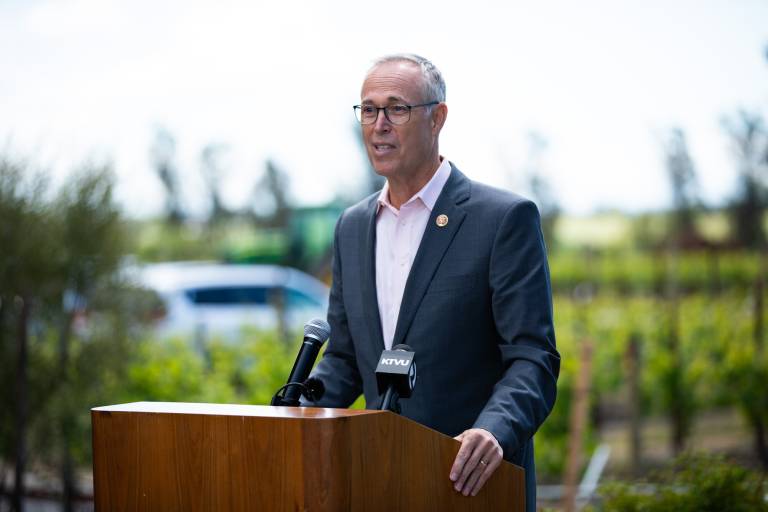
Rep. Jared Huffman Warns about the Power of Christian Nationalism in Congress
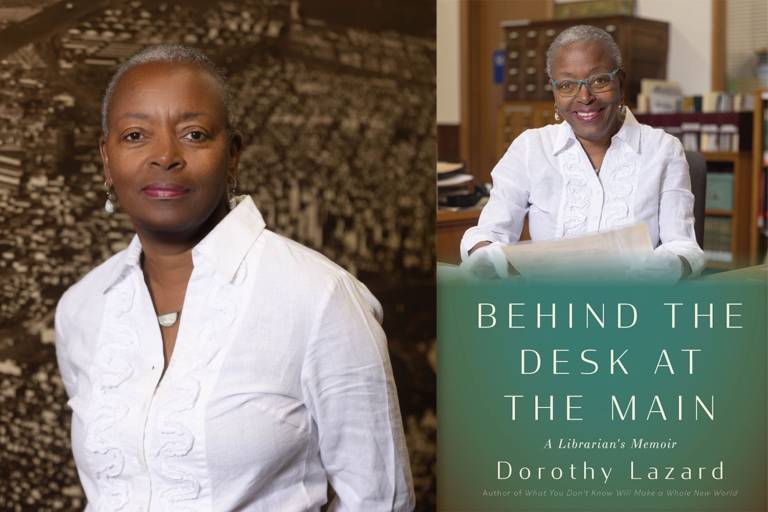
Dorothy Lazard on the Ambitious Mission of Libraries and the People that Make them Function
‘American Pachuco: The Legend of Luis Valdez’ Documentary Gives A Chicano Icon His Due
‘Backrooms’ Director Kane Parsons on Why San Jose is a Rich Setting for Horror
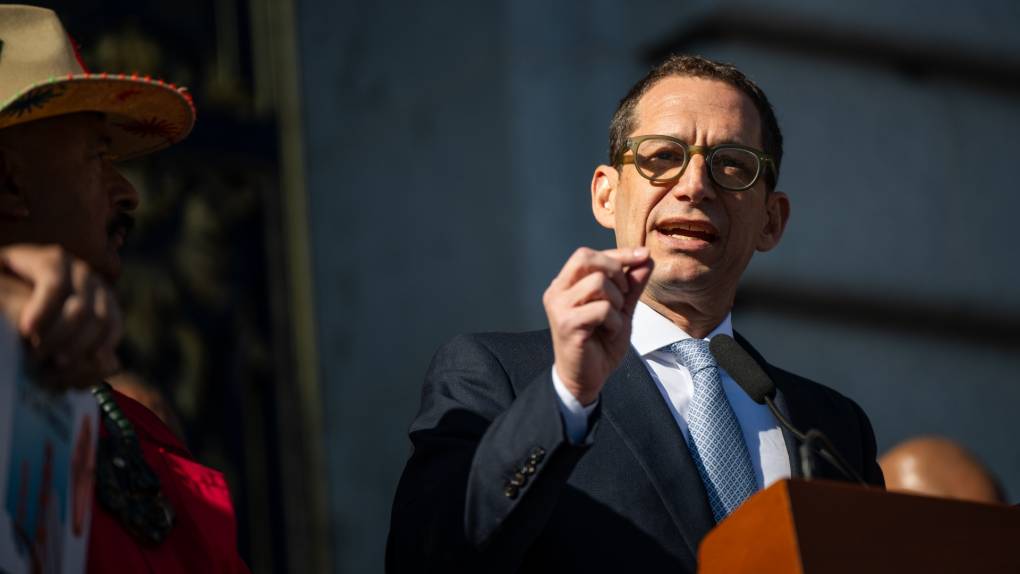
Who Pays for San Francisco?
Investigation Shows SFPD Closes Rape Cases at Half the National Rate
A Woman Finds Healing and Beauty by Walking Every Street in Santa Cruz County
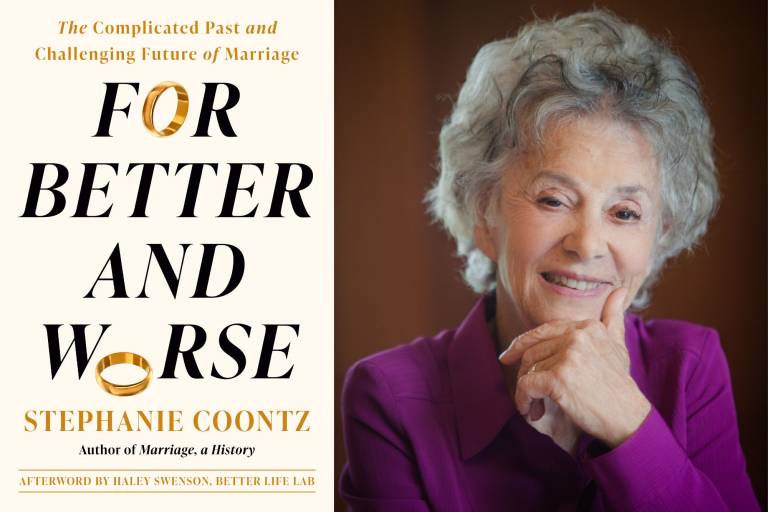
Historian Stephanie Coontz on the Myth of Traditional Marriage
With FEMA Cuts, Is There a New Disaster Relief Economy?
How the U.S. Auto Industry Is Losing the EV Race
Player sponsored by
window.__IS_SSR__=true
window.__INITIAL_STATE__={
"attachmentsReducer": {
"audio_0": {
"type": "attachments",
"id": "audio_0",
"imgSizes": {
"kqedFullSize": {
"file": "https://ww2.kqed.org/news/wp-content/themes/KQED-unified/img/audio_bgs/background0.jpg"
}
}
},
"audio_1": {
"type": "attachments",
"id": "audio_1",
"imgSizes": {
"kqedFullSize": {
"file": "https://ww2.kqed.org/news/wp-content/themes/KQED-unified/img/audio_bgs/background1.jpg"
}
}
},
"audio_2": {
"type": "attachments",
"id": "audio_2",
"imgSizes": {
"kqedFullSize": {
"file": "https://ww2.kqed.org/news/wp-content/themes/KQED-unified/img/audio_bgs/background2.jpg"
}
}
},
"audio_3": {
"type": "attachments",
"id": "audio_3",
"imgSizes": {
"kqedFullSize": {
"file": "https://ww2.kqed.org/news/wp-content/themes/KQED-unified/img/audio_bgs/background3.jpg"
}
}
},
"audio_4": {
"type": "attachments",
"id": "audio_4",
"imgSizes": {
"kqedFullSize": {
"file": "https://ww2.kqed.org/news/wp-content/themes/KQED-unified/img/audio_bgs/background4.jpg"
}
}
},
"placeholder": {
"type": "attachments",
"id": "placeholder",
"imgSizes": {
"thumbnail": {
"file": "https://cdn.kqed.org/wp-content/uploads/2024/12/KQED-Default-Image-816638274-2000x1333-1-160x107.jpg",
"width": 160,
"height": 107,
"mimeType": "image/jpeg"
},
"medium": {
"file": "https://cdn.kqed.org/wp-content/uploads/2024/12/KQED-Default-Image-816638274-2000x1333-1-800x533.jpg",
"width": 800,
"height": 533,
"mimeType": "image/jpeg"
},
"medium_large": {
"file": "https://cdn.kqed.org/wp-content/uploads/2024/12/KQED-Default-Image-816638274-2000x1333-1-768x512.jpg",
"width": 768,
"height": 512,
"mimeType": "image/jpeg"
},
"large": {
"file": "https://cdn.kqed.org/wp-content/uploads/2024/12/KQED-Default-Image-816638274-2000x1333-1-1020x680.jpg",
"width": 1020,
"height": 680,
"mimeType": "image/jpeg"
},
"1536x1536": {
"file": "https://cdn.kqed.org/wp-content/uploads/2024/12/KQED-Default-Image-816638274-2000x1333-1-1536x1024.jpg",
"width": 1536,
"height": 1024,
"mimeType": "image/jpeg"
},
"fd-lrg": {
"file": "https://cdn.kqed.org/wp-content/uploads/2024/12/KQED-Default-Image-816638274-2000x1333-1-1536x1024.jpg",
"width": 1536,
"height": 1024,
"mimeType": "image/jpeg"
},
"fd-med": {
"file": "https://cdn.kqed.org/wp-content/uploads/2024/12/KQED-Default-Image-816638274-2000x1333-1-1020x680.jpg",
"width": 1020,
"height": 680,
"mimeType": "image/jpeg"
},
"fd-sm": {
"file": "https://cdn.kqed.org/wp-content/uploads/2024/12/KQED-Default-Image-816638274-2000x1333-1-800x533.jpg",
"width": 800,
"height": 533,
"mimeType": "image/jpeg"
},
"post-thumbnail": {
"file": "https://cdn.kqed.org/wp-content/uploads/2024/12/KQED-Default-Image-816638274-2000x1333-1-672x372.jpg",
"width": 672,
"height": 372,
"mimeType": "image/jpeg"
},
"twentyfourteen-full-width": {
"file": "https://cdn.kqed.org/wp-content/uploads/2024/12/KQED-Default-Image-816638274-2000x1333-1-1038x576.jpg",
"width": 1038,
"height": 576,
"mimeType": "image/jpeg"
},
"xxsmall": {
"file": "https://cdn.kqed.org/wp-content/uploads/2024/12/KQED-Default-Image-816638274-2000x1333-1-160x107.jpg",
"width": 160,
"height": 107,
"mimeType": "image/jpeg"
},
"xsmall": {
"file": "https://cdn.kqed.org/wp-content/uploads/2024/12/KQED-Default-Image-816638274-2000x1333-1-672x372.jpg",
"width": 672,
"height": 372,
"mimeType": "image/jpeg"
},
"small": {
"file": "https://cdn.kqed.org/wp-content/uploads/2024/12/KQED-Default-Image-816638274-2000x1333-1-672x372.jpg",
"width": 672,
"height": 372,
"mimeType": "image/jpeg"
},
"xlarge": {
"file": "https://cdn.kqed.org/wp-content/uploads/2024/12/KQED-Default-Image-816638274-2000x1333-1-1020x680.jpg",
"width": 1020,
"height": 680,
"mimeType": "image/jpeg"
},
"full-width": {
"file": "https://cdn.kqed.org/wp-content/uploads/2024/12/KQED-Default-Image-816638274-2000x1333-1-1920x1280.jpg",
"width": 1920,
"height": 1280,
"mimeType": "image/jpeg"
},
"guest-author-32": {
"file": "https://cdn.kqed.org/wp-content/uploads/2025/01/KQED-Default-Image-816638274-1333x1333-1-160x160.jpg",
"width": 32,
"height": 32,
"mimeType": "image/jpeg"
},
"guest-author-50": {
"file": "https://cdn.kqed.org/wp-content/uploads/2025/01/KQED-Default-Image-816638274-1333x1333-1-160x160.jpg",
"width": 50,
"height": 50,
"mimeType": "image/jpeg"
},
"guest-author-64": {
"file": "https://cdn.kqed.org/wp-content/uploads/2025/01/KQED-Default-Image-816638274-1333x1333-1-160x160.jpg",
"width": 64,
"height": 64,
"mimeType": "image/jpeg"
},
"guest-author-96": {
"file": "https://cdn.kqed.org/wp-content/uploads/2025/01/KQED-Default-Image-816638274-1333x1333-1-160x160.jpg",
"width": 96,
"height": 96,
"mimeType": "image/jpeg"
},
"guest-author-128": {
"file": "https://cdn.kqed.org/wp-content/uploads/2025/01/KQED-Default-Image-816638274-1333x1333-1-160x160.jpg",
"width": 128,
"height": 128,
"mimeType": "image/jpeg"
},
"detail": {
"file": "https://cdn.kqed.org/wp-content/uploads/2025/01/KQED-Default-Image-816638274-1333x1333-1-160x160.jpg",
"width": 160,
"height": 160,
"mimeType": "image/jpeg"
},
"kqedFullSize": {
"file": "https://cdn.kqed.org/wp-content/uploads/2024/12/KQED-Default-Image-816638274-2000x1333-1.jpg",
"width": 2000,
"height": 1333
}
}
},
"forum_2010101914632": {
"type": "attachments",
"id": "forum_2010101914632",
"meta": {
"index": "attachments_1716263798",
"site": "forum",
"id": "2010101914632",
"found": true
},
"title": "Ice Police Law Enforcement - Department of Homeland Security, Immigration and Customs Agents",
"publishDate": 1785192379,
"status": "inherit",
"parent": 2010101914631,
"modified": 1787176059,
"caption": "Federal immigration agents arrested more than 50 thousand people in July, a record number for the Trump administration which has demanded 2,000 ICE arrests daily",
"credit": "Douglas Rissing/Getty Images Plus",
"altTag": null,
"description": null,
"imgSizes": {
"medium": {
"file": "https://cdn.kqed.org/wp-content/uploads/sites/43/2026/07/GettyImages-2256432634-2000x1500.jpg",
"width": 2000,
"height": 1500,
"mimeType": "image/jpeg"
},
"large": {
"file": "https://cdn.kqed.org/wp-content/uploads/sites/43/2026/07/GettyImages-2256432634-2000x1500.jpg",
"width": 2000,
"height": 1500,
"mimeType": "image/jpeg"
},
"thumbnail": {
"file": "https://cdn.kqed.org/wp-content/uploads/sites/43/2026/07/GettyImages-2256432634-160x120.jpg",
"width": 160,
"height": 120,
"mimeType": "image/jpeg"
},
"medium_large": {
"file": "https://cdn.kqed.org/wp-content/uploads/sites/43/2026/07/GettyImages-2256432634-768x576.jpg",
"width": 768,
"height": 576,
"mimeType": "image/jpeg"
},
"1536x1536": {
"file": "https://cdn.kqed.org/wp-content/uploads/sites/43/2026/07/GettyImages-2256432634-1536x1152.jpg",
"width": 1536,
"height": 1152,
"mimeType": "image/jpeg"
},
"2048x2048": {
"file": "https://cdn.kqed.org/wp-content/uploads/sites/43/2026/07/GettyImages-2256432634-2048x1536.jpg",
"width": 2048,
"height": 1536,
"mimeType": "image/jpeg"
},
"post-thumbnail": {
"file": "https://cdn.kqed.org/wp-content/uploads/sites/43/2026/07/GettyImages-2256432634-672x372.jpg",
"width": 672,
"height": 372,
"mimeType": "image/jpeg"
},
"twentyfourteen-full-width": {
"file": "https://cdn.kqed.org/wp-content/uploads/sites/43/2026/07/GettyImages-2256432634-1038x576.jpg",
"width": 1038,
"height": 576,
"mimeType": "image/jpeg"
},
"full-width": {
"file": "https://cdn.kqed.org/wp-content/uploads/sites/43/2026/07/GettyImages-2256432634-2000x1500.jpg",
"width": 2000,
"height": 1500,
"mimeType": "image/jpeg"
},
"kqedFullSize": {
"file": "https://cdn.kqed.org/wp-content/uploads/sites/43/2026/07/GettyImages-2256432634-scaled.jpg",
"width": 2560,
"height": 1920
}
},
"isLoading": false,
"fetchFailed": false
},
"forum_2010101914948": {
"type": "attachments",
"id": "forum_2010101914948",
"meta": {
"index": "attachments_1716263798",
"site": "forum",
"id": "2010101914948",
"found": true
},
"title": "The San Francisco skyline from underneath the Bay Bridge on March 8, 2022.",
"publishDate": 1787092225,
"status": "inherit",
"parent": 2010101914947,
"modified": 1787092250,
"caption": "The San Francisco skyline from underneath the Bay Bridge.",
"credit": "Beth LaBerge/KQED",
"altTag": null,
"description": null,
"imgSizes": {
"thumbnail": {
"file": "https://cdn.kqed.org/wp-content/uploads/sites/43/2026/08/005_KQED_SanFranciscoSkyline_03082022_qed-160x106.jpg",
"width": 160,
"height": 106,
"mimeType": "image/jpeg"
},
"medium_large": {
"file": "https://cdn.kqed.org/wp-content/uploads/sites/43/2026/08/005_KQED_SanFranciscoSkyline_03082022_qed-768x511.jpg",
"width": 768,
"height": 511,
"mimeType": "image/jpeg"
},
"1536x1536": {
"file": "https://cdn.kqed.org/wp-content/uploads/sites/43/2026/08/005_KQED_SanFranciscoSkyline_03082022_qed-1536x1022.jpg",
"width": 1536,
"height": 1022,
"mimeType": "image/jpeg"
},
"post-thumbnail": {
"file": "https://cdn.kqed.org/wp-content/uploads/sites/43/2026/08/005_KQED_SanFranciscoSkyline_03082022_qed-672x372.jpg",
"width": 672,
"height": 372,
"mimeType": "image/jpeg"
},
"twentyfourteen-full-width": {
"file": "https://cdn.kqed.org/wp-content/uploads/sites/43/2026/08/005_KQED_SanFranciscoSkyline_03082022_qed-1038x576.jpg",
"width": 1038,
"height": 576,
"mimeType": "image/jpeg"
},
"kqedFullSize": {
"file": "https://cdn.kqed.org/wp-content/uploads/sites/43/2026/08/005_KQED_SanFranciscoSkyline_03082022_qed.jpg",
"width": 2000,
"height": 1331
}
},
"isLoading": false,
"fetchFailed": false
},
"forum_2010101914926": {
"type": "attachments",
"id": "forum_2010101914926",
"meta": {
"index": "attachments_1716263798",
"site": "forum",
"id": "2010101914926",
"found": true
},
"title": "20240426_DeptofLaborAnnouncement-11_qed",
"publishDate": 1787003576,
"status": "inherit",
"parent": 2010101914925,
"modified": 1787003602,
"caption": "U.S. Congressman Jared Huffman speaks during a press conference announcing new protections for H2A immigrant farmworkers to ensure fair labor standards are met in the U.S. agricultural industry, in Santa Rosa on Friday, April 26, 2024.",
"credit": "Gina Castro/KQED",
"altTag": null,
"description": null,
"imgSizes": {
"thumbnail": {
"file": "https://cdn.kqed.org/wp-content/uploads/sites/43/2026/08/20240426_DeptofLaborAnnouncement-11_qed-160x107.jpg",
"width": 160,
"height": 107,
"mimeType": "image/jpeg"
},
"medium_large": {
"file": "https://cdn.kqed.org/wp-content/uploads/sites/43/2026/08/20240426_DeptofLaborAnnouncement-11_qed-768x512.jpg",
"width": 768,
"height": 512,
"mimeType": "image/jpeg"
},
"1536x1536": {
"file": "https://cdn.kqed.org/wp-content/uploads/sites/43/2026/08/20240426_DeptofLaborAnnouncement-11_qed-1536x1024.jpg",
"width": 1536,
"height": 1024,
"mimeType": "image/jpeg"
},
"post-thumbnail": {
"file": "https://cdn.kqed.org/wp-content/uploads/sites/43/2026/08/20240426_DeptofLaborAnnouncement-11_qed-672x372.jpg",
"width": 672,
"height": 372,
"mimeType": "image/jpeg"
},
"twentyfourteen-full-width": {
"file": "https://cdn.kqed.org/wp-content/uploads/sites/43/2026/08/20240426_DeptofLaborAnnouncement-11_qed-1038x576.jpg",
"width": 1038,
"height": 576,
"mimeType": "image/jpeg"
},
"kqedFullSize": {
"file": "https://cdn.kqed.org/wp-content/uploads/sites/43/2026/08/20240426_DeptofLaborAnnouncement-11_qed.jpg",
"width": 2000,
"height": 1333
}
},
"isLoading": false,
"fetchFailed": false
},
"forum_2010101914908": {
"type": "attachments",
"id": "forum_2010101914908",
"meta": {
"index": "attachments_1716263798",
"site": "forum",
"id": "2010101914908",
"found": true
},
"title": "2000 x 1333 (2)",
"publishDate": 1786979038,
"status": "inherit",
"parent": 2010101914907,
"modified": 1786979077,
"caption": "Author Dorothy Lazard.",
"credit": "Courtesy",
"altTag": null,
"description": null,
"imgSizes": {
"thumbnail": {
"file": "https://cdn.kqed.org/wp-content/uploads/sites/43/2026/08/2000-x-1333-2-160x107.jpg",
"width": 160,
"height": 107,
"mimeType": "image/jpeg"
},
"medium_large": {
"file": "https://cdn.kqed.org/wp-content/uploads/sites/43/2026/08/2000-x-1333-2-768x512.jpg",
"width": 768,
"height": 512,
"mimeType": "image/jpeg"
},
"1536x1536": {
"file": "https://cdn.kqed.org/wp-content/uploads/sites/43/2026/08/2000-x-1333-2-1536x1024.jpg",
"width": 1536,
"height": 1024,
"mimeType": "image/jpeg"
},
"post-thumbnail": {
"file": "https://cdn.kqed.org/wp-content/uploads/sites/43/2026/08/2000-x-1333-2-672x372.jpg",
"width": 672,
"height": 372,
"mimeType": "image/jpeg"
},
"twentyfourteen-full-width": {
"file": "https://cdn.kqed.org/wp-content/uploads/sites/43/2026/08/2000-x-1333-2-1038x576.jpg",
"width": 1038,
"height": 576,
"mimeType": "image/jpeg"
},
"kqedFullSize": {
"file": "https://cdn.kqed.org/wp-content/uploads/sites/43/2026/08/2000-x-1333-2.jpg",
"width": 2000,
"height": 1333
}
},
"isLoading": false,
"fetchFailed": false
},
"forum_2010101893465": {
"type": "attachments",
"id": "forum_2010101893465",
"meta": {
"index": "attachments_1716263798",
"site": "forum",
"id": "2010101893465",
"found": true
},
"parent": 2010101893463,
"imgSizes": {
"twentyfourteen-full-width": {
"file": "https://ww2.kqed.org/app/uploads/sites/43/2023/06/GettyImages-1258429649-1024x576.jpg",
"width": 1024,
"mimeType": "image/jpeg",
"height": 576
},
"thumbnail": {
"file": "https://ww2.kqed.org/app/uploads/sites/43/2023/06/GettyImages-1258429649-160x107.jpg",
"width": 160,
"mimeType": "image/jpeg",
"height": 107
},
"post-thumbnail": {
"file": "https://ww2.kqed.org/app/uploads/sites/43/2023/06/GettyImages-1258429649-672x372.jpg",
"width": 672,
"mimeType": "image/jpeg",
"height": 372
},
"kqedFullSize": {
"file": "https://ww2.kqed.org/app/uploads/sites/43/2023/06/GettyImages-1258429649.jpg",
"width": 1024,
"height": 683
},
"large": {
"file": "https://ww2.kqed.org/app/uploads/sites/43/2023/06/GettyImages-1258429649-1020x680.jpg",
"width": 1020,
"mimeType": "image/jpeg",
"height": 680
},
"medium": {
"file": "https://ww2.kqed.org/app/uploads/sites/43/2023/06/GettyImages-1258429649-800x534.jpg",
"width": 800,
"mimeType": "image/jpeg",
"height": 534
},
"medium_large": {
"file": "https://ww2.kqed.org/app/uploads/sites/43/2023/06/GettyImages-1258429649-768x512.jpg",
"width": 768,
"mimeType": "image/jpeg",
"height": 512
}
},
"publishDate": 1687212520,
"modified": 1687212561,
"caption": "LOS ANGELES, CA - JUNE 03: Rojelio Avila of Long Beach tours the classic cars while waiting for the start of the \"80th Anniversary of the Zoot Suit Riots Historical Cruise\" on Saturday, June 3, 2023 in Boyle Heights, CA. The event celebrates Mexican American heritage and a reminder to not forget the attacks on Mexicans 80 years ago during the Zoot Suit Riots.",
"description": null,
"title": "80th anniversay zoot suit riots historical cruise",
"credit": "Myung J. Chun / Los Angeles Times via Getty Images",
"status": "inherit",
"altTag": null,
"isLoading": false,
"fetchFailed": false
},
"forum_2010101914650": {
"type": "attachments",
"id": "forum_2010101914650",
"meta": {
"index": "attachments_1716263798",
"site": "forum",
"id": "2010101914650",
"found": true
},
"title": "US-ENTERTAINMENT-FILM",
"publishDate": 1785269221,
"status": "inherit",
"parent": 2010101914649,
"modified": 1785269255,
"caption": "US director Kane Parsons attends the LA special screening of \"Backrooms\" at the Aero Theatre in Santa Monica, California on May 7, 2026.",
"credit": "Lisa O'Connor / AFP via Getty Images",
"altTag": null,
"description": null,
"imgSizes": {
"medium": {
"file": "https://cdn.kqed.org/wp-content/uploads/sites/43/2026/07/GettyImages-2274493593-2000x1353.jpg",
"width": 2000,
"height": 1353,
"mimeType": "image/jpeg"
},
"large": {
"file": "https://cdn.kqed.org/wp-content/uploads/sites/43/2026/07/GettyImages-2274493593-2000x1353.jpg",
"width": 2000,
"height": 1353,
"mimeType": "image/jpeg"
},
"thumbnail": {
"file": "https://cdn.kqed.org/wp-content/uploads/sites/43/2026/07/GettyImages-2274493593-160x108.jpg",
"width": 160,
"height": 108,
"mimeType": "image/jpeg"
},
"medium_large": {
"file": "https://cdn.kqed.org/wp-content/uploads/sites/43/2026/07/GettyImages-2274493593-768x520.jpg",
"width": 768,
"height": 520,
"mimeType": "image/jpeg"
},
"1536x1536": {
"file": "https://cdn.kqed.org/wp-content/uploads/sites/43/2026/07/GettyImages-2274493593-1536x1039.jpg",
"width": 1536,
"height": 1039,
"mimeType": "image/jpeg"
},
"2048x2048": {
"file": "https://cdn.kqed.org/wp-content/uploads/sites/43/2026/07/GettyImages-2274493593-2048x1386.jpg",
"width": 2048,
"height": 1386,
"mimeType": "image/jpeg"
},
"post-thumbnail": {
"file": "https://cdn.kqed.org/wp-content/uploads/sites/43/2026/07/GettyImages-2274493593-672x372.jpg",
"width": 672,
"height": 372,
"mimeType": "image/jpeg"
},
"twentyfourteen-full-width": {
"file": "https://cdn.kqed.org/wp-content/uploads/sites/43/2026/07/GettyImages-2274493593-1038x576.jpg",
"width": 1038,
"height": 576,
"mimeType": "image/jpeg"
},
"full-width": {
"file": "https://cdn.kqed.org/wp-content/uploads/sites/43/2026/07/GettyImages-2274493593-2000x1353.jpg",
"width": 2000,
"height": 1353,
"mimeType": "image/jpeg"
},
"kqedFullSize": {
"file": "https://cdn.kqed.org/wp-content/uploads/sites/43/2026/07/GettyImages-2274493593-scaled.jpg",
"width": 2560,
"height": 1732
}
},
"isLoading": false,
"fetchFailed": false
},
"forum_2010101908876": {
"type": "attachments",
"id": "forum_2010101908876",
"meta": {
"index": "attachments_1716263798",
"site": "forum",
"id": "2010101908876",
"found": true
},
"title": "250128-SFImmigration-33-BL (1)",
"publishDate": 1739301616,
"status": "inherit",
"parent": 2010101908873,
"modified": 1785189813,
"caption": "San Francisco Mayor Daniel Lurie speaks during a press conference with elected and public safety officials and labor leaders in front of City Hall in San Francisco on Tuesday, Jan. 28, 2025.",
"credit": "Beth LaBerge via KQED",
"altTag": null,
"description": null,
"imgSizes": {
"medium": {
"file": "https://cdn.kqed.org/wp-content/uploads/sites/43/2025/02/250128-SFImmigration-33-BL-1-800x450.jpg",
"width": 800,
"height": 450,
"mimeType": "image/jpeg"
},
"large": {
"file": "https://cdn.kqed.org/wp-content/uploads/sites/43/2025/02/250128-SFImmigration-33-BL-1-1020x574.jpg",
"width": 1020,
"height": 574,
"mimeType": "image/jpeg"
},
"thumbnail": {
"file": "https://cdn.kqed.org/wp-content/uploads/sites/43/2025/02/250128-SFImmigration-33-BL-1-160x90.jpg",
"width": 160,
"height": 90,
"mimeType": "image/jpeg"
},
"medium_large": {
"file": "https://cdn.kqed.org/wp-content/uploads/sites/43/2025/02/250128-SFImmigration-33-BL-1-768x432.jpg",
"width": 768,
"height": 432,
"mimeType": "image/jpeg"
},
"1536x1536": {
"file": "https://cdn.kqed.org/wp-content/uploads/sites/43/2025/02/250128-SFImmigration-33-BL-1-1536x864.jpg",
"width": 1536,
"height": 864,
"mimeType": "image/jpeg"
},
"post-thumbnail": {
"file": "https://cdn.kqed.org/wp-content/uploads/sites/43/2025/02/250128-SFImmigration-33-BL-1-672x372.jpg",
"width": 672,
"height": 372,
"mimeType": "image/jpeg"
},
"twentyfourteen-full-width": {
"file": "https://cdn.kqed.org/wp-content/uploads/sites/43/2025/02/250128-SFImmigration-33-BL-1-1038x576.jpg",
"width": 1038,
"height": 576,
"mimeType": "image/jpeg"
},
"kqedFullSize": {
"file": "https://cdn.kqed.org/wp-content/uploads/sites/43/2025/02/250128-SFImmigration-33-BL-1.jpg",
"width": 1920,
"height": 1080
}
},
"isLoading": false,
"fetchFailed": false
},
"forum_2010101914595": {
"type": "attachments",
"id": "forum_2010101914595",
"meta": {
"index": "attachments_1716263798",
"site": "forum",
"id": "2010101914595",
"found": true
},
"title": "GettyImages-2158254282",
"publishDate": 1784922773,
"status": "inherit",
"parent": 2010101914594,
"modified": 1784923245,
"caption": null,
"credit": null,
"altTag": "(Kinga Krzeminska)",
"description": null,
"imgSizes": {
"thumbnail": {
"file": "https://cdn.kqed.org/wp-content/uploads/sites/43/2026/07/GettyImages-2158254282-160x107.jpg",
"width": 160,
"height": 107,
"mimeType": "image/jpeg"
},
"medium_large": {
"file": "https://cdn.kqed.org/wp-content/uploads/sites/43/2026/07/GettyImages-2158254282-768x512.jpg",
"width": 768,
"height": 512,
"mimeType": "image/jpeg"
},
"post-thumbnail": {
"file": "https://cdn.kqed.org/wp-content/uploads/sites/43/2026/07/GettyImages-2158254282-672x372.jpg",
"width": 672,
"height": 372,
"mimeType": "image/jpeg"
},
"twentyfourteen-full-width": {
"file": "https://cdn.kqed.org/wp-content/uploads/sites/43/2026/07/GettyImages-2158254282-1038x576.jpg",
"width": 1038,
"height": 576,
"mimeType": "image/jpeg"
},
"kqedFullSize": {
"file": "https://cdn.kqed.org/wp-content/uploads/sites/43/2026/07/GettyImages-2158254282.jpg",
"width": 1500,
"height": 1000
}
},
"isLoading": false,
"fetchFailed": false
},
"forum_2010101914581": {
"type": "attachments",
"id": "forum_2010101914581",
"meta": {
"index": "attachments_1716263798",
"site": "forum",
"id": "2010101914581",
"found": true
},
"title": "Angelica Glass",
"publishDate": 1784843545,
"status": "inherit",
"parent": 2010101914580,
"modified": 1784843557,
"caption": null,
"credit": "Angelica Glass",
"altTag": null,
"description": null,
"imgSizes": {
"thumbnail": {
"file": "https://cdn.kqed.org/wp-content/uploads/sites/43/2026/07/Angelica-Glass-160x107.jpg",
"width": 160,
"height": 107,
"mimeType": "image/jpeg"
},
"medium_large": {
"file": "https://cdn.kqed.org/wp-content/uploads/sites/43/2026/07/Angelica-Glass-768x512.jpg",
"width": 768,
"height": 512,
"mimeType": "image/jpeg"
},
"1536x1536": {
"file": "https://cdn.kqed.org/wp-content/uploads/sites/43/2026/07/Angelica-Glass-1536x1024.jpg",
"width": 1536,
"height": 1024,
"mimeType": "image/jpeg"
},
"post-thumbnail": {
"file": "https://cdn.kqed.org/wp-content/uploads/sites/43/2026/07/Angelica-Glass-672x372.jpg",
"width": 672,
"height": 372,
"mimeType": "image/jpeg"
},
"twentyfourteen-full-width": {
"file": "https://cdn.kqed.org/wp-content/uploads/sites/43/2026/07/Angelica-Glass-1038x576.jpg",
"width": 1038,
"height": 576,
"mimeType": "image/jpeg"
},
"kqedFullSize": {
"file": "https://cdn.kqed.org/wp-content/uploads/sites/43/2026/07/Angelica-Glass.jpg",
"width": 2000,
"height": 1333
}
},
"isLoading": false,
"fetchFailed": false
},
"forum_2010101914568": {
"type": "attachments",
"id": "forum_2010101914568",
"meta": {
"index": "attachments_1716263798",
"site": "forum",
"id": "2010101914568",
"found": true
},
"title": null,
"publishDate": 1784756335,
"status": "inherit",
"parent": 2010101914567,
"modified": 1784756370,
"caption": null,
"credit": "Shauna Bittle",
"altTag": null,
"description": null,
"imgSizes": {
"thumbnail": {
"file": "https://cdn.kqed.org/wp-content/uploads/sites/43/2026/07/Annalee-Newitz-1-160x107.jpg",
"width": 160,
"height": 107,
"mimeType": "image/jpeg"
},
"medium_large": {
"file": "https://cdn.kqed.org/wp-content/uploads/sites/43/2026/07/Annalee-Newitz-1-768x512.jpg",
"width": 768,
"height": 512,
"mimeType": "image/jpeg"
},
"1536x1536": {
"file": "https://cdn.kqed.org/wp-content/uploads/sites/43/2026/07/Annalee-Newitz-1-1536x1024.jpg",
"width": 1536,
"height": 1024,
"mimeType": "image/jpeg"
},
"post-thumbnail": {
"file": "https://cdn.kqed.org/wp-content/uploads/sites/43/2026/07/Annalee-Newitz-1-672x372.jpg",
"width": 672,
"height": 372,
"mimeType": "image/jpeg"
},
"twentyfourteen-full-width": {
"file": "https://cdn.kqed.org/wp-content/uploads/sites/43/2026/07/Annalee-Newitz-1-1038x576.jpg",
"width": 1038,
"height": 576,
"mimeType": "image/jpeg"
},
"kqedFullSize": {
"file": "https://cdn.kqed.org/wp-content/uploads/sites/43/2026/07/Annalee-Newitz-1.jpg",
"width": 2000,
"height": 1333
}
},
"isLoading": false,
"fetchFailed": false
},
"forum_2010101909607": {
"type": "attachments",
"id": "forum_2010101909607",
"meta": {
"index": "attachments_1716263798",
"site": "forum",
"id": "2010101909607",
"found": true
},
"title": null,
"publishDate": 1744923814,
"status": "inherit",
"parent": 2010101909606,
"modified": 1744923849,
"caption": "Flames come dangerously close to a house as the Pine Fire continues its march across the land.",
"credit": "David McNew via Getty Images",
"altTag": null,
"description": null,
"imgSizes": {
"medium": {
"file": "https://cdn.kqed.org/wp-content/uploads/sites/43/2025/04/californiahomeinsurance-800x450.png",
"width": 800,
"height": 450,
"mimeType": "image/png"
},
"large": {
"file": "https://cdn.kqed.org/wp-content/uploads/sites/43/2025/04/californiahomeinsurance-1020x574.png",
"width": 1020,
"height": 574,
"mimeType": "image/png"
},
"thumbnail": {
"file": "https://cdn.kqed.org/wp-content/uploads/sites/43/2025/04/californiahomeinsurance-160x90.png",
"width": 160,
"height": 90,
"mimeType": "image/png"
},
"medium_large": {
"file": "https://cdn.kqed.org/wp-content/uploads/sites/43/2025/04/californiahomeinsurance-768x432.png",
"width": 768,
"height": 432,
"mimeType": "image/png"
},
"1536x1536": {
"file": "https://cdn.kqed.org/wp-content/uploads/sites/43/2025/04/californiahomeinsurance-1536x864.png",
"width": 1536,
"height": 864,
"mimeType": "image/png"
},
"post-thumbnail": {
"file": "https://cdn.kqed.org/wp-content/uploads/sites/43/2025/04/californiahomeinsurance-672x372.png",
"width": 672,
"height": 372,
"mimeType": "image/png"
},
"twentyfourteen-full-width": {
"file": "https://cdn.kqed.org/wp-content/uploads/sites/43/2025/04/californiahomeinsurance-1038x576.png",
"width": 1038,
"height": 576,
"mimeType": "image/png"
},
"kqedFullSize": {
"file": "https://cdn.kqed.org/wp-content/uploads/sites/43/2025/04/californiahomeinsurance.png",
"width": 1920,
"height": 1080
}
},
"isLoading": false,
"fetchFailed": false
},
"forum_2010101879914": {
"type": "attachments",
"id": "forum_2010101879914",
"meta": {
"index": "attachments_1716263798",
"site": "forum",
"id": "2010101879914",
"found": true
},
"title": "GettyImages-1276021141 (1)",
"publishDate": 1600987433,
"status": "inherit",
"parent": 2010101879913,
"modified": 1784584050,
"caption": "An electric car owner prepares to charge his car at an electric car charging station in Corte Madera, California.",
"credit": "Justin Sullivan/Getty Images",
"altTag": null,
"description": null,
"imgSizes": {
"medium": {
"file": "https://cdn.kqed.org/wp-content/uploads/sites/43/2020/09/GettyImages-1276021141-1-800x450.jpg",
"width": 800,
"height": 450,
"mimeType": "image/jpeg"
},
"large": {
"file": "https://cdn.kqed.org/wp-content/uploads/sites/43/2020/09/GettyImages-1276021141-1-1020x574.jpg",
"width": 1020,
"height": 574,
"mimeType": "image/jpeg"
},
"thumbnail": {
"file": "https://cdn.kqed.org/wp-content/uploads/sites/43/2020/09/GettyImages-1276021141-1-160x90.jpg",
"width": 160,
"height": 90,
"mimeType": "image/jpeg"
},
"medium_large": {
"file": "https://cdn.kqed.org/wp-content/uploads/sites/43/2020/09/GettyImages-1276021141-1-768x432.jpg",
"width": 768,
"height": 432,
"mimeType": "image/jpeg"
},
"1536x1536": {
"file": "https://cdn.kqed.org/wp-content/uploads/sites/43/2020/09/GettyImages-1276021141-1-1536x864.jpg",
"width": 1536,
"height": 864,
"mimeType": "image/jpeg"
},
"post-thumbnail": {
"file": "https://cdn.kqed.org/wp-content/uploads/sites/43/2020/09/GettyImages-1276021141-1-672x372.jpg",
"width": 672,
"height": 372,
"mimeType": "image/jpeg"
},
"twentyfourteen-full-width": {
"file": "https://cdn.kqed.org/wp-content/uploads/sites/43/2020/09/GettyImages-1276021141-1-1038x576.jpg",
"width": 1038,
"height": 576,
"mimeType": "image/jpeg"
},
"kqedFullSize": {
"file": "https://cdn.kqed.org/wp-content/uploads/sites/43/2020/09/GettyImages-1276021141-1.jpg",
"width": 1920,
"height": 1080
}
},
"isLoading": false,
"fetchFailed": false
}
},
"audioPlayerReducer": {
"postId": "stream_live",
"isPaused": true,
"isPlaying": false,
"pfsActive": false,
"pledgeModalIsOpen": true,
"playerDrawerIsOpen": false,
"liveAudioPlayStartedAt": 0,
"liveAudioPlayContext": ""
},
"authorsReducer": {
"amadrigal": {
"type": "authors",
"id": "11757",
"meta": {
"index": "authors_1716337520",
"id": "11757",
"found": true
},
"name": "Alexis Madrigal",
"firstName": "Alexis",
"lastName": "Madrigal",
"slug": "amadrigal",
"email": "amadrigal@kqed.org",
"display_author_email": true,
"staff_mastheads": [],
"title": "Co-Host Forum",
"bio": "Alexis Madrigal is the co-host of Forum. He is also a contributing writer at \u003cem>The Atlantic \u003c/em>and the co-founder of the COVID Tracking Project. He's the creator of the podcast, \u003cem>Containers\u003c/em>, and has been a staff writer at \u003cem>Wired. \u003c/em>He was a visiting scholar at UC Berkeley's Information School, and is working on a book about Oakland and the Bay Area's revolutionary ideas.",
"avatar": "https://secure.gravatar.com/avatar/200d13dd6cebef55bf04327dec901b3d?s=600&d=blank&r=g",
"twitter": "alexismadrigal",
"bluesky": null,
"facebook": null,
"instagram": null,
"linkedin": null,
"sites": [
{
"site": "arts",
"roles": [
"editor"
]
},
{
"site": "news",
"roles": [
"editor"
]
},
{
"site": "forum",
"roles": [
"editor"
]
}
],
"headData": {
"title": "Alexis Madrigal | KQED",
"description": "Co-Host Forum",
"ogImgSrc": "https://secure.gravatar.com/avatar/200d13dd6cebef55bf04327dec901b3d?s=600&d=blank&r=g",
"twImgSrc": "https://secure.gravatar.com/avatar/200d13dd6cebef55bf04327dec901b3d?s=600&d=blank&r=g"
},
"isLoading": false,
"link": "/author/amadrigal"
},
"btorres": {
"type": "authors",
"id": "11666",
"meta": {
"index": "authors_1716337520",
"id": "11666",
"found": true
},
"name": "Blanca Torres",
"firstName": "Blanca",
"lastName": "Torres",
"slug": "btorres",
"email": "btorres@kqed.org",
"display_author_email": true,
"staff_mastheads": [
"news"
],
"title": "Producer, Forum",
"bio": "Blanca Torres brings sharp news judgement and keen sense of lively conversation to her work as producer for Forum. She loves producing shows that leave listeners feeling like they heard distinctive voices, learned something new and gained a fresh perspective.\r\n\r\nShe joined KQED in January of 2020 after 16 years of working as a newspaper reporter most recently at the \u003cem>San Francisco Business Times,\u003c/em> where she wrote about real estate and economic development. Before that, she covered a variety of beats including crime, education, retail, workplace, the economy, consumer issues, and small business for the \u003cem>Contra Costa Times, Baltimore Sun\u003c/em> and\u003cem> The Seattle Times\u003c/em>. In addition to reporting, she worked as an editorial writer and columnist for the \u003cem>Seattle Times\u003c/em>. From 2017 to 2020, Blanca won a total of ten awards from the National Association of Real Estate Editors and won first place for land use reporting from the California News Publishers Association two years in a row. She is also a member and former board member for the National Association of Hispanic Journalists.\r\n\r\nA native of the Pacific Northwest, Blanca earned her bachelor's degree from Vanderbilt University in Nashville and a master's in fine arts in creative writing at Mills College. She lives in the East Bay with her family.",
"avatar": "https://secure.gravatar.com/avatar/f2322ff46076d337f7ba731ee6068cb1?s=600&d=blank&r=g",
"twitter": "@blancawrites",
"facebook": null,
"instagram": null,
"linkedin": null,
"sites": [
{
"site": "arts",
"roles": [
"editor"
]
},
{
"site": "news",
"roles": [
"editor"
]
},
{
"site": "forum",
"roles": [
"editor"
]
}
],
"headData": {
"title": "Blanca Torres | KQED",
"description": "Producer, Forum",
"ogImgSrc": "https://secure.gravatar.com/avatar/f2322ff46076d337f7ba731ee6068cb1?s=600&d=blank&r=g",
"twImgSrc": "https://secure.gravatar.com/avatar/f2322ff46076d337f7ba731ee6068cb1?s=600&d=blank&r=g"
},
"isLoading": false,
"link": "/author/btorres"
},
"gwon": {
"type": "authors",
"id": "11685",
"meta": {
"index": "authors_1716337520",
"id": "11685",
"found": true
},
"name": "Grace Won",
"firstName": "Grace",
"lastName": "Won",
"slug": "gwon",
"email": "gwon@kqed.org",
"display_author_email": true,
"staff_mastheads": [
"news"
],
"title": "On-call Producer, Forum",
"bio": "Grace Won has been an on-call producer on \u003cem>Forum\u003c/em> since 2019. Prior to joining KQED, Grace was a litigator, and worked on a variety of \u003cem>pro bono\u003c/em> prisoner cases, including one that resulted in overturning a client's death penalty sentence on constitutional grounds. She holds a law degree from Georgetown University Law Center, an M.A. in English from University College London and a B.A. in American history and East Asian studies from Harvard University.",
"avatar": "https://secure.gravatar.com/avatar/0fd924163d7ffcaa32d132ff887705dc903344720972a0862a4e1d47a8f25d12?s=600&d=blank&r=g",
"twitter": null,
"bluesky": null,
"facebook": null,
"instagram": null,
"linkedin": null,
"sites": [
{
"site": "forum",
"roles": [
"editor"
]
}
],
"headData": {
"title": "Grace Won | KQED",
"description": "On-call Producer, Forum",
"ogImgSrc": "https://secure.gravatar.com/avatar/0fd924163d7ffcaa32d132ff887705dc903344720972a0862a4e1d47a8f25d12?s=600&d=blank&r=g",
"twImgSrc": "https://secure.gravatar.com/avatar/0fd924163d7ffcaa32d132ff887705dc903344720972a0862a4e1d47a8f25d12?s=600&d=blank&r=g"
},
"isLoading": false,
"link": "/author/gwon"
}
},
"pagesReducer": {
"author_amadrigal": {
"type": "pages",
"id": "11757",
"meta": {
"index": "authors_1716337520",
"id": "11757",
"score": 6.697034,
"site": "authors"
},
"name": "Alexis Madrigal",
"firstName": "Alexis",
"lastName": "Madrigal",
"slug": "amadrigal",
"email": "amadrigal@kqed.org",
"display_author_email": true,
"staff_mastheads": [],
"title": "Co-Host Forum",
"bio": "Alexis Madrigal is the co-host of Forum. He is also a contributing writer at \u003cem>The Atlantic \u003c/em>and the co-founder of the COVID Tracking Project. He's the creator of the podcast, \u003cem>Containers\u003c/em>, and has been a staff writer at \u003cem>Wired. \u003c/em>He was a visiting scholar at UC Berkeley's Information School, and is working on a book about Oakland and the Bay Area's revolutionary ideas.",
"avatar": "https://secure.gravatar.com/avatar/200d13dd6cebef55bf04327dec901b3d?s=600&d=blank&r=g",
"twitter": "alexismadrigal",
"bluesky": null,
"facebook": null,
"instagram": null,
"linkedin": null,
"sites": [
{
"site": "arts",
"roles": [
"editor"
]
},
{
"site": "news",
"roles": [
"editor"
]
},
{
"site": "forum",
"roles": [
"editor"
]
}
],
"headData": {
"title": "Alexis Madrigal | KQED",
"description": "Co-Host Forum",
"ogImgSrc": "https://secure.gravatar.com/avatar/200d13dd6cebef55bf04327dec901b3d?s=600&d=blank&r=g",
"twImgSrc": "https://secure.gravatar.com/avatar/200d13dd6cebef55bf04327dec901b3d?s=600&d=blank&r=g"
},
"isLoading": false,
"hasAllInfo": true,
"blocks": [
{
"blockName": "kqed/staff-member",
"attrs": {
"author": {
"type": "authors",
"id": "11757",
"meta": {
"index": "authors_1716337520",
"id": "11757",
"score": 6.697034
},
"name": "Alexis Madrigal",
"firstName": "Alexis",
"lastName": "Madrigal",
"slug": "amadrigal",
"email": "amadrigal@kqed.org",
"display_author_email": true,
"staff_mastheads": "[Circular]",
"title": "Co-Host Forum",
"bio": "Alexis Madrigal is the co-host of Forum. He is also a contributing writer at \u003cem>The Atlantic \u003c/em>and the co-founder of the COVID Tracking Project. He's the creator of the podcast, \u003cem>Containers\u003c/em>, and has been a staff writer at \u003cem>Wired. \u003c/em>He was a visiting scholar at UC Berkeley's Information School, and is working on a book about Oakland and the Bay Area's revolutionary ideas.",
"avatar": "https://secure.gravatar.com/avatar/200d13dd6cebef55bf04327dec901b3d?s=600&d=blank&r=g",
"twitter": "alexismadrigal",
"bluesky": null,
"facebook": null,
"instagram": null,
"linkedin": null,
"sites": "[Circular]",
"headData": {
"title": "Alexis Madrigal | KQED",
"description": "Co-Host Forum",
"ogImgSrc": "https://secure.gravatar.com/avatar/200d13dd6cebef55bf04327dec901b3d?s=600&d=blank&r=g",
"twImgSrc": "https://secure.gravatar.com/avatar/200d13dd6cebef55bf04327dec901b3d?s=600&d=blank&r=g"
},
"isLoading": false,
"link": "/author/amadrigal",
"hasAllInfo": true
}
}
},
{
"blockName": "kqed/post-list",
"attrs": {
"query": "posts?author=11757&authorName=Alexis Madrigal",
"title": "By Alexis Madrigal",
"layout": "cardArticle2",
"className": "wp-block--nomargintop",
"seeMore": true
}
}
]
}
},
"pfsSessionReducer": {},
"postsReducer": {
"stream_live": {
"type": "live",
"id": "stream_live",
"audioUrl": "https://streams.kqed.org/kqedradio",
"title": "Live Stream",
"excerpt": "Live Stream information currently unavailable.",
"link": "/radio",
"featImg": "",
"label": {
"name": "KQED Live",
"link": "/"
}
},
"stream_kqedNewscast": {
"type": "posts",
"id": "stream_kqedNewscast",
"audioUrl": "https://www.kqed.org/.stream/anon/radio/RDnews/newscast.mp3?_=1",
"title": "KQED Newscast",
"featImg": "",
"label": {
"name": "88.5 FM",
"link": "/"
}
},
"forum_2010101914961": {
"type": "posts",
"id": "forum_2010101914961",
"meta": {
"index": "posts_1716263798",
"site": "forum",
"id": "2010101914961",
"score": null,
"sort": [
1787176122000
]
},
"guestAuthors": [],
"slug": "ice-airport-arrests-attract-legal-outcry",
"title": "ICE Airport Arrests Attract Legal Outcry",
"publishDate": 1787176122,
"format": "audio",
"headTitle": "ICE Airport Arrests Attract Legal Outcry | KQED",
"labelTerm": {
"term": 3,
"site": "forum"
},
"content": "\u003ch2 class=\"wp-block-heading\">Airdate: Thursday, August 20, 2026 at 9 AM\u003c/h2>\n\n\n\n\u003cp>Federal immigration agents arrested more than 50 thousand people in July, a record number for the Trump administration which has demanded 2,000 ICE arrests daily. The surge has brought new tactics including arresting travelers at U.S. airports with pending green card applications or valid work permits. And the public nature of the airport arrests have flooded social media. We talk about the ways in which ICE is targeting individuals who have legal protections and what may come next.\u003c/p>\n\n\n\n\u003cp>\u003cstrong>Guests: \u003c/strong>\u003c/p>\n\n\n\n\u003cul class=\"wp-block-list\">\n\u003cli>\u003cstrong>Michelle Hackman\u003c/strong>, reporter, Wall Street Journal\u003c/li>\n\n\n\n\u003cli>\u003cstrong>Ghassan Shamieh\u003c/strong>, immigration attorney and managing partner, Law Offices of Shamieh, Shamieh & Ternieden\u003c/li>\n\n\n\n\u003cli>\u003cstrong>Deep Gulasekaram\u003c/strong>, professor of law and director of Byron White Center for the Study of Constitutional Law, University of Colorado Boulder Law School\u003c/li>\n\n\n\n\u003cli>\u003cstrong>Huy Tran\u003c/strong>, executive director, SIREN, an immigrant rights organization with offices in San Jose and Fresno\u003c/li>\n\n\n\n\u003cli>\u003cstrong>Lauren Schneider\u003c/strong>, Oakland resident\u003c/li>\n\u003c/ul>\n\u003cp>[ad fullwidth]\u003c/p>\u003cp>\u003c/p>\n",
"blocks": [
{
"blockName": "core/heading",
"attrs": {
"text": "Airdate: Thursday, August 20, 2026 at 9 AM",
"level": 2
},
"innerHTML": "\n\u003ch2 class=\"wp-block-heading\">Airdate: Thursday, August 20, 2026 at 9 AM\u003c/h2>\n",
"innerContent": [
"\n\u003ch2 class=\"wp-block-heading\">Airdate: Thursday, August 20, 2026 at 9 AM\u003c/h2>\n"
],
"innerBlocks": []
},
{
"blockName": "core/paragraph",
"attrs": {
"dropCap": false
},
"innerHTML": "\n\u003cp>Federal immigration agents arrested more than 50 thousand people in July, a record number for the Trump administration which has demanded 2,000 ICE arrests daily. The surge has brought new tactics including arresting travelers at U.S. airports with pending green card applications or valid work permits. And the public nature of the airport arrests have flooded social media. We talk about the ways in which ICE is targeting individuals who have legal protections and what may come next.\u003c/p>\n",
"innerContent": [
"\n\u003cp>Federal immigration agents arrested more than 50 thousand people in July, a record number for the Trump administration which has demanded 2,000 ICE arrests daily. The surge has brought new tactics including arresting travelers at U.S. airports with pending green card applications or valid work permits. And the public nature of the airport arrests have flooded social media. We talk about the ways in which ICE is targeting individuals who have legal protections and what may come next.\u003c/p>\n"
],
"innerBlocks": []
},
{
"blockName": "core/paragraph",
"attrs": {
"dropCap": false
},
"innerHTML": "\n\u003cp>\u003cstrong>Guests: \u003c/strong>\u003c/p>\n",
"innerContent": [
"\n\u003cp>\u003cstrong>Guests: \u003c/strong>\u003c/p>\n"
],
"innerBlocks": []
},
{
"blockName": "core/list",
"attrs": {
"items": [
"Michelle Hackman, reporter, Wall Street Journal",
"Ghassan Shamieh, immigration attorney and managing partner, Law Offices of Shamieh, Shamieh & Ternieden",
"Deep Gulasekaram, professor of law and director of Byron White Center for the Study of Constitutional Law, University of Colorado Boulder Law School",
"Huy Tran, executive director, SIREN, an immigrant rights organization with offices in San Jose and Fresno",
"Lauren Schneider, Oakland resident"
],
"ordered": false,
"values": ""
},
"innerHTML": "\n\u003cul class=\"wp-block-list\">\n\n\n\n\n\n\n\n\u003c/ul>\n",
"innerContent": [
"\n\u003cul class=\"wp-block-list\">",
null,
"\n\n",
null,
"\n\n",
null,
"\n\n",
null,
"\n\n",
null,
"\u003c/ul>\n"
],
"innerBlocks": [
{
"blockName": "core/list-item",
"attrs": [],
"innerBlocks": [],
"innerHTML": "\n\u003cli>\u003cstrong>Michelle Hackman\u003c/strong>, reporter, Wall Street Journal\u003c/li>\n",
"innerContent": [
"\n\u003cli>\u003cstrong>Michelle Hackman\u003c/strong>, reporter, Wall Street Journal\u003c/li>\n"
]
},
{
"blockName": "core/list-item",
"attrs": [],
"innerBlocks": [],
"innerHTML": "\n\u003cli>\u003cstrong>Ghassan Shamieh\u003c/strong>, immigration attorney and managing partner, Law Offices of Shamieh, Shamieh & Ternieden\u003c/li>\n",
"innerContent": [
"\n\u003cli>\u003cstrong>Ghassan Shamieh\u003c/strong>, immigration attorney and managing partner, Law Offices of Shamieh, Shamieh & Ternieden\u003c/li>\n"
]
},
{
"blockName": "core/list-item",
"attrs": [],
"innerBlocks": [],
"innerHTML": "\n\u003cli>\u003cstrong>Deep Gulasekaram\u003c/strong>, professor of law and director of Byron White Center for the Study of Constitutional Law, University of Colorado Boulder Law School\u003c/li>\n",
"innerContent": [
"\n\u003cli>\u003cstrong>Deep Gulasekaram\u003c/strong>, professor of law and director of Byron White Center for the Study of Constitutional Law, University of Colorado Boulder Law School\u003c/li>\n"
]
},
{
"blockName": "core/list-item",
"attrs": [],
"innerBlocks": [],
"innerHTML": "\n\u003cli>\u003cstrong>Huy Tran\u003c/strong>, executive director, SIREN, an immigrant rights organization with offices in San Jose and Fresno\u003c/li>\n",
"innerContent": [
"\n\u003cli>\u003cstrong>Huy Tran\u003c/strong>, executive director, SIREN, an immigrant rights organization with offices in San Jose and Fresno\u003c/li>\n"
]
},
{
"blockName": "core/list-item",
"attrs": [],
"innerBlocks": [],
"innerHTML": "\n\u003cli>\u003cstrong>Lauren Schneider\u003c/strong>, Oakland resident\u003c/li>\n",
"innerContent": [
"\n\u003cli>\u003cstrong>Lauren Schneider\u003c/strong>, Oakland resident\u003c/li>\n"
]
}
]
},
{
"blockName": "kqed/ad",
"attrs": {
"format": "fullwidth"
},
"innerBlocks": [],
"innerHTML": "",
"innerContent": []
}
],
"excerpt": "We talk about the ways in which ICE is targeting individuals who have legal protections. ",
"status": "publish",
"parent": 0,
"modified": 1787176128,
"stats": {
"hasAudio": false,
"hasVideo": false,
"hasChartOrMap": false,
"iframeSrcs": [],
"hasGoogleForm": false,
"hasGallery": false,
"hasHearkenModule": false,
"hasPolis": false,
"paragraphCount": 4,
"wordCount": 154
},
"headData": {
"title": "ICE Airport Arrests Attract Legal Outcry | KQED",
"description": "We talk about the ways in which ICE is targeting individuals who have legal protections. ",
"ogTitle": "",
"ogDescription": "",
"ogImgId": "",
"twTitle": "",
"twDescription": "",
"twImgId": "",
"schema": {
"@context": "https://schema.org",
"@type": "Article",
"headline": "ICE Airport Arrests Attract Legal Outcry",
"datePublished": "2026-08-19T14:48:42-07:00",
"dateModified": "2026-08-19T14:48:48-07:00",
"image": "https://cdn.kqed.org/wp-content/uploads/2020/02/KQED-OG-Image@1x.png"
}
},
"primaryCategory": {
"termId": 1623,
"slug": "podcast",
"name": "Podcast"
},
"airdate": 1787241600,
"sticky": false,
"templateType": "standard",
"featuredImageType": "standard",
"excludeFromSiteSearch": "Include",
"articleAge": "0",
"path": "/forum/2010101914961/ice-airport-arrests-attract-legal-outcry",
"audioTrackLength": null,
"parsedContent": [
{
"type": "contentString",
"content": "\u003cdiv class=\"post-body\">\u003cp>\u003ch2 class=\"wp-block-heading\">Airdate: Thursday, August 20, 2026 at 9 AM\u003c/h2>\n\n\n\n\u003cp>Federal immigration agents arrested more than 50 thousand people in July, a record number for the Trump administration which has demanded 2,000 ICE arrests daily. The surge has brought new tactics including arresting travelers at U.S. airports with pending green card applications or valid work permits. And the public nature of the airport arrests have flooded social media. We talk about the ways in which ICE is targeting individuals who have legal protections and what may come next.\u003c/p>\n\n\n\n\u003cp>\u003cstrong>Guests: \u003c/strong>\u003c/p>\n\n\n\n\u003cul class=\"wp-block-list\">\n\u003cli>\u003cstrong>Michelle Hackman\u003c/strong>, reporter, Wall Street Journal\u003c/li>\n\n\n\n\u003cli>\u003cstrong>Ghassan Shamieh\u003c/strong>, immigration attorney and managing partner, Law Offices of Shamieh, Shamieh & Ternieden\u003c/li>\n\n\n\n\u003cli>\u003cstrong>Deep Gulasekaram\u003c/strong>, professor of law and director of Byron White Center for the Study of Constitutional Law, University of Colorado Boulder Law School\u003c/li>\n\n\n\n\u003cli>\u003cstrong>Huy Tran\u003c/strong>, executive director, SIREN, an immigrant rights organization with offices in San Jose and Fresno\u003c/li>\n\n\n\n\u003cli>\u003cstrong>Lauren Schneider\u003c/strong>, Oakland resident\u003c/li>\n\u003c/ul>\n\u003cp>\u003c/p>\u003c/div>",
"attributes": {
"named": {},
"numeric": []
}
},
{
"type": "component",
"content": "",
"name": "ad",
"attributes": {
"named": {
"label": "fullwidth"
},
"numeric": [
"fullwidth"
]
}
},
{
"type": "contentString",
"content": "\u003cdiv class=\"post-body\">\u003cp>\u003c/p>\u003cp>\u003c/p>\n\u003c/div>\u003c/p>",
"attributes": {
"named": {},
"numeric": []
}
}
],
"link": "/forum/2010101914961/ice-airport-arrests-attract-legal-outcry",
"authors": [
"11757",
"11685"
],
"programs": [
"forum_3"
],
"categories": [
"forum_1623"
],
"featImg": "forum_2010101914632",
"label": "forum_3"
},
"forum_2010101914947": {
"type": "posts",
"id": "forum_2010101914947",
"meta": {
"index": "posts_1716263798",
"site": "forum",
"id": "2010101914947",
"score": null,
"sort": [
1787093387000
]
},
"guestAuthors": [],
"slug": "should-san-francisco-create-a-public-bank",
"title": "Should San Francisco Create a Public Bank?",
"publishDate": 1787093387,
"format": "audio",
"headTitle": "Should San Francisco Create a Public Bank? | KQED",
"labelTerm": {
"term": 3,
"site": "forum"
},
"content": "\u003ch2 class=\"wp-block-heading\">Airdate: Wednesday, August 18, 2026 at 9 AM\u003c/h2>\n\n\n\n\u003cp>San Francisco voters will decide in November whether to set up a public bank, a city-owned financial institution that could manage city funds and make loans. The move would make San Francisco the first city in the country to operate a public bank, though it’s a concept cities and states across the country are exploring as a way to give local governments more control over their money and fund projects such as affordable housing, green energy infrastructure and small businesses that commercial banks don’t typically fund. Critics say cities already have tools available to them that are less risky and complicated to use. We’ll dive into what it is and how it might work in San Francisco.\u003c/p>\n\n\n\n\u003cp>\u003cstrong>Guests:\u003c/strong>\u003c/p>\n\n\n\n\u003cul class=\"wp-block-list\">\n\u003cli>\u003cstrong>Misha Steier, \u003c/strong>spokesperson, San Francisco Public Bank Coalition\u003c/li>\n\n\n\n\u003cli>\u003cstrong>Alyce McFadden, \u003c/strong>city hall reporter, San Francisco Chronicle\u003c/li>\n\n\n\n\u003cli>\u003cstrong>Prasad Krishnamurthy, \u003c/strong>professor of law, UC Berkeley School of Law\u003c/li>\n\u003c/ul>\n\n\n\n\u003ch2 class=\"wp-block-heading\">Episode Transcript\u003c/h2>\n\n\n\n\u003cp>\u003cem>\u003cstrong>This is a computer-generated transcript. While our team has reviewed it, there may be errors.\u003c/strong>\u003c/em>\u003c/p>\n\n\n\n\u003cp>\u003cstrong>Alexis Madrigal:\u003c/strong> Welcome to \u003cem>Forum\u003c/em>. I’m Alexis Madrigal.\u003c/p>\n\n\n\n\u003cp>Our banking system is remarkably complicated. There’s been enormous bank consolidation over the past few decades, too, leading to massive market concentration. Numbers are a little wobbly, but the four biggest banks control trillions and trillions of dollars, with the top 10 holding more than 50% market share.\u003c/p>\n\n\n\n\u003cp>[ad fullwidth]\u003c/p>\n\u003cp>In these massive institutions, there’s all kinds of complex infrastructure to leverage money, manage risk and skim profits. It wasn’t always like this. The old S&L, savings and loan, once had a simpler operating model, taking money from a community and lending it back out for residential real estate.\u003c/p>\n\n\n\n\u003cp>It wasn’t perfect. Some S&Ls were undercapitalized. Others were explicitly racist. Some were both. But it did keep a community’s money circulating there rather than absconding to the giant pool of money in the sky to be invested in pork belly futures or weapons manufacturers.\u003c/p>\n\n\n\n\u003cp>That’s an old idea, though, the S&L. Maybe some of banking’s problems could be solved by a different kind of public institution, one that keeps the city’s dollars being lent out to the residents of that city for housing and infrastructure.\u003c/p>\n\n\n\n\u003cp>This idea is on the ballot in San Francisco this fall, and as we’ll discuss, sort of in Berkeley, too. So we thought we’d get you read in on this idea this morning.\u003c/p>\n\n\n\n\u003cp>Joining us first, we’ve got Alyce McFadden, city hall reporter at the \u003cem>San Francisco Chronicle\u003c/em>. Welcome.\u003c/p>\n\n\n\n\u003cp>\u003cstrong>Alyce McFadden:\u003c/strong> Thank you. Great to be here.\u003c/p>\n\n\n\n\u003cp>\u003cstrong>Alexis Madrigal:\u003c/strong> And we’ve got Misha Steier, spokesperson for the San Francisco Public Bank Coalition. Welcome, Misha.\u003c/p>\n\n\n\n\u003cp>\u003cstrong>Misha Steier:\u003c/strong> Thank you. It’s a pleasure to be here.\u003c/p>\n\n\n\n\u003cp>\u003cstrong>Alexis Madrigal:\u003c/strong> So, Alyce, let’s just talk about the measure on the ballot, what people in San Francisco will actually see. There’s this proposal in November. What are voters actually deciding on?\u003c/p>\n\n\n\n\u003cp>\u003cstrong>Alyce McFadden:\u003c/strong> Yeah, great question. So Proposition B, if it passes, would create a legal framework to create a municipal finance corporation in San Francisco, which is a precursor institution to a public bank. It sets out rules and structure for what this would look like and enshrines them in the city charter. It gives the city the ability to stand up the bank, raise money for it, staff it, begin issuing loans at some point down the road.\u003c/p>\n\n\n\n\u003cp>\u003cstrong>Alexis Madrigal:\u003c/strong> Because the issue is, it’s not like there’s a specific model here, right? There’s no other city they can just go, “Oh, let’s look at how Jacksonville did this,” right? I mean, this would be a kind of first-of-its-kind thing.\u003c/p>\n\n\n\n\u003cp>Yeah, yeah. Misha, so given that, what is the kind of public bank that’s sort of being envisioned here in San Francisco?\u003c/p>\n\n\n\n\u003cp>\u003cstrong>Misha Steier:\u003c/strong> So public banks are a very common feature of the global economy. A quarter of the world’s banking assets are held in public banks. So there are a lot of models to look at. They are relatively rare in the United States, but the model — the way San Francisco kind of came together around this vision was the reinvestment working group was created by the supervisors in 2021 to scope out this plan, a business plan, governance plan, viability study for our public bank for our city.\u003c/p>\n\n\n\n\u003cp>And the way I like to think about it, you know, public banks, all the different models, there’s really just kind of a spectrum of, you know, sustainability and impact, right? And it’s just, where do you want to land on that spectrum?\u003c/p>\n\n\n\n\u003cp>\u003cstrong>Alexis Madrigal:\u003c/strong> What do you mean?\u003c/p>\n\n\n\n\u003cp>\u003cstrong>Misha Steier:\u003c/strong> Well, the beauty of public banks is they both make some money, right? Like, they make returns, and then they issue affordable-term loans for community needs.\u003c/p>\n\n\n\n\u003cp>So a bank could be, you know, more subsidized and have greater impact, or a bank would be more on the sustainable end, just making sure that it doesn’t require continued subsidy, doesn’t need — you know, we even see public banks that don’t return a profit because they’re the people in that place choose to subsidize it.\u003c/p>\n\n\n\n\u003cp>But the vision that the reinvestment working group came up with really is one more on the sustainability end of the spectrum, really grounded in a plan to protect public funds, understanding that this is the first municipal public bank in America, and we have all the more responsibility to make sure that it succeeds.\u003c/p>\n\n\n\n\u003cp>\u003cstrong>Alexis Madrigal:\u003c/strong> So let me ask kind of the ultimate dumb question: Where does the money come from to lend out? All right, what happens there?\u003c/p>\n\n\n\n\u003cp>\u003cstrong>Misha Steier:\u003c/strong> Yeah, so banks lend money in part based on deposits they receive. So not every dollar a bank lends is a dollar that a bank has, you know, one-to-one squirreled away somewhere. Certainly, there is still capital reserves, there’s collateralization. It’s not all based on deposit, but it sounds strange to say out loud. Banks lend dollars — your dollars, you know, in part.\u003c/p>\n\n\n\n\u003cp>And so that’s a benefit that is majority enjoyed by private actors in the private market in America.\u003c/p>\n\n\n\n\u003cp>\u003cstrong>Alexis Madrigal:\u003c/strong> But, I mean, like, who’s going to put money in this bank? Just for really basic—\u003c/p>\n\n\n\n\u003cp>\u003cstrong>Misha Steier:\u003c/strong> Oh, it would be the depositor.\u003c/p>\n\n\n\n\u003cp>\u003cstrong>Alexis Madrigal:\u003c/strong> Yeah, yeah, yeah.\u003c/p>\n\n\n\n\u003cp>\u003cstrong>Misha Steier:\u003c/strong> Yeah. This is not going to be a bank that you or I can open a checking account at. The vision for this, it’s really going to be large institutional depositors, you know, way down the line, after the bank is up and running, has a credit rating. This is not like the first thing it’s going to do.\u003c/p>\n\n\n\n\u003cp>But the hope for the deposit base, which would, of course, be the city of San Francisco, there’s tons of interest from philanthropic institutions who’d love to see this, union trusts. There’s, like, anyone who would want to see the San Francisco public bank succeed, has some money and needs a place to deposit it.\u003c/p>\n\n\n\n\u003cp>And they’d rather not deposit it in, you know, a large Wall Street bank that’s also financing fossil fuels, weapons. If they’d like to see it deposited in a bank that aligns with their values, they’d deposit it into the San Francisco public bank.\u003c/p>\n\n\n\n\u003cp>\u003cstrong>Alexis Madrigal:\u003c/strong> Alyce, let’s talk a little bit about the politics around it on the Board of Supervisors. Who’s behind the proposal? What are they saying about it? Who’s opposed, if anyone?\u003c/p>\n\n\n\n\u003cp>\u003cstrong>Alyce McFadden:\u003c/strong> Yeah, so the charter amendment was introduced by Supervisor Shamann Walton. This has also been something that Supervisor Jackie Fielder has worked on for a long, long time and something that she has been a really strong proponent of.\u003c/p>\n\n\n\n\u003cp>It passed the board by a vote of nine to two to get on the ballot. Supervisors Alan Wong and Stephen Sherrill were the no votes there. So it does enjoy this pretty broad base of support on the board.\u003c/p>\n\n\n\n\u003cp>And I do think that it’s important to say that this is sort of a progressive policy that is the brainchild of, you know, progressive advocates in San Francisco.\u003c/p>\n\n\n\n\u003cp>\u003cstrong>Alexis Madrigal:\u003c/strong> Yeah, there’s, like, an Elizabeth Warren webinar on it, you know, that kind of thing.\u003c/p>\n\n\n\n\u003cp>How long do we know would it take for a bank to get up and running if the voters would approve it in November? Do we have a sense of that?\u003c/p>\n\n\n\n\u003cp>\u003cstrong>Misha Steier:\u003c/strong> Yeah, it would take — the vision is, it would be three years after we put some money into this project to get a bank charter. That’s the goal, that’s the ability to take deposits and lend on it.\u003c/p>\n\n\n\n\u003cp>This measure does not dedicate funding to start that bank, so it’ll take as long as it takes for San Francisco to find the money to start the bank, to start the three-year clock to get that bank going.\u003c/p>\n\n\n\n\u003cp>\u003cstrong>Alexis Madrigal:\u003c/strong> Got it, got it. But, I mean, don’t we have the money if it’s going to come from basically, like, tax revenue? Can’t we just put it in there once it’s there?\u003c/p>\n\n\n\n\u003cp>\u003cstrong>Misha Steier:\u003c/strong> That would be the most surefire way to start the bank, would be for us to put money in there. But the beauty of Prop B is that there’s a lot of opportunities to capitalize green-financed institutions outside of San Francisco.\u003c/p>\n\n\n\n\u003cp>So recently, Biden’s climate bill, the GGRF fund, just had a major victory in the appeals court, and there’s billions of dollars there available for capitalizing things like green banks, state interest, philanthropic interest again. It doesn’t need to be capitalized by money from San Francisco.\u003c/p>\n\n\n\n\u003cp>That being said, if we want to make sure it happens, then that’s the way we do it.\u003c/p>\n\n\n\n\u003cp>\u003cstrong>Alexis Madrigal:\u003c/strong> So I know you’ve been working on this for five years, six years, something like that. How has the idea of a public bank in San Francisco changed over time? Is this where we set out? This was the target to have this kind of bank? Or have things evolved along the way?\u003c/p>\n\n\n\n\u003cp>\u003cstrong>Misha Steier:\u003c/strong> That’s a really great question. I think, you know, over the — certainly 10 years ago, you know, when we got started, we didn’t know quite as much ourselves as activists about this.\u003c/p>\n\n\n\n\u003cp>So I think over the years, you know, working with, you know, people like the city treasurer, bankers and stuff, we’ve really come to appreciate a bunch of benefits of public banking.\u003c/p>\n\n\n\n\u003cp>Like, beyond just the top-line ideological ones that were so motivating to us, right? Like, we got started, the coalition was formed around opposition to the Dakota Access Pipeline and trying to combat the finances of fossil fuel and finding that there was no alternative for where our city deposits could go.\u003c/p>\n\n\n\n\u003cp>And so we just wanted to create an institution initially that could facilitate that.\u003c/p>\n\n\n\n\u003cp>And the more we go, the more we learn about, like, wow, there’s all these wonderful programs that, if there could just be a little bit more flexible lending in between, could have way more impact.\u003c/p>\n\n\n\n\u003cp>There’s programs at the Bay Area Air Quality District for people to electrify their homes, but they have really flexible three-year terms. And just, if we had something that could make that five-year, seven-year term, don’t lock all these wonderful things.\u003c/p>\n\n\n\n\u003cp>So I would say the way it’s changed, it’s just gotten more sophisticated.\u003c/p>\n\n\n\n\u003cp>\u003cstrong>Alexis Madrigal:\u003c/strong> Mm-hmm.\u003c/p>\n\n\n\n\u003cp>\u003cstrong>Misha Steier:\u003c/strong> As we’ve appreciated that it can do all these wonderful things for our—\u003c/p>\n\n\n\n\u003cp>\u003cstrong>Alexis Madrigal:\u003c/strong> I mean, one of the models that people look at, which I thought was pretty interesting, was the sort of original kind of Progressive Era bank in North Dakota founded by farmers. You know, you can go look up reports that are sort of like North Dakota Bank, application for public banks in California. You know, there’s all this kind of stuff.\u003c/p>\n\n\n\n\u003cp>Do you think that North Dakota bank is pretty applicable to what we’re trying to do here in San Francisco, or is it more like a spiritual inspiration?\u003c/p>\n\n\n\n\u003cp>\u003cstrong>Misha Steier:\u003c/strong> I would say it is, you know, not directly one-to-one applicable. Like, we’re not proposing, you know, that San Francisco back our public bank with the full faith and credit of San Francisco, like North Dakota has set up for them.\u003c/p>\n\n\n\n\u003cp>That being said, they’re a wonderful resource for our movement. And, you know, it is really funny because it’s these guys from North Dakota who are by no means, like, Elizabeth Warren people, but they’ve got this bank and it works and they just want to tell people about it.\u003c/p>\n\n\n\n\u003cp>So they really — I mean, I would say there’s a lot of inspiration on the practical level because people have been doing this for a hundred years. It’s incredibly successful. And every time the question of, like, you know, the cost of this bank comes up, I just keep remembering that the Bank of North Dakota was capitalized with $2 million a hundred years ago and has turned $600 million in profit to the people of Dakota.\u003c/p>\n\n\n\n\u003cp>So, like, what we’re doing is really — yeah, the real inspiration from North Dakota is that once you start something like this, it’s going to last for lifetimes because everybody loves it because it works.\u003c/p>\n\n\n\n\u003cp>\u003cstrong>Alexis Madrigal:\u003c/strong> We’re talking about a proposal to create a public bank in San Francisco. It’s on the November ballot for San Francisco voters, of course, putting it on this kind of longer pathway to an actual usable financial institution for the city.\u003c/p>\n\n\n\n\u003cp>We’re joined by Misha Steier, spokesperson for the San Francisco Public Bank Coalition. We’ve also got Alyce McFadden, city hall reporter with the \u003cem>San Francisco Chronicle\u003c/em>. We can hear from an opponent of the bank in a little bit.\u003c/p>\n\n\n\n\u003cp>And, of course, we also want to hear from you. Do you support the idea of a public bank? Why or why not? What are your questions about how a public bank in San Francisco or in your community could work?\u003c/p>\n\n\n\n\u003cp>You can give us a call. The number is 866-733-6786. That’s 866-733-6786. You can email \u003ca href=\"mailto:forum@kqed.org\">forum@kqed.org\u003c/a> with those questions or find us on social media, Bluesky, Instagram or Discord.\u003c/p>\n\n\n\n\u003cp>[ad floatright]\u003c/p>\n\u003cp>I’m Alexis Madrigal.\u003c/p>\n\n",
"blocks": [
{
"blockName": "core/heading",
"attrs": {
"text": "Airdate: Wednesday, August 18, 2026 at 9 AM",
"level": 2
},
"innerHTML": "\n\u003ch2 class=\"wp-block-heading\">Airdate: Wednesday, August 18, 2026 at 9 AM\u003c/h2>\n",
"innerContent": [
"\n\u003ch2 class=\"wp-block-heading\">Airdate: Wednesday, August 18, 2026 at 9 AM\u003c/h2>\n"
],
"innerBlocks": []
},
{
"blockName": "core/paragraph",
"attrs": {
"dropCap": false
},
"innerHTML": "\n\u003cp>San Francisco voters will decide in November whether to set up a public bank, a city-owned financial institution that could manage city funds and make loans. The move would make San Francisco the first city in the country to operate a public bank, though it’s a concept cities and states across the country are exploring as a way to give local governments more control over their money and fund projects such as affordable housing, green energy infrastructure and small businesses that commercial banks don’t typically fund. Critics say cities already have tools available to them that are less risky and complicated to use. We’ll dive into what it is and how it might work in San Francisco.\u003c/p>\n",
"innerContent": [
"\n\u003cp>San Francisco voters will decide in November whether to set up a public bank, a city-owned financial institution that could manage city funds and make loans. The move would make San Francisco the first city in the country to operate a public bank, though it’s a concept cities and states across the country are exploring as a way to give local governments more control over their money and fund projects such as affordable housing, green energy infrastructure and small businesses that commercial banks don’t typically fund. Critics say cities already have tools available to them that are less risky and complicated to use. We’ll dive into what it is and how it might work in San Francisco.\u003c/p>\n"
],
"innerBlocks": []
},
{
"blockName": "core/paragraph",
"attrs": {
"dropCap": false
},
"innerHTML": "\n\u003cp>\u003cstrong>Guests:\u003c/strong>\u003c/p>\n",
"innerContent": [
"\n\u003cp>\u003cstrong>Guests:\u003c/strong>\u003c/p>\n"
],
"innerBlocks": []
},
{
"blockName": "core/list",
"attrs": {
"items": [
"Misha Steier, spokesperson, San Francisco Public Bank Coalition",
"Alyce McFadden, city hall reporter, San Francisco Chronicle",
"Prasad Krishnamurthy, professor of law, UC Berkeley School of Law"
],
"ordered": false,
"values": ""
},
"innerHTML": "\n\u003cul class=\"wp-block-list\">\n\n\n\n\u003c/ul>\n",
"innerContent": [
"\n\u003cul class=\"wp-block-list\">",
null,
"\n\n",
null,
"\n\n",
null,
"\u003c/ul>\n"
],
"innerBlocks": [
{
"blockName": "core/list-item",
"attrs": [],
"innerBlocks": [],
"innerHTML": "\n\u003cli>\u003cstrong>Misha Steier, \u003c/strong>spokesperson, San Francisco Public Bank Coalition\u003c/li>\n",
"innerContent": [
"\n\u003cli>\u003cstrong>Misha Steier, \u003c/strong>spokesperson, San Francisco Public Bank Coalition\u003c/li>\n"
]
},
{
"blockName": "core/list-item",
"attrs": [],
"innerBlocks": [],
"innerHTML": "\n\u003cli>\u003cstrong>Alyce McFadden, \u003c/strong>city hall reporter, San Francisco Chronicle\u003c/li>\n",
"innerContent": [
"\n\u003cli>\u003cstrong>Alyce McFadden, \u003c/strong>city hall reporter, San Francisco Chronicle\u003c/li>\n"
]
},
{
"blockName": "core/list-item",
"attrs": [],
"innerBlocks": [],
"innerHTML": "\n\u003cli>\u003cstrong>Prasad Krishnamurthy, \u003c/strong>professor of law, UC Berkeley School of Law\u003c/li>\n",
"innerContent": [
"\n\u003cli>\u003cstrong>Prasad Krishnamurthy, \u003c/strong>professor of law, UC Berkeley School of Law\u003c/li>\n"
]
}
]
},
{
"blockName": "core/heading",
"attrs": {
"text": "Episode Transcript",
"level": 2
},
"innerHTML": "\n\u003ch2 class=\"wp-block-heading\">Episode Transcript\u003c/h2>\n",
"innerContent": [
"\n\u003ch2 class=\"wp-block-heading\">Episode Transcript\u003c/h2>\n"
],
"innerBlocks": []
},
{
"blockName": "core/paragraph",
"attrs": {
"dropCap": false
},
"innerHTML": "\n\u003cp>\u003cem>\u003cstrong>This is a computer-generated transcript. While our team has reviewed it, there may be errors.\u003c/strong>\u003c/em>\u003c/p>\n",
"innerContent": [
"\n\u003cp>\u003cem>\u003cstrong>This is a computer-generated transcript. While our team has reviewed it, there may be errors.\u003c/strong>\u003c/em>\u003c/p>\n"
],
"innerBlocks": []
},
{
"blockName": "core/paragraph",
"attrs": {
"dropCap": false
},
"innerHTML": "\n\u003cp>\u003cstrong>Alexis Madrigal:\u003c/strong> Welcome to \u003cem>Forum\u003c/em>. I’m Alexis Madrigal.\u003c/p>\n",
"innerContent": [
"\n\u003cp>\u003cstrong>Alexis Madrigal:\u003c/strong> Welcome to \u003cem>Forum\u003c/em>. I’m Alexis Madrigal.\u003c/p>\n"
],
"innerBlocks": []
},
{
"blockName": "core/paragraph",
"attrs": {
"dropCap": false
},
"innerHTML": "\n\u003cp>Our banking system is remarkably complicated. There’s been enormous bank consolidation over the past few decades, too, leading to massive market concentration. Numbers are a little wobbly, but the four biggest banks control trillions and trillions of dollars, with the top 10 holding more than 50% market share.\u003c/p>\n",
"innerContent": [
"\n\u003cp>Our banking system is remarkably complicated. There’s been enormous bank consolidation over the past few decades, too, leading to massive market concentration. Numbers are a little wobbly, but the four biggest banks control trillions and trillions of dollars, with the top 10 holding more than 50% market share.\u003c/p>\n"
],
"innerBlocks": []
},
{
"blockName": "kqed/ad",
"attrs": {
"format": "fullwidth"
},
"innerBlocks": [],
"innerHTML": "",
"innerContent": []
},
{
"blockName": "core/paragraph",
"attrs": {
"dropCap": false
},
"innerHTML": "\n\u003cp>In these massive institutions, there’s all kinds of complex infrastructure to leverage money, manage risk and skim profits. It wasn’t always like this. The old S&L, savings and loan, once had a simpler operating model, taking money from a community and lending it back out for residential real estate.\u003c/p>\n",
"innerContent": [
"\n\u003cp>In these massive institutions, there’s all kinds of complex infrastructure to leverage money, manage risk and skim profits. It wasn’t always like this. The old S&L, savings and loan, once had a simpler operating model, taking money from a community and lending it back out for residential real estate.\u003c/p>\n"
],
"innerBlocks": []
},
{
"blockName": "core/paragraph",
"attrs": {
"dropCap": false
},
"innerHTML": "\n\u003cp>It wasn’t perfect. Some S&Ls were undercapitalized. Others were explicitly racist. Some were both. But it did keep a community’s money circulating there rather than absconding to the giant pool of money in the sky to be invested in pork belly futures or weapons manufacturers.\u003c/p>\n",
"innerContent": [
"\n\u003cp>It wasn’t perfect. Some S&Ls were undercapitalized. Others were explicitly racist. Some were both. But it did keep a community’s money circulating there rather than absconding to the giant pool of money in the sky to be invested in pork belly futures or weapons manufacturers.\u003c/p>\n"
],
"innerBlocks": []
},
{
"blockName": "core/paragraph",
"attrs": {
"dropCap": false
},
"innerHTML": "\n\u003cp>That’s an old idea, though, the S&L. Maybe some of banking’s problems could be solved by a different kind of public institution, one that keeps the city’s dollars being lent out to the residents of that city for housing and infrastructure.\u003c/p>\n",
"innerContent": [
"\n\u003cp>That’s an old idea, though, the S&L. Maybe some of banking’s problems could be solved by a different kind of public institution, one that keeps the city’s dollars being lent out to the residents of that city for housing and infrastructure.\u003c/p>\n"
],
"innerBlocks": []
},
{
"blockName": "core/paragraph",
"attrs": {
"dropCap": false
},
"innerHTML": "\n\u003cp>This idea is on the ballot in San Francisco this fall, and as we’ll discuss, sort of in Berkeley, too. So we thought we’d get you read in on this idea this morning.\u003c/p>\n",
"innerContent": [
"\n\u003cp>This idea is on the ballot in San Francisco this fall, and as we’ll discuss, sort of in Berkeley, too. So we thought we’d get you read in on this idea this morning.\u003c/p>\n"
],
"innerBlocks": []
},
{
"blockName": "core/paragraph",
"attrs": {
"dropCap": false
},
"innerHTML": "\n\u003cp>Joining us first, we’ve got Alyce McFadden, city hall reporter at the \u003cem>San Francisco Chronicle\u003c/em>. Welcome.\u003c/p>\n",
"innerContent": [
"\n\u003cp>Joining us first, we’ve got Alyce McFadden, city hall reporter at the \u003cem>San Francisco Chronicle\u003c/em>. Welcome.\u003c/p>\n"
],
"innerBlocks": []
},
{
"blockName": "core/paragraph",
"attrs": {
"dropCap": false
},
"innerHTML": "\n\u003cp>\u003cstrong>Alyce McFadden:\u003c/strong> Thank you. Great to be here.\u003c/p>\n",
"innerContent": [
"\n\u003cp>\u003cstrong>Alyce McFadden:\u003c/strong> Thank you. Great to be here.\u003c/p>\n"
],
"innerBlocks": []
},
{
"blockName": "core/paragraph",
"attrs": {
"dropCap": false
},
"innerHTML": "\n\u003cp>\u003cstrong>Alexis Madrigal:\u003c/strong> And we’ve got Misha Steier, spokesperson for the San Francisco Public Bank Coalition. Welcome, Misha.\u003c/p>\n",
"innerContent": [
"\n\u003cp>\u003cstrong>Alexis Madrigal:\u003c/strong> And we’ve got Misha Steier, spokesperson for the San Francisco Public Bank Coalition. Welcome, Misha.\u003c/p>\n"
],
"innerBlocks": []
},
{
"blockName": "core/paragraph",
"attrs": {
"dropCap": false
},
"innerHTML": "\n\u003cp>\u003cstrong>Misha Steier:\u003c/strong> Thank you. It’s a pleasure to be here.\u003c/p>\n",
"innerContent": [
"\n\u003cp>\u003cstrong>Misha Steier:\u003c/strong> Thank you. It’s a pleasure to be here.\u003c/p>\n"
],
"innerBlocks": []
},
{
"blockName": "core/paragraph",
"attrs": {
"dropCap": false
},
"innerHTML": "\n\u003cp>\u003cstrong>Alexis Madrigal:\u003c/strong> So, Alyce, let’s just talk about the measure on the ballot, what people in San Francisco will actually see. There’s this proposal in November. What are voters actually deciding on?\u003c/p>\n",
"innerContent": [
"\n\u003cp>\u003cstrong>Alexis Madrigal:\u003c/strong> So, Alyce, let’s just talk about the measure on the ballot, what people in San Francisco will actually see. There’s this proposal in November. What are voters actually deciding on?\u003c/p>\n"
],
"innerBlocks": []
},
{
"blockName": "core/paragraph",
"attrs": {
"dropCap": false
},
"innerHTML": "\n\u003cp>\u003cstrong>Alyce McFadden:\u003c/strong> Yeah, great question. So Proposition B, if it passes, would create a legal framework to create a municipal finance corporation in San Francisco, which is a precursor institution to a public bank. It sets out rules and structure for what this would look like and enshrines them in the city charter. It gives the city the ability to stand up the bank, raise money for it, staff it, begin issuing loans at some point down the road.\u003c/p>\n",
"innerContent": [
"\n\u003cp>\u003cstrong>Alyce McFadden:\u003c/strong> Yeah, great question. So Proposition B, if it passes, would create a legal framework to create a municipal finance corporation in San Francisco, which is a precursor institution to a public bank. It sets out rules and structure for what this would look like and enshrines them in the city charter. It gives the city the ability to stand up the bank, raise money for it, staff it, begin issuing loans at some point down the road.\u003c/p>\n"
],
"innerBlocks": []
},
{
"blockName": "core/paragraph",
"attrs": {
"dropCap": false
},
"innerHTML": "\n\u003cp>\u003cstrong>Alexis Madrigal:\u003c/strong> Because the issue is, it’s not like there’s a specific model here, right? There’s no other city they can just go, “Oh, let’s look at how Jacksonville did this,” right? I mean, this would be a kind of first-of-its-kind thing.\u003c/p>\n",
"innerContent": [
"\n\u003cp>\u003cstrong>Alexis Madrigal:\u003c/strong> Because the issue is, it’s not like there’s a specific model here, right? There’s no other city they can just go, “Oh, let’s look at how Jacksonville did this,” right? I mean, this would be a kind of first-of-its-kind thing.\u003c/p>\n"
],
"innerBlocks": []
},
{
"blockName": "core/paragraph",
"attrs": {
"dropCap": false
},
"innerHTML": "\n\u003cp>Yeah, yeah. Misha, so given that, what is the kind of public bank that’s sort of being envisioned here in San Francisco?\u003c/p>\n",
"innerContent": [
"\n\u003cp>Yeah, yeah. Misha, so given that, what is the kind of public bank that’s sort of being envisioned here in San Francisco?\u003c/p>\n"
],
"innerBlocks": []
},
{
"blockName": "core/paragraph",
"attrs": {
"dropCap": false
},
"innerHTML": "\n\u003cp>\u003cstrong>Misha Steier:\u003c/strong> So public banks are a very common feature of the global economy. A quarter of the world’s banking assets are held in public banks. So there are a lot of models to look at. They are relatively rare in the United States, but the model — the way San Francisco kind of came together around this vision was the reinvestment working group was created by the supervisors in 2021 to scope out this plan, a business plan, governance plan, viability study for our public bank for our city.\u003c/p>\n",
"innerContent": [
"\n\u003cp>\u003cstrong>Misha Steier:\u003c/strong> So public banks are a very common feature of the global economy. A quarter of the world’s banking assets are held in public banks. So there are a lot of models to look at. They are relatively rare in the United States, but the model — the way San Francisco kind of came together around this vision was the reinvestment working group was created by the supervisors in 2021 to scope out this plan, a business plan, governance plan, viability study for our public bank for our city.\u003c/p>\n"
],
"innerBlocks": []
},
{
"blockName": "core/paragraph",
"attrs": {
"dropCap": false
},
"innerHTML": "\n\u003cp>And the way I like to think about it, you know, public banks, all the different models, there’s really just kind of a spectrum of, you know, sustainability and impact, right? And it’s just, where do you want to land on that spectrum?\u003c/p>\n",
"innerContent": [
"\n\u003cp>And the way I like to think about it, you know, public banks, all the different models, there’s really just kind of a spectrum of, you know, sustainability and impact, right? And it’s just, where do you want to land on that spectrum?\u003c/p>\n"
],
"innerBlocks": []
},
{
"blockName": "core/paragraph",
"attrs": {
"dropCap": false
},
"innerHTML": "\n\u003cp>\u003cstrong>Alexis Madrigal:\u003c/strong> What do you mean?\u003c/p>\n",
"innerContent": [
"\n\u003cp>\u003cstrong>Alexis Madrigal:\u003c/strong> What do you mean?\u003c/p>\n"
],
"innerBlocks": []
},
{
"blockName": "core/paragraph",
"attrs": {
"dropCap": false
},
"innerHTML": "\n\u003cp>\u003cstrong>Misha Steier:\u003c/strong> Well, the beauty of public banks is they both make some money, right? Like, they make returns, and then they issue affordable-term loans for community needs.\u003c/p>\n",
"innerContent": [
"\n\u003cp>\u003cstrong>Misha Steier:\u003c/strong> Well, the beauty of public banks is they both make some money, right? Like, they make returns, and then they issue affordable-term loans for community needs.\u003c/p>\n"
],
"innerBlocks": []
},
{
"blockName": "core/paragraph",
"attrs": {
"dropCap": false
},
"innerHTML": "\n\u003cp>So a bank could be, you know, more subsidized and have greater impact, or a bank would be more on the sustainable end, just making sure that it doesn’t require continued subsidy, doesn’t need — you know, we even see public banks that don’t return a profit because they’re the people in that place choose to subsidize it.\u003c/p>\n",
"innerContent": [
"\n\u003cp>So a bank could be, you know, more subsidized and have greater impact, or a bank would be more on the sustainable end, just making sure that it doesn’t require continued subsidy, doesn’t need — you know, we even see public banks that don’t return a profit because they’re the people in that place choose to subsidize it.\u003c/p>\n"
],
"innerBlocks": []
},
{
"blockName": "core/paragraph",
"attrs": {
"dropCap": false
},
"innerHTML": "\n\u003cp>But the vision that the reinvestment working group came up with really is one more on the sustainability end of the spectrum, really grounded in a plan to protect public funds, understanding that this is the first municipal public bank in America, and we have all the more responsibility to make sure that it succeeds.\u003c/p>\n",
"innerContent": [
"\n\u003cp>But the vision that the reinvestment working group came up with really is one more on the sustainability end of the spectrum, really grounded in a plan to protect public funds, understanding that this is the first municipal public bank in America, and we have all the more responsibility to make sure that it succeeds.\u003c/p>\n"
],
"innerBlocks": []
},
{
"blockName": "core/paragraph",
"attrs": {
"dropCap": false
},
"innerHTML": "\n\u003cp>\u003cstrong>Alexis Madrigal:\u003c/strong> So let me ask kind of the ultimate dumb question: Where does the money come from to lend out? All right, what happens there?\u003c/p>\n",
"innerContent": [
"\n\u003cp>\u003cstrong>Alexis Madrigal:\u003c/strong> So let me ask kind of the ultimate dumb question: Where does the money come from to lend out? All right, what happens there?\u003c/p>\n"
],
"innerBlocks": []
},
{
"blockName": "core/paragraph",
"attrs": {
"dropCap": false
},
"innerHTML": "\n\u003cp>\u003cstrong>Misha Steier:\u003c/strong> Yeah, so banks lend money in part based on deposits they receive. So not every dollar a bank lends is a dollar that a bank has, you know, one-to-one squirreled away somewhere. Certainly, there is still capital reserves, there’s collateralization. It’s not all based on deposit, but it sounds strange to say out loud. Banks lend dollars — your dollars, you know, in part.\u003c/p>\n",
"innerContent": [
"\n\u003cp>\u003cstrong>Misha Steier:\u003c/strong> Yeah, so banks lend money in part based on deposits they receive. So not every dollar a bank lends is a dollar that a bank has, you know, one-to-one squirreled away somewhere. Certainly, there is still capital reserves, there’s collateralization. It’s not all based on deposit, but it sounds strange to say out loud. Banks lend dollars — your dollars, you know, in part.\u003c/p>\n"
],
"innerBlocks": []
},
{
"blockName": "core/paragraph",
"attrs": {
"dropCap": false
},
"innerHTML": "\n\u003cp>And so that’s a benefit that is majority enjoyed by private actors in the private market in America.\u003c/p>\n",
"innerContent": [
"\n\u003cp>And so that’s a benefit that is majority enjoyed by private actors in the private market in America.\u003c/p>\n"
],
"innerBlocks": []
},
{
"blockName": "core/paragraph",
"attrs": {
"dropCap": false
},
"innerHTML": "\n\u003cp>\u003cstrong>Alexis Madrigal:\u003c/strong> But, I mean, like, who’s going to put money in this bank? Just for really basic—\u003c/p>\n",
"innerContent": [
"\n\u003cp>\u003cstrong>Alexis Madrigal:\u003c/strong> But, I mean, like, who’s going to put money in this bank? Just for really basic—\u003c/p>\n"
],
"innerBlocks": []
},
{
"blockName": "core/paragraph",
"attrs": {
"dropCap": false
},
"innerHTML": "\n\u003cp>\u003cstrong>Misha Steier:\u003c/strong> Oh, it would be the depositor.\u003c/p>\n",
"innerContent": [
"\n\u003cp>\u003cstrong>Misha Steier:\u003c/strong> Oh, it would be the depositor.\u003c/p>\n"
],
"innerBlocks": []
},
{
"blockName": "core/paragraph",
"attrs": {
"dropCap": false
},
"innerHTML": "\n\u003cp>\u003cstrong>Alexis Madrigal:\u003c/strong> Yeah, yeah, yeah.\u003c/p>\n",
"innerContent": [
"\n\u003cp>\u003cstrong>Alexis Madrigal:\u003c/strong> Yeah, yeah, yeah.\u003c/p>\n"
],
"innerBlocks": []
},
{
"blockName": "core/paragraph",
"attrs": {
"dropCap": false
},
"innerHTML": "\n\u003cp>\u003cstrong>Misha Steier:\u003c/strong> Yeah. This is not going to be a bank that you or I can open a checking account at. The vision for this, it’s really going to be large institutional depositors, you know, way down the line, after the bank is up and running, has a credit rating. This is not like the first thing it’s going to do.\u003c/p>\n",
"innerContent": [
"\n\u003cp>\u003cstrong>Misha Steier:\u003c/strong> Yeah. This is not going to be a bank that you or I can open a checking account at. The vision for this, it’s really going to be large institutional depositors, you know, way down the line, after the bank is up and running, has a credit rating. This is not like the first thing it’s going to do.\u003c/p>\n"
],
"innerBlocks": []
},
{
"blockName": "core/paragraph",
"attrs": {
"dropCap": false
},
"innerHTML": "\n\u003cp>But the hope for the deposit base, which would, of course, be the city of San Francisco, there’s tons of interest from philanthropic institutions who’d love to see this, union trusts. There’s, like, anyone who would want to see the San Francisco public bank succeed, has some money and needs a place to deposit it.\u003c/p>\n",
"innerContent": [
"\n\u003cp>But the hope for the deposit base, which would, of course, be the city of San Francisco, there’s tons of interest from philanthropic institutions who’d love to see this, union trusts. There’s, like, anyone who would want to see the San Francisco public bank succeed, has some money and needs a place to deposit it.\u003c/p>\n"
],
"innerBlocks": []
},
{
"blockName": "core/paragraph",
"attrs": {
"dropCap": false
},
"innerHTML": "\n\u003cp>And they’d rather not deposit it in, you know, a large Wall Street bank that’s also financing fossil fuels, weapons. If they’d like to see it deposited in a bank that aligns with their values, they’d deposit it into the San Francisco public bank.\u003c/p>\n",
"innerContent": [
"\n\u003cp>And they’d rather not deposit it in, you know, a large Wall Street bank that’s also financing fossil fuels, weapons. If they’d like to see it deposited in a bank that aligns with their values, they’d deposit it into the San Francisco public bank.\u003c/p>\n"
],
"innerBlocks": []
},
{
"blockName": "core/paragraph",
"attrs": {
"dropCap": false
},
"innerHTML": "\n\u003cp>\u003cstrong>Alexis Madrigal:\u003c/strong> Alyce, let’s talk a little bit about the politics around it on the Board of Supervisors. Who’s behind the proposal? What are they saying about it? Who’s opposed, if anyone?\u003c/p>\n",
"innerContent": [
"\n\u003cp>\u003cstrong>Alexis Madrigal:\u003c/strong> Alyce, let’s talk a little bit about the politics around it on the Board of Supervisors. Who’s behind the proposal? What are they saying about it? Who’s opposed, if anyone?\u003c/p>\n"
],
"innerBlocks": []
},
{
"blockName": "core/paragraph",
"attrs": {
"dropCap": false
},
"innerHTML": "\n\u003cp>\u003cstrong>Alyce McFadden:\u003c/strong> Yeah, so the charter amendment was introduced by Supervisor Shamann Walton. This has also been something that Supervisor Jackie Fielder has worked on for a long, long time and something that she has been a really strong proponent of.\u003c/p>\n",
"innerContent": [
"\n\u003cp>\u003cstrong>Alyce McFadden:\u003c/strong> Yeah, so the charter amendment was introduced by Supervisor Shamann Walton. This has also been something that Supervisor Jackie Fielder has worked on for a long, long time and something that she has been a really strong proponent of.\u003c/p>\n"
],
"innerBlocks": []
},
{
"blockName": "core/paragraph",
"attrs": {
"dropCap": false
},
"innerHTML": "\n\u003cp>It passed the board by a vote of nine to two to get on the ballot. Supervisors Alan Wong and Stephen Sherrill were the no votes there. So it does enjoy this pretty broad base of support on the board.\u003c/p>\n",
"innerContent": [
"\n\u003cp>It passed the board by a vote of nine to two to get on the ballot. Supervisors Alan Wong and Stephen Sherrill were the no votes there. So it does enjoy this pretty broad base of support on the board.\u003c/p>\n"
],
"innerBlocks": []
},
{
"blockName": "core/paragraph",
"attrs": {
"dropCap": false
},
"innerHTML": "\n\u003cp>And I do think that it’s important to say that this is sort of a progressive policy that is the brainchild of, you know, progressive advocates in San Francisco.\u003c/p>\n",
"innerContent": [
"\n\u003cp>And I do think that it’s important to say that this is sort of a progressive policy that is the brainchild of, you know, progressive advocates in San Francisco.\u003c/p>\n"
],
"innerBlocks": []
},
{
"blockName": "core/paragraph",
"attrs": {
"dropCap": false
},
"innerHTML": "\n\u003cp>\u003cstrong>Alexis Madrigal:\u003c/strong> Yeah, there’s, like, an Elizabeth Warren webinar on it, you know, that kind of thing.\u003c/p>\n",
"innerContent": [
"\n\u003cp>\u003cstrong>Alexis Madrigal:\u003c/strong> Yeah, there’s, like, an Elizabeth Warren webinar on it, you know, that kind of thing.\u003c/p>\n"
],
"innerBlocks": []
},
{
"blockName": "core/paragraph",
"attrs": {
"dropCap": false
},
"innerHTML": "\n\u003cp>How long do we know would it take for a bank to get up and running if the voters would approve it in November? Do we have a sense of that?\u003c/p>\n",
"innerContent": [
"\n\u003cp>How long do we know would it take for a bank to get up and running if the voters would approve it in November? Do we have a sense of that?\u003c/p>\n"
],
"innerBlocks": []
},
{
"blockName": "core/paragraph",
"attrs": {
"dropCap": false
},
"innerHTML": "\n\u003cp>\u003cstrong>Misha Steier:\u003c/strong> Yeah, it would take — the vision is, it would be three years after we put some money into this project to get a bank charter. That’s the goal, that’s the ability to take deposits and lend on it.\u003c/p>\n",
"innerContent": [
"\n\u003cp>\u003cstrong>Misha Steier:\u003c/strong> Yeah, it would take — the vision is, it would be three years after we put some money into this project to get a bank charter. That’s the goal, that’s the ability to take deposits and lend on it.\u003c/p>\n"
],
"innerBlocks": []
},
{
"blockName": "core/paragraph",
"attrs": {
"dropCap": false
},
"innerHTML": "\n\u003cp>This measure does not dedicate funding to start that bank, so it’ll take as long as it takes for San Francisco to find the money to start the bank, to start the three-year clock to get that bank going.\u003c/p>\n",
"innerContent": [
"\n\u003cp>This measure does not dedicate funding to start that bank, so it’ll take as long as it takes for San Francisco to find the money to start the bank, to start the three-year clock to get that bank going.\u003c/p>\n"
],
"innerBlocks": []
},
{
"blockName": "core/paragraph",
"attrs": {
"dropCap": false
},
"innerHTML": "\n\u003cp>\u003cstrong>Alexis Madrigal:\u003c/strong> Got it, got it. But, I mean, don’t we have the money if it’s going to come from basically, like, tax revenue? Can’t we just put it in there once it’s there?\u003c/p>\n",
"innerContent": [
"\n\u003cp>\u003cstrong>Alexis Madrigal:\u003c/strong> Got it, got it. But, I mean, don’t we have the money if it’s going to come from basically, like, tax revenue? Can’t we just put it in there once it’s there?\u003c/p>\n"
],
"innerBlocks": []
},
{
"blockName": "core/paragraph",
"attrs": {
"dropCap": false
},
"innerHTML": "\n\u003cp>\u003cstrong>Misha Steier:\u003c/strong> That would be the most surefire way to start the bank, would be for us to put money in there. But the beauty of Prop B is that there’s a lot of opportunities to capitalize green-financed institutions outside of San Francisco.\u003c/p>\n",
"innerContent": [
"\n\u003cp>\u003cstrong>Misha Steier:\u003c/strong> That would be the most surefire way to start the bank, would be for us to put money in there. But the beauty of Prop B is that there’s a lot of opportunities to capitalize green-financed institutions outside of San Francisco.\u003c/p>\n"
],
"innerBlocks": []
},
{
"blockName": "core/paragraph",
"attrs": {
"dropCap": false
},
"innerHTML": "\n\u003cp>So recently, Biden’s climate bill, the GGRF fund, just had a major victory in the appeals court, and there’s billions of dollars there available for capitalizing things like green banks, state interest, philanthropic interest again. It doesn’t need to be capitalized by money from San Francisco.\u003c/p>\n",
"innerContent": [
"\n\u003cp>So recently, Biden’s climate bill, the GGRF fund, just had a major victory in the appeals court, and there’s billions of dollars there available for capitalizing things like green banks, state interest, philanthropic interest again. It doesn’t need to be capitalized by money from San Francisco.\u003c/p>\n"
],
"innerBlocks": []
},
{
"blockName": "core/paragraph",
"attrs": {
"dropCap": false
},
"innerHTML": "\n\u003cp>That being said, if we want to make sure it happens, then that’s the way we do it.\u003c/p>\n",
"innerContent": [
"\n\u003cp>That being said, if we want to make sure it happens, then that’s the way we do it.\u003c/p>\n"
],
"innerBlocks": []
},
{
"blockName": "core/paragraph",
"attrs": {
"dropCap": false
},
"innerHTML": "\n\u003cp>\u003cstrong>Alexis Madrigal:\u003c/strong> So I know you’ve been working on this for five years, six years, something like that. How has the idea of a public bank in San Francisco changed over time? Is this where we set out? This was the target to have this kind of bank? Or have things evolved along the way?\u003c/p>\n",
"innerContent": [
"\n\u003cp>\u003cstrong>Alexis Madrigal:\u003c/strong> So I know you’ve been working on this for five years, six years, something like that. How has the idea of a public bank in San Francisco changed over time? Is this where we set out? This was the target to have this kind of bank? Or have things evolved along the way?\u003c/p>\n"
],
"innerBlocks": []
},
{
"blockName": "core/paragraph",
"attrs": {
"dropCap": false
},
"innerHTML": "\n\u003cp>\u003cstrong>Misha Steier:\u003c/strong> That’s a really great question. I think, you know, over the — certainly 10 years ago, you know, when we got started, we didn’t know quite as much ourselves as activists about this.\u003c/p>\n",
"innerContent": [
"\n\u003cp>\u003cstrong>Misha Steier:\u003c/strong> That’s a really great question. I think, you know, over the — certainly 10 years ago, you know, when we got started, we didn’t know quite as much ourselves as activists about this.\u003c/p>\n"
],
"innerBlocks": []
},
{
"blockName": "core/paragraph",
"attrs": {
"dropCap": false
},
"innerHTML": "\n\u003cp>So I think over the years, you know, working with, you know, people like the city treasurer, bankers and stuff, we’ve really come to appreciate a bunch of benefits of public banking.\u003c/p>\n",
"innerContent": [
"\n\u003cp>So I think over the years, you know, working with, you know, people like the city treasurer, bankers and stuff, we’ve really come to appreciate a bunch of benefits of public banking.\u003c/p>\n"
],
"innerBlocks": []
},
{
"blockName": "core/paragraph",
"attrs": {
"dropCap": false
},
"innerHTML": "\n\u003cp>Like, beyond just the top-line ideological ones that were so motivating to us, right? Like, we got started, the coalition was formed around opposition to the Dakota Access Pipeline and trying to combat the finances of fossil fuel and finding that there was no alternative for where our city deposits could go.\u003c/p>\n",
"innerContent": [
"\n\u003cp>Like, beyond just the top-line ideological ones that were so motivating to us, right? Like, we got started, the coalition was formed around opposition to the Dakota Access Pipeline and trying to combat the finances of fossil fuel and finding that there was no alternative for where our city deposits could go.\u003c/p>\n"
],
"innerBlocks": []
},
{
"blockName": "core/paragraph",
"attrs": {
"dropCap": false
},
"innerHTML": "\n\u003cp>And so we just wanted to create an institution initially that could facilitate that.\u003c/p>\n",
"innerContent": [
"\n\u003cp>And so we just wanted to create an institution initially that could facilitate that.\u003c/p>\n"
],
"innerBlocks": []
},
{
"blockName": "core/paragraph",
"attrs": {
"dropCap": false
},
"innerHTML": "\n\u003cp>And the more we go, the more we learn about, like, wow, there’s all these wonderful programs that, if there could just be a little bit more flexible lending in between, could have way more impact.\u003c/p>\n",
"innerContent": [
"\n\u003cp>And the more we go, the more we learn about, like, wow, there’s all these wonderful programs that, if there could just be a little bit more flexible lending in between, could have way more impact.\u003c/p>\n"
],
"innerBlocks": []
},
{
"blockName": "core/paragraph",
"attrs": {
"dropCap": false
},
"innerHTML": "\n\u003cp>There’s programs at the Bay Area Air Quality District for people to electrify their homes, but they have really flexible three-year terms. And just, if we had something that could make that five-year, seven-year term, don’t lock all these wonderful things.\u003c/p>\n",
"innerContent": [
"\n\u003cp>There’s programs at the Bay Area Air Quality District for people to electrify their homes, but they have really flexible three-year terms. And just, if we had something that could make that five-year, seven-year term, don’t lock all these wonderful things.\u003c/p>\n"
],
"innerBlocks": []
},
{
"blockName": "core/paragraph",
"attrs": {
"dropCap": false
},
"innerHTML": "\n\u003cp>So I would say the way it’s changed, it’s just gotten more sophisticated.\u003c/p>\n",
"innerContent": [
"\n\u003cp>So I would say the way it’s changed, it’s just gotten more sophisticated.\u003c/p>\n"
],
"innerBlocks": []
},
{
"blockName": "core/paragraph",
"attrs": {
"dropCap": false
},
"innerHTML": "\n\u003cp>\u003cstrong>Alexis Madrigal:\u003c/strong> Mm-hmm.\u003c/p>\n",
"innerContent": [
"\n\u003cp>\u003cstrong>Alexis Madrigal:\u003c/strong> Mm-hmm.\u003c/p>\n"
],
"innerBlocks": []
},
{
"blockName": "core/paragraph",
"attrs": {
"dropCap": false
},
"innerHTML": "\n\u003cp>\u003cstrong>Misha Steier:\u003c/strong> As we’ve appreciated that it can do all these wonderful things for our—\u003c/p>\n",
"innerContent": [
"\n\u003cp>\u003cstrong>Misha Steier:\u003c/strong> As we’ve appreciated that it can do all these wonderful things for our—\u003c/p>\n"
],
"innerBlocks": []
},
{
"blockName": "core/paragraph",
"attrs": {
"dropCap": false
},
"innerHTML": "\n\u003cp>\u003cstrong>Alexis Madrigal:\u003c/strong> I mean, one of the models that people look at, which I thought was pretty interesting, was the sort of original kind of Progressive Era bank in North Dakota founded by farmers. You know, you can go look up reports that are sort of like North Dakota Bank, application for public banks in California. You know, there’s all this kind of stuff.\u003c/p>\n",
"innerContent": [
"\n\u003cp>\u003cstrong>Alexis Madrigal:\u003c/strong> I mean, one of the models that people look at, which I thought was pretty interesting, was the sort of original kind of Progressive Era bank in North Dakota founded by farmers. You know, you can go look up reports that are sort of like North Dakota Bank, application for public banks in California. You know, there’s all this kind of stuff.\u003c/p>\n"
],
"innerBlocks": []
},
{
"blockName": "core/paragraph",
"attrs": {
"dropCap": false
},
"innerHTML": "\n\u003cp>Do you think that North Dakota bank is pretty applicable to what we’re trying to do here in San Francisco, or is it more like a spiritual inspiration?\u003c/p>\n",
"innerContent": [
"\n\u003cp>Do you think that North Dakota bank is pretty applicable to what we’re trying to do here in San Francisco, or is it more like a spiritual inspiration?\u003c/p>\n"
],
"innerBlocks": []
},
{
"blockName": "core/paragraph",
"attrs": {
"dropCap": false
},
"innerHTML": "\n\u003cp>\u003cstrong>Misha Steier:\u003c/strong> I would say it is, you know, not directly one-to-one applicable. Like, we’re not proposing, you know, that San Francisco back our public bank with the full faith and credit of San Francisco, like North Dakota has set up for them.\u003c/p>\n",
"innerContent": [
"\n\u003cp>\u003cstrong>Misha Steier:\u003c/strong> I would say it is, you know, not directly one-to-one applicable. Like, we’re not proposing, you know, that San Francisco back our public bank with the full faith and credit of San Francisco, like North Dakota has set up for them.\u003c/p>\n"
],
"innerBlocks": []
},
{
"blockName": "core/paragraph",
"attrs": {
"dropCap": false
},
"innerHTML": "\n\u003cp>That being said, they’re a wonderful resource for our movement. And, you know, it is really funny because it’s these guys from North Dakota who are by no means, like, Elizabeth Warren people, but they’ve got this bank and it works and they just want to tell people about it.\u003c/p>\n",
"innerContent": [
"\n\u003cp>That being said, they’re a wonderful resource for our movement. And, you know, it is really funny because it’s these guys from North Dakota who are by no means, like, Elizabeth Warren people, but they’ve got this bank and it works and they just want to tell people about it.\u003c/p>\n"
],
"innerBlocks": []
},
{
"blockName": "core/paragraph",
"attrs": {
"dropCap": false
},
"innerHTML": "\n\u003cp>So they really — I mean, I would say there’s a lot of inspiration on the practical level because people have been doing this for a hundred years. It’s incredibly successful. And every time the question of, like, you know, the cost of this bank comes up, I just keep remembering that the Bank of North Dakota was capitalized with $2 million a hundred years ago and has turned $600 million in profit to the people of Dakota.\u003c/p>\n",
"innerContent": [
"\n\u003cp>So they really — I mean, I would say there’s a lot of inspiration on the practical level because people have been doing this for a hundred years. It’s incredibly successful. And every time the question of, like, you know, the cost of this bank comes up, I just keep remembering that the Bank of North Dakota was capitalized with $2 million a hundred years ago and has turned $600 million in profit to the people of Dakota.\u003c/p>\n"
],
"innerBlocks": []
},
{
"blockName": "core/paragraph",
"attrs": {
"dropCap": false
},
"innerHTML": "\n\u003cp>So, like, what we’re doing is really — yeah, the real inspiration from North Dakota is that once you start something like this, it’s going to last for lifetimes because everybody loves it because it works.\u003c/p>\n",
"innerContent": [
"\n\u003cp>So, like, what we’re doing is really — yeah, the real inspiration from North Dakota is that once you start something like this, it’s going to last for lifetimes because everybody loves it because it works.\u003c/p>\n"
],
"innerBlocks": []
},
{
"blockName": "core/paragraph",
"attrs": {
"dropCap": false
},
"innerHTML": "\n\u003cp>\u003cstrong>Alexis Madrigal:\u003c/strong> We’re talking about a proposal to create a public bank in San Francisco. It’s on the November ballot for San Francisco voters, of course, putting it on this kind of longer pathway to an actual usable financial institution for the city.\u003c/p>\n",
"innerContent": [
"\n\u003cp>\u003cstrong>Alexis Madrigal:\u003c/strong> We’re talking about a proposal to create a public bank in San Francisco. It’s on the November ballot for San Francisco voters, of course, putting it on this kind of longer pathway to an actual usable financial institution for the city.\u003c/p>\n"
],
"innerBlocks": []
},
{
"blockName": "core/paragraph",
"attrs": {
"dropCap": false
},
"innerHTML": "\n\u003cp>We’re joined by Misha Steier, spokesperson for the San Francisco Public Bank Coalition. We’ve also got Alyce McFadden, city hall reporter with the \u003cem>San Francisco Chronicle\u003c/em>. We can hear from an opponent of the bank in a little bit.\u003c/p>\n",
"innerContent": [
"\n\u003cp>We’re joined by Misha Steier, spokesperson for the San Francisco Public Bank Coalition. We’ve also got Alyce McFadden, city hall reporter with the \u003cem>San Francisco Chronicle\u003c/em>. We can hear from an opponent of the bank in a little bit.\u003c/p>\n"
],
"innerBlocks": []
},
{
"blockName": "core/paragraph",
"attrs": {
"dropCap": false
},
"innerHTML": "\n\u003cp>And, of course, we also want to hear from you. Do you support the idea of a public bank? Why or why not? What are your questions about how a public bank in San Francisco or in your community could work?\u003c/p>\n",
"innerContent": [
"\n\u003cp>And, of course, we also want to hear from you. Do you support the idea of a public bank? Why or why not? What are your questions about how a public bank in San Francisco or in your community could work?\u003c/p>\n"
],
"innerBlocks": []
},
{
"blockName": "core/paragraph",
"attrs": {
"dropCap": false
},
"innerHTML": "\n\u003cp>You can give us a call. The number is 866-733-6786. That’s 866-733-6786. You can email \u003ca href=\"mailto:forum@kqed.org\">forum@kqed.org\u003c/a> with those questions or find us on social media, Bluesky, Instagram or Discord.\u003c/p>\n",
"innerContent": [
"\n\u003cp>You can give us a call. The number is 866-733-6786. That’s 866-733-6786. You can email \u003ca href=\"mailto:forum@kqed.org\">forum@kqed.org\u003c/a> with those questions or find us on social media, Bluesky, Instagram or Discord.\u003c/p>\n"
],
"innerBlocks": []
},
{
"blockName": "kqed/ad",
"attrs": {
"format": "floatright"
},
"innerBlocks": [],
"innerHTML": "",
"innerContent": []
},
{
"blockName": "core/paragraph",
"attrs": {
"dropCap": false
},
"innerHTML": "\n\u003cp>I’m Alexis Madrigal.\u003c/p>\n",
"innerContent": [
"\n\u003cp>I’m Alexis Madrigal.\u003c/p>\n"
],
"innerBlocks": []
}
],
"excerpt": "We'll dive into what a public bank is and how it might work in San Francisco.",
"status": "publish",
"parent": 0,
"modified": 1787170001,
"stats": {
"hasAudio": false,
"hasVideo": false,
"hasChartOrMap": false,
"iframeSrcs": [],
"hasGoogleForm": false,
"hasGallery": false,
"hasHearkenModule": false,
"hasPolis": false,
"paragraphCount": 67,
"wordCount": 2572
},
"headData": {
"title": "Should San Francisco Create a Public Bank? | KQED",
"description": "We'll dive into what a public bank is and how it might work in San Francisco.",
"ogTitle": "",
"ogDescription": "",
"ogImgId": "",
"twTitle": "",
"twDescription": "",
"twImgId": "",
"schema": {
"@context": "https://schema.org",
"@type": "Article",
"headline": "Should San Francisco Create a Public Bank?",
"datePublished": "2026-08-18T15:49:47-07:00",
"dateModified": "2026-08-19T13:06:41-07:00",
"image": "https://cdn.kqed.org/wp-content/uploads/2020/02/KQED-OG-Image@1x.png"
}
},
"primaryCategory": {
"termId": 1623,
"slug": "podcast",
"name": "Podcast"
},
"audioUrl": "https://www.podtrac.com/pts/redirect.mp3/pdst.fm/e/traffic.megaphone.fm/KQINC8033513502.mp3",
"airdate": 1787155200,
"sticky": false,
"templateType": "standard",
"featuredImageType": "standard",
"excludeFromSiteSearch": "Include",
"articleAge": "0",
"path": "/forum/2010101914947/should-san-francisco-create-a-public-bank",
"audioTrackLength": null,
"parsedContent": [
{
"type": "contentString",
"content": "\u003cdiv class=\"post-body\">\u003cp>\u003ch2 class=\"wp-block-heading\">Airdate: Wednesday, August 18, 2026 at 9 AM\u003c/h2>\n\n\n\n\u003cp>San Francisco voters will decide in November whether to set up a public bank, a city-owned financial institution that could manage city funds and make loans. The move would make San Francisco the first city in the country to operate a public bank, though it’s a concept cities and states across the country are exploring as a way to give local governments more control over their money and fund projects such as affordable housing, green energy infrastructure and small businesses that commercial banks don’t typically fund. Critics say cities already have tools available to them that are less risky and complicated to use. We’ll dive into what it is and how it might work in San Francisco.\u003c/p>\n\n\n\n\u003cp>\u003cstrong>Guests:\u003c/strong>\u003c/p>\n\n\n\n\u003cul class=\"wp-block-list\">\n\u003cli>\u003cstrong>Misha Steier, \u003c/strong>spokesperson, San Francisco Public Bank Coalition\u003c/li>\n\n\n\n\u003cli>\u003cstrong>Alyce McFadden, \u003c/strong>city hall reporter, San Francisco Chronicle\u003c/li>\n\n\n\n\u003cli>\u003cstrong>Prasad Krishnamurthy, \u003c/strong>professor of law, UC Berkeley School of Law\u003c/li>\n\u003c/ul>\n\n\n\n\u003ch2 class=\"wp-block-heading\">Episode Transcript\u003c/h2>\n\n\n\n\u003cp>\u003cem>\u003cstrong>This is a computer-generated transcript. While our team has reviewed it, there may be errors.\u003c/strong>\u003c/em>\u003c/p>\n\n\n\n\u003cp>\u003cstrong>Alexis Madrigal:\u003c/strong> Welcome to \u003cem>Forum\u003c/em>. I’m Alexis Madrigal.\u003c/p>\n\n\n\n\u003cp>Our banking system is remarkably complicated. There’s been enormous bank consolidation over the past few decades, too, leading to massive market concentration. Numbers are a little wobbly, but the four biggest banks control trillions and trillions of dollars, with the top 10 holding more than 50% market share.\u003c/p>\n\n\n\n\u003cp>\u003c/p>\u003c/div>",
"attributes": {
"named": {},
"numeric": []
}
},
{
"type": "component",
"content": "",
"name": "ad",
"attributes": {
"named": {
"label": "fullwidth"
},
"numeric": [
"fullwidth"
]
}
},
{
"type": "contentString",
"content": "\u003cdiv class=\"post-body\">\u003cp>\u003c/p>\n\u003cp>In these massive institutions, there’s all kinds of complex infrastructure to leverage money, manage risk and skim profits. It wasn’t always like this. The old S&L, savings and loan, once had a simpler operating model, taking money from a community and lending it back out for residential real estate.\u003c/p>\n\n\n\n\u003cp>It wasn’t perfect. Some S&Ls were undercapitalized. Others were explicitly racist. Some were both. But it did keep a community’s money circulating there rather than absconding to the giant pool of money in the sky to be invested in pork belly futures or weapons manufacturers.\u003c/p>\n\n\n\n\u003cp>That’s an old idea, though, the S&L. Maybe some of banking’s problems could be solved by a different kind of public institution, one that keeps the city’s dollars being lent out to the residents of that city for housing and infrastructure.\u003c/p>\n\n\n\n\u003cp>This idea is on the ballot in San Francisco this fall, and as we’ll discuss, sort of in Berkeley, too. So we thought we’d get you read in on this idea this morning.\u003c/p>\n\n\n\n\u003cp>Joining us first, we’ve got Alyce McFadden, city hall reporter at the \u003cem>San Francisco Chronicle\u003c/em>. Welcome.\u003c/p>\n\n\n\n\u003cp>\u003cstrong>Alyce McFadden:\u003c/strong> Thank you. Great to be here.\u003c/p>\n\n\n\n\u003cp>\u003cstrong>Alexis Madrigal:\u003c/strong> And we’ve got Misha Steier, spokesperson for the San Francisco Public Bank Coalition. Welcome, Misha.\u003c/p>\n\n\n\n\u003cp>\u003cstrong>Misha Steier:\u003c/strong> Thank you. It’s a pleasure to be here.\u003c/p>\n\n\n\n\u003cp>\u003cstrong>Alexis Madrigal:\u003c/strong> So, Alyce, let’s just talk about the measure on the ballot, what people in San Francisco will actually see. There’s this proposal in November. What are voters actually deciding on?\u003c/p>\n\n\n\n\u003cp>\u003cstrong>Alyce McFadden:\u003c/strong> Yeah, great question. So Proposition B, if it passes, would create a legal framework to create a municipal finance corporation in San Francisco, which is a precursor institution to a public bank. It sets out rules and structure for what this would look like and enshrines them in the city charter. It gives the city the ability to stand up the bank, raise money for it, staff it, begin issuing loans at some point down the road.\u003c/p>\n\n\n\n\u003cp>\u003cstrong>Alexis Madrigal:\u003c/strong> Because the issue is, it’s not like there’s a specific model here, right? There’s no other city they can just go, “Oh, let’s look at how Jacksonville did this,” right? I mean, this would be a kind of first-of-its-kind thing.\u003c/p>\n\n\n\n\u003cp>Yeah, yeah. Misha, so given that, what is the kind of public bank that’s sort of being envisioned here in San Francisco?\u003c/p>\n\n\n\n\u003cp>\u003cstrong>Misha Steier:\u003c/strong> So public banks are a very common feature of the global economy. A quarter of the world’s banking assets are held in public banks. So there are a lot of models to look at. They are relatively rare in the United States, but the model — the way San Francisco kind of came together around this vision was the reinvestment working group was created by the supervisors in 2021 to scope out this plan, a business plan, governance plan, viability study for our public bank for our city.\u003c/p>\n\n\n\n\u003cp>And the way I like to think about it, you know, public banks, all the different models, there’s really just kind of a spectrum of, you know, sustainability and impact, right? And it’s just, where do you want to land on that spectrum?\u003c/p>\n\n\n\n\u003cp>\u003cstrong>Alexis Madrigal:\u003c/strong> What do you mean?\u003c/p>\n\n\n\n\u003cp>\u003cstrong>Misha Steier:\u003c/strong> Well, the beauty of public banks is they both make some money, right? Like, they make returns, and then they issue affordable-term loans for community needs.\u003c/p>\n\n\n\n\u003cp>So a bank could be, you know, more subsidized and have greater impact, or a bank would be more on the sustainable end, just making sure that it doesn’t require continued subsidy, doesn’t need — you know, we even see public banks that don’t return a profit because they’re the people in that place choose to subsidize it.\u003c/p>\n\n\n\n\u003cp>But the vision that the reinvestment working group came up with really is one more on the sustainability end of the spectrum, really grounded in a plan to protect public funds, understanding that this is the first municipal public bank in America, and we have all the more responsibility to make sure that it succeeds.\u003c/p>\n\n\n\n\u003cp>\u003cstrong>Alexis Madrigal:\u003c/strong> So let me ask kind of the ultimate dumb question: Where does the money come from to lend out? All right, what happens there?\u003c/p>\n\n\n\n\u003cp>\u003cstrong>Misha Steier:\u003c/strong> Yeah, so banks lend money in part based on deposits they receive. So not every dollar a bank lends is a dollar that a bank has, you know, one-to-one squirreled away somewhere. Certainly, there is still capital reserves, there’s collateralization. It’s not all based on deposit, but it sounds strange to say out loud. Banks lend dollars — your dollars, you know, in part.\u003c/p>\n\n\n\n\u003cp>And so that’s a benefit that is majority enjoyed by private actors in the private market in America.\u003c/p>\n\n\n\n\u003cp>\u003cstrong>Alexis Madrigal:\u003c/strong> But, I mean, like, who’s going to put money in this bank? Just for really basic—\u003c/p>\n\n\n\n\u003cp>\u003cstrong>Misha Steier:\u003c/strong> Oh, it would be the depositor.\u003c/p>\n\n\n\n\u003cp>\u003cstrong>Alexis Madrigal:\u003c/strong> Yeah, yeah, yeah.\u003c/p>\n\n\n\n\u003cp>\u003cstrong>Misha Steier:\u003c/strong> Yeah. This is not going to be a bank that you or I can open a checking account at. The vision for this, it’s really going to be large institutional depositors, you know, way down the line, after the bank is up and running, has a credit rating. This is not like the first thing it’s going to do.\u003c/p>\n\n\n\n\u003cp>But the hope for the deposit base, which would, of course, be the city of San Francisco, there’s tons of interest from philanthropic institutions who’d love to see this, union trusts. There’s, like, anyone who would want to see the San Francisco public bank succeed, has some money and needs a place to deposit it.\u003c/p>\n\n\n\n\u003cp>And they’d rather not deposit it in, you know, a large Wall Street bank that’s also financing fossil fuels, weapons. If they’d like to see it deposited in a bank that aligns with their values, they’d deposit it into the San Francisco public bank.\u003c/p>\n\n\n\n\u003cp>\u003cstrong>Alexis Madrigal:\u003c/strong> Alyce, let’s talk a little bit about the politics around it on the Board of Supervisors. Who’s behind the proposal? What are they saying about it? Who’s opposed, if anyone?\u003c/p>\n\n\n\n\u003cp>\u003cstrong>Alyce McFadden:\u003c/strong> Yeah, so the charter amendment was introduced by Supervisor Shamann Walton. This has also been something that Supervisor Jackie Fielder has worked on for a long, long time and something that she has been a really strong proponent of.\u003c/p>\n\n\n\n\u003cp>It passed the board by a vote of nine to two to get on the ballot. Supervisors Alan Wong and Stephen Sherrill were the no votes there. So it does enjoy this pretty broad base of support on the board.\u003c/p>\n\n\n\n\u003cp>And I do think that it’s important to say that this is sort of a progressive policy that is the brainchild of, you know, progressive advocates in San Francisco.\u003c/p>\n\n\n\n\u003cp>\u003cstrong>Alexis Madrigal:\u003c/strong> Yeah, there’s, like, an Elizabeth Warren webinar on it, you know, that kind of thing.\u003c/p>\n\n\n\n\u003cp>How long do we know would it take for a bank to get up and running if the voters would approve it in November? Do we have a sense of that?\u003c/p>\n\n\n\n\u003cp>\u003cstrong>Misha Steier:\u003c/strong> Yeah, it would take — the vision is, it would be three years after we put some money into this project to get a bank charter. That’s the goal, that’s the ability to take deposits and lend on it.\u003c/p>\n\n\n\n\u003cp>This measure does not dedicate funding to start that bank, so it’ll take as long as it takes for San Francisco to find the money to start the bank, to start the three-year clock to get that bank going.\u003c/p>\n\n\n\n\u003cp>\u003cstrong>Alexis Madrigal:\u003c/strong> Got it, got it. But, I mean, don’t we have the money if it’s going to come from basically, like, tax revenue? Can’t we just put it in there once it’s there?\u003c/p>\n\n\n\n\u003cp>\u003cstrong>Misha Steier:\u003c/strong> That would be the most surefire way to start the bank, would be for us to put money in there. But the beauty of Prop B is that there’s a lot of opportunities to capitalize green-financed institutions outside of San Francisco.\u003c/p>\n\n\n\n\u003cp>So recently, Biden’s climate bill, the GGRF fund, just had a major victory in the appeals court, and there’s billions of dollars there available for capitalizing things like green banks, state interest, philanthropic interest again. It doesn’t need to be capitalized by money from San Francisco.\u003c/p>\n\n\n\n\u003cp>That being said, if we want to make sure it happens, then that’s the way we do it.\u003c/p>\n\n\n\n\u003cp>\u003cstrong>Alexis Madrigal:\u003c/strong> So I know you’ve been working on this for five years, six years, something like that. How has the idea of a public bank in San Francisco changed over time? Is this where we set out? This was the target to have this kind of bank? Or have things evolved along the way?\u003c/p>\n\n\n\n\u003cp>\u003cstrong>Misha Steier:\u003c/strong> That’s a really great question. I think, you know, over the — certainly 10 years ago, you know, when we got started, we didn’t know quite as much ourselves as activists about this.\u003c/p>\n\n\n\n\u003cp>So I think over the years, you know, working with, you know, people like the city treasurer, bankers and stuff, we’ve really come to appreciate a bunch of benefits of public banking.\u003c/p>\n\n\n\n\u003cp>Like, beyond just the top-line ideological ones that were so motivating to us, right? Like, we got started, the coalition was formed around opposition to the Dakota Access Pipeline and trying to combat the finances of fossil fuel and finding that there was no alternative for where our city deposits could go.\u003c/p>\n\n\n\n\u003cp>And so we just wanted to create an institution initially that could facilitate that.\u003c/p>\n\n\n\n\u003cp>And the more we go, the more we learn about, like, wow, there’s all these wonderful programs that, if there could just be a little bit more flexible lending in between, could have way more impact.\u003c/p>\n\n\n\n\u003cp>There’s programs at the Bay Area Air Quality District for people to electrify their homes, but they have really flexible three-year terms. And just, if we had something that could make that five-year, seven-year term, don’t lock all these wonderful things.\u003c/p>\n\n\n\n\u003cp>So I would say the way it’s changed, it’s just gotten more sophisticated.\u003c/p>\n\n\n\n\u003cp>\u003cstrong>Alexis Madrigal:\u003c/strong> Mm-hmm.\u003c/p>\n\n\n\n\u003cp>\u003cstrong>Misha Steier:\u003c/strong> As we’ve appreciated that it can do all these wonderful things for our—\u003c/p>\n\n\n\n\u003cp>\u003cstrong>Alexis Madrigal:\u003c/strong> I mean, one of the models that people look at, which I thought was pretty interesting, was the sort of original kind of Progressive Era bank in North Dakota founded by farmers. You know, you can go look up reports that are sort of like North Dakota Bank, application for public banks in California. You know, there’s all this kind of stuff.\u003c/p>\n\n\n\n\u003cp>Do you think that North Dakota bank is pretty applicable to what we’re trying to do here in San Francisco, or is it more like a spiritual inspiration?\u003c/p>\n\n\n\n\u003cp>\u003cstrong>Misha Steier:\u003c/strong> I would say it is, you know, not directly one-to-one applicable. Like, we’re not proposing, you know, that San Francisco back our public bank with the full faith and credit of San Francisco, like North Dakota has set up for them.\u003c/p>\n\n\n\n\u003cp>That being said, they’re a wonderful resource for our movement. And, you know, it is really funny because it’s these guys from North Dakota who are by no means, like, Elizabeth Warren people, but they’ve got this bank and it works and they just want to tell people about it.\u003c/p>\n\n\n\n\u003cp>So they really — I mean, I would say there’s a lot of inspiration on the practical level because people have been doing this for a hundred years. It’s incredibly successful. And every time the question of, like, you know, the cost of this bank comes up, I just keep remembering that the Bank of North Dakota was capitalized with $2 million a hundred years ago and has turned $600 million in profit to the people of Dakota.\u003c/p>\n\n\n\n\u003cp>So, like, what we’re doing is really — yeah, the real inspiration from North Dakota is that once you start something like this, it’s going to last for lifetimes because everybody loves it because it works.\u003c/p>\n\n\n\n\u003cp>\u003cstrong>Alexis Madrigal:\u003c/strong> We’re talking about a proposal to create a public bank in San Francisco. It’s on the November ballot for San Francisco voters, of course, putting it on this kind of longer pathway to an actual usable financial institution for the city.\u003c/p>\n\n\n\n\u003cp>We’re joined by Misha Steier, spokesperson for the San Francisco Public Bank Coalition. We’ve also got Alyce McFadden, city hall reporter with the \u003cem>San Francisco Chronicle\u003c/em>. We can hear from an opponent of the bank in a little bit.\u003c/p>\n\n\n\n\u003cp>And, of course, we also want to hear from you. Do you support the idea of a public bank? Why or why not? What are your questions about how a public bank in San Francisco or in your community could work?\u003c/p>\n\n\n\n\u003cp>You can give us a call. The number is 866-733-6786. That’s 866-733-6786. You can email \u003ca href=\"mailto:forum@kqed.org\">forum@kqed.org\u003c/a> with those questions or find us on social media, Bluesky, Instagram or Discord.\u003c/p>\n\n\n\n\u003cp>\u003c/p>\u003c/div>",
"attributes": {
"named": {},
"numeric": []
}
},
{
"type": "component",
"content": "",
"name": "ad",
"attributes": {
"named": {
"label": "floatright"
},
"numeric": [
"floatright"
]
}
},
{
"type": "contentString",
"content": "\u003cdiv class=\"post-body\">\u003cp>\u003c/p>\n\u003cp>I’m Alexis Madrigal.\u003c/p>\n\n\u003c/div>\u003c/p>",
"attributes": {
"named": {},
"numeric": []
}
}
],
"link": "/forum/2010101914947/should-san-francisco-create-a-public-bank",
"authors": [
"11757",
"11666"
],
"programs": [
"forum_3"
],
"categories": [
"forum_1623"
],
"featImg": "forum_2010101914948",
"label": "forum_3"
},
"forum_2010101914925": {
"type": "posts",
"id": "forum_2010101914925",
"meta": {
"index": "posts_1716263798",
"site": "forum",
"id": "2010101914925",
"score": null,
"sort": [
1787003672000
]
},
"guestAuthors": [],
"slug": "rep-jared-huffman-warns-about-the-power-of-christian-nationalism-in-congress",
"title": "Rep. Jared Huffman Warns about the Power of Christian Nationalism in Congress",
"publishDate": 1787003672,
"format": "audio",
"headTitle": "Rep. Jared Huffman Warns about the Power of Christian Nationalism in Congress | KQED",
"labelTerm": {
"term": 3,
"site": "forum"
},
"content": "\u003ch2 class=\"wp-block-heading\">Airdate: Tuesday, August 18, 2026 at 10 AM\u003c/h2>\n\n\n\n\u003cp>Jared Huffman is the only member of Congress to publicly state that he does not believe in any god. In politics, disavowing religion can be a liability, but Huffman argues that more than ever, the separation of church and state is vital. A formerly devout Mormon, he sees Christian nationalism as America’s most dangerous political movement, especially after witnessing the January 6 insurrection up close and seeing the “ministry-industrial complex” at work in the halls of Congress. Huffman lays out his arguments and calls for a secular democracy in his new book “No Prophets.”\u003c/p>\n\n\n\n\u003cp>\u003cstrong>Guest:\u003c/strong>\u003c/p>\n\n\n\n\u003cul class=\"wp-block-list\">\n\u003cli>\u003cstrong>Jared Huffman, \u003c/strong>U.S. Representative, California’s 2nd congressional district – Which covers six counties including all of Marin and Mendocino and much of Sonoma; author, “No Prophets: The Fight to Save Democracy from Christian Nationalism”\u003c/li>\n\u003c/ul>\n\n\n\n\u003ch2 class=\"wp-block-heading\">Episode Transcript\u003c/h2>\n\n\n\n\u003cp>\u003cem>\u003cstrong>This is a computer-generated transcript. While our team has reviewed it, there may be errors.\u003c/strong>\u003c/em>\u003c/p>\n\n\n\n\u003cp>\u003cstrong>Alexis Madrigal:\u003c/strong> Welcome to \u003cem>Forum\u003c/em>. I’m Alexis Madrigal. There have long been wild religious movements in the United States. Some remain confined to the revival tent. Others have harnessed the power of then-new media like radio and television to grow into national movements. But Christian nationalism, Congressman Jared Huffman argues, is different — both in its explicit political goals, how it works, and also the level of success it has had in capturing the Republican Party, from the congressmen across the hall from him all the way up to Speaker Mike Johnson and President Trump’s inner circle.\u003c/p>\n\n\n\n\u003cp>He writes about what he’s seeing from inside the halls of power in a new book, \u003cem>No Profits: The Fight to Save Democracy from Christian Nationalism\u003c/em>. And he joins us here in the studio this morning. Welcome.\u003c/p>\n\n\n\n\u003cp>[ad fullwidth]\u003c/p>\n\u003cp>Good morning, Alexis. Thanks for having me.\u003c/p>\n\n\n\n\u003cp>So you’re the ranking member on the Natural Resources Committee, former attorney for the NRDC, and many of your constituents probably know you as someone who has fought for a long time to protect the environment, speak out about climate change. But you also grew up in a Mormon family, in a particular branch of the Latter-day Saints, and religion played a really huge part in your life until it didn’t. Can you talk a little bit about the community you were raised in and what led you to actually stop being religious?\u003c/p>\n\n\n\n\u003cp>\u003cstrong>Jared Huffman:\u003c/strong> Sure. I grew up in Independence, Missouri, known for a couple things — Harry Truman’s hometown, for one, but also the world headquarters of the Reorganized Church of Jesus Christ of Latter-day Saints, which was the name of the denomination that I grew up in, believed in, was ordained into the priesthood of that denomination when I was a young man. The church has since changed its name. It goes by Community of Christ now, and they’ve evolved quite a bit, actually, since I grew up. They’re very progressive these days.\u003c/p>\n\n\n\n\u003cp>So that was the religious upbringing that I took with me to UC Santa Barbara, and one or two years into college, it stopped working for me.\u003c/p>\n\n\n\n\u003cp>\u003cstrong>Alexis Madrigal:\u003c/strong> I mean, was the community that you grew up with — wow — how did it relate to the scripture and spiritual belief? Would you consider it to be something that was, at least as you knew it, to have been on this sort of extreme end of American religion?\u003c/p>\n\n\n\n\u003cp>\u003cstrong>Jared Huffman:\u003c/strong> No. In fact, I write in the book that it was very apolitical. And it’s one of the reasons, when I took courses in college studying what, at that time, was called the New Religious Right, or the Moral Majority, some people would associate with it, it was jarring for me to hear all of these televangelists and these right-wing Christians being so political.\u003c/p>\n\n\n\n\u003cp>In the church I grew up in, we never talked politics, never talked about the Supreme Court or abortion, or even really cared or knew what party anybody belonged to.\u003c/p>\n\n\n\n\u003cp>\u003cstrong>Alexis Madrigal:\u003c/strong> Huh, that’s interesting. In your political career, sort of long after you’d become a congressman, you decided in 2017 — so, you know, this would have been in the wake of the election of Donald Trump — to publicly announce that you didn’t believe in any gods. I mean, how’d you come to the decision?\u003c/p>\n\n\n\n\u003cp>\u003cstrong>Jared Huffman:\u003c/strong> Well, I already alluded to the fact that I lost religion when I was about 20 years old. And, you know, it’s hard to lose your religion. You spend many — people, I did at least — spend years really reckoning with, you know, what is my place in the world? What does all of this mean?\u003c/p>\n\n\n\n\u003cp>And eventually I figured out that the things I liked about my religious upbringing, the moral framework, are available as universal values from many different faith perspectives, including humanism, which is one that I now embrace as my faith label.\u003c/p>\n\n\n\n\u003cp>Nothing’s supernatural. Humanists believe we have a moral obligation to each other, but it is just grounded in being a human and living in the here and now, in this one planet we know of that sustains life. That, once you accept it on those terms, becomes kind of sacred. But no afterlife. No fear of hell, no inducement of heaven. We just sort of take life as it comes at us and try to look for evidence and inquiry and reason as our guideposts.\u003c/p>\n\n\n\n\u003cp>\u003cstrong>Alexis Madrigal:\u003c/strong> For many of our listeners, I bet that does not sound like a far-out belief system. And yet, in Congress, you’re kind of the only one.\u003c/p>\n\n\n\n\u003cp>\u003cstrong>Jared Huffman:\u003c/strong> Oh, I’m an oddball. Yeah. Yeah, the only one, and certainly the only one who has publicly admitted that I don’t have a God belief.\u003c/p>\n\n\n\n\u003cp>We can talk about how I decided to take that leap of non-faith, if you will. But I am getting some company now. I have two new freshman members of Congress, one of whom from Washington state answers the question about religion that she’s non-religious. And the other, Yasamin Ansari from Phoenix, is an agnostic, openly, so it’s perhaps changing a little.\u003c/p>\n\n\n\n\u003cp>\u003cstrong>Alexis Madrigal:\u003c/strong> Right, right. Well, you point out in the book that in the United States, the fastest-growing sort of spiritual label has been the “nones,” right? People who don’t associate with any faith tradition.\u003c/p>\n\n\n\n\u003cp>\u003cstrong>Jared Huffman:\u003c/strong> Absolutely, yeah. That started — that shift began in about the early 1990s. Prior to that, America was a monolith. We were 90% white and 90% Christian, and a number of things contributed to the change. But people started leaving churches in the early 1990s. We became much more diverse, there were waves of immigration, and there’s just been a steady decline in religiosity ever since.\u003c/p>\n\n\n\n\u003cp>\u003cstrong>Alexis Madrigal:\u003c/strong> Meanwhile, as probably not coincidentally, there has been the rise of Christian nationalism in that exact same period of time. And why don’t you just define for people in your book, how do you look at Christian nationalism?\u003c/p>\n\n\n\n\u003cp>\u003cstrong>Jared Huffman:\u003c/strong> So sociologists would define Christian nationalism as the fusion of conservative Christian identity with conservative politics or Republican politics. And it is rooted in this false narrative that the United States was founded as a Christian nation, and therefore Christians must have privileged status in law, in institutions, in society at large — even to run for political office.\u003c/p>\n\n\n\n\u003cp>There are many Christian nationalists who believe only Christians should hold public office, and one very high-profile one is Doug Wilson, who is Pete Hegseth’s pastor.\u003c/p>\n\n\n\n\u003cp>\u003cstrong>Alexis Madrigal:\u003c/strong> You know, in some descriptions that I have heard of this sort of belief system, people call it white Christian nationalism. Do you think that’s a sort of necessary adjective in there?\u003c/p>\n\n\n\n\u003cp>\u003cstrong>Jared Huffman:\u003c/strong> There is a racial thread in Christian nationalism, for sure. And you can go back in history — the KKK was an expression of Christian nationalism. The Confederacy was justified in very Christian nationalist terms. Those were obviously very racial movements.\u003c/p>\n\n\n\n\u003cp>And today’s Christian nationalism includes some of that, for sure. The reason I don’t add the word “white” when I talk about Christian nationalism is there are threads of Christian nationalism, especially the independent charismatic evangelicals, which is really the dominant faction, that have gotten a surprising amount of traction in Black and brown communities.\u003c/p>\n\n\n\n\u003cp>\u003cstrong>Alexis Madrigal:\u003c/strong> How different is Christian nationalism from, you know, we’ve been talking about in American politics white evangelicals for a very long time. How different is what you’re talking about from sort of that broader group?\u003c/p>\n\n\n\n\u003cp>\u003cstrong>Jared Huffman:\u003c/strong> Well, I think there was a fundamental shift in right-wing Christianity, with white evangelicals really being the dominant faction. But the shift happened when the New Religious Right or the Moral Majority movement of the 1980s collapsed.\u003c/p>\n\n\n\n\u003cp>And it really collapsed when the Cold War ended. The Cold War was the cohesion for that movement. It allowed us to contrast our religiosity against the godless communists of the Soviet Union. And when they went away, and when Bill Clinton was elected in 1992, everything just sort of fell apart.\u003c/p>\n\n\n\n\u003cp>And from the pieces of that broken movement emerged something far more militant and far more explicitly theocratic. It took a decade or two. We went through the militia movements of the 1990s and all of the violence, Ruby Ridge and Waco and so many other flashpoints.\u003c/p>\n\n\n\n\u003cp>But it is basically the historic arc of how we get to today’s mega Christian nationalism, which is far more militant and explicitly theocratic, definitely on a collision course with democracy.\u003c/p>\n\n\n\n\u003cp>So the way I write about it in the book, the Moral Majority was trying to wage a culture war within the system of democracy. Today’s mega-Christian nationalists are trying to burn it down.\u003c/p>\n\n\n\n\u003cp>\u003cstrong>Alexis Madrigal:\u003c/strong> I think many people might be thinking, like, but these people don’t actually want the country to be a theocracy. One of the most surprising things about the book is you go through the sort of combined theology and politics of these various components of the Christian nationalist movement. Is this kind of daunting realization?\u003c/p>\n\n\n\n\u003cp>\u003cstrong>Jared Huffman:\u003c/strong> Nope. They mean it. They really do. Theocracy. That’s it. It’s explicitly anti-democratic in many cases.\u003c/p>\n\n\n\n\u003cp>At full stop, they really mean it, and I thought it was very important to show people what they say in their own words. I just mentioned Doug Wilson, who is the head of one of the three ascendant religious subcultures within MAGA Christian nationalism. He’s kind of cute with his words. He will call it theonomy, right, as if there’s some distinction. It’s theocracy, and it is very authoritarian.\u003c/p>\n\n\n\n\u003cp>He wants to rewrite the Constitution and make us an explicitly Christian nation. Only Christians can hold public office. In fact, only Protestants are in charge under his theonomy. And women are in real trouble because he thinks the 19th Amendment was a mistake and that we should revert to household voting so that only men cast votes and they vote for everyone in the household. Good stuff.\u003c/p>\n\n\n\n\u003cp>\u003cstrong>Alexis Madrigal:\u003c/strong> Also, when we’re talking about some of these characters, you know, up at the top, there also are people who have felt called to this kind of — among sort of rank-and-file Christian nationalists — and you really open the book talking about seeing some of them and talking, kind of understanding where they came from during January 6th, like during the insurrection. That there were many people from this tradition who were at the Capitol during that time.\u003c/p>\n\n\n\n\u003cp>\u003cstrong>Jared Huffman:\u003c/strong> Yeah, this is such an important point, and it’s one that is just lost on most people in the country. Most people I talk to even today don’t understand that the January 6th insurrection was a Christian coup.\u003c/p>\n\n\n\n\u003cp>I saw it unfolding in real time. I saw the crosses and the worship symbols and everything else that was going on, the right-wing pastors on the ground, issuing prophecies, leading people in hymns. And, you know, thousands of intensely devoted Christians don’t just show up at the Capitol and try to topple the government. This was very choreographed, and the more I looked into it, the more came to understand that these extreme fanatics, these faith leaders, were involved at every stage of the radicalization of the mob, the planning of the insurrection, and carrying out of the riot.\u003c/p>\n\n\n\n\u003cp>And we still haven’t reckoned with that fact.\u003c/p>\n\n\n\n\u003cp>\u003cstrong>Alexis Madrigal:\u003c/strong> And we’re gonna talk about how exactly we didn’t reckon with that fact, despite having all these hearings in Congress, et cetera.\u003c/p>\n\n\n\n\u003cp>[ad floatright]\u003c/p>\n\u003cp>We’re talking with Representative Jared Huffman, represents the second district in Congress. Stretches from Marin to the Oregon border. And, of course, we wanna hear from you. Have you noticed the separation between church and state breaking down? Give us a call, 866-733-6786, forum@kqed.org. I’m Alexis Madrigal. Stay tuned.\u003c/p>\n\n",
"blocks": [
{
"blockName": "core/heading",
"attrs": {
"text": "Airdate: Tuesday, August 18, 2026 at 10 AM",
"level": 2
},
"innerHTML": "\n\u003ch2 class=\"wp-block-heading\">Airdate: Tuesday, August 18, 2026 at 10 AM\u003c/h2>\n",
"innerContent": [
"\n\u003ch2 class=\"wp-block-heading\">Airdate: Tuesday, August 18, 2026 at 10 AM\u003c/h2>\n"
],
"innerBlocks": []
},
{
"blockName": "core/paragraph",
"attrs": {
"dropCap": false
},
"innerHTML": "\n\u003cp>Jared Huffman is the only member of Congress to publicly state that he does not believe in any god. In politics, disavowing religion can be a liability, but Huffman argues that more than ever, the separation of church and state is vital. A formerly devout Mormon, he sees Christian nationalism as America’s most dangerous political movement, especially after witnessing the January 6 insurrection up close and seeing the “ministry-industrial complex” at work in the halls of Congress. Huffman lays out his arguments and calls for a secular democracy in his new book “No Prophets.”\u003c/p>\n",
"innerContent": [
"\n\u003cp>Jared Huffman is the only member of Congress to publicly state that he does not believe in any god. In politics, disavowing religion can be a liability, but Huffman argues that more than ever, the separation of church and state is vital. A formerly devout Mormon, he sees Christian nationalism as America’s most dangerous political movement, especially after witnessing the January 6 insurrection up close and seeing the “ministry-industrial complex” at work in the halls of Congress. Huffman lays out his arguments and calls for a secular democracy in his new book “No Prophets.”\u003c/p>\n"
],
"innerBlocks": []
},
{
"blockName": "core/paragraph",
"attrs": {
"dropCap": false
},
"innerHTML": "\n\u003cp>\u003cstrong>Guest:\u003c/strong>\u003c/p>\n",
"innerContent": [
"\n\u003cp>\u003cstrong>Guest:\u003c/strong>\u003c/p>\n"
],
"innerBlocks": []
},
{
"blockName": "core/list",
"attrs": {
"items": [
"Jared Huffman, U.S. Representative, California’s 2nd congressional district – Which covers six counties including all of Marin and Mendocino and much of Sonoma; author, “No Prophets: The Fight to Save Democracy from Christian Nationalism”"
],
"ordered": false,
"values": ""
},
"innerHTML": "\n\u003cul class=\"wp-block-list\">\u003c/ul>\n",
"innerContent": [
"\n\u003cul class=\"wp-block-list\">",
null,
"\u003c/ul>\n"
],
"innerBlocks": [
{
"blockName": "core/list-item",
"attrs": [],
"innerBlocks": [],
"innerHTML": "\n\u003cli>\u003cstrong>Jared Huffman, \u003c/strong>U.S. Representative, California’s 2nd congressional district – Which covers six counties including all of Marin and Mendocino and much of Sonoma; author, “No Prophets: The Fight to Save Democracy from Christian Nationalism”\u003c/li>\n",
"innerContent": [
"\n\u003cli>\u003cstrong>Jared Huffman, \u003c/strong>U.S. Representative, California’s 2nd congressional district – Which covers six counties including all of Marin and Mendocino and much of Sonoma; author, “No Prophets: The Fight to Save Democracy from Christian Nationalism”\u003c/li>\n"
]
}
]
},
{
"blockName": "core/heading",
"attrs": {
"text": "Episode Transcript",
"level": 2
},
"innerHTML": "\n\u003ch2 class=\"wp-block-heading\">Episode Transcript\u003c/h2>\n",
"innerContent": [
"\n\u003ch2 class=\"wp-block-heading\">Episode Transcript\u003c/h2>\n"
],
"innerBlocks": []
},
{
"blockName": "core/paragraph",
"attrs": {
"dropCap": false
},
"innerHTML": "\n\u003cp>\u003cem>\u003cstrong>This is a computer-generated transcript. While our team has reviewed it, there may be errors.\u003c/strong>\u003c/em>\u003c/p>\n",
"innerContent": [
"\n\u003cp>\u003cem>\u003cstrong>This is a computer-generated transcript. While our team has reviewed it, there may be errors.\u003c/strong>\u003c/em>\u003c/p>\n"
],
"innerBlocks": []
},
{
"blockName": "core/paragraph",
"attrs": {
"dropCap": false
},
"innerHTML": "\n\u003cp>\u003cstrong>Alexis Madrigal:\u003c/strong> Welcome to \u003cem>Forum\u003c/em>. I’m Alexis Madrigal. There have long been wild religious movements in the United States. Some remain confined to the revival tent. Others have harnessed the power of then-new media like radio and television to grow into national movements. But Christian nationalism, Congressman Jared Huffman argues, is different — both in its explicit political goals, how it works, and also the level of success it has had in capturing the Republican Party, from the congressmen across the hall from him all the way up to Speaker Mike Johnson and President Trump’s inner circle.\u003c/p>\n",
"innerContent": [
"\n\u003cp>\u003cstrong>Alexis Madrigal:\u003c/strong> Welcome to \u003cem>Forum\u003c/em>. I’m Alexis Madrigal. There have long been wild religious movements in the United States. Some remain confined to the revival tent. Others have harnessed the power of then-new media like radio and television to grow into national movements. But Christian nationalism, Congressman Jared Huffman argues, is different — both in its explicit political goals, how it works, and also the level of success it has had in capturing the Republican Party, from the congressmen across the hall from him all the way up to Speaker Mike Johnson and President Trump’s inner circle.\u003c/p>\n"
],
"innerBlocks": []
},
{
"blockName": "core/paragraph",
"attrs": {
"dropCap": false
},
"innerHTML": "\n\u003cp>He writes about what he’s seeing from inside the halls of power in a new book, \u003cem>No Profits: The Fight to Save Democracy from Christian Nationalism\u003c/em>. And he joins us here in the studio this morning. Welcome.\u003c/p>\n",
"innerContent": [
"\n\u003cp>He writes about what he’s seeing from inside the halls of power in a new book, \u003cem>No Profits: The Fight to Save Democracy from Christian Nationalism\u003c/em>. And he joins us here in the studio this morning. Welcome.\u003c/p>\n"
],
"innerBlocks": []
},
{
"blockName": "kqed/ad",
"attrs": {
"format": "fullwidth"
},
"innerBlocks": [],
"innerHTML": "",
"innerContent": []
},
{
"blockName": "core/paragraph",
"attrs": {
"dropCap": false
},
"innerHTML": "\n\u003cp>Good morning, Alexis. Thanks for having me.\u003c/p>\n",
"innerContent": [
"\n\u003cp>Good morning, Alexis. Thanks for having me.\u003c/p>\n"
],
"innerBlocks": []
},
{
"blockName": "core/paragraph",
"attrs": {
"dropCap": false
},
"innerHTML": "\n\u003cp>So you’re the ranking member on the Natural Resources Committee, former attorney for the NRDC, and many of your constituents probably know you as someone who has fought for a long time to protect the environment, speak out about climate change. But you also grew up in a Mormon family, in a particular branch of the Latter-day Saints, and religion played a really huge part in your life until it didn’t. Can you talk a little bit about the community you were raised in and what led you to actually stop being religious?\u003c/p>\n",
"innerContent": [
"\n\u003cp>So you’re the ranking member on the Natural Resources Committee, former attorney for the NRDC, and many of your constituents probably know you as someone who has fought for a long time to protect the environment, speak out about climate change. But you also grew up in a Mormon family, in a particular branch of the Latter-day Saints, and religion played a really huge part in your life until it didn’t. Can you talk a little bit about the community you were raised in and what led you to actually stop being religious?\u003c/p>\n"
],
"innerBlocks": []
},
{
"blockName": "core/paragraph",
"attrs": {
"dropCap": false
},
"innerHTML": "\n\u003cp>\u003cstrong>Jared Huffman:\u003c/strong> Sure. I grew up in Independence, Missouri, known for a couple things — Harry Truman’s hometown, for one, but also the world headquarters of the Reorganized Church of Jesus Christ of Latter-day Saints, which was the name of the denomination that I grew up in, believed in, was ordained into the priesthood of that denomination when I was a young man. The church has since changed its name. It goes by Community of Christ now, and they’ve evolved quite a bit, actually, since I grew up. They’re very progressive these days.\u003c/p>\n",
"innerContent": [
"\n\u003cp>\u003cstrong>Jared Huffman:\u003c/strong> Sure. I grew up in Independence, Missouri, known for a couple things — Harry Truman’s hometown, for one, but also the world headquarters of the Reorganized Church of Jesus Christ of Latter-day Saints, which was the name of the denomination that I grew up in, believed in, was ordained into the priesthood of that denomination when I was a young man. The church has since changed its name. It goes by Community of Christ now, and they’ve evolved quite a bit, actually, since I grew up. They’re very progressive these days.\u003c/p>\n"
],
"innerBlocks": []
},
{
"blockName": "core/paragraph",
"attrs": {
"dropCap": false
},
"innerHTML": "\n\u003cp>So that was the religious upbringing that I took with me to UC Santa Barbara, and one or two years into college, it stopped working for me.\u003c/p>\n",
"innerContent": [
"\n\u003cp>So that was the religious upbringing that I took with me to UC Santa Barbara, and one or two years into college, it stopped working for me.\u003c/p>\n"
],
"innerBlocks": []
},
{
"blockName": "core/paragraph",
"attrs": {
"dropCap": false
},
"innerHTML": "\n\u003cp>\u003cstrong>Alexis Madrigal:\u003c/strong> I mean, was the community that you grew up with — wow — how did it relate to the scripture and spiritual belief? Would you consider it to be something that was, at least as you knew it, to have been on this sort of extreme end of American religion?\u003c/p>\n",
"innerContent": [
"\n\u003cp>\u003cstrong>Alexis Madrigal:\u003c/strong> I mean, was the community that you grew up with — wow — how did it relate to the scripture and spiritual belief? Would you consider it to be something that was, at least as you knew it, to have been on this sort of extreme end of American religion?\u003c/p>\n"
],
"innerBlocks": []
},
{
"blockName": "core/paragraph",
"attrs": {
"dropCap": false
},
"innerHTML": "\n\u003cp>\u003cstrong>Jared Huffman:\u003c/strong> No. In fact, I write in the book that it was very apolitical. And it’s one of the reasons, when I took courses in college studying what, at that time, was called the New Religious Right, or the Moral Majority, some people would associate with it, it was jarring for me to hear all of these televangelists and these right-wing Christians being so political.\u003c/p>\n",
"innerContent": [
"\n\u003cp>\u003cstrong>Jared Huffman:\u003c/strong> No. In fact, I write in the book that it was very apolitical. And it’s one of the reasons, when I took courses in college studying what, at that time, was called the New Religious Right, or the Moral Majority, some people would associate with it, it was jarring for me to hear all of these televangelists and these right-wing Christians being so political.\u003c/p>\n"
],
"innerBlocks": []
},
{
"blockName": "core/paragraph",
"attrs": {
"dropCap": false
},
"innerHTML": "\n\u003cp>In the church I grew up in, we never talked politics, never talked about the Supreme Court or abortion, or even really cared or knew what party anybody belonged to.\u003c/p>\n",
"innerContent": [
"\n\u003cp>In the church I grew up in, we never talked politics, never talked about the Supreme Court or abortion, or even really cared or knew what party anybody belonged to.\u003c/p>\n"
],
"innerBlocks": []
},
{
"blockName": "core/paragraph",
"attrs": {
"dropCap": false
},
"innerHTML": "\n\u003cp>\u003cstrong>Alexis Madrigal:\u003c/strong> Huh, that’s interesting. In your political career, sort of long after you’d become a congressman, you decided in 2017 — so, you know, this would have been in the wake of the election of Donald Trump — to publicly announce that you didn’t believe in any gods. I mean, how’d you come to the decision?\u003c/p>\n",
"innerContent": [
"\n\u003cp>\u003cstrong>Alexis Madrigal:\u003c/strong> Huh, that’s interesting. In your political career, sort of long after you’d become a congressman, you decided in 2017 — so, you know, this would have been in the wake of the election of Donald Trump — to publicly announce that you didn’t believe in any gods. I mean, how’d you come to the decision?\u003c/p>\n"
],
"innerBlocks": []
},
{
"blockName": "core/paragraph",
"attrs": {
"dropCap": false
},
"innerHTML": "\n\u003cp>\u003cstrong>Jared Huffman:\u003c/strong> Well, I already alluded to the fact that I lost religion when I was about 20 years old. And, you know, it’s hard to lose your religion. You spend many — people, I did at least — spend years really reckoning with, you know, what is my place in the world? What does all of this mean?\u003c/p>\n",
"innerContent": [
"\n\u003cp>\u003cstrong>Jared Huffman:\u003c/strong> Well, I already alluded to the fact that I lost religion when I was about 20 years old. And, you know, it’s hard to lose your religion. You spend many — people, I did at least — spend years really reckoning with, you know, what is my place in the world? What does all of this mean?\u003c/p>\n"
],
"innerBlocks": []
},
{
"blockName": "core/paragraph",
"attrs": {
"dropCap": false
},
"innerHTML": "\n\u003cp>And eventually I figured out that the things I liked about my religious upbringing, the moral framework, are available as universal values from many different faith perspectives, including humanism, which is one that I now embrace as my faith label.\u003c/p>\n",
"innerContent": [
"\n\u003cp>And eventually I figured out that the things I liked about my religious upbringing, the moral framework, are available as universal values from many different faith perspectives, including humanism, which is one that I now embrace as my faith label.\u003c/p>\n"
],
"innerBlocks": []
},
{
"blockName": "core/paragraph",
"attrs": {
"dropCap": false
},
"innerHTML": "\n\u003cp>Nothing’s supernatural. Humanists believe we have a moral obligation to each other, but it is just grounded in being a human and living in the here and now, in this one planet we know of that sustains life. That, once you accept it on those terms, becomes kind of sacred. But no afterlife. No fear of hell, no inducement of heaven. We just sort of take life as it comes at us and try to look for evidence and inquiry and reason as our guideposts.\u003c/p>\n",
"innerContent": [
"\n\u003cp>Nothing’s supernatural. Humanists believe we have a moral obligation to each other, but it is just grounded in being a human and living in the here and now, in this one planet we know of that sustains life. That, once you accept it on those terms, becomes kind of sacred. But no afterlife. No fear of hell, no inducement of heaven. We just sort of take life as it comes at us and try to look for evidence and inquiry and reason as our guideposts.\u003c/p>\n"
],
"innerBlocks": []
},
{
"blockName": "core/paragraph",
"attrs": {
"dropCap": false
},
"innerHTML": "\n\u003cp>\u003cstrong>Alexis Madrigal:\u003c/strong> For many of our listeners, I bet that does not sound like a far-out belief system. And yet, in Congress, you’re kind of the only one.\u003c/p>\n",
"innerContent": [
"\n\u003cp>\u003cstrong>Alexis Madrigal:\u003c/strong> For many of our listeners, I bet that does not sound like a far-out belief system. And yet, in Congress, you’re kind of the only one.\u003c/p>\n"
],
"innerBlocks": []
},
{
"blockName": "core/paragraph",
"attrs": {
"dropCap": false
},
"innerHTML": "\n\u003cp>\u003cstrong>Jared Huffman:\u003c/strong> Oh, I’m an oddball. Yeah. Yeah, the only one, and certainly the only one who has publicly admitted that I don’t have a God belief.\u003c/p>\n",
"innerContent": [
"\n\u003cp>\u003cstrong>Jared Huffman:\u003c/strong> Oh, I’m an oddball. Yeah. Yeah, the only one, and certainly the only one who has publicly admitted that I don’t have a God belief.\u003c/p>\n"
],
"innerBlocks": []
},
{
"blockName": "core/paragraph",
"attrs": {
"dropCap": false
},
"innerHTML": "\n\u003cp>We can talk about how I decided to take that leap of non-faith, if you will. But I am getting some company now. I have two new freshman members of Congress, one of whom from Washington state answers the question about religion that she’s non-religious. And the other, Yasamin Ansari from Phoenix, is an agnostic, openly, so it’s perhaps changing a little.\u003c/p>\n",
"innerContent": [
"\n\u003cp>We can talk about how I decided to take that leap of non-faith, if you will. But I am getting some company now. I have two new freshman members of Congress, one of whom from Washington state answers the question about religion that she’s non-religious. And the other, Yasamin Ansari from Phoenix, is an agnostic, openly, so it’s perhaps changing a little.\u003c/p>\n"
],
"innerBlocks": []
},
{
"blockName": "core/paragraph",
"attrs": {
"dropCap": false
},
"innerHTML": "\n\u003cp>\u003cstrong>Alexis Madrigal:\u003c/strong> Right, right. Well, you point out in the book that in the United States, the fastest-growing sort of spiritual label has been the “nones,” right? People who don’t associate with any faith tradition.\u003c/p>\n",
"innerContent": [
"\n\u003cp>\u003cstrong>Alexis Madrigal:\u003c/strong> Right, right. Well, you point out in the book that in the United States, the fastest-growing sort of spiritual label has been the “nones,” right? People who don’t associate with any faith tradition.\u003c/p>\n"
],
"innerBlocks": []
},
{
"blockName": "core/paragraph",
"attrs": {
"dropCap": false
},
"innerHTML": "\n\u003cp>\u003cstrong>Jared Huffman:\u003c/strong> Absolutely, yeah. That started — that shift began in about the early 1990s. Prior to that, America was a monolith. We were 90% white and 90% Christian, and a number of things contributed to the change. But people started leaving churches in the early 1990s. We became much more diverse, there were waves of immigration, and there’s just been a steady decline in religiosity ever since.\u003c/p>\n",
"innerContent": [
"\n\u003cp>\u003cstrong>Jared Huffman:\u003c/strong> Absolutely, yeah. That started — that shift began in about the early 1990s. Prior to that, America was a monolith. We were 90% white and 90% Christian, and a number of things contributed to the change. But people started leaving churches in the early 1990s. We became much more diverse, there were waves of immigration, and there’s just been a steady decline in religiosity ever since.\u003c/p>\n"
],
"innerBlocks": []
},
{
"blockName": "core/paragraph",
"attrs": {
"dropCap": false
},
"innerHTML": "\n\u003cp>\u003cstrong>Alexis Madrigal:\u003c/strong> Meanwhile, as probably not coincidentally, there has been the rise of Christian nationalism in that exact same period of time. And why don’t you just define for people in your book, how do you look at Christian nationalism?\u003c/p>\n",
"innerContent": [
"\n\u003cp>\u003cstrong>Alexis Madrigal:\u003c/strong> Meanwhile, as probably not coincidentally, there has been the rise of Christian nationalism in that exact same period of time. And why don’t you just define for people in your book, how do you look at Christian nationalism?\u003c/p>\n"
],
"innerBlocks": []
},
{
"blockName": "core/paragraph",
"attrs": {
"dropCap": false
},
"innerHTML": "\n\u003cp>\u003cstrong>Jared Huffman:\u003c/strong> So sociologists would define Christian nationalism as the fusion of conservative Christian identity with conservative politics or Republican politics. And it is rooted in this false narrative that the United States was founded as a Christian nation, and therefore Christians must have privileged status in law, in institutions, in society at large — even to run for political office.\u003c/p>\n",
"innerContent": [
"\n\u003cp>\u003cstrong>Jared Huffman:\u003c/strong> So sociologists would define Christian nationalism as the fusion of conservative Christian identity with conservative politics or Republican politics. And it is rooted in this false narrative that the United States was founded as a Christian nation, and therefore Christians must have privileged status in law, in institutions, in society at large — even to run for political office.\u003c/p>\n"
],
"innerBlocks": []
},
{
"blockName": "core/paragraph",
"attrs": {
"dropCap": false
},
"innerHTML": "\n\u003cp>There are many Christian nationalists who believe only Christians should hold public office, and one very high-profile one is Doug Wilson, who is Pete Hegseth’s pastor.\u003c/p>\n",
"innerContent": [
"\n\u003cp>There are many Christian nationalists who believe only Christians should hold public office, and one very high-profile one is Doug Wilson, who is Pete Hegseth’s pastor.\u003c/p>\n"
],
"innerBlocks": []
},
{
"blockName": "core/paragraph",
"attrs": {
"dropCap": false
},
"innerHTML": "\n\u003cp>\u003cstrong>Alexis Madrigal:\u003c/strong> You know, in some descriptions that I have heard of this sort of belief system, people call it white Christian nationalism. Do you think that’s a sort of necessary adjective in there?\u003c/p>\n",
"innerContent": [
"\n\u003cp>\u003cstrong>Alexis Madrigal:\u003c/strong> You know, in some descriptions that I have heard of this sort of belief system, people call it white Christian nationalism. Do you think that’s a sort of necessary adjective in there?\u003c/p>\n"
],
"innerBlocks": []
},
{
"blockName": "core/paragraph",
"attrs": {
"dropCap": false
},
"innerHTML": "\n\u003cp>\u003cstrong>Jared Huffman:\u003c/strong> There is a racial thread in Christian nationalism, for sure. And you can go back in history — the KKK was an expression of Christian nationalism. The Confederacy was justified in very Christian nationalist terms. Those were obviously very racial movements.\u003c/p>\n",
"innerContent": [
"\n\u003cp>\u003cstrong>Jared Huffman:\u003c/strong> There is a racial thread in Christian nationalism, for sure. And you can go back in history — the KKK was an expression of Christian nationalism. The Confederacy was justified in very Christian nationalist terms. Those were obviously very racial movements.\u003c/p>\n"
],
"innerBlocks": []
},
{
"blockName": "core/paragraph",
"attrs": {
"dropCap": false
},
"innerHTML": "\n\u003cp>And today’s Christian nationalism includes some of that, for sure. The reason I don’t add the word “white” when I talk about Christian nationalism is there are threads of Christian nationalism, especially the independent charismatic evangelicals, which is really the dominant faction, that have gotten a surprising amount of traction in Black and brown communities.\u003c/p>\n",
"innerContent": [
"\n\u003cp>And today’s Christian nationalism includes some of that, for sure. The reason I don’t add the word “white” when I talk about Christian nationalism is there are threads of Christian nationalism, especially the independent charismatic evangelicals, which is really the dominant faction, that have gotten a surprising amount of traction in Black and brown communities.\u003c/p>\n"
],
"innerBlocks": []
},
{
"blockName": "core/paragraph",
"attrs": {
"dropCap": false
},
"innerHTML": "\n\u003cp>\u003cstrong>Alexis Madrigal:\u003c/strong> How different is Christian nationalism from, you know, we’ve been talking about in American politics white evangelicals for a very long time. How different is what you’re talking about from sort of that broader group?\u003c/p>\n",
"innerContent": [
"\n\u003cp>\u003cstrong>Alexis Madrigal:\u003c/strong> How different is Christian nationalism from, you know, we’ve been talking about in American politics white evangelicals for a very long time. How different is what you’re talking about from sort of that broader group?\u003c/p>\n"
],
"innerBlocks": []
},
{
"blockName": "core/paragraph",
"attrs": {
"dropCap": false
},
"innerHTML": "\n\u003cp>\u003cstrong>Jared Huffman:\u003c/strong> Well, I think there was a fundamental shift in right-wing Christianity, with white evangelicals really being the dominant faction. But the shift happened when the New Religious Right or the Moral Majority movement of the 1980s collapsed.\u003c/p>\n",
"innerContent": [
"\n\u003cp>\u003cstrong>Jared Huffman:\u003c/strong> Well, I think there was a fundamental shift in right-wing Christianity, with white evangelicals really being the dominant faction. But the shift happened when the New Religious Right or the Moral Majority movement of the 1980s collapsed.\u003c/p>\n"
],
"innerBlocks": []
},
{
"blockName": "core/paragraph",
"attrs": {
"dropCap": false
},
"innerHTML": "\n\u003cp>And it really collapsed when the Cold War ended. The Cold War was the cohesion for that movement. It allowed us to contrast our religiosity against the godless communists of the Soviet Union. And when they went away, and when Bill Clinton was elected in 1992, everything just sort of fell apart.\u003c/p>\n",
"innerContent": [
"\n\u003cp>And it really collapsed when the Cold War ended. The Cold War was the cohesion for that movement. It allowed us to contrast our religiosity against the godless communists of the Soviet Union. And when they went away, and when Bill Clinton was elected in 1992, everything just sort of fell apart.\u003c/p>\n"
],
"innerBlocks": []
},
{
"blockName": "core/paragraph",
"attrs": {
"dropCap": false
},
"innerHTML": "\n\u003cp>And from the pieces of that broken movement emerged something far more militant and far more explicitly theocratic. It took a decade or two. We went through the militia movements of the 1990s and all of the violence, Ruby Ridge and Waco and so many other flashpoints.\u003c/p>\n",
"innerContent": [
"\n\u003cp>And from the pieces of that broken movement emerged something far more militant and far more explicitly theocratic. It took a decade or two. We went through the militia movements of the 1990s and all of the violence, Ruby Ridge and Waco and so many other flashpoints.\u003c/p>\n"
],
"innerBlocks": []
},
{
"blockName": "core/paragraph",
"attrs": {
"dropCap": false
},
"innerHTML": "\n\u003cp>But it is basically the historic arc of how we get to today’s mega Christian nationalism, which is far more militant and explicitly theocratic, definitely on a collision course with democracy.\u003c/p>\n",
"innerContent": [
"\n\u003cp>But it is basically the historic arc of how we get to today’s mega Christian nationalism, which is far more militant and explicitly theocratic, definitely on a collision course with democracy.\u003c/p>\n"
],
"innerBlocks": []
},
{
"blockName": "core/paragraph",
"attrs": {
"dropCap": false
},
"innerHTML": "\n\u003cp>So the way I write about it in the book, the Moral Majority was trying to wage a culture war within the system of democracy. Today’s mega-Christian nationalists are trying to burn it down.\u003c/p>\n",
"innerContent": [
"\n\u003cp>So the way I write about it in the book, the Moral Majority was trying to wage a culture war within the system of democracy. Today’s mega-Christian nationalists are trying to burn it down.\u003c/p>\n"
],
"innerBlocks": []
},
{
"blockName": "core/paragraph",
"attrs": {
"dropCap": false
},
"innerHTML": "\n\u003cp>\u003cstrong>Alexis Madrigal:\u003c/strong> I think many people might be thinking, like, but these people don’t actually want the country to be a theocracy. One of the most surprising things about the book is you go through the sort of combined theology and politics of these various components of the Christian nationalist movement. Is this kind of daunting realization?\u003c/p>\n",
"innerContent": [
"\n\u003cp>\u003cstrong>Alexis Madrigal:\u003c/strong> I think many people might be thinking, like, but these people don’t actually want the country to be a theocracy. One of the most surprising things about the book is you go through the sort of combined theology and politics of these various components of the Christian nationalist movement. Is this kind of daunting realization?\u003c/p>\n"
],
"innerBlocks": []
},
{
"blockName": "core/paragraph",
"attrs": {
"dropCap": false
},
"innerHTML": "\n\u003cp>\u003cstrong>Jared Huffman:\u003c/strong> Nope. They mean it. They really do. Theocracy. That’s it. It’s explicitly anti-democratic in many cases.\u003c/p>\n",
"innerContent": [
"\n\u003cp>\u003cstrong>Jared Huffman:\u003c/strong> Nope. They mean it. They really do. Theocracy. That’s it. It’s explicitly anti-democratic in many cases.\u003c/p>\n"
],
"innerBlocks": []
},
{
"blockName": "core/paragraph",
"attrs": {
"dropCap": false
},
"innerHTML": "\n\u003cp>At full stop, they really mean it, and I thought it was very important to show people what they say in their own words. I just mentioned Doug Wilson, who is the head of one of the three ascendant religious subcultures within MAGA Christian nationalism. He’s kind of cute with his words. He will call it theonomy, right, as if there’s some distinction. It’s theocracy, and it is very authoritarian.\u003c/p>\n",
"innerContent": [
"\n\u003cp>At full stop, they really mean it, and I thought it was very important to show people what they say in their own words. I just mentioned Doug Wilson, who is the head of one of the three ascendant religious subcultures within MAGA Christian nationalism. He’s kind of cute with his words. He will call it theonomy, right, as if there’s some distinction. It’s theocracy, and it is very authoritarian.\u003c/p>\n"
],
"innerBlocks": []
},
{
"blockName": "core/paragraph",
"attrs": {
"dropCap": false
},
"innerHTML": "\n\u003cp>He wants to rewrite the Constitution and make us an explicitly Christian nation. Only Christians can hold public office. In fact, only Protestants are in charge under his theonomy. And women are in real trouble because he thinks the 19th Amendment was a mistake and that we should revert to household voting so that only men cast votes and they vote for everyone in the household. Good stuff.\u003c/p>\n",
"innerContent": [
"\n\u003cp>He wants to rewrite the Constitution and make us an explicitly Christian nation. Only Christians can hold public office. In fact, only Protestants are in charge under his theonomy. And women are in real trouble because he thinks the 19th Amendment was a mistake and that we should revert to household voting so that only men cast votes and they vote for everyone in the household. Good stuff.\u003c/p>\n"
],
"innerBlocks": []
},
{
"blockName": "core/paragraph",
"attrs": {
"dropCap": false
},
"innerHTML": "\n\u003cp>\u003cstrong>Alexis Madrigal:\u003c/strong> Also, when we’re talking about some of these characters, you know, up at the top, there also are people who have felt called to this kind of — among sort of rank-and-file Christian nationalists — and you really open the book talking about seeing some of them and talking, kind of understanding where they came from during January 6th, like during the insurrection. That there were many people from this tradition who were at the Capitol during that time.\u003c/p>\n",
"innerContent": [
"\n\u003cp>\u003cstrong>Alexis Madrigal:\u003c/strong> Also, when we’re talking about some of these characters, you know, up at the top, there also are people who have felt called to this kind of — among sort of rank-and-file Christian nationalists — and you really open the book talking about seeing some of them and talking, kind of understanding where they came from during January 6th, like during the insurrection. That there were many people from this tradition who were at the Capitol during that time.\u003c/p>\n"
],
"innerBlocks": []
},
{
"blockName": "core/paragraph",
"attrs": {
"dropCap": false
},
"innerHTML": "\n\u003cp>\u003cstrong>Jared Huffman:\u003c/strong> Yeah, this is such an important point, and it’s one that is just lost on most people in the country. Most people I talk to even today don’t understand that the January 6th insurrection was a Christian coup.\u003c/p>\n",
"innerContent": [
"\n\u003cp>\u003cstrong>Jared Huffman:\u003c/strong> Yeah, this is such an important point, and it’s one that is just lost on most people in the country. Most people I talk to even today don’t understand that the January 6th insurrection was a Christian coup.\u003c/p>\n"
],
"innerBlocks": []
},
{
"blockName": "core/paragraph",
"attrs": {
"dropCap": false
},
"innerHTML": "\n\u003cp>I saw it unfolding in real time. I saw the crosses and the worship symbols and everything else that was going on, the right-wing pastors on the ground, issuing prophecies, leading people in hymns. And, you know, thousands of intensely devoted Christians don’t just show up at the Capitol and try to topple the government. This was very choreographed, and the more I looked into it, the more came to understand that these extreme fanatics, these faith leaders, were involved at every stage of the radicalization of the mob, the planning of the insurrection, and carrying out of the riot.\u003c/p>\n",
"innerContent": [
"\n\u003cp>I saw it unfolding in real time. I saw the crosses and the worship symbols and everything else that was going on, the right-wing pastors on the ground, issuing prophecies, leading people in hymns. And, you know, thousands of intensely devoted Christians don’t just show up at the Capitol and try to topple the government. This was very choreographed, and the more I looked into it, the more came to understand that these extreme fanatics, these faith leaders, were involved at every stage of the radicalization of the mob, the planning of the insurrection, and carrying out of the riot.\u003c/p>\n"
],
"innerBlocks": []
},
{
"blockName": "core/paragraph",
"attrs": {
"dropCap": false
},
"innerHTML": "\n\u003cp>And we still haven’t reckoned with that fact.\u003c/p>\n",
"innerContent": [
"\n\u003cp>And we still haven’t reckoned with that fact.\u003c/p>\n"
],
"innerBlocks": []
},
{
"blockName": "core/paragraph",
"attrs": {
"dropCap": false
},
"innerHTML": "\n\u003cp>\u003cstrong>Alexis Madrigal:\u003c/strong> And we’re gonna talk about how exactly we didn’t reckon with that fact, despite having all these hearings in Congress, et cetera.\u003c/p>\n",
"innerContent": [
"\n\u003cp>\u003cstrong>Alexis Madrigal:\u003c/strong> And we’re gonna talk about how exactly we didn’t reckon with that fact, despite having all these hearings in Congress, et cetera.\u003c/p>\n"
],
"innerBlocks": []
},
{
"blockName": "kqed/ad",
"attrs": {
"format": "floatright"
},
"innerBlocks": [],
"innerHTML": "",
"innerContent": []
},
{
"blockName": "core/paragraph",
"attrs": {
"dropCap": false
},
"innerHTML": "\n\u003cp>We’re talking with Representative Jared Huffman, represents the second district in Congress. Stretches from Marin to the Oregon border. And, of course, we wanna hear from you. Have you noticed the separation between church and state breaking down? Give us a call, 866-733-6786, forum@kqed.org. I’m Alexis Madrigal. Stay tuned.\u003c/p>\n",
"innerContent": [
"\n\u003cp>We’re talking with Representative Jared Huffman, represents the second district in Congress. Stretches from Marin to the Oregon border. And, of course, we wanna hear from you. Have you noticed the separation between church and state breaking down? Give us a call, 866-733-6786, forum@kqed.org. I’m Alexis Madrigal. Stay tuned.\u003c/p>\n"
],
"innerBlocks": []
}
],
"excerpt": "Huffman lays out his arguments and calls for a secular democracy in his new book “No Prophets.”",
"status": "publish",
"parent": 0,
"modified": 1787078962,
"stats": {
"hasAudio": false,
"hasVideo": false,
"hasChartOrMap": false,
"iframeSrcs": [],
"hasGoogleForm": false,
"hasGallery": false,
"hasHearkenModule": false,
"hasPolis": false,
"paragraphCount": 45,
"wordCount": 2263
},
"headData": {
"title": "Rep. Jared Huffman Warns about the Power of Christian Nationalism in Congress | KQED",
"description": "Huffman lays out his arguments and calls for a secular democracy in his new book “No Prophets.”",
"ogTitle": "",
"ogDescription": "",
"ogImgId": "",
"twTitle": "",
"twDescription": "",
"twImgId": "",
"schema": {
"@context": "https://schema.org",
"@type": "Article",
"headline": "Rep. Jared Huffman Warns about the Power of Christian Nationalism in Congress",
"datePublished": "2026-08-17T14:54:32-07:00",
"dateModified": "2026-08-18T11:49:22-07:00",
"image": "https://cdn.kqed.org/wp-content/uploads/2020/02/KQED-OG-Image@1x.png"
}
},
"primaryCategory": {
"termId": 1623,
"slug": "podcast",
"name": "Podcast"
},
"audioUrl": "https://www.podtrac.com/pts/redirect.mp3/pdst.fm/e/traffic.megaphone.fm/KQINC8385407689.mp3",
"airdate": 1787068800,
"sticky": false,
"templateType": "standard",
"featuredImageType": "standard",
"excludeFromSiteSearch": "Include",
"articleAge": "0",
"path": "/forum/2010101914925/rep-jared-huffman-warns-about-the-power-of-christian-nationalism-in-congress",
"audioTrackLength": null,
"parsedContent": [
{
"type": "contentString",
"content": "\u003cdiv class=\"post-body\">\u003cp>\u003ch2 class=\"wp-block-heading\">Airdate: Tuesday, August 18, 2026 at 10 AM\u003c/h2>\n\n\n\n\u003cp>Jared Huffman is the only member of Congress to publicly state that he does not believe in any god. In politics, disavowing religion can be a liability, but Huffman argues that more than ever, the separation of church and state is vital. A formerly devout Mormon, he sees Christian nationalism as America’s most dangerous political movement, especially after witnessing the January 6 insurrection up close and seeing the “ministry-industrial complex” at work in the halls of Congress. Huffman lays out his arguments and calls for a secular democracy in his new book “No Prophets.”\u003c/p>\n\n\n\n\u003cp>\u003cstrong>Guest:\u003c/strong>\u003c/p>\n\n\n\n\u003cul class=\"wp-block-list\">\n\u003cli>\u003cstrong>Jared Huffman, \u003c/strong>U.S. Representative, California’s 2nd congressional district – Which covers six counties including all of Marin and Mendocino and much of Sonoma; author, “No Prophets: The Fight to Save Democracy from Christian Nationalism”\u003c/li>\n\u003c/ul>\n\n\n\n\u003ch2 class=\"wp-block-heading\">Episode Transcript\u003c/h2>\n\n\n\n\u003cp>\u003cem>\u003cstrong>This is a computer-generated transcript. While our team has reviewed it, there may be errors.\u003c/strong>\u003c/em>\u003c/p>\n\n\n\n\u003cp>\u003cstrong>Alexis Madrigal:\u003c/strong> Welcome to \u003cem>Forum\u003c/em>. I’m Alexis Madrigal. There have long been wild religious movements in the United States. Some remain confined to the revival tent. Others have harnessed the power of then-new media like radio and television to grow into national movements. But Christian nationalism, Congressman Jared Huffman argues, is different — both in its explicit political goals, how it works, and also the level of success it has had in capturing the Republican Party, from the congressmen across the hall from him all the way up to Speaker Mike Johnson and President Trump’s inner circle.\u003c/p>\n\n\n\n\u003cp>He writes about what he’s seeing from inside the halls of power in a new book, \u003cem>No Profits: The Fight to Save Democracy from Christian Nationalism\u003c/em>. And he joins us here in the studio this morning. Welcome.\u003c/p>\n\n\n\n\u003cp>\u003c/p>\u003c/div>",
"attributes": {
"named": {},
"numeric": []
}
},
{
"type": "component",
"content": "",
"name": "ad",
"attributes": {
"named": {
"label": "fullwidth"
},
"numeric": [
"fullwidth"
]
}
},
{
"type": "contentString",
"content": "\u003cdiv class=\"post-body\">\u003cp>\u003c/p>\n\u003cp>Good morning, Alexis. Thanks for having me.\u003c/p>\n\n\n\n\u003cp>So you’re the ranking member on the Natural Resources Committee, former attorney for the NRDC, and many of your constituents probably know you as someone who has fought for a long time to protect the environment, speak out about climate change. But you also grew up in a Mormon family, in a particular branch of the Latter-day Saints, and religion played a really huge part in your life until it didn’t. Can you talk a little bit about the community you were raised in and what led you to actually stop being religious?\u003c/p>\n\n\n\n\u003cp>\u003cstrong>Jared Huffman:\u003c/strong> Sure. I grew up in Independence, Missouri, known for a couple things — Harry Truman’s hometown, for one, but also the world headquarters of the Reorganized Church of Jesus Christ of Latter-day Saints, which was the name of the denomination that I grew up in, believed in, was ordained into the priesthood of that denomination when I was a young man. The church has since changed its name. It goes by Community of Christ now, and they’ve evolved quite a bit, actually, since I grew up. They’re very progressive these days.\u003c/p>\n\n\n\n\u003cp>So that was the religious upbringing that I took with me to UC Santa Barbara, and one or two years into college, it stopped working for me.\u003c/p>\n\n\n\n\u003cp>\u003cstrong>Alexis Madrigal:\u003c/strong> I mean, was the community that you grew up with — wow — how did it relate to the scripture and spiritual belief? Would you consider it to be something that was, at least as you knew it, to have been on this sort of extreme end of American religion?\u003c/p>\n\n\n\n\u003cp>\u003cstrong>Jared Huffman:\u003c/strong> No. In fact, I write in the book that it was very apolitical. And it’s one of the reasons, when I took courses in college studying what, at that time, was called the New Religious Right, or the Moral Majority, some people would associate with it, it was jarring for me to hear all of these televangelists and these right-wing Christians being so political.\u003c/p>\n\n\n\n\u003cp>In the church I grew up in, we never talked politics, never talked about the Supreme Court or abortion, or even really cared or knew what party anybody belonged to.\u003c/p>\n\n\n\n\u003cp>\u003cstrong>Alexis Madrigal:\u003c/strong> Huh, that’s interesting. In your political career, sort of long after you’d become a congressman, you decided in 2017 — so, you know, this would have been in the wake of the election of Donald Trump — to publicly announce that you didn’t believe in any gods. I mean, how’d you come to the decision?\u003c/p>\n\n\n\n\u003cp>\u003cstrong>Jared Huffman:\u003c/strong> Well, I already alluded to the fact that I lost religion when I was about 20 years old. And, you know, it’s hard to lose your religion. You spend many — people, I did at least — spend years really reckoning with, you know, what is my place in the world? What does all of this mean?\u003c/p>\n\n\n\n\u003cp>And eventually I figured out that the things I liked about my religious upbringing, the moral framework, are available as universal values from many different faith perspectives, including humanism, which is one that I now embrace as my faith label.\u003c/p>\n\n\n\n\u003cp>Nothing’s supernatural. Humanists believe we have a moral obligation to each other, but it is just grounded in being a human and living in the here and now, in this one planet we know of that sustains life. That, once you accept it on those terms, becomes kind of sacred. But no afterlife. No fear of hell, no inducement of heaven. We just sort of take life as it comes at us and try to look for evidence and inquiry and reason as our guideposts.\u003c/p>\n\n\n\n\u003cp>\u003cstrong>Alexis Madrigal:\u003c/strong> For many of our listeners, I bet that does not sound like a far-out belief system. And yet, in Congress, you’re kind of the only one.\u003c/p>\n\n\n\n\u003cp>\u003cstrong>Jared Huffman:\u003c/strong> Oh, I’m an oddball. Yeah. Yeah, the only one, and certainly the only one who has publicly admitted that I don’t have a God belief.\u003c/p>\n\n\n\n\u003cp>We can talk about how I decided to take that leap of non-faith, if you will. But I am getting some company now. I have two new freshman members of Congress, one of whom from Washington state answers the question about religion that she’s non-religious. And the other, Yasamin Ansari from Phoenix, is an agnostic, openly, so it’s perhaps changing a little.\u003c/p>\n\n\n\n\u003cp>\u003cstrong>Alexis Madrigal:\u003c/strong> Right, right. Well, you point out in the book that in the United States, the fastest-growing sort of spiritual label has been the “nones,” right? People who don’t associate with any faith tradition.\u003c/p>\n\n\n\n\u003cp>\u003cstrong>Jared Huffman:\u003c/strong> Absolutely, yeah. That started — that shift began in about the early 1990s. Prior to that, America was a monolith. We were 90% white and 90% Christian, and a number of things contributed to the change. But people started leaving churches in the early 1990s. We became much more diverse, there were waves of immigration, and there’s just been a steady decline in religiosity ever since.\u003c/p>\n\n\n\n\u003cp>\u003cstrong>Alexis Madrigal:\u003c/strong> Meanwhile, as probably not coincidentally, there has been the rise of Christian nationalism in that exact same period of time. And why don’t you just define for people in your book, how do you look at Christian nationalism?\u003c/p>\n\n\n\n\u003cp>\u003cstrong>Jared Huffman:\u003c/strong> So sociologists would define Christian nationalism as the fusion of conservative Christian identity with conservative politics or Republican politics. And it is rooted in this false narrative that the United States was founded as a Christian nation, and therefore Christians must have privileged status in law, in institutions, in society at large — even to run for political office.\u003c/p>\n\n\n\n\u003cp>There are many Christian nationalists who believe only Christians should hold public office, and one very high-profile one is Doug Wilson, who is Pete Hegseth’s pastor.\u003c/p>\n\n\n\n\u003cp>\u003cstrong>Alexis Madrigal:\u003c/strong> You know, in some descriptions that I have heard of this sort of belief system, people call it white Christian nationalism. Do you think that’s a sort of necessary adjective in there?\u003c/p>\n\n\n\n\u003cp>\u003cstrong>Jared Huffman:\u003c/strong> There is a racial thread in Christian nationalism, for sure. And you can go back in history — the KKK was an expression of Christian nationalism. The Confederacy was justified in very Christian nationalist terms. Those were obviously very racial movements.\u003c/p>\n\n\n\n\u003cp>And today’s Christian nationalism includes some of that, for sure. The reason I don’t add the word “white” when I talk about Christian nationalism is there are threads of Christian nationalism, especially the independent charismatic evangelicals, which is really the dominant faction, that have gotten a surprising amount of traction in Black and brown communities.\u003c/p>\n\n\n\n\u003cp>\u003cstrong>Alexis Madrigal:\u003c/strong> How different is Christian nationalism from, you know, we’ve been talking about in American politics white evangelicals for a very long time. How different is what you’re talking about from sort of that broader group?\u003c/p>\n\n\n\n\u003cp>\u003cstrong>Jared Huffman:\u003c/strong> Well, I think there was a fundamental shift in right-wing Christianity, with white evangelicals really being the dominant faction. But the shift happened when the New Religious Right or the Moral Majority movement of the 1980s collapsed.\u003c/p>\n\n\n\n\u003cp>And it really collapsed when the Cold War ended. The Cold War was the cohesion for that movement. It allowed us to contrast our religiosity against the godless communists of the Soviet Union. And when they went away, and when Bill Clinton was elected in 1992, everything just sort of fell apart.\u003c/p>\n\n\n\n\u003cp>And from the pieces of that broken movement emerged something far more militant and far more explicitly theocratic. It took a decade or two. We went through the militia movements of the 1990s and all of the violence, Ruby Ridge and Waco and so many other flashpoints.\u003c/p>\n\n\n\n\u003cp>But it is basically the historic arc of how we get to today’s mega Christian nationalism, which is far more militant and explicitly theocratic, definitely on a collision course with democracy.\u003c/p>\n\n\n\n\u003cp>So the way I write about it in the book, the Moral Majority was trying to wage a culture war within the system of democracy. Today’s mega-Christian nationalists are trying to burn it down.\u003c/p>\n\n\n\n\u003cp>\u003cstrong>Alexis Madrigal:\u003c/strong> I think many people might be thinking, like, but these people don’t actually want the country to be a theocracy. One of the most surprising things about the book is you go through the sort of combined theology and politics of these various components of the Christian nationalist movement. Is this kind of daunting realization?\u003c/p>\n\n\n\n\u003cp>\u003cstrong>Jared Huffman:\u003c/strong> Nope. They mean it. They really do. Theocracy. That’s it. It’s explicitly anti-democratic in many cases.\u003c/p>\n\n\n\n\u003cp>At full stop, they really mean it, and I thought it was very important to show people what they say in their own words. I just mentioned Doug Wilson, who is the head of one of the three ascendant religious subcultures within MAGA Christian nationalism. He’s kind of cute with his words. He will call it theonomy, right, as if there’s some distinction. It’s theocracy, and it is very authoritarian.\u003c/p>\n\n\n\n\u003cp>He wants to rewrite the Constitution and make us an explicitly Christian nation. Only Christians can hold public office. In fact, only Protestants are in charge under his theonomy. And women are in real trouble because he thinks the 19th Amendment was a mistake and that we should revert to household voting so that only men cast votes and they vote for everyone in the household. Good stuff.\u003c/p>\n\n\n\n\u003cp>\u003cstrong>Alexis Madrigal:\u003c/strong> Also, when we’re talking about some of these characters, you know, up at the top, there also are people who have felt called to this kind of — among sort of rank-and-file Christian nationalists — and you really open the book talking about seeing some of them and talking, kind of understanding where they came from during January 6th, like during the insurrection. That there were many people from this tradition who were at the Capitol during that time.\u003c/p>\n\n\n\n\u003cp>\u003cstrong>Jared Huffman:\u003c/strong> Yeah, this is such an important point, and it’s one that is just lost on most people in the country. Most people I talk to even today don’t understand that the January 6th insurrection was a Christian coup.\u003c/p>\n\n\n\n\u003cp>I saw it unfolding in real time. I saw the crosses and the worship symbols and everything else that was going on, the right-wing pastors on the ground, issuing prophecies, leading people in hymns. And, you know, thousands of intensely devoted Christians don’t just show up at the Capitol and try to topple the government. This was very choreographed, and the more I looked into it, the more came to understand that these extreme fanatics, these faith leaders, were involved at every stage of the radicalization of the mob, the planning of the insurrection, and carrying out of the riot.\u003c/p>\n\n\n\n\u003cp>And we still haven’t reckoned with that fact.\u003c/p>\n\n\n\n\u003cp>\u003cstrong>Alexis Madrigal:\u003c/strong> And we’re gonna talk about how exactly we didn’t reckon with that fact, despite having all these hearings in Congress, et cetera.\u003c/p>\n\n\n\n\u003cp>\u003c/p>\u003c/div>",
"attributes": {
"named": {},
"numeric": []
}
},
{
"type": "component",
"content": "",
"name": "ad",
"attributes": {
"named": {
"label": "floatright"
},
"numeric": [
"floatright"
]
}
},
{
"type": "contentString",
"content": "\u003cdiv class=\"post-body\">\u003cp>\u003c/p>\n\u003cp>We’re talking with Representative Jared Huffman, represents the second district in Congress. Stretches from Marin to the Oregon border. And, of course, we wanna hear from you. Have you noticed the separation between church and state breaking down? Give us a call, 866-733-6786, forum@kqed.org. I’m Alexis Madrigal. Stay tuned.\u003c/p>\n\n\u003c/div>\u003c/p>",
"attributes": {
"named": {},
"numeric": []
}
}
],
"link": "/forum/2010101914925/rep-jared-huffman-warns-about-the-power-of-christian-nationalism-in-congress",
"authors": [
"11757",
"11685"
],
"programs": [
"forum_3"
],
"categories": [
"forum_1623"
],
"featImg": "forum_2010101914926",
"label": "forum_3"
},
"forum_2010101914907": {
"type": "posts",
"id": "forum_2010101914907",
"meta": {
"index": "posts_1716263798",
"site": "forum",
"id": "2010101914907",
"score": null,
"sort": [
1786979170000
]
},
"guestAuthors": [],
"slug": "dorothy-lazard-on-the-ambitious-mission-of-libraries-and-the-people-that-make-them-function",
"title": "Dorothy Lazard on the Ambitious Mission of Libraries and the People that Make them Function",
"publishDate": 1786979170,
"format": "audio",
"headTitle": "Dorothy Lazard on the Ambitious Mission of Libraries and the People that Make them Function | KQED",
"labelTerm": {
"term": 3,
"site": "forum"
},
"content": "\u003ch2 class=\"wp-block-heading\">Airdate: Monday, August 17, 2026 at 9 AM\u003c/h2>\n\n\n\n\u003cp>“The public library is our country’s last truly democratic institution,” writes celebrated librarian and public historian Dorothy Lazard. In her 40-year career, half at Oakland’s main branch, Lazard was on the front lines of libraries’ mission to provide free access to all and to serve as a hub of civic life. She was also witness to book bans, financial crises and the many challenges that threaten the institution. Her new book, “Behind the Desk at the Main: A Librarian’s Memoir,” offers a personal portrait of how libraries work and the people that keep them functioning, and a rousing call to protect them.\u003c/p>\n\n\n\n\u003cp>\u003cstrong>Guest:\u003c/strong>\u003c/p>\n\n\n\n\u003cul class=\"wp-block-list\">\n\u003cli>\u003cstrong>Dorothy Lazard, \u003c/strong>author, Behind the Desk at the Main: A Librarian’s Memoir; former head librarian, Oakland History Center; author, What You Don’t Know Will Make a Whole New World\u003c/li>\n\u003c/ul>\n\n\n\n\u003ch2 class=\"wp-block-heading\">Episode Transcript\u003c/h2>\n\n\n\n\u003cp>\u003cem>\u003cstrong>This is a computer-generated transcript. While our team has reviewed it, there may be errors.\u003c/strong>\u003c/em>\u003c/p>\n\n\n\n\u003cp>\u003cstrong>Alexis Madrigal:\u003c/strong> Welcome to \u003cem>Forum\u003c/em>, I’m Alexis Madrigal. It’s good to be back with you, and many thanks to the guest hosts and producers who held it down while I was on vacation.\u003c/p>\n\n\n\n\u003cp>Today, we’re talking public libraries. Everything happens at the library because everyone can be at the library. I often think about how utopian the library is, how it’s one of the very few institutions in modern American life that still presumes that everyone in a city is or could be a patron, a user of the facility, a member of that community. You walk in, get given a free card, and that free card enables you to all this other free stuff. Nothing works quite like the library.\u003c/p>\n\n\n\n\u003cp>[ad fullwidth]\u003c/p>\n\u003cp>But as we read in Dorothy Lazard’s new book, \u003cem>Behind the Desk at the Main\u003c/em>, being the last truly democratic institution when the rest of American society has abandoned even attempting to address itself to capital-E everyone is not easy. In fact, it’s nearly impossible. “Chaos vibrates at the edges of public libraries,” Lazard writes. The cruel realities of the outside world — poverty, dispossession, irresponsibility, mental illness, and me-first attitudes — come rushing into the organized world of the library as soon as the doors open.\u003c/p>\n\n\n\n\u003cp>Today, we talk with Lazard about that tension between order and chaos, access and comfort, rules and freedom. What is the complex ecosystem that keeps libraries able to be places of both knowledge and refuge? And as the world outside the library gets more polarized and unequal, can libraries sustain the utopian experiment?\u003c/p>\n\n\n\n\u003cp>Dorothy Lazard is the author of two books now and counting. Her latest is \u003cem>Behind the Desk at the Main: A Librarian’s Memoir\u003c/em>. It publishes tomorrow from Hay Day Books. Welcome, Dorothy. Good morning. So good to have you.\u003c/p>\n\n\n\n\u003cp>I want to start out with the work of being a librarian as you describe it in the book. And I think a lot of people don’t think about that. When you were working at the Oakland Main Branch, when you were behind the desk at the Main, at the reference desk and maintaining collections, like, what did you actually do?\u003c/p>\n\n\n\n\u003cp>Ha ha ha!\u003c/p>\n\n\n\n\u003cp>\u003cstrong>Dorothy Lazard:\u003c/strong> Well, thank you for asking. I’ll take you through a typical day. I would come in, get situated, find out what I left undone the previous day, answer emails, answer reference questions via email sometimes, meet with staff members if we were working on a joint project, like a program, an event.\u003c/p>\n\n\n\n\u003cp>I’d also go through many of our librarian magazines to find out what books have been published. Because you’ve got to build collections. That’s what librarians do. The way things get into libraries is that we’re constantly reading, learning about new authors, learning new books, reading book reviews, and evaluating our collections that are currently on the shelves. What needs to be replaced, what needs to be updated. And so that was just an ongoing thing that you did just daily.\u003c/p>\n\n\n\n\u003cp>\u003cstrong>Alexis Madrigal:\u003c/strong> How did you decide what a community needed in its library?\u003c/p>\n\n\n\n\u003cp>\u003cstrong>Dorothy Lazard:\u003c/strong> Well, the community tells you. We’re like old-school DJs. We take requests. And the public is telling you. There’s also places on most libraries’ websites where the public can say, “Can you buy this book?” Or, “This book is coming out.”\u003c/p>\n\n\n\n\u003cp>It’s really a community, a collaborative process with the community, because they’re always telling you what they want to read, what they’re eager to read.\u003c/p>\n\n\n\n\u003cp>There are also resources at the library that librarians use, like \u003cem>What to Read Next\u003c/em> is a book that librarians use and make available to the public to find out, you know, if people are following a series, for example. You know, we want to keep up with those series. Because people are — we have many, many voracious readers and many series followers, too.\u003c/p>\n\n\n\n\u003cp>\u003cstrong>Alexis Madrigal:\u003c/strong> So that’s the fun part, buying the new things. What about the hard part? I mean, I at my at-home library — yeah, I have a hard time throwing away books or gifting them or other things. But of course, in a collection like, you know, the Oakland Public Library, you also have to cull lots of stuff. So how do you decide? What is going to the recycling bin or to the sale or however else you get rid of the book?\u003c/p>\n\n\n\n\u003cp>\u003cstrong>Dorothy Lazard:\u003c/strong> Well, a few go through the recycling bin. Many libraries are in partnership with other community agencies to pass their books on to those agencies.\u003c/p>\n\n\n\n\u003cp>And so, you decide by a number of things. You decide by the book’s condition, the book’s age, the book’s usage. You know, we do a use count every time a book is used. Even if it’s not checked out but just left on the table, that somebody used it that day, we’ll do a use count. And over time you find out, well, are people even reading this book, or did we buy, you know, too many copies of Tina Fey’s \u003cem>Bossypants\u003c/em> and now people aren’t reading it as much as they were when it came out, you know, six or 12 months ago?\u003c/p>\n\n\n\n\u003cp>No shade to Tina Fey.\u003c/p>\n\n\n\n\u003cp>\u003cstrong>Alexis Madrigal:\u003c/strong> Yeah, yeah, yeah. Could there be too many copies?\u003c/p>\n\n\n\n\u003cp>\u003cstrong>Dorothy Lazard:\u003c/strong> But that’s just an example. Yes, I felt like there were too many copies of that book. And so there are a number of things that we take into account, like, should it be removed from the active shelves and put into storage? Because there might be some value for it, that people will still want to refer to this book.\u003c/p>\n\n\n\n\u003cp>So there are a number of criteria that you have to go through. And sometimes — a lot of times — books just get worn out and you physically have to get rid of it because nobody’s gonna want it because pages are missing or it’s been marked in so much that it’s hard to read.\u003c/p>\n\n\n\n\u003cp>\u003cstrong>Alexis Madrigal:\u003c/strong> Um, one thing I love about this memoir is that you were a reference librarian, which meant people could just walk in off the street and just ask you anything. And, um, apparently in this part of your career, you were, like, keeping notes on your favorite reference questions. And you provide us an appendix in this book with a hundred questions that you fielded that you thought were interesting.\u003c/p>\n\n\n\n\u003cp>Here’s just a brief selection, just five of them that I love: What were people doing in California on January 24th, 1848? Is catalepsy the same as zombie-ism, and what venom is used to induce it? When and where did the flamenco start? Can you find a picture of the Frenchetti Castle in the Dolomites? Is Olympic sprinter Bobby Morrow still alive? Did he ever play for the NFL?\u003c/p>\n\n\n\n\u003cp>And there’s 95 others, just as intriguing as that. You also had some favorites from that list, too, though, yeah?\u003c/p>\n\n\n\n\u003cp>\u003cstrong>Dorothy Lazard:\u003c/strong> Yeah. One of my favorites was from a guy who called quite a lot when I first started working at the Main back in the early 2000s. And he was an English language learner, I soon found out. And he gave me one of my favorite questions, which is, “What do you call the man who has seen your girlfriend? Would you call him your date?”\u003c/p>\n\n\n\n\u003cp>I was like, no, sir, you would not call him the date.\u003c/p>\n\n\n\n\u003cp>Um, so, and then some of the questions are very fact-based.\u003c/p>\n\n\n\n\u003cp>\u003cstrong>Alexis Madrigal:\u003c/strong> Yeah, yeah.\u003c/p>\n\n\n\n\u003cp>\u003cstrong>Dorothy Lazard:\u003c/strong> Um, but that was certainly one of my favorites.\u003c/p>\n\n\n\n\u003cp>\u003cstrong>Alexis Madrigal:\u003c/strong> Librarians still get these questions. Do you think — or do you think people just ask ChatGPT, or —\u003c/p>\n\n\n\n\u003cp>\u003cstrong>Dorothy Lazard:\u003c/strong> Oh, no. We’re still being asked, you know, about — you know, one of my favorite patrons would call and ask about some AAU, you know, track and field statistic from like the late ’60s or early ’70s or something.\u003c/p>\n\n\n\n\u003cp>So we’re still getting questions on how to pronounce words or how to spell things or, you know, and sometimes people are calling us from bars to settle bar bets. You know, so despite the predominance of the Internet in our lives, we’re still getting lots and lots of questions from lots and lots of people all day.\u003c/p>\n\n\n\n\u003cp>\u003cstrong>Alexis Madrigal:\u003c/strong> There’s also, I think, there’s something different about being able to talk one-on-one with a reference librarian about some question, in part because it’s like the opposite of AI, right? It’s not a magic box in that way. It’s a human being, and that human being not only wants to find you the answer, but I feel like most librarians I’ve ever engaged, they also want to show you how you can find answers yourself.\u003c/p>\n\n\n\n\u003cp>\u003cstrong>Dorothy Lazard:\u003c/strong> A hundred percent. This is what we’re — this is also a part of the job. You asked me, what do librarians do? We teach people how to navigate and also how to interpret information. Like, is this a trustworthy source that I’m going to for my information? How to navigate online encyclopedias and databases and things like that.\u003c/p>\n\n\n\n\u003cp>And so we’re teaching people how to approach this flood of information that we’re all — we all have — inundated with. We’re drowning in — we are drowning in information. But what can I trust, and where should I go to get that information? So there’s that.\u003c/p>\n\n\n\n\u003cp>\u003cstrong>Alexis Madrigal:\u003c/strong> We’re talking with former head librarian of the Oakland History Center, Dorothy Lazard, about her career as a librarian and her new book, \u003cem>Behind the Desk at the Main: A Librarian’s Memoir\u003c/em>. She’s also the author of \u003cem>What You Don’t Know Will Make a Whole New World\u003c/em>.\u003c/p>\n\n\n\n\u003cp>We want to hear from you. What do you want a public library to be in today’s day and age? Also, maybe you are a librarian. I know we have some librarian \u003cem>Forum\u003c/em> listeners. What do you think about the way that things have changed or not changed in libraries in response to social conditions and the Internet? Give us a call. The number is 866-733-6786. I’ve missed all you callers. That’s 866-733-6786. The email is forum@kqed.org. Find us on social media, BlueSky, Instagram, Discord, et cetera. We’re KQED Forum.\u003c/p>\n\n\n\n\u003cp>You know, kind of real quick, how different do you think the work of sort of Oakland Public Library or San Francisco Public or San Jose Public Library is from the work that you did earlier in your career at Berkeley, where you worked more in archives in that way?\u003c/p>\n\n\n\n\u003cp>\u003cstrong>Dorothy Lazard:\u003c/strong> Well, just to be clear, I wasn’t working in an archive. I was actually working at UC Berkeley at two very small campus libraries. They were traditional in the sense that they were archives and that you couldn’t check anything out, I guess. But how are they different? Is that what you’re asking?\u003c/p>\n\n\n\n\u003cp>\u003cstrong>Alexis Madrigal:\u003c/strong> Yeah, I mean, it seems like it’s pretty different to be working in just like a big urban library.\u003c/p>\n\n\n\n\u003cp>\u003cstrong>Dorothy Lazard:\u003c/strong> A big urban library is different. I felt like I was meeting — even though I had grown up in Oakland and had lived in Oakland by then, 40 years by the time I started at Main — I felt I was, like, meeting Oaklanders for the first time because you saw the depth and breadth of their interest. They were interested in all manner of things.\u003c/p>\n\n\n\n\u003cp>You know, and so you’re constantly learning. Every day there’s an opportunity to learn something because, unlike a campus library that was very subject-specific, you know, my last nine years at Cal I worked at the Women’s Studies thing.\u003c/p>\n\n\n\n\u003cp>\u003cstrong>Alexis Madrigal:\u003c/strong> At the public library, you get all kinds of questions. It’s everybody. It is everybody. Here comes everybody.\u003c/p>\n\n\n\n\u003cp>[ad floatright]\u003c/p>\n\u003cp>We’re talking with Dorothy Lazard about her new memoir, \u003cem>Behind the Desk at the Main\u003c/em>. We’ll be back with more right after the break.\u003c/p>\n\n",
"blocks": [
{
"blockName": "core/heading",
"attrs": {
"text": "Airdate: Monday, August 17, 2026 at 9 AM",
"level": 2
},
"innerHTML": "\n\u003ch2 class=\"wp-block-heading\">Airdate: Monday, August 17, 2026 at 9 AM\u003c/h2>\n",
"innerContent": [
"\n\u003ch2 class=\"wp-block-heading\">Airdate: Monday, August 17, 2026 at 9 AM\u003c/h2>\n"
],
"innerBlocks": []
},
{
"blockName": "core/paragraph",
"attrs": {
"dropCap": false
},
"innerHTML": "\n\u003cp>“The public library is our country’s last truly democratic institution,” writes celebrated librarian and public historian Dorothy Lazard. In her 40-year career, half at Oakland’s main branch, Lazard was on the front lines of libraries’ mission to provide free access to all and to serve as a hub of civic life. She was also witness to book bans, financial crises and the many challenges that threaten the institution. Her new book, “Behind the Desk at the Main: A Librarian’s Memoir,” offers a personal portrait of how libraries work and the people that keep them functioning, and a rousing call to protect them.\u003c/p>\n",
"innerContent": [
"\n\u003cp>“The public library is our country’s last truly democratic institution,” writes celebrated librarian and public historian Dorothy Lazard. In her 40-year career, half at Oakland’s main branch, Lazard was on the front lines of libraries’ mission to provide free access to all and to serve as a hub of civic life. She was also witness to book bans, financial crises and the many challenges that threaten the institution. Her new book, “Behind the Desk at the Main: A Librarian’s Memoir,” offers a personal portrait of how libraries work and the people that keep them functioning, and a rousing call to protect them.\u003c/p>\n"
],
"innerBlocks": []
},
{
"blockName": "core/paragraph",
"attrs": {
"dropCap": false
},
"innerHTML": "\n\u003cp>\u003cstrong>Guest:\u003c/strong>\u003c/p>\n",
"innerContent": [
"\n\u003cp>\u003cstrong>Guest:\u003c/strong>\u003c/p>\n"
],
"innerBlocks": []
},
{
"blockName": "core/list",
"attrs": {
"items": [
"Dorothy Lazard, author, Behind the Desk at the Main: A Librarian’s Memoir; former head librarian, Oakland History Center; author, What You Don’t Know Will Make a Whole New World"
],
"ordered": false,
"values": ""
},
"innerHTML": "\n\u003cul class=\"wp-block-list\">\u003c/ul>\n",
"innerContent": [
"\n\u003cul class=\"wp-block-list\">",
null,
"\u003c/ul>\n"
],
"innerBlocks": [
{
"blockName": "core/list-item",
"attrs": [],
"innerBlocks": [],
"innerHTML": "\n\u003cli>\u003cstrong>Dorothy Lazard, \u003c/strong>author, Behind the Desk at the Main: A Librarian’s Memoir; former head librarian, Oakland History Center; author, What You Don’t Know Will Make a Whole New World\u003c/li>\n",
"innerContent": [
"\n\u003cli>\u003cstrong>Dorothy Lazard, \u003c/strong>author, Behind the Desk at the Main: A Librarian’s Memoir; former head librarian, Oakland History Center; author, What You Don’t Know Will Make a Whole New World\u003c/li>\n"
]
}
]
},
{
"blockName": "core/heading",
"attrs": {
"text": "Episode Transcript",
"level": 2
},
"innerHTML": "\n\u003ch2 class=\"wp-block-heading\">Episode Transcript\u003c/h2>\n",
"innerContent": [
"\n\u003ch2 class=\"wp-block-heading\">Episode Transcript\u003c/h2>\n"
],
"innerBlocks": []
},
{
"blockName": "core/paragraph",
"attrs": {
"dropCap": false
},
"innerHTML": "\n\u003cp>\u003cem>\u003cstrong>This is a computer-generated transcript. While our team has reviewed it, there may be errors.\u003c/strong>\u003c/em>\u003c/p>\n",
"innerContent": [
"\n\u003cp>\u003cem>\u003cstrong>This is a computer-generated transcript. While our team has reviewed it, there may be errors.\u003c/strong>\u003c/em>\u003c/p>\n"
],
"innerBlocks": []
},
{
"blockName": "core/paragraph",
"attrs": {
"dropCap": false
},
"innerHTML": "\n\u003cp>\u003cstrong>Alexis Madrigal:\u003c/strong> Welcome to \u003cem>Forum\u003c/em>, I’m Alexis Madrigal. It’s good to be back with you, and many thanks to the guest hosts and producers who held it down while I was on vacation.\u003c/p>\n",
"innerContent": [
"\n\u003cp>\u003cstrong>Alexis Madrigal:\u003c/strong> Welcome to \u003cem>Forum\u003c/em>, I’m Alexis Madrigal. It’s good to be back with you, and many thanks to the guest hosts and producers who held it down while I was on vacation.\u003c/p>\n"
],
"innerBlocks": []
},
{
"blockName": "core/paragraph",
"attrs": {
"dropCap": false
},
"innerHTML": "\n\u003cp>Today, we’re talking public libraries. Everything happens at the library because everyone can be at the library. I often think about how utopian the library is, how it’s one of the very few institutions in modern American life that still presumes that everyone in a city is or could be a patron, a user of the facility, a member of that community. You walk in, get given a free card, and that free card enables you to all this other free stuff. Nothing works quite like the library.\u003c/p>\n",
"innerContent": [
"\n\u003cp>Today, we’re talking public libraries. Everything happens at the library because everyone can be at the library. I often think about how utopian the library is, how it’s one of the very few institutions in modern American life that still presumes that everyone in a city is or could be a patron, a user of the facility, a member of that community. You walk in, get given a free card, and that free card enables you to all this other free stuff. Nothing works quite like the library.\u003c/p>\n"
],
"innerBlocks": []
},
{
"blockName": "kqed/ad",
"attrs": {
"format": "fullwidth"
},
"innerBlocks": [],
"innerHTML": "",
"innerContent": []
},
{
"blockName": "core/paragraph",
"attrs": {
"dropCap": false
},
"innerHTML": "\n\u003cp>But as we read in Dorothy Lazard’s new book, \u003cem>Behind the Desk at the Main\u003c/em>, being the last truly democratic institution when the rest of American society has abandoned even attempting to address itself to capital-E everyone is not easy. In fact, it’s nearly impossible. “Chaos vibrates at the edges of public libraries,” Lazard writes. The cruel realities of the outside world — poverty, dispossession, irresponsibility, mental illness, and me-first attitudes — come rushing into the organized world of the library as soon as the doors open.\u003c/p>\n",
"innerContent": [
"\n\u003cp>But as we read in Dorothy Lazard’s new book, \u003cem>Behind the Desk at the Main\u003c/em>, being the last truly democratic institution when the rest of American society has abandoned even attempting to address itself to capital-E everyone is not easy. In fact, it’s nearly impossible. “Chaos vibrates at the edges of public libraries,” Lazard writes. The cruel realities of the outside world — poverty, dispossession, irresponsibility, mental illness, and me-first attitudes — come rushing into the organized world of the library as soon as the doors open.\u003c/p>\n"
],
"innerBlocks": []
},
{
"blockName": "core/paragraph",
"attrs": {
"dropCap": false
},
"innerHTML": "\n\u003cp>Today, we talk with Lazard about that tension between order and chaos, access and comfort, rules and freedom. What is the complex ecosystem that keeps libraries able to be places of both knowledge and refuge? And as the world outside the library gets more polarized and unequal, can libraries sustain the utopian experiment?\u003c/p>\n",
"innerContent": [
"\n\u003cp>Today, we talk with Lazard about that tension between order and chaos, access and comfort, rules and freedom. What is the complex ecosystem that keeps libraries able to be places of both knowledge and refuge? And as the world outside the library gets more polarized and unequal, can libraries sustain the utopian experiment?\u003c/p>\n"
],
"innerBlocks": []
},
{
"blockName": "core/paragraph",
"attrs": {
"dropCap": false
},
"innerHTML": "\n\u003cp>Dorothy Lazard is the author of two books now and counting. Her latest is \u003cem>Behind the Desk at the Main: A Librarian’s Memoir\u003c/em>. It publishes tomorrow from Hay Day Books. Welcome, Dorothy. Good morning. So good to have you.\u003c/p>\n",
"innerContent": [
"\n\u003cp>Dorothy Lazard is the author of two books now and counting. Her latest is \u003cem>Behind the Desk at the Main: A Librarian’s Memoir\u003c/em>. It publishes tomorrow from Hay Day Books. Welcome, Dorothy. Good morning. So good to have you.\u003c/p>\n"
],
"innerBlocks": []
},
{
"blockName": "core/paragraph",
"attrs": {
"dropCap": false
},
"innerHTML": "\n\u003cp>I want to start out with the work of being a librarian as you describe it in the book. And I think a lot of people don’t think about that. When you were working at the Oakland Main Branch, when you were behind the desk at the Main, at the reference desk and maintaining collections, like, what did you actually do?\u003c/p>\n",
"innerContent": [
"\n\u003cp>I want to start out with the work of being a librarian as you describe it in the book. And I think a lot of people don’t think about that. When you were working at the Oakland Main Branch, when you were behind the desk at the Main, at the reference desk and maintaining collections, like, what did you actually do?\u003c/p>\n"
],
"innerBlocks": []
},
{
"blockName": "core/paragraph",
"attrs": {
"dropCap": false
},
"innerHTML": "\n\u003cp>Ha ha ha!\u003c/p>\n",
"innerContent": [
"\n\u003cp>Ha ha ha!\u003c/p>\n"
],
"innerBlocks": []
},
{
"blockName": "core/paragraph",
"attrs": {
"dropCap": false
},
"innerHTML": "\n\u003cp>\u003cstrong>Dorothy Lazard:\u003c/strong> Well, thank you for asking. I’ll take you through a typical day. I would come in, get situated, find out what I left undone the previous day, answer emails, answer reference questions via email sometimes, meet with staff members if we were working on a joint project, like a program, an event.\u003c/p>\n",
"innerContent": [
"\n\u003cp>\u003cstrong>Dorothy Lazard:\u003c/strong> Well, thank you for asking. I’ll take you through a typical day. I would come in, get situated, find out what I left undone the previous day, answer emails, answer reference questions via email sometimes, meet with staff members if we were working on a joint project, like a program, an event.\u003c/p>\n"
],
"innerBlocks": []
},
{
"blockName": "core/paragraph",
"attrs": {
"dropCap": false
},
"innerHTML": "\n\u003cp>I’d also go through many of our librarian magazines to find out what books have been published. Because you’ve got to build collections. That’s what librarians do. The way things get into libraries is that we’re constantly reading, learning about new authors, learning new books, reading book reviews, and evaluating our collections that are currently on the shelves. What needs to be replaced, what needs to be updated. And so that was just an ongoing thing that you did just daily.\u003c/p>\n",
"innerContent": [
"\n\u003cp>I’d also go through many of our librarian magazines to find out what books have been published. Because you’ve got to build collections. That’s what librarians do. The way things get into libraries is that we’re constantly reading, learning about new authors, learning new books, reading book reviews, and evaluating our collections that are currently on the shelves. What needs to be replaced, what needs to be updated. And so that was just an ongoing thing that you did just daily.\u003c/p>\n"
],
"innerBlocks": []
},
{
"blockName": "core/paragraph",
"attrs": {
"dropCap": false
},
"innerHTML": "\n\u003cp>\u003cstrong>Alexis Madrigal:\u003c/strong> How did you decide what a community needed in its library?\u003c/p>\n",
"innerContent": [
"\n\u003cp>\u003cstrong>Alexis Madrigal:\u003c/strong> How did you decide what a community needed in its library?\u003c/p>\n"
],
"innerBlocks": []
},
{
"blockName": "core/paragraph",
"attrs": {
"dropCap": false
},
"innerHTML": "\n\u003cp>\u003cstrong>Dorothy Lazard:\u003c/strong> Well, the community tells you. We’re like old-school DJs. We take requests. And the public is telling you. There’s also places on most libraries’ websites where the public can say, “Can you buy this book?” Or, “This book is coming out.”\u003c/p>\n",
"innerContent": [
"\n\u003cp>\u003cstrong>Dorothy Lazard:\u003c/strong> Well, the community tells you. We’re like old-school DJs. We take requests. And the public is telling you. There’s also places on most libraries’ websites where the public can say, “Can you buy this book?” Or, “This book is coming out.”\u003c/p>\n"
],
"innerBlocks": []
},
{
"blockName": "core/paragraph",
"attrs": {
"dropCap": false
},
"innerHTML": "\n\u003cp>It’s really a community, a collaborative process with the community, because they’re always telling you what they want to read, what they’re eager to read.\u003c/p>\n",
"innerContent": [
"\n\u003cp>It’s really a community, a collaborative process with the community, because they’re always telling you what they want to read, what they’re eager to read.\u003c/p>\n"
],
"innerBlocks": []
},
{
"blockName": "core/paragraph",
"attrs": {
"dropCap": false
},
"innerHTML": "\n\u003cp>There are also resources at the library that librarians use, like \u003cem>What to Read Next\u003c/em> is a book that librarians use and make available to the public to find out, you know, if people are following a series, for example. You know, we want to keep up with those series. Because people are — we have many, many voracious readers and many series followers, too.\u003c/p>\n",
"innerContent": [
"\n\u003cp>There are also resources at the library that librarians use, like \u003cem>What to Read Next\u003c/em> is a book that librarians use and make available to the public to find out, you know, if people are following a series, for example. You know, we want to keep up with those series. Because people are — we have many, many voracious readers and many series followers, too.\u003c/p>\n"
],
"innerBlocks": []
},
{
"blockName": "core/paragraph",
"attrs": {
"dropCap": false
},
"innerHTML": "\n\u003cp>\u003cstrong>Alexis Madrigal:\u003c/strong> So that’s the fun part, buying the new things. What about the hard part? I mean, I at my at-home library — yeah, I have a hard time throwing away books or gifting them or other things. But of course, in a collection like, you know, the Oakland Public Library, you also have to cull lots of stuff. So how do you decide? What is going to the recycling bin or to the sale or however else you get rid of the book?\u003c/p>\n",
"innerContent": [
"\n\u003cp>\u003cstrong>Alexis Madrigal:\u003c/strong> So that’s the fun part, buying the new things. What about the hard part? I mean, I at my at-home library — yeah, I have a hard time throwing away books or gifting them or other things. But of course, in a collection like, you know, the Oakland Public Library, you also have to cull lots of stuff. So how do you decide? What is going to the recycling bin or to the sale or however else you get rid of the book?\u003c/p>\n"
],
"innerBlocks": []
},
{
"blockName": "core/paragraph",
"attrs": {
"dropCap": false
},
"innerHTML": "\n\u003cp>\u003cstrong>Dorothy Lazard:\u003c/strong> Well, a few go through the recycling bin. Many libraries are in partnership with other community agencies to pass their books on to those agencies.\u003c/p>\n",
"innerContent": [
"\n\u003cp>\u003cstrong>Dorothy Lazard:\u003c/strong> Well, a few go through the recycling bin. Many libraries are in partnership with other community agencies to pass their books on to those agencies.\u003c/p>\n"
],
"innerBlocks": []
},
{
"blockName": "core/paragraph",
"attrs": {
"dropCap": false
},
"innerHTML": "\n\u003cp>And so, you decide by a number of things. You decide by the book’s condition, the book’s age, the book’s usage. You know, we do a use count every time a book is used. Even if it’s not checked out but just left on the table, that somebody used it that day, we’ll do a use count. And over time you find out, well, are people even reading this book, or did we buy, you know, too many copies of Tina Fey’s \u003cem>Bossypants\u003c/em> and now people aren’t reading it as much as they were when it came out, you know, six or 12 months ago?\u003c/p>\n",
"innerContent": [
"\n\u003cp>And so, you decide by a number of things. You decide by the book’s condition, the book’s age, the book’s usage. You know, we do a use count every time a book is used. Even if it’s not checked out but just left on the table, that somebody used it that day, we’ll do a use count. And over time you find out, well, are people even reading this book, or did we buy, you know, too many copies of Tina Fey’s \u003cem>Bossypants\u003c/em> and now people aren’t reading it as much as they were when it came out, you know, six or 12 months ago?\u003c/p>\n"
],
"innerBlocks": []
},
{
"blockName": "core/paragraph",
"attrs": {
"dropCap": false
},
"innerHTML": "\n\u003cp>No shade to Tina Fey.\u003c/p>\n",
"innerContent": [
"\n\u003cp>No shade to Tina Fey.\u003c/p>\n"
],
"innerBlocks": []
},
{
"blockName": "core/paragraph",
"attrs": {
"dropCap": false
},
"innerHTML": "\n\u003cp>\u003cstrong>Alexis Madrigal:\u003c/strong> Yeah, yeah, yeah. Could there be too many copies?\u003c/p>\n",
"innerContent": [
"\n\u003cp>\u003cstrong>Alexis Madrigal:\u003c/strong> Yeah, yeah, yeah. Could there be too many copies?\u003c/p>\n"
],
"innerBlocks": []
},
{
"blockName": "core/paragraph",
"attrs": {
"dropCap": false
},
"innerHTML": "\n\u003cp>\u003cstrong>Dorothy Lazard:\u003c/strong> But that’s just an example. Yes, I felt like there were too many copies of that book. And so there are a number of things that we take into account, like, should it be removed from the active shelves and put into storage? Because there might be some value for it, that people will still want to refer to this book.\u003c/p>\n",
"innerContent": [
"\n\u003cp>\u003cstrong>Dorothy Lazard:\u003c/strong> But that’s just an example. Yes, I felt like there were too many copies of that book. And so there are a number of things that we take into account, like, should it be removed from the active shelves and put into storage? Because there might be some value for it, that people will still want to refer to this book.\u003c/p>\n"
],
"innerBlocks": []
},
{
"blockName": "core/paragraph",
"attrs": {
"dropCap": false
},
"innerHTML": "\n\u003cp>So there are a number of criteria that you have to go through. And sometimes — a lot of times — books just get worn out and you physically have to get rid of it because nobody’s gonna want it because pages are missing or it’s been marked in so much that it’s hard to read.\u003c/p>\n",
"innerContent": [
"\n\u003cp>So there are a number of criteria that you have to go through. And sometimes — a lot of times — books just get worn out and you physically have to get rid of it because nobody’s gonna want it because pages are missing or it’s been marked in so much that it’s hard to read.\u003c/p>\n"
],
"innerBlocks": []
},
{
"blockName": "core/paragraph",
"attrs": {
"dropCap": false
},
"innerHTML": "\n\u003cp>\u003cstrong>Alexis Madrigal:\u003c/strong> Um, one thing I love about this memoir is that you were a reference librarian, which meant people could just walk in off the street and just ask you anything. And, um, apparently in this part of your career, you were, like, keeping notes on your favorite reference questions. And you provide us an appendix in this book with a hundred questions that you fielded that you thought were interesting.\u003c/p>\n",
"innerContent": [
"\n\u003cp>\u003cstrong>Alexis Madrigal:\u003c/strong> Um, one thing I love about this memoir is that you were a reference librarian, which meant people could just walk in off the street and just ask you anything. And, um, apparently in this part of your career, you were, like, keeping notes on your favorite reference questions. And you provide us an appendix in this book with a hundred questions that you fielded that you thought were interesting.\u003c/p>\n"
],
"innerBlocks": []
},
{
"blockName": "core/paragraph",
"attrs": {
"dropCap": false
},
"innerHTML": "\n\u003cp>Here’s just a brief selection, just five of them that I love: What were people doing in California on January 24th, 1848? Is catalepsy the same as zombie-ism, and what venom is used to induce it? When and where did the flamenco start? Can you find a picture of the Frenchetti Castle in the Dolomites? Is Olympic sprinter Bobby Morrow still alive? Did he ever play for the NFL?\u003c/p>\n",
"innerContent": [
"\n\u003cp>Here’s just a brief selection, just five of them that I love: What were people doing in California on January 24th, 1848? Is catalepsy the same as zombie-ism, and what venom is used to induce it? When and where did the flamenco start? Can you find a picture of the Frenchetti Castle in the Dolomites? Is Olympic sprinter Bobby Morrow still alive? Did he ever play for the NFL?\u003c/p>\n"
],
"innerBlocks": []
},
{
"blockName": "core/paragraph",
"attrs": {
"dropCap": false
},
"innerHTML": "\n\u003cp>And there’s 95 others, just as intriguing as that. You also had some favorites from that list, too, though, yeah?\u003c/p>\n",
"innerContent": [
"\n\u003cp>And there’s 95 others, just as intriguing as that. You also had some favorites from that list, too, though, yeah?\u003c/p>\n"
],
"innerBlocks": []
},
{
"blockName": "core/paragraph",
"attrs": {
"dropCap": false
},
"innerHTML": "\n\u003cp>\u003cstrong>Dorothy Lazard:\u003c/strong> Yeah. One of my favorites was from a guy who called quite a lot when I first started working at the Main back in the early 2000s. And he was an English language learner, I soon found out. And he gave me one of my favorite questions, which is, “What do you call the man who has seen your girlfriend? Would you call him your date?”\u003c/p>\n",
"innerContent": [
"\n\u003cp>\u003cstrong>Dorothy Lazard:\u003c/strong> Yeah. One of my favorites was from a guy who called quite a lot when I first started working at the Main back in the early 2000s. And he was an English language learner, I soon found out. And he gave me one of my favorite questions, which is, “What do you call the man who has seen your girlfriend? Would you call him your date?”\u003c/p>\n"
],
"innerBlocks": []
},
{
"blockName": "core/paragraph",
"attrs": {
"dropCap": false
},
"innerHTML": "\n\u003cp>I was like, no, sir, you would not call him the date.\u003c/p>\n",
"innerContent": [
"\n\u003cp>I was like, no, sir, you would not call him the date.\u003c/p>\n"
],
"innerBlocks": []
},
{
"blockName": "core/paragraph",
"attrs": {
"dropCap": false
},
"innerHTML": "\n\u003cp>Um, so, and then some of the questions are very fact-based.\u003c/p>\n",
"innerContent": [
"\n\u003cp>Um, so, and then some of the questions are very fact-based.\u003c/p>\n"
],
"innerBlocks": []
},
{
"blockName": "core/paragraph",
"attrs": {
"dropCap": false
},
"innerHTML": "\n\u003cp>\u003cstrong>Alexis Madrigal:\u003c/strong> Yeah, yeah.\u003c/p>\n",
"innerContent": [
"\n\u003cp>\u003cstrong>Alexis Madrigal:\u003c/strong> Yeah, yeah.\u003c/p>\n"
],
"innerBlocks": []
},
{
"blockName": "core/paragraph",
"attrs": {
"dropCap": false
},
"innerHTML": "\n\u003cp>\u003cstrong>Dorothy Lazard:\u003c/strong> Um, but that was certainly one of my favorites.\u003c/p>\n",
"innerContent": [
"\n\u003cp>\u003cstrong>Dorothy Lazard:\u003c/strong> Um, but that was certainly one of my favorites.\u003c/p>\n"
],
"innerBlocks": []
},
{
"blockName": "core/paragraph",
"attrs": {
"dropCap": false
},
"innerHTML": "\n\u003cp>\u003cstrong>Alexis Madrigal:\u003c/strong> Librarians still get these questions. Do you think — or do you think people just ask ChatGPT, or —\u003c/p>\n",
"innerContent": [
"\n\u003cp>\u003cstrong>Alexis Madrigal:\u003c/strong> Librarians still get these questions. Do you think — or do you think people just ask ChatGPT, or —\u003c/p>\n"
],
"innerBlocks": []
},
{
"blockName": "core/paragraph",
"attrs": {
"dropCap": false
},
"innerHTML": "\n\u003cp>\u003cstrong>Dorothy Lazard:\u003c/strong> Oh, no. We’re still being asked, you know, about — you know, one of my favorite patrons would call and ask about some AAU, you know, track and field statistic from like the late ’60s or early ’70s or something.\u003c/p>\n",
"innerContent": [
"\n\u003cp>\u003cstrong>Dorothy Lazard:\u003c/strong> Oh, no. We’re still being asked, you know, about — you know, one of my favorite patrons would call and ask about some AAU, you know, track and field statistic from like the late ’60s or early ’70s or something.\u003c/p>\n"
],
"innerBlocks": []
},
{
"blockName": "core/paragraph",
"attrs": {
"dropCap": false
},
"innerHTML": "\n\u003cp>So we’re still getting questions on how to pronounce words or how to spell things or, you know, and sometimes people are calling us from bars to settle bar bets. You know, so despite the predominance of the Internet in our lives, we’re still getting lots and lots of questions from lots and lots of people all day.\u003c/p>\n",
"innerContent": [
"\n\u003cp>So we’re still getting questions on how to pronounce words or how to spell things or, you know, and sometimes people are calling us from bars to settle bar bets. You know, so despite the predominance of the Internet in our lives, we’re still getting lots and lots of questions from lots and lots of people all day.\u003c/p>\n"
],
"innerBlocks": []
},
{
"blockName": "core/paragraph",
"attrs": {
"dropCap": false
},
"innerHTML": "\n\u003cp>\u003cstrong>Alexis Madrigal:\u003c/strong> There’s also, I think, there’s something different about being able to talk one-on-one with a reference librarian about some question, in part because it’s like the opposite of AI, right? It’s not a magic box in that way. It’s a human being, and that human being not only wants to find you the answer, but I feel like most librarians I’ve ever engaged, they also want to show you how you can find answers yourself.\u003c/p>\n",
"innerContent": [
"\n\u003cp>\u003cstrong>Alexis Madrigal:\u003c/strong> There’s also, I think, there’s something different about being able to talk one-on-one with a reference librarian about some question, in part because it’s like the opposite of AI, right? It’s not a magic box in that way. It’s a human being, and that human being not only wants to find you the answer, but I feel like most librarians I’ve ever engaged, they also want to show you how you can find answers yourself.\u003c/p>\n"
],
"innerBlocks": []
},
{
"blockName": "core/paragraph",
"attrs": {
"dropCap": false
},
"innerHTML": "\n\u003cp>\u003cstrong>Dorothy Lazard:\u003c/strong> A hundred percent. This is what we’re — this is also a part of the job. You asked me, what do librarians do? We teach people how to navigate and also how to interpret information. Like, is this a trustworthy source that I’m going to for my information? How to navigate online encyclopedias and databases and things like that.\u003c/p>\n",
"innerContent": [
"\n\u003cp>\u003cstrong>Dorothy Lazard:\u003c/strong> A hundred percent. This is what we’re — this is also a part of the job. You asked me, what do librarians do? We teach people how to navigate and also how to interpret information. Like, is this a trustworthy source that I’m going to for my information? How to navigate online encyclopedias and databases and things like that.\u003c/p>\n"
],
"innerBlocks": []
},
{
"blockName": "core/paragraph",
"attrs": {
"dropCap": false
},
"innerHTML": "\n\u003cp>And so we’re teaching people how to approach this flood of information that we’re all — we all have — inundated with. We’re drowning in — we are drowning in information. But what can I trust, and where should I go to get that information? So there’s that.\u003c/p>\n",
"innerContent": [
"\n\u003cp>And so we’re teaching people how to approach this flood of information that we’re all — we all have — inundated with. We’re drowning in — we are drowning in information. But what can I trust, and where should I go to get that information? So there’s that.\u003c/p>\n"
],
"innerBlocks": []
},
{
"blockName": "core/paragraph",
"attrs": {
"dropCap": false
},
"innerHTML": "\n\u003cp>\u003cstrong>Alexis Madrigal:\u003c/strong> We’re talking with former head librarian of the Oakland History Center, Dorothy Lazard, about her career as a librarian and her new book, \u003cem>Behind the Desk at the Main: A Librarian’s Memoir\u003c/em>. She’s also the author of \u003cem>What You Don’t Know Will Make a Whole New World\u003c/em>.\u003c/p>\n",
"innerContent": [
"\n\u003cp>\u003cstrong>Alexis Madrigal:\u003c/strong> We’re talking with former head librarian of the Oakland History Center, Dorothy Lazard, about her career as a librarian and her new book, \u003cem>Behind the Desk at the Main: A Librarian’s Memoir\u003c/em>. She’s also the author of \u003cem>What You Don’t Know Will Make a Whole New World\u003c/em>.\u003c/p>\n"
],
"innerBlocks": []
},
{
"blockName": "core/paragraph",
"attrs": {
"dropCap": false
},
"innerHTML": "\n\u003cp>We want to hear from you. What do you want a public library to be in today’s day and age? Also, maybe you are a librarian. I know we have some librarian \u003cem>Forum\u003c/em> listeners. What do you think about the way that things have changed or not changed in libraries in response to social conditions and the Internet? Give us a call. The number is 866-733-6786. I’ve missed all you callers. That’s 866-733-6786. The email is forum@kqed.org. Find us on social media, BlueSky, Instagram, Discord, et cetera. We’re KQED Forum.\u003c/p>\n",
"innerContent": [
"\n\u003cp>We want to hear from you. What do you want a public library to be in today’s day and age? Also, maybe you are a librarian. I know we have some librarian \u003cem>Forum\u003c/em> listeners. What do you think about the way that things have changed or not changed in libraries in response to social conditions and the Internet? Give us a call. The number is 866-733-6786. I’ve missed all you callers. That’s 866-733-6786. The email is forum@kqed.org. Find us on social media, BlueSky, Instagram, Discord, et cetera. We’re KQED Forum.\u003c/p>\n"
],
"innerBlocks": []
},
{
"blockName": "core/paragraph",
"attrs": {
"dropCap": false
},
"innerHTML": "\n\u003cp>You know, kind of real quick, how different do you think the work of sort of Oakland Public Library or San Francisco Public or San Jose Public Library is from the work that you did earlier in your career at Berkeley, where you worked more in archives in that way?\u003c/p>\n",
"innerContent": [
"\n\u003cp>You know, kind of real quick, how different do you think the work of sort of Oakland Public Library or San Francisco Public or San Jose Public Library is from the work that you did earlier in your career at Berkeley, where you worked more in archives in that way?\u003c/p>\n"
],
"innerBlocks": []
},
{
"blockName": "core/paragraph",
"attrs": {
"dropCap": false
},
"innerHTML": "\n\u003cp>\u003cstrong>Dorothy Lazard:\u003c/strong> Well, just to be clear, I wasn’t working in an archive. I was actually working at UC Berkeley at two very small campus libraries. They were traditional in the sense that they were archives and that you couldn’t check anything out, I guess. But how are they different? Is that what you’re asking?\u003c/p>\n",
"innerContent": [
"\n\u003cp>\u003cstrong>Dorothy Lazard:\u003c/strong> Well, just to be clear, I wasn’t working in an archive. I was actually working at UC Berkeley at two very small campus libraries. They were traditional in the sense that they were archives and that you couldn’t check anything out, I guess. But how are they different? Is that what you’re asking?\u003c/p>\n"
],
"innerBlocks": []
},
{
"blockName": "core/paragraph",
"attrs": {
"dropCap": false
},
"innerHTML": "\n\u003cp>\u003cstrong>Alexis Madrigal:\u003c/strong> Yeah, I mean, it seems like it’s pretty different to be working in just like a big urban library.\u003c/p>\n",
"innerContent": [
"\n\u003cp>\u003cstrong>Alexis Madrigal:\u003c/strong> Yeah, I mean, it seems like it’s pretty different to be working in just like a big urban library.\u003c/p>\n"
],
"innerBlocks": []
},
{
"blockName": "core/paragraph",
"attrs": {
"dropCap": false
},
"innerHTML": "\n\u003cp>\u003cstrong>Dorothy Lazard:\u003c/strong> A big urban library is different. I felt like I was meeting — even though I had grown up in Oakland and had lived in Oakland by then, 40 years by the time I started at Main — I felt I was, like, meeting Oaklanders for the first time because you saw the depth and breadth of their interest. They were interested in all manner of things.\u003c/p>\n",
"innerContent": [
"\n\u003cp>\u003cstrong>Dorothy Lazard:\u003c/strong> A big urban library is different. I felt like I was meeting — even though I had grown up in Oakland and had lived in Oakland by then, 40 years by the time I started at Main — I felt I was, like, meeting Oaklanders for the first time because you saw the depth and breadth of their interest. They were interested in all manner of things.\u003c/p>\n"
],
"innerBlocks": []
},
{
"blockName": "core/paragraph",
"attrs": {
"dropCap": false
},
"innerHTML": "\n\u003cp>You know, and so you’re constantly learning. Every day there’s an opportunity to learn something because, unlike a campus library that was very subject-specific, you know, my last nine years at Cal I worked at the Women’s Studies thing.\u003c/p>\n",
"innerContent": [
"\n\u003cp>You know, and so you’re constantly learning. Every day there’s an opportunity to learn something because, unlike a campus library that was very subject-specific, you know, my last nine years at Cal I worked at the Women’s Studies thing.\u003c/p>\n"
],
"innerBlocks": []
},
{
"blockName": "core/paragraph",
"attrs": {
"dropCap": false
},
"innerHTML": "\n\u003cp>\u003cstrong>Alexis Madrigal:\u003c/strong> At the public library, you get all kinds of questions. It’s everybody. It is everybody. Here comes everybody.\u003c/p>\n",
"innerContent": [
"\n\u003cp>\u003cstrong>Alexis Madrigal:\u003c/strong> At the public library, you get all kinds of questions. It’s everybody. It is everybody. Here comes everybody.\u003c/p>\n"
],
"innerBlocks": []
},
{
"blockName": "kqed/ad",
"attrs": {
"format": "floatright"
},
"innerBlocks": [],
"innerHTML": "",
"innerContent": []
},
{
"blockName": "core/paragraph",
"attrs": {
"dropCap": false
},
"innerHTML": "\n\u003cp>We’re talking with Dorothy Lazard about her new memoir, \u003cem>Behind the Desk at the Main\u003c/em>. We’ll be back with more right after the break.\u003c/p>\n",
"innerContent": [
"\n\u003cp>We’re talking with Dorothy Lazard about her new memoir, \u003cem>Behind the Desk at the Main\u003c/em>. We’ll be back with more right after the break.\u003c/p>\n"
],
"innerBlocks": []
}
],
"excerpt": "Lazard offers a personal portrait of how libraries work and the people that keep them functioning.",
"status": "publish",
"parent": 0,
"modified": 1786989963,
"stats": {
"hasAudio": false,
"hasVideo": false,
"hasChartOrMap": false,
"iframeSrcs": [],
"hasGoogleForm": false,
"hasGallery": false,
"hasHearkenModule": false,
"hasPolis": false,
"paragraphCount": 48,
"wordCount": 2329
},
"headData": {
"title": "Dorothy Lazard on the Ambitious Mission of Libraries and the People that Make them Function | KQED",
"description": "Lazard offers a personal portrait of how libraries work and the people that keep them functioning.",
"ogTitle": "",
"ogDescription": "",
"ogImgId": "",
"twTitle": "",
"twDescription": "",
"twImgId": "",
"schema": {
"@context": "https://schema.org",
"@type": "Article",
"headline": "Dorothy Lazard on the Ambitious Mission of Libraries and the People that Make them Function",
"datePublished": "2026-08-17T08:06:10-07:00",
"dateModified": "2026-08-17T11:06:03-07:00",
"image": "https://cdn.kqed.org/wp-content/uploads/2020/02/KQED-OG-Image@1x.png"
}
},
"primaryCategory": {
"termId": 1623,
"slug": "podcast",
"name": "Podcast"
},
"audioUrl": "https://www.podtrac.com/pts/redirect.mp3/pdst.fm/e/traffic.megaphone.fm/KQINC9632916112.mp3",
"airdate": 1786982400,
"sticky": false,
"templateType": "standard",
"featuredImageType": "standard",
"excludeFromSiteSearch": "Include",
"articleAge": "0",
"path": "/forum/2010101914907/dorothy-lazard-on-the-ambitious-mission-of-libraries-and-the-people-that-make-them-function",
"audioTrackLength": null,
"parsedContent": [
{
"type": "contentString",
"content": "\u003cdiv class=\"post-body\">\u003cp>\u003ch2 class=\"wp-block-heading\">Airdate: Monday, August 17, 2026 at 9 AM\u003c/h2>\n\n\n\n\u003cp>“The public library is our country’s last truly democratic institution,” writes celebrated librarian and public historian Dorothy Lazard. In her 40-year career, half at Oakland’s main branch, Lazard was on the front lines of libraries’ mission to provide free access to all and to serve as a hub of civic life. She was also witness to book bans, financial crises and the many challenges that threaten the institution. Her new book, “Behind the Desk at the Main: A Librarian’s Memoir,” offers a personal portrait of how libraries work and the people that keep them functioning, and a rousing call to protect them.\u003c/p>\n\n\n\n\u003cp>\u003cstrong>Guest:\u003c/strong>\u003c/p>\n\n\n\n\u003cul class=\"wp-block-list\">\n\u003cli>\u003cstrong>Dorothy Lazard, \u003c/strong>author, Behind the Desk at the Main: A Librarian’s Memoir; former head librarian, Oakland History Center; author, What You Don’t Know Will Make a Whole New World\u003c/li>\n\u003c/ul>\n\n\n\n\u003ch2 class=\"wp-block-heading\">Episode Transcript\u003c/h2>\n\n\n\n\u003cp>\u003cem>\u003cstrong>This is a computer-generated transcript. While our team has reviewed it, there may be errors.\u003c/strong>\u003c/em>\u003c/p>\n\n\n\n\u003cp>\u003cstrong>Alexis Madrigal:\u003c/strong> Welcome to \u003cem>Forum\u003c/em>, I’m Alexis Madrigal. It’s good to be back with you, and many thanks to the guest hosts and producers who held it down while I was on vacation.\u003c/p>\n\n\n\n\u003cp>Today, we’re talking public libraries. Everything happens at the library because everyone can be at the library. I often think about how utopian the library is, how it’s one of the very few institutions in modern American life that still presumes that everyone in a city is or could be a patron, a user of the facility, a member of that community. You walk in, get given a free card, and that free card enables you to all this other free stuff. Nothing works quite like the library.\u003c/p>\n\n\n\n\u003cp>\u003c/p>\u003c/div>",
"attributes": {
"named": {},
"numeric": []
}
},
{
"type": "component",
"content": "",
"name": "ad",
"attributes": {
"named": {
"label": "fullwidth"
},
"numeric": [
"fullwidth"
]
}
},
{
"type": "contentString",
"content": "\u003cdiv class=\"post-body\">\u003cp>\u003c/p>\n\u003cp>But as we read in Dorothy Lazard’s new book, \u003cem>Behind the Desk at the Main\u003c/em>, being the last truly democratic institution when the rest of American society has abandoned even attempting to address itself to capital-E everyone is not easy. In fact, it’s nearly impossible. “Chaos vibrates at the edges of public libraries,” Lazard writes. The cruel realities of the outside world — poverty, dispossession, irresponsibility, mental illness, and me-first attitudes — come rushing into the organized world of the library as soon as the doors open.\u003c/p>\n\n\n\n\u003cp>Today, we talk with Lazard about that tension between order and chaos, access and comfort, rules and freedom. What is the complex ecosystem that keeps libraries able to be places of both knowledge and refuge? And as the world outside the library gets more polarized and unequal, can libraries sustain the utopian experiment?\u003c/p>\n\n\n\n\u003cp>Dorothy Lazard is the author of two books now and counting. Her latest is \u003cem>Behind the Desk at the Main: A Librarian’s Memoir\u003c/em>. It publishes tomorrow from Hay Day Books. Welcome, Dorothy. Good morning. So good to have you.\u003c/p>\n\n\n\n\u003cp>I want to start out with the work of being a librarian as you describe it in the book. And I think a lot of people don’t think about that. When you were working at the Oakland Main Branch, when you were behind the desk at the Main, at the reference desk and maintaining collections, like, what did you actually do?\u003c/p>\n\n\n\n\u003cp>Ha ha ha!\u003c/p>\n\n\n\n\u003cp>\u003cstrong>Dorothy Lazard:\u003c/strong> Well, thank you for asking. I’ll take you through a typical day. I would come in, get situated, find out what I left undone the previous day, answer emails, answer reference questions via email sometimes, meet with staff members if we were working on a joint project, like a program, an event.\u003c/p>\n\n\n\n\u003cp>I’d also go through many of our librarian magazines to find out what books have been published. Because you’ve got to build collections. That’s what librarians do. The way things get into libraries is that we’re constantly reading, learning about new authors, learning new books, reading book reviews, and evaluating our collections that are currently on the shelves. What needs to be replaced, what needs to be updated. And so that was just an ongoing thing that you did just daily.\u003c/p>\n\n\n\n\u003cp>\u003cstrong>Alexis Madrigal:\u003c/strong> How did you decide what a community needed in its library?\u003c/p>\n\n\n\n\u003cp>\u003cstrong>Dorothy Lazard:\u003c/strong> Well, the community tells you. We’re like old-school DJs. We take requests. And the public is telling you. There’s also places on most libraries’ websites where the public can say, “Can you buy this book?” Or, “This book is coming out.”\u003c/p>\n\n\n\n\u003cp>It’s really a community, a collaborative process with the community, because they’re always telling you what they want to read, what they’re eager to read.\u003c/p>\n\n\n\n\u003cp>There are also resources at the library that librarians use, like \u003cem>What to Read Next\u003c/em> is a book that librarians use and make available to the public to find out, you know, if people are following a series, for example. You know, we want to keep up with those series. Because people are — we have many, many voracious readers and many series followers, too.\u003c/p>\n\n\n\n\u003cp>\u003cstrong>Alexis Madrigal:\u003c/strong> So that’s the fun part, buying the new things. What about the hard part? I mean, I at my at-home library — yeah, I have a hard time throwing away books or gifting them or other things. But of course, in a collection like, you know, the Oakland Public Library, you also have to cull lots of stuff. So how do you decide? What is going to the recycling bin or to the sale or however else you get rid of the book?\u003c/p>\n\n\n\n\u003cp>\u003cstrong>Dorothy Lazard:\u003c/strong> Well, a few go through the recycling bin. Many libraries are in partnership with other community agencies to pass their books on to those agencies.\u003c/p>\n\n\n\n\u003cp>And so, you decide by a number of things. You decide by the book’s condition, the book’s age, the book’s usage. You know, we do a use count every time a book is used. Even if it’s not checked out but just left on the table, that somebody used it that day, we’ll do a use count. And over time you find out, well, are people even reading this book, or did we buy, you know, too many copies of Tina Fey’s \u003cem>Bossypants\u003c/em> and now people aren’t reading it as much as they were when it came out, you know, six or 12 months ago?\u003c/p>\n\n\n\n\u003cp>No shade to Tina Fey.\u003c/p>\n\n\n\n\u003cp>\u003cstrong>Alexis Madrigal:\u003c/strong> Yeah, yeah, yeah. Could there be too many copies?\u003c/p>\n\n\n\n\u003cp>\u003cstrong>Dorothy Lazard:\u003c/strong> But that’s just an example. Yes, I felt like there were too many copies of that book. And so there are a number of things that we take into account, like, should it be removed from the active shelves and put into storage? Because there might be some value for it, that people will still want to refer to this book.\u003c/p>\n\n\n\n\u003cp>So there are a number of criteria that you have to go through. And sometimes — a lot of times — books just get worn out and you physically have to get rid of it because nobody’s gonna want it because pages are missing or it’s been marked in so much that it’s hard to read.\u003c/p>\n\n\n\n\u003cp>\u003cstrong>Alexis Madrigal:\u003c/strong> Um, one thing I love about this memoir is that you were a reference librarian, which meant people could just walk in off the street and just ask you anything. And, um, apparently in this part of your career, you were, like, keeping notes on your favorite reference questions. And you provide us an appendix in this book with a hundred questions that you fielded that you thought were interesting.\u003c/p>\n\n\n\n\u003cp>Here’s just a brief selection, just five of them that I love: What were people doing in California on January 24th, 1848? Is catalepsy the same as zombie-ism, and what venom is used to induce it? When and where did the flamenco start? Can you find a picture of the Frenchetti Castle in the Dolomites? Is Olympic sprinter Bobby Morrow still alive? Did he ever play for the NFL?\u003c/p>\n\n\n\n\u003cp>And there’s 95 others, just as intriguing as that. You also had some favorites from that list, too, though, yeah?\u003c/p>\n\n\n\n\u003cp>\u003cstrong>Dorothy Lazard:\u003c/strong> Yeah. One of my favorites was from a guy who called quite a lot when I first started working at the Main back in the early 2000s. And he was an English language learner, I soon found out. And he gave me one of my favorite questions, which is, “What do you call the man who has seen your girlfriend? Would you call him your date?”\u003c/p>\n\n\n\n\u003cp>I was like, no, sir, you would not call him the date.\u003c/p>\n\n\n\n\u003cp>Um, so, and then some of the questions are very fact-based.\u003c/p>\n\n\n\n\u003cp>\u003cstrong>Alexis Madrigal:\u003c/strong> Yeah, yeah.\u003c/p>\n\n\n\n\u003cp>\u003cstrong>Dorothy Lazard:\u003c/strong> Um, but that was certainly one of my favorites.\u003c/p>\n\n\n\n\u003cp>\u003cstrong>Alexis Madrigal:\u003c/strong> Librarians still get these questions. Do you think — or do you think people just ask ChatGPT, or —\u003c/p>\n\n\n\n\u003cp>\u003cstrong>Dorothy Lazard:\u003c/strong> Oh, no. We’re still being asked, you know, about — you know, one of my favorite patrons would call and ask about some AAU, you know, track and field statistic from like the late ’60s or early ’70s or something.\u003c/p>\n\n\n\n\u003cp>So we’re still getting questions on how to pronounce words or how to spell things or, you know, and sometimes people are calling us from bars to settle bar bets. You know, so despite the predominance of the Internet in our lives, we’re still getting lots and lots of questions from lots and lots of people all day.\u003c/p>\n\n\n\n\u003cp>\u003cstrong>Alexis Madrigal:\u003c/strong> There’s also, I think, there’s something different about being able to talk one-on-one with a reference librarian about some question, in part because it’s like the opposite of AI, right? It’s not a magic box in that way. It’s a human being, and that human being not only wants to find you the answer, but I feel like most librarians I’ve ever engaged, they also want to show you how you can find answers yourself.\u003c/p>\n\n\n\n\u003cp>\u003cstrong>Dorothy Lazard:\u003c/strong> A hundred percent. This is what we’re — this is also a part of the job. You asked me, what do librarians do? We teach people how to navigate and also how to interpret information. Like, is this a trustworthy source that I’m going to for my information? How to navigate online encyclopedias and databases and things like that.\u003c/p>\n\n\n\n\u003cp>And so we’re teaching people how to approach this flood of information that we’re all — we all have — inundated with. We’re drowning in — we are drowning in information. But what can I trust, and where should I go to get that information? So there’s that.\u003c/p>\n\n\n\n\u003cp>\u003cstrong>Alexis Madrigal:\u003c/strong> We’re talking with former head librarian of the Oakland History Center, Dorothy Lazard, about her career as a librarian and her new book, \u003cem>Behind the Desk at the Main: A Librarian’s Memoir\u003c/em>. She’s also the author of \u003cem>What You Don’t Know Will Make a Whole New World\u003c/em>.\u003c/p>\n\n\n\n\u003cp>We want to hear from you. What do you want a public library to be in today’s day and age? Also, maybe you are a librarian. I know we have some librarian \u003cem>Forum\u003c/em> listeners. What do you think about the way that things have changed or not changed in libraries in response to social conditions and the Internet? Give us a call. The number is 866-733-6786. I’ve missed all you callers. That’s 866-733-6786. The email is forum@kqed.org. Find us on social media, BlueSky, Instagram, Discord, et cetera. We’re KQED Forum.\u003c/p>\n\n\n\n\u003cp>You know, kind of real quick, how different do you think the work of sort of Oakland Public Library or San Francisco Public or San Jose Public Library is from the work that you did earlier in your career at Berkeley, where you worked more in archives in that way?\u003c/p>\n\n\n\n\u003cp>\u003cstrong>Dorothy Lazard:\u003c/strong> Well, just to be clear, I wasn’t working in an archive. I was actually working at UC Berkeley at two very small campus libraries. They were traditional in the sense that they were archives and that you couldn’t check anything out, I guess. But how are they different? Is that what you’re asking?\u003c/p>\n\n\n\n\u003cp>\u003cstrong>Alexis Madrigal:\u003c/strong> Yeah, I mean, it seems like it’s pretty different to be working in just like a big urban library.\u003c/p>\n\n\n\n\u003cp>\u003cstrong>Dorothy Lazard:\u003c/strong> A big urban library is different. I felt like I was meeting — even though I had grown up in Oakland and had lived in Oakland by then, 40 years by the time I started at Main — I felt I was, like, meeting Oaklanders for the first time because you saw the depth and breadth of their interest. They were interested in all manner of things.\u003c/p>\n\n\n\n\u003cp>You know, and so you’re constantly learning. Every day there’s an opportunity to learn something because, unlike a campus library that was very subject-specific, you know, my last nine years at Cal I worked at the Women’s Studies thing.\u003c/p>\n\n\n\n\u003cp>\u003cstrong>Alexis Madrigal:\u003c/strong> At the public library, you get all kinds of questions. It’s everybody. It is everybody. Here comes everybody.\u003c/p>\n\n\n\n\u003cp>\u003c/p>\u003c/div>",
"attributes": {
"named": {},
"numeric": []
}
},
{
"type": "component",
"content": "",
"name": "ad",
"attributes": {
"named": {
"label": "floatright"
},
"numeric": [
"floatright"
]
}
},
{
"type": "contentString",
"content": "\u003cdiv class=\"post-body\">\u003cp>\u003c/p>\n\u003cp>We’re talking with Dorothy Lazard about her new memoir, \u003cem>Behind the Desk at the Main\u003c/em>. We’ll be back with more right after the break.\u003c/p>\n\n\u003c/div>\u003c/p>",
"attributes": {
"named": {},
"numeric": []
}
}
],
"link": "/forum/2010101914907/dorothy-lazard-on-the-ambitious-mission-of-libraries-and-the-people-that-make-them-function",
"authors": [
"11757"
],
"programs": [
"forum_3"
],
"categories": [
"forum_1623"
],
"featImg": "forum_2010101914908",
"label": "forum_3"
},
"forum_2010101914679": {
"type": "posts",
"id": "forum_2010101914679",
"meta": {
"index": "posts_1716263798",
"site": "forum",
"id": "2010101914679",
"score": null,
"sort": [
1785366229000
]
},
"guestAuthors": [],
"slug": "american-pachuco-the-legend-of-luis-valdez-documentary-gives-a-chicano-icon-his-due",
"title": "‘American Pachuco: The Legend of Luis Valdez’ Documentary Gives A Chicano Icon His Due",
"publishDate": 1785366229,
"format": "audio",
"headTitle": "‘American Pachuco: The Legend of Luis Valdez’ Documentary Gives A Chicano Icon His Due | KQED",
"labelTerm": {
"term": 3,
"site": "forum"
},
"content": "\u003ch2 class=\"wp-block-heading\">Airdate: Thursday, July 30, 2026 at 9 AM\u003c/h2>\n\n\n\n\u003cp>Luis Valdez has spent his life unapologetically telling Chicano stories. Born in Delano, he found his footing in the Bay Area and went on to produce “Zoot Suit,” the first Chicano play to make it to Broadway, direct “La Bamba,” one of the most successful Latine films ever. In a new documentary, “American Pachuco: The Legend of Luis Valdez,” director David Alvarado put the camera in front of Valdez to tell his story. Valdez and Alvarado join us to talk about the documentary, the importance of capturing the Chicano experience and the stories they still want to tell. To find screenings of the documentary near you, visit www.americanpachuco.com/screenings. \u003c/p>\n\n\n\n\u003cp>\u003cstrong>Guests:\u003c/strong>\u003c/p>\n\n\n\n\u003cul class=\"wp-block-list\">\n\u003cli>\u003cstrong>David Alvarado\u003c/strong>, director, “American Pachuco: The Legend of Luis Valdez”\u003c/li>\n\n\n\n\u003cli>\u003cstrong>Luis Valdez\u003c/strong>, playwright; actor; writer; director; founder and artistic director, El Teatro Campesino\u003c/li>\n\u003c/ul>\n\n\n\n\u003ch2 class=\"wp-block-heading\">Episode Transcript\u003c/h2>\n\n\n\n\u003cp>\u003cem>\u003cstrong>This is a computer-generated transcript. While our team has reviewed it, there may be errors.\u003c/strong>\u003c/em>\u003c/p>\n\n\n\n\u003cp>\u003cstrong>Alexis Madrigal:\u003c/strong> Welcome to \u003cem>Forum\u003c/em>. I’m Alexis Madrigal.\u003c/p>\n\n\n\n\u003cp>When I was a young Mexican American kid still living in L.A., \u003cem>La Bamba\u003c/em> felt like the biggest thing in the whole world. The movie was everywhere. The song was everywhere. A soundtrack to a whole era of life in the city.\u003c/p>\n\n\n\n\u003cp>[ad fullwidth]\u003c/p>\n\u003cp>Between that and the Dodgers’ Fernando Valenzuela, it felt like Mexicans and Mexican Americans were riding a cultural wave right into the mainstream of American culture.\u003c/p>\n\n\n\n\u003cp>But, you know, it didn’t quite work out like that. Fernando is still the most famous Mexican baseball player ever. \u003cem>La Bamba\u003c/em> is still the biggest Chicano movie ever made. Edward James Olmos is still the most famous Chicano actor.\u003c/p>\n\n\n\n\u003cp>In a new documentary by David Alvarado, we get both parts of this story. \u003cem>American Pachuco: The Legend of Luis Valdez\u003c/em> relates the incredible story of El Teatro Campesino and Valdez’s rise to the heights of fame with \u003cem>La Bamba\u003c/em>. In the background, we also get hints about how the country’s cultural institutions have sidelined Chicano voices and limited the prospects of Mexican Americans in Hollywood and at the highest tiers of theater — the very places where the idea of America has been fashioned and refashioned.\u003c/p>\n\n\n\n\u003cp>Here to talk with us about this excellent film and his life, we’re joined by Luis Valdez himself. Welcome.\u003c/p>\n\n\n\n\u003cp>\u003cstrong>Luis Valdez:\u003c/strong> Thank you. Thank you, Alexis. Pleasure.\u003c/p>\n\n\n\n\u003cp>\u003cstrong>Alexis Madrigal:\u003c/strong> We’re also joined by the director of the film, David Alvarado. Welcome.\u003c/p>\n\n\n\n\u003cp>\u003cstrong>David Alvarado:\u003c/strong> Hey, so glad to be here.\u003c/p>\n\n\n\n\u003cp>\u003cstrong>Alexis Madrigal:\u003c/strong> So, Luis, let’s just begin at the beginning. You were a kid working in the fields, going to school. At what point did you realize that you wanted to go into theater and English and these dramatic arts?\u003c/p>\n\n\n\n\u003cp>\u003cstrong>Luis Valdez:\u003c/strong> Well, literally I was six years old when I got hooked on the idea of theater.\u003c/p>\n\n\n\n\u003cp>I was a migrant child, you know, living in a migrant labor camp with my family and going to a school that was nearby because there was nothing else to do. I was cast in a Christmas play by my first-grade teacher, and she took my lunch bag — a grocery bag — and turned it into a mask. The mask was a monkey because it was Christmas in the jungle, and it was my first role.\u003c/p>\n\n\n\n\u003cp>But then, the week of the show, we were evicted from the labor camp, so we left. I was never in the play.\u003c/p>\n\n\n\n\u003cp>That left a gaping hole in my chest, which became the hungry mouth of my creativity. Ever since then, I’ve been fascinated with the possibilities of theater and storytelling.\u003c/p>\n\n\n\n\u003cp>Although I also developed an interest in math and science, as my older brother did. I was going to be an engineer, and he became an engineer working in aerospace. That also became a source of difference and conflict between us.\u003c/p>\n\n\n\n\u003cp>But anyway, I got hooked on theater early on.\u003c/p>\n\n\n\n\u003cp>\u003cstrong>Alexis Madrigal:\u003c/strong> Do you remember the first play you ever wrote?\u003c/p>\n\n\n\n\u003cp>\u003cstrong>Luis Valdez:\u003c/strong> Do I remember my first play?\u003c/p>\n\n\n\n\u003cp>I did puppet plays as a kid. I was telling this story — I found a potato in the fields, and it looked like a human face. That became my first puppet. I stuck my finger in the potato and began to play with it.\u003c/p>\n\n\n\n\u003cp>I got an old boot, and the potato was looking for revenge because of what people had done to potatoes. But the boot eventually squashes him.\u003c/p>\n\n\n\n\u003cp>Anyway, that was my first sort of concoction, and it was popular among the kids.\u003c/p>\n\n\n\n\u003cp>But I went on to do other things, and I became very aware that I was living a life that no one had really addressed in any way — not in literature, not in movies, not in plays.\u003c/p>\n\n\n\n\u003cp>Pretty soon I began to see that there was a path here for me to do something by becoming first an entertainer and then later a playwright.\u003c/p>\n\n\n\n\u003cp>\u003cstrong>Alexis Madrigal:\u003c/strong> And of course, you first came to prominence inside the UFW, leading this emergent thing called El Teatro Campesino. Can you tell us what it began as? How did it start?\u003c/p>\n\n\n\n\u003cp>\u003cstrong>Luis Valdez:\u003c/strong> Well, I pitched the idea to Dolores Huerta first.\u003c/p>\n\n\n\n\u003cp>I met her in 1965. She was a firebrand. She was 35 years old and the first woman general I ever followed. Again, she was way ahead of her time, and she’s 96 years old now. But at that time she was leading the charge, certainly in terms of Latinas, in terms of feminism and standing up for your rights.\u003c/p>\n\n\n\n\u003cp>There she was leading the grape strike.\u003c/p>\n\n\n\n\u003cp>So I convinced her that maybe a theater could be organized on the picket lines with the workers. She said, “Well, you have to speak to César.”\u003c/p>\n\n\n\n\u003cp>So I went and talked to César Chávez and pitched him the idea. He said I’d have to volunteer. There was no money, no actors, no stage.\u003c/p>\n\n\n\n\u003cp>So I joined the grape strike basically as a volunteer.\u003c/p>\n\n\n\n\u003cp>Eventually, about a month in, I was elected picket captain. I had control of the picket line, so I started introducing chants and eventually doing short actos with other strikers. We had a guitar too, so we started singing songs and composing songs.\u003c/p>\n\n\n\n\u003cp>There were two people responsible for the music. One was my younger brother Daniel, who’s in the documentary, and the other was Agustín Lira, who was another striker. These were young men in their 20s, so it was a very youthful kind of expression.\u003c/p>\n\n\n\n\u003cp>We were using the music of the people, using corridos, and also translating songs from the civil rights movement and the labor movement.\u003c/p>\n\n\n\n\u003cp>So it became something very tangible in the grape strike, and people seemed to love the spirit it created and, eventually, the humor that we were able to bring by doing these actos, these short skits — but I call them actos.\u003c/p>\n\n\n\n\u003cp>That led to the creation of El Teatro Campesino on the picket line, but also at the weekly Friday meetings.\u003c/p>\n\n\n\n\u003cp>\u003cstrong>Alexis Madrigal:\u003c/strong> I mean, it’s interesting watching this film and thinking about how you were both a catalyst for forming the Chicano movement and also a witness to many of the things that were happening in the movement.\u003c/p>\n\n\n\n\u003cp>It’s really one of the high points in Mexican American political power, and I’m not sure we’ve had it quite together in the same way since then. Why do you think that is?\u003c/p>\n\n\n\n\u003cp>\u003cstrong>Luis Valdez:\u003c/strong> Well, you know, things come in waves.\u003c/p>\n\n\n\n\u003cp>We hit a high point in the 1960s, not just among Latinos. The civil rights movement specifically helped catalyze a whole lot of activity, artistic and political. There was a generational change. There was a pivot, I think, in American history in the 1960s, in the 20th century.\u003c/p>\n\n\n\n\u003cp>A lot of it was centered in the Bay Area at the beginning.\u003c/p>\n\n\n\n\u003cp>Again, I graduated from San José State in 1964 and went to Cuba to protest the travel ban. I came back and started working with the San Francisco Mime Troupe, living in the Haight-Ashbury, with everything that went with that.\u003c/p>\n\n\n\n\u003cp>It was the beginning of the countercultural movement, and performing in the parks and doing commedia dell’arte with a political twist was just my thing. It laid the foundation for me to improvise later with farmworkers.\u003c/p>\n\n\n\n\u003cp>That connection is pretty vital geographically, in the sense that San Francisco was the mecca of that time. Also for theater. Coming out of the 1950s and into the early ’60s, San Francisco was the place on the West Coast. This is where the Actors Workshop was, and of course the San Francisco Mime Troupe.\u003c/p>\n\n\n\n\u003cp>It seemed to me that was the perfect place for me to take my early plays to see if I could get them produced.\u003c/p>\n\n\n\n\u003cp>It became pretty evident, though, that the city and the country at large weren’t ready yet for a Chicano playwright.\u003c/p>\n\n\n\n\u003cp>So I went back into the trenches. I joined César Chávez and Dolores Huerta in order to establish a voice within the farmworkers’ movement and serve as a foundation for what I wanted to do in the theater.\u003c/p>\n\n\n\n\u003cp>It’s very much workers’ theater, very much protest, agitprop to a great extent, but eventually other forms came, and that led not just to plays, but also films and videos, and eventually to this wonderful documentary that David Alvarado has put together using our archives and archival footage from the beginning of the grape strike and from the very first moments that led to the creation of El Teatro Campesino.\u003c/p>\n\n\n\n\u003cp>\u003cstrong>Alexis Madrigal:\u003c/strong> We’re talking about the documentary \u003cem>American Pachuco: The Legend of Luis Valdez\u003c/em>. Of course, you’re hearing Luis Valdez right now.\u003c/p>\n\n\n\n\u003cp>We’re also joined by David Alvarado, the filmmaker and director of \u003cem>American Pachuco\u003c/em>.\u003c/p>\n\n\n\n\u003cp>I mean, David, you have this legendary figure on the line with us and at the center of the film. How do you even start to carve a life story out of someone who’s been working for decades?\u003c/p>\n\n\n\n\u003cp>\u003cstrong>David Alvarado:\u003c/strong> Yeah, there’s so much to work with.\u003c/p>\n\n\n\n\u003cp>The true shame of the film, as proud of it as I am, is that we barely touch his whole body of work. It’s a 93-minute film. We cover maybe 40 years of work, but there’s just so much that didn’t even end up in the film.\u003c/p>\n\n\n\n\u003cp>For me, it was always going to be a story about this quest for belonging in America. This idea that Luis grew up born in America, with parents born in America, and yet they were told by all the signals around them that they didn’t belong, that they were somehow less than the people around them.\u003c/p>\n\n\n\n\u003cp>I think that has driven Luis to tell his story in his own way — in a way that has resonated with so much of America.\u003c/p>\n\n\n\n\u003cp>That’s what I wanted to be at the core. Through that lens, we tried to identify which works explored that most explicitly and in a way that could really live on a cinema screen. That was the guiding force.\u003c/p>\n\n\n\n\u003cp>\u003cstrong>Alexis Madrigal:\u003c/strong> Also, as I understand it, in addition to the documentary itself, you digitized massive amounts of film of El Teatro Campesino and Luis’s work.\u003c/p>\n\n\n\n\u003cp>\u003cstrong>David Alvarado:\u003c/strong> Yeah. He had collected film over the decades, and we worked closely with the University of California, Santa Barbara, which was storing and preserving that celluloid. Much of it hadn’t yet been digitized.\u003c/p>\n\n\n\n\u003cp>It would have been great to get in there and reel by reel pick out what we needed because digitizing these things is extremely expensive.\u003c/p>\n\n\n\n\u003cp>But we couldn’t, because some of it is 50 years old. It’s dangerous to open these things up. The film can become brittle and decay over time.\u003c/p>\n\n\n\n\u003cp>So it wasn’t worth risking losing it just to pick and choose.\u003c/p>\n\n\n\n\u003cp>We ended up having to digitize the whole dang thing.\u003c/p>\n\n\n\n\u003cp>\u003cstrong>Alexis Madrigal:\u003c/strong> But for the rest of us, what a gift. Thank you.\u003c/p>\n\n\n\n\u003cp>\u003cstrong>David Alvarado:\u003c/strong> Yeah, well, exactly.\u003c/p>\n\n\n\n\u003cp>What it ended up being was 80,000 feet of celluloid. For reference, when you’re on an airplane, you’re only about 40,000 feet up in the air.\u003c/p>\n\n\n\n\u003cp>So we’re talking about a massive amount of material, and we’re so proud to have played a role in preserving it.\u003c/p>\n\n\n\n\u003cp>Through the University of California, Santa Barbara, and the Internet Archive, we want to continue making a lot of this available to the public.\u003c/p>\n\n\n\n\u003cp>\u003cstrong>Alexis Madrigal:\u003c/strong> We’re listening to “Zoot Suit Boogie” from the soundtrack to the play \u003cem>Zoot Suit\u003c/em>.\u003c/p>\n\n\n\n\u003cp>We are, of course, talking about the documentary \u003cem>American Pachuco: The Legend of Luis Valdez\u003c/em> with David Alvarado, the documentary filmmaker and director of that film.\u003c/p>\n\n\n\n\u003cp>We’re also joined by Luis Valdez — playwright, actor, writer, director, and founder and artistic director of El Teatro Campesino.\u003c/p>\n\n\n\n\u003cp>We want to hear from you. Did you ever attend a show by El Teatro Campesino? What are your memories of watching \u003cem>La Bamba\u003c/em> or \u003cem>Zoot Suit\u003c/em>?\u003c/p>\n\n\n\n\u003cp>Give us a call at 866-733-6786. That’s 866-733-6786. You can also email \u003ca>forum@kqed.org\u003c/a>.\u003c/p>\n\n\n\n\u003cp>[ad floatright]\u003c/p>\n\u003cp>I’m Alexis Madrigal. Stay tuned for more right after the break.\u003c/p>\n\n\n\n",
"blocks": [
{
"blockName": "core/heading",
"attrs": {
"text": "Airdate: Thursday, July 30, 2026 at 9 AM",
"level": 2
},
"innerHTML": "\n\u003ch2 class=\"wp-block-heading\">Airdate: Thursday, July 30, 2026 at 9 AM\u003c/h2>\n",
"innerContent": [
"\n\u003ch2 class=\"wp-block-heading\">Airdate: Thursday, July 30, 2026 at 9 AM\u003c/h2>\n"
],
"innerBlocks": []
},
{
"blockName": "core/paragraph",
"attrs": [],
"innerHTML": "\n\u003cp>Luis Valdez has spent his life unapologetically telling Chicano stories. Born in Delano, he found his footing in the Bay Area and went on to produce “Zoot Suit,” the first Chicano play to make it to Broadway, direct “La Bamba,” one of the most successful Latine films ever. In a new documentary, “American Pachuco: The Legend of Luis Valdez,” director David Alvarado put the camera in front of Valdez to tell his story. Valdez and Alvarado join us to talk about the documentary, the importance of capturing the Chicano experience and the stories they still want to tell. To find screenings of the documentary near you, visit www.americanpachuco.com/screenings. \u003c/p>\n",
"innerContent": [
"\n\u003cp>Luis Valdez has spent his life unapologetically telling Chicano stories. Born in Delano, he found his footing in the Bay Area and went on to produce “Zoot Suit,” the first Chicano play to make it to Broadway, direct “La Bamba,” one of the most successful Latine films ever. In a new documentary, “American Pachuco: The Legend of Luis Valdez,” director David Alvarado put the camera in front of Valdez to tell his story. Valdez and Alvarado join us to talk about the documentary, the importance of capturing the Chicano experience and the stories they still want to tell. To find screenings of the documentary near you, visit www.americanpachuco.com/screenings. \u003c/p>\n"
],
"innerBlocks": []
},
{
"blockName": "core/paragraph",
"attrs": [],
"innerHTML": "\n\u003cp>\u003cstrong>Guests:\u003c/strong>\u003c/p>\n",
"innerContent": [
"\n\u003cp>\u003cstrong>Guests:\u003c/strong>\u003c/p>\n"
],
"innerBlocks": []
},
{
"blockName": "core/list",
"attrs": {
"items": [
"David Alvarado, director, “American Pachuco: The Legend of Luis Valdez”",
"Luis Valdez, playwright; actor; writer; director; founder and artistic director, El Teatro Campesino"
]
},
"innerHTML": "\n\u003cul class=\"wp-block-list\">\n\n\u003c/ul>\n",
"innerContent": [
"\n\u003cul class=\"wp-block-list\">",
null,
"\n\n",
null,
"\u003c/ul>\n"
],
"innerBlocks": [
{
"blockName": "core/list-item",
"attrs": [],
"innerBlocks": [],
"innerHTML": "\n\u003cli>\u003cstrong>David Alvarado\u003c/strong>, director, “American Pachuco: The Legend of Luis Valdez”\u003c/li>\n",
"innerContent": [
"\n\u003cli>\u003cstrong>David Alvarado\u003c/strong>, director, “American Pachuco: The Legend of Luis Valdez”\u003c/li>\n"
]
},
{
"blockName": "core/list-item",
"attrs": [],
"innerBlocks": [],
"innerHTML": "\n\u003cli>\u003cstrong>Luis Valdez\u003c/strong>, playwright; actor; writer; director; founder and artistic director, El Teatro Campesino\u003c/li>\n",
"innerContent": [
"\n\u003cli>\u003cstrong>Luis Valdez\u003c/strong>, playwright; actor; writer; director; founder and artistic director, El Teatro Campesino\u003c/li>\n"
]
}
]
},
{
"blockName": "core/heading",
"attrs": {
"text": "Episode Transcript",
"level": 2
},
"innerHTML": "\n\u003ch2 class=\"wp-block-heading\">Episode Transcript\u003c/h2>\n",
"innerContent": [
"\n\u003ch2 class=\"wp-block-heading\">Episode Transcript\u003c/h2>\n"
],
"innerBlocks": []
},
{
"blockName": "core/paragraph",
"attrs": [],
"innerHTML": "\n\u003cp>\u003cem>\u003cstrong>This is a computer-generated transcript. While our team has reviewed it, there may be errors.\u003c/strong>\u003c/em>\u003c/p>\n",
"innerContent": [
"\n\u003cp>\u003cem>\u003cstrong>This is a computer-generated transcript. While our team has reviewed it, there may be errors.\u003c/strong>\u003c/em>\u003c/p>\n"
],
"innerBlocks": []
},
{
"blockName": "core/paragraph",
"attrs": [],
"innerHTML": "\n\u003cp>\u003cstrong>Alexis Madrigal:\u003c/strong> Welcome to \u003cem>Forum\u003c/em>. I’m Alexis Madrigal.\u003c/p>\n",
"innerContent": [
"\n\u003cp>\u003cstrong>Alexis Madrigal:\u003c/strong> Welcome to \u003cem>Forum\u003c/em>. I’m Alexis Madrigal.\u003c/p>\n"
],
"innerBlocks": []
},
{
"blockName": "core/paragraph",
"attrs": [],
"innerHTML": "\n\u003cp>When I was a young Mexican American kid still living in L.A., \u003cem>La Bamba\u003c/em> felt like the biggest thing in the whole world. The movie was everywhere. The song was everywhere. A soundtrack to a whole era of life in the city.\u003c/p>\n",
"innerContent": [
"\n\u003cp>When I was a young Mexican American kid still living in L.A., \u003cem>La Bamba\u003c/em> felt like the biggest thing in the whole world. The movie was everywhere. The song was everywhere. A soundtrack to a whole era of life in the city.\u003c/p>\n"
],
"innerBlocks": []
},
{
"blockName": "kqed/ad",
"attrs": {
"format": "fullwidth"
},
"innerBlocks": [],
"innerHTML": "",
"innerContent": []
},
{
"blockName": "core/paragraph",
"attrs": [],
"innerHTML": "\n\u003cp>Between that and the Dodgers’ Fernando Valenzuela, it felt like Mexicans and Mexican Americans were riding a cultural wave right into the mainstream of American culture.\u003c/p>\n",
"innerContent": [
"\n\u003cp>Between that and the Dodgers’ Fernando Valenzuela, it felt like Mexicans and Mexican Americans were riding a cultural wave right into the mainstream of American culture.\u003c/p>\n"
],
"innerBlocks": []
},
{
"blockName": "core/paragraph",
"attrs": [],
"innerHTML": "\n\u003cp>But, you know, it didn’t quite work out like that. Fernando is still the most famous Mexican baseball player ever. \u003cem>La Bamba\u003c/em> is still the biggest Chicano movie ever made. Edward James Olmos is still the most famous Chicano actor.\u003c/p>\n",
"innerContent": [
"\n\u003cp>But, you know, it didn’t quite work out like that. Fernando is still the most famous Mexican baseball player ever. \u003cem>La Bamba\u003c/em> is still the biggest Chicano movie ever made. Edward James Olmos is still the most famous Chicano actor.\u003c/p>\n"
],
"innerBlocks": []
},
{
"blockName": "core/paragraph",
"attrs": [],
"innerHTML": "\n\u003cp>In a new documentary by David Alvarado, we get both parts of this story. \u003cem>American Pachuco: The Legend of Luis Valdez\u003c/em> relates the incredible story of El Teatro Campesino and Valdez’s rise to the heights of fame with \u003cem>La Bamba\u003c/em>. In the background, we also get hints about how the country’s cultural institutions have sidelined Chicano voices and limited the prospects of Mexican Americans in Hollywood and at the highest tiers of theater — the very places where the idea of America has been fashioned and refashioned.\u003c/p>\n",
"innerContent": [
"\n\u003cp>In a new documentary by David Alvarado, we get both parts of this story. \u003cem>American Pachuco: The Legend of Luis Valdez\u003c/em> relates the incredible story of El Teatro Campesino and Valdez’s rise to the heights of fame with \u003cem>La Bamba\u003c/em>. In the background, we also get hints about how the country’s cultural institutions have sidelined Chicano voices and limited the prospects of Mexican Americans in Hollywood and at the highest tiers of theater — the very places where the idea of America has been fashioned and refashioned.\u003c/p>\n"
],
"innerBlocks": []
},
{
"blockName": "core/paragraph",
"attrs": [],
"innerHTML": "\n\u003cp>Here to talk with us about this excellent film and his life, we’re joined by Luis Valdez himself. Welcome.\u003c/p>\n",
"innerContent": [
"\n\u003cp>Here to talk with us about this excellent film and his life, we’re joined by Luis Valdez himself. Welcome.\u003c/p>\n"
],
"innerBlocks": []
},
{
"blockName": "core/paragraph",
"attrs": [],
"innerHTML": "\n\u003cp>\u003cstrong>Luis Valdez:\u003c/strong> Thank you. Thank you, Alexis. Pleasure.\u003c/p>\n",
"innerContent": [
"\n\u003cp>\u003cstrong>Luis Valdez:\u003c/strong> Thank you. Thank you, Alexis. Pleasure.\u003c/p>\n"
],
"innerBlocks": []
},
{
"blockName": "core/paragraph",
"attrs": [],
"innerHTML": "\n\u003cp>\u003cstrong>Alexis Madrigal:\u003c/strong> We’re also joined by the director of the film, David Alvarado. Welcome.\u003c/p>\n",
"innerContent": [
"\n\u003cp>\u003cstrong>Alexis Madrigal:\u003c/strong> We’re also joined by the director of the film, David Alvarado. Welcome.\u003c/p>\n"
],
"innerBlocks": []
},
{
"blockName": "core/paragraph",
"attrs": [],
"innerHTML": "\n\u003cp>\u003cstrong>David Alvarado:\u003c/strong> Hey, so glad to be here.\u003c/p>\n",
"innerContent": [
"\n\u003cp>\u003cstrong>David Alvarado:\u003c/strong> Hey, so glad to be here.\u003c/p>\n"
],
"innerBlocks": []
},
{
"blockName": "core/paragraph",
"attrs": [],
"innerHTML": "\n\u003cp>\u003cstrong>Alexis Madrigal:\u003c/strong> So, Luis, let’s just begin at the beginning. You were a kid working in the fields, going to school. At what point did you realize that you wanted to go into theater and English and these dramatic arts?\u003c/p>\n",
"innerContent": [
"\n\u003cp>\u003cstrong>Alexis Madrigal:\u003c/strong> So, Luis, let’s just begin at the beginning. You were a kid working in the fields, going to school. At what point did you realize that you wanted to go into theater and English and these dramatic arts?\u003c/p>\n"
],
"innerBlocks": []
},
{
"blockName": "core/paragraph",
"attrs": [],
"innerHTML": "\n\u003cp>\u003cstrong>Luis Valdez:\u003c/strong> Well, literally I was six years old when I got hooked on the idea of theater.\u003c/p>\n",
"innerContent": [
"\n\u003cp>\u003cstrong>Luis Valdez:\u003c/strong> Well, literally I was six years old when I got hooked on the idea of theater.\u003c/p>\n"
],
"innerBlocks": []
},
{
"blockName": "core/paragraph",
"attrs": [],
"innerHTML": "\n\u003cp>I was a migrant child, you know, living in a migrant labor camp with my family and going to a school that was nearby because there was nothing else to do. I was cast in a Christmas play by my first-grade teacher, and she took my lunch bag — a grocery bag — and turned it into a mask. The mask was a monkey because it was Christmas in the jungle, and it was my first role.\u003c/p>\n",
"innerContent": [
"\n\u003cp>I was a migrant child, you know, living in a migrant labor camp with my family and going to a school that was nearby because there was nothing else to do. I was cast in a Christmas play by my first-grade teacher, and she took my lunch bag — a grocery bag — and turned it into a mask. The mask was a monkey because it was Christmas in the jungle, and it was my first role.\u003c/p>\n"
],
"innerBlocks": []
},
{
"blockName": "core/paragraph",
"attrs": [],
"innerHTML": "\n\u003cp>But then, the week of the show, we were evicted from the labor camp, so we left. I was never in the play.\u003c/p>\n",
"innerContent": [
"\n\u003cp>But then, the week of the show, we were evicted from the labor camp, so we left. I was never in the play.\u003c/p>\n"
],
"innerBlocks": []
},
{
"blockName": "core/paragraph",
"attrs": [],
"innerHTML": "\n\u003cp>That left a gaping hole in my chest, which became the hungry mouth of my creativity. Ever since then, I’ve been fascinated with the possibilities of theater and storytelling.\u003c/p>\n",
"innerContent": [
"\n\u003cp>That left a gaping hole in my chest, which became the hungry mouth of my creativity. Ever since then, I’ve been fascinated with the possibilities of theater and storytelling.\u003c/p>\n"
],
"innerBlocks": []
},
{
"blockName": "core/paragraph",
"attrs": [],
"innerHTML": "\n\u003cp>Although I also developed an interest in math and science, as my older brother did. I was going to be an engineer, and he became an engineer working in aerospace. That also became a source of difference and conflict between us.\u003c/p>\n",
"innerContent": [
"\n\u003cp>Although I also developed an interest in math and science, as my older brother did. I was going to be an engineer, and he became an engineer working in aerospace. That also became a source of difference and conflict between us.\u003c/p>\n"
],
"innerBlocks": []
},
{
"blockName": "core/paragraph",
"attrs": [],
"innerHTML": "\n\u003cp>But anyway, I got hooked on theater early on.\u003c/p>\n",
"innerContent": [
"\n\u003cp>But anyway, I got hooked on theater early on.\u003c/p>\n"
],
"innerBlocks": []
},
{
"blockName": "core/paragraph",
"attrs": [],
"innerHTML": "\n\u003cp>\u003cstrong>Alexis Madrigal:\u003c/strong> Do you remember the first play you ever wrote?\u003c/p>\n",
"innerContent": [
"\n\u003cp>\u003cstrong>Alexis Madrigal:\u003c/strong> Do you remember the first play you ever wrote?\u003c/p>\n"
],
"innerBlocks": []
},
{
"blockName": "core/paragraph",
"attrs": [],
"innerHTML": "\n\u003cp>\u003cstrong>Luis Valdez:\u003c/strong> Do I remember my first play?\u003c/p>\n",
"innerContent": [
"\n\u003cp>\u003cstrong>Luis Valdez:\u003c/strong> Do I remember my first play?\u003c/p>\n"
],
"innerBlocks": []
},
{
"blockName": "core/paragraph",
"attrs": [],
"innerHTML": "\n\u003cp>I did puppet plays as a kid. I was telling this story — I found a potato in the fields, and it looked like a human face. That became my first puppet. I stuck my finger in the potato and began to play with it.\u003c/p>\n",
"innerContent": [
"\n\u003cp>I did puppet plays as a kid. I was telling this story — I found a potato in the fields, and it looked like a human face. That became my first puppet. I stuck my finger in the potato and began to play with it.\u003c/p>\n"
],
"innerBlocks": []
},
{
"blockName": "core/paragraph",
"attrs": [],
"innerHTML": "\n\u003cp>I got an old boot, and the potato was looking for revenge because of what people had done to potatoes. But the boot eventually squashes him.\u003c/p>\n",
"innerContent": [
"\n\u003cp>I got an old boot, and the potato was looking for revenge because of what people had done to potatoes. But the boot eventually squashes him.\u003c/p>\n"
],
"innerBlocks": []
},
{
"blockName": "core/paragraph",
"attrs": [],
"innerHTML": "\n\u003cp>Anyway, that was my first sort of concoction, and it was popular among the kids.\u003c/p>\n",
"innerContent": [
"\n\u003cp>Anyway, that was my first sort of concoction, and it was popular among the kids.\u003c/p>\n"
],
"innerBlocks": []
},
{
"blockName": "core/paragraph",
"attrs": [],
"innerHTML": "\n\u003cp>But I went on to do other things, and I became very aware that I was living a life that no one had really addressed in any way — not in literature, not in movies, not in plays.\u003c/p>\n",
"innerContent": [
"\n\u003cp>But I went on to do other things, and I became very aware that I was living a life that no one had really addressed in any way — not in literature, not in movies, not in plays.\u003c/p>\n"
],
"innerBlocks": []
},
{
"blockName": "core/paragraph",
"attrs": [],
"innerHTML": "\n\u003cp>Pretty soon I began to see that there was a path here for me to do something by becoming first an entertainer and then later a playwright.\u003c/p>\n",
"innerContent": [
"\n\u003cp>Pretty soon I began to see that there was a path here for me to do something by becoming first an entertainer and then later a playwright.\u003c/p>\n"
],
"innerBlocks": []
},
{
"blockName": "core/paragraph",
"attrs": [],
"innerHTML": "\n\u003cp>\u003cstrong>Alexis Madrigal:\u003c/strong> And of course, you first came to prominence inside the UFW, leading this emergent thing called El Teatro Campesino. Can you tell us what it began as? How did it start?\u003c/p>\n",
"innerContent": [
"\n\u003cp>\u003cstrong>Alexis Madrigal:\u003c/strong> And of course, you first came to prominence inside the UFW, leading this emergent thing called El Teatro Campesino. Can you tell us what it began as? How did it start?\u003c/p>\n"
],
"innerBlocks": []
},
{
"blockName": "core/paragraph",
"attrs": [],
"innerHTML": "\n\u003cp>\u003cstrong>Luis Valdez:\u003c/strong> Well, I pitched the idea to Dolores Huerta first.\u003c/p>\n",
"innerContent": [
"\n\u003cp>\u003cstrong>Luis Valdez:\u003c/strong> Well, I pitched the idea to Dolores Huerta first.\u003c/p>\n"
],
"innerBlocks": []
},
{
"blockName": "core/paragraph",
"attrs": [],
"innerHTML": "\n\u003cp>I met her in 1965. She was a firebrand. She was 35 years old and the first woman general I ever followed. Again, she was way ahead of her time, and she’s 96 years old now. But at that time she was leading the charge, certainly in terms of Latinas, in terms of feminism and standing up for your rights.\u003c/p>\n",
"innerContent": [
"\n\u003cp>I met her in 1965. She was a firebrand. She was 35 years old and the first woman general I ever followed. Again, she was way ahead of her time, and she’s 96 years old now. But at that time she was leading the charge, certainly in terms of Latinas, in terms of feminism and standing up for your rights.\u003c/p>\n"
],
"innerBlocks": []
},
{
"blockName": "core/paragraph",
"attrs": [],
"innerHTML": "\n\u003cp>There she was leading the grape strike.\u003c/p>\n",
"innerContent": [
"\n\u003cp>There she was leading the grape strike.\u003c/p>\n"
],
"innerBlocks": []
},
{
"blockName": "core/paragraph",
"attrs": [],
"innerHTML": "\n\u003cp>So I convinced her that maybe a theater could be organized on the picket lines with the workers. She said, “Well, you have to speak to César.”\u003c/p>\n",
"innerContent": [
"\n\u003cp>So I convinced her that maybe a theater could be organized on the picket lines with the workers. She said, “Well, you have to speak to César.”\u003c/p>\n"
],
"innerBlocks": []
},
{
"blockName": "core/paragraph",
"attrs": [],
"innerHTML": "\n\u003cp>So I went and talked to César Chávez and pitched him the idea. He said I’d have to volunteer. There was no money, no actors, no stage.\u003c/p>\n",
"innerContent": [
"\n\u003cp>So I went and talked to César Chávez and pitched him the idea. He said I’d have to volunteer. There was no money, no actors, no stage.\u003c/p>\n"
],
"innerBlocks": []
},
{
"blockName": "core/paragraph",
"attrs": [],
"innerHTML": "\n\u003cp>So I joined the grape strike basically as a volunteer.\u003c/p>\n",
"innerContent": [
"\n\u003cp>So I joined the grape strike basically as a volunteer.\u003c/p>\n"
],
"innerBlocks": []
},
{
"blockName": "core/paragraph",
"attrs": [],
"innerHTML": "\n\u003cp>Eventually, about a month in, I was elected picket captain. I had control of the picket line, so I started introducing chants and eventually doing short actos with other strikers. We had a guitar too, so we started singing songs and composing songs.\u003c/p>\n",
"innerContent": [
"\n\u003cp>Eventually, about a month in, I was elected picket captain. I had control of the picket line, so I started introducing chants and eventually doing short actos with other strikers. We had a guitar too, so we started singing songs and composing songs.\u003c/p>\n"
],
"innerBlocks": []
},
{
"blockName": "core/paragraph",
"attrs": [],
"innerHTML": "\n\u003cp>There were two people responsible for the music. One was my younger brother Daniel, who’s in the documentary, and the other was Agustín Lira, who was another striker. These were young men in their 20s, so it was a very youthful kind of expression.\u003c/p>\n",
"innerContent": [
"\n\u003cp>There were two people responsible for the music. One was my younger brother Daniel, who’s in the documentary, and the other was Agustín Lira, who was another striker. These were young men in their 20s, so it was a very youthful kind of expression.\u003c/p>\n"
],
"innerBlocks": []
},
{
"blockName": "core/paragraph",
"attrs": [],
"innerHTML": "\n\u003cp>We were using the music of the people, using corridos, and also translating songs from the civil rights movement and the labor movement.\u003c/p>\n",
"innerContent": [
"\n\u003cp>We were using the music of the people, using corridos, and also translating songs from the civil rights movement and the labor movement.\u003c/p>\n"
],
"innerBlocks": []
},
{
"blockName": "core/paragraph",
"attrs": [],
"innerHTML": "\n\u003cp>So it became something very tangible in the grape strike, and people seemed to love the spirit it created and, eventually, the humor that we were able to bring by doing these actos, these short skits — but I call them actos.\u003c/p>\n",
"innerContent": [
"\n\u003cp>So it became something very tangible in the grape strike, and people seemed to love the spirit it created and, eventually, the humor that we were able to bring by doing these actos, these short skits — but I call them actos.\u003c/p>\n"
],
"innerBlocks": []
},
{
"blockName": "core/paragraph",
"attrs": [],
"innerHTML": "\n\u003cp>That led to the creation of El Teatro Campesino on the picket line, but also at the weekly Friday meetings.\u003c/p>\n",
"innerContent": [
"\n\u003cp>That led to the creation of El Teatro Campesino on the picket line, but also at the weekly Friday meetings.\u003c/p>\n"
],
"innerBlocks": []
},
{
"blockName": "core/paragraph",
"attrs": [],
"innerHTML": "\n\u003cp>\u003cstrong>Alexis Madrigal:\u003c/strong> I mean, it’s interesting watching this film and thinking about how you were both a catalyst for forming the Chicano movement and also a witness to many of the things that were happening in the movement.\u003c/p>\n",
"innerContent": [
"\n\u003cp>\u003cstrong>Alexis Madrigal:\u003c/strong> I mean, it’s interesting watching this film and thinking about how you were both a catalyst for forming the Chicano movement and also a witness to many of the things that were happening in the movement.\u003c/p>\n"
],
"innerBlocks": []
},
{
"blockName": "core/paragraph",
"attrs": [],
"innerHTML": "\n\u003cp>It’s really one of the high points in Mexican American political power, and I’m not sure we’ve had it quite together in the same way since then. Why do you think that is?\u003c/p>\n",
"innerContent": [
"\n\u003cp>It’s really one of the high points in Mexican American political power, and I’m not sure we’ve had it quite together in the same way since then. Why do you think that is?\u003c/p>\n"
],
"innerBlocks": []
},
{
"blockName": "core/paragraph",
"attrs": [],
"innerHTML": "\n\u003cp>\u003cstrong>Luis Valdez:\u003c/strong> Well, you know, things come in waves.\u003c/p>\n",
"innerContent": [
"\n\u003cp>\u003cstrong>Luis Valdez:\u003c/strong> Well, you know, things come in waves.\u003c/p>\n"
],
"innerBlocks": []
},
{
"blockName": "core/paragraph",
"attrs": [],
"innerHTML": "\n\u003cp>We hit a high point in the 1960s, not just among Latinos. The civil rights movement specifically helped catalyze a whole lot of activity, artistic and political. There was a generational change. There was a pivot, I think, in American history in the 1960s, in the 20th century.\u003c/p>\n",
"innerContent": [
"\n\u003cp>We hit a high point in the 1960s, not just among Latinos. The civil rights movement specifically helped catalyze a whole lot of activity, artistic and political. There was a generational change. There was a pivot, I think, in American history in the 1960s, in the 20th century.\u003c/p>\n"
],
"innerBlocks": []
},
{
"blockName": "core/paragraph",
"attrs": [],
"innerHTML": "\n\u003cp>A lot of it was centered in the Bay Area at the beginning.\u003c/p>\n",
"innerContent": [
"\n\u003cp>A lot of it was centered in the Bay Area at the beginning.\u003c/p>\n"
],
"innerBlocks": []
},
{
"blockName": "core/paragraph",
"attrs": [],
"innerHTML": "\n\u003cp>Again, I graduated from San José State in 1964 and went to Cuba to protest the travel ban. I came back and started working with the San Francisco Mime Troupe, living in the Haight-Ashbury, with everything that went with that.\u003c/p>\n",
"innerContent": [
"\n\u003cp>Again, I graduated from San José State in 1964 and went to Cuba to protest the travel ban. I came back and started working with the San Francisco Mime Troupe, living in the Haight-Ashbury, with everything that went with that.\u003c/p>\n"
],
"innerBlocks": []
},
{
"blockName": "core/paragraph",
"attrs": [],
"innerHTML": "\n\u003cp>It was the beginning of the countercultural movement, and performing in the parks and doing commedia dell’arte with a political twist was just my thing. It laid the foundation for me to improvise later with farmworkers.\u003c/p>\n",
"innerContent": [
"\n\u003cp>It was the beginning of the countercultural movement, and performing in the parks and doing commedia dell’arte with a political twist was just my thing. It laid the foundation for me to improvise later with farmworkers.\u003c/p>\n"
],
"innerBlocks": []
},
{
"blockName": "core/paragraph",
"attrs": [],
"innerHTML": "\n\u003cp>That connection is pretty vital geographically, in the sense that San Francisco was the mecca of that time. Also for theater. Coming out of the 1950s and into the early ’60s, San Francisco was the place on the West Coast. This is where the Actors Workshop was, and of course the San Francisco Mime Troupe.\u003c/p>\n",
"innerContent": [
"\n\u003cp>That connection is pretty vital geographically, in the sense that San Francisco was the mecca of that time. Also for theater. Coming out of the 1950s and into the early ’60s, San Francisco was the place on the West Coast. This is where the Actors Workshop was, and of course the San Francisco Mime Troupe.\u003c/p>\n"
],
"innerBlocks": []
},
{
"blockName": "core/paragraph",
"attrs": [],
"innerHTML": "\n\u003cp>It seemed to me that was the perfect place for me to take my early plays to see if I could get them produced.\u003c/p>\n",
"innerContent": [
"\n\u003cp>It seemed to me that was the perfect place for me to take my early plays to see if I could get them produced.\u003c/p>\n"
],
"innerBlocks": []
},
{
"blockName": "core/paragraph",
"attrs": [],
"innerHTML": "\n\u003cp>It became pretty evident, though, that the city and the country at large weren’t ready yet for a Chicano playwright.\u003c/p>\n",
"innerContent": [
"\n\u003cp>It became pretty evident, though, that the city and the country at large weren’t ready yet for a Chicano playwright.\u003c/p>\n"
],
"innerBlocks": []
},
{
"blockName": "core/paragraph",
"attrs": [],
"innerHTML": "\n\u003cp>So I went back into the trenches. I joined César Chávez and Dolores Huerta in order to establish a voice within the farmworkers’ movement and serve as a foundation for what I wanted to do in the theater.\u003c/p>\n",
"innerContent": [
"\n\u003cp>So I went back into the trenches. I joined César Chávez and Dolores Huerta in order to establish a voice within the farmworkers’ movement and serve as a foundation for what I wanted to do in the theater.\u003c/p>\n"
],
"innerBlocks": []
},
{
"blockName": "core/paragraph",
"attrs": [],
"innerHTML": "\n\u003cp>It’s very much workers’ theater, very much protest, agitprop to a great extent, but eventually other forms came, and that led not just to plays, but also films and videos, and eventually to this wonderful documentary that David Alvarado has put together using our archives and archival footage from the beginning of the grape strike and from the very first moments that led to the creation of El Teatro Campesino.\u003c/p>\n",
"innerContent": [
"\n\u003cp>It’s very much workers’ theater, very much protest, agitprop to a great extent, but eventually other forms came, and that led not just to plays, but also films and videos, and eventually to this wonderful documentary that David Alvarado has put together using our archives and archival footage from the beginning of the grape strike and from the very first moments that led to the creation of El Teatro Campesino.\u003c/p>\n"
],
"innerBlocks": []
},
{
"blockName": "core/paragraph",
"attrs": [],
"innerHTML": "\n\u003cp>\u003cstrong>Alexis Madrigal:\u003c/strong> We’re talking about the documentary \u003cem>American Pachuco: The Legend of Luis Valdez\u003c/em>. Of course, you’re hearing Luis Valdez right now.\u003c/p>\n",
"innerContent": [
"\n\u003cp>\u003cstrong>Alexis Madrigal:\u003c/strong> We’re talking about the documentary \u003cem>American Pachuco: The Legend of Luis Valdez\u003c/em>. Of course, you’re hearing Luis Valdez right now.\u003c/p>\n"
],
"innerBlocks": []
},
{
"blockName": "core/paragraph",
"attrs": [],
"innerHTML": "\n\u003cp>We’re also joined by David Alvarado, the filmmaker and director of \u003cem>American Pachuco\u003c/em>.\u003c/p>\n",
"innerContent": [
"\n\u003cp>We’re also joined by David Alvarado, the filmmaker and director of \u003cem>American Pachuco\u003c/em>.\u003c/p>\n"
],
"innerBlocks": []
},
{
"blockName": "core/paragraph",
"attrs": [],
"innerHTML": "\n\u003cp>I mean, David, you have this legendary figure on the line with us and at the center of the film. How do you even start to carve a life story out of someone who’s been working for decades?\u003c/p>\n",
"innerContent": [
"\n\u003cp>I mean, David, you have this legendary figure on the line with us and at the center of the film. How do you even start to carve a life story out of someone who’s been working for decades?\u003c/p>\n"
],
"innerBlocks": []
},
{
"blockName": "core/paragraph",
"attrs": [],
"innerHTML": "\n\u003cp>\u003cstrong>David Alvarado:\u003c/strong> Yeah, there’s so much to work with.\u003c/p>\n",
"innerContent": [
"\n\u003cp>\u003cstrong>David Alvarado:\u003c/strong> Yeah, there’s so much to work with.\u003c/p>\n"
],
"innerBlocks": []
},
{
"blockName": "core/paragraph",
"attrs": [],
"innerHTML": "\n\u003cp>The true shame of the film, as proud of it as I am, is that we barely touch his whole body of work. It’s a 93-minute film. We cover maybe 40 years of work, but there’s just so much that didn’t even end up in the film.\u003c/p>\n",
"innerContent": [
"\n\u003cp>The true shame of the film, as proud of it as I am, is that we barely touch his whole body of work. It’s a 93-minute film. We cover maybe 40 years of work, but there’s just so much that didn’t even end up in the film.\u003c/p>\n"
],
"innerBlocks": []
},
{
"blockName": "core/paragraph",
"attrs": [],
"innerHTML": "\n\u003cp>For me, it was always going to be a story about this quest for belonging in America. This idea that Luis grew up born in America, with parents born in America, and yet they were told by all the signals around them that they didn’t belong, that they were somehow less than the people around them.\u003c/p>\n",
"innerContent": [
"\n\u003cp>For me, it was always going to be a story about this quest for belonging in America. This idea that Luis grew up born in America, with parents born in America, and yet they were told by all the signals around them that they didn’t belong, that they were somehow less than the people around them.\u003c/p>\n"
],
"innerBlocks": []
},
{
"blockName": "core/paragraph",
"attrs": [],
"innerHTML": "\n\u003cp>I think that has driven Luis to tell his story in his own way — in a way that has resonated with so much of America.\u003c/p>\n",
"innerContent": [
"\n\u003cp>I think that has driven Luis to tell his story in his own way — in a way that has resonated with so much of America.\u003c/p>\n"
],
"innerBlocks": []
},
{
"blockName": "core/paragraph",
"attrs": [],
"innerHTML": "\n\u003cp>That’s what I wanted to be at the core. Through that lens, we tried to identify which works explored that most explicitly and in a way that could really live on a cinema screen. That was the guiding force.\u003c/p>\n",
"innerContent": [
"\n\u003cp>That’s what I wanted to be at the core. Through that lens, we tried to identify which works explored that most explicitly and in a way that could really live on a cinema screen. That was the guiding force.\u003c/p>\n"
],
"innerBlocks": []
},
{
"blockName": "core/paragraph",
"attrs": [],
"innerHTML": "\n\u003cp>\u003cstrong>Alexis Madrigal:\u003c/strong> Also, as I understand it, in addition to the documentary itself, you digitized massive amounts of film of El Teatro Campesino and Luis’s work.\u003c/p>\n",
"innerContent": [
"\n\u003cp>\u003cstrong>Alexis Madrigal:\u003c/strong> Also, as I understand it, in addition to the documentary itself, you digitized massive amounts of film of El Teatro Campesino and Luis’s work.\u003c/p>\n"
],
"innerBlocks": []
},
{
"blockName": "core/paragraph",
"attrs": [],
"innerHTML": "\n\u003cp>\u003cstrong>David Alvarado:\u003c/strong> Yeah. He had collected film over the decades, and we worked closely with the University of California, Santa Barbara, which was storing and preserving that celluloid. Much of it hadn’t yet been digitized.\u003c/p>\n",
"innerContent": [
"\n\u003cp>\u003cstrong>David Alvarado:\u003c/strong> Yeah. He had collected film over the decades, and we worked closely with the University of California, Santa Barbara, which was storing and preserving that celluloid. Much of it hadn’t yet been digitized.\u003c/p>\n"
],
"innerBlocks": []
},
{
"blockName": "core/paragraph",
"attrs": [],
"innerHTML": "\n\u003cp>It would have been great to get in there and reel by reel pick out what we needed because digitizing these things is extremely expensive.\u003c/p>\n",
"innerContent": [
"\n\u003cp>It would have been great to get in there and reel by reel pick out what we needed because digitizing these things is extremely expensive.\u003c/p>\n"
],
"innerBlocks": []
},
{
"blockName": "core/paragraph",
"attrs": [],
"innerHTML": "\n\u003cp>But we couldn’t, because some of it is 50 years old. It’s dangerous to open these things up. The film can become brittle and decay over time.\u003c/p>\n",
"innerContent": [
"\n\u003cp>But we couldn’t, because some of it is 50 years old. It’s dangerous to open these things up. The film can become brittle and decay over time.\u003c/p>\n"
],
"innerBlocks": []
},
{
"blockName": "core/paragraph",
"attrs": [],
"innerHTML": "\n\u003cp>So it wasn’t worth risking losing it just to pick and choose.\u003c/p>\n",
"innerContent": [
"\n\u003cp>So it wasn’t worth risking losing it just to pick and choose.\u003c/p>\n"
],
"innerBlocks": []
},
{
"blockName": "core/paragraph",
"attrs": [],
"innerHTML": "\n\u003cp>We ended up having to digitize the whole dang thing.\u003c/p>\n",
"innerContent": [
"\n\u003cp>We ended up having to digitize the whole dang thing.\u003c/p>\n"
],
"innerBlocks": []
},
{
"blockName": "core/paragraph",
"attrs": [],
"innerHTML": "\n\u003cp>\u003cstrong>Alexis Madrigal:\u003c/strong> But for the rest of us, what a gift. Thank you.\u003c/p>\n",
"innerContent": [
"\n\u003cp>\u003cstrong>Alexis Madrigal:\u003c/strong> But for the rest of us, what a gift. Thank you.\u003c/p>\n"
],
"innerBlocks": []
},
{
"blockName": "core/paragraph",
"attrs": [],
"innerHTML": "\n\u003cp>\u003cstrong>David Alvarado:\u003c/strong> Yeah, well, exactly.\u003c/p>\n",
"innerContent": [
"\n\u003cp>\u003cstrong>David Alvarado:\u003c/strong> Yeah, well, exactly.\u003c/p>\n"
],
"innerBlocks": []
},
{
"blockName": "core/paragraph",
"attrs": [],
"innerHTML": "\n\u003cp>What it ended up being was 80,000 feet of celluloid. For reference, when you’re on an airplane, you’re only about 40,000 feet up in the air.\u003c/p>\n",
"innerContent": [
"\n\u003cp>What it ended up being was 80,000 feet of celluloid. For reference, when you’re on an airplane, you’re only about 40,000 feet up in the air.\u003c/p>\n"
],
"innerBlocks": []
},
{
"blockName": "core/paragraph",
"attrs": [],
"innerHTML": "\n\u003cp>So we’re talking about a massive amount of material, and we’re so proud to have played a role in preserving it.\u003c/p>\n",
"innerContent": [
"\n\u003cp>So we’re talking about a massive amount of material, and we’re so proud to have played a role in preserving it.\u003c/p>\n"
],
"innerBlocks": []
},
{
"blockName": "core/paragraph",
"attrs": [],
"innerHTML": "\n\u003cp>Through the University of California, Santa Barbara, and the Internet Archive, we want to continue making a lot of this available to the public.\u003c/p>\n",
"innerContent": [
"\n\u003cp>Through the University of California, Santa Barbara, and the Internet Archive, we want to continue making a lot of this available to the public.\u003c/p>\n"
],
"innerBlocks": []
},
{
"blockName": "core/paragraph",
"attrs": [],
"innerHTML": "\n\u003cp>\u003cstrong>Alexis Madrigal:\u003c/strong> We’re listening to “Zoot Suit Boogie” from the soundtrack to the play \u003cem>Zoot Suit\u003c/em>.\u003c/p>\n",
"innerContent": [
"\n\u003cp>\u003cstrong>Alexis Madrigal:\u003c/strong> We’re listening to “Zoot Suit Boogie” from the soundtrack to the play \u003cem>Zoot Suit\u003c/em>.\u003c/p>\n"
],
"innerBlocks": []
},
{
"blockName": "core/paragraph",
"attrs": [],
"innerHTML": "\n\u003cp>We are, of course, talking about the documentary \u003cem>American Pachuco: The Legend of Luis Valdez\u003c/em> with David Alvarado, the documentary filmmaker and director of that film.\u003c/p>\n",
"innerContent": [
"\n\u003cp>We are, of course, talking about the documentary \u003cem>American Pachuco: The Legend of Luis Valdez\u003c/em> with David Alvarado, the documentary filmmaker and director of that film.\u003c/p>\n"
],
"innerBlocks": []
},
{
"blockName": "core/paragraph",
"attrs": [],
"innerHTML": "\n\u003cp>We’re also joined by Luis Valdez — playwright, actor, writer, director, and founder and artistic director of El Teatro Campesino.\u003c/p>\n",
"innerContent": [
"\n\u003cp>We’re also joined by Luis Valdez — playwright, actor, writer, director, and founder and artistic director of El Teatro Campesino.\u003c/p>\n"
],
"innerBlocks": []
},
{
"blockName": "core/paragraph",
"attrs": [],
"innerHTML": "\n\u003cp>We want to hear from you. Did you ever attend a show by El Teatro Campesino? What are your memories of watching \u003cem>La Bamba\u003c/em> or \u003cem>Zoot Suit\u003c/em>?\u003c/p>\n",
"innerContent": [
"\n\u003cp>We want to hear from you. Did you ever attend a show by El Teatro Campesino? What are your memories of watching \u003cem>La Bamba\u003c/em> or \u003cem>Zoot Suit\u003c/em>?\u003c/p>\n"
],
"innerBlocks": []
},
{
"blockName": "core/paragraph",
"attrs": [],
"innerHTML": "\n\u003cp>Give us a call at 866-733-6786. That’s 866-733-6786. You can also email \u003ca>forum@kqed.org\u003c/a>.\u003c/p>\n",
"innerContent": [
"\n\u003cp>Give us a call at 866-733-6786. That’s 866-733-6786. You can also email \u003ca>forum@kqed.org\u003c/a>.\u003c/p>\n"
],
"innerBlocks": []
},
{
"blockName": "kqed/ad",
"attrs": {
"format": "floatright"
},
"innerBlocks": [],
"innerHTML": "",
"innerContent": []
},
{
"blockName": "core/paragraph",
"attrs": [],
"innerHTML": "\n\u003cp>I’m Alexis Madrigal. Stay tuned for more right after the break.\u003c/p>\n",
"innerContent": [
"\n\u003cp>I’m Alexis Madrigal. Stay tuned for more right after the break.\u003c/p>\n"
],
"innerBlocks": []
},
{
"blockName": "core/audio",
"attrs": [],
"innerHTML": "",
"innerContent": [],
"innerBlocks": []
}
],
"excerpt": "We talk about the documentary and the importance of capturing the Chicano experience.",
"status": "publish",
"parent": 0,
"modified": 1785444618,
"stats": {
"hasAudio": false,
"hasVideo": false,
"hasChartOrMap": false,
"iframeSrcs": [],
"hasGoogleForm": false,
"hasGallery": false,
"hasHearkenModule": false,
"hasPolis": false,
"paragraphCount": 77,
"wordCount": 2305
},
"headData": {
"title": "‘American Pachuco: The Legend of Luis Valdez’ Documentary Gives A Chicano Icon His Due | KQED",
"description": "We talk about the documentary and the importance of capturing the Chicano experience.",
"ogTitle": "",
"ogDescription": "",
"ogImgId": "",
"twTitle": "",
"twDescription": "",
"twImgId": "",
"schema": {
"@context": "https://schema.org",
"@type": "Article",
"headline": "‘American Pachuco: The Legend of Luis Valdez’ Documentary Gives A Chicano Icon His Due",
"datePublished": "2026-07-29T16:03:49-07:00",
"dateModified": "2026-07-30T13:50:18-07:00",
"image": "https://cdn.kqed.org/wp-content/uploads/2020/02/KQED-OG-Image@1x.png"
}
},
"primaryCategory": {
"termId": 1623,
"slug": "podcast",
"name": "Podcast"
},
"audioUrl": "https://www.podtrac.com/pts/redirect.mp3/pdst.fm/e/traffic.megaphone.fm/KQINC8468432383.mp3",
"airdate": 1785427200,
"sticky": false,
"templateType": "standard",
"featuredImageType": "standard",
"excludeFromSiteSearch": "Include",
"articleAge": "0",
"path": "/forum/2010101914679/american-pachuco-the-legend-of-luis-valdez-documentary-gives-a-chicano-icon-his-due",
"audioTrackLength": null,
"parsedContent": [
{
"type": "contentString",
"content": "\u003cdiv class=\"post-body\">\u003cp>\u003ch2 class=\"wp-block-heading\">Airdate: Thursday, July 30, 2026 at 9 AM\u003c/h2>\n\n\n\n\u003cp>Luis Valdez has spent his life unapologetically telling Chicano stories. Born in Delano, he found his footing in the Bay Area and went on to produce “Zoot Suit,” the first Chicano play to make it to Broadway, direct “La Bamba,” one of the most successful Latine films ever. In a new documentary, “American Pachuco: The Legend of Luis Valdez,” director David Alvarado put the camera in front of Valdez to tell his story. Valdez and Alvarado join us to talk about the documentary, the importance of capturing the Chicano experience and the stories they still want to tell. To find screenings of the documentary near you, visit www.americanpachuco.com/screenings. \u003c/p>\n\n\n\n\u003cp>\u003cstrong>Guests:\u003c/strong>\u003c/p>\n\n\n\n\u003cul class=\"wp-block-list\">\n\u003cli>\u003cstrong>David Alvarado\u003c/strong>, director, “American Pachuco: The Legend of Luis Valdez”\u003c/li>\n\n\n\n\u003cli>\u003cstrong>Luis Valdez\u003c/strong>, playwright; actor; writer; director; founder and artistic director, El Teatro Campesino\u003c/li>\n\u003c/ul>\n\n\n\n\u003ch2 class=\"wp-block-heading\">Episode Transcript\u003c/h2>\n\n\n\n\u003cp>\u003cem>\u003cstrong>This is a computer-generated transcript. While our team has reviewed it, there may be errors.\u003c/strong>\u003c/em>\u003c/p>\n\n\n\n\u003cp>\u003cstrong>Alexis Madrigal:\u003c/strong> Welcome to \u003cem>Forum\u003c/em>. I’m Alexis Madrigal.\u003c/p>\n\n\n\n\u003cp>When I was a young Mexican American kid still living in L.A., \u003cem>La Bamba\u003c/em> felt like the biggest thing in the whole world. The movie was everywhere. The song was everywhere. A soundtrack to a whole era of life in the city.\u003c/p>\n\n\n\n\u003cp>\u003c/p>\u003c/div>",
"attributes": {
"named": {},
"numeric": []
}
},
{
"type": "component",
"content": "",
"name": "ad",
"attributes": {
"named": {
"label": "fullwidth"
},
"numeric": [
"fullwidth"
]
}
},
{
"type": "contentString",
"content": "\u003cdiv class=\"post-body\">\u003cp>\u003c/p>\n\u003cp>Between that and the Dodgers’ Fernando Valenzuela, it felt like Mexicans and Mexican Americans were riding a cultural wave right into the mainstream of American culture.\u003c/p>\n\n\n\n\u003cp>But, you know, it didn’t quite work out like that. Fernando is still the most famous Mexican baseball player ever. \u003cem>La Bamba\u003c/em> is still the biggest Chicano movie ever made. Edward James Olmos is still the most famous Chicano actor.\u003c/p>\n\n\n\n\u003cp>In a new documentary by David Alvarado, we get both parts of this story. \u003cem>American Pachuco: The Legend of Luis Valdez\u003c/em> relates the incredible story of El Teatro Campesino and Valdez’s rise to the heights of fame with \u003cem>La Bamba\u003c/em>. In the background, we also get hints about how the country’s cultural institutions have sidelined Chicano voices and limited the prospects of Mexican Americans in Hollywood and at the highest tiers of theater — the very places where the idea of America has been fashioned and refashioned.\u003c/p>\n\n\n\n\u003cp>Here to talk with us about this excellent film and his life, we’re joined by Luis Valdez himself. Welcome.\u003c/p>\n\n\n\n\u003cp>\u003cstrong>Luis Valdez:\u003c/strong> Thank you. Thank you, Alexis. Pleasure.\u003c/p>\n\n\n\n\u003cp>\u003cstrong>Alexis Madrigal:\u003c/strong> We’re also joined by the director of the film, David Alvarado. Welcome.\u003c/p>\n\n\n\n\u003cp>\u003cstrong>David Alvarado:\u003c/strong> Hey, so glad to be here.\u003c/p>\n\n\n\n\u003cp>\u003cstrong>Alexis Madrigal:\u003c/strong> So, Luis, let’s just begin at the beginning. You were a kid working in the fields, going to school. At what point did you realize that you wanted to go into theater and English and these dramatic arts?\u003c/p>\n\n\n\n\u003cp>\u003cstrong>Luis Valdez:\u003c/strong> Well, literally I was six years old when I got hooked on the idea of theater.\u003c/p>\n\n\n\n\u003cp>I was a migrant child, you know, living in a migrant labor camp with my family and going to a school that was nearby because there was nothing else to do. I was cast in a Christmas play by my first-grade teacher, and she took my lunch bag — a grocery bag — and turned it into a mask. The mask was a monkey because it was Christmas in the jungle, and it was my first role.\u003c/p>\n\n\n\n\u003cp>But then, the week of the show, we were evicted from the labor camp, so we left. I was never in the play.\u003c/p>\n\n\n\n\u003cp>That left a gaping hole in my chest, which became the hungry mouth of my creativity. Ever since then, I’ve been fascinated with the possibilities of theater and storytelling.\u003c/p>\n\n\n\n\u003cp>Although I also developed an interest in math and science, as my older brother did. I was going to be an engineer, and he became an engineer working in aerospace. That also became a source of difference and conflict between us.\u003c/p>\n\n\n\n\u003cp>But anyway, I got hooked on theater early on.\u003c/p>\n\n\n\n\u003cp>\u003cstrong>Alexis Madrigal:\u003c/strong> Do you remember the first play you ever wrote?\u003c/p>\n\n\n\n\u003cp>\u003cstrong>Luis Valdez:\u003c/strong> Do I remember my first play?\u003c/p>\n\n\n\n\u003cp>I did puppet plays as a kid. I was telling this story — I found a potato in the fields, and it looked like a human face. That became my first puppet. I stuck my finger in the potato and began to play with it.\u003c/p>\n\n\n\n\u003cp>I got an old boot, and the potato was looking for revenge because of what people had done to potatoes. But the boot eventually squashes him.\u003c/p>\n\n\n\n\u003cp>Anyway, that was my first sort of concoction, and it was popular among the kids.\u003c/p>\n\n\n\n\u003cp>But I went on to do other things, and I became very aware that I was living a life that no one had really addressed in any way — not in literature, not in movies, not in plays.\u003c/p>\n\n\n\n\u003cp>Pretty soon I began to see that there was a path here for me to do something by becoming first an entertainer and then later a playwright.\u003c/p>\n\n\n\n\u003cp>\u003cstrong>Alexis Madrigal:\u003c/strong> And of course, you first came to prominence inside the UFW, leading this emergent thing called El Teatro Campesino. Can you tell us what it began as? How did it start?\u003c/p>\n\n\n\n\u003cp>\u003cstrong>Luis Valdez:\u003c/strong> Well, I pitched the idea to Dolores Huerta first.\u003c/p>\n\n\n\n\u003cp>I met her in 1965. She was a firebrand. She was 35 years old and the first woman general I ever followed. Again, she was way ahead of her time, and she’s 96 years old now. But at that time she was leading the charge, certainly in terms of Latinas, in terms of feminism and standing up for your rights.\u003c/p>\n\n\n\n\u003cp>There she was leading the grape strike.\u003c/p>\n\n\n\n\u003cp>So I convinced her that maybe a theater could be organized on the picket lines with the workers. She said, “Well, you have to speak to César.”\u003c/p>\n\n\n\n\u003cp>So I went and talked to César Chávez and pitched him the idea. He said I’d have to volunteer. There was no money, no actors, no stage.\u003c/p>\n\n\n\n\u003cp>So I joined the grape strike basically as a volunteer.\u003c/p>\n\n\n\n\u003cp>Eventually, about a month in, I was elected picket captain. I had control of the picket line, so I started introducing chants and eventually doing short actos with other strikers. We had a guitar too, so we started singing songs and composing songs.\u003c/p>\n\n\n\n\u003cp>There were two people responsible for the music. One was my younger brother Daniel, who’s in the documentary, and the other was Agustín Lira, who was another striker. These were young men in their 20s, so it was a very youthful kind of expression.\u003c/p>\n\n\n\n\u003cp>We were using the music of the people, using corridos, and also translating songs from the civil rights movement and the labor movement.\u003c/p>\n\n\n\n\u003cp>So it became something very tangible in the grape strike, and people seemed to love the spirit it created and, eventually, the humor that we were able to bring by doing these actos, these short skits — but I call them actos.\u003c/p>\n\n\n\n\u003cp>That led to the creation of El Teatro Campesino on the picket line, but also at the weekly Friday meetings.\u003c/p>\n\n\n\n\u003cp>\u003cstrong>Alexis Madrigal:\u003c/strong> I mean, it’s interesting watching this film and thinking about how you were both a catalyst for forming the Chicano movement and also a witness to many of the things that were happening in the movement.\u003c/p>\n\n\n\n\u003cp>It’s really one of the high points in Mexican American political power, and I’m not sure we’ve had it quite together in the same way since then. Why do you think that is?\u003c/p>\n\n\n\n\u003cp>\u003cstrong>Luis Valdez:\u003c/strong> Well, you know, things come in waves.\u003c/p>\n\n\n\n\u003cp>We hit a high point in the 1960s, not just among Latinos. The civil rights movement specifically helped catalyze a whole lot of activity, artistic and political. There was a generational change. There was a pivot, I think, in American history in the 1960s, in the 20th century.\u003c/p>\n\n\n\n\u003cp>A lot of it was centered in the Bay Area at the beginning.\u003c/p>\n\n\n\n\u003cp>Again, I graduated from San José State in 1964 and went to Cuba to protest the travel ban. I came back and started working with the San Francisco Mime Troupe, living in the Haight-Ashbury, with everything that went with that.\u003c/p>\n\n\n\n\u003cp>It was the beginning of the countercultural movement, and performing in the parks and doing commedia dell’arte with a political twist was just my thing. It laid the foundation for me to improvise later with farmworkers.\u003c/p>\n\n\n\n\u003cp>That connection is pretty vital geographically, in the sense that San Francisco was the mecca of that time. Also for theater. Coming out of the 1950s and into the early ’60s, San Francisco was the place on the West Coast. This is where the Actors Workshop was, and of course the San Francisco Mime Troupe.\u003c/p>\n\n\n\n\u003cp>It seemed to me that was the perfect place for me to take my early plays to see if I could get them produced.\u003c/p>\n\n\n\n\u003cp>It became pretty evident, though, that the city and the country at large weren’t ready yet for a Chicano playwright.\u003c/p>\n\n\n\n\u003cp>So I went back into the trenches. I joined César Chávez and Dolores Huerta in order to establish a voice within the farmworkers’ movement and serve as a foundation for what I wanted to do in the theater.\u003c/p>\n\n\n\n\u003cp>It’s very much workers’ theater, very much protest, agitprop to a great extent, but eventually other forms came, and that led not just to plays, but also films and videos, and eventually to this wonderful documentary that David Alvarado has put together using our archives and archival footage from the beginning of the grape strike and from the very first moments that led to the creation of El Teatro Campesino.\u003c/p>\n\n\n\n\u003cp>\u003cstrong>Alexis Madrigal:\u003c/strong> We’re talking about the documentary \u003cem>American Pachuco: The Legend of Luis Valdez\u003c/em>. Of course, you’re hearing Luis Valdez right now.\u003c/p>\n\n\n\n\u003cp>We’re also joined by David Alvarado, the filmmaker and director of \u003cem>American Pachuco\u003c/em>.\u003c/p>\n\n\n\n\u003cp>I mean, David, you have this legendary figure on the line with us and at the center of the film. How do you even start to carve a life story out of someone who’s been working for decades?\u003c/p>\n\n\n\n\u003cp>\u003cstrong>David Alvarado:\u003c/strong> Yeah, there’s so much to work with.\u003c/p>\n\n\n\n\u003cp>The true shame of the film, as proud of it as I am, is that we barely touch his whole body of work. It’s a 93-minute film. We cover maybe 40 years of work, but there’s just so much that didn’t even end up in the film.\u003c/p>\n\n\n\n\u003cp>For me, it was always going to be a story about this quest for belonging in America. This idea that Luis grew up born in America, with parents born in America, and yet they were told by all the signals around them that they didn’t belong, that they were somehow less than the people around them.\u003c/p>\n\n\n\n\u003cp>I think that has driven Luis to tell his story in his own way — in a way that has resonated with so much of America.\u003c/p>\n\n\n\n\u003cp>That’s what I wanted to be at the core. Through that lens, we tried to identify which works explored that most explicitly and in a way that could really live on a cinema screen. That was the guiding force.\u003c/p>\n\n\n\n\u003cp>\u003cstrong>Alexis Madrigal:\u003c/strong> Also, as I understand it, in addition to the documentary itself, you digitized massive amounts of film of El Teatro Campesino and Luis’s work.\u003c/p>\n\n\n\n\u003cp>\u003cstrong>David Alvarado:\u003c/strong> Yeah. He had collected film over the decades, and we worked closely with the University of California, Santa Barbara, which was storing and preserving that celluloid. Much of it hadn’t yet been digitized.\u003c/p>\n\n\n\n\u003cp>It would have been great to get in there and reel by reel pick out what we needed because digitizing these things is extremely expensive.\u003c/p>\n\n\n\n\u003cp>But we couldn’t, because some of it is 50 years old. It’s dangerous to open these things up. The film can become brittle and decay over time.\u003c/p>\n\n\n\n\u003cp>So it wasn’t worth risking losing it just to pick and choose.\u003c/p>\n\n\n\n\u003cp>We ended up having to digitize the whole dang thing.\u003c/p>\n\n\n\n\u003cp>\u003cstrong>Alexis Madrigal:\u003c/strong> But for the rest of us, what a gift. Thank you.\u003c/p>\n\n\n\n\u003cp>\u003cstrong>David Alvarado:\u003c/strong> Yeah, well, exactly.\u003c/p>\n\n\n\n\u003cp>What it ended up being was 80,000 feet of celluloid. For reference, when you’re on an airplane, you’re only about 40,000 feet up in the air.\u003c/p>\n\n\n\n\u003cp>So we’re talking about a massive amount of material, and we’re so proud to have played a role in preserving it.\u003c/p>\n\n\n\n\u003cp>Through the University of California, Santa Barbara, and the Internet Archive, we want to continue making a lot of this available to the public.\u003c/p>\n\n\n\n\u003cp>\u003cstrong>Alexis Madrigal:\u003c/strong> We’re listening to “Zoot Suit Boogie” from the soundtrack to the play \u003cem>Zoot Suit\u003c/em>.\u003c/p>\n\n\n\n\u003cp>We are, of course, talking about the documentary \u003cem>American Pachuco: The Legend of Luis Valdez\u003c/em> with David Alvarado, the documentary filmmaker and director of that film.\u003c/p>\n\n\n\n\u003cp>We’re also joined by Luis Valdez — playwright, actor, writer, director, and founder and artistic director of El Teatro Campesino.\u003c/p>\n\n\n\n\u003cp>We want to hear from you. Did you ever attend a show by El Teatro Campesino? What are your memories of watching \u003cem>La Bamba\u003c/em> or \u003cem>Zoot Suit\u003c/em>?\u003c/p>\n\n\n\n\u003cp>Give us a call at 866-733-6786. That’s 866-733-6786. You can also email \u003ca>forum@kqed.org\u003c/a>.\u003c/p>\n\n\n\n\u003cp>\u003c/p>\u003c/div>",
"attributes": {
"named": {},
"numeric": []
}
},
{
"type": "component",
"content": "",
"name": "ad",
"attributes": {
"named": {
"label": "floatright"
},
"numeric": [
"floatright"
]
}
},
{
"type": "contentString",
"content": "\u003cdiv class=\"post-body\">\u003cp>\u003c/p>\n\u003cp>I’m Alexis Madrigal. Stay tuned for more right after the break.\u003c/p>\n\n\n\n\u003c/div>\u003c/p>",
"attributes": {
"named": {},
"numeric": []
}
}
],
"link": "/forum/2010101914679/american-pachuco-the-legend-of-luis-valdez-documentary-gives-a-chicano-icon-his-due",
"authors": [
"11757"
],
"programs": [
"forum_3"
],
"categories": [
"forum_1623"
],
"featImg": "forum_2010101893465",
"label": "forum_3"
},
"forum_2010101914649": {
"type": "posts",
"id": "forum_2010101914649",
"meta": {
"index": "posts_1716263798",
"site": "forum",
"id": "2010101914649",
"score": null,
"sort": [
1785269285000
]
},
"guestAuthors": [],
"slug": "backrooms-director-kane-parsons-on-why-san-jose-is-a-rich-setting-for-horror",
"title": "‘Backrooms’ Director Kane Parsons on Why San Jose is a Rich Setting for Horror",
"publishDate": 1785269285,
"format": "audio",
"headTitle": "‘Backrooms’ Director Kane Parsons on Why San Jose is a Rich Setting for Horror | KQED",
"labelTerm": {
"term": 3,
"site": "forum"
},
"content": "\u003ch2 class=\"wp-block-heading\">Airdate: Wednesday, July 29, 2026 at 9 AM\u003c/h2>\n\n\n\n\u003cp>Kane Parsons, the 21-year-old director of this summer’s hit horror film “Backrooms,” began his career not in film school, but by making short videos on YouTube while attending middle and high school in the North Bay. He stumbled upon an online photo of creepy, yellow-tinted empty rooms being called “the backrooms,” read the accompanying internet lore and contributed to it with his own web series, which garnered him an A24 directing gig at just 17. Now, Parsons’ San Jose-set feature film has been credited with revitalizing Hollywood and with capturing existential, generational fears. We’ll talk with Parsons about why Silicon Valley is such a rich site for horror, and with film professors about how horror films have long documented the key anxieties of every generation.\u003c/p>\n\n\n\n\u003cp>\u003cstrong>Guests:\u003c/strong>\u003c/p>\n\n\n\n\u003cul class=\"wp-block-list\">\n\u003cli class=\"has-small-font-size\">\u003cstrong>Kane Parsons, \u003c/strong>filmmaker and director, “Backrooms”\u003c/li>\n\n\n\n\u003cli class=\"has-small-font-size\">\u003cstrong>Katherine Guerra, \u003c/strong>assistant professor of cinematic arts, Cal State Long Beach \u003c/li>\n\n\n\n\u003cli class=\"has-small-font-size\">\u003cstrong>James Francis Jr., \u003c/strong>instructional associate professor of English literature, Texas A&M University\u003c/li>\n\u003c/ul>\n\n\n\n\u003ch2 class=\"wp-block-heading\">Episode Transcript\u003c/h2>\n\n\n\n\u003cp>\u003cem>\u003cstrong>This is a computer-generated transcript. While our team has reviewed it, there may be errors.\u003c/strong>\u003c/em>\u003c/p>\n\n\n\n\u003cp>\u003cstrong>Alexis Madrigal:\u003c/strong> Welcome to \u003cem>Forum\u003c/em>. I’m Alexis Madrigal. The horror film \u003cem>Backrooms\u003c/em> has grossed nearly $400 million on a budget of just $10 million and has been credited with bringing Gen Z back to the movies. That’s in part because the film is an expansion of a web series, many of them watched on YouTube, and in part because the film’s director, Kane Parsons, is himself in Gen Z, having turned 21 just last month.\u003c/p>\n\n\n\n\u003cp>But the movie is more than a Hollywood business story. As industrialization was taking off in the early 19th century, Mary Shelley’s \u003cem>Frankenstein\u003c/em> became the metaphor to describe an emerging set of fears about science creating things that humans could not control. It gave a name and a story to an amorphous feeling.\u003c/p>\n\n\n\n\u003cp>[ad fullwidth]\u003c/p>\n\u003cp>And \u003cem>Backrooms\u003c/em> is that same kind of metaphor for our times: an endless and irresistibly fascinating, self-generating realm of cursed spaces built from the compressed wreckage of our own minds — social media, first-person shooters, YouTube itself, and, of course, generative AI. This is the six-fingered, hallucinated freakiness of our times.\u003c/p>\n\n\n\n\u003cp>\u003cem>Backrooms\u003c/em> follows the owner of a furniture store into his store’s basement, through a wall, and then into another dimension: a world of bleak, yellow-wallpapered, mostly empty rooms with fluorescent, humming lighting where everything is familiar but not quite right.\u003c/p>\n\n\n\n\u003cp>Here’s Clark, the main character, describing it to his therapist.\u003c/p>\n\n\n\n\u003cp>\u003cstrong>Clark:\u003c/strong> Okay, so you go in, and at first it just looks like an office building. Like a huge office building, you know? But then you keep going, and then you realize that none of it makes any sense. It’s like, imagine describing a dog to someone who’s never seen one before and then asking them to draw it. They might get some things right, you know, but there’s no way they’d get everything right. The devil’s in the details.\u003c/p>\n\n\n\n\u003cp>\u003cstrong>Alexis Madrigal:\u003c/strong> And, of course, this film is set in San Jose, which one Letterboxd user said the horror film so beautifully captures the spirit of San Jose on screen.\u003c/p>\n\n\n\n\u003cp>Joining us this morning, we’ve got Kane Parsons, filmmaker and director of \u003cem>Backrooms\u003c/em>. Welcome.\u003c/p>\n\n\n\n\u003cp>\u003cstrong>Kane Parsons:\u003c/strong> Hello. Thanks for having me.\u003c/p>\n\n\n\n\u003cp>\u003cstrong>Alexis Madrigal:\u003c/strong> So, Kane, how would you describe San Jose to a person who’s never seen it before?\u003c/p>\n\n\n\n\u003cp>\u003cstrong>Kane Parsons:\u003c/strong> Well, I’ve grown up in Petaluma, so my childhood isn’t truly rooted in San Jose, despite having, you know, a decent bit of familiarity.\u003c/p>\n\n\n\n\u003cp>\u003cstrong>Alexis Madrigal:\u003c/strong> You’ve driven there.\u003c/p>\n\n\n\n\u003cp>\u003cstrong>Kane Parsons:\u003c/strong> Yes, of course.\u003c/p>\n\n\n\n\u003cp>I would say, for me, there’s sort of, like, I’m always by the periphery of any of these areas, sort of right on the line of agricultural land and where you start to get the outer limits of what could be considered broader urban Silicon Valley and whatnot.\u003c/p>\n\n\n\n\u003cp>So I do find, for me, the thing that I’ve found most exciting is this sort of air of technical mystique somehow wafting over a very pristine green — just overwhelmingly green. I mean, it depends what month it is.\u003c/p>\n\n\n\n\u003cp>\u003cstrong>Alexis Madrigal:\u003c/strong> They water down there. They water. It’s always green.\u003c/p>\n\n\n\n\u003cp>\u003cstrong>Kane Parsons:\u003c/strong> But, you know, I think there’s just a real feeling — and it’s changed over the years — but there’s something humming beneath the surface nearby. When you look around, it’s a pretty visually docile place. There’s something powerful but very understated about the area.\u003c/p>\n\n\n\n\u003cp>\u003cstrong>Alexis Madrigal:\u003c/strong> Low-slung, symmetrical, like window after window after window, trees out front of it, exactly in the same kind of format.\u003c/p>\n\n\n\n\u003cp>Maybe, in brief, for people who haven’t followed the lore of \u003cem>Backrooms\u003c/em>, could you catch us up with the creepy pasta of the Backrooms? How you encountered the original post, what it was, where this all comes from.\u003c/p>\n\n\n\n\u003cp>\u003cstrong>Kane Parsons:\u003c/strong> Yeah. So back in May of 2019, there was a 4chan post that circulated, which was really the conjoining of two separate posts. But since it’s all anonymous, it’s essentially impossible to trace who did what and where it was sourced.\u003c/p>\n\n\n\n\u003cp>There was a photo of a dingy sort of off-yellow — it was unclear whether it was an office space or, eventually, over the years, in 2024, people figured out it was a furniture store.\u003c/p>\n\n\n\n\u003cp>\u003cstrong>Alexis Madrigal:\u003c/strong> Or an extra store.\u003c/p>\n\n\n\n\u003cp>\u003cstrong>Kane Parsons:\u003c/strong> Yes, exactly. It was being renovated. But I think not knowing that helped propel it quite a bit because it was such an abstract, generic space where you have this ugly yellow chevron wallpaper pattern, murky carpet, and then a drop ceiling.\u003c/p>\n\n\n\n\u003cp>It’s all very universal architectural features. I mean, the plug sockets are there, so you can tell it’s the United States, but it’s very diffuse in its association.\u003c/p>\n\n\n\n\u003cp>So when people see that and the caption that accompanies it talking about how, if you “noclip” out of reality — so if you phase out of the world in the wrong areas — you’ll end up in the Backrooms, it gives a name to this place and really sets it up as nothing more than… it’s quite simple but effective.\u003c/p>\n\n\n\n\u003cp>Imagine that space — that really benign space that you probably have a hard time imagining someone feeling sentimental about. It’s like you set up a workspace, you move in, you work there for a few months or a few years, and then you move out, and you never think about that place again. But that place remains, and it has a character.\u003c/p>\n\n\n\n\u003cp>Imagine it just goes on in all directions forever, and you can accidentally end up there with little hope of getting out. That’s sort of what that post set up.\u003c/p>\n\n\n\n\u003cp>So it circulated as just a really bleak meme. I mean, it was humorous. I don’t think people were getting—\u003c/p>\n\n\n\n\u003cp>\u003cstrong>Alexis Madrigal:\u003c/strong> Dark humor.\u003c/p>\n\n\n\n\u003cp>\u003cstrong>Kane Parsons:\u003c/strong> Yeah. I don’t even know how you would classify it exactly. It was just very amusing. It appealed strongly to myself and a lot of other people, and it mostly manifested in a humorous context. But during the pandemic—\u003c/p>\n\n\n\n\u003cp>\u003cstrong>Alexis Madrigal:\u003c/strong> Yeah. I guess I was going to say, what’s funny about it to me is you haven’t had to sit in a cubicle for 12 hours a day under fluorescent light.\u003c/p>\n\n\n\n\u003cp>So it was almost like, to me, the reading of that post for a young person is, “Oh, I could make the wrong decisions in my life, and this is where I end up.”\u003c/p>\n\n\n\n\u003cp>\u003cstrong>Kane Parsons:\u003c/strong> Yeah. I think there’s probably a reading of that.\u003c/p>\n\n\n\n\u003cp>I think those sorts of spaces, partially in not being able to identify it strictly as an office building, allow for other associations that one can make, whatever is applicable to their own life.\u003c/p>\n\n\n\n\u003cp>But I think that’s certainly a version of the main reading people took.\u003c/p>\n\n\n\n\u003cp>I was learning Blender in 2020 during the pandemic when I was a student at Novato High School, and I was really into architectural projects because animating people is hard. You can put the interesting stuff in front of the camera and put the human behind it. That really has its benefits in terms of the learning curve.\u003c/p>\n\n\n\n\u003cp>One of the first projects I did was trying to adapt that space as a sci-fi megastructure with its own rules and sort of nature to it, while keeping all of that just behind the scenes. The viewer can tell there’s a thought-out system to it all, but really you’re just watching people encounter this place and slowly try to work through it. Some of them are more coordinated than others, but generally that’s it.\u003c/p>\n\n\n\n\u003cp>\u003cstrong>Alexis Madrigal:\u003c/strong> It’s also kind of amazing that in your early work on YouTube, as you’re saying, you’re using Blender and doing this on a computer.\u003c/p>\n\n\n\n\u003cp>But for the film itself, this was all built out, right? In Canada? This is an actual physical space you can go to.\u003c/p>\n\n\n\n\u003cp>\u003cstrong>Kane Parsons:\u003c/strong> Yeah. We did 30,000 square feet of sets. There’s still a fair bit of Blender work in some of the found-footage sections that I did with VFX supervisor Douglas to work with other vendors to flesh it out.\u003c/p>\n\n\n\n\u003cp>But generally speaking, everything the actors interact with — any time you see them physically stepping on a carpet — that’s a real carpet. Most of it’s real.\u003c/p>\n\n\n\n\u003cp>\u003cstrong>Alexis Madrigal:\u003c/strong> Most of it is real. Oh, my God.\u003c/p>\n\n\n\n\u003cp>The other thing is the sound of this movie. I mean, you did the score, as I understand it, but it’s also the hum of that fluorescence.\u003c/p>\n\n\n\n\u003cp>Where did you find that particular hum? Did you generate it? Did you go to office buildings and record the most horrifying fluorescent light hum you could find?\u003c/p>\n\n\n\n\u003cp>\u003cstrong>Kane Parsons:\u003c/strong> Well, we used four different hums, and I believe, as prevalent as they are in there, I’m not actually sure I could tell you exactly what building they were recorded in because they were…\u003c/p>\n\n\n\n\u003cp>I love the specificity of these things, so I’m glad you’re asking me that, but I’m humiliated to say I don’t actually know what building they came from, or what model of light produced that, or what ballast produced that vibration. They were stock sounds, essentially, from giant libraries.\u003c/p>\n\n\n\n\u003cp>\u003cstrong>Alexis Madrigal:\u003c/strong> It’s a really good one, I have to say.\u003c/p>\n\n\n\n\u003cp>Many people have read this film as kind of a parable about the dangers of generative AI — the sense of our entire world being compressed and then spit back out at us in this uncanny and not quite right way.\u003c/p>\n\n\n\n\u003cp>Did you think about it like that? I feel like when you first started working on this film, there were some of those early generative AI visual models that were spitting out all kinds of things with too many fingers and too many eyes everywhere.\u003c/p>\n\n\n\n\u003cp>\u003cstrong>Kane Parsons:\u003c/strong> Yeah.\u003c/p>\n\n\n\n\u003cp>I don’t think that was ever the driving factor. It was never built as an analogy for it. It definitely became more relevant the longer the project went on.\u003c/p>\n\n\n\n\u003cp>I think the comparisons come to a head with these still-life character designs where they have too many fingers. It’s very evocative of some early generative models around 2021.\u003c/p>\n\n\n\n\u003cp>But I think, generally, the whole project is speaking more to broader, unspecific trends that obviously produced where we’re at now but have been going on forever.\u003c/p>\n\n\n\n\u003cp>When you build these giant systems, no one person can really lead the charge. It’s a system that drives everyone, driven by lots of individual actions. It’s so hard to really tip the scale in a meaningful way because it’s gigantic.\u003c/p>\n\n\n\n\u003cp>I think it’s the building of a system that has produced a reality where there’s such a feeling of the ghost of a past.\u003c/p>\n\n\n\n\u003cp>I was born in 2005, so I’m always feeling as though — and I think this is dramatized to a degree that I wouldn’t necessarily agree with — but there’s this feeling expressed quite a bit that reality ended at the turn of the century. The ’90s were tangible and alive, and then things started to turn a little gray.\u003c/p>\n\n\n\n\u003cp>Now it feels like we’re in a recursive spiral of role-playing as the past in some ways. So it’s like looking at a place that is essentially reflecting — without getting into the lore mechanics or narrative stuff — a giant conglomerate of structures from decades throughout the past.\u003c/p>\n\n\n\n\u003cp>Because all that stuff is very specific, and my audience will probably find it and pick it apart.\u003c/p>\n\n\n\n\u003cp>But it gives people a way to search for something they left behind, and maybe there’s a real desire to tear apart this web of noise in the hope of finding something constructed and meaningful that they can actually bring into the future.\u003c/p>\n\n\n\n\u003cp>But it’s kind of an eternal present. Everything has been compressed into a single present moment that is harder and harder to walk out of.\u003c/p>\n\n\n\n\u003cp>[ad floatright]\u003c/p>\n\u003cp>\u003cstrong>Alexis Madrigal:\u003c/strong> We’re talking about \u003cem>Backrooms\u003c/em> with Kane Parsons, its director. We’ll be back with more right after the break.\u003c/p>\n\n",
"blocks": [
{
"blockName": "core/audio",
"attrs": [],
"innerHTML": "",
"innerContent": [],
"innerBlocks": []
},
{
"blockName": "core/heading",
"attrs": {
"text": "Airdate: Wednesday, July 29, 2026 at 9 AM",
"level": 2
},
"innerHTML": "\n\u003ch2 class=\"wp-block-heading\">Airdate: Wednesday, July 29, 2026 at 9 AM\u003c/h2>\n",
"innerContent": [
"\n\u003ch2 class=\"wp-block-heading\">Airdate: Wednesday, July 29, 2026 at 9 AM\u003c/h2>\n"
],
"innerBlocks": []
},
{
"blockName": "core/paragraph",
"attrs": [],
"innerHTML": "\n\u003cp>Kane Parsons, the 21-year-old director of this summer’s hit horror film “Backrooms,” began his career not in film school, but by making short videos on YouTube while attending middle and high school in the North Bay. He stumbled upon an online photo of creepy, yellow-tinted empty rooms being called “the backrooms,” read the accompanying internet lore and contributed to it with his own web series, which garnered him an A24 directing gig at just 17. Now, Parsons’ San Jose-set feature film has been credited with revitalizing Hollywood and with capturing existential, generational fears. We’ll talk with Parsons about why Silicon Valley is such a rich site for horror, and with film professors about how horror films have long documented the key anxieties of every generation.\u003c/p>\n",
"innerContent": [
"\n\u003cp>Kane Parsons, the 21-year-old director of this summer’s hit horror film “Backrooms,” began his career not in film school, but by making short videos on YouTube while attending middle and high school in the North Bay. He stumbled upon an online photo of creepy, yellow-tinted empty rooms being called “the backrooms,” read the accompanying internet lore and contributed to it with his own web series, which garnered him an A24 directing gig at just 17. Now, Parsons’ San Jose-set feature film has been credited with revitalizing Hollywood and with capturing existential, generational fears. We’ll talk with Parsons about why Silicon Valley is such a rich site for horror, and with film professors about how horror films have long documented the key anxieties of every generation.\u003c/p>\n"
],
"innerBlocks": []
},
{
"blockName": "core/paragraph",
"attrs": [],
"innerHTML": "\n\u003cp>\u003cstrong>Guests:\u003c/strong>\u003c/p>\n",
"innerContent": [
"\n\u003cp>\u003cstrong>Guests:\u003c/strong>\u003c/p>\n"
],
"innerBlocks": []
},
{
"blockName": "core/list",
"attrs": {
"items": [
"Kane Parsons, filmmaker and director, “Backrooms”",
"Katherine Guerra, assistant professor of cinematic arts, Cal State Long Beach",
"James Francis Jr., instructional associate professor of English literature, Texas A&M University"
]
},
"innerHTML": "\n\u003cul class=\"wp-block-list\">\n\n\n\n\u003c/ul>\n",
"innerContent": [
"\n\u003cul class=\"wp-block-list\">",
null,
"\n\n",
null,
"\n\n",
null,
"\u003c/ul>\n"
],
"innerBlocks": [
{
"blockName": "core/list-item",
"attrs": {
"fontSize": "small"
},
"innerBlocks": [],
"innerHTML": "\n\u003cli class=\"has-small-font-size\">\u003cstrong>Kane Parsons, \u003c/strong>filmmaker and director, “Backrooms”\u003c/li>\n",
"innerContent": [
"\n\u003cli class=\"has-small-font-size\">\u003cstrong>Kane Parsons, \u003c/strong>filmmaker and director, “Backrooms”\u003c/li>\n"
]
},
{
"blockName": "core/list-item",
"attrs": {
"fontSize": "small"
},
"innerBlocks": [],
"innerHTML": "\n\u003cli class=\"has-small-font-size\">\u003cstrong>Katherine Guerra, \u003c/strong>assistant professor of cinematic arts, Cal State Long Beach \u003c/li>\n",
"innerContent": [
"\n\u003cli class=\"has-small-font-size\">\u003cstrong>Katherine Guerra, \u003c/strong>assistant professor of cinematic arts, Cal State Long Beach \u003c/li>\n"
]
},
{
"blockName": "core/list-item",
"attrs": {
"fontSize": "small"
},
"innerBlocks": [],
"innerHTML": "\n\u003cli class=\"has-small-font-size\">\u003cstrong>James Francis Jr., \u003c/strong>instructional associate professor of English literature, Texas A&M University\u003c/li>\n",
"innerContent": [
"\n\u003cli class=\"has-small-font-size\">\u003cstrong>James Francis Jr., \u003c/strong>instructional associate professor of English literature, Texas A&M University\u003c/li>\n"
]
}
]
},
{
"blockName": "core/heading",
"attrs": {
"text": "Episode Transcript",
"level": 2
},
"innerHTML": "\n\u003ch2 class=\"wp-block-heading\">Episode Transcript\u003c/h2>\n",
"innerContent": [
"\n\u003ch2 class=\"wp-block-heading\">Episode Transcript\u003c/h2>\n"
],
"innerBlocks": []
},
{
"blockName": "core/paragraph",
"attrs": [],
"innerHTML": "\n\u003cp>\u003cem>\u003cstrong>This is a computer-generated transcript. While our team has reviewed it, there may be errors.\u003c/strong>\u003c/em>\u003c/p>\n",
"innerContent": [
"\n\u003cp>\u003cem>\u003cstrong>This is a computer-generated transcript. While our team has reviewed it, there may be errors.\u003c/strong>\u003c/em>\u003c/p>\n"
],
"innerBlocks": []
},
{
"blockName": "core/paragraph",
"attrs": [],
"innerHTML": "\n\u003cp>\u003cstrong>Alexis Madrigal:\u003c/strong> Welcome to \u003cem>Forum\u003c/em>. I’m Alexis Madrigal. The horror film \u003cem>Backrooms\u003c/em> has grossed nearly $400 million on a budget of just $10 million and has been credited with bringing Gen Z back to the movies. That’s in part because the film is an expansion of a web series, many of them watched on YouTube, and in part because the film’s director, Kane Parsons, is himself in Gen Z, having turned 21 just last month.\u003c/p>\n",
"innerContent": [
"\n\u003cp>\u003cstrong>Alexis Madrigal:\u003c/strong> Welcome to \u003cem>Forum\u003c/em>. I’m Alexis Madrigal. The horror film \u003cem>Backrooms\u003c/em> has grossed nearly $400 million on a budget of just $10 million and has been credited with bringing Gen Z back to the movies. That’s in part because the film is an expansion of a web series, many of them watched on YouTube, and in part because the film’s director, Kane Parsons, is himself in Gen Z, having turned 21 just last month.\u003c/p>\n"
],
"innerBlocks": []
},
{
"blockName": "core/paragraph",
"attrs": [],
"innerHTML": "\n\u003cp>But the movie is more than a Hollywood business story. As industrialization was taking off in the early 19th century, Mary Shelley’s \u003cem>Frankenstein\u003c/em> became the metaphor to describe an emerging set of fears about science creating things that humans could not control. It gave a name and a story to an amorphous feeling.\u003c/p>\n",
"innerContent": [
"\n\u003cp>But the movie is more than a Hollywood business story. As industrialization was taking off in the early 19th century, Mary Shelley’s \u003cem>Frankenstein\u003c/em> became the metaphor to describe an emerging set of fears about science creating things that humans could not control. It gave a name and a story to an amorphous feeling.\u003c/p>\n"
],
"innerBlocks": []
},
{
"blockName": "kqed/ad",
"attrs": {
"format": "fullwidth"
},
"innerBlocks": [],
"innerHTML": "",
"innerContent": []
},
{
"blockName": "core/paragraph",
"attrs": [],
"innerHTML": "\n\u003cp>And \u003cem>Backrooms\u003c/em> is that same kind of metaphor for our times: an endless and irresistibly fascinating, self-generating realm of cursed spaces built from the compressed wreckage of our own minds — social media, first-person shooters, YouTube itself, and, of course, generative AI. This is the six-fingered, hallucinated freakiness of our times.\u003c/p>\n",
"innerContent": [
"\n\u003cp>And \u003cem>Backrooms\u003c/em> is that same kind of metaphor for our times: an endless and irresistibly fascinating, self-generating realm of cursed spaces built from the compressed wreckage of our own minds — social media, first-person shooters, YouTube itself, and, of course, generative AI. This is the six-fingered, hallucinated freakiness of our times.\u003c/p>\n"
],
"innerBlocks": []
},
{
"blockName": "core/paragraph",
"attrs": [],
"innerHTML": "\n\u003cp>\u003cem>Backrooms\u003c/em> follows the owner of a furniture store into his store’s basement, through a wall, and then into another dimension: a world of bleak, yellow-wallpapered, mostly empty rooms with fluorescent, humming lighting where everything is familiar but not quite right.\u003c/p>\n",
"innerContent": [
"\n\u003cp>\u003cem>Backrooms\u003c/em> follows the owner of a furniture store into his store’s basement, through a wall, and then into another dimension: a world of bleak, yellow-wallpapered, mostly empty rooms with fluorescent, humming lighting where everything is familiar but not quite right.\u003c/p>\n"
],
"innerBlocks": []
},
{
"blockName": "core/paragraph",
"attrs": [],
"innerHTML": "\n\u003cp>Here’s Clark, the main character, describing it to his therapist.\u003c/p>\n",
"innerContent": [
"\n\u003cp>Here’s Clark, the main character, describing it to his therapist.\u003c/p>\n"
],
"innerBlocks": []
},
{
"blockName": "core/paragraph",
"attrs": [],
"innerHTML": "\n\u003cp>\u003cstrong>Clark:\u003c/strong> Okay, so you go in, and at first it just looks like an office building. Like a huge office building, you know? But then you keep going, and then you realize that none of it makes any sense. It’s like, imagine describing a dog to someone who’s never seen one before and then asking them to draw it. They might get some things right, you know, but there’s no way they’d get everything right. The devil’s in the details.\u003c/p>\n",
"innerContent": [
"\n\u003cp>\u003cstrong>Clark:\u003c/strong> Okay, so you go in, and at first it just looks like an office building. Like a huge office building, you know? But then you keep going, and then you realize that none of it makes any sense. It’s like, imagine describing a dog to someone who’s never seen one before and then asking them to draw it. They might get some things right, you know, but there’s no way they’d get everything right. The devil’s in the details.\u003c/p>\n"
],
"innerBlocks": []
},
{
"blockName": "core/paragraph",
"attrs": [],
"innerHTML": "\n\u003cp>\u003cstrong>Alexis Madrigal:\u003c/strong> And, of course, this film is set in San Jose, which one Letterboxd user said the horror film so beautifully captures the spirit of San Jose on screen.\u003c/p>\n",
"innerContent": [
"\n\u003cp>\u003cstrong>Alexis Madrigal:\u003c/strong> And, of course, this film is set in San Jose, which one Letterboxd user said the horror film so beautifully captures the spirit of San Jose on screen.\u003c/p>\n"
],
"innerBlocks": []
},
{
"blockName": "core/paragraph",
"attrs": [],
"innerHTML": "\n\u003cp>Joining us this morning, we’ve got Kane Parsons, filmmaker and director of \u003cem>Backrooms\u003c/em>. Welcome.\u003c/p>\n",
"innerContent": [
"\n\u003cp>Joining us this morning, we’ve got Kane Parsons, filmmaker and director of \u003cem>Backrooms\u003c/em>. Welcome.\u003c/p>\n"
],
"innerBlocks": []
},
{
"blockName": "core/paragraph",
"attrs": [],
"innerHTML": "\n\u003cp>\u003cstrong>Kane Parsons:\u003c/strong> Hello. Thanks for having me.\u003c/p>\n",
"innerContent": [
"\n\u003cp>\u003cstrong>Kane Parsons:\u003c/strong> Hello. Thanks for having me.\u003c/p>\n"
],
"innerBlocks": []
},
{
"blockName": "core/paragraph",
"attrs": [],
"innerHTML": "\n\u003cp>\u003cstrong>Alexis Madrigal:\u003c/strong> So, Kane, how would you describe San Jose to a person who’s never seen it before?\u003c/p>\n",
"innerContent": [
"\n\u003cp>\u003cstrong>Alexis Madrigal:\u003c/strong> So, Kane, how would you describe San Jose to a person who’s never seen it before?\u003c/p>\n"
],
"innerBlocks": []
},
{
"blockName": "core/paragraph",
"attrs": [],
"innerHTML": "\n\u003cp>\u003cstrong>Kane Parsons:\u003c/strong> Well, I’ve grown up in Petaluma, so my childhood isn’t truly rooted in San Jose, despite having, you know, a decent bit of familiarity.\u003c/p>\n",
"innerContent": [
"\n\u003cp>\u003cstrong>Kane Parsons:\u003c/strong> Well, I’ve grown up in Petaluma, so my childhood isn’t truly rooted in San Jose, despite having, you know, a decent bit of familiarity.\u003c/p>\n"
],
"innerBlocks": []
},
{
"blockName": "core/paragraph",
"attrs": [],
"innerHTML": "\n\u003cp>\u003cstrong>Alexis Madrigal:\u003c/strong> You’ve driven there.\u003c/p>\n",
"innerContent": [
"\n\u003cp>\u003cstrong>Alexis Madrigal:\u003c/strong> You’ve driven there.\u003c/p>\n"
],
"innerBlocks": []
},
{
"blockName": "core/paragraph",
"attrs": [],
"innerHTML": "\n\u003cp>\u003cstrong>Kane Parsons:\u003c/strong> Yes, of course.\u003c/p>\n",
"innerContent": [
"\n\u003cp>\u003cstrong>Kane Parsons:\u003c/strong> Yes, of course.\u003c/p>\n"
],
"innerBlocks": []
},
{
"blockName": "core/paragraph",
"attrs": [],
"innerHTML": "\n\u003cp>I would say, for me, there’s sort of, like, I’m always by the periphery of any of these areas, sort of right on the line of agricultural land and where you start to get the outer limits of what could be considered broader urban Silicon Valley and whatnot.\u003c/p>\n",
"innerContent": [
"\n\u003cp>I would say, for me, there’s sort of, like, I’m always by the periphery of any of these areas, sort of right on the line of agricultural land and where you start to get the outer limits of what could be considered broader urban Silicon Valley and whatnot.\u003c/p>\n"
],
"innerBlocks": []
},
{
"blockName": "core/paragraph",
"attrs": [],
"innerHTML": "\n\u003cp>So I do find, for me, the thing that I’ve found most exciting is this sort of air of technical mystique somehow wafting over a very pristine green — just overwhelmingly green. I mean, it depends what month it is.\u003c/p>\n",
"innerContent": [
"\n\u003cp>So I do find, for me, the thing that I’ve found most exciting is this sort of air of technical mystique somehow wafting over a very pristine green — just overwhelmingly green. I mean, it depends what month it is.\u003c/p>\n"
],
"innerBlocks": []
},
{
"blockName": "core/paragraph",
"attrs": [],
"innerHTML": "\n\u003cp>\u003cstrong>Alexis Madrigal:\u003c/strong> They water down there. They water. It’s always green.\u003c/p>\n",
"innerContent": [
"\n\u003cp>\u003cstrong>Alexis Madrigal:\u003c/strong> They water down there. They water. It’s always green.\u003c/p>\n"
],
"innerBlocks": []
},
{
"blockName": "core/paragraph",
"attrs": [],
"innerHTML": "\n\u003cp>\u003cstrong>Kane Parsons:\u003c/strong> But, you know, I think there’s just a real feeling — and it’s changed over the years — but there’s something humming beneath the surface nearby. When you look around, it’s a pretty visually docile place. There’s something powerful but very understated about the area.\u003c/p>\n",
"innerContent": [
"\n\u003cp>\u003cstrong>Kane Parsons:\u003c/strong> But, you know, I think there’s just a real feeling — and it’s changed over the years — but there’s something humming beneath the surface nearby. When you look around, it’s a pretty visually docile place. There’s something powerful but very understated about the area.\u003c/p>\n"
],
"innerBlocks": []
},
{
"blockName": "core/paragraph",
"attrs": [],
"innerHTML": "\n\u003cp>\u003cstrong>Alexis Madrigal:\u003c/strong> Low-slung, symmetrical, like window after window after window, trees out front of it, exactly in the same kind of format.\u003c/p>\n",
"innerContent": [
"\n\u003cp>\u003cstrong>Alexis Madrigal:\u003c/strong> Low-slung, symmetrical, like window after window after window, trees out front of it, exactly in the same kind of format.\u003c/p>\n"
],
"innerBlocks": []
},
{
"blockName": "core/paragraph",
"attrs": [],
"innerHTML": "\n\u003cp>Maybe, in brief, for people who haven’t followed the lore of \u003cem>Backrooms\u003c/em>, could you catch us up with the creepy pasta of the Backrooms? How you encountered the original post, what it was, where this all comes from.\u003c/p>\n",
"innerContent": [
"\n\u003cp>Maybe, in brief, for people who haven’t followed the lore of \u003cem>Backrooms\u003c/em>, could you catch us up with the creepy pasta of the Backrooms? How you encountered the original post, what it was, where this all comes from.\u003c/p>\n"
],
"innerBlocks": []
},
{
"blockName": "core/paragraph",
"attrs": [],
"innerHTML": "\n\u003cp>\u003cstrong>Kane Parsons:\u003c/strong> Yeah. So back in May of 2019, there was a 4chan post that circulated, which was really the conjoining of two separate posts. But since it’s all anonymous, it’s essentially impossible to trace who did what and where it was sourced.\u003c/p>\n",
"innerContent": [
"\n\u003cp>\u003cstrong>Kane Parsons:\u003c/strong> Yeah. So back in May of 2019, there was a 4chan post that circulated, which was really the conjoining of two separate posts. But since it’s all anonymous, it’s essentially impossible to trace who did what and where it was sourced.\u003c/p>\n"
],
"innerBlocks": []
},
{
"blockName": "core/paragraph",
"attrs": [],
"innerHTML": "\n\u003cp>There was a photo of a dingy sort of off-yellow — it was unclear whether it was an office space or, eventually, over the years, in 2024, people figured out it was a furniture store.\u003c/p>\n",
"innerContent": [
"\n\u003cp>There was a photo of a dingy sort of off-yellow — it was unclear whether it was an office space or, eventually, over the years, in 2024, people figured out it was a furniture store.\u003c/p>\n"
],
"innerBlocks": []
},
{
"blockName": "core/paragraph",
"attrs": [],
"innerHTML": "\n\u003cp>\u003cstrong>Alexis Madrigal:\u003c/strong> Or an extra store.\u003c/p>\n",
"innerContent": [
"\n\u003cp>\u003cstrong>Alexis Madrigal:\u003c/strong> Or an extra store.\u003c/p>\n"
],
"innerBlocks": []
},
{
"blockName": "core/paragraph",
"attrs": [],
"innerHTML": "\n\u003cp>\u003cstrong>Kane Parsons:\u003c/strong> Yes, exactly. It was being renovated. But I think not knowing that helped propel it quite a bit because it was such an abstract, generic space where you have this ugly yellow chevron wallpaper pattern, murky carpet, and then a drop ceiling.\u003c/p>\n",
"innerContent": [
"\n\u003cp>\u003cstrong>Kane Parsons:\u003c/strong> Yes, exactly. It was being renovated. But I think not knowing that helped propel it quite a bit because it was such an abstract, generic space where you have this ugly yellow chevron wallpaper pattern, murky carpet, and then a drop ceiling.\u003c/p>\n"
],
"innerBlocks": []
},
{
"blockName": "core/paragraph",
"attrs": [],
"innerHTML": "\n\u003cp>It’s all very universal architectural features. I mean, the plug sockets are there, so you can tell it’s the United States, but it’s very diffuse in its association.\u003c/p>\n",
"innerContent": [
"\n\u003cp>It’s all very universal architectural features. I mean, the plug sockets are there, so you can tell it’s the United States, but it’s very diffuse in its association.\u003c/p>\n"
],
"innerBlocks": []
},
{
"blockName": "core/paragraph",
"attrs": [],
"innerHTML": "\n\u003cp>So when people see that and the caption that accompanies it talking about how, if you “noclip” out of reality — so if you phase out of the world in the wrong areas — you’ll end up in the Backrooms, it gives a name to this place and really sets it up as nothing more than… it’s quite simple but effective.\u003c/p>\n",
"innerContent": [
"\n\u003cp>So when people see that and the caption that accompanies it talking about how, if you “noclip” out of reality — so if you phase out of the world in the wrong areas — you’ll end up in the Backrooms, it gives a name to this place and really sets it up as nothing more than… it’s quite simple but effective.\u003c/p>\n"
],
"innerBlocks": []
},
{
"blockName": "core/paragraph",
"attrs": [],
"innerHTML": "\n\u003cp>Imagine that space — that really benign space that you probably have a hard time imagining someone feeling sentimental about. It’s like you set up a workspace, you move in, you work there for a few months or a few years, and then you move out, and you never think about that place again. But that place remains, and it has a character.\u003c/p>\n",
"innerContent": [
"\n\u003cp>Imagine that space — that really benign space that you probably have a hard time imagining someone feeling sentimental about. It’s like you set up a workspace, you move in, you work there for a few months or a few years, and then you move out, and you never think about that place again. But that place remains, and it has a character.\u003c/p>\n"
],
"innerBlocks": []
},
{
"blockName": "core/paragraph",
"attrs": [],
"innerHTML": "\n\u003cp>Imagine it just goes on in all directions forever, and you can accidentally end up there with little hope of getting out. That’s sort of what that post set up.\u003c/p>\n",
"innerContent": [
"\n\u003cp>Imagine it just goes on in all directions forever, and you can accidentally end up there with little hope of getting out. That’s sort of what that post set up.\u003c/p>\n"
],
"innerBlocks": []
},
{
"blockName": "core/paragraph",
"attrs": [],
"innerHTML": "\n\u003cp>So it circulated as just a really bleak meme. I mean, it was humorous. I don’t think people were getting—\u003c/p>\n",
"innerContent": [
"\n\u003cp>So it circulated as just a really bleak meme. I mean, it was humorous. I don’t think people were getting—\u003c/p>\n"
],
"innerBlocks": []
},
{
"blockName": "core/paragraph",
"attrs": [],
"innerHTML": "\n\u003cp>\u003cstrong>Alexis Madrigal:\u003c/strong> Dark humor.\u003c/p>\n",
"innerContent": [
"\n\u003cp>\u003cstrong>Alexis Madrigal:\u003c/strong> Dark humor.\u003c/p>\n"
],
"innerBlocks": []
},
{
"blockName": "core/paragraph",
"attrs": [],
"innerHTML": "\n\u003cp>\u003cstrong>Kane Parsons:\u003c/strong> Yeah. I don’t even know how you would classify it exactly. It was just very amusing. It appealed strongly to myself and a lot of other people, and it mostly manifested in a humorous context. But during the pandemic—\u003c/p>\n",
"innerContent": [
"\n\u003cp>\u003cstrong>Kane Parsons:\u003c/strong> Yeah. I don’t even know how you would classify it exactly. It was just very amusing. It appealed strongly to myself and a lot of other people, and it mostly manifested in a humorous context. But during the pandemic—\u003c/p>\n"
],
"innerBlocks": []
},
{
"blockName": "core/paragraph",
"attrs": [],
"innerHTML": "\n\u003cp>\u003cstrong>Alexis Madrigal:\u003c/strong> Yeah. I guess I was going to say, what’s funny about it to me is you haven’t had to sit in a cubicle for 12 hours a day under fluorescent light.\u003c/p>\n",
"innerContent": [
"\n\u003cp>\u003cstrong>Alexis Madrigal:\u003c/strong> Yeah. I guess I was going to say, what’s funny about it to me is you haven’t had to sit in a cubicle for 12 hours a day under fluorescent light.\u003c/p>\n"
],
"innerBlocks": []
},
{
"blockName": "core/paragraph",
"attrs": [],
"innerHTML": "\n\u003cp>So it was almost like, to me, the reading of that post for a young person is, “Oh, I could make the wrong decisions in my life, and this is where I end up.”\u003c/p>\n",
"innerContent": [
"\n\u003cp>So it was almost like, to me, the reading of that post for a young person is, “Oh, I could make the wrong decisions in my life, and this is where I end up.”\u003c/p>\n"
],
"innerBlocks": []
},
{
"blockName": "core/paragraph",
"attrs": [],
"innerHTML": "\n\u003cp>\u003cstrong>Kane Parsons:\u003c/strong> Yeah. I think there’s probably a reading of that.\u003c/p>\n",
"innerContent": [
"\n\u003cp>\u003cstrong>Kane Parsons:\u003c/strong> Yeah. I think there’s probably a reading of that.\u003c/p>\n"
],
"innerBlocks": []
},
{
"blockName": "core/paragraph",
"attrs": [],
"innerHTML": "\n\u003cp>I think those sorts of spaces, partially in not being able to identify it strictly as an office building, allow for other associations that one can make, whatever is applicable to their own life.\u003c/p>\n",
"innerContent": [
"\n\u003cp>I think those sorts of spaces, partially in not being able to identify it strictly as an office building, allow for other associations that one can make, whatever is applicable to their own life.\u003c/p>\n"
],
"innerBlocks": []
},
{
"blockName": "core/paragraph",
"attrs": [],
"innerHTML": "\n\u003cp>But I think that’s certainly a version of the main reading people took.\u003c/p>\n",
"innerContent": [
"\n\u003cp>But I think that’s certainly a version of the main reading people took.\u003c/p>\n"
],
"innerBlocks": []
},
{
"blockName": "core/paragraph",
"attrs": [],
"innerHTML": "\n\u003cp>I was learning Blender in 2020 during the pandemic when I was a student at Novato High School, and I was really into architectural projects because animating people is hard. You can put the interesting stuff in front of the camera and put the human behind it. That really has its benefits in terms of the learning curve.\u003c/p>\n",
"innerContent": [
"\n\u003cp>I was learning Blender in 2020 during the pandemic when I was a student at Novato High School, and I was really into architectural projects because animating people is hard. You can put the interesting stuff in front of the camera and put the human behind it. That really has its benefits in terms of the learning curve.\u003c/p>\n"
],
"innerBlocks": []
},
{
"blockName": "core/paragraph",
"attrs": [],
"innerHTML": "\n\u003cp>One of the first projects I did was trying to adapt that space as a sci-fi megastructure with its own rules and sort of nature to it, while keeping all of that just behind the scenes. The viewer can tell there’s a thought-out system to it all, but really you’re just watching people encounter this place and slowly try to work through it. Some of them are more coordinated than others, but generally that’s it.\u003c/p>\n",
"innerContent": [
"\n\u003cp>One of the first projects I did was trying to adapt that space as a sci-fi megastructure with its own rules and sort of nature to it, while keeping all of that just behind the scenes. The viewer can tell there’s a thought-out system to it all, but really you’re just watching people encounter this place and slowly try to work through it. Some of them are more coordinated than others, but generally that’s it.\u003c/p>\n"
],
"innerBlocks": []
},
{
"blockName": "core/paragraph",
"attrs": [],
"innerHTML": "\n\u003cp>\u003cstrong>Alexis Madrigal:\u003c/strong> It’s also kind of amazing that in your early work on YouTube, as you’re saying, you’re using Blender and doing this on a computer.\u003c/p>\n",
"innerContent": [
"\n\u003cp>\u003cstrong>Alexis Madrigal:\u003c/strong> It’s also kind of amazing that in your early work on YouTube, as you’re saying, you’re using Blender and doing this on a computer.\u003c/p>\n"
],
"innerBlocks": []
},
{
"blockName": "core/paragraph",
"attrs": [],
"innerHTML": "\n\u003cp>But for the film itself, this was all built out, right? In Canada? This is an actual physical space you can go to.\u003c/p>\n",
"innerContent": [
"\n\u003cp>But for the film itself, this was all built out, right? In Canada? This is an actual physical space you can go to.\u003c/p>\n"
],
"innerBlocks": []
},
{
"blockName": "core/paragraph",
"attrs": [],
"innerHTML": "\n\u003cp>\u003cstrong>Kane Parsons:\u003c/strong> Yeah. We did 30,000 square feet of sets. There’s still a fair bit of Blender work in some of the found-footage sections that I did with VFX supervisor Douglas to work with other vendors to flesh it out.\u003c/p>\n",
"innerContent": [
"\n\u003cp>\u003cstrong>Kane Parsons:\u003c/strong> Yeah. We did 30,000 square feet of sets. There’s still a fair bit of Blender work in some of the found-footage sections that I did with VFX supervisor Douglas to work with other vendors to flesh it out.\u003c/p>\n"
],
"innerBlocks": []
},
{
"blockName": "core/paragraph",
"attrs": [],
"innerHTML": "\n\u003cp>But generally speaking, everything the actors interact with — any time you see them physically stepping on a carpet — that’s a real carpet. Most of it’s real.\u003c/p>\n",
"innerContent": [
"\n\u003cp>But generally speaking, everything the actors interact with — any time you see them physically stepping on a carpet — that’s a real carpet. Most of it’s real.\u003c/p>\n"
],
"innerBlocks": []
},
{
"blockName": "core/paragraph",
"attrs": [],
"innerHTML": "\n\u003cp>\u003cstrong>Alexis Madrigal:\u003c/strong> Most of it is real. Oh, my God.\u003c/p>\n",
"innerContent": [
"\n\u003cp>\u003cstrong>Alexis Madrigal:\u003c/strong> Most of it is real. Oh, my God.\u003c/p>\n"
],
"innerBlocks": []
},
{
"blockName": "core/paragraph",
"attrs": [],
"innerHTML": "\n\u003cp>The other thing is the sound of this movie. I mean, you did the score, as I understand it, but it’s also the hum of that fluorescence.\u003c/p>\n",
"innerContent": [
"\n\u003cp>The other thing is the sound of this movie. I mean, you did the score, as I understand it, but it’s also the hum of that fluorescence.\u003c/p>\n"
],
"innerBlocks": []
},
{
"blockName": "core/paragraph",
"attrs": [],
"innerHTML": "\n\u003cp>Where did you find that particular hum? Did you generate it? Did you go to office buildings and record the most horrifying fluorescent light hum you could find?\u003c/p>\n",
"innerContent": [
"\n\u003cp>Where did you find that particular hum? Did you generate it? Did you go to office buildings and record the most horrifying fluorescent light hum you could find?\u003c/p>\n"
],
"innerBlocks": []
},
{
"blockName": "core/paragraph",
"attrs": [],
"innerHTML": "\n\u003cp>\u003cstrong>Kane Parsons:\u003c/strong> Well, we used four different hums, and I believe, as prevalent as they are in there, I’m not actually sure I could tell you exactly what building they were recorded in because they were…\u003c/p>\n",
"innerContent": [
"\n\u003cp>\u003cstrong>Kane Parsons:\u003c/strong> Well, we used four different hums, and I believe, as prevalent as they are in there, I’m not actually sure I could tell you exactly what building they were recorded in because they were…\u003c/p>\n"
],
"innerBlocks": []
},
{
"blockName": "core/paragraph",
"attrs": [],
"innerHTML": "\n\u003cp>I love the specificity of these things, so I’m glad you’re asking me that, but I’m humiliated to say I don’t actually know what building they came from, or what model of light produced that, or what ballast produced that vibration. They were stock sounds, essentially, from giant libraries.\u003c/p>\n",
"innerContent": [
"\n\u003cp>I love the specificity of these things, so I’m glad you’re asking me that, but I’m humiliated to say I don’t actually know what building they came from, or what model of light produced that, or what ballast produced that vibration. They were stock sounds, essentially, from giant libraries.\u003c/p>\n"
],
"innerBlocks": []
},
{
"blockName": "core/paragraph",
"attrs": [],
"innerHTML": "\n\u003cp>\u003cstrong>Alexis Madrigal:\u003c/strong> It’s a really good one, I have to say.\u003c/p>\n",
"innerContent": [
"\n\u003cp>\u003cstrong>Alexis Madrigal:\u003c/strong> It’s a really good one, I have to say.\u003c/p>\n"
],
"innerBlocks": []
},
{
"blockName": "core/paragraph",
"attrs": [],
"innerHTML": "\n\u003cp>Many people have read this film as kind of a parable about the dangers of generative AI — the sense of our entire world being compressed and then spit back out at us in this uncanny and not quite right way.\u003c/p>\n",
"innerContent": [
"\n\u003cp>Many people have read this film as kind of a parable about the dangers of generative AI — the sense of our entire world being compressed and then spit back out at us in this uncanny and not quite right way.\u003c/p>\n"
],
"innerBlocks": []
},
{
"blockName": "core/paragraph",
"attrs": [],
"innerHTML": "\n\u003cp>Did you think about it like that? I feel like when you first started working on this film, there were some of those early generative AI visual models that were spitting out all kinds of things with too many fingers and too many eyes everywhere.\u003c/p>\n",
"innerContent": [
"\n\u003cp>Did you think about it like that? I feel like when you first started working on this film, there were some of those early generative AI visual models that were spitting out all kinds of things with too many fingers and too many eyes everywhere.\u003c/p>\n"
],
"innerBlocks": []
},
{
"blockName": "core/paragraph",
"attrs": [],
"innerHTML": "\n\u003cp>\u003cstrong>Kane Parsons:\u003c/strong> Yeah.\u003c/p>\n",
"innerContent": [
"\n\u003cp>\u003cstrong>Kane Parsons:\u003c/strong> Yeah.\u003c/p>\n"
],
"innerBlocks": []
},
{
"blockName": "core/paragraph",
"attrs": [],
"innerHTML": "\n\u003cp>I don’t think that was ever the driving factor. It was never built as an analogy for it. It definitely became more relevant the longer the project went on.\u003c/p>\n",
"innerContent": [
"\n\u003cp>I don’t think that was ever the driving factor. It was never built as an analogy for it. It definitely became more relevant the longer the project went on.\u003c/p>\n"
],
"innerBlocks": []
},
{
"blockName": "core/paragraph",
"attrs": [],
"innerHTML": "\n\u003cp>I think the comparisons come to a head with these still-life character designs where they have too many fingers. It’s very evocative of some early generative models around 2021.\u003c/p>\n",
"innerContent": [
"\n\u003cp>I think the comparisons come to a head with these still-life character designs where they have too many fingers. It’s very evocative of some early generative models around 2021.\u003c/p>\n"
],
"innerBlocks": []
},
{
"blockName": "core/paragraph",
"attrs": [],
"innerHTML": "\n\u003cp>But I think, generally, the whole project is speaking more to broader, unspecific trends that obviously produced where we’re at now but have been going on forever.\u003c/p>\n",
"innerContent": [
"\n\u003cp>But I think, generally, the whole project is speaking more to broader, unspecific trends that obviously produced where we’re at now but have been going on forever.\u003c/p>\n"
],
"innerBlocks": []
},
{
"blockName": "core/paragraph",
"attrs": [],
"innerHTML": "\n\u003cp>When you build these giant systems, no one person can really lead the charge. It’s a system that drives everyone, driven by lots of individual actions. It’s so hard to really tip the scale in a meaningful way because it’s gigantic.\u003c/p>\n",
"innerContent": [
"\n\u003cp>When you build these giant systems, no one person can really lead the charge. It’s a system that drives everyone, driven by lots of individual actions. It’s so hard to really tip the scale in a meaningful way because it’s gigantic.\u003c/p>\n"
],
"innerBlocks": []
},
{
"blockName": "core/paragraph",
"attrs": [],
"innerHTML": "\n\u003cp>I think it’s the building of a system that has produced a reality where there’s such a feeling of the ghost of a past.\u003c/p>\n",
"innerContent": [
"\n\u003cp>I think it’s the building of a system that has produced a reality where there’s such a feeling of the ghost of a past.\u003c/p>\n"
],
"innerBlocks": []
},
{
"blockName": "core/paragraph",
"attrs": [],
"innerHTML": "\n\u003cp>I was born in 2005, so I’m always feeling as though — and I think this is dramatized to a degree that I wouldn’t necessarily agree with — but there’s this feeling expressed quite a bit that reality ended at the turn of the century. The ’90s were tangible and alive, and then things started to turn a little gray.\u003c/p>\n",
"innerContent": [
"\n\u003cp>I was born in 2005, so I’m always feeling as though — and I think this is dramatized to a degree that I wouldn’t necessarily agree with — but there’s this feeling expressed quite a bit that reality ended at the turn of the century. The ’90s were tangible and alive, and then things started to turn a little gray.\u003c/p>\n"
],
"innerBlocks": []
},
{
"blockName": "core/paragraph",
"attrs": [],
"innerHTML": "\n\u003cp>Now it feels like we’re in a recursive spiral of role-playing as the past in some ways. So it’s like looking at a place that is essentially reflecting — without getting into the lore mechanics or narrative stuff — a giant conglomerate of structures from decades throughout the past.\u003c/p>\n",
"innerContent": [
"\n\u003cp>Now it feels like we’re in a recursive spiral of role-playing as the past in some ways. So it’s like looking at a place that is essentially reflecting — without getting into the lore mechanics or narrative stuff — a giant conglomerate of structures from decades throughout the past.\u003c/p>\n"
],
"innerBlocks": []
},
{
"blockName": "core/paragraph",
"attrs": [],
"innerHTML": "\n\u003cp>Because all that stuff is very specific, and my audience will probably find it and pick it apart.\u003c/p>\n",
"innerContent": [
"\n\u003cp>Because all that stuff is very specific, and my audience will probably find it and pick it apart.\u003c/p>\n"
],
"innerBlocks": []
},
{
"blockName": "core/paragraph",
"attrs": [],
"innerHTML": "\n\u003cp>But it gives people a way to search for something they left behind, and maybe there’s a real desire to tear apart this web of noise in the hope of finding something constructed and meaningful that they can actually bring into the future.\u003c/p>\n",
"innerContent": [
"\n\u003cp>But it gives people a way to search for something they left behind, and maybe there’s a real desire to tear apart this web of noise in the hope of finding something constructed and meaningful that they can actually bring into the future.\u003c/p>\n"
],
"innerBlocks": []
},
{
"blockName": "core/paragraph",
"attrs": [],
"innerHTML": "\n\u003cp>But it’s kind of an eternal present. Everything has been compressed into a single present moment that is harder and harder to walk out of.\u003c/p>\n",
"innerContent": [
"\n\u003cp>But it’s kind of an eternal present. Everything has been compressed into a single present moment that is harder and harder to walk out of.\u003c/p>\n"
],
"innerBlocks": []
},
{
"blockName": "kqed/ad",
"attrs": {
"format": "floatright"
},
"innerBlocks": [],
"innerHTML": "",
"innerContent": []
},
{
"blockName": "core/paragraph",
"attrs": [],
"innerHTML": "\n\u003cp>\u003cstrong>Alexis Madrigal:\u003c/strong> We’re talking about \u003cem>Backrooms\u003c/em> with Kane Parsons, its director. We’ll be back with more right after the break.\u003c/p>\n",
"innerContent": [
"\n\u003cp>\u003cstrong>Alexis Madrigal:\u003c/strong> We’re talking about \u003cem>Backrooms\u003c/em> with Kane Parsons, its director. We’ll be back with more right after the break.\u003c/p>\n"
],
"innerBlocks": []
}
],
"excerpt": null,
"status": "publish",
"parent": 0,
"modified": 1785362362,
"stats": {
"hasAudio": false,
"hasVideo": false,
"hasChartOrMap": false,
"iframeSrcs": [],
"hasGoogleForm": false,
"hasGallery": false,
"hasHearkenModule": false,
"hasPolis": false,
"paragraphCount": 66,
"wordCount": 2356
},
"headData": {
"title": "‘Backrooms’ Director Kane Parsons on Why San Jose is a Rich Setting for Horror | KQED",
"description": "Airdate: Wednesday, July 29, 2026 at 9 AM Kane Parsons, the 21-year-old director of this summer’s hit horror film “Backrooms,” began his career not in film school, but by making short videos on YouTube while attending middle and high school in the North Bay. He stumbled upon an online photo of creepy, yellow-tinted empty rooms being called “the backrooms,” read the accompanying internet lore and contributed to it with his own web series, which garnered him an A24 directing gig at just 17. Now, Parsons’ San Jose-set feature film has been credited with revitalizing Hollywood and with capturing existential, generational",
"ogTitle": "",
"ogDescription": "",
"ogImgId": "",
"twTitle": "",
"twDescription": "",
"twImgId": "",
"schema": {
"@context": "https://schema.org",
"@type": "Article",
"headline": "‘Backrooms’ Director Kane Parsons on Why San Jose is a Rich Setting for Horror",
"datePublished": "2026-07-28T13:08:05-07:00",
"dateModified": "2026-07-29T14:59:22-07:00",
"image": "https://cdn.kqed.org/wp-content/uploads/2020/02/KQED-OG-Image@1x.png"
}
},
"primaryCategory": {
"termId": 1623,
"slug": "podcast",
"name": "Podcast"
},
"audioUrl": "https://www.podtrac.com/pts/redirect.mp3/pdst.fm/e/traffic.megaphone.fm/KQINC9858148475.mp3",
"airdate": 1785340800,
"sticky": false,
"templateType": "standard",
"featuredImageType": "standard",
"excludeFromSiteSearch": "Include",
"articleAge": "0",
"path": "/forum/2010101914649/backrooms-director-kane-parsons-on-why-san-jose-is-a-rich-setting-for-horror",
"audioTrackLength": null,
"parsedContent": [
{
"type": "contentString",
"content": "\u003cdiv class=\"post-body\">\u003cp>\u003ch2 class=\"wp-block-heading\">Airdate: Wednesday, July 29, 2026 at 9 AM\u003c/h2>\n\n\n\n\u003cp>Kane Parsons, the 21-year-old director of this summer’s hit horror film “Backrooms,” began his career not in film school, but by making short videos on YouTube while attending middle and high school in the North Bay. He stumbled upon an online photo of creepy, yellow-tinted empty rooms being called “the backrooms,” read the accompanying internet lore and contributed to it with his own web series, which garnered him an A24 directing gig at just 17. Now, Parsons’ San Jose-set feature film has been credited with revitalizing Hollywood and with capturing existential, generational fears. We’ll talk with Parsons about why Silicon Valley is such a rich site for horror, and with film professors about how horror films have long documented the key anxieties of every generation.\u003c/p>\n\n\n\n\u003cp>\u003cstrong>Guests:\u003c/strong>\u003c/p>\n\n\n\n\u003cul class=\"wp-block-list\">\n\u003cli class=\"has-small-font-size\">\u003cstrong>Kane Parsons, \u003c/strong>filmmaker and director, “Backrooms”\u003c/li>\n\n\n\n\u003cli class=\"has-small-font-size\">\u003cstrong>Katherine Guerra, \u003c/strong>assistant professor of cinematic arts, Cal State Long Beach \u003c/li>\n\n\n\n\u003cli class=\"has-small-font-size\">\u003cstrong>James Francis Jr., \u003c/strong>instructional associate professor of English literature, Texas A&M University\u003c/li>\n\u003c/ul>\n\n\n\n\u003ch2 class=\"wp-block-heading\">Episode Transcript\u003c/h2>\n\n\n\n\u003cp>\u003cem>\u003cstrong>This is a computer-generated transcript. While our team has reviewed it, there may be errors.\u003c/strong>\u003c/em>\u003c/p>\n\n\n\n\u003cp>\u003cstrong>Alexis Madrigal:\u003c/strong> Welcome to \u003cem>Forum\u003c/em>. I’m Alexis Madrigal. The horror film \u003cem>Backrooms\u003c/em> has grossed nearly $400 million on a budget of just $10 million and has been credited with bringing Gen Z back to the movies. That’s in part because the film is an expansion of a web series, many of them watched on YouTube, and in part because the film’s director, Kane Parsons, is himself in Gen Z, having turned 21 just last month.\u003c/p>\n\n\n\n\u003cp>But the movie is more than a Hollywood business story. As industrialization was taking off in the early 19th century, Mary Shelley’s \u003cem>Frankenstein\u003c/em> became the metaphor to describe an emerging set of fears about science creating things that humans could not control. It gave a name and a story to an amorphous feeling.\u003c/p>\n\n\n\n\u003cp>\u003c/p>\u003c/div>",
"attributes": {
"named": {},
"numeric": []
}
},
{
"type": "component",
"content": "",
"name": "ad",
"attributes": {
"named": {
"label": "fullwidth"
},
"numeric": [
"fullwidth"
]
}
},
{
"type": "contentString",
"content": "\u003cdiv class=\"post-body\">\u003cp>\u003c/p>\n\u003cp>And \u003cem>Backrooms\u003c/em> is that same kind of metaphor for our times: an endless and irresistibly fascinating, self-generating realm of cursed spaces built from the compressed wreckage of our own minds — social media, first-person shooters, YouTube itself, and, of course, generative AI. This is the six-fingered, hallucinated freakiness of our times.\u003c/p>\n\n\n\n\u003cp>\u003cem>Backrooms\u003c/em> follows the owner of a furniture store into his store’s basement, through a wall, and then into another dimension: a world of bleak, yellow-wallpapered, mostly empty rooms with fluorescent, humming lighting where everything is familiar but not quite right.\u003c/p>\n\n\n\n\u003cp>Here’s Clark, the main character, describing it to his therapist.\u003c/p>\n\n\n\n\u003cp>\u003cstrong>Clark:\u003c/strong> Okay, so you go in, and at first it just looks like an office building. Like a huge office building, you know? But then you keep going, and then you realize that none of it makes any sense. It’s like, imagine describing a dog to someone who’s never seen one before and then asking them to draw it. They might get some things right, you know, but there’s no way they’d get everything right. The devil’s in the details.\u003c/p>\n\n\n\n\u003cp>\u003cstrong>Alexis Madrigal:\u003c/strong> And, of course, this film is set in San Jose, which one Letterboxd user said the horror film so beautifully captures the spirit of San Jose on screen.\u003c/p>\n\n\n\n\u003cp>Joining us this morning, we’ve got Kane Parsons, filmmaker and director of \u003cem>Backrooms\u003c/em>. Welcome.\u003c/p>\n\n\n\n\u003cp>\u003cstrong>Kane Parsons:\u003c/strong> Hello. Thanks for having me.\u003c/p>\n\n\n\n\u003cp>\u003cstrong>Alexis Madrigal:\u003c/strong> So, Kane, how would you describe San Jose to a person who’s never seen it before?\u003c/p>\n\n\n\n\u003cp>\u003cstrong>Kane Parsons:\u003c/strong> Well, I’ve grown up in Petaluma, so my childhood isn’t truly rooted in San Jose, despite having, you know, a decent bit of familiarity.\u003c/p>\n\n\n\n\u003cp>\u003cstrong>Alexis Madrigal:\u003c/strong> You’ve driven there.\u003c/p>\n\n\n\n\u003cp>\u003cstrong>Kane Parsons:\u003c/strong> Yes, of course.\u003c/p>\n\n\n\n\u003cp>I would say, for me, there’s sort of, like, I’m always by the periphery of any of these areas, sort of right on the line of agricultural land and where you start to get the outer limits of what could be considered broader urban Silicon Valley and whatnot.\u003c/p>\n\n\n\n\u003cp>So I do find, for me, the thing that I’ve found most exciting is this sort of air of technical mystique somehow wafting over a very pristine green — just overwhelmingly green. I mean, it depends what month it is.\u003c/p>\n\n\n\n\u003cp>\u003cstrong>Alexis Madrigal:\u003c/strong> They water down there. They water. It’s always green.\u003c/p>\n\n\n\n\u003cp>\u003cstrong>Kane Parsons:\u003c/strong> But, you know, I think there’s just a real feeling — and it’s changed over the years — but there’s something humming beneath the surface nearby. When you look around, it’s a pretty visually docile place. There’s something powerful but very understated about the area.\u003c/p>\n\n\n\n\u003cp>\u003cstrong>Alexis Madrigal:\u003c/strong> Low-slung, symmetrical, like window after window after window, trees out front of it, exactly in the same kind of format.\u003c/p>\n\n\n\n\u003cp>Maybe, in brief, for people who haven’t followed the lore of \u003cem>Backrooms\u003c/em>, could you catch us up with the creepy pasta of the Backrooms? How you encountered the original post, what it was, where this all comes from.\u003c/p>\n\n\n\n\u003cp>\u003cstrong>Kane Parsons:\u003c/strong> Yeah. So back in May of 2019, there was a 4chan post that circulated, which was really the conjoining of two separate posts. But since it’s all anonymous, it’s essentially impossible to trace who did what and where it was sourced.\u003c/p>\n\n\n\n\u003cp>There was a photo of a dingy sort of off-yellow — it was unclear whether it was an office space or, eventually, over the years, in 2024, people figured out it was a furniture store.\u003c/p>\n\n\n\n\u003cp>\u003cstrong>Alexis Madrigal:\u003c/strong> Or an extra store.\u003c/p>\n\n\n\n\u003cp>\u003cstrong>Kane Parsons:\u003c/strong> Yes, exactly. It was being renovated. But I think not knowing that helped propel it quite a bit because it was such an abstract, generic space where you have this ugly yellow chevron wallpaper pattern, murky carpet, and then a drop ceiling.\u003c/p>\n\n\n\n\u003cp>It’s all very universal architectural features. I mean, the plug sockets are there, so you can tell it’s the United States, but it’s very diffuse in its association.\u003c/p>\n\n\n\n\u003cp>So when people see that and the caption that accompanies it talking about how, if you “noclip” out of reality — so if you phase out of the world in the wrong areas — you’ll end up in the Backrooms, it gives a name to this place and really sets it up as nothing more than… it’s quite simple but effective.\u003c/p>\n\n\n\n\u003cp>Imagine that space — that really benign space that you probably have a hard time imagining someone feeling sentimental about. It’s like you set up a workspace, you move in, you work there for a few months or a few years, and then you move out, and you never think about that place again. But that place remains, and it has a character.\u003c/p>\n\n\n\n\u003cp>Imagine it just goes on in all directions forever, and you can accidentally end up there with little hope of getting out. That’s sort of what that post set up.\u003c/p>\n\n\n\n\u003cp>So it circulated as just a really bleak meme. I mean, it was humorous. I don’t think people were getting—\u003c/p>\n\n\n\n\u003cp>\u003cstrong>Alexis Madrigal:\u003c/strong> Dark humor.\u003c/p>\n\n\n\n\u003cp>\u003cstrong>Kane Parsons:\u003c/strong> Yeah. I don’t even know how you would classify it exactly. It was just very amusing. It appealed strongly to myself and a lot of other people, and it mostly manifested in a humorous context. But during the pandemic—\u003c/p>\n\n\n\n\u003cp>\u003cstrong>Alexis Madrigal:\u003c/strong> Yeah. I guess I was going to say, what’s funny about it to me is you haven’t had to sit in a cubicle for 12 hours a day under fluorescent light.\u003c/p>\n\n\n\n\u003cp>So it was almost like, to me, the reading of that post for a young person is, “Oh, I could make the wrong decisions in my life, and this is where I end up.”\u003c/p>\n\n\n\n\u003cp>\u003cstrong>Kane Parsons:\u003c/strong> Yeah. I think there’s probably a reading of that.\u003c/p>\n\n\n\n\u003cp>I think those sorts of spaces, partially in not being able to identify it strictly as an office building, allow for other associations that one can make, whatever is applicable to their own life.\u003c/p>\n\n\n\n\u003cp>But I think that’s certainly a version of the main reading people took.\u003c/p>\n\n\n\n\u003cp>I was learning Blender in 2020 during the pandemic when I was a student at Novato High School, and I was really into architectural projects because animating people is hard. You can put the interesting stuff in front of the camera and put the human behind it. That really has its benefits in terms of the learning curve.\u003c/p>\n\n\n\n\u003cp>One of the first projects I did was trying to adapt that space as a sci-fi megastructure with its own rules and sort of nature to it, while keeping all of that just behind the scenes. The viewer can tell there’s a thought-out system to it all, but really you’re just watching people encounter this place and slowly try to work through it. Some of them are more coordinated than others, but generally that’s it.\u003c/p>\n\n\n\n\u003cp>\u003cstrong>Alexis Madrigal:\u003c/strong> It’s also kind of amazing that in your early work on YouTube, as you’re saying, you’re using Blender and doing this on a computer.\u003c/p>\n\n\n\n\u003cp>But for the film itself, this was all built out, right? In Canada? This is an actual physical space you can go to.\u003c/p>\n\n\n\n\u003cp>\u003cstrong>Kane Parsons:\u003c/strong> Yeah. We did 30,000 square feet of sets. There’s still a fair bit of Blender work in some of the found-footage sections that I did with VFX supervisor Douglas to work with other vendors to flesh it out.\u003c/p>\n\n\n\n\u003cp>But generally speaking, everything the actors interact with — any time you see them physically stepping on a carpet — that’s a real carpet. Most of it’s real.\u003c/p>\n\n\n\n\u003cp>\u003cstrong>Alexis Madrigal:\u003c/strong> Most of it is real. Oh, my God.\u003c/p>\n\n\n\n\u003cp>The other thing is the sound of this movie. I mean, you did the score, as I understand it, but it’s also the hum of that fluorescence.\u003c/p>\n\n\n\n\u003cp>Where did you find that particular hum? Did you generate it? Did you go to office buildings and record the most horrifying fluorescent light hum you could find?\u003c/p>\n\n\n\n\u003cp>\u003cstrong>Kane Parsons:\u003c/strong> Well, we used four different hums, and I believe, as prevalent as they are in there, I’m not actually sure I could tell you exactly what building they were recorded in because they were…\u003c/p>\n\n\n\n\u003cp>I love the specificity of these things, so I’m glad you’re asking me that, but I’m humiliated to say I don’t actually know what building they came from, or what model of light produced that, or what ballast produced that vibration. They were stock sounds, essentially, from giant libraries.\u003c/p>\n\n\n\n\u003cp>\u003cstrong>Alexis Madrigal:\u003c/strong> It’s a really good one, I have to say.\u003c/p>\n\n\n\n\u003cp>Many people have read this film as kind of a parable about the dangers of generative AI — the sense of our entire world being compressed and then spit back out at us in this uncanny and not quite right way.\u003c/p>\n\n\n\n\u003cp>Did you think about it like that? I feel like when you first started working on this film, there were some of those early generative AI visual models that were spitting out all kinds of things with too many fingers and too many eyes everywhere.\u003c/p>\n\n\n\n\u003cp>\u003cstrong>Kane Parsons:\u003c/strong> Yeah.\u003c/p>\n\n\n\n\u003cp>I don’t think that was ever the driving factor. It was never built as an analogy for it. It definitely became more relevant the longer the project went on.\u003c/p>\n\n\n\n\u003cp>I think the comparisons come to a head with these still-life character designs where they have too many fingers. It’s very evocative of some early generative models around 2021.\u003c/p>\n\n\n\n\u003cp>But I think, generally, the whole project is speaking more to broader, unspecific trends that obviously produced where we’re at now but have been going on forever.\u003c/p>\n\n\n\n\u003cp>When you build these giant systems, no one person can really lead the charge. It’s a system that drives everyone, driven by lots of individual actions. It’s so hard to really tip the scale in a meaningful way because it’s gigantic.\u003c/p>\n\n\n\n\u003cp>I think it’s the building of a system that has produced a reality where there’s such a feeling of the ghost of a past.\u003c/p>\n\n\n\n\u003cp>I was born in 2005, so I’m always feeling as though — and I think this is dramatized to a degree that I wouldn’t necessarily agree with — but there’s this feeling expressed quite a bit that reality ended at the turn of the century. The ’90s were tangible and alive, and then things started to turn a little gray.\u003c/p>\n\n\n\n\u003cp>Now it feels like we’re in a recursive spiral of role-playing as the past in some ways. So it’s like looking at a place that is essentially reflecting — without getting into the lore mechanics or narrative stuff — a giant conglomerate of structures from decades throughout the past.\u003c/p>\n\n\n\n\u003cp>Because all that stuff is very specific, and my audience will probably find it and pick it apart.\u003c/p>\n\n\n\n\u003cp>But it gives people a way to search for something they left behind, and maybe there’s a real desire to tear apart this web of noise in the hope of finding something constructed and meaningful that they can actually bring into the future.\u003c/p>\n\n\n\n\u003cp>But it’s kind of an eternal present. Everything has been compressed into a single present moment that is harder and harder to walk out of.\u003c/p>\n\n\n\n\u003cp>\u003c/p>\u003c/div>",
"attributes": {
"named": {},
"numeric": []
}
},
{
"type": "component",
"content": "",
"name": "ad",
"attributes": {
"named": {
"label": "floatright"
},
"numeric": [
"floatright"
]
}
},
{
"type": "contentString",
"content": "\u003cdiv class=\"post-body\">\u003cp>\u003c/p>\n\u003cp>\u003cstrong>Alexis Madrigal:\u003c/strong> We’re talking about \u003cem>Backrooms\u003c/em> with Kane Parsons, its director. We’ll be back with more right after the break.\u003c/p>\n\n\u003c/div>\u003c/p>",
"attributes": {
"named": {},
"numeric": []
}
}
],
"link": "/forum/2010101914649/backrooms-director-kane-parsons-on-why-san-jose-is-a-rich-setting-for-horror",
"authors": [
"11757"
],
"programs": [
"forum_3"
],
"categories": [
"forum_1623"
],
"featImg": "forum_2010101914650",
"label": "forum_3"
},
"forum_2010101914622": {
"type": "posts",
"id": "forum_2010101914622",
"meta": {
"index": "posts_1716263798",
"site": "forum",
"id": "2010101914622",
"score": null,
"sort": [
1785189852000
]
},
"guestAuthors": [],
"slug": "who-pays-for-san-francisco",
"title": "Who Pays for San Francisco?",
"publishDate": 1785189852,
"format": "audio",
"headTitle": "Who Pays for San Francisco? | KQED",
"labelTerm": {
"term": 3,
"site": "forum"
},
"content": "\u003cfigure class=\"wp-block-audio\">\u003caudio controls src=\"https://www.podtrac.com/pts/redirect.mp3/pdst.fm/e/traffic.megaphone.fm/KQINC2208448539.mp3\">\u003c/audio>\u003c/figure>\n\n\n\n\u003ch2 class=\"wp-block-heading\">Airdate: Tuesday, July 28, 2026 at 9 AM\u003c/h2>\n\n\n\n\u003cp>San Francisco Mayor Daniel Lurie poured almost $9 million of his personal fortune into getting elected. Now, he is finding an extraordinary amount of private money to pour into city government: His administration has secured more than $120 million in philanthropic dollars for homelessness, addiction and downtown revitalization. Meanwhile, a network of donors, many of them longtime supporters of Lurie’s former nonprofit Tipping Point, has poured millions into the candidates and ballot measures he favors, winning decisively in June. Supporters call it civic generosity. Critics, particularly progressives, worry that the amount of money is pulling the city rightward. We talk about the impact that money can have on local politics.\u003c/p>\n\n\n\n\u003cp>\u003cstrong>Guests:\u003c/strong>\u003c/p>\n\n\n\n\u003cul class=\"wp-block-list\">\n\u003cli>\u003cstrong>JD Morris, \u003c/strong>City Hall reporter, SF Chronicle\u003c/li>\n\n\n\n\u003cli>\u003cstrong>Sarah Anzia,\u003c/strong> public policy and political science professor, UC Berkeley; senior fellow, the Hoover Institution\u003c/li>\n\n\n\n\u003cli>\u003cstrong>Rob Reich,\u003c/strong> political science professor with courtesy appointments in philosophy, law and education, Stanford University; director, Center for Philanthropy and Civil Society; author (with Jeremy Weinstein and Mehran Sahami), \u003cem>System Error: Where Big Tech Went Wrong and How We Can Do Better\u003c/em>\u003c/li>\n\u003c/ul>\n\n\n\n\u003ch2 class=\"wp-block-heading\">Episode Transcript\u003c/h2>\n\n\n\n\u003cp>\u003cem>\u003cstrong>This is a computer-generated transcript. While our team has reviewed it, there may be errors.\u003c/strong>\u003c/em>\u003c/p>\n\n\n\n\u003cp>\u003cstrong>Alexis Madrigal:\u003c/strong> Welcome to \u003cem>Forum\u003c/em>. I’m Alexis Madrigal.\u003c/p>\n\n\n\n\u003cp>Private money is flooding into San Francisco’s civic and political life. With the election of Daniel Lurie in 2024, the city’s elite decided that they had someone they knew and trusted in City Hall, and they’ve been extremely generous since then. At least $120 million has flowed to city initiatives since Lurie took office, which is nice. So what’s to worry about?\u003c/p>\n\n\n\n\u003cp>[ad fullwidth]\u003c/p>\n\u003cp>Critics of all the money flowing into the city from foundations and wealthy individuals say that Lurie is building a political machine that channels money to his preferred projects, ballot measures, and candidates. It sure doesn’t look like old Tammany Hall, which preferred a different kind of public-private partnership, but the money is enormous, and its gravity has allowed Lurie to centralize political power remarkably quickly.\u003c/p>\n\n\n\n\u003cp>Here to talk about the implications of all this power and money for San Francisco, we’re joined first by JD Morris, City Hall reporter at the \u003cem>San Francisco Chronicle\u003c/em>. Hello. Thank you so much for having me.\u003c/p>\n\n\n\n\u003cp>You had a big story about this recently in the \u003cem>Chronicle\u003c/em>, noting the big top-line figure: $120 million for City Hall initiatives. Tell us, who’s the money from, and what’s it being used for?\u003c/p>\n\n\n\n\u003cp>\u003cstrong>JD Morris:\u003c/strong> Well, the first thing I want to emphasize is that $120 million is very much a conservative estimate. I think it’s actually a lot more than that.\u003c/p>\n\n\n\n\u003cp>A big piece of that money is $60 million for the Downtown Development Corporation, which is focused on revitalizing downtown in a number of ways. They’re also paying for power washing around Union Square and the convention center and things like that. And I think they’ve raised quite a bit more than $60 million, most likely. That’s just the most recent number they’ve put out.\u003c/p>\n\n\n\n\u003cp>So it’s quite a lot of money. The rest of it is going toward things like the mayor’s Breaking the Cycle initiative, which is all about programs for homelessness and addiction and things like that. Those are really the two biggest pieces of that money.\u003c/p>\n\n\n\n\u003cp>Some of it also went toward an initiative to temporarily cover the cost of SNAP benefits with Crankstart, Michael Moritz’s family foundation. So there have been some other smaller things.\u003c/p>\n\n\n\n\u003cp>\u003cstrong>Alexis Madrigal:\u003c/strong> Yeah. I mean, is this kind of thing unusual? Did London Breed or Ed Lee engage in similar kinds of efforts?\u003c/p>\n\n\n\n\u003cp>\u003cstrong>JD Morris:\u003c/strong> They did.\u003c/p>\n\n\n\n\u003cp>\u003cstrong>Alexis Madrigal:\u003c/strong> Just less successfully?\u003c/p>\n\n\n\n\u003cp>\u003cstrong>JD Morris:\u003c/strong> Just to a lesser extent, as far as I know.\u003c/p>\n\n\n\n\u003cp>London Breed and Ed Lee both pursued public-private partnerships. I believe it was Ed Lee who got going a big Salesforce initiative around education. Certainly Daniel Lurie is not the first San Francisco mayor to court investment from the private sector to fund his work.\u003c/p>\n\n\n\n\u003cp>What I think makes him different, though, is really the emphasis that he has placed on it. This is something that he campaigned on very heavily, saying that he was going to do it once in office. He’s gone so far as to create a whole job in his office that is focused on coordinating public-private partnerships.\u003c/p>\n\n\n\n\u003cp>So he’s really put this at the top of his agenda in a way that I don’t think previous mayors did.\u003c/p>\n\n\n\n\u003cp>\u003cstrong>Alexis Madrigal:\u003c/strong> Well, he’s also of that world, too, right? I mean, his main credential coming into office was running the philanthropic organization Tipping Point, which tapped this network of donors who seem to have a lot of overlap with the money that’s now going into the city.\u003c/p>\n\n\n\n\u003cp>\u003cstrong>JD Morris:\u003c/strong> Totally. Yeah, this is who Mayor Lurie is.\u003c/p>\n\n\n\n\u003cp>He made his entire career before becoming San Francisco mayor by courting investment from the private sector to fund Tipping Point, to help anti-poverty initiatives and support people in poverty. So what he’s really done is transition that background into his work at City Hall.\u003c/p>\n\n\n\n\u003cp>I don’t think that’s surprising at all. You talk to anyone involved in any of these initiatives, and really what they tell you is that Daniel Lurie earned the confidence of the donors to Tipping Point through the work that he did. So it’s not surprising that a lot of those same people want to continue funding what he’s doing at City Hall.\u003c/p>\n\n\n\n\u003cp>\u003cstrong>Alexis Madrigal:\u003c/strong> We’re talking about the influx of private money into San Francisco City Hall. We’re joined by JD Morris, City Hall reporter with the \u003cem>San Francisco Chronicle\u003c/em>. It’s a great story that you can read in the \u003cem>Chronicle\u003c/em>.\u003c/p>\n\n\n\n\u003cp>I want to add a couple of other voices to help us contextualize what’s going on here. We’ve got Sarah Anzia, professor of public policy and political science at UC Berkeley and senior fellow at the Hoover Institution. She studies American politics with a focus on state and local governments.\u003c/p>\n\n\n\n\u003cp>Welcome, Sarah.\u003c/p>\n\n\n\n\u003cp>\u003cstrong>Sarah Anzia:\u003c/strong> All right. Thanks for having me.\u003c/p>\n\n\n\n\u003cp>\u003cstrong>Alexis Madrigal:\u003c/strong> We also have Rob Reich, professor of political science at Stanford University, with courtesy appointments in philosophy, law, and education. He’s also the author — very relevant to this show — of \u003cem>Just Giving: Why Philanthropy Is Failing Democracy and How It Can Do Better\u003c/em>.\u003c/p>\n\n\n\n\u003cp>So, Rob, you’ve been listening to what’s happening here in San Francisco. These dollars are going to initiatives that are quite popular and are things that many San Franciscans would like to see addressed: cleaner streets, help for people with addiction, and support for people who are unhoused.\u003c/p>\n\n\n\n\u003cp>So what would the concern be, as someone who wrote a book about why philanthropy is failing democracy, about this kind of money heading into government?\u003c/p>\n\n\n\n\u003cp>\u003cstrong>Rob Reich:\u003c/strong> Good morning, Alexis, and thanks for having me.\u003c/p>\n\n\n\n\u003cp>I’m not opposed to — or I don’t think we as citizens should be opposed to — private wealth playing some role within our city or within democratic institutions. But I think it should be the task of our policies to attempt to do something that will seem quite difficult, which is to domesticate the role of plutocrats so that they serve, rather than subvert, democratic institutions.\u003c/p>\n\n\n\n\u003cp>The worry with Daniel Lurie would be that he’s effectively taking a page from what you might think was the very successful mayoralty of Michael Bloomberg in New York City. He’s donating his mayoralty to the city. What he can’t get done through the City Council, he’ll simply arrange philanthropically to do in a far less transparent and far less accountable way.\u003c/p>\n\n\n\n\u003cp>So the concern is not that rich people are playing a role. It’s that they’re playing a role that’s fundamentally and differently accountable than ordinary citizens, whose public institutions are meant to serve all people rather than bend to the will and preferences of the wealthy.\u003c/p>\n\n\n\n\u003cp>\u003cstrong>Alexis Madrigal:\u003c/strong> We did get a statement from Mayor Lurie’s office. Let me give you part of it here.\u003c/p>\n\n\n\n\u003cp>He says: “By leveraging private dollars, we can act with more urgency and flexibility to make our city more affordable, our streets safer and cleaner, and fuel a broad, durable recovery that reaches every neighborhood. Through public-private partnerships, we are taking on transformational projects like the Embarcadero Park and Powell Street improvement projects, tackling homelessness and addiction through our Breaking the Cycle plan, and responding to immediate crises like ensuring the 112,000 San Franciscans who lost SNAP benefits during the government shutdown still had food on the table. Everyone has a role to play in our city’s continued recovery, and we all want business leaders and companies that succeed in San Francisco to get involved and lean in on sharing that responsibility.”\u003c/p>\n\n\n\n\u003cp>\u003cstrong>Alexis Madrigal:\u003c/strong> JD, I wanted to ask you about the transparency of these different public-private partnerships. Journalists value transparency and have been reporting on this kind of thing for a while. How do you rate the transparency of these arrangements?\u003c/p>\n\n\n\n\u003cp>\u003cstrong>JD Morris:\u003c/strong> Well, they’re certainly following the law. There are forms they’re required to submit — they’re called behested payment forms — anytime the mayor solicits funding from the private sector. Those forms are posted on the city website, and you can find all of them there.\u003c/p>\n\n\n\n\u003cp>They’ve also been putting out press releases periodically and news stories about the different donors contributing to these initiatives. So we do know, broadly, who’s involved.\u003c/p>\n\n\n\n\u003cp>But I would say it was difficult for me to piece it all together for my story. This is something I’ve wanted to write about for months and months, and I found it to be an overwhelming amount of information to sort through.\u003c/p>\n\n\n\n\u003cp>So it’s definitely not always super easy to understand the complete picture, but that’s what I’ve been trying to report on.\u003c/p>\n\n\n\n\u003cp>\u003cstrong>Alexis Madrigal:\u003c/strong> Sarah, let’s bring you into this.\u003c/p>\n\n\n\n\u003cp>There’s considerable Venn diagram overlap between the people Daniel Lurie knows personally, the Tipping Point donors, the people giving to these civic philanthropic efforts, and the people backing different political initiatives in the city that align with Mayor Lurie’s priorities.\u003c/p>\n\n\n\n\u003cp>So I think the question is: What’s happening in the city right now? How would you label it? Is it the growth of an interest group? Is it a political machine? Is it just his personal political operation? What do you think?\u003c/p>\n\n\n\n\u003cp>\u003cstrong>Sarah Anzia:\u003c/strong> Yeah, great question.\u003c/p>\n\n\n\n\u003cp>I think there’s always this concern about money in local politics. A lot of people come into this assuming that when we see this much money, it must be a problem. I think it’s really important, as you suggested, to think about the broader context here, both in terms of whose interests are being served and why Mayor Lurie was elected. What was the status quo before?\u003c/p>\n\n\n\n\u003cp>I think for many people, the default assumption is, “Well, a lot of these people are very wealthy, and therefore the money they’re spending must be serving the interests of the wealthy.” That’s always a concern. We should always be on the lookout for that. It’s not to say that can never happen.\u003c/p>\n\n\n\n\u003cp>But I think we should be very careful and ask: When a city gets safer, when the streets are cleaner, when schools get better at teaching kids to read, who benefits? I’d say everyone benefits. The city as a whole benefits. These are collective goods.\u003c/p>\n\n\n\n\u003cp>It’s also worth remembering that the wealthy have other options. They’re less dependent on government being effective. They can hire private security or move to the suburbs and pay for private school. The people who are most dependent on government are the people who don’t have those choices.\u003c/p>\n\n\n\n\u003cp>So, to back up, why was Mayor Lurie elected? It’s very tempting now to look at all this money and focus on that. But let’s be honest about it. The city was really struggling and had been struggling. There was a latent demand for this kind of leadership. I think the organization of that latent interest has been a major reason why he’s garnered this support.\u003c/p>\n\n\n\n\u003cp>The city also faces massive budget deficits right now. It needs to spend more, and it doesn’t have the money. So the question is: Compared to what? What’s the alternative?\u003c/p>\n\n\n\n\u003cp>I think that’s important context to keep in mind.\u003c/p>\n\n\n\n\u003cp>\u003cstrong>Alexis Madrigal:\u003c/strong> Well, there’s the question of why he got elected, but there’s also the question of how, which is interrelated. Of course, he spent his own money, which other candidates wouldn’t necessarily be able to do.\u003c/p>\n\n\n\n\u003cp>We’re talking about the influx of private money into San Francisco City Hall. Mayor Daniel Lurie has secured at least $120 million in private funding to back his initiatives.\u003c/p>\n\n\n\n\u003cp>[ad floatright]\u003c/p>\n\u003cp>We’re joined by JD Morris, City Hall reporter with the \u003cem>San Francisco Chronicle\u003c/em>. We’ve got Sarah Anzia, professor of public policy and political science at UC Berkeley, and Rob Reich from Stanford.\u003c/p>\n\n",
"blocks": [
{
"blockName": "core/audio",
"attrs": [],
"innerHTML": "\n\u003cfigure class=\"wp-block-audio\">\u003caudio controls src=\"https://www.podtrac.com/pts/redirect.mp3/pdst.fm/e/traffic.megaphone.fm/KQINC2208448539.mp3\">\u003c/audio>\u003c/figure>\n",
"innerContent": [
"\n\u003cfigure class=\"wp-block-audio\">\u003caudio controls src=\"https://www.podtrac.com/pts/redirect.mp3/pdst.fm/e/traffic.megaphone.fm/KQINC2208448539.mp3\">\u003c/audio>\u003c/figure>\n"
],
"innerBlocks": []
},
{
"blockName": "core/heading",
"attrs": {
"text": "Airdate: Tuesday, July 28, 2026 at 9 AM",
"level": 2
},
"innerHTML": "\n\u003ch2 class=\"wp-block-heading\">Airdate: Tuesday, July 28, 2026 at 9 AM\u003c/h2>\n",
"innerContent": [
"\n\u003ch2 class=\"wp-block-heading\">Airdate: Tuesday, July 28, 2026 at 9 AM\u003c/h2>\n"
],
"innerBlocks": []
},
{
"blockName": "core/paragraph",
"attrs": [],
"innerHTML": "\n\u003cp>San Francisco Mayor Daniel Lurie poured almost $9 million of his personal fortune into getting elected. Now, he is finding an extraordinary amount of private money to pour into city government: His administration has secured more than $120 million in philanthropic dollars for homelessness, addiction and downtown revitalization. Meanwhile, a network of donors, many of them longtime supporters of Lurie’s former nonprofit Tipping Point, has poured millions into the candidates and ballot measures he favors, winning decisively in June. Supporters call it civic generosity. Critics, particularly progressives, worry that the amount of money is pulling the city rightward. We talk about the impact that money can have on local politics.\u003c/p>\n",
"innerContent": [
"\n\u003cp>San Francisco Mayor Daniel Lurie poured almost $9 million of his personal fortune into getting elected. Now, he is finding an extraordinary amount of private money to pour into city government: His administration has secured more than $120 million in philanthropic dollars for homelessness, addiction and downtown revitalization. Meanwhile, a network of donors, many of them longtime supporters of Lurie’s former nonprofit Tipping Point, has poured millions into the candidates and ballot measures he favors, winning decisively in June. Supporters call it civic generosity. Critics, particularly progressives, worry that the amount of money is pulling the city rightward. We talk about the impact that money can have on local politics.\u003c/p>\n"
],
"innerBlocks": []
},
{
"blockName": "core/paragraph",
"attrs": [],
"innerHTML": "\n\u003cp>\u003cstrong>Guests:\u003c/strong>\u003c/p>\n",
"innerContent": [
"\n\u003cp>\u003cstrong>Guests:\u003c/strong>\u003c/p>\n"
],
"innerBlocks": []
},
{
"blockName": "core/list",
"attrs": {
"items": [
"JD Morris, City Hall reporter, SF Chronicle",
"Sarah Anzia, public policy and political science professor, UC Berkeley; senior fellow, the Hoover Institution",
"Rob Reich, political science professor with courtesy appointments in philosophy, law and education, Stanford University; director, Center for Philanthropy and Civil Society; author (with Jeremy Weinstein and Mehran Sahami), System Error: Where Big Tech Went Wrong and How We Can Do Better"
]
},
"innerHTML": "\n\u003cul class=\"wp-block-list\">\n\n\n\n\u003c/ul>\n",
"innerContent": [
"\n\u003cul class=\"wp-block-list\">",
null,
"\n\n",
null,
"\n\n",
null,
"\u003c/ul>\n"
],
"innerBlocks": [
{
"blockName": "core/list-item",
"attrs": [],
"innerBlocks": [],
"innerHTML": "\n\u003cli>\u003cstrong>JD Morris, \u003c/strong>City Hall reporter, SF Chronicle\u003c/li>\n",
"innerContent": [
"\n\u003cli>\u003cstrong>JD Morris, \u003c/strong>City Hall reporter, SF Chronicle\u003c/li>\n"
]
},
{
"blockName": "core/list-item",
"attrs": [],
"innerBlocks": [],
"innerHTML": "\n\u003cli>\u003cstrong>Sarah Anzia,\u003c/strong> public policy and political science professor, UC Berkeley; senior fellow, the Hoover Institution\u003c/li>\n",
"innerContent": [
"\n\u003cli>\u003cstrong>Sarah Anzia,\u003c/strong> public policy and political science professor, UC Berkeley; senior fellow, the Hoover Institution\u003c/li>\n"
]
},
{
"blockName": "core/list-item",
"attrs": [],
"innerBlocks": [],
"innerHTML": "\n\u003cli>\u003cstrong>Rob Reich,\u003c/strong> political science professor with courtesy appointments in philosophy, law and education, Stanford University; director, Center for Philanthropy and Civil Society; author (with Jeremy Weinstein and Mehran Sahami), \u003cem>System Error: Where Big Tech Went Wrong and How We Can Do Better\u003c/em>\u003c/li>\n",
"innerContent": [
"\n\u003cli>\u003cstrong>Rob Reich,\u003c/strong> political science professor with courtesy appointments in philosophy, law and education, Stanford University; director, Center for Philanthropy and Civil Society; author (with Jeremy Weinstein and Mehran Sahami), \u003cem>System Error: Where Big Tech Went Wrong and How We Can Do Better\u003c/em>\u003c/li>\n"
]
}
]
},
{
"blockName": "core/heading",
"attrs": {
"text": "Episode Transcript",
"level": 2
},
"innerHTML": "\n\u003ch2 class=\"wp-block-heading\">Episode Transcript\u003c/h2>\n",
"innerContent": [
"\n\u003ch2 class=\"wp-block-heading\">Episode Transcript\u003c/h2>\n"
],
"innerBlocks": []
},
{
"blockName": "core/paragraph",
"attrs": [],
"innerHTML": "\n\u003cp>\u003cem>\u003cstrong>This is a computer-generated transcript. While our team has reviewed it, there may be errors.\u003c/strong>\u003c/em>\u003c/p>\n",
"innerContent": [
"\n\u003cp>\u003cem>\u003cstrong>This is a computer-generated transcript. While our team has reviewed it, there may be errors.\u003c/strong>\u003c/em>\u003c/p>\n"
],
"innerBlocks": []
},
{
"blockName": "core/paragraph",
"attrs": [],
"innerHTML": "\n\u003cp>\u003cstrong>Alexis Madrigal:\u003c/strong> Welcome to \u003cem>Forum\u003c/em>. I’m Alexis Madrigal.\u003c/p>\n",
"innerContent": [
"\n\u003cp>\u003cstrong>Alexis Madrigal:\u003c/strong> Welcome to \u003cem>Forum\u003c/em>. I’m Alexis Madrigal.\u003c/p>\n"
],
"innerBlocks": []
},
{
"blockName": "core/paragraph",
"attrs": [],
"innerHTML": "\n\u003cp>Private money is flooding into San Francisco’s civic and political life. With the election of Daniel Lurie in 2024, the city’s elite decided that they had someone they knew and trusted in City Hall, and they’ve been extremely generous since then. At least $120 million has flowed to city initiatives since Lurie took office, which is nice. So what’s to worry about?\u003c/p>\n",
"innerContent": [
"\n\u003cp>Private money is flooding into San Francisco’s civic and political life. With the election of Daniel Lurie in 2024, the city’s elite decided that they had someone they knew and trusted in City Hall, and they’ve been extremely generous since then. At least $120 million has flowed to city initiatives since Lurie took office, which is nice. So what’s to worry about?\u003c/p>\n"
],
"innerBlocks": []
},
{
"blockName": "kqed/ad",
"attrs": {
"format": "fullwidth"
},
"innerBlocks": [],
"innerHTML": "",
"innerContent": []
},
{
"blockName": "core/paragraph",
"attrs": [],
"innerHTML": "\n\u003cp>Critics of all the money flowing into the city from foundations and wealthy individuals say that Lurie is building a political machine that channels money to his preferred projects, ballot measures, and candidates. It sure doesn’t look like old Tammany Hall, which preferred a different kind of public-private partnership, but the money is enormous, and its gravity has allowed Lurie to centralize political power remarkably quickly.\u003c/p>\n",
"innerContent": [
"\n\u003cp>Critics of all the money flowing into the city from foundations and wealthy individuals say that Lurie is building a political machine that channels money to his preferred projects, ballot measures, and candidates. It sure doesn’t look like old Tammany Hall, which preferred a different kind of public-private partnership, but the money is enormous, and its gravity has allowed Lurie to centralize political power remarkably quickly.\u003c/p>\n"
],
"innerBlocks": []
},
{
"blockName": "core/paragraph",
"attrs": [],
"innerHTML": "\n\u003cp>Here to talk about the implications of all this power and money for San Francisco, we’re joined first by JD Morris, City Hall reporter at the \u003cem>San Francisco Chronicle\u003c/em>. Hello. Thank you so much for having me.\u003c/p>\n",
"innerContent": [
"\n\u003cp>Here to talk about the implications of all this power and money for San Francisco, we’re joined first by JD Morris, City Hall reporter at the \u003cem>San Francisco Chronicle\u003c/em>. Hello. Thank you so much for having me.\u003c/p>\n"
],
"innerBlocks": []
},
{
"blockName": "core/paragraph",
"attrs": [],
"innerHTML": "\n\u003cp>You had a big story about this recently in the \u003cem>Chronicle\u003c/em>, noting the big top-line figure: $120 million for City Hall initiatives. Tell us, who’s the money from, and what’s it being used for?\u003c/p>\n",
"innerContent": [
"\n\u003cp>You had a big story about this recently in the \u003cem>Chronicle\u003c/em>, noting the big top-line figure: $120 million for City Hall initiatives. Tell us, who’s the money from, and what’s it being used for?\u003c/p>\n"
],
"innerBlocks": []
},
{
"blockName": "core/paragraph",
"attrs": [],
"innerHTML": "\n\u003cp>\u003cstrong>JD Morris:\u003c/strong> Well, the first thing I want to emphasize is that $120 million is very much a conservative estimate. I think it’s actually a lot more than that.\u003c/p>\n",
"innerContent": [
"\n\u003cp>\u003cstrong>JD Morris:\u003c/strong> Well, the first thing I want to emphasize is that $120 million is very much a conservative estimate. I think it’s actually a lot more than that.\u003c/p>\n"
],
"innerBlocks": []
},
{
"blockName": "core/paragraph",
"attrs": [],
"innerHTML": "\n\u003cp>A big piece of that money is $60 million for the Downtown Development Corporation, which is focused on revitalizing downtown in a number of ways. They’re also paying for power washing around Union Square and the convention center and things like that. And I think they’ve raised quite a bit more than $60 million, most likely. That’s just the most recent number they’ve put out.\u003c/p>\n",
"innerContent": [
"\n\u003cp>A big piece of that money is $60 million for the Downtown Development Corporation, which is focused on revitalizing downtown in a number of ways. They’re also paying for power washing around Union Square and the convention center and things like that. And I think they’ve raised quite a bit more than $60 million, most likely. That’s just the most recent number they’ve put out.\u003c/p>\n"
],
"innerBlocks": []
},
{
"blockName": "core/paragraph",
"attrs": [],
"innerHTML": "\n\u003cp>So it’s quite a lot of money. The rest of it is going toward things like the mayor’s Breaking the Cycle initiative, which is all about programs for homelessness and addiction and things like that. Those are really the two biggest pieces of that money.\u003c/p>\n",
"innerContent": [
"\n\u003cp>So it’s quite a lot of money. The rest of it is going toward things like the mayor’s Breaking the Cycle initiative, which is all about programs for homelessness and addiction and things like that. Those are really the two biggest pieces of that money.\u003c/p>\n"
],
"innerBlocks": []
},
{
"blockName": "core/paragraph",
"attrs": [],
"innerHTML": "\n\u003cp>Some of it also went toward an initiative to temporarily cover the cost of SNAP benefits with Crankstart, Michael Moritz’s family foundation. So there have been some other smaller things.\u003c/p>\n",
"innerContent": [
"\n\u003cp>Some of it also went toward an initiative to temporarily cover the cost of SNAP benefits with Crankstart, Michael Moritz’s family foundation. So there have been some other smaller things.\u003c/p>\n"
],
"innerBlocks": []
},
{
"blockName": "core/paragraph",
"attrs": [],
"innerHTML": "\n\u003cp>\u003cstrong>Alexis Madrigal:\u003c/strong> Yeah. I mean, is this kind of thing unusual? Did London Breed or Ed Lee engage in similar kinds of efforts?\u003c/p>\n",
"innerContent": [
"\n\u003cp>\u003cstrong>Alexis Madrigal:\u003c/strong> Yeah. I mean, is this kind of thing unusual? Did London Breed or Ed Lee engage in similar kinds of efforts?\u003c/p>\n"
],
"innerBlocks": []
},
{
"blockName": "core/paragraph",
"attrs": [],
"innerHTML": "\n\u003cp>\u003cstrong>JD Morris:\u003c/strong> They did.\u003c/p>\n",
"innerContent": [
"\n\u003cp>\u003cstrong>JD Morris:\u003c/strong> They did.\u003c/p>\n"
],
"innerBlocks": []
},
{
"blockName": "core/paragraph",
"attrs": [],
"innerHTML": "\n\u003cp>\u003cstrong>Alexis Madrigal:\u003c/strong> Just less successfully?\u003c/p>\n",
"innerContent": [
"\n\u003cp>\u003cstrong>Alexis Madrigal:\u003c/strong> Just less successfully?\u003c/p>\n"
],
"innerBlocks": []
},
{
"blockName": "core/paragraph",
"attrs": [],
"innerHTML": "\n\u003cp>\u003cstrong>JD Morris:\u003c/strong> Just to a lesser extent, as far as I know.\u003c/p>\n",
"innerContent": [
"\n\u003cp>\u003cstrong>JD Morris:\u003c/strong> Just to a lesser extent, as far as I know.\u003c/p>\n"
],
"innerBlocks": []
},
{
"blockName": "core/paragraph",
"attrs": [],
"innerHTML": "\n\u003cp>London Breed and Ed Lee both pursued public-private partnerships. I believe it was Ed Lee who got going a big Salesforce initiative around education. Certainly Daniel Lurie is not the first San Francisco mayor to court investment from the private sector to fund his work.\u003c/p>\n",
"innerContent": [
"\n\u003cp>London Breed and Ed Lee both pursued public-private partnerships. I believe it was Ed Lee who got going a big Salesforce initiative around education. Certainly Daniel Lurie is not the first San Francisco mayor to court investment from the private sector to fund his work.\u003c/p>\n"
],
"innerBlocks": []
},
{
"blockName": "core/paragraph",
"attrs": [],
"innerHTML": "\n\u003cp>What I think makes him different, though, is really the emphasis that he has placed on it. This is something that he campaigned on very heavily, saying that he was going to do it once in office. He’s gone so far as to create a whole job in his office that is focused on coordinating public-private partnerships.\u003c/p>\n",
"innerContent": [
"\n\u003cp>What I think makes him different, though, is really the emphasis that he has placed on it. This is something that he campaigned on very heavily, saying that he was going to do it once in office. He’s gone so far as to create a whole job in his office that is focused on coordinating public-private partnerships.\u003c/p>\n"
],
"innerBlocks": []
},
{
"blockName": "core/paragraph",
"attrs": [],
"innerHTML": "\n\u003cp>So he’s really put this at the top of his agenda in a way that I don’t think previous mayors did.\u003c/p>\n",
"innerContent": [
"\n\u003cp>So he’s really put this at the top of his agenda in a way that I don’t think previous mayors did.\u003c/p>\n"
],
"innerBlocks": []
},
{
"blockName": "core/paragraph",
"attrs": [],
"innerHTML": "\n\u003cp>\u003cstrong>Alexis Madrigal:\u003c/strong> Well, he’s also of that world, too, right? I mean, his main credential coming into office was running the philanthropic organization Tipping Point, which tapped this network of donors who seem to have a lot of overlap with the money that’s now going into the city.\u003c/p>\n",
"innerContent": [
"\n\u003cp>\u003cstrong>Alexis Madrigal:\u003c/strong> Well, he’s also of that world, too, right? I mean, his main credential coming into office was running the philanthropic organization Tipping Point, which tapped this network of donors who seem to have a lot of overlap with the money that’s now going into the city.\u003c/p>\n"
],
"innerBlocks": []
},
{
"blockName": "core/paragraph",
"attrs": [],
"innerHTML": "\n\u003cp>\u003cstrong>JD Morris:\u003c/strong> Totally. Yeah, this is who Mayor Lurie is.\u003c/p>\n",
"innerContent": [
"\n\u003cp>\u003cstrong>JD Morris:\u003c/strong> Totally. Yeah, this is who Mayor Lurie is.\u003c/p>\n"
],
"innerBlocks": []
},
{
"blockName": "core/paragraph",
"attrs": [],
"innerHTML": "\n\u003cp>He made his entire career before becoming San Francisco mayor by courting investment from the private sector to fund Tipping Point, to help anti-poverty initiatives and support people in poverty. So what he’s really done is transition that background into his work at City Hall.\u003c/p>\n",
"innerContent": [
"\n\u003cp>He made his entire career before becoming San Francisco mayor by courting investment from the private sector to fund Tipping Point, to help anti-poverty initiatives and support people in poverty. So what he’s really done is transition that background into his work at City Hall.\u003c/p>\n"
],
"innerBlocks": []
},
{
"blockName": "core/paragraph",
"attrs": [],
"innerHTML": "\n\u003cp>I don’t think that’s surprising at all. You talk to anyone involved in any of these initiatives, and really what they tell you is that Daniel Lurie earned the confidence of the donors to Tipping Point through the work that he did. So it’s not surprising that a lot of those same people want to continue funding what he’s doing at City Hall.\u003c/p>\n",
"innerContent": [
"\n\u003cp>I don’t think that’s surprising at all. You talk to anyone involved in any of these initiatives, and really what they tell you is that Daniel Lurie earned the confidence of the donors to Tipping Point through the work that he did. So it’s not surprising that a lot of those same people want to continue funding what he’s doing at City Hall.\u003c/p>\n"
],
"innerBlocks": []
},
{
"blockName": "core/paragraph",
"attrs": [],
"innerHTML": "\n\u003cp>\u003cstrong>Alexis Madrigal:\u003c/strong> We’re talking about the influx of private money into San Francisco City Hall. We’re joined by JD Morris, City Hall reporter with the \u003cem>San Francisco Chronicle\u003c/em>. It’s a great story that you can read in the \u003cem>Chronicle\u003c/em>.\u003c/p>\n",
"innerContent": [
"\n\u003cp>\u003cstrong>Alexis Madrigal:\u003c/strong> We’re talking about the influx of private money into San Francisco City Hall. We’re joined by JD Morris, City Hall reporter with the \u003cem>San Francisco Chronicle\u003c/em>. It’s a great story that you can read in the \u003cem>Chronicle\u003c/em>.\u003c/p>\n"
],
"innerBlocks": []
},
{
"blockName": "core/paragraph",
"attrs": [],
"innerHTML": "\n\u003cp>I want to add a couple of other voices to help us contextualize what’s going on here. We’ve got Sarah Anzia, professor of public policy and political science at UC Berkeley and senior fellow at the Hoover Institution. She studies American politics with a focus on state and local governments.\u003c/p>\n",
"innerContent": [
"\n\u003cp>I want to add a couple of other voices to help us contextualize what’s going on here. We’ve got Sarah Anzia, professor of public policy and political science at UC Berkeley and senior fellow at the Hoover Institution. She studies American politics with a focus on state and local governments.\u003c/p>\n"
],
"innerBlocks": []
},
{
"blockName": "core/paragraph",
"attrs": [],
"innerHTML": "\n\u003cp>Welcome, Sarah.\u003c/p>\n",
"innerContent": [
"\n\u003cp>Welcome, Sarah.\u003c/p>\n"
],
"innerBlocks": []
},
{
"blockName": "core/paragraph",
"attrs": [],
"innerHTML": "\n\u003cp>\u003cstrong>Sarah Anzia:\u003c/strong> All right. Thanks for having me.\u003c/p>\n",
"innerContent": [
"\n\u003cp>\u003cstrong>Sarah Anzia:\u003c/strong> All right. Thanks for having me.\u003c/p>\n"
],
"innerBlocks": []
},
{
"blockName": "core/paragraph",
"attrs": [],
"innerHTML": "\n\u003cp>\u003cstrong>Alexis Madrigal:\u003c/strong> We also have Rob Reich, professor of political science at Stanford University, with courtesy appointments in philosophy, law, and education. He’s also the author — very relevant to this show — of \u003cem>Just Giving: Why Philanthropy Is Failing Democracy and How It Can Do Better\u003c/em>.\u003c/p>\n",
"innerContent": [
"\n\u003cp>\u003cstrong>Alexis Madrigal:\u003c/strong> We also have Rob Reich, professor of political science at Stanford University, with courtesy appointments in philosophy, law, and education. He’s also the author — very relevant to this show — of \u003cem>Just Giving: Why Philanthropy Is Failing Democracy and How It Can Do Better\u003c/em>.\u003c/p>\n"
],
"innerBlocks": []
},
{
"blockName": "core/paragraph",
"attrs": [],
"innerHTML": "\n\u003cp>So, Rob, you’ve been listening to what’s happening here in San Francisco. These dollars are going to initiatives that are quite popular and are things that many San Franciscans would like to see addressed: cleaner streets, help for people with addiction, and support for people who are unhoused.\u003c/p>\n",
"innerContent": [
"\n\u003cp>So, Rob, you’ve been listening to what’s happening here in San Francisco. These dollars are going to initiatives that are quite popular and are things that many San Franciscans would like to see addressed: cleaner streets, help for people with addiction, and support for people who are unhoused.\u003c/p>\n"
],
"innerBlocks": []
},
{
"blockName": "core/paragraph",
"attrs": [],
"innerHTML": "\n\u003cp>So what would the concern be, as someone who wrote a book about why philanthropy is failing democracy, about this kind of money heading into government?\u003c/p>\n",
"innerContent": [
"\n\u003cp>So what would the concern be, as someone who wrote a book about why philanthropy is failing democracy, about this kind of money heading into government?\u003c/p>\n"
],
"innerBlocks": []
},
{
"blockName": "core/paragraph",
"attrs": [],
"innerHTML": "\n\u003cp>\u003cstrong>Rob Reich:\u003c/strong> Good morning, Alexis, and thanks for having me.\u003c/p>\n",
"innerContent": [
"\n\u003cp>\u003cstrong>Rob Reich:\u003c/strong> Good morning, Alexis, and thanks for having me.\u003c/p>\n"
],
"innerBlocks": []
},
{
"blockName": "core/paragraph",
"attrs": [],
"innerHTML": "\n\u003cp>I’m not opposed to — or I don’t think we as citizens should be opposed to — private wealth playing some role within our city or within democratic institutions. But I think it should be the task of our policies to attempt to do something that will seem quite difficult, which is to domesticate the role of plutocrats so that they serve, rather than subvert, democratic institutions.\u003c/p>\n",
"innerContent": [
"\n\u003cp>I’m not opposed to — or I don’t think we as citizens should be opposed to — private wealth playing some role within our city or within democratic institutions. But I think it should be the task of our policies to attempt to do something that will seem quite difficult, which is to domesticate the role of plutocrats so that they serve, rather than subvert, democratic institutions.\u003c/p>\n"
],
"innerBlocks": []
},
{
"blockName": "core/paragraph",
"attrs": [],
"innerHTML": "\n\u003cp>The worry with Daniel Lurie would be that he’s effectively taking a page from what you might think was the very successful mayoralty of Michael Bloomberg in New York City. He’s donating his mayoralty to the city. What he can’t get done through the City Council, he’ll simply arrange philanthropically to do in a far less transparent and far less accountable way.\u003c/p>\n",
"innerContent": [
"\n\u003cp>The worry with Daniel Lurie would be that he’s effectively taking a page from what you might think was the very successful mayoralty of Michael Bloomberg in New York City. He’s donating his mayoralty to the city. What he can’t get done through the City Council, he’ll simply arrange philanthropically to do in a far less transparent and far less accountable way.\u003c/p>\n"
],
"innerBlocks": []
},
{
"blockName": "core/paragraph",
"attrs": [],
"innerHTML": "\n\u003cp>So the concern is not that rich people are playing a role. It’s that they’re playing a role that’s fundamentally and differently accountable than ordinary citizens, whose public institutions are meant to serve all people rather than bend to the will and preferences of the wealthy.\u003c/p>\n",
"innerContent": [
"\n\u003cp>So the concern is not that rich people are playing a role. It’s that they’re playing a role that’s fundamentally and differently accountable than ordinary citizens, whose public institutions are meant to serve all people rather than bend to the will and preferences of the wealthy.\u003c/p>\n"
],
"innerBlocks": []
},
{
"blockName": "core/paragraph",
"attrs": [],
"innerHTML": "\n\u003cp>\u003cstrong>Alexis Madrigal:\u003c/strong> We did get a statement from Mayor Lurie’s office. Let me give you part of it here.\u003c/p>\n",
"innerContent": [
"\n\u003cp>\u003cstrong>Alexis Madrigal:\u003c/strong> We did get a statement from Mayor Lurie’s office. Let me give you part of it here.\u003c/p>\n"
],
"innerBlocks": []
},
{
"blockName": "core/paragraph",
"attrs": [],
"innerHTML": "\n\u003cp>He says: “By leveraging private dollars, we can act with more urgency and flexibility to make our city more affordable, our streets safer and cleaner, and fuel a broad, durable recovery that reaches every neighborhood. Through public-private partnerships, we are taking on transformational projects like the Embarcadero Park and Powell Street improvement projects, tackling homelessness and addiction through our Breaking the Cycle plan, and responding to immediate crises like ensuring the 112,000 San Franciscans who lost SNAP benefits during the government shutdown still had food on the table. Everyone has a role to play in our city’s continued recovery, and we all want business leaders and companies that succeed in San Francisco to get involved and lean in on sharing that responsibility.”\u003c/p>\n",
"innerContent": [
"\n\u003cp>He says: “By leveraging private dollars, we can act with more urgency and flexibility to make our city more affordable, our streets safer and cleaner, and fuel a broad, durable recovery that reaches every neighborhood. Through public-private partnerships, we are taking on transformational projects like the Embarcadero Park and Powell Street improvement projects, tackling homelessness and addiction through our Breaking the Cycle plan, and responding to immediate crises like ensuring the 112,000 San Franciscans who lost SNAP benefits during the government shutdown still had food on the table. Everyone has a role to play in our city’s continued recovery, and we all want business leaders and companies that succeed in San Francisco to get involved and lean in on sharing that responsibility.”\u003c/p>\n"
],
"innerBlocks": []
},
{
"blockName": "core/paragraph",
"attrs": [],
"innerHTML": "\n\u003cp>\u003cstrong>Alexis Madrigal:\u003c/strong> JD, I wanted to ask you about the transparency of these different public-private partnerships. Journalists value transparency and have been reporting on this kind of thing for a while. How do you rate the transparency of these arrangements?\u003c/p>\n",
"innerContent": [
"\n\u003cp>\u003cstrong>Alexis Madrigal:\u003c/strong> JD, I wanted to ask you about the transparency of these different public-private partnerships. Journalists value transparency and have been reporting on this kind of thing for a while. How do you rate the transparency of these arrangements?\u003c/p>\n"
],
"innerBlocks": []
},
{
"blockName": "core/paragraph",
"attrs": [],
"innerHTML": "\n\u003cp>\u003cstrong>JD Morris:\u003c/strong> Well, they’re certainly following the law. There are forms they’re required to submit — they’re called behested payment forms — anytime the mayor solicits funding from the private sector. Those forms are posted on the city website, and you can find all of them there.\u003c/p>\n",
"innerContent": [
"\n\u003cp>\u003cstrong>JD Morris:\u003c/strong> Well, they’re certainly following the law. There are forms they’re required to submit — they’re called behested payment forms — anytime the mayor solicits funding from the private sector. Those forms are posted on the city website, and you can find all of them there.\u003c/p>\n"
],
"innerBlocks": []
},
{
"blockName": "core/paragraph",
"attrs": [],
"innerHTML": "\n\u003cp>They’ve also been putting out press releases periodically and news stories about the different donors contributing to these initiatives. So we do know, broadly, who’s involved.\u003c/p>\n",
"innerContent": [
"\n\u003cp>They’ve also been putting out press releases periodically and news stories about the different donors contributing to these initiatives. So we do know, broadly, who’s involved.\u003c/p>\n"
],
"innerBlocks": []
},
{
"blockName": "core/paragraph",
"attrs": [],
"innerHTML": "\n\u003cp>But I would say it was difficult for me to piece it all together for my story. This is something I’ve wanted to write about for months and months, and I found it to be an overwhelming amount of information to sort through.\u003c/p>\n",
"innerContent": [
"\n\u003cp>But I would say it was difficult for me to piece it all together for my story. This is something I’ve wanted to write about for months and months, and I found it to be an overwhelming amount of information to sort through.\u003c/p>\n"
],
"innerBlocks": []
},
{
"blockName": "core/paragraph",
"attrs": [],
"innerHTML": "\n\u003cp>So it’s definitely not always super easy to understand the complete picture, but that’s what I’ve been trying to report on.\u003c/p>\n",
"innerContent": [
"\n\u003cp>So it’s definitely not always super easy to understand the complete picture, but that’s what I’ve been trying to report on.\u003c/p>\n"
],
"innerBlocks": []
},
{
"blockName": "core/paragraph",
"attrs": [],
"innerHTML": "\n\u003cp>\u003cstrong>Alexis Madrigal:\u003c/strong> Sarah, let’s bring you into this.\u003c/p>\n",
"innerContent": [
"\n\u003cp>\u003cstrong>Alexis Madrigal:\u003c/strong> Sarah, let’s bring you into this.\u003c/p>\n"
],
"innerBlocks": []
},
{
"blockName": "core/paragraph",
"attrs": [],
"innerHTML": "\n\u003cp>There’s considerable Venn diagram overlap between the people Daniel Lurie knows personally, the Tipping Point donors, the people giving to these civic philanthropic efforts, and the people backing different political initiatives in the city that align with Mayor Lurie’s priorities.\u003c/p>\n",
"innerContent": [
"\n\u003cp>There’s considerable Venn diagram overlap between the people Daniel Lurie knows personally, the Tipping Point donors, the people giving to these civic philanthropic efforts, and the people backing different political initiatives in the city that align with Mayor Lurie’s priorities.\u003c/p>\n"
],
"innerBlocks": []
},
{
"blockName": "core/paragraph",
"attrs": [],
"innerHTML": "\n\u003cp>So I think the question is: What’s happening in the city right now? How would you label it? Is it the growth of an interest group? Is it a political machine? Is it just his personal political operation? What do you think?\u003c/p>\n",
"innerContent": [
"\n\u003cp>So I think the question is: What’s happening in the city right now? How would you label it? Is it the growth of an interest group? Is it a political machine? Is it just his personal political operation? What do you think?\u003c/p>\n"
],
"innerBlocks": []
},
{
"blockName": "core/paragraph",
"attrs": [],
"innerHTML": "\n\u003cp>\u003cstrong>Sarah Anzia:\u003c/strong> Yeah, great question.\u003c/p>\n",
"innerContent": [
"\n\u003cp>\u003cstrong>Sarah Anzia:\u003c/strong> Yeah, great question.\u003c/p>\n"
],
"innerBlocks": []
},
{
"blockName": "core/paragraph",
"attrs": [],
"innerHTML": "\n\u003cp>I think there’s always this concern about money in local politics. A lot of people come into this assuming that when we see this much money, it must be a problem. I think it’s really important, as you suggested, to think about the broader context here, both in terms of whose interests are being served and why Mayor Lurie was elected. What was the status quo before?\u003c/p>\n",
"innerContent": [
"\n\u003cp>I think there’s always this concern about money in local politics. A lot of people come into this assuming that when we see this much money, it must be a problem. I think it’s really important, as you suggested, to think about the broader context here, both in terms of whose interests are being served and why Mayor Lurie was elected. What was the status quo before?\u003c/p>\n"
],
"innerBlocks": []
},
{
"blockName": "core/paragraph",
"attrs": [],
"innerHTML": "\n\u003cp>I think for many people, the default assumption is, “Well, a lot of these people are very wealthy, and therefore the money they’re spending must be serving the interests of the wealthy.” That’s always a concern. We should always be on the lookout for that. It’s not to say that can never happen.\u003c/p>\n",
"innerContent": [
"\n\u003cp>I think for many people, the default assumption is, “Well, a lot of these people are very wealthy, and therefore the money they’re spending must be serving the interests of the wealthy.” That’s always a concern. We should always be on the lookout for that. It’s not to say that can never happen.\u003c/p>\n"
],
"innerBlocks": []
},
{
"blockName": "core/paragraph",
"attrs": [],
"innerHTML": "\n\u003cp>But I think we should be very careful and ask: When a city gets safer, when the streets are cleaner, when schools get better at teaching kids to read, who benefits? I’d say everyone benefits. The city as a whole benefits. These are collective goods.\u003c/p>\n",
"innerContent": [
"\n\u003cp>But I think we should be very careful and ask: When a city gets safer, when the streets are cleaner, when schools get better at teaching kids to read, who benefits? I’d say everyone benefits. The city as a whole benefits. These are collective goods.\u003c/p>\n"
],
"innerBlocks": []
},
{
"blockName": "core/paragraph",
"attrs": [],
"innerHTML": "\n\u003cp>It’s also worth remembering that the wealthy have other options. They’re less dependent on government being effective. They can hire private security or move to the suburbs and pay for private school. The people who are most dependent on government are the people who don’t have those choices.\u003c/p>\n",
"innerContent": [
"\n\u003cp>It’s also worth remembering that the wealthy have other options. They’re less dependent on government being effective. They can hire private security or move to the suburbs and pay for private school. The people who are most dependent on government are the people who don’t have those choices.\u003c/p>\n"
],
"innerBlocks": []
},
{
"blockName": "core/paragraph",
"attrs": [],
"innerHTML": "\n\u003cp>So, to back up, why was Mayor Lurie elected? It’s very tempting now to look at all this money and focus on that. But let’s be honest about it. The city was really struggling and had been struggling. There was a latent demand for this kind of leadership. I think the organization of that latent interest has been a major reason why he’s garnered this support.\u003c/p>\n",
"innerContent": [
"\n\u003cp>So, to back up, why was Mayor Lurie elected? It’s very tempting now to look at all this money and focus on that. But let’s be honest about it. The city was really struggling and had been struggling. There was a latent demand for this kind of leadership. I think the organization of that latent interest has been a major reason why he’s garnered this support.\u003c/p>\n"
],
"innerBlocks": []
},
{
"blockName": "core/paragraph",
"attrs": [],
"innerHTML": "\n\u003cp>The city also faces massive budget deficits right now. It needs to spend more, and it doesn’t have the money. So the question is: Compared to what? What’s the alternative?\u003c/p>\n",
"innerContent": [
"\n\u003cp>The city also faces massive budget deficits right now. It needs to spend more, and it doesn’t have the money. So the question is: Compared to what? What’s the alternative?\u003c/p>\n"
],
"innerBlocks": []
},
{
"blockName": "core/paragraph",
"attrs": [],
"innerHTML": "\n\u003cp>I think that’s important context to keep in mind.\u003c/p>\n",
"innerContent": [
"\n\u003cp>I think that’s important context to keep in mind.\u003c/p>\n"
],
"innerBlocks": []
},
{
"blockName": "core/paragraph",
"attrs": [],
"innerHTML": "\n\u003cp>\u003cstrong>Alexis Madrigal:\u003c/strong> Well, there’s the question of why he got elected, but there’s also the question of how, which is interrelated. Of course, he spent his own money, which other candidates wouldn’t necessarily be able to do.\u003c/p>\n",
"innerContent": [
"\n\u003cp>\u003cstrong>Alexis Madrigal:\u003c/strong> Well, there’s the question of why he got elected, but there’s also the question of how, which is interrelated. Of course, he spent his own money, which other candidates wouldn’t necessarily be able to do.\u003c/p>\n"
],
"innerBlocks": []
},
{
"blockName": "core/paragraph",
"attrs": [],
"innerHTML": "\n\u003cp>We’re talking about the influx of private money into San Francisco City Hall. Mayor Daniel Lurie has secured at least $120 million in private funding to back his initiatives.\u003c/p>\n",
"innerContent": [
"\n\u003cp>We’re talking about the influx of private money into San Francisco City Hall. Mayor Daniel Lurie has secured at least $120 million in private funding to back his initiatives.\u003c/p>\n"
],
"innerBlocks": []
},
{
"blockName": "kqed/ad",
"attrs": {
"format": "floatright"
},
"innerBlocks": [],
"innerHTML": "",
"innerContent": []
},
{
"blockName": "core/paragraph",
"attrs": [],
"innerHTML": "\n\u003cp>We’re joined by JD Morris, City Hall reporter with the \u003cem>San Francisco Chronicle\u003c/em>. We’ve got Sarah Anzia, professor of public policy and political science at UC Berkeley, and Rob Reich from Stanford.\u003c/p>\n",
"innerContent": [
"\n\u003cp>We’re joined by JD Morris, City Hall reporter with the \u003cem>San Francisco Chronicle\u003c/em>. We’ve got Sarah Anzia, professor of public policy and political science at UC Berkeley, and Rob Reich from Stanford.\u003c/p>\n"
],
"innerBlocks": []
}
],
"excerpt": "We talk about the impact that money can have on local politics.",
"status": "publish",
"parent": 0,
"modified": 1785268016,
"stats": {
"hasAudio": false,
"hasVideo": false,
"hasChartOrMap": false,
"iframeSrcs": [],
"hasGoogleForm": false,
"hasGallery": false,
"hasHearkenModule": false,
"hasPolis": false,
"paragraphCount": 57,
"wordCount": 2323
},
"headData": {
"title": "Who Pays for San Francisco? | KQED",
"description": "We talk about the impact that money can have on local politics.",
"ogTitle": "",
"ogDescription": "",
"ogImgId": "",
"twTitle": "",
"twDescription": "",
"twImgId": "",
"schema": {
"@context": "https://schema.org",
"@type": "Article",
"headline": "Who Pays for San Francisco?",
"datePublished": "2026-07-27T15:04:12-07:00",
"dateModified": "2026-07-28T12:46:56-07:00",
"image": "https://cdn.kqed.org/wp-content/uploads/2020/02/KQED-OG-Image@1x.png"
}
},
"primaryCategory": {
"termId": 1623,
"slug": "podcast",
"name": "Podcast"
},
"audioUrl": "https://www.podtrac.com/pts/redirect.mp3/pdst.fm/e/traffic.megaphone.fm/KQINC2208448539.mp3",
"airdate": 1785254400,
"sticky": false,
"templateType": "standard",
"featuredImageType": "standard",
"excludeFromSiteSearch": "Include",
"articleAge": "0",
"path": "/forum/2010101914622/who-pays-for-san-francisco",
"audioDuration": null,
"audioTrackLength": null,
"parsedContent": [
{
"type": "contentString",
"content": "\u003cdiv class=\"post-body\">\u003cp>\u003cfigure class=\"wp-block-audio\">\u003caudio controls src=\"https://www.podtrac.com/pts/redirect.mp3/pdst.fm/e/traffic.megaphone.fm/KQINC2208448539.mp3\">\u003c/audio>\u003c/figure>\n\n\n\n\u003ch2 class=\"wp-block-heading\">Airdate: Tuesday, July 28, 2026 at 9 AM\u003c/h2>\n\n\n\n\u003cp>San Francisco Mayor Daniel Lurie poured almost $9 million of his personal fortune into getting elected. Now, he is finding an extraordinary amount of private money to pour into city government: His administration has secured more than $120 million in philanthropic dollars for homelessness, addiction and downtown revitalization. Meanwhile, a network of donors, many of them longtime supporters of Lurie’s former nonprofit Tipping Point, has poured millions into the candidates and ballot measures he favors, winning decisively in June. Supporters call it civic generosity. Critics, particularly progressives, worry that the amount of money is pulling the city rightward. We talk about the impact that money can have on local politics.\u003c/p>\n\n\n\n\u003cp>\u003cstrong>Guests:\u003c/strong>\u003c/p>\n\n\n\n\u003cul class=\"wp-block-list\">\n\u003cli>\u003cstrong>JD Morris, \u003c/strong>City Hall reporter, SF Chronicle\u003c/li>\n\n\n\n\u003cli>\u003cstrong>Sarah Anzia,\u003c/strong> public policy and political science professor, UC Berkeley; senior fellow, the Hoover Institution\u003c/li>\n\n\n\n\u003cli>\u003cstrong>Rob Reich,\u003c/strong> political science professor with courtesy appointments in philosophy, law and education, Stanford University; director, Center for Philanthropy and Civil Society; author (with Jeremy Weinstein and Mehran Sahami), \u003cem>System Error: Where Big Tech Went Wrong and How We Can Do Better\u003c/em>\u003c/li>\n\u003c/ul>\n\n\n\n\u003ch2 class=\"wp-block-heading\">Episode Transcript\u003c/h2>\n\n\n\n\u003cp>\u003cem>\u003cstrong>This is a computer-generated transcript. While our team has reviewed it, there may be errors.\u003c/strong>\u003c/em>\u003c/p>\n\n\n\n\u003cp>\u003cstrong>Alexis Madrigal:\u003c/strong> Welcome to \u003cem>Forum\u003c/em>. I’m Alexis Madrigal.\u003c/p>\n\n\n\n\u003cp>Private money is flooding into San Francisco’s civic and political life. With the election of Daniel Lurie in 2024, the city’s elite decided that they had someone they knew and trusted in City Hall, and they’ve been extremely generous since then. At least $120 million has flowed to city initiatives since Lurie took office, which is nice. So what’s to worry about?\u003c/p>\n\n\n\n\u003cp>\u003c/p>\u003c/div>",
"attributes": {
"named": {},
"numeric": []
}
},
{
"type": "component",
"content": "",
"name": "ad",
"attributes": {
"named": {
"label": "fullwidth"
},
"numeric": [
"fullwidth"
]
}
},
{
"type": "contentString",
"content": "\u003cdiv class=\"post-body\">\u003cp>\u003c/p>\n\u003cp>Critics of all the money flowing into the city from foundations and wealthy individuals say that Lurie is building a political machine that channels money to his preferred projects, ballot measures, and candidates. It sure doesn’t look like old Tammany Hall, which preferred a different kind of public-private partnership, but the money is enormous, and its gravity has allowed Lurie to centralize political power remarkably quickly.\u003c/p>\n\n\n\n\u003cp>Here to talk about the implications of all this power and money for San Francisco, we’re joined first by JD Morris, City Hall reporter at the \u003cem>San Francisco Chronicle\u003c/em>. Hello. Thank you so much for having me.\u003c/p>\n\n\n\n\u003cp>You had a big story about this recently in the \u003cem>Chronicle\u003c/em>, noting the big top-line figure: $120 million for City Hall initiatives. Tell us, who’s the money from, and what’s it being used for?\u003c/p>\n\n\n\n\u003cp>\u003cstrong>JD Morris:\u003c/strong> Well, the first thing I want to emphasize is that $120 million is very much a conservative estimate. I think it’s actually a lot more than that.\u003c/p>\n\n\n\n\u003cp>A big piece of that money is $60 million for the Downtown Development Corporation, which is focused on revitalizing downtown in a number of ways. They’re also paying for power washing around Union Square and the convention center and things like that. And I think they’ve raised quite a bit more than $60 million, most likely. That’s just the most recent number they’ve put out.\u003c/p>\n\n\n\n\u003cp>So it’s quite a lot of money. The rest of it is going toward things like the mayor’s Breaking the Cycle initiative, which is all about programs for homelessness and addiction and things like that. Those are really the two biggest pieces of that money.\u003c/p>\n\n\n\n\u003cp>Some of it also went toward an initiative to temporarily cover the cost of SNAP benefits with Crankstart, Michael Moritz’s family foundation. So there have been some other smaller things.\u003c/p>\n\n\n\n\u003cp>\u003cstrong>Alexis Madrigal:\u003c/strong> Yeah. I mean, is this kind of thing unusual? Did London Breed or Ed Lee engage in similar kinds of efforts?\u003c/p>\n\n\n\n\u003cp>\u003cstrong>JD Morris:\u003c/strong> They did.\u003c/p>\n\n\n\n\u003cp>\u003cstrong>Alexis Madrigal:\u003c/strong> Just less successfully?\u003c/p>\n\n\n\n\u003cp>\u003cstrong>JD Morris:\u003c/strong> Just to a lesser extent, as far as I know.\u003c/p>\n\n\n\n\u003cp>London Breed and Ed Lee both pursued public-private partnerships. I believe it was Ed Lee who got going a big Salesforce initiative around education. Certainly Daniel Lurie is not the first San Francisco mayor to court investment from the private sector to fund his work.\u003c/p>\n\n\n\n\u003cp>What I think makes him different, though, is really the emphasis that he has placed on it. This is something that he campaigned on very heavily, saying that he was going to do it once in office. He’s gone so far as to create a whole job in his office that is focused on coordinating public-private partnerships.\u003c/p>\n\n\n\n\u003cp>So he’s really put this at the top of his agenda in a way that I don’t think previous mayors did.\u003c/p>\n\n\n\n\u003cp>\u003cstrong>Alexis Madrigal:\u003c/strong> Well, he’s also of that world, too, right? I mean, his main credential coming into office was running the philanthropic organization Tipping Point, which tapped this network of donors who seem to have a lot of overlap with the money that’s now going into the city.\u003c/p>\n\n\n\n\u003cp>\u003cstrong>JD Morris:\u003c/strong> Totally. Yeah, this is who Mayor Lurie is.\u003c/p>\n\n\n\n\u003cp>He made his entire career before becoming San Francisco mayor by courting investment from the private sector to fund Tipping Point, to help anti-poverty initiatives and support people in poverty. So what he’s really done is transition that background into his work at City Hall.\u003c/p>\n\n\n\n\u003cp>I don’t think that’s surprising at all. You talk to anyone involved in any of these initiatives, and really what they tell you is that Daniel Lurie earned the confidence of the donors to Tipping Point through the work that he did. So it’s not surprising that a lot of those same people want to continue funding what he’s doing at City Hall.\u003c/p>\n\n\n\n\u003cp>\u003cstrong>Alexis Madrigal:\u003c/strong> We’re talking about the influx of private money into San Francisco City Hall. We’re joined by JD Morris, City Hall reporter with the \u003cem>San Francisco Chronicle\u003c/em>. It’s a great story that you can read in the \u003cem>Chronicle\u003c/em>.\u003c/p>\n\n\n\n\u003cp>I want to add a couple of other voices to help us contextualize what’s going on here. We’ve got Sarah Anzia, professor of public policy and political science at UC Berkeley and senior fellow at the Hoover Institution. She studies American politics with a focus on state and local governments.\u003c/p>\n\n\n\n\u003cp>Welcome, Sarah.\u003c/p>\n\n\n\n\u003cp>\u003cstrong>Sarah Anzia:\u003c/strong> All right. Thanks for having me.\u003c/p>\n\n\n\n\u003cp>\u003cstrong>Alexis Madrigal:\u003c/strong> We also have Rob Reich, professor of political science at Stanford University, with courtesy appointments in philosophy, law, and education. He’s also the author — very relevant to this show — of \u003cem>Just Giving: Why Philanthropy Is Failing Democracy and How It Can Do Better\u003c/em>.\u003c/p>\n\n\n\n\u003cp>So, Rob, you’ve been listening to what’s happening here in San Francisco. These dollars are going to initiatives that are quite popular and are things that many San Franciscans would like to see addressed: cleaner streets, help for people with addiction, and support for people who are unhoused.\u003c/p>\n\n\n\n\u003cp>So what would the concern be, as someone who wrote a book about why philanthropy is failing democracy, about this kind of money heading into government?\u003c/p>\n\n\n\n\u003cp>\u003cstrong>Rob Reich:\u003c/strong> Good morning, Alexis, and thanks for having me.\u003c/p>\n\n\n\n\u003cp>I’m not opposed to — or I don’t think we as citizens should be opposed to — private wealth playing some role within our city or within democratic institutions. But I think it should be the task of our policies to attempt to do something that will seem quite difficult, which is to domesticate the role of plutocrats so that they serve, rather than subvert, democratic institutions.\u003c/p>\n\n\n\n\u003cp>The worry with Daniel Lurie would be that he’s effectively taking a page from what you might think was the very successful mayoralty of Michael Bloomberg in New York City. He’s donating his mayoralty to the city. What he can’t get done through the City Council, he’ll simply arrange philanthropically to do in a far less transparent and far less accountable way.\u003c/p>\n\n\n\n\u003cp>So the concern is not that rich people are playing a role. It’s that they’re playing a role that’s fundamentally and differently accountable than ordinary citizens, whose public institutions are meant to serve all people rather than bend to the will and preferences of the wealthy.\u003c/p>\n\n\n\n\u003cp>\u003cstrong>Alexis Madrigal:\u003c/strong> We did get a statement from Mayor Lurie’s office. Let me give you part of it here.\u003c/p>\n\n\n\n\u003cp>He says: “By leveraging private dollars, we can act with more urgency and flexibility to make our city more affordable, our streets safer and cleaner, and fuel a broad, durable recovery that reaches every neighborhood. Through public-private partnerships, we are taking on transformational projects like the Embarcadero Park and Powell Street improvement projects, tackling homelessness and addiction through our Breaking the Cycle plan, and responding to immediate crises like ensuring the 112,000 San Franciscans who lost SNAP benefits during the government shutdown still had food on the table. Everyone has a role to play in our city’s continued recovery, and we all want business leaders and companies that succeed in San Francisco to get involved and lean in on sharing that responsibility.”\u003c/p>\n\n\n\n\u003cp>\u003cstrong>Alexis Madrigal:\u003c/strong> JD, I wanted to ask you about the transparency of these different public-private partnerships. Journalists value transparency and have been reporting on this kind of thing for a while. How do you rate the transparency of these arrangements?\u003c/p>\n\n\n\n\u003cp>\u003cstrong>JD Morris:\u003c/strong> Well, they’re certainly following the law. There are forms they’re required to submit — they’re called behested payment forms — anytime the mayor solicits funding from the private sector. Those forms are posted on the city website, and you can find all of them there.\u003c/p>\n\n\n\n\u003cp>They’ve also been putting out press releases periodically and news stories about the different donors contributing to these initiatives. So we do know, broadly, who’s involved.\u003c/p>\n\n\n\n\u003cp>But I would say it was difficult for me to piece it all together for my story. This is something I’ve wanted to write about for months and months, and I found it to be an overwhelming amount of information to sort through.\u003c/p>\n\n\n\n\u003cp>So it’s definitely not always super easy to understand the complete picture, but that’s what I’ve been trying to report on.\u003c/p>\n\n\n\n\u003cp>\u003cstrong>Alexis Madrigal:\u003c/strong> Sarah, let’s bring you into this.\u003c/p>\n\n\n\n\u003cp>There’s considerable Venn diagram overlap between the people Daniel Lurie knows personally, the Tipping Point donors, the people giving to these civic philanthropic efforts, and the people backing different political initiatives in the city that align with Mayor Lurie’s priorities.\u003c/p>\n\n\n\n\u003cp>So I think the question is: What’s happening in the city right now? How would you label it? Is it the growth of an interest group? Is it a political machine? Is it just his personal political operation? What do you think?\u003c/p>\n\n\n\n\u003cp>\u003cstrong>Sarah Anzia:\u003c/strong> Yeah, great question.\u003c/p>\n\n\n\n\u003cp>I think there’s always this concern about money in local politics. A lot of people come into this assuming that when we see this much money, it must be a problem. I think it’s really important, as you suggested, to think about the broader context here, both in terms of whose interests are being served and why Mayor Lurie was elected. What was the status quo before?\u003c/p>\n\n\n\n\u003cp>I think for many people, the default assumption is, “Well, a lot of these people are very wealthy, and therefore the money they’re spending must be serving the interests of the wealthy.” That’s always a concern. We should always be on the lookout for that. It’s not to say that can never happen.\u003c/p>\n\n\n\n\u003cp>But I think we should be very careful and ask: When a city gets safer, when the streets are cleaner, when schools get better at teaching kids to read, who benefits? I’d say everyone benefits. The city as a whole benefits. These are collective goods.\u003c/p>\n\n\n\n\u003cp>It’s also worth remembering that the wealthy have other options. They’re less dependent on government being effective. They can hire private security or move to the suburbs and pay for private school. The people who are most dependent on government are the people who don’t have those choices.\u003c/p>\n\n\n\n\u003cp>So, to back up, why was Mayor Lurie elected? It’s very tempting now to look at all this money and focus on that. But let’s be honest about it. The city was really struggling and had been struggling. There was a latent demand for this kind of leadership. I think the organization of that latent interest has been a major reason why he’s garnered this support.\u003c/p>\n\n\n\n\u003cp>The city also faces massive budget deficits right now. It needs to spend more, and it doesn’t have the money. So the question is: Compared to what? What’s the alternative?\u003c/p>\n\n\n\n\u003cp>I think that’s important context to keep in mind.\u003c/p>\n\n\n\n\u003cp>\u003cstrong>Alexis Madrigal:\u003c/strong> Well, there’s the question of why he got elected, but there’s also the question of how, which is interrelated. Of course, he spent his own money, which other candidates wouldn’t necessarily be able to do.\u003c/p>\n\n\n\n\u003cp>We’re talking about the influx of private money into San Francisco City Hall. Mayor Daniel Lurie has secured at least $120 million in private funding to back his initiatives.\u003c/p>\n\n\n\n\u003cp>\u003c/p>\u003c/div>",
"attributes": {
"named": {},
"numeric": []
}
},
{
"type": "component",
"content": "",
"name": "ad",
"attributes": {
"named": {
"label": "floatright"
},
"numeric": [
"floatright"
]
}
},
{
"type": "contentString",
"content": "\u003cdiv class=\"post-body\">\u003cp>\u003c/p>\n\u003cp>We’re joined by JD Morris, City Hall reporter with the \u003cem>San Francisco Chronicle\u003c/em>. We’ve got Sarah Anzia, professor of public policy and political science at UC Berkeley, and Rob Reich from Stanford.\u003c/p>\n\n\u003c/div>\u003c/p>",
"attributes": {
"named": {},
"numeric": []
}
}
],
"link": "/forum/2010101914622/who-pays-for-san-francisco",
"authors": [
"11757"
],
"programs": [
"forum_3"
],
"categories": [
"forum_1623"
],
"featImg": "forum_2010101908876",
"label": "forum_3"
},
"forum_2010101914594": {
"type": "posts",
"id": "forum_2010101914594",
"meta": {
"index": "posts_1716263798",
"site": "forum",
"id": "2010101914594",
"score": null,
"sort": [
1784923311000
]
},
"guestAuthors": [],
"slug": "investigation-shows-sfpd-closes-rape-cases-at-half-the-national-rate",
"title": "Investigation Shows SFPD Closes Rape Cases at Half the National Rate",
"publishDate": 1784923311,
"format": "audio",
"headTitle": "Investigation Shows SFPD Closes Rape Cases at Half the National Rate | KQED",
"labelTerm": {
"site": "forum"
},
"content": "\u003cfigure class=\"wp-block-audio\">\u003caudio controls src=\"https://www.podtrac.com/pts/redirect.mp3/pdst.fm/e/traffic.megaphone.fm/KQINC5005374305.mp3\">\u003c/audio>\u003c/figure>\n\n\n\n\u003ch2 class=\"wp-block-heading\">Airdate: Monday, July 27 at 9 AM\u003c/h2>\n\n\n\n\u003cp>In 2025 only 14 percent of rape cases in San Francisco were closed, according to an ongoing \u003ca href=\"https://sfstandard.com/2026/07/20/sfpd-rape-kit-investigation/\">investigation\u003c/a> from the SF Standard. That’s half the national rate. While the procedures for administering and processing rape kit tests has improved greatly in San Francisco over the past decade, cuts to the special victims unit and other factors have resulted in fewer investigations into alleged rapists, leaving victims waiting as their cases sit inactive. We talk about the challenges of investigating rape cases, where the SFPD is falling short and whether the new scrutiny could lead to reforms inside the police department.\u003c/p>\n\n\n\n\u003cp>\u003cstrong>Guests: \u003c/strong>\u003c/p>\n\n\n\n\u003cul class=\"wp-block-list\">\n\u003cli>\u003cstrong>Anya Schultz, \u003c/strong>investigative reporter, The SF Standard\u003c/li>\n\n\n\n\u003cli>\u003cstrong>Dr. Janelle White\u003c/strong> – executive director of SF Women Against Rape and teacher \u003c/li>\n\u003c/ul>\n\n\n\n\u003ch2 class=\"wp-block-heading\">Episode Transcript\u003c/h2>\n\n\n\n\u003cp>\u003cem>\u003cstrong>This is a computer-generated transcript. While our team has reviewed it, there may be errors.\u003c/strong>\u003c/em>\u003c/p>\n\n\n\n\u003cp>\u003cstrong>Alexis Madrigal:\u003c/strong> Welcome to \u003cem>Forum\u003c/em>. I’m Alexis Madrigal.\u003c/p>\n\n\n\n\u003cp>This is a challenging topic. We’re going to be talking about sexual assault and the grim reality that the SFPD has one of the lowest clearance rates for rape cases among California counties and similar cities in the country. Rape is a notoriously difficult crime to investigate and prosecute, but some departments, including the SFPD itself, seem to succeed far more often than the current department does.\u003c/p>\n\n\n\n\u003cp>[ad fullwidth]\u003c/p>\n\u003cp>So what’s going on?\u003c/p>\n\n\n\n\u003cp>Here to talk with us, we’ve got \u003cem>SF Standard\u003c/em> Pulitzer Prize-winning investigative reporter Anya Schultz. Welcome, Anya.\u003c/p>\n\n\n\n\u003cp>\u003cstrong>Anya Schultz:\u003c/strong> Thank you for having me.\u003c/p>\n\n\n\n\u003cp>\u003cstrong>Alexis Madrigal:\u003c/strong> So let’s walk through the SFPD’s stats so people kind of know where we are. One would imagine, given Me Too, given changing cultural norms, given all these things, that a police department in San Francisco would be better at investigating these cases than they were, you know, 10 or however many years ago. But what did you find?\u003c/p>\n\n\n\n\u003cp>\u003cstrong>Anya Schultz:\u003c/strong> We found that is not true. Last year, about 14% of rape cases were cleared, which means an arrest was made or they were solved in some other way, in San Francisco, which is half the national average of 28%.\u003c/p>\n\n\n\n\u003cp>And then, in California, it’s lower than every other Bay Area county over the past five years and the lowest of any large county in California.\u003c/p>\n\n\n\n\u003cp>\u003cstrong>Alexis Madrigal:\u003c/strong> How did you get onto this story? Were you just looking at crime stats and noticing a trend?\u003c/p>\n\n\n\n\u003cp>\u003cstrong>Anya Schultz:\u003c/strong> I started reporting on violence against women in San Francisco about a year ago. I first started looking at cases of domestic violence and how police solve those cases, as well as how they’re handled in family court.\u003c/p>\n\n\n\n\u003cp>I did a story on the Special Victims Unit, which is the unit that investigates domestic violence, sex crimes, rape, and found that the unit had shrunk over the past several years. It’s shrunk by half, and it seems like investigators are having to work a similar number of cases.\u003c/p>\n\n\n\n\u003cp>And I heard from survivors who I interviewed over the course of the year, with different anecdotes about how they had reported cases of sexual assault and police were not taking them seriously or not investigating. So I wanted to know if those were just a few unlucky examples or if that’s how the police are handling these cases in general.\u003c/p>\n\n\n\n\u003cp>\u003cstrong>Alexis Madrigal:\u003c/strong> So you said the SVU had shrunk by about 50%. My understanding is that SFPD as a whole has shrunk, though, but it’s not proportional to what has happened to the force as a whole.\u003c/p>\n\n\n\n\u003cp>\u003cstrong>Anya Schultz:\u003c/strong> Right. So the SFPD has shrunk about 20% since 2019, which is pretty on par with the national decline in police forces.\u003c/p>\n\n\n\n\u003cp>But the Special Victims Unit has shrunk by about half. In 2019, there were 60 investigators — that’s what they call them — to investigate all of the city’s domestic violence, child abuse, sexual assault, and related cases.\u003c/p>\n\n\n\n\u003cp>Now there are 31, so about half.\u003c/p>\n\n\n\n\u003cp>\u003cstrong>Alexis Madrigal:\u003c/strong> I mean, one can imagine, if we were to be incredibly generous to the police department, that maybe they shifted some of this work to other places, or that people within the SVU itself were fine with these changes or thought the work was somehow being distributed in some other way.\u003c/p>\n\n\n\n\u003cp>But you were able to talk to at least one investigator, the longest-tenured detective in the SFPD, who didn’t think this was a good thing.\u003c/p>\n\n\n\n\u003cp>\u003cstrong>Anya Schultz:\u003c/strong> Right. We wrote a story about him last fall, basically about how he’s watched this unit decline over his tenure.\u003c/p>\n\n\n\n\u003cp>The SFPD formed the Special Victims Unit in 2011, around the time that, because of the TV show, many places were forming those units. At the time, they had almost twice as many investigators.\u003c/p>\n\n\n\n\u003cp>When I went to his office, he basically pointed out, “Those desks are empty. There used to be people and phone calls, and now there are just big stacks of paper files to go through.”\u003c/p>\n\n\n\n\u003cp>\u003cstrong>Alexis Madrigal:\u003c/strong> Which itself is also an issue, not just for rape cases narrowly, because they also deal with elder abuse, child abuse, and domestic violence.\u003c/p>\n\n\n\n\u003cp>\u003cstrong>Anya Schultz:\u003c/strong> Right. They have huge caseloads.\u003c/p>\n\n\n\n\u003cp>When we asked SFPD, we presented the numbers showing the decline in investigations of sexual assault cases, and they basically said that caseloads have not changed, which means there’s essentially a pile of cases that are pending and have not been assigned to investigators.\u003c/p>\n\n\n\n\u003cp>\u003cstrong>Alexis Madrigal:\u003c/strong> Just so folks know, we also reached out to SFPD. We didn’t hear back from them. We also reached out to the DA’s office, and District Attorney Brooke Jenkins was unavailable.\u003c/p>\n\n\n\n\u003cp>Let’s talk a little bit about how these investigations are supposed to work and what’s happening.\u003c/p>\n\n\n\n\u003cp>You have a few different examples in your stories, but the basic idea is that somebody goes and reports a rape or a sexual assault to the SFPD. Then what happens?\u003c/p>\n\n\n\n\u003cp>\u003cstrong>Anya Schultz:\u003c/strong> Someone will go and report a rape or sexual assault to SFPD. Victims are generally advised to go and get a rape exam at Zuckerberg San Francisco General Hospital, which is where rape exams are conducted in San Francisco.\u003c/p>\n\n\n\n\u003cp>That is a very long and intensive process.\u003c/p>\n\n\n\n\u003cp>\u003cstrong>Alexis Madrigal:\u003c/strong> I think one of your sources said four hours.\u003c/p>\n\n\n\n\u003cp>\u003cstrong>Anya Schultz:\u003c/strong> Right. I’ve read that it can take up to six hours to do such a comprehensive exam. It’s a very traumatic experience after an already traumatic experience.\u003c/p>\n\n\n\n\u003cp>The woman I reported on in the story went to the exam right after the alleged rape. She then reported it to the police. She was extremely thorough. She gave them timelines, dates, receipts, photos she took that day, and information on a camera she said might have captured the alleged assault.\u003c/p>\n\n\n\n\u003cp>Police took 12 days to assign her case to an investigator in the Special Victims Unit.\u003c/p>\n\n\n\n\u003cp>When they did, she was offered essentially one investigative tactic, called a pretext call. It’s a recorded phone call where a victim calls a suspect in the presence of police and tries to—\u003c/p>\n\n\n\n\u003cp>\u003cstrong>Alexis Madrigal:\u003c/strong> And says, “Did you rape me?”\u003c/p>\n\n\n\n\u003cp>\u003cstrong>Anya Schultz:\u003c/strong> Right. Tries to elicit a confession, which sometimes works.\u003c/p>\n\n\n\n\u003cp>But experts I talked to across the country — prosecutors and police — said that’s just one tool in the toolbox. It’s not really where you start or stop in these kinds of cases.\u003c/p>\n\n\n\n\u003cp>In her case, though, that’s essentially where they stopped.\u003c/p>\n\n\n\n\u003cp>Her rape kit came back as a DNA match to the man she had identified to police. His DNA was already in the national database.\u003c/p>\n\n\n\n\u003cp>\u003cstrong>Janelle White:\u003c/strong> Mm-hmm.\u003c/p>\n\n\n\n\u003cp>\u003cstrong>Anya Schultz:\u003c/strong> And she was told by investigators that even a DNA match was not enough.\u003c/p>\n\n\n\n\u003cp>\u003cstrong>Alexis Madrigal:\u003c/strong> When we think about the counterfactual here, Sacramento appears to have a much higher clearance rate, right? And there are a few other cities that are doing much better.\u003c/p>\n\n\n\n\u003cp>What do we know about how much more aggressively they’re investigating, or what other steps they’re taking?\u003c/p>\n\n\n\n\u003cp>\u003cstrong>Anya Schultz:\u003c/strong> Experts I spoke to said there are a lot of different ways you can corroborate a victim’s story in a case like this.\u003c/p>\n\n\n\n\u003cp>Oftentimes in a sexual assault case, the defense will argue that it was consensual. You can try to back up every single thing the victim told you about their day and determine whether they were telling the truth or lying about events leading up to the assault.\u003c/p>\n\n\n\n\u003cp>You can look at text messages, video evidence, and other corroborating information.\u003c/p>\n\n\n\n\u003cp>California law is also pretty clear that you can press charges and obtain a guilty conviction based solely on a survivor’s testimony. That’s included in the jury instructions read in pretty much every sex crimes trial.\u003c/p>\n\n\n\n\u003cp>There are a lot of different investigative steps you can take, including interviewing the suspect, which we found SFPD does not always do.\u003c/p>\n\n\n\n\u003cp>\u003cstrong>Alexis Madrigal:\u003c/strong> Huh. Just from watching television, I would’ve thought that was the first step.\u003c/p>\n\n\n\n\u003cp>\u003cstrong>Anya Schultz:\u003c/strong> Right. I think, having watched television, I would’ve thought a lot of this would be handled differently.\u003c/p>\n\n\n\n\u003cp>But in this case specifically, they did not interview the suspect or any witnesses the survivor said were present.\u003c/p>\n\n\n\n\u003cp>In other cases we spoke to, and after reviewing complaints to the Department of Police Accountability — an independent oversight body in San Francisco — we found numerous complaints from rape and sexual assault victims saying police handled their cases in similar ways.\u003c/p>\n\n\n\n\u003cp>\u003cstrong>Alexis Madrigal:\u003c/strong> I mean, one of the things that really stands out is that we’re not necessarily talking about convictions, of which there’s an even smaller number. We’re just talking about cases that were cleared.\u003c/p>\n\n\n\n\u003cp>The vast majority of these cases really end up in a kind of administrative limbo within the police department, right? They’re not being closed, they’re not being solved, but no one’s really working on them.\u003c/p>\n\n\n\n\u003cp>What is that kind of squishy middle, or ongoing investigation? What’s even happening?\u003c/p>\n\n\n\n\u003cp>\u003cstrong>Anya Schultz:\u003c/strong> In police lingo, they call it “inactive.”\u003c/p>\n\n\n\n\u003cp>Also, about 10 years ago, in 2016, the Police Commission ordered SFPD to publish reports twice a year on the status of every rape kit case. They never posted them on their website until we requested them in May, and now they’re on the website as of June.\u003c/p>\n\n\n\n\u003cp>We looked at all the numbers and put the data together and saw that the number of cases being actively investigated has dropped significantly.\u003c/p>\n\n\n\n\u003cp>The number of cases police call “inactive,” which essentially means the case is open but no one’s working on it — it’s just sitting there — has increased dramatically. Last year, 78% of rape cases in San Francisco were inactive.\u003c/p>\n\n\n\n\u003cp>\u003cstrong>Alexis Madrigal:\u003c/strong> Do we think they were actually doing a better job 10 years ago, or do we think this is just how they began coding these cases differently?\u003c/p>\n\n\n\n\u003cp>\u003cstrong>Anya Schultz:\u003c/strong> That’s a good question.\u003c/p>\n\n\n\n\u003cp>Staffing-wise, we know the numbers have decreased considerably. But the rationale for not investigating some of these cases seems to be the same over many years.\u003c/p>\n\n\n\n\u003cp>On those reports, they write reasons why cases are inactive, and one of them is that the suspect thought the sex was consensual and there was no other corroborating evidence.\u003c/p>\n\n\n\n\u003cp>That’s kind of the defense in most sexual assault cases.\u003c/p>\n\n\n\n\u003cp>Experts I talked to — prosecutors across the country — said that’s not enough. A police officer shouldn’t make that decision right there. They should look for more corroborating evidence, and then that’s something for a jury to decide.\u003c/p>\n\n\n\n\u003cp>\u003cstrong>Alexis Madrigal:\u003c/strong> We’re talking about a new \u003cem>SF Standard\u003c/em> investigation finding that the San Francisco Police Department closes rape cases at about half the national average.\u003c/p>\n\n\n\n\u003cp>[ad floatright]\u003c/p>\n\u003cp>We’re talking with Anya Schultz, an investigative reporter at the publication.\u003c/p>\n\n",
"blocks": [
{
"blockName": "core/audio",
"attrs": [],
"innerHTML": "\n\u003cfigure class=\"wp-block-audio\">\u003caudio controls src=\"https://www.podtrac.com/pts/redirect.mp3/pdst.fm/e/traffic.megaphone.fm/KQINC5005374305.mp3\">\u003c/audio>\u003c/figure>\n",
"innerContent": [
"\n\u003cfigure class=\"wp-block-audio\">\u003caudio controls src=\"https://www.podtrac.com/pts/redirect.mp3/pdst.fm/e/traffic.megaphone.fm/KQINC5005374305.mp3\">\u003c/audio>\u003c/figure>\n"
],
"innerBlocks": []
},
{
"blockName": "core/heading",
"attrs": {
"text": "Airdate: Monday, July 27 at 9 AM",
"level": 2
},
"innerHTML": "\n\u003ch2 class=\"wp-block-heading\">Airdate: Monday, July 27 at 9 AM\u003c/h2>\n",
"innerContent": [
"\n\u003ch2 class=\"wp-block-heading\">Airdate: Monday, July 27 at 9 AM\u003c/h2>\n"
],
"innerBlocks": []
},
{
"blockName": "core/paragraph",
"attrs": [],
"innerHTML": "\n\u003cp>In 2025 only 14 percent of rape cases in San Francisco were closed, according to an ongoing \u003ca href=\"https://sfstandard.com/2026/07/20/sfpd-rape-kit-investigation/\">investigation\u003c/a> from the SF Standard. That’s half the national rate. While the procedures for administering and processing rape kit tests has improved greatly in San Francisco over the past decade, cuts to the special victims unit and other factors have resulted in fewer investigations into alleged rapists, leaving victims waiting as their cases sit inactive. We talk about the challenges of investigating rape cases, where the SFPD is falling short and whether the new scrutiny could lead to reforms inside the police department.\u003c/p>\n",
"innerContent": [
"\n\u003cp>In 2025 only 14 percent of rape cases in San Francisco were closed, according to an ongoing \u003ca href=\"https://sfstandard.com/2026/07/20/sfpd-rape-kit-investigation/\">investigation\u003c/a> from the SF Standard. That’s half the national rate. While the procedures for administering and processing rape kit tests has improved greatly in San Francisco over the past decade, cuts to the special victims unit and other factors have resulted in fewer investigations into alleged rapists, leaving victims waiting as their cases sit inactive. We talk about the challenges of investigating rape cases, where the SFPD is falling short and whether the new scrutiny could lead to reforms inside the police department.\u003c/p>\n"
],
"innerBlocks": []
},
{
"blockName": "core/paragraph",
"attrs": [],
"innerHTML": "\n\u003cp>\u003cstrong>Guests: \u003c/strong>\u003c/p>\n",
"innerContent": [
"\n\u003cp>\u003cstrong>Guests: \u003c/strong>\u003c/p>\n"
],
"innerBlocks": []
},
{
"blockName": "core/list",
"attrs": {
"items": [
"Anya Schultz, investigative reporter, The SF Standard",
"Dr. Janelle White – executive director of SF Women Against Rape and teacher "
]
},
"innerHTML": "\n\u003cul class=\"wp-block-list\">\n\n\u003c/ul>\n",
"innerContent": [
"\n\u003cul class=\"wp-block-list\">",
null,
"\n\n",
null,
"\u003c/ul>\n"
],
"innerBlocks": [
{
"blockName": "core/list-item",
"attrs": [],
"innerBlocks": [],
"innerHTML": "\n\u003cli>\u003cstrong>Anya Schultz, \u003c/strong>investigative reporter, The SF Standard\u003c/li>\n",
"innerContent": [
"\n\u003cli>\u003cstrong>Anya Schultz, \u003c/strong>investigative reporter, The SF Standard\u003c/li>\n"
]
},
{
"blockName": "core/list-item",
"attrs": [],
"innerBlocks": [],
"innerHTML": "\n\u003cli>\u003cstrong>Dr. Janelle White\u003c/strong> – executive director of SF Women Against Rape and teacher \u003c/li>\n",
"innerContent": [
"\n\u003cli>\u003cstrong>Dr. Janelle White\u003c/strong> – executive director of SF Women Against Rape and teacher \u003c/li>\n"
]
}
]
},
{
"blockName": "core/heading",
"attrs": {
"text": "Episode Transcript",
"level": 2
},
"innerHTML": "\n\u003ch2 class=\"wp-block-heading\">Episode Transcript\u003c/h2>\n",
"innerContent": [
"\n\u003ch2 class=\"wp-block-heading\">Episode Transcript\u003c/h2>\n"
],
"innerBlocks": []
},
{
"blockName": "core/paragraph",
"attrs": [],
"innerHTML": "\n\u003cp>\u003cem>\u003cstrong>This is a computer-generated transcript. While our team has reviewed it, there may be errors.\u003c/strong>\u003c/em>\u003c/p>\n",
"innerContent": [
"\n\u003cp>\u003cem>\u003cstrong>This is a computer-generated transcript. While our team has reviewed it, there may be errors.\u003c/strong>\u003c/em>\u003c/p>\n"
],
"innerBlocks": []
},
{
"blockName": "core/paragraph",
"attrs": [],
"innerHTML": "\n\u003cp>\u003cstrong>Alexis Madrigal:\u003c/strong> Welcome to \u003cem>Forum\u003c/em>. I’m Alexis Madrigal.\u003c/p>\n",
"innerContent": [
"\n\u003cp>\u003cstrong>Alexis Madrigal:\u003c/strong> Welcome to \u003cem>Forum\u003c/em>. I’m Alexis Madrigal.\u003c/p>\n"
],
"innerBlocks": []
},
{
"blockName": "core/paragraph",
"attrs": [],
"innerHTML": "\n\u003cp>This is a challenging topic. We’re going to be talking about sexual assault and the grim reality that the SFPD has one of the lowest clearance rates for rape cases among California counties and similar cities in the country. Rape is a notoriously difficult crime to investigate and prosecute, but some departments, including the SFPD itself, seem to succeed far more often than the current department does.\u003c/p>\n",
"innerContent": [
"\n\u003cp>This is a challenging topic. We’re going to be talking about sexual assault and the grim reality that the SFPD has one of the lowest clearance rates for rape cases among California counties and similar cities in the country. Rape is a notoriously difficult crime to investigate and prosecute, but some departments, including the SFPD itself, seem to succeed far more often than the current department does.\u003c/p>\n"
],
"innerBlocks": []
},
{
"blockName": "kqed/ad",
"attrs": {
"format": "fullwidth"
},
"innerBlocks": [],
"innerHTML": "",
"innerContent": []
},
{
"blockName": "core/paragraph",
"attrs": [],
"innerHTML": "\n\u003cp>So what’s going on?\u003c/p>\n",
"innerContent": [
"\n\u003cp>So what’s going on?\u003c/p>\n"
],
"innerBlocks": []
},
{
"blockName": "core/paragraph",
"attrs": [],
"innerHTML": "\n\u003cp>Here to talk with us, we’ve got \u003cem>SF Standard\u003c/em> Pulitzer Prize-winning investigative reporter Anya Schultz. Welcome, Anya.\u003c/p>\n",
"innerContent": [
"\n\u003cp>Here to talk with us, we’ve got \u003cem>SF Standard\u003c/em> Pulitzer Prize-winning investigative reporter Anya Schultz. Welcome, Anya.\u003c/p>\n"
],
"innerBlocks": []
},
{
"blockName": "core/paragraph",
"attrs": [],
"innerHTML": "\n\u003cp>\u003cstrong>Anya Schultz:\u003c/strong> Thank you for having me.\u003c/p>\n",
"innerContent": [
"\n\u003cp>\u003cstrong>Anya Schultz:\u003c/strong> Thank you for having me.\u003c/p>\n"
],
"innerBlocks": []
},
{
"blockName": "core/paragraph",
"attrs": [],
"innerHTML": "\n\u003cp>\u003cstrong>Alexis Madrigal:\u003c/strong> So let’s walk through the SFPD’s stats so people kind of know where we are. One would imagine, given Me Too, given changing cultural norms, given all these things, that a police department in San Francisco would be better at investigating these cases than they were, you know, 10 or however many years ago. But what did you find?\u003c/p>\n",
"innerContent": [
"\n\u003cp>\u003cstrong>Alexis Madrigal:\u003c/strong> So let’s walk through the SFPD’s stats so people kind of know where we are. One would imagine, given Me Too, given changing cultural norms, given all these things, that a police department in San Francisco would be better at investigating these cases than they were, you know, 10 or however many years ago. But what did you find?\u003c/p>\n"
],
"innerBlocks": []
},
{
"blockName": "core/paragraph",
"attrs": [],
"innerHTML": "\n\u003cp>\u003cstrong>Anya Schultz:\u003c/strong> We found that is not true. Last year, about 14% of rape cases were cleared, which means an arrest was made or they were solved in some other way, in San Francisco, which is half the national average of 28%.\u003c/p>\n",
"innerContent": [
"\n\u003cp>\u003cstrong>Anya Schultz:\u003c/strong> We found that is not true. Last year, about 14% of rape cases were cleared, which means an arrest was made or they were solved in some other way, in San Francisco, which is half the national average of 28%.\u003c/p>\n"
],
"innerBlocks": []
},
{
"blockName": "core/paragraph",
"attrs": [],
"innerHTML": "\n\u003cp>And then, in California, it’s lower than every other Bay Area county over the past five years and the lowest of any large county in California.\u003c/p>\n",
"innerContent": [
"\n\u003cp>And then, in California, it’s lower than every other Bay Area county over the past five years and the lowest of any large county in California.\u003c/p>\n"
],
"innerBlocks": []
},
{
"blockName": "core/paragraph",
"attrs": [],
"innerHTML": "\n\u003cp>\u003cstrong>Alexis Madrigal:\u003c/strong> How did you get onto this story? Were you just looking at crime stats and noticing a trend?\u003c/p>\n",
"innerContent": [
"\n\u003cp>\u003cstrong>Alexis Madrigal:\u003c/strong> How did you get onto this story? Were you just looking at crime stats and noticing a trend?\u003c/p>\n"
],
"innerBlocks": []
},
{
"blockName": "core/paragraph",
"attrs": [],
"innerHTML": "\n\u003cp>\u003cstrong>Anya Schultz:\u003c/strong> I started reporting on violence against women in San Francisco about a year ago. I first started looking at cases of domestic violence and how police solve those cases, as well as how they’re handled in family court.\u003c/p>\n",
"innerContent": [
"\n\u003cp>\u003cstrong>Anya Schultz:\u003c/strong> I started reporting on violence against women in San Francisco about a year ago. I first started looking at cases of domestic violence and how police solve those cases, as well as how they’re handled in family court.\u003c/p>\n"
],
"innerBlocks": []
},
{
"blockName": "core/paragraph",
"attrs": [],
"innerHTML": "\n\u003cp>I did a story on the Special Victims Unit, which is the unit that investigates domestic violence, sex crimes, rape, and found that the unit had shrunk over the past several years. It’s shrunk by half, and it seems like investigators are having to work a similar number of cases.\u003c/p>\n",
"innerContent": [
"\n\u003cp>I did a story on the Special Victims Unit, which is the unit that investigates domestic violence, sex crimes, rape, and found that the unit had shrunk over the past several years. It’s shrunk by half, and it seems like investigators are having to work a similar number of cases.\u003c/p>\n"
],
"innerBlocks": []
},
{
"blockName": "core/paragraph",
"attrs": [],
"innerHTML": "\n\u003cp>And I heard from survivors who I interviewed over the course of the year, with different anecdotes about how they had reported cases of sexual assault and police were not taking them seriously or not investigating. So I wanted to know if those were just a few unlucky examples or if that’s how the police are handling these cases in general.\u003c/p>\n",
"innerContent": [
"\n\u003cp>And I heard from survivors who I interviewed over the course of the year, with different anecdotes about how they had reported cases of sexual assault and police were not taking them seriously or not investigating. So I wanted to know if those were just a few unlucky examples or if that’s how the police are handling these cases in general.\u003c/p>\n"
],
"innerBlocks": []
},
{
"blockName": "core/paragraph",
"attrs": [],
"innerHTML": "\n\u003cp>\u003cstrong>Alexis Madrigal:\u003c/strong> So you said the SVU had shrunk by about 50%. My understanding is that SFPD as a whole has shrunk, though, but it’s not proportional to what has happened to the force as a whole.\u003c/p>\n",
"innerContent": [
"\n\u003cp>\u003cstrong>Alexis Madrigal:\u003c/strong> So you said the SVU had shrunk by about 50%. My understanding is that SFPD as a whole has shrunk, though, but it’s not proportional to what has happened to the force as a whole.\u003c/p>\n"
],
"innerBlocks": []
},
{
"blockName": "core/paragraph",
"attrs": [],
"innerHTML": "\n\u003cp>\u003cstrong>Anya Schultz:\u003c/strong> Right. So the SFPD has shrunk about 20% since 2019, which is pretty on par with the national decline in police forces.\u003c/p>\n",
"innerContent": [
"\n\u003cp>\u003cstrong>Anya Schultz:\u003c/strong> Right. So the SFPD has shrunk about 20% since 2019, which is pretty on par with the national decline in police forces.\u003c/p>\n"
],
"innerBlocks": []
},
{
"blockName": "core/paragraph",
"attrs": [],
"innerHTML": "\n\u003cp>But the Special Victims Unit has shrunk by about half. In 2019, there were 60 investigators — that’s what they call them — to investigate all of the city’s domestic violence, child abuse, sexual assault, and related cases.\u003c/p>\n",
"innerContent": [
"\n\u003cp>But the Special Victims Unit has shrunk by about half. In 2019, there were 60 investigators — that’s what they call them — to investigate all of the city’s domestic violence, child abuse, sexual assault, and related cases.\u003c/p>\n"
],
"innerBlocks": []
},
{
"blockName": "core/paragraph",
"attrs": [],
"innerHTML": "\n\u003cp>Now there are 31, so about half.\u003c/p>\n",
"innerContent": [
"\n\u003cp>Now there are 31, so about half.\u003c/p>\n"
],
"innerBlocks": []
},
{
"blockName": "core/paragraph",
"attrs": [],
"innerHTML": "\n\u003cp>\u003cstrong>Alexis Madrigal:\u003c/strong> I mean, one can imagine, if we were to be incredibly generous to the police department, that maybe they shifted some of this work to other places, or that people within the SVU itself were fine with these changes or thought the work was somehow being distributed in some other way.\u003c/p>\n",
"innerContent": [
"\n\u003cp>\u003cstrong>Alexis Madrigal:\u003c/strong> I mean, one can imagine, if we were to be incredibly generous to the police department, that maybe they shifted some of this work to other places, or that people within the SVU itself were fine with these changes or thought the work was somehow being distributed in some other way.\u003c/p>\n"
],
"innerBlocks": []
},
{
"blockName": "core/paragraph",
"attrs": [],
"innerHTML": "\n\u003cp>But you were able to talk to at least one investigator, the longest-tenured detective in the SFPD, who didn’t think this was a good thing.\u003c/p>\n",
"innerContent": [
"\n\u003cp>But you were able to talk to at least one investigator, the longest-tenured detective in the SFPD, who didn’t think this was a good thing.\u003c/p>\n"
],
"innerBlocks": []
},
{
"blockName": "core/paragraph",
"attrs": [],
"innerHTML": "\n\u003cp>\u003cstrong>Anya Schultz:\u003c/strong> Right. We wrote a story about him last fall, basically about how he’s watched this unit decline over his tenure.\u003c/p>\n",
"innerContent": [
"\n\u003cp>\u003cstrong>Anya Schultz:\u003c/strong> Right. We wrote a story about him last fall, basically about how he’s watched this unit decline over his tenure.\u003c/p>\n"
],
"innerBlocks": []
},
{
"blockName": "core/paragraph",
"attrs": [],
"innerHTML": "\n\u003cp>The SFPD formed the Special Victims Unit in 2011, around the time that, because of the TV show, many places were forming those units. At the time, they had almost twice as many investigators.\u003c/p>\n",
"innerContent": [
"\n\u003cp>The SFPD formed the Special Victims Unit in 2011, around the time that, because of the TV show, many places were forming those units. At the time, they had almost twice as many investigators.\u003c/p>\n"
],
"innerBlocks": []
},
{
"blockName": "core/paragraph",
"attrs": [],
"innerHTML": "\n\u003cp>When I went to his office, he basically pointed out, “Those desks are empty. There used to be people and phone calls, and now there are just big stacks of paper files to go through.”\u003c/p>\n",
"innerContent": [
"\n\u003cp>When I went to his office, he basically pointed out, “Those desks are empty. There used to be people and phone calls, and now there are just big stacks of paper files to go through.”\u003c/p>\n"
],
"innerBlocks": []
},
{
"blockName": "core/paragraph",
"attrs": [],
"innerHTML": "\n\u003cp>\u003cstrong>Alexis Madrigal:\u003c/strong> Which itself is also an issue, not just for rape cases narrowly, because they also deal with elder abuse, child abuse, and domestic violence.\u003c/p>\n",
"innerContent": [
"\n\u003cp>\u003cstrong>Alexis Madrigal:\u003c/strong> Which itself is also an issue, not just for rape cases narrowly, because they also deal with elder abuse, child abuse, and domestic violence.\u003c/p>\n"
],
"innerBlocks": []
},
{
"blockName": "core/paragraph",
"attrs": [],
"innerHTML": "\n\u003cp>\u003cstrong>Anya Schultz:\u003c/strong> Right. They have huge caseloads.\u003c/p>\n",
"innerContent": [
"\n\u003cp>\u003cstrong>Anya Schultz:\u003c/strong> Right. They have huge caseloads.\u003c/p>\n"
],
"innerBlocks": []
},
{
"blockName": "core/paragraph",
"attrs": [],
"innerHTML": "\n\u003cp>When we asked SFPD, we presented the numbers showing the decline in investigations of sexual assault cases, and they basically said that caseloads have not changed, which means there’s essentially a pile of cases that are pending and have not been assigned to investigators.\u003c/p>\n",
"innerContent": [
"\n\u003cp>When we asked SFPD, we presented the numbers showing the decline in investigations of sexual assault cases, and they basically said that caseloads have not changed, which means there’s essentially a pile of cases that are pending and have not been assigned to investigators.\u003c/p>\n"
],
"innerBlocks": []
},
{
"blockName": "core/paragraph",
"attrs": [],
"innerHTML": "\n\u003cp>\u003cstrong>Alexis Madrigal:\u003c/strong> Just so folks know, we also reached out to SFPD. We didn’t hear back from them. We also reached out to the DA’s office, and District Attorney Brooke Jenkins was unavailable.\u003c/p>\n",
"innerContent": [
"\n\u003cp>\u003cstrong>Alexis Madrigal:\u003c/strong> Just so folks know, we also reached out to SFPD. We didn’t hear back from them. We also reached out to the DA’s office, and District Attorney Brooke Jenkins was unavailable.\u003c/p>\n"
],
"innerBlocks": []
},
{
"blockName": "core/paragraph",
"attrs": [],
"innerHTML": "\n\u003cp>Let’s talk a little bit about how these investigations are supposed to work and what’s happening.\u003c/p>\n",
"innerContent": [
"\n\u003cp>Let’s talk a little bit about how these investigations are supposed to work and what’s happening.\u003c/p>\n"
],
"innerBlocks": []
},
{
"blockName": "core/paragraph",
"attrs": [],
"innerHTML": "\n\u003cp>You have a few different examples in your stories, but the basic idea is that somebody goes and reports a rape or a sexual assault to the SFPD. Then what happens?\u003c/p>\n",
"innerContent": [
"\n\u003cp>You have a few different examples in your stories, but the basic idea is that somebody goes and reports a rape or a sexual assault to the SFPD. Then what happens?\u003c/p>\n"
],
"innerBlocks": []
},
{
"blockName": "core/paragraph",
"attrs": [],
"innerHTML": "\n\u003cp>\u003cstrong>Anya Schultz:\u003c/strong> Someone will go and report a rape or sexual assault to SFPD. Victims are generally advised to go and get a rape exam at Zuckerberg San Francisco General Hospital, which is where rape exams are conducted in San Francisco.\u003c/p>\n",
"innerContent": [
"\n\u003cp>\u003cstrong>Anya Schultz:\u003c/strong> Someone will go and report a rape or sexual assault to SFPD. Victims are generally advised to go and get a rape exam at Zuckerberg San Francisco General Hospital, which is where rape exams are conducted in San Francisco.\u003c/p>\n"
],
"innerBlocks": []
},
{
"blockName": "core/paragraph",
"attrs": [],
"innerHTML": "\n\u003cp>That is a very long and intensive process.\u003c/p>\n",
"innerContent": [
"\n\u003cp>That is a very long and intensive process.\u003c/p>\n"
],
"innerBlocks": []
},
{
"blockName": "core/paragraph",
"attrs": [],
"innerHTML": "\n\u003cp>\u003cstrong>Alexis Madrigal:\u003c/strong> I think one of your sources said four hours.\u003c/p>\n",
"innerContent": [
"\n\u003cp>\u003cstrong>Alexis Madrigal:\u003c/strong> I think one of your sources said four hours.\u003c/p>\n"
],
"innerBlocks": []
},
{
"blockName": "core/paragraph",
"attrs": [],
"innerHTML": "\n\u003cp>\u003cstrong>Anya Schultz:\u003c/strong> Right. I’ve read that it can take up to six hours to do such a comprehensive exam. It’s a very traumatic experience after an already traumatic experience.\u003c/p>\n",
"innerContent": [
"\n\u003cp>\u003cstrong>Anya Schultz:\u003c/strong> Right. I’ve read that it can take up to six hours to do such a comprehensive exam. It’s a very traumatic experience after an already traumatic experience.\u003c/p>\n"
],
"innerBlocks": []
},
{
"blockName": "core/paragraph",
"attrs": [],
"innerHTML": "\n\u003cp>The woman I reported on in the story went to the exam right after the alleged rape. She then reported it to the police. She was extremely thorough. She gave them timelines, dates, receipts, photos she took that day, and information on a camera she said might have captured the alleged assault.\u003c/p>\n",
"innerContent": [
"\n\u003cp>The woman I reported on in the story went to the exam right after the alleged rape. She then reported it to the police. She was extremely thorough. She gave them timelines, dates, receipts, photos she took that day, and information on a camera she said might have captured the alleged assault.\u003c/p>\n"
],
"innerBlocks": []
},
{
"blockName": "core/paragraph",
"attrs": [],
"innerHTML": "\n\u003cp>Police took 12 days to assign her case to an investigator in the Special Victims Unit.\u003c/p>\n",
"innerContent": [
"\n\u003cp>Police took 12 days to assign her case to an investigator in the Special Victims Unit.\u003c/p>\n"
],
"innerBlocks": []
},
{
"blockName": "core/paragraph",
"attrs": [],
"innerHTML": "\n\u003cp>When they did, she was offered essentially one investigative tactic, called a pretext call. It’s a recorded phone call where a victim calls a suspect in the presence of police and tries to—\u003c/p>\n",
"innerContent": [
"\n\u003cp>When they did, she was offered essentially one investigative tactic, called a pretext call. It’s a recorded phone call where a victim calls a suspect in the presence of police and tries to—\u003c/p>\n"
],
"innerBlocks": []
},
{
"blockName": "core/paragraph",
"attrs": [],
"innerHTML": "\n\u003cp>\u003cstrong>Alexis Madrigal:\u003c/strong> And says, “Did you rape me?”\u003c/p>\n",
"innerContent": [
"\n\u003cp>\u003cstrong>Alexis Madrigal:\u003c/strong> And says, “Did you rape me?”\u003c/p>\n"
],
"innerBlocks": []
},
{
"blockName": "core/paragraph",
"attrs": [],
"innerHTML": "\n\u003cp>\u003cstrong>Anya Schultz:\u003c/strong> Right. Tries to elicit a confession, which sometimes works.\u003c/p>\n",
"innerContent": [
"\n\u003cp>\u003cstrong>Anya Schultz:\u003c/strong> Right. Tries to elicit a confession, which sometimes works.\u003c/p>\n"
],
"innerBlocks": []
},
{
"blockName": "core/paragraph",
"attrs": [],
"innerHTML": "\n\u003cp>But experts I talked to across the country — prosecutors and police — said that’s just one tool in the toolbox. It’s not really where you start or stop in these kinds of cases.\u003c/p>\n",
"innerContent": [
"\n\u003cp>But experts I talked to across the country — prosecutors and police — said that’s just one tool in the toolbox. It’s not really where you start or stop in these kinds of cases.\u003c/p>\n"
],
"innerBlocks": []
},
{
"blockName": "core/paragraph",
"attrs": [],
"innerHTML": "\n\u003cp>In her case, though, that’s essentially where they stopped.\u003c/p>\n",
"innerContent": [
"\n\u003cp>In her case, though, that’s essentially where they stopped.\u003c/p>\n"
],
"innerBlocks": []
},
{
"blockName": "core/paragraph",
"attrs": [],
"innerHTML": "\n\u003cp>Her rape kit came back as a DNA match to the man she had identified to police. His DNA was already in the national database.\u003c/p>\n",
"innerContent": [
"\n\u003cp>Her rape kit came back as a DNA match to the man she had identified to police. His DNA was already in the national database.\u003c/p>\n"
],
"innerBlocks": []
},
{
"blockName": "core/paragraph",
"attrs": [],
"innerHTML": "\n\u003cp>\u003cstrong>Janelle White:\u003c/strong> Mm-hmm.\u003c/p>\n",
"innerContent": [
"\n\u003cp>\u003cstrong>Janelle White:\u003c/strong> Mm-hmm.\u003c/p>\n"
],
"innerBlocks": []
},
{
"blockName": "core/paragraph",
"attrs": [],
"innerHTML": "\n\u003cp>\u003cstrong>Anya Schultz:\u003c/strong> And she was told by investigators that even a DNA match was not enough.\u003c/p>\n",
"innerContent": [
"\n\u003cp>\u003cstrong>Anya Schultz:\u003c/strong> And she was told by investigators that even a DNA match was not enough.\u003c/p>\n"
],
"innerBlocks": []
},
{
"blockName": "core/paragraph",
"attrs": [],
"innerHTML": "\n\u003cp>\u003cstrong>Alexis Madrigal:\u003c/strong> When we think about the counterfactual here, Sacramento appears to have a much higher clearance rate, right? And there are a few other cities that are doing much better.\u003c/p>\n",
"innerContent": [
"\n\u003cp>\u003cstrong>Alexis Madrigal:\u003c/strong> When we think about the counterfactual here, Sacramento appears to have a much higher clearance rate, right? And there are a few other cities that are doing much better.\u003c/p>\n"
],
"innerBlocks": []
},
{
"blockName": "core/paragraph",
"attrs": [],
"innerHTML": "\n\u003cp>What do we know about how much more aggressively they’re investigating, or what other steps they’re taking?\u003c/p>\n",
"innerContent": [
"\n\u003cp>What do we know about how much more aggressively they’re investigating, or what other steps they’re taking?\u003c/p>\n"
],
"innerBlocks": []
},
{
"blockName": "core/paragraph",
"attrs": [],
"innerHTML": "\n\u003cp>\u003cstrong>Anya Schultz:\u003c/strong> Experts I spoke to said there are a lot of different ways you can corroborate a victim’s story in a case like this.\u003c/p>\n",
"innerContent": [
"\n\u003cp>\u003cstrong>Anya Schultz:\u003c/strong> Experts I spoke to said there are a lot of different ways you can corroborate a victim’s story in a case like this.\u003c/p>\n"
],
"innerBlocks": []
},
{
"blockName": "core/paragraph",
"attrs": [],
"innerHTML": "\n\u003cp>Oftentimes in a sexual assault case, the defense will argue that it was consensual. You can try to back up every single thing the victim told you about their day and determine whether they were telling the truth or lying about events leading up to the assault.\u003c/p>\n",
"innerContent": [
"\n\u003cp>Oftentimes in a sexual assault case, the defense will argue that it was consensual. You can try to back up every single thing the victim told you about their day and determine whether they were telling the truth or lying about events leading up to the assault.\u003c/p>\n"
],
"innerBlocks": []
},
{
"blockName": "core/paragraph",
"attrs": [],
"innerHTML": "\n\u003cp>You can look at text messages, video evidence, and other corroborating information.\u003c/p>\n",
"innerContent": [
"\n\u003cp>You can look at text messages, video evidence, and other corroborating information.\u003c/p>\n"
],
"innerBlocks": []
},
{
"blockName": "core/paragraph",
"attrs": [],
"innerHTML": "\n\u003cp>California law is also pretty clear that you can press charges and obtain a guilty conviction based solely on a survivor’s testimony. That’s included in the jury instructions read in pretty much every sex crimes trial.\u003c/p>\n",
"innerContent": [
"\n\u003cp>California law is also pretty clear that you can press charges and obtain a guilty conviction based solely on a survivor’s testimony. That’s included in the jury instructions read in pretty much every sex crimes trial.\u003c/p>\n"
],
"innerBlocks": []
},
{
"blockName": "core/paragraph",
"attrs": [],
"innerHTML": "\n\u003cp>There are a lot of different investigative steps you can take, including interviewing the suspect, which we found SFPD does not always do.\u003c/p>\n",
"innerContent": [
"\n\u003cp>There are a lot of different investigative steps you can take, including interviewing the suspect, which we found SFPD does not always do.\u003c/p>\n"
],
"innerBlocks": []
},
{
"blockName": "core/paragraph",
"attrs": [],
"innerHTML": "\n\u003cp>\u003cstrong>Alexis Madrigal:\u003c/strong> Huh. Just from watching television, I would’ve thought that was the first step.\u003c/p>\n",
"innerContent": [
"\n\u003cp>\u003cstrong>Alexis Madrigal:\u003c/strong> Huh. Just from watching television, I would’ve thought that was the first step.\u003c/p>\n"
],
"innerBlocks": []
},
{
"blockName": "core/paragraph",
"attrs": [],
"innerHTML": "\n\u003cp>\u003cstrong>Anya Schultz:\u003c/strong> Right. I think, having watched television, I would’ve thought a lot of this would be handled differently.\u003c/p>\n",
"innerContent": [
"\n\u003cp>\u003cstrong>Anya Schultz:\u003c/strong> Right. I think, having watched television, I would’ve thought a lot of this would be handled differently.\u003c/p>\n"
],
"innerBlocks": []
},
{
"blockName": "core/paragraph",
"attrs": [],
"innerHTML": "\n\u003cp>But in this case specifically, they did not interview the suspect or any witnesses the survivor said were present.\u003c/p>\n",
"innerContent": [
"\n\u003cp>But in this case specifically, they did not interview the suspect or any witnesses the survivor said were present.\u003c/p>\n"
],
"innerBlocks": []
},
{
"blockName": "core/paragraph",
"attrs": [],
"innerHTML": "\n\u003cp>In other cases we spoke to, and after reviewing complaints to the Department of Police Accountability — an independent oversight body in San Francisco — we found numerous complaints from rape and sexual assault victims saying police handled their cases in similar ways.\u003c/p>\n",
"innerContent": [
"\n\u003cp>In other cases we spoke to, and after reviewing complaints to the Department of Police Accountability — an independent oversight body in San Francisco — we found numerous complaints from rape and sexual assault victims saying police handled their cases in similar ways.\u003c/p>\n"
],
"innerBlocks": []
},
{
"blockName": "core/paragraph",
"attrs": [],
"innerHTML": "\n\u003cp>\u003cstrong>Alexis Madrigal:\u003c/strong> I mean, one of the things that really stands out is that we’re not necessarily talking about convictions, of which there’s an even smaller number. We’re just talking about cases that were cleared.\u003c/p>\n",
"innerContent": [
"\n\u003cp>\u003cstrong>Alexis Madrigal:\u003c/strong> I mean, one of the things that really stands out is that we’re not necessarily talking about convictions, of which there’s an even smaller number. We’re just talking about cases that were cleared.\u003c/p>\n"
],
"innerBlocks": []
},
{
"blockName": "core/paragraph",
"attrs": [],
"innerHTML": "\n\u003cp>The vast majority of these cases really end up in a kind of administrative limbo within the police department, right? They’re not being closed, they’re not being solved, but no one’s really working on them.\u003c/p>\n",
"innerContent": [
"\n\u003cp>The vast majority of these cases really end up in a kind of administrative limbo within the police department, right? They’re not being closed, they’re not being solved, but no one’s really working on them.\u003c/p>\n"
],
"innerBlocks": []
},
{
"blockName": "core/paragraph",
"attrs": [],
"innerHTML": "\n\u003cp>What is that kind of squishy middle, or ongoing investigation? What’s even happening?\u003c/p>\n",
"innerContent": [
"\n\u003cp>What is that kind of squishy middle, or ongoing investigation? What’s even happening?\u003c/p>\n"
],
"innerBlocks": []
},
{
"blockName": "core/paragraph",
"attrs": [],
"innerHTML": "\n\u003cp>\u003cstrong>Anya Schultz:\u003c/strong> In police lingo, they call it “inactive.”\u003c/p>\n",
"innerContent": [
"\n\u003cp>\u003cstrong>Anya Schultz:\u003c/strong> In police lingo, they call it “inactive.”\u003c/p>\n"
],
"innerBlocks": []
},
{
"blockName": "core/paragraph",
"attrs": [],
"innerHTML": "\n\u003cp>Also, about 10 years ago, in 2016, the Police Commission ordered SFPD to publish reports twice a year on the status of every rape kit case. They never posted them on their website until we requested them in May, and now they’re on the website as of June.\u003c/p>\n",
"innerContent": [
"\n\u003cp>Also, about 10 years ago, in 2016, the Police Commission ordered SFPD to publish reports twice a year on the status of every rape kit case. They never posted them on their website until we requested them in May, and now they’re on the website as of June.\u003c/p>\n"
],
"innerBlocks": []
},
{
"blockName": "core/paragraph",
"attrs": [],
"innerHTML": "\n\u003cp>We looked at all the numbers and put the data together and saw that the number of cases being actively investigated has dropped significantly.\u003c/p>\n",
"innerContent": [
"\n\u003cp>We looked at all the numbers and put the data together and saw that the number of cases being actively investigated has dropped significantly.\u003c/p>\n"
],
"innerBlocks": []
},
{
"blockName": "core/paragraph",
"attrs": [],
"innerHTML": "\n\u003cp>The number of cases police call “inactive,” which essentially means the case is open but no one’s working on it — it’s just sitting there — has increased dramatically. Last year, 78% of rape cases in San Francisco were inactive.\u003c/p>\n",
"innerContent": [
"\n\u003cp>The number of cases police call “inactive,” which essentially means the case is open but no one’s working on it — it’s just sitting there — has increased dramatically. Last year, 78% of rape cases in San Francisco were inactive.\u003c/p>\n"
],
"innerBlocks": []
},
{
"blockName": "core/paragraph",
"attrs": [],
"innerHTML": "\n\u003cp>\u003cstrong>Alexis Madrigal:\u003c/strong> Do we think they were actually doing a better job 10 years ago, or do we think this is just how they began coding these cases differently?\u003c/p>\n",
"innerContent": [
"\n\u003cp>\u003cstrong>Alexis Madrigal:\u003c/strong> Do we think they were actually doing a better job 10 years ago, or do we think this is just how they began coding these cases differently?\u003c/p>\n"
],
"innerBlocks": []
},
{
"blockName": "core/paragraph",
"attrs": [],
"innerHTML": "\n\u003cp>\u003cstrong>Anya Schultz:\u003c/strong> That’s a good question.\u003c/p>\n",
"innerContent": [
"\n\u003cp>\u003cstrong>Anya Schultz:\u003c/strong> That’s a good question.\u003c/p>\n"
],
"innerBlocks": []
},
{
"blockName": "core/paragraph",
"attrs": [],
"innerHTML": "\n\u003cp>Staffing-wise, we know the numbers have decreased considerably. But the rationale for not investigating some of these cases seems to be the same over many years.\u003c/p>\n",
"innerContent": [
"\n\u003cp>Staffing-wise, we know the numbers have decreased considerably. But the rationale for not investigating some of these cases seems to be the same over many years.\u003c/p>\n"
],
"innerBlocks": []
},
{
"blockName": "core/paragraph",
"attrs": [],
"innerHTML": "\n\u003cp>On those reports, they write reasons why cases are inactive, and one of them is that the suspect thought the sex was consensual and there was no other corroborating evidence.\u003c/p>\n",
"innerContent": [
"\n\u003cp>On those reports, they write reasons why cases are inactive, and one of them is that the suspect thought the sex was consensual and there was no other corroborating evidence.\u003c/p>\n"
],
"innerBlocks": []
},
{
"blockName": "core/paragraph",
"attrs": [],
"innerHTML": "\n\u003cp>That’s kind of the defense in most sexual assault cases.\u003c/p>\n",
"innerContent": [
"\n\u003cp>That’s kind of the defense in most sexual assault cases.\u003c/p>\n"
],
"innerBlocks": []
},
{
"blockName": "core/paragraph",
"attrs": [],
"innerHTML": "\n\u003cp>Experts I talked to — prosecutors across the country — said that’s not enough. A police officer shouldn’t make that decision right there. They should look for more corroborating evidence, and then that’s something for a jury to decide.\u003c/p>\n",
"innerContent": [
"\n\u003cp>Experts I talked to — prosecutors across the country — said that’s not enough. A police officer shouldn’t make that decision right there. They should look for more corroborating evidence, and then that’s something for a jury to decide.\u003c/p>\n"
],
"innerBlocks": []
},
{
"blockName": "core/paragraph",
"attrs": [],
"innerHTML": "\n\u003cp>\u003cstrong>Alexis Madrigal:\u003c/strong> We’re talking about a new \u003cem>SF Standard\u003c/em> investigation finding that the San Francisco Police Department closes rape cases at about half the national average.\u003c/p>\n",
"innerContent": [
"\n\u003cp>\u003cstrong>Alexis Madrigal:\u003c/strong> We’re talking about a new \u003cem>SF Standard\u003c/em> investigation finding that the San Francisco Police Department closes rape cases at about half the national average.\u003c/p>\n"
],
"innerBlocks": []
},
{
"blockName": "kqed/ad",
"attrs": {
"format": "floatright"
},
"innerBlocks": [],
"innerHTML": "",
"innerContent": []
},
{
"blockName": "core/paragraph",
"attrs": [],
"innerHTML": "\n\u003cp>We’re talking with Anya Schultz, an investigative reporter at the publication.\u003c/p>\n",
"innerContent": [
"\n\u003cp>We’re talking with Anya Schultz, an investigative reporter at the publication.\u003c/p>\n"
],
"innerBlocks": []
}
],
"excerpt": "We talk about the challenges of investigating rape cases and where the SFPD is falling short.",
"status": "publish",
"parent": 0,
"modified": 1785178377,
"stats": {
"hasAudio": false,
"hasVideo": false,
"hasChartOrMap": false,
"iframeSrcs": [],
"hasGoogleForm": false,
"hasGallery": false,
"hasHearkenModule": false,
"hasPolis": false,
"paragraphCount": 72,
"wordCount": 2066
},
"headData": {
"title": "Investigation Shows SFPD Closes Rape Cases at Half the National Rate | KQED",
"description": "We talk about the challenges of investigating rape cases and where the SFPD is falling short.",
"ogTitle": "",
"ogDescription": "",
"ogImgId": "",
"twTitle": "",
"twDescription": "",
"twImgId": "",
"schema": {
"@context": "https://schema.org",
"@type": "Article",
"headline": "Investigation Shows SFPD Closes Rape Cases at Half the National Rate",
"datePublished": "2026-07-24T13:01:51-07:00",
"dateModified": "2026-07-27T11:52:57-07:00",
"image": "https://cdn.kqed.org/wp-content/uploads/2020/02/KQED-OG-Image@1x.png"
}
},
"primaryCategory": {
"termId": 1623,
"slug": "podcast",
"name": "Podcast"
},
"audioUrl": "https://www.podtrac.com/pts/redirect.mp3/pdst.fm/e/traffic.megaphone.fm/KQINC5005374305.mp3",
"airdate": 1785168000,
"sticky": false,
"templateType": "standard",
"featuredImageType": "standard",
"excludeFromSiteSearch": "Include",
"articleAge": "0",
"path": "/forum/2010101914594/investigation-shows-sfpd-closes-rape-cases-at-half-the-national-rate",
"audioDuration": null,
"audioTrackLength": null,
"parsedContent": [
{
"type": "contentString",
"content": "\u003cdiv class=\"post-body\">\u003cp>\u003cfigure class=\"wp-block-audio\">\u003caudio controls src=\"https://www.podtrac.com/pts/redirect.mp3/pdst.fm/e/traffic.megaphone.fm/KQINC5005374305.mp3\">\u003c/audio>\u003c/figure>\n\n\n\n\u003ch2 class=\"wp-block-heading\">Airdate: Monday, July 27 at 9 AM\u003c/h2>\n\n\n\n\u003cp>In 2025 only 14 percent of rape cases in San Francisco were closed, according to an ongoing \u003ca href=\"https://sfstandard.com/2026/07/20/sfpd-rape-kit-investigation/\">investigation\u003c/a> from the SF Standard. That’s half the national rate. While the procedures for administering and processing rape kit tests has improved greatly in San Francisco over the past decade, cuts to the special victims unit and other factors have resulted in fewer investigations into alleged rapists, leaving victims waiting as their cases sit inactive. We talk about the challenges of investigating rape cases, where the SFPD is falling short and whether the new scrutiny could lead to reforms inside the police department.\u003c/p>\n\n\n\n\u003cp>\u003cstrong>Guests: \u003c/strong>\u003c/p>\n\n\n\n\u003cul class=\"wp-block-list\">\n\u003cli>\u003cstrong>Anya Schultz, \u003c/strong>investigative reporter, The SF Standard\u003c/li>\n\n\n\n\u003cli>\u003cstrong>Dr. Janelle White\u003c/strong> – executive director of SF Women Against Rape and teacher \u003c/li>\n\u003c/ul>\n\n\n\n\u003ch2 class=\"wp-block-heading\">Episode Transcript\u003c/h2>\n\n\n\n\u003cp>\u003cem>\u003cstrong>This is a computer-generated transcript. While our team has reviewed it, there may be errors.\u003c/strong>\u003c/em>\u003c/p>\n\n\n\n\u003cp>\u003cstrong>Alexis Madrigal:\u003c/strong> Welcome to \u003cem>Forum\u003c/em>. I’m Alexis Madrigal.\u003c/p>\n\n\n\n\u003cp>This is a challenging topic. We’re going to be talking about sexual assault and the grim reality that the SFPD has one of the lowest clearance rates for rape cases among California counties and similar cities in the country. Rape is a notoriously difficult crime to investigate and prosecute, but some departments, including the SFPD itself, seem to succeed far more often than the current department does.\u003c/p>\n\n\n\n\u003cp>\u003c/p>\u003c/div>",
"attributes": {
"named": {},
"numeric": []
}
},
{
"type": "component",
"content": "",
"name": "ad",
"attributes": {
"named": {
"label": "fullwidth"
},
"numeric": [
"fullwidth"
]
}
},
{
"type": "contentString",
"content": "\u003cdiv class=\"post-body\">\u003cp>\u003c/p>\n\u003cp>So what’s going on?\u003c/p>\n\n\n\n\u003cp>Here to talk with us, we’ve got \u003cem>SF Standard\u003c/em> Pulitzer Prize-winning investigative reporter Anya Schultz. Welcome, Anya.\u003c/p>\n\n\n\n\u003cp>\u003cstrong>Anya Schultz:\u003c/strong> Thank you for having me.\u003c/p>\n\n\n\n\u003cp>\u003cstrong>Alexis Madrigal:\u003c/strong> So let’s walk through the SFPD’s stats so people kind of know where we are. One would imagine, given Me Too, given changing cultural norms, given all these things, that a police department in San Francisco would be better at investigating these cases than they were, you know, 10 or however many years ago. But what did you find?\u003c/p>\n\n\n\n\u003cp>\u003cstrong>Anya Schultz:\u003c/strong> We found that is not true. Last year, about 14% of rape cases were cleared, which means an arrest was made or they were solved in some other way, in San Francisco, which is half the national average of 28%.\u003c/p>\n\n\n\n\u003cp>And then, in California, it’s lower than every other Bay Area county over the past five years and the lowest of any large county in California.\u003c/p>\n\n\n\n\u003cp>\u003cstrong>Alexis Madrigal:\u003c/strong> How did you get onto this story? Were you just looking at crime stats and noticing a trend?\u003c/p>\n\n\n\n\u003cp>\u003cstrong>Anya Schultz:\u003c/strong> I started reporting on violence against women in San Francisco about a year ago. I first started looking at cases of domestic violence and how police solve those cases, as well as how they’re handled in family court.\u003c/p>\n\n\n\n\u003cp>I did a story on the Special Victims Unit, which is the unit that investigates domestic violence, sex crimes, rape, and found that the unit had shrunk over the past several years. It’s shrunk by half, and it seems like investigators are having to work a similar number of cases.\u003c/p>\n\n\n\n\u003cp>And I heard from survivors who I interviewed over the course of the year, with different anecdotes about how they had reported cases of sexual assault and police were not taking them seriously or not investigating. So I wanted to know if those were just a few unlucky examples or if that’s how the police are handling these cases in general.\u003c/p>\n\n\n\n\u003cp>\u003cstrong>Alexis Madrigal:\u003c/strong> So you said the SVU had shrunk by about 50%. My understanding is that SFPD as a whole has shrunk, though, but it’s not proportional to what has happened to the force as a whole.\u003c/p>\n\n\n\n\u003cp>\u003cstrong>Anya Schultz:\u003c/strong> Right. So the SFPD has shrunk about 20% since 2019, which is pretty on par with the national decline in police forces.\u003c/p>\n\n\n\n\u003cp>But the Special Victims Unit has shrunk by about half. In 2019, there were 60 investigators — that’s what they call them — to investigate all of the city’s domestic violence, child abuse, sexual assault, and related cases.\u003c/p>\n\n\n\n\u003cp>Now there are 31, so about half.\u003c/p>\n\n\n\n\u003cp>\u003cstrong>Alexis Madrigal:\u003c/strong> I mean, one can imagine, if we were to be incredibly generous to the police department, that maybe they shifted some of this work to other places, or that people within the SVU itself were fine with these changes or thought the work was somehow being distributed in some other way.\u003c/p>\n\n\n\n\u003cp>But you were able to talk to at least one investigator, the longest-tenured detective in the SFPD, who didn’t think this was a good thing.\u003c/p>\n\n\n\n\u003cp>\u003cstrong>Anya Schultz:\u003c/strong> Right. We wrote a story about him last fall, basically about how he’s watched this unit decline over his tenure.\u003c/p>\n\n\n\n\u003cp>The SFPD formed the Special Victims Unit in 2011, around the time that, because of the TV show, many places were forming those units. At the time, they had almost twice as many investigators.\u003c/p>\n\n\n\n\u003cp>When I went to his office, he basically pointed out, “Those desks are empty. There used to be people and phone calls, and now there are just big stacks of paper files to go through.”\u003c/p>\n\n\n\n\u003cp>\u003cstrong>Alexis Madrigal:\u003c/strong> Which itself is also an issue, not just for rape cases narrowly, because they also deal with elder abuse, child abuse, and domestic violence.\u003c/p>\n\n\n\n\u003cp>\u003cstrong>Anya Schultz:\u003c/strong> Right. They have huge caseloads.\u003c/p>\n\n\n\n\u003cp>When we asked SFPD, we presented the numbers showing the decline in investigations of sexual assault cases, and they basically said that caseloads have not changed, which means there’s essentially a pile of cases that are pending and have not been assigned to investigators.\u003c/p>\n\n\n\n\u003cp>\u003cstrong>Alexis Madrigal:\u003c/strong> Just so folks know, we also reached out to SFPD. We didn’t hear back from them. We also reached out to the DA’s office, and District Attorney Brooke Jenkins was unavailable.\u003c/p>\n\n\n\n\u003cp>Let’s talk a little bit about how these investigations are supposed to work and what’s happening.\u003c/p>\n\n\n\n\u003cp>You have a few different examples in your stories, but the basic idea is that somebody goes and reports a rape or a sexual assault to the SFPD. Then what happens?\u003c/p>\n\n\n\n\u003cp>\u003cstrong>Anya Schultz:\u003c/strong> Someone will go and report a rape or sexual assault to SFPD. Victims are generally advised to go and get a rape exam at Zuckerberg San Francisco General Hospital, which is where rape exams are conducted in San Francisco.\u003c/p>\n\n\n\n\u003cp>That is a very long and intensive process.\u003c/p>\n\n\n\n\u003cp>\u003cstrong>Alexis Madrigal:\u003c/strong> I think one of your sources said four hours.\u003c/p>\n\n\n\n\u003cp>\u003cstrong>Anya Schultz:\u003c/strong> Right. I’ve read that it can take up to six hours to do such a comprehensive exam. It’s a very traumatic experience after an already traumatic experience.\u003c/p>\n\n\n\n\u003cp>The woman I reported on in the story went to the exam right after the alleged rape. She then reported it to the police. She was extremely thorough. She gave them timelines, dates, receipts, photos she took that day, and information on a camera she said might have captured the alleged assault.\u003c/p>\n\n\n\n\u003cp>Police took 12 days to assign her case to an investigator in the Special Victims Unit.\u003c/p>\n\n\n\n\u003cp>When they did, she was offered essentially one investigative tactic, called a pretext call. It’s a recorded phone call where a victim calls a suspect in the presence of police and tries to—\u003c/p>\n\n\n\n\u003cp>\u003cstrong>Alexis Madrigal:\u003c/strong> And says, “Did you rape me?”\u003c/p>\n\n\n\n\u003cp>\u003cstrong>Anya Schultz:\u003c/strong> Right. Tries to elicit a confession, which sometimes works.\u003c/p>\n\n\n\n\u003cp>But experts I talked to across the country — prosecutors and police — said that’s just one tool in the toolbox. It’s not really where you start or stop in these kinds of cases.\u003c/p>\n\n\n\n\u003cp>In her case, though, that’s essentially where they stopped.\u003c/p>\n\n\n\n\u003cp>Her rape kit came back as a DNA match to the man she had identified to police. His DNA was already in the national database.\u003c/p>\n\n\n\n\u003cp>\u003cstrong>Janelle White:\u003c/strong> Mm-hmm.\u003c/p>\n\n\n\n\u003cp>\u003cstrong>Anya Schultz:\u003c/strong> And she was told by investigators that even a DNA match was not enough.\u003c/p>\n\n\n\n\u003cp>\u003cstrong>Alexis Madrigal:\u003c/strong> When we think about the counterfactual here, Sacramento appears to have a much higher clearance rate, right? And there are a few other cities that are doing much better.\u003c/p>\n\n\n\n\u003cp>What do we know about how much more aggressively they’re investigating, or what other steps they’re taking?\u003c/p>\n\n\n\n\u003cp>\u003cstrong>Anya Schultz:\u003c/strong> Experts I spoke to said there are a lot of different ways you can corroborate a victim’s story in a case like this.\u003c/p>\n\n\n\n\u003cp>Oftentimes in a sexual assault case, the defense will argue that it was consensual. You can try to back up every single thing the victim told you about their day and determine whether they were telling the truth or lying about events leading up to the assault.\u003c/p>\n\n\n\n\u003cp>You can look at text messages, video evidence, and other corroborating information.\u003c/p>\n\n\n\n\u003cp>California law is also pretty clear that you can press charges and obtain a guilty conviction based solely on a survivor’s testimony. That’s included in the jury instructions read in pretty much every sex crimes trial.\u003c/p>\n\n\n\n\u003cp>There are a lot of different investigative steps you can take, including interviewing the suspect, which we found SFPD does not always do.\u003c/p>\n\n\n\n\u003cp>\u003cstrong>Alexis Madrigal:\u003c/strong> Huh. Just from watching television, I would’ve thought that was the first step.\u003c/p>\n\n\n\n\u003cp>\u003cstrong>Anya Schultz:\u003c/strong> Right. I think, having watched television, I would’ve thought a lot of this would be handled differently.\u003c/p>\n\n\n\n\u003cp>But in this case specifically, they did not interview the suspect or any witnesses the survivor said were present.\u003c/p>\n\n\n\n\u003cp>In other cases we spoke to, and after reviewing complaints to the Department of Police Accountability — an independent oversight body in San Francisco — we found numerous complaints from rape and sexual assault victims saying police handled their cases in similar ways.\u003c/p>\n\n\n\n\u003cp>\u003cstrong>Alexis Madrigal:\u003c/strong> I mean, one of the things that really stands out is that we’re not necessarily talking about convictions, of which there’s an even smaller number. We’re just talking about cases that were cleared.\u003c/p>\n\n\n\n\u003cp>The vast majority of these cases really end up in a kind of administrative limbo within the police department, right? They’re not being closed, they’re not being solved, but no one’s really working on them.\u003c/p>\n\n\n\n\u003cp>What is that kind of squishy middle, or ongoing investigation? What’s even happening?\u003c/p>\n\n\n\n\u003cp>\u003cstrong>Anya Schultz:\u003c/strong> In police lingo, they call it “inactive.”\u003c/p>\n\n\n\n\u003cp>Also, about 10 years ago, in 2016, the Police Commission ordered SFPD to publish reports twice a year on the status of every rape kit case. They never posted them on their website until we requested them in May, and now they’re on the website as of June.\u003c/p>\n\n\n\n\u003cp>We looked at all the numbers and put the data together and saw that the number of cases being actively investigated has dropped significantly.\u003c/p>\n\n\n\n\u003cp>The number of cases police call “inactive,” which essentially means the case is open but no one’s working on it — it’s just sitting there — has increased dramatically. Last year, 78% of rape cases in San Francisco were inactive.\u003c/p>\n\n\n\n\u003cp>\u003cstrong>Alexis Madrigal:\u003c/strong> Do we think they were actually doing a better job 10 years ago, or do we think this is just how they began coding these cases differently?\u003c/p>\n\n\n\n\u003cp>\u003cstrong>Anya Schultz:\u003c/strong> That’s a good question.\u003c/p>\n\n\n\n\u003cp>Staffing-wise, we know the numbers have decreased considerably. But the rationale for not investigating some of these cases seems to be the same over many years.\u003c/p>\n\n\n\n\u003cp>On those reports, they write reasons why cases are inactive, and one of them is that the suspect thought the sex was consensual and there was no other corroborating evidence.\u003c/p>\n\n\n\n\u003cp>That’s kind of the defense in most sexual assault cases.\u003c/p>\n\n\n\n\u003cp>Experts I talked to — prosecutors across the country — said that’s not enough. A police officer shouldn’t make that decision right there. They should look for more corroborating evidence, and then that’s something for a jury to decide.\u003c/p>\n\n\n\n\u003cp>\u003cstrong>Alexis Madrigal:\u003c/strong> We’re talking about a new \u003cem>SF Standard\u003c/em> investigation finding that the San Francisco Police Department closes rape cases at about half the national average.\u003c/p>\n\n\n\n\u003cp>\u003c/p>\u003c/div>",
"attributes": {
"named": {},
"numeric": []
}
},
{
"type": "component",
"content": "",
"name": "ad",
"attributes": {
"named": {
"label": "floatright"
},
"numeric": [
"floatright"
]
}
},
{
"type": "contentString",
"content": "\u003cdiv class=\"post-body\">\u003cp>\u003c/p>\n\u003cp>We’re talking with Anya Schultz, an investigative reporter at the publication.\u003c/p>\n\n\u003c/div>\u003c/p>",
"attributes": {
"named": {},
"numeric": []
}
}
],
"link": "/forum/2010101914594/investigation-shows-sfpd-closes-rape-cases-at-half-the-national-rate",
"authors": [
"11757"
],
"categories": [
"forum_1623"
],
"featImg": "forum_2010101914595",
"label": "forum"
},
"forum_2010101914580": {
"type": "posts",
"id": "forum_2010101914580",
"meta": {
"index": "posts_1716263798",
"site": "forum",
"id": "2010101914580",
"score": null,
"sort": [
1784843668000
]
},
"guestAuthors": [],
"slug": "a-woman-finds-healing-and-beauty-by-walking-every-street-in-santa-cruz-county",
"title": "A Woman Finds Healing and Beauty by Walking Every Street in Santa Cruz County",
"publishDate": 1784843668,
"format": "audio",
"headTitle": "A Woman Finds Healing and Beauty by Walking Every Street in Santa Cruz County | KQED",
"labelTerm": {
"term": 3,
"site": "forum"
},
"content": "\u003ch2 class=\"wp-block-heading\">Airdate: Friday, July 24 at 9 AM\u003c/h2>\n\n\n\n\u003cp>Angelica Glass started taking long walks as a way to exercise and to relieve the stress from her\u003cbr>decades as a social worker trying to help families struggling with poverty. She set a goal to walk\u003cbr>every street in Santa Cruz County. While trekking the nearly three thousand miles over several\u003cbr>years, she found herself gently working through the grief of her own childhood of abuse and\u003cbr>neglect, while absorbing the beauty and community of her county. We talk with Glass about her\u003cbr>book, “Scavenging Beauty: A Memoir in Walks.”\u003c/p>\n\n\n\n\u003cp>\u003cstrong>Guests: \u003c/strong>\u003c/p>\n\n\n\n\u003cul class=\"wp-block-list\">\n\u003cli>\u003cstrong>Angelica Glass\u003c/strong>, author, “Scavenging Beauty: A Memoir in Walks.”\u003c/li>\n\u003c/ul>\n\u003cp>[ad fullwidth]\u003c/p>\u003cp>\u003c/p>\n",
"blocks": [
{
"blockName": "core/heading",
"attrs": {
"text": "Airdate: Friday, July 24 at 9 AM",
"level": 2
},
"innerHTML": "\n\u003ch2 class=\"wp-block-heading\">Airdate: Friday, July 24 at 9 AM\u003c/h2>\n",
"innerContent": [
"\n\u003ch2 class=\"wp-block-heading\">Airdate: Friday, July 24 at 9 AM\u003c/h2>\n"
],
"innerBlocks": []
},
{
"blockName": "core/paragraph",
"attrs": [],
"innerHTML": "\n\u003cp>Angelica Glass started taking long walks as a way to exercise and to relieve the stress from her\u003cbr>decades as a social worker trying to help families struggling with poverty. She set a goal to walk\u003cbr>every street in Santa Cruz County. While trekking the nearly three thousand miles over several\u003cbr>years, she found herself gently working through the grief of her own childhood of abuse and\u003cbr>neglect, while absorbing the beauty and community of her county. We talk with Glass about her\u003cbr>book, “Scavenging Beauty: A Memoir in Walks.”\u003c/p>\n",
"innerContent": [
"\n\u003cp>Angelica Glass started taking long walks as a way to exercise and to relieve the stress from her\u003cbr>decades as a social worker trying to help families struggling with poverty. She set a goal to walk\u003cbr>every street in Santa Cruz County. While trekking the nearly three thousand miles over several\u003cbr>years, she found herself gently working through the grief of her own childhood of abuse and\u003cbr>neglect, while absorbing the beauty and community of her county. We talk with Glass about her\u003cbr>book, “Scavenging Beauty: A Memoir in Walks.”\u003c/p>\n"
],
"innerBlocks": []
},
{
"blockName": "core/paragraph",
"attrs": [],
"innerHTML": "\n\u003cp>\u003cstrong>Guests: \u003c/strong>\u003c/p>\n",
"innerContent": [
"\n\u003cp>\u003cstrong>Guests: \u003c/strong>\u003c/p>\n"
],
"innerBlocks": []
},
{
"blockName": "core/list",
"attrs": {
"items": [
"Angelica Glass, author, “Scavenging Beauty: A Memoir in Walks.”"
]
},
"innerHTML": "\n\u003cul class=\"wp-block-list\">\u003c/ul>\n",
"innerContent": [
"\n\u003cul class=\"wp-block-list\">",
null,
"\u003c/ul>\n"
],
"innerBlocks": [
{
"blockName": "core/list-item",
"attrs": [],
"innerBlocks": [],
"innerHTML": "\n\u003cli>\u003cstrong>Angelica Glass\u003c/strong>, author, “Scavenging Beauty: A Memoir in Walks.”\u003c/li>\n",
"innerContent": [
"\n\u003cli>\u003cstrong>Angelica Glass\u003c/strong>, author, “Scavenging Beauty: A Memoir in Walks.”\u003c/li>\n"
]
}
]
},
{
"blockName": "kqed/ad",
"attrs": {
"format": "fullwidth"
},
"innerBlocks": [],
"innerHTML": "",
"innerContent": []
}
],
"excerpt": "We talk with Angelica Glass about her\nbook, “Scavenging Beauty: A Memoir in Walks.”",
"status": "publish",
"parent": 0,
"modified": 1784920883,
"stats": {
"hasAudio": false,
"hasVideo": false,
"hasChartOrMap": false,
"iframeSrcs": [],
"hasGoogleForm": false,
"hasGallery": false,
"hasHearkenModule": false,
"hasPolis": false,
"paragraphCount": 4,
"wordCount": 108
},
"headData": {
"title": "A Woman Finds Healing and Beauty by Walking Every Street in Santa Cruz County | KQED",
"description": "We talk with Angelica Glass about her\nbook, “Scavenging Beauty: A Memoir in Walks.”",
"ogTitle": "",
"ogDescription": "",
"ogImgId": "",
"twTitle": "",
"twDescription": "",
"twImgId": "",
"schema": {
"@context": "https://schema.org",
"@type": "Article",
"headline": "A Woman Finds Healing and Beauty by Walking Every Street in Santa Cruz County",
"datePublished": "2026-07-23T14:54:28-07:00",
"dateModified": "2026-07-24T12:21:23-07:00",
"image": "https://cdn.kqed.org/wp-content/uploads/2020/02/KQED-OG-Image@1x.png"
}
},
"primaryCategory": {
"termId": 1623,
"slug": "podcast",
"name": "Podcast"
},
"audioUrl": "https://www.podtrac.com/pts/redirect.mp3/pdst.fm/e/traffic.megaphone.fm/KQINC9080483918.mp3",
"airdate": 1784908800,
"sticky": false,
"templateType": "standard",
"featuredImageType": "standard",
"excludeFromSiteSearch": "Include",
"articleAge": "0",
"path": "/forum/2010101914580/a-woman-finds-healing-and-beauty-by-walking-every-street-in-santa-cruz-county",
"audioTrackLength": null,
"parsedContent": [
{
"type": "contentString",
"content": "\u003cdiv class=\"post-body\">\u003cp>\u003ch2 class=\"wp-block-heading\">Airdate: Friday, July 24 at 9 AM\u003c/h2>\n\n\n\n\u003cp>Angelica Glass started taking long walks as a way to exercise and to relieve the stress from her\u003cbr>decades as a social worker trying to help families struggling with poverty. She set a goal to walk\u003cbr>every street in Santa Cruz County. While trekking the nearly three thousand miles over several\u003cbr>years, she found herself gently working through the grief of her own childhood of abuse and\u003cbr>neglect, while absorbing the beauty and community of her county. We talk with Glass about her\u003cbr>book, “Scavenging Beauty: A Memoir in Walks.”\u003c/p>\n\n\n\n\u003cp>\u003cstrong>Guests: \u003c/strong>\u003c/p>\n\n\n\n\u003cul class=\"wp-block-list\">\n\u003cli>\u003cstrong>Angelica Glass\u003c/strong>, author, “Scavenging Beauty: A Memoir in Walks.”\u003c/li>\n\u003c/ul>\n\u003cp>\u003c/p>\u003c/div>",
"attributes": {
"named": {},
"numeric": []
}
},
{
"type": "component",
"content": "",
"name": "ad",
"attributes": {
"named": {
"label": "fullwidth"
},
"numeric": [
"fullwidth"
]
}
},
{
"type": "contentString",
"content": "\u003cdiv class=\"post-body\">\u003cp>\u003c/p>\u003cp>\u003c/p>\n\u003c/div>\u003c/p>",
"attributes": {
"named": {},
"numeric": []
}
}
],
"link": "/forum/2010101914580/a-woman-finds-healing-and-beauty-by-walking-every-street-in-santa-cruz-county",
"authors": [
"11757"
],
"programs": [
"forum_3"
],
"categories": [
"forum_1623"
],
"featImg": "forum_2010101914581",
"label": "forum_3"
},
"forum_2010101914567": {
"type": "posts",
"id": "forum_2010101914567",
"meta": {
"index": "posts_1716263798",
"site": "forum",
"id": "2010101914567",
"score": null,
"sort": [
1784756420000
]
},
"guestAuthors": [],
"slug": "historian-stephanie-coontz-on-the-myth-of-traditional-marriage",
"title": "Historian Stephanie Coontz on the Myth of Traditional Marriage",
"publishDate": 1784756420,
"format": "audio",
"headTitle": "Historian Stephanie Coontz on the Myth of Traditional Marriage | KQED",
"labelTerm": {
"term": 3,
"site": "forum"
},
"content": "\u003ch2 class=\"wp-block-heading\">Airdate: Thursday, July 23 9 AM\u003c/h2>\n\n\n\n\u003cp>Polls find growing ambivalence in young adults’ views towards marriage — even as society\u003cbr>continues to grant greater privileges and respect to married people. This comes as the right pushes for a return to “traditional marriage” — an idea which historian Stephanie Coontz says isn’t actually based in history, as expectations of marriage, monogamy, gender roles and even the title “Mrs.” have drastically changed over time and across cultures. We’ll talk with Coontz about how socioeconomic factors have shaped expectations and laws around gender roles, marriage and love and about her new book, “For Better and Worse: The Complicated Past and Challenging Future of Marriage.”\u003c/p>\n\n\n\n\u003cp>\u003cstrong>Guests:\u003c/strong>\u003c/p>\n\n\n\n\u003cul class=\"wp-block-list\">\n\u003cli>\u003cstrong>Stephanie Coontz\u003c/strong>, Director of Research and Public Education, Council on Contemporary Families; author\u003c/li>\n\u003c/ul>\n\n\n\n\u003ch2 class=\"wp-block-heading\">Episode Transcript\u003c/h2>\n\n\n\n\u003cp>\u003cem>\u003cstrong>This is a computer-generated transcript. While our team has reviewed it, there may be errors.\u003c/strong>\u003c/em>\u003c/p>\n\n\n\n\u003cp>\u003cstrong>Alexis Madrigal:\u003c/strong> Welcome to \u003cem>Forum\u003c/em>. I’m Alexis Madrigal. A friend of mine, a therapist, told me that the word that most often occurs to him to describe the married life of the people he sees on a daily basis is “carnage.” Even for high-education, high-income, mid-career, Bay Area heterosexual couples, married life is fraught with challenges around work, sex, mental load, and children.\u003c/p>\n\n\n\n\u003cp>More people are forgoing marriage altogether, especially those with lower incomes. We’re in a moment of great change in what being married means and how marriages work. Historian Stephanie Coontz is here to provide some historical context for our times. She shows that marriage — to say nothing of broader notions of two humans pair-bonding — has not been one fixed institution over the last several hundred or thousand years.\u003c/p>\n\n\n\n\u003cp>[ad fullwidth]\u003c/p>\n\u003cp>Her new book, describing this multiplicity and evolution, is called \u003cem>For Better and Worse: The Complicated Past and Challenging Future of Marriage\u003c/em>. Thanks so much for joining us, Stephanie.\u003c/p>\n\n\n\n\u003cp>\u003cstrong>Stephanie Coontz:\u003c/strong> Oh, thank you.\u003c/p>\n\n\n\n\u003cp>\u003cstrong>Alexis Madrigal:\u003c/strong> Let’s just start with the basics. You write that there is no such thing as the traditional marriage. What do you mean?\u003c/p>\n\n\n\n\u003cp>\u003cstrong>Stephanie Coontz:\u003c/strong> Well, of course, most people think of traditional marriage as a kind of \u003cem>Leave It to Beaver\u003c/em> male breadwinner, female homemaker arrangement. The term “male breadwinner” wasn’t even invented until the 1820s. That kind of marriage was probably the least traditional — or at least the shortest-lived — in all of history.\u003c/p>\n\n\n\n\u003cp>There have been many, many types of marriage, ranging from the one that’s quoted most often in the Bible — one man, several women. At least 50 societies have had one woman, several men.\u003c/p>\n\n\n\n\u003cp>Mainly, through most of history, marriage was a co-producer relationship. It wasn’t the co-equal relationship that we have been moving toward now, but the idea that women were supported by their husbands and that the men did all of the production and providing for the children — that’s just insane, to be honest.\u003c/p>\n\n\n\n\u003cp>\u003cstrong>Alexis Madrigal:\u003c/strong> I mean, it’s interesting. Your book really tries to take a look — and I would say a fairly caustic, appropriately caustic, look — at the way evolutionary psychologists have looked into deep human history and said, “Ah, yes, this is natural.”\u003c/p>\n\n\n\n\u003cp>They’ve tried to naturalize the male breadwinner by saying, “Oh, men hunted and women stayed home with the kids.” What is the actual evidentiary basis around long-range human societies? What does it say about what pair-bonding looked like deep in time?\u003c/p>\n\n\n\n\u003cp>\u003cstrong>Stephanie Coontz:\u003c/strong> Well, there was a division of labor, but it was certainly not one where the men did all of the providing or the protecting.\u003c/p>\n\n\n\n\u003cp>In most band-level societies we know of, and from the archaeological evidence about ones that came earlier — the way our Stone Age ancestors lived for thousands of years — it looks like pair-bonding was a successful way of raising children, but it didn’t rely on the model we do.\u003c/p>\n\n\n\n\u003cp>There are plenty of societies where women do go out hunting, but generally when there’s big game involved and you have to be gone for a while, it’s the men who do the hunting.\u003c/p>\n\n\n\n\u003cp>What the evolutionary psychologists got wrong is the idea that the men went out, did the hunting, brought it back to their individual families, and served it to the women and children. In band-level societies, food from big-game hunting is generally distributed by the group. In fact, the hunter who brought it down very seldom is given the first credit, and he certainly doesn’t get the bulk of the meat to take home.\u003c/p>\n\n\n\n\u003cp>When they’ve done studies of contemporary band-level societies, they find that children of men who are bad hunters, or children of single mothers whose fathers have died, are just as healthy and just as well fed as the children of the best hunters.\u003c/p>\n\n\n\n\u003cp>\u003cstrong>Alexis Madrigal:\u003c/strong> Kind of showing that the basic unit for society was this band — this broader set of kinship networks that people had.\u003c/p>\n\n\n\n\u003cp>One fascinating part of the book was around child care, where you note that everyone sort of took care of everyone’s kids. It wasn’t as if, in these contemporary hunter-gatherer societies or deep in the past, the women were just staying home watching children the whole time.\u003c/p>\n\n\n\n\u003cp>\u003cstrong>Stephanie Coontz:\u003c/strong> That’s exactly right.\u003c/p>\n\n\n\n\u003cp>Now, it wasn’t some kind of modern commune where everybody circulated, but most studies of band-level societies find that children are passed around. There are a couple of studies where researchers actually noted how many times, once the kids are mobile, they were eating at somebody else’s camp rather than their own, and it’s quite a few.\u003c/p>\n\n\n\n\u003cp>One of the things that we find is that marriage was actually a way not to bring people together into this little nuclear unit that protects itself. It was a way of reaching out, involving more people you had obligations to — and who had obligations to you — and passing those obligations down through time.\u003c/p>\n\n\n\n\u003cp>In band-level societies, their definition of in-laws is often much broader than our modern one.\u003c/p>\n\n\n\n\u003cp>So when people tell me, “Was marriage invented to oppress women or to protect women?” I think both of those are wrong. I think it was basically invented to get in-laws and to extend cooperation.\u003c/p>\n\n\n\n\u003cp>But, of course, that changed when inequality developed and people didn’t want their kids to marry just anyone. They wanted them to marry someone with equal or greater access to resources, and at that point marriage became a way of consolidating resources.\u003c/p>\n\n\n\n\u003cp>\u003cstrong>Alexis Madrigal:\u003c/strong> Yeah, I was fascinated by that era. I guess we’d call it the early modern period, or the agrarian societies of Europe and eventually the United States, where people were running small farms.\u003c/p>\n\n\n\n\u003cp>We kind of forget how many people were just farmers. Everybody was farming all the time. In that context, what does marriage become?\u003c/p>\n\n\n\n\u003cp>\u003cstrong>Stephanie Coontz:\u003c/strong> Well, in those areas where most people were farmers, you’re also talking about the period when rising inequality created a class that had other people working for them and was able to accumulate power and wealth.\u003c/p>\n\n\n\n\u003cp>In those circumstances, you get real class differences in the function of marriage.\u003c/p>\n\n\n\n\u003cp>For people working their own farms or small businesses, marriage was definitely a partnership. For thousands of years, love was important but not critical — or at least not the first priority. The idea was that you should marry someone who could work with you, who had a good reputation in the community, and whom you could perhaps learn to love.\u003c/p>\n\n\n\n\u003cp>In the upper classes, marriage became an incredible instrument for making alliances — military alliances, family alliances — and denying any obligation to a man who might have fathered your daughter’s child if you didn’t approve of his family.\u003c/p>\n\n\n\n\u003cp>That’s where you get the invention of illegitimacy, a concept unknown in band-level societies. Illegitimacy meant that if a woman had a child with a man she didn’t have permission to marry, that child was what they called in England a \u003cem>filius nullius\u003c/em> — literally, a child of no one, related to no one and owed nothing.\u003c/p>\n\n\n\n\u003cp>So it’s a very different situation once you get inequality and the use of family alliances as a way to build wealth.\u003c/p>\n\n\n\n\u003cp>\u003cstrong>Alexis Madrigal:\u003c/strong> When producer Caroline and I were talking about the book’s core framework, it seemed like the economic factors you’re describing — and the way they played out across societies — really determine, maybe not exclusively but very nearly, how people have ended up acting in marriages. Do you think that’s a fair restatement?\u003c/p>\n\n\n\n\u003cp>\u003cstrong>Stephanie Coontz:\u003c/strong> Yes, though not in the sense that people are totally instrumental in what they believe and think.\u003c/p>\n\n\n\n\u003cp>Love, for example — people have always fallen in love and wanted to marry someone they loved. But for thousands of years, marriage was such an important political and economic institution that this was often impossible.\u003c/p>\n\n\n\n\u003cp>The idea was that you had to subordinate romantic love.\u003c/p>\n\n\n\n\u003cp>There were stories of romantic love, but it’s very interesting that up until recently they almost always ended in tragedy. People got together, but then they had to commit suicide because they weren’t allowed to marry, or they died in some other way.\u003c/p>\n\n\n\n\u003cp>\u003cstrong>Alexis Madrigal:\u003c/strong> Yeah. Where do you think we should start thinking about our modern version of marriage? What’s a good starting point?\u003c/p>\n\n\n\n\u003cp>\u003cstrong>Stephanie Coontz:\u003c/strong> My gosh. Well, of course, in my book I do try to get there, but it takes me several chapters.\u003c/p>\n\n\n\n\u003cp>I think where we really need to start is by recognizing how variable marriage has been.\u003c/p>\n\n\n\n\u003cp>We can look back to the aristocratic, patriarchal societies that preceded the development of the market economy and wage labor, but one of the main things I tried to do was show that we’ve had so many different versions of marriage, so many different versions of what love ought to be, of what men ought to do and what women ought to do, that we’ve accumulated institutions, myths, and mythologies about what is natural.\u003c/p>\n\n\n\n\u003cp>We have ideas about what we should feel — emotional cues. I call them “earworms” in my book.\u003c/p>\n\n\n\n\u003cp>One of the things I try to do is show that we have a lot more leeway than we realize because of the variation that has existed. As we increasingly want more egalitarian relationships — and most people do, even if they define egalitarianism in slightly different ways — it’s very difficult to achieve that when we have these older ideas echoing in our heads and we don’t have support systems organized around those newer ideals.\u003c/p>\n\n\n\n\u003cp>\u003cstrong>Alexis Madrigal:\u003c/strong> And you think knowing these origins, and knowing that these ideas about marriage came from somewhere — rather than from some innate biological quality — helps us dismantle those notions?\u003c/p>\n\n\n\n\u003cp>\u003cstrong>Stephanie Coontz:\u003c/strong> I think it does.\u003c/p>\n\n\n\n\u003cp>When I was young, people would tell me, “You intellectualize too much.” Women weren’t supposed to be overly intellectual.\u003c/p>\n\n\n\n\u003cp>But actually, knowing this historical and sociological background can take the heat out of some of the conflicts we have today.\u003c/p>\n\n\n\n\u003cp>I’ll give you a very personal example.\u003c/p>\n\n\n\n\u003cp>For years I’ve talked about how, in the 18th and 19th centuries, a new idea of women’s and men’s roles arose. Women, instead of being co-producers and deputy husbands who were proud of their productive skills, were supposed to take pride in their nurturing skills, their parenting skills, and how the house looked.\u003c/p>\n\n\n\n\u003cp>One of the things left over from that — and one of the conflicts in marriage today — is something I’ve inherited myself.\u003c/p>\n\n\n\n\u003cp>The first time my husband was holding our grandson, when he was about six or seven months old, the baby started to cry. I was in the kitchen, and I came swooping in and grabbed him out of my husband’s hands.\u003c/p>\n\n\n\n\u003cp>He was furious. He said, “What do you know?”\u003c/p>\n\n\n\n\u003cp>But because he’d also read and edited some of the chapters in my book, he said, “You’re gatekeeping, though. Isn’t that what you call it? Gatekeeping?”\u003c/p>\n\n\n\n\u003cp>[ad floatright]\u003c/p>\n\u003cp>\u003cstrong>Alexis Madrigal:\u003c/strong> Yeah. We’ll be back with more with Stephanie Coontz talking about the history of marriage right after the break.\u003c/p>\n\n",
"blocks": [
{
"blockName": "core/audio",
"attrs": [],
"innerHTML": "",
"innerContent": [],
"innerBlocks": []
},
{
"blockName": "core/heading",
"attrs": {
"text": "Airdate: Thursday, July 23 9 AM",
"level": 2
},
"innerHTML": "\n\u003ch2 class=\"wp-block-heading\">Airdate: Thursday, July 23 9 AM\u003c/h2>\n",
"innerContent": [
"\n\u003ch2 class=\"wp-block-heading\">Airdate: Thursday, July 23 9 AM\u003c/h2>\n"
],
"innerBlocks": []
},
{
"blockName": "core/paragraph",
"attrs": [],
"innerHTML": "\n\u003cp>Polls find growing ambivalence in young adults’ views towards marriage — even as society\u003cbr>continues to grant greater privileges and respect to married people. This comes as the right pushes for a return to “traditional marriage” — an idea which historian Stephanie Coontz says isn’t actually based in history, as expectations of marriage, monogamy, gender roles and even the title “Mrs.” have drastically changed over time and across cultures. We’ll talk with Coontz about how socioeconomic factors have shaped expectations and laws around gender roles, marriage and love and about her new book, “For Better and Worse: The Complicated Past and Challenging Future of Marriage.”\u003c/p>\n",
"innerContent": [
"\n\u003cp>Polls find growing ambivalence in young adults’ views towards marriage — even as society\u003cbr>continues to grant greater privileges and respect to married people. This comes as the right pushes for a return to “traditional marriage” — an idea which historian Stephanie Coontz says isn’t actually based in history, as expectations of marriage, monogamy, gender roles and even the title “Mrs.” have drastically changed over time and across cultures. We’ll talk with Coontz about how socioeconomic factors have shaped expectations and laws around gender roles, marriage and love and about her new book, “For Better and Worse: The Complicated Past and Challenging Future of Marriage.”\u003c/p>\n"
],
"innerBlocks": []
},
{
"blockName": "core/paragraph",
"attrs": [],
"innerHTML": "\n\u003cp>\u003cstrong>Guests:\u003c/strong>\u003c/p>\n",
"innerContent": [
"\n\u003cp>\u003cstrong>Guests:\u003c/strong>\u003c/p>\n"
],
"innerBlocks": []
},
{
"blockName": "core/list",
"attrs": {
"items": [
"Stephanie Coontz, Director of Research and Public Education, Council on Contemporary Families; author"
]
},
"innerHTML": "\n\u003cul class=\"wp-block-list\">\u003c/ul>\n",
"innerContent": [
"\n\u003cul class=\"wp-block-list\">",
null,
"\u003c/ul>\n"
],
"innerBlocks": [
{
"blockName": "core/list-item",
"attrs": [],
"innerBlocks": [],
"innerHTML": "\n\u003cli>\u003cstrong>Stephanie Coontz\u003c/strong>, Director of Research and Public Education, Council on Contemporary Families; author\u003c/li>\n",
"innerContent": [
"\n\u003cli>\u003cstrong>Stephanie Coontz\u003c/strong>, Director of Research and Public Education, Council on Contemporary Families; author\u003c/li>\n"
]
}
]
},
{
"blockName": "core/heading",
"attrs": {
"text": "Episode Transcript",
"level": 2
},
"innerHTML": "\n\u003ch2 class=\"wp-block-heading\">Episode Transcript\u003c/h2>\n",
"innerContent": [
"\n\u003ch2 class=\"wp-block-heading\">Episode Transcript\u003c/h2>\n"
],
"innerBlocks": []
},
{
"blockName": "core/paragraph",
"attrs": [],
"innerHTML": "\n\u003cp>\u003cem>\u003cstrong>This is a computer-generated transcript. While our team has reviewed it, there may be errors.\u003c/strong>\u003c/em>\u003c/p>\n",
"innerContent": [
"\n\u003cp>\u003cem>\u003cstrong>This is a computer-generated transcript. While our team has reviewed it, there may be errors.\u003c/strong>\u003c/em>\u003c/p>\n"
],
"innerBlocks": []
},
{
"blockName": "core/paragraph",
"attrs": [],
"innerHTML": "\n\u003cp>\u003cstrong>Alexis Madrigal:\u003c/strong> Welcome to \u003cem>Forum\u003c/em>. I’m Alexis Madrigal. A friend of mine, a therapist, told me that the word that most often occurs to him to describe the married life of the people he sees on a daily basis is “carnage.” Even for high-education, high-income, mid-career, Bay Area heterosexual couples, married life is fraught with challenges around work, sex, mental load, and children.\u003c/p>\n",
"innerContent": [
"\n\u003cp>\u003cstrong>Alexis Madrigal:\u003c/strong> Welcome to \u003cem>Forum\u003c/em>. I’m Alexis Madrigal. A friend of mine, a therapist, told me that the word that most often occurs to him to describe the married life of the people he sees on a daily basis is “carnage.” Even for high-education, high-income, mid-career, Bay Area heterosexual couples, married life is fraught with challenges around work, sex, mental load, and children.\u003c/p>\n"
],
"innerBlocks": []
},
{
"blockName": "core/paragraph",
"attrs": [],
"innerHTML": "\n\u003cp>More people are forgoing marriage altogether, especially those with lower incomes. We’re in a moment of great change in what being married means and how marriages work. Historian Stephanie Coontz is here to provide some historical context for our times. She shows that marriage — to say nothing of broader notions of two humans pair-bonding — has not been one fixed institution over the last several hundred or thousand years.\u003c/p>\n",
"innerContent": [
"\n\u003cp>More people are forgoing marriage altogether, especially those with lower incomes. We’re in a moment of great change in what being married means and how marriages work. Historian Stephanie Coontz is here to provide some historical context for our times. She shows that marriage — to say nothing of broader notions of two humans pair-bonding — has not been one fixed institution over the last several hundred or thousand years.\u003c/p>\n"
],
"innerBlocks": []
},
{
"blockName": "kqed/ad",
"attrs": {
"format": "fullwidth"
},
"innerBlocks": [],
"innerHTML": "",
"innerContent": []
},
{
"blockName": "core/paragraph",
"attrs": [],
"innerHTML": "\n\u003cp>Her new book, describing this multiplicity and evolution, is called \u003cem>For Better and Worse: The Complicated Past and Challenging Future of Marriage\u003c/em>. Thanks so much for joining us, Stephanie.\u003c/p>\n",
"innerContent": [
"\n\u003cp>Her new book, describing this multiplicity and evolution, is called \u003cem>For Better and Worse: The Complicated Past and Challenging Future of Marriage\u003c/em>. Thanks so much for joining us, Stephanie.\u003c/p>\n"
],
"innerBlocks": []
},
{
"blockName": "core/paragraph",
"attrs": [],
"innerHTML": "\n\u003cp>\u003cstrong>Stephanie Coontz:\u003c/strong> Oh, thank you.\u003c/p>\n",
"innerContent": [
"\n\u003cp>\u003cstrong>Stephanie Coontz:\u003c/strong> Oh, thank you.\u003c/p>\n"
],
"innerBlocks": []
},
{
"blockName": "core/paragraph",
"attrs": [],
"innerHTML": "\n\u003cp>\u003cstrong>Alexis Madrigal:\u003c/strong> Let’s just start with the basics. You write that there is no such thing as the traditional marriage. What do you mean?\u003c/p>\n",
"innerContent": [
"\n\u003cp>\u003cstrong>Alexis Madrigal:\u003c/strong> Let’s just start with the basics. You write that there is no such thing as the traditional marriage. What do you mean?\u003c/p>\n"
],
"innerBlocks": []
},
{
"blockName": "core/paragraph",
"attrs": [],
"innerHTML": "\n\u003cp>\u003cstrong>Stephanie Coontz:\u003c/strong> Well, of course, most people think of traditional marriage as a kind of \u003cem>Leave It to Beaver\u003c/em> male breadwinner, female homemaker arrangement. The term “male breadwinner” wasn’t even invented until the 1820s. That kind of marriage was probably the least traditional — or at least the shortest-lived — in all of history.\u003c/p>\n",
"innerContent": [
"\n\u003cp>\u003cstrong>Stephanie Coontz:\u003c/strong> Well, of course, most people think of traditional marriage as a kind of \u003cem>Leave It to Beaver\u003c/em> male breadwinner, female homemaker arrangement. The term “male breadwinner” wasn’t even invented until the 1820s. That kind of marriage was probably the least traditional — or at least the shortest-lived — in all of history.\u003c/p>\n"
],
"innerBlocks": []
},
{
"blockName": "core/paragraph",
"attrs": [],
"innerHTML": "\n\u003cp>There have been many, many types of marriage, ranging from the one that’s quoted most often in the Bible — one man, several women. At least 50 societies have had one woman, several men.\u003c/p>\n",
"innerContent": [
"\n\u003cp>There have been many, many types of marriage, ranging from the one that’s quoted most often in the Bible — one man, several women. At least 50 societies have had one woman, several men.\u003c/p>\n"
],
"innerBlocks": []
},
{
"blockName": "core/paragraph",
"attrs": [],
"innerHTML": "\n\u003cp>Mainly, through most of history, marriage was a co-producer relationship. It wasn’t the co-equal relationship that we have been moving toward now, but the idea that women were supported by their husbands and that the men did all of the production and providing for the children — that’s just insane, to be honest.\u003c/p>\n",
"innerContent": [
"\n\u003cp>Mainly, through most of history, marriage was a co-producer relationship. It wasn’t the co-equal relationship that we have been moving toward now, but the idea that women were supported by their husbands and that the men did all of the production and providing for the children — that’s just insane, to be honest.\u003c/p>\n"
],
"innerBlocks": []
},
{
"blockName": "core/paragraph",
"attrs": [],
"innerHTML": "\n\u003cp>\u003cstrong>Alexis Madrigal:\u003c/strong> I mean, it’s interesting. Your book really tries to take a look — and I would say a fairly caustic, appropriately caustic, look — at the way evolutionary psychologists have looked into deep human history and said, “Ah, yes, this is natural.”\u003c/p>\n",
"innerContent": [
"\n\u003cp>\u003cstrong>Alexis Madrigal:\u003c/strong> I mean, it’s interesting. Your book really tries to take a look — and I would say a fairly caustic, appropriately caustic, look — at the way evolutionary psychologists have looked into deep human history and said, “Ah, yes, this is natural.”\u003c/p>\n"
],
"innerBlocks": []
},
{
"blockName": "core/paragraph",
"attrs": [],
"innerHTML": "\n\u003cp>They’ve tried to naturalize the male breadwinner by saying, “Oh, men hunted and women stayed home with the kids.” What is the actual evidentiary basis around long-range human societies? What does it say about what pair-bonding looked like deep in time?\u003c/p>\n",
"innerContent": [
"\n\u003cp>They’ve tried to naturalize the male breadwinner by saying, “Oh, men hunted and women stayed home with the kids.” What is the actual evidentiary basis around long-range human societies? What does it say about what pair-bonding looked like deep in time?\u003c/p>\n"
],
"innerBlocks": []
},
{
"blockName": "core/paragraph",
"attrs": [],
"innerHTML": "\n\u003cp>\u003cstrong>Stephanie Coontz:\u003c/strong> Well, there was a division of labor, but it was certainly not one where the men did all of the providing or the protecting.\u003c/p>\n",
"innerContent": [
"\n\u003cp>\u003cstrong>Stephanie Coontz:\u003c/strong> Well, there was a division of labor, but it was certainly not one where the men did all of the providing or the protecting.\u003c/p>\n"
],
"innerBlocks": []
},
{
"blockName": "core/paragraph",
"attrs": [],
"innerHTML": "\n\u003cp>In most band-level societies we know of, and from the archaeological evidence about ones that came earlier — the way our Stone Age ancestors lived for thousands of years — it looks like pair-bonding was a successful way of raising children, but it didn’t rely on the model we do.\u003c/p>\n",
"innerContent": [
"\n\u003cp>In most band-level societies we know of, and from the archaeological evidence about ones that came earlier — the way our Stone Age ancestors lived for thousands of years — it looks like pair-bonding was a successful way of raising children, but it didn’t rely on the model we do.\u003c/p>\n"
],
"innerBlocks": []
},
{
"blockName": "core/paragraph",
"attrs": [],
"innerHTML": "\n\u003cp>There are plenty of societies where women do go out hunting, but generally when there’s big game involved and you have to be gone for a while, it’s the men who do the hunting.\u003c/p>\n",
"innerContent": [
"\n\u003cp>There are plenty of societies where women do go out hunting, but generally when there’s big game involved and you have to be gone for a while, it’s the men who do the hunting.\u003c/p>\n"
],
"innerBlocks": []
},
{
"blockName": "core/paragraph",
"attrs": [],
"innerHTML": "\n\u003cp>What the evolutionary psychologists got wrong is the idea that the men went out, did the hunting, brought it back to their individual families, and served it to the women and children. In band-level societies, food from big-game hunting is generally distributed by the group. In fact, the hunter who brought it down very seldom is given the first credit, and he certainly doesn’t get the bulk of the meat to take home.\u003c/p>\n",
"innerContent": [
"\n\u003cp>What the evolutionary psychologists got wrong is the idea that the men went out, did the hunting, brought it back to their individual families, and served it to the women and children. In band-level societies, food from big-game hunting is generally distributed by the group. In fact, the hunter who brought it down very seldom is given the first credit, and he certainly doesn’t get the bulk of the meat to take home.\u003c/p>\n"
],
"innerBlocks": []
},
{
"blockName": "core/paragraph",
"attrs": [],
"innerHTML": "\n\u003cp>When they’ve done studies of contemporary band-level societies, they find that children of men who are bad hunters, or children of single mothers whose fathers have died, are just as healthy and just as well fed as the children of the best hunters.\u003c/p>\n",
"innerContent": [
"\n\u003cp>When they’ve done studies of contemporary band-level societies, they find that children of men who are bad hunters, or children of single mothers whose fathers have died, are just as healthy and just as well fed as the children of the best hunters.\u003c/p>\n"
],
"innerBlocks": []
},
{
"blockName": "core/paragraph",
"attrs": [],
"innerHTML": "\n\u003cp>\u003cstrong>Alexis Madrigal:\u003c/strong> Kind of showing that the basic unit for society was this band — this broader set of kinship networks that people had.\u003c/p>\n",
"innerContent": [
"\n\u003cp>\u003cstrong>Alexis Madrigal:\u003c/strong> Kind of showing that the basic unit for society was this band — this broader set of kinship networks that people had.\u003c/p>\n"
],
"innerBlocks": []
},
{
"blockName": "core/paragraph",
"attrs": [],
"innerHTML": "\n\u003cp>One fascinating part of the book was around child care, where you note that everyone sort of took care of everyone’s kids. It wasn’t as if, in these contemporary hunter-gatherer societies or deep in the past, the women were just staying home watching children the whole time.\u003c/p>\n",
"innerContent": [
"\n\u003cp>One fascinating part of the book was around child care, where you note that everyone sort of took care of everyone’s kids. It wasn’t as if, in these contemporary hunter-gatherer societies or deep in the past, the women were just staying home watching children the whole time.\u003c/p>\n"
],
"innerBlocks": []
},
{
"blockName": "core/paragraph",
"attrs": [],
"innerHTML": "\n\u003cp>\u003cstrong>Stephanie Coontz:\u003c/strong> That’s exactly right.\u003c/p>\n",
"innerContent": [
"\n\u003cp>\u003cstrong>Stephanie Coontz:\u003c/strong> That’s exactly right.\u003c/p>\n"
],
"innerBlocks": []
},
{
"blockName": "core/paragraph",
"attrs": [],
"innerHTML": "\n\u003cp>Now, it wasn’t some kind of modern commune where everybody circulated, but most studies of band-level societies find that children are passed around. There are a couple of studies where researchers actually noted how many times, once the kids are mobile, they were eating at somebody else’s camp rather than their own, and it’s quite a few.\u003c/p>\n",
"innerContent": [
"\n\u003cp>Now, it wasn’t some kind of modern commune where everybody circulated, but most studies of band-level societies find that children are passed around. There are a couple of studies where researchers actually noted how many times, once the kids are mobile, they were eating at somebody else’s camp rather than their own, and it’s quite a few.\u003c/p>\n"
],
"innerBlocks": []
},
{
"blockName": "core/paragraph",
"attrs": [],
"innerHTML": "\n\u003cp>One of the things that we find is that marriage was actually a way not to bring people together into this little nuclear unit that protects itself. It was a way of reaching out, involving more people you had obligations to — and who had obligations to you — and passing those obligations down through time.\u003c/p>\n",
"innerContent": [
"\n\u003cp>One of the things that we find is that marriage was actually a way not to bring people together into this little nuclear unit that protects itself. It was a way of reaching out, involving more people you had obligations to — and who had obligations to you — and passing those obligations down through time.\u003c/p>\n"
],
"innerBlocks": []
},
{
"blockName": "core/paragraph",
"attrs": [],
"innerHTML": "\n\u003cp>In band-level societies, their definition of in-laws is often much broader than our modern one.\u003c/p>\n",
"innerContent": [
"\n\u003cp>In band-level societies, their definition of in-laws is often much broader than our modern one.\u003c/p>\n"
],
"innerBlocks": []
},
{
"blockName": "core/paragraph",
"attrs": [],
"innerHTML": "\n\u003cp>So when people tell me, “Was marriage invented to oppress women or to protect women?” I think both of those are wrong. I think it was basically invented to get in-laws and to extend cooperation.\u003c/p>\n",
"innerContent": [
"\n\u003cp>So when people tell me, “Was marriage invented to oppress women or to protect women?” I think both of those are wrong. I think it was basically invented to get in-laws and to extend cooperation.\u003c/p>\n"
],
"innerBlocks": []
},
{
"blockName": "core/paragraph",
"attrs": [],
"innerHTML": "\n\u003cp>But, of course, that changed when inequality developed and people didn’t want their kids to marry just anyone. They wanted them to marry someone with equal or greater access to resources, and at that point marriage became a way of consolidating resources.\u003c/p>\n",
"innerContent": [
"\n\u003cp>But, of course, that changed when inequality developed and people didn’t want their kids to marry just anyone. They wanted them to marry someone with equal or greater access to resources, and at that point marriage became a way of consolidating resources.\u003c/p>\n"
],
"innerBlocks": []
},
{
"blockName": "core/paragraph",
"attrs": [],
"innerHTML": "\n\u003cp>\u003cstrong>Alexis Madrigal:\u003c/strong> Yeah, I was fascinated by that era. I guess we’d call it the early modern period, or the agrarian societies of Europe and eventually the United States, where people were running small farms.\u003c/p>\n",
"innerContent": [
"\n\u003cp>\u003cstrong>Alexis Madrigal:\u003c/strong> Yeah, I was fascinated by that era. I guess we’d call it the early modern period, or the agrarian societies of Europe and eventually the United States, where people were running small farms.\u003c/p>\n"
],
"innerBlocks": []
},
{
"blockName": "core/paragraph",
"attrs": [],
"innerHTML": "\n\u003cp>We kind of forget how many people were just farmers. Everybody was farming all the time. In that context, what does marriage become?\u003c/p>\n",
"innerContent": [
"\n\u003cp>We kind of forget how many people were just farmers. Everybody was farming all the time. In that context, what does marriage become?\u003c/p>\n"
],
"innerBlocks": []
},
{
"blockName": "core/paragraph",
"attrs": [],
"innerHTML": "\n\u003cp>\u003cstrong>Stephanie Coontz:\u003c/strong> Well, in those areas where most people were farmers, you’re also talking about the period when rising inequality created a class that had other people working for them and was able to accumulate power and wealth.\u003c/p>\n",
"innerContent": [
"\n\u003cp>\u003cstrong>Stephanie Coontz:\u003c/strong> Well, in those areas where most people were farmers, you’re also talking about the period when rising inequality created a class that had other people working for them and was able to accumulate power and wealth.\u003c/p>\n"
],
"innerBlocks": []
},
{
"blockName": "core/paragraph",
"attrs": [],
"innerHTML": "\n\u003cp>In those circumstances, you get real class differences in the function of marriage.\u003c/p>\n",
"innerContent": [
"\n\u003cp>In those circumstances, you get real class differences in the function of marriage.\u003c/p>\n"
],
"innerBlocks": []
},
{
"blockName": "core/paragraph",
"attrs": [],
"innerHTML": "\n\u003cp>For people working their own farms or small businesses, marriage was definitely a partnership. For thousands of years, love was important but not critical — or at least not the first priority. The idea was that you should marry someone who could work with you, who had a good reputation in the community, and whom you could perhaps learn to love.\u003c/p>\n",
"innerContent": [
"\n\u003cp>For people working their own farms or small businesses, marriage was definitely a partnership. For thousands of years, love was important but not critical — or at least not the first priority. The idea was that you should marry someone who could work with you, who had a good reputation in the community, and whom you could perhaps learn to love.\u003c/p>\n"
],
"innerBlocks": []
},
{
"blockName": "core/paragraph",
"attrs": [],
"innerHTML": "\n\u003cp>In the upper classes, marriage became an incredible instrument for making alliances — military alliances, family alliances — and denying any obligation to a man who might have fathered your daughter’s child if you didn’t approve of his family.\u003c/p>\n",
"innerContent": [
"\n\u003cp>In the upper classes, marriage became an incredible instrument for making alliances — military alliances, family alliances — and denying any obligation to a man who might have fathered your daughter’s child if you didn’t approve of his family.\u003c/p>\n"
],
"innerBlocks": []
},
{
"blockName": "core/paragraph",
"attrs": [],
"innerHTML": "\n\u003cp>That’s where you get the invention of illegitimacy, a concept unknown in band-level societies. Illegitimacy meant that if a woman had a child with a man she didn’t have permission to marry, that child was what they called in England a \u003cem>filius nullius\u003c/em> — literally, a child of no one, related to no one and owed nothing.\u003c/p>\n",
"innerContent": [
"\n\u003cp>That’s where you get the invention of illegitimacy, a concept unknown in band-level societies. Illegitimacy meant that if a woman had a child with a man she didn’t have permission to marry, that child was what they called in England a \u003cem>filius nullius\u003c/em> — literally, a child of no one, related to no one and owed nothing.\u003c/p>\n"
],
"innerBlocks": []
},
{
"blockName": "core/paragraph",
"attrs": [],
"innerHTML": "\n\u003cp>So it’s a very different situation once you get inequality and the use of family alliances as a way to build wealth.\u003c/p>\n",
"innerContent": [
"\n\u003cp>So it’s a very different situation once you get inequality and the use of family alliances as a way to build wealth.\u003c/p>\n"
],
"innerBlocks": []
},
{
"blockName": "core/paragraph",
"attrs": [],
"innerHTML": "\n\u003cp>\u003cstrong>Alexis Madrigal:\u003c/strong> When producer Caroline and I were talking about the book’s core framework, it seemed like the economic factors you’re describing — and the way they played out across societies — really determine, maybe not exclusively but very nearly, how people have ended up acting in marriages. Do you think that’s a fair restatement?\u003c/p>\n",
"innerContent": [
"\n\u003cp>\u003cstrong>Alexis Madrigal:\u003c/strong> When producer Caroline and I were talking about the book’s core framework, it seemed like the economic factors you’re describing — and the way they played out across societies — really determine, maybe not exclusively but very nearly, how people have ended up acting in marriages. Do you think that’s a fair restatement?\u003c/p>\n"
],
"innerBlocks": []
},
{
"blockName": "core/paragraph",
"attrs": [],
"innerHTML": "\n\u003cp>\u003cstrong>Stephanie Coontz:\u003c/strong> Yes, though not in the sense that people are totally instrumental in what they believe and think.\u003c/p>\n",
"innerContent": [
"\n\u003cp>\u003cstrong>Stephanie Coontz:\u003c/strong> Yes, though not in the sense that people are totally instrumental in what they believe and think.\u003c/p>\n"
],
"innerBlocks": []
},
{
"blockName": "core/paragraph",
"attrs": [],
"innerHTML": "\n\u003cp>Love, for example — people have always fallen in love and wanted to marry someone they loved. But for thousands of years, marriage was such an important political and economic institution that this was often impossible.\u003c/p>\n",
"innerContent": [
"\n\u003cp>Love, for example — people have always fallen in love and wanted to marry someone they loved. But for thousands of years, marriage was such an important political and economic institution that this was often impossible.\u003c/p>\n"
],
"innerBlocks": []
},
{
"blockName": "core/paragraph",
"attrs": [],
"innerHTML": "\n\u003cp>The idea was that you had to subordinate romantic love.\u003c/p>\n",
"innerContent": [
"\n\u003cp>The idea was that you had to subordinate romantic love.\u003c/p>\n"
],
"innerBlocks": []
},
{
"blockName": "core/paragraph",
"attrs": [],
"innerHTML": "\n\u003cp>There were stories of romantic love, but it’s very interesting that up until recently they almost always ended in tragedy. People got together, but then they had to commit suicide because they weren’t allowed to marry, or they died in some other way.\u003c/p>\n",
"innerContent": [
"\n\u003cp>There were stories of romantic love, but it’s very interesting that up until recently they almost always ended in tragedy. People got together, but then they had to commit suicide because they weren’t allowed to marry, or they died in some other way.\u003c/p>\n"
],
"innerBlocks": []
},
{
"blockName": "core/paragraph",
"attrs": [],
"innerHTML": "\n\u003cp>\u003cstrong>Alexis Madrigal:\u003c/strong> Yeah. Where do you think we should start thinking about our modern version of marriage? What’s a good starting point?\u003c/p>\n",
"innerContent": [
"\n\u003cp>\u003cstrong>Alexis Madrigal:\u003c/strong> Yeah. Where do you think we should start thinking about our modern version of marriage? What’s a good starting point?\u003c/p>\n"
],
"innerBlocks": []
},
{
"blockName": "core/paragraph",
"attrs": [],
"innerHTML": "\n\u003cp>\u003cstrong>Stephanie Coontz:\u003c/strong> My gosh. Well, of course, in my book I do try to get there, but it takes me several chapters.\u003c/p>\n",
"innerContent": [
"\n\u003cp>\u003cstrong>Stephanie Coontz:\u003c/strong> My gosh. Well, of course, in my book I do try to get there, but it takes me several chapters.\u003c/p>\n"
],
"innerBlocks": []
},
{
"blockName": "core/paragraph",
"attrs": [],
"innerHTML": "\n\u003cp>I think where we really need to start is by recognizing how variable marriage has been.\u003c/p>\n",
"innerContent": [
"\n\u003cp>I think where we really need to start is by recognizing how variable marriage has been.\u003c/p>\n"
],
"innerBlocks": []
},
{
"blockName": "core/paragraph",
"attrs": [],
"innerHTML": "\n\u003cp>We can look back to the aristocratic, patriarchal societies that preceded the development of the market economy and wage labor, but one of the main things I tried to do was show that we’ve had so many different versions of marriage, so many different versions of what love ought to be, of what men ought to do and what women ought to do, that we’ve accumulated institutions, myths, and mythologies about what is natural.\u003c/p>\n",
"innerContent": [
"\n\u003cp>We can look back to the aristocratic, patriarchal societies that preceded the development of the market economy and wage labor, but one of the main things I tried to do was show that we’ve had so many different versions of marriage, so many different versions of what love ought to be, of what men ought to do and what women ought to do, that we’ve accumulated institutions, myths, and mythologies about what is natural.\u003c/p>\n"
],
"innerBlocks": []
},
{
"blockName": "core/paragraph",
"attrs": [],
"innerHTML": "\n\u003cp>We have ideas about what we should feel — emotional cues. I call them “earworms” in my book.\u003c/p>\n",
"innerContent": [
"\n\u003cp>We have ideas about what we should feel — emotional cues. I call them “earworms” in my book.\u003c/p>\n"
],
"innerBlocks": []
},
{
"blockName": "core/paragraph",
"attrs": [],
"innerHTML": "\n\u003cp>One of the things I try to do is show that we have a lot more leeway than we realize because of the variation that has existed. As we increasingly want more egalitarian relationships — and most people do, even if they define egalitarianism in slightly different ways — it’s very difficult to achieve that when we have these older ideas echoing in our heads and we don’t have support systems organized around those newer ideals.\u003c/p>\n",
"innerContent": [
"\n\u003cp>One of the things I try to do is show that we have a lot more leeway than we realize because of the variation that has existed. As we increasingly want more egalitarian relationships — and most people do, even if they define egalitarianism in slightly different ways — it’s very difficult to achieve that when we have these older ideas echoing in our heads and we don’t have support systems organized around those newer ideals.\u003c/p>\n"
],
"innerBlocks": []
},
{
"blockName": "core/paragraph",
"attrs": [],
"innerHTML": "\n\u003cp>\u003cstrong>Alexis Madrigal:\u003c/strong> And you think knowing these origins, and knowing that these ideas about marriage came from somewhere — rather than from some innate biological quality — helps us dismantle those notions?\u003c/p>\n",
"innerContent": [
"\n\u003cp>\u003cstrong>Alexis Madrigal:\u003c/strong> And you think knowing these origins, and knowing that these ideas about marriage came from somewhere — rather than from some innate biological quality — helps us dismantle those notions?\u003c/p>\n"
],
"innerBlocks": []
},
{
"blockName": "core/paragraph",
"attrs": [],
"innerHTML": "\n\u003cp>\u003cstrong>Stephanie Coontz:\u003c/strong> I think it does.\u003c/p>\n",
"innerContent": [
"\n\u003cp>\u003cstrong>Stephanie Coontz:\u003c/strong> I think it does.\u003c/p>\n"
],
"innerBlocks": []
},
{
"blockName": "core/paragraph",
"attrs": [],
"innerHTML": "\n\u003cp>When I was young, people would tell me, “You intellectualize too much.” Women weren’t supposed to be overly intellectual.\u003c/p>\n",
"innerContent": [
"\n\u003cp>When I was young, people would tell me, “You intellectualize too much.” Women weren’t supposed to be overly intellectual.\u003c/p>\n"
],
"innerBlocks": []
},
{
"blockName": "core/paragraph",
"attrs": [],
"innerHTML": "\n\u003cp>But actually, knowing this historical and sociological background can take the heat out of some of the conflicts we have today.\u003c/p>\n",
"innerContent": [
"\n\u003cp>But actually, knowing this historical and sociological background can take the heat out of some of the conflicts we have today.\u003c/p>\n"
],
"innerBlocks": []
},
{
"blockName": "core/paragraph",
"attrs": [],
"innerHTML": "\n\u003cp>I’ll give you a very personal example.\u003c/p>\n",
"innerContent": [
"\n\u003cp>I’ll give you a very personal example.\u003c/p>\n"
],
"innerBlocks": []
},
{
"blockName": "core/paragraph",
"attrs": [],
"innerHTML": "\n\u003cp>For years I’ve talked about how, in the 18th and 19th centuries, a new idea of women’s and men’s roles arose. Women, instead of being co-producers and deputy husbands who were proud of their productive skills, were supposed to take pride in their nurturing skills, their parenting skills, and how the house looked.\u003c/p>\n",
"innerContent": [
"\n\u003cp>For years I’ve talked about how, in the 18th and 19th centuries, a new idea of women’s and men’s roles arose. Women, instead of being co-producers and deputy husbands who were proud of their productive skills, were supposed to take pride in their nurturing skills, their parenting skills, and how the house looked.\u003c/p>\n"
],
"innerBlocks": []
},
{
"blockName": "core/paragraph",
"attrs": [],
"innerHTML": "\n\u003cp>One of the things left over from that — and one of the conflicts in marriage today — is something I’ve inherited myself.\u003c/p>\n",
"innerContent": [
"\n\u003cp>One of the things left over from that — and one of the conflicts in marriage today — is something I’ve inherited myself.\u003c/p>\n"
],
"innerBlocks": []
},
{
"blockName": "core/paragraph",
"attrs": [],
"innerHTML": "\n\u003cp>The first time my husband was holding our grandson, when he was about six or seven months old, the baby started to cry. I was in the kitchen, and I came swooping in and grabbed him out of my husband’s hands.\u003c/p>\n",
"innerContent": [
"\n\u003cp>The first time my husband was holding our grandson, when he was about six or seven months old, the baby started to cry. I was in the kitchen, and I came swooping in and grabbed him out of my husband’s hands.\u003c/p>\n"
],
"innerBlocks": []
},
{
"blockName": "core/paragraph",
"attrs": [],
"innerHTML": "\n\u003cp>He was furious. He said, “What do you know?”\u003c/p>\n",
"innerContent": [
"\n\u003cp>He was furious. He said, “What do you know?”\u003c/p>\n"
],
"innerBlocks": []
},
{
"blockName": "core/paragraph",
"attrs": [],
"innerHTML": "\n\u003cp>But because he’d also read and edited some of the chapters in my book, he said, “You’re gatekeeping, though. Isn’t that what you call it? Gatekeeping?”\u003c/p>\n",
"innerContent": [
"\n\u003cp>But because he’d also read and edited some of the chapters in my book, he said, “You’re gatekeeping, though. Isn’t that what you call it? Gatekeeping?”\u003c/p>\n"
],
"innerBlocks": []
},
{
"blockName": "kqed/ad",
"attrs": {
"format": "floatright"
},
"innerBlocks": [],
"innerHTML": "",
"innerContent": []
},
{
"blockName": "core/paragraph",
"attrs": [],
"innerHTML": "\n\u003cp>\u003cstrong>Alexis Madrigal:\u003c/strong> Yeah. We’ll be back with more with Stephanie Coontz talking about the history of marriage right after the break.\u003c/p>\n",
"innerContent": [
"\n\u003cp>\u003cstrong>Alexis Madrigal:\u003c/strong> Yeah. We’ll be back with more with Stephanie Coontz talking about the history of marriage right after the break.\u003c/p>\n"
],
"innerBlocks": []
}
],
"excerpt": "We'll talk with Stephanie Coontz about her new book \"For Better and Worse.\" ",
"status": "publish",
"parent": 0,
"modified": 1784839872,
"stats": {
"hasAudio": false,
"hasVideo": false,
"hasChartOrMap": false,
"iframeSrcs": [],
"hasGoogleForm": false,
"hasGallery": false,
"hasHearkenModule": false,
"hasPolis": false,
"paragraphCount": 58,
"wordCount": 2155
},
"headData": {
"title": "Historian Stephanie Coontz on the Myth of Traditional Marriage | KQED",
"description": "We'll talk with Stephanie Coontz about her new book "For Better and Worse." ",
"ogTitle": "",
"ogDescription": "",
"ogImgId": "",
"twTitle": "",
"twDescription": "",
"twImgId": "",
"schema": {
"@context": "https://schema.org",
"@type": "Article",
"headline": "Historian Stephanie Coontz on the Myth of Traditional Marriage",
"datePublished": "2026-07-22T14:40:20-07:00",
"dateModified": "2026-07-23T13:51:12-07:00",
"image": "https://cdn.kqed.org/wp-content/uploads/2020/02/KQED-OG-Image@1x.png"
}
},
"primaryCategory": {
"termId": 1623,
"slug": "podcast",
"name": "Podcast"
},
"audioUrl": "https://www.podtrac.com/pts/redirect.mp3/pdst.fm/e/traffic.megaphone.fm/KQINC4208518152.mp3",
"airdate": 1784822400,
"sticky": false,
"templateType": "standard",
"featuredImageType": "standard",
"excludeFromSiteSearch": "Include",
"articleAge": "0",
"path": "/forum/2010101914567/historian-stephanie-coontz-on-the-myth-of-traditional-marriage",
"audioTrackLength": null,
"parsedContent": [
{
"type": "contentString",
"content": "\u003cdiv class=\"post-body\">\u003cp>\u003ch2 class=\"wp-block-heading\">Airdate: Thursday, July 23 9 AM\u003c/h2>\n\n\n\n\u003cp>Polls find growing ambivalence in young adults’ views towards marriage — even as society\u003cbr>continues to grant greater privileges and respect to married people. This comes as the right pushes for a return to “traditional marriage” — an idea which historian Stephanie Coontz says isn’t actually based in history, as expectations of marriage, monogamy, gender roles and even the title “Mrs.” have drastically changed over time and across cultures. We’ll talk with Coontz about how socioeconomic factors have shaped expectations and laws around gender roles, marriage and love and about her new book, “For Better and Worse: The Complicated Past and Challenging Future of Marriage.”\u003c/p>\n\n\n\n\u003cp>\u003cstrong>Guests:\u003c/strong>\u003c/p>\n\n\n\n\u003cul class=\"wp-block-list\">\n\u003cli>\u003cstrong>Stephanie Coontz\u003c/strong>, Director of Research and Public Education, Council on Contemporary Families; author\u003c/li>\n\u003c/ul>\n\n\n\n\u003ch2 class=\"wp-block-heading\">Episode Transcript\u003c/h2>\n\n\n\n\u003cp>\u003cem>\u003cstrong>This is a computer-generated transcript. While our team has reviewed it, there may be errors.\u003c/strong>\u003c/em>\u003c/p>\n\n\n\n\u003cp>\u003cstrong>Alexis Madrigal:\u003c/strong> Welcome to \u003cem>Forum\u003c/em>. I’m Alexis Madrigal. A friend of mine, a therapist, told me that the word that most often occurs to him to describe the married life of the people he sees on a daily basis is “carnage.” Even for high-education, high-income, mid-career, Bay Area heterosexual couples, married life is fraught with challenges around work, sex, mental load, and children.\u003c/p>\n\n\n\n\u003cp>More people are forgoing marriage altogether, especially those with lower incomes. We’re in a moment of great change in what being married means and how marriages work. Historian Stephanie Coontz is here to provide some historical context for our times. She shows that marriage — to say nothing of broader notions of two humans pair-bonding — has not been one fixed institution over the last several hundred or thousand years.\u003c/p>\n\n\n\n\u003cp>\u003c/p>\u003c/div>",
"attributes": {
"named": {},
"numeric": []
}
},
{
"type": "component",
"content": "",
"name": "ad",
"attributes": {
"named": {
"label": "fullwidth"
},
"numeric": [
"fullwidth"
]
}
},
{
"type": "contentString",
"content": "\u003cdiv class=\"post-body\">\u003cp>\u003c/p>\n\u003cp>Her new book, describing this multiplicity and evolution, is called \u003cem>For Better and Worse: The Complicated Past and Challenging Future of Marriage\u003c/em>. Thanks so much for joining us, Stephanie.\u003c/p>\n\n\n\n\u003cp>\u003cstrong>Stephanie Coontz:\u003c/strong> Oh, thank you.\u003c/p>\n\n\n\n\u003cp>\u003cstrong>Alexis Madrigal:\u003c/strong> Let’s just start with the basics. You write that there is no such thing as the traditional marriage. What do you mean?\u003c/p>\n\n\n\n\u003cp>\u003cstrong>Stephanie Coontz:\u003c/strong> Well, of course, most people think of traditional marriage as a kind of \u003cem>Leave It to Beaver\u003c/em> male breadwinner, female homemaker arrangement. The term “male breadwinner” wasn’t even invented until the 1820s. That kind of marriage was probably the least traditional — or at least the shortest-lived — in all of history.\u003c/p>\n\n\n\n\u003cp>There have been many, many types of marriage, ranging from the one that’s quoted most often in the Bible — one man, several women. At least 50 societies have had one woman, several men.\u003c/p>\n\n\n\n\u003cp>Mainly, through most of history, marriage was a co-producer relationship. It wasn’t the co-equal relationship that we have been moving toward now, but the idea that women were supported by their husbands and that the men did all of the production and providing for the children — that’s just insane, to be honest.\u003c/p>\n\n\n\n\u003cp>\u003cstrong>Alexis Madrigal:\u003c/strong> I mean, it’s interesting. Your book really tries to take a look — and I would say a fairly caustic, appropriately caustic, look — at the way evolutionary psychologists have looked into deep human history and said, “Ah, yes, this is natural.”\u003c/p>\n\n\n\n\u003cp>They’ve tried to naturalize the male breadwinner by saying, “Oh, men hunted and women stayed home with the kids.” What is the actual evidentiary basis around long-range human societies? What does it say about what pair-bonding looked like deep in time?\u003c/p>\n\n\n\n\u003cp>\u003cstrong>Stephanie Coontz:\u003c/strong> Well, there was a division of labor, but it was certainly not one where the men did all of the providing or the protecting.\u003c/p>\n\n\n\n\u003cp>In most band-level societies we know of, and from the archaeological evidence about ones that came earlier — the way our Stone Age ancestors lived for thousands of years — it looks like pair-bonding was a successful way of raising children, but it didn’t rely on the model we do.\u003c/p>\n\n\n\n\u003cp>There are plenty of societies where women do go out hunting, but generally when there’s big game involved and you have to be gone for a while, it’s the men who do the hunting.\u003c/p>\n\n\n\n\u003cp>What the evolutionary psychologists got wrong is the idea that the men went out, did the hunting, brought it back to their individual families, and served it to the women and children. In band-level societies, food from big-game hunting is generally distributed by the group. In fact, the hunter who brought it down very seldom is given the first credit, and he certainly doesn’t get the bulk of the meat to take home.\u003c/p>\n\n\n\n\u003cp>When they’ve done studies of contemporary band-level societies, they find that children of men who are bad hunters, or children of single mothers whose fathers have died, are just as healthy and just as well fed as the children of the best hunters.\u003c/p>\n\n\n\n\u003cp>\u003cstrong>Alexis Madrigal:\u003c/strong> Kind of showing that the basic unit for society was this band — this broader set of kinship networks that people had.\u003c/p>\n\n\n\n\u003cp>One fascinating part of the book was around child care, where you note that everyone sort of took care of everyone’s kids. It wasn’t as if, in these contemporary hunter-gatherer societies or deep in the past, the women were just staying home watching children the whole time.\u003c/p>\n\n\n\n\u003cp>\u003cstrong>Stephanie Coontz:\u003c/strong> That’s exactly right.\u003c/p>\n\n\n\n\u003cp>Now, it wasn’t some kind of modern commune where everybody circulated, but most studies of band-level societies find that children are passed around. There are a couple of studies where researchers actually noted how many times, once the kids are mobile, they were eating at somebody else’s camp rather than their own, and it’s quite a few.\u003c/p>\n\n\n\n\u003cp>One of the things that we find is that marriage was actually a way not to bring people together into this little nuclear unit that protects itself. It was a way of reaching out, involving more people you had obligations to — and who had obligations to you — and passing those obligations down through time.\u003c/p>\n\n\n\n\u003cp>In band-level societies, their definition of in-laws is often much broader than our modern one.\u003c/p>\n\n\n\n\u003cp>So when people tell me, “Was marriage invented to oppress women or to protect women?” I think both of those are wrong. I think it was basically invented to get in-laws and to extend cooperation.\u003c/p>\n\n\n\n\u003cp>But, of course, that changed when inequality developed and people didn’t want their kids to marry just anyone. They wanted them to marry someone with equal or greater access to resources, and at that point marriage became a way of consolidating resources.\u003c/p>\n\n\n\n\u003cp>\u003cstrong>Alexis Madrigal:\u003c/strong> Yeah, I was fascinated by that era. I guess we’d call it the early modern period, or the agrarian societies of Europe and eventually the United States, where people were running small farms.\u003c/p>\n\n\n\n\u003cp>We kind of forget how many people were just farmers. Everybody was farming all the time. In that context, what does marriage become?\u003c/p>\n\n\n\n\u003cp>\u003cstrong>Stephanie Coontz:\u003c/strong> Well, in those areas where most people were farmers, you’re also talking about the period when rising inequality created a class that had other people working for them and was able to accumulate power and wealth.\u003c/p>\n\n\n\n\u003cp>In those circumstances, you get real class differences in the function of marriage.\u003c/p>\n\n\n\n\u003cp>For people working their own farms or small businesses, marriage was definitely a partnership. For thousands of years, love was important but not critical — or at least not the first priority. The idea was that you should marry someone who could work with you, who had a good reputation in the community, and whom you could perhaps learn to love.\u003c/p>\n\n\n\n\u003cp>In the upper classes, marriage became an incredible instrument for making alliances — military alliances, family alliances — and denying any obligation to a man who might have fathered your daughter’s child if you didn’t approve of his family.\u003c/p>\n\n\n\n\u003cp>That’s where you get the invention of illegitimacy, a concept unknown in band-level societies. Illegitimacy meant that if a woman had a child with a man she didn’t have permission to marry, that child was what they called in England a \u003cem>filius nullius\u003c/em> — literally, a child of no one, related to no one and owed nothing.\u003c/p>\n\n\n\n\u003cp>So it’s a very different situation once you get inequality and the use of family alliances as a way to build wealth.\u003c/p>\n\n\n\n\u003cp>\u003cstrong>Alexis Madrigal:\u003c/strong> When producer Caroline and I were talking about the book’s core framework, it seemed like the economic factors you’re describing — and the way they played out across societies — really determine, maybe not exclusively but very nearly, how people have ended up acting in marriages. Do you think that’s a fair restatement?\u003c/p>\n\n\n\n\u003cp>\u003cstrong>Stephanie Coontz:\u003c/strong> Yes, though not in the sense that people are totally instrumental in what they believe and think.\u003c/p>\n\n\n\n\u003cp>Love, for example — people have always fallen in love and wanted to marry someone they loved. But for thousands of years, marriage was such an important political and economic institution that this was often impossible.\u003c/p>\n\n\n\n\u003cp>The idea was that you had to subordinate romantic love.\u003c/p>\n\n\n\n\u003cp>There were stories of romantic love, but it’s very interesting that up until recently they almost always ended in tragedy. People got together, but then they had to commit suicide because they weren’t allowed to marry, or they died in some other way.\u003c/p>\n\n\n\n\u003cp>\u003cstrong>Alexis Madrigal:\u003c/strong> Yeah. Where do you think we should start thinking about our modern version of marriage? What’s a good starting point?\u003c/p>\n\n\n\n\u003cp>\u003cstrong>Stephanie Coontz:\u003c/strong> My gosh. Well, of course, in my book I do try to get there, but it takes me several chapters.\u003c/p>\n\n\n\n\u003cp>I think where we really need to start is by recognizing how variable marriage has been.\u003c/p>\n\n\n\n\u003cp>We can look back to the aristocratic, patriarchal societies that preceded the development of the market economy and wage labor, but one of the main things I tried to do was show that we’ve had so many different versions of marriage, so many different versions of what love ought to be, of what men ought to do and what women ought to do, that we’ve accumulated institutions, myths, and mythologies about what is natural.\u003c/p>\n\n\n\n\u003cp>We have ideas about what we should feel — emotional cues. I call them “earworms” in my book.\u003c/p>\n\n\n\n\u003cp>One of the things I try to do is show that we have a lot more leeway than we realize because of the variation that has existed. As we increasingly want more egalitarian relationships — and most people do, even if they define egalitarianism in slightly different ways — it’s very difficult to achieve that when we have these older ideas echoing in our heads and we don’t have support systems organized around those newer ideals.\u003c/p>\n\n\n\n\u003cp>\u003cstrong>Alexis Madrigal:\u003c/strong> And you think knowing these origins, and knowing that these ideas about marriage came from somewhere — rather than from some innate biological quality — helps us dismantle those notions?\u003c/p>\n\n\n\n\u003cp>\u003cstrong>Stephanie Coontz:\u003c/strong> I think it does.\u003c/p>\n\n\n\n\u003cp>When I was young, people would tell me, “You intellectualize too much.” Women weren’t supposed to be overly intellectual.\u003c/p>\n\n\n\n\u003cp>But actually, knowing this historical and sociological background can take the heat out of some of the conflicts we have today.\u003c/p>\n\n\n\n\u003cp>I’ll give you a very personal example.\u003c/p>\n\n\n\n\u003cp>For years I’ve talked about how, in the 18th and 19th centuries, a new idea of women’s and men’s roles arose. Women, instead of being co-producers and deputy husbands who were proud of their productive skills, were supposed to take pride in their nurturing skills, their parenting skills, and how the house looked.\u003c/p>\n\n\n\n\u003cp>One of the things left over from that — and one of the conflicts in marriage today — is something I’ve inherited myself.\u003c/p>\n\n\n\n\u003cp>The first time my husband was holding our grandson, when he was about six or seven months old, the baby started to cry. I was in the kitchen, and I came swooping in and grabbed him out of my husband’s hands.\u003c/p>\n\n\n\n\u003cp>He was furious. He said, “What do you know?”\u003c/p>\n\n\n\n\u003cp>But because he’d also read and edited some of the chapters in my book, he said, “You’re gatekeeping, though. Isn’t that what you call it? Gatekeeping?”\u003c/p>\n\n\n\n\u003cp>\u003c/p>\u003c/div>",
"attributes": {
"named": {},
"numeric": []
}
},
{
"type": "component",
"content": "",
"name": "ad",
"attributes": {
"named": {
"label": "floatright"
},
"numeric": [
"floatright"
]
}
},
{
"type": "contentString",
"content": "\u003cdiv class=\"post-body\">\u003cp>\u003c/p>\n\u003cp>\u003cstrong>Alexis Madrigal:\u003c/strong> Yeah. We’ll be back with more with Stephanie Coontz talking about the history of marriage right after the break.\u003c/p>\n\n\u003c/div>\u003c/p>",
"attributes": {
"named": {},
"numeric": []
}
}
],
"link": "/forum/2010101914567/historian-stephanie-coontz-on-the-myth-of-traditional-marriage",
"authors": [
"11757"
],
"programs": [
"forum_3"
],
"categories": [
"forum_1623"
],
"featImg": "forum_2010101914568",
"label": "forum_3"
},
"forum_2010101914550": {
"type": "posts",
"id": "forum_2010101914550",
"meta": {
"index": "posts_1716263798",
"site": "forum",
"id": "2010101914550",
"score": null,
"sort": [
1784673302000
]
},
"guestAuthors": [],
"slug": "with-fema-cuts-is-there-a-new-disaster-relief-economy",
"title": "With FEMA Cuts, Is There a New Disaster Relief Economy?",
"publishDate": 1784673302,
"format": "audio",
"headTitle": "With FEMA Cuts, Is There a New Disaster Relief Economy? | KQED",
"labelTerm": {
"term": 3,
"site": "forum"
},
"content": "\u003cp>The mandate of the Federal Emergency Management Agency has long been to help states and local governments meet the needs of communities after disaster strikes. But since the Trump Administration took office, the agency has been threatened with closure and has suffered massive budget and staff cuts, essentially crippling its ability to respond to catastrophic events. As natural disasters intensify as a result of climate change, who will step in to help our region recover if a huge wildfire or earthquake happens here? We discuss the impacts of a weakened FEMA, the growth of a private disaster relief industry, and talk through what it would take for FEMA to turn things around as an agency.\u003c/p>\n\n\n\n\u003cp>\u003cstrong>Guests:\u003c/strong>\u003c/p>\n\n\n\n\u003cul class=\"wp-block-list\">\n\u003cli>\u003cstrong>Scott Dance\u003c/strong>, climate adaptation correspondent, New York Times\u003c/li>\n\n\n\n\u003cli>\u003cstrong>Jennifer Gray Thompson,\u003c/strong> founder and CEO, After the Fire USA\u003c/li>\n\n\n\n\u003cli>\u003cstrong>Bryan Koon,\u003c/strong> President and CEO, IEM\u003c/li>\n\u003c/ul>\n\n\n\n\u003ch2 class=\"wp-block-heading\">Episode Transcript\u003c/h2>\n\n\n\n\u003cp>\u003cem>\u003cstrong>This is a computer-generated transcript. While our team has reviewed it, there may be errors.\u003c/strong>\u003c/em>\u003c/p>\n\n\n\n\u003cp>\u003cstrong>Alexis Madrigal:\u003c/strong> Welcome to \u003cem>Forum\u003c/em>. I’m Alexis Madrigal.\u003c/p>\n\n\n\n\u003cp>FEMA has not always had the best reputation. Disaster response is a tough job, and sometimes FEMA has shouldered massive blame for the government’s response to — just to take a few examples here — Hurricane Katrina, Hurricane Maria, and the flooding in Texas last year. But in this administration, FEMA itself is in the midst of an emergency, as deep cuts have hurt the agency’s ability to respond to disasters. Its entire mission and future seem up for grabs.\u003c/p>\n\n\n\n\u003cp>[ad fullwidth]\u003c/p>\n\u003cp>As we face wildfire season here in California and continue to just not think too hard about the real possibility of a damaging earthquake, we’re taking a look at the changes to FEMA and what they could mean for us if the worst comes to pass.\u003c/p>\n\n\n\n\u003cp>We’re joined this morning by Jennifer Gray Thompson, founder and CEO of After the Fire USA. Welcome, Jennifer.\u003c/p>\n\n\n\n\u003cp>\u003cstrong>Jennifer Gray Thompson:\u003c/strong> Welcome. Thank you so much for having me.\u003c/p>\n\n\n\n\u003cp>\u003cstrong>Alexis Madrigal:\u003c/strong> We’re also joined by \u003cstrong>Bryan Koon\u003c/strong>, President and CEO of IEM. Welcome.\u003c/p>\n\n\n\n\u003cp>\u003cstrong>Bryan Koon:\u003c/strong> Thank you very much.\u003c/p>\n\n\n\n\u003cp>\u003cstrong>Alexis Madrigal:\u003c/strong> And we’ve got Scott Dance, climate adaptation correspondent with \u003cem>The New York Times\u003c/em>. Welcome, Scott.\u003c/p>\n\n\n\n\u003cp>Thank you.\u003c/p>\n\n\n\n\u003cp>So, Scott, among other things, you’ve been covering FEMA for the \u003cem>Times\u003c/em>. Can you just give us — for people who have not… there’s been a lot of things going on during the Trump administration. Take us back to January 2025. The Trump administration comes into office. What happens to FEMA?\u003c/p>\n\n\n\n\u003cp>\u003cstrong>Scott Dance:\u003c/strong> Yeah, I mean, like many other federal agencies, it saw a lot of cuts, a lot of upheaval, a lot of new policies that really limited its ability to send reimbursements — money to communities and individuals that were recovering from disasters.\u003c/p>\n\n\n\n\u003cp>We saw, you know, with the Texas floods, thousands of calls unanswered from flood victims calling FEMA seeking information or help.\u003c/p>\n\n\n\n\u003cp>\u003cstrong>Alexis Madrigal:\u003c/strong> Last year’s Texas floods, right?\u003c/p>\n\n\n\n\u003cp>\u003cstrong>Scott Dance:\u003c/strong> Correct. Correct, yes — a year ago, yeah.\u003c/p>\n\n\n\n\u003cp>And, you know, they were unable to get some help.\u003c/p>\n\n\n\n\u003cp>I mean, otherwise, it is still responding to active disasters in the way that it always has. But the DOGE cuts that took place across the federal government left FEMA 20% smaller, took away a lot of its most experienced disaster managers and people who are the sort of go-betweens between the federal government and the communities, the state governments, and local governments that need FEMA’s help.\u003c/p>\n\n\n\n\u003cp>\u003cstrong>Alexis Madrigal:\u003c/strong> I think one of the things that shook people up early in the second Trump administration was President Trump maybe just trial-ballooning, maybe just talking, saying something like FEMA could just go away and the federal government could just pay states directly.\u003c/p>\n\n\n\n\u003cp>\u003cstrong>Scott Dance:\u003c/strong> Yeah, there was a big question about whether FEMA even had a future in this administration. The president and the former Homeland Security secretary, Kristi Noem, both floated that idea.\u003c/p>\n\n\n\n\u003cp>The president made very clear that he thinks FEMA is too expensive, it’s too inefficient. And that’s a viewpoint that’s shared by people who are not necessarily aligned with the administration on other things.\u003c/p>\n\n\n\n\u003cp>There’s long been problems with FEMA — the amount of time that it takes to get long-term help, questions about mission creep, and whether FEMA has become too focused on longer-term recovery and maybe it should just stick to the more immediate disaster work.\u003c/p>\n\n\n\n\u003cp>But yeah, that ended up sort of settling out with: they’re not going to get rid of FEMA, but it’s still very much a question of what are they going to change, and how are they going to change the work that it does.\u003c/p>\n\n\n\n\u003cp>\u003cstrong>Alexis Madrigal:\u003c/strong> Bryan Koon, just from your perspective, how much has FEMA been changed in this last 18 months? Is it a lot? A little? Drastically? What’s the word you’d put to it?\u003c/p>\n\n\n\n\u003cp>\u003cstrong>Bryan Koon:\u003c/strong> I would put it that it is an evolving change.\u003c/p>\n\n\n\n\u003cp>I don’t think we know yet exactly what the outcomes are going to be because of the changes that have occurred. Certainly, you see a reduction in staff and some of the capability.\u003c/p>\n\n\n\n\u003cp>But based on what we have seen — the recommendations coming through the FEMA Review Council and the FEMA Act in Congress — I think some of the larger changes are yet to be enacted.\u003c/p>\n\n\n\n\u003cp>So I think over the next couple of years we shall see what is the administration’s desire to continue changing the balance of how it is that we react to emergencies and recover from disasters in the country.\u003c/p>\n\n\n\n\u003cp>\u003cstrong>Alexis Madrigal:\u003c/strong> And we’re going to get to more about the different levels of hierarchy and the ecosystem that evolves when we do respond to disasters — the local, the state, the federal.\u003c/p>\n\n\n\n\u003cp>But let’s bring in Jennifer Gray Thompson here.\u003c/p>\n\n\n\n\u003cp>You started your organization, After the Fire USA, after witnessing the 2017 North Bay fires in your hometown. What did you see then that made you want to create this organization?\u003c/p>\n\n\n\n\u003cp>\u003cstrong>Jennifer Gray Thompson:\u003c/strong> What I saw is gaps that I had no idea existed before undergoing a massive disaster.\u003c/p>\n\n\n\n\u003cp>Our megafires in 2017 were really the first out the gate, opening up the era of megafire. Previously, I thought they would come in, it was the cavalry, they would tell me what to do, and I could just follow along.\u003c/p>\n\n\n\n\u003cp>But what I learned is FEMA’s role is somewhat limited, and it really is up to the local community to walk each other home.\u003c/p>\n\n\n\n\u003cp>FEMA is a long-term partner, but there certainly aren’t boots on the ground in the way that the community is. And the process is very opaque. It’s really hard to navigate. It is a new language. It is an incredible learning curve. It is so difficult.\u003c/p>\n\n\n\n\u003cp>So we have this organization so that we can go in and teach communities the language and the process of disaster. They know their community, but they don’t know the language of the process.\u003c/p>\n\n\n\n\u003cp>\u003cstrong>Alexis Madrigal:\u003c/strong> So it’s interesting. Obviously, 2017 predates the second Trump administration. During the first one, what did you think FEMA’s role should have been in those fires?\u003c/p>\n\n\n\n\u003cp>And if you think FEMA should be reformed, do you think what’s been happening during the second Trump administration has been helpful for what you would hope would happen, or hurtful?\u003c/p>\n\n\n\n\u003cp>\u003cstrong>Jennifer Gray Thompson:\u003c/strong> Well, in the second administration, I think it’s been hurtful.\u003c/p>\n\n\n\n\u003cp>I think that FEMA is actually one of the crown jewels of the American system. However, there isn’t a person who’s interacted with FEMA or who has worked at FEMA who doesn’t think that it needs to be modernized and reformed and made more efficient and less opaque.\u003c/p>\n\n\n\n\u003cp>There are a lot of things that actually we can do with AI, and I look forward to some of those implementations to sort of walk people through. And by people, I also mean public officials.\u003c/p>\n\n\n\n\u003cp>In the first Trump administration, we didn’t really see much of a difference. He really did show up, and he didn’t politicize it in the same way he is in the second Trump administration.\u003c/p>\n\n\n\n\u003cp>And as a California resident, it’s been particularly painful in this work to watch the very meager response in the Los Angeles fires.\u003c/p>\n\n\n\n\u003cp>I was kind of learning FEMA in the first few years, so I can’t exactly say because there’s a bit of a fog of war. But I was shocked to learn how opaque it is and how it’s like a game of fish. You have to know the right questions in order to get the right answers in order to give the service that your community deserves.\u003c/p>\n\n\n\n\u003cp>That puts communities, particularly rural communities, at a distinct disadvantage.\u003c/p>\n\n\n\n\u003cp>So yes, we should keep FEMA, absolutely, but I really think they’re missing an opportunity to elevate it and really meet the moment.\u003c/p>\n\n\n\n\u003cp>Our disasters are increasing, and when disasters are increasing, the answer is not to decrease support. That’s like saying heart attacks are increasing, so we need to get rid of all of our cardiologists. It doesn’t make any sense.\u003c/p>\n\n\n\n\u003cp>Our cardiologists talk to us about health. We need to lean into resiliency and home hardening, the built environment, and wildland management. There are many things we can do.\u003c/p>\n\n\n\n\u003cp>But one of the things we absolutely should never do is get rid of FEMA.\u003c/p>\n\n\n\n\u003cp>Canada would love to have a FEMA. They’ve told me this many times.\u003c/p>\n\n\n\n\u003cp>So we should be really modernizing it, figuring out more best practices, listening to the community about what the barriers are, and implementing some AI with people in order to make the job easier, so we have things like common applications.\u003c/p>\n\n\n\n\u003cp>\u003cstrong>Alexis Madrigal:\u003c/strong> Bryan, I know that you have been the head of one of the organizations of emergency managers across the world, one of these international agencies. What is special about FEMA relative to what they have in Canada or some other country?\u003c/p>\n\n\n\n\u003cp>\u003cstrong>Bryan Koon:\u003c/strong> Alexis, you said Scott, but were you talking to me on that one?\u003c/p>\n\n\n\n\u003cp>\u003cstrong>Alexis Madrigal:\u003c/strong> Oh yeah, I was talking to you!\u003c/p>\n\n\n\n\u003cp>\u003cstrong>Bryan Koon:\u003c/strong> That’s okay.\u003c/p>\n\n\n\n\u003cp>The great thing about the American system is that it’s really a layered system. FEMA is just one component in the emergency management spectrum.\u003c/p>\n\n\n\n\u003cp>Every state, every territory, and virtually every county, every city, every tribe has an emergency management organization, and they deal on a daily basis with the vast majority of the disasters that occur across the country.\u003c/p>\n\n\n\n\u003cp>It’s only when their capacity is exceeded that it bumps up to the next level.\u003c/p>\n\n\n\n\u003cp>So the great thing about FEMA is that it helps provide that coordinating body for all of the federal resources that can be brought to bear in a situation.\u003c/p>\n\n\n\n\u003cp>If it’s the Texas floods, they can get helicopters. If it’s an earthquake, they can provide urban search-and-rescue organizations from across the country.\u003c/p>\n\n\n\n\u003cp>Each layer backs up the other layer.\u003c/p>\n\n\n\n\u003cp>And then the other thing is that they can provide the funding that would strip a state’s budget.\u003c/p>\n\n\n\n\u003cp>As today, I’m working at our office in San Juan, Puerto Rico, which received nearly $100 billion after Maria, which is multiple times the territory’s annual budget.\u003c/p>\n\n\n\n\u003cp>So it is really the ultimate backstop for those state and local jurisdictions and gives them the assurance that they’re going to be able to deal with that situation.\u003c/p>\n\n\n\n\u003cp>That is, I think, what Canada or any other country that doesn’t have that system would love to have — the assurance that they know they’re going to be able to prepare for, respond to, and recover from the kinds of disasters that are occurring across the world.\u003c/p>\n\n\n\n\u003cp>\u003cstrong>Alexis Madrigal:\u003c/strong> I guess I just imagine other countries do, in fact, have the ability to respond, but it’s something about FEMA’s level of coordination or level of integration into the federal government.\u003c/p>\n\n\n\n\u003cp>\u003cstrong>Bryan Koon:\u003c/strong> That is correct.\u003c/p>\n\n\n\n\u003cp>It’s a repeatable process that is practiced every day.\u003c/p>\n\n\n\n\u003cp>Other countries, it’s more of an ad hoc approach to dealing with each individual situation.\u003c/p>\n\n\n\n\u003cp>That’s what the United States had before the formation of FEMA in the 1970s.\u003c/p>\n\n\n\n\u003cp>What we have now is a process that allows us to respond more quickly and more efficiently.\u003c/p>\n\n\n\n\u003cp>Now, there’s still lots of room for improvement, as Jennifer has pointed out, but it is far better than trying to figure out what to do once the situation has occurred.\u003c/p>\n\n\n\n\u003cp>\u003cstrong>Alexis Madrigal:\u003c/strong> Thank you so much.\u003c/p>\n\n\n\n\u003cp>Bryan Koon, President and CEO of IEM.\u003c/p>\n\n\n\n\u003cp>We’re also joined by Scott Dance, climate adaptation correspondent with \u003cem>The New York Times\u003c/em>, as well as Jennifer Gray Thompson, founder and CEO of After the Fire USA.\u003c/p>\n\n\n\n\u003cp>We, of course, want to hear from you. Have you had any experience dealing with FEMA? How did it go?\u003c/p>\n\n\n\n\u003cp>And if there were a huge earthquake here or another set of megafires, who within the government would you expect to help you recover?\u003c/p>\n\n\n\n\u003cp>Give us a call: 866-733-6786.\u003c/p>\n\n\n\n\u003cp>Actually, maybe you’re an emergency manager for one of our cities or municipalities or counties here. We’d love to hear from you as well on how you think it’s going at FEMA.\u003c/p>\n\n\n\n\u003cp>866-733-6786.\u003c/p>\n\n\n\n\u003cp>Email \u003ca>forum@kqed.org\u003c/a>. You can find us on social media — Bluesky, Instagram, Discord. We’re KQED \u003cem>Forum\u003c/em> there too.\u003c/p>\n\n\n\n\u003cp>[ad floatright]\u003c/p>\n\u003cp>I’m Alexis Madrigal. Stay tuned.\u003c/p>\n\n",
"blocks": [
{
"blockName": "core/audio",
"attrs": [],
"innerHTML": "",
"innerContent": [],
"innerBlocks": []
},
{
"blockName": "core/paragraph",
"attrs": [],
"innerHTML": "\n\u003cp>The mandate of the Federal Emergency Management Agency has long been to help states and local governments meet the needs of communities after disaster strikes. But since the Trump Administration took office, the agency has been threatened with closure and has suffered massive budget and staff cuts, essentially crippling its ability to respond to catastrophic events. As natural disasters intensify as a result of climate change, who will step in to help our region recover if a huge wildfire or earthquake happens here? We discuss the impacts of a weakened FEMA, the growth of a private disaster relief industry, and talk through what it would take for FEMA to turn things around as an agency.\u003c/p>\n",
"innerContent": [
"\n\u003cp>The mandate of the Federal Emergency Management Agency has long been to help states and local governments meet the needs of communities after disaster strikes. But since the Trump Administration took office, the agency has been threatened with closure and has suffered massive budget and staff cuts, essentially crippling its ability to respond to catastrophic events. As natural disasters intensify as a result of climate change, who will step in to help our region recover if a huge wildfire or earthquake happens here? We discuss the impacts of a weakened FEMA, the growth of a private disaster relief industry, and talk through what it would take for FEMA to turn things around as an agency.\u003c/p>\n"
],
"innerBlocks": []
},
{
"blockName": "core/paragraph",
"attrs": [],
"innerHTML": "\n\u003cp>\u003cstrong>Guests:\u003c/strong>\u003c/p>\n",
"innerContent": [
"\n\u003cp>\u003cstrong>Guests:\u003c/strong>\u003c/p>\n"
],
"innerBlocks": []
},
{
"blockName": "core/list",
"attrs": {
"items": [
"Scott Dance, climate adaptation correspondent, New York Times",
"Jennifer Gray Thompson, founder and CEO, After the Fire USA",
"Bryan Koon, President and CEO, IEM"
]
},
"innerHTML": "\n\u003cul class=\"wp-block-list\">\n\n\n\n\u003c/ul>\n",
"innerContent": [
"\n\u003cul class=\"wp-block-list\">",
null,
"\n\n",
null,
"\n\n",
null,
"\u003c/ul>\n"
],
"innerBlocks": [
{
"blockName": "core/list-item",
"attrs": [],
"innerBlocks": [],
"innerHTML": "\n\u003cli>\u003cstrong>Scott Dance\u003c/strong>, climate adaptation correspondent, New York Times\u003c/li>\n",
"innerContent": [
"\n\u003cli>\u003cstrong>Scott Dance\u003c/strong>, climate adaptation correspondent, New York Times\u003c/li>\n"
]
},
{
"blockName": "core/list-item",
"attrs": [],
"innerBlocks": [],
"innerHTML": "\n\u003cli>\u003cstrong>Jennifer Gray Thompson,\u003c/strong> founder and CEO, After the Fire USA\u003c/li>\n",
"innerContent": [
"\n\u003cli>\u003cstrong>Jennifer Gray Thompson,\u003c/strong> founder and CEO, After the Fire USA\u003c/li>\n"
]
},
{
"blockName": "core/list-item",
"attrs": [],
"innerBlocks": [],
"innerHTML": "\n\u003cli>\u003cstrong>Bryan Koon,\u003c/strong> President and CEO, IEM\u003c/li>\n",
"innerContent": [
"\n\u003cli>\u003cstrong>Bryan Koon,\u003c/strong> President and CEO, IEM\u003c/li>\n"
]
}
]
},
{
"blockName": "core/heading",
"attrs": {
"text": "Episode Transcript",
"level": 2
},
"innerHTML": "\n\u003ch2 class=\"wp-block-heading\">Episode Transcript\u003c/h2>\n",
"innerContent": [
"\n\u003ch2 class=\"wp-block-heading\">Episode Transcript\u003c/h2>\n"
],
"innerBlocks": []
},
{
"blockName": "core/paragraph",
"attrs": [],
"innerHTML": "\n\u003cp>\u003cem>\u003cstrong>This is a computer-generated transcript. While our team has reviewed it, there may be errors.\u003c/strong>\u003c/em>\u003c/p>\n",
"innerContent": [
"\n\u003cp>\u003cem>\u003cstrong>This is a computer-generated transcript. While our team has reviewed it, there may be errors.\u003c/strong>\u003c/em>\u003c/p>\n"
],
"innerBlocks": []
},
{
"blockName": "core/paragraph",
"attrs": [],
"innerHTML": "\n\u003cp>\u003cstrong>Alexis Madrigal:\u003c/strong> Welcome to \u003cem>Forum\u003c/em>. I’m Alexis Madrigal.\u003c/p>\n",
"innerContent": [
"\n\u003cp>\u003cstrong>Alexis Madrigal:\u003c/strong> Welcome to \u003cem>Forum\u003c/em>. I’m Alexis Madrigal.\u003c/p>\n"
],
"innerBlocks": []
},
{
"blockName": "core/paragraph",
"attrs": [],
"innerHTML": "\n\u003cp>FEMA has not always had the best reputation. Disaster response is a tough job, and sometimes FEMA has shouldered massive blame for the government’s response to — just to take a few examples here — Hurricane Katrina, Hurricane Maria, and the flooding in Texas last year. But in this administration, FEMA itself is in the midst of an emergency, as deep cuts have hurt the agency’s ability to respond to disasters. Its entire mission and future seem up for grabs.\u003c/p>\n",
"innerContent": [
"\n\u003cp>FEMA has not always had the best reputation. Disaster response is a tough job, and sometimes FEMA has shouldered massive blame for the government’s response to — just to take a few examples here — Hurricane Katrina, Hurricane Maria, and the flooding in Texas last year. But in this administration, FEMA itself is in the midst of an emergency, as deep cuts have hurt the agency’s ability to respond to disasters. Its entire mission and future seem up for grabs.\u003c/p>\n"
],
"innerBlocks": []
},
{
"blockName": "kqed/ad",
"attrs": {
"format": "fullwidth"
},
"innerBlocks": [],
"innerHTML": "",
"innerContent": []
},
{
"blockName": "core/paragraph",
"attrs": [],
"innerHTML": "\n\u003cp>As we face wildfire season here in California and continue to just not think too hard about the real possibility of a damaging earthquake, we’re taking a look at the changes to FEMA and what they could mean for us if the worst comes to pass.\u003c/p>\n",
"innerContent": [
"\n\u003cp>As we face wildfire season here in California and continue to just not think too hard about the real possibility of a damaging earthquake, we’re taking a look at the changes to FEMA and what they could mean for us if the worst comes to pass.\u003c/p>\n"
],
"innerBlocks": []
},
{
"blockName": "core/paragraph",
"attrs": [],
"innerHTML": "\n\u003cp>We’re joined this morning by Jennifer Gray Thompson, founder and CEO of After the Fire USA. Welcome, Jennifer.\u003c/p>\n",
"innerContent": [
"\n\u003cp>We’re joined this morning by Jennifer Gray Thompson, founder and CEO of After the Fire USA. Welcome, Jennifer.\u003c/p>\n"
],
"innerBlocks": []
},
{
"blockName": "core/paragraph",
"attrs": [],
"innerHTML": "\n\u003cp>\u003cstrong>Jennifer Gray Thompson:\u003c/strong> Welcome. Thank you so much for having me.\u003c/p>\n",
"innerContent": [
"\n\u003cp>\u003cstrong>Jennifer Gray Thompson:\u003c/strong> Welcome. Thank you so much for having me.\u003c/p>\n"
],
"innerBlocks": []
},
{
"blockName": "core/paragraph",
"attrs": [],
"innerHTML": "\n\u003cp>\u003cstrong>Alexis Madrigal:\u003c/strong> We’re also joined by \u003cstrong>Bryan Koon\u003c/strong>, President and CEO of IEM. Welcome.\u003c/p>\n",
"innerContent": [
"\n\u003cp>\u003cstrong>Alexis Madrigal:\u003c/strong> We’re also joined by \u003cstrong>Bryan Koon\u003c/strong>, President and CEO of IEM. Welcome.\u003c/p>\n"
],
"innerBlocks": []
},
{
"blockName": "core/paragraph",
"attrs": [],
"innerHTML": "\n\u003cp>\u003cstrong>Bryan Koon:\u003c/strong> Thank you very much.\u003c/p>\n",
"innerContent": [
"\n\u003cp>\u003cstrong>Bryan Koon:\u003c/strong> Thank you very much.\u003c/p>\n"
],
"innerBlocks": []
},
{
"blockName": "core/paragraph",
"attrs": [],
"innerHTML": "\n\u003cp>\u003cstrong>Alexis Madrigal:\u003c/strong> And we’ve got Scott Dance, climate adaptation correspondent with \u003cem>The New York Times\u003c/em>. Welcome, Scott.\u003c/p>\n",
"innerContent": [
"\n\u003cp>\u003cstrong>Alexis Madrigal:\u003c/strong> And we’ve got Scott Dance, climate adaptation correspondent with \u003cem>The New York Times\u003c/em>. Welcome, Scott.\u003c/p>\n"
],
"innerBlocks": []
},
{
"blockName": "core/paragraph",
"attrs": [],
"innerHTML": "\n\u003cp>Thank you.\u003c/p>\n",
"innerContent": [
"\n\u003cp>Thank you.\u003c/p>\n"
],
"innerBlocks": []
},
{
"blockName": "core/paragraph",
"attrs": [],
"innerHTML": "\n\u003cp>So, Scott, among other things, you’ve been covering FEMA for the \u003cem>Times\u003c/em>. Can you just give us — for people who have not… there’s been a lot of things going on during the Trump administration. Take us back to January 2025. The Trump administration comes into office. What happens to FEMA?\u003c/p>\n",
"innerContent": [
"\n\u003cp>So, Scott, among other things, you’ve been covering FEMA for the \u003cem>Times\u003c/em>. Can you just give us — for people who have not… there’s been a lot of things going on during the Trump administration. Take us back to January 2025. The Trump administration comes into office. What happens to FEMA?\u003c/p>\n"
],
"innerBlocks": []
},
{
"blockName": "core/paragraph",
"attrs": [],
"innerHTML": "\n\u003cp>\u003cstrong>Scott Dance:\u003c/strong> Yeah, I mean, like many other federal agencies, it saw a lot of cuts, a lot of upheaval, a lot of new policies that really limited its ability to send reimbursements — money to communities and individuals that were recovering from disasters.\u003c/p>\n",
"innerContent": [
"\n\u003cp>\u003cstrong>Scott Dance:\u003c/strong> Yeah, I mean, like many other federal agencies, it saw a lot of cuts, a lot of upheaval, a lot of new policies that really limited its ability to send reimbursements — money to communities and individuals that were recovering from disasters.\u003c/p>\n"
],
"innerBlocks": []
},
{
"blockName": "core/paragraph",
"attrs": [],
"innerHTML": "\n\u003cp>We saw, you know, with the Texas floods, thousands of calls unanswered from flood victims calling FEMA seeking information or help.\u003c/p>\n",
"innerContent": [
"\n\u003cp>We saw, you know, with the Texas floods, thousands of calls unanswered from flood victims calling FEMA seeking information or help.\u003c/p>\n"
],
"innerBlocks": []
},
{
"blockName": "core/paragraph",
"attrs": [],
"innerHTML": "\n\u003cp>\u003cstrong>Alexis Madrigal:\u003c/strong> Last year’s Texas floods, right?\u003c/p>\n",
"innerContent": [
"\n\u003cp>\u003cstrong>Alexis Madrigal:\u003c/strong> Last year’s Texas floods, right?\u003c/p>\n"
],
"innerBlocks": []
},
{
"blockName": "core/paragraph",
"attrs": [],
"innerHTML": "\n\u003cp>\u003cstrong>Scott Dance:\u003c/strong> Correct. Correct, yes — a year ago, yeah.\u003c/p>\n",
"innerContent": [
"\n\u003cp>\u003cstrong>Scott Dance:\u003c/strong> Correct. Correct, yes — a year ago, yeah.\u003c/p>\n"
],
"innerBlocks": []
},
{
"blockName": "core/paragraph",
"attrs": [],
"innerHTML": "\n\u003cp>And, you know, they were unable to get some help.\u003c/p>\n",
"innerContent": [
"\n\u003cp>And, you know, they were unable to get some help.\u003c/p>\n"
],
"innerBlocks": []
},
{
"blockName": "core/paragraph",
"attrs": [],
"innerHTML": "\n\u003cp>I mean, otherwise, it is still responding to active disasters in the way that it always has. But the DOGE cuts that took place across the federal government left FEMA 20% smaller, took away a lot of its most experienced disaster managers and people who are the sort of go-betweens between the federal government and the communities, the state governments, and local governments that need FEMA’s help.\u003c/p>\n",
"innerContent": [
"\n\u003cp>I mean, otherwise, it is still responding to active disasters in the way that it always has. But the DOGE cuts that took place across the federal government left FEMA 20% smaller, took away a lot of its most experienced disaster managers and people who are the sort of go-betweens between the federal government and the communities, the state governments, and local governments that need FEMA’s help.\u003c/p>\n"
],
"innerBlocks": []
},
{
"blockName": "core/paragraph",
"attrs": [],
"innerHTML": "\n\u003cp>\u003cstrong>Alexis Madrigal:\u003c/strong> I think one of the things that shook people up early in the second Trump administration was President Trump maybe just trial-ballooning, maybe just talking, saying something like FEMA could just go away and the federal government could just pay states directly.\u003c/p>\n",
"innerContent": [
"\n\u003cp>\u003cstrong>Alexis Madrigal:\u003c/strong> I think one of the things that shook people up early in the second Trump administration was President Trump maybe just trial-ballooning, maybe just talking, saying something like FEMA could just go away and the federal government could just pay states directly.\u003c/p>\n"
],
"innerBlocks": []
},
{
"blockName": "core/paragraph",
"attrs": [],
"innerHTML": "\n\u003cp>\u003cstrong>Scott Dance:\u003c/strong> Yeah, there was a big question about whether FEMA even had a future in this administration. The president and the former Homeland Security secretary, Kristi Noem, both floated that idea.\u003c/p>\n",
"innerContent": [
"\n\u003cp>\u003cstrong>Scott Dance:\u003c/strong> Yeah, there was a big question about whether FEMA even had a future in this administration. The president and the former Homeland Security secretary, Kristi Noem, both floated that idea.\u003c/p>\n"
],
"innerBlocks": []
},
{
"blockName": "core/paragraph",
"attrs": [],
"innerHTML": "\n\u003cp>The president made very clear that he thinks FEMA is too expensive, it’s too inefficient. And that’s a viewpoint that’s shared by people who are not necessarily aligned with the administration on other things.\u003c/p>\n",
"innerContent": [
"\n\u003cp>The president made very clear that he thinks FEMA is too expensive, it’s too inefficient. And that’s a viewpoint that’s shared by people who are not necessarily aligned with the administration on other things.\u003c/p>\n"
],
"innerBlocks": []
},
{
"blockName": "core/paragraph",
"attrs": [],
"innerHTML": "\n\u003cp>There’s long been problems with FEMA — the amount of time that it takes to get long-term help, questions about mission creep, and whether FEMA has become too focused on longer-term recovery and maybe it should just stick to the more immediate disaster work.\u003c/p>\n",
"innerContent": [
"\n\u003cp>There’s long been problems with FEMA — the amount of time that it takes to get long-term help, questions about mission creep, and whether FEMA has become too focused on longer-term recovery and maybe it should just stick to the more immediate disaster work.\u003c/p>\n"
],
"innerBlocks": []
},
{
"blockName": "core/paragraph",
"attrs": [],
"innerHTML": "\n\u003cp>But yeah, that ended up sort of settling out with: they’re not going to get rid of FEMA, but it’s still very much a question of what are they going to change, and how are they going to change the work that it does.\u003c/p>\n",
"innerContent": [
"\n\u003cp>But yeah, that ended up sort of settling out with: they’re not going to get rid of FEMA, but it’s still very much a question of what are they going to change, and how are they going to change the work that it does.\u003c/p>\n"
],
"innerBlocks": []
},
{
"blockName": "core/paragraph",
"attrs": [],
"innerHTML": "\n\u003cp>\u003cstrong>Alexis Madrigal:\u003c/strong> Bryan Koon, just from your perspective, how much has FEMA been changed in this last 18 months? Is it a lot? A little? Drastically? What’s the word you’d put to it?\u003c/p>\n",
"innerContent": [
"\n\u003cp>\u003cstrong>Alexis Madrigal:\u003c/strong> Bryan Koon, just from your perspective, how much has FEMA been changed in this last 18 months? Is it a lot? A little? Drastically? What’s the word you’d put to it?\u003c/p>\n"
],
"innerBlocks": []
},
{
"blockName": "core/paragraph",
"attrs": [],
"innerHTML": "\n\u003cp>\u003cstrong>Bryan Koon:\u003c/strong> I would put it that it is an evolving change.\u003c/p>\n",
"innerContent": [
"\n\u003cp>\u003cstrong>Bryan Koon:\u003c/strong> I would put it that it is an evolving change.\u003c/p>\n"
],
"innerBlocks": []
},
{
"blockName": "core/paragraph",
"attrs": [],
"innerHTML": "\n\u003cp>I don’t think we know yet exactly what the outcomes are going to be because of the changes that have occurred. Certainly, you see a reduction in staff and some of the capability.\u003c/p>\n",
"innerContent": [
"\n\u003cp>I don’t think we know yet exactly what the outcomes are going to be because of the changes that have occurred. Certainly, you see a reduction in staff and some of the capability.\u003c/p>\n"
],
"innerBlocks": []
},
{
"blockName": "core/paragraph",
"attrs": [],
"innerHTML": "\n\u003cp>But based on what we have seen — the recommendations coming through the FEMA Review Council and the FEMA Act in Congress — I think some of the larger changes are yet to be enacted.\u003c/p>\n",
"innerContent": [
"\n\u003cp>But based on what we have seen — the recommendations coming through the FEMA Review Council and the FEMA Act in Congress — I think some of the larger changes are yet to be enacted.\u003c/p>\n"
],
"innerBlocks": []
},
{
"blockName": "core/paragraph",
"attrs": [],
"innerHTML": "\n\u003cp>So I think over the next couple of years we shall see what is the administration’s desire to continue changing the balance of how it is that we react to emergencies and recover from disasters in the country.\u003c/p>\n",
"innerContent": [
"\n\u003cp>So I think over the next couple of years we shall see what is the administration’s desire to continue changing the balance of how it is that we react to emergencies and recover from disasters in the country.\u003c/p>\n"
],
"innerBlocks": []
},
{
"blockName": "core/paragraph",
"attrs": [],
"innerHTML": "\n\u003cp>\u003cstrong>Alexis Madrigal:\u003c/strong> And we’re going to get to more about the different levels of hierarchy and the ecosystem that evolves when we do respond to disasters — the local, the state, the federal.\u003c/p>\n",
"innerContent": [
"\n\u003cp>\u003cstrong>Alexis Madrigal:\u003c/strong> And we’re going to get to more about the different levels of hierarchy and the ecosystem that evolves when we do respond to disasters — the local, the state, the federal.\u003c/p>\n"
],
"innerBlocks": []
},
{
"blockName": "core/paragraph",
"attrs": [],
"innerHTML": "\n\u003cp>But let’s bring in Jennifer Gray Thompson here.\u003c/p>\n",
"innerContent": [
"\n\u003cp>But let’s bring in Jennifer Gray Thompson here.\u003c/p>\n"
],
"innerBlocks": []
},
{
"blockName": "core/paragraph",
"attrs": [],
"innerHTML": "\n\u003cp>You started your organization, After the Fire USA, after witnessing the 2017 North Bay fires in your hometown. What did you see then that made you want to create this organization?\u003c/p>\n",
"innerContent": [
"\n\u003cp>You started your organization, After the Fire USA, after witnessing the 2017 North Bay fires in your hometown. What did you see then that made you want to create this organization?\u003c/p>\n"
],
"innerBlocks": []
},
{
"blockName": "core/paragraph",
"attrs": [],
"innerHTML": "\n\u003cp>\u003cstrong>Jennifer Gray Thompson:\u003c/strong> What I saw is gaps that I had no idea existed before undergoing a massive disaster.\u003c/p>\n",
"innerContent": [
"\n\u003cp>\u003cstrong>Jennifer Gray Thompson:\u003c/strong> What I saw is gaps that I had no idea existed before undergoing a massive disaster.\u003c/p>\n"
],
"innerBlocks": []
},
{
"blockName": "core/paragraph",
"attrs": [],
"innerHTML": "\n\u003cp>Our megafires in 2017 were really the first out the gate, opening up the era of megafire. Previously, I thought they would come in, it was the cavalry, they would tell me what to do, and I could just follow along.\u003c/p>\n",
"innerContent": [
"\n\u003cp>Our megafires in 2017 were really the first out the gate, opening up the era of megafire. Previously, I thought they would come in, it was the cavalry, they would tell me what to do, and I could just follow along.\u003c/p>\n"
],
"innerBlocks": []
},
{
"blockName": "core/paragraph",
"attrs": [],
"innerHTML": "\n\u003cp>But what I learned is FEMA’s role is somewhat limited, and it really is up to the local community to walk each other home.\u003c/p>\n",
"innerContent": [
"\n\u003cp>But what I learned is FEMA’s role is somewhat limited, and it really is up to the local community to walk each other home.\u003c/p>\n"
],
"innerBlocks": []
},
{
"blockName": "core/paragraph",
"attrs": [],
"innerHTML": "\n\u003cp>FEMA is a long-term partner, but there certainly aren’t boots on the ground in the way that the community is. And the process is very opaque. It’s really hard to navigate. It is a new language. It is an incredible learning curve. It is so difficult.\u003c/p>\n",
"innerContent": [
"\n\u003cp>FEMA is a long-term partner, but there certainly aren’t boots on the ground in the way that the community is. And the process is very opaque. It’s really hard to navigate. It is a new language. It is an incredible learning curve. It is so difficult.\u003c/p>\n"
],
"innerBlocks": []
},
{
"blockName": "core/paragraph",
"attrs": [],
"innerHTML": "\n\u003cp>So we have this organization so that we can go in and teach communities the language and the process of disaster. They know their community, but they don’t know the language of the process.\u003c/p>\n",
"innerContent": [
"\n\u003cp>So we have this organization so that we can go in and teach communities the language and the process of disaster. They know their community, but they don’t know the language of the process.\u003c/p>\n"
],
"innerBlocks": []
},
{
"blockName": "core/paragraph",
"attrs": [],
"innerHTML": "\n\u003cp>\u003cstrong>Alexis Madrigal:\u003c/strong> So it’s interesting. Obviously, 2017 predates the second Trump administration. During the first one, what did you think FEMA’s role should have been in those fires?\u003c/p>\n",
"innerContent": [
"\n\u003cp>\u003cstrong>Alexis Madrigal:\u003c/strong> So it’s interesting. Obviously, 2017 predates the second Trump administration. During the first one, what did you think FEMA’s role should have been in those fires?\u003c/p>\n"
],
"innerBlocks": []
},
{
"blockName": "core/paragraph",
"attrs": [],
"innerHTML": "\n\u003cp>And if you think FEMA should be reformed, do you think what’s been happening during the second Trump administration has been helpful for what you would hope would happen, or hurtful?\u003c/p>\n",
"innerContent": [
"\n\u003cp>And if you think FEMA should be reformed, do you think what’s been happening during the second Trump administration has been helpful for what you would hope would happen, or hurtful?\u003c/p>\n"
],
"innerBlocks": []
},
{
"blockName": "core/paragraph",
"attrs": [],
"innerHTML": "\n\u003cp>\u003cstrong>Jennifer Gray Thompson:\u003c/strong> Well, in the second administration, I think it’s been hurtful.\u003c/p>\n",
"innerContent": [
"\n\u003cp>\u003cstrong>Jennifer Gray Thompson:\u003c/strong> Well, in the second administration, I think it’s been hurtful.\u003c/p>\n"
],
"innerBlocks": []
},
{
"blockName": "core/paragraph",
"attrs": [],
"innerHTML": "\n\u003cp>I think that FEMA is actually one of the crown jewels of the American system. However, there isn’t a person who’s interacted with FEMA or who has worked at FEMA who doesn’t think that it needs to be modernized and reformed and made more efficient and less opaque.\u003c/p>\n",
"innerContent": [
"\n\u003cp>I think that FEMA is actually one of the crown jewels of the American system. However, there isn’t a person who’s interacted with FEMA or who has worked at FEMA who doesn’t think that it needs to be modernized and reformed and made more efficient and less opaque.\u003c/p>\n"
],
"innerBlocks": []
},
{
"blockName": "core/paragraph",
"attrs": [],
"innerHTML": "\n\u003cp>There are a lot of things that actually we can do with AI, and I look forward to some of those implementations to sort of walk people through. And by people, I also mean public officials.\u003c/p>\n",
"innerContent": [
"\n\u003cp>There are a lot of things that actually we can do with AI, and I look forward to some of those implementations to sort of walk people through. And by people, I also mean public officials.\u003c/p>\n"
],
"innerBlocks": []
},
{
"blockName": "core/paragraph",
"attrs": [],
"innerHTML": "\n\u003cp>In the first Trump administration, we didn’t really see much of a difference. He really did show up, and he didn’t politicize it in the same way he is in the second Trump administration.\u003c/p>\n",
"innerContent": [
"\n\u003cp>In the first Trump administration, we didn’t really see much of a difference. He really did show up, and he didn’t politicize it in the same way he is in the second Trump administration.\u003c/p>\n"
],
"innerBlocks": []
},
{
"blockName": "core/paragraph",
"attrs": [],
"innerHTML": "\n\u003cp>And as a California resident, it’s been particularly painful in this work to watch the very meager response in the Los Angeles fires.\u003c/p>\n",
"innerContent": [
"\n\u003cp>And as a California resident, it’s been particularly painful in this work to watch the very meager response in the Los Angeles fires.\u003c/p>\n"
],
"innerBlocks": []
},
{
"blockName": "core/paragraph",
"attrs": [],
"innerHTML": "\n\u003cp>I was kind of learning FEMA in the first few years, so I can’t exactly say because there’s a bit of a fog of war. But I was shocked to learn how opaque it is and how it’s like a game of fish. You have to know the right questions in order to get the right answers in order to give the service that your community deserves.\u003c/p>\n",
"innerContent": [
"\n\u003cp>I was kind of learning FEMA in the first few years, so I can’t exactly say because there’s a bit of a fog of war. But I was shocked to learn how opaque it is and how it’s like a game of fish. You have to know the right questions in order to get the right answers in order to give the service that your community deserves.\u003c/p>\n"
],
"innerBlocks": []
},
{
"blockName": "core/paragraph",
"attrs": [],
"innerHTML": "\n\u003cp>That puts communities, particularly rural communities, at a distinct disadvantage.\u003c/p>\n",
"innerContent": [
"\n\u003cp>That puts communities, particularly rural communities, at a distinct disadvantage.\u003c/p>\n"
],
"innerBlocks": []
},
{
"blockName": "core/paragraph",
"attrs": [],
"innerHTML": "\n\u003cp>So yes, we should keep FEMA, absolutely, but I really think they’re missing an opportunity to elevate it and really meet the moment.\u003c/p>\n",
"innerContent": [
"\n\u003cp>So yes, we should keep FEMA, absolutely, but I really think they’re missing an opportunity to elevate it and really meet the moment.\u003c/p>\n"
],
"innerBlocks": []
},
{
"blockName": "core/paragraph",
"attrs": [],
"innerHTML": "\n\u003cp>Our disasters are increasing, and when disasters are increasing, the answer is not to decrease support. That’s like saying heart attacks are increasing, so we need to get rid of all of our cardiologists. It doesn’t make any sense.\u003c/p>\n",
"innerContent": [
"\n\u003cp>Our disasters are increasing, and when disasters are increasing, the answer is not to decrease support. That’s like saying heart attacks are increasing, so we need to get rid of all of our cardiologists. It doesn’t make any sense.\u003c/p>\n"
],
"innerBlocks": []
},
{
"blockName": "core/paragraph",
"attrs": [],
"innerHTML": "\n\u003cp>Our cardiologists talk to us about health. We need to lean into resiliency and home hardening, the built environment, and wildland management. There are many things we can do.\u003c/p>\n",
"innerContent": [
"\n\u003cp>Our cardiologists talk to us about health. We need to lean into resiliency and home hardening, the built environment, and wildland management. There are many things we can do.\u003c/p>\n"
],
"innerBlocks": []
},
{
"blockName": "core/paragraph",
"attrs": [],
"innerHTML": "\n\u003cp>But one of the things we absolutely should never do is get rid of FEMA.\u003c/p>\n",
"innerContent": [
"\n\u003cp>But one of the things we absolutely should never do is get rid of FEMA.\u003c/p>\n"
],
"innerBlocks": []
},
{
"blockName": "core/paragraph",
"attrs": [],
"innerHTML": "\n\u003cp>Canada would love to have a FEMA. They’ve told me this many times.\u003c/p>\n",
"innerContent": [
"\n\u003cp>Canada would love to have a FEMA. They’ve told me this many times.\u003c/p>\n"
],
"innerBlocks": []
},
{
"blockName": "core/paragraph",
"attrs": [],
"innerHTML": "\n\u003cp>So we should be really modernizing it, figuring out more best practices, listening to the community about what the barriers are, and implementing some AI with people in order to make the job easier, so we have things like common applications.\u003c/p>\n",
"innerContent": [
"\n\u003cp>So we should be really modernizing it, figuring out more best practices, listening to the community about what the barriers are, and implementing some AI with people in order to make the job easier, so we have things like common applications.\u003c/p>\n"
],
"innerBlocks": []
},
{
"blockName": "core/paragraph",
"attrs": [],
"innerHTML": "\n\u003cp>\u003cstrong>Alexis Madrigal:\u003c/strong> Bryan, I know that you have been the head of one of the organizations of emergency managers across the world, one of these international agencies. What is special about FEMA relative to what they have in Canada or some other country?\u003c/p>\n",
"innerContent": [
"\n\u003cp>\u003cstrong>Alexis Madrigal:\u003c/strong> Bryan, I know that you have been the head of one of the organizations of emergency managers across the world, one of these international agencies. What is special about FEMA relative to what they have in Canada or some other country?\u003c/p>\n"
],
"innerBlocks": []
},
{
"blockName": "core/paragraph",
"attrs": [],
"innerHTML": "\n\u003cp>\u003cstrong>Bryan Koon:\u003c/strong> Alexis, you said Scott, but were you talking to me on that one?\u003c/p>\n",
"innerContent": [
"\n\u003cp>\u003cstrong>Bryan Koon:\u003c/strong> Alexis, you said Scott, but were you talking to me on that one?\u003c/p>\n"
],
"innerBlocks": []
},
{
"blockName": "core/paragraph",
"attrs": [],
"innerHTML": "\n\u003cp>\u003cstrong>Alexis Madrigal:\u003c/strong> Oh yeah, I was talking to you!\u003c/p>\n",
"innerContent": [
"\n\u003cp>\u003cstrong>Alexis Madrigal:\u003c/strong> Oh yeah, I was talking to you!\u003c/p>\n"
],
"innerBlocks": []
},
{
"blockName": "core/paragraph",
"attrs": [],
"innerHTML": "\n\u003cp>\u003cstrong>Bryan Koon:\u003c/strong> That’s okay.\u003c/p>\n",
"innerContent": [
"\n\u003cp>\u003cstrong>Bryan Koon:\u003c/strong> That’s okay.\u003c/p>\n"
],
"innerBlocks": []
},
{
"blockName": "core/paragraph",
"attrs": [],
"innerHTML": "\n\u003cp>The great thing about the American system is that it’s really a layered system. FEMA is just one component in the emergency management spectrum.\u003c/p>\n",
"innerContent": [
"\n\u003cp>The great thing about the American system is that it’s really a layered system. FEMA is just one component in the emergency management spectrum.\u003c/p>\n"
],
"innerBlocks": []
},
{
"blockName": "core/paragraph",
"attrs": [],
"innerHTML": "\n\u003cp>Every state, every territory, and virtually every county, every city, every tribe has an emergency management organization, and they deal on a daily basis with the vast majority of the disasters that occur across the country.\u003c/p>\n",
"innerContent": [
"\n\u003cp>Every state, every territory, and virtually every county, every city, every tribe has an emergency management organization, and they deal on a daily basis with the vast majority of the disasters that occur across the country.\u003c/p>\n"
],
"innerBlocks": []
},
{
"blockName": "core/paragraph",
"attrs": [],
"innerHTML": "\n\u003cp>It’s only when their capacity is exceeded that it bumps up to the next level.\u003c/p>\n",
"innerContent": [
"\n\u003cp>It’s only when their capacity is exceeded that it bumps up to the next level.\u003c/p>\n"
],
"innerBlocks": []
},
{
"blockName": "core/paragraph",
"attrs": [],
"innerHTML": "\n\u003cp>So the great thing about FEMA is that it helps provide that coordinating body for all of the federal resources that can be brought to bear in a situation.\u003c/p>\n",
"innerContent": [
"\n\u003cp>So the great thing about FEMA is that it helps provide that coordinating body for all of the federal resources that can be brought to bear in a situation.\u003c/p>\n"
],
"innerBlocks": []
},
{
"blockName": "core/paragraph",
"attrs": [],
"innerHTML": "\n\u003cp>If it’s the Texas floods, they can get helicopters. If it’s an earthquake, they can provide urban search-and-rescue organizations from across the country.\u003c/p>\n",
"innerContent": [
"\n\u003cp>If it’s the Texas floods, they can get helicopters. If it’s an earthquake, they can provide urban search-and-rescue organizations from across the country.\u003c/p>\n"
],
"innerBlocks": []
},
{
"blockName": "core/paragraph",
"attrs": [],
"innerHTML": "\n\u003cp>Each layer backs up the other layer.\u003c/p>\n",
"innerContent": [
"\n\u003cp>Each layer backs up the other layer.\u003c/p>\n"
],
"innerBlocks": []
},
{
"blockName": "core/paragraph",
"attrs": [],
"innerHTML": "\n\u003cp>And then the other thing is that they can provide the funding that would strip a state’s budget.\u003c/p>\n",
"innerContent": [
"\n\u003cp>And then the other thing is that they can provide the funding that would strip a state’s budget.\u003c/p>\n"
],
"innerBlocks": []
},
{
"blockName": "core/paragraph",
"attrs": [],
"innerHTML": "\n\u003cp>As today, I’m working at our office in San Juan, Puerto Rico, which received nearly $100 billion after Maria, which is multiple times the territory’s annual budget.\u003c/p>\n",
"innerContent": [
"\n\u003cp>As today, I’m working at our office in San Juan, Puerto Rico, which received nearly $100 billion after Maria, which is multiple times the territory’s annual budget.\u003c/p>\n"
],
"innerBlocks": []
},
{
"blockName": "core/paragraph",
"attrs": [],
"innerHTML": "\n\u003cp>So it is really the ultimate backstop for those state and local jurisdictions and gives them the assurance that they’re going to be able to deal with that situation.\u003c/p>\n",
"innerContent": [
"\n\u003cp>So it is really the ultimate backstop for those state and local jurisdictions and gives them the assurance that they’re going to be able to deal with that situation.\u003c/p>\n"
],
"innerBlocks": []
},
{
"blockName": "core/paragraph",
"attrs": [],
"innerHTML": "\n\u003cp>That is, I think, what Canada or any other country that doesn’t have that system would love to have — the assurance that they know they’re going to be able to prepare for, respond to, and recover from the kinds of disasters that are occurring across the world.\u003c/p>\n",
"innerContent": [
"\n\u003cp>That is, I think, what Canada or any other country that doesn’t have that system would love to have — the assurance that they know they’re going to be able to prepare for, respond to, and recover from the kinds of disasters that are occurring across the world.\u003c/p>\n"
],
"innerBlocks": []
},
{
"blockName": "core/paragraph",
"attrs": [],
"innerHTML": "\n\u003cp>\u003cstrong>Alexis Madrigal:\u003c/strong> I guess I just imagine other countries do, in fact, have the ability to respond, but it’s something about FEMA’s level of coordination or level of integration into the federal government.\u003c/p>\n",
"innerContent": [
"\n\u003cp>\u003cstrong>Alexis Madrigal:\u003c/strong> I guess I just imagine other countries do, in fact, have the ability to respond, but it’s something about FEMA’s level of coordination or level of integration into the federal government.\u003c/p>\n"
],
"innerBlocks": []
},
{
"blockName": "core/paragraph",
"attrs": [],
"innerHTML": "\n\u003cp>\u003cstrong>Bryan Koon:\u003c/strong> That is correct.\u003c/p>\n",
"innerContent": [
"\n\u003cp>\u003cstrong>Bryan Koon:\u003c/strong> That is correct.\u003c/p>\n"
],
"innerBlocks": []
},
{
"blockName": "core/paragraph",
"attrs": [],
"innerHTML": "\n\u003cp>It’s a repeatable process that is practiced every day.\u003c/p>\n",
"innerContent": [
"\n\u003cp>It’s a repeatable process that is practiced every day.\u003c/p>\n"
],
"innerBlocks": []
},
{
"blockName": "core/paragraph",
"attrs": [],
"innerHTML": "\n\u003cp>Other countries, it’s more of an ad hoc approach to dealing with each individual situation.\u003c/p>\n",
"innerContent": [
"\n\u003cp>Other countries, it’s more of an ad hoc approach to dealing with each individual situation.\u003c/p>\n"
],
"innerBlocks": []
},
{
"blockName": "core/paragraph",
"attrs": [],
"innerHTML": "\n\u003cp>That’s what the United States had before the formation of FEMA in the 1970s.\u003c/p>\n",
"innerContent": [
"\n\u003cp>That’s what the United States had before the formation of FEMA in the 1970s.\u003c/p>\n"
],
"innerBlocks": []
},
{
"blockName": "core/paragraph",
"attrs": [],
"innerHTML": "\n\u003cp>What we have now is a process that allows us to respond more quickly and more efficiently.\u003c/p>\n",
"innerContent": [
"\n\u003cp>What we have now is a process that allows us to respond more quickly and more efficiently.\u003c/p>\n"
],
"innerBlocks": []
},
{
"blockName": "core/paragraph",
"attrs": [],
"innerHTML": "\n\u003cp>Now, there’s still lots of room for improvement, as Jennifer has pointed out, but it is far better than trying to figure out what to do once the situation has occurred.\u003c/p>\n",
"innerContent": [
"\n\u003cp>Now, there’s still lots of room for improvement, as Jennifer has pointed out, but it is far better than trying to figure out what to do once the situation has occurred.\u003c/p>\n"
],
"innerBlocks": []
},
{
"blockName": "core/paragraph",
"attrs": [],
"innerHTML": "\n\u003cp>\u003cstrong>Alexis Madrigal:\u003c/strong> Thank you so much.\u003c/p>\n",
"innerContent": [
"\n\u003cp>\u003cstrong>Alexis Madrigal:\u003c/strong> Thank you so much.\u003c/p>\n"
],
"innerBlocks": []
},
{
"blockName": "core/paragraph",
"attrs": [],
"innerHTML": "\n\u003cp>Bryan Koon, President and CEO of IEM.\u003c/p>\n",
"innerContent": [
"\n\u003cp>Bryan Koon, President and CEO of IEM.\u003c/p>\n"
],
"innerBlocks": []
},
{
"blockName": "core/paragraph",
"attrs": [],
"innerHTML": "\n\u003cp>We’re also joined by Scott Dance, climate adaptation correspondent with \u003cem>The New York Times\u003c/em>, as well as Jennifer Gray Thompson, founder and CEO of After the Fire USA.\u003c/p>\n",
"innerContent": [
"\n\u003cp>We’re also joined by Scott Dance, climate adaptation correspondent with \u003cem>The New York Times\u003c/em>, as well as Jennifer Gray Thompson, founder and CEO of After the Fire USA.\u003c/p>\n"
],
"innerBlocks": []
},
{
"blockName": "core/paragraph",
"attrs": [],
"innerHTML": "\n\u003cp>We, of course, want to hear from you. Have you had any experience dealing with FEMA? How did it go?\u003c/p>\n",
"innerContent": [
"\n\u003cp>We, of course, want to hear from you. Have you had any experience dealing with FEMA? How did it go?\u003c/p>\n"
],
"innerBlocks": []
},
{
"blockName": "core/paragraph",
"attrs": [],
"innerHTML": "\n\u003cp>And if there were a huge earthquake here or another set of megafires, who within the government would you expect to help you recover?\u003c/p>\n",
"innerContent": [
"\n\u003cp>And if there were a huge earthquake here or another set of megafires, who within the government would you expect to help you recover?\u003c/p>\n"
],
"innerBlocks": []
},
{
"blockName": "core/paragraph",
"attrs": [],
"innerHTML": "\n\u003cp>Give us a call: 866-733-6786.\u003c/p>\n",
"innerContent": [
"\n\u003cp>Give us a call: 866-733-6786.\u003c/p>\n"
],
"innerBlocks": []
},
{
"blockName": "core/paragraph",
"attrs": [],
"innerHTML": "\n\u003cp>Actually, maybe you’re an emergency manager for one of our cities or municipalities or counties here. We’d love to hear from you as well on how you think it’s going at FEMA.\u003c/p>\n",
"innerContent": [
"\n\u003cp>Actually, maybe you’re an emergency manager for one of our cities or municipalities or counties here. We’d love to hear from you as well on how you think it’s going at FEMA.\u003c/p>\n"
],
"innerBlocks": []
},
{
"blockName": "core/paragraph",
"attrs": [],
"innerHTML": "\n\u003cp>866-733-6786.\u003c/p>\n",
"innerContent": [
"\n\u003cp>866-733-6786.\u003c/p>\n"
],
"innerBlocks": []
},
{
"blockName": "core/paragraph",
"attrs": [],
"innerHTML": "\n\u003cp>Email \u003ca>forum@kqed.org\u003c/a>. You can find us on social media — Bluesky, Instagram, Discord. We’re KQED \u003cem>Forum\u003c/em> there too.\u003c/p>\n",
"innerContent": [
"\n\u003cp>Email \u003ca>forum@kqed.org\u003c/a>. You can find us on social media — Bluesky, Instagram, Discord. We’re KQED \u003cem>Forum\u003c/em> there too.\u003c/p>\n"
],
"innerBlocks": []
},
{
"blockName": "kqed/ad",
"attrs": {
"format": "floatright"
},
"innerBlocks": [],
"innerHTML": "",
"innerContent": []
},
{
"blockName": "core/paragraph",
"attrs": [],
"innerHTML": "\n\u003cp>I’m Alexis Madrigal. Stay tuned.\u003c/p>\n",
"innerContent": [
"\n\u003cp>I’m Alexis Madrigal. Stay tuned.\u003c/p>\n"
],
"innerBlocks": []
}
],
"excerpt": "We discuss the impacts of a weakened FEMA, the growth of a private disaster relief industry.",
"status": "publish",
"parent": 0,
"modified": 1784751435,
"stats": {
"hasAudio": false,
"hasVideo": false,
"hasChartOrMap": false,
"iframeSrcs": [],
"hasGoogleForm": false,
"hasGallery": false,
"hasHearkenModule": false,
"hasPolis": false,
"paragraphCount": 85,
"wordCount": 2354
},
"headData": {
"title": "With FEMA Cuts, Is There a New Disaster Relief Economy? | KQED",
"description": "We discuss the impacts of a weakened FEMA, the growth of a private disaster relief industry.",
"ogTitle": "",
"ogDescription": "",
"ogImgId": "",
"twTitle": "",
"twDescription": "",
"twImgId": "",
"schema": {
"@context": "https://schema.org",
"@type": "Article",
"headline": "With FEMA Cuts, Is There a New Disaster Relief Economy?",
"datePublished": "2026-07-21T15:35:02-07:00",
"dateModified": "2026-07-22T13:17:15-07:00",
"image": "https://cdn.kqed.org/wp-content/uploads/2020/02/KQED-OG-Image@1x.png"
}
},
"primaryCategory": {
"termId": 1623,
"slug": "podcast",
"name": "Podcast"
},
"audioUrl": "https://www.podtrac.com/pts/redirect.mp3/pdst.fm/e/traffic.megaphone.fm/KQINC9704019483.mp3",
"airdate": 1784736000,
"sticky": false,
"templateType": "standard",
"featuredImageType": "standard",
"excludeFromSiteSearch": "Include",
"articleAge": "0",
"path": "/forum/2010101914550/with-fema-cuts-is-there-a-new-disaster-relief-economy",
"audioTrackLength": null,
"parsedContent": [
{
"type": "contentString",
"content": "\u003cdiv class=\"post-body\">\u003cp>\u003cp>The mandate of the Federal Emergency Management Agency has long been to help states and local governments meet the needs of communities after disaster strikes. But since the Trump Administration took office, the agency has been threatened with closure and has suffered massive budget and staff cuts, essentially crippling its ability to respond to catastrophic events. As natural disasters intensify as a result of climate change, who will step in to help our region recover if a huge wildfire or earthquake happens here? We discuss the impacts of a weakened FEMA, the growth of a private disaster relief industry, and talk through what it would take for FEMA to turn things around as an agency.\u003c/p>\n\n\n\n\u003cp>\u003cstrong>Guests:\u003c/strong>\u003c/p>\n\n\n\n\u003cul class=\"wp-block-list\">\n\u003cli>\u003cstrong>Scott Dance\u003c/strong>, climate adaptation correspondent, New York Times\u003c/li>\n\n\n\n\u003cli>\u003cstrong>Jennifer Gray Thompson,\u003c/strong> founder and CEO, After the Fire USA\u003c/li>\n\n\n\n\u003cli>\u003cstrong>Bryan Koon,\u003c/strong> President and CEO, IEM\u003c/li>\n\u003c/ul>\n\n\n\n\u003ch2 class=\"wp-block-heading\">Episode Transcript\u003c/h2>\n\n\n\n\u003cp>\u003cem>\u003cstrong>This is a computer-generated transcript. While our team has reviewed it, there may be errors.\u003c/strong>\u003c/em>\u003c/p>\n\n\n\n\u003cp>\u003cstrong>Alexis Madrigal:\u003c/strong> Welcome to \u003cem>Forum\u003c/em>. I’m Alexis Madrigal.\u003c/p>\n\n\n\n\u003cp>FEMA has not always had the best reputation. Disaster response is a tough job, and sometimes FEMA has shouldered massive blame for the government’s response to — just to take a few examples here — Hurricane Katrina, Hurricane Maria, and the flooding in Texas last year. But in this administration, FEMA itself is in the midst of an emergency, as deep cuts have hurt the agency’s ability to respond to disasters. Its entire mission and future seem up for grabs.\u003c/p>\n\n\n\n\u003cp>\u003c/p>\u003c/div>",
"attributes": {
"named": {},
"numeric": []
}
},
{
"type": "component",
"content": "",
"name": "ad",
"attributes": {
"named": {
"label": "fullwidth"
},
"numeric": [
"fullwidth"
]
}
},
{
"type": "contentString",
"content": "\u003cdiv class=\"post-body\">\u003cp>\u003c/p>\n\u003cp>As we face wildfire season here in California and continue to just not think too hard about the real possibility of a damaging earthquake, we’re taking a look at the changes to FEMA and what they could mean for us if the worst comes to pass.\u003c/p>\n\n\n\n\u003cp>We’re joined this morning by Jennifer Gray Thompson, founder and CEO of After the Fire USA. Welcome, Jennifer.\u003c/p>\n\n\n\n\u003cp>\u003cstrong>Jennifer Gray Thompson:\u003c/strong> Welcome. Thank you so much for having me.\u003c/p>\n\n\n\n\u003cp>\u003cstrong>Alexis Madrigal:\u003c/strong> We’re also joined by \u003cstrong>Bryan Koon\u003c/strong>, President and CEO of IEM. Welcome.\u003c/p>\n\n\n\n\u003cp>\u003cstrong>Bryan Koon:\u003c/strong> Thank you very much.\u003c/p>\n\n\n\n\u003cp>\u003cstrong>Alexis Madrigal:\u003c/strong> And we’ve got Scott Dance, climate adaptation correspondent with \u003cem>The New York Times\u003c/em>. Welcome, Scott.\u003c/p>\n\n\n\n\u003cp>Thank you.\u003c/p>\n\n\n\n\u003cp>So, Scott, among other things, you’ve been covering FEMA for the \u003cem>Times\u003c/em>. Can you just give us — for people who have not… there’s been a lot of things going on during the Trump administration. Take us back to January 2025. The Trump administration comes into office. What happens to FEMA?\u003c/p>\n\n\n\n\u003cp>\u003cstrong>Scott Dance:\u003c/strong> Yeah, I mean, like many other federal agencies, it saw a lot of cuts, a lot of upheaval, a lot of new policies that really limited its ability to send reimbursements — money to communities and individuals that were recovering from disasters.\u003c/p>\n\n\n\n\u003cp>We saw, you know, with the Texas floods, thousands of calls unanswered from flood victims calling FEMA seeking information or help.\u003c/p>\n\n\n\n\u003cp>\u003cstrong>Alexis Madrigal:\u003c/strong> Last year’s Texas floods, right?\u003c/p>\n\n\n\n\u003cp>\u003cstrong>Scott Dance:\u003c/strong> Correct. Correct, yes — a year ago, yeah.\u003c/p>\n\n\n\n\u003cp>And, you know, they were unable to get some help.\u003c/p>\n\n\n\n\u003cp>I mean, otherwise, it is still responding to active disasters in the way that it always has. But the DOGE cuts that took place across the federal government left FEMA 20% smaller, took away a lot of its most experienced disaster managers and people who are the sort of go-betweens between the federal government and the communities, the state governments, and local governments that need FEMA’s help.\u003c/p>\n\n\n\n\u003cp>\u003cstrong>Alexis Madrigal:\u003c/strong> I think one of the things that shook people up early in the second Trump administration was President Trump maybe just trial-ballooning, maybe just talking, saying something like FEMA could just go away and the federal government could just pay states directly.\u003c/p>\n\n\n\n\u003cp>\u003cstrong>Scott Dance:\u003c/strong> Yeah, there was a big question about whether FEMA even had a future in this administration. The president and the former Homeland Security secretary, Kristi Noem, both floated that idea.\u003c/p>\n\n\n\n\u003cp>The president made very clear that he thinks FEMA is too expensive, it’s too inefficient. And that’s a viewpoint that’s shared by people who are not necessarily aligned with the administration on other things.\u003c/p>\n\n\n\n\u003cp>There’s long been problems with FEMA — the amount of time that it takes to get long-term help, questions about mission creep, and whether FEMA has become too focused on longer-term recovery and maybe it should just stick to the more immediate disaster work.\u003c/p>\n\n\n\n\u003cp>But yeah, that ended up sort of settling out with: they’re not going to get rid of FEMA, but it’s still very much a question of what are they going to change, and how are they going to change the work that it does.\u003c/p>\n\n\n\n\u003cp>\u003cstrong>Alexis Madrigal:\u003c/strong> Bryan Koon, just from your perspective, how much has FEMA been changed in this last 18 months? Is it a lot? A little? Drastically? What’s the word you’d put to it?\u003c/p>\n\n\n\n\u003cp>\u003cstrong>Bryan Koon:\u003c/strong> I would put it that it is an evolving change.\u003c/p>\n\n\n\n\u003cp>I don’t think we know yet exactly what the outcomes are going to be because of the changes that have occurred. Certainly, you see a reduction in staff and some of the capability.\u003c/p>\n\n\n\n\u003cp>But based on what we have seen — the recommendations coming through the FEMA Review Council and the FEMA Act in Congress — I think some of the larger changes are yet to be enacted.\u003c/p>\n\n\n\n\u003cp>So I think over the next couple of years we shall see what is the administration’s desire to continue changing the balance of how it is that we react to emergencies and recover from disasters in the country.\u003c/p>\n\n\n\n\u003cp>\u003cstrong>Alexis Madrigal:\u003c/strong> And we’re going to get to more about the different levels of hierarchy and the ecosystem that evolves when we do respond to disasters — the local, the state, the federal.\u003c/p>\n\n\n\n\u003cp>But let’s bring in Jennifer Gray Thompson here.\u003c/p>\n\n\n\n\u003cp>You started your organization, After the Fire USA, after witnessing the 2017 North Bay fires in your hometown. What did you see then that made you want to create this organization?\u003c/p>\n\n\n\n\u003cp>\u003cstrong>Jennifer Gray Thompson:\u003c/strong> What I saw is gaps that I had no idea existed before undergoing a massive disaster.\u003c/p>\n\n\n\n\u003cp>Our megafires in 2017 were really the first out the gate, opening up the era of megafire. Previously, I thought they would come in, it was the cavalry, they would tell me what to do, and I could just follow along.\u003c/p>\n\n\n\n\u003cp>But what I learned is FEMA’s role is somewhat limited, and it really is up to the local community to walk each other home.\u003c/p>\n\n\n\n\u003cp>FEMA is a long-term partner, but there certainly aren’t boots on the ground in the way that the community is. And the process is very opaque. It’s really hard to navigate. It is a new language. It is an incredible learning curve. It is so difficult.\u003c/p>\n\n\n\n\u003cp>So we have this organization so that we can go in and teach communities the language and the process of disaster. They know their community, but they don’t know the language of the process.\u003c/p>\n\n\n\n\u003cp>\u003cstrong>Alexis Madrigal:\u003c/strong> So it’s interesting. Obviously, 2017 predates the second Trump administration. During the first one, what did you think FEMA’s role should have been in those fires?\u003c/p>\n\n\n\n\u003cp>And if you think FEMA should be reformed, do you think what’s been happening during the second Trump administration has been helpful for what you would hope would happen, or hurtful?\u003c/p>\n\n\n\n\u003cp>\u003cstrong>Jennifer Gray Thompson:\u003c/strong> Well, in the second administration, I think it’s been hurtful.\u003c/p>\n\n\n\n\u003cp>I think that FEMA is actually one of the crown jewels of the American system. However, there isn’t a person who’s interacted with FEMA or who has worked at FEMA who doesn’t think that it needs to be modernized and reformed and made more efficient and less opaque.\u003c/p>\n\n\n\n\u003cp>There are a lot of things that actually we can do with AI, and I look forward to some of those implementations to sort of walk people through. And by people, I also mean public officials.\u003c/p>\n\n\n\n\u003cp>In the first Trump administration, we didn’t really see much of a difference. He really did show up, and he didn’t politicize it in the same way he is in the second Trump administration.\u003c/p>\n\n\n\n\u003cp>And as a California resident, it’s been particularly painful in this work to watch the very meager response in the Los Angeles fires.\u003c/p>\n\n\n\n\u003cp>I was kind of learning FEMA in the first few years, so I can’t exactly say because there’s a bit of a fog of war. But I was shocked to learn how opaque it is and how it’s like a game of fish. You have to know the right questions in order to get the right answers in order to give the service that your community deserves.\u003c/p>\n\n\n\n\u003cp>That puts communities, particularly rural communities, at a distinct disadvantage.\u003c/p>\n\n\n\n\u003cp>So yes, we should keep FEMA, absolutely, but I really think they’re missing an opportunity to elevate it and really meet the moment.\u003c/p>\n\n\n\n\u003cp>Our disasters are increasing, and when disasters are increasing, the answer is not to decrease support. That’s like saying heart attacks are increasing, so we need to get rid of all of our cardiologists. It doesn’t make any sense.\u003c/p>\n\n\n\n\u003cp>Our cardiologists talk to us about health. We need to lean into resiliency and home hardening, the built environment, and wildland management. There are many things we can do.\u003c/p>\n\n\n\n\u003cp>But one of the things we absolutely should never do is get rid of FEMA.\u003c/p>\n\n\n\n\u003cp>Canada would love to have a FEMA. They’ve told me this many times.\u003c/p>\n\n\n\n\u003cp>So we should be really modernizing it, figuring out more best practices, listening to the community about what the barriers are, and implementing some AI with people in order to make the job easier, so we have things like common applications.\u003c/p>\n\n\n\n\u003cp>\u003cstrong>Alexis Madrigal:\u003c/strong> Bryan, I know that you have been the head of one of the organizations of emergency managers across the world, one of these international agencies. What is special about FEMA relative to what they have in Canada or some other country?\u003c/p>\n\n\n\n\u003cp>\u003cstrong>Bryan Koon:\u003c/strong> Alexis, you said Scott, but were you talking to me on that one?\u003c/p>\n\n\n\n\u003cp>\u003cstrong>Alexis Madrigal:\u003c/strong> Oh yeah, I was talking to you!\u003c/p>\n\n\n\n\u003cp>\u003cstrong>Bryan Koon:\u003c/strong> That’s okay.\u003c/p>\n\n\n\n\u003cp>The great thing about the American system is that it’s really a layered system. FEMA is just one component in the emergency management spectrum.\u003c/p>\n\n\n\n\u003cp>Every state, every territory, and virtually every county, every city, every tribe has an emergency management organization, and they deal on a daily basis with the vast majority of the disasters that occur across the country.\u003c/p>\n\n\n\n\u003cp>It’s only when their capacity is exceeded that it bumps up to the next level.\u003c/p>\n\n\n\n\u003cp>So the great thing about FEMA is that it helps provide that coordinating body for all of the federal resources that can be brought to bear in a situation.\u003c/p>\n\n\n\n\u003cp>If it’s the Texas floods, they can get helicopters. If it’s an earthquake, they can provide urban search-and-rescue organizations from across the country.\u003c/p>\n\n\n\n\u003cp>Each layer backs up the other layer.\u003c/p>\n\n\n\n\u003cp>And then the other thing is that they can provide the funding that would strip a state’s budget.\u003c/p>\n\n\n\n\u003cp>As today, I’m working at our office in San Juan, Puerto Rico, which received nearly $100 billion after Maria, which is multiple times the territory’s annual budget.\u003c/p>\n\n\n\n\u003cp>So it is really the ultimate backstop for those state and local jurisdictions and gives them the assurance that they’re going to be able to deal with that situation.\u003c/p>\n\n\n\n\u003cp>That is, I think, what Canada or any other country that doesn’t have that system would love to have — the assurance that they know they’re going to be able to prepare for, respond to, and recover from the kinds of disasters that are occurring across the world.\u003c/p>\n\n\n\n\u003cp>\u003cstrong>Alexis Madrigal:\u003c/strong> I guess I just imagine other countries do, in fact, have the ability to respond, but it’s something about FEMA’s level of coordination or level of integration into the federal government.\u003c/p>\n\n\n\n\u003cp>\u003cstrong>Bryan Koon:\u003c/strong> That is correct.\u003c/p>\n\n\n\n\u003cp>It’s a repeatable process that is practiced every day.\u003c/p>\n\n\n\n\u003cp>Other countries, it’s more of an ad hoc approach to dealing with each individual situation.\u003c/p>\n\n\n\n\u003cp>That’s what the United States had before the formation of FEMA in the 1970s.\u003c/p>\n\n\n\n\u003cp>What we have now is a process that allows us to respond more quickly and more efficiently.\u003c/p>\n\n\n\n\u003cp>Now, there’s still lots of room for improvement, as Jennifer has pointed out, but it is far better than trying to figure out what to do once the situation has occurred.\u003c/p>\n\n\n\n\u003cp>\u003cstrong>Alexis Madrigal:\u003c/strong> Thank you so much.\u003c/p>\n\n\n\n\u003cp>Bryan Koon, President and CEO of IEM.\u003c/p>\n\n\n\n\u003cp>We’re also joined by Scott Dance, climate adaptation correspondent with \u003cem>The New York Times\u003c/em>, as well as Jennifer Gray Thompson, founder and CEO of After the Fire USA.\u003c/p>\n\n\n\n\u003cp>We, of course, want to hear from you. Have you had any experience dealing with FEMA? How did it go?\u003c/p>\n\n\n\n\u003cp>And if there were a huge earthquake here or another set of megafires, who within the government would you expect to help you recover?\u003c/p>\n\n\n\n\u003cp>Give us a call: 866-733-6786.\u003c/p>\n\n\n\n\u003cp>Actually, maybe you’re an emergency manager for one of our cities or municipalities or counties here. We’d love to hear from you as well on how you think it’s going at FEMA.\u003c/p>\n\n\n\n\u003cp>866-733-6786.\u003c/p>\n\n\n\n\u003cp>Email \u003ca>forum@kqed.org\u003c/a>. You can find us on social media — Bluesky, Instagram, Discord. We’re KQED \u003cem>Forum\u003c/em> there too.\u003c/p>\n\n\n\n\u003cp>\u003c/p>\u003c/div>",
"attributes": {
"named": {},
"numeric": []
}
},
{
"type": "component",
"content": "",
"name": "ad",
"attributes": {
"named": {
"label": "floatright"
},
"numeric": [
"floatright"
]
}
},
{
"type": "contentString",
"content": "\u003cdiv class=\"post-body\">\u003cp>\u003c/p>\n\u003cp>I’m Alexis Madrigal. Stay tuned.\u003c/p>\n\n\u003c/div>\u003c/p>",
"attributes": {
"named": {},
"numeric": []
}
}
],
"link": "/forum/2010101914550/with-fema-cuts-is-there-a-new-disaster-relief-economy",
"authors": [
"11757"
],
"programs": [
"forum_3"
],
"categories": [
"forum_1623"
],
"featImg": "forum_2010101909607",
"label": "forum_3"
},
"forum_2010101914534": {
"type": "posts",
"id": "forum_2010101914534",
"meta": {
"index": "posts_1716263798",
"site": "forum",
"id": "2010101914534",
"score": null,
"sort": [
1784584102000
]
},
"guestAuthors": [],
"slug": "how-the-u-s-auto-industry-is-losing-the-ev-race",
"title": "How the U.S. Auto Industry Is Losing the EV Race",
"publishDate": 1784584102,
"format": "audio",
"headTitle": "How the U.S. Auto Industry Is Losing the EV Race | KQED",
"labelTerm": {
"term": 3,
"site": "forum"
},
"content": "\u003cfigure class=\"wp-block-audio\">\u003caudio controls src=\"https://www.podtrac.com/pts/redirect.mp3/pdst.fm/e/traffic.megaphone.fm/KQINC5994053881.mp3\">\u003c/audio>\u003c/figure>\n\n\n\n\u003ch2 class=\"wp-block-heading\">Airdate: Tuesday, July 21, 2026 at 9 AM\u003c/h2>\n\n\n\n\u003cp>There was a time when U.S. automakers dominated the global car industry with their products and innovations. But when it comes to electric vehicles, which accounted for a quarter of global auto sales in 2025, the U.S. is barely a player. China now builds roughly three-quarters of the world’s EVs; the United States about five percent. We’ll talk about how the widening technology gap and lukewarm federal support for clean vehicles threatens the entire U.S. auto industry with obsolescence, and what California is doing about it.\u003c/p>\n\n\n\n\u003cp>\u003cstrong>Guests:\u003c/strong>\u003c/p>\n\n\n\n\u003cul class=\"wp-block-list\">\n\u003cli>\u003cstrong>Ethan Elkind, \u003c/strong>director of the climate program at the Center for Law, Energy and the Environment, UC Berkeley School of Law; host, Climate Break podcast\u003c/li>\n\n\n\n\u003cli>\u003cstrong>Susan Helper,\u003c/strong> economics professor, Weatherhead School of Management at Case Western University; formerly Chief Economist for the Commerce Department during the Obama Administration\u003c/li>\n\n\n\n\u003cli>\u003cstrong>Matthew Shaer,\u003c/strong> contributing writer, New York Times Magazine\u003c/li>\n\u003c/ul>\n\n\n\n\u003ch2 class=\"wp-block-heading\">Episode Transcript\u003c/h2>\n\n\n\n\u003cp>\u003cem>\u003cstrong>This is a computer-generated transcript. While our team has reviewed it, there may be errors.\u003c/strong>\u003c/em>\u003c/p>\n\n\n\n\u003cp>\u003cstrong>Alexis Madrigal:\u003c/strong> Welcome to \u003cem>Forum\u003c/em>. I’m Alexis Madrigal.\u003c/p>\n\n\n\n\u003cp>In a big new story in \u003cem>The New York Times Magazine\u003c/em>, the American EV has been crushed. Will it take the auto industry with it?\u003c/p>\n\n\n\n\u003cp>[ad fullwidth]\u003c/p>\n\u003cp>Matthew Shaer asks an important question about the future of the world: If the globe goes electric, but the U.S. remains wedded to internal combustion engines, what happens to our carmakers?\u003c/p>\n\n\n\n\u003cp>Already, Chinese-made cars represent 75% of new electric cars made on Earth, while U.S. companies make a small fraction of that. With that dominance comes dominance in battery and charging technologies, among other things. Already, Chinese electric cars have better range and faster charging than American ones, and they’re cheaper.\u003c/p>\n\n\n\n\u003cp>It’s almost like a rerun of the Japanese arrival on the global automobile scene, but with even higher stakes. The damage is already occurring. For example, in 2016, Ford and GM sold 11 million cars abroad. By 2024, that number had fallen 50%. That’s made U.S. carmakers more dependent on the U.S. market at exactly the moment when our country is diverging from the global norm.\u003c/p>\n\n\n\n\u003cp>So here to talk with us about what might happen to Detroit if these trends continue, we’re joined by \u003cstrong>Matthew Shaer\u003c/strong>, contributing writer at \u003cem>The New York Times Magazine\u003c/em>, who wrote the piece. Thanks so much for joining us.\u003c/p>\n\n\n\n\u003cp>\u003cstrong>Matthew Shaer:\u003c/strong> Thanks for having me.\u003c/p>\n\n\n\n\u003cp>\u003cstrong>Alexis Madrigal:\u003c/strong> We’re also joined by \u003cstrong>Susan Helper\u003c/strong>, an economics professor in the Weatherhead School of Management at Case Western Reserve University. Helper served as the chief economist for the Commerce Department during the Obama administration.\u003c/p>\n\n\n\n\u003cp>And we’ve got \u003cstrong>Ethan Elkind\u003c/strong>, who’s director of the climate program at the Center for Law, Energy, and the Environment at UC Berkeley School of Law and host of the podcast \u003cem>Climate Break\u003c/em>. Welcome back, Ethan.\u003c/p>\n\n\n\n\u003cp>\u003cstrong>Ethan Elkind:\u003c/strong> Thank you. Good to be back with you.\u003c/p>\n\n\n\n\u003cp>\u003cstrong>Alexis Madrigal:\u003c/strong> So, Matt, let’s start with you. Your piece starts out with one of the most, maybe, tragicomic stories about electric vehicles. Ford touted this particular SUV as, quote, “your personal bullet train.” What was that car, what happened to it, and how is this symbolic, for you, of what’s going on with our car industry?\u003c/p>\n\n\n\n\u003cp>\u003cstrong>Matthew Shaer:\u003c/strong> Yeah, I spent a long time thinking about how to lead off this piece, what the perfect example for the case I wanted to make was. And I settled on this car that was unveiled at a Ford investor event a few years ago.\u003c/p>\n\n\n\n\u003cp>It was going to be a three-row EV, so a pretty big EV, an SUV. It was going to have a big battery. It was going to carry a whole family something like 350 miles, which at the time was a big claim for a battery.\u003c/p>\n\n\n\n\u003cp>Ford sunk tens of millions, hundreds of millions, into the development of EVs — this EV and EVs like it. They had hired away this guy, Doug Field, from Tesla — and before that he’d been at Apple — to oversee it.\u003c/p>\n\n\n\n\u003cp>They roll it out. They say, “This is going to change everything. This is what America has been waiting for.”\u003c/p>\n\n\n\n\u003cp>And sure enough, a year goes by: “Actually, we’re a little delayed. The costs are running over.”\u003c/p>\n\n\n\n\u003cp>Another year goes by: “Actually, we’re going to cancel it. We’re going to can this thing altogether because it’s too much money.”\u003c/p>\n\n\n\n\u003cp>Well, let me step back. The reason I use this as the example is that between when Ford unveiled the “bullet train” and the time they canceled it, everything changed.\u003c/p>\n\n\n\n\u003cp>We have guests here who are considerably smarter about this than I am, but the world changed. We went from a very rosy view of what might be possible for the American EV industry to utter chaos.\u003c/p>\n\n\n\n\u003cp>So this car gets canceled. A lot of cars get canceled. After this, in the story, I just kind of go through a laundry list of all these vehicles that have been delayed or canceled. And it brings us to where we are today.\u003c/p>\n\n\n\n\u003cp>Anyway, I’ll stop talking.\u003c/p>\n\n\n\n\u003cp>\u003cstrong>Alexis Madrigal:\u003c/strong> This all makes a ton of sense. I mean, one of the things that changed, though, right, is that basically Chinese EV manufacturing, both for their domestic market and around the world, just takes off.\u003c/p>\n\n\n\n\u003cp>\u003cstrong>Matthew Shaer:\u003c/strong> Yeah, it takes off. It’s really two things at once.\u003c/p>\n\n\n\n\u003cp>China’s business takes off. They’ve been pouring resources into this business for a while, and they’re finally achieving this critical momentum.\u003c/p>\n\n\n\n\u003cp>At the same time, in the U.S., we’re — I’m going to quote one of your other guests, who gave me a great quote about what it’s like to be a U.S. automaker. I was talking to Susan about this, and she said, “It’s like trying to turn around a warship in a tiny space.”\u003c/p>\n\n\n\n\u003cp>The U.S. industry is trying to anticipate what’s going to come out of Washington in terms of EV policy and trying to adjust. One minute we’re hot for EVs; the next minute we’re bringing back coal and gas-guzzling trucks forever.\u003c/p>\n\n\n\n\u003cp>If you’re a carmaker, that’s hard.\u003c/p>\n\n\n\n\u003cp>So yes, it’s China, but it’s also what’s happening in D.C. at the same time.\u003c/p>\n\n\n\n\u003cp>\u003cstrong>Alexis Madrigal:\u003c/strong> Susan Helper, you’ve been following the American automobile industry since, I think, 1982, when you began writing your Ph.D. dissertation on the industry. So you’ve seen several waves of innovation. You’ve seen several waves of foreign competition in the U.S. domestic market. We’ve seen the rise of Tesla. We’ve seen all these things.\u003c/p>\n\n\n\n\u003cp>What do you think is most significant about the particular moment that we’re in right now in 2026?\u003c/p>\n\n\n\n\u003cp>\u003cstrong>Susan Helper:\u003c/strong> Well, I think one thing that’s different from the previous crises in the auto industry — and I guess I was writing about the auto industry during the time of the first Japanese challenge to the behemoth of the American auto industry — is that I feel like the automakers are very aware of the challenge.\u003c/p>\n\n\n\n\u003cp>When the Japanese were coming up, it was kind of like they went through all the stages of grief — denial, bargaining, and finally acceptance.\u003c/p>\n\n\n\n\u003cp>I feel like — I mean, I have some quibbles with some of their product strategies and also their financial strategies — but I feel they are very aware of what the Chinese are doing and, unfortunately, are struggling to meet that challenge.\u003c/p>\n\n\n\n\u003cp>\u003cstrong>Alexis Madrigal:\u003c/strong> One of the things I find so interesting is that you have this big report that you released on the EV industry with some colleagues, which described U.S. automakers as existing on, quote, “a shrinking island of ICE” — ICE in this case being internal combustion engines, not immigration enforcement.\u003c/p>\n\n\n\n\u003cp>What would that future look like if the U.S. continues to pump out tons of oil and remains this petro-dominant economy and automotive industry while the rest of the world moves quite rapidly toward EVs?\u003c/p>\n\n\n\n\u003cp>\u003cstrong>Susan Helper:\u003c/strong> I think that would be bad for U.S. consumers of autos, for automakers, and for the nation as a whole.\u003c/p>\n\n\n\n\u003cp>I can say why for each.\u003c/p>\n\n\n\n\u003cp>Electric vehicles are simply a superior product. Once we deal with the range anxiety and get the charging built out, electric vehicles are quieter, they accelerate better, and they require less maintenance.\u003c/p>\n\n\n\n\u003cp>Eventually they’re going to overcome the cost differential and the range issues that we have, particularly in the U.S.\u003c/p>\n\n\n\n\u003cp>That’s bad because it hamstrings U.S. automakers in their foreign markets. It also hamstrings the U.S. supply chain as a whole.\u003c/p>\n\n\n\n\u003cp>And I think this is important for your listeners here in California. I should point out that all of my co-authors except me are in California — longtime California residents. They, like me, are very worried about the development of what we call the electric tech stack: batteries, motors, chips.\u003c/p>\n\n\n\n\u003cp>Autos are just huge volume — 16 million cars a year. Nothing else begins to approach that.\u003c/p>\n\n\n\n\u003cp>So if you have autos, you have enormous economies of scale for your products and these dyna\u003cstrong>Alexis Madrigal:\u003c/strong> Let’s bring in Ethan here. I mean, California is a place we focus on a lot, at least for us here on \u003cem>Forum\u003c/em>. Can the so-called fourth-largest economy in the world just sort of make up for U.S. national policy? Can California become its own EV market?\u003c/p>\n\n\n\n\u003cp>\u003cstrong>Ethan Elkind:\u003c/strong> Well, that used to be the case, that California really was leading the country and sort of dragging the country along on the electric vehicle revolution.\u003c/p>\n\n\n\n\u003cp>We had really strong policies requiring automakers to produce and sell electric vehicles, and we had generous incentives. But we’re hamstrung at this point because we live within the borders of the United States.\u003c/p>\n\n\n\n\u003cp>We’re dealing with tariff policies. We’re dealing with rollbacks of federal policies. Specifically, the federal tax credit, which really helped bolster California’s goals, was eliminated by Congress last year, and that played a major role in decreasing demand.\u003c/p>\n\n\n\n\u003cp>We’ve since backfilled that with a new state incentive program, which we can talk about.\u003c/p>\n\n\n\n\u003cp>Also, what Congress did last year that was really devastating to California was vote to invalidate our mandate requiring automakers to produce zero-emission vehicles. That mandate was central to the rise of the electric vehicle industry.\u003c/p>\n\n\n\n\u003cp>Companies like Tesla made billions because other automakers couldn’t comply with the standard and paid Tesla for the credits it generated by exceeding California’s standard. It was such a central policy, and it’s been invalidated by Congress.\u003c/p>\n\n\n\n\u003cp>It’s being litigated now. I think there’s a strong case that the action Congress took was not legal, but we’re relying on very conservative courts to make that decision.\u003c/p>\n\n\n\n\u003cp>So California is still doing what it can with the tools it has to invest and subsidize, but we’ve lost a lot of tools because of the Trump administration and Republicans in Congress.\u003c/p>\n\n\n\n\u003cp>\u003cstrong>Alexis Madrigal:\u003c/strong> These federal incentive programs — how crucial were they? How cost-sensitive, how price-sensitive, is the EV buyer out there?\u003c/p>\n\n\n\n\u003cp>\u003cstrong>Ethan Elkind:\u003c/strong> Well, we saw a major shift when the federal tax credit went away. As I said, it was eliminated last year in the Republican tax bill, and it expired after the third quarter.\u003c/p>\n\n\n\n\u003cp>We saw a massive amount of demand pulled into the third quarter, and then sales absolutely plummeted in the fourth quarter without that federal tax credit.\u003c/p>\n\n\n\n\u003cp>Now, Susan, as an economist, could weigh in on this, but some would argue that it simply pulled a lot of demand forward. We still saw depressed sales in the first quarter as well, though now they’re starting to come back up.\u003c/p>\n\n\n\n\u003cp>So there is the possibility that some of these incentives were overly generous, and the automakers that are still selling EVs are able to price them more competitively.\u003c/p>\n\n\n\n\u003cp>For example, we’re seeing Rivian come out with its R2 vehicle, which a lot of people think is going to be a really big seller. Tesla has also been able to discount some of its products to make up for the loss of the tax credit.\u003c/p>\n\n\n\n\u003cp>But there’s no doubt that it made a big difference for people. Taking a few thousand dollars off a new vehicle can make a huge difference and make these electric vehicles cost-competitive with their internal combustion counterparts.\u003c/p>\n\n\n\n\u003cp>I do agree with Susan that, in the long run, the way battery technology is going, these cars are going to become so much cheaper than internal combustion engine vehicles.\u003c/p>\n\n\n\n\u003cp>We really just needed that federal tax credit to accelerate the market. That transformation will happen anyway — just at a slower pace now.\u003c/p>\n\n\n\n\u003cp>\u003cstrong>Alexis Madrigal:\u003c/strong> We’re talking about electric vehicles and the failure of the American auto industry to come out with EVs that rival Chinese brands like BYD and Geely.\u003c/p>\n\n\n\n\u003cp>We’re joined by \u003cstrong>Ethan Elkind\u003c/strong>, director of the Climate Program at the Center for Law, Energy, and the Environment at UC Berkeley School of Law.\u003c/p>\n\n\n\n\u003cp>[ad floatright]\u003c/p>\n\u003cp>We’ve got \u003cstrong>Susan Helper\u003c/strong> from Case Western Reserve University, and \u003cstrong>Matthew Shaer\u003c/strong>, contributing writer at \u003cem>The New York Times Magazine\u003c/em>.\u003c/p>\n\n",
"blocks": [
{
"blockName": "core/audio",
"attrs": [],
"innerHTML": "\n\u003cfigure class=\"wp-block-audio\">\u003caudio controls src=\"https://www.podtrac.com/pts/redirect.mp3/pdst.fm/e/traffic.megaphone.fm/KQINC5994053881.mp3\">\u003c/audio>\u003c/figure>\n",
"innerContent": [
"\n\u003cfigure class=\"wp-block-audio\">\u003caudio controls src=\"https://www.podtrac.com/pts/redirect.mp3/pdst.fm/e/traffic.megaphone.fm/KQINC5994053881.mp3\">\u003c/audio>\u003c/figure>\n"
],
"innerBlocks": []
},
{
"blockName": "core/heading",
"attrs": {
"text": "Airdate: Tuesday, July 21, 2026 at 9 AM",
"level": 2
},
"innerHTML": "\n\u003ch2 class=\"wp-block-heading\">Airdate: Tuesday, July 21, 2026 at 9 AM\u003c/h2>\n",
"innerContent": [
"\n\u003ch2 class=\"wp-block-heading\">Airdate: Tuesday, July 21, 2026 at 9 AM\u003c/h2>\n"
],
"innerBlocks": []
},
{
"blockName": "core/paragraph",
"attrs": [],
"innerHTML": "\n\u003cp>There was a time when U.S. automakers dominated the global car industry with their products and innovations. But when it comes to electric vehicles, which accounted for a quarter of global auto sales in 2025, the U.S. is barely a player. China now builds roughly three-quarters of the world’s EVs; the United States about five percent. We’ll talk about how the widening technology gap and lukewarm federal support for clean vehicles threatens the entire U.S. auto industry with obsolescence, and what California is doing about it.\u003c/p>\n",
"innerContent": [
"\n\u003cp>There was a time when U.S. automakers dominated the global car industry with their products and innovations. But when it comes to electric vehicles, which accounted for a quarter of global auto sales in 2025, the U.S. is barely a player. China now builds roughly three-quarters of the world’s EVs; the United States about five percent. We’ll talk about how the widening technology gap and lukewarm federal support for clean vehicles threatens the entire U.S. auto industry with obsolescence, and what California is doing about it.\u003c/p>\n"
],
"innerBlocks": []
},
{
"blockName": "core/paragraph",
"attrs": [],
"innerHTML": "\n\u003cp>\u003cstrong>Guests:\u003c/strong>\u003c/p>\n",
"innerContent": [
"\n\u003cp>\u003cstrong>Guests:\u003c/strong>\u003c/p>\n"
],
"innerBlocks": []
},
{
"blockName": "core/list",
"attrs": {
"items": [
"Ethan Elkind, director of the climate program at the Center for Law, Energy and the Environment, UC Berkeley School of Law; host, Climate Break podcast",
"Susan Helper, economics professor, Weatherhead School of Management at Case Western University; formerly Chief Economist for the Commerce Department during the Obama Administration",
"Matthew Shaer, contributing writer, New York Times Magazine"
]
},
"innerHTML": "\n\u003cul class=\"wp-block-list\">\n\n\n\n\u003c/ul>\n",
"innerContent": [
"\n\u003cul class=\"wp-block-list\">",
null,
"\n\n",
null,
"\n\n",
null,
"\u003c/ul>\n"
],
"innerBlocks": [
{
"blockName": "core/list-item",
"attrs": [],
"innerBlocks": [],
"innerHTML": "\n\u003cli>\u003cstrong>Ethan Elkind, \u003c/strong>director of the climate program at the Center for Law, Energy and the Environment, UC Berkeley School of Law; host, Climate Break podcast\u003c/li>\n",
"innerContent": [
"\n\u003cli>\u003cstrong>Ethan Elkind, \u003c/strong>director of the climate program at the Center for Law, Energy and the Environment, UC Berkeley School of Law; host, Climate Break podcast\u003c/li>\n"
]
},
{
"blockName": "core/list-item",
"attrs": [],
"innerBlocks": [],
"innerHTML": "\n\u003cli>\u003cstrong>Susan Helper,\u003c/strong> economics professor, Weatherhead School of Management at Case Western University; formerly Chief Economist for the Commerce Department during the Obama Administration\u003c/li>\n",
"innerContent": [
"\n\u003cli>\u003cstrong>Susan Helper,\u003c/strong> economics professor, Weatherhead School of Management at Case Western University; formerly Chief Economist for the Commerce Department during the Obama Administration\u003c/li>\n"
]
},
{
"blockName": "core/list-item",
"attrs": [],
"innerBlocks": [],
"innerHTML": "\n\u003cli>\u003cstrong>Matthew Shaer,\u003c/strong> contributing writer, New York Times Magazine\u003c/li>\n",
"innerContent": [
"\n\u003cli>\u003cstrong>Matthew Shaer,\u003c/strong> contributing writer, New York Times Magazine\u003c/li>\n"
]
}
]
},
{
"blockName": "core/heading",
"attrs": {
"text": "Episode Transcript",
"level": 2
},
"innerHTML": "\n\u003ch2 class=\"wp-block-heading\">Episode Transcript\u003c/h2>\n",
"innerContent": [
"\n\u003ch2 class=\"wp-block-heading\">Episode Transcript\u003c/h2>\n"
],
"innerBlocks": []
},
{
"blockName": "core/paragraph",
"attrs": [],
"innerHTML": "\n\u003cp>\u003cem>\u003cstrong>This is a computer-generated transcript. While our team has reviewed it, there may be errors.\u003c/strong>\u003c/em>\u003c/p>\n",
"innerContent": [
"\n\u003cp>\u003cem>\u003cstrong>This is a computer-generated transcript. While our team has reviewed it, there may be errors.\u003c/strong>\u003c/em>\u003c/p>\n"
],
"innerBlocks": []
},
{
"blockName": "core/paragraph",
"attrs": [],
"innerHTML": "\n\u003cp>\u003cstrong>Alexis Madrigal:\u003c/strong> Welcome to \u003cem>Forum\u003c/em>. I’m Alexis Madrigal.\u003c/p>\n",
"innerContent": [
"\n\u003cp>\u003cstrong>Alexis Madrigal:\u003c/strong> Welcome to \u003cem>Forum\u003c/em>. I’m Alexis Madrigal.\u003c/p>\n"
],
"innerBlocks": []
},
{
"blockName": "core/paragraph",
"attrs": [],
"innerHTML": "\n\u003cp>In a big new story in \u003cem>The New York Times Magazine\u003c/em>, the American EV has been crushed. Will it take the auto industry with it?\u003c/p>\n",
"innerContent": [
"\n\u003cp>In a big new story in \u003cem>The New York Times Magazine\u003c/em>, the American EV has been crushed. Will it take the auto industry with it?\u003c/p>\n"
],
"innerBlocks": []
},
{
"blockName": "kqed/ad",
"attrs": {
"format": "fullwidth"
},
"innerBlocks": [],
"innerHTML": "",
"innerContent": []
},
{
"blockName": "core/paragraph",
"attrs": [],
"innerHTML": "\n\u003cp>Matthew Shaer asks an important question about the future of the world: If the globe goes electric, but the U.S. remains wedded to internal combustion engines, what happens to our carmakers?\u003c/p>\n",
"innerContent": [
"\n\u003cp>Matthew Shaer asks an important question about the future of the world: If the globe goes electric, but the U.S. remains wedded to internal combustion engines, what happens to our carmakers?\u003c/p>\n"
],
"innerBlocks": []
},
{
"blockName": "core/paragraph",
"attrs": [],
"innerHTML": "\n\u003cp>Already, Chinese-made cars represent 75% of new electric cars made on Earth, while U.S. companies make a small fraction of that. With that dominance comes dominance in battery and charging technologies, among other things. Already, Chinese electric cars have better range and faster charging than American ones, and they’re cheaper.\u003c/p>\n",
"innerContent": [
"\n\u003cp>Already, Chinese-made cars represent 75% of new electric cars made on Earth, while U.S. companies make a small fraction of that. With that dominance comes dominance in battery and charging technologies, among other things. Already, Chinese electric cars have better range and faster charging than American ones, and they’re cheaper.\u003c/p>\n"
],
"innerBlocks": []
},
{
"blockName": "core/paragraph",
"attrs": [],
"innerHTML": "\n\u003cp>It’s almost like a rerun of the Japanese arrival on the global automobile scene, but with even higher stakes. The damage is already occurring. For example, in 2016, Ford and GM sold 11 million cars abroad. By 2024, that number had fallen 50%. That’s made U.S. carmakers more dependent on the U.S. market at exactly the moment when our country is diverging from the global norm.\u003c/p>\n",
"innerContent": [
"\n\u003cp>It’s almost like a rerun of the Japanese arrival on the global automobile scene, but with even higher stakes. The damage is already occurring. For example, in 2016, Ford and GM sold 11 million cars abroad. By 2024, that number had fallen 50%. That’s made U.S. carmakers more dependent on the U.S. market at exactly the moment when our country is diverging from the global norm.\u003c/p>\n"
],
"innerBlocks": []
},
{
"blockName": "core/paragraph",
"attrs": [],
"innerHTML": "\n\u003cp>So here to talk with us about what might happen to Detroit if these trends continue, we’re joined by \u003cstrong>Matthew Shaer\u003c/strong>, contributing writer at \u003cem>The New York Times Magazine\u003c/em>, who wrote the piece. Thanks so much for joining us.\u003c/p>\n",
"innerContent": [
"\n\u003cp>So here to talk with us about what might happen to Detroit if these trends continue, we’re joined by \u003cstrong>Matthew Shaer\u003c/strong>, contributing writer at \u003cem>The New York Times Magazine\u003c/em>, who wrote the piece. Thanks so much for joining us.\u003c/p>\n"
],
"innerBlocks": []
},
{
"blockName": "core/paragraph",
"attrs": [],
"innerHTML": "\n\u003cp>\u003cstrong>Matthew Shaer:\u003c/strong> Thanks for having me.\u003c/p>\n",
"innerContent": [
"\n\u003cp>\u003cstrong>Matthew Shaer:\u003c/strong> Thanks for having me.\u003c/p>\n"
],
"innerBlocks": []
},
{
"blockName": "core/paragraph",
"attrs": [],
"innerHTML": "\n\u003cp>\u003cstrong>Alexis Madrigal:\u003c/strong> We’re also joined by \u003cstrong>Susan Helper\u003c/strong>, an economics professor in the Weatherhead School of Management at Case Western Reserve University. Helper served as the chief economist for the Commerce Department during the Obama administration.\u003c/p>\n",
"innerContent": [
"\n\u003cp>\u003cstrong>Alexis Madrigal:\u003c/strong> We’re also joined by \u003cstrong>Susan Helper\u003c/strong>, an economics professor in the Weatherhead School of Management at Case Western Reserve University. Helper served as the chief economist for the Commerce Department during the Obama administration.\u003c/p>\n"
],
"innerBlocks": []
},
{
"blockName": "core/paragraph",
"attrs": [],
"innerHTML": "\n\u003cp>And we’ve got \u003cstrong>Ethan Elkind\u003c/strong>, who’s director of the climate program at the Center for Law, Energy, and the Environment at UC Berkeley School of Law and host of the podcast \u003cem>Climate Break\u003c/em>. Welcome back, Ethan.\u003c/p>\n",
"innerContent": [
"\n\u003cp>And we’ve got \u003cstrong>Ethan Elkind\u003c/strong>, who’s director of the climate program at the Center for Law, Energy, and the Environment at UC Berkeley School of Law and host of the podcast \u003cem>Climate Break\u003c/em>. Welcome back, Ethan.\u003c/p>\n"
],
"innerBlocks": []
},
{
"blockName": "core/paragraph",
"attrs": [],
"innerHTML": "\n\u003cp>\u003cstrong>Ethan Elkind:\u003c/strong> Thank you. Good to be back with you.\u003c/p>\n",
"innerContent": [
"\n\u003cp>\u003cstrong>Ethan Elkind:\u003c/strong> Thank you. Good to be back with you.\u003c/p>\n"
],
"innerBlocks": []
},
{
"blockName": "core/paragraph",
"attrs": [],
"innerHTML": "\n\u003cp>\u003cstrong>Alexis Madrigal:\u003c/strong> So, Matt, let’s start with you. Your piece starts out with one of the most, maybe, tragicomic stories about electric vehicles. Ford touted this particular SUV as, quote, “your personal bullet train.” What was that car, what happened to it, and how is this symbolic, for you, of what’s going on with our car industry?\u003c/p>\n",
"innerContent": [
"\n\u003cp>\u003cstrong>Alexis Madrigal:\u003c/strong> So, Matt, let’s start with you. Your piece starts out with one of the most, maybe, tragicomic stories about electric vehicles. Ford touted this particular SUV as, quote, “your personal bullet train.” What was that car, what happened to it, and how is this symbolic, for you, of what’s going on with our car industry?\u003c/p>\n"
],
"innerBlocks": []
},
{
"blockName": "core/paragraph",
"attrs": [],
"innerHTML": "\n\u003cp>\u003cstrong>Matthew Shaer:\u003c/strong> Yeah, I spent a long time thinking about how to lead off this piece, what the perfect example for the case I wanted to make was. And I settled on this car that was unveiled at a Ford investor event a few years ago.\u003c/p>\n",
"innerContent": [
"\n\u003cp>\u003cstrong>Matthew Shaer:\u003c/strong> Yeah, I spent a long time thinking about how to lead off this piece, what the perfect example for the case I wanted to make was. And I settled on this car that was unveiled at a Ford investor event a few years ago.\u003c/p>\n"
],
"innerBlocks": []
},
{
"blockName": "core/paragraph",
"attrs": [],
"innerHTML": "\n\u003cp>It was going to be a three-row EV, so a pretty big EV, an SUV. It was going to have a big battery. It was going to carry a whole family something like 350 miles, which at the time was a big claim for a battery.\u003c/p>\n",
"innerContent": [
"\n\u003cp>It was going to be a three-row EV, so a pretty big EV, an SUV. It was going to have a big battery. It was going to carry a whole family something like 350 miles, which at the time was a big claim for a battery.\u003c/p>\n"
],
"innerBlocks": []
},
{
"blockName": "core/paragraph",
"attrs": [],
"innerHTML": "\n\u003cp>Ford sunk tens of millions, hundreds of millions, into the development of EVs — this EV and EVs like it. They had hired away this guy, Doug Field, from Tesla — and before that he’d been at Apple — to oversee it.\u003c/p>\n",
"innerContent": [
"\n\u003cp>Ford sunk tens of millions, hundreds of millions, into the development of EVs — this EV and EVs like it. They had hired away this guy, Doug Field, from Tesla — and before that he’d been at Apple — to oversee it.\u003c/p>\n"
],
"innerBlocks": []
},
{
"blockName": "core/paragraph",
"attrs": [],
"innerHTML": "\n\u003cp>They roll it out. They say, “This is going to change everything. This is what America has been waiting for.”\u003c/p>\n",
"innerContent": [
"\n\u003cp>They roll it out. They say, “This is going to change everything. This is what America has been waiting for.”\u003c/p>\n"
],
"innerBlocks": []
},
{
"blockName": "core/paragraph",
"attrs": [],
"innerHTML": "\n\u003cp>And sure enough, a year goes by: “Actually, we’re a little delayed. The costs are running over.”\u003c/p>\n",
"innerContent": [
"\n\u003cp>And sure enough, a year goes by: “Actually, we’re a little delayed. The costs are running over.”\u003c/p>\n"
],
"innerBlocks": []
},
{
"blockName": "core/paragraph",
"attrs": [],
"innerHTML": "\n\u003cp>Another year goes by: “Actually, we’re going to cancel it. We’re going to can this thing altogether because it’s too much money.”\u003c/p>\n",
"innerContent": [
"\n\u003cp>Another year goes by: “Actually, we’re going to cancel it. We’re going to can this thing altogether because it’s too much money.”\u003c/p>\n"
],
"innerBlocks": []
},
{
"blockName": "core/paragraph",
"attrs": [],
"innerHTML": "\n\u003cp>Well, let me step back. The reason I use this as the example is that between when Ford unveiled the “bullet train” and the time they canceled it, everything changed.\u003c/p>\n",
"innerContent": [
"\n\u003cp>Well, let me step back. The reason I use this as the example is that between when Ford unveiled the “bullet train” and the time they canceled it, everything changed.\u003c/p>\n"
],
"innerBlocks": []
},
{
"blockName": "core/paragraph",
"attrs": [],
"innerHTML": "\n\u003cp>We have guests here who are considerably smarter about this than I am, but the world changed. We went from a very rosy view of what might be possible for the American EV industry to utter chaos.\u003c/p>\n",
"innerContent": [
"\n\u003cp>We have guests here who are considerably smarter about this than I am, but the world changed. We went from a very rosy view of what might be possible for the American EV industry to utter chaos.\u003c/p>\n"
],
"innerBlocks": []
},
{
"blockName": "core/paragraph",
"attrs": [],
"innerHTML": "\n\u003cp>So this car gets canceled. A lot of cars get canceled. After this, in the story, I just kind of go through a laundry list of all these vehicles that have been delayed or canceled. And it brings us to where we are today.\u003c/p>\n",
"innerContent": [
"\n\u003cp>So this car gets canceled. A lot of cars get canceled. After this, in the story, I just kind of go through a laundry list of all these vehicles that have been delayed or canceled. And it brings us to where we are today.\u003c/p>\n"
],
"innerBlocks": []
},
{
"blockName": "core/paragraph",
"attrs": [],
"innerHTML": "\n\u003cp>Anyway, I’ll stop talking.\u003c/p>\n",
"innerContent": [
"\n\u003cp>Anyway, I’ll stop talking.\u003c/p>\n"
],
"innerBlocks": []
},
{
"blockName": "core/paragraph",
"attrs": [],
"innerHTML": "\n\u003cp>\u003cstrong>Alexis Madrigal:\u003c/strong> This all makes a ton of sense. I mean, one of the things that changed, though, right, is that basically Chinese EV manufacturing, both for their domestic market and around the world, just takes off.\u003c/p>\n",
"innerContent": [
"\n\u003cp>\u003cstrong>Alexis Madrigal:\u003c/strong> This all makes a ton of sense. I mean, one of the things that changed, though, right, is that basically Chinese EV manufacturing, both for their domestic market and around the world, just takes off.\u003c/p>\n"
],
"innerBlocks": []
},
{
"blockName": "core/paragraph",
"attrs": [],
"innerHTML": "\n\u003cp>\u003cstrong>Matthew Shaer:\u003c/strong> Yeah, it takes off. It’s really two things at once.\u003c/p>\n",
"innerContent": [
"\n\u003cp>\u003cstrong>Matthew Shaer:\u003c/strong> Yeah, it takes off. It’s really two things at once.\u003c/p>\n"
],
"innerBlocks": []
},
{
"blockName": "core/paragraph",
"attrs": [],
"innerHTML": "\n\u003cp>China’s business takes off. They’ve been pouring resources into this business for a while, and they’re finally achieving this critical momentum.\u003c/p>\n",
"innerContent": [
"\n\u003cp>China’s business takes off. They’ve been pouring resources into this business for a while, and they’re finally achieving this critical momentum.\u003c/p>\n"
],
"innerBlocks": []
},
{
"blockName": "core/paragraph",
"attrs": [],
"innerHTML": "\n\u003cp>At the same time, in the U.S., we’re — I’m going to quote one of your other guests, who gave me a great quote about what it’s like to be a U.S. automaker. I was talking to Susan about this, and she said, “It’s like trying to turn around a warship in a tiny space.”\u003c/p>\n",
"innerContent": [
"\n\u003cp>At the same time, in the U.S., we’re — I’m going to quote one of your other guests, who gave me a great quote about what it’s like to be a U.S. automaker. I was talking to Susan about this, and she said, “It’s like trying to turn around a warship in a tiny space.”\u003c/p>\n"
],
"innerBlocks": []
},
{
"blockName": "core/paragraph",
"attrs": [],
"innerHTML": "\n\u003cp>The U.S. industry is trying to anticipate what’s going to come out of Washington in terms of EV policy and trying to adjust. One minute we’re hot for EVs; the next minute we’re bringing back coal and gas-guzzling trucks forever.\u003c/p>\n",
"innerContent": [
"\n\u003cp>The U.S. industry is trying to anticipate what’s going to come out of Washington in terms of EV policy and trying to adjust. One minute we’re hot for EVs; the next minute we’re bringing back coal and gas-guzzling trucks forever.\u003c/p>\n"
],
"innerBlocks": []
},
{
"blockName": "core/paragraph",
"attrs": [],
"innerHTML": "\n\u003cp>If you’re a carmaker, that’s hard.\u003c/p>\n",
"innerContent": [
"\n\u003cp>If you’re a carmaker, that’s hard.\u003c/p>\n"
],
"innerBlocks": []
},
{
"blockName": "core/paragraph",
"attrs": [],
"innerHTML": "\n\u003cp>So yes, it’s China, but it’s also what’s happening in D.C. at the same time.\u003c/p>\n",
"innerContent": [
"\n\u003cp>So yes, it’s China, but it’s also what’s happening in D.C. at the same time.\u003c/p>\n"
],
"innerBlocks": []
},
{
"blockName": "core/paragraph",
"attrs": [],
"innerHTML": "\n\u003cp>\u003cstrong>Alexis Madrigal:\u003c/strong> Susan Helper, you’ve been following the American automobile industry since, I think, 1982, when you began writing your Ph.D. dissertation on the industry. So you’ve seen several waves of innovation. You’ve seen several waves of foreign competition in the U.S. domestic market. We’ve seen the rise of Tesla. We’ve seen all these things.\u003c/p>\n",
"innerContent": [
"\n\u003cp>\u003cstrong>Alexis Madrigal:\u003c/strong> Susan Helper, you’ve been following the American automobile industry since, I think, 1982, when you began writing your Ph.D. dissertation on the industry. So you’ve seen several waves of innovation. You’ve seen several waves of foreign competition in the U.S. domestic market. We’ve seen the rise of Tesla. We’ve seen all these things.\u003c/p>\n"
],
"innerBlocks": []
},
{
"blockName": "core/paragraph",
"attrs": [],
"innerHTML": "\n\u003cp>What do you think is most significant about the particular moment that we’re in right now in 2026?\u003c/p>\n",
"innerContent": [
"\n\u003cp>What do you think is most significant about the particular moment that we’re in right now in 2026?\u003c/p>\n"
],
"innerBlocks": []
},
{
"blockName": "core/paragraph",
"attrs": [],
"innerHTML": "\n\u003cp>\u003cstrong>Susan Helper:\u003c/strong> Well, I think one thing that’s different from the previous crises in the auto industry — and I guess I was writing about the auto industry during the time of the first Japanese challenge to the behemoth of the American auto industry — is that I feel like the automakers are very aware of the challenge.\u003c/p>\n",
"innerContent": [
"\n\u003cp>\u003cstrong>Susan Helper:\u003c/strong> Well, I think one thing that’s different from the previous crises in the auto industry — and I guess I was writing about the auto industry during the time of the first Japanese challenge to the behemoth of the American auto industry — is that I feel like the automakers are very aware of the challenge.\u003c/p>\n"
],
"innerBlocks": []
},
{
"blockName": "core/paragraph",
"attrs": [],
"innerHTML": "\n\u003cp>When the Japanese were coming up, it was kind of like they went through all the stages of grief — denial, bargaining, and finally acceptance.\u003c/p>\n",
"innerContent": [
"\n\u003cp>When the Japanese were coming up, it was kind of like they went through all the stages of grief — denial, bargaining, and finally acceptance.\u003c/p>\n"
],
"innerBlocks": []
},
{
"blockName": "core/paragraph",
"attrs": [],
"innerHTML": "\n\u003cp>I feel like — I mean, I have some quibbles with some of their product strategies and also their financial strategies — but I feel they are very aware of what the Chinese are doing and, unfortunately, are struggling to meet that challenge.\u003c/p>\n",
"innerContent": [
"\n\u003cp>I feel like — I mean, I have some quibbles with some of their product strategies and also their financial strategies — but I feel they are very aware of what the Chinese are doing and, unfortunately, are struggling to meet that challenge.\u003c/p>\n"
],
"innerBlocks": []
},
{
"blockName": "core/paragraph",
"attrs": [],
"innerHTML": "\n\u003cp>\u003cstrong>Alexis Madrigal:\u003c/strong> One of the things I find so interesting is that you have this big report that you released on the EV industry with some colleagues, which described U.S. automakers as existing on, quote, “a shrinking island of ICE” — ICE in this case being internal combustion engines, not immigration enforcement.\u003c/p>\n",
"innerContent": [
"\n\u003cp>\u003cstrong>Alexis Madrigal:\u003c/strong> One of the things I find so interesting is that you have this big report that you released on the EV industry with some colleagues, which described U.S. automakers as existing on, quote, “a shrinking island of ICE” — ICE in this case being internal combustion engines, not immigration enforcement.\u003c/p>\n"
],
"innerBlocks": []
},
{
"blockName": "core/paragraph",
"attrs": [],
"innerHTML": "\n\u003cp>What would that future look like if the U.S. continues to pump out tons of oil and remains this petro-dominant economy and automotive industry while the rest of the world moves quite rapidly toward EVs?\u003c/p>\n",
"innerContent": [
"\n\u003cp>What would that future look like if the U.S. continues to pump out tons of oil and remains this petro-dominant economy and automotive industry while the rest of the world moves quite rapidly toward EVs?\u003c/p>\n"
],
"innerBlocks": []
},
{
"blockName": "core/paragraph",
"attrs": [],
"innerHTML": "\n\u003cp>\u003cstrong>Susan Helper:\u003c/strong> I think that would be bad for U.S. consumers of autos, for automakers, and for the nation as a whole.\u003c/p>\n",
"innerContent": [
"\n\u003cp>\u003cstrong>Susan Helper:\u003c/strong> I think that would be bad for U.S. consumers of autos, for automakers, and for the nation as a whole.\u003c/p>\n"
],
"innerBlocks": []
},
{
"blockName": "core/paragraph",
"attrs": [],
"innerHTML": "\n\u003cp>I can say why for each.\u003c/p>\n",
"innerContent": [
"\n\u003cp>I can say why for each.\u003c/p>\n"
],
"innerBlocks": []
},
{
"blockName": "core/paragraph",
"attrs": [],
"innerHTML": "\n\u003cp>Electric vehicles are simply a superior product. Once we deal with the range anxiety and get the charging built out, electric vehicles are quieter, they accelerate better, and they require less maintenance.\u003c/p>\n",
"innerContent": [
"\n\u003cp>Electric vehicles are simply a superior product. Once we deal with the range anxiety and get the charging built out, electric vehicles are quieter, they accelerate better, and they require less maintenance.\u003c/p>\n"
],
"innerBlocks": []
},
{
"blockName": "core/paragraph",
"attrs": [],
"innerHTML": "\n\u003cp>Eventually they’re going to overcome the cost differential and the range issues that we have, particularly in the U.S.\u003c/p>\n",
"innerContent": [
"\n\u003cp>Eventually they’re going to overcome the cost differential and the range issues that we have, particularly in the U.S.\u003c/p>\n"
],
"innerBlocks": []
},
{
"blockName": "core/paragraph",
"attrs": [],
"innerHTML": "\n\u003cp>That’s bad because it hamstrings U.S. automakers in their foreign markets. It also hamstrings the U.S. supply chain as a whole.\u003c/p>\n",
"innerContent": [
"\n\u003cp>That’s bad because it hamstrings U.S. automakers in their foreign markets. It also hamstrings the U.S. supply chain as a whole.\u003c/p>\n"
],
"innerBlocks": []
},
{
"blockName": "core/paragraph",
"attrs": [],
"innerHTML": "\n\u003cp>And I think this is important for your listeners here in California. I should point out that all of my co-authors except me are in California — longtime California residents. They, like me, are very worried about the development of what we call the electric tech stack: batteries, motors, chips.\u003c/p>\n",
"innerContent": [
"\n\u003cp>And I think this is important for your listeners here in California. I should point out that all of my co-authors except me are in California — longtime California residents. They, like me, are very worried about the development of what we call the electric tech stack: batteries, motors, chips.\u003c/p>\n"
],
"innerBlocks": []
},
{
"blockName": "core/paragraph",
"attrs": [],
"innerHTML": "\n\u003cp>Autos are just huge volume — 16 million cars a year. Nothing else begins to approach that.\u003c/p>\n",
"innerContent": [
"\n\u003cp>Autos are just huge volume — 16 million cars a year. Nothing else begins to approach that.\u003c/p>\n"
],
"innerBlocks": []
},
{
"blockName": "core/paragraph",
"attrs": [],
"innerHTML": "\n\u003cp>So if you have autos, you have enormous economies of scale for your products and these dyna\u003cstrong>Alexis Madrigal:\u003c/strong> Let’s bring in Ethan here. I mean, California is a place we focus on a lot, at least for us here on \u003cem>Forum\u003c/em>. Can the so-called fourth-largest economy in the world just sort of make up for U.S. national policy? Can California become its own EV market?\u003c/p>\n",
"innerContent": [
"\n\u003cp>So if you have autos, you have enormous economies of scale for your products and these dyna\u003cstrong>Alexis Madrigal:\u003c/strong> Let’s bring in Ethan here. I mean, California is a place we focus on a lot, at least for us here on \u003cem>Forum\u003c/em>. Can the so-called fourth-largest economy in the world just sort of make up for U.S. national policy? Can California become its own EV market?\u003c/p>\n"
],
"innerBlocks": []
},
{
"blockName": "core/paragraph",
"attrs": [],
"innerHTML": "\n\u003cp>\u003cstrong>Ethan Elkind:\u003c/strong> Well, that used to be the case, that California really was leading the country and sort of dragging the country along on the electric vehicle revolution.\u003c/p>\n",
"innerContent": [
"\n\u003cp>\u003cstrong>Ethan Elkind:\u003c/strong> Well, that used to be the case, that California really was leading the country and sort of dragging the country along on the electric vehicle revolution.\u003c/p>\n"
],
"innerBlocks": []
},
{
"blockName": "core/paragraph",
"attrs": [],
"innerHTML": "\n\u003cp>We had really strong policies requiring automakers to produce and sell electric vehicles, and we had generous incentives. But we’re hamstrung at this point because we live within the borders of the United States.\u003c/p>\n",
"innerContent": [
"\n\u003cp>We had really strong policies requiring automakers to produce and sell electric vehicles, and we had generous incentives. But we’re hamstrung at this point because we live within the borders of the United States.\u003c/p>\n"
],
"innerBlocks": []
},
{
"blockName": "core/paragraph",
"attrs": [],
"innerHTML": "\n\u003cp>We’re dealing with tariff policies. We’re dealing with rollbacks of federal policies. Specifically, the federal tax credit, which really helped bolster California’s goals, was eliminated by Congress last year, and that played a major role in decreasing demand.\u003c/p>\n",
"innerContent": [
"\n\u003cp>We’re dealing with tariff policies. We’re dealing with rollbacks of federal policies. Specifically, the federal tax credit, which really helped bolster California’s goals, was eliminated by Congress last year, and that played a major role in decreasing demand.\u003c/p>\n"
],
"innerBlocks": []
},
{
"blockName": "core/paragraph",
"attrs": [],
"innerHTML": "\n\u003cp>We’ve since backfilled that with a new state incentive program, which we can talk about.\u003c/p>\n",
"innerContent": [
"\n\u003cp>We’ve since backfilled that with a new state incentive program, which we can talk about.\u003c/p>\n"
],
"innerBlocks": []
},
{
"blockName": "core/paragraph",
"attrs": [],
"innerHTML": "\n\u003cp>Also, what Congress did last year that was really devastating to California was vote to invalidate our mandate requiring automakers to produce zero-emission vehicles. That mandate was central to the rise of the electric vehicle industry.\u003c/p>\n",
"innerContent": [
"\n\u003cp>Also, what Congress did last year that was really devastating to California was vote to invalidate our mandate requiring automakers to produce zero-emission vehicles. That mandate was central to the rise of the electric vehicle industry.\u003c/p>\n"
],
"innerBlocks": []
},
{
"blockName": "core/paragraph",
"attrs": [],
"innerHTML": "\n\u003cp>Companies like Tesla made billions because other automakers couldn’t comply with the standard and paid Tesla for the credits it generated by exceeding California’s standard. It was such a central policy, and it’s been invalidated by Congress.\u003c/p>\n",
"innerContent": [
"\n\u003cp>Companies like Tesla made billions because other automakers couldn’t comply with the standard and paid Tesla for the credits it generated by exceeding California’s standard. It was such a central policy, and it’s been invalidated by Congress.\u003c/p>\n"
],
"innerBlocks": []
},
{
"blockName": "core/paragraph",
"attrs": [],
"innerHTML": "\n\u003cp>It’s being litigated now. I think there’s a strong case that the action Congress took was not legal, but we’re relying on very conservative courts to make that decision.\u003c/p>\n",
"innerContent": [
"\n\u003cp>It’s being litigated now. I think there’s a strong case that the action Congress took was not legal, but we’re relying on very conservative courts to make that decision.\u003c/p>\n"
],
"innerBlocks": []
},
{
"blockName": "core/paragraph",
"attrs": [],
"innerHTML": "\n\u003cp>So California is still doing what it can with the tools it has to invest and subsidize, but we’ve lost a lot of tools because of the Trump administration and Republicans in Congress.\u003c/p>\n",
"innerContent": [
"\n\u003cp>So California is still doing what it can with the tools it has to invest and subsidize, but we’ve lost a lot of tools because of the Trump administration and Republicans in Congress.\u003c/p>\n"
],
"innerBlocks": []
},
{
"blockName": "core/paragraph",
"attrs": [],
"innerHTML": "\n\u003cp>\u003cstrong>Alexis Madrigal:\u003c/strong> These federal incentive programs — how crucial were they? How cost-sensitive, how price-sensitive, is the EV buyer out there?\u003c/p>\n",
"innerContent": [
"\n\u003cp>\u003cstrong>Alexis Madrigal:\u003c/strong> These federal incentive programs — how crucial were they? How cost-sensitive, how price-sensitive, is the EV buyer out there?\u003c/p>\n"
],
"innerBlocks": []
},
{
"blockName": "core/paragraph",
"attrs": [],
"innerHTML": "\n\u003cp>\u003cstrong>Ethan Elkind:\u003c/strong> Well, we saw a major shift when the federal tax credit went away. As I said, it was eliminated last year in the Republican tax bill, and it expired after the third quarter.\u003c/p>\n",
"innerContent": [
"\n\u003cp>\u003cstrong>Ethan Elkind:\u003c/strong> Well, we saw a major shift when the federal tax credit went away. As I said, it was eliminated last year in the Republican tax bill, and it expired after the third quarter.\u003c/p>\n"
],
"innerBlocks": []
},
{
"blockName": "core/paragraph",
"attrs": [],
"innerHTML": "\n\u003cp>We saw a massive amount of demand pulled into the third quarter, and then sales absolutely plummeted in the fourth quarter without that federal tax credit.\u003c/p>\n",
"innerContent": [
"\n\u003cp>We saw a massive amount of demand pulled into the third quarter, and then sales absolutely plummeted in the fourth quarter without that federal tax credit.\u003c/p>\n"
],
"innerBlocks": []
},
{
"blockName": "core/paragraph",
"attrs": [],
"innerHTML": "\n\u003cp>Now, Susan, as an economist, could weigh in on this, but some would argue that it simply pulled a lot of demand forward. We still saw depressed sales in the first quarter as well, though now they’re starting to come back up.\u003c/p>\n",
"innerContent": [
"\n\u003cp>Now, Susan, as an economist, could weigh in on this, but some would argue that it simply pulled a lot of demand forward. We still saw depressed sales in the first quarter as well, though now they’re starting to come back up.\u003c/p>\n"
],
"innerBlocks": []
},
{
"blockName": "core/paragraph",
"attrs": [],
"innerHTML": "\n\u003cp>So there is the possibility that some of these incentives were overly generous, and the automakers that are still selling EVs are able to price them more competitively.\u003c/p>\n",
"innerContent": [
"\n\u003cp>So there is the possibility that some of these incentives were overly generous, and the automakers that are still selling EVs are able to price them more competitively.\u003c/p>\n"
],
"innerBlocks": []
},
{
"blockName": "core/paragraph",
"attrs": [],
"innerHTML": "\n\u003cp>For example, we’re seeing Rivian come out with its R2 vehicle, which a lot of people think is going to be a really big seller. Tesla has also been able to discount some of its products to make up for the loss of the tax credit.\u003c/p>\n",
"innerContent": [
"\n\u003cp>For example, we’re seeing Rivian come out with its R2 vehicle, which a lot of people think is going to be a really big seller. Tesla has also been able to discount some of its products to make up for the loss of the tax credit.\u003c/p>\n"
],
"innerBlocks": []
},
{
"blockName": "core/paragraph",
"attrs": [],
"innerHTML": "\n\u003cp>But there’s no doubt that it made a big difference for people. Taking a few thousand dollars off a new vehicle can make a huge difference and make these electric vehicles cost-competitive with their internal combustion counterparts.\u003c/p>\n",
"innerContent": [
"\n\u003cp>But there’s no doubt that it made a big difference for people. Taking a few thousand dollars off a new vehicle can make a huge difference and make these electric vehicles cost-competitive with their internal combustion counterparts.\u003c/p>\n"
],
"innerBlocks": []
},
{
"blockName": "core/paragraph",
"attrs": [],
"innerHTML": "\n\u003cp>I do agree with Susan that, in the long run, the way battery technology is going, these cars are going to become so much cheaper than internal combustion engine vehicles.\u003c/p>\n",
"innerContent": [
"\n\u003cp>I do agree with Susan that, in the long run, the way battery technology is going, these cars are going to become so much cheaper than internal combustion engine vehicles.\u003c/p>\n"
],
"innerBlocks": []
},
{
"blockName": "core/paragraph",
"attrs": [],
"innerHTML": "\n\u003cp>We really just needed that federal tax credit to accelerate the market. That transformation will happen anyway — just at a slower pace now.\u003c/p>\n",
"innerContent": [
"\n\u003cp>We really just needed that federal tax credit to accelerate the market. That transformation will happen anyway — just at a slower pace now.\u003c/p>\n"
],
"innerBlocks": []
},
{
"blockName": "core/paragraph",
"attrs": [],
"innerHTML": "\n\u003cp>\u003cstrong>Alexis Madrigal:\u003c/strong> We’re talking about electric vehicles and the failure of the American auto industry to come out with EVs that rival Chinese brands like BYD and Geely.\u003c/p>\n",
"innerContent": [
"\n\u003cp>\u003cstrong>Alexis Madrigal:\u003c/strong> We’re talking about electric vehicles and the failure of the American auto industry to come out with EVs that rival Chinese brands like BYD and Geely.\u003c/p>\n"
],
"innerBlocks": []
},
{
"blockName": "core/paragraph",
"attrs": [],
"innerHTML": "\n\u003cp>We’re joined by \u003cstrong>Ethan Elkind\u003c/strong>, director of the Climate Program at the Center for Law, Energy, and the Environment at UC Berkeley School of Law.\u003c/p>\n",
"innerContent": [
"\n\u003cp>We’re joined by \u003cstrong>Ethan Elkind\u003c/strong>, director of the Climate Program at the Center for Law, Energy, and the Environment at UC Berkeley School of Law.\u003c/p>\n"
],
"innerBlocks": []
},
{
"blockName": "kqed/ad",
"attrs": {
"format": "floatright"
},
"innerBlocks": [],
"innerHTML": "",
"innerContent": []
},
{
"blockName": "core/paragraph",
"attrs": [],
"innerHTML": "\n\u003cp>We’ve got \u003cstrong>Susan Helper\u003c/strong> from Case Western Reserve University, and \u003cstrong>Matthew Shaer\u003c/strong>, contributing writer at \u003cem>The New York Times Magazine\u003c/em>.\u003c/p>\n",
"innerContent": [
"\n\u003cp>We’ve got \u003cstrong>Susan Helper\u003c/strong> from Case Western Reserve University, and \u003cstrong>Matthew Shaer\u003c/strong>, contributing writer at \u003cem>The New York Times Magazine\u003c/em>.\u003c/p>\n"
],
"innerBlocks": []
}
],
"excerpt": null,
"status": "publish",
"parent": 0,
"modified": 1784661055,
"stats": {
"hasAudio": false,
"hasVideo": false,
"hasChartOrMap": false,
"iframeSrcs": [],
"hasGoogleForm": false,
"hasGallery": false,
"hasHearkenModule": false,
"hasPolis": false,
"paragraphCount": 68,
"wordCount": 2334
},
"headData": {
"title": "How the U.S. Auto Industry Is Losing the EV Race | KQED",
"description": "Airdate: Tuesday, July 21, 2026 at 9 AM There was a time when U.S. automakers dominated the global car industry with their products and innovations. But when it comes to electric vehicles, which accounted for a quarter of global auto sales in 2025, the U.S. is barely a player. China now builds roughly three-quarters of the world’s EVs; the United States about five percent. We’ll talk about how the widening technology gap and lukewarm federal support for clean vehicles threatens the entire U.S. auto industry with obsolescence, and what California is doing about it. Guests: Episode Transcript This is a",
"ogTitle": "",
"ogDescription": "",
"ogImgId": "",
"twTitle": "",
"twDescription": "",
"twImgId": "",
"schema": {
"@context": "https://schema.org",
"@type": "Article",
"headline": "How the U.S. Auto Industry Is Losing the EV Race",
"datePublished": "2026-07-20T14:48:22-07:00",
"dateModified": "2026-07-21T12:10:55-07:00",
"image": "https://cdn.kqed.org/wp-content/uploads/2020/02/KQED-OG-Image@1x.png"
}
},
"primaryCategory": {
"termId": 1623,
"slug": "podcast",
"name": "Podcast"
},
"airdate": 1784649600,
"sticky": false,
"templateType": "standard",
"featuredImageType": "standard",
"excludeFromSiteSearch": "Include",
"articleAge": "0",
"path": "/forum/2010101914534/how-the-u-s-auto-industry-is-losing-the-ev-race",
"audioUrl": "https://www.podtrac.com/pts/redirect.mp3/pdst.fm/e/traffic.megaphone.fm/KQINC5994053881.mp3",
"audioDuration": null,
"audioTrackLength": null,
"parsedContent": [
{
"type": "contentString",
"content": "\u003cdiv class=\"post-body\">\u003cp>\u003cfigure class=\"wp-block-audio\">\u003caudio controls src=\"https://www.podtrac.com/pts/redirect.mp3/pdst.fm/e/traffic.megaphone.fm/KQINC5994053881.mp3\">\u003c/audio>\u003c/figure>\n\n\n\n\u003ch2 class=\"wp-block-heading\">Airdate: Tuesday, July 21, 2026 at 9 AM\u003c/h2>\n\n\n\n\u003cp>There was a time when U.S. automakers dominated the global car industry with their products and innovations. But when it comes to electric vehicles, which accounted for a quarter of global auto sales in 2025, the U.S. is barely a player. China now builds roughly three-quarters of the world’s EVs; the United States about five percent. We’ll talk about how the widening technology gap and lukewarm federal support for clean vehicles threatens the entire U.S. auto industry with obsolescence, and what California is doing about it.\u003c/p>\n\n\n\n\u003cp>\u003cstrong>Guests:\u003c/strong>\u003c/p>\n\n\n\n\u003cul class=\"wp-block-list\">\n\u003cli>\u003cstrong>Ethan Elkind, \u003c/strong>director of the climate program at the Center for Law, Energy and the Environment, UC Berkeley School of Law; host, Climate Break podcast\u003c/li>\n\n\n\n\u003cli>\u003cstrong>Susan Helper,\u003c/strong> economics professor, Weatherhead School of Management at Case Western University; formerly Chief Economist for the Commerce Department during the Obama Administration\u003c/li>\n\n\n\n\u003cli>\u003cstrong>Matthew Shaer,\u003c/strong> contributing writer, New York Times Magazine\u003c/li>\n\u003c/ul>\n\n\n\n\u003ch2 class=\"wp-block-heading\">Episode Transcript\u003c/h2>\n\n\n\n\u003cp>\u003cem>\u003cstrong>This is a computer-generated transcript. While our team has reviewed it, there may be errors.\u003c/strong>\u003c/em>\u003c/p>\n\n\n\n\u003cp>\u003cstrong>Alexis Madrigal:\u003c/strong> Welcome to \u003cem>Forum\u003c/em>. I’m Alexis Madrigal.\u003c/p>\n\n\n\n\u003cp>In a big new story in \u003cem>The New York Times Magazine\u003c/em>, the American EV has been crushed. Will it take the auto industry with it?\u003c/p>\n\n\n\n\u003cp>\u003c/p>\u003c/div>",
"attributes": {
"named": {},
"numeric": []
}
},
{
"type": "component",
"content": "",
"name": "ad",
"attributes": {
"named": {
"label": "fullwidth"
},
"numeric": [
"fullwidth"
]
}
},
{
"type": "contentString",
"content": "\u003cdiv class=\"post-body\">\u003cp>\u003c/p>\n\u003cp>Matthew Shaer asks an important question about the future of the world: If the globe goes electric, but the U.S. remains wedded to internal combustion engines, what happens to our carmakers?\u003c/p>\n\n\n\n\u003cp>Already, Chinese-made cars represent 75% of new electric cars made on Earth, while U.S. companies make a small fraction of that. With that dominance comes dominance in battery and charging technologies, among other things. Already, Chinese electric cars have better range and faster charging than American ones, and they’re cheaper.\u003c/p>\n\n\n\n\u003cp>It’s almost like a rerun of the Japanese arrival on the global automobile scene, but with even higher stakes. The damage is already occurring. For example, in 2016, Ford and GM sold 11 million cars abroad. By 2024, that number had fallen 50%. That’s made U.S. carmakers more dependent on the U.S. market at exactly the moment when our country is diverging from the global norm.\u003c/p>\n\n\n\n\u003cp>So here to talk with us about what might happen to Detroit if these trends continue, we’re joined by \u003cstrong>Matthew Shaer\u003c/strong>, contributing writer at \u003cem>The New York Times Magazine\u003c/em>, who wrote the piece. Thanks so much for joining us.\u003c/p>\n\n\n\n\u003cp>\u003cstrong>Matthew Shaer:\u003c/strong> Thanks for having me.\u003c/p>\n\n\n\n\u003cp>\u003cstrong>Alexis Madrigal:\u003c/strong> We’re also joined by \u003cstrong>Susan Helper\u003c/strong>, an economics professor in the Weatherhead School of Management at Case Western Reserve University. Helper served as the chief economist for the Commerce Department during the Obama administration.\u003c/p>\n\n\n\n\u003cp>And we’ve got \u003cstrong>Ethan Elkind\u003c/strong>, who’s director of the climate program at the Center for Law, Energy, and the Environment at UC Berkeley School of Law and host of the podcast \u003cem>Climate Break\u003c/em>. Welcome back, Ethan.\u003c/p>\n\n\n\n\u003cp>\u003cstrong>Ethan Elkind:\u003c/strong> Thank you. Good to be back with you.\u003c/p>\n\n\n\n\u003cp>\u003cstrong>Alexis Madrigal:\u003c/strong> So, Matt, let’s start with you. Your piece starts out with one of the most, maybe, tragicomic stories about electric vehicles. Ford touted this particular SUV as, quote, “your personal bullet train.” What was that car, what happened to it, and how is this symbolic, for you, of what’s going on with our car industry?\u003c/p>\n\n\n\n\u003cp>\u003cstrong>Matthew Shaer:\u003c/strong> Yeah, I spent a long time thinking about how to lead off this piece, what the perfect example for the case I wanted to make was. And I settled on this car that was unveiled at a Ford investor event a few years ago.\u003c/p>\n\n\n\n\u003cp>It was going to be a three-row EV, so a pretty big EV, an SUV. It was going to have a big battery. It was going to carry a whole family something like 350 miles, which at the time was a big claim for a battery.\u003c/p>\n\n\n\n\u003cp>Ford sunk tens of millions, hundreds of millions, into the development of EVs — this EV and EVs like it. They had hired away this guy, Doug Field, from Tesla — and before that he’d been at Apple — to oversee it.\u003c/p>\n\n\n\n\u003cp>They roll it out. They say, “This is going to change everything. This is what America has been waiting for.”\u003c/p>\n\n\n\n\u003cp>And sure enough, a year goes by: “Actually, we’re a little delayed. The costs are running over.”\u003c/p>\n\n\n\n\u003cp>Another year goes by: “Actually, we’re going to cancel it. We’re going to can this thing altogether because it’s too much money.”\u003c/p>\n\n\n\n\u003cp>Well, let me step back. The reason I use this as the example is that between when Ford unveiled the “bullet train” and the time they canceled it, everything changed.\u003c/p>\n\n\n\n\u003cp>We have guests here who are considerably smarter about this than I am, but the world changed. We went from a very rosy view of what might be possible for the American EV industry to utter chaos.\u003c/p>\n\n\n\n\u003cp>So this car gets canceled. A lot of cars get canceled. After this, in the story, I just kind of go through a laundry list of all these vehicles that have been delayed or canceled. And it brings us to where we are today.\u003c/p>\n\n\n\n\u003cp>Anyway, I’ll stop talking.\u003c/p>\n\n\n\n\u003cp>\u003cstrong>Alexis Madrigal:\u003c/strong> This all makes a ton of sense. I mean, one of the things that changed, though, right, is that basically Chinese EV manufacturing, both for their domestic market and around the world, just takes off.\u003c/p>\n\n\n\n\u003cp>\u003cstrong>Matthew Shaer:\u003c/strong> Yeah, it takes off. It’s really two things at once.\u003c/p>\n\n\n\n\u003cp>China’s business takes off. They’ve been pouring resources into this business for a while, and they’re finally achieving this critical momentum.\u003c/p>\n\n\n\n\u003cp>At the same time, in the U.S., we’re — I’m going to quote one of your other guests, who gave me a great quote about what it’s like to be a U.S. automaker. I was talking to Susan about this, and she said, “It’s like trying to turn around a warship in a tiny space.”\u003c/p>\n\n\n\n\u003cp>The U.S. industry is trying to anticipate what’s going to come out of Washington in terms of EV policy and trying to adjust. One minute we’re hot for EVs; the next minute we’re bringing back coal and gas-guzzling trucks forever.\u003c/p>\n\n\n\n\u003cp>If you’re a carmaker, that’s hard.\u003c/p>\n\n\n\n\u003cp>So yes, it’s China, but it’s also what’s happening in D.C. at the same time.\u003c/p>\n\n\n\n\u003cp>\u003cstrong>Alexis Madrigal:\u003c/strong> Susan Helper, you’ve been following the American automobile industry since, I think, 1982, when you began writing your Ph.D. dissertation on the industry. So you’ve seen several waves of innovation. You’ve seen several waves of foreign competition in the U.S. domestic market. We’ve seen the rise of Tesla. We’ve seen all these things.\u003c/p>\n\n\n\n\u003cp>What do you think is most significant about the particular moment that we’re in right now in 2026?\u003c/p>\n\n\n\n\u003cp>\u003cstrong>Susan Helper:\u003c/strong> Well, I think one thing that’s different from the previous crises in the auto industry — and I guess I was writing about the auto industry during the time of the first Japanese challenge to the behemoth of the American auto industry — is that I feel like the automakers are very aware of the challenge.\u003c/p>\n\n\n\n\u003cp>When the Japanese were coming up, it was kind of like they went through all the stages of grief — denial, bargaining, and finally acceptance.\u003c/p>\n\n\n\n\u003cp>I feel like — I mean, I have some quibbles with some of their product strategies and also their financial strategies — but I feel they are very aware of what the Chinese are doing and, unfortunately, are struggling to meet that challenge.\u003c/p>\n\n\n\n\u003cp>\u003cstrong>Alexis Madrigal:\u003c/strong> One of the things I find so interesting is that you have this big report that you released on the EV industry with some colleagues, which described U.S. automakers as existing on, quote, “a shrinking island of ICE” — ICE in this case being internal combustion engines, not immigration enforcement.\u003c/p>\n\n\n\n\u003cp>What would that future look like if the U.S. continues to pump out tons of oil and remains this petro-dominant economy and automotive industry while the rest of the world moves quite rapidly toward EVs?\u003c/p>\n\n\n\n\u003cp>\u003cstrong>Susan Helper:\u003c/strong> I think that would be bad for U.S. consumers of autos, for automakers, and for the nation as a whole.\u003c/p>\n\n\n\n\u003cp>I can say why for each.\u003c/p>\n\n\n\n\u003cp>Electric vehicles are simply a superior product. Once we deal with the range anxiety and get the charging built out, electric vehicles are quieter, they accelerate better, and they require less maintenance.\u003c/p>\n\n\n\n\u003cp>Eventually they’re going to overcome the cost differential and the range issues that we have, particularly in the U.S.\u003c/p>\n\n\n\n\u003cp>That’s bad because it hamstrings U.S. automakers in their foreign markets. It also hamstrings the U.S. supply chain as a whole.\u003c/p>\n\n\n\n\u003cp>And I think this is important for your listeners here in California. I should point out that all of my co-authors except me are in California — longtime California residents. They, like me, are very worried about the development of what we call the electric tech stack: batteries, motors, chips.\u003c/p>\n\n\n\n\u003cp>Autos are just huge volume — 16 million cars a year. Nothing else begins to approach that.\u003c/p>\n\n\n\n\u003cp>So if you have autos, you have enormous economies of scale for your products and these dyna\u003cstrong>Alexis Madrigal:\u003c/strong> Let’s bring in Ethan here. I mean, California is a place we focus on a lot, at least for us here on \u003cem>Forum\u003c/em>. Can the so-called fourth-largest economy in the world just sort of make up for U.S. national policy? Can California become its own EV market?\u003c/p>\n\n\n\n\u003cp>\u003cstrong>Ethan Elkind:\u003c/strong> Well, that used to be the case, that California really was leading the country and sort of dragging the country along on the electric vehicle revolution.\u003c/p>\n\n\n\n\u003cp>We had really strong policies requiring automakers to produce and sell electric vehicles, and we had generous incentives. But we’re hamstrung at this point because we live within the borders of the United States.\u003c/p>\n\n\n\n\u003cp>We’re dealing with tariff policies. We’re dealing with rollbacks of federal policies. Specifically, the federal tax credit, which really helped bolster California’s goals, was eliminated by Congress last year, and that played a major role in decreasing demand.\u003c/p>\n\n\n\n\u003cp>We’ve since backfilled that with a new state incentive program, which we can talk about.\u003c/p>\n\n\n\n\u003cp>Also, what Congress did last year that was really devastating to California was vote to invalidate our mandate requiring automakers to produce zero-emission vehicles. That mandate was central to the rise of the electric vehicle industry.\u003c/p>\n\n\n\n\u003cp>Companies like Tesla made billions because other automakers couldn’t comply with the standard and paid Tesla for the credits it generated by exceeding California’s standard. It was such a central policy, and it’s been invalidated by Congress.\u003c/p>\n\n\n\n\u003cp>It’s being litigated now. I think there’s a strong case that the action Congress took was not legal, but we’re relying on very conservative courts to make that decision.\u003c/p>\n\n\n\n\u003cp>So California is still doing what it can with the tools it has to invest and subsidize, but we’ve lost a lot of tools because of the Trump administration and Republicans in Congress.\u003c/p>\n\n\n\n\u003cp>\u003cstrong>Alexis Madrigal:\u003c/strong> These federal incentive programs — how crucial were they? How cost-sensitive, how price-sensitive, is the EV buyer out there?\u003c/p>\n\n\n\n\u003cp>\u003cstrong>Ethan Elkind:\u003c/strong> Well, we saw a major shift when the federal tax credit went away. As I said, it was eliminated last year in the Republican tax bill, and it expired after the third quarter.\u003c/p>\n\n\n\n\u003cp>We saw a massive amount of demand pulled into the third quarter, and then sales absolutely plummeted in the fourth quarter without that federal tax credit.\u003c/p>\n\n\n\n\u003cp>Now, Susan, as an economist, could weigh in on this, but some would argue that it simply pulled a lot of demand forward. We still saw depressed sales in the first quarter as well, though now they’re starting to come back up.\u003c/p>\n\n\n\n\u003cp>So there is the possibility that some of these incentives were overly generous, and the automakers that are still selling EVs are able to price them more competitively.\u003c/p>\n\n\n\n\u003cp>For example, we’re seeing Rivian come out with its R2 vehicle, which a lot of people think is going to be a really big seller. Tesla has also been able to discount some of its products to make up for the loss of the tax credit.\u003c/p>\n\n\n\n\u003cp>But there’s no doubt that it made a big difference for people. Taking a few thousand dollars off a new vehicle can make a huge difference and make these electric vehicles cost-competitive with their internal combustion counterparts.\u003c/p>\n\n\n\n\u003cp>I do agree with Susan that, in the long run, the way battery technology is going, these cars are going to become so much cheaper than internal combustion engine vehicles.\u003c/p>\n\n\n\n\u003cp>We really just needed that federal tax credit to accelerate the market. That transformation will happen anyway — just at a slower pace now.\u003c/p>\n\n\n\n\u003cp>\u003cstrong>Alexis Madrigal:\u003c/strong> We’re talking about electric vehicles and the failure of the American auto industry to come out with EVs that rival Chinese brands like BYD and Geely.\u003c/p>\n\n\n\n\u003cp>We’re joined by \u003cstrong>Ethan Elkind\u003c/strong>, director of the Climate Program at the Center for Law, Energy, and the Environment at UC Berkeley School of Law.\u003c/p>\n\n\n\n\u003cp>\u003c/p>\u003c/div>",
"attributes": {
"named": {},
"numeric": []
}
},
{
"type": "component",
"content": "",
"name": "ad",
"attributes": {
"named": {
"label": "floatright"
},
"numeric": [
"floatright"
]
}
},
{
"type": "contentString",
"content": "\u003cdiv class=\"post-body\">\u003cp>\u003c/p>\n\u003cp>We’ve got \u003cstrong>Susan Helper\u003c/strong> from Case Western Reserve University, and \u003cstrong>Matthew Shaer\u003c/strong>, contributing writer at \u003cem>The New York Times Magazine\u003c/em>.\u003c/p>\n\n\u003c/div>\u003c/p>",
"attributes": {
"named": {},
"numeric": []
}
}
],
"link": "/forum/2010101914534/how-the-u-s-auto-industry-is-losing-the-ev-race",
"authors": [
"11757"
],
"programs": [
"forum_3"
],
"categories": [
"forum_1623"
],
"featImg": "forum_2010101879914",
"label": "forum_3"
}
},
"podcastsReducer": {
"isFetching": false,
"fetchFailed": false,
"hasFetched": false,
"podcasts": {}
},
"radioProgramsReducer": {
"isFetching": false,
"fetchFailed": false,
"hasFetched": false,
"radioPrograms": {}
},
"radioSearchSegmentsReducer": {},
"programsReducer": {
"all-things-considered": {
"id": "all-things-considered",
"title": "All Things Considered",
"info": "Every weekday, \u003cem>All Things Considered\u003c/em> hosts Robert Siegel, Audie Cornish, Ari Shapiro, and Kelly McEvers present the program's trademark mix of news, interviews, commentaries, reviews, and offbeat features. Michel Martin hosts on the weekends.",
"airtime": "MON-FRI 1pm-2pm, 4:30pm-6:30pm\u003cbr />SAT-SUN 5pm-6pm",
"imageSrc": "https://cdn.kqed.org/wp-content/uploads/2024/04/All-Things-Considered-Podcast-Tile-360x360-1.jpg",
"officialWebsiteLink": "https://www.npr.org/programs/all-things-considered/",
"meta": {
"site": "news",
"source": "npr"
},
"link": "/radio/program/all-things-considered"
},
"american-suburb-podcast": {
"id": "american-suburb-podcast",
"title": "American Suburb: The Podcast",
"tagline": "The flip side of gentrification, told through one town",
"info": "Gentrification is changing cities across America, forcing people from neighborhoods they have long called home. Call them the displaced. Now those priced out of the Bay Area are looking for a better life in an unlikely place. American Suburb follows this migration to one California town along the Delta, 45 miles from San Francisco. But is this once sleepy suburb ready for them?",
"imageSrc": "https://cdn.kqed.org/wp-content/uploads/2024/04/American-Suburb-Podcast-Tile-703x703-1.jpg",
"officialWebsiteLink": "/news/series/american-suburb-podcast",
"meta": {
"site": "news",
"source": "kqed",
"order": 19
},
"link": "/news/series/american-suburb-podcast/",
"subscribe": {
"npr": "https://rpb3r.app.goo.gl/RBrW",
"apple": "https://itunes.apple.com/WebObjects/MZStore.woa/wa/viewPodcast?mt=2&id=1287748328",
"tuneIn": "https://tunein.com/radio/American-Suburb-p1086805/",
"rss": "https://ww2.kqed.org/news/series/american-suburb-podcast/feed/podcast",
"google": "https://podcasts.google.com/feed/aHR0cHM6Ly9mZWVkcy5tZWdhcGhvbmUuZm0vS1FJTkMzMDExODgxNjA5"
}
},
"baycurious": {
"id": "baycurious",
"title": "Bay Curious",
"tagline": "Exploring the Bay Area, one question at a time",
"info": "KQED’s new podcast, Bay Curious, gets to the bottom of the mysteries — both profound and peculiar — that give the Bay Area its unique identity. And we’ll do it with your help! You ask the questions. You decide what Bay Curious investigates. And you join us on the journey to find the answers.",
"imageSrc": "https://cdn.kqed.org/wp-content/uploads/2024/04/Bay-Curious-Podcast-Tile-703x703-1.jpg",
"imageAlt": "KQED Bay Curious",
"officialWebsiteLink": "/news/series/baycurious",
"meta": {
"site": "news",
"source": "kqed",
"order": 3
},
"link": "/podcasts/baycurious",
"subscribe": {
"apple": "https://podcasts.apple.com/us/podcast/bay-curious/id1172473406",
"npr": "https://www.npr.org/podcasts/500557090/bay-curious",
"rss": "https://ww2.kqed.org/news/category/bay-curious-podcast/feed/podcast",
"amazon": "https://music.amazon.com/podcasts/9a90d476-aa04-455d-9a4c-0871ed6216d4/bay-curious",
"stitcher": "https://www.stitcher.com/podcast/kqed/bay-curious",
"spotify": "https://open.spotify.com/show/6O76IdmhixfijmhTZLIJ8k"
}
},
"bbc-world-service": {
"id": "bbc-world-service",
"title": "BBC World Service",
"info": "The day's top stories from BBC News compiled twice daily in the week, once at weekends.",
"airtime": "MON-FRI 9pm-10pm, TUE-FRI 1am-2am",
"imageSrc": "https://cdn.kqed.org/wp-content/uploads/2024/04/BBC-World-Service-Podcast-Tile-360x360-1.jpg",
"officialWebsiteLink": "https://www.bbc.co.uk/sounds/play/live:bbc_world_service",
"meta": {
"site": "news",
"source": "BBC World Service"
},
"link": "/radio/program/bbc-world-service",
"subscribe": {
"apple": "https://itunes.apple.com/us/podcast/global-news-podcast/id135067274?mt=2",
"tuneIn": "https://tunein.com/radio/BBC-World-Service-p455581/",
"rss": "https://podcasts.files.bbci.co.uk/p02nq0gn.rss"
}
},
"californiareport": {
"id": "californiareport",
"title": "The California Report",
"tagline": "California, day by day",
"info": "KQED’s statewide radio news program providing daily coverage of issues, trends and public policy decisions.",
"imageSrc": "https://cdn.kqed.org/wp-content/uploads/2024/04/The-California-Report-Podcast-Tile-703x703-1.jpg",
"imageAlt": "KQED The California Report",
"officialWebsiteLink": "/californiareport",
"meta": {
"site": "news",
"source": "kqed",
"order": 8
},
"link": "/californiareport",
"subscribe": {
"apple": "https://podcasts.apple.com/us/podcast/kqeds-the-california-report/id79681292",
"amazon": "https://music.amazon.com/podcasts/26099305-72af-4542-9dde-ac1807fe36d5/kqed-s-the-california-report",
"npr": "https://www.npr.org/podcasts/432285393/the-california-report",
"stitcher": "https://www.stitcher.com/podcast/kqedfm-kqeds-the-california-report-podcast-8838",
"rss": "https://ww2.kqed.org/news/tag/tcram/feed/podcast"
}
},
"californiareportmagazine": {
"id": "californiareportmagazine",
"title": "The California Report Magazine",
"tagline": "Your state, your stories",
"info": "Every week, The California Report Magazine takes you on a road trip for the ears: to visit the places and meet the people who make California unique. The in-depth storytelling podcast from the California Report.",
"airtime": "FRI 4:30pm-5pm, 6:30pm-7pm, 11pm-11:30pm",
"imageSrc": "https://cdn.kqed.org/wp-content/uploads/2024/04/The-California-Report-Magazine-Podcast-Tile-703x703-1.jpg",
"imageAlt": "KQED The California Report Magazine",
"officialWebsiteLink": "/californiareportmagazine",
"meta": {
"site": "news",
"source": "kqed",
"order": 10
},
"link": "/californiareportmagazine",
"subscribe": {
"apple": "https://podcasts.apple.com/us/podcast/the-california-report-magazine/id1314750545",
"google": "https://podcasts.google.com/feed/aHR0cHM6Ly9mZWVkcy5tZWdhcGhvbmUuZm0vS1FJTkM3NjkwNjk1OTAz",
"npr": "https://www.npr.org/podcasts/564733126/the-california-report-magazine",
"stitcher": "https://www.stitcher.com/podcast/kqed/the-california-report-magazine",
"rss": "https://ww2.kqed.org/news/tag/tcrmag/feed/podcast"
}
},
"city-arts": {
"id": "city-arts",
"title": "City Arts & Lectures",
"info": "A one-hour radio program to hear celebrated writers, artists and thinkers address contemporary ideas and values, often discussing the creative process. Please note: tapes or transcripts are not available",
"imageSrc": "https://ww2.kqed.org/radio/wp-content/uploads/sites/50/2018/05/cityartsandlecture-300x300.jpg",
"officialWebsiteLink": "https://www.cityarts.net/",
"airtime": "SUN 1pm-2pm, TUE 10pm, WED 1am",
"meta": {
"site": "news",
"source": "City Arts & Lectures"
},
"link": "https://www.cityarts.net",
"subscribe": {
"tuneIn": "https://tunein.com/radio/City-Arts-and-Lectures-p692/",
"rss": "https://www.cityarts.net/feed/"
}
},
"closealltabs": {
"id": "closealltabs",
"title": "Close All Tabs",
"tagline": "Your irreverent guide to the trends redefining our world",
"info": "Close All Tabs breaks down how digital culture shapes our world through thoughtful insights and irreverent humor.",
"imageSrc": "https://cdn.kqed.org/wp-content/uploads/2025/02/CAT_2_Tile-scaled.jpg",
"imageAlt": "KQED Close All Tabs",
"officialWebsiteLink": "/podcasts/closealltabs",
"meta": {
"site": "news",
"source": "kqed",
"order": 1
},
"link": "/podcasts/closealltabs",
"subscribe": {
"apple": "https://podcasts.apple.com/us/podcast/close-all-tabs/id214663465",
"rss": "https://feeds.megaphone.fm/KQINC6993880386",
"amazon": "https://music.amazon.com/podcasts/92d9d4ac-67a3-4eed-b10a-fb45d45b1ef2/close-all-tabs",
"spotify": "https://open.spotify.com/show/6LAJFHnGK1pYXYzv6SIol6?si=deb0cae19813417c"
}
},
"code-switch-life-kit": {
"id": "code-switch-life-kit",
"title": "Code Switch / Life Kit",
"info": "\u003cem>Code Switch\u003c/em>, which listeners will hear in the first part of the hour, has fearless and much-needed conversations about race. Hosted by journalists of color, the show tackles the subject of race head-on, exploring how it impacts every part of society — from politics and pop culture to history, sports and more.\u003cbr />\u003cbr />\u003cem>Life Kit\u003c/em>, which will be in the second part of the hour, guides you through spaces and feelings no one prepares you for — from finances to mental health, from workplace microaggressions to imposter syndrome, from relationships to parenting. The show features experts with real world experience and shares their knowledge. Because everyone needs a little help being human.\u003cbr />\u003cbr />\u003ca href=\"https://www.npr.org/podcasts/510312/codeswitch\">\u003cem>Code Switch\u003c/em> offical site and podcast\u003c/a>\u003cbr />\u003ca href=\"https://www.npr.org/lifekit\">\u003cem>Life Kit\u003c/em> offical site and podcast\u003c/a>\u003cbr />",
"airtime": "SUN 9pm-10pm",
"imageSrc": "https://cdn.kqed.org/wp-content/uploads/2024/04/Code-Switch-Life-Kit-Podcast-Tile-360x360-1.jpg",
"meta": {
"site": "radio",
"source": "npr"
},
"link": "/radio/program/code-switch-life-kit",
"subscribe": {
"apple": "https://podcasts.apple.com/podcast/1112190608?mt=2&at=11l79Y&ct=nprdirectory",
"google": "https://podcasts.google.com/feed/aHR0cHM6Ly93d3cubnByLm9yZy9yc3MvcG9kY2FzdC5waHA_aWQ9NTEwMzEy",
"spotify": "https://open.spotify.com/show/3bExJ9JQpkwNhoHvaIIuyV",
"rss": "https://feeds.npr.org/510312/podcast.xml"
}
},
"commonwealth-club": {
"id": "commonwealth-club",
"title": "Commonwealth Club of California Podcast",
"info": "The Commonwealth Club of California is the nation's oldest and largest public affairs forum. As a non-partisan forum, The Club brings to the public airwaves diverse viewpoints on important topics. The Club's weekly radio broadcast - the oldest in the U.S., dating back to 1924 - is carried across the nation on public radio stations and is now podcasting. Our website archive features audio of our recent programs, as well as selected speeches from our long and distinguished history. This podcast feed is usually updated twice a week and is always un-edited.",
"airtime": "THU 10pm, FRI 1am",
"imageSrc": "https://cdn.kqed.org/wp-content/uploads/2024/04/Commonwealth-Club-Podcast-Tile-360x360-1.jpg",
"officialWebsiteLink": "https://www.commonwealthclub.org/podcasts",
"meta": {
"site": "news",
"source": "Commonwealth Club of California"
},
"link": "/radio/program/commonwealth-club",
"subscribe": {
"apple": "https://itunes.apple.com/us/podcast/commonwealth-club-of-california-podcast/id976334034?mt=2",
"google": "https://podcasts.google.com/feed/aHR0cDovL3d3dy5jb21tb253ZWFsdGhjbHViLm9yZy9hdWRpby9wb2RjYXN0L3dlZWtseS54bWw",
"tuneIn": "https://tunein.com/radio/Commonwealth-Club-of-California-p1060/"
}
},
"forum": {
"id": "forum",
"title": "Forum",
"tagline": "The conversation starts here",
"info": "KQED’s live call-in program discussing local, state, national and international issues, as well as in-depth interviews.",
"airtime": "MON-FRI 9am-11am, 10pm-11pm",
"imageSrc": "https://cdn.kqed.org/wp-content/uploads/2024/04/Forum-Podcast-Tile-703x703-1.jpg",
"imageAlt": "KQED Forum with Mina Kim and Alexis Madrigal",
"officialWebsiteLink": "/forum",
"meta": {
"site": "news",
"source": "kqed",
"order": 9
},
"link": "/forum",
"subscribe": {
"apple": "https://podcasts.apple.com/us/podcast/kqeds-forum/id73329719",
"google": "https://podcasts.google.com/feed/aHR0cHM6Ly9mZWVkcy5tZWdhcGhvbmUuZm0vS1FJTkM5NTU3MzgxNjMz",
"npr": "https://www.npr.org/podcasts/432307980/forum",
"stitcher": "https://www.stitcher.com/podcast/kqedfm-kqeds-forum-podcast",
"rss": "https://feeds.megaphone.fm/KQINC9557381633"
}
},
"freakonomics-radio": {
"id": "freakonomics-radio",
"title": "Freakonomics Radio",
"info": "Freakonomics Radio is a one-hour award-winning podcast and public-radio project hosted by Stephen Dubner, with co-author Steve Levitt as a regular guest. It is produced in partnership with WNYC.",
"imageSrc": "https://ww2.kqed.org/news/wp-content/uploads/sites/10/2018/05/freakonomicsRadio.png",
"officialWebsiteLink": "http://freakonomics.com/",
"airtime": "SUN 1am-2am, SAT 3pm-4pm",
"meta": {
"site": "radio",
"source": "WNYC"
},
"link": "/radio/program/freakonomics-radio",
"subscribe": {
"npr": "https://rpb3r.app.goo.gl/4s8b",
"apple": "https://itunes.apple.com/us/podcast/freakonomics-radio/id354668519",
"tuneIn": "https://tunein.com/podcasts/WNYC-Podcasts/Freakonomics-Radio-p272293/",
"rss": "https://feeds.feedburner.com/freakonomicsradio"
}
},
"fresh-air": {
"id": "fresh-air",
"title": "Fresh Air",
"info": "Hosted by Terry Gross, \u003cem>Fresh Air from WHYY\u003c/em> is the Peabody Award-winning weekday magazine of contemporary arts and issues. One of public radio's most popular programs, Fresh Air features intimate conversations with today's biggest luminaries.",
"airtime": "MON-FRI 7pm-8pm",
"imageSrc": "https://cdn.kqed.org/wp-content/uploads/2024/04/Fresh-Air-Podcast-Tile-360x360-1.jpg",
"officialWebsiteLink": "https://www.npr.org/programs/fresh-air/",
"meta": {
"site": "radio",
"source": "npr"
},
"link": "/radio/program/fresh-air",
"subscribe": {
"npr": "https://rpb3r.app.goo.gl/4s8b",
"apple": "https://itunes.apple.com/WebObjects/MZStore.woa/wa/viewPodcast?s=143441&mt=2&id=214089682&at=11l79Y&ct=nprdirectory",
"tuneIn": "https://tunein.com/radio/Fresh-Air-p17/",
"rss": "https://feeds.npr.org/381444908/podcast.xml"
}
},
"here-and-now": {
"id": "here-and-now",
"title": "Here & Now",
"info": "A live production of NPR and WBUR Boston, in collaboration with stations across the country, Here & Now reflects the fluid world of news as it's happening in the middle of the day, with timely, in-depth news, interviews and conversation. Hosted by Robin Young, Jeremy Hobson and Tonya Mosley.",
"airtime": "MON-THU 11am-12pm",
"imageSrc": "https://cdn.kqed.org/wp-content/uploads/2024/04/Here-And-Now-Podcast-Tile-360x360-1.jpg",
"officialWebsiteLink": "http://www.wbur.org/hereandnow",
"meta": {
"site": "news",
"source": "npr"
},
"link": "/radio/program/here-and-now",
"subsdcribe": {
"apple": "https://itunes.apple.com/WebObjects/MZStore.woa/wa/viewPodcast?mt=2&id=426698661",
"tuneIn": "https://tunein.com/radio/Here--Now-p211/",
"rss": "https://feeds.npr.org/510051/podcast.xml"
}
},
"hidden-brain": {
"id": "hidden-brain",
"title": "Hidden Brain",
"info": "Shankar Vedantam uses science and storytelling to reveal the unconscious patterns that drive human behavior, shape our choices and direct our relationships.",
"imageSrc": "https://ww2.kqed.org/radio/wp-content/uploads/sites/50/2018/05/hiddenbrain.jpg",
"officialWebsiteLink": "https://www.npr.org/series/423302056/hidden-brain",
"airtime": "SUN 7pm-8pm",
"meta": {
"site": "news",
"source": "NPR"
},
"link": "/radio/program/hidden-brain",
"subscribe": {
"apple": "https://itunes.apple.com/us/podcast/hidden-brain/id1028908750?mt=2",
"tuneIn": "https://tunein.com/podcasts/Science-Podcasts/Hidden-Brain-p787503/",
"rss": "https://feeds.npr.org/510308/podcast.xml"
}
},
"how-i-built-this": {
"id": "how-i-built-this",
"title": "How I Built This with Guy Raz",
"info": "Guy Raz dives into the stories behind some of the world's best known companies. How I Built This weaves a narrative journey about innovators, entrepreneurs and idealists—and the movements they built.",
"imageSrc": "https://ww2.kqed.org/news/wp-content/uploads/sites/10/2018/05/howIBuiltThis.png",
"officialWebsiteLink": "https://www.npr.org/podcasts/510313/how-i-built-this",
"airtime": "SUN 7:30pm-8pm",
"meta": {
"site": "news",
"source": "npr"
},
"link": "/radio/program/how-i-built-this",
"subscribe": {
"npr": "https://rpb3r.app.goo.gl/3zxy",
"apple": "https://itunes.apple.com/us/podcast/how-i-built-this-with-guy-raz/id1150510297?mt=2",
"tuneIn": "https://tunein.com/podcasts/Arts--Culture-Podcasts/How-I-Built-This-p910896/",
"rss": "https://feeds.npr.org/510313/podcast.xml"
}
},
"hyphenacion": {
"id": "hyphenacion",
"title": "Hyphenación",
"tagline": "Where conversation and cultura meet",
"info": "What kind of no sabo word is Hyphenación? For us, it’s about living within a hyphenation. Like being a third-gen Mexican-American from the Texas border now living that Bay Area Chicano life. Like Xorje! Each week we bring together a couple of hyphenated Latinos to talk all about personal life choices: family, careers, relationships, belonging … everything is on the table. ",
"imageSrc": "https://cdn.kqed.org/wp-content/uploads/2025/03/Hyphenacion_FinalAssets_PodcastTile.png",
"imageAlt": "KQED Hyphenación",
"officialWebsiteLink": "/podcasts/hyphenacion",
"meta": {
"site": "news",
"source": "kqed",
"order": 15
},
"link": "/podcasts/hyphenacion",
"subscribe": {
"apple": "https://podcasts.apple.com/us/podcast/hyphenaci%C3%B3n/id1191591838",
"spotify": "https://open.spotify.com/show/2p3Fifq96nw9BPcmFdIq0o?si=39209f7b25774f38",
"youtube": "https://www.youtube.com/c/kqedarts",
"amazon": "https://music.amazon.com/podcasts/6c3dd23c-93fb-4aab-97ba-1725fa6315f1/hyphenaci%C3%B3n",
"rss": "https://feeds.megaphone.fm/KQINC2275451163"
}
},
"jerrybrown": {
"id": "jerrybrown",
"title": "The Political Mind of Jerry Brown",
"tagline": "Lessons from a lifetime in politics",
"info": "The Political Mind of Jerry Brown brings listeners the wisdom of the former Governor, Mayor, and presidential candidate. Scott Shafer interviewed Brown for more than 40 hours, covering the former governor's life and half-century in the political game – and Brown has some lessons he'd like to share. ",
"imageSrc": "https://cdn.kqed.org/wp-content/uploads/2024/04/The-Political-Mind-of-Jerry-Brown-Podcast-Tile-703x703-1.jpg",
"imageAlt": "KQED The Political Mind of Jerry Brown",
"officialWebsiteLink": "/podcasts/jerrybrown",
"meta": {
"site": "news",
"source": "kqed",
"order": 18
},
"link": "/podcasts/jerrybrown",
"subscribe": {
"npr": "https://www.npr.org/podcasts/790253322/the-political-mind-of-jerry-brown",
"apple": "https://itunes.apple.com/us/podcast/id1492194549",
"rss": "https://ww2.kqed.org/news/series/jerrybrown/feed/podcast/",
"tuneIn": "http://tun.in/pjGcK",
"stitcher": "https://www.stitcher.com/podcast/kqed/the-political-mind-of-jerry-brown",
"spotify": "https://open.spotify.com/show/54C1dmuyFyKMFttY6X2j6r?si=K8SgRCoISNK6ZbjpXrX5-w",
"amazon": "https://music.amazon.com/podcasts/44420f75-3b0e-4301-ab3b-16da6b09e543/the-political-mind-of-jerry-brown"
}
},
"latino-usa": {
"id": "latino-usa",
"title": "Latino USA",
"airtime": "MON 1am-2am, SUN 6pm-7pm",
"info": "Latino USA, the radio journal of news and culture, is the only national, English-language radio program produced from a Latino perspective.",
"imageSrc": "https://ww2.kqed.org/radio/wp-content/uploads/sites/50/2018/04/latinoUsa.jpg",
"officialWebsiteLink": "http://latinousa.org/",
"meta": {
"site": "news",
"source": "npr"
},
"link": "/radio/program/latino-usa",
"subscribe": {
"npr": "https://rpb3r.app.goo.gl/xtTd",
"apple": "https://itunes.apple.com/WebObjects/MZStore.woa/wa/viewPodcast?s=143441&mt=2&id=79681317&at=11l79Y&ct=nprdirectory",
"tuneIn": "https://tunein.com/radio/Latino-USA-p621/",
"rss": "https://feeds.npr.org/510016/podcast.xml"
}
},
"marketplace": {
"id": "marketplace",
"title": "Marketplace",
"info": "Our flagship program, helmed by Kai Ryssdal, examines what the day in money delivered, through stories, conversations, newsworthy numbers and more. Updated Monday through Friday at about 3:30 p.m. PT.",
"airtime": "MON-FRI 4pm-4:30pm, MON-WED 6:30pm-7pm",
"imageSrc": "https://cdn.kqed.org/wp-content/uploads/2024/04/Marketplace-Podcast-Tile-360x360-1.jpg",
"officialWebsiteLink": "https://www.marketplace.org/",
"meta": {
"site": "news",
"source": "American Public Media"
},
"link": "/radio/program/marketplace",
"subscribe": {
"apple": "https://itunes.apple.com/WebObjects/MZStore.woa/wa/viewPodcast?s=143441&mt=2&id=201853034&at=11l79Y&ct=nprdirectory",
"tuneIn": "https://tunein.com/radio/APM-Marketplace-p88/",
"rss": "https://feeds.publicradio.org/public_feeds/marketplace-pm/rss/rss"
}
},
"masters-of-scale": {
"id": "masters-of-scale",
"title": "Masters of Scale",
"info": "Masters of Scale is an original podcast in which LinkedIn co-founder and Greylock Partner Reid Hoffman sets out to describe and prove theories that explain how great entrepreneurs take their companies from zero to a gazillion in ingenious fashion.",
"airtime": "Every other Wednesday June 12 through October 16 at 8pm (repeats Thursdays at 2am)",
"imageSrc": "https://cdn.kqed.org/wp-content/uploads/2024/04/Masters-of-Scale-Podcast-Tile-360x360-1.jpg",
"officialWebsiteLink": "https://mastersofscale.com/",
"meta": {
"site": "radio",
"source": "WaitWhat"
},
"link": "/radio/program/masters-of-scale",
"subscribe": {
"apple": "http://mastersofscale.app.link/",
"rss": "https://rss.art19.com/masters-of-scale"
}
},
"mindshift": {
"id": "mindshift",
"title": "MindShift",
"tagline": "A podcast about the future of learning and how we raise our kids",
"info": "The MindShift podcast explores the innovations in education that are shaping how kids learn. Hosts Ki Sung and Katrina Schwartz introduce listeners to educators, researchers, parents and students who are developing effective ways to improve how kids learn. We cover topics like how fed-up administrators are developing surprising tactics to deal with classroom disruptions; how listening to podcasts are helping kids develop reading skills; the consequences of overparenting; and why interdisciplinary learning can engage students on all ends of the traditional achievement spectrum. This podcast is part of the MindShift education site, a division of KQED News. KQED is an NPR/PBS member station based in San Francisco. You can also visit the MindShift website for episodes and supplemental blog posts or tweet us \u003ca href=\"https://twitter.com/MindShiftKQED\">@MindShiftKQED\u003c/a> or visit us at \u003ca href=\"/mindshift\">MindShift.KQED.org\u003c/a>",
"imageSrc": "https://cdn.kqed.org/wp-content/uploads/2024/04/Mindshift-Podcast-Tile-703x703-1.jpg",
"imageAlt": "KQED MindShift: How We Will Learn",
"officialWebsiteLink": "/mindshift/",
"meta": {
"site": "news",
"source": "kqed",
"order": 12
},
"link": "/podcasts/mindshift",
"subscribe": {
"apple": "https://podcasts.apple.com/us/podcast/mindshift-podcast/id1078765985",
"google": "https://podcasts.google.com/feed/aHR0cHM6Ly9mZWVkcy5tZWdhcGhvbmUuZm0vS1FJTkM1NzY0NjAwNDI5",
"npr": "https://www.npr.org/podcasts/464615685/mind-shift-podcast",
"stitcher": "https://www.stitcher.com/podcast/kqed/stories-teachers-share",
"spotify": "https://open.spotify.com/show/0MxSpNYZKNprFLCl7eEtyx"
}
},
"morning-edition": {
"id": "morning-edition",
"title": "Morning Edition",
"info": "\u003cem>Morning Edition\u003c/em> takes listeners around the country and the world with multi-faceted stories and commentaries every weekday. Hosts Steve Inskeep, David Greene and Rachel Martin bring you the latest breaking news and features to prepare you for the day.",
"airtime": "MON-FRI 3am-9am",
"imageSrc": "https://cdn.kqed.org/wp-content/uploads/2024/04/Morning-Edition-Podcast-Tile-360x360-1.jpg",
"officialWebsiteLink": "https://www.npr.org/programs/morning-edition/",
"meta": {
"site": "news",
"source": "npr"
},
"link": "/radio/program/morning-edition"
},
"onourwatch": {
"id": "onourwatch",
"title": "On Our Watch",
"tagline": "Deeply-reported investigative journalism",
"info": "For decades, the process for how police police themselves has been inconsistent – if not opaque. In some states, like California, these proceedings were completely hidden. After a new police transparency law unsealed scores of internal affairs files, our reporters set out to examine these cases and the shadow world of police discipline. On Our Watch brings listeners into the rooms where officers are questioned and witnesses are interrogated to find out who this system is really protecting. Is it the officers, or the public they've sworn to serve?",
"imageSrc": "https://cdn.kqed.org/wp-content/uploads/2024/04/On-Our-Watch-Podcast-Tile-703x703-1.jpg",
"imageAlt": "On Our Watch from NPR and KQED",
"officialWebsiteLink": "/podcasts/onourwatch",
"meta": {
"site": "news",
"source": "kqed",
"order": 11
},
"link": "/podcasts/onourwatch",
"subscribe": {
"apple": "https://podcasts.apple.com/podcast/id1567098962",
"google": "https://podcasts.google.com/feed/aHR0cHM6Ly9mZWVkcy5ucHIub3JnLzUxMDM2MC9wb2RjYXN0LnhtbD9zYz1nb29nbGVwb2RjYXN0cw",
"npr": "https://rpb3r.app.goo.gl/onourwatch",
"spotify": "https://open.spotify.com/show/0OLWoyizopu6tY1XiuX70x",
"tuneIn": "https://tunein.com/radio/On-Our-Watch-p1436229/",
"stitcher": "https://www.stitcher.com/show/on-our-watch",
"rss": "https://feeds.npr.org/510360/podcast.xml"
}
},
"on-the-media": {
"id": "on-the-media",
"title": "On The Media",
"info": "Our weekly podcast explores how the media 'sausage' is made, casts an incisive eye on fluctuations in the marketplace of ideas, and examines threats to the freedom of information and expression in America and abroad. For one hour a week, the show tries to lift the veil from the process of \"making media,\" especially news media, because it's through that lens that we see the world and the world sees us",
"airtime": "SUN 2pm-3pm, MON 12am-1am",
"imageSrc": "https://ww2.kqed.org/radio/wp-content/uploads/sites/50/2018/04/onTheMedia.png",
"officialWebsiteLink": "https://www.wnycstudios.org/shows/otm",
"meta": {
"site": "news",
"source": "wnyc"
},
"link": "/radio/program/on-the-media",
"subscribe": {
"apple": "https://itunes.apple.com/us/podcast/on-the-media/id73330715?mt=2",
"tuneIn": "https://tunein.com/radio/On-the-Media-p69/",
"rss": "http://feeds.wnyc.org/onthemedia"
}
},
"pbs-newshour": {
"id": "pbs-newshour",
"title": "PBS NewsHour",
"info": "Analysis, background reports and updates from the PBS NewsHour putting today's news in context.",
"airtime": "MON-FRI 3pm-4pm",
"imageSrc": "https://cdn.kqed.org/wp-content/uploads/2024/04/PBS-News-Hour-Podcast-Tile-360x360-1.jpg",
"officialWebsiteLink": "https://www.pbs.org/newshour/",
"meta": {
"site": "news",
"source": "pbs"
},
"link": "/radio/program/pbs-newshour",
"subscribe": {
"apple": "https://itunes.apple.com/us/podcast/pbs-newshour-full-show/id394432287?mt=2",
"tuneIn": "https://tunein.com/radio/PBS-NewsHour---Full-Show-p425698/",
"rss": "https://www.pbs.org/newshour/feeds/rss/podcasts/show"
}
},
"perspectives": {
"id": "perspectives",
"title": "Perspectives",
"tagline": "KQED's series of daily listener commentaries since 1991",
"info": "KQED's series of daily listener commentaries since 1991.",
"imageSrc": "https://cdn.kqed.org/wp-content/uploads/2025/01/Perspectives_Tile_Final.jpg",
"imageAlt": "KQED Perspectives",
"officialWebsiteLink": "/perspectives/",
"meta": {
"site": "radio",
"source": "kqed",
"order": 14
},
"link": "/perspectives",
"subscribe": {
"apple": "https://podcasts.apple.com/us/podcast/id73801135",
"npr": "https://www.npr.org/podcasts/432309616/perspectives",
"rss": "https://ww2.kqed.org/perspectives/category/perspectives/feed/",
"google": "https://podcasts.google.com/feed/aHR0cHM6Ly93dzIua3FlZC5vcmcvcGVyc3BlY3RpdmVzL2NhdGVnb3J5L3BlcnNwZWN0aXZlcy9mZWVkLw"
}
},
"planet-money": {
"id": "planet-money",
"title": "Planet Money",
"info": "The economy explained. Imagine you could call up a friend and say, Meet me at the bar and tell me what's going on with the economy. Now imagine that's actually a fun evening.",
"airtime": "SUN 3pm-4pm",
"imageSrc": "https://ww2.kqed.org/radio/wp-content/uploads/sites/50/2018/04/planetmoney.jpg",
"officialWebsiteLink": "https://www.npr.org/sections/money/",
"meta": {
"site": "news",
"source": "npr"
},
"link": "/radio/program/planet-money",
"subscribe": {
"npr": "https://rpb3r.app.goo.gl/M4f5",
"apple": "https://itunes.apple.com/us/podcast/planet-money/id290783428?mt=2",
"tuneIn": "https://tunein.com/podcasts/Business--Economics-Podcasts/Planet-Money-p164680/",
"rss": "https://feeds.npr.org/510289/podcast.xml"
}
},
"politicalbreakdown": {
"id": "politicalbreakdown",
"title": "Political Breakdown",
"tagline": "Politics from a personal perspective",
"info": "Political Breakdown is a new series that explores the political intersection of California and the nation. Each week hosts Scott Shafer and Marisa Lagos are joined with a new special guest to unpack politics -- with personality — and offer an insider’s glimpse at how politics happens.",
"airtime": "THU 6:30pm-7pm",
"imageSrc": "https://cdn.kqed.org/wp-content/uploads/2024/04/Political-Breakdown-2024-Podcast-Tile-703x703-1.jpg",
"imageAlt": "KQED Political Breakdown",
"officialWebsiteLink": "/podcasts/politicalbreakdown",
"meta": {
"site": "radio",
"source": "kqed",
"order": 5
},
"link": "/podcasts/politicalbreakdown",
"subscribe": {
"apple": "https://podcasts.apple.com/us/podcast/political-breakdown/id1327641087",
"amazon": "https://music.amazon.com/podcasts/e0c2d153-ad36-4c8d-901d-f1da6a724824/political-breakdown",
"npr": "https://www.npr.org/podcasts/572155894/political-breakdown",
"stitcher": "https://www.stitcher.com/podcast/kqed/political-breakdown",
"spotify": "https://open.spotify.com/show/07RVyIjIdk2WDuVehvBMoN",
"rss": "https://ww2.kqed.org/news/tag/political-breakdown/feed/podcast"
}
},
"possible": {
"id": "possible",
"title": "Possible",
"info": "Possible is hosted by entrepreneur Reid Hoffman and writer Aria Finger. Together in Possible, Hoffman and Finger lead enlightening discussions about building a brighter collective future. The show features interviews with visionary guests like Trevor Noah, Sam Altman and Janette Sadik-Khan. Possible paints an optimistic portrait of the world we can create through science, policy, business, art and our shared humanity. It asks: What if everything goes right for once? How can we get there? Each episode also includes a short fiction story generated by advanced AI GPT-4, serving as a thought-provoking springboard to speculate how humanity could leverage technology for good.",
"airtime": "SUN 2pm",
"imageSrc": "https://cdn.kqed.org/wp-content/uploads/2024/04/Possible-Podcast-Tile-360x360-1.jpg",
"officialWebsiteLink": "https://www.possible.fm/",
"meta": {
"site": "news",
"source": "Possible"
},
"link": "/radio/program/possible",
"subscribe": {
"apple": "https://podcasts.apple.com/us/podcast/possible/id1677184070",
"spotify": "https://open.spotify.com/show/730YpdUSNlMyPQwNnyjp4k"
}
},
"pri-the-world": {
"id": "pri-the-world",
"title": "PRI's The World: Latest Edition",
"info": "Each weekday, host Marco Werman and his team of producers bring you the world's most interesting stories in an hour of radio that reminds us just how small our planet really is.",
"airtime": "MON-FRI 2pm-3pm",
"imageSrc": "https://cdn.kqed.org/wp-content/uploads/2024/04/The-World-Podcast-Tile-360x360-1.jpg",
"officialWebsiteLink": "https://www.pri.org/programs/the-world",
"meta": {
"site": "news",
"source": "PRI"
},
"link": "/radio/program/pri-the-world",
"subscribe": {
"apple": "https://itunes.apple.com/us/podcast/pris-the-world-latest-edition/id278196007?mt=2",
"tuneIn": "https://tunein.com/podcasts/News--Politics-Podcasts/PRIs-The-World-p24/",
"rss": "http://feeds.feedburner.com/pri/theworld"
}
},
"radiolab": {
"id": "radiolab",
"title": "Radiolab",
"info": "A two-time Peabody Award-winner, Radiolab is an investigation told through sounds and stories, and centered around one big idea. In the Radiolab world, information sounds like music and science and culture collide. Hosted by Jad Abumrad and Robert Krulwich, the show is designed for listeners who demand skepticism, but appreciate wonder. WNYC Studios is the producer of other leading podcasts including Freakonomics Radio, Death, Sex & Money, On the Media and many more.",
"airtime": "SUN 12am-1am, SAT 2pm-3pm",
"imageSrc": "https://ww2.kqed.org/radio/wp-content/uploads/sites/50/2018/04/radiolab1400.png",
"officialWebsiteLink": "https://www.wnycstudios.org/shows/radiolab/",
"meta": {
"site": "science",
"source": "WNYC"
},
"link": "/radio/program/radiolab",
"subscribe": {
"apple": "https://itunes.apple.com/us/podcast/radiolab/id152249110?mt=2",
"tuneIn": "https://tunein.com/radio/RadioLab-p68032/",
"rss": "https://feeds.wnyc.org/radiolab"
}
},
"reveal": {
"id": "reveal",
"title": "Reveal",
"info": "Created by The Center for Investigative Reporting and PRX, Reveal is public radios first one-hour weekly radio show and podcast dedicated to investigative reporting. Credible, fact based and without a partisan agenda, Reveal combines the power and artistry of driveway moment storytelling with data-rich reporting on critically important issues. The result is stories that inform and inspire, arming our listeners with information to right injustices, hold the powerful accountable and improve lives.Reveal is hosted by Al Letson and showcases the award-winning work of CIR and newsrooms large and small across the nation. In a radio and podcast market crowded with choices, Reveal focuses on important and often surprising stories that illuminate the world for our listeners.",
"airtime": "SAT 4pm-5pm",
"imageSrc": "https://ww2.kqed.org/radio/wp-content/uploads/sites/50/2018/04/reveal300px.png",
"officialWebsiteLink": "https://www.revealnews.org/episodes/",
"meta": {
"site": "news",
"source": "npr"
},
"link": "/radio/program/reveal",
"subscribe": {
"apple": "https://itunes.apple.com/us/podcast/reveal/id886009669",
"tuneIn": "https://tunein.com/radio/Reveal-p679597/",
"rss": "http://feeds.revealradio.org/revealpodcast"
}
},
"rightnowish": {
"id": "rightnowish",
"title": "Rightnowish",
"tagline": "Art is where you find it",
"info": "Rightnowish digs into life in the Bay Area right now… ish. Journalist Pendarvis Harshaw takes us to galleries painted on the sides of liquor stores in West Oakland. We'll dance in warehouses in the Bayview, make smoothies with kids in South Berkeley, and listen to classical music in a 1984 Cutlass Supreme in Richmond. Every week, Pen talks to movers and shakers about how the Bay Area shapes what they create, and how they shape the place we call home.",
"imageSrc": "https://cdn.kqed.org/wp-content/uploads/2024/04/Rightnowish-Podcast-Tile-500x500-1.jpg",
"imageAlt": "KQED Rightnowish with Pendarvis Harshaw",
"officialWebsiteLink": "/podcasts/rightnowish",
"meta": {
"site": "arts",
"source": "kqed",
"order": 16
},
"link": "/podcasts/rightnowish",
"subscribe": {
"npr": "https://www.npr.org/podcasts/721590300/rightnowish",
"rss": "https://ww2.kqed.org/arts/programs/rightnowish/feed/podcast",
"apple": "https://podcasts.apple.com/us/podcast/rightnowish/id1482187648",
"stitcher": "https://www.stitcher.com/podcast/kqed/rightnowish",
"google": "https://podcasts.google.com/feed/aHR0cHM6Ly9mZWVkcy5tZWdhcGhvbmUuZm0vS1FJTkMxMjU5MTY3NDc4",
"spotify": "https://open.spotify.com/show/7kEJuafTzTVan7B78ttz1I"
}
},
"science-friday": {
"id": "science-friday",
"title": "Science Friday",
"info": "Science Friday is a weekly science talk show, broadcast live over public radio stations nationwide. Each week, the show focuses on science topics that are in the news and tries to bring an educated, balanced discussion to bear on the scientific issues at hand. Panels of expert guests join host Ira Flatow, a veteran science journalist, to discuss science and to take questions from listeners during the call-in portion of the program.",
"airtime": "FRI 11am-1pm",
"imageSrc": "https://cdn.kqed.org/wp-content/uploads/2024/04/Science-Friday-Podcast-Tile-360x360-1.jpg",
"officialWebsiteLink": "https://www.wnycstudios.org/shows/science-friday",
"meta": {
"site": "news",
"source": "npr"
},
"link": "/radio/program/science-friday",
"subscribe": {
"apple": "https://itunes.apple.com/WebObjects/MZStore.woa/wa/viewPodcast?s=143441&mt=2&id=73329284&at=11l79Y&ct=nprdirectory",
"tuneIn": "https://tunein.com/radio/Science-Friday-p394/",
"rss": "http://feeds.wnyc.org/science-friday"
}
},
"snap-judgment": {
"id": "snap-judgment",
"title": "Snap Judgment",
"tagline": "Real stories with killer beats",
"info": "The Snap Judgment radio show and podcast mixes real stories with killer beats to produce cinematic, dramatic radio. Snap's musical brand of storytelling dares listeners to see the world through the eyes of another. This is storytelling... with a BEAT!! Snap first aired on public radio stations nationwide in July 2010. Today, Snap Judgment airs on over 450 public radio stations and is brought to the airwaves by KQED & PRX.",
"airtime": "SAT 1pm-2pm, 9pm-10pm",
"imageSrc": "https://cdn.kqed.org/wp-content/uploads/2024/05/Snap-Judgment-Podcast-Tile-703x703-1.jpg",
"imageAlt": "KQED Snap Judgment",
"officialWebsiteLink": "https://snapjudgment.org",
"meta": {
"site": "arts",
"source": "kqed",
"order": 4
},
"link": "https://snapjudgment.org",
"subscribe": {
"apple": "https://podcasts.apple.com/us/podcast/snap-judgment/id283657561",
"npr": "https://www.npr.org/podcasts/449018144/snap-judgment",
"stitcher": "https://www.pandora.com/podcast/snap-judgment/PC:241?source=stitcher-sunset",
"spotify": "https://open.spotify.com/show/3Cct7ZWmxHNAtLgBTqjC5v",
"rss": "https://snap.feed.snapjudgment.org/"
}
},
"soldout": {
"id": "soldout",
"title": "SOLD OUT: Rethinking Housing in America",
"tagline": "A new future for housing",
"info": "Sold Out: Rethinking Housing in America",
"imageSrc": "https://cdn.kqed.org/wp-content/uploads/2024/04/Sold-Out-Podcast-Tile-703x703-1.jpg",
"imageAlt": "KQED Sold Out: Rethinking Housing in America",
"officialWebsiteLink": "/podcasts/soldout",
"meta": {
"site": "news",
"source": "kqed",
"order": 13
},
"link": "/podcasts/soldout",
"subscribe": {
"npr": "https://www.npr.org/podcasts/911586047/s-o-l-d-o-u-t-a-new-future-for-housing",
"apple": "https://podcasts.apple.com/us/podcast/introducing-sold-out-rethinking-housing-in-america/id1531354937",
"rss": "https://feeds.megaphone.fm/soldout",
"spotify": "https://open.spotify.com/show/38dTBSk2ISFoPiyYNoKn1X",
"stitcher": "https://www.stitcher.com/podcast/kqed/sold-out-rethinking-housing-in-america",
"tunein": "https://tunein.com/radio/SOLD-OUT-Rethinking-Housing-in-America-p1365871/"
}
},
"spooked": {
"id": "spooked",
"title": "Spooked",
"tagline": "True-life supernatural stories",
"info": "",
"imageSrc": "https://cdn.kqed.org/wp-content/uploads/2024/10/Spooked-Podcast-Tile-703x703-1.jpg",
"imageAlt": "KQED Spooked",
"officialWebsiteLink": "https://spookedpodcast.org/",
"meta": {
"site": "news",
"source": "kqed",
"order": 7
},
"link": "https://spookedpodcast.org/",
"subscribe": {
"apple": "https://podcasts.apple.com/us/podcast/spooked/id1279361017",
"npr": "https://www.npr.org/podcasts/549547848/snap-judgment-presents-spooked",
"spotify": "https://open.spotify.com/show/76571Rfl3m7PLJQZKQIGCT",
"rss": "https://feeds.simplecast.com/TBotaapn"
}
},
"tech-nation": {
"id": "tech-nation",
"title": "Tech Nation Radio Podcast",
"info": "Tech Nation is a weekly public radio program, hosted by Dr. Moira Gunn. Founded in 1993, it has grown from a simple interview show to a multi-faceted production, featuring conversations with noted technology and science leaders, and a weekly science and technology-related commentary.",
"airtime": "FRI 10pm",
"imageSrc": "https://cdn.kqed.org/wp-content/uploads/2024/04/Tech-Nation-Radio-Podcast-Tile-360x360-1.jpg",
"officialWebsiteLink": "http://technation.podomatic.com/",
"meta": {
"site": "science",
"source": "Tech Nation Media"
},
"link": "/radio/program/tech-nation",
"subscribe": {
"rss": "https://technation.podomatic.com/rss2.xml"
}
},
"ted-radio-hour": {
"id": "ted-radio-hour",
"title": "TED Radio Hour",
"info": "The TED Radio Hour is a journey through fascinating ideas, astonishing inventions, fresh approaches to old problems, and new ways to think and create.",
"airtime": "SUN 3pm-4pm, SAT 10pm-11pm",
"imageSrc": "https://ww2.kqed.org/radio/wp-content/uploads/sites/50/2018/04/tedRadioHour.jpg",
"officialWebsiteLink": "https://www.npr.org/programs/ted-radio-hour/?showDate=2018-06-22",
"meta": {
"site": "news",
"source": "npr"
},
"link": "/radio/program/ted-radio-hour",
"subscribe": {
"npr": "https://rpb3r.app.goo.gl/8vsS",
"apple": "https://itunes.apple.com/WebObjects/MZStore.woa/wa/viewPodcast?s=143441&mt=2&id=523121474&at=11l79Y&ct=nprdirectory",
"tuneIn": "https://tunein.com/radio/TED-Radio-Hour-p418021/",
"rss": "https://feeds.npr.org/510298/podcast.xml"
}
},
"thebay": {
"id": "thebay",
"title": "The Bay",
"tagline": "Local news to keep you rooted",
"info": "Host Devin Katayama walks you through the biggest story of the day with reporters and newsmakers.",
"imageSrc": "https://cdn.kqed.org/wp-content/uploads/2024/04/The-Bay-Podcast-Tile-703x703-1.jpg",
"imageAlt": "KQED The Bay",
"officialWebsiteLink": "/podcasts/thebay",
"meta": {
"site": "radio",
"source": "kqed",
"order": 2
},
"link": "/podcasts/thebay",
"subscribe": {
"apple": "https://podcasts.apple.com/us/podcast/the-bay/id1350043452",
"amazon": "https://music.amazon.com/podcasts/d800ea4c-7a2c-42f2-b861-edaf78a5db0b/the-bay",
"npr": "https://www.npr.org/podcasts/586725995/the-bay",
"stitcher": "https://www.stitcher.com/podcast/kqed/the-bay",
"spotify": "https://open.spotify.com/show/4BIKBKIujizLHlIlBNaAqQ",
"rss": "https://feeds.megaphone.fm/KQINC8259786327"
}
},
"thelatest": {
"id": "thelatest",
"title": "The Latest",
"tagline": "Trusted local news in real time",
"info": "",
"imageSrc": "https://cdn.kqed.org/wp-content/uploads/2025/05/The-Latest-2025-Podcast-Tile-703x703-1.jpg",
"imageAlt": "KQED The Latest",
"officialWebsiteLink": "/thelatest",
"meta": {
"site": "news",
"source": "kqed",
"order": 6
},
"link": "/thelatest",
"subscribe": {
"apple": "https://podcasts.apple.com/us/podcast/the-latest-from-kqed/id1197721799",
"npr": "https://www.npr.org/podcasts/1257949365/the-latest-from-k-q-e-d",
"spotify": "https://open.spotify.com/show/5KIIXMgM9GTi5AepwOYvIZ?si=bd3053fec7244dba",
"rss": "https://feeds.megaphone.fm/KQINC9137121918"
}
},
"theleap": {
"id": "theleap",
"title": "The Leap",
"tagline": "What if you closed your eyes, and jumped?",
"info": "Stories about people making dramatic, risky changes, told by award-winning public radio reporter Judy Campbell.",
"imageSrc": "https://cdn.kqed.org/wp-content/uploads/2024/04/The-Leap-Podcast-Tile-703x703-1.jpg",
"imageAlt": "KQED The Leap",
"officialWebsiteLink": "/podcasts/theleap",
"meta": {
"site": "news",
"source": "kqed",
"order": 17
},
"link": "/podcasts/theleap",
"subscribe": {
"apple": "https://podcasts.apple.com/us/podcast/the-leap/id1046668171",
"npr": "https://www.npr.org/podcasts/447248267/the-leap",
"stitcher": "https://www.stitcher.com/podcast/kqed/the-leap",
"spotify": "https://open.spotify.com/show/3sSlVHHzU0ytLwuGs1SD1U",
"rss": "https://ww2.kqed.org/news/programs/the-leap/feed/podcast"
}
},
"the-moth-radio-hour": {
"id": "the-moth-radio-hour",
"title": "The Moth Radio Hour",
"info": "Since its launch in 1997, The Moth has presented thousands of true stories, told live and without notes, to standing-room-only crowds worldwide. Moth storytellers stand alone, under a spotlight, with only a microphone and a roomful of strangers. The storyteller and the audience embark on a high-wire act of shared experience which is both terrifying and exhilarating. Since 2008, The Moth podcast has featured many of our favorite stories told live on Moth stages around the country. For information on all of our programs and live events, visit themoth.org.",
"airtime": "SAT 8pm-9pm and SUN 11am-12pm",
"imageSrc": "https://ww2.kqed.org/radio/wp-content/uploads/sites/50/2018/04/theMoth.jpg",
"officialWebsiteLink": "https://themoth.org/",
"meta": {
"site": "arts",
"source": "prx"
},
"link": "/radio/program/the-moth-radio-hour",
"subscribe": {
"apple": "https://itunes.apple.com/us/podcast/the-moth-podcast/id275699983?mt=2",
"tuneIn": "https://tunein.com/radio/The-Moth-p273888/",
"rss": "http://feeds.themoth.org/themothpodcast"
}
},
"the-new-yorker-radio-hour": {
"id": "the-new-yorker-radio-hour",
"title": "The New Yorker Radio Hour",
"info": "The New Yorker Radio Hour is a weekly program presented by the magazine's editor, David Remnick, and produced by WNYC Studios and The New Yorker. Each episode features a diverse mix of interviews, profiles, storytelling, and an occasional burst of humor inspired by the magazine, and shaped by its writers, artists, and editors. This isn't a radio version of a magazine, but something all its own, reflecting the rich possibilities of audio storytelling and conversation. Theme music for the show was composed and performed by Merrill Garbus of tUnE-YArDs.",
"airtime": "SAT 10am-11am",
"imageSrc": "https://cdn.kqed.org/wp-content/uploads/2024/04/The-New-Yorker-Podcast-Tile-360x360-1.jpg",
"officialWebsiteLink": "https://www.wnycstudios.org/shows/tnyradiohour",
"meta": {
"site": "arts",
"source": "WNYC"
},
"link": "/radio/program/the-new-yorker-radio-hour",
"subscribe": {
"apple": "https://itunes.apple.com/us/podcast/id1050430296",
"tuneIn": "https://tunein.com/podcasts/WNYC-Podcasts/New-Yorker-Radio-Hour-p803804/",
"rss": "https://feeds.feedburner.com/newyorkerradiohour"
}
},
"the-sam-sanders-show": {
"id": "the-sam-sanders-show",
"title": "The Sam Sanders Show",
"info": "One of public radio's most dynamic voices, Sam Sanders helped launch The NPR Politics Podcast and hosted NPR's hit show It's Been A Minute. Now, the award-winning host returns with something brand new, The Sam Sanders Show. Every week, Sam Sanders and friends dig into the culture that shapes our lives: what's driving the biggest trends, how artists really think, and even the memes you can't stop scrolling past. Sam is beloved for his way of unpacking the world and bringing you up close to fresh currents and engaging conversations. The Sam Sanders Show is smart, funny and always a good time.",
"airtime": "FRI 12-1pm AND SAT 11am-12pm",
"imageSrc": "https://cdn.kqed.org/wp-content/uploads/2025/11/The-Sam-Sanders-Show-Podcast-Tile-400x400-1.jpg",
"officialWebsiteLink": "https://www.kcrw.com/shows/the-sam-sanders-show/latest",
"meta": {
"site": "arts",
"source": "KCRW"
},
"link": "https://www.kcrw.com/shows/the-sam-sanders-show/latest",
"subscribe": {
"rss": "https://feed.cdnstream1.com/zjb/feed/download/ac/28/59/ac28594c-e1d0-4231-8728-61865cdc80e8.xml"
}
},
"the-splendid-table": {
"id": "the-splendid-table",
"title": "The Splendid Table",
"info": "\u003cem>The Splendid Table\u003c/em> hosts our nation's conversations about cooking, sustainability and food culture.",
"imageSrc": "https://cdn.kqed.org/wp-content/uploads/2024/04/The-Splendid-Table-Podcast-Tile-360x360-1.jpg",
"officialWebsiteLink": "https://www.splendidtable.org/",
"airtime": "SUN 10-11 pm",
"meta": {
"site": "radio",
"source": "npr"
},
"link": "/radio/program/the-splendid-table"
},
"this-american-life": {
"id": "this-american-life",
"title": "This American Life",
"info": "This American Life is a weekly public radio show, heard by 2.2 million people on more than 500 stations. Another 2.5 million people download the weekly podcast. It is hosted by Ira Glass, produced in collaboration with Chicago Public Media, delivered to stations by PRX The Public Radio Exchange, and has won all of the major broadcasting awards.",
"airtime": "SAT 12pm-1pm, 7pm-8pm",
"imageSrc": "https://ww2.kqed.org/radio/wp-content/uploads/sites/50/2018/04/thisAmericanLife.png",
"officialWebsiteLink": "https://www.thisamericanlife.org/",
"meta": {
"site": "news",
"source": "wbez"
},
"link": "/radio/program/this-american-life",
"subscribe": {
"apple": "https://itunes.apple.com/WebObjects/MZStore.woa/wa/viewPodcast?s=143441&mt=2&id=201671138&at=11l79Y&ct=nprdirectory",
"rss": "https://www.thisamericanlife.org/podcast/rss.xml"
}
},
"tinydeskradio": {
"id": "tinydeskradio",
"title": "Tiny Desk Radio",
"info": "We're bringing the best of Tiny Desk to the airwaves, only on public radio.",
"airtime": "SUN 8pm and SAT 9pm",
"imageSrc": "https://cdn.kqed.org/wp-content/uploads/2025/04/300x300-For-Member-Station-Logo-Tiny-Desk-Radio-@2x.png",
"officialWebsiteLink": "https://www.npr.org/series/g-s1-52030/tiny-desk-radio",
"meta": {
"site": "news",
"source": "npr"
},
"link": "/radio/program/tinydeskradio",
"subscribe": {
"rss": "https://feeds.npr.org/g-s1-52030/rss.xml"
}
},
"wait-wait-dont-tell-me": {
"id": "wait-wait-dont-tell-me",
"title": "Wait Wait... Don't Tell Me!",
"info": "Peter Sagal and Bill Kurtis host the weekly NPR News quiz show alongside some of the best and brightest news and entertainment personalities.",
"airtime": "SUN 10am-11am, SAT 11am-12pm, SAT 6pm-7pm",
"imageSrc": "https://cdn.kqed.org/wp-content/uploads/2024/04/Wait-Wait-Podcast-Tile-300x300-1.jpg",
"officialWebsiteLink": "https://www.npr.org/programs/wait-wait-dont-tell-me/",
"meta": {
"site": "news",
"source": "npr"
},
"link": "/radio/program/wait-wait-dont-tell-me",
"subscribe": {
"npr": "https://rpb3r.app.goo.gl/Xogv",
"apple": "https://itunes.apple.com/WebObjects/MZStore.woa/wa/viewPodcast?s=143441&mt=2&id=121493804&at=11l79Y&ct=nprdirectory",
"tuneIn": "https://tunein.com/radio/Wait-Wait-Dont-Tell-Me-p46/",
"rss": "https://feeds.npr.org/344098539/podcast.xml"
}
},
"weekend-edition-saturday": {
"id": "weekend-edition-saturday",
"title": "Weekend Edition Saturday",
"info": "Weekend Edition Saturday wraps up the week's news and offers a mix of analysis and features on a wide range of topics, including arts, sports, entertainment, and human interest stories. The two-hour program is hosted by NPR's Peabody Award-winning Scott Simon.",
"airtime": "SAT 5am-10am",
"imageSrc": "https://cdn.kqed.org/wp-content/uploads/2024/04/Weekend-Edition-Podcast-Tile-360x360-1.jpg",
"officialWebsiteLink": "https://www.npr.org/programs/weekend-edition-saturday/",
"meta": {
"site": "news",
"source": "npr"
},
"link": "/radio/program/weekend-edition-saturday"
},
"weekend-edition-sunday": {
"id": "weekend-edition-sunday",
"title": "Weekend Edition Sunday",
"info": "Weekend Edition Sunday features interviews with newsmakers, artists, scientists, politicians, musicians, writers, theologians and historians. The program has covered news events from Nelson Mandela's 1990 release from a South African prison to the capture of Saddam Hussein.",
"airtime": "SUN 5am-10am",
"imageSrc": "https://cdn.kqed.org/wp-content/uploads/2024/04/Weekend-Edition-Podcast-Tile-360x360-1.jpg",
"officialWebsiteLink": "https://www.npr.org/programs/weekend-edition-sunday/",
"meta": {
"site": "news",
"source": "npr"
},
"link": "/radio/program/weekend-edition-sunday"
}
},
"racesReducer": {},
"racesGenElectionReducer": {},
"racesGenElection2026Reducer": {},
"radioSchedulesReducer": {},
"listsReducer": {
"posts?author=11757&authorName=Alexis Madrigal": {
"isFetching": false,
"latestQuery": {
"from": 0,
"size": 12
},
"vitalsOnly": false,
"totalRequested": 12,
"isLoading": false,
"isLoadingMore": true,
"total": {
"value": 1191,
"relation": "eq"
},
"items": [
"forum_2010101914961",
"forum_2010101914947",
"forum_2010101914925",
"forum_2010101914907",
"forum_2010101914679",
"forum_2010101914649",
"forum_2010101914622",
"forum_2010101914594",
"forum_2010101914580",
"forum_2010101914567",
"forum_2010101914550",
"forum_2010101914534"
],
"complete": true
}
},
"recallGuideReducer": {
"intros": {},
"policy": {},
"candidates": {}
},
"savedArticleReducer": {
"articles": [],
"status": {}
},
"newslettersReducer": {
"isFetching": false,
"fetchFailed": false,
"hasFetched": false,
"newsletters": {},
"isSubscribing": false,
"isUnsubscribing": false,
"subscribedNewsletters": {}
},
"termsReducer": {
"about": {
"name": "About",
"type": "terms",
"id": "about",
"slug": "about",
"link": "/about",
"taxonomy": "site"
},
"arts": {
"name": "Arts & Culture",
"grouping": [
"arts",
"pop",
"trulyca"
],
"description": "KQED Arts provides daily in-depth coverage of the Bay Area's music, art, film, performing arts, literature and arts news, as well as cultural commentary and criticism.",
"type": "terms",
"id": "arts",
"slug": "arts",
"link": "/arts",
"taxonomy": "site"
},
"artschool": {
"name": "Art School",
"parent": "arts",
"type": "terms",
"id": "artschool",
"slug": "artschool",
"link": "/artschool",
"taxonomy": "site"
},
"bayareabites": {
"name": "KQED food",
"grouping": [
"food",
"bayareabites",
"checkplease"
],
"parent": "food",
"type": "terms",
"id": "bayareabites",
"slug": "bayareabites",
"link": "/food",
"taxonomy": "site"
},
"bayareahiphop": {
"name": "Bay Area Hiphop",
"type": "terms",
"id": "bayareahiphop",
"slug": "bayareahiphop",
"link": "/bayareahiphop",
"taxonomy": "site"
},
"campaign21": {
"name": "Campaign 21",
"type": "terms",
"id": "campaign21",
"slug": "campaign21",
"link": "/campaign21",
"taxonomy": "site"
},
"careers": {
"name": "Careers",
"type": "terms",
"id": "careers",
"slug": "careers",
"link": "/careers",
"taxonomy": "site"
},
"checkplease": {
"name": "KQED food",
"grouping": [
"food",
"bayareabites",
"checkplease"
],
"parent": "food",
"type": "terms",
"id": "checkplease",
"slug": "checkplease",
"link": "/food",
"taxonomy": "site"
},
"education": {
"name": "Education",
"grouping": [
"education"
],
"type": "terms",
"id": "education",
"slug": "education",
"link": "/education",
"taxonomy": "site"
},
"elections": {
"name": "Elections",
"type": "terms",
"id": "elections",
"slug": "elections",
"link": "/elections",
"taxonomy": "site"
},
"events": {
"name": "Events",
"type": "terms",
"id": "events",
"slug": "events",
"link": "/events",
"taxonomy": "site"
},
"event": {
"name": "Event",
"alias": "events",
"type": "terms",
"id": "event",
"slug": "event",
"link": "/event",
"taxonomy": "site"
},
"filmschoolshorts": {
"name": "Film School Shorts",
"type": "terms",
"id": "filmschoolshorts",
"slug": "filmschoolshorts",
"link": "/filmschoolshorts",
"taxonomy": "site"
},
"food": {
"name": "KQED food",
"grouping": [
"food",
"bayareabites",
"checkplease"
],
"type": "terms",
"id": "food",
"slug": "food",
"link": "/food",
"taxonomy": "site"
},
"forum": {
"name": "Forum",
"relatedContentQuery": "posts/forum?",
"parent": "news",
"type": "terms",
"id": "forum",
"slug": "forum",
"link": "/forum",
"taxonomy": "site"
},
"futureofyou": {
"name": "Future of You",
"grouping": [
"science",
"futureofyou"
],
"parent": "science",
"type": "terms",
"id": "futureofyou",
"slug": "futureofyou",
"link": "/futureofyou",
"taxonomy": "site"
},
"jpepinheart": {
"name": "KQED food",
"relatedContentQuery": "posts/food,bayareabites,checkplease",
"parent": "food",
"type": "terms",
"id": "jpepinheart",
"slug": "jpepinheart",
"link": "/food",
"taxonomy": "site"
},
"liveblog": {
"name": "Live Blog",
"type": "terms",
"id": "liveblog",
"slug": "liveblog",
"link": "/liveblog",
"taxonomy": "site"
},
"livetv": {
"name": "Live TV",
"parent": "tv",
"type": "terms",
"id": "livetv",
"slug": "livetv",
"link": "/livetv",
"taxonomy": "site"
},
"lowdown": {
"name": "The Lowdown",
"relatedContentQuery": "posts/lowdown?",
"parent": "news",
"type": "terms",
"id": "lowdown",
"slug": "lowdown",
"link": "/lowdown",
"taxonomy": "site"
},
"mindshift": {
"name": "Mindshift",
"parent": "news",
"description": "MindShift explores the future of education by highlighting the innovative – and sometimes counterintuitive – ways educators and parents are helping all children succeed.",
"type": "terms",
"id": "mindshift",
"slug": "mindshift",
"link": "/mindshift",
"taxonomy": "site"
},
"news": {
"name": "News",
"grouping": [
"news",
"forum"
],
"type": "terms",
"id": "news",
"slug": "news",
"link": "/news",
"taxonomy": "site"
},
"newsletters": {
"name": "newsletters",
"type": "terms",
"id": "newsletters",
"slug": "newsletters",
"link": "/newsletters",
"taxonomy": "site"
},
"perspectives": {
"name": "Perspectives",
"parent": "radio",
"type": "terms",
"id": "perspectives",
"slug": "perspectives",
"link": "/perspectives",
"taxonomy": "site"
},
"podcasts": {
"name": "Podcasts",
"type": "terms",
"id": "podcasts",
"slug": "podcasts",
"link": "/podcasts",
"taxonomy": "site"
},
"pop": {
"name": "Pop",
"parent": "arts",
"type": "terms",
"id": "pop",
"slug": "pop",
"link": "/pop",
"taxonomy": "site"
},
"pressroom": {
"name": "Pressroom",
"type": "terms",
"id": "pressroom",
"slug": "pressroom",
"link": "/pressroom",
"taxonomy": "site"
},
"quest": {
"name": "Quest",
"parent": "science",
"type": "terms",
"id": "quest",
"slug": "quest",
"link": "/quest",
"taxonomy": "site"
},
"radio": {
"name": "Radio",
"grouping": [
"forum",
"perspectives"
],
"description": "Listen to KQED Public Radio – home of Forum and The California Report – on 88.5 FM in San Francisco, 89.3 FM in Sacramento, 88.3 FM in Santa Rosa and 88.1 FM in Martinez.",
"type": "terms",
"id": "radio",
"slug": "radio",
"link": "/radio",
"taxonomy": "site"
},
"root": {
"name": "KQED",
"image": "https://ww2.kqed.org/app/uploads/2020/02/KQED-OG-Image@1x.png",
"imageWidth": 1200,
"imageHeight": 630,
"headData": {
"title": "KQED | News, Radio, Podcasts, TV | Public Media for Northern California",
"description": "KQED provides public radio, television, and independent reporting on issues that matter to the Bay Area. We’re the NPR and PBS member station for Northern California."
},
"type": "terms",
"id": "root",
"slug": "root",
"link": "/root",
"taxonomy": "site"
},
"science": {
"name": "Science",
"grouping": [
"science",
"futureofyou"
],
"description": "KQED Science brings you award-winning science and environment coverage from the Bay Area and beyond.",
"type": "terms",
"id": "science",
"slug": "science",
"link": "/science",
"taxonomy": "site"
},
"stateofhealth": {
"name": "State of Health",
"parent": "science",
"type": "terms",
"id": "stateofhealth",
"slug": "stateofhealth",
"link": "/stateofhealth",
"taxonomy": "site"
},
"support": {
"name": "Support",
"type": "terms",
"id": "support",
"slug": "support",
"link": "/support",
"taxonomy": "site"
},
"thedolist": {
"name": "The Do List",
"parent": "arts",
"type": "terms",
"id": "thedolist",
"slug": "thedolist",
"link": "/thedolist",
"taxonomy": "site"
},
"trulyca": {
"name": "Truly CA",
"grouping": [
"arts",
"pop",
"trulyca"
],
"parent": "arts",
"type": "terms",
"id": "trulyca",
"slug": "trulyca",
"link": "/trulyca",
"taxonomy": "site"
},
"tv": {
"name": "TV",
"type": "terms",
"id": "tv",
"slug": "tv",
"link": "/tv",
"taxonomy": "site"
},
"voterguide": {
"name": "Voter Guide",
"parent": "elections",
"alias": "elections",
"type": "terms",
"id": "voterguide",
"slug": "voterguide",
"link": "/voterguide",
"taxonomy": "site"
},
"guiaelectoral": {
"name": "Guia Electoral",
"parent": "elections",
"alias": "elections",
"type": "terms",
"id": "guiaelectoral",
"slug": "guiaelectoral",
"link": "/guiaelectoral",
"taxonomy": "site"
},
"forum_3": {
"type": "terms",
"id": "forum_3",
"meta": {
"index": "terms_1716263798",
"site": "forum",
"id": "3",
"found": true
},
"relationships": {},
"featImg": null,
"name": "Forum",
"description": "\u003cp>\u003cem>Forum\u003c/em> finds the most interesting stories about where we live and who we are, and charts where our region and world are headed. Hosts Mina Kim and Alexis Madrigal invite communities in the Bay Area and California to engage in meaningful conversation in a two-hour live show that informs and challenges listeners with big ideas and different viewpoints.\u003c/p>\r\n\u003cp>At 9 a.m., Alexis gives the mic to the Bay Area, from San Rafael to San Jose, and at 10 a.m. with Mina, the perspective widens to all of California.Want to call/submit your comments during our live \u003cem>Forum\u003c/em> program Mon-Fri, 9am-11am? We'd love to hear from you! Please dial 866.SF.FORUM or \u003cstrong>(866) 733-6786\u003c/strong>, email \u003ca href=\"mailto:forum@kqed.org\" target=\"_blank\" rel=\"noreferrer noopener\">forum@kqed.org\u003c/a>, \u003ca href=\"https://twitter.com/search?q=%40kqedforum\" target=\"_blank\" rel=\"noreferrer noopener\">tweet\u003c/a>, or post on \u003ca href=\"https://www.facebook.com/KQEDForum/\" target=\"_blank\" rel=\"noreferrer noopener\">Facebook\u003c/a>.\u003c/p>",
"taxonomy": "program",
"headData": {
"twImgId": null,
"twTitle": null,
"ogTitle": null,
"ogImgId": null,
"twDescription": null,
"description": "Forum finds the most interesting stories about where we live and who we are, and charts where our region and world are headed. Hosts Mina Kim and Alexis Madrigal invite communities in the Bay Area and California to engage in meaningful conversation in a two-hour live show that informs and challenges listeners with big ideas and different viewpoints. At 9 a.m., Alexis gives the mic to the Bay Area, from San Rafael to San Jose, and at 10 a.m. with Mina, the perspective widens to all of California.Want to call/submit your comments during our live Forum program Mon-Fri, 9am-11am? We'd love to hear from you! Please dial 866.SF.FORUM or (866) 733-6786, email forum@kqed.org, tweet, or post on Facebook.",
"title": "Forum Archives | KQED Arts",
"ogDescription": null
},
"ttid": 3,
"slug": "forum",
"isLoading": false,
"link": "/forum/program/forum"
},
"forum_1623": {
"type": "terms",
"id": "forum_1623",
"meta": {
"index": "terms_1716263798",
"site": "forum",
"id": "1623",
"found": true
},
"relationships": {},
"featImg": null,
"name": "Podcast",
"description": null,
"taxonomy": "category",
"headData": {
"twImgId": null,
"twTitle": null,
"ogTitle": null,
"ogImgId": null,
"twDescription": null,
"description": null,
"title": "Podcast Archives - KQED Forum",
"ogDescription": null
},
"ttid": 1623,
"slug": "podcast",
"isLoading": false,
"link": "/forum/category/podcast"
},
"forum_1647": {
"type": "terms",
"id": "forum_1647",
"meta": {
"index": "terms_1716263798",
"site": "forum",
"id": "1647",
"found": true
},
"relationships": {},
"featImg": null,
"name": "Immigration",
"description": null,
"taxonomy": "interest",
"headData": {
"twImgId": null,
"twTitle": null,
"ogTitle": null,
"ogImgId": null,
"twDescription": null,
"description": null,
"title": "Immigration Archives - Forum",
"ogDescription": null
},
"ttid": 1647,
"slug": "immigration",
"isLoading": false,
"link": "/forum/interest/immigration"
},
"forum_1632": {
"type": "terms",
"id": "forum_1632",
"meta": {
"index": "terms_1716263798",
"site": "forum",
"id": "1632",
"found": true
},
"relationships": {},
"featImg": null,
"name": "News",
"description": null,
"taxonomy": "interest",
"headData": {
"twImgId": null,
"twTitle": null,
"ogTitle": null,
"ogImgId": null,
"twDescription": null,
"description": null,
"title": "News Archives - Forum",
"ogDescription": null
},
"ttid": 1632,
"slug": "news",
"isLoading": false,
"link": "/forum/interest/news"
},
"forum_1628": {
"type": "terms",
"id": "forum_1628",
"meta": {
"index": "terms_1716263798",
"site": "forum",
"id": "1628",
"found": true
},
"relationships": {},
"featImg": null,
"name": "San Francisco",
"description": null,
"taxonomy": "interest",
"headData": {
"twImgId": null,
"twTitle": null,
"ogTitle": null,
"ogImgId": null,
"twDescription": null,
"description": null,
"title": "San Francisco Archives - Forum",
"ogDescription": null
},
"ttid": 1628,
"slug": "san-francisco",
"isLoading": false,
"link": "/forum/interest/san-francisco"
},
"forum_1635": {
"type": "terms",
"id": "forum_1635",
"meta": {
"index": "terms_1716263798",
"site": "forum",
"id": "1635",
"found": true
},
"relationships": {},
"featImg": null,
"name": "Arts and Culture",
"description": null,
"taxonomy": "interest",
"headData": {
"twImgId": null,
"twTitle": null,
"ogTitle": null,
"ogImgId": null,
"twDescription": null,
"description": null,
"title": "Arts and Culture Archives - Forum",
"ogDescription": null
},
"ttid": 1635,
"slug": "arts-and-culture",
"isLoading": false,
"link": "/forum/interest/arts-and-culture"
},
"forum_1637": {
"type": "terms",
"id": "forum_1637",
"meta": {
"index": "terms_1716263798",
"site": "forum",
"id": "1637",
"found": true
},
"relationships": {},
"featImg": null,
"name": "California",
"description": null,
"taxonomy": "interest",
"headData": {
"twImgId": null,
"twTitle": null,
"ogTitle": null,
"ogImgId": null,
"twDescription": null,
"description": null,
"title": "California Archives - Forum",
"ogDescription": null
},
"ttid": 1637,
"slug": "california",
"isLoading": false,
"link": "/forum/interest/california"
},
"forum_1633": {
"type": "terms",
"id": "forum_1633",
"meta": {
"index": "terms_1716263798",
"site": "forum",
"id": "1633",
"found": true
},
"relationships": {},
"featImg": null,
"name": "Local Politics",
"description": null,
"taxonomy": "interest",
"headData": {
"twImgId": null,
"twTitle": null,
"ogTitle": null,
"ogImgId": null,
"twDescription": null,
"description": null,
"title": "Local Politics Archives - Forum",
"ogDescription": null
},
"ttid": 1633,
"slug": "local-politics",
"isLoading": false,
"link": "/forum/interest/local-politics"
},
"forum_1649": {
"type": "terms",
"id": "forum_1649",
"meta": {
"index": "terms_1716263798",
"site": "forum",
"id": "1649",
"found": true
},
"relationships": {},
"featImg": null,
"name": "Climate",
"description": null,
"taxonomy": "interest",
"headData": {
"twImgId": null,
"twTitle": null,
"ogTitle": null,
"ogImgId": null,
"twDescription": null,
"description": null,
"title": "Climate Archives - Forum",
"ogDescription": null
},
"ttid": 1649,
"slug": "climate",
"isLoading": false,
"link": "/forum/interest/climate"
}
},
"userPermissionsReducer": {
"wpLoggedIn": false
},
"eventsReducer": {},
"fssReducer": {},
"tvDailyScheduleReducer": {},
"tvWeeklyScheduleReducer": {},
"tvPrimetimeScheduleReducer": {},
"tvMonthlyScheduleReducer": {},
"userAccountReducer": {
"user": {
"email": null,
"emailStatus": "EMAIL_UNVALIDATED",
"loggedStatus": "LOGGED_OUT",
"loggingChecked": false,
"articles": [],
"firstName": null,
"lastName": null,
"phoneNumber": null,
"fetchingMembership": false,
"membershipError": false,
"memberships": [
{
"id": null,
"startDate": null,
"firstName": null,
"lastName": null,
"familyNumber": null,
"memberNumber": null,
"memberSince": null,
"expirationDate": null,
"pfsEligible": false,
"isSustaining": false,
"membershipLevel": "Prospect",
"membershipStatus": "Non Member",
"lastGiftDate": null,
"renewalDate": null,
"lastDonationAmount": null
}
]
},
"authModal": {
"isOpen": false,
"view": "LANDING_VIEW"
},
"error": null
},
"youthMediaReducer": {},
"checkPleaseReducer": {
"filterData": {
"region": {
"key": "Restaurant Region",
"filters": [
"Any Region"
]
},
"cuisine": {
"key": "Restaurant Cuisine",
"filters": [
"Any Cuisine"
]
}
},
"restaurantDataById": {},
"restaurantIdsSorted": [],
"error": null
},
"userAgentReducer": {
"userAgent": "Mozilla/4.5 (compatible; HTTrack 3.0x; Windows 98)",
"isBot": true
}
}