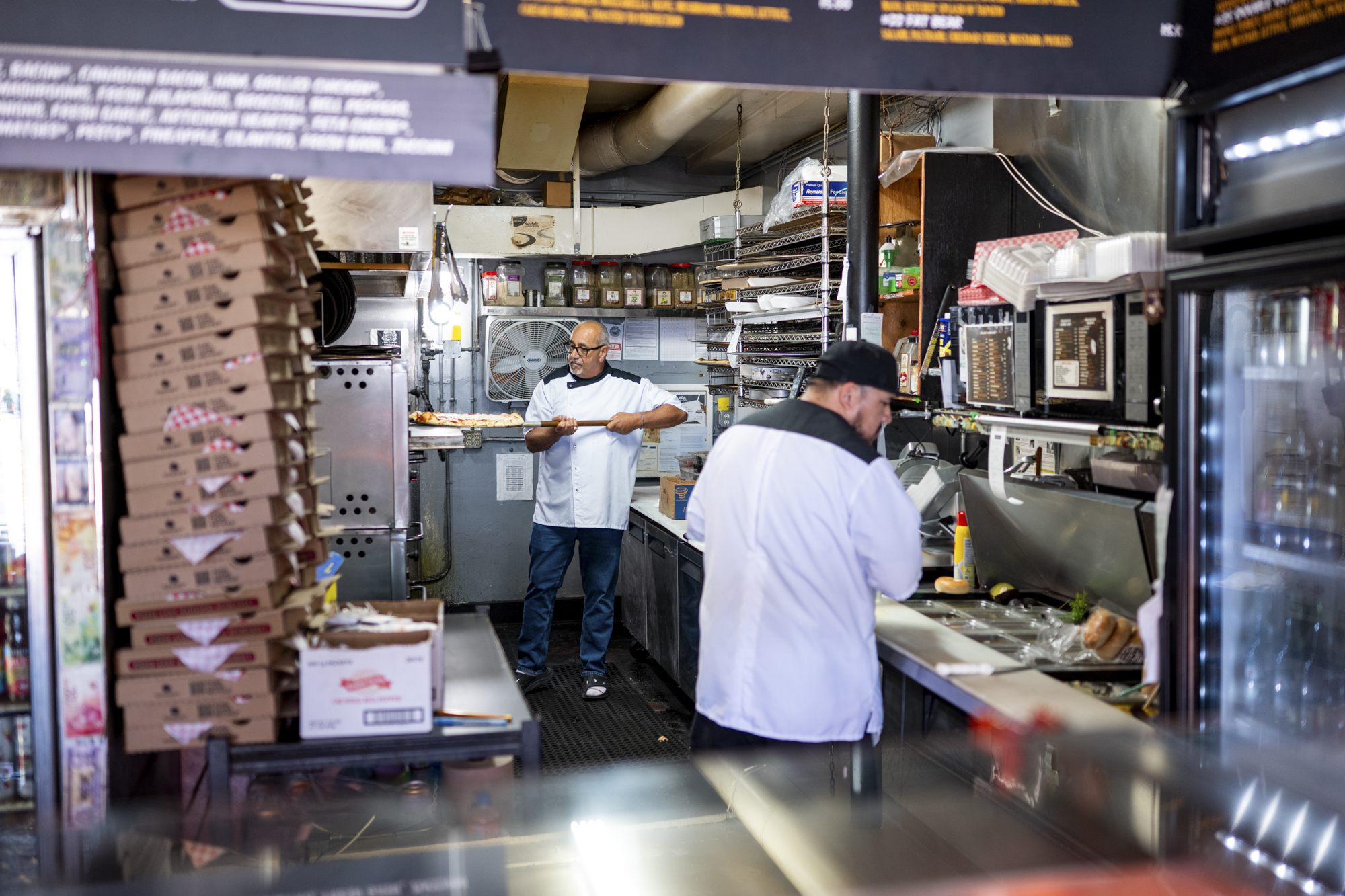
A KQED series exploring the creative extremes and quiet compromises we make to continue living in the Bay Area and California. Follow along with our newsletter.
California Food Banks Brace for Slow-Moving Avalanche of SNAP Cuts
California Food Banks Brace for Slow-Moving Avalanche of SNAP Cuts
San Francisco Is Expanding Access to Free or Discounted Childcare. How Do Families Sign Up?
San Francisco Is Expanding Access to Free or Discounted Childcare. How Do Families Sign Up?
All Stories
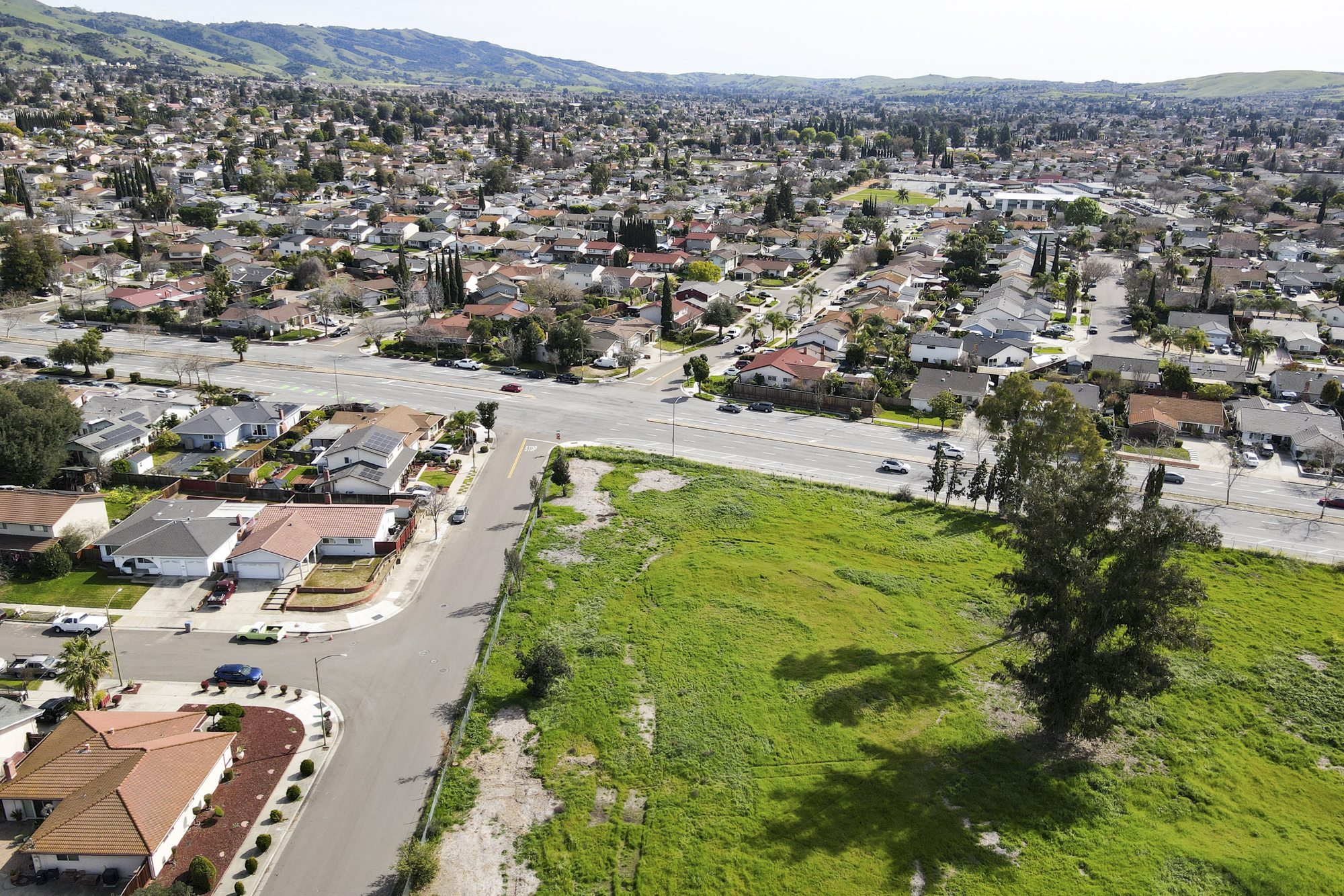
San José Leaders Eying More Multifamily Homes in Single-Family Neighborhoods
Is Your Kid Maybe a Baseball Prodigy? That’ll Cost Thousands of Dollars
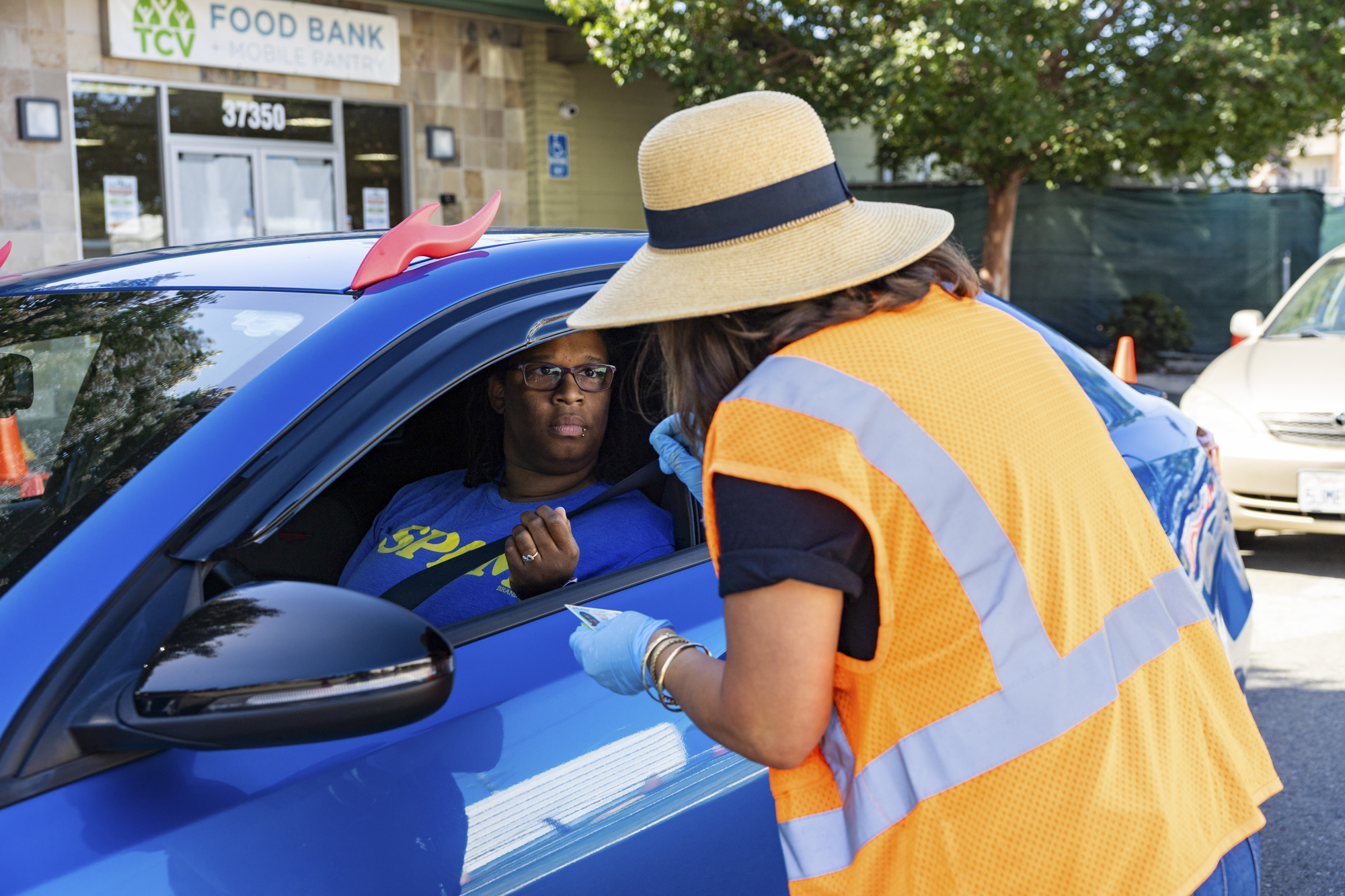
California Food Banks Brace for Slow-Moving Avalanche of SNAP Cuts
San Francisco Is Expanding Access to Free or Discounted Childcare. How Do Families Sign Up?
Remember Your Mom’s ‘Tanda’? Young Latinos Are Giving It a Tech-Savvy Twist
Redwood City to Vote on Rent Control in November
How to Watch Bay Area Baseball on a Budget
Surveillance Pricing Is Making Life More Expensive. Here’s How It Works and What You Can Do
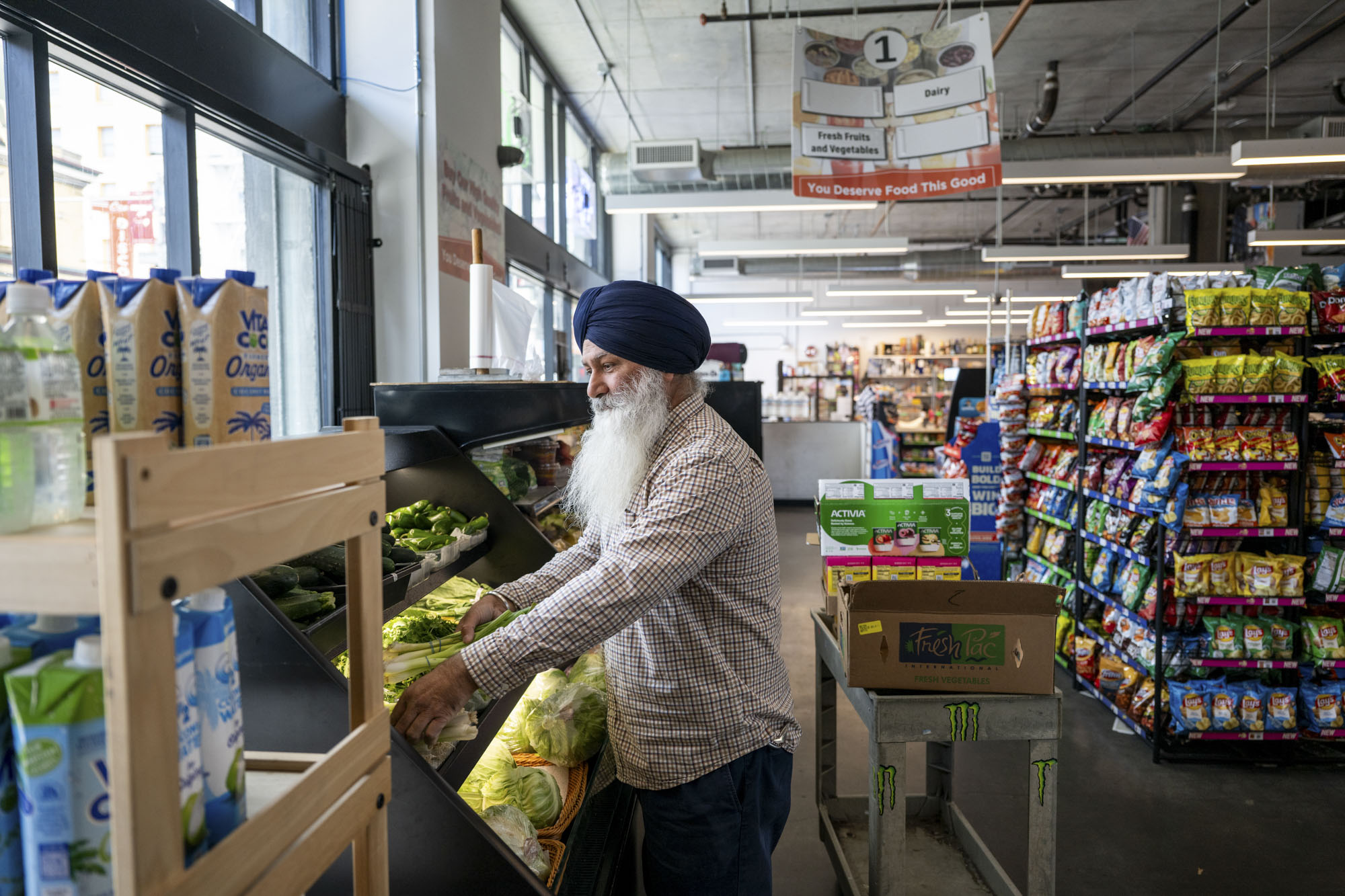
To Fund Affordable Food, San Francisco Looks to Tax Vacant Grocery Stores, Pharmacies
San Francisco Weighs PG&E Takeover Amid Soaring Utility Costs
Player sponsored by
window.__IS_SSR__=true
window.__INITIAL_STATE__={
"attachmentsReducer": {
"audio_0": {
"type": "attachments",
"id": "audio_0",
"imgSizes": {
"kqedFullSize": {
"file": "https://ww2.kqed.org/news/wp-content/themes/KQED-unified/img/audio_bgs/background0.jpg"
}
}
},
"audio_1": {
"type": "attachments",
"id": "audio_1",
"imgSizes": {
"kqedFullSize": {
"file": "https://ww2.kqed.org/news/wp-content/themes/KQED-unified/img/audio_bgs/background1.jpg"
}
}
},
"audio_2": {
"type": "attachments",
"id": "audio_2",
"imgSizes": {
"kqedFullSize": {
"file": "https://ww2.kqed.org/news/wp-content/themes/KQED-unified/img/audio_bgs/background2.jpg"
}
}
},
"audio_3": {
"type": "attachments",
"id": "audio_3",
"imgSizes": {
"kqedFullSize": {
"file": "https://ww2.kqed.org/news/wp-content/themes/KQED-unified/img/audio_bgs/background3.jpg"
}
}
},
"audio_4": {
"type": "attachments",
"id": "audio_4",
"imgSizes": {
"kqedFullSize": {
"file": "https://ww2.kqed.org/news/wp-content/themes/KQED-unified/img/audio_bgs/background4.jpg"
}
}
},
"placeholder": {
"type": "attachments",
"id": "placeholder",
"imgSizes": {
"thumbnail": {
"file": "https://cdn.kqed.org/wp-content/uploads/2024/12/KQED-Default-Image-816638274-2000x1333-1-160x107.jpg",
"width": 160,
"height": 107,
"mimeType": "image/jpeg"
},
"medium": {
"file": "https://cdn.kqed.org/wp-content/uploads/2024/12/KQED-Default-Image-816638274-2000x1333-1-800x533.jpg",
"width": 800,
"height": 533,
"mimeType": "image/jpeg"
},
"medium_large": {
"file": "https://cdn.kqed.org/wp-content/uploads/2024/12/KQED-Default-Image-816638274-2000x1333-1-768x512.jpg",
"width": 768,
"height": 512,
"mimeType": "image/jpeg"
},
"large": {
"file": "https://cdn.kqed.org/wp-content/uploads/2024/12/KQED-Default-Image-816638274-2000x1333-1-1020x680.jpg",
"width": 1020,
"height": 680,
"mimeType": "image/jpeg"
},
"1536x1536": {
"file": "https://cdn.kqed.org/wp-content/uploads/2024/12/KQED-Default-Image-816638274-2000x1333-1-1536x1024.jpg",
"width": 1536,
"height": 1024,
"mimeType": "image/jpeg"
},
"fd-lrg": {
"file": "https://cdn.kqed.org/wp-content/uploads/2024/12/KQED-Default-Image-816638274-2000x1333-1-1536x1024.jpg",
"width": 1536,
"height": 1024,
"mimeType": "image/jpeg"
},
"fd-med": {
"file": "https://cdn.kqed.org/wp-content/uploads/2024/12/KQED-Default-Image-816638274-2000x1333-1-1020x680.jpg",
"width": 1020,
"height": 680,
"mimeType": "image/jpeg"
},
"fd-sm": {
"file": "https://cdn.kqed.org/wp-content/uploads/2024/12/KQED-Default-Image-816638274-2000x1333-1-800x533.jpg",
"width": 800,
"height": 533,
"mimeType": "image/jpeg"
},
"post-thumbnail": {
"file": "https://cdn.kqed.org/wp-content/uploads/2024/12/KQED-Default-Image-816638274-2000x1333-1-672x372.jpg",
"width": 672,
"height": 372,
"mimeType": "image/jpeg"
},
"twentyfourteen-full-width": {
"file": "https://cdn.kqed.org/wp-content/uploads/2024/12/KQED-Default-Image-816638274-2000x1333-1-1038x576.jpg",
"width": 1038,
"height": 576,
"mimeType": "image/jpeg"
},
"xxsmall": {
"file": "https://cdn.kqed.org/wp-content/uploads/2024/12/KQED-Default-Image-816638274-2000x1333-1-160x107.jpg",
"width": 160,
"height": 107,
"mimeType": "image/jpeg"
},
"xsmall": {
"file": "https://cdn.kqed.org/wp-content/uploads/2024/12/KQED-Default-Image-816638274-2000x1333-1-672x372.jpg",
"width": 672,
"height": 372,
"mimeType": "image/jpeg"
},
"small": {
"file": "https://cdn.kqed.org/wp-content/uploads/2024/12/KQED-Default-Image-816638274-2000x1333-1-672x372.jpg",
"width": 672,
"height": 372,
"mimeType": "image/jpeg"
},
"xlarge": {
"file": "https://cdn.kqed.org/wp-content/uploads/2024/12/KQED-Default-Image-816638274-2000x1333-1-1020x680.jpg",
"width": 1020,
"height": 680,
"mimeType": "image/jpeg"
},
"full-width": {
"file": "https://cdn.kqed.org/wp-content/uploads/2024/12/KQED-Default-Image-816638274-2000x1333-1-1920x1280.jpg",
"width": 1920,
"height": 1280,
"mimeType": "image/jpeg"
},
"guest-author-32": {
"file": "https://cdn.kqed.org/wp-content/uploads/2025/01/KQED-Default-Image-816638274-1333x1333-1-160x160.jpg",
"width": 32,
"height": 32,
"mimeType": "image/jpeg"
},
"guest-author-50": {
"file": "https://cdn.kqed.org/wp-content/uploads/2025/01/KQED-Default-Image-816638274-1333x1333-1-160x160.jpg",
"width": 50,
"height": 50,
"mimeType": "image/jpeg"
},
"guest-author-64": {
"file": "https://cdn.kqed.org/wp-content/uploads/2025/01/KQED-Default-Image-816638274-1333x1333-1-160x160.jpg",
"width": 64,
"height": 64,
"mimeType": "image/jpeg"
},
"guest-author-96": {
"file": "https://cdn.kqed.org/wp-content/uploads/2025/01/KQED-Default-Image-816638274-1333x1333-1-160x160.jpg",
"width": 96,
"height": 96,
"mimeType": "image/jpeg"
},
"guest-author-128": {
"file": "https://cdn.kqed.org/wp-content/uploads/2025/01/KQED-Default-Image-816638274-1333x1333-1-160x160.jpg",
"width": 128,
"height": 128,
"mimeType": "image/jpeg"
},
"detail": {
"file": "https://cdn.kqed.org/wp-content/uploads/2025/01/KQED-Default-Image-816638274-1333x1333-1-160x160.jpg",
"width": 160,
"height": 160,
"mimeType": "image/jpeg"
},
"kqedFullSize": {
"file": "https://cdn.kqed.org/wp-content/uploads/2024/12/KQED-Default-Image-816638274-2000x1333-1.jpg",
"width": 2000,
"height": 1333
}
}
},
"root-site_27887": {
"type": "attachments",
"id": "root-site_27887",
"meta": {
"index": "attachments_1716263798",
"site": "root-site",
"id": "27887",
"found": true
},
"title": "How We Get By News Series-1920x1080",
"publishDate": 1775084775,
"status": "inherit",
"parent": 0,
"modified": 1775084775,
"caption": null,
"credit": null,
"altTag": null,
"description": null,
"imgSizes": {
"thumbnail": {
"file": "https://cdn.kqed.org/wp-content/uploads/2026/04/How-We-Get-By-News-Series-1920x1080-1-160x90.jpg",
"width": 160,
"height": 90,
"mimeType": "image/jpeg"
},
"medium_large": {
"file": "https://cdn.kqed.org/wp-content/uploads/2026/04/How-We-Get-By-News-Series-1920x1080-1-768x432.jpg",
"width": 768,
"height": 432,
"mimeType": "image/jpeg"
},
"1536x1536": {
"file": "https://cdn.kqed.org/wp-content/uploads/2026/04/How-We-Get-By-News-Series-1920x1080-1-1536x864.jpg",
"width": 1536,
"height": 864,
"mimeType": "image/jpeg"
},
"post-thumbnail": {
"file": "https://cdn.kqed.org/wp-content/uploads/2026/04/How-We-Get-By-News-Series-1920x1080-1-672x372.jpg",
"width": 672,
"height": 372,
"mimeType": "image/jpeg"
},
"twentyfourteen-full-width": {
"file": "https://cdn.kqed.org/wp-content/uploads/2026/04/How-We-Get-By-News-Series-1920x1080-1-1038x576.jpg",
"width": 1038,
"height": 576,
"mimeType": "image/jpeg"
},
"kqedFullSize": {
"file": "https://cdn.kqed.org/wp-content/uploads/2026/04/How-We-Get-By-News-Series-1920x1080-1.jpg",
"width": 1920,
"height": 1080
}
},
"isLoading": false,
"fetchFailed": false
},
"root-site_22172": {
"type": "attachments",
"id": "root-site_22172",
"meta": {
"index": "attachments_1716263798",
"site": "root-site",
"id": "22172",
"found": true
},
"parent": 22151,
"imgSizes": {
"twentyfourteen-full-width": {
"file": "https://cdn.kqed.org/wp-content/uploads/2023/05/pexels-cottonbro-studio-4778412-1020x680-1-1020x576.jpg",
"width": 1020,
"mimeType": "image/jpeg",
"height": 576
},
"thumbnail": {
"file": "https://cdn.kqed.org/wp-content/uploads/2023/05/pexels-cottonbro-studio-4778412-1020x680-1-160x107.jpg",
"width": 160,
"mimeType": "image/jpeg",
"height": 107
},
"post-thumbnail": {
"file": "https://cdn.kqed.org/wp-content/uploads/2023/05/pexels-cottonbro-studio-4778412-1020x680-1-672x372.jpg",
"width": 672,
"mimeType": "image/jpeg",
"height": 372
},
"kqedFullSize": {
"file": "https://cdn.kqed.org/wp-content/uploads/2023/05/pexels-cottonbro-studio-4778412-1020x680-1.jpg",
"width": 1020,
"height": 680
},
"medium": {
"file": "https://cdn.kqed.org/wp-content/uploads/2023/05/pexels-cottonbro-studio-4778412-1020x680-1-800x533.jpg",
"width": 800,
"mimeType": "image/jpeg",
"height": 533
},
"medium_large": {
"file": "https://cdn.kqed.org/wp-content/uploads/2023/05/pexels-cottonbro-studio-4778412-1020x680-1-768x512.jpg",
"width": 768,
"mimeType": "image/jpeg",
"height": 512
}
},
"publishDate": 1683318897,
"modified": 1683318897,
"caption": null,
"description": null,
"title": "pexels-cottonbro-studio-4778412-1020x680 (1)",
"credit": null,
"status": "inherit",
"altTag": null,
"isLoading": false,
"fetchFailed": false
},
"news_11948823": {
"type": "attachments",
"id": "news_11948823",
"meta": {
"index": "attachments_1716263798",
"site": "news",
"id": "11948823",
"found": true
},
"parent": 11948690,
"imgSizes": {
"twentyfourteen-full-width": {
"file": "https://ww2.kqed.org/app/uploads/sites/10/2030/05/018_KQED_EachOneTeachOneChildCare_04262023-1038x576.jpg",
"width": 1038,
"mimeType": "image/jpeg",
"height": 576
},
"thumbnail": {
"file": "https://ww2.kqed.org/app/uploads/sites/10/2030/05/018_KQED_EachOneTeachOneChildCare_04262023-160x107.jpg",
"width": 160,
"mimeType": "image/jpeg",
"height": 107
},
"post-thumbnail": {
"file": "https://ww2.kqed.org/app/uploads/sites/10/2030/05/018_KQED_EachOneTeachOneChildCare_04262023-672x372.jpg",
"width": 672,
"mimeType": "image/jpeg",
"height": 372
},
"kqedFullSize": {
"file": "https://ww2.kqed.org/app/uploads/sites/10/2030/05/018_KQED_EachOneTeachOneChildCare_04262023.jpg",
"width": 1920,
"height": 1280
},
"large": {
"file": "https://ww2.kqed.org/app/uploads/sites/10/2030/05/018_KQED_EachOneTeachOneChildCare_04262023-1020x680.jpg",
"width": 1020,
"mimeType": "image/jpeg",
"height": 680
},
"1536x1536": {
"file": "https://ww2.kqed.org/app/uploads/sites/10/2030/05/018_KQED_EachOneTeachOneChildCare_04262023-1536x1024.jpg",
"width": 1536,
"mimeType": "image/jpeg",
"height": 1024
},
"medium": {
"file": "https://ww2.kqed.org/app/uploads/sites/10/2030/05/018_KQED_EachOneTeachOneChildCare_04262023-800x533.jpg",
"width": 800,
"mimeType": "image/jpeg",
"height": 533
}
},
"publishDate": 1683577443,
"modified": 1683577582,
"caption": "Krystle Danridge-Pierson, founder and director at Each One Teach One Child Care, holds a small child at the San Francisco daycare facility on April 26, 2023.",
"description": null,
"title": "018_KQED_EachOneTeachOneChildCare_04262023",
"credit": "Beth LaBerge/KQED",
"status": "inherit",
"altTag": "A Black woman holds a small child up to her face while smiling. The child touches her face.",
"isLoading": false,
"fetchFailed": false
},
"news_12090146": {
"type": "attachments",
"id": "news_12090146",
"meta": {
"index": "attachments_1716263798",
"site": "news",
"id": "12090146",
"found": true
},
"title": "Seattle Mariners v San Francisco Giants",
"publishDate": 1783466012,
"status": "inherit",
"parent": 12089894,
"modified": 1783466070,
"caption": "Mike Yastrzemski and Heliot Ramos of the San Francisco Giants celebrate after Yastrzemski hit a three-run home run against the Seattle Mariners in the bottom of the fourth inning at Oracle Park on April 6, 2025 in San Francisco, California. ",
"credit": "Thearon W. Henderson/Getty Images",
"altTag": null,
"description": null,
"imgSizes": {
"thumbnail": {
"file": "https://cdn.kqed.org/wp-content/uploads/sites/10/2026/07/GettyImages-2208881091-160x108.jpg",
"width": 160,
"height": 108,
"mimeType": "image/jpeg"
},
"1536x1536": {
"file": "https://cdn.kqed.org/wp-content/uploads/sites/10/2026/07/GettyImages-2208881091-1536x1037.jpg",
"width": 1536,
"height": 1037,
"mimeType": "image/jpeg"
},
"post-thumbnail": {
"file": "https://cdn.kqed.org/wp-content/uploads/sites/10/2026/07/GettyImages-2208881091-672x372.jpg",
"width": 672,
"height": 372,
"mimeType": "image/jpeg"
},
"twentyfourteen-full-width": {
"file": "https://cdn.kqed.org/wp-content/uploads/sites/10/2026/07/GettyImages-2208881091-1038x576.jpg",
"width": 1038,
"height": 576,
"mimeType": "image/jpeg"
},
"npr-cds-wide": {
"file": "https://cdn.kqed.org/wp-content/uploads/sites/10/2026/07/GettyImages-2208881091-1200x675.jpg",
"width": 1200,
"height": 675,
"mimeType": "image/jpeg"
},
"npr-cds-square": {
"file": "https://cdn.kqed.org/wp-content/uploads/sites/10/2026/07/GettyImages-2208881091-600x600.jpg",
"width": 600,
"height": 600,
"mimeType": "image/jpeg"
},
"kqedFullSize": {
"file": "https://cdn.kqed.org/wp-content/uploads/sites/10/2026/07/GettyImages-2208881091.jpg",
"width": 1980,
"height": 1337
}
},
"isLoading": false,
"fetchFailed": false
},
"news_12085877": {
"type": "attachments",
"id": "news_12085877",
"meta": {
"index": "attachments_1716263798",
"site": "news",
"id": "12085877",
"found": true
},
"title": "CAT — Surveillance Pricing.img",
"publishDate": 1780448446,
"status": "inherit",
"parent": 12085876,
"modified": 1780448827,
"caption": "Figures in suits with surveillance cameras for heads overlook a collage of gas stations, grocery shelves and stock tickers. Surveillance pricing is the practice of using consumers' personal data to determine what they'll pay.",
"credit": "Composite by Morgan Sung; Images by Getty Images",
"altTag": "A collage of images including three figures in suits with surveillance cameras for heads, overlaid on a double exposure image of a red fuel pump nozzle, a gas station, grocery store fruit and a dollar bill. The text \"Close All Tabs\" appears in the upper right corner.",
"description": null,
"imgSizes": {
"thumbnail": {
"file": "https://cdn.kqed.org/wp-content/uploads/sites/10/2026/06/CAT-—-Surveillance-Pricing.img_-160x90.png",
"width": 160,
"height": 90,
"mimeType": "image/png"
},
"1536x1536": {
"file": "https://cdn.kqed.org/wp-content/uploads/sites/10/2026/06/CAT-—-Surveillance-Pricing.img_-1536x864.png",
"width": 1536,
"height": 864,
"mimeType": "image/png"
},
"post-thumbnail": {
"file": "https://cdn.kqed.org/wp-content/uploads/sites/10/2026/06/CAT-—-Surveillance-Pricing.img_-672x372.png",
"width": 672,
"height": 372,
"mimeType": "image/png"
},
"twentyfourteen-full-width": {
"file": "https://cdn.kqed.org/wp-content/uploads/sites/10/2026/06/CAT-—-Surveillance-Pricing.img_-1038x576.png",
"width": 1038,
"height": 576,
"mimeType": "image/png"
},
"npr-cds-wide": {
"file": "https://cdn.kqed.org/wp-content/uploads/sites/10/2026/06/CAT-—-Surveillance-Pricing.img_-1200x675.png",
"width": 1200,
"height": 675,
"mimeType": "image/png"
},
"npr-cds-square": {
"file": "https://cdn.kqed.org/wp-content/uploads/sites/10/2026/06/CAT-—-Surveillance-Pricing.img_-600x600.png",
"width": 600,
"height": 600,
"mimeType": "image/png"
},
"kqedFullSize": {
"file": "https://cdn.kqed.org/wp-content/uploads/sites/10/2026/06/CAT-—-Surveillance-Pricing.img_.png",
"width": 1920,
"height": 1080
}
},
"isLoading": false,
"fetchFailed": false
},
"news_12092732": {
"type": "attachments",
"id": "news_12092732",
"meta": {
"index": "attachments_1716263798",
"site": "news",
"id": "12092732",
"found": true
},
"title": "072526-YouthSports-36-MC-KQED",
"publishDate": 1785178826,
"status": "inherit",
"parent": 0,
"modified": 1785178859,
"caption": "Tyler Yu prepares his swing at the hitting station during the Oakland Baseball Foundation MLB Pitch Hit and Run competition at Bushrod Park in Oakland on July 23, 2026.",
"credit": "Miles Cull/KQED",
"altTag": null,
"description": null,
"imgSizes": {
"thumbnail": {
"file": "https://cdn.kqed.org/wp-content/uploads/sites/10/2026/07/072526-YouthSports-36-MC-KQED-160x107.jpg",
"width": 160,
"height": 107,
"mimeType": "image/jpeg"
},
"1536x1536": {
"file": "https://cdn.kqed.org/wp-content/uploads/sites/10/2026/07/072526-YouthSports-36-MC-KQED-1536x1024.jpg",
"width": 1536,
"height": 1024,
"mimeType": "image/jpeg"
},
"post-thumbnail": {
"file": "https://cdn.kqed.org/wp-content/uploads/sites/10/2026/07/072526-YouthSports-36-MC-KQED-672x372.jpg",
"width": 672,
"height": 372,
"mimeType": "image/jpeg"
},
"twentyfourteen-full-width": {
"file": "https://cdn.kqed.org/wp-content/uploads/sites/10/2026/07/072526-YouthSports-36-MC-KQED-1038x576.jpg",
"width": 1038,
"height": 576,
"mimeType": "image/jpeg"
},
"npr-cds-wide": {
"file": "https://cdn.kqed.org/wp-content/uploads/sites/10/2026/07/072526-YouthSports-36-MC-KQED-1200x675.jpg",
"width": 1200,
"height": 675,
"mimeType": "image/jpeg"
},
"npr-cds-square": {
"file": "https://cdn.kqed.org/wp-content/uploads/sites/10/2026/07/072526-YouthSports-36-MC-KQED-600x600.jpg",
"width": 600,
"height": 600,
"mimeType": "image/jpeg"
},
"kqedFullSize": {
"file": "https://cdn.kqed.org/wp-content/uploads/sites/10/2026/07/072526-YouthSports-36-MC-KQED.jpg",
"width": 2000,
"height": 1333
}
},
"isLoading": false,
"fetchFailed": false
},
"news_12091833": {
"type": "attachments",
"id": "news_12091833",
"meta": {
"index": "attachments_1716263798",
"site": "news",
"id": "12091833",
"found": true
},
"title": "20260717_FOODBANKSUPDATE_GC-15-KQED",
"publishDate": 1784566264,
"status": "inherit",
"parent": 0,
"modified": 1787005609,
"caption": "Ladonna Johnson receives assistance during a drive-through food distribution at Tri-City Volunteers Food Bank & Mobile Pantry’s main hub in Fremont on July 17, 2026.",
"credit": "Gina Castro for KQED",
"altTag": null,
"description": null,
"imgSizes": {
"thumbnail": {
"file": "https://cdn.kqed.org/wp-content/uploads/sites/10/2026/07/20260717_FOODBANKSUPDATE_GC-15-KQED-160x107.jpg",
"width": 160,
"height": 107,
"mimeType": "image/jpeg"
},
"1536x1536": {
"file": "https://cdn.kqed.org/wp-content/uploads/sites/10/2026/07/20260717_FOODBANKSUPDATE_GC-15-KQED-1536x1024.jpg",
"width": 1536,
"height": 1024,
"mimeType": "image/jpeg"
},
"post-thumbnail": {
"file": "https://cdn.kqed.org/wp-content/uploads/sites/10/2026/07/20260717_FOODBANKSUPDATE_GC-15-KQED-672x372.jpg",
"width": 672,
"height": 372,
"mimeType": "image/jpeg"
},
"twentyfourteen-full-width": {
"file": "https://cdn.kqed.org/wp-content/uploads/sites/10/2026/07/20260717_FOODBANKSUPDATE_GC-15-KQED-1038x576.jpg",
"width": 1038,
"height": 576,
"mimeType": "image/jpeg"
},
"npr-cds-wide": {
"file": "https://cdn.kqed.org/wp-content/uploads/sites/10/2026/07/20260717_FOODBANKSUPDATE_GC-15-KQED-1200x675.jpg",
"width": 1200,
"height": 675,
"mimeType": "image/jpeg"
},
"npr-cds-square": {
"file": "https://cdn.kqed.org/wp-content/uploads/sites/10/2026/07/20260717_FOODBANKSUPDATE_GC-15-KQED-600x600.jpg",
"width": 600,
"height": 600,
"mimeType": "image/jpeg"
},
"kqedFullSize": {
"file": "https://cdn.kqed.org/wp-content/uploads/sites/10/2026/07/20260717_FOODBANKSUPDATE_GC-15-KQED.jpg",
"width": 2000,
"height": 1333
}
},
"isLoading": false,
"fetchFailed": false
},
"news_12074330": {
"type": "attachments",
"id": "news_12074330",
"meta": {
"index": "attachments_1716263798",
"site": "news",
"id": "12074330",
"found": true
},
"title": "260223-PLEASANTHILLSDEV-09-BL-KQED",
"publishDate": 1771893285,
"status": "inherit",
"parent": 12074738,
"modified": 1772219782,
"caption": "An open grassy area at the former Pleasant Hills Golf Course in San José on Feb. 23, 2026. The golf course closed in 2004, and the site has since been the focus of redevelopment proposals that include housing and open space.",
"credit": "Beth LaBerge/KQED",
"altTag": null,
"description": null,
"imgSizes": {
"thumbnail": {
"file": "https://cdn.kqed.org/wp-content/uploads/sites/10/2026/02/260223-PLEASANTHILLSDEV-09-BL-KQED-160x107.jpg",
"width": 160,
"height": 107,
"mimeType": "image/jpeg"
},
"1536x1536": {
"file": "https://cdn.kqed.org/wp-content/uploads/sites/10/2026/02/260223-PLEASANTHILLSDEV-09-BL-KQED-1536x1025.jpg",
"width": 1536,
"height": 1025,
"mimeType": "image/jpeg"
},
"post-thumbnail": {
"file": "https://cdn.kqed.org/wp-content/uploads/sites/10/2026/02/260223-PLEASANTHILLSDEV-09-BL-KQED-672x372.jpg",
"width": 672,
"height": 372,
"mimeType": "image/jpeg"
},
"twentyfourteen-full-width": {
"file": "https://cdn.kqed.org/wp-content/uploads/sites/10/2026/02/260223-PLEASANTHILLSDEV-09-BL-KQED-1038x576.jpg",
"width": 1038,
"height": 576,
"mimeType": "image/jpeg"
},
"npr-cds-wide": {
"file": "https://cdn.kqed.org/wp-content/uploads/sites/10/2026/02/260223-PLEASANTHILLSDEV-09-BL-KQED-1200x675.jpg",
"width": 1200,
"height": 675,
"mimeType": "image/jpeg"
},
"kqedFullSize": {
"file": "https://cdn.kqed.org/wp-content/uploads/sites/10/2026/02/260223-PLEASANTHILLSDEV-09-BL-KQED.jpg",
"width": 2000,
"height": 1334
}
},
"isLoading": false,
"fetchFailed": false
},
"news_12090539": {
"type": "attachments",
"id": "news_12090539",
"meta": {
"index": "attachments_1716263798",
"site": "news",
"id": "12090539",
"found": true
},
"title": "Money falling down_Tandas_ICH",
"publishDate": 1783711549,
"status": "inherit",
"parent": 12090533,
"modified": 1783711605,
"caption": "Tandas, a centuries-old savings and loan system widely used across Latin America, are becoming more modernized with apps and other tech tools drawing in younger generations of Latinos. ",
"credit": "Illustration Courtesy of KVPR",
"altTag": null,
"description": null,
"imgSizes": {
"thumbnail": {
"file": "https://cdn.kqed.org/wp-content/uploads/sites/10/2026/07/Money-falling-down_Tandas_ICH-160x90.jpeg",
"width": 160,
"height": 90,
"mimeType": "image/jpeg"
},
"1536x1536": {
"file": "https://cdn.kqed.org/wp-content/uploads/sites/10/2026/07/Money-falling-down_Tandas_ICH-1536x863.jpeg",
"width": 1536,
"height": 863,
"mimeType": "image/jpeg"
},
"post-thumbnail": {
"file": "https://cdn.kqed.org/wp-content/uploads/sites/10/2026/07/Money-falling-down_Tandas_ICH-672x372.jpeg",
"width": 672,
"height": 372,
"mimeType": "image/jpeg"
},
"twentyfourteen-full-width": {
"file": "https://cdn.kqed.org/wp-content/uploads/sites/10/2026/07/Money-falling-down_Tandas_ICH-1038x576.jpeg",
"width": 1038,
"height": 576,
"mimeType": "image/jpeg"
},
"npr-cds-wide": {
"file": "https://cdn.kqed.org/wp-content/uploads/sites/10/2026/07/Money-falling-down_Tandas_ICH-1200x675.jpeg",
"width": 1200,
"height": 675,
"mimeType": "image/jpeg"
},
"npr-cds-square": {
"file": "https://cdn.kqed.org/wp-content/uploads/sites/10/2026/07/Money-falling-down_Tandas_ICH-600x600.jpeg",
"width": 600,
"height": 600,
"mimeType": "image/jpeg"
},
"kqedFullSize": {
"file": "https://cdn.kqed.org/wp-content/uploads/sites/10/2026/07/Money-falling-down_Tandas_ICH.jpeg",
"width": 2000,
"height": 1124
}
},
"isLoading": false,
"fetchFailed": false
},
"news_11970120": {
"type": "attachments",
"id": "news_11970120",
"meta": {
"index": "attachments_1716263798",
"site": "news",
"id": "11970120",
"found": true
},
"title": "Aerial view of Redwood City, Silicon Valley, San Francisco bay, California",
"publishDate": 1702674463,
"status": "inherit",
"parent": 11970062,
"modified": 1783630584,
"caption": "An aerial view of Redwood City.",
"credit": "Sundry Photography via Getty Images",
"altTag": "An aerial view of a city, with a large body of water in the background.",
"description": null,
"imgSizes": {
"medium": {
"file": "https://cdn.kqed.org/wp-content/uploads/sites/10/2023/12/GettyImages-1092771432-800x533.jpg",
"width": 800,
"height": 533,
"mimeType": "image/jpeg"
},
"large": {
"file": "https://cdn.kqed.org/wp-content/uploads/sites/10/2023/12/GettyImages-1092771432-1020x680.jpg",
"width": 1020,
"height": 680,
"mimeType": "image/jpeg"
},
"thumbnail": {
"file": "https://cdn.kqed.org/wp-content/uploads/sites/10/2023/12/GettyImages-1092771432-160x107.jpg",
"width": 160,
"height": 107,
"mimeType": "image/jpeg"
},
"1536x1536": {
"file": "https://cdn.kqed.org/wp-content/uploads/sites/10/2023/12/GettyImages-1092771432-1536x1024.jpg",
"width": 1536,
"height": 1024,
"mimeType": "image/jpeg"
},
"2048x2048": {
"file": "https://cdn.kqed.org/wp-content/uploads/sites/10/2023/12/GettyImages-1092771432-2048x1365.jpg",
"width": 2048,
"height": 1365,
"mimeType": "image/jpeg"
},
"post-thumbnail": {
"file": "https://cdn.kqed.org/wp-content/uploads/sites/10/2023/12/GettyImages-1092771432-672x372.jpg",
"width": 672,
"height": 372,
"mimeType": "image/jpeg"
},
"twentyfourteen-full-width": {
"file": "https://cdn.kqed.org/wp-content/uploads/sites/10/2023/12/GettyImages-1092771432-1038x576.jpg",
"width": 1038,
"height": 576,
"mimeType": "image/jpeg"
},
"full-width": {
"file": "https://cdn.kqed.org/wp-content/uploads/sites/10/2023/12/GettyImages-1092771432-1920x1280.jpg",
"width": 1920,
"height": 1280,
"mimeType": "image/jpeg"
},
"kqedFullSize": {
"file": "https://cdn.kqed.org/wp-content/uploads/sites/10/2023/12/GettyImages-1092771432.jpg",
"width": 2121,
"height": 1414
}
},
"isLoading": false,
"fetchFailed": false
},
"news_12087846": {
"type": "attachments",
"id": "news_12087846",
"meta": {
"index": "attachments_1716263798",
"site": "news",
"id": "12087846",
"found": true
},
"title": "260616-SFAffordableGroceries-04-BL-KQED",
"publishDate": 1781643271,
"status": "inherit",
"parent": 0,
"modified": 1781643342,
"caption": "Store owner Satwinder Multani stocks produce at Dalda’s Community Market in San Francisco’s Tenderloin neighborhood on June 16, 2026. The market offers fresh produce and other healthy food options in a neighborhood with limited grocery access.",
"credit": "Beth LaBerge/KQED",
"altTag": null,
"description": null,
"imgSizes": {
"thumbnail": {
"file": "https://cdn.kqed.org/wp-content/uploads/sites/10/2026/06/260616-SFAffordableGroceries-04-BL-KQED-160x107.jpg",
"width": 160,
"height": 107,
"mimeType": "image/jpeg"
},
"1536x1536": {
"file": "https://cdn.kqed.org/wp-content/uploads/sites/10/2026/06/260616-SFAffordableGroceries-04-BL-KQED-1536x1024.jpg",
"width": 1536,
"height": 1024,
"mimeType": "image/jpeg"
},
"post-thumbnail": {
"file": "https://cdn.kqed.org/wp-content/uploads/sites/10/2026/06/260616-SFAffordableGroceries-04-BL-KQED-672x372.jpg",
"width": 672,
"height": 372,
"mimeType": "image/jpeg"
},
"twentyfourteen-full-width": {
"file": "https://cdn.kqed.org/wp-content/uploads/sites/10/2026/06/260616-SFAffordableGroceries-04-BL-KQED-1038x576.jpg",
"width": 1038,
"height": 576,
"mimeType": "image/jpeg"
},
"npr-cds-wide": {
"file": "https://cdn.kqed.org/wp-content/uploads/sites/10/2026/06/260616-SFAffordableGroceries-04-BL-KQED-1200x675.jpg",
"width": 1200,
"height": 675,
"mimeType": "image/jpeg"
},
"npr-cds-square": {
"file": "https://cdn.kqed.org/wp-content/uploads/sites/10/2026/06/260616-SFAffordableGroceries-04-BL-KQED-600x600.jpg",
"width": 600,
"height": 600,
"mimeType": "image/jpeg"
},
"kqedFullSize": {
"file": "https://cdn.kqed.org/wp-content/uploads/sites/10/2026/06/260616-SFAffordableGroceries-04-BL-KQED.jpg",
"width": 2000,
"height": 1333
}
},
"isLoading": false,
"fetchFailed": false
},
"news_12087360": {
"type": "attachments",
"id": "news_12087360",
"meta": {
"index": "attachments_1716263798",
"site": "news",
"id": "12087360",
"found": true
},
"title": "260608-PGEBREAKUPPRICING-06-BL-KQED",
"publishDate": 1781286389,
"status": "inherit",
"parent": 0,
"modified": 1781286430,
"caption": "Joe Dabit, owner of Pizza Joint, works in the kitchen at the restaurant in San Francisco's Richmond District on June 8, 2026.",
"credit": "Beth LaBerge/KQED",
"altTag": null,
"description": null,
"imgSizes": {
"thumbnail": {
"file": "https://cdn.kqed.org/wp-content/uploads/sites/10/2026/06/260608-PGEBREAKUPPRICING-06-BL-KQED-160x107.jpg",
"width": 160,
"height": 107,
"mimeType": "image/jpeg"
},
"1536x1536": {
"file": "https://cdn.kqed.org/wp-content/uploads/sites/10/2026/06/260608-PGEBREAKUPPRICING-06-BL-KQED-1536x1024.jpg",
"width": 1536,
"height": 1024,
"mimeType": "image/jpeg"
},
"post-thumbnail": {
"file": "https://cdn.kqed.org/wp-content/uploads/sites/10/2026/06/260608-PGEBREAKUPPRICING-06-BL-KQED-672x372.jpg",
"width": 672,
"height": 372,
"mimeType": "image/jpeg"
},
"twentyfourteen-full-width": {
"file": "https://cdn.kqed.org/wp-content/uploads/sites/10/2026/06/260608-PGEBREAKUPPRICING-06-BL-KQED-1038x576.jpg",
"width": 1038,
"height": 576,
"mimeType": "image/jpeg"
},
"npr-cds-wide": {
"file": "https://cdn.kqed.org/wp-content/uploads/sites/10/2026/06/260608-PGEBREAKUPPRICING-06-BL-KQED-1200x675.jpg",
"width": 1200,
"height": 675,
"mimeType": "image/jpeg"
},
"npr-cds-square": {
"file": "https://cdn.kqed.org/wp-content/uploads/sites/10/2026/06/260608-PGEBREAKUPPRICING-06-BL-KQED-600x600.jpg",
"width": 600,
"height": 600,
"mimeType": "image/jpeg"
},
"kqedFullSize": {
"file": "https://cdn.kqed.org/wp-content/uploads/sites/10/2026/06/260608-PGEBREAKUPPRICING-06-BL-KQED.jpg",
"width": 2000,
"height": 1333
}
},
"isLoading": false,
"fetchFailed": false
}
},
"audioPlayerReducer": {
"postId": "stream_live",
"isPaused": true,
"isPlaying": false,
"pfsActive": false,
"pledgeModalIsOpen": true,
"playerDrawerIsOpen": false,
"liveAudioPlayStartedAt": 0,
"liveAudioPlayContext": ""
},
"authorsReducer": {
"ccabreralomeli": {
"type": "authors",
"id": "11708",
"meta": {
"index": "authors_1716337520",
"id": "11708",
"found": true
},
"name": "Carlos Cabrera-Lomelí",
"firstName": "Carlos",
"lastName": "Cabrera-Lomelí",
"slug": "ccabreralomeli",
"email": "ccabreralomeli@KQED.org",
"display_author_email": true,
"staff_mastheads": [
"news"
],
"title": "Community Reporter",
"bio": "Carlos Cabrera-Lomelí is a community reporter with KQED's digital engagement team. He also reports and co-produces for KQED's bilingual news hub KQED en Español. He grew up in San Francisco's Mission District and has previously worked with Univision, 48 Hills and REFORMA in Mexico City.",
"avatar": "https://secure.gravatar.com/avatar/c309be9665e484f887b818c89e273ecc673004f426f36b24d00a4d813a2e0518?s=600&d=blank&r=g",
"twitter": "@LomeliCabrera",
"bluesky": null,
"facebook": null,
"instagram": null,
"linkedin": null,
"sites": [
{
"site": "arts",
"roles": [
"editor"
]
},
{
"site": "news",
"roles": [
"editor"
]
},
{
"site": "about",
"roles": [
"editor"
]
},
{
"site": "science",
"roles": [
"editor"
]
},
{
"site": "perspectives",
"roles": [
"editor"
]
},
{
"site": "elections",
"roles": [
"editor"
]
},
{
"site": "liveblog",
"roles": [
"contributor"
]
}
],
"headData": {
"title": "Carlos Cabrera-Lomelí | KQED",
"description": "Community Reporter",
"ogImgSrc": "https://secure.gravatar.com/avatar/c309be9665e484f887b818c89e273ecc673004f426f36b24d00a4d813a2e0518?s=600&d=blank&r=g",
"twImgSrc": "https://secure.gravatar.com/avatar/c309be9665e484f887b818c89e273ecc673004f426f36b24d00a4d813a2e0518?s=600&d=blank&r=g"
},
"isLoading": false,
"link": "/author/ccabreralomeli"
},
"daisynguyen": {
"type": "authors",
"id": "11829",
"meta": {
"index": "authors_1716337520",
"id": "11829",
"found": true
},
"name": "Daisy Nguyen",
"firstName": "Daisy",
"lastName": "Nguyen",
"slug": "daisynguyen",
"email": "daisynguyen@kqed.org",
"display_author_email": true,
"staff_mastheads": [
"news"
],
"title": "KQED Contributor",
"bio": "I have covered early childhood education and child care for KQED since 2022. I focus on policies aimed at increasing access to early care and education and how they shape individual lives. I've been a journalist for more than two decades, with most of that time devoted to covering breaking news throughout California for The Associated Press. I grew up in San Francisco and studied at UC Davis and Columbia University's Graduate School of Journalism. I live in Oakland with my husband and two kids.",
"avatar": "https://secure.gravatar.com/avatar/2da2127c27f7143b53ebd419800fd55f?s=600&d=blank&r=g",
"twitter": null,
"facebook": null,
"instagram": null,
"linkedin": "https://www.linkedin.com/in/daisynguyen/",
"sites": [
{
"site": "news",
"roles": [
"author"
]
},
{
"site": "liveblog",
"roles": [
"author"
]
}
],
"headData": {
"title": "Daisy Nguyen | KQED",
"description": "KQED Contributor",
"ogImgSrc": "https://secure.gravatar.com/avatar/2da2127c27f7143b53ebd419800fd55f?s=600&d=blank&r=g",
"twImgSrc": "https://secure.gravatar.com/avatar/2da2127c27f7143b53ebd419800fd55f?s=600&d=blank&r=g"
},
"isLoading": false,
"link": "/author/daisynguyen"
},
"nkhan": {
"type": "authors",
"id": "11867",
"meta": {
"index": "authors_1716337520",
"id": "11867",
"found": true
},
"name": "Nisa Khan",
"firstName": "Nisa",
"lastName": "Khan",
"slug": "nkhan",
"email": "nkhan@kqed.org",
"display_author_email": false,
"staff_mastheads": [],
"title": "KQED Contributor",
"bio": "Nisa Khan is a reporter for KQED's Audience News Desk. She was formerly a data reporter at Michigan Radio. She earned a Bachelor of Science in Information from the University of Michigan and a Master of Arts in Communication from Stanford University.",
"avatar": "https://secure.gravatar.com/avatar/8720459eef081ff64582b3506b124d58523e80e120704a0cbd9892533c914991?s=600&d=blank&r=g",
"twitter": "mnisakhan",
"bluesky": null,
"facebook": null,
"instagram": null,
"linkedin": null,
"sites": [
{
"site": "arts",
"roles": [
"editor"
]
},
{
"site": "news",
"roles": [
"editor"
]
},
{
"site": "science",
"roles": [
"editor",
"author"
]
},
{
"site": "forum",
"roles": [
"editor"
]
},
{
"site": "liveblog",
"roles": [
"contributor"
]
}
],
"headData": {
"title": "Nisa Khan | KQED",
"description": "KQED Contributor",
"ogImgSrc": "https://secure.gravatar.com/avatar/8720459eef081ff64582b3506b124d58523e80e120704a0cbd9892533c914991?s=600&d=blank&r=g",
"twImgSrc": "https://secure.gravatar.com/avatar/8720459eef081ff64582b3506b124d58523e80e120704a0cbd9892533c914991?s=600&d=blank&r=g"
},
"isLoading": false,
"link": "/author/nkhan"
},
"msung": {
"type": "authors",
"id": "11944",
"meta": {
"index": "authors_1716337520",
"id": "11944",
"found": true
},
"name": "Morgan Sung",
"firstName": "Morgan",
"lastName": "Sung",
"slug": "msung",
"email": "msung@kqed.org",
"display_author_email": false,
"staff_mastheads": [],
"title": "Close All Tabs Host",
"bio": null,
"avatar": "https://secure.gravatar.com/avatar/34033b8d232ee6c987ca6f0a1a28f0e5?s=600&d=blank&r=g",
"twitter": null,
"facebook": null,
"instagram": null,
"linkedin": null,
"sites": [
{
"site": "news",
"roles": [
"editor"
]
}
],
"headData": {
"title": "Morgan Sung | KQED",
"description": "Close All Tabs Host",
"ogImgSrc": "https://secure.gravatar.com/avatar/34033b8d232ee6c987ca6f0a1a28f0e5?s=600&d=blank&r=g",
"twImgSrc": "https://secure.gravatar.com/avatar/34033b8d232ee6c987ca6f0a1a28f0e5?s=600&d=blank&r=g"
},
"isLoading": false,
"link": "/author/msung"
},
"jgeha": {
"type": "authors",
"id": "11906",
"meta": {
"index": "authors_1716337520",
"id": "11906",
"found": true
},
"name": "Joseph Geha",
"firstName": "Joseph",
"lastName": "Geha",
"slug": "jgeha",
"email": "jgeha@kqed.org",
"display_author_email": false,
"staff_mastheads": [
"news",
"science"
],
"title": "KQED Contributor",
"bio": null,
"avatar": "https://secure.gravatar.com/avatar/ea84d2b6dd93d6369d453edf19dd583f117cd1759d2d9c9c92f9de77017354fe?s=600&d=blank&r=g",
"twitter": null,
"bluesky": null,
"facebook": null,
"instagram": null,
"linkedin": null,
"sites": [
{
"site": "news",
"roles": [
"editor"
]
},
{
"site": "liveblog",
"roles": [
"author"
]
}
],
"headData": {
"title": "Joseph Geha | KQED",
"description": "KQED Contributor",
"ogImgSrc": "https://secure.gravatar.com/avatar/ea84d2b6dd93d6369d453edf19dd583f117cd1759d2d9c9c92f9de77017354fe?s=600&d=blank&r=g",
"twImgSrc": "https://secure.gravatar.com/avatar/ea84d2b6dd93d6369d453edf19dd583f117cd1759d2d9c9c92f9de77017354fe?s=600&d=blank&r=g"
},
"isLoading": false,
"link": "/author/jgeha"
},
"kdebenedetti": {
"type": "authors",
"id": "11913",
"meta": {
"index": "authors_1716337520",
"id": "11913",
"found": true
},
"name": "Katie DeBenedetti",
"firstName": "Katie",
"lastName": "DeBenedetti",
"slug": "kdebenedetti",
"email": "kdebenedetti@kqed.org",
"display_author_email": false,
"staff_mastheads": [
"news",
"science"
],
"title": "KQED Contributor",
"bio": "Katie DeBenedetti is a digital reporter covering daily news for the Express Desk. Prior to joining KQED as a culture reporting intern in January 2024, she covered education and city government for the Napa Valley Register.",
"avatar": "https://secure.gravatar.com/avatar/6e31073cb8f7e4214ab03f42771d0f45?s=600&d=blank&r=g",
"twitter": null,
"facebook": null,
"instagram": null,
"linkedin": null,
"sites": [
{
"site": "news",
"roles": [
"author"
]
},
{
"site": "science",
"roles": [
"author"
]
},
{
"site": "liveblog",
"roles": [
"author"
]
}
],
"headData": {
"title": "Katie DeBenedetti | KQED",
"description": "KQED Contributor",
"ogImgSrc": "https://secure.gravatar.com/avatar/6e31073cb8f7e4214ab03f42771d0f45?s=600&d=blank&r=g",
"twImgSrc": "https://secure.gravatar.com/avatar/6e31073cb8f7e4214ab03f42771d0f45?s=600&d=blank&r=g"
},
"isLoading": false,
"link": "/author/kdebenedetti"
},
"byline_news_12090533": {
"type": "authors",
"id": "byline_news_12090533",
"meta": {
"override": true
},
"slug": "byline_news_12090533",
"name": "Israel Cardona Hernández, KVPR",
"isLoading": false
},
"sjohnson": {
"type": "authors",
"id": "11840",
"meta": {
"index": "authors_1716337520",
"id": "11840",
"found": true
},
"name": "Sydney Johnson",
"firstName": "Sydney",
"lastName": "Johnson",
"slug": "sjohnson",
"email": "sjohnson@kqed.org",
"display_author_email": false,
"staff_mastheads": [
"news"
],
"title": "KQED Reporter",
"bio": "Sydney Johnson is a general assignment reporter at KQED. She previously reported on public health and city government at the San Francisco Examiner, and before that, she covered statewide education policy for EdSource. Her reporting has won multiple local, state and national awards. Sydney is a graduate of the University of California, Berkeley and lives in San Francisco.",
"avatar": "https://secure.gravatar.com/avatar/97855f2719b72ad6190b7c535fe642c8?s=600&d=blank&r=g",
"twitter": "sydneyfjohnson",
"facebook": null,
"instagram": null,
"linkedin": null,
"sites": [
{
"site": "news",
"roles": [
"editor"
]
}
],
"headData": {
"title": "Sydney Johnson | KQED",
"description": "KQED Reporter",
"ogImgSrc": "https://secure.gravatar.com/avatar/97855f2719b72ad6190b7c535fe642c8?s=600&d=blank&r=g",
"twImgSrc": "https://secure.gravatar.com/avatar/97855f2719b72ad6190b7c535fe642c8?s=600&d=blank&r=g"
},
"isLoading": false,
"link": "/author/sjohnson"
},
"aaliahmad": {
"type": "authors",
"id": "11986",
"meta": {
"index": "authors_1716337520",
"id": "11986",
"found": true
},
"name": "Ayah Ali-Ahmad",
"firstName": "Ayah",
"lastName": "Ali-Ahmad",
"slug": "aaliahmad",
"email": "aaliahmad@KQED.org",
"display_author_email": false,
"staff_mastheads": [],
"title": "KQED Contributor",
"bio": null,
"avatar": "https://secure.gravatar.com/avatar/7f340465c69a2c816f6c07000137a3ee?s=600&d=blank&r=g",
"twitter": "ayahaliahmad",
"bluesky": null,
"facebook": null,
"instagram": null,
"linkedin": null,
"sites": [
{
"site": "news",
"roles": [
"author"
]
}
],
"headData": {
"title": "Ayah Ali-Ahmad | KQED",
"description": "KQED Contributor",
"ogImgSrc": "https://secure.gravatar.com/avatar/7f340465c69a2c816f6c07000137a3ee?s=600&d=blank&r=g",
"twImgSrc": "https://secure.gravatar.com/avatar/7f340465c69a2c816f6c07000137a3ee?s=600&d=blank&r=g"
},
"isLoading": false,
"link": "/author/aaliahmad"
},
"ejackson": {
"type": "authors",
"id": "12003",
"meta": {
"index": "authors_1716337520",
"id": "12003",
"found": true
},
"name": "Ella Jackson",
"firstName": "Ella",
"lastName": "Jackson",
"slug": "ejackson",
"email": "ejackson@kqed.org",
"display_author_email": false,
"staff_mastheads": [],
"title": "KQED Contributor",
"bio": null,
"avatar": "https://secure.gravatar.com/avatar/3c688edc62aec1dcae096e1475956d245f72bde99cff316455871c9b22a7205b?s=600&d=blank&r=g",
"twitter": null,
"bluesky": null,
"facebook": null,
"instagram": null,
"linkedin": null,
"sites": [
{
"site": "news",
"roles": [
"author"
]
}
],
"headData": {
"title": "Ella Jackson | KQED",
"description": "KQED Contributor",
"ogImgSrc": "https://secure.gravatar.com/avatar/3c688edc62aec1dcae096e1475956d245f72bde99cff316455871c9b22a7205b?s=600&d=blank&r=g",
"twImgSrc": "https://secure.gravatar.com/avatar/3c688edc62aec1dcae096e1475956d245f72bde99cff316455871c9b22a7205b?s=600&d=blank&r=g"
},
"isLoading": false,
"link": "/author/ejackson"
}
},
"pagesReducer": {
"root-site_affordability": {
"type": "pages",
"id": "root-site_27430",
"meta": {
"index": "pages_1716337520",
"site": "root-site",
"id": "27430",
"score": 0
},
"slug": "affordability",
"title": "How We Get By",
"headTitle": "How We Get By | KQED",
"pagePath": "affordability",
"pageMeta": {
"sticky": false,
"WpPageTemplate": "page-topic-editorial",
"excludeFromSiteSearch": "Include"
},
"headData": {
"title": "How We Get By | KQED",
"description": "The extreme, surprising and creative compromises we make to live in the Bay Area and around the Golden State.",
"ogTitle": "KQED Explainers and Guides",
"ogDescription": "Clear, practical stories from KQED News to help you navigate life in the Bay Area. (Particularly when it's expensive.)",
"ogImgId": "root-site_22172",
"twTitle": "KQED Explainers and Guides",
"twDescription": "Clear, practical stories from KQED News to help you navigate life in the Bay Area in 2023. (Particularly when it's expensive.)",
"twImgId": "root-site_22172",
"socialTitle": "How We Get By | KQED",
"socialDescription": "The extreme, surprising and creative compromises we make to live in the Bay Area and around the Golden State.",
"metaRobotsNoIndex": "2"
},
"labelTerm": {
"site": ""
},
"publishDate": 1768264791,
"content": "\u003cp>A KQED series exploring the creative extremes and quiet compromises we make to continue living in the Bay Area and California. Follow along with our \u003ca target=\"_blank\" href=\"https://www.kqed.org/newsletters/news-daily\" rel=\"noreferrer noopener\">newsletter\u003c/a>.\u003c/p>\n\n\n\n\u003cp>Want to share your story? Leave us a message at \u003ca target=\"_blank\" href=\"tel:4155532115\" rel=\"noreferrer noopener\">415-553-2115\u003c/a> or \u003ca target=\"_blank\" href=\"https://docs.google.com/forms/d/e/1FAIpQLSe5v6Atf-zIWjJr8ZXgyOmDSRVu2kSdv4_RdPTIWLdBmnVoXg/viewform\" rel=\"noreferrer noopener\">fill out this form\u003c/a>.\u003c/p>\n\n\n\n\n\n\n\n\u003csection class=\"wp-block-kqed-v2-vertical-video-gallery vertical-video-gallery\" aria-label=\"How We Get By: Inside KQED's Affordability Series\">\u003cdiv class=\"vertical-video-gallery__inner\">\u003ch2 class=\"vertical-video-gallery__title\">How We Get By: Inside KQED’s Affordability Series\u003c/h2>\u003cdiv class=\"vertical-video-gallery__track\">\n\u003cfigure class=\"wp-block-video is-vertical-video\">\u003cvideo controls src=\"https://cdn.jwplayer.com/manifests/HGIbNudS.m3u8\">\u003c/video>\u003c/figure>\n\n\n\n\u003cfigure class=\"wp-block-video is-vertical-video\">\u003cvideo controls src=\"https://cdn.jwplayer.com/manifests/JjkYhYzt.m3u8\">\u003c/video>\u003c/figure>\n\n\n\n\u003cfigure class=\"wp-block-video is-vertical-video\">\u003cvideo controls src=\"https://cdn.jwplayer.com/manifests/KtYCGb1u.m3u8\">\u003c/video>\u003c/figure>\n\n\n\n\u003cfigure class=\"wp-block-video is-vertical-video\">\u003cvideo controls src=\"https://cdn.jwplayer.com/manifests/qfKuIB2K.m3u8\">\u003c/video>\u003c/figure>\n\u003c/div>\u003c/div>\u003c/section>\n\n\n\n\n\n\n\n\n\u003cp>[ad fullwidth]\u003c/p>\u003cp>\u003c/p>\n",
"blocks": [
{
"blockName": "core/paragraph",
"attrs": [],
"innerHTML": "\n\u003cp>A KQED series exploring the creative extremes and quiet compromises we make to continue living in the Bay Area and California. Follow along with our \u003ca target=\"_blank\" href=\"https://www.kqed.org/newsletters/news-daily\" rel=\"noreferrer noopener\">newsletter\u003c/a>.\u003c/p>\n",
"innerContent": [
"\n\u003cp>A KQED series exploring the creative extremes and quiet compromises we make to continue living in the Bay Area and California. Follow along with our \u003ca target=\"_blank\" href=\"https://www.kqed.org/newsletters/news-daily\" rel=\"noreferrer noopener\">newsletter\u003c/a>.\u003c/p>\n"
],
"innerBlocks": []
},
{
"blockName": "core/paragraph",
"attrs": [],
"innerHTML": "\n\u003cp>Want to share your story? Leave us a message at \u003ca target=\"_blank\" href=\"tel:4155532115\" rel=\"noreferrer noopener\">415-553-2115\u003c/a> or \u003ca target=\"_blank\" href=\"https://docs.google.com/forms/d/e/1FAIpQLSe5v6Atf-zIWjJr8ZXgyOmDSRVu2kSdv4_RdPTIWLdBmnVoXg/viewform\" rel=\"noreferrer noopener\">fill out this form\u003c/a>.\u003c/p>\n",
"innerContent": [
"\n\u003cp>Want to share your story? Leave us a message at \u003ca target=\"_blank\" href=\"tel:4155532115\" rel=\"noreferrer noopener\">415-553-2115\u003c/a> or \u003ca target=\"_blank\" href=\"https://docs.google.com/forms/d/e/1FAIpQLSe5v6Atf-zIWjJr8ZXgyOmDSRVu2kSdv4_RdPTIWLdBmnVoXg/viewform\" rel=\"noreferrer noopener\">fill out this form\u003c/a>.\u003c/p>\n"
],
"innerBlocks": []
},
{
"blockName": "kqed-v2/top-story",
"attrs": {
"featureQuery": "posts?tag=featured-affordability&queryId=28572c52e2",
"query": "posts?tag=featured-affordability&queryId=28572c52e2",
"eyebrow": "Today's Top Story",
"eyebrow2": "",
"promoImg1": "",
"promoImg2": "",
"title1": "",
"title2": "",
"excerpt1": "",
"excerpt2": "",
"link1": "",
"link2": ""
},
"innerHTML": "",
"innerContent": [],
"innerBlocks": []
},
{
"blockName": "kqed-v2/more-stories",
"attrs": {
"query": "posts?tag=affordability&queryId=efe0b0e3d3",
"eyebrow": "More Stories",
"posts": [
{
"attributes": {
"mediaType": "",
"programName": ""
}
},
{
"attributes": {
"mediaType": "",
"programName": ""
}
},
{
"attributes": {
"mediaType": "",
"programName": ""
}
},
{
"attributes": {
"mediaType": "",
"programName": ""
}
}
],
"featureQuery": "posts?tag=featured-affordability&queryId=efe0b0e3d3"
},
"innerHTML": "",
"innerContent": [],
"innerBlocks": []
},
{
"blockName": "kqed-v2/vertical-video-gallery",
"attrs": {
"title": "How We Get By: Inside KQED's Affordability Series"
},
"innerHTML": "\n\u003csection class=\"wp-block-kqed-v2-vertical-video-gallery vertical-video-gallery\" aria-label=\"How We Get By: Inside KQED's Affordability Series\">\u003cdiv class=\"vertical-video-gallery__inner\">\u003ch2 class=\"vertical-video-gallery__title\">How We Get By: Inside KQED’s Affordability Series\u003c/h2>\u003cdiv class=\"vertical-video-gallery__track\">\n\n\n\n\n\n\u003c/div>\u003c/div>\u003c/section>\n",
"innerContent": [
"\n\u003csection class=\"wp-block-kqed-v2-vertical-video-gallery vertical-video-gallery\" aria-label=\"How We Get By: Inside KQED's Affordability Series\">\u003cdiv class=\"vertical-video-gallery__inner\">\u003ch2 class=\"vertical-video-gallery__title\">How We Get By: Inside KQED’s Affordability Series\u003c/h2>\u003cdiv class=\"vertical-video-gallery__track\">",
null,
"\n\n",
null,
"\n\n",
null,
"\n\n",
null,
"\u003c/div>\u003c/div>\u003c/section>\n"
],
"innerBlocks": [
{
"blockName": "core/video",
"attrs": {
"className": "is-vertical-video"
},
"innerBlocks": [],
"innerHTML": "\n\u003cfigure class=\"wp-block-video is-vertical-video\">\u003cvideo controls src=\"https://cdn.jwplayer.com/manifests/HGIbNudS.m3u8\">\u003c/video>\u003c/figure>\n",
"innerContent": [
"\n\u003cfigure class=\"wp-block-video is-vertical-video\">\u003cvideo controls src=\"https://cdn.jwplayer.com/manifests/HGIbNudS.m3u8\">\u003c/video>\u003c/figure>\n"
]
},
{
"blockName": "core/video",
"attrs": {
"className": "is-vertical-video"
},
"innerBlocks": [],
"innerHTML": "\n\u003cfigure class=\"wp-block-video is-vertical-video\">\u003cvideo controls src=\"https://cdn.jwplayer.com/manifests/JjkYhYzt.m3u8\">\u003c/video>\u003c/figure>\n",
"innerContent": [
"\n\u003cfigure class=\"wp-block-video is-vertical-video\">\u003cvideo controls src=\"https://cdn.jwplayer.com/manifests/JjkYhYzt.m3u8\">\u003c/video>\u003c/figure>\n"
]
},
{
"blockName": "core/video",
"attrs": {
"className": "is-vertical-video"
},
"innerBlocks": [],
"innerHTML": "\n\u003cfigure class=\"wp-block-video is-vertical-video\">\u003cvideo controls src=\"https://cdn.jwplayer.com/manifests/KtYCGb1u.m3u8\">\u003c/video>\u003c/figure>\n",
"innerContent": [
"\n\u003cfigure class=\"wp-block-video is-vertical-video\">\u003cvideo controls src=\"https://cdn.jwplayer.com/manifests/KtYCGb1u.m3u8\">\u003c/video>\u003c/figure>\n"
]
},
{
"blockName": "core/video",
"attrs": {
"className": "is-vertical-video"
},
"innerBlocks": [],
"innerHTML": "\n\u003cfigure class=\"wp-block-video is-vertical-video\">\u003cvideo controls src=\"https://cdn.jwplayer.com/manifests/qfKuIB2K.m3u8\">\u003c/video>\u003c/figure>\n",
"innerContent": [
"\n\u003cfigure class=\"wp-block-video is-vertical-video\">\u003cvideo controls src=\"https://cdn.jwplayer.com/manifests/qfKuIB2K.m3u8\">\u003c/video>\u003c/figure>\n"
]
}
]
},
{
"blockName": "kqed/post-list",
"attrs": {
"layout": "cardsRecent",
"query": "posts/?tag=affordability;audience-news&queryId=11b4ba5745d",
"title": "Guides",
"useSSR": false,
"seeMore": true,
"sizeBase": 3,
"sizeSeeMore": 3
},
"innerHTML": "",
"innerContent": [],
"innerBlocks": []
},
{
"blockName": "kqed/post-list",
"attrs": {
"layout": "cardsRecent",
"query": "posts/?tag=featured-affordability&queryId=f5343df911",
"title": "Featured Stories",
"useSSR": false,
"seeMore": true,
"sizeBase": 3,
"sizeSeeMore": 3
},
"innerHTML": "",
"innerContent": [],
"innerBlocks": []
},
{
"blockName": "kqed/post-list",
"attrs": {
"query": "posts/?tag=affordability&queryId=1420512a67f",
"title": "All Stories",
"useSSR": true,
"seeMore": true,
"sizeBase": 12
},
"innerHTML": "",
"innerContent": [],
"innerBlocks": []
},
{
"blockName": "kqed/ad",
"attrs": [],
"innerHTML": "",
"innerContent": [],
"innerBlocks": []
},
{
"blockName": "kqed/ad",
"attrs": {
"format": "fullwidth"
},
"innerBlocks": [],
"innerHTML": "",
"innerContent": []
}
],
"status": "publish",
"parent": 0,
"modified": 1780528089,
"format": "standard",
"path": "/root-site/27430/affordability",
"audioTrackLength": null,
"parsedContent": [
{
"type": "contentString",
"content": "\u003cdiv class=\"post-body\">\u003cp>\u003cp>A KQED series exploring the creative extremes and quiet compromises we make to continue living in the Bay Area and California. Follow along with our \u003ca target=\"_blank\" href=\"https://www.kqed.org/newsletters/news-daily\" rel=\"noreferrer noopener\">newsletter\u003c/a>.\u003c/p>\n\n\n\n\u003cp>Want to share your story? Leave us a message at \u003ca target=\"_blank\" href=\"tel:4155532115\" rel=\"noreferrer noopener\">415-553-2115\u003c/a> or \u003ca target=\"_blank\" href=\"https://docs.google.com/forms/d/e/1FAIpQLSe5v6Atf-zIWjJr8ZXgyOmDSRVu2kSdv4_RdPTIWLdBmnVoXg/viewform\" rel=\"noreferrer noopener\">fill out this form\u003c/a>.\u003c/p>\n\n\n\n\n\n\n\n\u003csection class=\"wp-block-kqed-v2-vertical-video-gallery vertical-video-gallery\" aria-label=\"How We Get By: Inside KQED's Affordability Series\">\u003cdiv class=\"vertical-video-gallery__inner\">\u003ch2 class=\"vertical-video-gallery__title\">How We Get By: Inside KQED’s Affordability Series\u003c/h2>\u003cdiv class=\"vertical-video-gallery__track\">\n\u003cfigure class=\"wp-block-video is-vertical-video\">\u003cvideo controls src=\"https://cdn.jwplayer.com/manifests/HGIbNudS.m3u8\">\u003c/video>\u003c/figure>\n\n\n\n\u003cfigure class=\"wp-block-video is-vertical-video\">\u003cvideo controls src=\"https://cdn.jwplayer.com/manifests/JjkYhYzt.m3u8\">\u003c/video>\u003c/figure>\n\n\n\n\u003cfigure class=\"wp-block-video is-vertical-video\">\u003cvideo controls src=\"https://cdn.jwplayer.com/manifests/KtYCGb1u.m3u8\">\u003c/video>\u003c/figure>\n\n\n\n\u003cfigure class=\"wp-block-video is-vertical-video\">\u003cvideo controls src=\"https://cdn.jwplayer.com/manifests/qfKuIB2K.m3u8\">\u003c/video>\u003c/figure>\n\u003c/div>\u003c/div>\u003c/section>\n\n\n\n\n\n\n\n\n\u003cp>\u003c/p>\u003c/div>",
"attributes": {
"named": {},
"numeric": []
}
},
{
"type": "component",
"content": "",
"name": "ad",
"attributes": {
"named": {
"label": "fullwidth"
},
"numeric": [
"fullwidth"
]
}
},
{
"type": "contentString",
"content": "\u003cdiv class=\"post-body\">\u003cp>\u003c/p>\u003cp>\u003c/p>\n\u003c/div>\u003c/p>",
"attributes": {
"named": {},
"numeric": []
}
}
],
"featImg": "root-site_27887",
"label": "root-site",
"isLoading": false
}
},
"pfsSessionReducer": {},
"postsReducer": {
"stream_live": {
"type": "live",
"id": "stream_live",
"audioUrl": "https://streams.kqed.org/kqedradio",
"title": "Live Stream",
"excerpt": "Live Stream information currently unavailable.",
"link": "/radio",
"featImg": "",
"label": {
"name": "KQED Live",
"link": "/"
}
},
"stream_kqedNewscast": {
"type": "posts",
"id": "stream_kqedNewscast",
"audioUrl": "https://www.kqed.org/.stream/anon/radio/RDnews/newscast.mp3?_=1",
"title": "KQED Newscast",
"featImg": "",
"label": {
"name": "88.5 FM",
"link": "/"
}
},
"news_12094257": {
"type": "posts",
"id": "news_12094257",
"meta": {
"index": "posts_1716263798",
"site": "news",
"id": "12094257",
"score": null,
"sort": [
1786964400000
]
},
"guestAuthors": [],
"slug": "san-francisco-child-care-free-elfa-discount-subsidies-how-to-apply-who-qualifies",
"title": "San Francisco Is Expanding Access to Free or Discounted Childcare. How Do Families Sign Up?",
"publishDate": 1786964400,
"format": "standard",
"headTitle": "San Francisco Is Expanding Access to Free or Discounted Childcare. How Do Families Sign Up? | KQED",
"labelTerm": {
"site": "news"
},
"content": "\u003cp>\u003cem>This story is part of How We Get By, a KQED series exploring how people are coping with rising costs in the Bay Area and California. Find the \u003c/em>\u003ca href=\"https://www.kqed.org/affordability\">\u003cem>full series here\u003c/em>\u003c/a>\u003cem>.\u003c/em> \u003c/p>\n\n\n\n\u003cp>San Francisco is \u003ca href=\"https://www.kqed.org/news/12069711/san-francisco-expands-child-care-subsidies-to-tackle-affordability-issues\">widening access to early childhood education\u003c/a> and care for children from birth to 5 years old — by offering families financial aid.\u003c/p>\n\n\n\n\u003cp>A few years ago, the city began \u003ca href=\"https://www.kqed.org/news/11948690/business-tax-provides-crucial-funding-for-early-childhood-education-and-care-in-san-francisco\">using revenue from a local business tax\u003c/a>, plus state and federal dollars, to fund free childcare and preschool for families with low and moderate incomes. Starting this summer, higher-income families can apply for a 50% tuition discount.\u003c/p>\n\n\n\n\u003cp>The expansion is expected to take some financial pressure off young families in the city as they grapple with the \u003ca href=\"https://tootris.com/edu/blog/parents/cost-of-child-care-in-california-by-city-age-and-type-of-care-provider/\">highest childcare costs in California\u003c/a>.\u003c/p>\n\n\n\n\u003cp>But there’s a catch: financial aid is only available to families who enroll in any of the approximately 560 early learning programs participating in the city’s \u003ca href=\"https://www.sf.gov/early-learning-for-all\">Early Learning For All, also known as ELFA,\u003c/a> network. \u003c/p>\n\n\n\n\u003cp>[ad fullwidth]\u003c/p>\n\u003cp>Here’s what San Francisco families need to know about the system and how they can sign up. \u003c/p>\n\n\n\n\u003ch2 class=\"wp-block-heading\">Who qualifies for San Francisco’s financial aid for childcare?\u003c/h2>\n\n\n\n\u003ch3 class=\"wp-block-heading\">Free tuition\u003c/h3>\n\n\n\n\u003cp>Free tuition is available for families who live in San Francisco and earn up to\u003cstrong> \u003c/strong>110% of the Area Median Income, or AMI. That means a single parent with a child, who makes up to $142,650 per year — or a couple with one child earning $160,500 per year — would qualify for free tuition.\u003c/p>\n\n\n\n\u003ch3 class=\"wp-block-heading\">Full tuition credit\u003c/h3>\n\n\n\n\u003cp>Families earning between 111% and 150% of the AMI (that’s up to $194,550 for a family of two, and up to $218,850 for a family of three) can get full tuition credit to pay for \u003cem>most \u003c/em>of the cost of childcare or preschool. The subsidy goes directly to the provider, but families might need to cover a co-pay and any extra hours of care.\u003c/p>\n\n\n\n\u003cfigure class=\"wp-block-image size-full\">\u003cimg loading=\"lazy\" decoding=\"async\" width=\"2000\" height=\"1333\" src=\"https://cdn.kqed.org/wp-content/uploads/sites/10/2026/03/260130-sfchildcareaccess00137_TV_qed.jpg\" alt=\"\" class=\"wp-image-12076653\" srcset=\"https://cdn.kqed.org/wp-content/uploads/sites/10/2026/03/260130-sfchildcareaccess00137_TV_qed.jpg 2000w, https://cdn.kqed.org/wp-content/uploads/sites/10/2026/03/260130-sfchildcareaccess00137_TV_qed-160x107.jpg 160w, https://cdn.kqed.org/wp-content/uploads/sites/10/2026/03/260130-sfchildcareaccess00137_TV_qed-1536x1024.jpg 1536w\" sizes=\"auto, (max-width: 2000px) 100vw, 2000px\">\u003cfigcaption class=\"wp-element-caption\">Lyuba Shkolnik teaches children how to bake muffins at her in-home childcare business called Daycare Bumblebee in San Francisco on Jan. 30, 2026. (Tâm Vũ/KQED)\u003c/figcaption>\u003c/figure>\n\n\n\n\u003cp>The San Francisco Department of Early Childhood, a branch of the city’s government, sets the rates it will reimburse to providers in the ELFA network. \u003ca href=\"https://media.api.sf.gov/documents/Early_Learning_For_All_Rates_FY_26-27_uwckwsW.pdf\">For the 2026-27 fiscal year\u003c/a>, which began July 1, families can save the following amounts in childcare per month for each child in these age categories:\u003c/p>\n\n\n\n\u003cul class=\"wp-block-list\">\n\u003cli>Infants (0 to 24 months): $3,027 per month\u003c/li>\n\n\n\n\u003cli>Toddlers (24 to 36 months): $2,306 per month\u003c/li>\n\n\n\n\u003cli>Preschoolers (3 to 5 years): $2,115 per month\u003c/li>\n\u003c/ul>\n\n\n\n\u003ch3 class=\"wp-block-heading\">50% tuition discount\u003c/h3>\n\n\n\n\u003cp>Families earning between 151% and 200% of the AMI (that’s up to $259,400 for a family of two, and up to $291,800 for a family of three) can apply for 50% off the reimbursement rates — but they must pay the rest of the tuition costs set by the provider and any extra hours of care or fees. Here’s how much families can save in childcare per month for children in these age categories:\u003c/p>\n\n\n\n\u003cul class=\"wp-block-list\">\n\u003cli> Infants (0 to 24 months): $1,514 per month\u003c/li>\n\n\n\n\u003cli>Toddlers (24 to 36 months): $1,153 per month\u003c/li>\n\n\n\n\u003cli>Preschoolers (3 to 5 years): $1,058 per month\u003c/li>\n\u003c/ul>\n\n\n\n\u003ch2 class=\"wp-block-heading\">How is income eligibility determined?\u003c/h2>\n\n\n\n\u003cp>The AMI is based on gross income, which is the amount you earn \u003cem>before \u003c/em>any taxes or other deductions are taken out of your paycheck. Families can submit tax documents from the previous year or their most recent pay stubs. Eligibility is determined based on the documentation provided and \u003ca href=\"https://www.sf.gov/eligibility-for-free-or-low-cost-preschool-and-child-care\">the family’s household size\u003c/a>, said Jonathan Rubinsky, a spokesman for the Department of Early Childhood.\u003c/p>\n\n\n\n\u003ch2 class=\"wp-block-heading\">How do I sign up for San Francisco childcare subsidies?\u003c/h2>\n\n\n\n\u003cp>You can sign up yourself on the \u003ca href=\"https://app.mycareconnect.io/carewait3/sfdec/service\">Department of Early Childhood’s online portal\u003c/a> — or you can contact these \u003ca href=\"https://www.sf.gov/early-learning-for-all\">three Childcare Resource and Referral agencies \u003c/a>who can help you apply. \u003c/p>\n\n\n\n\u003cp>You can also contact a preschool or childcare program in the ELFA network and their staff will help you apply for the subsidy.\u003c/p>\n\n\n\n\u003ch2 class=\"wp-block-heading\">How do I choose among the hundreds of childcare programs and preschools in the ELFA network? \u003c/h2>\n\n\n\n\u003cp>Families can browse through a \u003ca href=\"https://app.mycareconnect.io/carewait3/sfdec/service/search/list?near=San%20Francisco,%20CA\">centralized list\u003c/a> of childcare and preschool programs in the ELFA network to learn about their locations, hours, prices, available spaces and educational approaches, such as immersing children in specific languages or in a Montessori or play-based curriculum. \u003c/p>\n\n\n\n\u003cp>You can also click on the provider’s state license number to look up details of their health and safety records, state regulators’ inspections of their facilities, and any citations or complaints they received. \u003c/p>\n\n\n\n\u003cfigure class=\"wp-block-image size-full\">\u003cimg loading=\"lazy\" decoding=\"async\" width=\"1920\" height=\"1280\" src=\"https://cdn.kqed.org/wp-content/uploads/sites/10/2023/08/RS64819_015_KQED_EachOneTeachOneChildCare_04262023-qut.jpg\" alt=\"A woman with long, black braids and a brown hoodie plays with a baby in a sunhat in the backyard on a sunny day.\" class=\"wp-image-11957186\" srcset=\"https://cdn.kqed.org/wp-content/uploads/sites/10/2023/08/RS64819_015_KQED_EachOneTeachOneChildCare_04262023-qut.jpg 1920w, https://cdn.kqed.org/wp-content/uploads/sites/10/2023/08/RS64819_015_KQED_EachOneTeachOneChildCare_04262023-qut-800x533.jpg 800w, https://cdn.kqed.org/wp-content/uploads/sites/10/2023/08/RS64819_015_KQED_EachOneTeachOneChildCare_04262023-qut-1020x680.jpg 1020w, https://cdn.kqed.org/wp-content/uploads/sites/10/2023/08/RS64819_015_KQED_EachOneTeachOneChildCare_04262023-qut-160x107.jpg 160w, https://cdn.kqed.org/wp-content/uploads/sites/10/2023/08/RS64819_015_KQED_EachOneTeachOneChildCare_04262023-qut-1536x1024.jpg 1536w\" sizes=\"auto, (max-width: 1920px) 100vw, 1920px\">\u003cfigcaption class=\"wp-element-caption\">A little over 50% of family childcare providers in California are 50 years old or older, yet less than a quarter of them have any retirement savings, according to research from the Center for the Study of Child Care Employment at UC Berkeley. (Beth LaBerge/KQED)\u003c/figcaption>\u003c/figure>\n\n\n\n\u003cp>Programs based in the provider’s home and licensed to serve up to 14 children are categorized as “Family Child Care.” Larger programs with multiple classrooms and staff are categorized as “centers.” Some families prefer a home environment for their children, while others prefer larger centers — and you can request a tour of the facility to inform your decision. \u003c/p>\n\n\n\n\u003cp>Parents of 4-year-olds can also opt for a school-based program called \u003ca href=\"https://www.kqed.org/news/11989955/what-to-expect-when-enrolling-your-child-in-transitional-kindergarten\">transitional kindergarten\u003c/a>. The pre-kindergarten program is taught at San Francisco Unified School District elementary schools or early education centers.\u003c/p>\n\n\n\n\u003ch2 class=\"wp-block-heading\">I really want to enroll my child in a certain program, but they don’t have any openings. What can I do?\u003c/h2>\n\n\n\n\u003cp>Some childcare homes or centers have waitlists because the demand for a space in their program is driven by parental choice, according to Meenoo Yashar, deputy director of early learning at the city’s Department of Early Childhood. \u003c/p>\n\n\n\n\u003cp>She said parents can contact the provider to find out when they might have an opening and get on their waitlist. \u003c/p>\n\n\n\n\u003ch2 class=\"wp-block-heading\">What’s the quality of these programs?\u003c/h2>\n\n\n\n\u003cp>All of these programs meet the state’s minimum health and safety standards for licensed centers and family childcare homes. These include:\u003c/p>\n\n\n\n\u003cul class=\"wp-block-list\">\n\u003cli>Passing staff background checks\u003c/li>\n\n\n\n\u003cli>Receiving staff training in pediatric CPR and First Aid\u003c/li>\n\n\n\n\u003cli>Maintaining specific staff-to-child ratios\u003c/li>\n\n\n\n\u003cli>Ensuring safe indoor and outdoor physical space\u003c/li>\n\u003c/ul>\n\n\n\n\u003cp>To join the Early Learning For All network, they also must meet the Department of Early Childhood’s \u003ca href=\"https://provider.sfdec.org/wp-content/uploads/Quality-Standard_Updated_6_8_26_ENG.pdf\">quality standards\u003c/a>, which are higher than state and federal requirements, according to an \u003ca href=\"https://learningpolicyinstitute.org/product/ca-upk-mixed-delivery-systems-report\">analysis by the Learning Policy Institute\u003c/a>. \u003c/p>\n\n\n\n\u003cfigure class=\"wp-block-image size-full\">\u003cimg loading=\"lazy\" decoding=\"async\" width=\"2000\" height=\"1333\" src=\"https://cdn.kqed.org/wp-content/uploads/sites/10/2026/03/260130-sfchildcareaccess00146_TV_qed.jpg\" alt=\"\" class=\"wp-image-12076655\" srcset=\"https://cdn.kqed.org/wp-content/uploads/sites/10/2026/03/260130-sfchildcareaccess00146_TV_qed.jpg 2000w, https://cdn.kqed.org/wp-content/uploads/sites/10/2026/03/260130-sfchildcareaccess00146_TV_qed-160x107.jpg 160w, https://cdn.kqed.org/wp-content/uploads/sites/10/2026/03/260130-sfchildcareaccess00146_TV_qed-1536x1024.jpg 1536w\" sizes=\"auto, (max-width: 2000px) 100vw, 2000px\">\u003cfigcaption class=\"wp-element-caption\">Victoria Golobordko walks a child at Daycare Bumblebee in San Francisco on Jan. 30, 2026. San Francisco is expanding access to childcare by offering 50% discounts to middle- and upper-middle-income earners in an effort to tackle affordability issues in one of the most expensive cities in the country. Daycare Bumblebee is trying to get approval to enter the city’s Early Learning For All system. (Tâm Vũ/KQED)\u003c/figcaption>\u003c/figure>\n\n\n\n\u003cp>Yashar said those expectations include providing a “welcoming, culturally responsive environment” to parents, where there are multiple communication channels to tell them what’s going on in the classroom and how their children are developing.\u003c/p>\n\n\n\n\u003cp>Yashar said members must also provide a “rich learning environment with lots of opportunities for children to do exploratory play.” That means early educators are providing a variety of hands-on learning materials, and they’re also interacting meaningfully with children. \u003c/p>\n\n\n\n\u003cp>To join ELFA, educators get assessed on the way they engage with children, Yashar said. “Are they asking open-ended questions? Are there opportunities where children are talking to each other, or are they just being talked to?” she said. “We’re looking to see, are the teachers also helping the children understand what’s going to happen in their day?”\u003c/p>\n\n\n\n\n\n\u003cp>Providers in the ELFA network must also provide data regularly to the Department of Early Childhood. In return, they receive wage supplements for the teaching staff and funding to improve their facilities, including outdoor play areas. Teachers also receive professional development, coaching and access to mental health consultants. \u003c/p>\n\n\n\n\u003cp>The department also covers tuition for educators who want to complete their degrees in early childhood education at local colleges. \u003c/p>\n\n\n\n\u003cp>“This work has to do with optimizing brain development during a critical time, and so we want our educators to have access to higher education and understand the latest research and methodology for working with young kids,” Yashar said.\u003c/p>\n\n\n\n\u003cp>Higher pay has helped stabilize staffing in a sector plagued by workplace burnout due to low wages and lack of support and benefits. Last year, a study by \u003ca href=\"https://cscce.berkeley.edu/wp-content/uploads/2025/10/state-of-ece-san-francisco-2025-updated-jan2026.pdf\">UC Berkeley’s Center for the Study of Child Care Employment\u003c/a> found that the turnover rate for teachers and assistant teachers in San Francisco was 17%, which is 23% to 35% lower than in other places in California.\u003c/p>\n\n\n\n\u003cp>[ad floatright]\u003c/p>\n\u003cp>“If you’re getting better paid, hopefully you’re going to stay in your job,” Yashar said. A stable staff is a marker of quality, she said, because it allows children to strengthen relationships with their educator. \u003c/p>\n\n",
"blocks": [
{
"blockName": "core/paragraph",
"attrs": {
"dropCap": false
},
"innerHTML": "\n\u003cp>\u003cem>This story is part of How We Get By, a KQED series exploring how people are coping with rising costs in the Bay Area and California. Find the \u003c/em>\u003ca href=\"https://www.kqed.org/affordability\">\u003cem>full series here\u003c/em>\u003c/a>\u003cem>.\u003c/em> \u003c/p>\n",
"innerContent": [
"\n\u003cp>\u003cem>This story is part of How We Get By, a KQED series exploring how people are coping with rising costs in the Bay Area and California. Find the \u003c/em>\u003ca href=\"https://www.kqed.org/affordability\">\u003cem>full series here\u003c/em>\u003c/a>\u003cem>.\u003c/em> \u003c/p>\n"
],
"innerBlocks": []
},
{
"blockName": "core/paragraph",
"attrs": {
"dropCap": false
},
"innerHTML": "\n\u003cp>San Francisco is \u003ca href=\"https://www.kqed.org/news/12069711/san-francisco-expands-child-care-subsidies-to-tackle-affordability-issues\">widening access to early childhood education\u003c/a> and care for children from birth to 5 years old — by offering families financial aid.\u003c/p>\n",
"innerContent": [
"\n\u003cp>San Francisco is \u003ca href=\"https://www.kqed.org/news/12069711/san-francisco-expands-child-care-subsidies-to-tackle-affordability-issues\">widening access to early childhood education\u003c/a> and care for children from birth to 5 years old — by offering families financial aid.\u003c/p>\n"
],
"innerBlocks": []
},
{
"blockName": "core/paragraph",
"attrs": {
"dropCap": false
},
"innerHTML": "\n\u003cp>A few years ago, the city began \u003ca href=\"https://www.kqed.org/news/11948690/business-tax-provides-crucial-funding-for-early-childhood-education-and-care-in-san-francisco\">using revenue from a local business tax\u003c/a>, plus state and federal dollars, to fund free childcare and preschool for families with low and moderate incomes. Starting this summer, higher-income families can apply for a 50% tuition discount.\u003c/p>\n",
"innerContent": [
"\n\u003cp>A few years ago, the city began \u003ca href=\"https://www.kqed.org/news/11948690/business-tax-provides-crucial-funding-for-early-childhood-education-and-care-in-san-francisco\">using revenue from a local business tax\u003c/a>, plus state and federal dollars, to fund free childcare and preschool for families with low and moderate incomes. Starting this summer, higher-income families can apply for a 50% tuition discount.\u003c/p>\n"
],
"innerBlocks": []
},
{
"blockName": "core/paragraph",
"attrs": {
"dropCap": false
},
"innerHTML": "\n\u003cp>The expansion is expected to take some financial pressure off young families in the city as they grapple with the \u003ca href=\"https://tootris.com/edu/blog/parents/cost-of-child-care-in-california-by-city-age-and-type-of-care-provider/\">highest childcare costs in California\u003c/a>.\u003c/p>\n",
"innerContent": [
"\n\u003cp>The expansion is expected to take some financial pressure off young families in the city as they grapple with the \u003ca href=\"https://tootris.com/edu/blog/parents/cost-of-child-care-in-california-by-city-age-and-type-of-care-provider/\">highest childcare costs in California\u003c/a>.\u003c/p>\n"
],
"innerBlocks": []
},
{
"blockName": "core/paragraph",
"attrs": {
"dropCap": false
},
"innerHTML": "\n\u003cp>But there’s a catch: financial aid is only available to families who enroll in any of the approximately 560 early learning programs participating in the city’s \u003ca href=\"https://www.sf.gov/early-learning-for-all\">Early Learning For All, also known as ELFA,\u003c/a> network. \u003c/p>\n",
"innerContent": [
"\n\u003cp>But there’s a catch: financial aid is only available to families who enroll in any of the approximately 560 early learning programs participating in the city’s \u003ca href=\"https://www.sf.gov/early-learning-for-all\">Early Learning For All, also known as ELFA,\u003c/a> network. \u003c/p>\n"
],
"innerBlocks": []
},
{
"blockName": "kqed/ad",
"attrs": {
"format": "fullwidth"
},
"innerBlocks": [],
"innerHTML": "",
"innerContent": []
},
{
"blockName": "core/paragraph",
"attrs": {
"dropCap": false
},
"innerHTML": "\n\u003cp>Here’s what San Francisco families need to know about the system and how they can sign up. \u003c/p>\n",
"innerContent": [
"\n\u003cp>Here’s what San Francisco families need to know about the system and how they can sign up. \u003c/p>\n"
],
"innerBlocks": []
},
{
"blockName": "core/heading",
"attrs": {
"text": "Who qualifies for San Francisco’s financial aid for childcare?",
"level": 2
},
"innerHTML": "\n\u003ch2 class=\"wp-block-heading\">Who qualifies for San Francisco’s financial aid for childcare?\u003c/h2>\n",
"innerContent": [
"\n\u003ch2 class=\"wp-block-heading\">Who qualifies for San Francisco’s financial aid for childcare?\u003c/h2>\n"
],
"innerBlocks": []
},
{
"blockName": "core/heading",
"attrs": {
"level": 3,
"text": "Free tuition"
},
"innerHTML": "\n\u003ch3 class=\"wp-block-heading\">Free tuition\u003c/h3>\n",
"innerContent": [
"\n\u003ch3 class=\"wp-block-heading\">Free tuition\u003c/h3>\n"
],
"innerBlocks": []
},
{
"blockName": "core/paragraph",
"attrs": {
"dropCap": false
},
"innerHTML": "\n\u003cp>Free tuition is available for families who live in San Francisco and earn up to\u003cstrong> \u003c/strong>110% of the Area Median Income, or AMI. That means a single parent with a child, who makes up to $142,650 per year — or a couple with one child earning $160,500 per year — would qualify for free tuition.\u003c/p>\n",
"innerContent": [
"\n\u003cp>Free tuition is available for families who live in San Francisco and earn up to\u003cstrong> \u003c/strong>110% of the Area Median Income, or AMI. That means a single parent with a child, who makes up to $142,650 per year — or a couple with one child earning $160,500 per year — would qualify for free tuition.\u003c/p>\n"
],
"innerBlocks": []
},
{
"blockName": "core/heading",
"attrs": {
"level": 3,
"text": "Full tuition credit"
},
"innerHTML": "\n\u003ch3 class=\"wp-block-heading\">Full tuition credit\u003c/h3>\n",
"innerContent": [
"\n\u003ch3 class=\"wp-block-heading\">Full tuition credit\u003c/h3>\n"
],
"innerBlocks": []
},
{
"blockName": "core/paragraph",
"attrs": {
"dropCap": false
},
"innerHTML": "\n\u003cp>Families earning between 111% and 150% of the AMI (that’s up to $194,550 for a family of two, and up to $218,850 for a family of three) can get full tuition credit to pay for \u003cem>most \u003c/em>of the cost of childcare or preschool. The subsidy goes directly to the provider, but families might need to cover a co-pay and any extra hours of care.\u003c/p>\n",
"innerContent": [
"\n\u003cp>Families earning between 111% and 150% of the AMI (that’s up to $194,550 for a family of two, and up to $218,850 for a family of three) can get full tuition credit to pay for \u003cem>most \u003c/em>of the cost of childcare or preschool. The subsidy goes directly to the provider, but families might need to cover a co-pay and any extra hours of care.\u003c/p>\n"
],
"innerBlocks": []
},
{
"blockName": "core/image",
"attrs": {
"id": 12076653,
"sizeSlug": "full",
"linkDestination": "none",
"imageCredit": "Tâm Vũ/KQED",
"srcset": "https://cdn.kqed.org/wp-content/uploads/sites/10/2026/03/260130-sfchildcareaccess00137_TV_qed.jpg 2000w, https://cdn.kqed.org/wp-content/uploads/sites/10/2026/03/260130-sfchildcareaccess00137_TV_qed-160x107.jpg 160w, https://cdn.kqed.org/wp-content/uploads/sites/10/2026/03/260130-sfchildcareaccess00137_TV_qed-1536x1024.jpg 1536w",
"sizes": "(min-width: 992px) min(100vw, 1536px), (min-width: 768px) min(100vw, 1280px), min(100vw, 1020px)",
"alt": ""
},
"innerHTML": "\n\u003cfigure class=\"wp-block-image size-full\">\u003cimg src=\"https://cdn.kqed.org/wp-content/uploads/sites/10/2026/03/260130-sfchildcareaccess00137_TV_qed.jpg\" alt=\"\" class=\"wp-image-12076653\" srcset=\"https://cdn.kqed.org/wp-content/uploads/sites/10/2026/03/260130-sfchildcareaccess00137_TV_qed.jpg 2000w, https://cdn.kqed.org/wp-content/uploads/sites/10/2026/03/260130-sfchildcareaccess00137_TV_qed-160x107.jpg 160w, https://cdn.kqed.org/wp-content/uploads/sites/10/2026/03/260130-sfchildcareaccess00137_TV_qed-1536x1024.jpg 1536w\" sizes=\"(min-width: 992px) min(100vw, 1536px), (min-width: 768px) min(100vw, 1280px), min(100vw, 1020px)\" />\u003cfigcaption class=\"wp-element-caption\">Lyuba Shkolnik teaches children how to bake muffins at her in-home childcare business called Daycare Bumblebee in San Francisco on Jan. 30, 2026. \u003c/figcaption>\u003c/figure>\n",
"innerContent": [
"\n\u003cfigure class=\"wp-block-image size-full\">\u003cimg src=\"https://cdn.kqed.org/wp-content/uploads/sites/10/2026/03/260130-sfchildcareaccess00137_TV_qed.jpg\" alt=\"\" class=\"wp-image-12076653\" />\u003cfigcaption class=\"wp-element-caption\">Lyuba Shkolnik teaches children how to bake muffins at her in-home childcare business called Daycare Bumblebee in San Francisco on Jan. 30, 2026. \u003c/figcaption>\u003c/figure>\n"
],
"innerBlocks": []
},
{
"blockName": "core/paragraph",
"attrs": {
"dropCap": false
},
"innerHTML": "\n\u003cp>The San Francisco Department of Early Childhood, a branch of the city’s government, sets the rates it will reimburse to providers in the ELFA network. \u003ca href=\"https://media.api.sf.gov/documents/Early_Learning_For_All_Rates_FY_26-27_uwckwsW.pdf\">For the 2026-27 fiscal year\u003c/a>, which began July 1, families can save the following amounts in childcare per month for each child in these age categories:\u003c/p>\n",
"innerContent": [
"\n\u003cp>The San Francisco Department of Early Childhood, a branch of the city’s government, sets the rates it will reimburse to providers in the ELFA network. \u003ca href=\"https://media.api.sf.gov/documents/Early_Learning_For_All_Rates_FY_26-27_uwckwsW.pdf\">For the 2026-27 fiscal year\u003c/a>, which began July 1, families can save the following amounts in childcare per month for each child in these age categories:\u003c/p>\n"
],
"innerBlocks": []
},
{
"blockName": "core/list",
"attrs": {
"items": [
"Infants (0 to 24 months): $3,027 per month",
"Toddlers (24 to 36 months): $2,306 per month",
"Preschoolers (3 to 5 years): $2,115 per month"
],
"ordered": false,
"values": ""
},
"innerHTML": "\n\u003cul class=\"wp-block-list\">\n\n\n\n\u003c/ul>\n",
"innerContent": [
"\n\u003cul class=\"wp-block-list\">",
null,
"\n\n",
null,
"\n\n",
null,
"\u003c/ul>\n"
],
"innerBlocks": [
{
"blockName": "core/list-item",
"attrs": [],
"innerBlocks": [],
"innerHTML": "\n\u003cli>Infants (0 to 24 months): $3,027 per month\u003c/li>\n",
"innerContent": [
"\n\u003cli>Infants (0 to 24 months): $3,027 per month\u003c/li>\n"
]
},
{
"blockName": "core/list-item",
"attrs": [],
"innerBlocks": [],
"innerHTML": "\n\u003cli>Toddlers (24 to 36 months): $2,306 per month\u003c/li>\n",
"innerContent": [
"\n\u003cli>Toddlers (24 to 36 months): $2,306 per month\u003c/li>\n"
]
},
{
"blockName": "core/list-item",
"attrs": [],
"innerBlocks": [],
"innerHTML": "\n\u003cli>Preschoolers (3 to 5 years): $2,115 per month\u003c/li>\n",
"innerContent": [
"\n\u003cli>Preschoolers (3 to 5 years): $2,115 per month\u003c/li>\n"
]
}
]
},
{
"blockName": "core/heading",
"attrs": {
"level": 3,
"text": "50% tuition discount"
},
"innerHTML": "\n\u003ch3 class=\"wp-block-heading\">50% tuition discount\u003c/h3>\n",
"innerContent": [
"\n\u003ch3 class=\"wp-block-heading\">50% tuition discount\u003c/h3>\n"
],
"innerBlocks": []
},
{
"blockName": "core/paragraph",
"attrs": {
"dropCap": false
},
"innerHTML": "\n\u003cp>Families earning between 151% and 200% of the AMI (that’s up to $259,400 for a family of two, and up to $291,800 for a family of three) can apply for 50% off the reimbursement rates — but they must pay the rest of the tuition costs set by the provider and any extra hours of care or fees. Here’s how much families can save in childcare per month for children in these age categories:\u003c/p>\n",
"innerContent": [
"\n\u003cp>Families earning between 151% and 200% of the AMI (that’s up to $259,400 for a family of two, and up to $291,800 for a family of three) can apply for 50% off the reimbursement rates — but they must pay the rest of the tuition costs set by the provider and any extra hours of care or fees. Here’s how much families can save in childcare per month for children in these age categories:\u003c/p>\n"
],
"innerBlocks": []
},
{
"blockName": "core/list",
"attrs": {
"items": [
" Infants (0 to 24 months): $1,514 per month",
"Toddlers (24 to 36 months): $1,153 per month",
"Preschoolers (3 to 5 years): $1,058 per month"
],
"ordered": false,
"values": ""
},
"innerHTML": "\n\u003cul class=\"wp-block-list\">\n\n\n\n\u003c/ul>\n",
"innerContent": [
"\n\u003cul class=\"wp-block-list\">",
null,
"\n\n",
null,
"\n\n",
null,
"\u003c/ul>\n"
],
"innerBlocks": [
{
"blockName": "core/list-item",
"attrs": [],
"innerBlocks": [],
"innerHTML": "\n\u003cli> Infants (0 to 24 months): $1,514 per month\u003c/li>\n",
"innerContent": [
"\n\u003cli> Infants (0 to 24 months): $1,514 per month\u003c/li>\n"
]
},
{
"blockName": "core/list-item",
"attrs": [],
"innerBlocks": [],
"innerHTML": "\n\u003cli>Toddlers (24 to 36 months): $1,153 per month\u003c/li>\n",
"innerContent": [
"\n\u003cli>Toddlers (24 to 36 months): $1,153 per month\u003c/li>\n"
]
},
{
"blockName": "core/list-item",
"attrs": [],
"innerBlocks": [],
"innerHTML": "\n\u003cli>Preschoolers (3 to 5 years): $1,058 per month\u003c/li>\n",
"innerContent": [
"\n\u003cli>Preschoolers (3 to 5 years): $1,058 per month\u003c/li>\n"
]
}
]
},
{
"blockName": "core/heading",
"attrs": {
"text": "How is income eligibility determined?",
"level": 2
},
"innerHTML": "\n\u003ch2 class=\"wp-block-heading\">How is income eligibility determined?\u003c/h2>\n",
"innerContent": [
"\n\u003ch2 class=\"wp-block-heading\">How is income eligibility determined?\u003c/h2>\n"
],
"innerBlocks": []
},
{
"blockName": "core/paragraph",
"attrs": {
"dropCap": false
},
"innerHTML": "\n\u003cp>The AMI is based on gross income, which is the amount you earn \u003cem>before \u003c/em>any taxes or other deductions are taken out of your paycheck. Families can submit tax documents from the previous year or their most recent pay stubs. Eligibility is determined based on the documentation provided and \u003ca href=\"https://www.sf.gov/eligibility-for-free-or-low-cost-preschool-and-child-care\">the family’s household size\u003c/a>, said Jonathan Rubinsky, a spokesman for the Department of Early Childhood.\u003c/p>\n",
"innerContent": [
"\n\u003cp>The AMI is based on gross income, which is the amount you earn \u003cem>before \u003c/em>any taxes or other deductions are taken out of your paycheck. Families can submit tax documents from the previous year or their most recent pay stubs. Eligibility is determined based on the documentation provided and \u003ca href=\"https://www.sf.gov/eligibility-for-free-or-low-cost-preschool-and-child-care\">the family’s household size\u003c/a>, said Jonathan Rubinsky, a spokesman for the Department of Early Childhood.\u003c/p>\n"
],
"innerBlocks": []
},
{
"blockName": "core/heading",
"attrs": {
"text": "How do I sign up for San Francisco childcare subsidies?",
"level": 2
},
"innerHTML": "\n\u003ch2 class=\"wp-block-heading\">How do I sign up for San Francisco childcare subsidies?\u003c/h2>\n",
"innerContent": [
"\n\u003ch2 class=\"wp-block-heading\">How do I sign up for San Francisco childcare subsidies?\u003c/h2>\n"
],
"innerBlocks": []
},
{
"blockName": "core/paragraph",
"attrs": {
"dropCap": false
},
"innerHTML": "\n\u003cp>You can sign up yourself on the \u003ca href=\"https://app.mycareconnect.io/carewait3/sfdec/service\">Department of Early Childhood’s online portal\u003c/a> — or you can contact these \u003ca href=\"https://www.sf.gov/early-learning-for-all\">three Childcare Resource and Referral agencies \u003c/a>who can help you apply. \u003c/p>\n",
"innerContent": [
"\n\u003cp>You can sign up yourself on the \u003ca href=\"https://app.mycareconnect.io/carewait3/sfdec/service\">Department of Early Childhood’s online portal\u003c/a> — or you can contact these \u003ca href=\"https://www.sf.gov/early-learning-for-all\">three Childcare Resource and Referral agencies \u003c/a>who can help you apply. \u003c/p>\n"
],
"innerBlocks": []
},
{
"blockName": "core/paragraph",
"attrs": {
"dropCap": false
},
"innerHTML": "\n\u003cp>You can also contact a preschool or childcare program in the ELFA network and their staff will help you apply for the subsidy.\u003c/p>\n",
"innerContent": [
"\n\u003cp>You can also contact a preschool or childcare program in the ELFA network and their staff will help you apply for the subsidy.\u003c/p>\n"
],
"innerBlocks": []
},
{
"blockName": "core/heading",
"attrs": {
"text": "How do I choose among the hundreds of childcare programs and preschools in the ELFA network? ",
"level": 2
},
"innerHTML": "\n\u003ch2 class=\"wp-block-heading\">How do I choose among the hundreds of childcare programs and preschools in the ELFA network? \u003c/h2>\n",
"innerContent": [
"\n\u003ch2 class=\"wp-block-heading\">How do I choose among the hundreds of childcare programs and preschools in the ELFA network? \u003c/h2>\n"
],
"innerBlocks": []
},
{
"blockName": "core/paragraph",
"attrs": {
"dropCap": false
},
"innerHTML": "\n\u003cp>Families can browse through a \u003ca href=\"https://app.mycareconnect.io/carewait3/sfdec/service/search/list?near=San%20Francisco,%20CA\">centralized list\u003c/a> of childcare and preschool programs in the ELFA network to learn about their locations, hours, prices, available spaces and educational approaches, such as immersing children in specific languages or in a Montessori or play-based curriculum. \u003c/p>\n",
"innerContent": [
"\n\u003cp>Families can browse through a \u003ca href=\"https://app.mycareconnect.io/carewait3/sfdec/service/search/list?near=San%20Francisco,%20CA\">centralized list\u003c/a> of childcare and preschool programs in the ELFA network to learn about their locations, hours, prices, available spaces and educational approaches, such as immersing children in specific languages or in a Montessori or play-based curriculum. \u003c/p>\n"
],
"innerBlocks": []
},
{
"blockName": "core/paragraph",
"attrs": {
"dropCap": false
},
"innerHTML": "\n\u003cp>You can also click on the provider’s state license number to look up details of their health and safety records, state regulators’ inspections of their facilities, and any citations or complaints they received. \u003c/p>\n",
"innerContent": [
"\n\u003cp>You can also click on the provider’s state license number to look up details of their health and safety records, state regulators’ inspections of their facilities, and any citations or complaints they received. \u003c/p>\n"
],
"innerBlocks": []
},
{
"blockName": "core/image",
"attrs": {
"id": 11957186,
"sizeSlug": "full",
"linkDestination": "none",
"imageCredit": "Beth LaBerge/KQED",
"srcset": "https://cdn.kqed.org/wp-content/uploads/sites/10/2023/08/RS64819_015_KQED_EachOneTeachOneChildCare_04262023-qut.jpg 1920w, https://cdn.kqed.org/wp-content/uploads/sites/10/2023/08/RS64819_015_KQED_EachOneTeachOneChildCare_04262023-qut-800x533.jpg 800w, https://cdn.kqed.org/wp-content/uploads/sites/10/2023/08/RS64819_015_KQED_EachOneTeachOneChildCare_04262023-qut-1020x680.jpg 1020w, https://cdn.kqed.org/wp-content/uploads/sites/10/2023/08/RS64819_015_KQED_EachOneTeachOneChildCare_04262023-qut-160x107.jpg 160w, https://cdn.kqed.org/wp-content/uploads/sites/10/2023/08/RS64819_015_KQED_EachOneTeachOneChildCare_04262023-qut-1536x1024.jpg 1536w",
"sizes": "(min-width: 992px) min(100vw, 1536px), (min-width: 768px) min(100vw, 1280px), min(100vw, 1020px)",
"alt": ""
},
"innerHTML": "\n\u003cfigure class=\"wp-block-image size-full\">\u003cimg src=\"https://cdn.kqed.org/wp-content/uploads/sites/10/2023/08/RS64819_015_KQED_EachOneTeachOneChildCare_04262023-qut.jpg\" alt=\"A woman with long, black braids and a brown hoodie plays with a baby in a sunhat in the backyard on a sunny day.\" class=\"wp-image-11957186\" srcset=\"https://cdn.kqed.org/wp-content/uploads/sites/10/2023/08/RS64819_015_KQED_EachOneTeachOneChildCare_04262023-qut.jpg 1920w, https://cdn.kqed.org/wp-content/uploads/sites/10/2023/08/RS64819_015_KQED_EachOneTeachOneChildCare_04262023-qut-800x533.jpg 800w, https://cdn.kqed.org/wp-content/uploads/sites/10/2023/08/RS64819_015_KQED_EachOneTeachOneChildCare_04262023-qut-1020x680.jpg 1020w, https://cdn.kqed.org/wp-content/uploads/sites/10/2023/08/RS64819_015_KQED_EachOneTeachOneChildCare_04262023-qut-160x107.jpg 160w, https://cdn.kqed.org/wp-content/uploads/sites/10/2023/08/RS64819_015_KQED_EachOneTeachOneChildCare_04262023-qut-1536x1024.jpg 1536w\" sizes=\"(min-width: 992px) min(100vw, 1536px), (min-width: 768px) min(100vw, 1280px), min(100vw, 1020px)\" />\u003cfigcaption class=\"wp-element-caption\">A little over 50% of family childcare providers in California are 50 years old or older, yet less than a quarter of them have any retirement savings, according to research from the Center for the Study of Child Care Employment at UC Berkeley.\u003c/figcaption>\u003c/figure>\n",
"innerContent": [
"\n\u003cfigure class=\"wp-block-image size-full\">\u003cimg src=\"https://cdn.kqed.org/wp-content/uploads/sites/10/2023/08/RS64819_015_KQED_EachOneTeachOneChildCare_04262023-qut.jpg\" alt=\"A woman with long, black braids and a brown hoodie plays with a baby in a sunhat in the backyard on a sunny day.\" class=\"wp-image-11957186\" />\u003cfigcaption class=\"wp-element-caption\">A little over 50% of family childcare providers in California are 50 years old or older, yet less than a quarter of them have any retirement savings, according to research from the Center for the Study of Child Care Employment at UC Berkeley.\u003c/figcaption>\u003c/figure>\n"
],
"innerBlocks": []
},
{
"blockName": "core/paragraph",
"attrs": {
"dropCap": false
},
"innerHTML": "\n\u003cp>Programs based in the provider’s home and licensed to serve up to 14 children are categorized as “Family Child Care.” Larger programs with multiple classrooms and staff are categorized as “centers.” Some families prefer a home environment for their children, while others prefer larger centers — and you can request a tour of the facility to inform your decision. \u003c/p>\n",
"innerContent": [
"\n\u003cp>Programs based in the provider’s home and licensed to serve up to 14 children are categorized as “Family Child Care.” Larger programs with multiple classrooms and staff are categorized as “centers.” Some families prefer a home environment for their children, while others prefer larger centers — and you can request a tour of the facility to inform your decision. \u003c/p>\n"
],
"innerBlocks": []
},
{
"blockName": "core/paragraph",
"attrs": {
"dropCap": false
},
"innerHTML": "\n\u003cp>Parents of 4-year-olds can also opt for a school-based program called \u003ca href=\"https://www.kqed.org/news/11989955/what-to-expect-when-enrolling-your-child-in-transitional-kindergarten\">transitional kindergarten\u003c/a>. The pre-kindergarten program is taught at San Francisco Unified School District elementary schools or early education centers.\u003c/p>\n",
"innerContent": [
"\n\u003cp>Parents of 4-year-olds can also opt for a school-based program called \u003ca href=\"https://www.kqed.org/news/11989955/what-to-expect-when-enrolling-your-child-in-transitional-kindergarten\">transitional kindergarten\u003c/a>. The pre-kindergarten program is taught at San Francisco Unified School District elementary schools or early education centers.\u003c/p>\n"
],
"innerBlocks": []
},
{
"blockName": "core/heading",
"attrs": {
"text": "I really want to enroll my child in a certain program, but they don’t have any openings. What can I do?",
"level": 2
},
"innerHTML": "\n\u003ch2 class=\"wp-block-heading\">I really want to enroll my child in a certain program, but they don’t have any openings. What can I do?\u003c/h2>\n",
"innerContent": [
"\n\u003ch2 class=\"wp-block-heading\">I really want to enroll my child in a certain program, but they don’t have any openings. What can I do?\u003c/h2>\n"
],
"innerBlocks": []
},
{
"blockName": "core/paragraph",
"attrs": {
"dropCap": false
},
"innerHTML": "\n\u003cp>Some childcare homes or centers have waitlists because the demand for a space in their program is driven by parental choice, according to Meenoo Yashar, deputy director of early learning at the city’s Department of Early Childhood. \u003c/p>\n",
"innerContent": [
"\n\u003cp>Some childcare homes or centers have waitlists because the demand for a space in their program is driven by parental choice, according to Meenoo Yashar, deputy director of early learning at the city’s Department of Early Childhood. \u003c/p>\n"
],
"innerBlocks": []
},
{
"blockName": "core/paragraph",
"attrs": {
"dropCap": false
},
"innerHTML": "\n\u003cp>She said parents can contact the provider to find out when they might have an opening and get on their waitlist. \u003c/p>\n",
"innerContent": [
"\n\u003cp>She said parents can contact the provider to find out when they might have an opening and get on their waitlist. \u003c/p>\n"
],
"innerBlocks": []
},
{
"blockName": "core/heading",
"attrs": {
"text": "What’s the quality of these programs?",
"level": 2
},
"innerHTML": "\n\u003ch2 class=\"wp-block-heading\">What’s the quality of these programs?\u003c/h2>\n",
"innerContent": [
"\n\u003ch2 class=\"wp-block-heading\">What’s the quality of these programs?\u003c/h2>\n"
],
"innerBlocks": []
},
{
"blockName": "core/paragraph",
"attrs": {
"dropCap": false
},
"innerHTML": "\n\u003cp>All of these programs meet the state’s minimum health and safety standards for licensed centers and family childcare homes. These include:\u003c/p>\n",
"innerContent": [
"\n\u003cp>All of these programs meet the state’s minimum health and safety standards for licensed centers and family childcare homes. These include:\u003c/p>\n"
],
"innerBlocks": []
},
{
"blockName": "core/list",
"attrs": {
"items": [
"Passing staff background checks",
"Receiving staff training in pediatric CPR and First Aid",
"Maintaining specific staff-to-child ratios",
"Ensuring safe indoor and outdoor physical space"
],
"ordered": false,
"values": ""
},
"innerHTML": "\n\u003cul class=\"wp-block-list\">\n\n\n\n\n\n\u003c/ul>\n",
"innerContent": [
"\n\u003cul class=\"wp-block-list\">",
null,
"\n\n",
null,
"\n\n",
null,
"\n\n",
null,
"\u003c/ul>\n"
],
"innerBlocks": [
{
"blockName": "core/list-item",
"attrs": [],
"innerBlocks": [],
"innerHTML": "\n\u003cli>Passing staff background checks\u003c/li>\n",
"innerContent": [
"\n\u003cli>Passing staff background checks\u003c/li>\n"
]
},
{
"blockName": "core/list-item",
"attrs": [],
"innerBlocks": [],
"innerHTML": "\n\u003cli>Receiving staff training in pediatric CPR and First Aid\u003c/li>\n",
"innerContent": [
"\n\u003cli>Receiving staff training in pediatric CPR and First Aid\u003c/li>\n"
]
},
{
"blockName": "core/list-item",
"attrs": [],
"innerBlocks": [],
"innerHTML": "\n\u003cli>Maintaining specific staff-to-child ratios\u003c/li>\n",
"innerContent": [
"\n\u003cli>Maintaining specific staff-to-child ratios\u003c/li>\n"
]
},
{
"blockName": "core/list-item",
"attrs": [],
"innerBlocks": [],
"innerHTML": "\n\u003cli>Ensuring safe indoor and outdoor physical space\u003c/li>\n",
"innerContent": [
"\n\u003cli>Ensuring safe indoor and outdoor physical space\u003c/li>\n"
]
}
]
},
{
"blockName": "core/paragraph",
"attrs": {
"dropCap": false
},
"innerHTML": "\n\u003cp>To join the Early Learning For All network, they also must meet the Department of Early Childhood’s \u003ca href=\"https://provider.sfdec.org/wp-content/uploads/Quality-Standard_Updated_6_8_26_ENG.pdf\">quality standards\u003c/a>, which are higher than state and federal requirements, according to an \u003ca href=\"https://learningpolicyinstitute.org/product/ca-upk-mixed-delivery-systems-report\">analysis by the Learning Policy Institute\u003c/a>. \u003c/p>\n",
"innerContent": [
"\n\u003cp>To join the Early Learning For All network, they also must meet the Department of Early Childhood’s \u003ca href=\"https://provider.sfdec.org/wp-content/uploads/Quality-Standard_Updated_6_8_26_ENG.pdf\">quality standards\u003c/a>, which are higher than state and federal requirements, according to an \u003ca href=\"https://learningpolicyinstitute.org/product/ca-upk-mixed-delivery-systems-report\">analysis by the Learning Policy Institute\u003c/a>. \u003c/p>\n"
],
"innerBlocks": []
},
{
"blockName": "core/image",
"attrs": {
"id": 12076655,
"sizeSlug": "full",
"linkDestination": "none",
"imageCredit": "Tâm Vũ/KQED",
"srcset": "https://cdn.kqed.org/wp-content/uploads/sites/10/2026/03/260130-sfchildcareaccess00146_TV_qed.jpg 2000w, https://cdn.kqed.org/wp-content/uploads/sites/10/2026/03/260130-sfchildcareaccess00146_TV_qed-160x107.jpg 160w, https://cdn.kqed.org/wp-content/uploads/sites/10/2026/03/260130-sfchildcareaccess00146_TV_qed-1536x1024.jpg 1536w",
"sizes": "(min-width: 992px) min(100vw, 1536px), (min-width: 768px) min(100vw, 1280px), min(100vw, 1020px)",
"alt": ""
},
"innerHTML": "\n\u003cfigure class=\"wp-block-image size-full\">\u003cimg src=\"https://cdn.kqed.org/wp-content/uploads/sites/10/2026/03/260130-sfchildcareaccess00146_TV_qed.jpg\" alt=\"\" class=\"wp-image-12076655\" srcset=\"https://cdn.kqed.org/wp-content/uploads/sites/10/2026/03/260130-sfchildcareaccess00146_TV_qed.jpg 2000w, https://cdn.kqed.org/wp-content/uploads/sites/10/2026/03/260130-sfchildcareaccess00146_TV_qed-160x107.jpg 160w, https://cdn.kqed.org/wp-content/uploads/sites/10/2026/03/260130-sfchildcareaccess00146_TV_qed-1536x1024.jpg 1536w\" sizes=\"(min-width: 992px) min(100vw, 1536px), (min-width: 768px) min(100vw, 1280px), min(100vw, 1020px)\" />\u003cfigcaption class=\"wp-element-caption\">Victoria Golobordko walks a child at Daycare Bumblebee in San Francisco on Jan. 30, 2026. San Francisco is expanding access to childcare by offering 50% discounts to middle- and upper-middle-income earners in an effort to tackle affordability issues in one of the most expensive cities in the country. Daycare Bumblebee is trying to get approval to enter the city’s Early Learning For All system.\u003c/figcaption>\u003c/figure>\n",
"innerContent": [
"\n\u003cfigure class=\"wp-block-image size-full\">\u003cimg src=\"https://cdn.kqed.org/wp-content/uploads/sites/10/2026/03/260130-sfchildcareaccess00146_TV_qed.jpg\" alt=\"\" class=\"wp-image-12076655\" />\u003cfigcaption class=\"wp-element-caption\">Victoria Golobordko walks a child at Daycare Bumblebee in San Francisco on Jan. 30, 2026. San Francisco is expanding access to childcare by offering 50% discounts to middle- and upper-middle-income earners in an effort to tackle affordability issues in one of the most expensive cities in the country. Daycare Bumblebee is trying to get approval to enter the city’s Early Learning For All system.\u003c/figcaption>\u003c/figure>\n"
],
"innerBlocks": []
},
{
"blockName": "core/paragraph",
"attrs": {
"dropCap": false
},
"innerHTML": "\n\u003cp>Yashar said those expectations include providing a “welcoming, culturally responsive environment” to parents, where there are multiple communication channels to tell them what’s going on in the classroom and how their children are developing.\u003c/p>\n",
"innerContent": [
"\n\u003cp>Yashar said those expectations include providing a “welcoming, culturally responsive environment” to parents, where there are multiple communication channels to tell them what’s going on in the classroom and how their children are developing.\u003c/p>\n"
],
"innerBlocks": []
},
{
"blockName": "core/paragraph",
"attrs": {
"dropCap": false
},
"innerHTML": "\n\u003cp>Yashar said members must also provide a “rich learning environment with lots of opportunities for children to do exploratory play.” That means early educators are providing a variety of hands-on learning materials, and they’re also interacting meaningfully with children. \u003c/p>\n",
"innerContent": [
"\n\u003cp>Yashar said members must also provide a “rich learning environment with lots of opportunities for children to do exploratory play.” That means early educators are providing a variety of hands-on learning materials, and they’re also interacting meaningfully with children. \u003c/p>\n"
],
"innerBlocks": []
},
{
"blockName": "core/paragraph",
"attrs": {
"dropCap": false
},
"innerHTML": "\n\u003cp>To join ELFA, educators get assessed on the way they engage with children, Yashar said. “Are they asking open-ended questions? Are there opportunities where children are talking to each other, or are they just being talked to?” she said. “We’re looking to see, are the teachers also helping the children understand what’s going to happen in their day?”\u003c/p>\n",
"innerContent": [
"\n\u003cp>To join ELFA, educators get assessed on the way they engage with children, Yashar said. “Are they asking open-ended questions? Are there opportunities where children are talking to each other, or are they just being talked to?” she said. “We’re looking to see, are the teachers also helping the children understand what’s going to happen in their day?”\u003c/p>\n"
],
"innerBlocks": []
},
{
"blockName": "kqed-v2/related-articles",
"attrs": {
"postIds": [
"news_12089580"
],
"label": "Related Articles",
"maxPosts": 1,
"showImages": false,
"heroImage": "https://cdn.kqed.org/wp-content/uploads/sites/10/2026/07/240215-PreschoolSuspension-32-BL_qed.jpg",
"query": "",
"labelWasCleared": false,
"heroImageAlt": "",
"heroImageLink": "",
"labelLink": "",
"alignment": "right",
"target": "_self",
"manualLinks": [],
"posts": []
},
"innerHTML": "",
"innerContent": [],
"innerBlocks": []
},
{
"blockName": "core/paragraph",
"attrs": {
"dropCap": false
},
"innerHTML": "\n\u003cp>Providers in the ELFA network must also provide data regularly to the Department of Early Childhood. In return, they receive wage supplements for the teaching staff and funding to improve their facilities, including outdoor play areas. Teachers also receive professional development, coaching and access to mental health consultants. \u003c/p>\n",
"innerContent": [
"\n\u003cp>Providers in the ELFA network must also provide data regularly to the Department of Early Childhood. In return, they receive wage supplements for the teaching staff and funding to improve their facilities, including outdoor play areas. Teachers also receive professional development, coaching and access to mental health consultants. \u003c/p>\n"
],
"innerBlocks": []
},
{
"blockName": "core/paragraph",
"attrs": {
"dropCap": false
},
"innerHTML": "\n\u003cp>The department also covers tuition for educators who want to complete their degrees in early childhood education at local colleges. \u003c/p>\n",
"innerContent": [
"\n\u003cp>The department also covers tuition for educators who want to complete their degrees in early childhood education at local colleges. \u003c/p>\n"
],
"innerBlocks": []
},
{
"blockName": "core/paragraph",
"attrs": {
"dropCap": false
},
"innerHTML": "\n\u003cp>“This work has to do with optimizing brain development during a critical time, and so we want our educators to have access to higher education and understand the latest research and methodology for working with young kids,” Yashar said.\u003c/p>\n",
"innerContent": [
"\n\u003cp>“This work has to do with optimizing brain development during a critical time, and so we want our educators to have access to higher education and understand the latest research and methodology for working with young kids,” Yashar said.\u003c/p>\n"
],
"innerBlocks": []
},
{
"blockName": "core/paragraph",
"attrs": {
"dropCap": false
},
"innerHTML": "\n\u003cp>Higher pay has helped stabilize staffing in a sector plagued by workplace burnout due to low wages and lack of support and benefits. Last year, a study by \u003ca href=\"https://cscce.berkeley.edu/wp-content/uploads/2025/10/state-of-ece-san-francisco-2025-updated-jan2026.pdf\">UC Berkeley’s Center for the Study of Child Care Employment\u003c/a> found that the turnover rate for teachers and assistant teachers in San Francisco was 17%, which is 23% to 35% lower than in other places in California.\u003c/p>\n",
"innerContent": [
"\n\u003cp>Higher pay has helped stabilize staffing in a sector plagued by workplace burnout due to low wages and lack of support and benefits. Last year, a study by \u003ca href=\"https://cscce.berkeley.edu/wp-content/uploads/2025/10/state-of-ece-san-francisco-2025-updated-jan2026.pdf\">UC Berkeley’s Center for the Study of Child Care Employment\u003c/a> found that the turnover rate for teachers and assistant teachers in San Francisco was 17%, which is 23% to 35% lower than in other places in California.\u003c/p>\n"
],
"innerBlocks": []
},
{
"blockName": "kqed/ad",
"attrs": {
"format": "floatright"
},
"innerBlocks": [],
"innerHTML": "",
"innerContent": []
},
{
"blockName": "core/paragraph",
"attrs": {
"dropCap": false
},
"innerHTML": "\n\u003cp>“If you’re getting better paid, hopefully you’re going to stay in your job,” Yashar said. A stable staff is a marker of quality, she said, because it allows children to strengthen relationships with their educator. \u003c/p>\n",
"innerContent": [
"\n\u003cp>“If you’re getting better paid, hopefully you’re going to stay in your job,” Yashar said. A stable staff is a marker of quality, she said, because it allows children to strengthen relationships with their educator. \u003c/p>\n"
],
"innerBlocks": []
}
],
"excerpt": "San Francisco is the first U.S. city to offer a robust early childhood education program for children under 5. Here’s how families can opt into its Early Learning For All system. ",
"status": "publish",
"parent": 0,
"modified": 1786729405,
"stats": {
"hasAudio": false,
"hasVideo": false,
"hasChartOrMap": false,
"iframeSrcs": [],
"hasGoogleForm": false,
"hasGallery": false,
"hasHearkenModule": false,
"hasPolis": false,
"paragraphCount": 31,
"wordCount": 1558
},
"headData": {
"title": "San Francisco Is Expanding Access to Free or Discounted Childcare. How Do Families Sign Up? | KQED",
"description": "San Francisco is the first U.S. city to offer a robust early childhood education program for children under 5. Here’s how families can opt into its Early Learning For All system. ",
"ogTitle": "",
"ogDescription": "",
"ogImgId": "",
"twTitle": "",
"twDescription": "",
"twImgId": "",
"schema": {
"@context": "https://schema.org",
"@type": "NewsArticle",
"headline": "San Francisco Is Expanding Access to Free or Discounted Childcare. How Do Families Sign Up?",
"datePublished": "2026-08-17T04:00:00-07:00",
"dateModified": "2026-08-14T10:43:25-07:00",
"image": "https://cdn.kqed.org/wp-content/uploads/2020/02/KQED-OG-Image@1x.png",
"isAccessibleForFree": "True",
"publisher": {
"@type": "NewsMediaOrganization",
"@id": "https://www.kqed.org/#organization",
"name": "KQED",
"logo": "https://cdn.kqed.org/wp-content/uploads/2020/02/KQED-OG-Image@1x.png",
"url": "https://www.kqed.org",
"sameAs": [
"https://www.facebook.com/KQED",
"https://twitter.com/KQED",
"https://www.instagram.com/kqed/",
"https://www.tiktok.com/@kqedofficial",
"https://www.linkedin.com/company/kqed",
"https://www.youtube.com/channel/UCeC0IOo7i1P_61zVUWbJ4nw"
]
}
}
},
"primaryCategory": {
"termId": 34168,
"slug": "guides-and-explainers",
"name": "Guides and Explainers"
},
"sticky": false,
"templateType": "standard",
"featuredImageType": "standard",
"excludeFromSiteSearch": "Include",
"articleAge": "0",
"path": "/news/12094257/san-francisco-child-care-free-elfa-discount-subsidies-how-to-apply-who-qualifies",
"audioTrackLength": null,
"parsedContent": [
{
"type": "contentString",
"content": "\u003cdiv class=\"post-body\">\u003cp>\u003cp>\u003cem>This story is part of How We Get By, a KQED series exploring how people are coping with rising costs in the Bay Area and California. Find the \u003c/em>\u003ca href=\"https://www.kqed.org/affordability\">\u003cem>full series here\u003c/em>\u003c/a>\u003cem>.\u003c/em> \u003c/p>\n\n\n\n\u003cp>San Francisco is \u003ca href=\"https://www.kqed.org/news/12069711/san-francisco-expands-child-care-subsidies-to-tackle-affordability-issues\">widening access to early childhood education\u003c/a> and care for children from birth to 5 years old — by offering families financial aid.\u003c/p>\n\n\n\n\u003cp>A few years ago, the city began \u003ca href=\"https://www.kqed.org/news/11948690/business-tax-provides-crucial-funding-for-early-childhood-education-and-care-in-san-francisco\">using revenue from a local business tax\u003c/a>, plus state and federal dollars, to fund free childcare and preschool for families with low and moderate incomes. Starting this summer, higher-income families can apply for a 50% tuition discount.\u003c/p>\n\n\n\n\u003cp>The expansion is expected to take some financial pressure off young families in the city as they grapple with the \u003ca href=\"https://tootris.com/edu/blog/parents/cost-of-child-care-in-california-by-city-age-and-type-of-care-provider/\">highest childcare costs in California\u003c/a>.\u003c/p>\n\n\n\n\u003cp>But there’s a catch: financial aid is only available to families who enroll in any of the approximately 560 early learning programs participating in the city’s \u003ca href=\"https://www.sf.gov/early-learning-for-all\">Early Learning For All, also known as ELFA,\u003c/a> network. \u003c/p>\n\n\n\n\u003cp>\u003c/p>\u003c/div>",
"attributes": {
"named": {},
"numeric": []
}
},
{
"type": "component",
"content": "",
"name": "ad",
"attributes": {
"named": {
"label": "fullwidth"
},
"numeric": [
"fullwidth"
]
}
},
{
"type": "contentString",
"content": "\u003cdiv class=\"post-body\">\u003cp>\u003c/p>\n\u003cp>Here’s what San Francisco families need to know about the system and how they can sign up. \u003c/p>\n\n\n\n\u003ch2 class=\"wp-block-heading\">Who qualifies for San Francisco’s financial aid for childcare?\u003c/h2>\n\n\n\n\u003ch3 class=\"wp-block-heading\">Free tuition\u003c/h3>\n\n\n\n\u003cp>Free tuition is available for families who live in San Francisco and earn up to\u003cstrong> \u003c/strong>110% of the Area Median Income, or AMI. That means a single parent with a child, who makes up to $142,650 per year — or a couple with one child earning $160,500 per year — would qualify for free tuition.\u003c/p>\n\n\n\n\u003ch3 class=\"wp-block-heading\">Full tuition credit\u003c/h3>\n\n\n\n\u003cp>Families earning between 111% and 150% of the AMI (that’s up to $194,550 for a family of two, and up to $218,850 for a family of three) can get full tuition credit to pay for \u003cem>most \u003c/em>of the cost of childcare or preschool. The subsidy goes directly to the provider, but families might need to cover a co-pay and any extra hours of care.\u003c/p>\n\n\n\n\u003cfigure class=\"wp-block-image size-full\">\u003cimg loading=\"lazy\" decoding=\"async\" width=\"2000\" height=\"1333\" src=\"https://cdn.kqed.org/wp-content/uploads/sites/10/2026/03/260130-sfchildcareaccess00137_TV_qed.jpg\" alt=\"\" class=\"wp-image-12076653\" srcset=\"https://cdn.kqed.org/wp-content/uploads/sites/10/2026/03/260130-sfchildcareaccess00137_TV_qed.jpg 2000w, https://cdn.kqed.org/wp-content/uploads/sites/10/2026/03/260130-sfchildcareaccess00137_TV_qed-160x107.jpg 160w, https://cdn.kqed.org/wp-content/uploads/sites/10/2026/03/260130-sfchildcareaccess00137_TV_qed-1536x1024.jpg 1536w\" sizes=\"auto, (max-width: 2000px) 100vw, 2000px\">\u003cfigcaption class=\"wp-element-caption\">Lyuba Shkolnik teaches children how to bake muffins at her in-home childcare business called Daycare Bumblebee in San Francisco on Jan. 30, 2026. (Tâm Vũ/KQED)\u003c/figcaption>\u003c/figure>\n\n\n\n\u003cp>The San Francisco Department of Early Childhood, a branch of the city’s government, sets the rates it will reimburse to providers in the ELFA network. \u003ca href=\"https://media.api.sf.gov/documents/Early_Learning_For_All_Rates_FY_26-27_uwckwsW.pdf\">For the 2026-27 fiscal year\u003c/a>, which began July 1, families can save the following amounts in childcare per month for each child in these age categories:\u003c/p>\n\n\n\n\u003cul class=\"wp-block-list\">\n\u003cli>Infants (0 to 24 months): $3,027 per month\u003c/li>\n\n\n\n\u003cli>Toddlers (24 to 36 months): $2,306 per month\u003c/li>\n\n\n\n\u003cli>Preschoolers (3 to 5 years): $2,115 per month\u003c/li>\n\u003c/ul>\n\n\n\n\u003ch3 class=\"wp-block-heading\">50% tuition discount\u003c/h3>\n\n\n\n\u003cp>Families earning between 151% and 200% of the AMI (that’s up to $259,400 for a family of two, and up to $291,800 for a family of three) can apply for 50% off the reimbursement rates — but they must pay the rest of the tuition costs set by the provider and any extra hours of care or fees. Here’s how much families can save in childcare per month for children in these age categories:\u003c/p>\n\n\n\n\u003cul class=\"wp-block-list\">\n\u003cli> Infants (0 to 24 months): $1,514 per month\u003c/li>\n\n\n\n\u003cli>Toddlers (24 to 36 months): $1,153 per month\u003c/li>\n\n\n\n\u003cli>Preschoolers (3 to 5 years): $1,058 per month\u003c/li>\n\u003c/ul>\n\n\n\n\u003ch2 class=\"wp-block-heading\">How is income eligibility determined?\u003c/h2>\n\n\n\n\u003cp>The AMI is based on gross income, which is the amount you earn \u003cem>before \u003c/em>any taxes or other deductions are taken out of your paycheck. Families can submit tax documents from the previous year or their most recent pay stubs. Eligibility is determined based on the documentation provided and \u003ca href=\"https://www.sf.gov/eligibility-for-free-or-low-cost-preschool-and-child-care\">the family’s household size\u003c/a>, said Jonathan Rubinsky, a spokesman for the Department of Early Childhood.\u003c/p>\n\n\n\n\u003ch2 class=\"wp-block-heading\">How do I sign up for San Francisco childcare subsidies?\u003c/h2>\n\n\n\n\u003cp>You can sign up yourself on the \u003ca href=\"https://app.mycareconnect.io/carewait3/sfdec/service\">Department of Early Childhood’s online portal\u003c/a> — or you can contact these \u003ca href=\"https://www.sf.gov/early-learning-for-all\">three Childcare Resource and Referral agencies \u003c/a>who can help you apply. \u003c/p>\n\n\n\n\u003cp>You can also contact a preschool or childcare program in the ELFA network and their staff will help you apply for the subsidy.\u003c/p>\n\n\n\n\u003ch2 class=\"wp-block-heading\">How do I choose among the hundreds of childcare programs and preschools in the ELFA network? \u003c/h2>\n\n\n\n\u003cp>Families can browse through a \u003ca href=\"https://app.mycareconnect.io/carewait3/sfdec/service/search/list?near=San%20Francisco,%20CA\">centralized list\u003c/a> of childcare and preschool programs in the ELFA network to learn about their locations, hours, prices, available spaces and educational approaches, such as immersing children in specific languages or in a Montessori or play-based curriculum. \u003c/p>\n\n\n\n\u003cp>You can also click on the provider’s state license number to look up details of their health and safety records, state regulators’ inspections of their facilities, and any citations or complaints they received. \u003c/p>\n\n\n\n\u003cfigure class=\"wp-block-image size-full\">\u003cimg loading=\"lazy\" decoding=\"async\" width=\"1920\" height=\"1280\" src=\"https://cdn.kqed.org/wp-content/uploads/sites/10/2023/08/RS64819_015_KQED_EachOneTeachOneChildCare_04262023-qut.jpg\" alt=\"A woman with long, black braids and a brown hoodie plays with a baby in a sunhat in the backyard on a sunny day.\" class=\"wp-image-11957186\" srcset=\"https://cdn.kqed.org/wp-content/uploads/sites/10/2023/08/RS64819_015_KQED_EachOneTeachOneChildCare_04262023-qut.jpg 1920w, https://cdn.kqed.org/wp-content/uploads/sites/10/2023/08/RS64819_015_KQED_EachOneTeachOneChildCare_04262023-qut-800x533.jpg 800w, https://cdn.kqed.org/wp-content/uploads/sites/10/2023/08/RS64819_015_KQED_EachOneTeachOneChildCare_04262023-qut-1020x680.jpg 1020w, https://cdn.kqed.org/wp-content/uploads/sites/10/2023/08/RS64819_015_KQED_EachOneTeachOneChildCare_04262023-qut-160x107.jpg 160w, https://cdn.kqed.org/wp-content/uploads/sites/10/2023/08/RS64819_015_KQED_EachOneTeachOneChildCare_04262023-qut-1536x1024.jpg 1536w\" sizes=\"auto, (max-width: 1920px) 100vw, 1920px\">\u003cfigcaption class=\"wp-element-caption\">A little over 50% of family childcare providers in California are 50 years old or older, yet less than a quarter of them have any retirement savings, according to research from the Center for the Study of Child Care Employment at UC Berkeley. (Beth LaBerge/KQED)\u003c/figcaption>\u003c/figure>\n\n\n\n\u003cp>Programs based in the provider’s home and licensed to serve up to 14 children are categorized as “Family Child Care.” Larger programs with multiple classrooms and staff are categorized as “centers.” Some families prefer a home environment for their children, while others prefer larger centers — and you can request a tour of the facility to inform your decision. \u003c/p>\n\n\n\n\u003cp>Parents of 4-year-olds can also opt for a school-based program called \u003ca href=\"https://www.kqed.org/news/11989955/what-to-expect-when-enrolling-your-child-in-transitional-kindergarten\">transitional kindergarten\u003c/a>. The pre-kindergarten program is taught at San Francisco Unified School District elementary schools or early education centers.\u003c/p>\n\n\n\n\u003ch2 class=\"wp-block-heading\">I really want to enroll my child in a certain program, but they don’t have any openings. What can I do?\u003c/h2>\n\n\n\n\u003cp>Some childcare homes or centers have waitlists because the demand for a space in their program is driven by parental choice, according to Meenoo Yashar, deputy director of early learning at the city’s Department of Early Childhood. \u003c/p>\n\n\n\n\u003cp>She said parents can contact the provider to find out when they might have an opening and get on their waitlist. \u003c/p>\n\n\n\n\u003ch2 class=\"wp-block-heading\">What’s the quality of these programs?\u003c/h2>\n\n\n\n\u003cp>All of these programs meet the state’s minimum health and safety standards for licensed centers and family childcare homes. These include:\u003c/p>\n\n\n\n\u003cul class=\"wp-block-list\">\n\u003cli>Passing staff background checks\u003c/li>\n\n\n\n\u003cli>Receiving staff training in pediatric CPR and First Aid\u003c/li>\n\n\n\n\u003cli>Maintaining specific staff-to-child ratios\u003c/li>\n\n\n\n\u003cli>Ensuring safe indoor and outdoor physical space\u003c/li>\n\u003c/ul>\n\n\n\n\u003cp>To join the Early Learning For All network, they also must meet the Department of Early Childhood’s \u003ca href=\"https://provider.sfdec.org/wp-content/uploads/Quality-Standard_Updated_6_8_26_ENG.pdf\">quality standards\u003c/a>, which are higher than state and federal requirements, according to an \u003ca href=\"https://learningpolicyinstitute.org/product/ca-upk-mixed-delivery-systems-report\">analysis by the Learning Policy Institute\u003c/a>. \u003c/p>\n\n\n\n\u003cfigure class=\"wp-block-image size-full\">\u003cimg loading=\"lazy\" decoding=\"async\" width=\"2000\" height=\"1333\" src=\"https://cdn.kqed.org/wp-content/uploads/sites/10/2026/03/260130-sfchildcareaccess00146_TV_qed.jpg\" alt=\"\" class=\"wp-image-12076655\" srcset=\"https://cdn.kqed.org/wp-content/uploads/sites/10/2026/03/260130-sfchildcareaccess00146_TV_qed.jpg 2000w, https://cdn.kqed.org/wp-content/uploads/sites/10/2026/03/260130-sfchildcareaccess00146_TV_qed-160x107.jpg 160w, https://cdn.kqed.org/wp-content/uploads/sites/10/2026/03/260130-sfchildcareaccess00146_TV_qed-1536x1024.jpg 1536w\" sizes=\"auto, (max-width: 2000px) 100vw, 2000px\">\u003cfigcaption class=\"wp-element-caption\">Victoria Golobordko walks a child at Daycare Bumblebee in San Francisco on Jan. 30, 2026. San Francisco is expanding access to childcare by offering 50% discounts to middle- and upper-middle-income earners in an effort to tackle affordability issues in one of the most expensive cities in the country. Daycare Bumblebee is trying to get approval to enter the city’s Early Learning For All system. (Tâm Vũ/KQED)\u003c/figcaption>\u003c/figure>\n\n\n\n\u003cp>Yashar said those expectations include providing a “welcoming, culturally responsive environment” to parents, where there are multiple communication channels to tell them what’s going on in the classroom and how their children are developing.\u003c/p>\n\n\n\n\u003cp>Yashar said members must also provide a “rich learning environment with lots of opportunities for children to do exploratory play.” That means early educators are providing a variety of hands-on learning materials, and they’re also interacting meaningfully with children. \u003c/p>\n\n\n\n\u003cp>To join ELFA, educators get assessed on the way they engage with children, Yashar said. “Are they asking open-ended questions? Are there opportunities where children are talking to each other, or are they just being talked to?” she said. “We’re looking to see, are the teachers also helping the children understand what’s going to happen in their day?”\u003c/p>\n\n\n\n\n\n\u003cp>Providers in the ELFA network must also provide data regularly to the Department of Early Childhood. In return, they receive wage supplements for the teaching staff and funding to improve their facilities, including outdoor play areas. Teachers also receive professional development, coaching and access to mental health consultants. \u003c/p>\n\n\n\n\u003cp>The department also covers tuition for educators who want to complete their degrees in early childhood education at local colleges. \u003c/p>\n\n\n\n\u003cp>“This work has to do with optimizing brain development during a critical time, and so we want our educators to have access to higher education and understand the latest research and methodology for working with young kids,” Yashar said.\u003c/p>\n\n\n\n\u003cp>Higher pay has helped stabilize staffing in a sector plagued by workplace burnout due to low wages and lack of support and benefits. Last year, a study by \u003ca href=\"https://cscce.berkeley.edu/wp-content/uploads/2025/10/state-of-ece-san-francisco-2025-updated-jan2026.pdf\">UC Berkeley’s Center for the Study of Child Care Employment\u003c/a> found that the turnover rate for teachers and assistant teachers in San Francisco was 17%, which is 23% to 35% lower than in other places in California.\u003c/p>\n\n\n\n\u003cp>\u003c/p>\u003c/div>",
"attributes": {
"named": {},
"numeric": []
}
},
{
"type": "component",
"content": "",
"name": "ad",
"attributes": {
"named": {
"label": "floatright"
},
"numeric": [
"floatright"
]
}
},
{
"type": "contentString",
"content": "\u003cdiv class=\"post-body\">\u003cp>\u003c/p>\n\u003cp>“If you’re getting better paid, hopefully you’re going to stay in your job,” Yashar said. A stable staff is a marker of quality, she said, because it allows children to strengthen relationships with their educator. \u003c/p>\n\n\u003c/div>\u003c/p>",
"attributes": {
"named": {},
"numeric": []
}
}
],
"link": "/news/12094257/san-francisco-child-care-free-elfa-discount-subsidies-how-to-apply-who-qualifies",
"authors": [
"11829"
],
"categories": [
"news_31795",
"news_18540",
"news_34168",
"news_28250",
"news_8"
],
"tags": [
"news_26598",
"news_32707",
"news_20754",
"news_2043",
"news_32102",
"news_32928",
"news_29460",
"news_20013",
"news_36350",
"news_35888",
"news_27626",
"news_38",
"news_32709"
],
"featImg": "news_11948823",
"label": "news"
},
"news_12089894": {
"type": "posts",
"id": "news_12089894",
"meta": {
"index": "posts_1716263798",
"site": "news",
"id": "12089894",
"score": null,
"sort": [
1783519241000
]
},
"guestAuthors": [],
"slug": "how-to-watch-bay-area-baseball-on-a-budget",
"title": "How to Watch Bay Area Baseball on a Budget",
"publishDate": 1783519241,
"format": "standard",
"headTitle": "How to Watch Bay Area Baseball on a Budget | KQED",
"labelTerm": {
"site": "news"
},
"content": "\u003cp>\u003cem>This story is part of \u003c/em>\u003ca href=\"https://www.kqed.org/affordability\">\u003cem>How We Get By\u003c/em>\u003c/a>\u003cem>, a KQED series exploring how people are coping with rising costs in the Bay Area and California. Find the \u003c/em>\u003ca href=\"https://www.kqed.org/affordability\">\u003cem>full series here\u003c/em>\u003c/a>\u003cem>.\u003c/em>\u003c/p>\n\u003cp>Some Bay Area \u003ca href=\"https://www.kqed.org/news/tag/baseball\">baseball\u003c/a> fans may say that watching your team play at their home field, surrounded by fans buzzing with excitement before first pitch — is priceless.\u003c/p>\n\u003cp>But others will tell you that living here is only getting \u003ca href=\"https://www.kqed.org/affordability\">much more expensive\u003c/a> — and that they’ll gladly find ways to save while supporting their team.\u003c/p>\n\u003cp>[ad fullwidth]\u003c/p>\n\u003cp>With the start of July, we’re roughly halfway through the regular Major League Baseball season.\u003c/p>\n\u003cp>And while Bay Area baseball fans are still mourning the \u003ca href=\"https://www.kqed.org/news/12006567/photos-fans-flood-coliseum-to-bid-emotional-farewell-at-as-last-game-in-oakland\">loss of the A’s\u003c/a> (based in West Sacramento for now before their move to Las Vegas in 2028), there are teams all over the region to root for — including the San Francisco Giants, of course.\u003c/p>\n\u003cp>We dived into the numbers — and asked the experts — to learn the best strategies for enjoying baseball in person with family and friends while keeping costs down.\u003c/p>\n\u003cul>\n\u003cli>\u003cstrong>Jump straight to: \u003ca href=\"#CosteffectivealternativestowatchingtheGiants\">Cost-effective alternatives to watching the Giants\u003c/a>\u003c/strong>\u003c/li>\n\u003c/ul>\n\u003cfigure id=\"attachment_12046979\" class=\"wp-caption aligncenter\" style=\"max-width: 1999px\">\u003cimg loading=\"lazy\" decoding=\"async\" class=\"size-full wp-image-12046979\" src=\"https://cdn.kqed.org/wp-content/uploads/sites/10/2025/07/250521-BaseballPsychology-50-BL_qed.jpg\" alt=\"\" width=\"1999\" height=\"1333\" srcset=\"https://cdn.kqed.org/wp-content/uploads/sites/10/2025/07/250521-BaseballPsychology-50-BL_qed.jpg 1999w, https://cdn.kqed.org/wp-content/uploads/sites/10/2025/07/250521-BaseballPsychology-50-BL_qed-160x107.jpg 160w, https://cdn.kqed.org/wp-content/uploads/sites/10/2025/07/250521-BaseballPsychology-50-BL_qed-1536x1024.jpg 1536w\" sizes=\"auto, (max-width: 1999px) 100vw, 1999px\">\u003cfigcaption class=\"wp-caption-text\">San Francisco Giants right fielder Mike Yastrzemski runs to first base after hitting the ball during a game against the Kansas City Royals at Oracle Park on May 21, 2025. Off the field, he advocates for mental health awareness in professional sports.\u003c/figcaption>\u003c/figure>\n\u003ch2>Cutting down on costs for SF Giants tickets\u003c/h2>\n\u003cp>The Giants may be having a rough season — it’s tough to see them so far from the Dodgers and Padres in league standings — but fans are still snatching up good seats. A Giants spokesperson shared four different ways with us to save on tickets this season:\u003c/p>\n\u003cp>\u003cstrong>Fan Value Games\u003c/strong>\u003c/p>\n\u003cp>For \u003ca href=\"https://www.mlb.com/giants/tickets/specials/fan-value-games\">select games\u003c/a> this season, you can get tickets in either the 300 section (the “nosebleed” seats) or the bleachers (behind left field, so no views of the Bay) starting at $16.\u003c/p>\n\u003cp>Keep in mind that the cheapest tickets in the 300 section run out pretty quickly and some games only have bleacher seats left — so you may have better luck at finding 300 section seats for games scheduled later this summer.\u003c/p>\n\u003cp>\u003cstrong>Summer Brews & Baseball\u003c/strong>\u003c/p>\n\u003cp>For July home games (which include games against the Toronto Blue Jays, Colorado Rockies, Los Angeles Angels and Milwaukee Brewers), you can buy \u003ca href=\"https://www.mlb.com/giants/tickets/specials/beer\">discounted Summer Brews & Baseball tickets\u003c/a> which will also include a voucher for a Coors Light beer or another concession item up to $17 in value.[aside postID=news_12089221 hero='https://cdn.kqed.org/wp-content/uploads/sites/10/2026/06/GettyImages-614276824.jpg']As of this story’s publication, some games still have seats starting at $19, but others are seeing the cheaper tickets go much faster — so be quick.\u003c/p>\n\u003cp>\u003cstrong>Special ticket offers for certain fans\u003c/strong>\u003c/p>\n\u003cp>The Giants offer up to a 40% discount for students, educators, healthcare workers, seniors and military members. Friday games usually have the biggest discounts — but you will have to buy tickets online through the official Giants ticket platform to confirm you qualify.\u003c/p>\n\u003cp>Students, for example, will have to confirm their university and school-provided email, while healthcare workers will need to upload a photo of their work-issued ID or another confirming document.\u003c/p>\n\u003cp>\u003cstrong>Weekend Four Packs\u003c/strong>\u003c/p>\n\u003cp>These are \u003ca href=\"https://www.mlb.com/giants/tickets/specials/weekend-offer\">discounted ticket packs\u003c/a> that come with a $20 voucher for food or drink purchases at the stadium. They’re only available for Friday and weekend games, and while the Giants advertise that a four-ticket pack starts at $139 (roughly $35 per ticket), what you end up paying depends on available seats. For some games, individual tickets that qualify for this offer range from $67 to $150.\u003c/p>\n\u003ch2>Other ways to save at an SF Giants game\u003c/h2>\n\u003cp>\u003cstrong>Get creative with your seats\u003c/strong>\u003c/p>\n\u003cp>Remember, if you want tickets for less than $100, you’ll most likely have to stick to higher seats in the 300 section of the stadium. But longtime fans say that even if seats are far away from the action on the field, you’re still going to have a good time.\u003c/p>\n\u003cp>“With Giants games, you don’t have to feel stressed out about buying an expensive ticket in the 100 section,” San Francisco baseball fan Max Fisher said. “If you get the cheapest ticket and sit in the 300 section, you look out at the Bay, the boats going by and Treasure Island. It’s just really beautiful no matter where you sit.”\u003c/p>\n\u003cfigure id=\"attachment_11993353\" class=\"wp-caption aligncenter\" style=\"max-width: 1920px\">\u003cimg loading=\"lazy\" decoding=\"async\" class=\"size-full wp-image-11993353\" src=\"https://cdn.kqed.org/wp-content/uploads/sites/10/2024/07/240708-WillieMaysCelebration-121-BL.jpg\" alt=\"A white man wearing a black baseball cap and woman wearing a white hat clap in their seats.\" width=\"1920\" height=\"1280\" srcset=\"https://cdn.kqed.org/wp-content/uploads/sites/10/2024/07/240708-WillieMaysCelebration-121-BL.jpg 1920w, https://cdn.kqed.org/wp-content/uploads/sites/10/2024/07/240708-WillieMaysCelebration-121-BL-800x533.jpg 800w, https://cdn.kqed.org/wp-content/uploads/sites/10/2024/07/240708-WillieMaysCelebration-121-BL-1020x680.jpg 1020w, https://cdn.kqed.org/wp-content/uploads/sites/10/2024/07/240708-WillieMaysCelebration-121-BL-160x107.jpg 160w, https://cdn.kqed.org/wp-content/uploads/sites/10/2024/07/240708-WillieMaysCelebration-121-BL-1536x1024.jpg 1536w\" sizes=\"auto, (max-width: 1920px) 100vw, 1920px\">\u003cfigcaption class=\"wp-caption-text\">Clark Hancock, 73, claps during a Celebration of Life for Willie Mays, the San Francisco Giants Hall of Famer, at Oracle Park in San Francisco on July 8, 2024. Hancock traveled from Vegas for the celebration. \u003ccite>(Beth LaBerge/KQED)\u003c/cite>\u003c/figcaption>\u003c/figure>\n\u003cp>Want to try your luck at catching a foul ball? You still have a slim chance of doing so in the first ten rows of the 300 section, Fisher said. “Which is fun — at least for people who think they have a chance to do that.”\u003c/p>\n\u003cp>If you end up in the bleachers facing away from the Bay, you’ll be in one of the most energized areas of the stadium. “The bleachers are super lively and a ton of fun to hang out with a lot of the local die-hard fans,” Fisher said.\u003c/p>\n\u003cp>And for the more adventurous, you can also consider \u003ca href=\"https://www.kqed.org/news/12039317/watch-sf-giants-kayak-rental-mccovey-cove-this-season\">renting a kayak\u003c/a> and watching the game while floating on the Bay. A three-hour reservation can range from $89 to $120 (additional fees not included) per person.\u003c/p>\n\u003cp>\u003cstrong>Bring your own food \u003c/strong>\u003c/p>\n\u003cp>While you may be craving pretzels or chicken tenders while watching the game, one way to save money at Oracle Park is by bringing in your own food. You can bring outside food as long as it’s stored in a container that follows \u003ca href=\"https://www.mlb.com/giants/ballpark/information/permitted-items\">stadium guidelines\u003c/a> (meaning: no coolers or massive backpacks). The same goes for water, as long as it’s brought in a reusable bottle. Outside alcoholic beverages, however, are not permitted.\u003c/p>\n\u003cp>\u003cstrong>Look for free merch\u003c/strong>\u003c/p>\n\u003cp>There are a bunch of free merch days on the \u003ca href=\"https://www.mlb.com/giants/tickets/promotions\">Giants schedule\u003c/a>: when the first few thousand fans at a game can receive a free bobblehead or special themed merch. But be ready, these giveaways can be \u003ca href=\"https://www.sfgate.com/giants/article/sf-giants-fans-furious-latest-giveaway-debacle-20368800.php\">quite competitive\u003c/a> — many fans waited for hours before a game against the Atlanta Braves last year just to get a Hello Kitty jersey.\u003c/p>\n\u003cfigure id=\"attachment_11745841\" class=\"wp-caption aligncenter\" style=\"max-width: 1920px\">\u003cimg loading=\"lazy\" decoding=\"async\" class=\"size-full wp-image-11745841\" src=\"https://cdn.kqed.org/wp-content/uploads/sites/10/2019/05/RS37014_IMG_0523-qut.jpg\" alt=\"Some of the many bobbleheads the Giants have produced since 1999 include musical legends Tony Bennett, Frank Sinatra and Carlos Santana.\" width=\"1920\" height=\"1440\" srcset=\"https://cdn.kqed.org/wp-content/uploads/sites/10/2019/05/RS37014_IMG_0523-qut.jpg 1920w, https://cdn.kqed.org/wp-content/uploads/sites/10/2019/05/RS37014_IMG_0523-qut-160x120.jpg 160w, https://cdn.kqed.org/wp-content/uploads/sites/10/2019/05/RS37014_IMG_0523-qut-800x600.jpg 800w, https://cdn.kqed.org/wp-content/uploads/sites/10/2019/05/RS37014_IMG_0523-qut-1020x765.jpg 1020w, https://cdn.kqed.org/wp-content/uploads/sites/10/2019/05/RS37014_IMG_0523-qut-1200x900.jpg 1200w, https://cdn.kqed.org/wp-content/uploads/sites/10/2019/05/RS37014_IMG_0523-qut-1832x1374.jpg 1832w, https://cdn.kqed.org/wp-content/uploads/sites/10/2019/05/RS37014_IMG_0523-qut-1376x1032.jpg 1376w, https://cdn.kqed.org/wp-content/uploads/sites/10/2019/05/RS37014_IMG_0523-qut-1044x783.jpg 1044w, https://cdn.kqed.org/wp-content/uploads/sites/10/2019/05/RS37014_IMG_0523-qut-632x474.jpg 632w, https://cdn.kqed.org/wp-content/uploads/sites/10/2019/05/RS37014_IMG_0523-qut-536x402.jpg 536w\" sizes=\"auto, (max-width: 1920px) 100vw, 1920px\">\u003cfigcaption class=\"wp-caption-text\">Some of the many bobbleheads the Giants have produced since 1999 include musical legends Tony Bennett, Frank Sinatra and Carlos Santana. \u003ccite>(Ryan Levi/KQED)\u003c/cite>\u003c/figcaption>\u003c/figure>\n\u003cp>(Going with young kids and worried that your budget won’t cover regular merch? Take them for a \u003ca href=\"https://www.tiktok.com/@steph.l.harris/video/7219723813364256042\">walk around the stadium\u003c/a> to keep them entertained. Walk to the left field bleachers to the Coca-Cola slide, get a selfie with the biggest baseball glove in the world and hit some whiffle balls in the 50-by-50 foot replica of Oracle Park.)\u003c/p>\n\u003cp>\u003cstrong>Save on parking\u003c/strong>\u003c/p>\n\u003cp>If you \u003cem>really\u003c/em> need to drive but want to save on parking, you can book a spot at a parking lot near Oracle Park ahead of time with booking website SpotHero. A three-hour reservation in the Mission Bay neighborhood can range from $10 up to $26 in the pricier Chase Center parking lot.\u003c/p>\n\u003cp>If you’re trying to avoid paying for a spot entirely, some fans recommend parking near Mission and 16th Street and taking the 22 Muni bus straight to Oracle Park.\u003c/p>\n\u003cp>\u003cstrong>Take public transit\u003c/strong>\u003c/p>\n\u003cp>There are plenty of public transportation options available near Oracle Park to save on gas and parking.\u003c/p>\n\u003cp>\u003cem>Coming in from San Mateo County and downtown San José? \u003c/em>Take Caltrain to 4th and King station. Adult ticket prices depend on how far you’re traveling: Coming from San José will cost $10.75, while a trip from Redwood City will be $6.25.\u003c/p>\n\u003cfigure id=\"attachment_12081645\" class=\"wp-caption aligncenter\" style=\"max-width: 2000px\">\u003cimg loading=\"lazy\" decoding=\"async\" class=\"size-full wp-image-12081645\" src=\"https://cdn.kqed.org/wp-content/uploads/sites/10/2026/04/260428-TRANSITRIDERSHIPREBOUND00197_TV-KQED.jpg\" alt=\"\" width=\"2000\" height=\"1333\" srcset=\"https://cdn.kqed.org/wp-content/uploads/sites/10/2026/04/260428-TRANSITRIDERSHIPREBOUND00197_TV-KQED.jpg 2000w, https://cdn.kqed.org/wp-content/uploads/sites/10/2026/04/260428-TRANSITRIDERSHIPREBOUND00197_TV-KQED-160x107.jpg 160w, https://cdn.kqed.org/wp-content/uploads/sites/10/2026/04/260428-TRANSITRIDERSHIPREBOUND00197_TV-KQED-1536x1024.jpg 1536w\" sizes=\"auto, (max-width: 2000px) 100vw, 2000px\">\u003cfigcaption class=\"wp-caption-text\">Trains are stationed at the Caltrain station on King and Fourth streets in San Francisco on April 27, 2026. \u003ccite>(Tâm Vũ/KQED)\u003c/cite>\u003c/figcaption>\u003c/figure>\n\u003cp>Youth tickets (18 and under) are priced at $1, regardless of the distance.\u003c/p>\n\u003cp>\u003cem>Coming in from the East Bay? \u003c/em>Take BART to Powell Street station, where you can transfer to either \u003ca href=\"https://www.sfmta.com/maps/muni-metro-map\">Muni Metro\u003c/a>’s Judah or T Third line. While Muni fare is fixed (currently $2.85 per adult and free for youth 18 and under), BART will charge you based on how long your trip is.\u003c/p>\n\u003ch2>\u003ca id=\"CosteffectivealternativestowatchingtheGiants\">\u003c/a>There’s a lot of baseball beyond Oracle Park\u003c/h2>\n\u003cp>While you may love the Giants (or the view from Oracle Park), getting to San Francisco still means investing time and money. Luckily, you still have plenty of options in other parts of the Bay Area to enjoy a good ballgame.\u003c/p>\n\u003cp>\u003cstrong>The Oakland Ballers\u003c/strong>\u003c/p>\n\u003cp>In just its third season in existence, this East Bay team has already \u003ca href=\"https://www.kqed.org/news/12057075/ballers-bring-home-oaklands-first-baseball-title-since-1989\">claimed\u003c/a> one Pioneer League Championship — the Town’s first baseball championship since 1989, when the Athletics still called the Coliseum home.\u003c/p>\n\u003cp>As for the Ballers’ home, that’s Raimondi Park: located about a 20-minute walk or 10-minute bus ride from West Oakland BART station.\u003c/p>\n\u003cp>After the A’s left the city in 2024, the Ballers sought to bring different parts of the Oakland identity into the field. Too $hort has performed at a game this season already, followed by a punk rock night a few weeks later.\u003c/p>\n\u003cfigure id=\"attachment_12058699\" class=\"wp-caption aligncenter\" style=\"max-width: 2000px\">\u003cimg loading=\"lazy\" decoding=\"async\" class=\"size-full wp-image-12058699\" src=\"https://cdn.kqed.org/wp-content/uploads/sites/10/2025/10/20251005_OaklandBallersParade_GC-29_qed.jpg\" alt='A Black woman wearing yellow clothing waves while holding a green sign that says \"Built by Oakland\" in a red vehicle.' width=\"2000\" height=\"1333\" srcset=\"https://cdn.kqed.org/wp-content/uploads/sites/10/2025/10/20251005_OaklandBallersParade_GC-29_qed.jpg 2000w, https://cdn.kqed.org/wp-content/uploads/sites/10/2025/10/20251005_OaklandBallersParade_GC-29_qed-160x107.jpg 160w, https://cdn.kqed.org/wp-content/uploads/sites/10/2025/10/20251005_OaklandBallersParade_GC-29_qed-1536x1024.jpg 1536w\" sizes=\"auto, (max-width: 2000px) 100vw, 2000px\">\u003cfigcaption class=\"wp-caption-text\">Oakland Mayor Barbara Lee attends the Oakland Ballers championship parade in Oakland on October 5, 2025. \u003ccite>(Gina Castro/KQED)\u003c/cite>\u003c/figcaption>\u003c/figure>\n\u003cp>\u003cem>Cost: General admission seats behind first and third base usually go for less than $25. Seats behind the pitcher can range from $35 to $50. Fieldside seats are offered at $105. \u003c/em>\u003c/p>\n\u003cp>\u003cem>Keep an eye out for deals specific to \u003c/em>\u003ca href=\"https://www.oaklandballers.com/news/2026/04/10-things-to-know-about-2026\">\u003cem>the day of the week\u003c/em>\u003c/a>\u003cem> as well. On Wednesday, for example, if you buy food at the game, you’ll get $15 off your first food order.\u003c/em>\u003c/p>\n\u003cp>\u003cstrong>The San José Giants\u003c/strong>\u003c/p>\n\u003cp>The Single-A minor league affiliate of the San Francisco Giants plays at Excite Ballpark, south of San José’s downtown.\u003c/p>\n\u003cp>For many South Bay families, a San José Giants game is \u003ca href=\"https://www.reddit.com/r/SanJose/comments/1bv1vzs/first_timer_at_sj_giants_game_any_tips/\">tradition\u003c/a>: churros from Olimpos (pretty big portions going for about $6), watching Gigante — one of the \u003cem>most\u003c/em> enthusiastic mascots in baseball — dance all over the field, and a spectacular fireworks show at the end of most games.\u003c/p>\n\u003cfigure id=\"attachment_12029836\" class=\"wp-caption aligncenter\" style=\"max-width: 2000px\">\u003cimg loading=\"lazy\" decoding=\"async\" class=\"size-full wp-image-12029836\" src=\"https://cdn.kqed.org/wp-content/uploads/sites/10/2025/03/SanJoseGiantsGetty.jpg\" alt=\"\" width=\"2000\" height=\"1333\" srcset=\"https://cdn.kqed.org/wp-content/uploads/sites/10/2025/03/SanJoseGiantsGetty.jpg 2000w, https://cdn.kqed.org/wp-content/uploads/sites/10/2025/03/SanJoseGiantsGetty-800x533.jpg 800w, https://cdn.kqed.org/wp-content/uploads/sites/10/2025/03/SanJoseGiantsGetty-1020x680.jpg 1020w, https://cdn.kqed.org/wp-content/uploads/sites/10/2025/03/SanJoseGiantsGetty-160x107.jpg 160w, https://cdn.kqed.org/wp-content/uploads/sites/10/2025/03/SanJoseGiantsGetty-1536x1024.jpg 1536w, https://cdn.kqed.org/wp-content/uploads/sites/10/2025/03/SanJoseGiantsGetty-1920x1280.jpg 1920w\" sizes=\"auto, (max-width: 2000px) 100vw, 2000px\">\u003cfigcaption class=\"wp-caption-text\">San José Giants’ Ryan Lormand is tagged out at home by High Desert Mavericks catcher Travis Scott while trying to score on a fly ball in the third inning at Municipal Stadium, in San José, California, on July 9, 2009. \u003ccite>(Chris Talley/Icon SMI/Corbis/Icon Sportswire via Getty Images)\u003c/cite>\u003c/figcaption>\u003c/figure>\n\u003cp>\u003cem>Cost: Seating behind the pitcher can range from $8 in the upper section to $35 in rows closest to the field. You can also reserve a picnic table that can sit up to eight guests (normally $23.50 per person) near first base.\u003c/em>\u003c/p>\n\u003cp>\u003cstrong>San José National Adult Baseball Association teams\u003c/strong>\u003c/p>\n\u003cp>Comprising dozens of teams located in the South Bay, the East Bay and the Peninsula, NABA welcomes college-level and former pro-level players.\u003c/p>\n\u003cp>Most games are free and played at public parks or high schools.\u003c/p>\n\u003cp>The regular summer season for NABA’s three divisions lasts 12 weeks from March till the end of July. You can find the complete \u003ca href=\"https://www.sjnaba.org/teams/default.asp?u=SANJOSENABA&s=baseball&p=schedule&d=ALL&div=ALL\">schedule of upcoming games here\u003c/a>.\u003c/p>\n\u003cp>\u003cem>Cost: Games are free and played across the Bay Area.\u003c/em>\u003c/p>\n\u003cp>\u003cem>This story includes reporting by KQED’s \u003ca href=\"https://www.kqed.org/author/emanoukian\">Elize Manoukian\u003c/a>.\u003c/em>\u003c/p>\n\u003cp>[ad floatright]\u003c/p>\n",
"blocks": [],
"excerpt": "Love baseball but trying to save money? Whether you’re trying to root for the San Francisco Giants at Oracle Park or the Bay Area’s other baseball teams, there are ways for fans to keep a budget.",
"status": "publish",
"parent": 0,
"modified": 1783466096,
"stats": {
"hasAudio": false,
"hasVideo": false,
"hasChartOrMap": false,
"iframeSrcs": [],
"hasGoogleForm": false,
"hasGallery": false,
"hasHearkenModule": false,
"hasPolis": false,
"paragraphCount": 55,
"wordCount": 1939
},
"headData": {
"title": "How to Watch Bay Area Baseball on a Budget | KQED",
"description": "Love baseball but trying to save money? Whether you’re trying to root for the San Francisco Giants at Oracle Park or the Bay Area’s other baseball teams, there are ways for fans to keep a budget.",
"ogTitle": "",
"ogDescription": "",
"ogImgId": "",
"twTitle": "",
"twDescription": "",
"twImgId": "",
"schema": {
"@context": "https://schema.org",
"@type": "NewsArticle",
"headline": "How to Watch Bay Area Baseball on a Budget",
"datePublished": "2026-07-08T07:00:41-07:00",
"dateModified": "2026-07-07T16:14:56-07:00",
"image": "https://cdn.kqed.org/wp-content/uploads/2020/02/KQED-OG-Image@1x.png",
"isAccessibleForFree": "True",
"publisher": {
"@type": "NewsMediaOrganization",
"@id": "https://www.kqed.org/#organization",
"name": "KQED",
"logo": "https://cdn.kqed.org/wp-content/uploads/2020/02/KQED-OG-Image@1x.png",
"url": "https://www.kqed.org",
"sameAs": [
"https://www.facebook.com/KQED",
"https://twitter.com/KQED",
"https://www.instagram.com/kqed/",
"https://www.tiktok.com/@kqedofficial",
"https://www.linkedin.com/company/kqed",
"https://www.youtube.com/channel/UCeC0IOo7i1P_61zVUWbJ4nw"
]
}
}
},
"primaryCategory": {
"termId": 10,
"slug": "sports",
"name": "Sports"
},
"sticky": false,
"templateType": "standard",
"featuredImageType": "standard",
"excludeFromSiteSearch": "Include",
"articleAge": "0",
"path": "/news/12089894/how-to-watch-bay-area-baseball-on-a-budget",
"audioTrackLength": null,
"parsedContent": [
{
"type": "contentString",
"content": "\u003cdiv class=\"post-body\">\u003cp>\u003cp>\u003cem>This story is part of \u003c/em>\u003ca href=\"https://www.kqed.org/affordability\">\u003cem>How We Get By\u003c/em>\u003c/a>\u003cem>, a KQED series exploring how people are coping with rising costs in the Bay Area and California. Find the \u003c/em>\u003ca href=\"https://www.kqed.org/affordability\">\u003cem>full series here\u003c/em>\u003c/a>\u003cem>.\u003c/em>\u003c/p>\n\u003cp>Some Bay Area \u003ca href=\"https://www.kqed.org/news/tag/baseball\">baseball\u003c/a> fans may say that watching your team play at their home field, surrounded by fans buzzing with excitement before first pitch — is priceless.\u003c/p>\n\u003cp>But others will tell you that living here is only getting \u003ca href=\"https://www.kqed.org/affordability\">much more expensive\u003c/a> — and that they’ll gladly find ways to save while supporting their team.\u003c/p>\n\u003cp>\u003c/p>\u003c/div>",
"attributes": {
"named": {},
"numeric": []
}
},
{
"type": "component",
"content": "",
"name": "ad",
"attributes": {
"named": {
"label": "fullwidth"
},
"numeric": [
"fullwidth"
]
}
},
{
"type": "contentString",
"content": "\u003cdiv class=\"post-body\">\u003cp>\u003c/p>\n\u003cp>With the start of July, we’re roughly halfway through the regular Major League Baseball season.\u003c/p>\n\u003cp>And while Bay Area baseball fans are still mourning the \u003ca href=\"https://www.kqed.org/news/12006567/photos-fans-flood-coliseum-to-bid-emotional-farewell-at-as-last-game-in-oakland\">loss of the A’s\u003c/a> (based in West Sacramento for now before their move to Las Vegas in 2028), there are teams all over the region to root for — including the San Francisco Giants, of course.\u003c/p>\n\u003cp>We dived into the numbers — and asked the experts — to learn the best strategies for enjoying baseball in person with family and friends while keeping costs down.\u003c/p>\n\u003cul>\n\u003cli>\u003cstrong>Jump straight to: \u003ca href=\"#CosteffectivealternativestowatchingtheGiants\">Cost-effective alternatives to watching the Giants\u003c/a>\u003c/strong>\u003c/li>\n\u003c/ul>\n\u003cfigure id=\"attachment_12046979\" class=\"wp-caption aligncenter\" style=\"max-width: 1999px\">\u003cimg loading=\"lazy\" decoding=\"async\" class=\"size-full wp-image-12046979\" src=\"https://cdn.kqed.org/wp-content/uploads/sites/10/2025/07/250521-BaseballPsychology-50-BL_qed.jpg\" alt=\"\" width=\"1999\" height=\"1333\" srcset=\"https://cdn.kqed.org/wp-content/uploads/sites/10/2025/07/250521-BaseballPsychology-50-BL_qed.jpg 1999w, https://cdn.kqed.org/wp-content/uploads/sites/10/2025/07/250521-BaseballPsychology-50-BL_qed-160x107.jpg 160w, https://cdn.kqed.org/wp-content/uploads/sites/10/2025/07/250521-BaseballPsychology-50-BL_qed-1536x1024.jpg 1536w\" sizes=\"auto, (max-width: 1999px) 100vw, 1999px\">\u003cfigcaption class=\"wp-caption-text\">San Francisco Giants right fielder Mike Yastrzemski runs to first base after hitting the ball during a game against the Kansas City Royals at Oracle Park on May 21, 2025. Off the field, he advocates for mental health awareness in professional sports.\u003c/figcaption>\u003c/figure>\n\u003ch2>Cutting down on costs for SF Giants tickets\u003c/h2>\n\u003cp>The Giants may be having a rough season — it’s tough to see them so far from the Dodgers and Padres in league standings — but fans are still snatching up good seats. A Giants spokesperson shared four different ways with us to save on tickets this season:\u003c/p>\n\u003cp>\u003cstrong>Fan Value Games\u003c/strong>\u003c/p>\n\u003cp>For \u003ca href=\"https://www.mlb.com/giants/tickets/specials/fan-value-games\">select games\u003c/a> this season, you can get tickets in either the 300 section (the “nosebleed” seats) or the bleachers (behind left field, so no views of the Bay) starting at $16.\u003c/p>\n\u003cp>Keep in mind that the cheapest tickets in the 300 section run out pretty quickly and some games only have bleacher seats left — so you may have better luck at finding 300 section seats for games scheduled later this summer.\u003c/p>\n\u003cp>\u003cstrong>Summer Brews & Baseball\u003c/strong>\u003c/p>\n\u003cp>For July home games (which include games against the Toronto Blue Jays, Colorado Rockies, Los Angeles Angels and Milwaukee Brewers), you can buy \u003ca href=\"https://www.mlb.com/giants/tickets/specials/beer\">discounted Summer Brews & Baseball tickets\u003c/a> which will also include a voucher for a Coors Light beer or another concession item up to $17 in value.\u003c/p>\u003c/div>",
"attributes": {
"named": {},
"numeric": []
}
},
{
"type": "component",
"content": "",
"name": "aside",
"attributes": {
"named": {
"postid": "news_12089221",
"hero": "https://cdn.kqed.org/wp-content/uploads/sites/10/2026/06/GettyImages-614276824.jpg",
"label": ""
},
"numeric": []
}
},
{
"type": "contentString",
"content": "\u003cdiv class=\"post-body\">\u003cp>As of this story’s publication, some games still have seats starting at $19, but others are seeing the cheaper tickets go much faster — so be quick.\u003c/p>\n\u003cp>\u003cstrong>Special ticket offers for certain fans\u003c/strong>\u003c/p>\n\u003cp>The Giants offer up to a 40% discount for students, educators, healthcare workers, seniors and military members. Friday games usually have the biggest discounts — but you will have to buy tickets online through the official Giants ticket platform to confirm you qualify.\u003c/p>\n\u003cp>Students, for example, will have to confirm their university and school-provided email, while healthcare workers will need to upload a photo of their work-issued ID or another confirming document.\u003c/p>\n\u003cp>\u003cstrong>Weekend Four Packs\u003c/strong>\u003c/p>\n\u003cp>These are \u003ca href=\"https://www.mlb.com/giants/tickets/specials/weekend-offer\">discounted ticket packs\u003c/a> that come with a $20 voucher for food or drink purchases at the stadium. They’re only available for Friday and weekend games, and while the Giants advertise that a four-ticket pack starts at $139 (roughly $35 per ticket), what you end up paying depends on available seats. For some games, individual tickets that qualify for this offer range from $67 to $150.\u003c/p>\n\u003ch2>Other ways to save at an SF Giants game\u003c/h2>\n\u003cp>\u003cstrong>Get creative with your seats\u003c/strong>\u003c/p>\n\u003cp>Remember, if you want tickets for less than $100, you’ll most likely have to stick to higher seats in the 300 section of the stadium. But longtime fans say that even if seats are far away from the action on the field, you’re still going to have a good time.\u003c/p>\n\u003cp>“With Giants games, you don’t have to feel stressed out about buying an expensive ticket in the 100 section,” San Francisco baseball fan Max Fisher said. “If you get the cheapest ticket and sit in the 300 section, you look out at the Bay, the boats going by and Treasure Island. It’s just really beautiful no matter where you sit.”\u003c/p>\n\u003cfigure id=\"attachment_11993353\" class=\"wp-caption aligncenter\" style=\"max-width: 1920px\">\u003cimg loading=\"lazy\" decoding=\"async\" class=\"size-full wp-image-11993353\" src=\"https://cdn.kqed.org/wp-content/uploads/sites/10/2024/07/240708-WillieMaysCelebration-121-BL.jpg\" alt=\"A white man wearing a black baseball cap and woman wearing a white hat clap in their seats.\" width=\"1920\" height=\"1280\" srcset=\"https://cdn.kqed.org/wp-content/uploads/sites/10/2024/07/240708-WillieMaysCelebration-121-BL.jpg 1920w, https://cdn.kqed.org/wp-content/uploads/sites/10/2024/07/240708-WillieMaysCelebration-121-BL-800x533.jpg 800w, https://cdn.kqed.org/wp-content/uploads/sites/10/2024/07/240708-WillieMaysCelebration-121-BL-1020x680.jpg 1020w, https://cdn.kqed.org/wp-content/uploads/sites/10/2024/07/240708-WillieMaysCelebration-121-BL-160x107.jpg 160w, https://cdn.kqed.org/wp-content/uploads/sites/10/2024/07/240708-WillieMaysCelebration-121-BL-1536x1024.jpg 1536w\" sizes=\"auto, (max-width: 1920px) 100vw, 1920px\">\u003cfigcaption class=\"wp-caption-text\">Clark Hancock, 73, claps during a Celebration of Life for Willie Mays, the San Francisco Giants Hall of Famer, at Oracle Park in San Francisco on July 8, 2024. Hancock traveled from Vegas for the celebration. \u003ccite>(Beth LaBerge/KQED)\u003c/cite>\u003c/figcaption>\u003c/figure>\n\u003cp>Want to try your luck at catching a foul ball? You still have a slim chance of doing so in the first ten rows of the 300 section, Fisher said. “Which is fun — at least for people who think they have a chance to do that.”\u003c/p>\n\u003cp>If you end up in the bleachers facing away from the Bay, you’ll be in one of the most energized areas of the stadium. “The bleachers are super lively and a ton of fun to hang out with a lot of the local die-hard fans,” Fisher said.\u003c/p>\n\u003cp>And for the more adventurous, you can also consider \u003ca href=\"https://www.kqed.org/news/12039317/watch-sf-giants-kayak-rental-mccovey-cove-this-season\">renting a kayak\u003c/a> and watching the game while floating on the Bay. A three-hour reservation can range from $89 to $120 (additional fees not included) per person.\u003c/p>\n\u003cp>\u003cstrong>Bring your own food \u003c/strong>\u003c/p>\n\u003cp>While you may be craving pretzels or chicken tenders while watching the game, one way to save money at Oracle Park is by bringing in your own food. You can bring outside food as long as it’s stored in a container that follows \u003ca href=\"https://www.mlb.com/giants/ballpark/information/permitted-items\">stadium guidelines\u003c/a> (meaning: no coolers or massive backpacks). The same goes for water, as long as it’s brought in a reusable bottle. Outside alcoholic beverages, however, are not permitted.\u003c/p>\n\u003cp>\u003cstrong>Look for free merch\u003c/strong>\u003c/p>\n\u003cp>There are a bunch of free merch days on the \u003ca href=\"https://www.mlb.com/giants/tickets/promotions\">Giants schedule\u003c/a>: when the first few thousand fans at a game can receive a free bobblehead or special themed merch. But be ready, these giveaways can be \u003ca href=\"https://www.sfgate.com/giants/article/sf-giants-fans-furious-latest-giveaway-debacle-20368800.php\">quite competitive\u003c/a> — many fans waited for hours before a game against the Atlanta Braves last year just to get a Hello Kitty jersey.\u003c/p>\n\u003cfigure id=\"attachment_11745841\" class=\"wp-caption aligncenter\" style=\"max-width: 1920px\">\u003cimg loading=\"lazy\" decoding=\"async\" class=\"size-full wp-image-11745841\" src=\"https://cdn.kqed.org/wp-content/uploads/sites/10/2019/05/RS37014_IMG_0523-qut.jpg\" alt=\"Some of the many bobbleheads the Giants have produced since 1999 include musical legends Tony Bennett, Frank Sinatra and Carlos Santana.\" width=\"1920\" height=\"1440\" srcset=\"https://cdn.kqed.org/wp-content/uploads/sites/10/2019/05/RS37014_IMG_0523-qut.jpg 1920w, https://cdn.kqed.org/wp-content/uploads/sites/10/2019/05/RS37014_IMG_0523-qut-160x120.jpg 160w, https://cdn.kqed.org/wp-content/uploads/sites/10/2019/05/RS37014_IMG_0523-qut-800x600.jpg 800w, https://cdn.kqed.org/wp-content/uploads/sites/10/2019/05/RS37014_IMG_0523-qut-1020x765.jpg 1020w, https://cdn.kqed.org/wp-content/uploads/sites/10/2019/05/RS37014_IMG_0523-qut-1200x900.jpg 1200w, https://cdn.kqed.org/wp-content/uploads/sites/10/2019/05/RS37014_IMG_0523-qut-1832x1374.jpg 1832w, https://cdn.kqed.org/wp-content/uploads/sites/10/2019/05/RS37014_IMG_0523-qut-1376x1032.jpg 1376w, https://cdn.kqed.org/wp-content/uploads/sites/10/2019/05/RS37014_IMG_0523-qut-1044x783.jpg 1044w, https://cdn.kqed.org/wp-content/uploads/sites/10/2019/05/RS37014_IMG_0523-qut-632x474.jpg 632w, https://cdn.kqed.org/wp-content/uploads/sites/10/2019/05/RS37014_IMG_0523-qut-536x402.jpg 536w\" sizes=\"auto, (max-width: 1920px) 100vw, 1920px\">\u003cfigcaption class=\"wp-caption-text\">Some of the many bobbleheads the Giants have produced since 1999 include musical legends Tony Bennett, Frank Sinatra and Carlos Santana. \u003ccite>(Ryan Levi/KQED)\u003c/cite>\u003c/figcaption>\u003c/figure>\n\u003cp>(Going with young kids and worried that your budget won’t cover regular merch? Take them for a \u003ca href=\"https://www.tiktok.com/@steph.l.harris/video/7219723813364256042\">walk around the stadium\u003c/a> to keep them entertained. Walk to the left field bleachers to the Coca-Cola slide, get a selfie with the biggest baseball glove in the world and hit some whiffle balls in the 50-by-50 foot replica of Oracle Park.)\u003c/p>\n\u003cp>\u003cstrong>Save on parking\u003c/strong>\u003c/p>\n\u003cp>If you \u003cem>really\u003c/em> need to drive but want to save on parking, you can book a spot at a parking lot near Oracle Park ahead of time with booking website SpotHero. A three-hour reservation in the Mission Bay neighborhood can range from $10 up to $26 in the pricier Chase Center parking lot.\u003c/p>\n\u003cp>If you’re trying to avoid paying for a spot entirely, some fans recommend parking near Mission and 16th Street and taking the 22 Muni bus straight to Oracle Park.\u003c/p>\n\u003cp>\u003cstrong>Take public transit\u003c/strong>\u003c/p>\n\u003cp>There are plenty of public transportation options available near Oracle Park to save on gas and parking.\u003c/p>\n\u003cp>\u003cem>Coming in from San Mateo County and downtown San José? \u003c/em>Take Caltrain to 4th and King station. Adult ticket prices depend on how far you’re traveling: Coming from San José will cost $10.75, while a trip from Redwood City will be $6.25.\u003c/p>\n\u003cfigure id=\"attachment_12081645\" class=\"wp-caption aligncenter\" style=\"max-width: 2000px\">\u003cimg loading=\"lazy\" decoding=\"async\" class=\"size-full wp-image-12081645\" src=\"https://cdn.kqed.org/wp-content/uploads/sites/10/2026/04/260428-TRANSITRIDERSHIPREBOUND00197_TV-KQED.jpg\" alt=\"\" width=\"2000\" height=\"1333\" srcset=\"https://cdn.kqed.org/wp-content/uploads/sites/10/2026/04/260428-TRANSITRIDERSHIPREBOUND00197_TV-KQED.jpg 2000w, https://cdn.kqed.org/wp-content/uploads/sites/10/2026/04/260428-TRANSITRIDERSHIPREBOUND00197_TV-KQED-160x107.jpg 160w, https://cdn.kqed.org/wp-content/uploads/sites/10/2026/04/260428-TRANSITRIDERSHIPREBOUND00197_TV-KQED-1536x1024.jpg 1536w\" sizes=\"auto, (max-width: 2000px) 100vw, 2000px\">\u003cfigcaption class=\"wp-caption-text\">Trains are stationed at the Caltrain station on King and Fourth streets in San Francisco on April 27, 2026. \u003ccite>(Tâm Vũ/KQED)\u003c/cite>\u003c/figcaption>\u003c/figure>\n\u003cp>Youth tickets (18 and under) are priced at $1, regardless of the distance.\u003c/p>\n\u003cp>\u003cem>Coming in from the East Bay? \u003c/em>Take BART to Powell Street station, where you can transfer to either \u003ca href=\"https://www.sfmta.com/maps/muni-metro-map\">Muni Metro\u003c/a>’s Judah or T Third line. While Muni fare is fixed (currently $2.85 per adult and free for youth 18 and under), BART will charge you based on how long your trip is.\u003c/p>\n\u003ch2>\u003ca id=\"CosteffectivealternativestowatchingtheGiants\">\u003c/a>There’s a lot of baseball beyond Oracle Park\u003c/h2>\n\u003cp>While you may love the Giants (or the view from Oracle Park), getting to San Francisco still means investing time and money. Luckily, you still have plenty of options in other parts of the Bay Area to enjoy a good ballgame.\u003c/p>\n\u003cp>\u003cstrong>The Oakland Ballers\u003c/strong>\u003c/p>\n\u003cp>In just its third season in existence, this East Bay team has already \u003ca href=\"https://www.kqed.org/news/12057075/ballers-bring-home-oaklands-first-baseball-title-since-1989\">claimed\u003c/a> one Pioneer League Championship — the Town’s first baseball championship since 1989, when the Athletics still called the Coliseum home.\u003c/p>\n\u003cp>As for the Ballers’ home, that’s Raimondi Park: located about a 20-minute walk or 10-minute bus ride from West Oakland BART station.\u003c/p>\n\u003cp>After the A’s left the city in 2024, the Ballers sought to bring different parts of the Oakland identity into the field. Too $hort has performed at a game this season already, followed by a punk rock night a few weeks later.\u003c/p>\n\u003cfigure id=\"attachment_12058699\" class=\"wp-caption aligncenter\" style=\"max-width: 2000px\">\u003cimg loading=\"lazy\" decoding=\"async\" class=\"size-full wp-image-12058699\" src=\"https://cdn.kqed.org/wp-content/uploads/sites/10/2025/10/20251005_OaklandBallersParade_GC-29_qed.jpg\" alt='A Black woman wearing yellow clothing waves while holding a green sign that says \"Built by Oakland\" in a red vehicle.' width=\"2000\" height=\"1333\" srcset=\"https://cdn.kqed.org/wp-content/uploads/sites/10/2025/10/20251005_OaklandBallersParade_GC-29_qed.jpg 2000w, https://cdn.kqed.org/wp-content/uploads/sites/10/2025/10/20251005_OaklandBallersParade_GC-29_qed-160x107.jpg 160w, https://cdn.kqed.org/wp-content/uploads/sites/10/2025/10/20251005_OaklandBallersParade_GC-29_qed-1536x1024.jpg 1536w\" sizes=\"auto, (max-width: 2000px) 100vw, 2000px\">\u003cfigcaption class=\"wp-caption-text\">Oakland Mayor Barbara Lee attends the Oakland Ballers championship parade in Oakland on October 5, 2025. \u003ccite>(Gina Castro/KQED)\u003c/cite>\u003c/figcaption>\u003c/figure>\n\u003cp>\u003cem>Cost: General admission seats behind first and third base usually go for less than $25. Seats behind the pitcher can range from $35 to $50. Fieldside seats are offered at $105. \u003c/em>\u003c/p>\n\u003cp>\u003cem>Keep an eye out for deals specific to \u003c/em>\u003ca href=\"https://www.oaklandballers.com/news/2026/04/10-things-to-know-about-2026\">\u003cem>the day of the week\u003c/em>\u003c/a>\u003cem> as well. On Wednesday, for example, if you buy food at the game, you’ll get $15 off your first food order.\u003c/em>\u003c/p>\n\u003cp>\u003cstrong>The San José Giants\u003c/strong>\u003c/p>\n\u003cp>The Single-A minor league affiliate of the San Francisco Giants plays at Excite Ballpark, south of San José’s downtown.\u003c/p>\n\u003cp>For many South Bay families, a San José Giants game is \u003ca href=\"https://www.reddit.com/r/SanJose/comments/1bv1vzs/first_timer_at_sj_giants_game_any_tips/\">tradition\u003c/a>: churros from Olimpos (pretty big portions going for about $6), watching Gigante — one of the \u003cem>most\u003c/em> enthusiastic mascots in baseball — dance all over the field, and a spectacular fireworks show at the end of most games.\u003c/p>\n\u003cfigure id=\"attachment_12029836\" class=\"wp-caption aligncenter\" style=\"max-width: 2000px\">\u003cimg loading=\"lazy\" decoding=\"async\" class=\"size-full wp-image-12029836\" src=\"https://cdn.kqed.org/wp-content/uploads/sites/10/2025/03/SanJoseGiantsGetty.jpg\" alt=\"\" width=\"2000\" height=\"1333\" srcset=\"https://cdn.kqed.org/wp-content/uploads/sites/10/2025/03/SanJoseGiantsGetty.jpg 2000w, https://cdn.kqed.org/wp-content/uploads/sites/10/2025/03/SanJoseGiantsGetty-800x533.jpg 800w, https://cdn.kqed.org/wp-content/uploads/sites/10/2025/03/SanJoseGiantsGetty-1020x680.jpg 1020w, https://cdn.kqed.org/wp-content/uploads/sites/10/2025/03/SanJoseGiantsGetty-160x107.jpg 160w, https://cdn.kqed.org/wp-content/uploads/sites/10/2025/03/SanJoseGiantsGetty-1536x1024.jpg 1536w, https://cdn.kqed.org/wp-content/uploads/sites/10/2025/03/SanJoseGiantsGetty-1920x1280.jpg 1920w\" sizes=\"auto, (max-width: 2000px) 100vw, 2000px\">\u003cfigcaption class=\"wp-caption-text\">San José Giants’ Ryan Lormand is tagged out at home by High Desert Mavericks catcher Travis Scott while trying to score on a fly ball in the third inning at Municipal Stadium, in San José, California, on July 9, 2009. \u003ccite>(Chris Talley/Icon SMI/Corbis/Icon Sportswire via Getty Images)\u003c/cite>\u003c/figcaption>\u003c/figure>\n\u003cp>\u003cem>Cost: Seating behind the pitcher can range from $8 in the upper section to $35 in rows closest to the field. You can also reserve a picnic table that can sit up to eight guests (normally $23.50 per person) near first base.\u003c/em>\u003c/p>\n\u003cp>\u003cstrong>San José National Adult Baseball Association teams\u003c/strong>\u003c/p>\n\u003cp>Comprising dozens of teams located in the South Bay, the East Bay and the Peninsula, NABA welcomes college-level and former pro-level players.\u003c/p>\n\u003cp>Most games are free and played at public parks or high schools.\u003c/p>\n\u003cp>The regular summer season for NABA’s three divisions lasts 12 weeks from March till the end of July. You can find the complete \u003ca href=\"https://www.sjnaba.org/teams/default.asp?u=SANJOSENABA&s=baseball&p=schedule&d=ALL&div=ALL\">schedule of upcoming games here\u003c/a>.\u003c/p>\n\u003cp>\u003cem>Cost: Games are free and played across the Bay Area.\u003c/em>\u003c/p>\n\u003cp>\u003cem>This story includes reporting by KQED’s \u003ca href=\"https://www.kqed.org/author/emanoukian\">Elize Manoukian\u003c/a>.\u003c/em>\u003c/p>\n\u003cp>\u003c/p>\u003c/div>",
"attributes": {
"named": {},
"numeric": []
}
},
{
"type": "component",
"content": "",
"name": "ad",
"attributes": {
"named": {
"label": "floatright"
},
"numeric": [
"floatright"
]
}
},
{
"type": "contentString",
"content": "\u003cdiv class=\"post-body\">\u003cp>\u003c/p>\n\u003c/div>\u003c/p>",
"attributes": {
"named": {},
"numeric": []
}
}
],
"link": "/news/12089894/how-to-watch-bay-area-baseball-on-a-budget",
"authors": [
"11708"
],
"categories": [
"news_34168",
"news_8",
"news_10"
],
"tags": [
"news_26598",
"news_32707",
"news_510",
"news_36350",
"news_35888",
"news_27626",
"news_27",
"news_34078"
],
"featImg": "news_12090146",
"label": "news"
},
"news_12088157": {
"type": "posts",
"id": "news_12088157",
"meta": {
"index": "posts_1716263798",
"site": "news",
"id": "12088157",
"score": null,
"sort": [
1782233116000
]
},
"guestAuthors": [],
"slug": "surveillance-pricing-is-making-life-more-expensive-heres-how-it-works-and-what-you-can-do",
"title": "Surveillance Pricing Is Making Life More Expensive. Here’s How It Works and What You Can Do",
"publishDate": 1782233116,
"format": "standard",
"headTitle": "Surveillance Pricing Is Making Life More Expensive. Here’s How It Works and What You Can Do | KQED",
"labelTerm": {
"site": "news"
},
"content": "\u003cp>\u003cem>This story is a collaboration between KQED’s podcast \u003c/em>\u003ca href=\"https://www.kqed.org/podcasts/closealltabs\">\u003cem>Close All Tabs \u003c/em>\u003c/a>\u003cem>and \u003c/em>\u003ca href=\"https://www.kqed.org/affordability\">\u003cem>How We Get By\u003c/em>\u003c/a>\u003cem>, a series exploring how people are coping with rising costs in the Bay Area and California. \u003c/em>\u003c/p>\n\u003cp>In April, American airline company JetBlue accidentally, \u003cem>possibly \u003c/em>confirmed a superstition long suspected by travelers: that corporations might be looking at your internet data and price-gouging based on your habits.\u003c/p>\n\u003cp>As outlined in a class action lawsuit, a JetBlue customer posted on social media platform X to complain that a flight they were looking at had increased by $200 overnight.\u003c/p>\n\u003cp>To which JetBlue’s official corporate X account replied: \u003ca href=\"https://www.reuters.com/sustainability/boards-policy-regulation/lawsuit-accuses-jetblue-using-customers-personal-data-raise-air-fares-2026-04-23/\">‘Try clearing your cache and cookies or booking with an incognito window.\u003c/a>”\u003c/p>\n\u003cp>The post from JetBlue was a “stunning thing to see on Twitter,” said Lindsay Owens, an economic sociologist who runs \u003ca href=\"https://groundworkcollaborative.org/\">the affordability think tank Groundwork Collaborative\u003c/a>.\u003c/p>\n\u003cp>[ad fullwidth]\u003c/p>\n\u003cp>The company’s tweet was deleted, with \u003ca href=\"https://gizmodo.com/jetblue-responds-to-accusations-of-using-surveillance-pricing-after-viral-tweet-2000748602\">JetBlue’s team claiming\u003c/a> that the post was mistaken and that the carrier didn’t use personal information to set flight prices. But for experts like Owens, it felt like a confession.\u003c/p>\n\u003cp>JetBlue is \u003ca href=\"https://www.reuters.com/sustainability/boards-policy-regulation/lawsuit-accuses-jetblue-using-customers-personal-data-raise-air-fares-2026-04-23/\">now facing a lawsuit\u003c/a> for allegedly using what’s called “surveillance pricing.” But it’s not the first time Owens has run into this from an airline. In fact, last year, she said she listened in on \u003ca href=\"https://abcnews.com/GMA/Travel/delta-ai-ticket-pricing-means-air-travel/story?id=124343088\">a Delta call discussing the carrier’s new partnership with Israel-based AI company\u003c/a> Fetcherr, which specializes in personalized pricing.\u003c/p>\n\u003cp>In Fetcherr’s white paper, “phase two was called \u003ca href=\"https://www.bloomberg.com/news/articles/2025-08-04/how-ai-can-raise-airline-ticket-prices\">‘the exploitation phase,’\u003c/a>” Owens said. “That’s when they’ve learned everything they can about Delta’s competitors, about their customers, and when they start going for broke, and they start increasing those prices and getting better revenues for Delta.”\u003c/p>\n\u003cfigure id=\"attachment_12050041\" class=\"wp-caption aligncenter\" style=\"max-width: 2000px\">\u003cimg loading=\"lazy\" decoding=\"async\" class=\"size-full wp-image-12050041\" src=\"https://cdn.kqed.org/wp-content/uploads/sites/10/2025/07/DeltaSFOGetty.jpg\" alt=\"\" width=\"2000\" height=\"1332\" srcset=\"https://cdn.kqed.org/wp-content/uploads/sites/10/2025/07/DeltaSFOGetty.jpg 2000w, https://cdn.kqed.org/wp-content/uploads/sites/10/2025/07/DeltaSFOGetty-160x107.jpg 160w, https://cdn.kqed.org/wp-content/uploads/sites/10/2025/07/DeltaSFOGetty-1536x1023.jpg 1536w\" sizes=\"auto, (max-width: 2000px) 100vw, 2000px\">\u003cfigcaption class=\"wp-caption-text\">A Delta Airlines plane lands at San Francisco International Airport (SFO) in San Francisco, California, on July 24, 2025. \u003ccite>(Tayfun Coskun/Anadolu via Getty Images)\u003c/cite>\u003c/figcaption>\u003c/figure>\n\u003cp>Delta found itself in a firestorm when details of the partnership went public, leading Delta to \u003ca href=\"https://www.wsj.com/business/airlines/delta-gets-blowback-for-using-ai-to-set-airfares-c9e1d9ea\">later announce it didn’t plan to go through with the strategy\u003c/a>. The airline wrote \u003ca href=\"https://news.delta.com/delta-responds-misinformation-around-ai-pricing\">in a public letter\u003c/a> to senators inquiring about the program that “there is no fare product Delta has ever used, is testing or plans to use that targets customers with individualized prices based on personal data.”\u003c/p>\n\u003cp>Consumers are already painfully familiar with the concept of “dynamic pricing,” in which the cost fluctuates based on supply and demand. The most famous example, of course, is \u003ca href=\"https://www.kqed.org/arts/13988577/live-nation-ticketmaster-acted-as-monopoly-overcharged-tickets-jury-trial-verdict\">concert tickets getting more expensive as seats fill up\u003c/a>. It’s even being used to dictate \u003ca href=\"https://www.kqed.org/news/12086537/paying-for-parking-in-san-francisco-make-sure-youre-using-the-right-apps\">parking meter prices in San Francisco.\u003c/a>\u003c/p>\n\u003cp>But surveillance pricing goes further than that.\u003c/p>\n\u003cp>“They’re doing anything they can to learn about you, including sometimes spying on you,” Owens said. “Companies gather a lot of data about us. Some of it we offer up willingly: our browsing history. We accept the cookies. We agree to let them sell our data.”\u003c/p>\n\u003cp>“And all of that can be used to set a price for you specifically,” she said.\u003c/p>\n\u003cp>KQED’s \u003ca href=\"https://www.kqed.org/news/12085876/12085876\">Close All Tabs podcast spoke to Owens\u003c/a> about the world of surveillance pricing, how it shows up in day-to-day shopping, whether it’s even legal in the first place and what customers like you can ultimately do to avoid it.\u003c/p>\n\u003ch2>Where did surveillance pricing even come from?\u003c/h2>\n\u003cp>“The way to think about the advent of surveillance pricing is to start with the advent of surveillance \u003cem>advertising\u003c/em>,” Owens said.[aside postID=news_12069507 hero='https://cdn.kqed.org/wp-content/uploads/sites/10/2023/06/230629-WiFi-Illo-AV-KQED.jpg']She said it started with DoubleClick, \u003ca href=\"https://www.forbes.com/sites/jjcolao/2013/07/24/gilt-10gen-doubleclick-meet-the-duo-behind-new-yorks-most-successful-tech-companies/\">a company founded in 1995\u003c/a> that “really pioneered and built the infrastructure for surveillance advertising on the internet.” DoubleClick tracked what you looked at online and, in Owens’ words, “built an advertising system to serve it back to you.”\u003c/p>\n\u003cp>Users are probably familiar with this concept. Perhaps you looked at an item but didn’t buy it – but then you see it on your feed again and again, until you perhaps finally buy it.\u003c/p>\n\u003cp>\u003ca href=\"https://googlepress.blogspot.com/2007/04/google-to-acquire-doubleclick_13.html\">Google eventually purchased DoubleClick in the 2000s\u003c/a>, “and Google [was] the advertising king in the early digital era,” Owens said.\u003c/p>\n\u003cp>As companies get better at knowing what you want, she said that it was a “logical next step” for companies to also figure out how much you might be \u003cem>willing \u003c/em>to pay.\u003c/p>\n\u003cp>“Marrying sort of dynamic pricing with surveillance advertising is how we get to the modern form of surveillance pricing that we’re starting to see today,” Owens said.\u003c/p>\n\u003ch2>What are some examples of surveillance pricing?\u003c/h2>\n\u003cp>Back in 2012, \u003ca href=\"https://www.wsj.com/articles/SB10001424127887323777204578189391813881534\">a Wall Street Journal analysis\u003c/a> found that Staples determined pricing for customers depending on ZIP code. If the user lived in a ZIP code farther away from a competitor, the price was likely to go up.\u003c/p>\n\u003cp>Just a few years later, \u003ca href=\"https://www.propublica.org/article/asians-nearly-twice-as-likely-to-get-higher-price-from-princeton-review\">a 2015 investigation by\u003cem> ProPublica\u003c/em>\u003c/a>, in which the news outlet analyzed prices from The Princeton Review, a test-preparation service for high school students.\u003c/p>\n\u003cp>“What they determined is that folks in ZIP codes with a larger percentage of Asian Americans were almost twice as likely to be offered that higher price than others,” Owens said. This surge, dubbed “The Tiger Mom Tax” by \u003cem>ProPublica\u003c/em>, impacted Asian residents in lower-income ZIP codes as well.\u003c/p>\n\u003cfigure id=\"attachment_12033653\" class=\"wp-caption aligncenter\" style=\"max-width: 2000px\">\u003cimg loading=\"lazy\" decoding=\"async\" class=\"size-full wp-image-12033653\" src=\"https://cdn.kqed.org/wp-content/uploads/sites/10/2025/03/IMG_1196-scaled-e1759530132238.jpg\" alt=\"\" width=\"2000\" height=\"1500\">\u003cfigcaption class=\"wp-caption-text\">Uber’s headquarters in San Francisco’s Mission Bay neighborhood on Oct. 12, 2022. \u003ccite>(Farida Jhabvala Romero/KQED)\u003c/cite>\u003c/figcaption>\u003c/figure>\n\u003cp>Owens called these “some of the early examples of companies starting to toy around with gauging your desperation.”\u003c/p>\n\u003cp>In 2022, research conducted in over six different countries by advocacy groups Mozilla Foundation and Consumers International found that dating app Tinder’s personalized pricing algorithm was \u003ca href=\"https://www.mozillafoundation.org/en/blog/new-research-tinders-opaque-unfair-pricing-algorithm-can-charge-users-up-to-five-times-more-for-same-service/\">charging users aged over 30 more money\u003c/a> than younger users for its premium Tinder Plus service. In the previous year, the \u003ca href=\"https://news.bloomberglaw.com/us-law-week/tinders-24-million-deal-to-end-age-discrimination-suit-undone\">company faced a lawsuit in California\u003c/a> over this pricing structure.\u003c/p>\n\u003cp>Rideshare app Uber has also been a common target of surveillance pricing allegations, although \u003ca href=\"https://www.vice.com/en/article/uber-surge-pricing-phone-battery/\">the company has consistently denied this\u003c/a>. In 2016, \u003ca href=\"https://www.npr.org/transcripts/478266839\">on NPR’s podcast Hidden Brain\u003c/a>, an economic researcher at Uber said people were likely to pay higher prices if their phone battery was low.\u003c/p>\n\u003cfigure id=\"attachment_12053385\" class=\"wp-caption aligncenter\" style=\"max-width: 2000px\">\u003cimg loading=\"lazy\" decoding=\"async\" class=\"size-full wp-image-12053385\" src=\"https://cdn.kqed.org/wp-content/uploads/sites/10/2025/08/IMG_0527_qed.jpg\" alt=\"\" width=\"2000\" height=\"1333\" srcset=\"https://cdn.kqed.org/wp-content/uploads/sites/10/2025/08/IMG_0527_qed.jpg 2000w, https://cdn.kqed.org/wp-content/uploads/sites/10/2025/08/IMG_0527_qed-160x107.jpg 160w, https://cdn.kqed.org/wp-content/uploads/sites/10/2025/08/IMG_0527_qed-1536x1024.jpg 1536w\" sizes=\"auto, (max-width: 2000px) 100vw, 2000px\">\u003cfigcaption class=\"wp-caption-text\">An Uber and Lyft driver drops off a customer in San Francisco’s downtown neighborhood on Aug. 31, 2015. \u003ccite>(Ericka Cruz Guevarra/KQED)\u003c/cite>\u003c/figcaption>\u003c/figure>\n\u003cp>“We absolutely don’t use that to kind of like, push you a higher surge price,” said the researcher, Keith Chen. “But it’s an interesting kind of psychological fact of human behavior.”\u003c/p>\n\u003cp>However, in 2023, \u003ca href=\"https://www.vice.com/en/article/uber-surge-pricing-phone-battery/\">a Belgian newspaper\u003c/a> accused Uber of increasing the price of a trip based on the user’s battery percentage, and in 2024, then-Sen. Sherrod Brown of Ohio called for more \u003ca href=\"https://www.banking.senate.gov/newsroom/majority/brown-demands-transparency-from-uber-and-lyft-on-surge-pricing\">transparency on pricing from both Uber and Lyft\u003c/a>.\u003c/p>\n\u003cp>And just last year\u003cem>, Washington Post\u003c/em> tech columnist Geoffrey Fowler looked into \u003ca href=\"https://www.instagram.com/p/DQICzkmEuaV/\">the data collected by his Starbucks loyalty program\u003c/a> and said that, in actuality, the more coffee he ordered, the fewer discounts he got.\u003c/p>\n\u003cp>“My loyalty was working against me,” Fowler said.\u003c/p>\n\u003ch2>What data do companies have on me to determine these prices?\u003c/h2>\n\u003cp>A lot.\u003c/p>\n\u003cp>Owens said users give up \u003cem>plenty \u003c/em>of information, like agreeing to terms and conditions that a user didn’t read, or signing up for a loyalty program.\u003c/p>\n\u003cp>“They might be connected to your bank account and know when it’s payday,” Owens said. “They might have information about your location. They might have your purchase history, what you buy weekly, what you haven’t bought in a while that you usually buy, and so you’re due for.”\u003c/p>\n\u003cfigure id=\"attachment_12069528\" class=\"wp-caption aligncenter\" style=\"max-width: 2000px\">\u003cimg loading=\"lazy\" decoding=\"async\" class=\"wp-image-12069528 size-full\" src=\"https://cdn.kqed.org/wp-content/uploads/sites/10/2026/01/DataPrivacyGetty2.jpg\" alt=\"\" width=\"2000\" height=\"1334\" srcset=\"https://cdn.kqed.org/wp-content/uploads/sites/10/2026/01/DataPrivacyGetty2.jpg 2000w, https://cdn.kqed.org/wp-content/uploads/sites/10/2026/01/DataPrivacyGetty2-160x107.jpg 160w, https://cdn.kqed.org/wp-content/uploads/sites/10/2026/01/DataPrivacyGetty2-1536x1025.jpg 1536w\" sizes=\"auto, (max-width: 2000px) 100vw, 2000px\">\u003cfigcaption class=\"wp-caption-text\">California Attorney General Rob Bonta says the state is looking into surveillance pricing, a way in which companies use personal data to determine the cost of items. \u003ccite>(Rain Star/Getty Images)\u003c/cite>\u003c/figcaption>\u003c/figure>\n\u003cp>Owens said websites can also track your \u003cem>mouse\u003c/em> movements online: What you hover over, how long you hover over it, what you click on, what you put in your cart, but don’t buy.\u003c/p>\n\u003cp>“They can buy information about you from third parties,” Owens said. “Breadcrumb trails of data you leave when you participate in e-commerce provides a really robust set of data that companies can use to predict how much you’re willing to pay for any given item.”\u003c/p>\n\u003ch2>Where does AI fit into all this?\u003c/h2>\n\u003cp>Another emerging way companies can potentially learn more about a user’s habits is through chatbots and AI agents, which are sometimes used by consumers to help with shopping.\u003c/p>\n\u003cp>Walmart’s CEO was alleged to have told investors that \u003ca href=\"https://finance.yahoo.com/sectors/technology/articles/walmart-ceo-reportedly-brags-companys-030000384.html\">the company’s chatbot, named Sparky, was nudging consumers to spend more\u003c/a> in conversations.\u003c/p>\n\u003cp>Researchers at Princeton University and the University of Washington tried out comparison shopping on advanced large language models (LLMs) to study how those models would respond. One scenario, for example, was an LLM making a recommendation between two equal products, one affordable and non-sponsored and the other expensive \u003cem>and \u003c/em>sponsored.\u003c/p>\n\u003cfigure id=\"attachment_11935110\" class=\"wp-caption aligncenter\" style=\"max-width: 2000px\">\u003cimg loading=\"lazy\" decoding=\"async\" class=\"size-full wp-image-11935110\" src=\"https://cdn.kqed.org/wp-content/uploads/sites/10/2022/12/gettyimages-1242531753-216b37ee591f345f918ae8092986ad1d44cfc9c5-scaled-e1781818411521.jpg\" alt=\"A small boy stands in a shopping cart next to a woman wearing a white shirt looking at vegetables in a grocery store.\" width=\"2000\" height=\"1500\">\u003cfigcaption class=\"wp-caption-text\">Customers shop in the produce section of a Walmart store in Burbank, California, on Aug.15, 2022. \u003ccite>(Robyn Beck/AFP via Getty Images)\u003c/cite>\u003c/figcaption>\u003c/figure>\n\u003cp>The option benefiting the user would recommend the affordable, non-sponsored product, while the option benefiting the corporation would recommend the expensive, sponsored product. But according to \u003ca href=\"https://arxiv.org/html/2604.08525v1\">the paper published in early April\u003c/a>, the researchers found that although “frequency varies widely across different LLMs and scenarios,” all current LLMs exhibit “risky behaviors favoring the company over the user.”\u003c/p>\n\u003cp>While Owens said she thinks chatbots are “really the next big frontier in surveillance pricing,” she added that the good news is that people “aren’t overwhelmingly shopping in AI right now.”\u003c/p>\n\u003cp>Nonetheless, “it would be great to get this one fixed before the horse is out of the barn, because the future doesn’t look great,” she said.\u003c/p>\n\u003ch2>What can consumers do to limit surveillance pricing?\u003c/h2>\n\u003cp>Owens said she believed in the power of consumer boycotts and taking complaints to social media or a public forum when something seems wrong, like the JetBlue customer did.\u003c/p>\n\u003cp>Customers can also think about how they “comparison shop.” In the past, “it used to be that you would look at the same item at two different stores, see which store offered you the better price,” Owens said.\u003c/p>\n\u003cfigure id=\"attachment_11962972\" class=\"wp-caption aligncenter\" style=\"max-width: 1920px\">\u003cimg loading=\"lazy\" decoding=\"async\" class=\"size-full wp-image-11962972\" src=\"https://cdn.kqed.org/wp-content/uploads/sites/10/2023/09/GettyImages-1258924953-qut.jpg\" alt=\"A passenger jet with JETBLUE on the side takes off from a runway.\" width=\"1920\" height=\"1280\" srcset=\"https://cdn.kqed.org/wp-content/uploads/sites/10/2023/09/GettyImages-1258924953-qut.jpg 1920w, https://cdn.kqed.org/wp-content/uploads/sites/10/2023/09/GettyImages-1258924953-qut-800x533.jpg 800w, https://cdn.kqed.org/wp-content/uploads/sites/10/2023/09/GettyImages-1258924953-qut-1020x680.jpg 1020w, https://cdn.kqed.org/wp-content/uploads/sites/10/2023/09/GettyImages-1258924953-qut-160x107.jpg 160w, https://cdn.kqed.org/wp-content/uploads/sites/10/2023/09/GettyImages-1258924953-qut-1536x1024.jpg 1536w\" sizes=\"auto, (max-width: 1920px) 100vw, 1920px\">\u003cfigcaption class=\"wp-caption-text\">A JetBlue passenger plane takes off from San Francisco International Airport in San Francisco, California, on June 21, 2023. \u003ccite>(Tayfun Coskun/Anadolu Agency via Getty Images)\u003c/cite>\u003c/figcaption>\u003c/figure>\n\u003cp>But now, “you probably need to comparison shop \u003cem>within \u003c/em>stores,” advised Owens, meaning consumers should compare the price of an item on the app, the website \u003cem>and \u003c/em>the brick-and-mortar store, then go with the lower price.\u003c/p>\n\u003cp>Alternatively, customers can ask someone else, like a friend, to log into \u003cem>their \u003c/em>account at the same retailer and see which of you gets the better price.\u003c/p>\n\u003cp>Owens also suggested a browser that offers more privacy protection to limit how much a company can track you. To learn more, KQED has \u003ca href=\"https://www.kqed.org/news/12070405/how-to-protect-your-information-online-in-2026\">a thorough guide on how to get started on digital hygiene and good privacy practices online\u003c/a>.\u003c/p>\n\u003cp>But ultimately, she emphasized that she did not believe it was the consumer’s job to “try to beat the machine.”\u003c/p>\n\u003cp>“Shopping against the robot is not a future anybody wants to have,” she said.\u003c/p>\n\u003cp>“It should be lawmakers’ job and policymakers’ job to make sure markets are fair and honest.”\u003c/p>\n\u003ch2>Is surveillance pricing even legal?\u003c/h2>\n\u003cp>The short answer: Yes. But California has been looking into the issue.\u003c/p>\n\u003cp>State Attorney General Rob Bonta \u003ca href=\"https://oag.ca.gov/news/press-releases/data-privacy-day-attorney-general-bonta-focuses-surveillance-pricing-compliance\">opened an investigation into surveillance pricing\u003c/a> by asking companies in the retail, grocery and hotel sectors to share about how they use personal data.\u003c/p>\n\u003cp>“Practices like surveillance pricing may undermine consumer trust, unfairly raise prices, and when conducted without proper disclosure or beyond reasonable expectations, may violate California law,” Bonta said in a January statement.\u003c/p>\n\u003cfigure id=\"attachment_12063671\" class=\"wp-caption aligncenter\" style=\"max-width: 2000px\">\u003cimg loading=\"lazy\" decoding=\"async\" class=\"size-full wp-image-12063671\" src=\"https://cdn.kqed.org/wp-content/uploads/sites/10/2025/11/RobBontaAP.jpg\" alt=\"\" width=\"2000\" height=\"1333\" srcset=\"https://cdn.kqed.org/wp-content/uploads/sites/10/2025/11/RobBontaAP.jpg 2000w, https://cdn.kqed.org/wp-content/uploads/sites/10/2025/11/RobBontaAP-160x107.jpg 160w, https://cdn.kqed.org/wp-content/uploads/sites/10/2025/11/RobBontaAP-1536x1024.jpg 1536w\" sizes=\"auto, (max-width: 2000px) 100vw, 2000px\">\u003cfigcaption class=\"wp-caption-text\">California Attorney General Rob Bonta speaks to reporters as Arizona Attorney General Kris Mayes, left, and Oregon Attorney General Dan Rayfield, right, listen outside the Supreme Court on Wednesday, Nov. 5, 2025, in Washington, D.C. \u003ccite>(Mark Schiefelbein/AP Photo)\u003c/cite>\u003c/figcaption>\u003c/figure>\n\u003cp>There is also a new law introduced \u003ca href=\"https://www.eff.org/deeplinks/2026/06/californias-bill-ban-surveillance-pricing\">in the state legislature\u003c/a> that aims to outright ban the practice, supported by \u003ca href=\"https://www.eff.org/document/20260526-eff-letter-supporting-cal-ab-2564\">privacy groups like the Electronic Frontier Foundation\u003c/a>.\u003c/p>\n\u003cp>In general, the United States has lagged behind other countries in \u003ca href=\"https://www.security.org/resources/digital-privacy-legislation-by-state/\">comprehensive data privacy laws\u003c/a>. The Federal Trade Commission, led by Lina Khan during the Biden Administration, released \u003ca href=\"https://www.ftc.gov/system/files/ftc_gov/pdf/p246202_surveillancepricing6bstudy_researchsummaries_redacted.pdf\">a study on surveillance pricing in January 2025\u003c/a>, but under President Trump, “the federal government is not really leading the charge right now,” Owens said.\u003c/p>\n\u003cp>One way legal action on surveillance pricing might get somewhere, Owens said: with lawmakers tackling surveillance \u003cem>wages,\u003c/em> in which companies “can use the exact same tools to learn about their workers and figure out the minimum they’re willing to charge.”\u003c/p>\n\u003cp>This practice has already been seen to impact workers like \u003ca href=\"https://fortune.com/2026/04/23/nursing-gig-economy-minimum-wage-ai-surveillance/\">nurses\u003c/a> and \u003ca href=\"https://www.instagram.com/reel/DSX0eQsFfHD/\">rideshare drivers\u003c/a>, and in cases where “algorithmic wage discrimination falls afoul of existing employment discrimination and labor laws,” Owens said there may be opportunities for “enforcement agencies to go ahead and crack down on those practices even without updating the law.”\u003c/p>\n\u003cp>However, Colorado’s Governor recently vetoed a\u003ca href=\"https://www.cbsnews.com/colorado/news/colorado-gov-jared-polis-vetoes-surveillance-pricing-bill/\"> bill that would ban corporations from using personal data to set individual prices \u003cem>and \u003c/em>wages\u003c/a>. In New York, the state is \u003ca href=\"https://ag.ny.gov/press-release/2025/attorney-general-james-warns-new-yorkers-about-algorithmic-pricing-new-law-takes\">enforcing a disclosure law\u003c/a>, which requires companies to tell you when a price was set by an algorithm using your data.\u003c/p>\n\u003cp>Privacy and consumer advocates are monitoring the bill in California closely, Owens said, given the huge implications for the future of surveillance pricing.\u003c/p>\n\u003cp>“It would be a game changer for a state as large as California, with as many tech companies located in California as there are, to pass a bill like this,” Owens said.\u003c/p>\n\u003cp>\u003cem>This story has been updated the to reflect that the organization Lindsay Owens runs is called Groundwork Collaborative, not Groundwork Collection. \u003c/em>\u003c/p>\n\u003cp>[ad floatright]\u003c/p>\n",
"blocks": [],
"excerpt": "California’s attorney general says the state is looking into surveillance pricing, in which companies use personal data to determine the cost of items. But what does the practice look like in action — and how can customers avoid it?",
"status": "publish",
"parent": 0,
"modified": 1784073297,
"stats": {
"hasAudio": false,
"hasVideo": false,
"hasChartOrMap": false,
"iframeSrcs": [],
"hasGoogleForm": false,
"hasGallery": false,
"hasHearkenModule": false,
"hasPolis": false,
"paragraphCount": 61,
"wordCount": 2426
},
"headData": {
"title": "Surveillance Pricing Is Making Life More Expensive. Here’s How It Works and What You Can Do | KQED",
"description": "California’s attorney general says the state is looking into surveillance pricing, in which companies use personal data to determine the cost of items. But what does the practice look like in action — and how can customers avoid it?",
"ogTitle": "",
"ogDescription": "",
"ogImgId": "",
"twTitle": "",
"twDescription": "",
"twImgId": "",
"schema": {
"@context": "https://schema.org",
"@type": "NewsArticle",
"headline": "Surveillance Pricing Is Making Life More Expensive. Here’s How It Works and What You Can Do",
"datePublished": "2026-06-23T09:45:16-07:00",
"dateModified": "2026-07-14T16:54:57-07:00",
"image": "https://cdn.kqed.org/wp-content/uploads/2020/02/KQED-OG-Image@1x.png",
"isAccessibleForFree": "True",
"publisher": {
"@type": "NewsMediaOrganization",
"@id": "https://www.kqed.org/#organization",
"name": "KQED",
"logo": "https://cdn.kqed.org/wp-content/uploads/2020/02/KQED-OG-Image@1x.png",
"url": "https://www.kqed.org",
"sameAs": [
"https://www.facebook.com/KQED",
"https://twitter.com/KQED",
"https://www.instagram.com/kqed/",
"https://www.tiktok.com/@kqedofficial",
"https://www.linkedin.com/company/kqed",
"https://www.youtube.com/channel/UCeC0IOo7i1P_61zVUWbJ4nw"
]
}
}
},
"primaryCategory": {
"termId": 34168,
"slug": "guides-and-explainers",
"name": "Guides and Explainers"
},
"audioUrl": "https://traffic.megaphone.fm/KQINC8058124943.mp3",
"sticky": false,
"nprStoryId": "kqed-12088157",
"templateType": "standard",
"featuredImageType": "standard",
"excludeFromSiteSearch": "Include",
"articleAge": "0",
"path": "/news/12088157/surveillance-pricing-is-making-life-more-expensive-heres-how-it-works-and-what-you-can-do",
"audioTrackLength": null,
"parsedContent": [
{
"type": "contentString",
"content": "\u003cdiv class=\"post-body\">\u003cp>\u003cp>\u003cem>This story is a collaboration between KQED’s podcast \u003c/em>\u003ca href=\"https://www.kqed.org/podcasts/closealltabs\">\u003cem>Close All Tabs \u003c/em>\u003c/a>\u003cem>and \u003c/em>\u003ca href=\"https://www.kqed.org/affordability\">\u003cem>How We Get By\u003c/em>\u003c/a>\u003cem>, a series exploring how people are coping with rising costs in the Bay Area and California. \u003c/em>\u003c/p>\n\u003cp>In April, American airline company JetBlue accidentally, \u003cem>possibly \u003c/em>confirmed a superstition long suspected by travelers: that corporations might be looking at your internet data and price-gouging based on your habits.\u003c/p>\n\u003cp>As outlined in a class action lawsuit, a JetBlue customer posted on social media platform X to complain that a flight they were looking at had increased by $200 overnight.\u003c/p>\n\u003cp>To which JetBlue’s official corporate X account replied: \u003ca href=\"https://www.reuters.com/sustainability/boards-policy-regulation/lawsuit-accuses-jetblue-using-customers-personal-data-raise-air-fares-2026-04-23/\">‘Try clearing your cache and cookies or booking with an incognito window.\u003c/a>”\u003c/p>\n\u003cp>The post from JetBlue was a “stunning thing to see on Twitter,” said Lindsay Owens, an economic sociologist who runs \u003ca href=\"https://groundworkcollaborative.org/\">the affordability think tank Groundwork Collaborative\u003c/a>.\u003c/p>\n\u003cp>\u003c/p>\u003c/div>",
"attributes": {
"named": {},
"numeric": []
}
},
{
"type": "component",
"content": "",
"name": "ad",
"attributes": {
"named": {
"label": "fullwidth"
},
"numeric": [
"fullwidth"
]
}
},
{
"type": "contentString",
"content": "\u003cdiv class=\"post-body\">\u003cp>\u003c/p>\n\u003cp>The company’s tweet was deleted, with \u003ca href=\"https://gizmodo.com/jetblue-responds-to-accusations-of-using-surveillance-pricing-after-viral-tweet-2000748602\">JetBlue’s team claiming\u003c/a> that the post was mistaken and that the carrier didn’t use personal information to set flight prices. But for experts like Owens, it felt like a confession.\u003c/p>\n\u003cp>JetBlue is \u003ca href=\"https://www.reuters.com/sustainability/boards-policy-regulation/lawsuit-accuses-jetblue-using-customers-personal-data-raise-air-fares-2026-04-23/\">now facing a lawsuit\u003c/a> for allegedly using what’s called “surveillance pricing.” But it’s not the first time Owens has run into this from an airline. In fact, last year, she said she listened in on \u003ca href=\"https://abcnews.com/GMA/Travel/delta-ai-ticket-pricing-means-air-travel/story?id=124343088\">a Delta call discussing the carrier’s new partnership with Israel-based AI company\u003c/a> Fetcherr, which specializes in personalized pricing.\u003c/p>\n\u003cp>In Fetcherr’s white paper, “phase two was called \u003ca href=\"https://www.bloomberg.com/news/articles/2025-08-04/how-ai-can-raise-airline-ticket-prices\">‘the exploitation phase,’\u003c/a>” Owens said. “That’s when they’ve learned everything they can about Delta’s competitors, about their customers, and when they start going for broke, and they start increasing those prices and getting better revenues for Delta.”\u003c/p>\n\u003cfigure id=\"attachment_12050041\" class=\"wp-caption aligncenter\" style=\"max-width: 2000px\">\u003cimg loading=\"lazy\" decoding=\"async\" class=\"size-full wp-image-12050041\" src=\"https://cdn.kqed.org/wp-content/uploads/sites/10/2025/07/DeltaSFOGetty.jpg\" alt=\"\" width=\"2000\" height=\"1332\" srcset=\"https://cdn.kqed.org/wp-content/uploads/sites/10/2025/07/DeltaSFOGetty.jpg 2000w, https://cdn.kqed.org/wp-content/uploads/sites/10/2025/07/DeltaSFOGetty-160x107.jpg 160w, https://cdn.kqed.org/wp-content/uploads/sites/10/2025/07/DeltaSFOGetty-1536x1023.jpg 1536w\" sizes=\"auto, (max-width: 2000px) 100vw, 2000px\">\u003cfigcaption class=\"wp-caption-text\">A Delta Airlines plane lands at San Francisco International Airport (SFO) in San Francisco, California, on July 24, 2025. \u003ccite>(Tayfun Coskun/Anadolu via Getty Images)\u003c/cite>\u003c/figcaption>\u003c/figure>\n\u003cp>Delta found itself in a firestorm when details of the partnership went public, leading Delta to \u003ca href=\"https://www.wsj.com/business/airlines/delta-gets-blowback-for-using-ai-to-set-airfares-c9e1d9ea\">later announce it didn’t plan to go through with the strategy\u003c/a>. The airline wrote \u003ca href=\"https://news.delta.com/delta-responds-misinformation-around-ai-pricing\">in a public letter\u003c/a> to senators inquiring about the program that “there is no fare product Delta has ever used, is testing or plans to use that targets customers with individualized prices based on personal data.”\u003c/p>\n\u003cp>Consumers are already painfully familiar with the concept of “dynamic pricing,” in which the cost fluctuates based on supply and demand. The most famous example, of course, is \u003ca href=\"https://www.kqed.org/arts/13988577/live-nation-ticketmaster-acted-as-monopoly-overcharged-tickets-jury-trial-verdict\">concert tickets getting more expensive as seats fill up\u003c/a>. It’s even being used to dictate \u003ca href=\"https://www.kqed.org/news/12086537/paying-for-parking-in-san-francisco-make-sure-youre-using-the-right-apps\">parking meter prices in San Francisco.\u003c/a>\u003c/p>\n\u003cp>But surveillance pricing goes further than that.\u003c/p>\n\u003cp>“They’re doing anything they can to learn about you, including sometimes spying on you,” Owens said. “Companies gather a lot of data about us. Some of it we offer up willingly: our browsing history. We accept the cookies. We agree to let them sell our data.”\u003c/p>\n\u003cp>“And all of that can be used to set a price for you specifically,” she said.\u003c/p>\n\u003cp>KQED’s \u003ca href=\"https://www.kqed.org/news/12085876/12085876\">Close All Tabs podcast spoke to Owens\u003c/a> about the world of surveillance pricing, how it shows up in day-to-day shopping, whether it’s even legal in the first place and what customers like you can ultimately do to avoid it.\u003c/p>\n\u003ch2>Where did surveillance pricing even come from?\u003c/h2>\n\u003cp>“The way to think about the advent of surveillance pricing is to start with the advent of surveillance \u003cem>advertising\u003c/em>,” Owens said.\u003c/p>\u003c/div>",
"attributes": {
"named": {},
"numeric": []
}
},
{
"type": "component",
"content": "",
"name": "aside",
"attributes": {
"named": {
"postid": "news_12069507",
"hero": "https://cdn.kqed.org/wp-content/uploads/sites/10/2023/06/230629-WiFi-Illo-AV-KQED.jpg",
"label": ""
},
"numeric": []
}
},
{
"type": "contentString",
"content": "\u003cdiv class=\"post-body\">\u003cp>She said it started with DoubleClick, \u003ca href=\"https://www.forbes.com/sites/jjcolao/2013/07/24/gilt-10gen-doubleclick-meet-the-duo-behind-new-yorks-most-successful-tech-companies/\">a company founded in 1995\u003c/a> that “really pioneered and built the infrastructure for surveillance advertising on the internet.” DoubleClick tracked what you looked at online and, in Owens’ words, “built an advertising system to serve it back to you.”\u003c/p>\n\u003cp>Users are probably familiar with this concept. Perhaps you looked at an item but didn’t buy it – but then you see it on your feed again and again, until you perhaps finally buy it.\u003c/p>\n\u003cp>\u003ca href=\"https://googlepress.blogspot.com/2007/04/google-to-acquire-doubleclick_13.html\">Google eventually purchased DoubleClick in the 2000s\u003c/a>, “and Google [was] the advertising king in the early digital era,” Owens said.\u003c/p>\n\u003cp>As companies get better at knowing what you want, she said that it was a “logical next step” for companies to also figure out how much you might be \u003cem>willing \u003c/em>to pay.\u003c/p>\n\u003cp>“Marrying sort of dynamic pricing with surveillance advertising is how we get to the modern form of surveillance pricing that we’re starting to see today,” Owens said.\u003c/p>\n\u003ch2>What are some examples of surveillance pricing?\u003c/h2>\n\u003cp>Back in 2012, \u003ca href=\"https://www.wsj.com/articles/SB10001424127887323777204578189391813881534\">a Wall Street Journal analysis\u003c/a> found that Staples determined pricing for customers depending on ZIP code. If the user lived in a ZIP code farther away from a competitor, the price was likely to go up.\u003c/p>\n\u003cp>Just a few years later, \u003ca href=\"https://www.propublica.org/article/asians-nearly-twice-as-likely-to-get-higher-price-from-princeton-review\">a 2015 investigation by\u003cem> ProPublica\u003c/em>\u003c/a>, in which the news outlet analyzed prices from The Princeton Review, a test-preparation service for high school students.\u003c/p>\n\u003cp>“What they determined is that folks in ZIP codes with a larger percentage of Asian Americans were almost twice as likely to be offered that higher price than others,” Owens said. This surge, dubbed “The Tiger Mom Tax” by \u003cem>ProPublica\u003c/em>, impacted Asian residents in lower-income ZIP codes as well.\u003c/p>\n\u003cfigure id=\"attachment_12033653\" class=\"wp-caption aligncenter\" style=\"max-width: 2000px\">\u003cimg loading=\"lazy\" decoding=\"async\" class=\"size-full wp-image-12033653\" src=\"https://cdn.kqed.org/wp-content/uploads/sites/10/2025/03/IMG_1196-scaled-e1759530132238.jpg\" alt=\"\" width=\"2000\" height=\"1500\">\u003cfigcaption class=\"wp-caption-text\">Uber’s headquarters in San Francisco’s Mission Bay neighborhood on Oct. 12, 2022. \u003ccite>(Farida Jhabvala Romero/KQED)\u003c/cite>\u003c/figcaption>\u003c/figure>\n\u003cp>Owens called these “some of the early examples of companies starting to toy around with gauging your desperation.”\u003c/p>\n\u003cp>In 2022, research conducted in over six different countries by advocacy groups Mozilla Foundation and Consumers International found that dating app Tinder’s personalized pricing algorithm was \u003ca href=\"https://www.mozillafoundation.org/en/blog/new-research-tinders-opaque-unfair-pricing-algorithm-can-charge-users-up-to-five-times-more-for-same-service/\">charging users aged over 30 more money\u003c/a> than younger users for its premium Tinder Plus service. In the previous year, the \u003ca href=\"https://news.bloomberglaw.com/us-law-week/tinders-24-million-deal-to-end-age-discrimination-suit-undone\">company faced a lawsuit in California\u003c/a> over this pricing structure.\u003c/p>\n\u003cp>Rideshare app Uber has also been a common target of surveillance pricing allegations, although \u003ca href=\"https://www.vice.com/en/article/uber-surge-pricing-phone-battery/\">the company has consistently denied this\u003c/a>. In 2016, \u003ca href=\"https://www.npr.org/transcripts/478266839\">on NPR’s podcast Hidden Brain\u003c/a>, an economic researcher at Uber said people were likely to pay higher prices if their phone battery was low.\u003c/p>\n\u003cfigure id=\"attachment_12053385\" class=\"wp-caption aligncenter\" style=\"max-width: 2000px\">\u003cimg loading=\"lazy\" decoding=\"async\" class=\"size-full wp-image-12053385\" src=\"https://cdn.kqed.org/wp-content/uploads/sites/10/2025/08/IMG_0527_qed.jpg\" alt=\"\" width=\"2000\" height=\"1333\" srcset=\"https://cdn.kqed.org/wp-content/uploads/sites/10/2025/08/IMG_0527_qed.jpg 2000w, https://cdn.kqed.org/wp-content/uploads/sites/10/2025/08/IMG_0527_qed-160x107.jpg 160w, https://cdn.kqed.org/wp-content/uploads/sites/10/2025/08/IMG_0527_qed-1536x1024.jpg 1536w\" sizes=\"auto, (max-width: 2000px) 100vw, 2000px\">\u003cfigcaption class=\"wp-caption-text\">An Uber and Lyft driver drops off a customer in San Francisco’s downtown neighborhood on Aug. 31, 2015. \u003ccite>(Ericka Cruz Guevarra/KQED)\u003c/cite>\u003c/figcaption>\u003c/figure>\n\u003cp>“We absolutely don’t use that to kind of like, push you a higher surge price,” said the researcher, Keith Chen. “But it’s an interesting kind of psychological fact of human behavior.”\u003c/p>\n\u003cp>However, in 2023, \u003ca href=\"https://www.vice.com/en/article/uber-surge-pricing-phone-battery/\">a Belgian newspaper\u003c/a> accused Uber of increasing the price of a trip based on the user’s battery percentage, and in 2024, then-Sen. Sherrod Brown of Ohio called for more \u003ca href=\"https://www.banking.senate.gov/newsroom/majority/brown-demands-transparency-from-uber-and-lyft-on-surge-pricing\">transparency on pricing from both Uber and Lyft\u003c/a>.\u003c/p>\n\u003cp>And just last year\u003cem>, Washington Post\u003c/em> tech columnist Geoffrey Fowler looked into \u003ca href=\"https://www.instagram.com/p/DQICzkmEuaV/\">the data collected by his Starbucks loyalty program\u003c/a> and said that, in actuality, the more coffee he ordered, the fewer discounts he got.\u003c/p>\n\u003cp>“My loyalty was working against me,” Fowler said.\u003c/p>\n\u003ch2>What data do companies have on me to determine these prices?\u003c/h2>\n\u003cp>A lot.\u003c/p>\n\u003cp>Owens said users give up \u003cem>plenty \u003c/em>of information, like agreeing to terms and conditions that a user didn’t read, or signing up for a loyalty program.\u003c/p>\n\u003cp>“They might be connected to your bank account and know when it’s payday,” Owens said. “They might have information about your location. They might have your purchase history, what you buy weekly, what you haven’t bought in a while that you usually buy, and so you’re due for.”\u003c/p>\n\u003cfigure id=\"attachment_12069528\" class=\"wp-caption aligncenter\" style=\"max-width: 2000px\">\u003cimg loading=\"lazy\" decoding=\"async\" class=\"wp-image-12069528 size-full\" src=\"https://cdn.kqed.org/wp-content/uploads/sites/10/2026/01/DataPrivacyGetty2.jpg\" alt=\"\" width=\"2000\" height=\"1334\" srcset=\"https://cdn.kqed.org/wp-content/uploads/sites/10/2026/01/DataPrivacyGetty2.jpg 2000w, https://cdn.kqed.org/wp-content/uploads/sites/10/2026/01/DataPrivacyGetty2-160x107.jpg 160w, https://cdn.kqed.org/wp-content/uploads/sites/10/2026/01/DataPrivacyGetty2-1536x1025.jpg 1536w\" sizes=\"auto, (max-width: 2000px) 100vw, 2000px\">\u003cfigcaption class=\"wp-caption-text\">California Attorney General Rob Bonta says the state is looking into surveillance pricing, a way in which companies use personal data to determine the cost of items. \u003ccite>(Rain Star/Getty Images)\u003c/cite>\u003c/figcaption>\u003c/figure>\n\u003cp>Owens said websites can also track your \u003cem>mouse\u003c/em> movements online: What you hover over, how long you hover over it, what you click on, what you put in your cart, but don’t buy.\u003c/p>\n\u003cp>“They can buy information about you from third parties,” Owens said. “Breadcrumb trails of data you leave when you participate in e-commerce provides a really robust set of data that companies can use to predict how much you’re willing to pay for any given item.”\u003c/p>\n\u003ch2>Where does AI fit into all this?\u003c/h2>\n\u003cp>Another emerging way companies can potentially learn more about a user’s habits is through chatbots and AI agents, which are sometimes used by consumers to help with shopping.\u003c/p>\n\u003cp>Walmart’s CEO was alleged to have told investors that \u003ca href=\"https://finance.yahoo.com/sectors/technology/articles/walmart-ceo-reportedly-brags-companys-030000384.html\">the company’s chatbot, named Sparky, was nudging consumers to spend more\u003c/a> in conversations.\u003c/p>\n\u003cp>Researchers at Princeton University and the University of Washington tried out comparison shopping on advanced large language models (LLMs) to study how those models would respond. One scenario, for example, was an LLM making a recommendation between two equal products, one affordable and non-sponsored and the other expensive \u003cem>and \u003c/em>sponsored.\u003c/p>\n\u003cfigure id=\"attachment_11935110\" class=\"wp-caption aligncenter\" style=\"max-width: 2000px\">\u003cimg loading=\"lazy\" decoding=\"async\" class=\"size-full wp-image-11935110\" src=\"https://cdn.kqed.org/wp-content/uploads/sites/10/2022/12/gettyimages-1242531753-216b37ee591f345f918ae8092986ad1d44cfc9c5-scaled-e1781818411521.jpg\" alt=\"A small boy stands in a shopping cart next to a woman wearing a white shirt looking at vegetables in a grocery store.\" width=\"2000\" height=\"1500\">\u003cfigcaption class=\"wp-caption-text\">Customers shop in the produce section of a Walmart store in Burbank, California, on Aug.15, 2022. \u003ccite>(Robyn Beck/AFP via Getty Images)\u003c/cite>\u003c/figcaption>\u003c/figure>\n\u003cp>The option benefiting the user would recommend the affordable, non-sponsored product, while the option benefiting the corporation would recommend the expensive, sponsored product. But according to \u003ca href=\"https://arxiv.org/html/2604.08525v1\">the paper published in early April\u003c/a>, the researchers found that although “frequency varies widely across different LLMs and scenarios,” all current LLMs exhibit “risky behaviors favoring the company over the user.”\u003c/p>\n\u003cp>While Owens said she thinks chatbots are “really the next big frontier in surveillance pricing,” she added that the good news is that people “aren’t overwhelmingly shopping in AI right now.”\u003c/p>\n\u003cp>Nonetheless, “it would be great to get this one fixed before the horse is out of the barn, because the future doesn’t look great,” she said.\u003c/p>\n\u003ch2>What can consumers do to limit surveillance pricing?\u003c/h2>\n\u003cp>Owens said she believed in the power of consumer boycotts and taking complaints to social media or a public forum when something seems wrong, like the JetBlue customer did.\u003c/p>\n\u003cp>Customers can also think about how they “comparison shop.” In the past, “it used to be that you would look at the same item at two different stores, see which store offered you the better price,” Owens said.\u003c/p>\n\u003cfigure id=\"attachment_11962972\" class=\"wp-caption aligncenter\" style=\"max-width: 1920px\">\u003cimg loading=\"lazy\" decoding=\"async\" class=\"size-full wp-image-11962972\" src=\"https://cdn.kqed.org/wp-content/uploads/sites/10/2023/09/GettyImages-1258924953-qut.jpg\" alt=\"A passenger jet with JETBLUE on the side takes off from a runway.\" width=\"1920\" height=\"1280\" srcset=\"https://cdn.kqed.org/wp-content/uploads/sites/10/2023/09/GettyImages-1258924953-qut.jpg 1920w, https://cdn.kqed.org/wp-content/uploads/sites/10/2023/09/GettyImages-1258924953-qut-800x533.jpg 800w, https://cdn.kqed.org/wp-content/uploads/sites/10/2023/09/GettyImages-1258924953-qut-1020x680.jpg 1020w, https://cdn.kqed.org/wp-content/uploads/sites/10/2023/09/GettyImages-1258924953-qut-160x107.jpg 160w, https://cdn.kqed.org/wp-content/uploads/sites/10/2023/09/GettyImages-1258924953-qut-1536x1024.jpg 1536w\" sizes=\"auto, (max-width: 1920px) 100vw, 1920px\">\u003cfigcaption class=\"wp-caption-text\">A JetBlue passenger plane takes off from San Francisco International Airport in San Francisco, California, on June 21, 2023. \u003ccite>(Tayfun Coskun/Anadolu Agency via Getty Images)\u003c/cite>\u003c/figcaption>\u003c/figure>\n\u003cp>But now, “you probably need to comparison shop \u003cem>within \u003c/em>stores,” advised Owens, meaning consumers should compare the price of an item on the app, the website \u003cem>and \u003c/em>the brick-and-mortar store, then go with the lower price.\u003c/p>\n\u003cp>Alternatively, customers can ask someone else, like a friend, to log into \u003cem>their \u003c/em>account at the same retailer and see which of you gets the better price.\u003c/p>\n\u003cp>Owens also suggested a browser that offers more privacy protection to limit how much a company can track you. To learn more, KQED has \u003ca href=\"https://www.kqed.org/news/12070405/how-to-protect-your-information-online-in-2026\">a thorough guide on how to get started on digital hygiene and good privacy practices online\u003c/a>.\u003c/p>\n\u003cp>But ultimately, she emphasized that she did not believe it was the consumer’s job to “try to beat the machine.”\u003c/p>\n\u003cp>“Shopping against the robot is not a future anybody wants to have,” she said.\u003c/p>\n\u003cp>“It should be lawmakers’ job and policymakers’ job to make sure markets are fair and honest.”\u003c/p>\n\u003ch2>Is surveillance pricing even legal?\u003c/h2>\n\u003cp>The short answer: Yes. But California has been looking into the issue.\u003c/p>\n\u003cp>State Attorney General Rob Bonta \u003ca href=\"https://oag.ca.gov/news/press-releases/data-privacy-day-attorney-general-bonta-focuses-surveillance-pricing-compliance\">opened an investigation into surveillance pricing\u003c/a> by asking companies in the retail, grocery and hotel sectors to share about how they use personal data.\u003c/p>\n\u003cp>“Practices like surveillance pricing may undermine consumer trust, unfairly raise prices, and when conducted without proper disclosure or beyond reasonable expectations, may violate California law,” Bonta said in a January statement.\u003c/p>\n\u003cfigure id=\"attachment_12063671\" class=\"wp-caption aligncenter\" style=\"max-width: 2000px\">\u003cimg loading=\"lazy\" decoding=\"async\" class=\"size-full wp-image-12063671\" src=\"https://cdn.kqed.org/wp-content/uploads/sites/10/2025/11/RobBontaAP.jpg\" alt=\"\" width=\"2000\" height=\"1333\" srcset=\"https://cdn.kqed.org/wp-content/uploads/sites/10/2025/11/RobBontaAP.jpg 2000w, https://cdn.kqed.org/wp-content/uploads/sites/10/2025/11/RobBontaAP-160x107.jpg 160w, https://cdn.kqed.org/wp-content/uploads/sites/10/2025/11/RobBontaAP-1536x1024.jpg 1536w\" sizes=\"auto, (max-width: 2000px) 100vw, 2000px\">\u003cfigcaption class=\"wp-caption-text\">California Attorney General Rob Bonta speaks to reporters as Arizona Attorney General Kris Mayes, left, and Oregon Attorney General Dan Rayfield, right, listen outside the Supreme Court on Wednesday, Nov. 5, 2025, in Washington, D.C. \u003ccite>(Mark Schiefelbein/AP Photo)\u003c/cite>\u003c/figcaption>\u003c/figure>\n\u003cp>There is also a new law introduced \u003ca href=\"https://www.eff.org/deeplinks/2026/06/californias-bill-ban-surveillance-pricing\">in the state legislature\u003c/a> that aims to outright ban the practice, supported by \u003ca href=\"https://www.eff.org/document/20260526-eff-letter-supporting-cal-ab-2564\">privacy groups like the Electronic Frontier Foundation\u003c/a>.\u003c/p>\n\u003cp>In general, the United States has lagged behind other countries in \u003ca href=\"https://www.security.org/resources/digital-privacy-legislation-by-state/\">comprehensive data privacy laws\u003c/a>. The Federal Trade Commission, led by Lina Khan during the Biden Administration, released \u003ca href=\"https://www.ftc.gov/system/files/ftc_gov/pdf/p246202_surveillancepricing6bstudy_researchsummaries_redacted.pdf\">a study on surveillance pricing in January 2025\u003c/a>, but under President Trump, “the federal government is not really leading the charge right now,” Owens said.\u003c/p>\n\u003cp>One way legal action on surveillance pricing might get somewhere, Owens said: with lawmakers tackling surveillance \u003cem>wages,\u003c/em> in which companies “can use the exact same tools to learn about their workers and figure out the minimum they’re willing to charge.”\u003c/p>\n\u003cp>This practice has already been seen to impact workers like \u003ca href=\"https://fortune.com/2026/04/23/nursing-gig-economy-minimum-wage-ai-surveillance/\">nurses\u003c/a> and \u003ca href=\"https://www.instagram.com/reel/DSX0eQsFfHD/\">rideshare drivers\u003c/a>, and in cases where “algorithmic wage discrimination falls afoul of existing employment discrimination and labor laws,” Owens said there may be opportunities for “enforcement agencies to go ahead and crack down on those practices even without updating the law.”\u003c/p>\n\u003cp>However, Colorado’s Governor recently vetoed a\u003ca href=\"https://www.cbsnews.com/colorado/news/colorado-gov-jared-polis-vetoes-surveillance-pricing-bill/\"> bill that would ban corporations from using personal data to set individual prices \u003cem>and \u003c/em>wages\u003c/a>. In New York, the state is \u003ca href=\"https://ag.ny.gov/press-release/2025/attorney-general-james-warns-new-yorkers-about-algorithmic-pricing-new-law-takes\">enforcing a disclosure law\u003c/a>, which requires companies to tell you when a price was set by an algorithm using your data.\u003c/p>\n\u003cp>Privacy and consumer advocates are monitoring the bill in California closely, Owens said, given the huge implications for the future of surveillance pricing.\u003c/p>\n\u003cp>“It would be a game changer for a state as large as California, with as many tech companies located in California as there are, to pass a bill like this,” Owens said.\u003c/p>\n\u003cp>\u003cem>This story has been updated the to reflect that the organization Lindsay Owens runs is called Groundwork Collaborative, not Groundwork Collection. \u003c/em>\u003c/p>\n\u003cp>\u003c/p>\u003c/div>",
"attributes": {
"named": {},
"numeric": []
}
},
{
"type": "component",
"content": "",
"name": "ad",
"attributes": {
"named": {
"label": "floatright"
},
"numeric": [
"floatright"
]
}
},
{
"type": "contentString",
"content": "\u003cdiv class=\"post-body\">\u003cp>\u003c/p>\n\u003c/div>\u003c/p>",
"attributes": {
"named": {},
"numeric": []
}
}
],
"link": "/news/12088157/surveillance-pricing-is-making-life-more-expensive-heres-how-it-works-and-what-you-can-do",
"authors": [
"11944",
"11867"
],
"categories": [
"news_34168",
"news_248"
],
"tags": [
"news_26598",
"news_32707",
"news_1386",
"news_22844",
"news_36742",
"news_18545",
"news_36350",
"news_35888",
"news_4289",
"news_1631"
],
"featImg": "news_12085877",
"label": "news"
},
"news_12095587": {
"type": "posts",
"id": "news_12095587",
"meta": {
"index": "posts_1716263798",
"site": "news",
"id": "12095587",
"score": null,
"sort": [
1787148000000
]
},
"guestAuthors": [],
"slug": "is-your-kid-maybe-a-baseball-prodigy-thatll-cost-thousands-of-dollars",
"title": "Is Your Kid Maybe a Baseball Prodigy? That’ll Cost Thousands of Dollars",
"publishDate": 1787148000,
"format": "standard",
"headTitle": "Is Your Kid Maybe a Baseball Prodigy? That’ll Cost Thousands of Dollars | KQED",
"labelTerm": {
"site": "news"
},
"content": "\u003cp>\u003cem>This story is part of How We Get By, a KQED series exploring how people are coping with rising costs in the Bay Area and California. Find the \u003c/em>\u003ca href=\"https://www.kqed.org/affordability\">\u003cem>full series here\u003c/em>\u003c/a>\u003cem>.\u003c/em> \u003c/p>\n\n\n\n\u003cp>Theo Steele, 13, has been playing baseball for nearly half of his life. Like a lot of kids, he began with an \u003ca href=\"https://www.kqed.org/news/tag/oakland\">Oakland\u003c/a> team at the Little League level, which is meant to be recreational. Fun over foul balls. \u003c/p>\n\n\n\n\u003cp>But a year ago, he wanted to step up his game after batting two home runs during a home run derby. \u003c/p>\n\n\n\n\u003cp>“That’s like when I thought I was actually pretty good at baseball,” Theo said.\u003c/p>\n\n\n\n\u003cp>Theo’s mom, Jonna Prinzing, enjoyed the low-stakes experience. Little League isn’t a huge time commitment, and the costs can be manageable. But when Theo asked to join a travel baseball team — the next rung in the aspiring youth athlete ladder — Prinzing hesitated.\u003c/p>\n\n\n\n\u003cp>[ad fullwidth]\u003c/p>\n\u003cp>“You pay per tournament, as well as a fee to be part of the team,” she said, as she cheered on her son during a recent Major League Baseball-sponsored skills competition in Oakland. The teams have multiple practices a week and tournaments most weekends. “All of that was what held us back from joining sooner.” \u003c/p>\n\n\n\u003cdiv class=\"wp-block-image\">\n\u003cfigure class=\"aligncenter size-full\">\u003cimg loading=\"lazy\" decoding=\"async\" width=\"2000\" height=\"1334\" src=\"https://cdn.kqed.org/wp-content/uploads/sites/10/2026/07/072526-YouthSports-21-MC-KQED.jpg\" alt=\"\" class=\"wp-image-12092729\" srcset=\"https://cdn.kqed.org/wp-content/uploads/sites/10/2026/07/072526-YouthSports-21-MC-KQED.jpg 2000w, https://cdn.kqed.org/wp-content/uploads/sites/10/2026/07/072526-YouthSports-21-MC-KQED-160x107.jpg 160w, https://cdn.kqed.org/wp-content/uploads/sites/10/2026/07/072526-YouthSports-21-MC-KQED-1536x1025.jpg 1536w\" sizes=\"auto, (max-width: 2000px) 100vw, 2000px\">\u003cfigcaption class=\"wp-element-caption\">Theodore Steele follows through on his pitch at the pitching event during the Oakland Baseball Foundation MLB Pitch Hit and Run competition at Bushrod Park in Oakland on July 23, 2026. (Miles Cull/KQED)\u003c/figcaption>\u003c/figure>\n\u003c/div>\n\n\n\u003cfigure class=\"wp-block-gallery has-nested-images columns-default is-cropped wp-block-gallery-5 is-layout-flex wp-block-gallery-is-layout-flex\">\n\u003cfigure class=\"wp-block-image size-large\">\u003cimg loading=\"lazy\" decoding=\"async\" width=\"2000\" height=\"1333\" data-id=\"12092731\" src=\"https://cdn.kqed.org/wp-content/uploads/sites/10/2026/07/072526-YouthSports-33-MC-KQED.jpg\" alt=\"\" class=\"wp-image-12092731\" srcset=\"https://cdn.kqed.org/wp-content/uploads/sites/10/2026/07/072526-YouthSports-33-MC-KQED.jpg 2000w, https://cdn.kqed.org/wp-content/uploads/sites/10/2026/07/072526-YouthSports-33-MC-KQED-160x107.jpg 160w, https://cdn.kqed.org/wp-content/uploads/sites/10/2026/07/072526-YouthSports-33-MC-KQED-1536x1024.jpg 1536w\" sizes=\"auto, (max-width: 2000px) 100vw, 2000px\">\u003cfigcaption class=\"wp-element-caption\">A volunteer scores a ball that flew all the way to zone 3 of the outfield during the Oakland Baseball Foundation MLB Pitch Hit and Run competition at Bushrod Park in Oakland on July 23, 2026. (Miles Cull/KQED)\u003c/figcaption>\u003c/figure>\n\n\n\n\u003cfigure class=\"wp-block-image size-large\">\u003cimg loading=\"lazy\" decoding=\"async\" width=\"2000\" height=\"1333\" data-id=\"12092728\" src=\"https://cdn.kqed.org/wp-content/uploads/sites/10/2026/07/072526-YouthSports-20-MC-KQED.jpg\" alt=\"\" class=\"wp-image-12092728\" srcset=\"https://cdn.kqed.org/wp-content/uploads/sites/10/2026/07/072526-YouthSports-20-MC-KQED.jpg 2000w, https://cdn.kqed.org/wp-content/uploads/sites/10/2026/07/072526-YouthSports-20-MC-KQED-160x107.jpg 160w, https://cdn.kqed.org/wp-content/uploads/sites/10/2026/07/072526-YouthSports-20-MC-KQED-1536x1024.jpg 1536w\" sizes=\"auto, (max-width: 2000px) 100vw, 2000px\">\u003cfigcaption class=\"wp-element-caption\">Balls lay in wait for the next competitor at the pitching station during the Oakland Baseball Foundation MLB Pitch Hit and Run competition at Bushrod Park in Oakland on July 23, 2026. (Miles Cull/KQED)\u003c/figcaption>\u003c/figure>\n\u003c/figure>\n\n\n\n\u003cp>A growing number of kids are pursuing competitive sports as young as elementary school. Since the 1980s, competitive club and travel teams have exploded into a \u003ca href=\"https://www.rwbaird.com/siteassets/gib/pdf/organized-sports-whitepaper.pdf\">$40 billion industry\u003c/a>, and many parents feel an enormous pressure to pay so that their kids can play. \u003c/p>\n\n\n\n\u003cp>According to a \u003ca href=\"https://rais.education/wp-content/uploads/0563.pdf\">2025 report\u003c/a> by the Research Association for Interdisciplinary Studies, since 2010, spending on youth sports has increased more than 55%, and nearly 60% of families are financially strained by their children’s sports — while 11% reported that they planned to take on debt.\u003c/p>\n\n\n\n\u003cp>According to \u003ca href=\"https://www.dataforadifference.com/ignite/pay-to-play-youth-sports-cost-bay-area-families-5610\">\u003cem>Data for a Difference\u003c/em>\u003c/a>\u003cem>,\u003c/em> on average, Bay Area families spend nearly $2,000 annually for one child to play one club sport.\u003c/p>\n\n\n\n\u003cp>Prinzing ultimately signed up her son for Future Stars Baseball, which \u003ca href=\"https://futurestarbaseball.com/travel-ball/\">charges\u003c/a> a $600 team fee for the upcoming fall season. Every tournament players attend costs another $125, and extra intramural games are $35 a piece. Plus, families are expected to buy uniforms, priced at $125 a year, along with gear, such as cleats, gloves and bats.\u003c/p>\n\n\n\n\u003cp>“People want to do the best things they can for the kids, so when opportunities come up to play baseball, parents are willing to pay,” said Joe Oh, co-founder of the Oakland Baseball Foundation, a nonprofit that runs baseball travel teams and camps. The organization is part of a growing movement attempting to keep costs lower than similar teams. \u003c/p>\n\n\n\n\u003ch2 class=\"wp-block-heading\">A changing youth sports landscape\u003c/h2>\n\n\n\n\u003cp>These efforts aim to counterbalance the \u003ca href=\"https://www.youtube.com/watch?v=zEOeQQ019aA\">rise in private equity firms\u003c/a> that invest in sports complexes and teams — raising costs for families along the way.\u003c/p>\n\n\n\n\u003cp>In 2024, Josh Harris, the co-founder of Apollo Global Management, and David Blitzer, a chairman at Blackstone and owner of multiple professional sports teams, launched a youth athletics holding company called Unrivaled Sports that owns sports camps, leagues and venues. They started with a portfolio of 12 facilities and now have 15. \u003c/p>\n\n\n\u003cdiv class=\"wp-block-image\">\n\u003cfigure class=\"aligncenter size-full\">\u003cimg loading=\"lazy\" decoding=\"async\" width=\"2000\" height=\"1334\" src=\"https://cdn.kqed.org/wp-content/uploads/sites/10/2026/07/072526-YOUTHSPORTS-25-MC-KQED.jpg\" alt=\"\" class=\"wp-image-12092876\" srcset=\"https://cdn.kqed.org/wp-content/uploads/sites/10/2026/07/072526-YOUTHSPORTS-25-MC-KQED.jpg 2000w, https://cdn.kqed.org/wp-content/uploads/sites/10/2026/07/072526-YOUTHSPORTS-25-MC-KQED-160x107.jpg 160w, https://cdn.kqed.org/wp-content/uploads/sites/10/2026/07/072526-YOUTHSPORTS-25-MC-KQED-1536x1025.jpg 1536w\" sizes=\"auto, (max-width: 2000px) 100vw, 2000px\">\u003cfigcaption class=\"wp-element-caption\">Orion Mitchell swings for the fences at the hitting station during the Oakland Baseball Foundation MLB Pitch Hit and Run competition on July 23, 2026, at Bushrod Park in Oakland. (Miles Cull/KQED)\u003c/figcaption>\u003c/figure>\n\u003c/div>\n\n\n\u003cp>In 2025, they acquired the \u003ca href=\"https://www.prnewswire.com/news-releases/unrivaled-sports-announces-long-term-investment-in-twin-creeks-sports-complex-302636796.html\">Twin Creeks Sports Complex\u003c/a> in Sunnyvale and Big League Dreams in Manteca.\u003c/p>\n\n\n\n\u003cp>Oh said tournament fees have increased significantly at Unrivaled Sports-owned properties. The teams’ entry fee for an upcoming two-day \u003ca href=\"https://cabaseball.usssa.com/event/summer-heat-south-bay/\">Twin Creeks tournament\u003c/a> is $930 — plus a $399 gate fee that teams pay upfront to help cover spectator admission. The \u003ca href=\"https://tprbaseball.com/tournaments/item/super-labor-day-weekend?category_id=38\">tournament fee\u003c/a> for a TPR Baseball event at Mistlin Fields later this month is $855.\u003c/p>\n\n\n\n\u003cp>“What the private equity firms realized was, ‘There’s an opportunity to capitalize on the fields, the uniforms, the equipment, the coaching — all the opportunities that come along with this,’” Oh said.\u003c/p>\n\n\n\n\u003ch2 class=\"wp-block-heading\">\u003cstrong>‘We don’t have thousands to spare’\u003c/strong>\u003c/h2>\n\n\n\n\u003cp>The percentage of children who participate in organized youth sports is significantly correlated with household income, according to the Aspen Institute’s most recent \u003ca href=\"https://projectplay.org/state-of-play-2025/introduction\">State of Play survey\u003c/a>. \u003c/p>\n\n\n\n\u003cp>In 2023, about 37% of kids in households with incomes below the national poverty level participated in \u003ca href=\"https://projectplay.org/state-of-play-2025/participation-trends#5\">organized youth sports\u003c/a>, compared to about 73% of kids in households whose income was four times the national poverty level. The data found that children from homes earning $100,000 or more are twice as likely to play travel sports than those in homes making under $50,000.\u003c/p>\n\n\n\u003cdiv class=\"wp-block-image\">\n\u003cfigure class=\"aligncenter size-full\">\u003cimg loading=\"lazy\" decoding=\"async\" width=\"2000\" height=\"1382\" src=\"https://cdn.kqed.org/wp-content/uploads/sites/10/2026/07/072526-YouthSports-09-MC-KQED.jpg\" alt=\"\" class=\"wp-image-12092727\" srcset=\"https://cdn.kqed.org/wp-content/uploads/sites/10/2026/07/072526-YouthSports-09-MC-KQED.jpg 2000w, https://cdn.kqed.org/wp-content/uploads/sites/10/2026/07/072526-YouthSports-09-MC-KQED-160x111.jpg 160w, https://cdn.kqed.org/wp-content/uploads/sites/10/2026/07/072526-YouthSports-09-MC-KQED-1536x1061.jpg 1536w\" sizes=\"auto, (max-width: 2000px) 100vw, 2000px\">\u003cfigcaption class=\"wp-element-caption\">Kids in the 7 to 8 age division wait their turn at the pitching station during the Oakland Baseball Foundation MLB Pitch Hit and Run competition at Bushrod Park in Oakland on July 23, 2026. (Miles Cull/KQED)\u003c/figcaption>\u003c/figure>\n\u003c/div>\n\n\n\u003cfigure class=\"wp-block-gallery has-nested-images columns-default is-cropped wp-block-gallery-6 is-layout-flex wp-block-gallery-is-layout-flex\">\n\u003cfigure class=\"wp-block-image size-large\">\u003cimg loading=\"lazy\" decoding=\"async\" width=\"2000\" height=\"1334\" data-id=\"12092730\" src=\"https://cdn.kqed.org/wp-content/uploads/sites/10/2026/07/072526-YouthSports-30-MC-KQED.jpg\" alt=\"\" class=\"wp-image-12092730\" srcset=\"https://cdn.kqed.org/wp-content/uploads/sites/10/2026/07/072526-YouthSports-30-MC-KQED.jpg 2000w, https://cdn.kqed.org/wp-content/uploads/sites/10/2026/07/072526-YouthSports-30-MC-KQED-160x107.jpg 160w, https://cdn.kqed.org/wp-content/uploads/sites/10/2026/07/072526-YouthSports-30-MC-KQED-1536x1025.jpg 1536w\" sizes=\"auto, (max-width: 2000px) 100vw, 2000px\">\u003cfigcaption class=\"wp-element-caption\">Matteo Mendoza returns with a ball as Kenny Lofton III watches on at warmups during the Oakland Baseball Foundation MLB Pitch Hit and Run competition at Bushrod Park in Oakland on July 23, 2026. (Miles Cull/KQED)\u003c/figcaption>\u003c/figure>\n\n\n\n\u003cfigure class=\"wp-block-image size-large\">\u003cimg loading=\"lazy\" decoding=\"async\" width=\"2000\" height=\"1323\" data-id=\"12092725\" src=\"https://cdn.kqed.org/wp-content/uploads/sites/10/2026/07/072526-YouthSports-04-MC-KQED.jpg\" alt=\"\" class=\"wp-image-12092725\" srcset=\"https://cdn.kqed.org/wp-content/uploads/sites/10/2026/07/072526-YouthSports-04-MC-KQED.jpg 2000w, https://cdn.kqed.org/wp-content/uploads/sites/10/2026/07/072526-YouthSports-04-MC-KQED-160x106.jpg 160w, https://cdn.kqed.org/wp-content/uploads/sites/10/2026/07/072526-YouthSports-04-MC-KQED-1536x1016.jpg 1536w\" sizes=\"auto, (max-width: 2000px) 100vw, 2000px\">\u003cfigcaption class=\"wp-element-caption\">Kids in the 7 to 8 age division listen to Ryland Henke as he lays down the rules of the event during the Oakland Baseball Foundation MLB Pitch Hit and Run competition at Bushrod Park in Oakland on July 23, 2026. (Miles Cull/KQED)\u003c/figcaption>\u003c/figure>\n\u003c/figure>\n\n\n\n\u003cp>Homero Espinosa, a board member for the Oakland Baseball Foundation, said that while not joining a club team doesn’t necessarily mean that a kid won’t play their sport at a high level, it does put them at a disadvantage.\u003c/p>\n\n\n\n\u003cp>“Kids who have access to the travel ball teams, who are playing a lot more baseball a lot more competitively, obviously are going to have a leg up,” he said. “It’s expensive, it limits access, but that’s how you get to start playing more and more competitively.”\u003c/p>\n\n\n\n\u003cp>There are low-cost and low-commitment options. Many elementary and middle schools have various team sports, and seasonal Little League, Pop Warner Football and AYSO soccer remain popular.\u003c/p>\n\n\n\n\n\n\u003cp>“That’s accessible. It’s a good entry point for beginner kids,” Espinosa said. “But for the kids who want to compete and want to further their opportunities, [that] is where the travel ball teams come into play.”\u003c/p>\n\n\n\n\u003cp>Emmalene Maile’s son has played in San Lorenzo’s Little League, which costs about $250 a season, for a few years. He loves baseball, but Maile said her family hasn’t considered travel ball yet. \u003c/p>\n\n\n\n\u003cp>“I heard it was a lot of money from another parent,” she said. “She did say that there was a payment plan, but like thousands of dollars. We don’t have thousands of dollars to spare.”\u003c/p>\n\n\n\n\u003cp>She said her son has asked about playing travel ball, but he hasn’t pushed for it yet. \u003c/p>\n\n\n\n\u003cp>“I know for sure as he gets older he’s definitely going to want to play,” Maile said. \u003c/p>\n\n\n\n\u003cp>“We’d do our best to save up for it,” she said. “Hopefully we would be able to afford it. It is a big expense.”\u003c/p>\n\n\n\n\u003ch2 class=\"wp-block-heading\">Expanding access\u003c/h2>\n\n\n\n\u003cp>Oh said travel ball is marketed to parents as essential if they want their kid to play at collegiate level. He said that’s not always the case, but “what was evident to us is that we are diminishing the number of kids who have the opportunity to at least even try.”\u003c/p>\n\n\n\n\u003cp>“The point of this organization is to create as much opportunity as possible, and then let the kids decide if they want to play,” Oh said. “Let us create an infrastructure where anyone who wants to play and shows the willingness to want to learn [can] be trained under high-level coaches.”\u003c/p>\n\n\n\n\u003cp>In the case of Oakland Baseball Foundation, its estimated costs are about $5,000 a year, compared with between $10,000 and $15,000 for some teams. A quarter of Foundation players receive scholarships, and they put profits into restoring city fields, like the one at Bushrod Park, where they hosted the recent MLB event.\u003c/p>\n\n\n\u003cdiv class=\"wp-block-image\">\n\u003cfigure class=\"aligncenter size-full\">\u003cimg loading=\"lazy\" decoding=\"async\" width=\"2000\" height=\"1385\" src=\"https://cdn.kqed.org/wp-content/uploads/sites/10/2026/07/072526-YouthSports-07-MC-KQED.jpg\" alt=\"\" class=\"wp-image-12092726\" srcset=\"https://cdn.kqed.org/wp-content/uploads/sites/10/2026/07/072526-YouthSports-07-MC-KQED.jpg 2000w, https://cdn.kqed.org/wp-content/uploads/sites/10/2026/07/072526-YouthSports-07-MC-KQED-160x111.jpg 160w, https://cdn.kqed.org/wp-content/uploads/sites/10/2026/07/072526-YouthSports-07-MC-KQED-1536x1064.jpg 1536w\" sizes=\"auto, (max-width: 2000px) 100vw, 2000px\">\u003cfigcaption class=\"wp-element-caption\">Matthias Hicks prepares his throw at the pitching station during the Oakland Baseball Foundation MLB Pitch Hit and Run competition at Bushrod Park in Oakland on July 23, 2026. (Miles Cull/KQED)\u003c/figcaption>\u003c/figure>\n\u003c/div>\n\n\n\u003cp>Other organizations, like the Volo Kids Foundation, aim to fill similar gaps outside of the competitive arena.\u003c/p>\n\n\n\n\u003cp>Becca Beltramo has registered her foster daughter for the organization’s free six-week sports programs consistently over the last year. \u003c/p>\n\n\n\n\u003cp>“I’m a single parent, so when looking online at the different leagues or the different opportunities for her, it’s a big cost for us and our family,” she said. “I’m on a single income, and it’s hard to make all those things happen for her, but I don’t want to limit her possibilities because of our finances.”\u003c/p>\n\n\n\n\u003cp>Beltramo’s foster daughter has played Volo soccer over the last year. The once-a-week programming includes a warmup, focused skills work and a scrimmage or a structured activity. They also provide T-shirts and the equipment required for the specific sport. \u003c/p>\n\n\n\n\u003cp>[ad floatright]\u003c/p>\n\u003cp>“Volo is a great middle ground for us,” Beltramo said. She said for now, club sports “come with a lot of hidden costs, I’ve found out, that I’m not sure that our family is ready to take on.”\u003c/p>\n\n",
"blocks": [
{
"blockName": "core/paragraph",
"attrs": {
"dropCap": false
},
"innerHTML": "\n\u003cp>\u003cem>This story is part of How We Get By, a KQED series exploring how people are coping with rising costs in the Bay Area and California. Find the \u003c/em>\u003ca href=\"https://www.kqed.org/affordability\">\u003cem>full series here\u003c/em>\u003c/a>\u003cem>.\u003c/em> \u003c/p>\n",
"innerContent": [
"\n\u003cp>\u003cem>This story is part of How We Get By, a KQED series exploring how people are coping with rising costs in the Bay Area and California. Find the \u003c/em>\u003ca href=\"https://www.kqed.org/affordability\">\u003cem>full series here\u003c/em>\u003c/a>\u003cem>.\u003c/em> \u003c/p>\n"
],
"innerBlocks": []
},
{
"blockName": "core/paragraph",
"attrs": {
"dropCap": false
},
"innerHTML": "\n\u003cp>Theo Steele, 13, has been playing baseball for nearly half of his life. Like a lot of kids, he began with an \u003ca href=\"https://www.kqed.org/news/tag/oakland\">Oakland\u003c/a> team at the Little League level, which is meant to be recreational. Fun over foul balls. \u003c/p>\n",
"innerContent": [
"\n\u003cp>Theo Steele, 13, has been playing baseball for nearly half of his life. Like a lot of kids, he began with an \u003ca href=\"https://www.kqed.org/news/tag/oakland\">Oakland\u003c/a> team at the Little League level, which is meant to be recreational. Fun over foul balls. \u003c/p>\n"
],
"innerBlocks": []
},
{
"blockName": "core/paragraph",
"attrs": {
"dropCap": false
},
"innerHTML": "\n\u003cp>But a year ago, he wanted to step up his game after batting two home runs during a home run derby. \u003c/p>\n",
"innerContent": [
"\n\u003cp>But a year ago, he wanted to step up his game after batting two home runs during a home run derby. \u003c/p>\n"
],
"innerBlocks": []
},
{
"blockName": "core/paragraph",
"attrs": {
"dropCap": false
},
"innerHTML": "\n\u003cp>“That’s like when I thought I was actually pretty good at baseball,” Theo said.\u003c/p>\n",
"innerContent": [
"\n\u003cp>“That’s like when I thought I was actually pretty good at baseball,” Theo said.\u003c/p>\n"
],
"innerBlocks": []
},
{
"blockName": "core/paragraph",
"attrs": {
"dropCap": false
},
"innerHTML": "\n\u003cp>Theo’s mom, Jonna Prinzing, enjoyed the low-stakes experience. Little League isn’t a huge time commitment, and the costs can be manageable. But when Theo asked to join a travel baseball team — the next rung in the aspiring youth athlete ladder — Prinzing hesitated.\u003c/p>\n",
"innerContent": [
"\n\u003cp>Theo’s mom, Jonna Prinzing, enjoyed the low-stakes experience. Little League isn’t a huge time commitment, and the costs can be manageable. But when Theo asked to join a travel baseball team — the next rung in the aspiring youth athlete ladder — Prinzing hesitated.\u003c/p>\n"
],
"innerBlocks": []
},
{
"blockName": "kqed/ad",
"attrs": {
"format": "fullwidth"
},
"innerBlocks": [],
"innerHTML": "",
"innerContent": []
},
{
"blockName": "core/paragraph",
"attrs": {
"dropCap": false
},
"innerHTML": "\n\u003cp>“You pay per tournament, as well as a fee to be part of the team,” she said, as she cheered on her son during a recent Major League Baseball-sponsored skills competition in Oakland. The teams have multiple practices a week and tournaments most weekends. “All of that was what held us back from joining sooner.” \u003c/p>\n",
"innerContent": [
"\n\u003cp>“You pay per tournament, as well as a fee to be part of the team,” she said, as she cheered on her son during a recent Major League Baseball-sponsored skills competition in Oakland. The teams have multiple practices a week and tournaments most weekends. “All of that was what held us back from joining sooner.” \u003c/p>\n"
],
"innerBlocks": []
},
{
"blockName": "core/image",
"attrs": {
"id": 12092729,
"sizeSlug": "full",
"linkDestination": "none",
"align": "center",
"imageCredit": "Miles Cull/KQED",
"srcset": "https://cdn.kqed.org/wp-content/uploads/sites/10/2026/07/072526-YouthSports-21-MC-KQED.jpg 2000w, https://cdn.kqed.org/wp-content/uploads/sites/10/2026/07/072526-YouthSports-21-MC-KQED-160x107.jpg 160w, https://cdn.kqed.org/wp-content/uploads/sites/10/2026/07/072526-YouthSports-21-MC-KQED-1536x1025.jpg 1536w",
"sizes": "(min-width: 992px) min(100vw, 1536px), (min-width: 768px) min(100vw, 1280px), min(100vw, 1020px)",
"alt": ""
},
"innerHTML": "\n\u003cfigure class=\"wp-block-image aligncenter size-full\">\u003cimg src=\"https://cdn.kqed.org/wp-content/uploads/sites/10/2026/07/072526-YouthSports-21-MC-KQED.jpg\" alt=\"\" class=\"wp-image-12092729\" srcset=\"https://cdn.kqed.org/wp-content/uploads/sites/10/2026/07/072526-YouthSports-21-MC-KQED.jpg 2000w, https://cdn.kqed.org/wp-content/uploads/sites/10/2026/07/072526-YouthSports-21-MC-KQED-160x107.jpg 160w, https://cdn.kqed.org/wp-content/uploads/sites/10/2026/07/072526-YouthSports-21-MC-KQED-1536x1025.jpg 1536w\" sizes=\"(min-width: 992px) min(100vw, 1536px), (min-width: 768px) min(100vw, 1280px), min(100vw, 1020px)\" />\u003cfigcaption class=\"wp-element-caption\">Theodore Steele follows through on his pitch at the pitching event during the Oakland Baseball Foundation MLB Pitch Hit and Run competition at Bushrod Park in Oakland on July 23, 2026.\u003c/figcaption>\u003c/figure>\n",
"innerContent": [
"\n\u003cfigure class=\"wp-block-image aligncenter size-full\">\u003cimg src=\"https://cdn.kqed.org/wp-content/uploads/sites/10/2026/07/072526-YouthSports-21-MC-KQED.jpg\" alt=\"\" class=\"wp-image-12092729\" />\u003cfigcaption class=\"wp-element-caption\">Theodore Steele follows through on his pitch at the pitching event during the Oakland Baseball Foundation MLB Pitch Hit and Run competition at Bushrod Park in Oakland on July 23, 2026.\u003c/figcaption>\u003c/figure>\n"
],
"innerBlocks": []
},
{
"blockName": "core/gallery",
"attrs": {
"linkTo": "none",
"images": [],
"ids": [],
"shortCodeTransforms": [],
"imageCrop": true,
"randomOrder": false,
"fixedHeight": true,
"sizeSlug": "large",
"allowResize": false,
"aspectRatio": "auto"
},
"innerHTML": "\n\u003cfigure class=\"wp-block-gallery has-nested-images columns-default is-cropped\">\n\n\u003c/figure>\n",
"innerContent": [
"\n\u003cfigure class=\"wp-block-gallery has-nested-images columns-default is-cropped\">",
null,
"\n\n",
null,
"\u003c/figure>\n"
],
"innerBlocks": [
{
"blockName": "core/image",
"attrs": {
"id": 12092731,
"sizeSlug": "large",
"linkDestination": "none",
"alt": ""
},
"innerBlocks": [],
"innerHTML": "\n\u003cfigure class=\"wp-block-image size-large\">\u003cimg src=\"https://cdn.kqed.org/wp-content/uploads/sites/10/2026/07/072526-YouthSports-33-MC-KQED.jpg\" alt=\"\" class=\"wp-image-12092731\" />\u003cfigcaption class=\"wp-element-caption\">A volunteer scores a ball that flew all the way to zone 3 of the outfield during the Oakland Baseball Foundation MLB Pitch Hit and Run competition at Bushrod Park in Oakland on July 23, 2026.\u003c/figcaption>\u003c/figure>\n",
"innerContent": [
"\n\u003cfigure class=\"wp-block-image size-large\">\u003cimg src=\"https://cdn.kqed.org/wp-content/uploads/sites/10/2026/07/072526-YouthSports-33-MC-KQED.jpg\" alt=\"\" class=\"wp-image-12092731\" />\u003cfigcaption class=\"wp-element-caption\">A volunteer scores a ball that flew all the way to zone 3 of the outfield during the Oakland Baseball Foundation MLB Pitch Hit and Run competition at Bushrod Park in Oakland on July 23, 2026.\u003c/figcaption>\u003c/figure>\n"
]
},
{
"blockName": "core/image",
"attrs": {
"id": 12092728,
"sizeSlug": "large",
"linkDestination": "none",
"alt": ""
},
"innerBlocks": [],
"innerHTML": "\n\u003cfigure class=\"wp-block-image size-large\">\u003cimg src=\"https://cdn.kqed.org/wp-content/uploads/sites/10/2026/07/072526-YouthSports-20-MC-KQED.jpg\" alt=\"\" class=\"wp-image-12092728\" />\u003cfigcaption class=\"wp-element-caption\">Balls lay in wait for the next competitor at the pitching station during the Oakland Baseball Foundation MLB Pitch Hit and Run competition at Bushrod Park in Oakland on July 23, 2026.\u003c/figcaption>\u003c/figure>\n",
"innerContent": [
"\n\u003cfigure class=\"wp-block-image size-large\">\u003cimg src=\"https://cdn.kqed.org/wp-content/uploads/sites/10/2026/07/072526-YouthSports-20-MC-KQED.jpg\" alt=\"\" class=\"wp-image-12092728\" />\u003cfigcaption class=\"wp-element-caption\">Balls lay in wait for the next competitor at the pitching station during the Oakland Baseball Foundation MLB Pitch Hit and Run competition at Bushrod Park in Oakland on July 23, 2026.\u003c/figcaption>\u003c/figure>\n"
]
}
]
},
{
"blockName": "core/paragraph",
"attrs": {
"dropCap": false
},
"innerHTML": "\n\u003cp>A growing number of kids are pursuing competitive sports as young as elementary school. Since the 1980s, competitive club and travel teams have exploded into a \u003ca href=\"https://www.rwbaird.com/siteassets/gib/pdf/organized-sports-whitepaper.pdf\">$40 billion industry\u003c/a>, and many parents feel an enormous pressure to pay so that their kids can play. \u003c/p>\n",
"innerContent": [
"\n\u003cp>A growing number of kids are pursuing competitive sports as young as elementary school. Since the 1980s, competitive club and travel teams have exploded into a \u003ca href=\"https://www.rwbaird.com/siteassets/gib/pdf/organized-sports-whitepaper.pdf\">$40 billion industry\u003c/a>, and many parents feel an enormous pressure to pay so that their kids can play. \u003c/p>\n"
],
"innerBlocks": []
},
{
"blockName": "core/paragraph",
"attrs": {
"dropCap": false
},
"innerHTML": "\n\u003cp>According to a \u003ca href=\"https://rais.education/wp-content/uploads/0563.pdf\">2025 report\u003c/a> by the Research Association for Interdisciplinary Studies, since 2010, spending on youth sports has increased more than 55%, and nearly 60% of families are financially strained by their children’s sports — while 11% reported that they planned to take on debt.\u003c/p>\n",
"innerContent": [
"\n\u003cp>According to a \u003ca href=\"https://rais.education/wp-content/uploads/0563.pdf\">2025 report\u003c/a> by the Research Association for Interdisciplinary Studies, since 2010, spending on youth sports has increased more than 55%, and nearly 60% of families are financially strained by their children’s sports — while 11% reported that they planned to take on debt.\u003c/p>\n"
],
"innerBlocks": []
},
{
"blockName": "core/paragraph",
"attrs": {
"dropCap": false
},
"innerHTML": "\n\u003cp>According to \u003ca href=\"https://www.dataforadifference.com/ignite/pay-to-play-youth-sports-cost-bay-area-families-5610\">\u003cem>Data for a Difference\u003c/em>\u003c/a>\u003cem>,\u003c/em> on average, Bay Area families spend nearly $2,000 annually for one child to play one club sport.\u003c/p>\n",
"innerContent": [
"\n\u003cp>According to \u003ca href=\"https://www.dataforadifference.com/ignite/pay-to-play-youth-sports-cost-bay-area-families-5610\">\u003cem>Data for a Difference\u003c/em>\u003c/a>\u003cem>,\u003c/em> on average, Bay Area families spend nearly $2,000 annually for one child to play one club sport.\u003c/p>\n"
],
"innerBlocks": []
},
{
"blockName": "core/paragraph",
"attrs": {
"dropCap": false
},
"innerHTML": "\n\u003cp>Prinzing ultimately signed up her son for Future Stars Baseball, which \u003ca href=\"https://futurestarbaseball.com/travel-ball/\">charges\u003c/a> a $600 team fee for the upcoming fall season. Every tournament players attend costs another $125, and extra intramural games are $35 a piece. Plus, families are expected to buy uniforms, priced at $125 a year, along with gear, such as cleats, gloves and bats.\u003c/p>\n",
"innerContent": [
"\n\u003cp>Prinzing ultimately signed up her son for Future Stars Baseball, which \u003ca href=\"https://futurestarbaseball.com/travel-ball/\">charges\u003c/a> a $600 team fee for the upcoming fall season. Every tournament players attend costs another $125, and extra intramural games are $35 a piece. Plus, families are expected to buy uniforms, priced at $125 a year, along with gear, such as cleats, gloves and bats.\u003c/p>\n"
],
"innerBlocks": []
},
{
"blockName": "core/paragraph",
"attrs": {
"dropCap": false
},
"innerHTML": "\n\u003cp>“People want to do the best things they can for the kids, so when opportunities come up to play baseball, parents are willing to pay,” said Joe Oh, co-founder of the Oakland Baseball Foundation, a nonprofit that runs baseball travel teams and camps. The organization is part of a growing movement attempting to keep costs lower than similar teams. \u003c/p>\n",
"innerContent": [
"\n\u003cp>“People want to do the best things they can for the kids, so when opportunities come up to play baseball, parents are willing to pay,” said Joe Oh, co-founder of the Oakland Baseball Foundation, a nonprofit that runs baseball travel teams and camps. The organization is part of a growing movement attempting to keep costs lower than similar teams. \u003c/p>\n"
],
"innerBlocks": []
},
{
"blockName": "core/heading",
"attrs": {
"text": "A changing youth sports landscape",
"level": 2
},
"innerHTML": "\n\u003ch2 class=\"wp-block-heading\">A changing youth sports landscape\u003c/h2>\n",
"innerContent": [
"\n\u003ch2 class=\"wp-block-heading\">A changing youth sports landscape\u003c/h2>\n"
],
"innerBlocks": []
},
{
"blockName": "core/paragraph",
"attrs": {
"dropCap": false
},
"innerHTML": "\n\u003cp>These efforts aim to counterbalance the \u003ca href=\"https://www.youtube.com/watch?v=zEOeQQ019aA\">rise in private equity firms\u003c/a> that invest in sports complexes and teams — raising costs for families along the way.\u003c/p>\n",
"innerContent": [
"\n\u003cp>These efforts aim to counterbalance the \u003ca href=\"https://www.youtube.com/watch?v=zEOeQQ019aA\">rise in private equity firms\u003c/a> that invest in sports complexes and teams — raising costs for families along the way.\u003c/p>\n"
],
"innerBlocks": []
},
{
"blockName": "core/paragraph",
"attrs": {
"dropCap": false
},
"innerHTML": "\n\u003cp>In 2024, Josh Harris, the co-founder of Apollo Global Management, and David Blitzer, a chairman at Blackstone and owner of multiple professional sports teams, launched a youth athletics holding company called Unrivaled Sports that owns sports camps, leagues and venues. They started with a portfolio of 12 facilities and now have 15. \u003c/p>\n",
"innerContent": [
"\n\u003cp>In 2024, Josh Harris, the co-founder of Apollo Global Management, and David Blitzer, a chairman at Blackstone and owner of multiple professional sports teams, launched a youth athletics holding company called Unrivaled Sports that owns sports camps, leagues and venues. They started with a portfolio of 12 facilities and now have 15. \u003c/p>\n"
],
"innerBlocks": []
},
{
"blockName": "core/image",
"attrs": {
"id": 12092876,
"sizeSlug": "full",
"linkDestination": "none",
"align": "center",
"imageCredit": "Miles Cull/KQED",
"srcset": "https://cdn.kqed.org/wp-content/uploads/sites/10/2026/07/072526-YOUTHSPORTS-25-MC-KQED.jpg 2000w, https://cdn.kqed.org/wp-content/uploads/sites/10/2026/07/072526-YOUTHSPORTS-25-MC-KQED-160x107.jpg 160w, https://cdn.kqed.org/wp-content/uploads/sites/10/2026/07/072526-YOUTHSPORTS-25-MC-KQED-1536x1025.jpg 1536w",
"sizes": "(min-width: 992px) min(100vw, 1536px), (min-width: 768px) min(100vw, 1280px), min(100vw, 1020px)",
"alt": ""
},
"innerHTML": "\n\u003cfigure class=\"wp-block-image aligncenter size-full\">\u003cimg src=\"https://cdn.kqed.org/wp-content/uploads/sites/10/2026/07/072526-YOUTHSPORTS-25-MC-KQED.jpg\" alt=\"\" class=\"wp-image-12092876\" srcset=\"https://cdn.kqed.org/wp-content/uploads/sites/10/2026/07/072526-YOUTHSPORTS-25-MC-KQED.jpg 2000w, https://cdn.kqed.org/wp-content/uploads/sites/10/2026/07/072526-YOUTHSPORTS-25-MC-KQED-160x107.jpg 160w, https://cdn.kqed.org/wp-content/uploads/sites/10/2026/07/072526-YOUTHSPORTS-25-MC-KQED-1536x1025.jpg 1536w\" sizes=\"(min-width: 992px) min(100vw, 1536px), (min-width: 768px) min(100vw, 1280px), min(100vw, 1020px)\" />\u003cfigcaption class=\"wp-element-caption\">Orion Mitchell swings for the fences at the hitting station during the Oakland Baseball Foundation MLB Pitch Hit and Run competition on July 23, 2026, at Bushrod Park in Oakland.\u003c/figcaption>\u003c/figure>\n",
"innerContent": [
"\n\u003cfigure class=\"wp-block-image aligncenter size-full\">\u003cimg src=\"https://cdn.kqed.org/wp-content/uploads/sites/10/2026/07/072526-YOUTHSPORTS-25-MC-KQED.jpg\" alt=\"\" class=\"wp-image-12092876\" />\u003cfigcaption class=\"wp-element-caption\">Orion Mitchell swings for the fences at the hitting station during the Oakland Baseball Foundation MLB Pitch Hit and Run competition on July 23, 2026, at Bushrod Park in Oakland.\u003c/figcaption>\u003c/figure>\n"
],
"innerBlocks": []
},
{
"blockName": "core/paragraph",
"attrs": {
"dropCap": false
},
"innerHTML": "\n\u003cp>In 2025, they acquired the \u003ca href=\"https://www.prnewswire.com/news-releases/unrivaled-sports-announces-long-term-investment-in-twin-creeks-sports-complex-302636796.html\">Twin Creeks Sports Complex\u003c/a> in Sunnyvale and Big League Dreams in Manteca.\u003c/p>\n",
"innerContent": [
"\n\u003cp>In 2025, they acquired the \u003ca href=\"https://www.prnewswire.com/news-releases/unrivaled-sports-announces-long-term-investment-in-twin-creeks-sports-complex-302636796.html\">Twin Creeks Sports Complex\u003c/a> in Sunnyvale and Big League Dreams in Manteca.\u003c/p>\n"
],
"innerBlocks": []
},
{
"blockName": "core/paragraph",
"attrs": {
"dropCap": false
},
"innerHTML": "\n\u003cp>Oh said tournament fees have increased significantly at Unrivaled Sports-owned properties. The teams’ entry fee for an upcoming two-day \u003ca href=\"https://cabaseball.usssa.com/event/summer-heat-south-bay/\">Twin Creeks tournament\u003c/a> is $930 — plus a $399 gate fee that teams pay upfront to help cover spectator admission. The \u003ca href=\"https://tprbaseball.com/tournaments/item/super-labor-day-weekend?category_id=38\">tournament fee\u003c/a> for a TPR Baseball event at Mistlin Fields later this month is $855.\u003c/p>\n",
"innerContent": [
"\n\u003cp>Oh said tournament fees have increased significantly at Unrivaled Sports-owned properties. The teams’ entry fee for an upcoming two-day \u003ca href=\"https://cabaseball.usssa.com/event/summer-heat-south-bay/\">Twin Creeks tournament\u003c/a> is $930 — plus a $399 gate fee that teams pay upfront to help cover spectator admission. The \u003ca href=\"https://tprbaseball.com/tournaments/item/super-labor-day-weekend?category_id=38\">tournament fee\u003c/a> for a TPR Baseball event at Mistlin Fields later this month is $855.\u003c/p>\n"
],
"innerBlocks": []
},
{
"blockName": "core/paragraph",
"attrs": {
"dropCap": false
},
"innerHTML": "\n\u003cp>“What the private equity firms realized was, ‘There’s an opportunity to capitalize on the fields, the uniforms, the equipment, the coaching — all the opportunities that come along with this,’” Oh said.\u003c/p>\n",
"innerContent": [
"\n\u003cp>“What the private equity firms realized was, ‘There’s an opportunity to capitalize on the fields, the uniforms, the equipment, the coaching — all the opportunities that come along with this,’” Oh said.\u003c/p>\n"
],
"innerBlocks": []
},
{
"blockName": "core/heading",
"attrs": {
"text": "‘We don’t have thousands to spare’",
"level": 2
},
"innerHTML": "\n\u003ch2 class=\"wp-block-heading\">\u003cstrong>‘We don’t have thousands to spare’\u003c/strong>\u003c/h2>\n",
"innerContent": [
"\n\u003ch2 class=\"wp-block-heading\">\u003cstrong>‘We don’t have thousands to spare’\u003c/strong>\u003c/h2>\n"
],
"innerBlocks": []
},
{
"blockName": "core/paragraph",
"attrs": {
"dropCap": false
},
"innerHTML": "\n\u003cp>The percentage of children who participate in organized youth sports is significantly correlated with household income, according to the Aspen Institute’s most recent \u003ca href=\"https://projectplay.org/state-of-play-2025/introduction\">State of Play survey\u003c/a>. \u003c/p>\n",
"innerContent": [
"\n\u003cp>The percentage of children who participate in organized youth sports is significantly correlated with household income, according to the Aspen Institute’s most recent \u003ca href=\"https://projectplay.org/state-of-play-2025/introduction\">State of Play survey\u003c/a>. \u003c/p>\n"
],
"innerBlocks": []
},
{
"blockName": "core/paragraph",
"attrs": {
"dropCap": false
},
"innerHTML": "\n\u003cp>In 2023, about 37% of kids in households with incomes below the national poverty level participated in \u003ca href=\"https://projectplay.org/state-of-play-2025/participation-trends#5\">organized youth sports\u003c/a>, compared to about 73% of kids in households whose income was four times the national poverty level. The data found that children from homes earning $100,000 or more are twice as likely to play travel sports than those in homes making under $50,000.\u003c/p>\n",
"innerContent": [
"\n\u003cp>In 2023, about 37% of kids in households with incomes below the national poverty level participated in \u003ca href=\"https://projectplay.org/state-of-play-2025/participation-trends#5\">organized youth sports\u003c/a>, compared to about 73% of kids in households whose income was four times the national poverty level. The data found that children from homes earning $100,000 or more are twice as likely to play travel sports than those in homes making under $50,000.\u003c/p>\n"
],
"innerBlocks": []
},
{
"blockName": "core/image",
"attrs": {
"id": 12092727,
"sizeSlug": "full",
"linkDestination": "none",
"align": "center",
"imageCredit": "Miles Cull/KQED",
"srcset": "https://cdn.kqed.org/wp-content/uploads/sites/10/2026/07/072526-YouthSports-09-MC-KQED.jpg 2000w, https://cdn.kqed.org/wp-content/uploads/sites/10/2026/07/072526-YouthSports-09-MC-KQED-160x111.jpg 160w, https://cdn.kqed.org/wp-content/uploads/sites/10/2026/07/072526-YouthSports-09-MC-KQED-1536x1061.jpg 1536w",
"sizes": "(min-width: 992px) min(100vw, 1536px), (min-width: 768px) min(100vw, 1280px), min(100vw, 1020px)",
"alt": ""
},
"innerHTML": "\n\u003cfigure class=\"wp-block-image aligncenter size-full\">\u003cimg src=\"https://cdn.kqed.org/wp-content/uploads/sites/10/2026/07/072526-YouthSports-09-MC-KQED.jpg\" alt=\"\" class=\"wp-image-12092727\" srcset=\"https://cdn.kqed.org/wp-content/uploads/sites/10/2026/07/072526-YouthSports-09-MC-KQED.jpg 2000w, https://cdn.kqed.org/wp-content/uploads/sites/10/2026/07/072526-YouthSports-09-MC-KQED-160x111.jpg 160w, https://cdn.kqed.org/wp-content/uploads/sites/10/2026/07/072526-YouthSports-09-MC-KQED-1536x1061.jpg 1536w\" sizes=\"(min-width: 992px) min(100vw, 1536px), (min-width: 768px) min(100vw, 1280px), min(100vw, 1020px)\" />\u003cfigcaption class=\"wp-element-caption\">Kids in the 7 to 8 age division wait their turn at the pitching station during the Oakland Baseball Foundation MLB Pitch Hit and Run competition at Bushrod Park in Oakland on July 23, 2026.\u003c/figcaption>\u003c/figure>\n",
"innerContent": [
"\n\u003cfigure class=\"wp-block-image aligncenter size-full\">\u003cimg src=\"https://cdn.kqed.org/wp-content/uploads/sites/10/2026/07/072526-YouthSports-09-MC-KQED.jpg\" alt=\"\" class=\"wp-image-12092727\" />\u003cfigcaption class=\"wp-element-caption\">Kids in the 7 to 8 age division wait their turn at the pitching station during the Oakland Baseball Foundation MLB Pitch Hit and Run competition at Bushrod Park in Oakland on July 23, 2026.\u003c/figcaption>\u003c/figure>\n"
],
"innerBlocks": []
},
{
"blockName": "core/gallery",
"attrs": {
"linkTo": "none",
"images": [],
"ids": [],
"shortCodeTransforms": [],
"imageCrop": true,
"randomOrder": false,
"fixedHeight": true,
"sizeSlug": "large",
"allowResize": false,
"aspectRatio": "auto"
},
"innerHTML": "\n\u003cfigure class=\"wp-block-gallery has-nested-images columns-default is-cropped\">\n\n\u003c/figure>\n",
"innerContent": [
"\n\u003cfigure class=\"wp-block-gallery has-nested-images columns-default is-cropped\">",
null,
"\n\n",
null,
"\u003c/figure>\n"
],
"innerBlocks": [
{
"blockName": "core/image",
"attrs": {
"id": 12092730,
"sizeSlug": "large",
"linkDestination": "none",
"alt": ""
},
"innerBlocks": [],
"innerHTML": "\n\u003cfigure class=\"wp-block-image size-large\">\u003cimg src=\"https://cdn.kqed.org/wp-content/uploads/sites/10/2026/07/072526-YouthSports-30-MC-KQED.jpg\" alt=\"\" class=\"wp-image-12092730\" />\u003cfigcaption class=\"wp-element-caption\">Matteo Mendoza returns with a ball as Kenny Lofton III watches on at warmups during the Oakland Baseball Foundation MLB Pitch Hit and Run competition at Bushrod Park in Oakland on July 23, 2026.\u003c/figcaption>\u003c/figure>\n",
"innerContent": [
"\n\u003cfigure class=\"wp-block-image size-large\">\u003cimg src=\"https://cdn.kqed.org/wp-content/uploads/sites/10/2026/07/072526-YouthSports-30-MC-KQED.jpg\" alt=\"\" class=\"wp-image-12092730\" />\u003cfigcaption class=\"wp-element-caption\">Matteo Mendoza returns with a ball as Kenny Lofton III watches on at warmups during the Oakland Baseball Foundation MLB Pitch Hit and Run competition at Bushrod Park in Oakland on July 23, 2026.\u003c/figcaption>\u003c/figure>\n"
]
},
{
"blockName": "core/image",
"attrs": {
"id": 12092725,
"sizeSlug": "large",
"linkDestination": "none",
"alt": ""
},
"innerBlocks": [],
"innerHTML": "\n\u003cfigure class=\"wp-block-image size-large\">\u003cimg src=\"https://cdn.kqed.org/wp-content/uploads/sites/10/2026/07/072526-YouthSports-04-MC-KQED.jpg\" alt=\"\" class=\"wp-image-12092725\" />\u003cfigcaption class=\"wp-element-caption\">Kids in the 7 to 8 age division listen to Ryland Henke as he lays down the rules of the event during the Oakland Baseball Foundation MLB Pitch Hit and Run competition at Bushrod Park in Oakland on July 23, 2026.\u003c/figcaption>\u003c/figure>\n",
"innerContent": [
"\n\u003cfigure class=\"wp-block-image size-large\">\u003cimg src=\"https://cdn.kqed.org/wp-content/uploads/sites/10/2026/07/072526-YouthSports-04-MC-KQED.jpg\" alt=\"\" class=\"wp-image-12092725\" />\u003cfigcaption class=\"wp-element-caption\">Kids in the 7 to 8 age division listen to Ryland Henke as he lays down the rules of the event during the Oakland Baseball Foundation MLB Pitch Hit and Run competition at Bushrod Park in Oakland on July 23, 2026.\u003c/figcaption>\u003c/figure>\n"
]
}
]
},
{
"blockName": "core/paragraph",
"attrs": {
"dropCap": false
},
"innerHTML": "\n\u003cp>Homero Espinosa, a board member for the Oakland Baseball Foundation, said that while not joining a club team doesn’t necessarily mean that a kid won’t play their sport at a high level, it does put them at a disadvantage.\u003c/p>\n",
"innerContent": [
"\n\u003cp>Homero Espinosa, a board member for the Oakland Baseball Foundation, said that while not joining a club team doesn’t necessarily mean that a kid won’t play their sport at a high level, it does put them at a disadvantage.\u003c/p>\n"
],
"innerBlocks": []
},
{
"blockName": "core/paragraph",
"attrs": {
"dropCap": false
},
"innerHTML": "\n\u003cp>“Kids who have access to the travel ball teams, who are playing a lot more baseball a lot more competitively, obviously are going to have a leg up,” he said. “It’s expensive, it limits access, but that’s how you get to start playing more and more competitively.”\u003c/p>\n",
"innerContent": [
"\n\u003cp>“Kids who have access to the travel ball teams, who are playing a lot more baseball a lot more competitively, obviously are going to have a leg up,” he said. “It’s expensive, it limits access, but that’s how you get to start playing more and more competitively.”\u003c/p>\n"
],
"innerBlocks": []
},
{
"blockName": "core/paragraph",
"attrs": {
"dropCap": false
},
"innerHTML": "\n\u003cp>There are low-cost and low-commitment options. Many elementary and middle schools have various team sports, and seasonal Little League, Pop Warner Football and AYSO soccer remain popular.\u003c/p>\n",
"innerContent": [
"\n\u003cp>There are low-cost and low-commitment options. Many elementary and middle schools have various team sports, and seasonal Little League, Pop Warner Football and AYSO soccer remain popular.\u003c/p>\n"
],
"innerBlocks": []
},
{
"blockName": "kqed-v2/related-articles",
"attrs": {
"postIds": [
"news_12094257"
],
"label": "Related Articles",
"maxPosts": 1,
"showImages": false,
"heroImage": "https://ww2.kqed.org/app/uploads/sites/10/2030/05/018_KQED_EachOneTeachOneChildCare_04262023.jpg",
"query": "",
"labelWasCleared": false,
"heroImageAlt": "",
"heroImageLink": "",
"labelLink": "",
"alignment": "right",
"target": "_self",
"manualLinks": [],
"posts": []
},
"innerHTML": "",
"innerContent": [],
"innerBlocks": []
},
{
"blockName": "core/paragraph",
"attrs": {
"dropCap": false
},
"innerHTML": "\n\u003cp>“That’s accessible. It’s a good entry point for beginner kids,” Espinosa said. “But for the kids who want to compete and want to further their opportunities, [that] is where the travel ball teams come into play.”\u003c/p>\n",
"innerContent": [
"\n\u003cp>“That’s accessible. It’s a good entry point for beginner kids,” Espinosa said. “But for the kids who want to compete and want to further their opportunities, [that] is where the travel ball teams come into play.”\u003c/p>\n"
],
"innerBlocks": []
},
{
"blockName": "core/paragraph",
"attrs": {
"dropCap": false
},
"innerHTML": "\n\u003cp>Emmalene Maile’s son has played in San Lorenzo’s Little League, which costs about $250 a season, for a few years. He loves baseball, but Maile said her family hasn’t considered travel ball yet. \u003c/p>\n",
"innerContent": [
"\n\u003cp>Emmalene Maile’s son has played in San Lorenzo’s Little League, which costs about $250 a season, for a few years. He loves baseball, but Maile said her family hasn’t considered travel ball yet. \u003c/p>\n"
],
"innerBlocks": []
},
{
"blockName": "core/paragraph",
"attrs": {
"dropCap": false
},
"innerHTML": "\n\u003cp>“I heard it was a lot of money from another parent,” she said. “She did say that there was a payment plan, but like thousands of dollars. We don’t have thousands of dollars to spare.”\u003c/p>\n",
"innerContent": [
"\n\u003cp>“I heard it was a lot of money from another parent,” she said. “She did say that there was a payment plan, but like thousands of dollars. We don’t have thousands of dollars to spare.”\u003c/p>\n"
],
"innerBlocks": []
},
{
"blockName": "core/paragraph",
"attrs": {
"dropCap": false
},
"innerHTML": "\n\u003cp>She said her son has asked about playing travel ball, but he hasn’t pushed for it yet. \u003c/p>\n",
"innerContent": [
"\n\u003cp>She said her son has asked about playing travel ball, but he hasn’t pushed for it yet. \u003c/p>\n"
],
"innerBlocks": []
},
{
"blockName": "core/paragraph",
"attrs": {
"dropCap": false
},
"innerHTML": "\n\u003cp>“I know for sure as he gets older he’s definitely going to want to play,” Maile said. \u003c/p>\n",
"innerContent": [
"\n\u003cp>“I know for sure as he gets older he’s definitely going to want to play,” Maile said. \u003c/p>\n"
],
"innerBlocks": []
},
{
"blockName": "core/paragraph",
"attrs": {
"dropCap": false
},
"innerHTML": "\n\u003cp>“We’d do our best to save up for it,” she said. “Hopefully we would be able to afford it. It is a big expense.”\u003c/p>\n",
"innerContent": [
"\n\u003cp>“We’d do our best to save up for it,” she said. “Hopefully we would be able to afford it. It is a big expense.”\u003c/p>\n"
],
"innerBlocks": []
},
{
"blockName": "core/heading",
"attrs": {
"text": "Expanding access",
"level": 2
},
"innerHTML": "\n\u003ch2 class=\"wp-block-heading\">Expanding access\u003c/h2>\n",
"innerContent": [
"\n\u003ch2 class=\"wp-block-heading\">Expanding access\u003c/h2>\n"
],
"innerBlocks": []
},
{
"blockName": "core/paragraph",
"attrs": {
"dropCap": false
},
"innerHTML": "\n\u003cp>Oh said travel ball is marketed to parents as essential if they want their kid to play at collegiate level. He said that’s not always the case, but “what was evident to us is that we are diminishing the number of kids who have the opportunity to at least even try.”\u003c/p>\n",
"innerContent": [
"\n\u003cp>Oh said travel ball is marketed to parents as essential if they want their kid to play at collegiate level. He said that’s not always the case, but “what was evident to us is that we are diminishing the number of kids who have the opportunity to at least even try.”\u003c/p>\n"
],
"innerBlocks": []
},
{
"blockName": "core/paragraph",
"attrs": {
"dropCap": false
},
"innerHTML": "\n\u003cp>“The point of this organization is to create as much opportunity as possible, and then let the kids decide if they want to play,” Oh said. “Let us create an infrastructure where anyone who wants to play and shows the willingness to want to learn [can] be trained under high-level coaches.”\u003c/p>\n",
"innerContent": [
"\n\u003cp>“The point of this organization is to create as much opportunity as possible, and then let the kids decide if they want to play,” Oh said. “Let us create an infrastructure where anyone who wants to play and shows the willingness to want to learn [can] be trained under high-level coaches.”\u003c/p>\n"
],
"innerBlocks": []
},
{
"blockName": "core/paragraph",
"attrs": {
"dropCap": false
},
"innerHTML": "\n\u003cp>In the case of Oakland Baseball Foundation, its estimated costs are about $5,000 a year, compared with between $10,000 and $15,000 for some teams. A quarter of Foundation players receive scholarships, and they put profits into restoring city fields, like the one at Bushrod Park, where they hosted the recent MLB event.\u003c/p>\n",
"innerContent": [
"\n\u003cp>In the case of Oakland Baseball Foundation, its estimated costs are about $5,000 a year, compared with between $10,000 and $15,000 for some teams. A quarter of Foundation players receive scholarships, and they put profits into restoring city fields, like the one at Bushrod Park, where they hosted the recent MLB event.\u003c/p>\n"
],
"innerBlocks": []
},
{
"blockName": "core/image",
"attrs": {
"id": 12092726,
"sizeSlug": "full",
"linkDestination": "none",
"align": "center",
"imageCredit": "Miles Cull/KQED",
"srcset": "https://cdn.kqed.org/wp-content/uploads/sites/10/2026/07/072526-YouthSports-07-MC-KQED.jpg 2000w, https://cdn.kqed.org/wp-content/uploads/sites/10/2026/07/072526-YouthSports-07-MC-KQED-160x111.jpg 160w, https://cdn.kqed.org/wp-content/uploads/sites/10/2026/07/072526-YouthSports-07-MC-KQED-1536x1064.jpg 1536w",
"sizes": "(min-width: 992px) min(100vw, 1536px), (min-width: 768px) min(100vw, 1280px), min(100vw, 1020px)",
"alt": ""
},
"innerHTML": "\n\u003cfigure class=\"wp-block-image aligncenter size-full\">\u003cimg src=\"https://cdn.kqed.org/wp-content/uploads/sites/10/2026/07/072526-YouthSports-07-MC-KQED.jpg\" alt=\"\" class=\"wp-image-12092726\" srcset=\"https://cdn.kqed.org/wp-content/uploads/sites/10/2026/07/072526-YouthSports-07-MC-KQED.jpg 2000w, https://cdn.kqed.org/wp-content/uploads/sites/10/2026/07/072526-YouthSports-07-MC-KQED-160x111.jpg 160w, https://cdn.kqed.org/wp-content/uploads/sites/10/2026/07/072526-YouthSports-07-MC-KQED-1536x1064.jpg 1536w\" sizes=\"(min-width: 992px) min(100vw, 1536px), (min-width: 768px) min(100vw, 1280px), min(100vw, 1020px)\" />\u003cfigcaption class=\"wp-element-caption\">Matthias Hicks prepares his throw at the pitching station during the Oakland Baseball Foundation MLB Pitch Hit and Run competition at Bushrod Park in Oakland on July 23, 2026.\u003c/figcaption>\u003c/figure>\n",
"innerContent": [
"\n\u003cfigure class=\"wp-block-image aligncenter size-full\">\u003cimg src=\"https://cdn.kqed.org/wp-content/uploads/sites/10/2026/07/072526-YouthSports-07-MC-KQED.jpg\" alt=\"\" class=\"wp-image-12092726\" />\u003cfigcaption class=\"wp-element-caption\">Matthias Hicks prepares his throw at the pitching station during the Oakland Baseball Foundation MLB Pitch Hit and Run competition at Bushrod Park in Oakland on July 23, 2026.\u003c/figcaption>\u003c/figure>\n"
],
"innerBlocks": []
},
{
"blockName": "core/paragraph",
"attrs": {
"dropCap": false
},
"innerHTML": "\n\u003cp>Other organizations, like the Volo Kids Foundation, aim to fill similar gaps outside of the competitive arena.\u003c/p>\n",
"innerContent": [
"\n\u003cp>Other organizations, like the Volo Kids Foundation, aim to fill similar gaps outside of the competitive arena.\u003c/p>\n"
],
"innerBlocks": []
},
{
"blockName": "core/paragraph",
"attrs": {
"dropCap": false
},
"innerHTML": "\n\u003cp>Becca Beltramo has registered her foster daughter for the organization’s free six-week sports programs consistently over the last year. \u003c/p>\n",
"innerContent": [
"\n\u003cp>Becca Beltramo has registered her foster daughter for the organization’s free six-week sports programs consistently over the last year. \u003c/p>\n"
],
"innerBlocks": []
},
{
"blockName": "core/paragraph",
"attrs": {
"dropCap": false
},
"innerHTML": "\n\u003cp>“I’m a single parent, so when looking online at the different leagues or the different opportunities for her, it’s a big cost for us and our family,” she said. “I’m on a single income, and it’s hard to make all those things happen for her, but I don’t want to limit her possibilities because of our finances.”\u003c/p>\n",
"innerContent": [
"\n\u003cp>“I’m a single parent, so when looking online at the different leagues or the different opportunities for her, it’s a big cost for us and our family,” she said. “I’m on a single income, and it’s hard to make all those things happen for her, but I don’t want to limit her possibilities because of our finances.”\u003c/p>\n"
],
"innerBlocks": []
},
{
"blockName": "core/paragraph",
"attrs": {
"dropCap": false
},
"innerHTML": "\n\u003cp>Beltramo’s foster daughter has played Volo soccer over the last year. The once-a-week programming includes a warmup, focused skills work and a scrimmage or a structured activity. They also provide T-shirts and the equipment required for the specific sport. \u003c/p>\n",
"innerContent": [
"\n\u003cp>Beltramo’s foster daughter has played Volo soccer over the last year. The once-a-week programming includes a warmup, focused skills work and a scrimmage or a structured activity. They also provide T-shirts and the equipment required for the specific sport. \u003c/p>\n"
],
"innerBlocks": []
},
{
"blockName": "kqed/ad",
"attrs": {
"format": "floatright"
},
"innerBlocks": [],
"innerHTML": "",
"innerContent": []
},
{
"blockName": "core/paragraph",
"attrs": {
"dropCap": false
},
"innerHTML": "\n\u003cp>“Volo is a great middle ground for us,” Beltramo said. She said for now, club sports “come with a lot of hidden costs, I’ve found out, that I’m not sure that our family is ready to take on.”\u003c/p>\n",
"innerContent": [
"\n\u003cp>“Volo is a great middle ground for us,” Beltramo said. She said for now, club sports “come with a lot of hidden costs, I’ve found out, that I’m not sure that our family is ready to take on.”\u003c/p>\n"
],
"innerBlocks": []
}
],
"excerpt": "Families are willing to take on debt so their kids can develop in expensive club teams. Those who can’t afford it worry their children could be left behind.",
"status": "publish",
"parent": 0,
"modified": 1787160521,
"stats": {
"hasAudio": false,
"hasVideo": false,
"hasChartOrMap": false,
"iframeSrcs": [],
"hasGoogleForm": false,
"hasGallery": false,
"hasHearkenModule": false,
"hasPolis": false,
"paragraphCount": 37,
"wordCount": 1753
},
"headData": {
"title": "Is Your Kid Maybe a Baseball Prodigy? That’ll Cost Thousands of Dollars | KQED",
"description": "Families are willing to take on debt so their kids can develop in expensive club teams. Those who can’t afford it worry their children could be left behind.",
"ogTitle": "",
"ogDescription": "",
"ogImgId": "",
"twTitle": "",
"twDescription": "",
"twImgId": "",
"schema": {
"@context": "https://schema.org",
"@type": "NewsArticle",
"headline": "Is Your Kid Maybe a Baseball Prodigy? That’ll Cost Thousands of Dollars",
"datePublished": "2026-08-19T07:00:00-07:00",
"dateModified": "2026-08-19T10:28:41-07:00",
"image": "https://cdn.kqed.org/wp-content/uploads/2020/02/KQED-OG-Image@1x.png",
"isAccessibleForFree": "True",
"publisher": {
"@type": "NewsMediaOrganization",
"@id": "https://www.kqed.org/#organization",
"name": "KQED",
"logo": "https://cdn.kqed.org/wp-content/uploads/2020/02/KQED-OG-Image@1x.png",
"url": "https://www.kqed.org",
"sameAs": [
"https://www.facebook.com/KQED",
"https://twitter.com/KQED",
"https://www.instagram.com/kqed/",
"https://www.tiktok.com/@kqedofficial",
"https://www.linkedin.com/company/kqed",
"https://www.youtube.com/channel/UCeC0IOo7i1P_61zVUWbJ4nw"
]
}
}
},
"primaryCategory": {
"termId": 10,
"slug": "sports",
"name": "Sports"
},
"audioUrl": "https://traffic.omny.fm/d/clips/0af137ef-751e-4b19-a055-aaef00d2d578/ffca7e9f-6831-41c5-bcaf-aaef00f5a073/6e7237d4-0628-42b2-af20-b4ab0115a886/audio.mp3",
"sticky": false,
"nprStoryId": "kqed-12095587",
"templateType": "standard",
"featuredImageType": "standard",
"excludeFromSiteSearch": "Include",
"articleAge": "0",
"path": "/news/12095587/is-your-kid-maybe-a-baseball-prodigy-thatll-cost-thousands-of-dollars",
"audioTrackLength": null,
"parsedContent": [
{
"type": "contentString",
"content": "\u003cdiv class=\"post-body\">\u003cp>\u003cp>\u003cem>This story is part of How We Get By, a KQED series exploring how people are coping with rising costs in the Bay Area and California. Find the \u003c/em>\u003ca href=\"https://www.kqed.org/affordability\">\u003cem>full series here\u003c/em>\u003c/a>\u003cem>.\u003c/em> \u003c/p>\n\n\n\n\u003cp>Theo Steele, 13, has been playing baseball for nearly half of his life. Like a lot of kids, he began with an \u003ca href=\"https://www.kqed.org/news/tag/oakland\">Oakland\u003c/a> team at the Little League level, which is meant to be recreational. Fun over foul balls. \u003c/p>\n\n\n\n\u003cp>But a year ago, he wanted to step up his game after batting two home runs during a home run derby. \u003c/p>\n\n\n\n\u003cp>“That’s like when I thought I was actually pretty good at baseball,” Theo said.\u003c/p>\n\n\n\n\u003cp>Theo’s mom, Jonna Prinzing, enjoyed the low-stakes experience. Little League isn’t a huge time commitment, and the costs can be manageable. But when Theo asked to join a travel baseball team — the next rung in the aspiring youth athlete ladder — Prinzing hesitated.\u003c/p>\n\n\n\n\u003cp>\u003c/p>\u003c/div>",
"attributes": {
"named": {},
"numeric": []
}
},
{
"type": "component",
"content": "",
"name": "ad",
"attributes": {
"named": {
"label": "fullwidth"
},
"numeric": [
"fullwidth"
]
}
},
{
"type": "contentString",
"content": "\u003cdiv class=\"post-body\">\u003cp>\u003c/p>\n\u003cp>“You pay per tournament, as well as a fee to be part of the team,” she said, as she cheered on her son during a recent Major League Baseball-sponsored skills competition in Oakland. The teams have multiple practices a week and tournaments most weekends. “All of that was what held us back from joining sooner.” \u003c/p>\n\n\n\u003cdiv class=\"wp-block-image\">\n\u003cfigure class=\"aligncenter size-full\">\u003cimg loading=\"lazy\" decoding=\"async\" width=\"2000\" height=\"1334\" src=\"https://cdn.kqed.org/wp-content/uploads/sites/10/2026/07/072526-YouthSports-21-MC-KQED.jpg\" alt=\"\" class=\"wp-image-12092729\" srcset=\"https://cdn.kqed.org/wp-content/uploads/sites/10/2026/07/072526-YouthSports-21-MC-KQED.jpg 2000w, https://cdn.kqed.org/wp-content/uploads/sites/10/2026/07/072526-YouthSports-21-MC-KQED-160x107.jpg 160w, https://cdn.kqed.org/wp-content/uploads/sites/10/2026/07/072526-YouthSports-21-MC-KQED-1536x1025.jpg 1536w\" sizes=\"auto, (max-width: 2000px) 100vw, 2000px\">\u003cfigcaption class=\"wp-element-caption\">Theodore Steele follows through on his pitch at the pitching event during the Oakland Baseball Foundation MLB Pitch Hit and Run competition at Bushrod Park in Oakland on July 23, 2026. (Miles Cull/KQED)\u003c/figcaption>\u003c/figure>\n\u003c/div>\n\n\n\u003cfigure class=\"wp-block-gallery has-nested-images columns-default is-cropped wp-block-gallery-5 is-layout-flex wp-block-gallery-is-layout-flex\">\n\u003cfigure class=\"wp-block-image size-large\">\u003cimg loading=\"lazy\" decoding=\"async\" width=\"2000\" height=\"1333\" data-id=\"12092731\" src=\"https://cdn.kqed.org/wp-content/uploads/sites/10/2026/07/072526-YouthSports-33-MC-KQED.jpg\" alt=\"\" class=\"wp-image-12092731\" srcset=\"https://cdn.kqed.org/wp-content/uploads/sites/10/2026/07/072526-YouthSports-33-MC-KQED.jpg 2000w, https://cdn.kqed.org/wp-content/uploads/sites/10/2026/07/072526-YouthSports-33-MC-KQED-160x107.jpg 160w, https://cdn.kqed.org/wp-content/uploads/sites/10/2026/07/072526-YouthSports-33-MC-KQED-1536x1024.jpg 1536w\" sizes=\"auto, (max-width: 2000px) 100vw, 2000px\">\u003cfigcaption class=\"wp-element-caption\">A volunteer scores a ball that flew all the way to zone 3 of the outfield during the Oakland Baseball Foundation MLB Pitch Hit and Run competition at Bushrod Park in Oakland on July 23, 2026. (Miles Cull/KQED)\u003c/figcaption>\u003c/figure>\n\n\n\n\u003cfigure class=\"wp-block-image size-large\">\u003cimg loading=\"lazy\" decoding=\"async\" width=\"2000\" height=\"1333\" data-id=\"12092728\" src=\"https://cdn.kqed.org/wp-content/uploads/sites/10/2026/07/072526-YouthSports-20-MC-KQED.jpg\" alt=\"\" class=\"wp-image-12092728\" srcset=\"https://cdn.kqed.org/wp-content/uploads/sites/10/2026/07/072526-YouthSports-20-MC-KQED.jpg 2000w, https://cdn.kqed.org/wp-content/uploads/sites/10/2026/07/072526-YouthSports-20-MC-KQED-160x107.jpg 160w, https://cdn.kqed.org/wp-content/uploads/sites/10/2026/07/072526-YouthSports-20-MC-KQED-1536x1024.jpg 1536w\" sizes=\"auto, (max-width: 2000px) 100vw, 2000px\">\u003cfigcaption class=\"wp-element-caption\">Balls lay in wait for the next competitor at the pitching station during the Oakland Baseball Foundation MLB Pitch Hit and Run competition at Bushrod Park in Oakland on July 23, 2026. (Miles Cull/KQED)\u003c/figcaption>\u003c/figure>\n\u003c/figure>\n\n\n\n\u003cp>A growing number of kids are pursuing competitive sports as young as elementary school. Since the 1980s, competitive club and travel teams have exploded into a \u003ca href=\"https://www.rwbaird.com/siteassets/gib/pdf/organized-sports-whitepaper.pdf\">$40 billion industry\u003c/a>, and many parents feel an enormous pressure to pay so that their kids can play. \u003c/p>\n\n\n\n\u003cp>According to a \u003ca href=\"https://rais.education/wp-content/uploads/0563.pdf\">2025 report\u003c/a> by the Research Association for Interdisciplinary Studies, since 2010, spending on youth sports has increased more than 55%, and nearly 60% of families are financially strained by their children’s sports — while 11% reported that they planned to take on debt.\u003c/p>\n\n\n\n\u003cp>According to \u003ca href=\"https://www.dataforadifference.com/ignite/pay-to-play-youth-sports-cost-bay-area-families-5610\">\u003cem>Data for a Difference\u003c/em>\u003c/a>\u003cem>,\u003c/em> on average, Bay Area families spend nearly $2,000 annually for one child to play one club sport.\u003c/p>\n\n\n\n\u003cp>Prinzing ultimately signed up her son for Future Stars Baseball, which \u003ca href=\"https://futurestarbaseball.com/travel-ball/\">charges\u003c/a> a $600 team fee for the upcoming fall season. Every tournament players attend costs another $125, and extra intramural games are $35 a piece. Plus, families are expected to buy uniforms, priced at $125 a year, along with gear, such as cleats, gloves and bats.\u003c/p>\n\n\n\n\u003cp>“People want to do the best things they can for the kids, so when opportunities come up to play baseball, parents are willing to pay,” said Joe Oh, co-founder of the Oakland Baseball Foundation, a nonprofit that runs baseball travel teams and camps. The organization is part of a growing movement attempting to keep costs lower than similar teams. \u003c/p>\n\n\n\n\u003ch2 class=\"wp-block-heading\">A changing youth sports landscape\u003c/h2>\n\n\n\n\u003cp>These efforts aim to counterbalance the \u003ca href=\"https://www.youtube.com/watch?v=zEOeQQ019aA\">rise in private equity firms\u003c/a> that invest in sports complexes and teams — raising costs for families along the way.\u003c/p>\n\n\n\n\u003cp>In 2024, Josh Harris, the co-founder of Apollo Global Management, and David Blitzer, a chairman at Blackstone and owner of multiple professional sports teams, launched a youth athletics holding company called Unrivaled Sports that owns sports camps, leagues and venues. They started with a portfolio of 12 facilities and now have 15. \u003c/p>\n\n\n\u003cdiv class=\"wp-block-image\">\n\u003cfigure class=\"aligncenter size-full\">\u003cimg loading=\"lazy\" decoding=\"async\" width=\"2000\" height=\"1334\" src=\"https://cdn.kqed.org/wp-content/uploads/sites/10/2026/07/072526-YOUTHSPORTS-25-MC-KQED.jpg\" alt=\"\" class=\"wp-image-12092876\" srcset=\"https://cdn.kqed.org/wp-content/uploads/sites/10/2026/07/072526-YOUTHSPORTS-25-MC-KQED.jpg 2000w, https://cdn.kqed.org/wp-content/uploads/sites/10/2026/07/072526-YOUTHSPORTS-25-MC-KQED-160x107.jpg 160w, https://cdn.kqed.org/wp-content/uploads/sites/10/2026/07/072526-YOUTHSPORTS-25-MC-KQED-1536x1025.jpg 1536w\" sizes=\"auto, (max-width: 2000px) 100vw, 2000px\">\u003cfigcaption class=\"wp-element-caption\">Orion Mitchell swings for the fences at the hitting station during the Oakland Baseball Foundation MLB Pitch Hit and Run competition on July 23, 2026, at Bushrod Park in Oakland. (Miles Cull/KQED)\u003c/figcaption>\u003c/figure>\n\u003c/div>\n\n\n\u003cp>In 2025, they acquired the \u003ca href=\"https://www.prnewswire.com/news-releases/unrivaled-sports-announces-long-term-investment-in-twin-creeks-sports-complex-302636796.html\">Twin Creeks Sports Complex\u003c/a> in Sunnyvale and Big League Dreams in Manteca.\u003c/p>\n\n\n\n\u003cp>Oh said tournament fees have increased significantly at Unrivaled Sports-owned properties. The teams’ entry fee for an upcoming two-day \u003ca href=\"https://cabaseball.usssa.com/event/summer-heat-south-bay/\">Twin Creeks tournament\u003c/a> is $930 — plus a $399 gate fee that teams pay upfront to help cover spectator admission. The \u003ca href=\"https://tprbaseball.com/tournaments/item/super-labor-day-weekend?category_id=38\">tournament fee\u003c/a> for a TPR Baseball event at Mistlin Fields later this month is $855.\u003c/p>\n\n\n\n\u003cp>“What the private equity firms realized was, ‘There’s an opportunity to capitalize on the fields, the uniforms, the equipment, the coaching — all the opportunities that come along with this,’” Oh said.\u003c/p>\n\n\n\n\u003ch2 class=\"wp-block-heading\">\u003cstrong>‘We don’t have thousands to spare’\u003c/strong>\u003c/h2>\n\n\n\n\u003cp>The percentage of children who participate in organized youth sports is significantly correlated with household income, according to the Aspen Institute’s most recent \u003ca href=\"https://projectplay.org/state-of-play-2025/introduction\">State of Play survey\u003c/a>. \u003c/p>\n\n\n\n\u003cp>In 2023, about 37% of kids in households with incomes below the national poverty level participated in \u003ca href=\"https://projectplay.org/state-of-play-2025/participation-trends#5\">organized youth sports\u003c/a>, compared to about 73% of kids in households whose income was four times the national poverty level. The data found that children from homes earning $100,000 or more are twice as likely to play travel sports than those in homes making under $50,000.\u003c/p>\n\n\n\u003cdiv class=\"wp-block-image\">\n\u003cfigure class=\"aligncenter size-full\">\u003cimg loading=\"lazy\" decoding=\"async\" width=\"2000\" height=\"1382\" src=\"https://cdn.kqed.org/wp-content/uploads/sites/10/2026/07/072526-YouthSports-09-MC-KQED.jpg\" alt=\"\" class=\"wp-image-12092727\" srcset=\"https://cdn.kqed.org/wp-content/uploads/sites/10/2026/07/072526-YouthSports-09-MC-KQED.jpg 2000w, https://cdn.kqed.org/wp-content/uploads/sites/10/2026/07/072526-YouthSports-09-MC-KQED-160x111.jpg 160w, https://cdn.kqed.org/wp-content/uploads/sites/10/2026/07/072526-YouthSports-09-MC-KQED-1536x1061.jpg 1536w\" sizes=\"auto, (max-width: 2000px) 100vw, 2000px\">\u003cfigcaption class=\"wp-element-caption\">Kids in the 7 to 8 age division wait their turn at the pitching station during the Oakland Baseball Foundation MLB Pitch Hit and Run competition at Bushrod Park in Oakland on July 23, 2026. (Miles Cull/KQED)\u003c/figcaption>\u003c/figure>\n\u003c/div>\n\n\n\u003cfigure class=\"wp-block-gallery has-nested-images columns-default is-cropped wp-block-gallery-6 is-layout-flex wp-block-gallery-is-layout-flex\">\n\u003cfigure class=\"wp-block-image size-large\">\u003cimg loading=\"lazy\" decoding=\"async\" width=\"2000\" height=\"1334\" data-id=\"12092730\" src=\"https://cdn.kqed.org/wp-content/uploads/sites/10/2026/07/072526-YouthSports-30-MC-KQED.jpg\" alt=\"\" class=\"wp-image-12092730\" srcset=\"https://cdn.kqed.org/wp-content/uploads/sites/10/2026/07/072526-YouthSports-30-MC-KQED.jpg 2000w, https://cdn.kqed.org/wp-content/uploads/sites/10/2026/07/072526-YouthSports-30-MC-KQED-160x107.jpg 160w, https://cdn.kqed.org/wp-content/uploads/sites/10/2026/07/072526-YouthSports-30-MC-KQED-1536x1025.jpg 1536w\" sizes=\"auto, (max-width: 2000px) 100vw, 2000px\">\u003cfigcaption class=\"wp-element-caption\">Matteo Mendoza returns with a ball as Kenny Lofton III watches on at warmups during the Oakland Baseball Foundation MLB Pitch Hit and Run competition at Bushrod Park in Oakland on July 23, 2026. (Miles Cull/KQED)\u003c/figcaption>\u003c/figure>\n\n\n\n\u003cfigure class=\"wp-block-image size-large\">\u003cimg loading=\"lazy\" decoding=\"async\" width=\"2000\" height=\"1323\" data-id=\"12092725\" src=\"https://cdn.kqed.org/wp-content/uploads/sites/10/2026/07/072526-YouthSports-04-MC-KQED.jpg\" alt=\"\" class=\"wp-image-12092725\" srcset=\"https://cdn.kqed.org/wp-content/uploads/sites/10/2026/07/072526-YouthSports-04-MC-KQED.jpg 2000w, https://cdn.kqed.org/wp-content/uploads/sites/10/2026/07/072526-YouthSports-04-MC-KQED-160x106.jpg 160w, https://cdn.kqed.org/wp-content/uploads/sites/10/2026/07/072526-YouthSports-04-MC-KQED-1536x1016.jpg 1536w\" sizes=\"auto, (max-width: 2000px) 100vw, 2000px\">\u003cfigcaption class=\"wp-element-caption\">Kids in the 7 to 8 age division listen to Ryland Henke as he lays down the rules of the event during the Oakland Baseball Foundation MLB Pitch Hit and Run competition at Bushrod Park in Oakland on July 23, 2026. (Miles Cull/KQED)\u003c/figcaption>\u003c/figure>\n\u003c/figure>\n\n\n\n\u003cp>Homero Espinosa, a board member for the Oakland Baseball Foundation, said that while not joining a club team doesn’t necessarily mean that a kid won’t play their sport at a high level, it does put them at a disadvantage.\u003c/p>\n\n\n\n\u003cp>“Kids who have access to the travel ball teams, who are playing a lot more baseball a lot more competitively, obviously are going to have a leg up,” he said. “It’s expensive, it limits access, but that’s how you get to start playing more and more competitively.”\u003c/p>\n\n\n\n\u003cp>There are low-cost and low-commitment options. Many elementary and middle schools have various team sports, and seasonal Little League, Pop Warner Football and AYSO soccer remain popular.\u003c/p>\n\n\n\n\n\n\u003cp>“That’s accessible. It’s a good entry point for beginner kids,” Espinosa said. “But for the kids who want to compete and want to further their opportunities, [that] is where the travel ball teams come into play.”\u003c/p>\n\n\n\n\u003cp>Emmalene Maile’s son has played in San Lorenzo’s Little League, which costs about $250 a season, for a few years. He loves baseball, but Maile said her family hasn’t considered travel ball yet. \u003c/p>\n\n\n\n\u003cp>“I heard it was a lot of money from another parent,” she said. “She did say that there was a payment plan, but like thousands of dollars. We don’t have thousands of dollars to spare.”\u003c/p>\n\n\n\n\u003cp>She said her son has asked about playing travel ball, but he hasn’t pushed for it yet. \u003c/p>\n\n\n\n\u003cp>“I know for sure as he gets older he’s definitely going to want to play,” Maile said. \u003c/p>\n\n\n\n\u003cp>“We’d do our best to save up for it,” she said. “Hopefully we would be able to afford it. It is a big expense.”\u003c/p>\n\n\n\n\u003ch2 class=\"wp-block-heading\">Expanding access\u003c/h2>\n\n\n\n\u003cp>Oh said travel ball is marketed to parents as essential if they want their kid to play at collegiate level. He said that’s not always the case, but “what was evident to us is that we are diminishing the number of kids who have the opportunity to at least even try.”\u003c/p>\n\n\n\n\u003cp>“The point of this organization is to create as much opportunity as possible, and then let the kids decide if they want to play,” Oh said. “Let us create an infrastructure where anyone who wants to play and shows the willingness to want to learn [can] be trained under high-level coaches.”\u003c/p>\n\n\n\n\u003cp>In the case of Oakland Baseball Foundation, its estimated costs are about $5,000 a year, compared with between $10,000 and $15,000 for some teams. A quarter of Foundation players receive scholarships, and they put profits into restoring city fields, like the one at Bushrod Park, where they hosted the recent MLB event.\u003c/p>\n\n\n\u003cdiv class=\"wp-block-image\">\n\u003cfigure class=\"aligncenter size-full\">\u003cimg loading=\"lazy\" decoding=\"async\" width=\"2000\" height=\"1385\" src=\"https://cdn.kqed.org/wp-content/uploads/sites/10/2026/07/072526-YouthSports-07-MC-KQED.jpg\" alt=\"\" class=\"wp-image-12092726\" srcset=\"https://cdn.kqed.org/wp-content/uploads/sites/10/2026/07/072526-YouthSports-07-MC-KQED.jpg 2000w, https://cdn.kqed.org/wp-content/uploads/sites/10/2026/07/072526-YouthSports-07-MC-KQED-160x111.jpg 160w, https://cdn.kqed.org/wp-content/uploads/sites/10/2026/07/072526-YouthSports-07-MC-KQED-1536x1064.jpg 1536w\" sizes=\"auto, (max-width: 2000px) 100vw, 2000px\">\u003cfigcaption class=\"wp-element-caption\">Matthias Hicks prepares his throw at the pitching station during the Oakland Baseball Foundation MLB Pitch Hit and Run competition at Bushrod Park in Oakland on July 23, 2026. (Miles Cull/KQED)\u003c/figcaption>\u003c/figure>\n\u003c/div>\n\n\n\u003cp>Other organizations, like the Volo Kids Foundation, aim to fill similar gaps outside of the competitive arena.\u003c/p>\n\n\n\n\u003cp>Becca Beltramo has registered her foster daughter for the organization’s free six-week sports programs consistently over the last year. \u003c/p>\n\n\n\n\u003cp>“I’m a single parent, so when looking online at the different leagues or the different opportunities for her, it’s a big cost for us and our family,” she said. “I’m on a single income, and it’s hard to make all those things happen for her, but I don’t want to limit her possibilities because of our finances.”\u003c/p>\n\n\n\n\u003cp>Beltramo’s foster daughter has played Volo soccer over the last year. The once-a-week programming includes a warmup, focused skills work and a scrimmage or a structured activity. They also provide T-shirts and the equipment required for the specific sport. \u003c/p>\n\n\n\n\u003cp>\u003c/p>\u003c/div>",
"attributes": {
"named": {},
"numeric": []
}
},
{
"type": "component",
"content": "",
"name": "ad",
"attributes": {
"named": {
"label": "floatright"
},
"numeric": [
"floatright"
]
}
},
{
"type": "contentString",
"content": "\u003cdiv class=\"post-body\">\u003cp>\u003c/p>\n\u003cp>“Volo is a great middle ground for us,” Beltramo said. She said for now, club sports “come with a lot of hidden costs, I’ve found out, that I’m not sure that our family is ready to take on.”\u003c/p>\n\n\u003c/div>\u003c/p>",
"attributes": {
"named": {},
"numeric": []
}
}
],
"link": "/news/12095587/is-your-kid-maybe-a-baseball-prodigy-thatll-cost-thousands-of-dollars",
"authors": [
"11913"
],
"categories": [
"news_28250",
"news_8",
"news_10"
],
"tags": [
"news_26598",
"news_1386",
"news_36350",
"news_27626",
"news_34078",
"news_98"
],
"featImg": "news_12092732",
"label": "news"
},
"news_12091819": {
"type": "posts",
"id": "news_12091819",
"meta": {
"index": "posts_1716263798",
"site": "news",
"id": "12091819",
"score": null,
"sort": [
1787061600000
]
},
"guestAuthors": [],
"slug": "california-food-banks-brace-for-slow-moving-avalanche-of-snap-cuts",
"title": "California Food Banks Brace for Slow-Moving Avalanche of SNAP Cuts",
"publishDate": 1787061600,
"format": "standard",
"headTitle": "California Food Banks Brace for Slow-Moving Avalanche of SNAP Cuts | KQED",
"labelTerm": {
"site": "news"
},
"content": "\u003cp>\u003cem>This story is part of How We Get By, a KQED series exploring how people are coping with rising costs in the Bay Area and California. Find the \u003c/em>\u003ca href=\"https://www.kqed.org/affordability\">\u003cem>full series here\u003c/em>\u003c/a>\u003cem>.\u003c/em> \u003c/p>\n\n\n\n\u003cp>Food banks across California, already strained and serving millions of people each month, are bracing for a rolling crisis of even deeper need as unprecedented federal cuts to food assistance begin to take effect.\u003c/p>\n\n\n\n\u003cp>Rule changes enacted by the Trump administration restricting who is eligible for the federal Supplemental Nutrition Assistance Program are expected to put more than 650,000 people at risk of losing that support in California, where the program is known as CalFresh, over the next several months. \u003c/p>\n\n\n\n\u003cp>The program’s recipients, more than five million in California, receive an average of $190 per person each month, which is loaded onto an electronic benefit transfer card that can be used to buy groceries. \u003c/p>\n\n\n\n\u003cfigure class=\"wp-block-image size-full\">\u003cimg loading=\"lazy\" decoding=\"async\" width=\"2000\" height=\"1333\" src=\"https://cdn.kqed.org/wp-content/uploads/sites/10/2026/07/20260717_FOODBANKSUPDATE_GC-8-KQED.jpg\" alt=\"\" class=\"wp-image-12091827\" srcset=\"https://cdn.kqed.org/wp-content/uploads/sites/10/2026/07/20260717_FOODBANKSUPDATE_GC-8-KQED.jpg 2000w, https://cdn.kqed.org/wp-content/uploads/sites/10/2026/07/20260717_FOODBANKSUPDATE_GC-8-KQED-160x107.jpg 160w, https://cdn.kqed.org/wp-content/uploads/sites/10/2026/07/20260717_FOODBANKSUPDATE_GC-8-KQED-1536x1024.jpg 1536w\" sizes=\"auto, (max-width: 2000px) 100vw, 2000px\">\u003cfigcaption class=\"wp-element-caption\">Bags full of fresh produce rest on a rolling tray at Tri-City Volunteers Food Bank & Mobile Pantry’s main hub in Fremont on July 17, 2026. (Gina Castro for KQED)\u003c/figcaption>\u003c/figure>\n\n\n\n\u003cp>Without direct monthly payments through SNAP — widely considered the most effective anti-hunger program in the nation — more people are likely to turn to food banks and charities for help, at levels beyond what those systems say they can handle.\u003c/p>\n\n\n\n\u003cp>[ad fullwidth]\u003c/p>\n\u003cp>“We cannot food bank our way out of the problem that is being caused by the dismantling of SNAP. We need policies that are going to work to end hunger. What we have are policies that are creating hunger,” Tanis Crosby, executive director of the San Francisco-Marin Food Bank, said. \u003c/p>\n\n\n\n\u003cp>The $187 billion in SNAP cuts planned over a decade are a major tenet of H.R. 1, the federal tax bill signed into law by President Donald Trump in 2025. They represent one part of what some anti-hunger advocates have described as a broader assault on foundational aid systems that will have devastating impacts on people struggling to make ends meet. \u003c/p>\n\n\n\n\u003cp>In its push to tighten the grip on these lifeline benefits, the Trump administration has claimed there is rampant fraud and waste across the sprawling SNAP program. However, reporting has shown top officials often \u003ca href=\"https://www.cbsnews.com/news/snap-payment-errors-food-stamps-fraud-2026/\">conflate\u003c/a> administrative errors, like overpaying or underpaying a recipient for a variety of reasons, with intentional fraud, and there’s a lack of clear data about how pervasive fraud actually is in the system. The program already has robust checks and quality control measures, and some \u003ca href=\"https://civileats.com/2026/06/15/how-accurate-are-the-usdas-claims-over-snap-fraud/\">reports\u003c/a> say the narratives being built by federal leaders are weakening trust in safety net services, making them easier to pare back.\u003c/p>\n\n\n\n\n\n\u003cp>“It’s not just morally wrong, it’s bad policy,” said Jared Call, the director of public policy and advocacy at California Food Banks, an association of 43 food banks serving all 58 counties in the state. \u003c/p>\n\n\n\n\u003cp>“Food is a basic building block for success and good health. An investment in nutrition is an investment in people’s preventative health. And we’re seeing attacks on the healthcare system and on basic needs like food assistance at the same time. It’s not only causing unnecessary suffering, it’s short-sighted in terms of investing in people and investing in the country’s success,” Call said. \u003c/p>\n\n\n\n\u003cp>Even without factoring in the looming cuts, food bank leaders around California said they’re serving more people than they ever have before, as costs have steadily increased for food, utilities, childcare and healthcare, while the United States’ and Israel’s war with Iran has spiked already-high gas prices. \u003c/p>\n\n\n\n\u003cp>Recent survey data from a partnership between California Food Banks and the \u003ca href=\"https://datacatalog.urban.org/dataset/well-being-and-basic-needs-survey\">Urban Institute\u003c/a> indicates that in 2025, one out of four adults in California experienced food insecurity, and that number increased to one in three adults with children in their home. \u003c/p>\n\n\n\n\u003cp>The survey helped create a baseline of 2025 food insecurity data in the wake of the Trump administration ending a 30-year annual USDA \u003ca href=\"https://www.reuters.com/legal/litigation/trump-cut-food-security-survey-could-make-measuring-us-hunger-harder-2026-07-09/\">food insecurity survey\u003c/a> last year.\u003c/p>\n\n\n\n\u003cp>About 20% of all adults surveyed in the state reported receiving food from the charitable food system, including almost a third of households earning up to 400% of the federal poverty level, which is about $132,000 annually for a family of four.\u003c/p>\n\n\n\n\u003cfigure class=\"wp-block-image size-full\">\u003cimg loading=\"lazy\" decoding=\"async\" width=\"2000\" height=\"1333\" src=\"https://cdn.kqed.org/wp-content/uploads/sites/10/2026/07/20260716_FOODBANKSUPDATE_GC-2-KQED.jpg\" alt=\"\" class=\"wp-image-12091825\" srcset=\"https://cdn.kqed.org/wp-content/uploads/sites/10/2026/07/20260716_FOODBANKSUPDATE_GC-2-KQED.jpg 2000w, https://cdn.kqed.org/wp-content/uploads/sites/10/2026/07/20260716_FOODBANKSUPDATE_GC-2-KQED-160x107.jpg 160w, https://cdn.kqed.org/wp-content/uploads/sites/10/2026/07/20260716_FOODBANKSUPDATE_GC-2-KQED-1536x1024.jpg 1536w\" sizes=\"auto, (max-width: 2000px) 100vw, 2000px\">\u003cfigcaption class=\"wp-element-caption\">René Campos hugs his wife Carina Moya Martínez Campos at their home in San José on July 16, 2026. René got Valley Fever last year, which he thinks he developed while working as a truck driver, and Carina works part-time as a house cleaner. The couple relies heavily on food banks to alleviate spending costs. (Gina Castro for KQED)\u003c/figcaption>\u003c/figure>\n\n\n\n\u003cp>René Campos has leaned on a local food bank near his home in East San José over the last six months. \u003c/p>\n\n\n\n\u003cp>Campos has been a commercial truck driver for more than 25 years, earning several specialty licenses allowing him to transport larger loads and operate tankers. \u003c/p>\n\n\n\n\u003cp>His most recent job was with FedEx Ground, where he drove daily hauls from the Bay Area to near Bakersfield and back, until he contracted Valley Fever last year, a disease stemming from breathing in fungi in the soil. \u003c/p>\n\n\n\n\u003cp>The illness hit him hard, bringing on pneumonia and other issues that forced him into the hospital for a month and kept him out of work on disability. \u003c/p>\n\n\n\n\u003cp>“It was devastating. I would’ve never thought that something like that would ever happen to me, you know?” Campos said in an interview. “It really changed my life economically, physically and everything.” \u003c/p>\n\n\n\n\u003cfigure class=\"wp-block-image size-full\">\u003cimg loading=\"lazy\" decoding=\"async\" width=\"2000\" height=\"1333\" src=\"https://cdn.kqed.org/wp-content/uploads/sites/10/2026/07/20260717_FOODBANKSUPDATE_GC-12-KQED.jpg\" alt=\"\" class=\"wp-image-12091831\" srcset=\"https://cdn.kqed.org/wp-content/uploads/sites/10/2026/07/20260717_FOODBANKSUPDATE_GC-12-KQED.jpg 2000w, https://cdn.kqed.org/wp-content/uploads/sites/10/2026/07/20260717_FOODBANKSUPDATE_GC-12-KQED-160x107.jpg 160w, https://cdn.kqed.org/wp-content/uploads/sites/10/2026/07/20260717_FOODBANKSUPDATE_GC-12-KQED-1536x1024.jpg 1536w\" sizes=\"auto, (max-width: 2000px) 100vw, 2000px\">\u003cfigcaption class=\"wp-element-caption\">A Tri-City volunteer checks clients in during a drive-thru food distribution at Tri-City Volunteers Food Bank & Mobile Pantry’s main hub in Fremont on July 17, 2026. (Gina Castro for KQED)\u003c/figcaption>\u003c/figure>\n\n\n\n\u003cp>He and his wife, Carina Moya Martínez Campos, who works about three days a week cleaning homes and businesses, visit a food distribution site at a church around once a week, where they pick up vegetables, chicken, beans and other staples provided by Second Harvest. \u003c/p>\n\n\n\n\u003cp>The lines at their pickup site have been getting longer, something other food bank clients and officials also noted. \u003c/p>\n\n\n\n\u003cp>Together, they earn a little too much for benefits like SNAP, but they need assistance to make ends meet. \u003c/p>\n\n\n\n\u003cp>Martinez Campos said she enjoys her husband’s cooking with the food they receive, including tuna salads with jalapeño, and an occasional carrot cake, his specialty. \u003c/p>\n\n\n\n\u003cp>“I’m grateful that we live in a country where there’s help,” Campos said. “It’s a blessing.”\u003c/p>\n\n\n\n\u003cfigure class=\"wp-block-image size-full\">\u003cimg loading=\"lazy\" decoding=\"async\" width=\"2000\" height=\"1385\" src=\"https://cdn.kqed.org/wp-content/uploads/sites/10/2026/07/20260717_FOODBANKSUPDATE_GC-6-KQED.jpg\" alt=\"\" class=\"wp-image-12091826\" srcset=\"https://cdn.kqed.org/wp-content/uploads/sites/10/2026/07/20260717_FOODBANKSUPDATE_GC-6-KQED.jpg 2000w, https://cdn.kqed.org/wp-content/uploads/sites/10/2026/07/20260717_FOODBANKSUPDATE_GC-6-KQED-160x111.jpg 160w, https://cdn.kqed.org/wp-content/uploads/sites/10/2026/07/20260717_FOODBANKSUPDATE_GC-6-KQED-1536x1064.jpg 1536w\" sizes=\"auto, (max-width: 2000px) 100vw, 2000px\">\u003cfigcaption class=\"wp-element-caption\">A rack full of snack bags and hygiene products for homeless clients at Tri-City Volunteers Food Bank & Mobile Pantry’s main hub in Fremont on July 17, 2026. (Gina Castro for KQED)\u003c/figcaption>\u003c/figure>\n\n\n\n\u003cp>But the state’s network of food banks is facing increased pressure, in part due to the same challenges affecting residents, such as reduced federal food support and rising costs for transportation and fuel. \u003c/p>\n\n\n\n\u003cp>“And that, combined with the largest SNAP cuts in the history of the program … are combining to really be a perfect storm to cause this surge in need that has started and that we expect to really accelerate over the next few months,” Call said. \u003c/p>\n\n\n\n\u003cp>Those price pressures are particularly acute in the Bay Area, home to some of the widest \u003ca href=\"https://www.svcf.org/about/news-media/blog/state-of-the-valley-great-wealth-flat-job-growth-and-the-wealth-gap-is-worse-than-ever\">income gaps\u003c/a> in the country.\u003c/p>\n\n\n\n\u003cp>Shobana Gubbi, the chief philanthropy officer of Second Harvest of Silicon Valley, a major food bank serving Santa Clara and San Mateo counties, said that as income inequality has grown, the need for food assistance has increased as well. \u003c/p>\n\n\n\n\u003cp>“It affects everyone, but they hit lower-income households especially hard,” Gubbi said of rising costs. “Food becomes the flex item in people’s budget, and it’s a lot of pressure for low-income households on how to make it to the next paycheck,” she said. \u003c/p>\n\n\n\n\u003cfigure class=\"wp-block-image size-full\">\u003cimg loading=\"lazy\" decoding=\"async\" width=\"2000\" height=\"1333\" src=\"https://cdn.kqed.org/wp-content/uploads/sites/10/2026/07/20260717_FOODBANKSUPDATE_GC-19-KQED.jpg\" alt=\"\" class=\"wp-image-12091834\" srcset=\"https://cdn.kqed.org/wp-content/uploads/sites/10/2026/07/20260717_FOODBANKSUPDATE_GC-19-KQED.jpg 2000w, https://cdn.kqed.org/wp-content/uploads/sites/10/2026/07/20260717_FOODBANKSUPDATE_GC-19-KQED-160x107.jpg 160w, https://cdn.kqed.org/wp-content/uploads/sites/10/2026/07/20260717_FOODBANKSUPDATE_GC-19-KQED-1536x1024.jpg 1536w\" sizes=\"auto, (max-width: 2000px) 100vw, 2000px\">\u003cfigcaption class=\"wp-element-caption\">From left, Tri-City volunteers Arielle Asino, Michelle Nguyen and Michele Sayre load food into a client’s car at Tri-City’s Food Bank & Mobile Pantry main hub in Fremont on July 17, 2026. (Gina Castro for KQED)\u003c/figcaption>\u003c/figure>\n\n\n\n\u003cp>Some changes in the law have already taken effect, including a provision in April that booted certain groups of noncitizens out of CalFresh, including refugees or asylees, parolees and victims of violence or trafficking, according to the state.\u003c/p>\n\n\n\n\u003cp>The bigger proportion of cuts went into effect on paper in June, with work or volunteerism requirements of 20 hours a week expanding to people as old as 64, instead of the previous age of 54. \u003c/p>\n\n\n\n\u003cp>Able-bodied adults caring for dependents were previously exempt from the work requirements until those dependents turned 18. Now, the exemption ends when those dependents are 14 or older. \u003c/p>\n\n\n\n\u003cp>If those work requirements aren’t met, food assistance must be limited to three months during any three-year period. California previously held an exemption, like many other states, from those time-limit restrictions, but the new law has effectively ended that broad cover. The new changes also eliminate exemptions for former foster youth, veterans, and unhoused people. \u003c/p>\n\n\n\n\u003cp>Many of the changes will happen on a rolling basis, as annual recertification deadlines come up for people enrolled. Officials said they expect the impacts to become more visible around October and continue into next year. \u003c/p>\n\n\n\n\u003cfigure class=\"wp-block-image size-full\">\u003cimg loading=\"lazy\" decoding=\"async\" width=\"2000\" height=\"1333\" src=\"https://cdn.kqed.org/wp-content/uploads/sites/10/2026/07/20260717_FOODBANKSUPDATE_GC-11-KQED.jpg\" alt=\"\" class=\"wp-image-12091830\" srcset=\"https://cdn.kqed.org/wp-content/uploads/sites/10/2026/07/20260717_FOODBANKSUPDATE_GC-11-KQED.jpg 2000w, https://cdn.kqed.org/wp-content/uploads/sites/10/2026/07/20260717_FOODBANKSUPDATE_GC-11-KQED-160x107.jpg 160w, https://cdn.kqed.org/wp-content/uploads/sites/10/2026/07/20260717_FOODBANKSUPDATE_GC-11-KQED-1536x1024.jpg 1536w\" sizes=\"auto, (max-width: 2000px) 100vw, 2000px\">\u003cfigcaption class=\"wp-element-caption\">Billie Kallberg waits in line during a drive-thru food distribution at Tri-City Volunteers Food Bank & Mobile Pantry’s main hub in Fremont on July 17, 2026. (Gina Castro for KQED)\u003c/figcaption>\u003c/figure>\n\n\n\n\u003cp>Food bank officials say the majority of people receiving CalFresh benefits are people who are hard-working, some with multiple jobs, while others are caring for a family member, and others are on fixed incomes.\u003c/p>\n\n\n\n\u003cp>California Food Banks, using a model from the United Way reflecting the true costs of living in the state, created a \u003ca href=\"https://public.tableau.com/app/profile/cafb.research/viz/shared/P5RC7XD88\">new data dashboard\u003c/a> earlier this year that focused on potential need for food assistance. It shows that for roughly 40% of the population, “the cost of basic needs in their community exceeds their income,” which could push them toward food banks. \u003c/p>\n\n\n\n\u003cp>“The design of H.R. 1 is a slow drip, a slow, complicated implementation,” Crosby, with the San Francisco-Marin Food Bank, said. “It will then bury people in paperwork and bury states in new expenses and bury people in rules and requirements and make it much harder to get. So it is a slow-moving avalanche with sharp consequences that will be hidden,” she said. \u003c/p>\n\n\n\n\u003cp>Even in Republican strongholds where President Donald Trump won by significant margins, the cuts have prompted pushback and concern. \u003c/p>\n\n\n\n\u003cp>Kelly Lowery, executive director of the Community Action Partnership Food Bank in reliably red Kern County, said the Trump administration’s aim to change the law to ostensibly reduce waste and fraud is a good goal, but he and other food bank leaders up and down the state say the cuts are wrongheaded. \u003c/p>\n\n\n\n\u003cfigure class=\"wp-block-image size-full\">\u003cimg loading=\"lazy\" decoding=\"async\" width=\"2000\" height=\"1333\" src=\"https://cdn.kqed.org/wp-content/uploads/sites/10/2026/07/20260717_FOODBANKSUPDATE_GC-10-KQED.jpg\" alt=\"\" class=\"wp-image-12091829\" srcset=\"https://cdn.kqed.org/wp-content/uploads/sites/10/2026/07/20260717_FOODBANKSUPDATE_GC-10-KQED.jpg 2000w, https://cdn.kqed.org/wp-content/uploads/sites/10/2026/07/20260717_FOODBANKSUPDATE_GC-10-KQED-160x107.jpg 160w, https://cdn.kqed.org/wp-content/uploads/sites/10/2026/07/20260717_FOODBANKSUPDATE_GC-10-KQED-1536x1024.jpg 1536w\" sizes=\"auto, (max-width: 2000px) 100vw, 2000px\">\u003cfigcaption class=\"wp-element-caption\">Clients wait in their cars during a drive-thru food distribution at Tri-City Volunteers Food Bank & Mobile Pantry main hub in Fremont on July 17, 2026. (Gina Castro for KQED)\u003c/figcaption>\u003c/figure>\n\n\n\n\u003cp>“This is in some ways a throwing the baby out with the bath water type of situation, where you’re trying to solve an issue and in doing so, we’re creating layers of other issues,” Lowery said. \u003c/p>\n\n\n\n\u003cp>In Lowery’s service area, an 8,000 square-mile county, roughly 100,000 households are enrolled in CalFresh, and county officials expect about 30,000 of them to lose benefits in the coming months. About half already lean on food banks, and will likely need deeper levels of assistance, while the other half are estimated to have never used such services but may soon need them. \u003c/p>\n\n\n\n\u003cp>“The charitable food system is a safety net; it’s not designed to be the tip of the spear in hunger relief,” he said. “We just do not possess the resources that are needed to be able to make up that difference.” \u003c/p>\n\n\n\n\u003cp>But Lowery said his team will keep serving people in need. \u003c/p>\n\n\n\n\u003cp>“There is a Haitian proverb that says, if there’s food for one, there’s food for two,” he said. “It might mean that some families who are used to getting a certain level of support might be getting a little bit less in order to make room for more…But what we’re not going to do is turn people away.”\u003c/p>\n\n\n\n\u003cfigure class=\"wp-block-image size-full\">\u003cimg loading=\"lazy\" decoding=\"async\" width=\"2000\" height=\"1317\" src=\"https://cdn.kqed.org/wp-content/uploads/sites/10/2026/07/20260717_FOODBANKSUPDATE_GC-20-KQED.jpg\" alt=\"\" class=\"wp-image-12091835\" srcset=\"https://cdn.kqed.org/wp-content/uploads/sites/10/2026/07/20260717_FOODBANKSUPDATE_GC-20-KQED.jpg 2000w, https://cdn.kqed.org/wp-content/uploads/sites/10/2026/07/20260717_FOODBANKSUPDATE_GC-20-KQED-160x105.jpg 160w, https://cdn.kqed.org/wp-content/uploads/sites/10/2026/07/20260717_FOODBANKSUPDATE_GC-20-KQED-1536x1011.jpg 1536w\" sizes=\"auto, (max-width: 2000px) 100vw, 2000px\">\u003cfigcaption class=\"wp-element-caption\">Linda Leu, executive director of Tri-City Volunteers, poses for a photo at Tri-City Volunteers Food Bank & Mobile Pantry’s main hub in Fremont on July 17, 2026. (Gina Castro for KQED)\u003c/figcaption>\u003c/figure>\n\n\n\n\u003cp>In Fremont, one of the wealthier enclaves of the East Bay, Linda Leu runs the Tri-City Volunteers Food Bank, which the Alameda County Community Food Bank supports. \u003c/p>\n\n\n\n\u003cp>The food bank added a sixth day of distribution to its calendar this summer to meet increased need, which Leu attributes in part to the law changes affecting noncitizens that began in April. \u003c/p>\n\n\n\n\u003cp>“We only allow clients to pick up twice a month and there’s been a lot of people that come for a third time or a fourth time saying they just need more food,” she said. “We were never designed to be anyone’s sole source of food, but I think we have sort of become that.” \u003c/p>\n\n\n\n\u003cp>Ladonna Johnson, 33, has lived in Fremont for 12 years. She comes to the food bank often because of the high cost of groceries and rent. \u003c/p>\n\n\n\n\u003cp>“Just the pricing, it’s too high. It’s way too high, and I’m struggling with that. And then my mom’s not doing so well, so I have to take care of her as well, and that’s also digging into my pockets,” Johnson said on a sunny Friday morning after picking up a bag full of vegetables, chicken and eggs. \u003c/p>\n\n\n\n\u003cfigure class=\"wp-block-image size-full\">\u003cimg loading=\"lazy\" decoding=\"async\" width=\"2000\" height=\"1204\" src=\"https://cdn.kqed.org/wp-content/uploads/sites/10/2026/07/20260717_FOODBANKSUPDATE_GC-9-KQED.jpg\" alt=\"\" class=\"wp-image-12091828\" srcset=\"https://cdn.kqed.org/wp-content/uploads/sites/10/2026/07/20260717_FOODBANKSUPDATE_GC-9-KQED.jpg 2000w, https://cdn.kqed.org/wp-content/uploads/sites/10/2026/07/20260717_FOODBANKSUPDATE_GC-9-KQED-160x96.jpg 160w, https://cdn.kqed.org/wp-content/uploads/sites/10/2026/07/20260717_FOODBANKSUPDATE_GC-9-KQED-1536x925.jpg 1536w\" sizes=\"auto, (max-width: 2000px) 100vw, 2000px\">\u003cfigcaption class=\"wp-element-caption\">A checklist of what clients will receive at Tri-City Volunteers Food Bank & Mobile Pantry’s main hub is posted at the site in Fremont on July 17, 2026. (Gina Castro for KQED)\u003c/figcaption>\u003c/figure>\n\n\n\n\u003cp>Her work as a veterinary technician at a spay and neuter clinic is based on demand, so her hours fluctuate, making it difficult to apply for benefits like SNAP, and even harder to plan a budget. \u003c/p>\n\n\n\n\u003cp>Billie Kallberg, 73, called Tri-City Volunteers “lifesavers,” and said she comes about once a month to ensure there is enough food at home for herself and her 80-year-old husband, who became ill in recent years. \u003c/p>\n\n\n\n\u003cp>“We live on Social Security, and it’s been extremely hard,” Kallberg said, holding back tears. “I don’t know what we would have done without them.” \u003c/p>\n\n\n\n\u003cp>The food bank is located on a small side street in central Fremont, a bit out of sight for many residents who don’t use the service, like the issue of food insecurity itself, Leu said. \u003c/p>\n\n\n\n\u003cp>“I think that most people don’t realize how easy it is to become food insecure,” Leu said. “There is this perception that we don’t have hunger here. And I think people also don’t realize that in a community like this, everything costs more. The cost of living is so much higher here that it’s harder to be poor here, and there are so many fewer resources,” she said. \u003c/p>\n\n\n\n\n\n\u003cp>State leaders have worked to backfill some of the anticipated cuts to the tune of hundreds of millions of dollars in this year’s budget to help food banks buy California-grown food, help counties respond to the new work requirements, and to support some noncitizens who have already been impacted. \u003c/p>\n\n\n\n\u003cp>But food bank leaders, while they are ramping up efforts to increase service, agree pressure must be kept on Congress and other elected officials to undo the cuts to SNAP, saying it is a critical program on a scale that can’t be easily replicated. \u003c/p>\n\n\n\n\u003cp>Last fall, communities big and small caught a glimpse of what a loss of benefits meant for millions around the state, when a federal government shutdown delayed SNAP payments. \u003c/p>\n\n\n\n\u003cp>Michael Flood, CEO of the Los Angeles Regional Food Bank, said it was a “disaster type of event” for about 1.5 million residents in his area. \u003c/p>\n\n\n\n\u003cp>“Arguably some of the most vulnerable people in our community here were cut off of benefits at that time, and we absolutely saw a surge in demand,” Flood said. \u003c/p>\n\n\n\n\u003cp>But even compared to a year like 2025, which saw major fires devastate densely populated swaths of the region, and the delayed SNAP benefits, Flood said the need is still just as high in 2026. \u003c/p>\n\n\n\n\u003cp>“So it gives you a sense that, wow, there is really no letup, and that’s without some of the impacts we’re talking about with regards to H.R. 1 heavily coming,” he said. \u003c/p>\n\n\n\n\u003cfigure class=\"wp-block-image size-full\">\u003cimg loading=\"lazy\" decoding=\"async\" width=\"2000\" height=\"1333\" src=\"https://cdn.kqed.org/wp-content/uploads/sites/10/2026/08/20260717_FoodBanksUpdate_GC-16_qed.jpg\" alt=\"\" class=\"wp-image-12095654\" srcset=\"https://cdn.kqed.org/wp-content/uploads/sites/10/2026/08/20260717_FoodBanksUpdate_GC-16_qed.jpg 2000w, https://cdn.kqed.org/wp-content/uploads/sites/10/2026/08/20260717_FoodBanksUpdate_GC-16_qed-160x107.jpg 160w, https://cdn.kqed.org/wp-content/uploads/sites/10/2026/08/20260717_FoodBanksUpdate_GC-16_qed-1536x1024.jpg 1536w\" sizes=\"auto, (max-width: 2000px) 100vw, 2000px\">\u003cfigcaption class=\"wp-element-caption\">Tri-City volunteer Hillary Nguyen, right, loads food into Ladonna Johnson’s car at Tri-City Volunteers Food Bank & Mobile Pantry’s main hub in Fremont on July 17, 2026. (Gina Castro for KQED)\u003c/figcaption>\u003c/figure>\n\n\n\n\u003cp>That need is being felt all across California, from its rural pockets to its urban centers. \u003c/p>\n\n\n\n\u003cp>In the farthest northern reaches of the state, Del Norte County has one of the higher CalFresh participation rates in the state, with about one of every four residents enrolled, compared to about one of every seven across the state as a whole, according to a \u003ca href=\"https://ucdavis.app.box.com/s/eplylnar0l5ipuo1133faf8bqk70wzok\">UC Davis research paper\u003c/a>. The paper found that food insecurity in places that have limited job opportunities, like Del Norte, is likely to get worse in the wake of H.R. 1.\u003c/p>\n\n\n\n\u003cp>“It’s not making my life more difficult. It’s making everybody else’s that needs this difficult because they’re already under enough stress,” said Angel Carter, who runs a food bank program in the county. “Our services are very demanding and of high necessity.” \u003c/p>\n\n\n\n\u003cp>She said her clients — including many who are homeless, have disabilities or are elderly — panicked last fall during the shutdown, and she and her small team worked to reassure them there would be food for them.\u003c/p>\n\n\n\n\u003cp>[ad floatright]\u003c/p>\n\u003cp>“I honestly think our government needs to come in and work at a food bank for a week,” she said, “and maybe they’ll give us some extra funding instead of just saying, ‘Oh no, we’re going to cut you.’”\u003c/p>\n\n",
"blocks": [
{
"blockName": "core/paragraph",
"attrs": {
"dropCap": false
},
"innerHTML": "\n\u003cp>\u003cem>This story is part of How We Get By, a KQED series exploring how people are coping with rising costs in the Bay Area and California. Find the \u003c/em>\u003ca href=\"https://www.kqed.org/affordability\">\u003cem>full series here\u003c/em>\u003c/a>\u003cem>.\u003c/em> \u003c/p>\n",
"innerContent": [
"\n\u003cp>\u003cem>This story is part of How We Get By, a KQED series exploring how people are coping with rising costs in the Bay Area and California. Find the \u003c/em>\u003ca href=\"https://www.kqed.org/affordability\">\u003cem>full series here\u003c/em>\u003c/a>\u003cem>.\u003c/em> \u003c/p>\n"
],
"innerBlocks": []
},
{
"blockName": "core/paragraph",
"attrs": {
"dropCap": false
},
"innerHTML": "\n\u003cp>Food banks across California, already strained and serving millions of people each month, are bracing for a rolling crisis of even deeper need as unprecedented federal cuts to food assistance begin to take effect.\u003c/p>\n",
"innerContent": [
"\n\u003cp>Food banks across California, already strained and serving millions of people each month, are bracing for a rolling crisis of even deeper need as unprecedented federal cuts to food assistance begin to take effect.\u003c/p>\n"
],
"innerBlocks": []
},
{
"blockName": "core/paragraph",
"attrs": {
"dropCap": false
},
"innerHTML": "\n\u003cp>Rule changes enacted by the Trump administration restricting who is eligible for the federal Supplemental Nutrition Assistance Program are expected to put more than 650,000 people at risk of losing that support in California, where the program is known as CalFresh, over the next several months. \u003c/p>\n",
"innerContent": [
"\n\u003cp>Rule changes enacted by the Trump administration restricting who is eligible for the federal Supplemental Nutrition Assistance Program are expected to put more than 650,000 people at risk of losing that support in California, where the program is known as CalFresh, over the next several months. \u003c/p>\n"
],
"innerBlocks": []
},
{
"blockName": "core/paragraph",
"attrs": {
"dropCap": false
},
"innerHTML": "\n\u003cp>The program’s recipients, more than five million in California, receive an average of $190 per person each month, which is loaded onto an electronic benefit transfer card that can be used to buy groceries. \u003c/p>\n",
"innerContent": [
"\n\u003cp>The program’s recipients, more than five million in California, receive an average of $190 per person each month, which is loaded onto an electronic benefit transfer card that can be used to buy groceries. \u003c/p>\n"
],
"innerBlocks": []
},
{
"blockName": "core/image",
"attrs": {
"id": 12091827,
"sizeSlug": "full",
"linkDestination": "none",
"imageCredit": "Gina Castro for KQED",
"srcset": "https://cdn.kqed.org/wp-content/uploads/sites/10/2026/07/20260717_FOODBANKSUPDATE_GC-8-KQED.jpg 2000w, https://cdn.kqed.org/wp-content/uploads/sites/10/2026/07/20260717_FOODBANKSUPDATE_GC-8-KQED-160x107.jpg 160w, https://cdn.kqed.org/wp-content/uploads/sites/10/2026/07/20260717_FOODBANKSUPDATE_GC-8-KQED-1536x1024.jpg 1536w",
"sizes": "(min-width: 992px) min(100vw, 1536px), (min-width: 768px) min(100vw, 1280px), min(100vw, 1020px)",
"alt": ""
},
"innerHTML": "\n\u003cfigure class=\"wp-block-image size-full\">\u003cimg src=\"https://cdn.kqed.org/wp-content/uploads/sites/10/2026/07/20260717_FOODBANKSUPDATE_GC-8-KQED.jpg\" alt=\"\" class=\"wp-image-12091827\" srcset=\"https://cdn.kqed.org/wp-content/uploads/sites/10/2026/07/20260717_FOODBANKSUPDATE_GC-8-KQED.jpg 2000w, https://cdn.kqed.org/wp-content/uploads/sites/10/2026/07/20260717_FOODBANKSUPDATE_GC-8-KQED-160x107.jpg 160w, https://cdn.kqed.org/wp-content/uploads/sites/10/2026/07/20260717_FOODBANKSUPDATE_GC-8-KQED-1536x1024.jpg 1536w\" sizes=\"(min-width: 992px) min(100vw, 1536px), (min-width: 768px) min(100vw, 1280px), min(100vw, 1020px)\"/>\u003cfigcaption class=\"wp-element-caption\">Bags full of fresh produce rest on a rolling tray at Tri-City Volunteers Food Bank & Mobile Pantry’s main hub in Fremont on July 17, 2026.\u003c/figcaption>\u003c/figure>\n",
"innerContent": [
"\n\u003cfigure class=\"wp-block-image size-full\">\u003cimg src=\"https://cdn.kqed.org/wp-content/uploads/sites/10/2026/07/20260717_FOODBANKSUPDATE_GC-8-KQED.jpg\" alt=\"\" class=\"wp-image-12091827\"/>\u003cfigcaption class=\"wp-element-caption\">Bags full of fresh produce rest on a rolling tray at Tri-City Volunteers Food Bank & Mobile Pantry’s main hub in Fremont on July 17, 2026.\u003c/figcaption>\u003c/figure>\n"
],
"innerBlocks": []
},
{
"blockName": "core/paragraph",
"attrs": {
"dropCap": false
},
"innerHTML": "\n\u003cp>Without direct monthly payments through SNAP — widely considered the most effective anti-hunger program in the nation — more people are likely to turn to food banks and charities for help, at levels beyond what those systems say they can handle.\u003c/p>\n",
"innerContent": [
"\n\u003cp>Without direct monthly payments through SNAP — widely considered the most effective anti-hunger program in the nation — more people are likely to turn to food banks and charities for help, at levels beyond what those systems say they can handle.\u003c/p>\n"
],
"innerBlocks": []
},
{
"blockName": "kqed/ad",
"attrs": {
"format": "fullwidth"
},
"innerBlocks": [],
"innerHTML": "",
"innerContent": []
},
{
"blockName": "core/paragraph",
"attrs": {
"dropCap": false
},
"innerHTML": "\n\u003cp>“We cannot food bank our way out of the problem that is being caused by the dismantling of SNAP. We need policies that are going to work to end hunger. What we have are policies that are creating hunger,” Tanis Crosby, executive director of the San Francisco-Marin Food Bank, said. \u003c/p>\n",
"innerContent": [
"\n\u003cp>“We cannot food bank our way out of the problem that is being caused by the dismantling of SNAP. We need policies that are going to work to end hunger. What we have are policies that are creating hunger,” Tanis Crosby, executive director of the San Francisco-Marin Food Bank, said. \u003c/p>\n"
],
"innerBlocks": []
},
{
"blockName": "core/paragraph",
"attrs": {
"dropCap": false
},
"innerHTML": "\n\u003cp>The $187 billion in SNAP cuts planned over a decade are a major tenet of H.R. 1, the federal tax bill signed into law by President Donald Trump in 2025. They represent one part of what some anti-hunger advocates have described as a broader assault on foundational aid systems that will have devastating impacts on people struggling to make ends meet. \u003c/p>\n",
"innerContent": [
"\n\u003cp>The $187 billion in SNAP cuts planned over a decade are a major tenet of H.R. 1, the federal tax bill signed into law by President Donald Trump in 2025. They represent one part of what some anti-hunger advocates have described as a broader assault on foundational aid systems that will have devastating impacts on people struggling to make ends meet. \u003c/p>\n"
],
"innerBlocks": []
},
{
"blockName": "core/paragraph",
"attrs": {
"dropCap": false
},
"innerHTML": "\n\u003cp>In its push to tighten the grip on these lifeline benefits, the Trump administration has claimed there is rampant fraud and waste across the sprawling SNAP program. However, reporting has shown top officials often \u003ca href=\"https://www.cbsnews.com/news/snap-payment-errors-food-stamps-fraud-2026/\">conflate\u003c/a> administrative errors, like overpaying or underpaying a recipient for a variety of reasons, with intentional fraud, and there’s a lack of clear data about how pervasive fraud actually is in the system. The program already has robust checks and quality control measures, and some \u003ca href=\"https://civileats.com/2026/06/15/how-accurate-are-the-usdas-claims-over-snap-fraud/\">reports\u003c/a> say the narratives being built by federal leaders are weakening trust in safety net services, making them easier to pare back.\u003c/p>\n",
"innerContent": [
"\n\u003cp>In its push to tighten the grip on these lifeline benefits, the Trump administration has claimed there is rampant fraud and waste across the sprawling SNAP program. However, reporting has shown top officials often \u003ca href=\"https://www.cbsnews.com/news/snap-payment-errors-food-stamps-fraud-2026/\">conflate\u003c/a> administrative errors, like overpaying or underpaying a recipient for a variety of reasons, with intentional fraud, and there’s a lack of clear data about how pervasive fraud actually is in the system. The program already has robust checks and quality control measures, and some \u003ca href=\"https://civileats.com/2026/06/15/how-accurate-are-the-usdas-claims-over-snap-fraud/\">reports\u003c/a> say the narratives being built by federal leaders are weakening trust in safety net services, making them easier to pare back.\u003c/p>\n"
],
"innerBlocks": []
},
{
"blockName": "kqed-v2/related-articles",
"attrs": {
"postIds": [
"news_12081761"
],
"label": "Related Articles",
"maxPosts": 1,
"showImages": false,
"heroImage": "https://cdn.kqed.org/wp-content/uploads/sites/10/2026/04/260325-AFFORDIBILTYYOUNGPARENTS00248_TV-KQED.jpg",
"query": "",
"labelWasCleared": false,
"heroImageAlt": "",
"heroImageLink": "",
"labelLink": "",
"alignment": "right",
"target": "_self",
"manualLinks": [],
"posts": []
},
"innerHTML": "",
"innerContent": [],
"innerBlocks": []
},
{
"blockName": "core/paragraph",
"attrs": {
"dropCap": false
},
"innerHTML": "\n\u003cp>“It’s not just morally wrong, it’s bad policy,” said Jared Call, the director of public policy and advocacy at California Food Banks, an association of 43 food banks serving all 58 counties in the state. \u003c/p>\n",
"innerContent": [
"\n\u003cp>“It’s not just morally wrong, it’s bad policy,” said Jared Call, the director of public policy and advocacy at California Food Banks, an association of 43 food banks serving all 58 counties in the state. \u003c/p>\n"
],
"innerBlocks": []
},
{
"blockName": "core/paragraph",
"attrs": {
"dropCap": false
},
"innerHTML": "\n\u003cp>“Food is a basic building block for success and good health. An investment in nutrition is an investment in people’s preventative health. And we’re seeing attacks on the healthcare system and on basic needs like food assistance at the same time. It’s not only causing unnecessary suffering, it’s short-sighted in terms of investing in people and investing in the country’s success,” Call said. \u003c/p>\n",
"innerContent": [
"\n\u003cp>“Food is a basic building block for success and good health. An investment in nutrition is an investment in people’s preventative health. And we’re seeing attacks on the healthcare system and on basic needs like food assistance at the same time. It’s not only causing unnecessary suffering, it’s short-sighted in terms of investing in people and investing in the country’s success,” Call said. \u003c/p>\n"
],
"innerBlocks": []
},
{
"blockName": "core/paragraph",
"attrs": {
"dropCap": false
},
"innerHTML": "\n\u003cp>Even without factoring in the looming cuts, food bank leaders around California said they’re serving more people than they ever have before, as costs have steadily increased for food, utilities, childcare and healthcare, while the United States’ and Israel’s war with Iran has spiked already-high gas prices. \u003c/p>\n",
"innerContent": [
"\n\u003cp>Even without factoring in the looming cuts, food bank leaders around California said they’re serving more people than they ever have before, as costs have steadily increased for food, utilities, childcare and healthcare, while the United States’ and Israel’s war with Iran has spiked already-high gas prices. \u003c/p>\n"
],
"innerBlocks": []
},
{
"blockName": "core/paragraph",
"attrs": {
"dropCap": false
},
"innerHTML": "\n\u003cp>Recent survey data from a partnership between California Food Banks and the \u003ca href=\"https://datacatalog.urban.org/dataset/well-being-and-basic-needs-survey\">Urban Institute\u003c/a> indicates that in 2025, one out of four adults in California experienced food insecurity, and that number increased to one in three adults with children in their home. \u003c/p>\n",
"innerContent": [
"\n\u003cp>Recent survey data from a partnership between California Food Banks and the \u003ca href=\"https://datacatalog.urban.org/dataset/well-being-and-basic-needs-survey\">Urban Institute\u003c/a> indicates that in 2025, one out of four adults in California experienced food insecurity, and that number increased to one in three adults with children in their home. \u003c/p>\n"
],
"innerBlocks": []
},
{
"blockName": "core/paragraph",
"attrs": {
"dropCap": false
},
"innerHTML": "\n\u003cp>The survey helped create a baseline of 2025 food insecurity data in the wake of the Trump administration ending a 30-year annual USDA \u003ca href=\"https://www.reuters.com/legal/litigation/trump-cut-food-security-survey-could-make-measuring-us-hunger-harder-2026-07-09/\">food insecurity survey\u003c/a> last year.\u003c/p>\n",
"innerContent": [
"\n\u003cp>The survey helped create a baseline of 2025 food insecurity data in the wake of the Trump administration ending a 30-year annual USDA \u003ca href=\"https://www.reuters.com/legal/litigation/trump-cut-food-security-survey-could-make-measuring-us-hunger-harder-2026-07-09/\">food insecurity survey\u003c/a> last year.\u003c/p>\n"
],
"innerBlocks": []
},
{
"blockName": "core/paragraph",
"attrs": {
"dropCap": false
},
"innerHTML": "\n\u003cp>About 20% of all adults surveyed in the state reported receiving food from the charitable food system, including almost a third of households earning up to 400% of the federal poverty level, which is about $132,000 annually for a family of four.\u003c/p>\n",
"innerContent": [
"\n\u003cp>About 20% of all adults surveyed in the state reported receiving food from the charitable food system, including almost a third of households earning up to 400% of the federal poverty level, which is about $132,000 annually for a family of four.\u003c/p>\n"
],
"innerBlocks": []
},
{
"blockName": "core/image",
"attrs": {
"id": 12091825,
"sizeSlug": "full",
"linkDestination": "none",
"imageCredit": "Gina Castro for KQED",
"srcset": "https://cdn.kqed.org/wp-content/uploads/sites/10/2026/07/20260716_FOODBANKSUPDATE_GC-2-KQED.jpg 2000w, https://cdn.kqed.org/wp-content/uploads/sites/10/2026/07/20260716_FOODBANKSUPDATE_GC-2-KQED-160x107.jpg 160w, https://cdn.kqed.org/wp-content/uploads/sites/10/2026/07/20260716_FOODBANKSUPDATE_GC-2-KQED-1536x1024.jpg 1536w",
"sizes": "(min-width: 992px) min(100vw, 1536px), (min-width: 768px) min(100vw, 1280px), min(100vw, 1020px)",
"alt": ""
},
"innerHTML": "\n\u003cfigure class=\"wp-block-image size-full\">\u003cimg src=\"https://cdn.kqed.org/wp-content/uploads/sites/10/2026/07/20260716_FOODBANKSUPDATE_GC-2-KQED.jpg\" alt=\"\" class=\"wp-image-12091825\" srcset=\"https://cdn.kqed.org/wp-content/uploads/sites/10/2026/07/20260716_FOODBANKSUPDATE_GC-2-KQED.jpg 2000w, https://cdn.kqed.org/wp-content/uploads/sites/10/2026/07/20260716_FOODBANKSUPDATE_GC-2-KQED-160x107.jpg 160w, https://cdn.kqed.org/wp-content/uploads/sites/10/2026/07/20260716_FOODBANKSUPDATE_GC-2-KQED-1536x1024.jpg 1536w\" sizes=\"(min-width: 992px) min(100vw, 1536px), (min-width: 768px) min(100vw, 1280px), min(100vw, 1020px)\"/>\u003cfigcaption class=\"wp-element-caption\">René Campos hugs his wife Carina Moya Martínez Campos at their home in San José on July 16, 2026. René got Valley Fever last year, which he thinks he developed while working as a truck driver, and Carina works part-time as a house cleaner. The couple relies heavily on food banks to alleviate spending costs.\u003c/figcaption>\u003c/figure>\n",
"innerContent": [
"\n\u003cfigure class=\"wp-block-image size-full\">\u003cimg src=\"https://cdn.kqed.org/wp-content/uploads/sites/10/2026/07/20260716_FOODBANKSUPDATE_GC-2-KQED.jpg\" alt=\"\" class=\"wp-image-12091825\"/>\u003cfigcaption class=\"wp-element-caption\">René Campos hugs his wife Carina Moya Martínez Campos at their home in San José on July 16, 2026. René got Valley Fever last year, which he thinks he developed while working as a truck driver, and Carina works part-time as a house cleaner. The couple relies heavily on food banks to alleviate spending costs.\u003c/figcaption>\u003c/figure>\n"
],
"innerBlocks": []
},
{
"blockName": "core/paragraph",
"attrs": {
"dropCap": false
},
"innerHTML": "\n\u003cp>René Campos has leaned on a local food bank near his home in East San José over the last six months. \u003c/p>\n",
"innerContent": [
"\n\u003cp>René Campos has leaned on a local food bank near his home in East San José over the last six months. \u003c/p>\n"
],
"innerBlocks": []
},
{
"blockName": "core/paragraph",
"attrs": {
"dropCap": false
},
"innerHTML": "\n\u003cp>Campos has been a commercial truck driver for more than 25 years, earning several specialty licenses allowing him to transport larger loads and operate tankers. \u003c/p>\n",
"innerContent": [
"\n\u003cp>Campos has been a commercial truck driver for more than 25 years, earning several specialty licenses allowing him to transport larger loads and operate tankers. \u003c/p>\n"
],
"innerBlocks": []
},
{
"blockName": "core/paragraph",
"attrs": {
"dropCap": false
},
"innerHTML": "\n\u003cp>His most recent job was with FedEx Ground, where he drove daily hauls from the Bay Area to near Bakersfield and back, until he contracted Valley Fever last year, a disease stemming from breathing in fungi in the soil. \u003c/p>\n",
"innerContent": [
"\n\u003cp>His most recent job was with FedEx Ground, where he drove daily hauls from the Bay Area to near Bakersfield and back, until he contracted Valley Fever last year, a disease stemming from breathing in fungi in the soil. \u003c/p>\n"
],
"innerBlocks": []
},
{
"blockName": "core/paragraph",
"attrs": {
"dropCap": false
},
"innerHTML": "\n\u003cp>The illness hit him hard, bringing on pneumonia and other issues that forced him into the hospital for a month and kept him out of work on disability. \u003c/p>\n",
"innerContent": [
"\n\u003cp>The illness hit him hard, bringing on pneumonia and other issues that forced him into the hospital for a month and kept him out of work on disability. \u003c/p>\n"
],
"innerBlocks": []
},
{
"blockName": "core/paragraph",
"attrs": {
"dropCap": false
},
"innerHTML": "\n\u003cp>“It was devastating. I would’ve never thought that something like that would ever happen to me, you know?” Campos said in an interview. “It really changed my life economically, physically and everything.” \u003c/p>\n",
"innerContent": [
"\n\u003cp>“It was devastating. I would’ve never thought that something like that would ever happen to me, you know?” Campos said in an interview. “It really changed my life economically, physically and everything.” \u003c/p>\n"
],
"innerBlocks": []
},
{
"blockName": "core/image",
"attrs": {
"id": 12091831,
"sizeSlug": "full",
"linkDestination": "none",
"imageCredit": "Gina Castro for KQED",
"srcset": "https://cdn.kqed.org/wp-content/uploads/sites/10/2026/07/20260717_FOODBANKSUPDATE_GC-12-KQED.jpg 2000w, https://cdn.kqed.org/wp-content/uploads/sites/10/2026/07/20260717_FOODBANKSUPDATE_GC-12-KQED-160x107.jpg 160w, https://cdn.kqed.org/wp-content/uploads/sites/10/2026/07/20260717_FOODBANKSUPDATE_GC-12-KQED-1536x1024.jpg 1536w",
"sizes": "(min-width: 992px) min(100vw, 1536px), (min-width: 768px) min(100vw, 1280px), min(100vw, 1020px)",
"alt": ""
},
"innerHTML": "\n\u003cfigure class=\"wp-block-image size-full\">\u003cimg src=\"https://cdn.kqed.org/wp-content/uploads/sites/10/2026/07/20260717_FOODBANKSUPDATE_GC-12-KQED.jpg\" alt=\"\" class=\"wp-image-12091831\" srcset=\"https://cdn.kqed.org/wp-content/uploads/sites/10/2026/07/20260717_FOODBANKSUPDATE_GC-12-KQED.jpg 2000w, https://cdn.kqed.org/wp-content/uploads/sites/10/2026/07/20260717_FOODBANKSUPDATE_GC-12-KQED-160x107.jpg 160w, https://cdn.kqed.org/wp-content/uploads/sites/10/2026/07/20260717_FOODBANKSUPDATE_GC-12-KQED-1536x1024.jpg 1536w\" sizes=\"(min-width: 992px) min(100vw, 1536px), (min-width: 768px) min(100vw, 1280px), min(100vw, 1020px)\"/>\u003cfigcaption class=\"wp-element-caption\">A Tri-City volunteer checks clients in during a drive-thru food distribution at Tri-City Volunteers Food Bank & Mobile Pantry’s main hub in Fremont on July 17, 2026.\u003c/figcaption>\u003c/figure>\n",
"innerContent": [
"\n\u003cfigure class=\"wp-block-image size-full\">\u003cimg src=\"https://cdn.kqed.org/wp-content/uploads/sites/10/2026/07/20260717_FOODBANKSUPDATE_GC-12-KQED.jpg\" alt=\"\" class=\"wp-image-12091831\"/>\u003cfigcaption class=\"wp-element-caption\">A Tri-City volunteer checks clients in during a drive-thru food distribution at Tri-City Volunteers Food Bank & Mobile Pantry’s main hub in Fremont on July 17, 2026.\u003c/figcaption>\u003c/figure>\n"
],
"innerBlocks": []
},
{
"blockName": "core/paragraph",
"attrs": {
"dropCap": false
},
"innerHTML": "\n\u003cp>He and his wife, Carina Moya Martínez Campos, who works about three days a week cleaning homes and businesses, visit a food distribution site at a church around once a week, where they pick up vegetables, chicken, beans and other staples provided by Second Harvest. \u003c/p>\n",
"innerContent": [
"\n\u003cp>He and his wife, Carina Moya Martínez Campos, who works about three days a week cleaning homes and businesses, visit a food distribution site at a church around once a week, where they pick up vegetables, chicken, beans and other staples provided by Second Harvest. \u003c/p>\n"
],
"innerBlocks": []
},
{
"blockName": "core/paragraph",
"attrs": {
"dropCap": false
},
"innerHTML": "\n\u003cp>The lines at their pickup site have been getting longer, something other food bank clients and officials also noted. \u003c/p>\n",
"innerContent": [
"\n\u003cp>The lines at their pickup site have been getting longer, something other food bank clients and officials also noted. \u003c/p>\n"
],
"innerBlocks": []
},
{
"blockName": "core/paragraph",
"attrs": {
"dropCap": false
},
"innerHTML": "\n\u003cp>Together, they earn a little too much for benefits like SNAP, but they need assistance to make ends meet. \u003c/p>\n",
"innerContent": [
"\n\u003cp>Together, they earn a little too much for benefits like SNAP, but they need assistance to make ends meet. \u003c/p>\n"
],
"innerBlocks": []
},
{
"blockName": "core/paragraph",
"attrs": {
"dropCap": false
},
"innerHTML": "\n\u003cp>Martinez Campos said she enjoys her husband’s cooking with the food they receive, including tuna salads with jalapeño, and an occasional carrot cake, his specialty. \u003c/p>\n",
"innerContent": [
"\n\u003cp>Martinez Campos said she enjoys her husband’s cooking with the food they receive, including tuna salads with jalapeño, and an occasional carrot cake, his specialty. \u003c/p>\n"
],
"innerBlocks": []
},
{
"blockName": "core/paragraph",
"attrs": {
"dropCap": false
},
"innerHTML": "\n\u003cp>“I’m grateful that we live in a country where there’s help,” Campos said. “It’s a blessing.”\u003c/p>\n",
"innerContent": [
"\n\u003cp>“I’m grateful that we live in a country where there’s help,” Campos said. “It’s a blessing.”\u003c/p>\n"
],
"innerBlocks": []
},
{
"blockName": "core/image",
"attrs": {
"id": 12091826,
"sizeSlug": "full",
"linkDestination": "none",
"imageCredit": "Gina Castro for KQED",
"srcset": "https://cdn.kqed.org/wp-content/uploads/sites/10/2026/07/20260717_FOODBANKSUPDATE_GC-6-KQED.jpg 2000w, https://cdn.kqed.org/wp-content/uploads/sites/10/2026/07/20260717_FOODBANKSUPDATE_GC-6-KQED-160x111.jpg 160w, https://cdn.kqed.org/wp-content/uploads/sites/10/2026/07/20260717_FOODBANKSUPDATE_GC-6-KQED-1536x1064.jpg 1536w",
"sizes": "(min-width: 992px) min(100vw, 1536px), (min-width: 768px) min(100vw, 1280px), min(100vw, 1020px)",
"alt": ""
},
"innerHTML": "\n\u003cfigure class=\"wp-block-image size-full\">\u003cimg src=\"https://cdn.kqed.org/wp-content/uploads/sites/10/2026/07/20260717_FOODBANKSUPDATE_GC-6-KQED.jpg\" alt=\"\" class=\"wp-image-12091826\" srcset=\"https://cdn.kqed.org/wp-content/uploads/sites/10/2026/07/20260717_FOODBANKSUPDATE_GC-6-KQED.jpg 2000w, https://cdn.kqed.org/wp-content/uploads/sites/10/2026/07/20260717_FOODBANKSUPDATE_GC-6-KQED-160x111.jpg 160w, https://cdn.kqed.org/wp-content/uploads/sites/10/2026/07/20260717_FOODBANKSUPDATE_GC-6-KQED-1536x1064.jpg 1536w\" sizes=\"(min-width: 992px) min(100vw, 1536px), (min-width: 768px) min(100vw, 1280px), min(100vw, 1020px)\"/>\u003cfigcaption class=\"wp-element-caption\">A rack full of snack bags and hygiene products for homeless clients at Tri-City Volunteers Food Bank & Mobile Pantry’s main hub in Fremont on July 17, 2026.\u003c/figcaption>\u003c/figure>\n",
"innerContent": [
"\n\u003cfigure class=\"wp-block-image size-full\">\u003cimg src=\"https://cdn.kqed.org/wp-content/uploads/sites/10/2026/07/20260717_FOODBANKSUPDATE_GC-6-KQED.jpg\" alt=\"\" class=\"wp-image-12091826\"/>\u003cfigcaption class=\"wp-element-caption\">A rack full of snack bags and hygiene products for homeless clients at Tri-City Volunteers Food Bank & Mobile Pantry’s main hub in Fremont on July 17, 2026.\u003c/figcaption>\u003c/figure>\n"
],
"innerBlocks": []
},
{
"blockName": "core/paragraph",
"attrs": {
"dropCap": false
},
"innerHTML": "\n\u003cp>But the state’s network of food banks is facing increased pressure, in part due to the same challenges affecting residents, such as reduced federal food support and rising costs for transportation and fuel. \u003c/p>\n",
"innerContent": [
"\n\u003cp>But the state’s network of food banks is facing increased pressure, in part due to the same challenges affecting residents, such as reduced federal food support and rising costs for transportation and fuel. \u003c/p>\n"
],
"innerBlocks": []
},
{
"blockName": "core/paragraph",
"attrs": {
"dropCap": false
},
"innerHTML": "\n\u003cp>“And that, combined with the largest SNAP cuts in the history of the program … are combining to really be a perfect storm to cause this surge in need that has started and that we expect to really accelerate over the next few months,” Call said. \u003c/p>\n",
"innerContent": [
"\n\u003cp>“And that, combined with the largest SNAP cuts in the history of the program … are combining to really be a perfect storm to cause this surge in need that has started and that we expect to really accelerate over the next few months,” Call said. \u003c/p>\n"
],
"innerBlocks": []
},
{
"blockName": "core/paragraph",
"attrs": {
"dropCap": false
},
"innerHTML": "\n\u003cp>Those price pressures are particularly acute in the Bay Area, home to some of the widest \u003ca href=\"https://www.svcf.org/about/news-media/blog/state-of-the-valley-great-wealth-flat-job-growth-and-the-wealth-gap-is-worse-than-ever\">income gaps\u003c/a> in the country.\u003c/p>\n",
"innerContent": [
"\n\u003cp>Those price pressures are particularly acute in the Bay Area, home to some of the widest \u003ca href=\"https://www.svcf.org/about/news-media/blog/state-of-the-valley-great-wealth-flat-job-growth-and-the-wealth-gap-is-worse-than-ever\">income gaps\u003c/a> in the country.\u003c/p>\n"
],
"innerBlocks": []
},
{
"blockName": "core/paragraph",
"attrs": {
"dropCap": false
},
"innerHTML": "\n\u003cp>Shobana Gubbi, the chief philanthropy officer of Second Harvest of Silicon Valley, a major food bank serving Santa Clara and San Mateo counties, said that as income inequality has grown, the need for food assistance has increased as well. \u003c/p>\n",
"innerContent": [
"\n\u003cp>Shobana Gubbi, the chief philanthropy officer of Second Harvest of Silicon Valley, a major food bank serving Santa Clara and San Mateo counties, said that as income inequality has grown, the need for food assistance has increased as well. \u003c/p>\n"
],
"innerBlocks": []
},
{
"blockName": "core/paragraph",
"attrs": {
"dropCap": false
},
"innerHTML": "\n\u003cp>“It affects everyone, but they hit lower-income households especially hard,” Gubbi said of rising costs. “Food becomes the flex item in people’s budget, and it’s a lot of pressure for low-income households on how to make it to the next paycheck,” she said. \u003c/p>\n",
"innerContent": [
"\n\u003cp>“It affects everyone, but they hit lower-income households especially hard,” Gubbi said of rising costs. “Food becomes the flex item in people’s budget, and it’s a lot of pressure for low-income households on how to make it to the next paycheck,” she said. \u003c/p>\n"
],
"innerBlocks": []
},
{
"blockName": "core/image",
"attrs": {
"id": 12091834,
"sizeSlug": "full",
"linkDestination": "none",
"imageCredit": "Gina Castro for KQED",
"srcset": "https://cdn.kqed.org/wp-content/uploads/sites/10/2026/07/20260717_FOODBANKSUPDATE_GC-19-KQED.jpg 2000w, https://cdn.kqed.org/wp-content/uploads/sites/10/2026/07/20260717_FOODBANKSUPDATE_GC-19-KQED-160x107.jpg 160w, https://cdn.kqed.org/wp-content/uploads/sites/10/2026/07/20260717_FOODBANKSUPDATE_GC-19-KQED-1536x1024.jpg 1536w",
"sizes": "(min-width: 992px) min(100vw, 1536px), (min-width: 768px) min(100vw, 1280px), min(100vw, 1020px)",
"alt": ""
},
"innerHTML": "\n\u003cfigure class=\"wp-block-image size-full\">\u003cimg src=\"https://cdn.kqed.org/wp-content/uploads/sites/10/2026/07/20260717_FOODBANKSUPDATE_GC-19-KQED.jpg\" alt=\"\" class=\"wp-image-12091834\" srcset=\"https://cdn.kqed.org/wp-content/uploads/sites/10/2026/07/20260717_FOODBANKSUPDATE_GC-19-KQED.jpg 2000w, https://cdn.kqed.org/wp-content/uploads/sites/10/2026/07/20260717_FOODBANKSUPDATE_GC-19-KQED-160x107.jpg 160w, https://cdn.kqed.org/wp-content/uploads/sites/10/2026/07/20260717_FOODBANKSUPDATE_GC-19-KQED-1536x1024.jpg 1536w\" sizes=\"(min-width: 992px) min(100vw, 1536px), (min-width: 768px) min(100vw, 1280px), min(100vw, 1020px)\"/>\u003cfigcaption class=\"wp-element-caption\">From left, Tri-City volunteers Arielle Asino, Michelle Nguyen and Michele Sayre load food into a client’s car at Tri-City’s Food Bank & Mobile Pantry main hub in Fremont on July 17, 2026.\u003c/figcaption>\u003c/figure>\n",
"innerContent": [
"\n\u003cfigure class=\"wp-block-image size-full\">\u003cimg src=\"https://cdn.kqed.org/wp-content/uploads/sites/10/2026/07/20260717_FOODBANKSUPDATE_GC-19-KQED.jpg\" alt=\"\" class=\"wp-image-12091834\"/>\u003cfigcaption class=\"wp-element-caption\">From left, Tri-City volunteers Arielle Asino, Michelle Nguyen and Michele Sayre load food into a client’s car at Tri-City’s Food Bank & Mobile Pantry main hub in Fremont on July 17, 2026.\u003c/figcaption>\u003c/figure>\n"
],
"innerBlocks": []
},
{
"blockName": "core/paragraph",
"attrs": {
"dropCap": false
},
"innerHTML": "\n\u003cp>Some changes in the law have already taken effect, including a provision in April that booted certain groups of noncitizens out of CalFresh, including refugees or asylees, parolees and victims of violence or trafficking, according to the state.\u003c/p>\n",
"innerContent": [
"\n\u003cp>Some changes in the law have already taken effect, including a provision in April that booted certain groups of noncitizens out of CalFresh, including refugees or asylees, parolees and victims of violence or trafficking, according to the state.\u003c/p>\n"
],
"innerBlocks": []
},
{
"blockName": "core/paragraph",
"attrs": {
"dropCap": false
},
"innerHTML": "\n\u003cp>The bigger proportion of cuts went into effect on paper in June, with work or volunteerism requirements of 20 hours a week expanding to people as old as 64, instead of the previous age of 54. \u003c/p>\n",
"innerContent": [
"\n\u003cp>The bigger proportion of cuts went into effect on paper in June, with work or volunteerism requirements of 20 hours a week expanding to people as old as 64, instead of the previous age of 54. \u003c/p>\n"
],
"innerBlocks": []
},
{
"blockName": "core/paragraph",
"attrs": {
"dropCap": false
},
"innerHTML": "\n\u003cp>Able-bodied adults caring for dependents were previously exempt from the work requirements until those dependents turned 18. Now, the exemption ends when those dependents are 14 or older. \u003c/p>\n",
"innerContent": [
"\n\u003cp>Able-bodied adults caring for dependents were previously exempt from the work requirements until those dependents turned 18. Now, the exemption ends when those dependents are 14 or older. \u003c/p>\n"
],
"innerBlocks": []
},
{
"blockName": "core/paragraph",
"attrs": {
"dropCap": false
},
"innerHTML": "\n\u003cp>If those work requirements aren’t met, food assistance must be limited to three months during any three-year period. California previously held an exemption, like many other states, from those time-limit restrictions, but the new law has effectively ended that broad cover. The new changes also eliminate exemptions for former foster youth, veterans, and unhoused people. \u003c/p>\n",
"innerContent": [
"\n\u003cp>If those work requirements aren’t met, food assistance must be limited to three months during any three-year period. California previously held an exemption, like many other states, from those time-limit restrictions, but the new law has effectively ended that broad cover. The new changes also eliminate exemptions for former foster youth, veterans, and unhoused people. \u003c/p>\n"
],
"innerBlocks": []
},
{
"blockName": "core/paragraph",
"attrs": {
"dropCap": false
},
"innerHTML": "\n\u003cp>Many of the changes will happen on a rolling basis, as annual recertification deadlines come up for people enrolled. Officials said they expect the impacts to become more visible around October and continue into next year. \u003c/p>\n",
"innerContent": [
"\n\u003cp>Many of the changes will happen on a rolling basis, as annual recertification deadlines come up for people enrolled. Officials said they expect the impacts to become more visible around October and continue into next year. \u003c/p>\n"
],
"innerBlocks": []
},
{
"blockName": "core/image",
"attrs": {
"id": 12091830,
"sizeSlug": "full",
"linkDestination": "none",
"imageCredit": "Gina Castro for KQED",
"srcset": "https://cdn.kqed.org/wp-content/uploads/sites/10/2026/07/20260717_FOODBANKSUPDATE_GC-11-KQED.jpg 2000w, https://cdn.kqed.org/wp-content/uploads/sites/10/2026/07/20260717_FOODBANKSUPDATE_GC-11-KQED-160x107.jpg 160w, https://cdn.kqed.org/wp-content/uploads/sites/10/2026/07/20260717_FOODBANKSUPDATE_GC-11-KQED-1536x1024.jpg 1536w",
"sizes": "(min-width: 992px) min(100vw, 1536px), (min-width: 768px) min(100vw, 1280px), min(100vw, 1020px)",
"alt": ""
},
"innerHTML": "\n\u003cfigure class=\"wp-block-image size-full\">\u003cimg src=\"https://cdn.kqed.org/wp-content/uploads/sites/10/2026/07/20260717_FOODBANKSUPDATE_GC-11-KQED.jpg\" alt=\"\" class=\"wp-image-12091830\" srcset=\"https://cdn.kqed.org/wp-content/uploads/sites/10/2026/07/20260717_FOODBANKSUPDATE_GC-11-KQED.jpg 2000w, https://cdn.kqed.org/wp-content/uploads/sites/10/2026/07/20260717_FOODBANKSUPDATE_GC-11-KQED-160x107.jpg 160w, https://cdn.kqed.org/wp-content/uploads/sites/10/2026/07/20260717_FOODBANKSUPDATE_GC-11-KQED-1536x1024.jpg 1536w\" sizes=\"(min-width: 992px) min(100vw, 1536px), (min-width: 768px) min(100vw, 1280px), min(100vw, 1020px)\"/>\u003cfigcaption class=\"wp-element-caption\">Billie Kallberg waits in line during a drive-thru food distribution at Tri-City Volunteers Food Bank & Mobile Pantry’s main hub in Fremont on July 17, 2026.\u003c/figcaption>\u003c/figure>\n",
"innerContent": [
"\n\u003cfigure class=\"wp-block-image size-full\">\u003cimg src=\"https://cdn.kqed.org/wp-content/uploads/sites/10/2026/07/20260717_FOODBANKSUPDATE_GC-11-KQED.jpg\" alt=\"\" class=\"wp-image-12091830\"/>\u003cfigcaption class=\"wp-element-caption\">Billie Kallberg waits in line during a drive-thru food distribution at Tri-City Volunteers Food Bank & Mobile Pantry’s main hub in Fremont on July 17, 2026.\u003c/figcaption>\u003c/figure>\n"
],
"innerBlocks": []
},
{
"blockName": "core/paragraph",
"attrs": {
"dropCap": false
},
"innerHTML": "\n\u003cp>Food bank officials say the majority of people receiving CalFresh benefits are people who are hard-working, some with multiple jobs, while others are caring for a family member, and others are on fixed incomes.\u003c/p>\n",
"innerContent": [
"\n\u003cp>Food bank officials say the majority of people receiving CalFresh benefits are people who are hard-working, some with multiple jobs, while others are caring for a family member, and others are on fixed incomes.\u003c/p>\n"
],
"innerBlocks": []
},
{
"blockName": "core/paragraph",
"attrs": {
"dropCap": false
},
"innerHTML": "\n\u003cp>California Food Banks, using a model from the United Way reflecting the true costs of living in the state, created a \u003ca href=\"https://public.tableau.com/app/profile/cafb.research/viz/shared/P5RC7XD88\">new data dashboard\u003c/a> earlier this year that focused on potential need for food assistance. It shows that for roughly 40% of the population, “the cost of basic needs in their community exceeds their income,” which could push them toward food banks. \u003c/p>\n",
"innerContent": [
"\n\u003cp>California Food Banks, using a model from the United Way reflecting the true costs of living in the state, created a \u003ca href=\"https://public.tableau.com/app/profile/cafb.research/viz/shared/P5RC7XD88\">new data dashboard\u003c/a> earlier this year that focused on potential need for food assistance. It shows that for roughly 40% of the population, “the cost of basic needs in their community exceeds their income,” which could push them toward food banks. \u003c/p>\n"
],
"innerBlocks": []
},
{
"blockName": "core/paragraph",
"attrs": {
"dropCap": false
},
"innerHTML": "\n\u003cp>“The design of H.R. 1 is a slow drip, a slow, complicated implementation,” Crosby, with the San Francisco-Marin Food Bank, said. “It will then bury people in paperwork and bury states in new expenses and bury people in rules and requirements and make it much harder to get. So it is a slow-moving avalanche with sharp consequences that will be hidden,” she said. \u003c/p>\n",
"innerContent": [
"\n\u003cp>“The design of H.R. 1 is a slow drip, a slow, complicated implementation,” Crosby, with the San Francisco-Marin Food Bank, said. “It will then bury people in paperwork and bury states in new expenses and bury people in rules and requirements and make it much harder to get. So it is a slow-moving avalanche with sharp consequences that will be hidden,” she said. \u003c/p>\n"
],
"innerBlocks": []
},
{
"blockName": "core/paragraph",
"attrs": {
"dropCap": false
},
"innerHTML": "\n\u003cp>Even in Republican strongholds where President Donald Trump won by significant margins, the cuts have prompted pushback and concern. \u003c/p>\n",
"innerContent": [
"\n\u003cp>Even in Republican strongholds where President Donald Trump won by significant margins, the cuts have prompted pushback and concern. \u003c/p>\n"
],
"innerBlocks": []
},
{
"blockName": "core/paragraph",
"attrs": {
"dropCap": false
},
"innerHTML": "\n\u003cp>Kelly Lowery, executive director of the Community Action Partnership Food Bank in reliably red Kern County, said the Trump administration’s aim to change the law to ostensibly reduce waste and fraud is a good goal, but he and other food bank leaders up and down the state say the cuts are wrongheaded. \u003c/p>\n",
"innerContent": [
"\n\u003cp>Kelly Lowery, executive director of the Community Action Partnership Food Bank in reliably red Kern County, said the Trump administration’s aim to change the law to ostensibly reduce waste and fraud is a good goal, but he and other food bank leaders up and down the state say the cuts are wrongheaded. \u003c/p>\n"
],
"innerBlocks": []
},
{
"blockName": "core/image",
"attrs": {
"id": 12091829,
"sizeSlug": "full",
"linkDestination": "none",
"imageCredit": "Gina Castro for KQED",
"srcset": "https://cdn.kqed.org/wp-content/uploads/sites/10/2026/07/20260717_FOODBANKSUPDATE_GC-10-KQED.jpg 2000w, https://cdn.kqed.org/wp-content/uploads/sites/10/2026/07/20260717_FOODBANKSUPDATE_GC-10-KQED-160x107.jpg 160w, https://cdn.kqed.org/wp-content/uploads/sites/10/2026/07/20260717_FOODBANKSUPDATE_GC-10-KQED-1536x1024.jpg 1536w",
"sizes": "(min-width: 992px) min(100vw, 1536px), (min-width: 768px) min(100vw, 1280px), min(100vw, 1020px)",
"alt": ""
},
"innerHTML": "\n\u003cfigure class=\"wp-block-image size-full\">\u003cimg src=\"https://cdn.kqed.org/wp-content/uploads/sites/10/2026/07/20260717_FOODBANKSUPDATE_GC-10-KQED.jpg\" alt=\"\" class=\"wp-image-12091829\" srcset=\"https://cdn.kqed.org/wp-content/uploads/sites/10/2026/07/20260717_FOODBANKSUPDATE_GC-10-KQED.jpg 2000w, https://cdn.kqed.org/wp-content/uploads/sites/10/2026/07/20260717_FOODBANKSUPDATE_GC-10-KQED-160x107.jpg 160w, https://cdn.kqed.org/wp-content/uploads/sites/10/2026/07/20260717_FOODBANKSUPDATE_GC-10-KQED-1536x1024.jpg 1536w\" sizes=\"(min-width: 992px) min(100vw, 1536px), (min-width: 768px) min(100vw, 1280px), min(100vw, 1020px)\"/>\u003cfigcaption class=\"wp-element-caption\">Clients wait in their cars during a drive-thru food distribution at Tri-City Volunteers Food Bank & Mobile Pantry main hub in Fremont on July 17, 2026.\u003c/figcaption>\u003c/figure>\n",
"innerContent": [
"\n\u003cfigure class=\"wp-block-image size-full\">\u003cimg src=\"https://cdn.kqed.org/wp-content/uploads/sites/10/2026/07/20260717_FOODBANKSUPDATE_GC-10-KQED.jpg\" alt=\"\" class=\"wp-image-12091829\"/>\u003cfigcaption class=\"wp-element-caption\">Clients wait in their cars during a drive-thru food distribution at Tri-City Volunteers Food Bank & Mobile Pantry main hub in Fremont on July 17, 2026.\u003c/figcaption>\u003c/figure>\n"
],
"innerBlocks": []
},
{
"blockName": "core/paragraph",
"attrs": {
"dropCap": false
},
"innerHTML": "\n\u003cp>“This is in some ways a throwing the baby out with the bath water type of situation, where you’re trying to solve an issue and in doing so, we’re creating layers of other issues,” Lowery said. \u003c/p>\n",
"innerContent": [
"\n\u003cp>“This is in some ways a throwing the baby out with the bath water type of situation, where you’re trying to solve an issue and in doing so, we’re creating layers of other issues,” Lowery said. \u003c/p>\n"
],
"innerBlocks": []
},
{
"blockName": "core/paragraph",
"attrs": {
"dropCap": false
},
"innerHTML": "\n\u003cp>In Lowery’s service area, an 8,000 square-mile county, roughly 100,000 households are enrolled in CalFresh, and county officials expect about 30,000 of them to lose benefits in the coming months. About half already lean on food banks, and will likely need deeper levels of assistance, while the other half are estimated to have never used such services but may soon need them. \u003c/p>\n",
"innerContent": [
"\n\u003cp>In Lowery’s service area, an 8,000 square-mile county, roughly 100,000 households are enrolled in CalFresh, and county officials expect about 30,000 of them to lose benefits in the coming months. About half already lean on food banks, and will likely need deeper levels of assistance, while the other half are estimated to have never used such services but may soon need them. \u003c/p>\n"
],
"innerBlocks": []
},
{
"blockName": "core/paragraph",
"attrs": {
"dropCap": false
},
"innerHTML": "\n\u003cp>“The charitable food system is a safety net; it’s not designed to be the tip of the spear in hunger relief,” he said. “We just do not possess the resources that are needed to be able to make up that difference.” \u003c/p>\n",
"innerContent": [
"\n\u003cp>“The charitable food system is a safety net; it’s not designed to be the tip of the spear in hunger relief,” he said. “We just do not possess the resources that are needed to be able to make up that difference.” \u003c/p>\n"
],
"innerBlocks": []
},
{
"blockName": "core/paragraph",
"attrs": {
"dropCap": false
},
"innerHTML": "\n\u003cp>But Lowery said his team will keep serving people in need. \u003c/p>\n",
"innerContent": [
"\n\u003cp>But Lowery said his team will keep serving people in need. \u003c/p>\n"
],
"innerBlocks": []
},
{
"blockName": "core/paragraph",
"attrs": {
"dropCap": false
},
"innerHTML": "\n\u003cp>“There is a Haitian proverb that says, if there’s food for one, there’s food for two,” he said. “It might mean that some families who are used to getting a certain level of support might be getting a little bit less in order to make room for more…But what we’re not going to do is turn people away.”\u003c/p>\n",
"innerContent": [
"\n\u003cp>“There is a Haitian proverb that says, if there’s food for one, there’s food for two,” he said. “It might mean that some families who are used to getting a certain level of support might be getting a little bit less in order to make room for more…But what we’re not going to do is turn people away.”\u003c/p>\n"
],
"innerBlocks": []
},
{
"blockName": "core/image",
"attrs": {
"id": 12091835,
"sizeSlug": "full",
"linkDestination": "none",
"imageCredit": "Gina Castro for KQED",
"srcset": "https://cdn.kqed.org/wp-content/uploads/sites/10/2026/07/20260717_FOODBANKSUPDATE_GC-20-KQED.jpg 2000w, https://cdn.kqed.org/wp-content/uploads/sites/10/2026/07/20260717_FOODBANKSUPDATE_GC-20-KQED-160x105.jpg 160w, https://cdn.kqed.org/wp-content/uploads/sites/10/2026/07/20260717_FOODBANKSUPDATE_GC-20-KQED-1536x1011.jpg 1536w",
"sizes": "(min-width: 992px) min(100vw, 1536px), (min-width: 768px) min(100vw, 1280px), min(100vw, 1020px)",
"alt": ""
},
"innerHTML": "\n\u003cfigure class=\"wp-block-image size-full\">\u003cimg src=\"https://cdn.kqed.org/wp-content/uploads/sites/10/2026/07/20260717_FOODBANKSUPDATE_GC-20-KQED.jpg\" alt=\"\" class=\"wp-image-12091835\" srcset=\"https://cdn.kqed.org/wp-content/uploads/sites/10/2026/07/20260717_FOODBANKSUPDATE_GC-20-KQED.jpg 2000w, https://cdn.kqed.org/wp-content/uploads/sites/10/2026/07/20260717_FOODBANKSUPDATE_GC-20-KQED-160x105.jpg 160w, https://cdn.kqed.org/wp-content/uploads/sites/10/2026/07/20260717_FOODBANKSUPDATE_GC-20-KQED-1536x1011.jpg 1536w\" sizes=\"(min-width: 992px) min(100vw, 1536px), (min-width: 768px) min(100vw, 1280px), min(100vw, 1020px)\"/>\u003cfigcaption class=\"wp-element-caption\">Linda Leu, executive director of Tri-City Volunteers, poses for a photo at Tri-City Volunteers Food Bank & Mobile Pantry’s main hub in Fremont on July 17, 2026.\u003c/figcaption>\u003c/figure>\n",
"innerContent": [
"\n\u003cfigure class=\"wp-block-image size-full\">\u003cimg src=\"https://cdn.kqed.org/wp-content/uploads/sites/10/2026/07/20260717_FOODBANKSUPDATE_GC-20-KQED.jpg\" alt=\"\" class=\"wp-image-12091835\"/>\u003cfigcaption class=\"wp-element-caption\">Linda Leu, executive director of Tri-City Volunteers, poses for a photo at Tri-City Volunteers Food Bank & Mobile Pantry’s main hub in Fremont on July 17, 2026.\u003c/figcaption>\u003c/figure>\n"
],
"innerBlocks": []
},
{
"blockName": "core/paragraph",
"attrs": {
"dropCap": false
},
"innerHTML": "\n\u003cp>In Fremont, one of the wealthier enclaves of the East Bay, Linda Leu runs the Tri-City Volunteers Food Bank, which the Alameda County Community Food Bank supports. \u003c/p>\n",
"innerContent": [
"\n\u003cp>In Fremont, one of the wealthier enclaves of the East Bay, Linda Leu runs the Tri-City Volunteers Food Bank, which the Alameda County Community Food Bank supports. \u003c/p>\n"
],
"innerBlocks": []
},
{
"blockName": "core/paragraph",
"attrs": {
"dropCap": false
},
"innerHTML": "\n\u003cp>The food bank added a sixth day of distribution to its calendar this summer to meet increased need, which Leu attributes in part to the law changes affecting noncitizens that began in April. \u003c/p>\n",
"innerContent": [
"\n\u003cp>The food bank added a sixth day of distribution to its calendar this summer to meet increased need, which Leu attributes in part to the law changes affecting noncitizens that began in April. \u003c/p>\n"
],
"innerBlocks": []
},
{
"blockName": "core/paragraph",
"attrs": {
"dropCap": false
},
"innerHTML": "\n\u003cp>“We only allow clients to pick up twice a month and there’s been a lot of people that come for a third time or a fourth time saying they just need more food,” she said. “We were never designed to be anyone’s sole source of food, but I think we have sort of become that.” \u003c/p>\n",
"innerContent": [
"\n\u003cp>“We only allow clients to pick up twice a month and there’s been a lot of people that come for a third time or a fourth time saying they just need more food,” she said. “We were never designed to be anyone’s sole source of food, but I think we have sort of become that.” \u003c/p>\n"
],
"innerBlocks": []
},
{
"blockName": "core/paragraph",
"attrs": {
"dropCap": false
},
"innerHTML": "\n\u003cp>Ladonna Johnson, 33, has lived in Fremont for 12 years. She comes to the food bank often because of the high cost of groceries and rent. \u003c/p>\n",
"innerContent": [
"\n\u003cp>Ladonna Johnson, 33, has lived in Fremont for 12 years. She comes to the food bank often because of the high cost of groceries and rent. \u003c/p>\n"
],
"innerBlocks": []
},
{
"blockName": "core/paragraph",
"attrs": {
"dropCap": false
},
"innerHTML": "\n\u003cp>“Just the pricing, it’s too high. It’s way too high, and I’m struggling with that. And then my mom’s not doing so well, so I have to take care of her as well, and that’s also digging into my pockets,” Johnson said on a sunny Friday morning after picking up a bag full of vegetables, chicken and eggs. \u003c/p>\n",
"innerContent": [
"\n\u003cp>“Just the pricing, it’s too high. It’s way too high, and I’m struggling with that. And then my mom’s not doing so well, so I have to take care of her as well, and that’s also digging into my pockets,” Johnson said on a sunny Friday morning after picking up a bag full of vegetables, chicken and eggs. \u003c/p>\n"
],
"innerBlocks": []
},
{
"blockName": "core/image",
"attrs": {
"id": 12091828,
"sizeSlug": "full",
"linkDestination": "none",
"imageCredit": "Gina Castro for KQED",
"srcset": "https://cdn.kqed.org/wp-content/uploads/sites/10/2026/07/20260717_FOODBANKSUPDATE_GC-9-KQED.jpg 2000w, https://cdn.kqed.org/wp-content/uploads/sites/10/2026/07/20260717_FOODBANKSUPDATE_GC-9-KQED-160x96.jpg 160w, https://cdn.kqed.org/wp-content/uploads/sites/10/2026/07/20260717_FOODBANKSUPDATE_GC-9-KQED-1536x925.jpg 1536w",
"sizes": "(min-width: 992px) min(100vw, 1536px), (min-width: 768px) min(100vw, 1280px), min(100vw, 1020px)",
"alt": ""
},
"innerHTML": "\n\u003cfigure class=\"wp-block-image size-full\">\u003cimg src=\"https://cdn.kqed.org/wp-content/uploads/sites/10/2026/07/20260717_FOODBANKSUPDATE_GC-9-KQED.jpg\" alt=\"\" class=\"wp-image-12091828\" srcset=\"https://cdn.kqed.org/wp-content/uploads/sites/10/2026/07/20260717_FOODBANKSUPDATE_GC-9-KQED.jpg 2000w, https://cdn.kqed.org/wp-content/uploads/sites/10/2026/07/20260717_FOODBANKSUPDATE_GC-9-KQED-160x96.jpg 160w, https://cdn.kqed.org/wp-content/uploads/sites/10/2026/07/20260717_FOODBANKSUPDATE_GC-9-KQED-1536x925.jpg 1536w\" sizes=\"(min-width: 992px) min(100vw, 1536px), (min-width: 768px) min(100vw, 1280px), min(100vw, 1020px)\"/>\u003cfigcaption class=\"wp-element-caption\">A checklist of what clients will receive at Tri-City Volunteers Food Bank & Mobile Pantry’s main hub is posted at the site in Fremont on July 17, 2026.\u003c/figcaption>\u003c/figure>\n",
"innerContent": [
"\n\u003cfigure class=\"wp-block-image size-full\">\u003cimg src=\"https://cdn.kqed.org/wp-content/uploads/sites/10/2026/07/20260717_FOODBANKSUPDATE_GC-9-KQED.jpg\" alt=\"\" class=\"wp-image-12091828\"/>\u003cfigcaption class=\"wp-element-caption\">A checklist of what clients will receive at Tri-City Volunteers Food Bank & Mobile Pantry’s main hub is posted at the site in Fremont on July 17, 2026.\u003c/figcaption>\u003c/figure>\n"
],
"innerBlocks": []
},
{
"blockName": "core/paragraph",
"attrs": {
"dropCap": false
},
"innerHTML": "\n\u003cp>Her work as a veterinary technician at a spay and neuter clinic is based on demand, so her hours fluctuate, making it difficult to apply for benefits like SNAP, and even harder to plan a budget. \u003c/p>\n",
"innerContent": [
"\n\u003cp>Her work as a veterinary technician at a spay and neuter clinic is based on demand, so her hours fluctuate, making it difficult to apply for benefits like SNAP, and even harder to plan a budget. \u003c/p>\n"
],
"innerBlocks": []
},
{
"blockName": "core/paragraph",
"attrs": {
"dropCap": false
},
"innerHTML": "\n\u003cp>Billie Kallberg, 73, called Tri-City Volunteers “lifesavers,” and said she comes about once a month to ensure there is enough food at home for herself and her 80-year-old husband, who became ill in recent years. \u003c/p>\n",
"innerContent": [
"\n\u003cp>Billie Kallberg, 73, called Tri-City Volunteers “lifesavers,” and said she comes about once a month to ensure there is enough food at home for herself and her 80-year-old husband, who became ill in recent years. \u003c/p>\n"
],
"innerBlocks": []
},
{
"blockName": "core/paragraph",
"attrs": {
"dropCap": false
},
"innerHTML": "\n\u003cp>“We live on Social Security, and it’s been extremely hard,” Kallberg said, holding back tears. “I don’t know what we would have done without them.” \u003c/p>\n",
"innerContent": [
"\n\u003cp>“We live on Social Security, and it’s been extremely hard,” Kallberg said, holding back tears. “I don’t know what we would have done without them.” \u003c/p>\n"
],
"innerBlocks": []
},
{
"blockName": "core/paragraph",
"attrs": {
"dropCap": false
},
"innerHTML": "\n\u003cp>The food bank is located on a small side street in central Fremont, a bit out of sight for many residents who don’t use the service, like the issue of food insecurity itself, Leu said. \u003c/p>\n",
"innerContent": [
"\n\u003cp>The food bank is located on a small side street in central Fremont, a bit out of sight for many residents who don’t use the service, like the issue of food insecurity itself, Leu said. \u003c/p>\n"
],
"innerBlocks": []
},
{
"blockName": "core/paragraph",
"attrs": {
"dropCap": false
},
"innerHTML": "\n\u003cp>“I think that most people don’t realize how easy it is to become food insecure,” Leu said. “There is this perception that we don’t have hunger here. And I think people also don’t realize that in a community like this, everything costs more. The cost of living is so much higher here that it’s harder to be poor here, and there are so many fewer resources,” she said. \u003c/p>\n",
"innerContent": [
"\n\u003cp>“I think that most people don’t realize how easy it is to become food insecure,” Leu said. “There is this perception that we don’t have hunger here. And I think people also don’t realize that in a community like this, everything costs more. The cost of living is so much higher here that it’s harder to be poor here, and there are so many fewer resources,” she said. \u003c/p>\n"
],
"innerBlocks": []
},
{
"blockName": "kqed-v2/related-articles",
"attrs": {
"postIds": [
"news_12087737"
],
"label": "Related Articles",
"maxPosts": 1,
"showImages": false,
"heroImage": "https://cdn.kqed.org/wp-content/uploads/sites/10/2026/06/260616-SFAffordableGroceries-04-BL-KQED.jpg",
"query": "",
"labelWasCleared": false,
"heroImageAlt": "",
"heroImageLink": "",
"labelLink": "",
"alignment": "right",
"target": "_self",
"manualLinks": [],
"posts": []
},
"innerHTML": "",
"innerContent": [],
"innerBlocks": []
},
{
"blockName": "core/paragraph",
"attrs": {
"dropCap": false
},
"innerHTML": "\n\u003cp>State leaders have worked to backfill some of the anticipated cuts to the tune of hundreds of millions of dollars in this year’s budget to help food banks buy California-grown food, help counties respond to the new work requirements, and to support some noncitizens who have already been impacted. \u003c/p>\n",
"innerContent": [
"\n\u003cp>State leaders have worked to backfill some of the anticipated cuts to the tune of hundreds of millions of dollars in this year’s budget to help food banks buy California-grown food, help counties respond to the new work requirements, and to support some noncitizens who have already been impacted. \u003c/p>\n"
],
"innerBlocks": []
},
{
"blockName": "core/paragraph",
"attrs": {
"dropCap": false
},
"innerHTML": "\n\u003cp>But food bank leaders, while they are ramping up efforts to increase service, agree pressure must be kept on Congress and other elected officials to undo the cuts to SNAP, saying it is a critical program on a scale that can’t be easily replicated. \u003c/p>\n",
"innerContent": [
"\n\u003cp>But food bank leaders, while they are ramping up efforts to increase service, agree pressure must be kept on Congress and other elected officials to undo the cuts to SNAP, saying it is a critical program on a scale that can’t be easily replicated. \u003c/p>\n"
],
"innerBlocks": []
},
{
"blockName": "core/paragraph",
"attrs": {
"dropCap": false
},
"innerHTML": "\n\u003cp>Last fall, communities big and small caught a glimpse of what a loss of benefits meant for millions around the state, when a federal government shutdown delayed SNAP payments. \u003c/p>\n",
"innerContent": [
"\n\u003cp>Last fall, communities big and small caught a glimpse of what a loss of benefits meant for millions around the state, when a federal government shutdown delayed SNAP payments. \u003c/p>\n"
],
"innerBlocks": []
},
{
"blockName": "core/paragraph",
"attrs": {
"dropCap": false
},
"innerHTML": "\n\u003cp>Michael Flood, CEO of the Los Angeles Regional Food Bank, said it was a “disaster type of event” for about 1.5 million residents in his area. \u003c/p>\n",
"innerContent": [
"\n\u003cp>Michael Flood, CEO of the Los Angeles Regional Food Bank, said it was a “disaster type of event” for about 1.5 million residents in his area. \u003c/p>\n"
],
"innerBlocks": []
},
{
"blockName": "core/paragraph",
"attrs": {
"dropCap": false
},
"innerHTML": "\n\u003cp>“Arguably some of the most vulnerable people in our community here were cut off of benefits at that time, and we absolutely saw a surge in demand,” Flood said. \u003c/p>\n",
"innerContent": [
"\n\u003cp>“Arguably some of the most vulnerable people in our community here were cut off of benefits at that time, and we absolutely saw a surge in demand,” Flood said. \u003c/p>\n"
],
"innerBlocks": []
},
{
"blockName": "core/paragraph",
"attrs": {
"dropCap": false
},
"innerHTML": "\n\u003cp>But even compared to a year like 2025, which saw major fires devastate densely populated swaths of the region, and the delayed SNAP benefits, Flood said the need is still just as high in 2026. \u003c/p>\n",
"innerContent": [
"\n\u003cp>But even compared to a year like 2025, which saw major fires devastate densely populated swaths of the region, and the delayed SNAP benefits, Flood said the need is still just as high in 2026. \u003c/p>\n"
],
"innerBlocks": []
},
{
"blockName": "core/paragraph",
"attrs": {
"dropCap": false
},
"innerHTML": "\n\u003cp>“So it gives you a sense that, wow, there is really no letup, and that’s without some of the impacts we’re talking about with regards to H.R. 1 heavily coming,” he said. \u003c/p>\n",
"innerContent": [
"\n\u003cp>“So it gives you a sense that, wow, there is really no letup, and that’s without some of the impacts we’re talking about with regards to H.R. 1 heavily coming,” he said. \u003c/p>\n"
],
"innerBlocks": []
},
{
"blockName": "core/image",
"attrs": {
"id": 12095654,
"sizeSlug": "full",
"linkDestination": "none",
"imageCredit": "Gina Castro for KQED",
"srcset": "https://cdn.kqed.org/wp-content/uploads/sites/10/2026/08/20260717_FoodBanksUpdate_GC-16_qed.jpg 2000w, https://cdn.kqed.org/wp-content/uploads/sites/10/2026/08/20260717_FoodBanksUpdate_GC-16_qed-160x107.jpg 160w, https://cdn.kqed.org/wp-content/uploads/sites/10/2026/08/20260717_FoodBanksUpdate_GC-16_qed-1536x1024.jpg 1536w",
"sizes": "(min-width: 992px) min(100vw, 1536px), (min-width: 768px) min(100vw, 1280px), min(100vw, 1020px)",
"alt": ""
},
"innerHTML": "\n\u003cfigure class=\"wp-block-image size-full\">\u003cimg src=\"https://cdn.kqed.org/wp-content/uploads/sites/10/2026/08/20260717_FoodBanksUpdate_GC-16_qed.jpg\" alt=\"\" class=\"wp-image-12095654\" srcset=\"https://cdn.kqed.org/wp-content/uploads/sites/10/2026/08/20260717_FoodBanksUpdate_GC-16_qed.jpg 2000w, https://cdn.kqed.org/wp-content/uploads/sites/10/2026/08/20260717_FoodBanksUpdate_GC-16_qed-160x107.jpg 160w, https://cdn.kqed.org/wp-content/uploads/sites/10/2026/08/20260717_FoodBanksUpdate_GC-16_qed-1536x1024.jpg 1536w\" sizes=\"(min-width: 992px) min(100vw, 1536px), (min-width: 768px) min(100vw, 1280px), min(100vw, 1020px)\"/>\u003cfigcaption class=\"wp-element-caption\">Tri-City volunteer Hillary Nguyen, right, loads food into Ladonna Johnson’s car at Tri-City Volunteers Food Bank & Mobile Pantry’s main hub in Fremont on July 17, 2026.\u003c/figcaption>\u003c/figure>\n",
"innerContent": [
"\n\u003cfigure class=\"wp-block-image size-full\">\u003cimg src=\"https://cdn.kqed.org/wp-content/uploads/sites/10/2026/08/20260717_FoodBanksUpdate_GC-16_qed.jpg\" alt=\"\" class=\"wp-image-12095654\"/>\u003cfigcaption class=\"wp-element-caption\">Tri-City volunteer Hillary Nguyen, right, loads food into Ladonna Johnson’s car at Tri-City Volunteers Food Bank & Mobile Pantry’s main hub in Fremont on July 17, 2026.\u003c/figcaption>\u003c/figure>\n"
],
"innerBlocks": []
},
{
"blockName": "core/paragraph",
"attrs": {
"dropCap": false
},
"innerHTML": "\n\u003cp>That need is being felt all across California, from its rural pockets to its urban centers. \u003c/p>\n",
"innerContent": [
"\n\u003cp>That need is being felt all across California, from its rural pockets to its urban centers. \u003c/p>\n"
],
"innerBlocks": []
},
{
"blockName": "core/paragraph",
"attrs": {
"dropCap": false
},
"innerHTML": "\n\u003cp>In the farthest northern reaches of the state, Del Norte County has one of the higher CalFresh participation rates in the state, with about one of every four residents enrolled, compared to about one of every seven across the state as a whole, according to a \u003ca href=\"https://ucdavis.app.box.com/s/eplylnar0l5ipuo1133faf8bqk70wzok\">UC Davis research paper\u003c/a>. The paper found that food insecurity in places that have limited job opportunities, like Del Norte, is likely to get worse in the wake of H.R. 1.\u003c/p>\n",
"innerContent": [
"\n\u003cp>In the farthest northern reaches of the state, Del Norte County has one of the higher CalFresh participation rates in the state, with about one of every four residents enrolled, compared to about one of every seven across the state as a whole, according to a \u003ca href=\"https://ucdavis.app.box.com/s/eplylnar0l5ipuo1133faf8bqk70wzok\">UC Davis research paper\u003c/a>. The paper found that food insecurity in places that have limited job opportunities, like Del Norte, is likely to get worse in the wake of H.R. 1.\u003c/p>\n"
],
"innerBlocks": []
},
{
"blockName": "core/paragraph",
"attrs": {
"dropCap": false
},
"innerHTML": "\n\u003cp>“It’s not making my life more difficult. It’s making everybody else’s that needs this difficult because they’re already under enough stress,” said Angel Carter, who runs a food bank program in the county. “Our services are very demanding and of high necessity.” \u003c/p>\n",
"innerContent": [
"\n\u003cp>“It’s not making my life more difficult. It’s making everybody else’s that needs this difficult because they’re already under enough stress,” said Angel Carter, who runs a food bank program in the county. “Our services are very demanding and of high necessity.” \u003c/p>\n"
],
"innerBlocks": []
},
{
"blockName": "core/paragraph",
"attrs": {
"dropCap": false
},
"innerHTML": "\n\u003cp>She said her clients — including many who are homeless, have disabilities or are elderly — panicked last fall during the shutdown, and she and her small team worked to reassure them there would be food for them.\u003c/p>\n",
"innerContent": [
"\n\u003cp>She said her clients — including many who are homeless, have disabilities or are elderly — panicked last fall during the shutdown, and she and her small team worked to reassure them there would be food for them.\u003c/p>\n"
],
"innerBlocks": []
},
{
"blockName": "kqed/ad",
"attrs": {
"format": "floatright"
},
"innerBlocks": [],
"innerHTML": "",
"innerContent": []
},
{
"blockName": "core/paragraph",
"attrs": {
"dropCap": false
},
"innerHTML": "\n\u003cp>“I honestly think our government needs to come in and work at a food bank for a week,” she said, “and maybe they’ll give us some extra funding instead of just saying, ‘Oh no, we’re going to cut you.’”\u003c/p>\n",
"innerContent": [
"\n\u003cp>“I honestly think our government needs to come in and work at a food bank for a week,” she said, “and maybe they’ll give us some extra funding instead of just saying, ‘Oh no, we’re going to cut you.’”\u003c/p>\n"
],
"innerBlocks": []
}
],
"excerpt": "An already strained network of food banks across California is bracing for even greater need due to federal food assistance cuts. ",
"status": "publish",
"parent": 0,
"modified": 1787072249,
"stats": {
"hasAudio": false,
"hasVideo": false,
"hasChartOrMap": false,
"iframeSrcs": [],
"hasGoogleForm": false,
"hasGallery": false,
"hasHearkenModule": false,
"hasPolis": false,
"paragraphCount": 68,
"wordCount": 3244
},
"headData": {
"title": "California Food Banks Brace for Slow-Moving Avalanche of SNAP Cuts | KQED",
"description": "An already strained network of food banks across California is bracing for even greater need due to federal food assistance cuts. ",
"ogTitle": "",
"ogDescription": "",
"ogImgId": "",
"twTitle": "",
"twDescription": "",
"twImgId": "",
"schema": {
"@context": "https://schema.org",
"@type": "NewsArticle",
"headline": "California Food Banks Brace for Slow-Moving Avalanche of SNAP Cuts",
"datePublished": "2026-08-18T07:00:00-07:00",
"dateModified": "2026-08-18T09:57:29-07:00",
"image": "https://cdn.kqed.org/wp-content/uploads/2020/02/KQED-OG-Image@1x.png",
"isAccessibleForFree": "True",
"publisher": {
"@type": "NewsMediaOrganization",
"@id": "https://www.kqed.org/#organization",
"name": "KQED",
"logo": "https://cdn.kqed.org/wp-content/uploads/2020/02/KQED-OG-Image@1x.png",
"url": "https://www.kqed.org",
"sameAs": [
"https://www.facebook.com/KQED",
"https://twitter.com/KQED",
"https://www.instagram.com/kqed/",
"https://www.tiktok.com/@kqedofficial",
"https://www.linkedin.com/company/kqed",
"https://www.youtube.com/channel/UCeC0IOo7i1P_61zVUWbJ4nw"
]
}
}
},
"primaryCategory": {
"termId": 1758,
"slug": "economy",
"name": "Economy"
},
"sticky": false,
"nprStoryId": "kqed-12091819",
"templateType": "standard",
"featuredImageType": "standard",
"excludeFromSiteSearch": "Include",
"articleAge": "0",
"path": "/news/12091819/california-food-banks-brace-for-slow-moving-avalanche-of-snap-cuts",
"audioTrackLength": null,
"parsedContent": [
{
"type": "contentString",
"content": "\u003cdiv class=\"post-body\">\u003cp>\u003cp>\u003cem>This story is part of How We Get By, a KQED series exploring how people are coping with rising costs in the Bay Area and California. Find the \u003c/em>\u003ca href=\"https://www.kqed.org/affordability\">\u003cem>full series here\u003c/em>\u003c/a>\u003cem>.\u003c/em> \u003c/p>\n\n\n\n\u003cp>Food banks across California, already strained and serving millions of people each month, are bracing for a rolling crisis of even deeper need as unprecedented federal cuts to food assistance begin to take effect.\u003c/p>\n\n\n\n\u003cp>Rule changes enacted by the Trump administration restricting who is eligible for the federal Supplemental Nutrition Assistance Program are expected to put more than 650,000 people at risk of losing that support in California, where the program is known as CalFresh, over the next several months. \u003c/p>\n\n\n\n\u003cp>The program’s recipients, more than five million in California, receive an average of $190 per person each month, which is loaded onto an electronic benefit transfer card that can be used to buy groceries. \u003c/p>\n\n\n\n\u003cfigure class=\"wp-block-image size-full\">\u003cimg loading=\"lazy\" decoding=\"async\" width=\"2000\" height=\"1333\" src=\"https://cdn.kqed.org/wp-content/uploads/sites/10/2026/07/20260717_FOODBANKSUPDATE_GC-8-KQED.jpg\" alt=\"\" class=\"wp-image-12091827\" srcset=\"https://cdn.kqed.org/wp-content/uploads/sites/10/2026/07/20260717_FOODBANKSUPDATE_GC-8-KQED.jpg 2000w, https://cdn.kqed.org/wp-content/uploads/sites/10/2026/07/20260717_FOODBANKSUPDATE_GC-8-KQED-160x107.jpg 160w, https://cdn.kqed.org/wp-content/uploads/sites/10/2026/07/20260717_FOODBANKSUPDATE_GC-8-KQED-1536x1024.jpg 1536w\" sizes=\"auto, (max-width: 2000px) 100vw, 2000px\">\u003cfigcaption class=\"wp-element-caption\">Bags full of fresh produce rest on a rolling tray at Tri-City Volunteers Food Bank & Mobile Pantry’s main hub in Fremont on July 17, 2026. (Gina Castro for KQED)\u003c/figcaption>\u003c/figure>\n\n\n\n\u003cp>Without direct monthly payments through SNAP — widely considered the most effective anti-hunger program in the nation — more people are likely to turn to food banks and charities for help, at levels beyond what those systems say they can handle.\u003c/p>\n\n\n\n\u003cp>\u003c/p>\u003c/div>",
"attributes": {
"named": {},
"numeric": []
}
},
{
"type": "component",
"content": "",
"name": "ad",
"attributes": {
"named": {
"label": "fullwidth"
},
"numeric": [
"fullwidth"
]
}
},
{
"type": "contentString",
"content": "\u003cdiv class=\"post-body\">\u003cp>\u003c/p>\n\u003cp>“We cannot food bank our way out of the problem that is being caused by the dismantling of SNAP. We need policies that are going to work to end hunger. What we have are policies that are creating hunger,” Tanis Crosby, executive director of the San Francisco-Marin Food Bank, said. \u003c/p>\n\n\n\n\u003cp>The $187 billion in SNAP cuts planned over a decade are a major tenet of H.R. 1, the federal tax bill signed into law by President Donald Trump in 2025. They represent one part of what some anti-hunger advocates have described as a broader assault on foundational aid systems that will have devastating impacts on people struggling to make ends meet. \u003c/p>\n\n\n\n\u003cp>In its push to tighten the grip on these lifeline benefits, the Trump administration has claimed there is rampant fraud and waste across the sprawling SNAP program. However, reporting has shown top officials often \u003ca href=\"https://www.cbsnews.com/news/snap-payment-errors-food-stamps-fraud-2026/\">conflate\u003c/a> administrative errors, like overpaying or underpaying a recipient for a variety of reasons, with intentional fraud, and there’s a lack of clear data about how pervasive fraud actually is in the system. The program already has robust checks and quality control measures, and some \u003ca href=\"https://civileats.com/2026/06/15/how-accurate-are-the-usdas-claims-over-snap-fraud/\">reports\u003c/a> say the narratives being built by federal leaders are weakening trust in safety net services, making them easier to pare back.\u003c/p>\n\n\n\n\n\n\u003cp>“It’s not just morally wrong, it’s bad policy,” said Jared Call, the director of public policy and advocacy at California Food Banks, an association of 43 food banks serving all 58 counties in the state. \u003c/p>\n\n\n\n\u003cp>“Food is a basic building block for success and good health. An investment in nutrition is an investment in people’s preventative health. And we’re seeing attacks on the healthcare system and on basic needs like food assistance at the same time. It’s not only causing unnecessary suffering, it’s short-sighted in terms of investing in people and investing in the country’s success,” Call said. \u003c/p>\n\n\n\n\u003cp>Even without factoring in the looming cuts, food bank leaders around California said they’re serving more people than they ever have before, as costs have steadily increased for food, utilities, childcare and healthcare, while the United States’ and Israel’s war with Iran has spiked already-high gas prices. \u003c/p>\n\n\n\n\u003cp>Recent survey data from a partnership between California Food Banks and the \u003ca href=\"https://datacatalog.urban.org/dataset/well-being-and-basic-needs-survey\">Urban Institute\u003c/a> indicates that in 2025, one out of four adults in California experienced food insecurity, and that number increased to one in three adults with children in their home. \u003c/p>\n\n\n\n\u003cp>The survey helped create a baseline of 2025 food insecurity data in the wake of the Trump administration ending a 30-year annual USDA \u003ca href=\"https://www.reuters.com/legal/litigation/trump-cut-food-security-survey-could-make-measuring-us-hunger-harder-2026-07-09/\">food insecurity survey\u003c/a> last year.\u003c/p>\n\n\n\n\u003cp>About 20% of all adults surveyed in the state reported receiving food from the charitable food system, including almost a third of households earning up to 400% of the federal poverty level, which is about $132,000 annually for a family of four.\u003c/p>\n\n\n\n\u003cfigure class=\"wp-block-image size-full\">\u003cimg loading=\"lazy\" decoding=\"async\" width=\"2000\" height=\"1333\" src=\"https://cdn.kqed.org/wp-content/uploads/sites/10/2026/07/20260716_FOODBANKSUPDATE_GC-2-KQED.jpg\" alt=\"\" class=\"wp-image-12091825\" srcset=\"https://cdn.kqed.org/wp-content/uploads/sites/10/2026/07/20260716_FOODBANKSUPDATE_GC-2-KQED.jpg 2000w, https://cdn.kqed.org/wp-content/uploads/sites/10/2026/07/20260716_FOODBANKSUPDATE_GC-2-KQED-160x107.jpg 160w, https://cdn.kqed.org/wp-content/uploads/sites/10/2026/07/20260716_FOODBANKSUPDATE_GC-2-KQED-1536x1024.jpg 1536w\" sizes=\"auto, (max-width: 2000px) 100vw, 2000px\">\u003cfigcaption class=\"wp-element-caption\">René Campos hugs his wife Carina Moya Martínez Campos at their home in San José on July 16, 2026. René got Valley Fever last year, which he thinks he developed while working as a truck driver, and Carina works part-time as a house cleaner. The couple relies heavily on food banks to alleviate spending costs. (Gina Castro for KQED)\u003c/figcaption>\u003c/figure>\n\n\n\n\u003cp>René Campos has leaned on a local food bank near his home in East San José over the last six months. \u003c/p>\n\n\n\n\u003cp>Campos has been a commercial truck driver for more than 25 years, earning several specialty licenses allowing him to transport larger loads and operate tankers. \u003c/p>\n\n\n\n\u003cp>His most recent job was with FedEx Ground, where he drove daily hauls from the Bay Area to near Bakersfield and back, until he contracted Valley Fever last year, a disease stemming from breathing in fungi in the soil. \u003c/p>\n\n\n\n\u003cp>The illness hit him hard, bringing on pneumonia and other issues that forced him into the hospital for a month and kept him out of work on disability. \u003c/p>\n\n\n\n\u003cp>“It was devastating. I would’ve never thought that something like that would ever happen to me, you know?” Campos said in an interview. “It really changed my life economically, physically and everything.” \u003c/p>\n\n\n\n\u003cfigure class=\"wp-block-image size-full\">\u003cimg loading=\"lazy\" decoding=\"async\" width=\"2000\" height=\"1333\" src=\"https://cdn.kqed.org/wp-content/uploads/sites/10/2026/07/20260717_FOODBANKSUPDATE_GC-12-KQED.jpg\" alt=\"\" class=\"wp-image-12091831\" srcset=\"https://cdn.kqed.org/wp-content/uploads/sites/10/2026/07/20260717_FOODBANKSUPDATE_GC-12-KQED.jpg 2000w, https://cdn.kqed.org/wp-content/uploads/sites/10/2026/07/20260717_FOODBANKSUPDATE_GC-12-KQED-160x107.jpg 160w, https://cdn.kqed.org/wp-content/uploads/sites/10/2026/07/20260717_FOODBANKSUPDATE_GC-12-KQED-1536x1024.jpg 1536w\" sizes=\"auto, (max-width: 2000px) 100vw, 2000px\">\u003cfigcaption class=\"wp-element-caption\">A Tri-City volunteer checks clients in during a drive-thru food distribution at Tri-City Volunteers Food Bank & Mobile Pantry’s main hub in Fremont on July 17, 2026. (Gina Castro for KQED)\u003c/figcaption>\u003c/figure>\n\n\n\n\u003cp>He and his wife, Carina Moya Martínez Campos, who works about three days a week cleaning homes and businesses, visit a food distribution site at a church around once a week, where they pick up vegetables, chicken, beans and other staples provided by Second Harvest. \u003c/p>\n\n\n\n\u003cp>The lines at their pickup site have been getting longer, something other food bank clients and officials also noted. \u003c/p>\n\n\n\n\u003cp>Together, they earn a little too much for benefits like SNAP, but they need assistance to make ends meet. \u003c/p>\n\n\n\n\u003cp>Martinez Campos said she enjoys her husband’s cooking with the food they receive, including tuna salads with jalapeño, and an occasional carrot cake, his specialty. \u003c/p>\n\n\n\n\u003cp>“I’m grateful that we live in a country where there’s help,” Campos said. “It’s a blessing.”\u003c/p>\n\n\n\n\u003cfigure class=\"wp-block-image size-full\">\u003cimg loading=\"lazy\" decoding=\"async\" width=\"2000\" height=\"1385\" src=\"https://cdn.kqed.org/wp-content/uploads/sites/10/2026/07/20260717_FOODBANKSUPDATE_GC-6-KQED.jpg\" alt=\"\" class=\"wp-image-12091826\" srcset=\"https://cdn.kqed.org/wp-content/uploads/sites/10/2026/07/20260717_FOODBANKSUPDATE_GC-6-KQED.jpg 2000w, https://cdn.kqed.org/wp-content/uploads/sites/10/2026/07/20260717_FOODBANKSUPDATE_GC-6-KQED-160x111.jpg 160w, https://cdn.kqed.org/wp-content/uploads/sites/10/2026/07/20260717_FOODBANKSUPDATE_GC-6-KQED-1536x1064.jpg 1536w\" sizes=\"auto, (max-width: 2000px) 100vw, 2000px\">\u003cfigcaption class=\"wp-element-caption\">A rack full of snack bags and hygiene products for homeless clients at Tri-City Volunteers Food Bank & Mobile Pantry’s main hub in Fremont on July 17, 2026. (Gina Castro for KQED)\u003c/figcaption>\u003c/figure>\n\n\n\n\u003cp>But the state’s network of food banks is facing increased pressure, in part due to the same challenges affecting residents, such as reduced federal food support and rising costs for transportation and fuel. \u003c/p>\n\n\n\n\u003cp>“And that, combined with the largest SNAP cuts in the history of the program … are combining to really be a perfect storm to cause this surge in need that has started and that we expect to really accelerate over the next few months,” Call said. \u003c/p>\n\n\n\n\u003cp>Those price pressures are particularly acute in the Bay Area, home to some of the widest \u003ca href=\"https://www.svcf.org/about/news-media/blog/state-of-the-valley-great-wealth-flat-job-growth-and-the-wealth-gap-is-worse-than-ever\">income gaps\u003c/a> in the country.\u003c/p>\n\n\n\n\u003cp>Shobana Gubbi, the chief philanthropy officer of Second Harvest of Silicon Valley, a major food bank serving Santa Clara and San Mateo counties, said that as income inequality has grown, the need for food assistance has increased as well. \u003c/p>\n\n\n\n\u003cp>“It affects everyone, but they hit lower-income households especially hard,” Gubbi said of rising costs. “Food becomes the flex item in people’s budget, and it’s a lot of pressure for low-income households on how to make it to the next paycheck,” she said. \u003c/p>\n\n\n\n\u003cfigure class=\"wp-block-image size-full\">\u003cimg loading=\"lazy\" decoding=\"async\" width=\"2000\" height=\"1333\" src=\"https://cdn.kqed.org/wp-content/uploads/sites/10/2026/07/20260717_FOODBANKSUPDATE_GC-19-KQED.jpg\" alt=\"\" class=\"wp-image-12091834\" srcset=\"https://cdn.kqed.org/wp-content/uploads/sites/10/2026/07/20260717_FOODBANKSUPDATE_GC-19-KQED.jpg 2000w, https://cdn.kqed.org/wp-content/uploads/sites/10/2026/07/20260717_FOODBANKSUPDATE_GC-19-KQED-160x107.jpg 160w, https://cdn.kqed.org/wp-content/uploads/sites/10/2026/07/20260717_FOODBANKSUPDATE_GC-19-KQED-1536x1024.jpg 1536w\" sizes=\"auto, (max-width: 2000px) 100vw, 2000px\">\u003cfigcaption class=\"wp-element-caption\">From left, Tri-City volunteers Arielle Asino, Michelle Nguyen and Michele Sayre load food into a client’s car at Tri-City’s Food Bank & Mobile Pantry main hub in Fremont on July 17, 2026. (Gina Castro for KQED)\u003c/figcaption>\u003c/figure>\n\n\n\n\u003cp>Some changes in the law have already taken effect, including a provision in April that booted certain groups of noncitizens out of CalFresh, including refugees or asylees, parolees and victims of violence or trafficking, according to the state.\u003c/p>\n\n\n\n\u003cp>The bigger proportion of cuts went into effect on paper in June, with work or volunteerism requirements of 20 hours a week expanding to people as old as 64, instead of the previous age of 54. \u003c/p>\n\n\n\n\u003cp>Able-bodied adults caring for dependents were previously exempt from the work requirements until those dependents turned 18. Now, the exemption ends when those dependents are 14 or older. \u003c/p>\n\n\n\n\u003cp>If those work requirements aren’t met, food assistance must be limited to three months during any three-year period. California previously held an exemption, like many other states, from those time-limit restrictions, but the new law has effectively ended that broad cover. The new changes also eliminate exemptions for former foster youth, veterans, and unhoused people. \u003c/p>\n\n\n\n\u003cp>Many of the changes will happen on a rolling basis, as annual recertification deadlines come up for people enrolled. Officials said they expect the impacts to become more visible around October and continue into next year. \u003c/p>\n\n\n\n\u003cfigure class=\"wp-block-image size-full\">\u003cimg loading=\"lazy\" decoding=\"async\" width=\"2000\" height=\"1333\" src=\"https://cdn.kqed.org/wp-content/uploads/sites/10/2026/07/20260717_FOODBANKSUPDATE_GC-11-KQED.jpg\" alt=\"\" class=\"wp-image-12091830\" srcset=\"https://cdn.kqed.org/wp-content/uploads/sites/10/2026/07/20260717_FOODBANKSUPDATE_GC-11-KQED.jpg 2000w, https://cdn.kqed.org/wp-content/uploads/sites/10/2026/07/20260717_FOODBANKSUPDATE_GC-11-KQED-160x107.jpg 160w, https://cdn.kqed.org/wp-content/uploads/sites/10/2026/07/20260717_FOODBANKSUPDATE_GC-11-KQED-1536x1024.jpg 1536w\" sizes=\"auto, (max-width: 2000px) 100vw, 2000px\">\u003cfigcaption class=\"wp-element-caption\">Billie Kallberg waits in line during a drive-thru food distribution at Tri-City Volunteers Food Bank & Mobile Pantry’s main hub in Fremont on July 17, 2026. (Gina Castro for KQED)\u003c/figcaption>\u003c/figure>\n\n\n\n\u003cp>Food bank officials say the majority of people receiving CalFresh benefits are people who are hard-working, some with multiple jobs, while others are caring for a family member, and others are on fixed incomes.\u003c/p>\n\n\n\n\u003cp>California Food Banks, using a model from the United Way reflecting the true costs of living in the state, created a \u003ca href=\"https://public.tableau.com/app/profile/cafb.research/viz/shared/P5RC7XD88\">new data dashboard\u003c/a> earlier this year that focused on potential need for food assistance. It shows that for roughly 40% of the population, “the cost of basic needs in their community exceeds their income,” which could push them toward food banks. \u003c/p>\n\n\n\n\u003cp>“The design of H.R. 1 is a slow drip, a slow, complicated implementation,” Crosby, with the San Francisco-Marin Food Bank, said. “It will then bury people in paperwork and bury states in new expenses and bury people in rules and requirements and make it much harder to get. So it is a slow-moving avalanche with sharp consequences that will be hidden,” she said. \u003c/p>\n\n\n\n\u003cp>Even in Republican strongholds where President Donald Trump won by significant margins, the cuts have prompted pushback and concern. \u003c/p>\n\n\n\n\u003cp>Kelly Lowery, executive director of the Community Action Partnership Food Bank in reliably red Kern County, said the Trump administration’s aim to change the law to ostensibly reduce waste and fraud is a good goal, but he and other food bank leaders up and down the state say the cuts are wrongheaded. \u003c/p>\n\n\n\n\u003cfigure class=\"wp-block-image size-full\">\u003cimg loading=\"lazy\" decoding=\"async\" width=\"2000\" height=\"1333\" src=\"https://cdn.kqed.org/wp-content/uploads/sites/10/2026/07/20260717_FOODBANKSUPDATE_GC-10-KQED.jpg\" alt=\"\" class=\"wp-image-12091829\" srcset=\"https://cdn.kqed.org/wp-content/uploads/sites/10/2026/07/20260717_FOODBANKSUPDATE_GC-10-KQED.jpg 2000w, https://cdn.kqed.org/wp-content/uploads/sites/10/2026/07/20260717_FOODBANKSUPDATE_GC-10-KQED-160x107.jpg 160w, https://cdn.kqed.org/wp-content/uploads/sites/10/2026/07/20260717_FOODBANKSUPDATE_GC-10-KQED-1536x1024.jpg 1536w\" sizes=\"auto, (max-width: 2000px) 100vw, 2000px\">\u003cfigcaption class=\"wp-element-caption\">Clients wait in their cars during a drive-thru food distribution at Tri-City Volunteers Food Bank & Mobile Pantry main hub in Fremont on July 17, 2026. (Gina Castro for KQED)\u003c/figcaption>\u003c/figure>\n\n\n\n\u003cp>“This is in some ways a throwing the baby out with the bath water type of situation, where you’re trying to solve an issue and in doing so, we’re creating layers of other issues,” Lowery said. \u003c/p>\n\n\n\n\u003cp>In Lowery’s service area, an 8,000 square-mile county, roughly 100,000 households are enrolled in CalFresh, and county officials expect about 30,000 of them to lose benefits in the coming months. About half already lean on food banks, and will likely need deeper levels of assistance, while the other half are estimated to have never used such services but may soon need them. \u003c/p>\n\n\n\n\u003cp>“The charitable food system is a safety net; it’s not designed to be the tip of the spear in hunger relief,” he said. “We just do not possess the resources that are needed to be able to make up that difference.” \u003c/p>\n\n\n\n\u003cp>But Lowery said his team will keep serving people in need. \u003c/p>\n\n\n\n\u003cp>“There is a Haitian proverb that says, if there’s food for one, there’s food for two,” he said. “It might mean that some families who are used to getting a certain level of support might be getting a little bit less in order to make room for more…But what we’re not going to do is turn people away.”\u003c/p>\n\n\n\n\u003cfigure class=\"wp-block-image size-full\">\u003cimg loading=\"lazy\" decoding=\"async\" width=\"2000\" height=\"1317\" src=\"https://cdn.kqed.org/wp-content/uploads/sites/10/2026/07/20260717_FOODBANKSUPDATE_GC-20-KQED.jpg\" alt=\"\" class=\"wp-image-12091835\" srcset=\"https://cdn.kqed.org/wp-content/uploads/sites/10/2026/07/20260717_FOODBANKSUPDATE_GC-20-KQED.jpg 2000w, https://cdn.kqed.org/wp-content/uploads/sites/10/2026/07/20260717_FOODBANKSUPDATE_GC-20-KQED-160x105.jpg 160w, https://cdn.kqed.org/wp-content/uploads/sites/10/2026/07/20260717_FOODBANKSUPDATE_GC-20-KQED-1536x1011.jpg 1536w\" sizes=\"auto, (max-width: 2000px) 100vw, 2000px\">\u003cfigcaption class=\"wp-element-caption\">Linda Leu, executive director of Tri-City Volunteers, poses for a photo at Tri-City Volunteers Food Bank & Mobile Pantry’s main hub in Fremont on July 17, 2026. (Gina Castro for KQED)\u003c/figcaption>\u003c/figure>\n\n\n\n\u003cp>In Fremont, one of the wealthier enclaves of the East Bay, Linda Leu runs the Tri-City Volunteers Food Bank, which the Alameda County Community Food Bank supports. \u003c/p>\n\n\n\n\u003cp>The food bank added a sixth day of distribution to its calendar this summer to meet increased need, which Leu attributes in part to the law changes affecting noncitizens that began in April. \u003c/p>\n\n\n\n\u003cp>“We only allow clients to pick up twice a month and there’s been a lot of people that come for a third time or a fourth time saying they just need more food,” she said. “We were never designed to be anyone’s sole source of food, but I think we have sort of become that.” \u003c/p>\n\n\n\n\u003cp>Ladonna Johnson, 33, has lived in Fremont for 12 years. She comes to the food bank often because of the high cost of groceries and rent. \u003c/p>\n\n\n\n\u003cp>“Just the pricing, it’s too high. It’s way too high, and I’m struggling with that. And then my mom’s not doing so well, so I have to take care of her as well, and that’s also digging into my pockets,” Johnson said on a sunny Friday morning after picking up a bag full of vegetables, chicken and eggs. \u003c/p>\n\n\n\n\u003cfigure class=\"wp-block-image size-full\">\u003cimg loading=\"lazy\" decoding=\"async\" width=\"2000\" height=\"1204\" src=\"https://cdn.kqed.org/wp-content/uploads/sites/10/2026/07/20260717_FOODBANKSUPDATE_GC-9-KQED.jpg\" alt=\"\" class=\"wp-image-12091828\" srcset=\"https://cdn.kqed.org/wp-content/uploads/sites/10/2026/07/20260717_FOODBANKSUPDATE_GC-9-KQED.jpg 2000w, https://cdn.kqed.org/wp-content/uploads/sites/10/2026/07/20260717_FOODBANKSUPDATE_GC-9-KQED-160x96.jpg 160w, https://cdn.kqed.org/wp-content/uploads/sites/10/2026/07/20260717_FOODBANKSUPDATE_GC-9-KQED-1536x925.jpg 1536w\" sizes=\"auto, (max-width: 2000px) 100vw, 2000px\">\u003cfigcaption class=\"wp-element-caption\">A checklist of what clients will receive at Tri-City Volunteers Food Bank & Mobile Pantry’s main hub is posted at the site in Fremont on July 17, 2026. (Gina Castro for KQED)\u003c/figcaption>\u003c/figure>\n\n\n\n\u003cp>Her work as a veterinary technician at a spay and neuter clinic is based on demand, so her hours fluctuate, making it difficult to apply for benefits like SNAP, and even harder to plan a budget. \u003c/p>\n\n\n\n\u003cp>Billie Kallberg, 73, called Tri-City Volunteers “lifesavers,” and said she comes about once a month to ensure there is enough food at home for herself and her 80-year-old husband, who became ill in recent years. \u003c/p>\n\n\n\n\u003cp>“We live on Social Security, and it’s been extremely hard,” Kallberg said, holding back tears. “I don’t know what we would have done without them.” \u003c/p>\n\n\n\n\u003cp>The food bank is located on a small side street in central Fremont, a bit out of sight for many residents who don’t use the service, like the issue of food insecurity itself, Leu said. \u003c/p>\n\n\n\n\u003cp>“I think that most people don’t realize how easy it is to become food insecure,” Leu said. “There is this perception that we don’t have hunger here. And I think people also don’t realize that in a community like this, everything costs more. The cost of living is so much higher here that it’s harder to be poor here, and there are so many fewer resources,” she said. \u003c/p>\n\n\n\n\n\n\u003cp>State leaders have worked to backfill some of the anticipated cuts to the tune of hundreds of millions of dollars in this year’s budget to help food banks buy California-grown food, help counties respond to the new work requirements, and to support some noncitizens who have already been impacted. \u003c/p>\n\n\n\n\u003cp>But food bank leaders, while they are ramping up efforts to increase service, agree pressure must be kept on Congress and other elected officials to undo the cuts to SNAP, saying it is a critical program on a scale that can’t be easily replicated. \u003c/p>\n\n\n\n\u003cp>Last fall, communities big and small caught a glimpse of what a loss of benefits meant for millions around the state, when a federal government shutdown delayed SNAP payments. \u003c/p>\n\n\n\n\u003cp>Michael Flood, CEO of the Los Angeles Regional Food Bank, said it was a “disaster type of event” for about 1.5 million residents in his area. \u003c/p>\n\n\n\n\u003cp>“Arguably some of the most vulnerable people in our community here were cut off of benefits at that time, and we absolutely saw a surge in demand,” Flood said. \u003c/p>\n\n\n\n\u003cp>But even compared to a year like 2025, which saw major fires devastate densely populated swaths of the region, and the delayed SNAP benefits, Flood said the need is still just as high in 2026. \u003c/p>\n\n\n\n\u003cp>“So it gives you a sense that, wow, there is really no letup, and that’s without some of the impacts we’re talking about with regards to H.R. 1 heavily coming,” he said. \u003c/p>\n\n\n\n\u003cfigure class=\"wp-block-image size-full\">\u003cimg loading=\"lazy\" decoding=\"async\" width=\"2000\" height=\"1333\" src=\"https://cdn.kqed.org/wp-content/uploads/sites/10/2026/08/20260717_FoodBanksUpdate_GC-16_qed.jpg\" alt=\"\" class=\"wp-image-12095654\" srcset=\"https://cdn.kqed.org/wp-content/uploads/sites/10/2026/08/20260717_FoodBanksUpdate_GC-16_qed.jpg 2000w, https://cdn.kqed.org/wp-content/uploads/sites/10/2026/08/20260717_FoodBanksUpdate_GC-16_qed-160x107.jpg 160w, https://cdn.kqed.org/wp-content/uploads/sites/10/2026/08/20260717_FoodBanksUpdate_GC-16_qed-1536x1024.jpg 1536w\" sizes=\"auto, (max-width: 2000px) 100vw, 2000px\">\u003cfigcaption class=\"wp-element-caption\">Tri-City volunteer Hillary Nguyen, right, loads food into Ladonna Johnson’s car at Tri-City Volunteers Food Bank & Mobile Pantry’s main hub in Fremont on July 17, 2026. (Gina Castro for KQED)\u003c/figcaption>\u003c/figure>\n\n\n\n\u003cp>That need is being felt all across California, from its rural pockets to its urban centers. \u003c/p>\n\n\n\n\u003cp>In the farthest northern reaches of the state, Del Norte County has one of the higher CalFresh participation rates in the state, with about one of every four residents enrolled, compared to about one of every seven across the state as a whole, according to a \u003ca href=\"https://ucdavis.app.box.com/s/eplylnar0l5ipuo1133faf8bqk70wzok\">UC Davis research paper\u003c/a>. The paper found that food insecurity in places that have limited job opportunities, like Del Norte, is likely to get worse in the wake of H.R. 1.\u003c/p>\n\n\n\n\u003cp>“It’s not making my life more difficult. It’s making everybody else’s that needs this difficult because they’re already under enough stress,” said Angel Carter, who runs a food bank program in the county. “Our services are very demanding and of high necessity.” \u003c/p>\n\n\n\n\u003cp>She said her clients — including many who are homeless, have disabilities or are elderly — panicked last fall during the shutdown, and she and her small team worked to reassure them there would be food for them.\u003c/p>\n\n\n\n\u003cp>\u003c/p>\u003c/div>",
"attributes": {
"named": {},
"numeric": []
}
},
{
"type": "component",
"content": "",
"name": "ad",
"attributes": {
"named": {
"label": "floatright"
},
"numeric": [
"floatright"
]
}
},
{
"type": "contentString",
"content": "\u003cdiv class=\"post-body\">\u003cp>\u003c/p>\n\u003cp>“I honestly think our government needs to come in and work at a food bank for a week,” she said, “and maybe they’ll give us some extra funding instead of just saying, ‘Oh no, we’re going to cut you.’”\u003c/p>\n\n\u003c/div>\u003c/p>",
"attributes": {
"named": {},
"numeric": []
}
}
],
"link": "/news/12091819/california-food-banks-brace-for-slow-moving-avalanche-of-snap-cuts",
"authors": [
"11906"
],
"categories": [
"news_31795",
"news_1758",
"news_6266",
"news_28250",
"news_8"
],
"tags": [
"news_26598",
"news_1386",
"news_3651",
"news_18545",
"news_23333",
"news_36350",
"news_27626",
"news_23122",
"news_20337",
"news_1775",
"news_35718",
"news_36562",
"news_35193",
"news_18188",
"news_21285",
"news_35629"
],
"featImg": "news_12091833",
"label": "news"
},
"news_12095568": {
"type": "posts",
"id": "news_12095568",
"meta": {
"index": "posts_1716263798",
"site": "news",
"id": "12095568",
"score": null,
"sort": [
1787161014000
]
},
"guestAuthors": [],
"slug": "san-jose-leaders-eying-more-multifamily-homes-in-single-family-neighborhoods",
"title": "San José Leaders Eying More Multifamily Homes in Single-Family Neighborhoods",
"publishDate": 1787161014,
"format": "standard",
"headTitle": "San José Leaders Eying More Multifamily Homes in Single-Family Neighborhoods | KQED",
"labelTerm": {
"site": "news"
},
"content": "\u003cp>The San José City Council this week signaled support for big shifts in single-family home neighborhoods Tuesday that could eventually allow for much denser housing in \u003ca href=\"https://www.kqed.org/news/12078615/how-skyrocketing-housing-costs-and-policy-choices-reshaped-the-bay-area\">large swaths of the city\u003c/a> that have long been shielded from major change. \u003c/p>\n\n\n\n\u003cp>The council voted 8-3 Tuesday to have city staff craft zoning changes that, if finalized late next year, could help encourage more apartment buildings, triplexes and fourplexes in San José’s low-density single-family neighborhoods. \u003c/p>\n\n\n\n\u003cp>The outcome of the changes supported by the council could boost the city’s residential neighborhood density from its current 8 units of housing per acre to as high as 32 units of housing per acre, among a series of other proposed zoning changes in other areas of the city. \u003c/p>\n\n\n\n\u003cp>The vote came after several hours of debate, discussion and public comment, with well over 100 people sharing their thoughts, including many residents who were staunchly opposed to the changes, which they said will “destroy” whole neighborhoods. \u003c/p>\n\n\n\n\u003cp>Single-family neighborhoods currently make up about 85% of San José’s total residential area. Councilmembers in support of the changes and planning officials said building more and different types of homes in those areas will be necessary to ensure the city can meet ambitious housing goals set by the state. \u003c/p>\n\n\n\n\u003cfigure class=\"wp-block-image size-full\">\u003cimg loading=\"lazy\" decoding=\"async\" width=\"1999\" height=\"1333\" src=\"https://cdn.kqed.org/wp-content/uploads/sites/10/2025/11/250512-DAY-WITHOUT-CHILDCARE-MD-06_qed.jpg\" alt=\"\" class=\"wp-image-12063652\" srcset=\"https://cdn.kqed.org/wp-content/uploads/sites/10/2025/11/250512-DAY-WITHOUT-CHILDCARE-MD-06_qed.jpg 1999w, https://cdn.kqed.org/wp-content/uploads/sites/10/2025/11/250512-DAY-WITHOUT-CHILDCARE-MD-06_qed-160x107.jpg 160w, https://cdn.kqed.org/wp-content/uploads/sites/10/2025/11/250512-DAY-WITHOUT-CHILDCARE-MD-06_qed-1536x1024.jpg 1536w\" sizes=\"auto, (max-width: 1999px) 100vw, 1999px\">\u003cfigcaption class=\"wp-element-caption\">San José City Councilmember Pamela Campos speaks the the Day Without Childcare rally in front of the Federal Building in San José on May 12, 2025. (Martin do Nascimento/KQED)\u003c/figcaption>\u003c/figure>\n\n\n\n\u003cp>“We have not built enough housing for decades,” said councilmember Pamela Campos, whose district encompasses southern parts of the city. “Costs have increased so much that most of the housing in San José is not affordable.”\u003c/p>\n\n\n\n\u003cp>[ad fullwidth]\u003c/p>\n\u003cp>Councilmembers George Casey, Domingo Candelas and Bien Doan voted against the proposed changes, citing concerns that the revamped densities across the city were not thoughtful enough. \u003c/p>\n\n\n\n\u003cp>Candelas, who represents the Evergreen area and a large swath of East San José, said he was not opposed to more housing in the city. \u003c/p>\n\n\n\n\u003cp>“It’s opposition to what appears to be careless housing policy and the unintended consequences that may create,” he said. “I think we deserve a thoughtful approach that respects the differences between our neighborhoods, and recognizes that once density rights are granted…we can’t take it back.” \u003c/p>\n\n\n\n\u003cp>City planners and leaders have been eyeing ways to \u003ca href=\"https://www.kqed.org/news/12074738/housing-advocates-call-this-big-plot-of-san-jose-land-the-most-important-in-a-century\">foster more housing\u003c/a> overall to help comply with stringent state oversight of housing production, and to bring in more “missing-middle” housing, aimed at lowering the \u003ca href=\"https://www.kqed.org/news/11966342/how-the-bay-areas-biggest-city-wants-to-overcome-its-sprawl\">sky-high cost of homeownership\u003c/a> for people earning middle incomes. The median home sale price in Santa Clara County is about $2 million, and residents need an income of nearly $500,000 to purchase one, according to the \u003ca href=\"https://www.car.org/aboutus/mediacenter/newsreleases/2026releases/1qtr2026hai\">California Association of Realtors\u003c/a>. \u003c/p>\n\n\n\n\n\n\u003cp>“We have to strike a balance between allowing the city to change and evolve so that it can create space for our kids and grandkids on the one hand, and really thinking holistically about the built environment and things like access to transit and the walkability of community-serving amenities,” Mayor Matt Mahan said in an interview. \u003c/p>\n\n\n\n\u003cp>The proposed changes approved by council will be brought back for review by the Planning Commission and City Council around December 2027, according to city staff reports, so single-family neighborhoods are unlikely to transform anytime soon. Anyone seeking to build denser housing would also have to contend with high construction costs, which have for years affected the pace of residential development in the city. \u003c/p>\n\n\n\n\u003cp>The changes are supported by several pro-housing organizations and city leaders, but have sparked significant concern for some residents and longtime advocates of protecting established neighborhoods.\u003c/p>\n\n\n\n\u003cp>“The reality is San José has always built the lion’s share of housing, and it shouldn’t alter single-family home neighborhoods across the city permanently,” Pierluigi Oliverio, a city planning commissioner and former councilmember, said in an interview. \u003c/p>\n\n\n\n\u003cp>“The changes are radical. They would impact any city block in a city. Immediately, an entire block could change just by one house being converted to 16 units with no parking,” he said. “Most people would think that’s completely outrageous.” \u003c/p>\n\n\n\n\u003cp>Another planning commissioner, Michael Young, spoke to the council as a resident on Tuesday in support of more density. \u003c/p>\n\n\n\n\u003cfigure class=\"wp-block-image size-full\">\u003cimg loading=\"lazy\" decoding=\"async\" width=\"1999\" height=\"1333\" src=\"https://cdn.kqed.org/wp-content/uploads/sites/10/2026/03/20230801-SJCityHall-21-JY_qed.jpg\" alt=\"\" class=\"wp-image-12075969\" srcset=\"https://cdn.kqed.org/wp-content/uploads/sites/10/2026/03/20230801-SJCityHall-21-JY_qed.jpg 1999w, https://cdn.kqed.org/wp-content/uploads/sites/10/2026/03/20230801-SJCityHall-21-JY_qed-160x107.jpg 160w, https://cdn.kqed.org/wp-content/uploads/sites/10/2026/03/20230801-SJCityHall-21-JY_qed-1536x1024.jpg 1536w\" sizes=\"auto, (max-width: 1999px) 100vw, 1999px\">\u003cfigcaption class=\"wp-element-caption\">Pedestrians walk past City Hall in San José, California, on Aug. 1, 2023. (Juliana Yamada/KQED)\u003c/figcaption>\u003c/figure>\n\n\n\n\u003cp>“I feel as a resident in a single-family neighborhood, I need to give back and the best way I can give back is to be open to some changes,” he said. \u003c/p>\n\n\n\n\u003cp>Elva Wilson said she is worried about unintended consequences. \u003c/p>\n\n\n\n\u003cp>“Aggressively and dramatically increasing unmandated levels of density will have greater negative impacts in lower-income East San José,” she told the council. “We know it will be a fresh tool for predatory landlords to exploit vulnerable tenants by cramming even more renters into tiny cramped spaces to house people like cattle.” \u003c/p>\n\n\n\n\u003cp>The changes supported by the council would alter the city’s baseline standards for such neighborhoods, which officials say would create uniformity, simplicity and equity for homeowners or developers looking to change a housing plot, and allow the city to guide some development standards and consider individual neighborhood needs. \u003c/p>\n\n\n\n\u003cp>Under a patchwork of hundreds of state housing laws that have gone into effect over the past several years, such as SB 9, most single-family residential parcels in the city can already be legally altered to allow anywhere from two to 10 units, or possibly more, depending on the size of the lot and its location relevant to transit. \u003c/p>\n\n\n\n\n\n\u003cp>“And that I think is something that the community is not necessarily aware of,” Mahan said. “The question is, do we simply allow developers to buy properties and initiate redevelopment under SB 9 up to four units to the parcel today, or do we impose some local control and put more shape around what gets built?”\u003c/p>\n\n\n\n\u003cp>Lynn Repetsky, a resident who spoke during the meeting, said the council should have rejected the changes because the state laws have already opened the door for enough housing. \u003c/p>\n\n\n\n\u003cp>“As we implement these missing-middle guidelines, we need to evaluate their impact on parking, traffic and tree canopy and the use of services before we jump into more dramatic changes,” she said. \u003c/p>\n\n\n\n\u003cp>The council supported a memo from Mahan and four other councilmembers that asked city staff to evaluate a range of potential density increases for the council to consider in the future, and to ensure there are minimum amounts of parking required in areas of the city with low access to transit.\u003c/p>\n\n\n\n\u003cp>“We can encourage the creation of new homeownership housing, such as row homes, with parking,” the memo said. \u003c/p>\n\n\n\n\u003cp>However, Chris Burton, the city’s planning director, said during the meeting that density levels at 16 units per acre would likely not be enough to meet the needs the city has committed to under state guidance. \u003c/p>\n\n\n\n\u003cp>In dozens of emails from opposed residents to city leaders, the loss of character, parking space and the city’s tree canopy were raised as concerns, as well as doubts about whether newly built homes would be affordable. \u003c/p>\n\n\n\n\u003cfigure class=\"wp-block-image size-full\">\u003cimg loading=\"lazy\" decoding=\"async\" width=\"2000\" height=\"1333\" src=\"https://cdn.kqed.org/wp-content/uploads/sites/10/2025/06/20230801-SJCityHall-15-JY_qed.jpg\" alt=\"\" class=\"wp-image-12044177\" srcset=\"https://cdn.kqed.org/wp-content/uploads/sites/10/2025/06/20230801-SJCityHall-15-JY_qed.jpg 2000w, https://cdn.kqed.org/wp-content/uploads/sites/10/2025/06/20230801-SJCityHall-15-JY_qed-160x107.jpg 160w, https://cdn.kqed.org/wp-content/uploads/sites/10/2025/06/20230801-SJCityHall-15-JY_qed-1536x1024.jpg 1536w\" sizes=\"auto, (max-width: 2000px) 100vw, 2000px\">\u003cfigcaption class=\"wp-element-caption\">Pedestrians walk past City Hall in San José, California, on Aug. 1, 2023. (Juliana Yamada/KQED)\u003c/figcaption>\u003c/figure>\n\n\n\n\u003cp>But Luisiana Garcia, a resident who grew up in the city, told the council the changes are needed to help people like her have a better chance at remaining in San José. \u003c/p>\n\n\n\n\u003cp>“It’s really disheartening to hear how many homeowners — who I would one day love to be — don’t want more housing to be built,” Garcia said. \u003c/p>\n\n\n\n\u003cp>“I am commuting three hours a day to save up for what? If there is no housing, I will not be able to live here once I’m able to afford a home.” \u003c/p>\n\n\n\n\u003cp>The council also supported increasing density in mixed-use neighborhood areas from a maximum of 30 units per acre to a range of anywhere from 20 to 50 units per acre, and increasing allowable height from four to five stories. For far denser neighborhoods considered urban residential, such as downtown, the council supported raising them from their current 30 units per acre up to a new minimum of 50 units per acre, with the maximum staying at 95. \u003c/p>\n\n\n\n\u003cp>The council also supported making it easier for affordable housing to be built on public or quasi-public lands such as schools and churches. \u003c/p>\n\n\n\n\u003cp>[ad floatright]\u003c/p>\n\u003cp>\u003c/p>\n\n",
"blocks": [
{
"blockName": "core/paragraph",
"attrs": {
"dropCap": false
},
"innerHTML": "\n\u003cp>The San José City Council this week signaled support for big shifts in single-family home neighborhoods Tuesday that could eventually allow for much denser housing in \u003ca href=\"https://www.kqed.org/news/12078615/how-skyrocketing-housing-costs-and-policy-choices-reshaped-the-bay-area\">large swaths of the city\u003c/a> that have long been shielded from major change. \u003c/p>\n",
"innerContent": [
"\n\u003cp>The San José City Council this week signaled support for big shifts in single-family home neighborhoods Tuesday that could eventually allow for much denser housing in \u003ca href=\"https://www.kqed.org/news/12078615/how-skyrocketing-housing-costs-and-policy-choices-reshaped-the-bay-area\">large swaths of the city\u003c/a> that have long been shielded from major change. \u003c/p>\n"
],
"innerBlocks": []
},
{
"blockName": "core/paragraph",
"attrs": {
"dropCap": false
},
"innerHTML": "\n\u003cp>The council voted 8-3 Tuesday to have city staff craft zoning changes that, if finalized late next year, could help encourage more apartment buildings, triplexes and fourplexes in San José’s low-density single-family neighborhoods. \u003c/p>\n",
"innerContent": [
"\n\u003cp>The council voted 8-3 Tuesday to have city staff craft zoning changes that, if finalized late next year, could help encourage more apartment buildings, triplexes and fourplexes in San José’s low-density single-family neighborhoods. \u003c/p>\n"
],
"innerBlocks": []
},
{
"blockName": "core/paragraph",
"attrs": {
"dropCap": false
},
"innerHTML": "\n\u003cp>The outcome of the changes supported by the council could boost the city’s residential neighborhood density from its current 8 units of housing per acre to as high as 32 units of housing per acre, among a series of other proposed zoning changes in other areas of the city. \u003c/p>\n",
"innerContent": [
"\n\u003cp>The outcome of the changes supported by the council could boost the city’s residential neighborhood density from its current 8 units of housing per acre to as high as 32 units of housing per acre, among a series of other proposed zoning changes in other areas of the city. \u003c/p>\n"
],
"innerBlocks": []
},
{
"blockName": "core/paragraph",
"attrs": {
"dropCap": false
},
"innerHTML": "\n\u003cp>The vote came after several hours of debate, discussion and public comment, with well over 100 people sharing their thoughts, including many residents who were staunchly opposed to the changes, which they said will “destroy” whole neighborhoods. \u003c/p>\n",
"innerContent": [
"\n\u003cp>The vote came after several hours of debate, discussion and public comment, with well over 100 people sharing their thoughts, including many residents who were staunchly opposed to the changes, which they said will “destroy” whole neighborhoods. \u003c/p>\n"
],
"innerBlocks": []
},
{
"blockName": "core/paragraph",
"attrs": {
"dropCap": false
},
"innerHTML": "\n\u003cp>Single-family neighborhoods currently make up about 85% of San José’s total residential area. Councilmembers in support of the changes and planning officials said building more and different types of homes in those areas will be necessary to ensure the city can meet ambitious housing goals set by the state. \u003c/p>\n",
"innerContent": [
"\n\u003cp>Single-family neighborhoods currently make up about 85% of San José’s total residential area. Councilmembers in support of the changes and planning officials said building more and different types of homes in those areas will be necessary to ensure the city can meet ambitious housing goals set by the state. \u003c/p>\n"
],
"innerBlocks": []
},
{
"blockName": "core/image",
"attrs": {
"id": 12063652,
"sizeSlug": "full",
"linkDestination": "none",
"imageCredit": "Martin do Nascimento/KQED",
"srcset": "https://cdn.kqed.org/wp-content/uploads/sites/10/2025/11/250512-DAY-WITHOUT-CHILDCARE-MD-06_qed.jpg 1999w, https://cdn.kqed.org/wp-content/uploads/sites/10/2025/11/250512-DAY-WITHOUT-CHILDCARE-MD-06_qed-160x107.jpg 160w, https://cdn.kqed.org/wp-content/uploads/sites/10/2025/11/250512-DAY-WITHOUT-CHILDCARE-MD-06_qed-1536x1024.jpg 1536w",
"sizes": "(min-width: 992px) min(100vw, 1536px), (min-width: 768px) min(100vw, 1280px), min(100vw, 1020px)",
"alt": ""
},
"innerHTML": "\n\u003cfigure class=\"wp-block-image size-full\">\u003cimg src=\"https://cdn.kqed.org/wp-content/uploads/sites/10/2025/11/250512-DAY-WITHOUT-CHILDCARE-MD-06_qed.jpg\" alt=\"\" class=\"wp-image-12063652\" srcset=\"https://cdn.kqed.org/wp-content/uploads/sites/10/2025/11/250512-DAY-WITHOUT-CHILDCARE-MD-06_qed.jpg 1999w, https://cdn.kqed.org/wp-content/uploads/sites/10/2025/11/250512-DAY-WITHOUT-CHILDCARE-MD-06_qed-160x107.jpg 160w, https://cdn.kqed.org/wp-content/uploads/sites/10/2025/11/250512-DAY-WITHOUT-CHILDCARE-MD-06_qed-1536x1024.jpg 1536w\" sizes=\"(min-width: 992px) min(100vw, 1536px), (min-width: 768px) min(100vw, 1280px), min(100vw, 1020px)\"/>\u003cfigcaption class=\"wp-element-caption\">San José City Councilmember Pamela Campos speaks the the Day Without Childcare rally in front of the Federal Building in San José on May 12, 2025.\u003c/figcaption>\u003c/figure>\n",
"innerContent": [
"\n\u003cfigure class=\"wp-block-image size-full\">\u003cimg src=\"https://cdn.kqed.org/wp-content/uploads/sites/10/2025/11/250512-DAY-WITHOUT-CHILDCARE-MD-06_qed.jpg\" alt=\"\" class=\"wp-image-12063652\"/>\u003cfigcaption class=\"wp-element-caption\">San José City Councilmember Pamela Campos speaks the the Day Without Childcare rally in front of the Federal Building in San José on May 12, 2025.\u003c/figcaption>\u003c/figure>\n"
],
"innerBlocks": []
},
{
"blockName": "core/paragraph",
"attrs": {
"dropCap": false
},
"innerHTML": "\n\u003cp>“We have not built enough housing for decades,” said councilmember Pamela Campos, whose district encompasses southern parts of the city. “Costs have increased so much that most of the housing in San José is not affordable.”\u003c/p>\n",
"innerContent": [
"\n\u003cp>“We have not built enough housing for decades,” said councilmember Pamela Campos, whose district encompasses southern parts of the city. “Costs have increased so much that most of the housing in San José is not affordable.”\u003c/p>\n"
],
"innerBlocks": []
},
{
"blockName": "kqed/ad",
"attrs": {
"format": "fullwidth"
},
"innerBlocks": [],
"innerHTML": "",
"innerContent": []
},
{
"blockName": "core/paragraph",
"attrs": {
"dropCap": false
},
"innerHTML": "\n\u003cp>Councilmembers George Casey, Domingo Candelas and Bien Doan voted against the proposed changes, citing concerns that the revamped densities across the city were not thoughtful enough. \u003c/p>\n",
"innerContent": [
"\n\u003cp>Councilmembers George Casey, Domingo Candelas and Bien Doan voted against the proposed changes, citing concerns that the revamped densities across the city were not thoughtful enough. \u003c/p>\n"
],
"innerBlocks": []
},
{
"blockName": "core/paragraph",
"attrs": {
"dropCap": false
},
"innerHTML": "\n\u003cp>Candelas, who represents the Evergreen area and a large swath of East San José, said he was not opposed to more housing in the city. \u003c/p>\n",
"innerContent": [
"\n\u003cp>Candelas, who represents the Evergreen area and a large swath of East San José, said he was not opposed to more housing in the city. \u003c/p>\n"
],
"innerBlocks": []
},
{
"blockName": "core/paragraph",
"attrs": {
"dropCap": false
},
"innerHTML": "\n\u003cp>“It’s opposition to what appears to be careless housing policy and the unintended consequences that may create,” he said. “I think we deserve a thoughtful approach that respects the differences between our neighborhoods, and recognizes that once density rights are granted…we can’t take it back.” \u003c/p>\n",
"innerContent": [
"\n\u003cp>“It’s opposition to what appears to be careless housing policy and the unintended consequences that may create,” he said. “I think we deserve a thoughtful approach that respects the differences between our neighborhoods, and recognizes that once density rights are granted…we can’t take it back.” \u003c/p>\n"
],
"innerBlocks": []
},
{
"blockName": "core/paragraph",
"attrs": {
"dropCap": false
},
"innerHTML": "\n\u003cp>City planners and leaders have been eyeing ways to \u003ca href=\"https://www.kqed.org/news/12074738/housing-advocates-call-this-big-plot-of-san-jose-land-the-most-important-in-a-century\">foster more housing\u003c/a> overall to help comply with stringent state oversight of housing production, and to bring in more “missing-middle” housing, aimed at lowering the \u003ca href=\"https://www.kqed.org/news/11966342/how-the-bay-areas-biggest-city-wants-to-overcome-its-sprawl\">sky-high cost of homeownership\u003c/a> for people earning middle incomes. The median home sale price in Santa Clara County is about $2 million, and residents need an income of nearly $500,000 to purchase one, according to the \u003ca href=\"https://www.car.org/aboutus/mediacenter/newsreleases/2026releases/1qtr2026hai\">California Association of Realtors\u003c/a>. \u003c/p>\n",
"innerContent": [
"\n\u003cp>City planners and leaders have been eyeing ways to \u003ca href=\"https://www.kqed.org/news/12074738/housing-advocates-call-this-big-plot-of-san-jose-land-the-most-important-in-a-century\">foster more housing\u003c/a> overall to help comply with stringent state oversight of housing production, and to bring in more “missing-middle” housing, aimed at lowering the \u003ca href=\"https://www.kqed.org/news/11966342/how-the-bay-areas-biggest-city-wants-to-overcome-its-sprawl\">sky-high cost of homeownership\u003c/a> for people earning middle incomes. The median home sale price in Santa Clara County is about $2 million, and residents need an income of nearly $500,000 to purchase one, according to the \u003ca href=\"https://www.car.org/aboutus/mediacenter/newsreleases/2026releases/1qtr2026hai\">California Association of Realtors\u003c/a>. \u003c/p>\n"
],
"innerBlocks": []
},
{
"blockName": "kqed-v2/related-articles",
"attrs": {
"postIds": [
"news_12090688"
],
"label": "Related Articles",
"maxPosts": 1,
"showImages": false,
"heroImage": "https://cdn.kqed.org/wp-content/uploads/sites/10/2026/03/260116-NewsomLuriePresser-33-BL_qed.jpg",
"query": "",
"labelWasCleared": false,
"heroImageAlt": "",
"heroImageLink": "",
"labelLink": "",
"alignment": "right",
"target": "_self",
"manualLinks": [],
"posts": []
},
"innerHTML": "",
"innerContent": [],
"innerBlocks": []
},
{
"blockName": "core/paragraph",
"attrs": {
"dropCap": false
},
"innerHTML": "\n\u003cp>“We have to strike a balance between allowing the city to change and evolve so that it can create space for our kids and grandkids on the one hand, and really thinking holistically about the built environment and things like access to transit and the walkability of community-serving amenities,” Mayor Matt Mahan said in an interview. \u003c/p>\n",
"innerContent": [
"\n\u003cp>“We have to strike a balance between allowing the city to change and evolve so that it can create space for our kids and grandkids on the one hand, and really thinking holistically about the built environment and things like access to transit and the walkability of community-serving amenities,” Mayor Matt Mahan said in an interview. \u003c/p>\n"
],
"innerBlocks": []
},
{
"blockName": "core/paragraph",
"attrs": {
"dropCap": false
},
"innerHTML": "\n\u003cp>The proposed changes approved by council will be brought back for review by the Planning Commission and City Council around December 2027, according to city staff reports, so single-family neighborhoods are unlikely to transform anytime soon. Anyone seeking to build denser housing would also have to contend with high construction costs, which have for years affected the pace of residential development in the city. \u003c/p>\n",
"innerContent": [
"\n\u003cp>The proposed changes approved by council will be brought back for review by the Planning Commission and City Council around December 2027, according to city staff reports, so single-family neighborhoods are unlikely to transform anytime soon. Anyone seeking to build denser housing would also have to contend with high construction costs, which have for years affected the pace of residential development in the city. \u003c/p>\n"
],
"innerBlocks": []
},
{
"blockName": "core/paragraph",
"attrs": {
"dropCap": false
},
"innerHTML": "\n\u003cp>The changes are supported by several pro-housing organizations and city leaders, but have sparked significant concern for some residents and longtime advocates of protecting established neighborhoods.\u003c/p>\n",
"innerContent": [
"\n\u003cp>The changes are supported by several pro-housing organizations and city leaders, but have sparked significant concern for some residents and longtime advocates of protecting established neighborhoods.\u003c/p>\n"
],
"innerBlocks": []
},
{
"blockName": "core/paragraph",
"attrs": {
"dropCap": false
},
"innerHTML": "\n\u003cp>“The reality is San José has always built the lion’s share of housing, and it shouldn’t alter single-family home neighborhoods across the city permanently,” Pierluigi Oliverio, a city planning commissioner and former councilmember, said in an interview. \u003c/p>\n",
"innerContent": [
"\n\u003cp>“The reality is San José has always built the lion’s share of housing, and it shouldn’t alter single-family home neighborhoods across the city permanently,” Pierluigi Oliverio, a city planning commissioner and former councilmember, said in an interview. \u003c/p>\n"
],
"innerBlocks": []
},
{
"blockName": "core/paragraph",
"attrs": {
"dropCap": false
},
"innerHTML": "\n\u003cp>“The changes are radical. They would impact any city block in a city. Immediately, an entire block could change just by one house being converted to 16 units with no parking,” he said. “Most people would think that’s completely outrageous.” \u003c/p>\n",
"innerContent": [
"\n\u003cp>“The changes are radical. They would impact any city block in a city. Immediately, an entire block could change just by one house being converted to 16 units with no parking,” he said. “Most people would think that’s completely outrageous.” \u003c/p>\n"
],
"innerBlocks": []
},
{
"blockName": "core/paragraph",
"attrs": {
"dropCap": false
},
"innerHTML": "\n\u003cp>Another planning commissioner, Michael Young, spoke to the council as a resident on Tuesday in support of more density. \u003c/p>\n",
"innerContent": [
"\n\u003cp>Another planning commissioner, Michael Young, spoke to the council as a resident on Tuesday in support of more density. \u003c/p>\n"
],
"innerBlocks": []
},
{
"blockName": "core/image",
"attrs": {
"id": 12075969,
"sizeSlug": "full",
"linkDestination": "none",
"imageCredit": "Juliana Yamada/KQED",
"srcset": "https://cdn.kqed.org/wp-content/uploads/sites/10/2026/03/20230801-SJCityHall-21-JY_qed.jpg 1999w, https://cdn.kqed.org/wp-content/uploads/sites/10/2026/03/20230801-SJCityHall-21-JY_qed-160x107.jpg 160w, https://cdn.kqed.org/wp-content/uploads/sites/10/2026/03/20230801-SJCityHall-21-JY_qed-1536x1024.jpg 1536w",
"sizes": "(min-width: 992px) min(100vw, 1536px), (min-width: 768px) min(100vw, 1280px), min(100vw, 1020px)",
"alt": ""
},
"innerHTML": "\n\u003cfigure class=\"wp-block-image size-full\">\u003cimg src=\"https://cdn.kqed.org/wp-content/uploads/sites/10/2026/03/20230801-SJCityHall-21-JY_qed.jpg\" alt=\"\" class=\"wp-image-12075969\" srcset=\"https://cdn.kqed.org/wp-content/uploads/sites/10/2026/03/20230801-SJCityHall-21-JY_qed.jpg 1999w, https://cdn.kqed.org/wp-content/uploads/sites/10/2026/03/20230801-SJCityHall-21-JY_qed-160x107.jpg 160w, https://cdn.kqed.org/wp-content/uploads/sites/10/2026/03/20230801-SJCityHall-21-JY_qed-1536x1024.jpg 1536w\" sizes=\"(min-width: 992px) min(100vw, 1536px), (min-width: 768px) min(100vw, 1280px), min(100vw, 1020px)\"/>\u003cfigcaption class=\"wp-element-caption\">Pedestrians walk past City Hall in San José, California, on Aug. 1, 2023.\u003c/figcaption>\u003c/figure>\n",
"innerContent": [
"\n\u003cfigure class=\"wp-block-image size-full\">\u003cimg src=\"https://cdn.kqed.org/wp-content/uploads/sites/10/2026/03/20230801-SJCityHall-21-JY_qed.jpg\" alt=\"\" class=\"wp-image-12075969\"/>\u003cfigcaption class=\"wp-element-caption\">Pedestrians walk past City Hall in San José, California, on Aug. 1, 2023.\u003c/figcaption>\u003c/figure>\n"
],
"innerBlocks": []
},
{
"blockName": "core/paragraph",
"attrs": {
"dropCap": false
},
"innerHTML": "\n\u003cp>“I feel as a resident in a single-family neighborhood, I need to give back and the best way I can give back is to be open to some changes,” he said. \u003c/p>\n",
"innerContent": [
"\n\u003cp>“I feel as a resident in a single-family neighborhood, I need to give back and the best way I can give back is to be open to some changes,” he said. \u003c/p>\n"
],
"innerBlocks": []
},
{
"blockName": "core/paragraph",
"attrs": {
"dropCap": false
},
"innerHTML": "\n\u003cp>Elva Wilson said she is worried about unintended consequences. \u003c/p>\n",
"innerContent": [
"\n\u003cp>Elva Wilson said she is worried about unintended consequences. \u003c/p>\n"
],
"innerBlocks": []
},
{
"blockName": "core/paragraph",
"attrs": {
"dropCap": false
},
"innerHTML": "\n\u003cp>“Aggressively and dramatically increasing unmandated levels of density will have greater negative impacts in lower-income East San José,” she told the council. “We know it will be a fresh tool for predatory landlords to exploit vulnerable tenants by cramming even more renters into tiny cramped spaces to house people like cattle.” \u003c/p>\n",
"innerContent": [
"\n\u003cp>“Aggressively and dramatically increasing unmandated levels of density will have greater negative impacts in lower-income East San José,” she told the council. “We know it will be a fresh tool for predatory landlords to exploit vulnerable tenants by cramming even more renters into tiny cramped spaces to house people like cattle.” \u003c/p>\n"
],
"innerBlocks": []
},
{
"blockName": "core/paragraph",
"attrs": {
"dropCap": false
},
"innerHTML": "\n\u003cp>The changes supported by the council would alter the city’s baseline standards for such neighborhoods, which officials say would create uniformity, simplicity and equity for homeowners or developers looking to change a housing plot, and allow the city to guide some development standards and consider individual neighborhood needs. \u003c/p>\n",
"innerContent": [
"\n\u003cp>The changes supported by the council would alter the city’s baseline standards for such neighborhoods, which officials say would create uniformity, simplicity and equity for homeowners or developers looking to change a housing plot, and allow the city to guide some development standards and consider individual neighborhood needs. \u003c/p>\n"
],
"innerBlocks": []
},
{
"blockName": "core/paragraph",
"attrs": {
"dropCap": false
},
"innerHTML": "\n\u003cp>Under a patchwork of hundreds of state housing laws that have gone into effect over the past several years, such as SB 9, most single-family residential parcels in the city can already be legally altered to allow anywhere from two to 10 units, or possibly more, depending on the size of the lot and its location relevant to transit. \u003c/p>\n",
"innerContent": [
"\n\u003cp>Under a patchwork of hundreds of state housing laws that have gone into effect over the past several years, such as SB 9, most single-family residential parcels in the city can already be legally altered to allow anywhere from two to 10 units, or possibly more, depending on the size of the lot and its location relevant to transit. \u003c/p>\n"
],
"innerBlocks": []
},
{
"blockName": "kqed-v2/related-articles",
"attrs": {
"postIds": [
"news_12095536"
],
"label": "Related Articles",
"maxPosts": 1,
"showImages": false,
"heroImage": "https://cdn.kqed.org/wp-content/uploads/sites/10/2026/08/081426-RENTALSCAM-15-MC-KQED.jpg",
"query": "",
"labelWasCleared": false,
"heroImageAlt": "",
"heroImageLink": "",
"labelLink": "",
"alignment": "right",
"target": "_self",
"manualLinks": [],
"posts": []
},
"innerHTML": "",
"innerContent": [],
"innerBlocks": []
},
{
"blockName": "core/paragraph",
"attrs": {
"dropCap": false
},
"innerHTML": "\n\u003cp>“And that I think is something that the community is not necessarily aware of,” Mahan said. “The question is, do we simply allow developers to buy properties and initiate redevelopment under SB 9 up to four units to the parcel today, or do we impose some local control and put more shape around what gets built?”\u003c/p>\n",
"innerContent": [
"\n\u003cp>“And that I think is something that the community is not necessarily aware of,” Mahan said. “The question is, do we simply allow developers to buy properties and initiate redevelopment under SB 9 up to four units to the parcel today, or do we impose some local control and put more shape around what gets built?”\u003c/p>\n"
],
"innerBlocks": []
},
{
"blockName": "core/paragraph",
"attrs": {
"dropCap": false
},
"innerHTML": "\n\u003cp>Lynn Repetsky, a resident who spoke during the meeting, said the council should have rejected the changes because the state laws have already opened the door for enough housing. \u003c/p>\n",
"innerContent": [
"\n\u003cp>Lynn Repetsky, a resident who spoke during the meeting, said the council should have rejected the changes because the state laws have already opened the door for enough housing. \u003c/p>\n"
],
"innerBlocks": []
},
{
"blockName": "core/paragraph",
"attrs": {
"dropCap": false
},
"innerHTML": "\n\u003cp>“As we implement these missing-middle guidelines, we need to evaluate their impact on parking, traffic and tree canopy and the use of services before we jump into more dramatic changes,” she said. \u003c/p>\n",
"innerContent": [
"\n\u003cp>“As we implement these missing-middle guidelines, we need to evaluate their impact on parking, traffic and tree canopy and the use of services before we jump into more dramatic changes,” she said. \u003c/p>\n"
],
"innerBlocks": []
},
{
"blockName": "core/paragraph",
"attrs": {
"dropCap": false
},
"innerHTML": "\n\u003cp>The council supported a memo from Mahan and four other councilmembers that asked city staff to evaluate a range of potential density increases for the council to consider in the future, and to ensure there are minimum amounts of parking required in areas of the city with low access to transit.\u003c/p>\n",
"innerContent": [
"\n\u003cp>The council supported a memo from Mahan and four other councilmembers that asked city staff to evaluate a range of potential density increases for the council to consider in the future, and to ensure there are minimum amounts of parking required in areas of the city with low access to transit.\u003c/p>\n"
],
"innerBlocks": []
},
{
"blockName": "core/paragraph",
"attrs": {
"dropCap": false
},
"innerHTML": "\n\u003cp>“We can encourage the creation of new homeownership housing, such as row homes, with parking,” the memo said. \u003c/p>\n",
"innerContent": [
"\n\u003cp>“We can encourage the creation of new homeownership housing, such as row homes, with parking,” the memo said. \u003c/p>\n"
],
"innerBlocks": []
},
{
"blockName": "core/paragraph",
"attrs": {
"dropCap": false
},
"innerHTML": "\n\u003cp>However, Chris Burton, the city’s planning director, said during the meeting that density levels at 16 units per acre would likely not be enough to meet the needs the city has committed to under state guidance. \u003c/p>\n",
"innerContent": [
"\n\u003cp>However, Chris Burton, the city’s planning director, said during the meeting that density levels at 16 units per acre would likely not be enough to meet the needs the city has committed to under state guidance. \u003c/p>\n"
],
"innerBlocks": []
},
{
"blockName": "core/paragraph",
"attrs": {
"dropCap": false
},
"innerHTML": "\n\u003cp>In dozens of emails from opposed residents to city leaders, the loss of character, parking space and the city’s tree canopy were raised as concerns, as well as doubts about whether newly built homes would be affordable. \u003c/p>\n",
"innerContent": [
"\n\u003cp>In dozens of emails from opposed residents to city leaders, the loss of character, parking space and the city’s tree canopy were raised as concerns, as well as doubts about whether newly built homes would be affordable. \u003c/p>\n"
],
"innerBlocks": []
},
{
"blockName": "core/image",
"attrs": {
"id": 12044177,
"sizeSlug": "full",
"linkDestination": "none",
"imageCredit": "Juliana Yamada/KQED",
"srcset": "https://cdn.kqed.org/wp-content/uploads/sites/10/2025/06/20230801-SJCityHall-15-JY_qed.jpg 2000w, https://cdn.kqed.org/wp-content/uploads/sites/10/2025/06/20230801-SJCityHall-15-JY_qed-160x107.jpg 160w, https://cdn.kqed.org/wp-content/uploads/sites/10/2025/06/20230801-SJCityHall-15-JY_qed-1536x1024.jpg 1536w",
"sizes": "(min-width: 992px) min(100vw, 1536px), (min-width: 768px) min(100vw, 1280px), min(100vw, 1020px)",
"alt": ""
},
"innerHTML": "\n\u003cfigure class=\"wp-block-image size-full\">\u003cimg src=\"https://cdn.kqed.org/wp-content/uploads/sites/10/2025/06/20230801-SJCityHall-15-JY_qed.jpg\" alt=\"\" class=\"wp-image-12044177\" srcset=\"https://cdn.kqed.org/wp-content/uploads/sites/10/2025/06/20230801-SJCityHall-15-JY_qed.jpg 2000w, https://cdn.kqed.org/wp-content/uploads/sites/10/2025/06/20230801-SJCityHall-15-JY_qed-160x107.jpg 160w, https://cdn.kqed.org/wp-content/uploads/sites/10/2025/06/20230801-SJCityHall-15-JY_qed-1536x1024.jpg 1536w\" sizes=\"(min-width: 992px) min(100vw, 1536px), (min-width: 768px) min(100vw, 1280px), min(100vw, 1020px)\"/>\u003cfigcaption class=\"wp-element-caption\">Pedestrians walk past City Hall in San José, California, on Aug. 1, 2023.\u003c/figcaption>\u003c/figure>\n",
"innerContent": [
"\n\u003cfigure class=\"wp-block-image size-full\">\u003cimg src=\"https://cdn.kqed.org/wp-content/uploads/sites/10/2025/06/20230801-SJCityHall-15-JY_qed.jpg\" alt=\"\" class=\"wp-image-12044177\"/>\u003cfigcaption class=\"wp-element-caption\">Pedestrians walk past City Hall in San José, California, on Aug. 1, 2023.\u003c/figcaption>\u003c/figure>\n"
],
"innerBlocks": []
},
{
"blockName": "core/paragraph",
"attrs": {
"dropCap": false
},
"innerHTML": "\n\u003cp>But Luisiana Garcia, a resident who grew up in the city, told the council the changes are needed to help people like her have a better chance at remaining in San José. \u003c/p>\n",
"innerContent": [
"\n\u003cp>But Luisiana Garcia, a resident who grew up in the city, told the council the changes are needed to help people like her have a better chance at remaining in San José. \u003c/p>\n"
],
"innerBlocks": []
},
{
"blockName": "core/paragraph",
"attrs": {
"dropCap": false
},
"innerHTML": "\n\u003cp>“It’s really disheartening to hear how many homeowners — who I would one day love to be — don’t want more housing to be built,” Garcia said. \u003c/p>\n",
"innerContent": [
"\n\u003cp>“It’s really disheartening to hear how many homeowners — who I would one day love to be — don’t want more housing to be built,” Garcia said. \u003c/p>\n"
],
"innerBlocks": []
},
{
"blockName": "core/paragraph",
"attrs": {
"dropCap": false
},
"innerHTML": "\n\u003cp>“I am commuting three hours a day to save up for what? If there is no housing, I will not be able to live here once I’m able to afford a home.” \u003c/p>\n",
"innerContent": [
"\n\u003cp>“I am commuting three hours a day to save up for what? If there is no housing, I will not be able to live here once I’m able to afford a home.” \u003c/p>\n"
],
"innerBlocks": []
},
{
"blockName": "core/paragraph",
"attrs": {
"dropCap": false
},
"innerHTML": "\n\u003cp>The council also supported increasing density in mixed-use neighborhood areas from a maximum of 30 units per acre to a range of anywhere from 20 to 50 units per acre, and increasing allowable height from four to five stories. For far denser neighborhoods considered urban residential, such as downtown, the council supported raising them from their current 30 units per acre up to a new minimum of 50 units per acre, with the maximum staying at 95. \u003c/p>\n",
"innerContent": [
"\n\u003cp>The council also supported increasing density in mixed-use neighborhood areas from a maximum of 30 units per acre to a range of anywhere from 20 to 50 units per acre, and increasing allowable height from four to five stories. For far denser neighborhoods considered urban residential, such as downtown, the council supported raising them from their current 30 units per acre up to a new minimum of 50 units per acre, with the maximum staying at 95. \u003c/p>\n"
],
"innerBlocks": []
},
{
"blockName": "core/paragraph",
"attrs": {
"dropCap": false
},
"innerHTML": "\n\u003cp>The council also supported making it easier for affordable housing to be built on public or quasi-public lands such as schools and churches. \u003c/p>\n",
"innerContent": [
"\n\u003cp>The council also supported making it easier for affordable housing to be built on public or quasi-public lands such as schools and churches. \u003c/p>\n"
],
"innerBlocks": []
},
{
"blockName": "kqed/ad",
"attrs": {
"format": "floatright"
},
"innerBlocks": [],
"innerHTML": "",
"innerContent": []
},
{
"blockName": "core/paragraph",
"attrs": {
"dropCap": false
},
"innerHTML": "\n\u003cp>\u003c/p>\n",
"innerContent": [
"\n\u003cp>\u003c/p>\n"
],
"innerBlocks": []
}
],
"excerpt": "City leaders are considering allowing more density in single-family neighborhoods, which make up the bulk of the city’s residential space.",
"status": "publish",
"parent": 0,
"modified": 1787161104,
"stats": {
"hasAudio": false,
"hasVideo": false,
"hasChartOrMap": false,
"iframeSrcs": [],
"hasGoogleForm": false,
"hasGallery": false,
"hasHearkenModule": false,
"hasPolis": false,
"paragraphCount": 36,
"wordCount": 1499
},
"headData": {
"title": "San José Leaders Eying More Multifamily Homes in Single-Family Neighborhoods | KQED",
"description": "City leaders are considering allowing more density in single-family neighborhoods, which make up the bulk of the city’s residential space.",
"ogTitle": "",
"ogDescription": "",
"ogImgId": "",
"twTitle": "",
"twDescription": "",
"twImgId": "",
"schema": {
"@context": "https://schema.org",
"@type": "NewsArticle",
"headline": "San José Leaders Eying More Multifamily Homes in Single-Family Neighborhoods",
"datePublished": "2026-08-19T10:36:54-07:00",
"dateModified": "2026-08-19T10:38:24-07:00",
"image": "https://cdn.kqed.org/wp-content/uploads/2020/02/KQED-OG-Image@1x.png",
"isAccessibleForFree": "True",
"publisher": {
"@type": "NewsMediaOrganization",
"@id": "https://www.kqed.org/#organization",
"name": "KQED",
"logo": "https://cdn.kqed.org/wp-content/uploads/2020/02/KQED-OG-Image@1x.png",
"url": "https://www.kqed.org",
"sameAs": [
"https://www.facebook.com/KQED",
"https://twitter.com/KQED",
"https://www.instagram.com/kqed/",
"https://www.tiktok.com/@kqedofficial",
"https://www.linkedin.com/company/kqed",
"https://www.youtube.com/channel/UCeC0IOo7i1P_61zVUWbJ4nw"
]
}
}
},
"primaryCategory": {
"termId": 6266,
"slug": "housing",
"name": "Housing"
},
"sticky": false,
"nprStoryId": "kqed-12095568",
"templateType": "standard",
"featuredImageType": "standard",
"excludeFromSiteSearch": "Include",
"articleAge": "0",
"path": "/news/12095568/san-jose-leaders-eying-more-multifamily-homes-in-single-family-neighborhoods",
"audioTrackLength": null,
"parsedContent": [
{
"type": "contentString",
"content": "\u003cdiv class=\"post-body\">\u003cp>\u003cp>The San José City Council this week signaled support for big shifts in single-family home neighborhoods Tuesday that could eventually allow for much denser housing in \u003ca href=\"https://www.kqed.org/news/12078615/how-skyrocketing-housing-costs-and-policy-choices-reshaped-the-bay-area\">large swaths of the city\u003c/a> that have long been shielded from major change. \u003c/p>\n\n\n\n\u003cp>The council voted 8-3 Tuesday to have city staff craft zoning changes that, if finalized late next year, could help encourage more apartment buildings, triplexes and fourplexes in San José’s low-density single-family neighborhoods. \u003c/p>\n\n\n\n\u003cp>The outcome of the changes supported by the council could boost the city’s residential neighborhood density from its current 8 units of housing per acre to as high as 32 units of housing per acre, among a series of other proposed zoning changes in other areas of the city. \u003c/p>\n\n\n\n\u003cp>The vote came after several hours of debate, discussion and public comment, with well over 100 people sharing their thoughts, including many residents who were staunchly opposed to the changes, which they said will “destroy” whole neighborhoods. \u003c/p>\n\n\n\n\u003cp>Single-family neighborhoods currently make up about 85% of San José’s total residential area. Councilmembers in support of the changes and planning officials said building more and different types of homes in those areas will be necessary to ensure the city can meet ambitious housing goals set by the state. \u003c/p>\n\n\n\n\u003cfigure class=\"wp-block-image size-full\">\u003cimg loading=\"lazy\" decoding=\"async\" width=\"1999\" height=\"1333\" src=\"https://cdn.kqed.org/wp-content/uploads/sites/10/2025/11/250512-DAY-WITHOUT-CHILDCARE-MD-06_qed.jpg\" alt=\"\" class=\"wp-image-12063652\" srcset=\"https://cdn.kqed.org/wp-content/uploads/sites/10/2025/11/250512-DAY-WITHOUT-CHILDCARE-MD-06_qed.jpg 1999w, https://cdn.kqed.org/wp-content/uploads/sites/10/2025/11/250512-DAY-WITHOUT-CHILDCARE-MD-06_qed-160x107.jpg 160w, https://cdn.kqed.org/wp-content/uploads/sites/10/2025/11/250512-DAY-WITHOUT-CHILDCARE-MD-06_qed-1536x1024.jpg 1536w\" sizes=\"auto, (max-width: 1999px) 100vw, 1999px\">\u003cfigcaption class=\"wp-element-caption\">San José City Councilmember Pamela Campos speaks the the Day Without Childcare rally in front of the Federal Building in San José on May 12, 2025. (Martin do Nascimento/KQED)\u003c/figcaption>\u003c/figure>\n\n\n\n\u003cp>“We have not built enough housing for decades,” said councilmember Pamela Campos, whose district encompasses southern parts of the city. “Costs have increased so much that most of the housing in San José is not affordable.”\u003c/p>\n\n\n\n\u003cp>\u003c/p>\u003c/div>",
"attributes": {
"named": {},
"numeric": []
}
},
{
"type": "component",
"content": "",
"name": "ad",
"attributes": {
"named": {
"label": "fullwidth"
},
"numeric": [
"fullwidth"
]
}
},
{
"type": "contentString",
"content": "\u003cdiv class=\"post-body\">\u003cp>\u003c/p>\n\u003cp>Councilmembers George Casey, Domingo Candelas and Bien Doan voted against the proposed changes, citing concerns that the revamped densities across the city were not thoughtful enough. \u003c/p>\n\n\n\n\u003cp>Candelas, who represents the Evergreen area and a large swath of East San José, said he was not opposed to more housing in the city. \u003c/p>\n\n\n\n\u003cp>“It’s opposition to what appears to be careless housing policy and the unintended consequences that may create,” he said. “I think we deserve a thoughtful approach that respects the differences between our neighborhoods, and recognizes that once density rights are granted…we can’t take it back.” \u003c/p>\n\n\n\n\u003cp>City planners and leaders have been eyeing ways to \u003ca href=\"https://www.kqed.org/news/12074738/housing-advocates-call-this-big-plot-of-san-jose-land-the-most-important-in-a-century\">foster more housing\u003c/a> overall to help comply with stringent state oversight of housing production, and to bring in more “missing-middle” housing, aimed at lowering the \u003ca href=\"https://www.kqed.org/news/11966342/how-the-bay-areas-biggest-city-wants-to-overcome-its-sprawl\">sky-high cost of homeownership\u003c/a> for people earning middle incomes. The median home sale price in Santa Clara County is about $2 million, and residents need an income of nearly $500,000 to purchase one, according to the \u003ca href=\"https://www.car.org/aboutus/mediacenter/newsreleases/2026releases/1qtr2026hai\">California Association of Realtors\u003c/a>. \u003c/p>\n\n\n\n\n\n\u003cp>“We have to strike a balance between allowing the city to change and evolve so that it can create space for our kids and grandkids on the one hand, and really thinking holistically about the built environment and things like access to transit and the walkability of community-serving amenities,” Mayor Matt Mahan said in an interview. \u003c/p>\n\n\n\n\u003cp>The proposed changes approved by council will be brought back for review by the Planning Commission and City Council around December 2027, according to city staff reports, so single-family neighborhoods are unlikely to transform anytime soon. Anyone seeking to build denser housing would also have to contend with high construction costs, which have for years affected the pace of residential development in the city. \u003c/p>\n\n\n\n\u003cp>The changes are supported by several pro-housing organizations and city leaders, but have sparked significant concern for some residents and longtime advocates of protecting established neighborhoods.\u003c/p>\n\n\n\n\u003cp>“The reality is San José has always built the lion’s share of housing, and it shouldn’t alter single-family home neighborhoods across the city permanently,” Pierluigi Oliverio, a city planning commissioner and former councilmember, said in an interview. \u003c/p>\n\n\n\n\u003cp>“The changes are radical. They would impact any city block in a city. Immediately, an entire block could change just by one house being converted to 16 units with no parking,” he said. “Most people would think that’s completely outrageous.” \u003c/p>\n\n\n\n\u003cp>Another planning commissioner, Michael Young, spoke to the council as a resident on Tuesday in support of more density. \u003c/p>\n\n\n\n\u003cfigure class=\"wp-block-image size-full\">\u003cimg loading=\"lazy\" decoding=\"async\" width=\"1999\" height=\"1333\" src=\"https://cdn.kqed.org/wp-content/uploads/sites/10/2026/03/20230801-SJCityHall-21-JY_qed.jpg\" alt=\"\" class=\"wp-image-12075969\" srcset=\"https://cdn.kqed.org/wp-content/uploads/sites/10/2026/03/20230801-SJCityHall-21-JY_qed.jpg 1999w, https://cdn.kqed.org/wp-content/uploads/sites/10/2026/03/20230801-SJCityHall-21-JY_qed-160x107.jpg 160w, https://cdn.kqed.org/wp-content/uploads/sites/10/2026/03/20230801-SJCityHall-21-JY_qed-1536x1024.jpg 1536w\" sizes=\"auto, (max-width: 1999px) 100vw, 1999px\">\u003cfigcaption class=\"wp-element-caption\">Pedestrians walk past City Hall in San José, California, on Aug. 1, 2023. (Juliana Yamada/KQED)\u003c/figcaption>\u003c/figure>\n\n\n\n\u003cp>“I feel as a resident in a single-family neighborhood, I need to give back and the best way I can give back is to be open to some changes,” he said. \u003c/p>\n\n\n\n\u003cp>Elva Wilson said she is worried about unintended consequences. \u003c/p>\n\n\n\n\u003cp>“Aggressively and dramatically increasing unmandated levels of density will have greater negative impacts in lower-income East San José,” she told the council. “We know it will be a fresh tool for predatory landlords to exploit vulnerable tenants by cramming even more renters into tiny cramped spaces to house people like cattle.” \u003c/p>\n\n\n\n\u003cp>The changes supported by the council would alter the city’s baseline standards for such neighborhoods, which officials say would create uniformity, simplicity and equity for homeowners or developers looking to change a housing plot, and allow the city to guide some development standards and consider individual neighborhood needs. \u003c/p>\n\n\n\n\u003cp>Under a patchwork of hundreds of state housing laws that have gone into effect over the past several years, such as SB 9, most single-family residential parcels in the city can already be legally altered to allow anywhere from two to 10 units, or possibly more, depending on the size of the lot and its location relevant to transit. \u003c/p>\n\n\n\n\n\n\u003cp>“And that I think is something that the community is not necessarily aware of,” Mahan said. “The question is, do we simply allow developers to buy properties and initiate redevelopment under SB 9 up to four units to the parcel today, or do we impose some local control and put more shape around what gets built?”\u003c/p>\n\n\n\n\u003cp>Lynn Repetsky, a resident who spoke during the meeting, said the council should have rejected the changes because the state laws have already opened the door for enough housing. \u003c/p>\n\n\n\n\u003cp>“As we implement these missing-middle guidelines, we need to evaluate their impact on parking, traffic and tree canopy and the use of services before we jump into more dramatic changes,” she said. \u003c/p>\n\n\n\n\u003cp>The council supported a memo from Mahan and four other councilmembers that asked city staff to evaluate a range of potential density increases for the council to consider in the future, and to ensure there are minimum amounts of parking required in areas of the city with low access to transit.\u003c/p>\n\n\n\n\u003cp>“We can encourage the creation of new homeownership housing, such as row homes, with parking,” the memo said. \u003c/p>\n\n\n\n\u003cp>However, Chris Burton, the city’s planning director, said during the meeting that density levels at 16 units per acre would likely not be enough to meet the needs the city has committed to under state guidance. \u003c/p>\n\n\n\n\u003cp>In dozens of emails from opposed residents to city leaders, the loss of character, parking space and the city’s tree canopy were raised as concerns, as well as doubts about whether newly built homes would be affordable. \u003c/p>\n\n\n\n\u003cfigure class=\"wp-block-image size-full\">\u003cimg loading=\"lazy\" decoding=\"async\" width=\"2000\" height=\"1333\" src=\"https://cdn.kqed.org/wp-content/uploads/sites/10/2025/06/20230801-SJCityHall-15-JY_qed.jpg\" alt=\"\" class=\"wp-image-12044177\" srcset=\"https://cdn.kqed.org/wp-content/uploads/sites/10/2025/06/20230801-SJCityHall-15-JY_qed.jpg 2000w, https://cdn.kqed.org/wp-content/uploads/sites/10/2025/06/20230801-SJCityHall-15-JY_qed-160x107.jpg 160w, https://cdn.kqed.org/wp-content/uploads/sites/10/2025/06/20230801-SJCityHall-15-JY_qed-1536x1024.jpg 1536w\" sizes=\"auto, (max-width: 2000px) 100vw, 2000px\">\u003cfigcaption class=\"wp-element-caption\">Pedestrians walk past City Hall in San José, California, on Aug. 1, 2023. (Juliana Yamada/KQED)\u003c/figcaption>\u003c/figure>\n\n\n\n\u003cp>But Luisiana Garcia, a resident who grew up in the city, told the council the changes are needed to help people like her have a better chance at remaining in San José. \u003c/p>\n\n\n\n\u003cp>“It’s really disheartening to hear how many homeowners — who I would one day love to be — don’t want more housing to be built,” Garcia said. \u003c/p>\n\n\n\n\u003cp>“I am commuting three hours a day to save up for what? If there is no housing, I will not be able to live here once I’m able to afford a home.” \u003c/p>\n\n\n\n\u003cp>The council also supported increasing density in mixed-use neighborhood areas from a maximum of 30 units per acre to a range of anywhere from 20 to 50 units per acre, and increasing allowable height from four to five stories. For far denser neighborhoods considered urban residential, such as downtown, the council supported raising them from their current 30 units per acre up to a new minimum of 50 units per acre, with the maximum staying at 95. \u003c/p>\n\n\n\n\u003cp>The council also supported making it easier for affordable housing to be built on public or quasi-public lands such as schools and churches. \u003c/p>\n\n\n\n\u003cp>\u003c/p>\u003c/div>",
"attributes": {
"named": {},
"numeric": []
}
},
{
"type": "component",
"content": "",
"name": "ad",
"attributes": {
"named": {
"label": "floatright"
},
"numeric": [
"floatright"
]
}
},
{
"type": "contentString",
"content": "\u003cdiv class=\"post-body\">\u003cp>\u003c/p>\n\u003cp>\u003c/p>\n\n\u003c/div>\u003c/p>",
"attributes": {
"named": {},
"numeric": []
}
}
],
"link": "/news/12095568/san-jose-leaders-eying-more-multifamily-homes-in-single-family-neighborhoods",
"authors": [
"11906"
],
"categories": [
"news_1758",
"news_6266",
"news_28250",
"news_8",
"news_13"
],
"tags": [
"news_26598",
"news_3921",
"news_23333",
"news_1775",
"news_27208",
"news_34417",
"news_17968",
"news_18541",
"news_21285",
"news_92",
"news_25372"
],
"featImg": "news_12074330",
"label": "news"
},
"news_12090533": {
"type": "posts",
"id": "news_12090533",
"meta": {
"index": "posts_1716263798",
"site": "news",
"id": "12090533",
"score": null,
"sort": [
1783940430000
]
},
"guestAuthors": [],
"slug": "remember-your-moms-tanda-young-latinos-are-giving-it-a-tech-savvy-twist-2",
"title": "Remember Your Mom’s ‘Tanda’? Young Latinos Are Giving It a Tech-Savvy Twist",
"publishDate": 1783940430,
"format": "standard",
"headTitle": "Remember Your Mom’s ‘Tanda’? Young Latinos Are Giving It a Tech-Savvy Twist | KQED",
"labelTerm": {
"term": 29969,
"site": "news"
},
"content": "\u003cp>\u003cem>This story is part of \u003c/em>\u003ca href=\"https://www.kqed.org/affordability\">\u003cem>How We Get By\u003c/em>\u003c/a>\u003cem>, a KQED series exploring how people are coping with rising costs in the Bay Area and California. Find the \u003c/em>\u003ca href=\"https://www.kqed.org/affordability\">\u003cem>full series here\u003c/em>\u003c/a>\u003cem>.\u003c/em>\u003c/p>\n\u003cp>In the span of four months, Juan Carrillo’s life got flipped around. He lost two family members in January: a brother and a nephew.\u003c/p>\n\u003cp>On top of his grief, the 49-year-old Fresno resident and his family were staring down funeral bills, each costing more than $10,000.\u003c/p>\n\u003cp>“Everything has done a complete 360-degree turn; you just don’t see it coming, and you don’t even know where else to find the money to make your regular payments,” Carrillo said in Spanish. “In one way or another, we had to help our families.”\u003c/p>\n\u003cp>[ad fullwidth]\u003c/p>\n\u003cp>As a result of the unexpected expenses, he fell behind on rent and utility payments, even though he was working three jobs — as a DJ, an Uber driver and as a construction worker.\u003c/p>\n\u003cp>But Carrillo got a boon at just the right time: in January, he received $900 in his bank account, which helped his family cover some of the funeral expenses. That was thanks to his tanda, a community-based lending circle, in which members contribute small amounts of money regularly — in his case, $150 each month — and take turns receiving a lump-sum payout.\u003c/p>\n\u003cp>“That’s how we help each other,” Carrillo said.\u003c/p>\n\u003cfigure id=\"attachment_12090543\" class=\"wp-caption aligncenter\" style=\"max-width: 2000px\">\u003cimg loading=\"lazy\" decoding=\"async\" class=\"size-full wp-image-12090543\" src=\"https://cdn.kqed.org/wp-content/uploads/sites/10/2026/07/20260706-tandas-JY-08_qed.jpg\" alt=\"\" width=\"2000\" height=\"1333\" srcset=\"https://cdn.kqed.org/wp-content/uploads/sites/10/2026/07/20260706-tandas-JY-08_qed.jpg 2000w, https://cdn.kqed.org/wp-content/uploads/sites/10/2026/07/20260706-tandas-JY-08_qed-160x107.jpg 160w, https://cdn.kqed.org/wp-content/uploads/sites/10/2026/07/20260706-tandas-JY-08_qed-1536x1024.jpg 1536w\" sizes=\"auto, (max-width: 2000px) 100vw, 2000px\">\u003cfigcaption class=\"wp-caption-text\">Juan Carrillo stands for a portrait at his home in Fresno, California, on Monday, July 6, 2026. Carrillo joined a tanda, a lending circle widely used in Latin America, and was able to contribute to funeral expenses for two of his family members because of it. \u003ccite>(Juliana Yamada for KQED)\u003c/cite>\u003c/figcaption>\u003c/figure>\n\u003cp>A tanda is a centuries-old financial system widely used across Latin America that functions as a community-based savings-and-lending circle. The system relies on trust among its members — usually small groups of six to 10 — and has historically operated in cash, similar to an interest-free savings plan or an informal loan.\u003c/p>\n\u003cp>Today, however, tandas are becoming more modernized, with apps and other tech tools drawing in younger generations of Latinos. And as California’s cost of living continues to increase, more people are turning to tandas as a way to get out of a tight spot, to save money and build credit.\u003c/p>\n\u003cp>“It is very expensive to live in these areas,” said Mariel Hernandez, a spokesperson for Bay Area nonprofit \u003ca href=\"https://www.missionassetfund.org/\">Mission Asset Fund\u003c/a>. “California’s affordability crisis has made predatory lending more dangerous and more tempting at the same time.”\u003c/p>\n\u003cp>Her organization partnered with the \u003ca href=\"https://www.elfus.org/\">Education and Leadership Foundation\u003c/a>, based in Fresno, more than three years ago to expand access to these traditional lending circles.\u003c/p>\n\u003cfigure id=\"attachment_12090555\" class=\"wp-caption aligncenter\" style=\"max-width: 2000px\">\u003cimg loading=\"lazy\" decoding=\"async\" class=\"size-full wp-image-12090555\" src=\"https://cdn.kqed.org/wp-content/uploads/sites/10/2026/07/20260706-tandas-JY-11_qed.jpg\" alt=\"\" width=\"2000\" height=\"1333\" srcset=\"https://cdn.kqed.org/wp-content/uploads/sites/10/2026/07/20260706-tandas-JY-11_qed.jpg 2000w, https://cdn.kqed.org/wp-content/uploads/sites/10/2026/07/20260706-tandas-JY-11_qed-160x107.jpg 160w, https://cdn.kqed.org/wp-content/uploads/sites/10/2026/07/20260706-tandas-JY-11_qed-1536x1024.jpg 1536w\" sizes=\"auto, (max-width: 2000px) 100vw, 2000px\">\u003cfigcaption class=\"wp-caption-text\">Juan Carrillo displays his delivery driver badge in Fresno, California, on Monday, July 6, 2026. Carrillo joined a tanda, a lending circle widely used in Latin America, and was able to buy new tires for his car with a loan from the tanda. \u003ccite>(Juliana Yamada for KQED)\u003c/cite>\u003c/figcaption>\u003c/figure>\n\u003cp>Both nonprofits use the model as a way to help communities build savings and access small, no-interest loans through structured, community-based programs.\u003c/p>\n\u003cp>But Raúl Hinojosa-Ojeda, a professor of Chicano studies at the University of California, Los Angeles, said the origins of tandas go back centuries.\u003c/p>\n\u003cp>“They’re not new,” Hinojosa-Ojeda said. “There’s multi-thousand-year-old roots of communal labor in Mexico, there’s 1,000-year-old roots in Asia of communal work and communal savings and lending.”\u003c/p>\n\u003cp>Hinojosa-Ojeda said tandas made their way to California in the 19th century, when immigrants from China and Mexico brought the collective savings practices to the state.\u003c/p>\n\u003cfigure id=\"attachment_12090556\" class=\"wp-caption aligncenter\" style=\"max-width: 1999px\">\u003cimg loading=\"lazy\" decoding=\"async\" class=\"size-full wp-image-12090556\" src=\"https://cdn.kqed.org/wp-content/uploads/sites/10/2026/07/20260706-tandas-JY-15_qed.jpg\" alt=\"\" width=\"1999\" height=\"1333\" srcset=\"https://cdn.kqed.org/wp-content/uploads/sites/10/2026/07/20260706-tandas-JY-15_qed.jpg 1999w, https://cdn.kqed.org/wp-content/uploads/sites/10/2026/07/20260706-tandas-JY-15_qed-160x107.jpg 160w, https://cdn.kqed.org/wp-content/uploads/sites/10/2026/07/20260706-tandas-JY-15_qed-1536x1024.jpg 1536w\" sizes=\"auto, (max-width: 1999px) 100vw, 1999px\">\u003cfigcaption class=\"wp-caption-text\">A new tire on delivery driver Juan Carrillo’s car in Fresno, California, on Monday, July 6, 2026. Carrillo joined a tanda, a lending circle widely used in Latin America, and was able to buy new tires for his car with a loan from the tanda. \u003ccite>(Juliana Yamada for KQED)\u003c/cite>\u003c/figcaption>\u003c/figure>\n\u003cp>Traditionally, participants knew each other; they were family members, neighbors, friends, and coworkers. Trust is essential within the tanda because a person is less likely to take the money and never return.\u003c/p>\n\u003cp>In the systems operated by the Education and Leadership Foundation and Mission Asset Fund, participants are strangers, and they no longer operate with cash. Instead, they use an app.\u003c/p>\n\u003cp>And the organizations are able to guarantee funding if a person drops out.\u003c/p>\n\u003cp>“The concept is very similar,” Hinojosa-Ojeda said. “People join, and then they agree to deposit money into a fund that’s controlled by a trusted body.”\u003c/p>\n\u003cfigure id=\"attachment_12090546\" class=\"wp-caption aligncenter\" style=\"max-width: 2000px\">\u003cimg loading=\"lazy\" decoding=\"async\" class=\"size-full wp-image-12090546\" src=\"https://cdn.kqed.org/wp-content/uploads/sites/10/2026/07/20260706-tandas-JY-03_qed.jpg\" alt=\"\" width=\"2000\" height=\"1333\" srcset=\"https://cdn.kqed.org/wp-content/uploads/sites/10/2026/07/20260706-tandas-JY-03_qed.jpg 2000w, https://cdn.kqed.org/wp-content/uploads/sites/10/2026/07/20260706-tandas-JY-03_qed-160x107.jpg 160w, https://cdn.kqed.org/wp-content/uploads/sites/10/2026/07/20260706-tandas-JY-03_qed-1536x1024.jpg 1536w\" sizes=\"auto, (max-width: 2000px) 100vw, 2000px\">\u003cfigcaption class=\"wp-caption-text\">Community Engagement Coordinator Carmen Cardenas shows the “MyMAF” portal on her phone at the Education and Leadership Foundation office in Fresno, California, on Monday, July 6, 2026. MyMAF is a model by Mission Asset Fund that helps community members build their savings, credit, and access small loans. \u003ccite>(Juliana Yamada for KQED)\u003c/cite>\u003c/figcaption>\u003c/figure>\n\u003cp>Hernandez said community members turn to tandas for any number of reasons, including household emergencies or securing a down payment for a home or for rent. She uses tandas herself and said she’s received $1,200 that helped cover the tuition costs of her master’s degree, as well as her Bay Area apartment.\u003c/p>\n\u003cp>“It can be for buying back-to-school supplies, sending money to family abroad, sometimes it’s even covering quinceañeras,” she said.\u003c/p>\n\u003cp>When 24-year-old David Medina was feeling the pressure of the holiday season late last year, he realized he didn’t have enough money to buy gifts for his family.[aside postID=news_12084761 hero='https://cdn.kqed.org/wp-content/uploads/sites/10/2026/05/IMG_1522.jpg']“And then I remembered, ‘Wait, I’m about to get my money from the tanda.’ That money can go straight into my Christmas shopping,” Medina said.\u003c/p>\n\u003cp>He had been paying $100 a month and received $1,000 just before the holidays. The timing helped turn a stressful situation into a manageable one.\u003c/p>\n\u003cp>“That money that I didn’t know I had put aside, I had it, and it worked perfectly,” he said.\u003c/p>\n\u003cp>With the extra cash, Medina was able to buy gifts: toys, new clothes, household items, and food. It helped his family enjoy a more comfortable Christmas.\u003c/p>\n\u003cp>Carmen Cardenas, the community engagement coordinator for Education and Leadership Foundation, joined a tanda to celebrate her 24th birthday.\u003c/p>\n\u003cp>“When I received the loan, I wasn’t wanting to go into credit card debt for my birthday celebration, so I saved the money that I got from the lending circle to put it towards that,” Cardenas said. “I was able to use that money and then keep paying it back as the lending circle went on.”\u003c/p>\n\u003cp>She makes it a priority to participate in tandas whenever the opportunity arises, viewing them as an important way to manage her finances.\u003c/p>\n\u003cfigure id=\"attachment_12090547\" class=\"wp-caption aligncenter\" style=\"max-width: 2000px\">\u003cimg loading=\"lazy\" decoding=\"async\" class=\"size-full wp-image-12090547\" src=\"https://cdn.kqed.org/wp-content/uploads/sites/10/2026/07/20260706-tandas-JY-07_qed.jpg\" alt=\"\" width=\"2000\" height=\"1333\" srcset=\"https://cdn.kqed.org/wp-content/uploads/sites/10/2026/07/20260706-tandas-JY-07_qed.jpg 2000w, https://cdn.kqed.org/wp-content/uploads/sites/10/2026/07/20260706-tandas-JY-07_qed-160x107.jpg 160w, https://cdn.kqed.org/wp-content/uploads/sites/10/2026/07/20260706-tandas-JY-07_qed-1536x1024.jpg 1536w\" sizes=\"auto, (max-width: 2000px) 100vw, 2000px\">\u003cfigcaption class=\"wp-caption-text\">Community Engagement Coordinator Carmen Cardenas stands for a portrait at the Education and Leadership Foundation (ELF) office in Fresno, California, on Monday, July 6, 2026. Cardenas assists ELF community members with signing up for tandas, also known as lending circles, and has made use of them for her own expenses. \u003ccite>(Juliana Yamada for KQED)\u003c/cite>\u003c/figcaption>\u003c/figure>\n\u003cp>Through the Mission Asset Fund app — which is now available through partnerships in Illinois, Michigan, Minnesota, Mississippi, New York and Washington — Cardenas is instantly alerted whenever a scheduled payment is processed, allowing her to track when money has been automatically withdrawn from her bank account.\u003c/p>\n\u003cp>Meanwhile, Medina has grown to love tandas — not just because he can save money along the way, but also because he’s actively building and strengthening his credit score through the Mission Asset Fund’s app, too.\u003c/p>\n\u003cp>“After college, I didn’t really build my credit,” Medina said.\u003c/p>\n\u003cp>After receiving his last payout, he signed up for another tanda and is set to collect $750 later this year — again with the ability to track and access his payments instantly from his devices.\u003c/p>\n\u003cfigure id=\"attachment_12090548\" class=\"wp-caption aligncenter\" style=\"max-width: 2000px\">\u003cimg loading=\"lazy\" decoding=\"async\" class=\"size-full wp-image-12090548\" src=\"https://cdn.kqed.org/wp-content/uploads/sites/10/2026/07/20260706-tandas-JY-19_qed.jpg\" alt=\"\" width=\"2000\" height=\"1333\" srcset=\"https://cdn.kqed.org/wp-content/uploads/sites/10/2026/07/20260706-tandas-JY-19_qed.jpg 2000w, https://cdn.kqed.org/wp-content/uploads/sites/10/2026/07/20260706-tandas-JY-19_qed-160x107.jpg 160w, https://cdn.kqed.org/wp-content/uploads/sites/10/2026/07/20260706-tandas-JY-19_qed-1536x1024.jpg 1536w\" sizes=\"auto, (max-width: 2000px) 100vw, 2000px\">\u003cfigcaption class=\"wp-caption-text\">Juan Carrillo prays at an altar honoring his brother and nephew in his home in Fresno, California, on Monday, July 6, 2026. Carrillo was able to contribute to funeral expenses for his brother and nephew after joining a tanda, a lending circle widely used in Latin America. \u003ccite>(Juliana Yamada for KQED)\u003c/cite>\u003c/figcaption>\u003c/figure>\n\u003cp>The ability to build credit scores also interested Carrillo, not for himself, but for his 18- and 20-year-old sons.\u003c/p>\n\u003cp>“In this country, you move forward with credit; without credit, you don’t,” Carrillo said. “Everything relies on credit.”\u003c/p>\n\u003cp>It’d be tempting to lean on credit to keep up with California’s rising costs, but Carrillo said the tandas have helped him manage it. And, when tragedy struck, the tanda was there with quick cash and zero debt.\u003c/p>\n\u003cp>“I thank God because it arrived at a time [of need],” he said.\u003c/p>\n\u003cp>[ad floatright]\u003c/p>\n",
"blocks": [],
"excerpt": "Young adults in California are modernizing tandas, a traditional community savings system, to keep up with inflation and the state’s soaring cost of living.",
"status": "publish",
"parent": 0,
"modified": 1783720546,
"stats": {
"hasAudio": false,
"hasVideo": false,
"hasChartOrMap": false,
"iframeSrcs": [],
"hasGoogleForm": false,
"hasGallery": false,
"hasHearkenModule": false,
"hasPolis": false,
"paragraphCount": 38,
"wordCount": 1540
},
"headData": {
"title": "Remember Your Mom’s ‘Tanda’? Young Latinos Are Giving It a Tech-Savvy Twist | KQED",
"description": "Young adults in California are modernizing tandas, a traditional community savings system, to keep up with inflation and the state’s soaring cost of living.",
"ogTitle": "",
"ogDescription": "",
"ogImgId": "",
"twTitle": "",
"twDescription": "",
"twImgId": "",
"schema": {
"@context": "https://schema.org",
"@type": "NewsArticle",
"headline": "Remember Your Mom’s ‘Tanda’? Young Latinos Are Giving It a Tech-Savvy Twist",
"datePublished": "2026-07-13T04:00:30-07:00",
"dateModified": "2026-07-10T14:55:46-07:00",
"image": "https://cdn.kqed.org/wp-content/uploads/2020/02/KQED-OG-Image@1x.png",
"isAccessibleForFree": "True",
"publisher": {
"@type": "NewsMediaOrganization",
"@id": "https://www.kqed.org/#organization",
"name": "KQED",
"logo": "https://cdn.kqed.org/wp-content/uploads/2020/02/KQED-OG-Image@1x.png",
"url": "https://www.kqed.org",
"sameAs": [
"https://www.facebook.com/KQED",
"https://twitter.com/KQED",
"https://www.instagram.com/kqed/",
"https://www.tiktok.com/@kqedofficial",
"https://www.linkedin.com/company/kqed",
"https://www.youtube.com/channel/UCeC0IOo7i1P_61zVUWbJ4nw"
]
}
}
},
"primaryCategory": {
"termId": 31795,
"slug": "california",
"name": "California"
},
"audioUrl": "https://traffic.omny.fm/d/clips/0af137ef-751e-4b19-a055-aaef00d2d578/ffca7e9f-6831-41c5-bcaf-aaef00f5a073/1995ec21-10db-4ca9-8c45-b4800130a09f/audio.mp3",
"sticky": false,
"nprByline": "Israel Cardona Hernández, KVPR",
"templateType": "standard",
"featuredImageType": "standard",
"excludeFromSiteSearch": "Include",
"showOnAuthorArchivePages": "No",
"articleAge": "0",
"path": "/news/12090533/remember-your-moms-tanda-young-latinos-are-giving-it-a-tech-savvy-twist-2",
"audioTrackLength": null,
"parsedContent": [
{
"type": "contentString",
"content": "\u003cdiv class=\"post-body\">\u003cp>\u003cp>\u003cem>This story is part of \u003c/em>\u003ca href=\"https://www.kqed.org/affordability\">\u003cem>How We Get By\u003c/em>\u003c/a>\u003cem>, a KQED series exploring how people are coping with rising costs in the Bay Area and California. Find the \u003c/em>\u003ca href=\"https://www.kqed.org/affordability\">\u003cem>full series here\u003c/em>\u003c/a>\u003cem>.\u003c/em>\u003c/p>\n\u003cp>In the span of four months, Juan Carrillo’s life got flipped around. He lost two family members in January: a brother and a nephew.\u003c/p>\n\u003cp>On top of his grief, the 49-year-old Fresno resident and his family were staring down funeral bills, each costing more than $10,000.\u003c/p>\n\u003cp>“Everything has done a complete 360-degree turn; you just don’t see it coming, and you don’t even know where else to find the money to make your regular payments,” Carrillo said in Spanish. “In one way or another, we had to help our families.”\u003c/p>\n\u003cp>\u003c/p>\u003c/div>",
"attributes": {
"named": {},
"numeric": []
}
},
{
"type": "component",
"content": "",
"name": "ad",
"attributes": {
"named": {
"label": "fullwidth"
},
"numeric": [
"fullwidth"
]
}
},
{
"type": "contentString",
"content": "\u003cdiv class=\"post-body\">\u003cp>\u003c/p>\n\u003cp>As a result of the unexpected expenses, he fell behind on rent and utility payments, even though he was working three jobs — as a DJ, an Uber driver and as a construction worker.\u003c/p>\n\u003cp>But Carrillo got a boon at just the right time: in January, he received $900 in his bank account, which helped his family cover some of the funeral expenses. That was thanks to his tanda, a community-based lending circle, in which members contribute small amounts of money regularly — in his case, $150 each month — and take turns receiving a lump-sum payout.\u003c/p>\n\u003cp>“That’s how we help each other,” Carrillo said.\u003c/p>\n\u003cfigure id=\"attachment_12090543\" class=\"wp-caption aligncenter\" style=\"max-width: 2000px\">\u003cimg loading=\"lazy\" decoding=\"async\" class=\"size-full wp-image-12090543\" src=\"https://cdn.kqed.org/wp-content/uploads/sites/10/2026/07/20260706-tandas-JY-08_qed.jpg\" alt=\"\" width=\"2000\" height=\"1333\" srcset=\"https://cdn.kqed.org/wp-content/uploads/sites/10/2026/07/20260706-tandas-JY-08_qed.jpg 2000w, https://cdn.kqed.org/wp-content/uploads/sites/10/2026/07/20260706-tandas-JY-08_qed-160x107.jpg 160w, https://cdn.kqed.org/wp-content/uploads/sites/10/2026/07/20260706-tandas-JY-08_qed-1536x1024.jpg 1536w\" sizes=\"auto, (max-width: 2000px) 100vw, 2000px\">\u003cfigcaption class=\"wp-caption-text\">Juan Carrillo stands for a portrait at his home in Fresno, California, on Monday, July 6, 2026. Carrillo joined a tanda, a lending circle widely used in Latin America, and was able to contribute to funeral expenses for two of his family members because of it. \u003ccite>(Juliana Yamada for KQED)\u003c/cite>\u003c/figcaption>\u003c/figure>\n\u003cp>A tanda is a centuries-old financial system widely used across Latin America that functions as a community-based savings-and-lending circle. The system relies on trust among its members — usually small groups of six to 10 — and has historically operated in cash, similar to an interest-free savings plan or an informal loan.\u003c/p>\n\u003cp>Today, however, tandas are becoming more modernized, with apps and other tech tools drawing in younger generations of Latinos. And as California’s cost of living continues to increase, more people are turning to tandas as a way to get out of a tight spot, to save money and build credit.\u003c/p>\n\u003cp>“It is very expensive to live in these areas,” said Mariel Hernandez, a spokesperson for Bay Area nonprofit \u003ca href=\"https://www.missionassetfund.org/\">Mission Asset Fund\u003c/a>. “California’s affordability crisis has made predatory lending more dangerous and more tempting at the same time.”\u003c/p>\n\u003cp>Her organization partnered with the \u003ca href=\"https://www.elfus.org/\">Education and Leadership Foundation\u003c/a>, based in Fresno, more than three years ago to expand access to these traditional lending circles.\u003c/p>\n\u003cfigure id=\"attachment_12090555\" class=\"wp-caption aligncenter\" style=\"max-width: 2000px\">\u003cimg loading=\"lazy\" decoding=\"async\" class=\"size-full wp-image-12090555\" src=\"https://cdn.kqed.org/wp-content/uploads/sites/10/2026/07/20260706-tandas-JY-11_qed.jpg\" alt=\"\" width=\"2000\" height=\"1333\" srcset=\"https://cdn.kqed.org/wp-content/uploads/sites/10/2026/07/20260706-tandas-JY-11_qed.jpg 2000w, https://cdn.kqed.org/wp-content/uploads/sites/10/2026/07/20260706-tandas-JY-11_qed-160x107.jpg 160w, https://cdn.kqed.org/wp-content/uploads/sites/10/2026/07/20260706-tandas-JY-11_qed-1536x1024.jpg 1536w\" sizes=\"auto, (max-width: 2000px) 100vw, 2000px\">\u003cfigcaption class=\"wp-caption-text\">Juan Carrillo displays his delivery driver badge in Fresno, California, on Monday, July 6, 2026. Carrillo joined a tanda, a lending circle widely used in Latin America, and was able to buy new tires for his car with a loan from the tanda. \u003ccite>(Juliana Yamada for KQED)\u003c/cite>\u003c/figcaption>\u003c/figure>\n\u003cp>Both nonprofits use the model as a way to help communities build savings and access small, no-interest loans through structured, community-based programs.\u003c/p>\n\u003cp>But Raúl Hinojosa-Ojeda, a professor of Chicano studies at the University of California, Los Angeles, said the origins of tandas go back centuries.\u003c/p>\n\u003cp>“They’re not new,” Hinojosa-Ojeda said. “There’s multi-thousand-year-old roots of communal labor in Mexico, there’s 1,000-year-old roots in Asia of communal work and communal savings and lending.”\u003c/p>\n\u003cp>Hinojosa-Ojeda said tandas made their way to California in the 19th century, when immigrants from China and Mexico brought the collective savings practices to the state.\u003c/p>\n\u003cfigure id=\"attachment_12090556\" class=\"wp-caption aligncenter\" style=\"max-width: 1999px\">\u003cimg loading=\"lazy\" decoding=\"async\" class=\"size-full wp-image-12090556\" src=\"https://cdn.kqed.org/wp-content/uploads/sites/10/2026/07/20260706-tandas-JY-15_qed.jpg\" alt=\"\" width=\"1999\" height=\"1333\" srcset=\"https://cdn.kqed.org/wp-content/uploads/sites/10/2026/07/20260706-tandas-JY-15_qed.jpg 1999w, https://cdn.kqed.org/wp-content/uploads/sites/10/2026/07/20260706-tandas-JY-15_qed-160x107.jpg 160w, https://cdn.kqed.org/wp-content/uploads/sites/10/2026/07/20260706-tandas-JY-15_qed-1536x1024.jpg 1536w\" sizes=\"auto, (max-width: 1999px) 100vw, 1999px\">\u003cfigcaption class=\"wp-caption-text\">A new tire on delivery driver Juan Carrillo’s car in Fresno, California, on Monday, July 6, 2026. Carrillo joined a tanda, a lending circle widely used in Latin America, and was able to buy new tires for his car with a loan from the tanda. \u003ccite>(Juliana Yamada for KQED)\u003c/cite>\u003c/figcaption>\u003c/figure>\n\u003cp>Traditionally, participants knew each other; they were family members, neighbors, friends, and coworkers. Trust is essential within the tanda because a person is less likely to take the money and never return.\u003c/p>\n\u003cp>In the systems operated by the Education and Leadership Foundation and Mission Asset Fund, participants are strangers, and they no longer operate with cash. Instead, they use an app.\u003c/p>\n\u003cp>And the organizations are able to guarantee funding if a person drops out.\u003c/p>\n\u003cp>“The concept is very similar,” Hinojosa-Ojeda said. “People join, and then they agree to deposit money into a fund that’s controlled by a trusted body.”\u003c/p>\n\u003cfigure id=\"attachment_12090546\" class=\"wp-caption aligncenter\" style=\"max-width: 2000px\">\u003cimg loading=\"lazy\" decoding=\"async\" class=\"size-full wp-image-12090546\" src=\"https://cdn.kqed.org/wp-content/uploads/sites/10/2026/07/20260706-tandas-JY-03_qed.jpg\" alt=\"\" width=\"2000\" height=\"1333\" srcset=\"https://cdn.kqed.org/wp-content/uploads/sites/10/2026/07/20260706-tandas-JY-03_qed.jpg 2000w, https://cdn.kqed.org/wp-content/uploads/sites/10/2026/07/20260706-tandas-JY-03_qed-160x107.jpg 160w, https://cdn.kqed.org/wp-content/uploads/sites/10/2026/07/20260706-tandas-JY-03_qed-1536x1024.jpg 1536w\" sizes=\"auto, (max-width: 2000px) 100vw, 2000px\">\u003cfigcaption class=\"wp-caption-text\">Community Engagement Coordinator Carmen Cardenas shows the “MyMAF” portal on her phone at the Education and Leadership Foundation office in Fresno, California, on Monday, July 6, 2026. MyMAF is a model by Mission Asset Fund that helps community members build their savings, credit, and access small loans. \u003ccite>(Juliana Yamada for KQED)\u003c/cite>\u003c/figcaption>\u003c/figure>\n\u003cp>Hernandez said community members turn to tandas for any number of reasons, including household emergencies or securing a down payment for a home or for rent. She uses tandas herself and said she’s received $1,200 that helped cover the tuition costs of her master’s degree, as well as her Bay Area apartment.\u003c/p>\n\u003cp>“It can be for buying back-to-school supplies, sending money to family abroad, sometimes it’s even covering quinceañeras,” she said.\u003c/p>\n\u003cp>When 24-year-old David Medina was feeling the pressure of the holiday season late last year, he realized he didn’t have enough money to buy gifts for his family.\u003c/p>\u003c/div>",
"attributes": {
"named": {},
"numeric": []
}
},
{
"type": "component",
"content": "",
"name": "aside",
"attributes": {
"named": {
"postid": "news_12084761",
"hero": "https://cdn.kqed.org/wp-content/uploads/sites/10/2026/05/IMG_1522.jpg",
"label": ""
},
"numeric": []
}
},
{
"type": "contentString",
"content": "\u003cdiv class=\"post-body\">\u003cp>“And then I remembered, ‘Wait, I’m about to get my money from the tanda.’ That money can go straight into my Christmas shopping,” Medina said.\u003c/p>\n\u003cp>He had been paying $100 a month and received $1,000 just before the holidays. The timing helped turn a stressful situation into a manageable one.\u003c/p>\n\u003cp>“That money that I didn’t know I had put aside, I had it, and it worked perfectly,” he said.\u003c/p>\n\u003cp>With the extra cash, Medina was able to buy gifts: toys, new clothes, household items, and food. It helped his family enjoy a more comfortable Christmas.\u003c/p>\n\u003cp>Carmen Cardenas, the community engagement coordinator for Education and Leadership Foundation, joined a tanda to celebrate her 24th birthday.\u003c/p>\n\u003cp>“When I received the loan, I wasn’t wanting to go into credit card debt for my birthday celebration, so I saved the money that I got from the lending circle to put it towards that,” Cardenas said. “I was able to use that money and then keep paying it back as the lending circle went on.”\u003c/p>\n\u003cp>She makes it a priority to participate in tandas whenever the opportunity arises, viewing them as an important way to manage her finances.\u003c/p>\n\u003cfigure id=\"attachment_12090547\" class=\"wp-caption aligncenter\" style=\"max-width: 2000px\">\u003cimg loading=\"lazy\" decoding=\"async\" class=\"size-full wp-image-12090547\" src=\"https://cdn.kqed.org/wp-content/uploads/sites/10/2026/07/20260706-tandas-JY-07_qed.jpg\" alt=\"\" width=\"2000\" height=\"1333\" srcset=\"https://cdn.kqed.org/wp-content/uploads/sites/10/2026/07/20260706-tandas-JY-07_qed.jpg 2000w, https://cdn.kqed.org/wp-content/uploads/sites/10/2026/07/20260706-tandas-JY-07_qed-160x107.jpg 160w, https://cdn.kqed.org/wp-content/uploads/sites/10/2026/07/20260706-tandas-JY-07_qed-1536x1024.jpg 1536w\" sizes=\"auto, (max-width: 2000px) 100vw, 2000px\">\u003cfigcaption class=\"wp-caption-text\">Community Engagement Coordinator Carmen Cardenas stands for a portrait at the Education and Leadership Foundation (ELF) office in Fresno, California, on Monday, July 6, 2026. Cardenas assists ELF community members with signing up for tandas, also known as lending circles, and has made use of them for her own expenses. \u003ccite>(Juliana Yamada for KQED)\u003c/cite>\u003c/figcaption>\u003c/figure>\n\u003cp>Through the Mission Asset Fund app — which is now available through partnerships in Illinois, Michigan, Minnesota, Mississippi, New York and Washington — Cardenas is instantly alerted whenever a scheduled payment is processed, allowing her to track when money has been automatically withdrawn from her bank account.\u003c/p>\n\u003cp>Meanwhile, Medina has grown to love tandas — not just because he can save money along the way, but also because he’s actively building and strengthening his credit score through the Mission Asset Fund’s app, too.\u003c/p>\n\u003cp>“After college, I didn’t really build my credit,” Medina said.\u003c/p>\n\u003cp>After receiving his last payout, he signed up for another tanda and is set to collect $750 later this year — again with the ability to track and access his payments instantly from his devices.\u003c/p>\n\u003cfigure id=\"attachment_12090548\" class=\"wp-caption aligncenter\" style=\"max-width: 2000px\">\u003cimg loading=\"lazy\" decoding=\"async\" class=\"size-full wp-image-12090548\" src=\"https://cdn.kqed.org/wp-content/uploads/sites/10/2026/07/20260706-tandas-JY-19_qed.jpg\" alt=\"\" width=\"2000\" height=\"1333\" srcset=\"https://cdn.kqed.org/wp-content/uploads/sites/10/2026/07/20260706-tandas-JY-19_qed.jpg 2000w, https://cdn.kqed.org/wp-content/uploads/sites/10/2026/07/20260706-tandas-JY-19_qed-160x107.jpg 160w, https://cdn.kqed.org/wp-content/uploads/sites/10/2026/07/20260706-tandas-JY-19_qed-1536x1024.jpg 1536w\" sizes=\"auto, (max-width: 2000px) 100vw, 2000px\">\u003cfigcaption class=\"wp-caption-text\">Juan Carrillo prays at an altar honoring his brother and nephew in his home in Fresno, California, on Monday, July 6, 2026. Carrillo was able to contribute to funeral expenses for his brother and nephew after joining a tanda, a lending circle widely used in Latin America. \u003ccite>(Juliana Yamada for KQED)\u003c/cite>\u003c/figcaption>\u003c/figure>\n\u003cp>The ability to build credit scores also interested Carrillo, not for himself, but for his 18- and 20-year-old sons.\u003c/p>\n\u003cp>“In this country, you move forward with credit; without credit, you don’t,” Carrillo said. “Everything relies on credit.”\u003c/p>\n\u003cp>It’d be tempting to lean on credit to keep up with California’s rising costs, but Carrillo said the tandas have helped him manage it. And, when tragedy struck, the tanda was there with quick cash and zero debt.\u003c/p>\n\u003cp>“I thank God because it arrived at a time [of need],” he said.\u003c/p>\n\u003cp>\u003c/p>\u003c/div>",
"attributes": {
"named": {},
"numeric": []
}
},
{
"type": "component",
"content": "",
"name": "ad",
"attributes": {
"named": {
"label": "floatright"
},
"numeric": [
"floatright"
]
}
},
{
"type": "contentString",
"content": "\u003cdiv class=\"post-body\">\u003cp>\u003c/p>\n\u003c/div>\u003c/p>",
"attributes": {
"named": {},
"numeric": []
}
}
],
"link": "/news/12090533/remember-your-moms-tanda-young-latinos-are-giving-it-a-tech-savvy-twist-2",
"authors": [
"byline_news_12090533"
],
"categories": [
"news_31795",
"news_1758",
"news_8",
"news_248"
],
"tags": [
"news_26598",
"news_18538",
"news_34571",
"news_18545",
"news_36350",
"news_27626",
"news_31420",
"news_18142",
"news_25409",
"news_4032",
"news_1631"
],
"affiliates": [
"news_29969"
],
"featImg": "news_12090539",
"label": "news_29969"
},
"news_12090248": {
"type": "posts",
"id": "news_12090248",
"meta": {
"index": "posts_1716263798",
"site": "news",
"id": "12090248",
"score": null,
"sort": [
1783629406000
]
},
"guestAuthors": [],
"slug": "redwood-city-to-vote-on-rent-control-in-november",
"title": "Redwood City to Vote on Rent Control in November",
"publishDate": 1783629406,
"format": "standard",
"headTitle": "Redwood City to Vote on Rent Control in November | KQED",
"labelTerm": {
"site": "news"
},
"content": "\u003cp>\u003ca href=\"https://www.kqed.org/news/tag/redwood-city\">Redwood City\u003c/a> residents will decide in November whether to adopt a rent-control and tenant-protection law that would reach well beyond current state and local rules, after the City Council opted on Tuesday to bring the issue to voters.\u003c/p>\n\u003cp>The council \u003ca href=\"https://meetings.redwoodcity.org/AgendaOnline/Documents/ViewDocument/July_7%2C_2026_Special_City_Council_Meeting_2726_Agenda_Packet_7_7_2026_6_00_00_PM.pdf?meetingId=2726&documentType=AgendaPacket&itemId=0&publishId=0&isSection=false\">voted unanimously\u003c/a> to send the citizen-led rent stabilization and tenant-protection measure to the ballot. The measure, organized by Faith in Action Bay Area, a religious advocacy group, qualified after county elections officials verified 4,751 signatures, more than the roughly 4,500 required.\u003c/p>\n\u003cp>“We are legally obligated by state law to either enact the measure outright or to place it on the ballot for the voters to decide,” Councilmember Chris Sturken told KQED.\u003c/p>\n\u003cp>[ad fullwidth]\u003c/p>\n\u003cp>The measure would cap annual rent increases for qualified units at 5% — or 60% of inflation, whichever is less — and roll rents back to their October 2025 levels.\u003c/p>\n\u003cp>Because of California’s Costa-Hawkins Act, the cap would reach only multifamily buildings built before Feb. 1, 1995 — about 40% of the city’s rental stock, according to a city staff report, or roughly one in five housing units citywide, according to the city’s consultant.\u003c/p>\n\u003cp>But most of the \u003ca href=\"https://meetings.redwoodcity.org/AgendaOnline/Documents/ViewDocument/8.A.%20ATTACHMENT%20A%20%E2%80%93%20PROPOSED%20ORDINANCE.pdf?meetingId=2726&documentType=Agenda&itemId=14940&publishId=23496&isSection=false\">46-page measure\u003c/a> is even more stringent, expanding just-cause eviction protections to nearly all rentals, including single-family homes and ADUs; raising relocation payments for no-fault evictions to at least $12,000; guaranteeing displaced tenants a right to return to the unit; barring landlords from passing utility costs to tenants in rent-capped units; and creating a new, fee-funded city program to run a rent registry, hear petitions and provide free legal aid to low-income tenants.\u003c/p>\n\u003cfigure id=\"attachment_12090358\" class=\"wp-caption aligncenter\" style=\"max-width: 1980px\">\u003cimg loading=\"lazy\" decoding=\"async\" class=\"size-full wp-image-12090358\" src=\"https://cdn.kqed.org/wp-content/uploads/sites/10/2026/07/GettyImages-2246065193.jpg\" alt=\"\" width=\"1980\" height=\"1320\" srcset=\"https://cdn.kqed.org/wp-content/uploads/sites/10/2026/07/GettyImages-2246065193.jpg 1980w, https://cdn.kqed.org/wp-content/uploads/sites/10/2026/07/GettyImages-2246065193-160x107.jpg 160w, https://cdn.kqed.org/wp-content/uploads/sites/10/2026/07/GettyImages-2246065193-1536x1024.jpg 1536w\" sizes=\"auto, (max-width: 1980px) 100vw, 1980px\">\u003cfigcaption class=\"wp-caption-text\">Logo for Redwood City, California on the side door of a city vehicle, Nov. 6, 2025. \u003ccite>(Smith Collection/Gado/Getty Images)\u003c/cite>\u003c/figcaption>\u003c/figure>\n\u003cp>The city commissioned its own study of what the ordinance would do. Economic & Planning Systems, the firm Redwood City hired, found its reach extends well past the rent cap — the eviction, relocation and fee provisions carry “material costs and risks to property owners and investors,” managing principal Jason Moody told the council.\u003c/p>\n\u003cp>William Gomez, a school social worker and Faith in Action leader, said nearly 60% of students in the Redwood City School District are socioeconomically disadvantaged, and that many live doubled- or tripled-up while parents work multiple jobs to cover rent.\u003c/p>\n\u003cp>A family of three earning about $50,000 a year takes home roughly $4,000 a month, he said — about what rent for a one-bedroom now costs in the area.[aside postID=news_12089546 hero='https://cdn.kqed.org/wp-content/uploads/sites/10/2026/07/IMG_1571.jpg']“When it comes to housing, it seems for us to always prioritize corporations that value profit over human belonging,” Gomez said.\u003c/p>\n\u003cp>According to the campaign, rents in older buildings have risen 57% over 15 years, and corporations and real estate trusts own 87% of the city’s apartments.\u003c/p>\n\u003cp>Redwood City has never had local rent control, relying instead on California’s 2019 Tenant Protection Act, which imposed rules concerning rent increases and tenants rights in the state.\u003c/p>\n\u003cp>Residents tried to qualify a similar measure in recent years but fell short on valid signatures. Sturken said the city’s absence of a rent cap — even as neighbors like East Palo Alto have had one for years — comes down to a “fierce” real estate lobby and past policies.\u003c/p>\n\u003cp>Earlier councils had sought compromise, producing an anti-displacement strategy and a tenant-protection ordinance that stopped short of rent control.\u003c/p>\n\u003cp>Opponents, led by real estate and landlord groups, argue the measure would do the opposite of what it intends. Fernando Peña, government affairs director for the San Mateo County Association of Realtors, said it “doesn’t add one unit of housing” and would “reduce supply, increase cost for everyone, and discourage investment.”\u003c/p>\n\u003cfigure id=\"attachment_12090359\" class=\"wp-caption aligncenter\" style=\"max-width: 1980px\">\u003cimg loading=\"lazy\" decoding=\"async\" class=\"size-full wp-image-12090359\" src=\"https://cdn.kqed.org/wp-content/uploads/sites/10/2026/07/GettyImages-2226825406.jpg\" alt=\"\" width=\"1980\" height=\"1320\" srcset=\"https://cdn.kqed.org/wp-content/uploads/sites/10/2026/07/GettyImages-2226825406.jpg 1980w, https://cdn.kqed.org/wp-content/uploads/sites/10/2026/07/GettyImages-2226825406-160x107.jpg 160w, https://cdn.kqed.org/wp-content/uploads/sites/10/2026/07/GettyImages-2226825406-1536x1024.jpg 1536w\" sizes=\"auto, (max-width: 1980px) 100vw, 1980px\">\u003cfigcaption class=\"wp-caption-text\">Aerial view of Redwood City, California in the Silicon Valley, June 12, 2025. \u003ccite>(Smith Collection/Gado/Getty Images)\u003c/cite>\u003c/figcaption>\u003c/figure>\n\u003cp>He noted that only two of the measure’s 46 pages deal with rent control, with the rest covering evictions, relocation and fees. The burden, he said, would fall on small homeowners — “families, the retirees” — not just corporations. The city should focus on building housing, he said, arguing Redwood City already has among the county’s strongest anti-displacement protections.\u003c/p>\n\u003cp>The California Apartment Association, which represents landlords across the state, also opposes the measure. In a statement, Joshua Howard, the group’s executive vice president of local public affairs, said California and Redwood City already provide strong protections and that the initiative would swap them for “an expensive new layer of city bureaucracy.”\u003c/p>\n\u003cp>“This measure builds government, not housing,” he said.\u003c/p>\n\u003cp>Howard also pointed to Proposition 33, the 2024 statewide rent-control expansion he said nearly 60% of Redwood City voters rejected, and dismissed the measure’s provision letting owners petition for higher increases as “a farce.”\u003c/p>\n\u003cp>EPS’s analysis estimated the new program would cost the city $5 million to $11 million a year — far more than the $84 to $120 per-unit annual fees written into the ordinance, which it said would cover only 13% to 32% of the cost.\u003c/p>\n\u003cp>Real per-unit fees, it projected, would run $320 to $700. Moody said the heaviest impact would fall on pre-1995 buildings, which he called the city’s “naturally occurring affordable housing,” and warned that the ban on billing tenants for utilities would be “an immediate hit” to older properties.\u003c/p>\n\u003cfigure id=\"attachment_11970115\" class=\"wp-caption aligncenter\" style=\"max-width: 1920px\">\u003cimg loading=\"lazy\" decoding=\"async\" class=\"size-full wp-image-11970115\" src=\"https://cdn.kqed.org/wp-content/uploads/sites/10/2023/12/GettyImages-672643689-1.jpg\" alt=\"An aerial view of a city, with a bridge over a waterway.\" width=\"1920\" height=\"1104\" srcset=\"https://cdn.kqed.org/wp-content/uploads/sites/10/2023/12/GettyImages-672643689-1.jpg 1920w, https://cdn.kqed.org/wp-content/uploads/sites/10/2023/12/GettyImages-672643689-1-800x460.jpg 800w, https://cdn.kqed.org/wp-content/uploads/sites/10/2023/12/GettyImages-672643689-1-1020x587.jpg 1020w, https://cdn.kqed.org/wp-content/uploads/sites/10/2023/12/GettyImages-672643689-1-160x92.jpg 160w, https://cdn.kqed.org/wp-content/uploads/sites/10/2023/12/GettyImages-672643689-1-1536x883.jpg 1536w\" sizes=\"auto, (max-width: 1920px) 100vw, 1920px\">\u003cfigcaption class=\"wp-caption-text\">An aerial view of Redwood City. \u003ccite>(Thomas Winz/Getty Images)\u003c/cite>\u003c/figcaption>\u003c/figure>\n\u003cp>EPS also found that, adjusted for inflation, Redwood City rents have gradually declined over the past decade.\u003c/p>\n\u003cp>EPS associate Kaavya Chhatrapati, who modeled the effect on affordable housing, said the measure “is not expected to directly prevent Redwood City from meeting its” state-mandated housing goals, “but it could make affordable housing production and preservation more difficult over time.”\u003c/p>\n\u003cp>Sturken told KQED the council’s role is “a bridge” between “sides that are diametrically opposed.” His bigger worry, he said, is the campaign ahead: “There’s going to be a lot of misinformation, a lot of fear-mongering.”\u003c/p>\n\u003cp>He urged voters to read the measure and the city’s financial reports before Election Day arguments are due on Aug. 11.\u003c/p>\n\u003cp>\u003c/p>\n",
"blocks": [],
"excerpt": "Citizen organizers with Faith in Action Bay Area gathered enough signatures to qualify the measure for the ballot, as landlords and tenants clashed over the law’s restrictions.",
"status": "publish",
"parent": 0,
"modified": 1783631273,
"stats": {
"hasAudio": false,
"hasVideo": false,
"hasChartOrMap": false,
"iframeSrcs": [],
"hasGoogleForm": false,
"hasGallery": false,
"hasHearkenModule": false,
"hasPolis": false,
"paragraphCount": 26,
"wordCount": 1102
},
"headData": {
"title": "Redwood City to Vote on Rent Control in November | KQED",
"description": "Citizen organizers with Faith in Action Bay Area gathered enough signatures to qualify the measure for the ballot, as landlords and tenants clashed over the law’s restrictions.",
"ogTitle": "",
"ogDescription": "",
"ogImgId": "",
"twTitle": "",
"twDescription": "",
"twImgId": "",
"schema": {
"@context": "https://schema.org",
"@type": "NewsArticle",
"headline": "Redwood City to Vote on Rent Control in November",
"datePublished": "2026-07-09T13:36:46-07:00",
"dateModified": "2026-07-09T14:07:53-07:00",
"image": "https://cdn.kqed.org/wp-content/uploads/2020/02/KQED-OG-Image@1x.png",
"isAccessibleForFree": "True",
"publisher": {
"@type": "NewsMediaOrganization",
"@id": "https://www.kqed.org/#organization",
"name": "KQED",
"logo": "https://cdn.kqed.org/wp-content/uploads/2020/02/KQED-OG-Image@1x.png",
"url": "https://www.kqed.org",
"sameAs": [
"https://www.facebook.com/KQED",
"https://twitter.com/KQED",
"https://www.instagram.com/kqed/",
"https://www.tiktok.com/@kqedofficial",
"https://www.linkedin.com/company/kqed",
"https://www.youtube.com/channel/UCeC0IOo7i1P_61zVUWbJ4nw"
]
}
}
},
"primaryCategory": {
"termId": 6266,
"slug": "housing",
"name": "Housing"
},
"sticky": false,
"nprStoryId": "kqed-12090248",
"templateType": "standard",
"featuredImageType": "standard",
"excludeFromSiteSearch": "Include",
"articleAge": "0",
"path": "/news/12090248/redwood-city-to-vote-on-rent-control-in-november",
"audioTrackLength": null,
"parsedContent": [
{
"type": "contentString",
"content": "\u003cdiv class=\"post-body\">\u003cp>\u003cp>\u003ca href=\"https://www.kqed.org/news/tag/redwood-city\">Redwood City\u003c/a> residents will decide in November whether to adopt a rent-control and tenant-protection law that would reach well beyond current state and local rules, after the City Council opted on Tuesday to bring the issue to voters.\u003c/p>\n\u003cp>The council \u003ca href=\"https://meetings.redwoodcity.org/AgendaOnline/Documents/ViewDocument/July_7%2C_2026_Special_City_Council_Meeting_2726_Agenda_Packet_7_7_2026_6_00_00_PM.pdf?meetingId=2726&documentType=AgendaPacket&itemId=0&publishId=0&isSection=false\">voted unanimously\u003c/a> to send the citizen-led rent stabilization and tenant-protection measure to the ballot. The measure, organized by Faith in Action Bay Area, a religious advocacy group, qualified after county elections officials verified 4,751 signatures, more than the roughly 4,500 required.\u003c/p>\n\u003cp>“We are legally obligated by state law to either enact the measure outright or to place it on the ballot for the voters to decide,” Councilmember Chris Sturken told KQED.\u003c/p>\n\u003cp>\u003c/p>\u003c/div>",
"attributes": {
"named": {},
"numeric": []
}
},
{
"type": "component",
"content": "",
"name": "ad",
"attributes": {
"named": {
"label": "fullwidth"
},
"numeric": [
"fullwidth"
]
}
},
{
"type": "contentString",
"content": "\u003cdiv class=\"post-body\">\u003cp>\u003c/p>\n\u003cp>The measure would cap annual rent increases for qualified units at 5% — or 60% of inflation, whichever is less — and roll rents back to their October 2025 levels.\u003c/p>\n\u003cp>Because of California’s Costa-Hawkins Act, the cap would reach only multifamily buildings built before Feb. 1, 1995 — about 40% of the city’s rental stock, according to a city staff report, or roughly one in five housing units citywide, according to the city’s consultant.\u003c/p>\n\u003cp>But most of the \u003ca href=\"https://meetings.redwoodcity.org/AgendaOnline/Documents/ViewDocument/8.A.%20ATTACHMENT%20A%20%E2%80%93%20PROPOSED%20ORDINANCE.pdf?meetingId=2726&documentType=Agenda&itemId=14940&publishId=23496&isSection=false\">46-page measure\u003c/a> is even more stringent, expanding just-cause eviction protections to nearly all rentals, including single-family homes and ADUs; raising relocation payments for no-fault evictions to at least $12,000; guaranteeing displaced tenants a right to return to the unit; barring landlords from passing utility costs to tenants in rent-capped units; and creating a new, fee-funded city program to run a rent registry, hear petitions and provide free legal aid to low-income tenants.\u003c/p>\n\u003cfigure id=\"attachment_12090358\" class=\"wp-caption aligncenter\" style=\"max-width: 1980px\">\u003cimg loading=\"lazy\" decoding=\"async\" class=\"size-full wp-image-12090358\" src=\"https://cdn.kqed.org/wp-content/uploads/sites/10/2026/07/GettyImages-2246065193.jpg\" alt=\"\" width=\"1980\" height=\"1320\" srcset=\"https://cdn.kqed.org/wp-content/uploads/sites/10/2026/07/GettyImages-2246065193.jpg 1980w, https://cdn.kqed.org/wp-content/uploads/sites/10/2026/07/GettyImages-2246065193-160x107.jpg 160w, https://cdn.kqed.org/wp-content/uploads/sites/10/2026/07/GettyImages-2246065193-1536x1024.jpg 1536w\" sizes=\"auto, (max-width: 1980px) 100vw, 1980px\">\u003cfigcaption class=\"wp-caption-text\">Logo for Redwood City, California on the side door of a city vehicle, Nov. 6, 2025. \u003ccite>(Smith Collection/Gado/Getty Images)\u003c/cite>\u003c/figcaption>\u003c/figure>\n\u003cp>The city commissioned its own study of what the ordinance would do. Economic & Planning Systems, the firm Redwood City hired, found its reach extends well past the rent cap — the eviction, relocation and fee provisions carry “material costs and risks to property owners and investors,” managing principal Jason Moody told the council.\u003c/p>\n\u003cp>William Gomez, a school social worker and Faith in Action leader, said nearly 60% of students in the Redwood City School District are socioeconomically disadvantaged, and that many live doubled- or tripled-up while parents work multiple jobs to cover rent.\u003c/p>\n\u003cp>A family of three earning about $50,000 a year takes home roughly $4,000 a month, he said — about what rent for a one-bedroom now costs in the area.\u003c/p>\u003c/div>",
"attributes": {
"named": {},
"numeric": []
}
},
{
"type": "component",
"content": "",
"name": "aside",
"attributes": {
"named": {
"postid": "news_12089546",
"hero": "https://cdn.kqed.org/wp-content/uploads/sites/10/2026/07/IMG_1571.jpg",
"label": ""
},
"numeric": []
}
},
{
"type": "contentString",
"content": "\u003cdiv class=\"post-body\">\u003cp>“When it comes to housing, it seems for us to always prioritize corporations that value profit over human belonging,” Gomez said.\u003c/p>\n\u003cp>According to the campaign, rents in older buildings have risen 57% over 15 years, and corporations and real estate trusts own 87% of the city’s apartments.\u003c/p>\n\u003cp>Redwood City has never had local rent control, relying instead on California’s 2019 Tenant Protection Act, which imposed rules concerning rent increases and tenants rights in the state.\u003c/p>\n\u003cp>Residents tried to qualify a similar measure in recent years but fell short on valid signatures. Sturken said the city’s absence of a rent cap — even as neighbors like East Palo Alto have had one for years — comes down to a “fierce” real estate lobby and past policies.\u003c/p>\n\u003cp>Earlier councils had sought compromise, producing an anti-displacement strategy and a tenant-protection ordinance that stopped short of rent control.\u003c/p>\n\u003cp>Opponents, led by real estate and landlord groups, argue the measure would do the opposite of what it intends. Fernando Peña, government affairs director for the San Mateo County Association of Realtors, said it “doesn’t add one unit of housing” and would “reduce supply, increase cost for everyone, and discourage investment.”\u003c/p>\n\u003cfigure id=\"attachment_12090359\" class=\"wp-caption aligncenter\" style=\"max-width: 1980px\">\u003cimg loading=\"lazy\" decoding=\"async\" class=\"size-full wp-image-12090359\" src=\"https://cdn.kqed.org/wp-content/uploads/sites/10/2026/07/GettyImages-2226825406.jpg\" alt=\"\" width=\"1980\" height=\"1320\" srcset=\"https://cdn.kqed.org/wp-content/uploads/sites/10/2026/07/GettyImages-2226825406.jpg 1980w, https://cdn.kqed.org/wp-content/uploads/sites/10/2026/07/GettyImages-2226825406-160x107.jpg 160w, https://cdn.kqed.org/wp-content/uploads/sites/10/2026/07/GettyImages-2226825406-1536x1024.jpg 1536w\" sizes=\"auto, (max-width: 1980px) 100vw, 1980px\">\u003cfigcaption class=\"wp-caption-text\">Aerial view of Redwood City, California in the Silicon Valley, June 12, 2025. \u003ccite>(Smith Collection/Gado/Getty Images)\u003c/cite>\u003c/figcaption>\u003c/figure>\n\u003cp>He noted that only two of the measure’s 46 pages deal with rent control, with the rest covering evictions, relocation and fees. The burden, he said, would fall on small homeowners — “families, the retirees” — not just corporations. The city should focus on building housing, he said, arguing Redwood City already has among the county’s strongest anti-displacement protections.\u003c/p>\n\u003cp>The California Apartment Association, which represents landlords across the state, also opposes the measure. In a statement, Joshua Howard, the group’s executive vice president of local public affairs, said California and Redwood City already provide strong protections and that the initiative would swap them for “an expensive new layer of city bureaucracy.”\u003c/p>\n\u003cp>“This measure builds government, not housing,” he said.\u003c/p>\n\u003cp>Howard also pointed to Proposition 33, the 2024 statewide rent-control expansion he said nearly 60% of Redwood City voters rejected, and dismissed the measure’s provision letting owners petition for higher increases as “a farce.”\u003c/p>\n\u003cp>EPS’s analysis estimated the new program would cost the city $5 million to $11 million a year — far more than the $84 to $120 per-unit annual fees written into the ordinance, which it said would cover only 13% to 32% of the cost.\u003c/p>\n\u003cp>Real per-unit fees, it projected, would run $320 to $700. Moody said the heaviest impact would fall on pre-1995 buildings, which he called the city’s “naturally occurring affordable housing,” and warned that the ban on billing tenants for utilities would be “an immediate hit” to older properties.\u003c/p>\n\u003cfigure id=\"attachment_11970115\" class=\"wp-caption aligncenter\" style=\"max-width: 1920px\">\u003cimg loading=\"lazy\" decoding=\"async\" class=\"size-full wp-image-11970115\" src=\"https://cdn.kqed.org/wp-content/uploads/sites/10/2023/12/GettyImages-672643689-1.jpg\" alt=\"An aerial view of a city, with a bridge over a waterway.\" width=\"1920\" height=\"1104\" srcset=\"https://cdn.kqed.org/wp-content/uploads/sites/10/2023/12/GettyImages-672643689-1.jpg 1920w, https://cdn.kqed.org/wp-content/uploads/sites/10/2023/12/GettyImages-672643689-1-800x460.jpg 800w, https://cdn.kqed.org/wp-content/uploads/sites/10/2023/12/GettyImages-672643689-1-1020x587.jpg 1020w, https://cdn.kqed.org/wp-content/uploads/sites/10/2023/12/GettyImages-672643689-1-160x92.jpg 160w, https://cdn.kqed.org/wp-content/uploads/sites/10/2023/12/GettyImages-672643689-1-1536x883.jpg 1536w\" sizes=\"auto, (max-width: 1920px) 100vw, 1920px\">\u003cfigcaption class=\"wp-caption-text\">An aerial view of Redwood City. \u003ccite>(Thomas Winz/Getty Images)\u003c/cite>\u003c/figcaption>\u003c/figure>\n\u003cp>EPS also found that, adjusted for inflation, Redwood City rents have gradually declined over the past decade.\u003c/p>\n\u003cp>EPS associate Kaavya Chhatrapati, who modeled the effect on affordable housing, said the measure “is not expected to directly prevent Redwood City from meeting its” state-mandated housing goals, “but it could make affordable housing production and preservation more difficult over time.”\u003c/p>\n\u003cp>Sturken told KQED the council’s role is “a bridge” between “sides that are diametrically opposed.” His bigger worry, he said, is the campaign ahead: “There’s going to be a lot of misinformation, a lot of fear-mongering.”\u003c/p>\n\u003cp>He urged voters to read the measure and the city’s financial reports before Election Day arguments are due on Aug. 11.\u003c/p>\n\u003cp>\u003c/p>\n\u003c/div>\u003c/p>",
"attributes": {
"named": {},
"numeric": []
}
}
],
"link": "/news/12090248/redwood-city-to-vote-on-rent-control-in-november",
"authors": [
"11986"
],
"categories": [
"news_6266",
"news_28250",
"news_8"
],
"tags": [
"news_26598",
"news_1775",
"news_17867",
"news_3924"
],
"featImg": "news_11970120",
"label": "news"
},
"news_12087737": {
"type": "posts",
"id": "news_12087737",
"meta": {
"index": "posts_1716263798",
"site": "news",
"id": "12087737",
"score": null,
"sort": [
1781649048000
]
},
"guestAuthors": [],
"slug": "to-fund-affordable-food-san-francisco-looks-to-tax-vacant-grocery-stores-pharmacies",
"title": "To Fund Affordable Food, San Francisco Looks to Tax Vacant Grocery Stores, Pharmacies",
"publishDate": 1781649048,
"format": "standard",
"headTitle": "To Fund Affordable Food, San Francisco Looks to Tax Vacant Grocery Stores, Pharmacies | KQED",
"labelTerm": {
"site": "news"
},
"content": "\u003cp>\u003ca href=\"https://www.kqed.org/news/tag/san-francisco-supervisors\">San Francisco supervisors\u003c/a> are proposing a plan to limit vacant pharmacies and grocery stores around the city while boosting access to affordable, healthy food.\u003c/p>\n\u003cp>The Affordable Groceries Act comes as many San Franciscans struggle to afford food and prescriptions, and after dozens of retail pharmacy stores like Walgreens and grocery chains like Safeway have closed stores in the city.\u003c/p>\n\u003cp>Nearly a third of San Franciscans living below the poverty line are food insecure, according to a \u003ca href=\"https://media.api.sf.gov/documents/2026_FSTF_Recommendations_Official_NSl25y8.pdf\">2024 report\u003c/a> by the city’s Food Security Task Force, and nearly 110,000 residents utilize CalFresh, a food benefits program that the Trump administration has made qualifying for more difficult.\u003c/p>\n\u003cp>[ad fullwidth]\u003c/p>\n\u003cp>Some retail pharmacy chains and grocery stores that have closed in recent years still hold their leases, making it difficult for new businesses to fill the empty storefronts.\u003c/p>\n\u003cp>The measures, which could appear on the November ballot as two separate initiatives, would essentially create a vacancy tax on those empty storefronts to disincentivize large retailers from leaving behind what Supervisor Bilal Mahmood calls “zombie stores.”\u003c/p>\n\u003cp>“They hold the lease but won’t let anyone take it over, and they’re intentionally keeping it vacant to block competition,” said Mahmood, who represents the Tenderloin neighborhood, which has a dearth of grocery store options, and introduced the package of ordinances. “People have to drive across the city just to fill their prescriptions and seniors and families can’t walk to their neighborhood grocery store to get fresh produce.”\u003c/p>\n\u003cfigure id=\"attachment_12087847\" class=\"wp-caption aligncenter\" style=\"max-width: 2000px\">\u003cimg loading=\"lazy\" decoding=\"async\" class=\"size-full wp-image-12087847\" src=\"https://cdn.kqed.org/wp-content/uploads/sites/10/2026/06/260616-SFAffordableGroceries-08-BL-KQED.jpg\" alt=\"\" width=\"2000\" height=\"1333\" srcset=\"https://cdn.kqed.org/wp-content/uploads/sites/10/2026/06/260616-SFAffordableGroceries-08-BL-KQED.jpg 2000w, https://cdn.kqed.org/wp-content/uploads/sites/10/2026/06/260616-SFAffordableGroceries-08-BL-KQED-160x107.jpg 160w, https://cdn.kqed.org/wp-content/uploads/sites/10/2026/06/260616-SFAffordableGroceries-08-BL-KQED-1536x1024.jpg 1536w\" sizes=\"auto, (max-width: 2000px) 100vw, 2000px\">\u003cfigcaption class=\"wp-caption-text\">Dalda’s Community Market in San Francisco’s Tenderloin neighborhood on June 16, 2026, offers fresh produce and other healthy food options in a neighborhood with limited grocery access. \u003ccite>(Beth LaBerge/KQED)\u003c/cite>\u003c/figcaption>\u003c/figure>\n\u003cp>The vacancy tax would apply only to stores already operating in San Francisco, in an effort to keep existing stores open and not discourage new ones.\u003c/p>\n\u003cp>In addition to taxing large retail chains that leave their storefronts empty, the plan’s “abandoned pharmacy and grocery stimulus” would also create incentives through tax credits and streamlined permitting for grocery stores and pharmacies to move into empty properties.\u003c/p>\n\u003cp>Taxes collected on the vacant storefronts could go toward a new affordable grocery fund, which would also accept private donations if both measures pass. The fund would be intended for a variety of different affordability programs focused on healthy food.[aside postID=news_12086417 hero='https://cdn.kqed.org/wp-content/uploads/sites/10/2026/06/SummerMealsGetty.jpg']One idea, inspired by a different program under New York Mayor Zohran Mamdani, is to use the funds to help the city buy vacant buildings and lease them to affordable grocers at below-market rents.\u003c/p>\n\u003cp>Another would be to revamp an earlier model that San Francisco utilized to help liquor stores convert into fresh grocery stores, called Healthy Retail SF, spearheaded by former supervisors Eric Mar, Jane Kim and Malia Cohen.\u003c/p>\n\u003cp>The program ran from 2017 to 2021, and exceeded its goals by recruiting and maintaining 12 stores that agreed to make the switch and carry healthier products, according to a \u003ca href=\"https://sanfranciscotobaccofreeproject.org/wp-content/uploads/HRSF-FER-17-21.pdf\">2021 analysis report\u003c/a>.\u003c/p>\n\u003cp>That program was successful for Tenderloin business owners like Satwinder Multani. He previously ran a liquor store in the neighborhood, but now oversees Dalda’s Community Market, a fully stocked grocery store just around the corner from his previous location.\u003c/p>\n\u003cp>It took a few years to complete the transition, but he said it’s been worth the hassle. The business is doing well, and he can tell his store is filling a real need in the neighborhood for fresh produce.\u003c/p>\n\u003cp>“Our sales went up ever since we moved here. It took us a while, but now I think we are doing much better than when we had the smaller version. I see more families shopping here, and if people see something we are missing, they let us know.”\u003c/p>\n\u003cfigure id=\"attachment_12087848\" class=\"wp-caption aligncenter\" style=\"max-width: 2000px\">\u003cimg loading=\"lazy\" decoding=\"async\" class=\"size-full wp-image-12087848\" src=\"https://cdn.kqed.org/wp-content/uploads/sites/10/2026/06/260616-SFAffordableGroceries-12-BL-KQED.jpg\" alt=\"\" width=\"2000\" height=\"1333\" srcset=\"https://cdn.kqed.org/wp-content/uploads/sites/10/2026/06/260616-SFAffordableGroceries-12-BL-KQED.jpg 2000w, https://cdn.kqed.org/wp-content/uploads/sites/10/2026/06/260616-SFAffordableGroceries-12-BL-KQED-160x107.jpg 160w, https://cdn.kqed.org/wp-content/uploads/sites/10/2026/06/260616-SFAffordableGroceries-12-BL-KQED-1536x1024.jpg 1536w\" sizes=\"auto, (max-width: 2000px) 100vw, 2000px\">\u003cfigcaption class=\"wp-caption-text\">Neighborhood resident Anthony Partlow and his dog Anubis stand outside of Dalda’s Community Market in San Francisco’s Tenderloin neighborhood on June 16, 2026. The market offers fresh produce and other healthy food options in a neighborhood with limited grocery access. \u003ccite>(Beth LaBerge/KQED)\u003c/cite>\u003c/figcaption>\u003c/figure>\n\u003cp>Anthony Partlow lives just up the block from Dalda’s. Once a month, he’ll travel by e-bike about 45 minutes to pick up certain meats and nonperishables from large grocery chains. But he goes to Dalda’s almost every day for fresh foods like lettuce and other basic items.\u003c/p>\n\u003cp>“It’s actually quite difficult to find fresh groceries in the area, and it’s expensive. This place is the only one I really trust as far as fresh produce goes,” he said, standing outside of Dalda’s. “It’s really hard to eat fresh if the stores aren’t providing fresh produce.”\u003c/p>\n\u003cp>Both he and the store owner said they’d welcome more grocery stores and pharmacies into the neighborhood. But the fund that spurred the kind of corner store transitions like Dalda’s has run dry.\u003c/p>\n\u003cp>“There’s a lot of successful models that we’ve seen, including some success over time, but either they’re underfunded or not supported by the city,” Mahmood said. “It’s time for the city to help accelerate what we’ve seen work well and resurrect the programs that worked well in the past, but we’re not supporting anymore.”\u003c/p>\n\u003cp>Mahmood hopes the measures will help more families access reasonably priced groceries by shrinking local food deserts, neighborhoods that lack access to affordable, nutritious food.\u003c/p>\n\u003cp>The Tenderloin is not the only part of the city experiencing disparities around healthy food options or lacking accessible places to fill a prescription. Empty pharmacy and grocery stores are scattered across neighborhoods like the Mission, Bayview, Fillmore and other areas.\u003c/p>\n\u003cp>In Sunnydale, a nonprofit organization and philanthropists are working to open a privately funded grocery store operated by Bi-Rite, an upscale grocer in San Francisco, that will sell fresh produce and other pantry goods at wholesale prices.\u003c/p>\n\u003cp>Mahmood said his vision is for the city to boost those kinds of efforts while promoting more affordable grocery options.\u003c/p>\n\u003cfigure id=\"attachment_12087849\" class=\"wp-caption aligncenter\" style=\"max-width: 2000px\">\u003cimg loading=\"lazy\" decoding=\"async\" class=\"size-full wp-image-12087849\" src=\"https://cdn.kqed.org/wp-content/uploads/sites/10/2026/06/260616-SFAffordableGroceries-14-BL-KQED.jpg\" alt=\"\" width=\"2000\" height=\"1333\" srcset=\"https://cdn.kqed.org/wp-content/uploads/sites/10/2026/06/260616-SFAffordableGroceries-14-BL-KQED.jpg 2000w, https://cdn.kqed.org/wp-content/uploads/sites/10/2026/06/260616-SFAffordableGroceries-14-BL-KQED-160x107.jpg 160w, https://cdn.kqed.org/wp-content/uploads/sites/10/2026/06/260616-SFAffordableGroceries-14-BL-KQED-1536x1024.jpg 1536w\" sizes=\"auto, (max-width: 2000px) 100vw, 2000px\">\u003cfigcaption class=\"wp-caption-text\">Dalda’s Community Market in San Francisco’s Tenderloin neighborhood on June 16, 2026, offers fresh produce and other healthy food options in a neighborhood with limited grocery access. \u003ccite>(Beth LaBerge/KQED)\u003c/cite>\u003c/figcaption>\u003c/figure>\n\u003cp>“Imagine if the city was funding a component of that to help it move along at an even more cost-effective rate,” he said.\u003c/p>\n\u003cp>The proposal has drawn early support from food justice groups in the city, such as Food and Agriculture Action Coalition Toward Sovereignty, and Farming Hope, as well as food and service unions like United Food and Commercial Workers and SEIU Local 87.\u003c/p>\n\u003cp>“San Francisco needs to seriously address food as part of its affordability crisis,” Andie Sobrepeña, co-executive director of Farming Hope, a culinary job training and food justice nonprofit, said in a statement. “The Affordable Grocery Act is a step forward to provide a solution to transform access to food in San Francisco.”\u003c/p>\n\u003cp>Co-sponsoring Supervisors Myrna Melgar, Stephen Sherrill, Chyanne Chen and Danny Sauter are also backing the plan, which the board will vote on in July. If passed, the ballot measures for the tax and fund would go before voters in November.\u003c/p>\n\u003cp>[ad floatright]\u003c/p>\n",
"blocks": [],
"excerpt": "The Affordable Groceries Act would also incentivize grocery stores and pharmacies to fill empty lots and create a fund for subsidized grocery initiatives.",
"status": "publish",
"parent": 0,
"modified": 1781717141,
"stats": {
"hasAudio": false,
"hasVideo": false,
"hasChartOrMap": false,
"iframeSrcs": [],
"hasGoogleForm": false,
"hasGallery": false,
"hasHearkenModule": false,
"hasPolis": false,
"paragraphCount": 28,
"wordCount": 1249
},
"headData": {
"title": "To Fund Affordable Food, San Francisco Looks to Tax Vacant Grocery Stores, Pharmacies | KQED",
"description": "The Affordable Groceries Act would also incentivize grocery stores and pharmacies to fill empty lots and create a fund for subsidized grocery initiatives.",
"ogTitle": "",
"ogDescription": "",
"ogImgId": "",
"twTitle": "",
"twDescription": "",
"twImgId": "",
"schema": {
"@context": "https://schema.org",
"@type": "NewsArticle",
"headline": "To Fund Affordable Food, San Francisco Looks to Tax Vacant Grocery Stores, Pharmacies",
"datePublished": "2026-06-16T15:30:48-07:00",
"dateModified": "2026-06-17T10:25:41-07:00",
"image": "https://cdn.kqed.org/wp-content/uploads/2020/02/KQED-OG-Image@1x.png",
"isAccessibleForFree": "True",
"publisher": {
"@type": "NewsMediaOrganization",
"@id": "https://www.kqed.org/#organization",
"name": "KQED",
"logo": "https://cdn.kqed.org/wp-content/uploads/2020/02/KQED-OG-Image@1x.png",
"url": "https://www.kqed.org",
"sameAs": [
"https://www.facebook.com/KQED",
"https://twitter.com/KQED",
"https://www.instagram.com/kqed/",
"https://www.tiktok.com/@kqedofficial",
"https://www.linkedin.com/company/kqed",
"https://www.youtube.com/channel/UCeC0IOo7i1P_61zVUWbJ4nw"
]
}
}
},
"primaryCategory": {
"termId": 24114,
"slug": "food",
"name": "Food"
},
"sticky": false,
"nprStoryId": "kqed-12087737",
"templateType": "standard",
"featuredImageType": "standard",
"excludeFromSiteSearch": "Include",
"articleAge": "0",
"path": "/news/12087737/to-fund-affordable-food-san-francisco-looks-to-tax-vacant-grocery-stores-pharmacies",
"audioTrackLength": null,
"parsedContent": [
{
"type": "contentString",
"content": "\u003cdiv class=\"post-body\">\u003cp>\u003cp>\u003ca href=\"https://www.kqed.org/news/tag/san-francisco-supervisors\">San Francisco supervisors\u003c/a> are proposing a plan to limit vacant pharmacies and grocery stores around the city while boosting access to affordable, healthy food.\u003c/p>\n\u003cp>The Affordable Groceries Act comes as many San Franciscans struggle to afford food and prescriptions, and after dozens of retail pharmacy stores like Walgreens and grocery chains like Safeway have closed stores in the city.\u003c/p>\n\u003cp>Nearly a third of San Franciscans living below the poverty line are food insecure, according to a \u003ca href=\"https://media.api.sf.gov/documents/2026_FSTF_Recommendations_Official_NSl25y8.pdf\">2024 report\u003c/a> by the city’s Food Security Task Force, and nearly 110,000 residents utilize CalFresh, a food benefits program that the Trump administration has made qualifying for more difficult.\u003c/p>\n\u003cp>\u003c/p>\u003c/div>",
"attributes": {
"named": {},
"numeric": []
}
},
{
"type": "component",
"content": "",
"name": "ad",
"attributes": {
"named": {
"label": "fullwidth"
},
"numeric": [
"fullwidth"
]
}
},
{
"type": "contentString",
"content": "\u003cdiv class=\"post-body\">\u003cp>\u003c/p>\n\u003cp>Some retail pharmacy chains and grocery stores that have closed in recent years still hold their leases, making it difficult for new businesses to fill the empty storefronts.\u003c/p>\n\u003cp>The measures, which could appear on the November ballot as two separate initiatives, would essentially create a vacancy tax on those empty storefronts to disincentivize large retailers from leaving behind what Supervisor Bilal Mahmood calls “zombie stores.”\u003c/p>\n\u003cp>“They hold the lease but won’t let anyone take it over, and they’re intentionally keeping it vacant to block competition,” said Mahmood, who represents the Tenderloin neighborhood, which has a dearth of grocery store options, and introduced the package of ordinances. “People have to drive across the city just to fill their prescriptions and seniors and families can’t walk to their neighborhood grocery store to get fresh produce.”\u003c/p>\n\u003cfigure id=\"attachment_12087847\" class=\"wp-caption aligncenter\" style=\"max-width: 2000px\">\u003cimg loading=\"lazy\" decoding=\"async\" class=\"size-full wp-image-12087847\" src=\"https://cdn.kqed.org/wp-content/uploads/sites/10/2026/06/260616-SFAffordableGroceries-08-BL-KQED.jpg\" alt=\"\" width=\"2000\" height=\"1333\" srcset=\"https://cdn.kqed.org/wp-content/uploads/sites/10/2026/06/260616-SFAffordableGroceries-08-BL-KQED.jpg 2000w, https://cdn.kqed.org/wp-content/uploads/sites/10/2026/06/260616-SFAffordableGroceries-08-BL-KQED-160x107.jpg 160w, https://cdn.kqed.org/wp-content/uploads/sites/10/2026/06/260616-SFAffordableGroceries-08-BL-KQED-1536x1024.jpg 1536w\" sizes=\"auto, (max-width: 2000px) 100vw, 2000px\">\u003cfigcaption class=\"wp-caption-text\">Dalda’s Community Market in San Francisco’s Tenderloin neighborhood on June 16, 2026, offers fresh produce and other healthy food options in a neighborhood with limited grocery access. \u003ccite>(Beth LaBerge/KQED)\u003c/cite>\u003c/figcaption>\u003c/figure>\n\u003cp>The vacancy tax would apply only to stores already operating in San Francisco, in an effort to keep existing stores open and not discourage new ones.\u003c/p>\n\u003cp>In addition to taxing large retail chains that leave their storefronts empty, the plan’s “abandoned pharmacy and grocery stimulus” would also create incentives through tax credits and streamlined permitting for grocery stores and pharmacies to move into empty properties.\u003c/p>\n\u003cp>Taxes collected on the vacant storefronts could go toward a new affordable grocery fund, which would also accept private donations if both measures pass. The fund would be intended for a variety of different affordability programs focused on healthy food.\u003c/p>\u003c/div>",
"attributes": {
"named": {},
"numeric": []
}
},
{
"type": "component",
"content": "",
"name": "aside",
"attributes": {
"named": {
"postid": "news_12086417",
"hero": "https://cdn.kqed.org/wp-content/uploads/sites/10/2026/06/SummerMealsGetty.jpg",
"label": ""
},
"numeric": []
}
},
{
"type": "contentString",
"content": "\u003cdiv class=\"post-body\">\u003cp>One idea, inspired by a different program under New York Mayor Zohran Mamdani, is to use the funds to help the city buy vacant buildings and lease them to affordable grocers at below-market rents.\u003c/p>\n\u003cp>Another would be to revamp an earlier model that San Francisco utilized to help liquor stores convert into fresh grocery stores, called Healthy Retail SF, spearheaded by former supervisors Eric Mar, Jane Kim and Malia Cohen.\u003c/p>\n\u003cp>The program ran from 2017 to 2021, and exceeded its goals by recruiting and maintaining 12 stores that agreed to make the switch and carry healthier products, according to a \u003ca href=\"https://sanfranciscotobaccofreeproject.org/wp-content/uploads/HRSF-FER-17-21.pdf\">2021 analysis report\u003c/a>.\u003c/p>\n\u003cp>That program was successful for Tenderloin business owners like Satwinder Multani. He previously ran a liquor store in the neighborhood, but now oversees Dalda’s Community Market, a fully stocked grocery store just around the corner from his previous location.\u003c/p>\n\u003cp>It took a few years to complete the transition, but he said it’s been worth the hassle. The business is doing well, and he can tell his store is filling a real need in the neighborhood for fresh produce.\u003c/p>\n\u003cp>“Our sales went up ever since we moved here. It took us a while, but now I think we are doing much better than when we had the smaller version. I see more families shopping here, and if people see something we are missing, they let us know.”\u003c/p>\n\u003cfigure id=\"attachment_12087848\" class=\"wp-caption aligncenter\" style=\"max-width: 2000px\">\u003cimg loading=\"lazy\" decoding=\"async\" class=\"size-full wp-image-12087848\" src=\"https://cdn.kqed.org/wp-content/uploads/sites/10/2026/06/260616-SFAffordableGroceries-12-BL-KQED.jpg\" alt=\"\" width=\"2000\" height=\"1333\" srcset=\"https://cdn.kqed.org/wp-content/uploads/sites/10/2026/06/260616-SFAffordableGroceries-12-BL-KQED.jpg 2000w, https://cdn.kqed.org/wp-content/uploads/sites/10/2026/06/260616-SFAffordableGroceries-12-BL-KQED-160x107.jpg 160w, https://cdn.kqed.org/wp-content/uploads/sites/10/2026/06/260616-SFAffordableGroceries-12-BL-KQED-1536x1024.jpg 1536w\" sizes=\"auto, (max-width: 2000px) 100vw, 2000px\">\u003cfigcaption class=\"wp-caption-text\">Neighborhood resident Anthony Partlow and his dog Anubis stand outside of Dalda’s Community Market in San Francisco’s Tenderloin neighborhood on June 16, 2026. The market offers fresh produce and other healthy food options in a neighborhood with limited grocery access. \u003ccite>(Beth LaBerge/KQED)\u003c/cite>\u003c/figcaption>\u003c/figure>\n\u003cp>Anthony Partlow lives just up the block from Dalda’s. Once a month, he’ll travel by e-bike about 45 minutes to pick up certain meats and nonperishables from large grocery chains. But he goes to Dalda’s almost every day for fresh foods like lettuce and other basic items.\u003c/p>\n\u003cp>“It’s actually quite difficult to find fresh groceries in the area, and it’s expensive. This place is the only one I really trust as far as fresh produce goes,” he said, standing outside of Dalda’s. “It’s really hard to eat fresh if the stores aren’t providing fresh produce.”\u003c/p>\n\u003cp>Both he and the store owner said they’d welcome more grocery stores and pharmacies into the neighborhood. But the fund that spurred the kind of corner store transitions like Dalda’s has run dry.\u003c/p>\n\u003cp>“There’s a lot of successful models that we’ve seen, including some success over time, but either they’re underfunded or not supported by the city,” Mahmood said. “It’s time for the city to help accelerate what we’ve seen work well and resurrect the programs that worked well in the past, but we’re not supporting anymore.”\u003c/p>\n\u003cp>Mahmood hopes the measures will help more families access reasonably priced groceries by shrinking local food deserts, neighborhoods that lack access to affordable, nutritious food.\u003c/p>\n\u003cp>The Tenderloin is not the only part of the city experiencing disparities around healthy food options or lacking accessible places to fill a prescription. Empty pharmacy and grocery stores are scattered across neighborhoods like the Mission, Bayview, Fillmore and other areas.\u003c/p>\n\u003cp>In Sunnydale, a nonprofit organization and philanthropists are working to open a privately funded grocery store operated by Bi-Rite, an upscale grocer in San Francisco, that will sell fresh produce and other pantry goods at wholesale prices.\u003c/p>\n\u003cp>Mahmood said his vision is for the city to boost those kinds of efforts while promoting more affordable grocery options.\u003c/p>\n\u003cfigure id=\"attachment_12087849\" class=\"wp-caption aligncenter\" style=\"max-width: 2000px\">\u003cimg loading=\"lazy\" decoding=\"async\" class=\"size-full wp-image-12087849\" src=\"https://cdn.kqed.org/wp-content/uploads/sites/10/2026/06/260616-SFAffordableGroceries-14-BL-KQED.jpg\" alt=\"\" width=\"2000\" height=\"1333\" srcset=\"https://cdn.kqed.org/wp-content/uploads/sites/10/2026/06/260616-SFAffordableGroceries-14-BL-KQED.jpg 2000w, https://cdn.kqed.org/wp-content/uploads/sites/10/2026/06/260616-SFAffordableGroceries-14-BL-KQED-160x107.jpg 160w, https://cdn.kqed.org/wp-content/uploads/sites/10/2026/06/260616-SFAffordableGroceries-14-BL-KQED-1536x1024.jpg 1536w\" sizes=\"auto, (max-width: 2000px) 100vw, 2000px\">\u003cfigcaption class=\"wp-caption-text\">Dalda’s Community Market in San Francisco’s Tenderloin neighborhood on June 16, 2026, offers fresh produce and other healthy food options in a neighborhood with limited grocery access. \u003ccite>(Beth LaBerge/KQED)\u003c/cite>\u003c/figcaption>\u003c/figure>\n\u003cp>“Imagine if the city was funding a component of that to help it move along at an even more cost-effective rate,” he said.\u003c/p>\n\u003cp>The proposal has drawn early support from food justice groups in the city, such as Food and Agriculture Action Coalition Toward Sovereignty, and Farming Hope, as well as food and service unions like United Food and Commercial Workers and SEIU Local 87.\u003c/p>\n\u003cp>“San Francisco needs to seriously address food as part of its affordability crisis,” Andie Sobrepeña, co-executive director of Farming Hope, a culinary job training and food justice nonprofit, said in a statement. “The Affordable Grocery Act is a step forward to provide a solution to transform access to food in San Francisco.”\u003c/p>\n\u003cp>Co-sponsoring Supervisors Myrna Melgar, Stephen Sherrill, Chyanne Chen and Danny Sauter are also backing the plan, which the board will vote on in July. If passed, the ballot measures for the tax and fund would go before voters in November.\u003c/p>\n\u003cp>\u003c/p>\u003c/div>",
"attributes": {
"named": {},
"numeric": []
}
},
{
"type": "component",
"content": "",
"name": "ad",
"attributes": {
"named": {
"label": "floatright"
},
"numeric": [
"floatright"
]
}
},
{
"type": "contentString",
"content": "\u003cdiv class=\"post-body\">\u003cp>\u003c/p>\n\u003c/div>\u003c/p>",
"attributes": {
"named": {},
"numeric": []
}
}
],
"link": "/news/12087737/to-fund-affordable-food-san-francisco-looks-to-tax-vacant-grocery-stores-pharmacies",
"authors": [
"11840"
],
"categories": [
"news_1758",
"news_24114",
"news_8"
],
"tags": [
"news_26598",
"news_35283",
"news_35666",
"news_333",
"news_18543",
"news_20147"
],
"featImg": "news_12087846",
"label": "news"
},
"news_12081882": {
"type": "posts",
"id": "news_12081882",
"meta": {
"index": "posts_1716263798",
"site": "news",
"id": "12081882",
"score": null,
"sort": [
1781550134000
]
},
"guestAuthors": [],
"slug": "san-francisco-has-been-trying-to-leave-pge-for-100-years-will-this-time-be-different",
"title": "San Francisco Weighs PG&E Takeover Amid Soaring Utility Costs",
"publishDate": 1781550134,
"format": "standard",
"headTitle": "San Francisco Weighs PG&E Takeover Amid Soaring Utility Costs | KQED",
"labelTerm": {
"site": "news"
},
"content": "\u003cp>Joe Dabit’s cozy, mural-covered restaurant, Pizza Joint, sits next to George Washington High School in \u003ca href=\"https://www.kqed.org/news/tag/san-francisco\">San Francisco’s\u003c/a> Outer Richmond neighborhood. Every afternoon, students line up to buy lunch at the counter and take home half-price slices at the end of the day. He credits them with keeping the business afloat — a task that’s gotten harder thanks, in part, to\u003ca href=\"https://www.kqed.org/news/12082876/pge-bills-are-going-up-heres-why\"> rising electricity costs. \u003c/a>\u003c/p>\n\u003cp>“Energy prices are crazy. Two or three years ago, I used to pay $1,000 to $1,100, $1,200 max,” Dabit, 62, said. “My last bill was $2,800.” His utility bills now cost almost as much as rent for his 900-square-foot restaurant\u003c/p>\n\u003cp>Dabit’s energy problems reached a new level in December when a PG&E \u003ca href=\"https://www.kqed.org/news/12083011/humidity-at-pge-substation-likely-cause-of-massive-december-san-francisco-blackout\">substation\u003c/a> fire caused a three-day power outage for the neighborhood. In addition to losing business, Dabit lost $10,000 to $15,000 worth of ingredients.\u003c/p>\n\u003cp>[ad fullwidth]\u003c/p>\n\u003cp>The utility company initially offered him just $2,500, he said — which barely covered his typical electricity bill, let alone all the product and business that he lost. After more than three months of back and forth, he said he finally got PG&E to agree to something he found reasonable, but only after threatening to hire a lawyer.\u003c/p>\n\u003cp>Between December’s series of \u003ca href=\"https://www.kqed.org/news/12073229/san-francisco-supervisors-probe-pge-after-widespread-winter-power-outages\">power\u003c/a> outages and \u003ca href=\"https://www.kqed.org/nhttps:/www.kqed.org/news/12033386/pge-electricity-rates-have-jumped-nearly-70-since-2020ews/12033386/pge-electricity-rates-have-jumped-nearly-70-since-2020\">skyrocketing\u003c/a> electricity bills, Dabit and other San Franciscans are growing increasingly frustrated with the utility company. In February, a group of residents and small businesses \u003ca href=\"https://www.kqed.org/news/12071937/san-francisco-small-businesses-to-sue-pge-over-losses-from-december-power-outages\">filed a class-action lawsuit\u003c/a> against PG&E, alleging the utility failed to remediate major financial losses after major \u003ca href=\"https://www.kqed.org/forum/2010101912529/san-francisco-blackouts-raise-concerns-about-pge-and-robotaxis\">power outages in December\u003c/a>.\u003c/p>\n\u003cp>Their discontent recently led the Board of Supervisors to reaffirm their commitment to cutting ties with PG&E, a process that’s been quietly underway for about five years.\u003c/p>\n\u003cfigure id=\"attachment_12087359\" class=\"wp-caption aligncenter\" style=\"max-width: 2000px\">\u003cimg loading=\"lazy\" decoding=\"async\" class=\"size-full wp-image-12087359\" src=\"https://cdn.kqed.org/wp-content/uploads/sites/10/2026/06/260608-PGEBREAKUPPRICING-01-BL-KQED.jpg\" alt=\"\" width=\"2000\" height=\"1333\" srcset=\"https://cdn.kqed.org/wp-content/uploads/sites/10/2026/06/260608-PGEBREAKUPPRICING-01-BL-KQED.jpg 2000w, https://cdn.kqed.org/wp-content/uploads/sites/10/2026/06/260608-PGEBREAKUPPRICING-01-BL-KQED-160x107.jpg 160w, https://cdn.kqed.org/wp-content/uploads/sites/10/2026/06/260608-PGEBREAKUPPRICING-01-BL-KQED-1536x1024.jpg 1536w\" sizes=\"auto, (max-width: 2000px) 100vw, 2000px\">\u003cfigcaption class=\"wp-caption-text\">Customers sit at Pizza Joint in San Francisco’s Richmond District on June 8, 2026. \u003ccite>(Beth LaBerge/KQED)\u003c/cite>\u003c/figcaption>\u003c/figure>\n\u003cp>While PG&E has said that a takeover would \u003ca href=\"https://www.pge.com/en/newsroom/currents/future-of-energy/city-and-county-of-san-francisco-proposal-to-take-over-pg-e-elec.html\">increase\u003c/a> San Francisco electricity rates for decades, some advocates believe it might be the only way out. With the ever-increasing cost of living, would a takeover make life easier for Dabit?\u003c/p>\n\u003cp>Though many residents may not be aware of it, the city has been in a protracted battle over whether or not to leave PG&E since the start of the 20th century, said Josh Lappen, a researcher at the University of Notre Dame who studies utilities and energy. The last significant attempt took place in the early 2000s and \u003ca href=\"https://www.sfgate.com/politics/article/In-S-F-voters-defeat-Prop-H-for-city-utility-3186957.php\">failed\u003c/a> as a ballot measure over concerns about government spending, questions about San Francisco’s ability to run a utility and significant campaigning from PG&E.\u003c/p>\n\u003cp>While similar ballot measures have been \u003ca href=\"https://www.spur.org/publications/voter-guide/2008-11-01/proposition-h-municipalizing-electric-service\">voted\u003c/a> down for decades, the city may no longer have to go through voter approval. Since residents passed \u003ca href=\"https://ballotpedia.org/San_Francisco,_California,_Proposition_A,_Revenue_Bonds_for_Power_Facilities_Excluding_Fossil_Fuels_and_Nuclear_Energy_Charter_Amendment_(June_2018)\">Proposition A\u003c/a> in 2018, the San Francisco Public Utilities Commission can now issue revenue bonds to buy clean power facilities with approval by two-thirds of the Board of Supervisors. This means that, if San Francisco and PG&E agree on a price, the city could potentially buy PG&E’s wire, poles and other physical infrastructure without putting anything on the ballot, according to John Coté, a spokesperson for San Francisco Power and Water.[aside postID=news_12074281 hero='https://cdn.kqed.org/wp-content/uploads/sites/10/2026/01/260123-SIGNATUREKICKOFF00063_TV-KQED.jpg']The city’s latest attempt to buy the utility officially \u003ca href=\"https://docs.cpuc.ca.gov/PublishedDocs/Efile/G000/M394/K796/394796977.PDF\">started\u003c/a> in 2019 when it offered $2.5 billion for PG&E’s infrastructure. The company rejected the offer outright, saying the offer was too low, but in 2021, the city asked the California Public Utilities Commission to set a fair price. After years of delays, the CPUC directed San Francisco to submit its valuation and for PG&E to file its response by Oct. 20, 2026.\u003c/p>\n\u003cp>In April, San Francisco submitted a valuation of $3.4 billion to acquire the land, infrastructure and equipment needed for a takeover. PG&E, which has repeatedly said its infrastructure is not for sale, said in a statement around the same time that San Francisco “greatly undervalues” the utility’s property, and doesn’t account for separation costs or costs of state-mandated programs that would be offloaded onto remaining customers.\u003c/p>\n\u003cp>If San Francisco ever gets to the end of this process, Jim Lazar, an economist with a five-decade career in utility regulation and an advocate for public power, estimated that rates could go down by 15%-20% in the 10 years following purchase. Lazar said that prices would go down primarily because investor-owned utilities come with some baked-in costs that make them more expensive to run than consumer-owned utilities.\u003c/p>\n\u003cp>For example, being a public, nonprofit company allows consumer-owned utilities to both borrow money for construction projects at a cheaper rate and to pay less in taxes.\u003c/p>\n\u003cp>Consumer-owned utilities also tend to pay their executives less than investor-owned utilities, and that’s certainly the case for PG&E. The CEO of the Sacramento Municipal Utility District, a consumer-owned utility, is set to earn \u003ca href=\"https://www.smud.org/-/media/Documents/Corporate/Careers-at-SMUD/Salary-Schedule.ashx\">$1.4 million\u003c/a> in 2026. While that’s a lot, PG&E’s CEO made\u003ca href=\"https://www.sec.gov/Archives/edgar/data/1004980/000100498026000020/pcg-20260409.htm#i76f77ef7e29d43c3add9edcb2e098a62_55\"> $19.8 million\u003c/a> in 2025 alone. The skilled workers that maintain the grid, however, earn about the same regardless of ownership — about \u003ca href=\"https://www.smud.org/-/media/Documents/Corporate/Careers-at-SMUD/Salary-Schedule.ashx\">$79\u003c/a> per hour at SMUD and about \u003ca href=\"https://jobs.pge.com/lineworker\">$77\u003c/a> at PG&E.\u003c/p>\n\u003cfigure id=\"attachment_12087362\" class=\"wp-caption aligncenter\" style=\"max-width: 2000px\">\u003cimg loading=\"lazy\" decoding=\"async\" class=\"size-full wp-image-12087362\" src=\"https://cdn.kqed.org/wp-content/uploads/sites/10/2026/06/260611-PGEBREAKUPPRICING-04-BL-KQED.jpg\" alt=\"\" width=\"2000\" height=\"1333\" srcset=\"https://cdn.kqed.org/wp-content/uploads/sites/10/2026/06/260611-PGEBREAKUPPRICING-04-BL-KQED.jpg 2000w, https://cdn.kqed.org/wp-content/uploads/sites/10/2026/06/260611-PGEBREAKUPPRICING-04-BL-KQED-160x107.jpg 160w, https://cdn.kqed.org/wp-content/uploads/sites/10/2026/06/260611-PGEBREAKUPPRICING-04-BL-KQED-1536x1024.jpg 1536w\" sizes=\"auto, (max-width: 2000px) 100vw, 2000px\">\u003cfigcaption class=\"wp-caption-text\">A PG&E substation on Mission and 8th Streets in San Francisco on June 11, 2026. \u003ccite>(Beth LaBerge/KQED)\u003c/cite>\u003c/figcaption>\u003c/figure>\n\u003cp>As an investor-owned utility, PG&E also pays dividends to shareholders. While PG&E said that those dividends make up less than\u003ca href=\"https://www.kqed.org/science/1999400/bay-area-electricity-bills-are-some-of-the-highest-where-does-your-money-go\"> 1%\u003c/a> of a typical residential bill, the incentive to generate dividends creates one more expense for ratepayers — a never-ending need to increase profits by building more infrastructure. In 2024, they built enough to pay their shareholders \u003ca href=\"https://d18rn0p25nwr6d.cloudfront.net/CIK-0001004980/b7a70191-b3cb-41e7-8f6e-4d5d22abd201.pdf\">$1.45\u003c/a> billion.\u003c/p>\n\u003cp>While ratepayers may see gains in the long run, Michael Wara, a senior research scholar at Stanford University’s Woods Institute for the Environment, said \u003cspan style=\"font-weight: 400;\">there would be inherent challenges to exiting a grid that is part of “a \u003c/span>\u003cspan style=\"font-weight: 400;\">regional\u003c/span>\u003cspan style=\"font-weight: 400;\"> system.”\u003c/span>\u003c/p>\n\u003cp>And, Wara said, PG&E ratepayers outside of San Francisco, including places like Oakland and Marin, would take on the costs that San Francisco leaves behind.\u003c/p>\n\u003cp>Here’s why: San Francisco ratepayers subsidize grid upgrades across Northern California, particularly in fire-prone areas, and \u003cspan style=\"font-weight: 400;\"> energy programs for low-income residents, according to multiple experts KQED spoke with\u003c/span>. And PG&E \u003ca href=\"https://www.pge.com/assets/pge/docs/outages-and-safety/outage-preparedness-and-support/PGE-2023-RNR-R0.pdf\">increased\u003c/a> its spending on wildfire prevention from $3.84 billion in 2019 to $6.17 billion in 2024. According to Wara, this wildfire spending was the “largest driver of rate increase for PG&E over the last decade,” and the majority of these investments happened outside of the city — where wildfires actually get started.\u003c/p>\n\u003cfigure id=\"attachment_12087363\" class=\"wp-caption aligncenter\" style=\"max-width: 2000px\">\u003cimg loading=\"lazy\" decoding=\"async\" class=\"size-full wp-image-12087363\" src=\"https://cdn.kqed.org/wp-content/uploads/sites/10/2026/06/260611-PGEBREAKUPPRICING-07-BL-KQED.jpg\" alt=\"\" width=\"2000\" height=\"1333\" srcset=\"https://cdn.kqed.org/wp-content/uploads/sites/10/2026/06/260611-PGEBREAKUPPRICING-07-BL-KQED.jpg 2000w, https://cdn.kqed.org/wp-content/uploads/sites/10/2026/06/260611-PGEBREAKUPPRICING-07-BL-KQED-160x107.jpg 160w, https://cdn.kqed.org/wp-content/uploads/sites/10/2026/06/260611-PGEBREAKUPPRICING-07-BL-KQED-1536x1024.jpg 1536w\" sizes=\"auto, (max-width: 2000px) 100vw, 2000px\">\u003cfigcaption class=\"wp-caption-text\">A PG&E substation on Mission and 8th Streets in San Francisco on June 11, 2026. \u003ccite>(Beth LaBerge/KQED)\u003c/cite>\u003c/figcaption>\u003c/figure>\n\u003cp>The investments still benefit San Franciscans by protecting them from the impacts of these natural disasters and making sure their energy gets to them safely. \u003cspan style=\"font-weight: 400;\">The SFPUC also noted that the agency will continue to pay PG&E for their \u003ca href=\"https://publicpowersf.org/faq\">transmission\u003c/a> — the wires that get electricity to the city — and will therefore continue to pay into wildfire prevention costs. Coté also shared that the CPUC \u003c/span>\u003cspan style=\"font-weight: 400;\">will ultimately be responsible for making sure that PG&E’s remaining ratepayers are not harmed by San Francisco leaving the utility. \u003c/span>\u003c/p>\n\u003cp>“I know people that really think this is a great idea, but they tend to think about it solely from the perspective of San Francisco and the residents of San Francisco,” Wara said, referring to a takeover. “At the end of the day, the city is a regional entity that relies on energy that comes from oil refineries, electric dams and ports across the state.”\u003c/p>\n\u003cp>Wara said that because “electric power is this essential good that’s provided over a very large system,” more radical change — like turning all of PG&E into a public utility — would be better than cities leaving individually.\u003c/p>\n\u003cp>Jessica Tovar, a climate and environmental justice advocate in San Francisco, generally agreed with this take.\u003c/p>\n\u003cp>“I really would like to see a municipalization push that’s not solely big cities like San Francisco,” she said, “but other communities as well, because there is a lot of benefit to having control of the whole system.”\u003c/p>\n\u003cfigure id=\"attachment_12087361\" class=\"wp-caption aligncenter\" style=\"max-width: 2000px\">\u003cimg loading=\"lazy\" decoding=\"async\" class=\"size-full wp-image-12087361\" src=\"https://cdn.kqed.org/wp-content/uploads/sites/10/2026/06/260608-PGEBREAKUPPRICING-09-BL-KQED.jpg\" alt=\"\" width=\"2000\" height=\"1333\" srcset=\"https://cdn.kqed.org/wp-content/uploads/sites/10/2026/06/260608-PGEBREAKUPPRICING-09-BL-KQED.jpg 2000w, https://cdn.kqed.org/wp-content/uploads/sites/10/2026/06/260608-PGEBREAKUPPRICING-09-BL-KQED-160x107.jpg 160w, https://cdn.kqed.org/wp-content/uploads/sites/10/2026/06/260608-PGEBREAKUPPRICING-09-BL-KQED-1536x1024.jpg 1536w\" sizes=\"auto, (max-width: 2000px) 100vw, 2000px\">\u003cfigcaption class=\"wp-caption-text\">International currency and graduation photos from customers hang behind the counter at Pizza Joint in San Francisco’s Richmond District on June 8, 2026. \u003ccite>(Beth LaBerge/KQED)\u003c/cite>\u003c/figcaption>\u003c/figure>\n\u003cp>While experts and advocates agree that PG&E’s current structure does not always protect consumers, “there’s a lot less consensus among the voters on what to do than there is on the fact that something needs to be done,” Lappen said.\u003c/p>\n\u003cp>“These utilities really prop up daily life and any sort of change that risks increasing costs for any portion of the electorate would be really immediately and severely felt,” Lappen said.\u003c/p>\n\u003cp>Dabit, the Pizza Joint owner, said that while he had “heard about the government taking over PG&E, I don’t know if it’s going to be any better.”\u003c/p>\n\u003cp>“We just need PG&E, and whoever is providing electricity and gas to all these restaurants all over the city, to just be fair,” he said. “Just be fair, you know? We’re struggling. We really are.”\u003c/p>\n\u003cp>\u003cem>This story has been updated to reflect that San Francisco will remain a transmission customer of PG&E if the city achieves public power. \u003c/em>\u003c/p>\n\u003cp>[ad floatright]\u003c/p>\n",
"blocks": [],
"excerpt": "Concerns over affordability and public safety have reignited San Francisco’s fight for public power. While PG&E has argued that a takeover would increase local electricity rates for decades, some advocates believe it might be the only way out.",
"status": "publish",
"parent": 0,
"modified": 1783640927,
"stats": {
"hasAudio": false,
"hasVideo": false,
"hasChartOrMap": false,
"iframeSrcs": [],
"hasGoogleForm": false,
"hasGallery": false,
"hasHearkenModule": false,
"hasPolis": false,
"paragraphCount": 29,
"wordCount": 1695
},
"headData": {
"title": "San Francisco Weighs PG&E Takeover Amid Soaring Utility Costs | KQED",
"description": "Concerns over affordability and public safety have reignited San Francisco’s fight for public power. While PG&E has argued that a takeover would increase local electricity rates for decades, some advocates believe it might be the only way out.",
"ogTitle": "",
"ogDescription": "",
"ogImgId": "",
"twTitle": "",
"twDescription": "",
"twImgId": "",
"schema": {
"@context": "https://schema.org",
"@type": "NewsArticle",
"headline": "San Francisco Weighs PG&E Takeover Amid Soaring Utility Costs",
"datePublished": "2026-06-15T12:02:14-07:00",
"dateModified": "2026-07-09T16:48:47-07:00",
"image": "https://cdn.kqed.org/wp-content/uploads/2020/02/KQED-OG-Image@1x.png",
"isAccessibleForFree": "True",
"publisher": {
"@type": "NewsMediaOrganization",
"@id": "https://www.kqed.org/#organization",
"name": "KQED",
"logo": "https://cdn.kqed.org/wp-content/uploads/2020/02/KQED-OG-Image@1x.png",
"url": "https://www.kqed.org",
"sameAs": [
"https://www.facebook.com/KQED",
"https://twitter.com/KQED",
"https://www.instagram.com/kqed/",
"https://www.tiktok.com/@kqedofficial",
"https://www.linkedin.com/company/kqed",
"https://www.youtube.com/channel/UCeC0IOo7i1P_61zVUWbJ4nw"
]
}
}
},
"primaryCategory": {
"termId": 28250,
"slug": "local",
"name": "Local"
},
"sticky": false,
"nprStoryId": "kqed-12081882",
"templateType": "standard",
"featuredImageType": "standard",
"excludeFromSiteSearch": "Include",
"showOnAuthorArchivePages": "No",
"articleAge": "0",
"path": "/news/12081882/san-francisco-has-been-trying-to-leave-pge-for-100-years-will-this-time-be-different",
"audioTrackLength": null,
"parsedContent": [
{
"type": "contentString",
"content": "\u003cdiv class=\"post-body\">\u003cp>\u003cp>Joe Dabit’s cozy, mural-covered restaurant, Pizza Joint, sits next to George Washington High School in \u003ca href=\"https://www.kqed.org/news/tag/san-francisco\">San Francisco’s\u003c/a> Outer Richmond neighborhood. Every afternoon, students line up to buy lunch at the counter and take home half-price slices at the end of the day. He credits them with keeping the business afloat — a task that’s gotten harder thanks, in part, to\u003ca href=\"https://www.kqed.org/news/12082876/pge-bills-are-going-up-heres-why\"> rising electricity costs. \u003c/a>\u003c/p>\n\u003cp>“Energy prices are crazy. Two or three years ago, I used to pay $1,000 to $1,100, $1,200 max,” Dabit, 62, said. “My last bill was $2,800.” His utility bills now cost almost as much as rent for his 900-square-foot restaurant\u003c/p>\n\u003cp>Dabit’s energy problems reached a new level in December when a PG&E \u003ca href=\"https://www.kqed.org/news/12083011/humidity-at-pge-substation-likely-cause-of-massive-december-san-francisco-blackout\">substation\u003c/a> fire caused a three-day power outage for the neighborhood. In addition to losing business, Dabit lost $10,000 to $15,000 worth of ingredients.\u003c/p>\n\u003cp>\u003c/p>\u003c/div>",
"attributes": {
"named": {},
"numeric": []
}
},
{
"type": "component",
"content": "",
"name": "ad",
"attributes": {
"named": {
"label": "fullwidth"
},
"numeric": [
"fullwidth"
]
}
},
{
"type": "contentString",
"content": "\u003cdiv class=\"post-body\">\u003cp>\u003c/p>\n\u003cp>The utility company initially offered him just $2,500, he said — which barely covered his typical electricity bill, let alone all the product and business that he lost. After more than three months of back and forth, he said he finally got PG&E to agree to something he found reasonable, but only after threatening to hire a lawyer.\u003c/p>\n\u003cp>Between December’s series of \u003ca href=\"https://www.kqed.org/news/12073229/san-francisco-supervisors-probe-pge-after-widespread-winter-power-outages\">power\u003c/a> outages and \u003ca href=\"https://www.kqed.org/nhttps:/www.kqed.org/news/12033386/pge-electricity-rates-have-jumped-nearly-70-since-2020ews/12033386/pge-electricity-rates-have-jumped-nearly-70-since-2020\">skyrocketing\u003c/a> electricity bills, Dabit and other San Franciscans are growing increasingly frustrated with the utility company. In February, a group of residents and small businesses \u003ca href=\"https://www.kqed.org/news/12071937/san-francisco-small-businesses-to-sue-pge-over-losses-from-december-power-outages\">filed a class-action lawsuit\u003c/a> against PG&E, alleging the utility failed to remediate major financial losses after major \u003ca href=\"https://www.kqed.org/forum/2010101912529/san-francisco-blackouts-raise-concerns-about-pge-and-robotaxis\">power outages in December\u003c/a>.\u003c/p>\n\u003cp>Their discontent recently led the Board of Supervisors to reaffirm their commitment to cutting ties with PG&E, a process that’s been quietly underway for about five years.\u003c/p>\n\u003cfigure id=\"attachment_12087359\" class=\"wp-caption aligncenter\" style=\"max-width: 2000px\">\u003cimg loading=\"lazy\" decoding=\"async\" class=\"size-full wp-image-12087359\" src=\"https://cdn.kqed.org/wp-content/uploads/sites/10/2026/06/260608-PGEBREAKUPPRICING-01-BL-KQED.jpg\" alt=\"\" width=\"2000\" height=\"1333\" srcset=\"https://cdn.kqed.org/wp-content/uploads/sites/10/2026/06/260608-PGEBREAKUPPRICING-01-BL-KQED.jpg 2000w, https://cdn.kqed.org/wp-content/uploads/sites/10/2026/06/260608-PGEBREAKUPPRICING-01-BL-KQED-160x107.jpg 160w, https://cdn.kqed.org/wp-content/uploads/sites/10/2026/06/260608-PGEBREAKUPPRICING-01-BL-KQED-1536x1024.jpg 1536w\" sizes=\"auto, (max-width: 2000px) 100vw, 2000px\">\u003cfigcaption class=\"wp-caption-text\">Customers sit at Pizza Joint in San Francisco’s Richmond District on June 8, 2026. \u003ccite>(Beth LaBerge/KQED)\u003c/cite>\u003c/figcaption>\u003c/figure>\n\u003cp>While PG&E has said that a takeover would \u003ca href=\"https://www.pge.com/en/newsroom/currents/future-of-energy/city-and-county-of-san-francisco-proposal-to-take-over-pg-e-elec.html\">increase\u003c/a> San Francisco electricity rates for decades, some advocates believe it might be the only way out. With the ever-increasing cost of living, would a takeover make life easier for Dabit?\u003c/p>\n\u003cp>Though many residents may not be aware of it, the city has been in a protracted battle over whether or not to leave PG&E since the start of the 20th century, said Josh Lappen, a researcher at the University of Notre Dame who studies utilities and energy. The last significant attempt took place in the early 2000s and \u003ca href=\"https://www.sfgate.com/politics/article/In-S-F-voters-defeat-Prop-H-for-city-utility-3186957.php\">failed\u003c/a> as a ballot measure over concerns about government spending, questions about San Francisco’s ability to run a utility and significant campaigning from PG&E.\u003c/p>\n\u003cp>While similar ballot measures have been \u003ca href=\"https://www.spur.org/publications/voter-guide/2008-11-01/proposition-h-municipalizing-electric-service\">voted\u003c/a> down for decades, the city may no longer have to go through voter approval. Since residents passed \u003ca href=\"https://ballotpedia.org/San_Francisco,_California,_Proposition_A,_Revenue_Bonds_for_Power_Facilities_Excluding_Fossil_Fuels_and_Nuclear_Energy_Charter_Amendment_(June_2018)\">Proposition A\u003c/a> in 2018, the San Francisco Public Utilities Commission can now issue revenue bonds to buy clean power facilities with approval by two-thirds of the Board of Supervisors. This means that, if San Francisco and PG&E agree on a price, the city could potentially buy PG&E’s wire, poles and other physical infrastructure without putting anything on the ballot, according to John Coté, a spokesperson for San Francisco Power and Water.\u003c/p>\u003c/div>",
"attributes": {
"named": {},
"numeric": []
}
},
{
"type": "component",
"content": "",
"name": "aside",
"attributes": {
"named": {
"postid": "news_12074281",
"hero": "https://cdn.kqed.org/wp-content/uploads/sites/10/2026/01/260123-SIGNATUREKICKOFF00063_TV-KQED.jpg",
"label": ""
},
"numeric": []
}
},
{
"type": "contentString",
"content": "\u003cdiv class=\"post-body\">\u003cp>The city’s latest attempt to buy the utility officially \u003ca href=\"https://docs.cpuc.ca.gov/PublishedDocs/Efile/G000/M394/K796/394796977.PDF\">started\u003c/a> in 2019 when it offered $2.5 billion for PG&E’s infrastructure. The company rejected the offer outright, saying the offer was too low, but in 2021, the city asked the California Public Utilities Commission to set a fair price. After years of delays, the CPUC directed San Francisco to submit its valuation and for PG&E to file its response by Oct. 20, 2026.\u003c/p>\n\u003cp>In April, San Francisco submitted a valuation of $3.4 billion to acquire the land, infrastructure and equipment needed for a takeover. PG&E, which has repeatedly said its infrastructure is not for sale, said in a statement around the same time that San Francisco “greatly undervalues” the utility’s property, and doesn’t account for separation costs or costs of state-mandated programs that would be offloaded onto remaining customers.\u003c/p>\n\u003cp>If San Francisco ever gets to the end of this process, Jim Lazar, an economist with a five-decade career in utility regulation and an advocate for public power, estimated that rates could go down by 15%-20% in the 10 years following purchase. Lazar said that prices would go down primarily because investor-owned utilities come with some baked-in costs that make them more expensive to run than consumer-owned utilities.\u003c/p>\n\u003cp>For example, being a public, nonprofit company allows consumer-owned utilities to both borrow money for construction projects at a cheaper rate and to pay less in taxes.\u003c/p>\n\u003cp>Consumer-owned utilities also tend to pay their executives less than investor-owned utilities, and that’s certainly the case for PG&E. The CEO of the Sacramento Municipal Utility District, a consumer-owned utility, is set to earn \u003ca href=\"https://www.smud.org/-/media/Documents/Corporate/Careers-at-SMUD/Salary-Schedule.ashx\">$1.4 million\u003c/a> in 2026. While that’s a lot, PG&E’s CEO made\u003ca href=\"https://www.sec.gov/Archives/edgar/data/1004980/000100498026000020/pcg-20260409.htm#i76f77ef7e29d43c3add9edcb2e098a62_55\"> $19.8 million\u003c/a> in 2025 alone. The skilled workers that maintain the grid, however, earn about the same regardless of ownership — about \u003ca href=\"https://www.smud.org/-/media/Documents/Corporate/Careers-at-SMUD/Salary-Schedule.ashx\">$79\u003c/a> per hour at SMUD and about \u003ca href=\"https://jobs.pge.com/lineworker\">$77\u003c/a> at PG&E.\u003c/p>\n\u003cfigure id=\"attachment_12087362\" class=\"wp-caption aligncenter\" style=\"max-width: 2000px\">\u003cimg loading=\"lazy\" decoding=\"async\" class=\"size-full wp-image-12087362\" src=\"https://cdn.kqed.org/wp-content/uploads/sites/10/2026/06/260611-PGEBREAKUPPRICING-04-BL-KQED.jpg\" alt=\"\" width=\"2000\" height=\"1333\" srcset=\"https://cdn.kqed.org/wp-content/uploads/sites/10/2026/06/260611-PGEBREAKUPPRICING-04-BL-KQED.jpg 2000w, https://cdn.kqed.org/wp-content/uploads/sites/10/2026/06/260611-PGEBREAKUPPRICING-04-BL-KQED-160x107.jpg 160w, https://cdn.kqed.org/wp-content/uploads/sites/10/2026/06/260611-PGEBREAKUPPRICING-04-BL-KQED-1536x1024.jpg 1536w\" sizes=\"auto, (max-width: 2000px) 100vw, 2000px\">\u003cfigcaption class=\"wp-caption-text\">A PG&E substation on Mission and 8th Streets in San Francisco on June 11, 2026. \u003ccite>(Beth LaBerge/KQED)\u003c/cite>\u003c/figcaption>\u003c/figure>\n\u003cp>As an investor-owned utility, PG&E also pays dividends to shareholders. While PG&E said that those dividends make up less than\u003ca href=\"https://www.kqed.org/science/1999400/bay-area-electricity-bills-are-some-of-the-highest-where-does-your-money-go\"> 1%\u003c/a> of a typical residential bill, the incentive to generate dividends creates one more expense for ratepayers — a never-ending need to increase profits by building more infrastructure. In 2024, they built enough to pay their shareholders \u003ca href=\"https://d18rn0p25nwr6d.cloudfront.net/CIK-0001004980/b7a70191-b3cb-41e7-8f6e-4d5d22abd201.pdf\">$1.45\u003c/a> billion.\u003c/p>\n\u003cp>While ratepayers may see gains in the long run, Michael Wara, a senior research scholar at Stanford University’s Woods Institute for the Environment, said \u003cspan style=\"font-weight: 400;\">there would be inherent challenges to exiting a grid that is part of “a \u003c/span>\u003cspan style=\"font-weight: 400;\">regional\u003c/span>\u003cspan style=\"font-weight: 400;\"> system.”\u003c/span>\u003c/p>\n\u003cp>And, Wara said, PG&E ratepayers outside of San Francisco, including places like Oakland and Marin, would take on the costs that San Francisco leaves behind.\u003c/p>\n\u003cp>Here’s why: San Francisco ratepayers subsidize grid upgrades across Northern California, particularly in fire-prone areas, and \u003cspan style=\"font-weight: 400;\"> energy programs for low-income residents, according to multiple experts KQED spoke with\u003c/span>. And PG&E \u003ca href=\"https://www.pge.com/assets/pge/docs/outages-and-safety/outage-preparedness-and-support/PGE-2023-RNR-R0.pdf\">increased\u003c/a> its spending on wildfire prevention from $3.84 billion in 2019 to $6.17 billion in 2024. According to Wara, this wildfire spending was the “largest driver of rate increase for PG&E over the last decade,” and the majority of these investments happened outside of the city — where wildfires actually get started.\u003c/p>\n\u003cfigure id=\"attachment_12087363\" class=\"wp-caption aligncenter\" style=\"max-width: 2000px\">\u003cimg loading=\"lazy\" decoding=\"async\" class=\"size-full wp-image-12087363\" src=\"https://cdn.kqed.org/wp-content/uploads/sites/10/2026/06/260611-PGEBREAKUPPRICING-07-BL-KQED.jpg\" alt=\"\" width=\"2000\" height=\"1333\" srcset=\"https://cdn.kqed.org/wp-content/uploads/sites/10/2026/06/260611-PGEBREAKUPPRICING-07-BL-KQED.jpg 2000w, https://cdn.kqed.org/wp-content/uploads/sites/10/2026/06/260611-PGEBREAKUPPRICING-07-BL-KQED-160x107.jpg 160w, https://cdn.kqed.org/wp-content/uploads/sites/10/2026/06/260611-PGEBREAKUPPRICING-07-BL-KQED-1536x1024.jpg 1536w\" sizes=\"auto, (max-width: 2000px) 100vw, 2000px\">\u003cfigcaption class=\"wp-caption-text\">A PG&E substation on Mission and 8th Streets in San Francisco on June 11, 2026. \u003ccite>(Beth LaBerge/KQED)\u003c/cite>\u003c/figcaption>\u003c/figure>\n\u003cp>The investments still benefit San Franciscans by protecting them from the impacts of these natural disasters and making sure their energy gets to them safely. \u003cspan style=\"font-weight: 400;\">The SFPUC also noted that the agency will continue to pay PG&E for their \u003ca href=\"https://publicpowersf.org/faq\">transmission\u003c/a> — the wires that get electricity to the city — and will therefore continue to pay into wildfire prevention costs. Coté also shared that the CPUC \u003c/span>\u003cspan style=\"font-weight: 400;\">will ultimately be responsible for making sure that PG&E’s remaining ratepayers are not harmed by San Francisco leaving the utility. \u003c/span>\u003c/p>\n\u003cp>“I know people that really think this is a great idea, but they tend to think about it solely from the perspective of San Francisco and the residents of San Francisco,” Wara said, referring to a takeover. “At the end of the day, the city is a regional entity that relies on energy that comes from oil refineries, electric dams and ports across the state.”\u003c/p>\n\u003cp>Wara said that because “electric power is this essential good that’s provided over a very large system,” more radical change — like turning all of PG&E into a public utility — would be better than cities leaving individually.\u003c/p>\n\u003cp>Jessica Tovar, a climate and environmental justice advocate in San Francisco, generally agreed with this take.\u003c/p>\n\u003cp>“I really would like to see a municipalization push that’s not solely big cities like San Francisco,” she said, “but other communities as well, because there is a lot of benefit to having control of the whole system.”\u003c/p>\n\u003cfigure id=\"attachment_12087361\" class=\"wp-caption aligncenter\" style=\"max-width: 2000px\">\u003cimg loading=\"lazy\" decoding=\"async\" class=\"size-full wp-image-12087361\" src=\"https://cdn.kqed.org/wp-content/uploads/sites/10/2026/06/260608-PGEBREAKUPPRICING-09-BL-KQED.jpg\" alt=\"\" width=\"2000\" height=\"1333\" srcset=\"https://cdn.kqed.org/wp-content/uploads/sites/10/2026/06/260608-PGEBREAKUPPRICING-09-BL-KQED.jpg 2000w, https://cdn.kqed.org/wp-content/uploads/sites/10/2026/06/260608-PGEBREAKUPPRICING-09-BL-KQED-160x107.jpg 160w, https://cdn.kqed.org/wp-content/uploads/sites/10/2026/06/260608-PGEBREAKUPPRICING-09-BL-KQED-1536x1024.jpg 1536w\" sizes=\"auto, (max-width: 2000px) 100vw, 2000px\">\u003cfigcaption class=\"wp-caption-text\">International currency and graduation photos from customers hang behind the counter at Pizza Joint in San Francisco’s Richmond District on June 8, 2026. \u003ccite>(Beth LaBerge/KQED)\u003c/cite>\u003c/figcaption>\u003c/figure>\n\u003cp>While experts and advocates agree that PG&E’s current structure does not always protect consumers, “there’s a lot less consensus among the voters on what to do than there is on the fact that something needs to be done,” Lappen said.\u003c/p>\n\u003cp>“These utilities really prop up daily life and any sort of change that risks increasing costs for any portion of the electorate would be really immediately and severely felt,” Lappen said.\u003c/p>\n\u003cp>Dabit, the Pizza Joint owner, said that while he had “heard about the government taking over PG&E, I don’t know if it’s going to be any better.”\u003c/p>\n\u003cp>“We just need PG&E, and whoever is providing electricity and gas to all these restaurants all over the city, to just be fair,” he said. “Just be fair, you know? We’re struggling. We really are.”\u003c/p>\n\u003cp>\u003cem>This story has been updated to reflect that San Francisco will remain a transmission customer of PG&E if the city achieves public power. \u003c/em>\u003c/p>\n\u003cp>\u003c/p>\u003c/div>",
"attributes": {
"named": {},
"numeric": []
}
},
{
"type": "component",
"content": "",
"name": "ad",
"attributes": {
"named": {
"label": "floatright"
},
"numeric": [
"floatright"
]
}
},
{
"type": "contentString",
"content": "\u003cdiv class=\"post-body\">\u003cp>\u003c/p>\n\u003c/div>\u003c/p>",
"attributes": {
"named": {},
"numeric": []
}
}
],
"link": "/news/12081882/san-francisco-has-been-trying-to-leave-pge-for-100-years-will-this-time-be-different",
"authors": [
"12003"
],
"categories": [
"news_1758",
"news_19906",
"news_28250",
"news_8"
],
"tags": [
"news_26598",
"news_3651",
"news_18545",
"news_21973",
"news_140",
"news_31571",
"news_25701",
"news_38"
],
"featImg": "news_12087360",
"label": "news"
}
},
"podcastsReducer": {
"isFetching": false,
"fetchFailed": false,
"hasFetched": false,
"podcasts": {}
},
"radioProgramsReducer": {
"isFetching": false,
"fetchFailed": false,
"hasFetched": false,
"radioPrograms": {}
},
"radioSearchSegmentsReducer": {},
"programsReducer": {
"all-things-considered": {
"id": "all-things-considered",
"title": "All Things Considered",
"info": "Every weekday, \u003cem>All Things Considered\u003c/em> hosts Robert Siegel, Audie Cornish, Ari Shapiro, and Kelly McEvers present the program's trademark mix of news, interviews, commentaries, reviews, and offbeat features. Michel Martin hosts on the weekends.",
"airtime": "MON-FRI 1pm-2pm, 4:30pm-6:30pm\u003cbr />SAT-SUN 5pm-6pm",
"imageSrc": "https://cdn.kqed.org/wp-content/uploads/2024/04/All-Things-Considered-Podcast-Tile-360x360-1.jpg",
"officialWebsiteLink": "https://www.npr.org/programs/all-things-considered/",
"meta": {
"site": "news",
"source": "npr"
},
"link": "/radio/program/all-things-considered"
},
"american-suburb-podcast": {
"id": "american-suburb-podcast",
"title": "American Suburb: The Podcast",
"tagline": "The flip side of gentrification, told through one town",
"info": "Gentrification is changing cities across America, forcing people from neighborhoods they have long called home. Call them the displaced. Now those priced out of the Bay Area are looking for a better life in an unlikely place. American Suburb follows this migration to one California town along the Delta, 45 miles from San Francisco. But is this once sleepy suburb ready for them?",
"imageSrc": "https://cdn.kqed.org/wp-content/uploads/2024/04/American-Suburb-Podcast-Tile-703x703-1.jpg",
"officialWebsiteLink": "/news/series/american-suburb-podcast",
"meta": {
"site": "news",
"source": "kqed",
"order": 19
},
"link": "/news/series/american-suburb-podcast/",
"subscribe": {
"npr": "https://rpb3r.app.goo.gl/RBrW",
"apple": "https://itunes.apple.com/WebObjects/MZStore.woa/wa/viewPodcast?mt=2&id=1287748328",
"tuneIn": "https://tunein.com/radio/American-Suburb-p1086805/",
"rss": "https://ww2.kqed.org/news/series/american-suburb-podcast/feed/podcast",
"google": "https://podcasts.google.com/feed/aHR0cHM6Ly9mZWVkcy5tZWdhcGhvbmUuZm0vS1FJTkMzMDExODgxNjA5"
}
},
"baycurious": {
"id": "baycurious",
"title": "Bay Curious",
"tagline": "Exploring the Bay Area, one question at a time",
"info": "KQED’s new podcast, Bay Curious, gets to the bottom of the mysteries — both profound and peculiar — that give the Bay Area its unique identity. And we’ll do it with your help! You ask the questions. You decide what Bay Curious investigates. And you join us on the journey to find the answers.",
"imageSrc": "https://cdn.kqed.org/wp-content/uploads/2024/04/Bay-Curious-Podcast-Tile-703x703-1.jpg",
"imageAlt": "KQED Bay Curious",
"officialWebsiteLink": "/news/series/baycurious",
"meta": {
"site": "news",
"source": "kqed",
"order": 3
},
"link": "/podcasts/baycurious",
"subscribe": {
"apple": "https://podcasts.apple.com/us/podcast/bay-curious/id1172473406",
"npr": "https://www.npr.org/podcasts/500557090/bay-curious",
"rss": "https://ww2.kqed.org/news/category/bay-curious-podcast/feed/podcast",
"amazon": "https://music.amazon.com/podcasts/9a90d476-aa04-455d-9a4c-0871ed6216d4/bay-curious",
"stitcher": "https://www.stitcher.com/podcast/kqed/bay-curious",
"spotify": "https://open.spotify.com/show/6O76IdmhixfijmhTZLIJ8k"
}
},
"bbc-world-service": {
"id": "bbc-world-service",
"title": "BBC World Service",
"info": "The day's top stories from BBC News compiled twice daily in the week, once at weekends.",
"airtime": "MON-FRI 9pm-10pm, TUE-FRI 1am-2am",
"imageSrc": "https://cdn.kqed.org/wp-content/uploads/2024/04/BBC-World-Service-Podcast-Tile-360x360-1.jpg",
"officialWebsiteLink": "https://www.bbc.co.uk/sounds/play/live:bbc_world_service",
"meta": {
"site": "news",
"source": "BBC World Service"
},
"link": "/radio/program/bbc-world-service",
"subscribe": {
"apple": "https://itunes.apple.com/us/podcast/global-news-podcast/id135067274?mt=2",
"tuneIn": "https://tunein.com/radio/BBC-World-Service-p455581/",
"rss": "https://podcasts.files.bbci.co.uk/p02nq0gn.rss"
}
},
"californiareport": {
"id": "californiareport",
"title": "The California Report",
"tagline": "California, day by day",
"info": "KQED’s statewide radio news program providing daily coverage of issues, trends and public policy decisions.",
"imageSrc": "https://cdn.kqed.org/wp-content/uploads/2024/04/The-California-Report-Podcast-Tile-703x703-1.jpg",
"imageAlt": "KQED The California Report",
"officialWebsiteLink": "/californiareport",
"meta": {
"site": "news",
"source": "kqed",
"order": 8
},
"link": "/californiareport",
"subscribe": {
"apple": "https://podcasts.apple.com/us/podcast/kqeds-the-california-report/id79681292",
"amazon": "https://music.amazon.com/podcasts/26099305-72af-4542-9dde-ac1807fe36d5/kqed-s-the-california-report",
"npr": "https://www.npr.org/podcasts/432285393/the-california-report",
"stitcher": "https://www.stitcher.com/podcast/kqedfm-kqeds-the-california-report-podcast-8838",
"rss": "https://ww2.kqed.org/news/tag/tcram/feed/podcast"
}
},
"californiareportmagazine": {
"id": "californiareportmagazine",
"title": "The California Report Magazine",
"tagline": "Your state, your stories",
"info": "Every week, The California Report Magazine takes you on a road trip for the ears: to visit the places and meet the people who make California unique. The in-depth storytelling podcast from the California Report.",
"airtime": "FRI 4:30pm-5pm, 6:30pm-7pm, 11pm-11:30pm",
"imageSrc": "https://cdn.kqed.org/wp-content/uploads/2024/04/The-California-Report-Magazine-Podcast-Tile-703x703-1.jpg",
"imageAlt": "KQED The California Report Magazine",
"officialWebsiteLink": "/californiareportmagazine",
"meta": {
"site": "news",
"source": "kqed",
"order": 10
},
"link": "/californiareportmagazine",
"subscribe": {
"apple": "https://podcasts.apple.com/us/podcast/the-california-report-magazine/id1314750545",
"google": "https://podcasts.google.com/feed/aHR0cHM6Ly9mZWVkcy5tZWdhcGhvbmUuZm0vS1FJTkM3NjkwNjk1OTAz",
"npr": "https://www.npr.org/podcasts/564733126/the-california-report-magazine",
"stitcher": "https://www.stitcher.com/podcast/kqed/the-california-report-magazine",
"rss": "https://ww2.kqed.org/news/tag/tcrmag/feed/podcast"
}
},
"city-arts": {
"id": "city-arts",
"title": "City Arts & Lectures",
"info": "A one-hour radio program to hear celebrated writers, artists and thinkers address contemporary ideas and values, often discussing the creative process. Please note: tapes or transcripts are not available",
"imageSrc": "https://ww2.kqed.org/radio/wp-content/uploads/sites/50/2018/05/cityartsandlecture-300x300.jpg",
"officialWebsiteLink": "https://www.cityarts.net/",
"airtime": "SUN 1pm-2pm, TUE 10pm, WED 1am",
"meta": {
"site": "news",
"source": "City Arts & Lectures"
},
"link": "https://www.cityarts.net",
"subscribe": {
"tuneIn": "https://tunein.com/radio/City-Arts-and-Lectures-p692/",
"rss": "https://www.cityarts.net/feed/"
}
},
"closealltabs": {
"id": "closealltabs",
"title": "Close All Tabs",
"tagline": "Your irreverent guide to the trends redefining our world",
"info": "Close All Tabs breaks down how digital culture shapes our world through thoughtful insights and irreverent humor.",
"imageSrc": "https://cdn.kqed.org/wp-content/uploads/2025/02/CAT_2_Tile-scaled.jpg",
"imageAlt": "KQED Close All Tabs",
"officialWebsiteLink": "/podcasts/closealltabs",
"meta": {
"site": "news",
"source": "kqed",
"order": 1
},
"link": "/podcasts/closealltabs",
"subscribe": {
"apple": "https://podcasts.apple.com/us/podcast/close-all-tabs/id214663465",
"rss": "https://feeds.megaphone.fm/KQINC6993880386",
"amazon": "https://music.amazon.com/podcasts/92d9d4ac-67a3-4eed-b10a-fb45d45b1ef2/close-all-tabs",
"spotify": "https://open.spotify.com/show/6LAJFHnGK1pYXYzv6SIol6?si=deb0cae19813417c"
}
},
"code-switch-life-kit": {
"id": "code-switch-life-kit",
"title": "Code Switch / Life Kit",
"info": "\u003cem>Code Switch\u003c/em>, which listeners will hear in the first part of the hour, has fearless and much-needed conversations about race. Hosted by journalists of color, the show tackles the subject of race head-on, exploring how it impacts every part of society — from politics and pop culture to history, sports and more.\u003cbr />\u003cbr />\u003cem>Life Kit\u003c/em>, which will be in the second part of the hour, guides you through spaces and feelings no one prepares you for — from finances to mental health, from workplace microaggressions to imposter syndrome, from relationships to parenting. The show features experts with real world experience and shares their knowledge. Because everyone needs a little help being human.\u003cbr />\u003cbr />\u003ca href=\"https://www.npr.org/podcasts/510312/codeswitch\">\u003cem>Code Switch\u003c/em> offical site and podcast\u003c/a>\u003cbr />\u003ca href=\"https://www.npr.org/lifekit\">\u003cem>Life Kit\u003c/em> offical site and podcast\u003c/a>\u003cbr />",
"airtime": "SUN 9pm-10pm",
"imageSrc": "https://cdn.kqed.org/wp-content/uploads/2024/04/Code-Switch-Life-Kit-Podcast-Tile-360x360-1.jpg",
"meta": {
"site": "radio",
"source": "npr"
},
"link": "/radio/program/code-switch-life-kit",
"subscribe": {
"apple": "https://podcasts.apple.com/podcast/1112190608?mt=2&at=11l79Y&ct=nprdirectory",
"google": "https://podcasts.google.com/feed/aHR0cHM6Ly93d3cubnByLm9yZy9yc3MvcG9kY2FzdC5waHA_aWQ9NTEwMzEy",
"spotify": "https://open.spotify.com/show/3bExJ9JQpkwNhoHvaIIuyV",
"rss": "https://feeds.npr.org/510312/podcast.xml"
}
},
"commonwealth-club": {
"id": "commonwealth-club",
"title": "Commonwealth Club of California Podcast",
"info": "The Commonwealth Club of California is the nation's oldest and largest public affairs forum. As a non-partisan forum, The Club brings to the public airwaves diverse viewpoints on important topics. The Club's weekly radio broadcast - the oldest in the U.S., dating back to 1924 - is carried across the nation on public radio stations and is now podcasting. Our website archive features audio of our recent programs, as well as selected speeches from our long and distinguished history. This podcast feed is usually updated twice a week and is always un-edited.",
"airtime": "THU 10pm, FRI 1am",
"imageSrc": "https://cdn.kqed.org/wp-content/uploads/2024/04/Commonwealth-Club-Podcast-Tile-360x360-1.jpg",
"officialWebsiteLink": "https://www.commonwealthclub.org/podcasts",
"meta": {
"site": "news",
"source": "Commonwealth Club of California"
},
"link": "/radio/program/commonwealth-club",
"subscribe": {
"apple": "https://itunes.apple.com/us/podcast/commonwealth-club-of-california-podcast/id976334034?mt=2",
"google": "https://podcasts.google.com/feed/aHR0cDovL3d3dy5jb21tb253ZWFsdGhjbHViLm9yZy9hdWRpby9wb2RjYXN0L3dlZWtseS54bWw",
"tuneIn": "https://tunein.com/radio/Commonwealth-Club-of-California-p1060/"
}
},
"forum": {
"id": "forum",
"title": "Forum",
"tagline": "The conversation starts here",
"info": "KQED’s live call-in program discussing local, state, national and international issues, as well as in-depth interviews.",
"airtime": "MON-FRI 9am-11am, 10pm-11pm",
"imageSrc": "https://cdn.kqed.org/wp-content/uploads/2024/04/Forum-Podcast-Tile-703x703-1.jpg",
"imageAlt": "KQED Forum with Mina Kim and Alexis Madrigal",
"officialWebsiteLink": "/forum",
"meta": {
"site": "news",
"source": "kqed",
"order": 9
},
"link": "/forum",
"subscribe": {
"apple": "https://podcasts.apple.com/us/podcast/kqeds-forum/id73329719",
"google": "https://podcasts.google.com/feed/aHR0cHM6Ly9mZWVkcy5tZWdhcGhvbmUuZm0vS1FJTkM5NTU3MzgxNjMz",
"npr": "https://www.npr.org/podcasts/432307980/forum",
"stitcher": "https://www.stitcher.com/podcast/kqedfm-kqeds-forum-podcast",
"rss": "https://feeds.megaphone.fm/KQINC9557381633"
}
},
"freakonomics-radio": {
"id": "freakonomics-radio",
"title": "Freakonomics Radio",
"info": "Freakonomics Radio is a one-hour award-winning podcast and public-radio project hosted by Stephen Dubner, with co-author Steve Levitt as a regular guest. It is produced in partnership with WNYC.",
"imageSrc": "https://ww2.kqed.org/news/wp-content/uploads/sites/10/2018/05/freakonomicsRadio.png",
"officialWebsiteLink": "http://freakonomics.com/",
"airtime": "SUN 1am-2am, SAT 3pm-4pm",
"meta": {
"site": "radio",
"source": "WNYC"
},
"link": "/radio/program/freakonomics-radio",
"subscribe": {
"npr": "https://rpb3r.app.goo.gl/4s8b",
"apple": "https://itunes.apple.com/us/podcast/freakonomics-radio/id354668519",
"tuneIn": "https://tunein.com/podcasts/WNYC-Podcasts/Freakonomics-Radio-p272293/",
"rss": "https://feeds.feedburner.com/freakonomicsradio"
}
},
"fresh-air": {
"id": "fresh-air",
"title": "Fresh Air",
"info": "Hosted by Terry Gross, \u003cem>Fresh Air from WHYY\u003c/em> is the Peabody Award-winning weekday magazine of contemporary arts and issues. One of public radio's most popular programs, Fresh Air features intimate conversations with today's biggest luminaries.",
"airtime": "MON-FRI 7pm-8pm",
"imageSrc": "https://cdn.kqed.org/wp-content/uploads/2024/04/Fresh-Air-Podcast-Tile-360x360-1.jpg",
"officialWebsiteLink": "https://www.npr.org/programs/fresh-air/",
"meta": {
"site": "radio",
"source": "npr"
},
"link": "/radio/program/fresh-air",
"subscribe": {
"npr": "https://rpb3r.app.goo.gl/4s8b",
"apple": "https://itunes.apple.com/WebObjects/MZStore.woa/wa/viewPodcast?s=143441&mt=2&id=214089682&at=11l79Y&ct=nprdirectory",
"tuneIn": "https://tunein.com/radio/Fresh-Air-p17/",
"rss": "https://feeds.npr.org/381444908/podcast.xml"
}
},
"here-and-now": {
"id": "here-and-now",
"title": "Here & Now",
"info": "A live production of NPR and WBUR Boston, in collaboration with stations across the country, Here & Now reflects the fluid world of news as it's happening in the middle of the day, with timely, in-depth news, interviews and conversation. Hosted by Robin Young, Jeremy Hobson and Tonya Mosley.",
"airtime": "MON-THU 11am-12pm",
"imageSrc": "https://cdn.kqed.org/wp-content/uploads/2024/04/Here-And-Now-Podcast-Tile-360x360-1.jpg",
"officialWebsiteLink": "http://www.wbur.org/hereandnow",
"meta": {
"site": "news",
"source": "npr"
},
"link": "/radio/program/here-and-now",
"subsdcribe": {
"apple": "https://itunes.apple.com/WebObjects/MZStore.woa/wa/viewPodcast?mt=2&id=426698661",
"tuneIn": "https://tunein.com/radio/Here--Now-p211/",
"rss": "https://feeds.npr.org/510051/podcast.xml"
}
},
"hidden-brain": {
"id": "hidden-brain",
"title": "Hidden Brain",
"info": "Shankar Vedantam uses science and storytelling to reveal the unconscious patterns that drive human behavior, shape our choices and direct our relationships.",
"imageSrc": "https://ww2.kqed.org/radio/wp-content/uploads/sites/50/2018/05/hiddenbrain.jpg",
"officialWebsiteLink": "https://www.npr.org/series/423302056/hidden-brain",
"airtime": "SUN 7pm-8pm",
"meta": {
"site": "news",
"source": "NPR"
},
"link": "/radio/program/hidden-brain",
"subscribe": {
"apple": "https://itunes.apple.com/us/podcast/hidden-brain/id1028908750?mt=2",
"tuneIn": "https://tunein.com/podcasts/Science-Podcasts/Hidden-Brain-p787503/",
"rss": "https://feeds.npr.org/510308/podcast.xml"
}
},
"how-i-built-this": {
"id": "how-i-built-this",
"title": "How I Built This with Guy Raz",
"info": "Guy Raz dives into the stories behind some of the world's best known companies. How I Built This weaves a narrative journey about innovators, entrepreneurs and idealists—and the movements they built.",
"imageSrc": "https://ww2.kqed.org/news/wp-content/uploads/sites/10/2018/05/howIBuiltThis.png",
"officialWebsiteLink": "https://www.npr.org/podcasts/510313/how-i-built-this",
"airtime": "SUN 7:30pm-8pm",
"meta": {
"site": "news",
"source": "npr"
},
"link": "/radio/program/how-i-built-this",
"subscribe": {
"npr": "https://rpb3r.app.goo.gl/3zxy",
"apple": "https://itunes.apple.com/us/podcast/how-i-built-this-with-guy-raz/id1150510297?mt=2",
"tuneIn": "https://tunein.com/podcasts/Arts--Culture-Podcasts/How-I-Built-This-p910896/",
"rss": "https://feeds.npr.org/510313/podcast.xml"
}
},
"hyphenacion": {
"id": "hyphenacion",
"title": "Hyphenación",
"tagline": "Where conversation and cultura meet",
"info": "What kind of no sabo word is Hyphenación? For us, it’s about living within a hyphenation. Like being a third-gen Mexican-American from the Texas border now living that Bay Area Chicano life. Like Xorje! Each week we bring together a couple of hyphenated Latinos to talk all about personal life choices: family, careers, relationships, belonging … everything is on the table. ",
"imageSrc": "https://cdn.kqed.org/wp-content/uploads/2025/03/Hyphenacion_FinalAssets_PodcastTile.png",
"imageAlt": "KQED Hyphenación",
"officialWebsiteLink": "/podcasts/hyphenacion",
"meta": {
"site": "news",
"source": "kqed",
"order": 15
},
"link": "/podcasts/hyphenacion",
"subscribe": {
"apple": "https://podcasts.apple.com/us/podcast/hyphenaci%C3%B3n/id1191591838",
"spotify": "https://open.spotify.com/show/2p3Fifq96nw9BPcmFdIq0o?si=39209f7b25774f38",
"youtube": "https://www.youtube.com/c/kqedarts",
"amazon": "https://music.amazon.com/podcasts/6c3dd23c-93fb-4aab-97ba-1725fa6315f1/hyphenaci%C3%B3n",
"rss": "https://feeds.megaphone.fm/KQINC2275451163"
}
},
"jerrybrown": {
"id": "jerrybrown",
"title": "The Political Mind of Jerry Brown",
"tagline": "Lessons from a lifetime in politics",
"info": "The Political Mind of Jerry Brown brings listeners the wisdom of the former Governor, Mayor, and presidential candidate. Scott Shafer interviewed Brown for more than 40 hours, covering the former governor's life and half-century in the political game – and Brown has some lessons he'd like to share. ",
"imageSrc": "https://cdn.kqed.org/wp-content/uploads/2024/04/The-Political-Mind-of-Jerry-Brown-Podcast-Tile-703x703-1.jpg",
"imageAlt": "KQED The Political Mind of Jerry Brown",
"officialWebsiteLink": "/podcasts/jerrybrown",
"meta": {
"site": "news",
"source": "kqed",
"order": 18
},
"link": "/podcasts/jerrybrown",
"subscribe": {
"npr": "https://www.npr.org/podcasts/790253322/the-political-mind-of-jerry-brown",
"apple": "https://itunes.apple.com/us/podcast/id1492194549",
"rss": "https://ww2.kqed.org/news/series/jerrybrown/feed/podcast/",
"tuneIn": "http://tun.in/pjGcK",
"stitcher": "https://www.stitcher.com/podcast/kqed/the-political-mind-of-jerry-brown",
"spotify": "https://open.spotify.com/show/54C1dmuyFyKMFttY6X2j6r?si=K8SgRCoISNK6ZbjpXrX5-w",
"amazon": "https://music.amazon.com/podcasts/44420f75-3b0e-4301-ab3b-16da6b09e543/the-political-mind-of-jerry-brown"
}
},
"latino-usa": {
"id": "latino-usa",
"title": "Latino USA",
"airtime": "MON 1am-2am, SUN 6pm-7pm",
"info": "Latino USA, the radio journal of news and culture, is the only national, English-language radio program produced from a Latino perspective.",
"imageSrc": "https://ww2.kqed.org/radio/wp-content/uploads/sites/50/2018/04/latinoUsa.jpg",
"officialWebsiteLink": "http://latinousa.org/",
"meta": {
"site": "news",
"source": "npr"
},
"link": "/radio/program/latino-usa",
"subscribe": {
"npr": "https://rpb3r.app.goo.gl/xtTd",
"apple": "https://itunes.apple.com/WebObjects/MZStore.woa/wa/viewPodcast?s=143441&mt=2&id=79681317&at=11l79Y&ct=nprdirectory",
"tuneIn": "https://tunein.com/radio/Latino-USA-p621/",
"rss": "https://feeds.npr.org/510016/podcast.xml"
}
},
"marketplace": {
"id": "marketplace",
"title": "Marketplace",
"info": "Our flagship program, helmed by Kai Ryssdal, examines what the day in money delivered, through stories, conversations, newsworthy numbers and more. Updated Monday through Friday at about 3:30 p.m. PT.",
"airtime": "MON-FRI 4pm-4:30pm, MON-WED 6:30pm-7pm",
"imageSrc": "https://cdn.kqed.org/wp-content/uploads/2024/04/Marketplace-Podcast-Tile-360x360-1.jpg",
"officialWebsiteLink": "https://www.marketplace.org/",
"meta": {
"site": "news",
"source": "American Public Media"
},
"link": "/radio/program/marketplace",
"subscribe": {
"apple": "https://itunes.apple.com/WebObjects/MZStore.woa/wa/viewPodcast?s=143441&mt=2&id=201853034&at=11l79Y&ct=nprdirectory",
"tuneIn": "https://tunein.com/radio/APM-Marketplace-p88/",
"rss": "https://feeds.publicradio.org/public_feeds/marketplace-pm/rss/rss"
}
},
"masters-of-scale": {
"id": "masters-of-scale",
"title": "Masters of Scale",
"info": "Masters of Scale is an original podcast in which LinkedIn co-founder and Greylock Partner Reid Hoffman sets out to describe and prove theories that explain how great entrepreneurs take their companies from zero to a gazillion in ingenious fashion.",
"airtime": "Every other Wednesday June 12 through October 16 at 8pm (repeats Thursdays at 2am)",
"imageSrc": "https://cdn.kqed.org/wp-content/uploads/2024/04/Masters-of-Scale-Podcast-Tile-360x360-1.jpg",
"officialWebsiteLink": "https://mastersofscale.com/",
"meta": {
"site": "radio",
"source": "WaitWhat"
},
"link": "/radio/program/masters-of-scale",
"subscribe": {
"apple": "http://mastersofscale.app.link/",
"rss": "https://rss.art19.com/masters-of-scale"
}
},
"mindshift": {
"id": "mindshift",
"title": "MindShift",
"tagline": "A podcast about the future of learning and how we raise our kids",
"info": "The MindShift podcast explores the innovations in education that are shaping how kids learn. Hosts Ki Sung and Katrina Schwartz introduce listeners to educators, researchers, parents and students who are developing effective ways to improve how kids learn. We cover topics like how fed-up administrators are developing surprising tactics to deal with classroom disruptions; how listening to podcasts are helping kids develop reading skills; the consequences of overparenting; and why interdisciplinary learning can engage students on all ends of the traditional achievement spectrum. This podcast is part of the MindShift education site, a division of KQED News. KQED is an NPR/PBS member station based in San Francisco. You can also visit the MindShift website for episodes and supplemental blog posts or tweet us \u003ca href=\"https://twitter.com/MindShiftKQED\">@MindShiftKQED\u003c/a> or visit us at \u003ca href=\"/mindshift\">MindShift.KQED.org\u003c/a>",
"imageSrc": "https://cdn.kqed.org/wp-content/uploads/2024/04/Mindshift-Podcast-Tile-703x703-1.jpg",
"imageAlt": "KQED MindShift: How We Will Learn",
"officialWebsiteLink": "/mindshift/",
"meta": {
"site": "news",
"source": "kqed",
"order": 12
},
"link": "/podcasts/mindshift",
"subscribe": {
"apple": "https://podcasts.apple.com/us/podcast/mindshift-podcast/id1078765985",
"google": "https://podcasts.google.com/feed/aHR0cHM6Ly9mZWVkcy5tZWdhcGhvbmUuZm0vS1FJTkM1NzY0NjAwNDI5",
"npr": "https://www.npr.org/podcasts/464615685/mind-shift-podcast",
"stitcher": "https://www.stitcher.com/podcast/kqed/stories-teachers-share",
"spotify": "https://open.spotify.com/show/0MxSpNYZKNprFLCl7eEtyx"
}
},
"morning-edition": {
"id": "morning-edition",
"title": "Morning Edition",
"info": "\u003cem>Morning Edition\u003c/em> takes listeners around the country and the world with multi-faceted stories and commentaries every weekday. Hosts Steve Inskeep, David Greene and Rachel Martin bring you the latest breaking news and features to prepare you for the day.",
"airtime": "MON-FRI 3am-9am",
"imageSrc": "https://cdn.kqed.org/wp-content/uploads/2024/04/Morning-Edition-Podcast-Tile-360x360-1.jpg",
"officialWebsiteLink": "https://www.npr.org/programs/morning-edition/",
"meta": {
"site": "news",
"source": "npr"
},
"link": "/radio/program/morning-edition"
},
"onourwatch": {
"id": "onourwatch",
"title": "On Our Watch",
"tagline": "Deeply-reported investigative journalism",
"info": "For decades, the process for how police police themselves has been inconsistent – if not opaque. In some states, like California, these proceedings were completely hidden. After a new police transparency law unsealed scores of internal affairs files, our reporters set out to examine these cases and the shadow world of police discipline. On Our Watch brings listeners into the rooms where officers are questioned and witnesses are interrogated to find out who this system is really protecting. Is it the officers, or the public they've sworn to serve?",
"imageSrc": "https://cdn.kqed.org/wp-content/uploads/2024/04/On-Our-Watch-Podcast-Tile-703x703-1.jpg",
"imageAlt": "On Our Watch from NPR and KQED",
"officialWebsiteLink": "/podcasts/onourwatch",
"meta": {
"site": "news",
"source": "kqed",
"order": 11
},
"link": "/podcasts/onourwatch",
"subscribe": {
"apple": "https://podcasts.apple.com/podcast/id1567098962",
"google": "https://podcasts.google.com/feed/aHR0cHM6Ly9mZWVkcy5ucHIub3JnLzUxMDM2MC9wb2RjYXN0LnhtbD9zYz1nb29nbGVwb2RjYXN0cw",
"npr": "https://rpb3r.app.goo.gl/onourwatch",
"spotify": "https://open.spotify.com/show/0OLWoyizopu6tY1XiuX70x",
"tuneIn": "https://tunein.com/radio/On-Our-Watch-p1436229/",
"stitcher": "https://www.stitcher.com/show/on-our-watch",
"rss": "https://feeds.npr.org/510360/podcast.xml"
}
},
"on-the-media": {
"id": "on-the-media",
"title": "On The Media",
"info": "Our weekly podcast explores how the media 'sausage' is made, casts an incisive eye on fluctuations in the marketplace of ideas, and examines threats to the freedom of information and expression in America and abroad. For one hour a week, the show tries to lift the veil from the process of \"making media,\" especially news media, because it's through that lens that we see the world and the world sees us",
"airtime": "SUN 2pm-3pm, MON 12am-1am",
"imageSrc": "https://ww2.kqed.org/radio/wp-content/uploads/sites/50/2018/04/onTheMedia.png",
"officialWebsiteLink": "https://www.wnycstudios.org/shows/otm",
"meta": {
"site": "news",
"source": "wnyc"
},
"link": "/radio/program/on-the-media",
"subscribe": {
"apple": "https://itunes.apple.com/us/podcast/on-the-media/id73330715?mt=2",
"tuneIn": "https://tunein.com/radio/On-the-Media-p69/",
"rss": "http://feeds.wnyc.org/onthemedia"
}
},
"pbs-newshour": {
"id": "pbs-newshour",
"title": "PBS NewsHour",
"info": "Analysis, background reports and updates from the PBS NewsHour putting today's news in context.",
"airtime": "MON-FRI 3pm-4pm",
"imageSrc": "https://cdn.kqed.org/wp-content/uploads/2024/04/PBS-News-Hour-Podcast-Tile-360x360-1.jpg",
"officialWebsiteLink": "https://www.pbs.org/newshour/",
"meta": {
"site": "news",
"source": "pbs"
},
"link": "/radio/program/pbs-newshour",
"subscribe": {
"apple": "https://itunes.apple.com/us/podcast/pbs-newshour-full-show/id394432287?mt=2",
"tuneIn": "https://tunein.com/radio/PBS-NewsHour---Full-Show-p425698/",
"rss": "https://www.pbs.org/newshour/feeds/rss/podcasts/show"
}
},
"perspectives": {
"id": "perspectives",
"title": "Perspectives",
"tagline": "KQED's series of daily listener commentaries since 1991",
"info": "KQED's series of daily listener commentaries since 1991.",
"imageSrc": "https://cdn.kqed.org/wp-content/uploads/2025/01/Perspectives_Tile_Final.jpg",
"imageAlt": "KQED Perspectives",
"officialWebsiteLink": "/perspectives/",
"meta": {
"site": "radio",
"source": "kqed",
"order": 14
},
"link": "/perspectives",
"subscribe": {
"apple": "https://podcasts.apple.com/us/podcast/id73801135",
"npr": "https://www.npr.org/podcasts/432309616/perspectives",
"rss": "https://ww2.kqed.org/perspectives/category/perspectives/feed/",
"google": "https://podcasts.google.com/feed/aHR0cHM6Ly93dzIua3FlZC5vcmcvcGVyc3BlY3RpdmVzL2NhdGVnb3J5L3BlcnNwZWN0aXZlcy9mZWVkLw"
}
},
"planet-money": {
"id": "planet-money",
"title": "Planet Money",
"info": "The economy explained. Imagine you could call up a friend and say, Meet me at the bar and tell me what's going on with the economy. Now imagine that's actually a fun evening.",
"airtime": "SUN 3pm-4pm",
"imageSrc": "https://ww2.kqed.org/radio/wp-content/uploads/sites/50/2018/04/planetmoney.jpg",
"officialWebsiteLink": "https://www.npr.org/sections/money/",
"meta": {
"site": "news",
"source": "npr"
},
"link": "/radio/program/planet-money",
"subscribe": {
"npr": "https://rpb3r.app.goo.gl/M4f5",
"apple": "https://itunes.apple.com/us/podcast/planet-money/id290783428?mt=2",
"tuneIn": "https://tunein.com/podcasts/Business--Economics-Podcasts/Planet-Money-p164680/",
"rss": "https://feeds.npr.org/510289/podcast.xml"
}
},
"politicalbreakdown": {
"id": "politicalbreakdown",
"title": "Political Breakdown",
"tagline": "Politics from a personal perspective",
"info": "Political Breakdown is a new series that explores the political intersection of California and the nation. Each week hosts Scott Shafer and Marisa Lagos are joined with a new special guest to unpack politics -- with personality — and offer an insider’s glimpse at how politics happens.",
"airtime": "THU 6:30pm-7pm",
"imageSrc": "https://cdn.kqed.org/wp-content/uploads/2024/04/Political-Breakdown-2024-Podcast-Tile-703x703-1.jpg",
"imageAlt": "KQED Political Breakdown",
"officialWebsiteLink": "/podcasts/politicalbreakdown",
"meta": {
"site": "radio",
"source": "kqed",
"order": 5
},
"link": "/podcasts/politicalbreakdown",
"subscribe": {
"apple": "https://podcasts.apple.com/us/podcast/political-breakdown/id1327641087",
"amazon": "https://music.amazon.com/podcasts/e0c2d153-ad36-4c8d-901d-f1da6a724824/political-breakdown",
"npr": "https://www.npr.org/podcasts/572155894/political-breakdown",
"stitcher": "https://www.stitcher.com/podcast/kqed/political-breakdown",
"spotify": "https://open.spotify.com/show/07RVyIjIdk2WDuVehvBMoN",
"rss": "https://ww2.kqed.org/news/tag/political-breakdown/feed/podcast"
}
},
"possible": {
"id": "possible",
"title": "Possible",
"info": "Possible is hosted by entrepreneur Reid Hoffman and writer Aria Finger. Together in Possible, Hoffman and Finger lead enlightening discussions about building a brighter collective future. The show features interviews with visionary guests like Trevor Noah, Sam Altman and Janette Sadik-Khan. Possible paints an optimistic portrait of the world we can create through science, policy, business, art and our shared humanity. It asks: What if everything goes right for once? How can we get there? Each episode also includes a short fiction story generated by advanced AI GPT-4, serving as a thought-provoking springboard to speculate how humanity could leverage technology for good.",
"airtime": "SUN 2pm",
"imageSrc": "https://cdn.kqed.org/wp-content/uploads/2024/04/Possible-Podcast-Tile-360x360-1.jpg",
"officialWebsiteLink": "https://www.possible.fm/",
"meta": {
"site": "news",
"source": "Possible"
},
"link": "/radio/program/possible",
"subscribe": {
"apple": "https://podcasts.apple.com/us/podcast/possible/id1677184070",
"spotify": "https://open.spotify.com/show/730YpdUSNlMyPQwNnyjp4k"
}
},
"pri-the-world": {
"id": "pri-the-world",
"title": "PRI's The World: Latest Edition",
"info": "Each weekday, host Marco Werman and his team of producers bring you the world's most interesting stories in an hour of radio that reminds us just how small our planet really is.",
"airtime": "MON-FRI 2pm-3pm",
"imageSrc": "https://cdn.kqed.org/wp-content/uploads/2024/04/The-World-Podcast-Tile-360x360-1.jpg",
"officialWebsiteLink": "https://www.pri.org/programs/the-world",
"meta": {
"site": "news",
"source": "PRI"
},
"link": "/radio/program/pri-the-world",
"subscribe": {
"apple": "https://itunes.apple.com/us/podcast/pris-the-world-latest-edition/id278196007?mt=2",
"tuneIn": "https://tunein.com/podcasts/News--Politics-Podcasts/PRIs-The-World-p24/",
"rss": "http://feeds.feedburner.com/pri/theworld"
}
},
"radiolab": {
"id": "radiolab",
"title": "Radiolab",
"info": "A two-time Peabody Award-winner, Radiolab is an investigation told through sounds and stories, and centered around one big idea. In the Radiolab world, information sounds like music and science and culture collide. Hosted by Jad Abumrad and Robert Krulwich, the show is designed for listeners who demand skepticism, but appreciate wonder. WNYC Studios is the producer of other leading podcasts including Freakonomics Radio, Death, Sex & Money, On the Media and many more.",
"airtime": "SUN 12am-1am, SAT 2pm-3pm",
"imageSrc": "https://ww2.kqed.org/radio/wp-content/uploads/sites/50/2018/04/radiolab1400.png",
"officialWebsiteLink": "https://www.wnycstudios.org/shows/radiolab/",
"meta": {
"site": "science",
"source": "WNYC"
},
"link": "/radio/program/radiolab",
"subscribe": {
"apple": "https://itunes.apple.com/us/podcast/radiolab/id152249110?mt=2",
"tuneIn": "https://tunein.com/radio/RadioLab-p68032/",
"rss": "https://feeds.wnyc.org/radiolab"
}
},
"reveal": {
"id": "reveal",
"title": "Reveal",
"info": "Created by The Center for Investigative Reporting and PRX, Reveal is public radios first one-hour weekly radio show and podcast dedicated to investigative reporting. Credible, fact based and without a partisan agenda, Reveal combines the power and artistry of driveway moment storytelling with data-rich reporting on critically important issues. The result is stories that inform and inspire, arming our listeners with information to right injustices, hold the powerful accountable and improve lives.Reveal is hosted by Al Letson and showcases the award-winning work of CIR and newsrooms large and small across the nation. In a radio and podcast market crowded with choices, Reveal focuses on important and often surprising stories that illuminate the world for our listeners.",
"airtime": "SAT 4pm-5pm",
"imageSrc": "https://ww2.kqed.org/radio/wp-content/uploads/sites/50/2018/04/reveal300px.png",
"officialWebsiteLink": "https://www.revealnews.org/episodes/",
"meta": {
"site": "news",
"source": "npr"
},
"link": "/radio/program/reveal",
"subscribe": {
"apple": "https://itunes.apple.com/us/podcast/reveal/id886009669",
"tuneIn": "https://tunein.com/radio/Reveal-p679597/",
"rss": "http://feeds.revealradio.org/revealpodcast"
}
},
"rightnowish": {
"id": "rightnowish",
"title": "Rightnowish",
"tagline": "Art is where you find it",
"info": "Rightnowish digs into life in the Bay Area right now… ish. Journalist Pendarvis Harshaw takes us to galleries painted on the sides of liquor stores in West Oakland. We'll dance in warehouses in the Bayview, make smoothies with kids in South Berkeley, and listen to classical music in a 1984 Cutlass Supreme in Richmond. Every week, Pen talks to movers and shakers about how the Bay Area shapes what they create, and how they shape the place we call home.",
"imageSrc": "https://cdn.kqed.org/wp-content/uploads/2024/04/Rightnowish-Podcast-Tile-500x500-1.jpg",
"imageAlt": "KQED Rightnowish with Pendarvis Harshaw",
"officialWebsiteLink": "/podcasts/rightnowish",
"meta": {
"site": "arts",
"source": "kqed",
"order": 16
},
"link": "/podcasts/rightnowish",
"subscribe": {
"npr": "https://www.npr.org/podcasts/721590300/rightnowish",
"rss": "https://ww2.kqed.org/arts/programs/rightnowish/feed/podcast",
"apple": "https://podcasts.apple.com/us/podcast/rightnowish/id1482187648",
"stitcher": "https://www.stitcher.com/podcast/kqed/rightnowish",
"google": "https://podcasts.google.com/feed/aHR0cHM6Ly9mZWVkcy5tZWdhcGhvbmUuZm0vS1FJTkMxMjU5MTY3NDc4",
"spotify": "https://open.spotify.com/show/7kEJuafTzTVan7B78ttz1I"
}
},
"science-friday": {
"id": "science-friday",
"title": "Science Friday",
"info": "Science Friday is a weekly science talk show, broadcast live over public radio stations nationwide. Each week, the show focuses on science topics that are in the news and tries to bring an educated, balanced discussion to bear on the scientific issues at hand. Panels of expert guests join host Ira Flatow, a veteran science journalist, to discuss science and to take questions from listeners during the call-in portion of the program.",
"airtime": "FRI 11am-1pm",
"imageSrc": "https://cdn.kqed.org/wp-content/uploads/2024/04/Science-Friday-Podcast-Tile-360x360-1.jpg",
"officialWebsiteLink": "https://www.wnycstudios.org/shows/science-friday",
"meta": {
"site": "news",
"source": "npr"
},
"link": "/radio/program/science-friday",
"subscribe": {
"apple": "https://itunes.apple.com/WebObjects/MZStore.woa/wa/viewPodcast?s=143441&mt=2&id=73329284&at=11l79Y&ct=nprdirectory",
"tuneIn": "https://tunein.com/radio/Science-Friday-p394/",
"rss": "http://feeds.wnyc.org/science-friday"
}
},
"snap-judgment": {
"id": "snap-judgment",
"title": "Snap Judgment",
"tagline": "Real stories with killer beats",
"info": "The Snap Judgment radio show and podcast mixes real stories with killer beats to produce cinematic, dramatic radio. Snap's musical brand of storytelling dares listeners to see the world through the eyes of another. This is storytelling... with a BEAT!! Snap first aired on public radio stations nationwide in July 2010. Today, Snap Judgment airs on over 450 public radio stations and is brought to the airwaves by KQED & PRX.",
"airtime": "SAT 1pm-2pm, 9pm-10pm",
"imageSrc": "https://cdn.kqed.org/wp-content/uploads/2024/05/Snap-Judgment-Podcast-Tile-703x703-1.jpg",
"imageAlt": "KQED Snap Judgment",
"officialWebsiteLink": "https://snapjudgment.org",
"meta": {
"site": "arts",
"source": "kqed",
"order": 4
},
"link": "https://snapjudgment.org",
"subscribe": {
"apple": "https://podcasts.apple.com/us/podcast/snap-judgment/id283657561",
"npr": "https://www.npr.org/podcasts/449018144/snap-judgment",
"stitcher": "https://www.pandora.com/podcast/snap-judgment/PC:241?source=stitcher-sunset",
"spotify": "https://open.spotify.com/show/3Cct7ZWmxHNAtLgBTqjC5v",
"rss": "https://snap.feed.snapjudgment.org/"
}
},
"soldout": {
"id": "soldout",
"title": "SOLD OUT: Rethinking Housing in America",
"tagline": "A new future for housing",
"info": "Sold Out: Rethinking Housing in America",
"imageSrc": "https://cdn.kqed.org/wp-content/uploads/2024/04/Sold-Out-Podcast-Tile-703x703-1.jpg",
"imageAlt": "KQED Sold Out: Rethinking Housing in America",
"officialWebsiteLink": "/podcasts/soldout",
"meta": {
"site": "news",
"source": "kqed",
"order": 13
},
"link": "/podcasts/soldout",
"subscribe": {
"npr": "https://www.npr.org/podcasts/911586047/s-o-l-d-o-u-t-a-new-future-for-housing",
"apple": "https://podcasts.apple.com/us/podcast/introducing-sold-out-rethinking-housing-in-america/id1531354937",
"rss": "https://feeds.megaphone.fm/soldout",
"spotify": "https://open.spotify.com/show/38dTBSk2ISFoPiyYNoKn1X",
"stitcher": "https://www.stitcher.com/podcast/kqed/sold-out-rethinking-housing-in-america",
"tunein": "https://tunein.com/radio/SOLD-OUT-Rethinking-Housing-in-America-p1365871/"
}
},
"spooked": {
"id": "spooked",
"title": "Spooked",
"tagline": "True-life supernatural stories",
"info": "",
"imageSrc": "https://cdn.kqed.org/wp-content/uploads/2024/10/Spooked-Podcast-Tile-703x703-1.jpg",
"imageAlt": "KQED Spooked",
"officialWebsiteLink": "https://spookedpodcast.org/",
"meta": {
"site": "news",
"source": "kqed",
"order": 7
},
"link": "https://spookedpodcast.org/",
"subscribe": {
"apple": "https://podcasts.apple.com/us/podcast/spooked/id1279361017",
"npr": "https://www.npr.org/podcasts/549547848/snap-judgment-presents-spooked",
"spotify": "https://open.spotify.com/show/76571Rfl3m7PLJQZKQIGCT",
"rss": "https://feeds.simplecast.com/TBotaapn"
}
},
"tech-nation": {
"id": "tech-nation",
"title": "Tech Nation Radio Podcast",
"info": "Tech Nation is a weekly public radio program, hosted by Dr. Moira Gunn. Founded in 1993, it has grown from a simple interview show to a multi-faceted production, featuring conversations with noted technology and science leaders, and a weekly science and technology-related commentary.",
"airtime": "FRI 10pm",
"imageSrc": "https://cdn.kqed.org/wp-content/uploads/2024/04/Tech-Nation-Radio-Podcast-Tile-360x360-1.jpg",
"officialWebsiteLink": "http://technation.podomatic.com/",
"meta": {
"site": "science",
"source": "Tech Nation Media"
},
"link": "/radio/program/tech-nation",
"subscribe": {
"rss": "https://technation.podomatic.com/rss2.xml"
}
},
"ted-radio-hour": {
"id": "ted-radio-hour",
"title": "TED Radio Hour",
"info": "The TED Radio Hour is a journey through fascinating ideas, astonishing inventions, fresh approaches to old problems, and new ways to think and create.",
"airtime": "SUN 3pm-4pm, SAT 10pm-11pm",
"imageSrc": "https://ww2.kqed.org/radio/wp-content/uploads/sites/50/2018/04/tedRadioHour.jpg",
"officialWebsiteLink": "https://www.npr.org/programs/ted-radio-hour/?showDate=2018-06-22",
"meta": {
"site": "news",
"source": "npr"
},
"link": "/radio/program/ted-radio-hour",
"subscribe": {
"npr": "https://rpb3r.app.goo.gl/8vsS",
"apple": "https://itunes.apple.com/WebObjects/MZStore.woa/wa/viewPodcast?s=143441&mt=2&id=523121474&at=11l79Y&ct=nprdirectory",
"tuneIn": "https://tunein.com/radio/TED-Radio-Hour-p418021/",
"rss": "https://feeds.npr.org/510298/podcast.xml"
}
},
"thebay": {
"id": "thebay",
"title": "The Bay",
"tagline": "Local news to keep you rooted",
"info": "Host Devin Katayama walks you through the biggest story of the day with reporters and newsmakers.",
"imageSrc": "https://cdn.kqed.org/wp-content/uploads/2024/04/The-Bay-Podcast-Tile-703x703-1.jpg",
"imageAlt": "KQED The Bay",
"officialWebsiteLink": "/podcasts/thebay",
"meta": {
"site": "radio",
"source": "kqed",
"order": 2
},
"link": "/podcasts/thebay",
"subscribe": {
"apple": "https://podcasts.apple.com/us/podcast/the-bay/id1350043452",
"amazon": "https://music.amazon.com/podcasts/d800ea4c-7a2c-42f2-b861-edaf78a5db0b/the-bay",
"npr": "https://www.npr.org/podcasts/586725995/the-bay",
"stitcher": "https://www.stitcher.com/podcast/kqed/the-bay",
"spotify": "https://open.spotify.com/show/4BIKBKIujizLHlIlBNaAqQ",
"rss": "https://feeds.megaphone.fm/KQINC8259786327"
}
},
"thelatest": {
"id": "thelatest",
"title": "The Latest",
"tagline": "Trusted local news in real time",
"info": "",
"imageSrc": "https://cdn.kqed.org/wp-content/uploads/2025/05/The-Latest-2025-Podcast-Tile-703x703-1.jpg",
"imageAlt": "KQED The Latest",
"officialWebsiteLink": "/thelatest",
"meta": {
"site": "news",
"source": "kqed",
"order": 6
},
"link": "/thelatest",
"subscribe": {
"apple": "https://podcasts.apple.com/us/podcast/the-latest-from-kqed/id1197721799",
"npr": "https://www.npr.org/podcasts/1257949365/the-latest-from-k-q-e-d",
"spotify": "https://open.spotify.com/show/5KIIXMgM9GTi5AepwOYvIZ?si=bd3053fec7244dba",
"rss": "https://feeds.megaphone.fm/KQINC9137121918"
}
},
"theleap": {
"id": "theleap",
"title": "The Leap",
"tagline": "What if you closed your eyes, and jumped?",
"info": "Stories about people making dramatic, risky changes, told by award-winning public radio reporter Judy Campbell.",
"imageSrc": "https://cdn.kqed.org/wp-content/uploads/2024/04/The-Leap-Podcast-Tile-703x703-1.jpg",
"imageAlt": "KQED The Leap",
"officialWebsiteLink": "/podcasts/theleap",
"meta": {
"site": "news",
"source": "kqed",
"order": 17
},
"link": "/podcasts/theleap",
"subscribe": {
"apple": "https://podcasts.apple.com/us/podcast/the-leap/id1046668171",
"npr": "https://www.npr.org/podcasts/447248267/the-leap",
"stitcher": "https://www.stitcher.com/podcast/kqed/the-leap",
"spotify": "https://open.spotify.com/show/3sSlVHHzU0ytLwuGs1SD1U",
"rss": "https://ww2.kqed.org/news/programs/the-leap/feed/podcast"
}
},
"the-moth-radio-hour": {
"id": "the-moth-radio-hour",
"title": "The Moth Radio Hour",
"info": "Since its launch in 1997, The Moth has presented thousands of true stories, told live and without notes, to standing-room-only crowds worldwide. Moth storytellers stand alone, under a spotlight, with only a microphone and a roomful of strangers. The storyteller and the audience embark on a high-wire act of shared experience which is both terrifying and exhilarating. Since 2008, The Moth podcast has featured many of our favorite stories told live on Moth stages around the country. For information on all of our programs and live events, visit themoth.org.",
"airtime": "SAT 8pm-9pm and SUN 11am-12pm",
"imageSrc": "https://ww2.kqed.org/radio/wp-content/uploads/sites/50/2018/04/theMoth.jpg",
"officialWebsiteLink": "https://themoth.org/",
"meta": {
"site": "arts",
"source": "prx"
},
"link": "/radio/program/the-moth-radio-hour",
"subscribe": {
"apple": "https://itunes.apple.com/us/podcast/the-moth-podcast/id275699983?mt=2",
"tuneIn": "https://tunein.com/radio/The-Moth-p273888/",
"rss": "http://feeds.themoth.org/themothpodcast"
}
},
"the-new-yorker-radio-hour": {
"id": "the-new-yorker-radio-hour",
"title": "The New Yorker Radio Hour",
"info": "The New Yorker Radio Hour is a weekly program presented by the magazine's editor, David Remnick, and produced by WNYC Studios and The New Yorker. Each episode features a diverse mix of interviews, profiles, storytelling, and an occasional burst of humor inspired by the magazine, and shaped by its writers, artists, and editors. This isn't a radio version of a magazine, but something all its own, reflecting the rich possibilities of audio storytelling and conversation. Theme music for the show was composed and performed by Merrill Garbus of tUnE-YArDs.",
"airtime": "SAT 10am-11am",
"imageSrc": "https://cdn.kqed.org/wp-content/uploads/2024/04/The-New-Yorker-Podcast-Tile-360x360-1.jpg",
"officialWebsiteLink": "https://www.wnycstudios.org/shows/tnyradiohour",
"meta": {
"site": "arts",
"source": "WNYC"
},
"link": "/radio/program/the-new-yorker-radio-hour",
"subscribe": {
"apple": "https://itunes.apple.com/us/podcast/id1050430296",
"tuneIn": "https://tunein.com/podcasts/WNYC-Podcasts/New-Yorker-Radio-Hour-p803804/",
"rss": "https://feeds.feedburner.com/newyorkerradiohour"
}
},
"the-sam-sanders-show": {
"id": "the-sam-sanders-show",
"title": "The Sam Sanders Show",
"info": "One of public radio's most dynamic voices, Sam Sanders helped launch The NPR Politics Podcast and hosted NPR's hit show It's Been A Minute. Now, the award-winning host returns with something brand new, The Sam Sanders Show. Every week, Sam Sanders and friends dig into the culture that shapes our lives: what's driving the biggest trends, how artists really think, and even the memes you can't stop scrolling past. Sam is beloved for his way of unpacking the world and bringing you up close to fresh currents and engaging conversations. The Sam Sanders Show is smart, funny and always a good time.",
"airtime": "FRI 12-1pm AND SAT 11am-12pm",
"imageSrc": "https://cdn.kqed.org/wp-content/uploads/2025/11/The-Sam-Sanders-Show-Podcast-Tile-400x400-1.jpg",
"officialWebsiteLink": "https://www.kcrw.com/shows/the-sam-sanders-show/latest",
"meta": {
"site": "arts",
"source": "KCRW"
},
"link": "https://www.kcrw.com/shows/the-sam-sanders-show/latest",
"subscribe": {
"rss": "https://feed.cdnstream1.com/zjb/feed/download/ac/28/59/ac28594c-e1d0-4231-8728-61865cdc80e8.xml"
}
},
"the-splendid-table": {
"id": "the-splendid-table",
"title": "The Splendid Table",
"info": "\u003cem>The Splendid Table\u003c/em> hosts our nation's conversations about cooking, sustainability and food culture.",
"imageSrc": "https://cdn.kqed.org/wp-content/uploads/2024/04/The-Splendid-Table-Podcast-Tile-360x360-1.jpg",
"officialWebsiteLink": "https://www.splendidtable.org/",
"airtime": "SUN 10-11 pm",
"meta": {
"site": "radio",
"source": "npr"
},
"link": "/radio/program/the-splendid-table"
},
"this-american-life": {
"id": "this-american-life",
"title": "This American Life",
"info": "This American Life is a weekly public radio show, heard by 2.2 million people on more than 500 stations. Another 2.5 million people download the weekly podcast. It is hosted by Ira Glass, produced in collaboration with Chicago Public Media, delivered to stations by PRX The Public Radio Exchange, and has won all of the major broadcasting awards.",
"airtime": "SAT 12pm-1pm, 7pm-8pm",
"imageSrc": "https://ww2.kqed.org/radio/wp-content/uploads/sites/50/2018/04/thisAmericanLife.png",
"officialWebsiteLink": "https://www.thisamericanlife.org/",
"meta": {
"site": "news",
"source": "wbez"
},
"link": "/radio/program/this-american-life",
"subscribe": {
"apple": "https://itunes.apple.com/WebObjects/MZStore.woa/wa/viewPodcast?s=143441&mt=2&id=201671138&at=11l79Y&ct=nprdirectory",
"rss": "https://www.thisamericanlife.org/podcast/rss.xml"
}
},
"tinydeskradio": {
"id": "tinydeskradio",
"title": "Tiny Desk Radio",
"info": "We're bringing the best of Tiny Desk to the airwaves, only on public radio.",
"airtime": "SUN 8pm and SAT 9pm",
"imageSrc": "https://cdn.kqed.org/wp-content/uploads/2025/04/300x300-For-Member-Station-Logo-Tiny-Desk-Radio-@2x.png",
"officialWebsiteLink": "https://www.npr.org/series/g-s1-52030/tiny-desk-radio",
"meta": {
"site": "news",
"source": "npr"
},
"link": "/radio/program/tinydeskradio",
"subscribe": {
"rss": "https://feeds.npr.org/g-s1-52030/rss.xml"
}
},
"wait-wait-dont-tell-me": {
"id": "wait-wait-dont-tell-me",
"title": "Wait Wait... Don't Tell Me!",
"info": "Peter Sagal and Bill Kurtis host the weekly NPR News quiz show alongside some of the best and brightest news and entertainment personalities.",
"airtime": "SUN 10am-11am, SAT 11am-12pm, SAT 6pm-7pm",
"imageSrc": "https://cdn.kqed.org/wp-content/uploads/2024/04/Wait-Wait-Podcast-Tile-300x300-1.jpg",
"officialWebsiteLink": "https://www.npr.org/programs/wait-wait-dont-tell-me/",
"meta": {
"site": "news",
"source": "npr"
},
"link": "/radio/program/wait-wait-dont-tell-me",
"subscribe": {
"npr": "https://rpb3r.app.goo.gl/Xogv",
"apple": "https://itunes.apple.com/WebObjects/MZStore.woa/wa/viewPodcast?s=143441&mt=2&id=121493804&at=11l79Y&ct=nprdirectory",
"tuneIn": "https://tunein.com/radio/Wait-Wait-Dont-Tell-Me-p46/",
"rss": "https://feeds.npr.org/344098539/podcast.xml"
}
},
"weekend-edition-saturday": {
"id": "weekend-edition-saturday",
"title": "Weekend Edition Saturday",
"info": "Weekend Edition Saturday wraps up the week's news and offers a mix of analysis and features on a wide range of topics, including arts, sports, entertainment, and human interest stories. The two-hour program is hosted by NPR's Peabody Award-winning Scott Simon.",
"airtime": "SAT 5am-10am",
"imageSrc": "https://cdn.kqed.org/wp-content/uploads/2024/04/Weekend-Edition-Podcast-Tile-360x360-1.jpg",
"officialWebsiteLink": "https://www.npr.org/programs/weekend-edition-saturday/",
"meta": {
"site": "news",
"source": "npr"
},
"link": "/radio/program/weekend-edition-saturday"
},
"weekend-edition-sunday": {
"id": "weekend-edition-sunday",
"title": "Weekend Edition Sunday",
"info": "Weekend Edition Sunday features interviews with newsmakers, artists, scientists, politicians, musicians, writers, theologians and historians. The program has covered news events from Nelson Mandela's 1990 release from a South African prison to the capture of Saddam Hussein.",
"airtime": "SUN 5am-10am",
"imageSrc": "https://cdn.kqed.org/wp-content/uploads/2024/04/Weekend-Edition-Podcast-Tile-360x360-1.jpg",
"officialWebsiteLink": "https://www.npr.org/programs/weekend-edition-sunday/",
"meta": {
"site": "news",
"source": "npr"
},
"link": "/radio/program/weekend-edition-sunday"
}
},
"racesReducer": {},
"racesGenElectionReducer": {},
"racesGenElection2026Reducer": {},
"radioSchedulesReducer": {},
"listsReducer": {
"posts/?tag=affordability;audience-news&queryId=11b4ba5745d": {
"isFetching": false,
"latestQuery": {
"from": 0,
"size": 3
},
"vitalsOnly": false,
"totalRequested": 3,
"isLoading": false,
"isLoadingMore": true,
"total": {
"value": 21,
"relation": "eq"
},
"items": [
"news_12094257",
"news_12089894",
"news_12088157"
],
"complete": true
},
"posts/?tag=featured-affordability&queryId=f5343df911": {
"isFetching": false,
"latestQuery": {
"from": 0,
"size": 3
},
"vitalsOnly": false,
"totalRequested": 3,
"isLoading": false,
"isLoadingMore": true,
"total": {
"value": 23,
"relation": "eq"
},
"items": [
"news_12095587",
"news_12091819",
"news_12094257"
],
"complete": true
},
"posts/?tag=affordability&queryId=1420512a67f": {
"isFetching": false,
"latestQuery": {
"from": 0,
"size": 10
},
"vitalsOnly": false,
"totalRequested": 10,
"isLoading": false,
"isLoadingMore": true,
"total": {
"value": 72,
"relation": "eq"
},
"items": [
"news_12095568",
"news_12095587",
"news_12091819",
"news_12094257",
"news_12090533",
"news_12090248",
"news_12089894",
"news_12088157",
"news_12087737",
"news_12081882"
],
"complete": true
}
},
"recallGuideReducer": {
"intros": {},
"policy": {},
"candidates": {}
},
"savedArticleReducer": {
"articles": [],
"status": {}
},
"newslettersReducer": {
"isFetching": false,
"fetchFailed": false,
"hasFetched": false,
"newsletters": {},
"isSubscribing": false,
"isUnsubscribing": false,
"subscribedNewsletters": {}
},
"termsReducer": {
"about": {
"name": "About",
"type": "terms",
"id": "about",
"slug": "about",
"link": "/about",
"taxonomy": "site"
},
"arts": {
"name": "Arts & Culture",
"grouping": [
"arts",
"pop",
"trulyca"
],
"description": "KQED Arts provides daily in-depth coverage of the Bay Area's music, art, film, performing arts, literature and arts news, as well as cultural commentary and criticism.",
"type": "terms",
"id": "arts",
"slug": "arts",
"link": "/arts",
"taxonomy": "site"
},
"artschool": {
"name": "Art School",
"parent": "arts",
"type": "terms",
"id": "artschool",
"slug": "artschool",
"link": "/artschool",
"taxonomy": "site"
},
"bayareabites": {
"name": "KQED food",
"grouping": [
"food",
"bayareabites",
"checkplease"
],
"parent": "food",
"type": "terms",
"id": "bayareabites",
"slug": "bayareabites",
"link": "/food",
"taxonomy": "site"
},
"bayareahiphop": {
"name": "Bay Area Hiphop",
"type": "terms",
"id": "bayareahiphop",
"slug": "bayareahiphop",
"link": "/bayareahiphop",
"taxonomy": "site"
},
"campaign21": {
"name": "Campaign 21",
"type": "terms",
"id": "campaign21",
"slug": "campaign21",
"link": "/campaign21",
"taxonomy": "site"
},
"careers": {
"name": "Careers",
"type": "terms",
"id": "careers",
"slug": "careers",
"link": "/careers",
"taxonomy": "site"
},
"checkplease": {
"name": "KQED food",
"grouping": [
"food",
"bayareabites",
"checkplease"
],
"parent": "food",
"type": "terms",
"id": "checkplease",
"slug": "checkplease",
"link": "/food",
"taxonomy": "site"
},
"education": {
"name": "Education",
"grouping": [
"education"
],
"type": "terms",
"id": "education",
"slug": "education",
"link": "/education",
"taxonomy": "site"
},
"elections": {
"name": "Elections",
"type": "terms",
"id": "elections",
"slug": "elections",
"link": "/elections",
"taxonomy": "site"
},
"events": {
"name": "Events",
"type": "terms",
"id": "events",
"slug": "events",
"link": "/events",
"taxonomy": "site"
},
"event": {
"name": "Event",
"alias": "events",
"type": "terms",
"id": "event",
"slug": "event",
"link": "/event",
"taxonomy": "site"
},
"filmschoolshorts": {
"name": "Film School Shorts",
"type": "terms",
"id": "filmschoolshorts",
"slug": "filmschoolshorts",
"link": "/filmschoolshorts",
"taxonomy": "site"
},
"food": {
"name": "KQED food",
"grouping": [
"food",
"bayareabites",
"checkplease"
],
"type": "terms",
"id": "food",
"slug": "food",
"link": "/food",
"taxonomy": "site"
},
"forum": {
"name": "Forum",
"relatedContentQuery": "posts/forum?",
"parent": "news",
"type": "terms",
"id": "forum",
"slug": "forum",
"link": "/forum",
"taxonomy": "site"
},
"futureofyou": {
"name": "Future of You",
"grouping": [
"science",
"futureofyou"
],
"parent": "science",
"type": "terms",
"id": "futureofyou",
"slug": "futureofyou",
"link": "/futureofyou",
"taxonomy": "site"
},
"jpepinheart": {
"name": "KQED food",
"relatedContentQuery": "posts/food,bayareabites,checkplease",
"parent": "food",
"type": "terms",
"id": "jpepinheart",
"slug": "jpepinheart",
"link": "/food",
"taxonomy": "site"
},
"liveblog": {
"name": "Live Blog",
"type": "terms",
"id": "liveblog",
"slug": "liveblog",
"link": "/liveblog",
"taxonomy": "site"
},
"livetv": {
"name": "Live TV",
"parent": "tv",
"type": "terms",
"id": "livetv",
"slug": "livetv",
"link": "/livetv",
"taxonomy": "site"
},
"lowdown": {
"name": "The Lowdown",
"relatedContentQuery": "posts/lowdown?",
"parent": "news",
"type": "terms",
"id": "lowdown",
"slug": "lowdown",
"link": "/lowdown",
"taxonomy": "site"
},
"mindshift": {
"name": "Mindshift",
"parent": "news",
"description": "MindShift explores the future of education by highlighting the innovative – and sometimes counterintuitive – ways educators and parents are helping all children succeed.",
"type": "terms",
"id": "mindshift",
"slug": "mindshift",
"link": "/mindshift",
"taxonomy": "site"
},
"news": {
"name": "News",
"grouping": [
"news",
"forum"
],
"type": "terms",
"id": "news",
"slug": "news",
"link": "/news",
"taxonomy": "site"
},
"newsletters": {
"name": "newsletters",
"type": "terms",
"id": "newsletters",
"slug": "newsletters",
"link": "/newsletters",
"taxonomy": "site"
},
"perspectives": {
"name": "Perspectives",
"parent": "radio",
"type": "terms",
"id": "perspectives",
"slug": "perspectives",
"link": "/perspectives",
"taxonomy": "site"
},
"podcasts": {
"name": "Podcasts",
"type": "terms",
"id": "podcasts",
"slug": "podcasts",
"link": "/podcasts",
"taxonomy": "site"
},
"pop": {
"name": "Pop",
"parent": "arts",
"type": "terms",
"id": "pop",
"slug": "pop",
"link": "/pop",
"taxonomy": "site"
},
"pressroom": {
"name": "Pressroom",
"type": "terms",
"id": "pressroom",
"slug": "pressroom",
"link": "/pressroom",
"taxonomy": "site"
},
"quest": {
"name": "Quest",
"parent": "science",
"type": "terms",
"id": "quest",
"slug": "quest",
"link": "/quest",
"taxonomy": "site"
},
"radio": {
"name": "Radio",
"grouping": [
"forum",
"perspectives"
],
"description": "Listen to KQED Public Radio – home of Forum and The California Report – on 88.5 FM in San Francisco, 89.3 FM in Sacramento, 88.3 FM in Santa Rosa and 88.1 FM in Martinez.",
"type": "terms",
"id": "radio",
"slug": "radio",
"link": "/radio",
"taxonomy": "site"
},
"root": {
"name": "KQED",
"image": "https://ww2.kqed.org/app/uploads/2020/02/KQED-OG-Image@1x.png",
"imageWidth": 1200,
"imageHeight": 630,
"headData": {
"title": "KQED | News, Radio, Podcasts, TV | Public Media for Northern California",
"description": "KQED provides public radio, television, and independent reporting on issues that matter to the Bay Area. We’re the NPR and PBS member station for Northern California."
},
"type": "terms",
"id": "root",
"slug": "root",
"link": "/root",
"taxonomy": "site"
},
"science": {
"name": "Science",
"grouping": [
"science",
"futureofyou"
],
"description": "KQED Science brings you award-winning science and environment coverage from the Bay Area and beyond.",
"type": "terms",
"id": "science",
"slug": "science",
"link": "/science",
"taxonomy": "site"
},
"stateofhealth": {
"name": "State of Health",
"parent": "science",
"type": "terms",
"id": "stateofhealth",
"slug": "stateofhealth",
"link": "/stateofhealth",
"taxonomy": "site"
},
"support": {
"name": "Support",
"type": "terms",
"id": "support",
"slug": "support",
"link": "/support",
"taxonomy": "site"
},
"thedolist": {
"name": "The Do List",
"parent": "arts",
"type": "terms",
"id": "thedolist",
"slug": "thedolist",
"link": "/thedolist",
"taxonomy": "site"
},
"trulyca": {
"name": "Truly CA",
"grouping": [
"arts",
"pop",
"trulyca"
],
"parent": "arts",
"type": "terms",
"id": "trulyca",
"slug": "trulyca",
"link": "/trulyca",
"taxonomy": "site"
},
"tv": {
"name": "TV",
"type": "terms",
"id": "tv",
"slug": "tv",
"link": "/tv",
"taxonomy": "site"
},
"voterguide": {
"name": "Voter Guide",
"parent": "elections",
"alias": "elections",
"type": "terms",
"id": "voterguide",
"slug": "voterguide",
"link": "/voterguide",
"taxonomy": "site"
},
"guiaelectoral": {
"name": "Guia Electoral",
"parent": "elections",
"alias": "elections",
"type": "terms",
"id": "guiaelectoral",
"slug": "guiaelectoral",
"link": "/guiaelectoral",
"taxonomy": "site"
},
"news_31795": {
"type": "terms",
"id": "news_31795",
"meta": {
"index": "terms_1716263798",
"site": "news",
"id": "31795",
"found": true
},
"relationships": {},
"featImg": null,
"name": "California",
"description": null,
"taxonomy": "category",
"headData": {
"twImgId": null,
"twTitle": null,
"ogTitle": null,
"ogImgId": null,
"twDescription": null,
"description": null,
"title": "California Archives | KQED News",
"ogDescription": null
},
"ttid": 31812,
"slug": "california",
"isLoading": false,
"link": "/news/category/california"
},
"news_18540": {
"type": "terms",
"id": "news_18540",
"meta": {
"index": "terms_1716263798",
"site": "news",
"id": "18540",
"found": true
},
"relationships": {},
"featImg": null,
"name": "Education",
"description": null,
"taxonomy": "category",
"headData": {
"twImgId": null,
"twTitle": null,
"ogTitle": null,
"ogImgId": null,
"twDescription": null,
"description": null,
"title": "Education Archives | KQED News",
"ogDescription": null
},
"ttid": 2595,
"slug": "education",
"isLoading": false,
"link": "/news/category/education"
},
"news_34168": {
"type": "terms",
"id": "news_34168",
"meta": {
"index": "terms_1716263798",
"site": "news",
"id": "34168",
"found": true
},
"relationships": {},
"name": "Guides and Explainers",
"slug": "guides-and-explainers",
"taxonomy": "category",
"description": null,
"featImg": null,
"headData": {
"title": "Guides and Explainers Archives | KQED News",
"description": null,
"ogTitle": null,
"ogDescription": null,
"ogImgId": null,
"twTitle": null,
"twDescription": null,
"twImgId": null
},
"ttid": 34185,
"isLoading": false,
"link": "/news/category/guides-and-explainers"
},
"news_28250": {
"type": "terms",
"id": "news_28250",
"meta": {
"index": "terms_1716263798",
"site": "news",
"id": "28250",
"found": true
},
"relationships": {},
"featImg": null,
"name": "Local",
"description": null,
"taxonomy": "category",
"headData": {
"twImgId": null,
"twTitle": null,
"ogTitle": null,
"ogImgId": null,
"twDescription": null,
"description": null,
"title": "Local Archives | KQED News",
"ogDescription": null
},
"ttid": 28267,
"slug": "local",
"isLoading": false,
"link": "/news/category/local"
},
"news_8": {
"type": "terms",
"id": "news_8",
"meta": {
"index": "terms_1716263798",
"site": "news",
"id": "8",
"found": true
},
"relationships": {},
"featImg": null,
"name": "News",
"description": null,
"taxonomy": "category",
"headData": {
"twImgId": null,
"twTitle": null,
"ogTitle": null,
"ogImgId": null,
"twDescription": null,
"description": null,
"title": "News Archives | KQED News",
"ogDescription": null
},
"ttid": 8,
"slug": "news",
"isLoading": false,
"link": "/news/category/news"
},
"news_26598": {
"type": "terms",
"id": "news_26598",
"meta": {
"index": "terms_1716263798",
"site": "news",
"id": "26598",
"found": true
},
"relationships": {},
"name": "affordability",
"slug": "affordability",
"taxonomy": "tag",
"description": null,
"featImg": null,
"headData": {
"title": "affordability | KQED News",
"description": null,
"ogTitle": null,
"ogDescription": null,
"ogImgId": null,
"twTitle": null,
"twDescription": null,
"twImgId": null,
"metaRobotsNoIndex": "noindex"
},
"ttid": 26615,
"isLoading": false,
"link": "/news/tag/affordability"
},
"news_32707": {
"type": "terms",
"id": "news_32707",
"meta": {
"index": "terms_1716263798",
"site": "news",
"id": "32707",
"found": true
},
"relationships": {},
"featImg": null,
"name": "audience-news",
"description": null,
"taxonomy": "tag",
"headData": {
"twImgId": null,
"twTitle": null,
"ogTitle": null,
"ogImgId": null,
"twDescription": null,
"description": null,
"title": "audience-news Archives | KQED News",
"ogDescription": null
},
"ttid": 32724,
"slug": "audience-news",
"isLoading": false,
"link": "/news/tag/audience-news"
},
"news_20754": {
"type": "terms",
"id": "news_20754",
"meta": {
"index": "terms_1716263798",
"site": "news",
"id": "20754",
"found": true
},
"relationships": {},
"featImg": null,
"name": "child care",
"description": null,
"taxonomy": "tag",
"headData": {
"twImgId": null,
"twTitle": null,
"ogTitle": null,
"ogImgId": null,
"twDescription": null,
"description": null,
"title": "child care Archives | KQED News",
"ogDescription": null
},
"ttid": 20771,
"slug": "child-care",
"isLoading": false,
"link": "/news/tag/child-care"
},
"news_2043": {
"type": "terms",
"id": "news_2043",
"meta": {
"index": "terms_1716263798",
"site": "news",
"id": "2043",
"found": true
},
"relationships": {},
"featImg": null,
"name": "children",
"description": null,
"taxonomy": "tag",
"headData": {
"twImgId": null,
"twTitle": null,
"ogTitle": null,
"ogImgId": null,
"twDescription": null,
"description": null,
"title": "children Archives | KQED News",
"ogDescription": null
},
"ttid": 2058,
"slug": "children",
"isLoading": false,
"link": "/news/tag/children"
},
"news_32102": {
"type": "terms",
"id": "news_32102",
"meta": {
"index": "terms_1716263798",
"site": "news",
"id": "32102",
"found": true
},
"relationships": {},
"featImg": null,
"name": "early childhood education and care",
"description": null,
"taxonomy": "tag",
"headData": {
"twImgId": null,
"twTitle": null,
"ogTitle": null,
"ogImgId": null,
"twDescription": null,
"description": null,
"title": "early childhood education and care Archives | KQED News",
"ogDescription": null
},
"ttid": 32119,
"slug": "early-childhood-education-and-care",
"isLoading": false,
"link": "/news/tag/early-childhood-education-and-care"
},
"news_32928": {
"type": "terms",
"id": "news_32928",
"meta": {
"index": "terms_1716263798",
"site": "news",
"id": "32928",
"found": true
},
"relationships": {},
"featImg": null,
"name": "early childhood services",
"description": null,
"taxonomy": "tag",
"headData": {
"twImgId": null,
"twTitle": null,
"ogTitle": null,
"ogImgId": null,
"twDescription": null,
"description": null,
"title": "early childhood services Archives | KQED News",
"ogDescription": null
},
"ttid": 32945,
"slug": "early-childhood-services",
"isLoading": false,
"link": "/news/tag/early-childhood-services"
},
"news_29460": {
"type": "terms",
"id": "news_29460",
"meta": {
"index": "terms_1716263798",
"site": "news",
"id": "29460",
"found": true
},
"relationships": {},
"featImg": null,
"name": "early education",
"description": null,
"taxonomy": "tag",
"headData": {
"twImgId": null,
"twTitle": null,
"ogTitle": null,
"ogImgId": null,
"twDescription": null,
"description": null,
"title": "early education Archives | KQED News",
"ogDescription": null
},
"ttid": 29477,
"slug": "early-education",
"isLoading": false,
"link": "/news/tag/early-education"
},
"news_20013": {
"type": "terms",
"id": "news_20013",
"meta": {
"index": "terms_1716263798",
"site": "news",
"id": "20013",
"found": true
},
"relationships": {},
"featImg": null,
"name": "education",
"description": null,
"taxonomy": "tag",
"headData": {
"twImgId": null,
"twTitle": null,
"ogTitle": null,
"ogImgId": null,
"twDescription": null,
"description": null,
"title": "education Archives | KQED News",
"ogDescription": null
},
"ttid": 20030,
"slug": "education",
"isLoading": false,
"link": "/news/tag/education"
},
"news_36350": {
"type": "terms",
"id": "news_36350",
"meta": {
"index": "terms_1716263798",
"site": "news",
"id": "36350",
"found": true
},
"relationships": {},
"name": "featured-affordability",
"slug": "featured-affordability",
"taxonomy": "tag",
"description": null,
"featImg": null,
"headData": {
"title": "featured-affordability | KQED News",
"description": null,
"ogTitle": null,
"ogDescription": null,
"ogImgId": null,
"twTitle": null,
"twDescription": null,
"twImgId": null
},
"ttid": 36367,
"isLoading": false,
"link": "/news/tag/featured-affordability"
},
"news_35888": {
"type": "terms",
"id": "news_35888",
"meta": {
"index": "terms_1716263798",
"site": "news",
"id": "35888",
"found": true
},
"relationships": {},
"name": "featured-audience-news",
"slug": "featured-audience-news",
"taxonomy": "tag",
"description": null,
"featImg": null,
"headData": {
"title": "featured-audience-news | KQED News",
"description": null,
"ogTitle": null,
"ogDescription": null,
"ogImgId": null,
"twTitle": null,
"twDescription": null,
"twImgId": null
},
"ttid": 35905,
"isLoading": false,
"link": "/news/tag/featured-audience-news"
},
"news_27626": {
"type": "terms",
"id": "news_27626",
"meta": {
"index": "terms_1716263798",
"site": "news",
"id": "27626",
"found": true
},
"relationships": {},
"featImg": null,
"name": "featured-news",
"description": null,
"taxonomy": "tag",
"headData": {
"twImgId": null,
"twTitle": null,
"ogTitle": null,
"ogImgId": null,
"twDescription": null,
"description": null,
"title": "featured-news Archives | KQED News",
"ogDescription": null
},
"ttid": 27643,
"slug": "featured-news",
"isLoading": false,
"link": "/news/tag/featured-news"
},
"news_38": {
"type": "terms",
"id": "news_38",
"meta": {
"index": "terms_1716263798",
"site": "news",
"id": "38",
"found": true
},
"relationships": {},
"featImg": null,
"name": "San Francisco",
"description": null,
"taxonomy": "tag",
"headData": {
"twImgId": null,
"twTitle": null,
"ogTitle": null,
"ogImgId": null,
"twDescription": null,
"description": null,
"title": "San Francisco Archives | KQED News",
"ogDescription": null
},
"ttid": 58,
"slug": "san-francisco",
"isLoading": false,
"link": "/news/tag/san-francisco"
},
"news_32709": {
"type": "terms",
"id": "news_32709",
"meta": {
"index": "terms_1716263798",
"site": "news",
"id": "32709",
"found": true
},
"relationships": {},
"name": "subsidies",
"slug": "subsidies",
"taxonomy": "tag",
"description": null,
"featImg": null,
"headData": {
"title": "subsidies | KQED News",
"description": null,
"ogTitle": null,
"ogDescription": null,
"ogImgId": null,
"twTitle": null,
"twDescription": null,
"twImgId": null,
"metaRobotsNoIndex": "noindex"
},
"ttid": 32726,
"isLoading": false,
"link": "/news/tag/subsidies"
},
"news_33746": {
"type": "terms",
"id": "news_33746",
"meta": {
"index": "terms_1716263798",
"site": "news",
"id": "33746",
"found": true
},
"relationships": {},
"featImg": null,
"name": "Education",
"description": null,
"taxonomy": "interest",
"headData": {
"twImgId": null,
"twTitle": null,
"ogTitle": null,
"ogImgId": null,
"twDescription": null,
"description": null,
"title": "Education Archives | KQED News",
"ogDescription": null
},
"ttid": 33763,
"slug": "education",
"isLoading": false,
"link": "/news/interest/education"
},
"news_33733": {
"type": "terms",
"id": "news_33733",
"meta": {
"index": "terms_1716263798",
"site": "news",
"id": "33733",
"found": true
},
"relationships": {},
"featImg": null,
"name": "News",
"description": null,
"taxonomy": "interest",
"headData": {
"twImgId": null,
"twTitle": null,
"ogTitle": null,
"ogImgId": null,
"twDescription": null,
"description": null,
"title": "News Archives | KQED News",
"ogDescription": null
},
"ttid": 33750,
"slug": "news",
"isLoading": false,
"link": "/news/interest/news"
},
"news_33729": {
"type": "terms",
"id": "news_33729",
"meta": {
"index": "terms_1716263798",
"site": "news",
"id": "33729",
"found": true
},
"relationships": {},
"featImg": null,
"name": "San Francisco",
"description": null,
"taxonomy": "interest",
"headData": {
"twImgId": null,
"twTitle": null,
"ogTitle": null,
"ogImgId": null,
"twDescription": null,
"description": null,
"title": "San Francisco Archives | KQED News",
"ogDescription": null
},
"ttid": 33746,
"slug": "san-francisco",
"isLoading": false,
"link": "/news/interest/san-francisco"
},
"news_10": {
"type": "terms",
"id": "news_10",
"meta": {
"index": "terms_1716263798",
"site": "news",
"id": "10",
"found": true
},
"relationships": {},
"featImg": null,
"name": "Sports",
"description": null,
"taxonomy": "category",
"headData": {
"twImgId": null,
"twTitle": null,
"ogTitle": null,
"ogImgId": null,
"twDescription": null,
"description": null,
"title": "Sports Archives | KQED News",
"ogDescription": null
},
"ttid": 10,
"slug": "sports",
"isLoading": false,
"link": "/news/category/sports"
},
"news_510": {
"type": "terms",
"id": "news_510",
"meta": {
"index": "terms_1716263798",
"site": "news",
"id": "510",
"found": true
},
"relationships": {},
"featImg": null,
"name": "Caltrain",
"description": null,
"taxonomy": "tag",
"headData": {
"twImgId": null,
"twTitle": null,
"ogTitle": null,
"ogImgId": null,
"twDescription": null,
"description": null,
"title": "Caltrain Archives | KQED News",
"ogDescription": null
},
"ttid": 519,
"slug": "caltrain",
"isLoading": false,
"link": "/news/tag/caltrain"
},
"news_27": {
"type": "terms",
"id": "news_27",
"meta": {
"index": "terms_1716263798",
"site": "news",
"id": "27",
"found": true
},
"relationships": {},
"featImg": null,
"name": "Giants",
"description": null,
"taxonomy": "tag",
"headData": {
"twImgId": null,
"twTitle": null,
"ogTitle": null,
"ogImgId": null,
"twDescription": null,
"description": null,
"title": "Giants Archives | KQED News",
"ogDescription": null
},
"ttid": 27,
"slug": "giants",
"isLoading": false,
"link": "/news/tag/giants"
},
"news_34078": {
"type": "terms",
"id": "news_34078",
"meta": {
"index": "terms_1716263798",
"site": "news",
"id": "34078",
"found": true
},
"relationships": {},
"featImg": null,
"name": "sports",
"description": null,
"taxonomy": "tag",
"headData": {
"twImgId": null,
"twTitle": null,
"ogTitle": null,
"ogImgId": null,
"twDescription": null,
"description": null,
"title": "sports Archives | KQED News",
"ogDescription": null
},
"ttid": 34095,
"slug": "sports",
"isLoading": false,
"link": "/news/tag/sports"
},
"news_33731": {
"type": "terms",
"id": "news_33731",
"meta": {
"index": "terms_1716263798",
"site": "news",
"id": "33731",
"found": true
},
"relationships": {},
"featImg": null,
"name": "South Bay",
"description": null,
"taxonomy": "interest",
"headData": {
"twImgId": null,
"twTitle": null,
"ogTitle": null,
"ogImgId": null,
"twDescription": null,
"description": null,
"title": "South Bay Archives | KQED News",
"ogDescription": null
},
"ttid": 33748,
"slug": "south-bay",
"isLoading": false,
"link": "/news/interest/south-bay"
},
"news_248": {
"type": "terms",
"id": "news_248",
"meta": {
"index": "terms_1716263798",
"site": "news",
"id": "248",
"found": true
},
"relationships": {},
"featImg": null,
"name": "Technology",
"description": null,
"taxonomy": "category",
"headData": {
"twImgId": null,
"twTitle": null,
"ogTitle": null,
"ogImgId": null,
"twDescription": null,
"description": null,
"title": "Technology Archives | KQED News",
"ogDescription": null
},
"ttid": 256,
"slug": "technology",
"isLoading": false,
"link": "/news/category/technology"
},
"news_1386": {
"type": "terms",
"id": "news_1386",
"meta": {
"index": "terms_1716263798",
"site": "news",
"id": "1386",
"found": true
},
"relationships": {},
"featImg": null,
"name": "Bay Area",
"description": null,
"taxonomy": "tag",
"headData": {
"twImgId": null,
"twTitle": null,
"ogTitle": null,
"ogImgId": null,
"twDescription": null,
"description": null,
"title": "Bay Area Archives | KQED News",
"ogDescription": null
},
"ttid": 1398,
"slug": "bay-area",
"isLoading": false,
"link": "/news/tag/bay-area"
},
"news_22844": {
"type": "terms",
"id": "news_22844",
"meta": {
"index": "terms_1716263798",
"site": "news",
"id": "22844",
"found": true
},
"relationships": {},
"featImg": null,
"name": "Data Privacy",
"description": null,
"taxonomy": "tag",
"headData": {
"twImgId": null,
"twTitle": null,
"ogTitle": null,
"ogImgId": null,
"twDescription": null,
"description": null,
"title": "Data Privacy Archives | KQED News",
"ogDescription": null
},
"ttid": 22861,
"slug": "data-privacy",
"isLoading": false,
"link": "/news/tag/data-privacy"
},
"news_36742": {
"type": "terms",
"id": "news_36742",
"meta": {
"index": "terms_1716263798",
"site": "news",
"id": "36742",
"found": true
},
"relationships": {},
"name": "data sharing",
"slug": "data-sharing",
"taxonomy": "tag",
"description": null,
"featImg": null,
"headData": {
"title": "data sharing | KQED News",
"description": null,
"ogTitle": null,
"ogDescription": null,
"ogImgId": null,
"twTitle": null,
"twDescription": null,
"twImgId": null
},
"ttid": 36759,
"isLoading": false,
"link": "/news/tag/data-sharing"
},
"news_18545": {
"type": "terms",
"id": "news_18545",
"meta": {
"index": "terms_1716263798",
"site": "news",
"id": "18545",
"found": true
},
"relationships": {},
"featImg": null,
"name": "Economy",
"description": null,
"taxonomy": "tag",
"headData": {
"twImgId": null,
"twTitle": null,
"ogTitle": null,
"ogImgId": null,
"twDescription": null,
"description": null,
"title": "Economy Archives | KQED News",
"ogDescription": null
},
"ttid": 1771,
"slug": "economy",
"isLoading": false,
"link": "/news/tag/economy"
},
"news_4289": {
"type": "terms",
"id": "news_4289",
"meta": {
"index": "terms_1716263798",
"site": "news",
"id": "4289",
"found": true
},
"relationships": {},
"featImg": null,
"name": "surveillance",
"description": null,
"taxonomy": "tag",
"headData": {
"twImgId": null,
"twTitle": null,
"ogTitle": null,
"ogImgId": null,
"twDescription": null,
"description": null,
"title": "surveillance Archives | KQED News",
"ogDescription": null
},
"ttid": 4308,
"slug": "surveillance",
"isLoading": false,
"link": "/news/tag/surveillance"
},
"news_1631": {
"type": "terms",
"id": "news_1631",
"meta": {
"index": "terms_1716263798",
"site": "news",
"id": "1631",
"found": true
},
"relationships": {},
"name": "Technology",
"slug": "technology",
"taxonomy": "tag",
"description": null,
"featImg": null,
"headData": {
"title": "Technology | KQED News",
"description": null,
"ogTitle": null,
"ogDescription": null,
"ogImgId": null,
"twTitle": null,
"twDescription": null,
"twImgId": null
},
"ttid": 1643,
"isLoading": false,
"link": "/news/tag/technology"
},
"news_33732": {
"type": "terms",
"id": "news_33732",
"meta": {
"index": "terms_1716263798",
"site": "news",
"id": "33732",
"found": true
},
"relationships": {},
"featImg": null,
"name": "Technology",
"description": null,
"taxonomy": "interest",
"headData": {
"twImgId": null,
"twTitle": null,
"ogTitle": null,
"ogImgId": null,
"twDescription": null,
"description": null,
"title": "Technology Archives | KQED News",
"ogDescription": null
},
"ttid": 33749,
"slug": "technology",
"isLoading": false,
"link": "/news/interest/technology"
},
"news_98": {
"type": "terms",
"id": "news_98",
"meta": {
"index": "terms_1716263798",
"site": "news",
"id": "98",
"found": true
},
"relationships": {},
"featImg": null,
"name": "Youth",
"description": null,
"taxonomy": "tag",
"headData": {
"twImgId": null,
"twTitle": null,
"ogTitle": null,
"ogImgId": null,
"twDescription": null,
"description": null,
"title": "Youth Archives | KQED News",
"ogDescription": null
},
"ttid": 101,
"slug": "youth",
"isLoading": false,
"link": "/news/tag/youth"
},
"news_1758": {
"type": "terms",
"id": "news_1758",
"meta": {
"index": "terms_1716263798",
"site": "news",
"id": "1758",
"found": true
},
"relationships": {},
"featImg": null,
"name": "Economy",
"description": null,
"taxonomy": "category",
"headData": {
"twImgId": null,
"twTitle": null,
"ogTitle": null,
"ogImgId": null,
"twDescription": null,
"description": "Full coverage of the economy",
"title": "Economy Archives | KQED News",
"ogDescription": null
},
"ttid": 2648,
"slug": "economy",
"isLoading": false,
"link": "/news/category/economy"
},
"news_6266": {
"type": "terms",
"id": "news_6266",
"meta": {
"index": "terms_1716263798",
"site": "news",
"id": "6266",
"found": true
},
"relationships": {},
"featImg": null,
"name": "Housing",
"description": null,
"taxonomy": "category",
"headData": {
"twImgId": null,
"twTitle": null,
"ogTitle": null,
"ogImgId": null,
"twDescription": null,
"description": null,
"title": "Housing Archives | KQED News",
"ogDescription": null
},
"ttid": 6290,
"slug": "housing",
"isLoading": false,
"link": "/news/category/housing"
},
"news_3651": {
"type": "terms",
"id": "news_3651",
"meta": {
"index": "terms_1716263798",
"site": "news",
"id": "3651",
"found": true
},
"relationships": {},
"featImg": null,
"name": "California economy",
"description": null,
"taxonomy": "tag",
"headData": {
"twImgId": null,
"twTitle": null,
"ogTitle": null,
"ogImgId": null,
"twDescription": null,
"description": null,
"title": "California economy Archives | KQED News",
"ogDescription": null
},
"ttid": 3669,
"slug": "california-economy",
"isLoading": false,
"link": "/news/tag/california-economy"
},
"news_23333": {
"type": "terms",
"id": "news_23333",
"meta": {
"index": "terms_1716263798",
"site": "news",
"id": "23333",
"found": true
},
"relationships": {},
"featImg": null,
"name": "families",
"description": null,
"taxonomy": "tag",
"headData": {
"twImgId": null,
"twTitle": null,
"ogTitle": null,
"ogImgId": null,
"twDescription": null,
"description": null,
"title": "families Archives | KQED News",
"ogDescription": null
},
"ttid": 23350,
"slug": "families",
"isLoading": false,
"link": "/news/tag/families"
},
"news_23122": {
"type": "terms",
"id": "news_23122",
"meta": {
"index": "terms_1716263798",
"site": "news",
"id": "23122",
"found": true
},
"relationships": {},
"featImg": null,
"name": "food assistance",
"description": null,
"taxonomy": "tag",
"headData": {
"twImgId": null,
"twTitle": null,
"ogTitle": null,
"ogImgId": null,
"twDescription": null,
"description": null,
"title": "food assistance Archives | KQED News",
"ogDescription": null
},
"ttid": 23139,
"slug": "food-assistance",
"isLoading": false,
"link": "/news/tag/food-assistance"
},
"news_20337": {
"type": "terms",
"id": "news_20337",
"meta": {
"index": "terms_1716263798",
"site": "news",
"id": "20337",
"found": true
},
"relationships": {},
"featImg": null,
"name": "food banks",
"description": null,
"taxonomy": "tag",
"headData": {
"twImgId": null,
"twTitle": null,
"ogTitle": null,
"ogImgId": null,
"twDescription": null,
"description": null,
"title": "food banks Archives | KQED News",
"ogDescription": null
},
"ttid": 20354,
"slug": "food-banks",
"isLoading": false,
"link": "/news/tag/food-banks"
},
"news_1775": {
"type": "terms",
"id": "news_1775",
"meta": {
"index": "terms_1716263798",
"site": "news",
"id": "1775",
"found": true
},
"relationships": {},
"featImg": null,
"name": "housing",
"description": null,
"taxonomy": "tag",
"headData": {
"twImgId": null,
"twTitle": null,
"ogTitle": null,
"ogImgId": null,
"twDescription": null,
"description": null,
"title": "housing Archives | KQED News",
"ogDescription": null
},
"ttid": 1790,
"slug": "housing",
"isLoading": false,
"link": "/news/tag/housing"
},
"news_35718": {
"type": "terms",
"id": "news_35718",
"meta": {
"index": "terms_1716263798",
"site": "news",
"id": "35718",
"found": true
},
"relationships": {},
"name": "housing assistance",
"slug": "housing-assistance",
"taxonomy": "tag",
"description": null,
"featImg": null,
"headData": {
"title": "housing assistance | KQED News",
"description": null,
"ogTitle": null,
"ogDescription": null,
"ogImgId": null,
"twTitle": null,
"twDescription": null,
"twImgId": null
},
"ttid": 35735,
"isLoading": false,
"link": "/news/tag/housing-assistance"
},
"news_36562": {
"type": "terms",
"id": "news_36562",
"meta": {
"index": "terms_1716263798",
"site": "news",
"id": "36562",
"found": true
},
"relationships": {},
"name": "rent aid",
"slug": "rent-aid",
"taxonomy": "tag",
"description": null,
"featImg": null,
"headData": {
"title": "rent aid | KQED News",
"description": null,
"ogTitle": null,
"ogDescription": null,
"ogImgId": null,
"twTitle": null,
"twDescription": null,
"twImgId": null
},
"ttid": 36579,
"isLoading": false,
"link": "/news/tag/rent-aid"
},
"news_35193": {
"type": "terms",
"id": "news_35193",
"meta": {
"index": "terms_1716263798",
"site": "news",
"id": "35193",
"found": true
},
"relationships": {},
"name": "rental assistance",
"slug": "rental-assistance",
"taxonomy": "tag",
"description": null,
"featImg": null,
"headData": {
"title": "rental assistance | KQED News",
"description": null,
"ogTitle": null,
"ogDescription": null,
"ogImgId": null,
"twTitle": null,
"twDescription": null,
"twImgId": null
},
"ttid": 35210,
"isLoading": false,
"link": "/news/tag/rental-assistance"
},
"news_18188": {
"type": "terms",
"id": "news_18188",
"meta": {
"index": "terms_1716263798",
"site": "news",
"id": "18188",
"found": true
},
"relationships": {},
"featImg": null,
"name": "Santa Clara County",
"description": null,
"taxonomy": "tag",
"headData": {
"twImgId": null,
"twTitle": null,
"ogTitle": null,
"ogImgId": null,
"twDescription": null,
"description": null,
"title": "Santa Clara County Archives | KQED News",
"ogDescription": null
},
"ttid": 18222,
"slug": "santa-clara-county",
"isLoading": false,
"link": "/news/tag/santa-clara-county"
},
"news_21285": {
"type": "terms",
"id": "news_21285",
"meta": {
"index": "terms_1716263798",
"site": "news",
"id": "21285",
"found": true
},
"relationships": {},
"featImg": null,
"name": "South Bay",
"description": null,
"taxonomy": "tag",
"headData": {
"twImgId": null,
"twTitle": null,
"ogTitle": null,
"ogImgId": null,
"twDescription": null,
"description": null,
"title": "South Bay Archives | KQED News",
"ogDescription": null
},
"ttid": 21302,
"slug": "south-bay",
"isLoading": false,
"link": "/news/tag/south-bay"
},
"news_35629": {
"type": "terms",
"id": "news_35629",
"meta": {
"index": "terms_1716263798",
"site": "news",
"id": "35629",
"found": true
},
"relationships": {},
"name": "working class",
"slug": "working-class",
"taxonomy": "tag",
"description": null,
"featImg": null,
"headData": {
"title": "working class | KQED News",
"description": null,
"ogTitle": null,
"ogDescription": null,
"ogImgId": null,
"twTitle": null,
"twDescription": null,
"twImgId": null
},
"ttid": 35646,
"isLoading": false,
"link": "/news/tag/working-class"
},
"news_33739": {
"type": "terms",
"id": "news_33739",
"meta": {
"index": "terms_1716263798",
"site": "news",
"id": "33739",
"found": true
},
"relationships": {},
"featImg": null,
"name": "Housing",
"description": null,
"taxonomy": "interest",
"headData": {
"twImgId": null,
"twTitle": null,
"ogTitle": null,
"ogImgId": null,
"twDescription": null,
"description": null,
"title": "Housing Archives | KQED News",
"ogDescription": null
},
"ttid": 33756,
"slug": "housing",
"isLoading": false,
"link": "/news/interest/housing"
},
"news_13": {
"type": "terms",
"id": "news_13",
"meta": {
"index": "terms_1716263798",
"site": "news",
"id": "13",
"found": true
},
"relationships": {},
"name": "Politics",
"slug": "politics",
"taxonomy": "category",
"description": null,
"featImg": null,
"headData": {
"title": "Politics | KQED News",
"description": null,
"ogTitle": null,
"ogDescription": null,
"ogImgId": null,
"twTitle": null,
"twDescription": null,
"twImgId": null
},
"ttid": 13,
"isLoading": false,
"link": "/news/category/politics"
},
"news_3921": {
"type": "terms",
"id": "news_3921",
"meta": {
"index": "terms_1716263798",
"site": "news",
"id": "3921",
"found": true
},
"relationships": {},
"featImg": null,
"name": "affordable housing",
"description": null,
"taxonomy": "tag",
"headData": {
"twImgId": null,
"twTitle": null,
"ogTitle": null,
"ogImgId": null,
"twDescription": null,
"description": null,
"title": "affordable housing Archives | KQED News",
"ogDescription": null
},
"ttid": 3940,
"slug": "affordable-housing",
"isLoading": false,
"link": "/news/tag/affordable-housing"
},
"news_27208": {
"type": "terms",
"id": "news_27208",
"meta": {
"index": "terms_1716263798",
"site": "news",
"id": "27208",
"found": true
},
"relationships": {},
"featImg": null,
"name": "housing affordability",
"description": null,
"taxonomy": "tag",
"headData": {
"twImgId": null,
"twTitle": null,
"ogTitle": null,
"ogImgId": null,
"twDescription": null,
"description": null,
"title": "housing affordability Archives | KQED News",
"ogDescription": null
},
"ttid": 27225,
"slug": "housing-affordability",
"isLoading": false,
"link": "/news/tag/housing-affordability"
},
"news_34417": {
"type": "terms",
"id": "news_34417",
"meta": {
"index": "terms_1716263798",
"site": "news",
"id": "34417",
"found": true
},
"relationships": {},
"name": "housing shortage",
"slug": "housing-shortage",
"taxonomy": "tag",
"description": null,
"featImg": null,
"headData": {
"title": "housing shortage | KQED News",
"description": null,
"ogTitle": null,
"ogDescription": null,
"ogImgId": null,
"twTitle": null,
"twDescription": null,
"twImgId": null
},
"ttid": 34434,
"isLoading": false,
"link": "/news/tag/housing-shortage"
},
"news_17968": {
"type": "terms",
"id": "news_17968",
"meta": {
"index": "terms_1716263798",
"site": "news",
"id": "17968",
"found": true
},
"relationships": {},
"name": "Politics",
"slug": "politics",
"taxonomy": "tag",
"description": null,
"featImg": null,
"headData": {
"title": "Politics | KQED News",
"description": null,
"ogTitle": null,
"ogDescription": null,
"ogImgId": null,
"twTitle": null,
"twDescription": null,
"twImgId": null
},
"ttid": 18002,
"isLoading": false,
"link": "/news/tag/politics"
},
"news_18541": {
"type": "terms",
"id": "news_18541",
"meta": {
"index": "terms_1716263798",
"site": "news",
"id": "18541",
"found": true
},
"relationships": {},
"featImg": null,
"name": "San Jose",
"description": null,
"taxonomy": "tag",
"headData": {
"twImgId": null,
"twTitle": null,
"ogTitle": null,
"ogImgId": null,
"twDescription": null,
"description": null,
"title": "San Jose Archives | KQED News",
"ogDescription": null
},
"ttid": 91,
"slug": "san-jose",
"isLoading": false,
"link": "/news/tag/san-jose"
},
"news_92": {
"type": "terms",
"id": "news_92",
"meta": {
"index": "terms_1716263798",
"site": "news",
"id": "92",
"found": true
},
"relationships": {},
"featImg": null,
"name": "traffic",
"description": null,
"taxonomy": "tag",
"headData": {
"twImgId": null,
"twTitle": null,
"ogTitle": null,
"ogImgId": null,
"twDescription": null,
"description": null,
"title": "traffic Archives | KQED News",
"ogDescription": null
},
"ttid": 95,
"slug": "traffic",
"isLoading": false,
"link": "/news/tag/traffic"
},
"news_25372": {
"type": "terms",
"id": "news_25372",
"meta": {
"index": "terms_1716263798",
"site": "news",
"id": "25372",
"found": true
},
"relationships": {},
"featImg": null,
"name": "zoning",
"description": null,
"taxonomy": "tag",
"headData": {
"twImgId": null,
"twTitle": null,
"ogTitle": null,
"ogImgId": null,
"twDescription": null,
"description": null,
"title": "zoning Archives | KQED News",
"ogDescription": null
},
"ttid": 25389,
"slug": "zoning",
"isLoading": false,
"link": "/news/tag/zoning"
},
"news_18538": {
"type": "terms",
"id": "news_18538",
"meta": {
"index": "terms_1716263798",
"site": "news",
"id": "18538",
"found": true
},
"relationships": {},
"featImg": null,
"name": "California",
"description": null,
"taxonomy": "tag",
"headData": {
"twImgId": null,
"twTitle": null,
"ogTitle": null,
"ogImgId": null,
"twDescription": null,
"description": null,
"title": "California Archives | KQED News",
"ogDescription": null
},
"ttid": 31,
"slug": "california",
"isLoading": false,
"link": "/news/tag/california"
},
"news_34571": {
"type": "terms",
"id": "news_34571",
"meta": {
"index": "terms_1716263798",
"site": "news",
"id": "34571",
"found": true
},
"relationships": {},
"name": "credit",
"slug": "credit",
"taxonomy": "tag",
"description": null,
"featImg": null,
"headData": {
"title": "credit | KQED News",
"description": null,
"ogTitle": null,
"ogDescription": null,
"ogImgId": null,
"twTitle": null,
"twDescription": null,
"twImgId": null
},
"ttid": 34588,
"isLoading": false,
"link": "/news/tag/credit"
},
"news_31420": {
"type": "terms",
"id": "news_31420",
"meta": {
"index": "terms_1716263798",
"site": "news",
"id": "31420",
"found": true
},
"relationships": {},
"featImg": null,
"name": "latino community",
"description": null,
"taxonomy": "tag",
"headData": {
"twImgId": null,
"twTitle": null,
"ogTitle": null,
"ogImgId": null,
"twDescription": null,
"description": null,
"title": "latino community Archives | KQED News",
"ogDescription": null
},
"ttid": 31437,
"slug": "latino-community",
"isLoading": false,
"link": "/news/tag/latino-community"
},
"news_18142": {
"type": "terms",
"id": "news_18142",
"meta": {
"index": "terms_1716263798",
"site": "news",
"id": "18142",
"found": true
},
"relationships": {},
"featImg": null,
"name": "Latinos",
"description": null,
"taxonomy": "tag",
"headData": {
"twImgId": null,
"twTitle": null,
"ogTitle": null,
"ogImgId": null,
"twDescription": null,
"description": null,
"title": "Latinos Archives | KQED News",
"ogDescription": null
},
"ttid": 18176,
"slug": "latinos",
"isLoading": false,
"link": "/news/tag/latinos"
},
"news_25409": {
"type": "terms",
"id": "news_25409",
"meta": {
"index": "terms_1716263798",
"site": "news",
"id": "25409",
"found": true
},
"relationships": {},
"featImg": null,
"name": "Latinx",
"description": null,
"taxonomy": "tag",
"headData": {
"twImgId": null,
"twTitle": null,
"ogTitle": null,
"ogImgId": null,
"twDescription": null,
"description": null,
"title": "Latinx Archives | KQED News",
"ogDescription": null
},
"ttid": 25426,
"slug": "latinx",
"isLoading": false,
"link": "/news/tag/latinx"
},
"news_4032": {
"type": "terms",
"id": "news_4032",
"meta": {
"index": "terms_1716263798",
"site": "news",
"id": "4032",
"found": true
},
"relationships": {},
"featImg": null,
"name": "loans",
"description": null,
"taxonomy": "tag",
"headData": {
"twImgId": null,
"twTitle": null,
"ogTitle": null,
"ogImgId": null,
"twDescription": null,
"description": null,
"title": "loans Archives | KQED News",
"ogDescription": null
},
"ttid": 4051,
"slug": "loans",
"isLoading": false,
"link": "/news/tag/loans"
},
"news_29969": {
"type": "terms",
"id": "news_29969",
"meta": {
"index": "terms_1716263798",
"site": "news",
"id": "29969",
"found": true
},
"relationships": {},
"featImg": null,
"name": "KVPR",
"description": null,
"taxonomy": "affiliate",
"headData": {
"twImgId": null,
"twTitle": null,
"ogTitle": null,
"ogImgId": null,
"twDescription": null,
"description": null,
"title": "KVPR Archives | KQED Arts",
"ogDescription": null
},
"ttid": 29986,
"slug": "kvpr",
"isLoading": false,
"link": "/news/affiliate/kvpr"
},
"news_33738": {
"type": "terms",
"id": "news_33738",
"meta": {
"index": "terms_1716263798",
"site": "news",
"id": "33738",
"found": true
},
"relationships": {},
"featImg": null,
"name": "California",
"description": null,
"taxonomy": "interest",
"headData": {
"twImgId": null,
"twTitle": null,
"ogTitle": null,
"ogImgId": null,
"twDescription": null,
"description": null,
"title": "California Archives | KQED News",
"ogDescription": null
},
"ttid": 33755,
"slug": "california",
"isLoading": false,
"link": "/news/interest/california"
},
"news_17867": {
"type": "terms",
"id": "news_17867",
"meta": {
"index": "terms_1716263798",
"site": "news",
"id": "17867",
"found": true
},
"relationships": {},
"featImg": null,
"name": "Redwood City",
"description": null,
"taxonomy": "tag",
"headData": {
"twImgId": null,
"twTitle": null,
"ogTitle": null,
"ogImgId": null,
"twDescription": null,
"description": null,
"title": "Redwood City Archives | KQED News",
"ogDescription": null
},
"ttid": 17901,
"slug": "redwood-city",
"isLoading": false,
"link": "/news/tag/redwood-city"
},
"news_3924": {
"type": "terms",
"id": "news_3924",
"meta": {
"index": "terms_1716263798",
"site": "news",
"id": "3924",
"found": true
},
"relationships": {},
"name": "Rent Control",
"slug": "rent-control",
"taxonomy": "tag",
"description": null,
"featImg": null,
"headData": {
"title": "Rent Control | KQED News",
"description": null,
"ogTitle": null,
"ogDescription": null,
"ogImgId": null,
"twTitle": null,
"twDescription": null,
"twImgId": null
},
"ttid": 3943,
"isLoading": false,
"link": "/news/tag/rent-control"
},
"news_33744": {
"type": "terms",
"id": "news_33744",
"meta": {
"index": "terms_1716263798",
"site": "news",
"id": "33744",
"found": true
},
"relationships": {},
"featImg": null,
"name": "Peninsula",
"description": null,
"taxonomy": "interest",
"headData": {
"twImgId": null,
"twTitle": null,
"ogTitle": null,
"ogImgId": null,
"twDescription": null,
"description": null,
"title": "Peninsula Archives | KQED News",
"ogDescription": null
},
"ttid": 33761,
"slug": "peninsula",
"isLoading": false,
"link": "/news/interest/peninsula"
},
"news_24114": {
"type": "terms",
"id": "news_24114",
"meta": {
"index": "terms_1716263798",
"site": "news",
"id": "24114",
"found": true
},
"relationships": {},
"featImg": null,
"name": "Food",
"description": null,
"taxonomy": "category",
"headData": {
"twImgId": null,
"twTitle": null,
"ogTitle": null,
"ogImgId": null,
"twDescription": null,
"description": null,
"title": "Food Archives | KQED News",
"ogDescription": null
},
"ttid": 24131,
"slug": "food",
"isLoading": false,
"link": "/news/category/food"
},
"news_35283": {
"type": "terms",
"id": "news_35283",
"meta": {
"index": "terms_1716263798",
"site": "news",
"id": "35283",
"found": true
},
"relationships": {},
"name": "affordable",
"slug": "affordable",
"taxonomy": "tag",
"description": null,
"featImg": null,
"headData": {
"title": "affordable | KQED News",
"description": null,
"ogTitle": null,
"ogDescription": null,
"ogImgId": null,
"twTitle": null,
"twDescription": null,
"twImgId": null
},
"ttid": 35300,
"isLoading": false,
"link": "/news/tag/affordable"
},
"news_35666": {
"type": "terms",
"id": "news_35666",
"meta": {
"index": "terms_1716263798",
"site": "news",
"id": "35666",
"found": true
},
"relationships": {},
"name": "bilal mahmood",
"slug": "bilal-mahmood",
"taxonomy": "tag",
"description": null,
"featImg": null,
"headData": {
"title": "bilal mahmood | KQED News",
"description": null,
"ogTitle": null,
"ogDescription": null,
"ogImgId": null,
"twTitle": null,
"twDescription": null,
"twImgId": null
},
"ttid": 35683,
"isLoading": false,
"link": "/news/tag/bilal-mahmood"
},
"news_333": {
"type": "terms",
"id": "news_333",
"meta": {
"index": "terms_1716263798",
"site": "news",
"id": "333",
"found": true
},
"relationships": {},
"featImg": null,
"name": "Food",
"description": null,
"taxonomy": "tag",
"headData": {
"twImgId": null,
"twTitle": null,
"ogTitle": null,
"ogImgId": null,
"twDescription": null,
"description": null,
"title": "Food Archives | KQED News",
"ogDescription": null
},
"ttid": 341,
"slug": "food",
"isLoading": false,
"link": "/news/tag/food"
},
"news_18543": {
"type": "terms",
"id": "news_18543",
"meta": {
"index": "terms_1716263798",
"site": "news",
"id": "18543",
"found": true
},
"relationships": {},
"featImg": null,
"name": "Health",
"description": null,
"taxonomy": "tag",
"headData": {
"twImgId": null,
"twTitle": null,
"ogTitle": null,
"ogImgId": null,
"twDescription": null,
"description": null,
"title": "Health Archives | KQED News",
"ogDescription": null
},
"ttid": 466,
"slug": "health",
"isLoading": false,
"link": "/news/tag/health"
},
"news_20147": {
"type": "terms",
"id": "news_20147",
"meta": {
"index": "terms_1716263798",
"site": "news",
"id": "20147",
"found": true
},
"relationships": {},
"featImg": null,
"name": "voters",
"description": null,
"taxonomy": "tag",
"headData": {
"twImgId": null,
"twTitle": null,
"ogTitle": null,
"ogImgId": null,
"twDescription": null,
"description": null,
"title": "voters Archives | KQED News",
"ogDescription": null
},
"ttid": 20164,
"slug": "voters",
"isLoading": false,
"link": "/news/tag/voters"
},
"news_33747": {
"type": "terms",
"id": "news_33747",
"meta": {
"index": "terms_1716263798",
"site": "news",
"id": "33747",
"found": true
},
"relationships": {},
"featImg": null,
"name": "Health",
"description": null,
"taxonomy": "interest",
"headData": {
"twImgId": null,
"twTitle": null,
"ogTitle": null,
"ogImgId": null,
"twDescription": null,
"description": null,
"title": "Health Archives | KQED News",
"ogDescription": null
},
"ttid": 33764,
"slug": "health",
"isLoading": false,
"link": "/news/interest/health"
},
"news_33734": {
"type": "terms",
"id": "news_33734",
"meta": {
"index": "terms_1716263798",
"site": "news",
"id": "33734",
"found": true
},
"relationships": {},
"featImg": null,
"name": "Local Politics",
"description": null,
"taxonomy": "interest",
"headData": {
"twImgId": null,
"twTitle": null,
"ogTitle": null,
"ogImgId": null,
"twDescription": null,
"description": null,
"title": "Local Politics Archives | KQED News",
"ogDescription": null
},
"ttid": 33751,
"slug": "local-politics",
"isLoading": false,
"link": "/news/interest/local-politics"
},
"news_19906": {
"type": "terms",
"id": "news_19906",
"meta": {
"index": "terms_1716263798",
"site": "news",
"id": "19906",
"found": true
},
"relationships": {},
"featImg": null,
"name": "Environment",
"description": null,
"taxonomy": "category",
"headData": {
"twImgId": null,
"twTitle": null,
"ogTitle": null,
"ogImgId": null,
"twDescription": null,
"description": null,
"title": "Environment Archives | KQED News",
"ogDescription": null
},
"ttid": 19923,
"slug": "environment",
"isLoading": false,
"link": "/news/category/environment"
},
"news_21973": {
"type": "terms",
"id": "news_21973",
"meta": {
"index": "terms_1716263798",
"site": "news",
"id": "21973",
"found": true
},
"relationships": {},
"featImg": null,
"name": "energy",
"description": null,
"taxonomy": "tag",
"headData": {
"twImgId": null,
"twTitle": null,
"ogTitle": null,
"ogImgId": null,
"twDescription": null,
"description": null,
"title": "energy Archives | KQED News",
"ogDescription": null
},
"ttid": 21990,
"slug": "energy",
"isLoading": false,
"link": "/news/tag/energy"
},
"news_140": {
"type": "terms",
"id": "news_140",
"meta": {
"index": "terms_1716263798",
"site": "news",
"id": "140",
"found": true
},
"relationships": {},
"featImg": null,
"name": "PG&E",
"description": null,
"taxonomy": "tag",
"headData": {
"twImgId": null,
"twTitle": null,
"ogTitle": null,
"ogImgId": null,
"twDescription": null,
"description": null,
"title": "PG&E Archives | KQED News",
"ogDescription": null
},
"ttid": 144,
"slug": "pge",
"isLoading": false,
"link": "/news/tag/pge"
},
"news_31571": {
"type": "terms",
"id": "news_31571",
"meta": {
"index": "terms_1716263798",
"site": "news",
"id": "31571",
"found": true
},
"relationships": {},
"featImg": null,
"name": "power electricity",
"description": null,
"taxonomy": "tag",
"headData": {
"twImgId": null,
"twTitle": null,
"ogTitle": null,
"ogImgId": null,
"twDescription": null,
"description": null,
"title": "power electricity Archives | KQED News",
"ogDescription": null
},
"ttid": 31588,
"slug": "power-electricity",
"isLoading": false,
"link": "/news/tag/power-electricity"
},
"news_25701": {
"type": "terms",
"id": "news_25701",
"meta": {
"index": "terms_1716263798",
"site": "news",
"id": "25701",
"found": true
},
"relationships": {},
"featImg": null,
"name": "public power",
"description": null,
"taxonomy": "tag",
"headData": {
"twImgId": null,
"twTitle": null,
"ogTitle": null,
"ogImgId": null,
"twDescription": null,
"description": null,
"title": "public power Archives | KQED News",
"ogDescription": null
},
"ttid": 25718,
"slug": "public-power",
"isLoading": false,
"link": "/news/tag/public-power"
}
},
"userPermissionsReducer": {
"wpLoggedIn": false
},
"eventsReducer": {},
"fssReducer": {},
"tvDailyScheduleReducer": {},
"tvWeeklyScheduleReducer": {},
"tvPrimetimeScheduleReducer": {},
"tvMonthlyScheduleReducer": {},
"userAccountReducer": {
"user": {
"email": null,
"emailStatus": "EMAIL_UNVALIDATED",
"loggedStatus": "LOGGED_OUT",
"loggingChecked": false,
"articles": [],
"firstName": null,
"lastName": null,
"phoneNumber": null,
"fetchingMembership": false,
"membershipError": false,
"memberships": [
{
"id": null,
"startDate": null,
"firstName": null,
"lastName": null,
"familyNumber": null,
"memberNumber": null,
"memberSince": null,
"expirationDate": null,
"pfsEligible": false,
"isSustaining": false,
"membershipLevel": "Prospect",
"membershipStatus": "Non Member",
"lastGiftDate": null,
"renewalDate": null,
"lastDonationAmount": null
}
]
},
"authModal": {
"isOpen": false,
"view": "LANDING_VIEW"
},
"error": null
},
"youthMediaReducer": {},
"checkPleaseReducer": {
"filterData": {
"region": {
"key": "Restaurant Region",
"filters": [
"Any Region"
]
},
"cuisine": {
"key": "Restaurant Cuisine",
"filters": [
"Any Cuisine"
]
}
},
"restaurantDataById": {},
"restaurantIdsSorted": [],
"error": null
},
"userAgentReducer": {
"userAgent": "Mozilla/4.5 (compatible; HTTrack 3.0x; Windows 98)",
"isBot": true
}
}